Site preparation contractors are specialized professionals who transform raw land into a stable, build-ready surface before any structure goes up.
If you need a quick answer on what to look for when hiring one, here it is:
What site preparation contractors do:
What to look for when hiring:
Getting site preparation wrong is expensive. Rushed or incomplete groundwork leads to drainage failures, unstable foundations, costly rework, and project delays that ripple through every trade that follows. For Florida general contractors and developers, the stakes are especially high — poor site prep on challenging soil conditions can derail an entire build before the first wall goes up.
The site preparation industry is substantial. As of 2026, the sector generates over $203 billion in annual revenue in the United States alone — a scale that reflects just how foundational this work is to all construction activity.
I'm Don Larsen from Foshee Construction Co., Inc., a trusted site preparation contractor serving Central Florida since 1994 with expertise spanning grading, excavation, erosion control, and full underground utility installation. In this guide, I'll draw on over three decades of hands-on experience to help you make a confident, informed decision when choosing site preparation contractors for your next project.
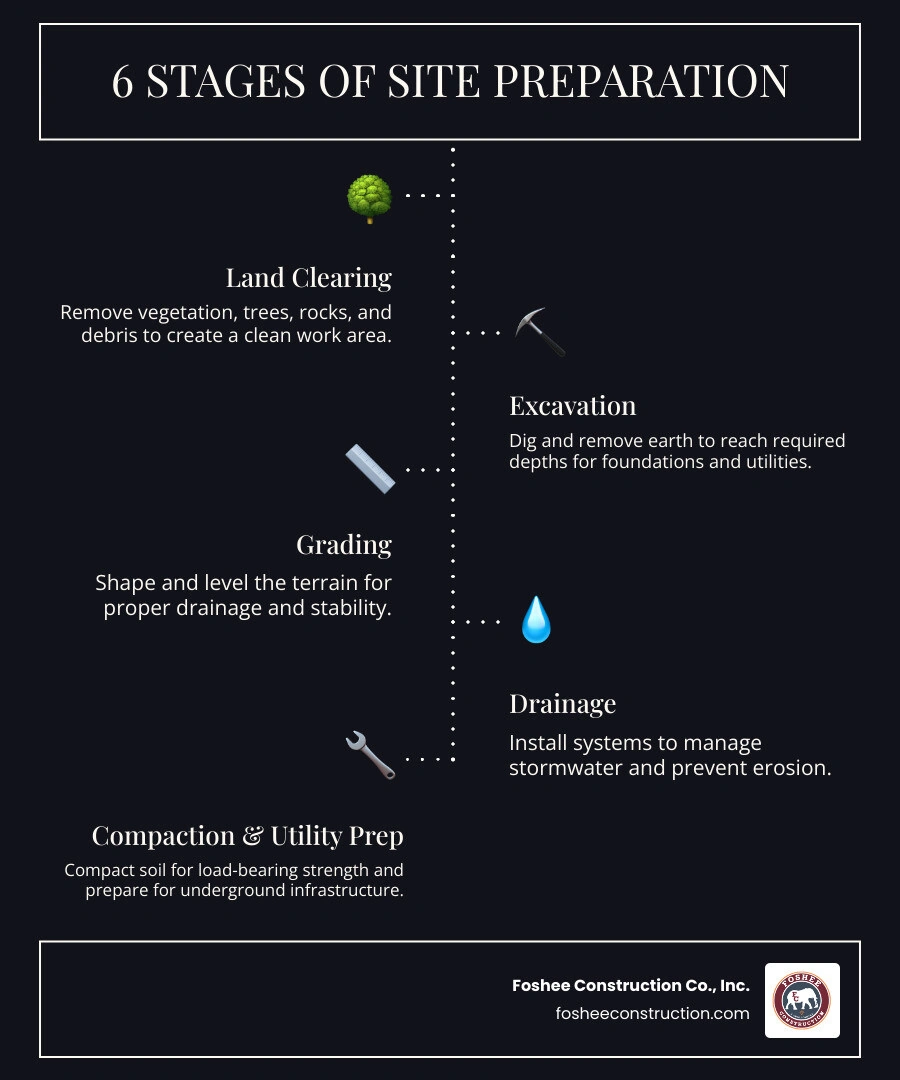
Site preparation contractors terms at a glance:
When we talk about site preparation contractors, we aren't just talking about people who move dirt. We are talking about the architects of the ground itself. Site preparation is the critical bridge between a piece of raw, wild land and a stable construction site. Without it, you aren't building a home or an office; you're building a future liability.
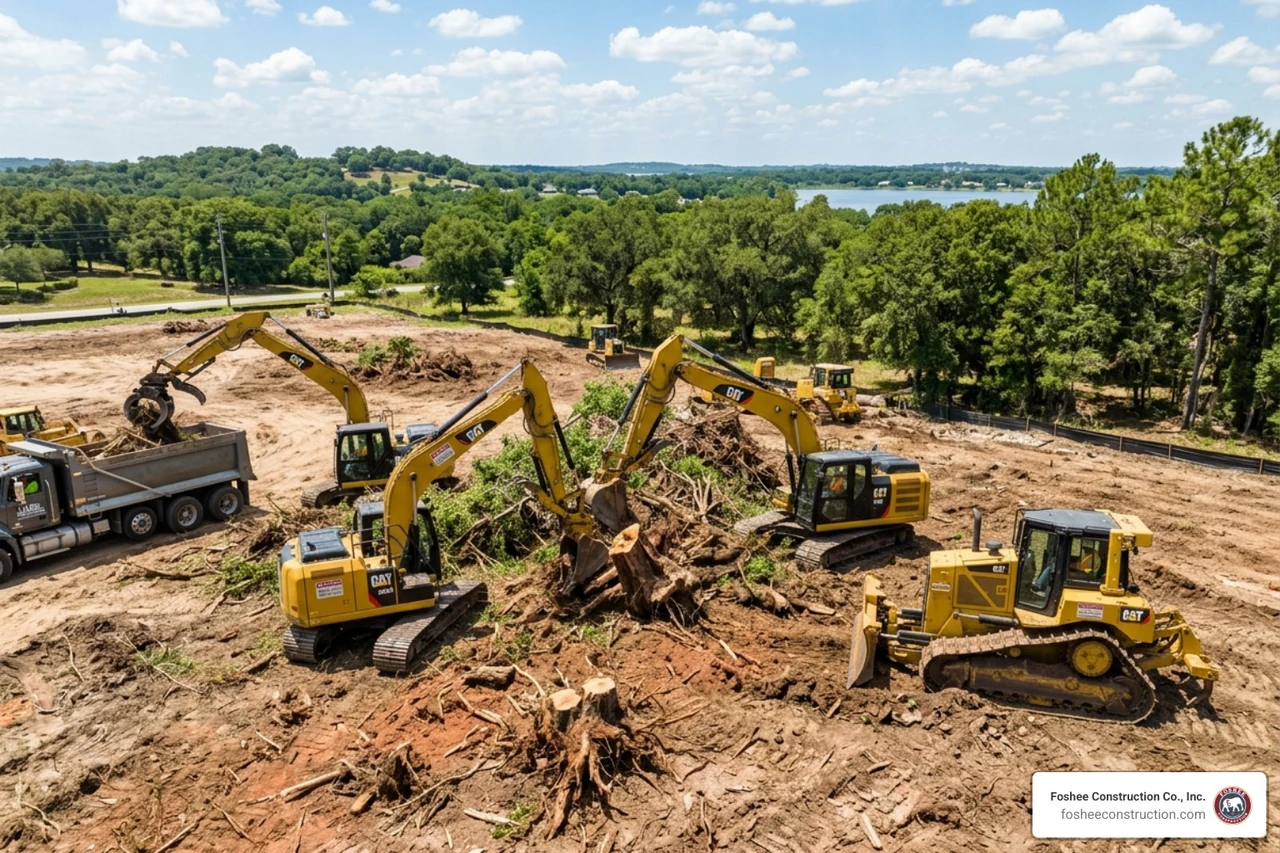
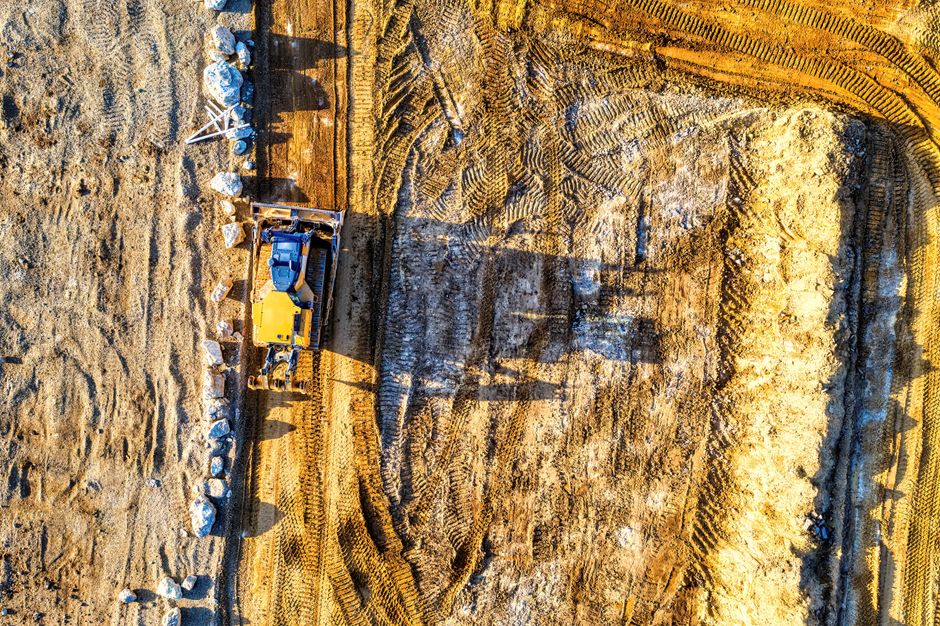
The process involves a complete transformation of the landscape. We begin by removing the "overburden"—the trees, brush, and debris that stand in the way. But the real magic happens beneath the surface. Professional excavation standards require us to evaluate soil stabilization and load-bearing capacity. In Florida, where sandy soils and high water tables are the norm, ensuring the ground can actually support the weight of a concrete slab or a multi-story building is our primary mission.
By hiring professionals, you mitigate the risk of uneven settling, which can lead to cracked foundations and non-functional doors or windows down the road. We ensure long-term durability by creating a building-ready site that meets every engineering specification.
In government classification and industry standards, site preparation contractors fall under NAICS code 238910. This specific industry classification is important because it defines exactly what a specialized trade contractor in this field is authorized and expected to do.
According to the 2026 standards, this code encompasses:
For those of us working in Minneola and Lake County, adhering to these classifications ensures we remain in compliance with local Florida standards, providing a clear framework for what services are included in a professional bid.
Success in construction isn't measured by how fast you can frame a wall; it’s measured by how well that wall stays standing twenty years from now. The role of site preparation contractors is to provide that foundation stability.
A major part of this is subsurface investigation. Before we dig, we need to know what’s under the feet of our crews. Are there hidden limestone pockets? Is the water table higher than anticipated? By identifying these challenges during the Site Preparation Services phase, we prevent structural failure and costly delays.
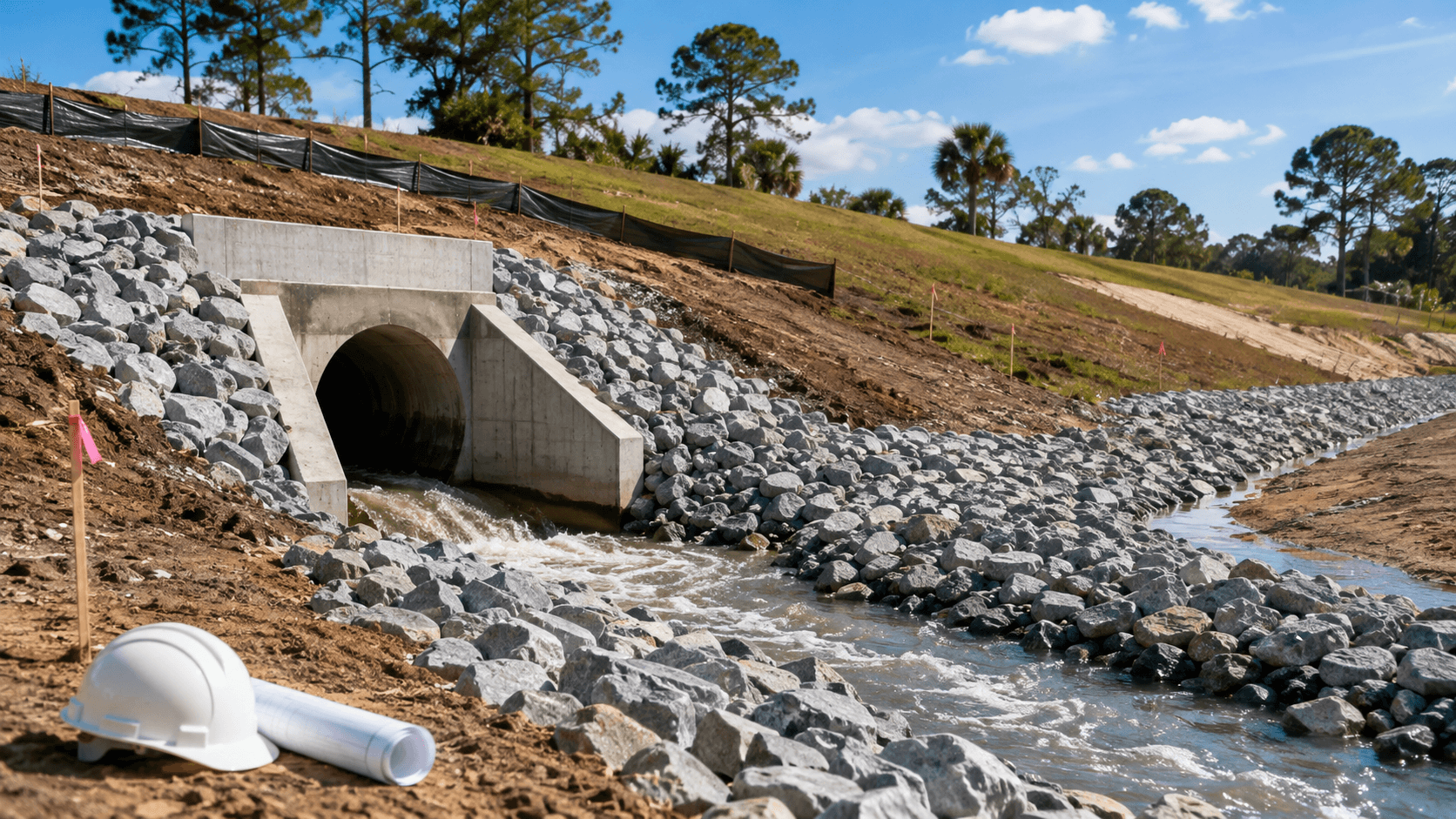
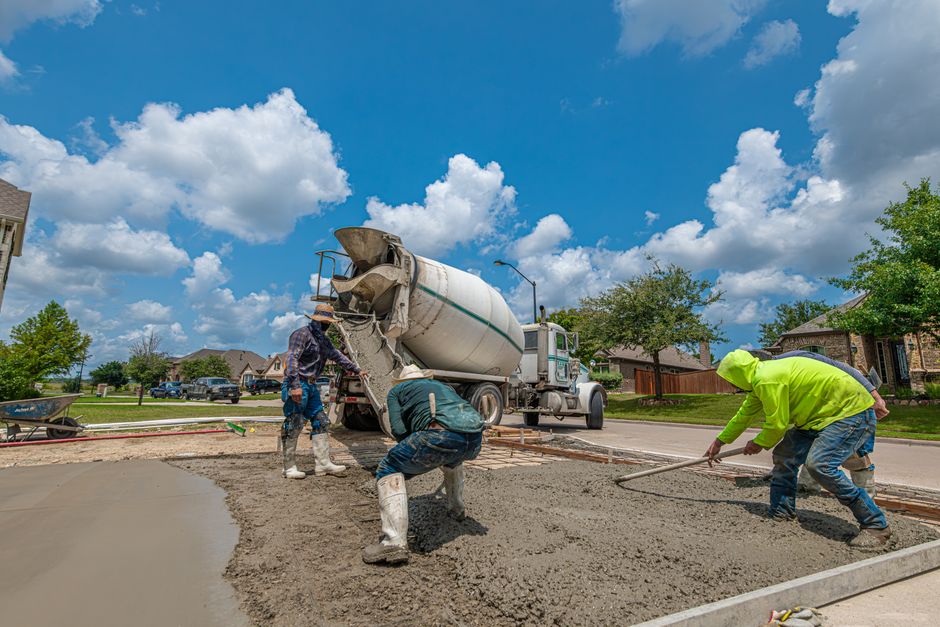
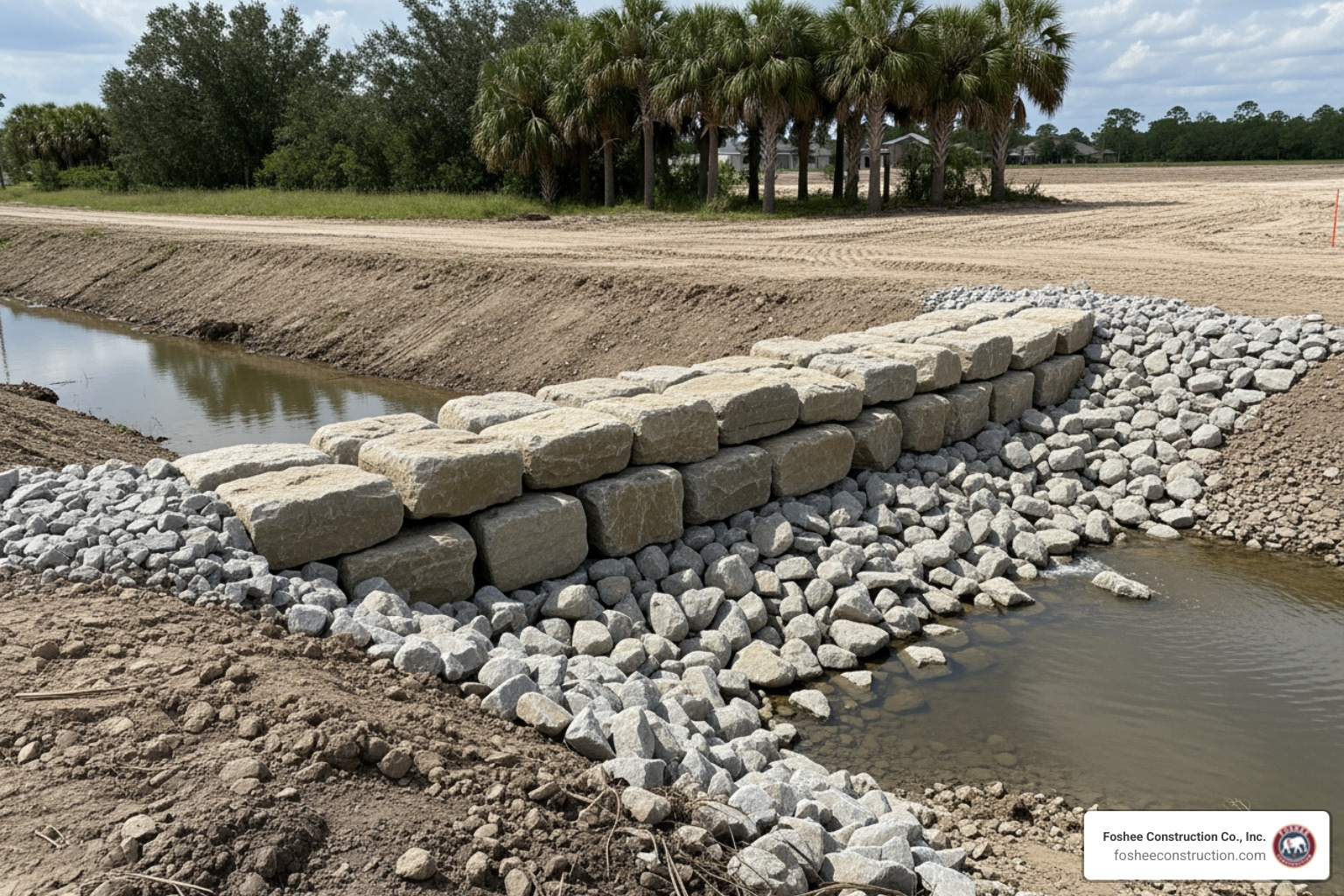
Furthermore, we provide the drainage solutions necessary to keep your project from turning into a swamp during a typical Florida afternoon downpour. Proper site prep supports the efficiency of every crew that follows, from the concrete pourers to the landscapers.
Every project has unique needs. A residential backyard shed requires a different approach than a massive industrial warehouse. Below is a breakdown of how these requirements shift based on the project scale:
| Feature | Residential | Commercial | Industrial |
|---|---|---|---|
| Primary Focus | Leveling & Drainage | Load-bearing Pads | Heavy Compaction |
| Common Equipment | Skid Steers, Mini-Excavators | Large Excavators, Dozers | Scrapers, Rollers, GPS Dozers |
| Key Challenge | Tight Spaces/Property Care | Utility Coordination | Large-scale Earth Moving |
| Drainage Needs | Yard Runoff | Retention Ponds | Complex Stormwater Systems |
The process usually begins with Land Clearing And Site Preparation. This involves removing everything from stubborn palmettos to old concrete foundations. Once the land is clear, we move into demolition if necessary, followed by trenching for utilities.
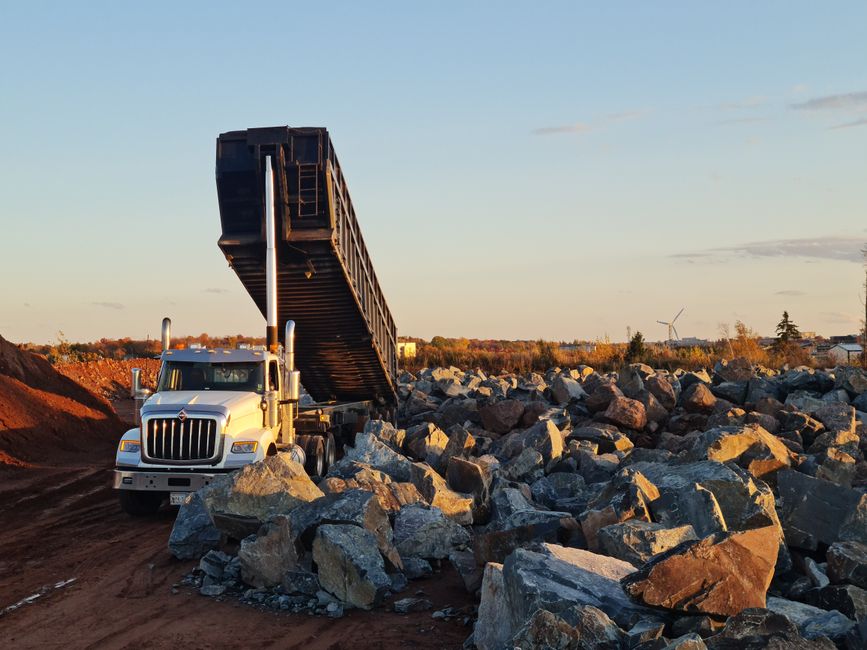
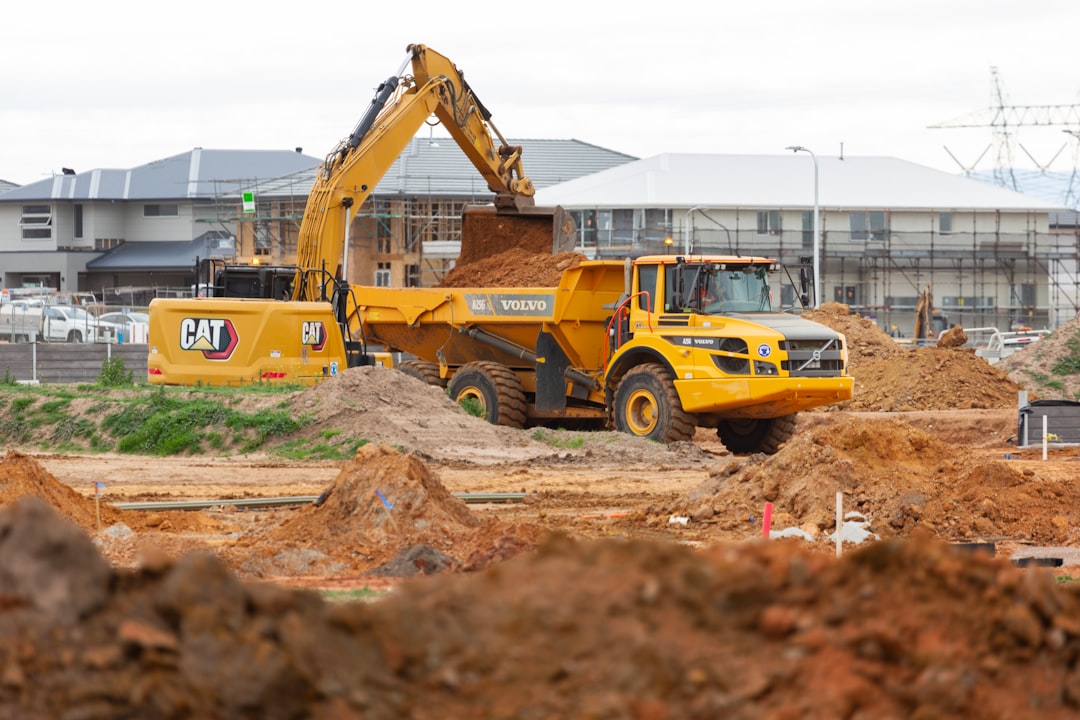
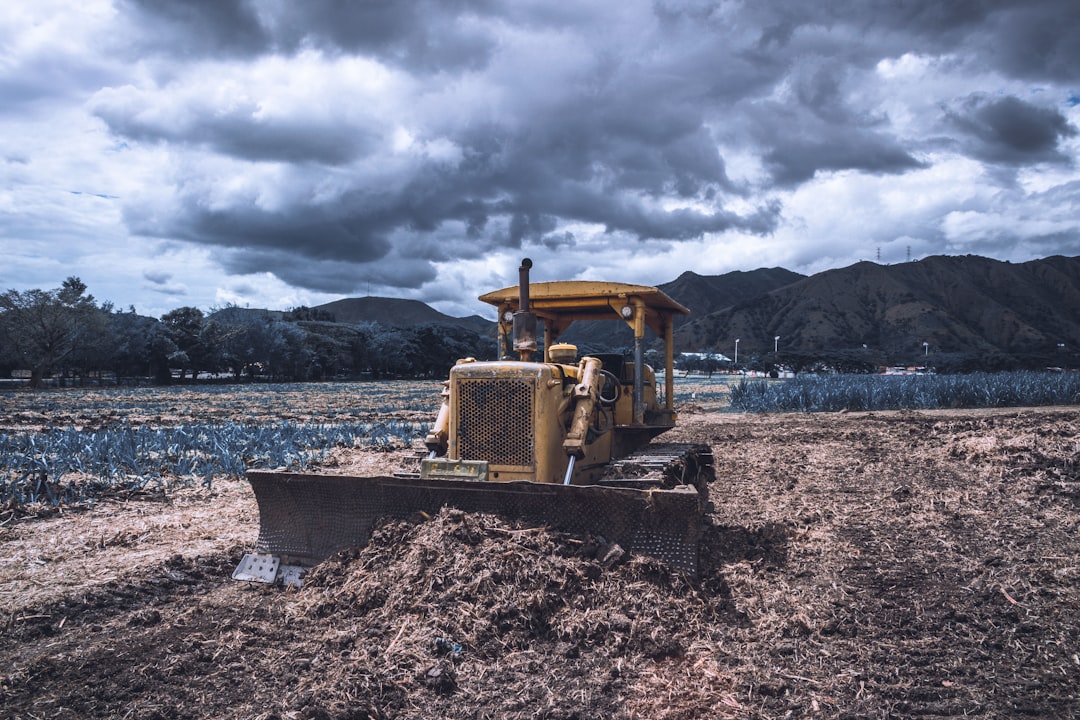
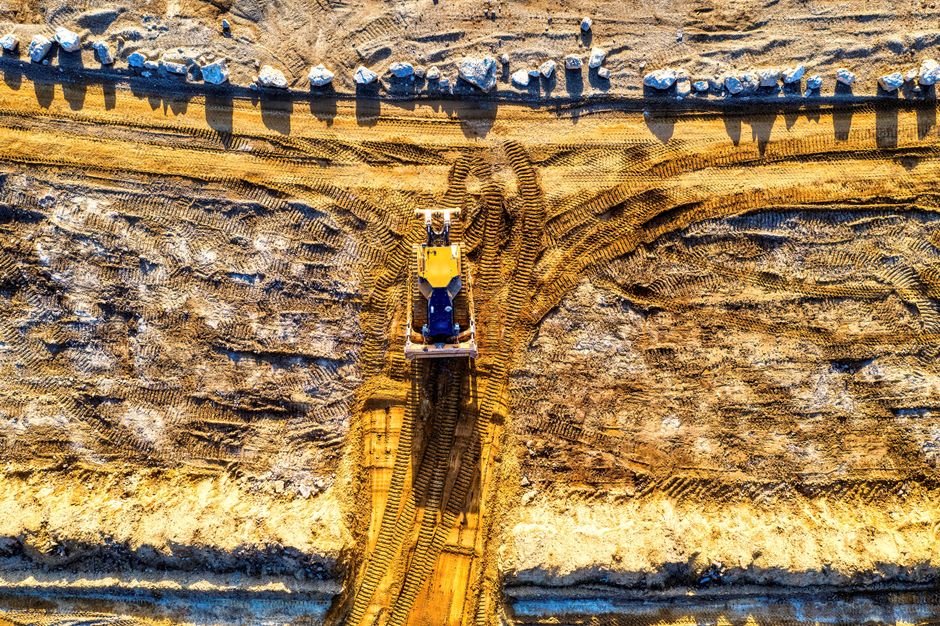
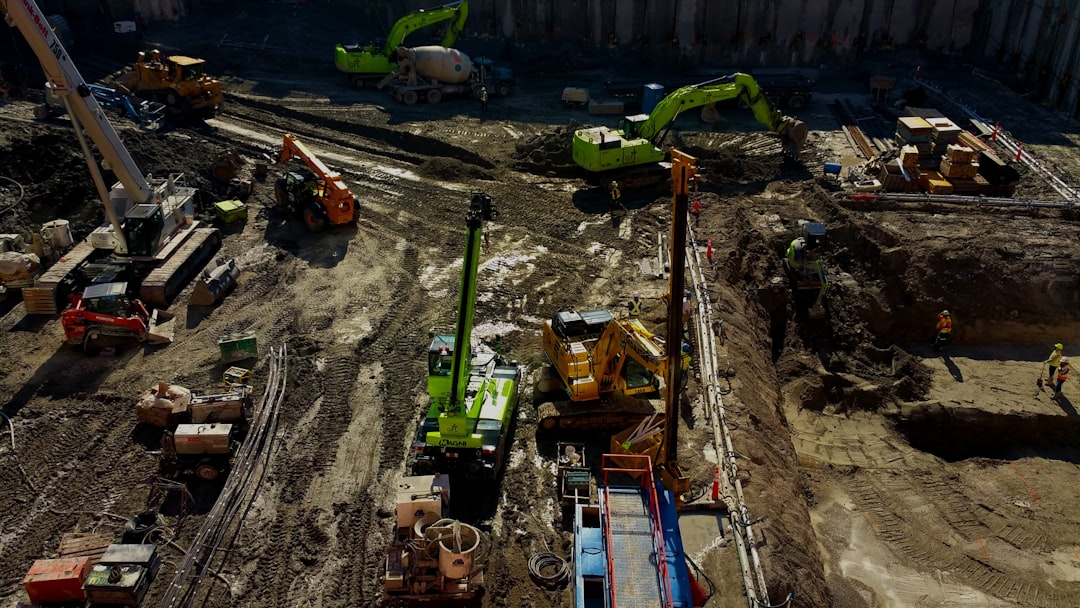
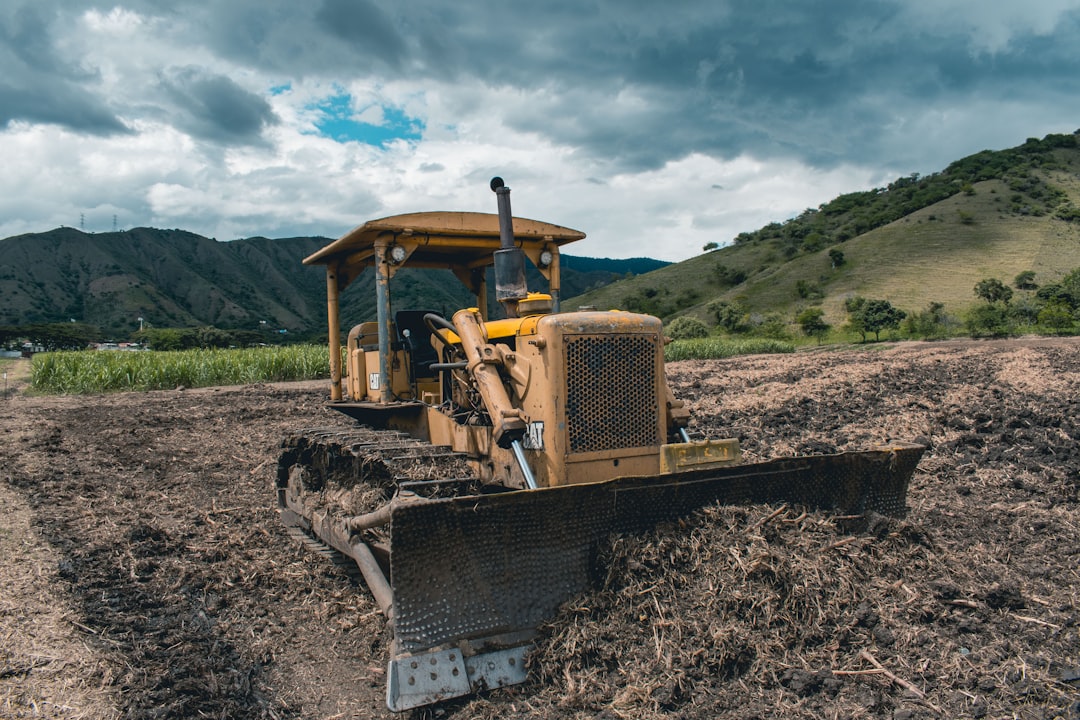
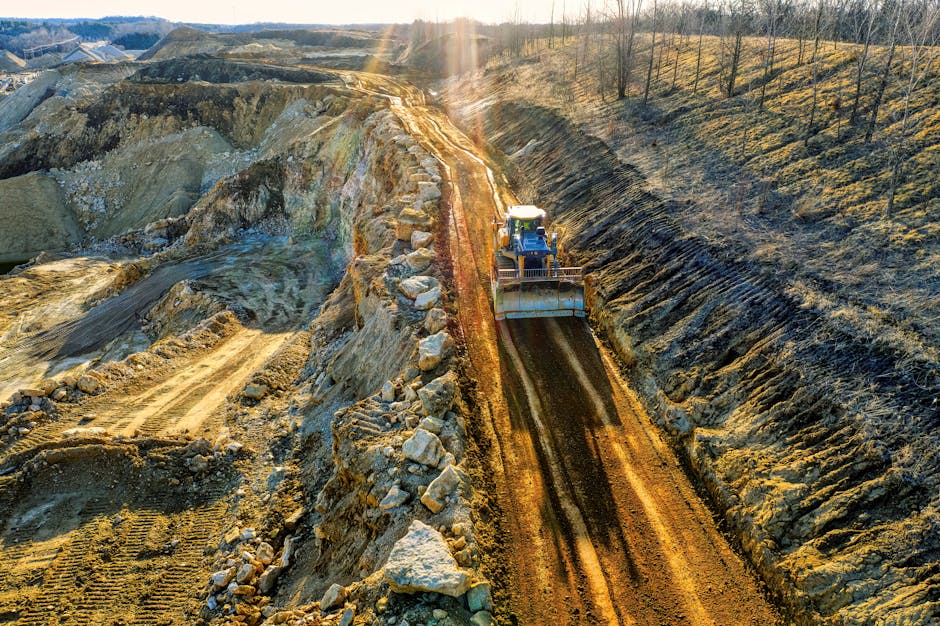
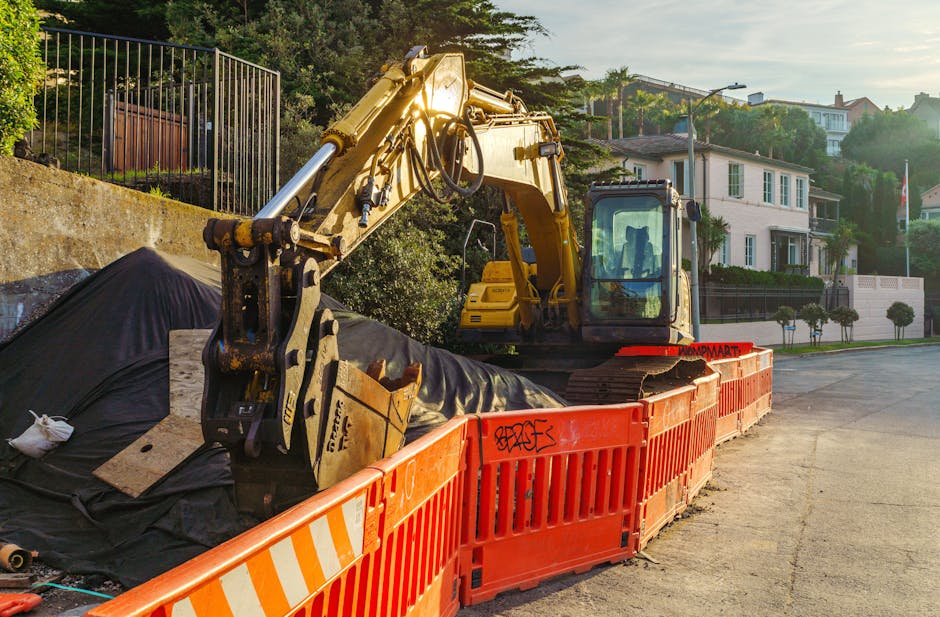
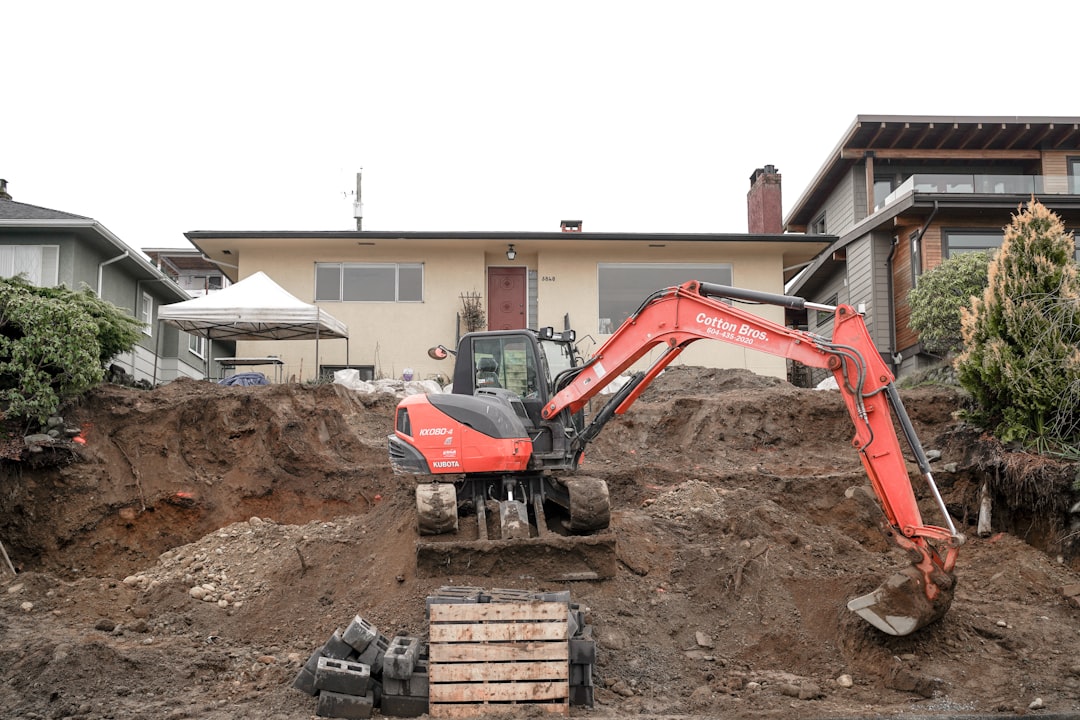
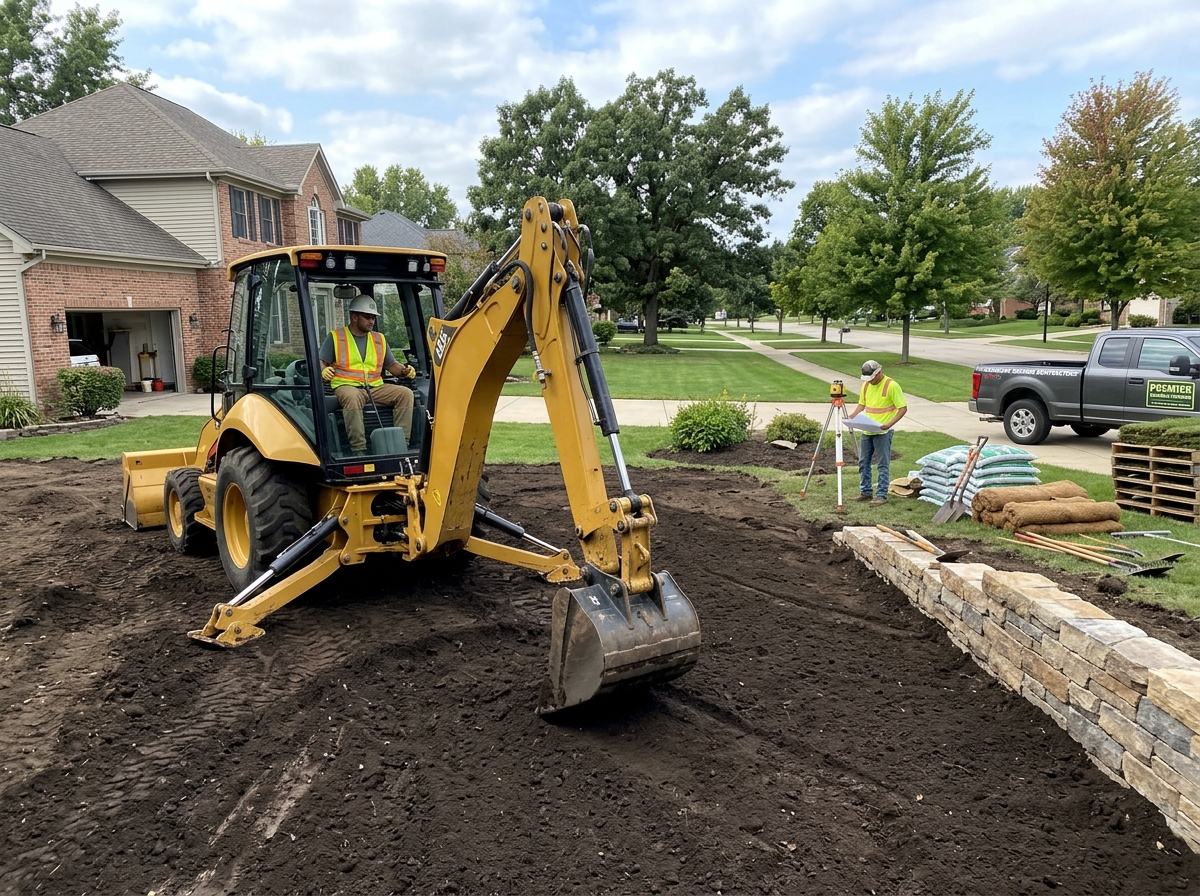
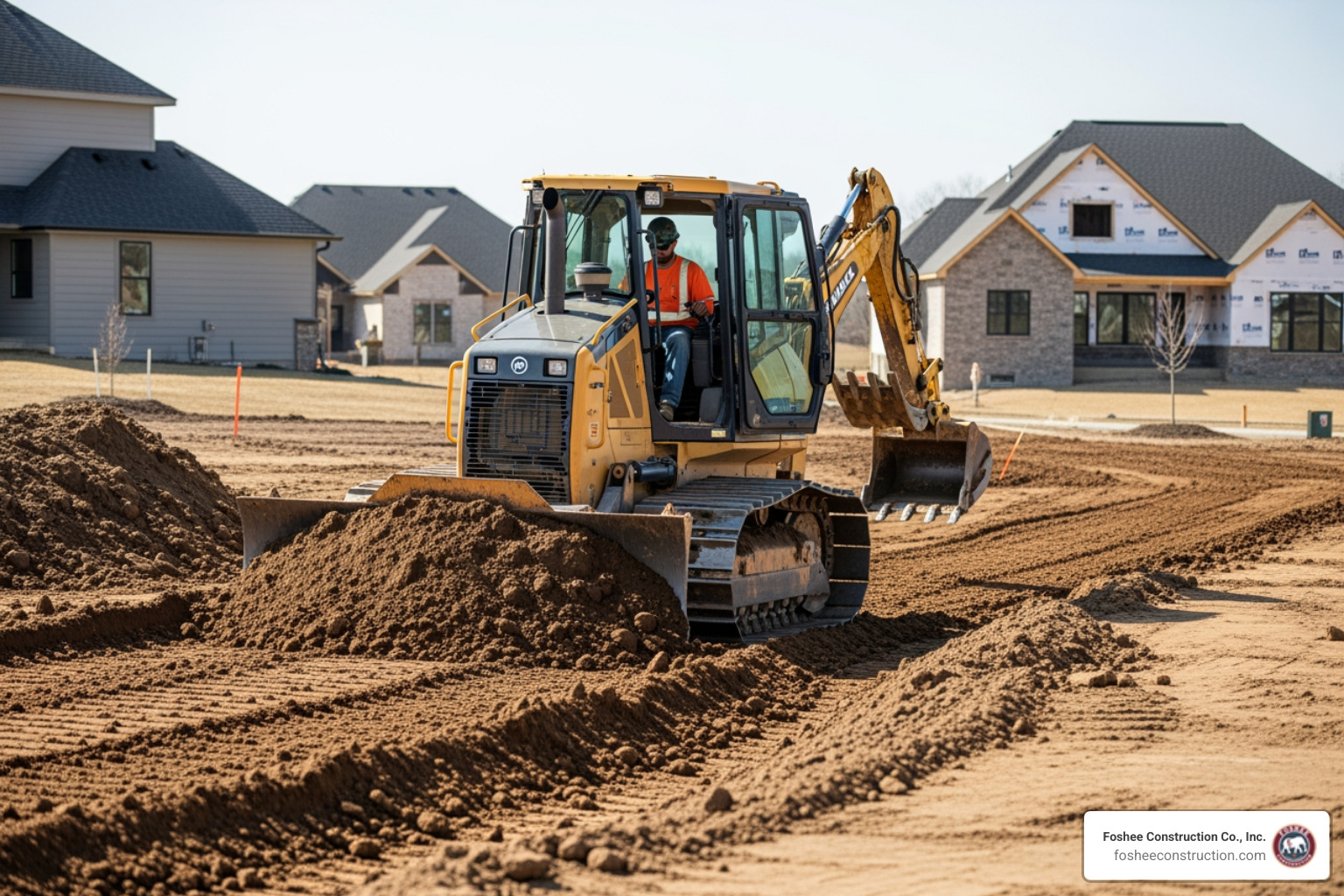
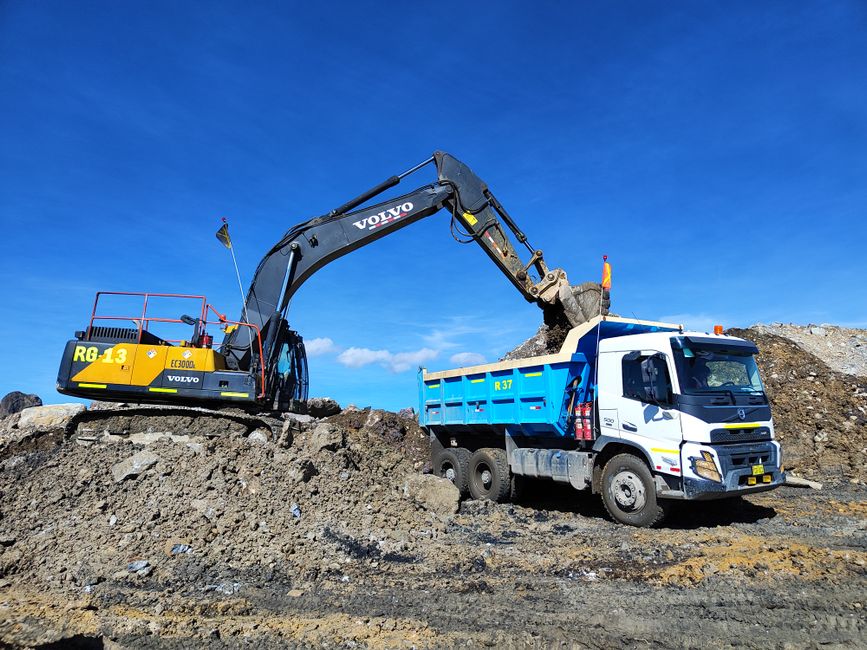
To do this effectively, we maintain a professional fleet. You’ll see us using backhoes for precision digging, bulldozers for mass earthmoving, and skid steers for maneuvering in tight residential spots. Dump trucks are the unsung heroes of the fleet, constantly hauling out debris and bringing in clean fill dirt to ensure the site meets the engineer’s "finish grade."
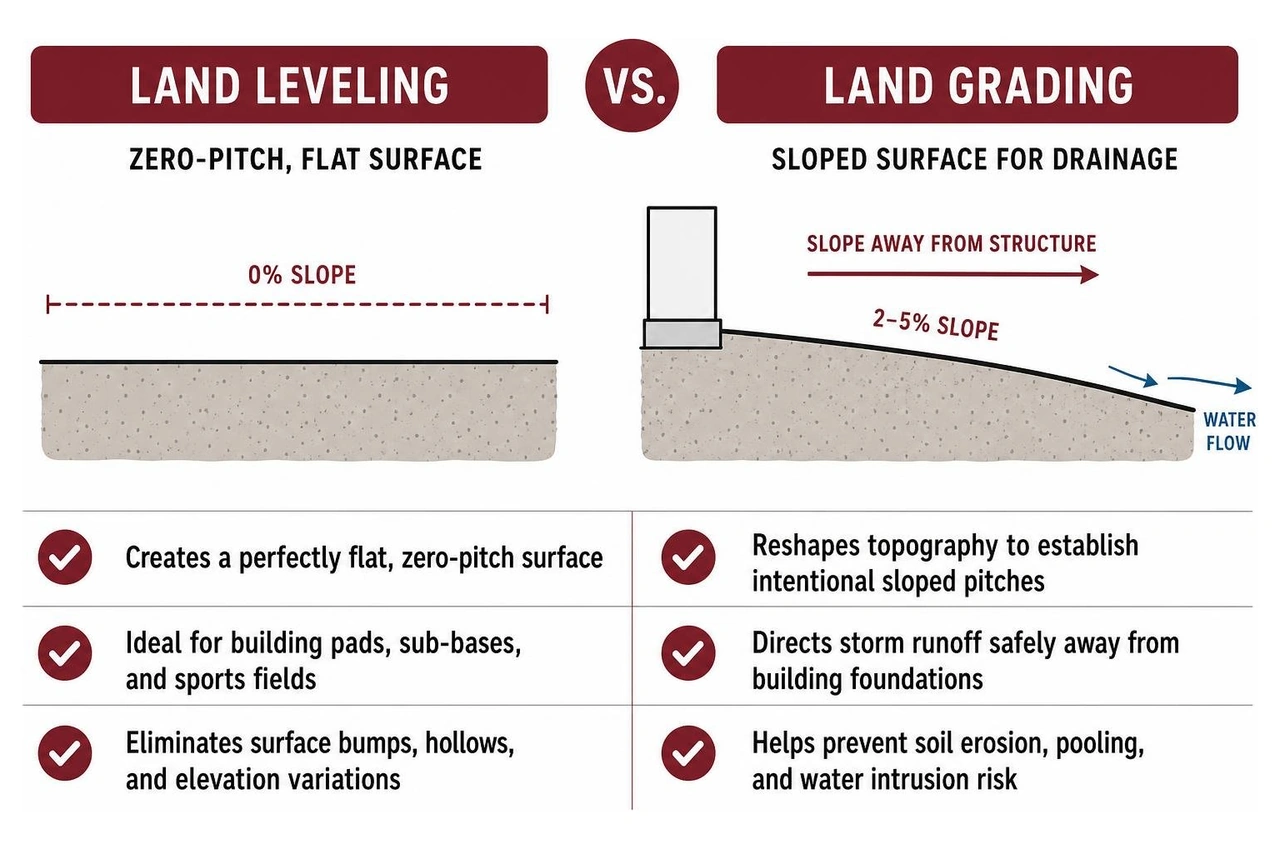
Grading is an art form. As Landscape Grading Contractors, we divide our work into two main phases: mass grading and fine grading.
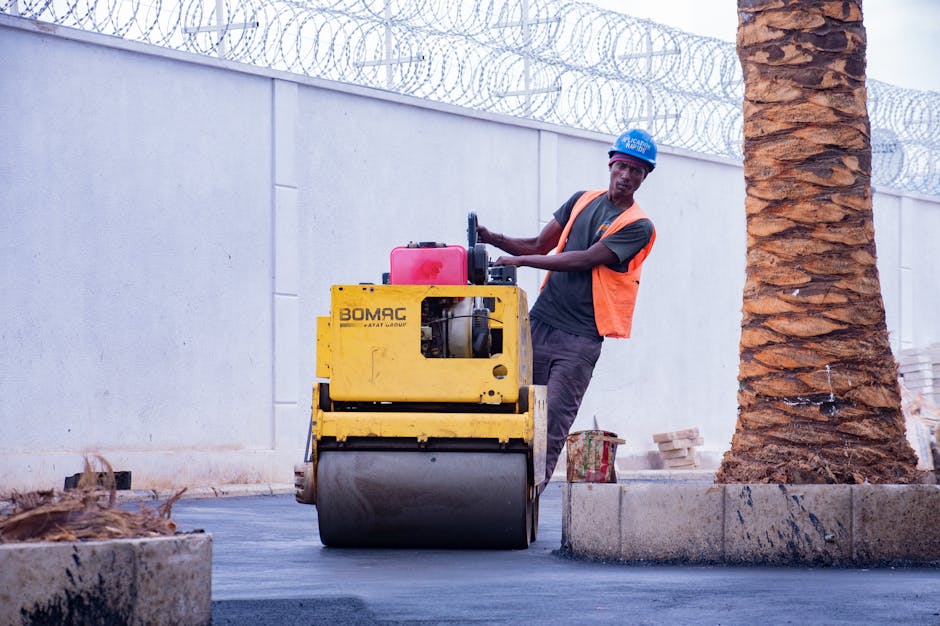
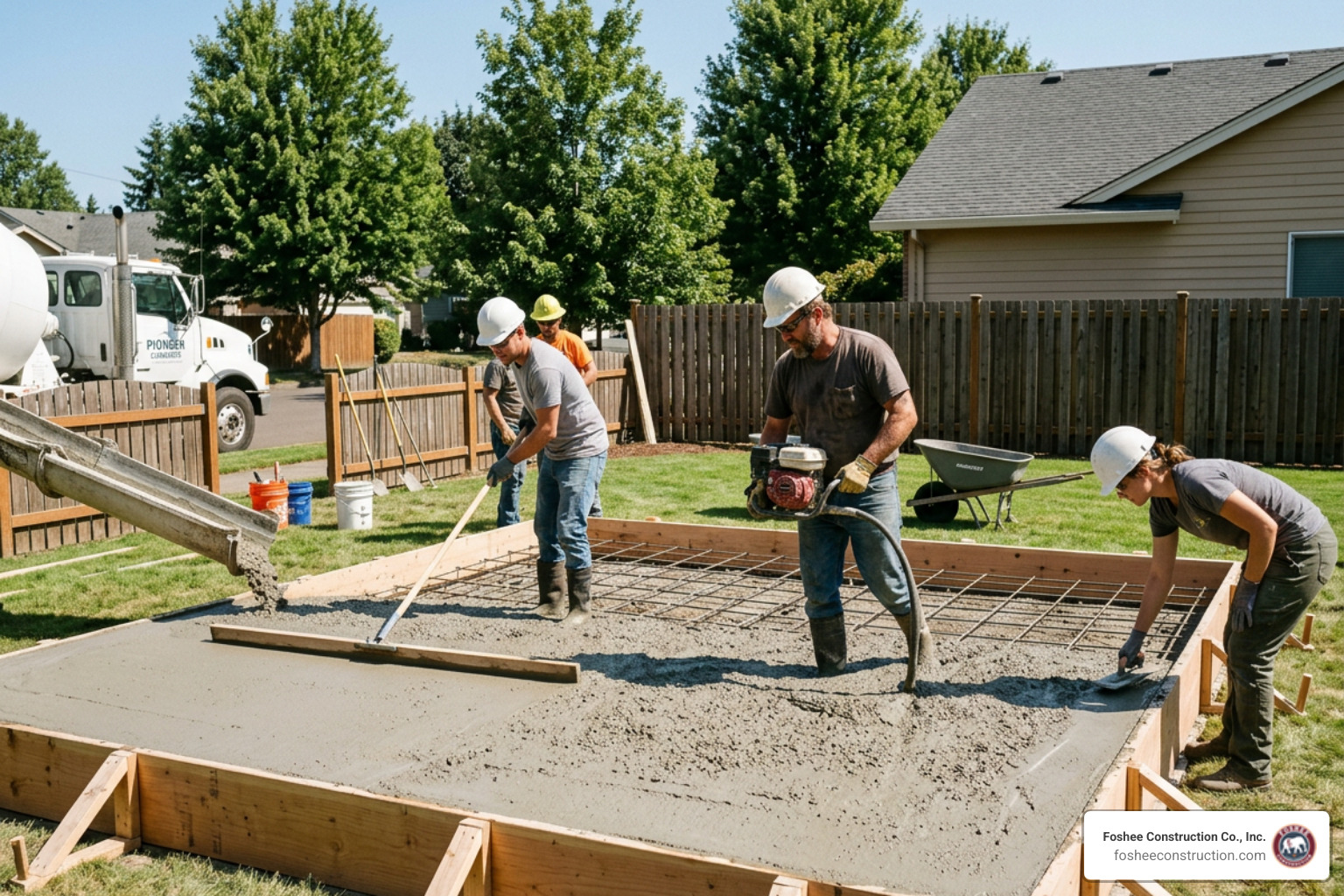
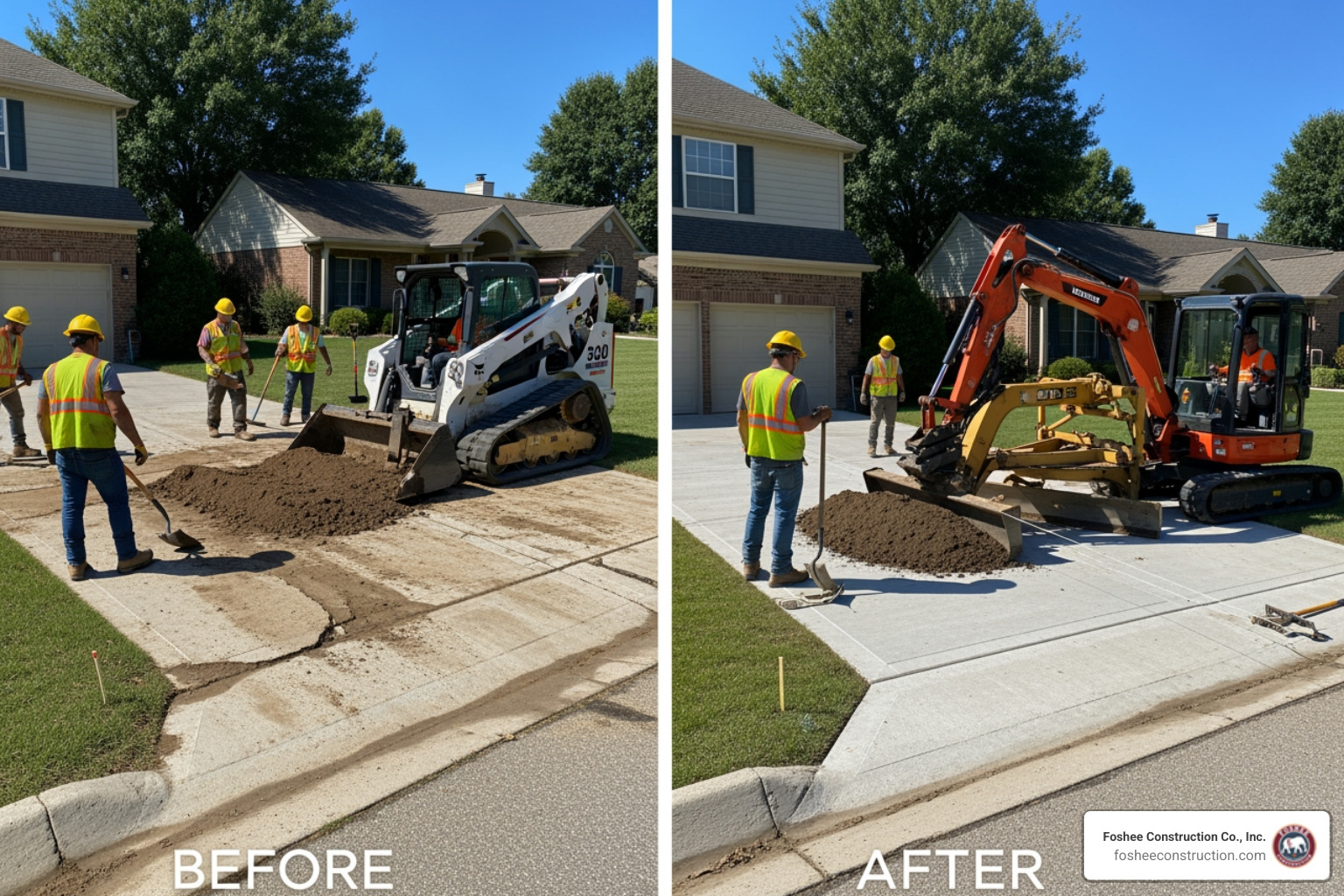
This precision is vital for Driveway Grading Services, where even a slight tilt in the wrong direction can cause water to pool against your garage. Soil compaction is the final, invisible step of grading. We use vibratory rollers to pack the soil tight, ensuring it won't shift under the weight of future structures.
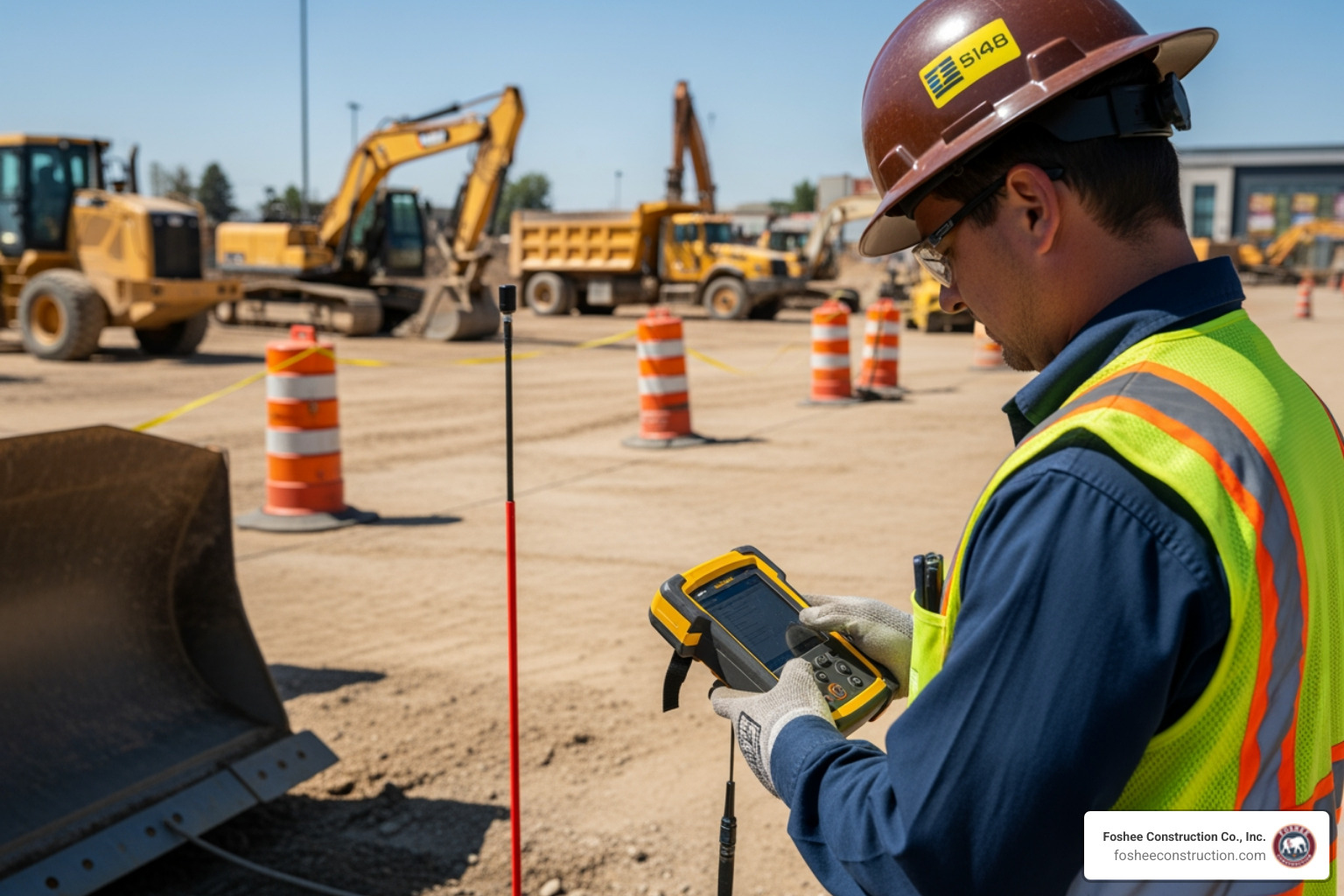
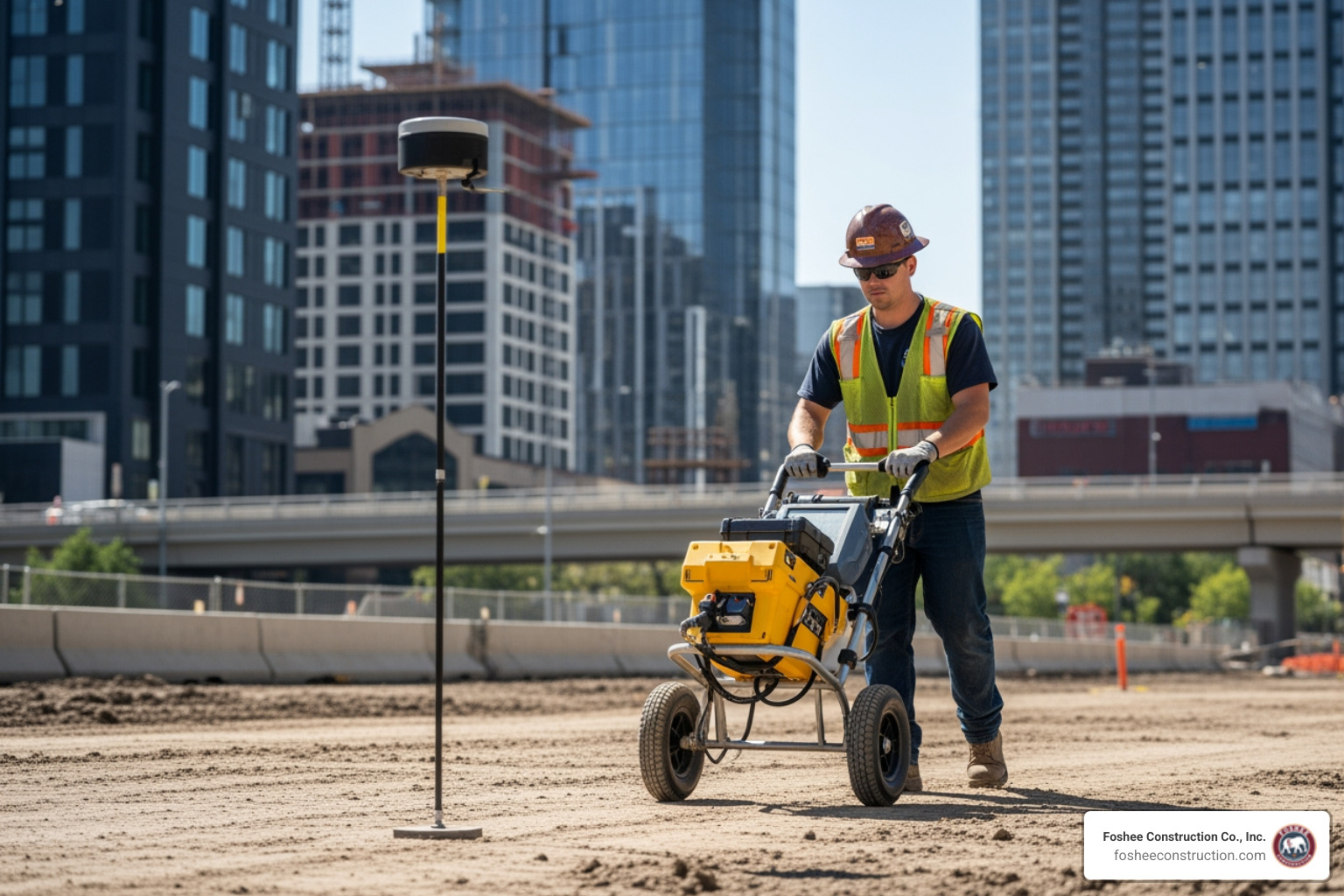
In 2026, we don't just rely on "gut feeling" and a good eye. We use GPS-controlled machinery that talks directly to 3D models of the site plan. This allows our operators to see exactly how deep to dig or how high to build a slope in real-time on a screen inside the cab.
According to our Landscape Grading Contractors Guide 2026, these technology gains result in:
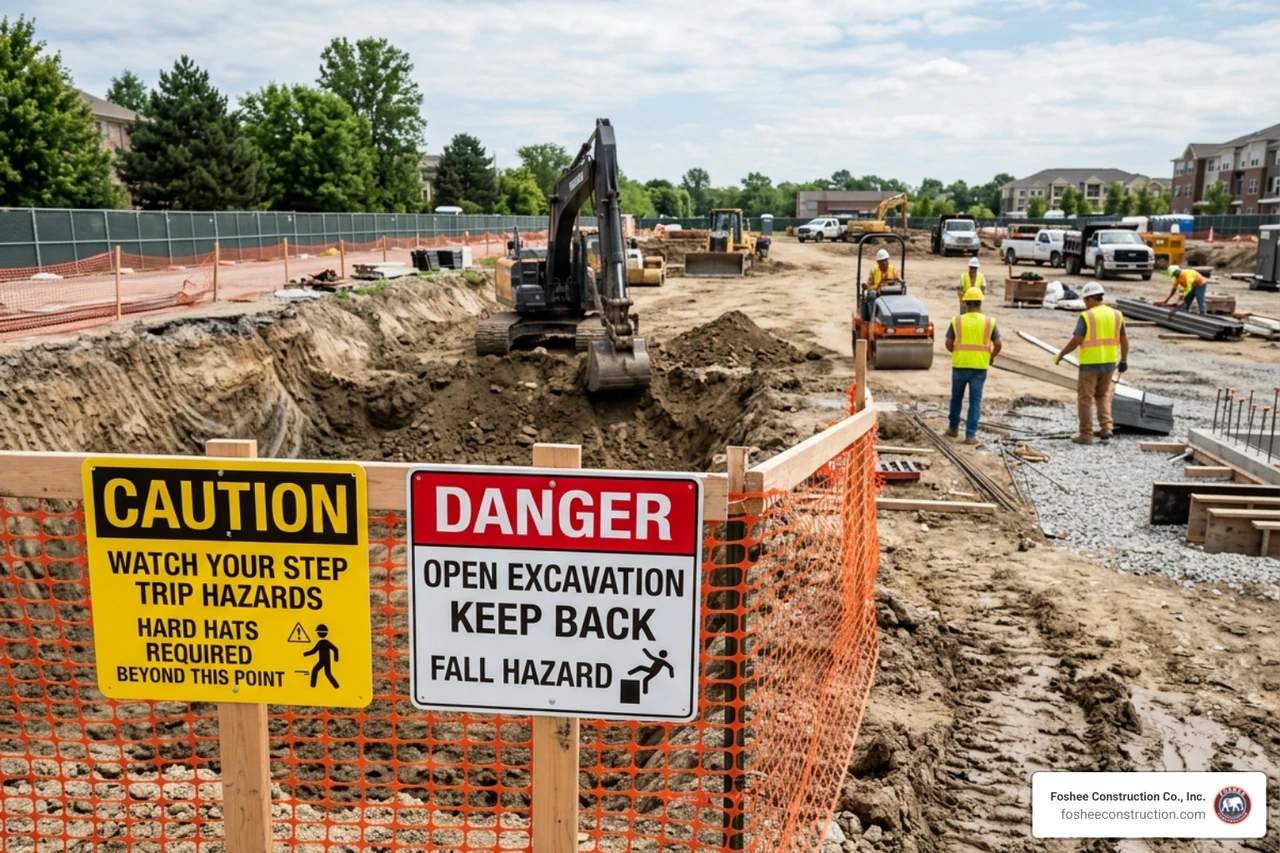
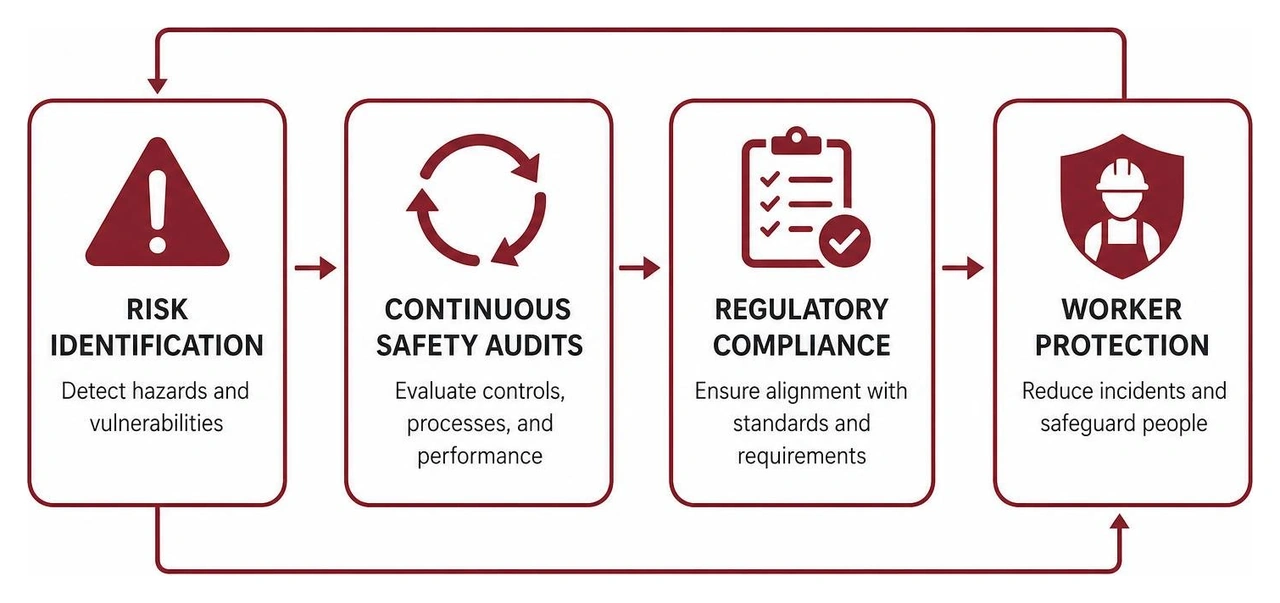
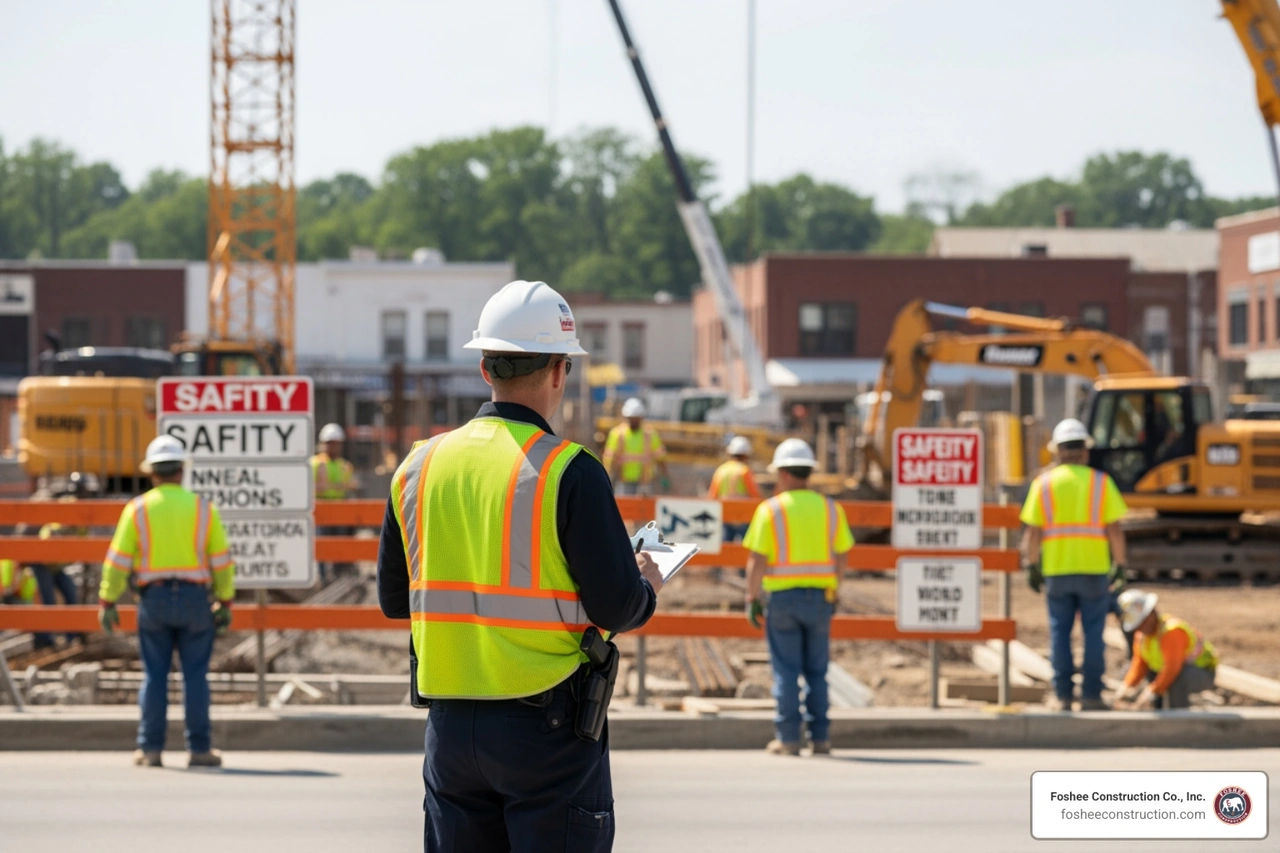
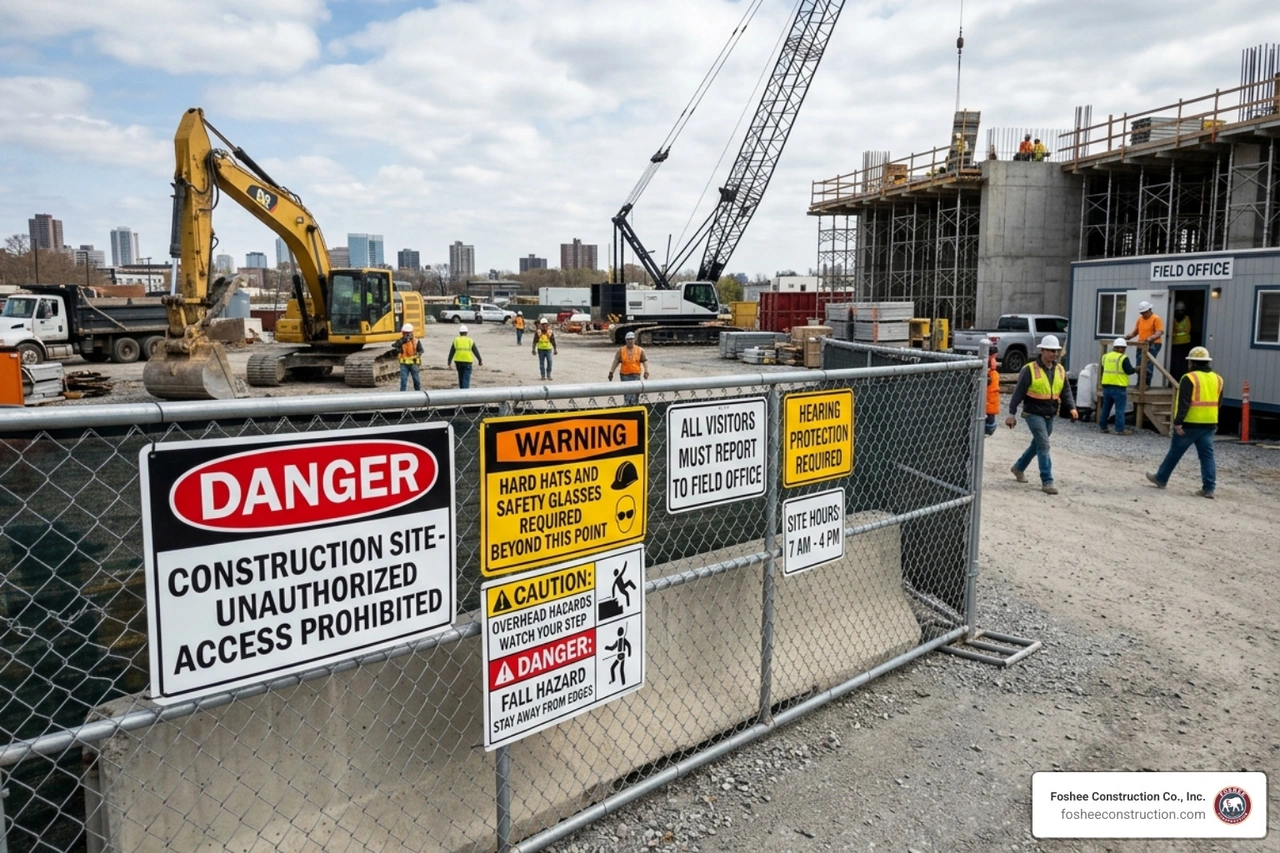
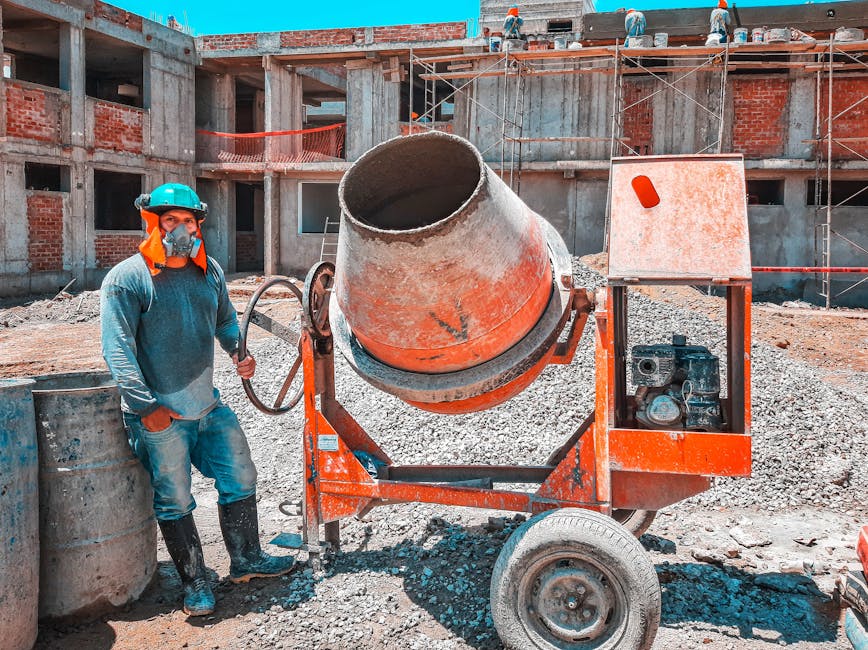
Safety is our "North Star." Operating heavy machinery on a busy job site is inherently dangerous, which is why we strictly adhere to OSHA standards. But safety also extends to the environment. In Florida, our "dirt" eventually ends up in our water, so regulatory adherence isn't just a legal hoop—it's a moral obligation.
We handle permitting and ensure that every project follows a strict stormwater management plan. This includes debris recycling, where we aim to repurpose cleared vegetation or crushed concrete whenever possible, contributing to a more sustainable construction cycle.
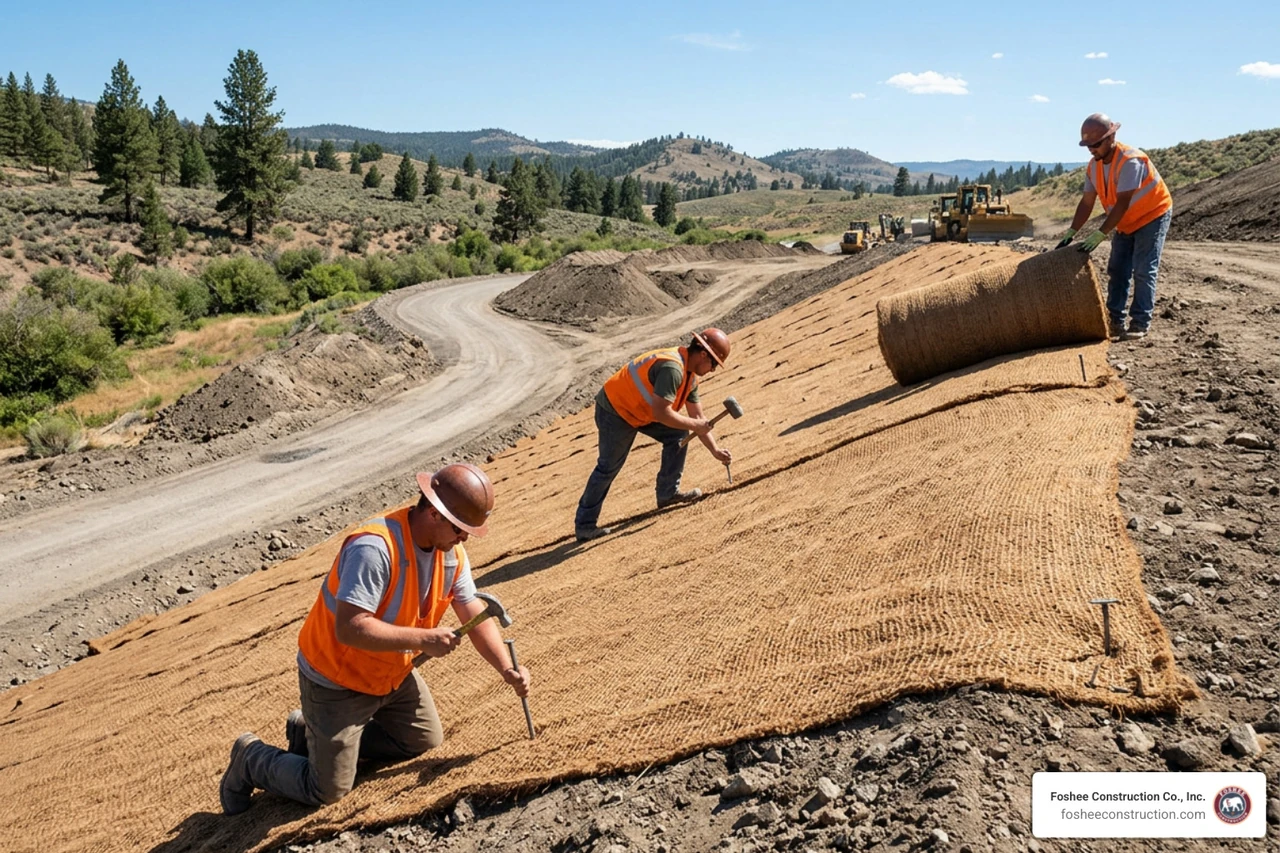
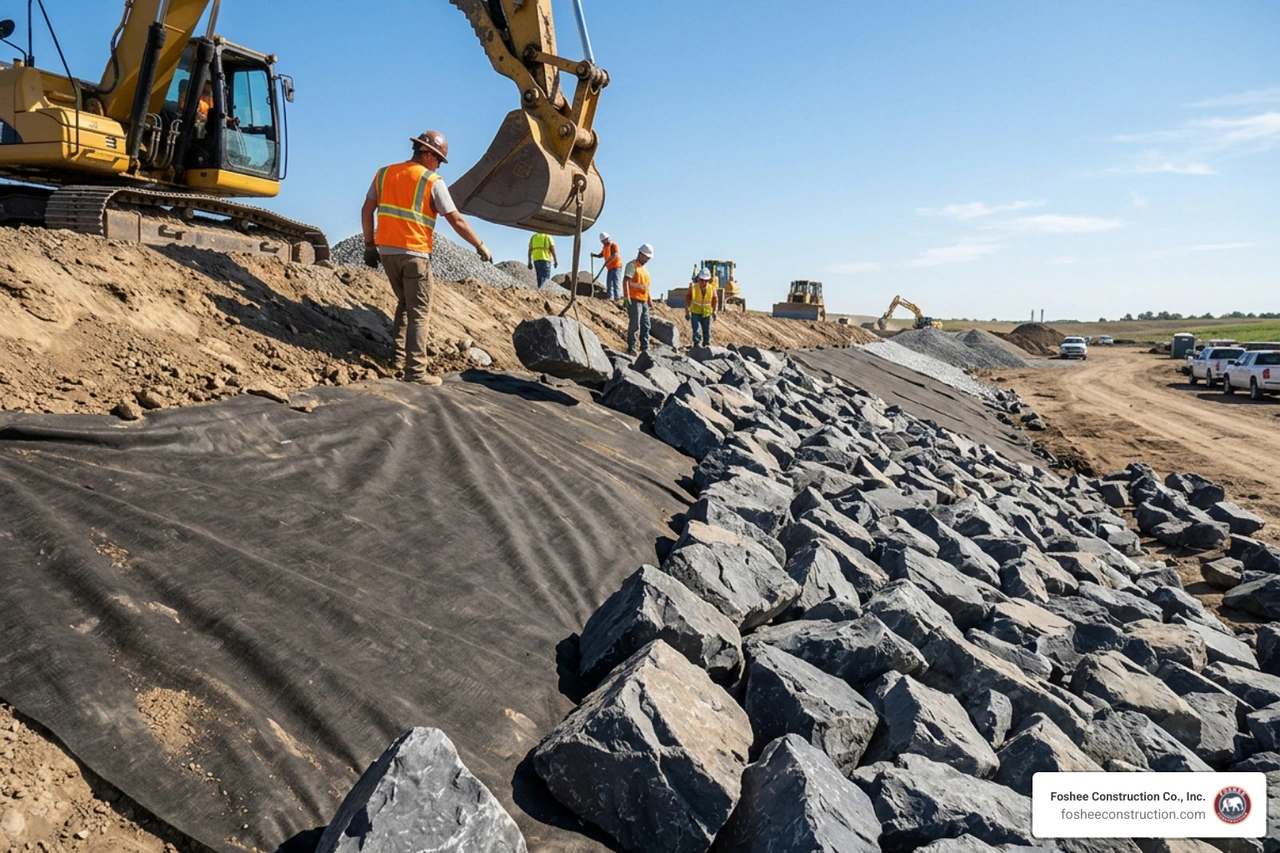
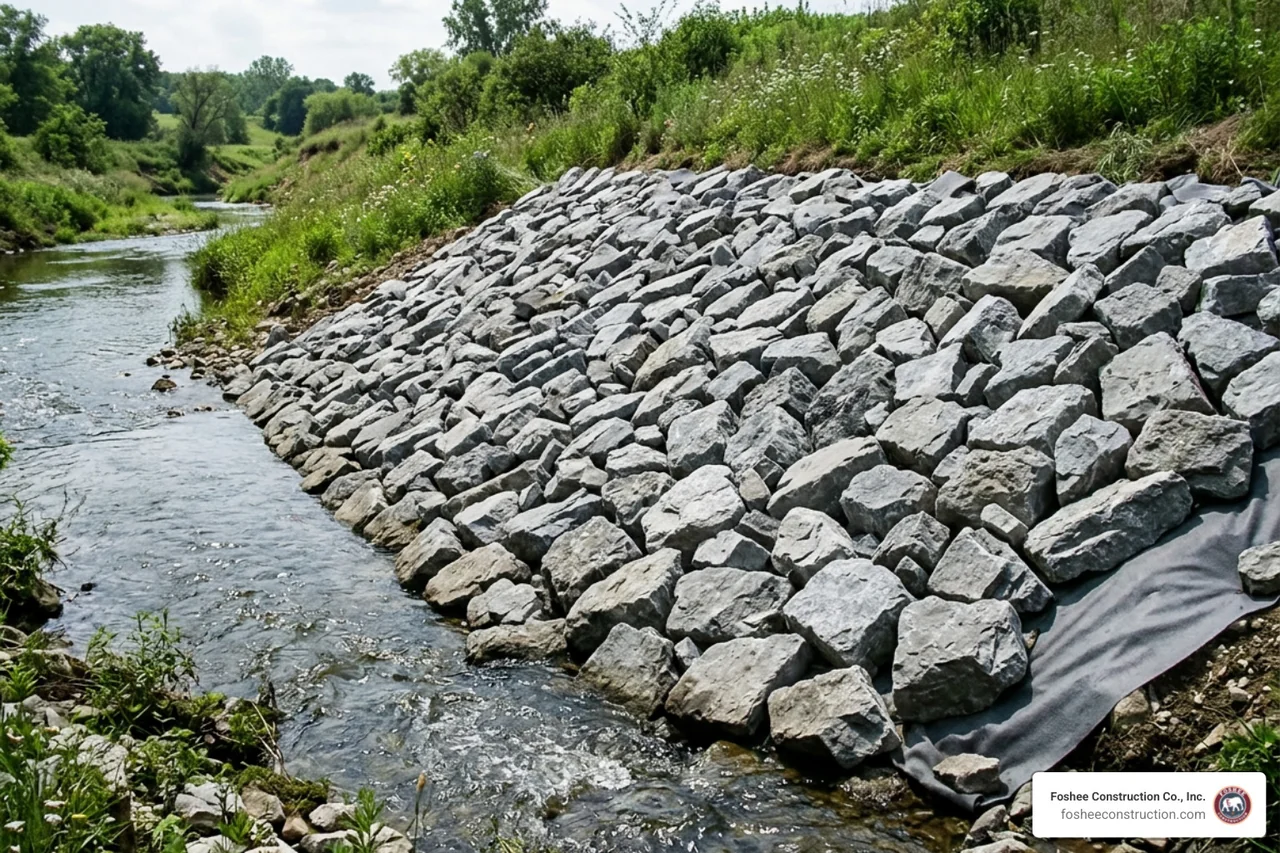
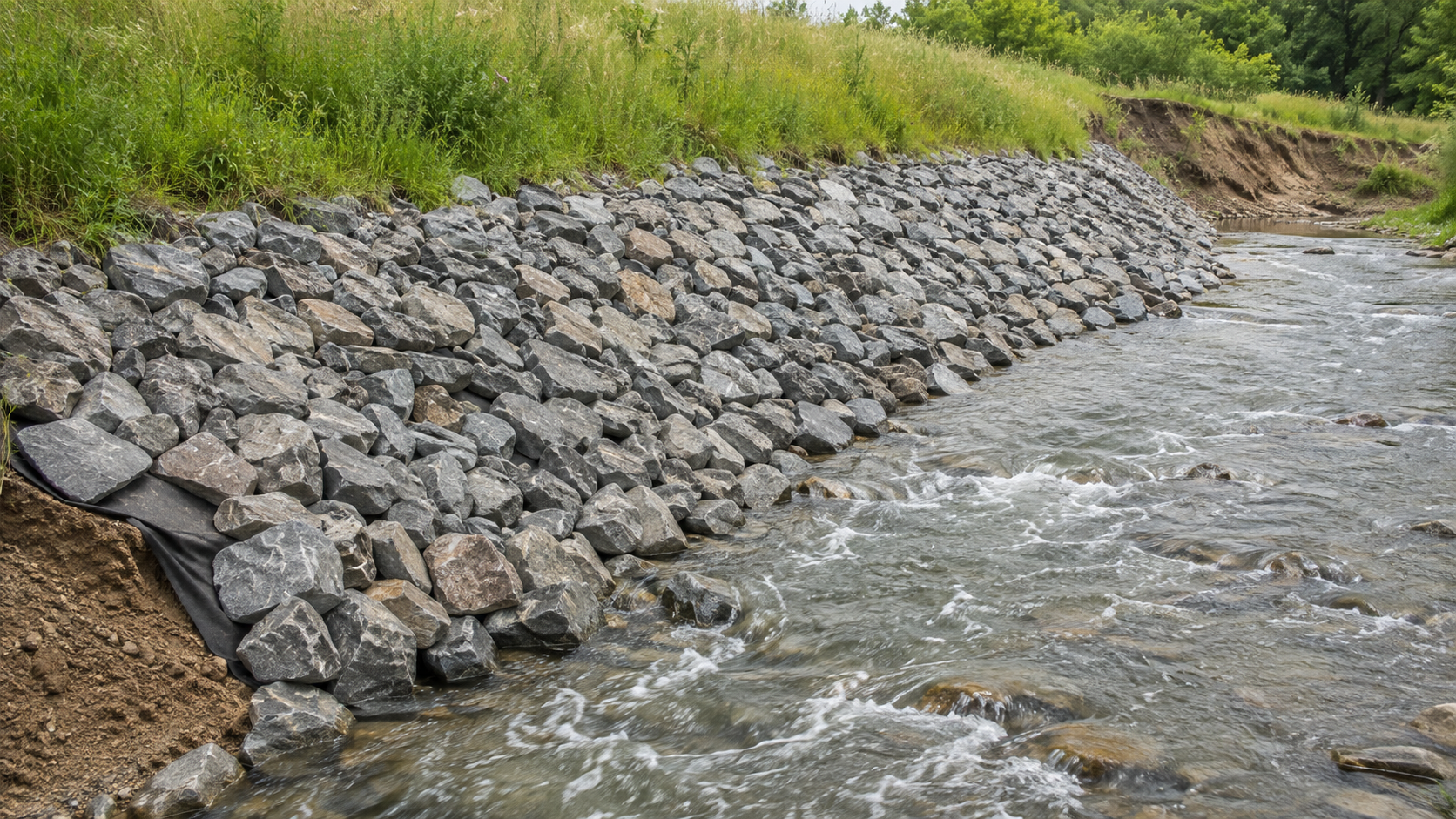
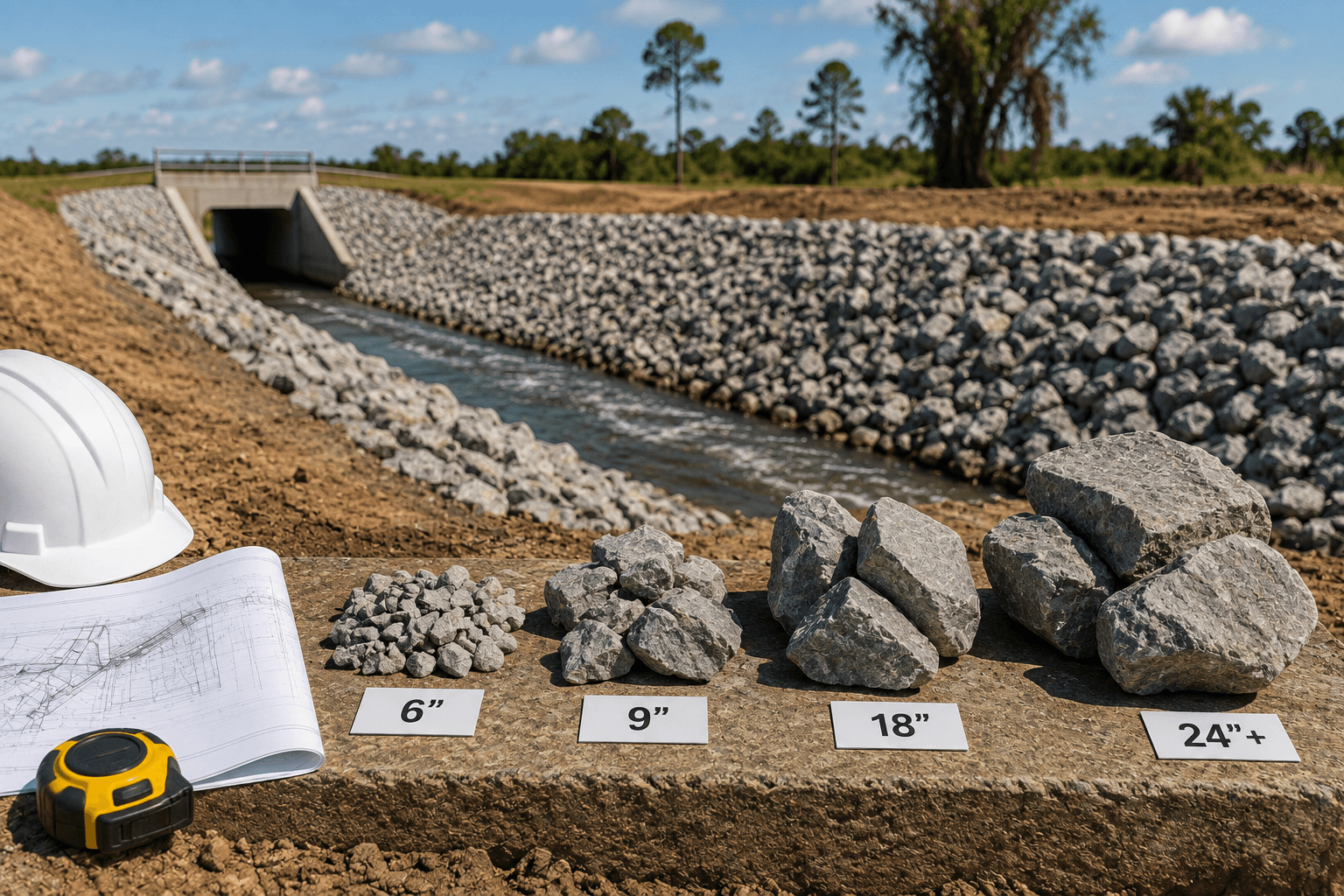
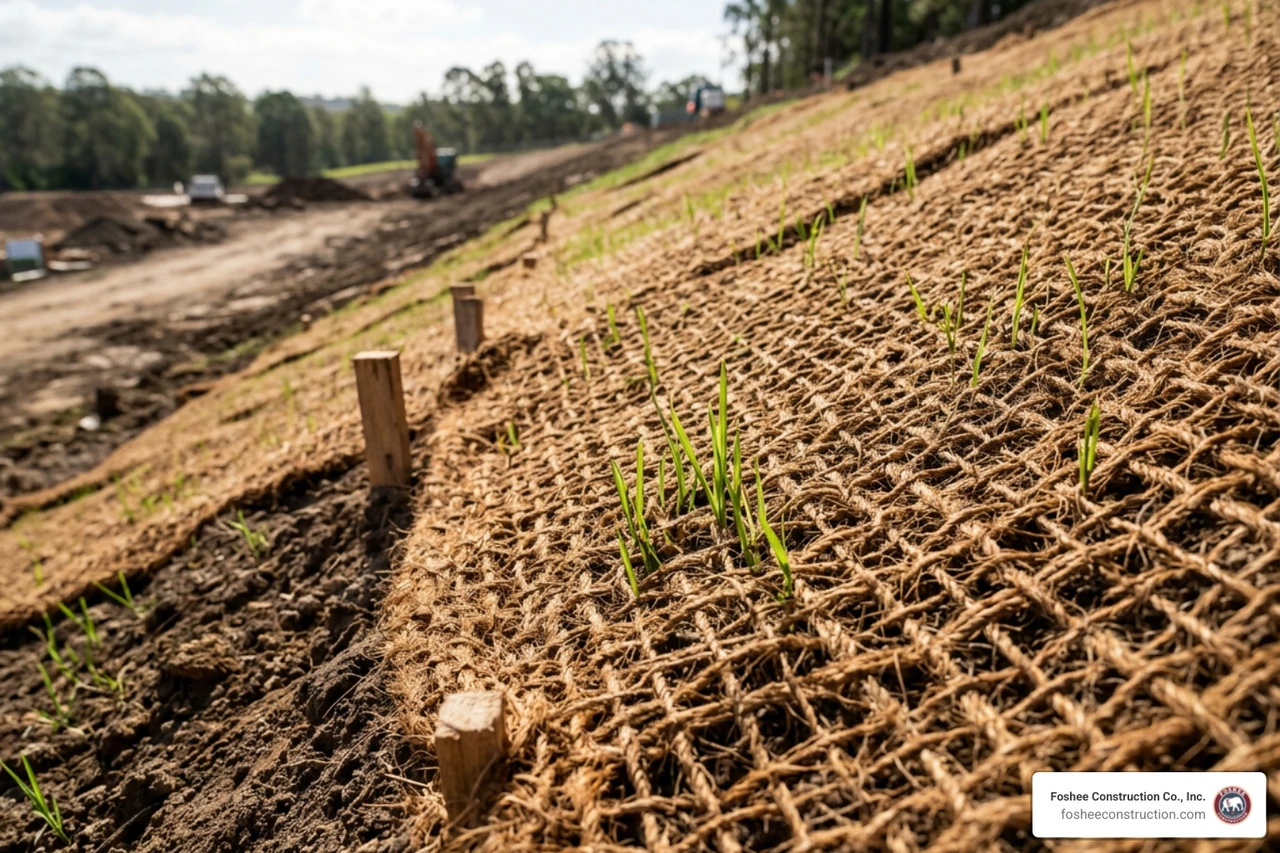
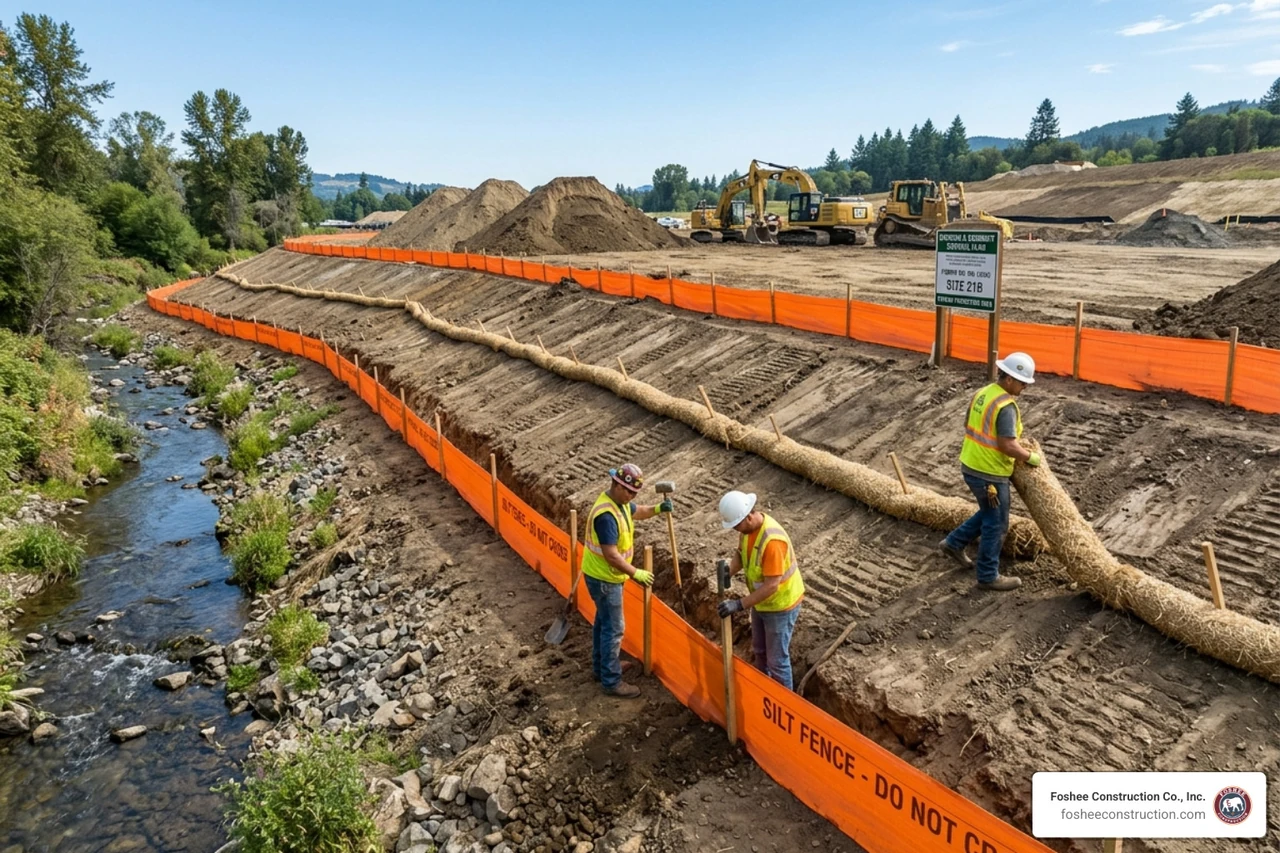
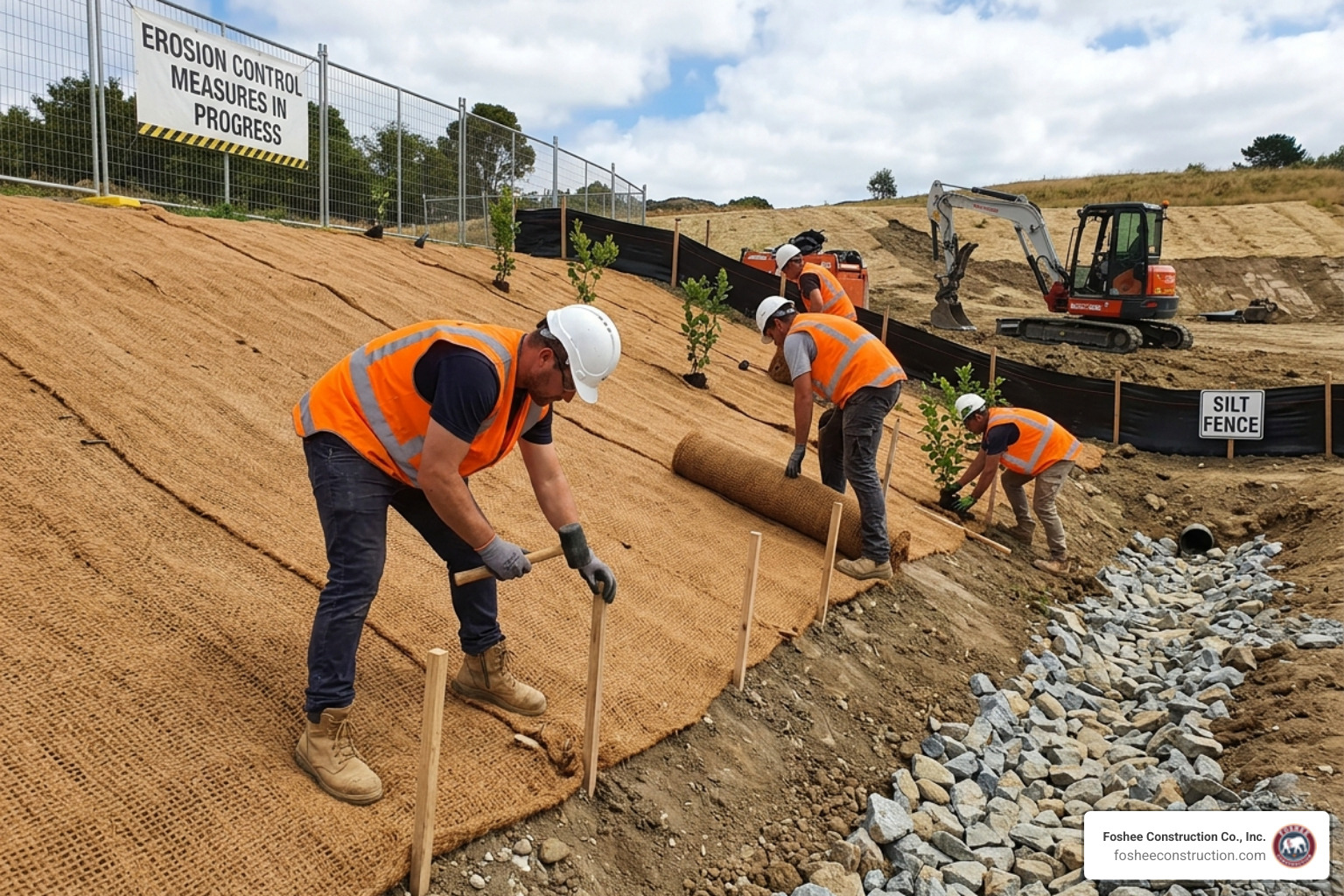
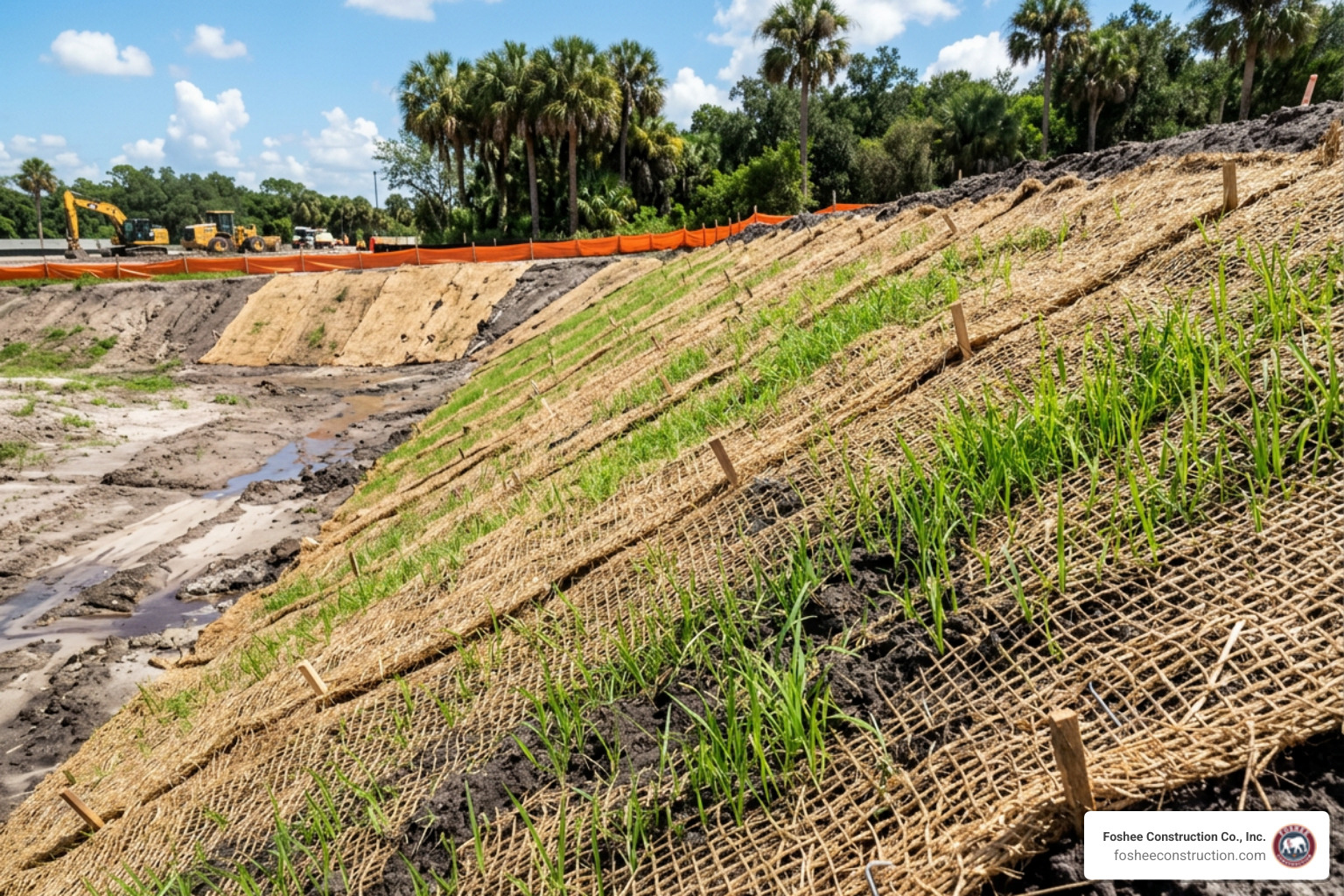
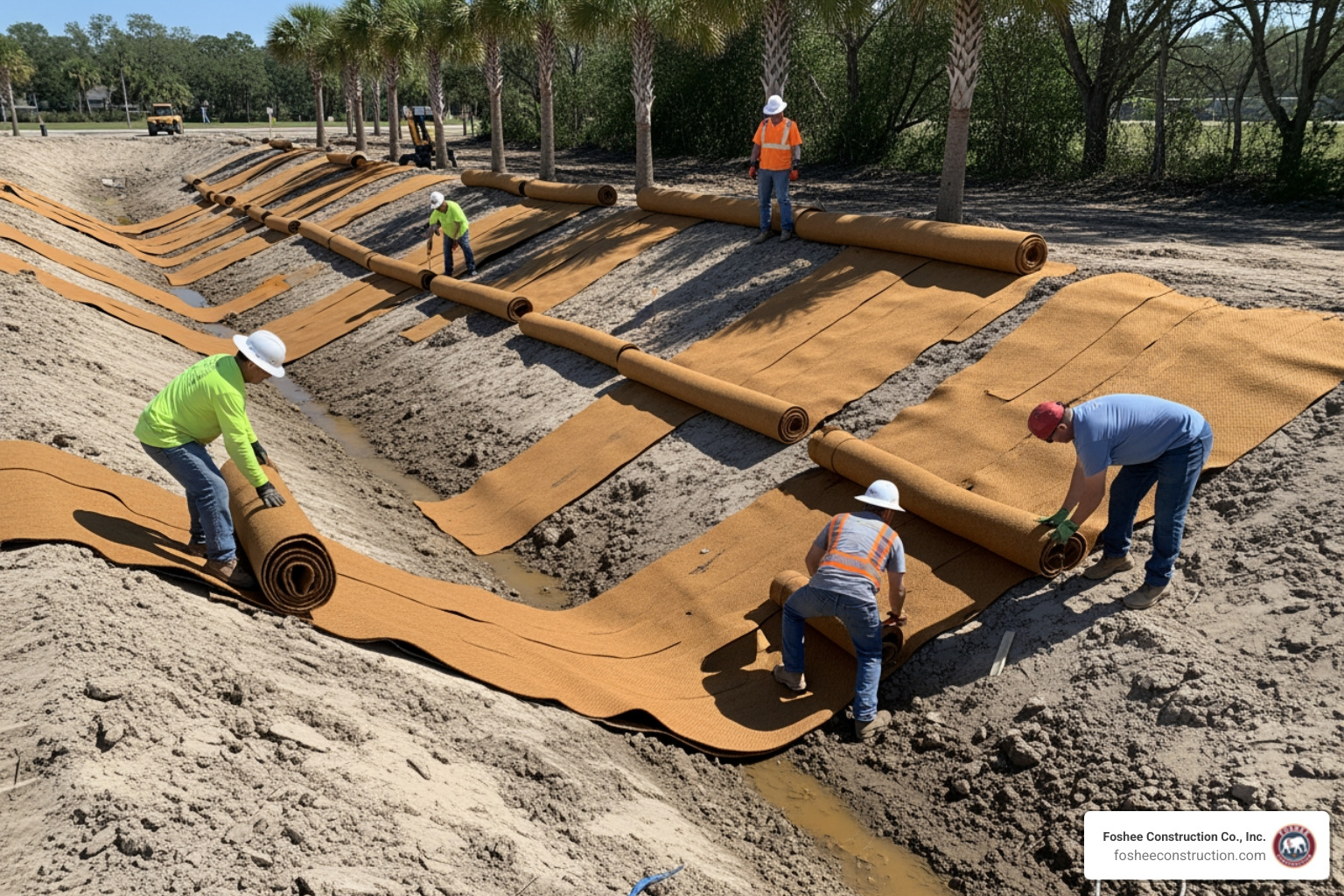
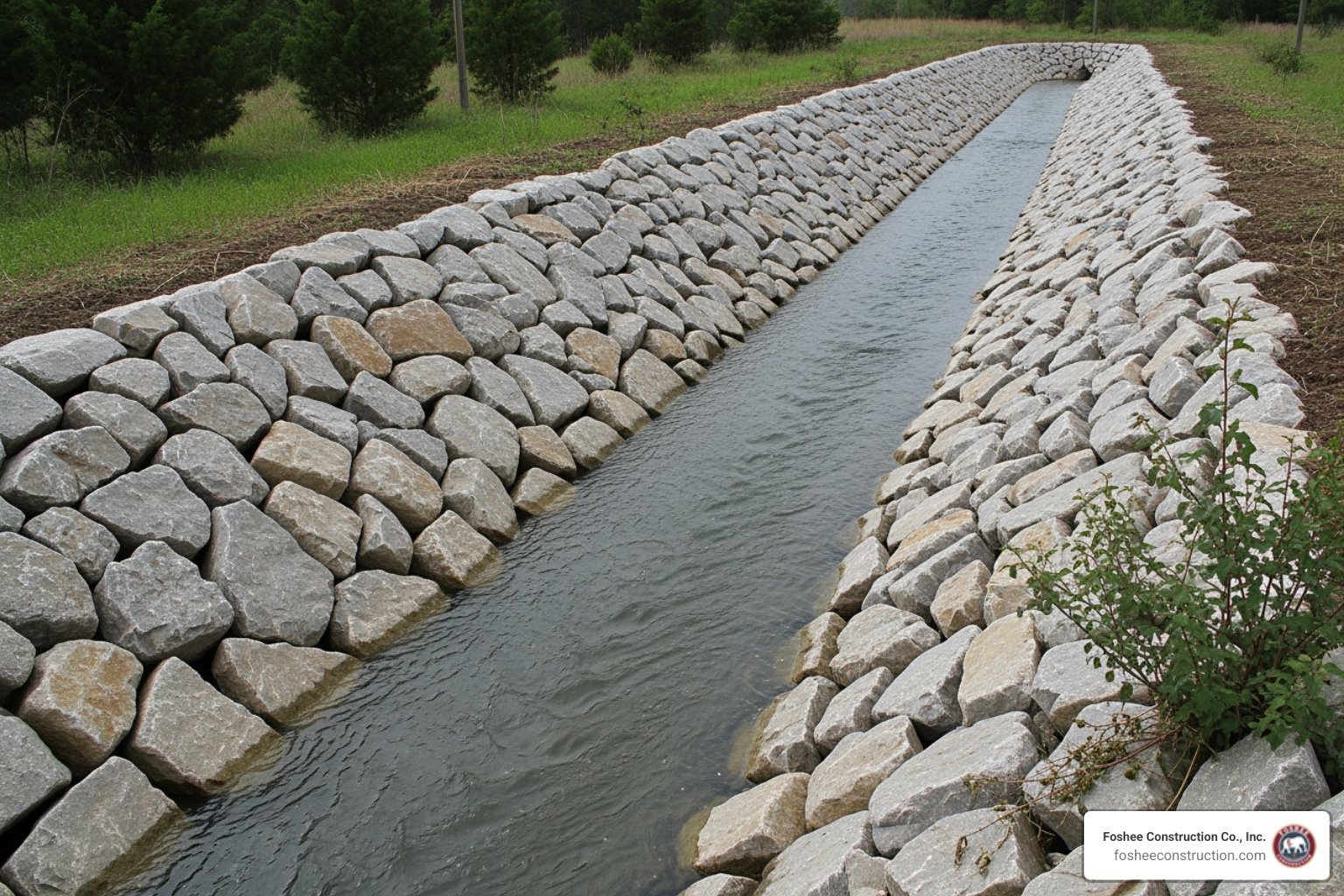
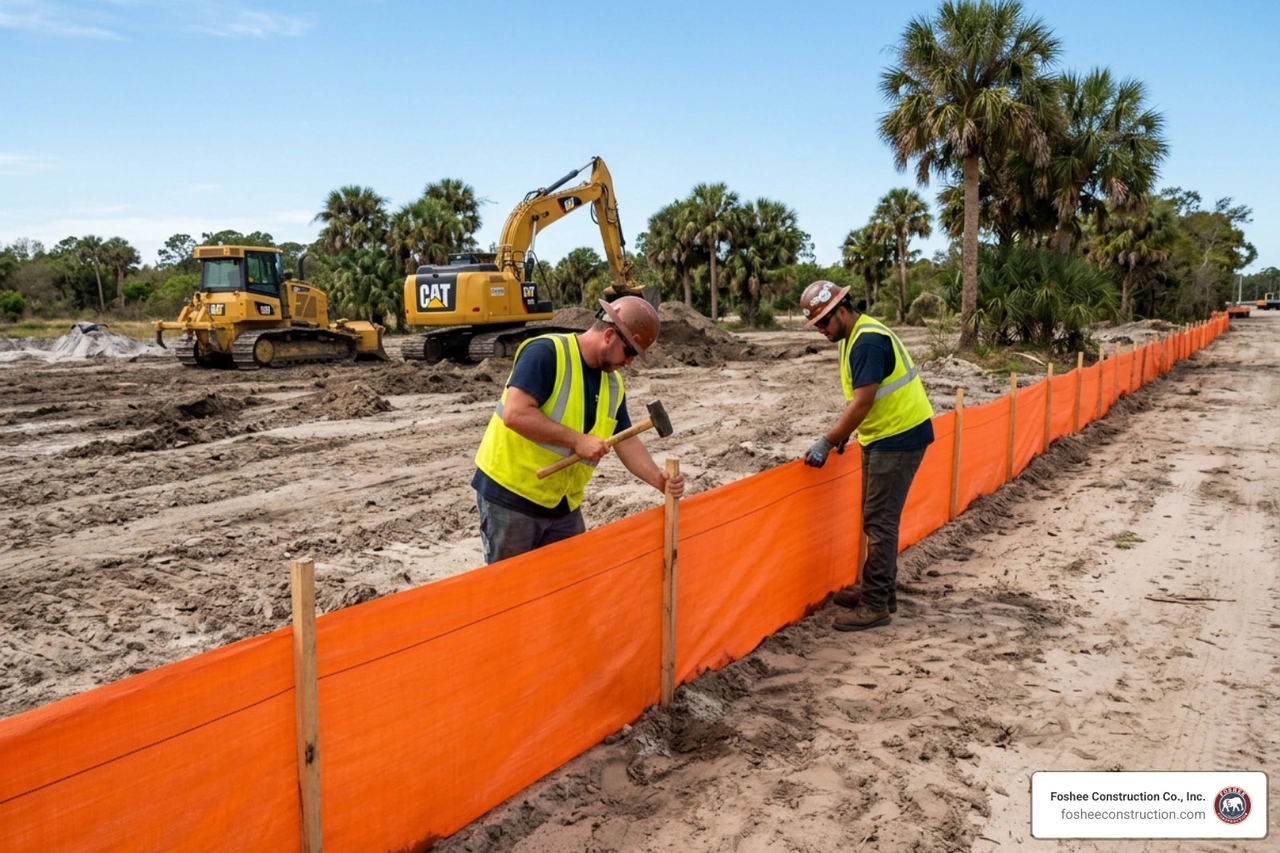
One of the most visible parts of our job is keeping the site's soil on the site. Rain can quickly wash away hours of grading work if the proper controls aren't in place. We utilize a variety of tools to combat this:
Beyond these, we regularly install silt fences and sediment basins to meet the Erosion Prevention Construction Sites requirements that protect Florida's local ecosystems.
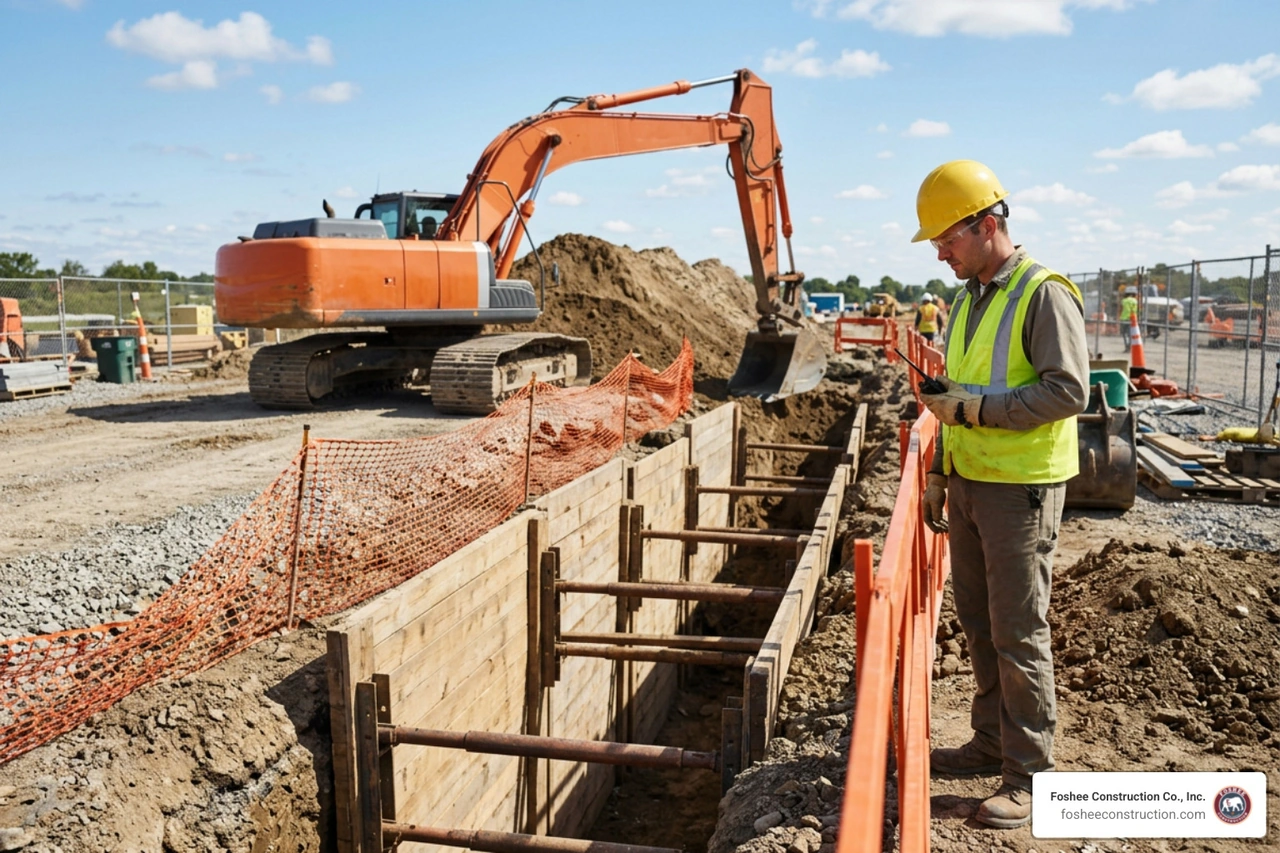
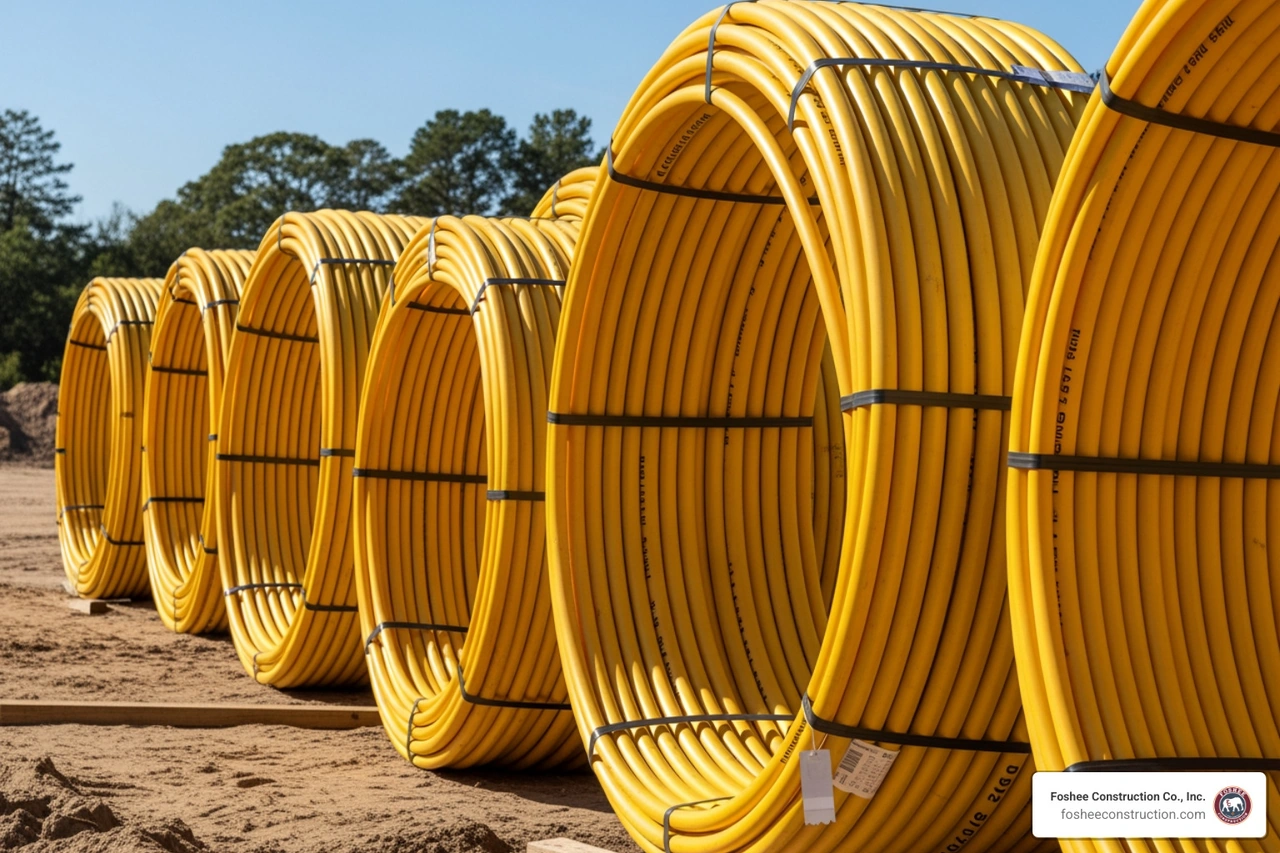
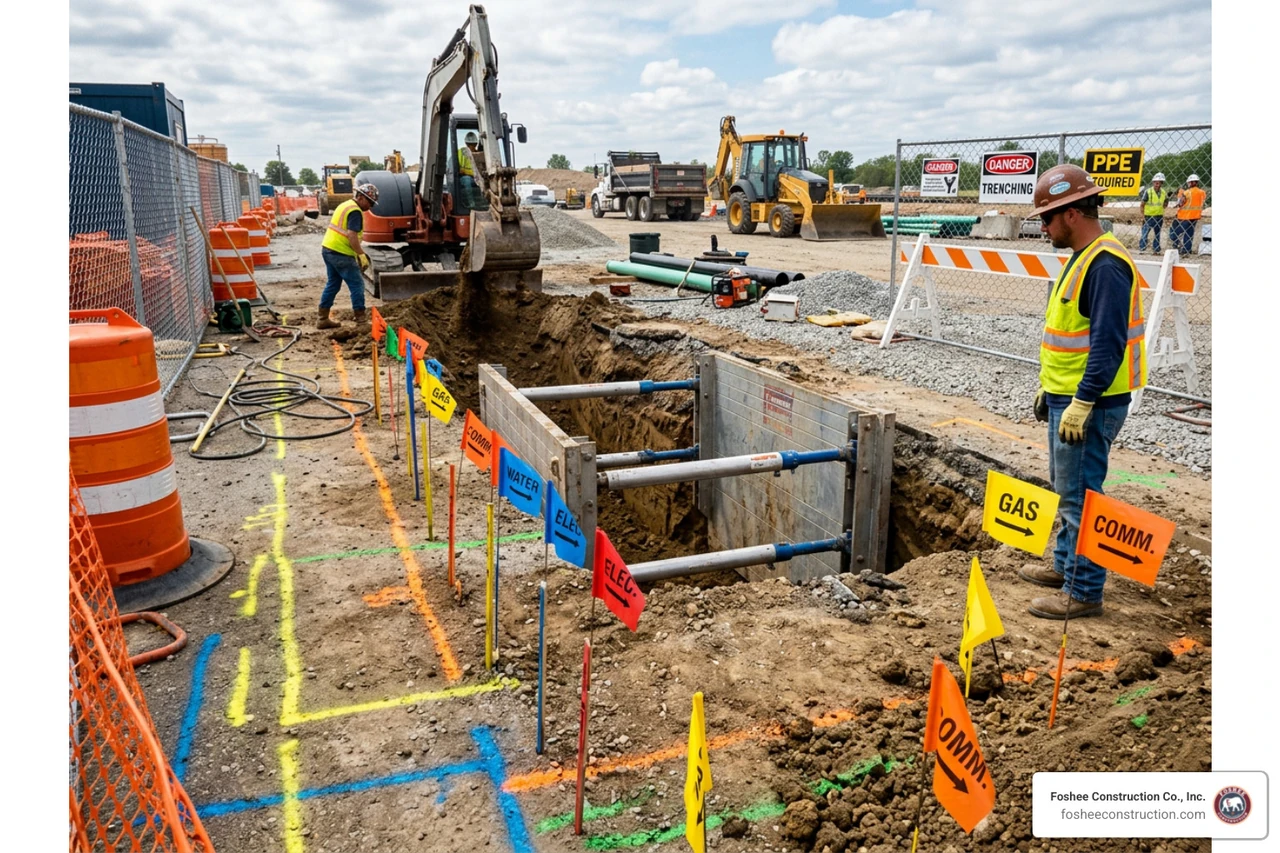
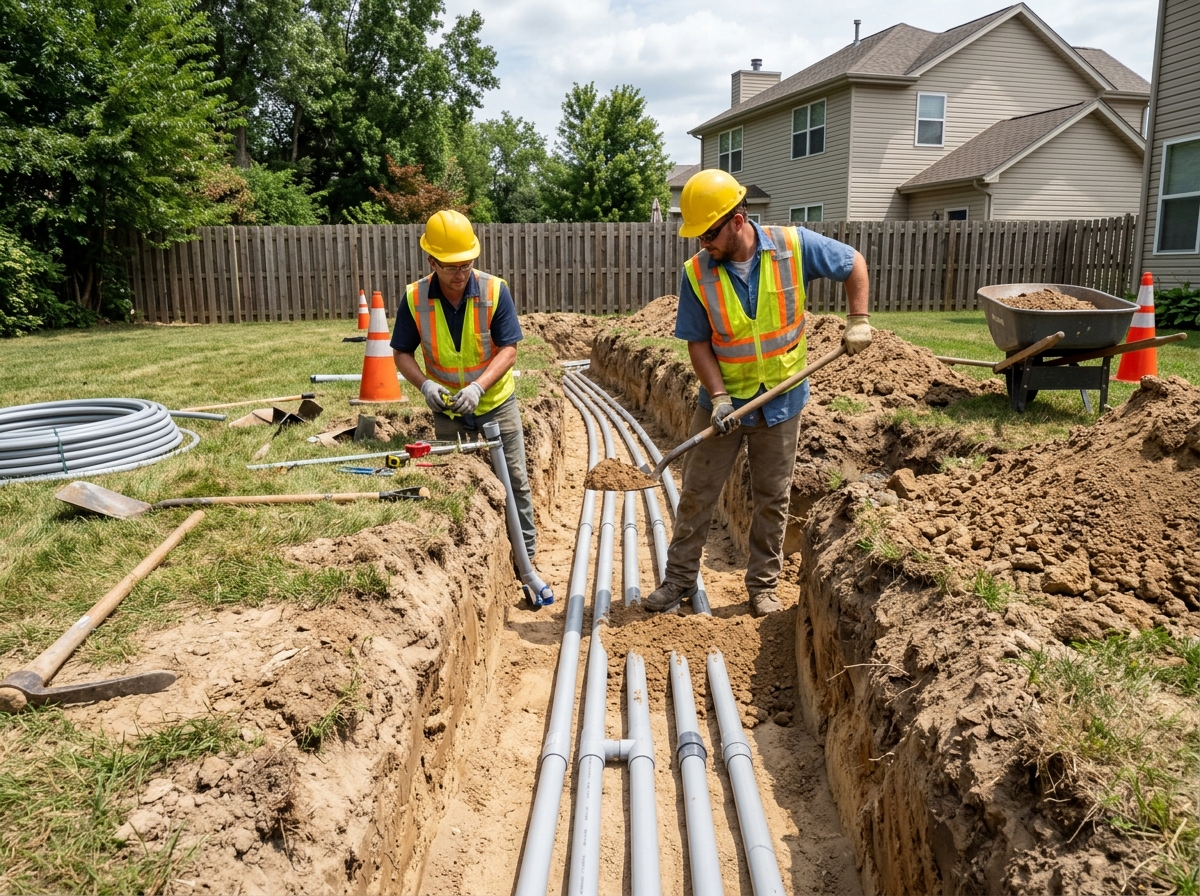
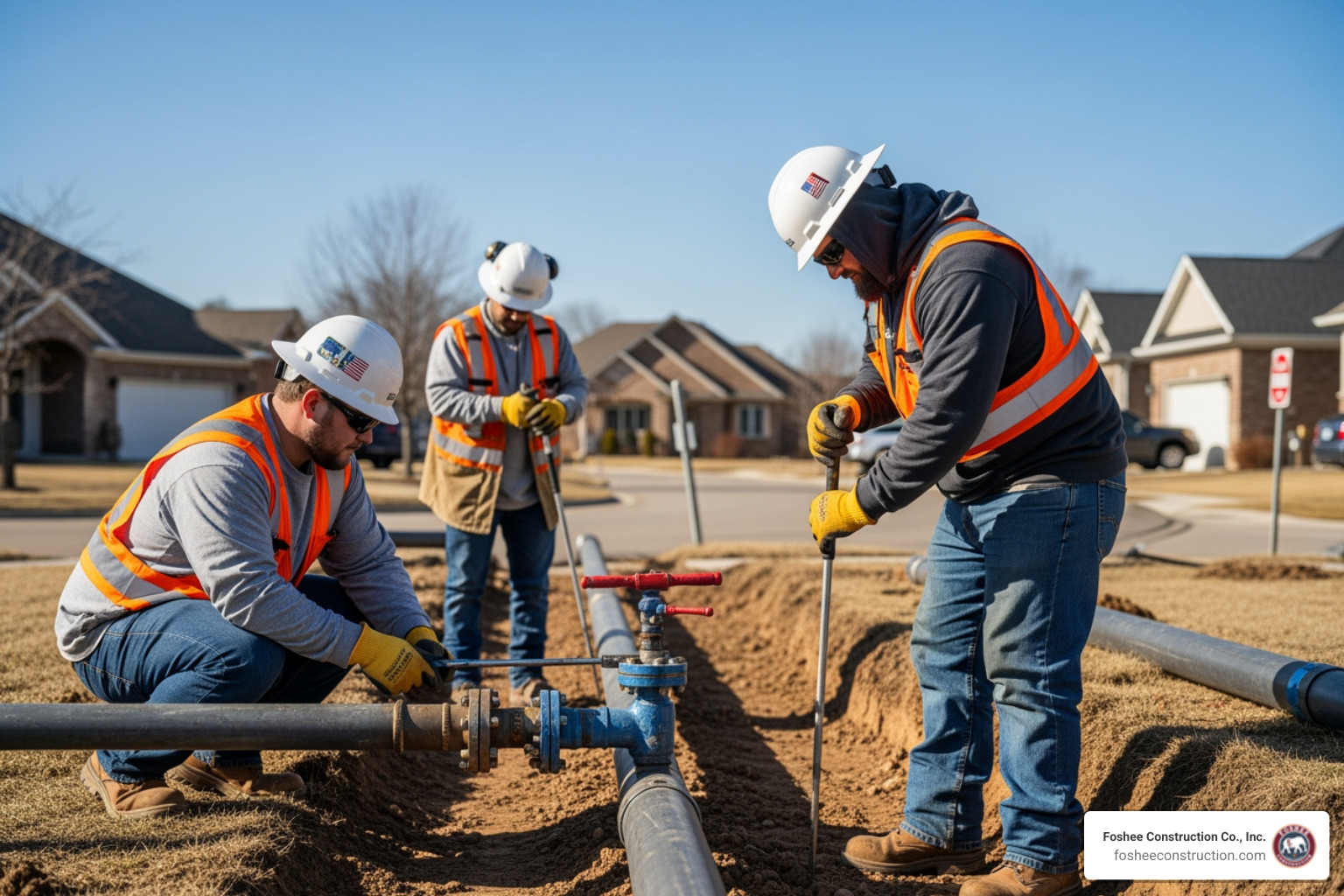
Before the surface looks pretty, the "guts" of the project must be installed. Site preparation contractors are responsible for the trenching and installation of critical subsurface infrastructure. This includes:
This requires intense utility coordination. We work closely with local municipalities in Lake County to ensure all lines are dug to code and that we don't accidentally strike existing underground lines.
Choosing from the many site preparation contractors available can feel overwhelming. With the industry reaching a massive $203.1bn scale in 2025, there are plenty of options, but not all are created equal.
When evaluating a contractor, look at their licensing and insurance first. In Florida, this is non-negotiable. Next, look at the age of their equipment fleet. Newer machinery is less likely to break down, keeping your project on schedule.
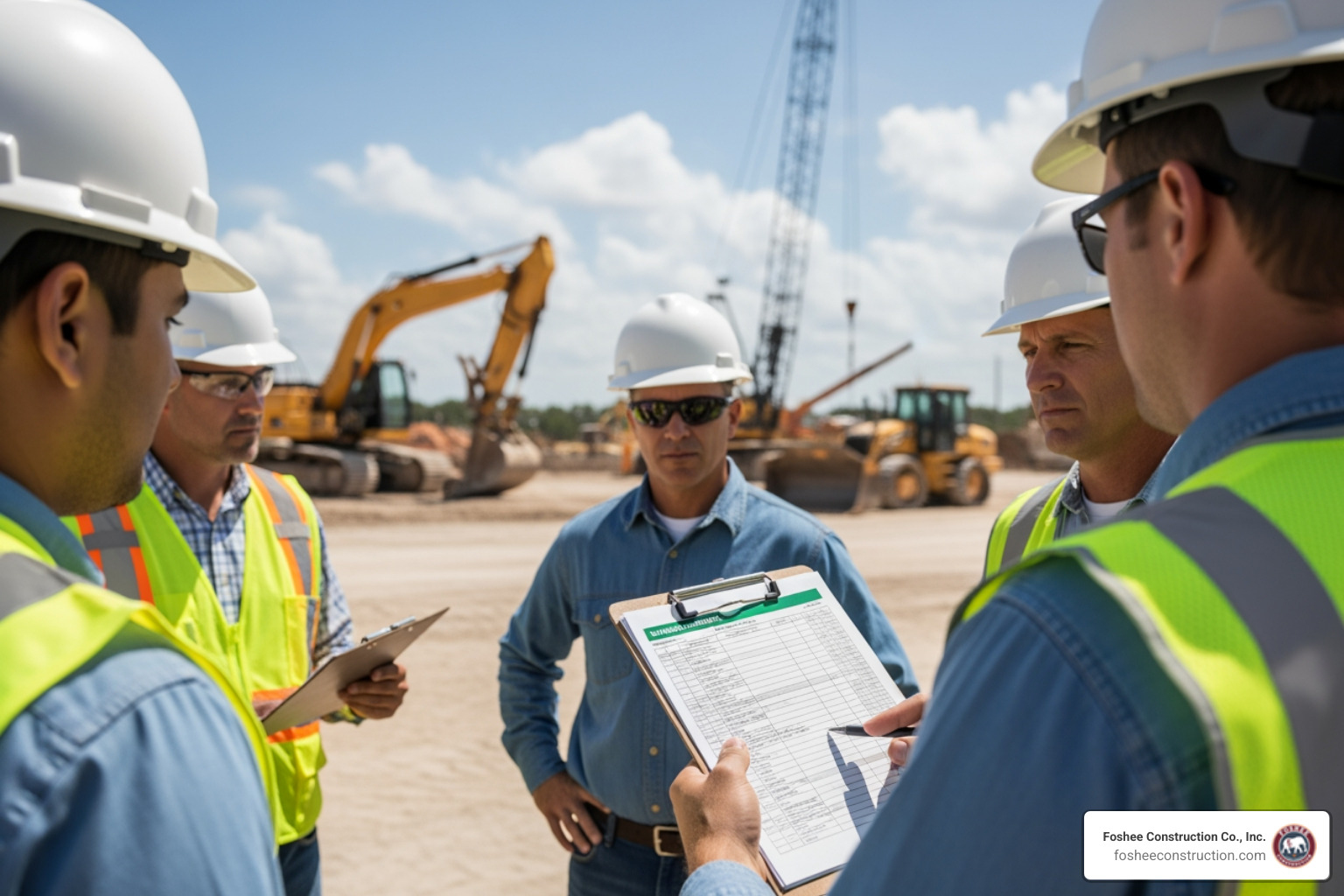
Check their communication protocols. Do they return calls? Do they provide transparent bids? A contractor who is vague about costs upfront will likely be vague about timelines later. Finally, look for a proven safety record. A company that prioritizes its workers' safety will prioritize the integrity of your project.
Budgeting for site prep involves several variables. Terrain complexity and soil composition are the biggest factors—rocky ground or mucky wetlands cost more to stabilize than high-and-dry sandy lots.
Other costs to consider:
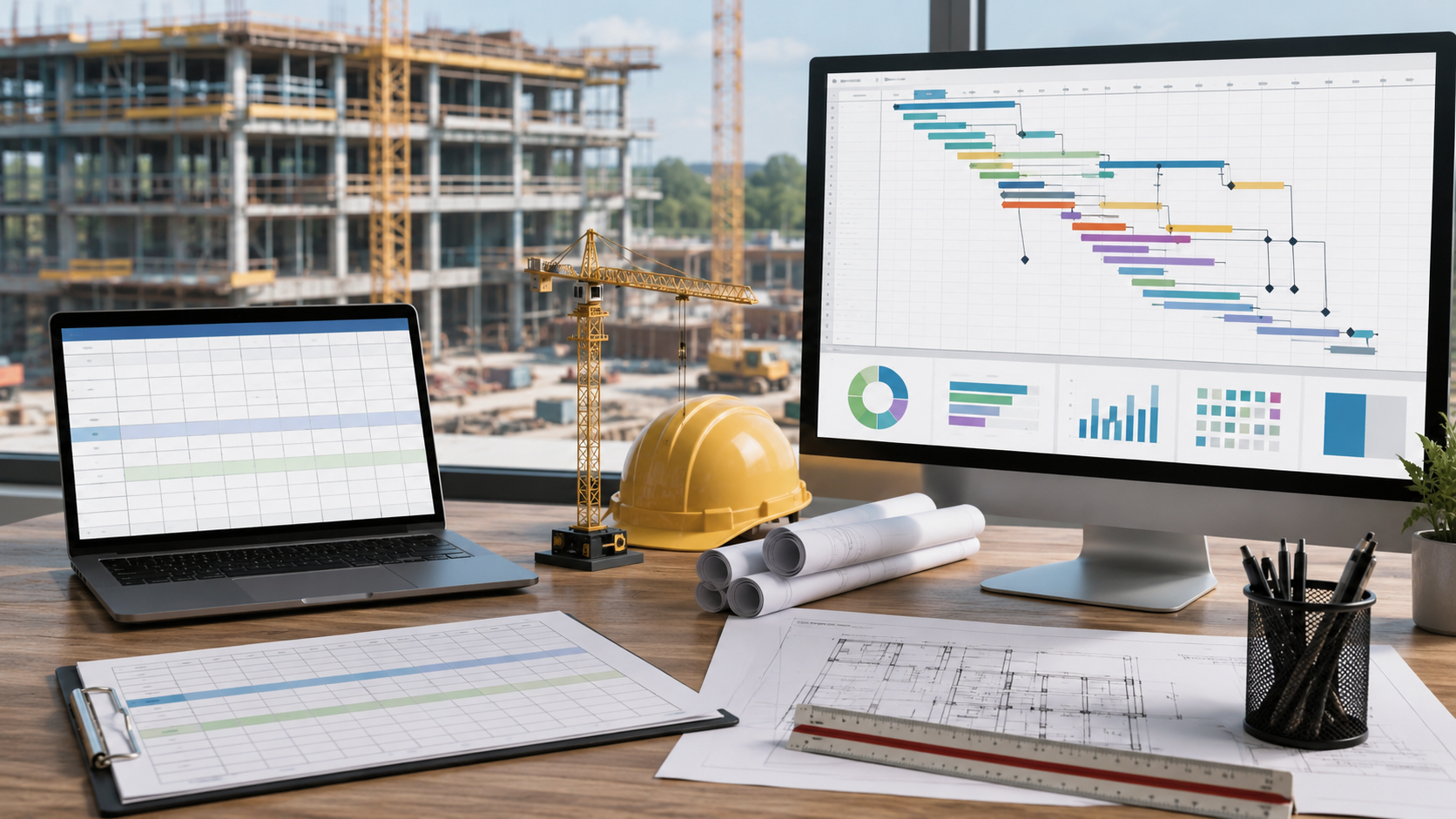
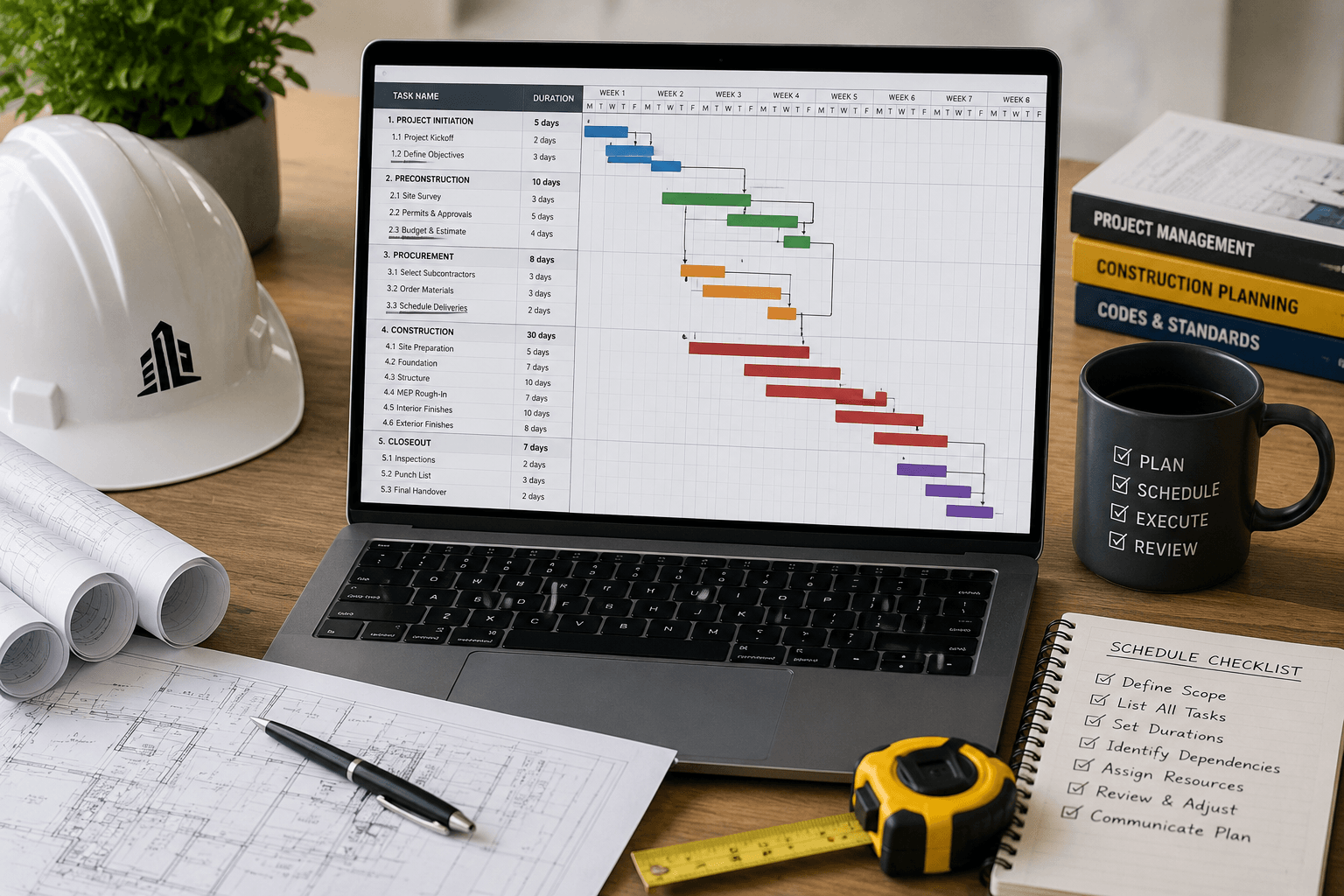
While most residential site prep jobs can be completed in a few days, larger commercial projects typically follow 2-4 week schedules. We aim for disciplined scheduling to ensure that once we finish, the next trade can move in immediately without "getting stuck in the mud."
Costs vary wildly based on the scope. A simple residential lot might cost between $5,000 and $15,000 for basic clearing and grading. However, large-scale commercial sites can run into the hundreds of thousands depending on utility needs and soil stabilization requirements. Always ask for a transparent, itemized bid.
In many parts of Florida, yes. While some permits are bundled with your general building permit, specific "Land Disturbance" or "Tree Removal" permits are often required by Lake County or the City of Minneola before a single blade touches the ground.
Excavation is high-risk work. Professional site preparation contractors have the specialized training to understand soil mechanics and trench safety. General laborers lack the heavy equipment expertise and the insurance coverage required to handle the liability of a potential cave-in or structural failure.
At Foshee Construction Co., Inc., we believe that every great building starts with what’s underneath it. Based in Minneola, Florida, we’ve spent decades perfecting the art of site prep. Whether you need expert grading, robust erosion control, or complex underground utility installation, our team is dedicated to your project's success.
We pride ourselves on transparent bids, disciplined scheduling, and a relentless focus on safety. We don't just work for you; we build reliable relationships with the top contractors in the industry to ensure your build goes smoothly from the first dig to the final grade.
Ready to lay a foundation that lasts? Start your project with professional Site Preparation Services today and let us help you get your project off the ground—and out of the mud.
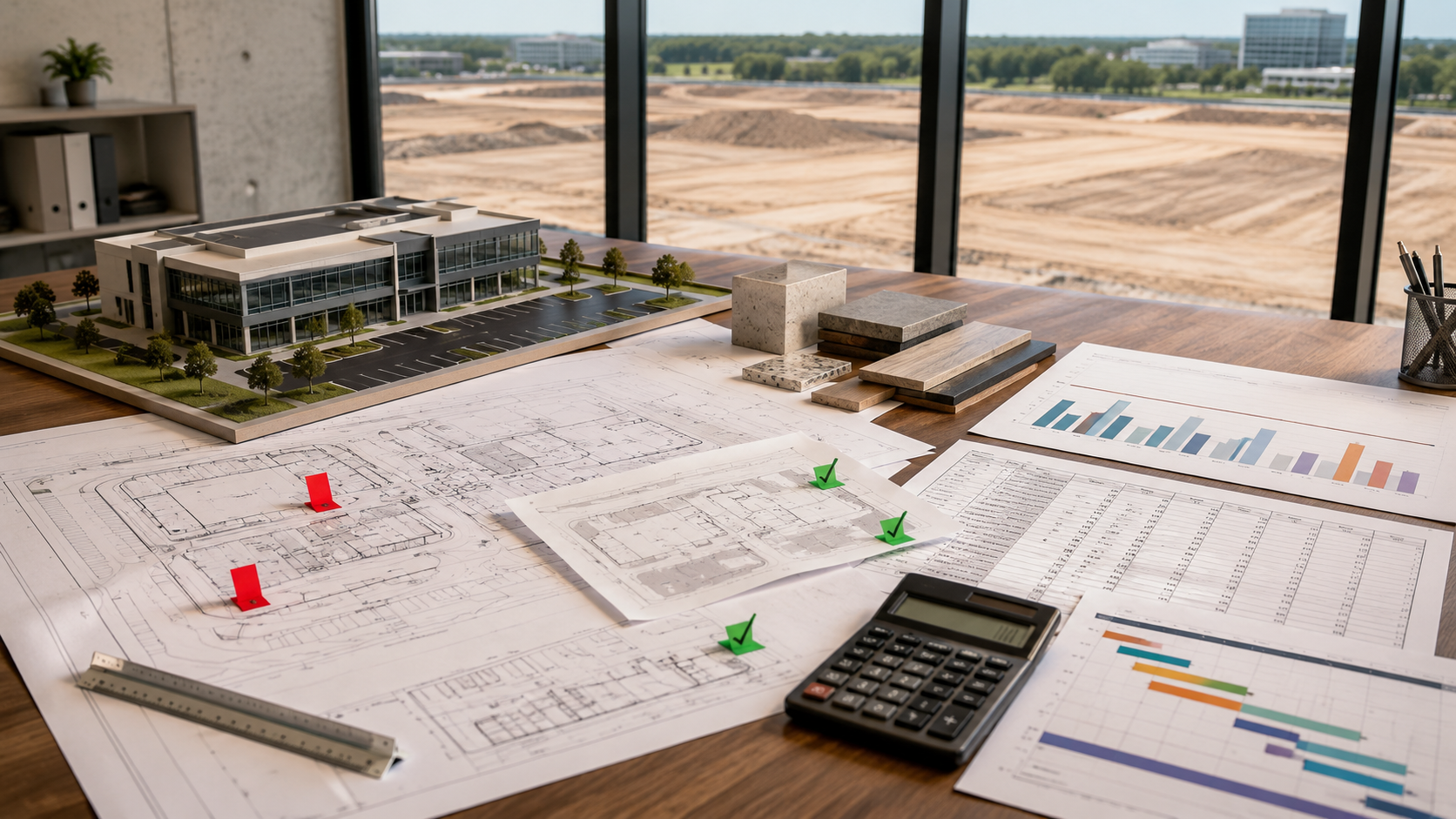
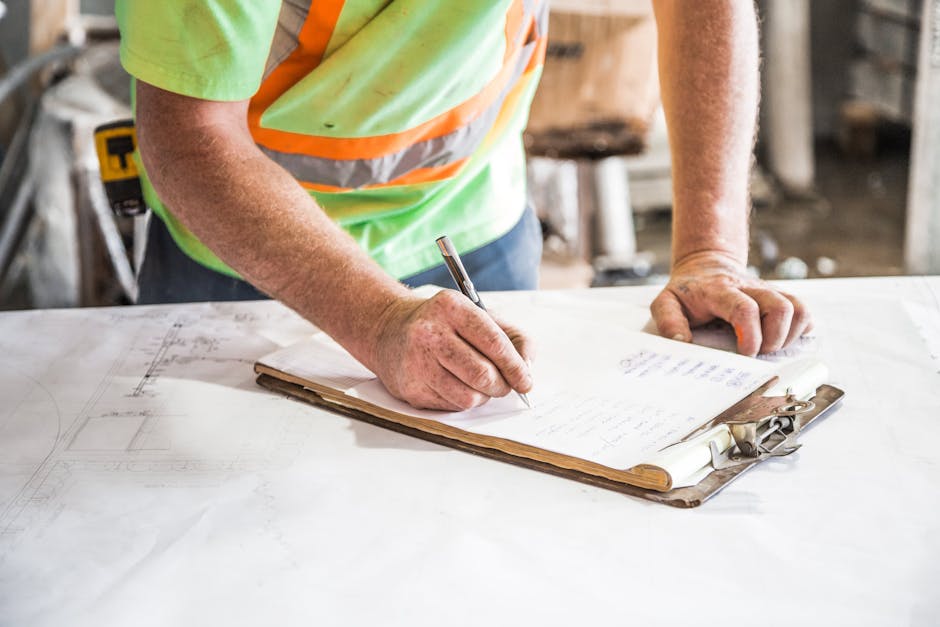
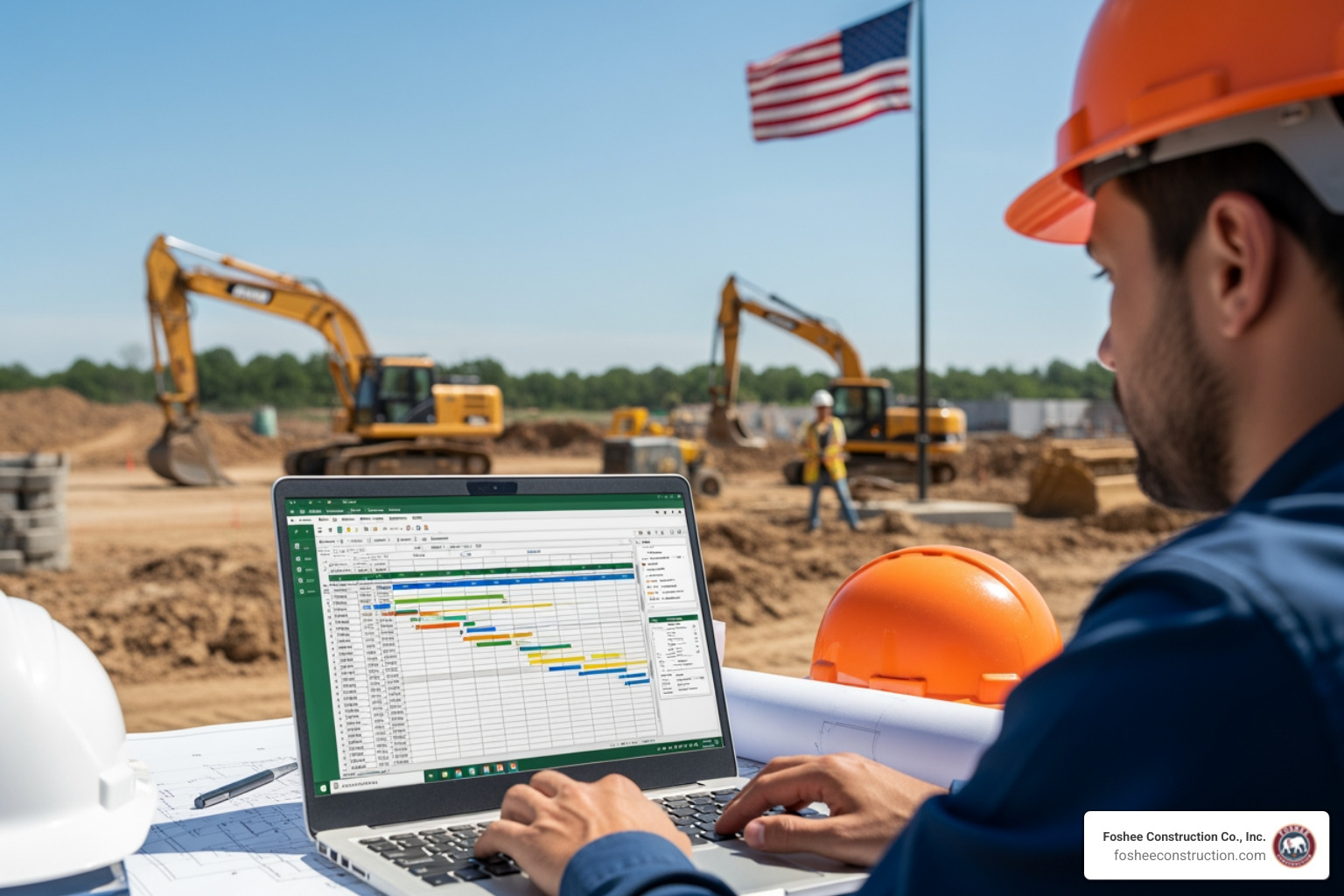
We build bids using HeavyBid and AGTEK because the details matter long before the job starts. When the numbers are accurate and the scope is clearly defined, it sets the tone for how the entire project runs. Estimating isn’t just a step in the process, it’s the foundation we build on.
That same mindset carries into the field. Our crew is trained to work with purpose, follow the Civil Engineers’ Plan to the finest detail, and hold the line on quality. When expectations are clear from day one, there’s no need for shortcuts, and no confusion about how the work gets done.
Clients trust our bid packages because they’re complete and ready to use. Project managers know what we’re covering, what’s excluded, and how we plan to approach the job. That clarity removes friction and lets teams focus on execution instead of interpretation.
As part of our review process, we go into the plans before anything hits the site. We ask the questions early, resolve issues before they show up in the field, and keep RFIs moving. This approach prevents delays and protects the timeline.
Over time, that consistency builds trust. Many of the people we work with today came through referrals from past projects – engineers, GCs, and superintendents who’ve seen how we operate and want the same experience again.
In 2024, Foshee Construction was acquired by Saga Infrastructure Solutions, a national network of civil construction companies. Saga supports regional contractors by giving them access to better tools, long-term resources, and operational backing, without changing how they run day to day.
Foshee will continue to operate under its name, with the same team and field leadership in place.
“From the very time a project starts, we start that partnership. We try to catch as much as we can with the tools that we have. Not everybody is using the software platforms we are. That’s the differentiator: we’re not just bidding. We’re anticipating, problem-solving, and making sure the job runs right.”
— Don, CEO, Saga Infrastructure Solutions
Foshee is now part of a broader regional strategy that includes Florida, the Piedmont Atlantic, Texas, Colorado, and the Arizona Sun Corridor. The name, crews, and standards remain. What’s improving is the support behind it.