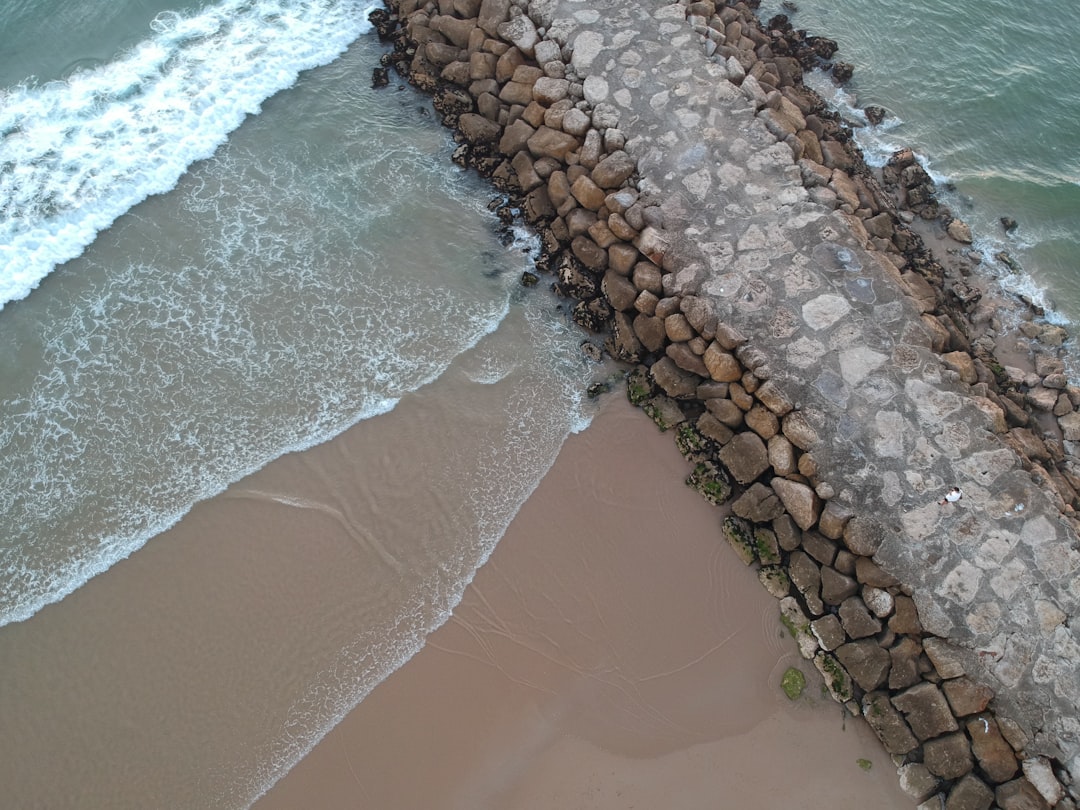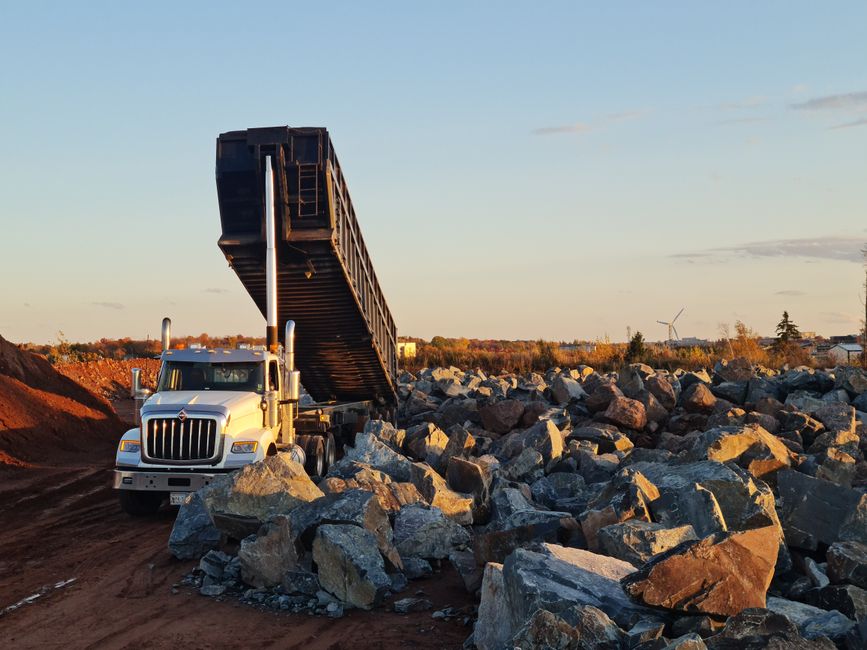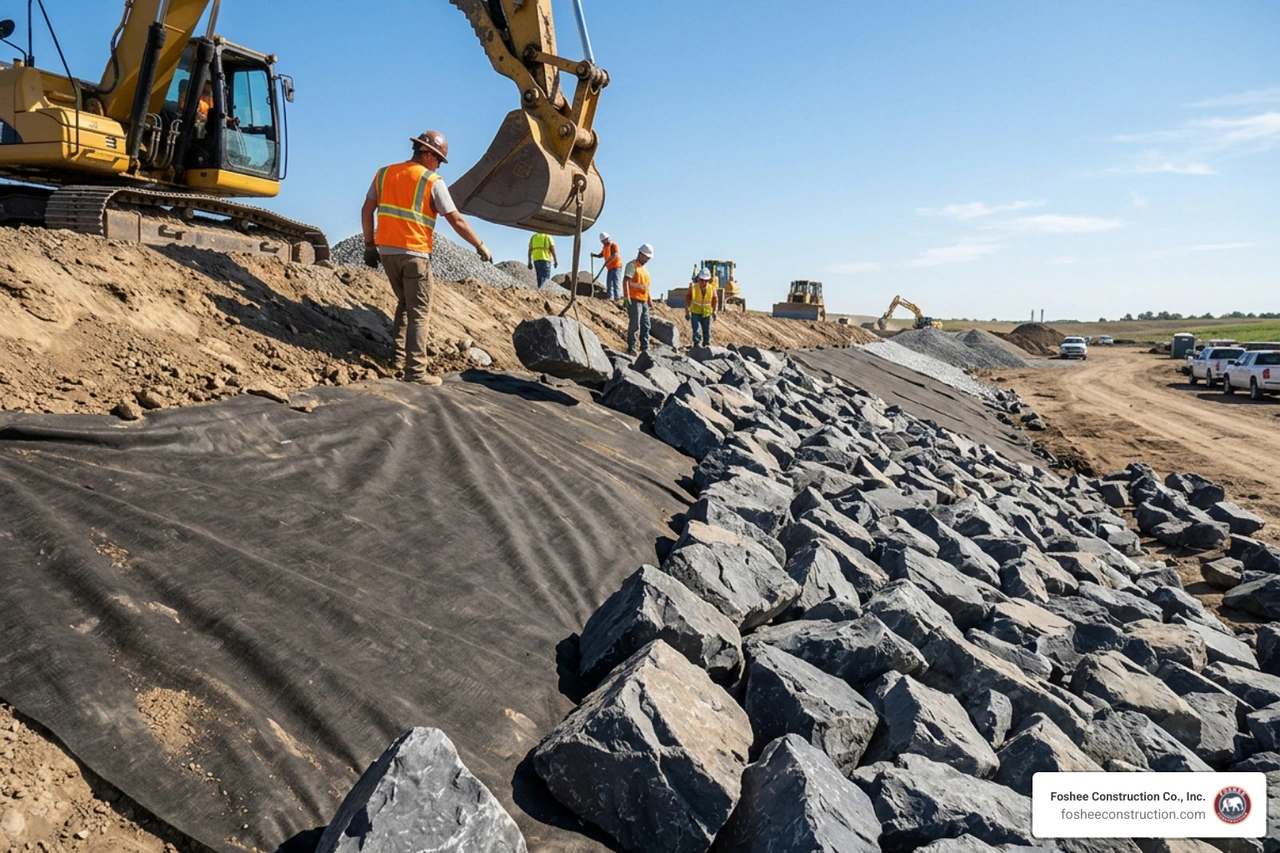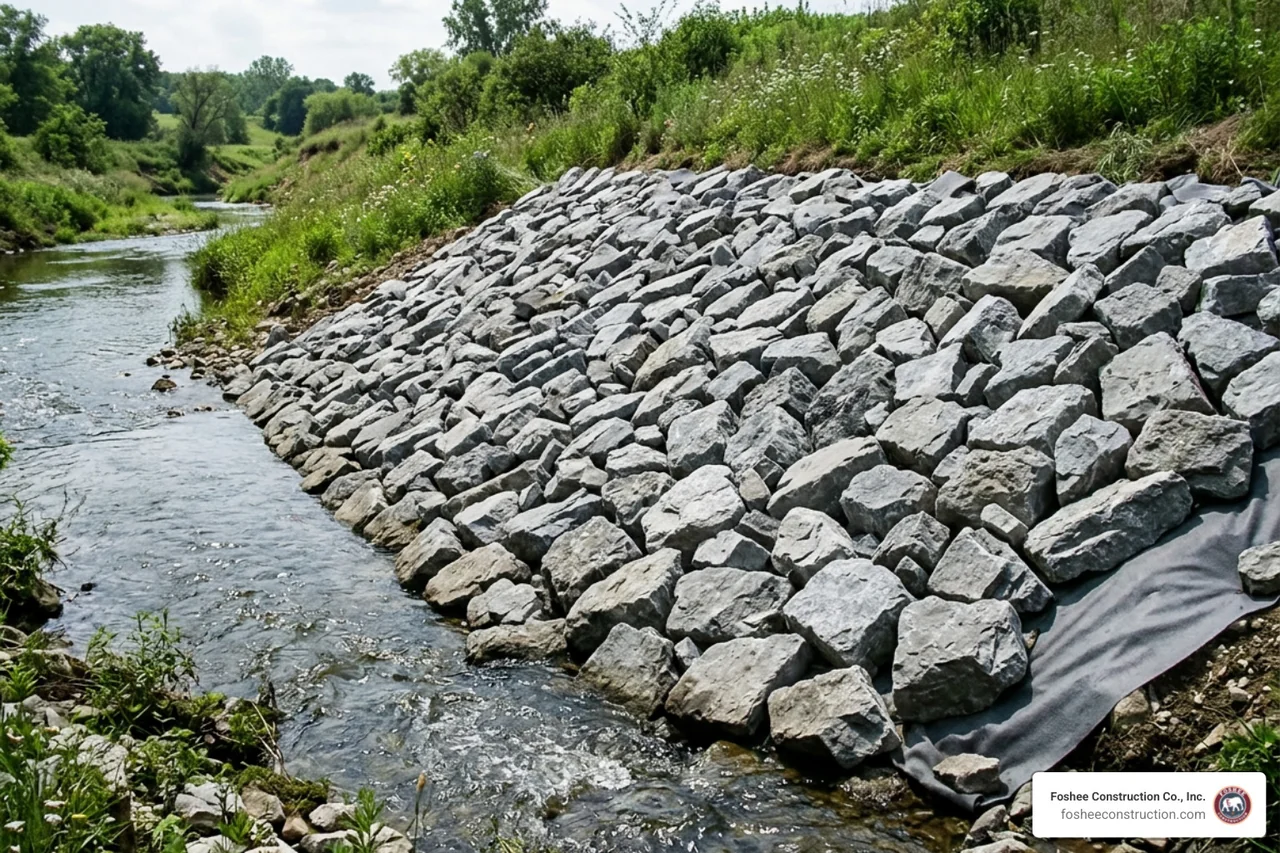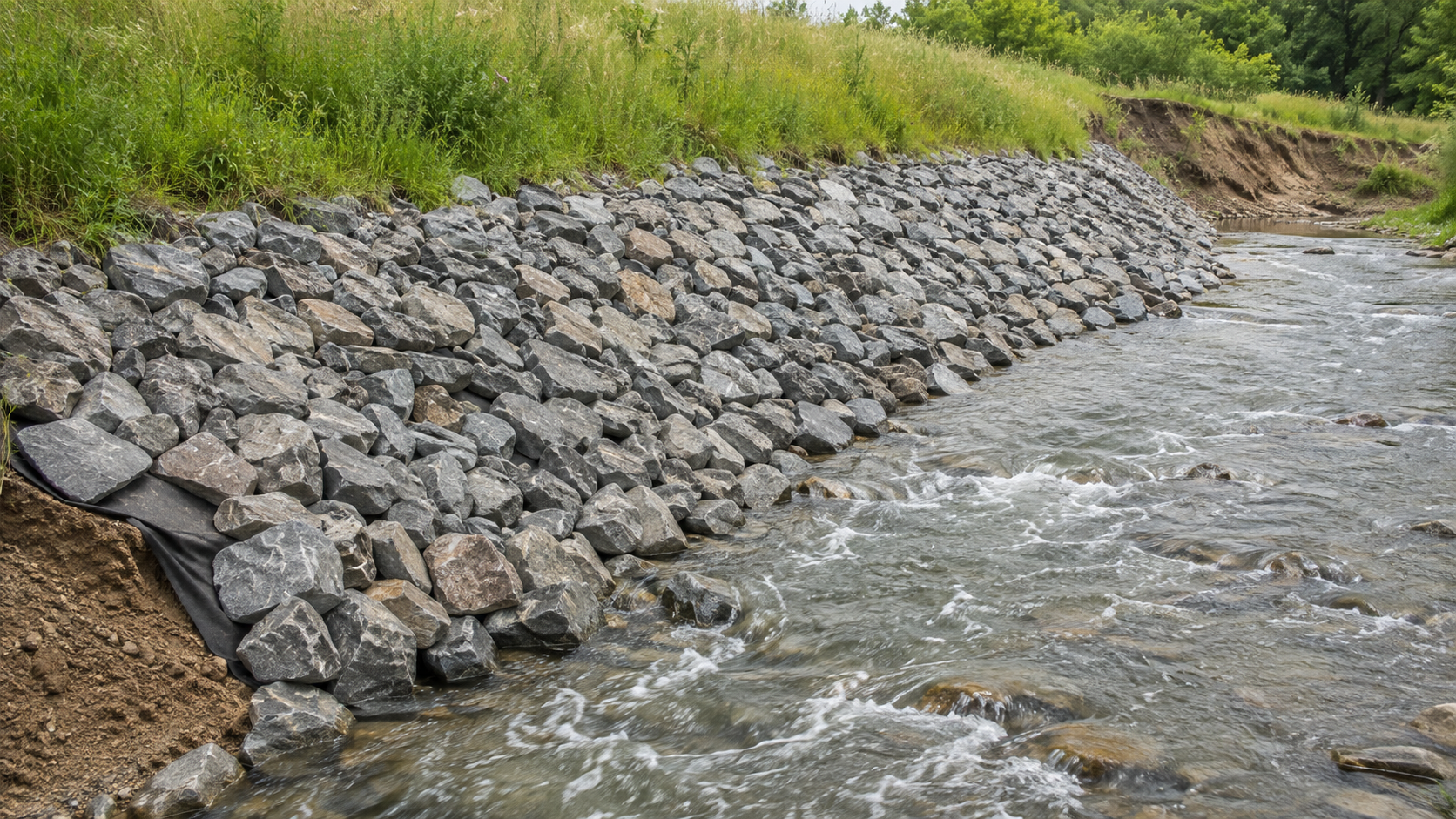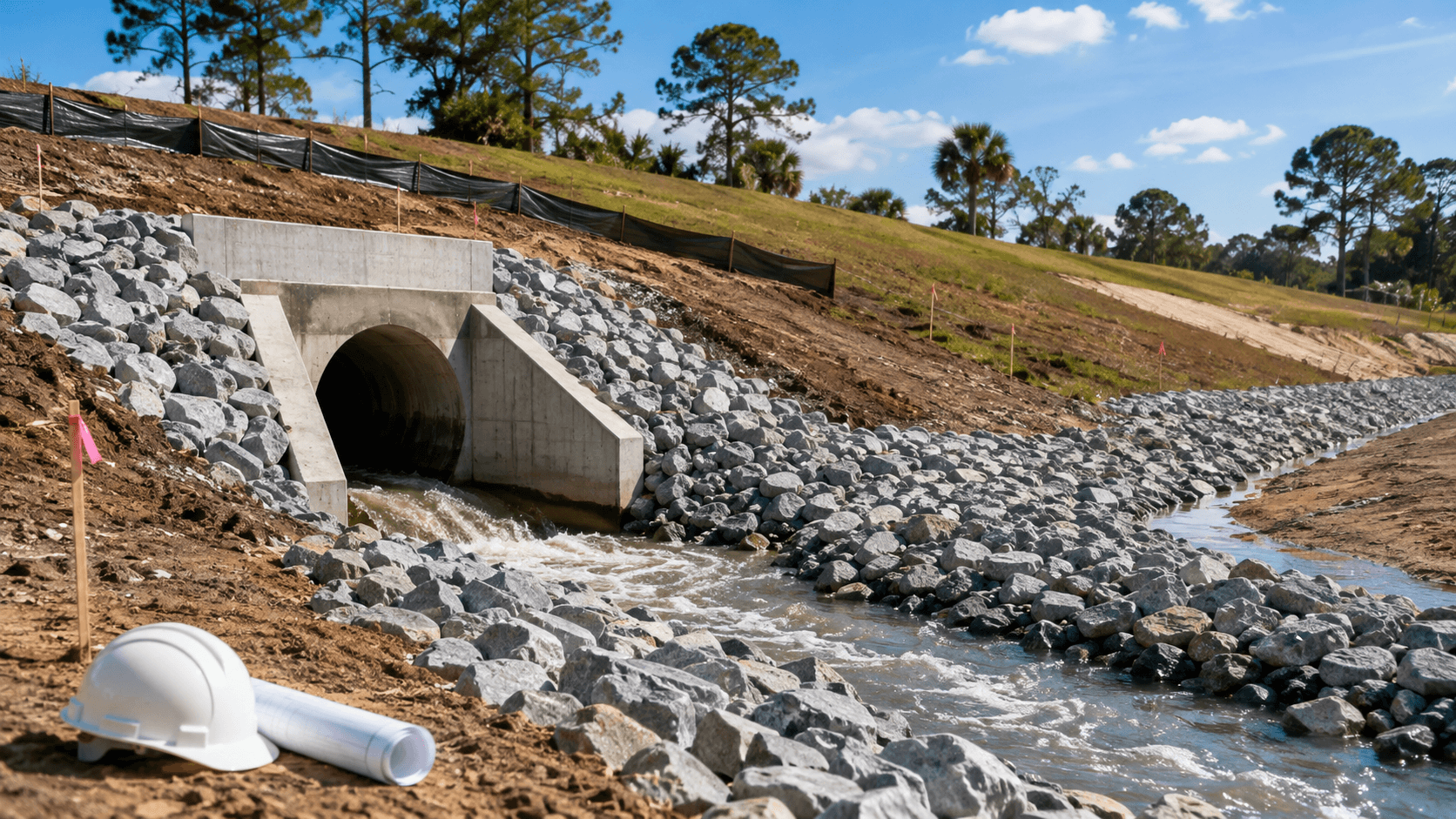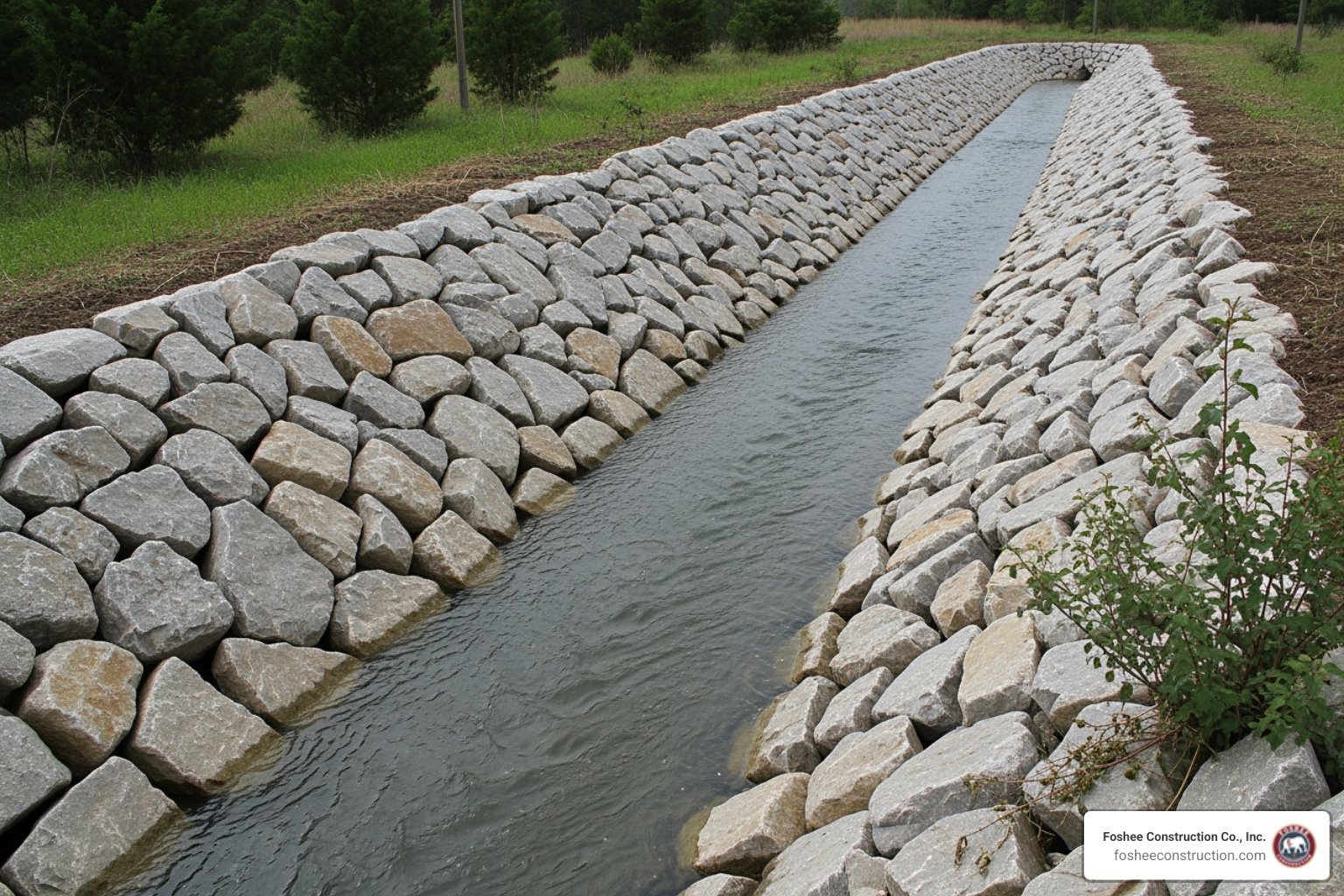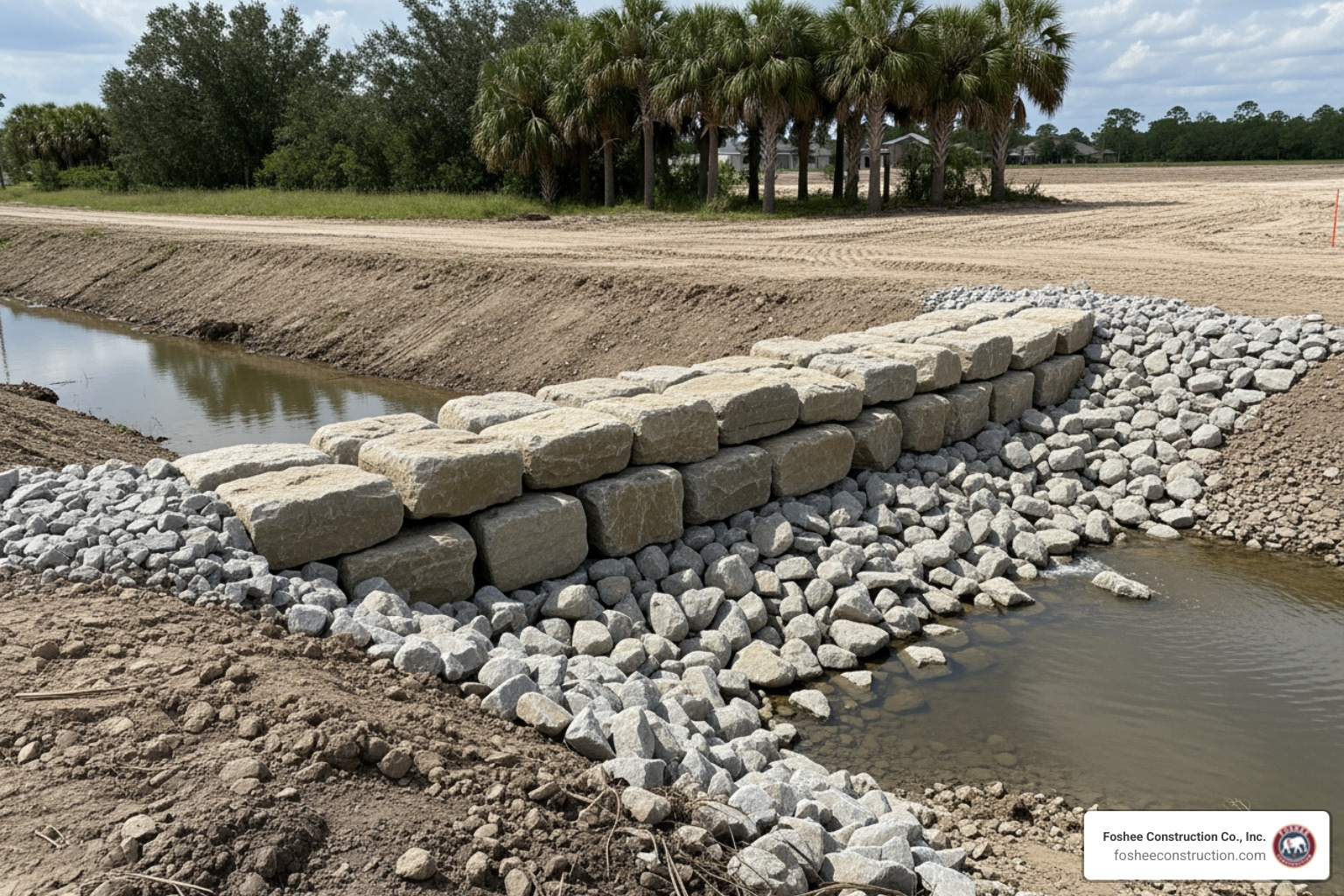
What is rip rap erosion control? It is a layer of large, durable, angular stones placed over prepared soil, usually with a filter fabric or gravel layer underneath, to protect slopes, shorelines, ditches, and drainage outlets from erosion and scour caused by flowing water or waves.
Riprap works by slowing and spreading the force of water. The uneven stones absorb energy that might otherwise wash soil away, helping protect nearby roads, utilities, detention ponds, and building pads.
For Florida contractors and developers, riprap is often used where runoff is too strong for grass or other vegetation to hold the soil in place. It is a durable solution, but it must be properly designed for the site's water velocity, soil conditions, slope, and drainage pattern.
I am Don Larsen of Foshee Construction Co., Inc., and I have worked in Central Florida site development, grading, excavation, and erosion-control work since 1994. Understanding what is rip rap erosion control helps project teams choose the right protection before runoff creates costly site damage or schedule delays.
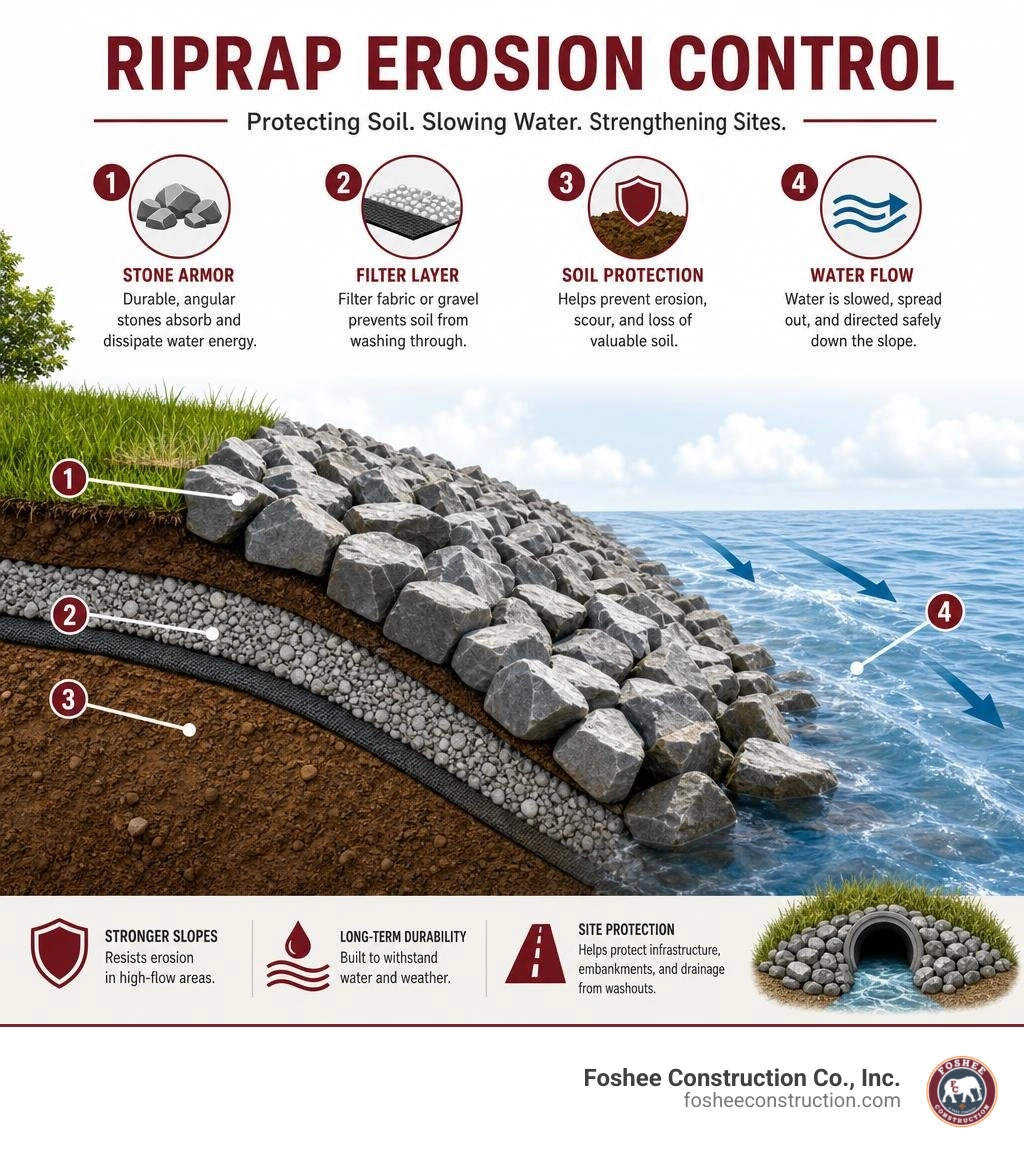
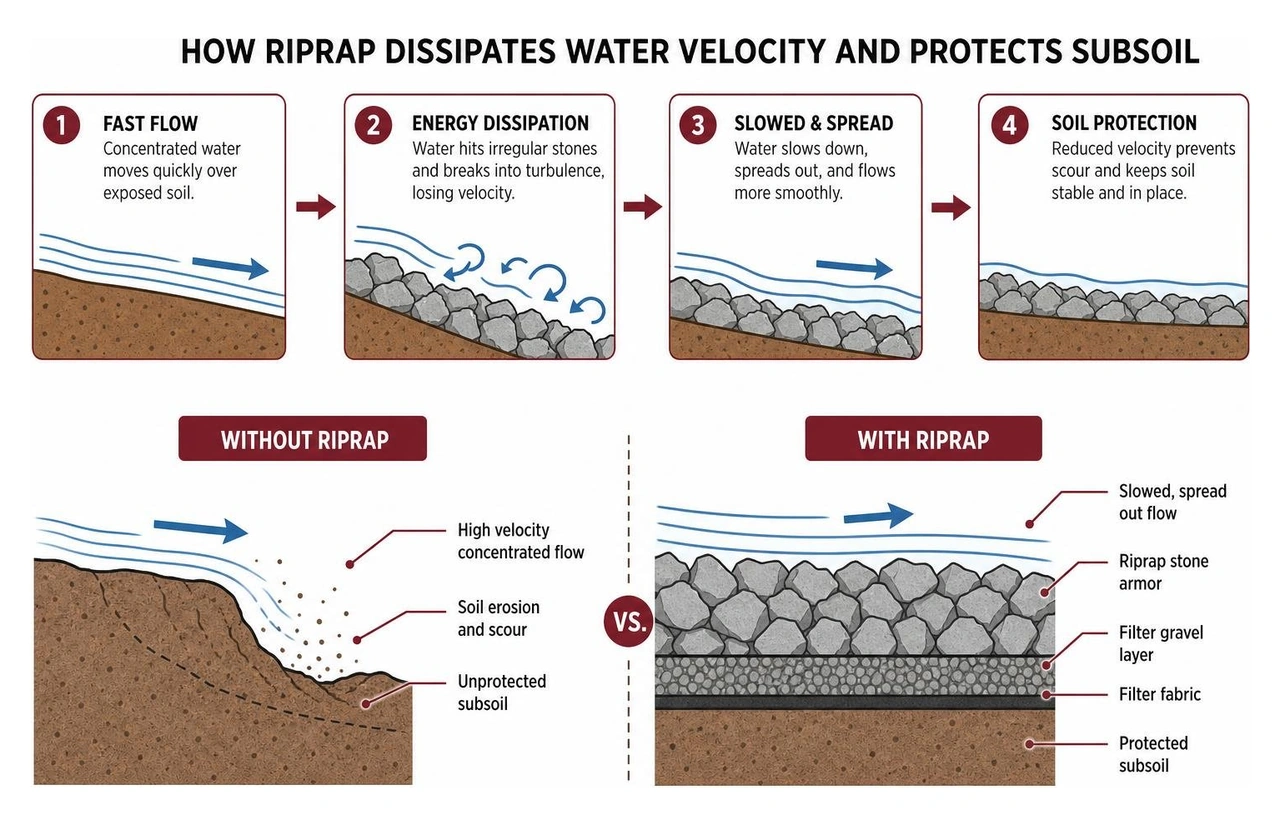
When water moves rapidly over exposed soil, it creates shear stress—a mechanical dragging force that breaks down topsoil, cuts deep gullies, and washes away embankments. In civil engineering and site development, understanding what is rip rap erosion control boils down to understanding physical resistance and energy dissipation.
Rather than allowing high-velocity water to strip sandy Florida subsoil directly, we install a interlocking mass of dense, angular rock. The irregular surface profile of a riprap blanket significantly increases surface roughness. As concentrated stormwater runoff hits the jagged stone field, the fluid energy turns into turbulent eddies within the rock voids. This drastically reduces the water’s flow velocity, neutralizing its ability to scour the soil surface.
According to the EPA Stormwater Best Management Practice guidelines, riprap acts as a permanent soil armor that absorbs hydraulic energy in areas of concentrated flow or wave action. By slowing down runoff before it enters downstream stormwater systems, detention basins, or natural waterways, riprap prevents structural undermining and keeps surrounding site grades stable.
In everyday site development, riprap is far more than just "dumping rocks down a hill." It is a precise engineering system requiring hard, durable stone mixtures (typically granitic or heavy igneous rock) that resist degradation from moisture, weathering, and mechanical impact.
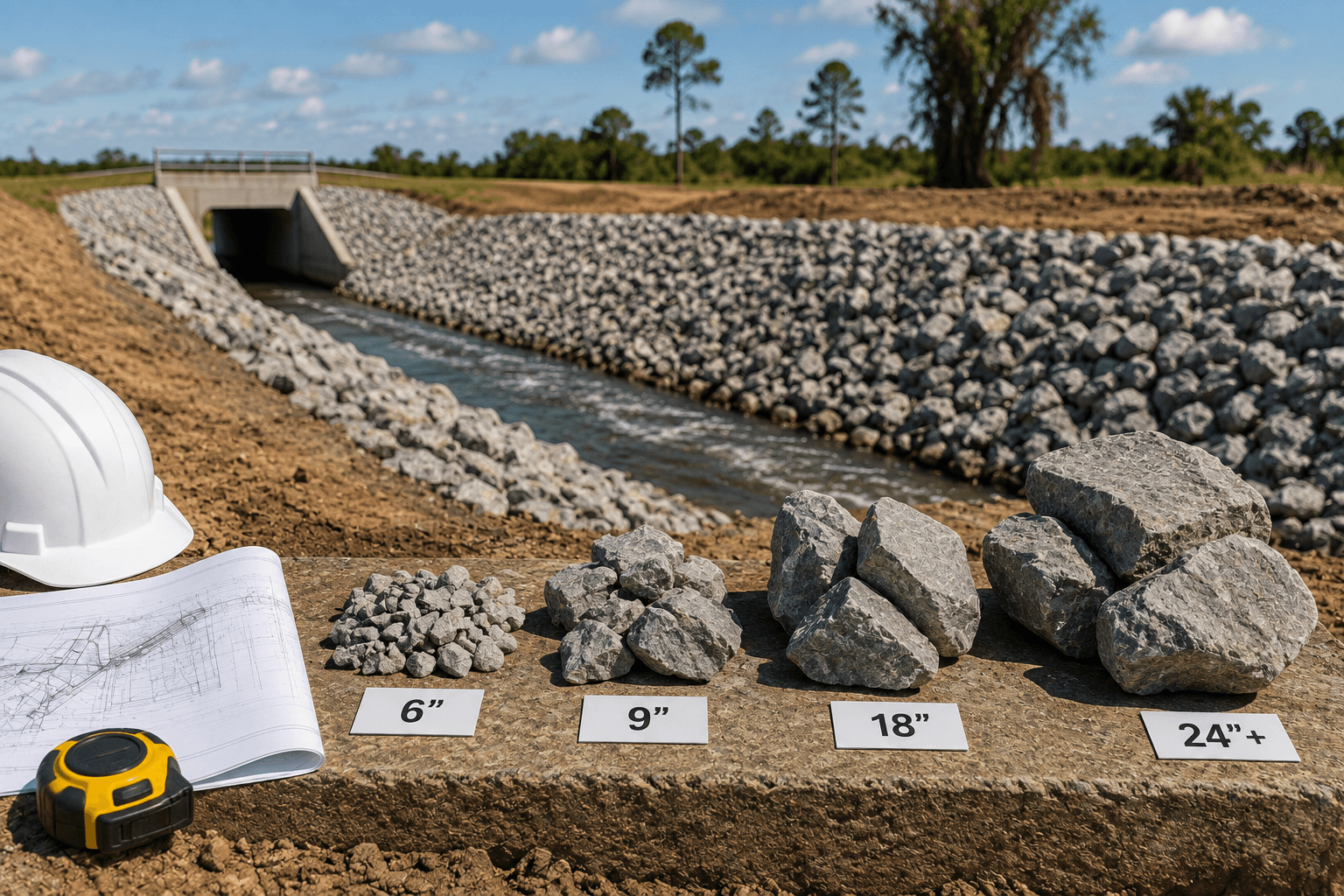
To function properly, stone selection relies on specific rock gradations rather than uniform stone sizes. A well-graded mixture includes large anchor stones, medium filler stones, and smaller aggregate that fit tightly into the open gaps. This natural interlocking effect prevents individual rocks from sliding or being swept downstream.
As a primary structural erosion control measure, riprap must maintain a minimum rock specific gravity of 2.5 to ensure the material is dense enough to remain anchored during flash floods and heavy storm surges.
We utilize riprap across high-erosion impact areas on Central Florida job sites, including:
A riprap revetment is only as reliable as its underlying design engineering. Laying stone haphazardly without analyzing site hydraulics or slope mechanics usually ends in total structural failure during the first heavy rainfall.
Selecting the correct stone size depends entirely on maximum anticipated flow velocities. Engineers calculate the median rock diameter, known as $D_{50}$, which represents the stone size where 50% of the rock mixture by weight is smaller and 50% is larger.
As water speed increases, the size and weight of required stone escalate rapidly to counteract hydrodynamic lift and drag forces:
| Flow Velocity (ft/s) | Minimum $D_{50}$ Stone Size | Maximum Rock Size ($D_{max}$) | Recommended Application |
|---|---|---|---|
| 5.0 ft/sec | 4 inches | 6 inches | Low-flow swales, small ditch bottoms |
| 8.5 ft/sec | 8 inches | 12 inches | Retention pond inlets, moderate channels |
| 10.0 ft/sec | 12 inches | 18 inches | High-volume culvert outfalls, pond shorelines |
| 12.0 ft/sec | 16 inches | 24 inches | Steep drainage channels, stream banks |
| 15.0 ft/sec+ | 24 inches | 36 inches | Heavy river bends, high-velocity discharge structures |
Adhering to Federal Highway Administration Guidelines (HEC-11) ensures the layer thickness is designed to at least 1.5 times the maximum stone diameter ($1.5 \times D_{max}$) or a strict absolute minimum layer depth of 6 inches.
A major mistake in DIY or poorly executed contractor installations is placing rock directly over raw soil. When water surges through the voids of a riprap layer, it creates suction and turbulence that draws fine subsoil particles out through the rock voids. This process, known as soil piping, slowly undermines the rocks until the whole structure collapses into a sunken pit.
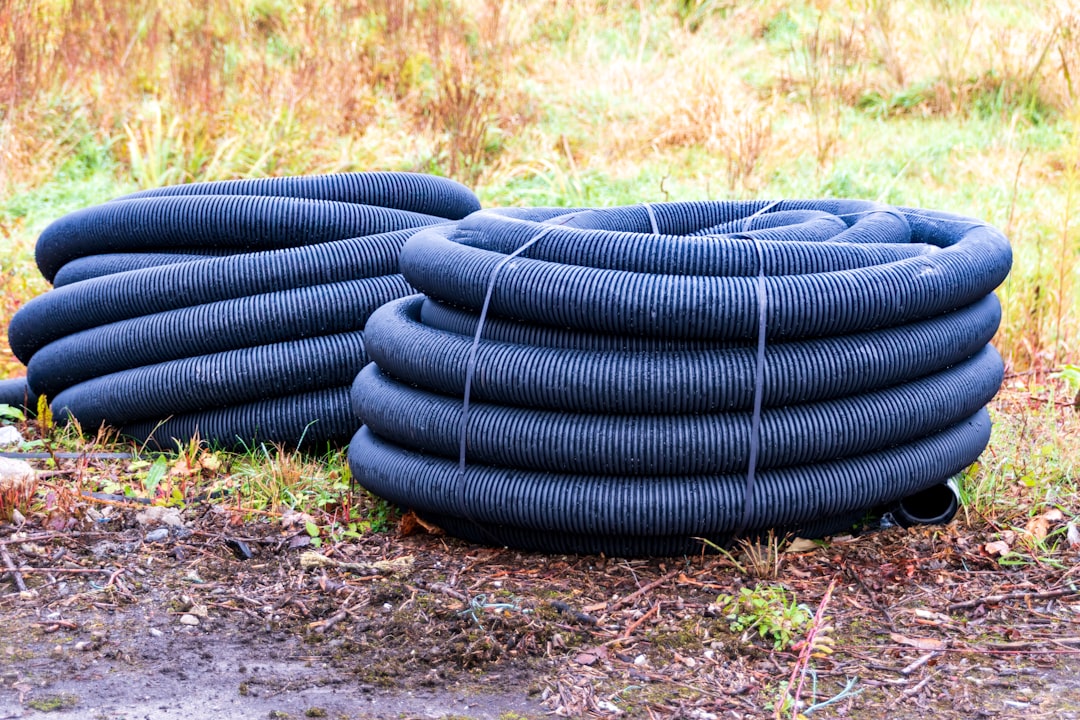
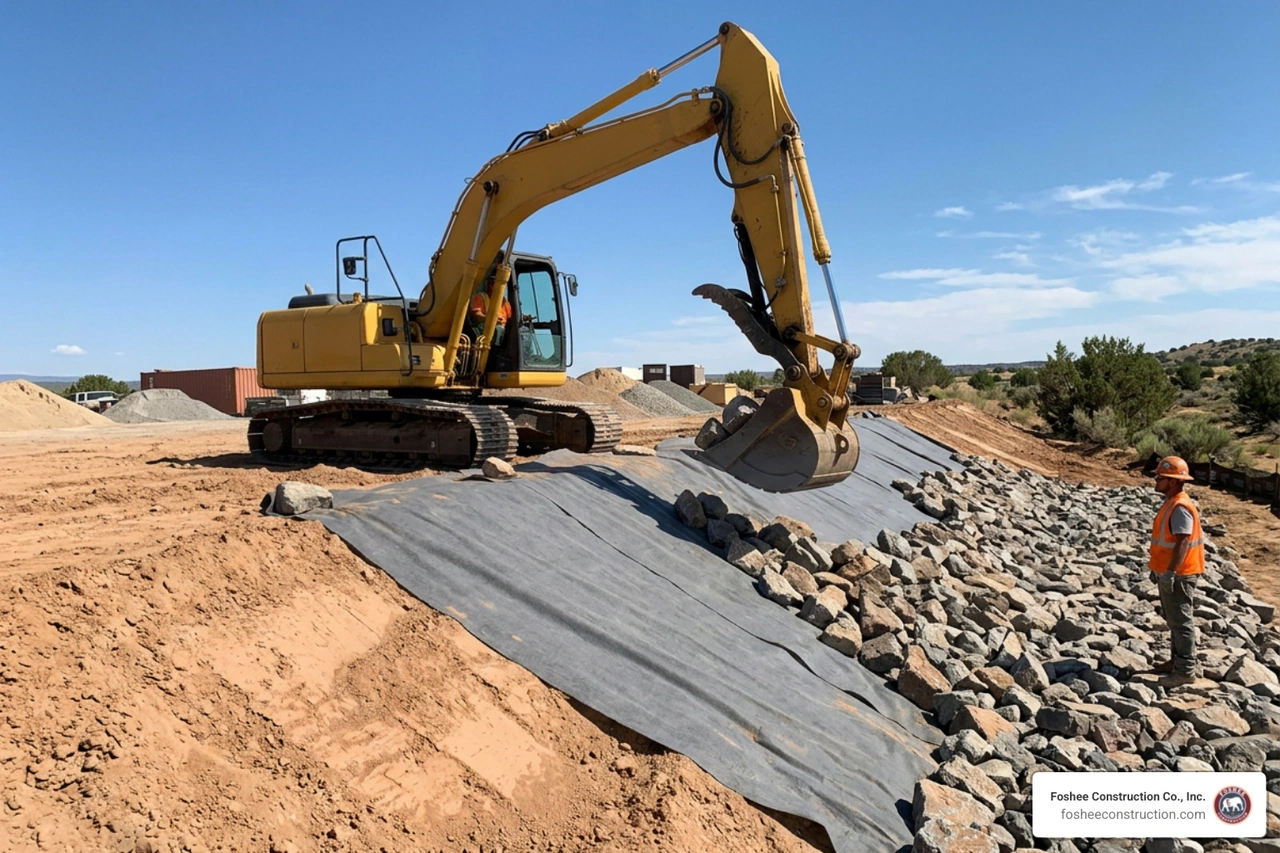
To prevent piping, we always install a geotextile underlayment fabric or a graded aggregate granular filter blanket beneath the riprap layer. For heavy riprap, a needle-punched non-woven geotextile fabric (ranging from 8 oz to 16 oz per square yard) acts as a tough, permeable barrier. It holds subsoil particles in place while allowing groundwater pressure to vent freely.
Key geotextile installation protocols include:
This essential step ensures long-term protection on erosion prevention construction sites.
Slope gradient plays an essential role in structural stability. Riprap is not recommended for slopes steeper than 2:1 (2 feet horizontal to 1 foot vertical). On slopes exceeding 2:1, gravity works against rock interlock, causing loose boulders to roll, slide, or slump downward during rainstorms.
Proper stone placement steps require experienced equipment operators:
Like any engineering solution, riprap has distinct trade-offs that project managers must weigh against alternative earthwork measures.
Pros:
Cons:
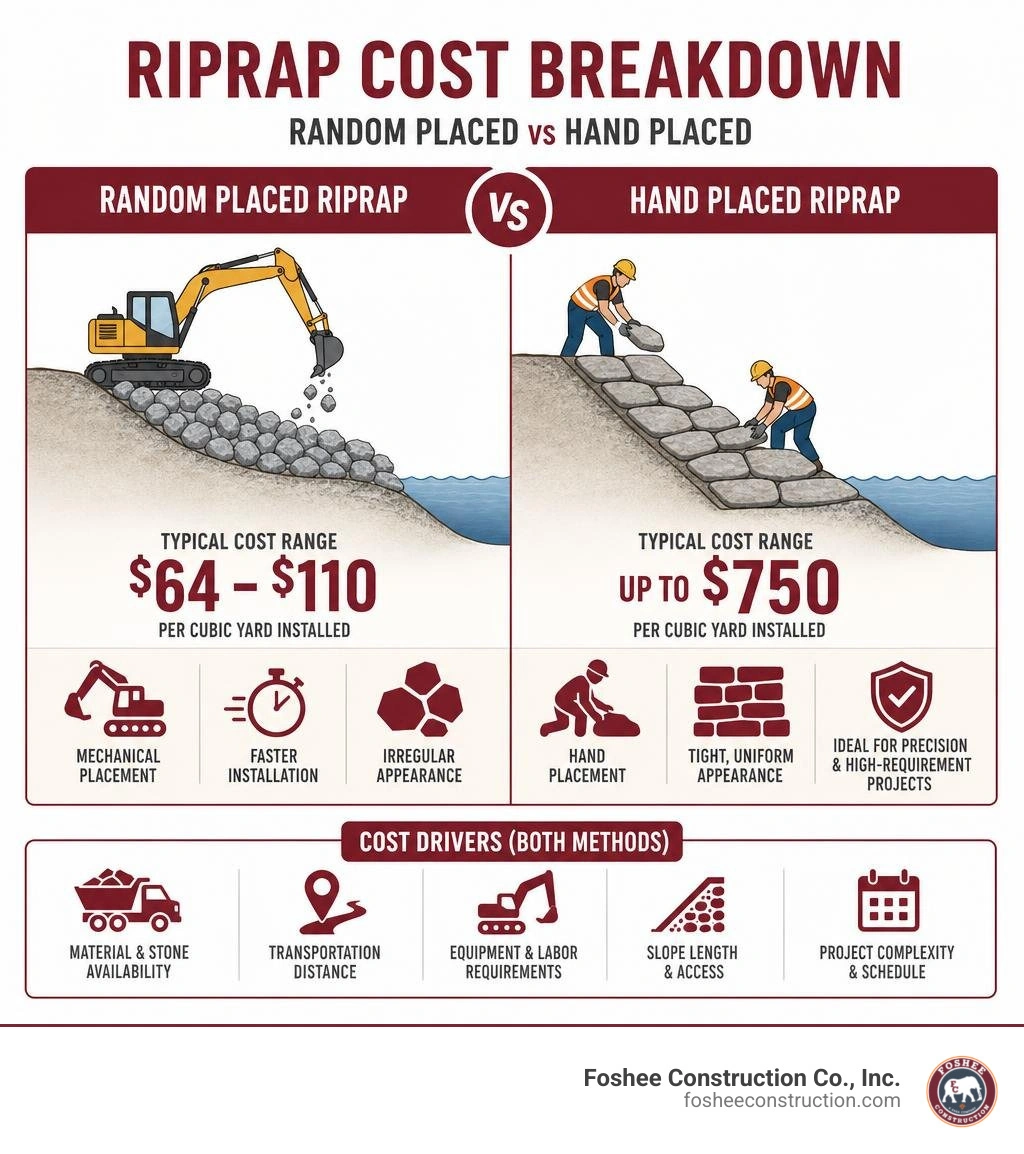
When budgeting for erosion control rip rap, costs vary widely based on placement style, stone availability, and transportation distance:
While riprap excels at soil stabilization, it introduces clear environmental modifications:
Routine Maintenance Practices:
Choosing between hard armoring and soft bioengineering depends on water velocity, project longevity goals, site aesthetics, and budget constraints.
| Feature / Method | Riprap Rock Armor | Rolled Erosion Control Blankets (RECPs) | High-Performance Turf Mats (HPTRM) | Vegetated Bioengineering |
|---|---|---|---|---|
| Primary Material | Heavy angular rock / granite | Straw, coconut coir, or jute matrix | Synthetic UV-stabilized woven matrix | Native plants, live stakes, willow bundles |
| Erosion Resistance | Extremely High (Flows > 15 ft/s) | Low to Moderate (Flows < 6 ft/s) | High (Flows up to 10-12 ft/s) | Moderate (Flows < 8 ft/s) |
| System Flexibility | High (adjusts to settling) | High (conforms to ground) | High (anchored to soil) | High (dynamic root network) |
| Relative Cost | High ($64–$750 / cu yd) | Low ($2–$5 / sq yd) | Moderate (~25% of riprap total cost) | Moderate ($5–$15 / sq yd) |
| Environmental Footprint | Hard visual impact; elevates water temps | Biodegradable / natural integration | Soft visual integration once grass grows | Restores riparian zone & native habitats |
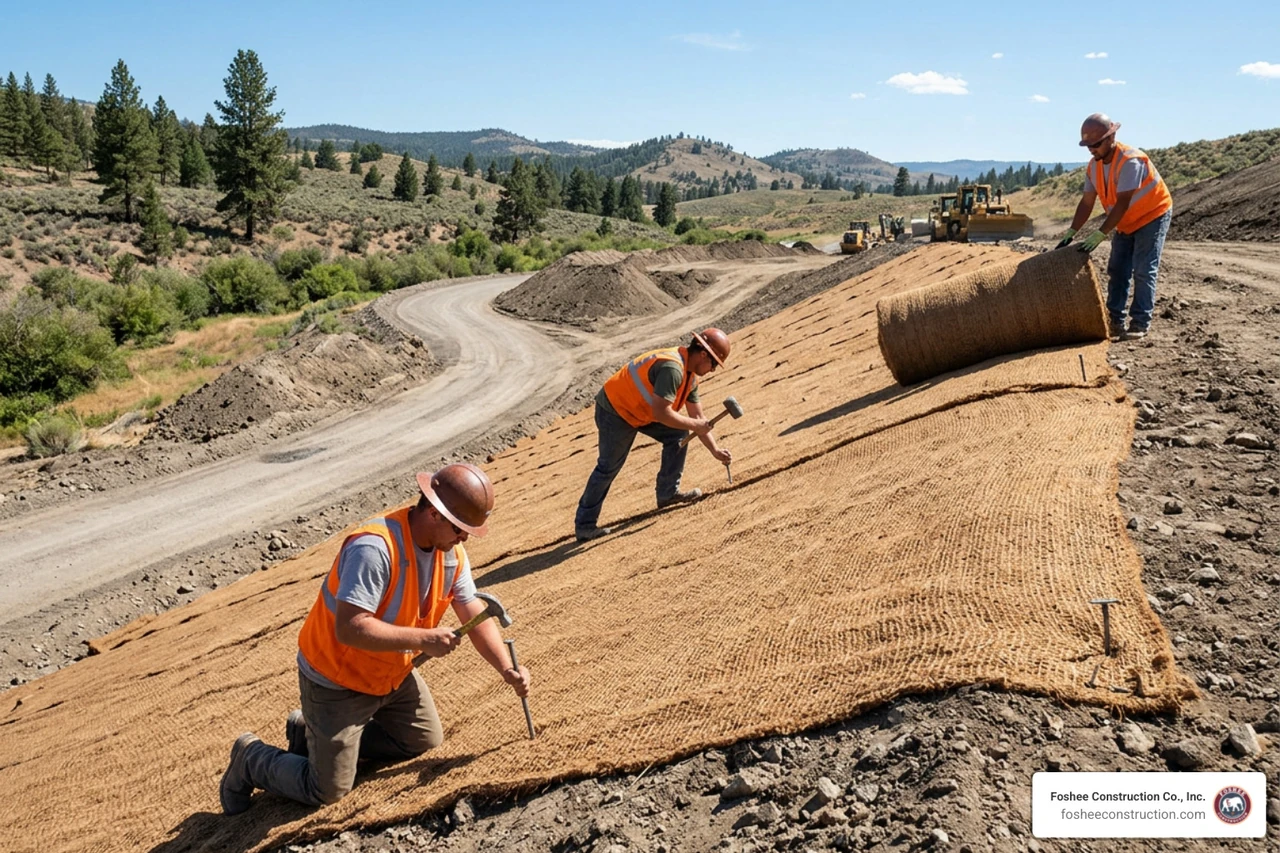
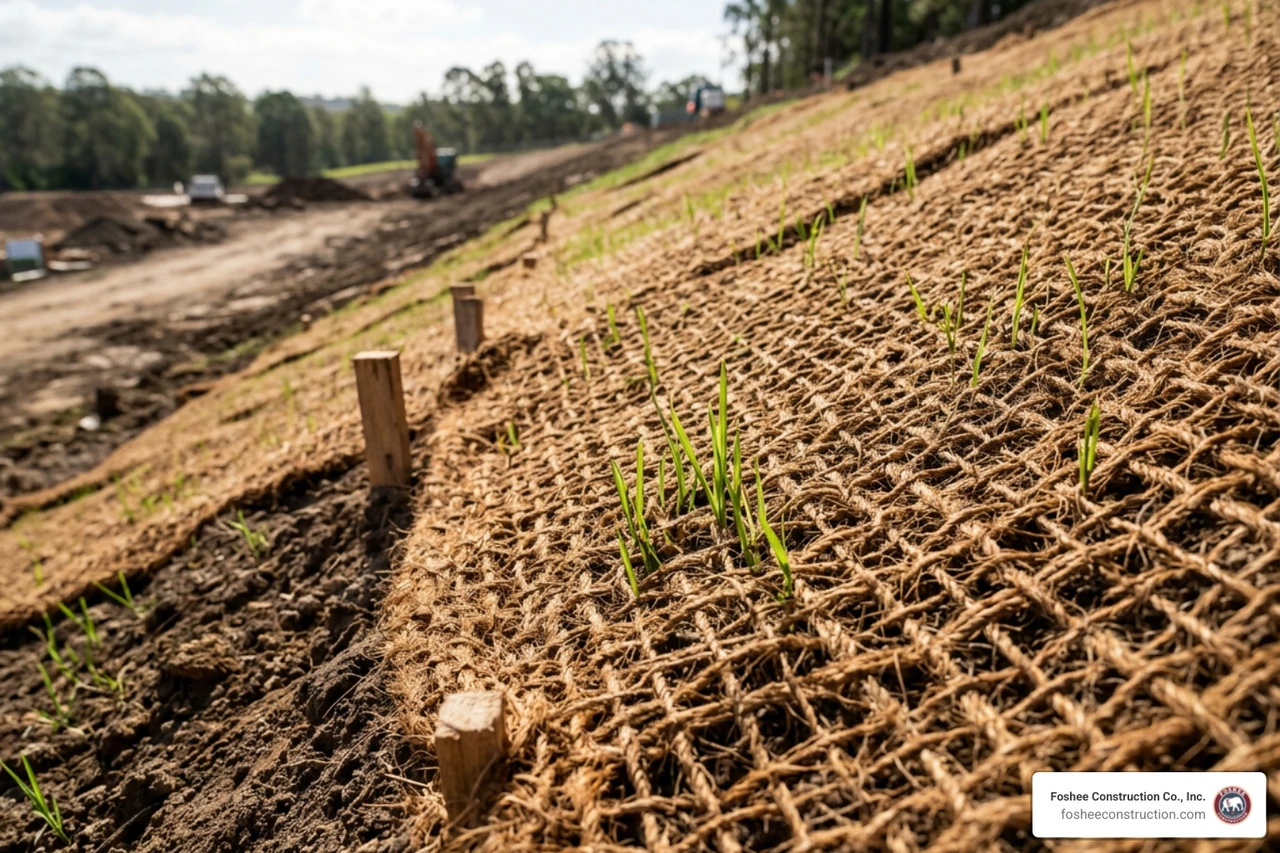
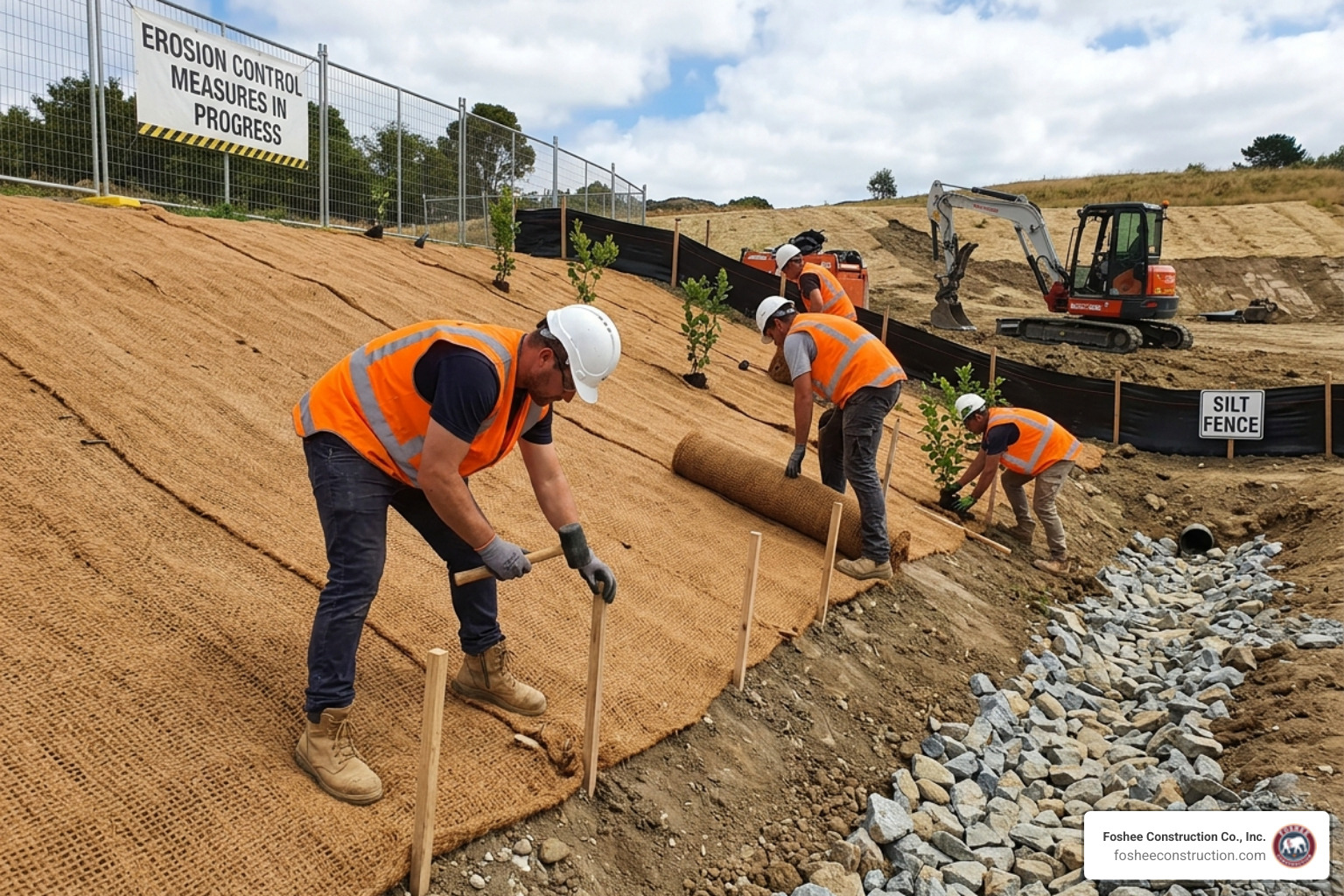
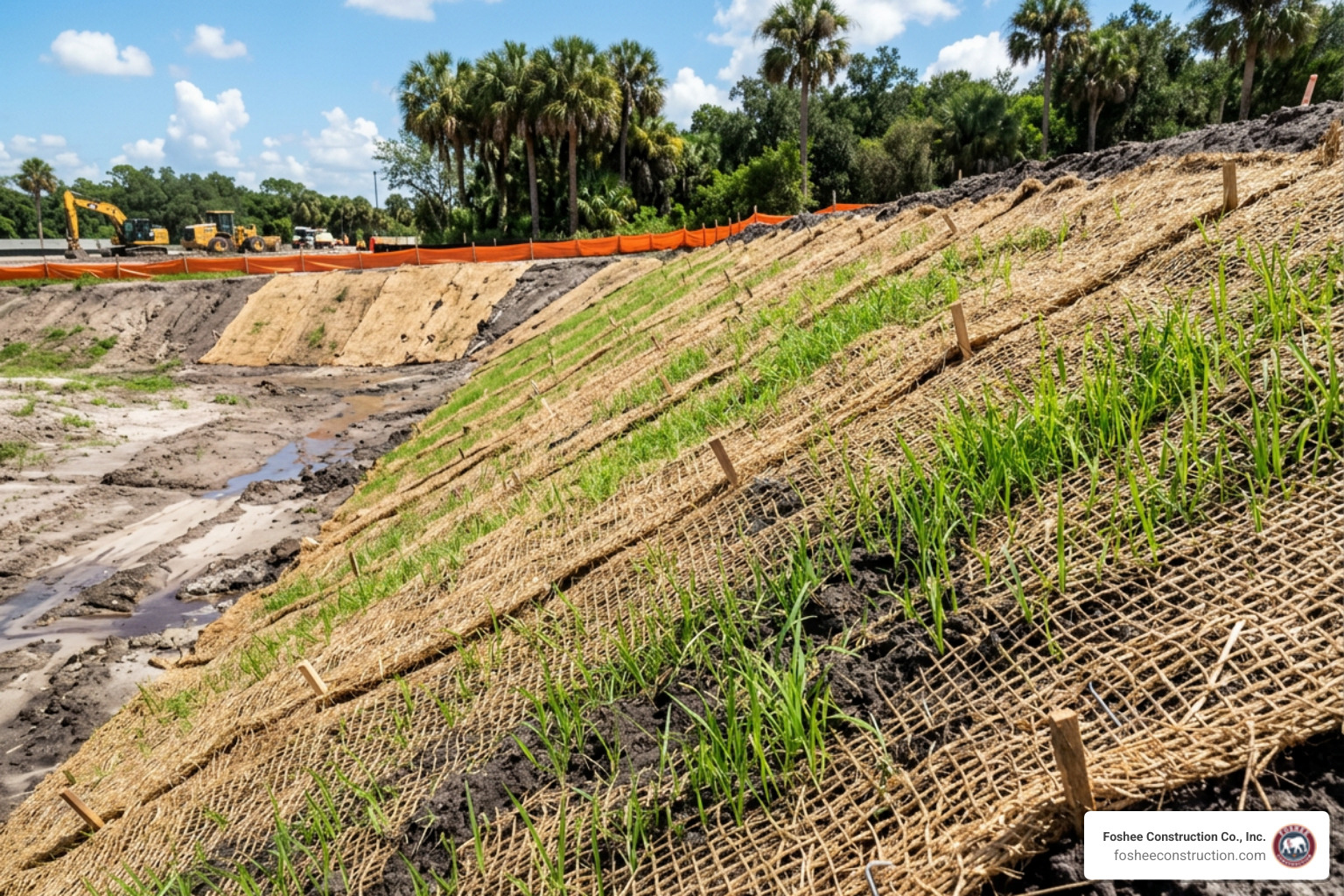
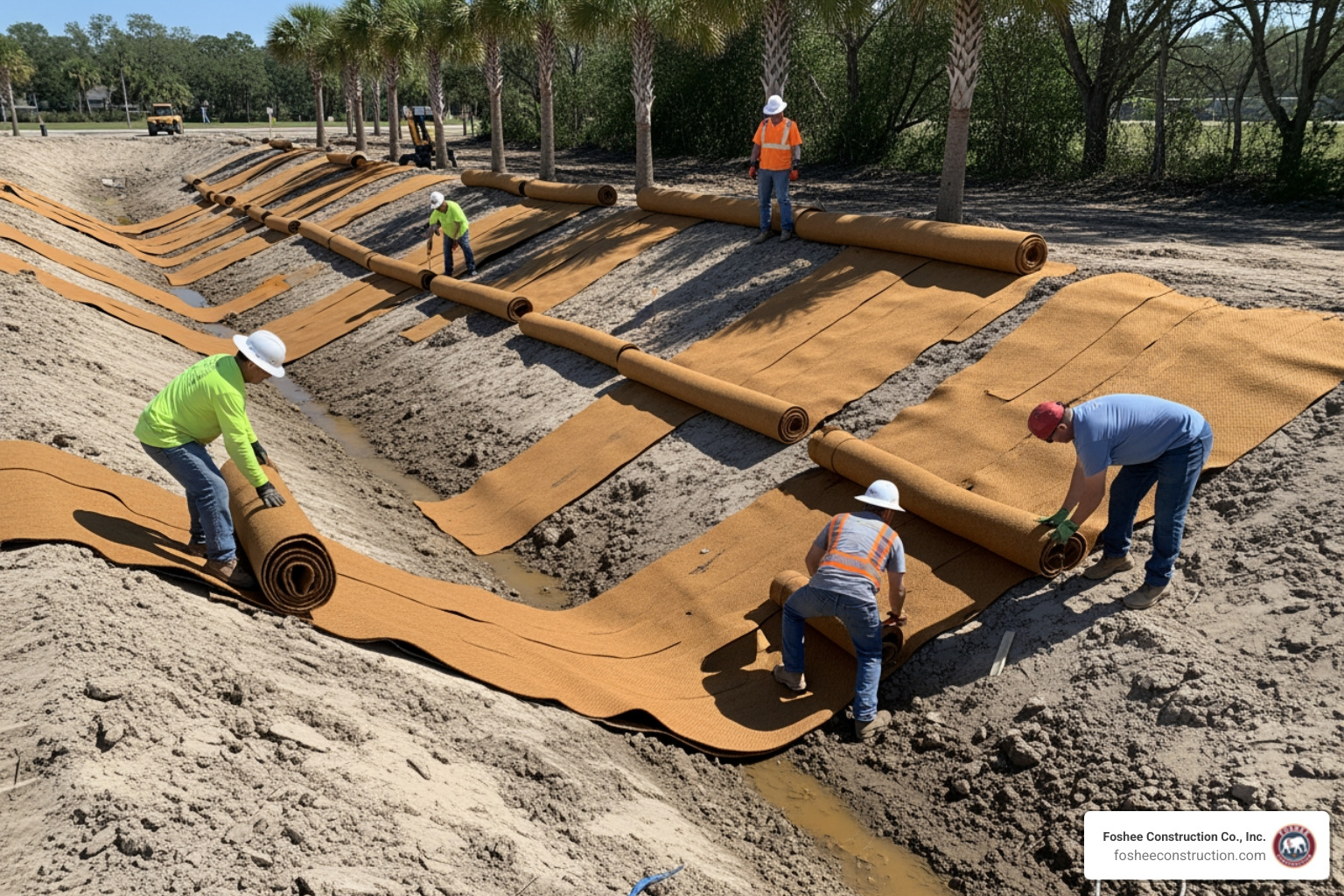
Rolled products offer flexible, low-cost alternatives for low-energy slopes and swales:
Where shear forces exceed 10–12 feet per second, soft rolled products wash away, making structural riprap or concrete mats necessary.
For project owners seeking eco-friendly alternatives, bioengineering methods blend mechanical soil stabilization with living plant biology:
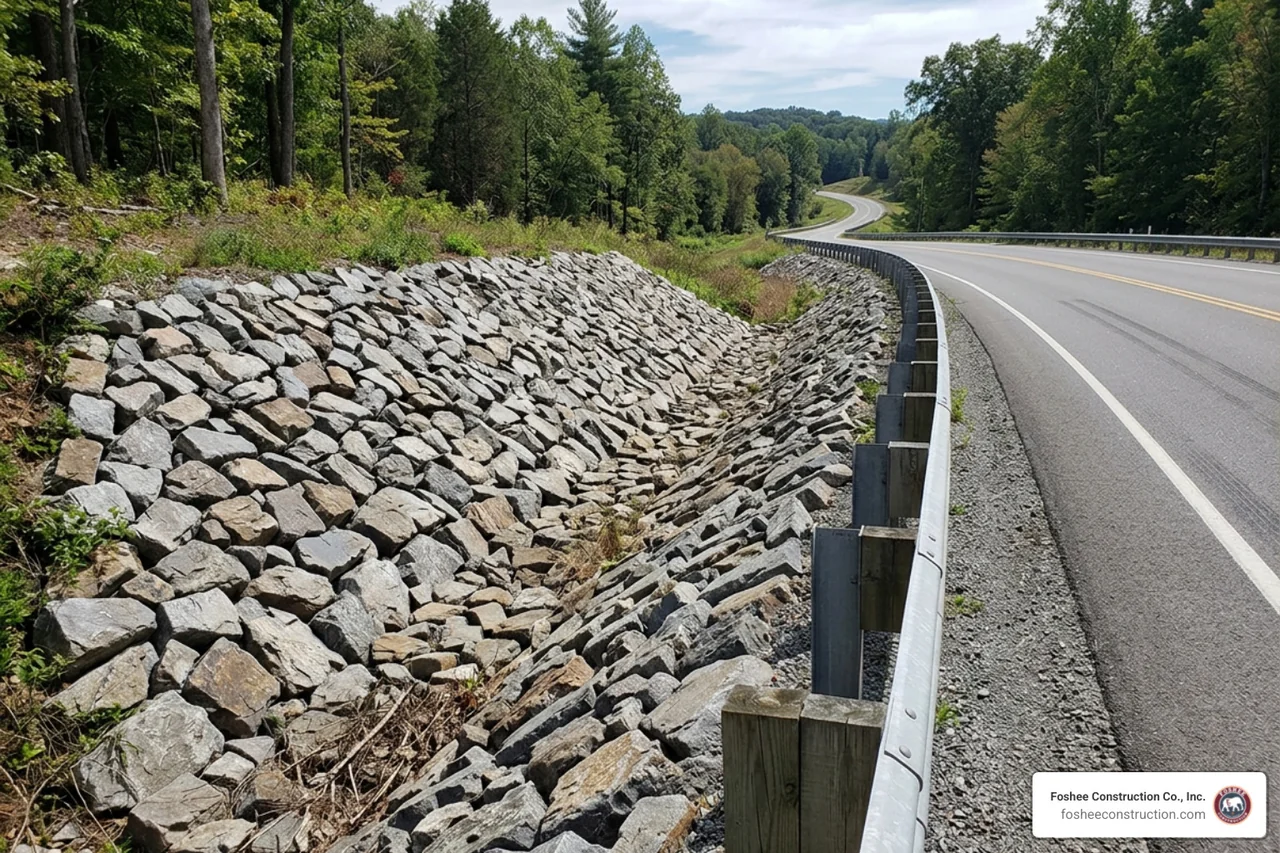
The standard maximum recommended slope ratio for riprap placement is 2:1 (horizontal to vertical), which is approximately a 26.5-degree angle. On slopes steeper than 2:1, gravity causes stones to become unstable, leading to downhill slumping, rolling rocks, and structural collapse.
If your site features slopes steeper than 2:1, you should consider alternatives like wire-enclosed gabion baskets, articulated concrete block mats, or structural retaining walls.
Installed costs generally range from $64 to $110 per cubic yard for standard random-placed riprap using heavy machinery.
If your project requires hand-placed, tightly fitted riprap in restricted access areas, costs can increase up to $750 per cubic yard due to heavy manual labor demands. Overall expenses depend on local stone availability, freight distance, total site yardage, subgrade prep, and geotextile underlayment selection.
Geotextile filter fabric forms a vital separation layer between raw soil and stone cover. Without geotextile fabric, flowing water pulls fine soil particles up through the voids between rocks (soil piping). Over time, this erodes the underlying base, causing the heavy riprap stones to sink into the mud and lose structural stability.
A needle-punched non-woven geotextile fabric allows groundwater to drain freely while holding subsoil firmly in place.
Understanding what is rip rap erosion control is essential for any land developer, general contractor, or site owner facing severe washouts, steep channel flows, or shoreline deterioration. When designed with correct rock sizing, robust geotextile underlayment, and proper toe-keying techniques, riprap provides an extremely reliable defense against severe soil erosion.
At Foshee Construction Co., Inc., we bring decades of hands-on earthwork, grading, and site preparation experience to every project across Minneola, Lake County, and Central Florida. Whether you need initial site clearing, stormwater pond shaping, or heavy-duty erosion control rip rap solutions, our team delivers transparent bids, disciplined project scheduling, and unyielding site safety standards.
Have an active site development project or an erosion issue on your property? Reach out to Foshee Construction Co., Inc. today to discuss your site plans and build a long-lasting erosion control strategy.
We build bids using HeavyBid and AGTEK because the details matter long before the job starts. When the numbers are accurate and the scope is clearly defined, it sets the tone for how the entire project runs. Estimating isn’t just a step in the process, it’s the foundation we build on.
That same mindset carries into the field. Our crew is trained to work with purpose, follow the Civil Engineers’ Plan to the finest detail, and hold the line on quality. When expectations are clear from day one, there’s no need for shortcuts, and no confusion about how the work gets done.
Clients trust our bid packages because they’re complete and ready to use. Project managers know what we’re covering, what’s excluded, and how we plan to approach the job. That clarity removes friction and lets teams focus on execution instead of interpretation.
As part of our review process, we go into the plans before anything hits the site. We ask the questions early, resolve issues before they show up in the field, and keep RFIs moving. This approach prevents delays and protects the timeline.
Over time, that consistency builds trust. Many of the people we work with today came through referrals from past projects – engineers, GCs, and superintendents who’ve seen how we operate and want the same experience again.
In 2024, Foshee Construction was acquired by Saga Infrastructure Solutions, a national network of civil construction companies. Saga supports regional contractors by giving them access to better tools, long-term resources, and operational backing, without changing how they run day to day.
Foshee will continue to operate under its name, with the same team and field leadership in place.
“From the very time a project starts, we start that partnership. We try to catch as much as we can with the tools that we have. Not everybody is using the software platforms we are. That’s the differentiator: we’re not just bidding. We’re anticipating, problem-solving, and making sure the job runs right.”
— Don, CEO, Saga Infrastructure Solutions
Foshee is now part of a broader regional strategy that includes Florida, the Piedmont Atlantic, Texas, Colorado, and the Arizona Sun Corridor. The name, crews, and standards remain. What’s improving is the support behind it.