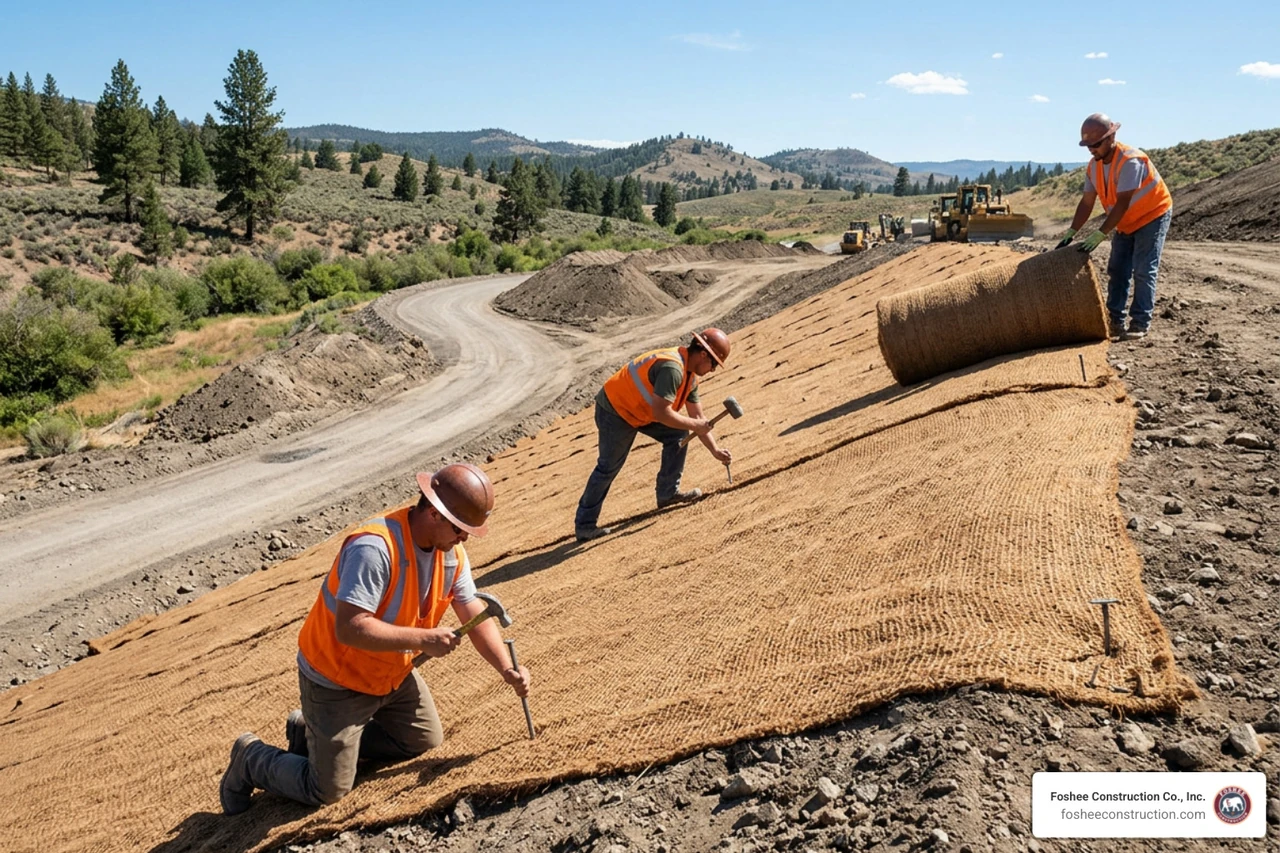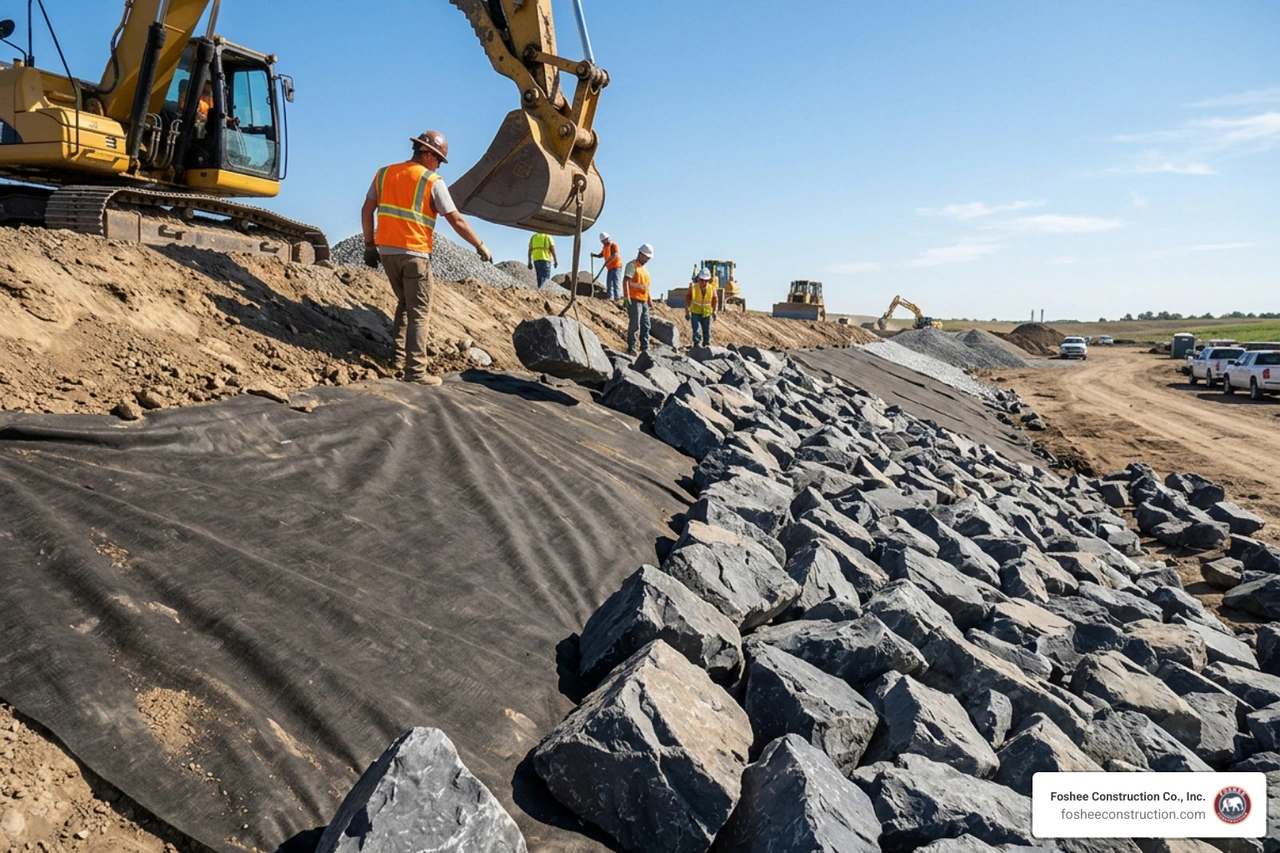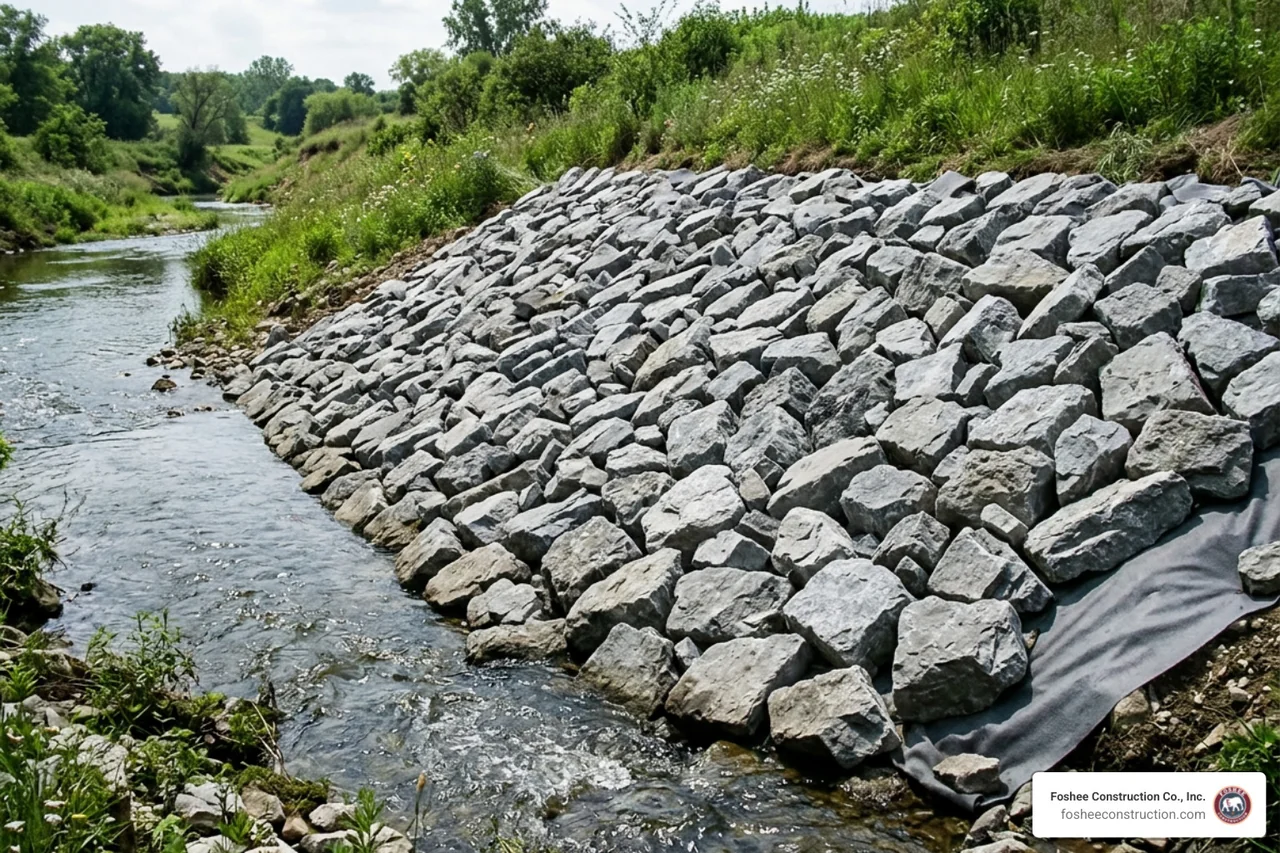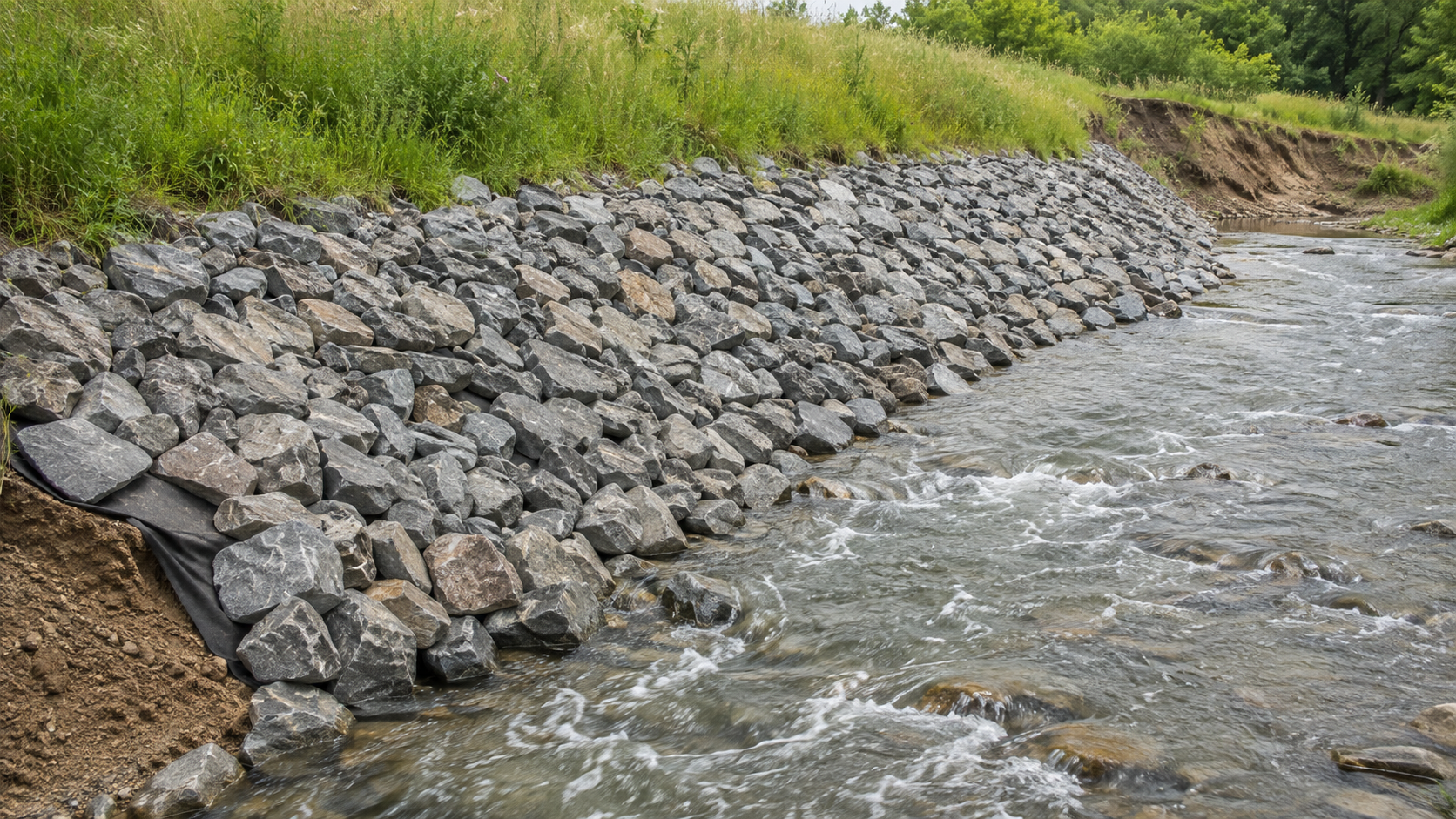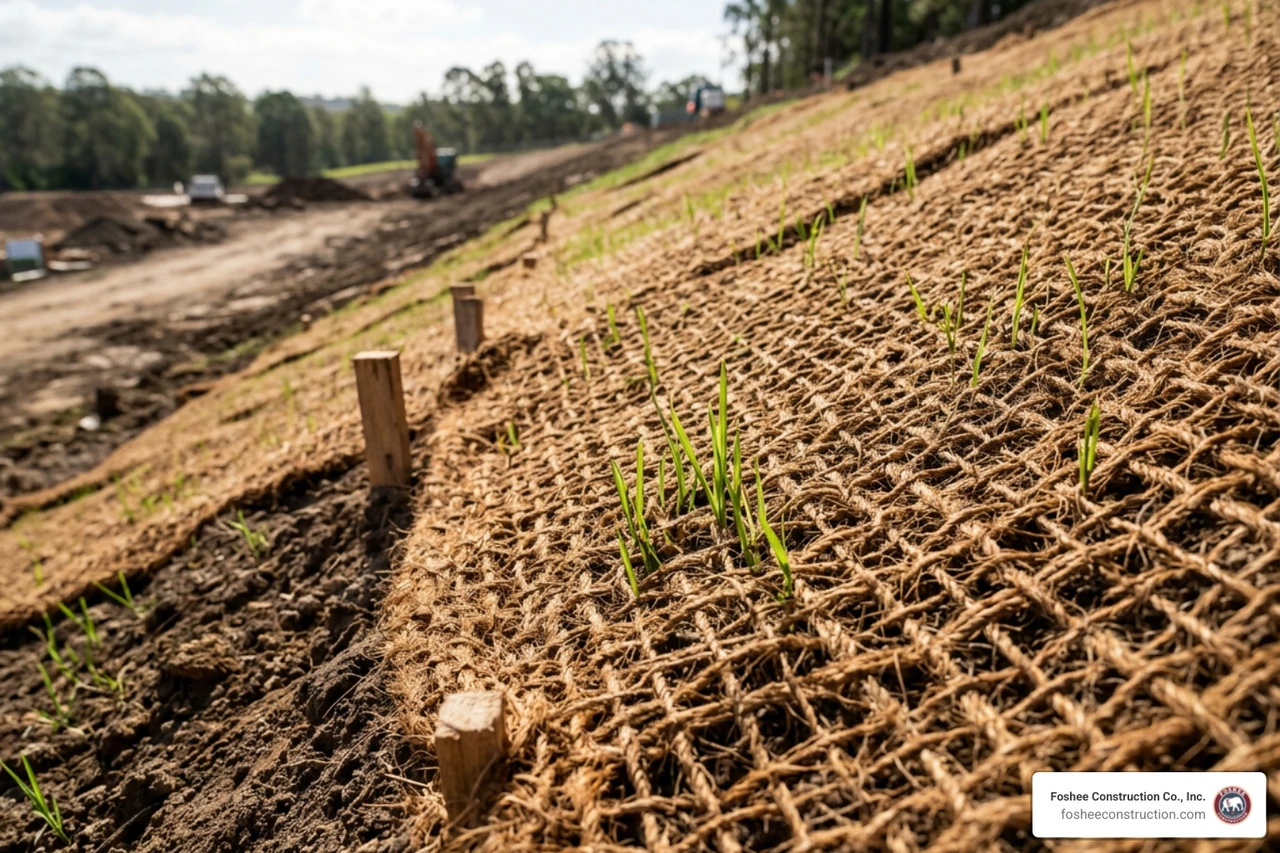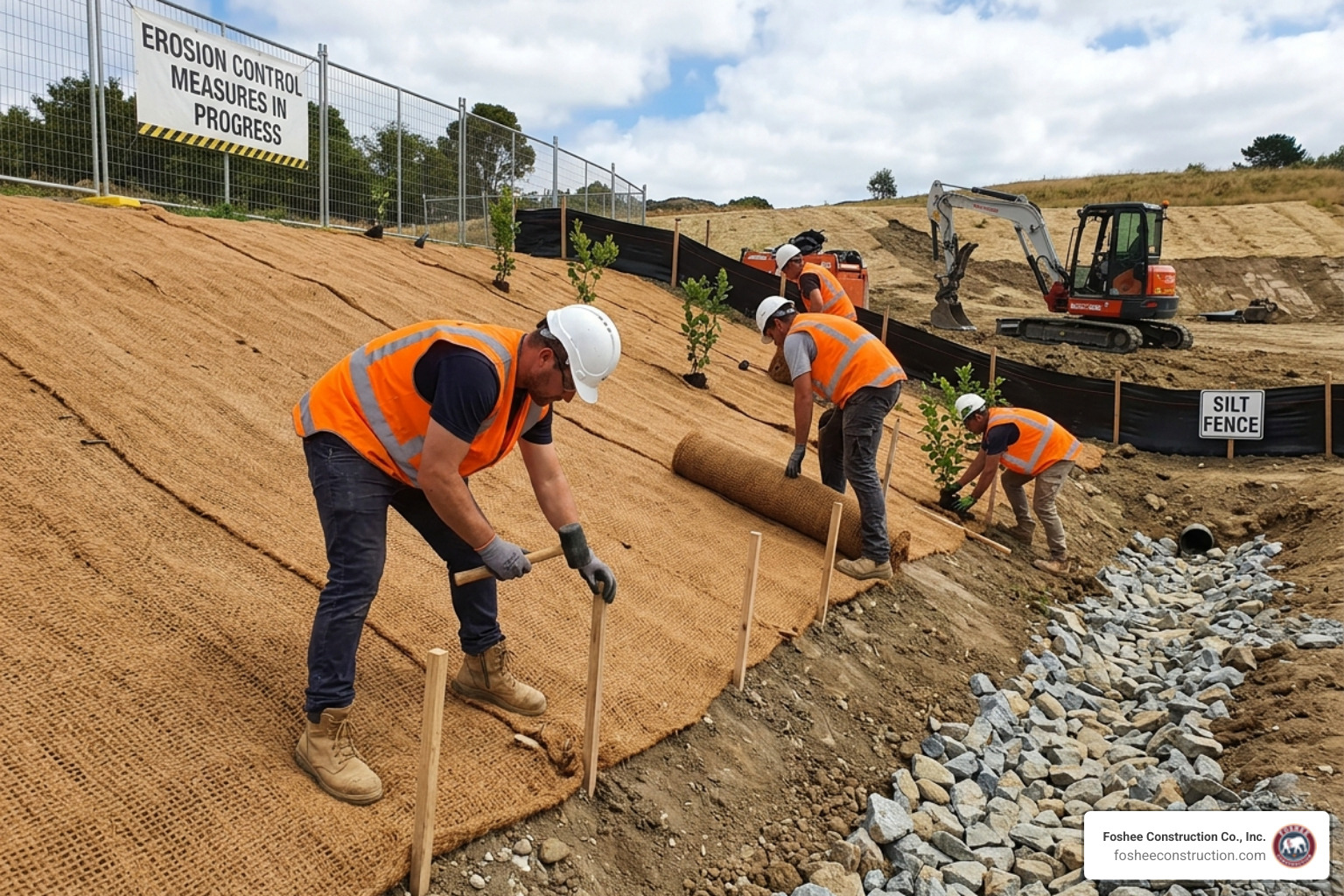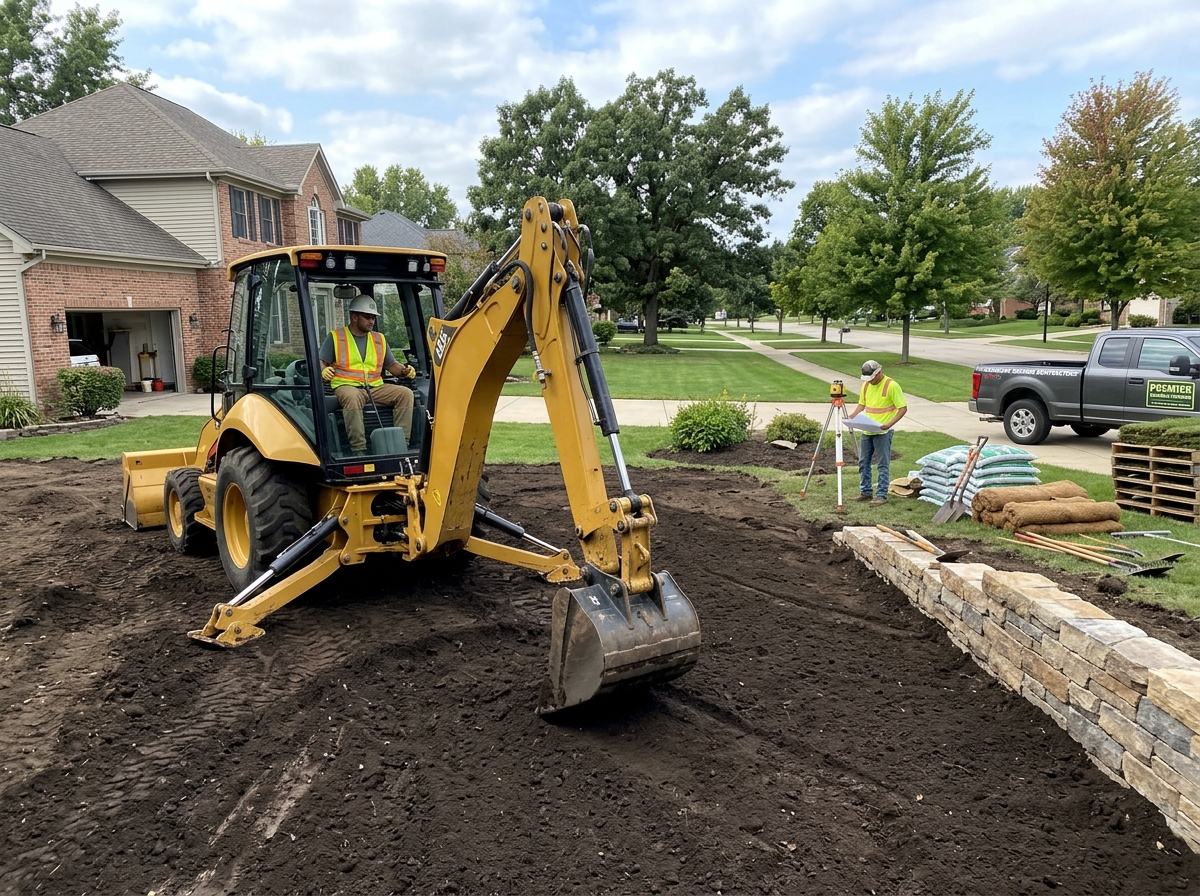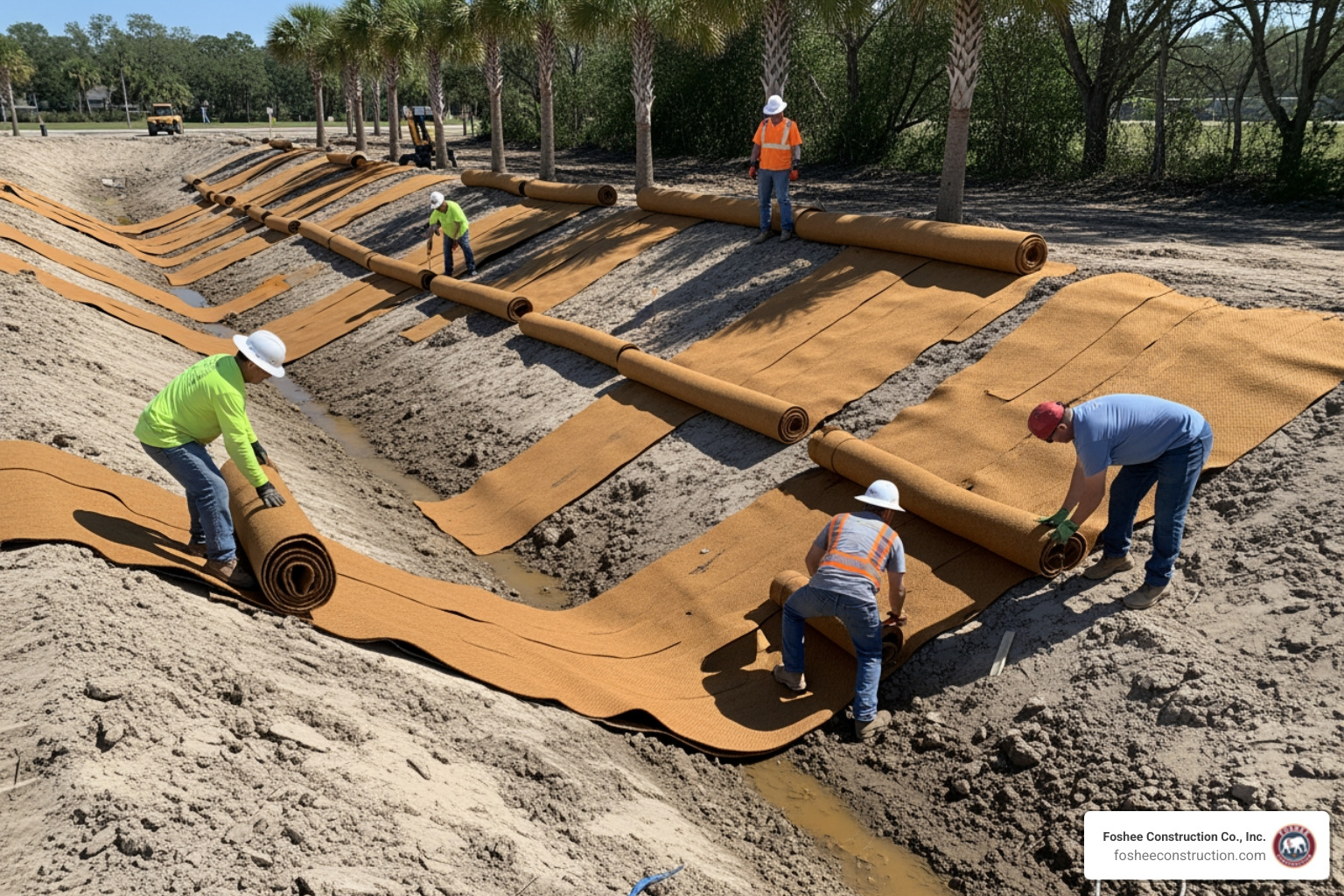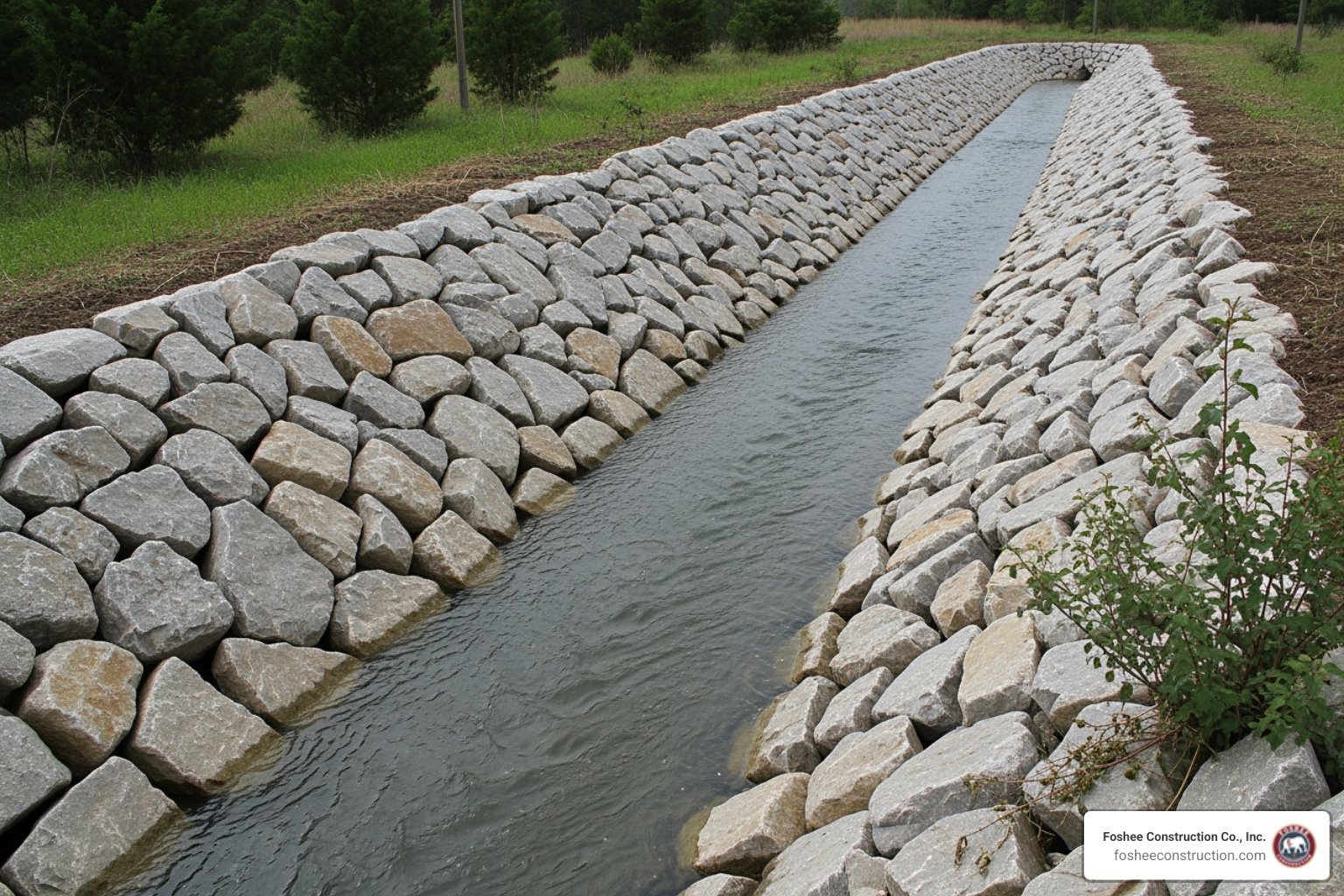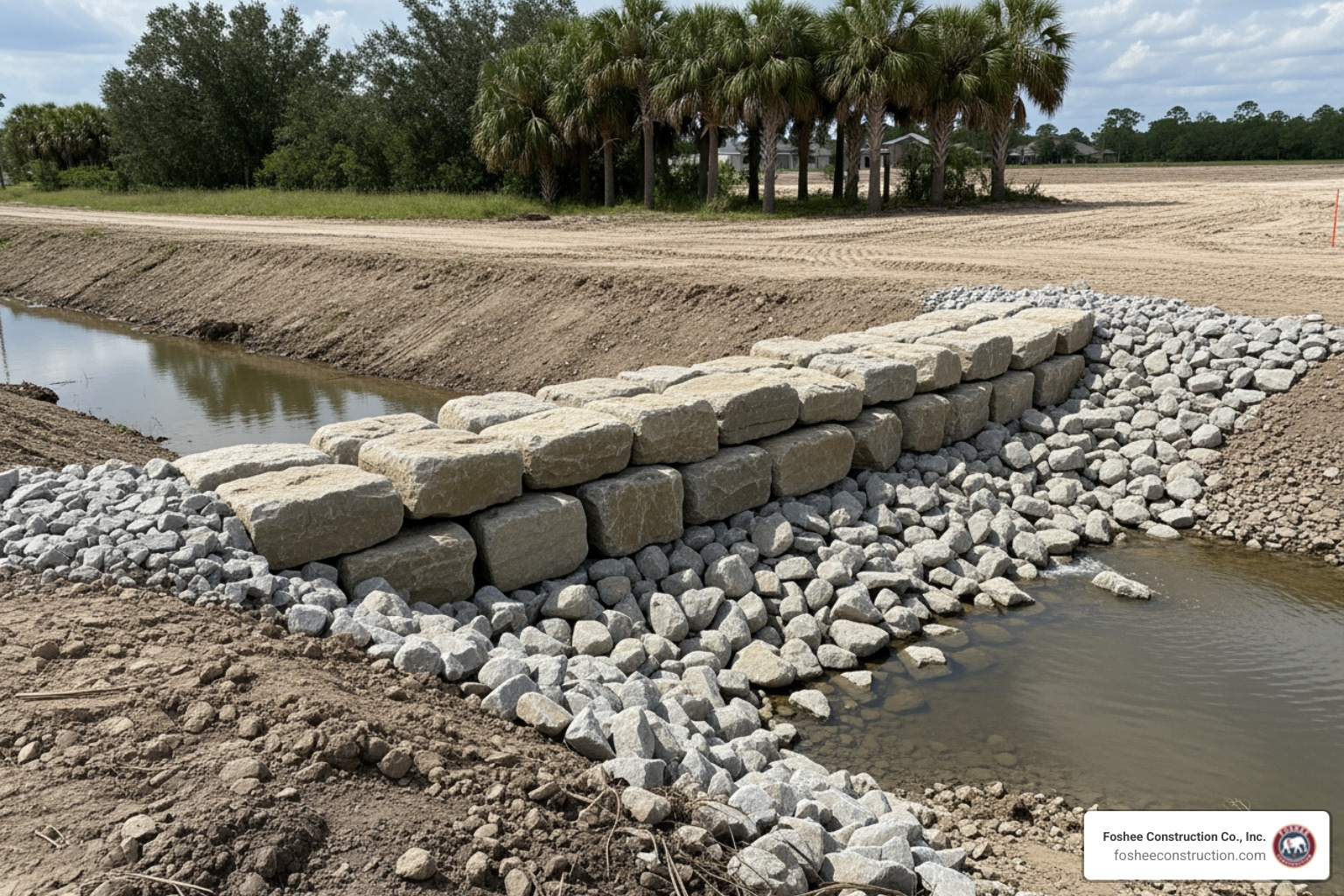
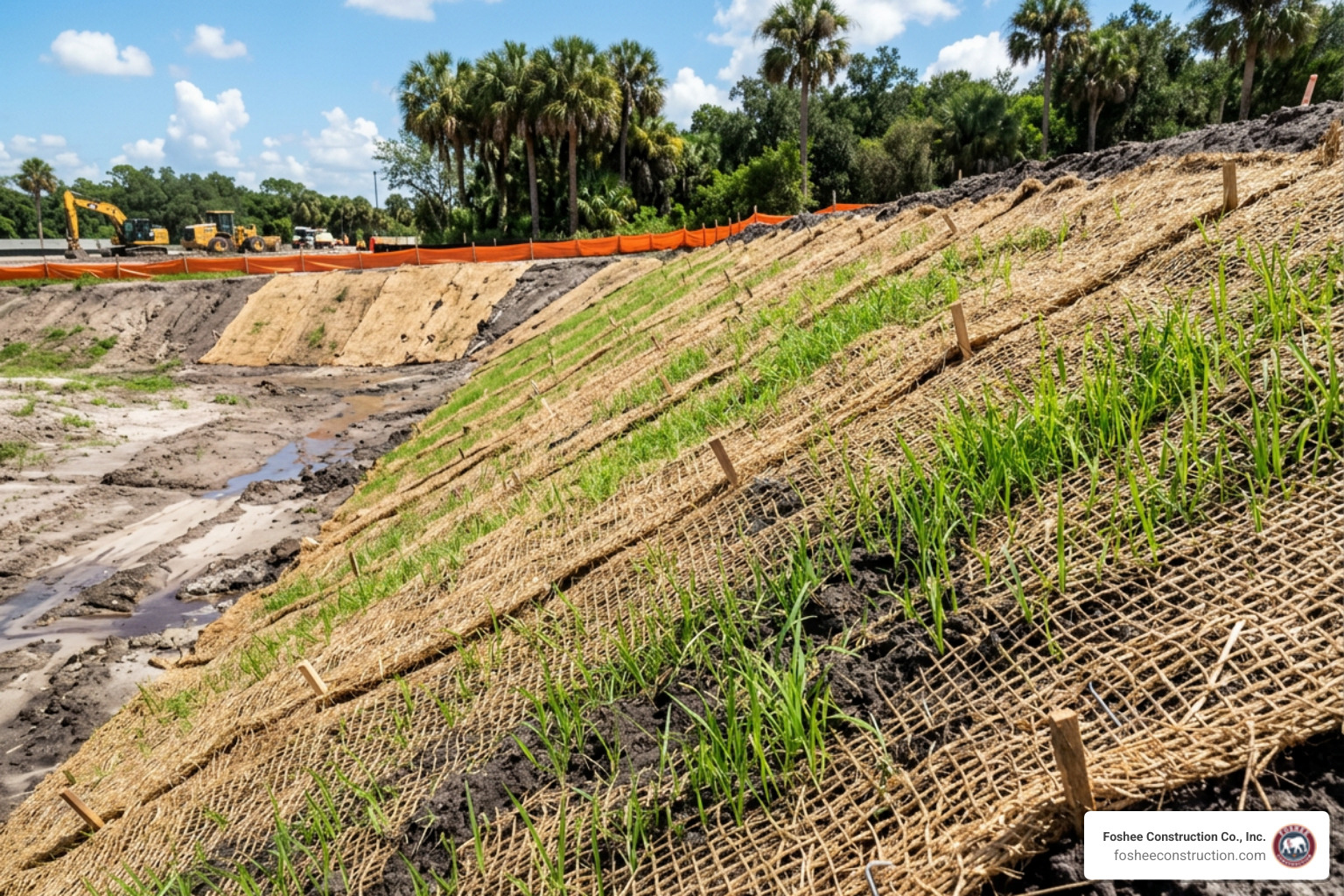
Erosion control blankets are specially designed ground covers made from natural or synthetic fibers that protect bare soil from rain, wind, and runoff while supporting vegetation growth.
Quick answer — what you need to know:
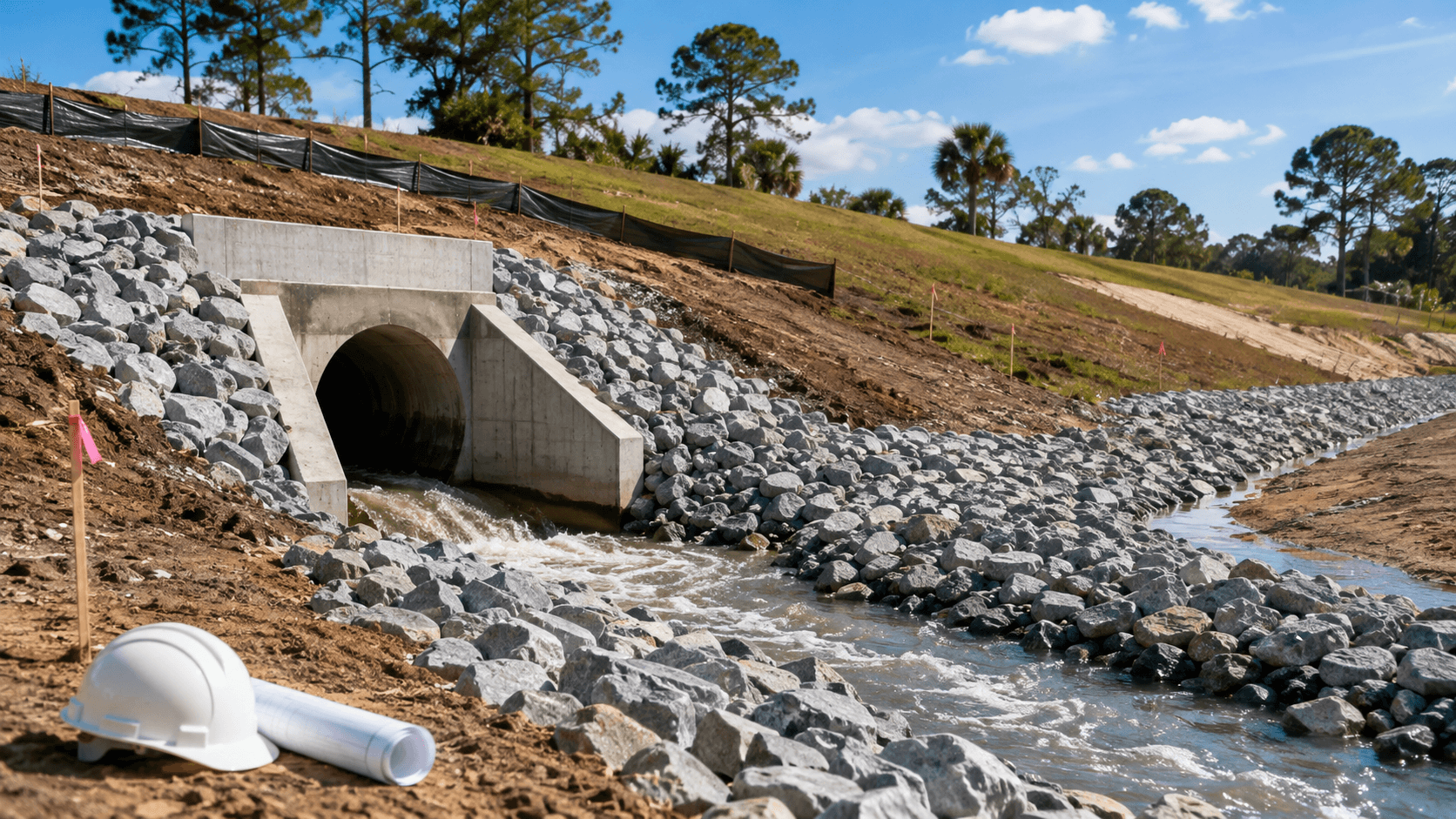
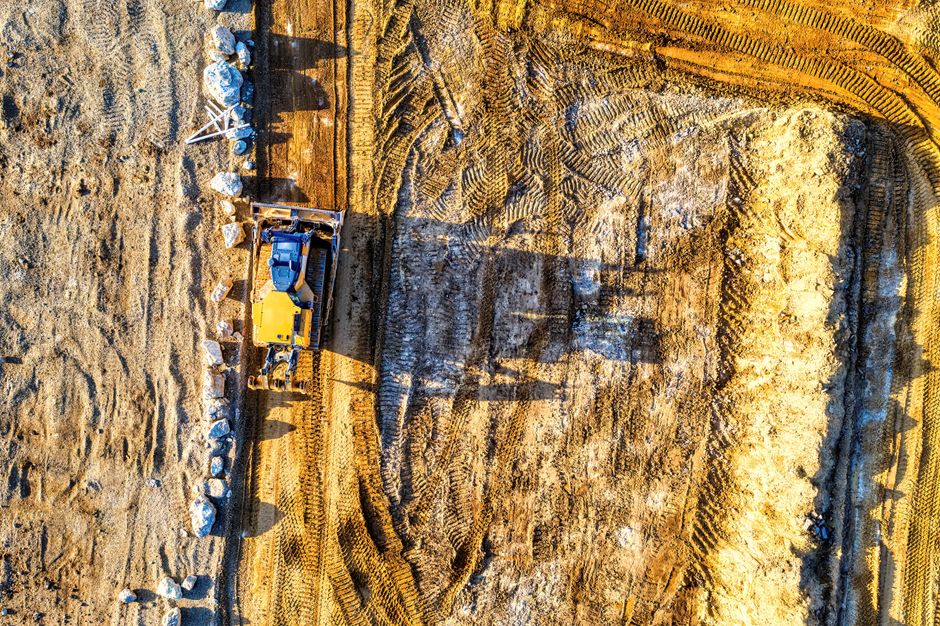
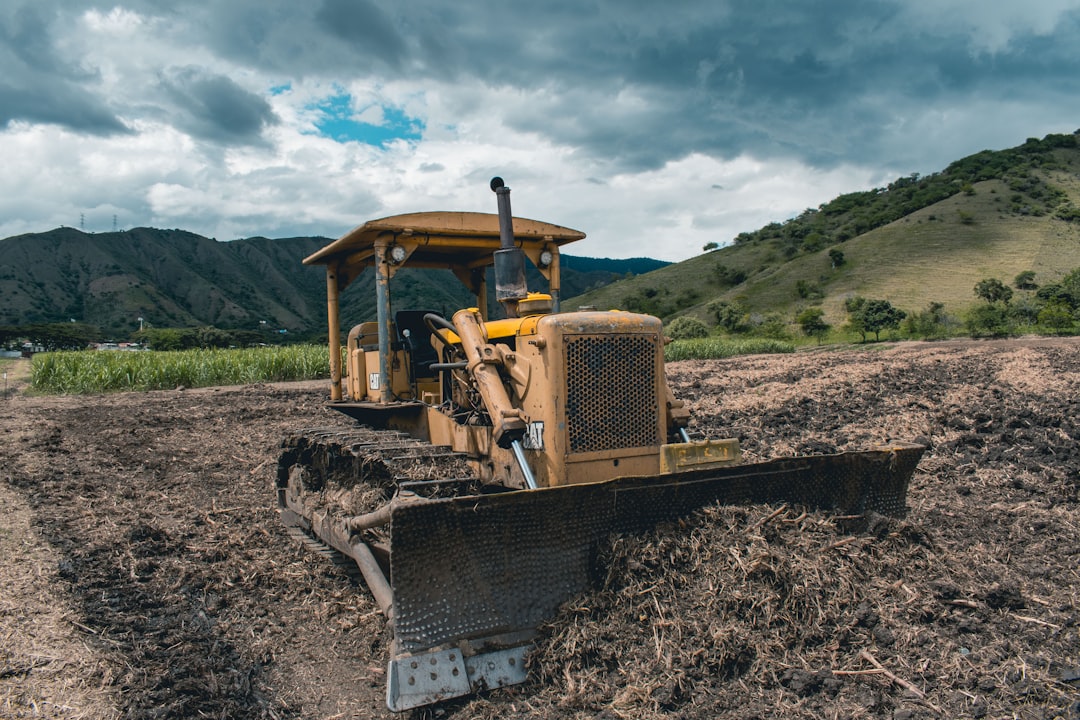
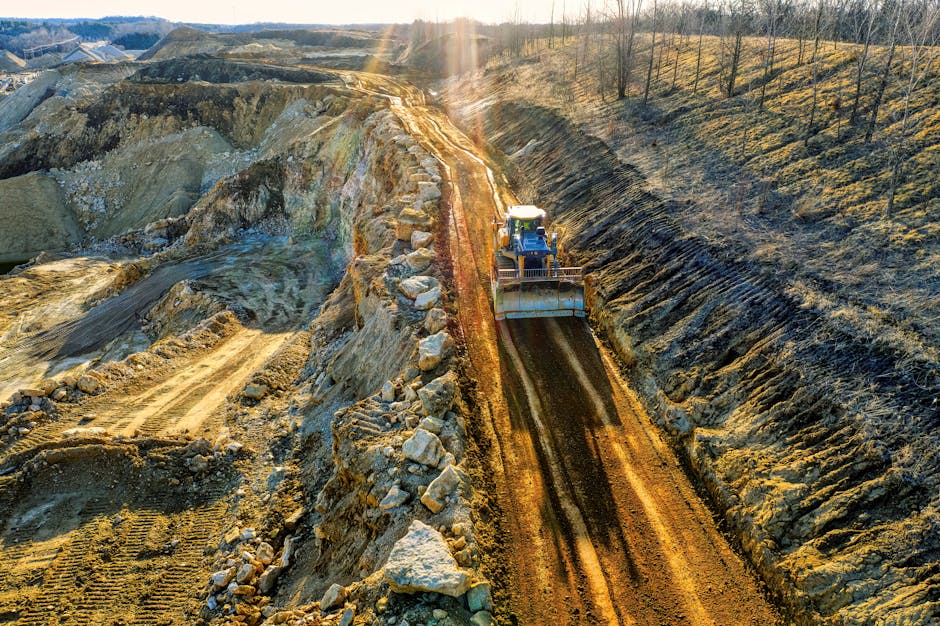
Here's the problem most Florida contractors face: bare soil doesn't stay put. After grading or clearing, exposed topsoil is vulnerable to Florida's intense rainfall and stormwater runoff. Without stabilization, that soil washes away fast — taking your seed, your grade work, and your project timeline with it.
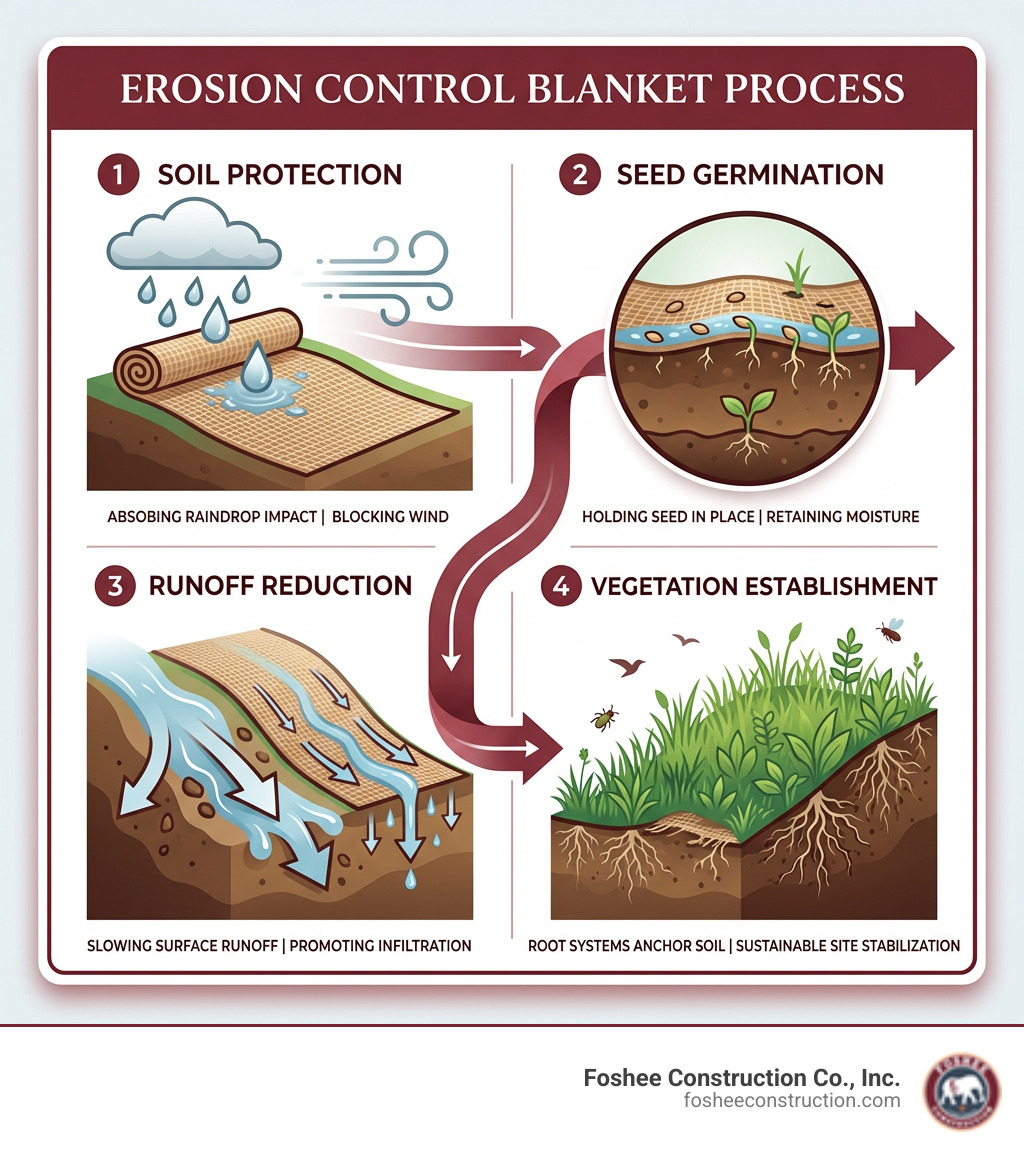
Erosion control blankets solve this by doing three things at once:
Research shows these products can reduce erosion by 90% or more on slopes, swales, ditches, and shorelines. That's not a minor improvement — that's the difference between a stable site and a costly rework.
This guide breaks down the top erosion control blanket options, how to choose the right one, and how to install them correctly so your site stays protected from day one.
When we talk about an erosion control blanket, we aren't talking about a one-size-fits-all product. Depending on your Florida site’s specific topography and how long you need protection, the material choice is critical. These blankets are essentially "industrial-strength mulch" woven into a mat that you can roll out like a carpet.
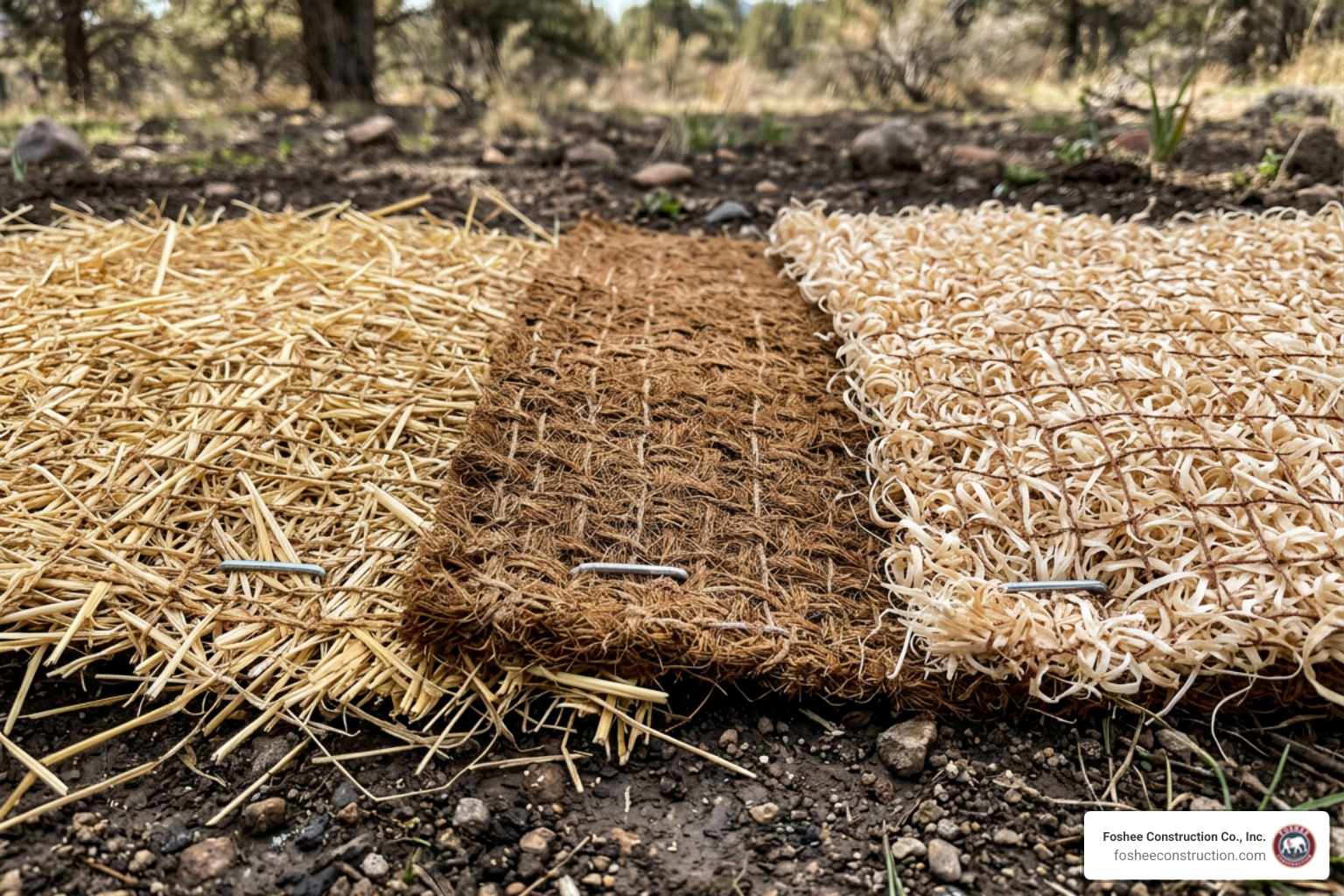
Here are the primary materials you’ll encounter:
To help you decide, we've put together a comparison of how these materials typically perform:
Material TypeTypical LongevityBest Slope GradientPrimary BenefitStraw (Single Net)3–12 Months3:1 or FlatterLowest cost, great for flat lotsStraw/Coconut Mix18–24 Months2:1 to 3:1Balanced durability and price100% Coconut (Coir)24–48 Months1:1 or SteeperMaximum strength for shorelinesExcelsior Wood12–24 Months2:1Interlocking fibers prevent "tenting"Jute6–12 MonthsModerate Slopes100% natural, high moisture retention
For more technical details on how these materials stack up, you can check out Layfield Erosion Control Blankets to Mitigate the Effects of Soil Erosion.
One question we often get at Foshee Construction is whether a "double-net" blanket is worth the extra investment.
A single-net blanket has one layer of netting (usually on top) stitched to the fiber matrix. It’s flexible and light, making it ideal for rainfall protection on shallow slopes.
A double-net blanket sandwiches the fibers between two layers of netting. This drastically increases the tensile strength and fiber retention. If you are working in a low-flow channel or a ditch where water will be moving over the blanket, you absolutely want a double-net option. It prevents the water from "washing out" the straw or coconut fibers from underneath the mesh.
In Florida, we deal with unique soil types—from sugar sand to heavy clay. When selecting your erosion control blanket, consider these factors:
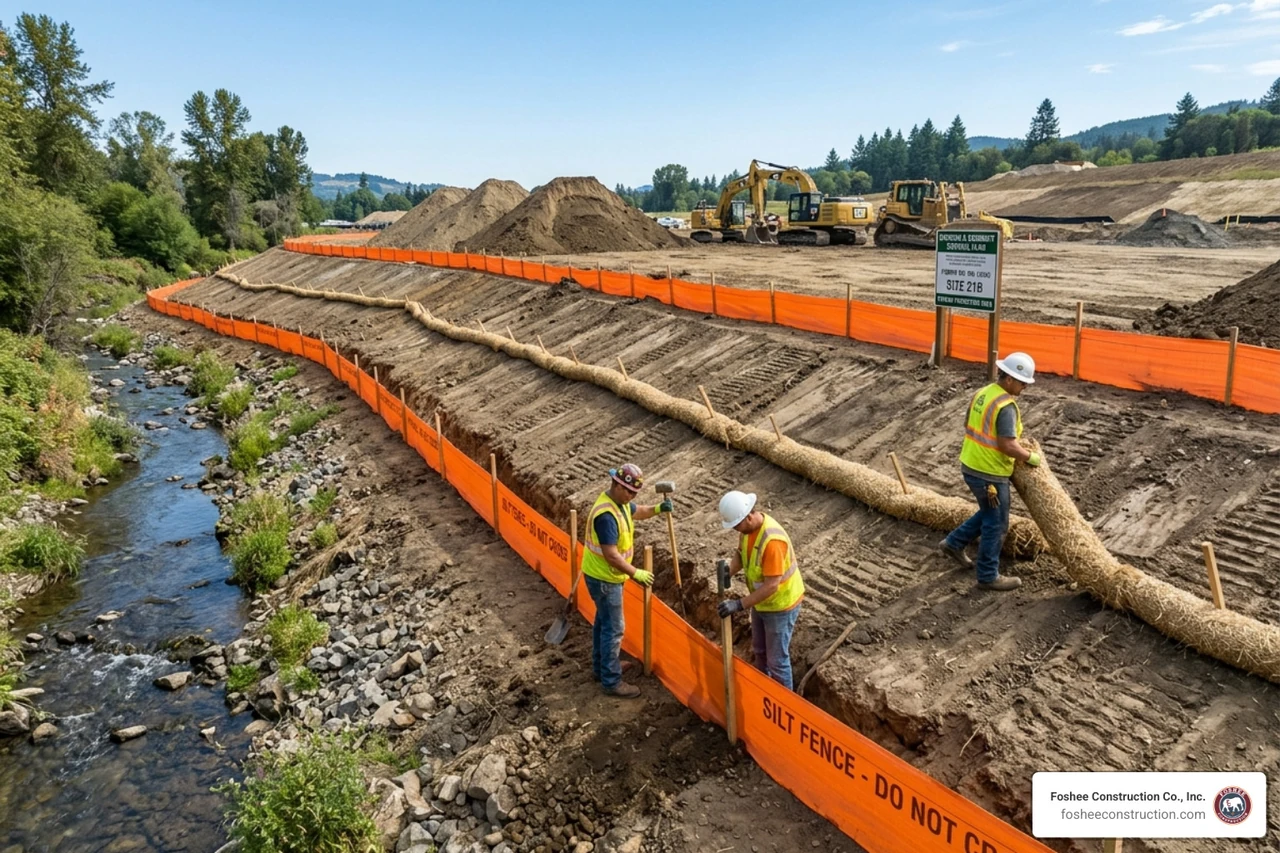
You could buy the most expensive coconut blanket in the world, but if it isn't installed correctly, the first heavy rain will wash it—and your soil—away. Proper installation is all about "intimate soil contact." If there’s a gap between the blanket and the dirt, water will run under it (undermining), and you’ll have a disaster on your hands.
Here is our professional approach to getting it right:
For a deep dive into official standards, the Erosion prevention practices - erosion control blankets and anchoring devices | Minnesota Stormwater Manual offers excellent technical diagrams that apply to high-quality installs everywhere.
We can't stress this enough: overlap like shingles on a roof. Water should flow over the seam, not into it.
Installation isn't "set it and forget it." Especially during a Florida construction project, you need to keep an eye on your stabilized areas.
As we become more environmentally conscious in our Florida site prep, the choice of netting material matters.
Photodegradable blankets use synthetic (plastic) netting treated to break down when exposed to UV sunlight. While effective, these can sometimes leave behind small plastic fragments, and they can be a hazard for wildlife like snakes or turtles that get caught in the mesh.
Biodegradable blankets use natural fibers like jute, coir, or even paper for the netting. These are the "gold standard" for environmentally sensitive sites or shorelines.
When budgeting for your project, the "bid price" isn't just the roll of fabric—it's the staples, the labor, and the potential cost of failure.
It depends entirely on the material. "Ultra-short-term" straw blankets are designed to vanish in about 3 months—just long enough for the grass to take over. Heavy-duty coir (coconut) blankets are built for the long haul, lasting up to 4 years in critical applications like stream banks.
Generally, yes—but wait until the grass is well-established and the netting has started to degrade. If you use plastic netting and metal staples, they can occasionally get caught in mower blades. For areas that will be mowed frequently, we recommend using biodegradable staples and "Rapid-Go" photodegradable netting that breaks down quickly.
For anything steeper than a 1.5H:1V ratio, you should move away from single-net straw. A double-net coconut blanket or a high-strength straw/coconut blend is the industry standard for steep slopes. These provide the tensile strength needed to hold the weight of the wet blanket and the soil on a vertical incline.
At Foshee Construction Co., Inc., we’ve seen how a small investment in the right erosion control blanket can save a project from a total washout. Whether you are managing a large-scale commercial development in Lake County or a residential site in Minneola, stabilization is the foundation of a successful build.
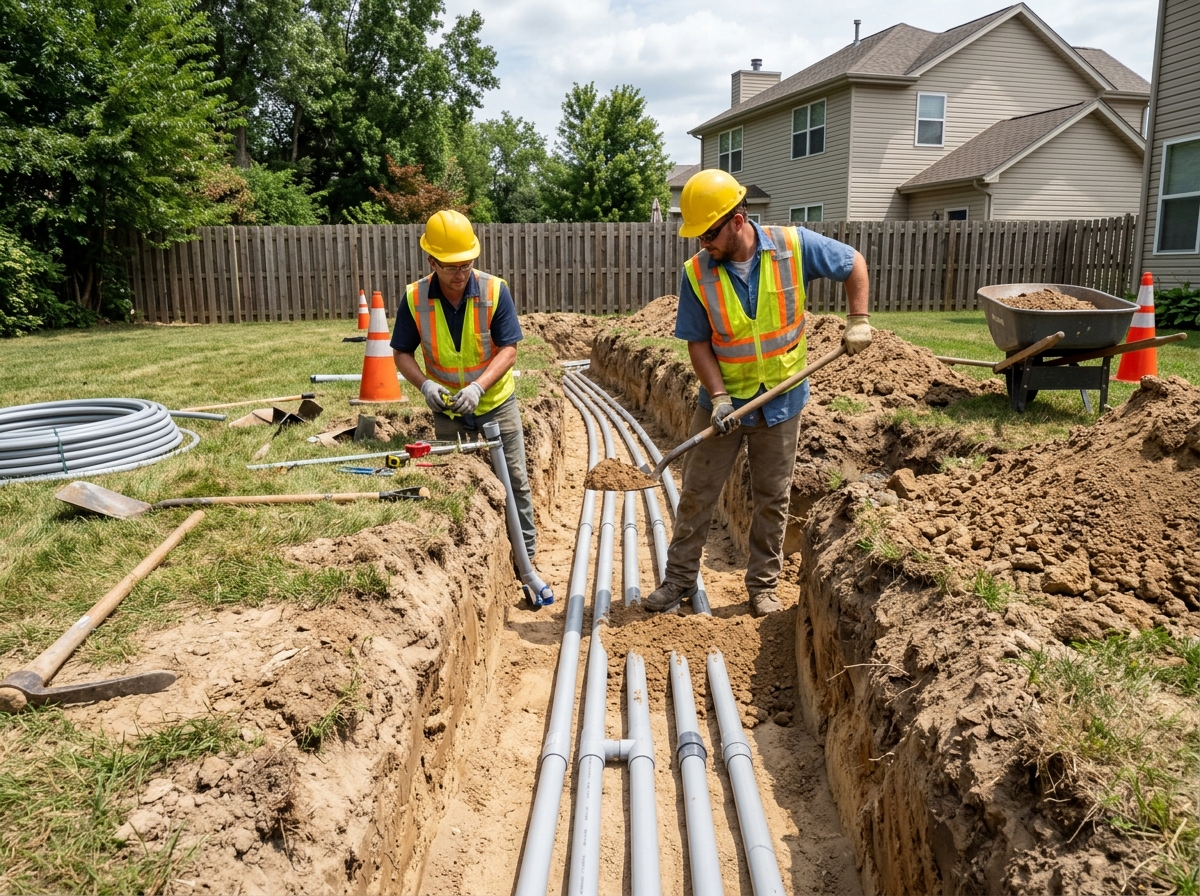
We pride ourselves on transparent bidding, disciplined scheduling, and a safety-first approach to site preparation. We don't just move dirt; we make sure it stays where it's supposed to. If you need professional guidance on erosion control, grading, or underground utilities for your Florida project, we are here to help.
We build bids using HeavyBid and AGTEK because the details matter long before the job starts. When the numbers are accurate and the scope is clearly defined, it sets the tone for how the entire project runs. Estimating isn’t just a step in the process, it’s the foundation we build on.
That same mindset carries into the field. Our crew is trained to work with purpose, follow the Civil Engineers’ Plan to the finest detail, and hold the line on quality. When expectations are clear from day one, there’s no need for shortcuts, and no confusion about how the work gets done.
Clients trust our bid packages because they’re complete and ready to use. Project managers know what we’re covering, what’s excluded, and how we plan to approach the job. That clarity removes friction and lets teams focus on execution instead of interpretation.
As part of our review process, we go into the plans before anything hits the site. We ask the questions early, resolve issues before they show up in the field, and keep RFIs moving. This approach prevents delays and protects the timeline.
Over time, that consistency builds trust. Many of the people we work with today came through referrals from past projects – engineers, GCs, and superintendents who’ve seen how we operate and want the same experience again.
In 2024, Foshee Construction was acquired by Saga Infrastructure Solutions, a national network of civil construction companies. Saga supports regional contractors by giving them access to better tools, long-term resources, and operational backing, without changing how they run day to day.
Foshee will continue to operate under its name, with the same team and field leadership in place.
“From the very time a project starts, we start that partnership. We try to catch as much as we can with the tools that we have. Not everybody is using the software platforms we are. That’s the differentiator: we’re not just bidding. We’re anticipating, problem-solving, and making sure the job runs right.”
— Don, CEO, Saga Infrastructure Solutions
Foshee is now part of a broader regional strategy that includes Florida, the Piedmont Atlantic, Texas, Colorado, and the Arizona Sun Corridor. The name, crews, and standards remain. What’s improving is the support behind it.