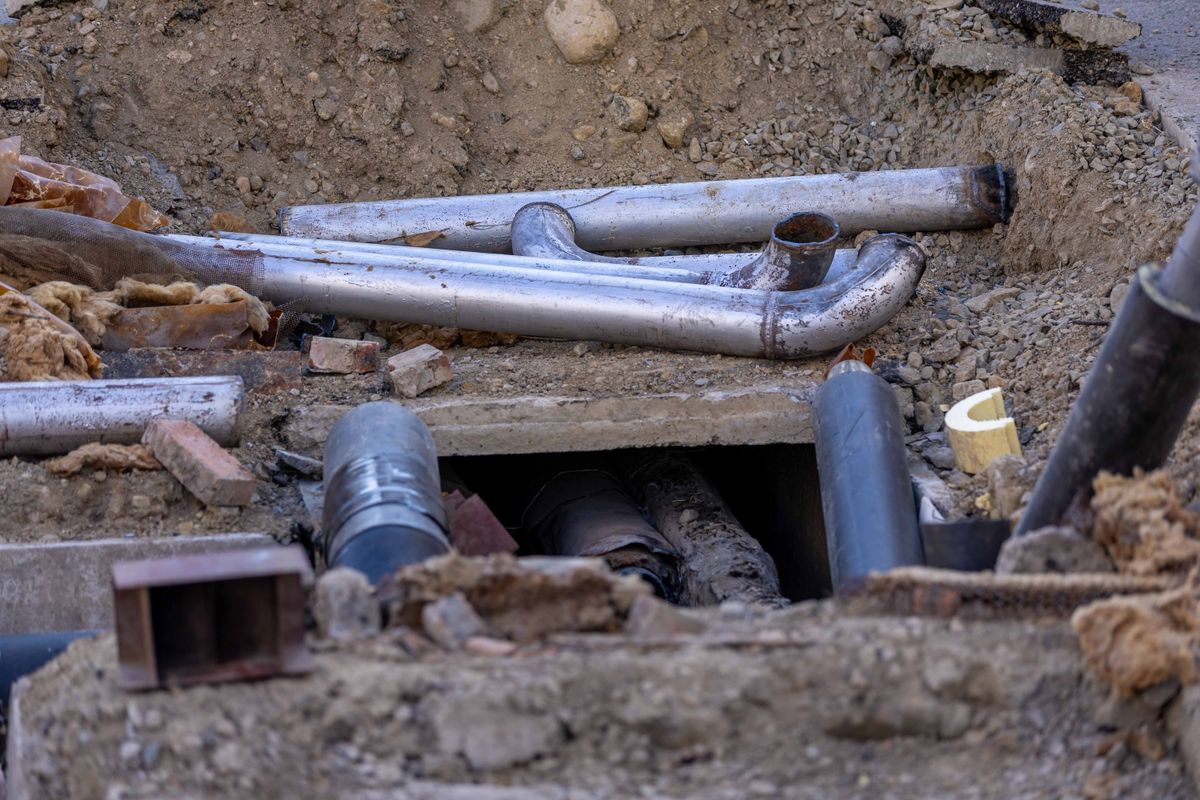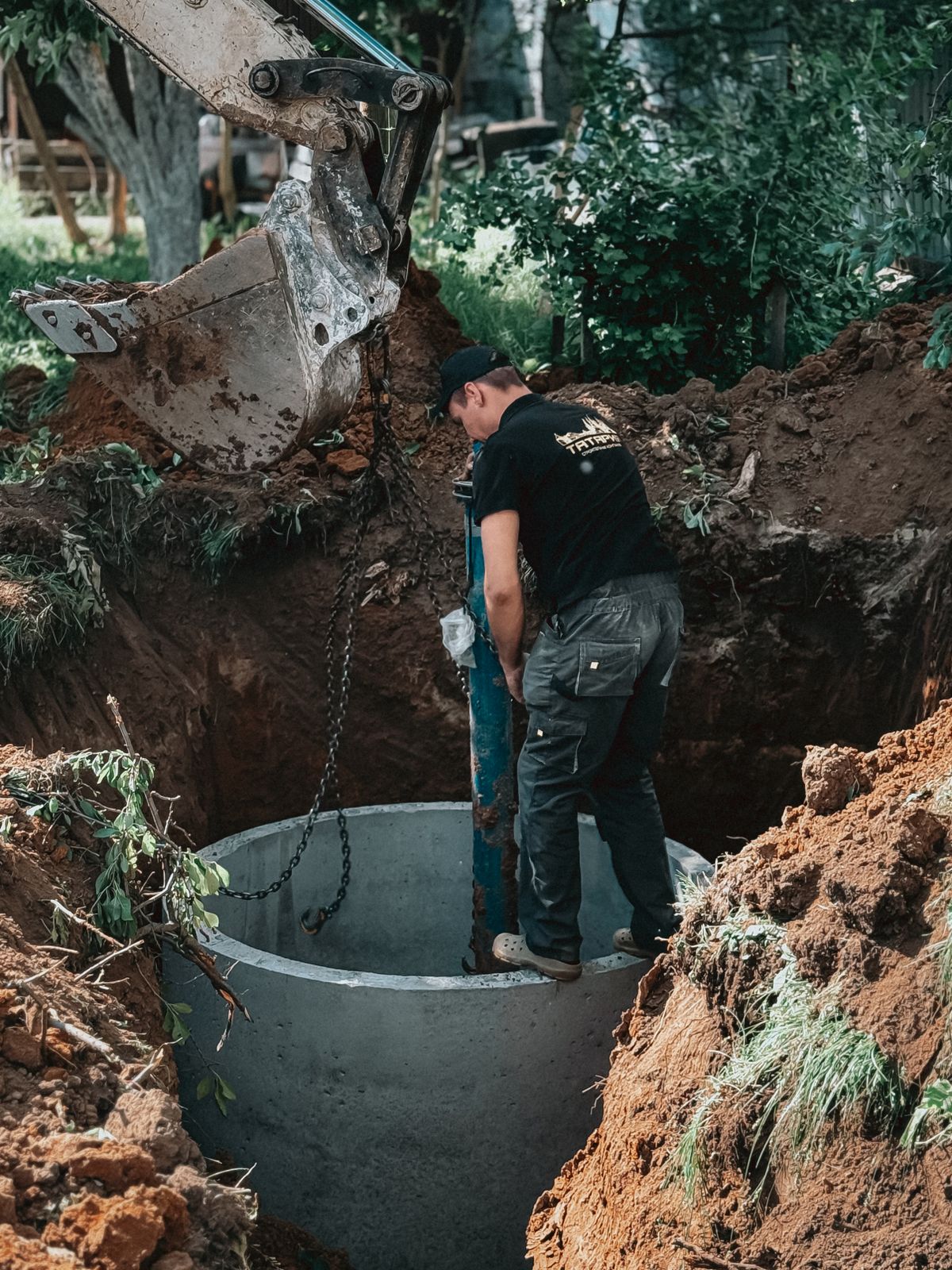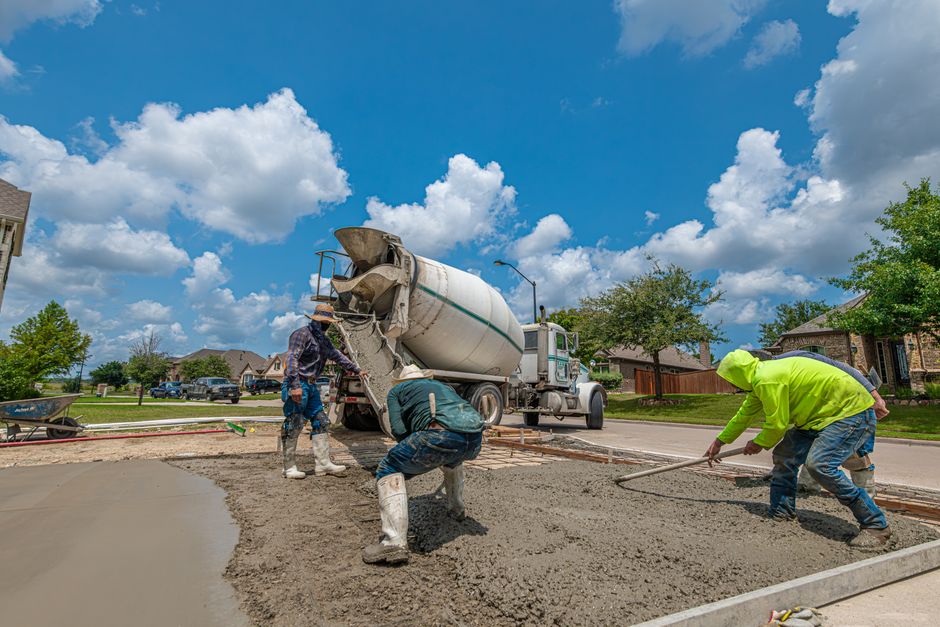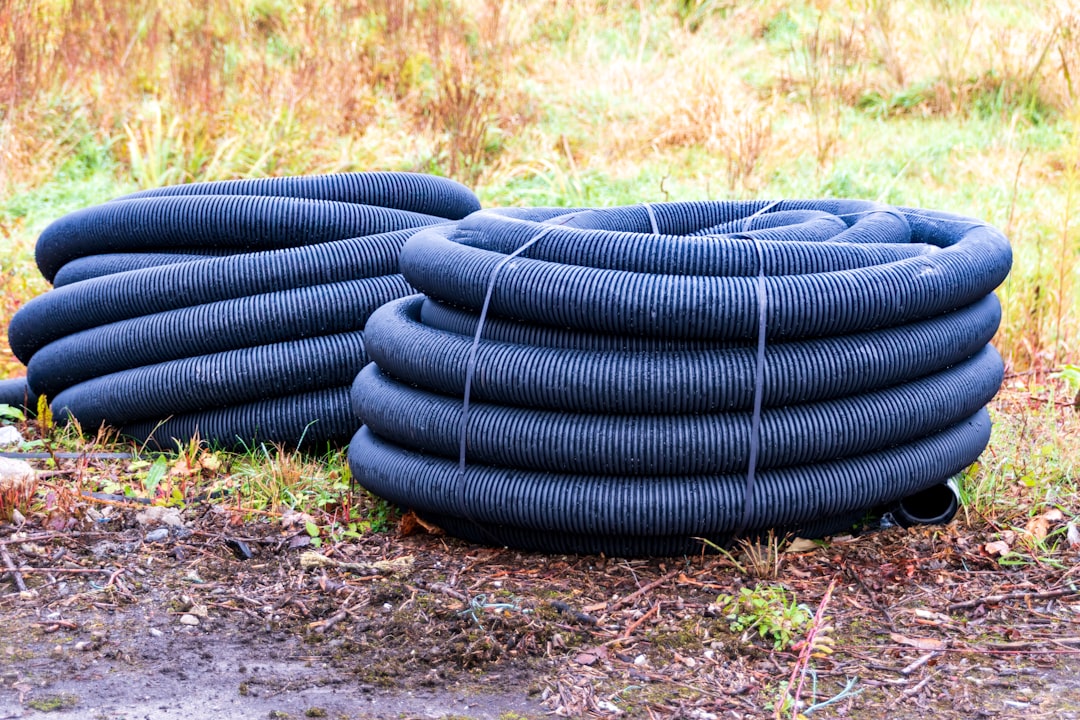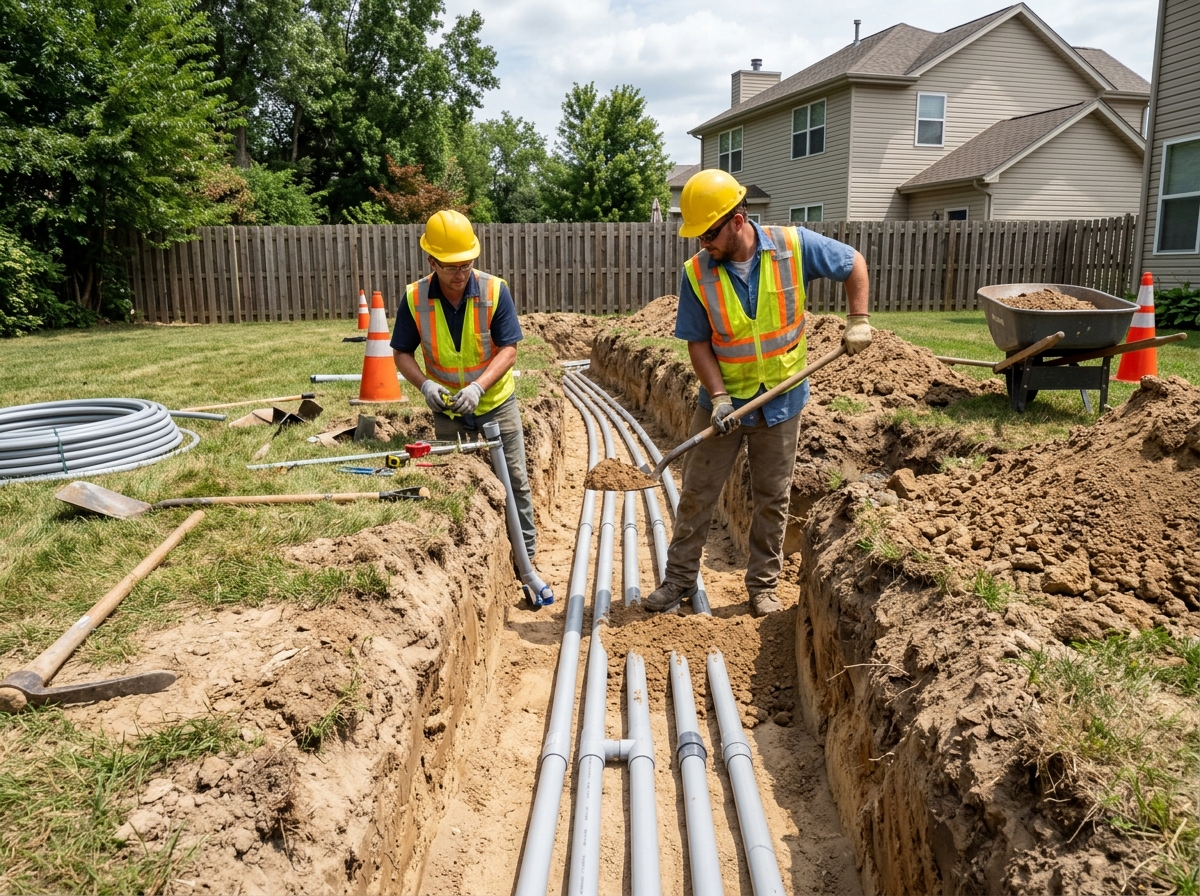
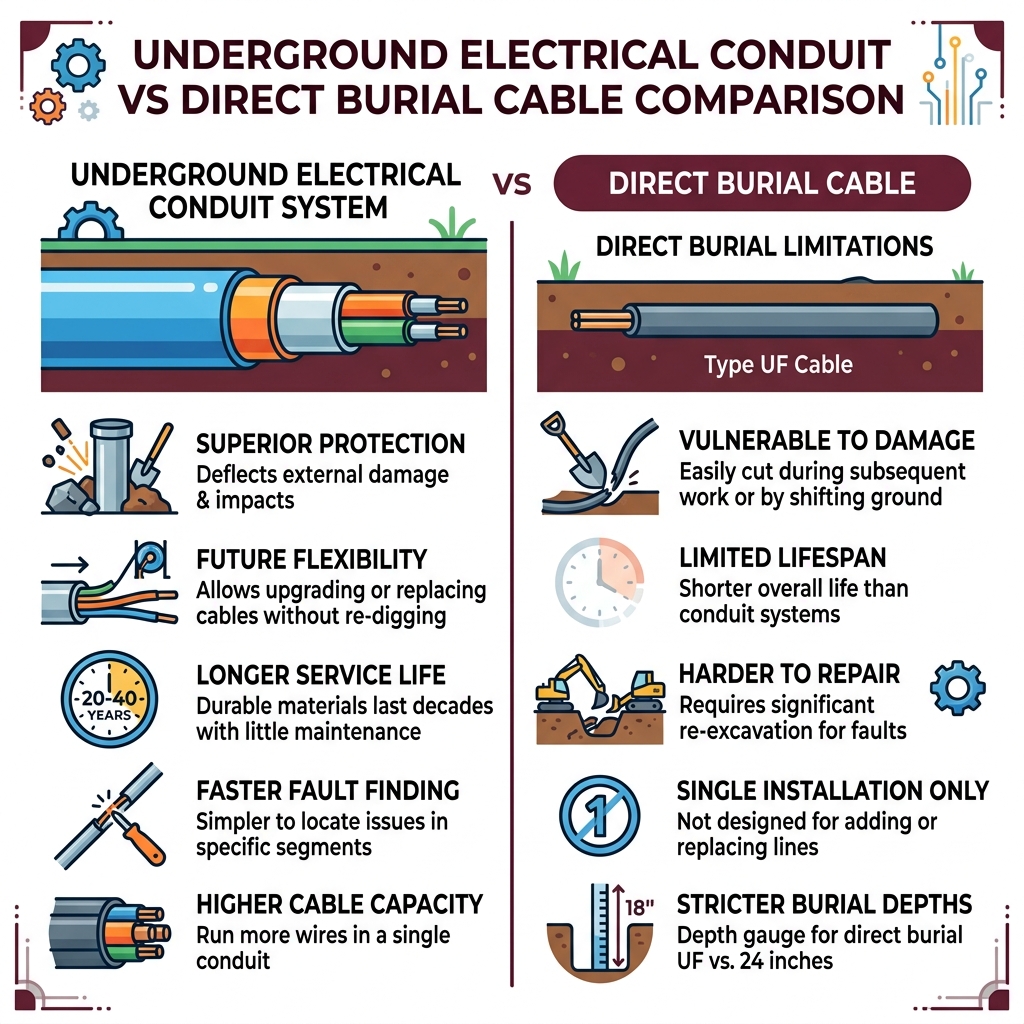
Underground electrical conduit is a protective tube — made from PVC, HDPE, fiberglass, or metal — that houses electrical wiring beneath the ground surface.
Here is a quick-reference guide to the most common types and their NEC-required burial depths:
Choosing the wrong material — or burying at the wrong depth — can mean failed inspections, damaged cables, and costly re-excavation years down the line. Underground conduit systems, when selected and installed correctly, can last 20 to 40 years with little to no maintenance.
This guide walks you through every step: picking the right material, meeting NEC code requirements, trenching properly, and pulling wire safely.
I'm Don Larsen, and at Foshee Construction Co., Inc. we've spent over three decades installing underground utilities and preparing sites across Central Florida — including underground electrical conduit runs for residential, commercial, and infrastructure projects. Everything in this guide reflects what we've learned doing this work in the field, not just on paper.
When we start a site prep project in Minneola or anywhere else in Lake County, the first question is always: "What material should we use?" Not all pipes are created equal, and the environment of Central Florida—with our sandy soils and high moisture—demands specific choices.
Selecting the right underground electrical conduit involves balancing material costs against labor hours. For example, while Rigid Metal Conduit (RMC) is incredibly tough, it requires significantly more man-hours to install compared to modern non-metallic options.

PVC is the most common choice for residential and light commercial work. About PVC Conduit | PPFA notes that Polyvinylchloride has been the industry standard for over 50 years.
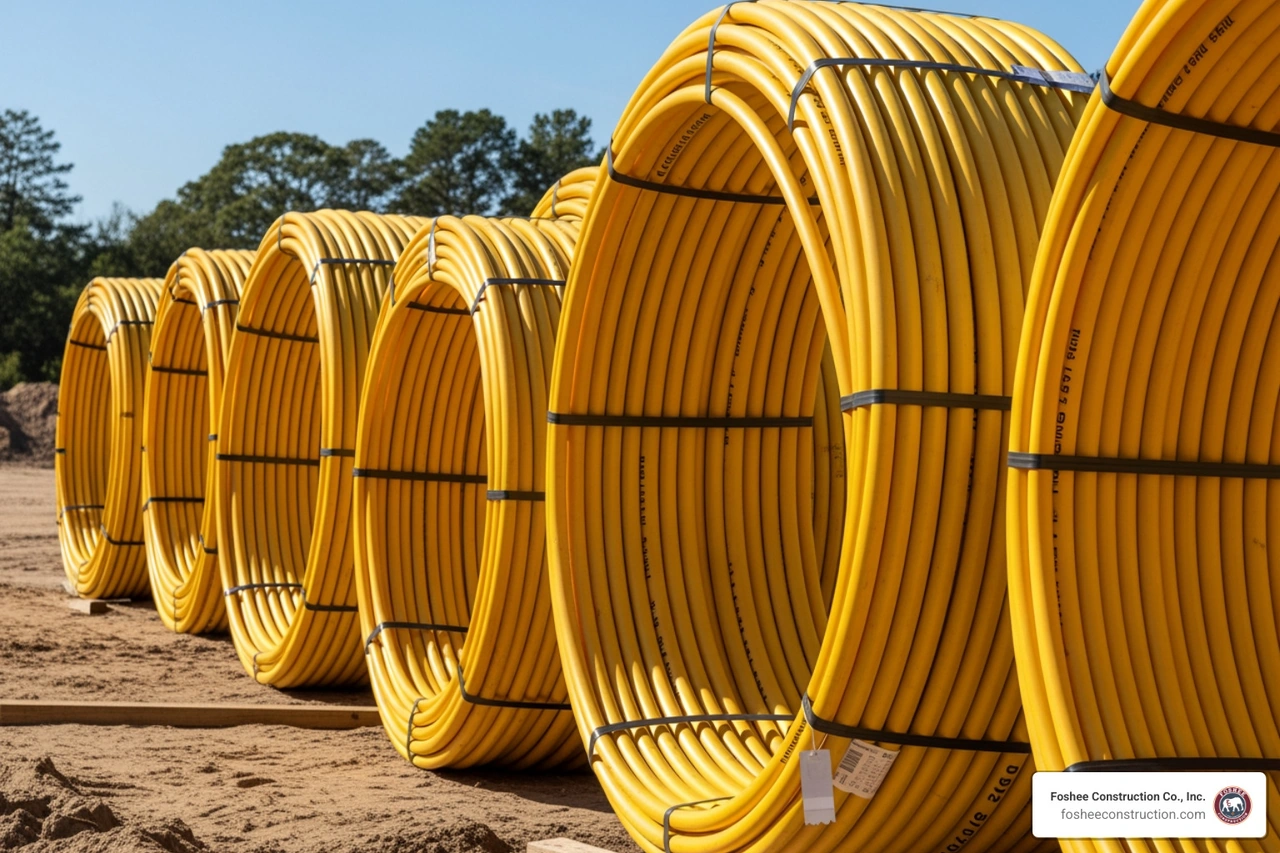
High-Density Polyethylene (HDPE) is a game-changer for long utility runs. It comes on massive reels, meaning fewer joints and couplings. It can withstand temperatures as low as -40°F and house cables operating over 190°F. Because it's flexible, it's the preferred choice for horizontal directional drilling (HDD)—a trenchless method we use to go under existing roads or pristine landscaping without digging a ditch.
Reinforced Thermosetting Resin Conduit (RTRC), or fiberglass, is gaining massive popularity in industrial settings. It never corrodes, has a very low coefficient of friction (making wire pulling a breeze), and is incredibly lightweight. According to industry data, 100 feet of 4-inch fiberglass conduit takes only about 8.25 man-hours to install, whereas PVC-coated steel can take up to 38 man-hours.
We often recommend non-metallic options like PVC or fiberglass for Florida projects because they are non-galvanic and non-magnetic. They won't rust in our humid climate, and they require almost zero maintenance once they are in the ground. Furthermore, Scientific research on electrical conduit standards highlights that non-metallic conduits provide excellent chemical resistance, which is vital if the soil has high acidity or mineral content.
While we love the ease of plastic, sometimes you need the "heavy artillery." Rigid Metal Conduit (RMC) or Intermediate Metal Conduit (IMC) provides the highest level of physical protection. If you are crossing a high-traffic area or a commercial driveway where heavy trucks will be rolling over the line, RMC is the way to go. A big bonus? In some specific code scenarios, the metal conduit itself can serve as a grounding conductor, though we usually prefer pulling a dedicated green ground wire for safety.
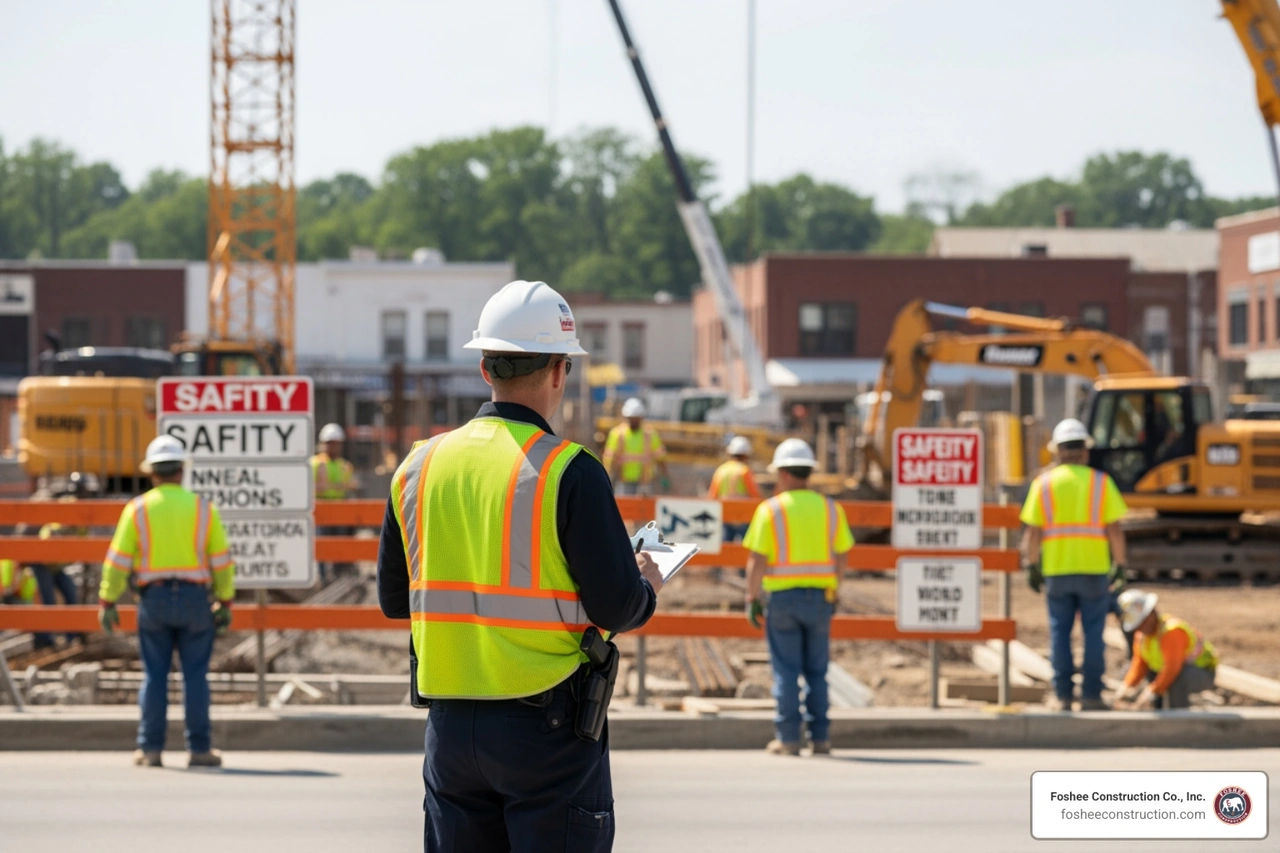
Safety isn't just a buzzword at Foshee Construction; it’s how we keep our team and your property intact. The National Electrical Code (NEC) Table 300.5 is the "bible" for burial depths.
For most residential underground electrical conduit runs using PVC, the magic number is 18 inches of cover. However, this changes based on the material:
NEC Article 355 specifically covers fiberglass (RTRC). It permits trade sizes from 1/2 inch through 6 inches for underground use. If you’re using fiberglass, ensure it is UL 2420 compliant for below-ground applications. One thing to remember: because fiberglass is an insulator, you must pull an equipment grounding conductor—you can't rely on the pipe for grounding like you might with steel.
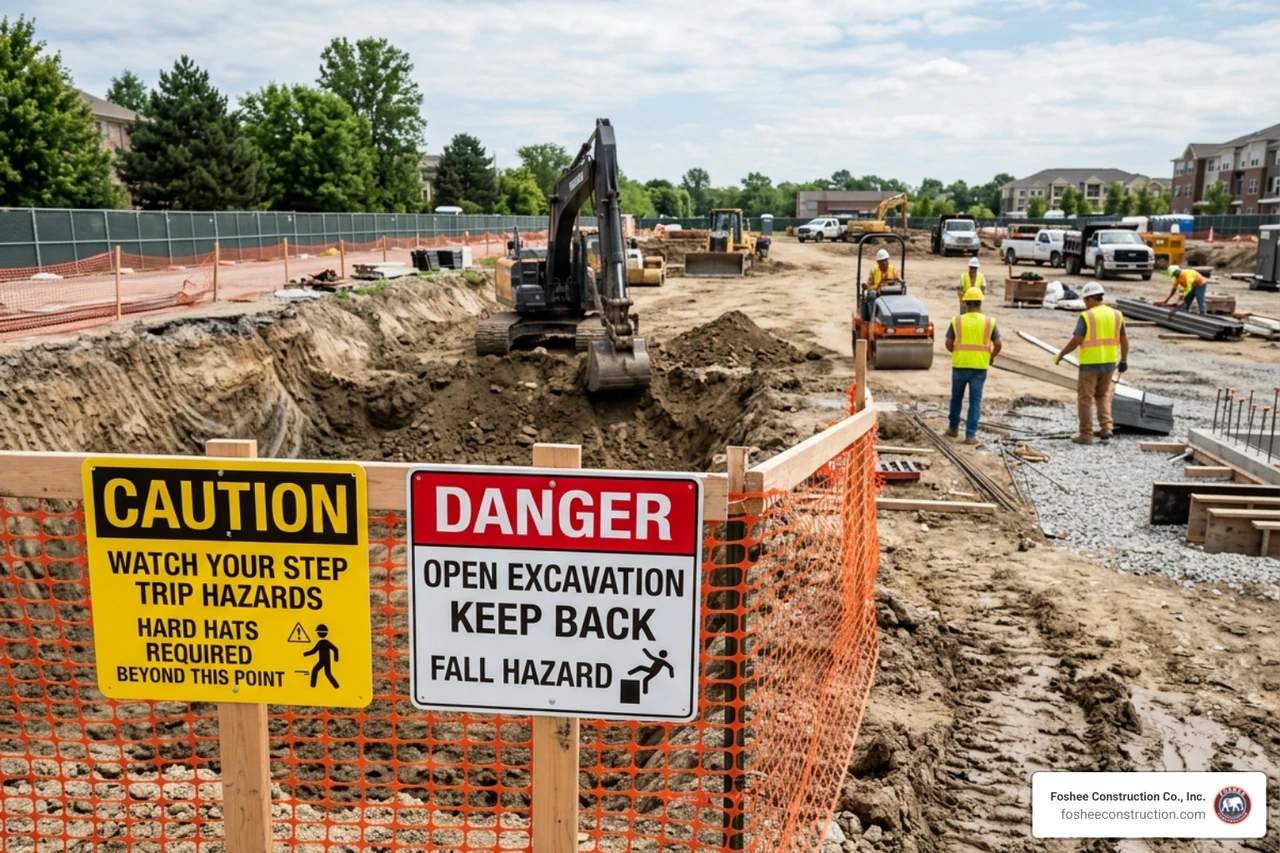
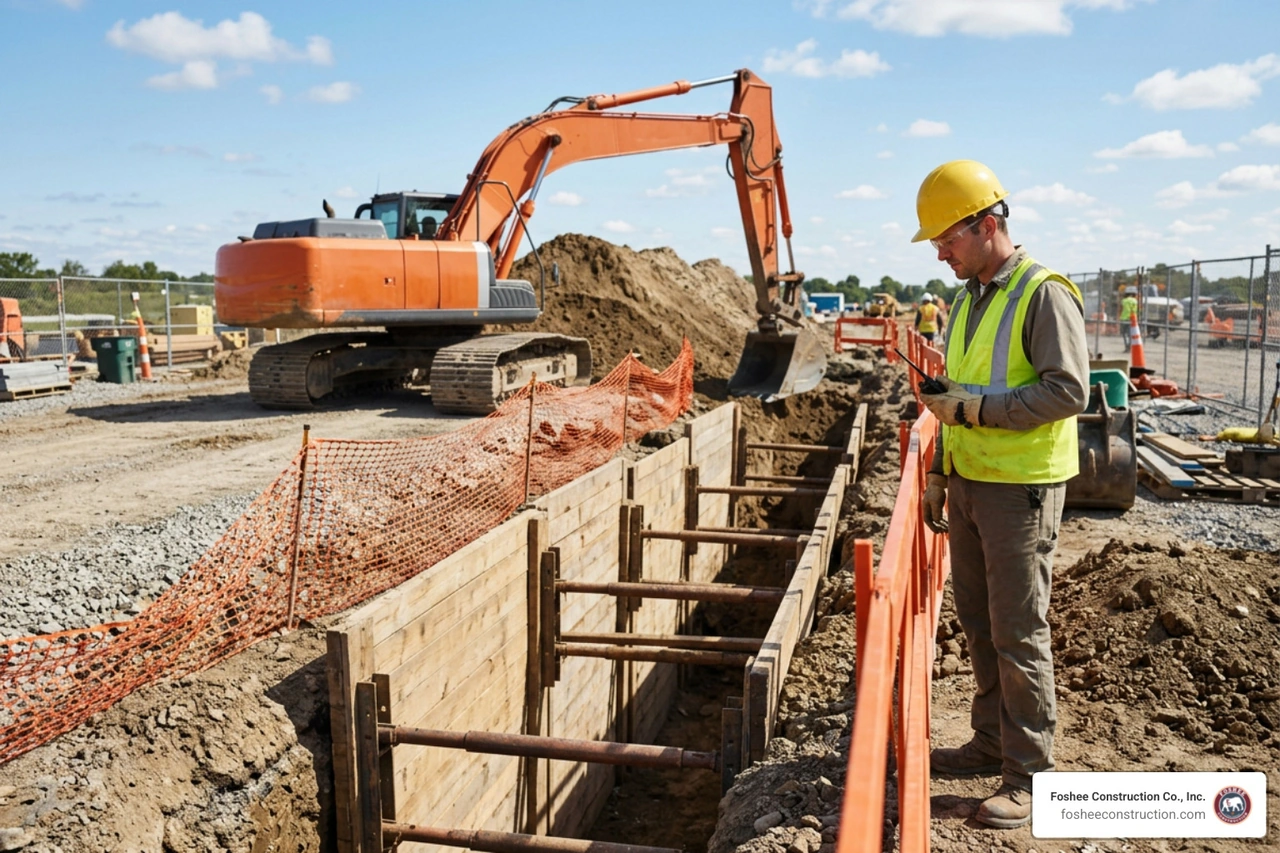
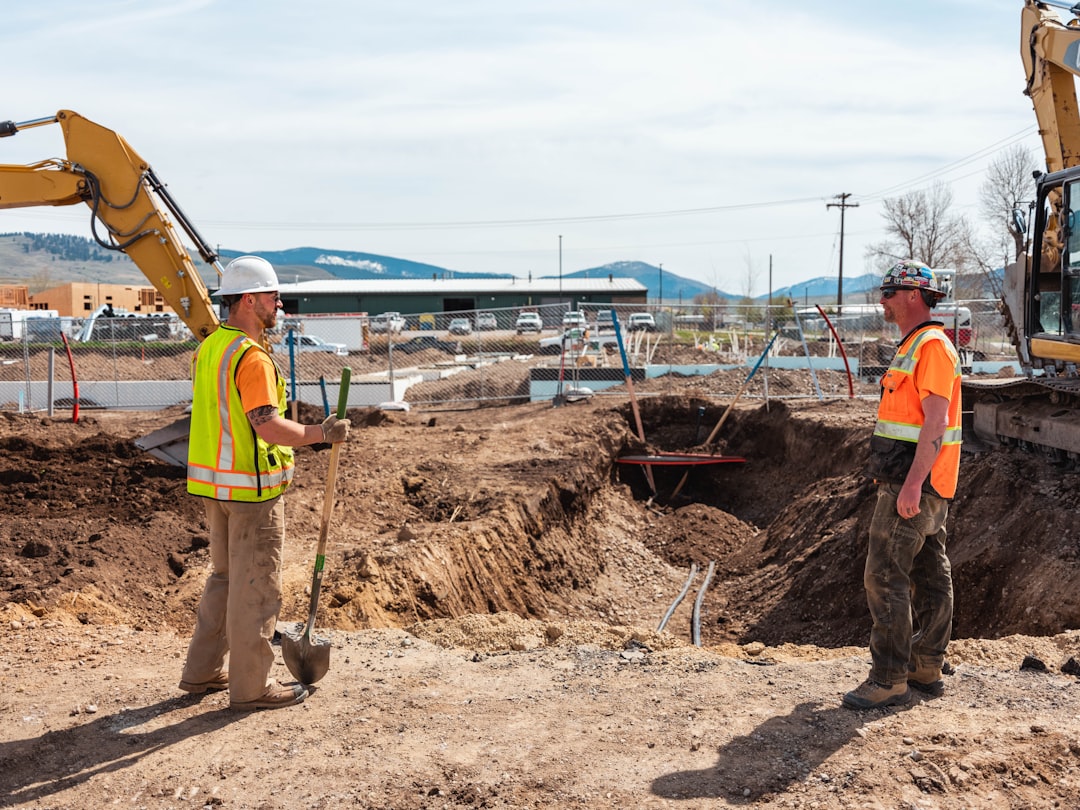
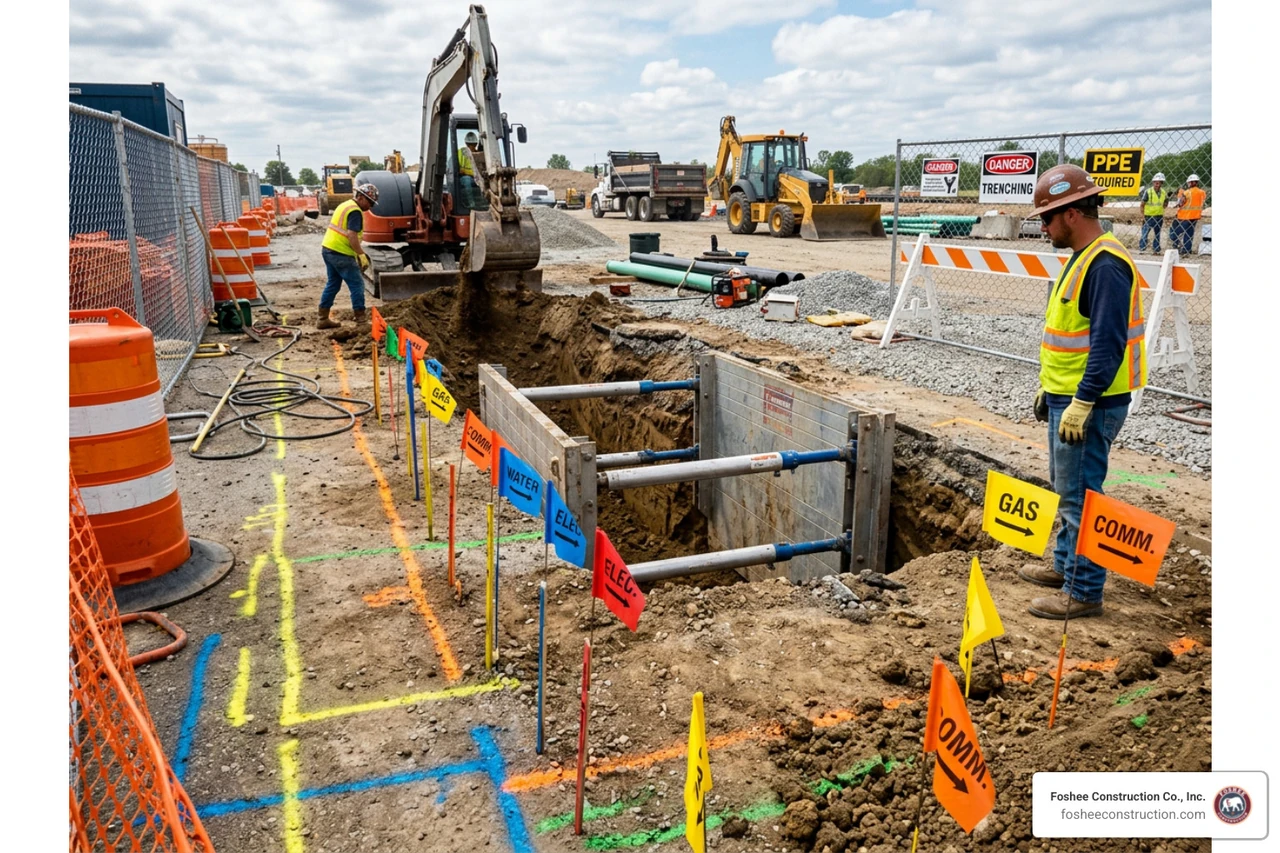
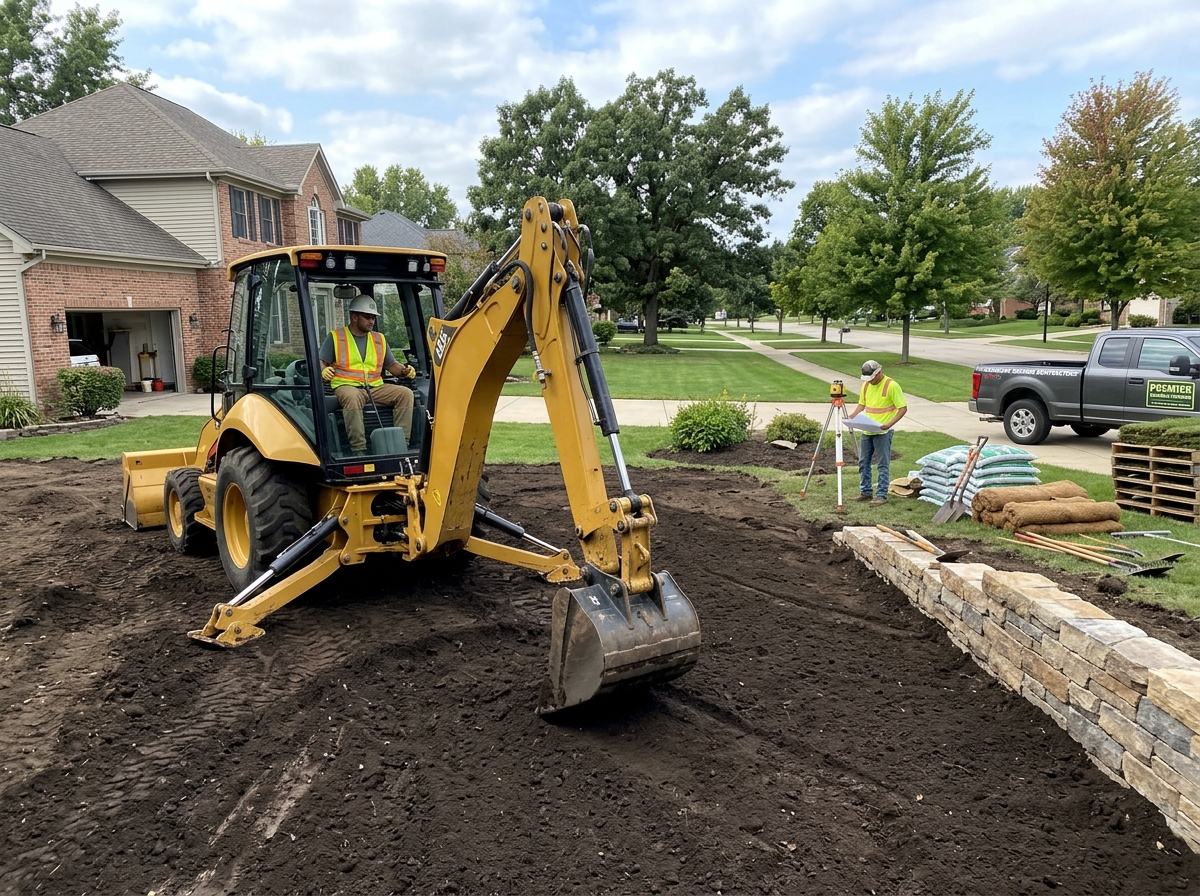
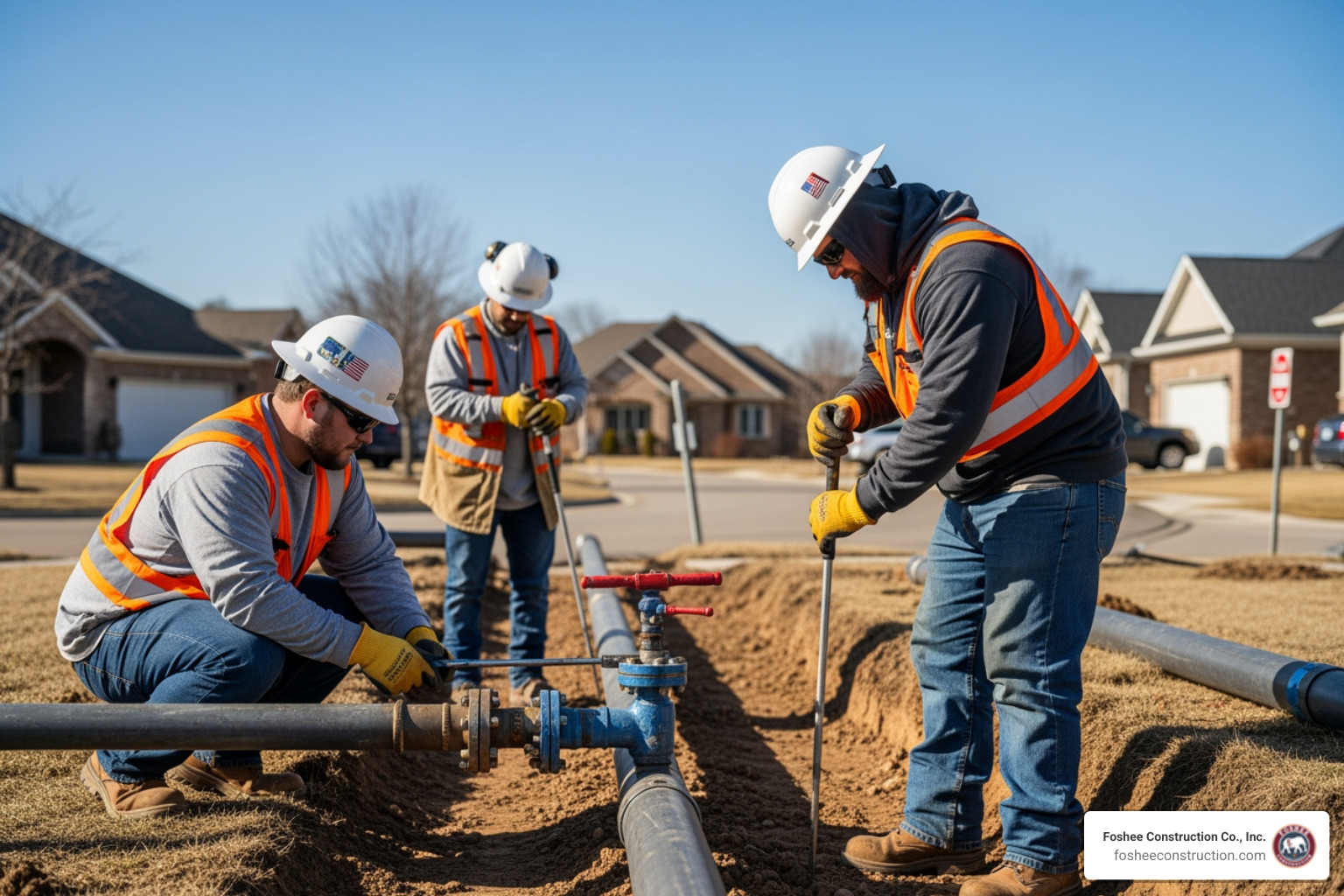
Before we ever break ground in Minneola, we follow the "Call 811" rule. You must have all existing utilities—water, gas, fiber—marked.
Installing the pipe is only half the battle; getting the wire through it is where the real fun begins.
We start with a site assessment to find the shortest, straightest path. The NEC limits you to a total of 360 degrees of bends between pull points (for example, four 90-degree elbows). If you have more than that, the friction makes it nearly impossible to pull the wire without damaging the insulation. We always use "long-radius sweeps" rather than sharp elbows to make the transition easier.
For PVC, the joints must be watertight. We clean the ends, apply a primer, and then a generous coat of solvent cement. A quick quarter-turn during insertion ensures the glue spreads evenly. We give it at least 24 hours to fully cure before we start pulling heavy cables.
Once the pipe is in the ground and backfilled, it’s time to pull the conductors.
For residential driveways, Schedule 80 PVC buried at 18 inches is usually sufficient. However, if you want the absolute best protection against heavy vehicle loads, Rigid Metal Conduit (RMC) at 18 inches is the gold standard. It won't crush, even if a heavy delivery truck parks right on top of it.
This is a tricky one. The 2023 NEC update (Article 358.10) does permit Electrical Metallic Tubing (EMT) for direct burial if it is specifically "listed" for that use. However, in our professional opinion at Foshee Construction, we generally advise against it for long underground runs in Florida. Our soil moisture is high, and EMT—which is thinner than RMC—is much more prone to corrosion over time. Stick with PVC or HDPE for peace of mind.
The truth is, underground conduit is rarely 100% watertight forever. Condensation alone will create moisture inside. That’s why we always use wet-rated conductors (like THWN-2). To prevent bulk water from entering from the ends, we use duct seal—a putty-like substance—to plug the ends of the conduit where they enter a building or a panel.
Installing underground electrical conduit is about more than just digging a hole; it’s about creating a resilient infrastructure that protects your property and your power for decades. Whether you're powering a new workshop in Lake County or running massive utility banks for a commercial development in Minneola, the principles remain the same: choose the right material, respect the burial depths, and never skip the safety details.
At Foshee Construction Co., Inc., we pride ourselves on transparent bids, disciplined scheduling, and a relentless focus on safety. We don't just move dirt; we prepare the foundation for your project's success. If you're planning a project that requires expert site prep or utility installation, we're here to help.
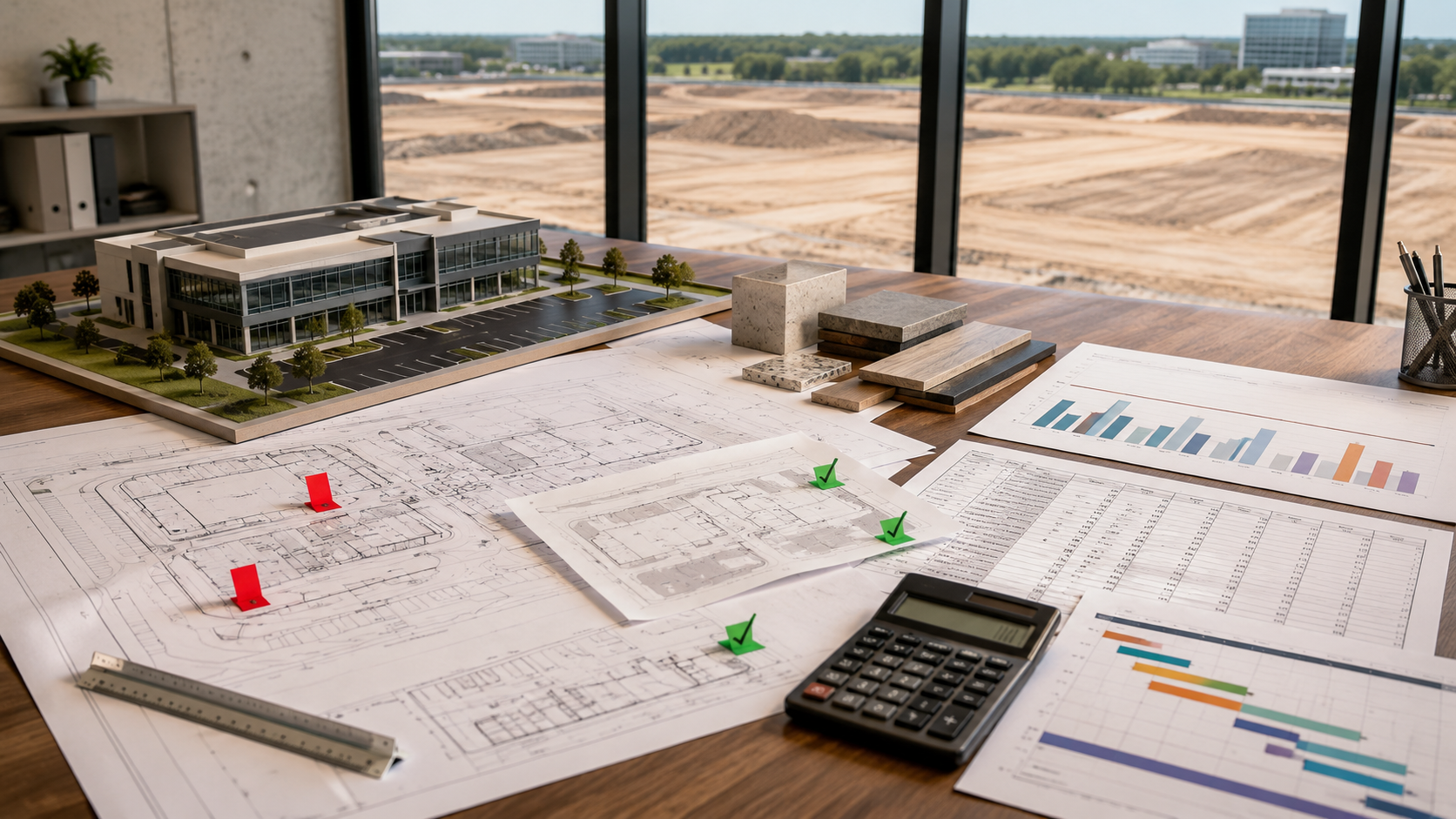
We build bids using HeavyBid and AGTEK because the details matter long before the job starts. When the numbers are accurate and the scope is clearly defined, it sets the tone for how the entire project runs. Estimating isn’t just a step in the process, it’s the foundation we build on.
That same mindset carries into the field. Our crew is trained to work with purpose, follow the Civil Engineers’ Plan to the finest detail, and hold the line on quality. When expectations are clear from day one, there’s no need for shortcuts, and no confusion about how the work gets done.
Clients trust our bid packages because they’re complete and ready to use. Project managers know what we’re covering, what’s excluded, and how we plan to approach the job. That clarity removes friction and lets teams focus on execution instead of interpretation.
As part of our review process, we go into the plans before anything hits the site. We ask the questions early, resolve issues before they show up in the field, and keep RFIs moving. This approach prevents delays and protects the timeline.
Over time, that consistency builds trust. Many of the people we work with today came through referrals from past projects – engineers, GCs, and superintendents who’ve seen how we operate and want the same experience again.
In 2024, Foshee Construction was acquired by Saga Infrastructure Solutions, a national network of civil construction companies. Saga supports regional contractors by giving them access to better tools, long-term resources, and operational backing, without changing how they run day to day.
Foshee will continue to operate under its name, with the same team and field leadership in place.
“From the very time a project starts, we start that partnership. We try to catch as much as we can with the tools that we have. Not everybody is using the software platforms we are. That’s the differentiator: we’re not just bidding. We’re anticipating, problem-solving, and making sure the job runs right.”
— Don, CEO, Saga Infrastructure Solutions
Foshee is now part of a broader regional strategy that includes Florida, the Piedmont Atlantic, Texas, Colorado, and the Arizona Sun Corridor. The name, crews, and standards remain. What’s improving is the support behind it.