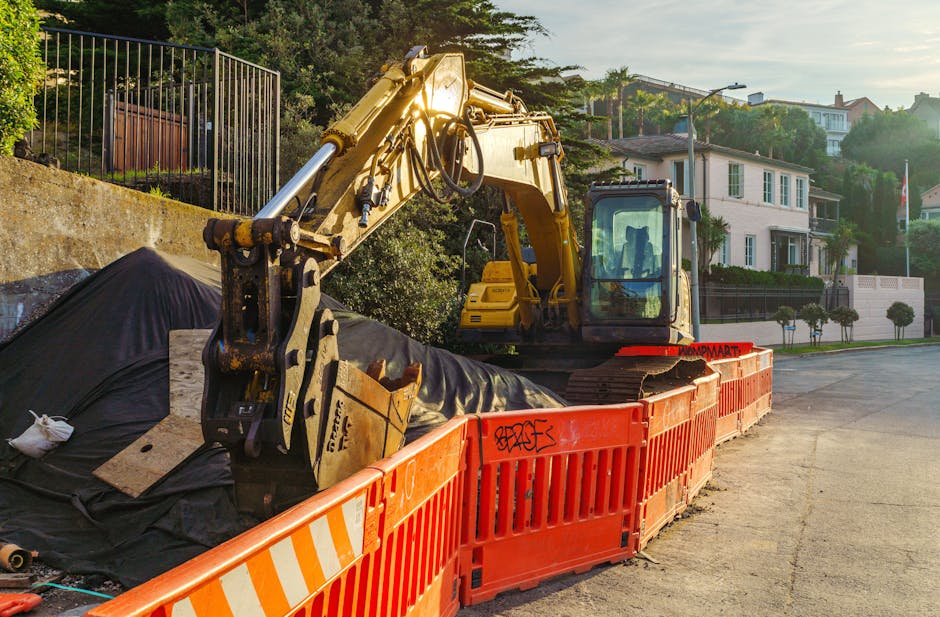

When it comes to building or improving a property, homeowners and developers face one of the most consequential decisions in any project: renovation vs. new construction. Each path comes with its own costs, timelines, risks, and rewards. Understanding the real trade-offs — not just the surface-level ones — is what separates a smart investment from a stressful one.
At Foshee Construction, we've worked on both sides of this decision for decades. Here's what you actually need to know before you commit.
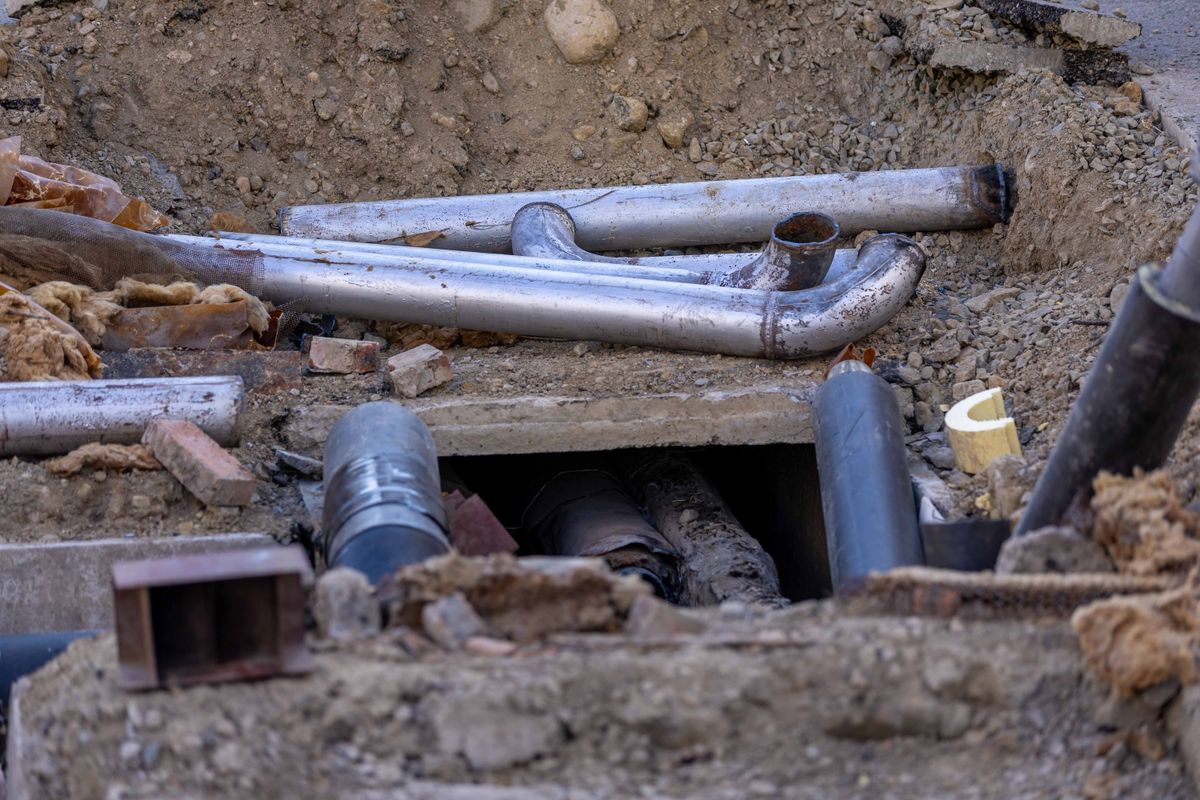
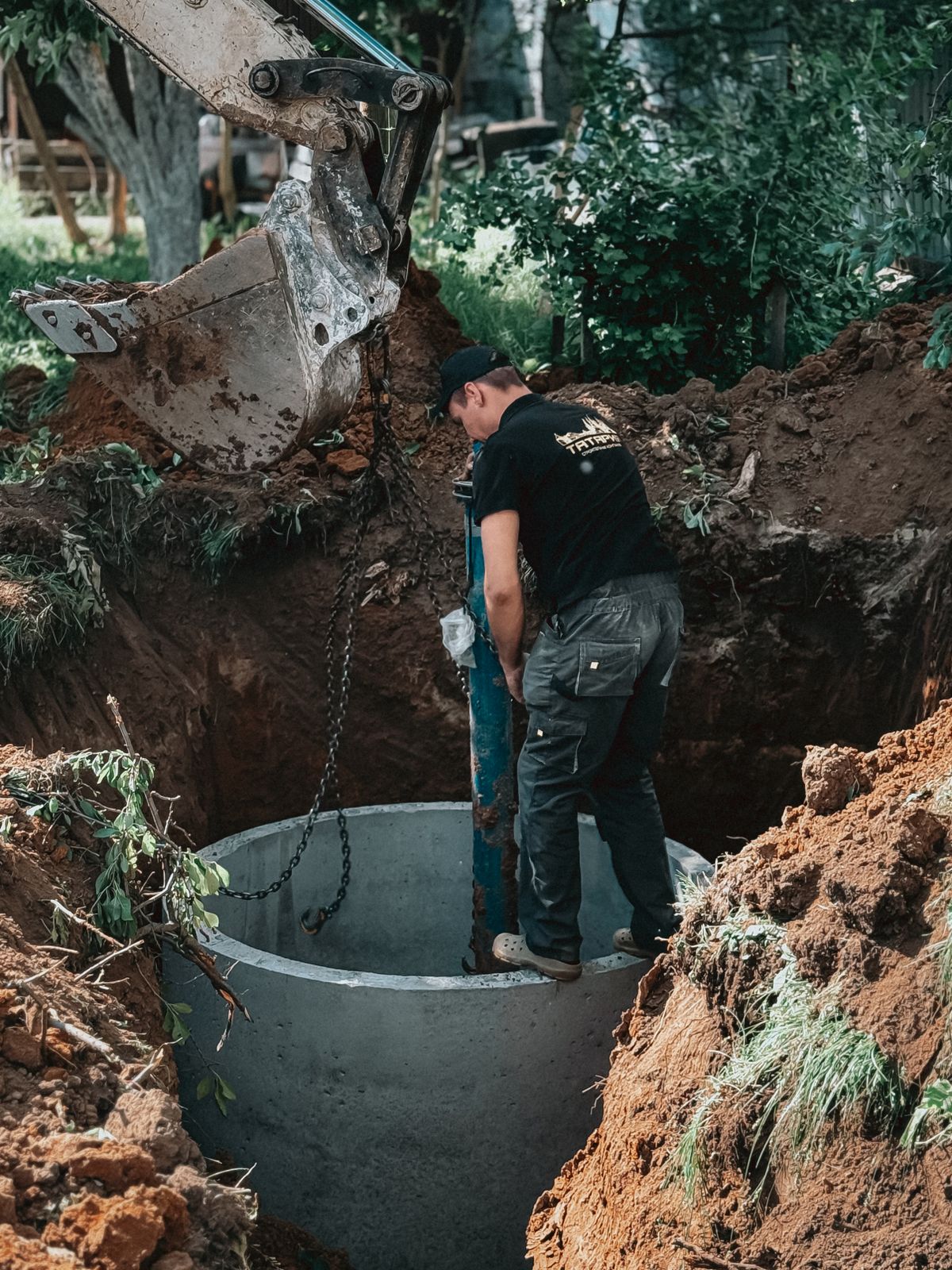
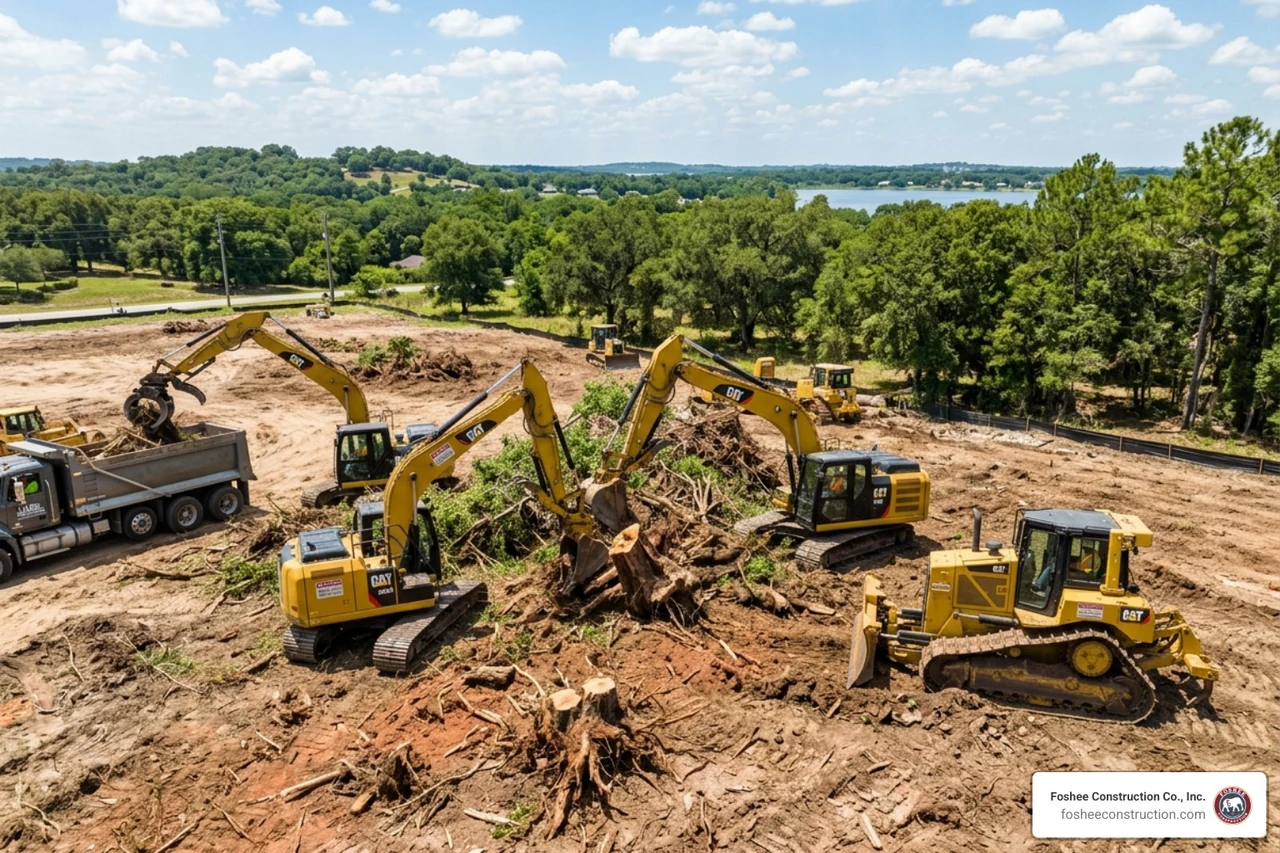
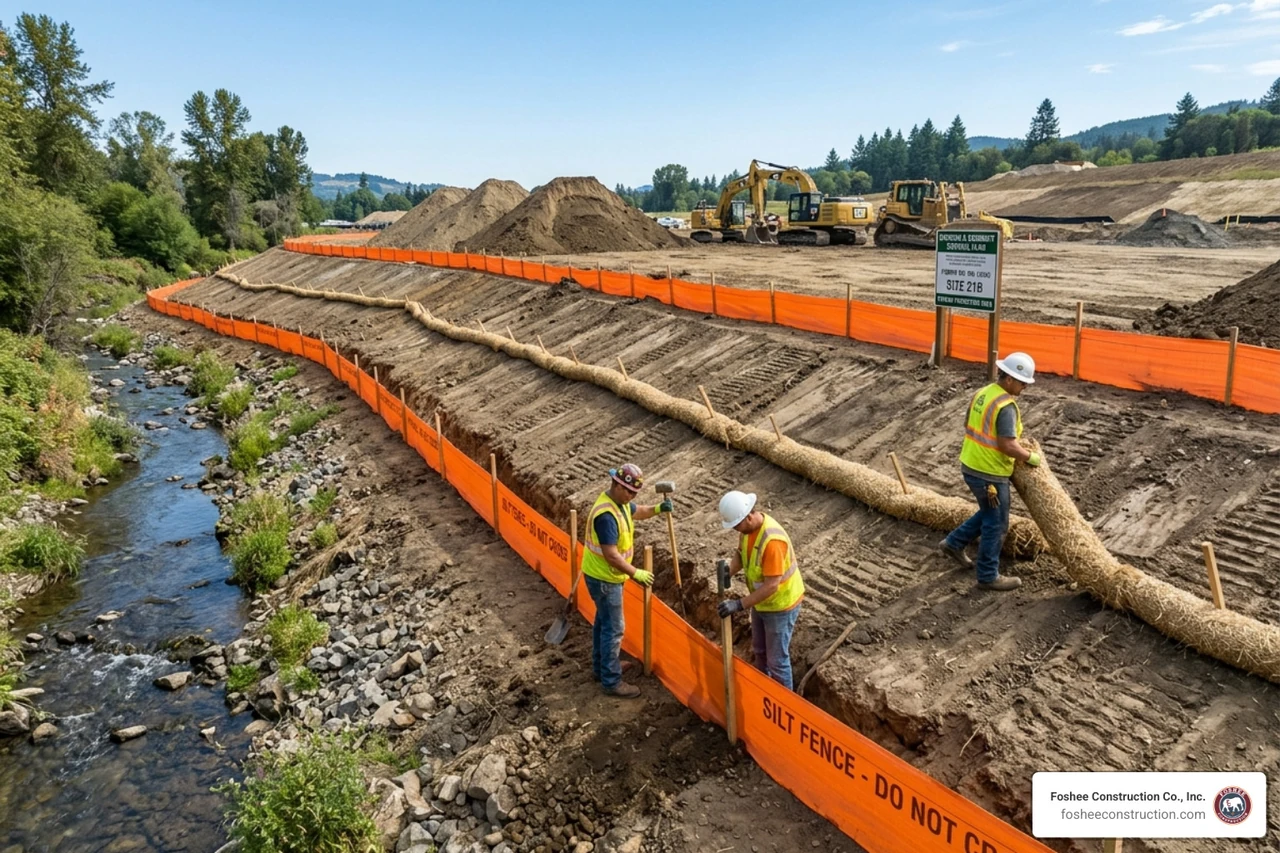
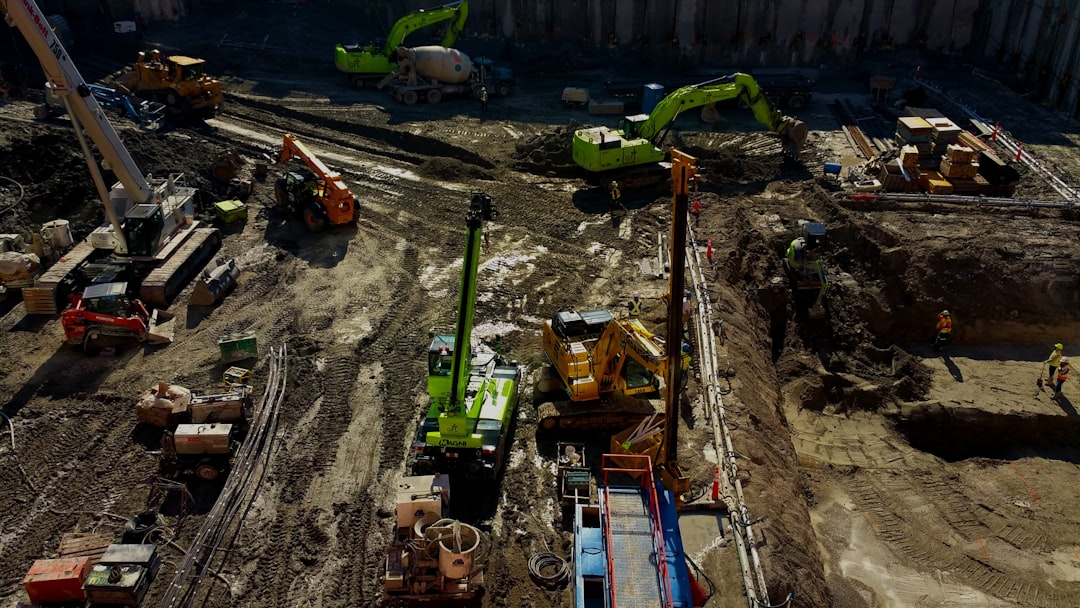
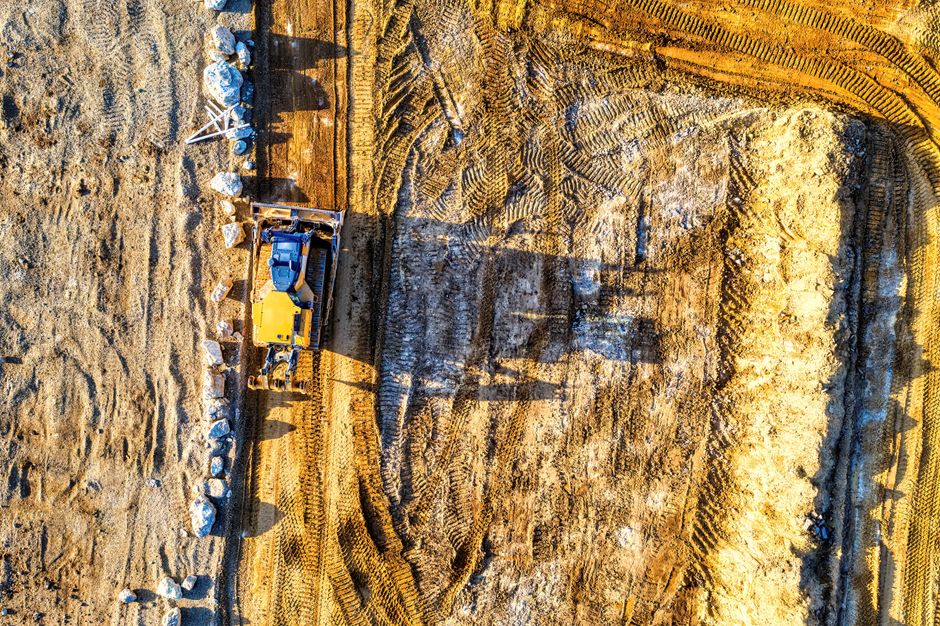
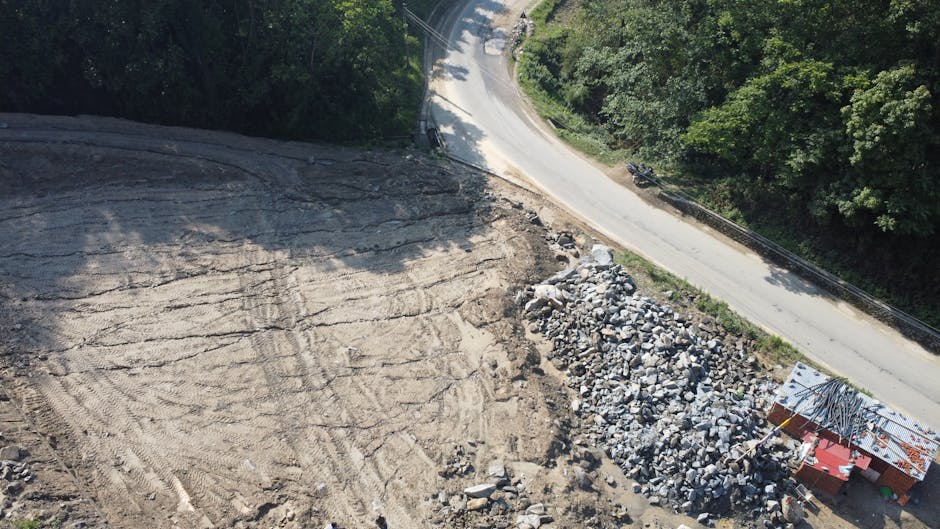
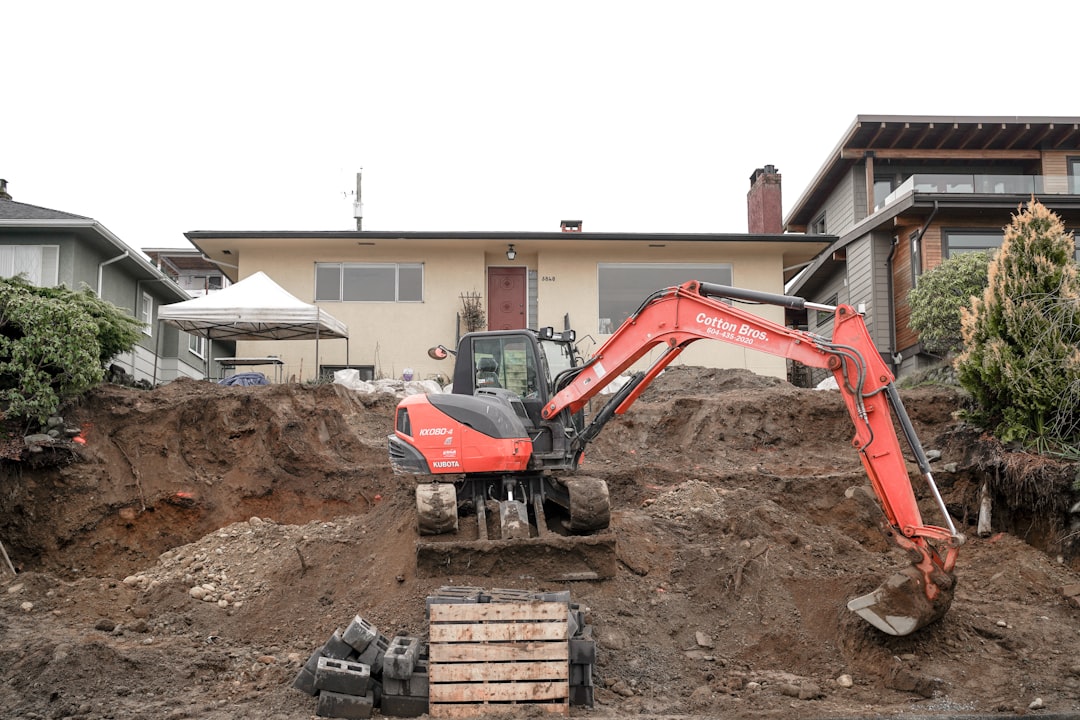
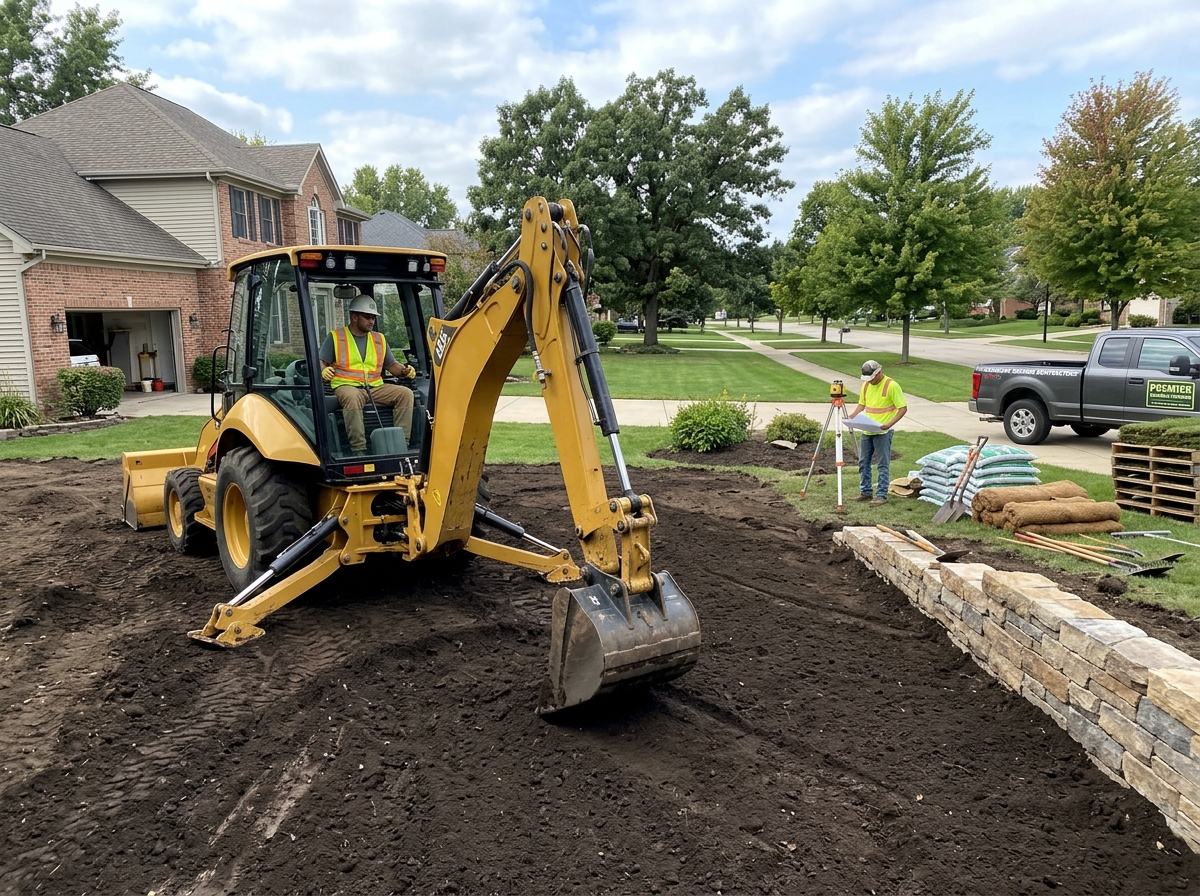
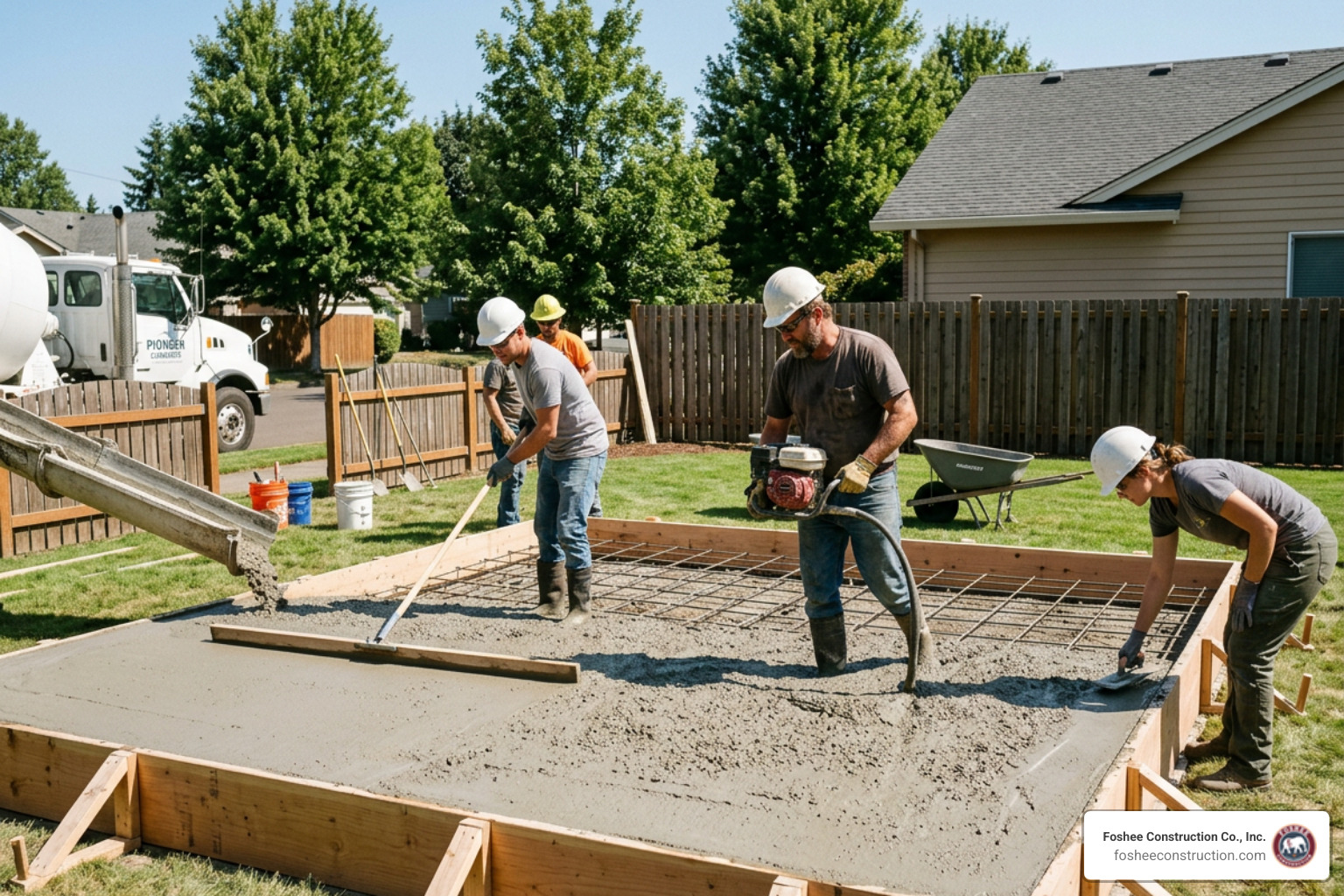
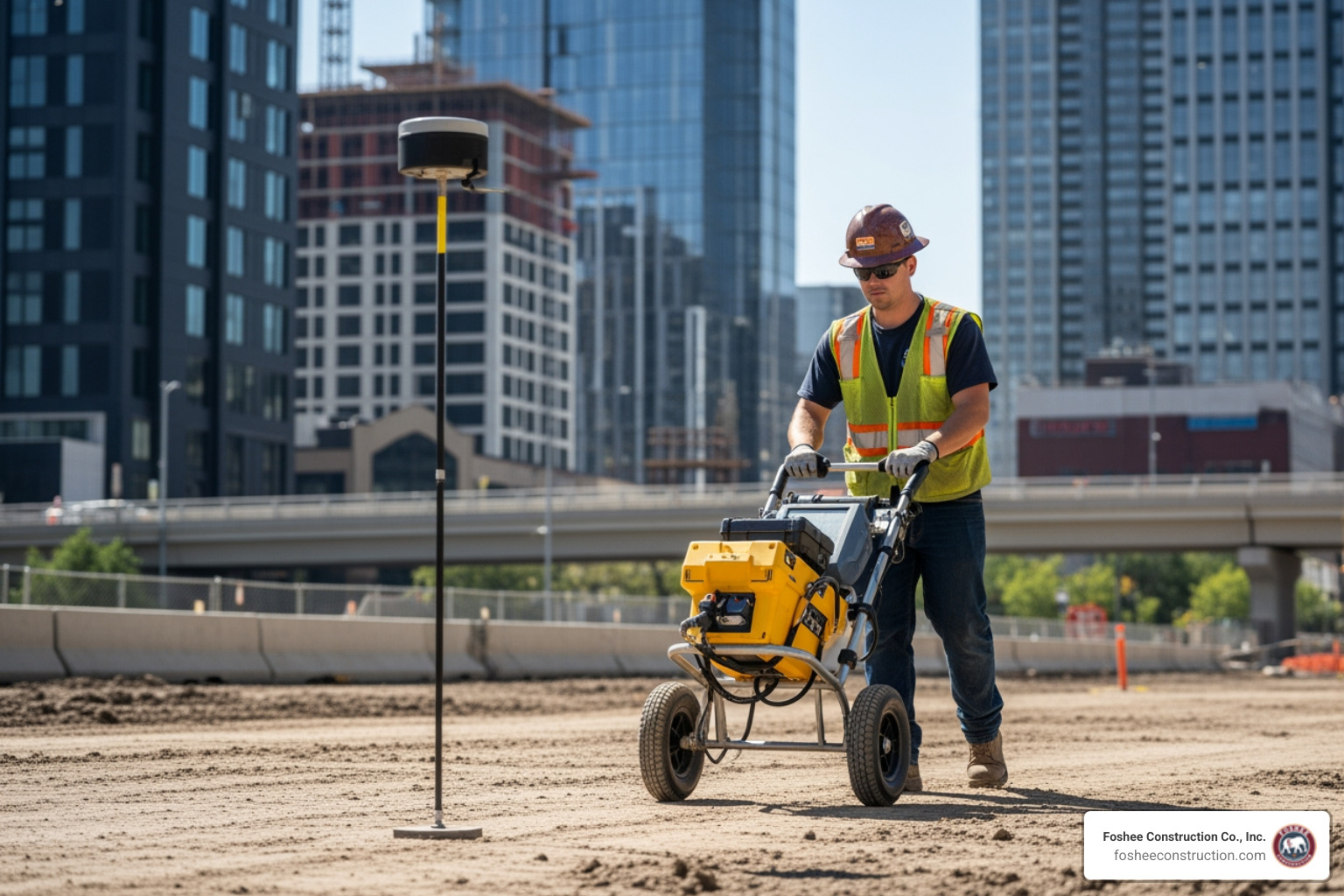
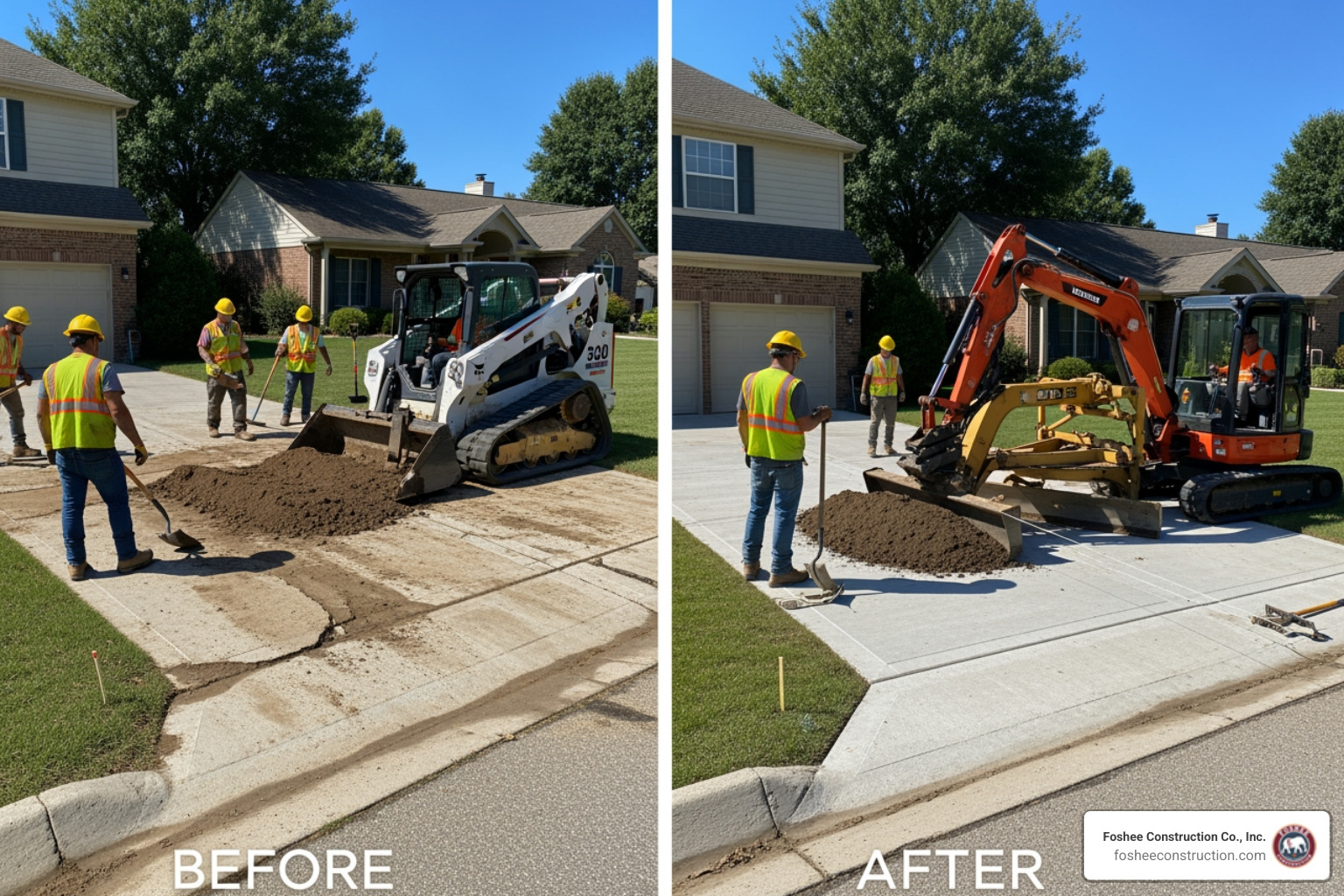
Renovation means updating, repairing, or expanding an existing structure while keeping its foundation and core frame intact. New construction means starting from the ground up — clearing the site, laying a new foundation, and building from scratch. Both require professional site preparation and planning, but the scope, cost, and complexity differ significantly.
Renovating an existing structure can be a smart, cost-effective path when the foundation is sound and the location is ideal. Here's what makes renovation the right call:
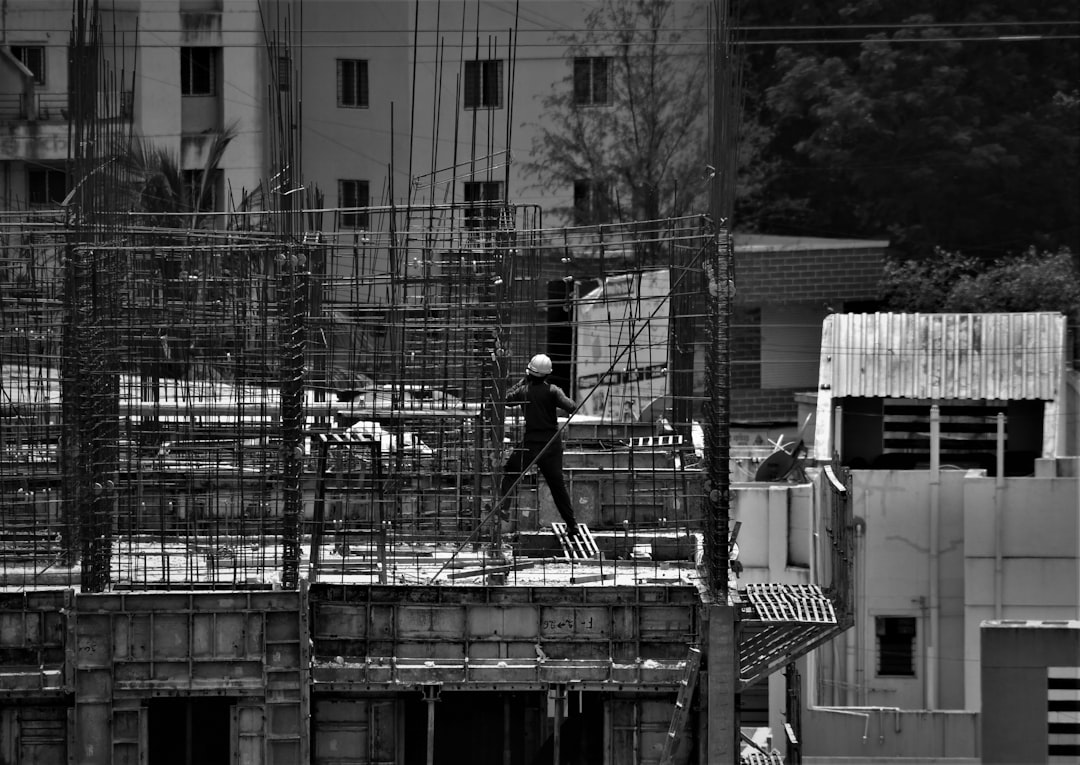
Renovation isn't without risk. The biggest challenge is what you can't see until you're inside the walls:
New construction gives you complete control. When you start from a blank slate, every element of the finished product is intentional. Here's why it's often the better choice for large-scale projects:
The renovation vs. new construction decision ultimately comes down to four questions:
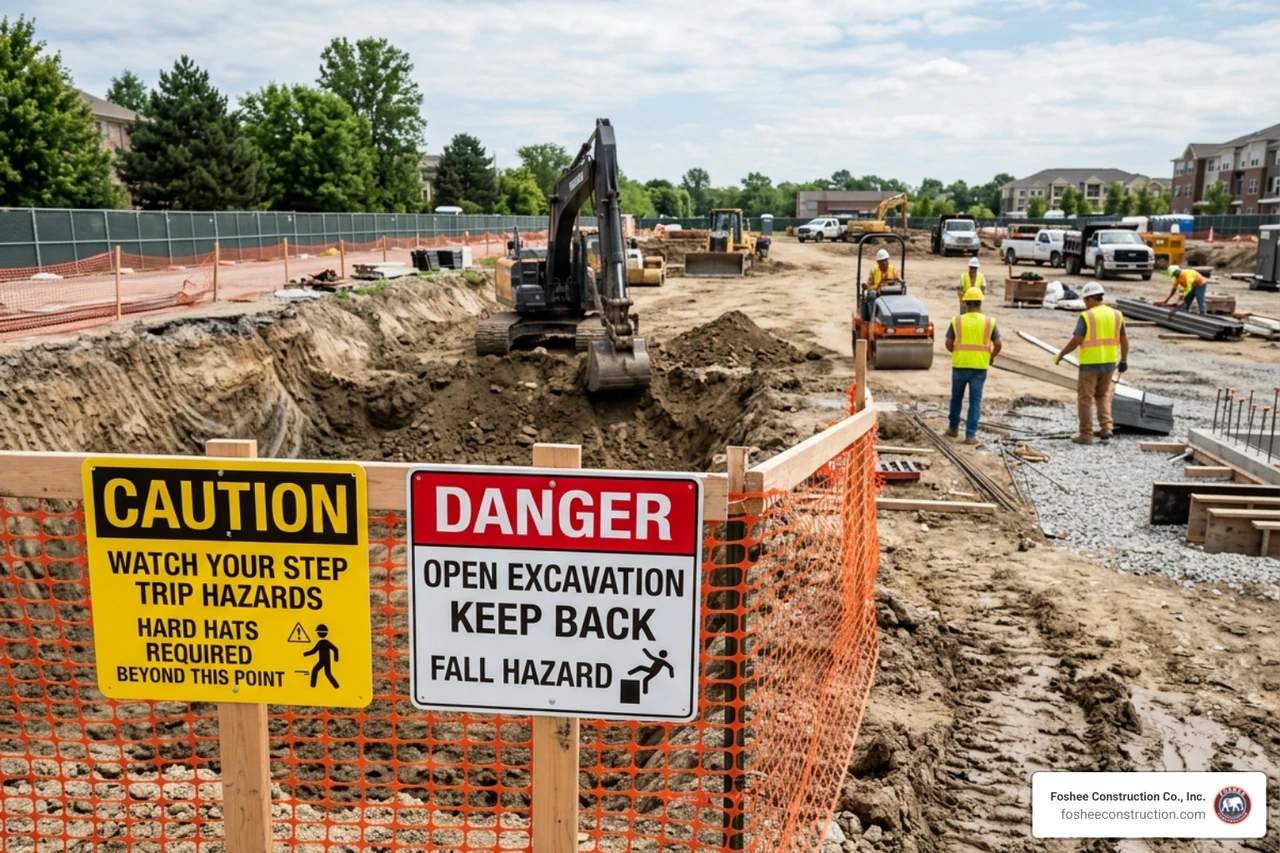
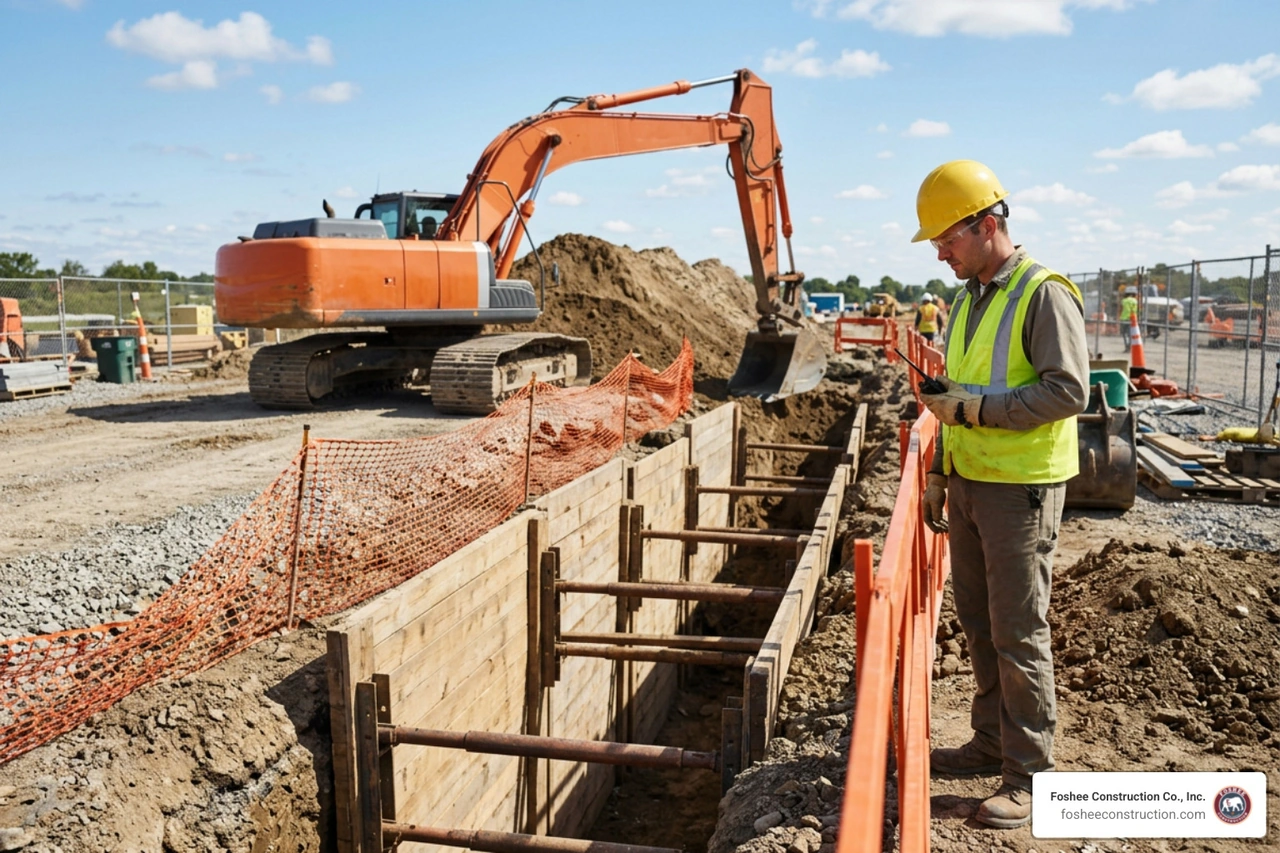
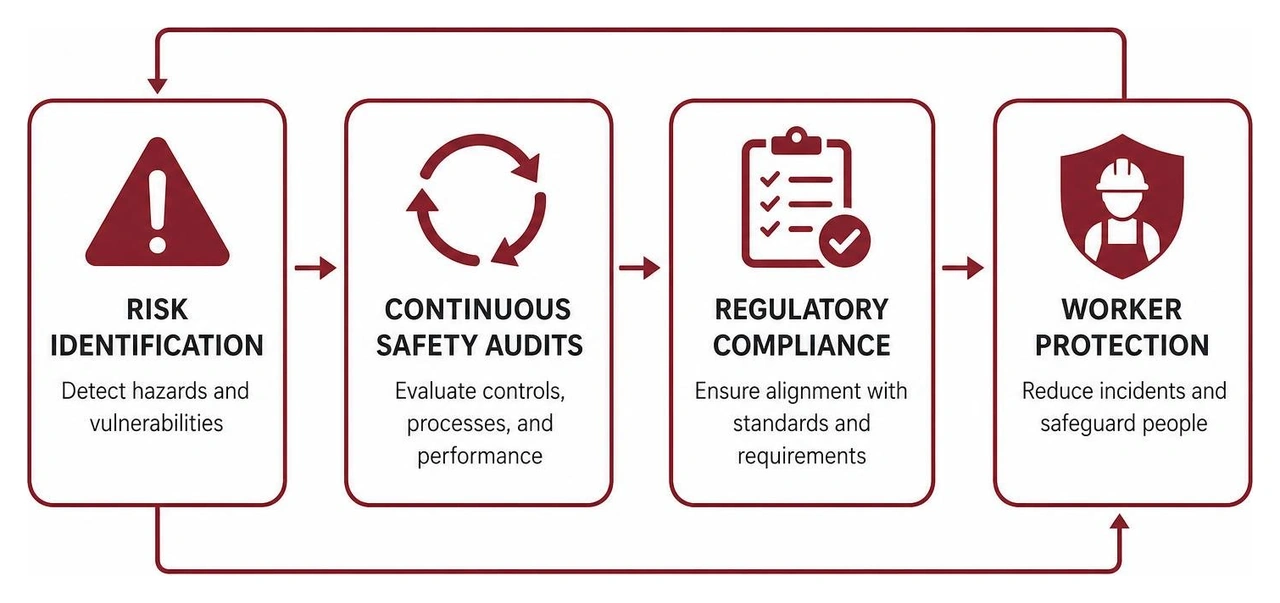
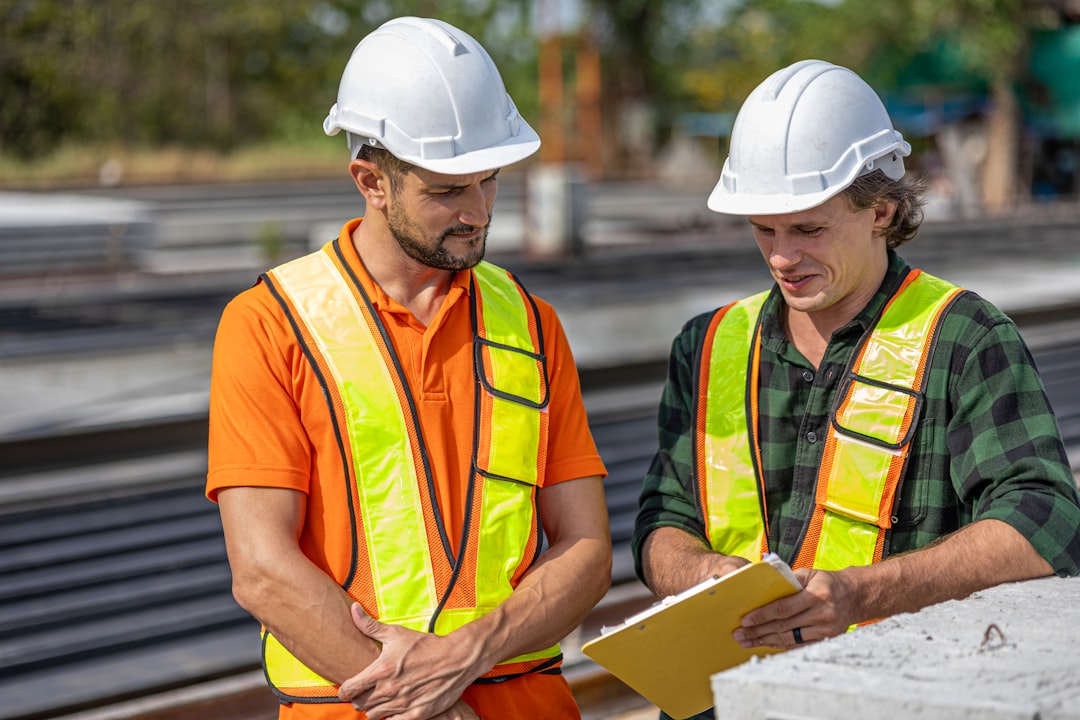
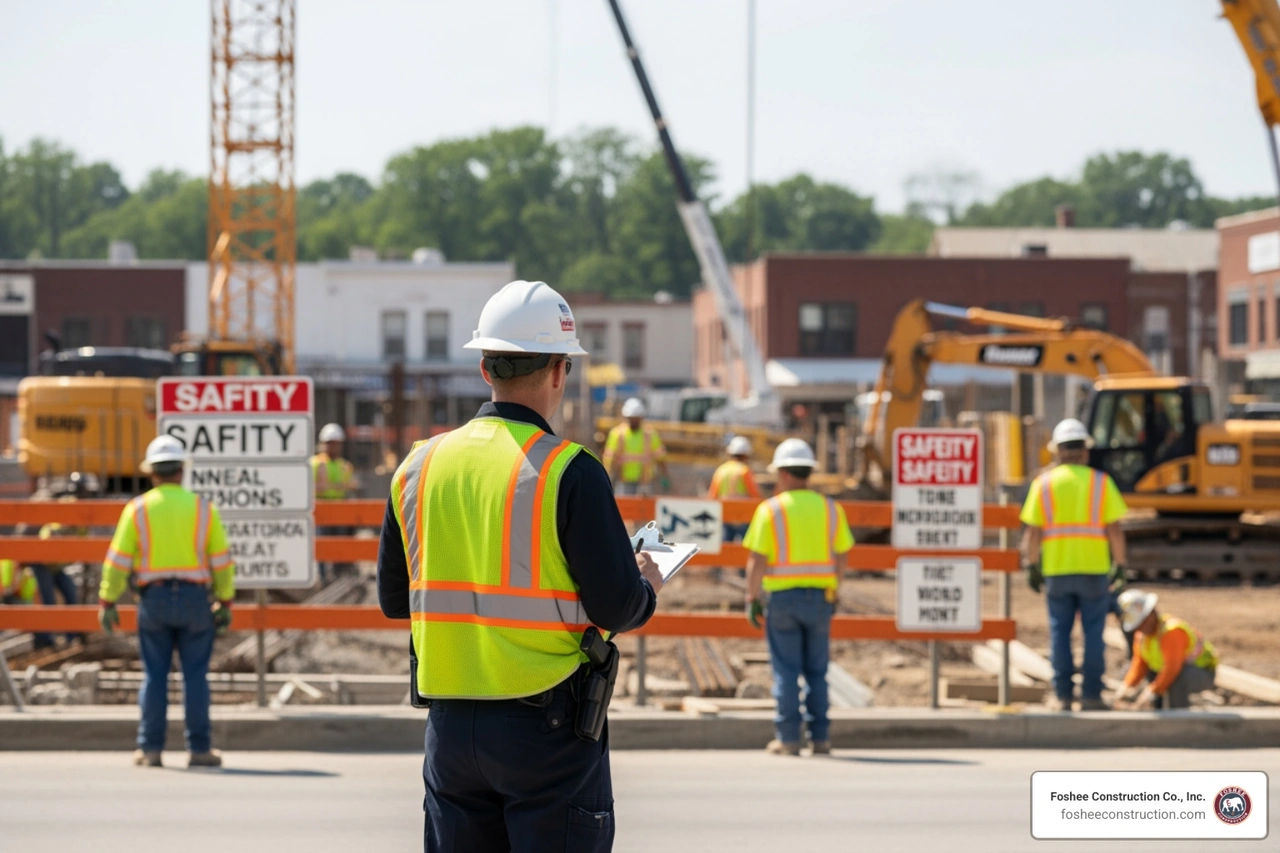
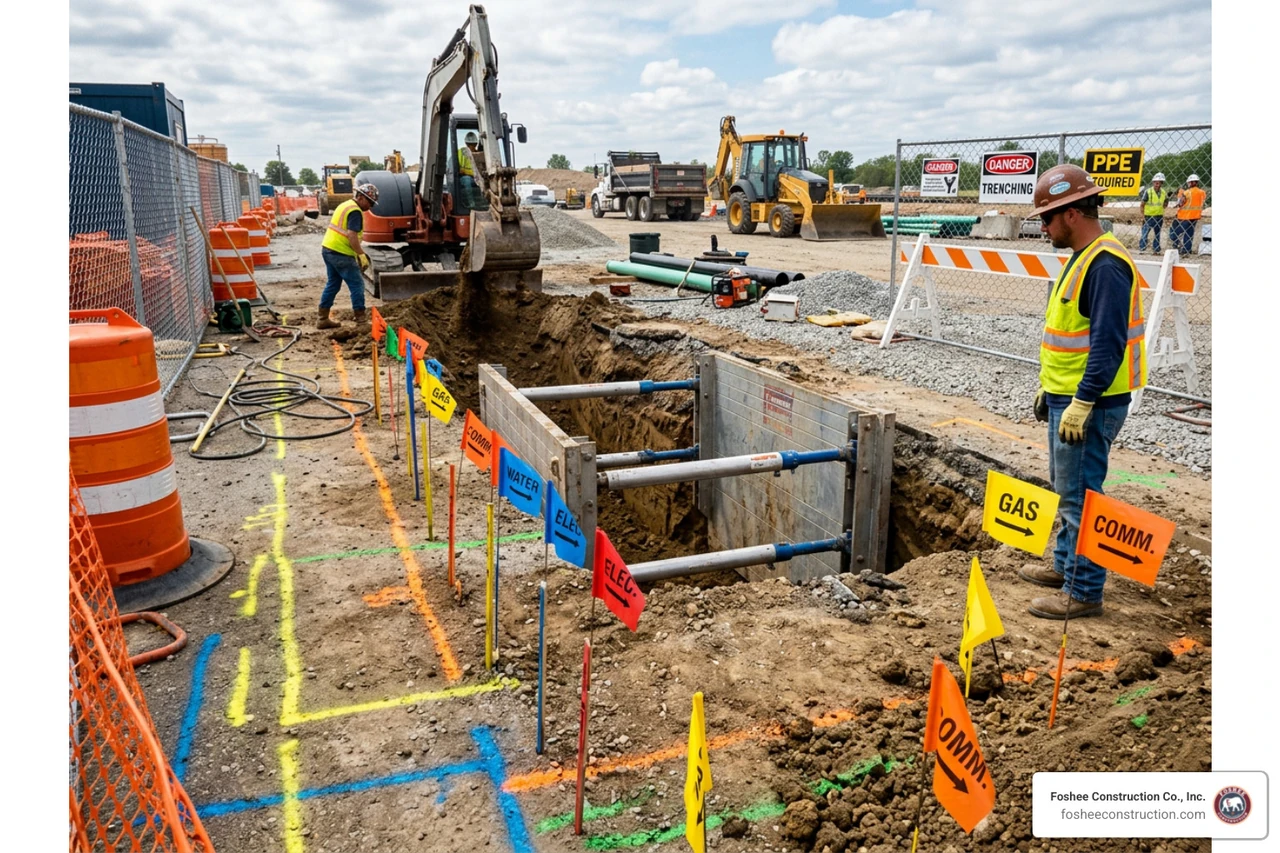
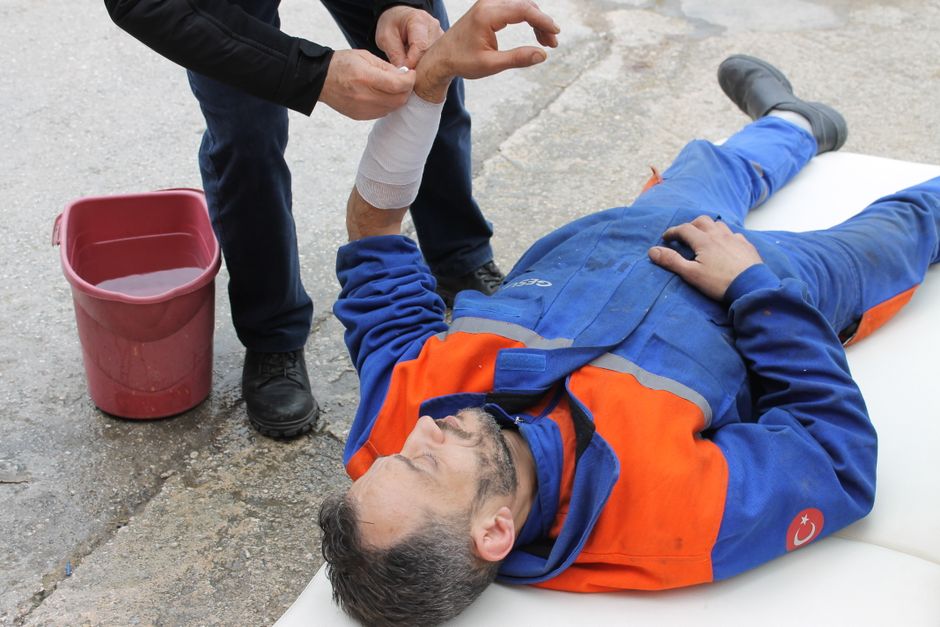
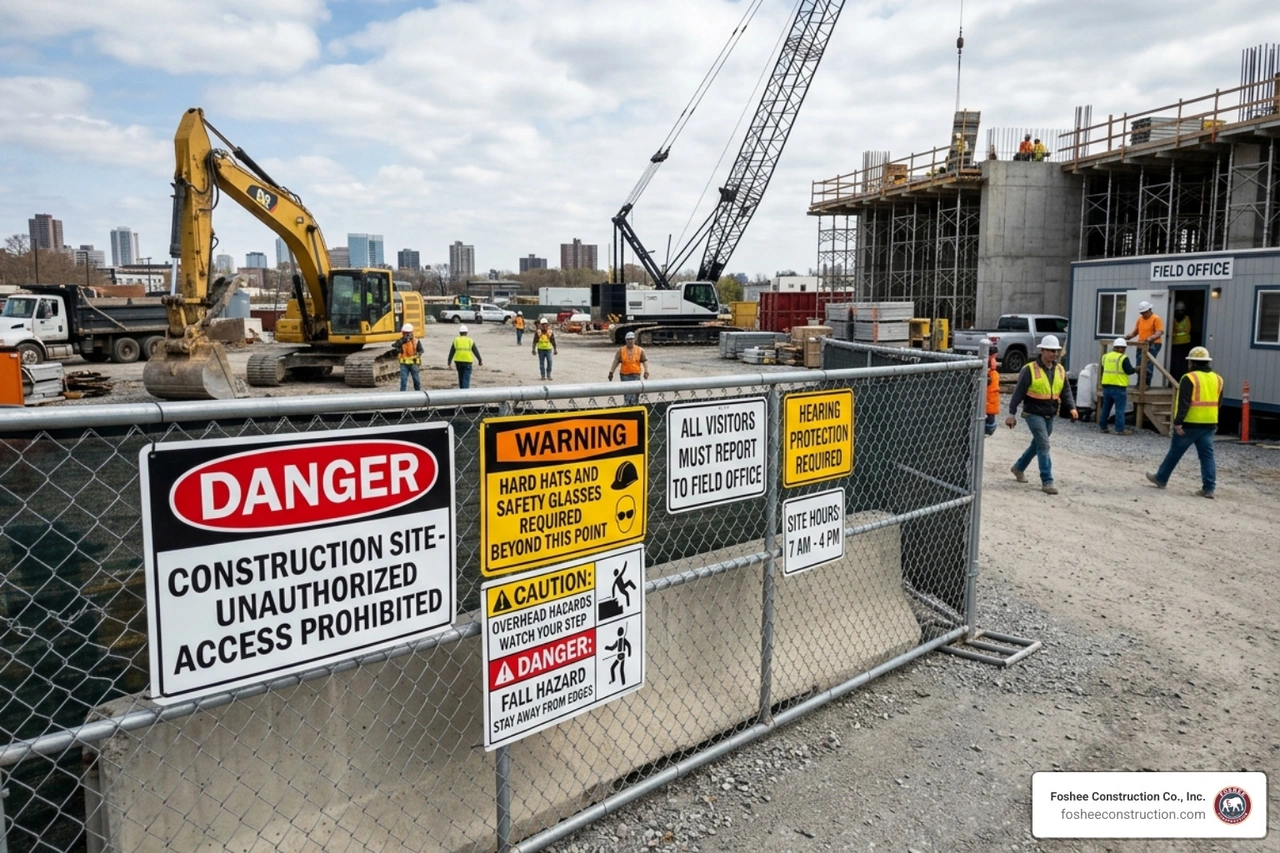
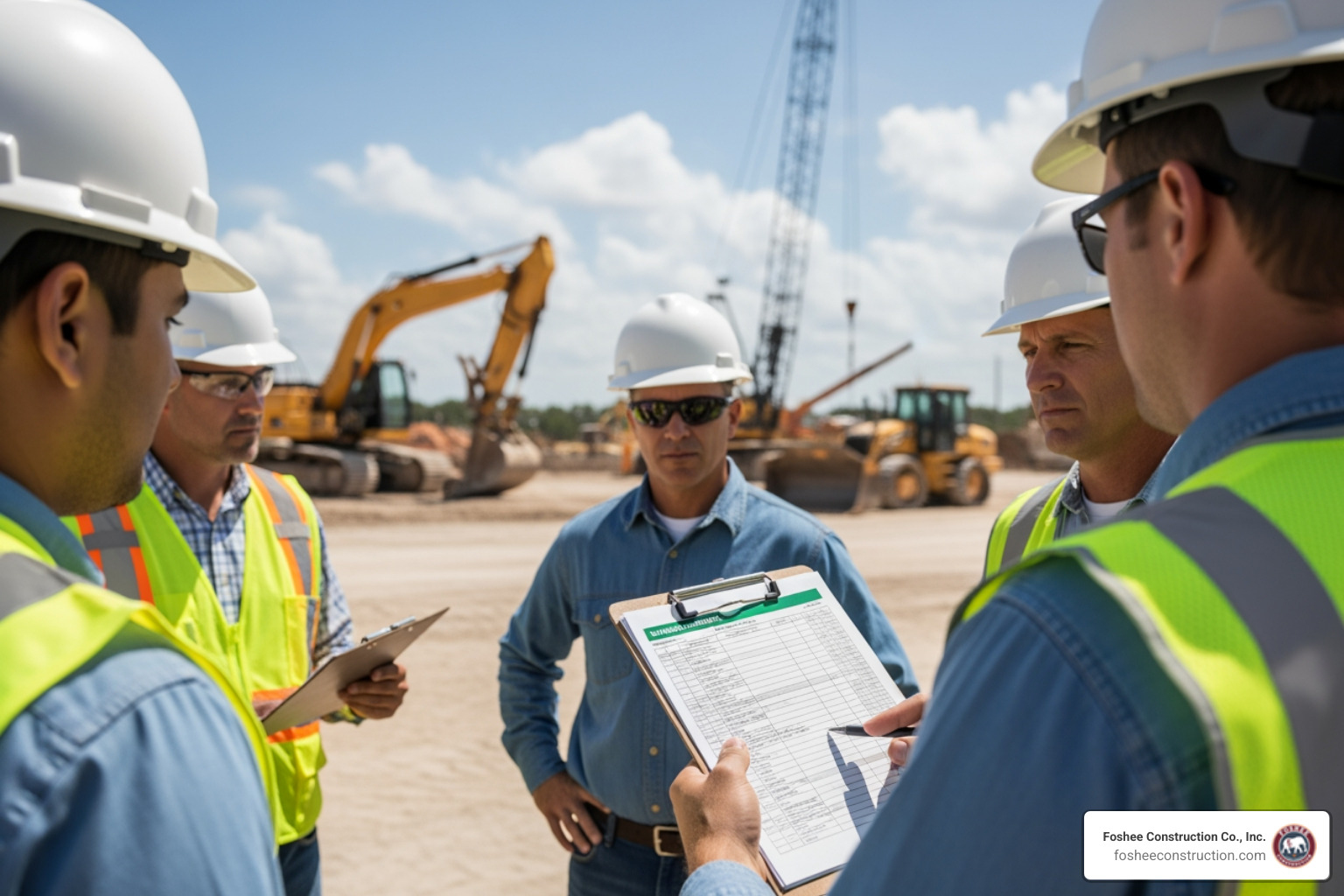
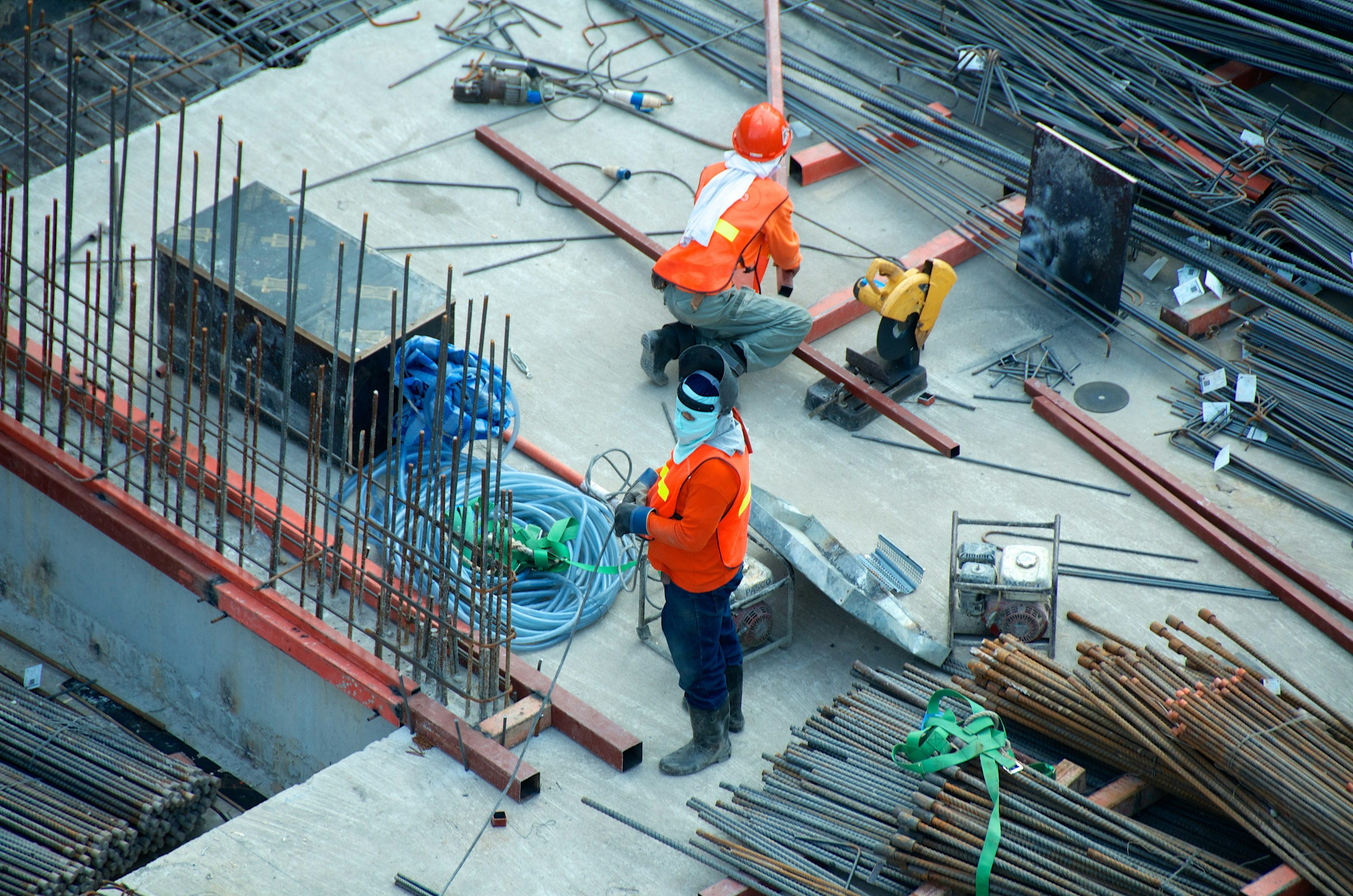
Whether you choose renovation or new construction, job site safety requirements apply to both. Construction fall protection standards from OSHA apply to any project where workers are exposed to fall hazards — including renovation work on existing structures. Any contractor you work with should have documented safety protocols in place regardless of project type.
The best contractors aren't specialists in only one approach. At Foshee Construction, our team brings experience across site preparation, utility work, underground construction, and large-scale project management. We've worked on projects ranging from utility infrastructure to residential developments like the Enclave at Canopy Park and the Hills of Minneola — and that breadth of experience shapes how we approach every project assessment, renovation or new build.
Not sure which path is right for your project? The Foshee Construction team has been helping property owners and developers make this call for decades. Contact us today to talk through your project — we'll give you an honest assessment of whether renovation or new construction makes more sense given your goals, site, and budget.
Not always. Renovation appears cheaper upfront, but hidden conditions — structural damage, outdated systems, code compliance requirements — frequently push final costs above initial estimates. New construction costs are higher on paper but more predictable when the project is properly scoped.
A small renovation can take weeks to a few months. New construction from design through completion typically takes 6-18 months depending on project scale, permitting timelines, and site conditions. Large-scale site work and utility connections add time before vertical construction begins.
Both require permits. Renovation permits vary based on the scope and whether structural, electrical, plumbing, or mechanical work is involved. New construction requires a full building permit, site plan approval, and often environmental review depending on the location. Working with an experienced contractor ensures the permitting process is handled correctly from the start.
Yes, and it's often done successfully. The key factors are the same as residential — structural integrity, design flexibility requirements, and cost comparison. Commercial renovations have additional considerations around ADA compliance, occupancy loads, and code upgrades that can significantly affect scope and budget.
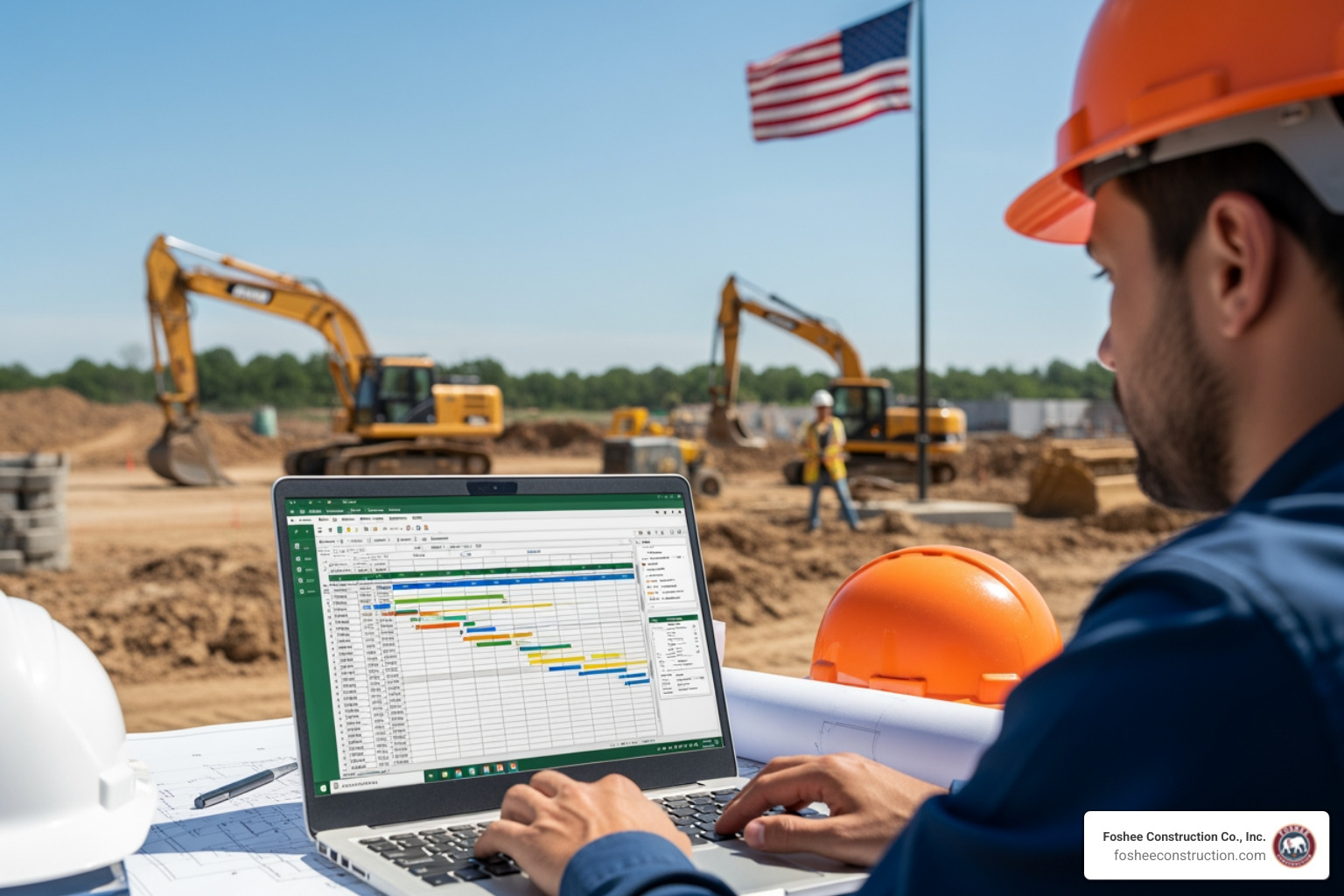
We build bids using HeavyBid and AGTEK because the details matter long before the job starts. When the numbers are accurate and the scope is clearly defined, it sets the tone for how the entire project runs. Estimating isn’t just a step in the process, it’s the foundation we build on.
That same mindset carries into the field. Our crew is trained to work with purpose, follow the Civil Engineers’ Plan to the finest detail, and hold the line on quality. When expectations are clear from day one, there’s no need for shortcuts, and no confusion about how the work gets done.
Clients trust our bid packages because they’re complete and ready to use. Project managers know what we’re covering, what’s excluded, and how we plan to approach the job. That clarity removes friction and lets teams focus on execution instead of interpretation.
As part of our review process, we go into the plans before anything hits the site. We ask the questions early, resolve issues before they show up in the field, and keep RFIs moving. This approach prevents delays and protects the timeline.
Over time, that consistency builds trust. Many of the people we work with today came through referrals from past projects – engineers, GCs, and superintendents who’ve seen how we operate and want the same experience again.
In 2024, Foshee Construction was acquired by Saga Infrastructure Solutions, a national network of civil construction companies. Saga supports regional contractors by giving them access to better tools, long-term resources, and operational backing, without changing how they run day to day.
Foshee will continue to operate under its name, with the same team and field leadership in place.
“From the very time a project starts, we start that partnership. We try to catch as much as we can with the tools that we have. Not everybody is using the software platforms we are. That’s the differentiator: we’re not just bidding. We’re anticipating, problem-solving, and making sure the job runs right.”
— Don, CEO, Saga Infrastructure Solutions
Foshee is now part of a broader regional strategy that includes Florida, the Piedmont Atlantic, Texas, Colorado, and the Arizona Sun Corridor. The name, crews, and standards remain. What’s improving is the support behind it.