Professional site preparation services are the foundation of every successful construction project — literally and financially.
Before you decide whether to hire a professional or cut corners, here's what you need to know:
What professional site preparation includes:
Why it matters:
When site prep is rushed or skipped, problems show up later — unstable foundations, drainage failures, costly rework, and safety violations. For Florida contractors and developers, these aren't small setbacks. They're project-killers.
Every strong build starts with the ground beneath it. If that ground isn't properly cleared, tested, graded, and compacted, everything built on top of it is at risk.
The question isn't whether professional site preparation is worth the investment. It's whether you can afford what happens when it's done wrong.
In the construction world, we often say that a building is only as good as the ground it stands on. Site preparation services encompass the entire range of activities required to transform a raw piece of land into a build-ready lot. In Florida, where we deal with everything from sandy soils to high water tables, this process is far more complex than just running a bulldozer over some weeds.
At its core, site preparation is about risk management. We are identifying potential geological hazards, managing water flow, and ensuring the soil has the necessary load-bearing capacity to support thousands of pounds of concrete and steel. Without expert site preparation solutions, you are essentially gambling with the structural integrity of your future building.
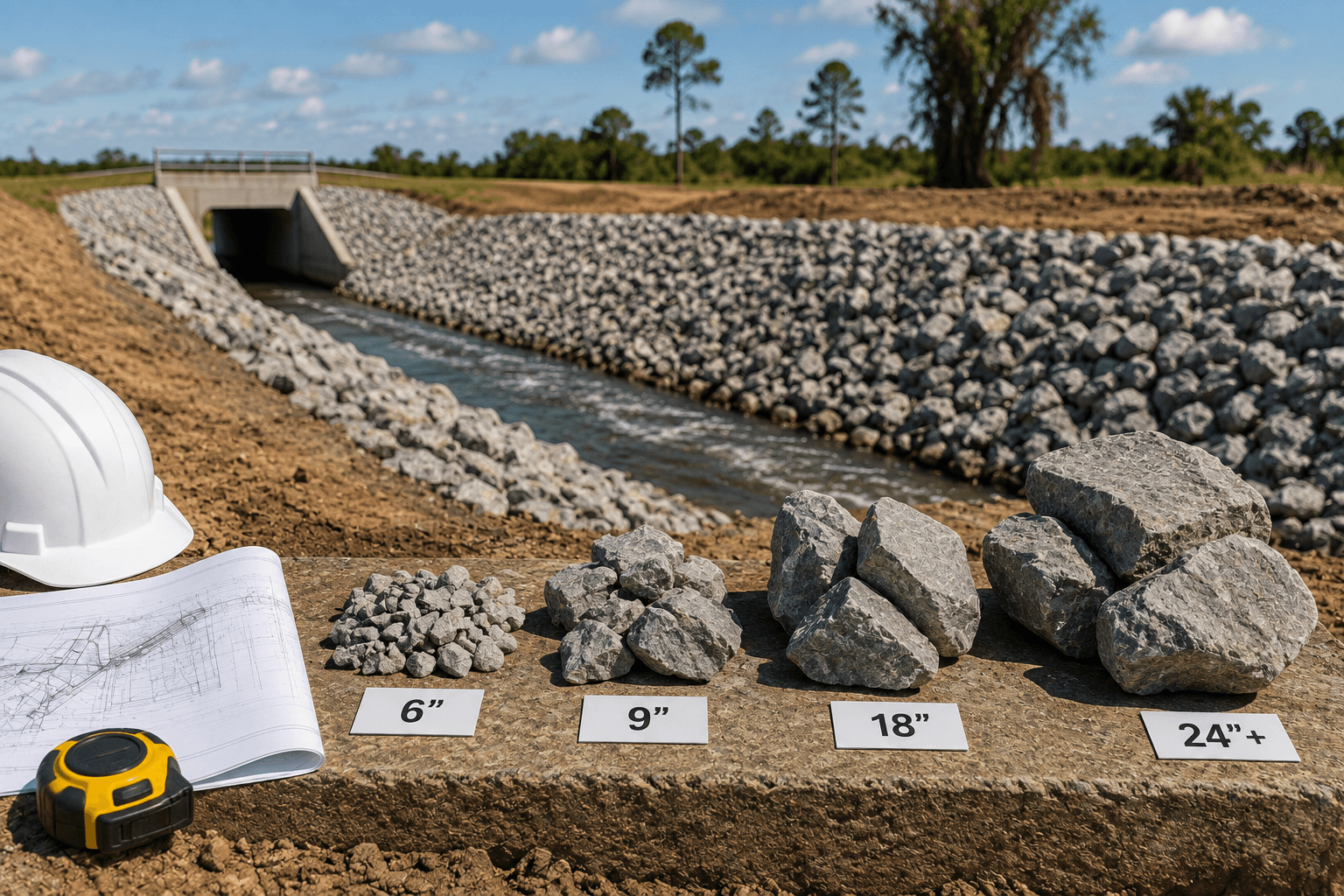
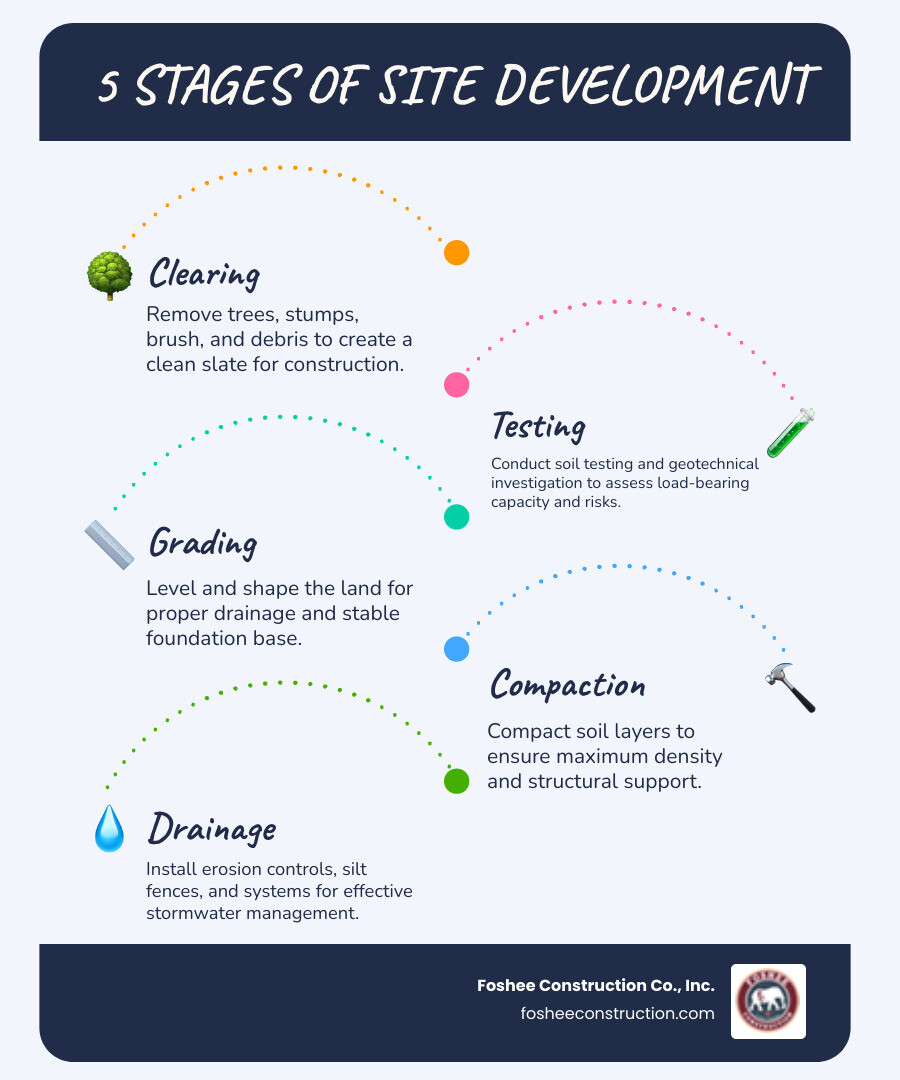
One of the most critical early steps we oversee is the geotechnical investigation. This involves taking soil samples to understand what is happening beneath the surface. Is there a layer of muck that will cause the house to sink? Is the soil too loose to hold a foundation? By answering these questions early, we can implement soil stabilization techniques—such as adding lime or fly ash, or simply compacting the existing earth—to ensure a rock-solid start.
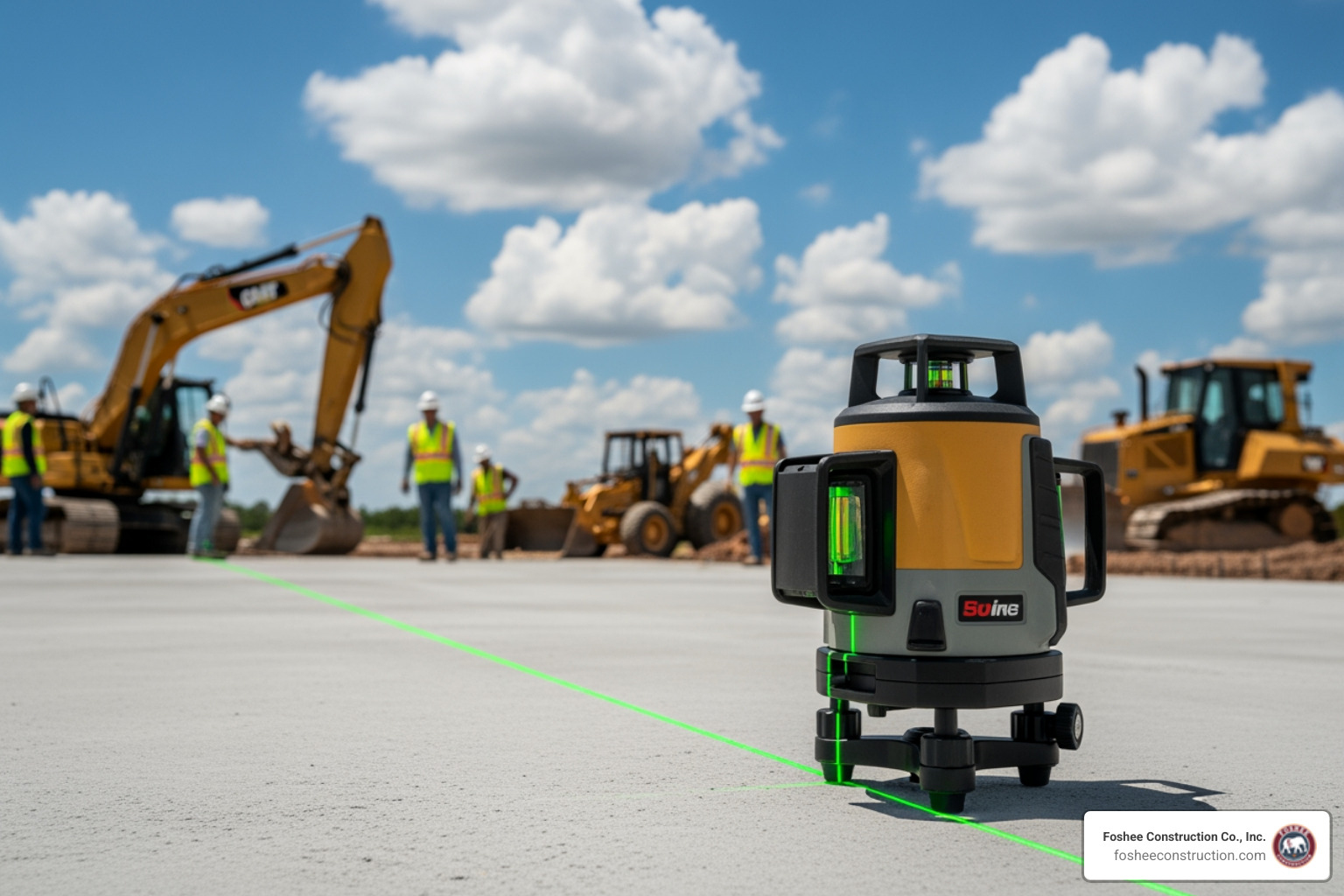
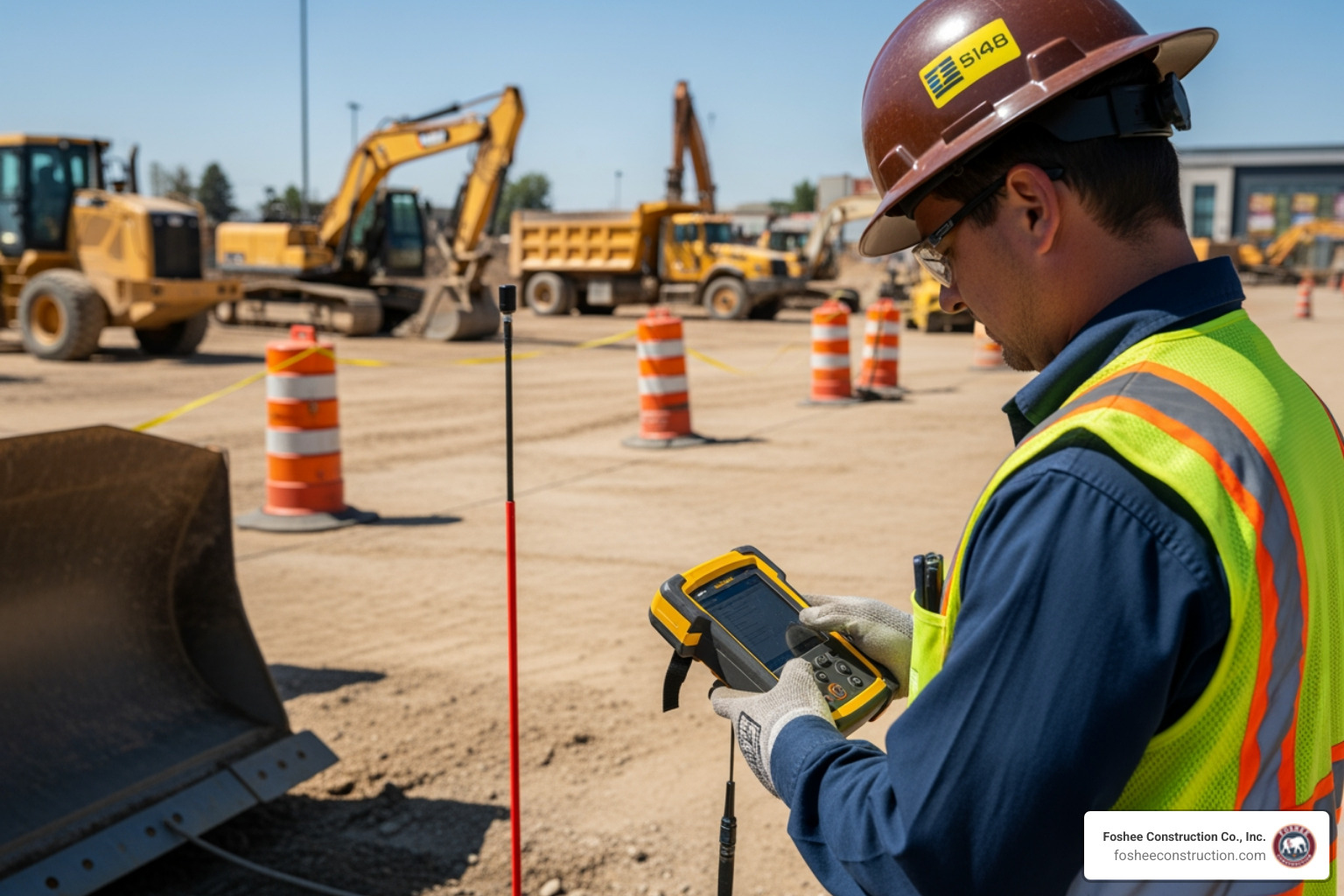
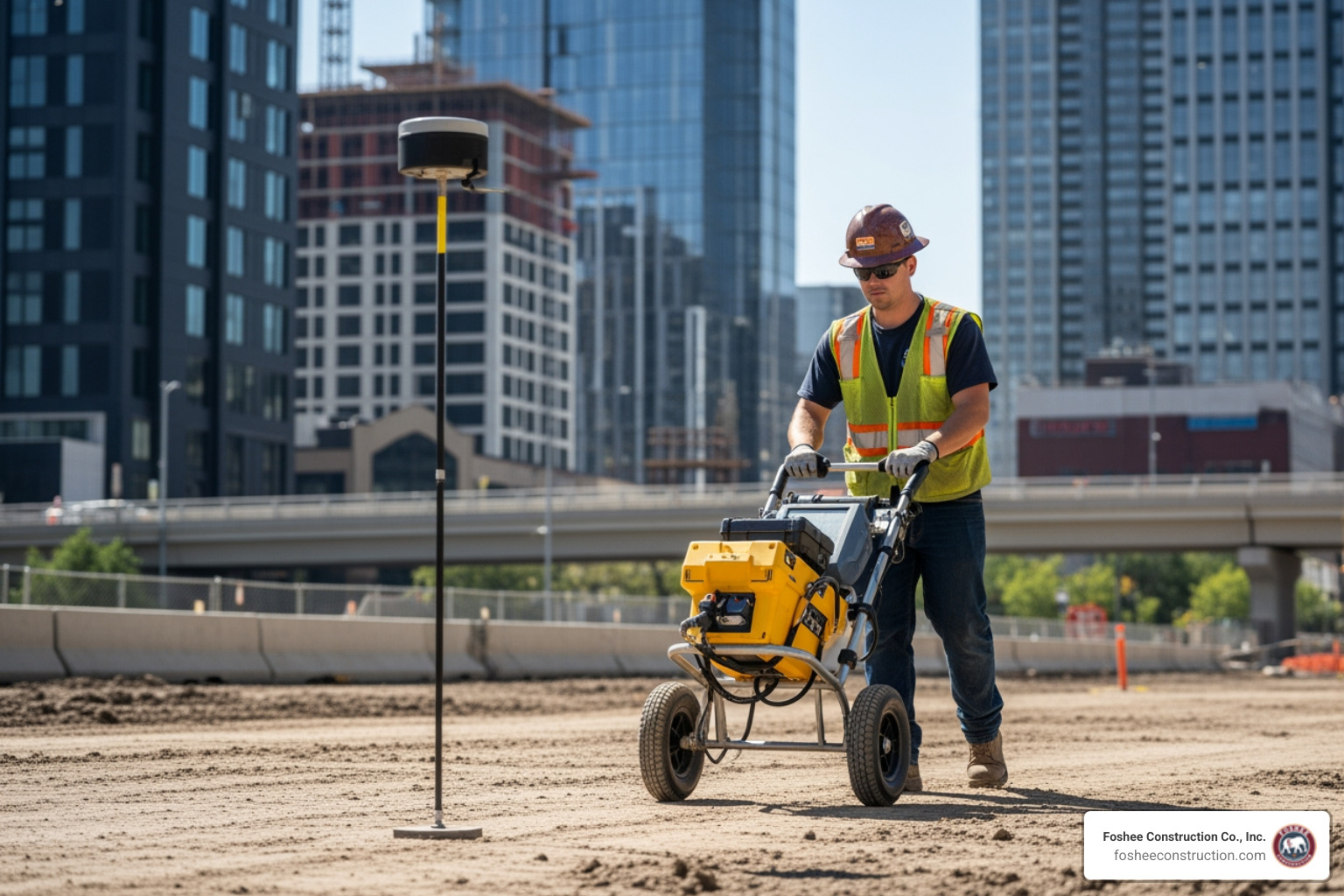
Furthermore, site surveying ensures that every trench dug and every pad poured is exactly where it needs to be according to the blueprints. We use high-precision tools, like laser levels and GPS-guided machinery, to ensure the site is perfectly aligned. This accuracy prevents "encroachment" issues where a building might accidentally cross a property line or a utility easement.
Whether we are prepping a small residential lot in Minneola or a massive commercial development in Lake County, the core services remain the same, though the scale changes:
In Florida, environmental protection isn't just a "good idea"—it’s the law. Our state’s unique ecosystem and proximity to the water table mean that we must be incredibly diligent about how we move earth.
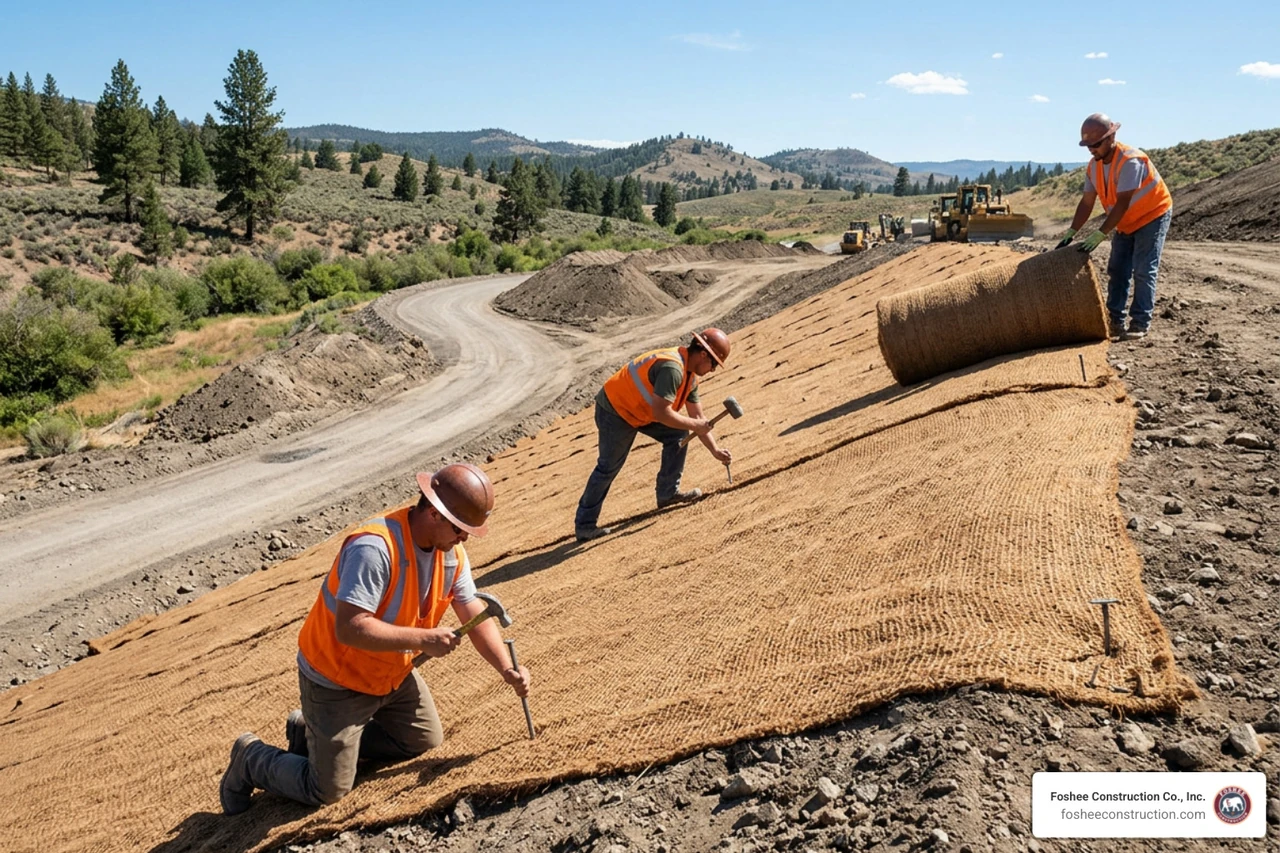
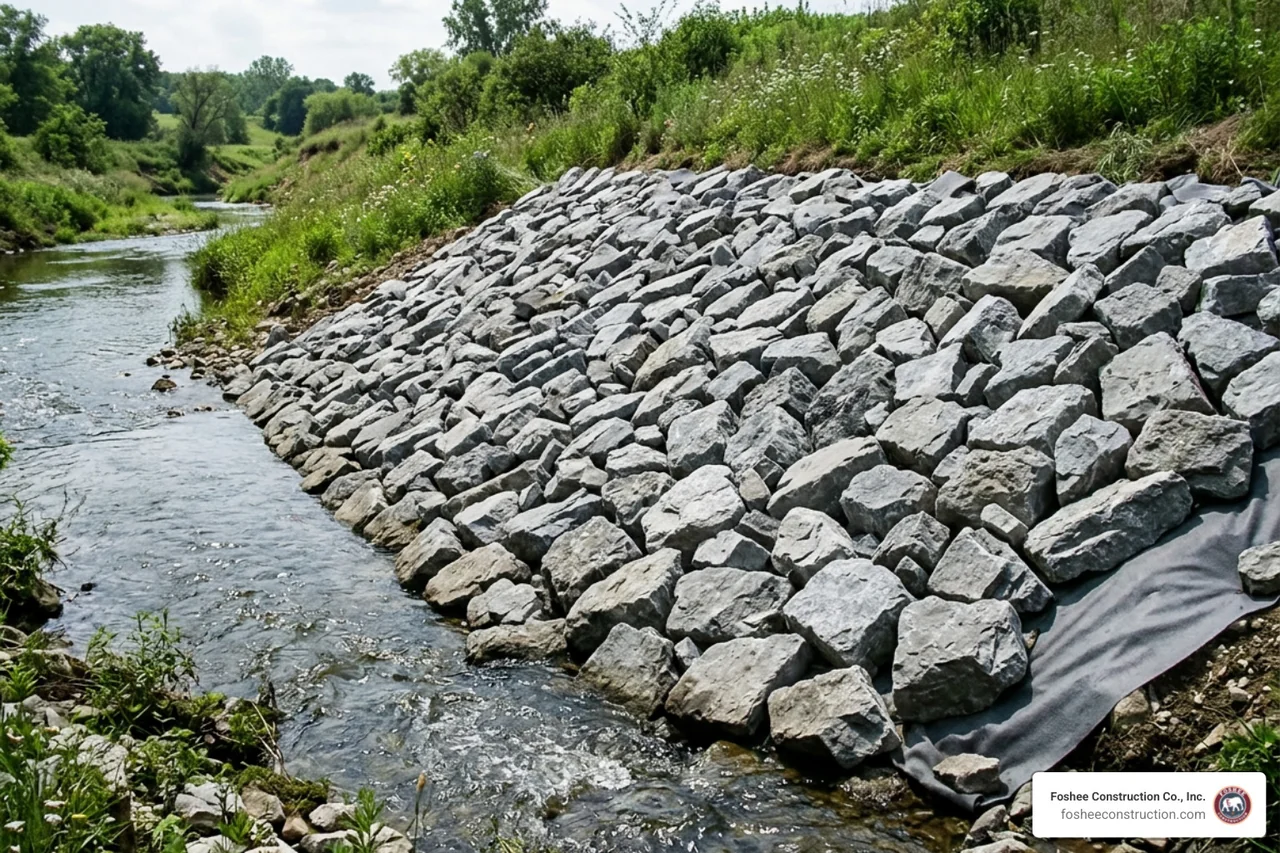
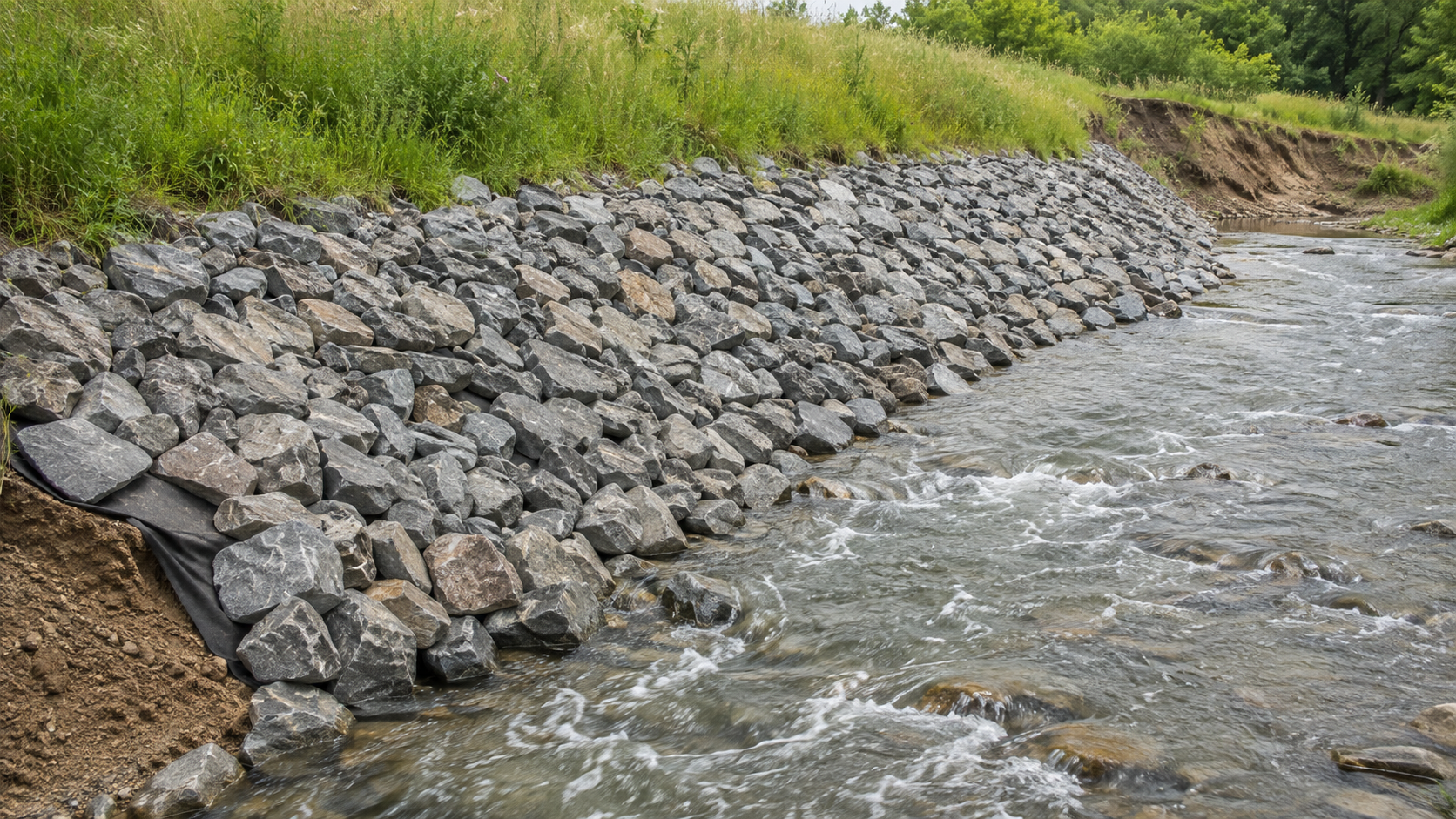
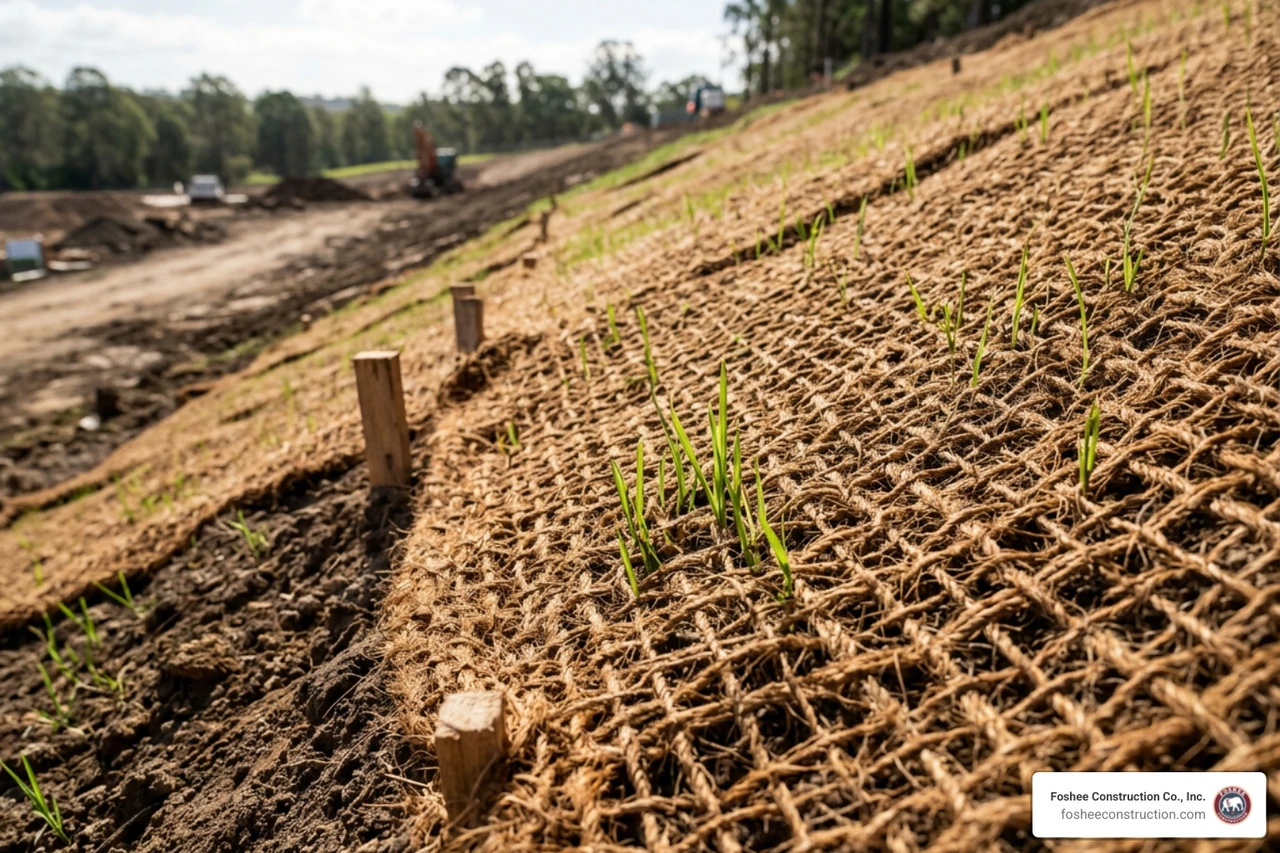
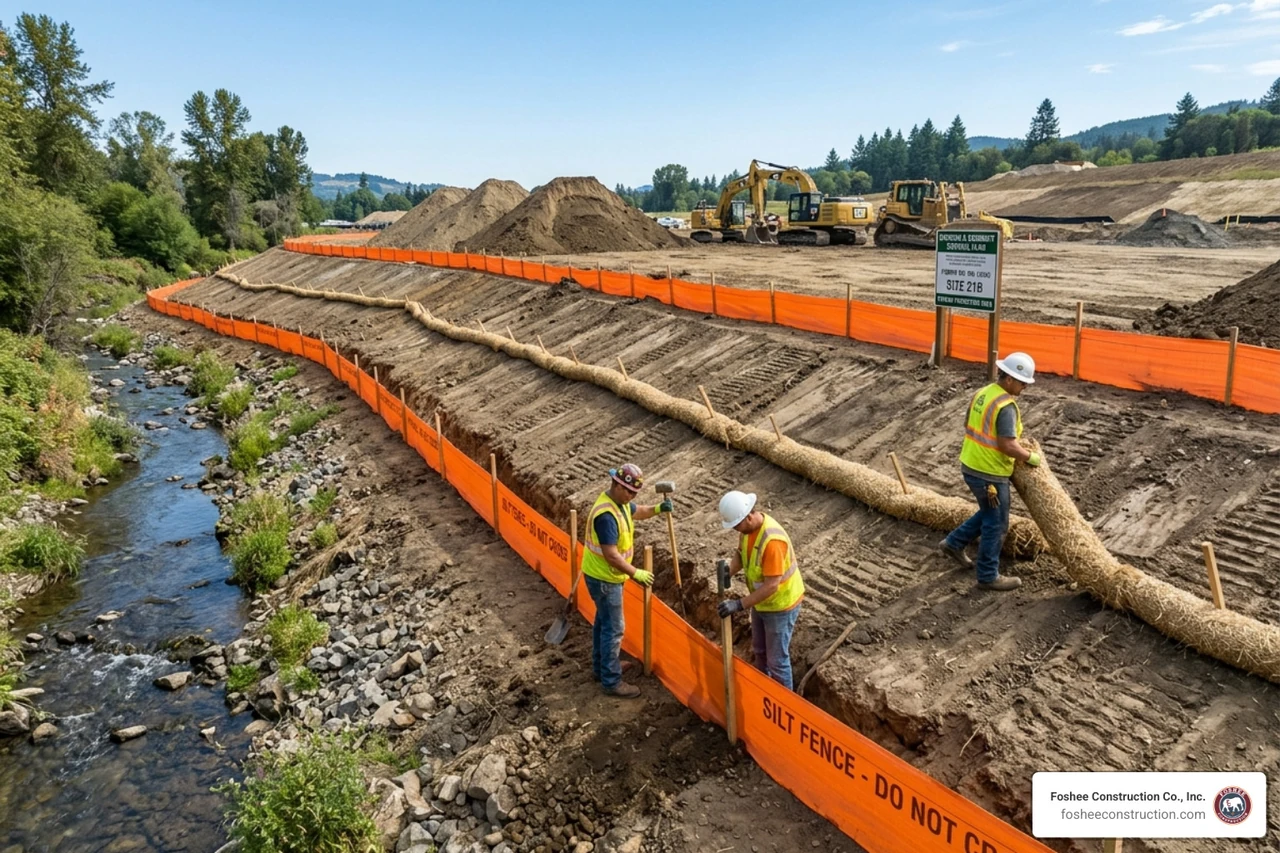
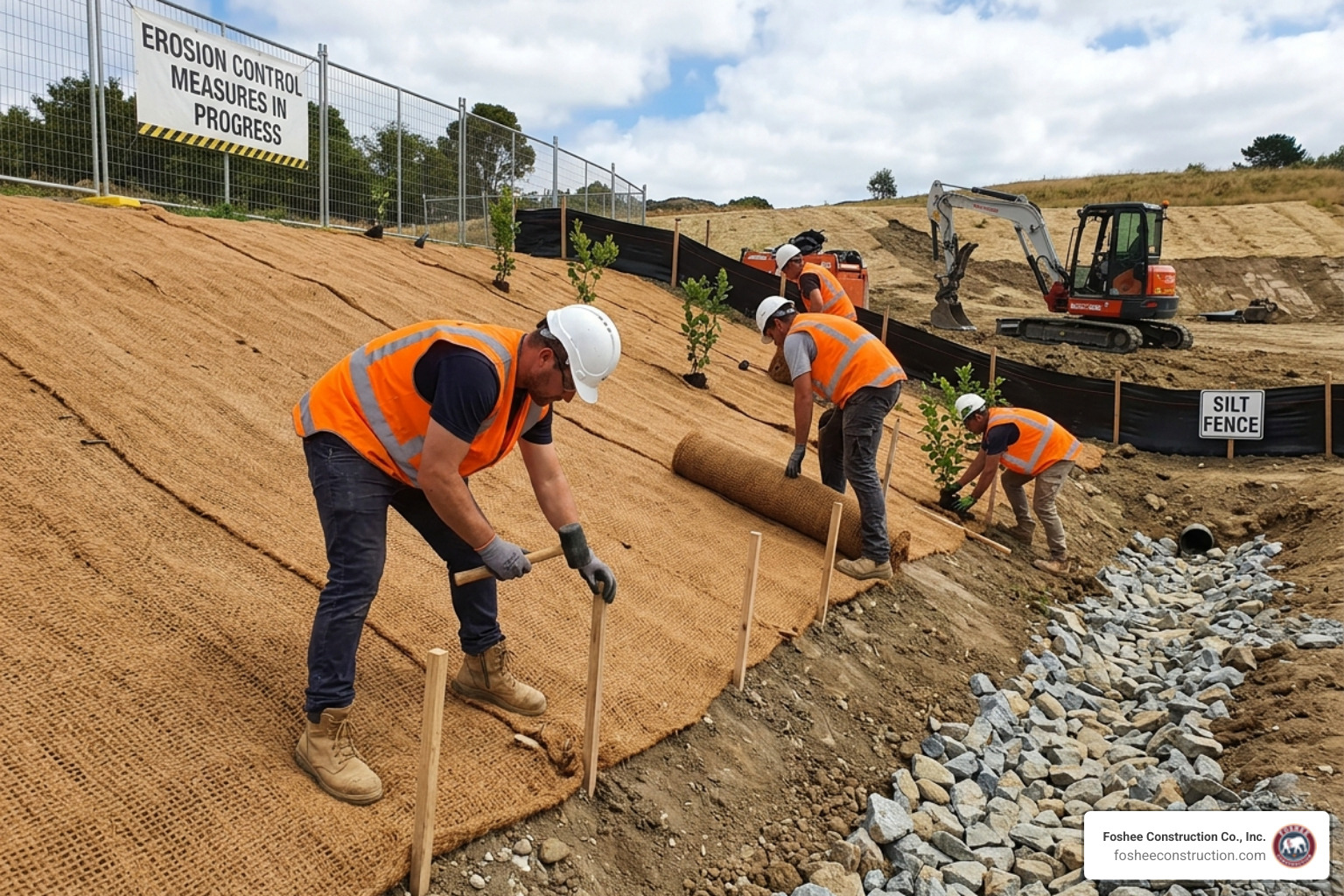
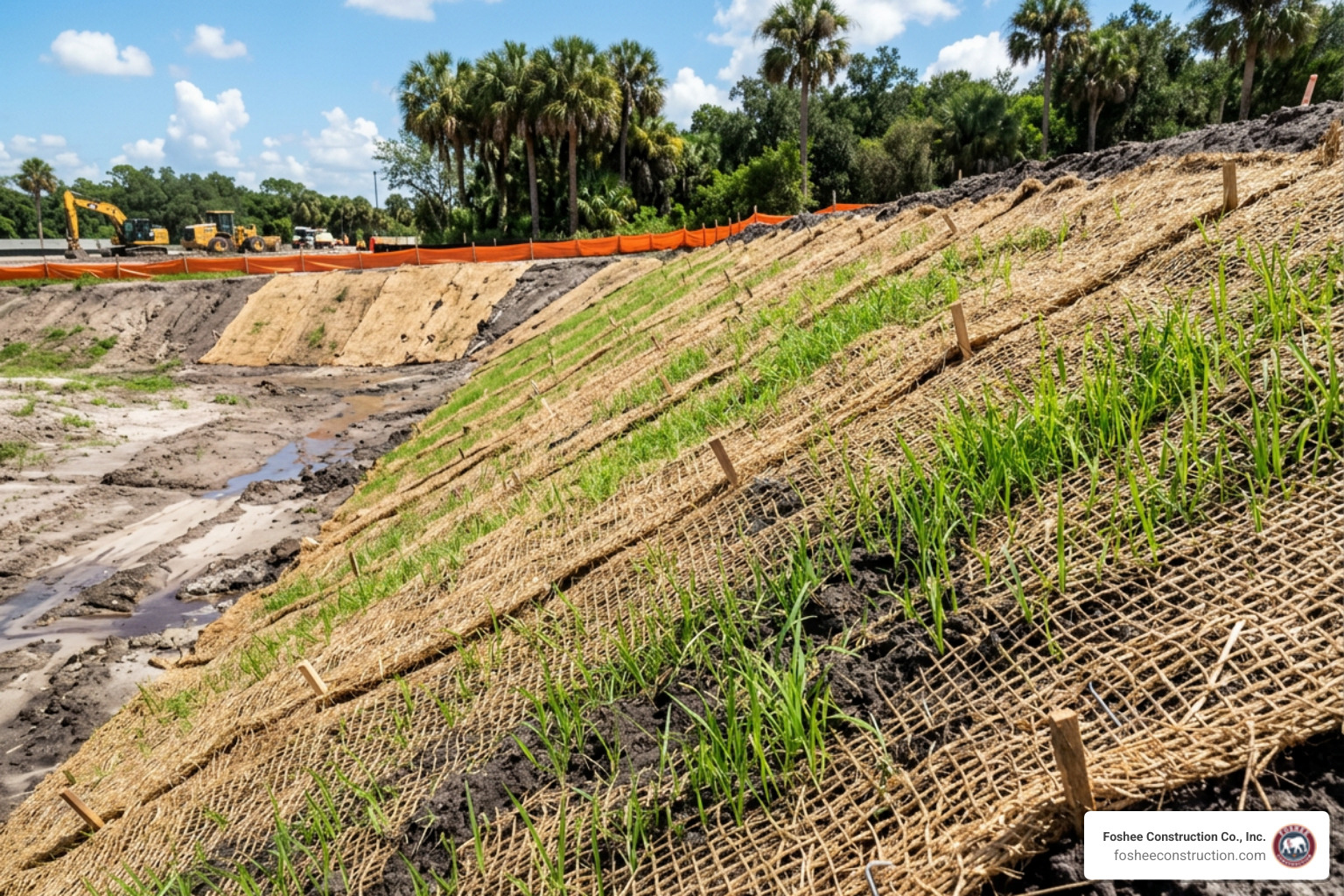
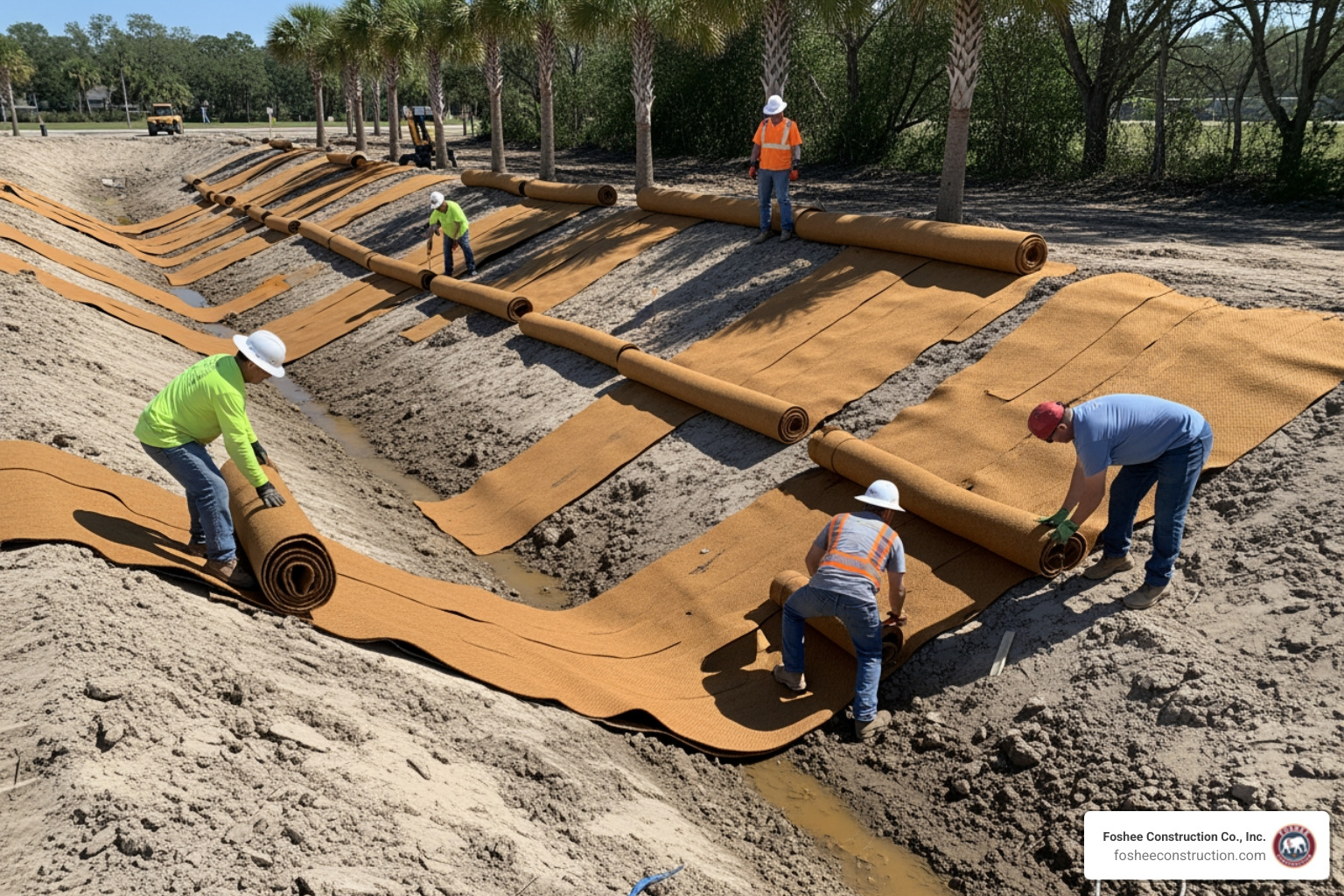
Erosion control is a top priority. During a heavy Florida downpour, a cleared site can lose tons of topsoil in minutes, which then clogs local storm drains and pollutes waterways. We use silt fences, hay bales, and erosion control blankets to keep the dirt where it belongs.
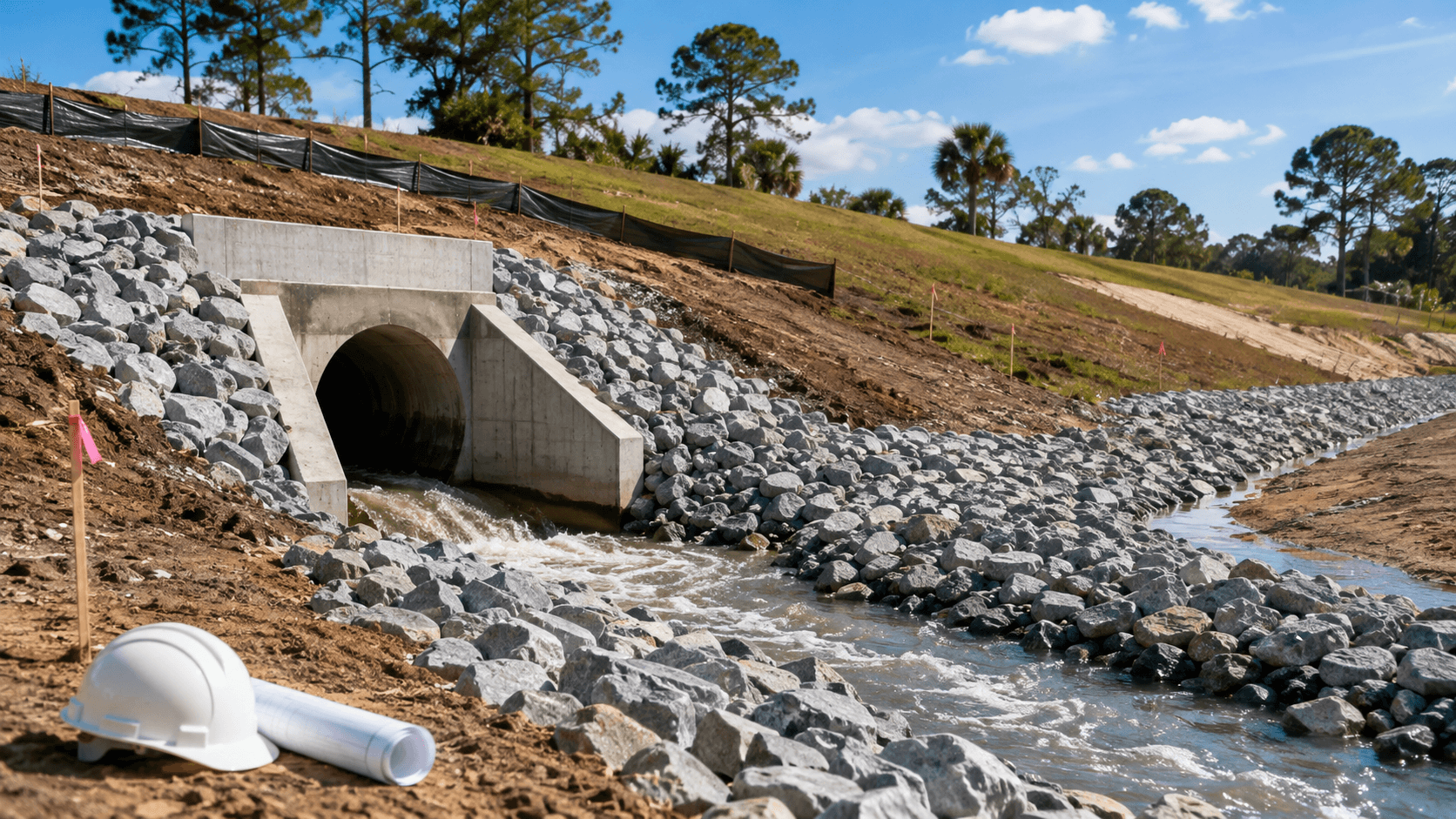
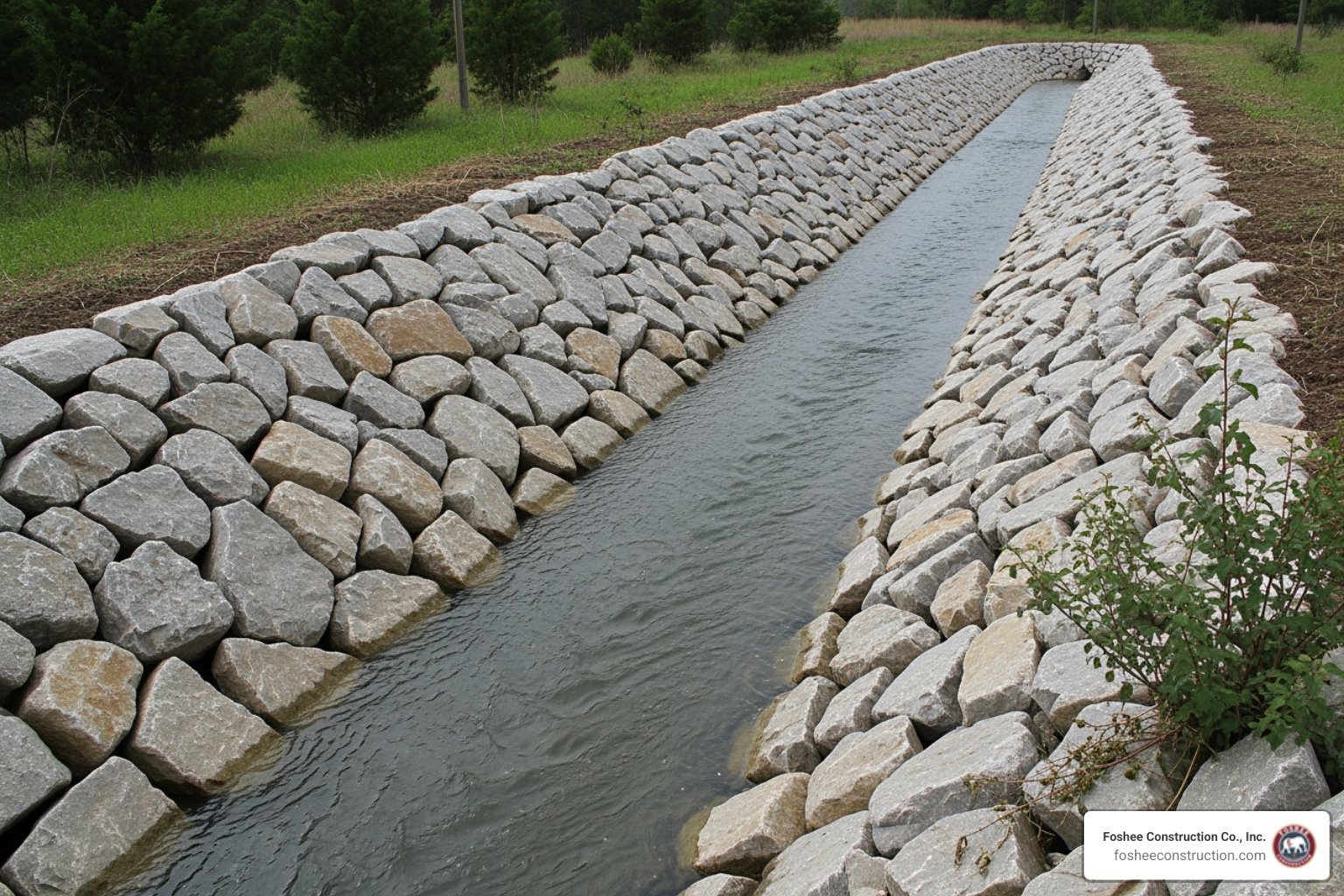
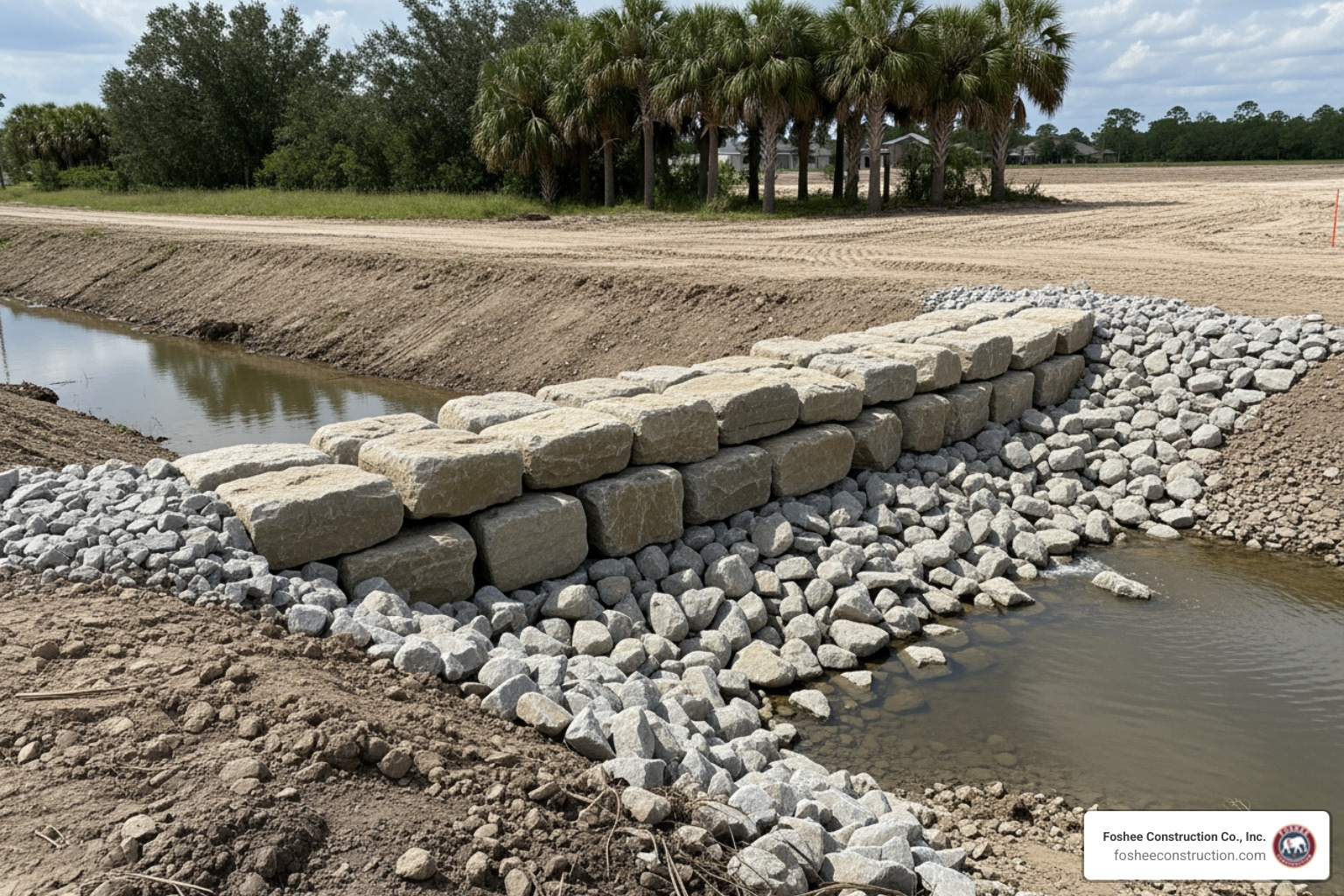
Stormwater management is another critical component. We often design and install retention ponds or swales to capture and treat rainwater on-site. This prevents flooding on neighboring properties and ensures the project complies with EPA regulations and local Florida environmental compliance standards.
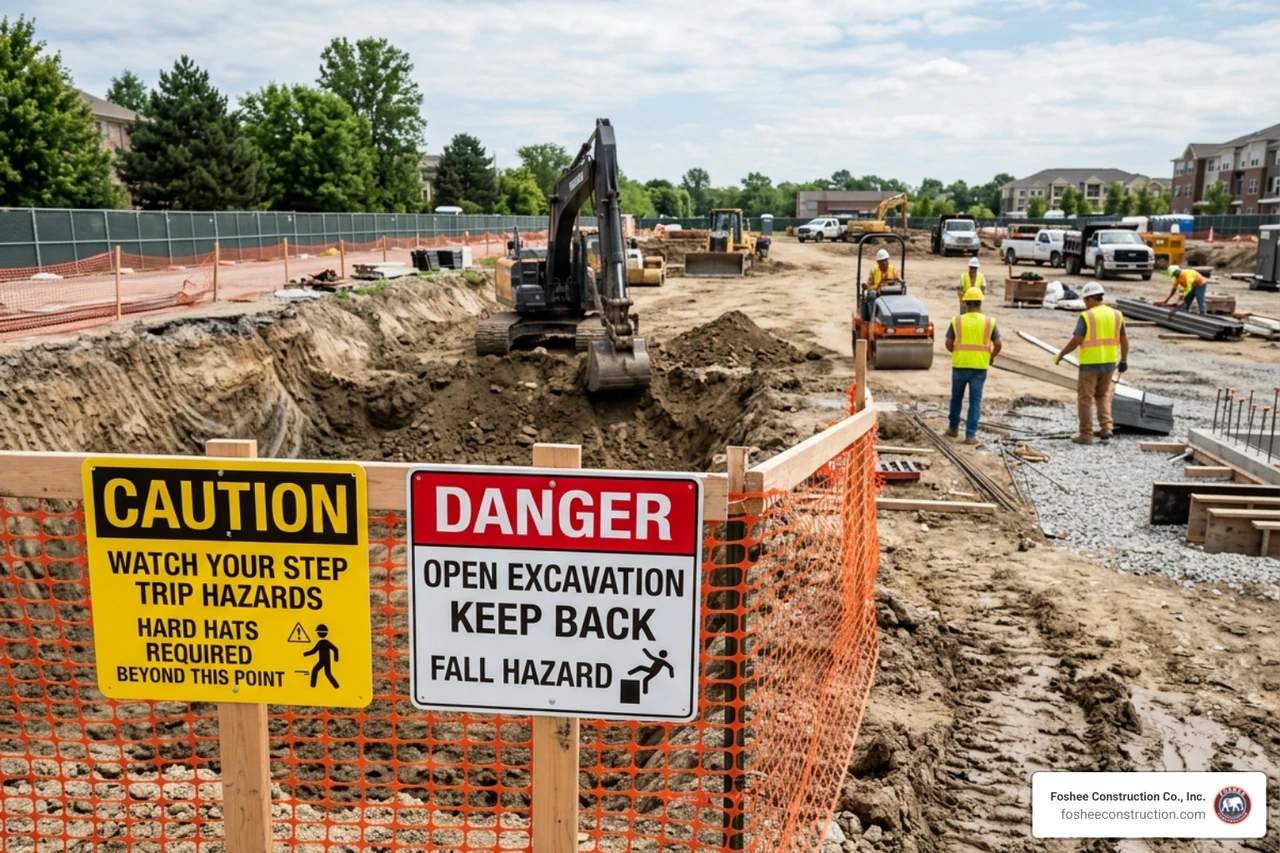
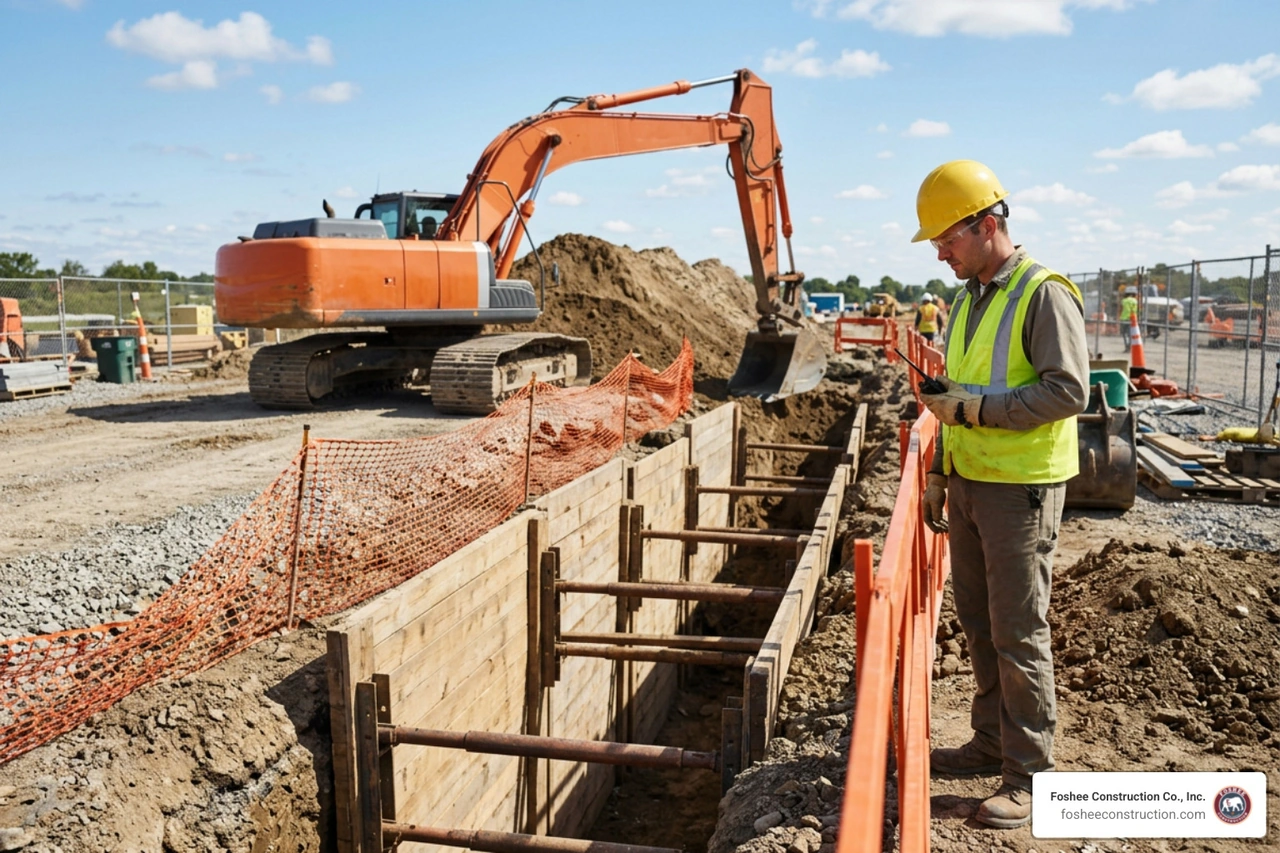
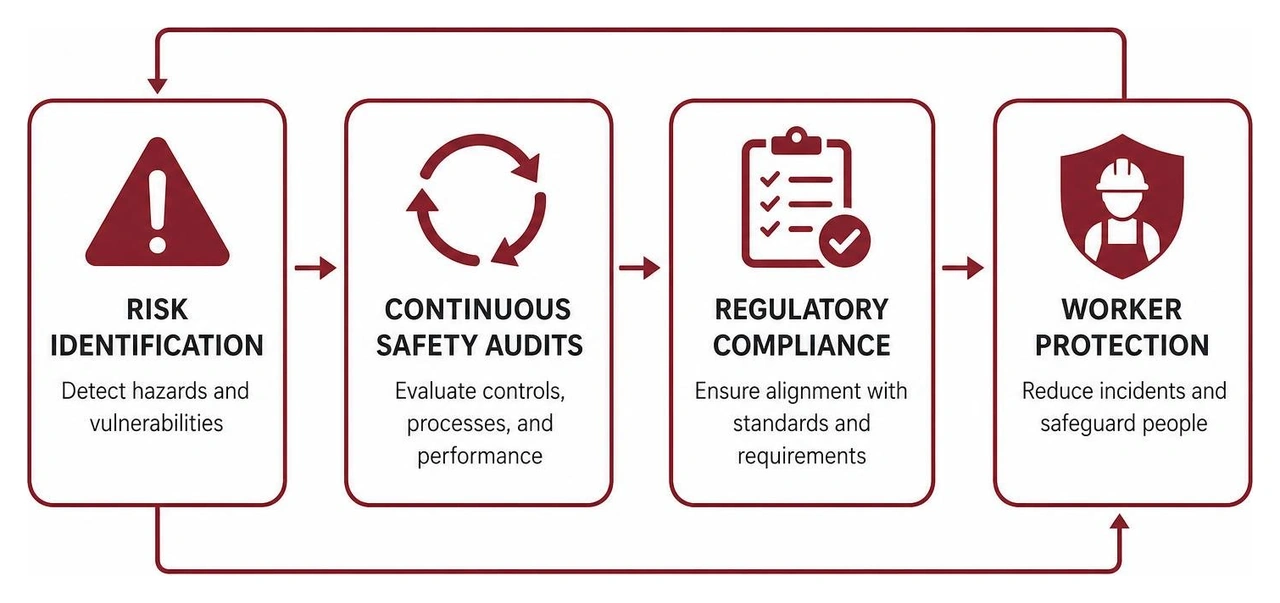
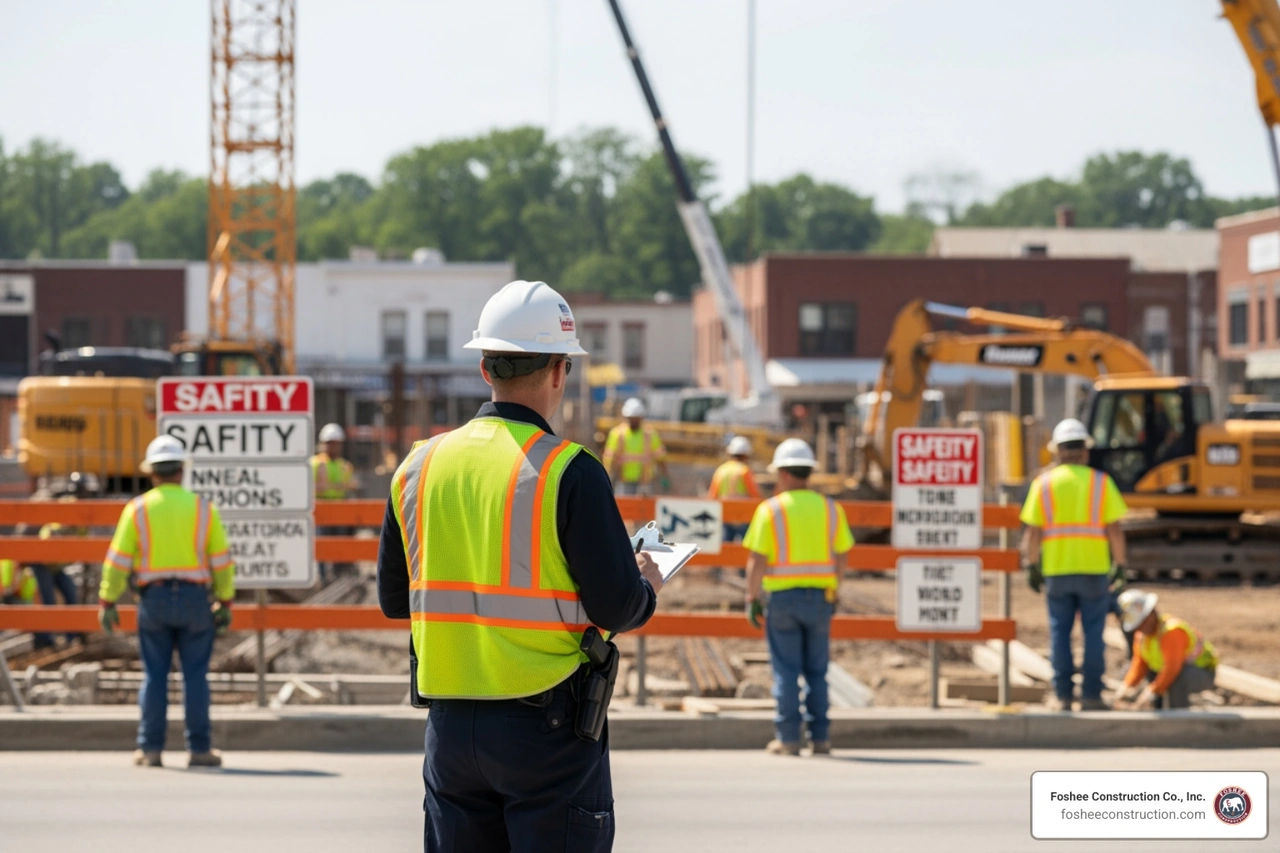
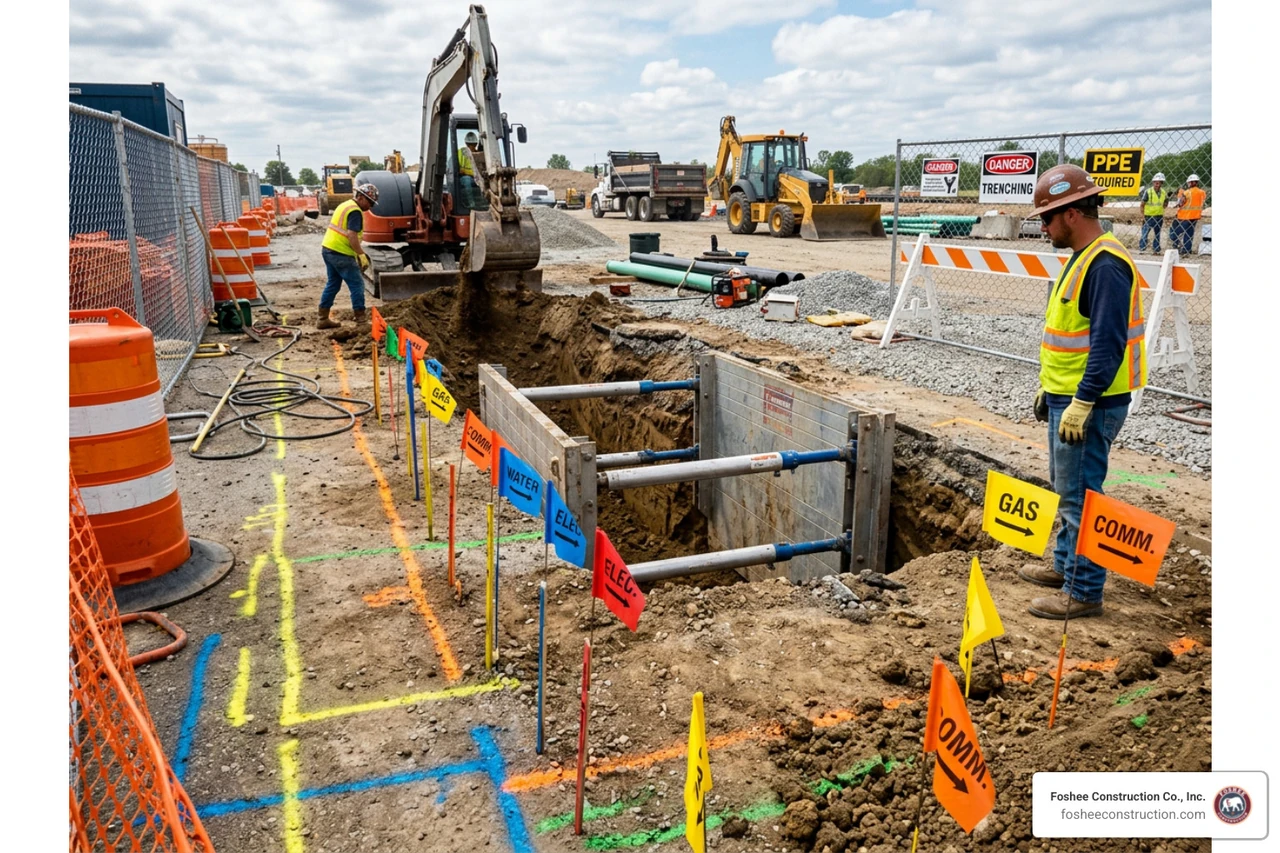
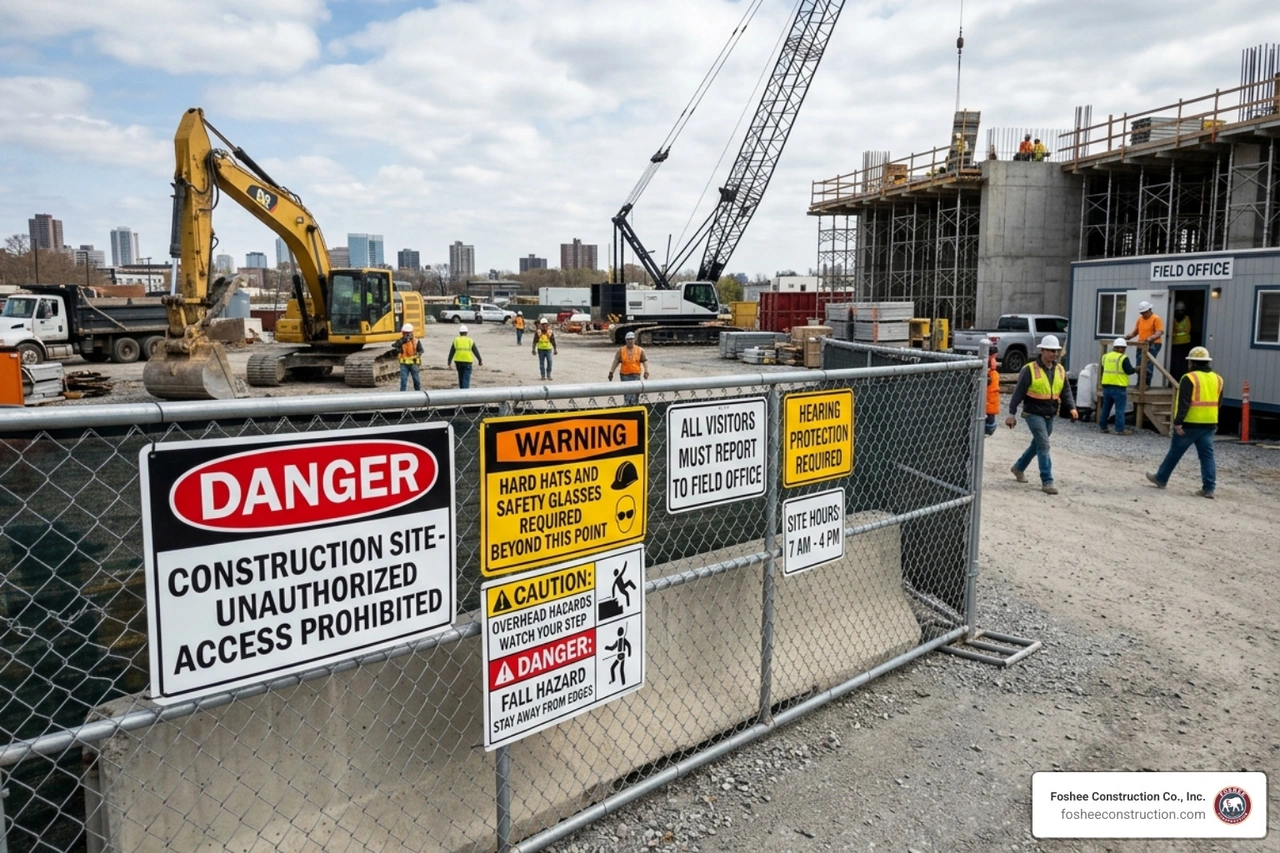
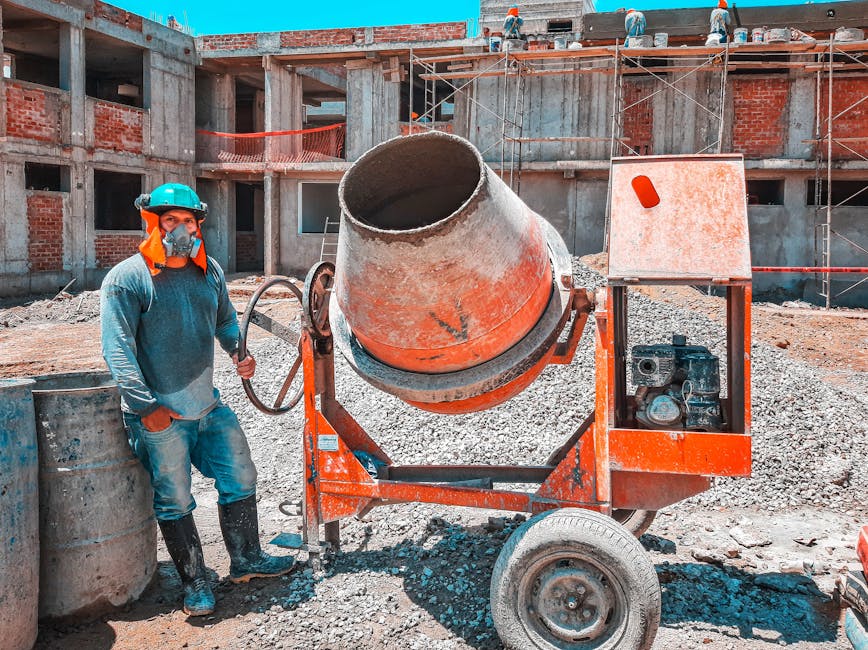
Safety is also a major factor. We maintain OSHA safety standards on every job site, ensuring that trenches are shored up, heavy equipment is operated by pros, and the public is protected from the hazards of a construction zone. By choosing professional site preparation services, you are hiring a team that understands the complex web of DOT, EPA, and local building department rules.
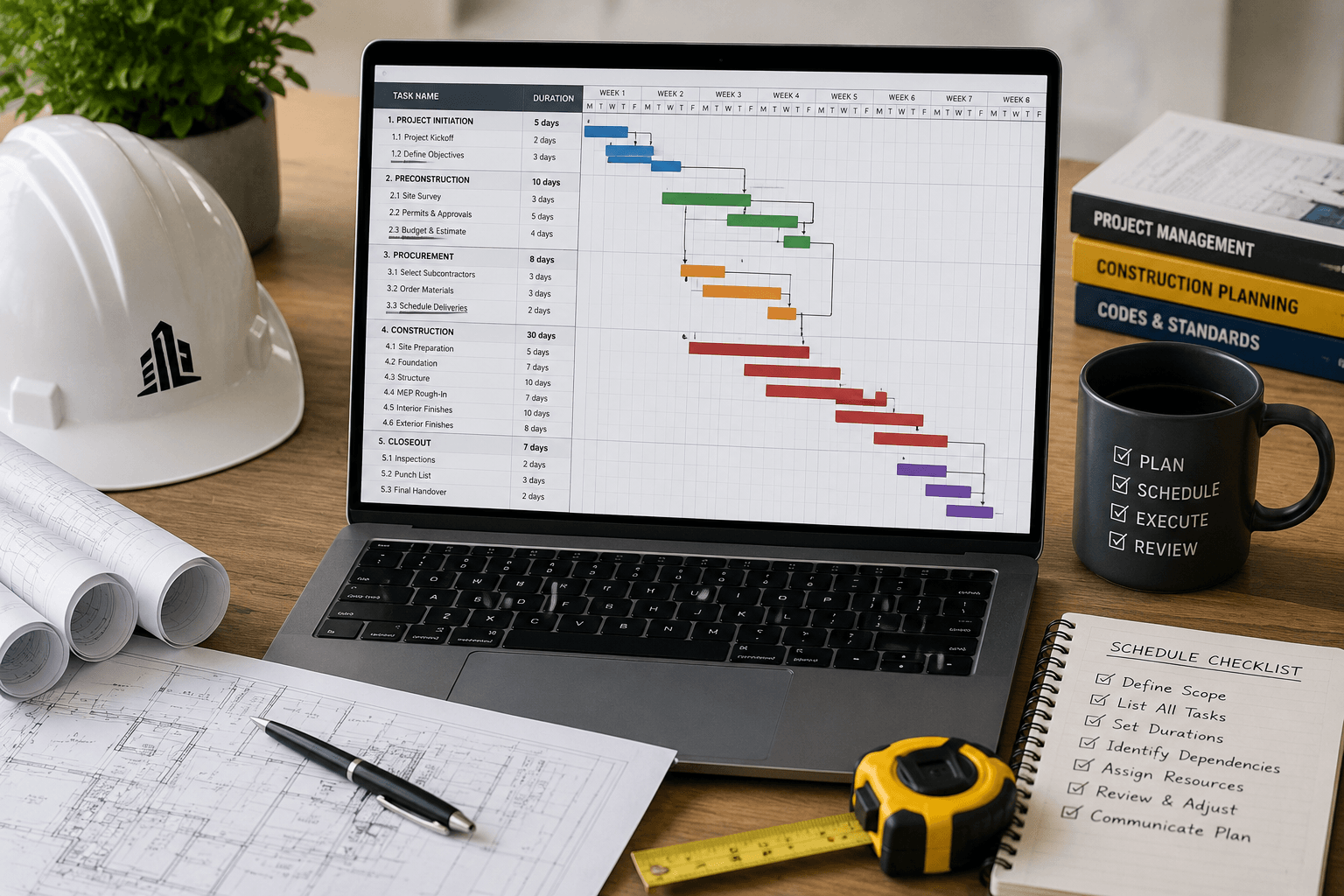
Understanding the workflow of site preparation helps project owners plan their timelines more effectively. It’s not a one-day job; it’s a sequence of engineered steps.
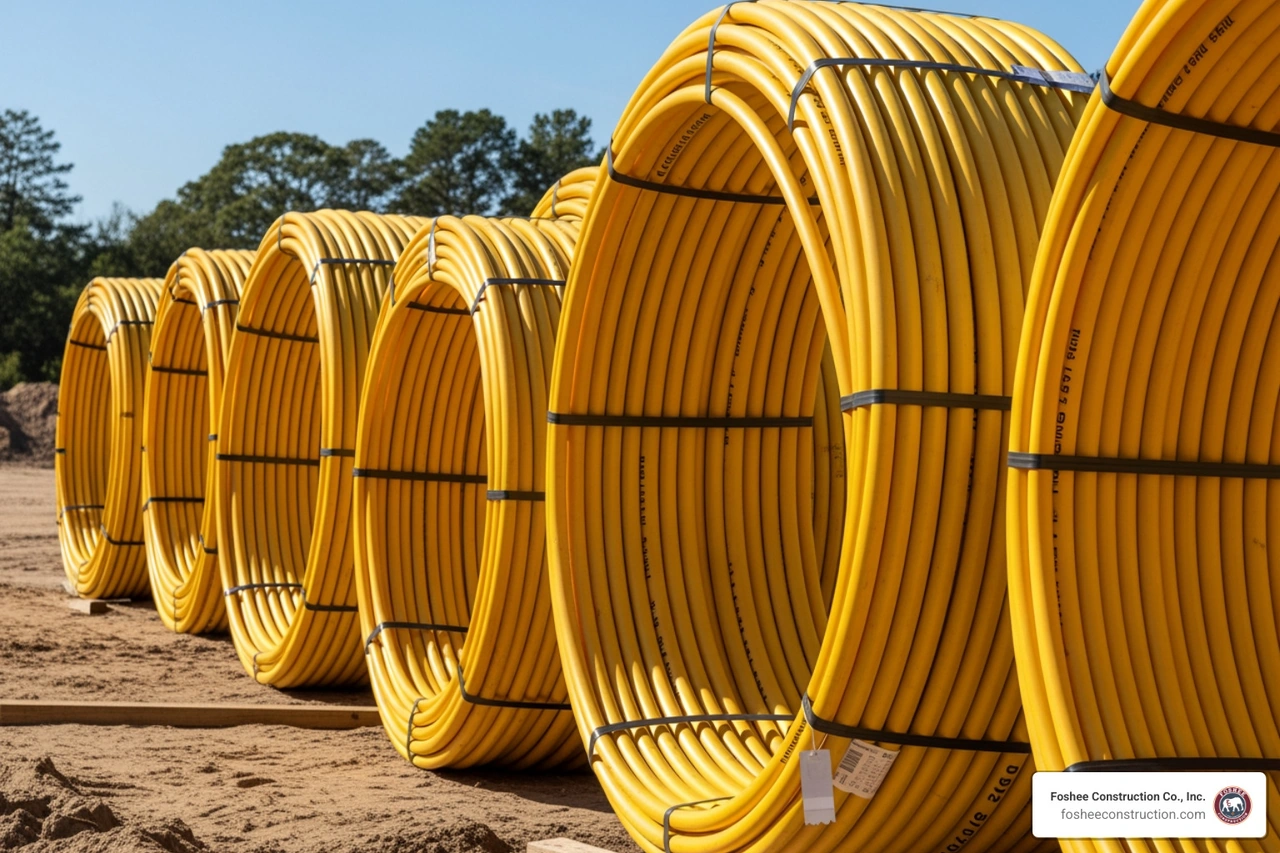
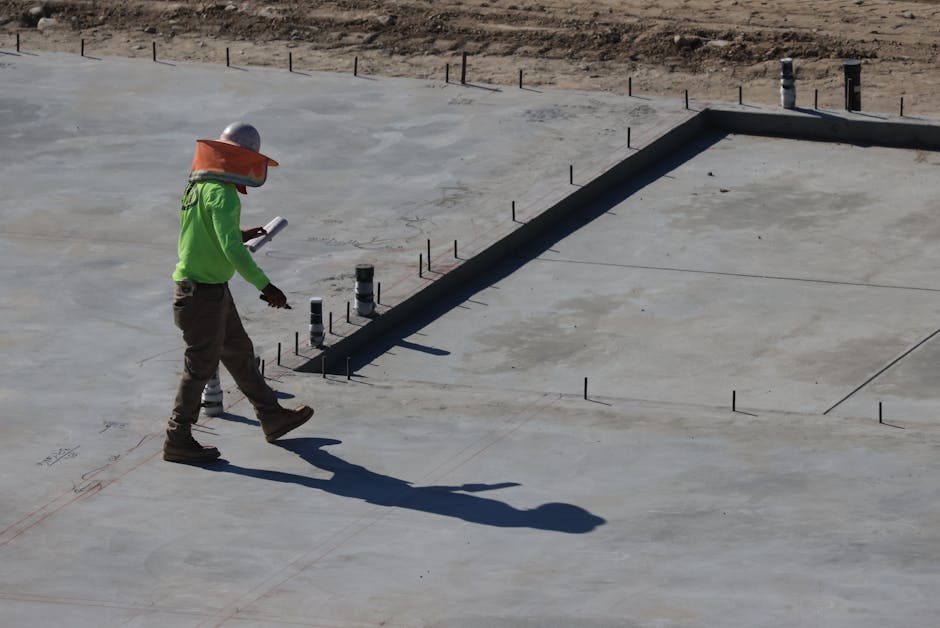
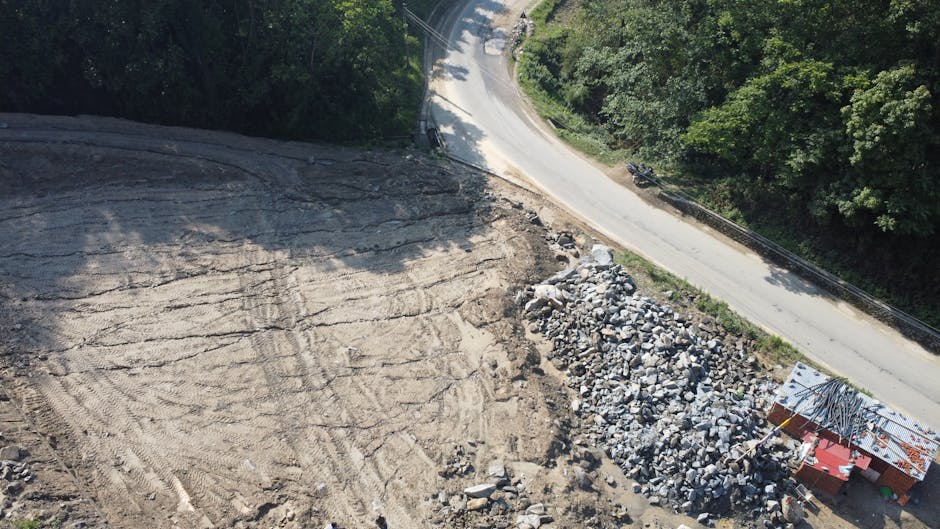
The process begins with a thorough site investigation. We look at the topography, existing vegetation, and proximity to utilities. Once the permits are in hand, we move to the clearing phase. Following clearing, we focus on soil compaction.
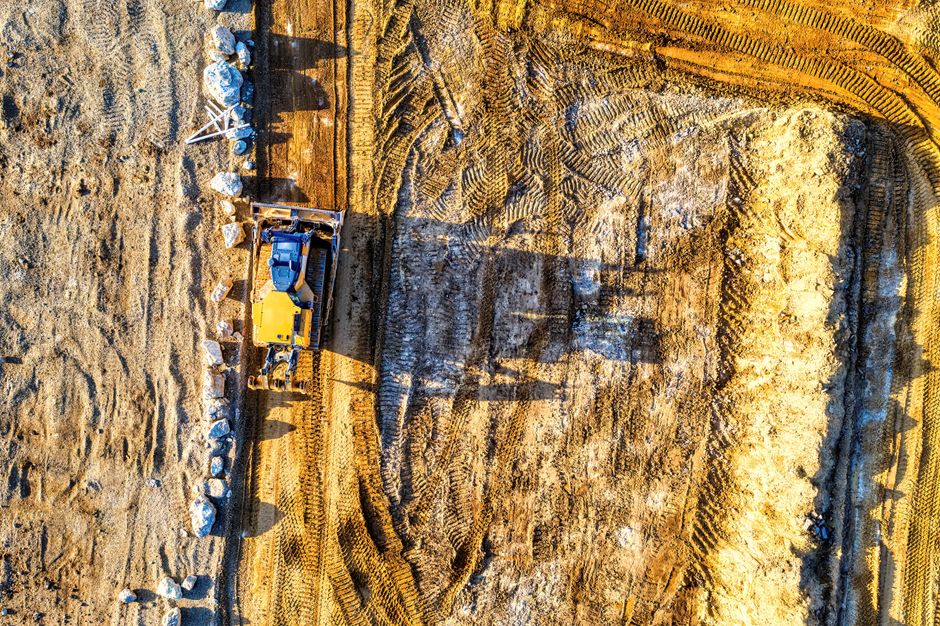
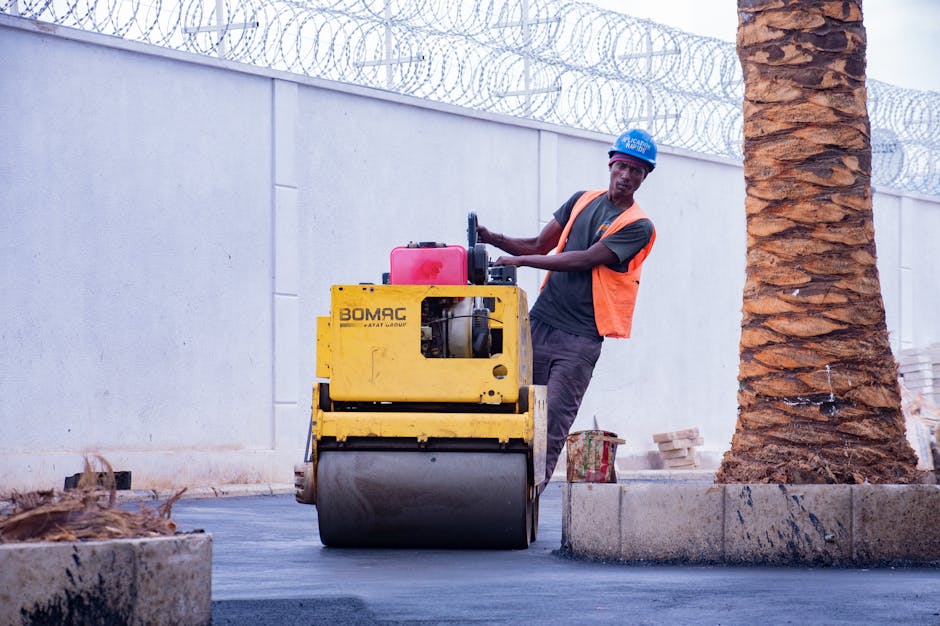
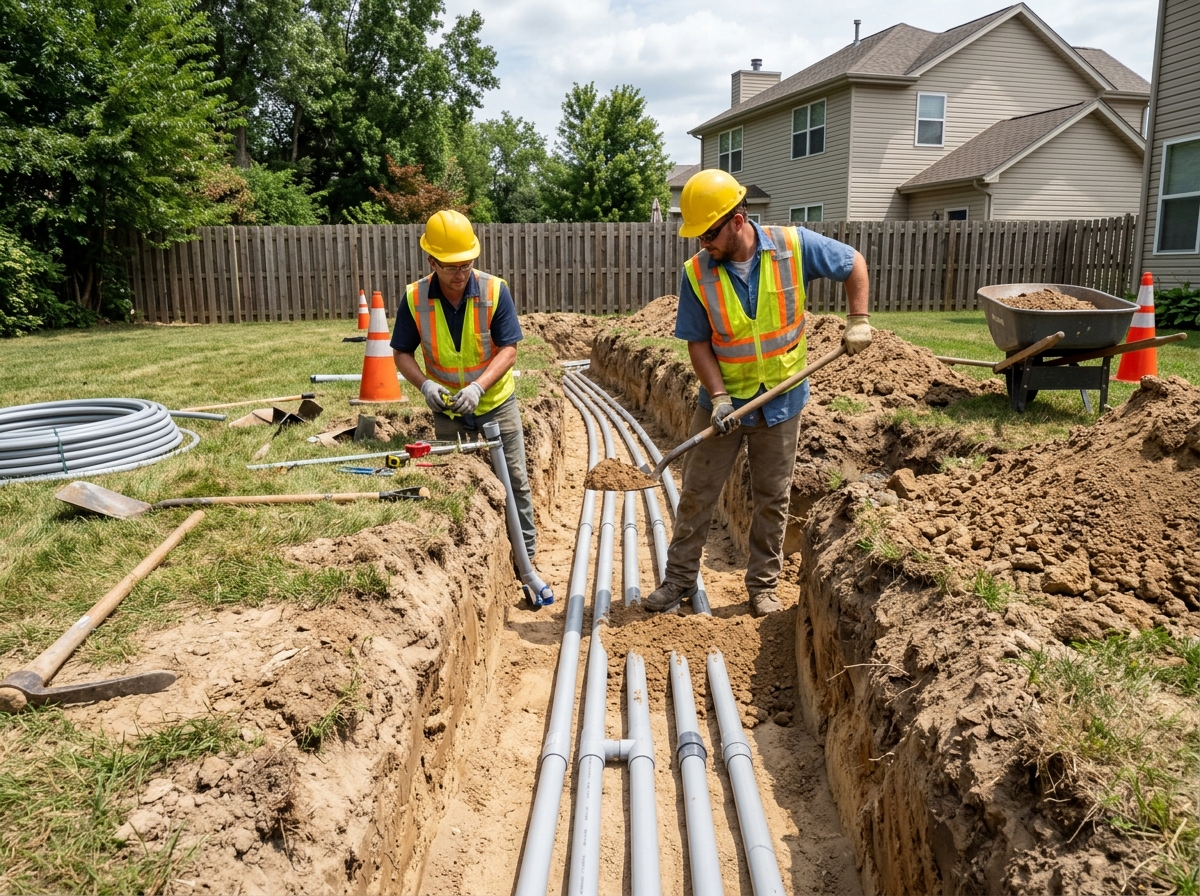
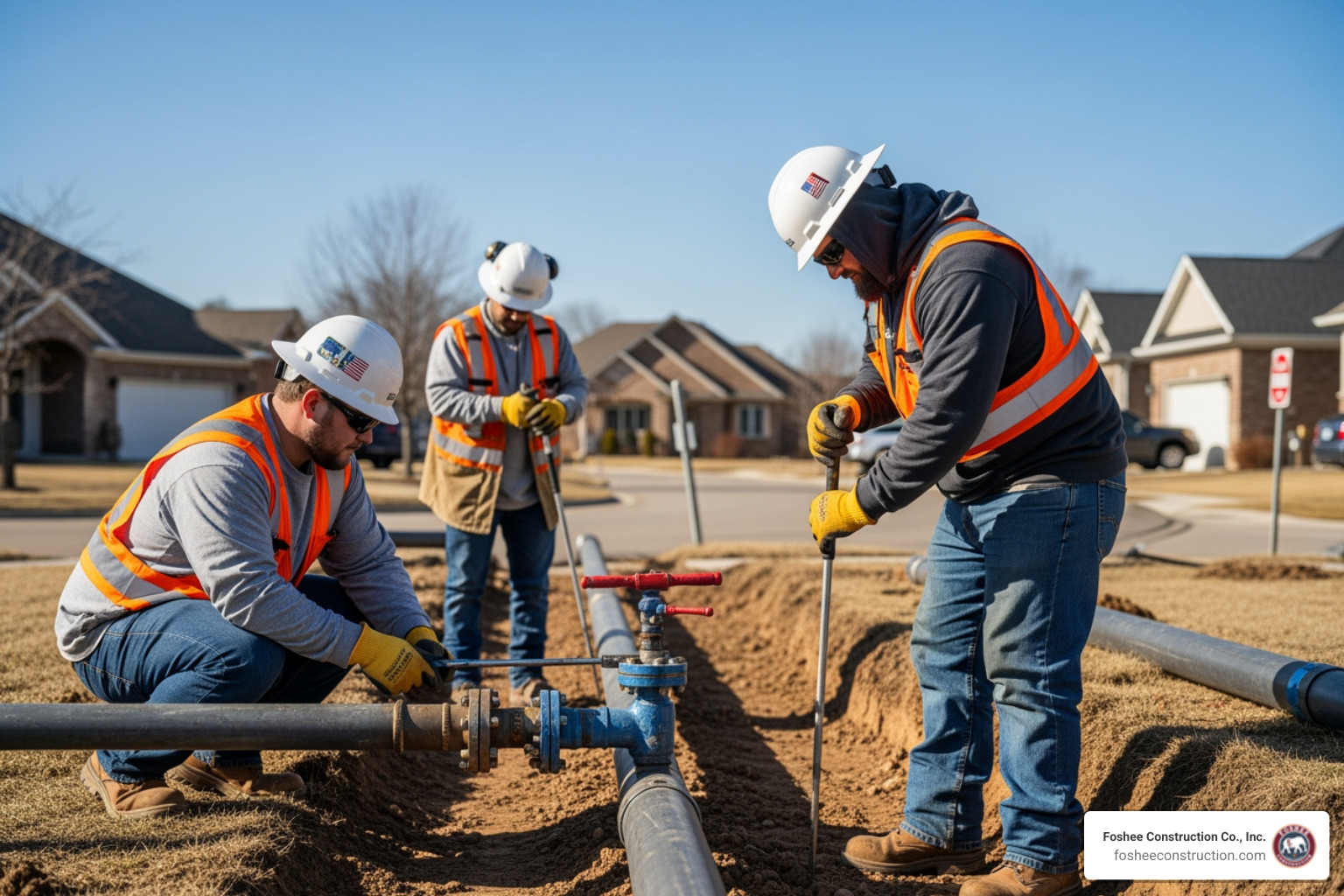
Soil compaction is the process of using heavy rollers or rammers to squeeze the air out of the soil. This increases the soil's density and load-bearing capacity. If you skip this, the weight of your new building will eventually do the compacting for you, leading to cracked walls and uneven floors. After compaction, we move into utility installation, laying the "veins and arteries" of the property before the final backfilling and grading occur.
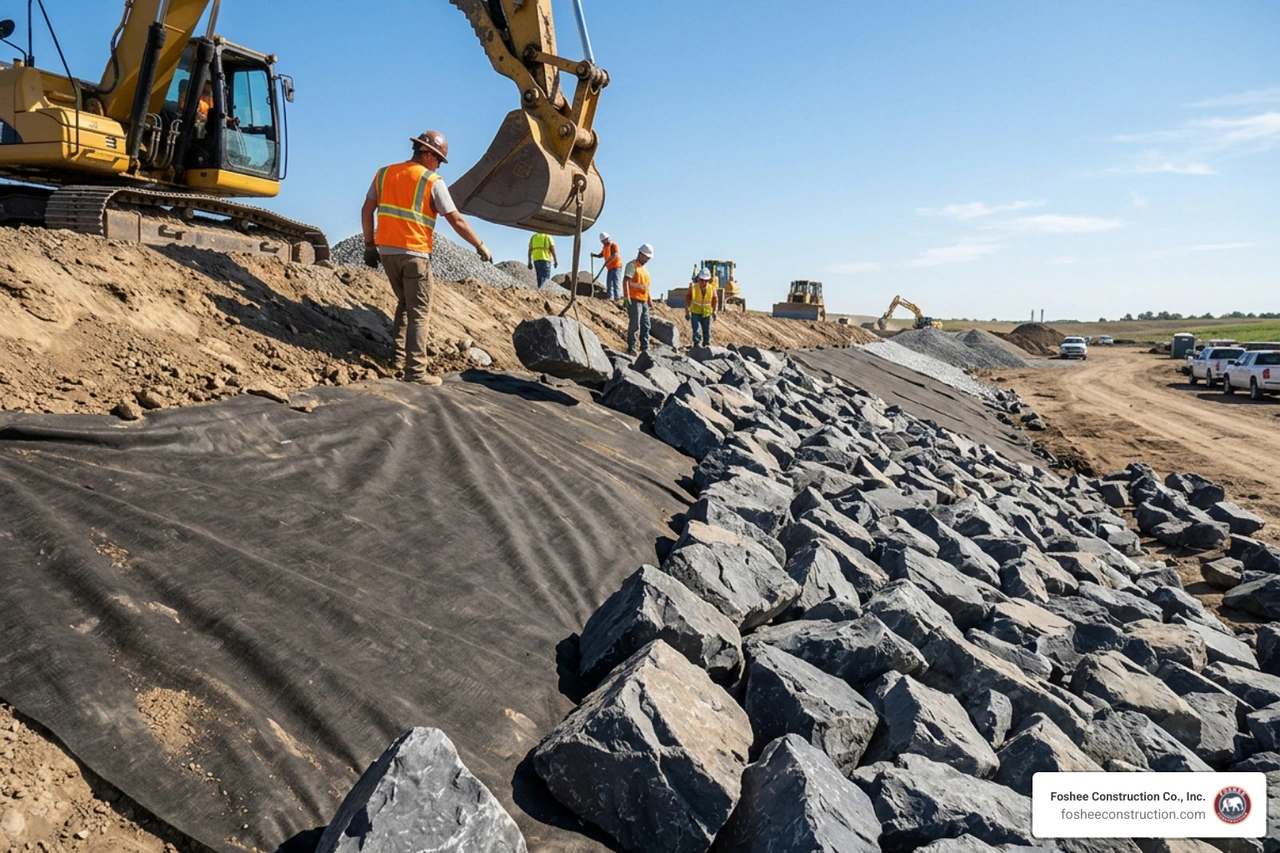
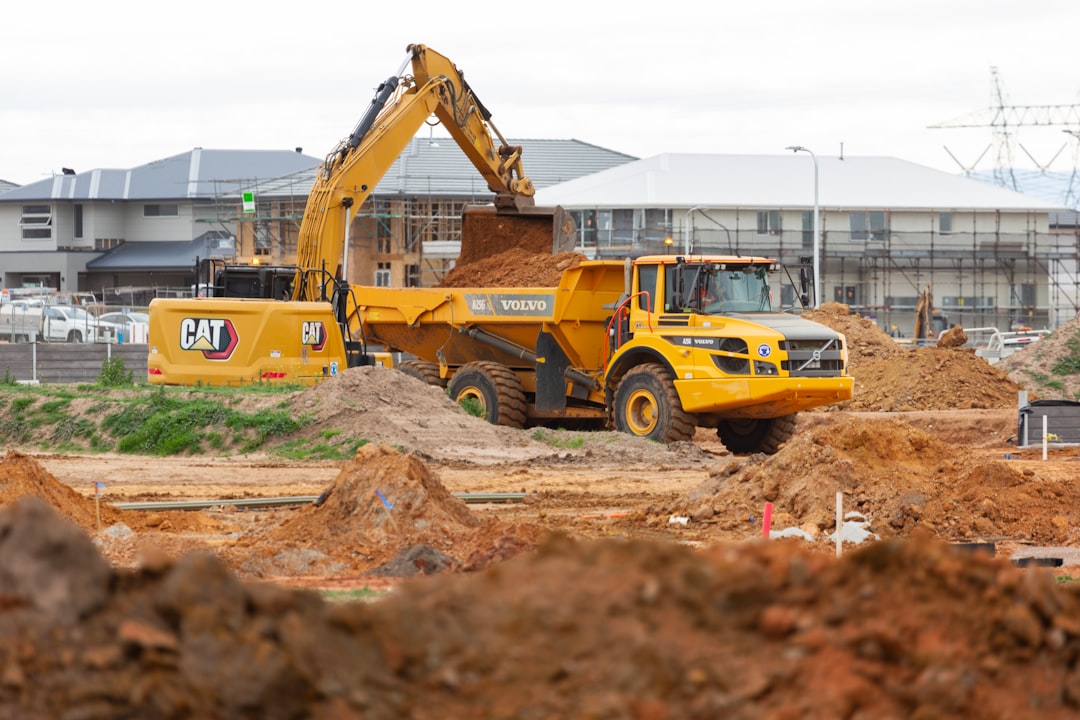
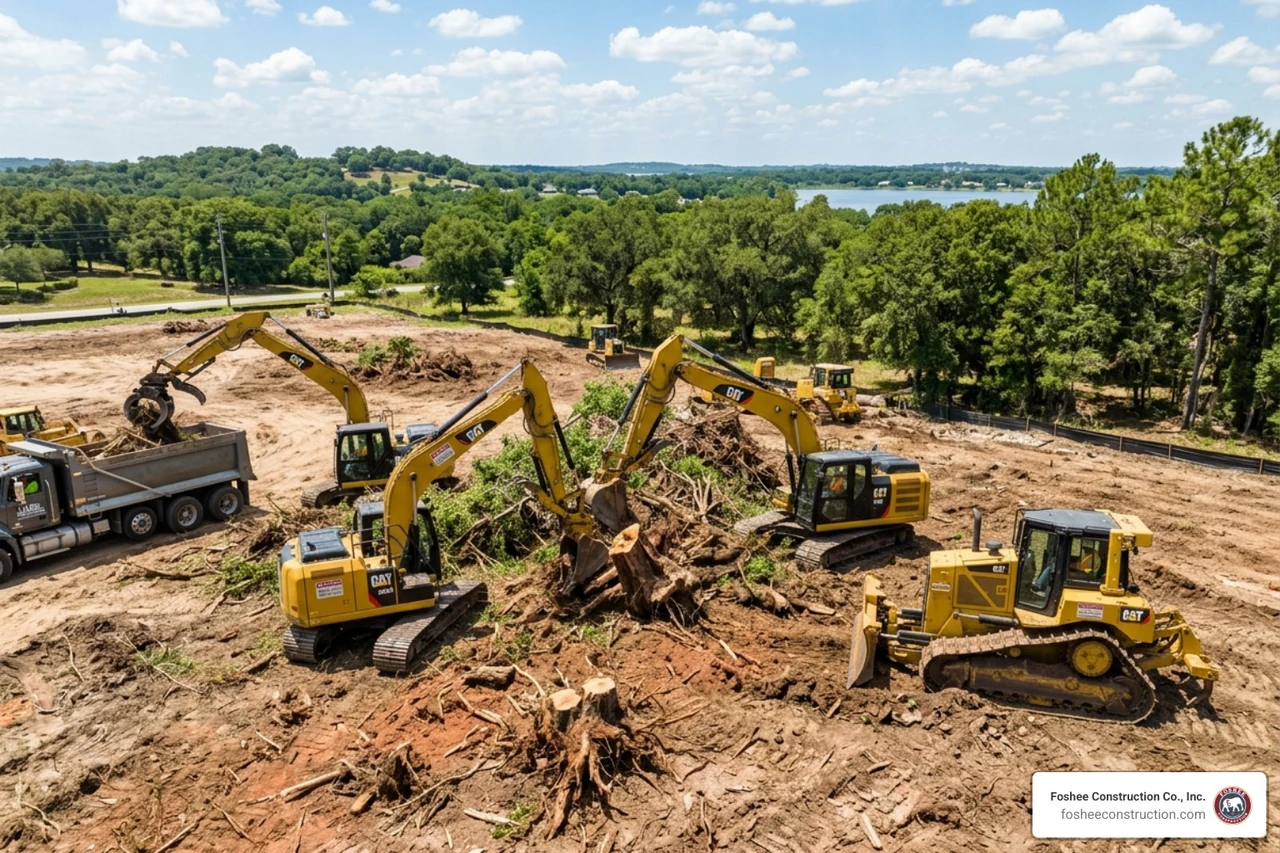
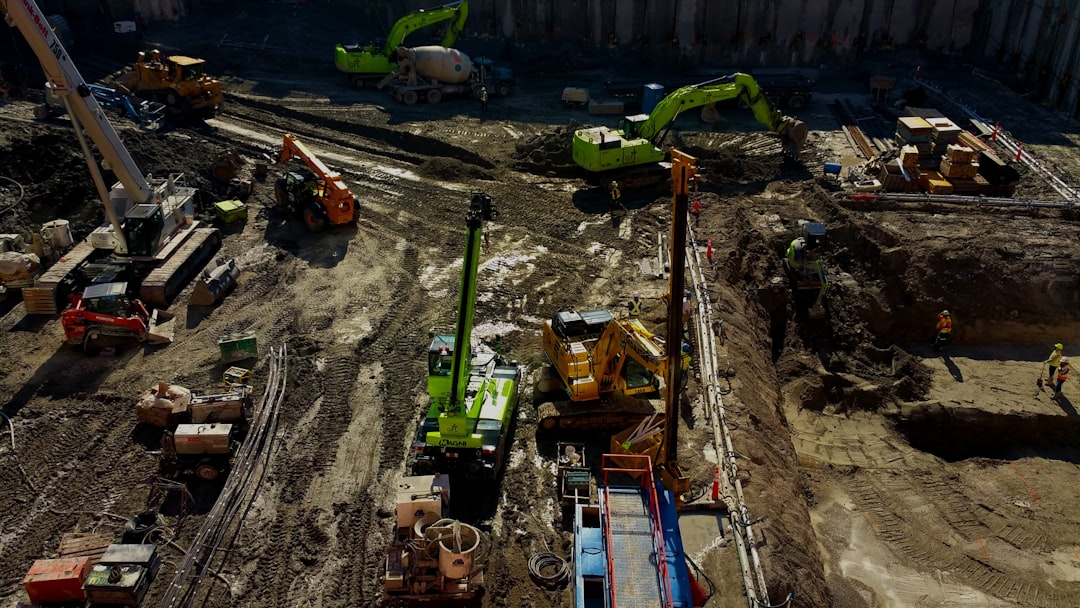
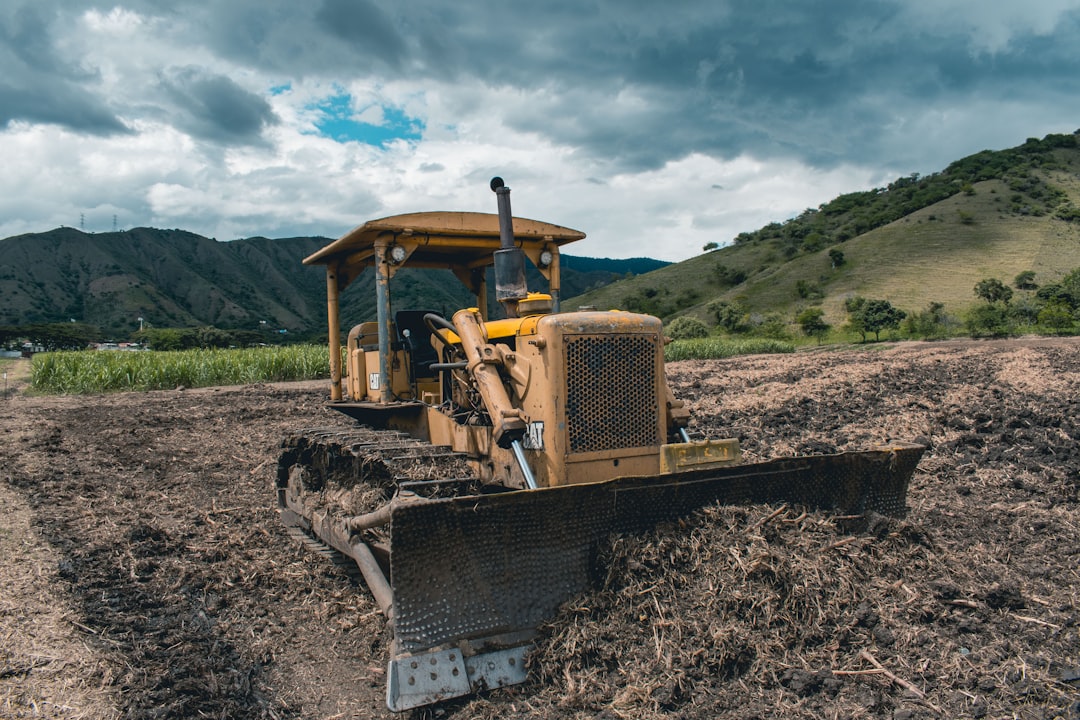
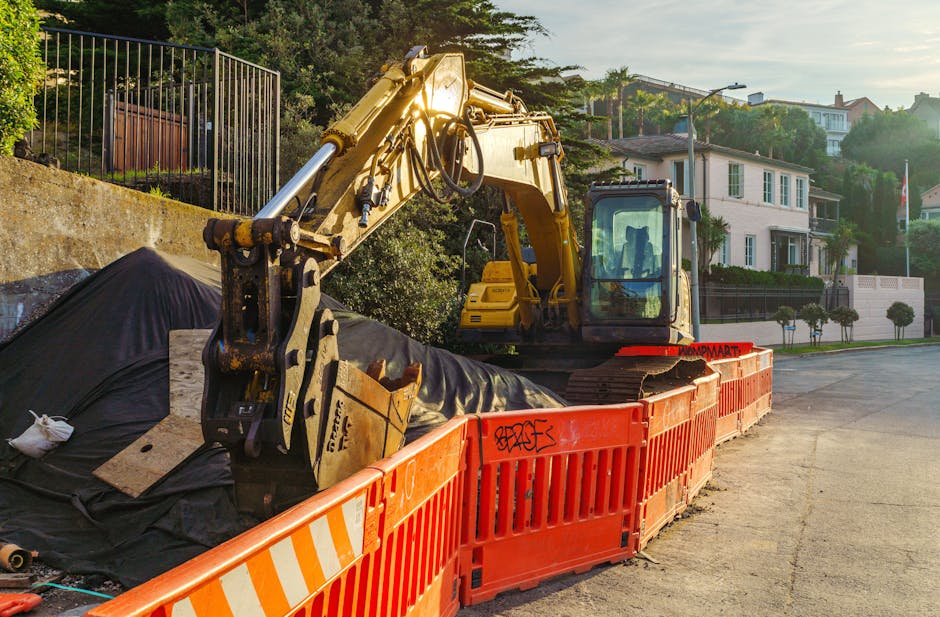
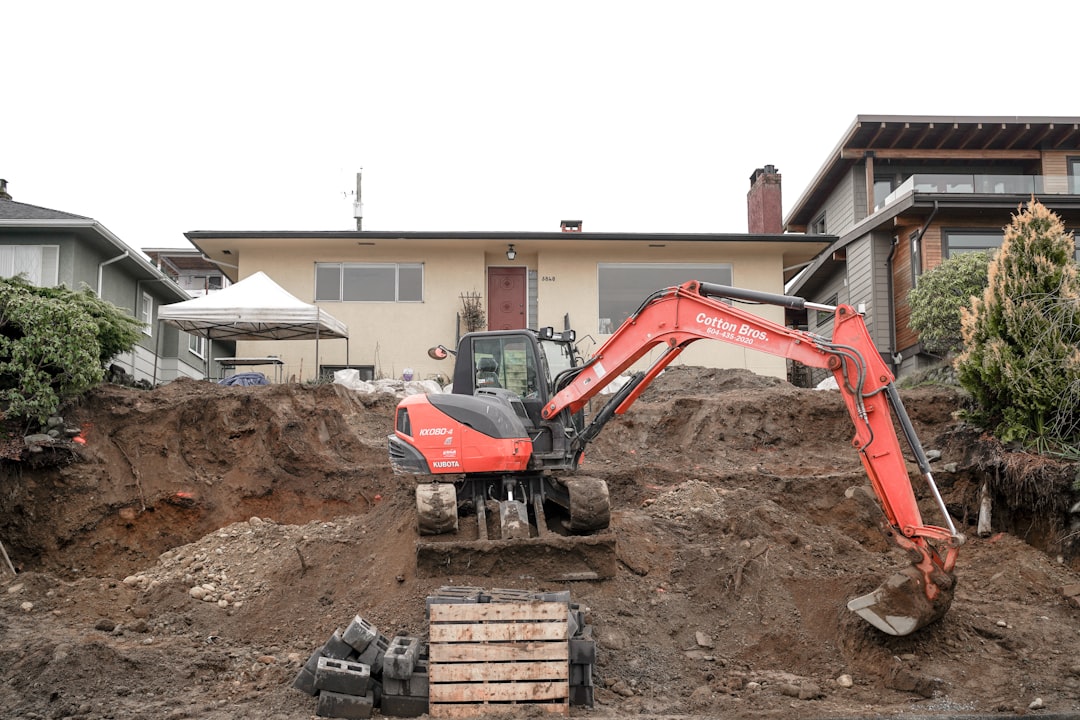
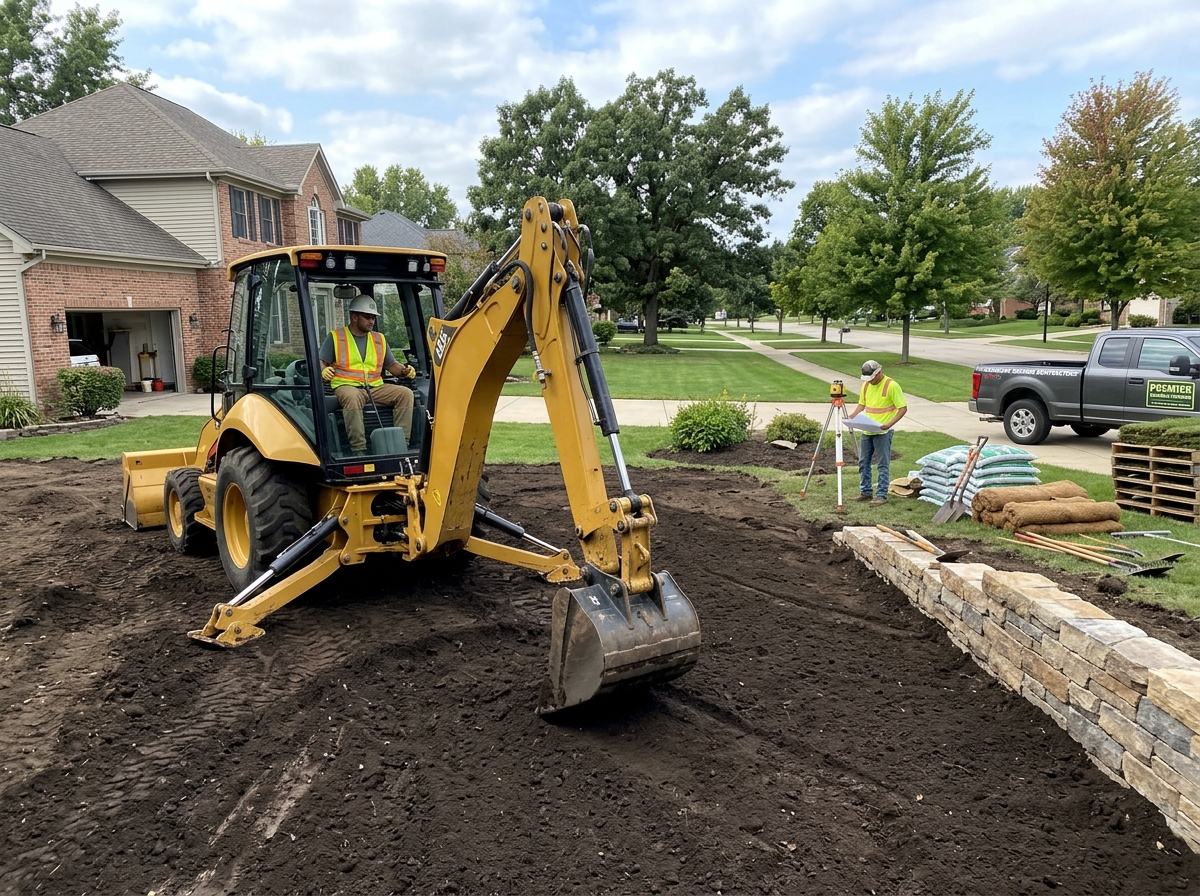
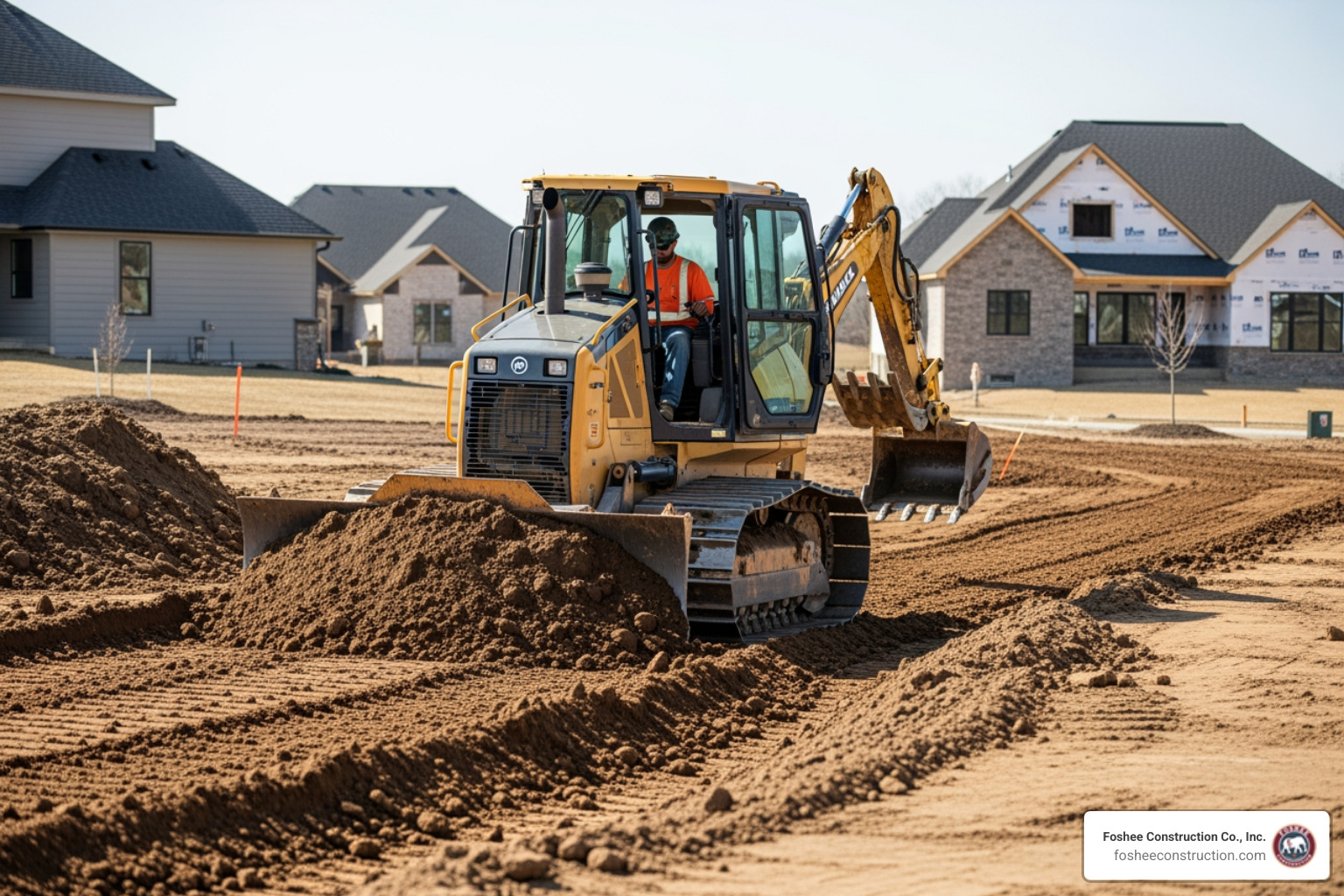
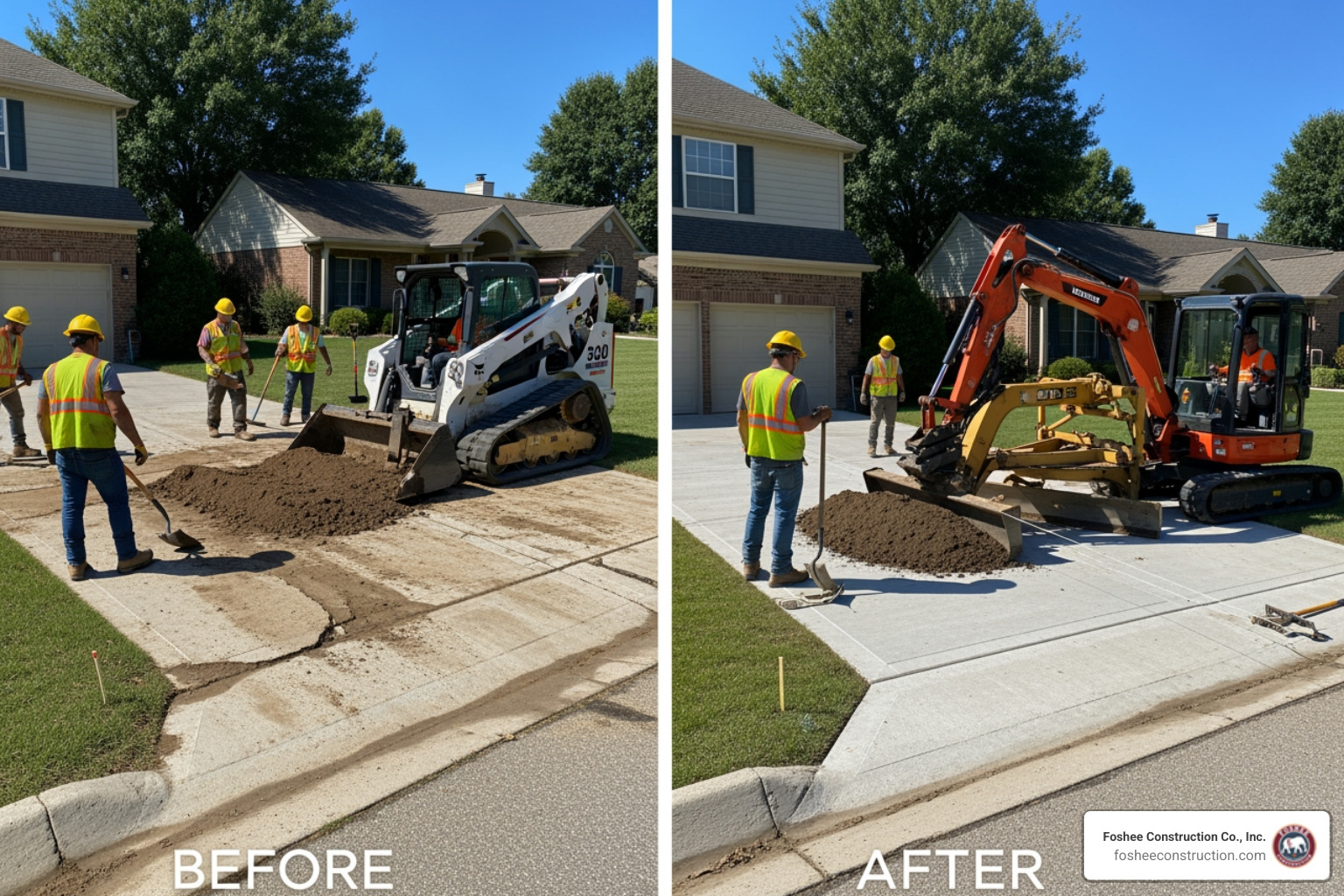
You can't do this work with a shovel and a pickup truck. Professional site preparation requires a fleet of specialized machinery, each designed for a specific task:
Using the right equipment isn't just about speed; it's about precision groundwork. For example, a modern grader using GPS technology can level a building pad to within a fraction of an inch, ensuring that your concrete team uses exactly the amount of material quoted—no more, no less.
When clients ask us for an estimate, they are often surprised by the number of variables involved. Site preparation services aren't priced by a flat "per acre" fee because no two acres are the same.
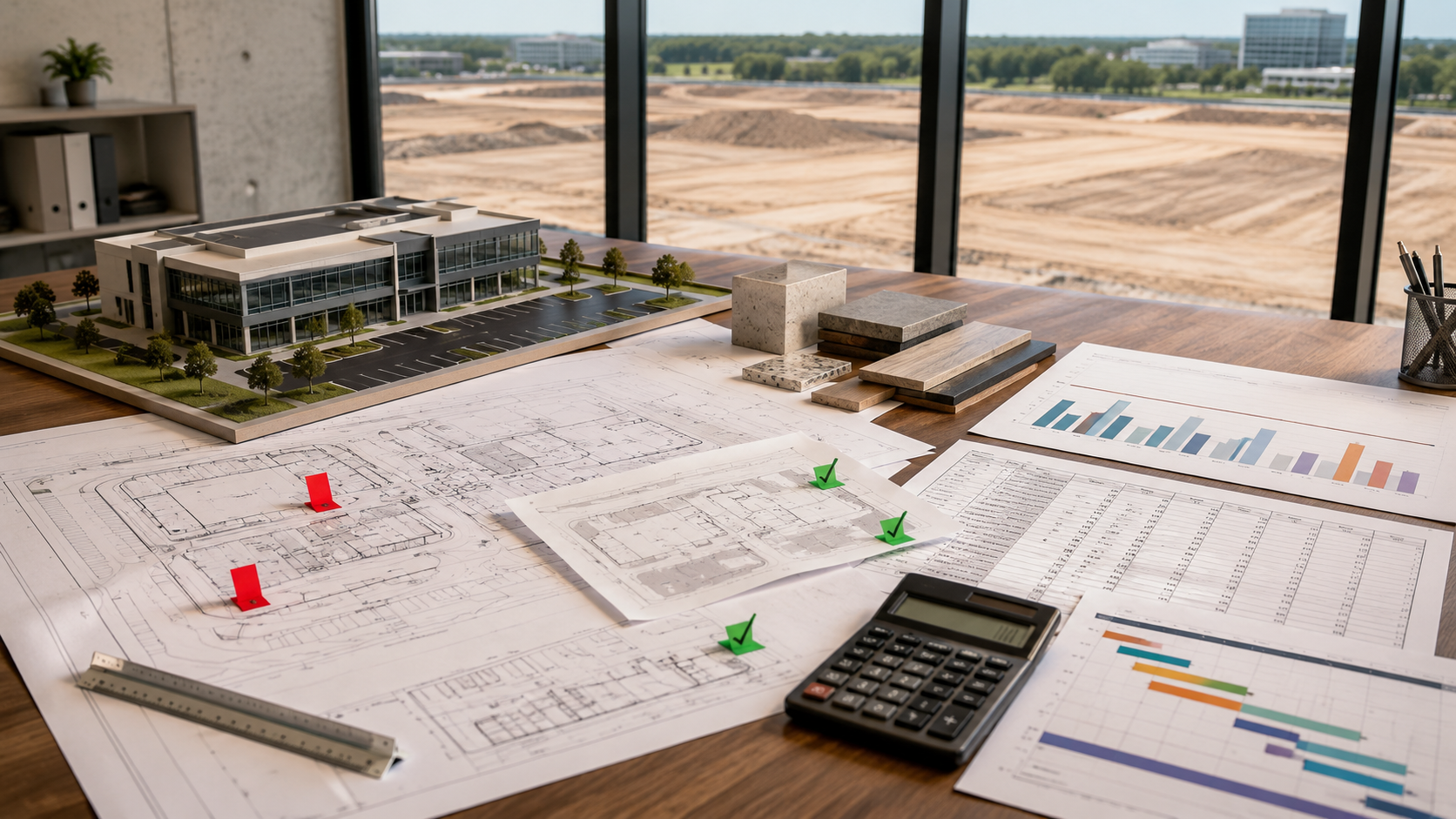
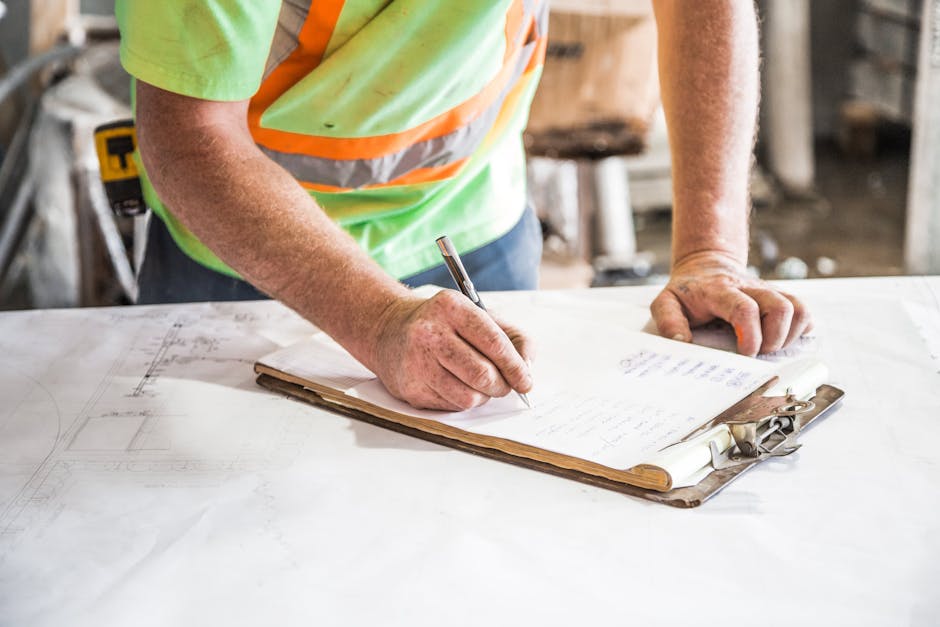
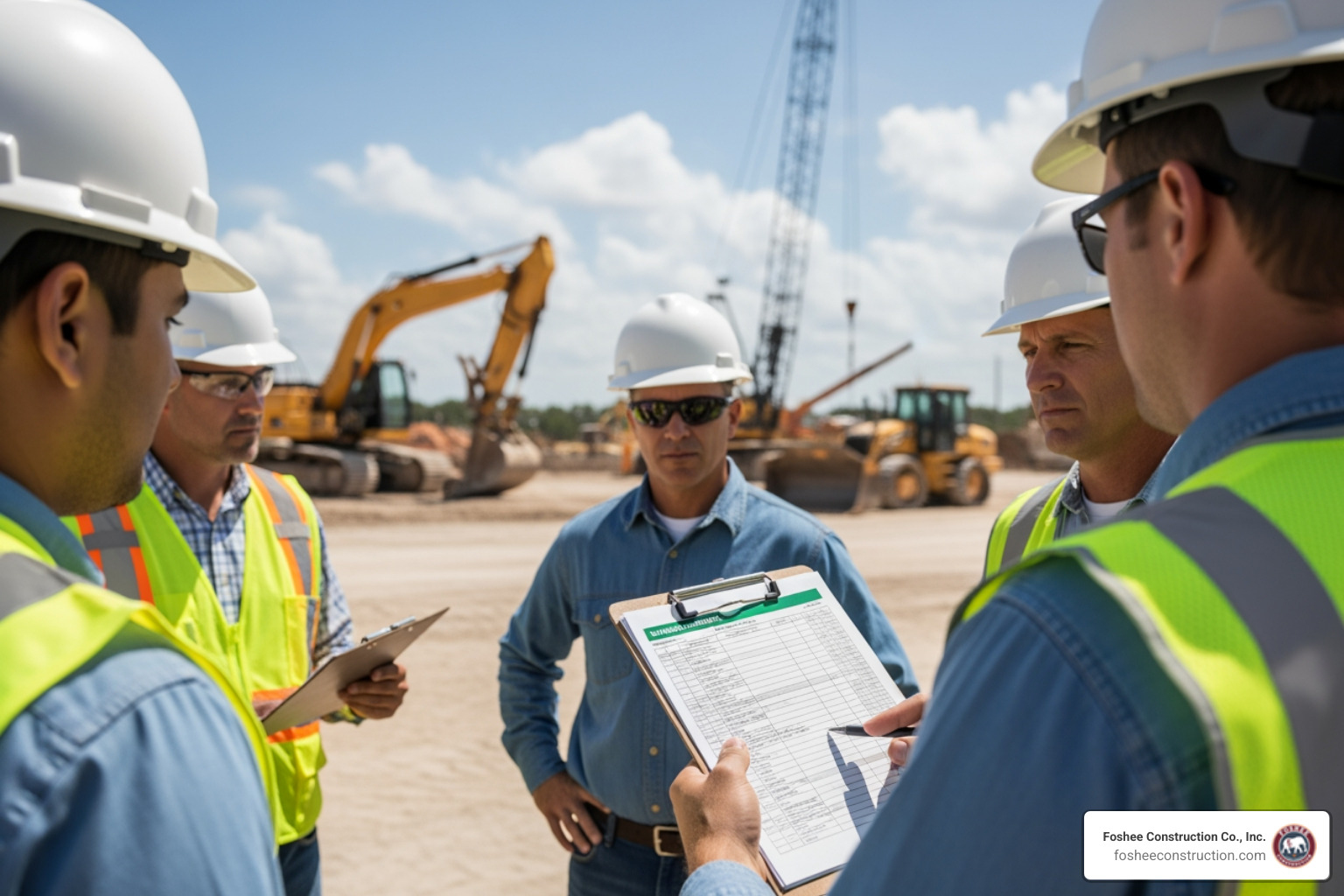
If you are planning a build, use this checklist to ensure your site prep team is covering all the bases. A missing step here can lead to months of delays later.
As mentioned, costs vary wildly. A simple residential lot clearing and grading might start in the low thousands, while a complex commercial site with extensive utility trenching and soil stabilization can reach six figures. The best way to know is to request a custom estimate based on your specific building plans.
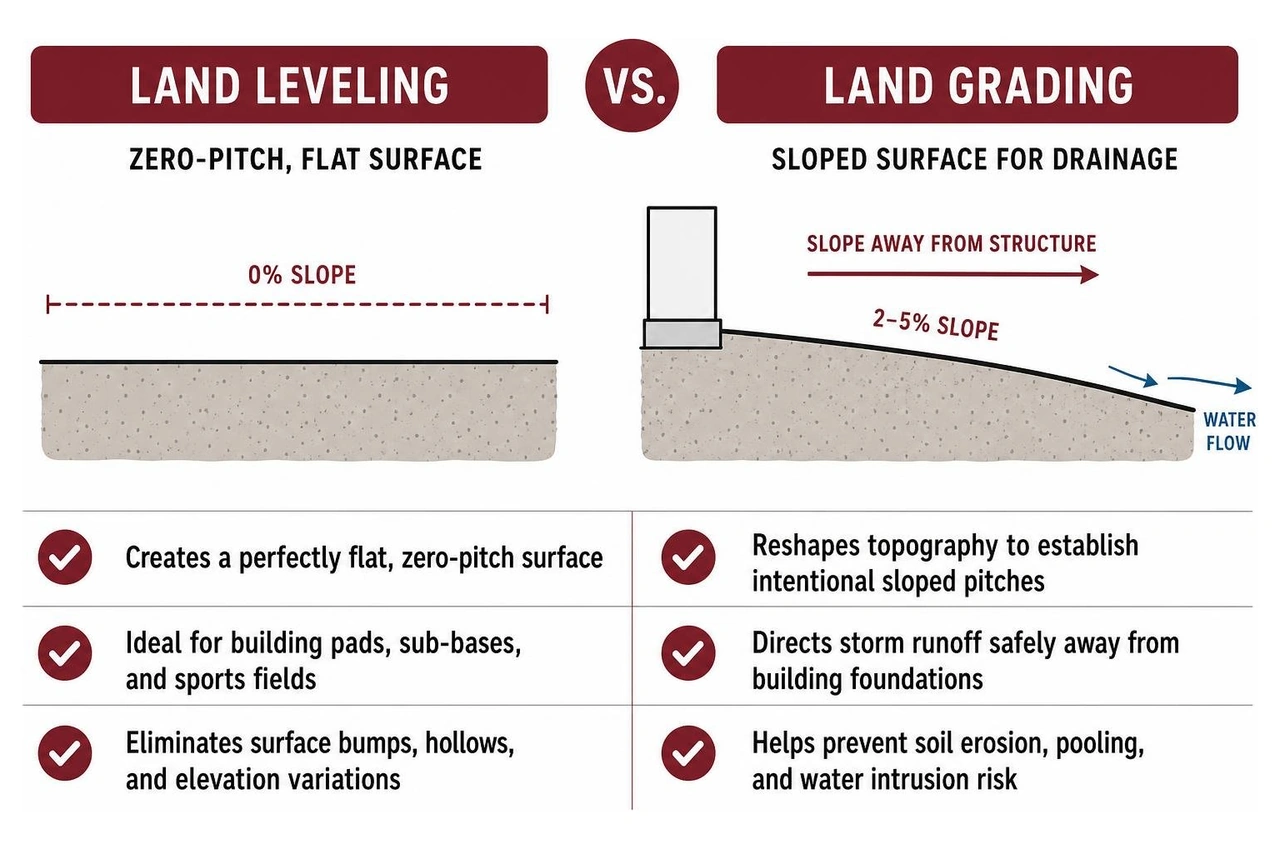
Clearing is the removal of things on the land (trees, trash, old buildings). Grading is the shaping of the land itself. You clear first so that you have a clean surface to grade. Grading ensures that your foundation is level and your yard doesn't turn into a lake every time it rains.
Soil testing tells us the bearing capacity of the earth. In Florida, we also look for liquefaction risk (how the soil behaves during a vibration or earthquake) and moisture content. If the soil is too wet or too loose, the structure will settle unevenly, leading to catastrophic structural failure.
At Foshee Construction Co., Inc., we believe that the success of your project is decided before the first brick is ever laid. Based in Minneola, Florida, we specialize in site preparation services that take the guesswork out of construction. From erosion control and grading to underground utilities and complete site prep, we provide the groundwork that Florida builders can rely on.
Our "secret sauce" is simple: Transparent bids, disciplined scheduling, and a relentless safety focus. We’ve spent years building reliable relationships with top contractors and sister companies like Triangle Ready Mix and L&L Concrete, Inc to ensure that every phase of your project—from the dirt to the driveway—is handled with professional care.
Don't leave your project's foundation to chance. Follow us on LinkedIn and Facebook to see our latest projects across Lake County.
Start Your Project with Professional Site Preparation today and give your build the solid start it deserves.
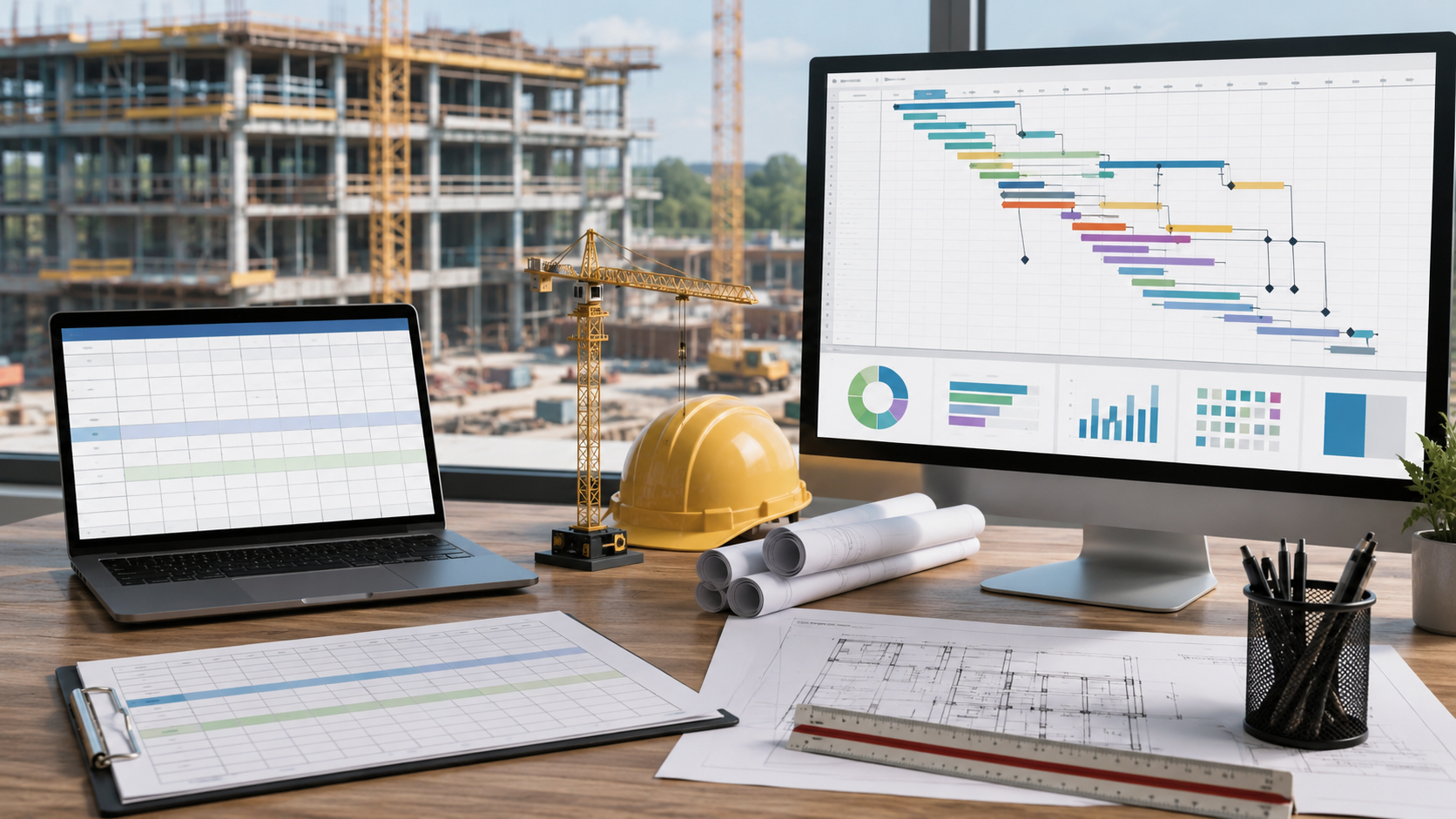
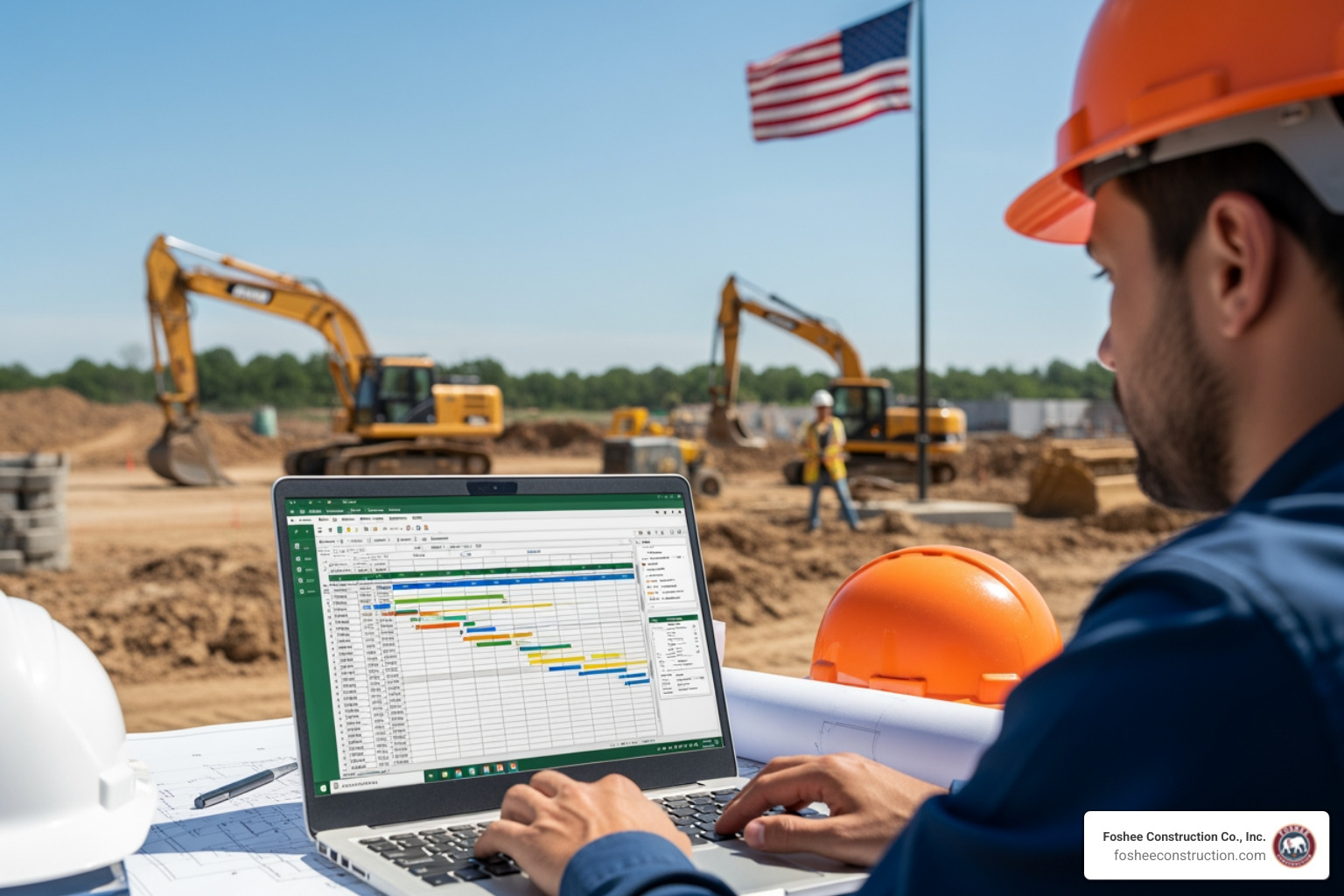
We build bids using HeavyBid and AGTEK because the details matter long before the job starts. When the numbers are accurate and the scope is clearly defined, it sets the tone for how the entire project runs. Estimating isn’t just a step in the process, it’s the foundation we build on.
That same mindset carries into the field. Our crew is trained to work with purpose, follow the Civil Engineers’ Plan to the finest detail, and hold the line on quality. When expectations are clear from day one, there’s no need for shortcuts, and no confusion about how the work gets done.
Clients trust our bid packages because they’re complete and ready to use. Project managers know what we’re covering, what’s excluded, and how we plan to approach the job. That clarity removes friction and lets teams focus on execution instead of interpretation.
As part of our review process, we go into the plans before anything hits the site. We ask the questions early, resolve issues before they show up in the field, and keep RFIs moving. This approach prevents delays and protects the timeline.
Over time, that consistency builds trust. Many of the people we work with today came through referrals from past projects – engineers, GCs, and superintendents who’ve seen how we operate and want the same experience again.
In 2024, Foshee Construction was acquired by Saga Infrastructure Solutions, a national network of civil construction companies. Saga supports regional contractors by giving them access to better tools, long-term resources, and operational backing, without changing how they run day to day.
Foshee will continue to operate under its name, with the same team and field leadership in place.
“From the very time a project starts, we start that partnership. We try to catch as much as we can with the tools that we have. Not everybody is using the software platforms we are. That’s the differentiator: we’re not just bidding. We’re anticipating, problem-solving, and making sure the job runs right.”
— Don, CEO, Saga Infrastructure Solutions
Foshee is now part of a broader regional strategy that includes Florida, the Piedmont Atlantic, Texas, Colorado, and the Arizona Sun Corridor. The name, crews, and standards remain. What’s improving is the support behind it.