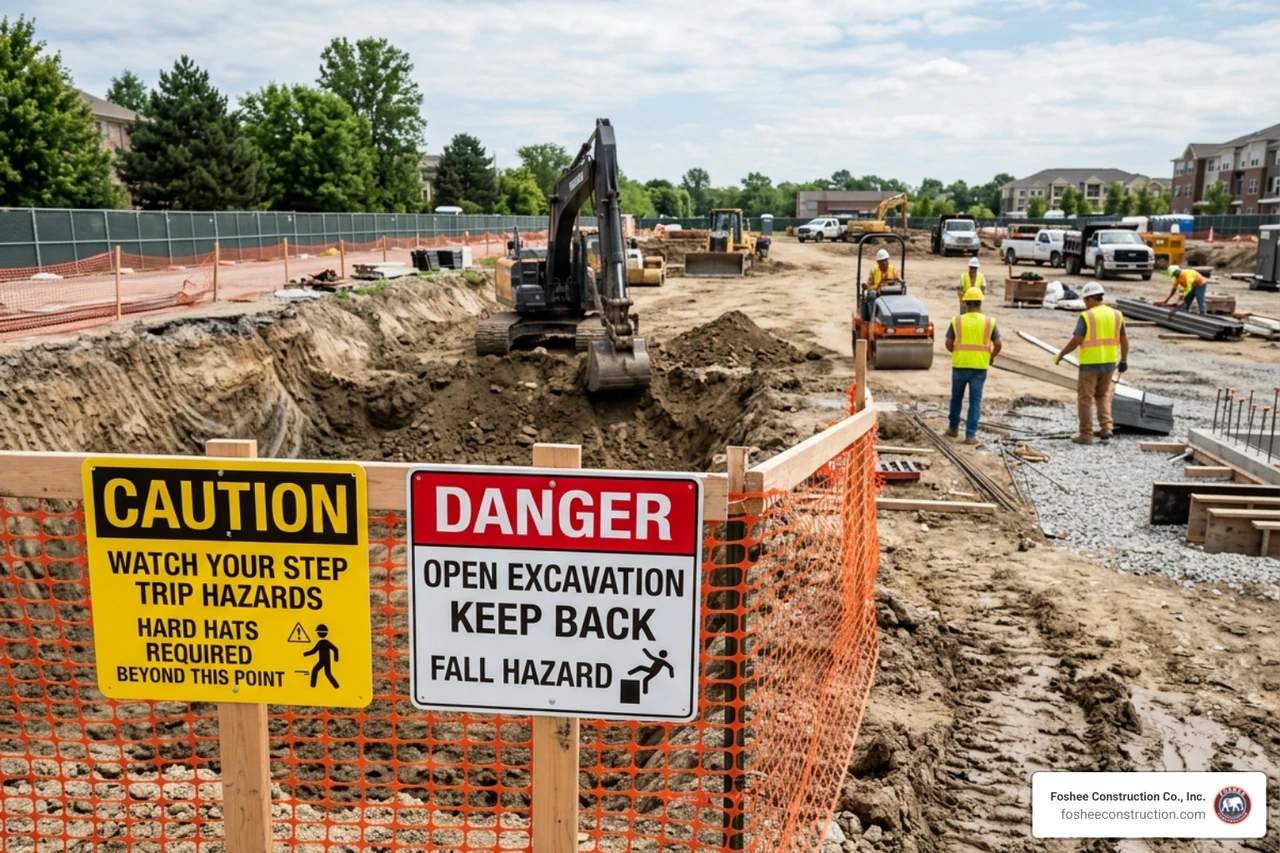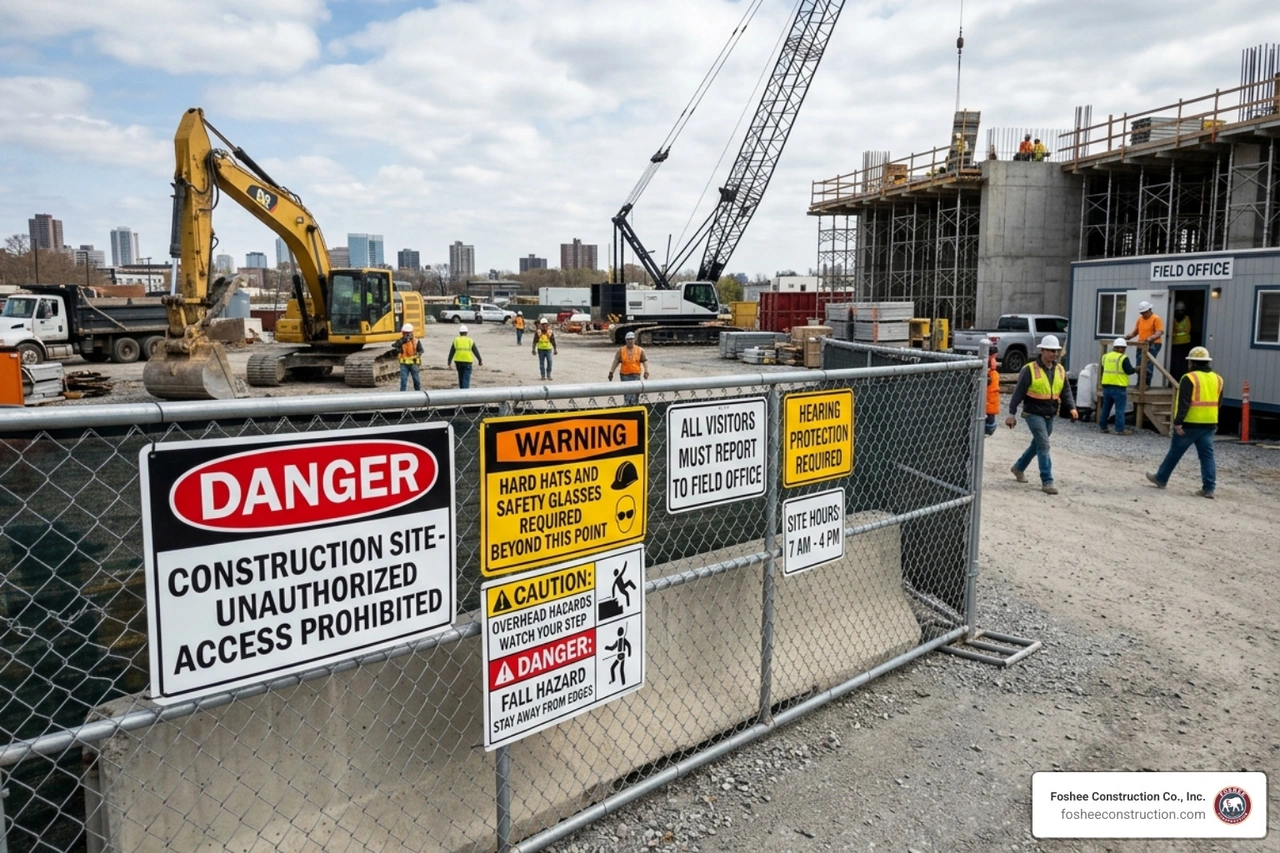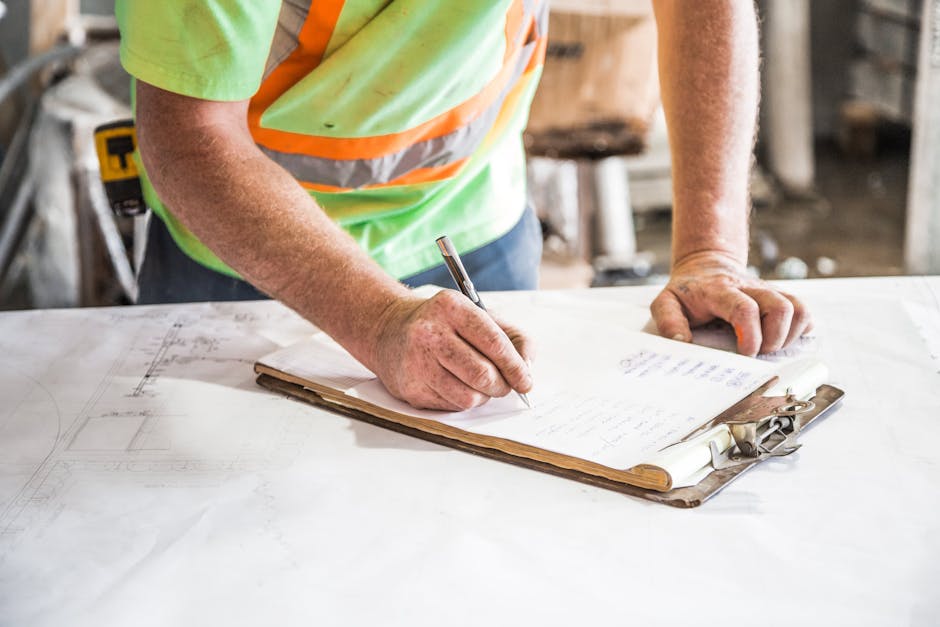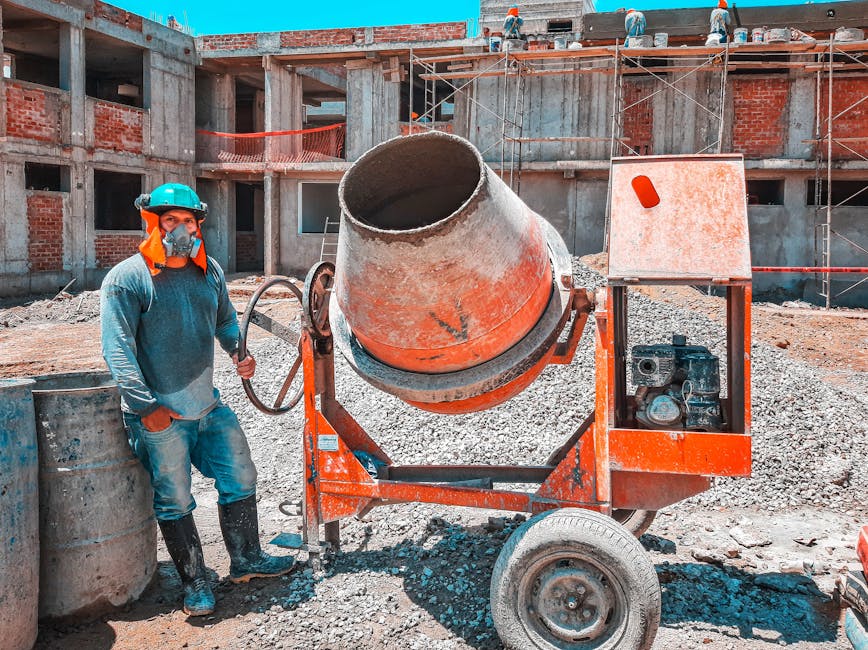
Site preparation for house construction is the process of clearing, grading, testing, and readying a piece of land so it can safely support a home's foundation and all connected infrastructure.
Here's a quick overview of what it involves:
Get these steps right, and everything that follows goes smoothly. Skip or rush them, and the consequences can be severe. Foundation repairs alone can run $30,000 to $150,000 after the fact - compared to just $2,000 to $5,000 to prevent the problem in the first place.
For Florida contractors and developers, the stakes are even higher. Unpredictable soil conditions, strict environmental regulations, and tight project timelines mean that poor site prep doesn't just cost money - it costs relationships and reputation.
I'm Don Larsen, and through Foshee Construction Co., Inc., I've spent over 30 years leading site preparation for house construction and full-scale site development projects across Central Florida, from Minneola to Lake County and beyond. In this guide, I'll walk you through exactly what proper site prep looks like - step by step.

When we talk about site preparation for house construction, we aren't just moving dirt around. We are performing a calculated engineering feat. In Florida, where sandy soil meets a high water table and occasional limestone "surprises," the sequence of events is everything.
Before a single bulldozer arrives, we must understand exactly where your property starts and ends. A professional land survey is non-negotiable. We’ve seen cases where a neighbor’s fence or a misplaced utility easement was discovered only after the foundation was poured—a mistake that can cost tens of thousands in legal fees and reconstruction. We also look at property setbacks and zoning requirements specific to Lake County to ensure your dream home doesn't accidentally violate local ordinances.
For more on the foundational steps, check out this guide on 10 Critical Steps for Site Preparation for Building a House in Oklahoma. While the geography is different, the core principles of boundary and setback verification remain the gold standard.
If the survey tells us where to build, the geotechnical investigation tells us how to build. In Central Florida, soil composition can vary wildly from one acre to the next. We might find stable, well-draining sand on one side of a lot and organic muck or expansive clay on the other.
Geotechnical engineers take borehole samples to determine the soil's bearing capacity. This reveals how much weight the ground can support before it starts to sink or shift. We also assess the water table height; in Florida, building a basement is rare because you’d essentially be building a swimming pool, but even for slab-on-grade homes, knowing where the water sits is vital for moisture control.
One of the most critical metrics we track is the Standard Proctor density. For residential foundations, soil must achieve at least 95% compaction. This ensures the ground is dense enough to prevent "settlement," which is the leading cause of those nasty cracks you see in drywall and stucco.
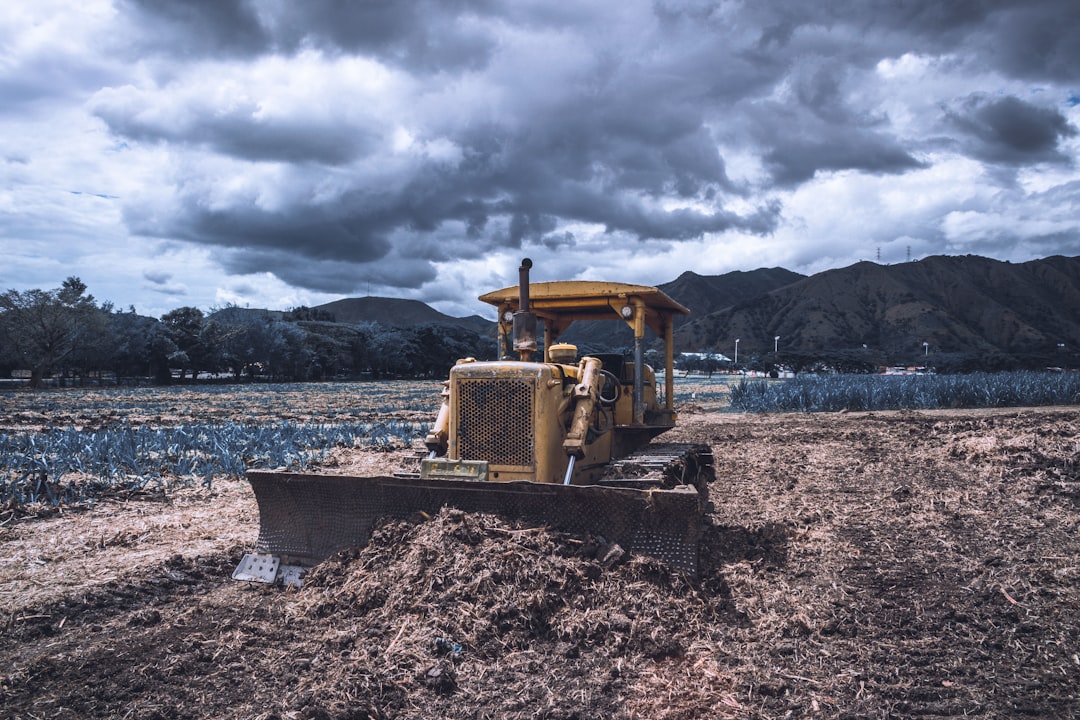
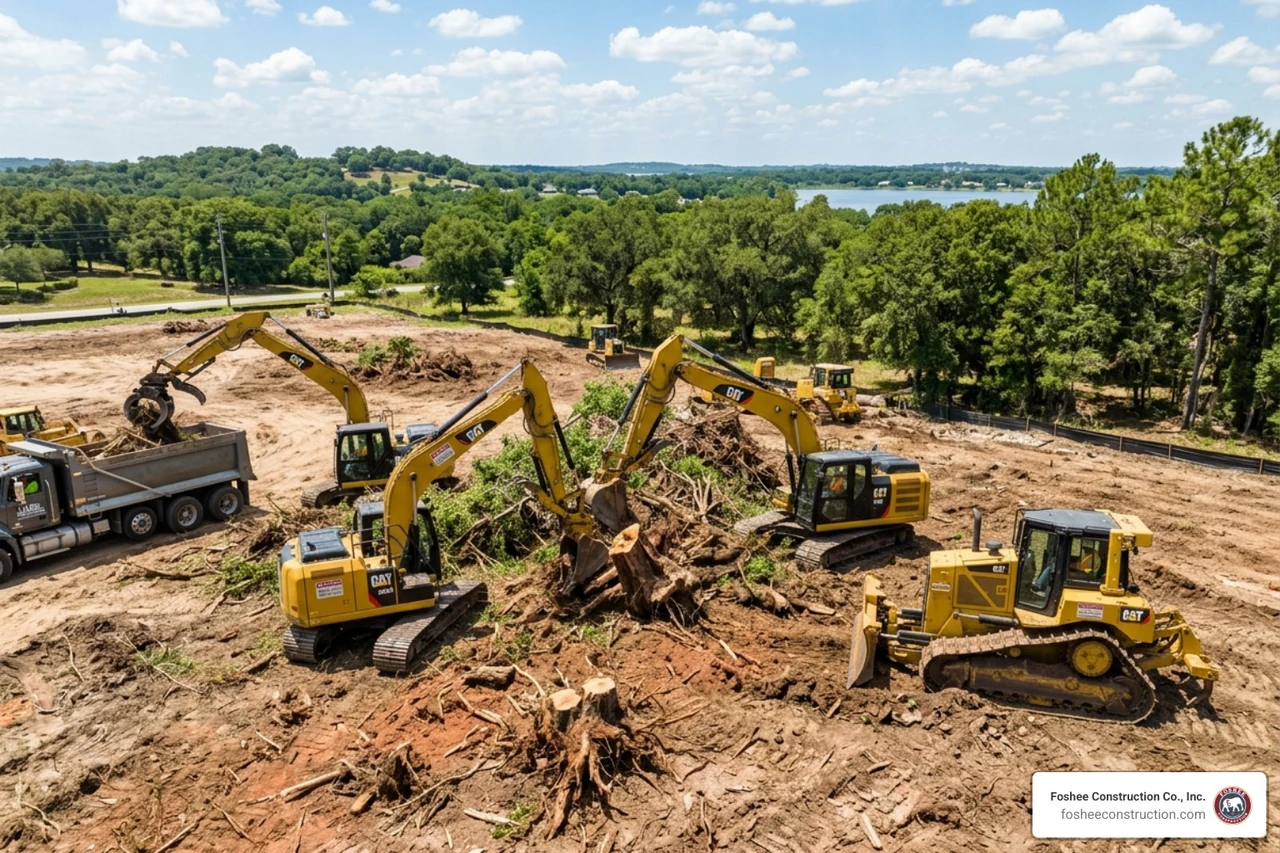
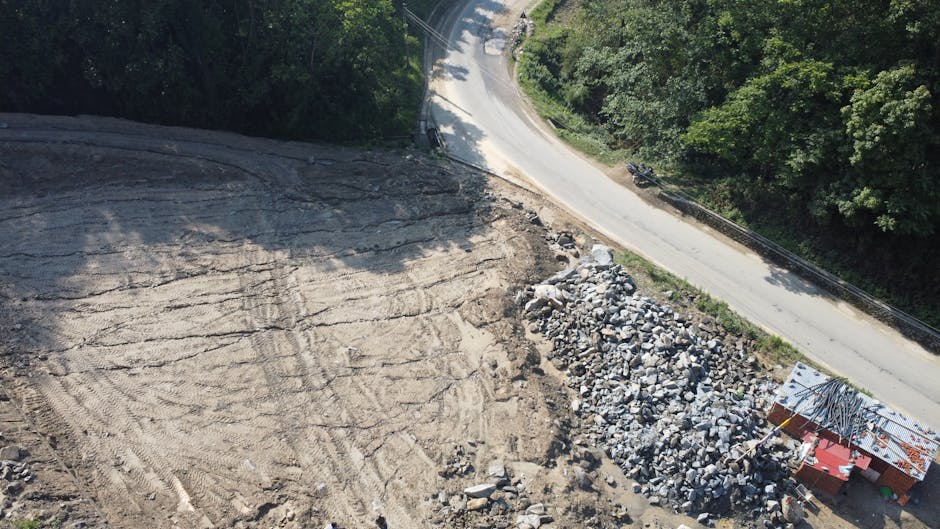
Once the permits are in hand, the "heavy lifting" begins. Land clearing involves the removal of vegetation, boulders, and any existing structures. In Minneola and surrounding areas, we often deal with thick brush and mature oaks.
We practice "strategic clearing." This means we don't just flatten everything. We work with you to identify "specimen trees"—those beautiful, century-old oaks that can add $50,000 or more to your property value—and we establish Tree Protection Zones (TPZs) to ensure our equipment doesn't crush their root systems.
Then comes the "grubbing." This is the process of removing stumps and root systems. Some builders try to save money by burying organic debris on-site. We never do this. Why? Because as those roots and stumps rot over the next five to ten years, they create underground voids. Eventually, the ground above them collapses, leading to sinkholes in your yard or, worse, under your driveway. Proper debris disposal is a safety and longevity requirement.
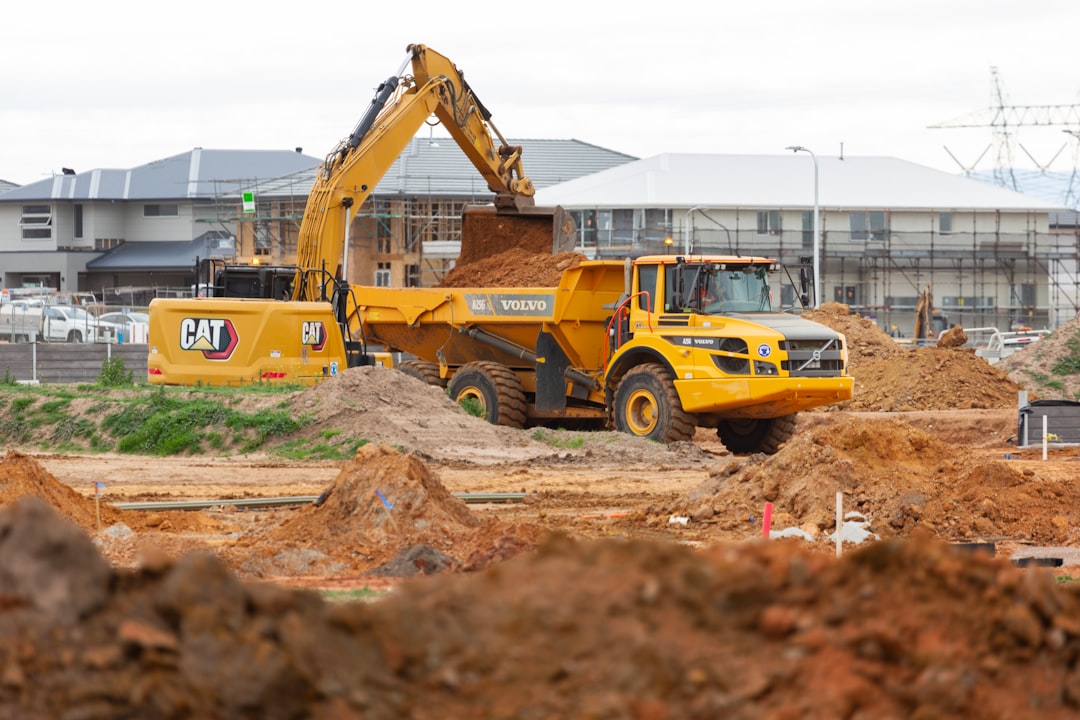
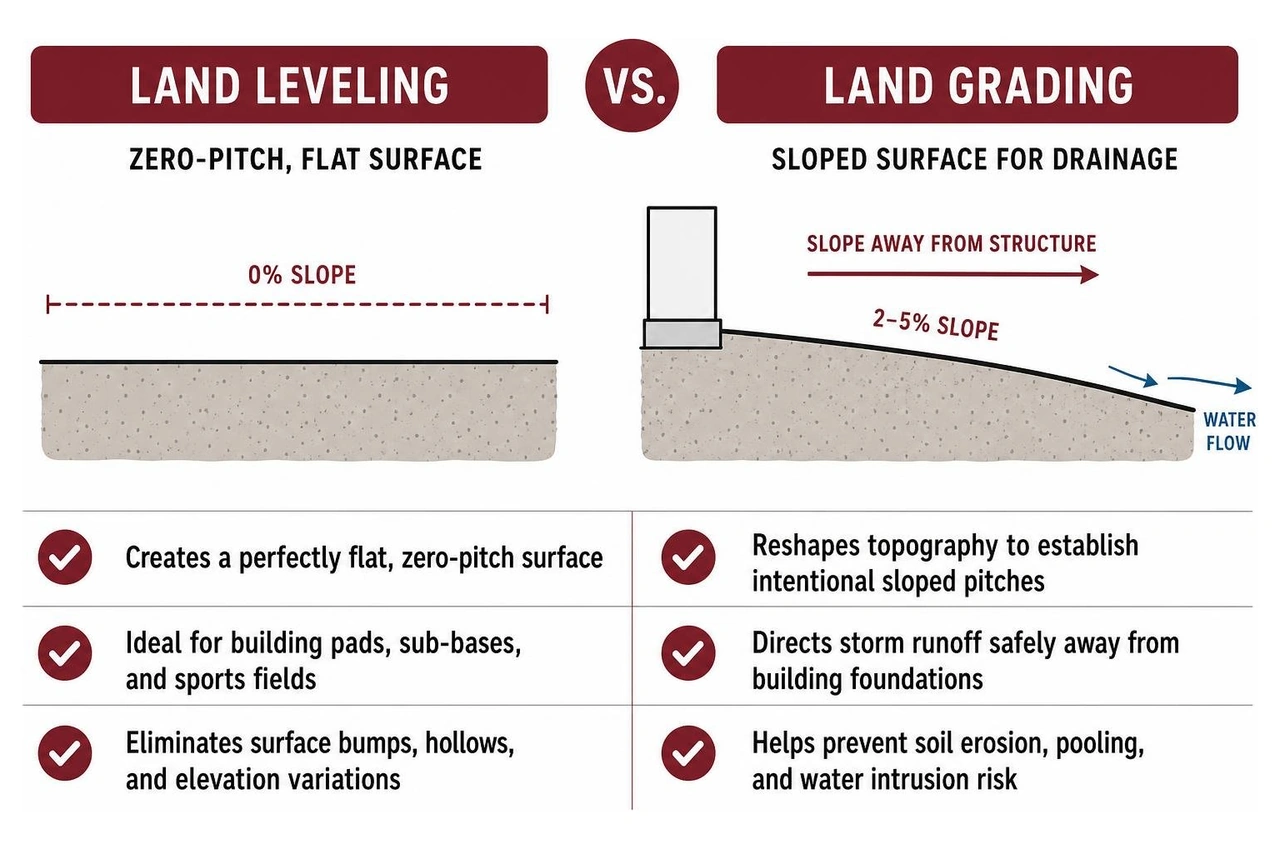
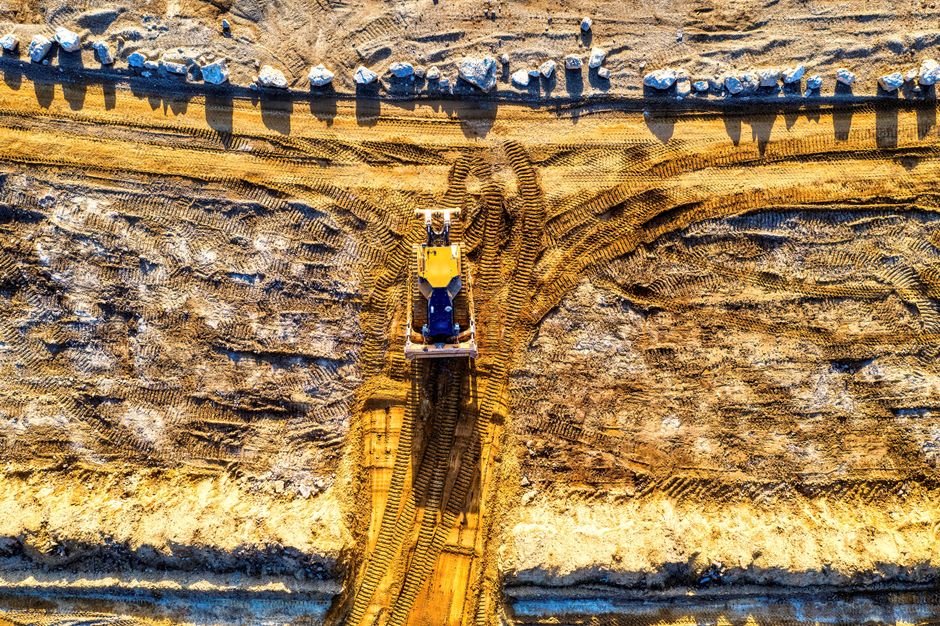
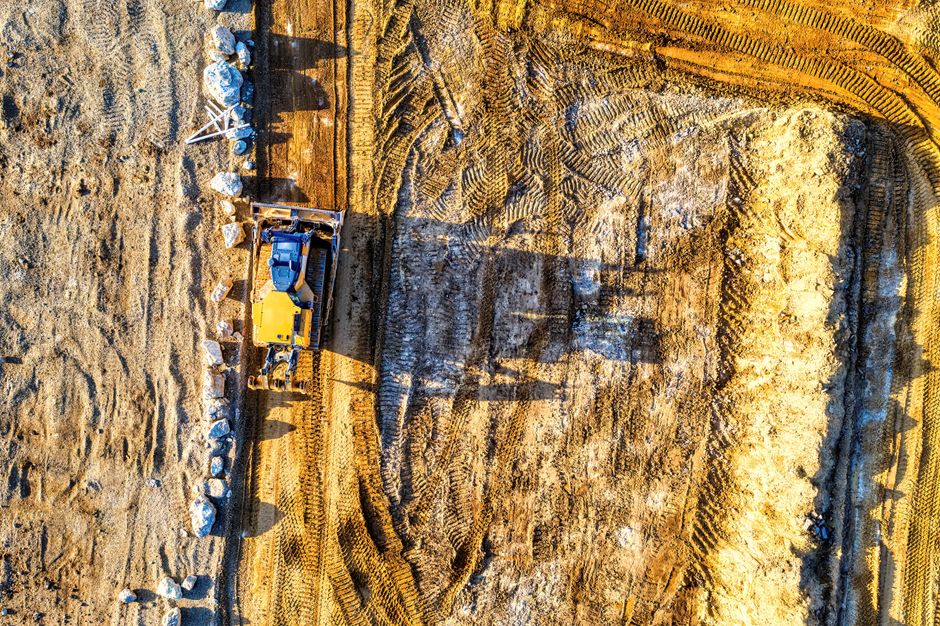
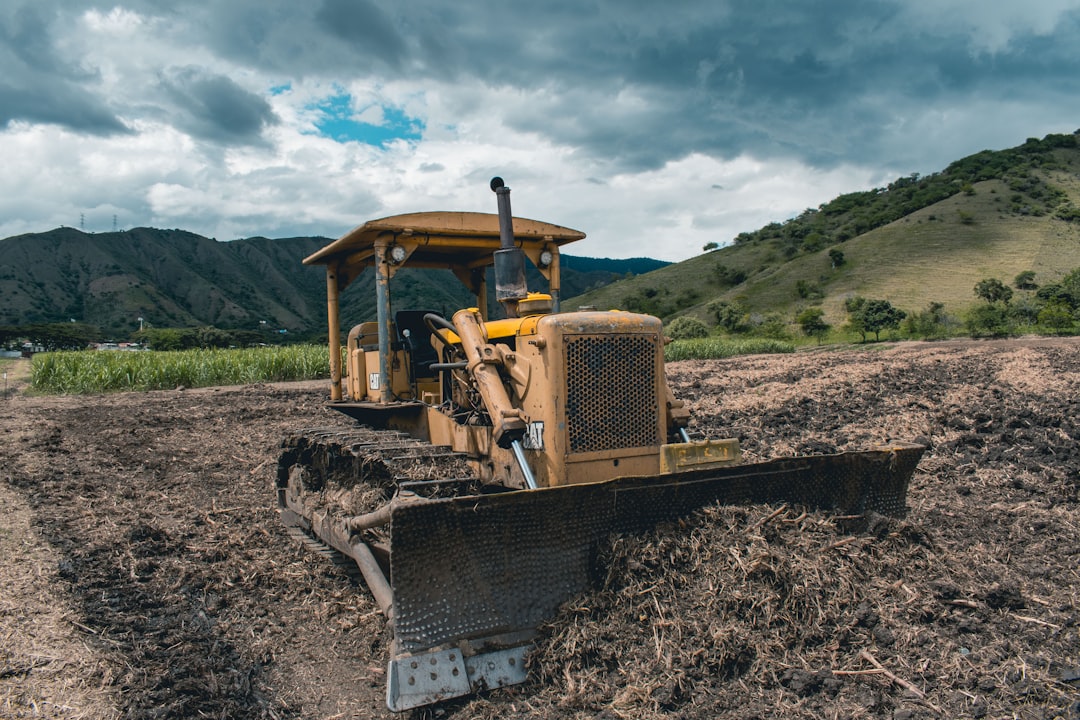
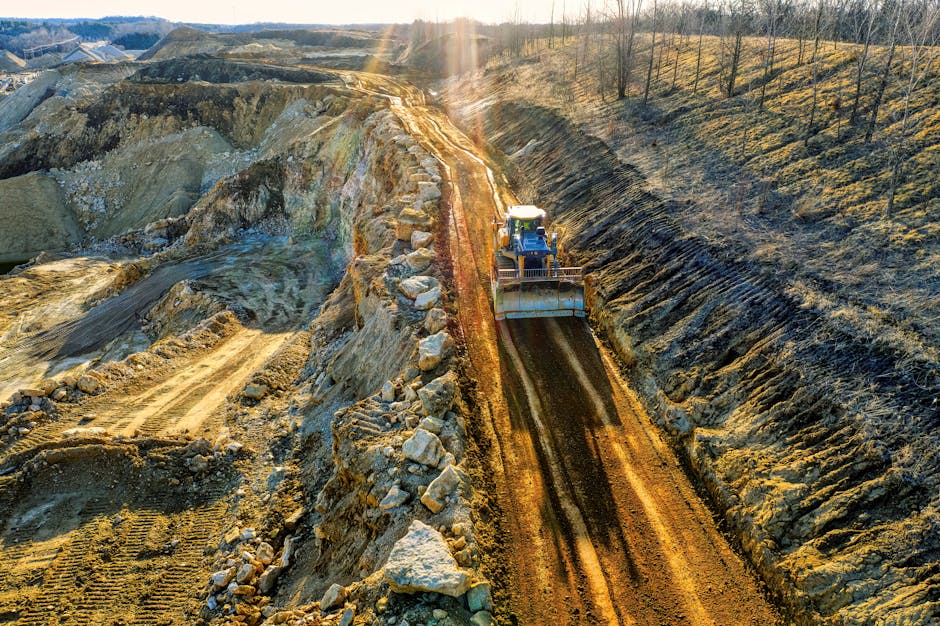
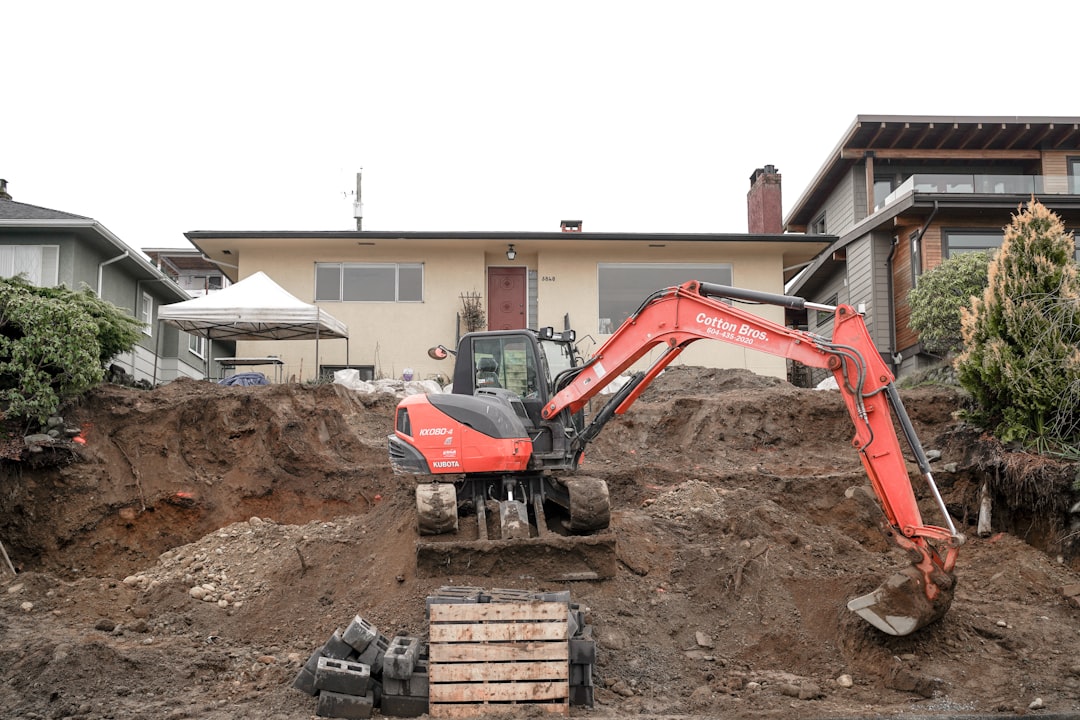
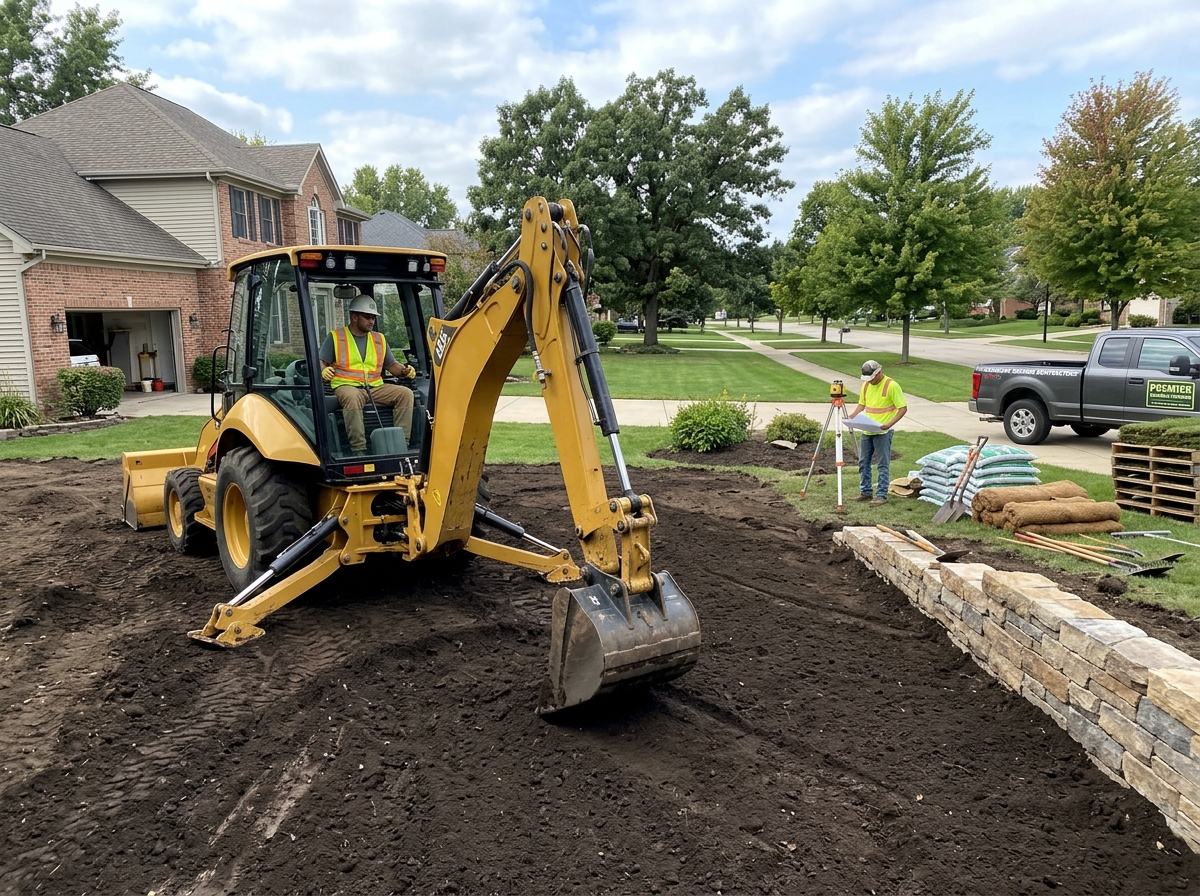
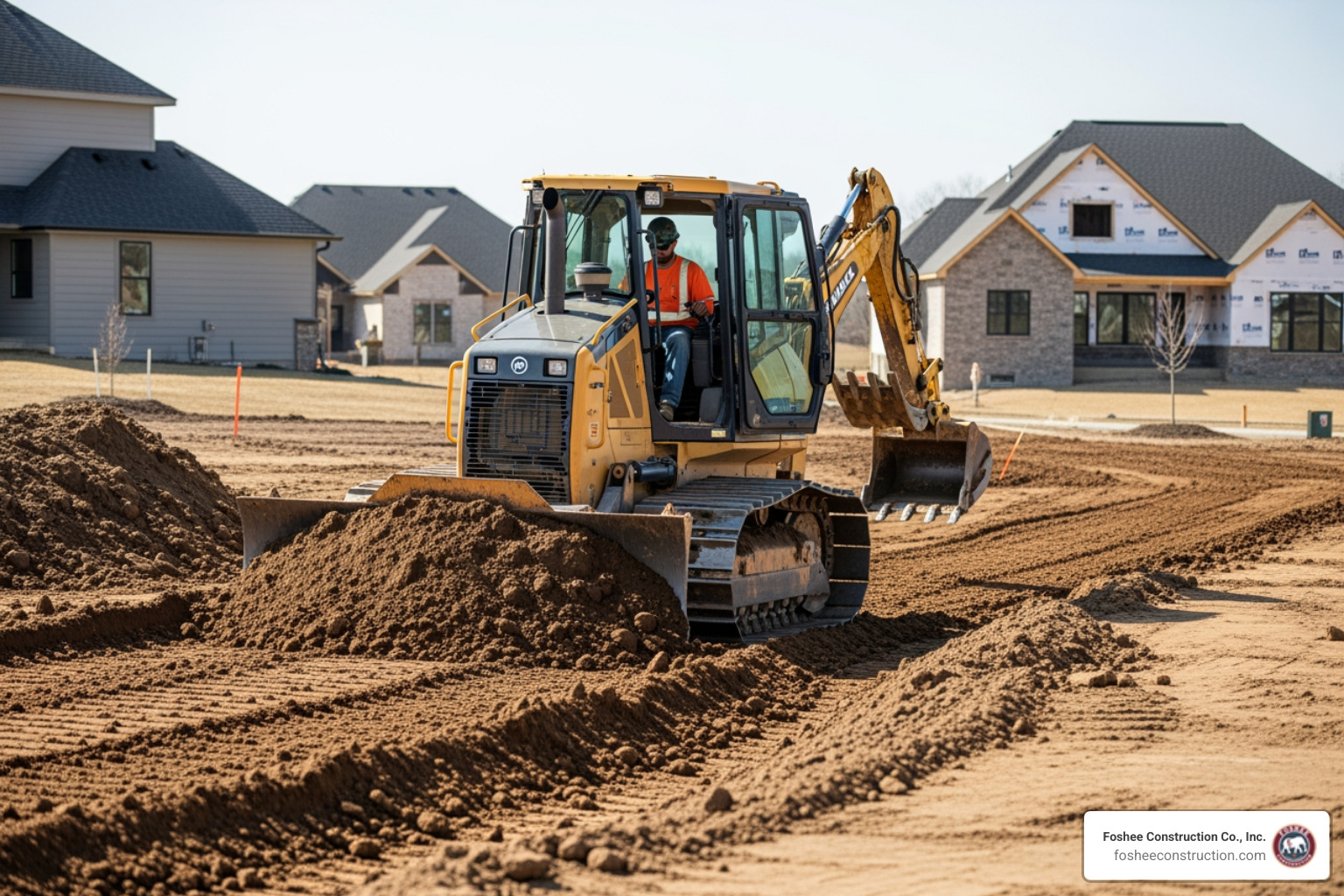
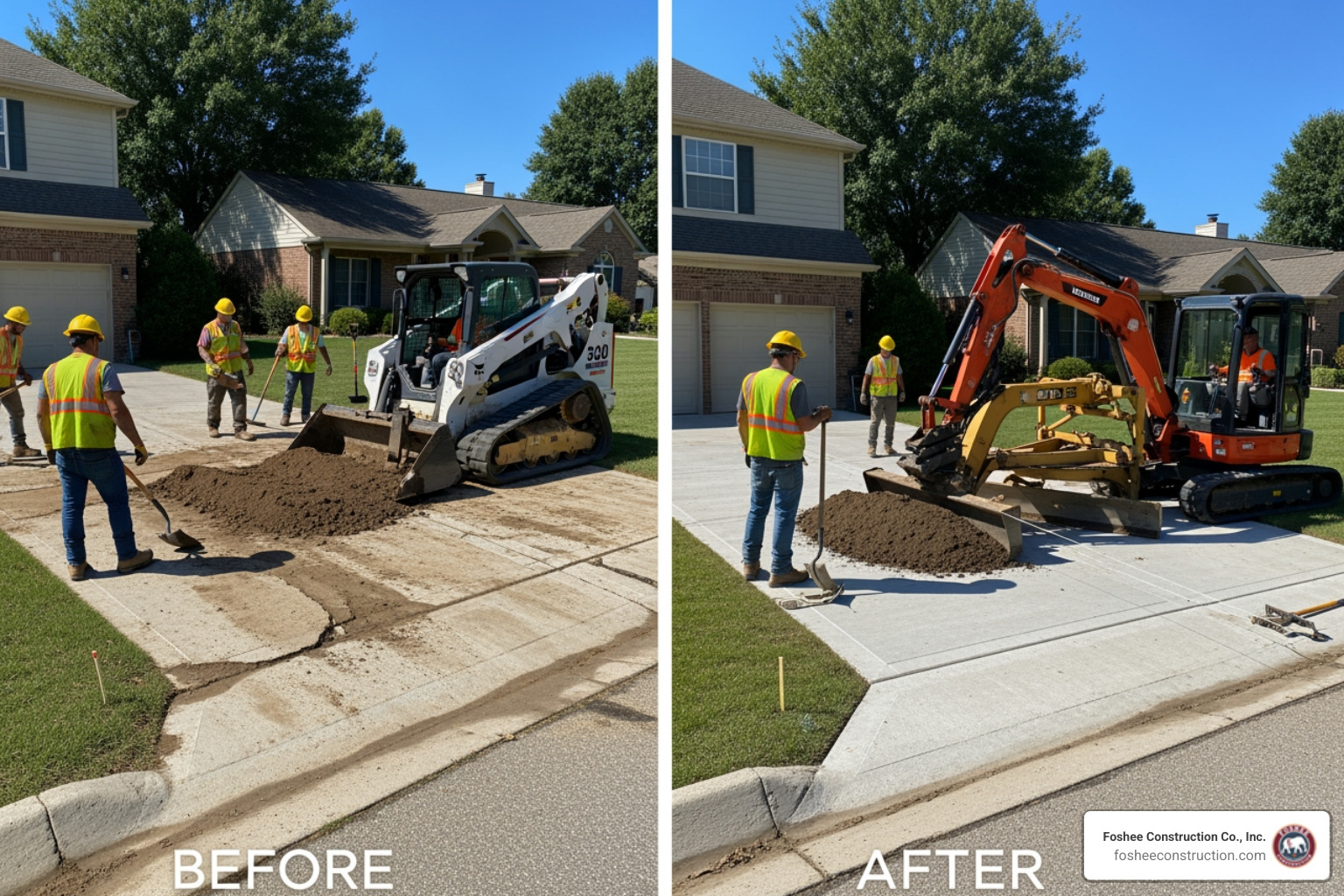
Now we get to the "shaping" phase. Rough grading involves moving soil to create the building pad—the level area where your house will sit. We use a technique called "cut and fill," where we take dirt from high spots (the cut) and move it to low spots (the fill).
Our goal is to create a 2% drainage slope away from the foundation in all directions. In Florida’s heavy summer rains, you want that water moving away from your home at a rate of at least six inches of drop over the first ten feet.
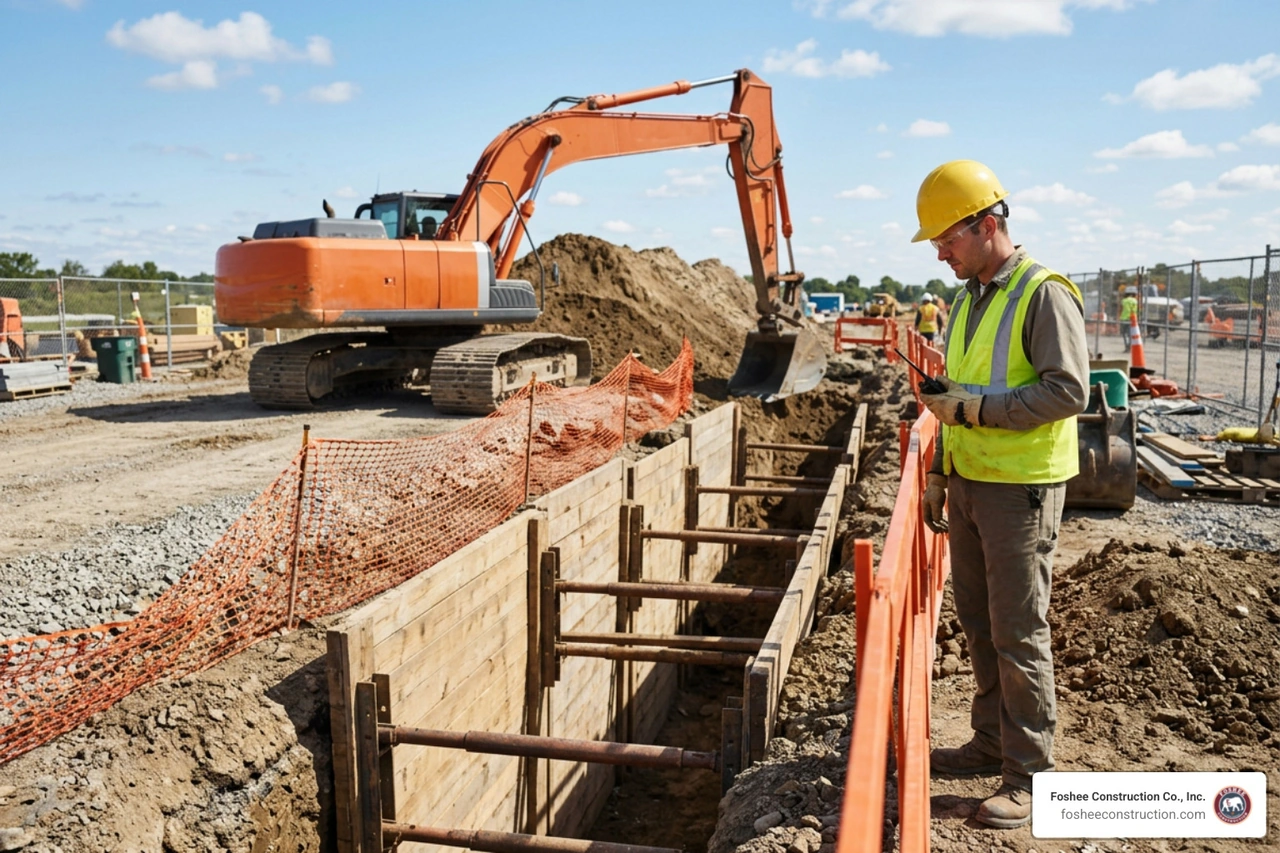
To verify our work, we use a nuclear density gauge. This high-tech tool gives us immediate feedback on compaction levels. We apply the soil in "lifts" (layers of 6–12 inches), compacting each one thoroughly before adding the next. This layered approach is the only way to guarantee that 95% compaction we mentioned earlier. Finally, we excavate foundation trenches or footings precisely according to the architectural blueprints.
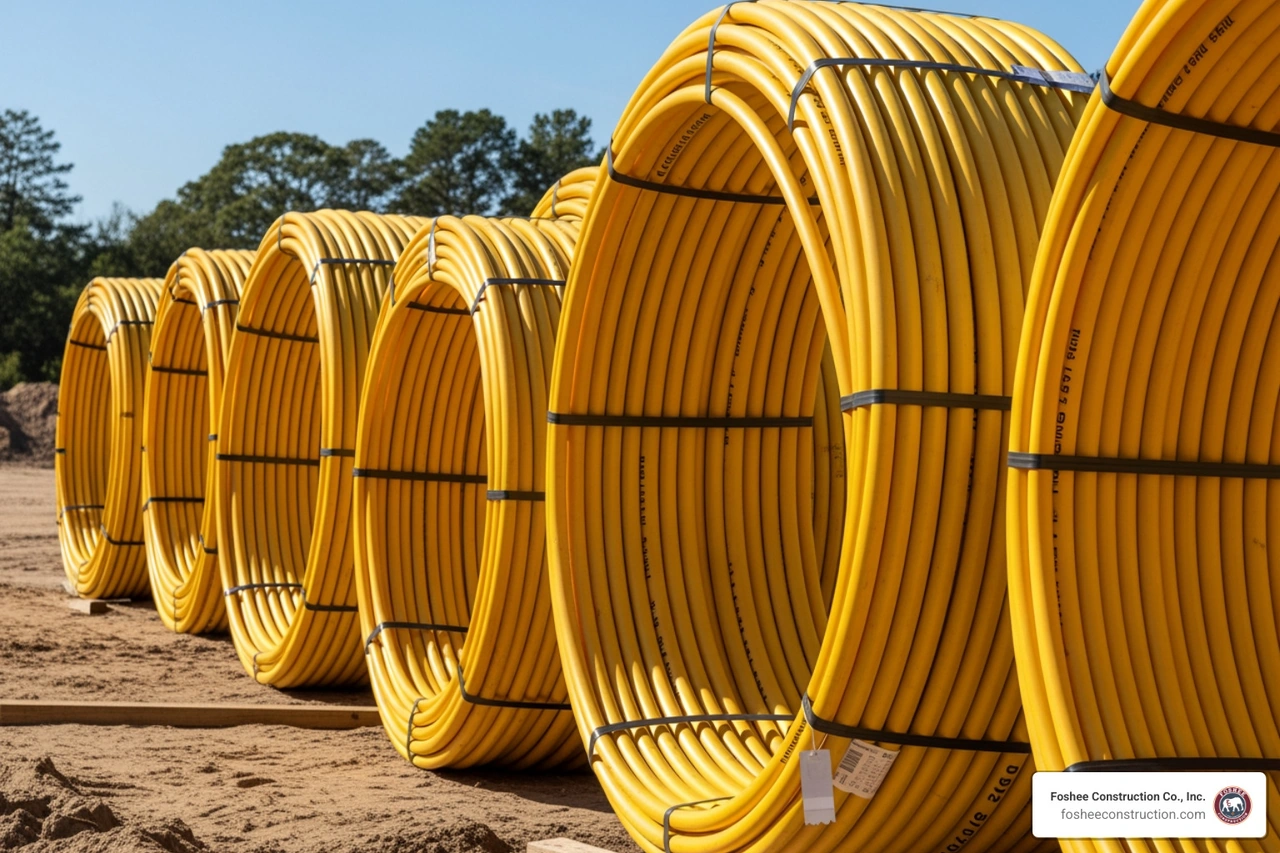
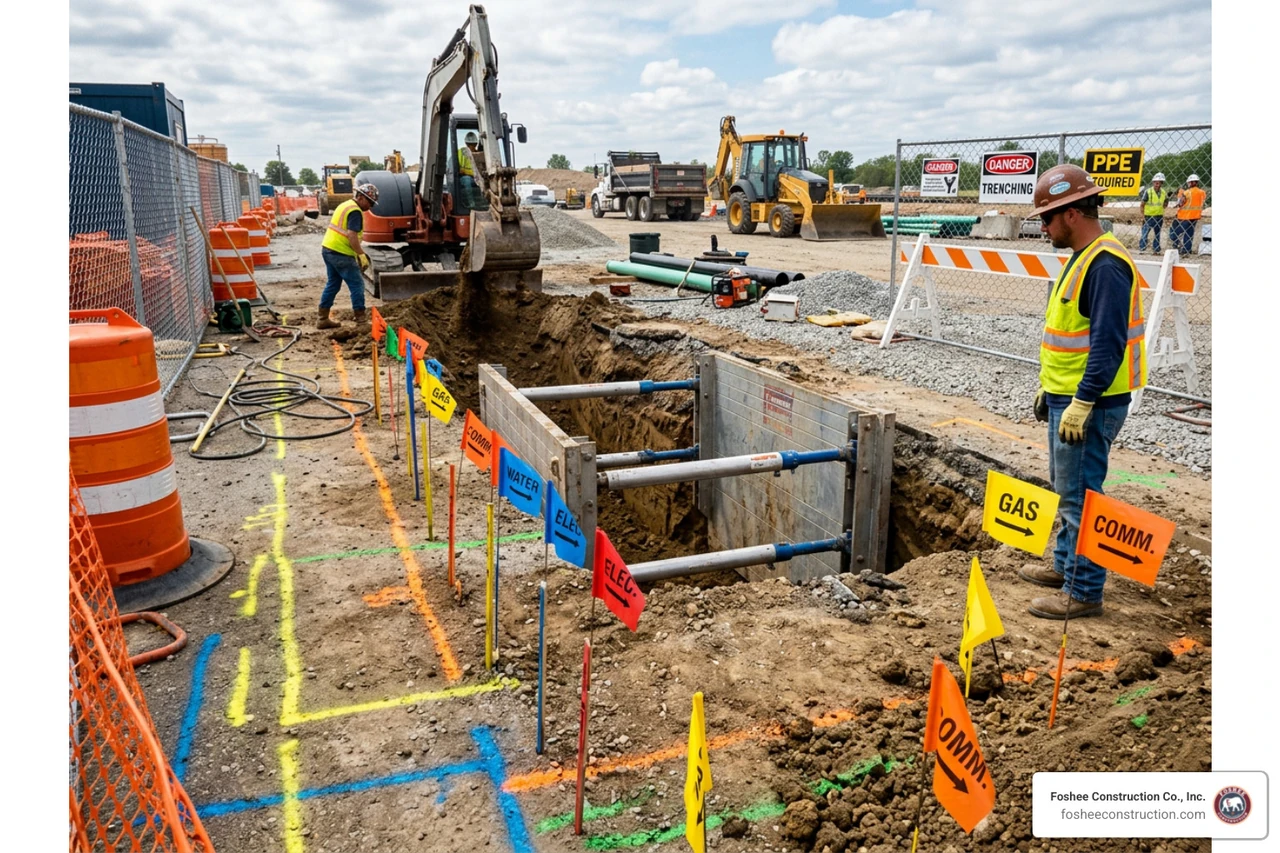
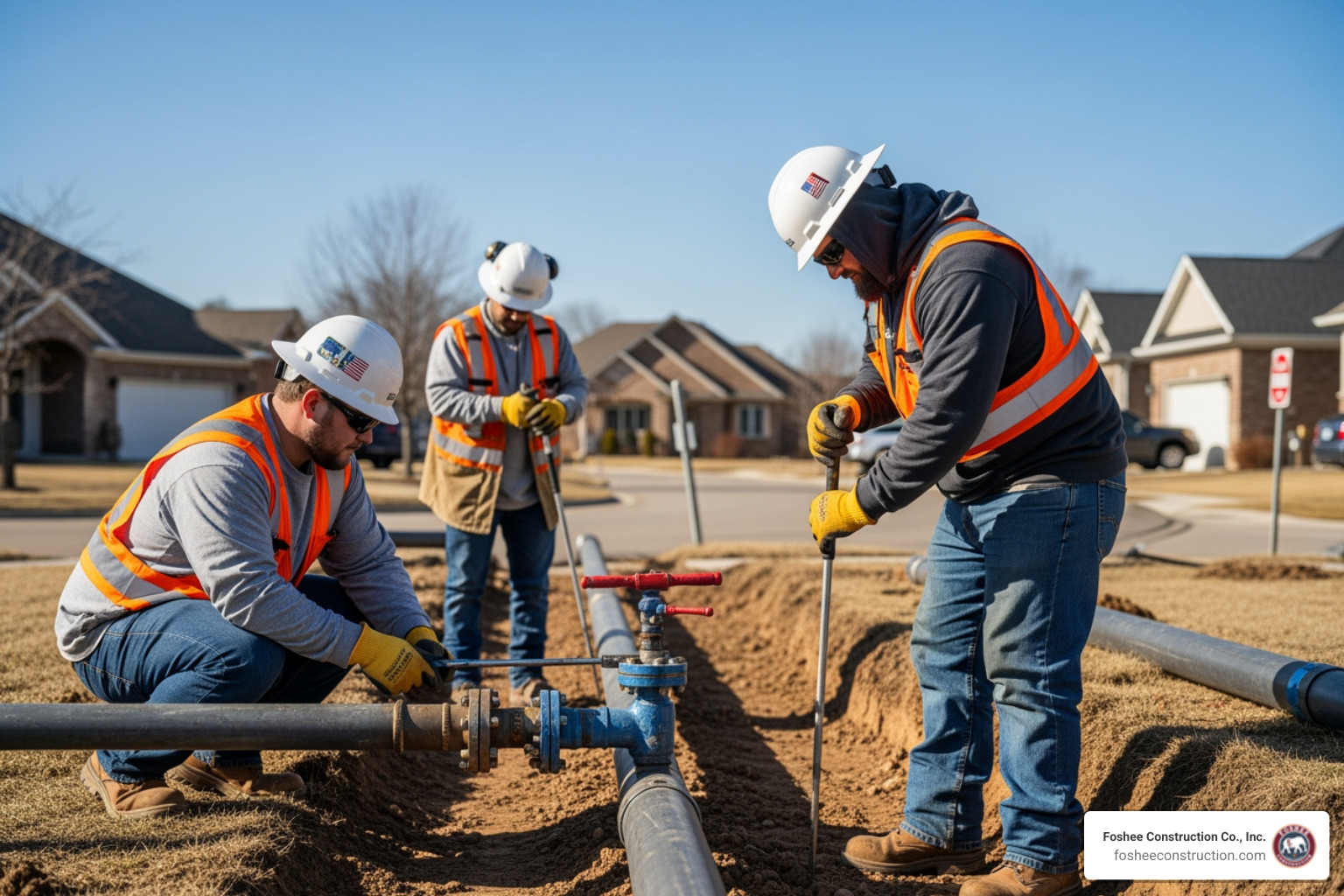
While the house is the star of the show, it can't function without the "veins and arteries" of underground utilities. This phase of site preparation for house construction is where precision saves lives—and bank accounts.
Before we break ground, we always call 811. Utility strikes are a massive problem in the US, causing over 400,000 incidents annually. Striking a gas line or a high-voltage power cable doesn't just cause a 2-to-4-week delay; it’s a major safety hazard. We map out every existing line to ensure our excavators stay clear.
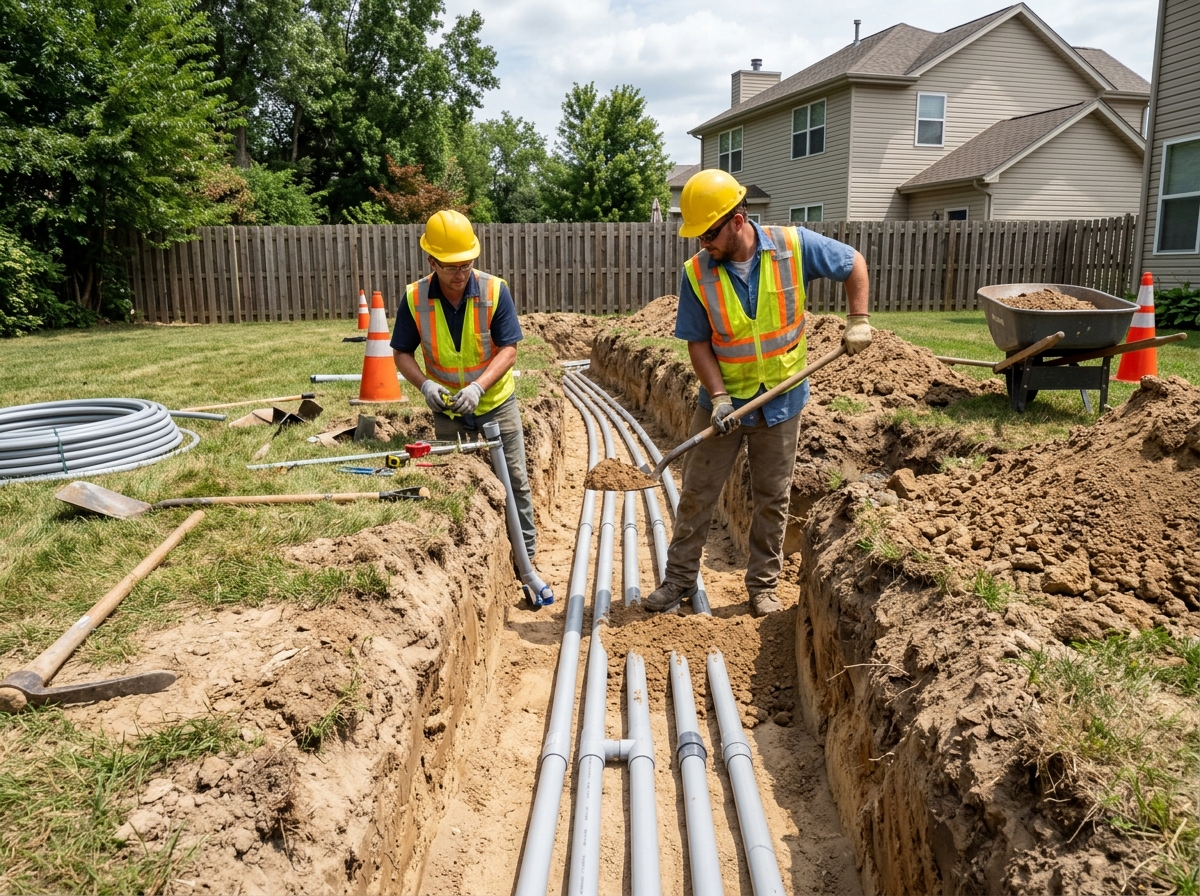
Modern homes have high energy and water demands. Many luxury custom builds in Florida now require a 400-amp electrical service to handle pool heaters, outdoor kitchens, and multiple HVAC zones. We coordinate with local utility providers in Minneola and Lake County to ensure the trench depth meets code compliance—usually 18 to 24 inches for water and deeper for sewer lines to maintain the necessary gravity-fed pitch.
If you are building in a more rural part of Florida, we also plan for septic systems and private wells. This requires specific setbacks from the house and property lines to meet health department regulations. For a look at how this planning works in other regions, you can read the Complete Guide To Site Development For A Custom Home In Idaho, which highlights the importance of early utility coordination.
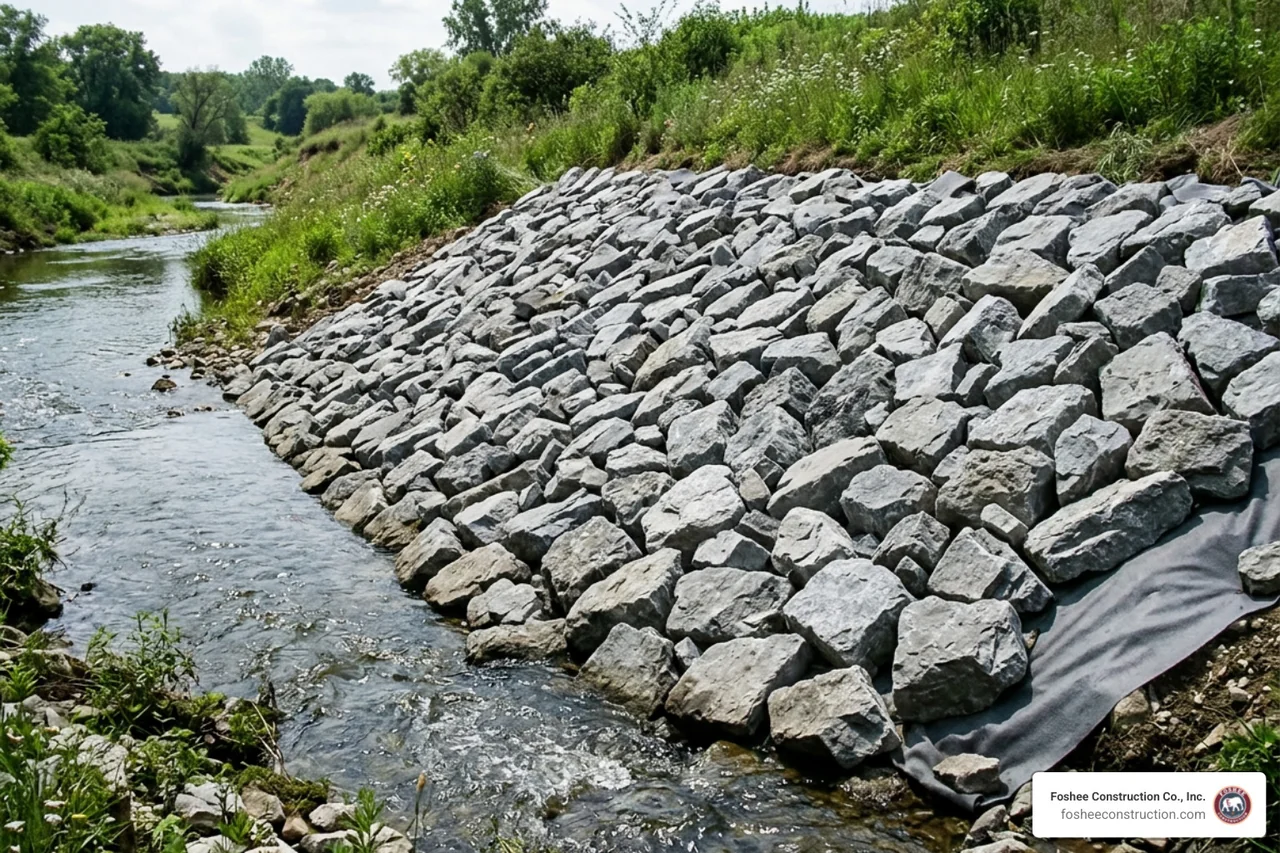
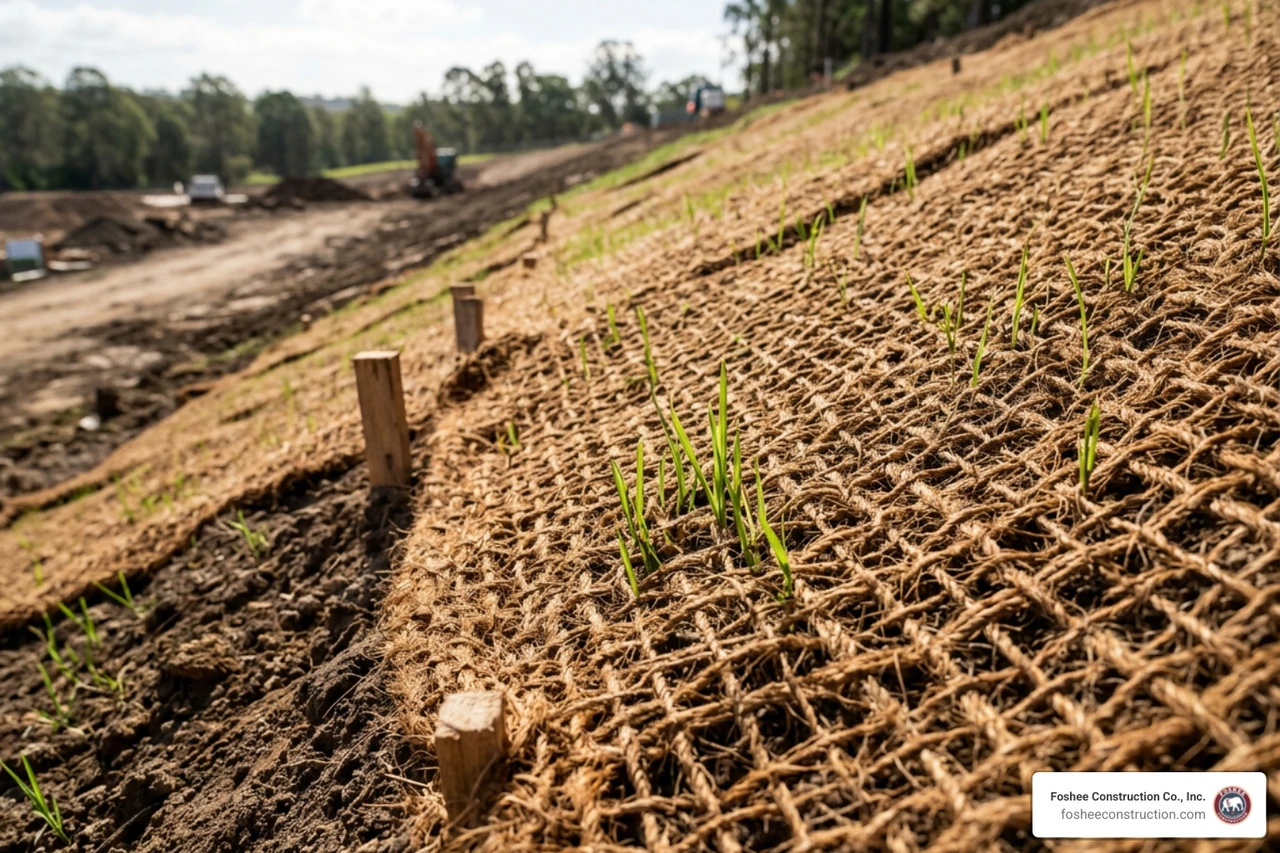
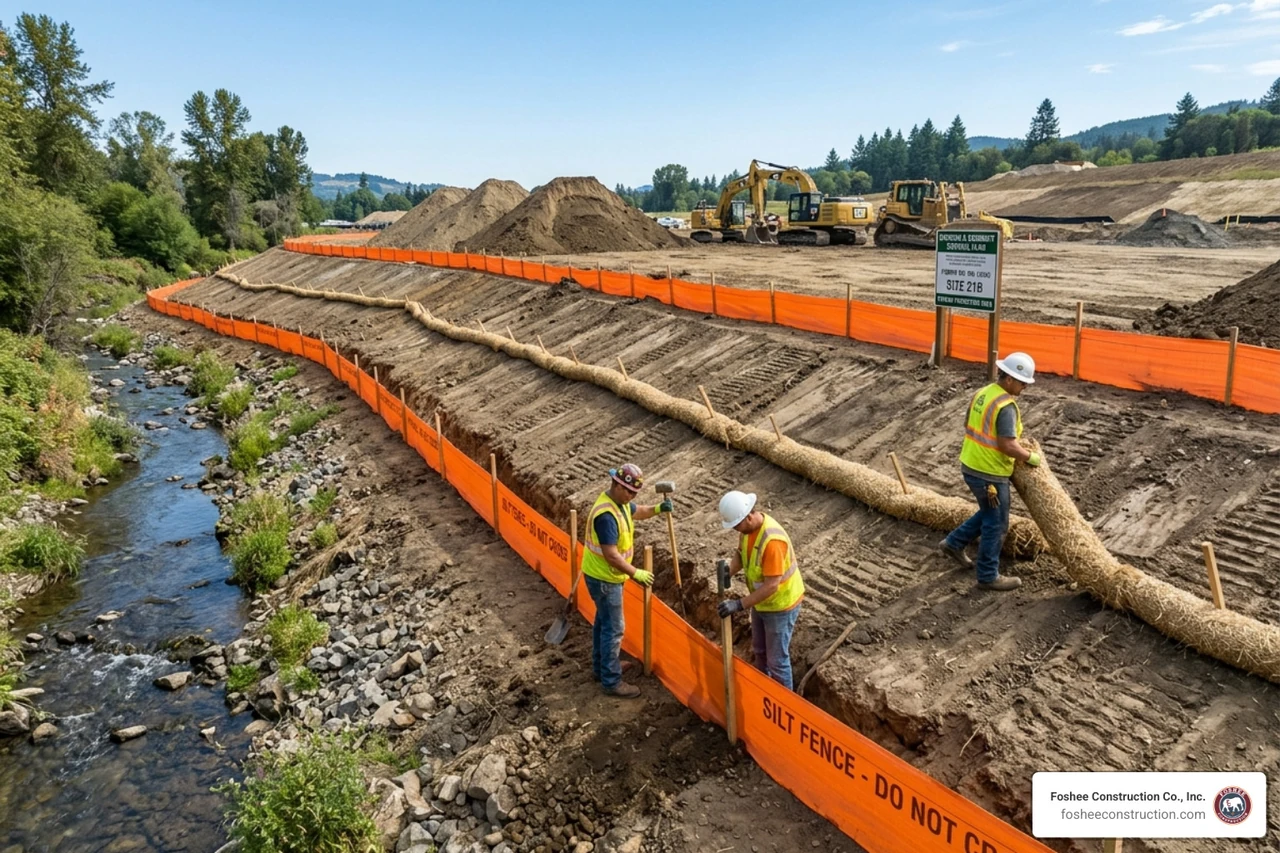
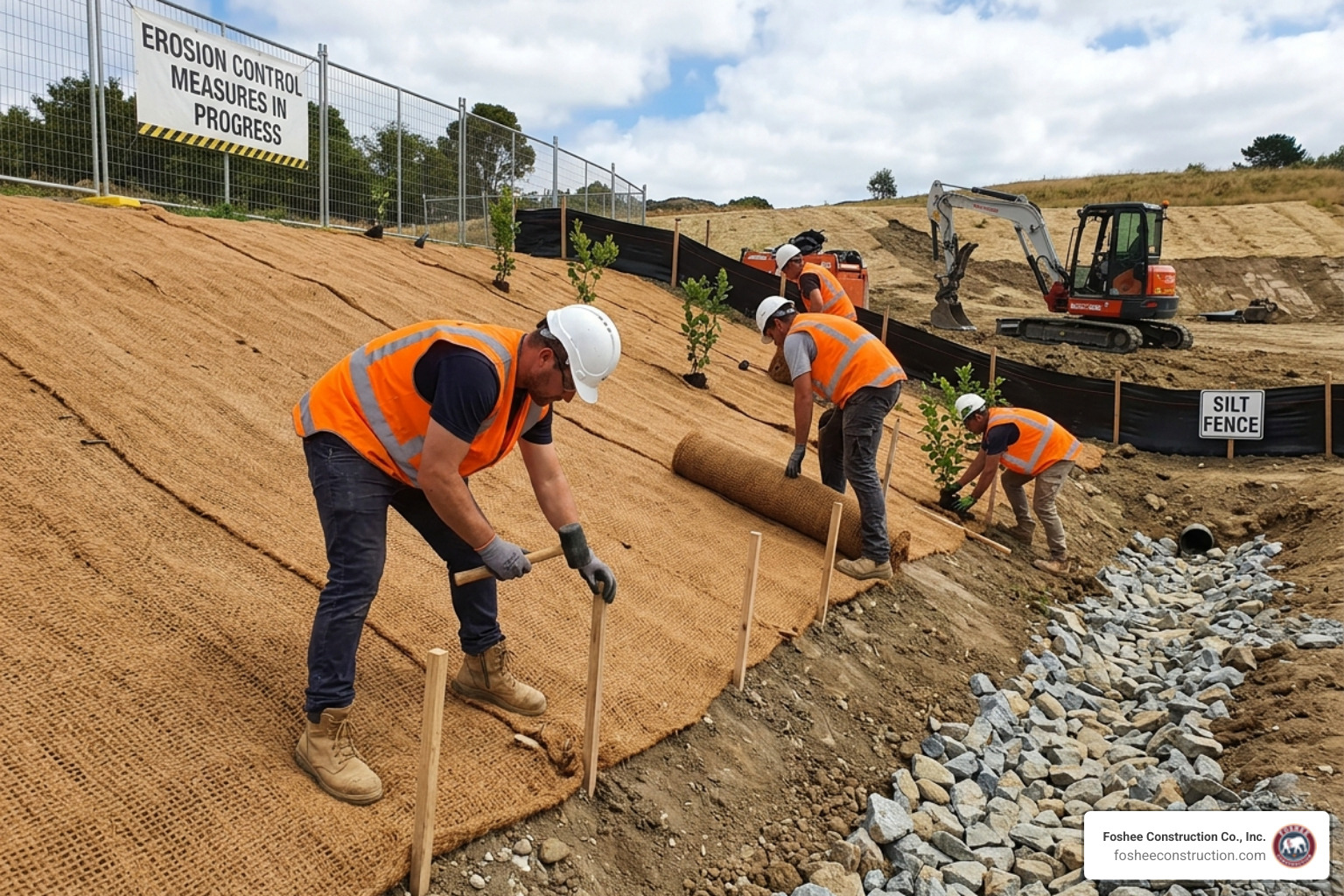
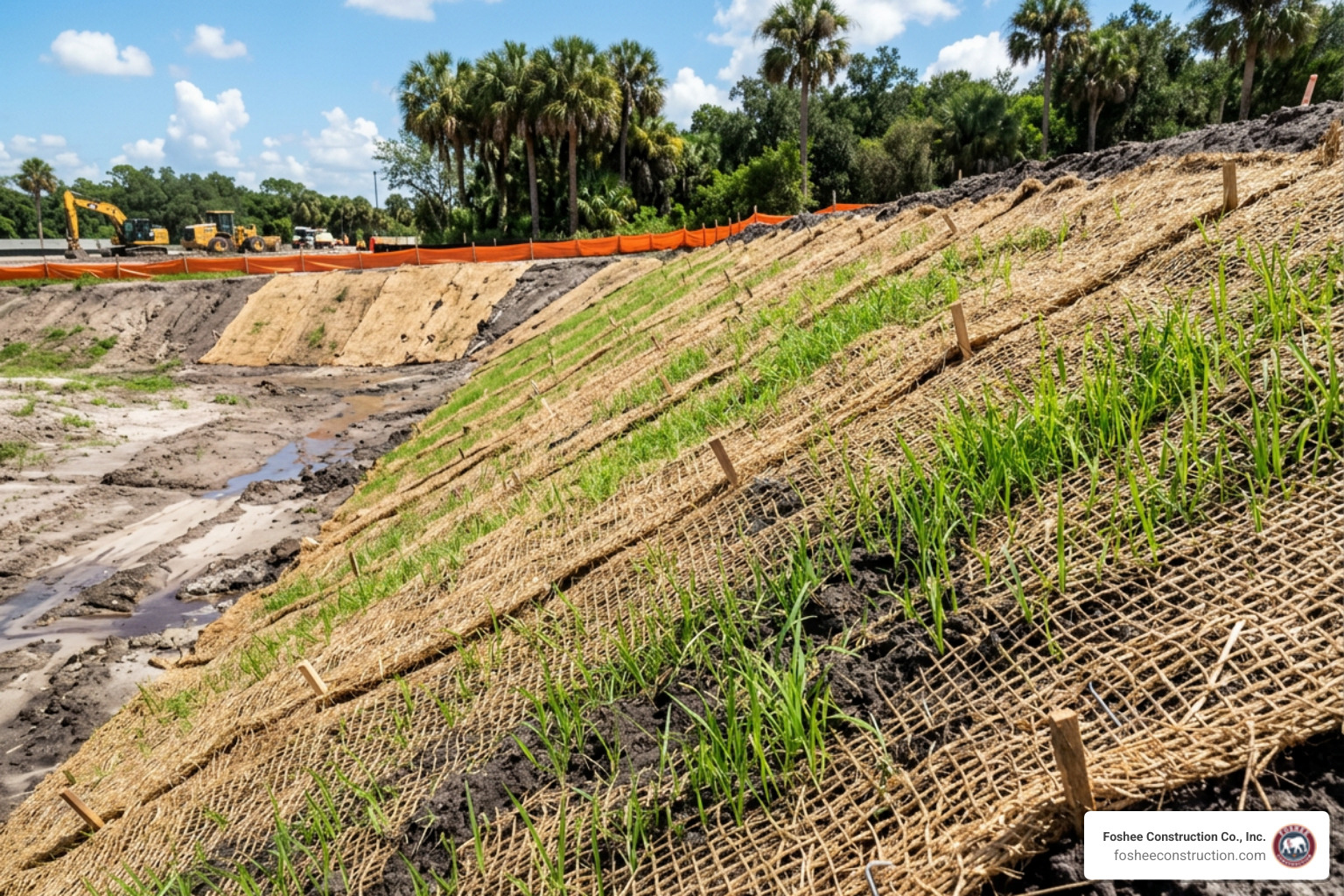
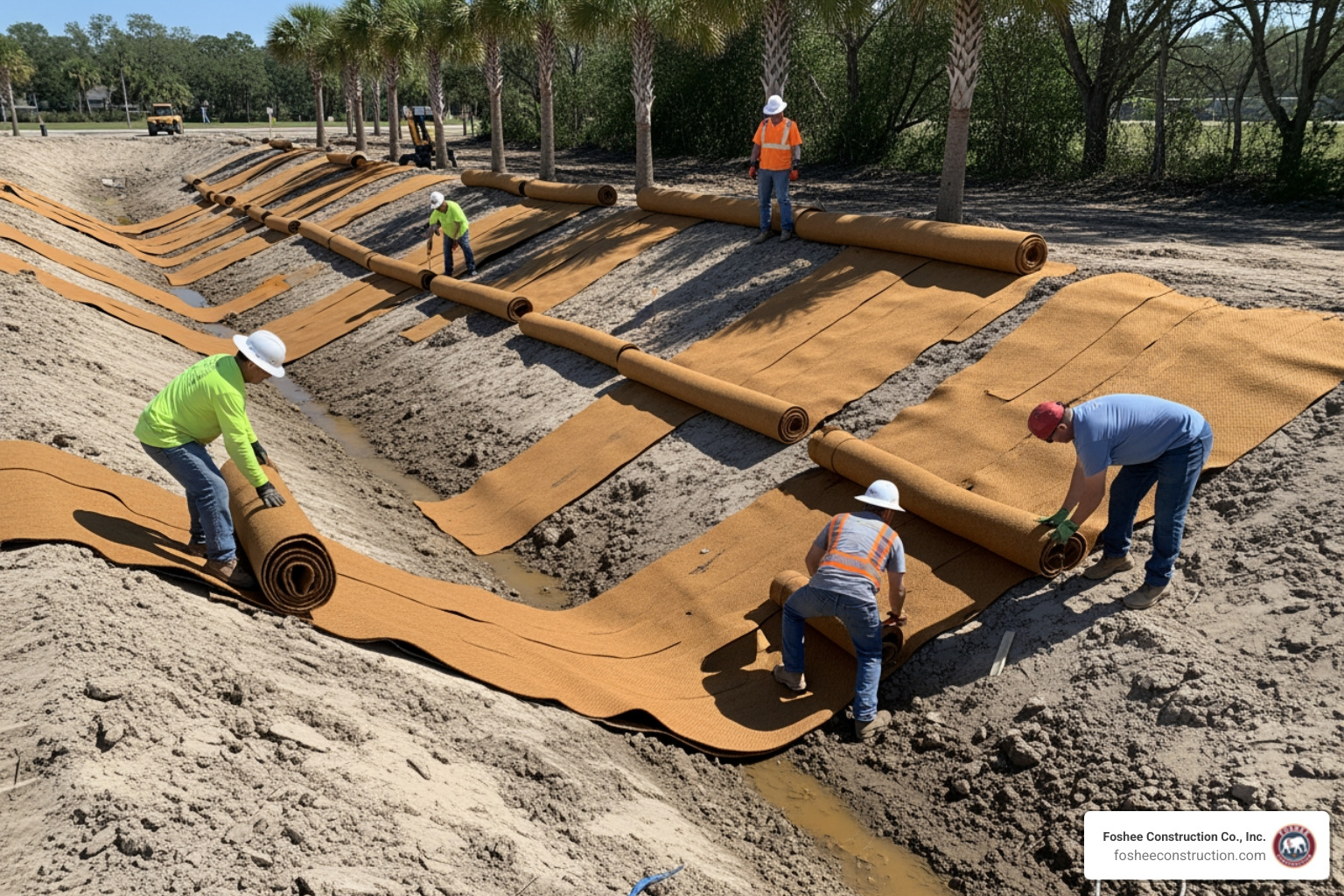
In Florida, "erosion control" is a bit of a misnomer—it’s actually about "sediment control." When we clear land, the loose sand is easily washed away by our famous afternoon thunderstorms. If that sand ends up in a neighbor's yard or a protected Florida lake, you could face massive fines.
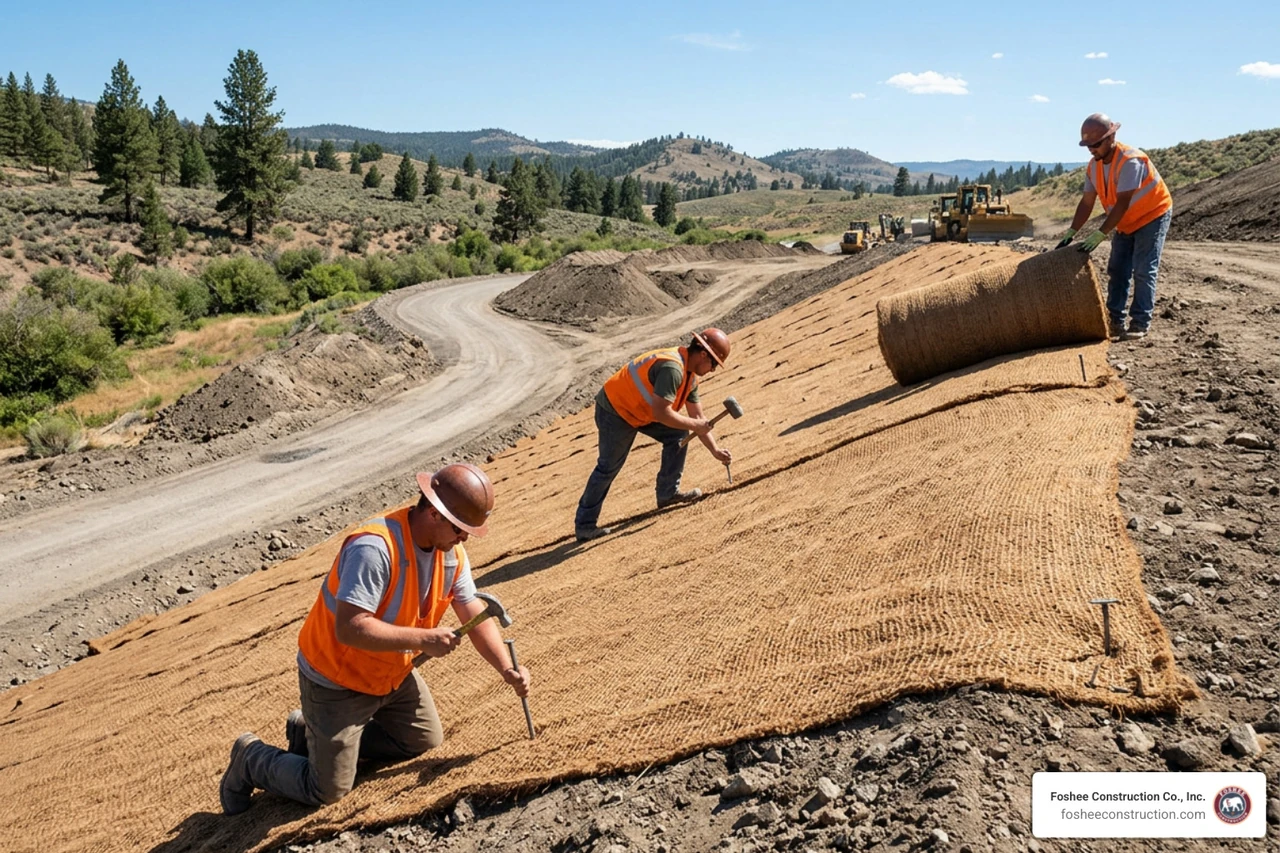
We install silt fences and sediment basins before the heavy equipment arrives. We also use:
One of the most common questions we get is, "How much is this going to cost?" The truth is, every lot is different. However, we can provide some general ranges based on our decades of experience in the Florida market.
The cost of site preparation for house construction typically falls between $15,000 and $50,000, though complex lots can go higher. Here is a breakdown of what moves the needle:

Other factors include remote access (can a 20-ton dump truck get to the site?) and the distance to the nearest utility tie-in. If we have to run a power line a quarter-mile down a private road, that extension alone can cost $10,000 to $50,000.
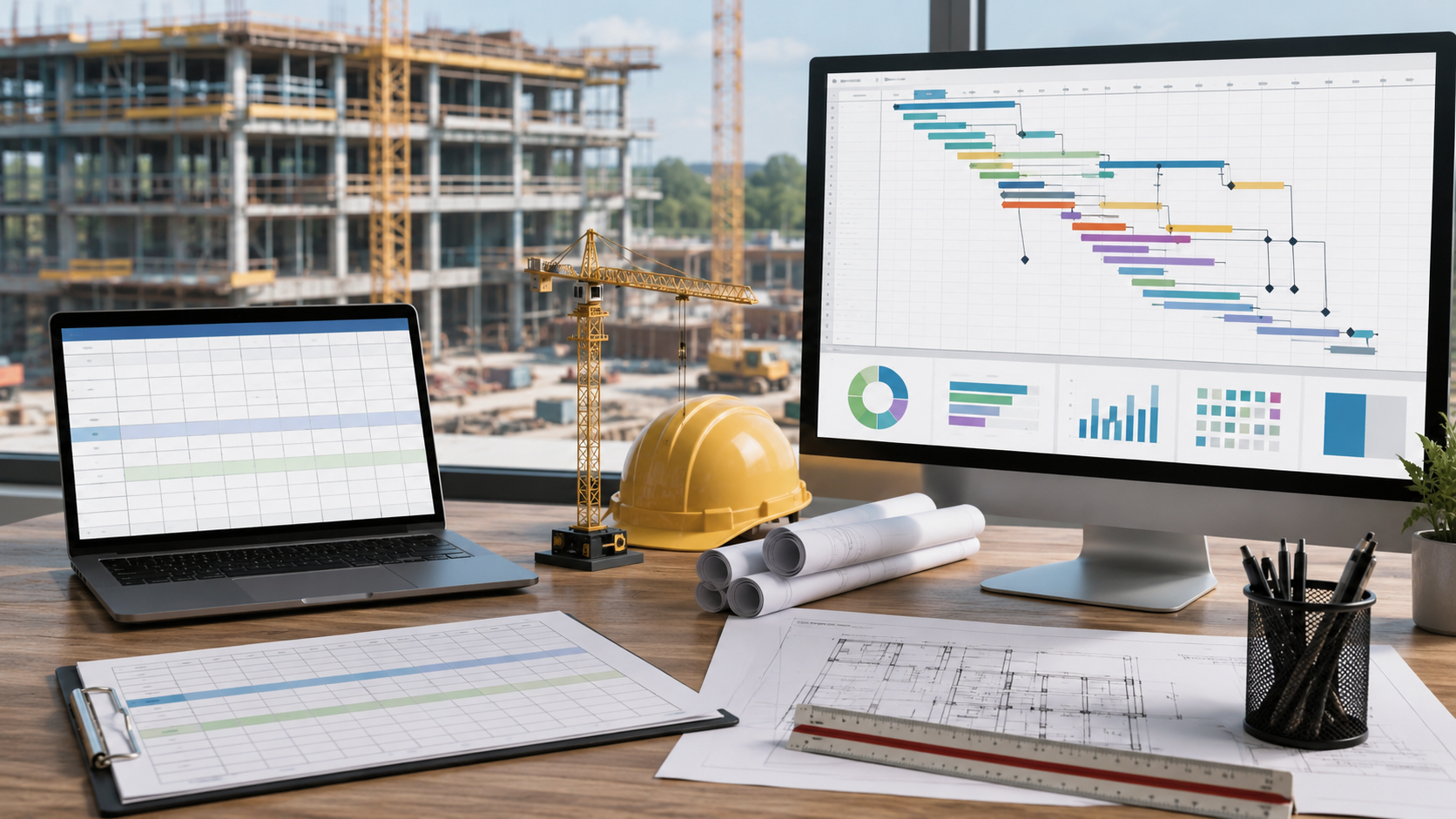
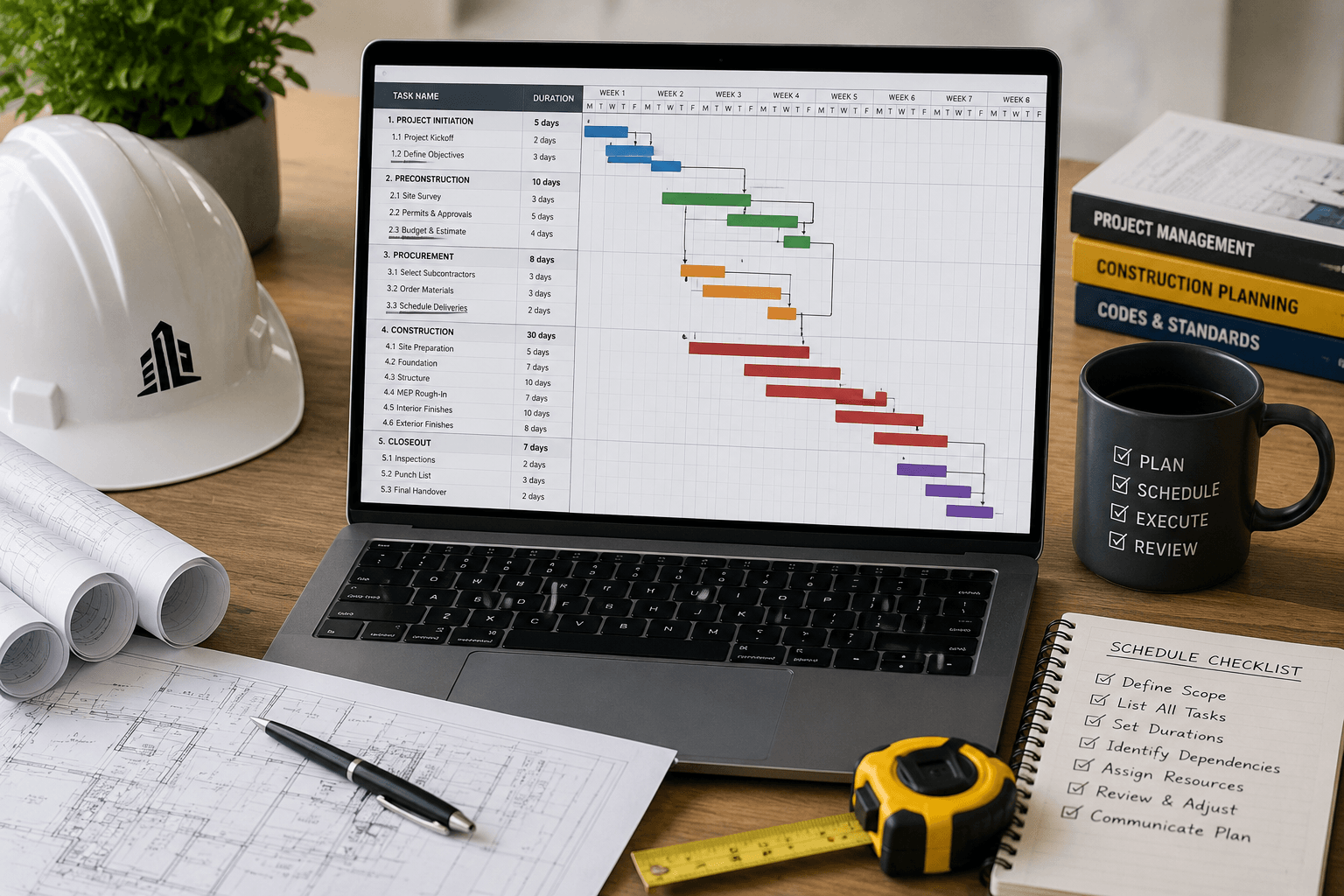
Time is money in construction. A typical site prep project in Lake County follows this general timeline:
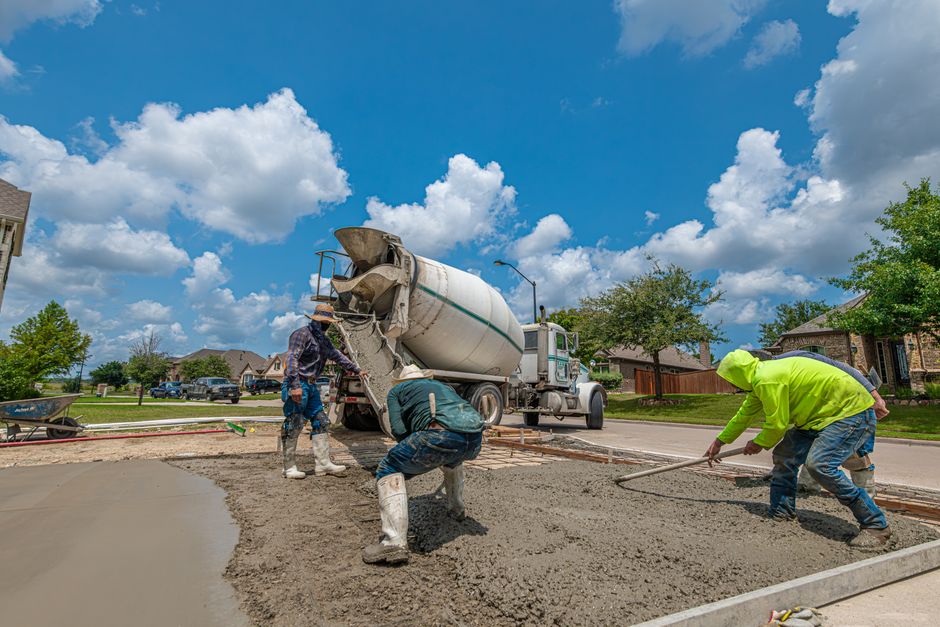
Concrete takes about four weeks to cure to full strength. We factor these "waiting periods" into our disciplined scheduling to ensure the rest of your build stays on track.
We’ve seen it all—from houses built on unrecorded easements to foundations that cracked because someone skipped a $500 soil test. The goal of site preparation for house construction is to eliminate surprises.
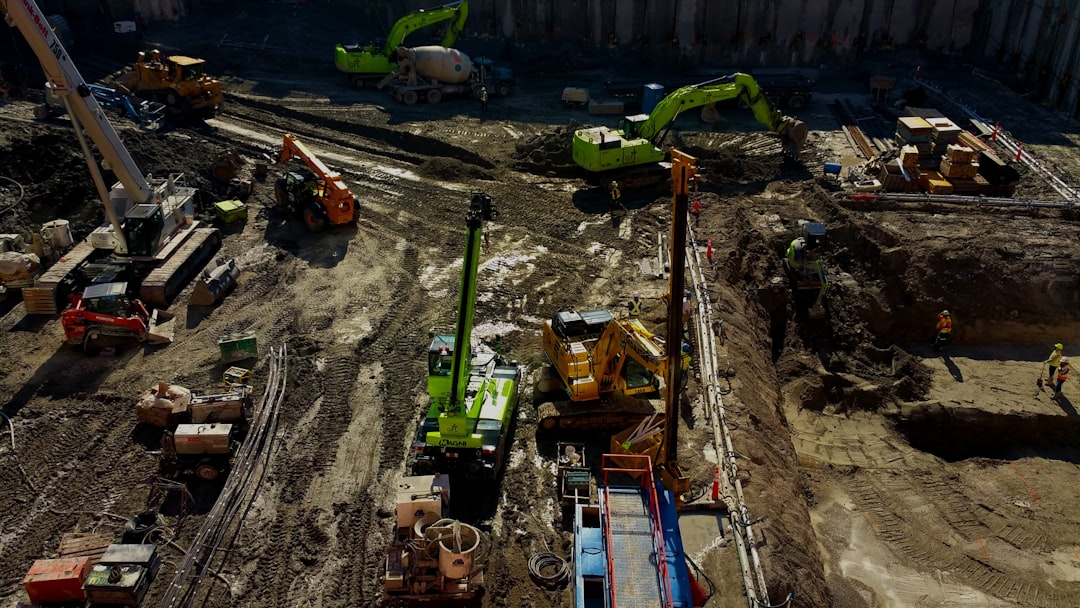
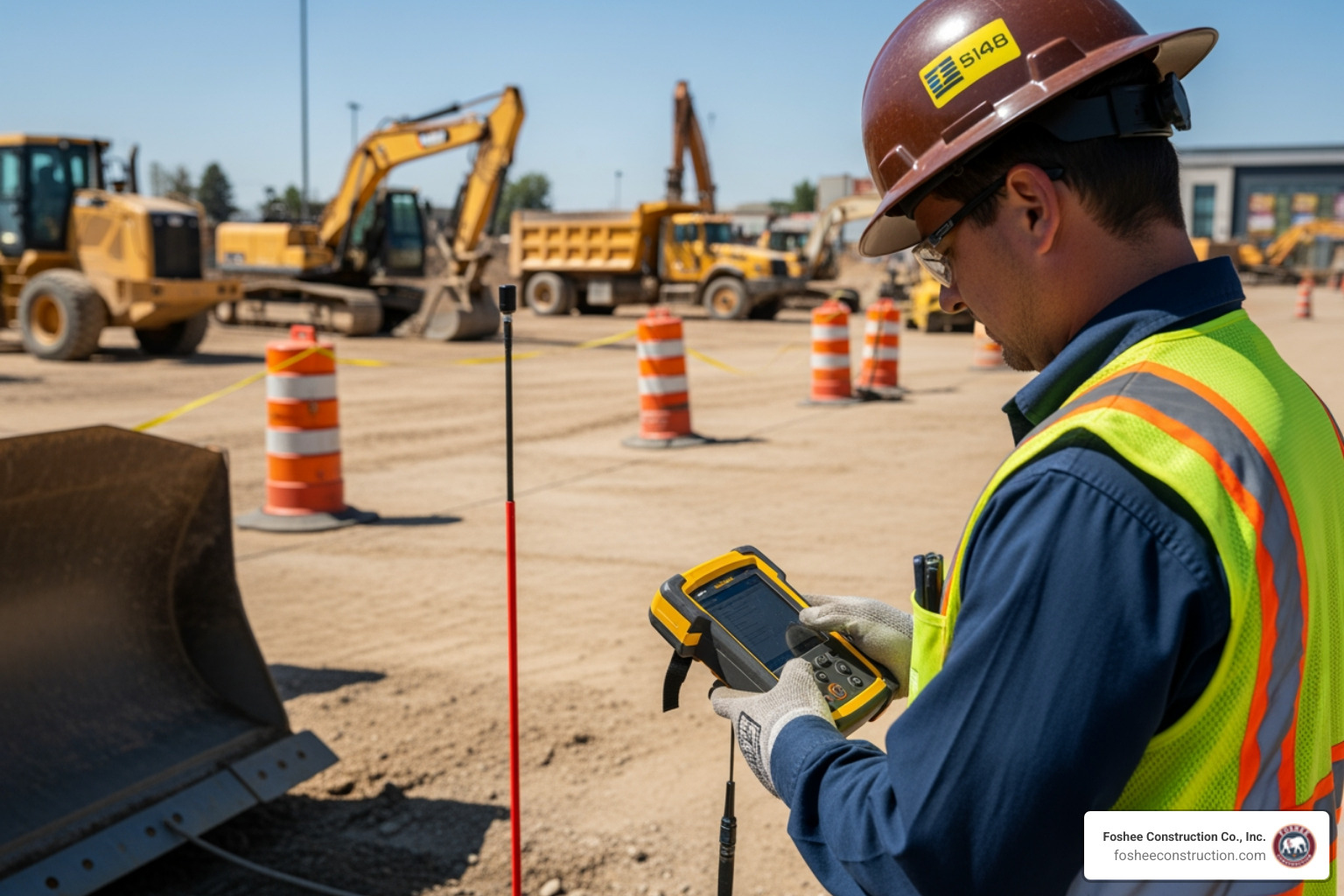
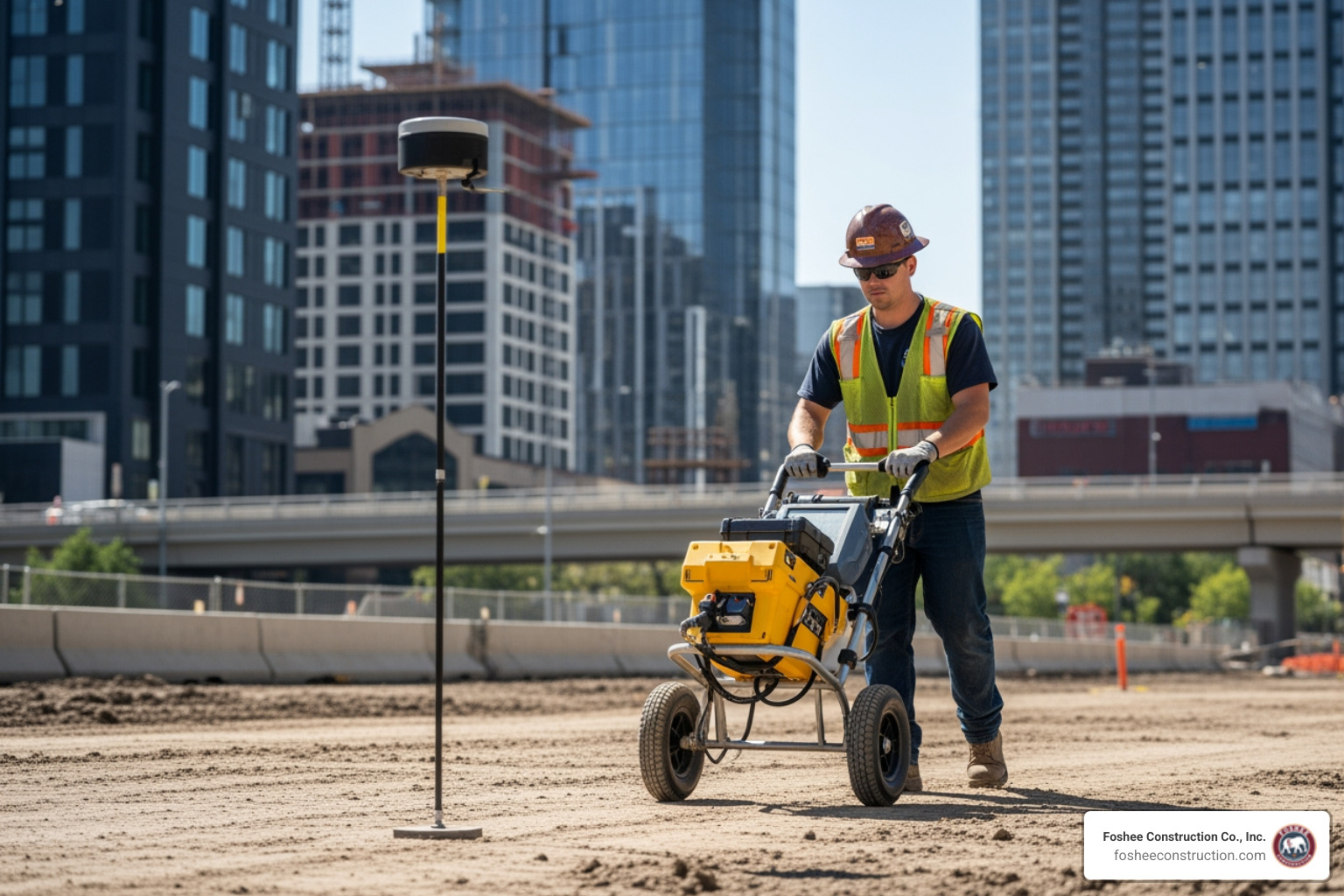
Don’t just hire the guy with the cheapest backhoe. You need an excavation team that understands the "why" behind the work. At Foshee Construction, our USP is built on transparent bids and a relentless focus on safety. We use modern bulldozers and excavators equipped with GPS technology to ensure our grading is accurate to within an inch.
When interviewing contractors, ask about their insurance, their experience with Florida’s specific soil types, and their relationships with local inspectors. A contractor who has a "reliable relationship" with the county can often navigate the permit and inspection process much more smoothly than a newcomer.
Your site prep directly dictates your foundation choice. In Central Florida, most homes use a slab-on-grade foundation. However, if your lot has a significant slope, we might recommend a crawl space or a "stepped" foundation to handle the elevation change without moving massive amounts of dirt.
Proper site prep ensures:
For a standard residential lot in Florida, the physical work usually takes 2 to 3 weeks. However, if the site is heavily wooded, requires a long driveway, or needs extensive utility extensions, it can take 6 to 8 weeks. Always factor in an additional 4 to 8 weeks for the permitting process before the first machine arrives.
This varies by lot, but typically utility installation and land clearing are the biggest line items. If your lot is in a rural area and needs a long sewer line or a 400-amp power upgrade, that can be the most significant cost. Additionally, if we encounter unexpected rock or muck that needs to be hauled away and replaced, "dirt moving" can quickly become the most expensive phase.
Soil testing is the only way to know if the ground can support the weight of your home. It identifies "expansive clays" that grow when wet and shrink when dry, which can snap a concrete slab like a cracker. It also tells the engineer how deep the footings need to be and what type of compaction is required to prevent the home from settling and cracking over time.
At the end of the day, your home is only as strong as the ground it stands on. At Foshee Construction Co., Inc., we take pride in being the first boots on the ground, ensuring that every project in Minneola, Lake County, and across Florida starts with a rock-solid foundation.
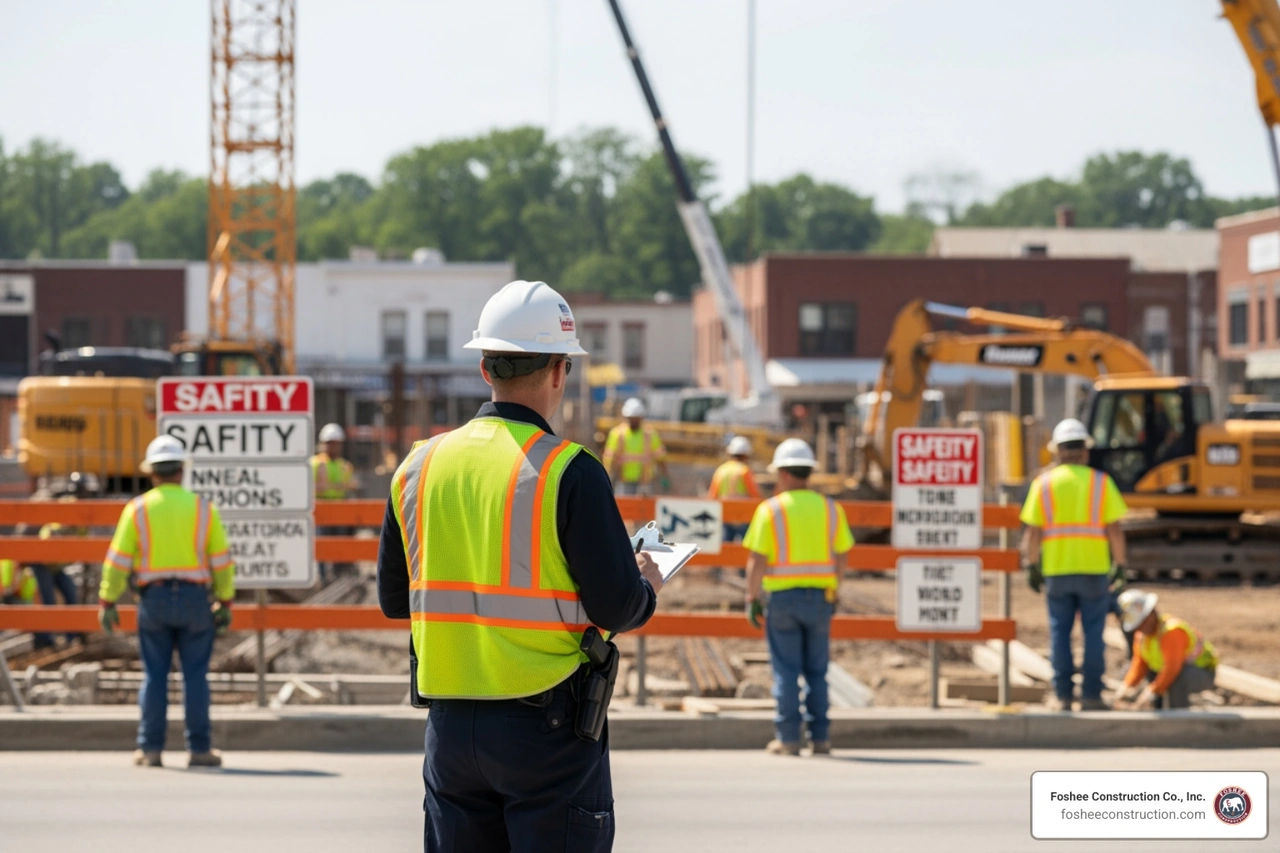
We believe in transparent bids, disciplined scheduling, and a safety-first culture that protects your investment and our crew. Whether you are building a custom dream home or a residential development, we have the expertise and the local relationships to get the job done right.
Ready to see what your land needs? Start your project with a professional site evaluation and let's build something that lasts for generations.
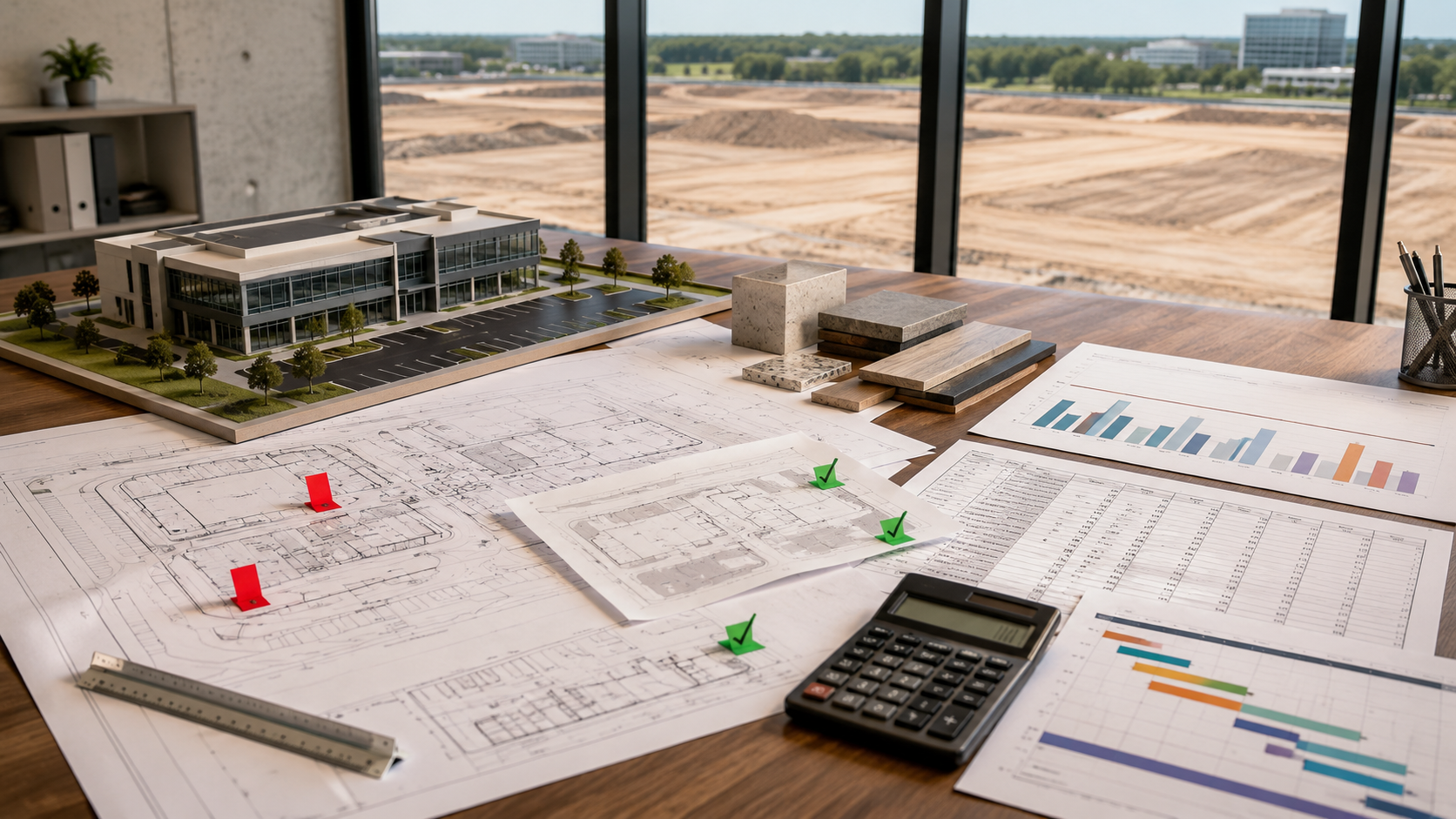
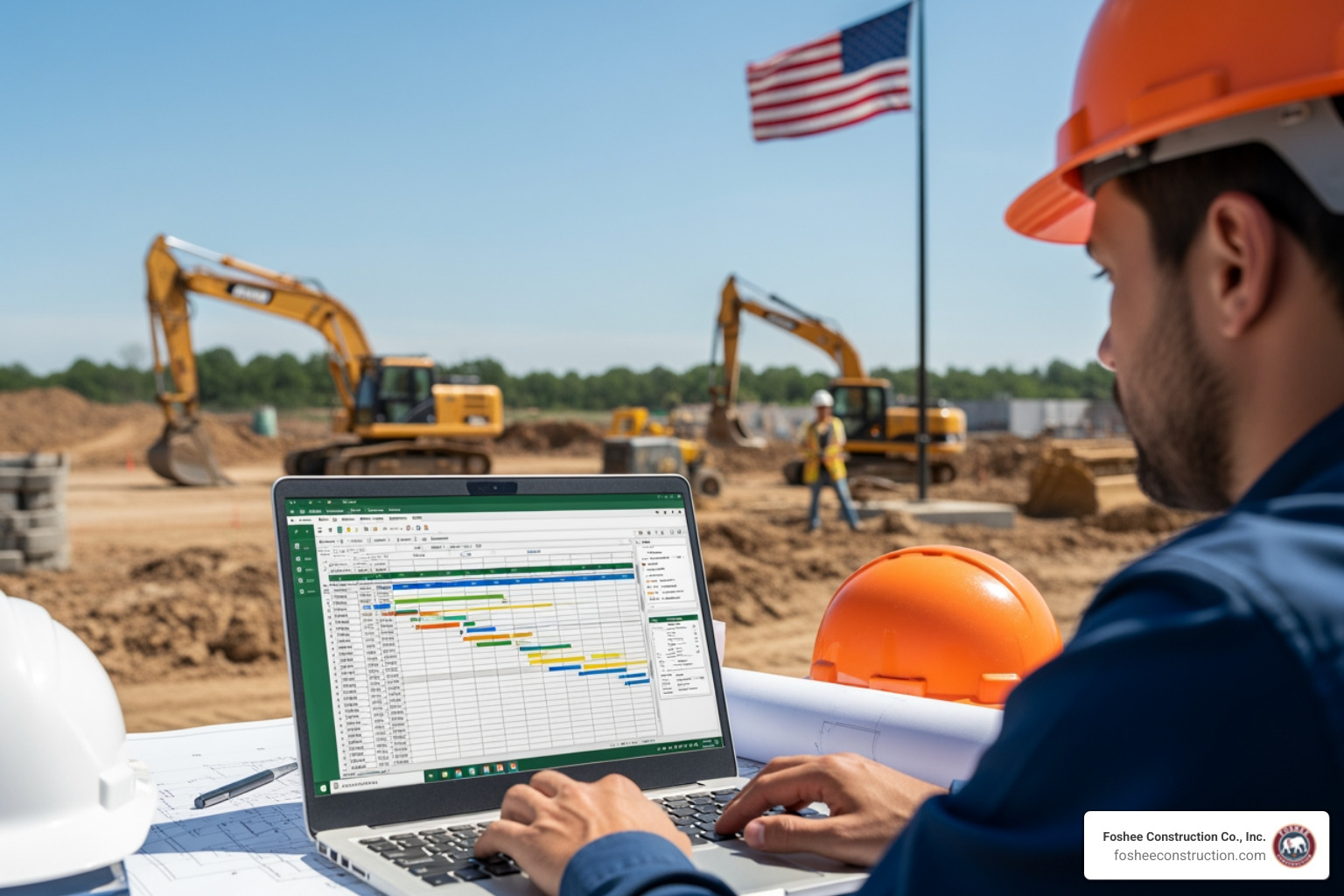
We build bids using HeavyBid and AGTEK because the details matter long before the job starts. When the numbers are accurate and the scope is clearly defined, it sets the tone for how the entire project runs. Estimating isn’t just a step in the process, it’s the foundation we build on.
That same mindset carries into the field. Our crew is trained to work with purpose, follow the Civil Engineers’ Plan to the finest detail, and hold the line on quality. When expectations are clear from day one, there’s no need for shortcuts, and no confusion about how the work gets done.
Clients trust our bid packages because they’re complete and ready to use. Project managers know what we’re covering, what’s excluded, and how we plan to approach the job. That clarity removes friction and lets teams focus on execution instead of interpretation.
As part of our review process, we go into the plans before anything hits the site. We ask the questions early, resolve issues before they show up in the field, and keep RFIs moving. This approach prevents delays and protects the timeline.
Over time, that consistency builds trust. Many of the people we work with today came through referrals from past projects – engineers, GCs, and superintendents who’ve seen how we operate and want the same experience again.
In 2024, Foshee Construction was acquired by Saga Infrastructure Solutions, a national network of civil construction companies. Saga supports regional contractors by giving them access to better tools, long-term resources, and operational backing, without changing how they run day to day.
Foshee will continue to operate under its name, with the same team and field leadership in place.
“From the very time a project starts, we start that partnership. We try to catch as much as we can with the tools that we have. Not everybody is using the software platforms we are. That’s the differentiator: we’re not just bidding. We’re anticipating, problem-solving, and making sure the job runs right.”
— Don, CEO, Saga Infrastructure Solutions
Foshee is now part of a broader regional strategy that includes Florida, the Piedmont Atlantic, Texas, Colorado, and the Arizona Sun Corridor. The name, crews, and standards remain. What’s improving is the support behind it.