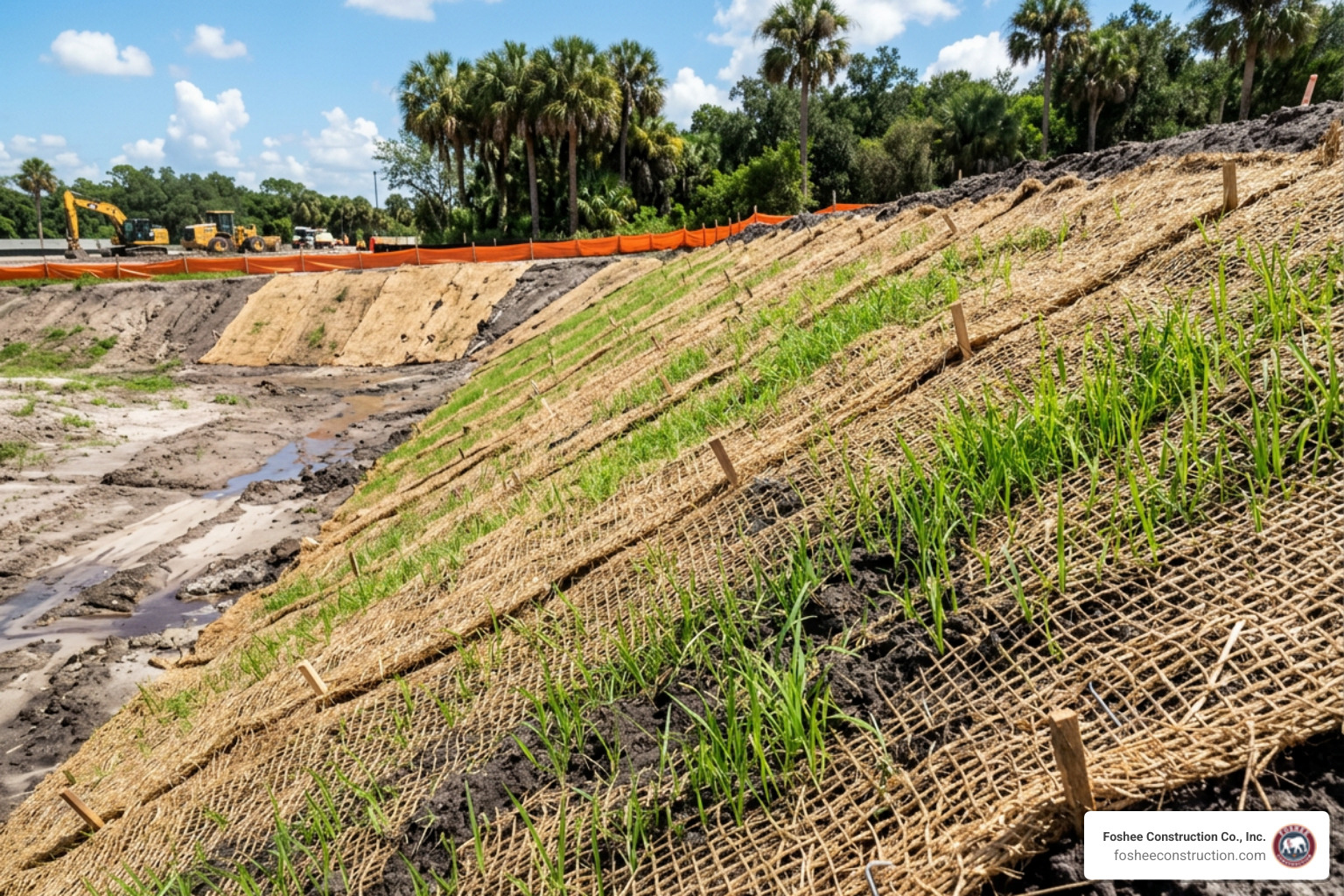
Landscape grading contractors are professionals who reshape the ground on your property to control water flow, prevent erosion, and create a stable foundation for lawns, structures, and hardscapes.
If you need a quick answer, here's what you should know:
The stakes are high. Water that pools near your home's foundation can cause basement flooding, structural damage, and even attract pests like mosquitoes. Getting the grade right the first time is far cheaper than fixing the damage from getting it wrong.
This guide walks you through everything — from understanding what grading contractors actually do, to choosing the right one, to knowing what a fair price looks like.
When you look at a beautiful, flat lawn or a perfectly sloped driveway, you aren't just looking at dirt; you're looking at the work of skilled landscape grading contractors. In Minneola and throughout Lake County, Florida, our terrain can be deceptively tricky. While we don't have mountains, our sandy soil and sudden tropical downpours mean that if your land isn't shaped correctly, you're going to have a bad time.
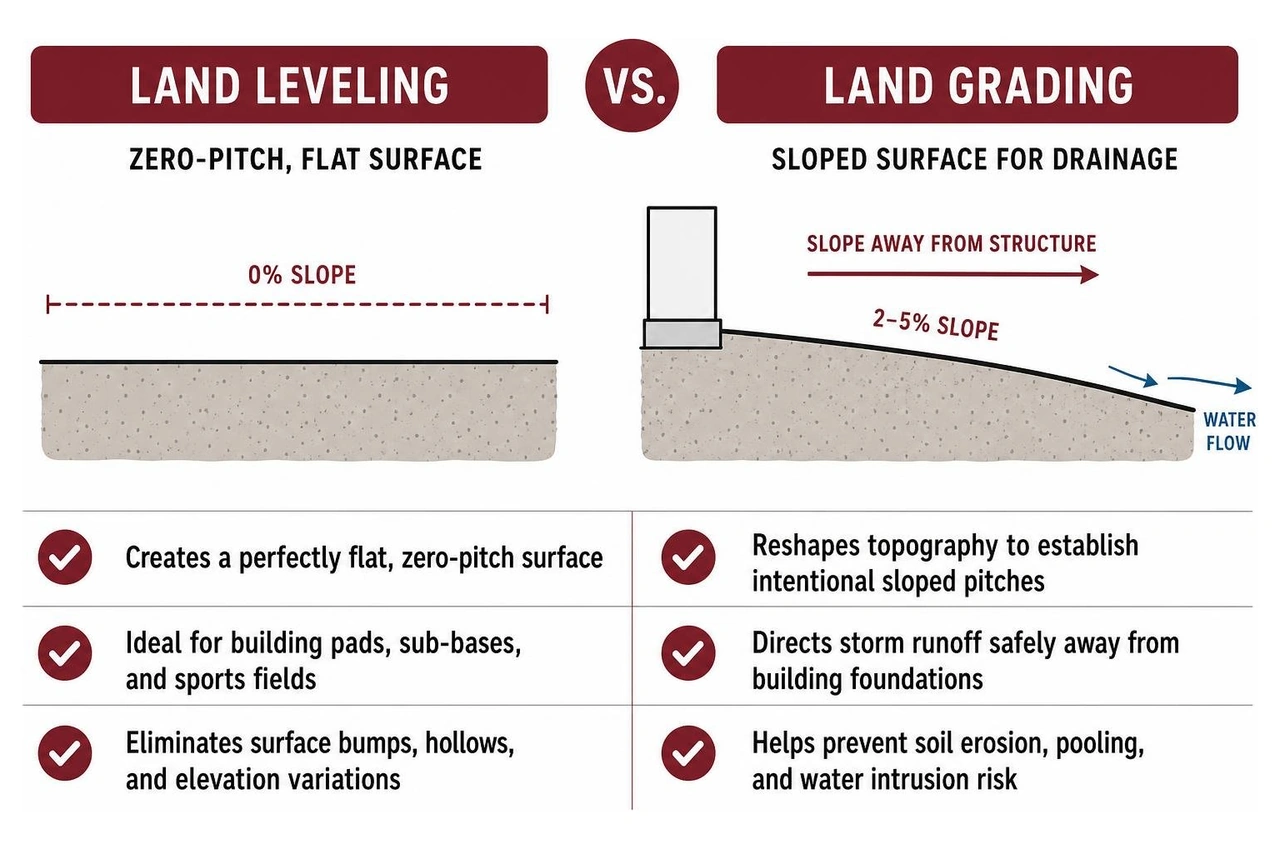
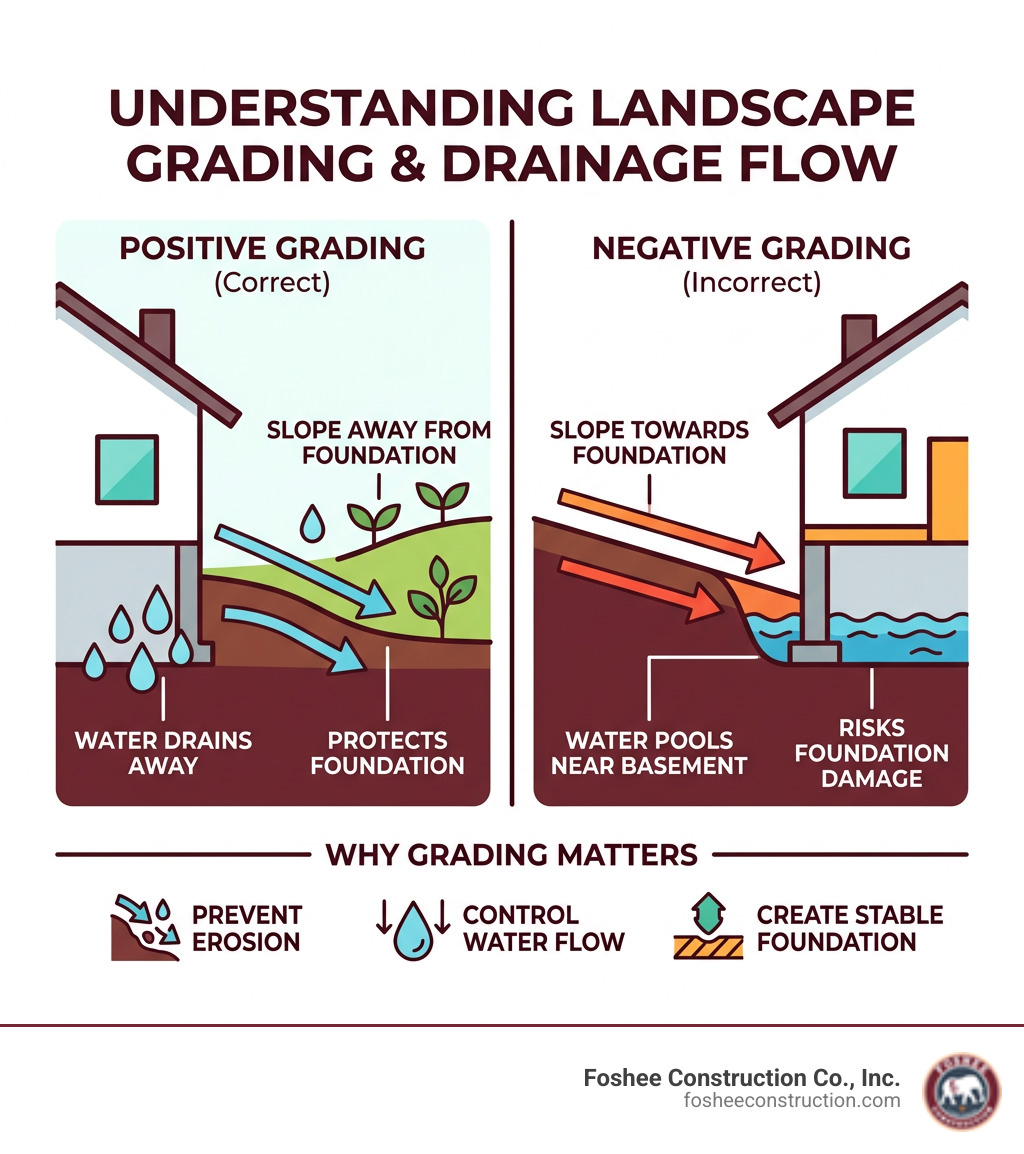
Professional grading is the process of adjusting the slope and contour of the land. It’s about more than just making things look "level." In fact, "level" is often the last thing we want. We want "graded," which means the land has a specific, intentional slope—usually away from your home’s foundation.

At its core, grading is a critical part of site preparation. Before a single paver is laid or a blade of grass is planted, we have to ensure the "bones" of the property are right. This involves several technical steps:
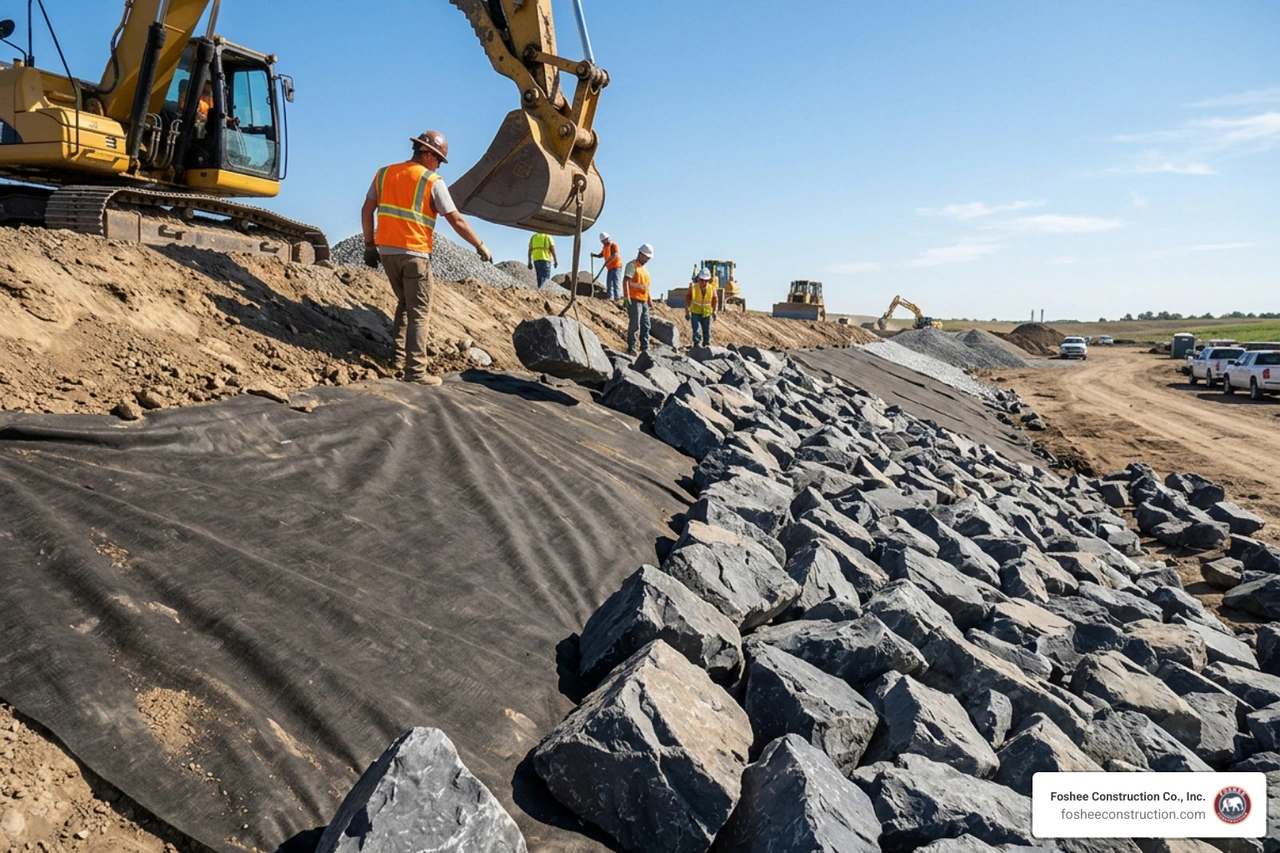
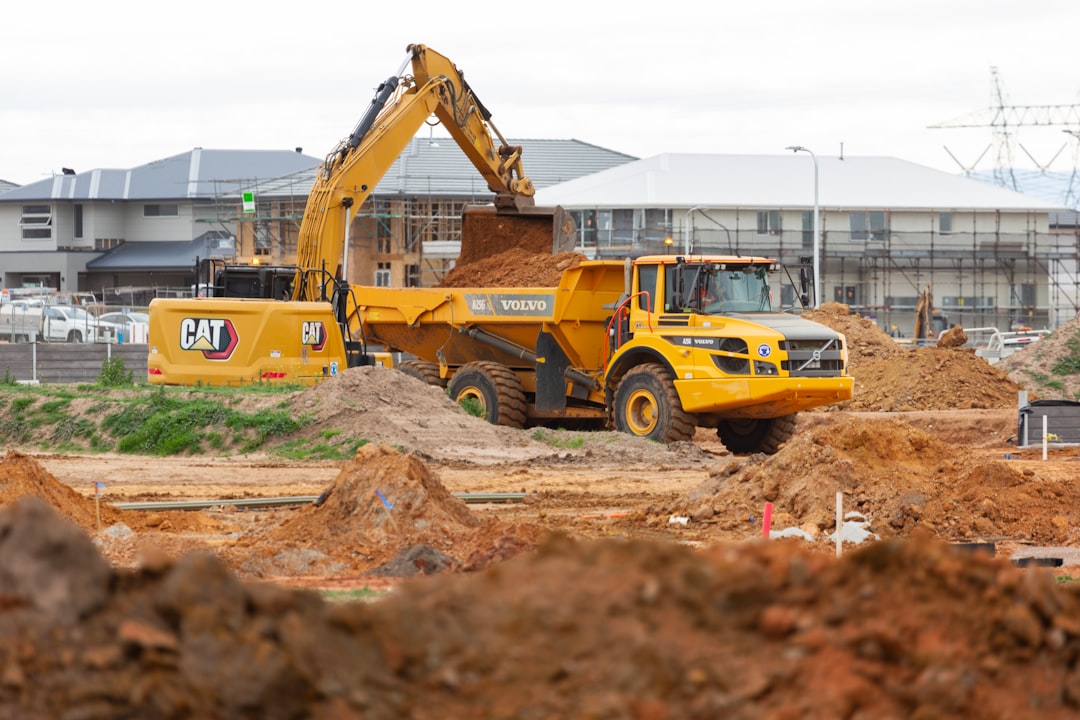
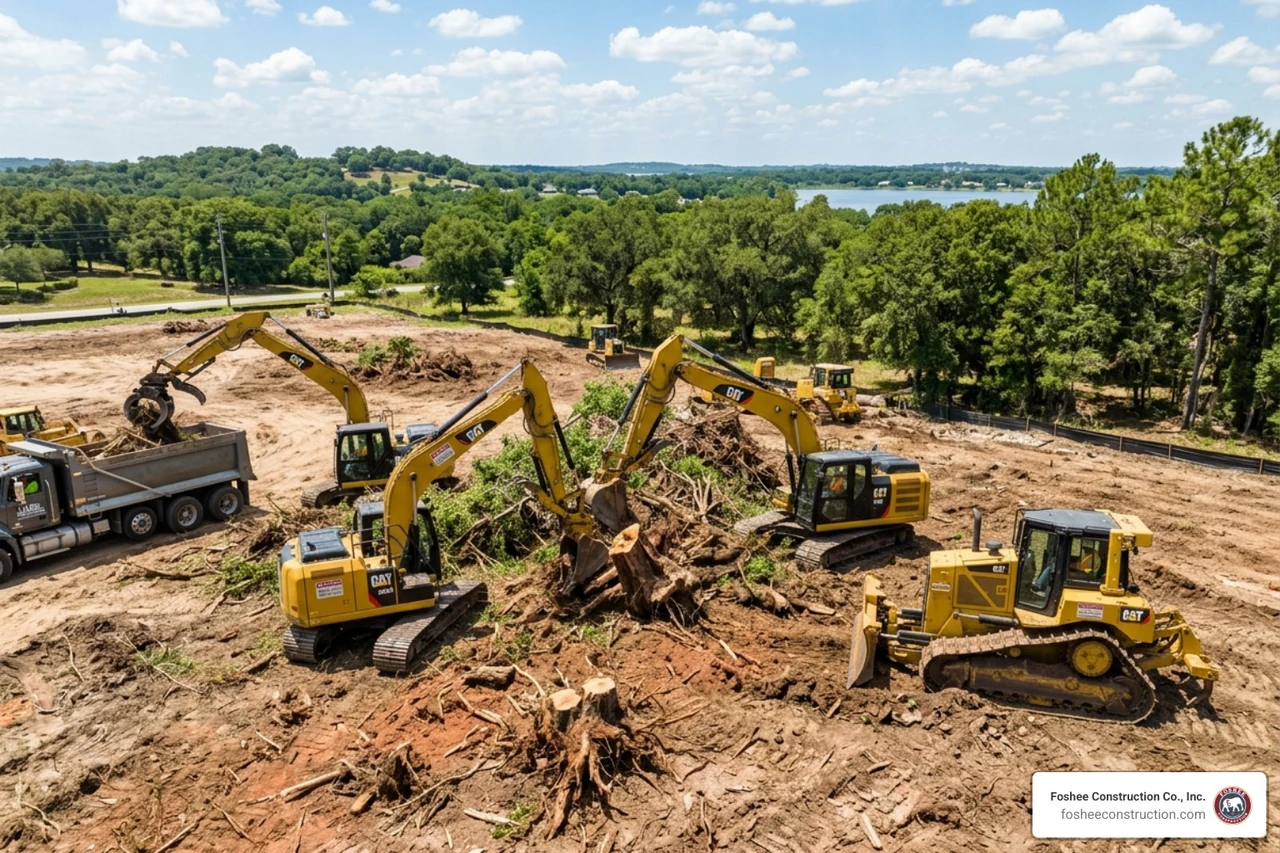
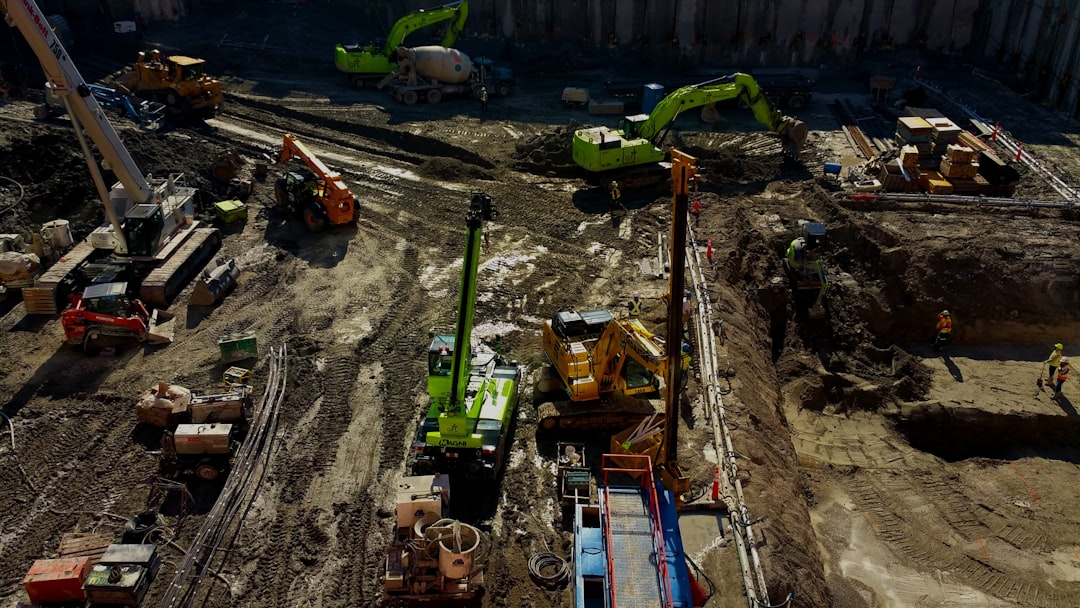
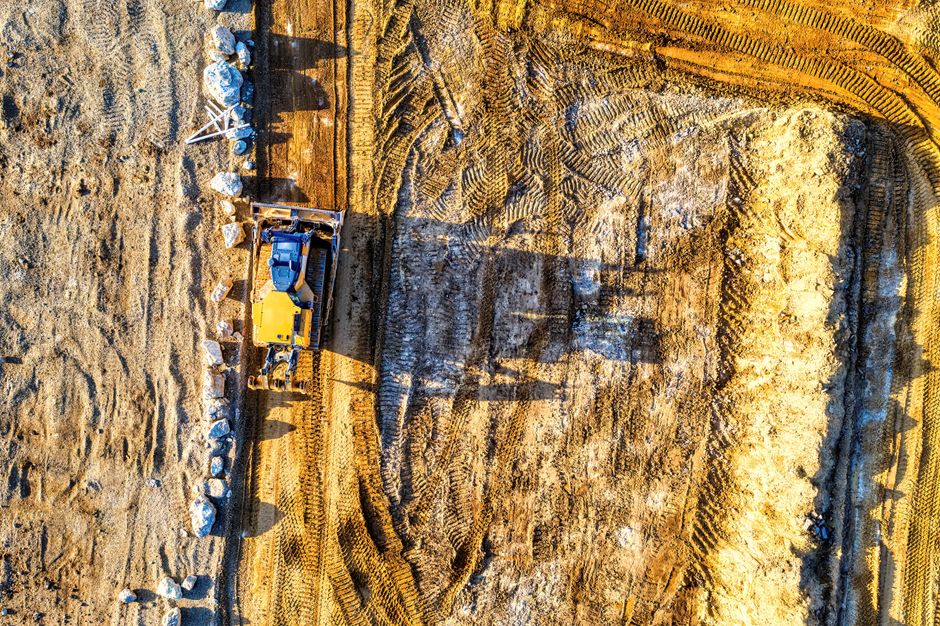
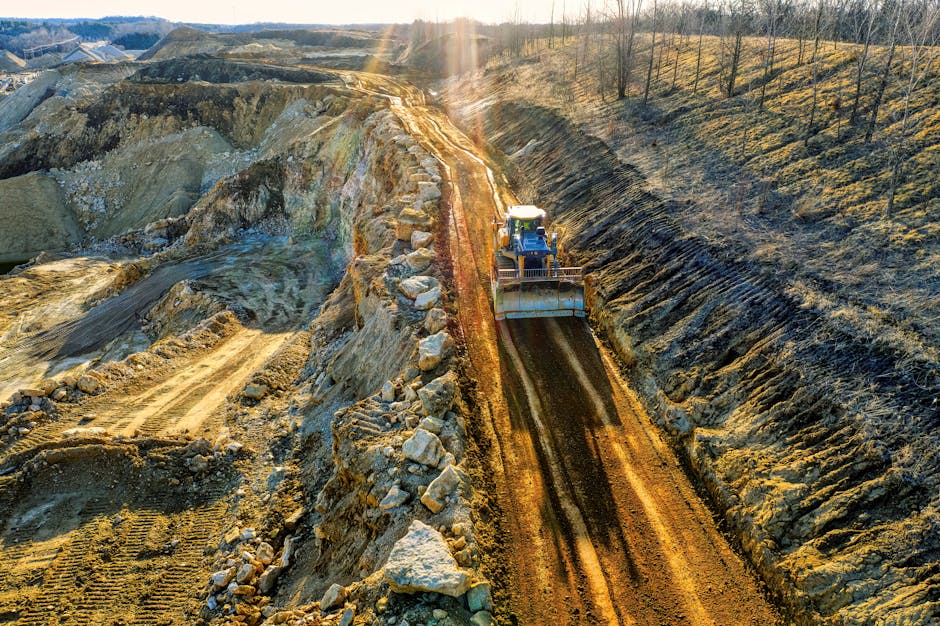
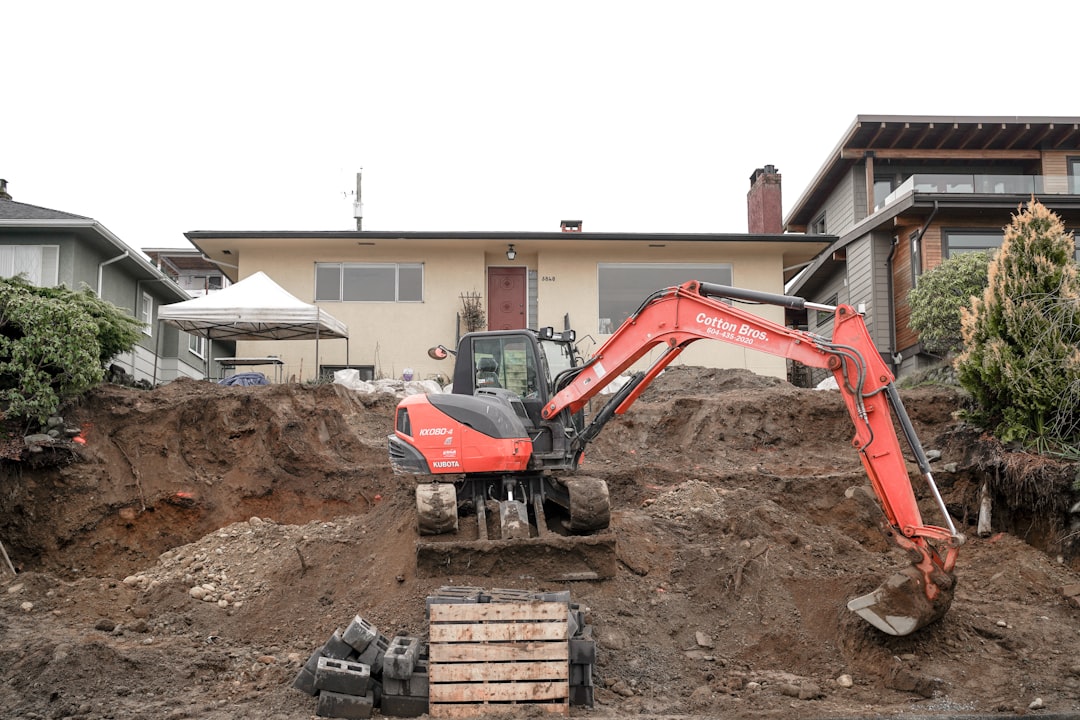
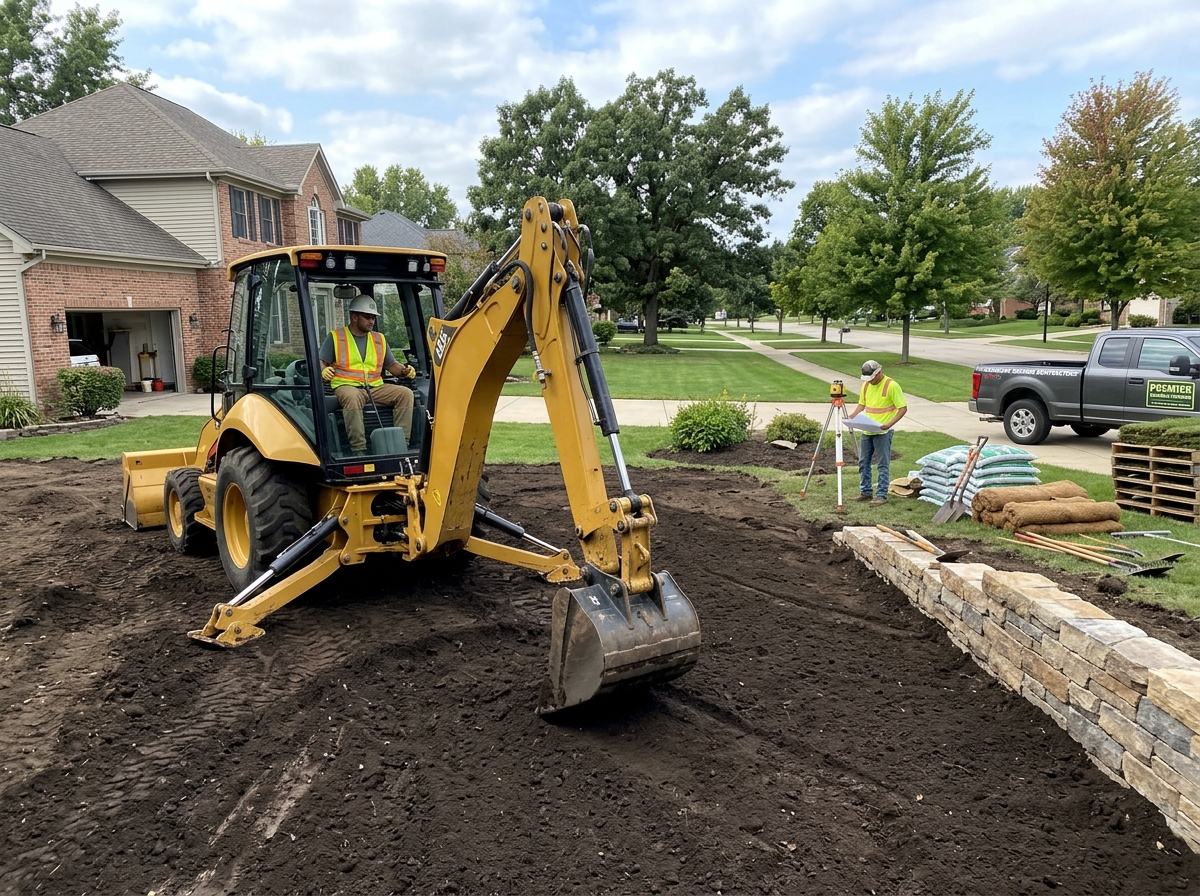
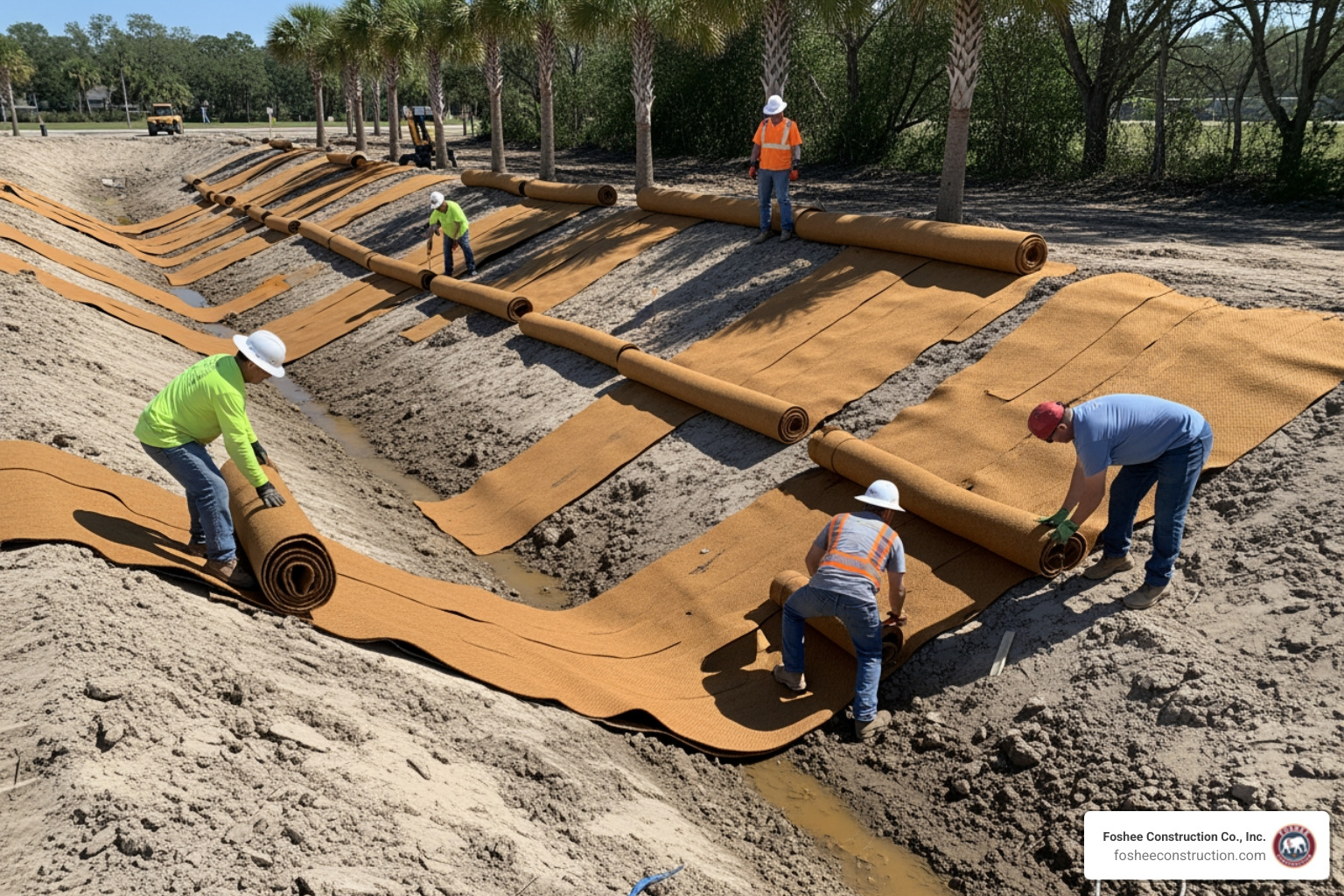
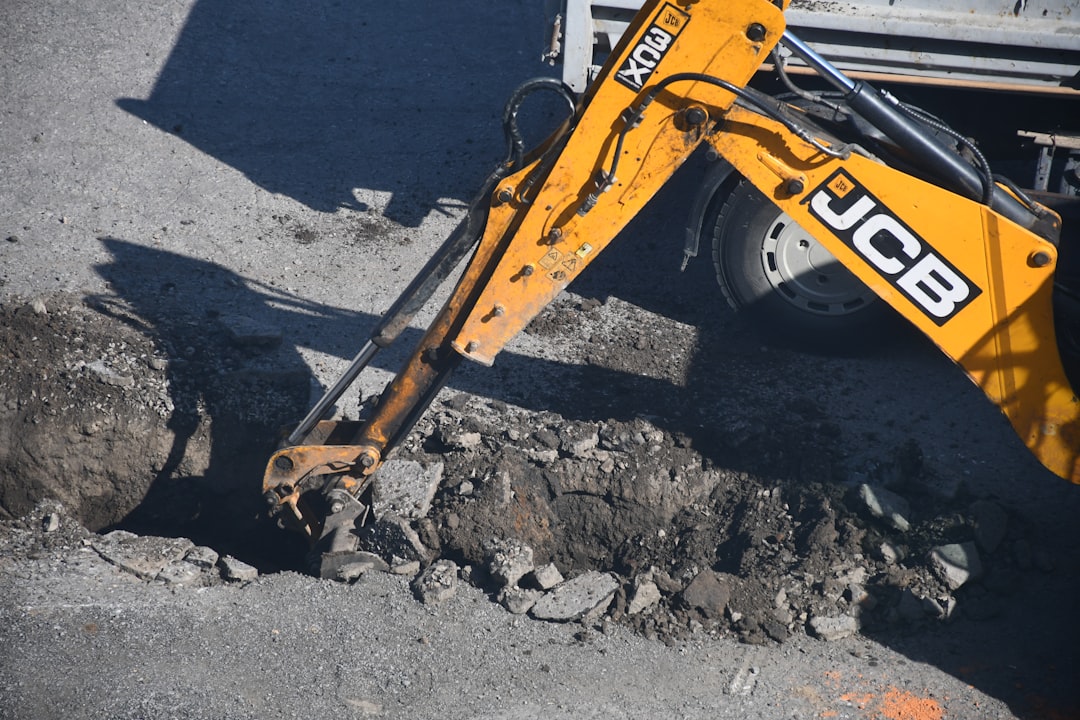
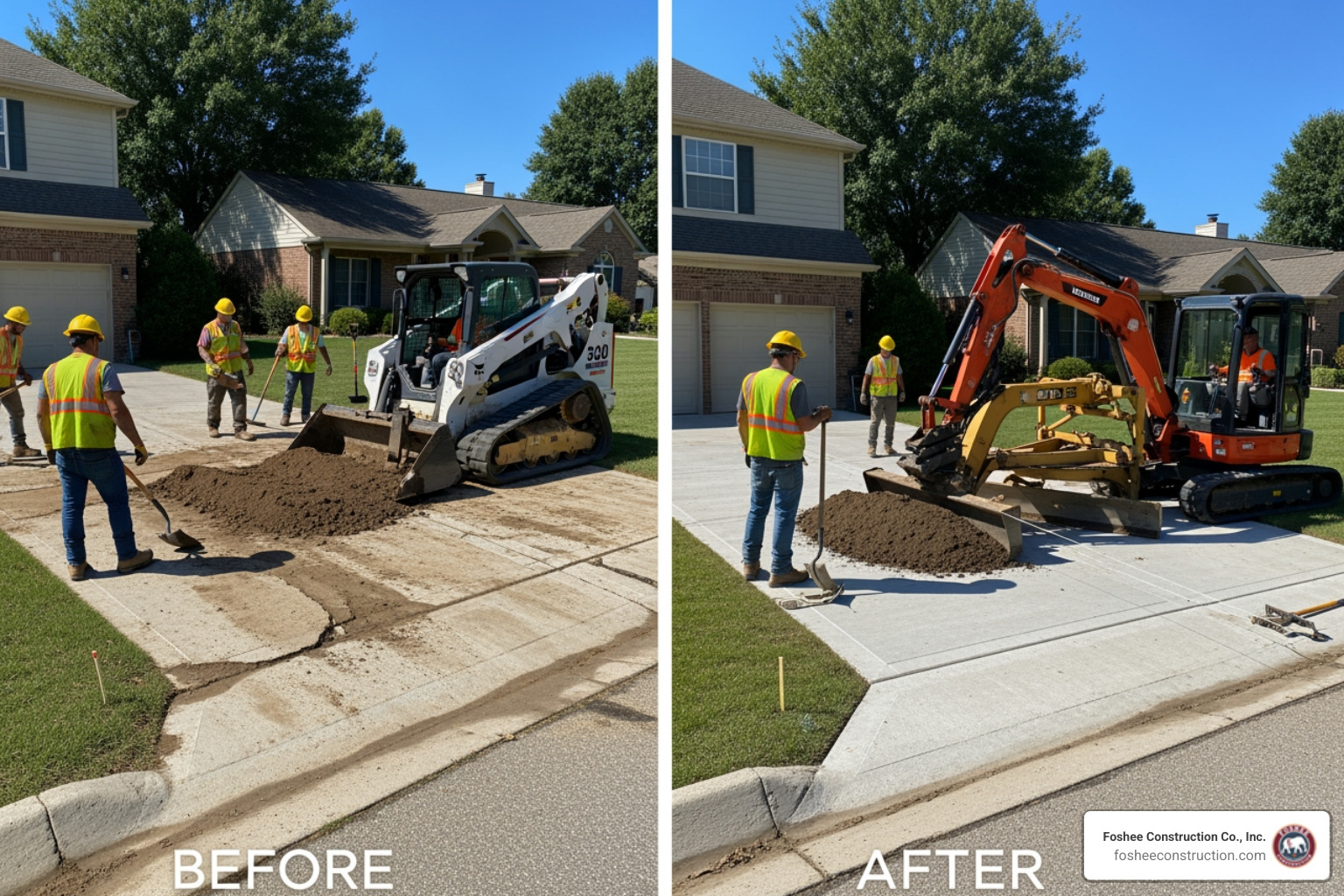
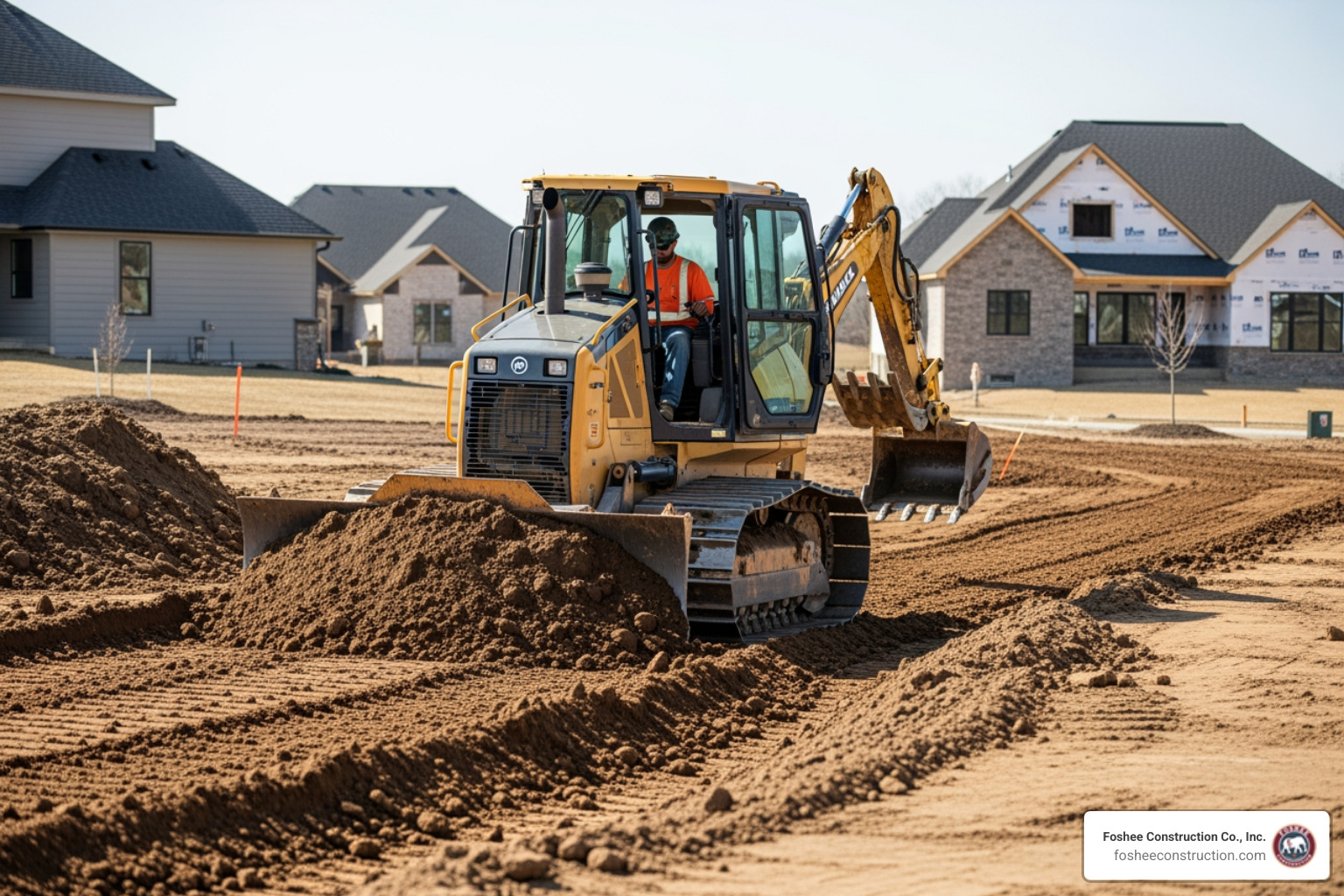
We generally divide the work into two phases. Rough grading is the "heavy lifting" phase. This is where we use backhoes and skid steers to move large amounts of earth, establish the basic shape of the yard, and ensure the subgrade is solid.
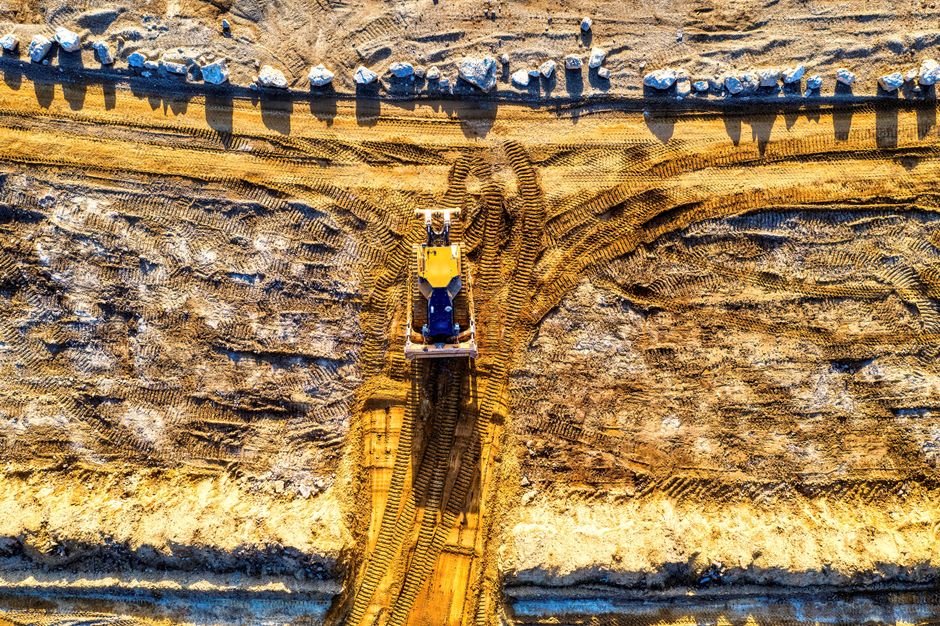
Finish grading is the "polishing" phase. Once the heavy work is done, we use finer equipment to smooth out the top layer of soil. This prepares the surface for sod, seed, or landscaping. Think of rough grading as the framing of a house and finish grading as the drywall and paint. Both are essential, but you can’t have one without the other.
While many people think we just "move dirt," the actual services we provide are highly specialized. A reputable contractor doesn't just push soil around; they engineer a system.
It’s common for homeowners to use the terms "yard leveling" and "site prep" interchangeably, but in landscape grading contractors, they mean very different things.
Yard leveling is typically an aesthetic or maintenance-focused task. Maybe your lawn is bumpy and hard to mow, or your kids keep tripping over a low spot while playing soccer. Leveling involves smoothing the surface and perhaps adding some topsoil to even things out.
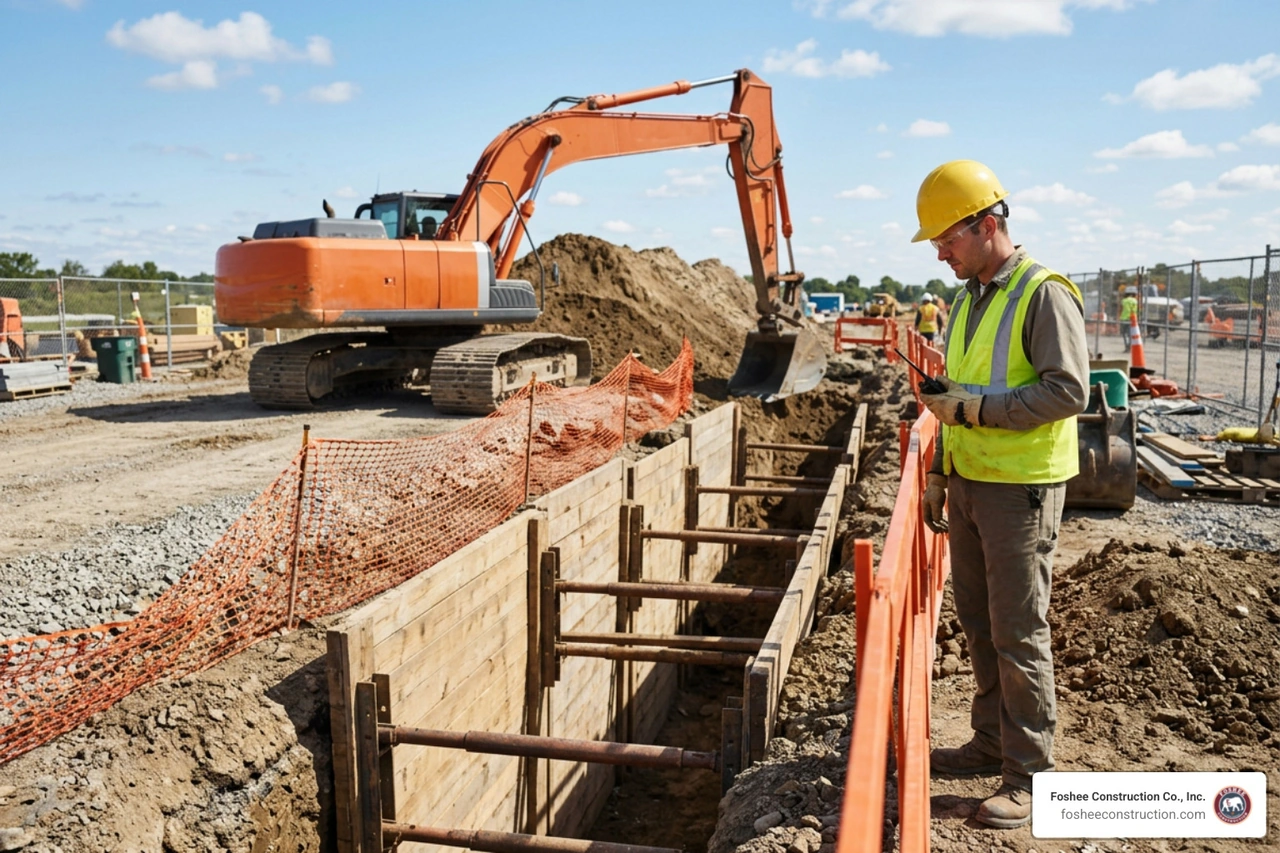
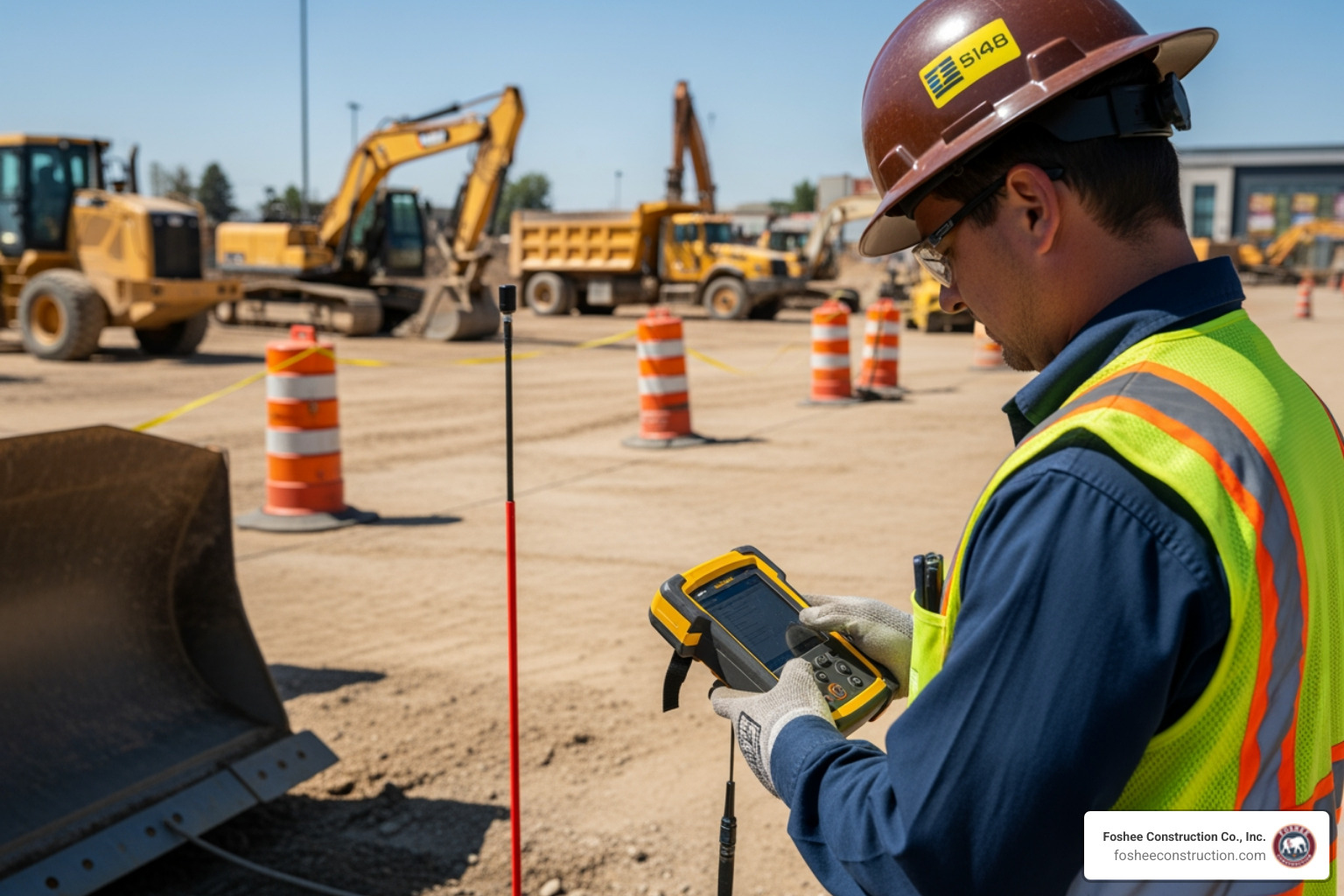
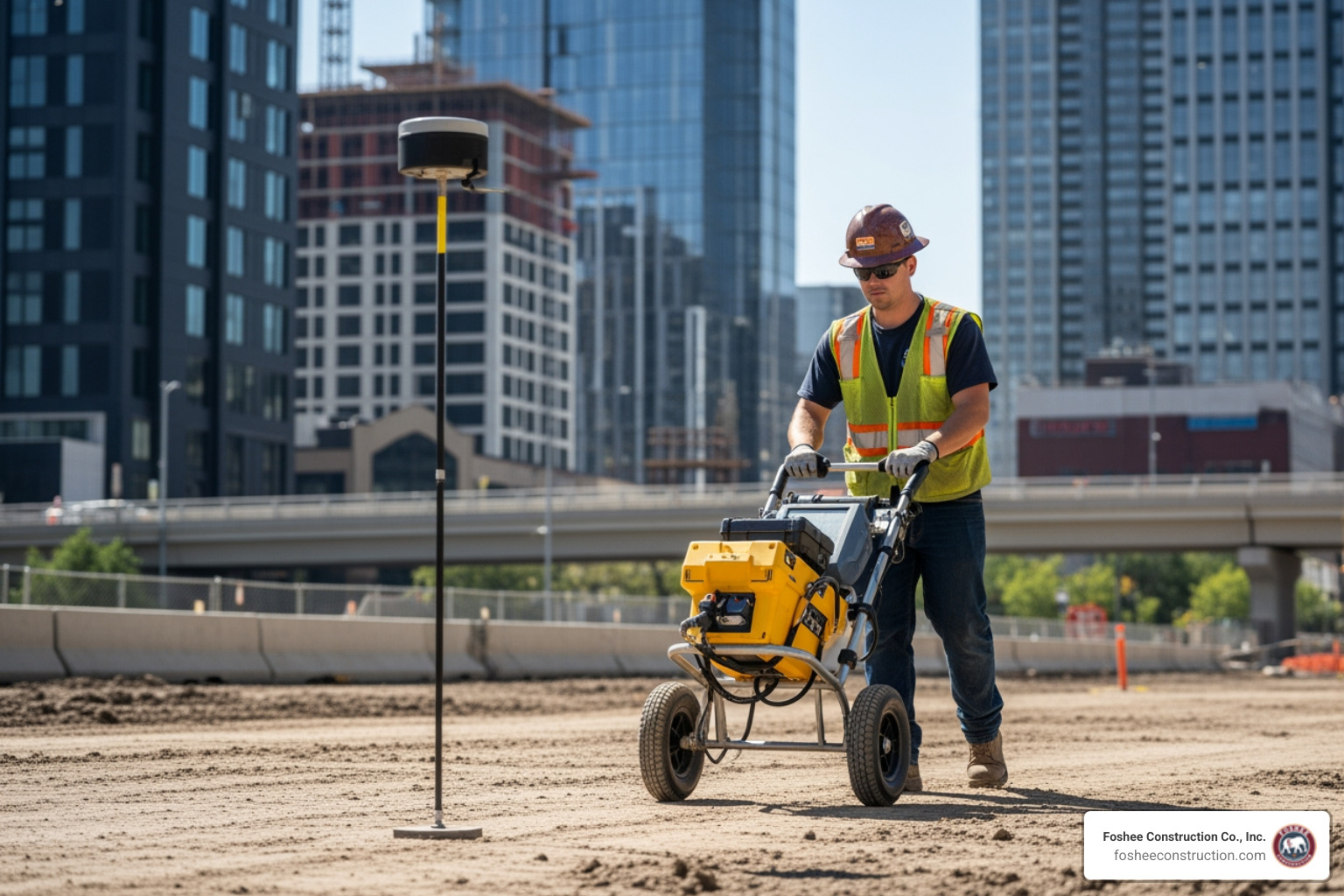
Site prep, on the other hand, is structural. It involves excavation, subgrade preparation, and often the use of laser-guided technology to ensure the ground can support a building, a driveway, or a massive retaining wall. Site prep is about the integrity of the entire project. At Foshee Construction, we treat every grading job with the precision of site prep because we know that even a "simple" lawn needs a solid foundation to stay healthy and dry.
If you think grading is just an optional "extra" for your landscaping project, think again. Improper grading is one of the leading causes of property damage in Florida.
Your home's foundation is its most important feature. When landscape grading contractors do their job correctly, they are essentially building a shield around your house. Negative grading—where the land slopes toward the house—is a recipe for disaster. It leads to hydrostatic pressure, which can crack concrete walls and send water seeping through the slab.
We’ve all seen it: that one corner of the yard that stays soggy for three days after a rain. Not only does this kill your grass, but it also creates a resort for mosquitoes. In Florida, standing water is a public health hazard. Proper grading eliminates these low spots, ensuring your yard dries out quickly.
Plants need water, but they don't like to drown. Over-saturated soil leads to root rot and can kill expensive palm trees and ornamental shrubs. By controlling the "moisture map" of your property, we ensure your plants get exactly what they need without the swampy side effects.
Choosing the right contractor is the difference between a dry, beautiful yard and a muddy headache. Don't just hire the guy with the cheapest truck and a shovel. Grading requires precision and heavy equipment.
In Florida, and specifically in the Minneola area, you must ensure your contractor is fully licensed and insured.
Ask to see photos of past projects. A good contractor will have a gallery showing "before and after" shots of drainage corrections and site prep. Look for reviews that mention "transparency" and "punctuality." On platforms like Angi or HomeAdvisor, top-tier pros often boast 4.8 to 5.0 ratings with high recommendation rates (often 95% or higher). While we don't mention our competitors by name, we encourage you to look for contractors who have been in the business for a long time—experience matters when you're moving thousands of pounds of earth.
This is huge. A contractor from a different state might not understand Florida’s unique soil conditions. We deal with "sugar sand," which shifts easily, and "muck," which holds water like a sponge. You need landscape grading contractors who know how Lake County soil behaves under pressure.
When interviewing a contractor, ask these questions:
Let’s talk numbers. We know that budget is a major concern for every homeowner. According to The cost of landscape grading, prices can vary wildly based on your specific needs.
In the landscaping industry, you’ll typically see charges of $25 to $50 per person per hour. For a standard two-person crew with heavy machinery, expect to pay $50 to $100 per hour. While this might seem high, remember you aren't just paying for labor; you're paying for the specialized equipment that can do in four hours what would take you four weeks with a wheelbarrow.
We love a good DIY project as much as the next person. Planting flowers? Go for it. Building a birdhouse? Absolutely. But when it comes to grading, DIY can be a dangerous—and expensive—game.
You should always call a professional if:
In many parts of Florida, including Lake County, you may need a permit if you are moving a significant amount of soil or altering the natural drainage of the land. Municipal codes often limit how much you can change the elevation of your property to ensure you don't flood your neighbors. At Foshee Construction, we stay up-to-date on local regulations and can help you navigate the permitting process.
Most residential grading projects take between three days and one week.
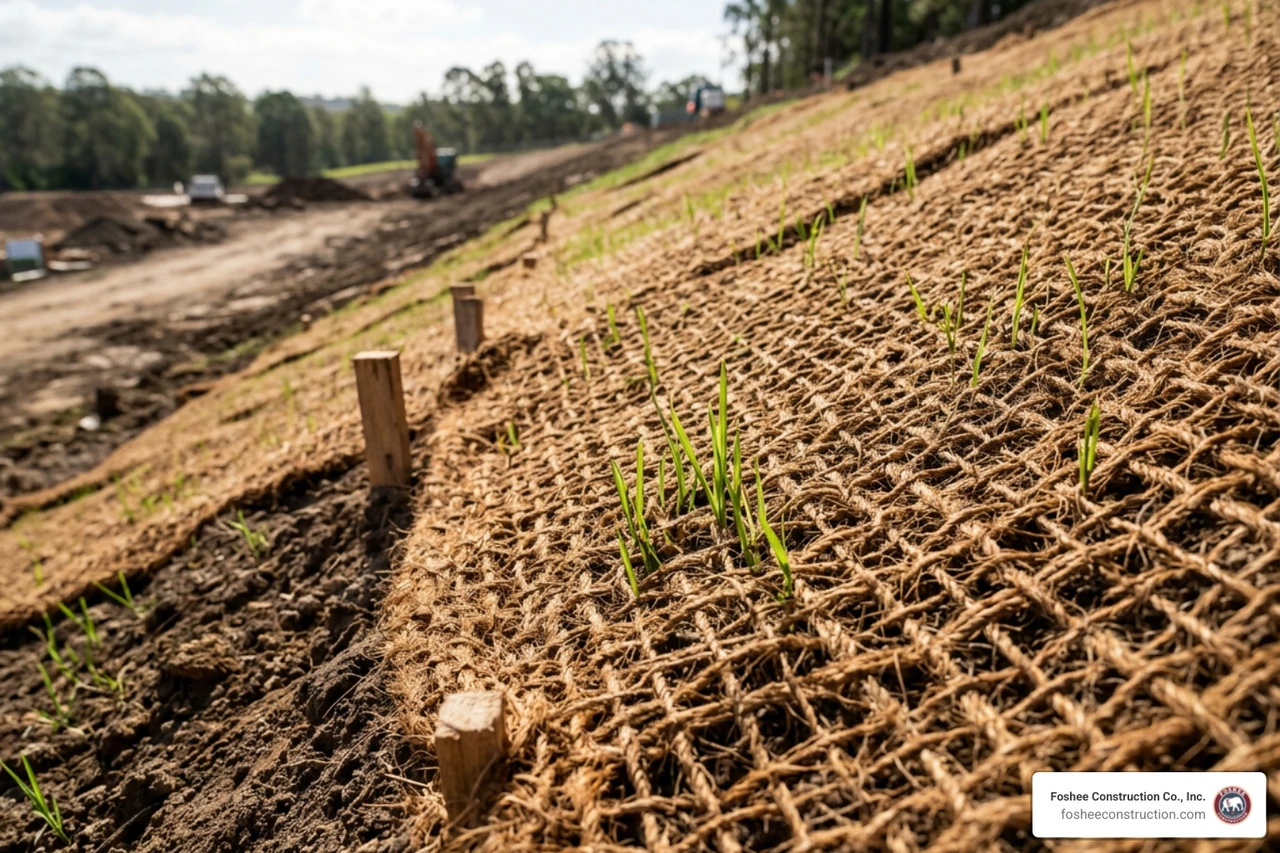
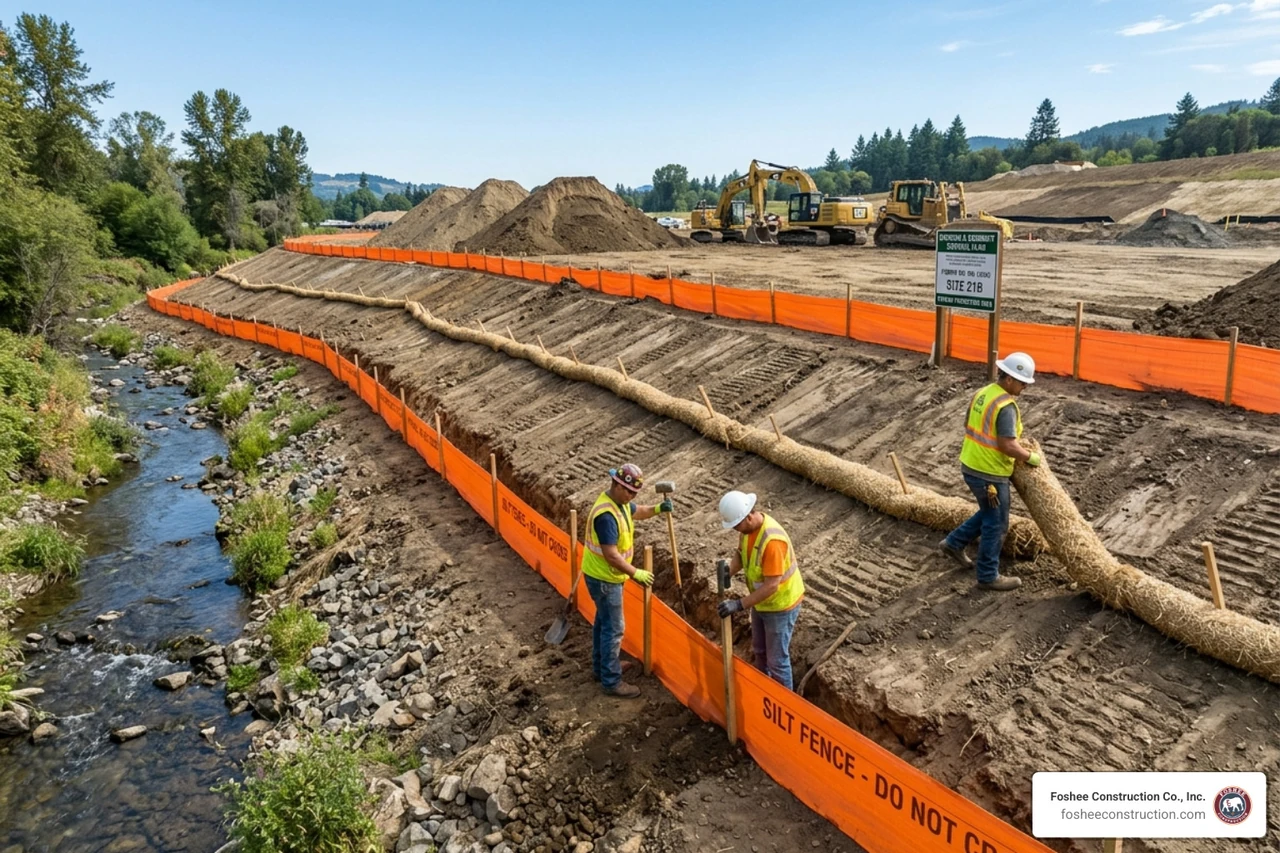
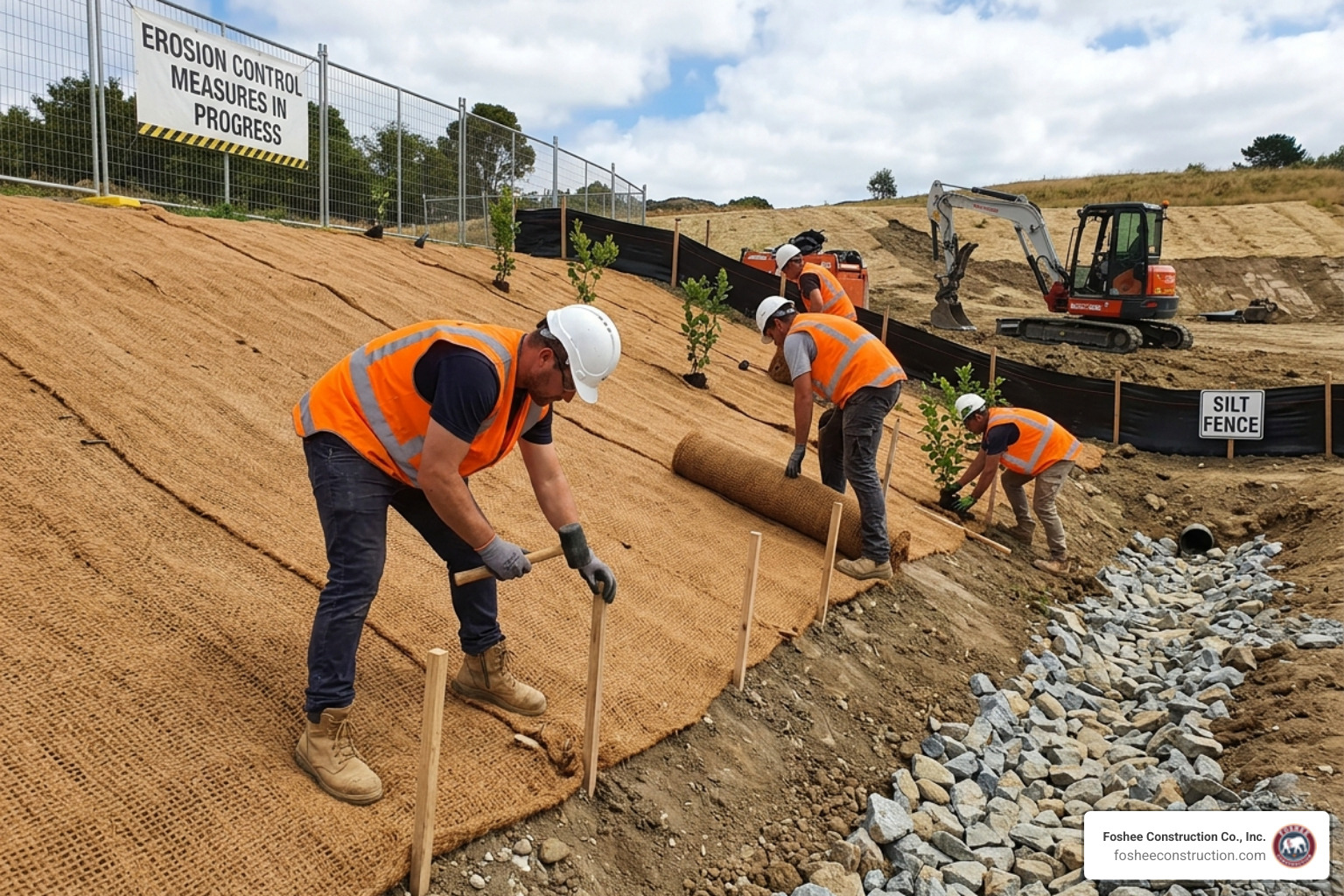
It can if it's not done carefully. Adding too much soil over the roots of an oak tree can actually "suffocate" the tree. Professional landscape grading contractors use strategic planning to protect your valued trees. We might use silt fencing to protect root zones or suggest transplanting smaller shrubs before the heavy work begins.
Landscape grading is the "invisible" hero of your property. When it’s done right, you never think about it—your yard stays dry, your grass stays green, and your foundation stays solid. When it’s done wrong, it’s all you can think about.
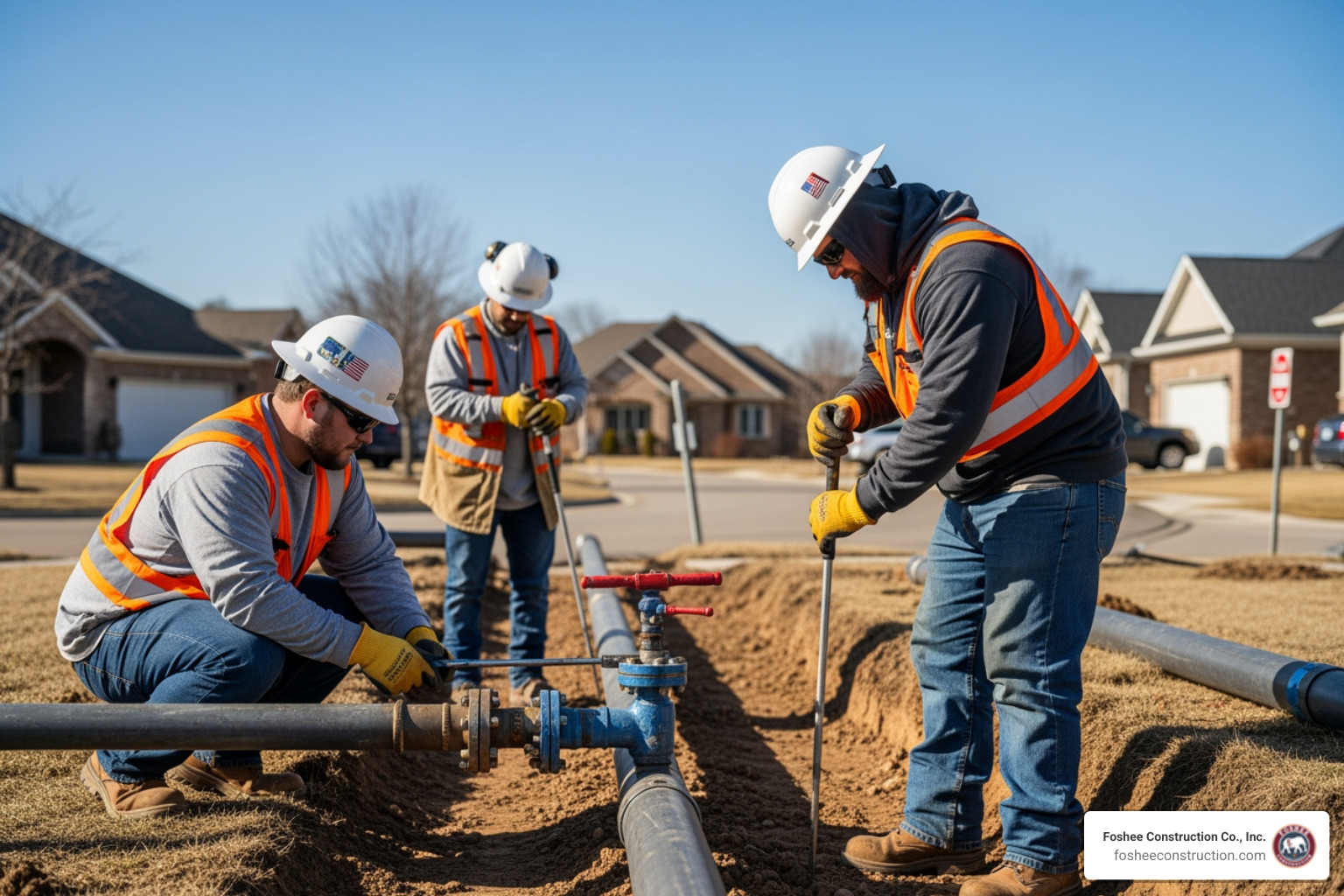
At Foshee Construction Co., Inc., we take pride in being the site preparation experts that Minneola homeowners trust. Based right here in Minneola, Florida, we specialize in everything from erosion control and grading to underground utilities and complete site prep.
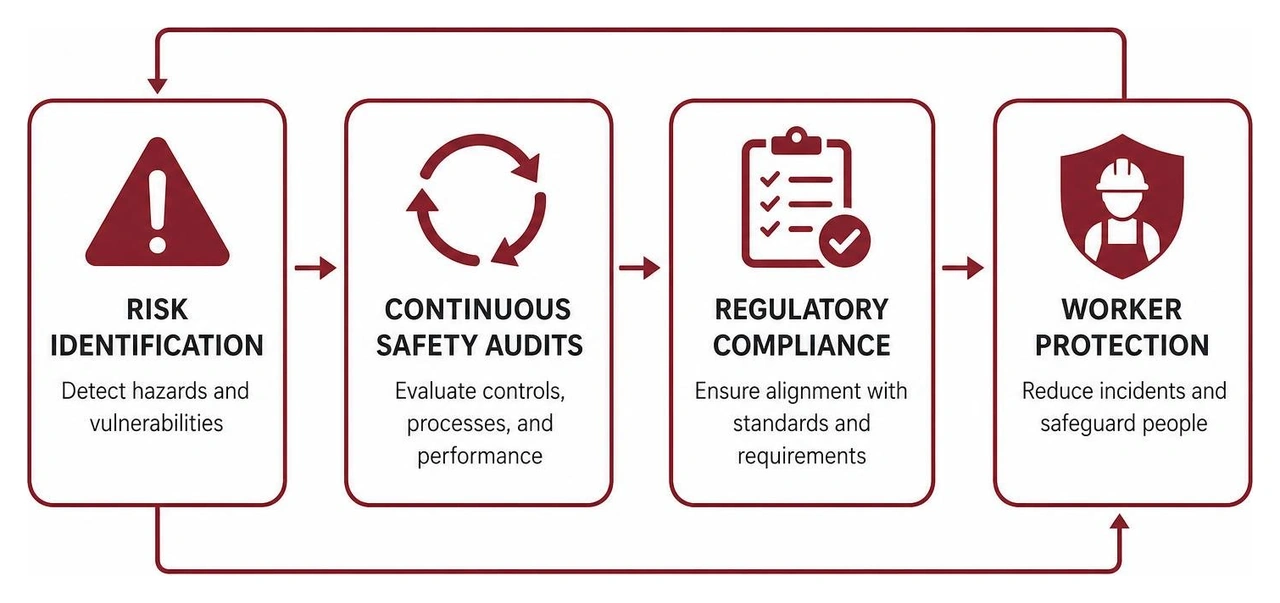
Our commitment to transparent bids, disciplined scheduling, and a relentless focus on safety ensures that your project is handled professionally from start to finish. We don't just move dirt; we build the foundation for your home’s future.
Don't let the next Florida storm turn your backyard into a swamp. Protect your investment and enhance your curb appeal with precision grading.
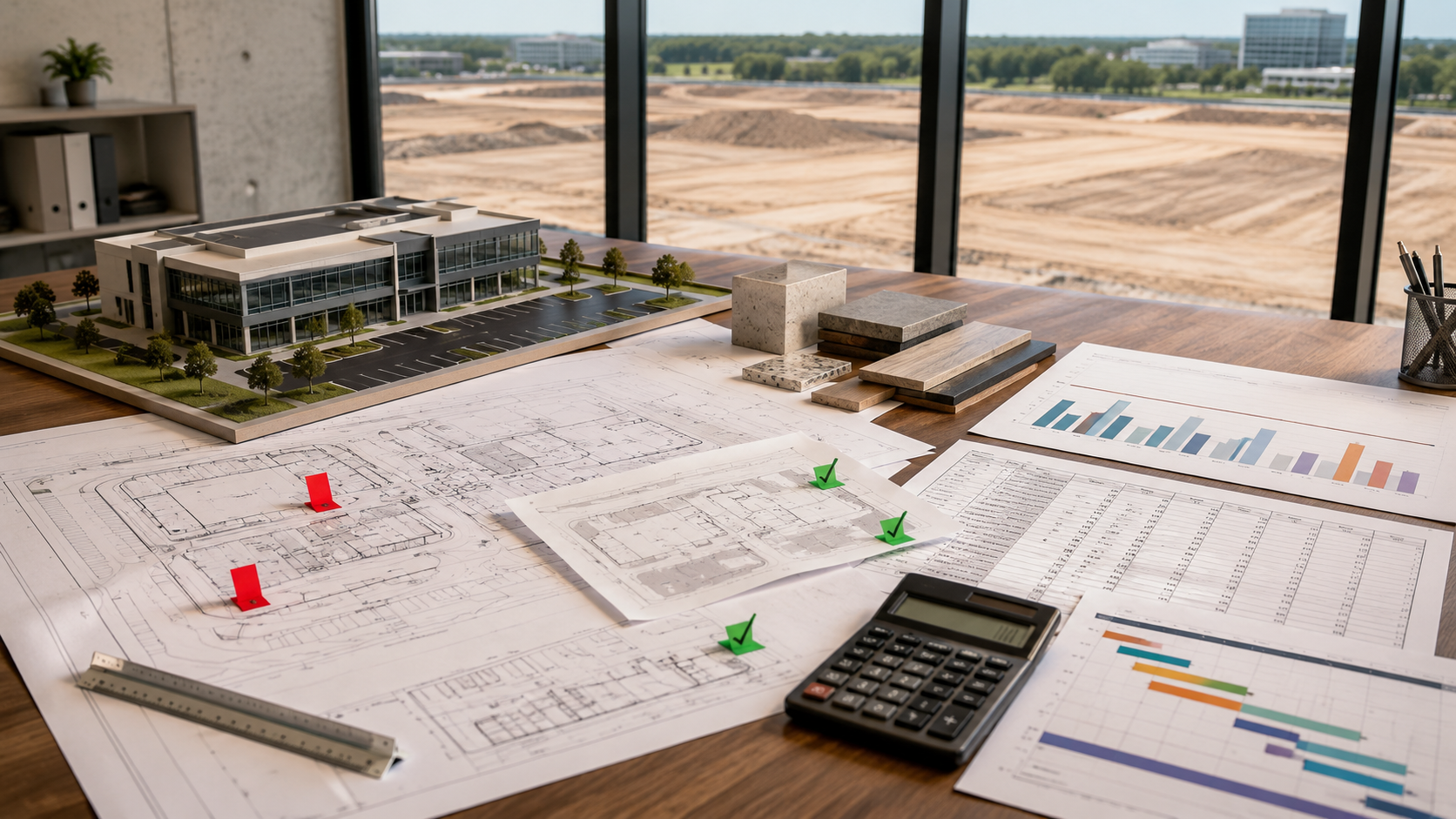
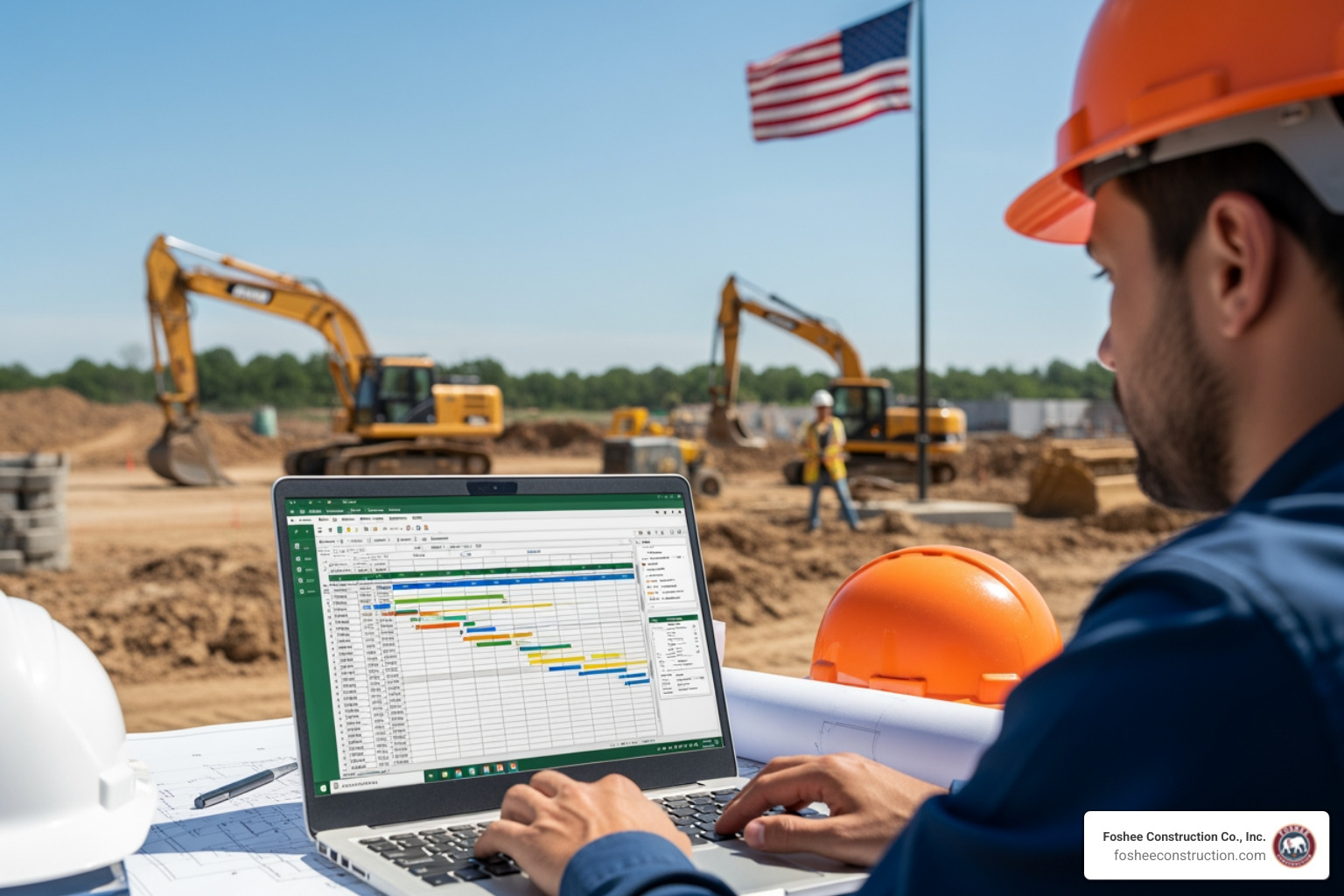
We build bids using HeavyBid and AGTEK because the details matter long before the job starts. When the numbers are accurate and the scope is clearly defined, it sets the tone for how the entire project runs. Estimating isn’t just a step in the process, it’s the foundation we build on.
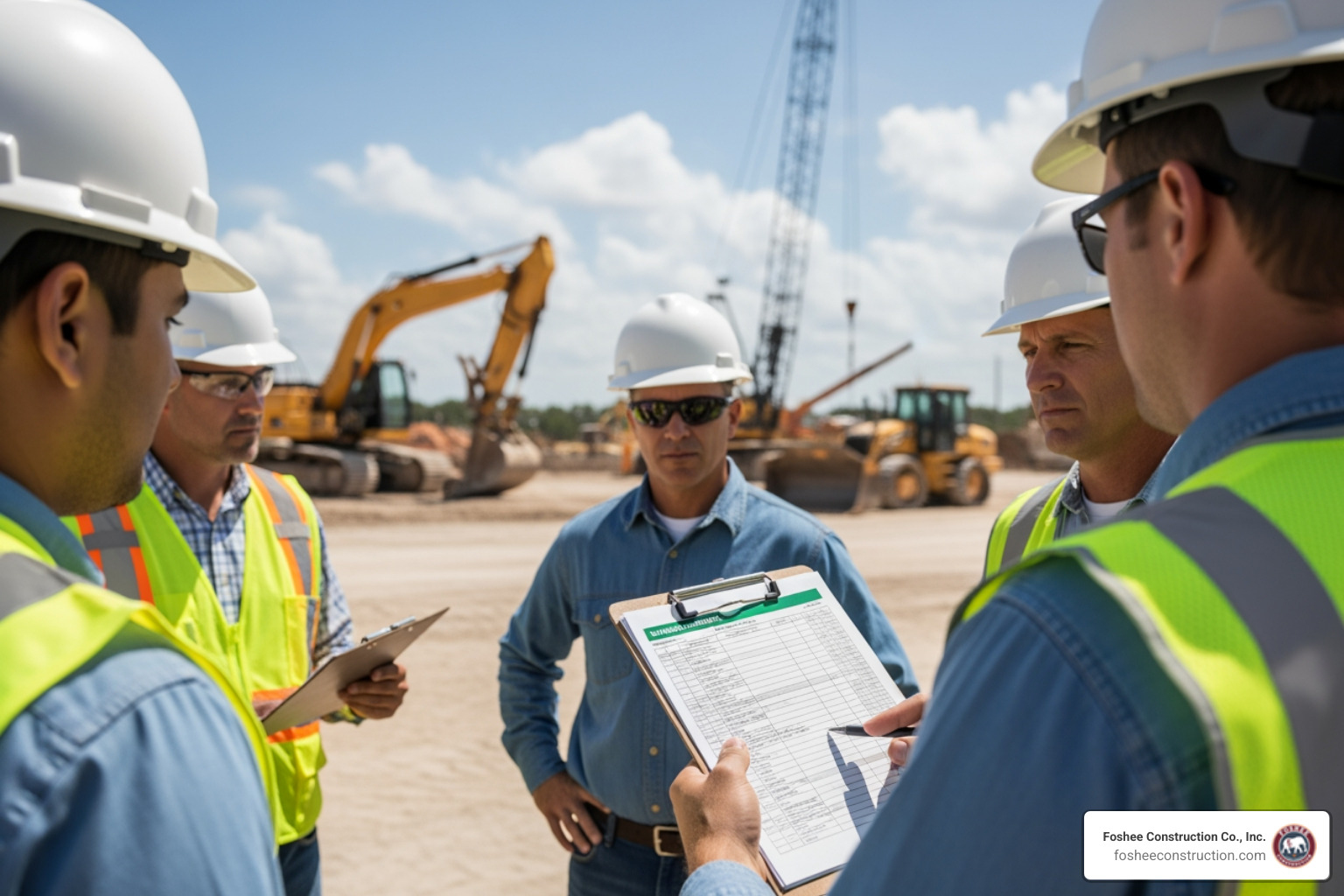
That same mindset carries into the field. Our crew is trained to work with purpose, follow the Civil Engineers’ Plan to the finest detail, and hold the line on quality. When expectations are clear from day one, there’s no need for shortcuts, and no confusion about how the work gets done.
Clients trust our bid packages because they’re complete and ready to use. Project managers know what we’re covering, what’s excluded, and how we plan to approach the job. That clarity removes friction and lets teams focus on execution instead of interpretation.
As part of our review process, we go into the plans before anything hits the site. We ask the questions early, resolve issues before they show up in the field, and keep RFIs moving. This approach prevents delays and protects the timeline.
Over time, that consistency builds trust. Many of the people we work with today came through referrals from past projects – engineers, GCs, and superintendents who’ve seen how we operate and want the same experience again.
In 2024, Foshee Construction was acquired by Saga Infrastructure Solutions, a national network of civil construction companies. Saga supports regional contractors by giving them access to better tools, long-term resources, and operational backing, without changing how they run day to day.
Foshee will continue to operate under its name, with the same team and field leadership in place.
“From the very time a project starts, we start that partnership. We try to catch as much as we can with the tools that we have. Not everybody is using the software platforms we are. That’s the differentiator: we’re not just bidding. We’re anticipating, problem-solving, and making sure the job runs right.”
— Don, CEO, Saga Infrastructure Solutions
Foshee is now part of a broader regional strategy that includes Florida, the Piedmont Atlantic, Texas, Colorado, and the Arizona Sun Corridor. The name, crews, and standards remain. What’s improving is the support behind it.