When you start looking for shed foundation contractors near me, you aren't just looking for someone to dump a pile of rocks in your backyard. You are looking for a professional who understands that the ground beneath your feet is alive—it shifts, it holds water, and it reacts to the heavy weight of a new building. In Central Florida, we deal with unique soil compositions, ranging from dense clay to the infamous "sugar sand" that can shift unexpectedly under pressure.
Professional installation is the only way to ensure your investment doesn't literally sink into the Florida soil. One of the biggest reasons to go pro is warranty protection. Most high-quality shed manufacturers explicitly state that their warranties are void if the structure is placed on an improper foundation. If your floor warps because the ground wasn't level, that’s on you—unless you have a professional receipt proving the site was prepared to spec.
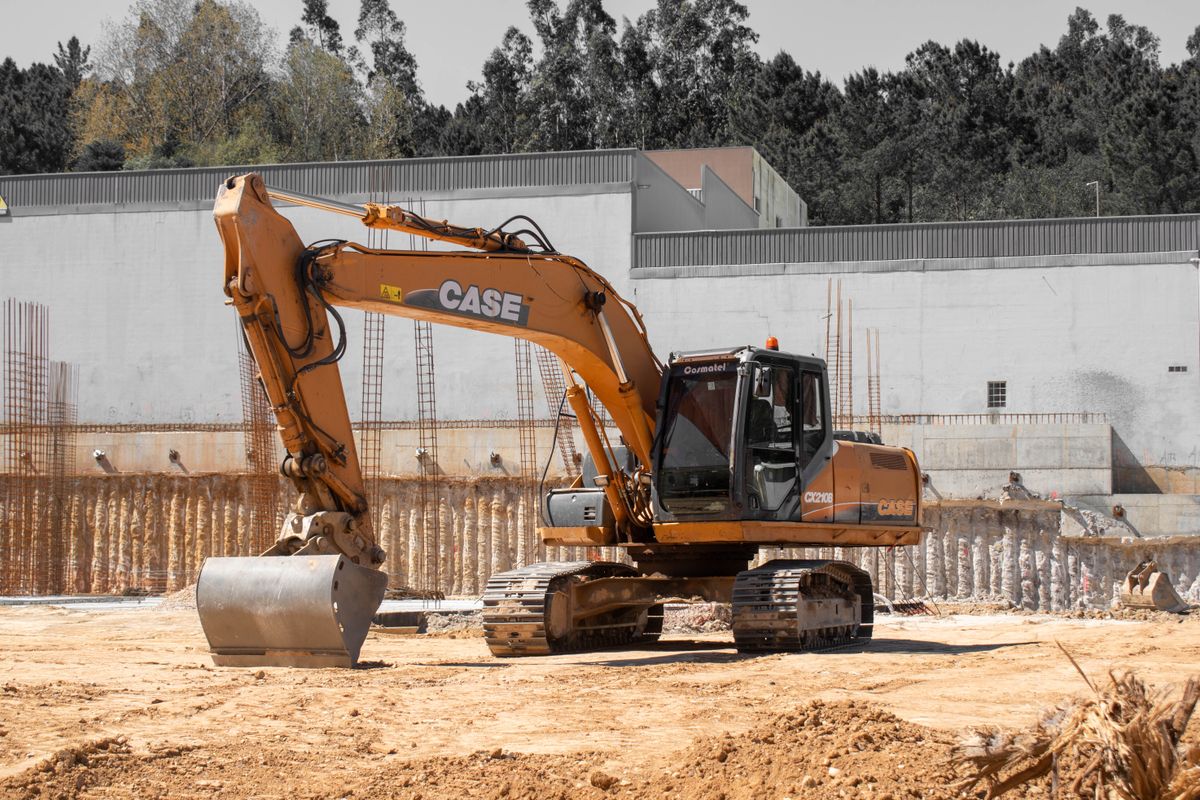
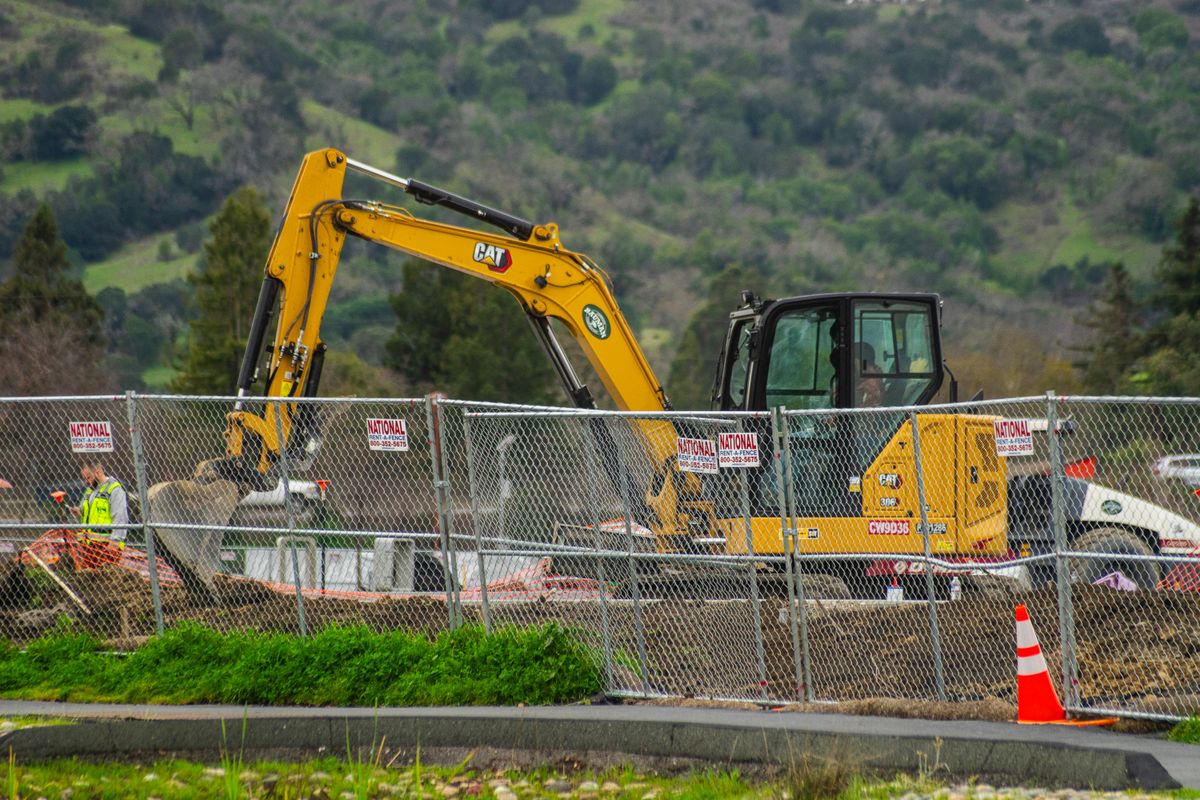
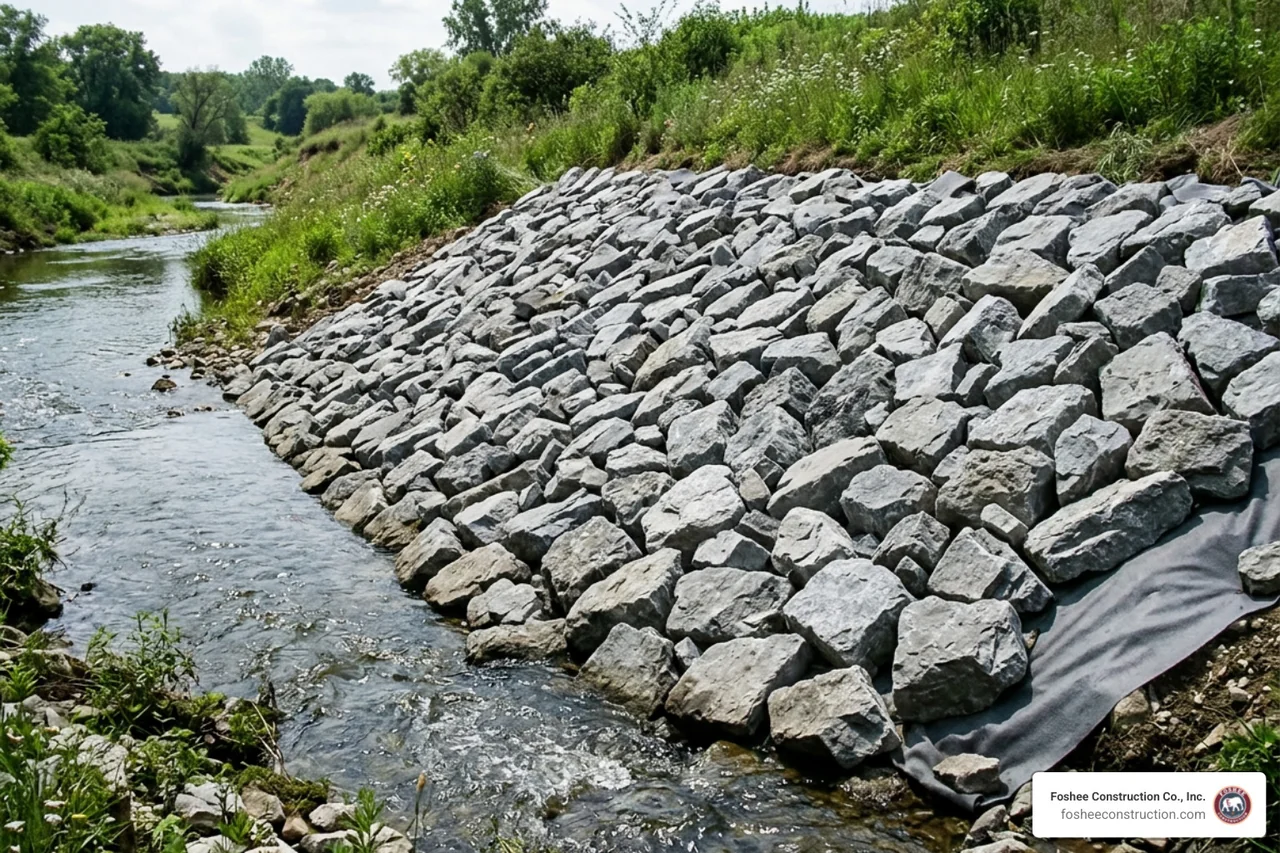
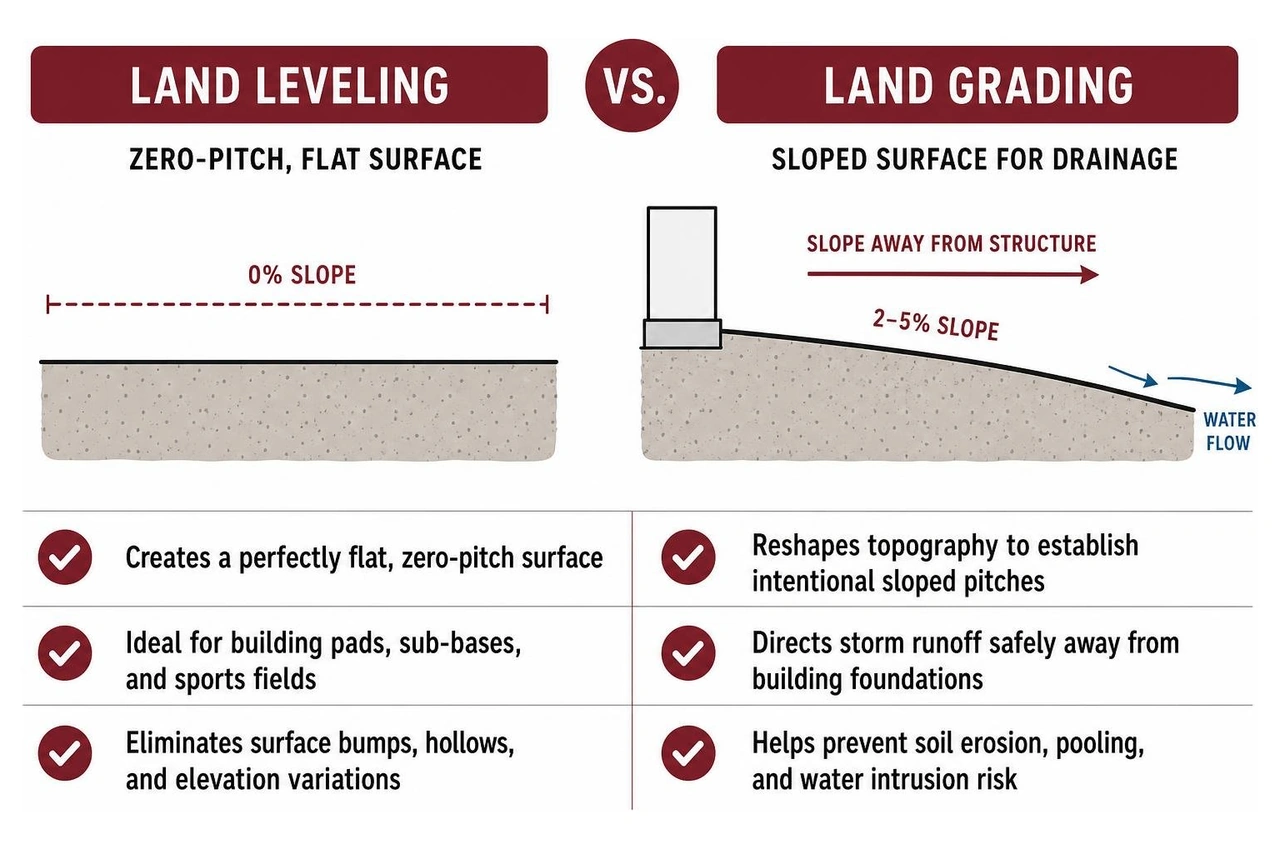
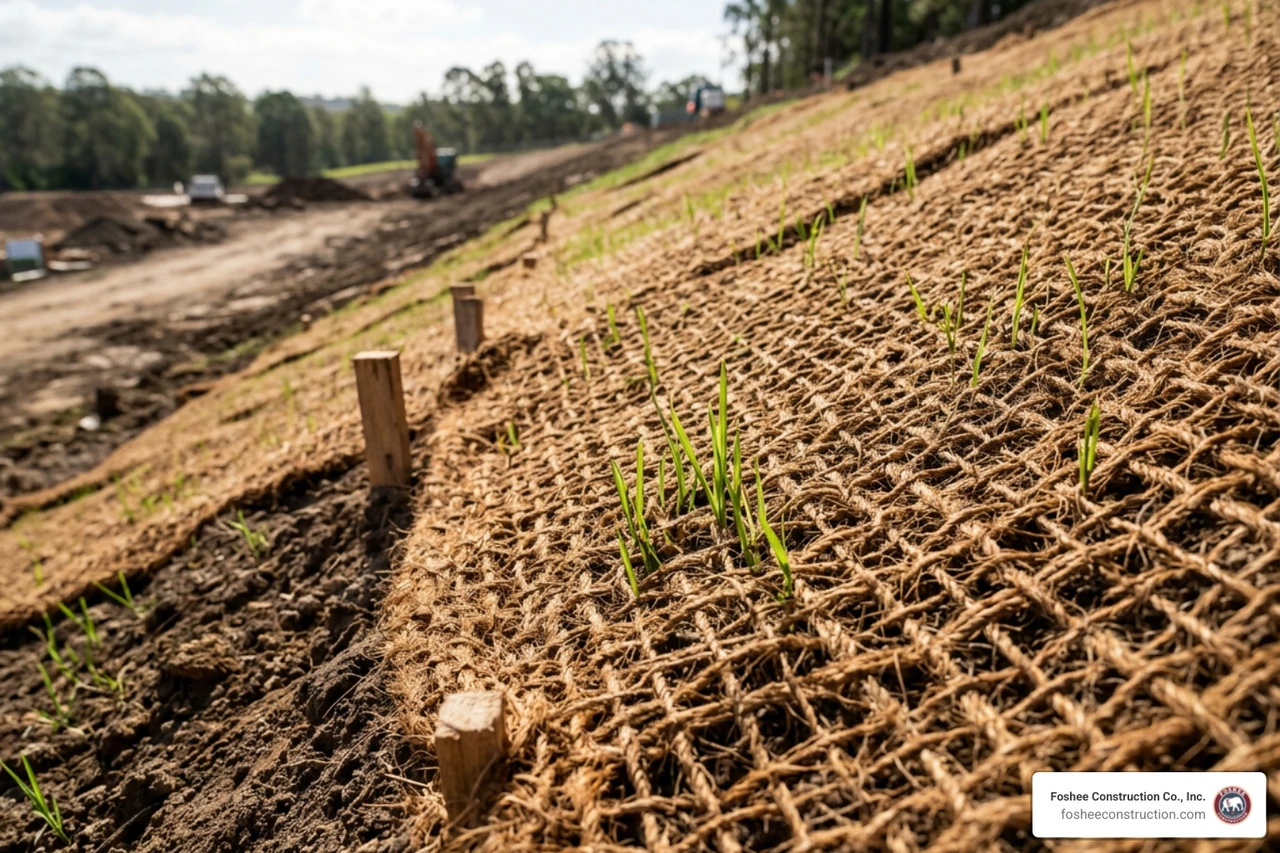
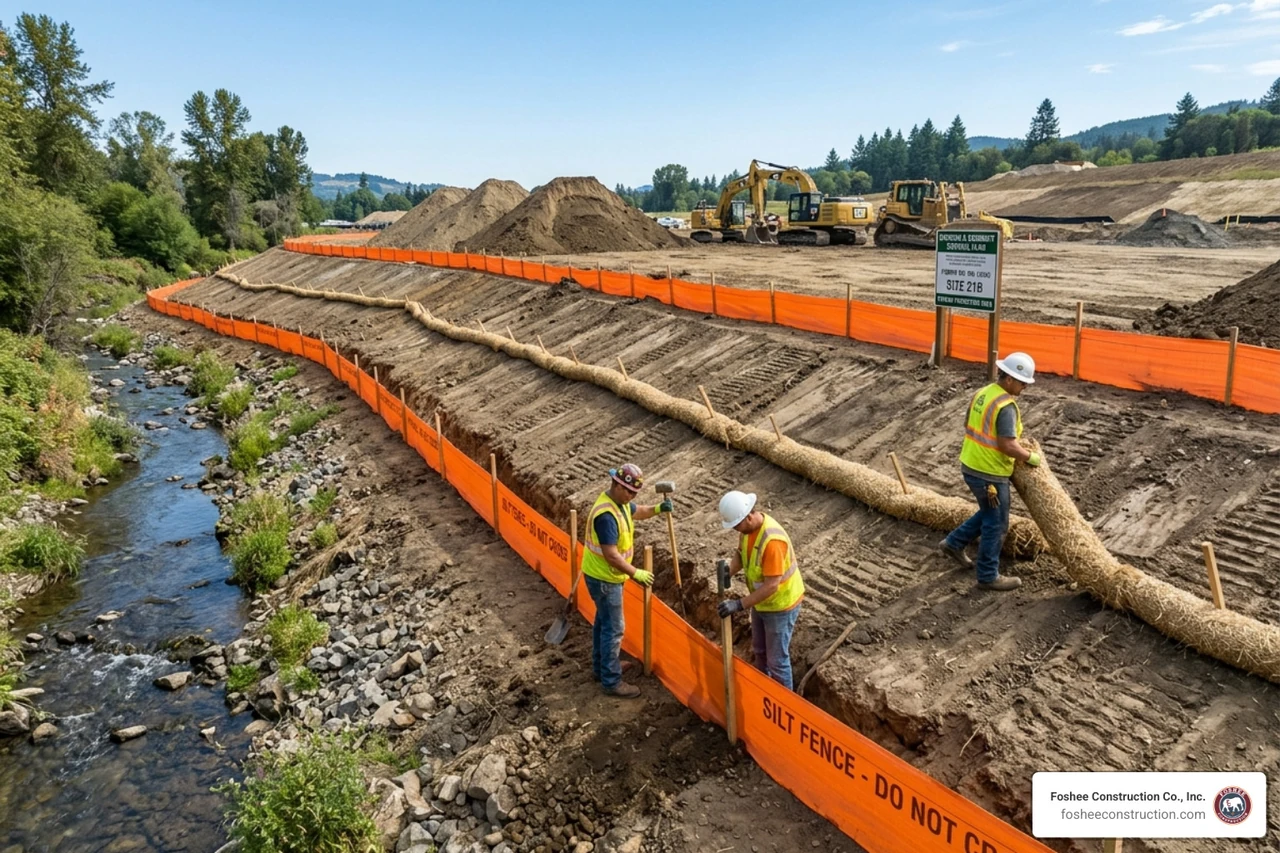
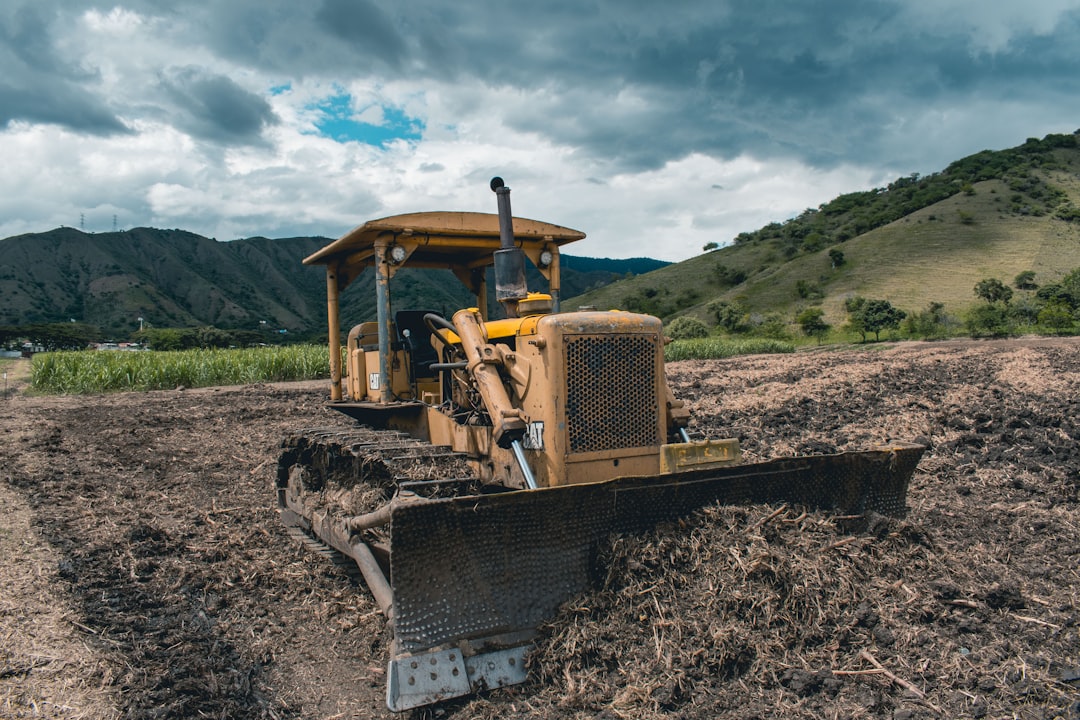
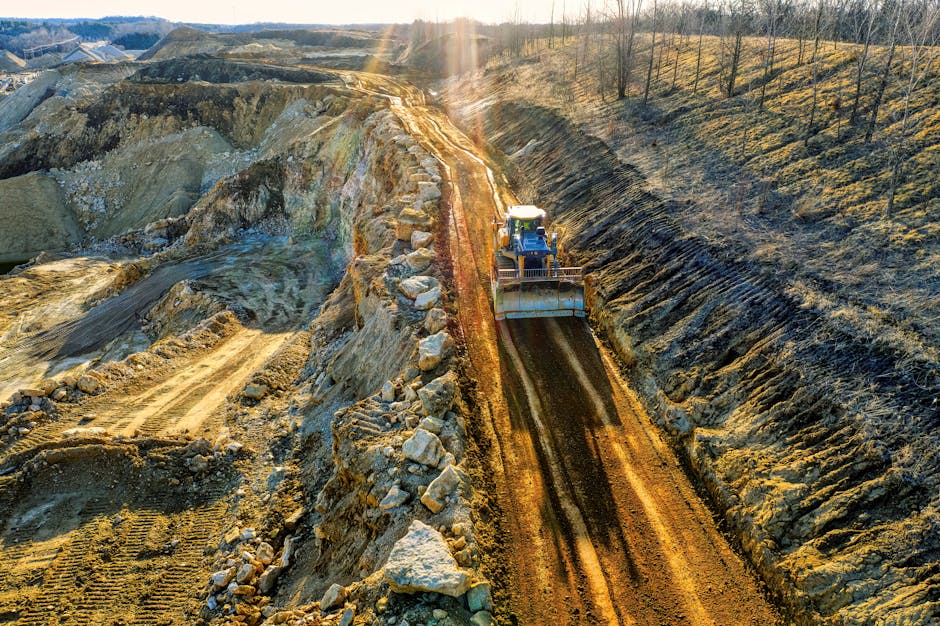
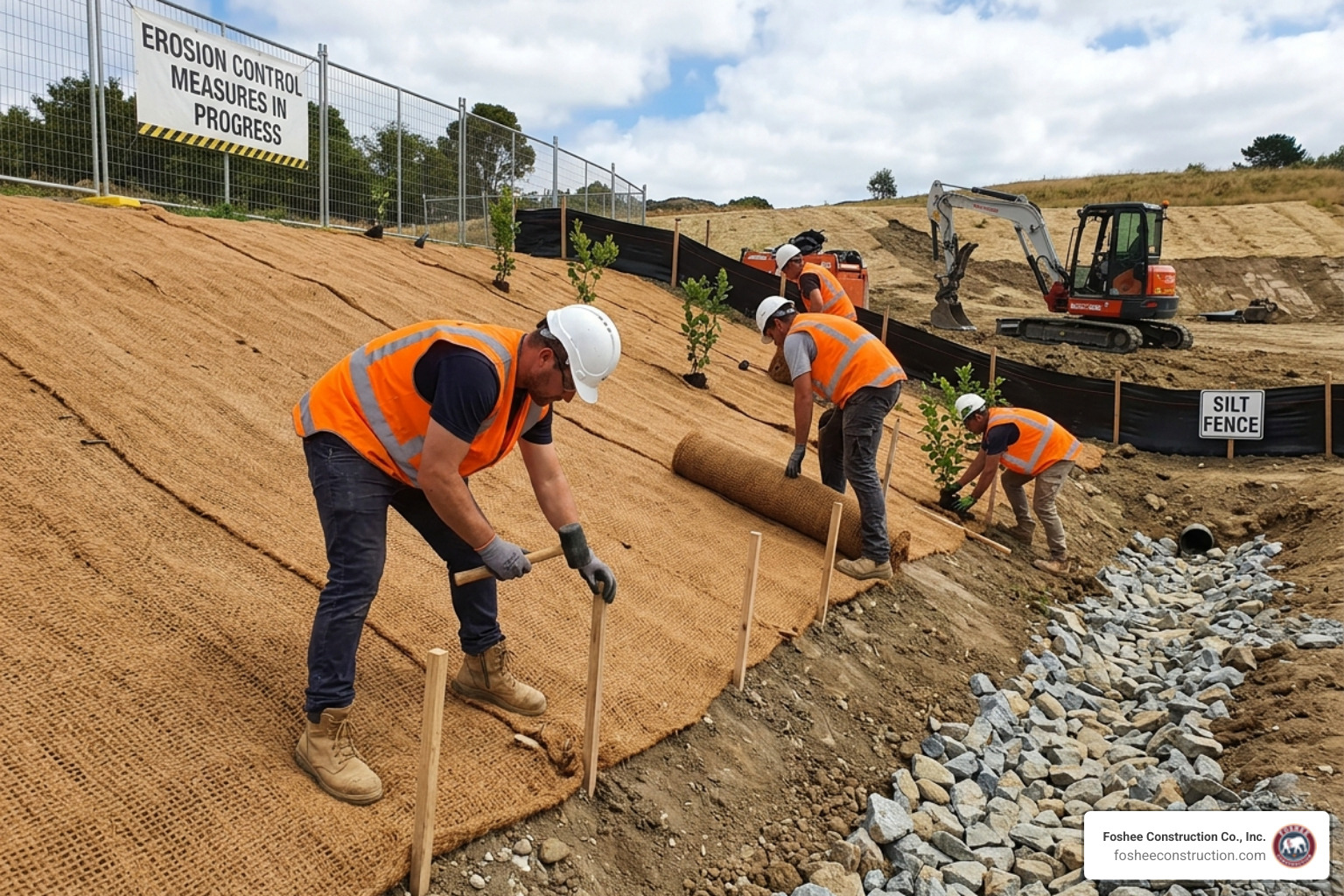
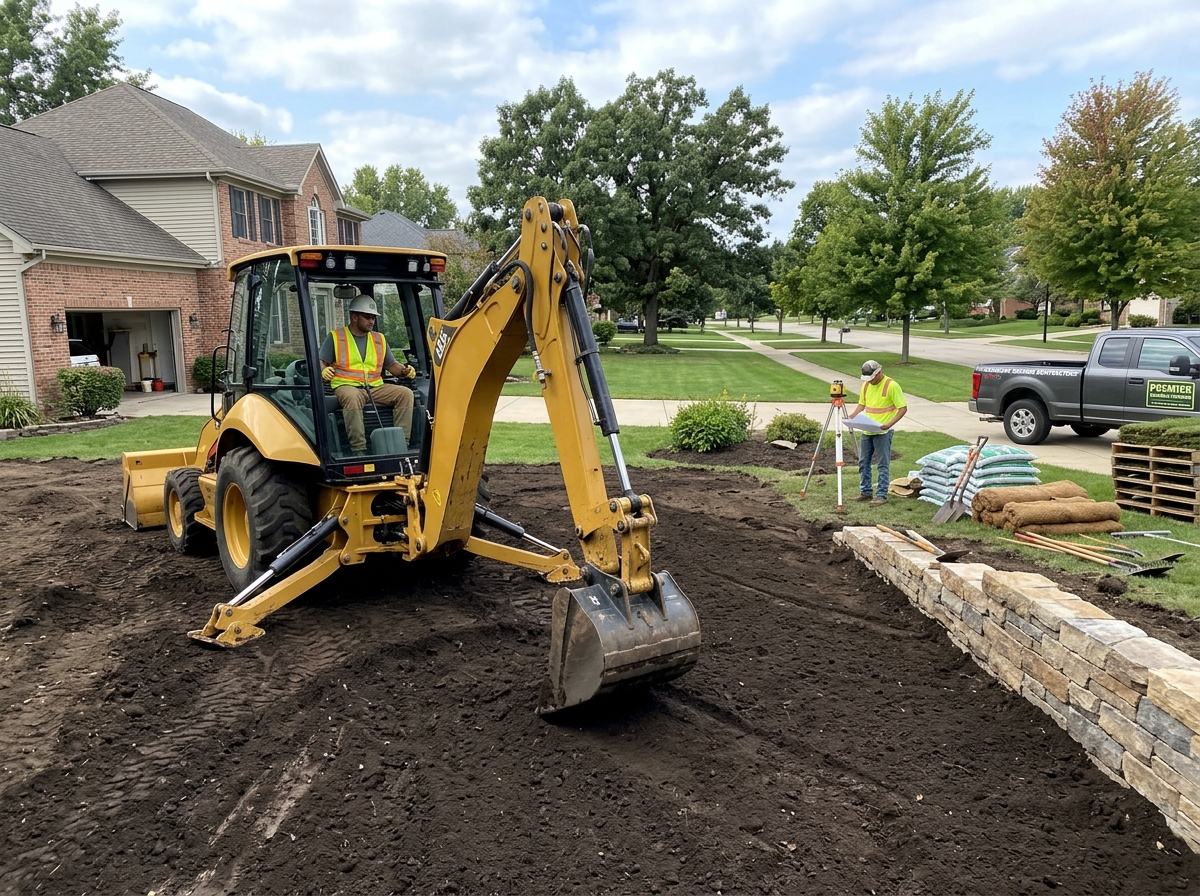
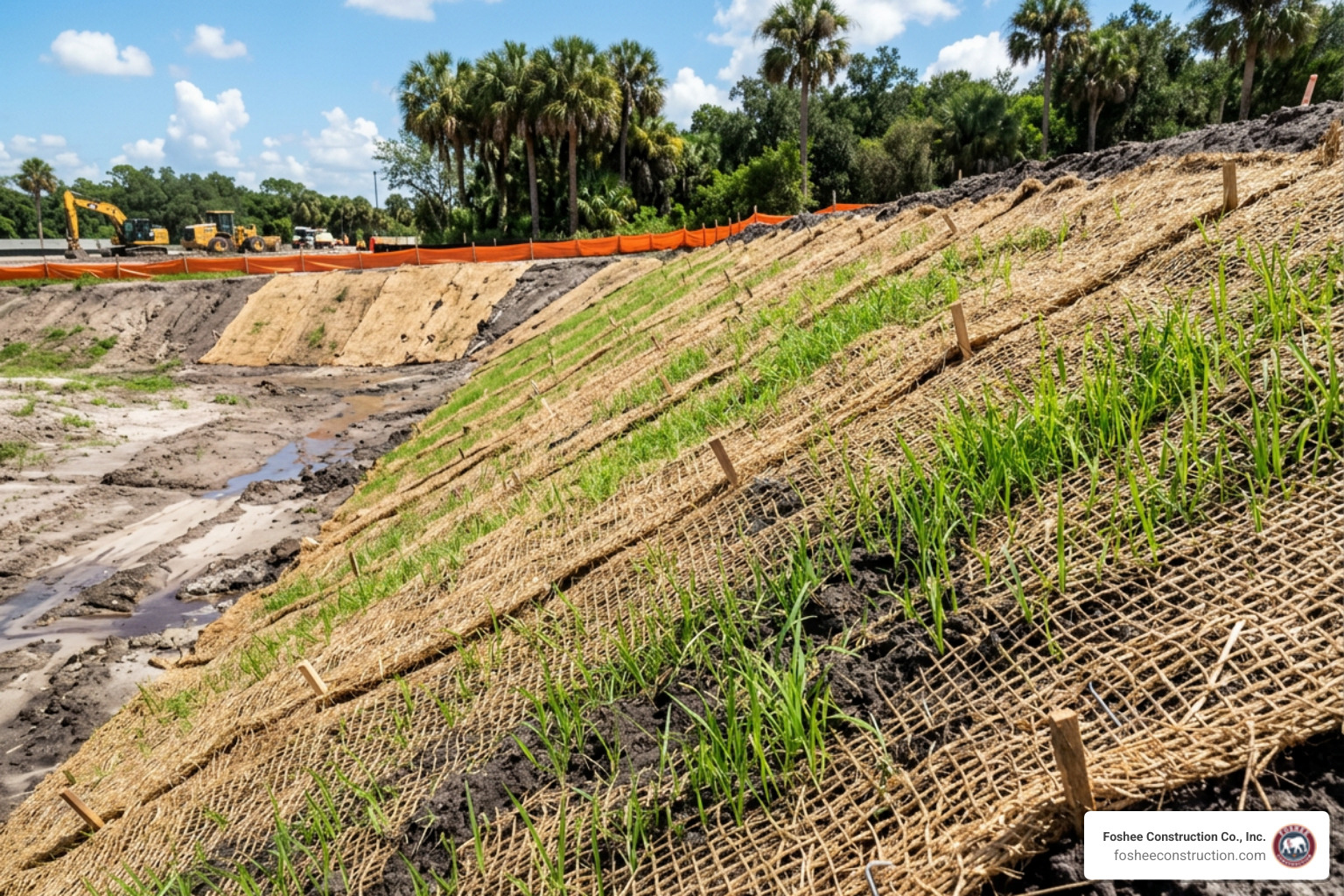
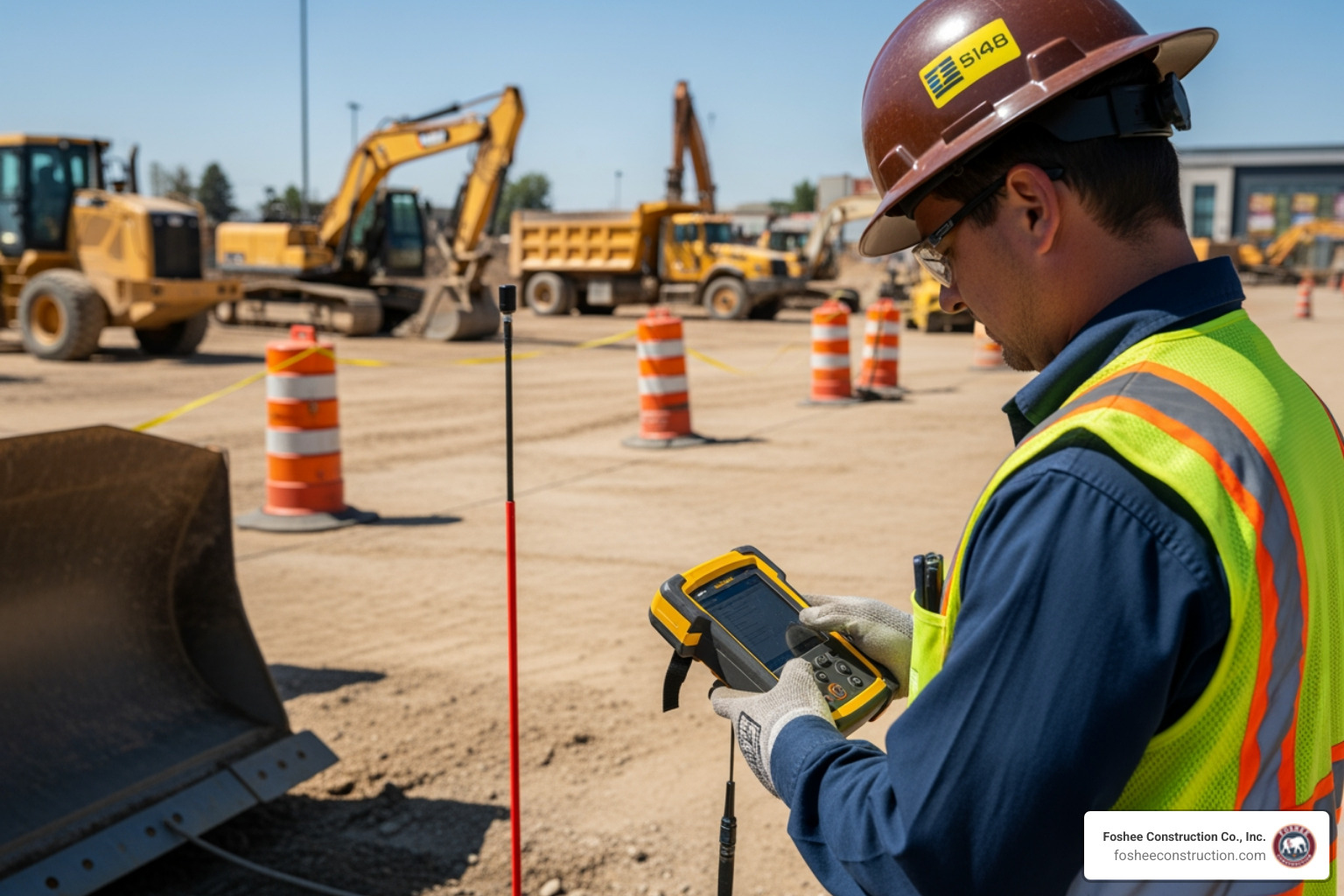
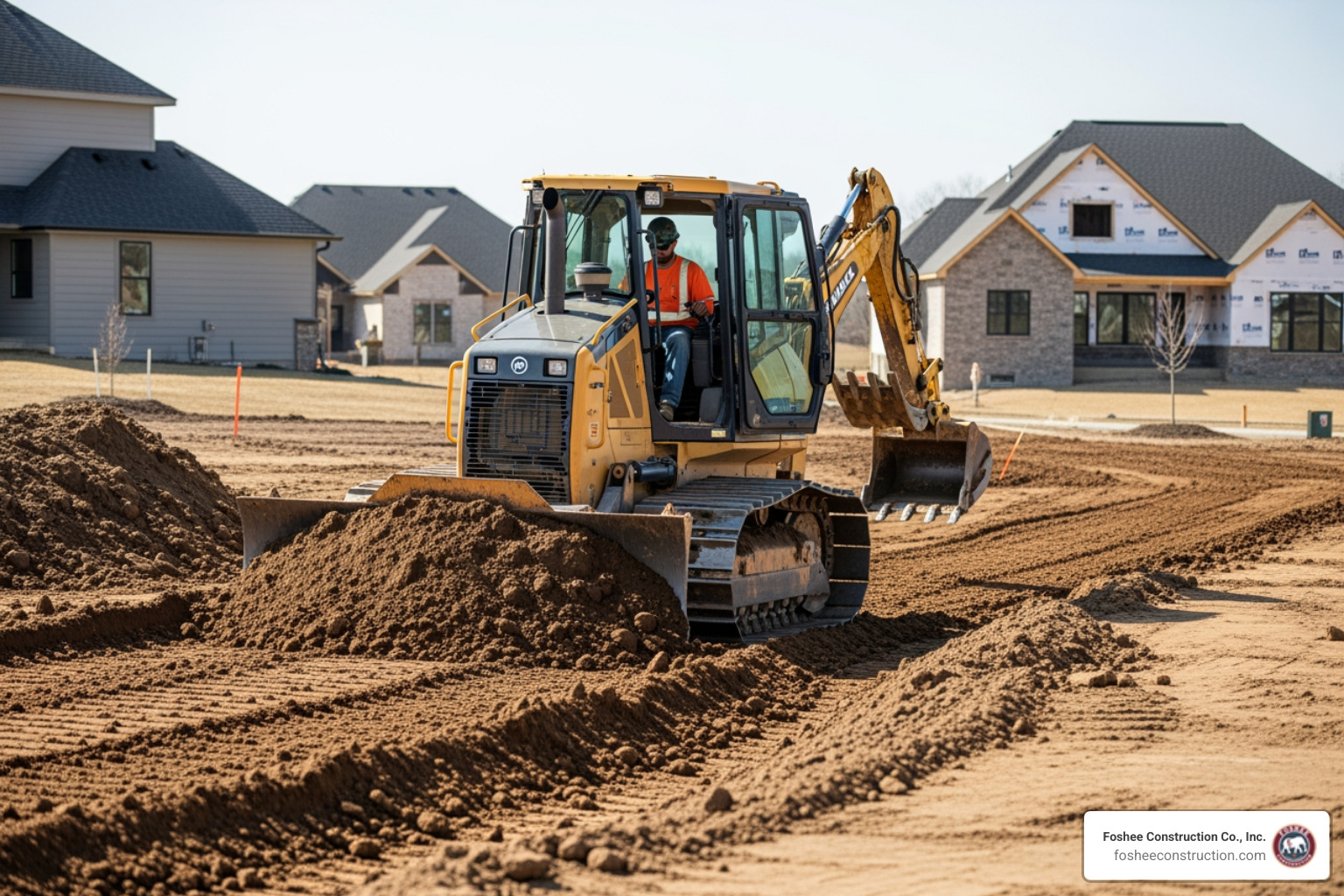
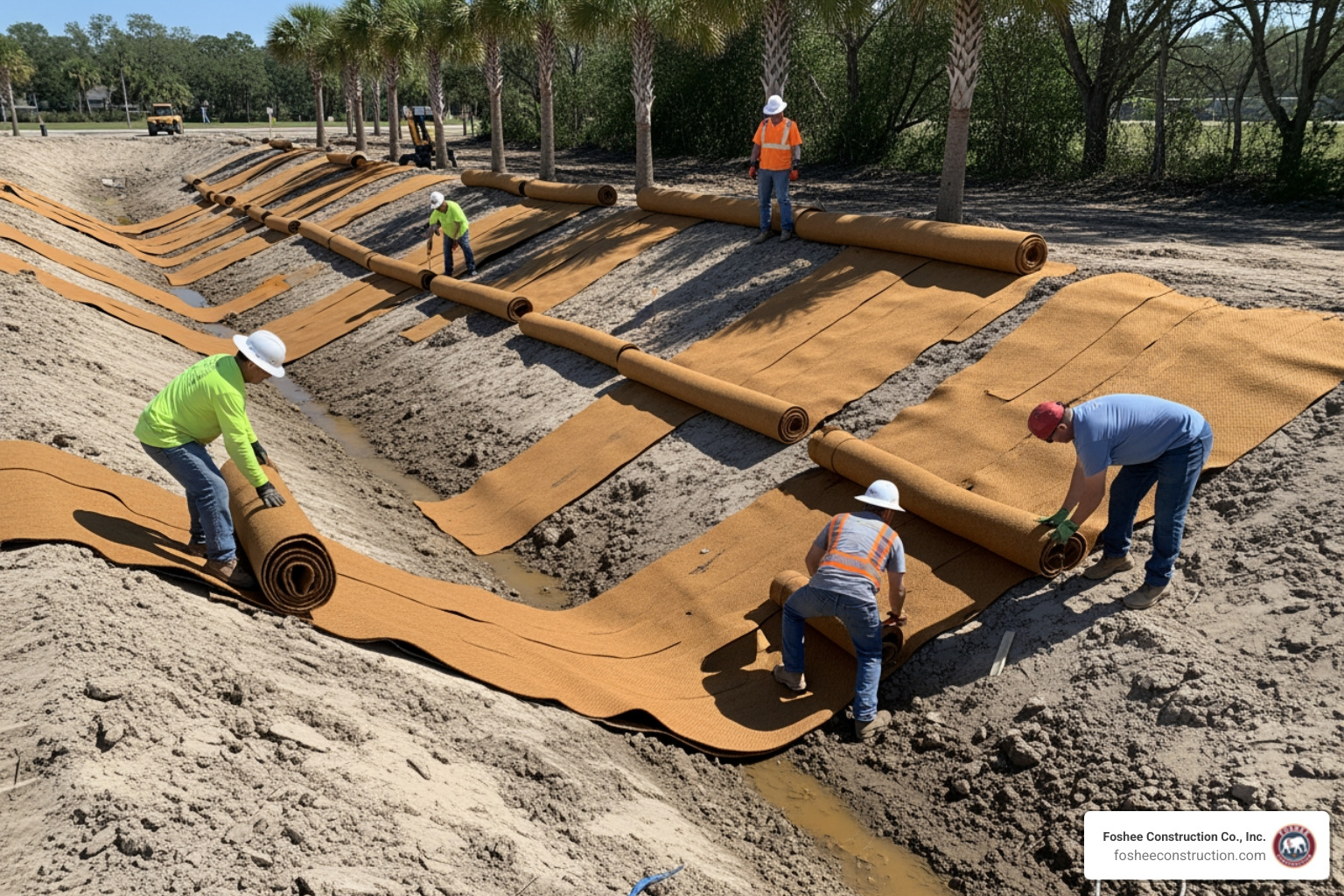
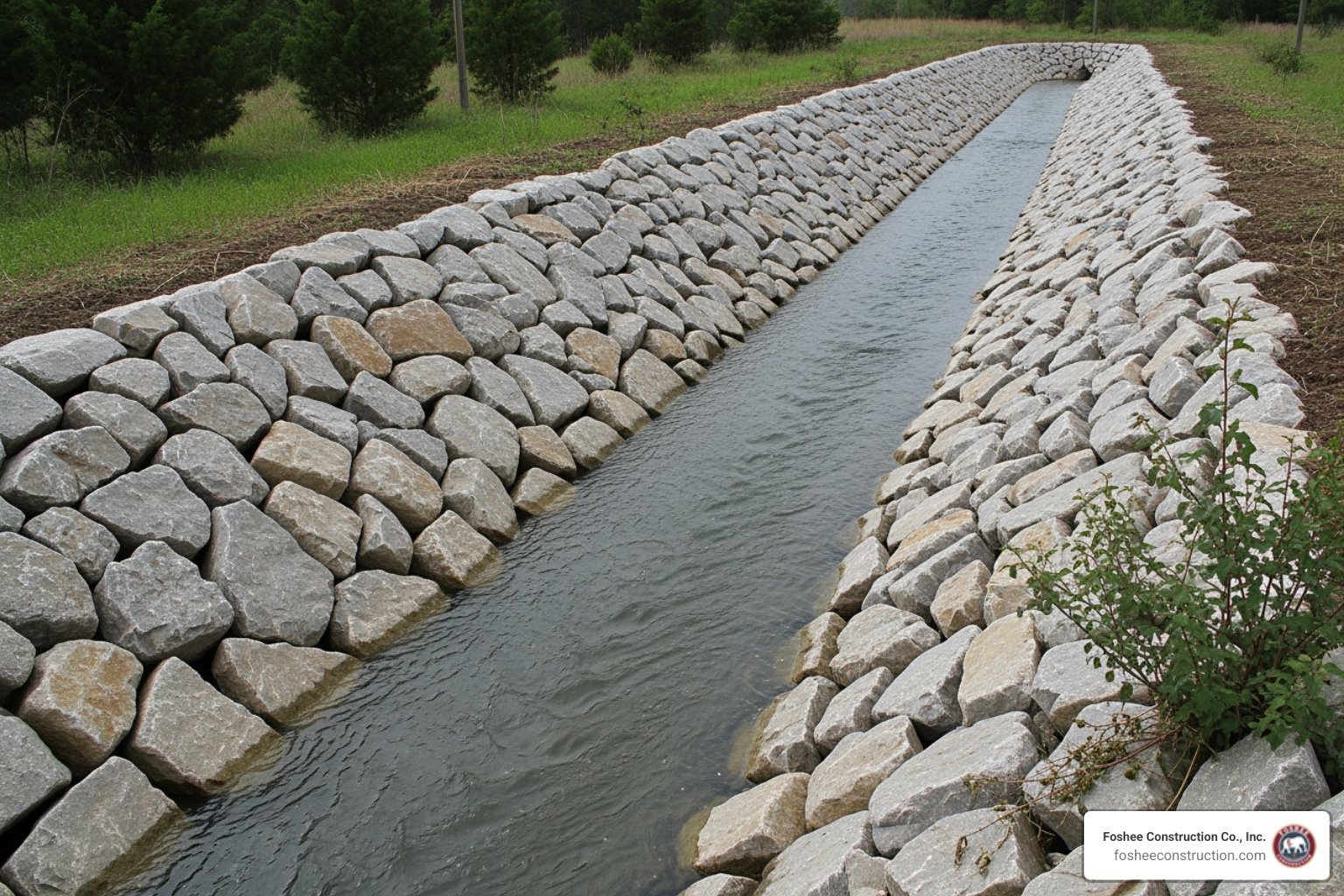
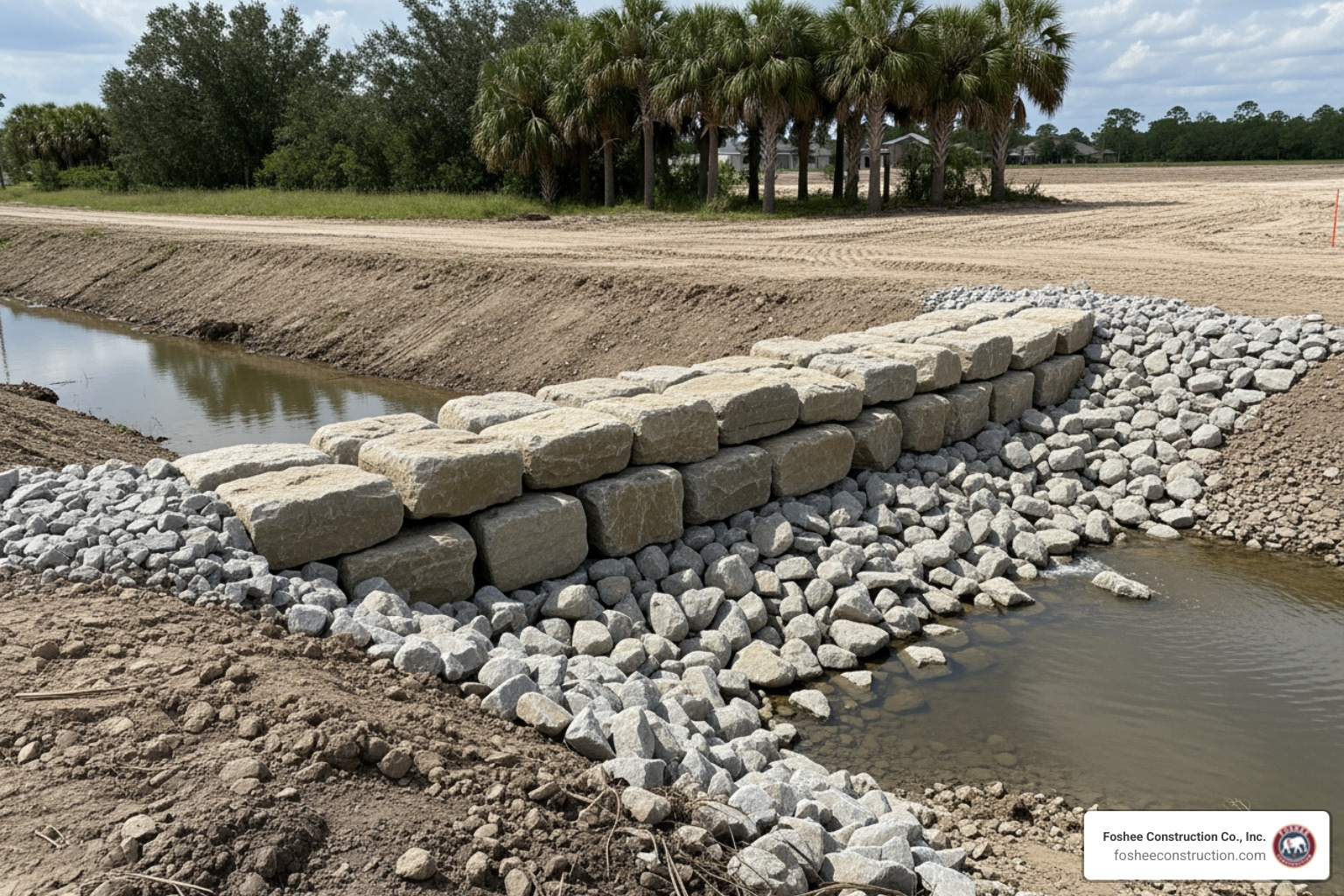
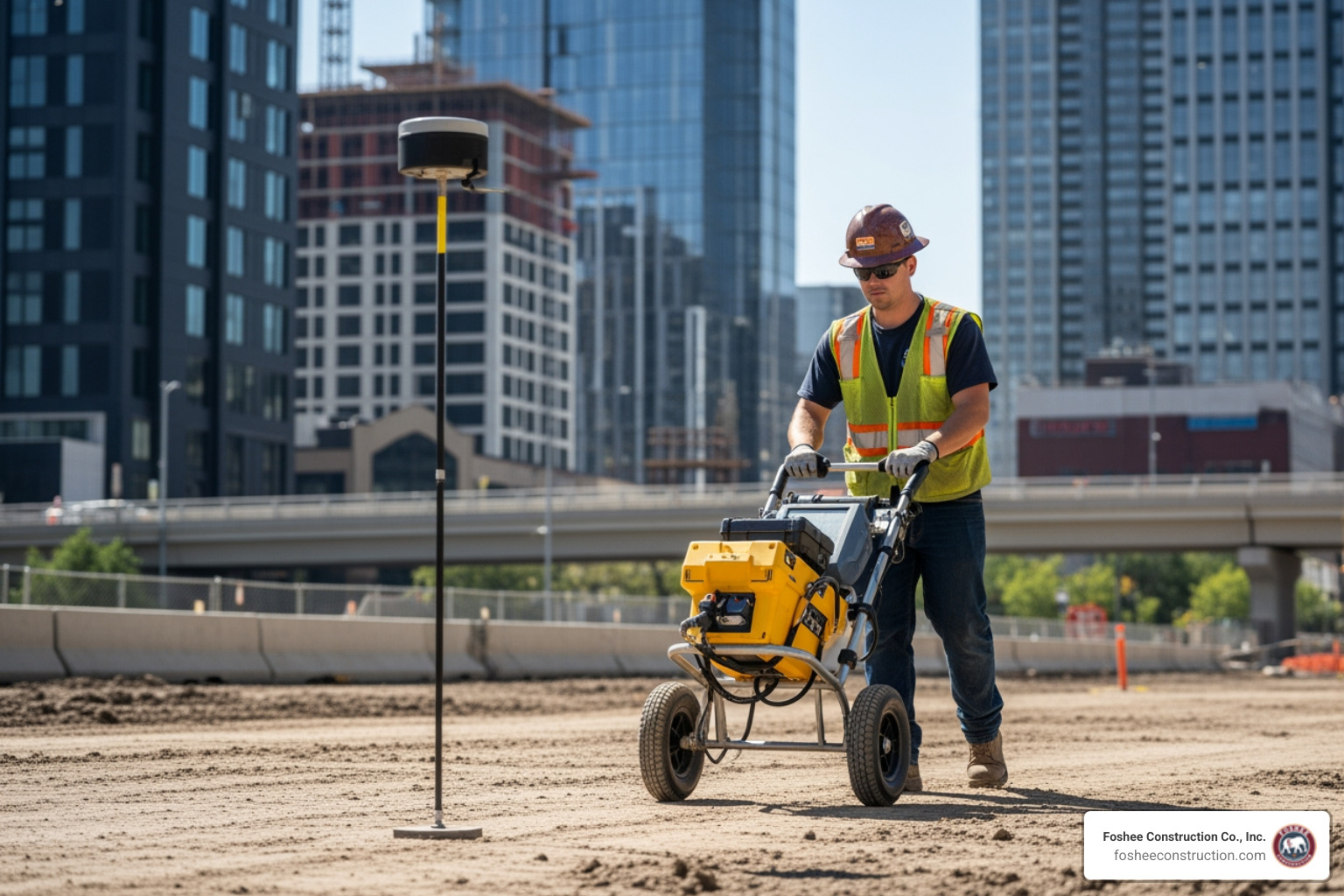
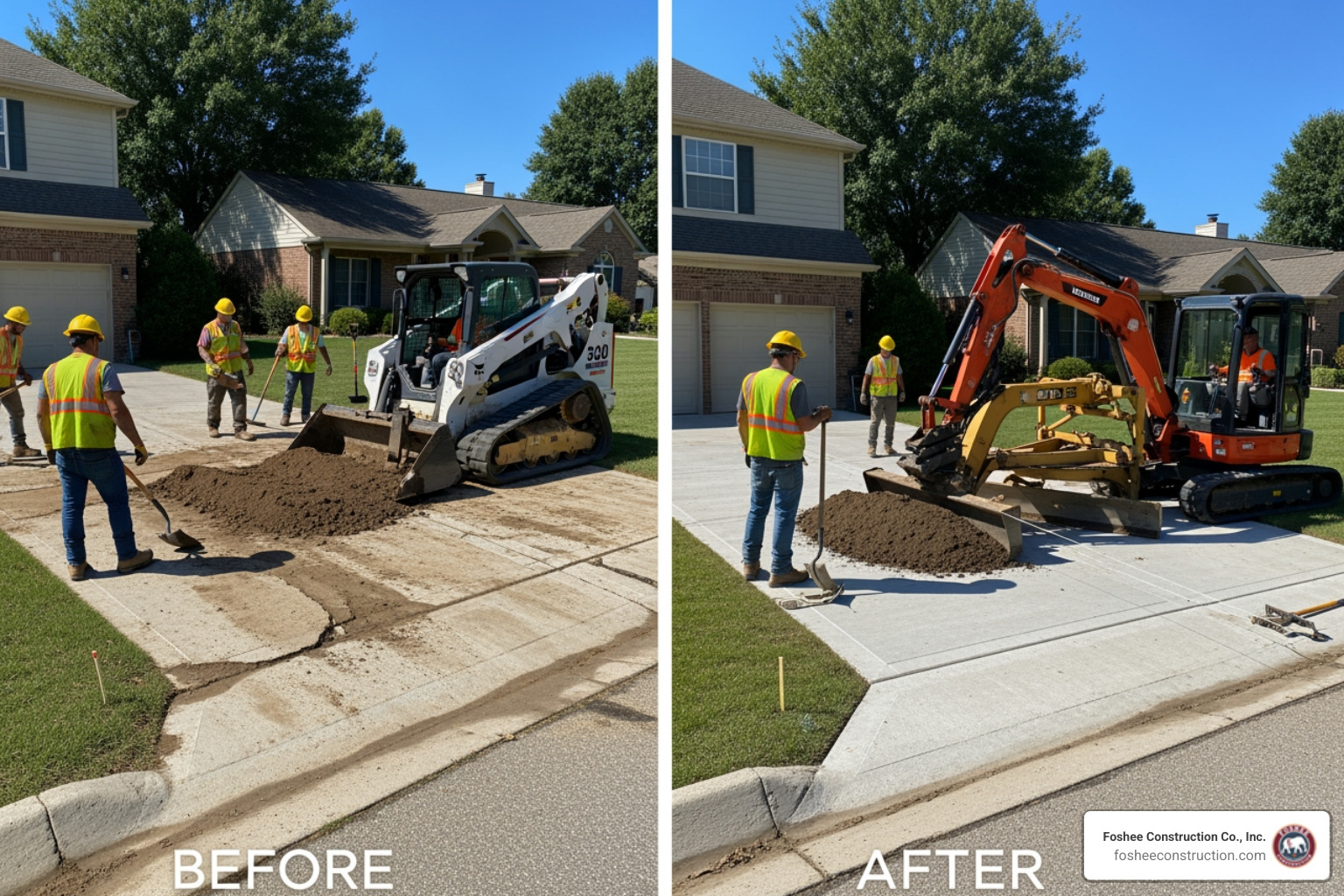
We use specialized equipment, like skid steers and laser levels, to achieve precision leveling that is nearly impossible to replicate with a hand shovel and a bubble level. This precision ensures structural alignment, keeping your doors from sticking and your windows from cracking. Furthermore, we focus on soil stability and erosion control. In areas like Minneola and Lake County, heavy Florida rains can quickly wash away a DIY pad. A professional contractor installs the necessary perimeter and drainage systems to keep your foundation exactly where it belongs, preventing the base from being undermined by seasonal storms.
Not every backyard in Lake County is a perfectly flat paradise. Some are sandy, some have a slight roll, and others are downright steep. Choosing the right "shoes" for your shed is the most important decision you'll make in the planning phase. A poorly chosen foundation type can lead to premature rot or even structural collapse during high-wind events.
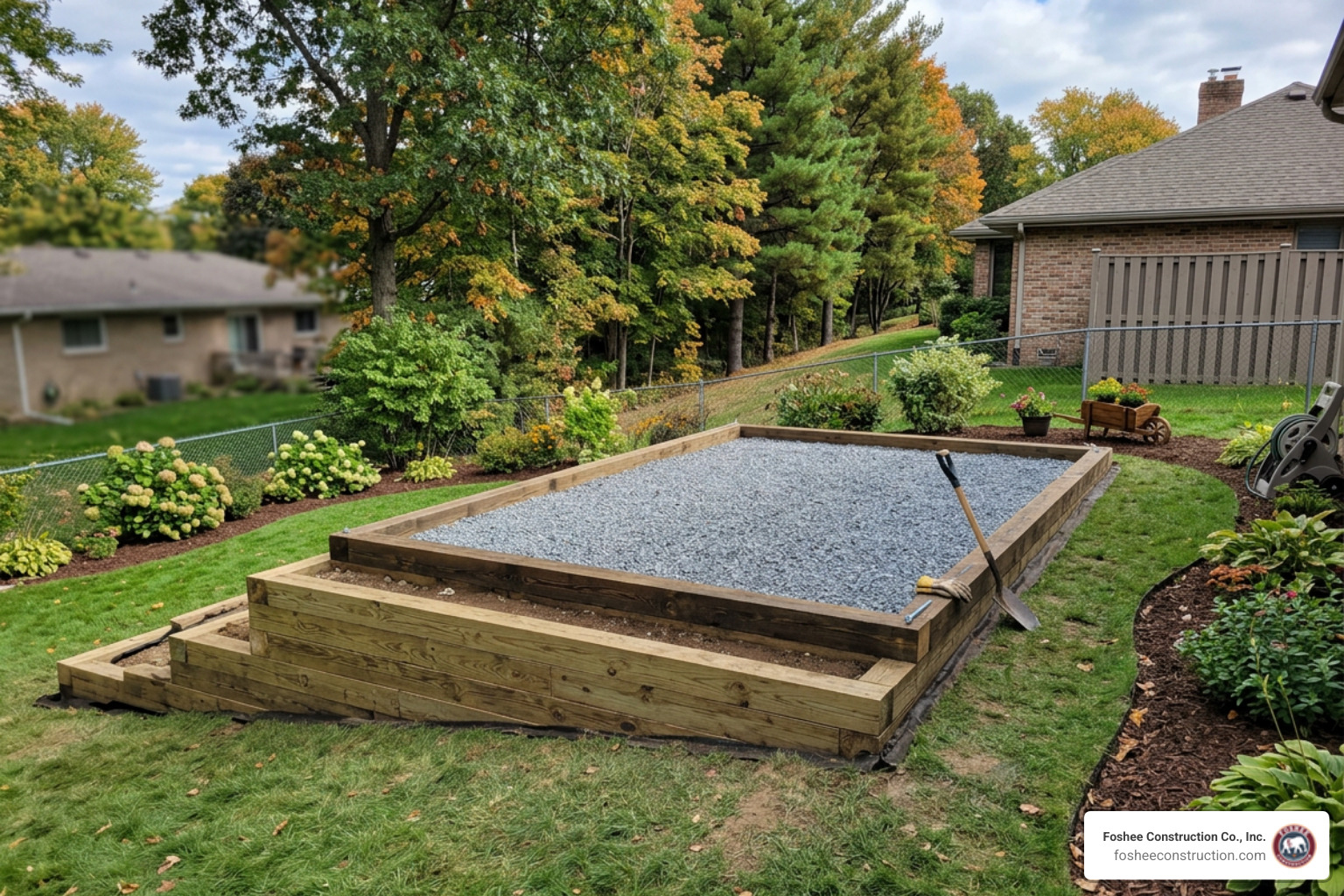
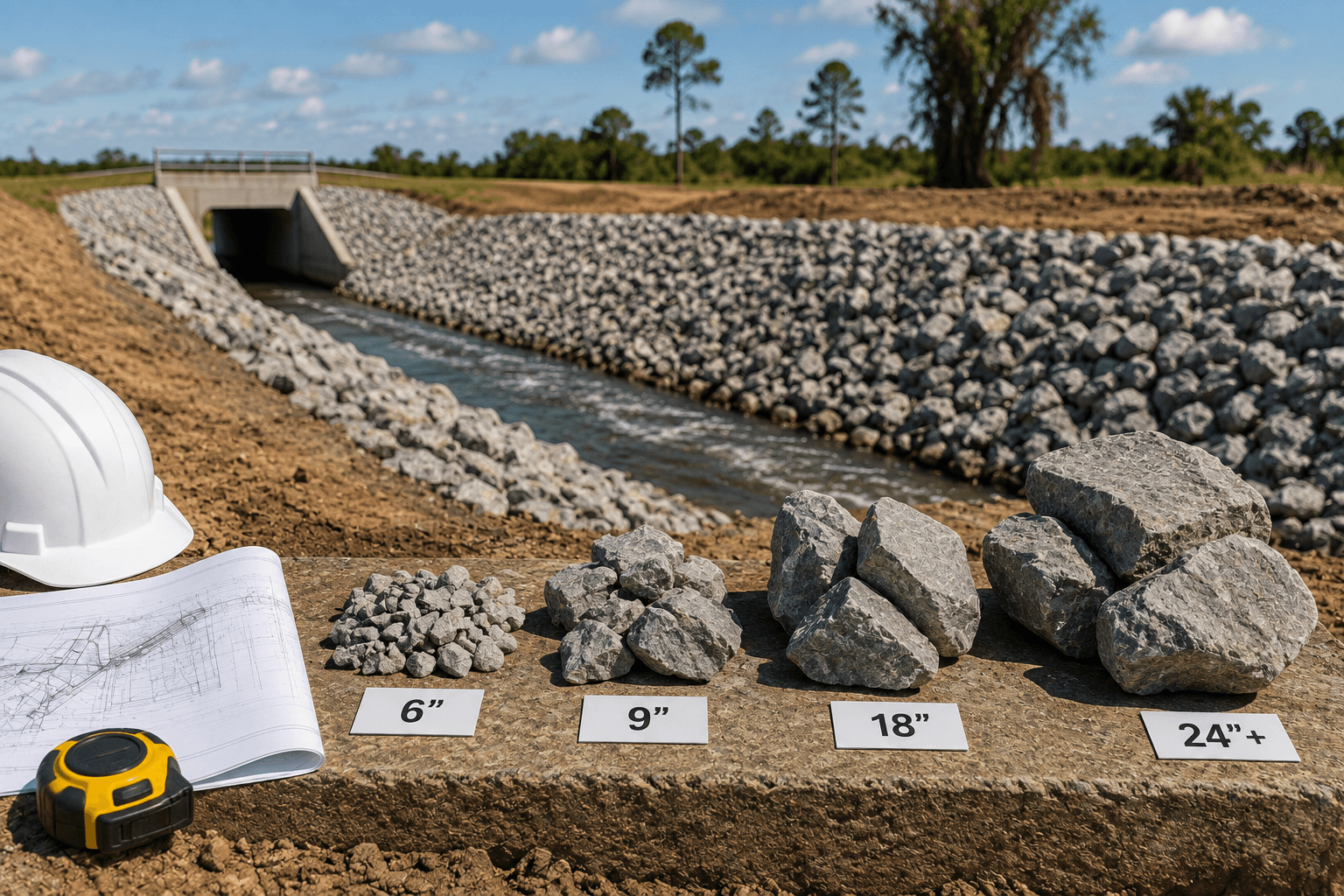
For most residential storage sheds, a gravel pad is the undisputed champion. We typically use #57 limestone or 3/4" clean crushed stone. Unlike rounded "pea gravel," crushed stone has jagged edges that lock together when compacted, creating a rock-solid surface that doesn't "roll" or shift under the weight of the shed. This interlocking capability is vital for maintaining a level surface over many years.
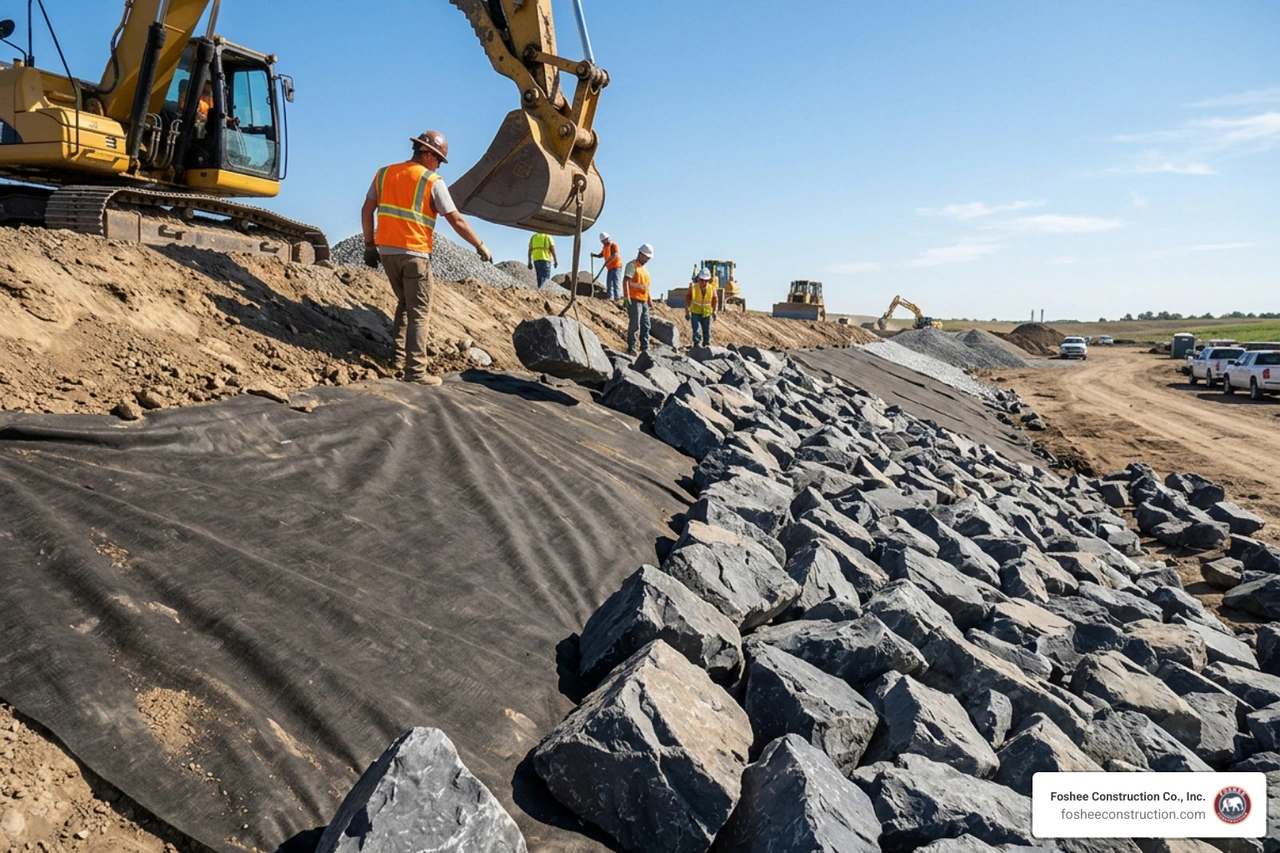
The secret to a long-lasting gravel pad is the capillary break. Because the stone is "clean" (meaning it has no dust or dirt mixed in), water cannot wick upward through the stones to reach your shed's wooden floor. We combine this with a geotextile fabric (a heavy-duty weed barrier) to prevent the stone from sinking into the dirt over time. A pressure-treated lumber perimeter, usually 4x4 or 4x6 timbers, keeps the stone contained and provides a clean, aesthetic look for your landscape.
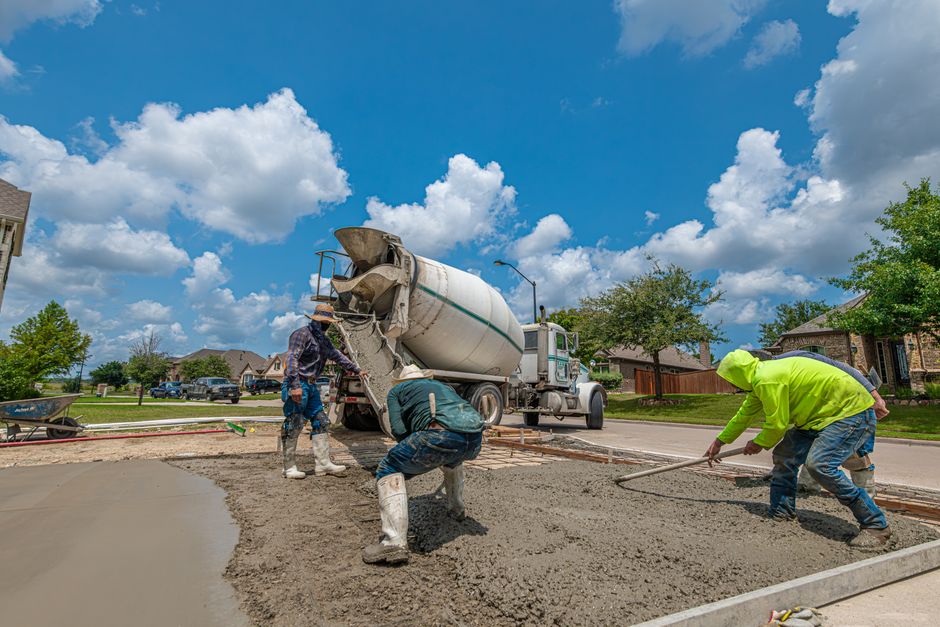
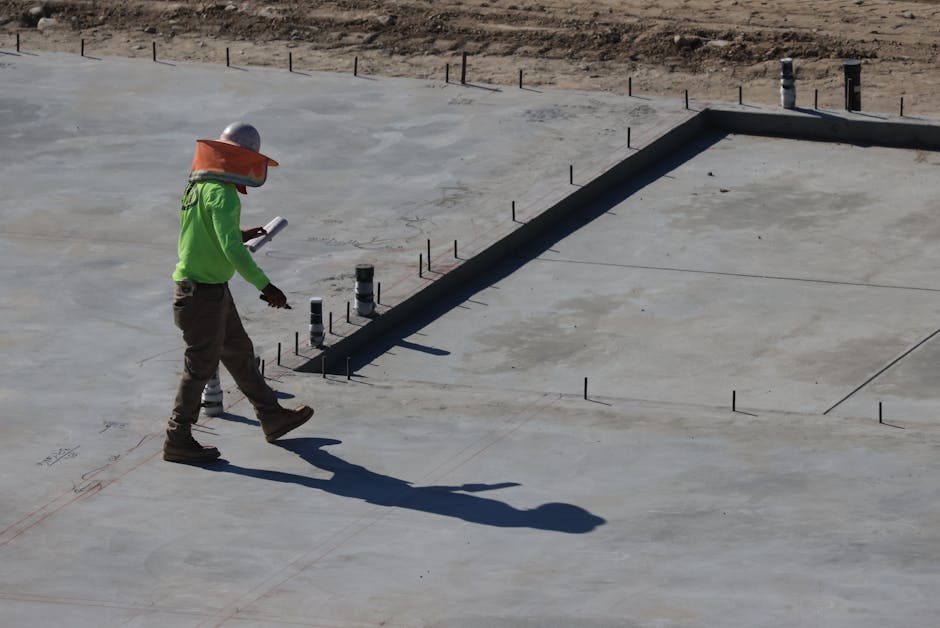
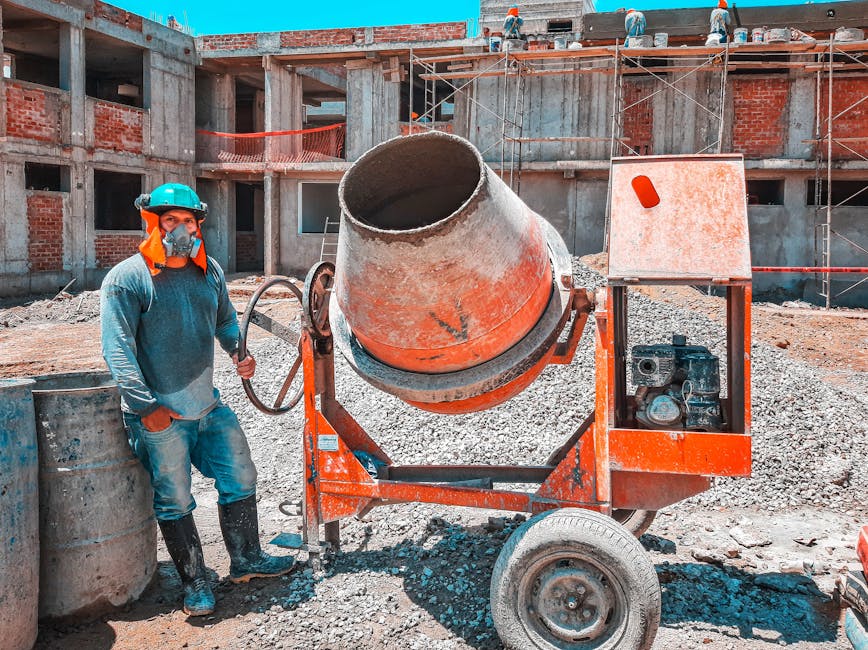
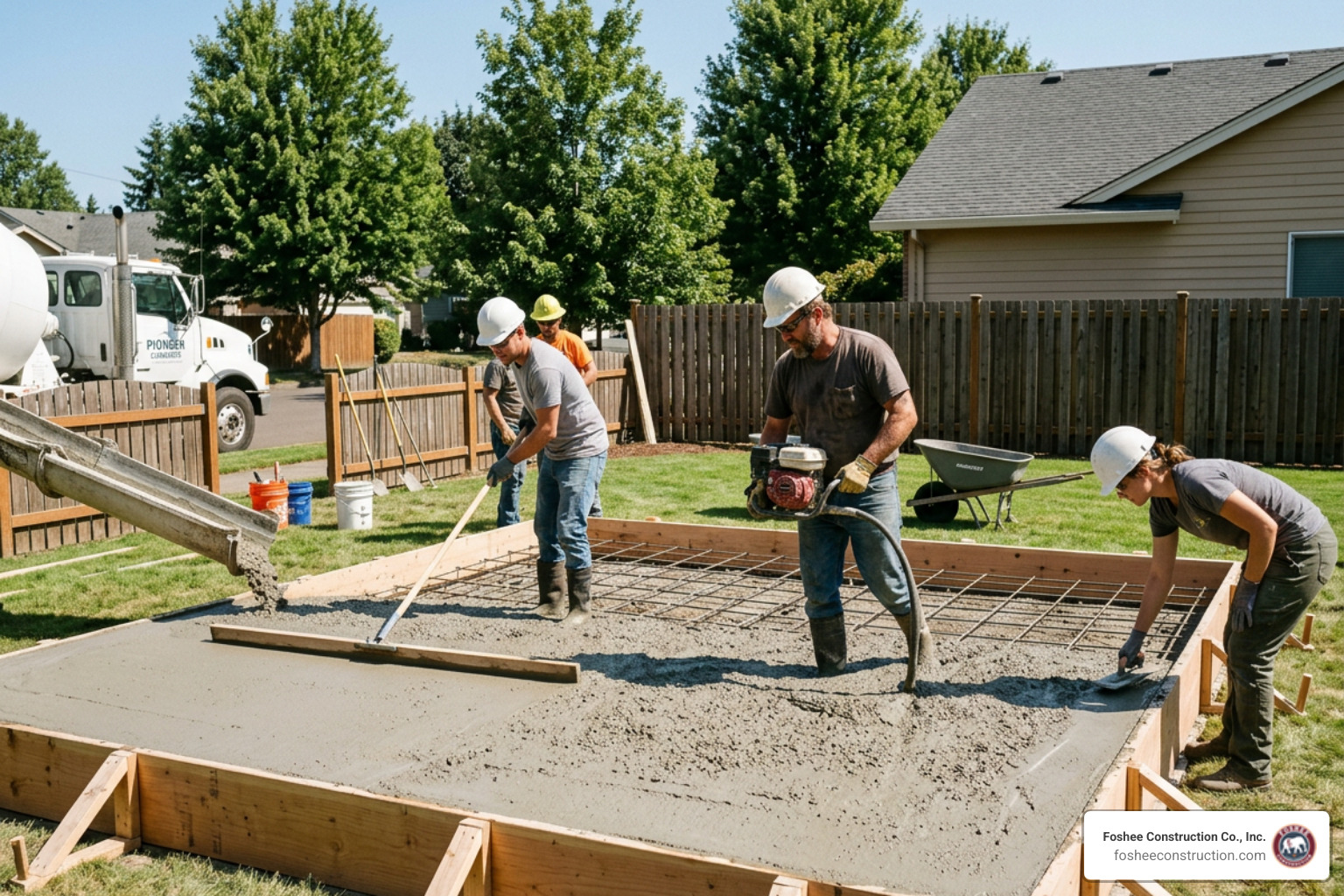
If you are planning to pull a car into your shed, store a heavy tractor, or set up a machine shop, a concrete slab is the way to go. These are often monolithic pours, meaning the floor and the thickened edges are poured as one solid piece of stone. This design distributes the weight of heavy machinery across the entire surface area, preventing localized cracking.
Concrete provides the best moisture resistance for the interior of the shed and allows for custom reinforcements like rebar or wire mesh. We can also install anchoring options, such as heavy-duty bolts, directly into the wet concrete to meet Florida's stringent wind-load requirements. This ensures your workshop stays put, even when the weather gets rowdy, providing a level of security that only a permanent concrete structure can offer.
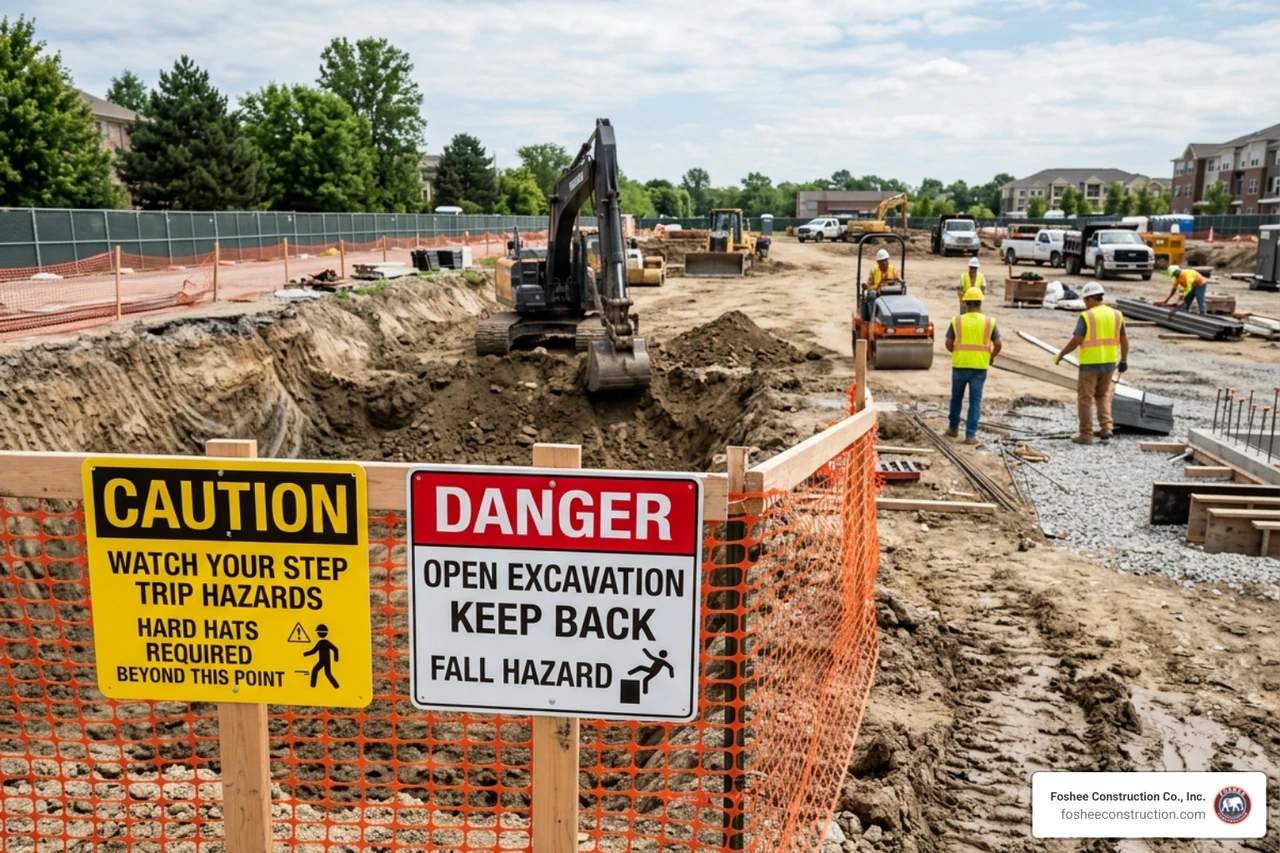
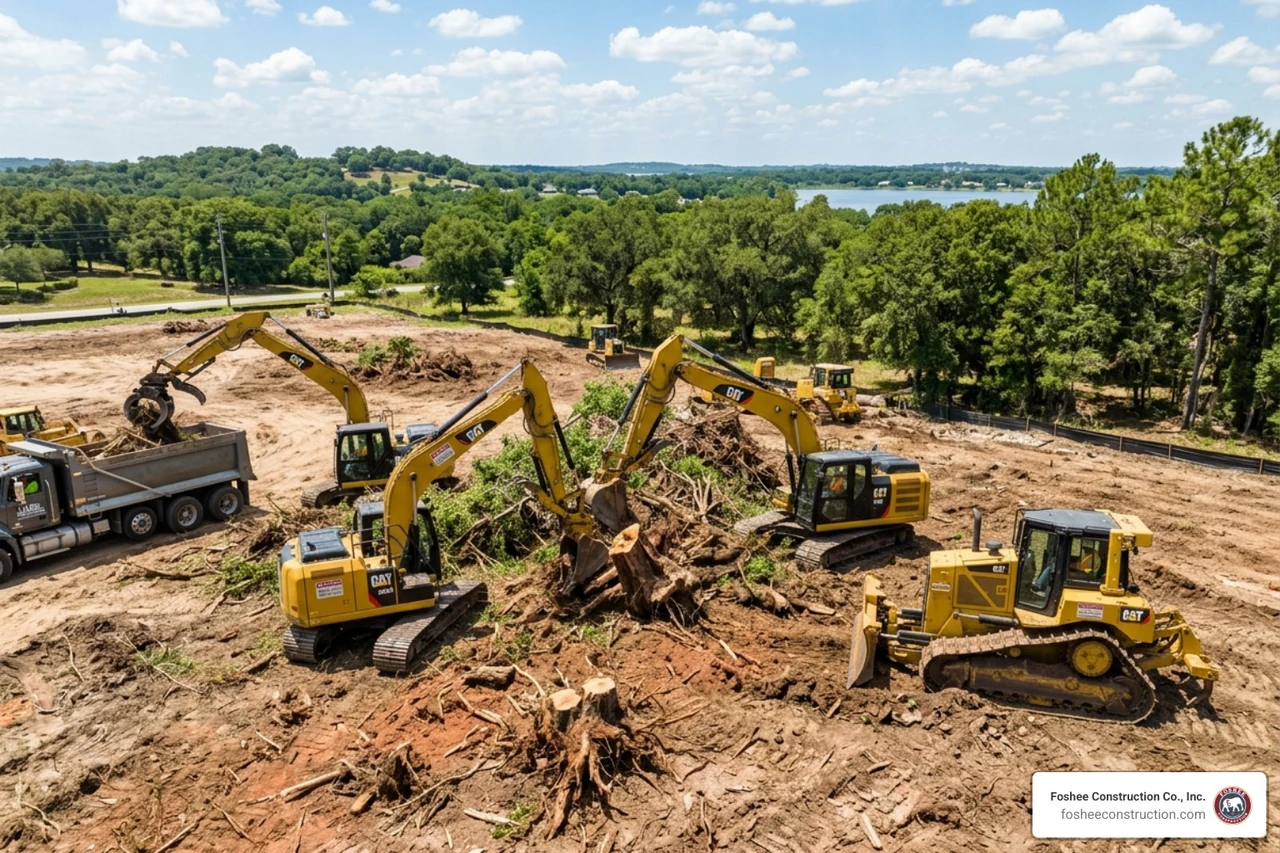
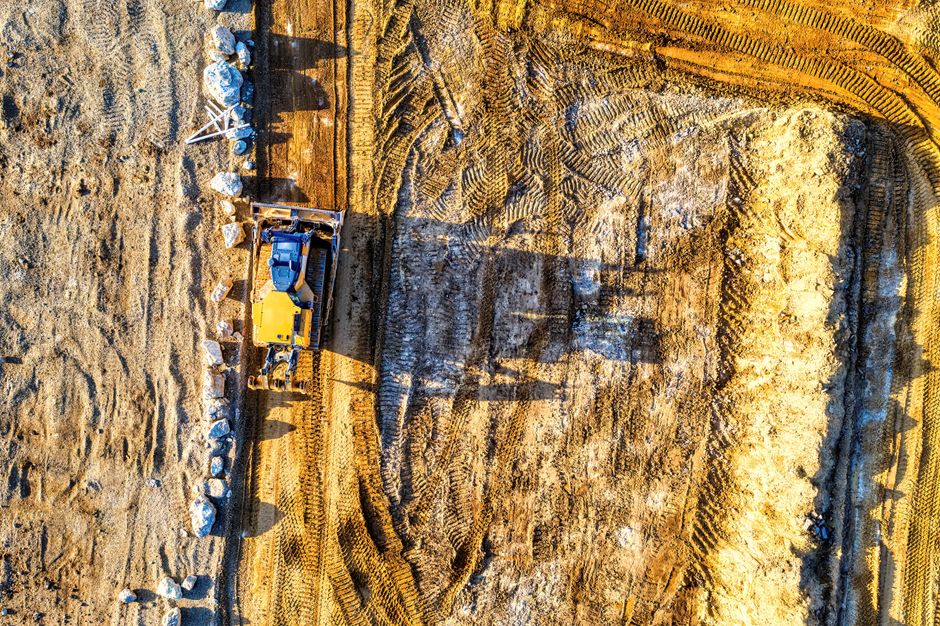
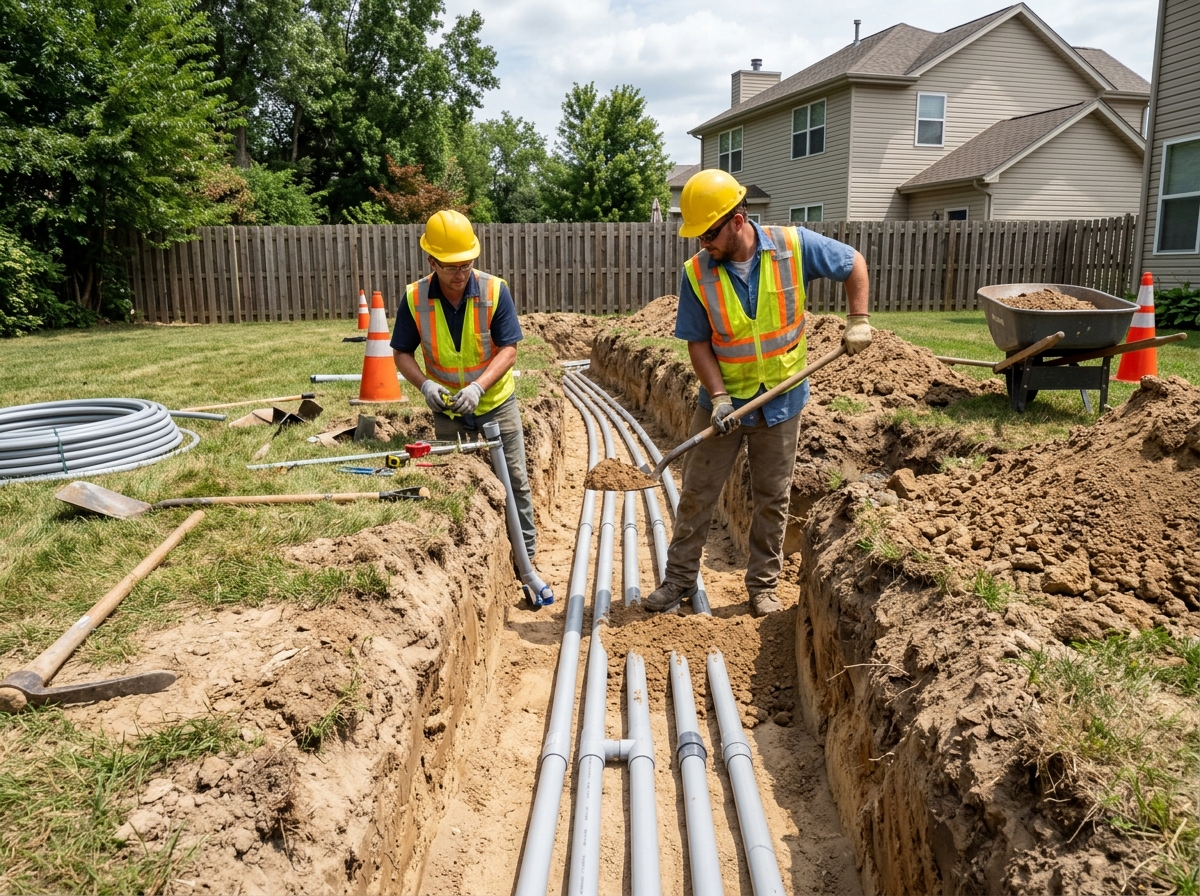
When we arrive at a site in Minneola or the surrounding Lake County area, we follow a disciplined process to ensure the ground is ready for its new burden. Site preparation is more than just clearing grass; it is about engineering a stable environment for your building.

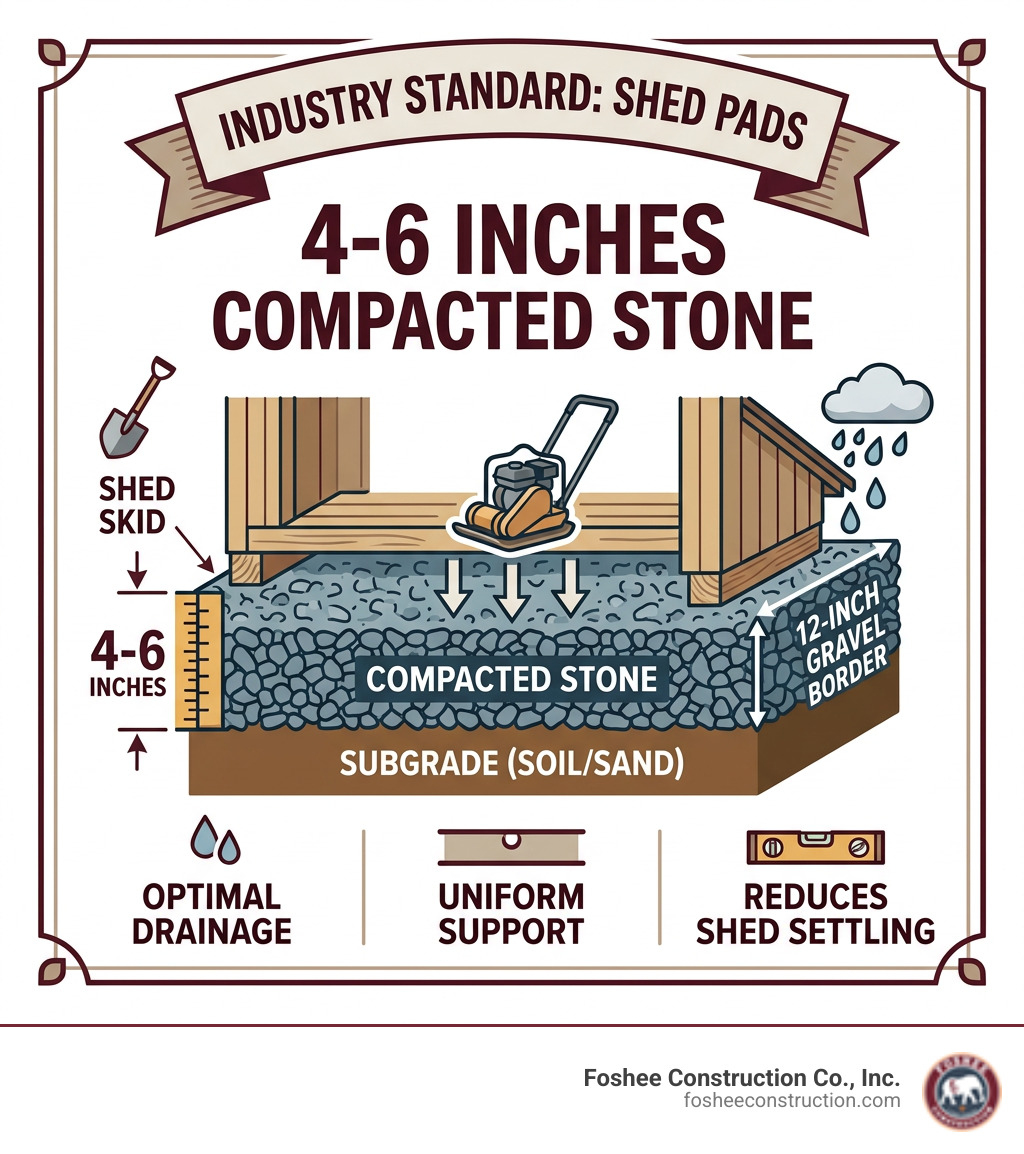
A common mistake DIYers make is building a pad that is the exact same size as the shed. If you have a 10x12 shed, you do not want a 10x12 pad.
We recommend a 12-inch border on all sides. For a 10x12 shed, your foundation should be at least 12x14. Why?
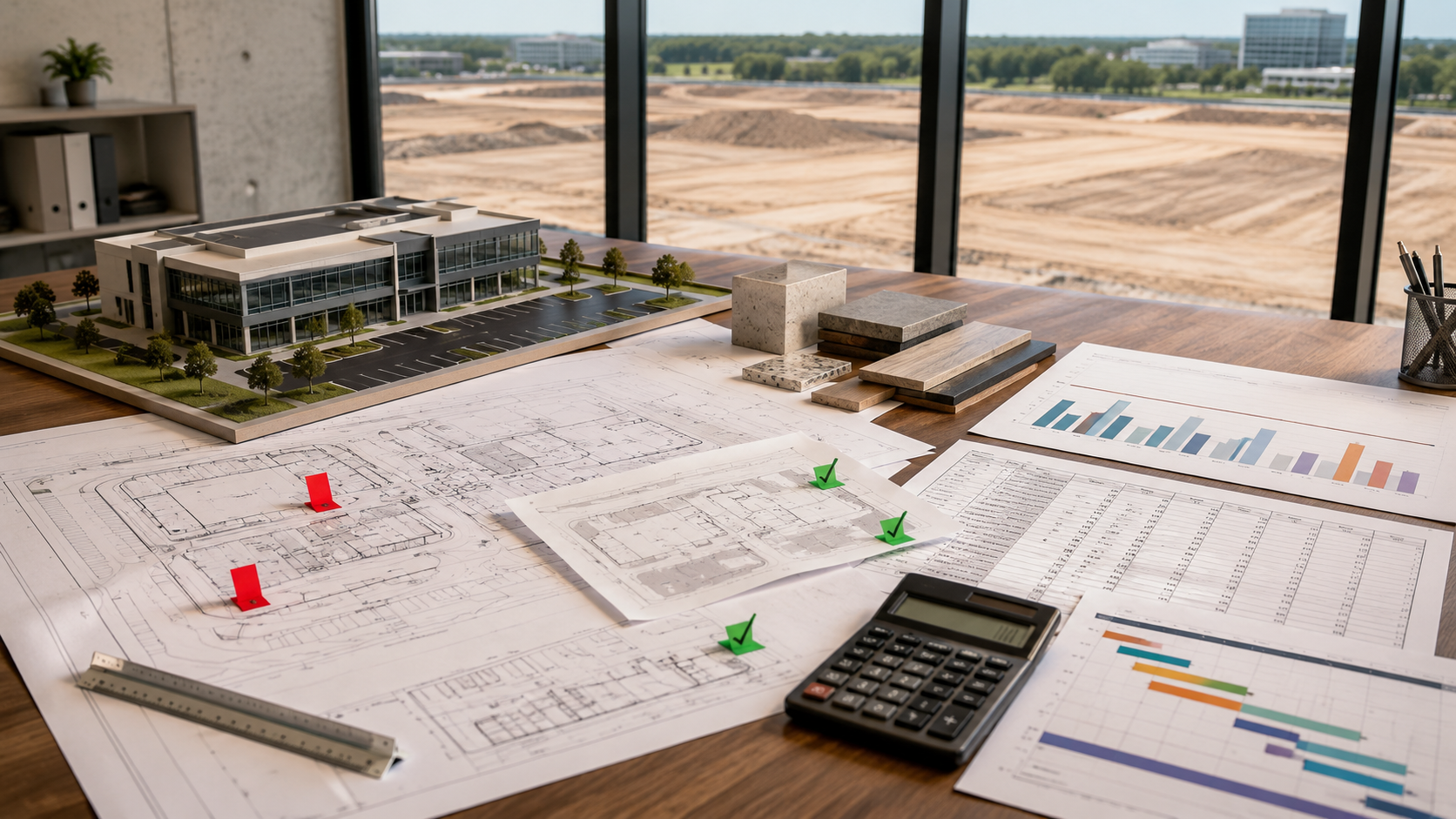
The "boring" part of the job—the paperwork and the math—is often where the most important work happens. In Florida, local regulations can be strict, often adhering to the Florida Building Code which mandates specific wind-load requirements for any structure. Depending on your municipality in Lake County, a shed might be considered a portable structure or a permanent one, which changes whether you need a zoning permit or a full building permit.
When you ask for a quote, several variables will shift the final number:
Don't just hire the guy with the cheapest truck. Verify that they are licensed and insured. A contractor's license number is proof that they operate legally and have the documentation required by the state. Insurance protects you from liability in case of an accident on your property.
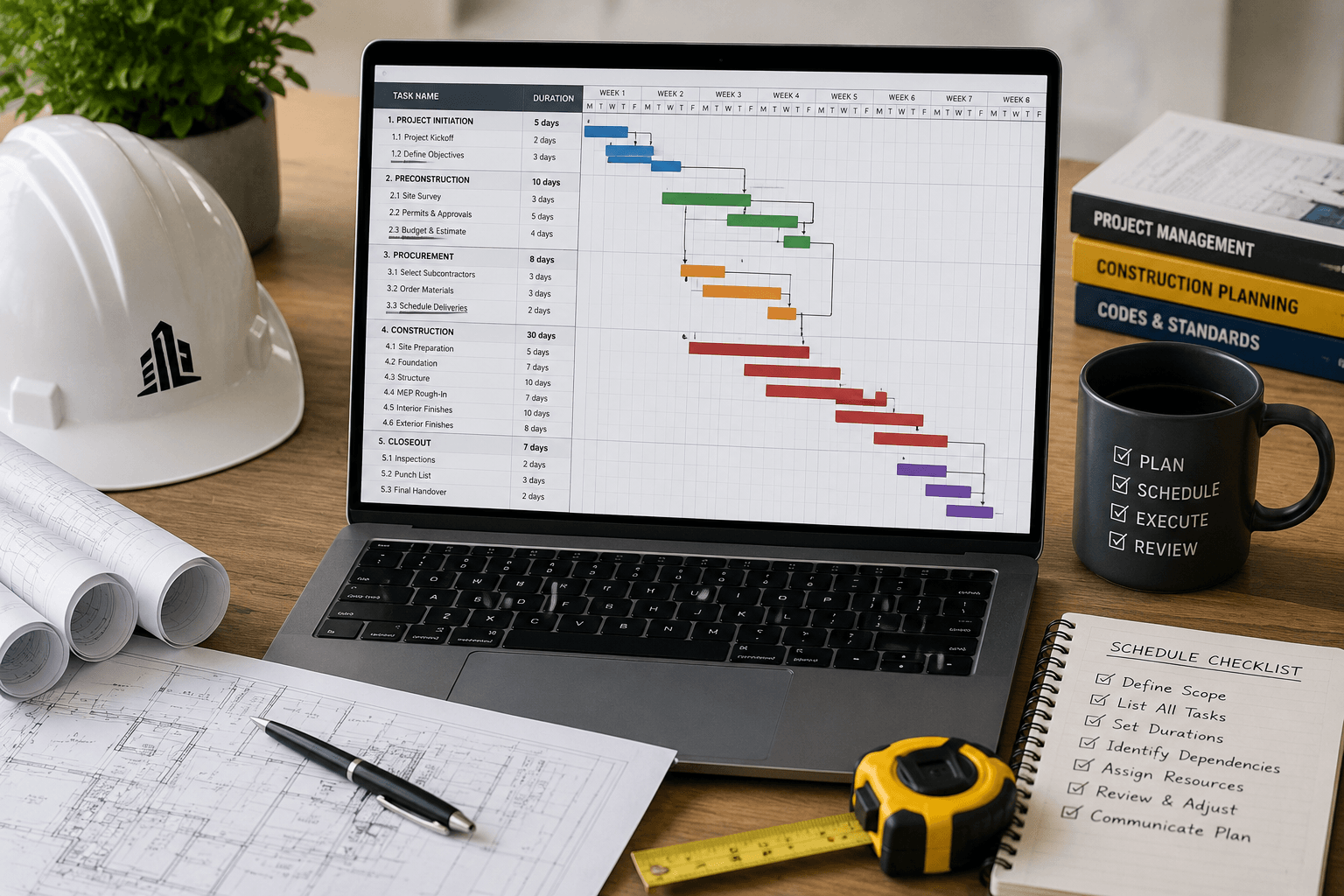
Ask for a transparent bid. At Foshee Construction, we believe in disciplined scheduling and clear communication. You should know exactly what materials are being used, how deep the excavation will be, and what the timeline looks like before the first shovel hits the dirt. A reputable contractor will always be happy to provide references and show you a portfolio of completed projects in the Minneola area.
For a standard gravel pad, we can usually finish the job in one day. This includes excavation, fabric installation, and stone compaction. Concrete slabs take a bit longer—usually two days—because we have to set the forms, pour the concrete, and then allow it to cure before the shed can be delivered. Weather is the biggest wild card; in Florida, we always keep an eye on the afternoon thunderstorms, as heavy rain can delay a pour or wash out a fresh excavation.
In many parts of Florida, a gravel pad is considered a "temporary" or "non-permanent" foundation, which may only require a simple zoning clearance rather than a full building permit. However, HOA regulations in Minneola and Lake County can be even stricter than city codes. Some HOAs require specific materials or colors for the perimeter. We always recommend checking with your HOA board first to avoid any compliance issues later.
Absolutely. We use retaining walls made of pressure-treated timbers or concrete blocks to "cut" into the hill and create a level bench. This process involves moving significant amounts of earth to ensure the high side of the slope doesn't collapse onto the pad. For extremely steep or unstable terrain, we might suggest structural piers or helical piles to ensure the shed doesn't migrate down the hill over time. These deep-foundation options provide the ultimate stability for challenging Florida landscapes.
The secret to a shed that lasts thirty years instead of three is simple: don't ignore the ground. By hiring professional shed foundation contractors near me, you are buying peace of mind, protecting your warranty, and ensuring your backyard remains a functional, beautiful space.
At Foshee Construction Co., Inc., we bring decades of site preparation expertise to every project in Minneola and throughout Lake County, Florida. We pride ourselves on transparent bids, a relentless focus on safety, and the kind of reliable relationships that keep our customers coming back.
Ready to give your shed the foundation it deserves? Start your project with professional site prep and let us handle the heavy lifting.
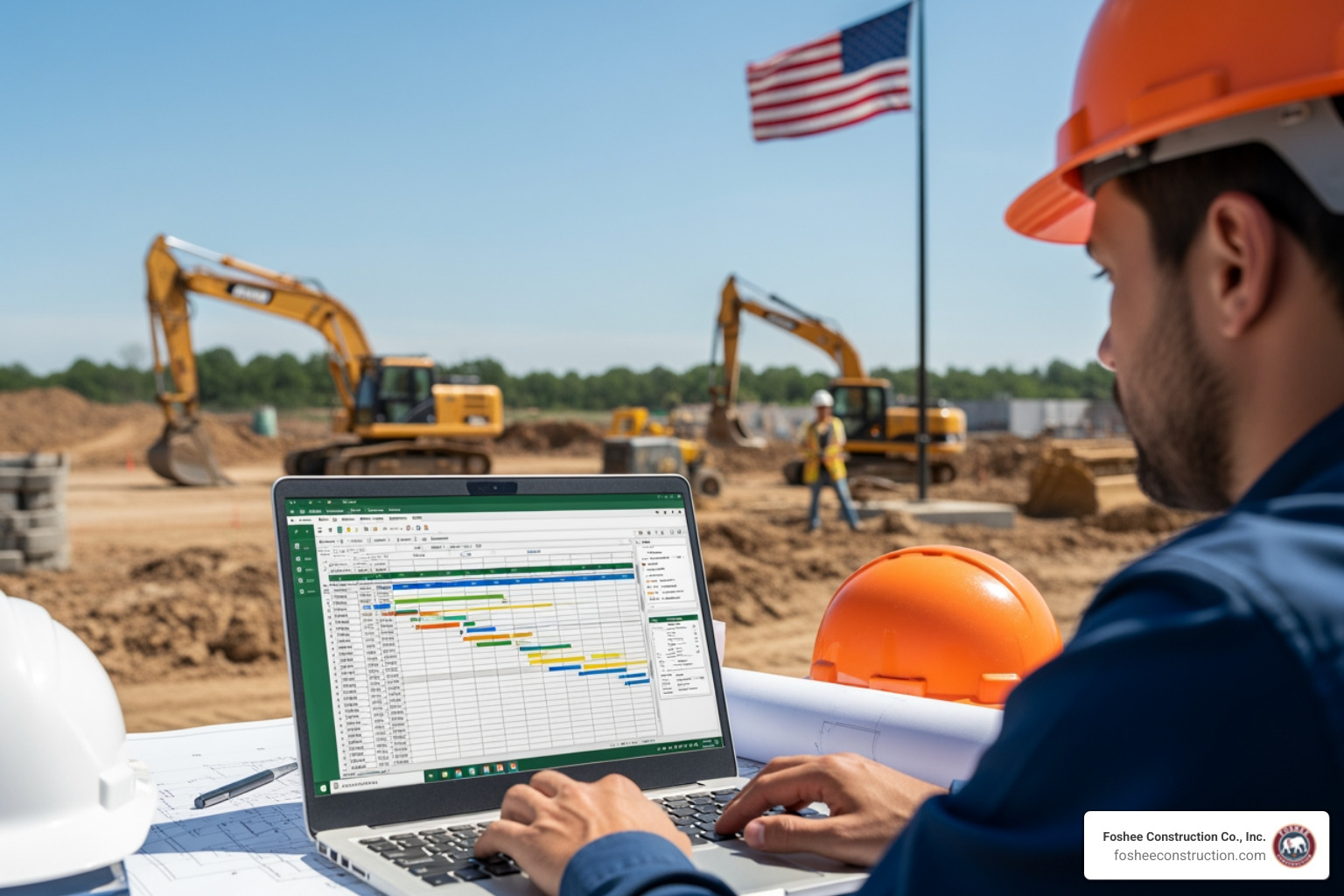
We build bids using HeavyBid and AGTEK because the details matter long before the job starts. When the numbers are accurate and the scope is clearly defined, it sets the tone for how the entire project runs. Estimating isn’t just a step in the process, it’s the foundation we build on.
That same mindset carries into the field. Our crew is trained to work with purpose, follow the Civil Engineers’ Plan to the finest detail, and hold the line on quality. When expectations are clear from day one, there’s no need for shortcuts, and no confusion about how the work gets done.
Clients trust our bid packages because they’re complete and ready to use. Project managers know what we’re covering, what’s excluded, and how we plan to approach the job. That clarity removes friction and lets teams focus on execution instead of interpretation.
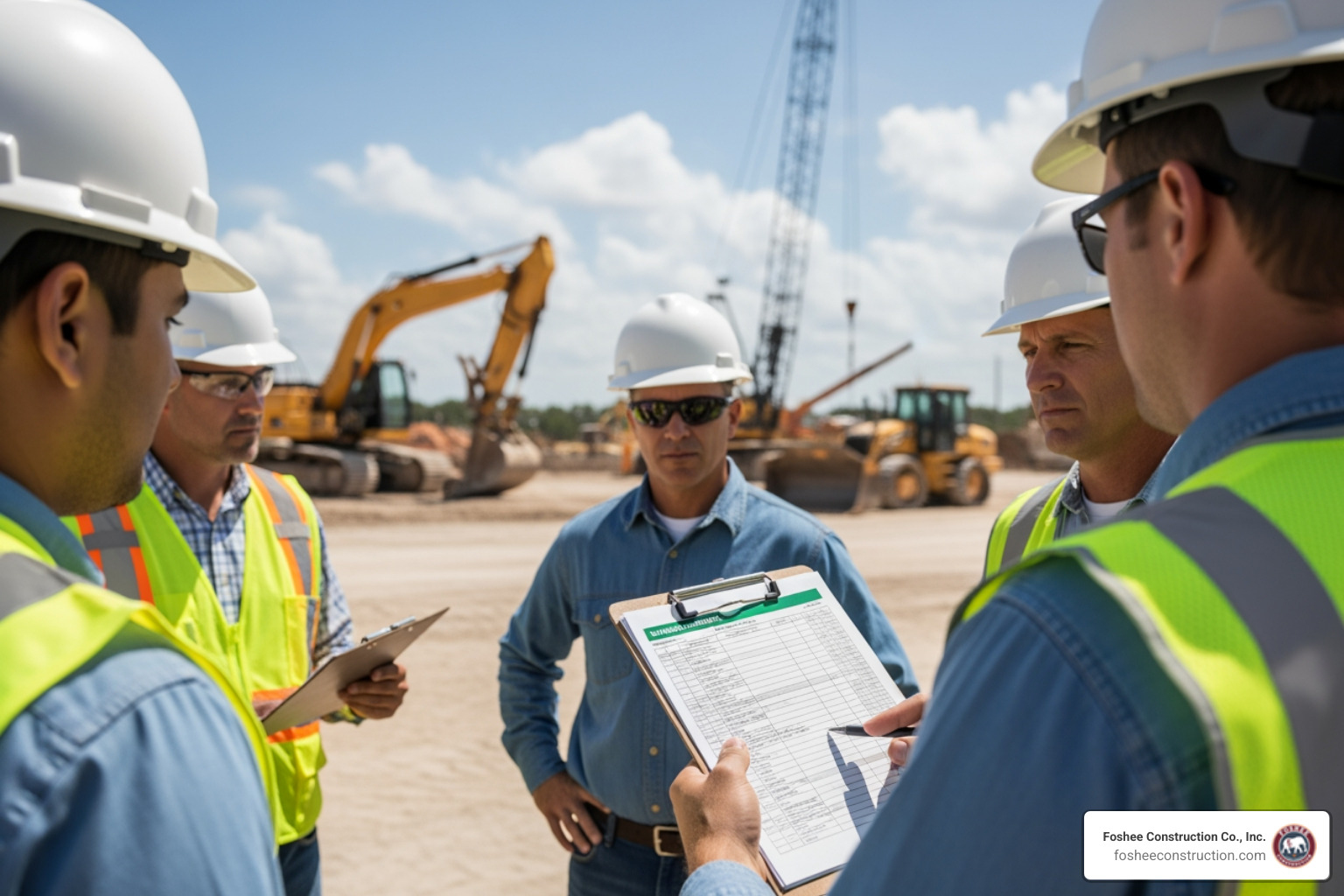
As part of our review process, we go into the plans before anything hits the site. We ask the questions early, resolve issues before they show up in the field, and keep RFIs moving. This approach prevents delays and protects the timeline.
Over time, that consistency builds trust. Many of the people we work with today came through referrals from past projects – engineers, GCs, and superintendents who’ve seen how we operate and want the same experience again.
In 2024, Foshee Construction was acquired by Saga Infrastructure Solutions, a national network of civil construction companies. Saga supports regional contractors by giving them access to better tools, long-term resources, and operational backing, without changing how they run day to day.
Foshee will continue to operate under its name, with the same team and field leadership in place.
“From the very time a project starts, we start that partnership. We try to catch as much as we can with the tools that we have. Not everybody is using the software platforms we are. That’s the differentiator: we’re not just bidding. We’re anticipating, problem-solving, and making sure the job runs right.”
— Don, CEO, Saga Infrastructure Solutions
Foshee is now part of a broader regional strategy that includes Florida, the Piedmont Atlantic, Texas, Colorado, and the Arizona Sun Corridor. The name, crews, and standards remain. What’s improving is the support behind it.