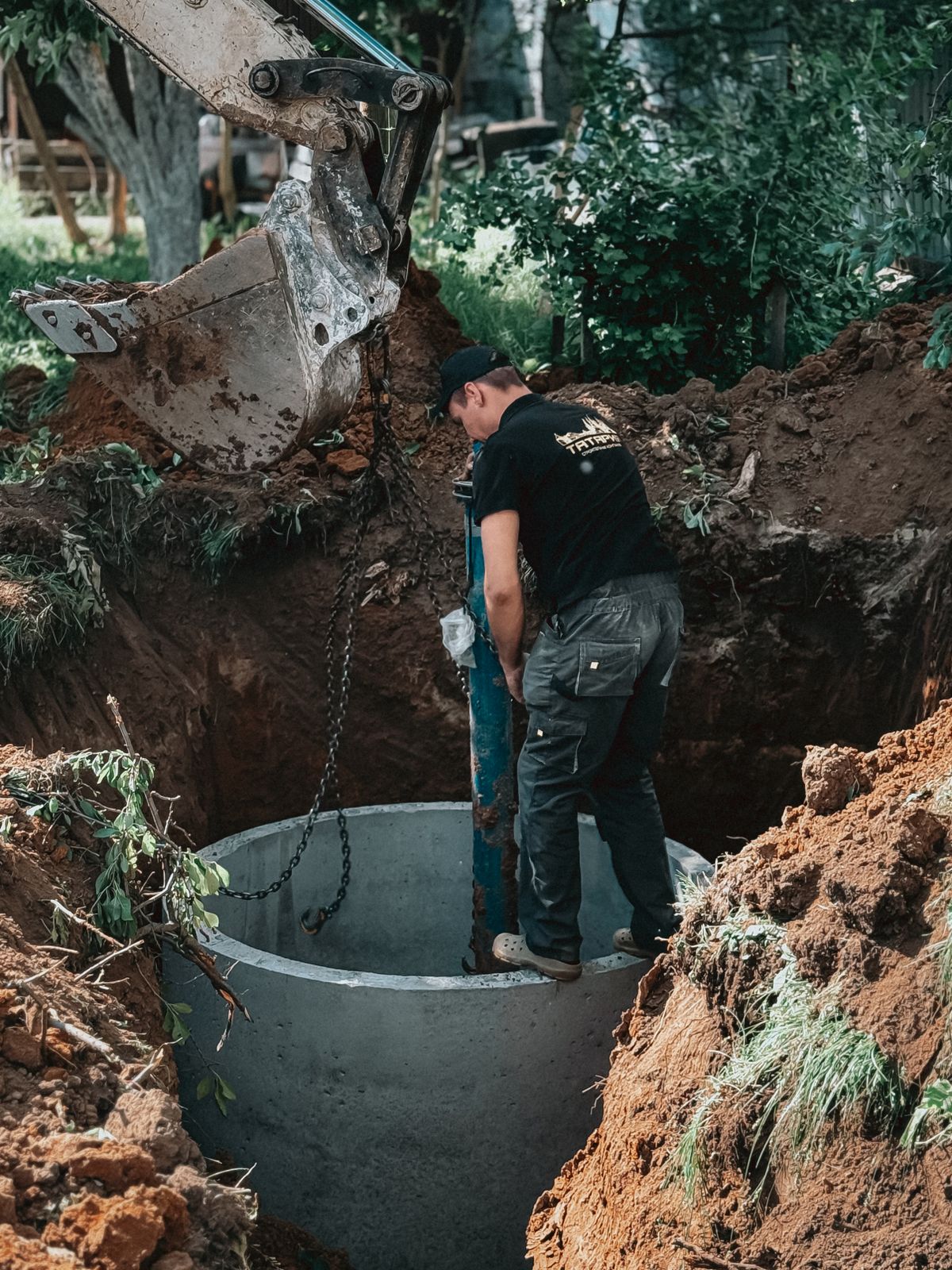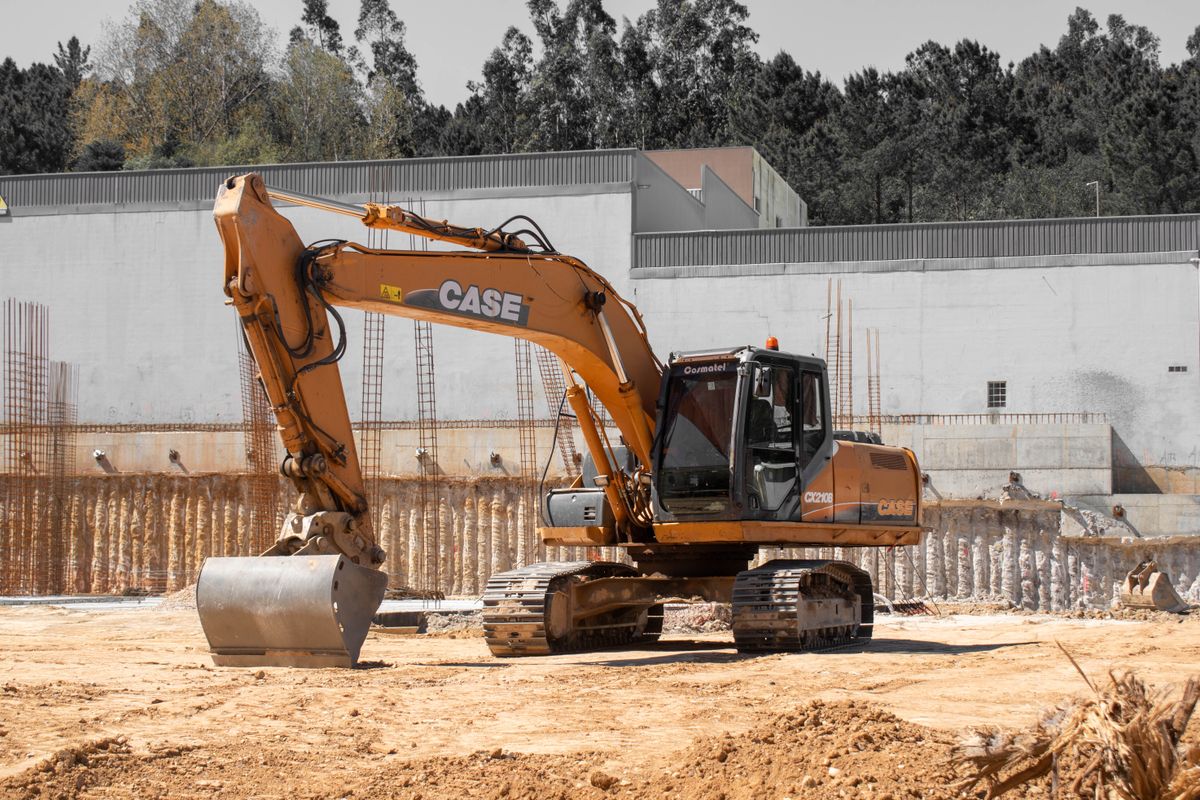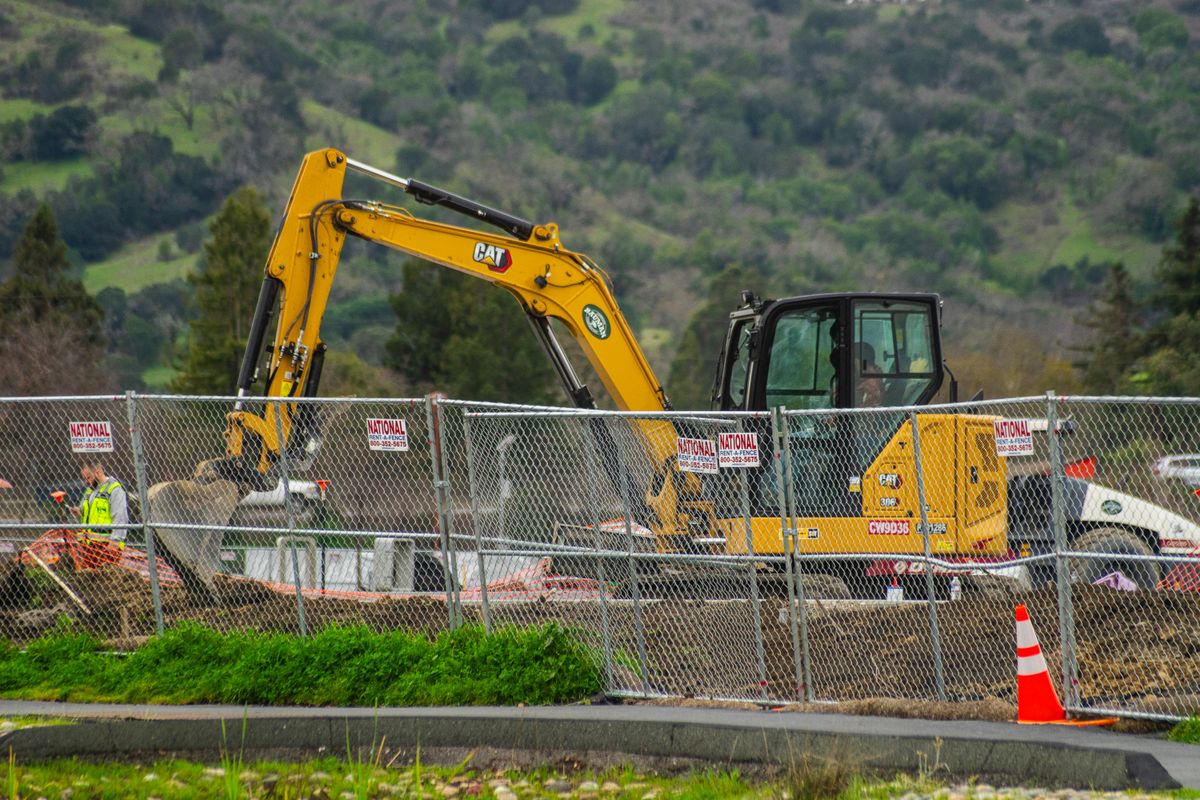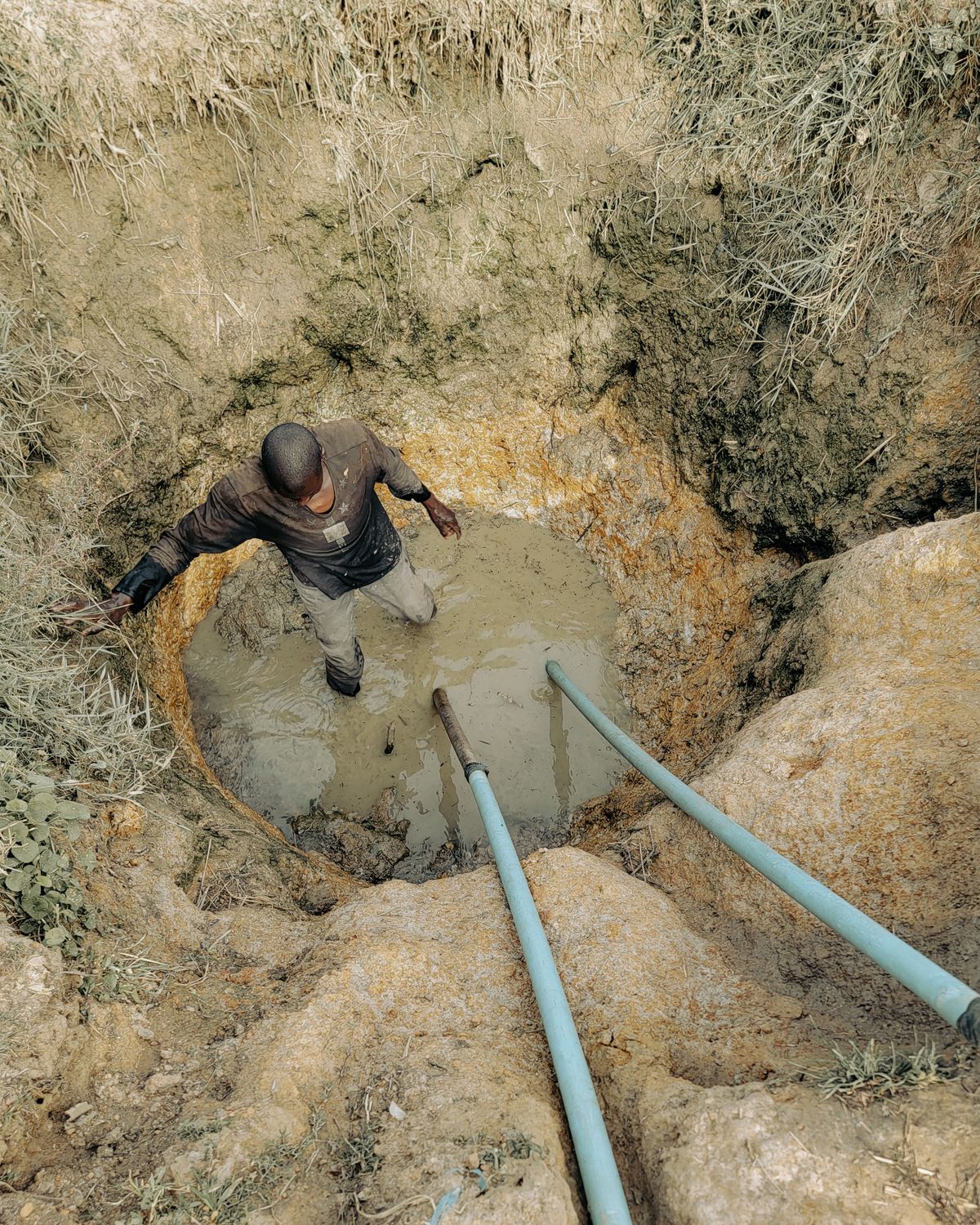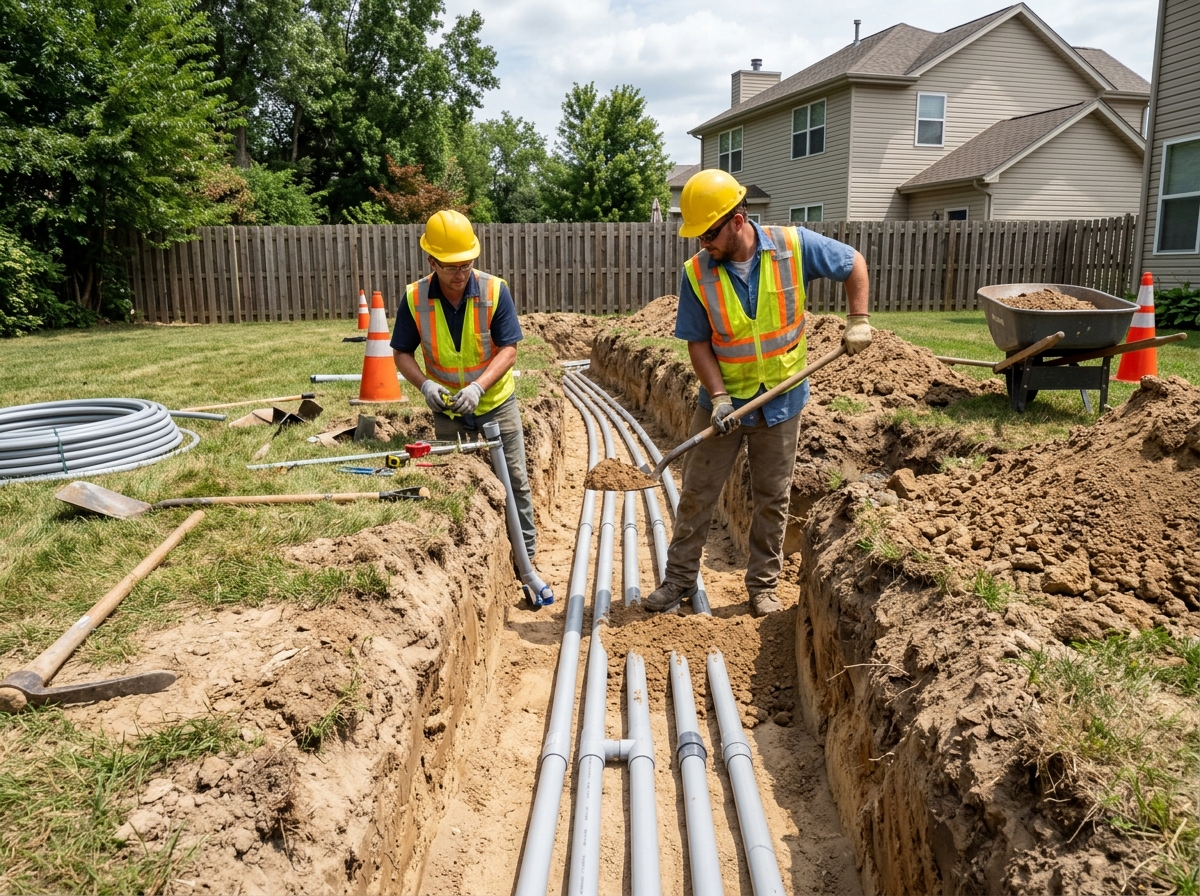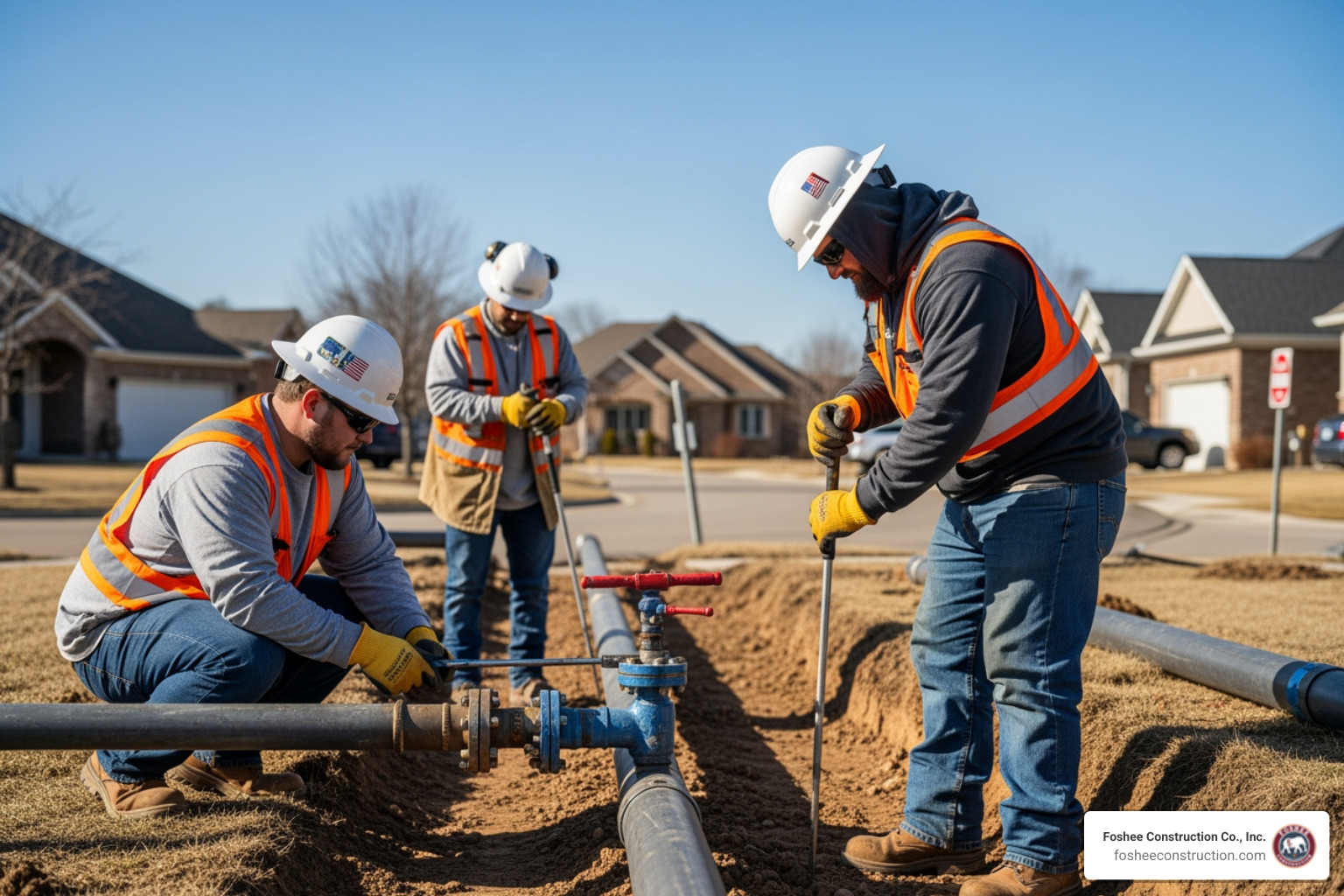
A buried water line is any pipe installed underground to carry potable or non-potable water — from a municipal main in the street, across your property, and into a structure.
Here is a quick overview of what you need to know:
Most property owners don't think about their buried water lines until something goes wrong — a soggy patch in the yard, a sudden drop in water pressure, or a backhoe cutting through a pipe mid-project. At that point, a small oversight becomes an expensive emergency.
Getting this right from the start means knowing what pipe to use, how deep to bury it, and what is already in the ground before you dig.
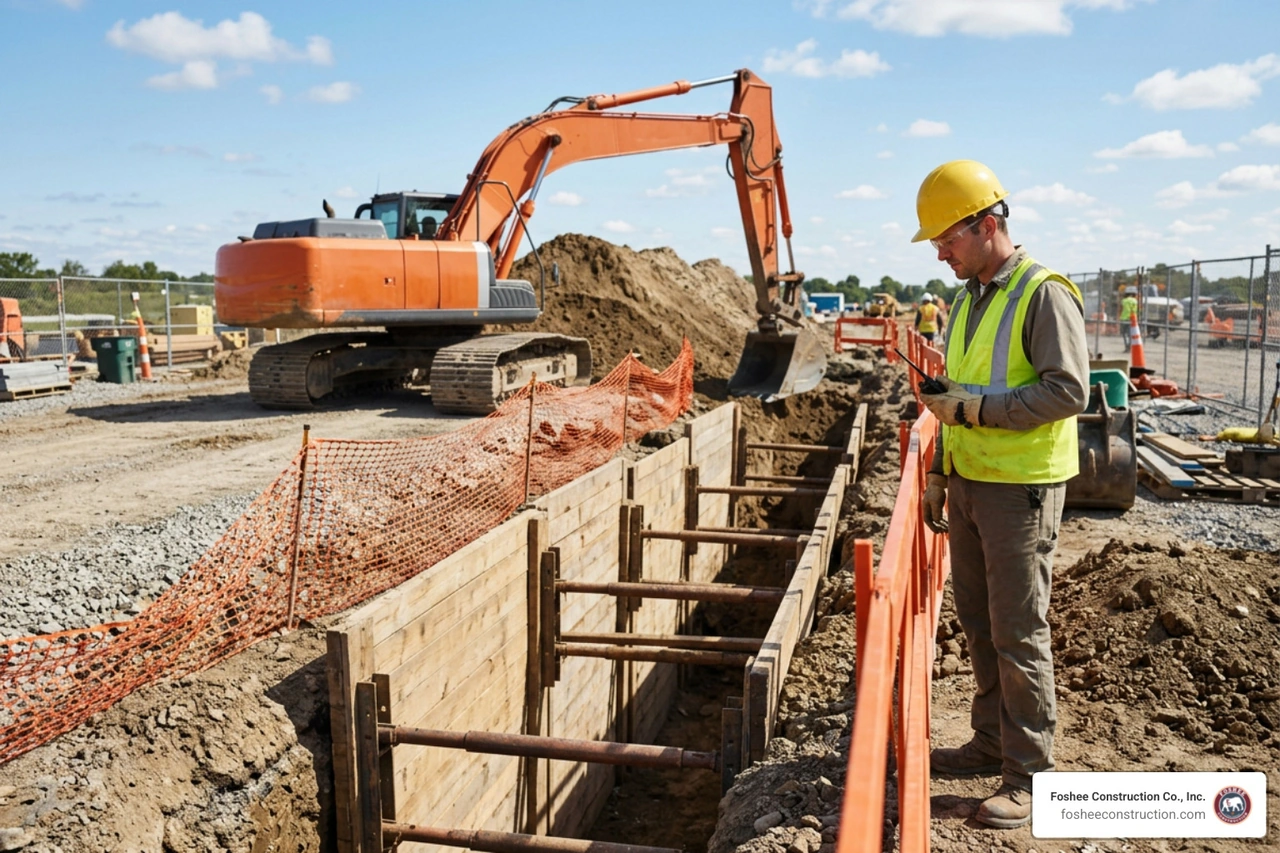
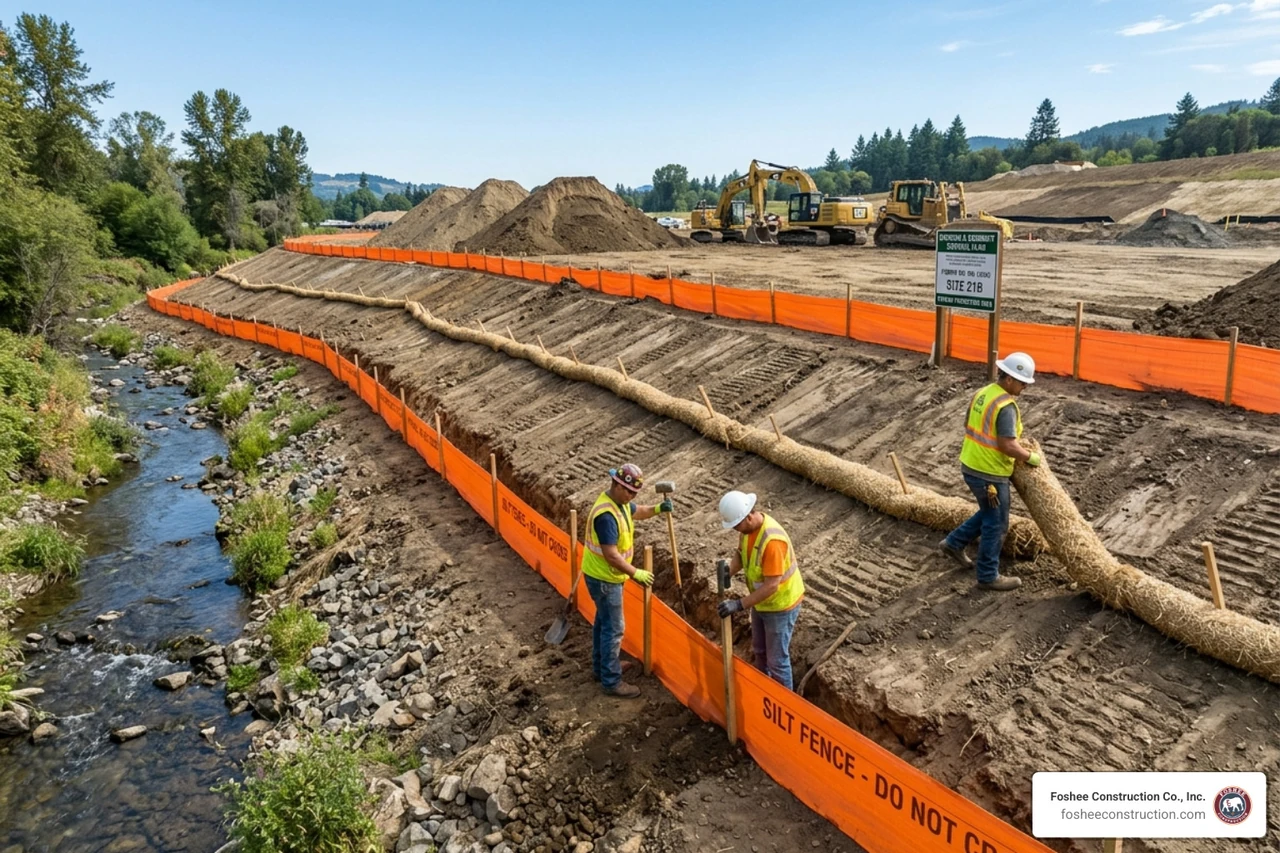
I'm Don Larsen with Foshee Construction Co., Inc., and our team has been installing and managing underground utilities across Central Florida since 1994 — including buried water line work on residential and commercial site development projects throughout Lake County and Minneola. In this guide, we'll walk you through everything you need to plan, install, locate, and maintain a buried water line correctly.
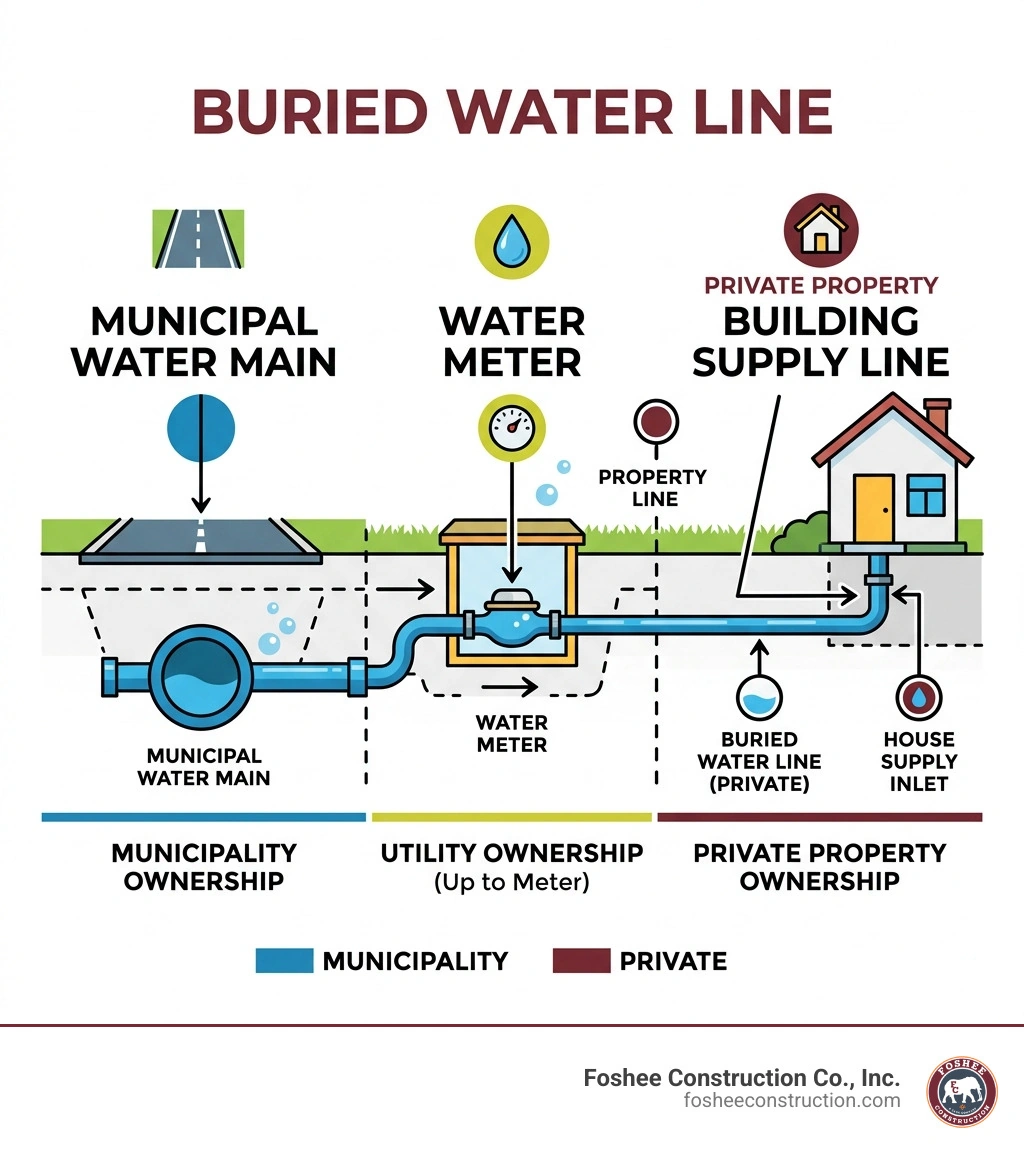
Buried water line terms explained:
When you are planning a buried water line, the material you choose dictates how long the system will last and how much "fun" (or lack thereof) you'll have during installation. In April 2026, the industry standards have solidified around a few key players. We generally look for pipes that are corrosion-resistant, flexible enough to handle soil shifts, and rated for at least 160 to 200 PSI.
| Pipe Material | Best Use Case | Corrosion Resistance | Lifespan |
|---|---|---|---|
| PEX (Cross-linked Polyethylene) | Residential supply lines | High | 50+ Years |
| HDPE (High-Density Polyethylene) | Long runs, ranch/well lines | Excellent | Up to 100 Years |
| PVC (Schedule 40/80) | Irrigation and non-potable | High | 50+ Years |
| Copper (Type K or L) | High-pressure, traditional | Moderate | 50+ Years |
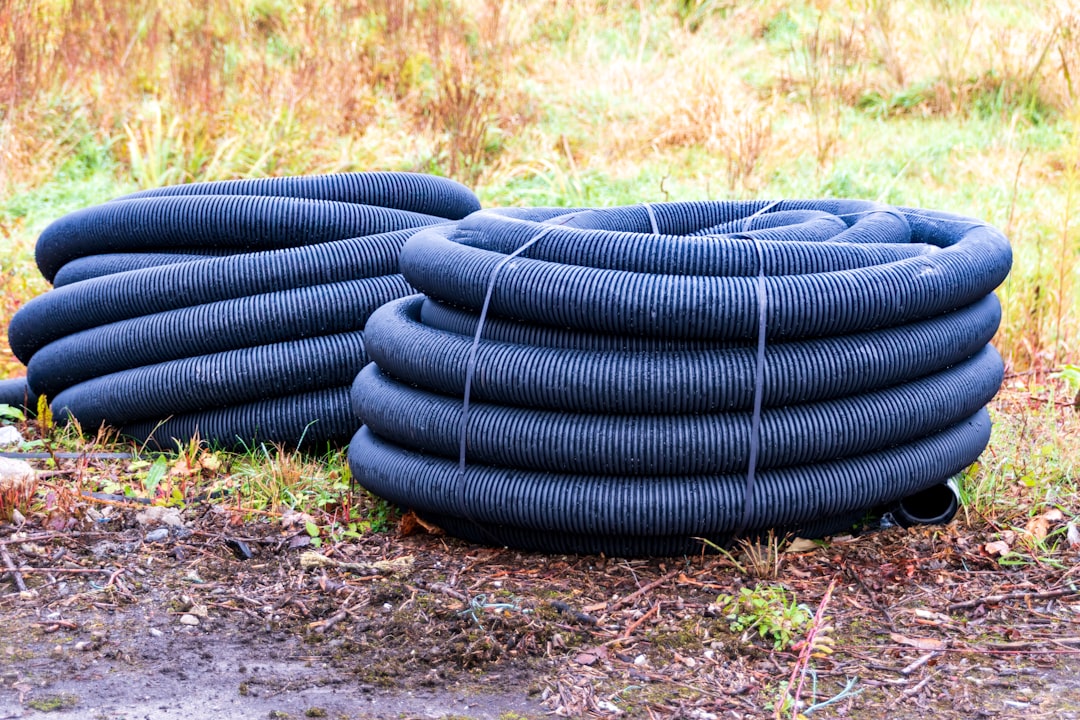
For most modern residential projects, PEX and HDPE have become the go-to choices because they don't require glue joints every 20 feet, which are common fail points. If you're tackling a larger project, you might need utility installation contractors who have the heavy equipment to handle large-scale HDPE fusion.
PEX (PEX-A and PEX-B):PEX has taken the plumbing world by storm. PEX-B, like the popular SharkBite 1 Inch x 300 Feet coils, maintains high user trust with ratings around 4.7 out of 5 stars.
HDPE:High-density polyethylene is the "heavy lifter." It is often SDR-11 rated at 200 PSI.
Copper:While copper is the "gold standard" for some, it has lost ground.
For those interested in the technicalities of public infrastructure, the Florida DEP rules on water main locations provide a deep dive into how these lines are regulated at a state level.
When shopping for your buried water line, you’ll see "PSI" and "SDR" ratings. For a standard home supply line, we recommend a minimum of 160 PSI, though 200 PSI is the gold standard for HDPE.
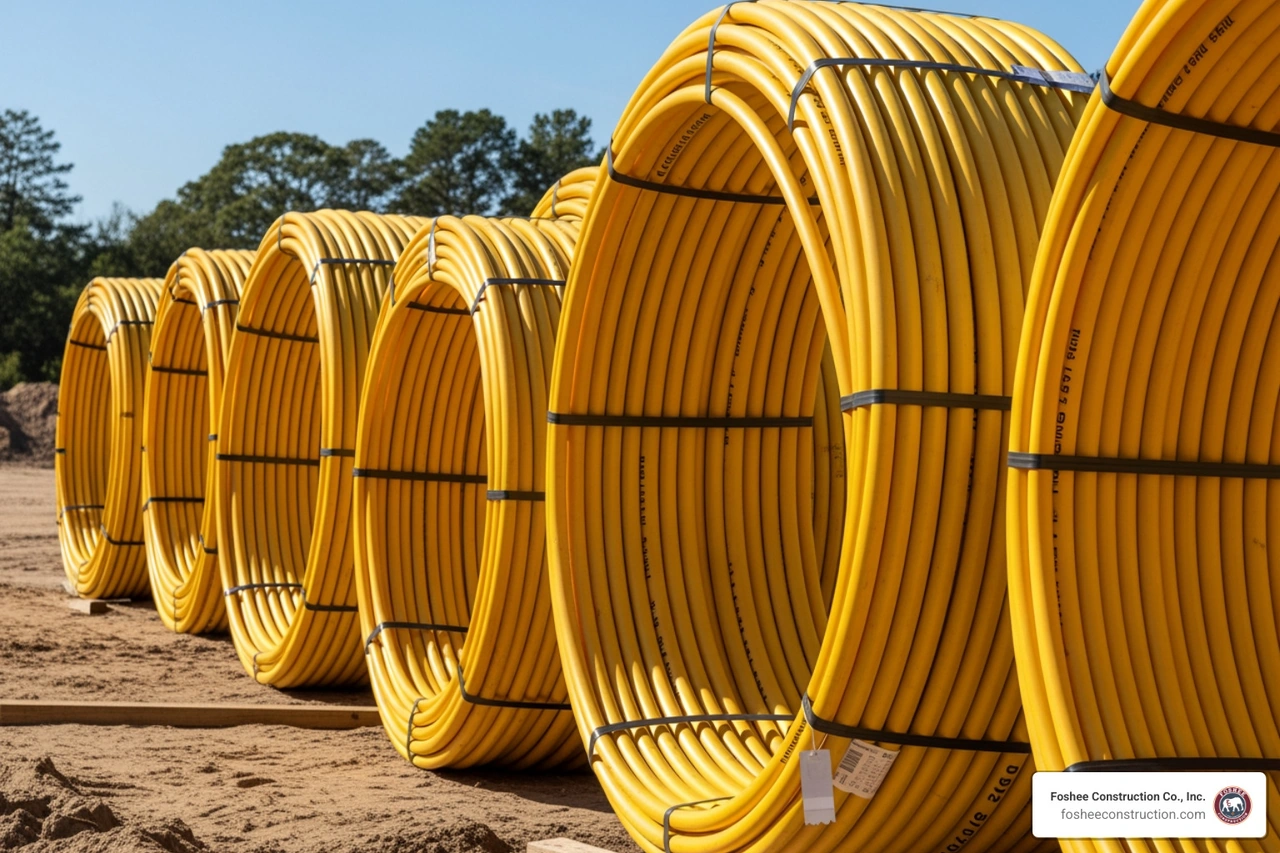
Coil lengths are a major factor in ease of installation. You can find PEX in 100-foot to 500-foot coils, and HDPE is commonly sold in 500-foot rolls. Using these long coils allows you to run a single, continuous pipe from the meter to the house foundation. This "jointless" approach is the best way to prevent future leaks.
Installing a buried water line isn't just about digging a hole and tossing in a pipe. You have to consider the "invisible" forces of nature: frost, soil pressure, and shifting earth.
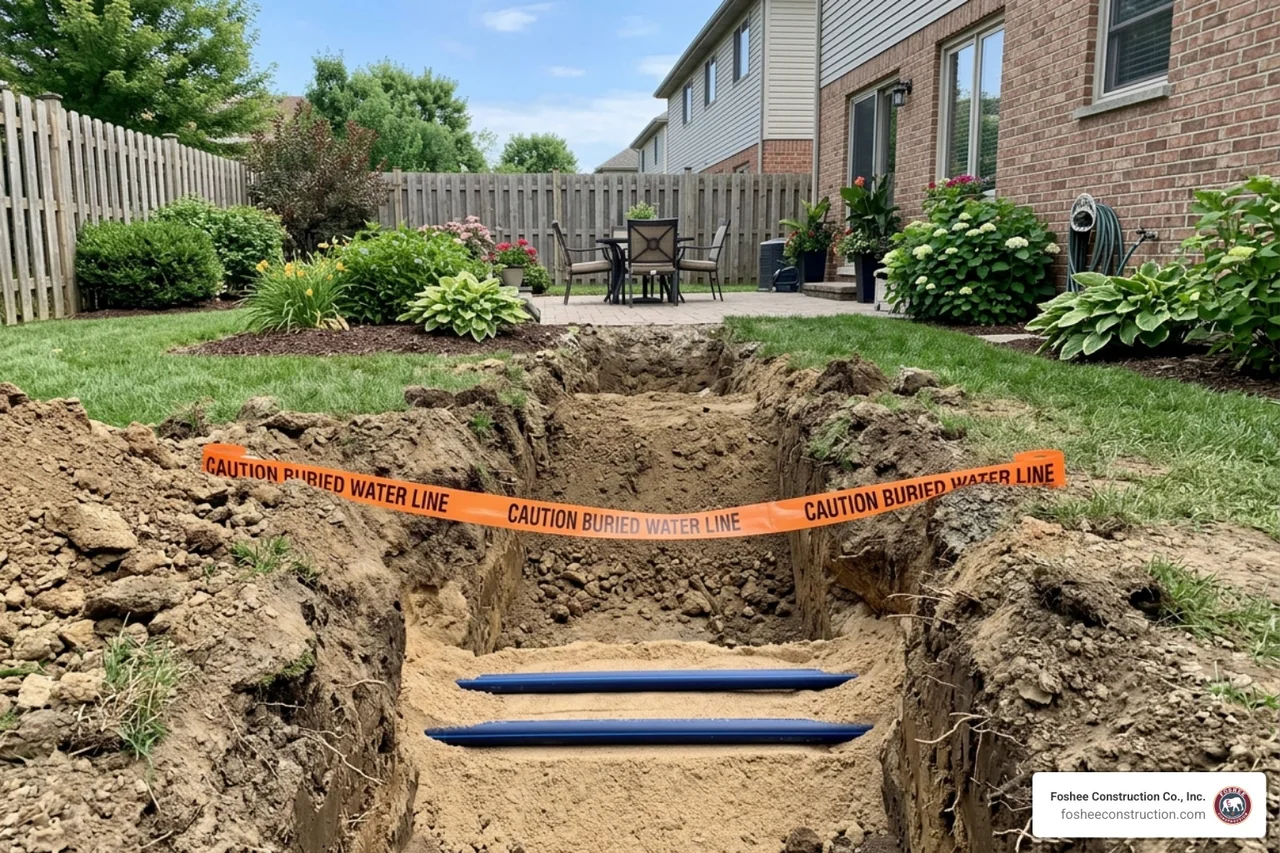
If you’re doing this yourself (or watching us do it), these are the non-negotiables:
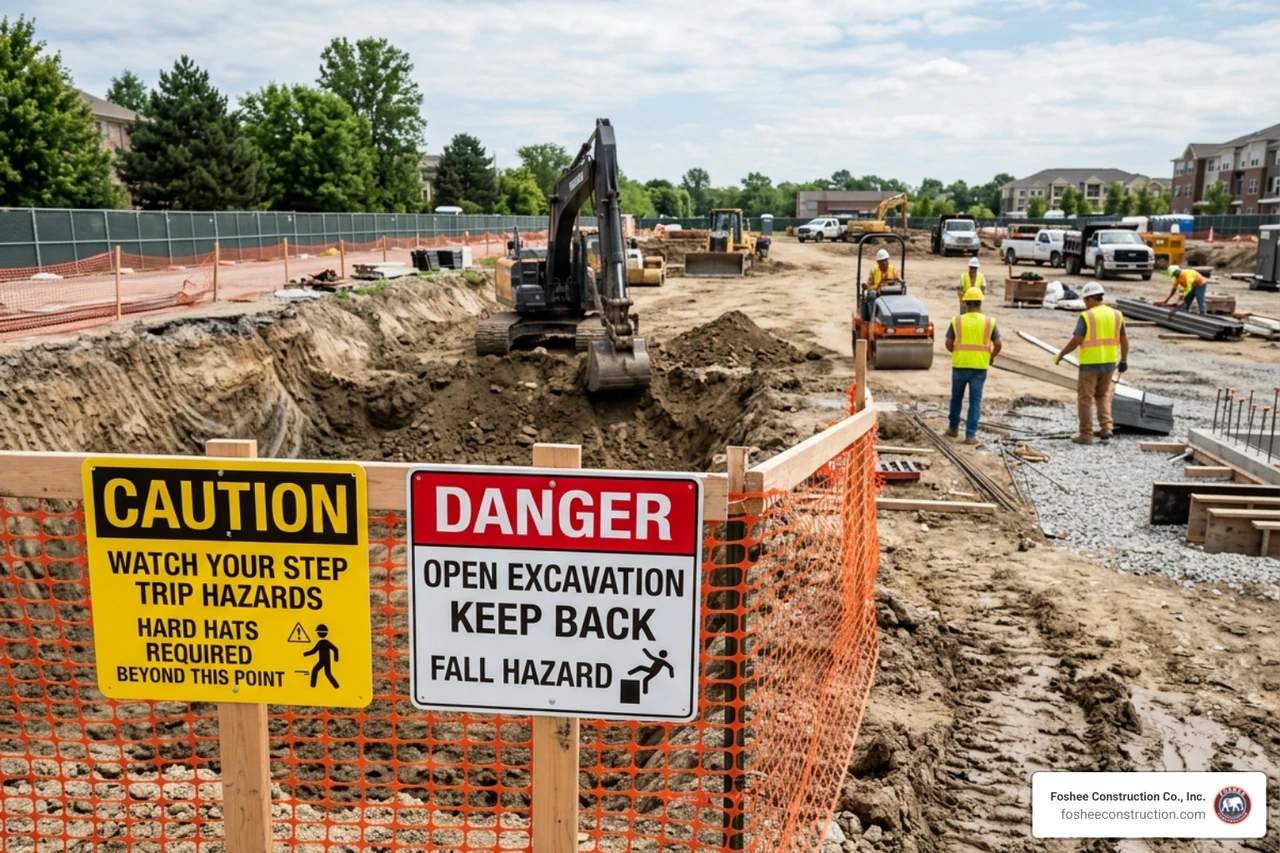
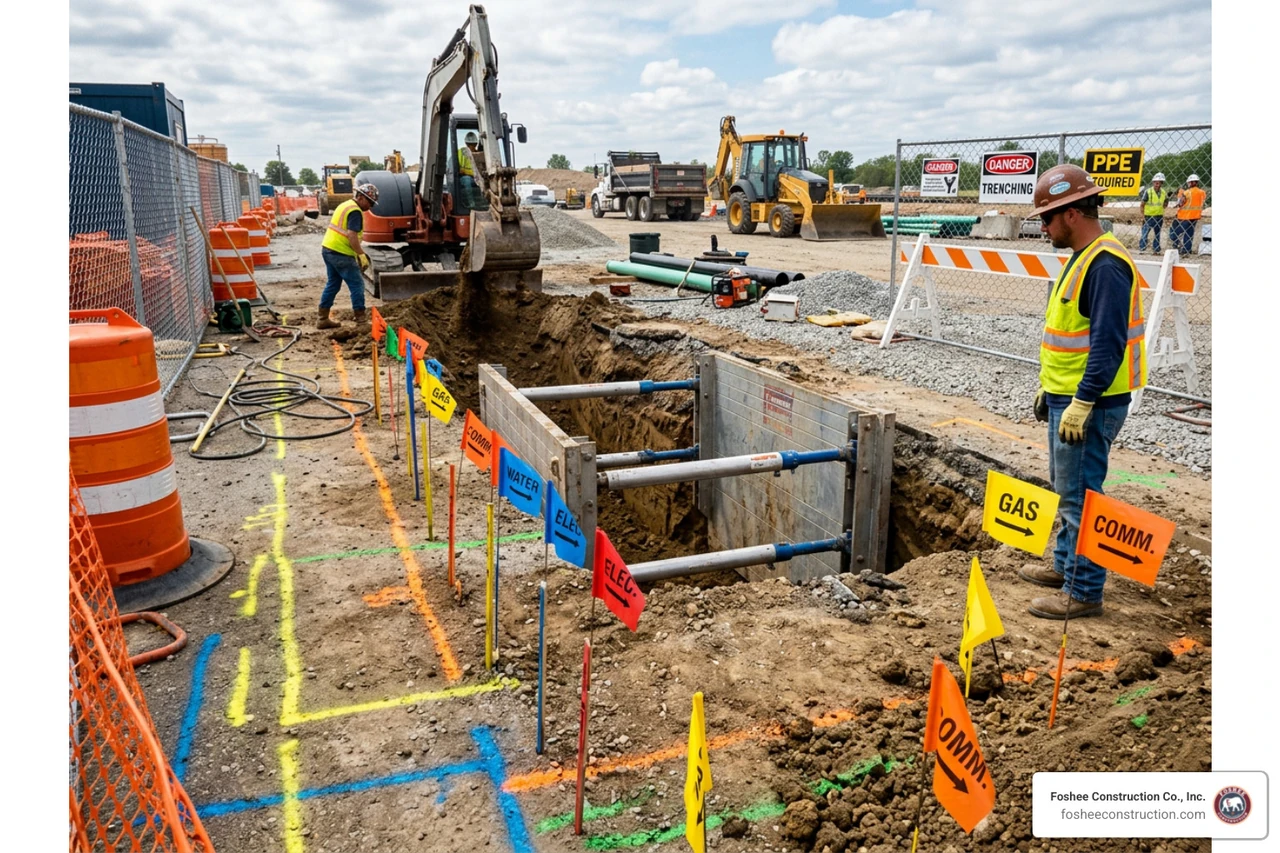
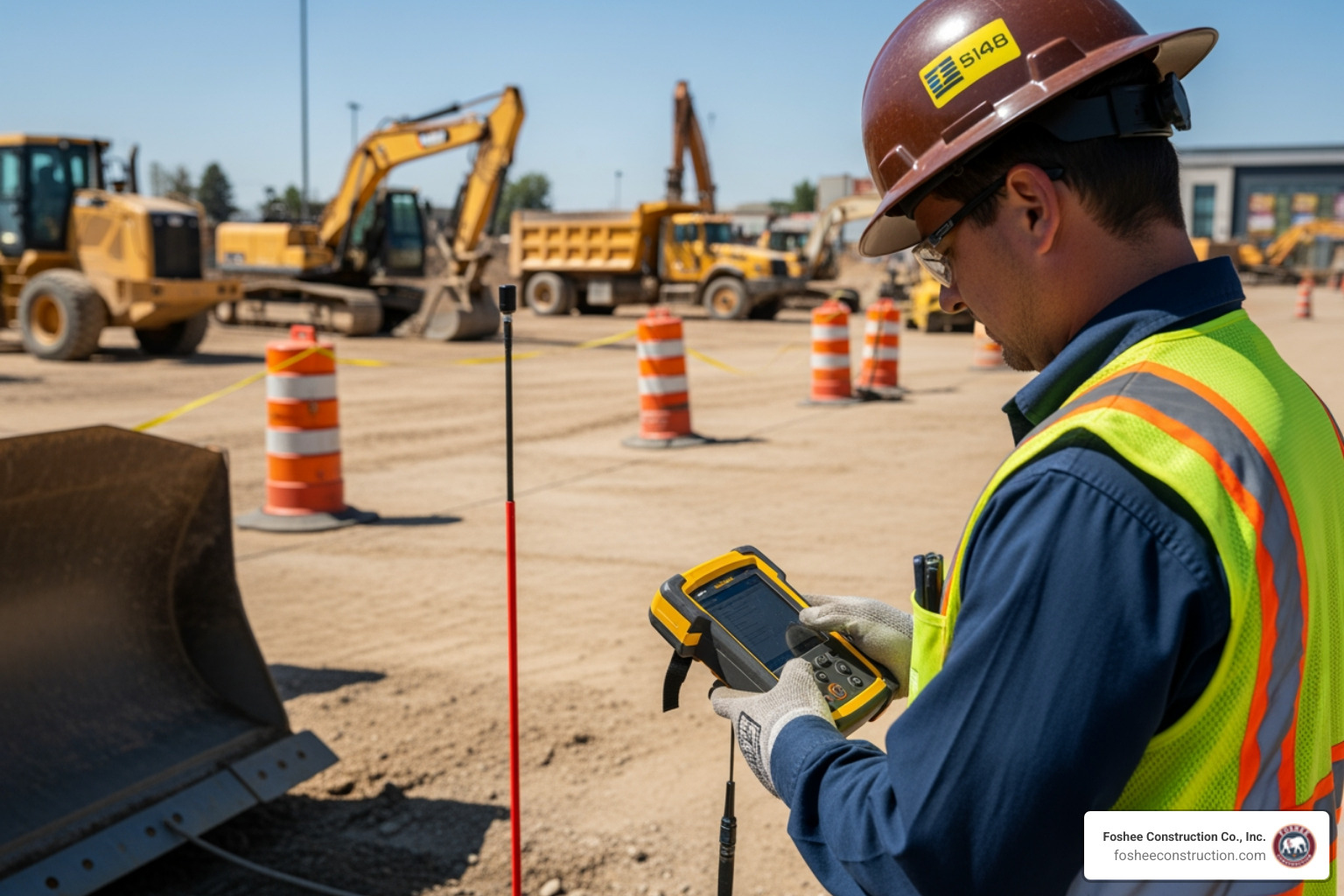
One of the most dangerous things you can do on your property is "blind digging." Whether you are in Minneola or Lake County, hitting a gas or power line while looking for your buried water line is a recipe for disaster.
The "811" service is fantastic, but there is a catch: they only mark public lines. This usually means the line from the street to your water meter. The pipe running from the meter to your house is your responsibility.
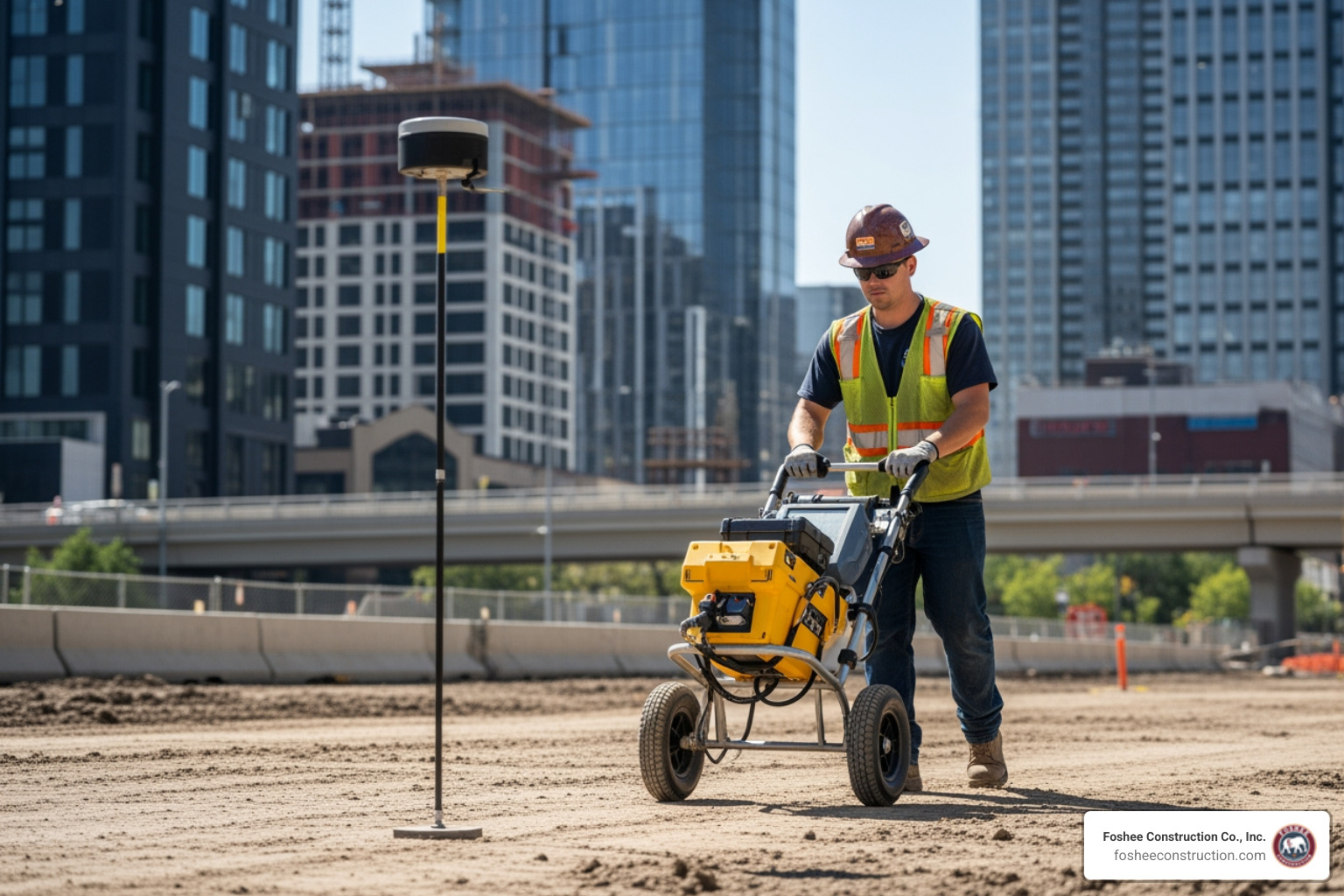
To find your private line:
When the locators come out, they will leave a rainbow of colors in your yard. Here is the key to reading them:
A well-installed buried water line should last a lifetime, but "stuff" happens. Root intrusion from that beautiful oak tree or shifting sandy soil can eventually cause issues.
How do you know you have a leak? Look for the "Red Flags":
To repair a leak, you’ll need to expose the damaged section, cut it out, and use appropriate couplings. For PEX, SharkBite or crimp fittings work well. For HDPE, you may need a compression coupling. Always disinfect the line after a repair before drinking the water!
Yes, both can be used for a buried water line, but they must be rated for it. PEX-B is excellent for direct burial and is highly resistant to soil chemicals. PVC is also suitable, though it is more brittle and prone to cracking if the ground shifts. Always ensure the pipe is NSF-61 certified for potable water.
As of April 2026, costs vary based on the length of the run and the soil conditions. On average, you might look at:
No. While products like the Rain Bird drip tubing (4.6 stars) or LINEX soaker hoses are great for gardens, they are not designed for the constant high pressure of a main supply line. They are thin-walled and will fail quickly if used as a permanent buried water line.
Managing a buried water line project requires a mix of the right materials, proper safety protocols, and a bit of "detective work" to find what’s already underground. Whether you are running a new line for a guest house or replacing an aging service line, doing it right the first time saves you from the headache of a flooded yard later.
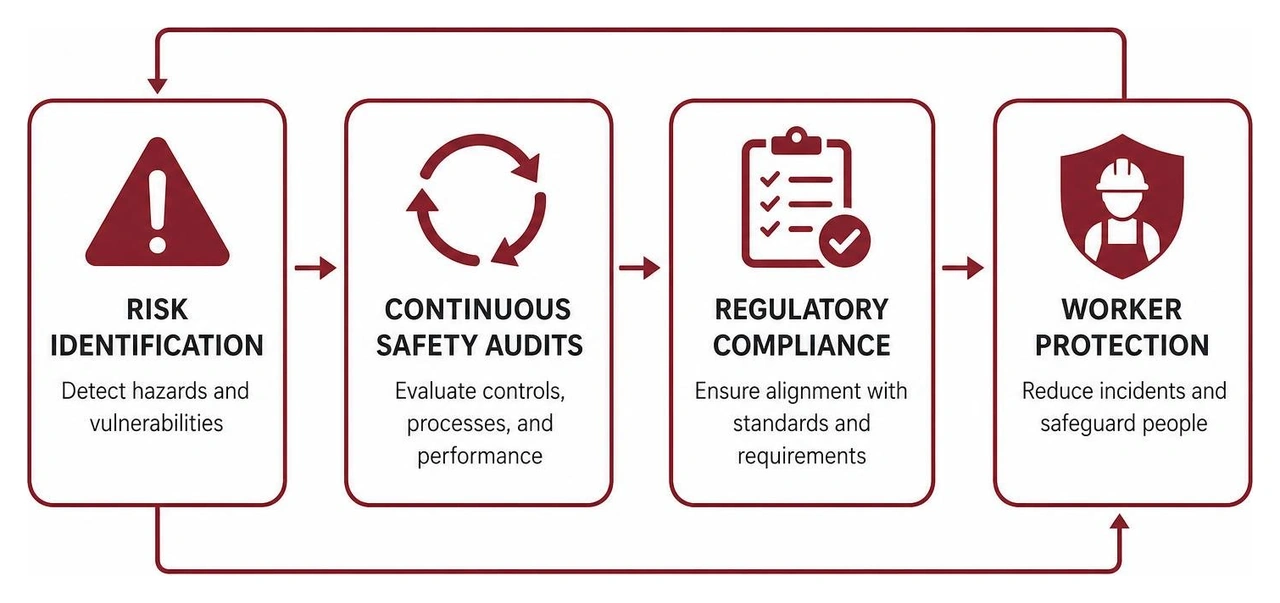
At Foshee Construction Co., Inc., we pride ourselves on our transparent bids and safety-first approach to site preparation. If you're in Minneola, Lake County, or anywhere in Central Florida and need professional help with your underground utilities, we have the experience and the equipment to get the job done right.
View our recent utility and site preparation projects to see how we handle everything from grading to complex utility installs. Safe digging!
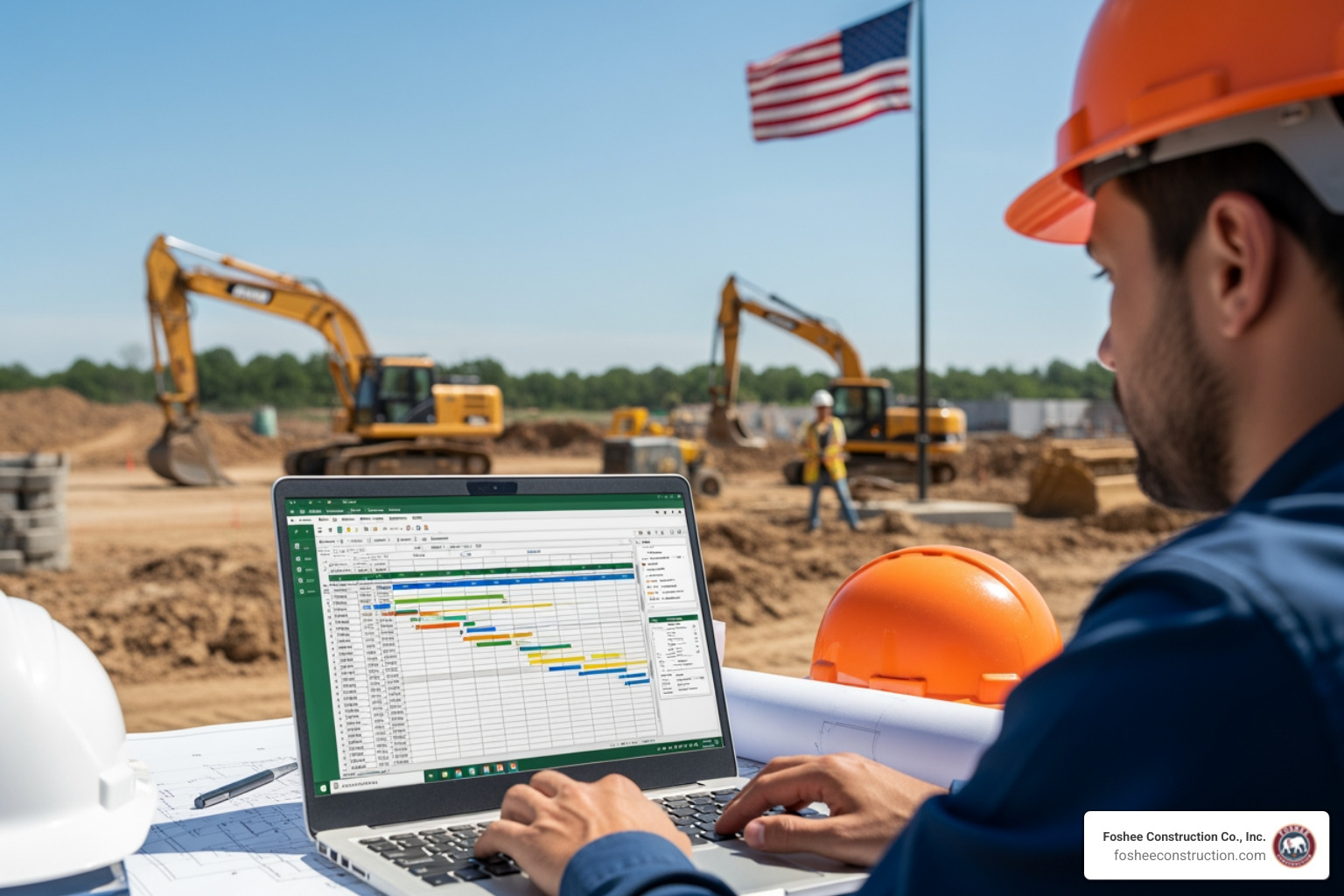
We build bids using HeavyBid and AGTEK because the details matter long before the job starts. When the numbers are accurate and the scope is clearly defined, it sets the tone for how the entire project runs. Estimating isn’t just a step in the process, it’s the foundation we build on.
That same mindset carries into the field. Our crew is trained to work with purpose, follow the Civil Engineers’ Plan to the finest detail, and hold the line on quality. When expectations are clear from day one, there’s no need for shortcuts, and no confusion about how the work gets done.
Clients trust our bid packages because they’re complete and ready to use. Project managers know what we’re covering, what’s excluded, and how we plan to approach the job. That clarity removes friction and lets teams focus on execution instead of interpretation.
As part of our review process, we go into the plans before anything hits the site. We ask the questions early, resolve issues before they show up in the field, and keep RFIs moving. This approach prevents delays and protects the timeline.
Over time, that consistency builds trust. Many of the people we work with today came through referrals from past projects – engineers, GCs, and superintendents who’ve seen how we operate and want the same experience again.
In 2024, Foshee Construction was acquired by Saga Infrastructure Solutions, a national network of civil construction companies. Saga supports regional contractors by giving them access to better tools, long-term resources, and operational backing, without changing how they run day to day.
Foshee will continue to operate under its name, with the same team and field leadership in place.
“From the very time a project starts, we start that partnership. We try to catch as much as we can with the tools that we have. Not everybody is using the software platforms we are. That’s the differentiator: we’re not just bidding. We’re anticipating, problem-solving, and making sure the job runs right.”
— Don, CEO, Saga Infrastructure Solutions
Foshee is now part of a broader regional strategy that includes Florida, the Piedmont Atlantic, Texas, Colorado, and the Arizona Sun Corridor. The name, crews, and standards remain. What’s improving is the support behind it.