Underground pipe installation in Florida is more complex than in most other states — and getting it wrong can stall your entire project.
Here's a quick overview of what's involved:
Florida's combination of high water tables, sandy and clay-layered soils, strict environmental regulations, and hurricane season creates real risks for developers and general contractors who don't plan ahead. A missed permit, an unlicensed subcontractor, or poor trench compaction can mean failed inspections, costly rework, and project delays that ripple through your entire schedule.
I'm Don Larsen of Foshee Construction Co., LLC — a site development contractor serving Central Florida since 1994 with deep hands-on experience in underground pipe installation in Florida, from grading and excavation through full utility infrastructure. In the sections below, I'll walk you through everything you need to know to get this work done right the first time.
Simple underground pipe installation florida glossary:
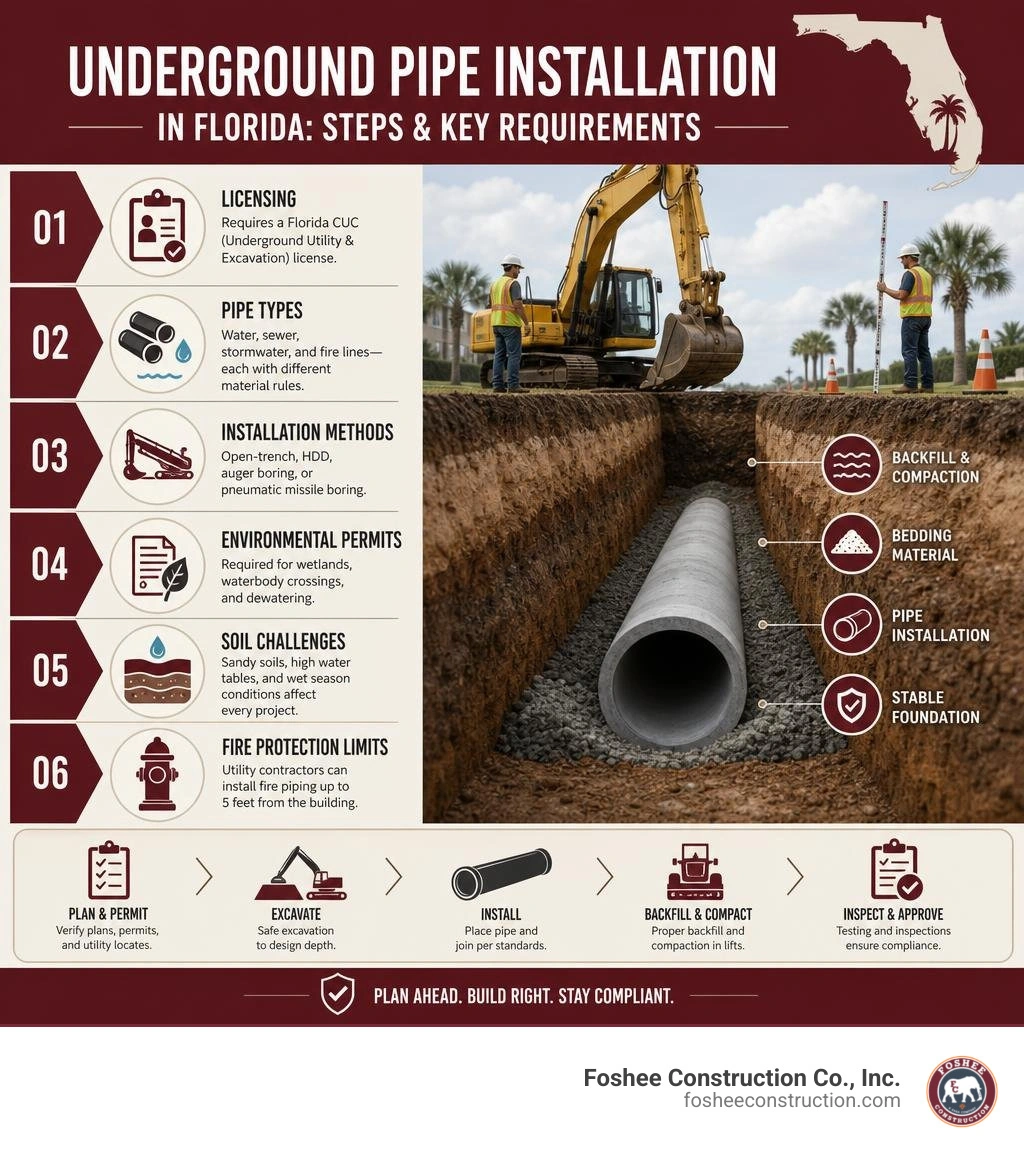
Before a single bucket of dirt is turned over in Florida, you must navigate the state's strict licensing and regulatory boundaries. Operating without the correct license is not only illegal, but it also exposes property owners and general contractors to massive liabilities and failed building inspections.
In Florida, underground utility work is heavily regulated by the Department of Business and Professional Regulation (DBPR). The primary credential required for this work is the Certified Underground Utility and Excavation Contractor (CUC) license. Hiring qualified utility installation contractors who hold this active credential is the first step toward a compliant project.
To obtain a Florida CUC license, an applicant must prove substantial, verifiable experience in the field. This includes demonstrating hands-on work with main sanitary sewer collection systems, main water distribution systems, and storm sewer collection systems.
The licensing process requires passing two rigorous exams:
Additionally, contractors must secure comprehensive liability insurance, property damage insurance, and workers' compensation coverage (or an approved exemption) within 30 days of their license being issued.
This license allows us to perform open-cut excavations and utilize trenchless technologies like directional boring, wet/dry taps, slip lining, and empty conduit installations. However, there are strict legal boundaries regarding where a utility contractor's work ends and where a specialized fire protection contractor's work must begin.
Historically, the division of labor between underground utility contractors and fire protection contractors has been a source of confusion and legal disputes. Fortunately, legislative updates have cleared up these boundaries.
The passing of CS/HB 869 (which went into effect on July 1, 2025) expanded and clarified the scope of work for underground utility contractors regarding fire protection systems.
Under current law:
This clear distinction prevents jurisdictional overlap and ensures that high-pressure fire mains are installed safely and in accordance with both the Florida Building Code and the Florida Fire Prevention Code. When laying utility lines near protected water resources, contractors must also operate within the rules outlined in Fla. Admin. Code Ann. R. 62-330.453 - General Permit for Installation, Maintenance, Repair, and Removal of Underground Utility Lines , which dictates how utility corridors must be managed to protect Florida's delicate ecosystems.
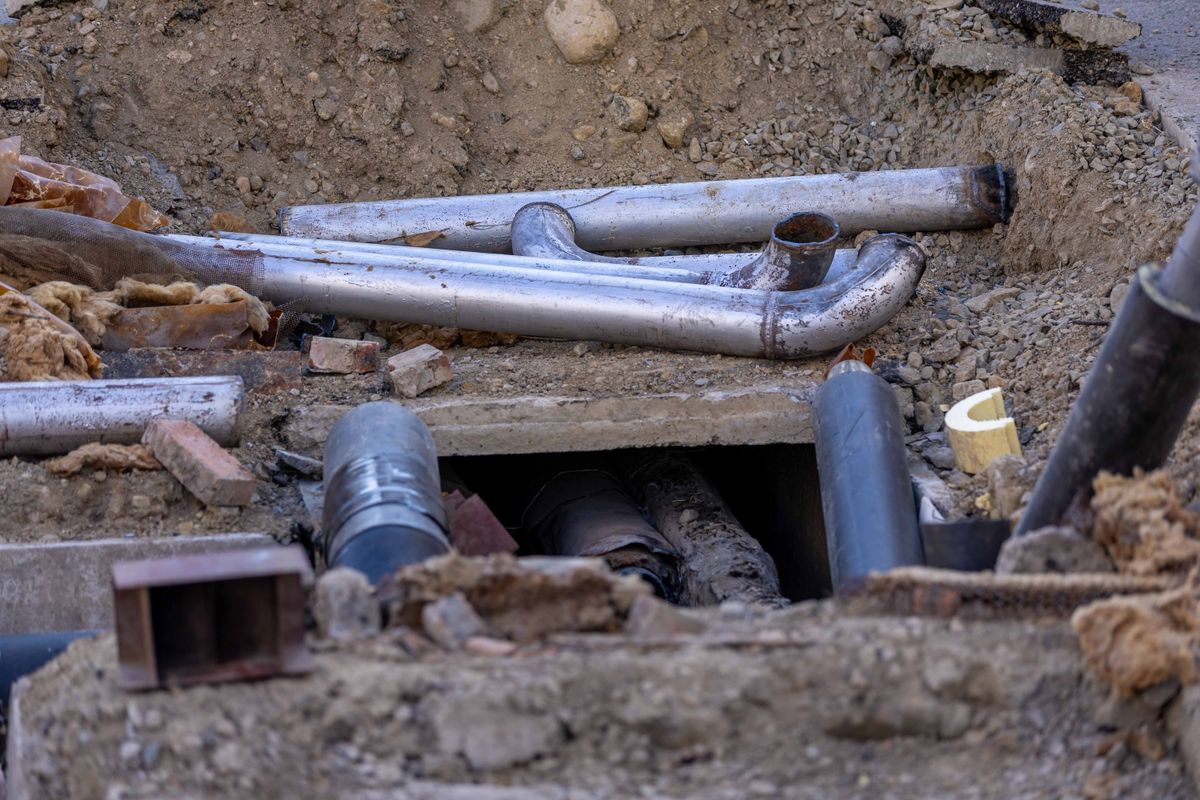
Different utility systems require different pipe materials to handle specific pressures, chemical compositions, and environmental stressors. In Central Florida, we commonly install four primary types of underground piping systems:
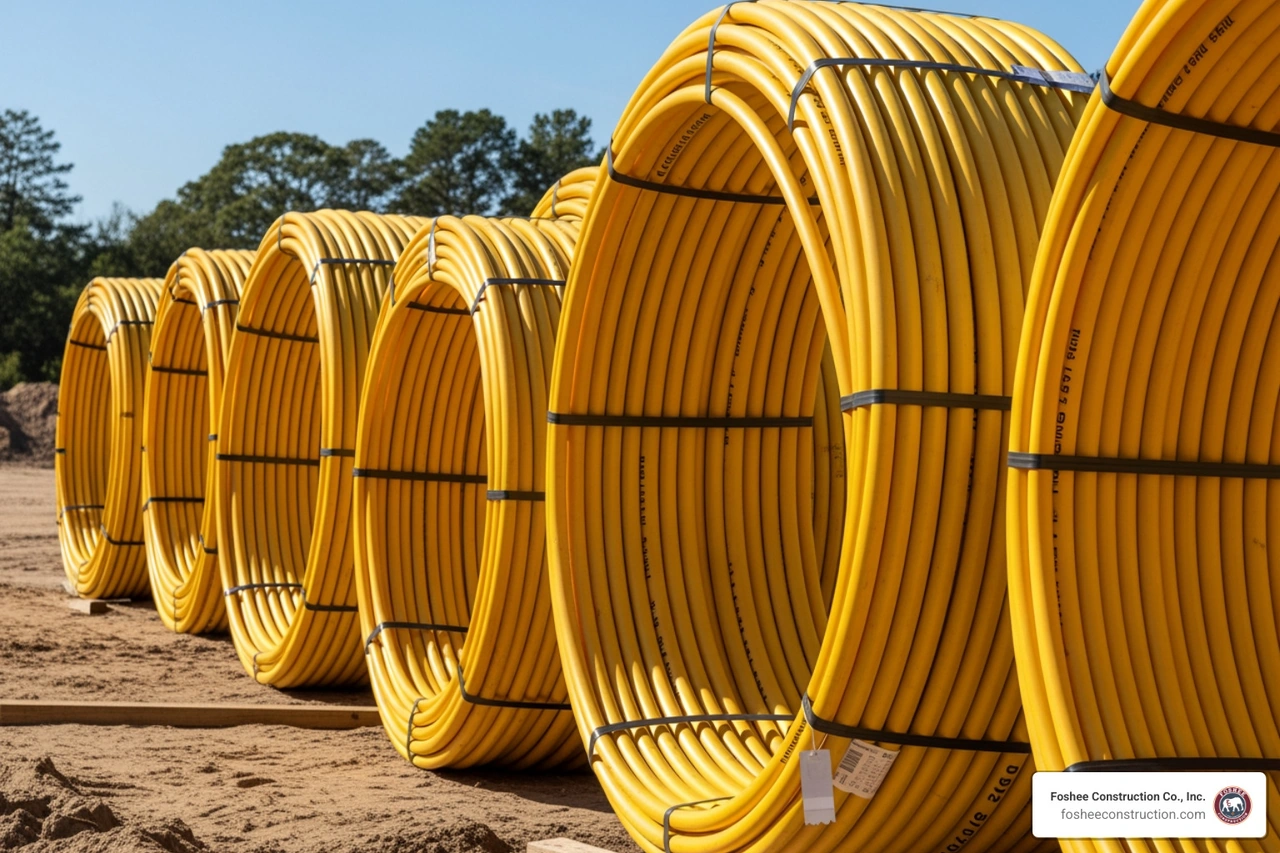
Choosing the right material is essential for system longevity. The most common materials used in modern Florida utility projects include:
For pressurized systems, including potable water networks, ensuring material compatibility and proper depth of cover is critical. For a deeper dive into these requirements, see our article on planning a buried water line.
All underground piping installations must adhere strictly to the American Water Works Association (AWWA) standards and local municipal specifications.
Gravity sewer systems require extreme precision during installation because they rely entirely on slope to move waste. Even a minor dip or "belly" in the pipe can cause solids to collect, leading to chronic blockages. Because of this, Florida municipalities enforce strict maximum allowable depression limits during testing:
Any deviation beyond these limits requires the contractor to excavate, re-grade, and re-lay the pipe.
Additionally, underground utility contractors must occasionally coordinate with other fuel and gas transmission lines. If your project requires managing or crossing gas infrastructure, it is vital to work with specialized gas line contractors near me to prevent dangerous utility strikes.
Installing underground pipes in Florida's unique terrain requires strict adherence to engineering standards. It is not as simple as digging a ditch, dropping a pipe, and throwing the dirt back in.

To ensure structural integrity, pipelines must be installed using standardized municipal guidelines, such as those detailed in the Technical Specifications for Laying and Jointing Buried Pipelines.
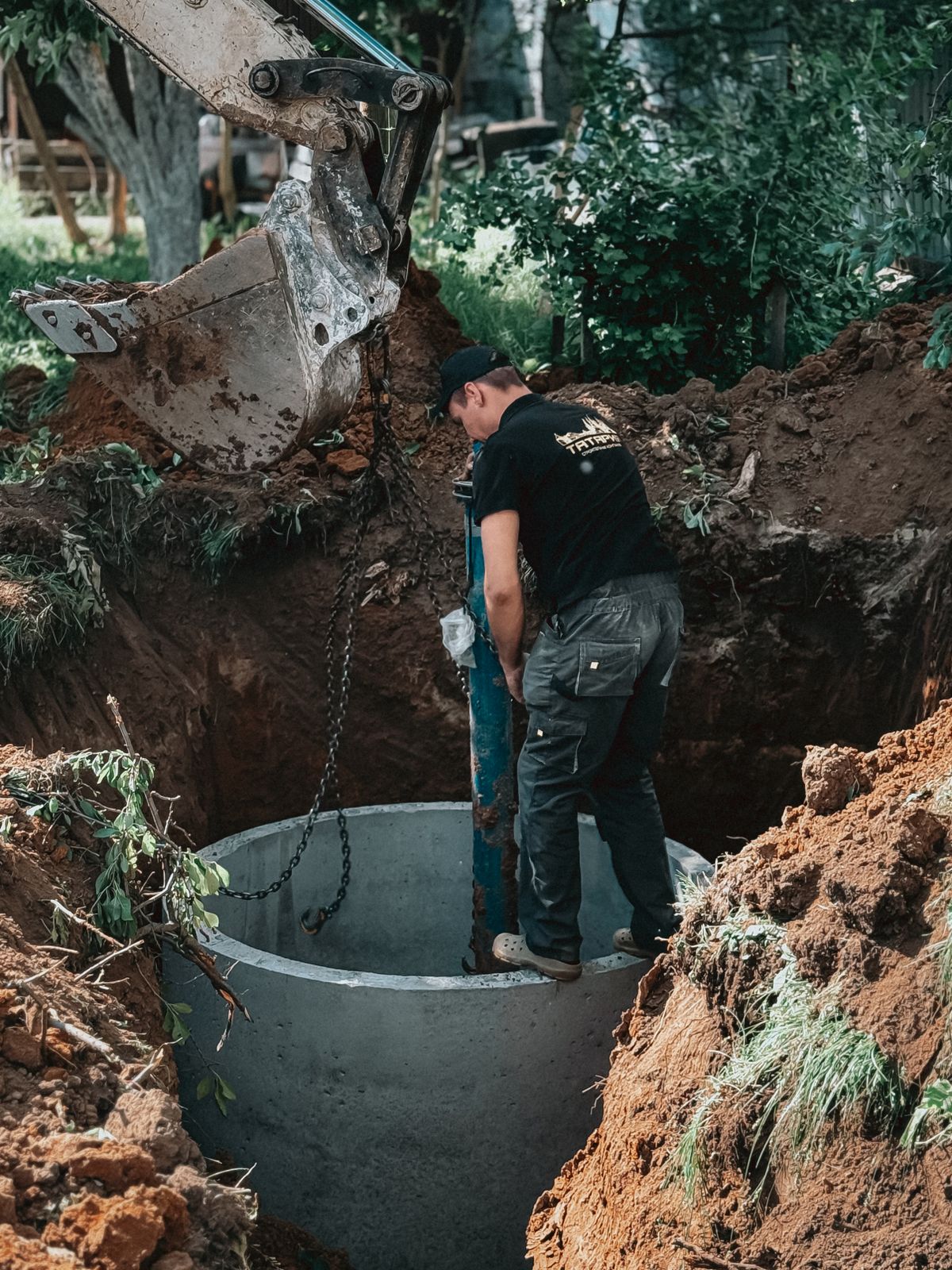
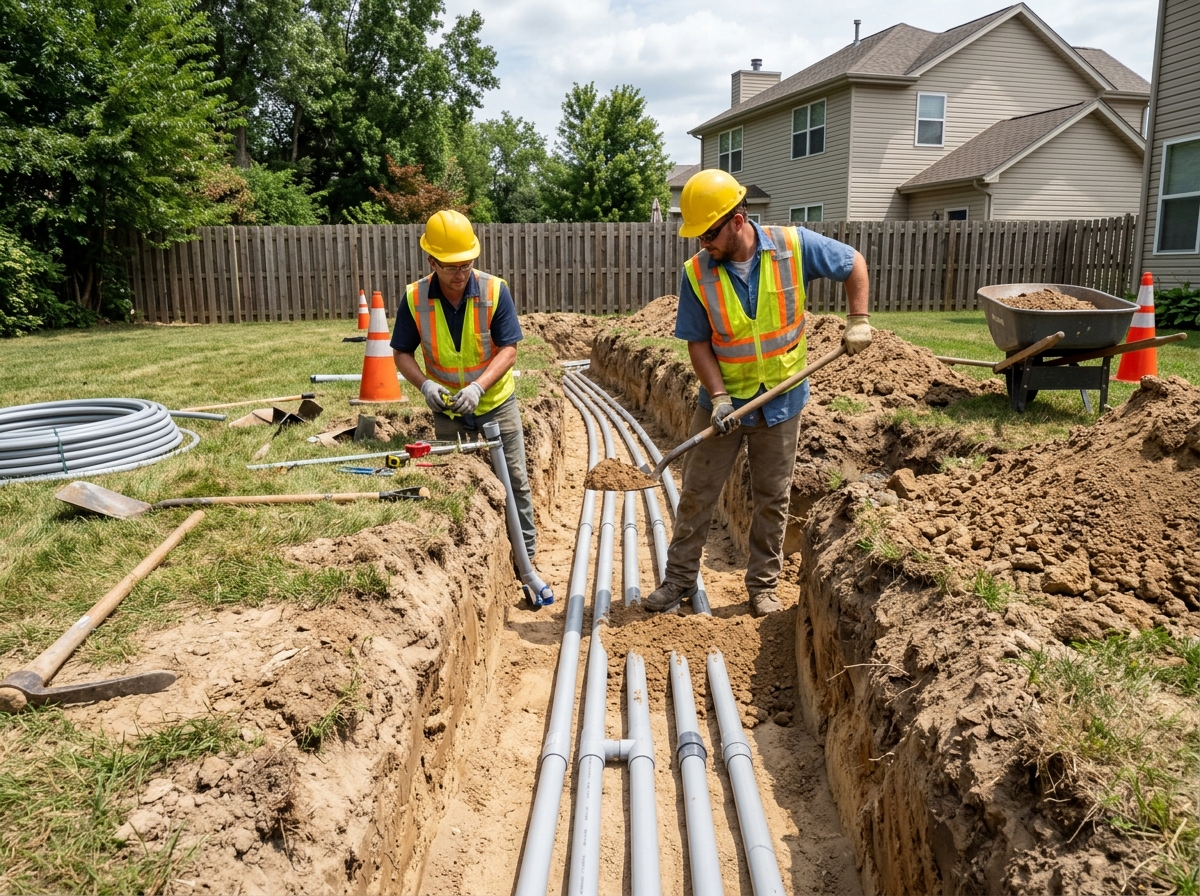
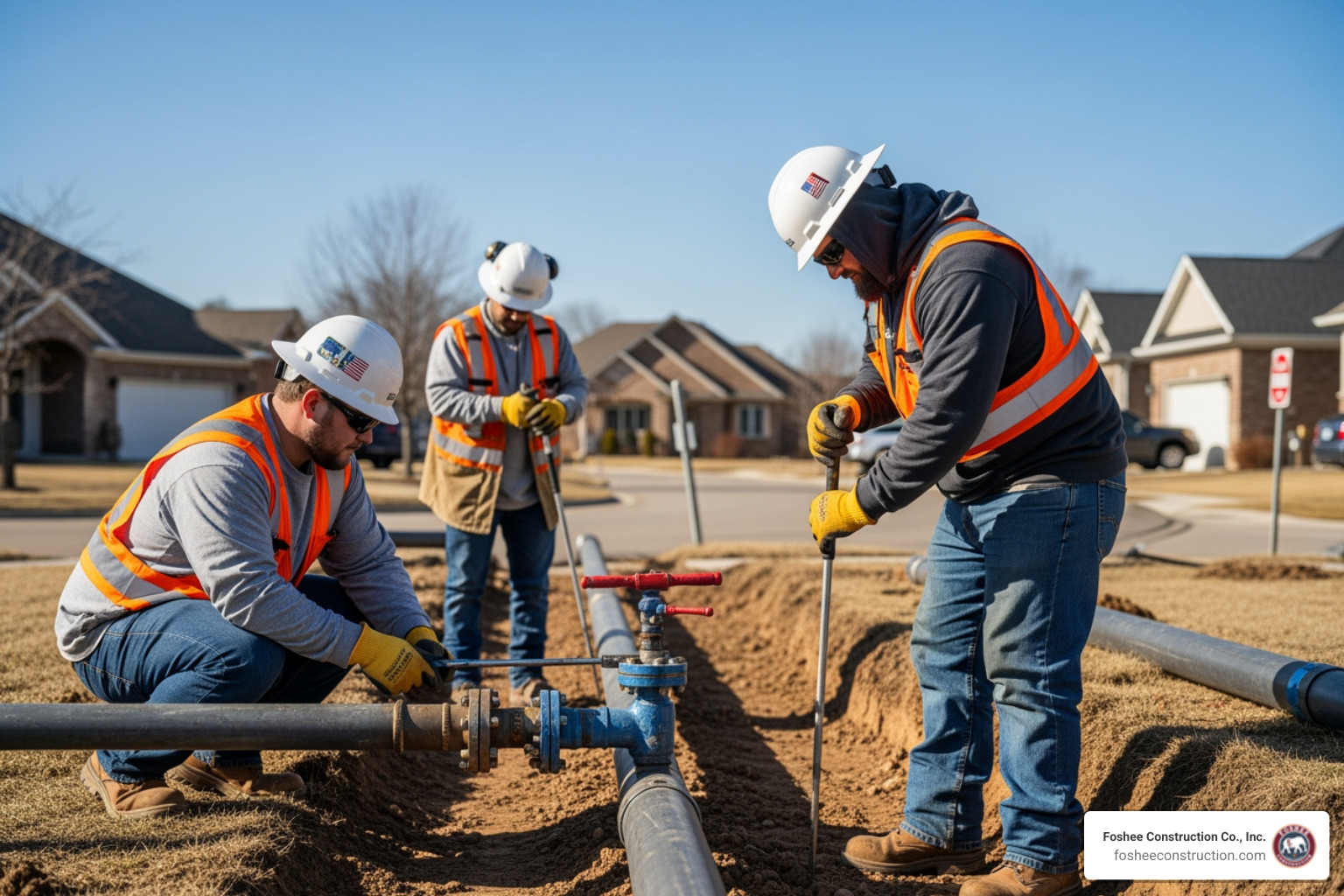
The foundation of any successful pipeline is the trench bedding. Pipes must be laid in dry trenches with a stable bottom. If groundwater is present, we must implement dewatering systems to keep the trench dry during installation.
To protect public health, Florida Administrative Code (FAC) rule 62-555.314 establishes strict horizontal and vertical separation requirements between potable water mains and sanitary sewers or reclaimed water lines.
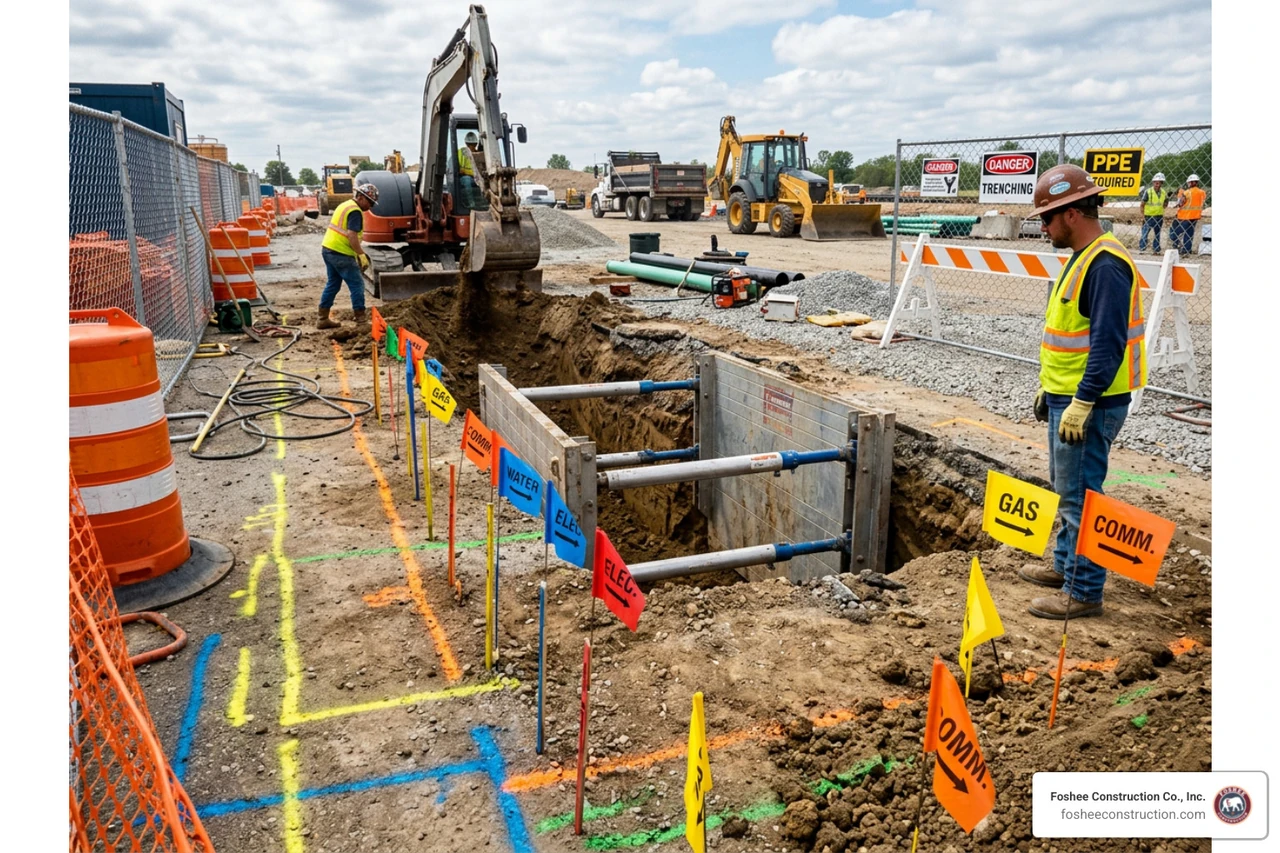
For safety and future maintenance, all buried pipelines must be easily identifiable:
These same high standards of separation and clear marking apply when routing power and communication lines. For more information on this, check out our resources on installing Underground Electrical Conduit and proper Trenching for Electrical Conduit.
When planning underground pipe installation in Florida, choosing the right excavation method can significantly impact your budget, timeline, and environmental footprint.
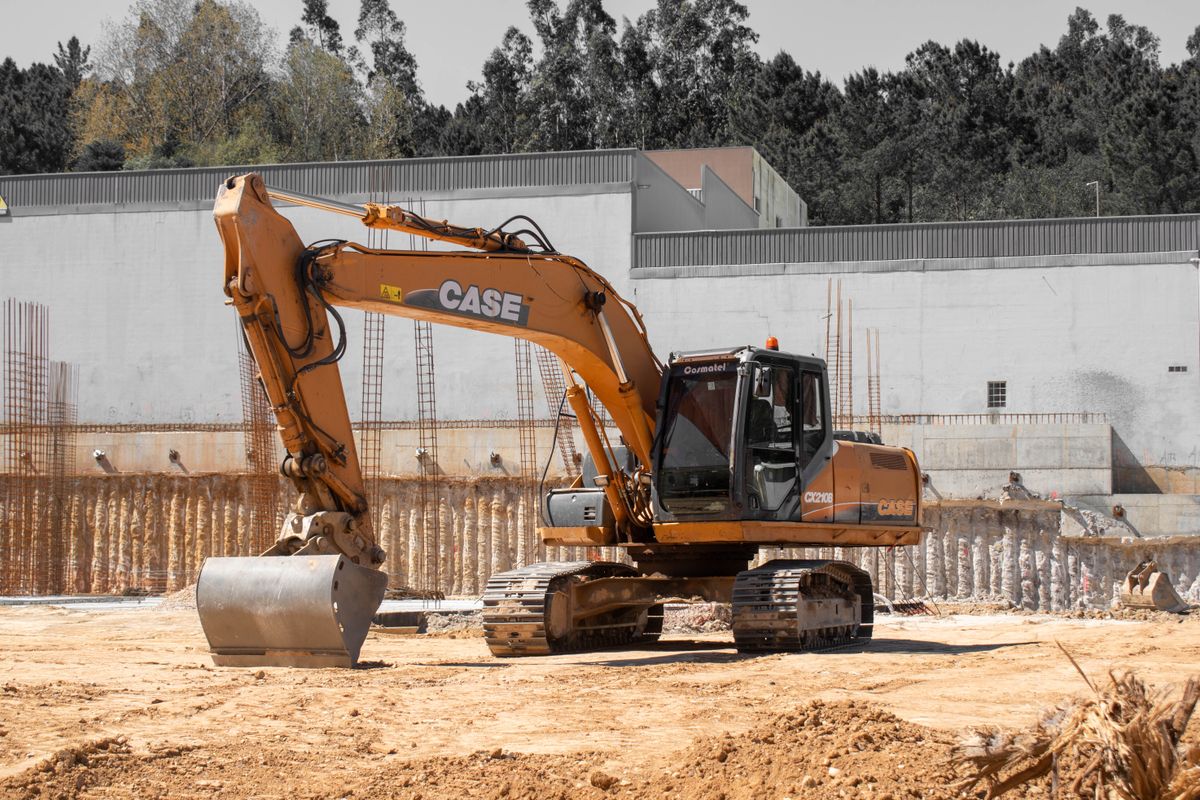
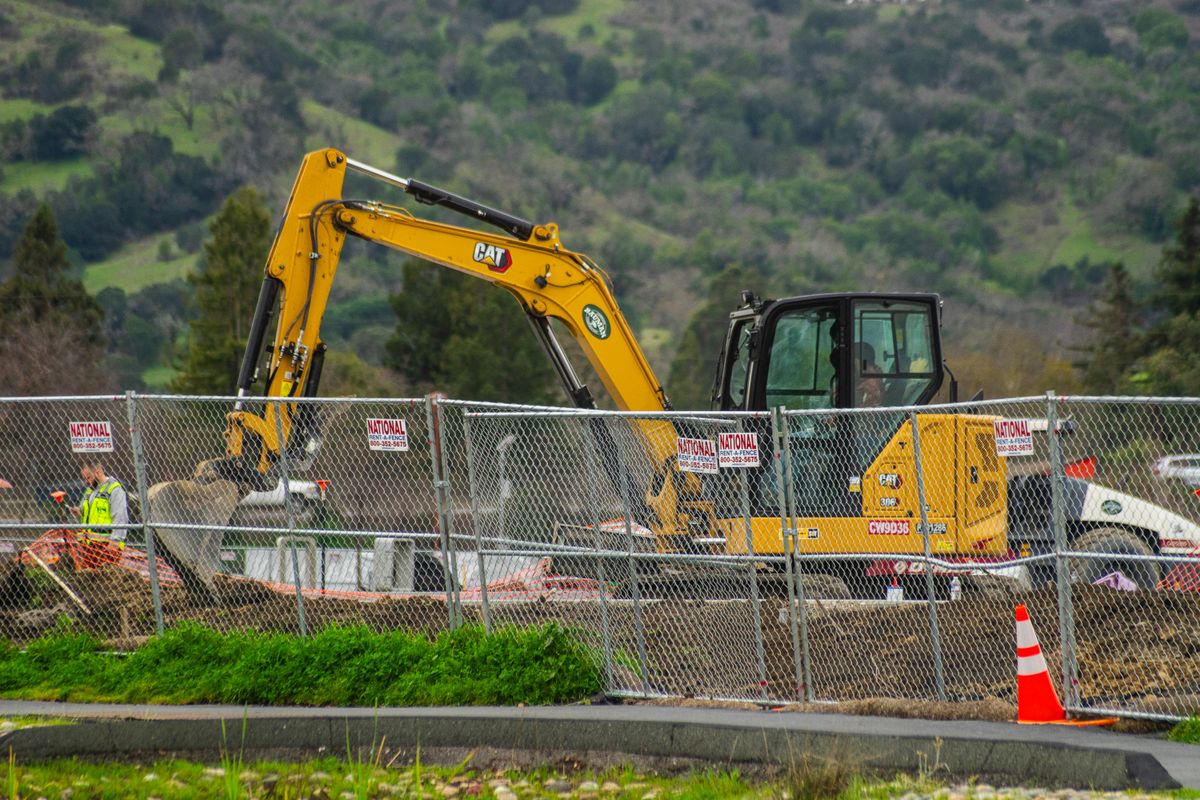
Open-Trench Excavation
Horizontal Directional Drilling (HDD)
Auger Boring
Pneumatic Missile Boring
If your project is located in Central Florida, working with an experienced local utility contractor is key to navigating our regional soil conditions and selecting the most efficient installation method for your site.
Horizontal Directional Drilling (HDD) is a steerable, trenchless method that uses a surface-launched rig to install pipes with minimal surface disruption. The process involves drilling a small pilot bore along a designed path, reaming the hole to a larger diameter, and then pulling the continuous pipe (usually HDPE or fusible PVC) back through the borehole.
Auger boring (or jack-and-bore) is a non-steerable method typically used to install steel casing pipes under major highways, railroads, and federally regulated channels. Because it is highly rigid, auger boring is often required by the Florida Department of Transportation (FDOT) to prevent any risk of road settlement. Experienced utility teams utilize specialized boring equipment to ensure these heavy-duty operations are completed safely and in full compliance with state transportation standards.
For short, direct runs—such as installing a water service line or electrical conduit beneath a paved driveway or concrete sidewalk—pneumatic missile boring is highly efficient.
This method uses a torpedo-shaped tool driven by compressed air to compact and tunnel through the soil, creating a clean path without disturbing the surface. Because Central Florida soils can transition rapidly from loose sand to dense clay, the pneumatic equipment must be carefully calibrated to prevent the boring tool from deflecting off course.
Florida’s geography presents unique challenges for underground construction. Our high water table and sensitive ecosystems require strict environmental compliance and specialized engineering.

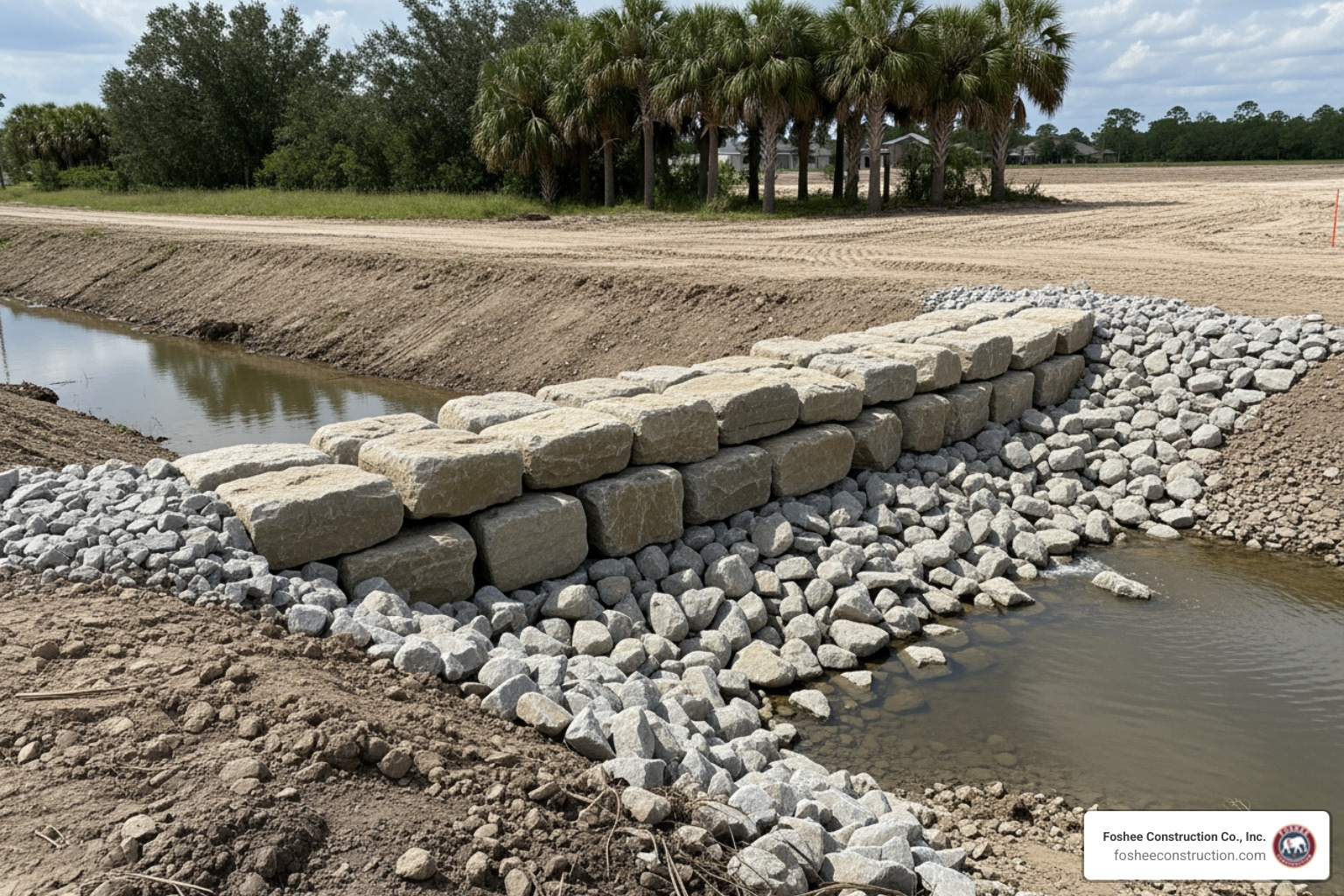
Central Florida’s soil composition is highly variable. In Lake County, for example, we regularly deal with sandy topsoil layered over dense clay pockets and limestone substrata. During the wet season (and particularly during hurricane season from June through November), the ground can become completely saturated, making trenches unstable and prone to cave-ins.
Working near or through wetlands in Florida requires strict adherence to the general permit conditions outlined in Rule 62-330.453 of the Florida Administrative Code. This rule establishes clear environmental limits to protect our state's water resources:
For a complete breakdown of these environmental guidelines, you can reference the full text of Fla. Admin. Code Ann. R. 62-330.453 - General Permit for Installation, Maintenance, Repair, and Removal of Underground Utility Lines .
Because the water table in many parts of Florida sits just a few feet below the surface, dewatering is a standard phase of almost every underground pipe installation.
To keep trenches dry and safe, we install well-point systems or hydraulic pumps to temporarily lower the local water table around the excavation zone. Managing this water requires permits from the local Water Management District (such as the St. Johns River Water Management District in Lake County). For short-term projects (under 90 days) with low daily pumping volumes, we can often utilize streamlined "No-Notice" dewatering permits.
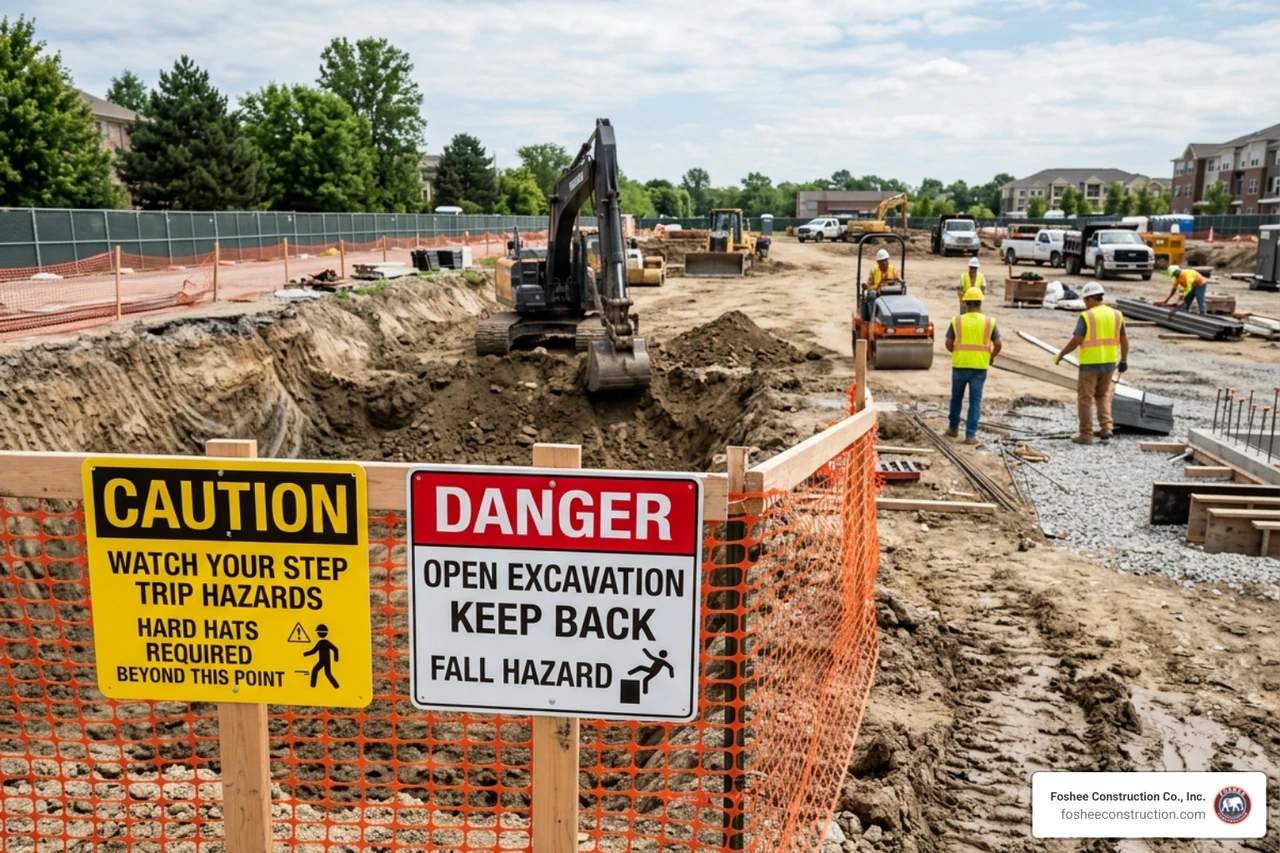
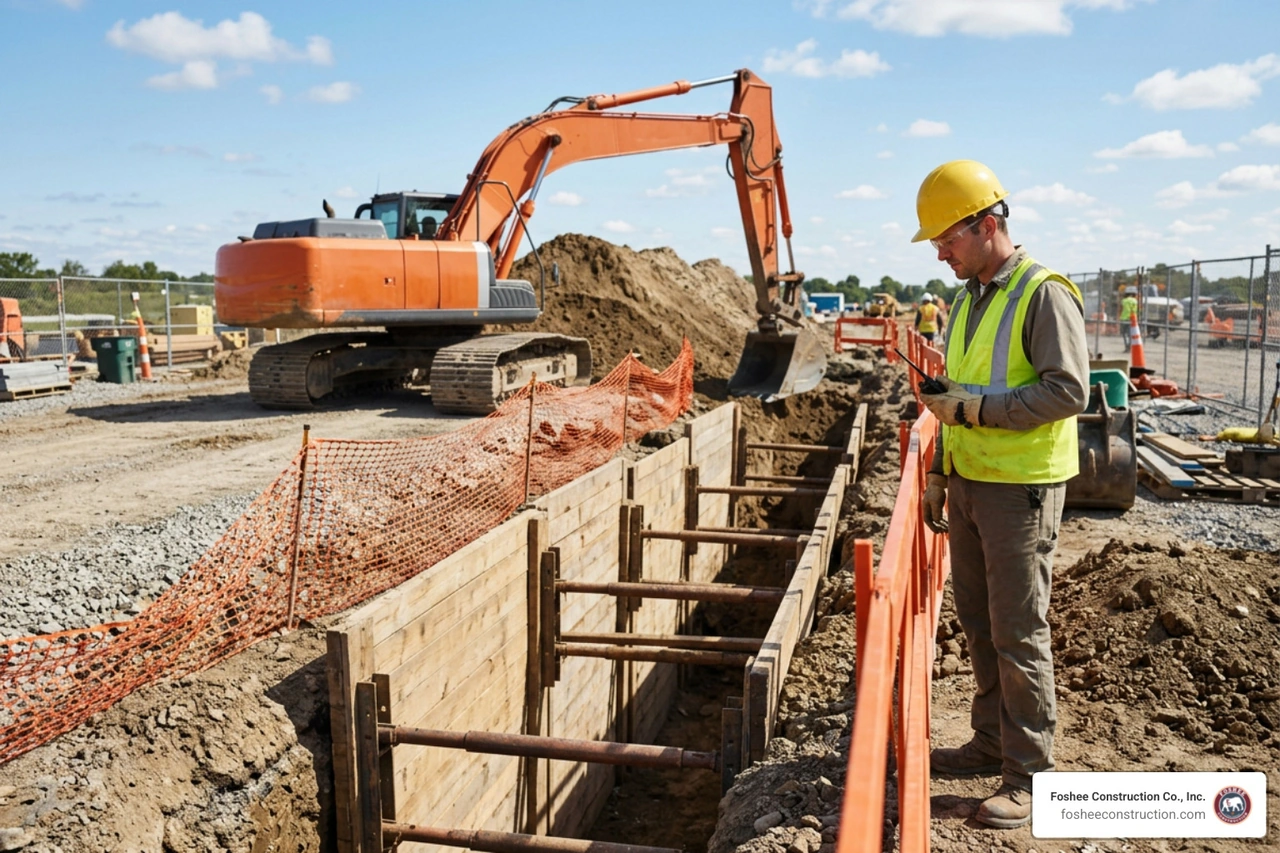
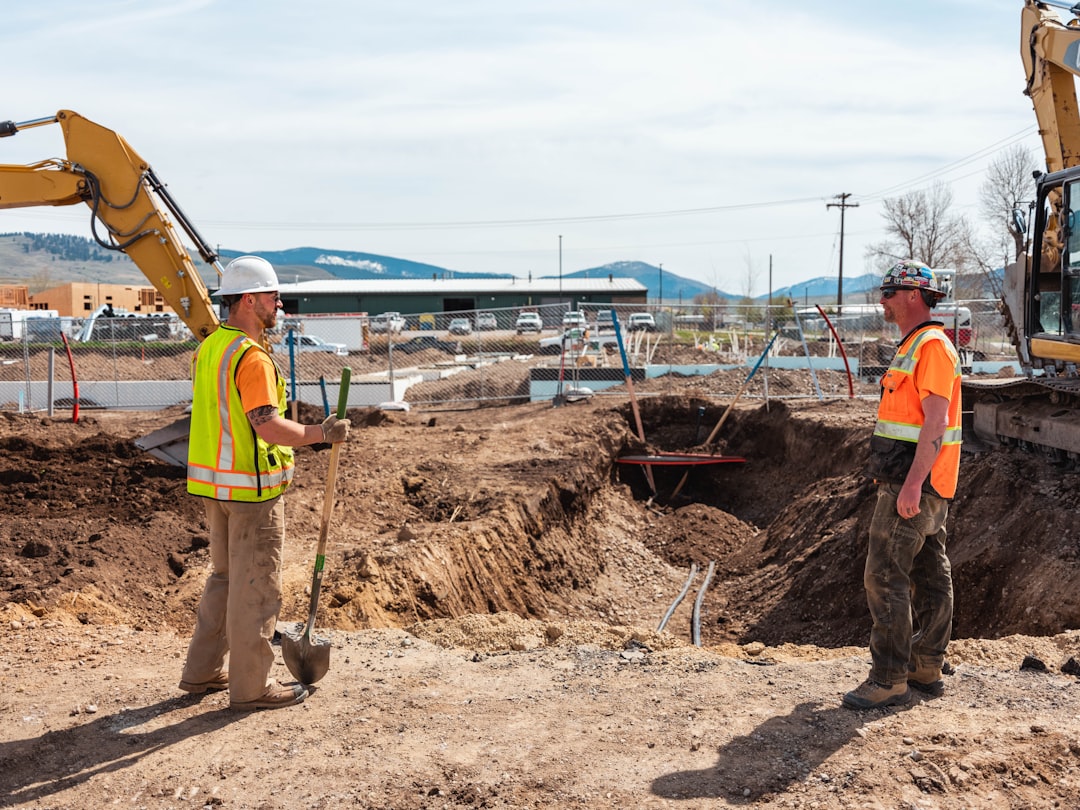
To keep our workers safe and prevent trench walls from collapsing in wet, sandy soils, we strictly follow OSHA 1926 Subpart P trench safety standards, utilizing trench boxes, aluminum hydraulic shoring, or precise trench benching.
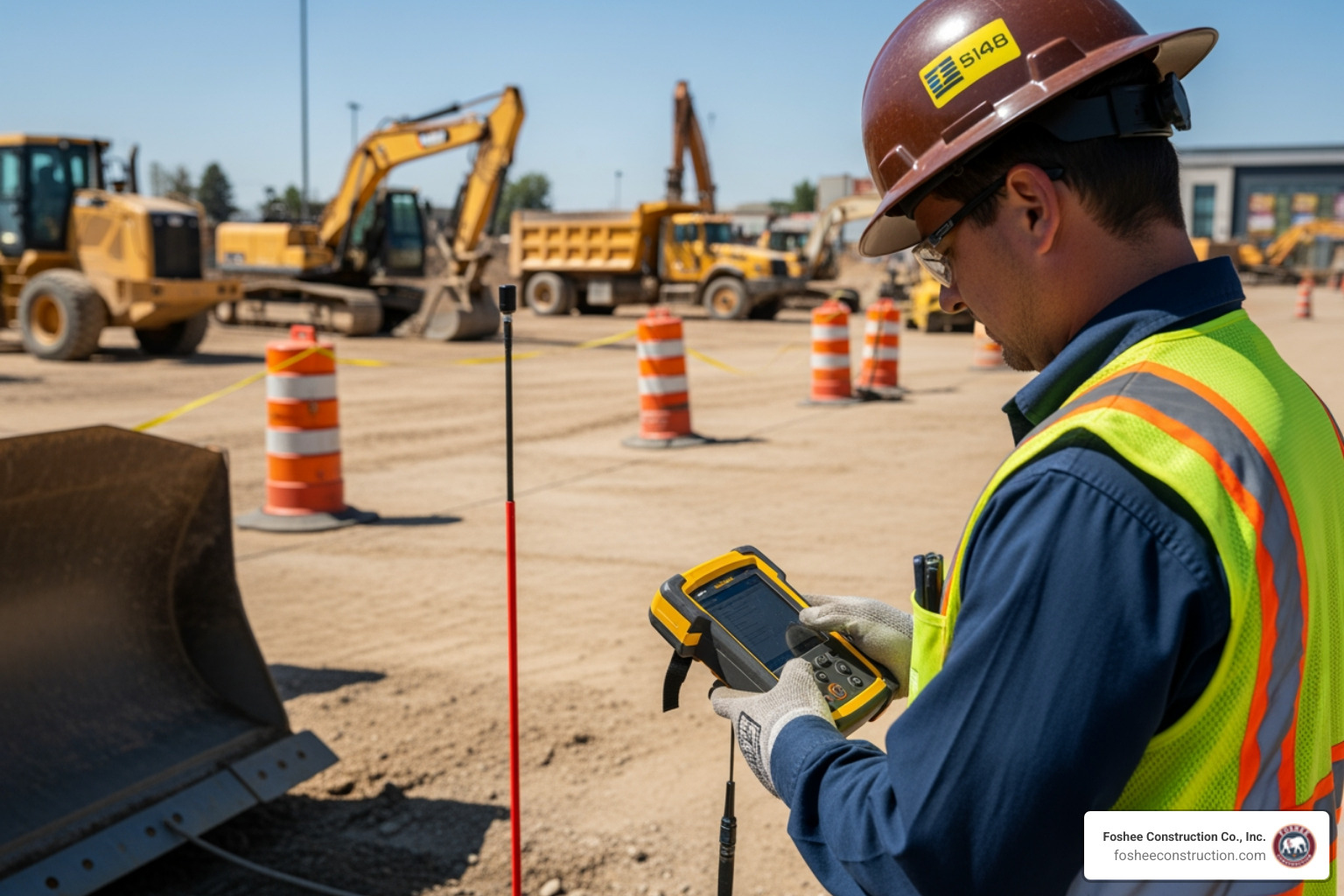
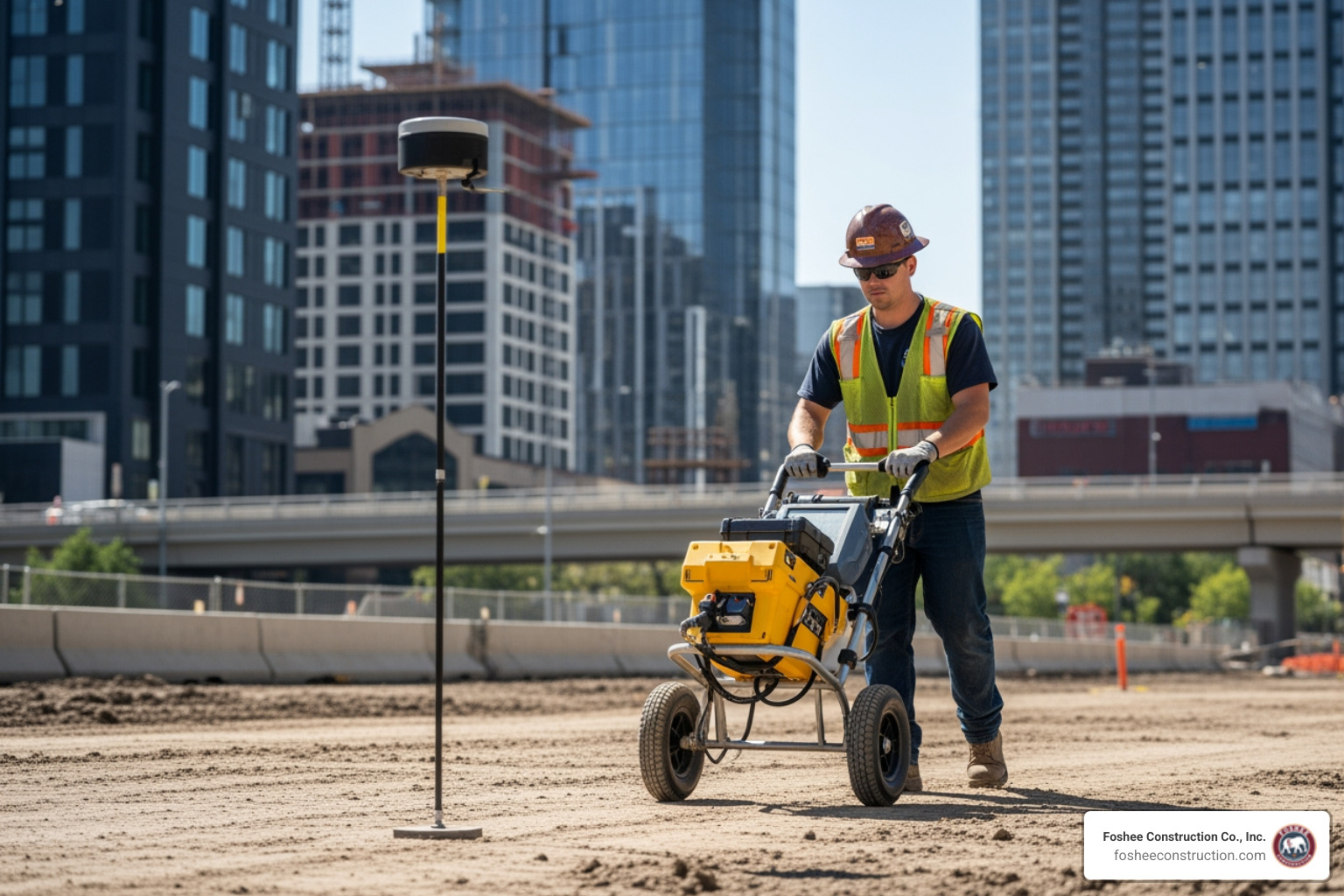
Before we dig, we locate existing utilities using Underground Pipe Locator technology and Ground Penetrating Radar for Underground Utilities to ensure we don't strike unmapped lines.
The total cost and timeline of an underground pipe installation in Florida depend on several key variables:
When selecting a utility contractor, look for a partner who understands the local regulatory landscape and soil conditions. At Foshee Construction, we pride ourselves on delivering:
A Certified Underground Utility and Excavation Contractor (CUC) in Florida is licensed to install main water, sewer, and storm systems, including fire protection piping up to 5 feet from a building. A Fire Protection System Contractor V is required to install the remaining piping from that 5-foot mark up to the fire riser inside the building.
Under Florida's general permit rules, utility installations in wetlands are limited to a disturbed corridor width of 30 feet. Forested wetland disturbance cannot exceed 0.5 acres per 10 miles of pipeline, and a minimum depth of cover of 5 feet (or 5 times the pipe's diameter) must be maintained under wetlands and waterbodies.
A high water table requires active dewatering (usually via well-point systems) to ensure trenches are dry and stable before pipes are laid. It also requires contractors to use trench shoring or box systems to prevent wet, sandy soils from collapsing, in compliance with OSHA safety standards.
Successfully executing underground pipe installation in Florida requires a deep understanding of local soils, strict environmental regulations, and precise engineering standards. Whether you are laying gravity sewers, routing water mains, or installing empty conduits, working with an experienced, licensed team is the best way to keep your project on schedule and in compliance.
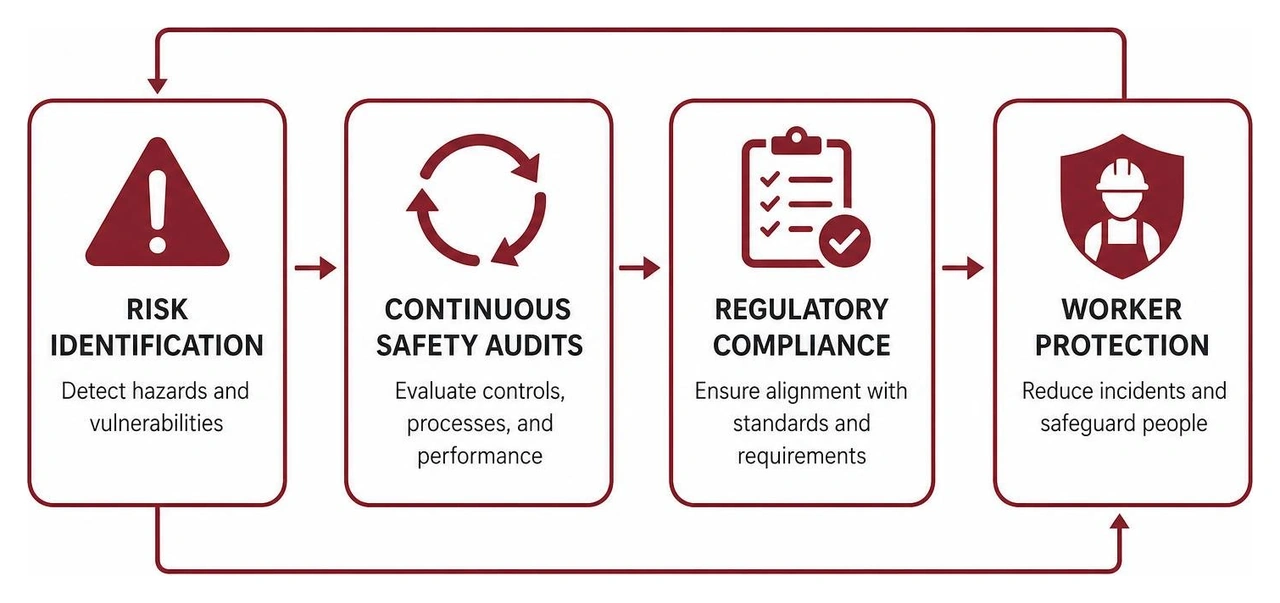
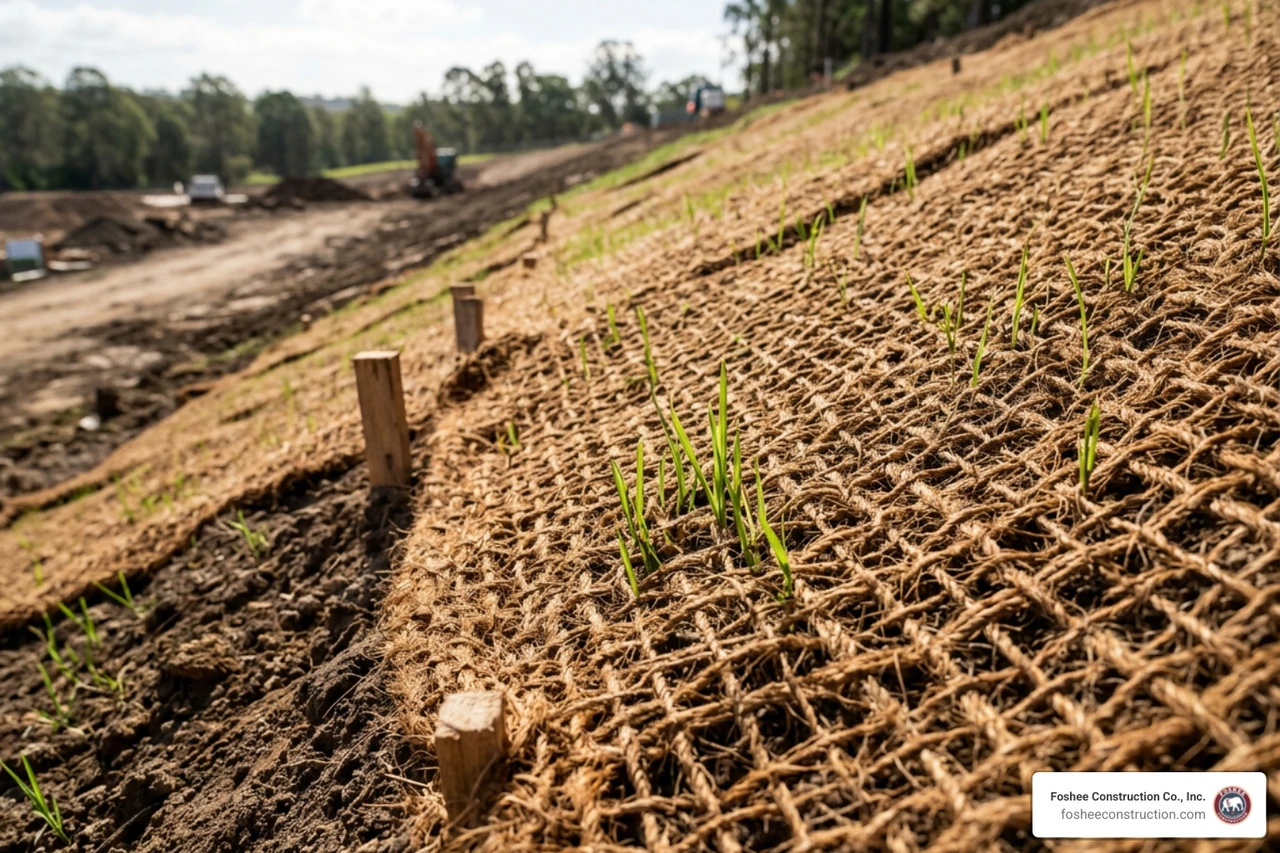
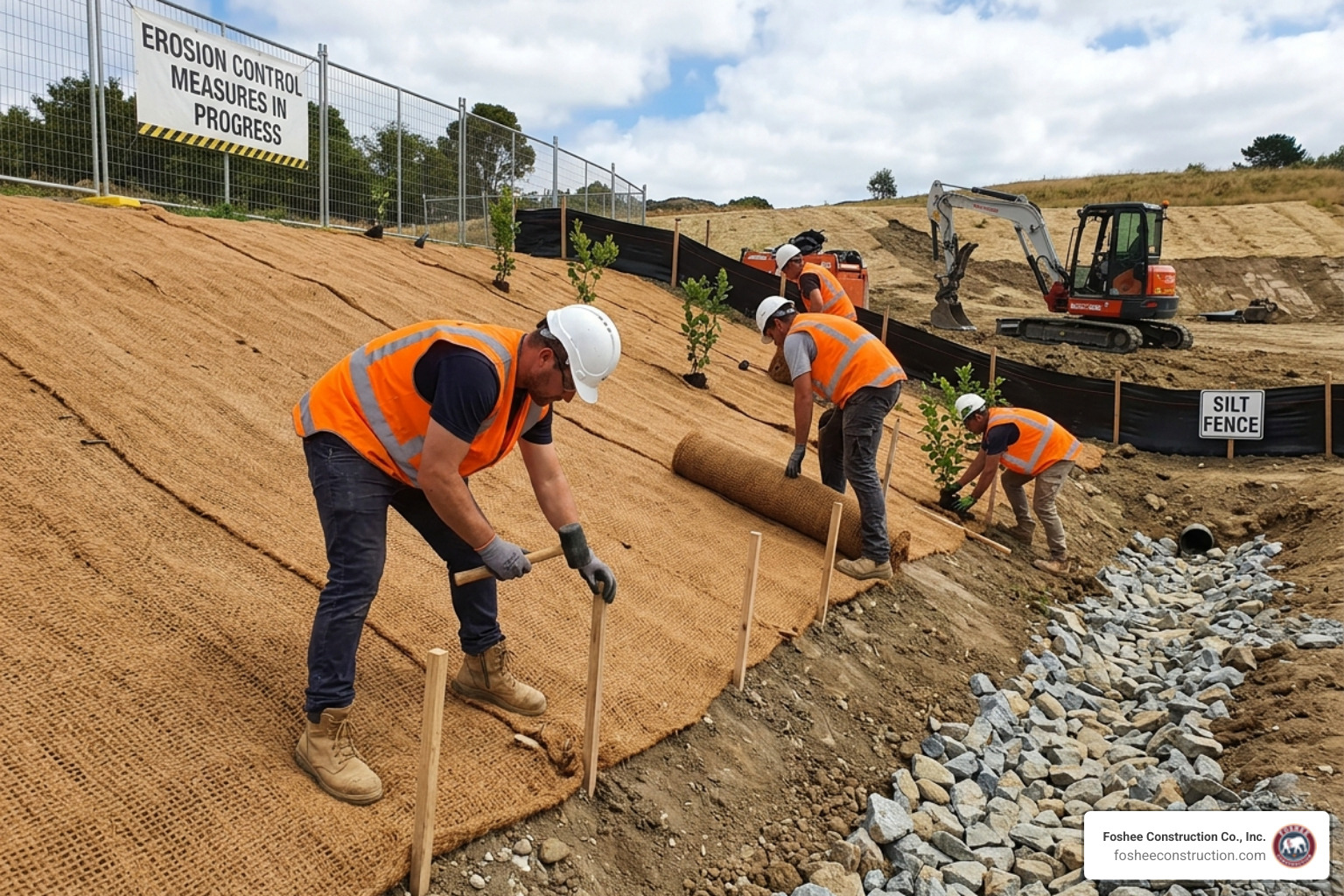
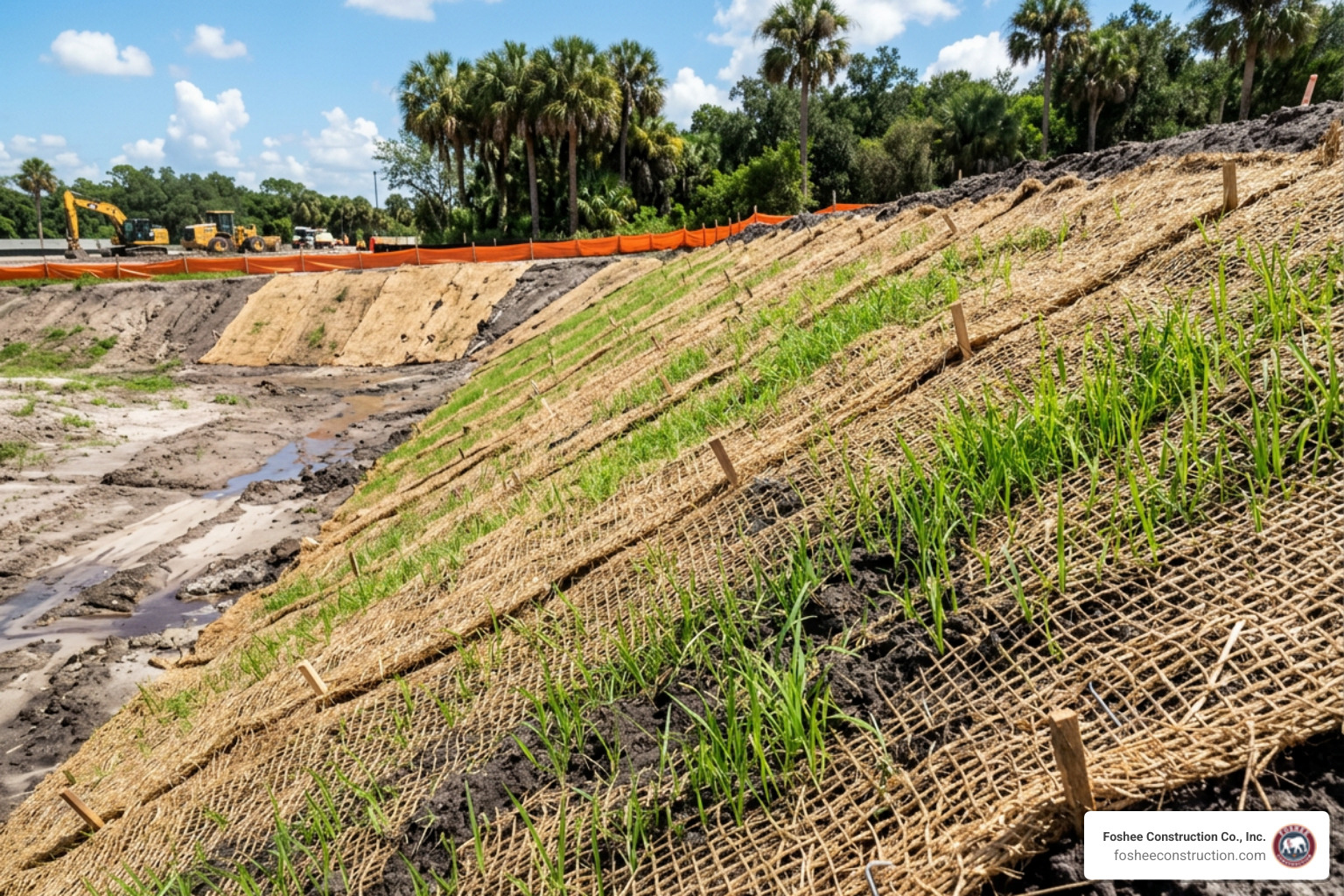
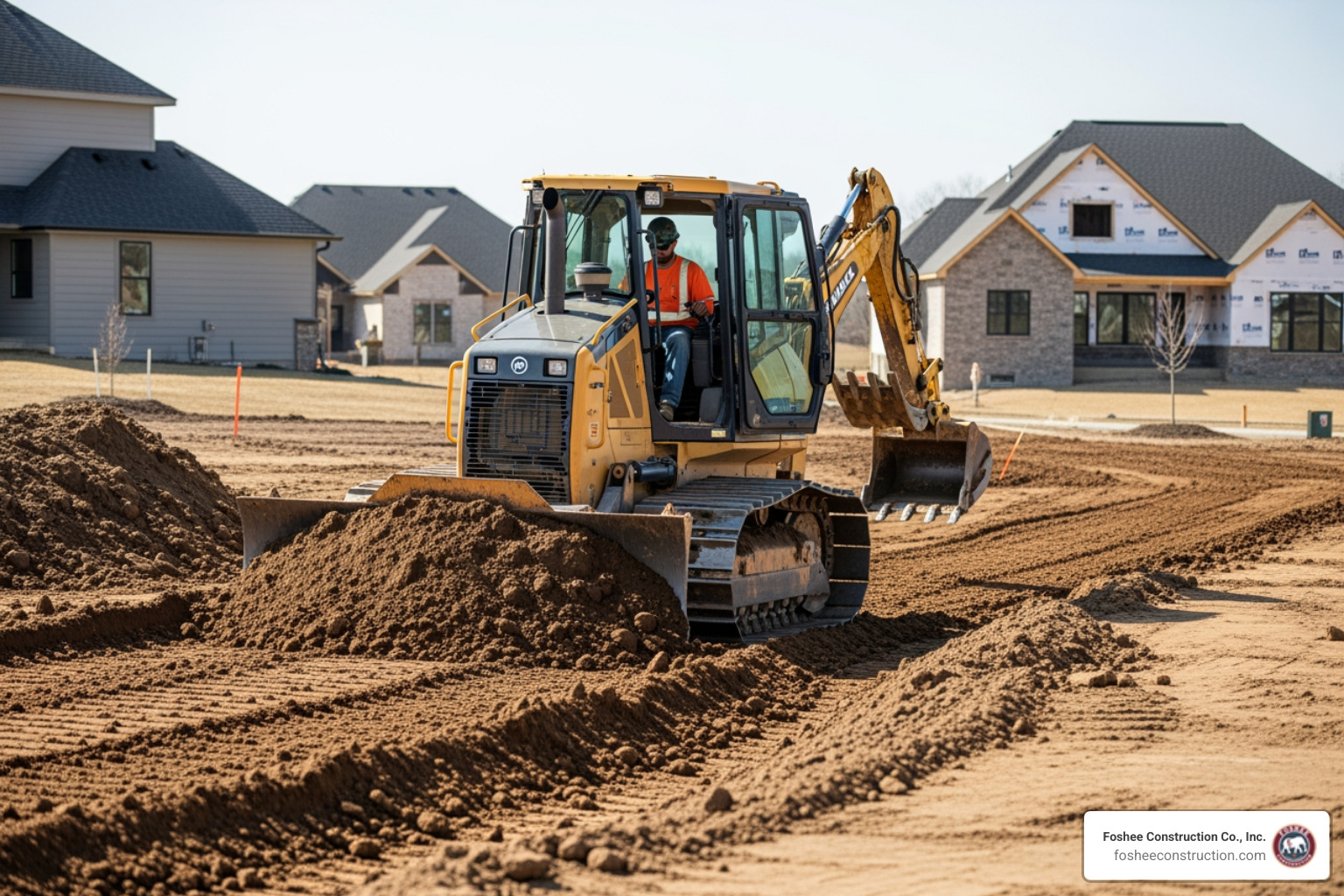
At Foshee Construction Co., Inc., based in Minneola, Florida, we specialize in complete site preparation, including erosion control, precision grading, and underground utility installations across Lake County and Central Florida. We build reliable, long-term relationships with our clients through transparent bidding, disciplined scheduling, and a continuous focus on safety.
Ready to get your site prepared and your utilities installed correctly? View our completed underground utility projects to see how we deliver high-quality infrastructure solutions across Central Florida.
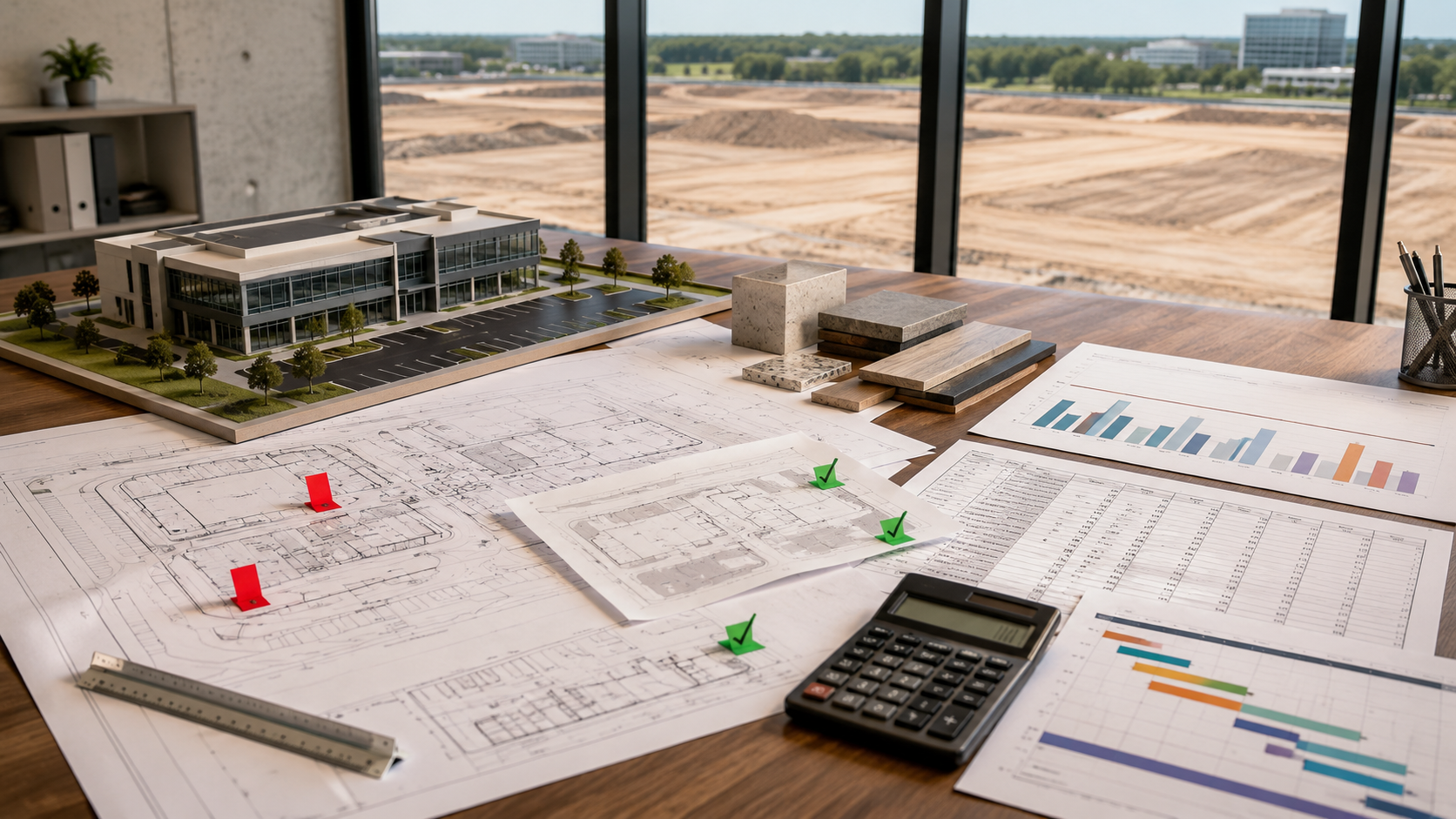
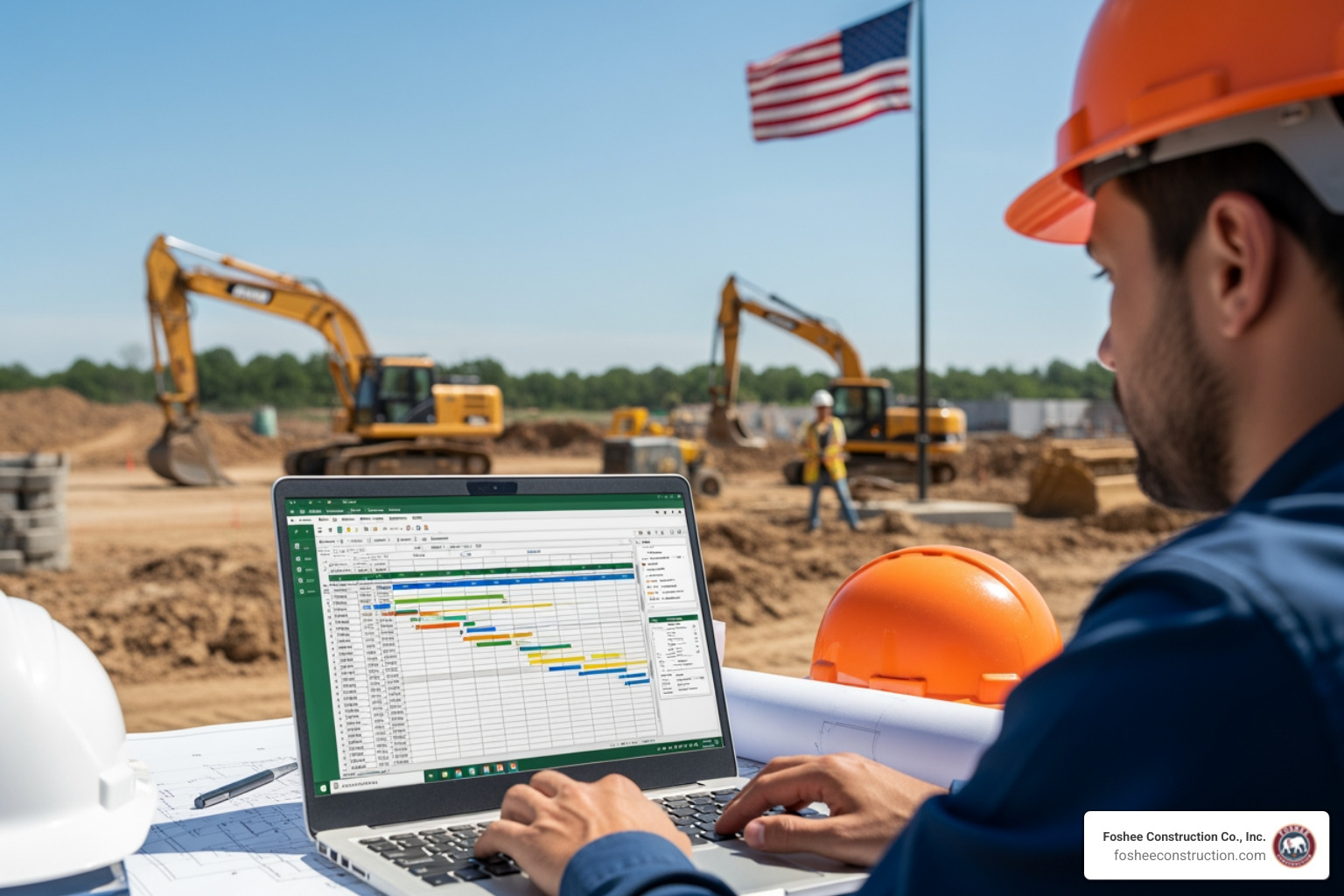
We build bids using HeavyBid and AGTEK because the details matter long before the job starts. When the numbers are accurate and the scope is clearly defined, it sets the tone for how the entire project runs. Estimating isn’t just a step in the process, it’s the foundation we build on.
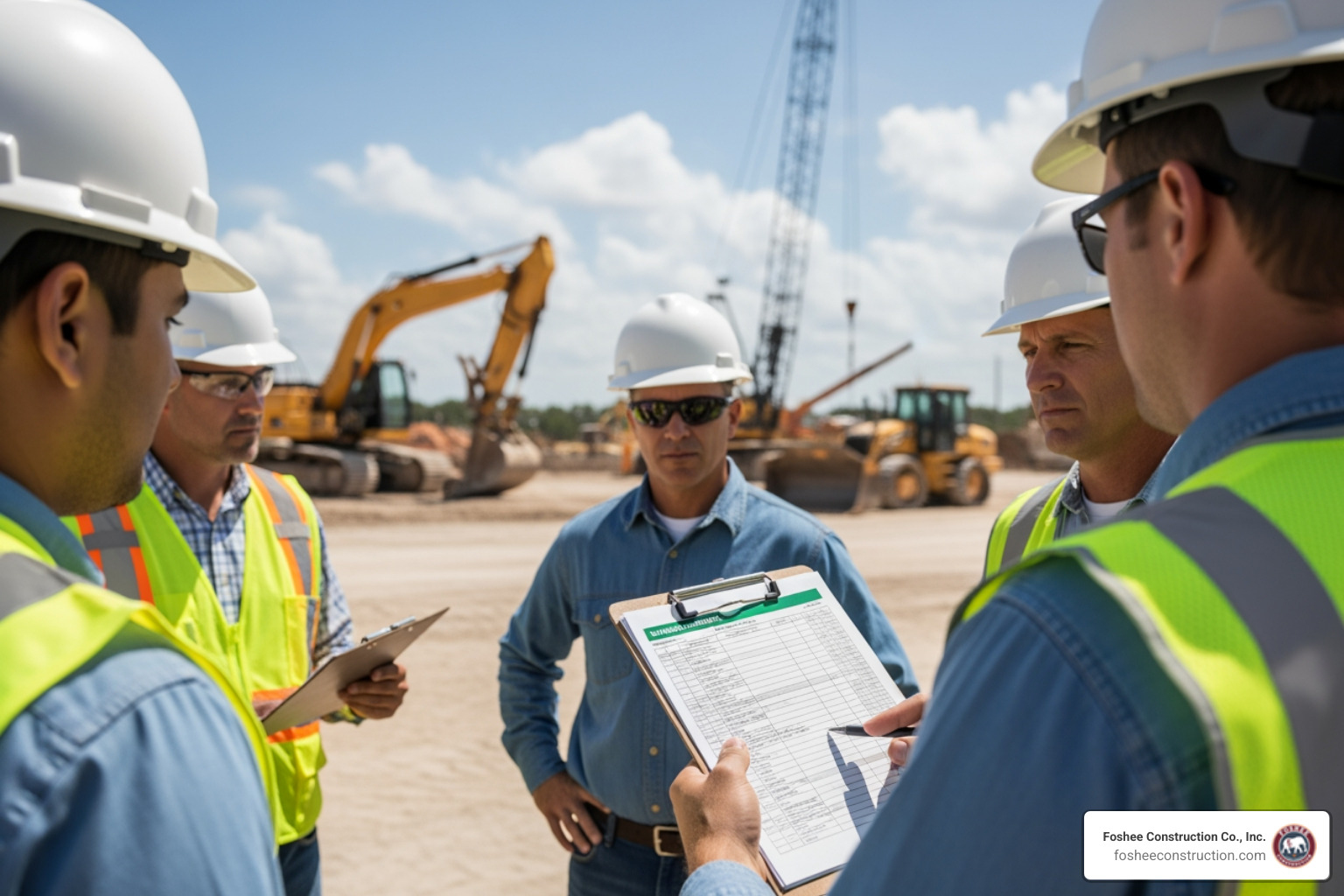
That same mindset carries into the field. Our crew is trained to work with purpose, follow the Civil Engineers’ Plan to the finest detail, and hold the line on quality. When expectations are clear from day one, there’s no need for shortcuts, and no confusion about how the work gets done.
Clients trust our bid packages because they’re complete and ready to use. Project managers know what we’re covering, what’s excluded, and how we plan to approach the job. That clarity removes friction and lets teams focus on execution instead of interpretation.
As part of our review process, we go into the plans before anything hits the site. We ask the questions early, resolve issues before they show up in the field, and keep RFIs moving. This approach prevents delays and protects the timeline.
Over time, that consistency builds trust. Many of the people we work with today came through referrals from past projects – engineers, GCs, and superintendents who’ve seen how we operate and want the same experience again.
In 2024, Foshee Construction was acquired by Saga Infrastructure Solutions, a national network of civil construction companies. Saga supports regional contractors by giving them access to better tools, long-term resources, and operational backing, without changing how they run day to day.
Foshee will continue to operate under its name, with the same team and field leadership in place.
“From the very time a project starts, we start that partnership. We try to catch as much as we can with the tools that we have. Not everybody is using the software platforms we are. That’s the differentiator: we’re not just bidding. We’re anticipating, problem-solving, and making sure the job runs right.”
— Don, CEO, Saga Infrastructure Solutions
Foshee is now part of a broader regional strategy that includes Florida, the Piedmont Atlantic, Texas, Colorado, and the Arizona Sun Corridor. The name, crews, and standards remain. What’s improving is the support behind it.