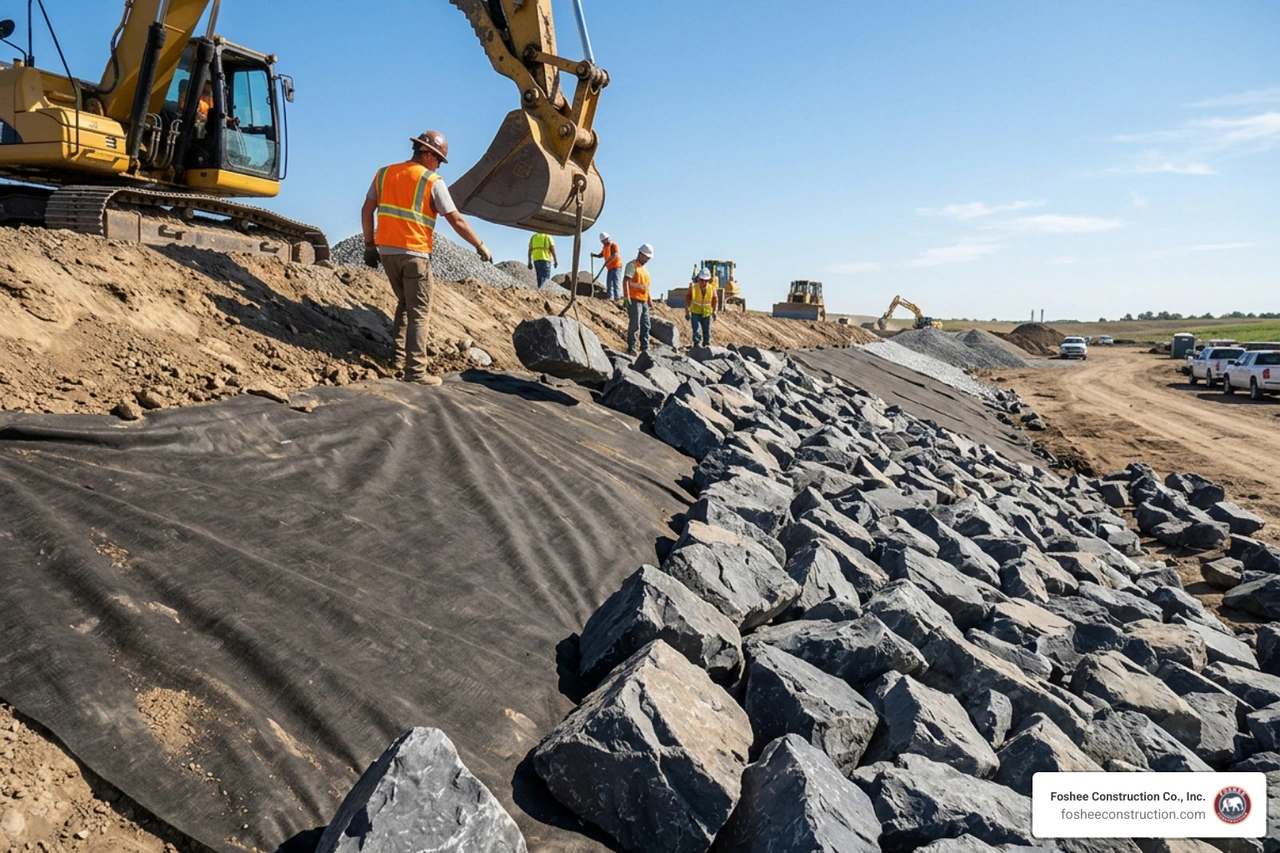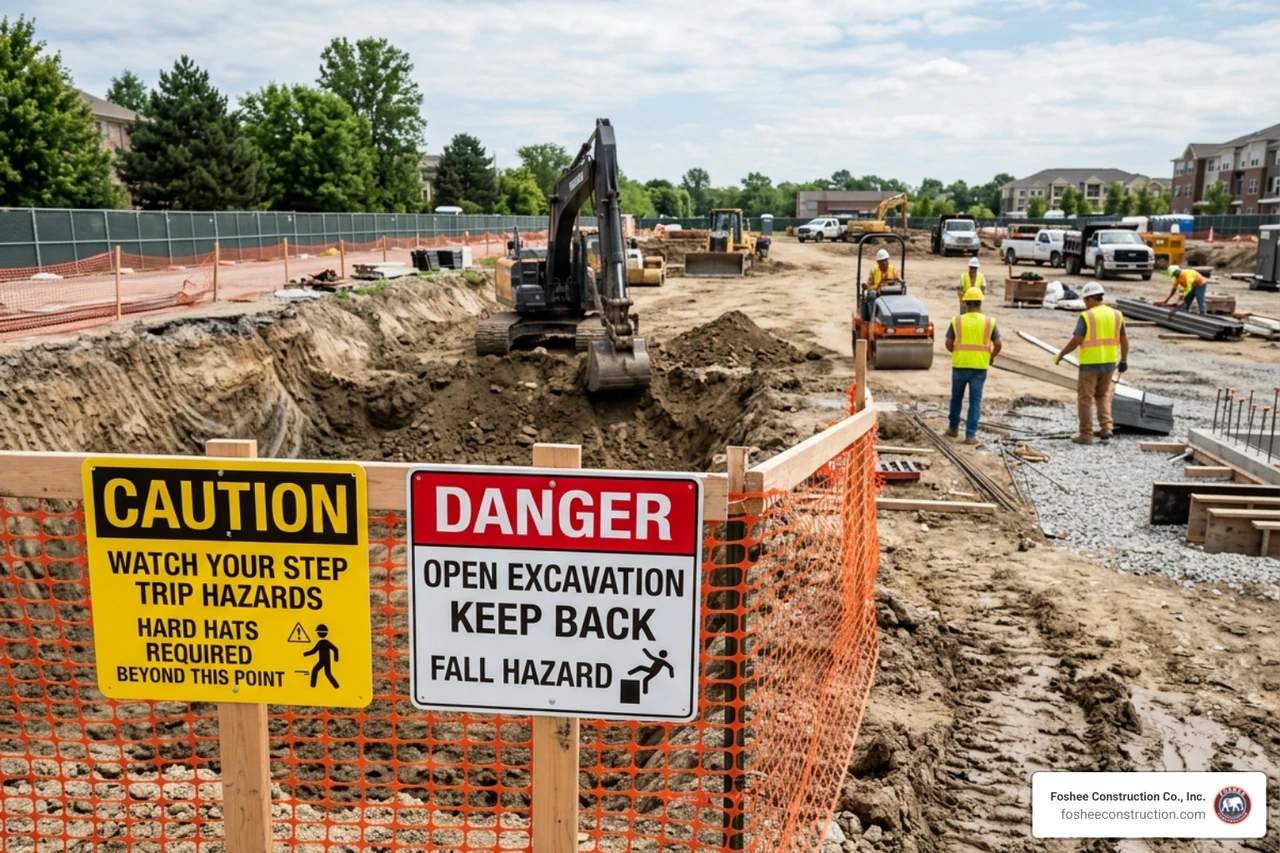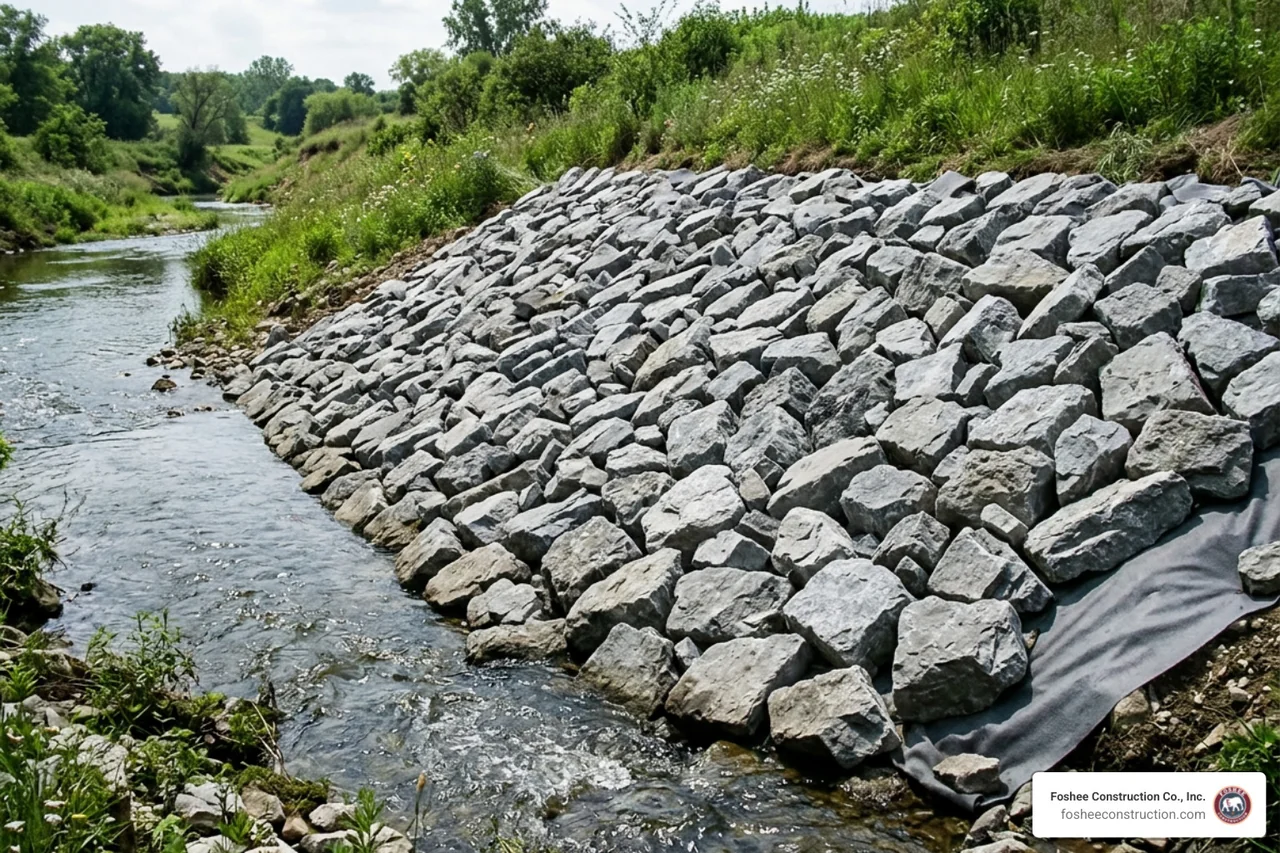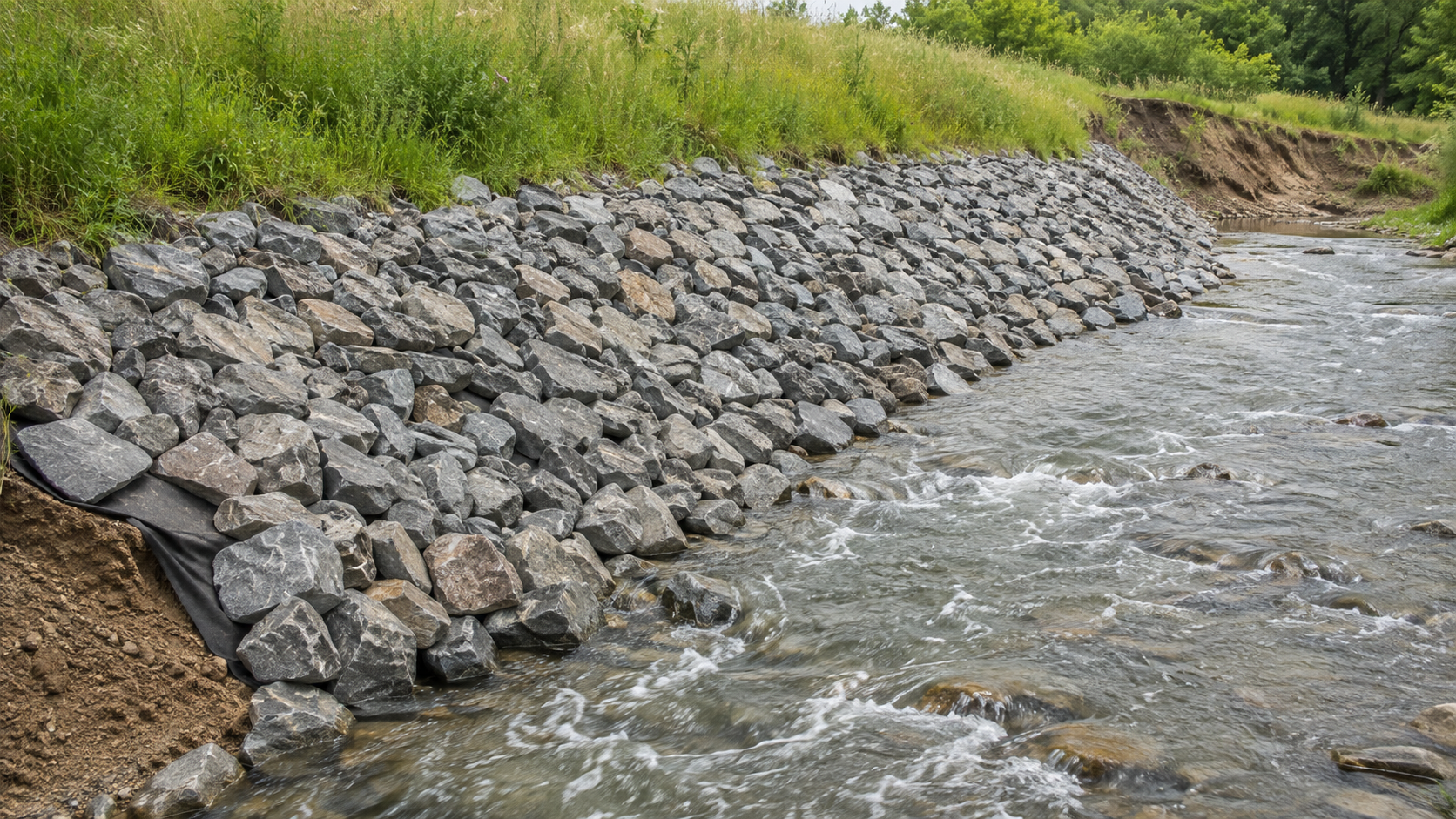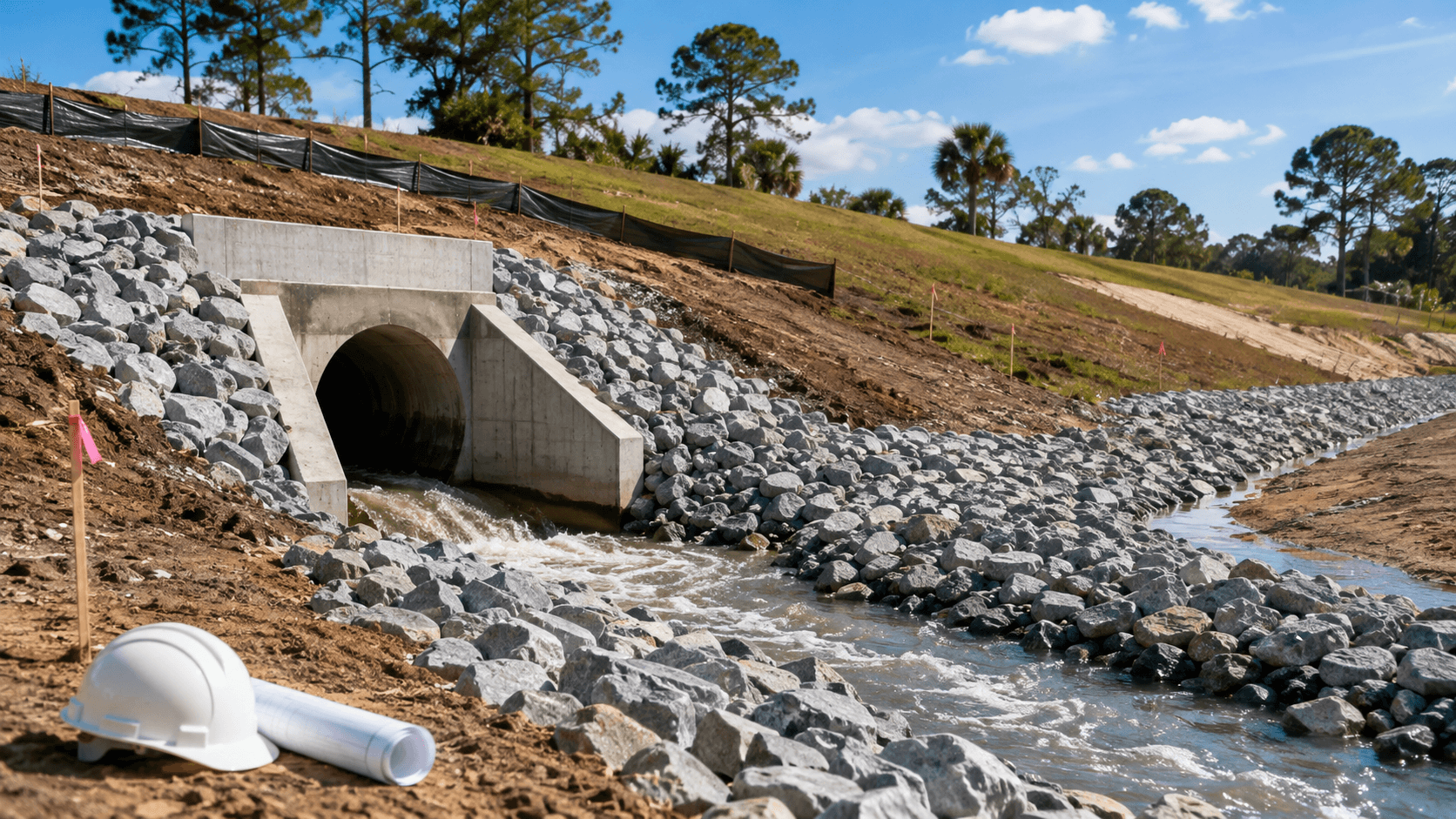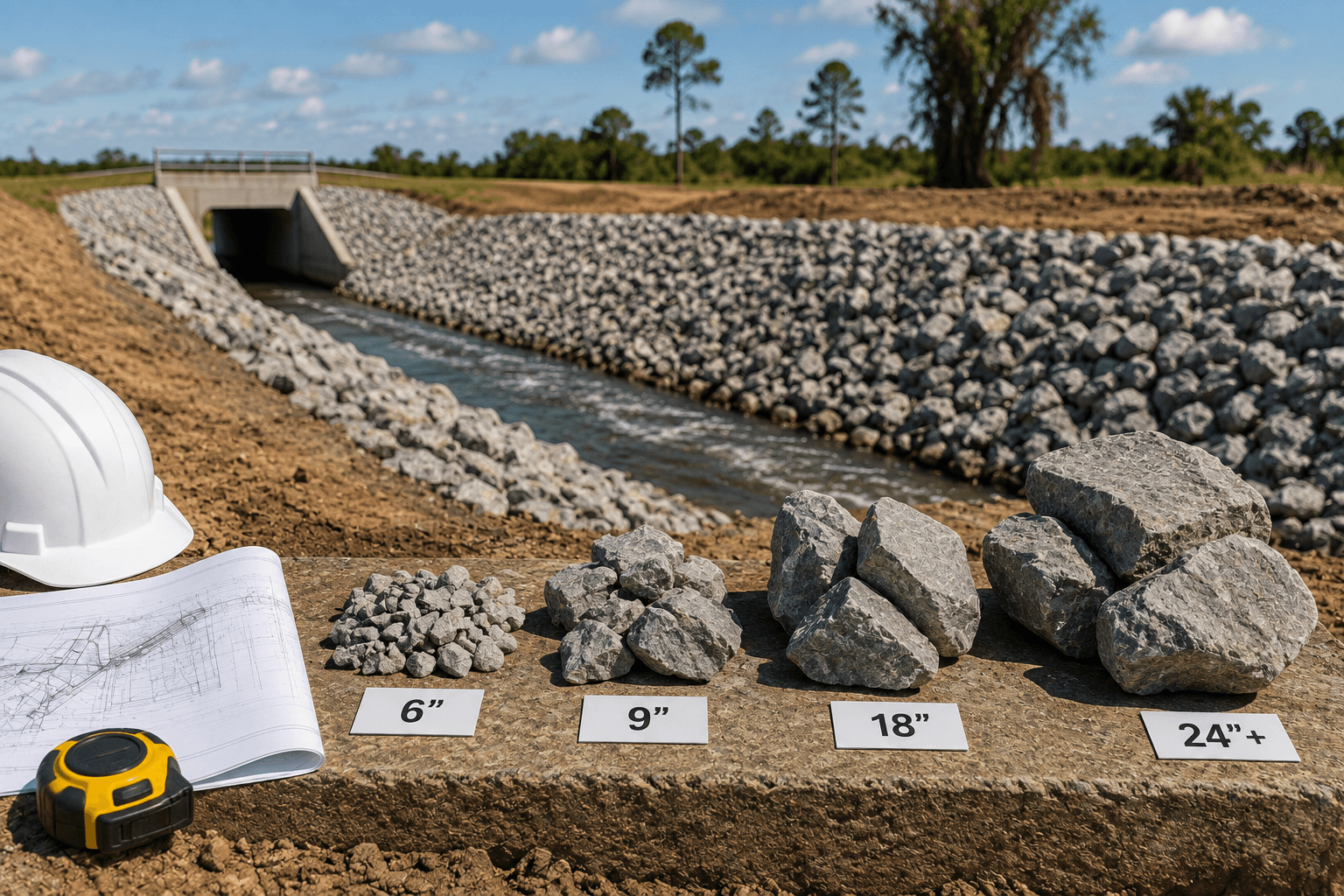
The best methods for erosion prevention on construction sites are:
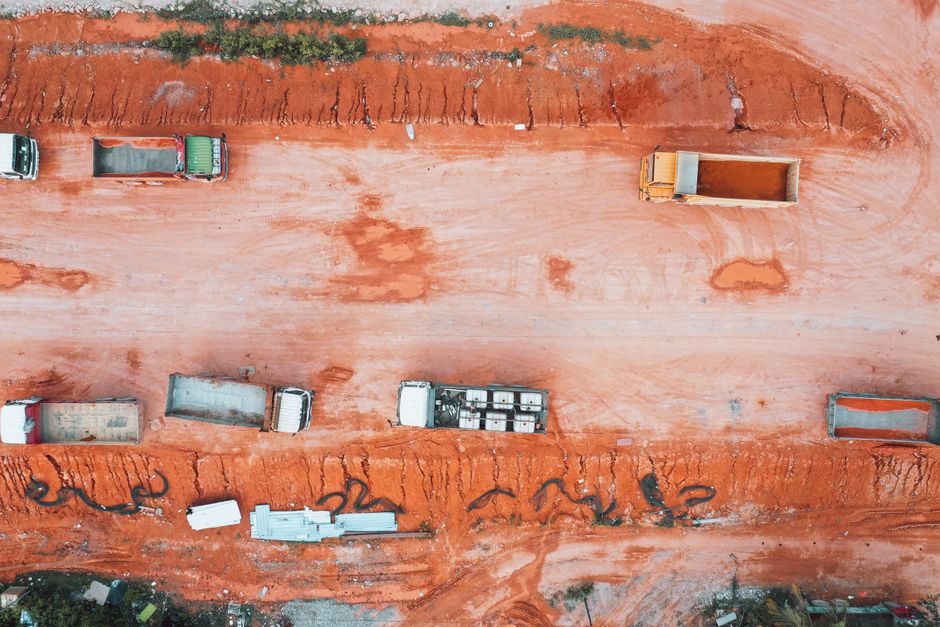
Every construction site that moves dirt creates a problem: exposed soil goes somewhere it shouldn't. Rain carries it into storm drains. Wind blows it across neighboring properties. Runoff pushes it into nearby streams and wetlands.
The numbers are striking. Unmanaged construction sites can lose up to 100 tons of sediment per acre every year. That sediment doesn't just disappear - it clogs drainage systems, smothers aquatic habitats, and triggers costly regulatory action.
For Florida contractors and developers, this isn't just an environmental concern. It's a project risk. Erosion damage can undermine foundations, wash out access roads, and trigger stop-work orders that blow up your schedule and budget.
The good news: the right erosion controls, installed at the right time, work. Proper soil cover alone can reduce sediment loss by 90% or more. The key is knowing which solutions fit your site, your timeline, and your permit requirements - and getting them in place before the rain comes.
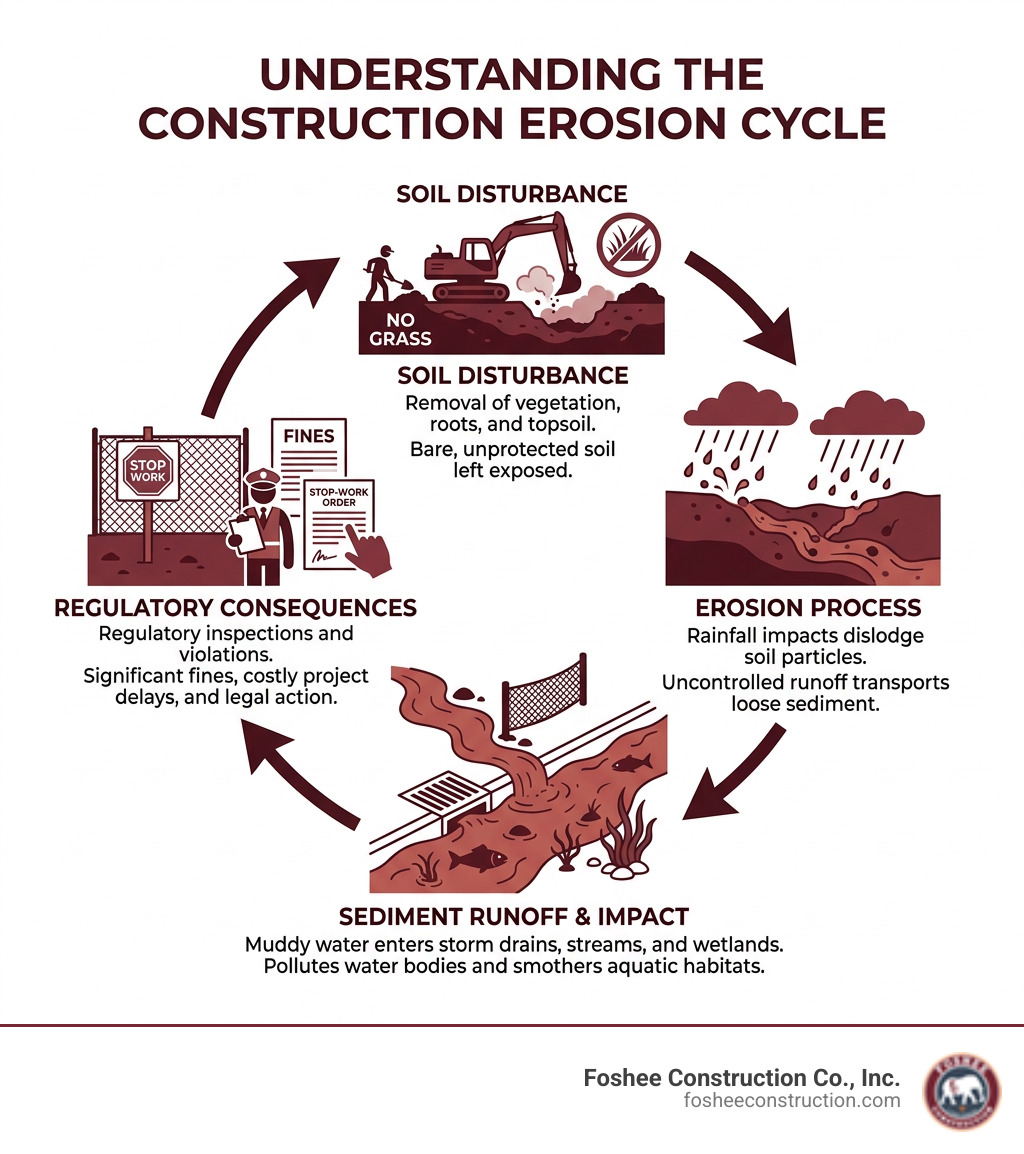
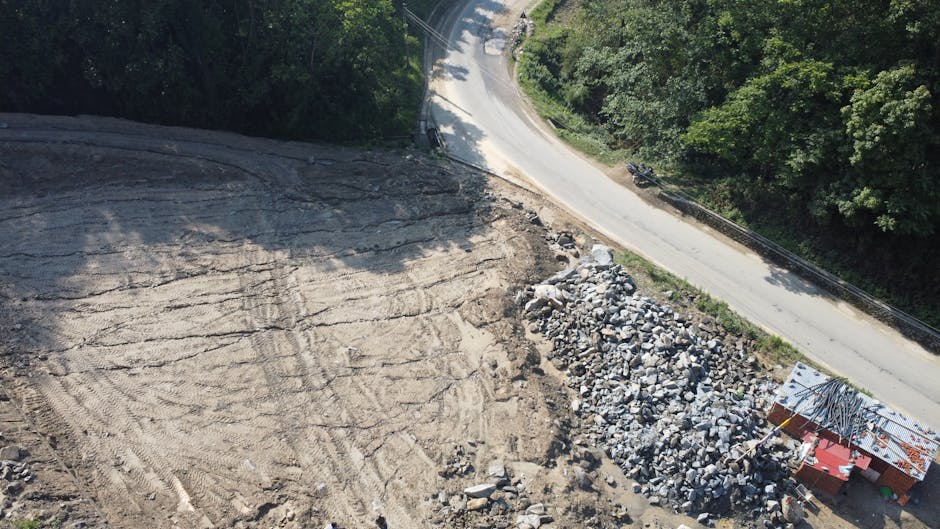
When we talk about erosion, we are really talking about the process of soil particles being dislodged and moved. On a construction site, this happens most often when we strip away the "armor"—the grass, trees, and roots that hold the earth together. Once that soil is naked and exposed, it’s at the mercy of the elements.
Rain is the biggest culprit here in Florida. A single raindrop might seem harmless, but when it hits bare dirt, it acts like a tiny bomb, splashing soil particles into the air. Once they are loose, flowing water picks them up and carries them away. This is why erosion prevention construction sites is such a high priority for us. If we don't stop the soil from moving at the source, we end up spending way more money trying to catch it later.
To understand the scale of the problem, engineers often use the Revised Universal Soil Loss Equation (RUSLE). This formula looks at factors like rainfall intensity, soil type, and the steepness of the slope to predict how much dirt is going to end up in the next county if we don't act.
The consequences of failing to manage this are massive. Beyond the 100-ton annual soil loss statistic mentioned earlier, sediment runoff carries nutrients and pollutants that degrade our local Florida waterways. It causes "eutrophication"—a fancy word for when too many nutrients cause algae to go crazy, sucking the oxygen out of the water and hurting fish.
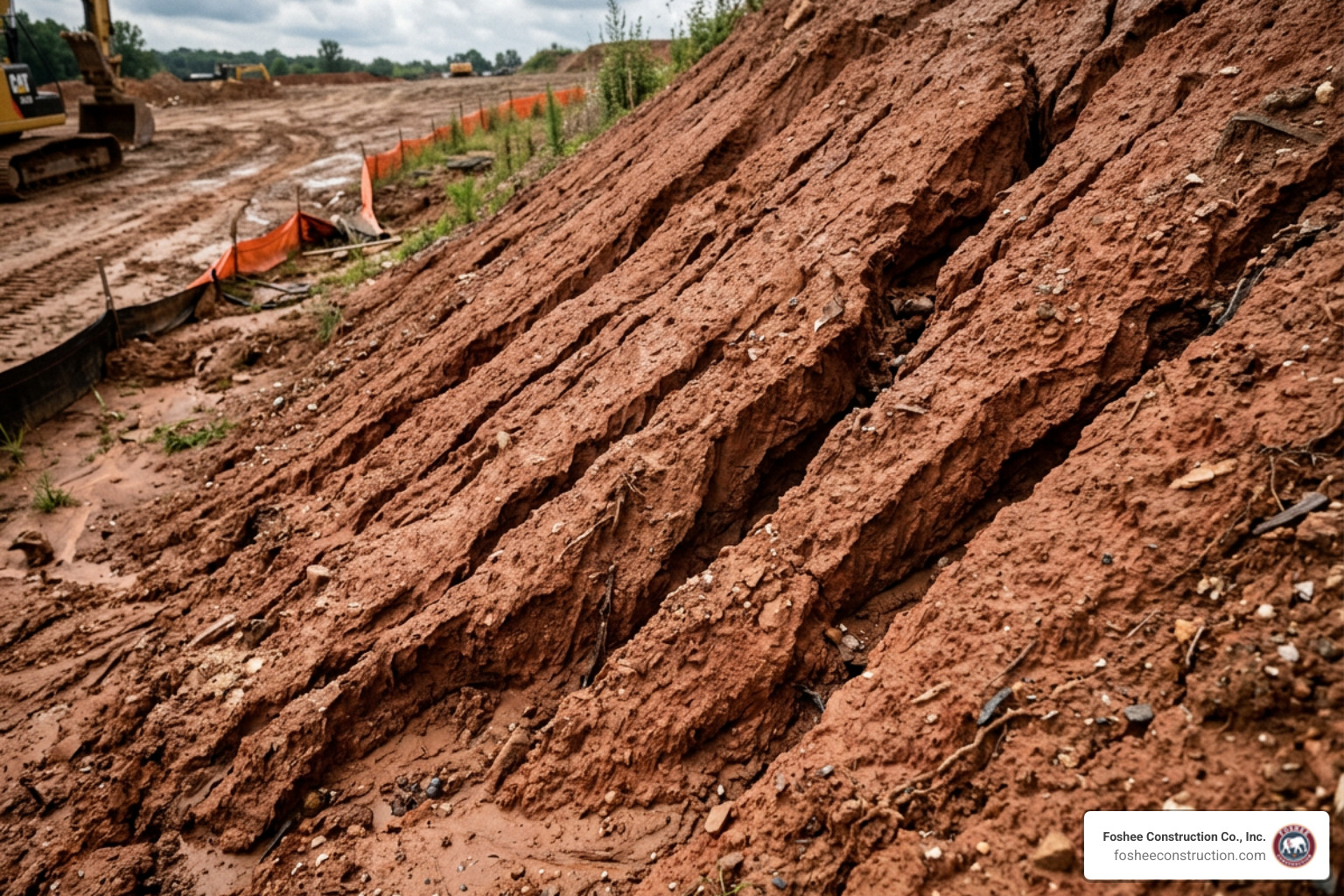
In the industry, we call our tools "Best Management Practices," or BMPs. Think of these as your site's defensive line. The goal is simple: keep the soil in place so it never becomes sediment in the first place.
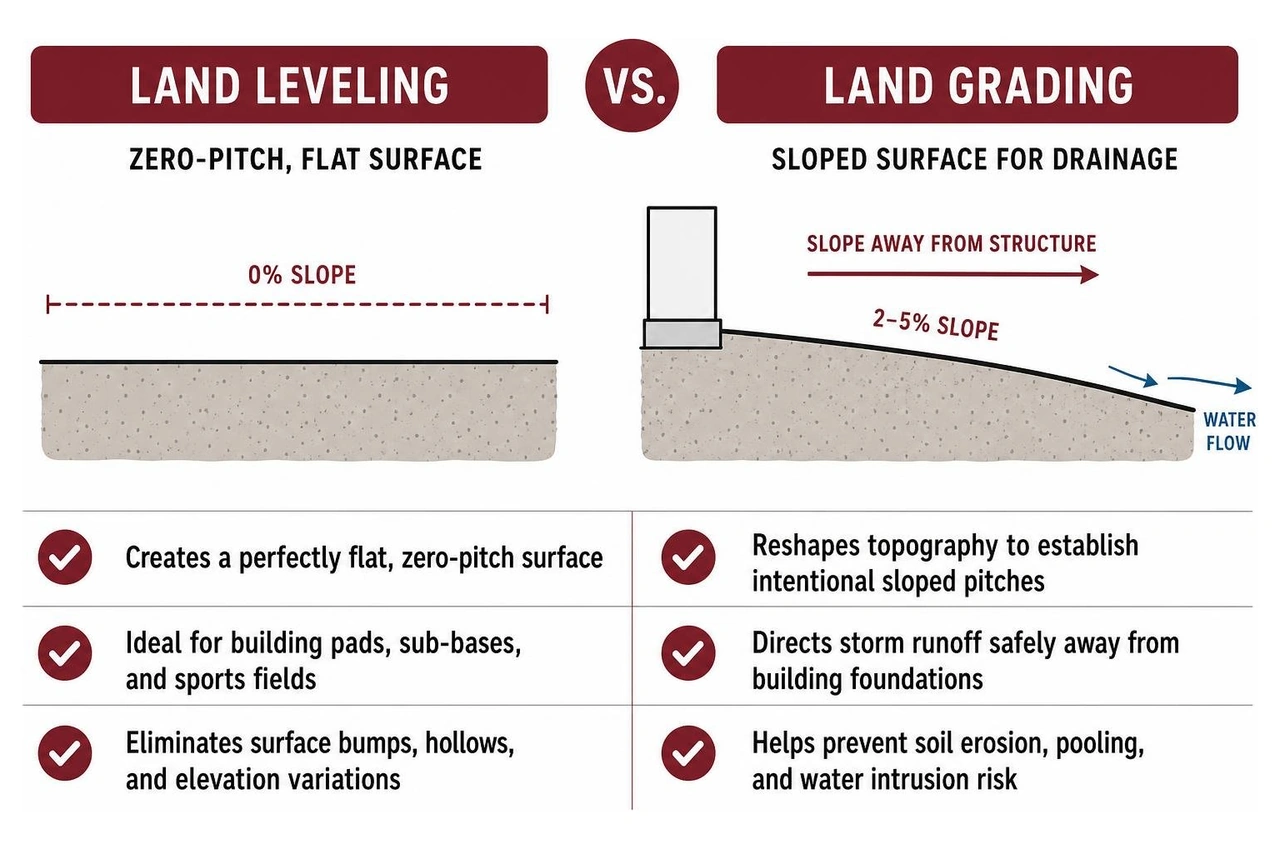
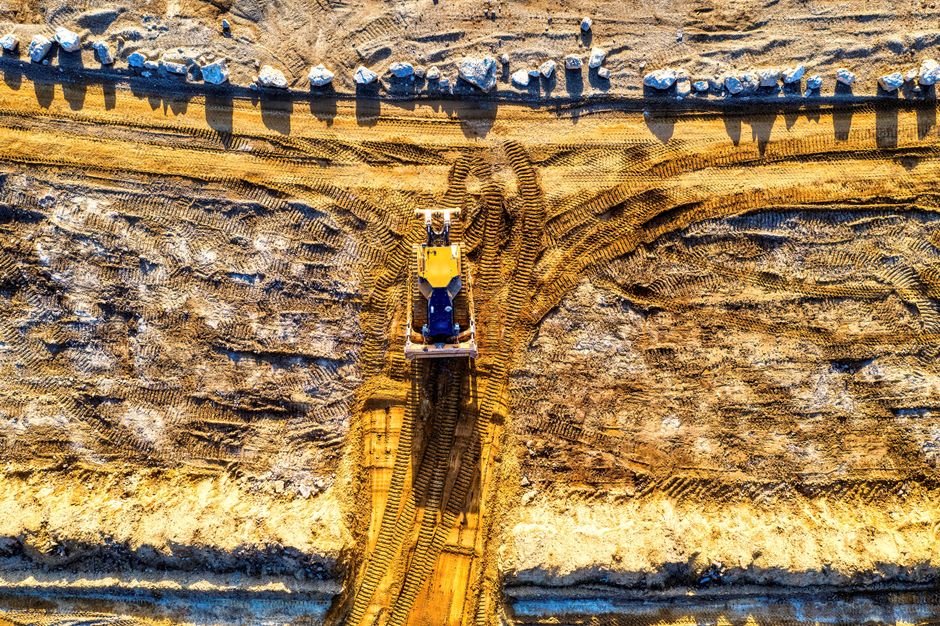
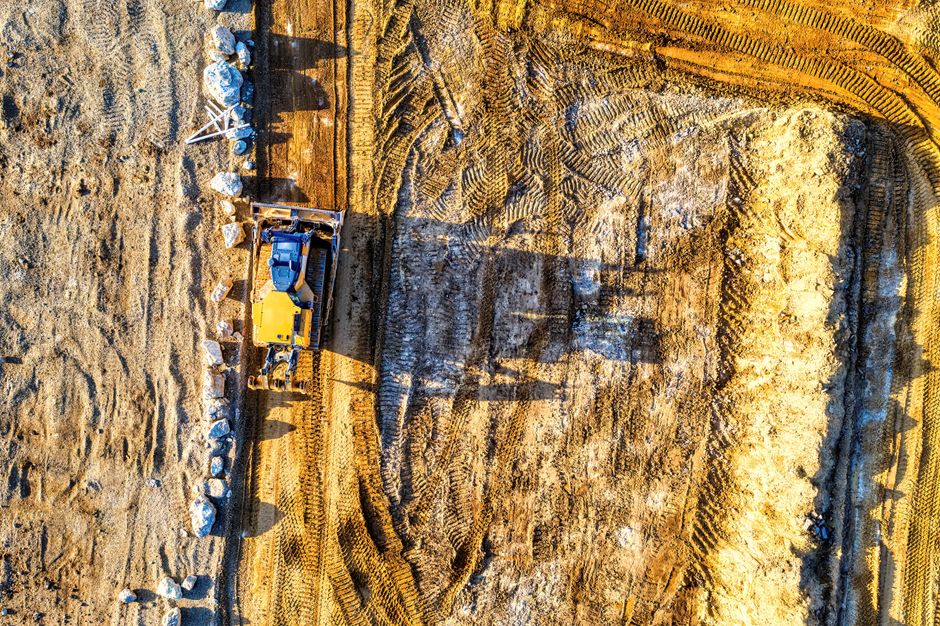
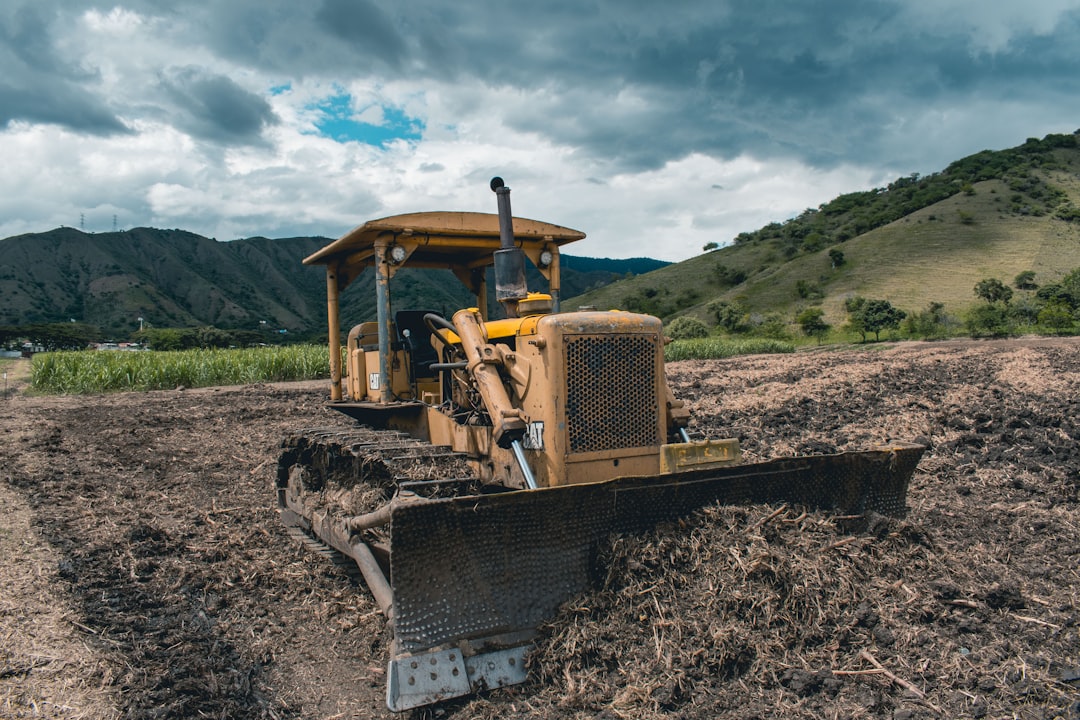
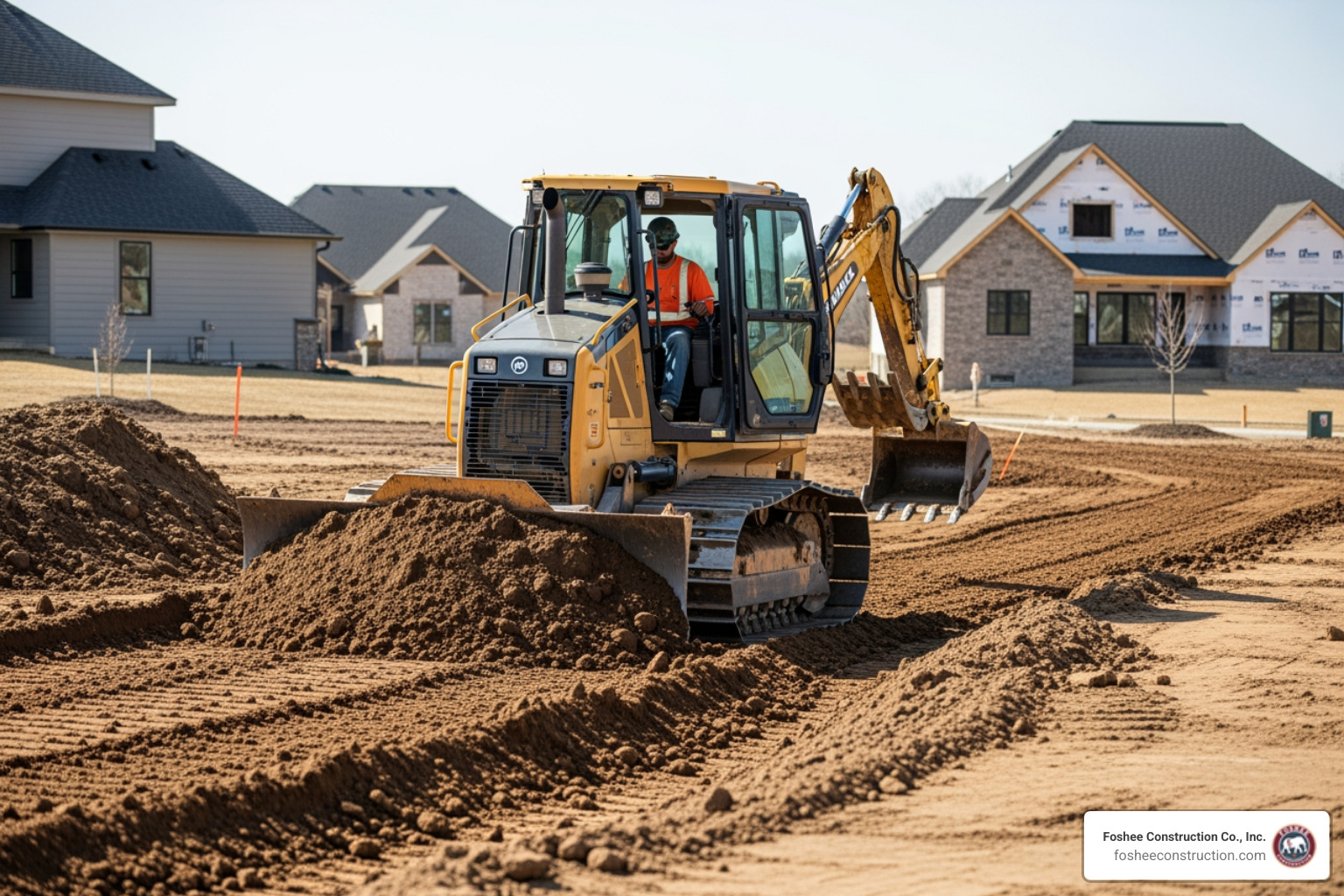
One of our favorite "cheat codes" for stabilization is soil roughening techniques. Instead of leaving a slope perfectly smooth (which acts like a slide for rainwater), we use machinery to create horizontal grooves or "stair-steps" along the contour of the hill. These little ridges slow down the water, give it a place to soak in, and provide a cozy spot for seeds to grow.
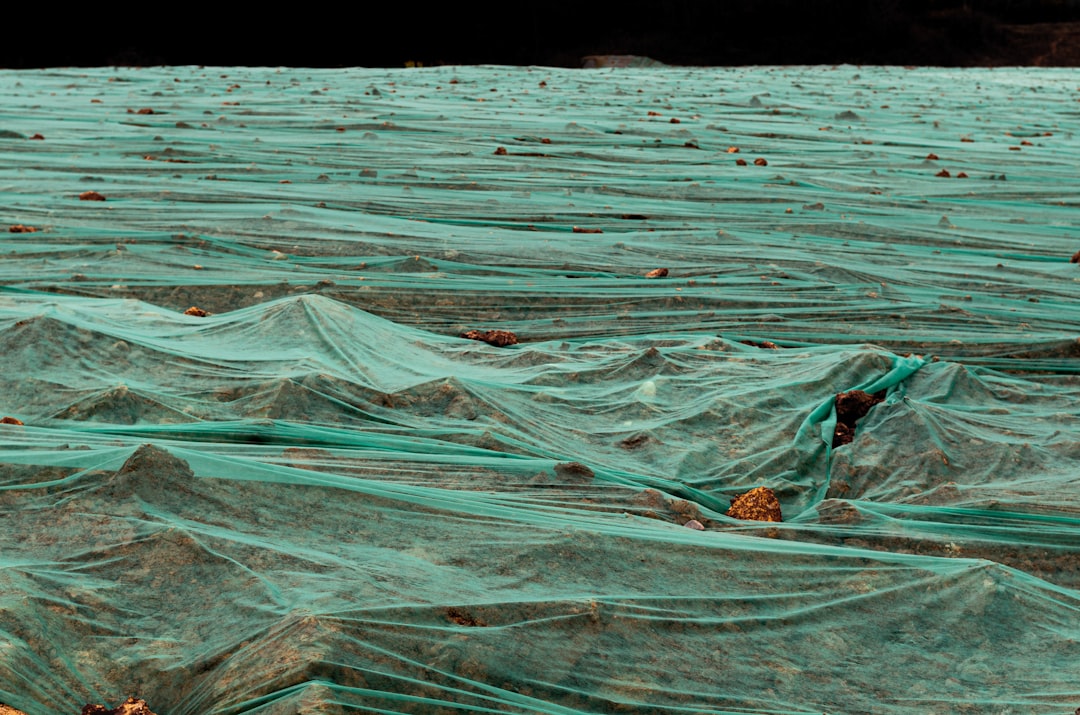
Here are the heavy hitters we use for stabilization:
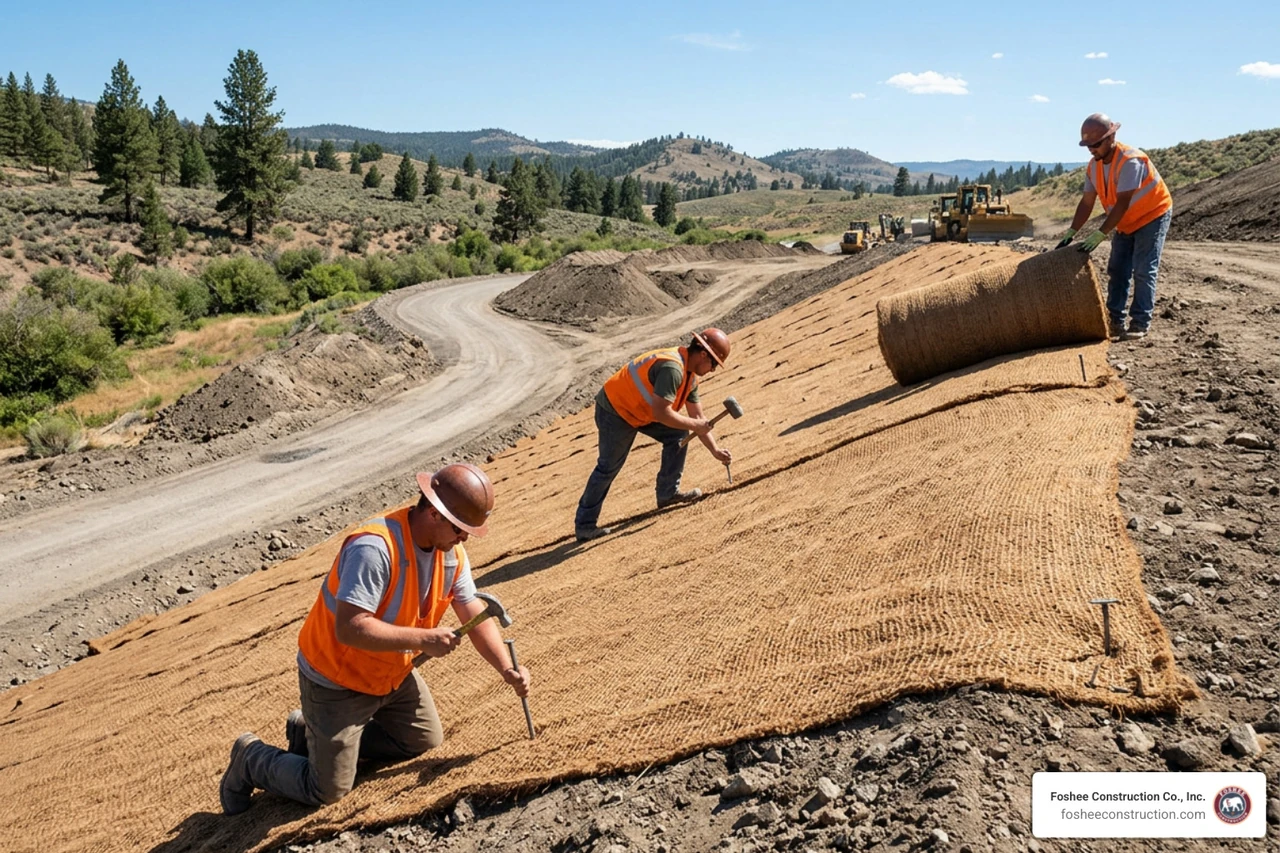
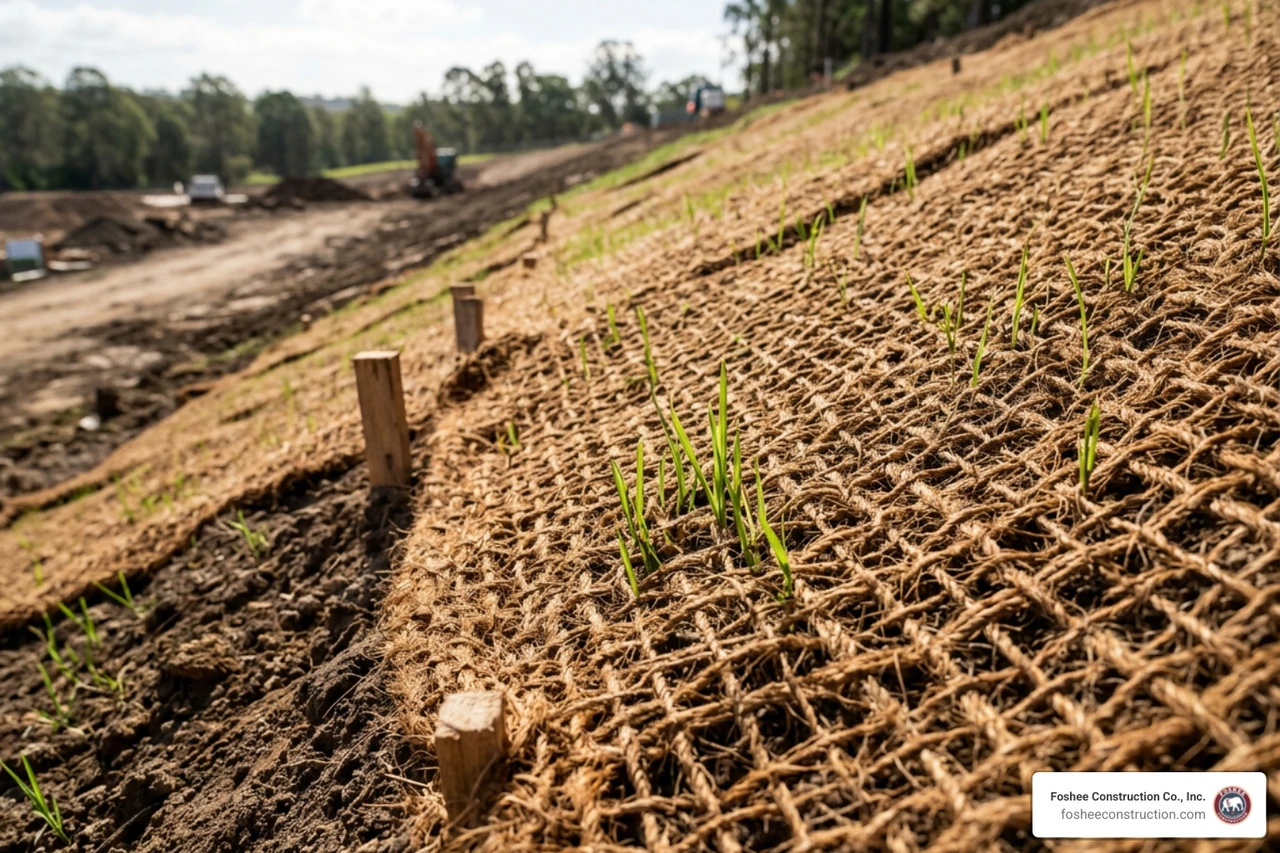
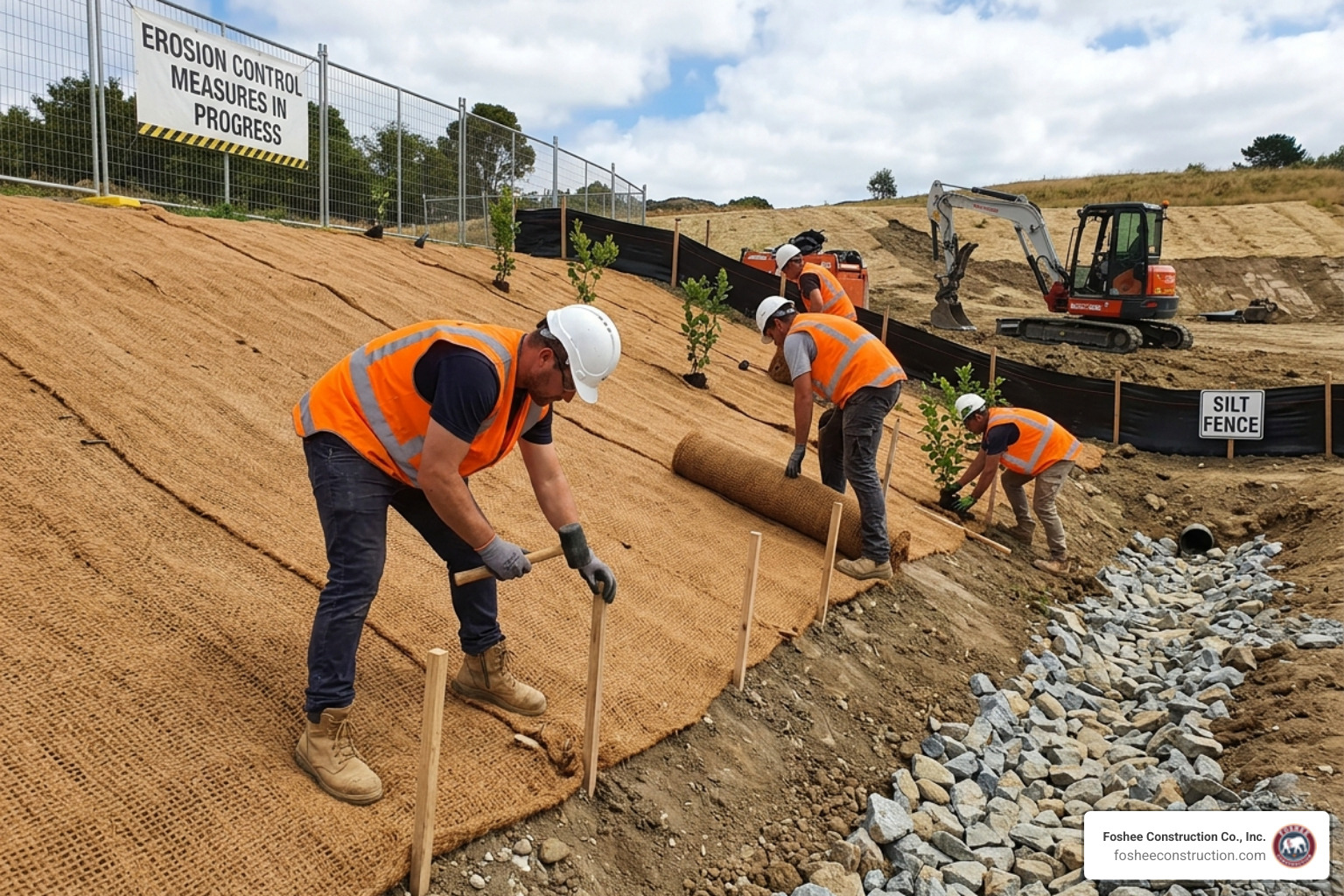
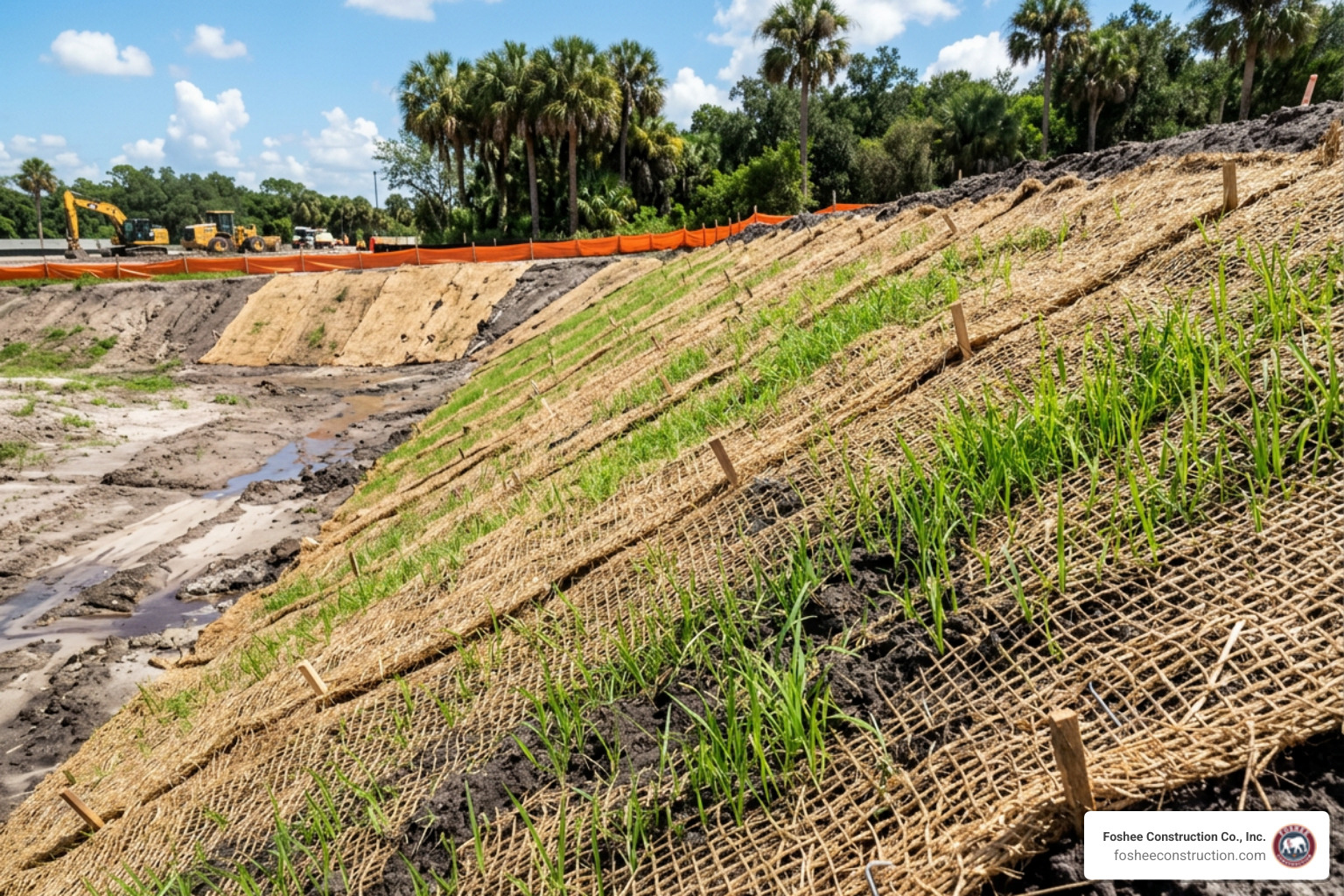
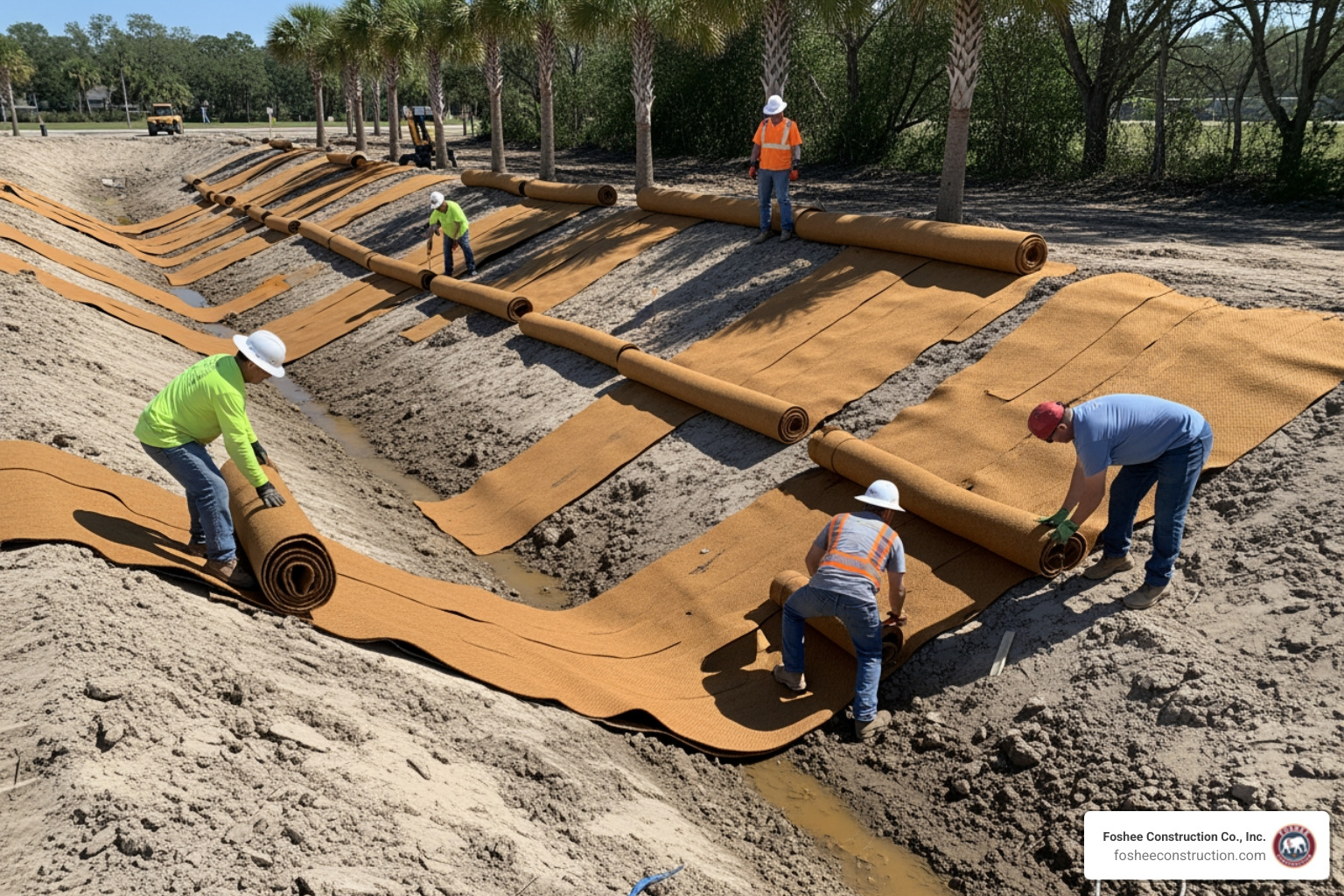
When the slopes get steep or the rain gets heavy, we bring out the high-performance gear. Erosion control blankets (ECBs) are essentially big rugs made of straw, coconut fiber, or synthetic materials. We pin them directly to the ground to hold the soil and seed in place.
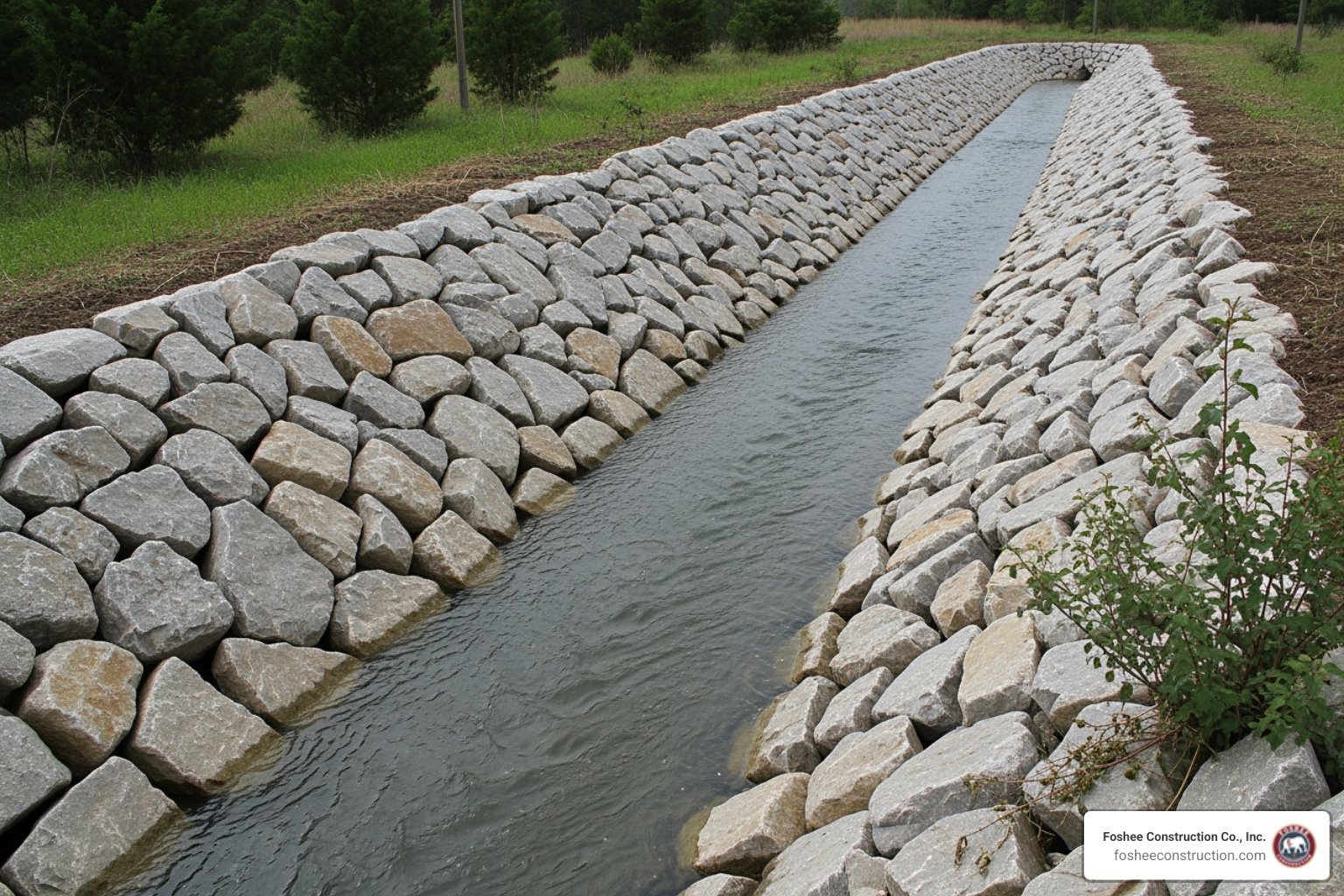
For areas with heavy water flow, like ditches, we use Turf Reinforcement Mats (TRMs). These are permanent, high-strength mats that help the grass stay rooted even when water is rushing over it at high speeds.
We also look to the Approved Product Acceptability List (PAL) to ensure the materials we use are tested and proven to work. This includes everything from wood fiber mulches to specialized tackifiers that act like "glue" for the dirt.
The world of dirt is getting high-tech. One of the coolest innovations is the use of Polyacrylamide (PAM) flocculants. When we have very fine clay particles that won't settle out of water, we use PAM to make those particles clump together and sink to the bottom.
We are also seeing a rise in "passive dosing" systems. We can place wattles or logs treated with these chemicals in the path of the water. As the water flows over them, it automatically gets treated, reducing "turbidity" (that cloudy, muddy look in the water). Ongoing turbidity control research shows that these methods can reduce water cloudiness by two orders of magnitude compared to traditional sediment traps.
If erosion prevention is our "offense," sediment control is our "defense." Despite our best efforts, some soil will inevitably move. Our job is to catch it before it crosses the property line.
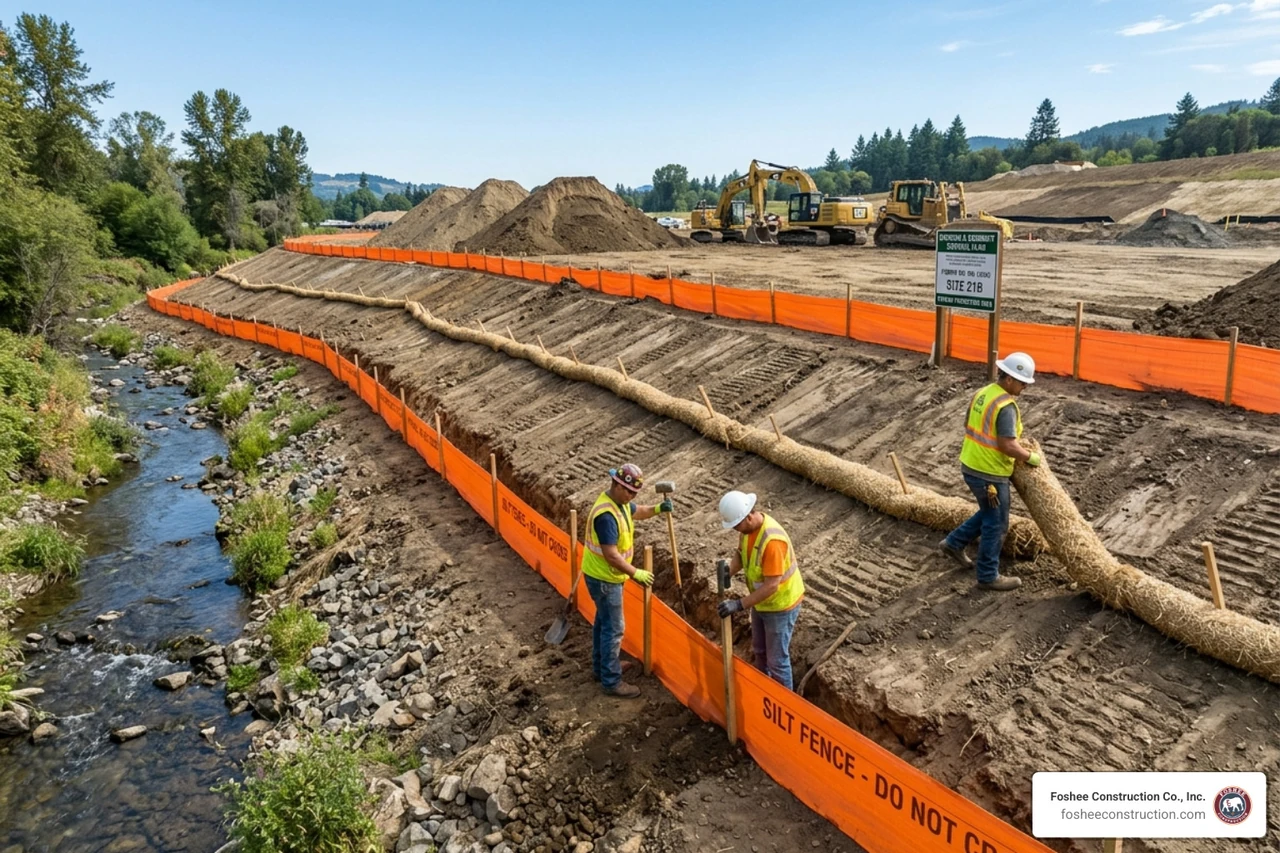
One of the most common mistakes we see is relying solely on silt fences. While they are a staple, they aren't always the best tool for the job. Here is a quick breakdown of how common solutions compare:
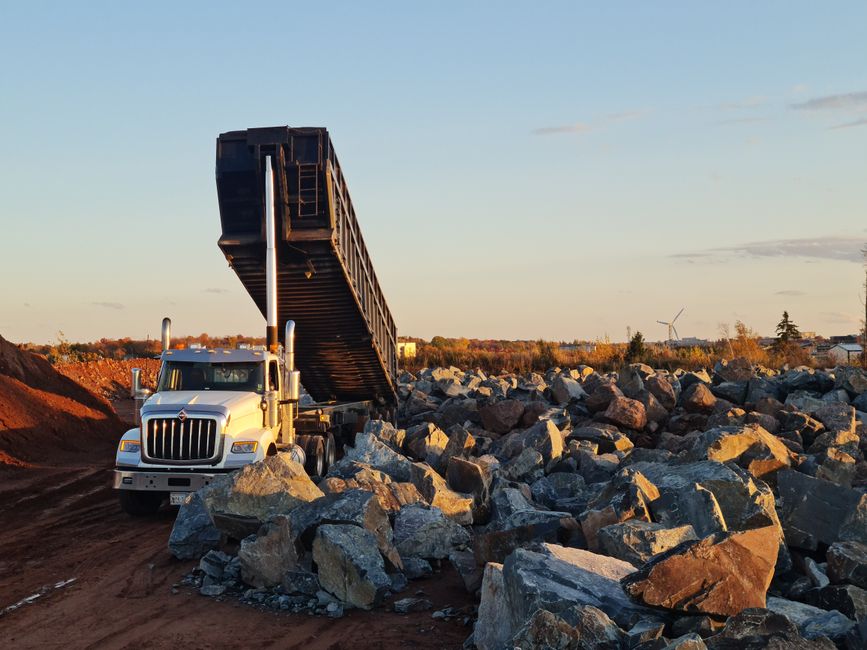
A critical, often overlooked piece of sediment control is the Rock Construction Entrance. We require a gravel depth of at least 6 inches using large aggregate. This acts like a giant "boot scrubber" for heavy equipment. Without it, trucks will "track" mud onto public roads, which is a major compliance headache and a safety hazard for local drivers in Minneola.
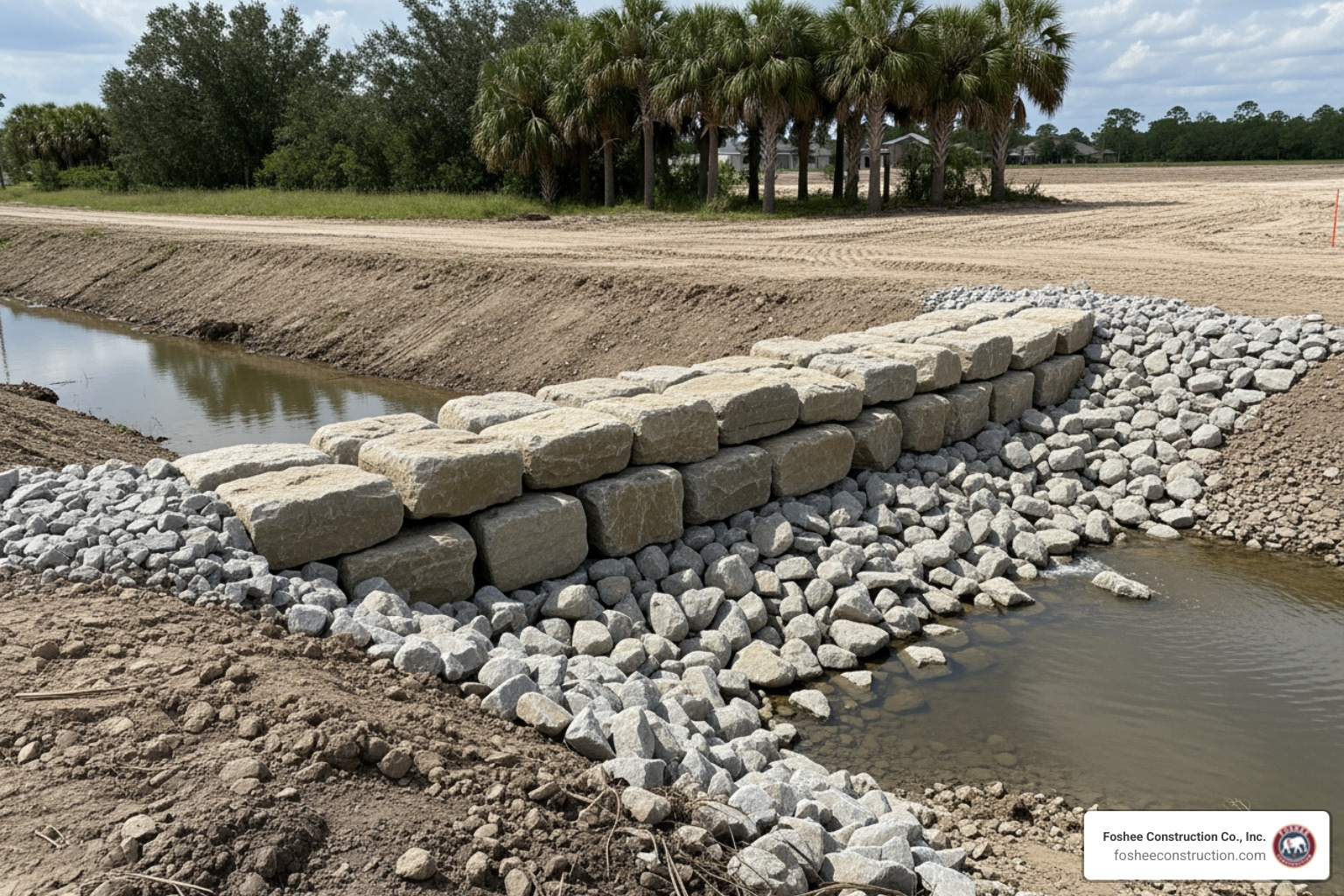
For storm drains, we use curb inlet protection devices. These are filters that wrap around or sit inside the drain to ensure that only water—not mud—enters the city's pipe system.
In the construction world, we don't just move dirt; we manage paperwork. If your project disturbs 1 acre or more of land, you are legally required to obtain a National Pollutant Discharge Elimination System (NPDES) permit. This is a federal requirement managed at the state level.
One of the most important people on a large project is the Qualified SWPPP Developer (QSD). This expert helps create the roadmap for how we will keep the site clean. We also use site "phasing" and "sequencing" to minimize our impact. Instead of clearing 50 acres all at once and leaving it bare for months, we clear and stabilize in smaller chunks. This keeps the amount of "vulnerable" soil to a minimum.
Depending on the size of your project, you'll need one of two plans:
When we develop these plans, we start with a thorough site assessment. We map the topography to see where water will flow and identify "sensitive areas" like wetlands or neighboring ponds. We also look at things like Wisconsin NR 216 compliance as a benchmark for high-standard planning, ensuring we meet or exceed all local and state regulations.
You can't just "set it and forget it" when it comes to erosion control. A silt fence that’s fallen over or a sediment basin that’s full of mud is useless.
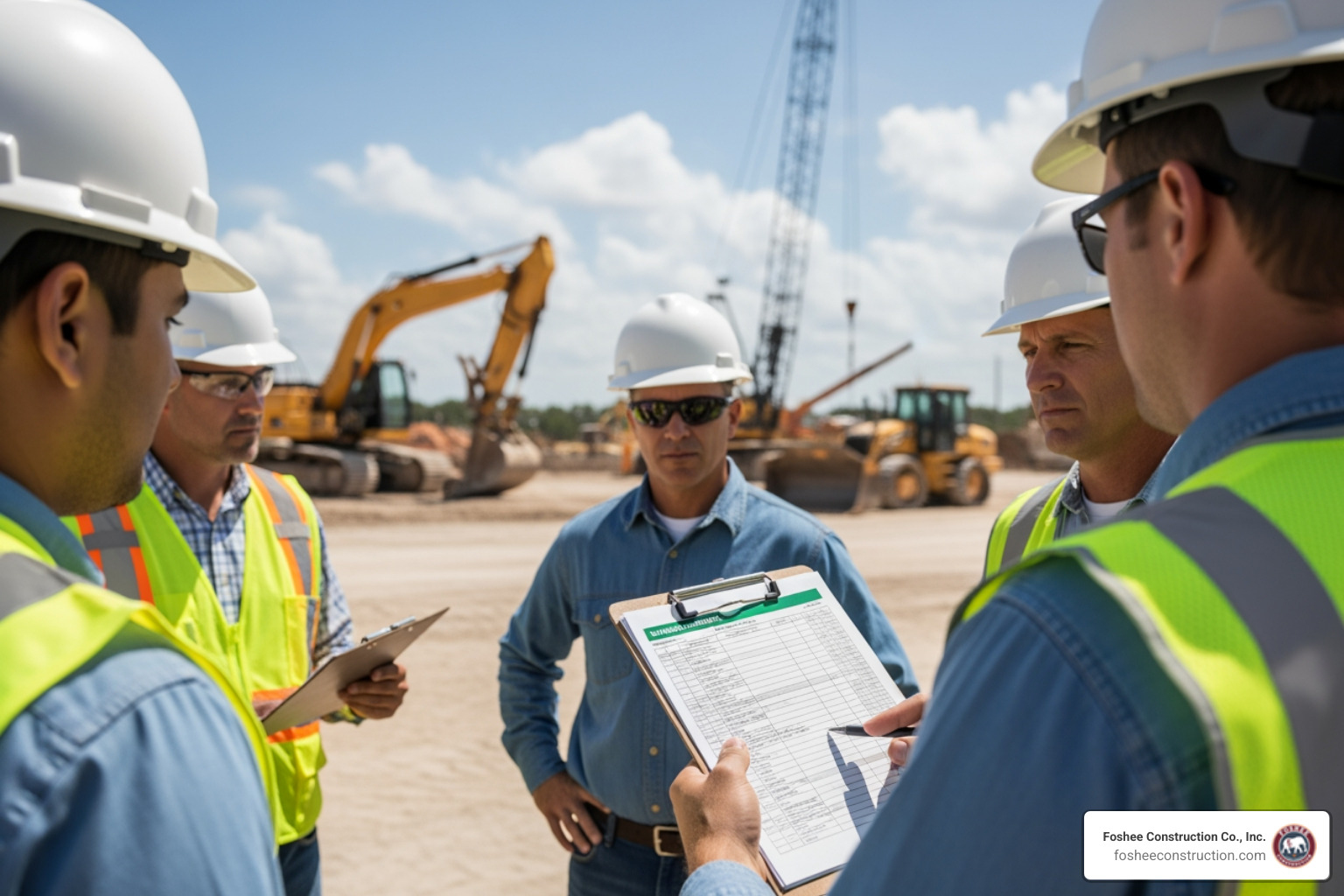
We follow a strict inspection cycle. In Florida, standard requirements usually dictate that we inspect all BMPs at least once every seven days and within 24 hours of any rain event that drops 0.5 inches of water or more. If we find a problem—like a "blowout" in a silt fence—we have a 24-hour window to get it fixed.
Maintenance is key. We keep detailed logs of every inspection and repair. This isn't just for us; it’s our proof of compliance if a regulator stops by.
The ultimate goal is "Final Stabilization." A site isn't considered "done" just because the building is finished. We have to achieve a uniform 70% vegetative cover density (or equivalent permanent cover like sod or pavement) across the entire site before we can file a "Notice of Termination" and close out our permits. We follow Minnesota site stabilization principles as a guide for what true, long-term stability looks like—ensuring the soil stays put for decades, not just until the next storm.
It mostly comes down to size. If you are disturbing more than 1 acre, you definitely need a SWPPP and an NPDES permit. However, even if your site is smaller, you might need a full SWPPP if you are part of a "common plan of development" (like a single lot inside a larger subdivision). Always check with your local Minneola or Lake County building department first!
The biggest one is poor silt fence placement. We often see people put silt fences across a ditch or a place where water flows fast. The water just knocks the fence down or flows under it. Another mistake is failing to divert "upslope" water. If you have a hill behind your site, you need to redirect that water around your disturbed area so it doesn't wash your site away.
It can get ugly fast. You can face heavy daily fines (sometimes thousands of dollars per day), stop-work orders that halt your entire project, and even civil liability if your mud damages a neighbor's property. In extreme cases, your permits can be revoked entirely.
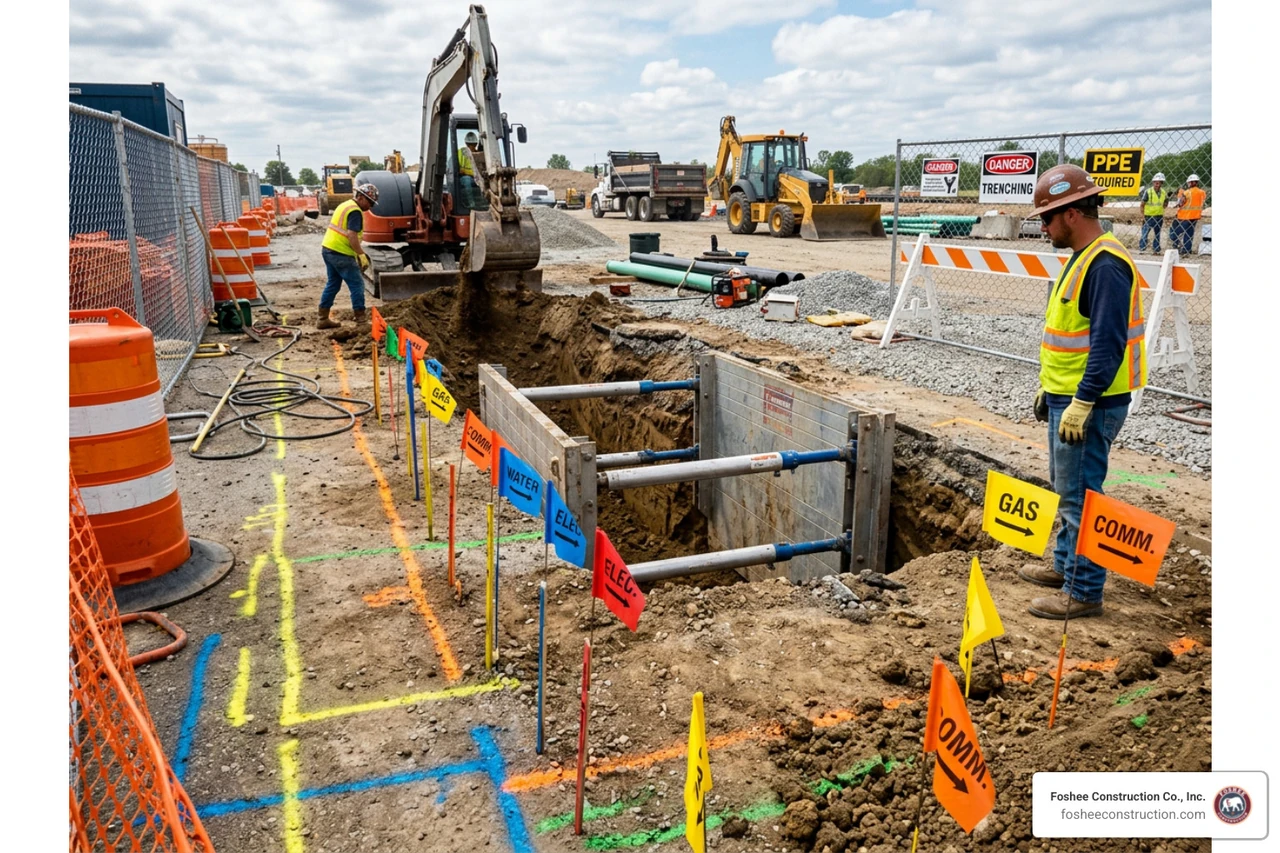
At Foshee Construction Co., Inc., we’ve spent years mastering the art of keeping dirt in its place. Based right here in Minneola, Florida, we understand the unique challenges of our local climate—from the sandy soils of Lake County to the intense afternoon thunderstorms that can turn a site into a muddy mess in minutes.
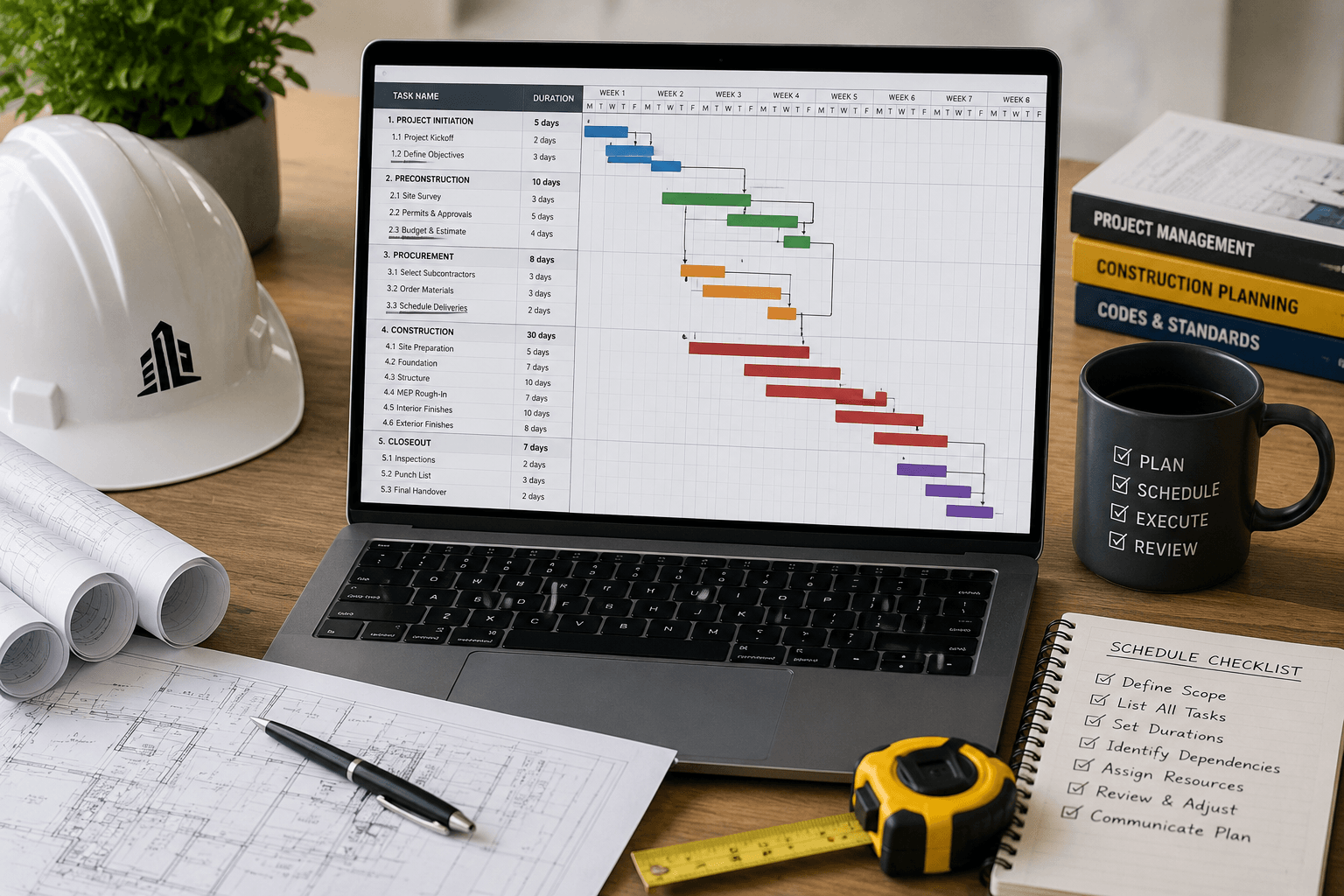
We pride ourselves on providing transparent bids and disciplined scheduling. We know that erosion control isn't just a "check the box" task; it's a vital part of site preparation that protects your investment and our local environment. Whether you need complete site prep, underground utilities, or a rock-solid erosion strategy, we are here to build a reliable relationship with you.
Ready to start your next project with a team that knows how to handle the Florida heat and the Florida rain? More info about our services is just a click away. Let's get to work and keep that dirt where it belongs!
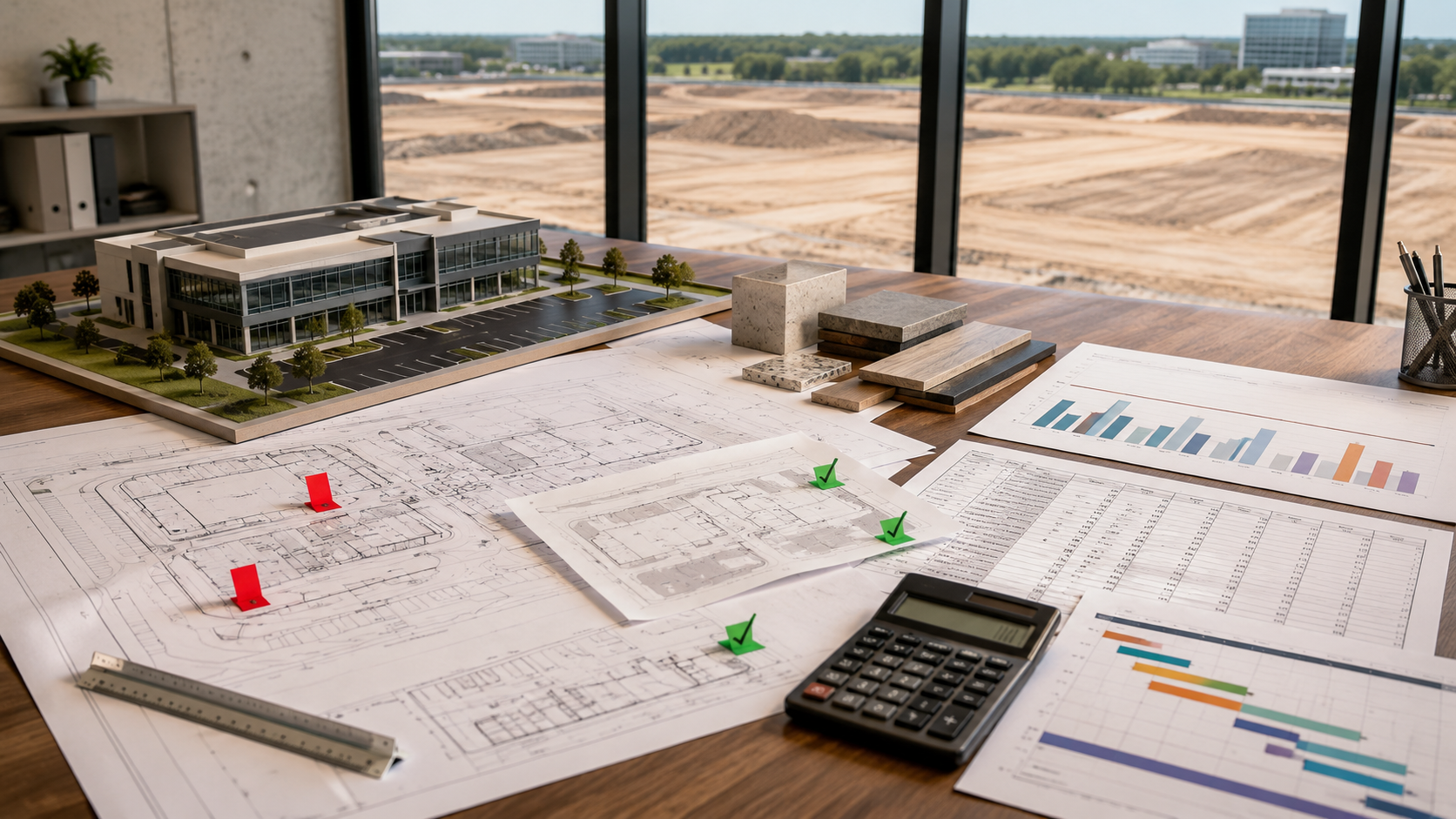
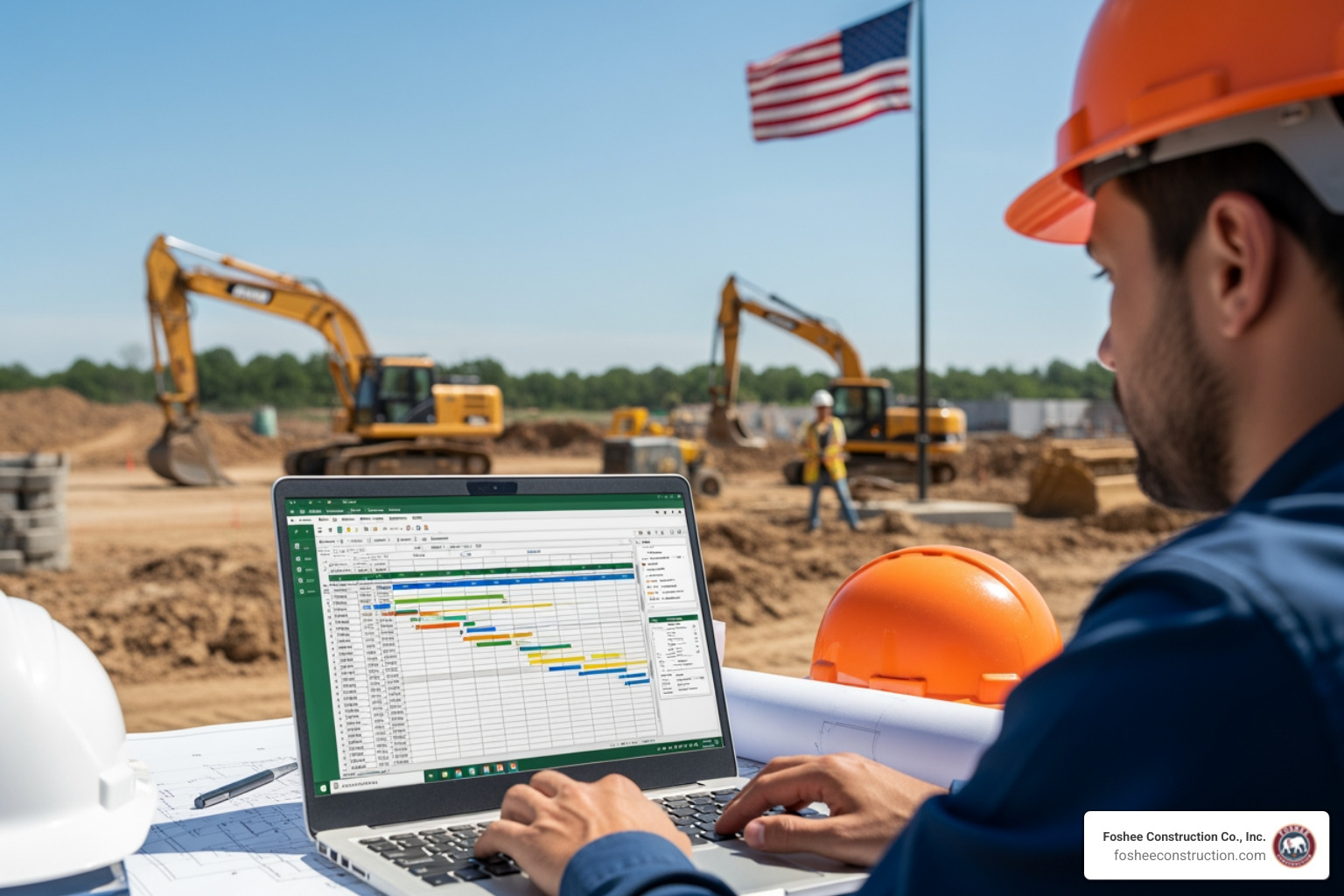
We build bids using HeavyBid and AGTEK because the details matter long before the job starts. When the numbers are accurate and the scope is clearly defined, it sets the tone for how the entire project runs. Estimating isn’t just a step in the process, it’s the foundation we build on.
That same mindset carries into the field. Our crew is trained to work with purpose, follow the Civil Engineers’ Plan to the finest detail, and hold the line on quality. When expectations are clear from day one, there’s no need for shortcuts, and no confusion about how the work gets done.
Clients trust our bid packages because they’re complete and ready to use. Project managers know what we’re covering, what’s excluded, and how we plan to approach the job. That clarity removes friction and lets teams focus on execution instead of interpretation.
As part of our review process, we go into the plans before anything hits the site. We ask the questions early, resolve issues before they show up in the field, and keep RFIs moving. This approach prevents delays and protects the timeline.
Over time, that consistency builds trust. Many of the people we work with today came through referrals from past projects – engineers, GCs, and superintendents who’ve seen how we operate and want the same experience again.
In 2024, Foshee Construction was acquired by Saga Infrastructure Solutions, a national network of civil construction companies. Saga supports regional contractors by giving them access to better tools, long-term resources, and operational backing, without changing how they run day to day.
Foshee will continue to operate under its name, with the same team and field leadership in place.
“From the very time a project starts, we start that partnership. We try to catch as much as we can with the tools that we have. Not everybody is using the software platforms we are. That’s the differentiator: we’re not just bidding. We’re anticipating, problem-solving, and making sure the job runs right.”
— Don, CEO, Saga Infrastructure Solutions
Foshee is now part of a broader regional strategy that includes Florida, the Piedmont Atlantic, Texas, Colorado, and the Arizona Sun Corridor. The name, crews, and standards remain. What’s improving is the support behind it.