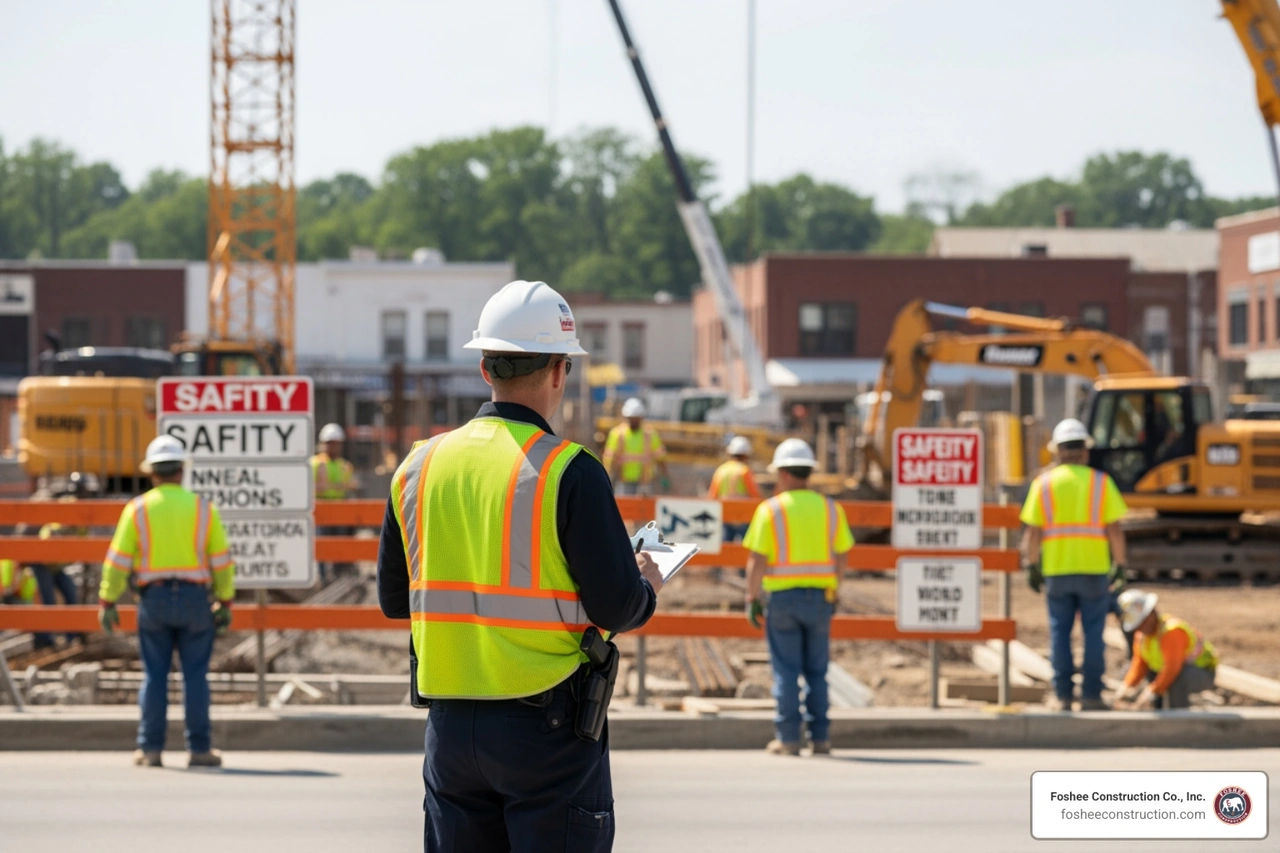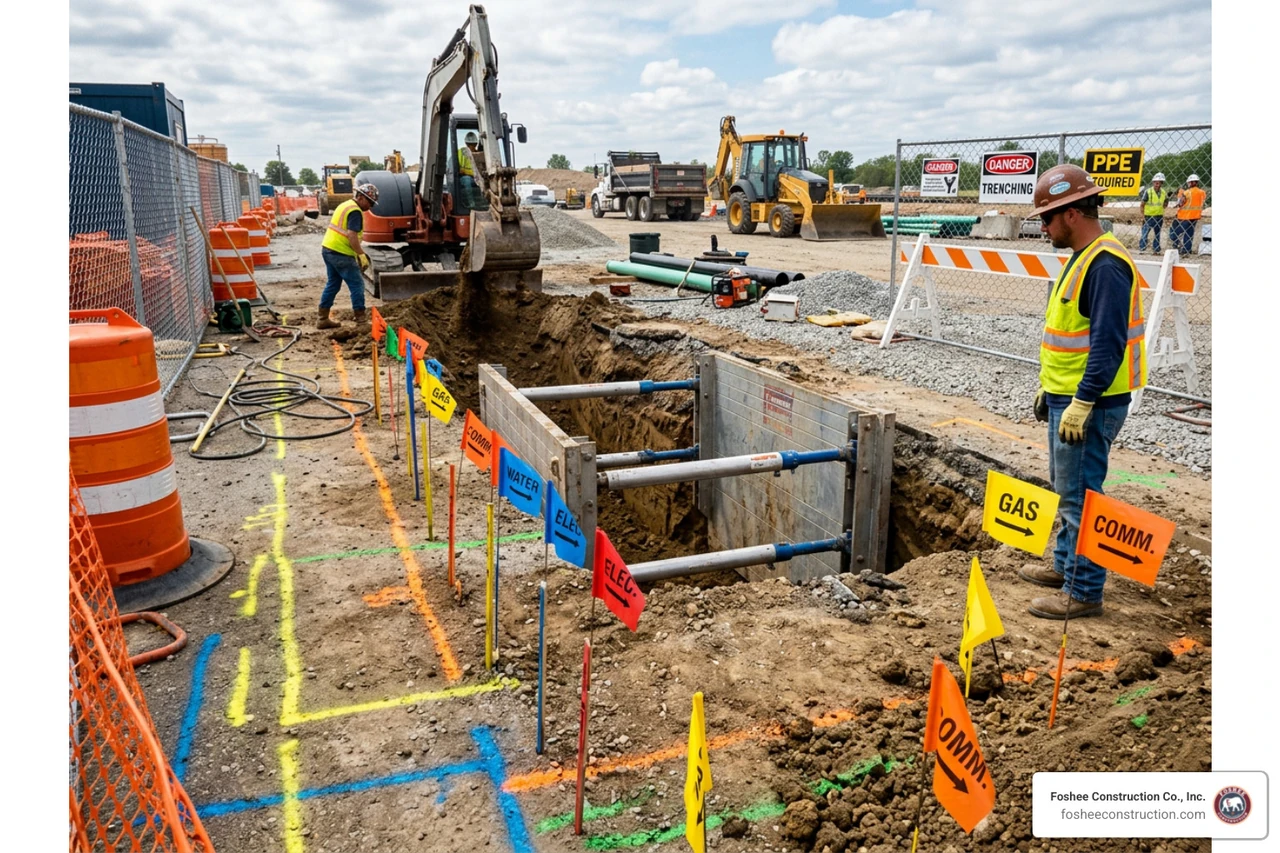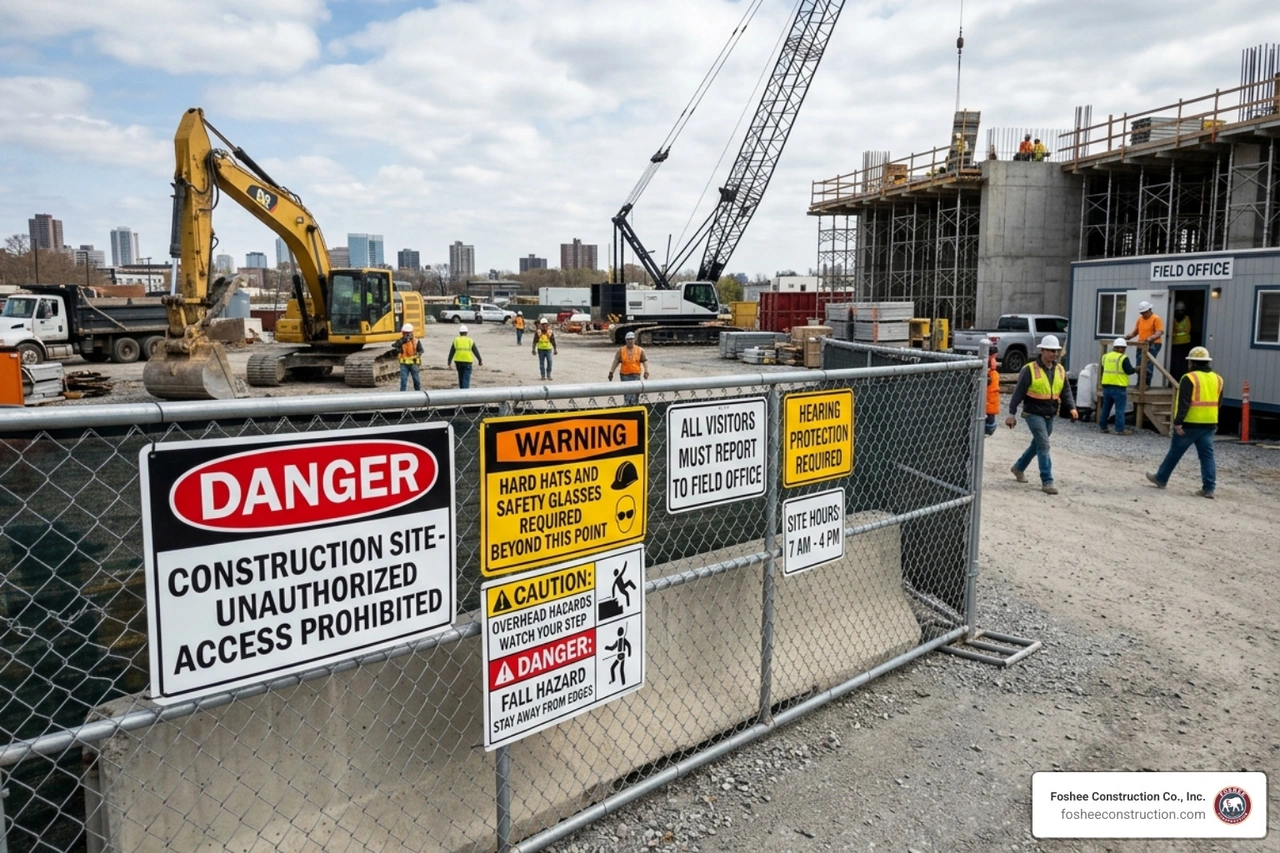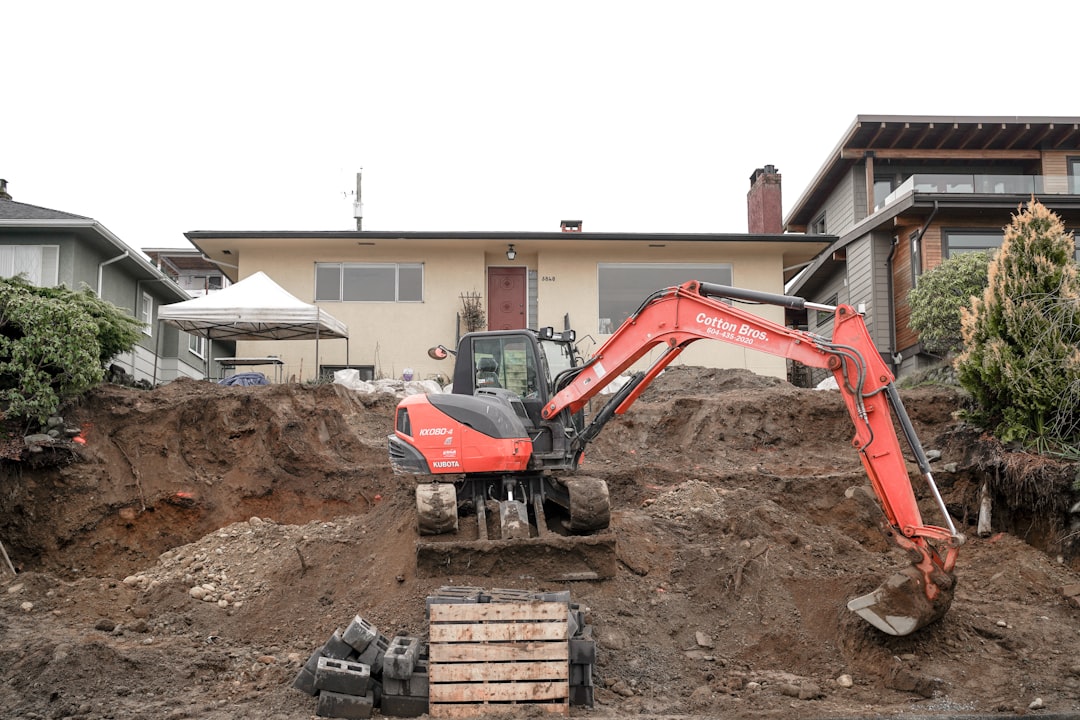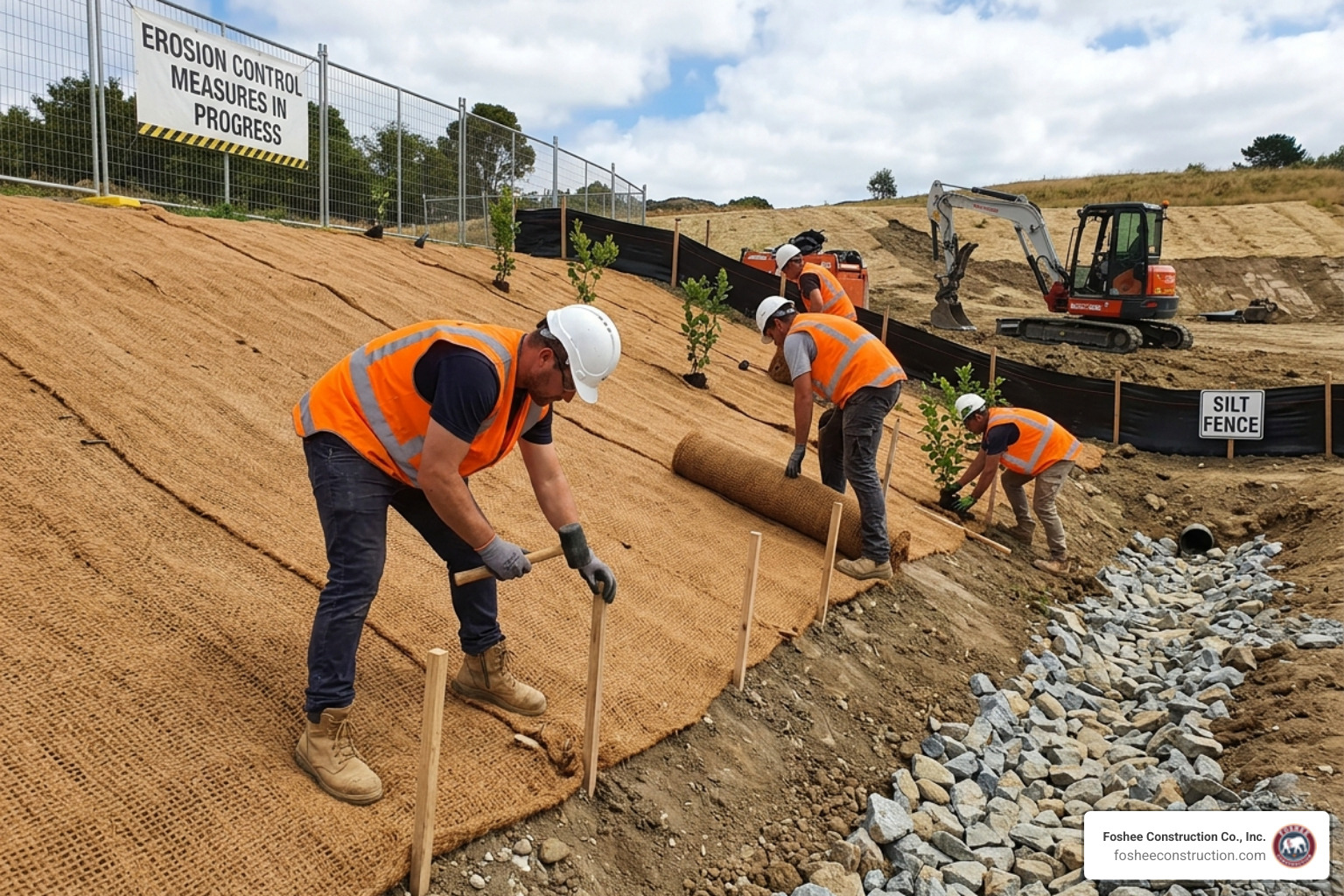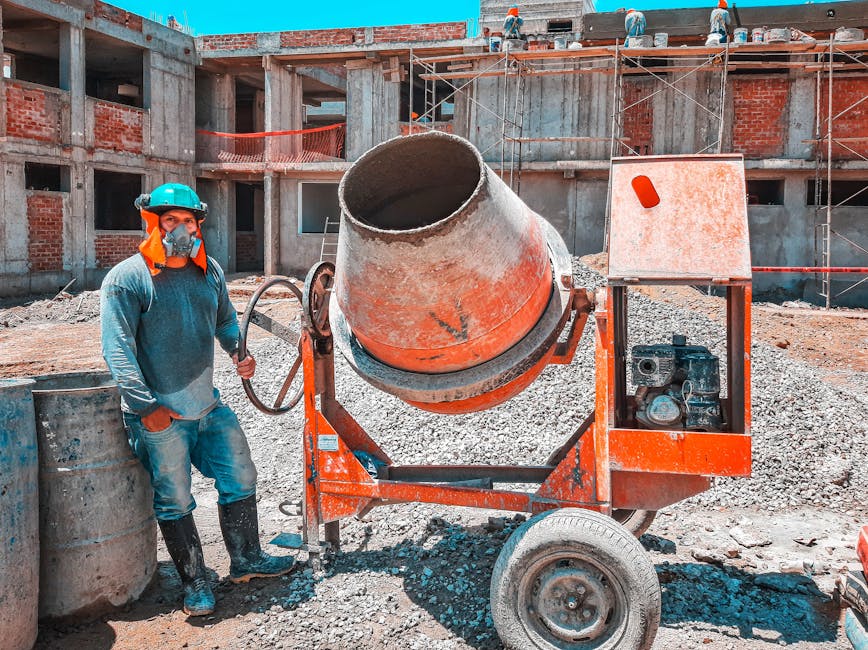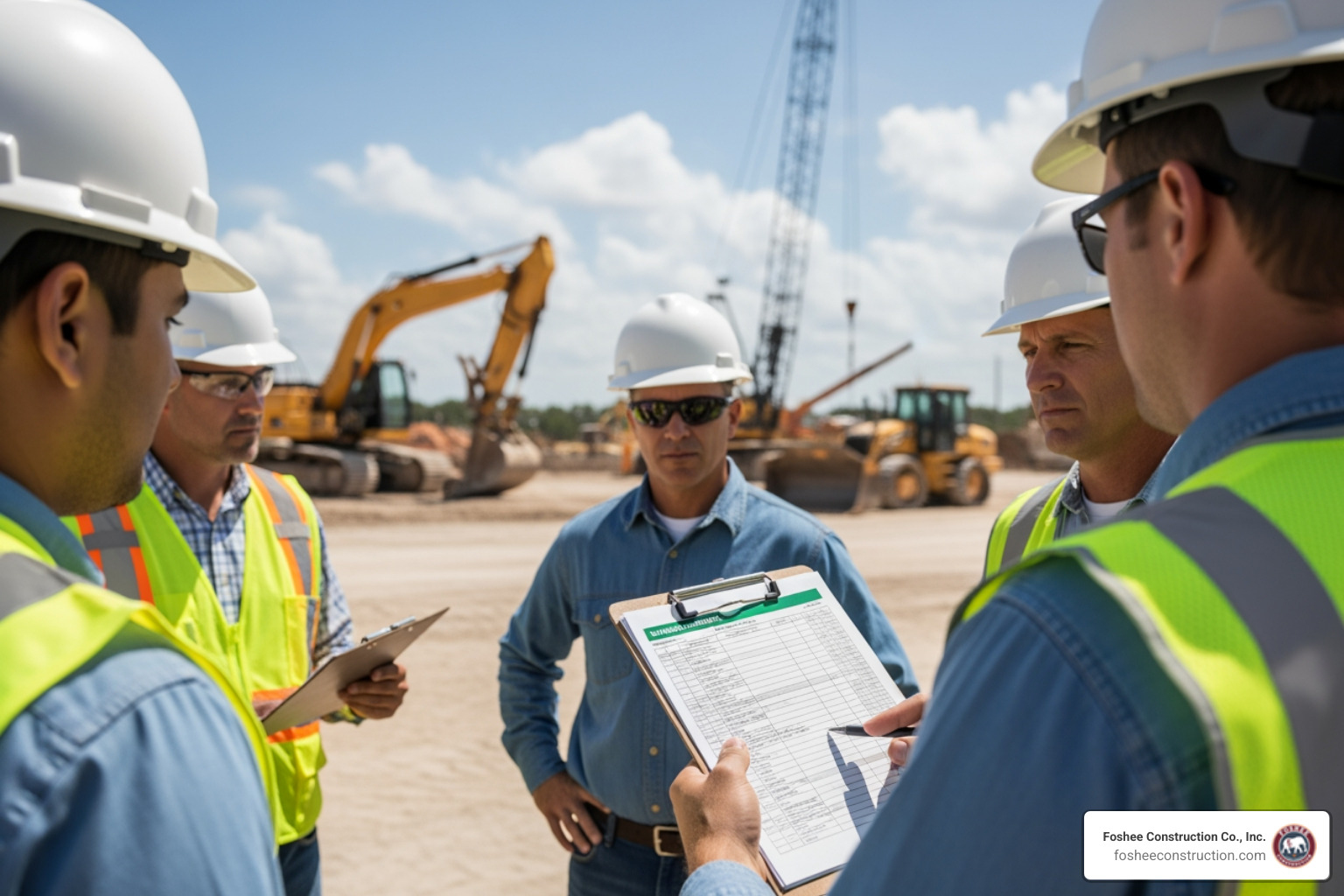
Construction site safety signage is the system of standardized signs, symbols, and labels used to communicate hazards, required PPE, restricted areas, and emergency information to everyone on a jobsite.
Here are the core sign types your site needs to know:
Danger
Warning
Caution
Mandatory
Emergency/Safe Condition
Prohibition
The numbers are hard to ignore. In 2024, the construction industry recorded 1,032 worker fatalities — that works out to nearly 3 deaths every single day. Many of those incidents involve hazards that clear, well-placed signage is specifically designed to prevent.
Yet on many active sites across Florida and beyond, signage is still treated as an afterthought — posted once and forgotten, faded beyond readability, or simply missing where it matters most.
A single missing "Danger" sign near high-voltage equipment can trigger an OSHA fine exceeding $16,000. A willful or repeated violation can reach $165,000. Beyond the fines, inadequate signage directly increases your liability if a worker or visitor is injured.
I'm Don Larsen, and at Foshee Construction Co., LLC we've spent over three decades managing active jobsites across Central Florida — where getting construction site safety signage right is part of how we protect our crews, meet compliance standards, and keep projects moving without costly interruptions. The guide below covers everything you need to identify the right signs, place them correctly, and keep your site compliant.
Basic construction site safety signage glossary:
In our experience across Minneola and Lake County, we’ve seen that a site’s safety culture is often visible before you even step off the pavement. It starts with the signs. Effective construction site safety signage isn't just a random collection of boards; it's a categorized system designed to trigger an instant psychological response.
These are the "Stop" signs of the jobsite. They feature a red circle with a diagonal cross-bar over a black pictogram on a white background. Their job is simple: tell you what you cannot do. Common examples include "No Smoking," "No Unauthorized Access," or "Do Not Extinguish with Water." On a busy site prep project involving fuel storage or heavy grading, these are non-negotiable for preventing fire and entry accidents.
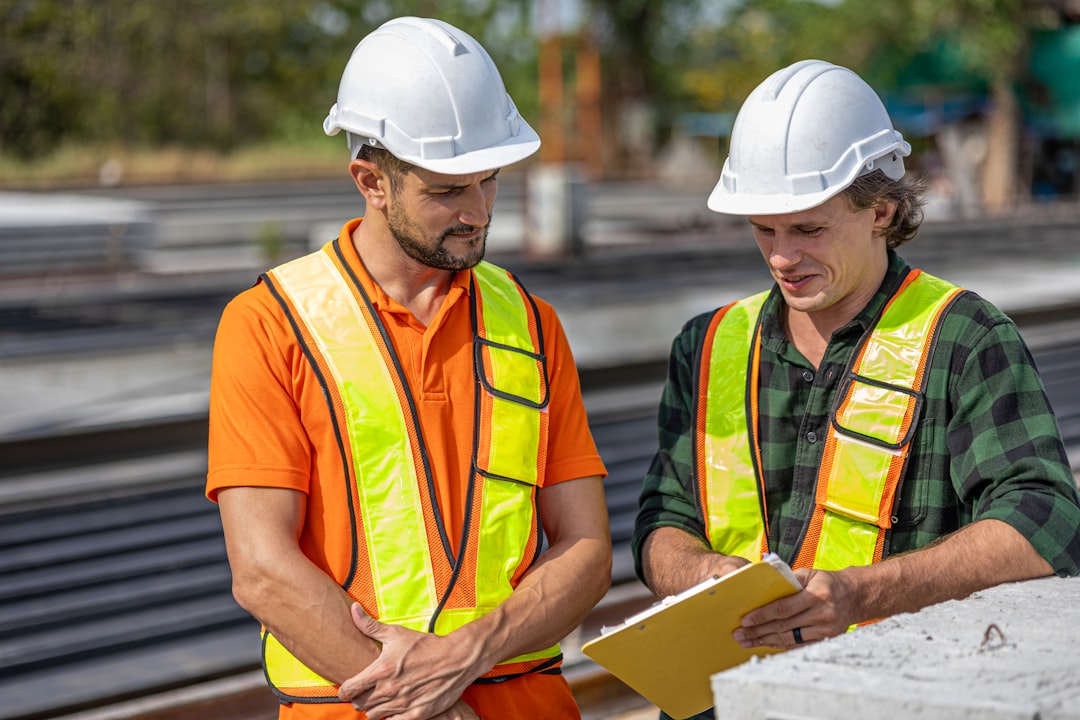
If prohibition signs tell you what not to do, mandatory signs tell you what you must do. These are usually blue circles with white pictograms. They are most commonly used to enforce PPE (Personal Protective Equipment) requirements. You’ll see these at site entrances or specific zones requiring hard hats, safety glasses, or high-visibility vests.
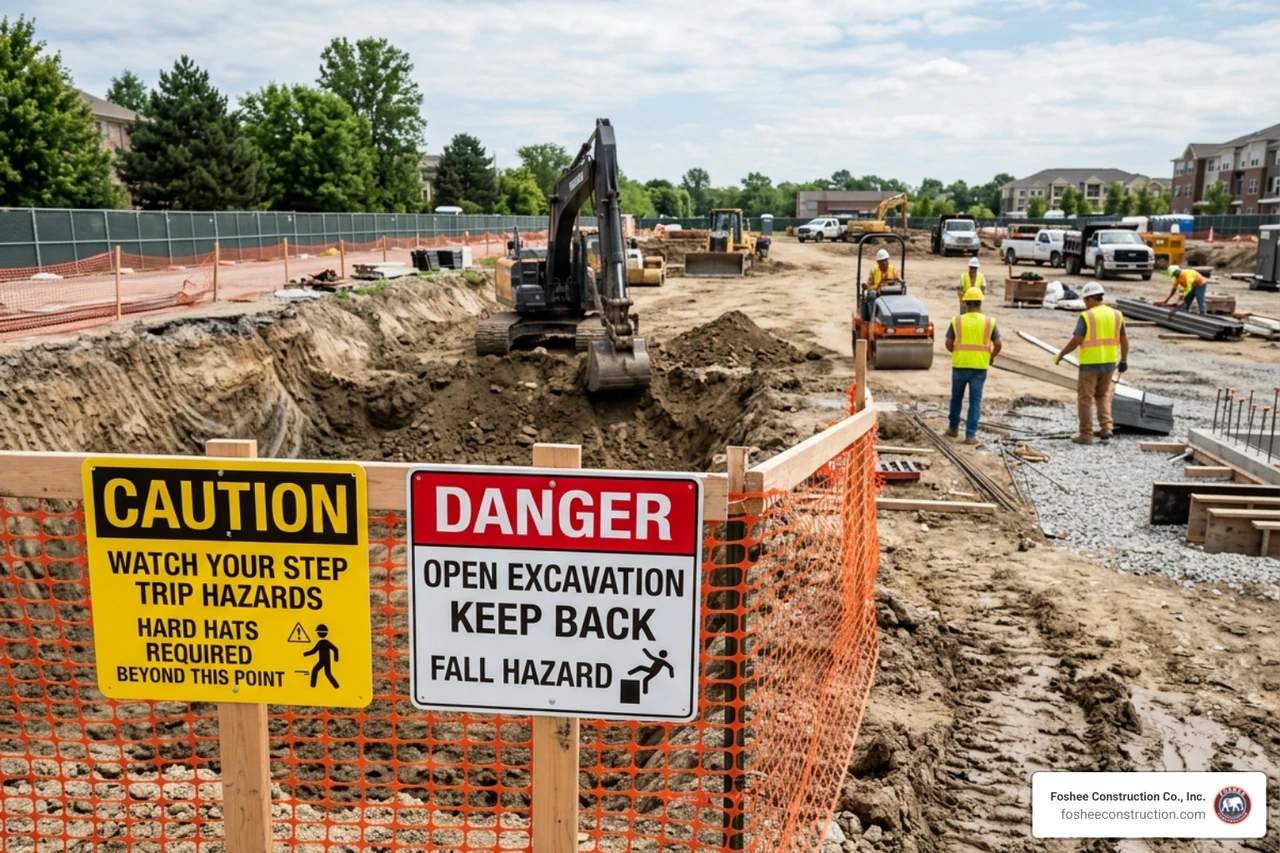
These are the "Heads Up" indicators. Recognized by their yellow triangular shape with a black border, they alert workers to residual risks that couldn't be eliminated through site design. Whether it’s a "Danger: Deep Excavation" sign or a "Caution: Overhead Load" warning, these are vital for maintaining situational awareness.
In a crisis, nobody has time to read a paragraph. Emergency signs (green rectangles with white text/symbols) point the way to first aid kits, AEDs, and evacuation routes. Fire safety signs (red rectangles) identify where extinguishers and alarms are located.
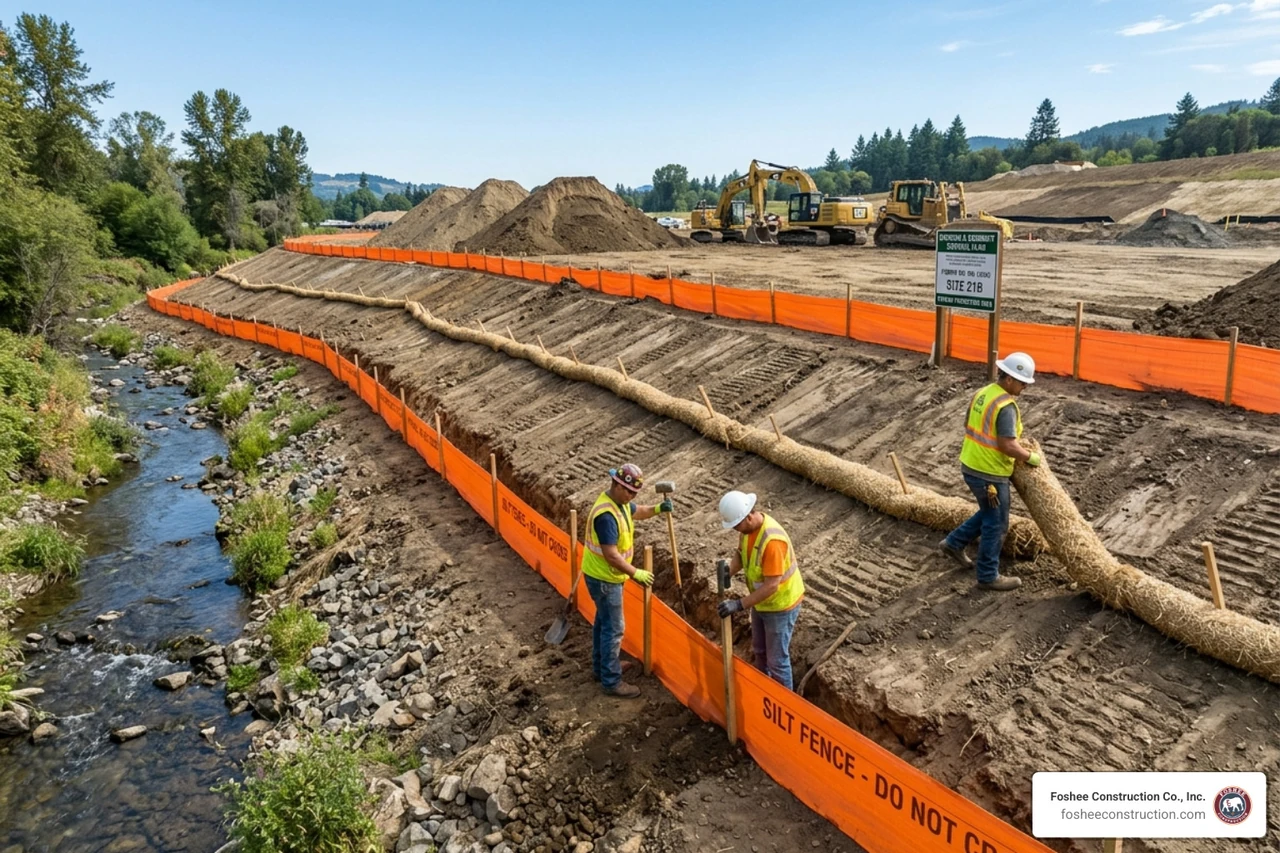
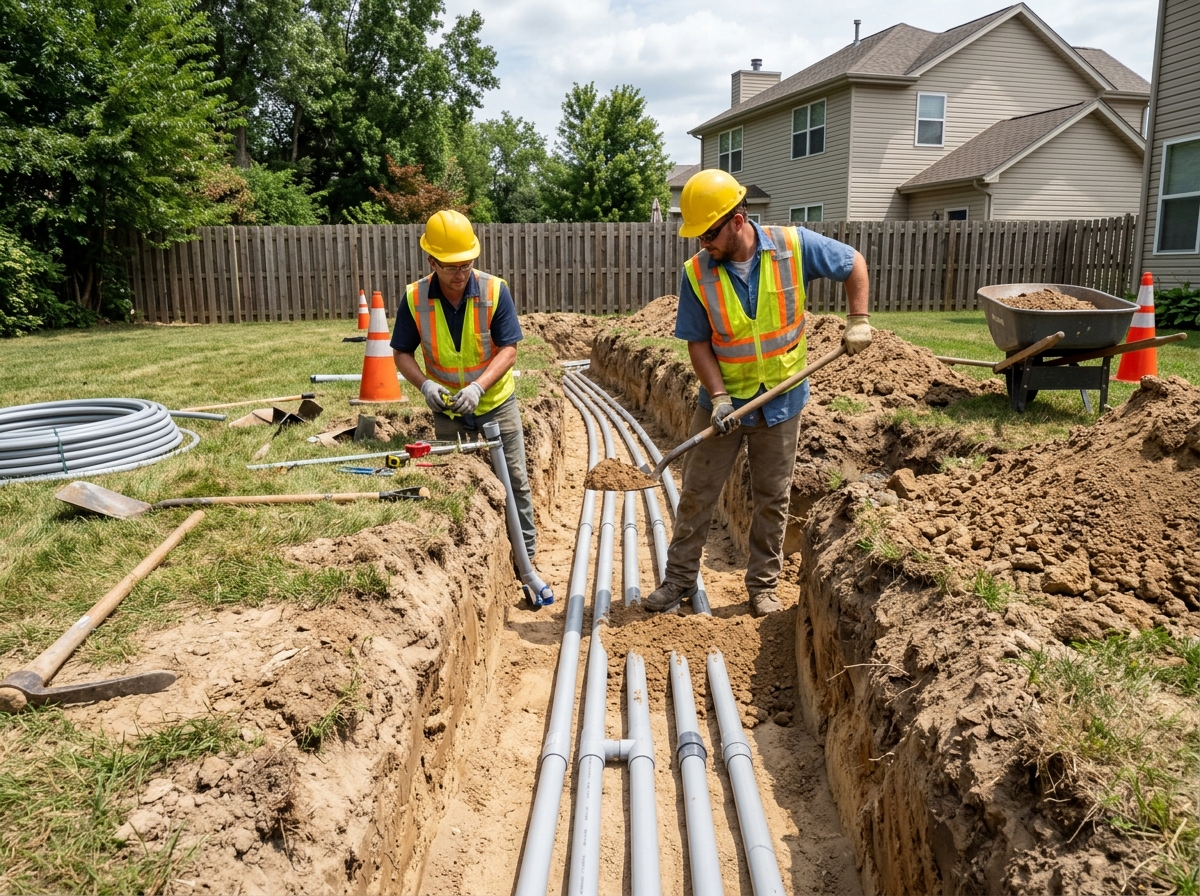
Construction sites are dynamic environments. One day we're clearing land; the next, we're laying underground utilities. Signage must evolve with these phases. According to Construction Site Signage: What to Use and Where to Place It | Procore UK, signs are the frontline defense against the "Fatal Four" — falls, struck-by incidents, caught-in/between, and electrocution.
We use signs to address specific, high-risk scenarios:
Words can be misinterpreted, but a well-designed symbol is universal. On a diverse Florida jobsite, you might have workers who speak different primary languages or have varying literacy levels. This is where standardized pictograms come in.
By using symbols defined by ISO 7010 or the GHS (Globally Harmonized System) for chemicals, we ensure instant recognition. A lightning bolt always means electricity; a person falling off a ledge always means a drop-off. These visual cues overcome language barriers and ensure that even in a split-second glance, the message is received.
If you're operating in Florida, you're playing by OSHA’s rules. Specifically, OSHA 1926.200 (Subpart G) dictates the requirements for signs and tags in construction. Ignoring these isn't just unsafe; it's a fast track to heavy financial penalties.
According to OSHA Construction Safety Regulations - Subpart G, signs must be visible at all times while work is being performed. But it’s not enough to just hang a sign; it has to meet the right design specs. OSHA leans heavily on ANSI Z535 standards for the "look and feel" of safety communication.
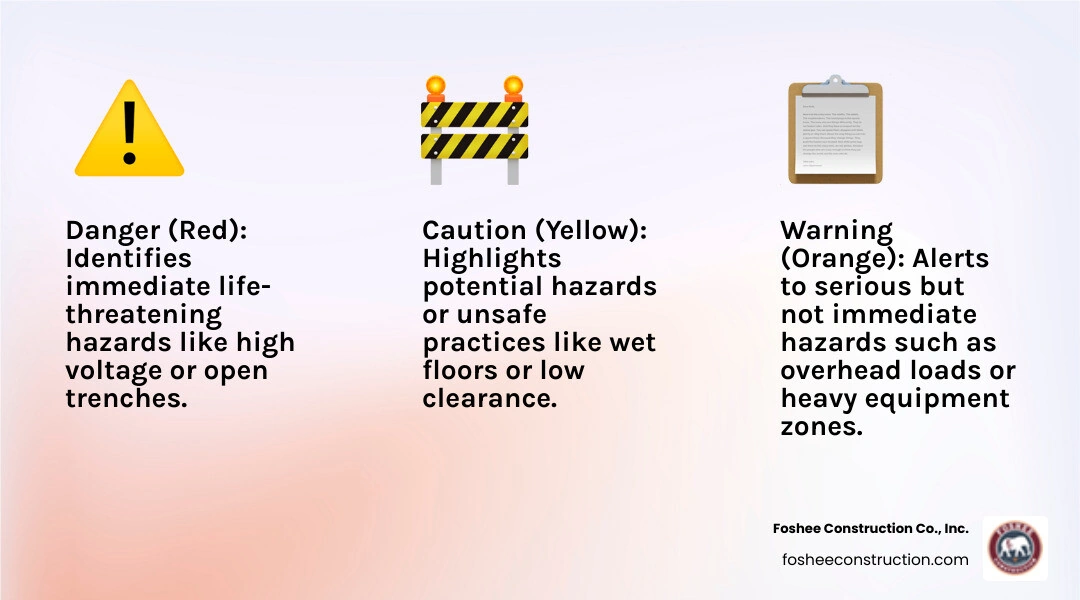
The "Signal Word" at the top of the sign tells you the level of risk:
OSHA fines are adjusted for inflation annually. As of April 2026, a "Serious" violation — such as failing to signpost a known fall hazard — can cost you over $16,000 per instance. If OSHA determines you knew about the hazard and chose not to signpost it (a "Willful" violation), that fine can jump to over $165,000.
Beyond the government, your insurance provider and the legal system look at signage during accident investigations. Proper construction site safety signage is your best evidence that you exercised "due diligence" in protecting your workers. It reduces your liability by proving you took every reasonable step to communicate risk.
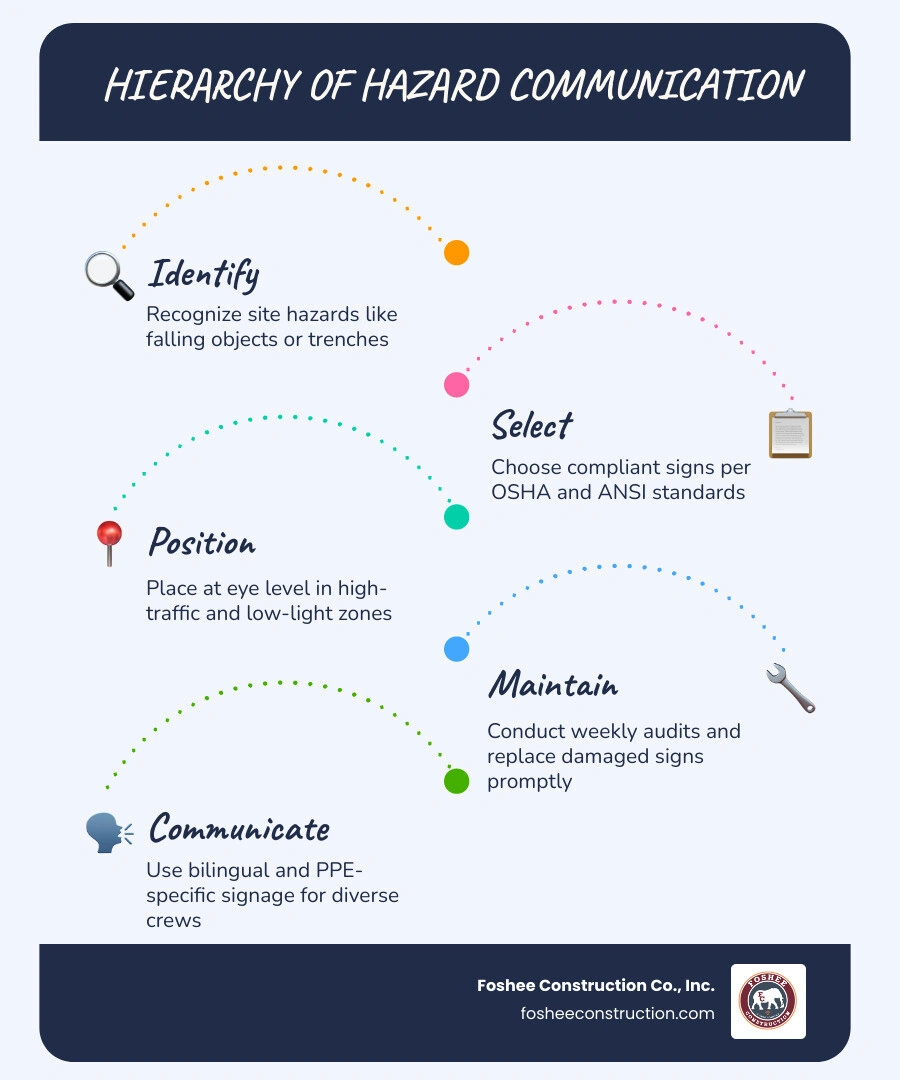
A sign that nobody sees is just a piece of plastic. We’ve learned that placement is just as important as the message itself.
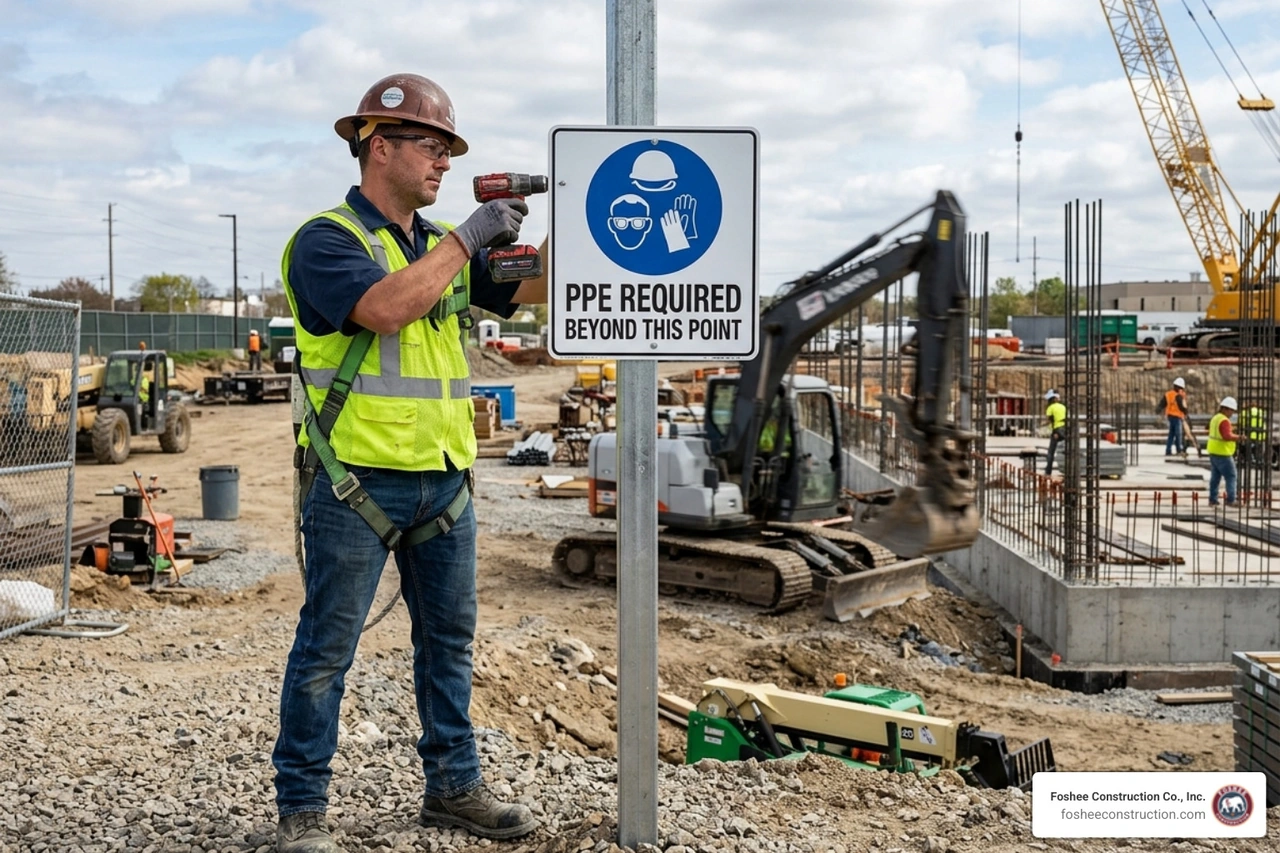
OSHA and ANSI standards suggest that the signal word on a sign should be readable from a minimum distance of five feet. However, for larger sites or roadside work, you’ll need much larger lettering. If a driver needs to see a "Construction Exit" sign, it needs to be legible from hundreds of feet away.
In Minneola and across Central Florida, our signs have to survive intense UV rays, humidity, and the occasional afternoon downpour. According to A Guide To Construction Site Signage, using the wrong materials is a waste of money.
Signage is not a "set it and forget it" task. It requires active management.
Florida has one of the most diverse construction workforces in the country. Relying solely on English text is a safety gamble we aren't willing to take.
While OSHA doesn't explicitly mandate bilingual signs in every situation, the General Duty Clause requires employers to provide a workplace free from recognized hazards. If your crew speaks Spanish as a primary language, and your safety signs are only in English, you haven't effectively communicated the hazard.
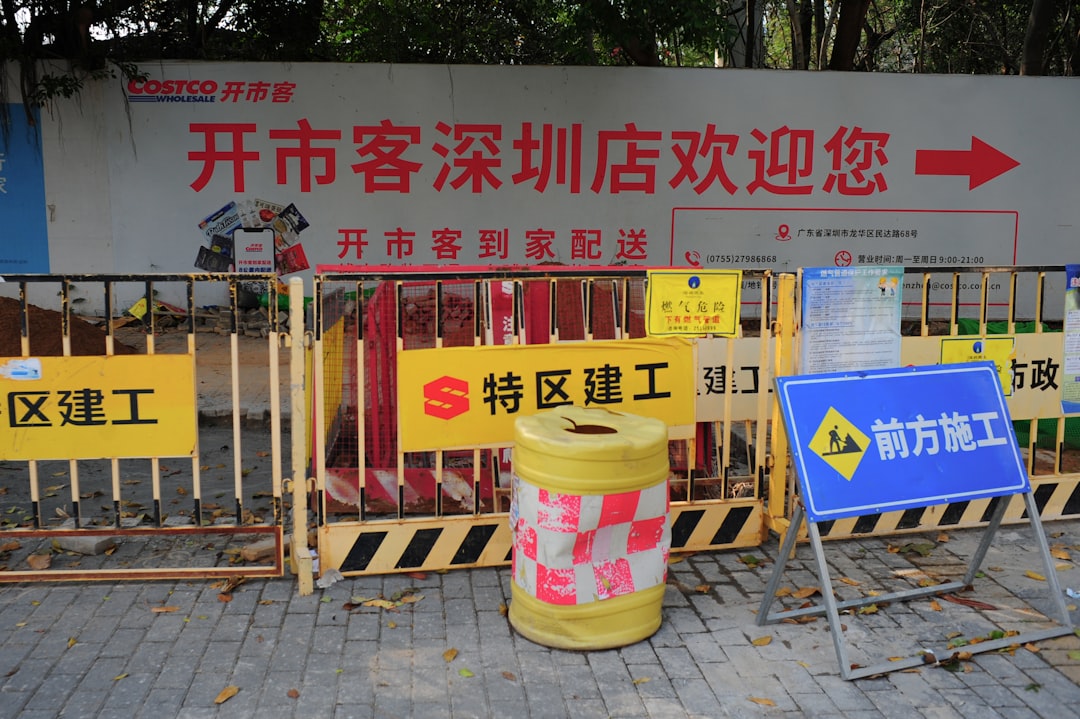
Bilingual construction site safety signage (typically English and Spanish in our region) ensures that critical instructions — like "Fall Protection Required" or "Keep Out" — are understood by everyone. This isn't just about being inclusive; it's about preventing accidents.
PPE signs are often the most common signs on a site. They act as a final reminder before a worker enters a danger zone.
Signs should be replaced immediately if they are faded, cracked, or no longer legible from five feet away. Additionally, signs must be updated whenever the site layout changes or a new hazard is introduced (e.g., moving from land clearing to deep excavation). Finally, if OSHA or ANSI updates their standards, your signage should be audited to ensure it still meets current design requirements.
Technically, OSHA standards 1926.200 and 1910.145 do not explicitly state "signs must be bilingual." However, OSHA's General Duty Clause and various letters of interpretation clarify that safety instructions must be provided in a language that employees understand. If a significant portion of your workforce is non-English speaking, failing to provide bilingual signage could lead to a citation for "inadequate training" or "failure to communicate hazards."
The difference lies in the severity of the risk. A DANGER sign (Red) is reserved for the most extreme hazards where death or permanent injury is almost certain if the warning is ignored (like high-voltage wires or confined spaces with toxic air). A WARNING sign (Orange) is for serious but slightly less immediate hazards (like a swing area for a crane or an overhead work zone). Using a "Danger" sign for a minor trip hazard is a mistake, as it "waters down" the impact of the word for truly life-threatening situations.
At the end of the day, construction site safety signage is about more than just checking an OSHA box. It’s about building a culture where every worker goes home in the same condition they arrived. A well-signed site is a professional site — it shows clients, inspectors, and the community that you are in control of your environment.
At Foshee Construction Co., Inc., we take this responsibility seriously. Whether we are handling complex site preparation, grading, or underground utility installation in Minneola or across Lake County, safety is the foundation of our disciplined scheduling and reliable relationships. We know that a safe site is an efficient site.
If you are looking for a partner for your next project in Central Florida who values transparency, safety, and high-quality site prep, we are ready to help. Proper signage is just one part of the meticulous attention to detail we bring to every job.
Ready to start your next project with a team that puts safety first?Contact Foshee Construction today for a transparent bid and a partner you can rely on.
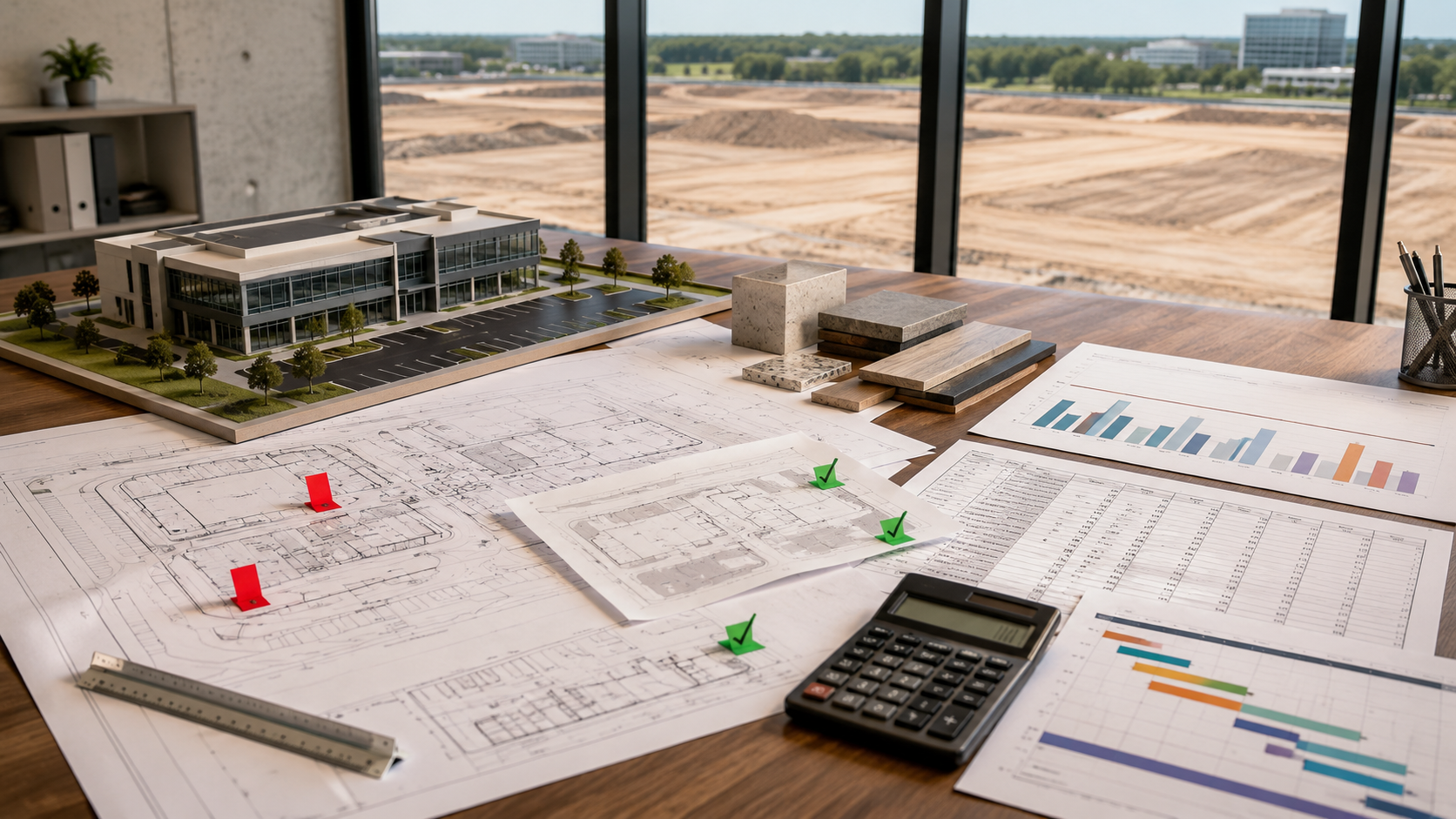
We build bids using HeavyBid and AGTEK because the details matter long before the job starts. When the numbers are accurate and the scope is clearly defined, it sets the tone for how the entire project runs. Estimating isn’t just a step in the process, it’s the foundation we build on.
That same mindset carries into the field. Our crew is trained to work with purpose, follow the Civil Engineers’ Plan to the finest detail, and hold the line on quality. When expectations are clear from day one, there’s no need for shortcuts, and no confusion about how the work gets done.
Clients trust our bid packages because they’re complete and ready to use. Project managers know what we’re covering, what’s excluded, and how we plan to approach the job. That clarity removes friction and lets teams focus on execution instead of interpretation.
As part of our review process, we go into the plans before anything hits the site. We ask the questions early, resolve issues before they show up in the field, and keep RFIs moving. This approach prevents delays and protects the timeline.
Over time, that consistency builds trust. Many of the people we work with today came through referrals from past projects – engineers, GCs, and superintendents who’ve seen how we operate and want the same experience again.
In 2024, Foshee Construction was acquired by Saga Infrastructure Solutions, a national network of civil construction companies. Saga supports regional contractors by giving them access to better tools, long-term resources, and operational backing, without changing how they run day to day.
Foshee will continue to operate under its name, with the same team and field leadership in place.
“From the very time a project starts, we start that partnership. We try to catch as much as we can with the tools that we have. Not everybody is using the software platforms we are. That’s the differentiator: we’re not just bidding. We’re anticipating, problem-solving, and making sure the job runs right.”
— Don, CEO, Saga Infrastructure Solutions
Foshee is now part of a broader regional strategy that includes Florida, the Piedmont Atlantic, Texas, Colorado, and the Arizona Sun Corridor. The name, crews, and standards remain. What’s improving is the support behind it.