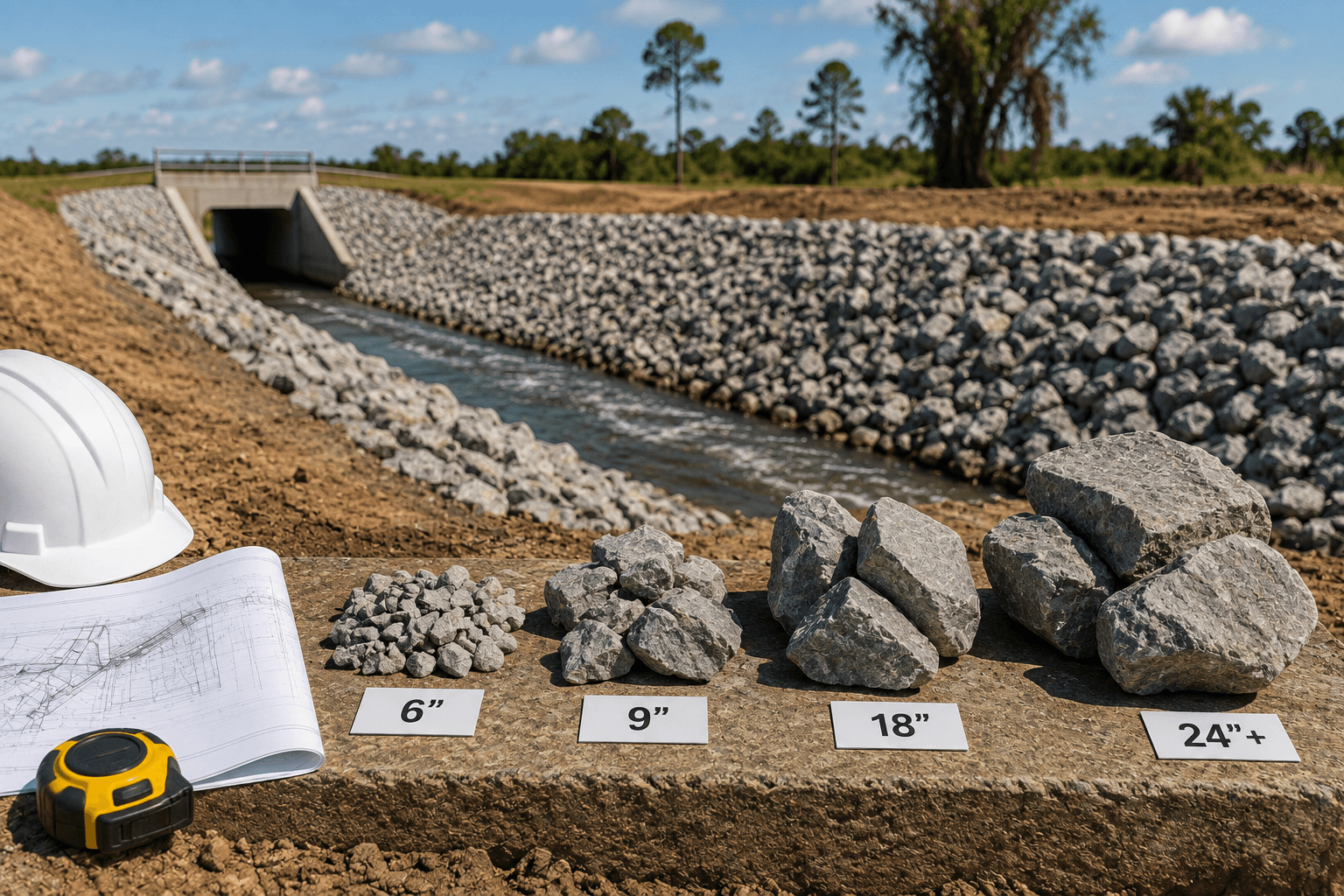
5 Questions You Must Ask About Utility Installation Contractors

Discover top questions to ask utility installation contractors. Learn wet/dry utilities, processes, safety, qualifications, and costs for your project.

What Utility Installation Contractors Actually Do (And Why It Matters for Your Project)

Utility installation contractors are specialized construction professionals who plan, excavate, and install the underground and above-ground systems that deliver water, sewer, gas, electricity, and telecommunications to buildings and sites.

Here's a quick overview of what they typically handle:

  • Wet utilities: water mains, sanitary sewer, storm drainage
  • Dry utilities: gas lines, electrical conduit, telecom, fiber
  • Site support: excavation, backfill, compaction, surface restoration
  • Emergency work: 24/7 infrastructure failure response

Choosing the wrong contractor can mean blown schedules, failed inspections, costly rework, and real safety risks on your job site. The right contractor brings licensing, local knowledge, modern equipment, and a transparent process from the first bid to final restoration.

Getting this decision right is one of the most important calls you'll make on any site development project.

I'm Don Larsen, and through my work at Foshee Construction Co., Inc. — a trusted site development firm serving Central Florida since 1994 — I've seen how the right utility installation contractors can make or break a project timeline and budget. In the sections below, I'll walk you through the five questions every Florida contractor or developer should ask before signing on the dotted line.

1. Do You Specialize in Wet or Dry Utility Installation?

When you start vetting utility installation contractors, the first thing you need to determine is their specific area of expertise. In underground infrastructure, we generally split services into two categories: "wet" and "dry." While some full-service firms like ours handle both as part of a comprehensive site preparation package, many smaller outfits specialize in just one.
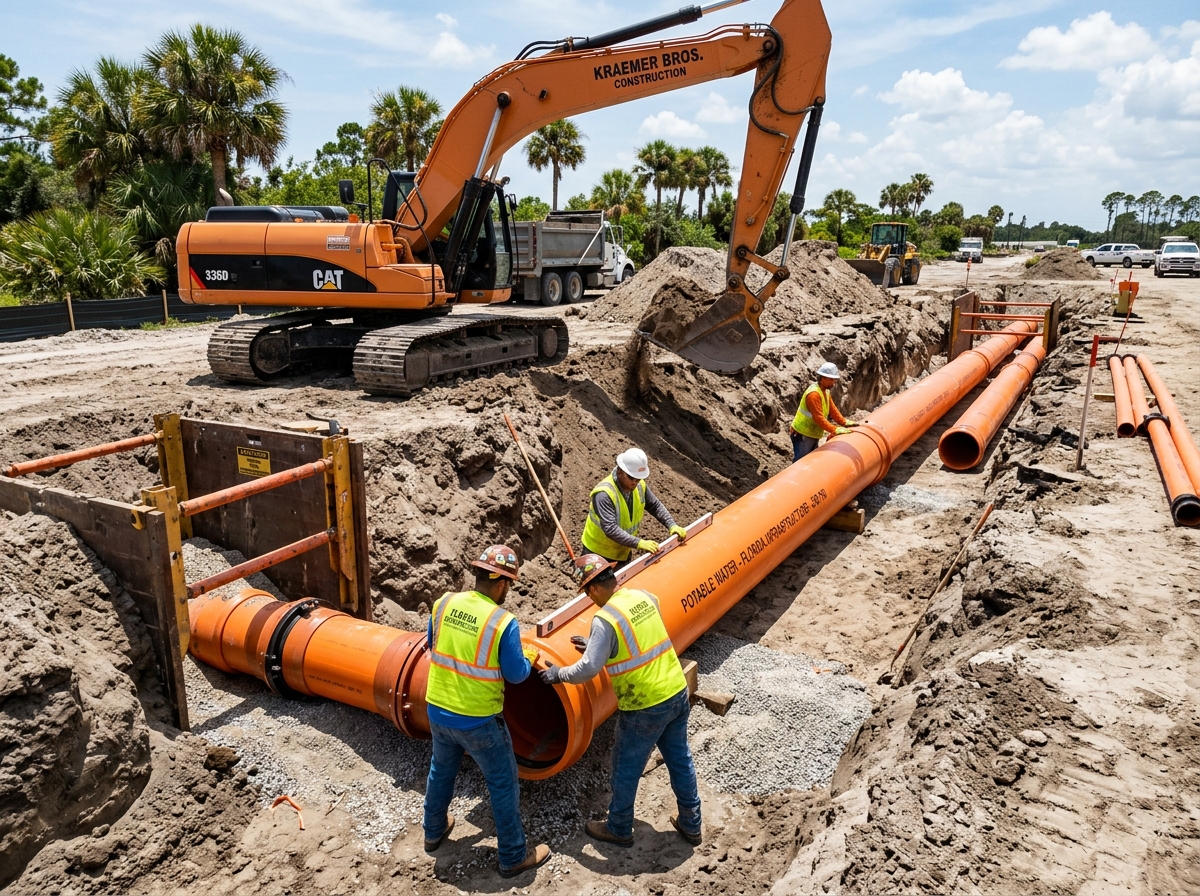
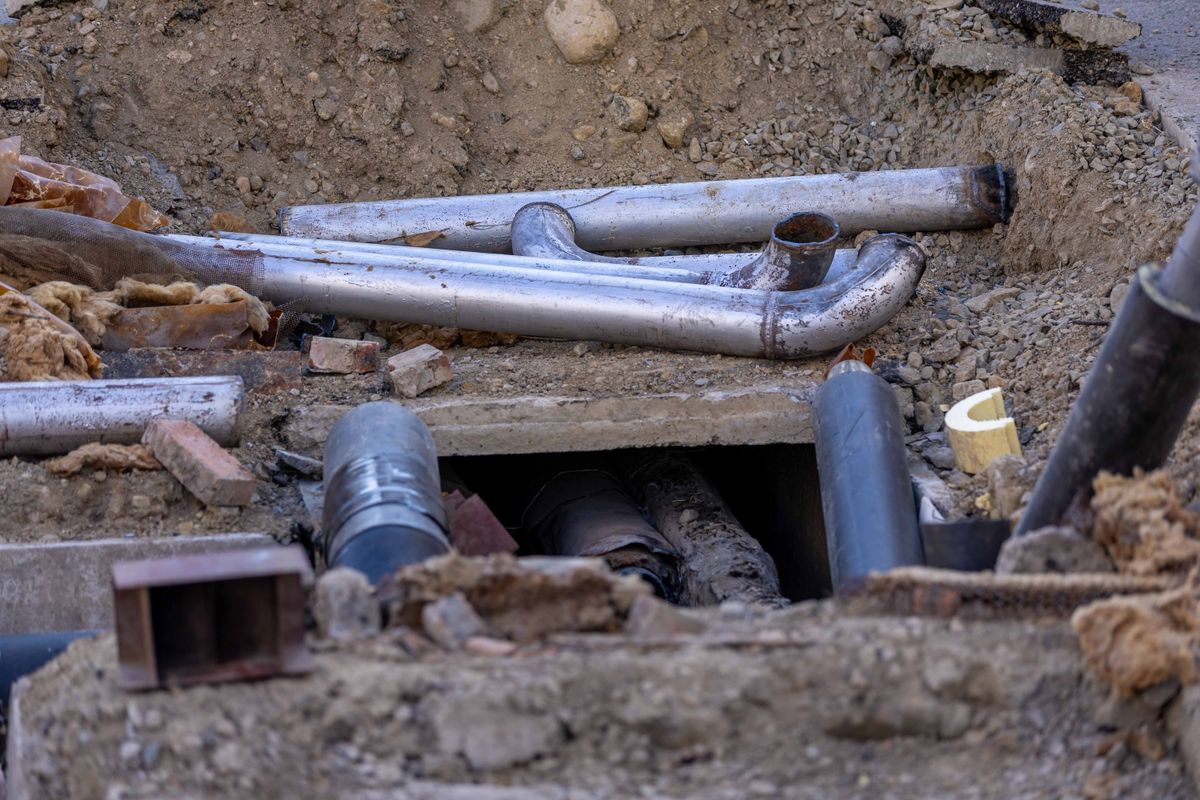
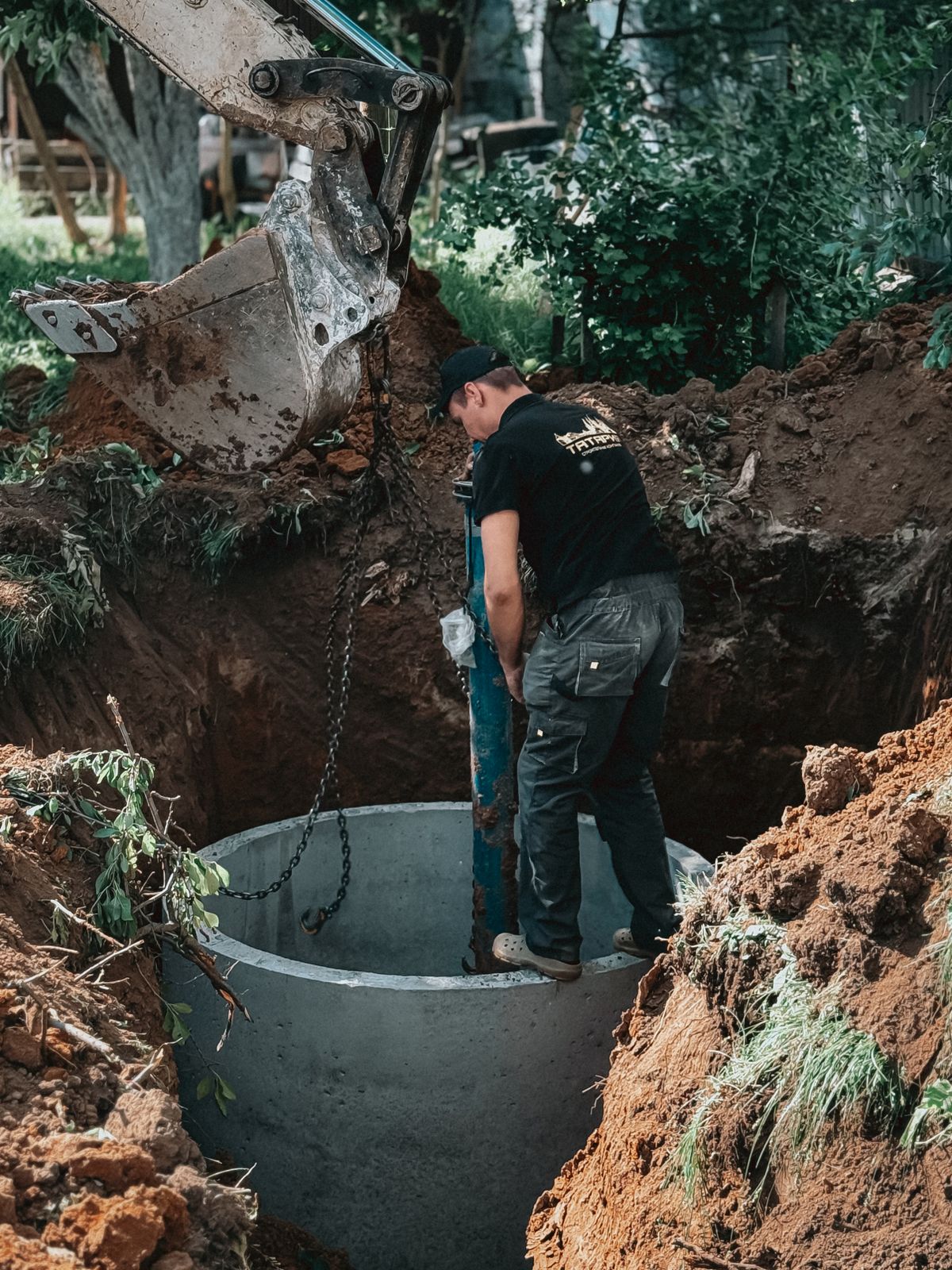
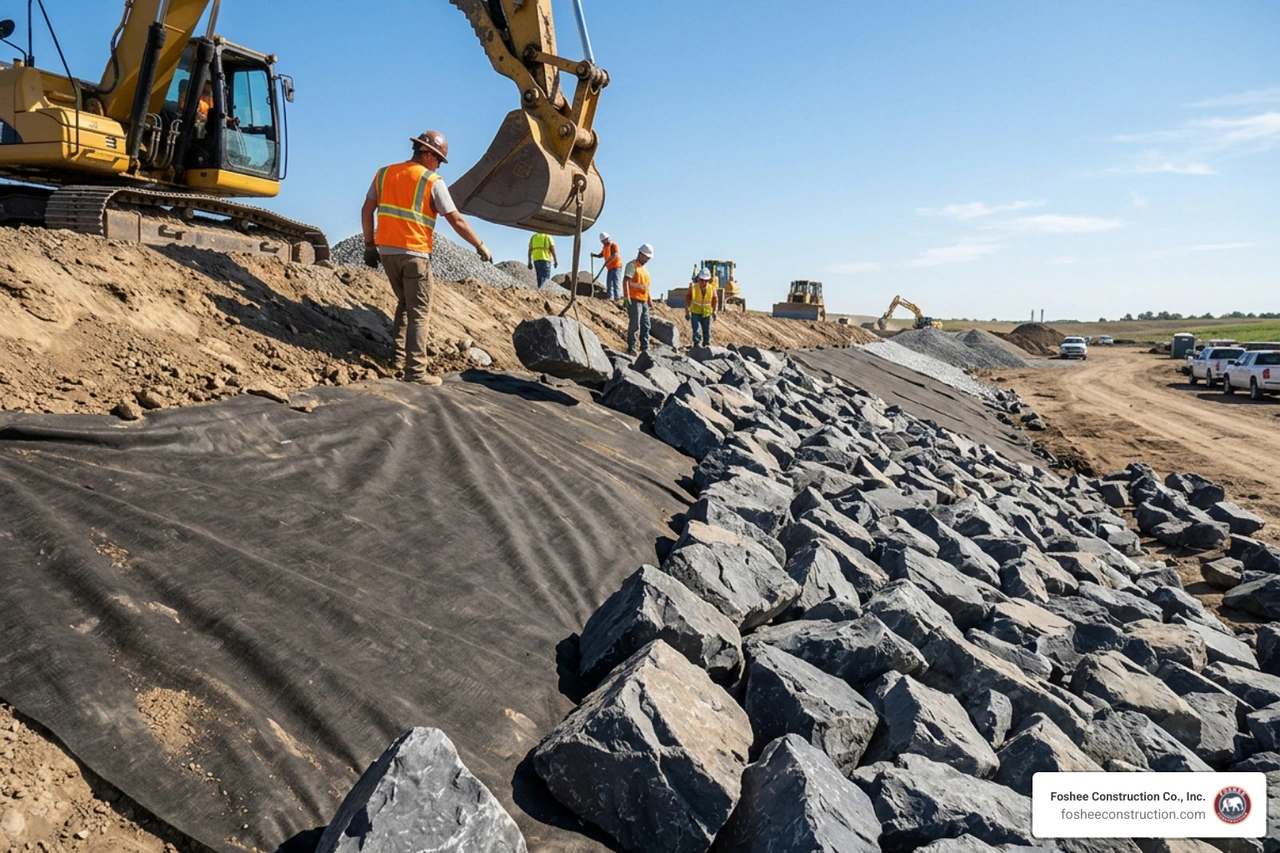
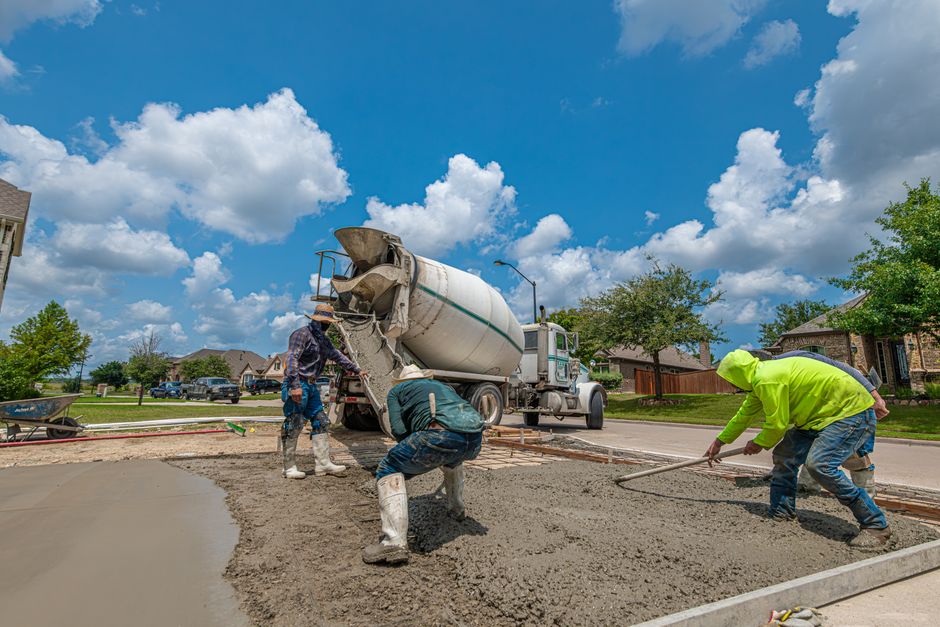
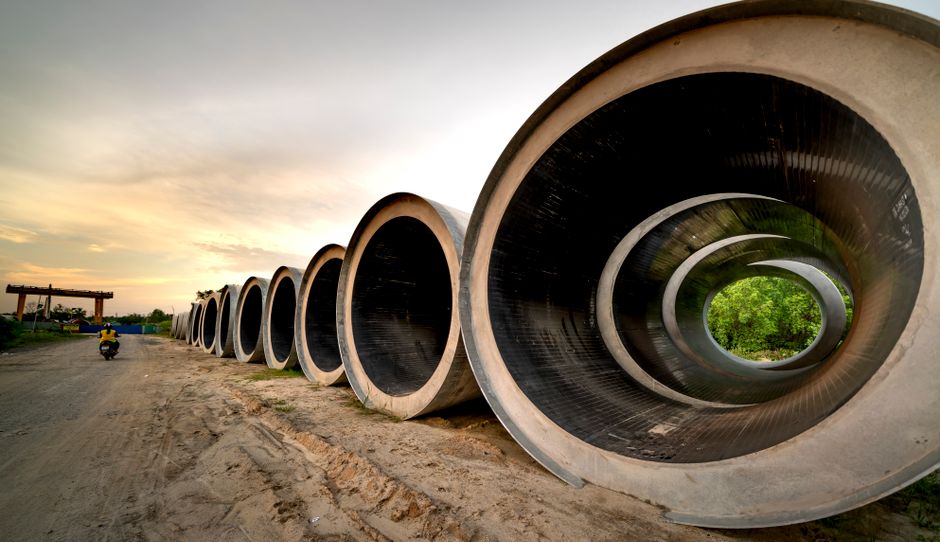
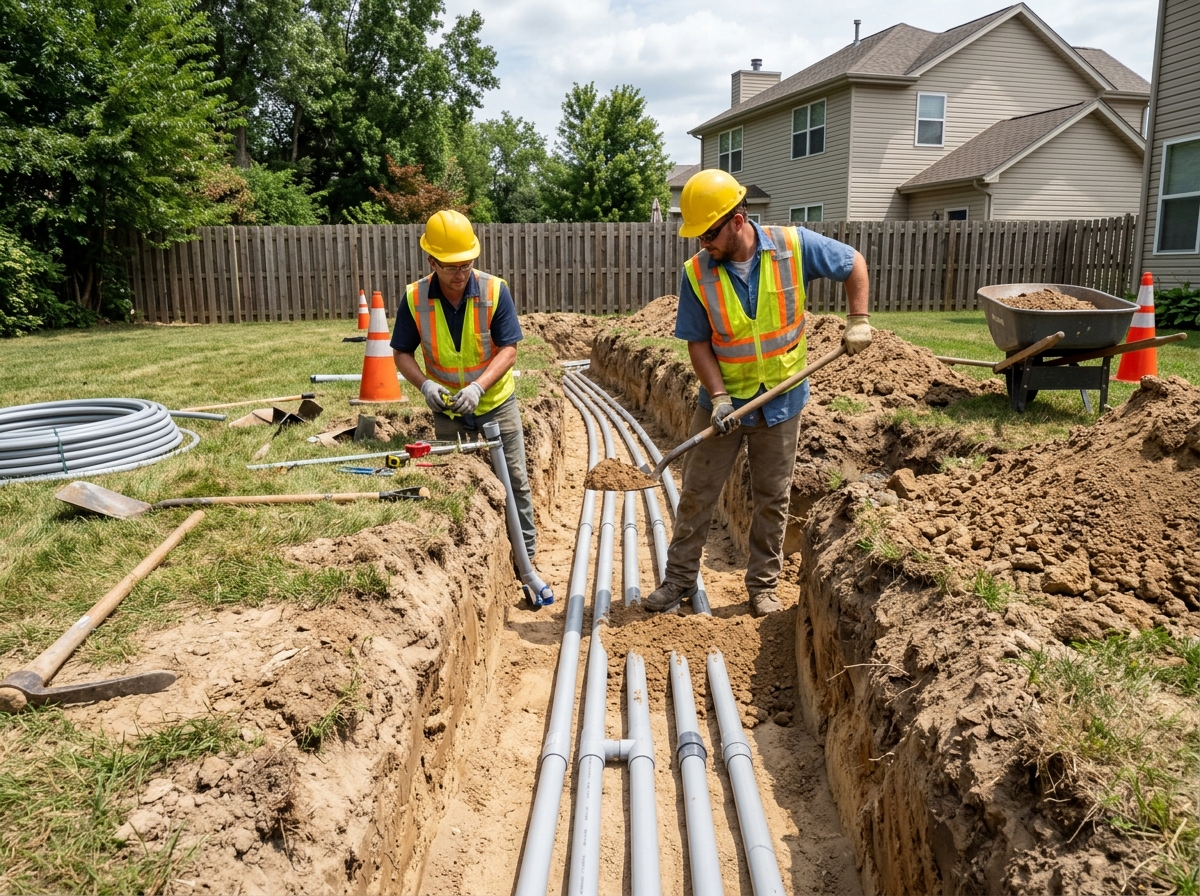
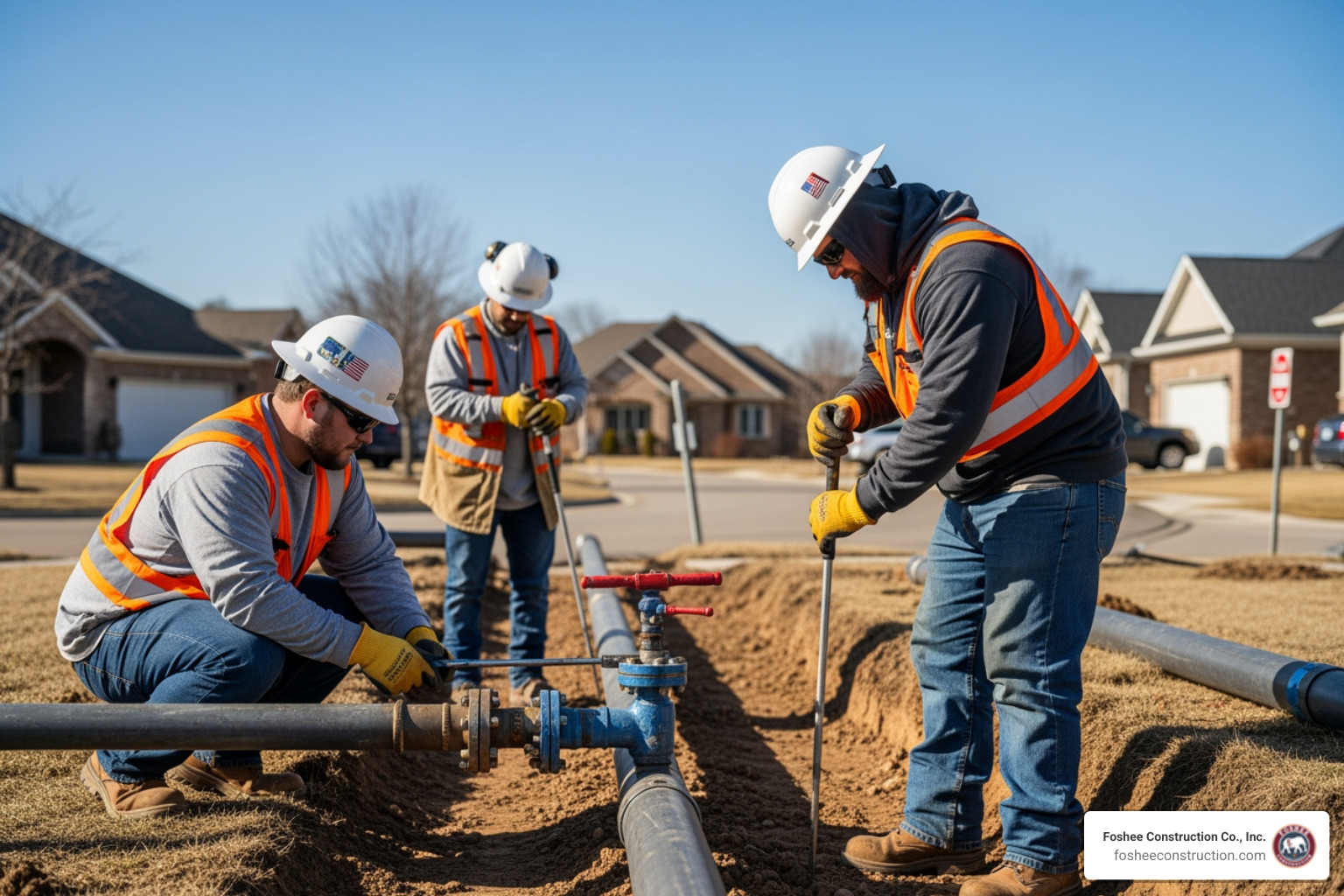
Pipe laying for wet utilities including water mains and sanitary sewer systems - utility installation contractors

Understanding Wet Utility Systems

Wet utilities are the lifelines of a property’s plumbing and drainage. These systems rely heavily on gravity and pressure to move liquids.

  • Potable Water: This involves laying the mains that bring clean drinking water to the site. It requires strict adherence to health department standards and pressure testing to ensure no leaks occur.
  • Fire Lines: Specialized high-pressure water lines dedicated to fire suppression systems and hydrants.
  • Gravity Sewer: These are often the trickiest to install because they require precise grading. If the slope is off by even a fraction of an inch, the system won't flow correctly, leading to backups and expensive repairs.
  • Storm Management: This includes storm drains, catch basins, and underground stormwater chambers designed to prevent flooding during Florida’s famous afternoon downpours.

Managing Dry Utility Infrastructure

Dry utilities carry energy and information. While they don't leak fluids, they come with their own set of high-stakes safety requirements.

  • Electrical Ductbanks: These are reinforced conduits that protect high-voltage power lines.
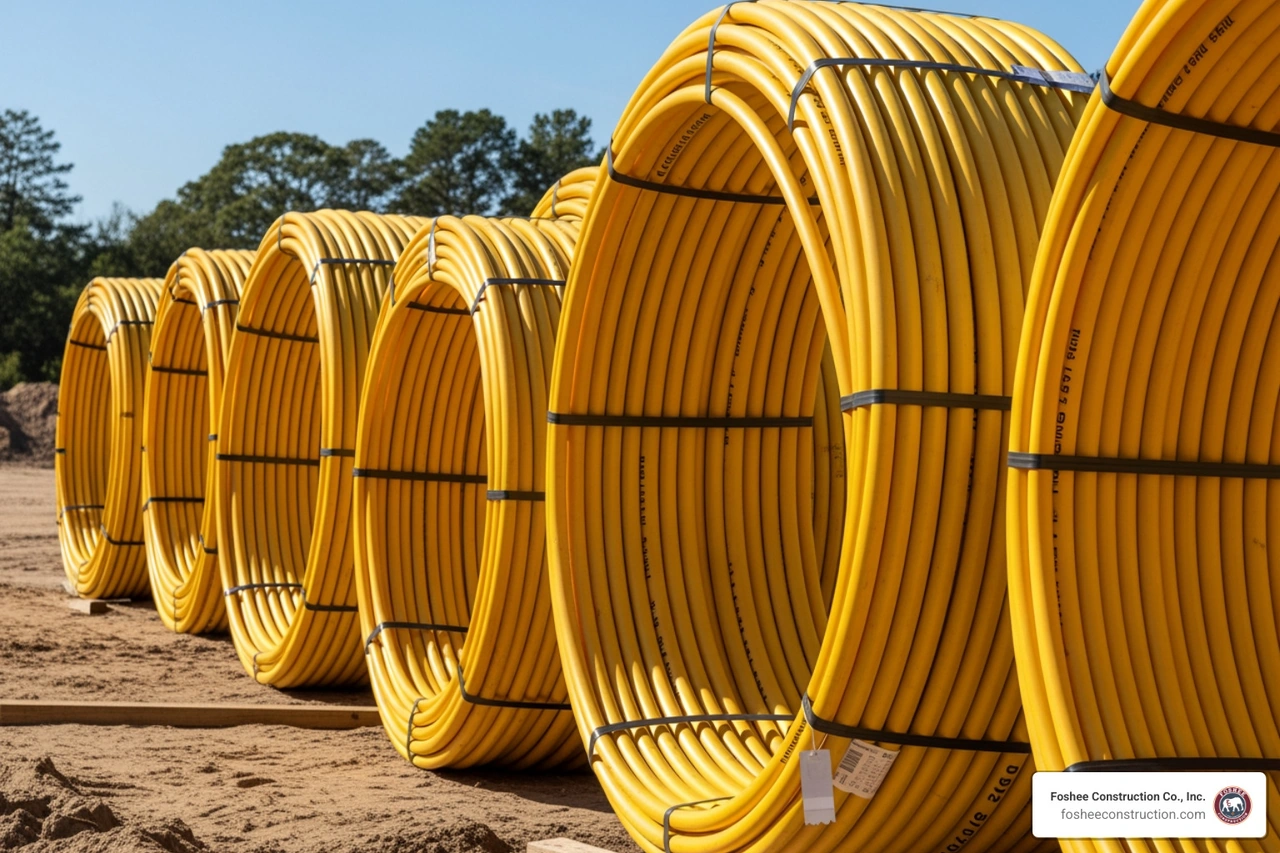
  • Natural Gas: Installing gas lines requires specialized certifications due to the volatile nature of the fuel.
  • Telecommunications & Fiber Optics: In our modern world, high-speed data is just as vital as water. We install the conduits that house the fiber optic cables that keep businesses connected.
  • Streetlights: This involves trenching, conduit laying, and pole base installation to ensure site safety and visibility.

To help you visualize the differences, here is a quick comparison:
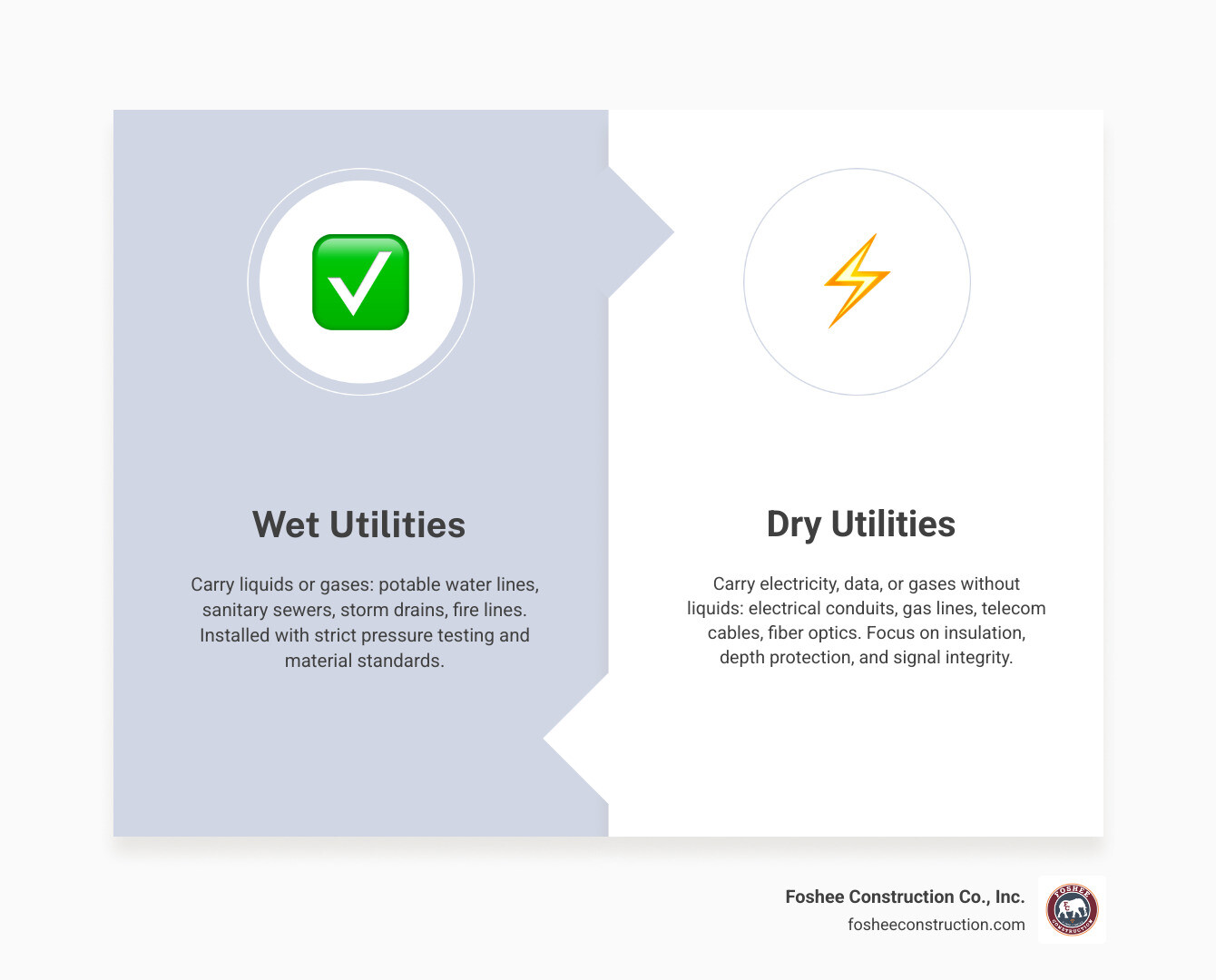
Wet vs dry utility installation comparison infographic - utility installation contractors infographic

2. What is Your Step-by-Step Process for Utility Line Installation?

Transparency is one of our core values at Foshee Construction. If a contractor can't explain their process in detail, that's a red flag. A professional installation isn't just about "digging a hole and dropping a pipe." It is a disciplined sequence of events.

Coordination and Planning

Everything begins long before a shovel hits the dirt.

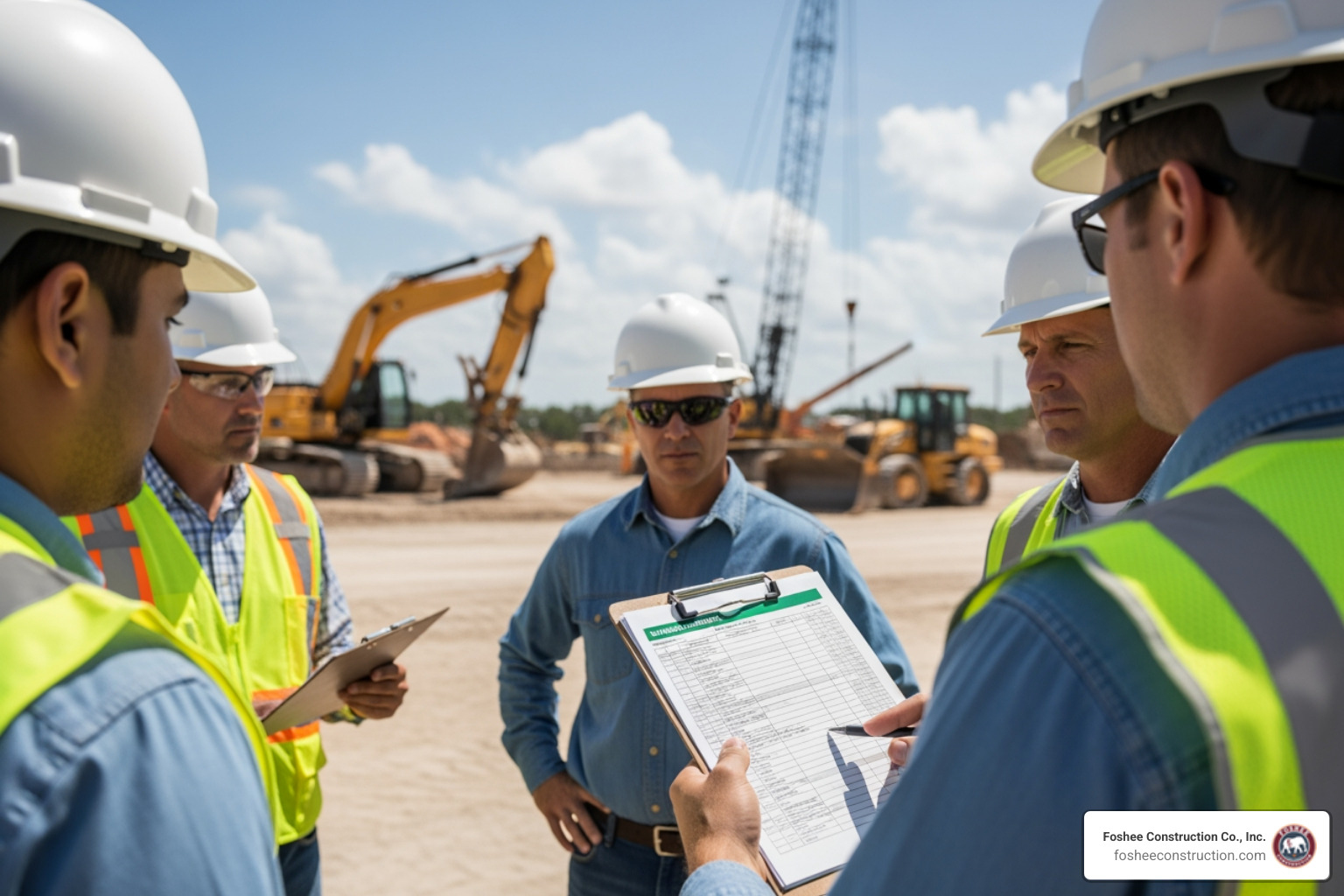
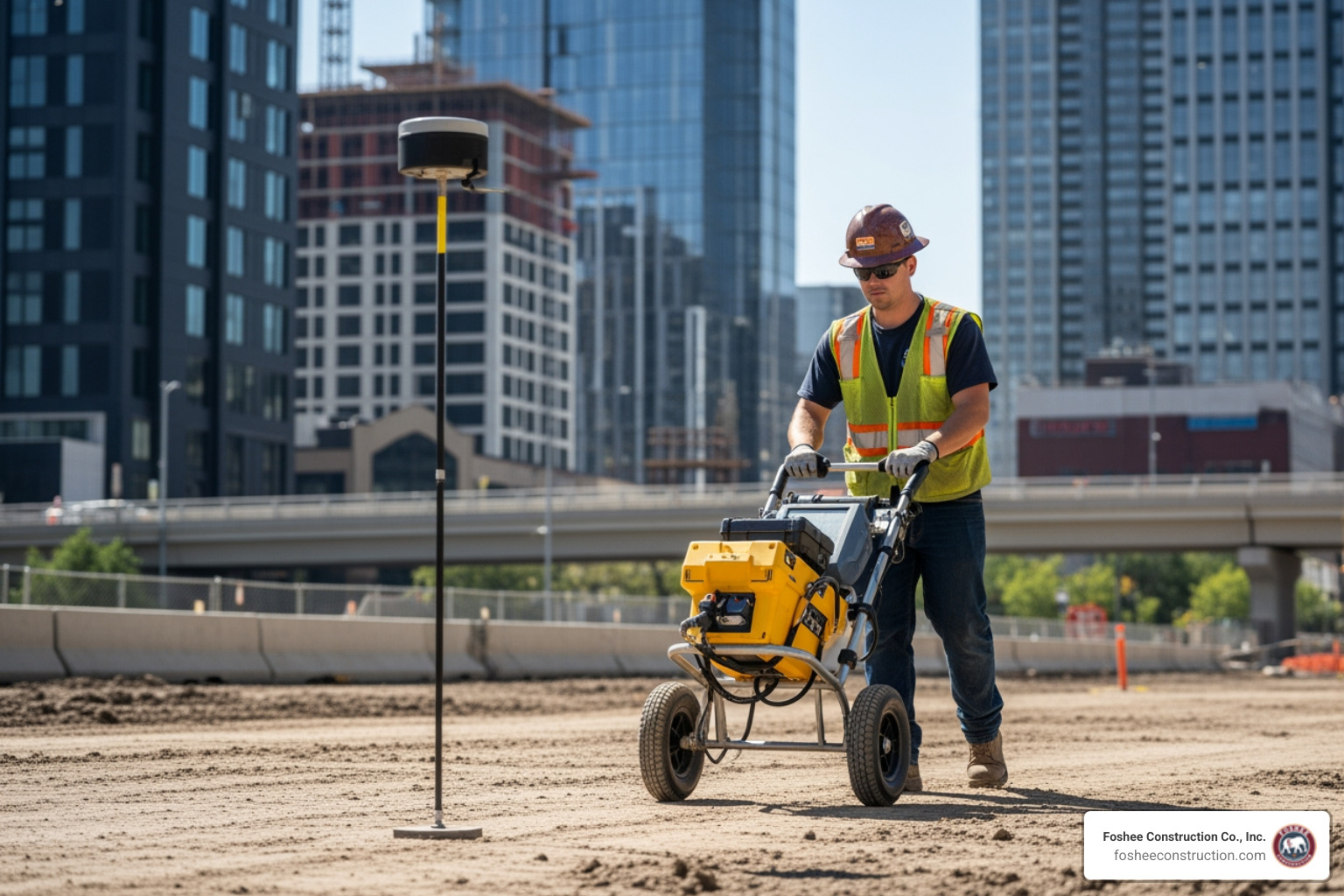
  1. Site Surveys & Mapping: We start by mapping out the existing infrastructure. You cannot install new lines without knowing exactly where the old ones are.
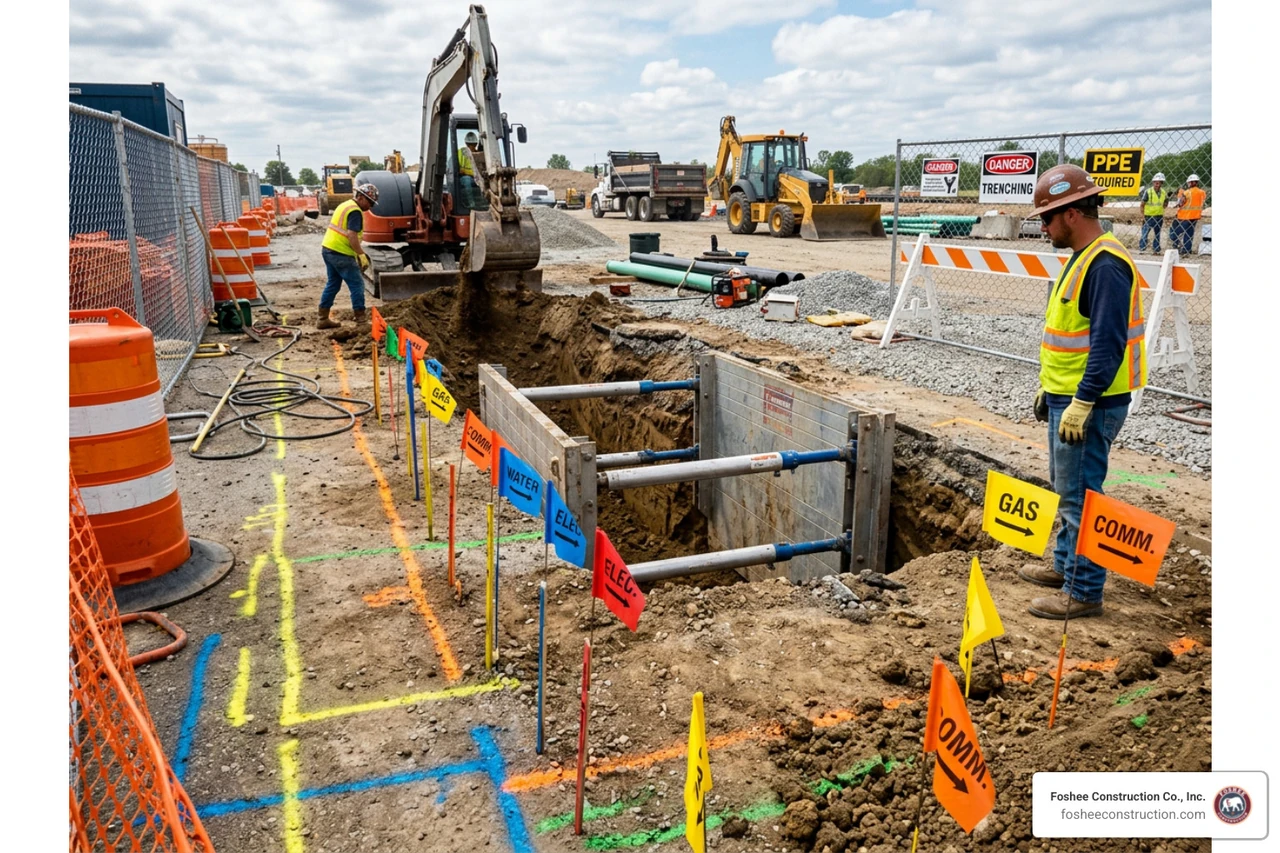
  2. 811 Coordination: This is non-negotiable. Calling 811 ensures that all existing public utilities are marked.
  3. Permit Acquisition: We work with local municipalities in Lake County and Minneola to ensure all environmental and construction permits are in place.
  4. Scheduling: We coordinate with other trades. For example, utilities are typically installed after the building framework is established but before final paving.

Execution and Site Restoration

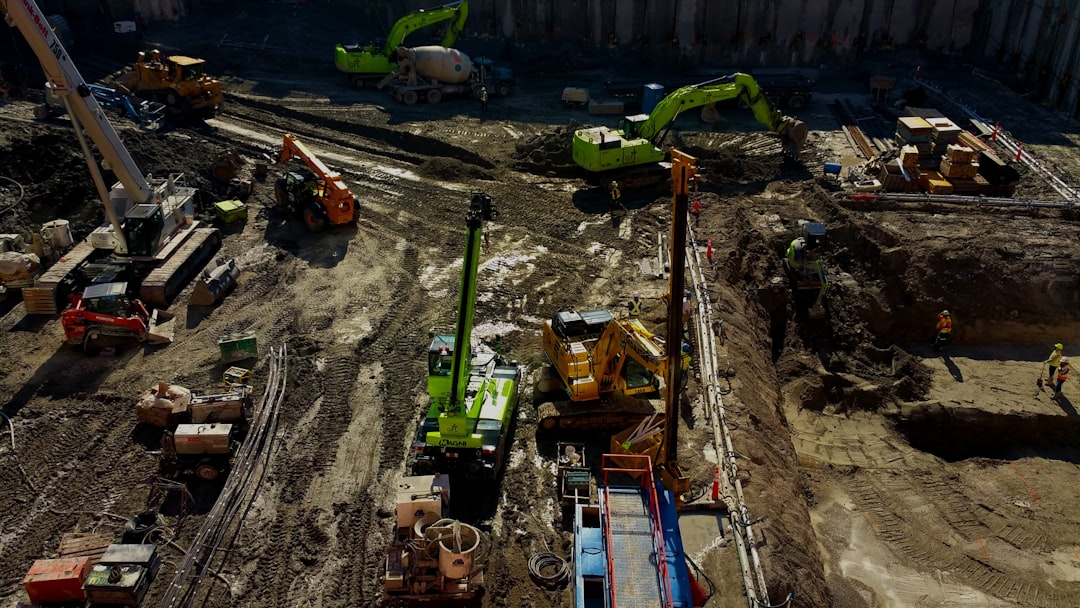
Once the plan is set, the heavy machinery moves in.

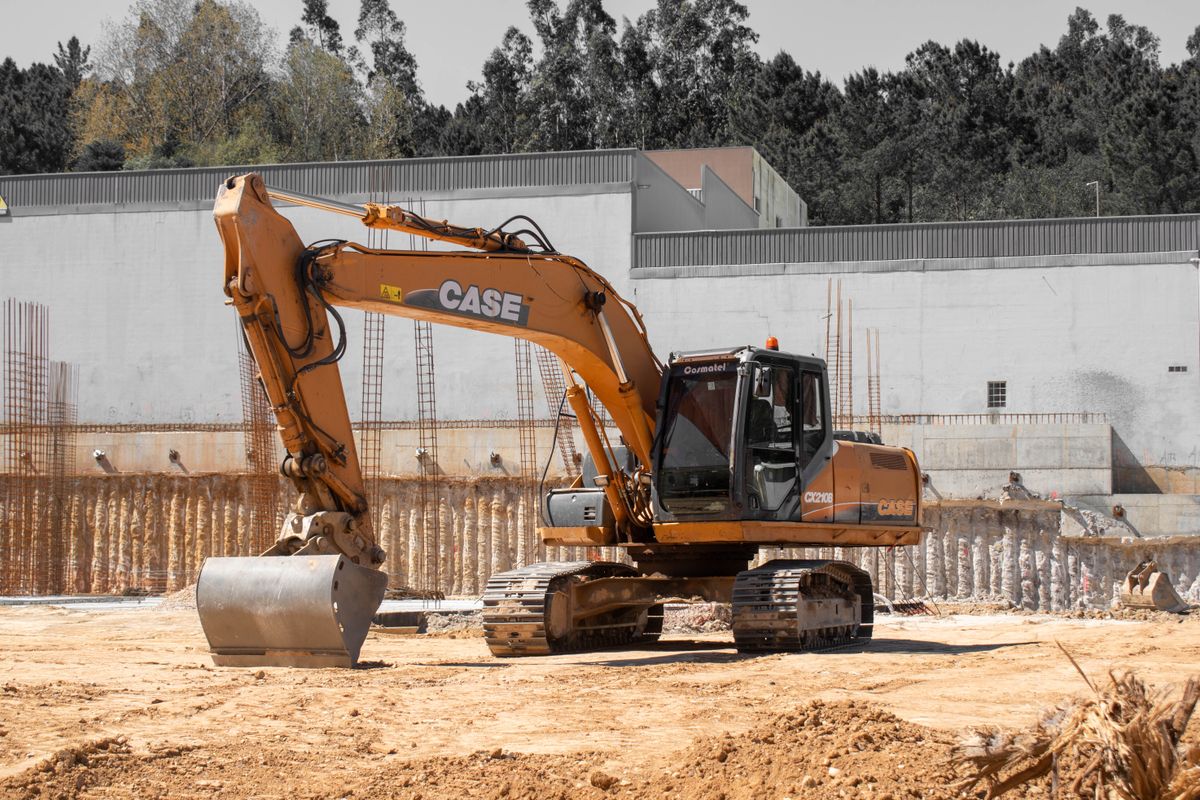
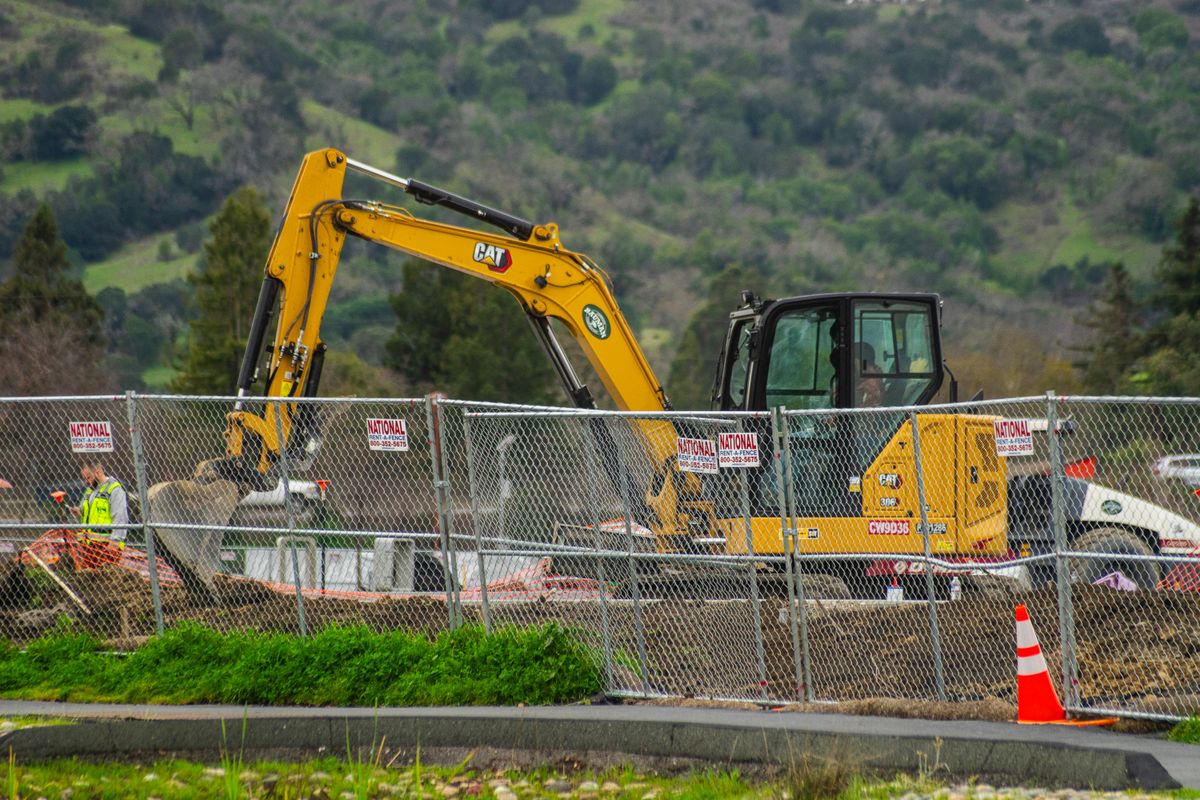
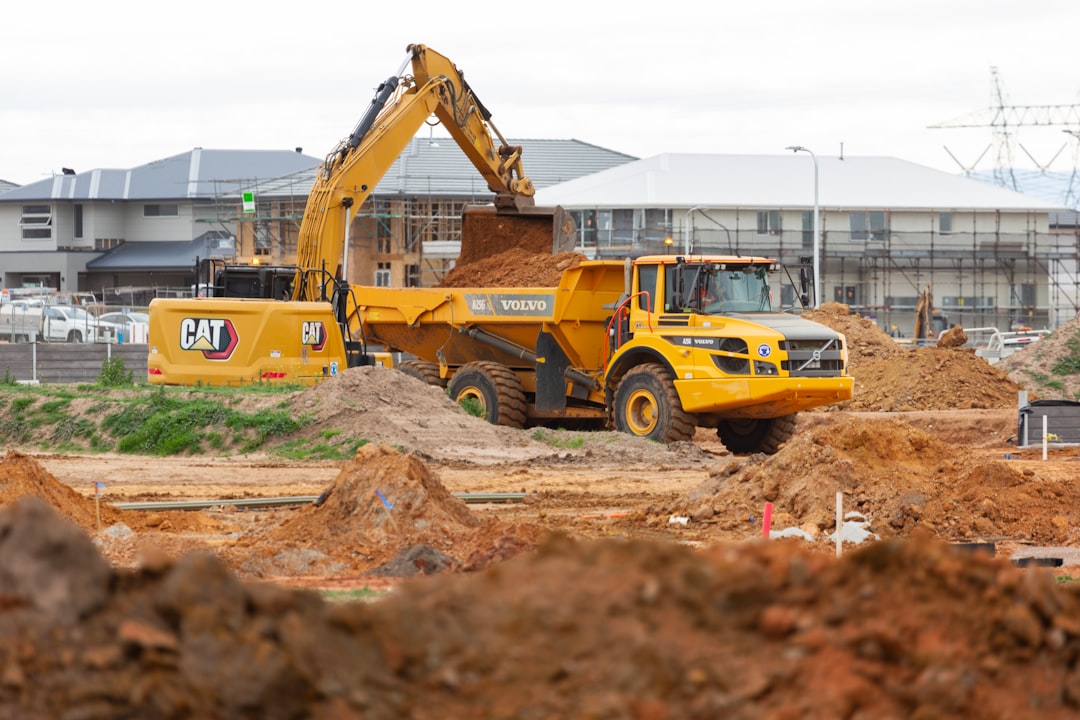
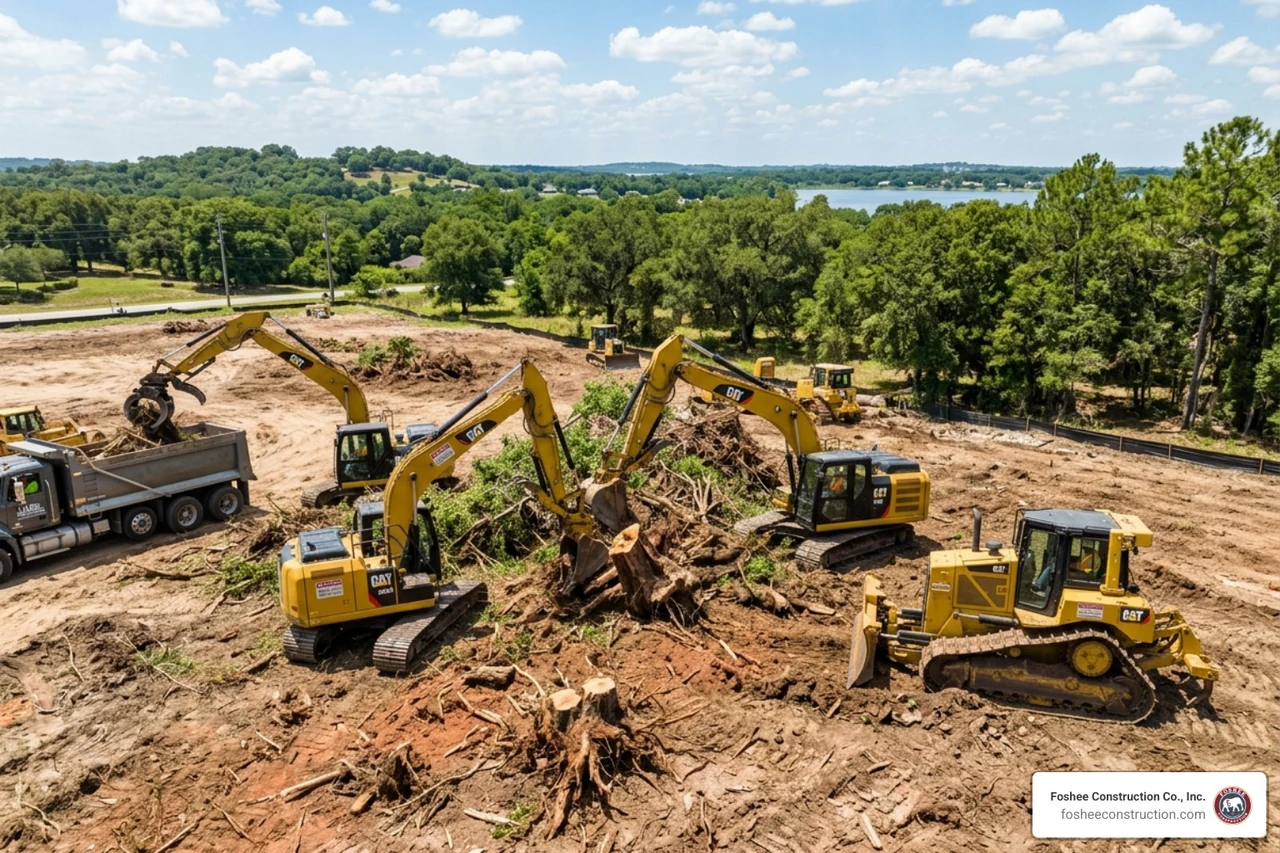
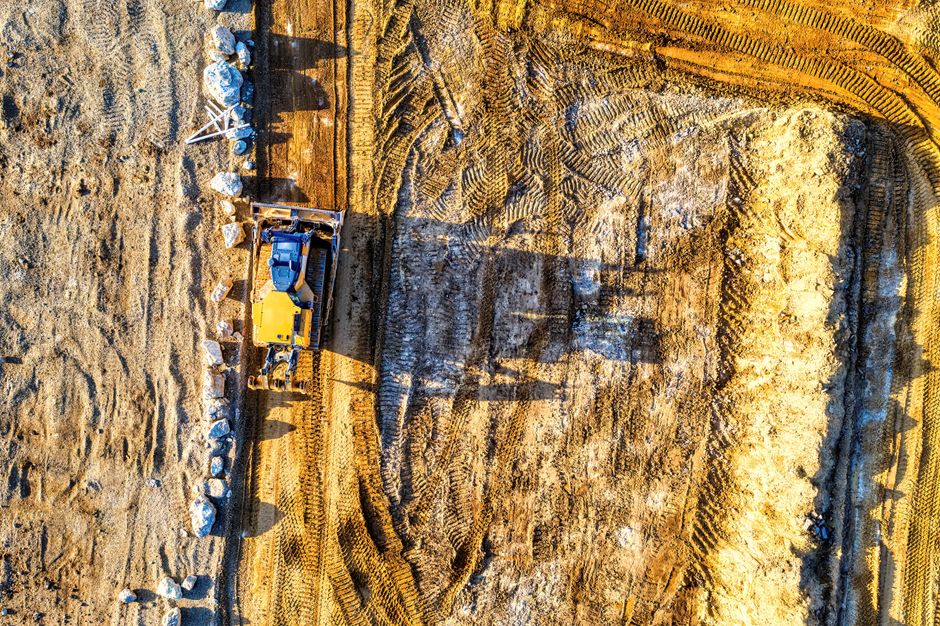
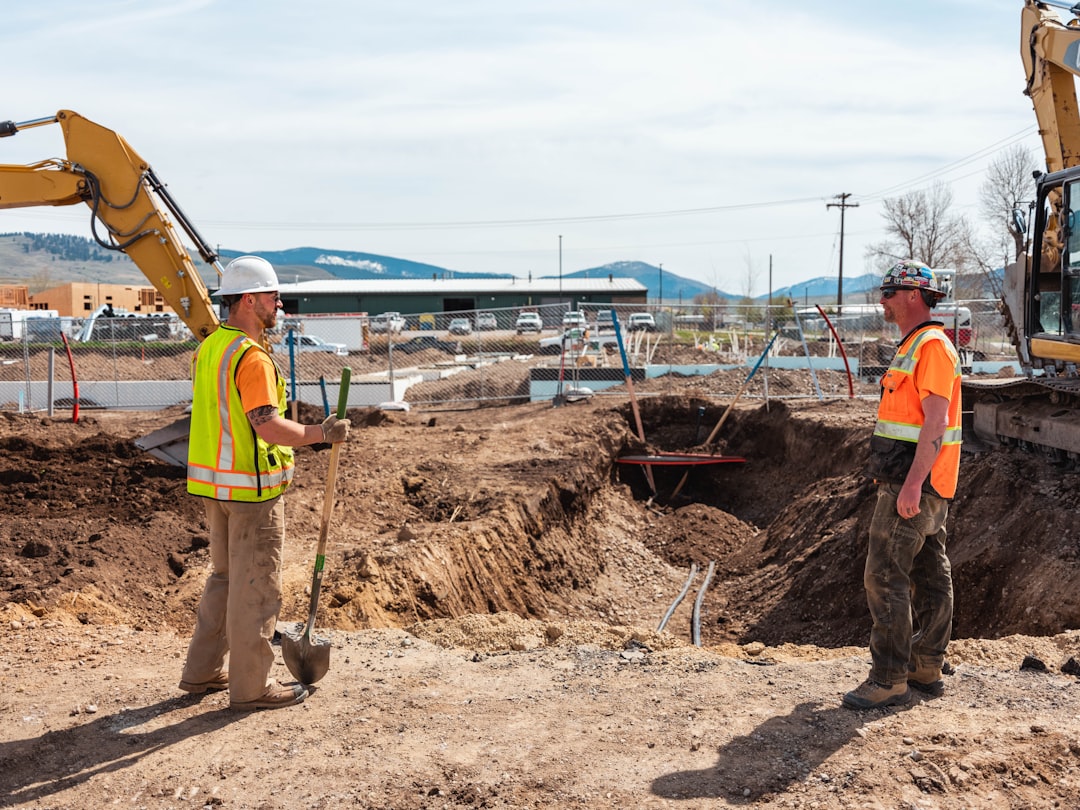
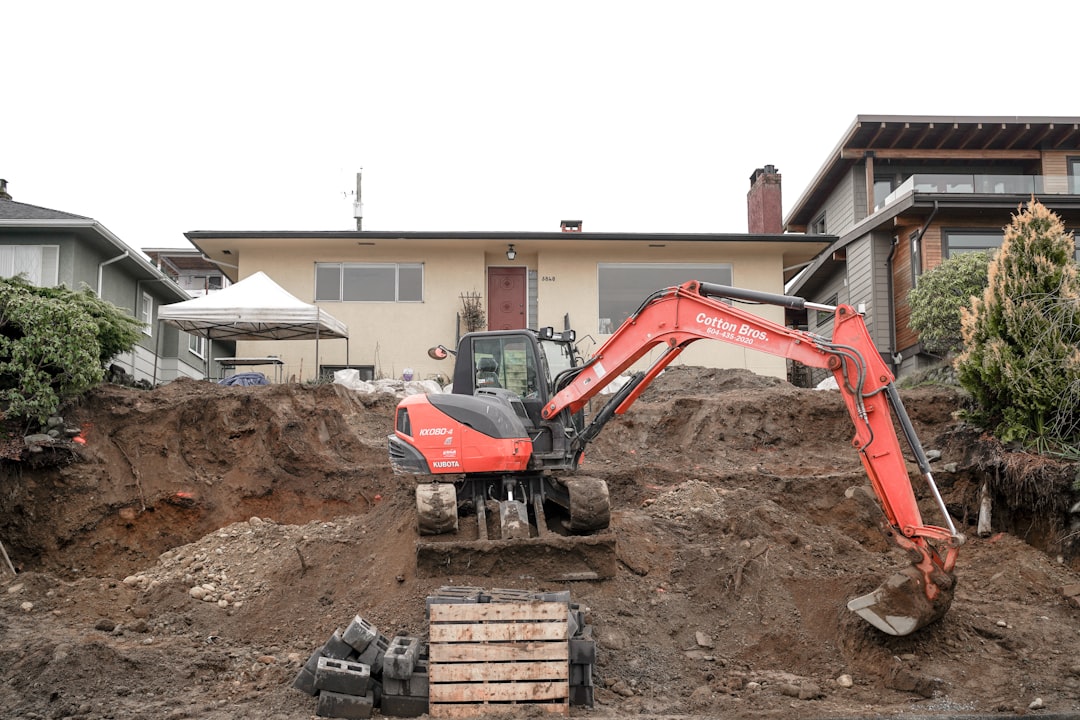
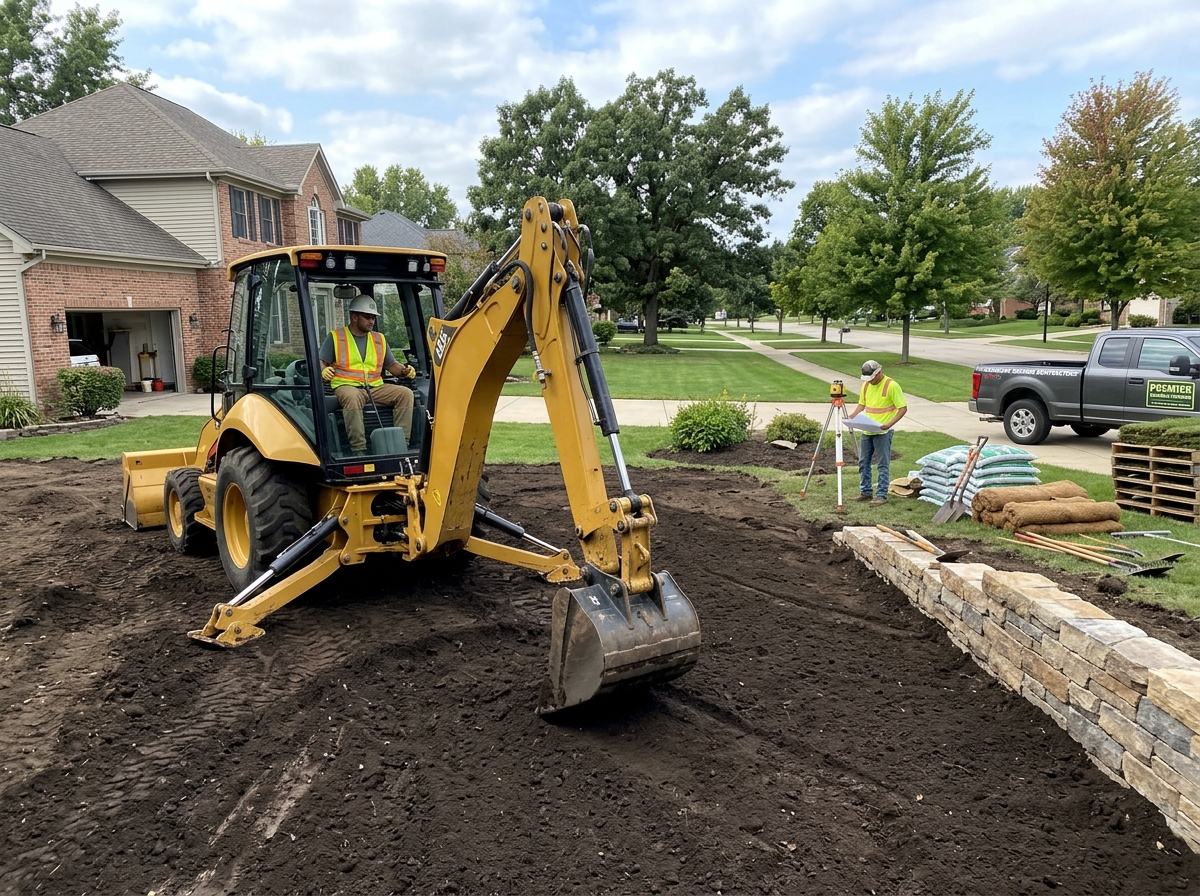
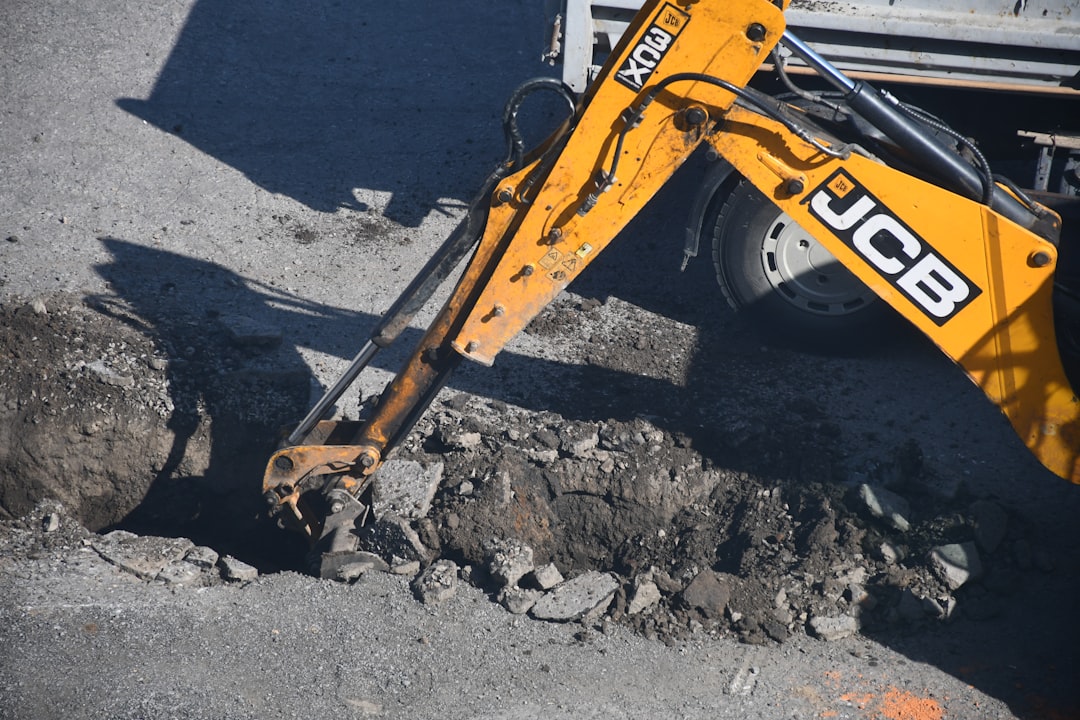
  • Trenching: Using modern excavators, we dig trenches to the exact depth and width required by the engineering specs.
  • Conduit & Pipe Laying: We lay the "bones" of the system. For gas and certain water lines, this might include pipe fusion (melting the ends of pipes together to create a seamless bond).
  • Pressure Testing: Before we cover anything up, we test the lines. We want to be 100% sure the system is airtight and watertight.
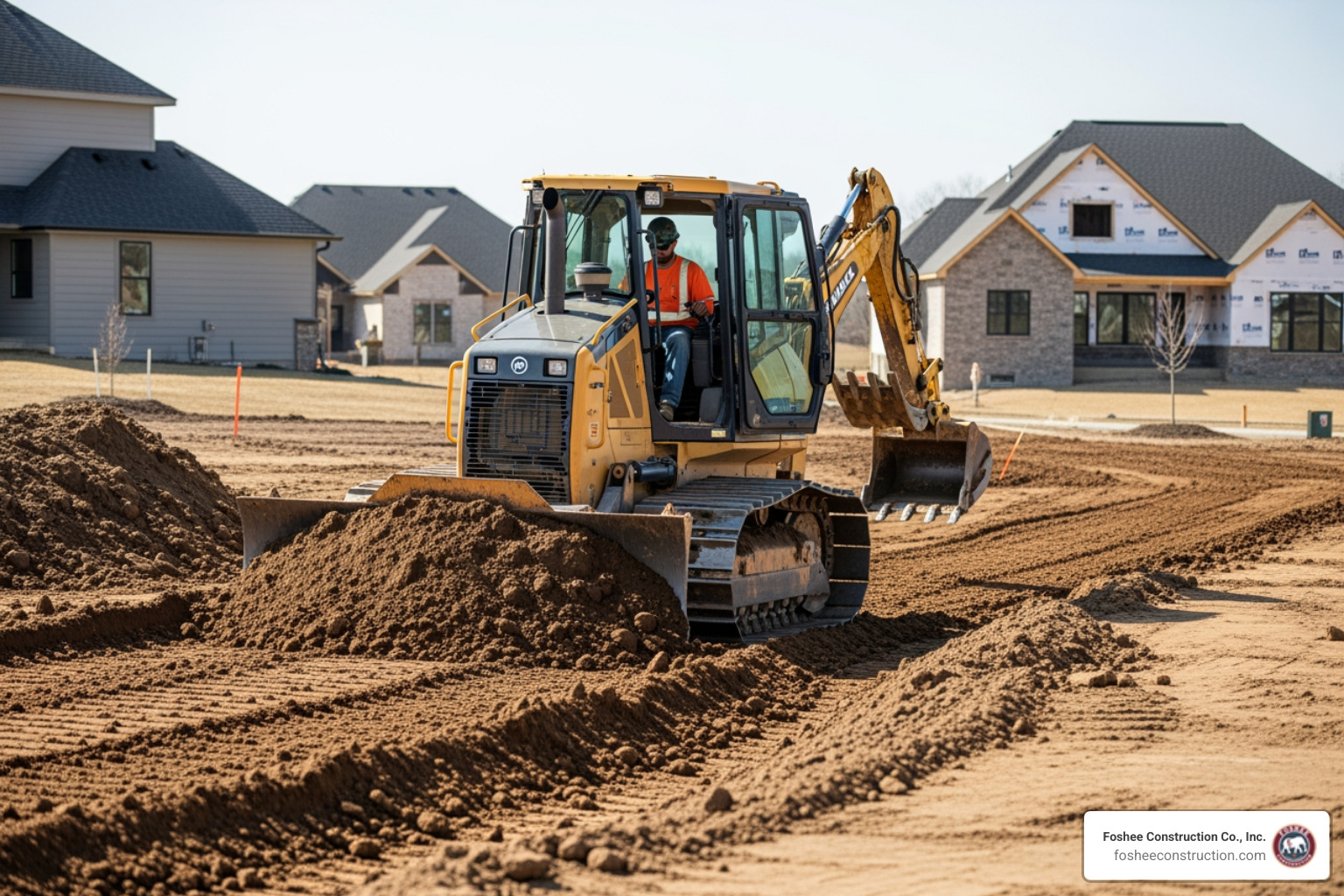
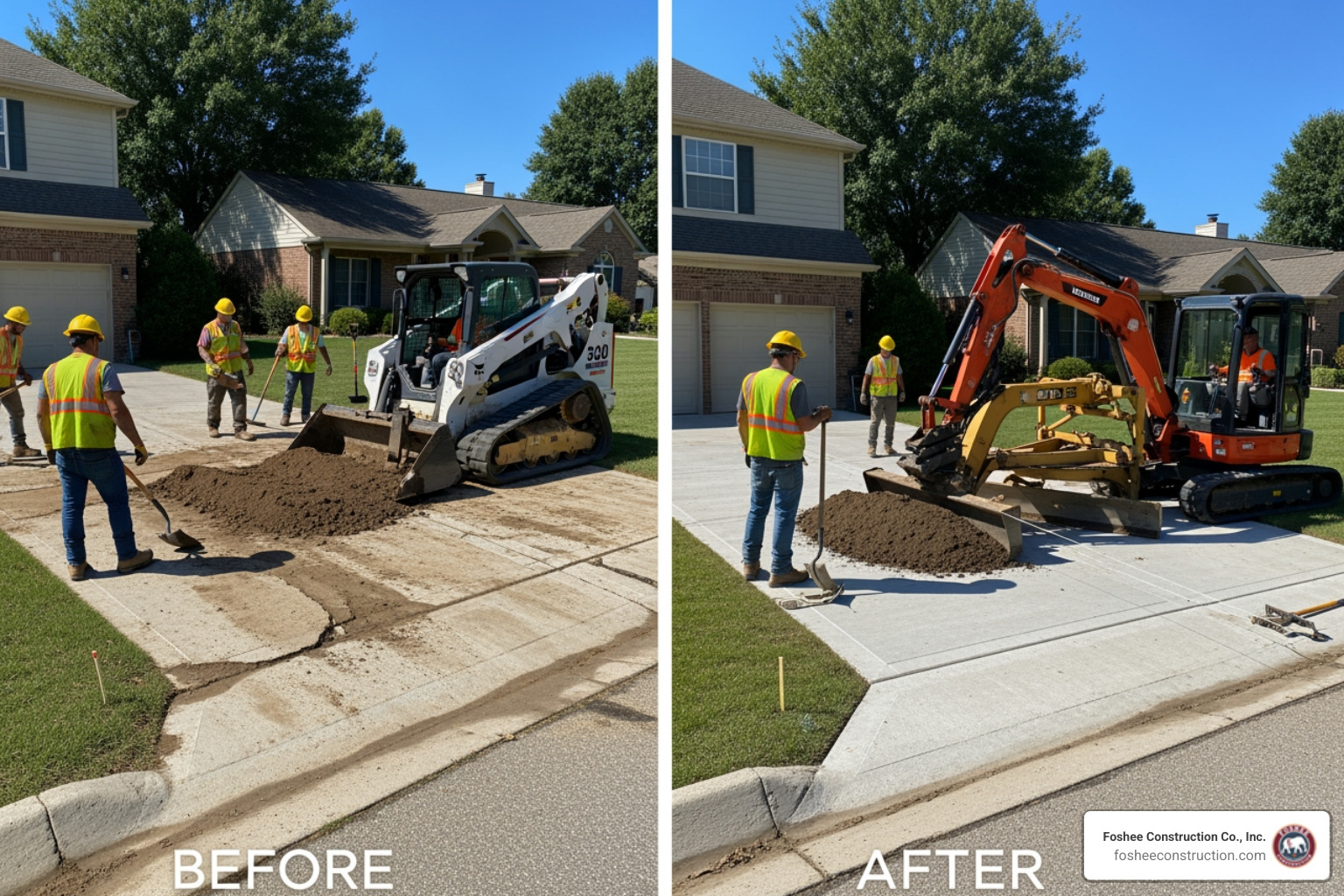
  • Backfilling & Compaction: This is where many amateur utility installation contractors fail. You can't just throw the dirt back in. It must be filled in layers (lifts) and compacted to a specific density to prevent the ground from sinking later.
  • Surface Restoration: Finally, we restore the grade, ensuring the site is ready for the next phase of construction, whether that’s landscaping or asphalt.

3. How Do You Handle Safety, Regulations, and Adverse Conditions?

In Central Florida, we deal with unique challenges—from sandy soil that loves to cave in to sudden tropical storms that turn a dry trench into a swimming pool in minutes.

Regulatory Compliance and Inspections

Reliable contractors must stay in lockstep with OSHA standards and local municipal codes. This includes:

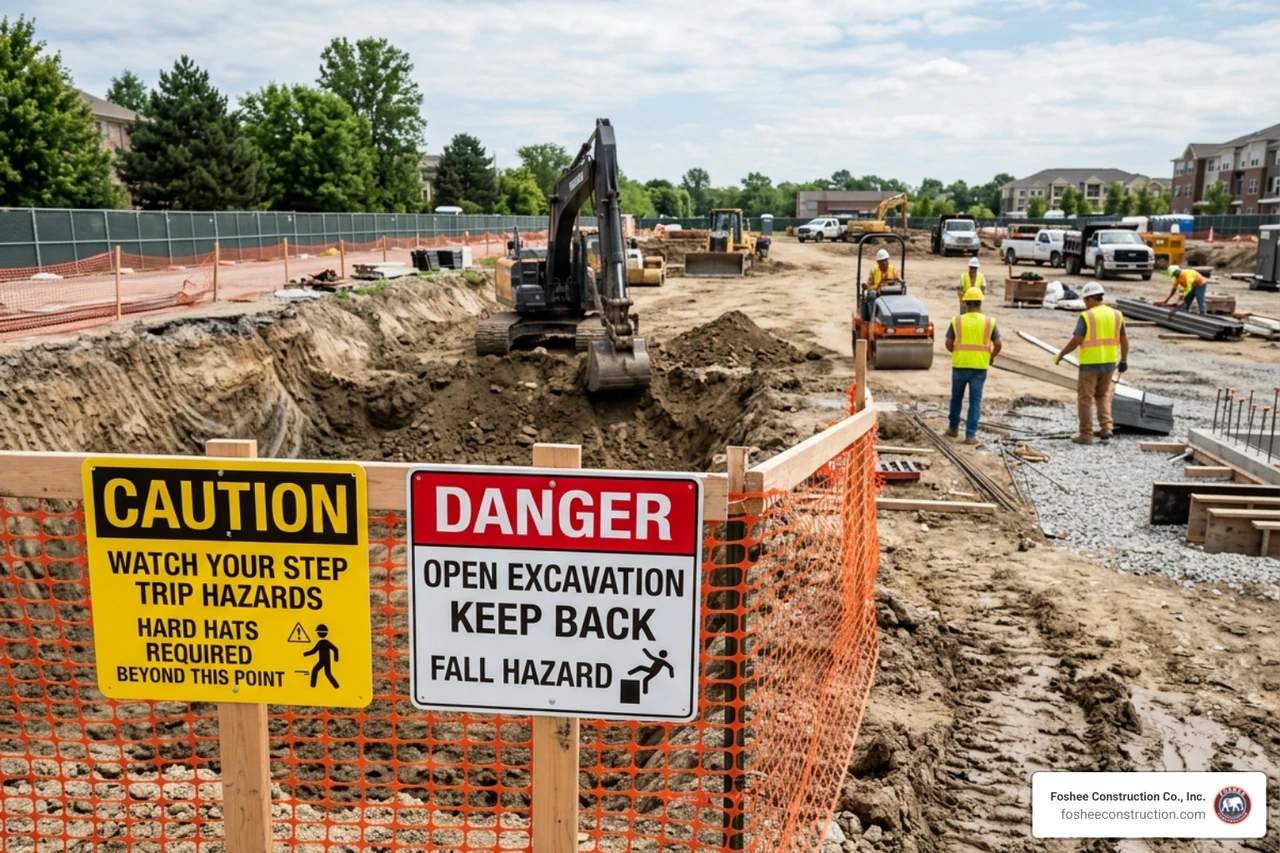
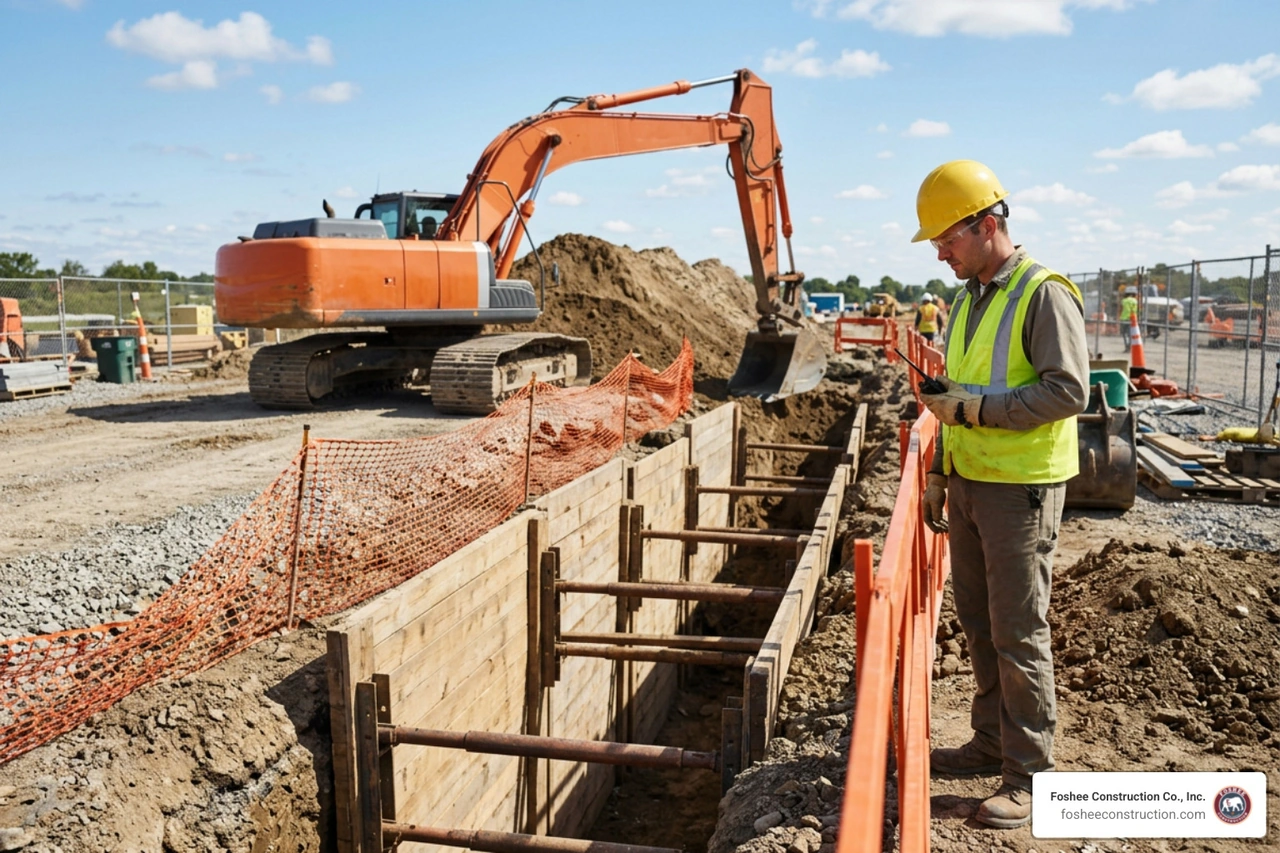
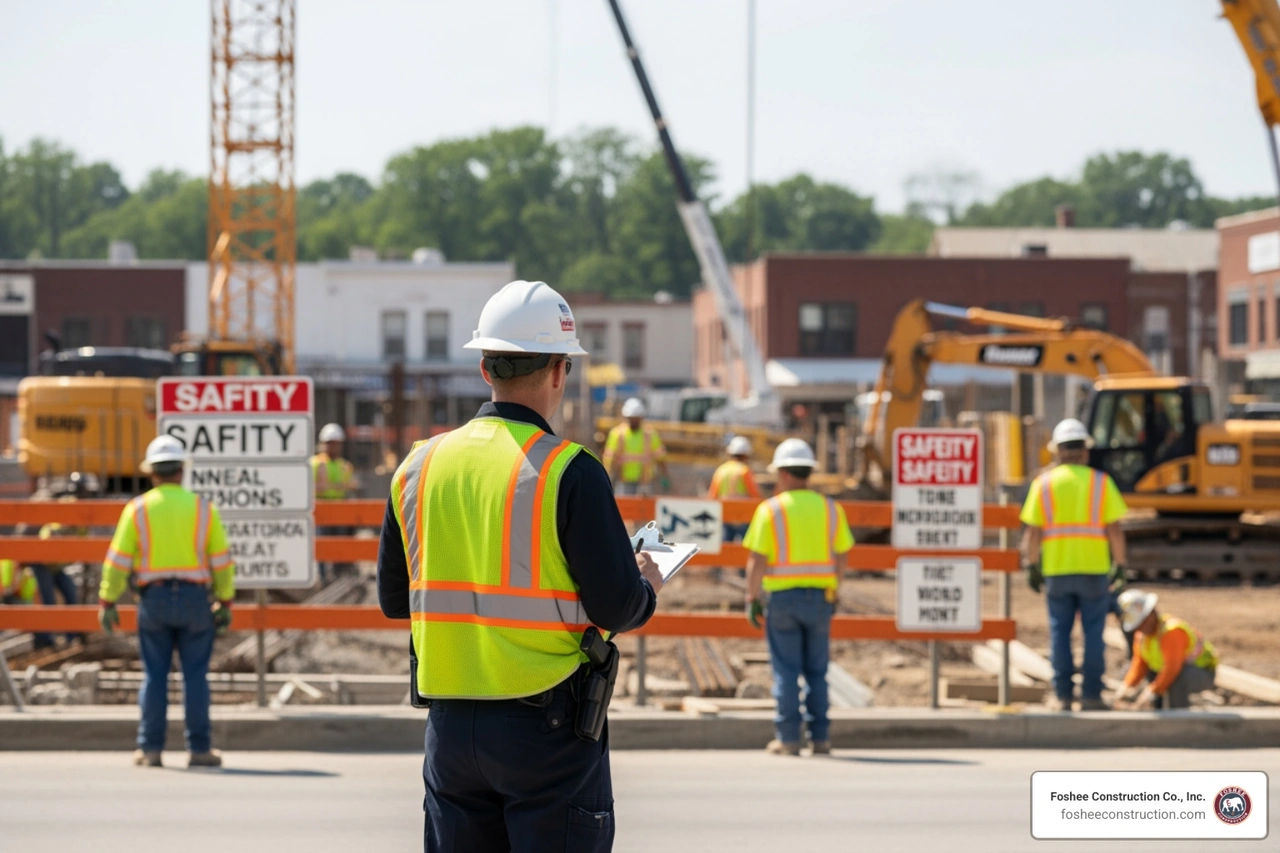
  • Trench Shoring: Using "trench boxes" or shoring to prevent soil collapse, protecting the lives of the crew inside.
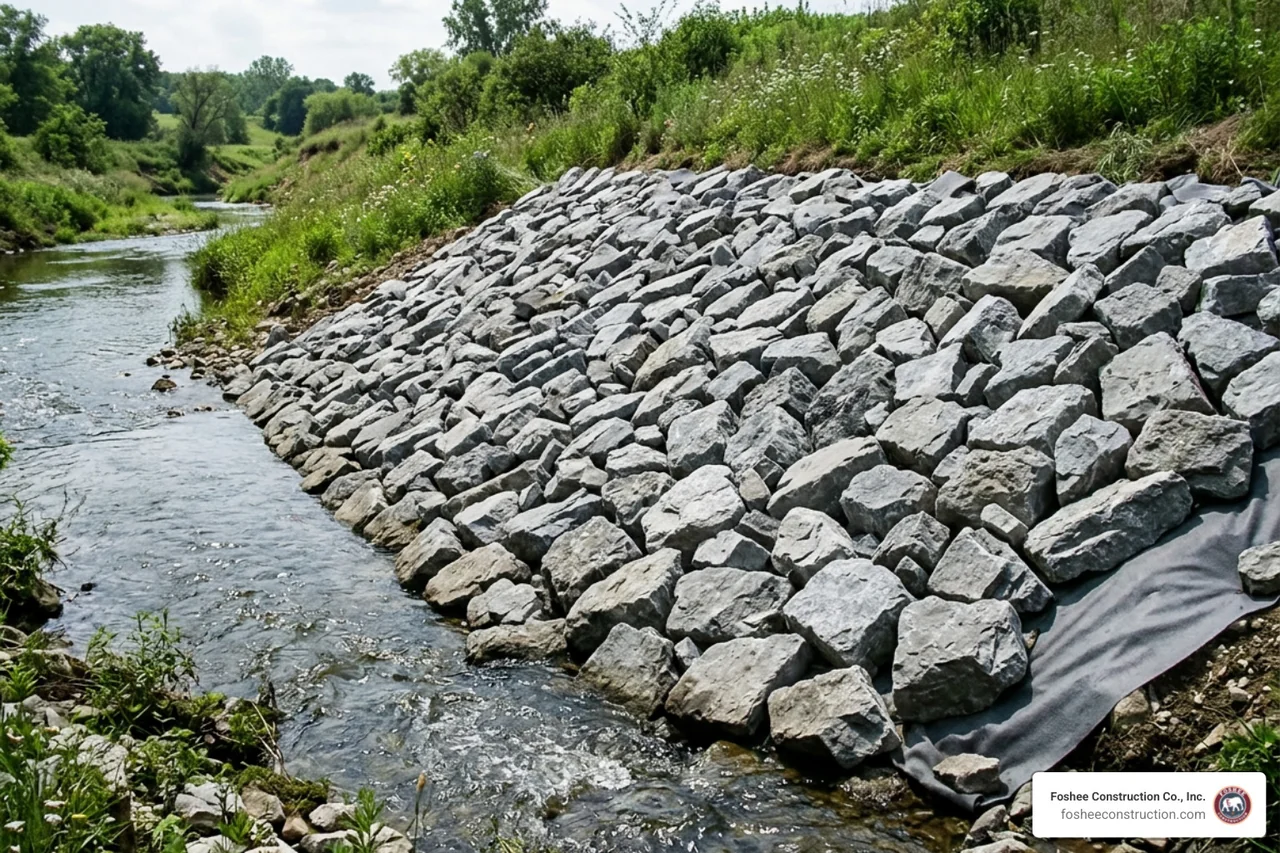
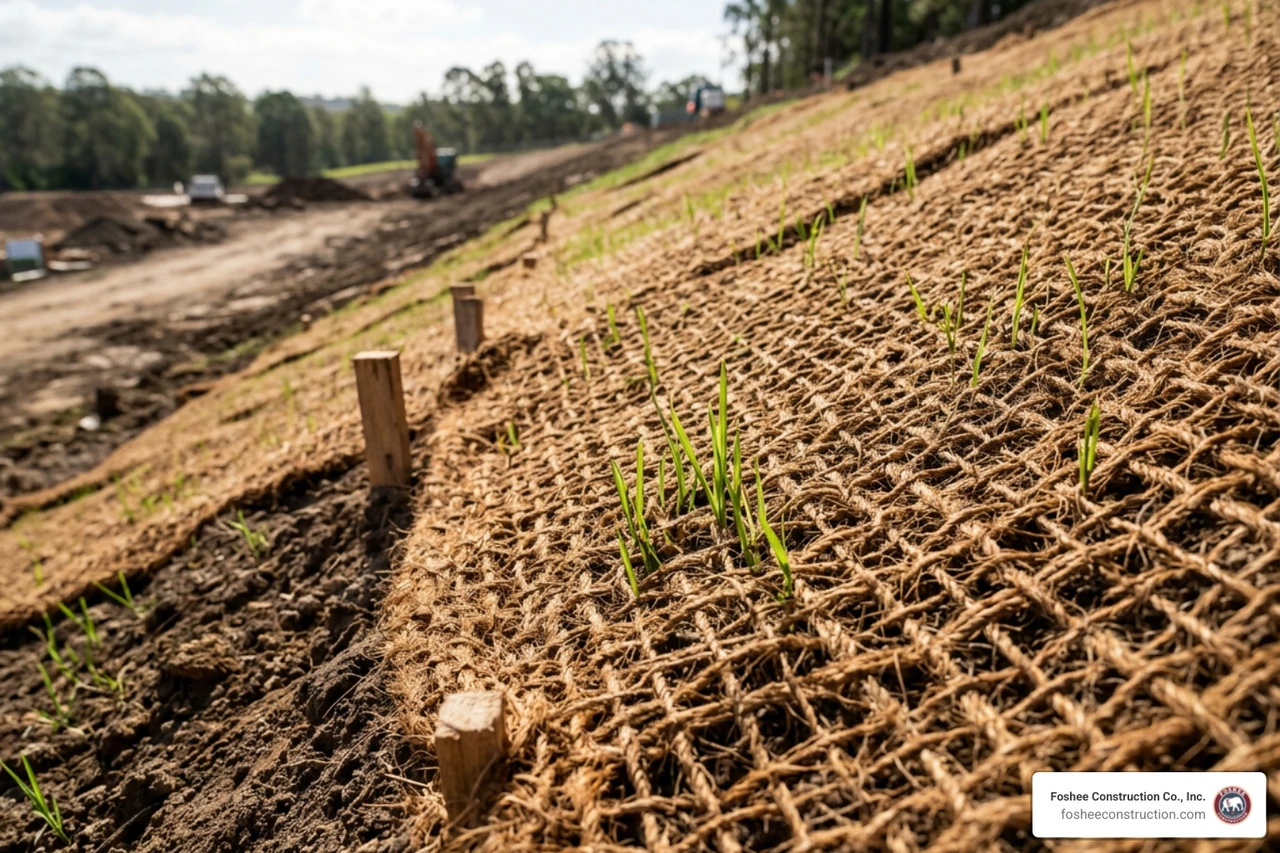
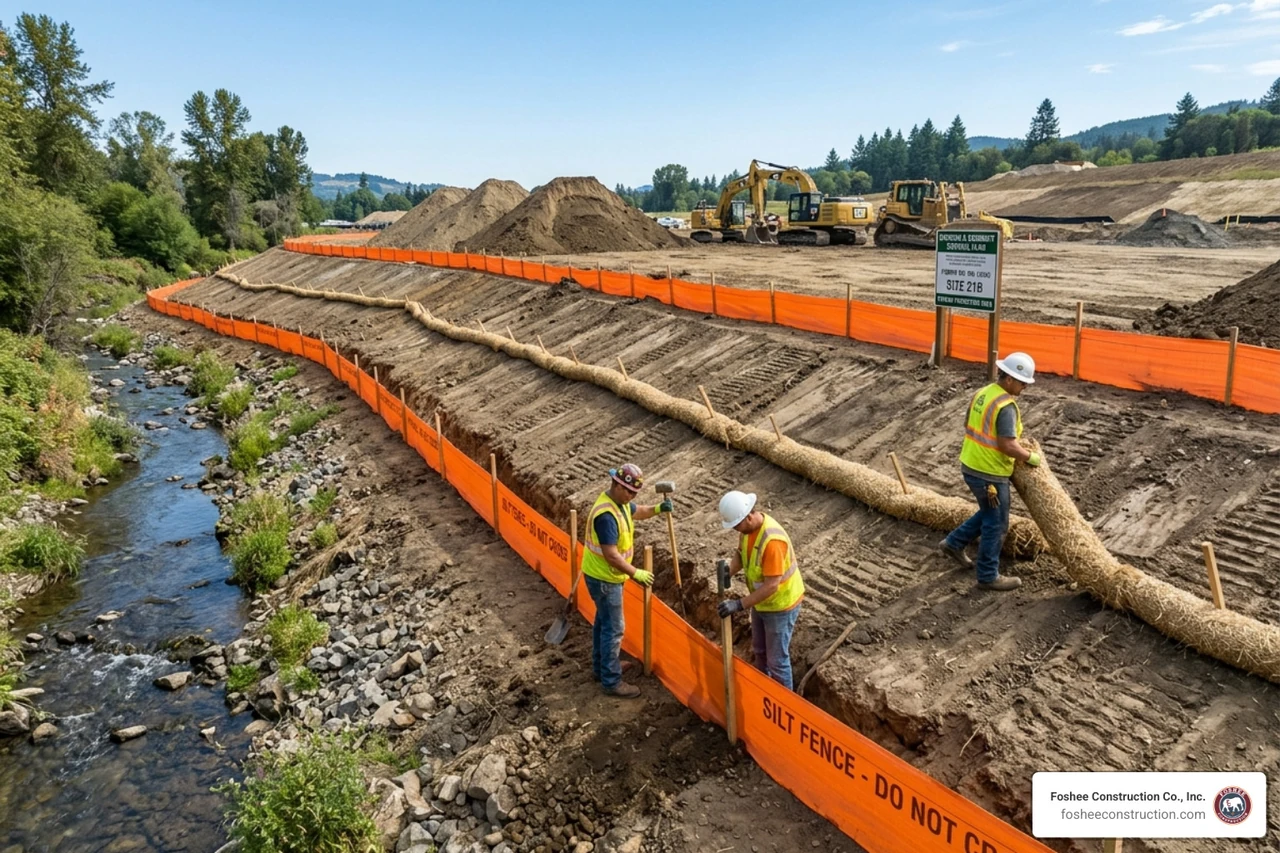
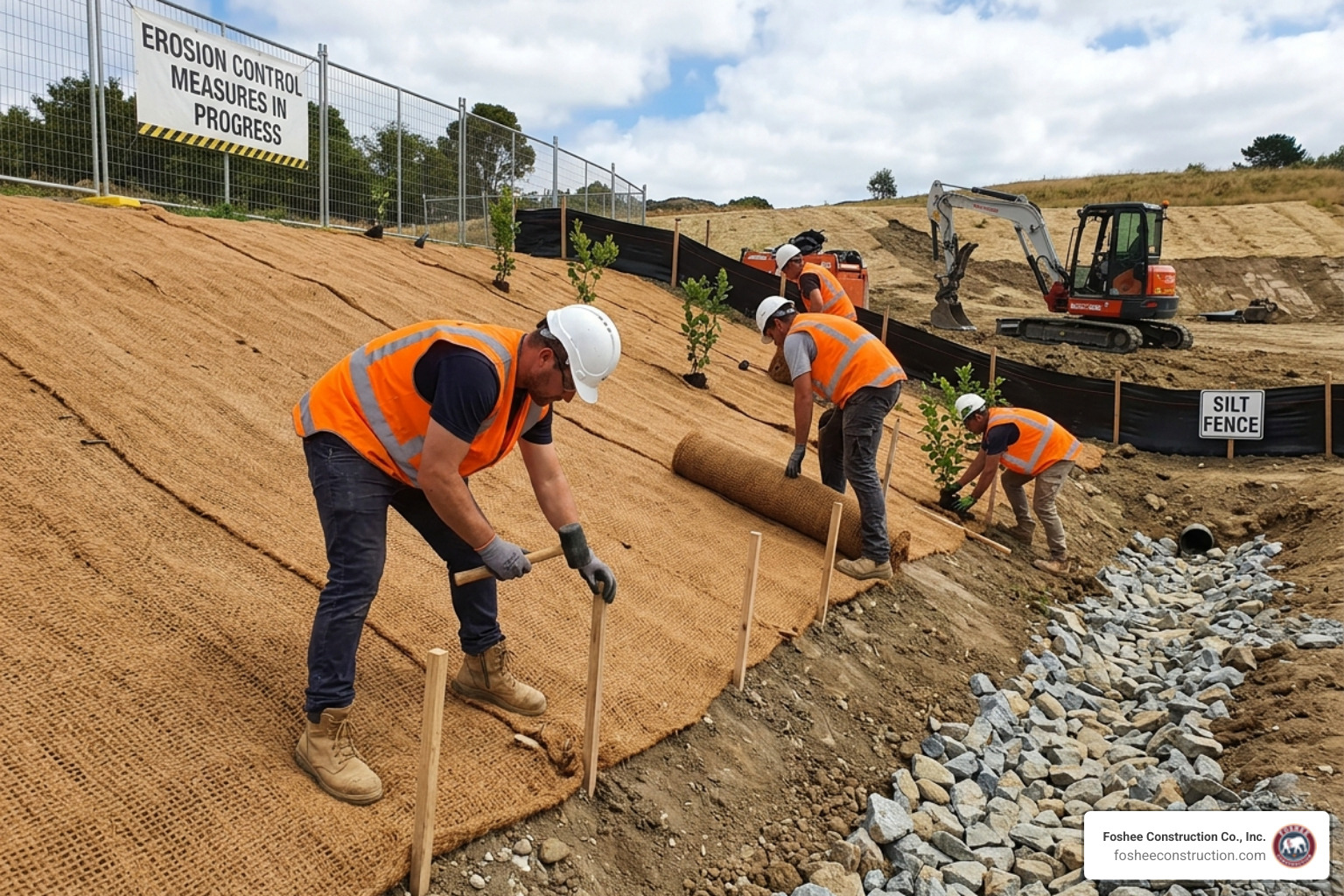
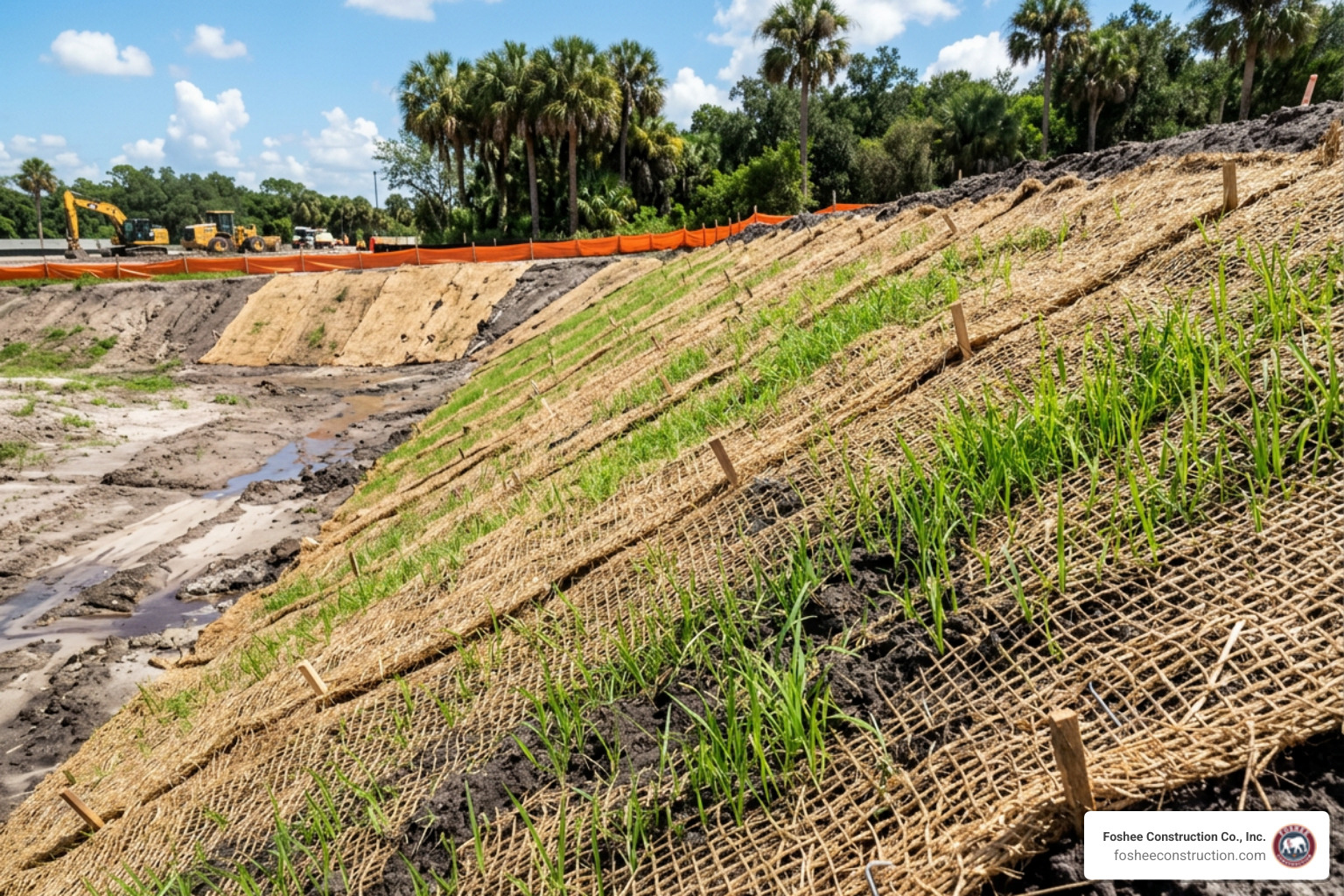
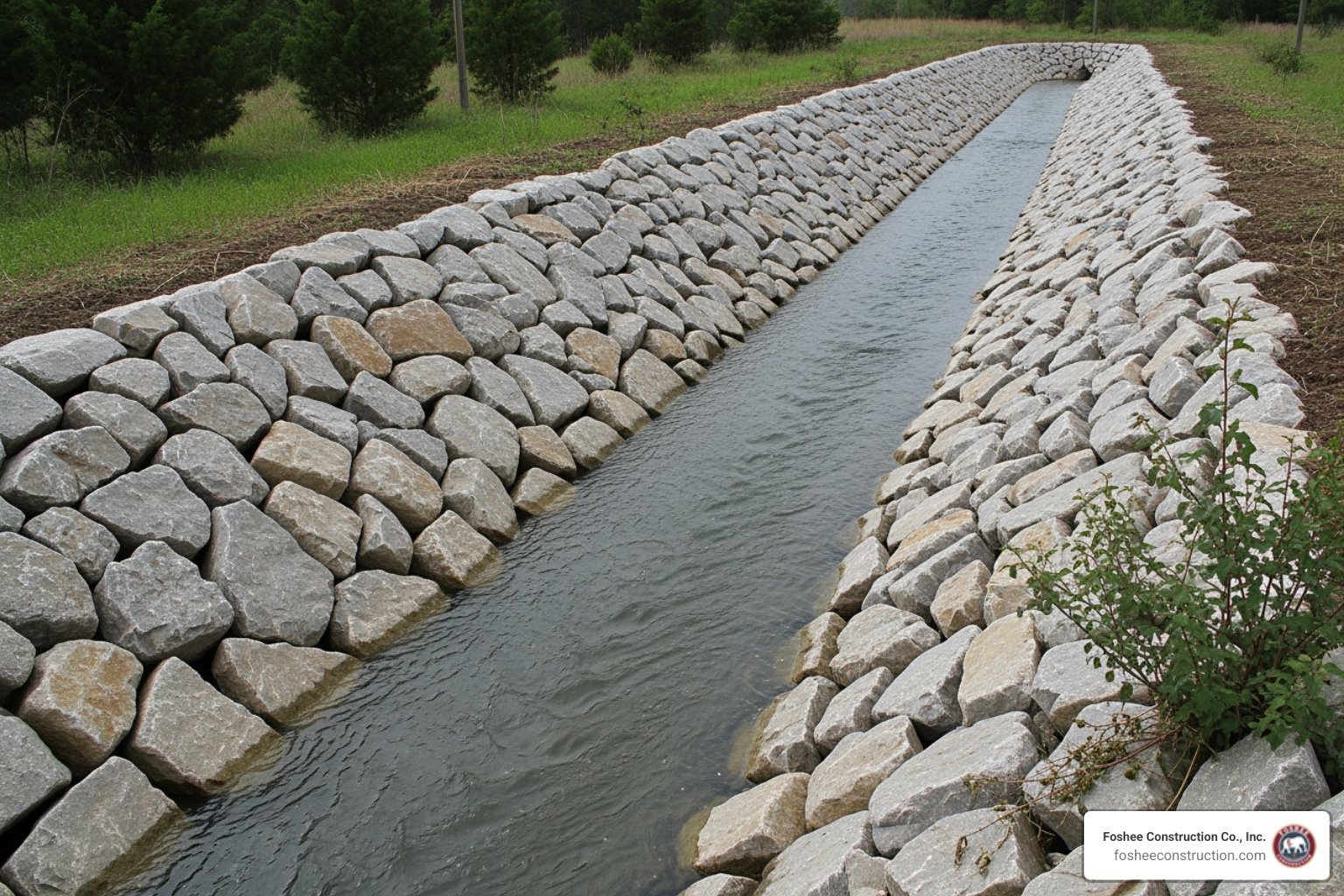
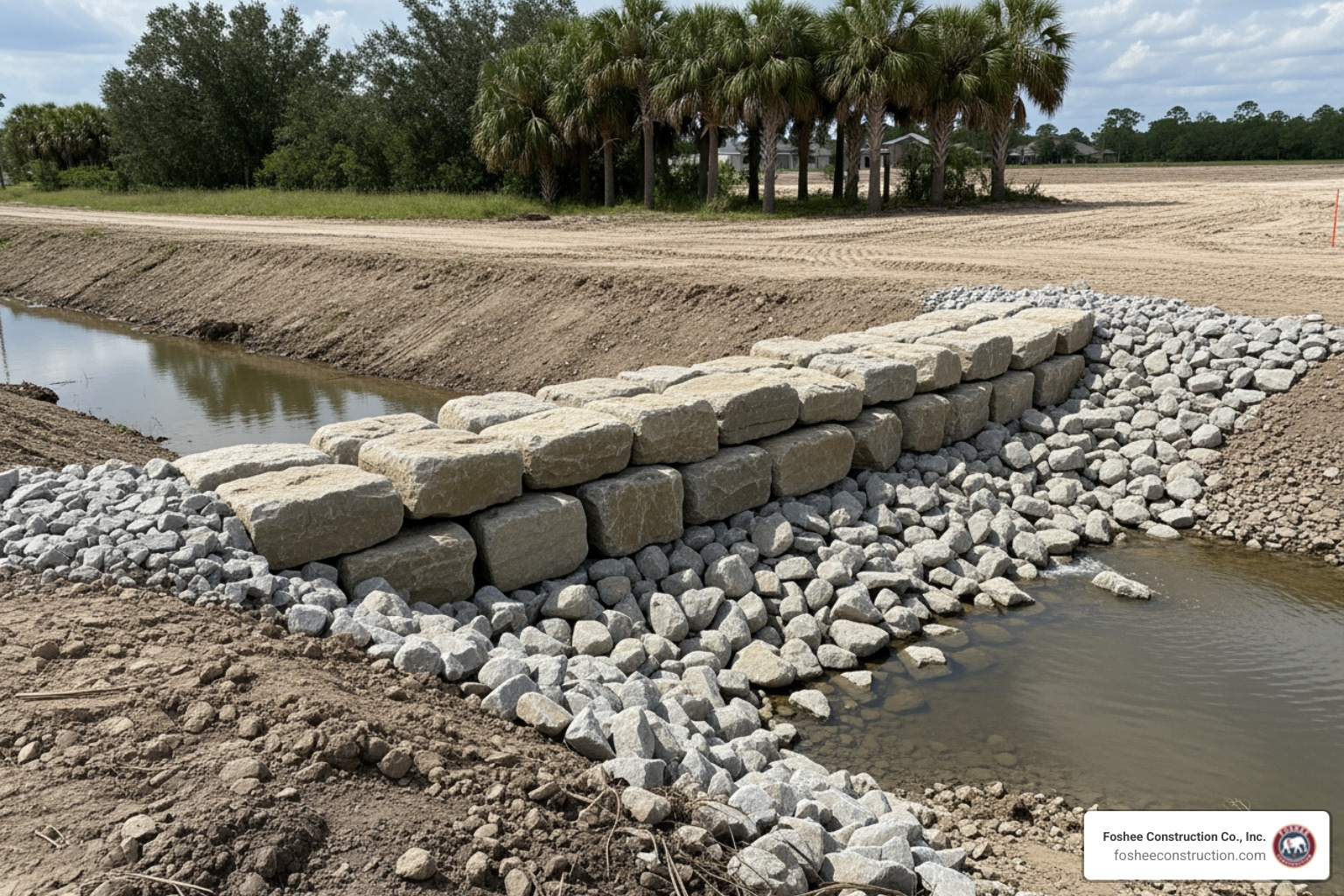
  • Environmental Permits: Managing sediment and erosion control to ensure runoff doesn't pollute local Florida waterways.
  • Utility Company Requirements: Every provider (like Duke Energy or local water departments) has its own "gold standard" for how they want their connections made. We make sure those specs are met the first time to avoid inspection failures.

Adverse Weather and Winter Considerations

While we don't deal with the "ground frost" our friends up North face, Florida has its own version of adverse conditions.

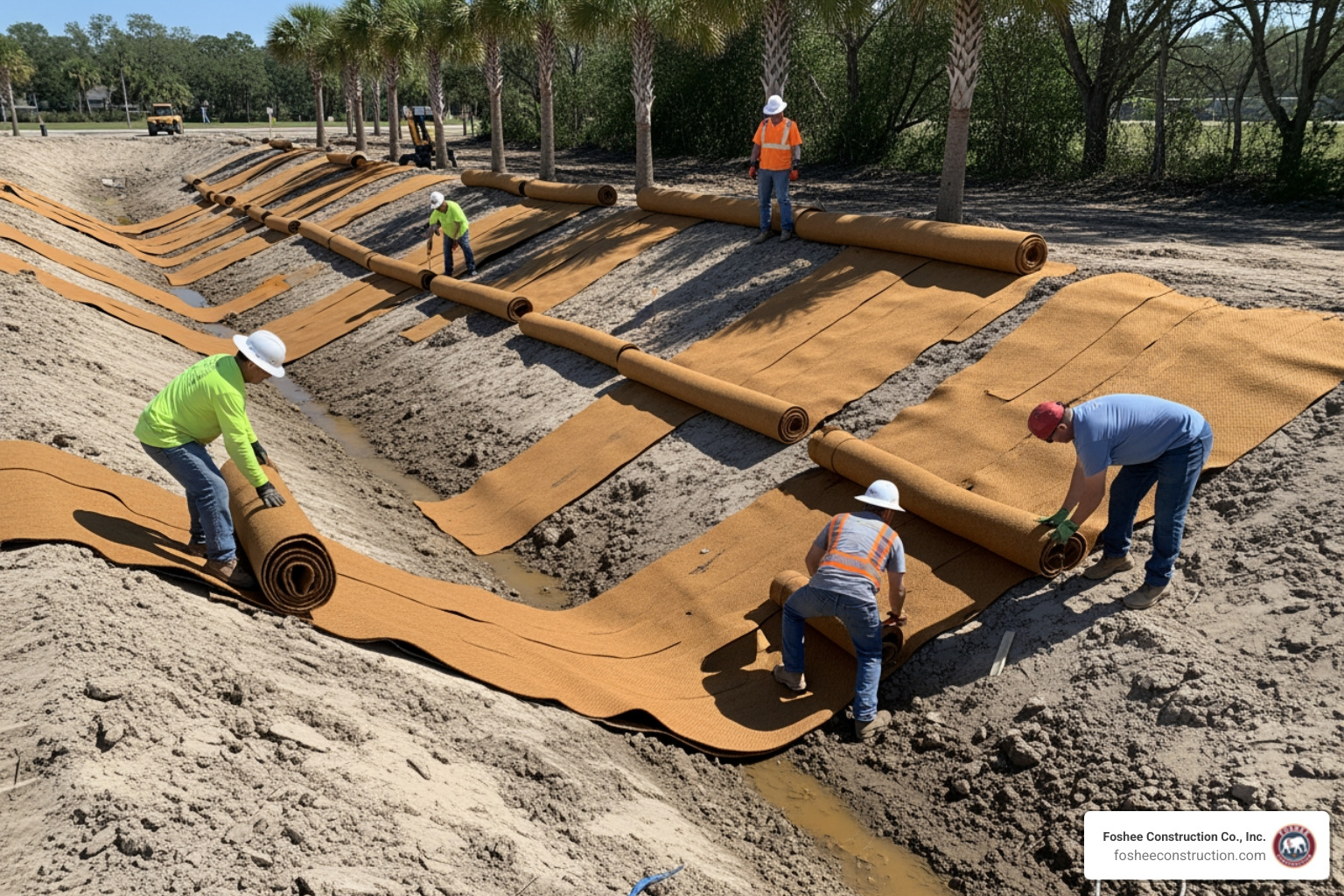
  • Muddy Terrain: Heavy rains can make a site inaccessible. We use specialized equipment and techniques to move materials without delays.
  • Erosion Control: We implement strict sediment management to keep the site stable during storms.
  • Winter Surcharges: It's worth noting that in many parts of the country, Winter service connection policies include additional fees for working in extreme cold or frozen ground. While rare in Minneola, it’s a standard industry practice to account for the extra wear and tear on equipment during harsh months.

4. What Qualifications and Experience Should Utility Installation Contractors Have?

You wouldn't hire a heart surgeon who just finished their first day of med school, and you shouldn't hire a utility contractor without a proven track record.

Evaluating Contractor Reliability

When interviewing utility installation contractors, look for these "Must-Haves":

  • Years in Business: Experience matters. Foshee Construction, for example, has built its reputation over decades of service in Lake County.
  • Financial Stability: Does the contractor have the bonding capacity for your project? Can they afford the materials upfront?
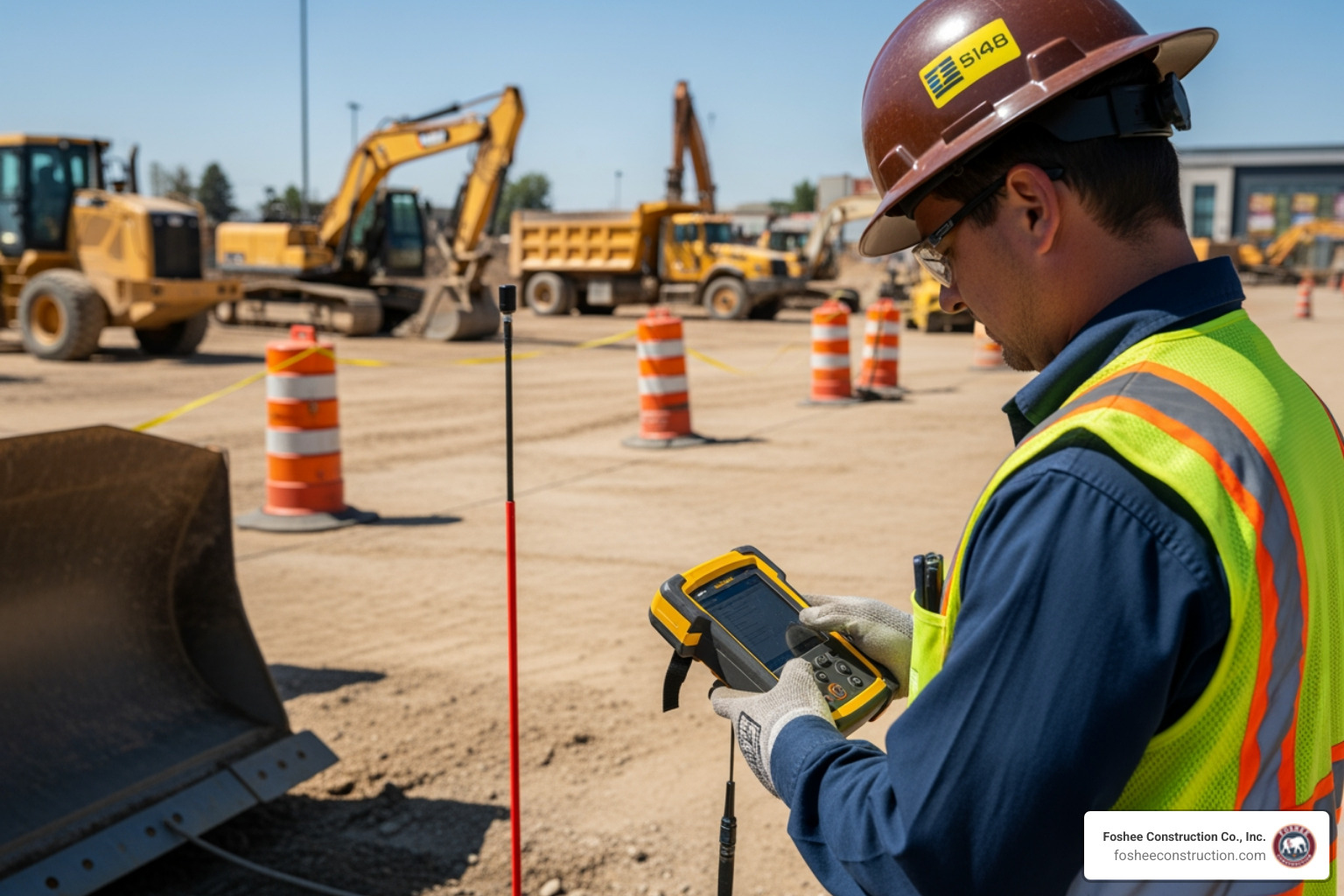
  • Modern Equipment Fleet: Using outdated machinery leads to breakdowns and schedule slips. Look for a company that invests in its tools and GPS technology for precision digging.
  • Transparent Bidding: Beware of "low-ball" bids that don't account for permits, testing, or restoration. We pride ourselves on disciplined scheduling and honest, line-item bids.

Regional Specialization and Local Knowledge

Florida-specific expertise is vital. Our soil is mostly sand, and our water table is incredibly high. A contractor from a rocky region like Colorado might struggle with the "dewatering" required to lay a deep sewer line in Minneola. We understand the municipal relationships and the specific geological quirks of Lake County, which allows us to navigate the permitting process much faster.

5. What Are the Expected Costs and Emergency Response Options?

Budgeting for utilities can be tricky because so much of the work is hidden underground. However, a good contractor will help you understand the variables.

Factors Influencing Project Estimates

Several things can drive your costs up or down:

  • Depth of Burial: The deeper we have to dig, the more it costs in labor and safety equipment.
  • Soil Conditions: Digging in clean fill is cheaper than digging through "muck" or areas with heavy root systems.
  • Utility Density: If we are working in a crowded urban area with dozens of existing lines, the work moves slower and costs more.
  • Material Selection: The price of PVC, copper, and ductile iron fluctuates. We provide New construction service connection info to help clients understand how utility providers might charge for their portion of the installation.

Emergency and Maintenance Services

Sometimes, things go wrong. A water main breaks at 2:00 AM, or a storm knocks out an underground electrical feed.

  • 24/7 Response: Does your contractor offer emergency repairs? Rapid mobilization is essential to prevent catastrophic property damage.
  • Maintenance Contracts: The best way to avoid an emergency is through regular inspections and maintenance of your storm drains and sewer systems.

Frequently Asked Questions about Utility Installation Contractors

How long does a typical utility installation contractors project take?

While every project is different, a standard service line installation usually takes between 10 to 15 business days once the engineering review is complete. However, complex projects involving main line extensions or those facing significant weather delays can take several weeks or months.

Do utility installation contractors handle both residential and commercial projects?

Yes. Professional contractors serve a wide range of clients, including land developers building new subdivisions, home builders working on custom estates, and government agencies upgrading municipal infrastructure.

What is the difference between open-cut and trenchless methods?

  • Open-Cut: This is the traditional method where we excavate a trench, lay the pipe, and backfill. It is generally the most cost-effective method for new construction.
  • Trenchless (Directional Drilling): This involves boring a hole underground without disturbing the surface. It’s more expensive but ideal for installing lines under existing roads or buildings where you want to minimize the site impact.

Conclusion

Selecting the right utility installation contractors is about more than just finding the lowest price—it's about finding a partner who values safety, transparency, and long-term reliability. At Foshee Construction Co., Inc., we’ve spent years perfecting our approach to site preparation, erosion control, and underground utilities in Minneola and throughout Florida.

We believe that a successful project starts with a solid foundation (literally!). If you're ready to start your next development with a team that prioritizes disciplined scheduling and expert execution, we’re here to help.

Request a quote for underground utility services from the experts at Foshee Construction today, and let’s get your project moving on the right track.

Latest Posts

How We Work Differently

Bid Smarter With the Right Tools

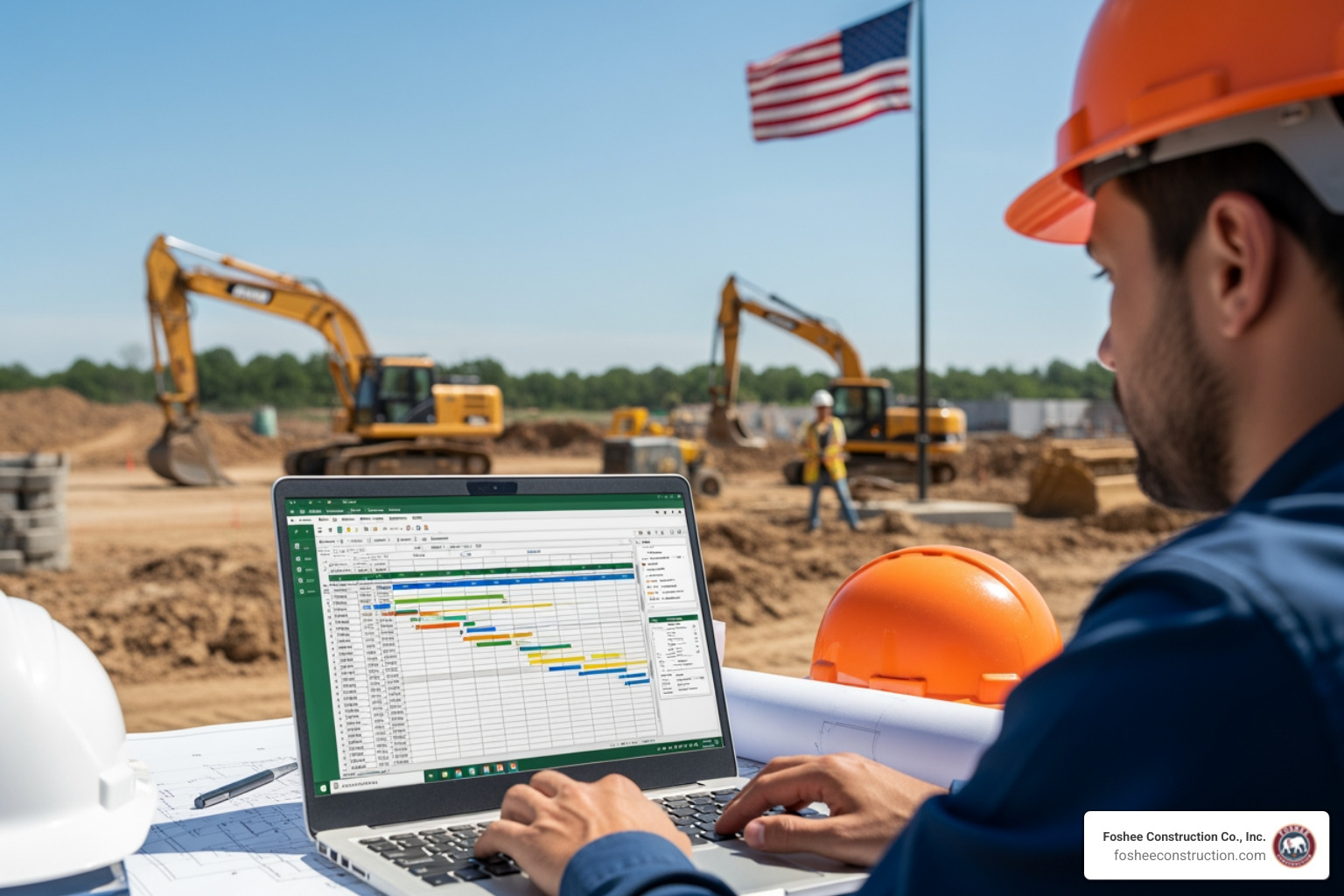
We build bids using HeavyBid and AGTEK because the details matter long before the job starts. When the numbers are accurate and the scope is clearly defined, it sets the tone for how the entire project runs. Estimating isn’t just a step in the process, it’s the foundation we build on.

Quality in the
Field

That same mindset carries into the field. Our crew is trained to work with purpose, follow the Civil Engineers’ Plan to the finest detail, and hold the line on quality. When expectations are clear from day one, there’s no need for shortcuts, and no confusion about how the work gets done.

Clear, Complete Bid Packages

Clients trust our bid packages because they’re complete and ready to use. Project managers know what we’re covering, what’s excluded, and how we plan to approach the job. That clarity removes friction and lets teams focus on execution instead of interpretation.

Proactive RFI Process

As part of our review process, we go into the plans before anything hits the site. We ask the questions early, resolve issues before they show up in the field, and keep RFIs moving. This approach prevents delays and protects the timeline.

Referred by the People Who Build

Over time, that consistency builds trust. Many of the people we work with today came through referrals from past projects – engineers, GCs, and superintendents who’ve seen how we operate and want the same experience again.
A New Chapter with Saga Infrastructure Solutions

In 2024, Foshee Construction was acquired by Saga Infrastructure Solutions, a national network of civil construction companies. Saga supports regional contractors by giving them access to better tools, long-term resources, and operational backing, without changing how they run day to day.
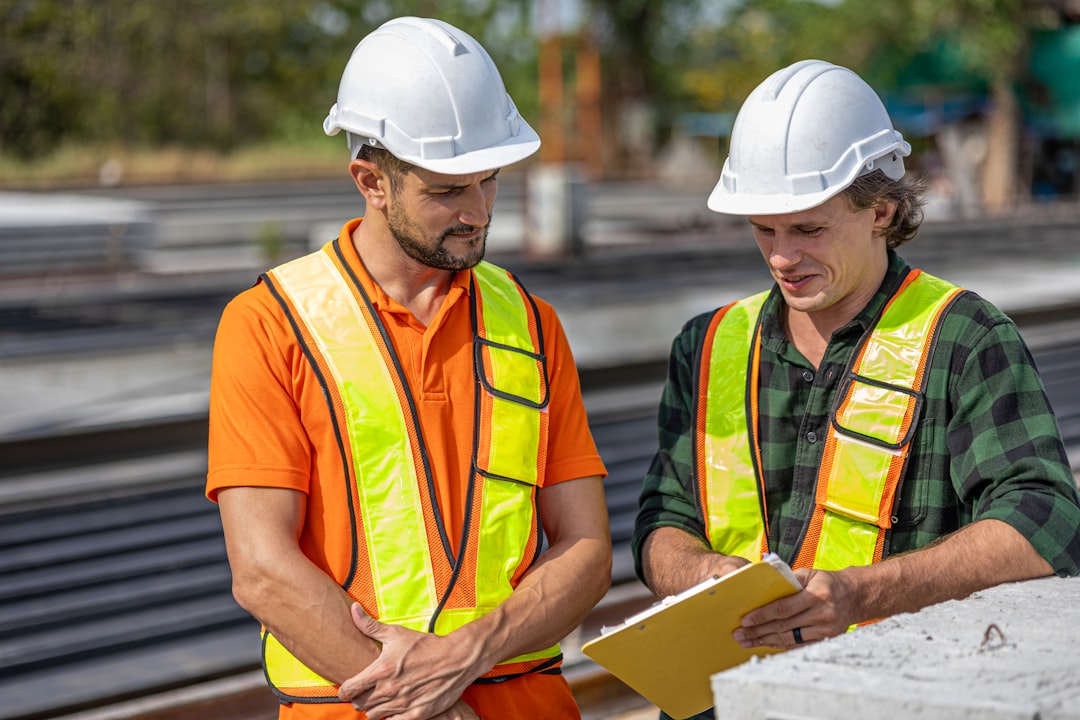
Foshee will continue to operate under its name, with the same team and field leadership in place.

“From the very time a project starts, we start that partnership. We try to catch as much as we can with the tools that we have. Not everybody is using the software platforms we are. That’s the differentiator: we’re not just bidding. We’re anticipating, problem-solving, and making sure the job runs right.”


— Don, CEO, Saga Infrastructure Solutions

Get in Touch

Foshee is now part of a broader regional strategy that includes Florida, the Piedmont Atlantic, Texas, Colorado, and the Arizona Sun Corridor. The name, crews, and standards remain. What’s improving is the support behind it.