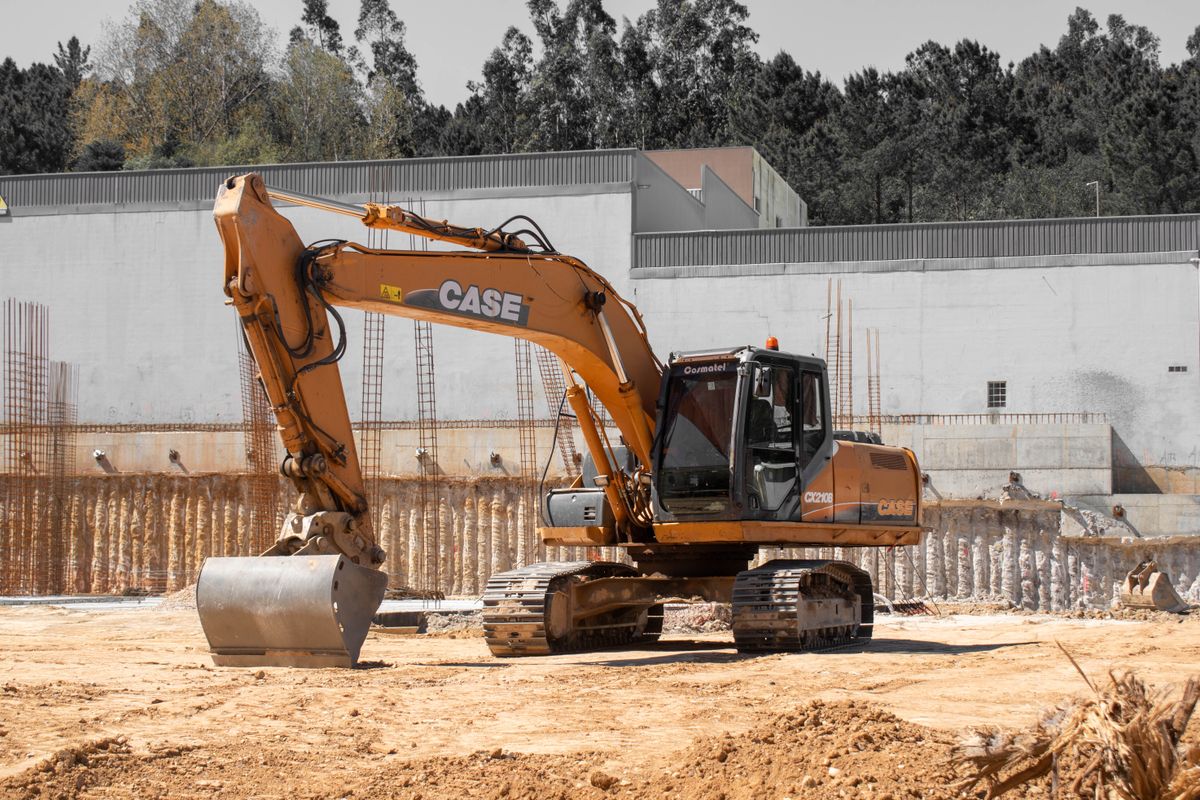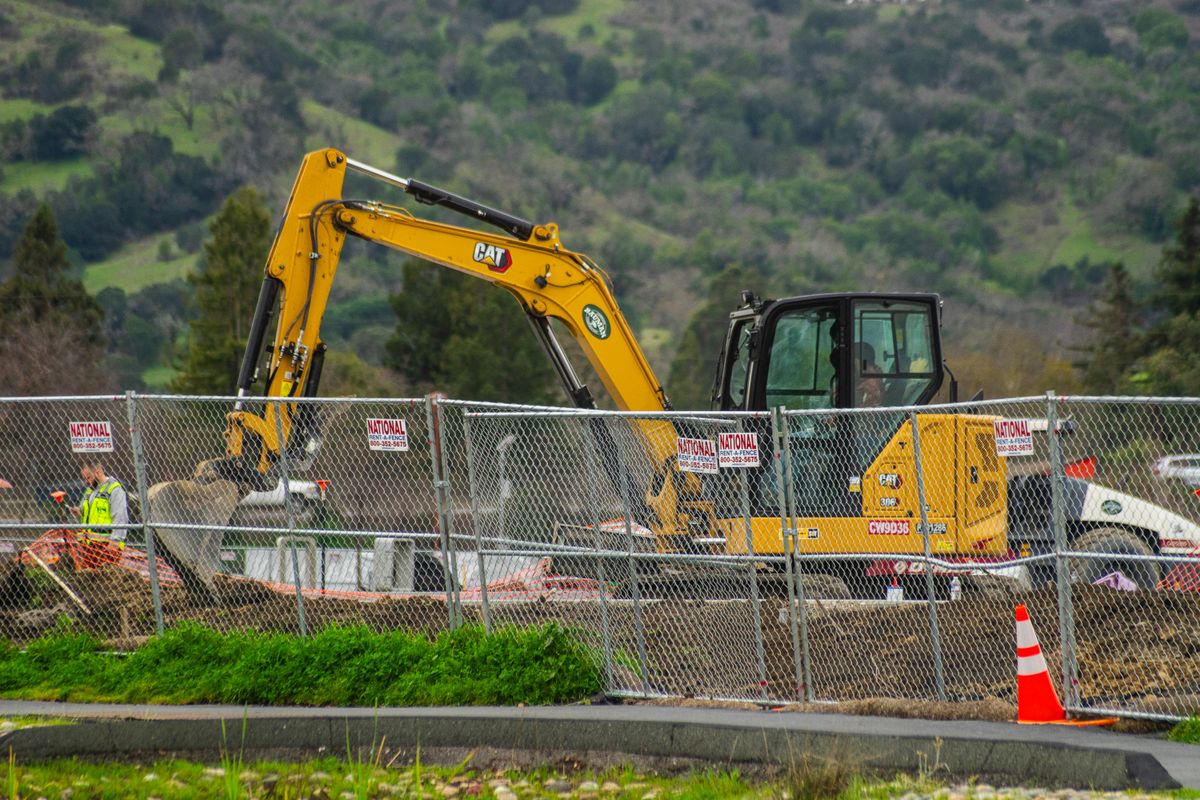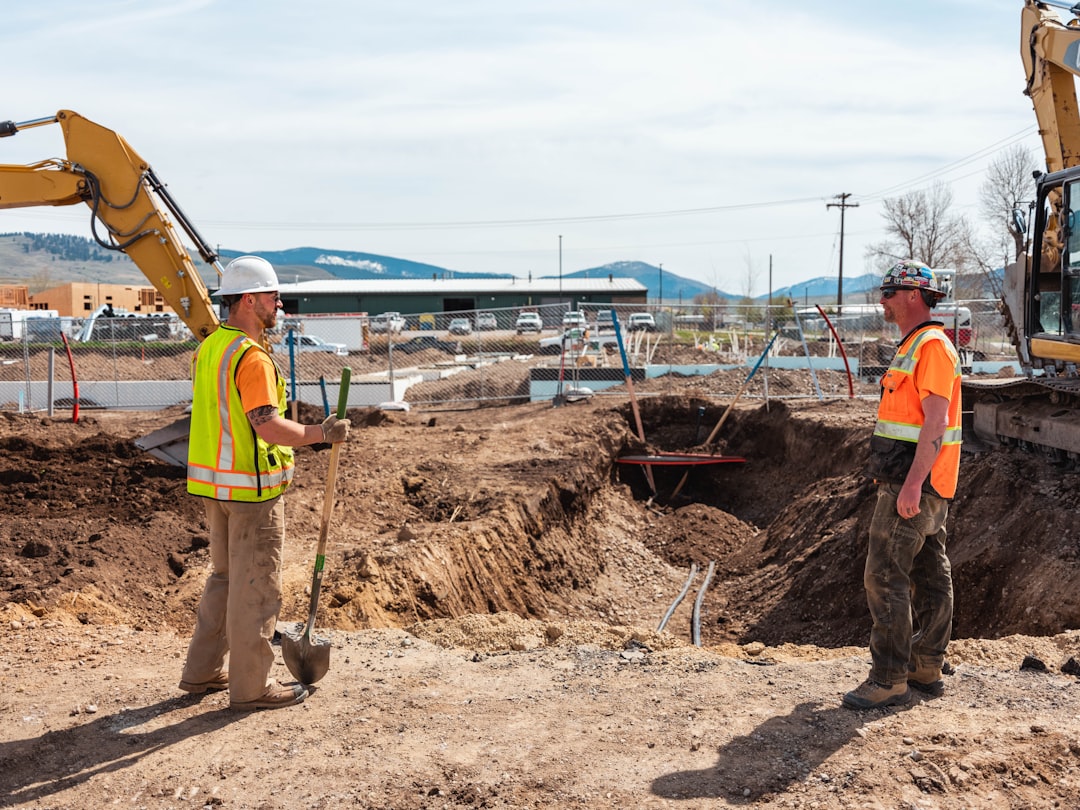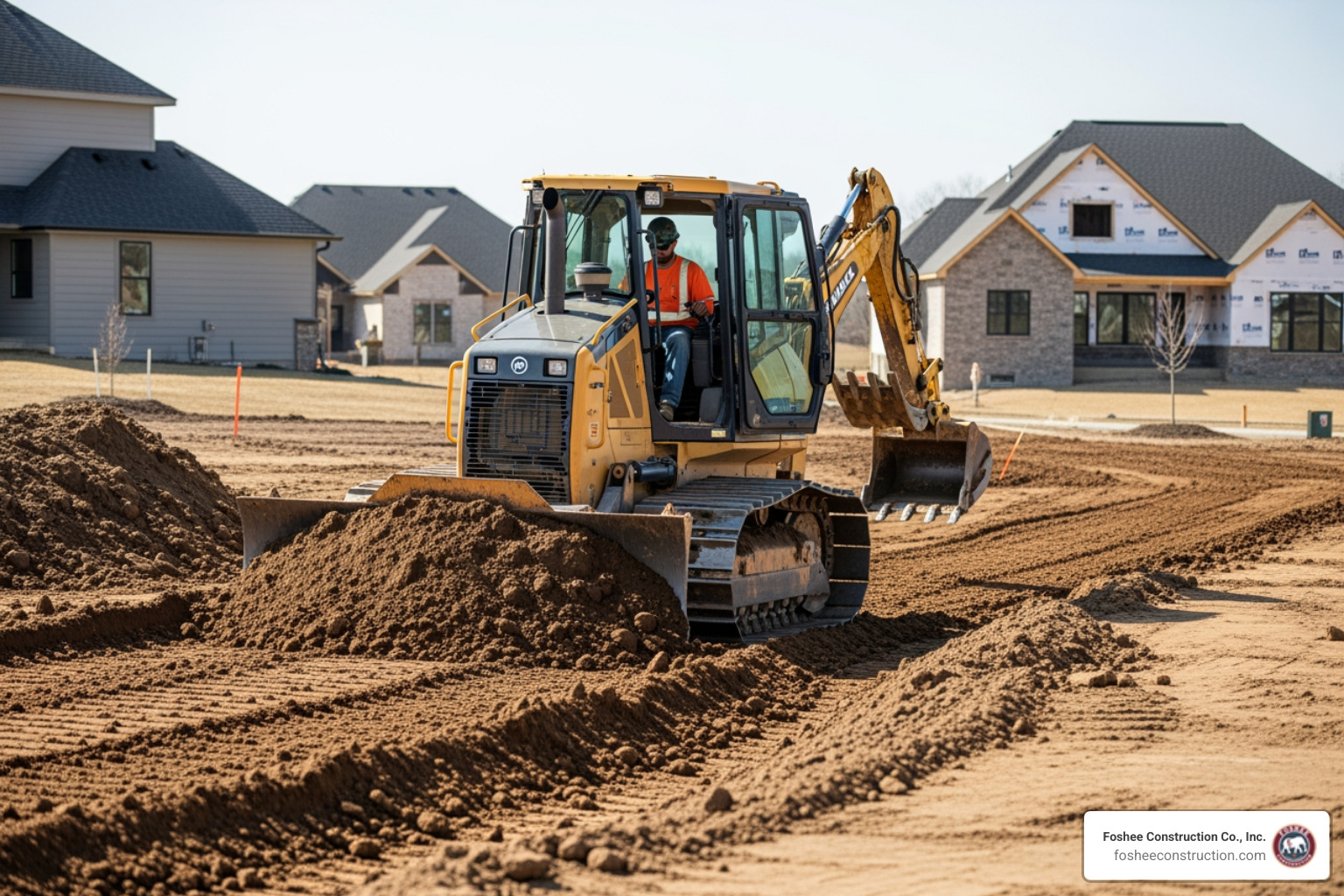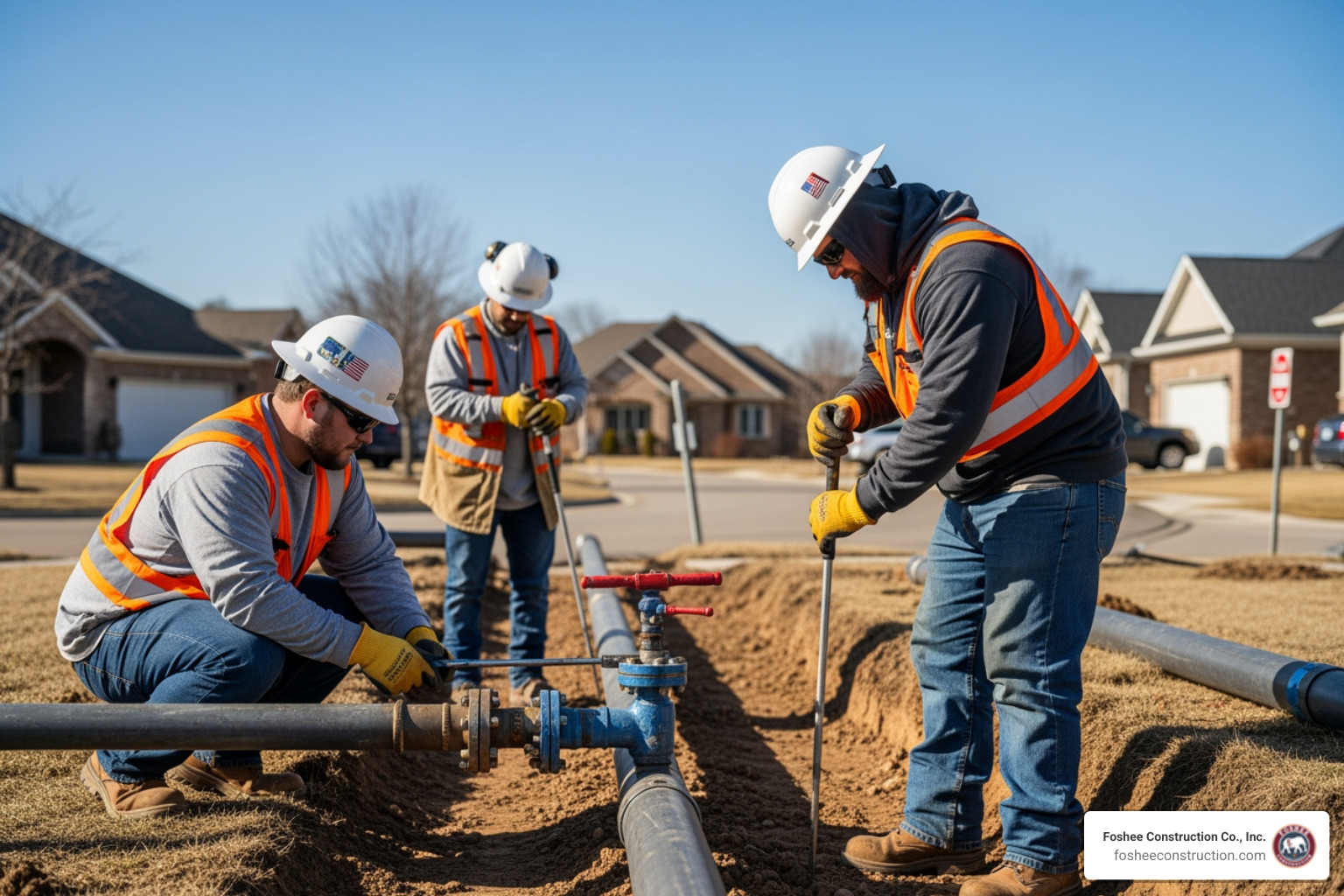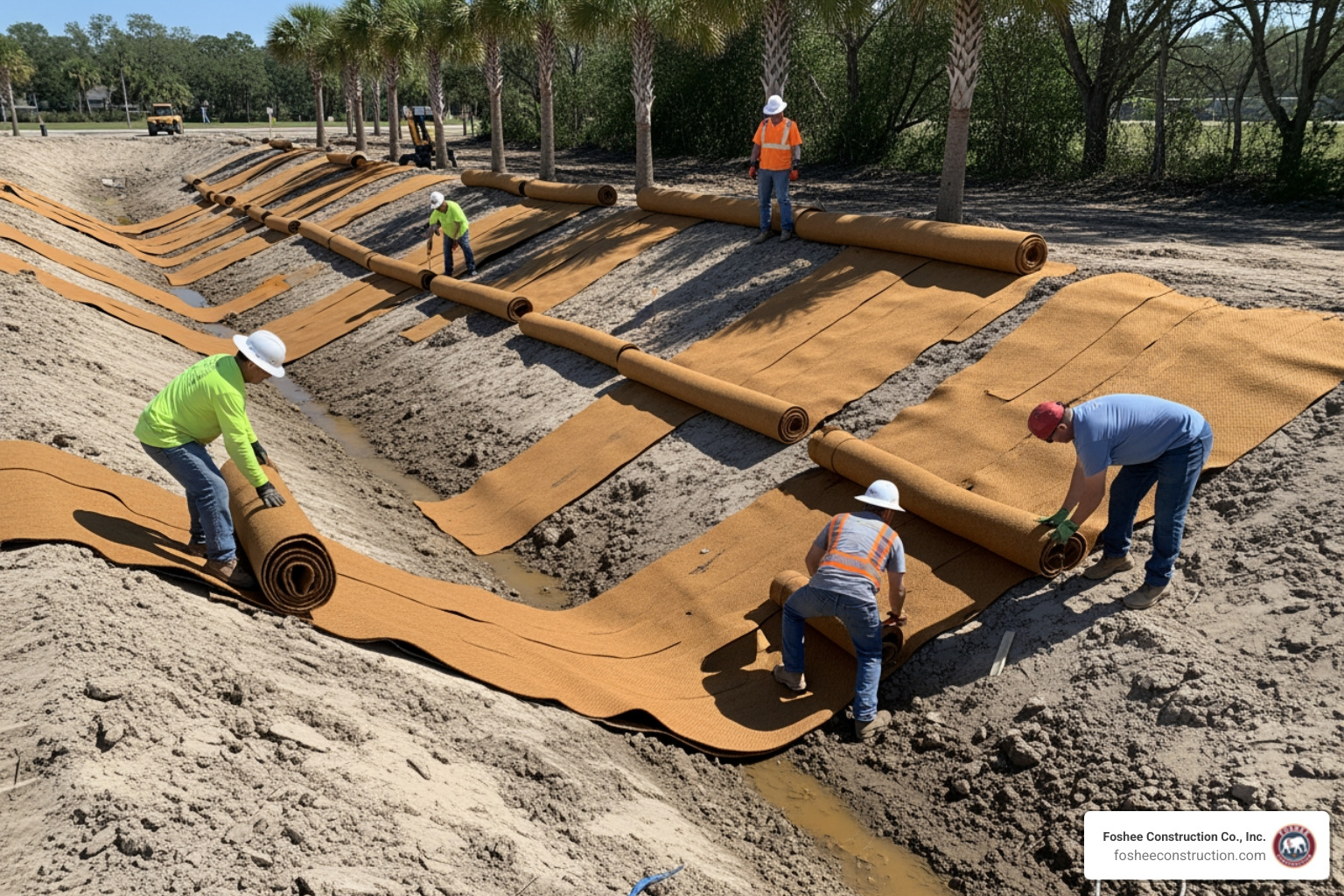
When you look at a construction site, it’s easy to get distracted by the rising steel beams or the framing of a new home. However, the most critical work happens before the first brick is ever laid. A grading and excavating contractor is the architect of the earth beneath the structure. Our role involves a complex dance of moving thousands of cubic yards of soil, managing moisture levels, and ensuring the terrain matches the engineered blueprints to the millimeter.
In Florida, "earthwork" isn't just about moving dirt from point A to point B. It involves sophisticated soil management to ensure that the sandy, often unstable Florida soil is compacted enough to support heavy loads. Without professional grading standards, a building pad might look level to the naked eye, but it could lack the structural integrity to prevent the foundation from cracking six months later.

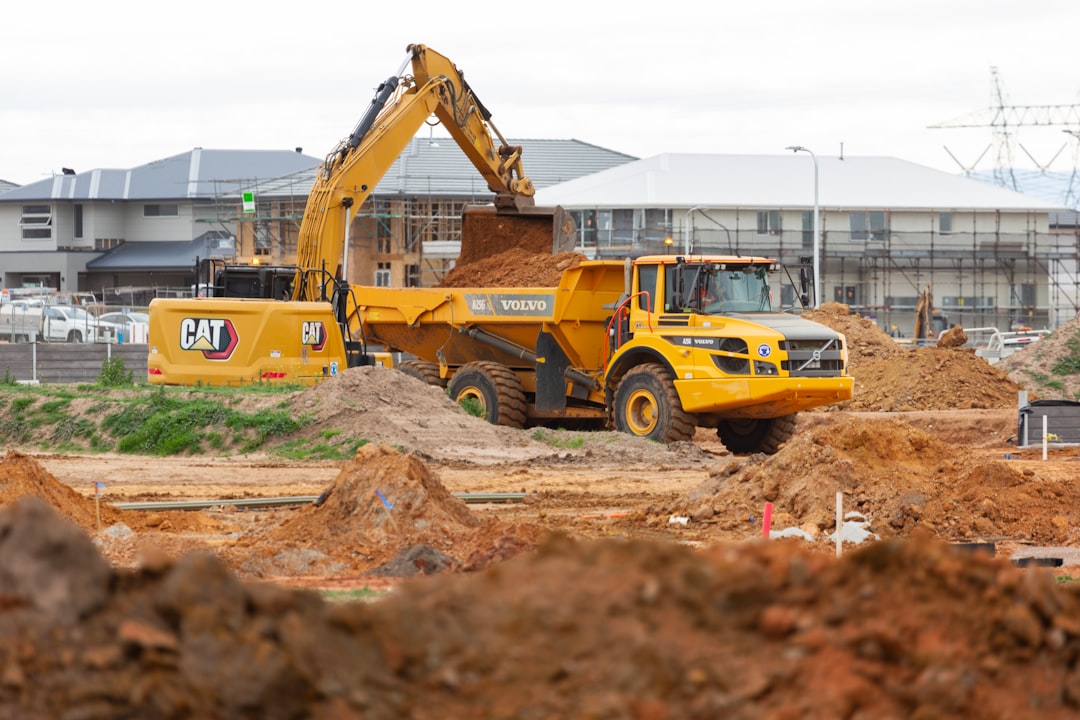
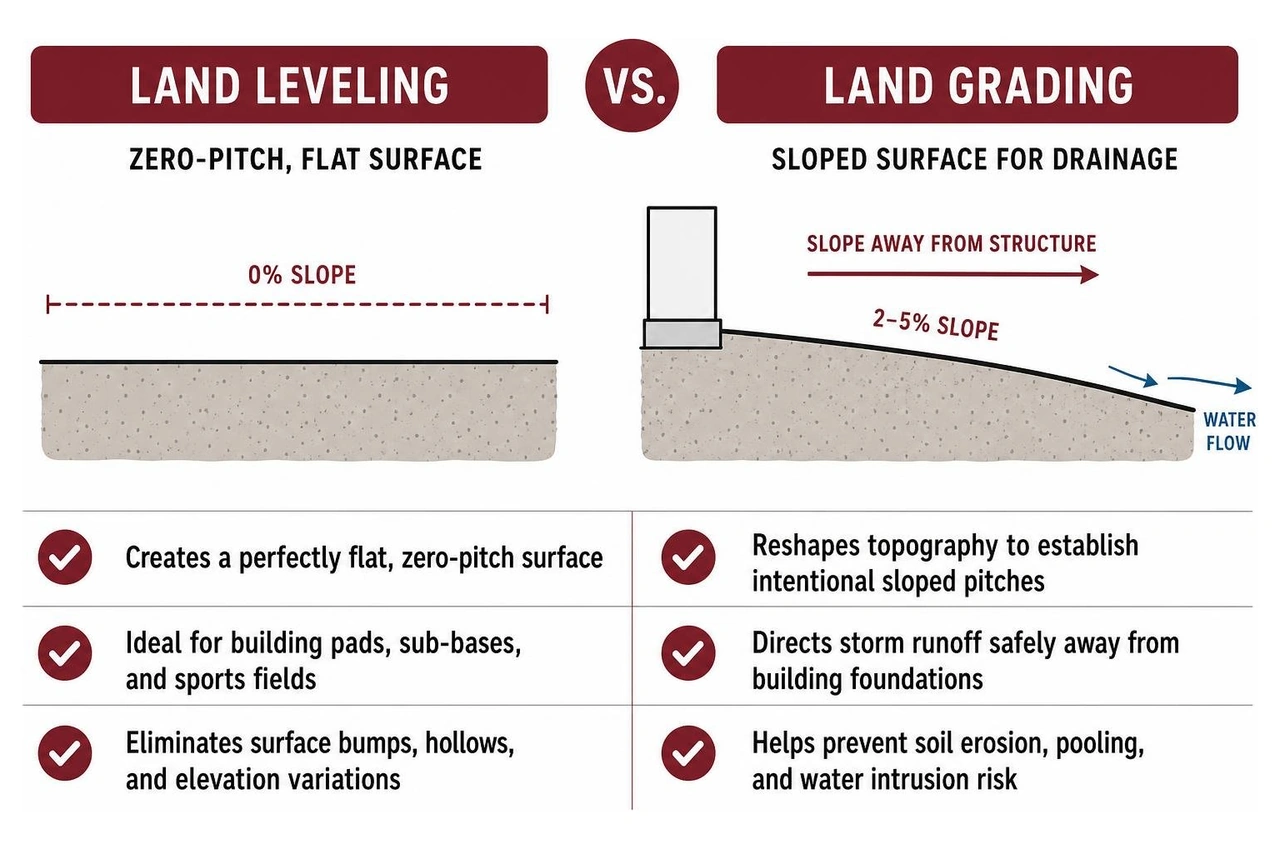
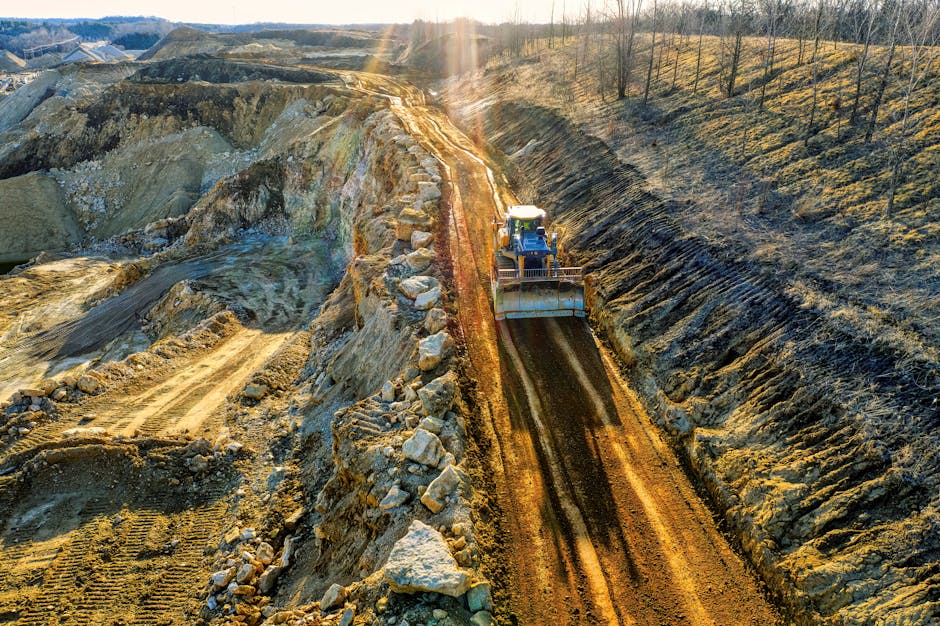
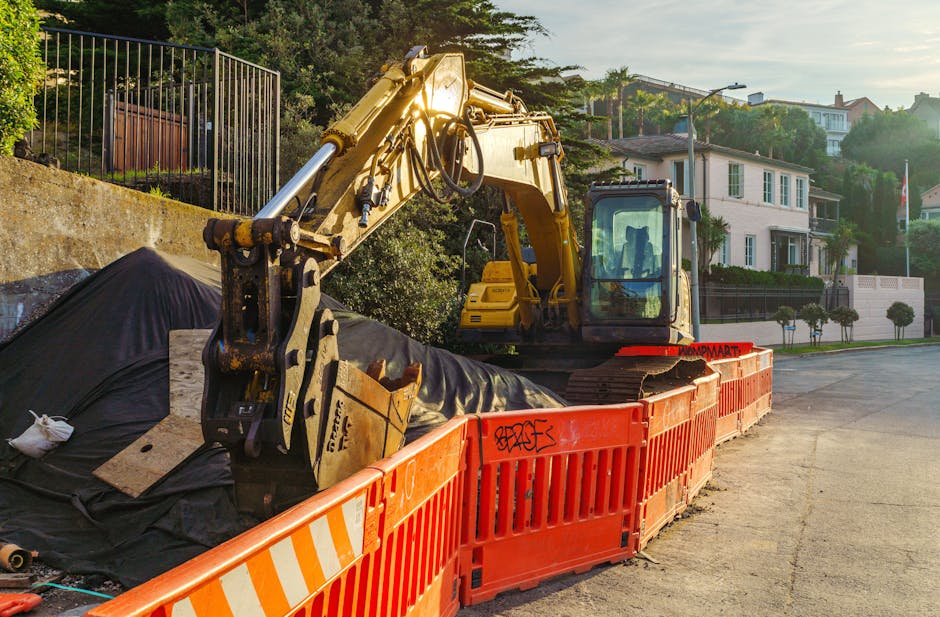
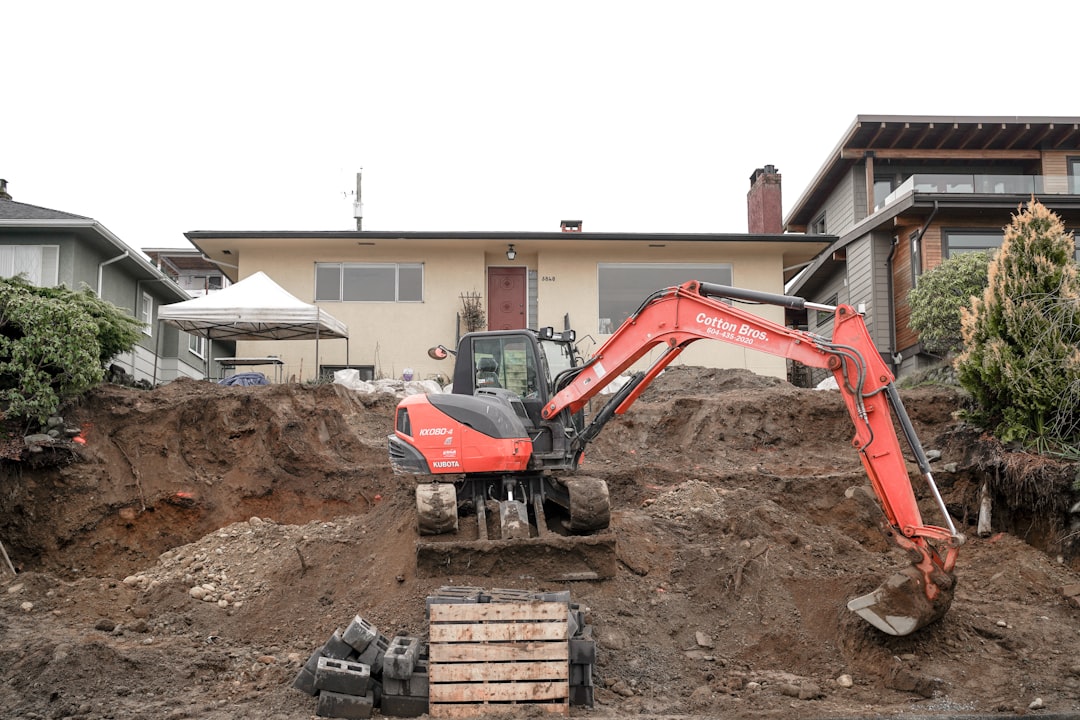
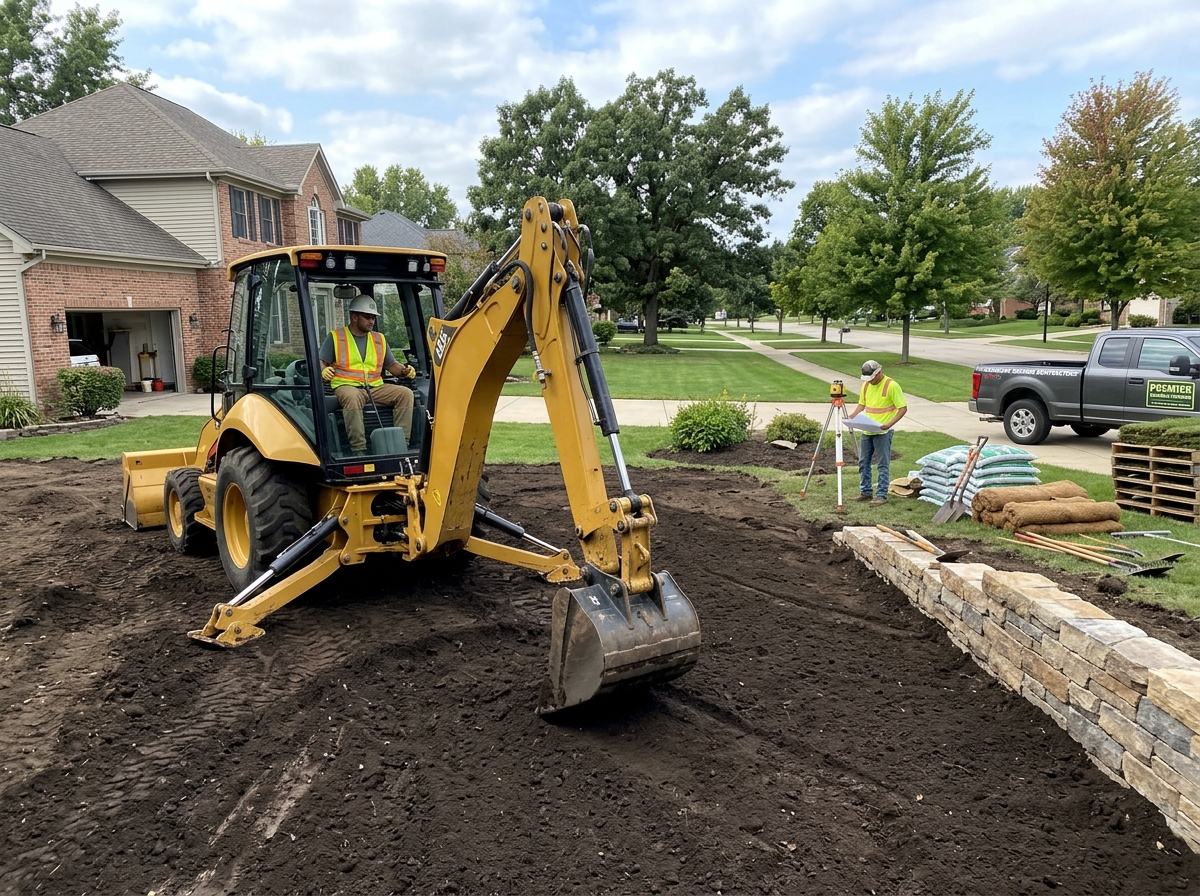
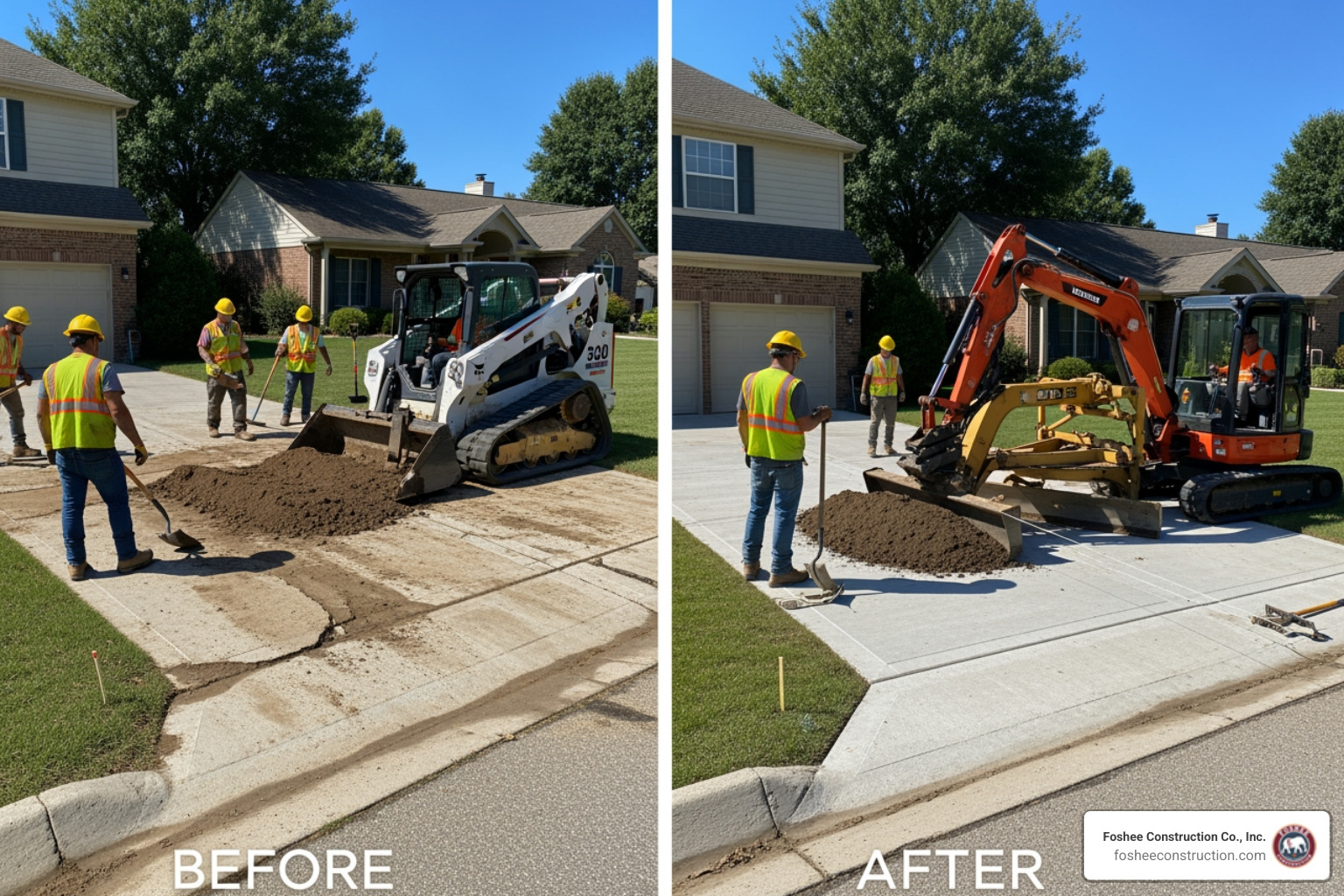
While these terms are often used interchangeably, they represent two distinct phases of site development. Think of excavation as the "rough-in" and grading as the "finish."
| Feature | Excavation | Grading |
|---|---|---|
| Primary Goal | Creating space/cavities | Creating a level or sloped surface |
| Common Tasks | Foundation digging, trenching | Finishing building pads, driveway prep |
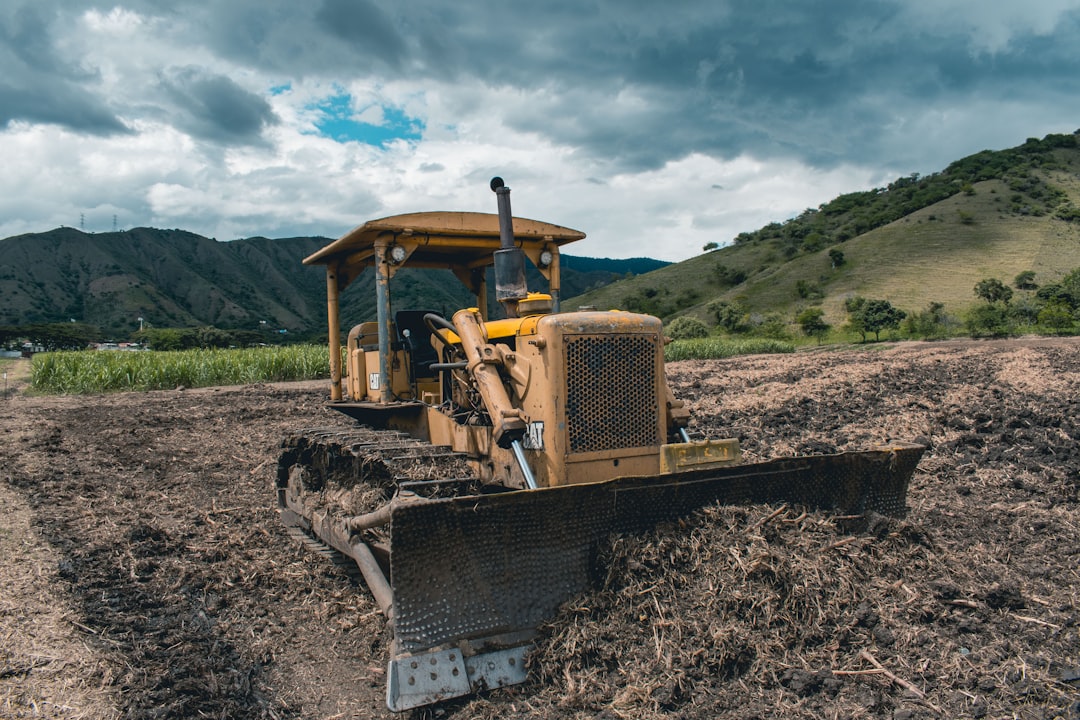
| Equipment | Large excavators, backhoes | Motor graders, skid steers, dozers |
| Focus | Depth and volume | Precision and slope |
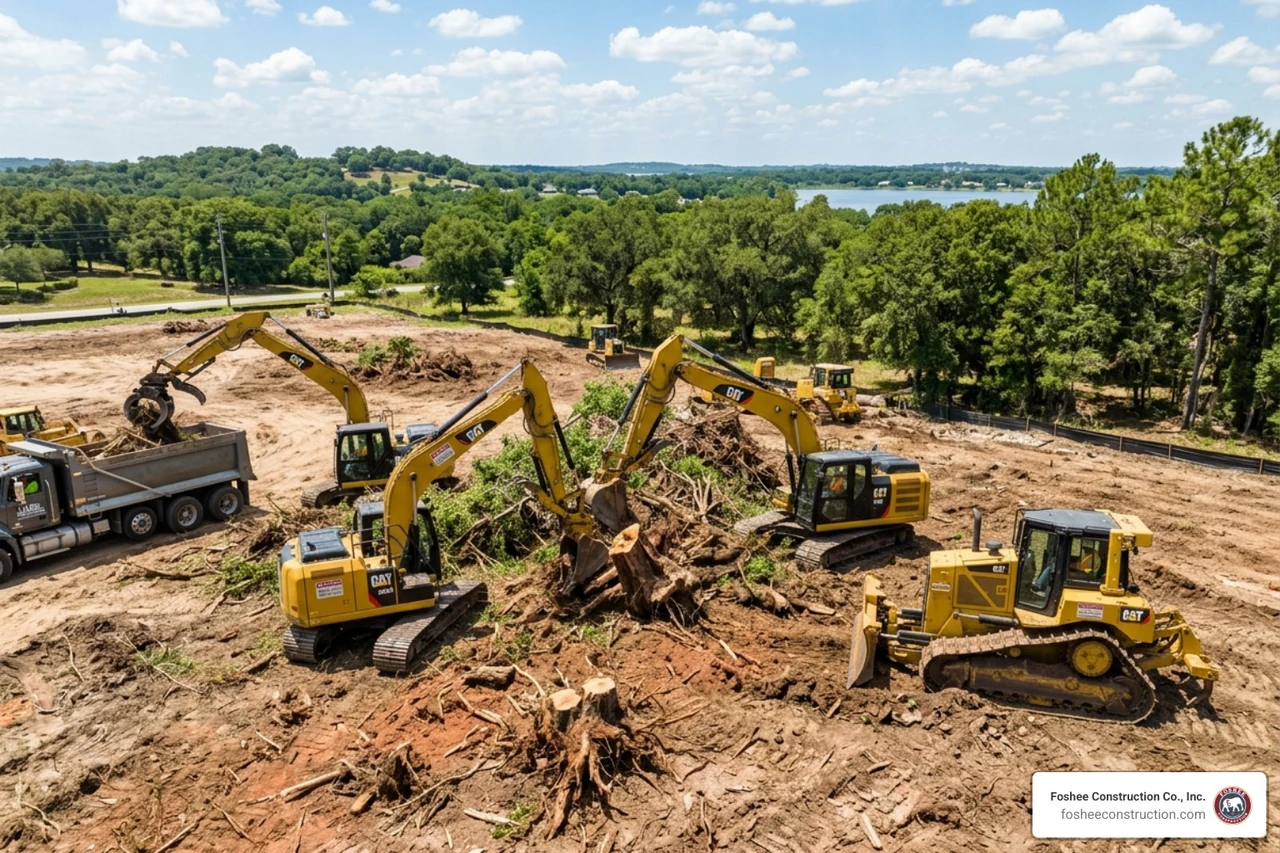
A full-service grading and excavating contractor in the Minneola and Central Florida area provides a suite of services that take a project from a wooded lot to a build-ready site.
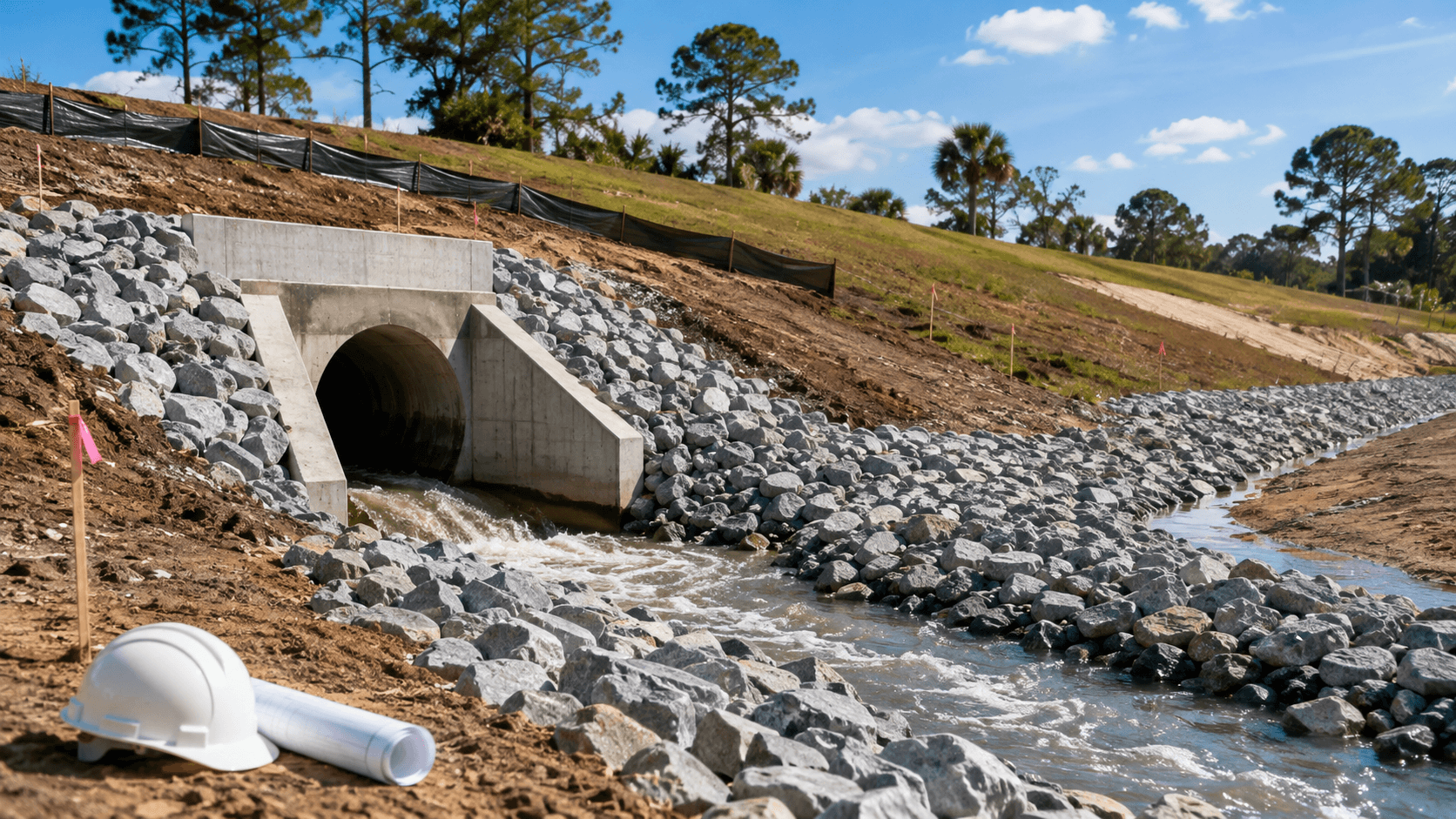
If you’ve lived in Florida for more than a week, you know that water is our biggest challenge. Proper site preparation services are your first line of defense against the elements. When a grading and excavating contractor fails to account for regional requirements—like the high water table in Lake County or the Florida Building Code—the results can be catastrophic.
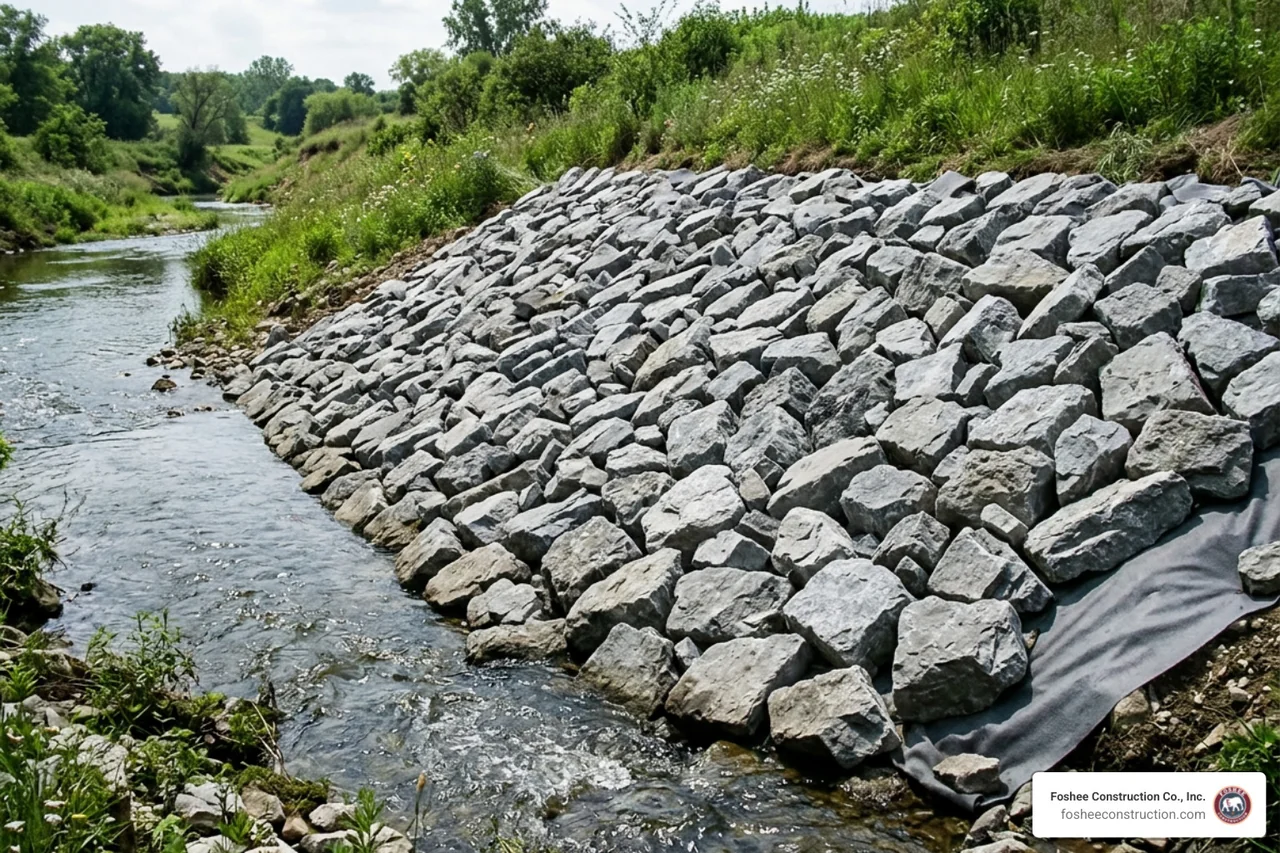
Poor drainage is the number one cause of post-construction disputes. If the grading isn't handled correctly, water will pool against the foundation, leading to hydrostatic pressure. This pressure can force water through solid concrete, causing mold, mildew, and structural rot.
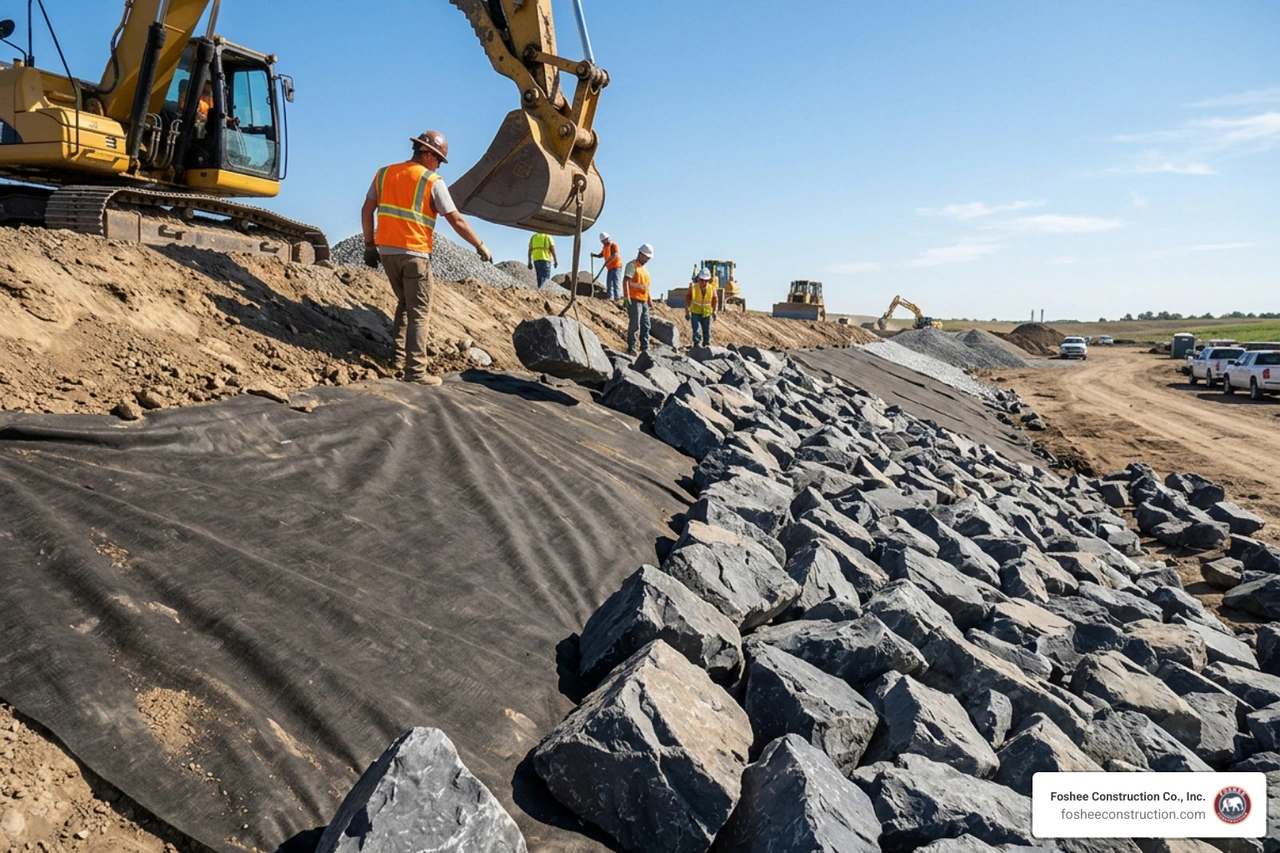
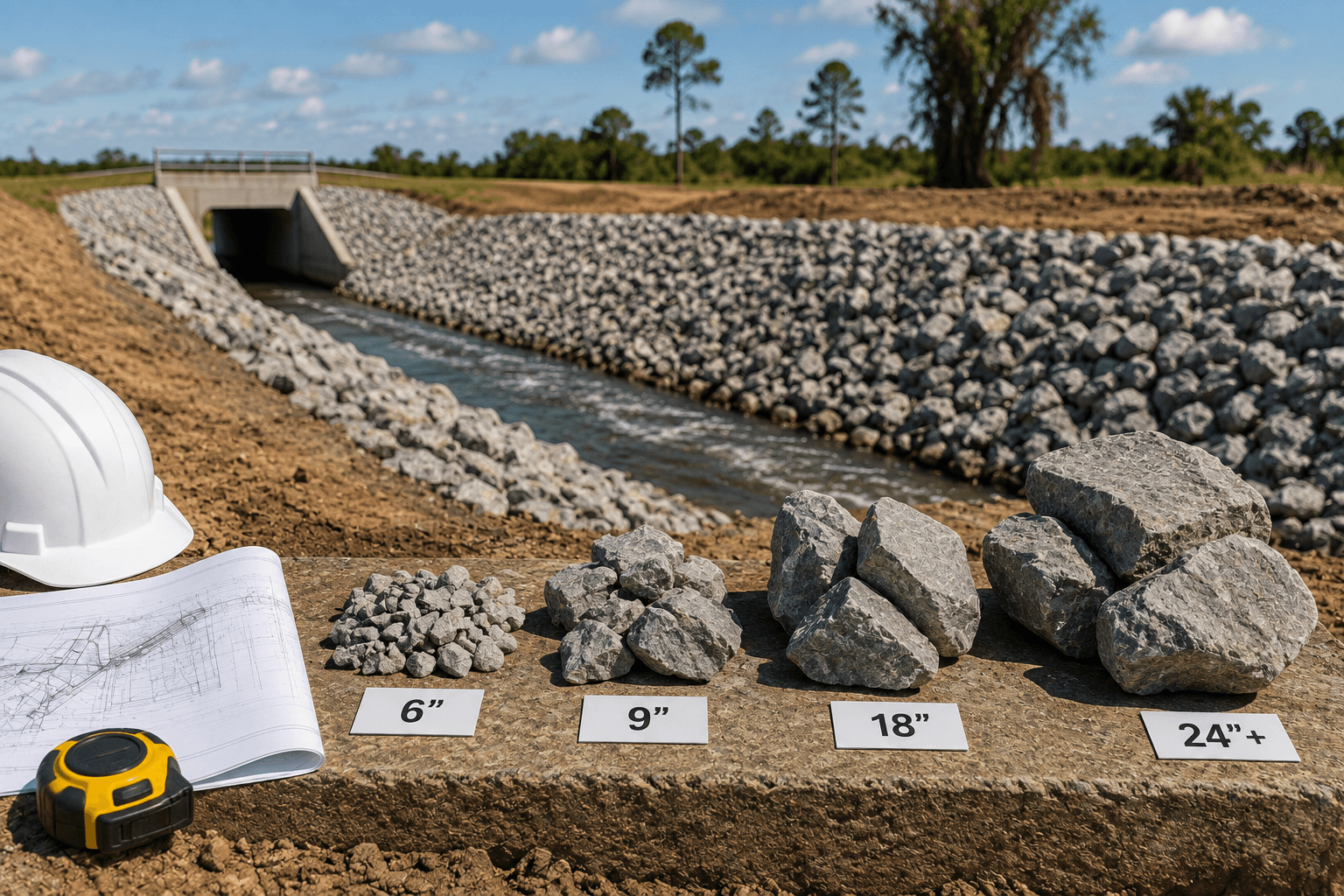
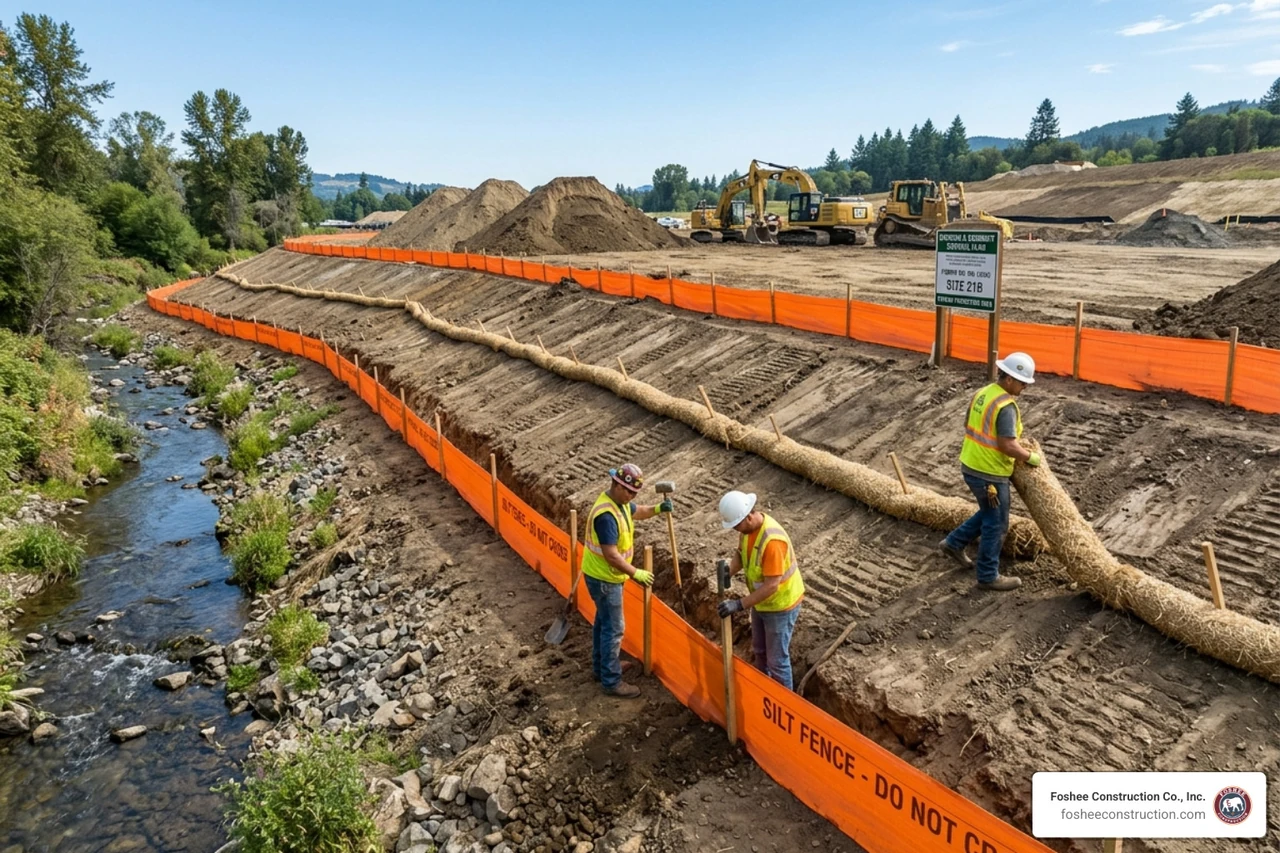
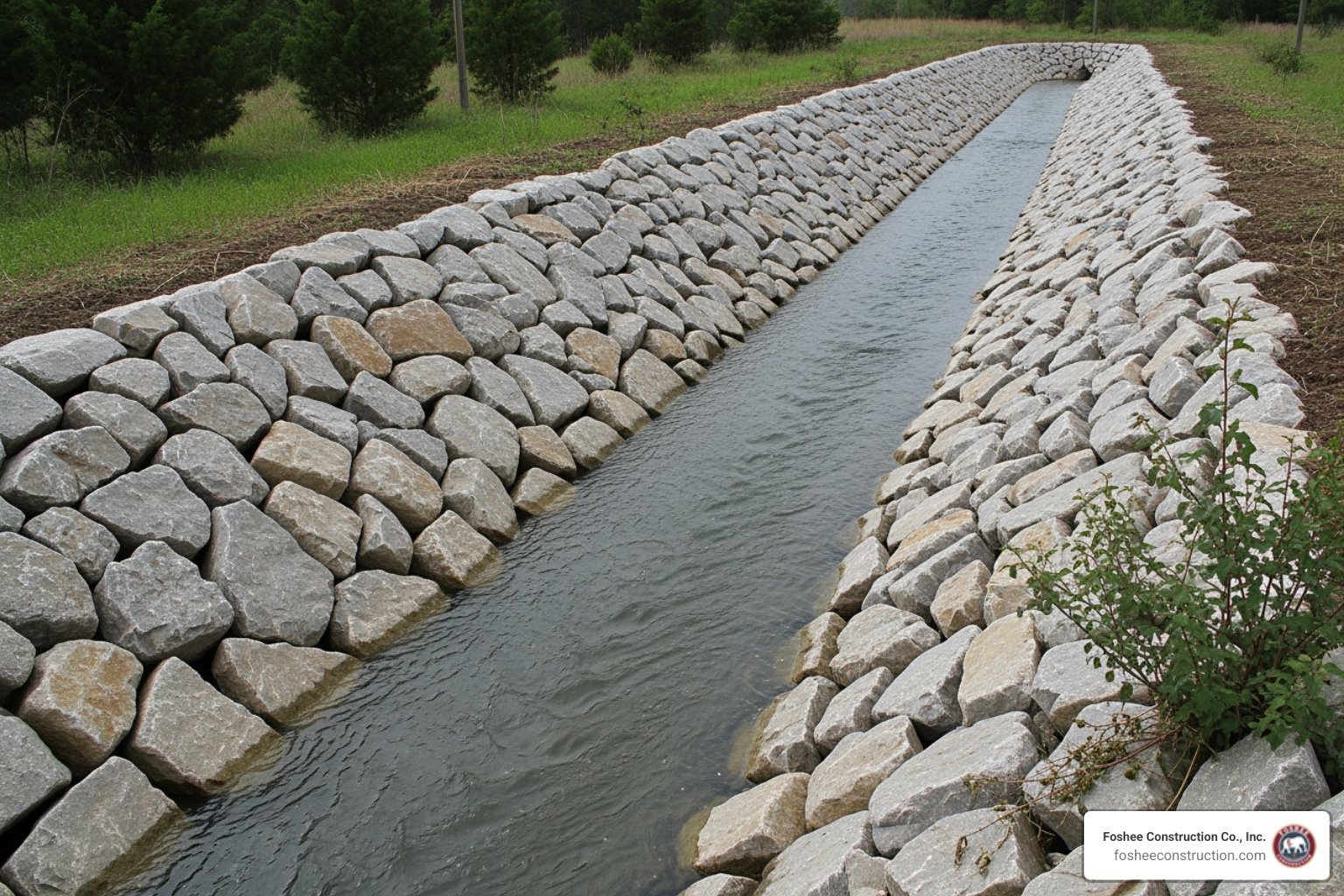
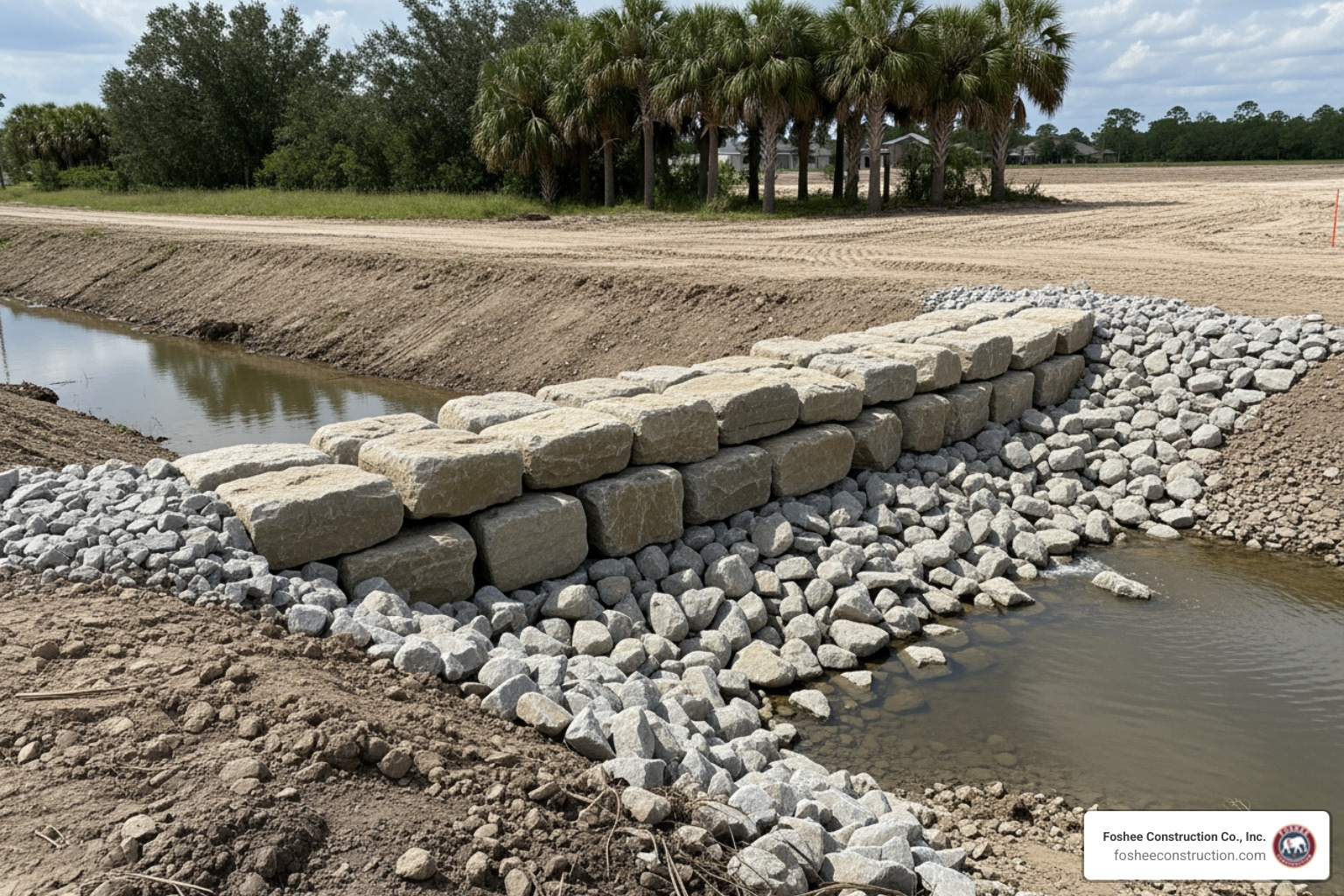
We utilize a variety of techniques to manage stormwater:
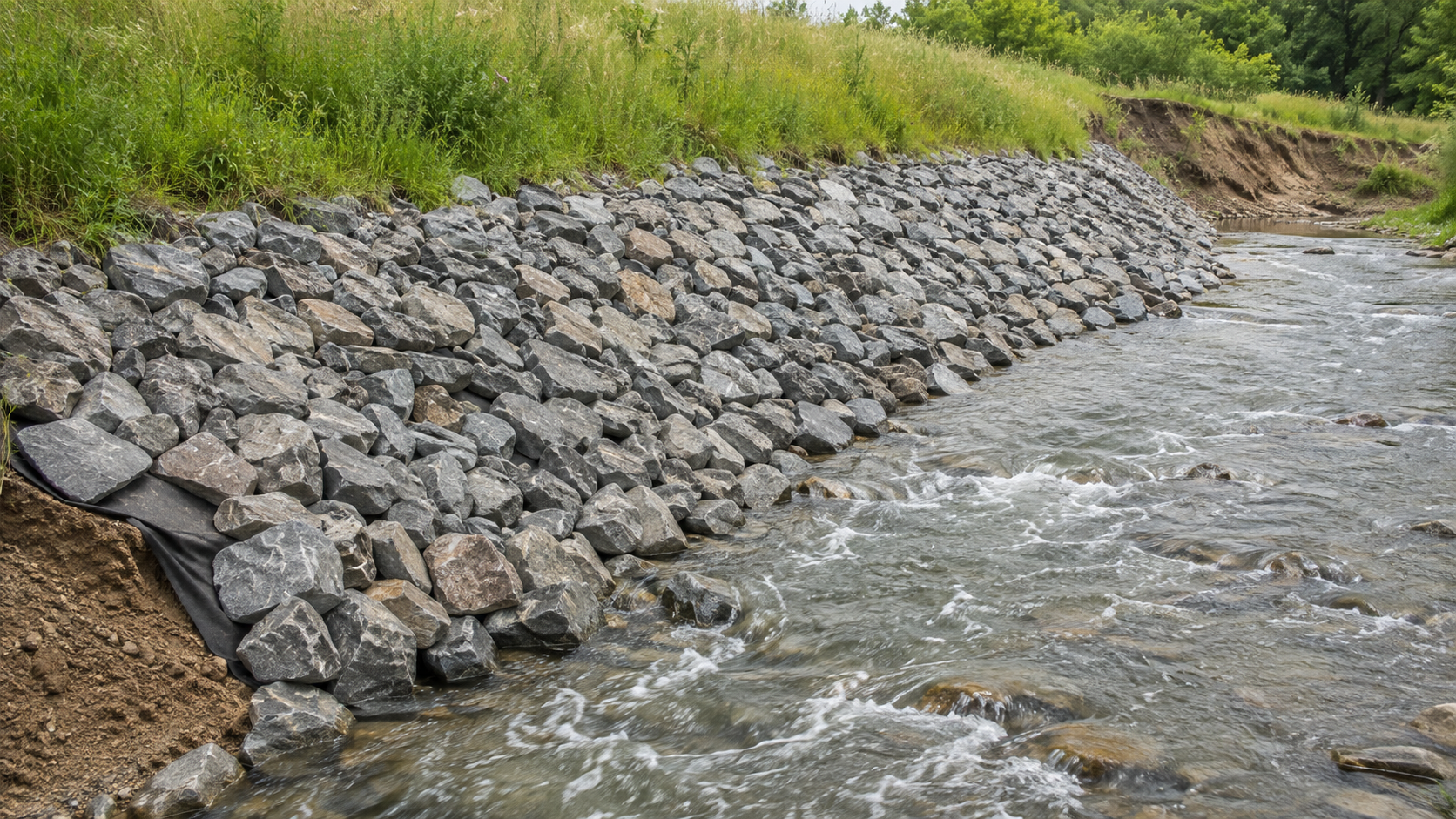
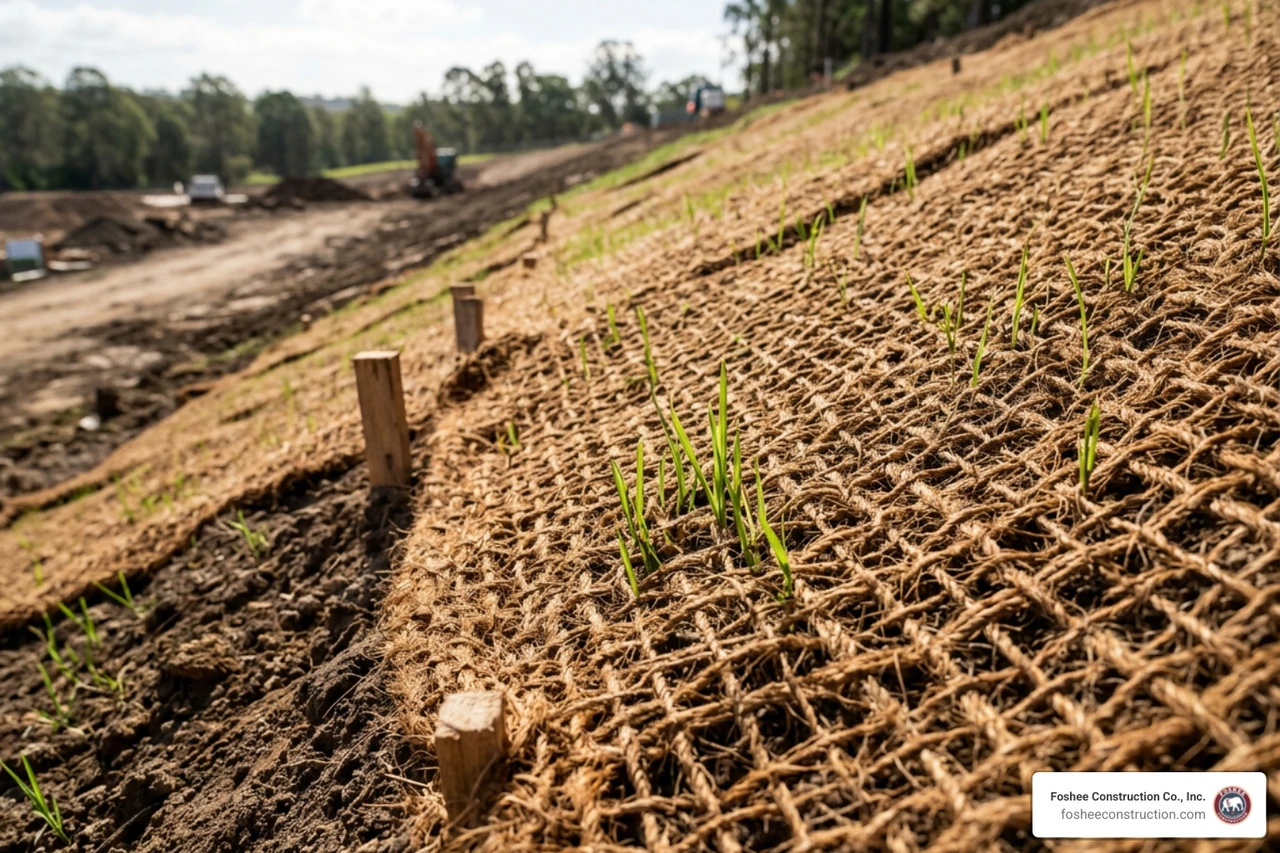
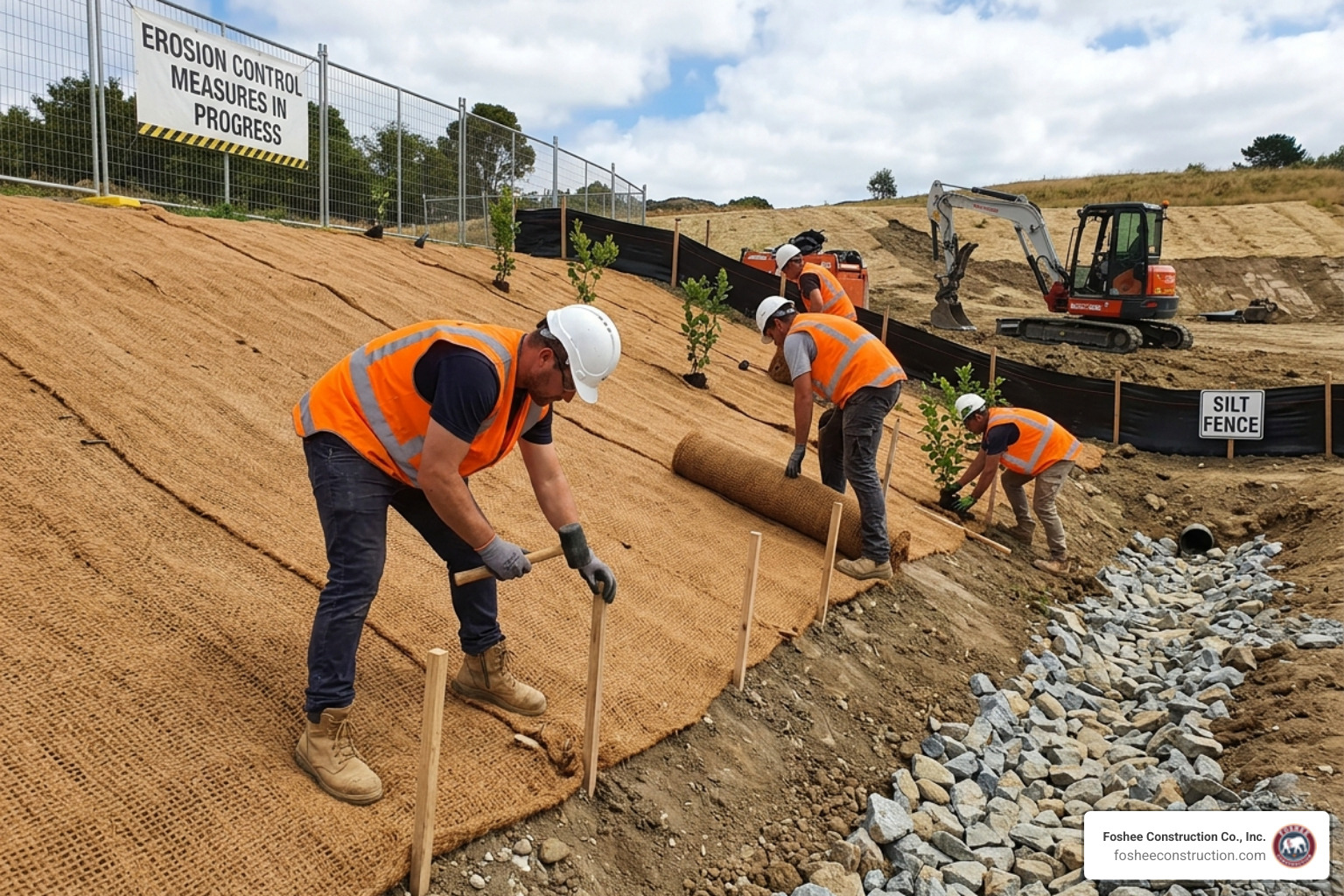
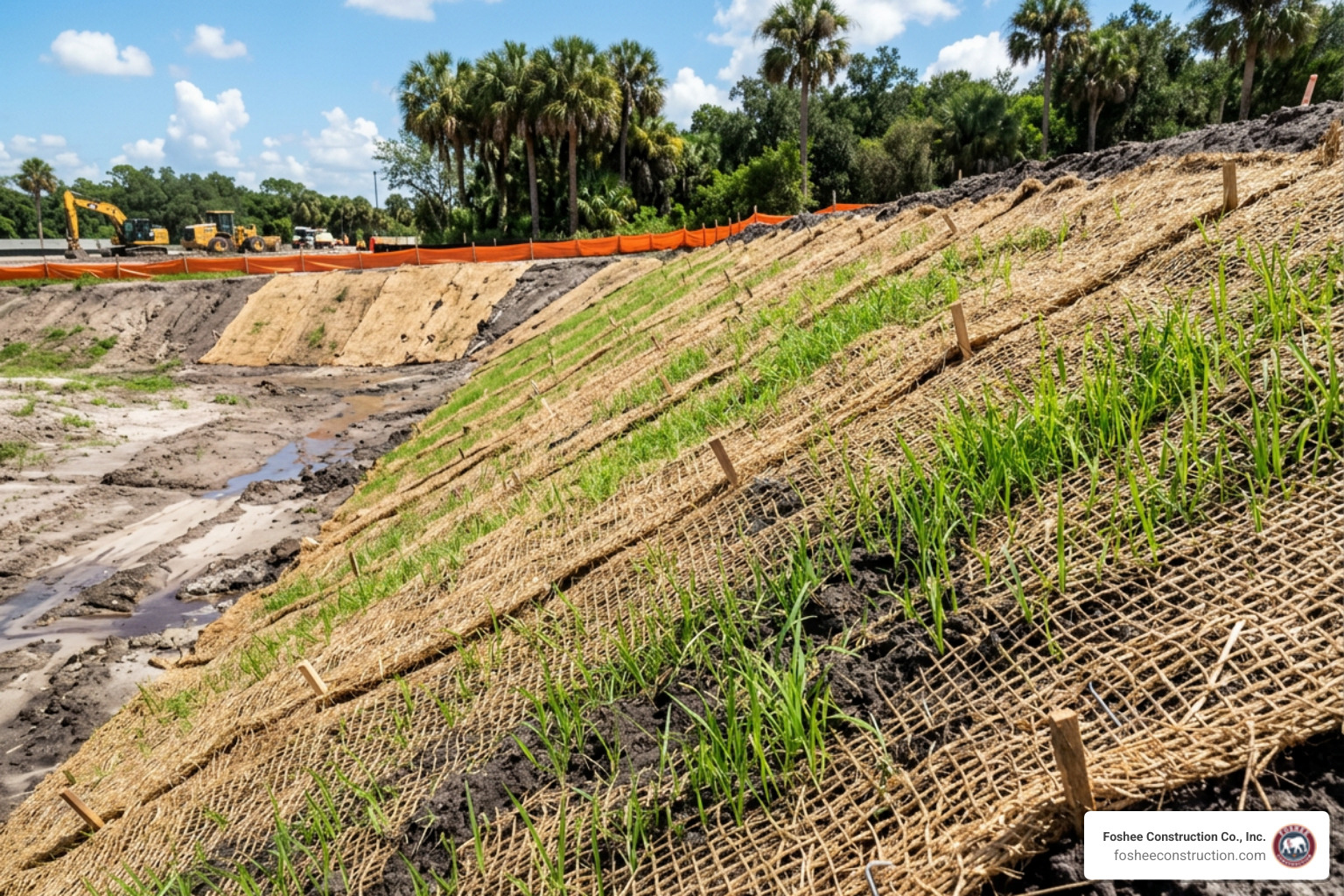
According to the Landscape Grading Contractors Guide 2026, failing to implement these features correctly during the initial site prep can lead to erosion that undermines sidewalks and driveways within just a few seasons.
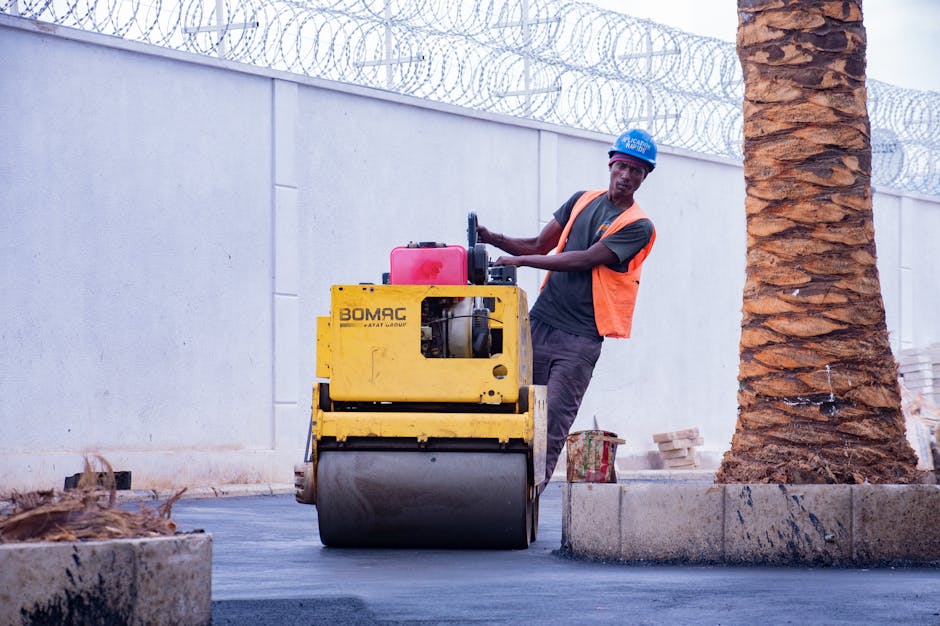
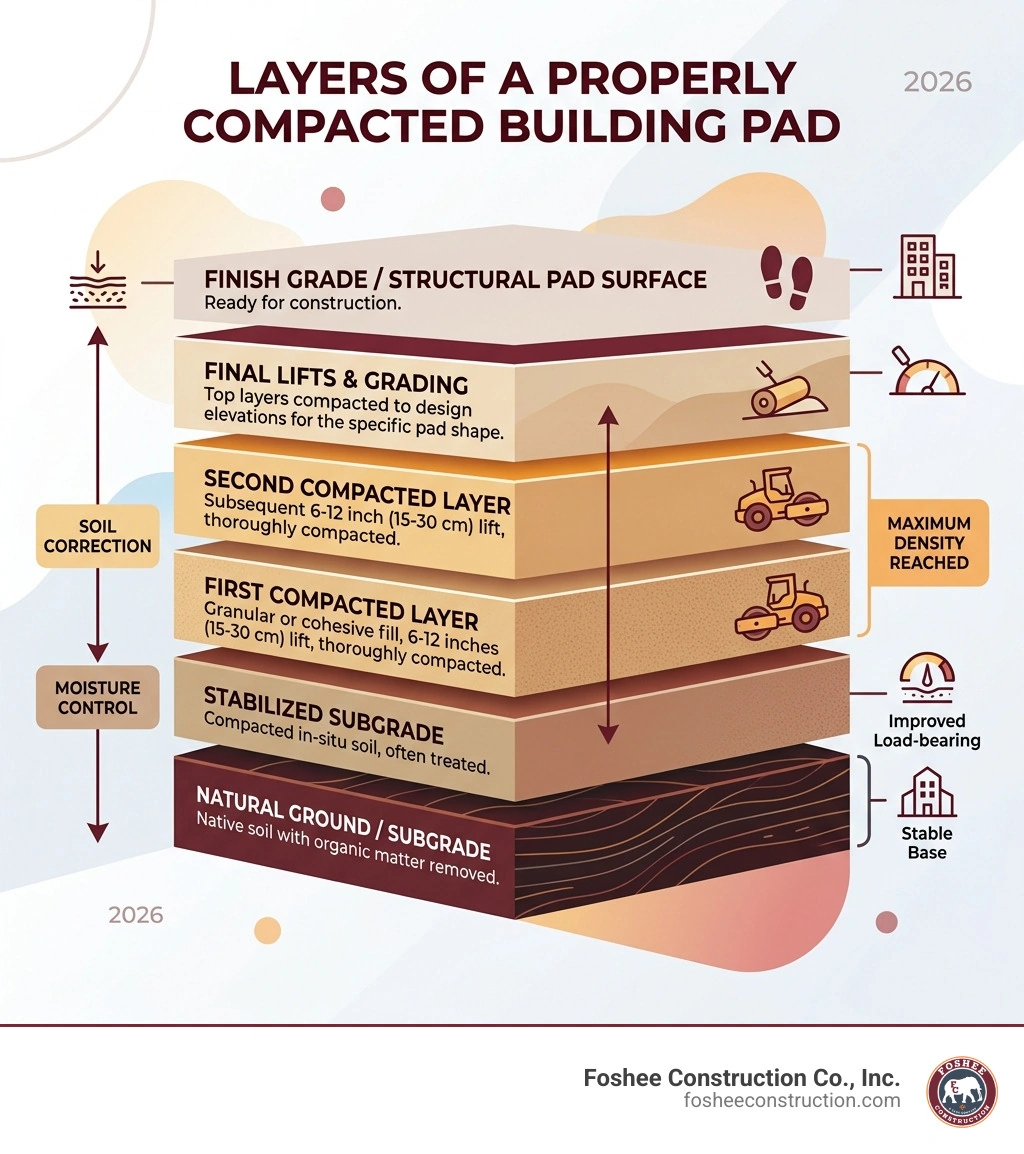
In earthmoving, "dirt" isn't just dirt. It’s a structural material. When we create a house pad, we don't just pile up soil; we "lift" it. This involves spreading soil in thin layers (usually 6 to 12 inches) and compacting each layer with heavy vibratory rollers.
This process, known as soil correction, ensures the ground has the necessary load-bearing capacity to support the weight of the building. Without proper compaction by an experienced landscape grading contractor, the soil will settle unevenly over time, leading to the dreaded "Florida sinkage" and foundation cracks.
Selecting a contractor is about more than just finding the lowest bid. In fact, the lowest bid often comes from someone who is cutting corners on safety or equipment. You need a partner who understands the local geology of Minneola and the specific permitting requirements of Florida.
When we provide a bid for a project, several variables come into play:
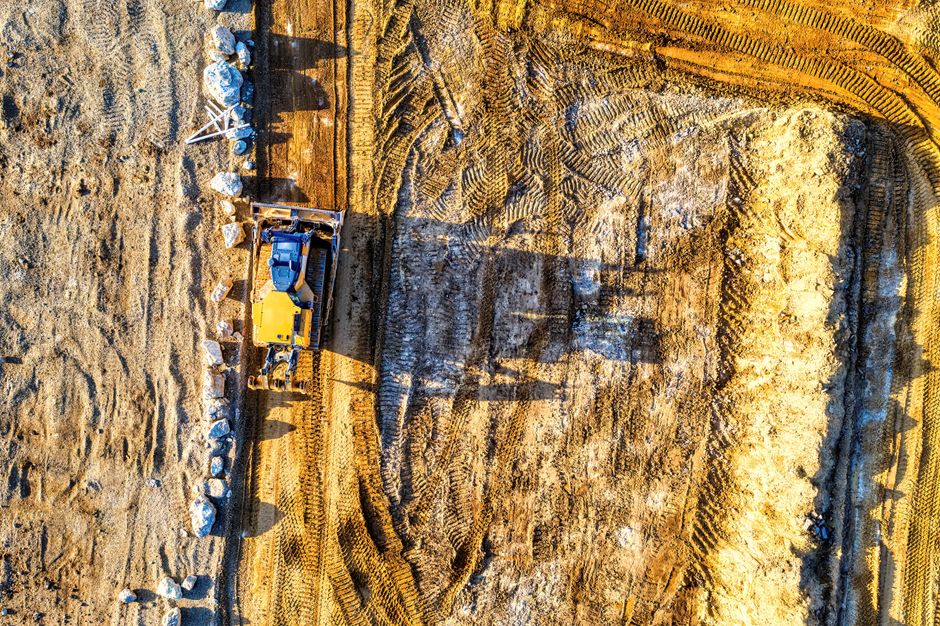
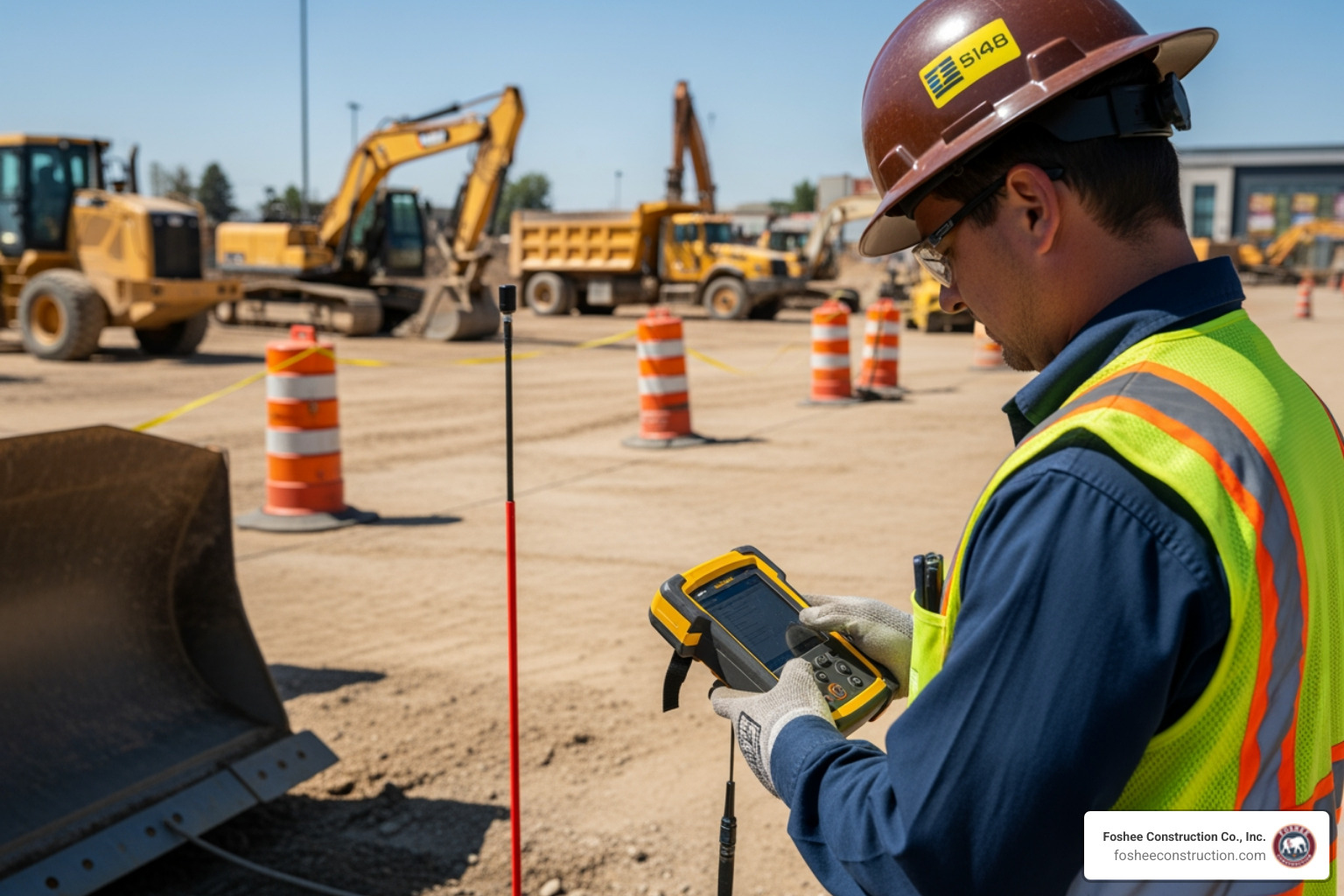
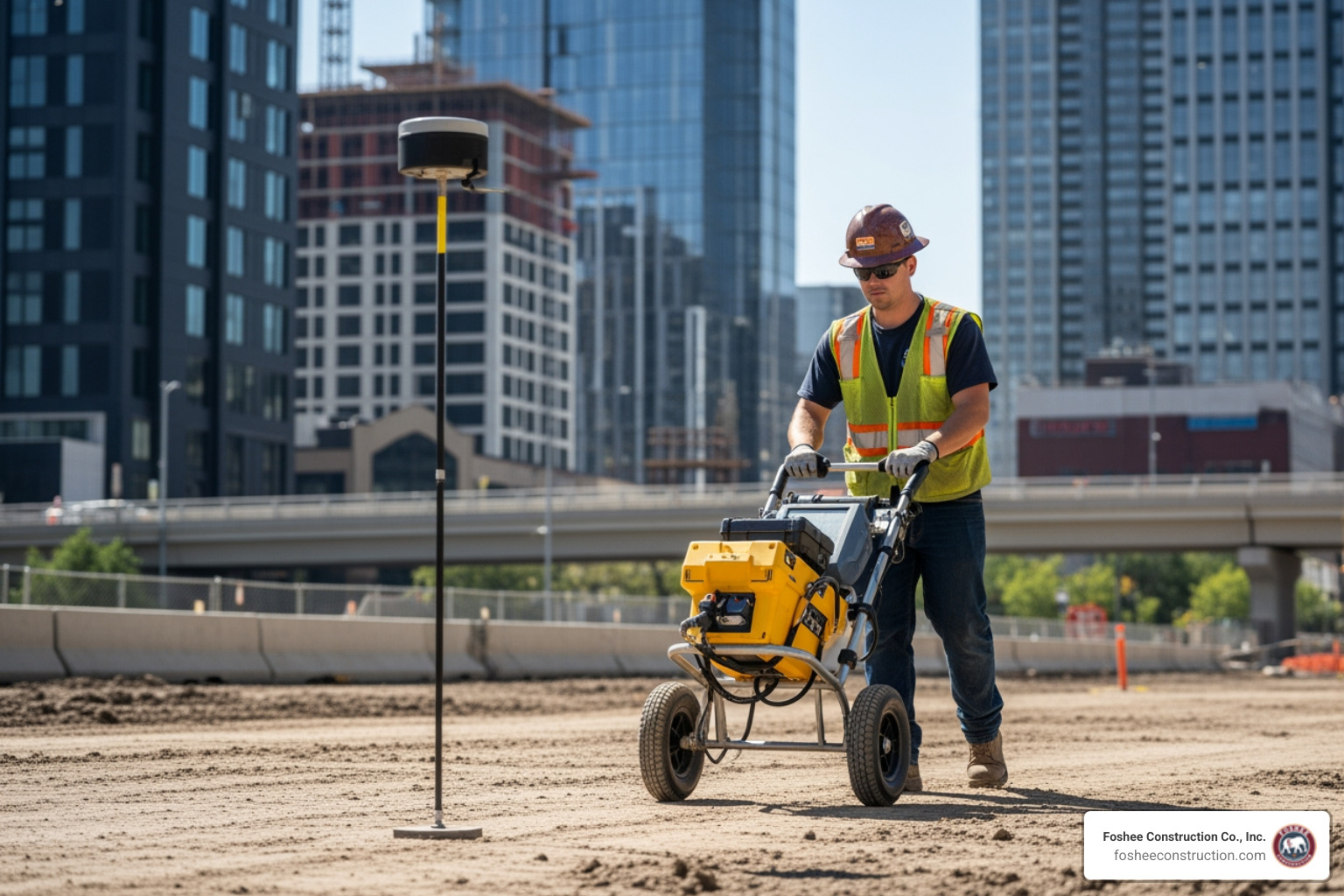
The days of "eyeballing it" are long gone. Today, we use state-of-the-art technology to ensure absolute precision. Many modern grading and excavating contractors utilize GPS-guided equipment.
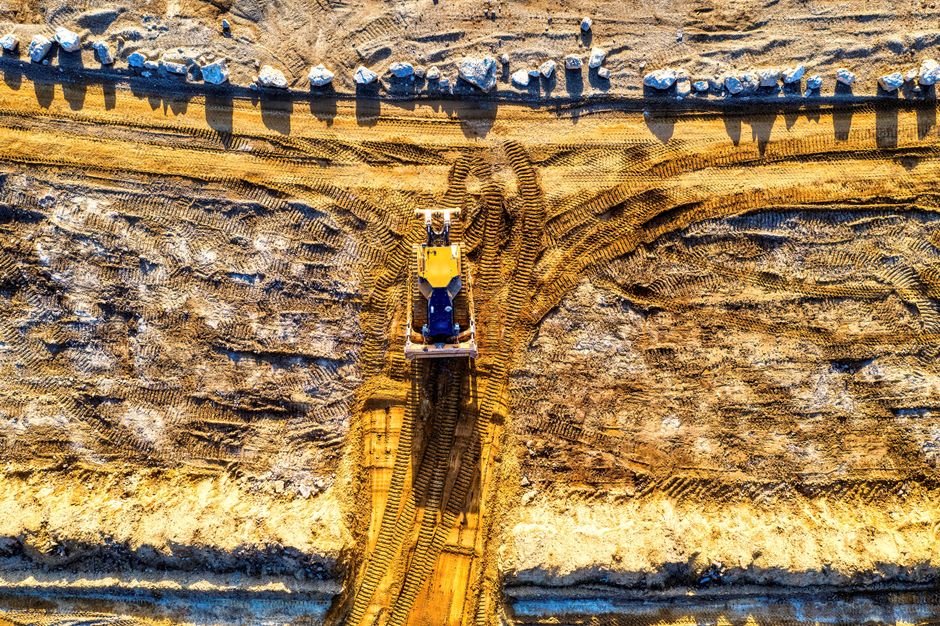
We can upload a 3D model of the site plan directly into the machine's computer. The GPS then communicates with the hydraulics on the dozer or grader, automatically adjusting the blade to the exact grade required. This eliminates human error, reduces rework, and ensures that your driveway grading services are perfect the first time.
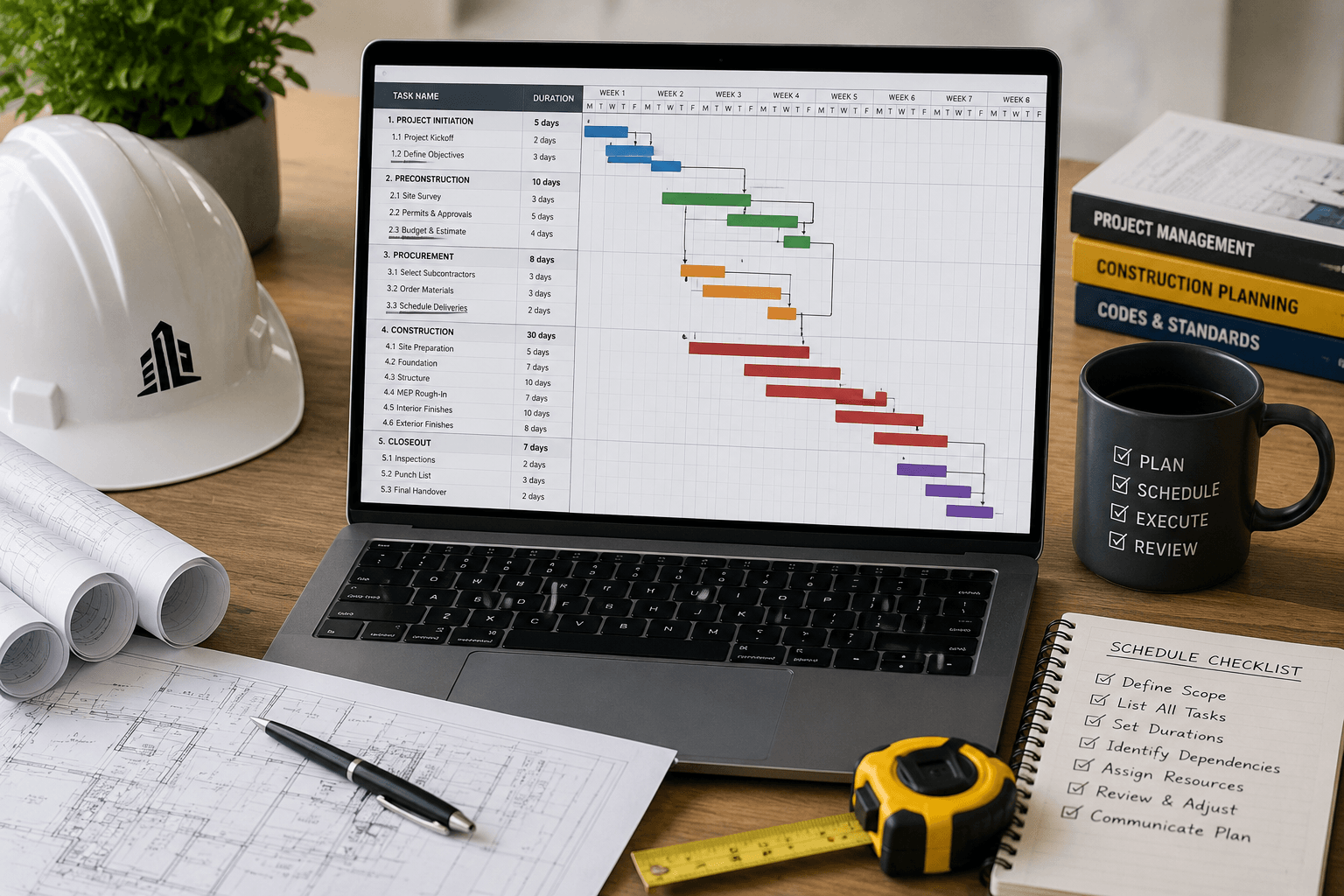
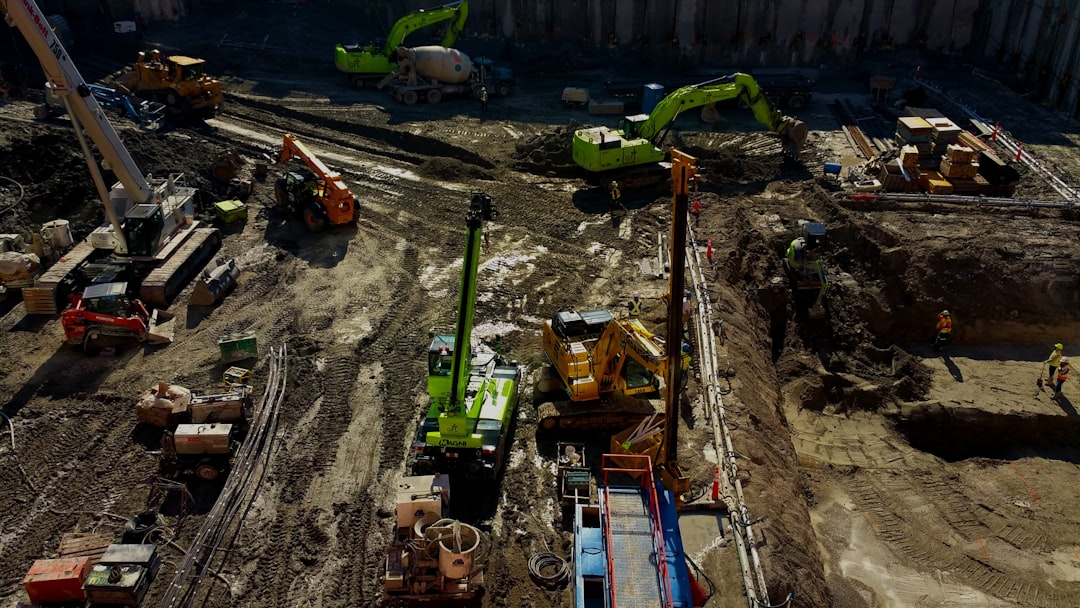
If you’ve never hired a grading and excavating contractor before, the process can seem a bit chaotic. There’s a lot of noise, a lot of dust, and a lot of very large machines. Here is the typical lifecycle of a site prep project:

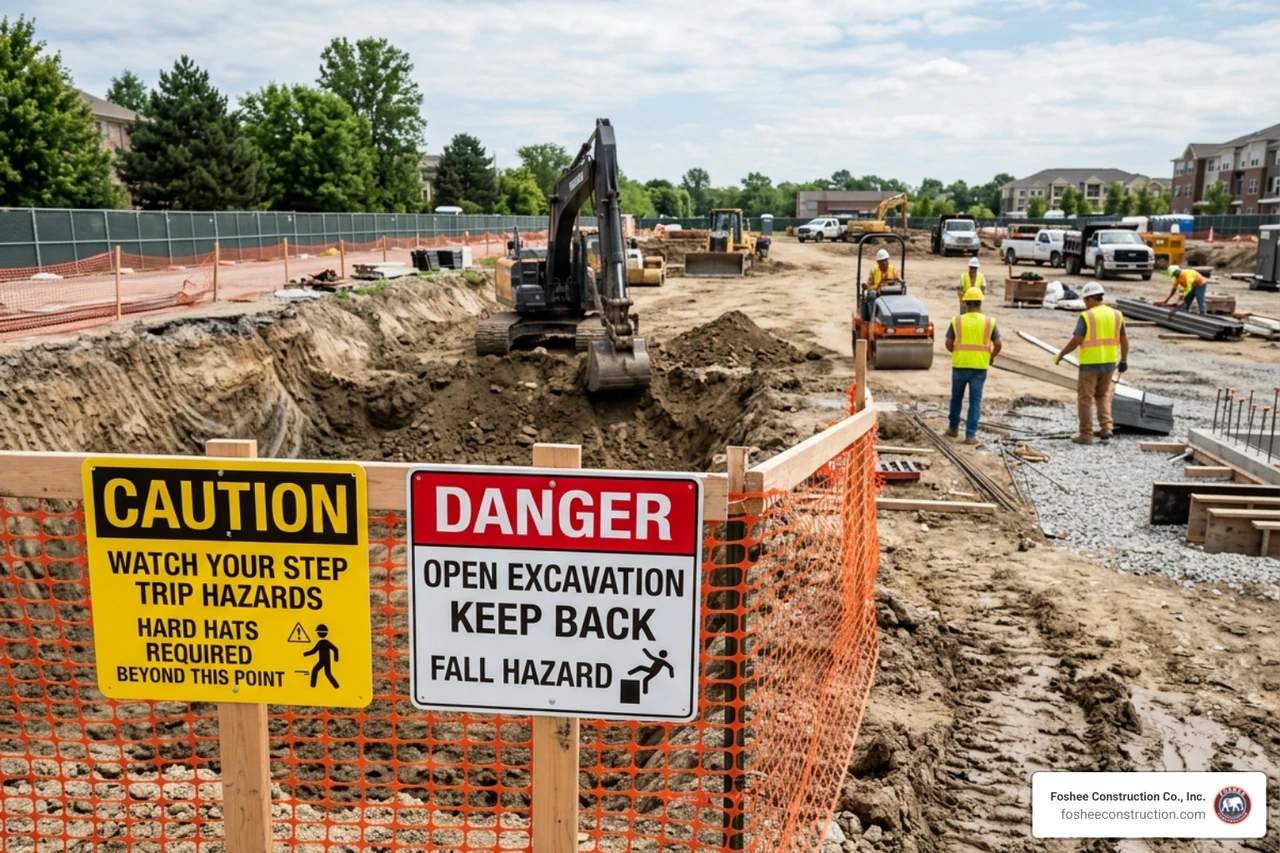
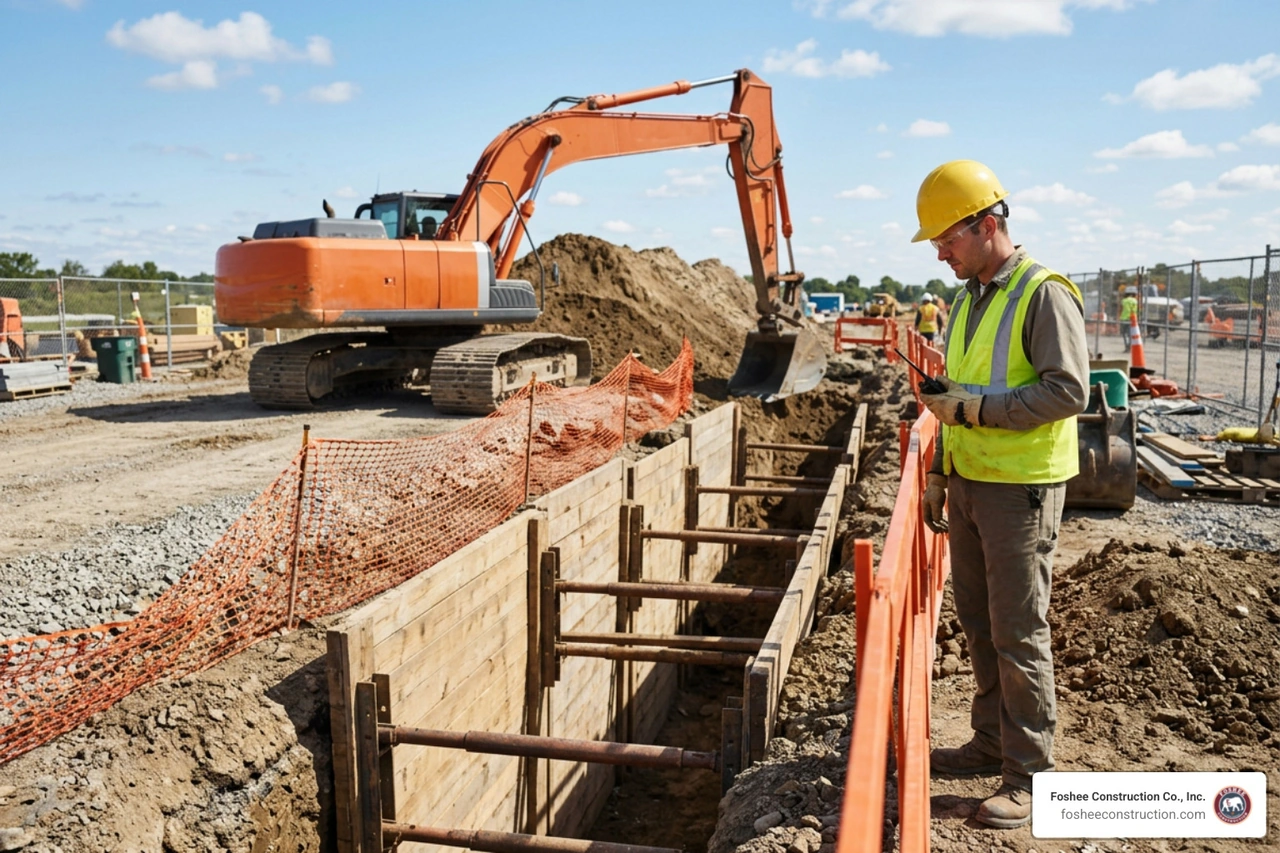
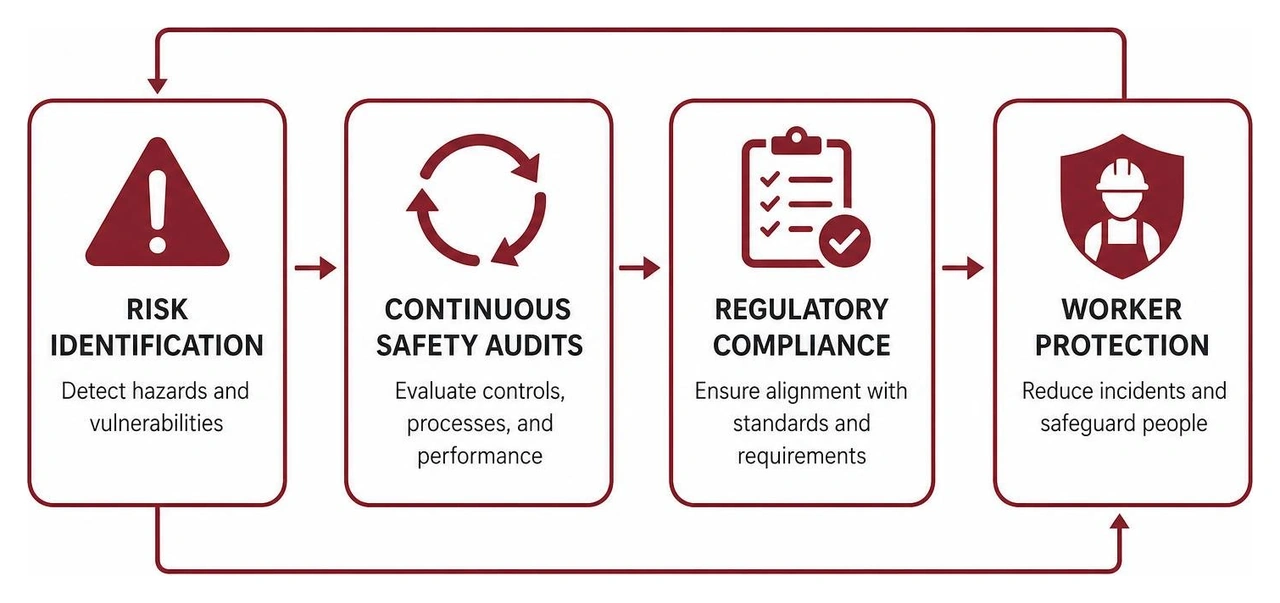
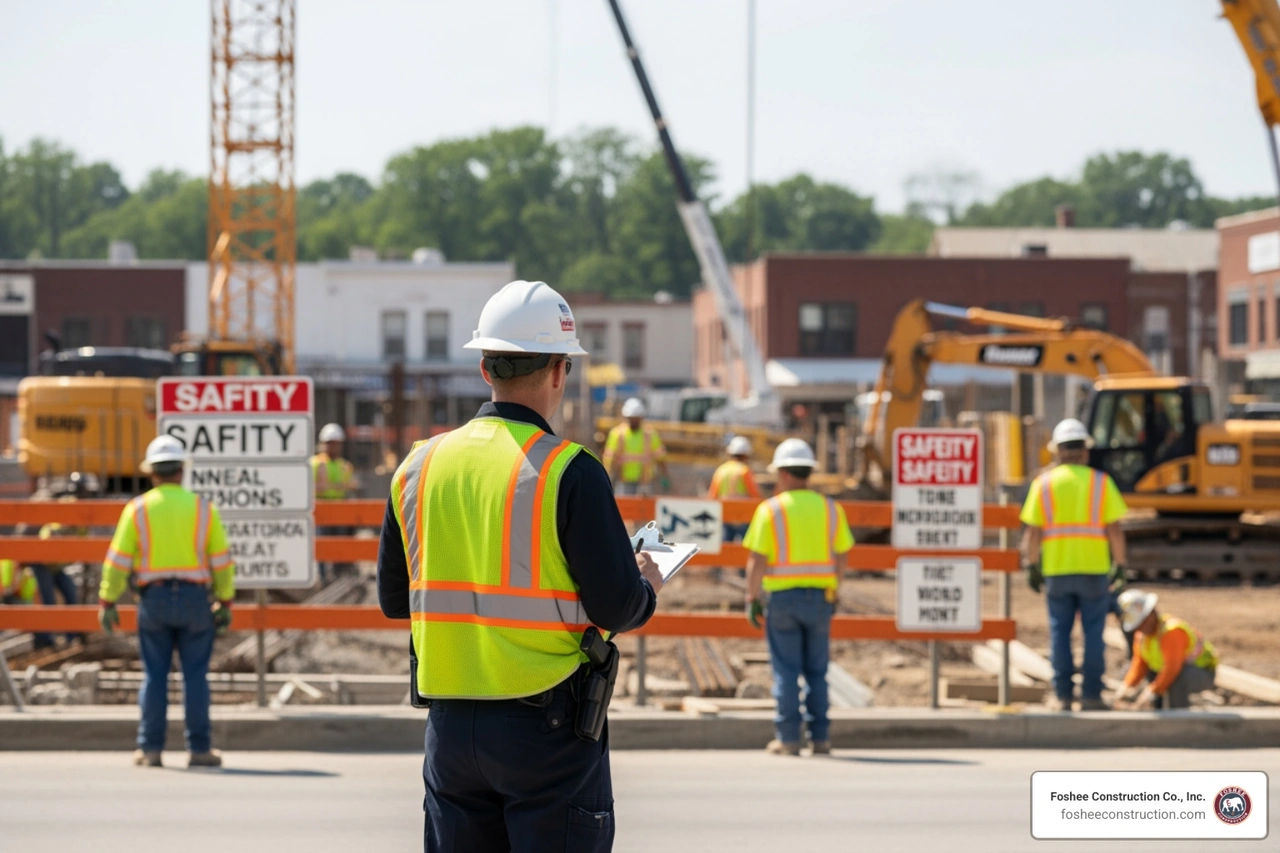
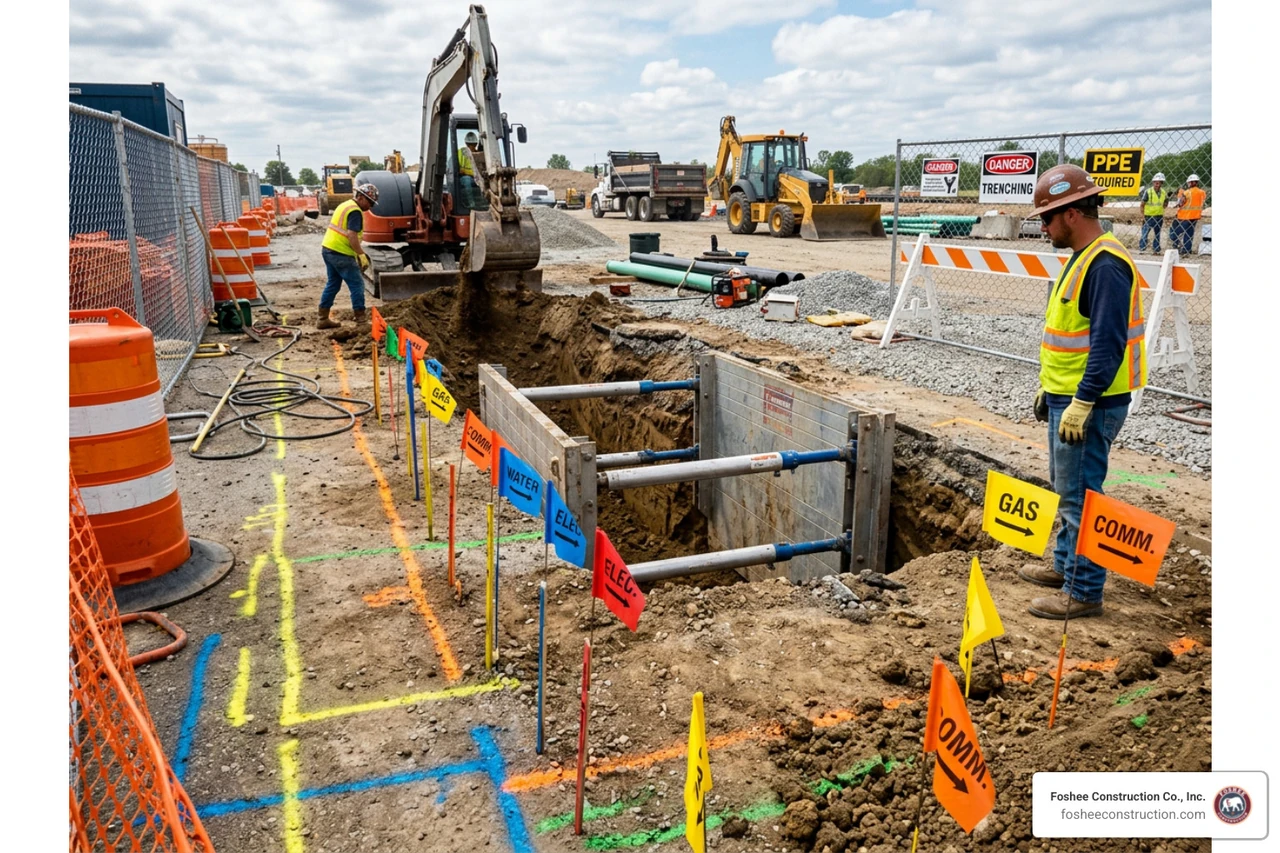
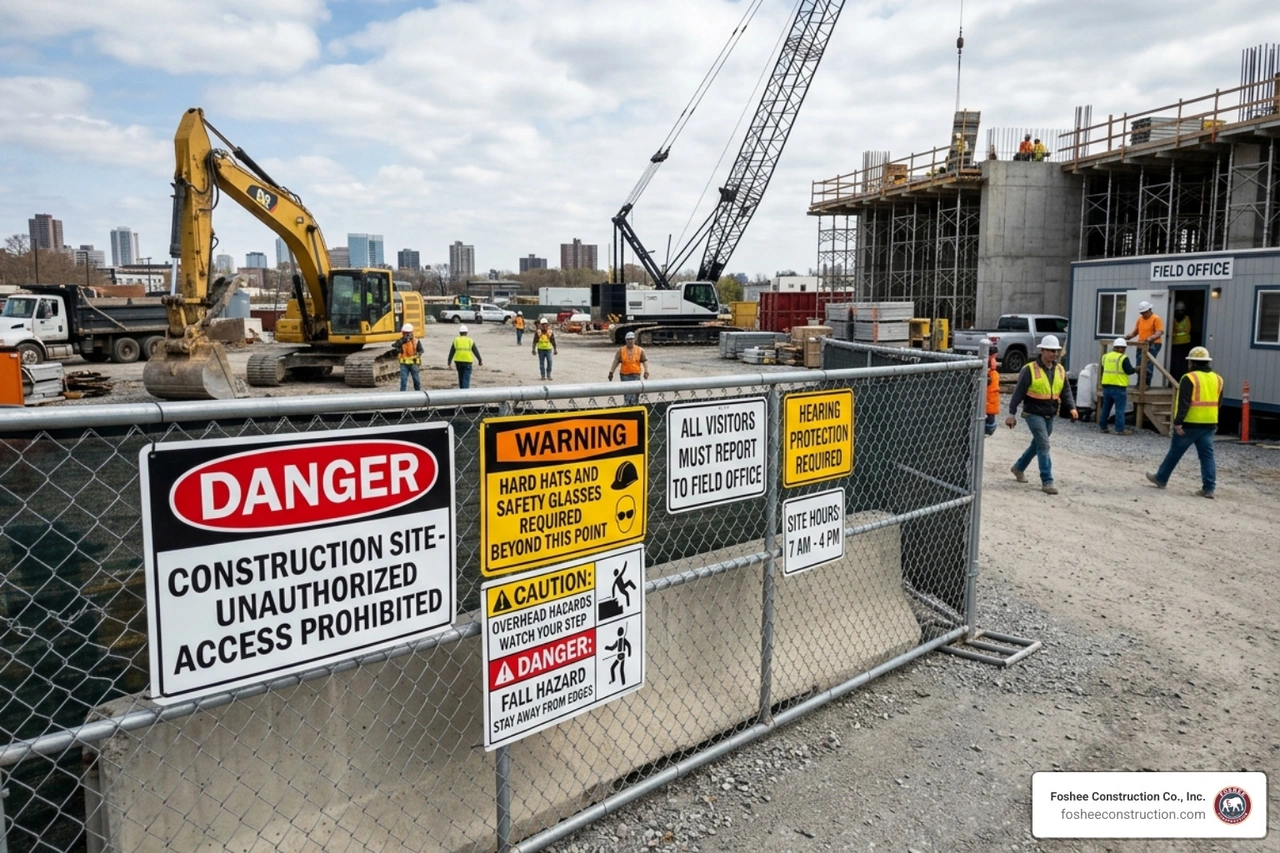
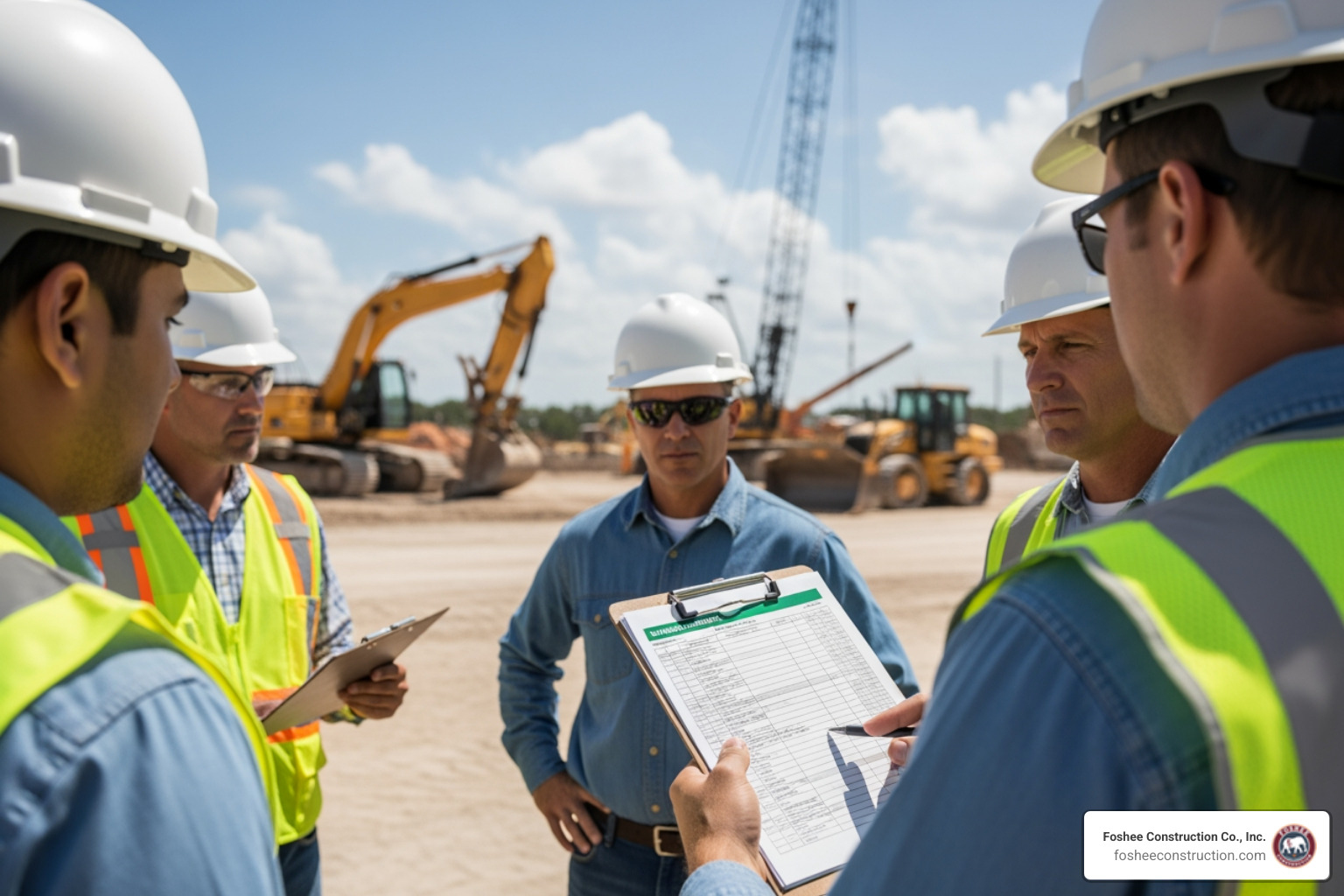
Safety is our top priority. Excavation is inherently dangerous work—trenches can collapse, and heavy machinery has significant blind spots. We adhere strictly to OSHA standards, including:
We’ve seen it all—and usually, we’re the ones called in to fix it. Some of the most common mistakes include:
The biggest "hidden" cost is usually soil quality. If we dig and find "muck" or buried debris, the cost of removal and replacement with clean fill can change a budget quickly. Additionally, the distance we have to haul material is a major factor.
Water is the enemy of a foundation. Proper grading ensures that water is whisked away from the structure before it can soak into the soil and cause the ground to expand, contract, or lose its bearing capacity. It also prevents hydrostatic pressure from building up against basement or crawlspace walls.
You should call us for any project that involves changing the "footprint" of your land. This includes new home construction, adding a pool, installing a long driveway, or if you notice that water is standing in your yard for more than 24 hours after a rainstorm.
At Foshee Construction Co., Inc., we believe that every great project starts from the ground up. Based in Minneola, Florida, and serving the greater Lake County area since 1994, we’ve built our reputation on transparent bids, disciplined scheduling, and a relentless focus on safety.
Whether you are a developer looking for a reliable partner for a multi-phase residential project or a homeowner needing a site prepared for a new build, we bring three decades of Florida-specific expertise to the table. We don't just move dirt; we build the foundation for your success.
Ready to get your project off on the right foot? Why Choose Foshee Construction is a question best answered by our track record of precision and reliability. Contact us today to discuss your site preparation needs.
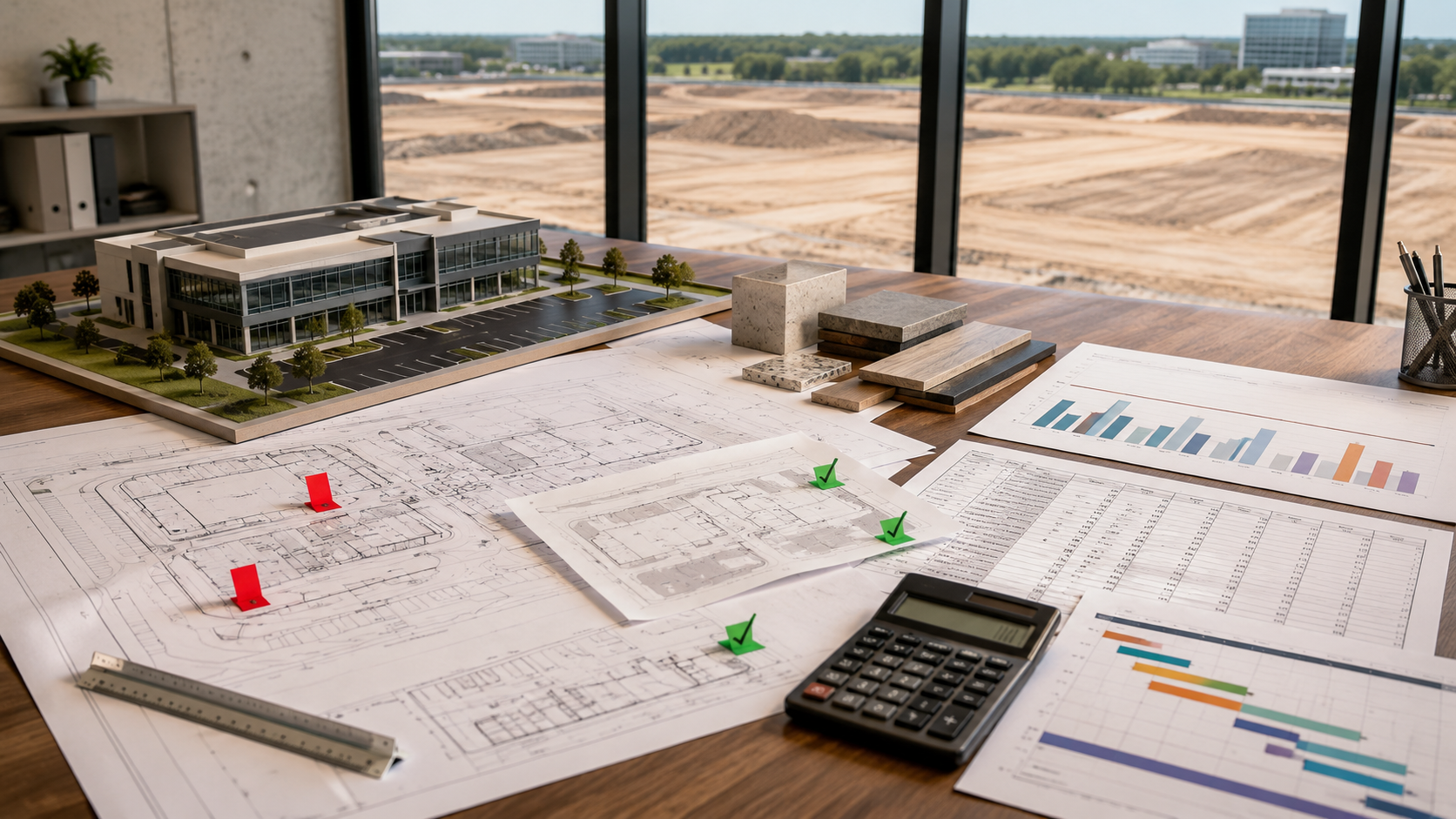
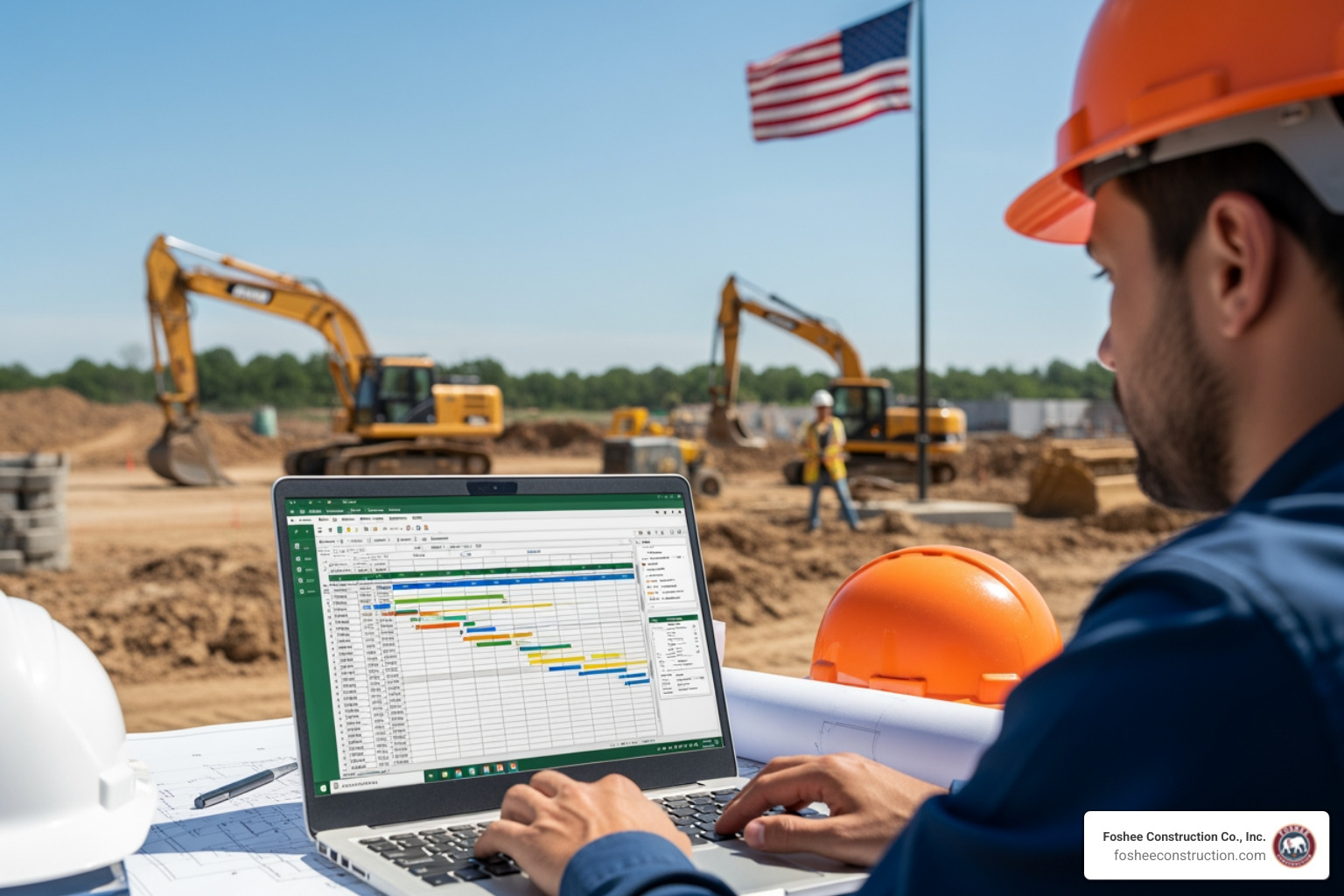
We build bids using HeavyBid and AGTEK because the details matter long before the job starts. When the numbers are accurate and the scope is clearly defined, it sets the tone for how the entire project runs. Estimating isn’t just a step in the process, it’s the foundation we build on.
That same mindset carries into the field. Our crew is trained to work with purpose, follow the Civil Engineers’ Plan to the finest detail, and hold the line on quality. When expectations are clear from day one, there’s no need for shortcuts, and no confusion about how the work gets done.
Clients trust our bid packages because they’re complete and ready to use. Project managers know what we’re covering, what’s excluded, and how we plan to approach the job. That clarity removes friction and lets teams focus on execution instead of interpretation.
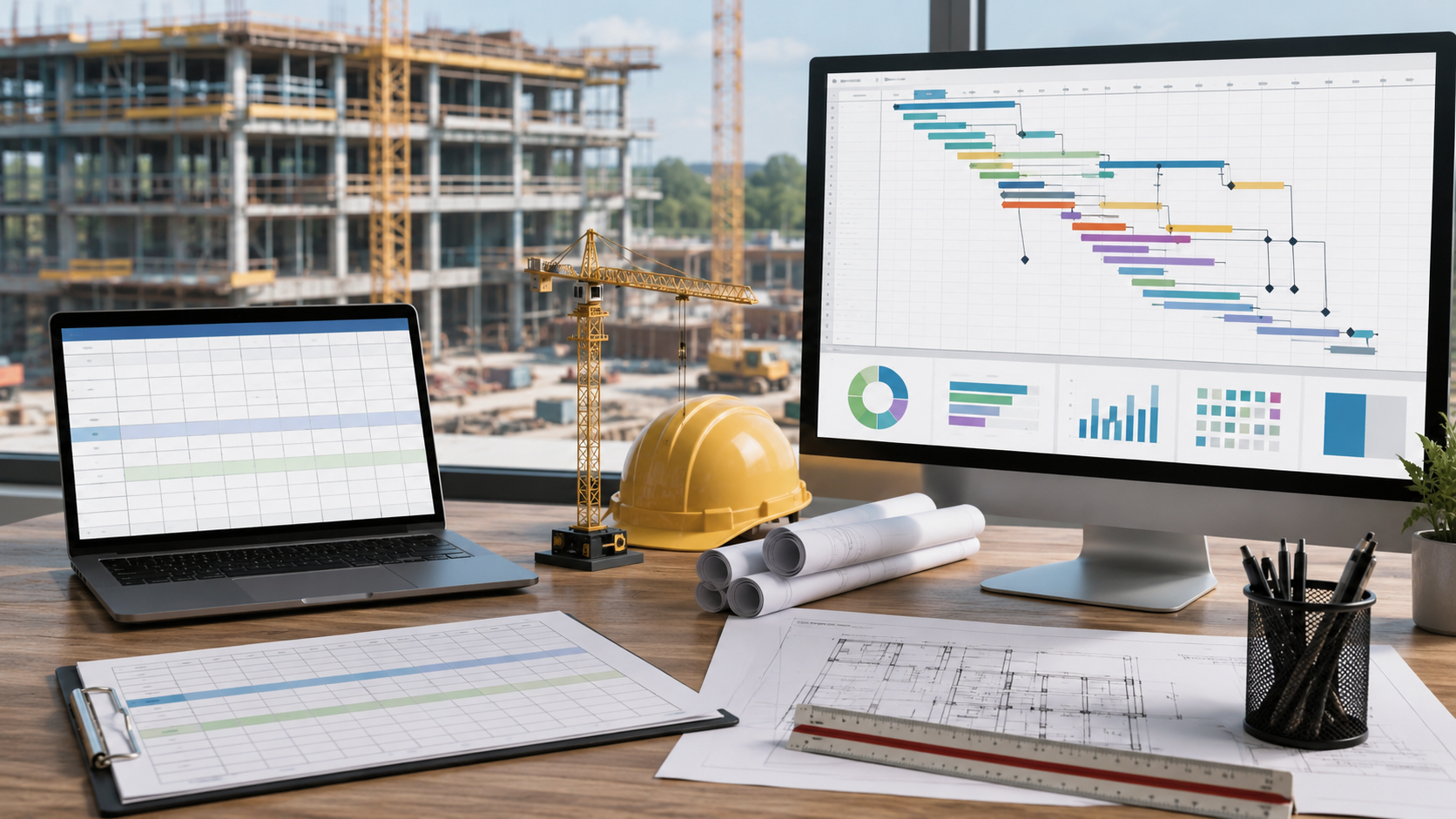
As part of our review process, we go into the plans before anything hits the site. We ask the questions early, resolve issues before they show up in the field, and keep RFIs moving. This approach prevents delays and protects the timeline.
Over time, that consistency builds trust. Many of the people we work with today came through referrals from past projects – engineers, GCs, and superintendents who’ve seen how we operate and want the same experience again.
In 2024, Foshee Construction was acquired by Saga Infrastructure Solutions, a national network of civil construction companies. Saga supports regional contractors by giving them access to better tools, long-term resources, and operational backing, without changing how they run day to day.
Foshee will continue to operate under its name, with the same team and field leadership in place.
“From the very time a project starts, we start that partnership. We try to catch as much as we can with the tools that we have. Not everybody is using the software platforms we are. That’s the differentiator: we’re not just bidding. We’re anticipating, problem-solving, and making sure the job runs right.”
— Don, CEO, Saga Infrastructure Solutions
Foshee is now part of a broader regional strategy that includes Florida, the Piedmont Atlantic, Texas, Colorado, and the Arizona Sun Corridor. The name, crews, and standards remain. What’s improving is the support behind it.