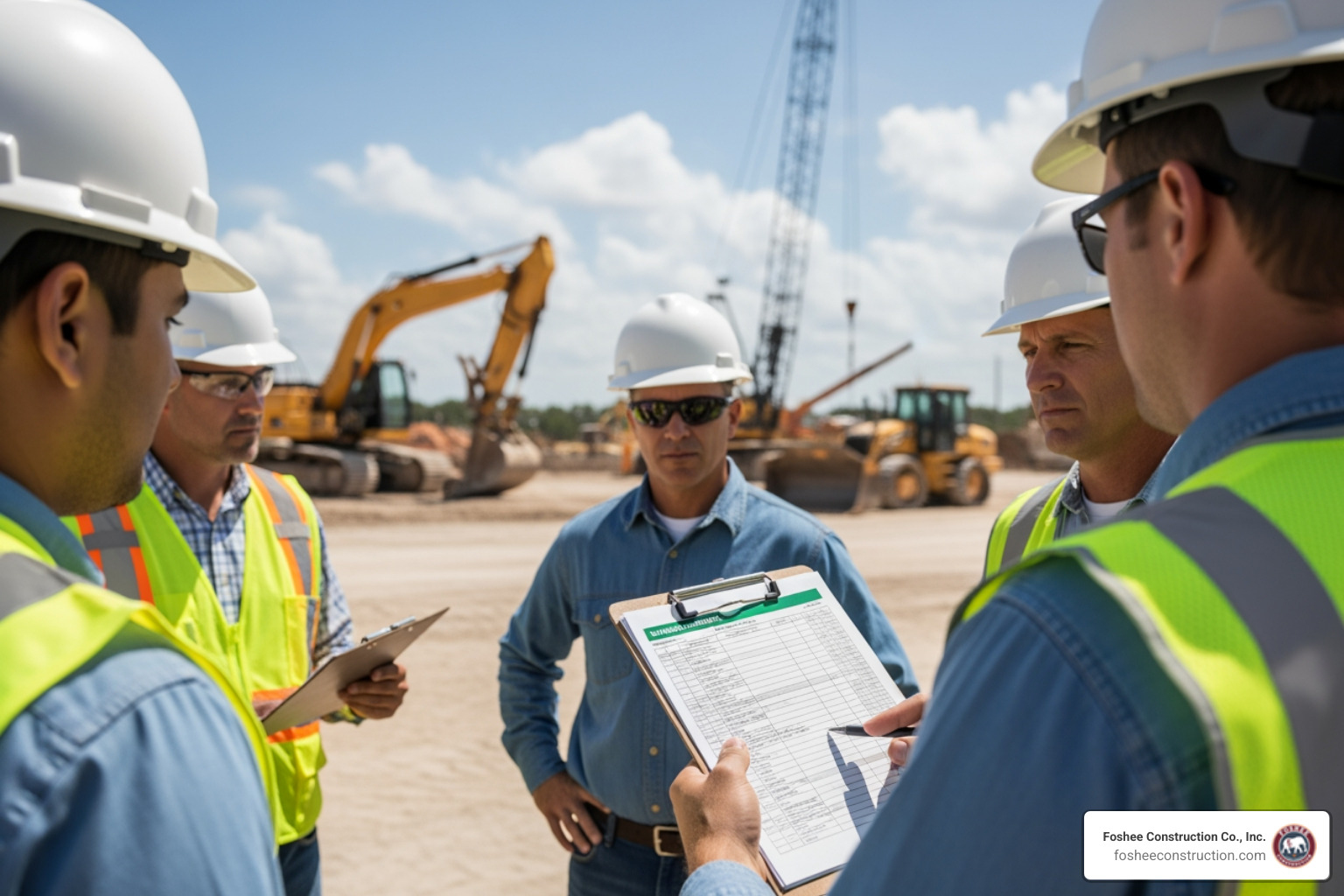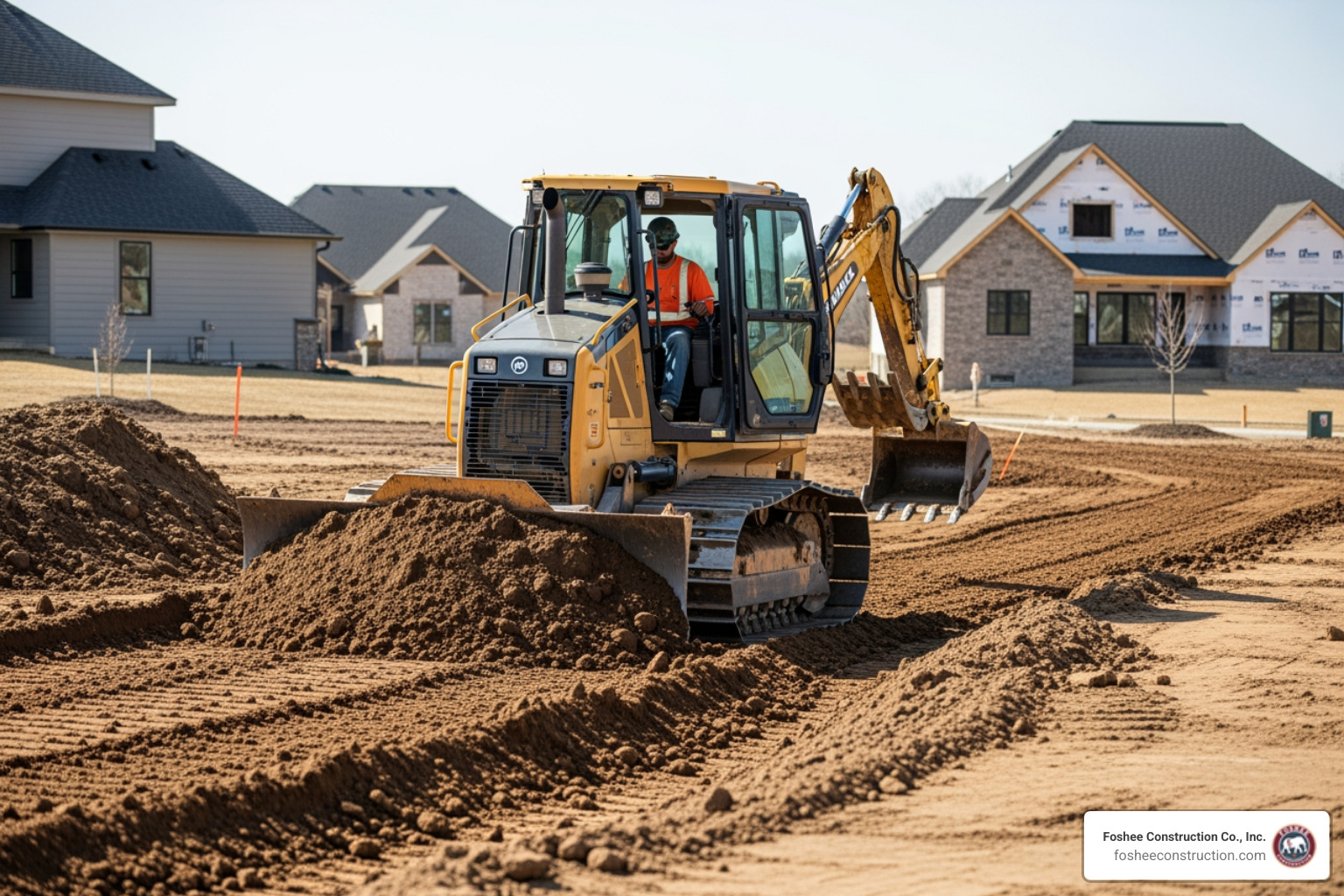
811 utility lines are the underground pipes, cables, and conduits that carry electricity, gas, water, sewer, and communications beneath your feet — and before any digging project, they must be located and marked by calling 811.
Here's the quick answer if you need it fast:
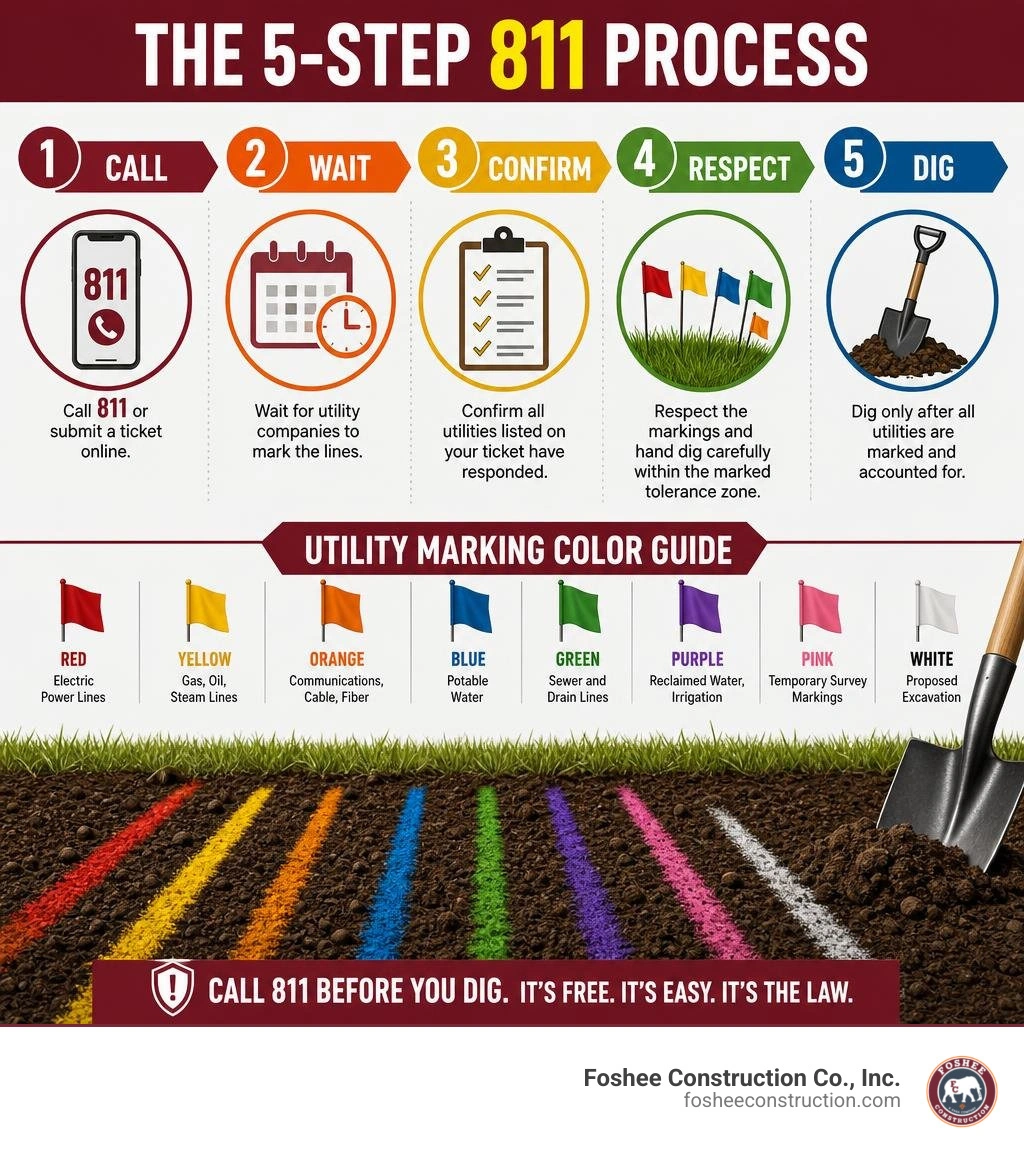
How to use the 811 system before you dig:
The service is free for both homeowners and professional excavators in every state.
Buried utility damage costs the U.S. roughly $30 billion every year in repairs and broader economic impact. The single biggest cause of that damage? Someone picked up a shovel or fired up a backhoe without calling 811 first.
That's not a fringe scenario. Shovels are the second most common tool involved in utility strikes — right behind backhoes. Even a simple fence post or a new tree in the yard can puncture a gas line buried just inches below the surface.
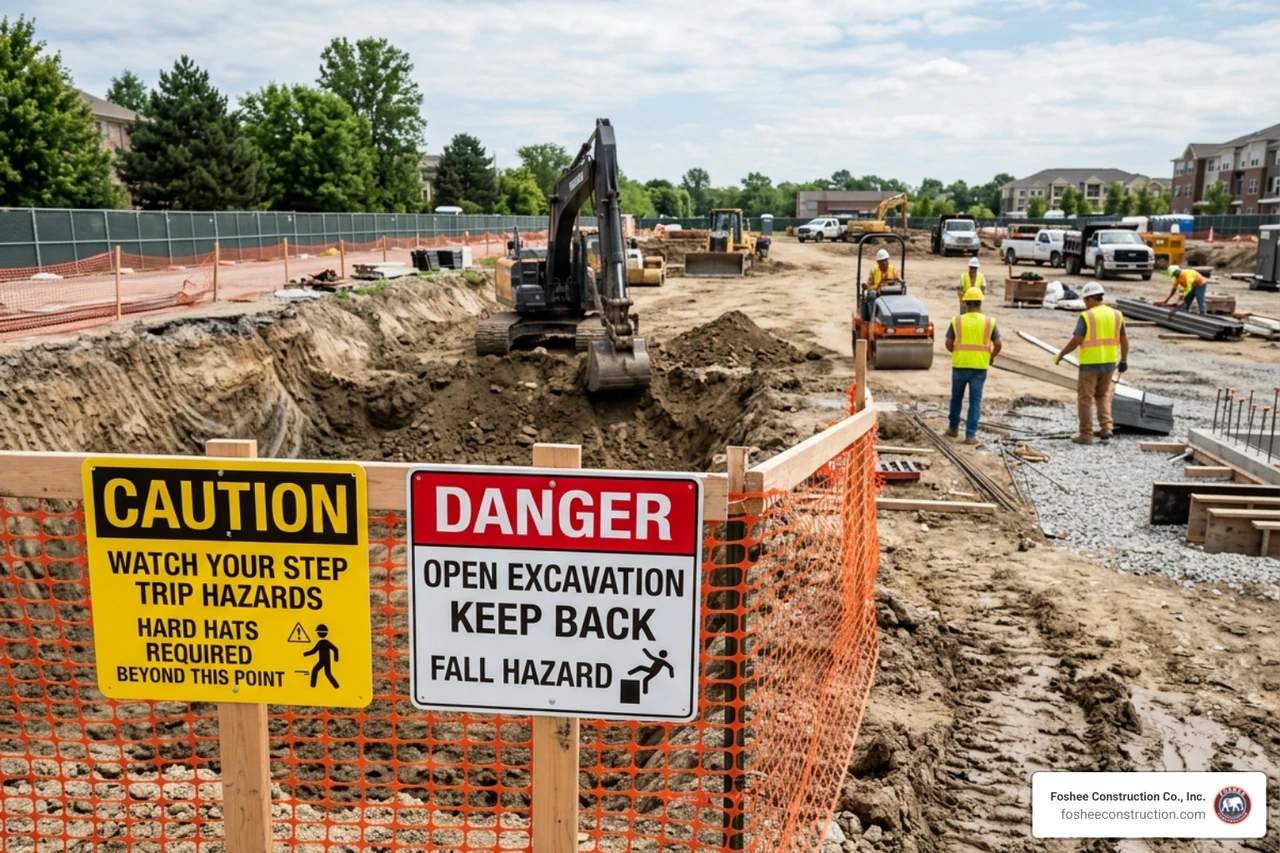
The risk is real on every job site, on every residential lot, and on every project — no matter the size.
I'm Don Larsen, and at Foshee Construction Co., Inc. we've been managing excavation and underground utility work across Central Florida since 1994 — which means navigating 811 utility lines is a core part of how we plan and execute every site development project. In this guide, I'll walk you through everything you need to know to dig safely, legally, and without costly surprises.
Explore more about 811 utility lines:

Every year, thousands of excavation accidents occur across the country because people assume a small dig doesn't require a call. But underestimating what lies beneath the surface is a multi-billion-dollar mistake. In the United States, damages to buried utilities carry an estimated annual cost of $30 billion in direct repairs, service outages, and societal impacts.
When you strike a buried utility line, you aren't just looking at a minor inconvenience. A single severed line can lead to:
Many people believe that shallow digging is safe. However, erosion, shifting soil, and landscaping changes mean some 811 utility lines sit just a few inches below the grass. Shovels are actually the number-two tool responsible for utility line damage nationwide, proving that human muscle power is more than enough to puncture a critical pipe or cable.
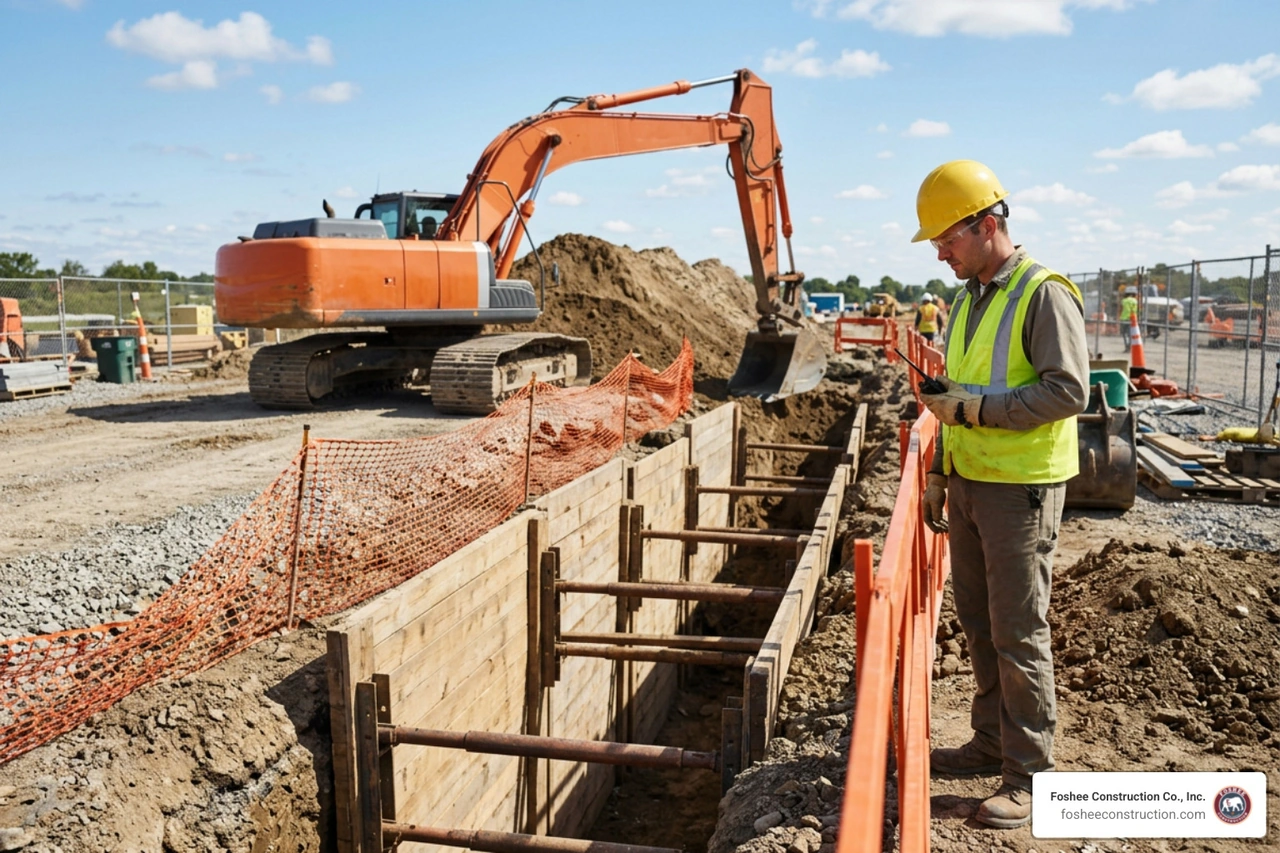
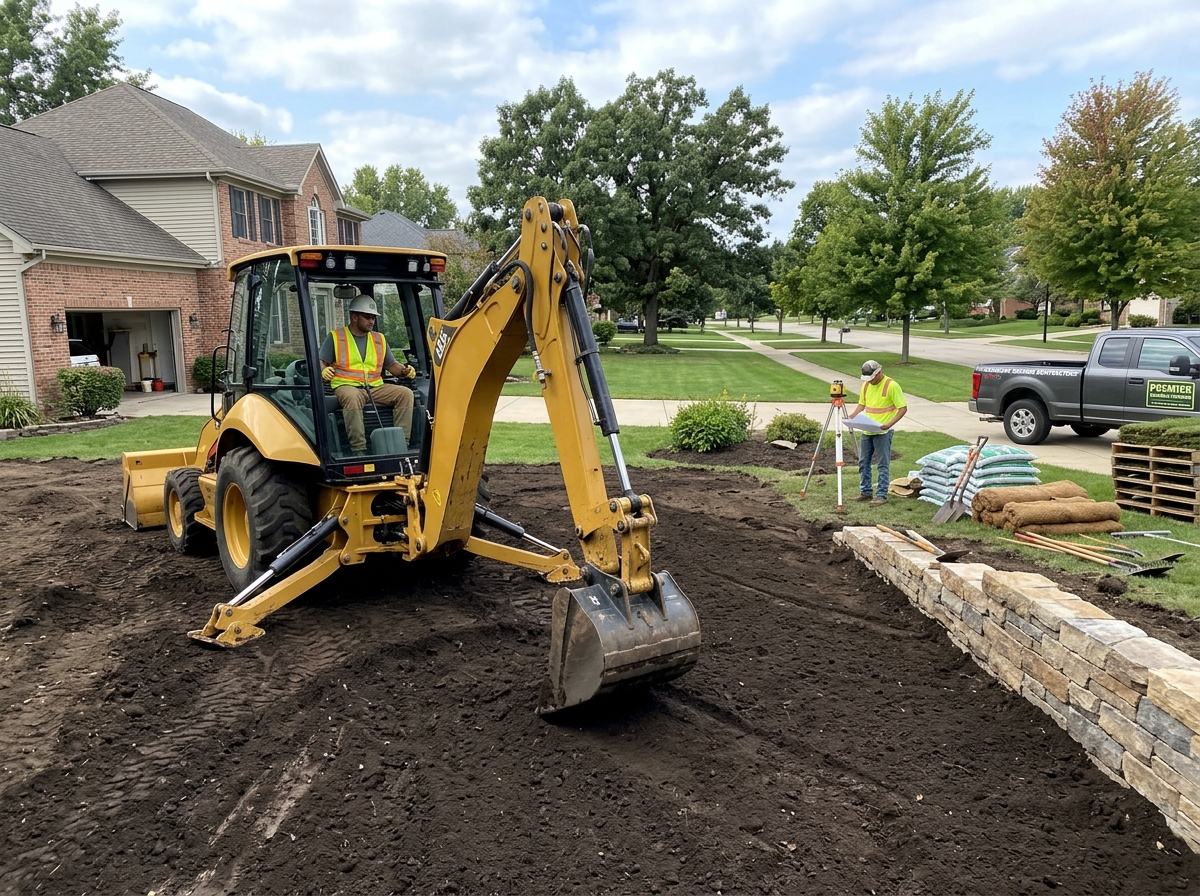
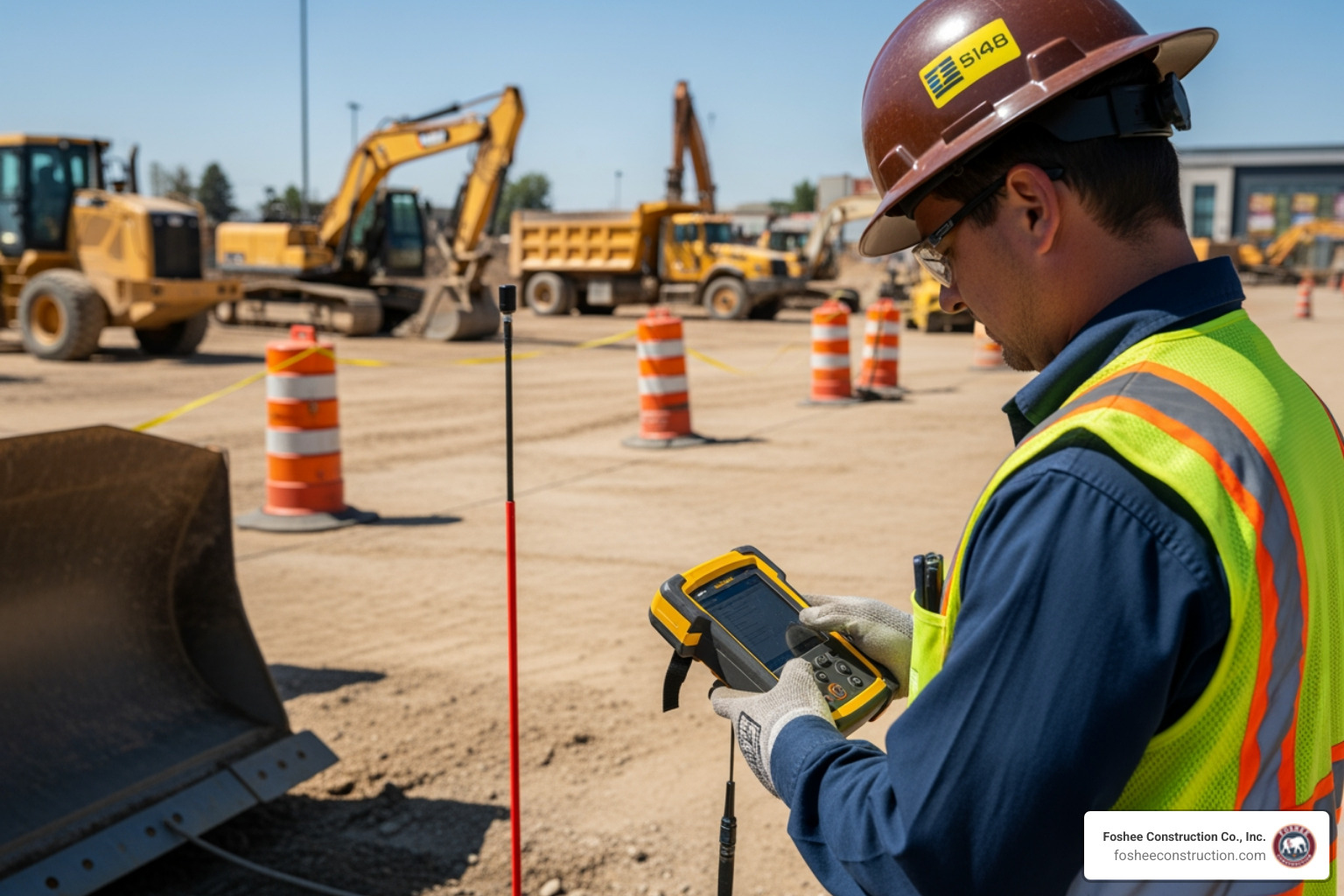
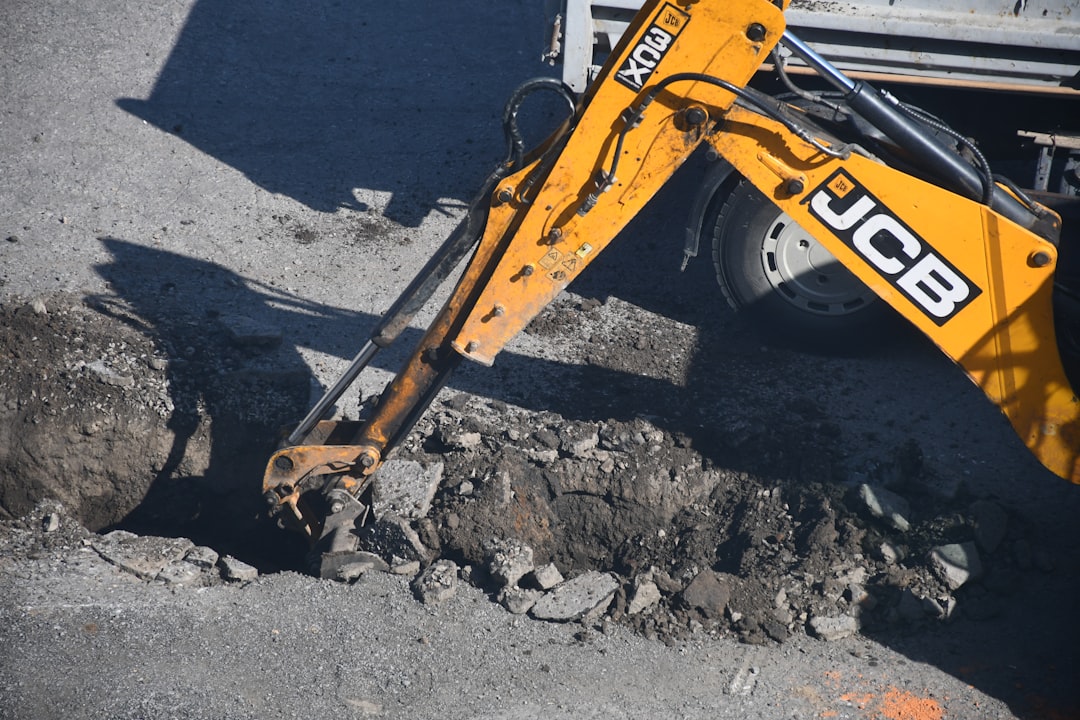
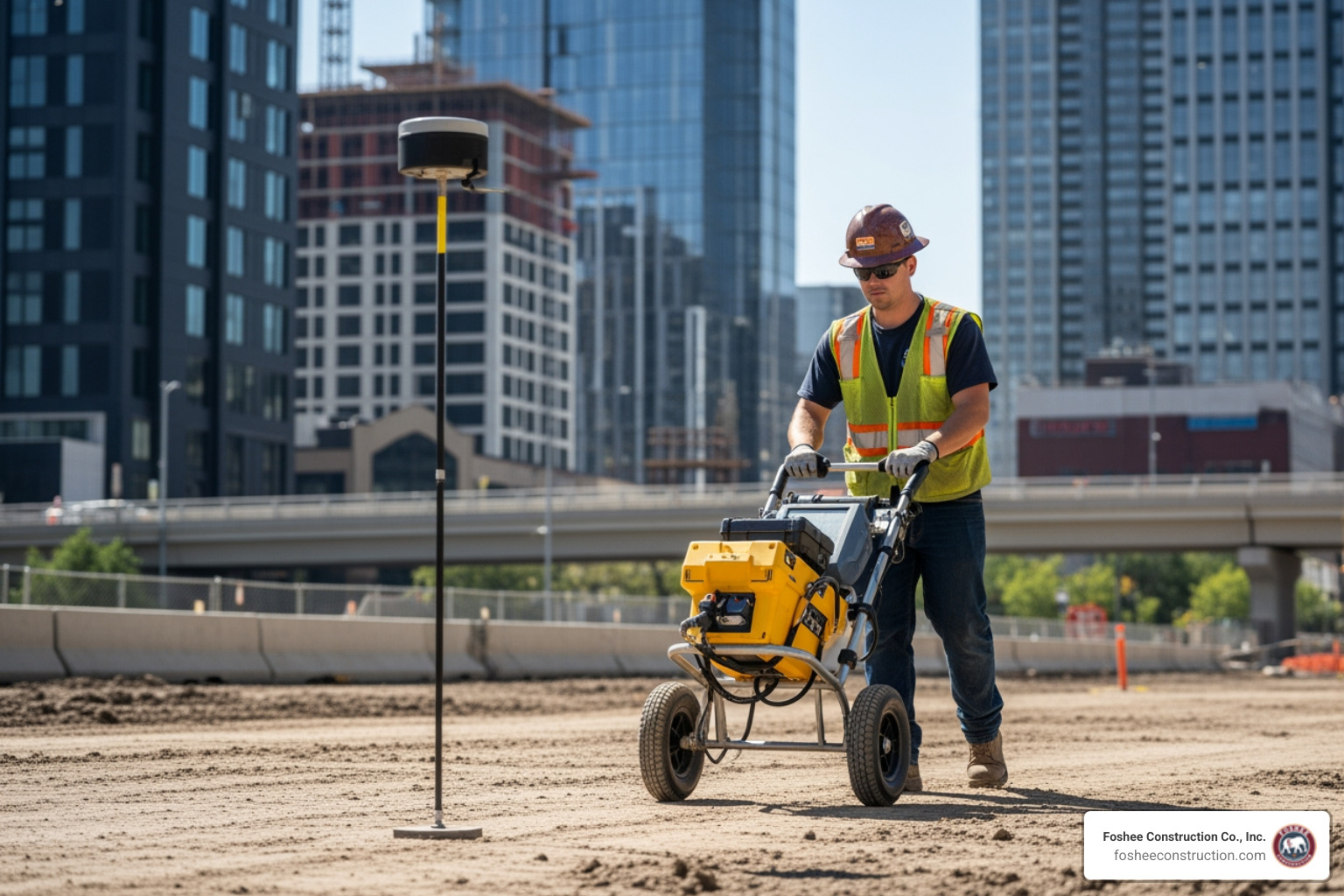
On commercial and municipal projects, backhoe strikes represent the leading cause of heavy damage. To prevent these disasters, professional excavators use advanced tools like an underground pipe locator and ground penetrating radar for underground utilities to verify the exact path of buried assets before heavy machinery ever touches the soil.
The 811 system operates as a communication bridge between the person digging and the utility companies that own underground infrastructure. It is important to understand that the 811 organization itself does not physically locate or mark the lines; instead, they route your project details to the relevant utility owners who send out professional locators.
In Florida, this system is managed by Sunshine 811. Whether you are a homeowner planting a single bush in Lake County or a commercial contractor clearing acres of land in Minneola, the step-by-step process remains standardized to keep everyone safe.
Here is how the workflow plays out from start to finish:
Submitting a locate ticket is simple and can be completed entirely online or over the phone. For most users, online portals and mobile apps are the fastest and most efficient options. In fact, modern electronic ticket systems allow you to pinpoint your exact excavation boundaries on a digital map, reducing errors and ensuring locators only mark the areas where work will actually take place.
To submit a complete locate ticket, you will need to provide the following details:
To help locators find your exact work zone quickly, it is highly recommended to practice "white lining." This involves using white paint, white flags, or white stakes to outline your proposed excavation area before the locators arrive. This step prevents confusion, saves time, and ensures that the correct areas are marked.
Once your ticket is submitted, you cannot immediately break ground. You must wait out the legal waiting period. In Florida, under the regulations of Sunshine 811, you must provide at least two full business days of notice before you begin digging.
This two-day window excludes the day you submit the request, weekends, and official state or federal holidays. For example, if you submit a locate request on a Wednesday afternoon, your two full business days are Thursday and Friday, meaning you are legally cleared to begin digging on Monday morning—provided all utilities have responded.
It is also vital to keep track of your ticket's expiration date. A locate ticket does not remain valid indefinitely. In Florida, standard locate tickets expire after 30 calendar days. If your project experiences delays and extends past this window, you must submit a renewal ticket before the original expires to ensure your markings remain legally valid and accurate.
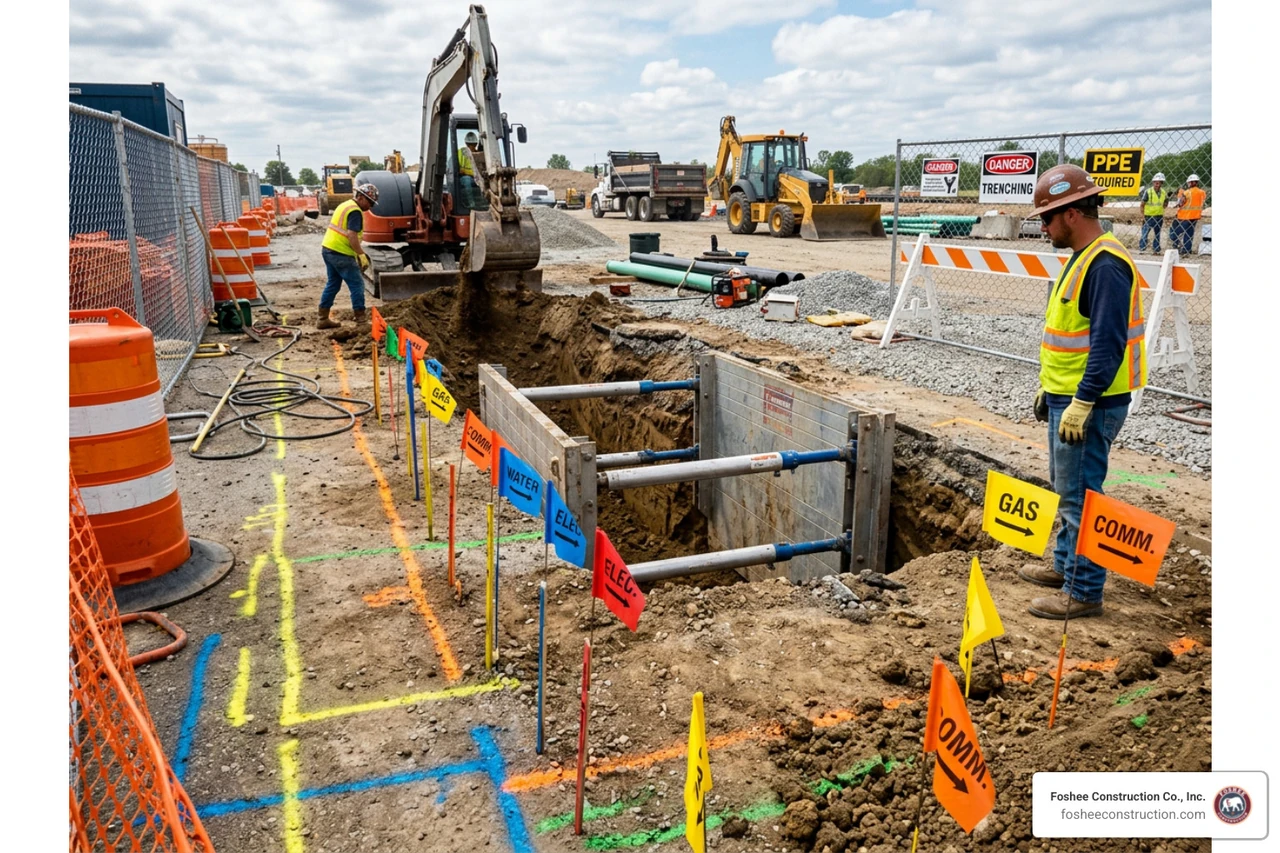
When utility locators visit your site, they use a universal color-coding system established by the American Public Works Association (APWA). These colors immediately identify what type of utility line is buried beneath that specific part of your property.
Failing to understand these colors can lead to dangerous assumptions. For example, mistaking a yellow gas line marking for a green sewer line could lead to catastrophic results if you decide to dig with heavy equipment.
| Color | Utility Type Represented | Examples of Buried Infrastructure |
|---|---|---|
| White | Proposed Excavation Limits | White-lined boundaries painted by the excavator |
| Pink | Temporary Survey Markings | Property lines, construction site boundaries |
| Red | Electric Power Lines | Cables, conduit, lightning lines, high-voltage mains |
| Yellow | Gas, Oil, Steam, Petroleum | Gas mains, service lines, chemical distribution pipes |
| Orange | Communication, CATV, Fiber | Telephone lines, fiber optic cables, TV cables |
| Blue | Potable Water | Drinking water mains, residential water service lines |
| Purple | Reclaimed Water, Irrigation | Recycled water lines, slurry lines, sprinkler mains |
| Green | Sewer and Drain Lines | Sanitary sewers, storm drains, lateral lines |
These standards are strictly enforced across Florida municipalities, from local guidelines like those found via Call Before You Dig - Leesburg, FL to coastal regions covered by the Call 811 - Know What's Below | West Melbourne, FL - Official Website.
Each color on your property represents a specific system that requires specialized handling:
Locating marks are not 100% exact; they represent the approximate horizontal location of the underground utility. Because of this, laws establish a protective boundary around marked lines known as the tolerance zone.
In Florida, the tolerance zone is defined as 24 inches on either side of the outer edge of the marked utility line.
When working within this 48-inch-plus-facility-width zone, you are legally prohibited from using mechanized excavation equipment (like backhoes, excavators, or trenchers). Instead, you must use safe, non-destructive digging practices to expose the line and verify its exact depth and path. These practices include:
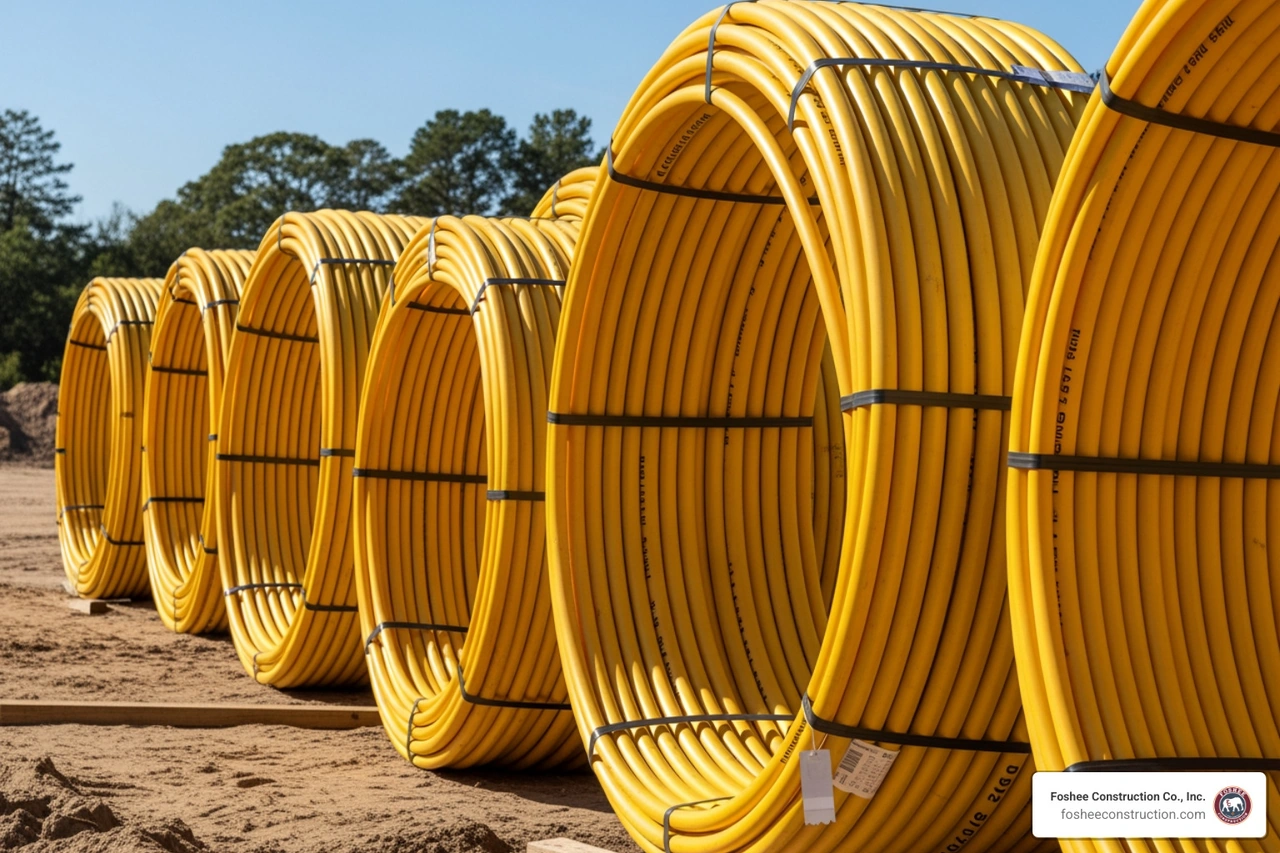
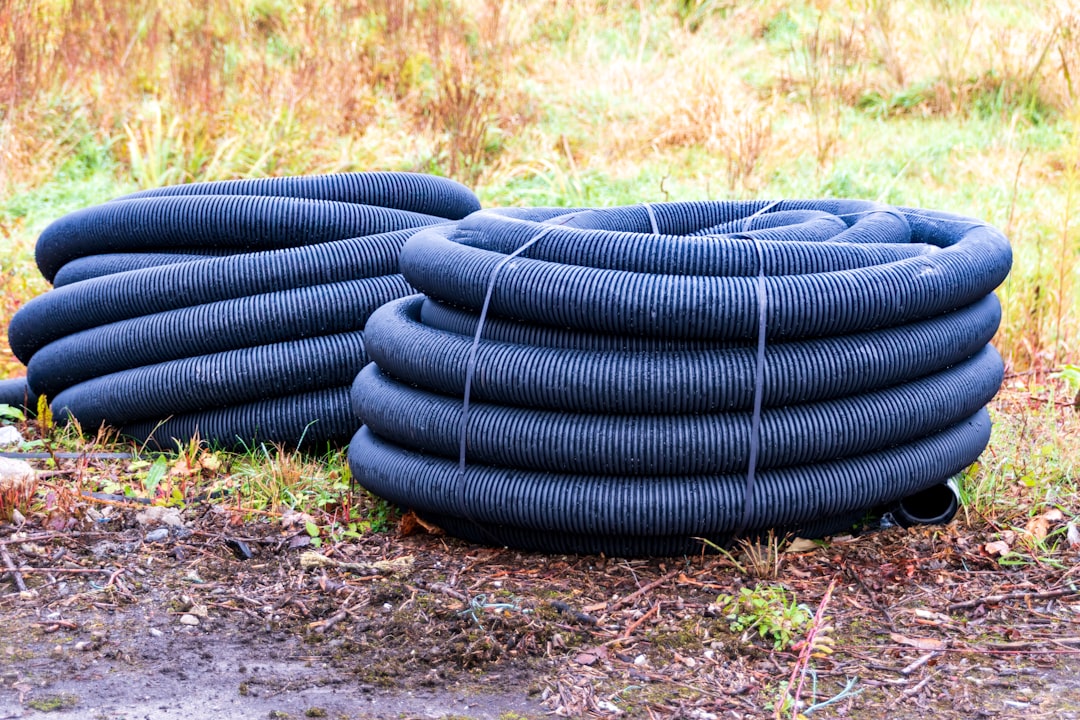
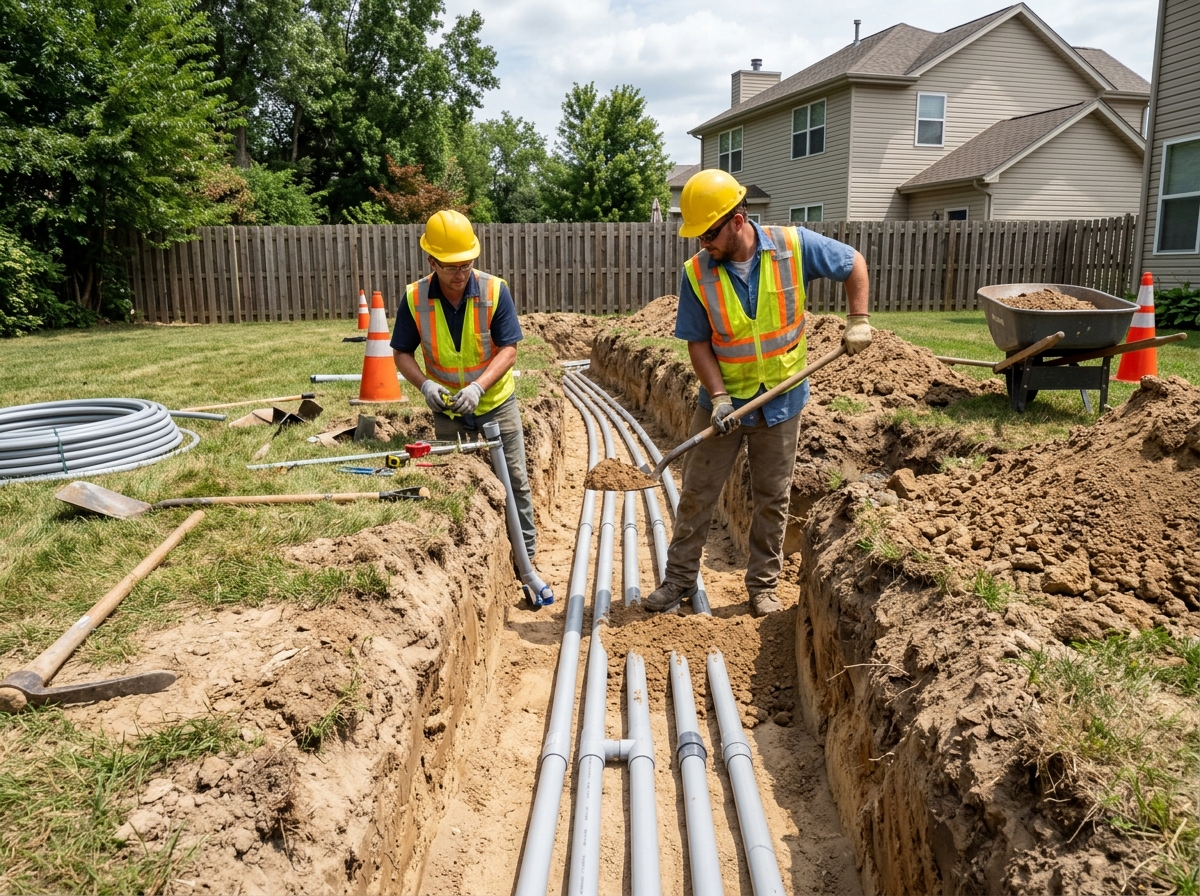
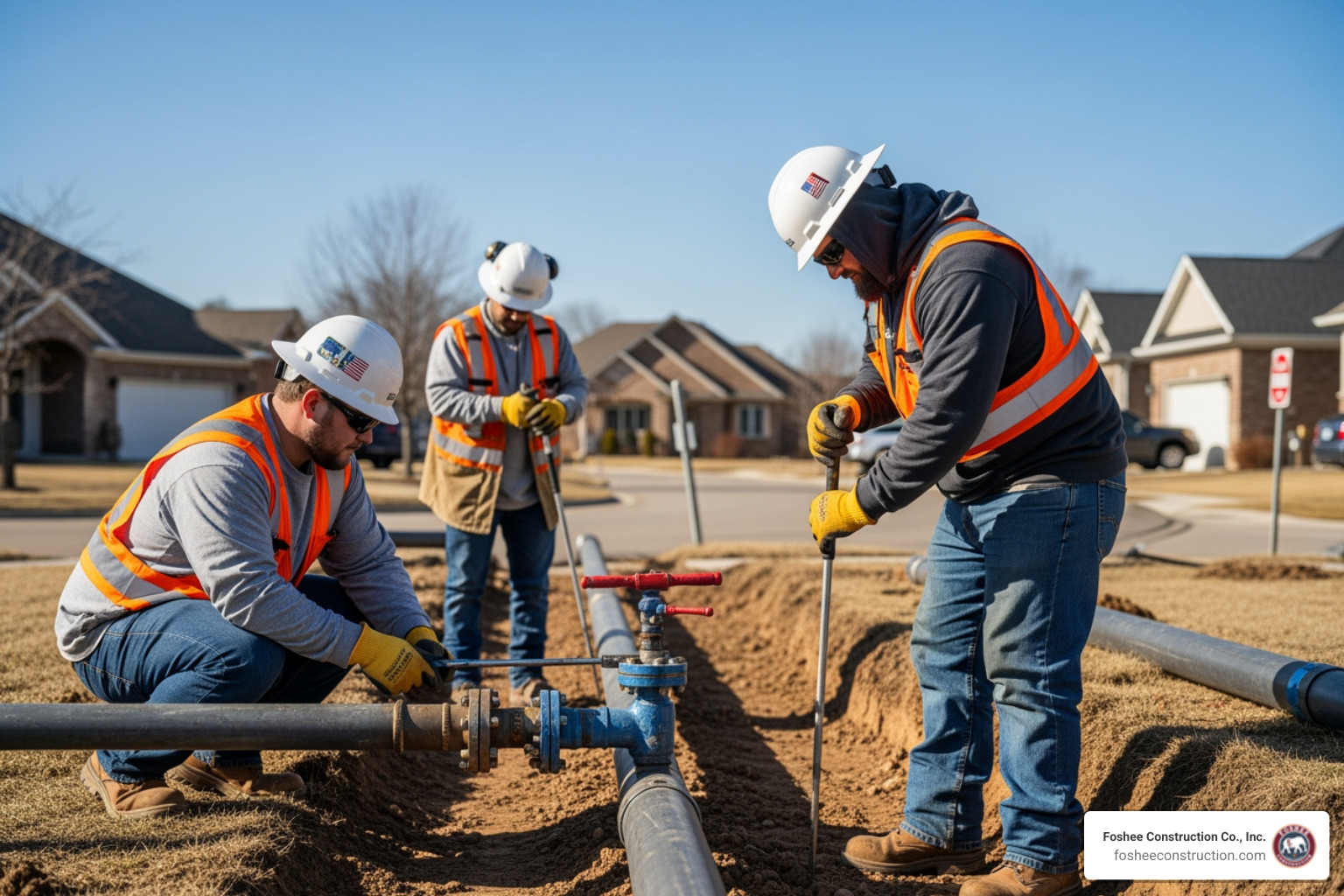
Understanding these boundaries is essential when performing precision tasks like trenching for electrical conduit or laying flexible HDPE pipe underground utilities.
While the 811 system is free and available to everyone, homeowners and professional excavators carry different levels of responsibility and liability under the law.
For homeowners, common DIY tasks like installing a mailbox, building a backyard fence, putting in a pool, or planting trees still require a call to 811. Many homeowners assume that because they are working on their own private property, they don't need permission or locates. This is a dangerous misconception. If you dig on your property without calling 811 and sever a utility line, you can be held personally liable for the repair costs and may face steep fines from state regulators.
For professional excavators, the stakes are even higher. Licensed contractors must strictly adhere to the Florida Underground Facility Damage Prevention and Safety Act. Professional excavators are responsible for:
If you are hiring a contractor to perform excavation work on your property, always confirm that they have filed their own 811 ticket. Homeowners should never file a ticket on behalf of a professional contractor, as the entity performing the physical digging must be the one listed on the active ticket to maintain proper liability coverage.
Working with experienced utility installation contractors who specialize in safe underground pipe installation Florida standards ensures your project complies with all local safety laws from day one.
If you hit an underground utility line, your very first priority is safety.
If you hit a line that was not marked, but you had an active, valid 811 ticket, document the scene thoroughly with photos showing the lack of paint or flags in your excavation zone. This documentation is critical for protecting yourself from liability claims.
No. This is one of the most common surprises for property owners. The 811 system only coordinates locates for public utilities owned by member utility companies. They will only mark lines from the main distribution network up to the utility meter or service connection point.
Any lines running past the meter onto your property are considered private utilities and will not be marked by 811. Examples of private lines include:
To locate these lines safely, property owners must hire a private utility locating service that utilizes specialized equipment like ground penetrating radar.
In Florida, a standard locate ticket is valid for 30 calendar days from the date it is issued. If your excavation project takes longer than 30 days, or if weather delays prevent you from starting work within the initial window, you must submit a ticket renewal request at least two business days before your current ticket expires.
If the physical paint marks or flags on your site are washed away by heavy Florida rains or destroyed during site grading, you must stop digging and request a "re-mark" ticket through 811. Never attempt to guess where the lines were or redraw the markings yourself.
Understanding and respecting 811 utility lines is the foundation of any successful, safe excavation project. Whether you are a homeowner tackling a weekend landscaping project or a developer planning a major commercial subdivision, taking the time to call 811, wait for the marks, and dig carefully protects your budget, your timeline, and—most importantly—human lives.
At Foshee Construction Co., Inc., based in Minneola, Florida, safety and precision are built into every project we touch. From complete site preparation and grading to complex underground utility installations across Lake County, we pride ourselves on transparent bids, disciplined scheduling, and maintaining reliable relationships with the region's top contractors.
Planning a project that requires professional site preparation or utility work? Let's build something safe together. Explore our past work and get in touch with our team today by visiting Foshee Construction Projects.
We build bids using HeavyBid and AGTEK because the details matter long before the job starts. When the numbers are accurate and the scope is clearly defined, it sets the tone for how the entire project runs. Estimating isn’t just a step in the process, it’s the foundation we build on.
That same mindset carries into the field. Our crew is trained to work with purpose, follow the Civil Engineers’ Plan to the finest detail, and hold the line on quality. When expectations are clear from day one, there’s no need for shortcuts, and no confusion about how the work gets done.
Clients trust our bid packages because they’re complete and ready to use. Project managers know what we’re covering, what’s excluded, and how we plan to approach the job. That clarity removes friction and lets teams focus on execution instead of interpretation.
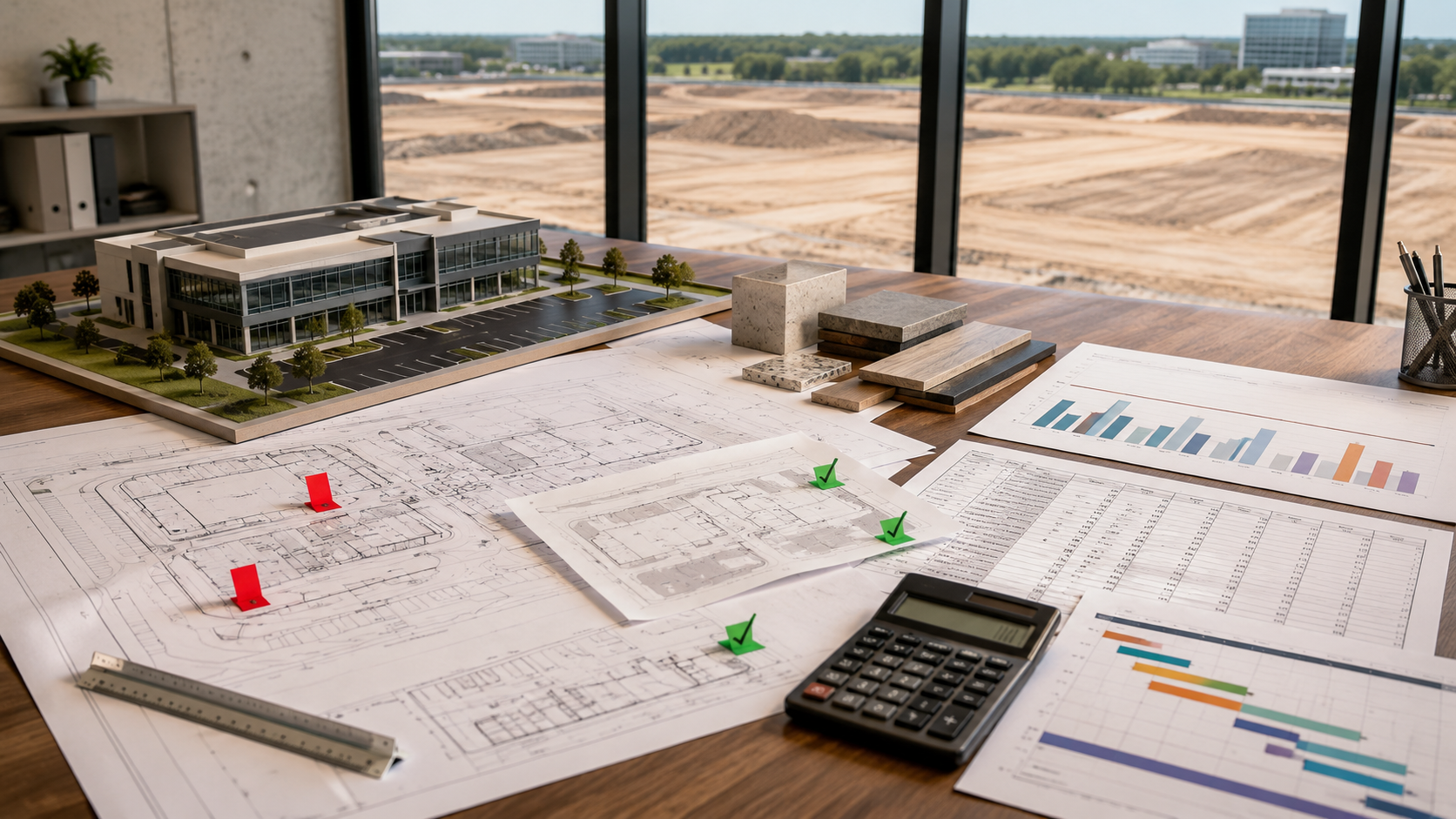
As part of our review process, we go into the plans before anything hits the site. We ask the questions early, resolve issues before they show up in the field, and keep RFIs moving. This approach prevents delays and protects the timeline.
Over time, that consistency builds trust. Many of the people we work with today came through referrals from past projects – engineers, GCs, and superintendents who’ve seen how we operate and want the same experience again.
In 2024, Foshee Construction was acquired by Saga Infrastructure Solutions, a national network of civil construction companies. Saga supports regional contractors by giving them access to better tools, long-term resources, and operational backing, without changing how they run day to day.
Foshee will continue to operate under its name, with the same team and field leadership in place.
“From the very time a project starts, we start that partnership. We try to catch as much as we can with the tools that we have. Not everybody is using the software platforms we are. That’s the differentiator: we’re not just bidding. We’re anticipating, problem-solving, and making sure the job runs right.”
— Don, CEO, Saga Infrastructure Solutions
Foshee is now part of a broader regional strategy that includes Florida, the Piedmont Atlantic, Texas, Colorado, and the Arizona Sun Corridor. The name, crews, and standards remain. What’s improving is the support behind it.