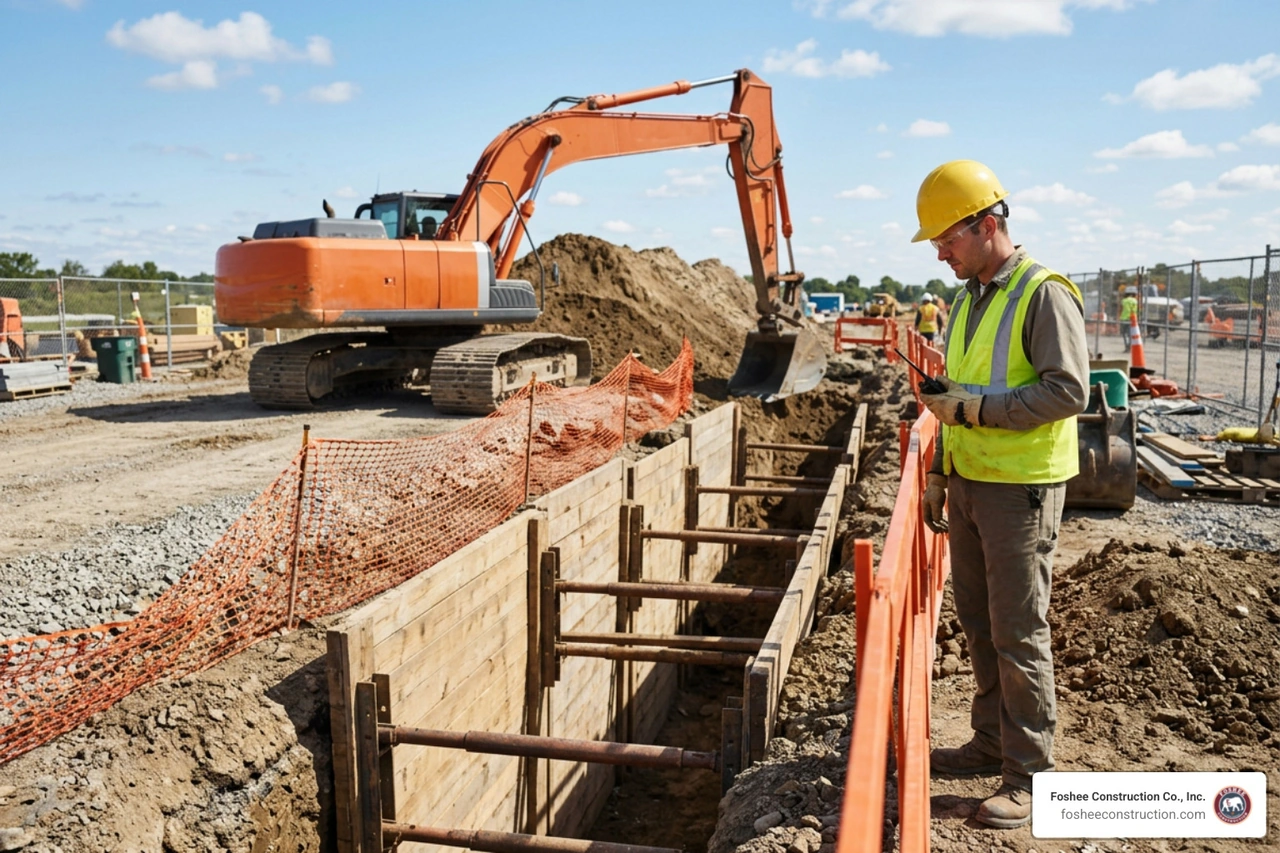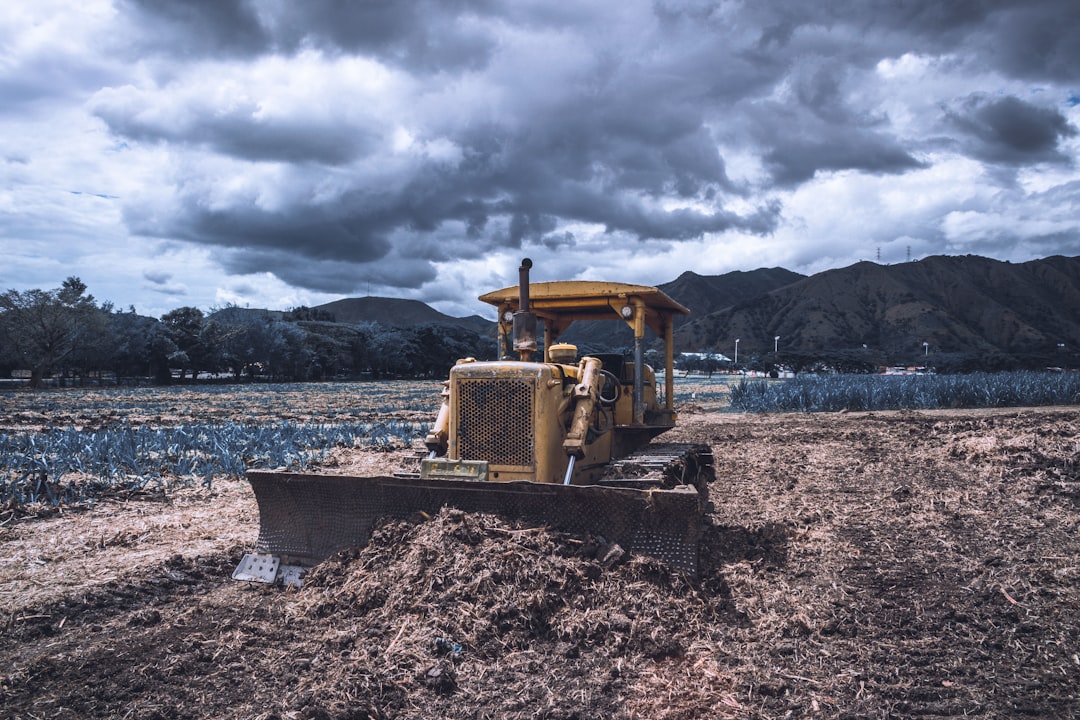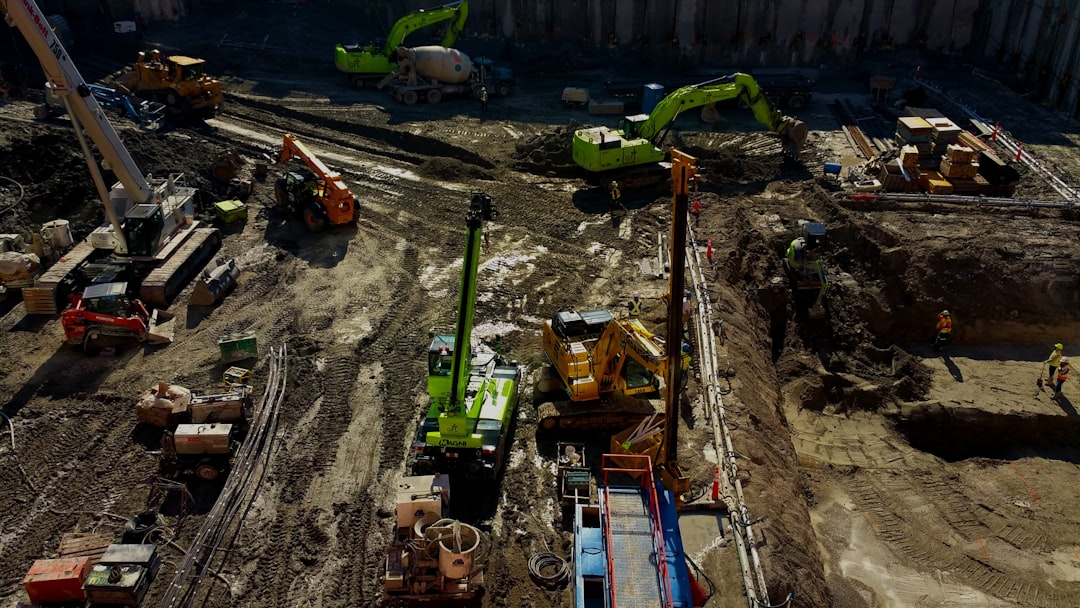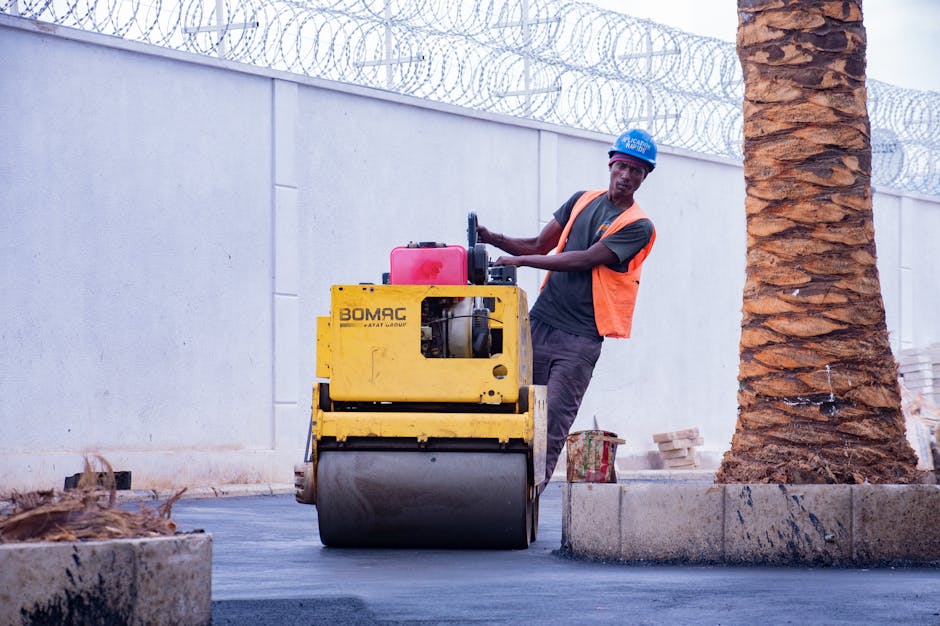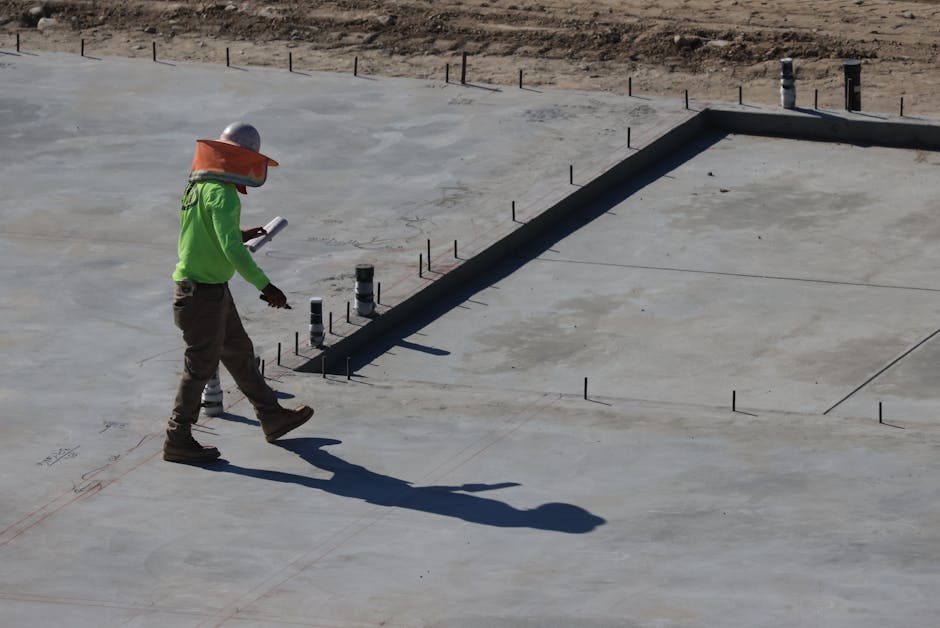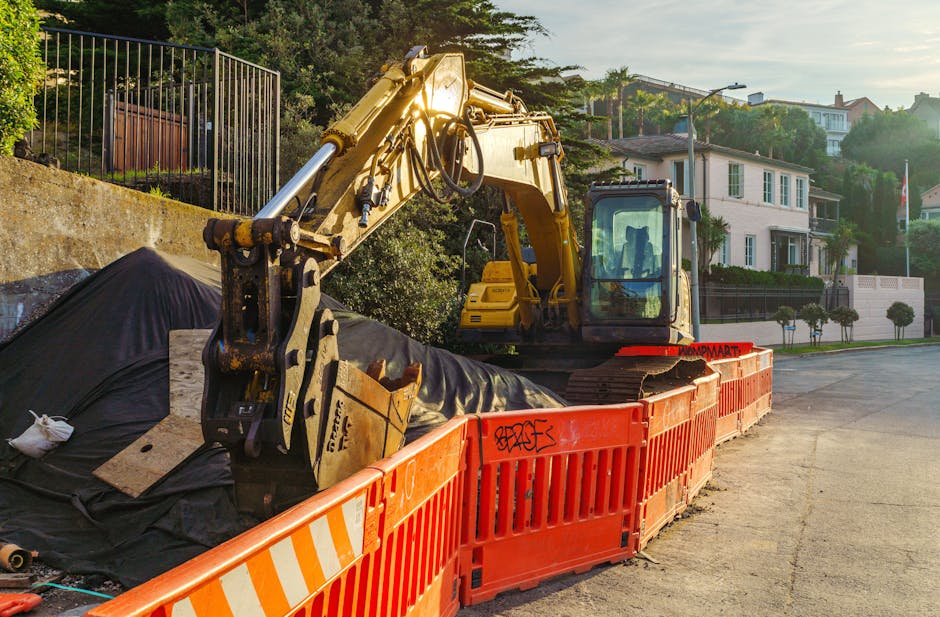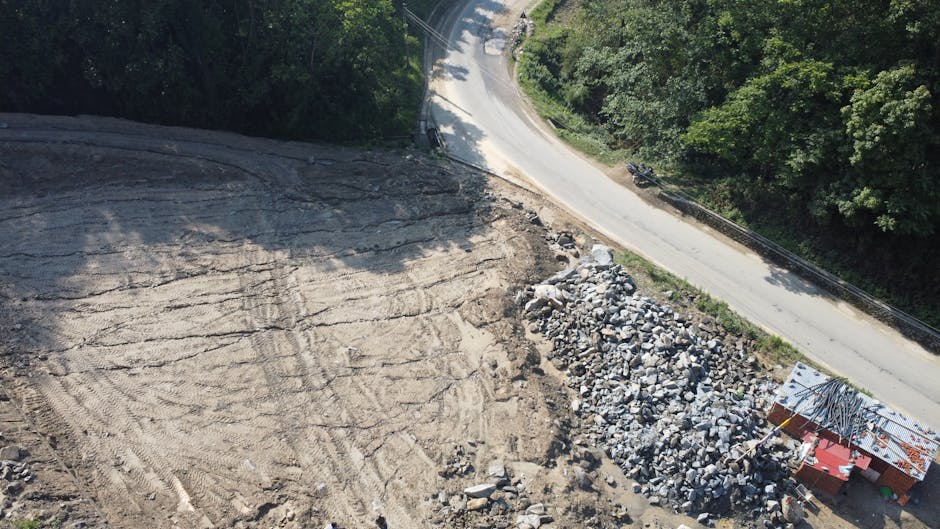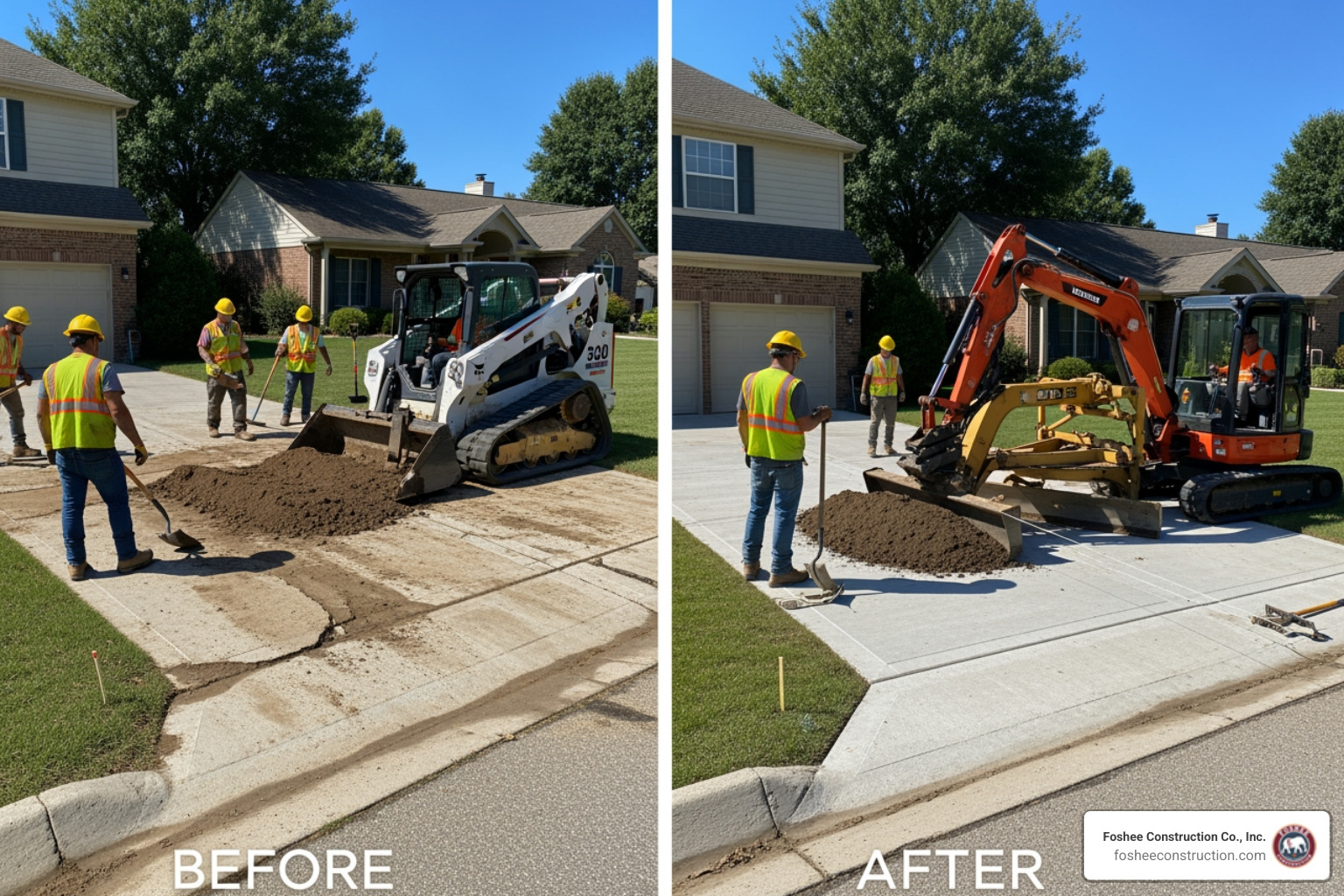
When we talk about complete site prep Minneola, we aren't just talking about knocking down a few trees and calling it a day. It is a comprehensive engineering process that transforms raw Lake County land into a stable, build-ready surface. Think of it as the "invisible" part of your building; while nobody sees the compaction levels or the storm pipes once the project is finished, every inch of the structure above ground relies on them.
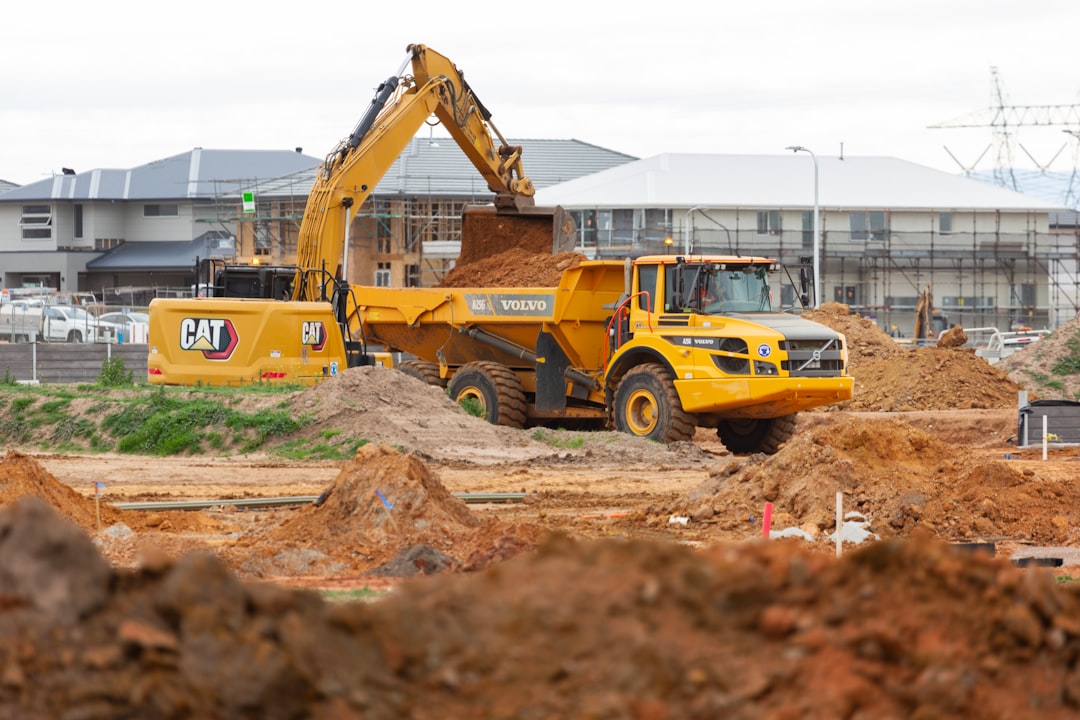
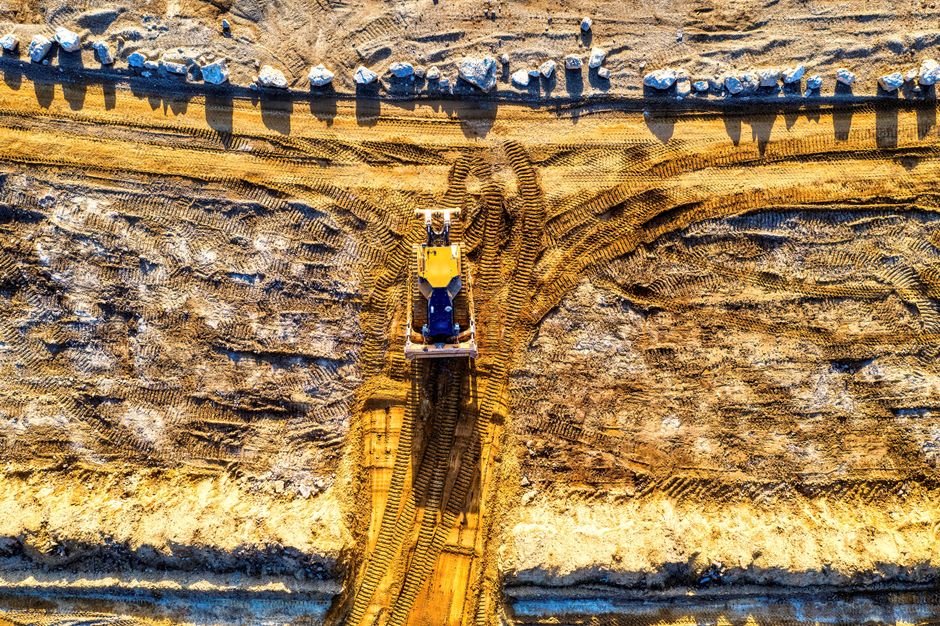
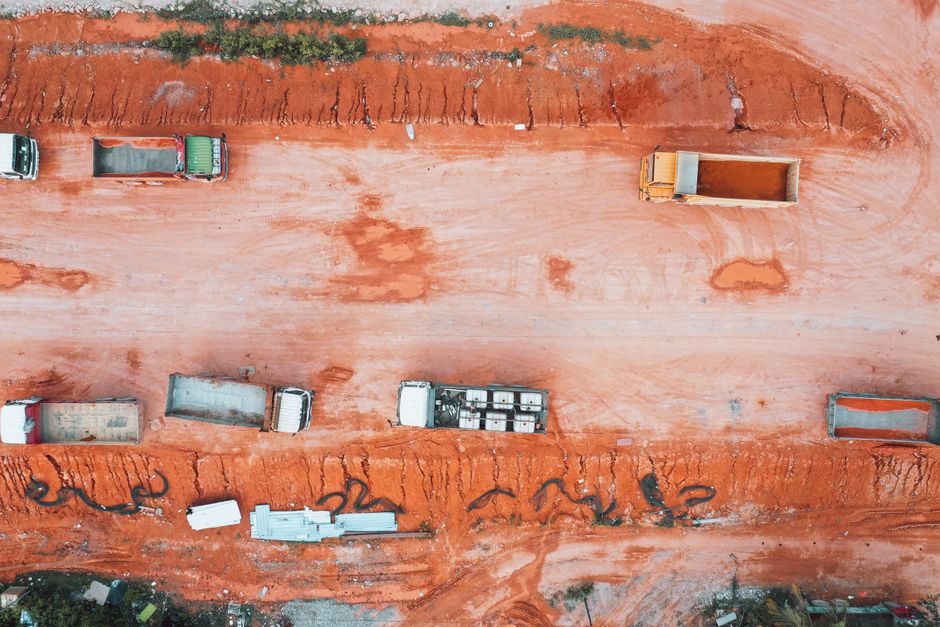
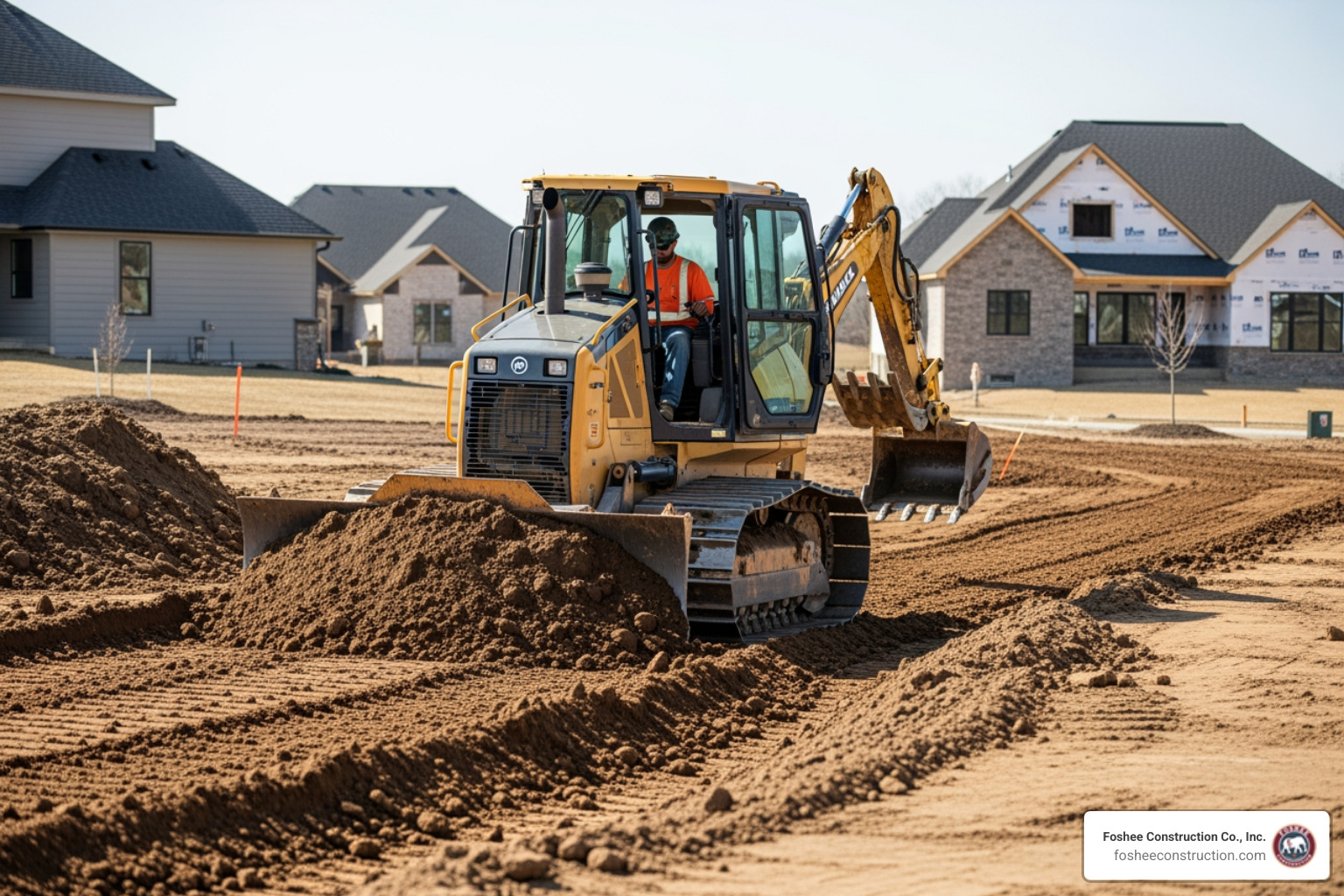
Effective Site Preparation Services involve a series of interconnected steps. First, we must address the "green" waste. This involves clearing debris and vegetation that would otherwise interfere with the structural integrity of the site. Following clearing, expert earthwork begins. This is where we move massive quantities of dirt—sometimes hundreds of thousands of cubic yards—to ensure the site sits at the correct elevation.
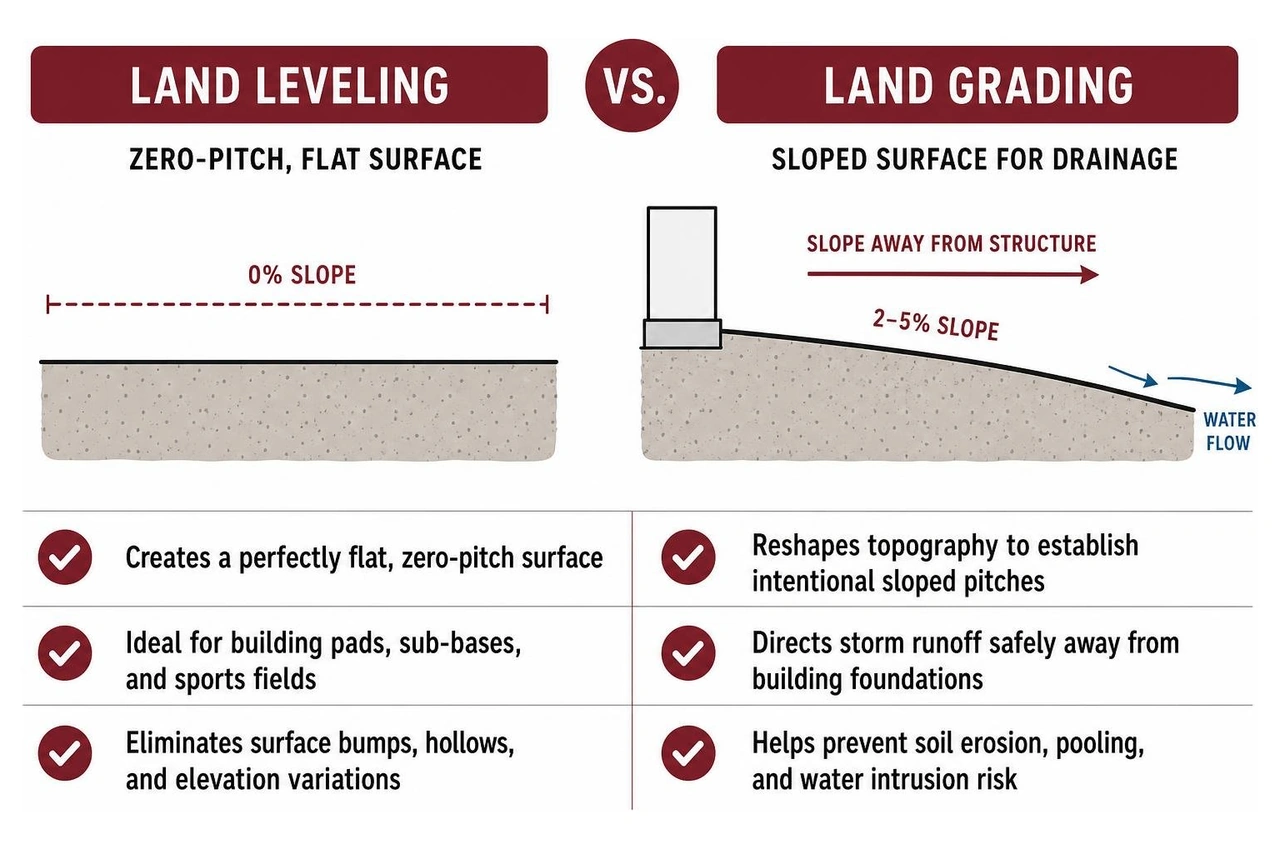
Grading and drainage solutions are perhaps the most vital components. In Minneola, where the hills can lead to significant runoff, we must shape the land so that water flows away from the future foundation. Without proper soil compaction and stabilization, even the most beautiful home or commercial facility will eventually suffer from settling, leading to cracked slabs and shifted door frames.
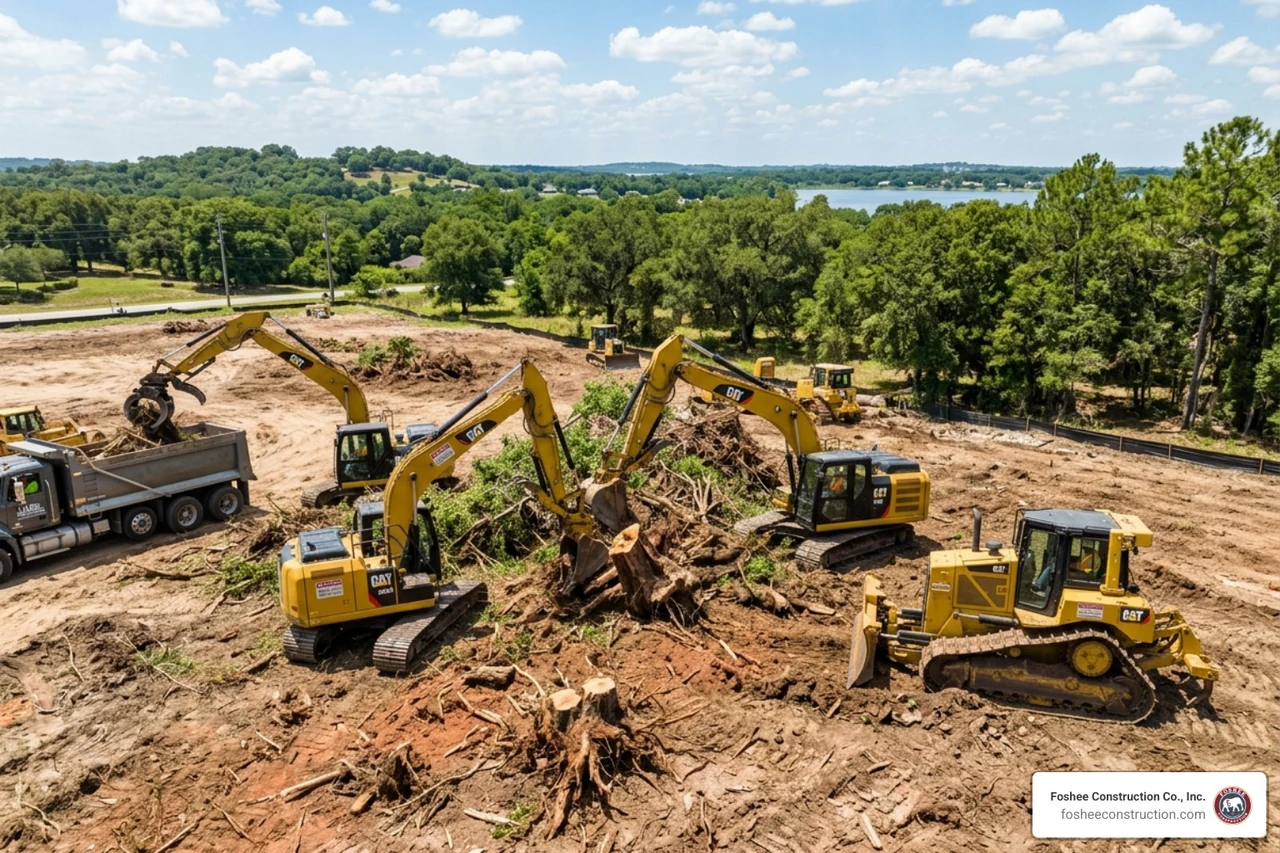
To achieve a truly "complete" preparation, we focus on the details beneath the surface. Land Clearing and Site Preparation must include thorough grubbing. Grubbing is the process of removing the "stuff" left behind after the trees are gone—specifically stumps and root systems.
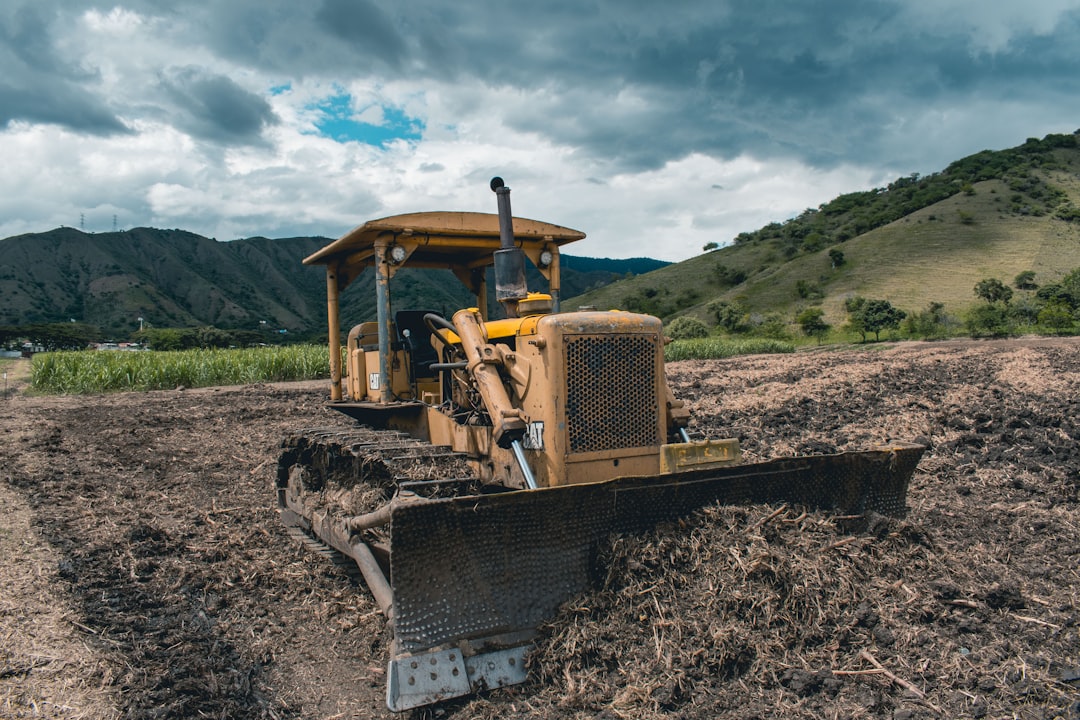
Many people ask if they can just grind a stump down and bury it. The answer is a resounding "no." As that organic material decays over the next decade, it leaves a void in the earth. If that void is under your driveway or foundation, the ground will collapse into it. We utilize heavy machinery to extract these roots entirely, followed by hauling the debris off-site to leave a clean, mineral-soil slate.
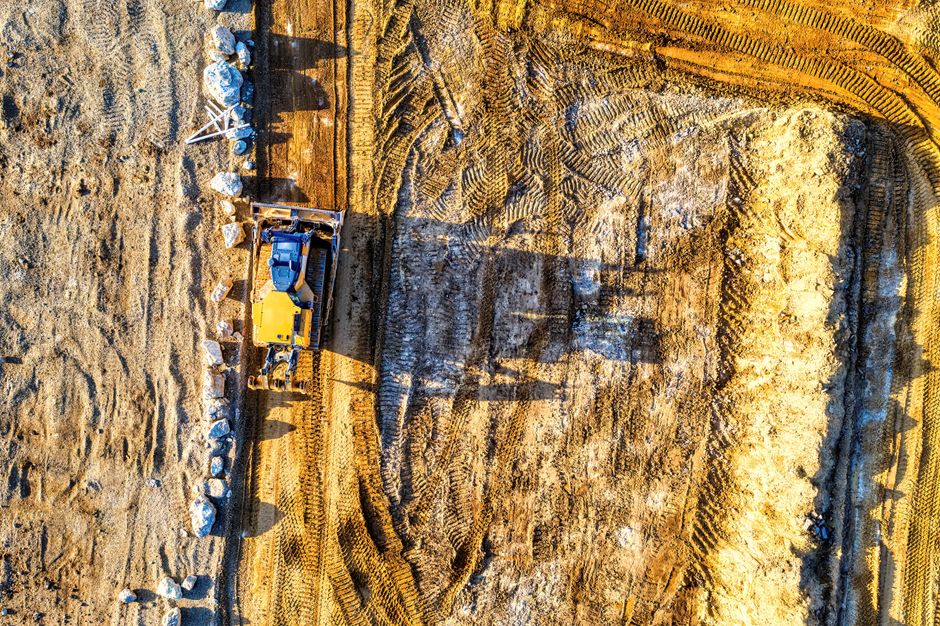
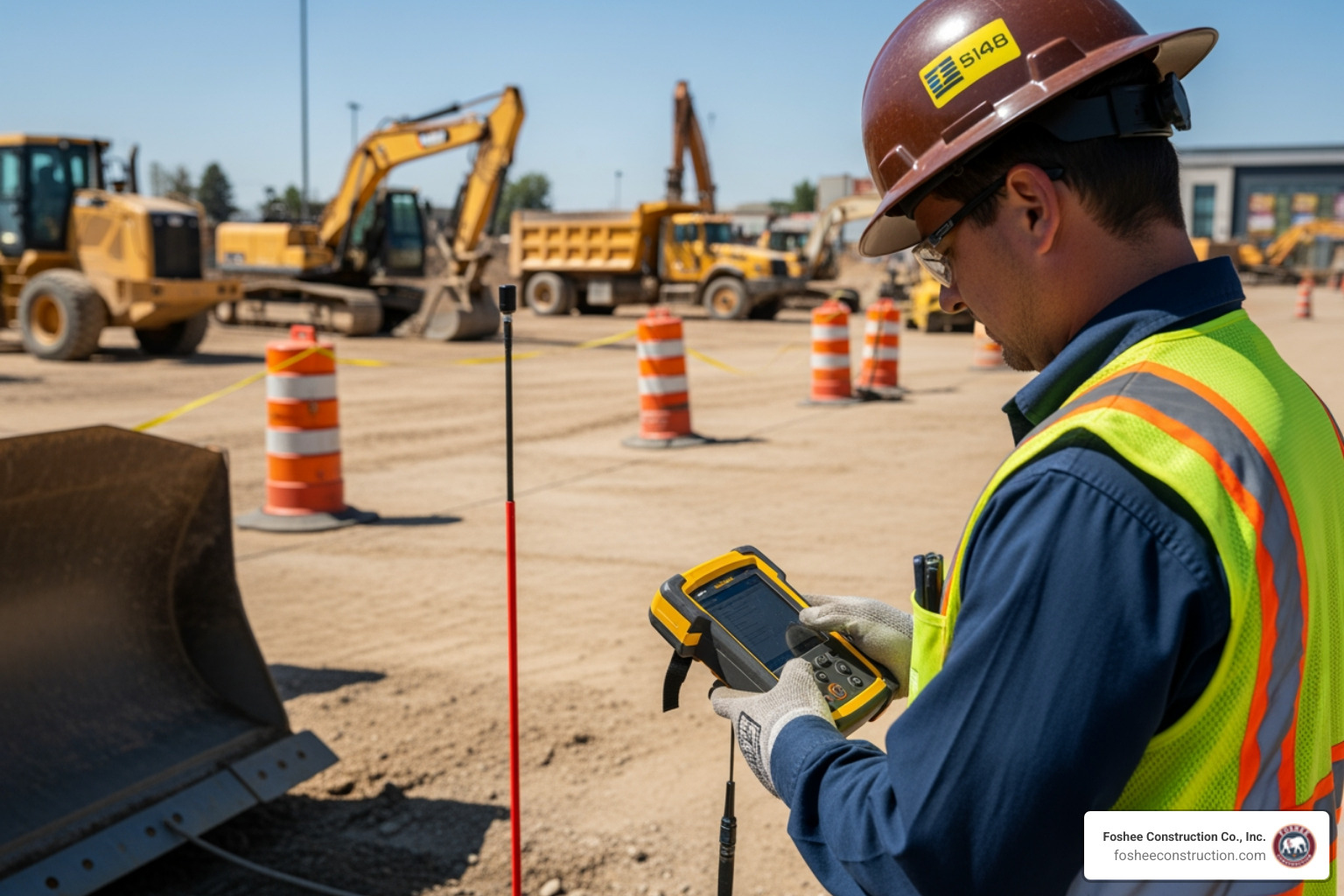
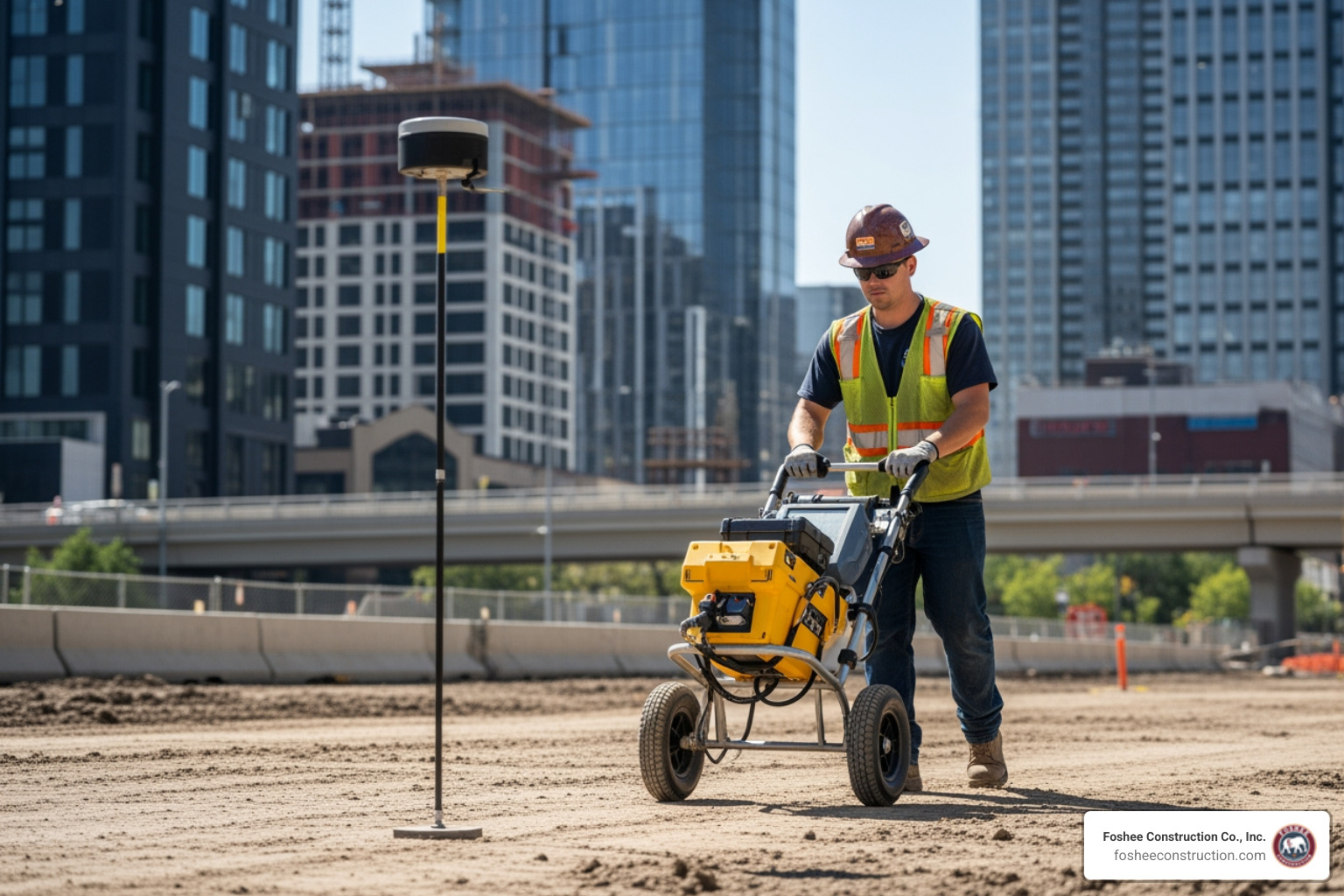
In the old days, grading was done largely by "eye" and manual stakes. Today, we utilize laser grading technology to achieve a level of accuracy that was previously impossible. This technology uses a laser transmitter to send a level plane across the job site, which is picked up by receivers on our equipment.
This precision offers several benefits:
Minneola isn't like the rest of Florida. While much of the state is a flat limestone shelf, Lake County is famous for its rolling terrain and sandy soils. This creates a unique set of challenges for complete site prep Minneola. Sandy soil is excellent for drainage, but it can be difficult to compact if not handled with the right moisture content and equipment.
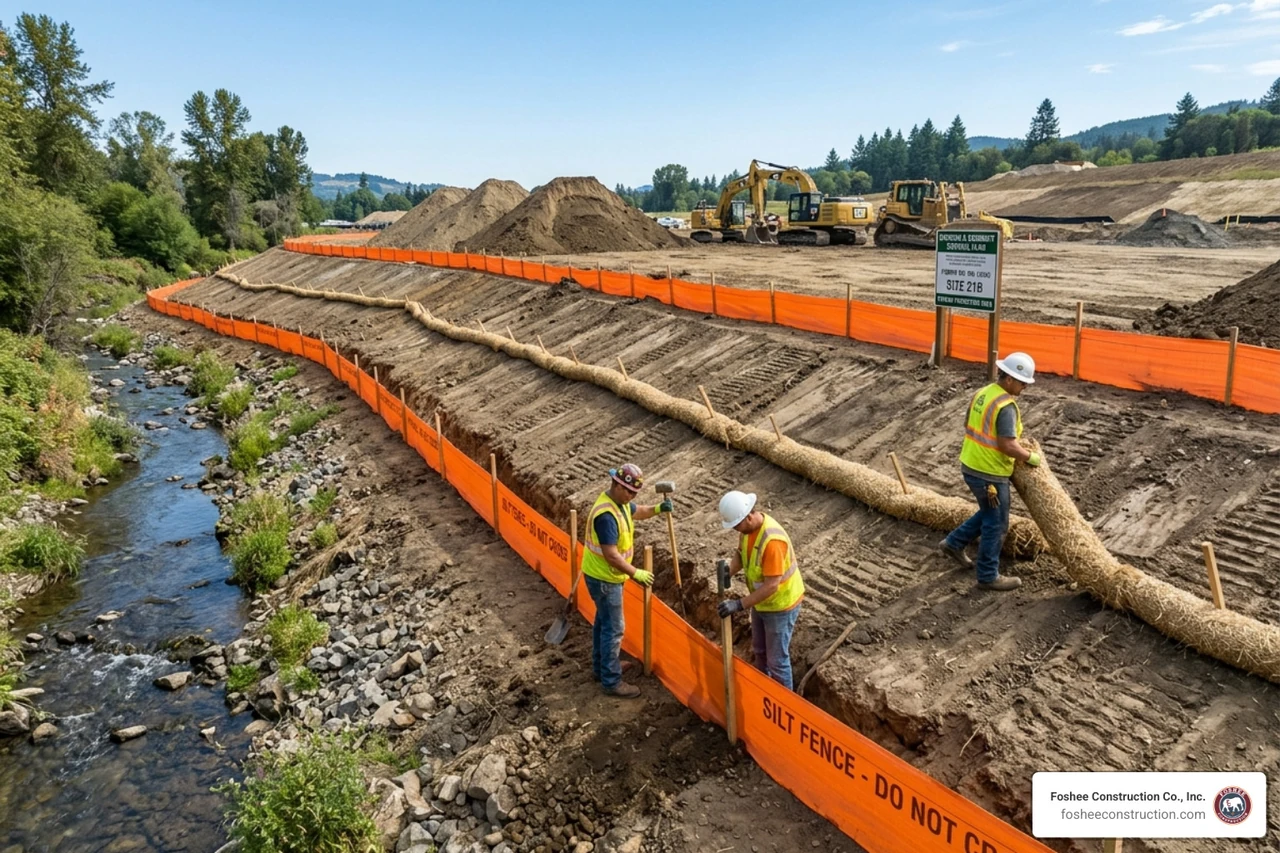
Furthermore, the elevation changes in Minneola mean that Erosion Prevention Construction Sites are a top priority. If you clear a hillside and a typical Florida afternoon thunderstorm rolls in, your expensive topsoil—and your project's compliance—can wash right into the nearest storm drain or lake.
| Feature | Residential Site Prep | Commercial/Multi-Family Site Prep |
|---|---|---|
| Typical Acreage | 0.25 - 5 Acres | 10 - 50+ Acres |
| Earthwork Volume | Low to Moderate | High (Often 200,000+ cubic yards) |
| Utility Complexity | Standard hookups | Lift stations, fire mains, force mains |
| Permitting | Local HOA & Building Dept | County, SWFWMD, FDEP, OSHA |
| Erosion Control | Silt fences, hay bales | Rock dams, turbidity barriers, basins |
Beyond the physical dirt, we have to navigate the "paperwork terrain." Minneola has strict HOA guidelines and county permits that govern everything from which trees are protected to how much dust your site can produce.
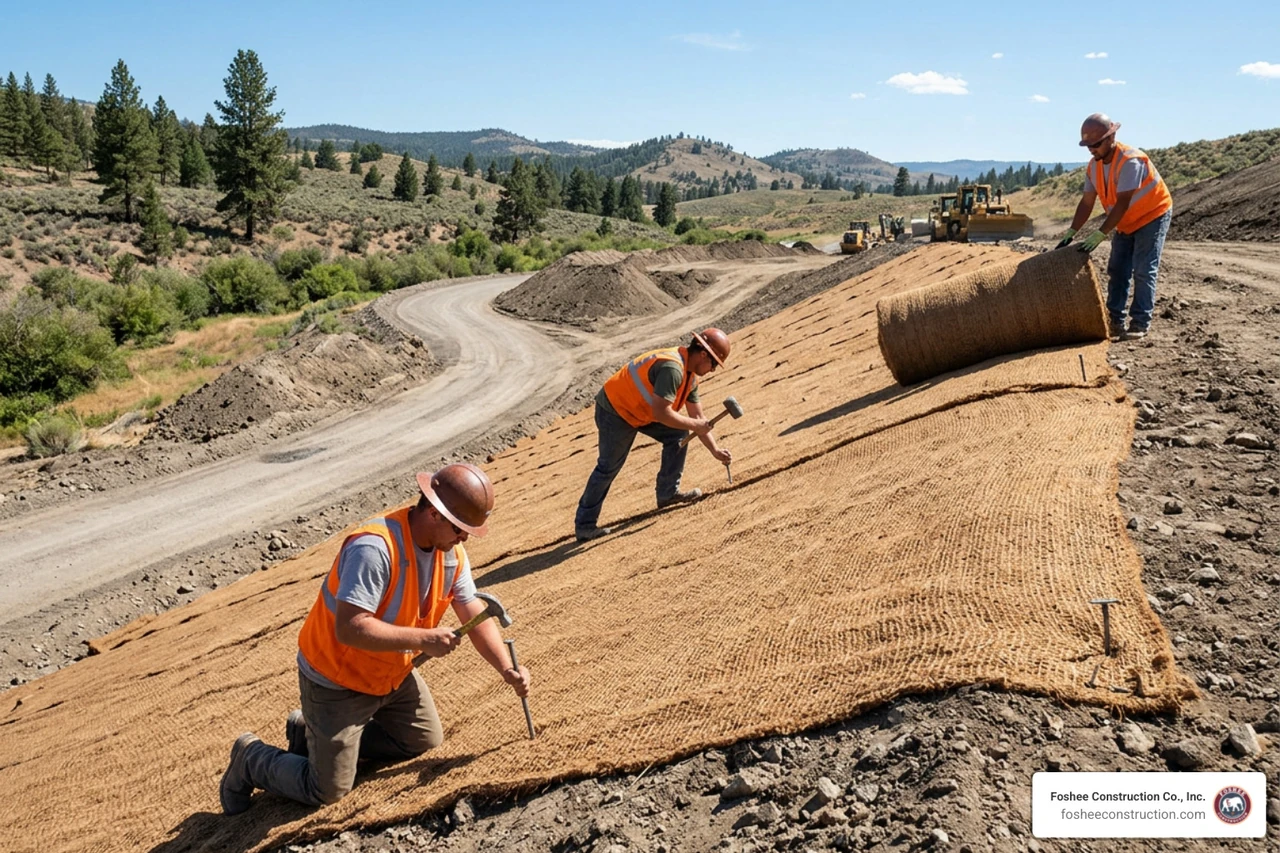
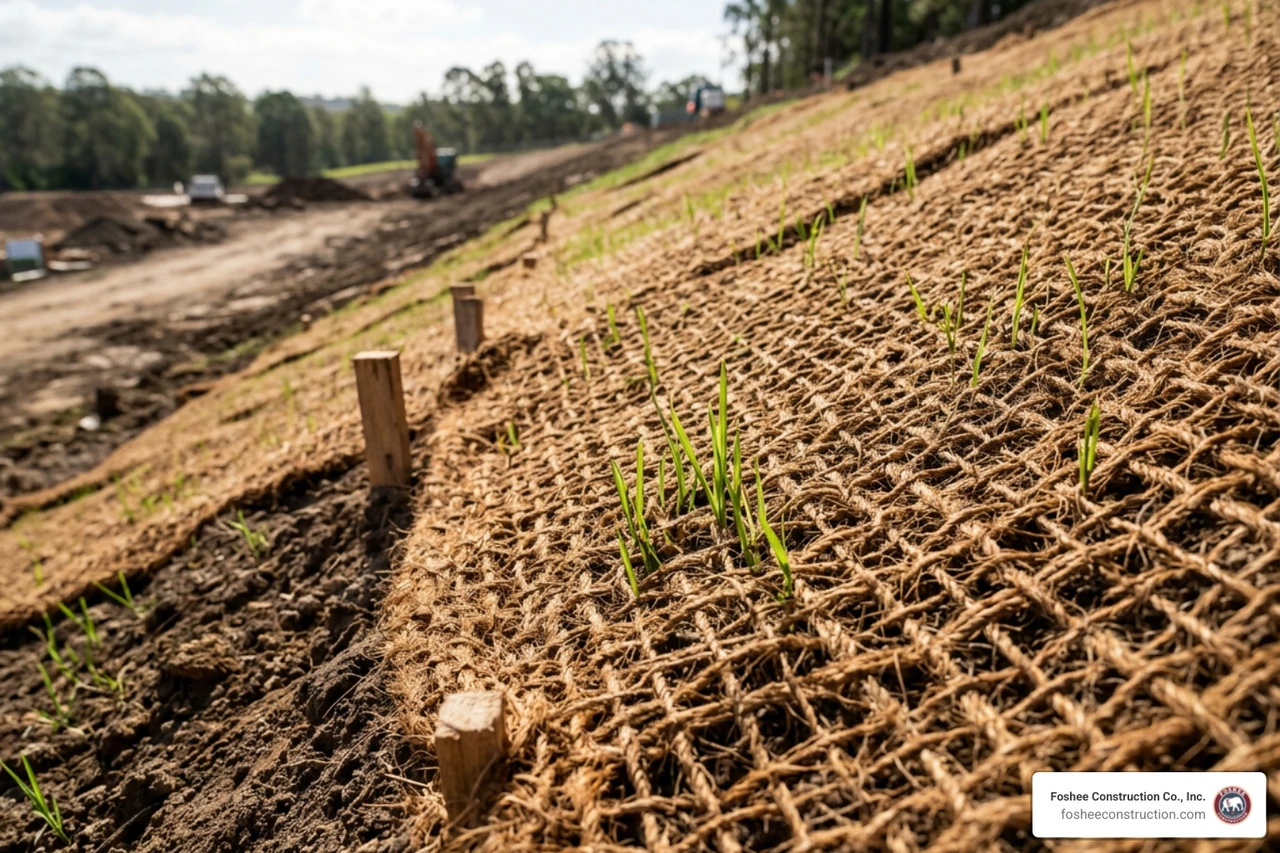
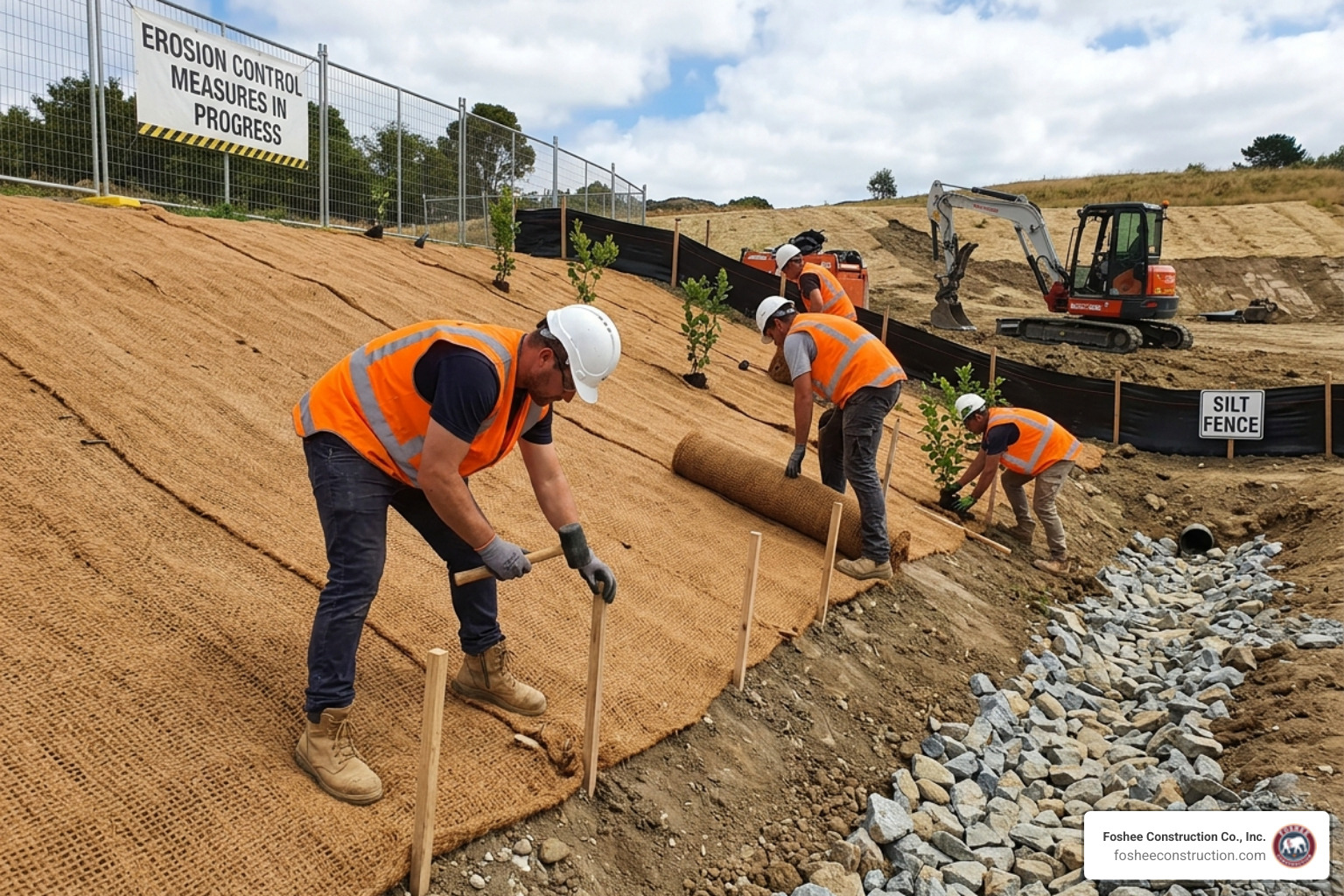
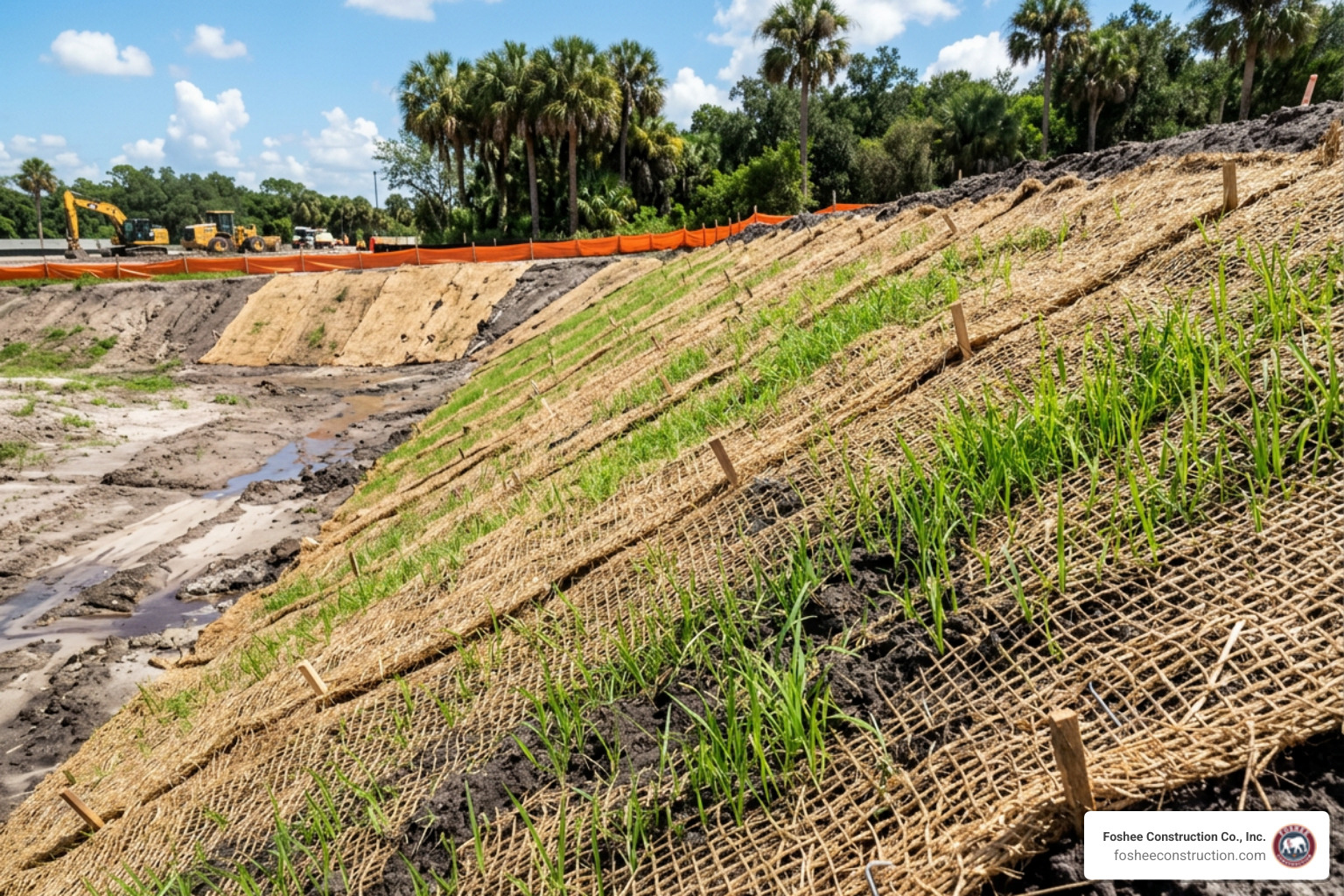
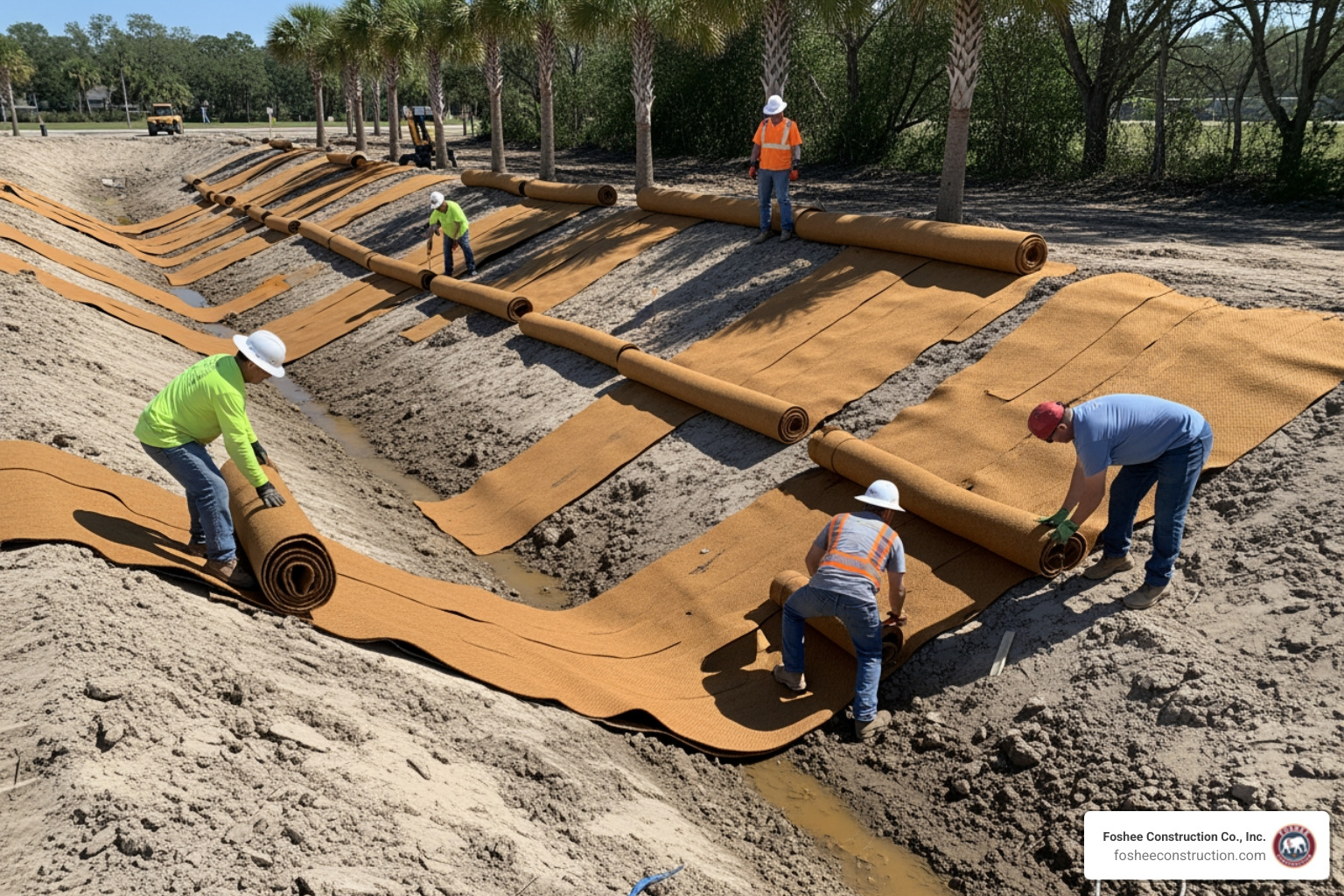
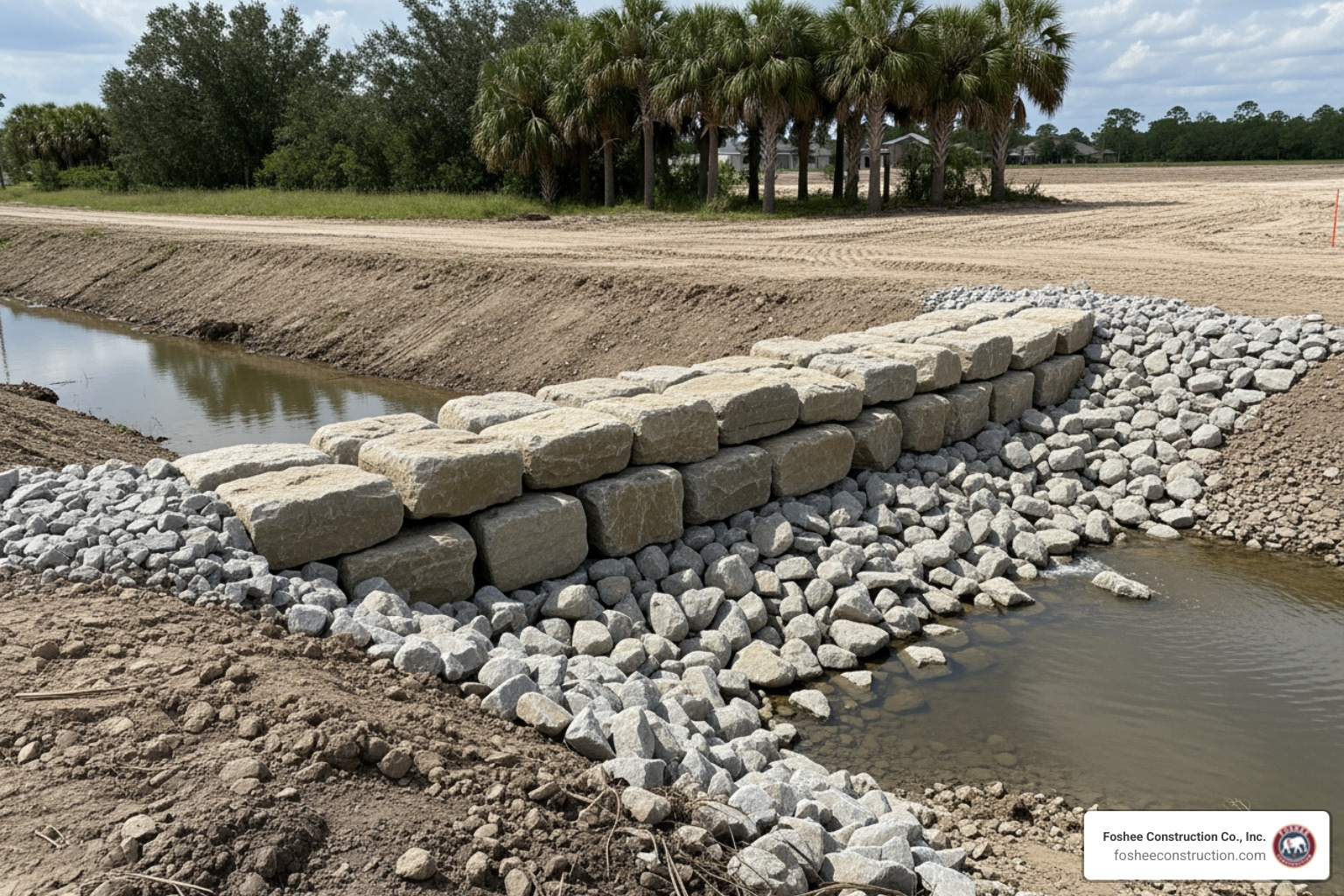
Controlling water is 90% of the battle in Florida sitework. We don't just dig holes; we build systems. This includes the installation of Erosion Control Rock Check Dams to slow down water in swales and the use of Erosion Control Blanket technology on slopes to keep the dirt where it belongs.
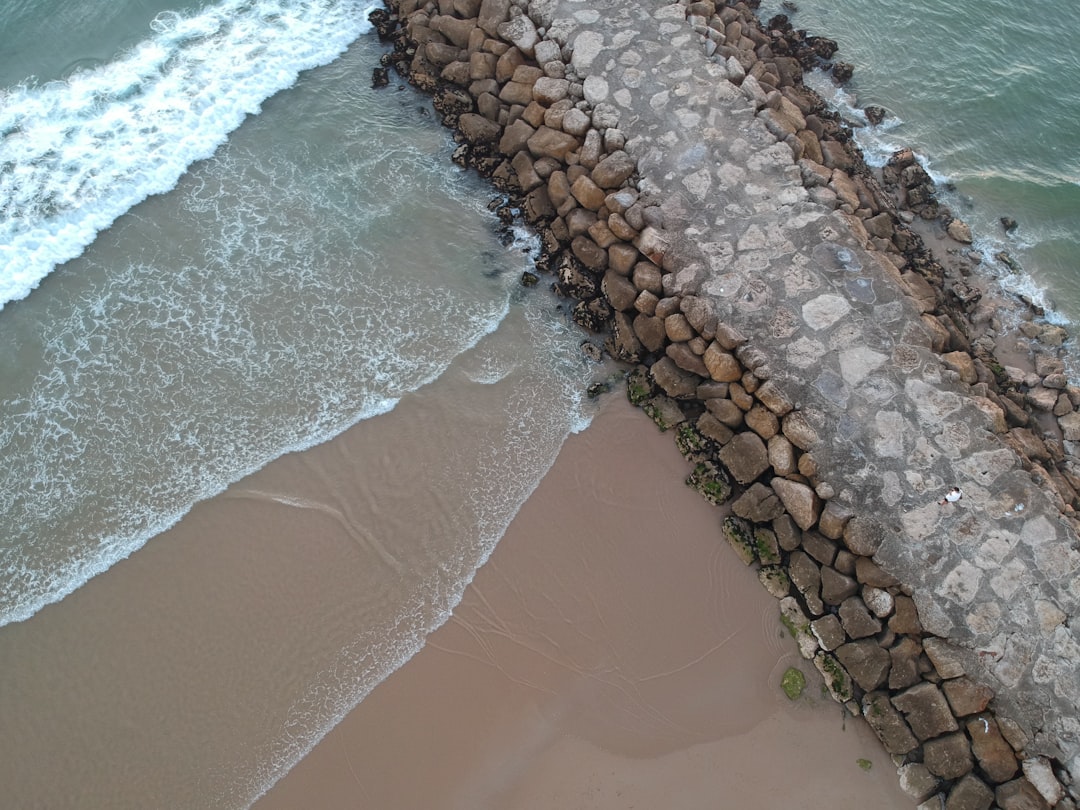
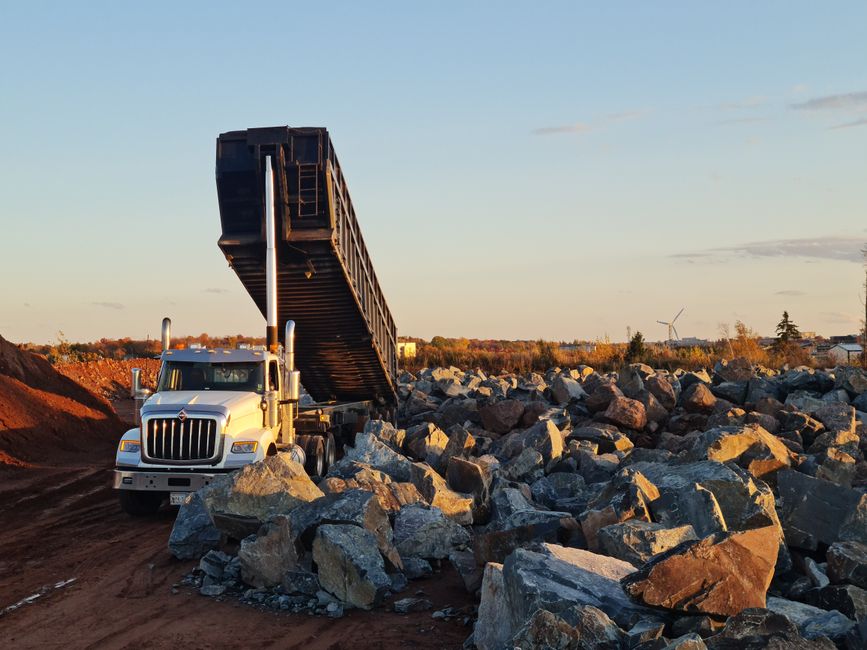
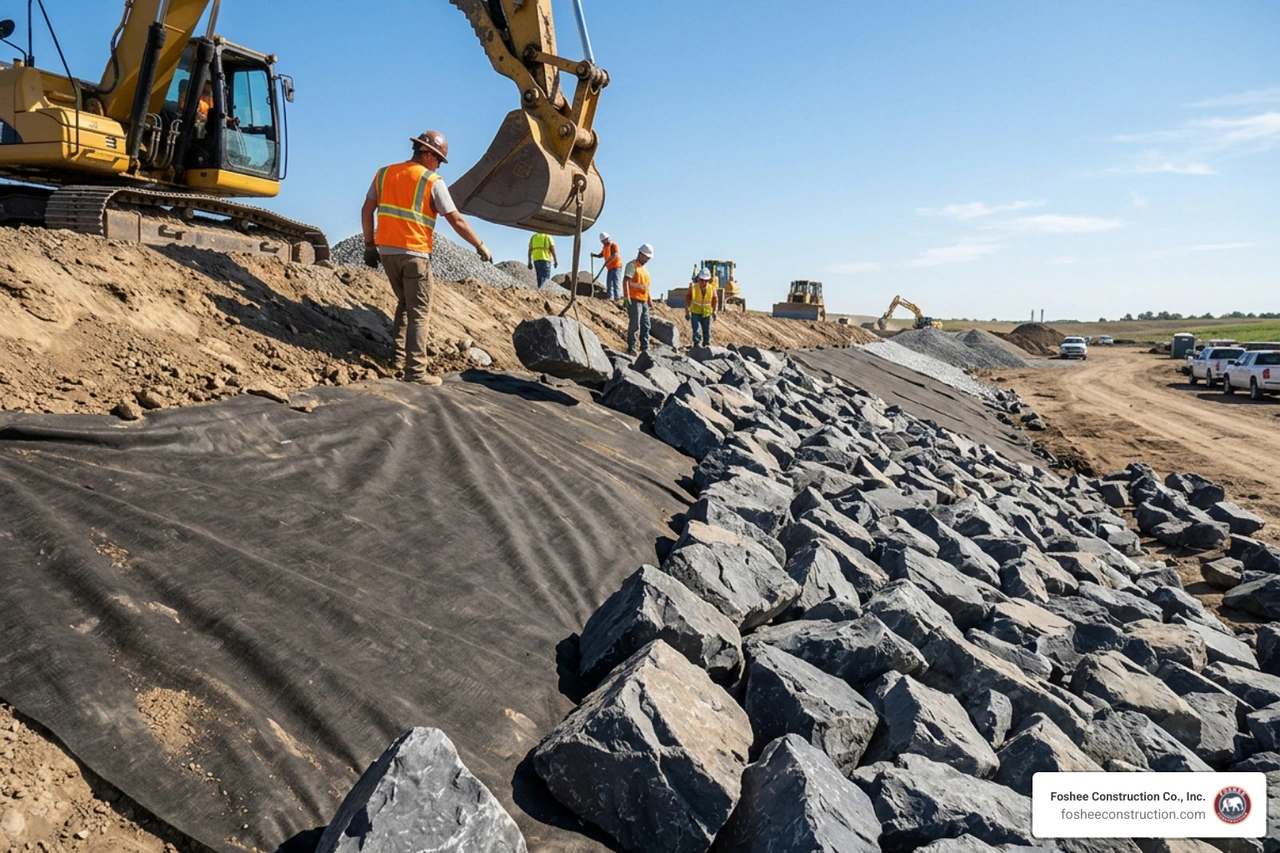
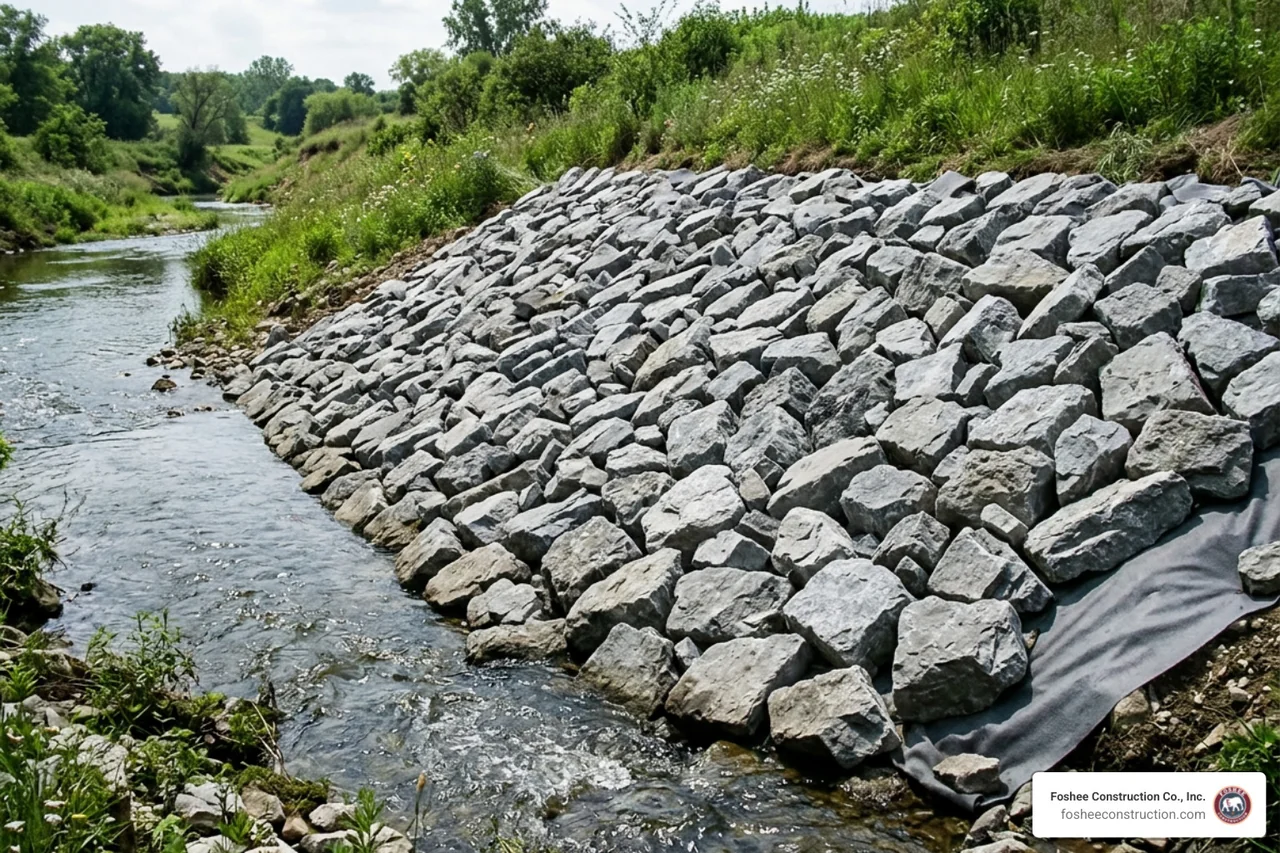
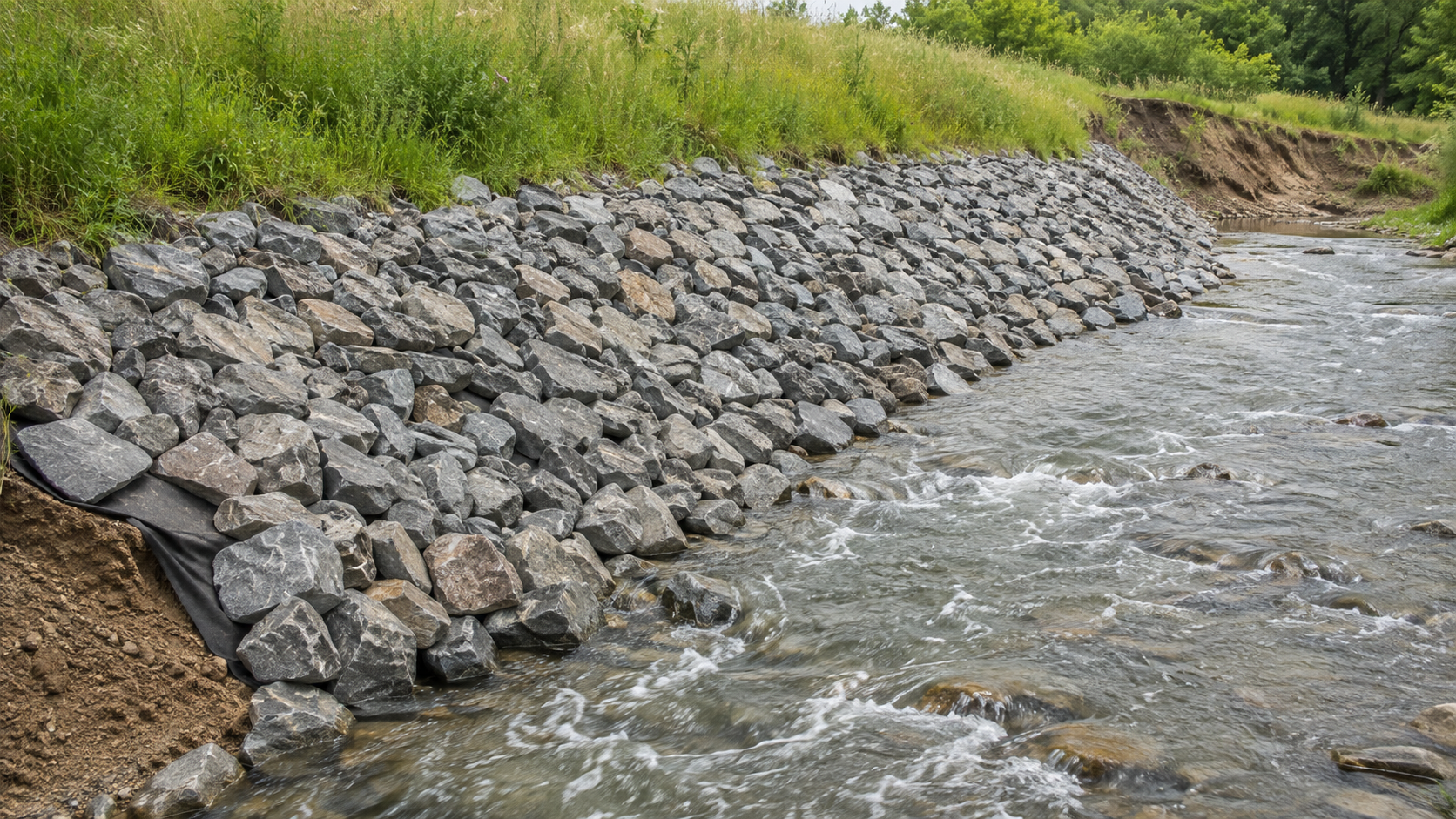
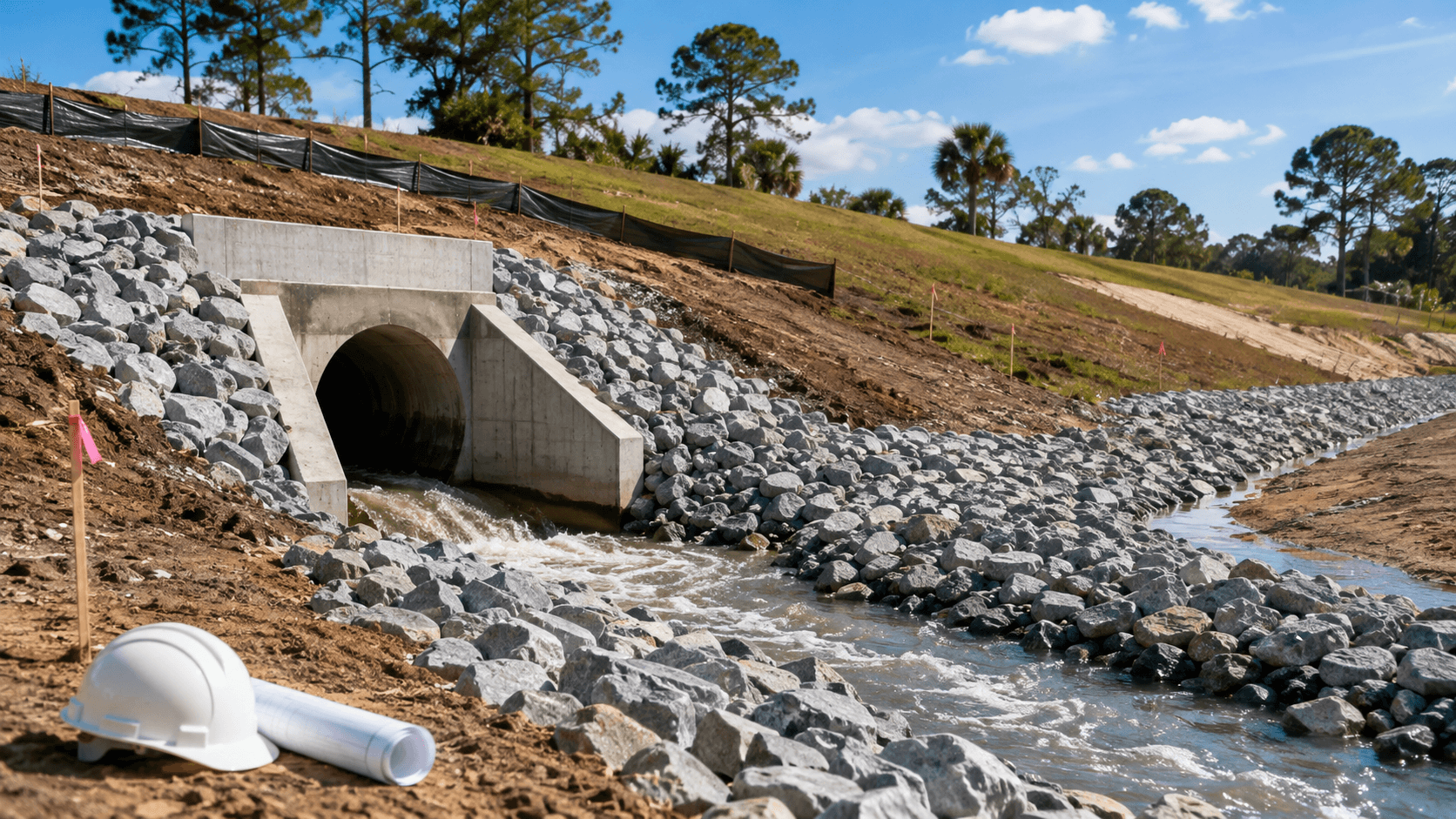
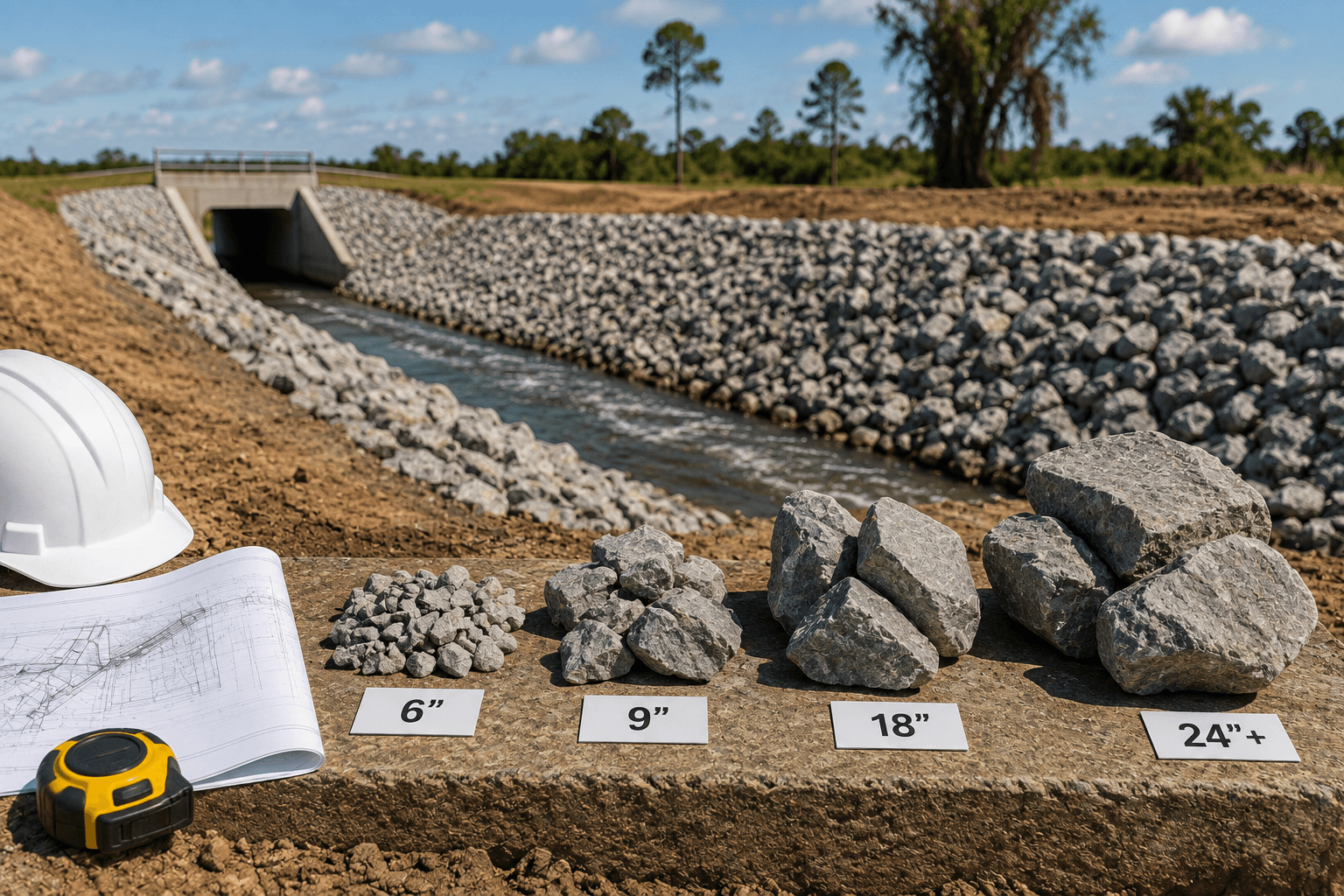
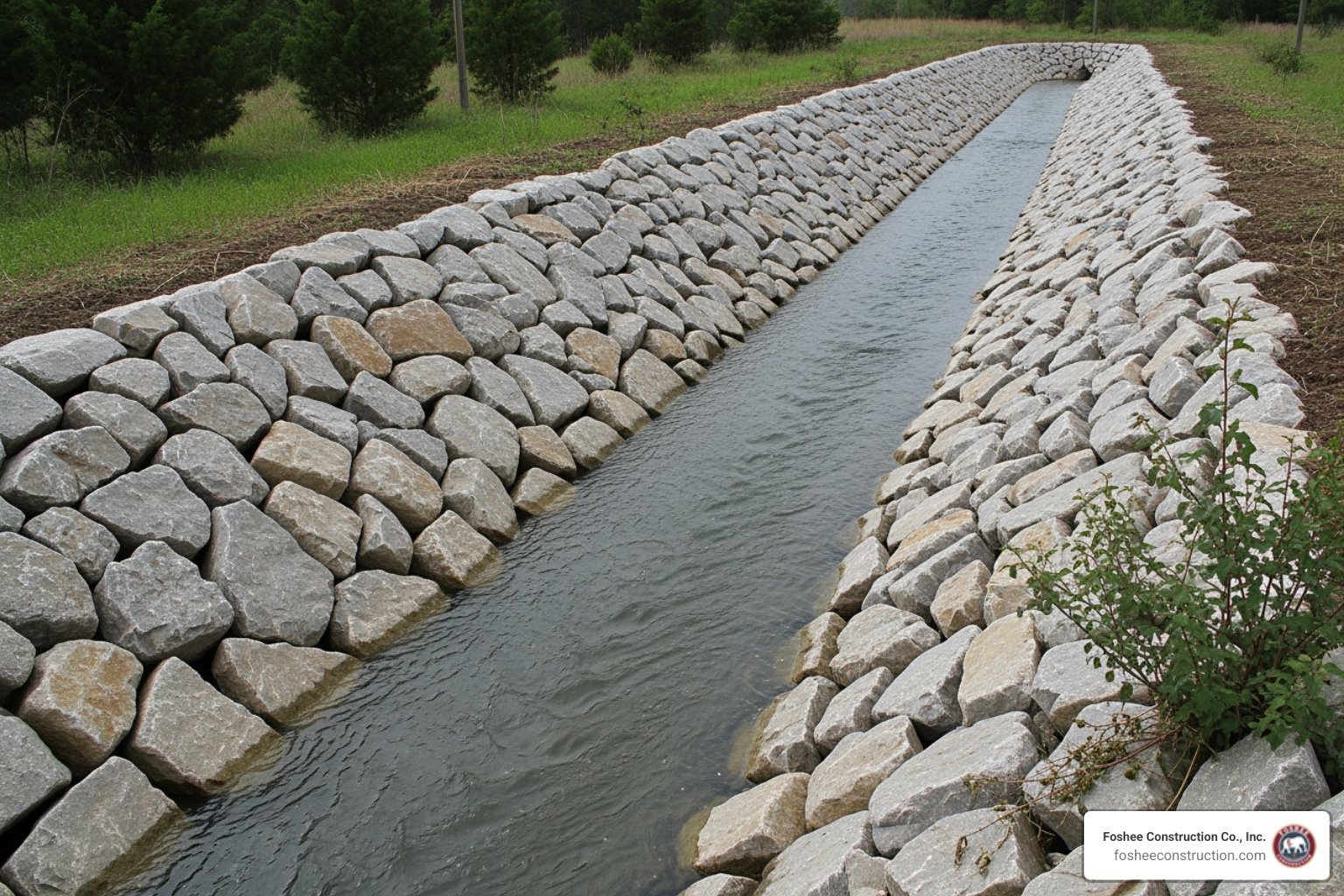
For more permanent solutions, we install Erosion Control Rip Rap (large rocks) around pipe outfalls and utilize Erosion Control Matting Installation for long-term stabilization of embankments and retention ponds. These measures aren't just "nice to have"—they are legal requirements to protect our local water quality.
We believe in transparent bids, which means understanding what drives the cost of your project. Several factors influence the final number:
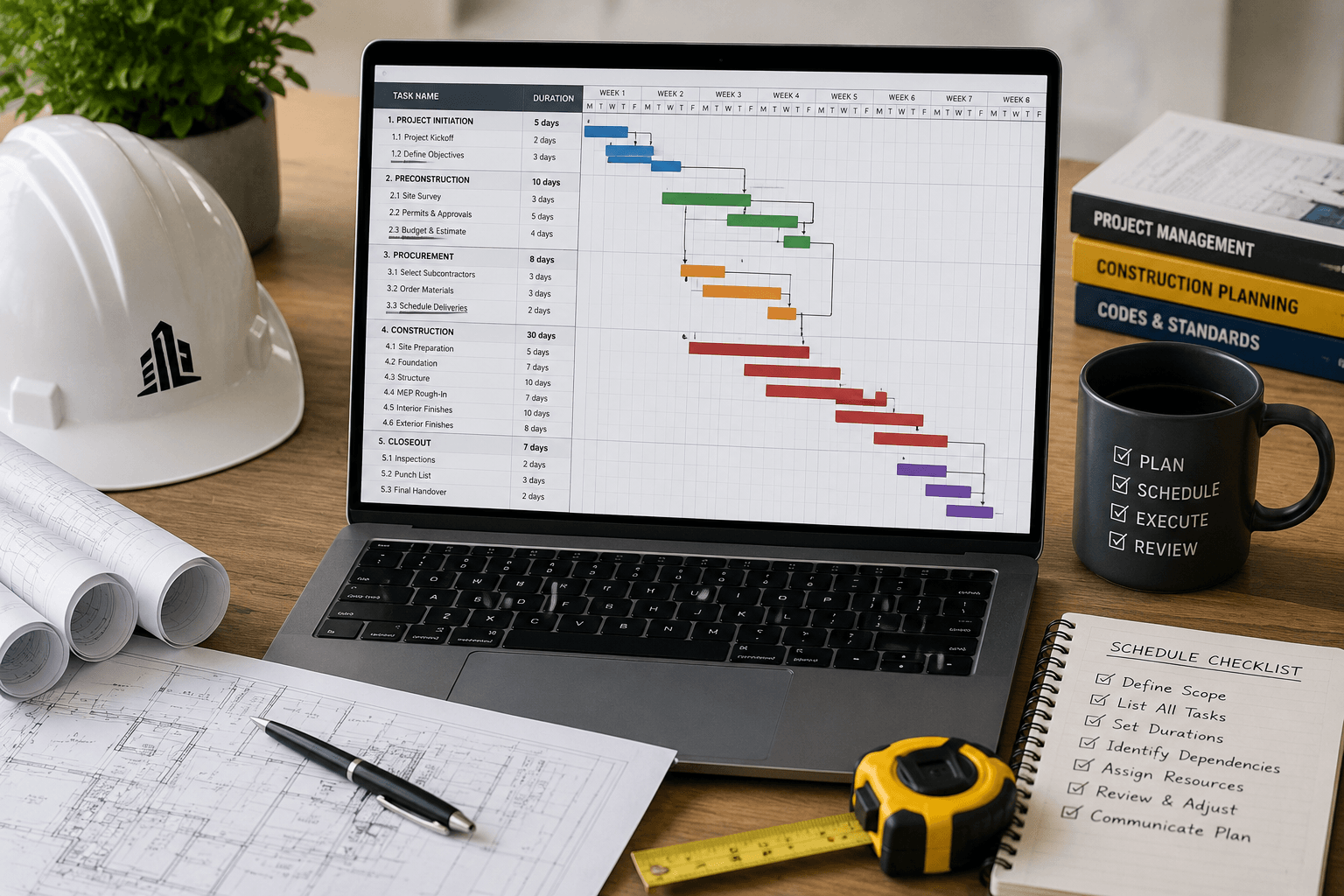
Managing a timeline starts with a disciplined schedule. We follow a proven path from the initial assessment to the moment the vertical builders take over.
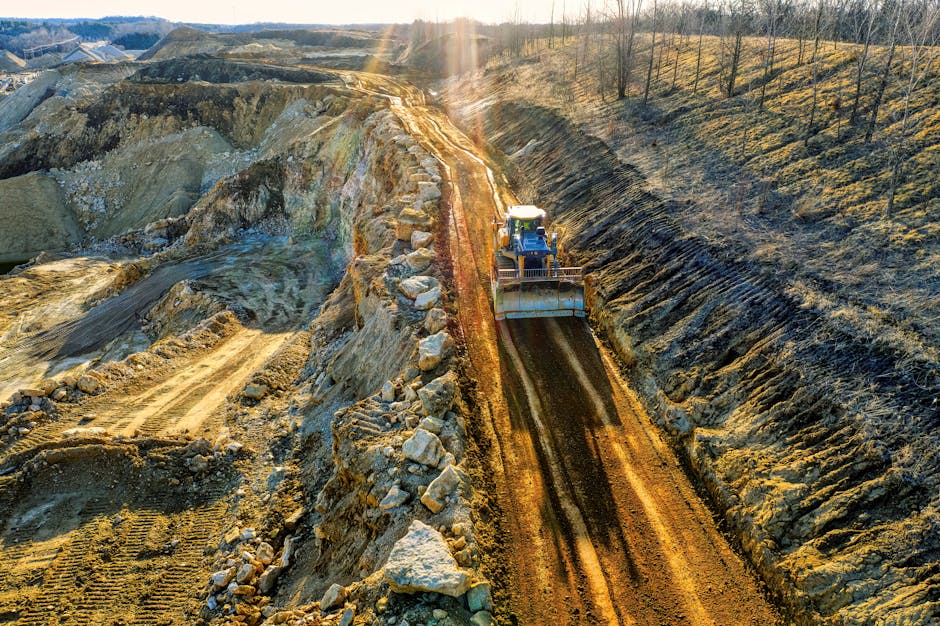
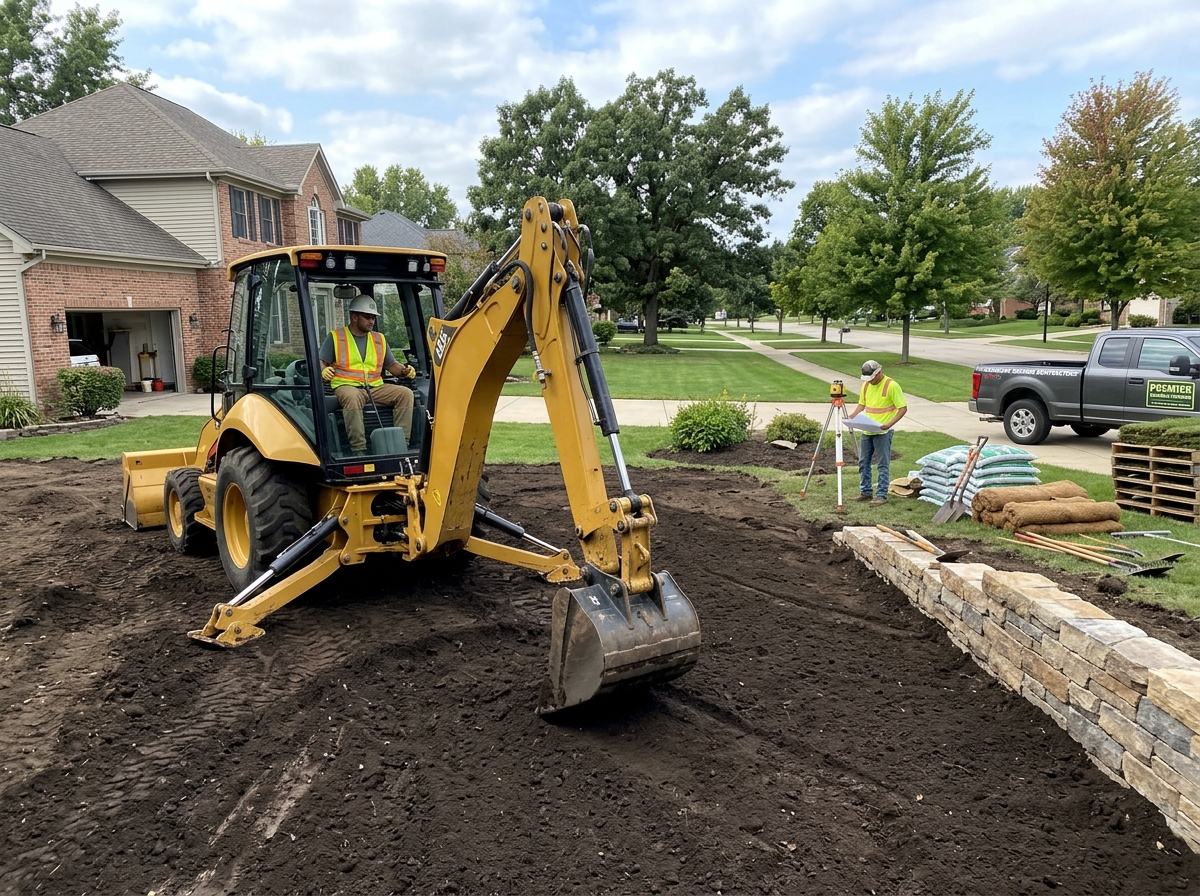
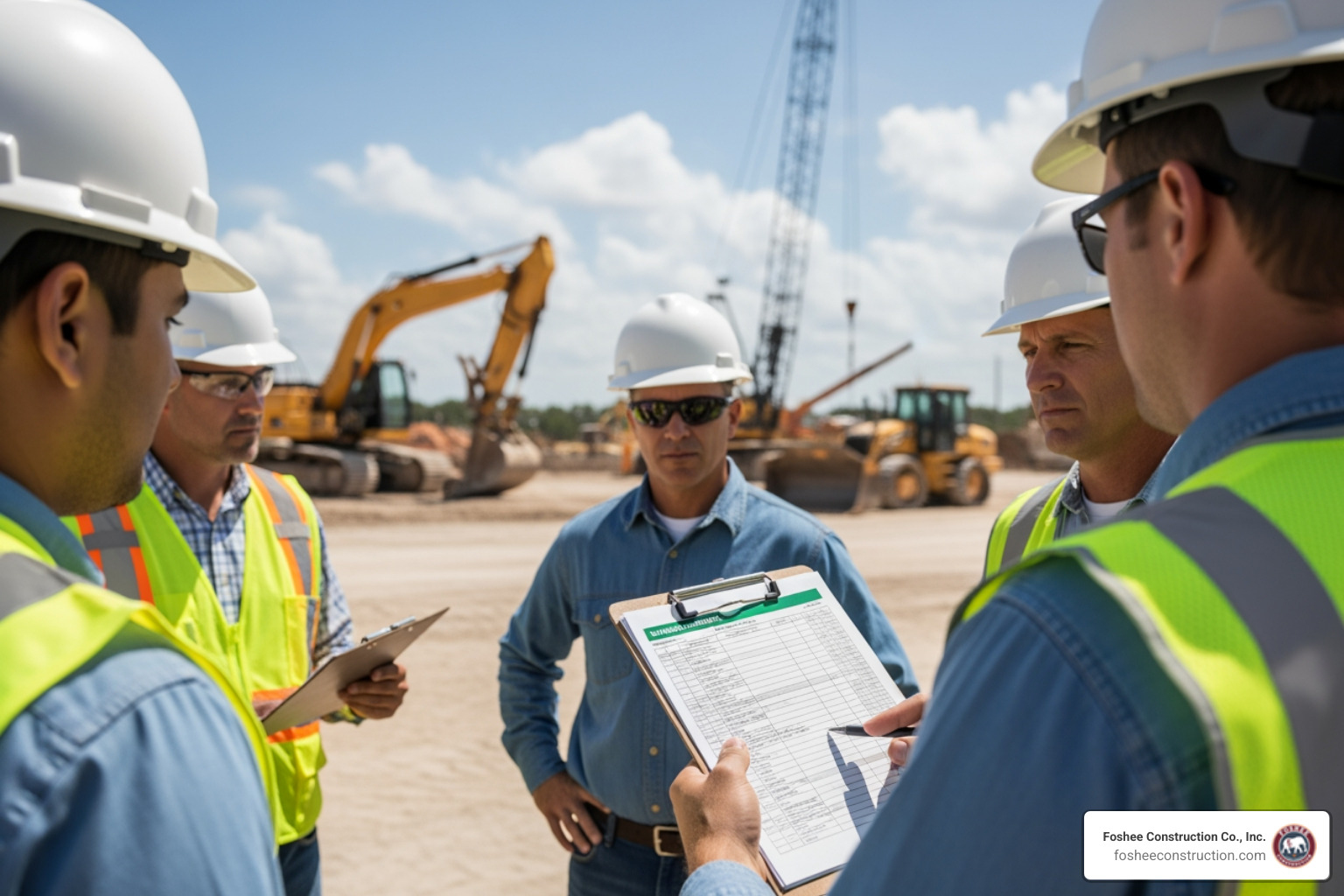
The process begins with a site survey and initial assessment. We look at the "lay of the land" and compare it to the engineered drawings. Then, rough grading begins. This is the heavy lifting phase where we move the bulk of the earth to create the general shape of the site.
One of our hallmark projects, the Hills of Minneola, Minneola FL, serves as a perfect example. We broke ground in early 2025 on a spine road project that involved clearing 23 acres and installing miles of infrastructure.
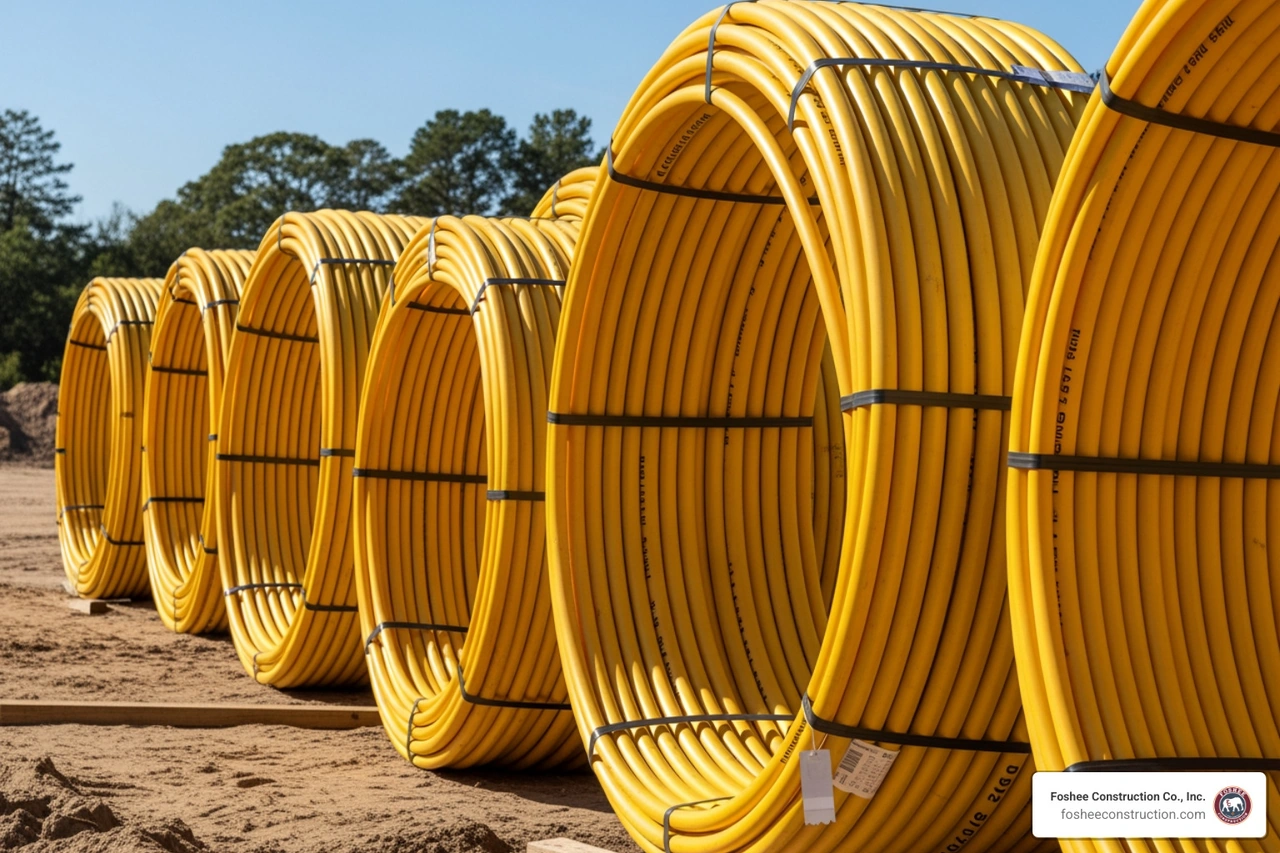
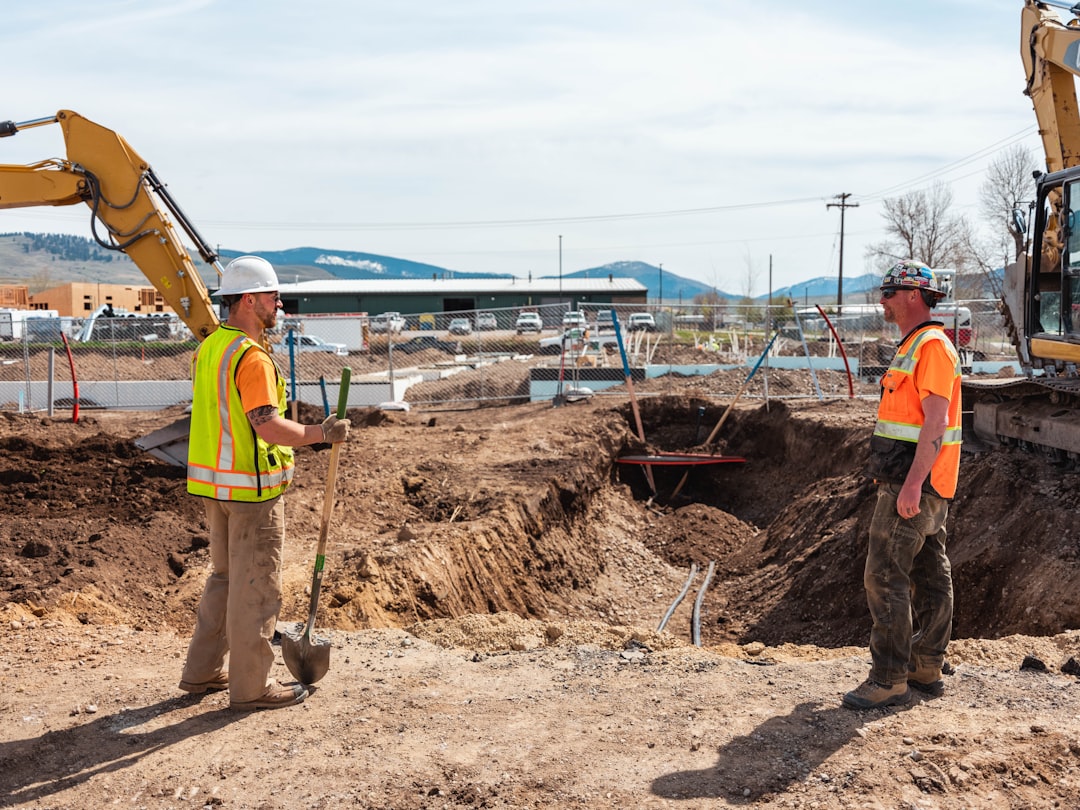
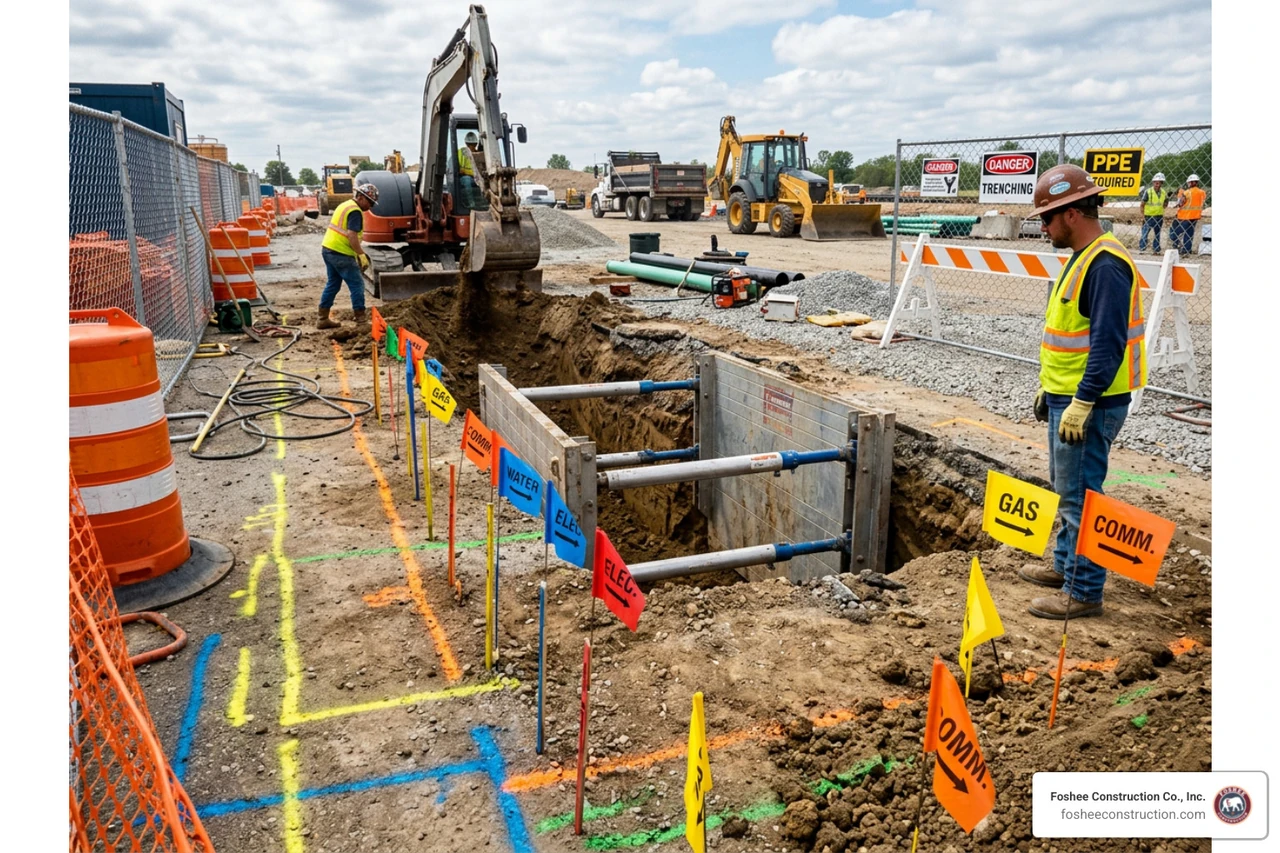
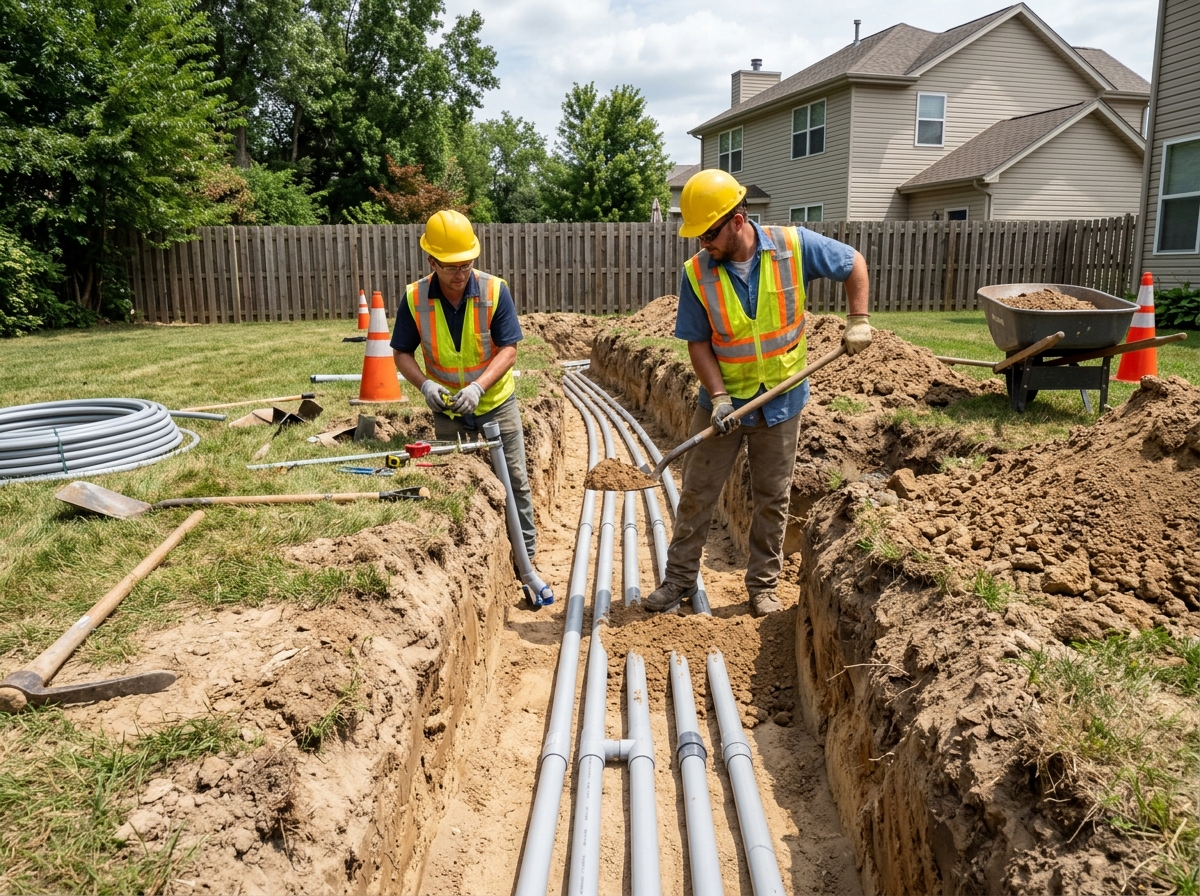
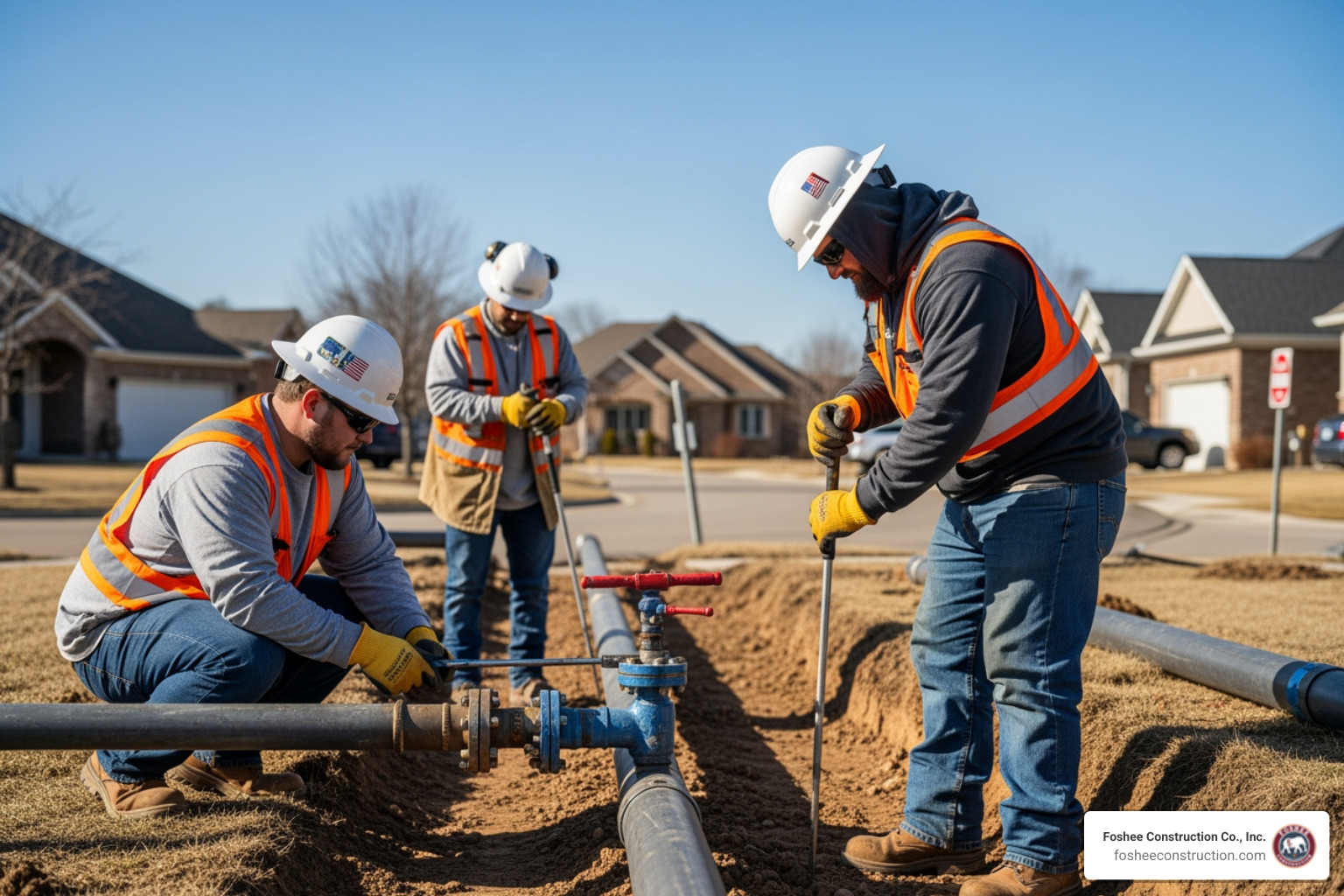
Once the land is roughly shaped, we move into the "veins and arteries" of the site. This is the underground utility phase. For a major development, this isn't just a garden hose. Our work on the Hills of Minneola project included:
You can see more of our comprehensive Projects to understand the scale at which we operate.
The final stage is all about finesse. We stabilize the soil and prepare the "pads"—the specific spots where buildings will sit. This involves final grading to ensure the pad is exactly at the specified elevation.
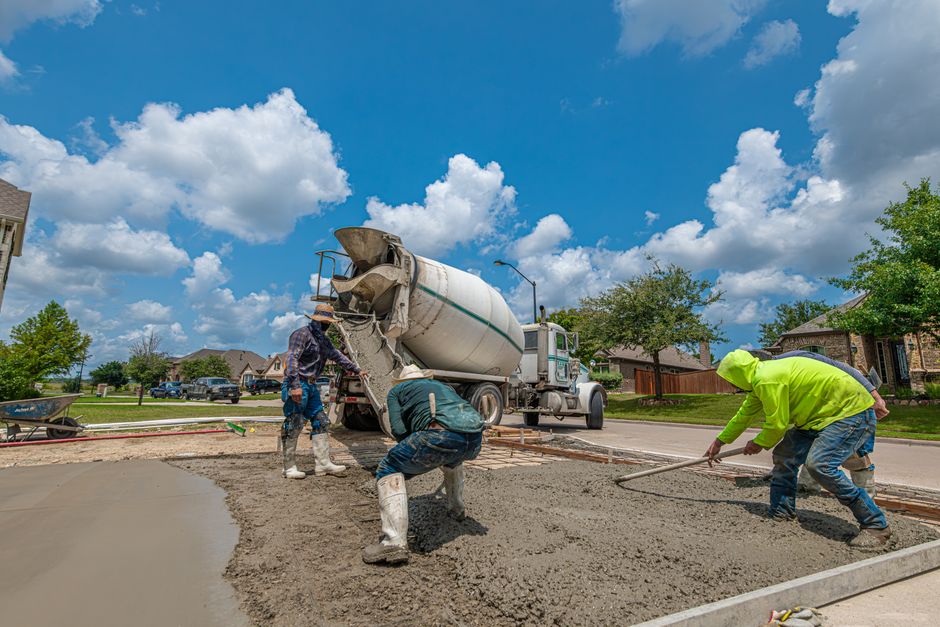
We also build the access roads that allow other crews to get to the site without getting stuck in the sand. This includes installing paving systems (over 12,000 square yards on the Hills project), curbs, and sidewalks. When we finish, the site is a clean, organized, and accessible environment ready for the next phase of construction.
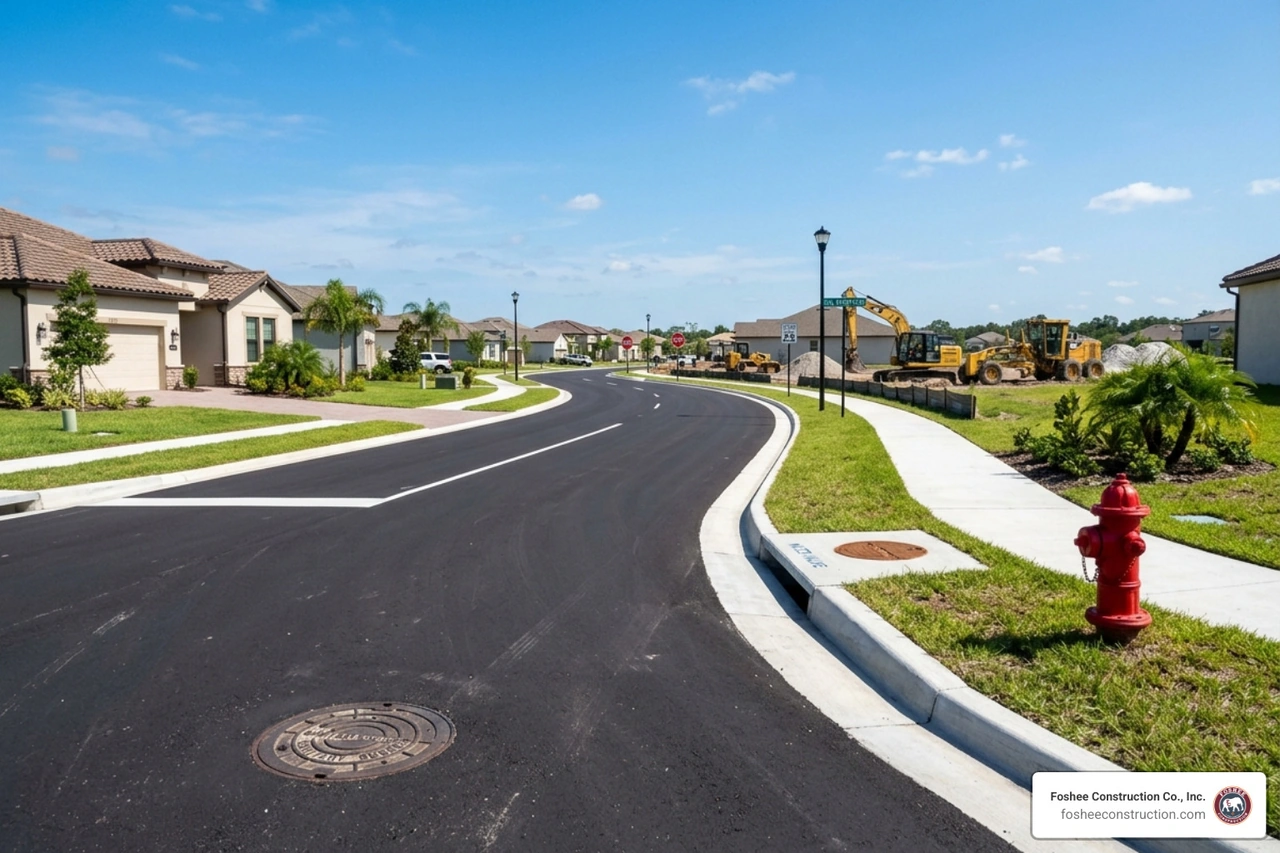
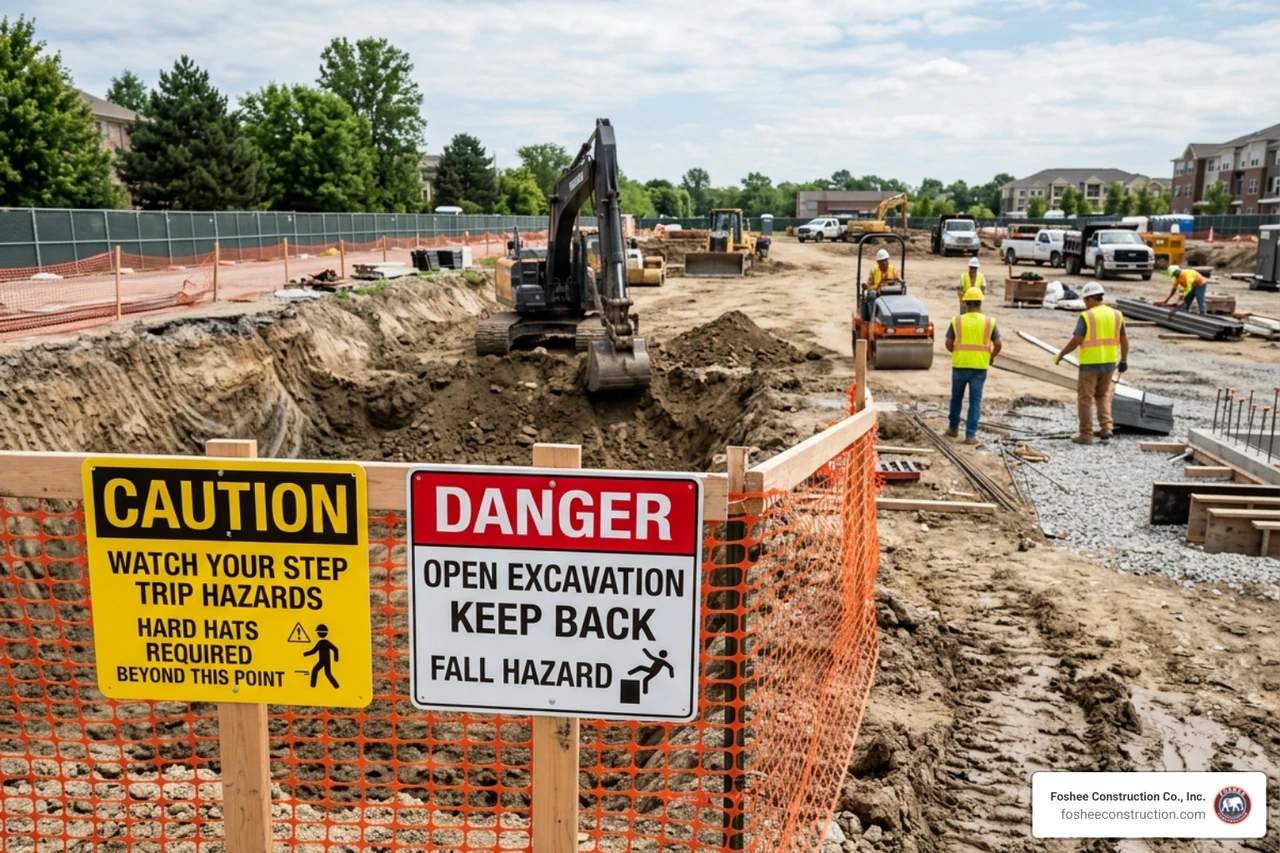
Skipping professional site prep is the fastest way to "lose your mind" during a construction project. We have seen countless owners try to save a few dollars by hiring a "guy with a tractor," only to find out months later that their soil has "voids" from buried debris.
Structural instability is a nightmare. If a foundation cracks because the soil wasn't compacted to 95% or higher of its maximum density, the repairs can cost three times what the original site prep would have. Furthermore, professional contractors like us maintain strict safety standards. We hold a Type 5 Fire License and are a State Certified Underground Utility & Excavation Contractor (#CUC1226472).
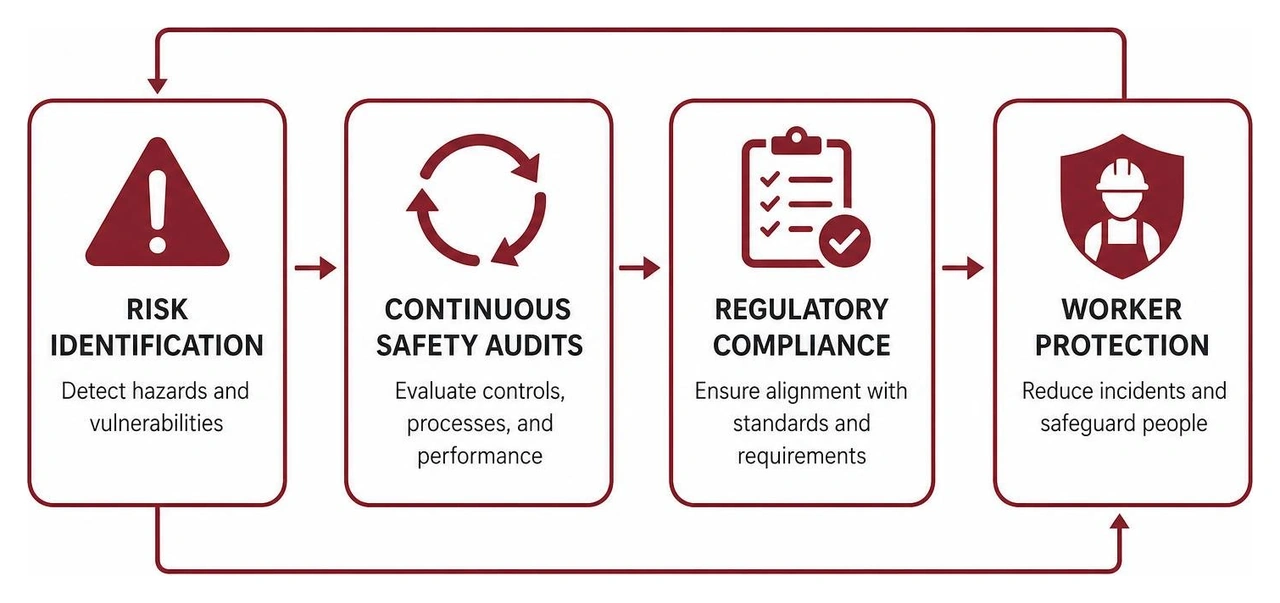
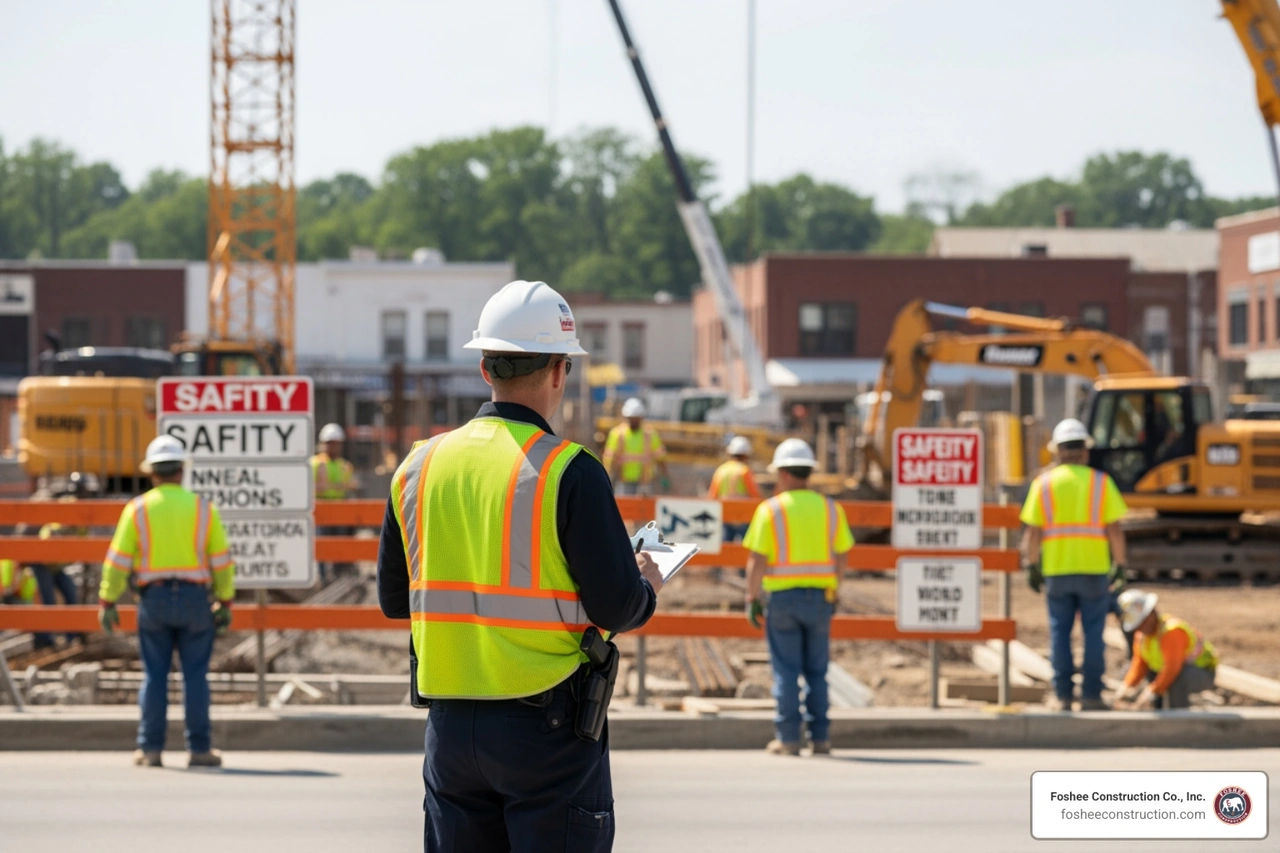
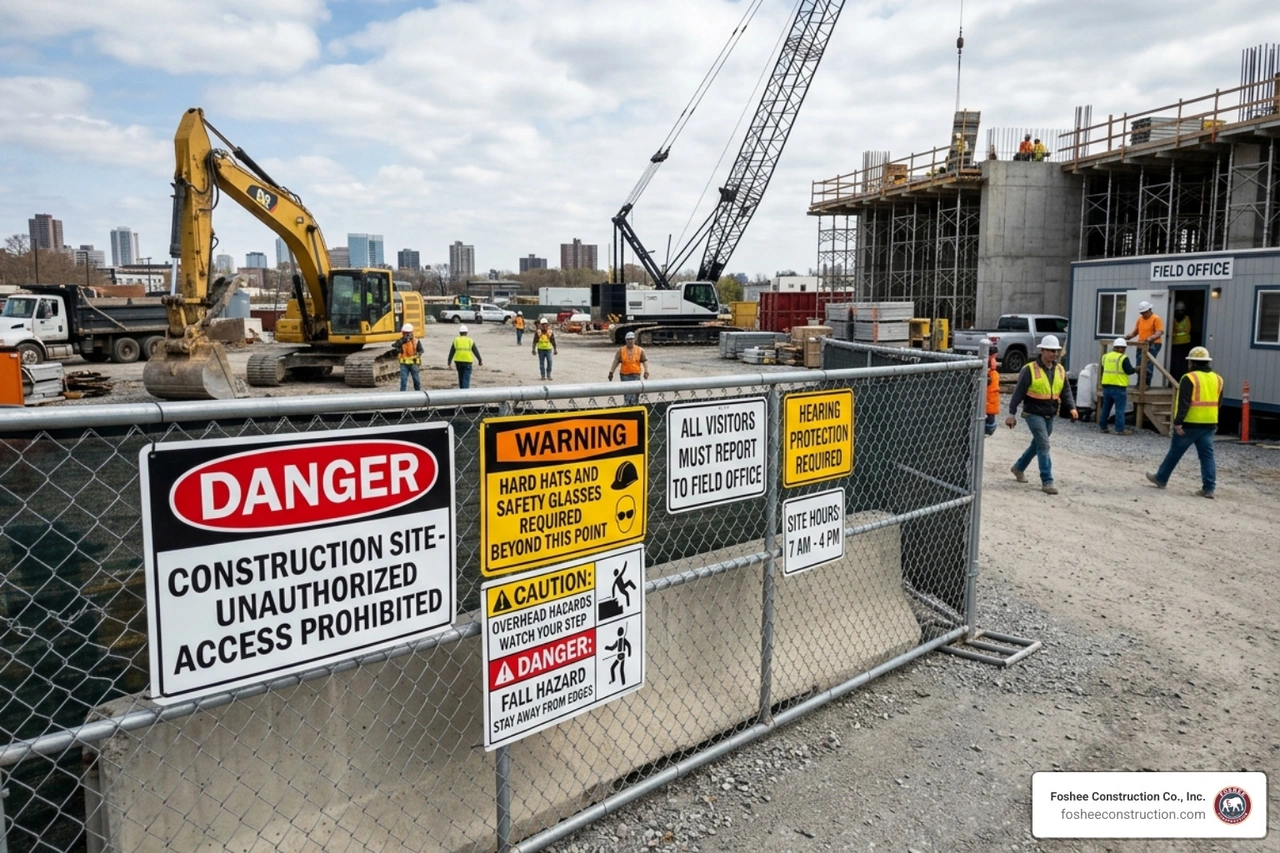
Safety isn't just a buzzword for us; it's a discipline. We've received the Sunshine State Safety Recognition Award and participate in OSHA Trench Safety Stand Downs. A safe job site is an organized job site, and an organized job site stays on schedule.
The timeline varies wildly based on scope. A single residential lot might be cleared and graded in a week. However, a large-scale commercial or multi-family project like the Hills of Minneola can take several months. For that project, we broke ground in February and aimed for completion by late 2025. Factors like weather, permitting delays, and the volume of earthwork required (like our 200,000+ cubic yard excavation) are the primary drivers of the schedule.
As mentioned earlier, Florida's heat and moisture cause organic matter to decay rapidly. If you leave roots or stumps in the ground, they will rot and leave empty pockets of air. The weight of a concrete slab or a house will eventually cause the soil to collapse into those pockets. Professional "grubbing" ensures that only stable, inorganic mineral soil remains under your structure.
Beyond the environmental damage to Lake County's beautiful waterways, the biggest risk is legal and financial. Local inspectors can and will shut down a job site that is "bleeding" silt into the street or neighboring properties. These "Stop Work Orders" can freeze your timeline for weeks and come with heavy daily fines.
Managing a construction timeline in Minneola doesn't have to be a descent into madness. It starts with choosing a partner who understands that the ground beneath your feet is the most important part of the build. At Foshee Construction Co., Inc., we pride ourselves on transparent bids, disciplined scheduling, and the safety focus required to get the job done right the first time.
Whether you are developing a new retail spine road or preparing a site for a multi-family complex, we bring 30+ years of experience to every acre we clear. We self-perform the vast majority of our work—often up to 80%—which gives us total control over the quality and the clock.
Ready to start your next project with a team you can count on? See our Work and let’s talk about how we can lay the groundwork for your success.
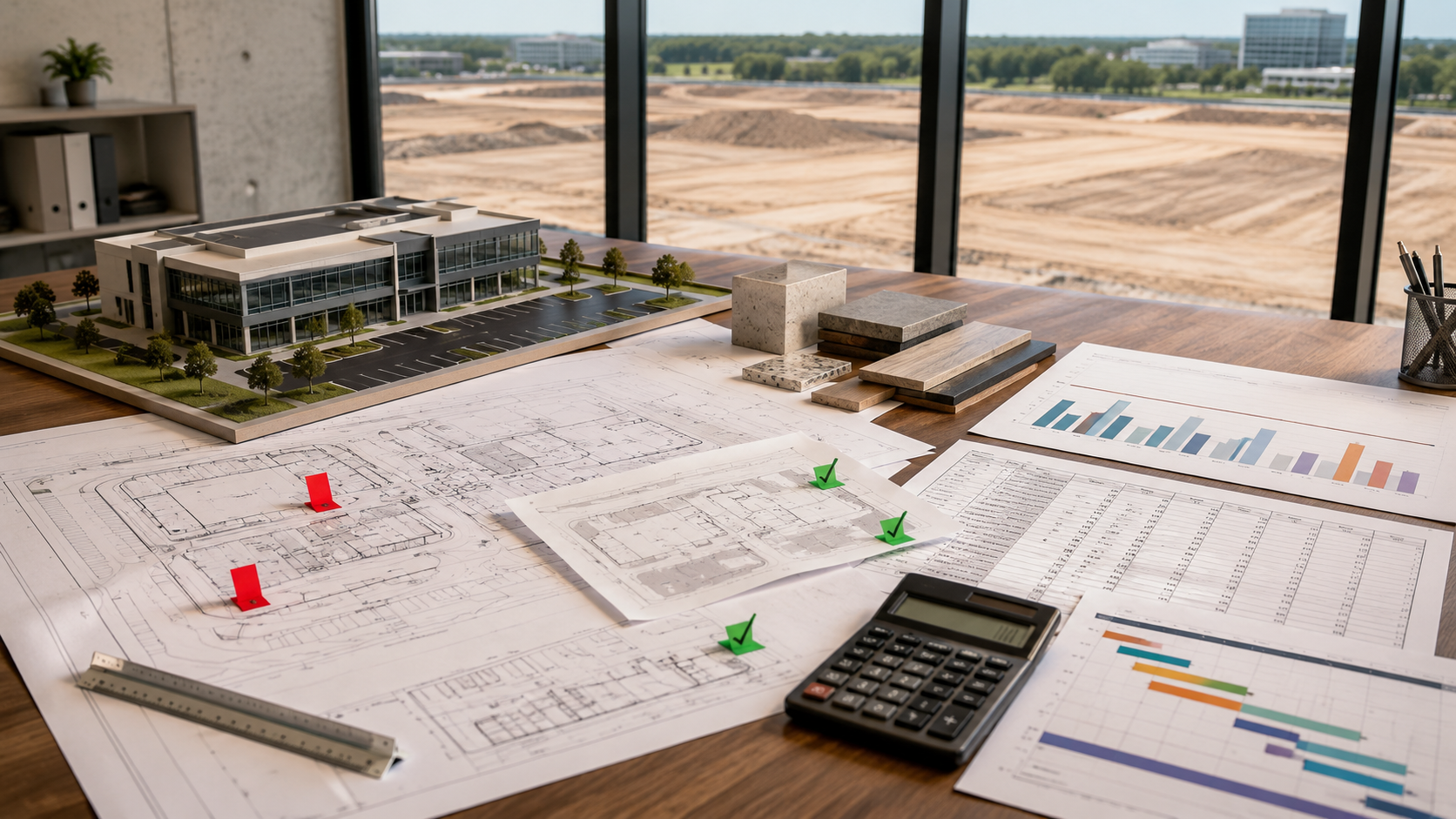
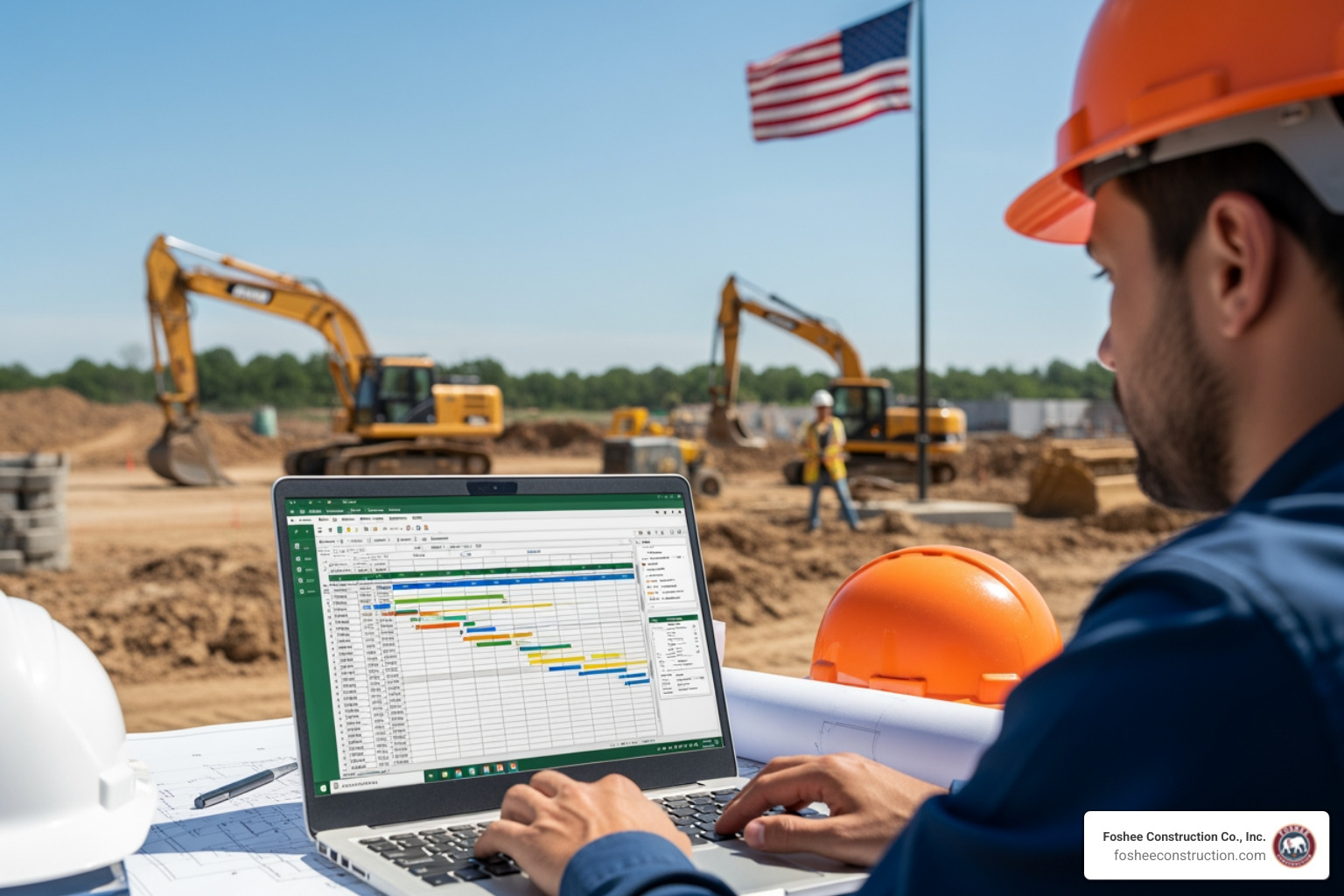
We build bids using HeavyBid and AGTEK because the details matter long before the job starts. When the numbers are accurate and the scope is clearly defined, it sets the tone for how the entire project runs. Estimating isn’t just a step in the process, it’s the foundation we build on.
That same mindset carries into the field. Our crew is trained to work with purpose, follow the Civil Engineers’ Plan to the finest detail, and hold the line on quality. When expectations are clear from day one, there’s no need for shortcuts, and no confusion about how the work gets done.
Clients trust our bid packages because they’re complete and ready to use. Project managers know what we’re covering, what’s excluded, and how we plan to approach the job. That clarity removes friction and lets teams focus on execution instead of interpretation.
As part of our review process, we go into the plans before anything hits the site. We ask the questions early, resolve issues before they show up in the field, and keep RFIs moving. This approach prevents delays and protects the timeline.
Over time, that consistency builds trust. Many of the people we work with today came through referrals from past projects – engineers, GCs, and superintendents who’ve seen how we operate and want the same experience again.
In 2024, Foshee Construction was acquired by Saga Infrastructure Solutions, a national network of civil construction companies. Saga supports regional contractors by giving them access to better tools, long-term resources, and operational backing, without changing how they run day to day.
Foshee will continue to operate under its name, with the same team and field leadership in place.
“From the very time a project starts, we start that partnership. We try to catch as much as we can with the tools that we have. Not everybody is using the software platforms we are. That’s the differentiator: we’re not just bidding. We’re anticipating, problem-solving, and making sure the job runs right.”
— Don, CEO, Saga Infrastructure Solutions
Foshee is now part of a broader regional strategy that includes Florida, the Piedmont Atlantic, Texas, Colorado, and the Arizona Sun Corridor. The name, crews, and standards remain. What’s improving is the support behind it.