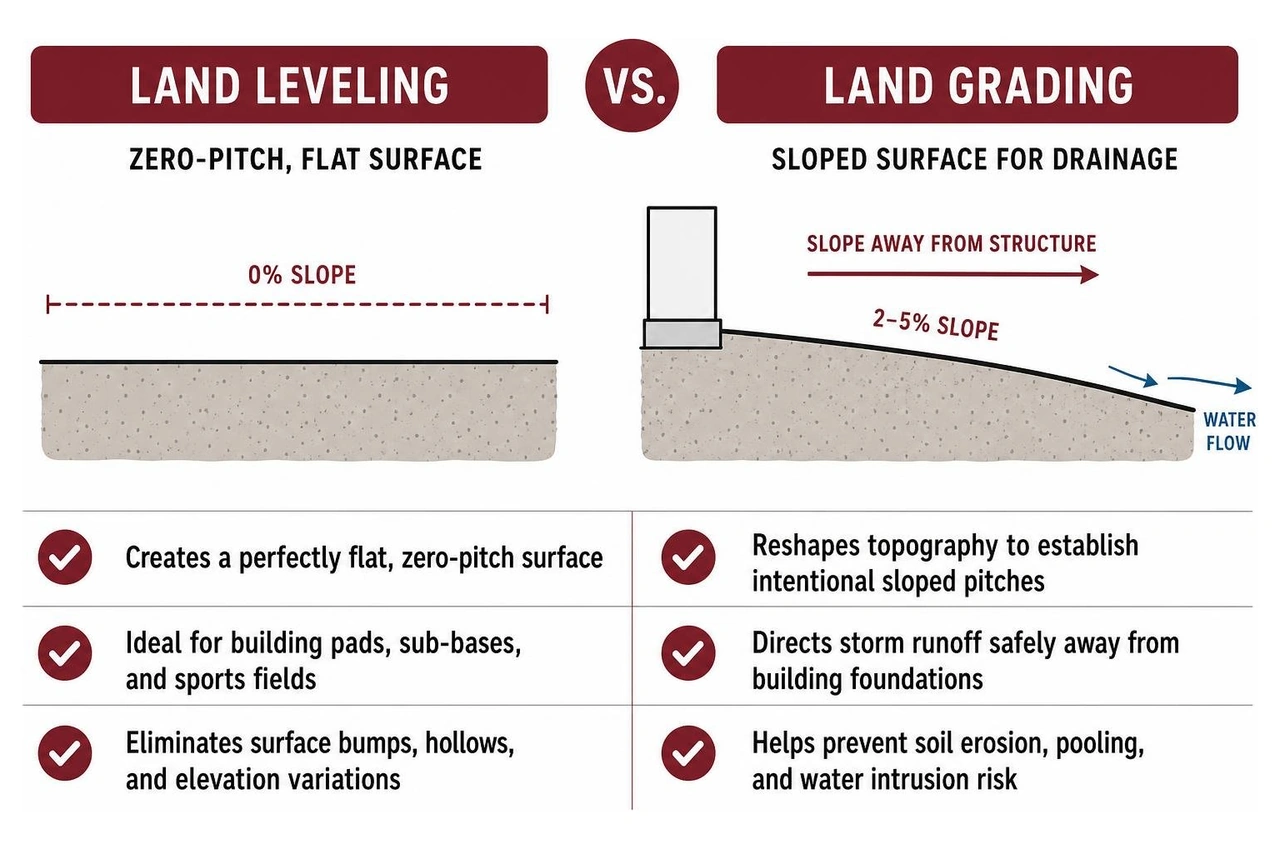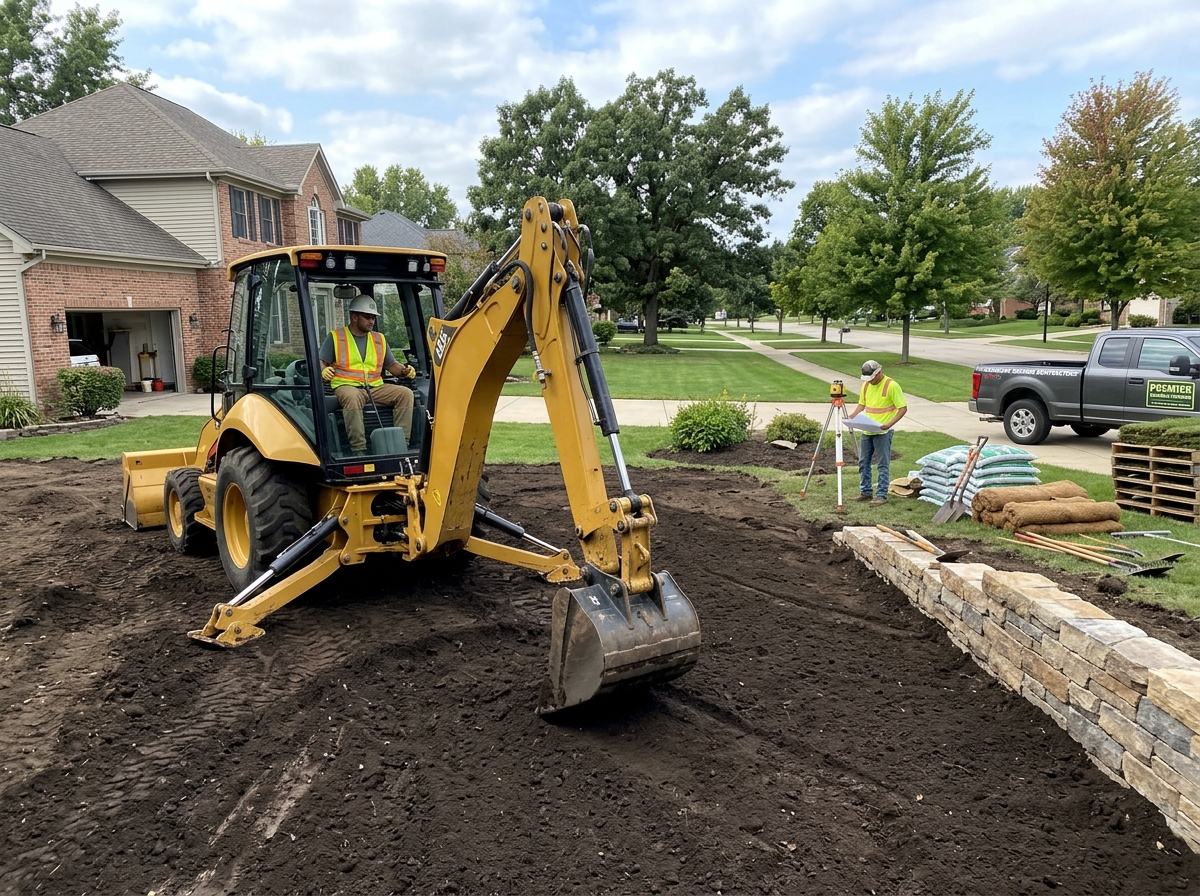
When preparing site work in Lake County and Central Florida, understanding the technical distinction between leveling and grading is the first step toward getting your site built right. While both processes involve heavy machinery cutting down high spots and filling in low spots, their ultimate goals, equipment requirements, and costs differ significantly.
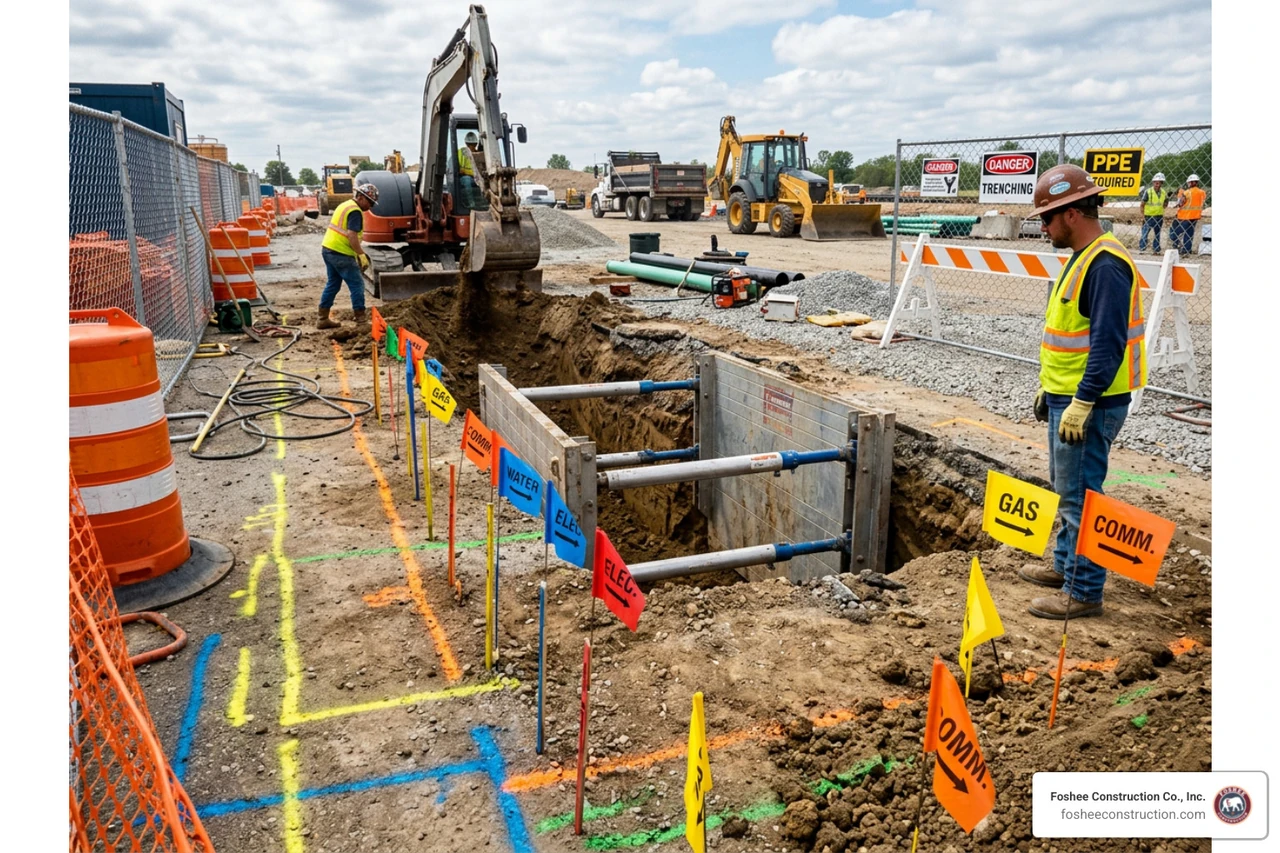
To understand the foundational earthmoving requirements for your project, reviewing our guide on Land Grading and Excavation can clarify how structural cuts and fills are executed.
| Feature | Land Leveling | Land Grading |
|---|---|---|
| Primary Objective | Creating a flat, uniform surface or single continuous plane | Sculpting deliberate slopes, contours, and elevation changes |
| Common Projects | Agricultural fields, large open lawns, sports fields, turf prep | Building foundation pads, driveways, roadways, drainage basins |
| Primary Focus | Eliminating dips, humps, and water pooling across open spans | Directing surface water runoff safely away from structures |
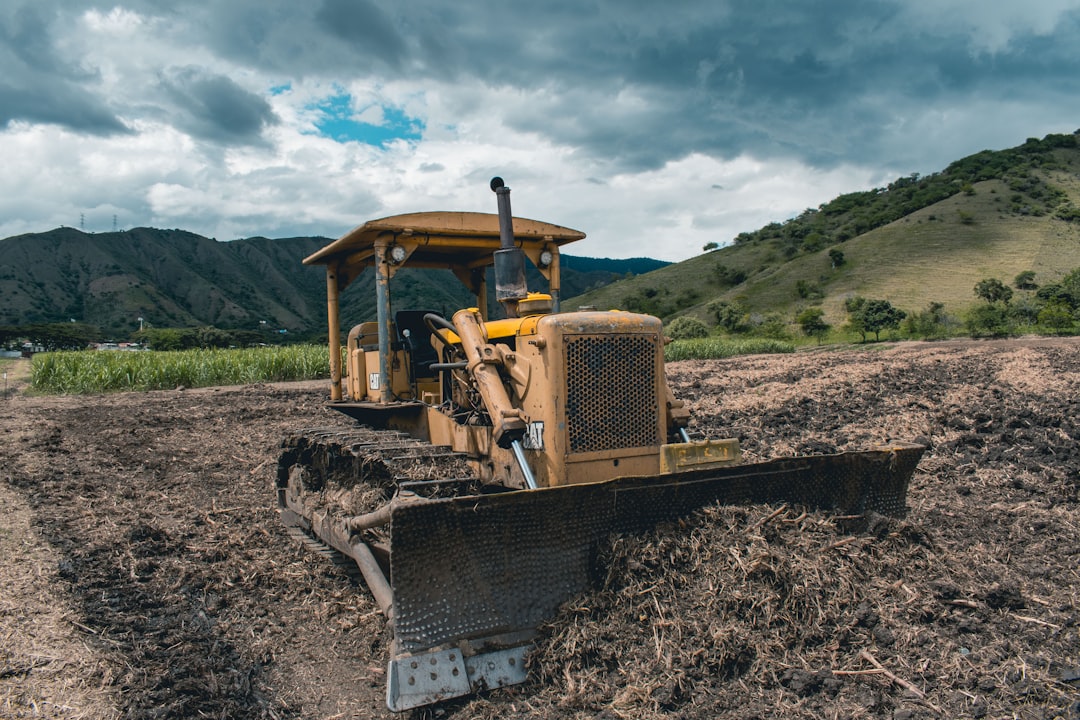
| Key Machinery | Laser-guided scrapers, finishing pans, high-HP 4WD tractors | Bulldozers, motor graders, excavators, backhoes |
| Cost Profile | Typically lower per acre due to simplified flat-plane targets | Higher overall due to complex contouring and structural compaction |
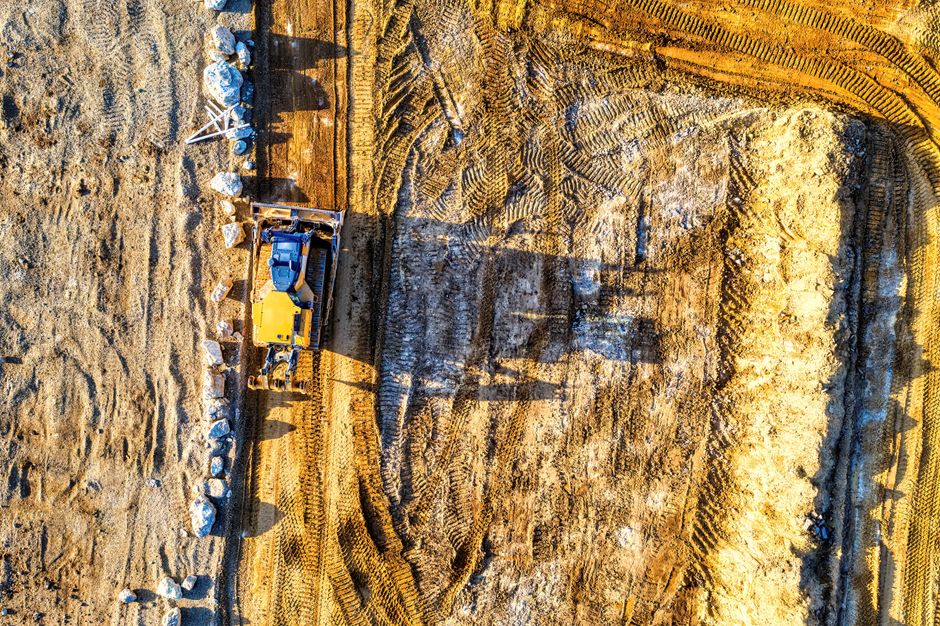
Land leveling focuses on establishing a completely uniform plane across vast spaces. In agricultural settings or open green spaces, minute variations in terrain lead to uneven water distribution—leaving high spots dry and low spots drowning in standing water.
Professional land leveling contractors utilize specialized machinery like 600 HP four-wheel-drive tractors pulling tandem pivot scrapers and laser-guided finishing pans. These systems maintain strict elevation tolerances, ensuring that every square foot receives equal hydration. By eliminating field humps and depressions, leveling optimizes row crop production, maximizes irrigation efficiency, and directly boosts overall crop yield.
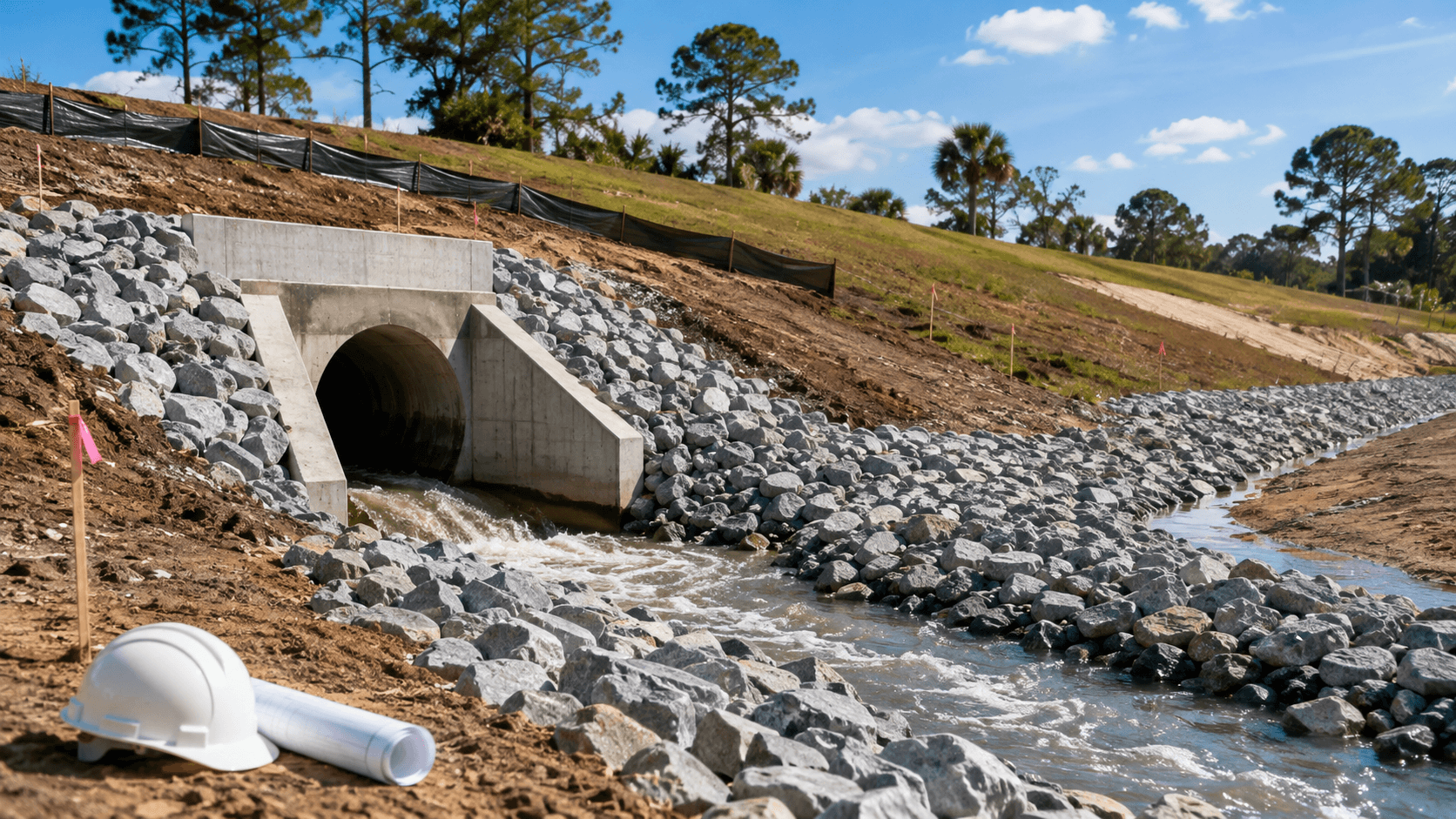
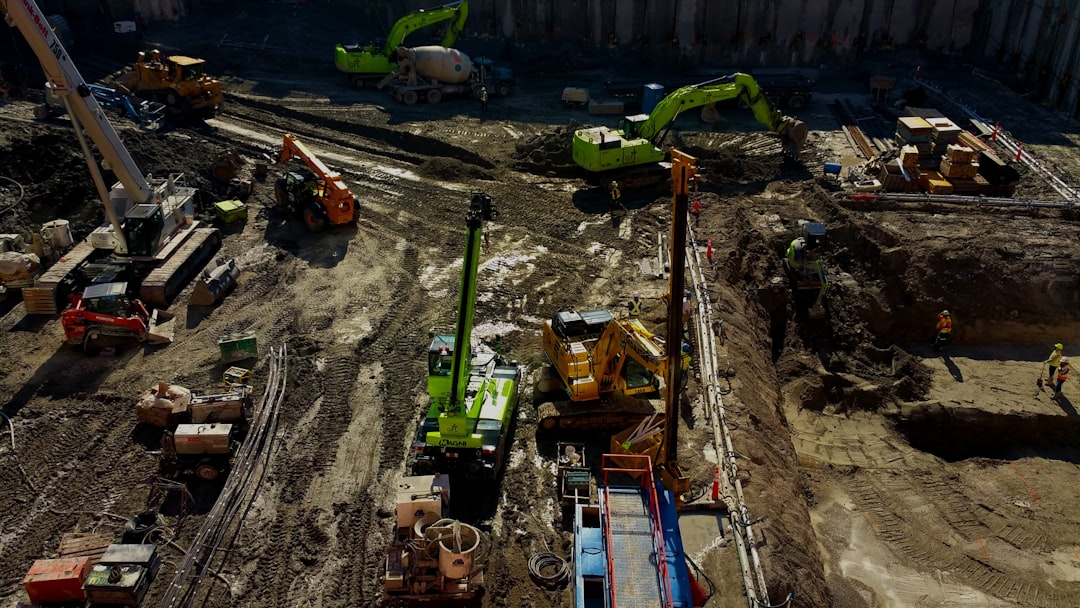
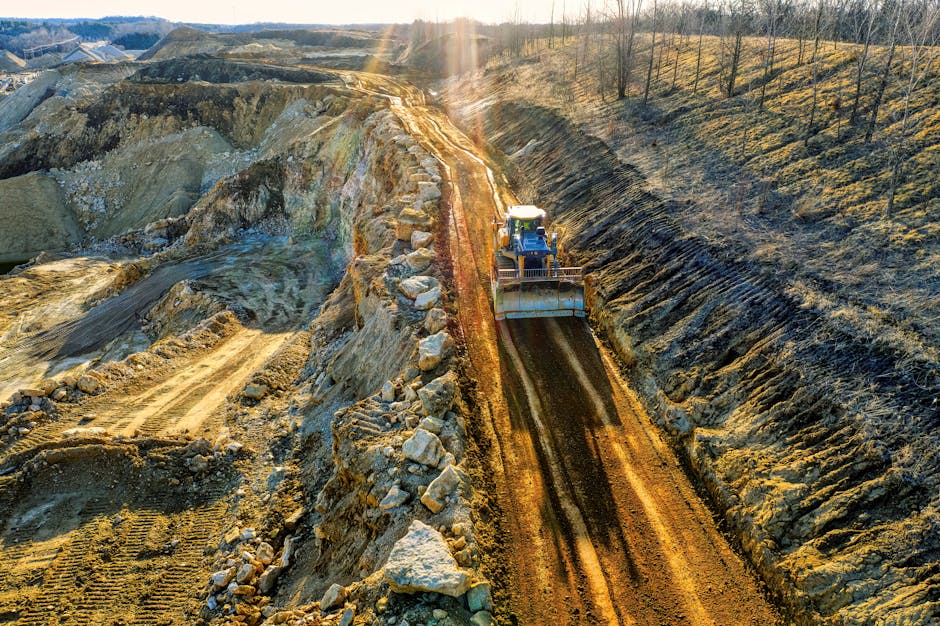
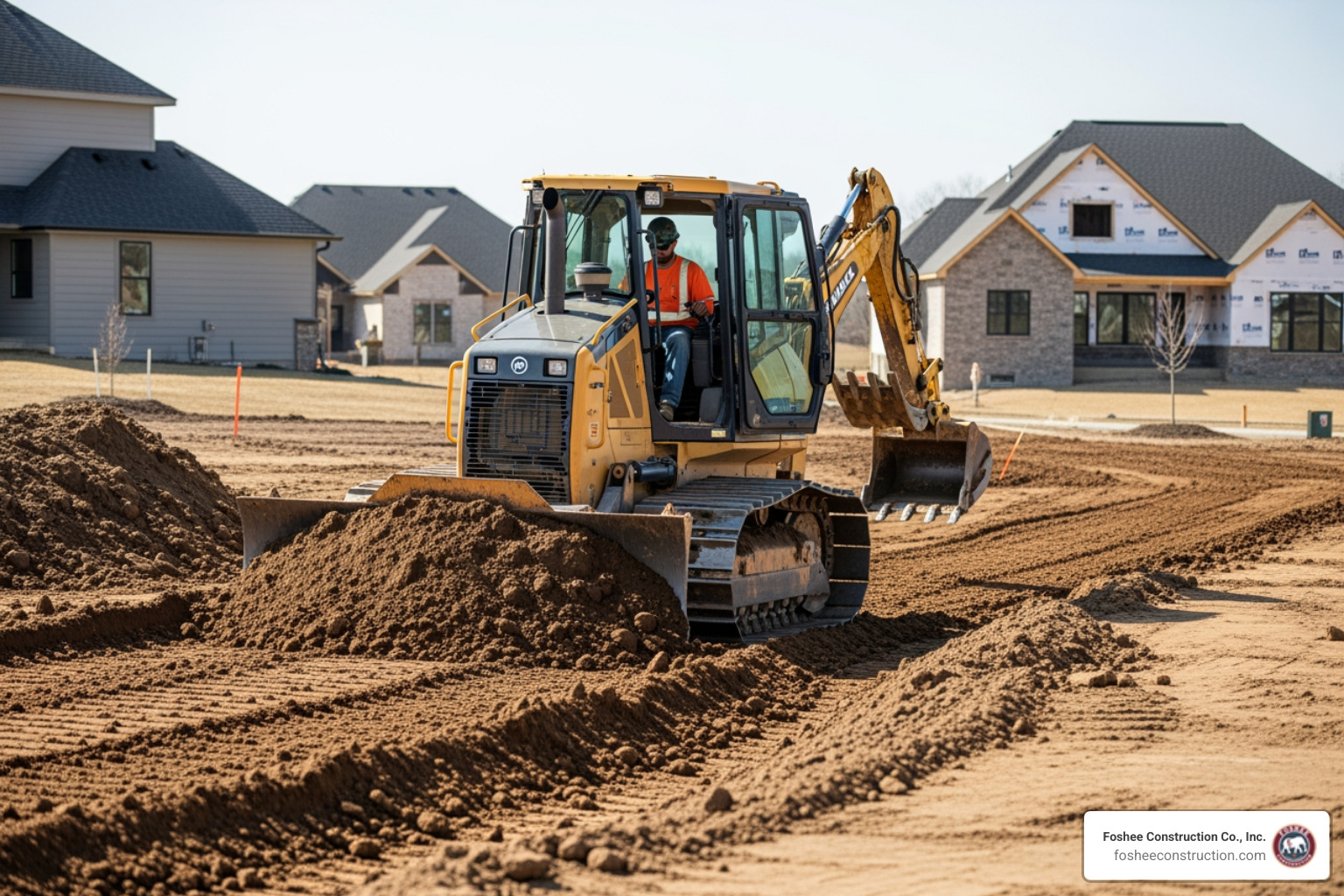
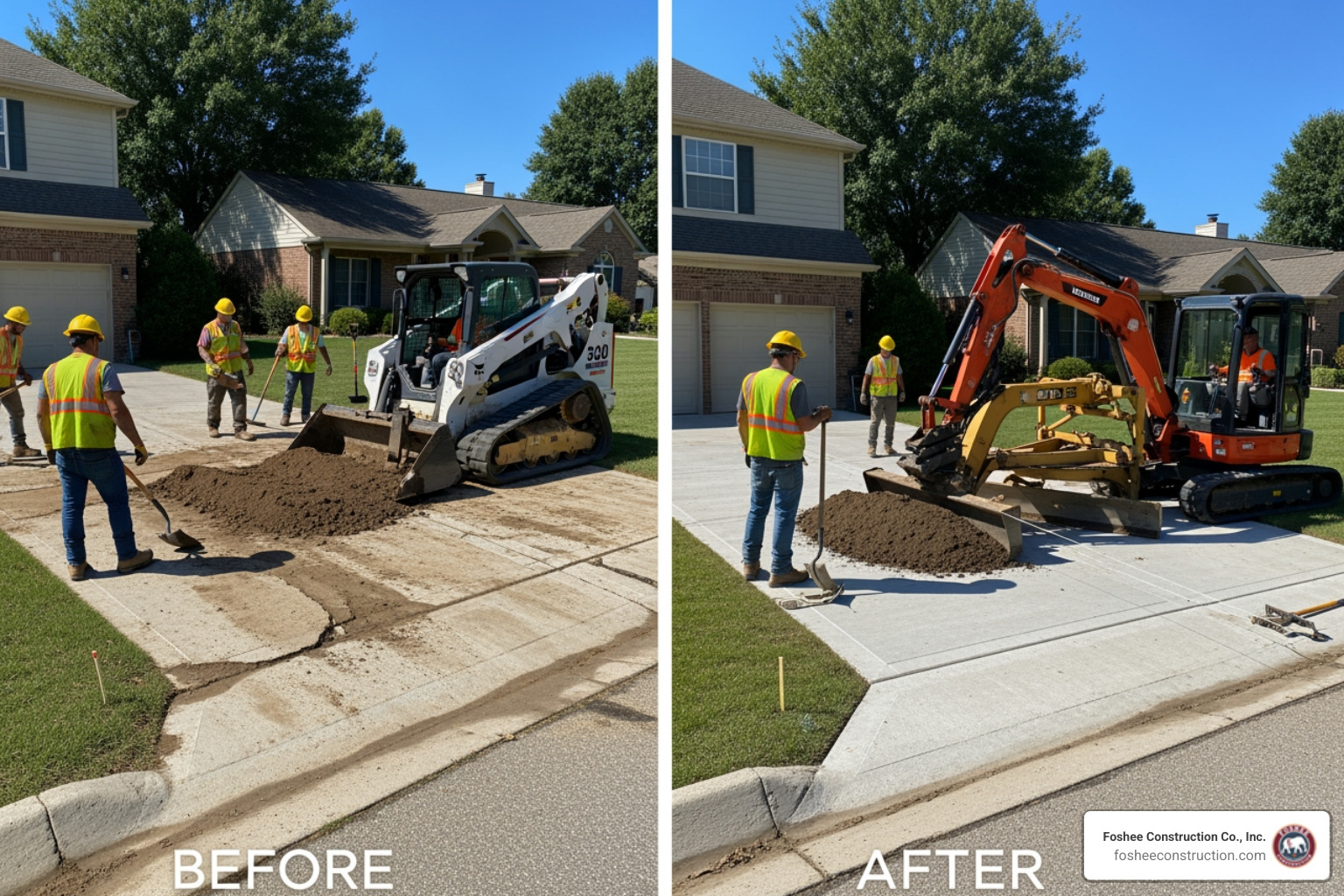
Where leveling creates a flat baseline, land grading shapes the earth to handle structural loads and heavy rainfall. In Florida's unique climate, managing surface water runoff is critical to keeping foundations stable.
The grading process moves through two distinct stages:
If your property requires complex site drainage systems alongside site shaping, working with an experienced Grading and Drainage Contractor ensures your property meets all local water management regulations.
Executing precision earthwork requires a systematic, phased approach. Below is the step-by-step methodology reputable land leveling contractors follow to transform raw, uneven terrain into a fully engineered site.
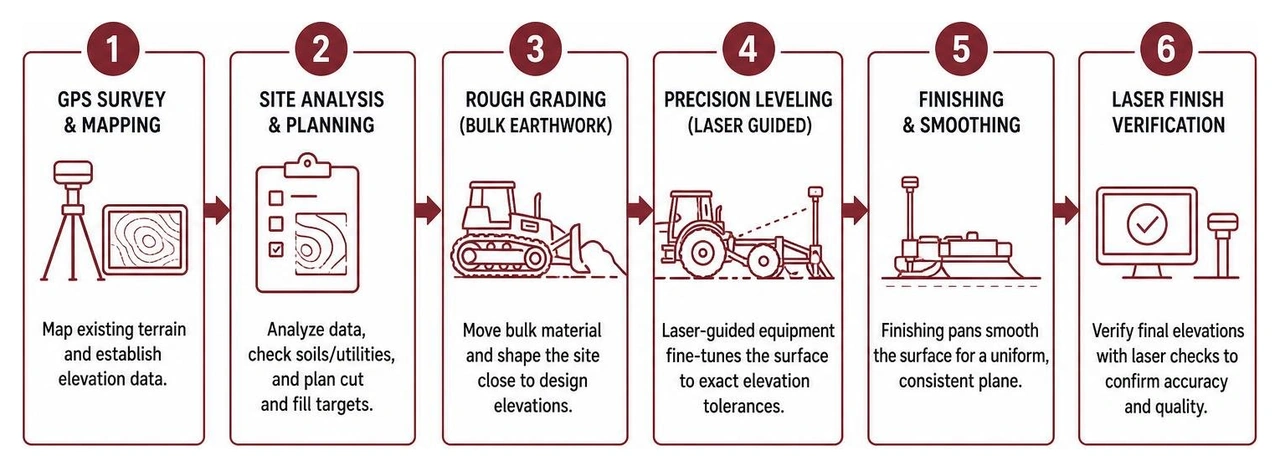
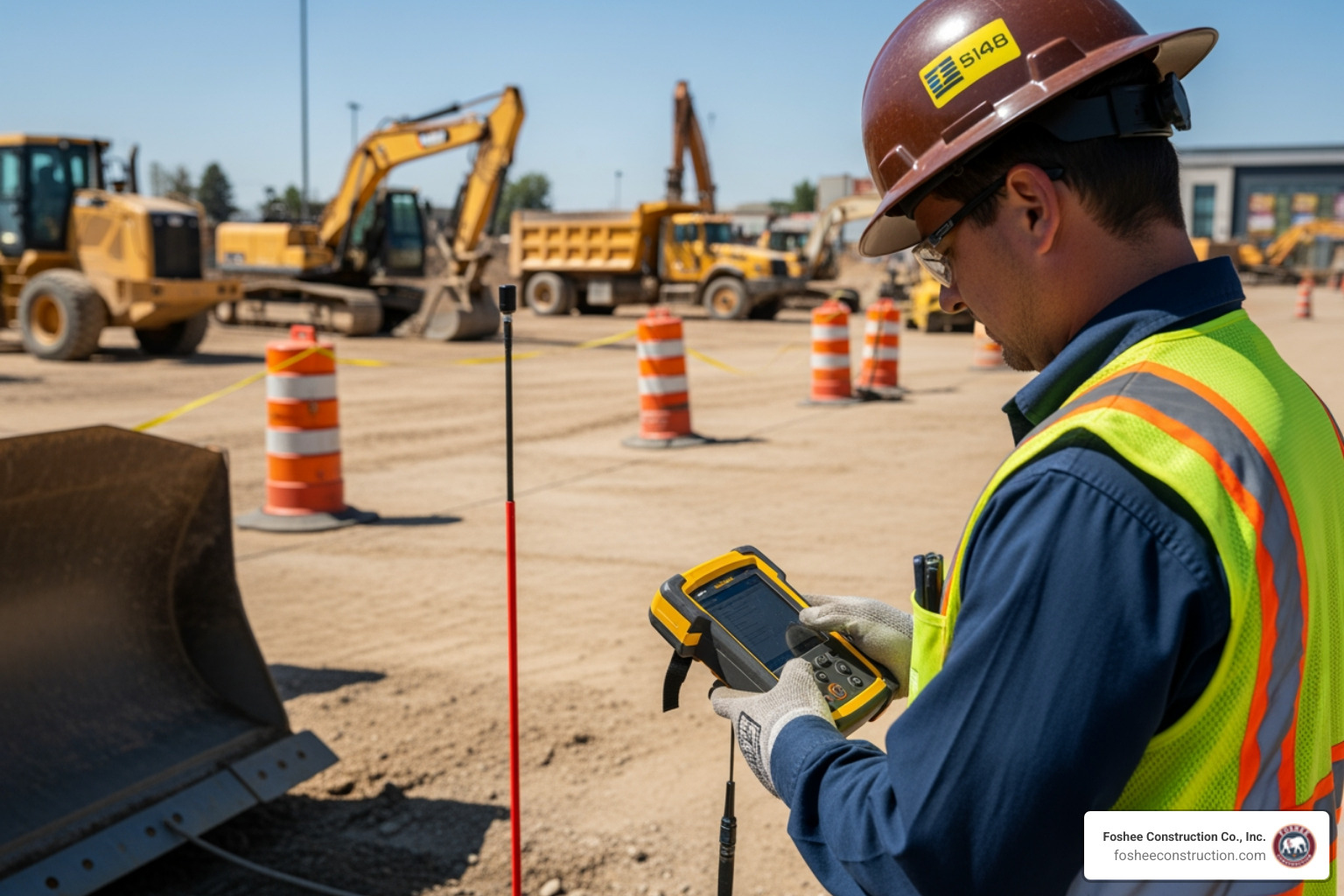
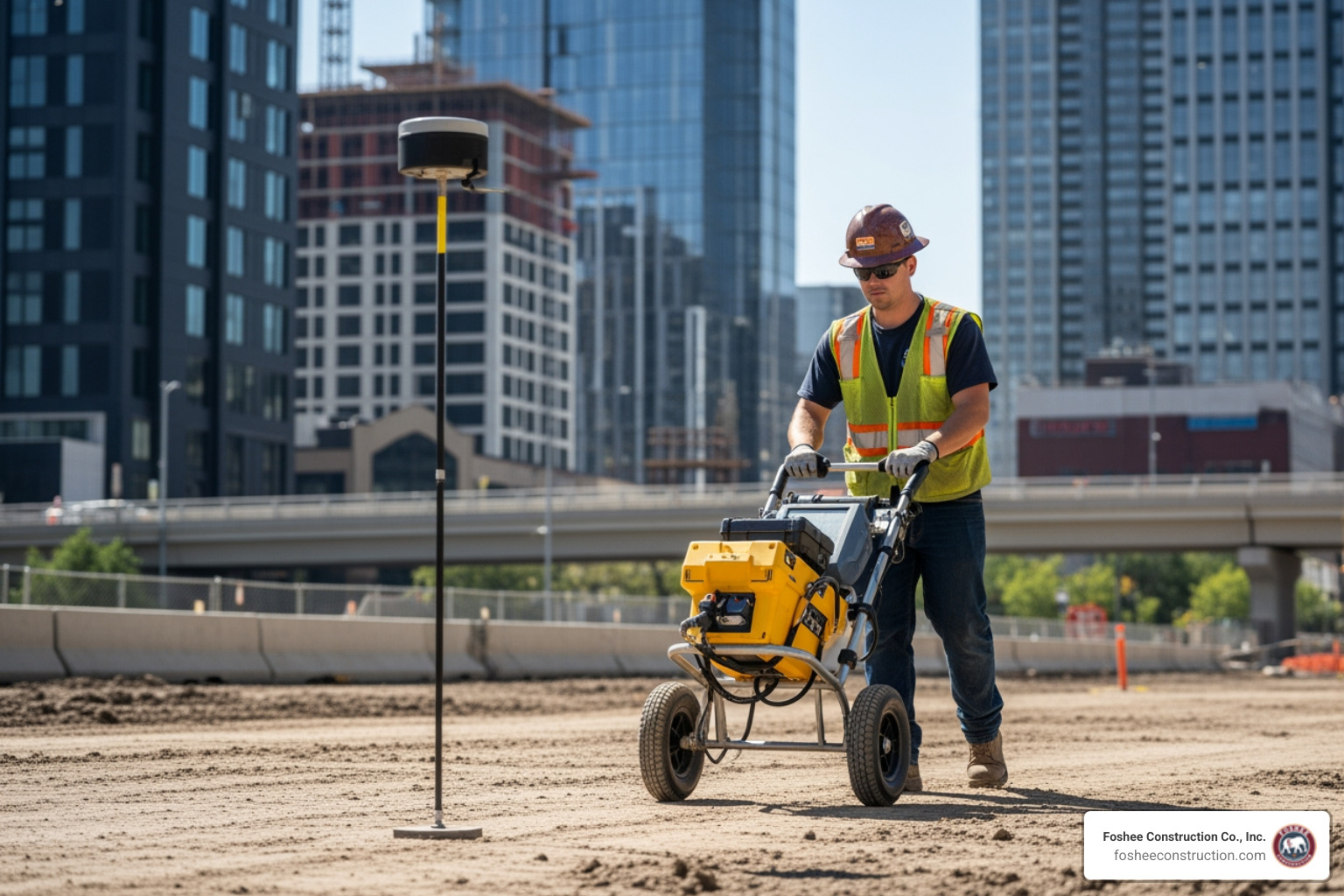
Before any machinery turns a tire, contractors must establish an precise topographic baseline.
With the digital terrain map locked in, bulk earthmoving operations begin.
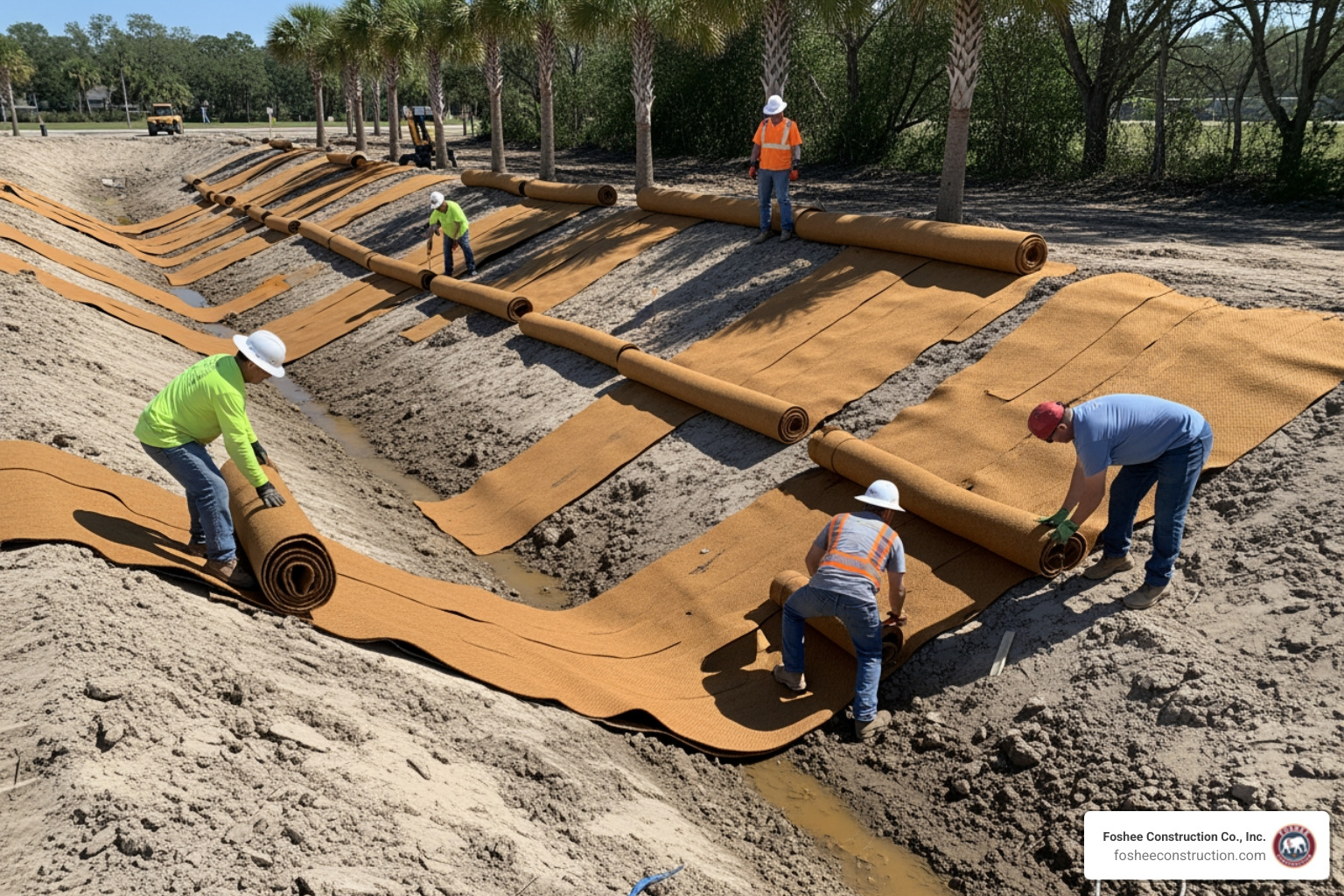
The final phase refines the surface and locks in structural stability.
Professional earthmoving firms do far more than scrape dirt back and forth; they provide comprehensive site preparation that underpins every subsequent phase of construction. For a detailed breakdown of industry standards, review our Land Leveling Companies Guide 2026.
In farming operations, proper land leveling directly dictates profit margins. Key agricultural services include:
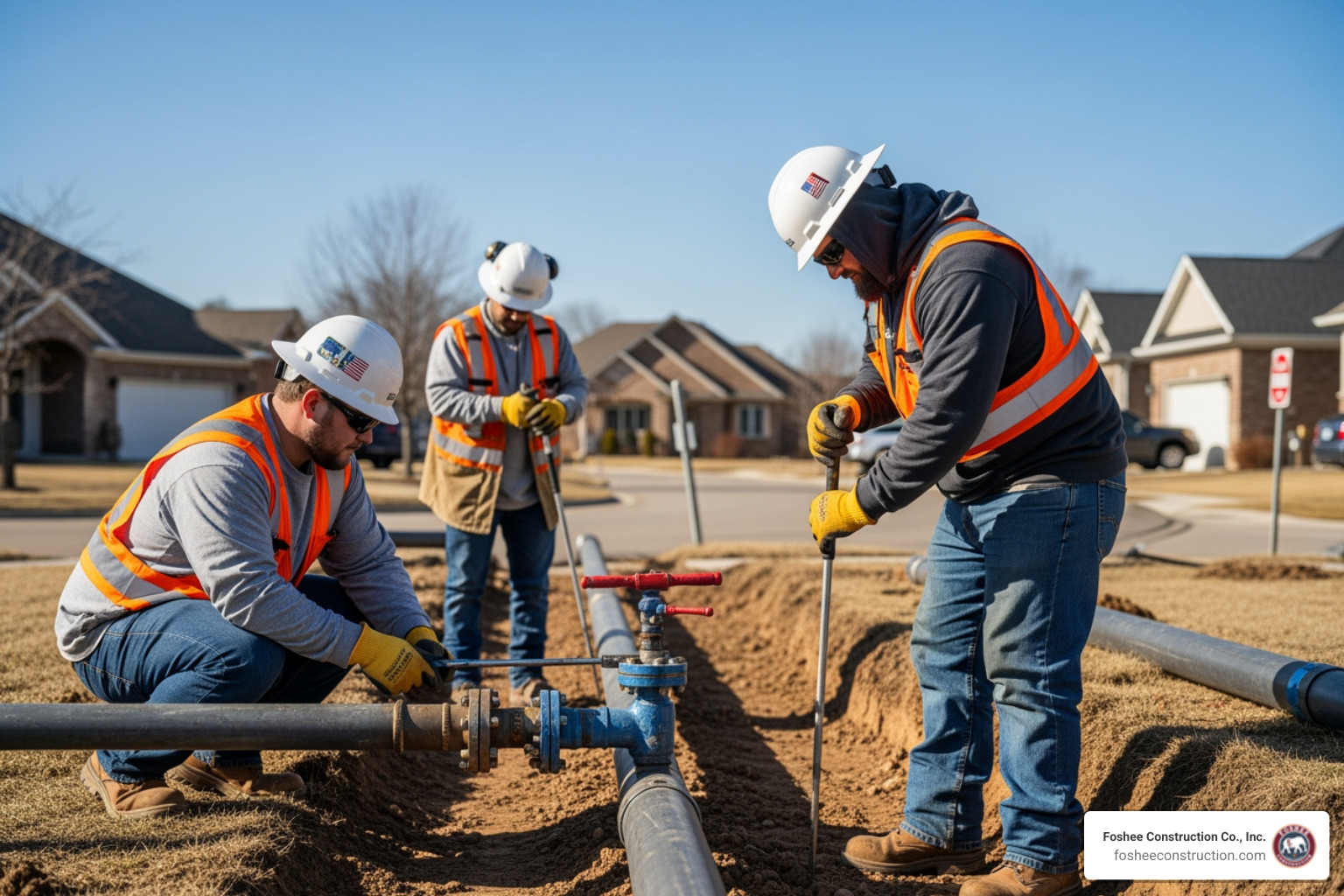
For commercial and home construction, initial earthwork sets the stage for long-term structural success. Services include:
Selecting experienced land leveling contractors prevents project delays, compliance fines, and unexpected budget overruns. For insights on vetting trade partners, consult our guide on Choosing the Right Contractor.
When interviewing potential site preparation contractors, ask these specific operational questions:
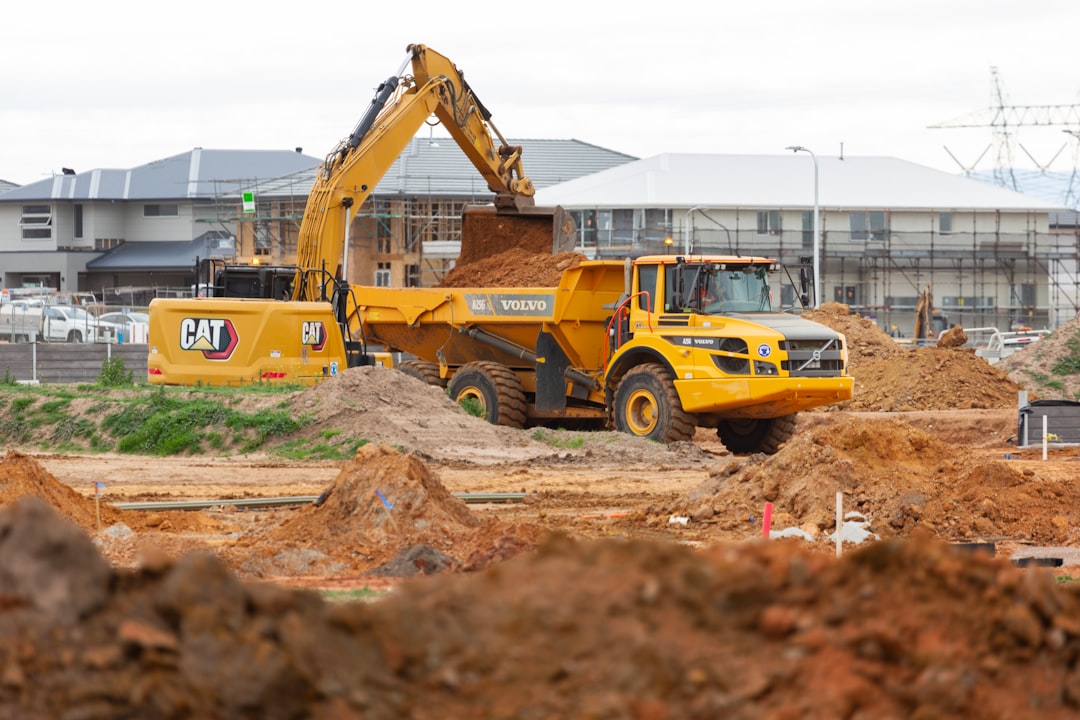
A contractor's capabilities depend heavily on their machinery and technology. Look for earthmoving partners who maintain modern, high-horsepower fleets.
Equipping 600 HP tractors with tandem scrapers allows contractors to move hundreds of yards of dirt per hour, keeping large-scale projects on schedule. Furthermore, check that their fleet includes both high-volume pivot scrapers for rough cut-and-fill work and finishing ejector scrapers for fine grading. Modern GPS machine control ensures that blades adjust automatically to field plans, removing human error from complex grading layouts.
Because land leveling aims for a continuous flat plane over open terrain, it generally requires less specialized contouring time, making it less expensive per acre than land grading. Land grading costs more due to custom engineering specifications, complex slope creation, building pad compaction requirements, and extra machine hours needed to shape detailed drainage features around structures.
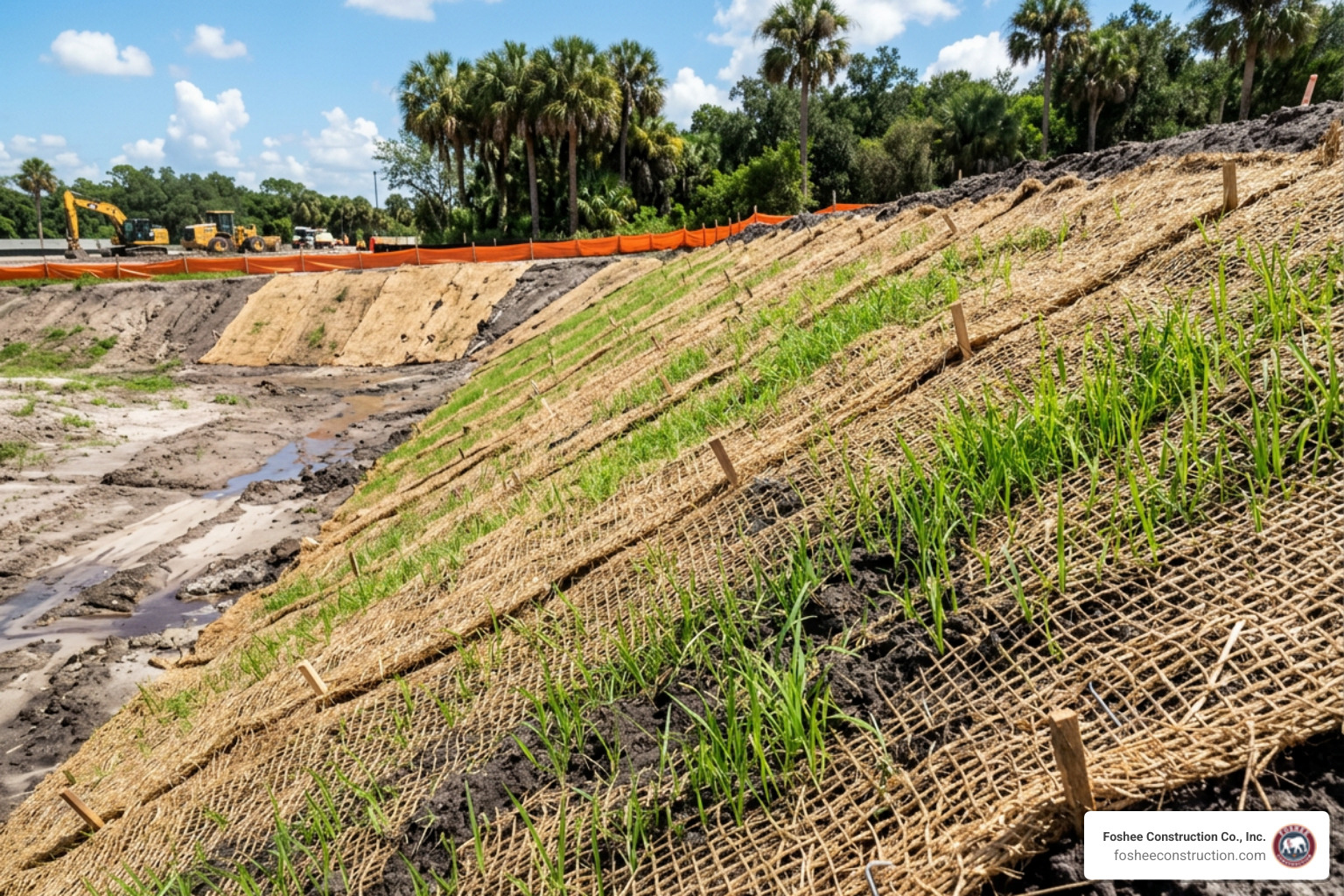
Proper leveling eliminates random humps and low spots where water naturally pools. By establishing a continuous, controlled slope or uniform flat surface, surface runoff spreads evenly across the ground rather than cutting aggressive channels. This uniform sheet flow minimizes soil washing away while ensuring surface water drains toward engineered retention zones.
Laser transmitters and GPS machine control interact directly with electric-over-hydraulic valves on heavy scrapers and motor graders. This technology automatically raises or lowers the scraper blade in real time based on programmed 3D site plans. Automating blade adjustments removes operator estimation, achieves elevation accuracy within fractions of an inch, and significantly speeds up cycle times.
Getting your dirt straight is the essential foundation for any successful building or land development project in Central Florida. Whether you are prepping an agricultural field for optimal irrigation or constructing stable pads for residential development, choosing professional land leveling contractors ensures your site is safe, compliant, and built to last.
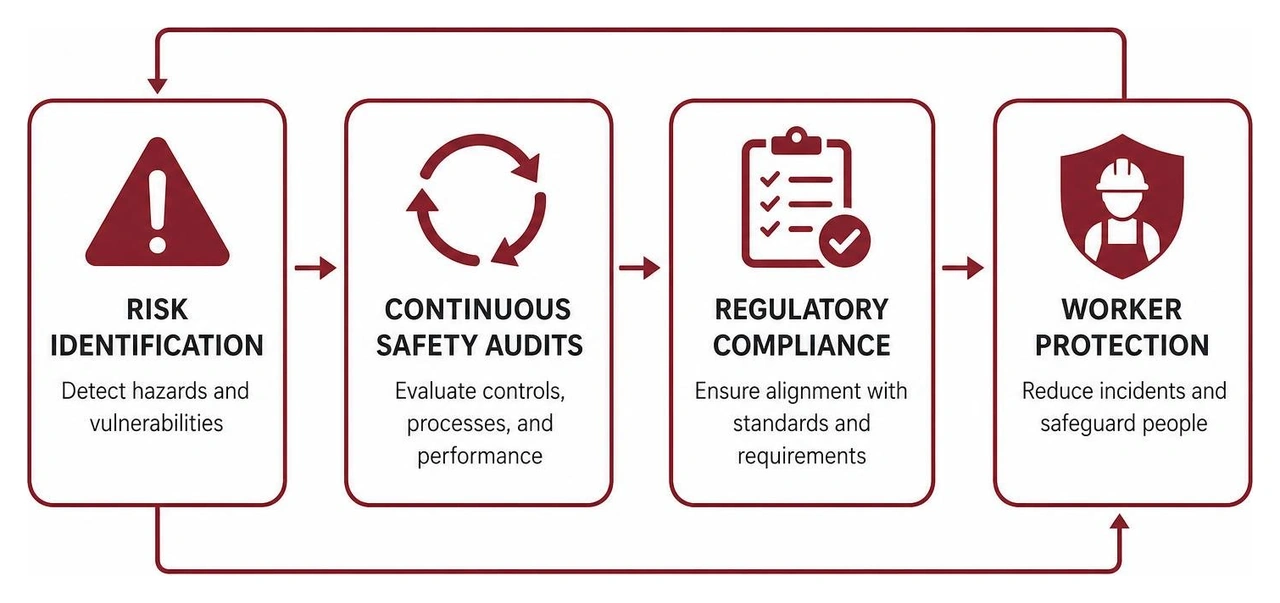
At Foshee Construction Co., Inc., we bring transparent bids, disciplined scheduling, a strict safety focus, and decades of local Florida experience to every site prep, underground utility, and grading job.
Ready to get your project moving on stable ground? Learn more about our team and capabilities by visiting Why Foshee Construction.
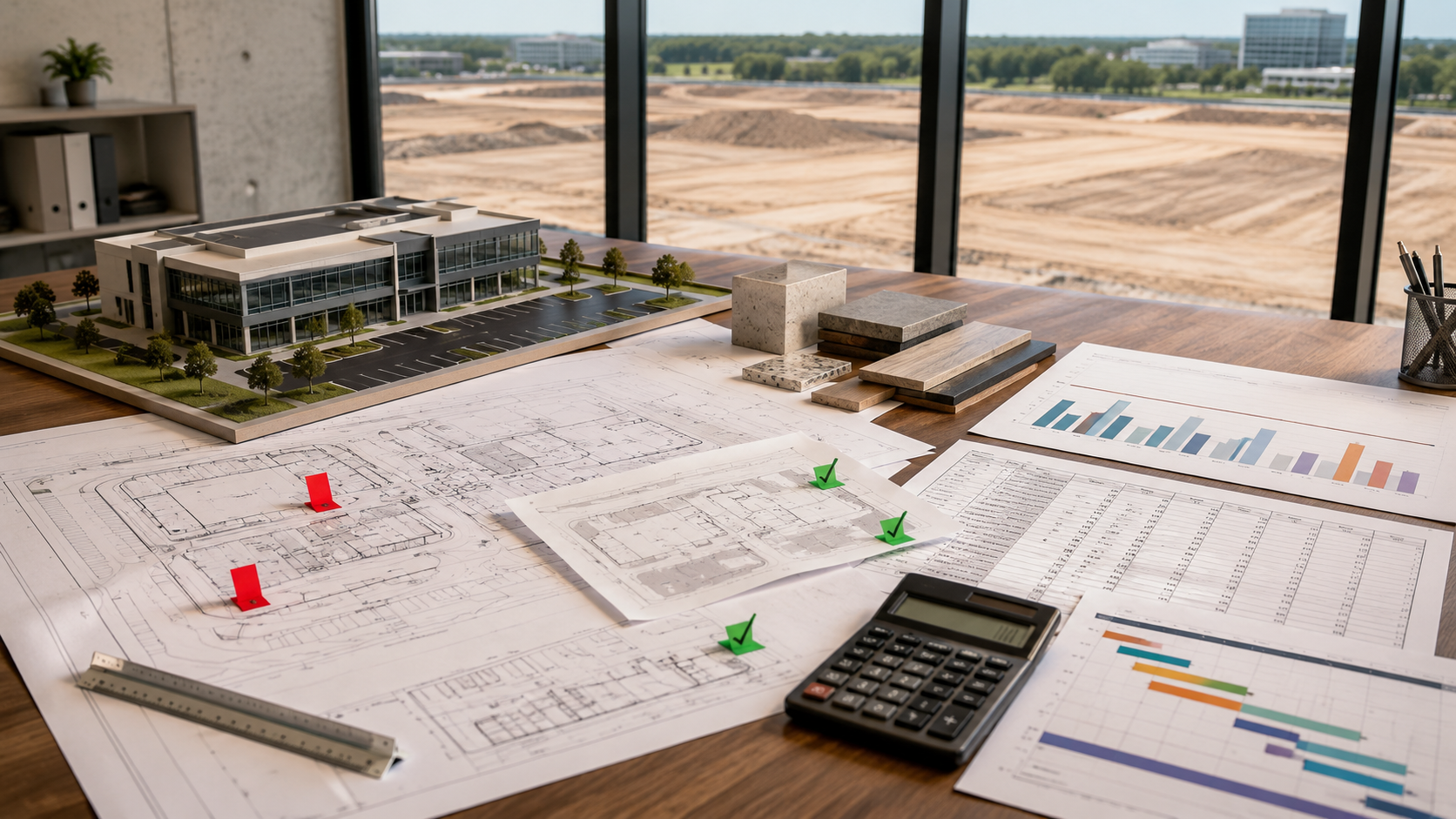
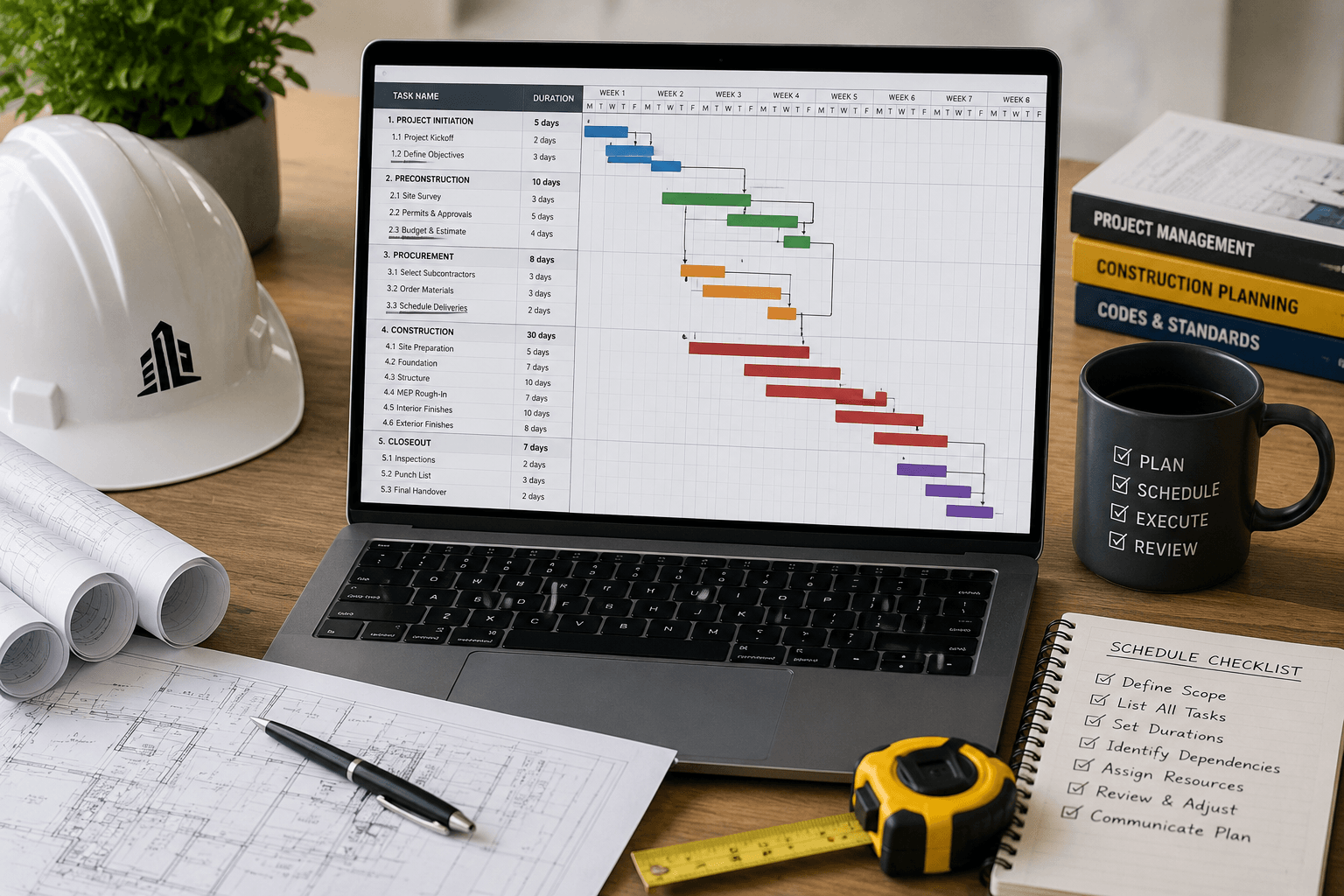
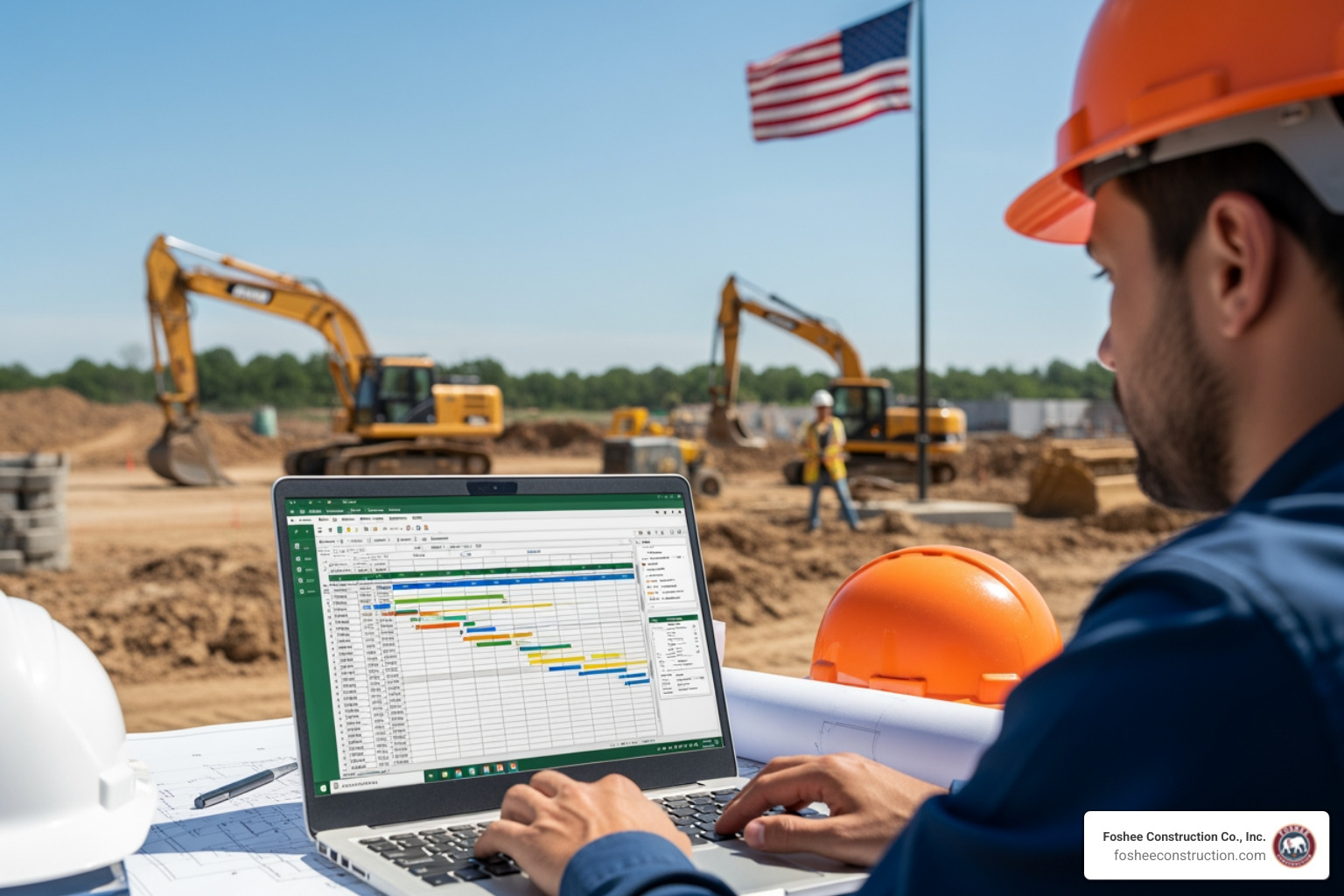
We build bids using HeavyBid and AGTEK because the details matter long before the job starts. When the numbers are accurate and the scope is clearly defined, it sets the tone for how the entire project runs. Estimating isn’t just a step in the process, it’s the foundation we build on.
That same mindset carries into the field. Our crew is trained to work with purpose, follow the Civil Engineers’ Plan to the finest detail, and hold the line on quality. When expectations are clear from day one, there’s no need for shortcuts, and no confusion about how the work gets done.
Clients trust our bid packages because they’re complete and ready to use. Project managers know what we’re covering, what’s excluded, and how we plan to approach the job. That clarity removes friction and lets teams focus on execution instead of interpretation.
As part of our review process, we go into the plans before anything hits the site. We ask the questions early, resolve issues before they show up in the field, and keep RFIs moving. This approach prevents delays and protects the timeline.
Over time, that consistency builds trust. Many of the people we work with today came through referrals from past projects – engineers, GCs, and superintendents who’ve seen how we operate and want the same experience again.
In 2024, Foshee Construction was acquired by Saga Infrastructure Solutions, a national network of civil construction companies. Saga supports regional contractors by giving them access to better tools, long-term resources, and operational backing, without changing how they run day to day.
Foshee will continue to operate under its name, with the same team and field leadership in place.
“From the very time a project starts, we start that partnership. We try to catch as much as we can with the tools that we have. Not everybody is using the software platforms we are. That’s the differentiator: we’re not just bidding. We’re anticipating, problem-solving, and making sure the job runs right.”
— Don, CEO, Saga Infrastructure Solutions
Foshee is now part of a broader regional strategy that includes Florida, the Piedmont Atlantic, Texas, Colorado, and the Arizona Sun Corridor. The name, crews, and standards remain. What’s improving is the support behind it.