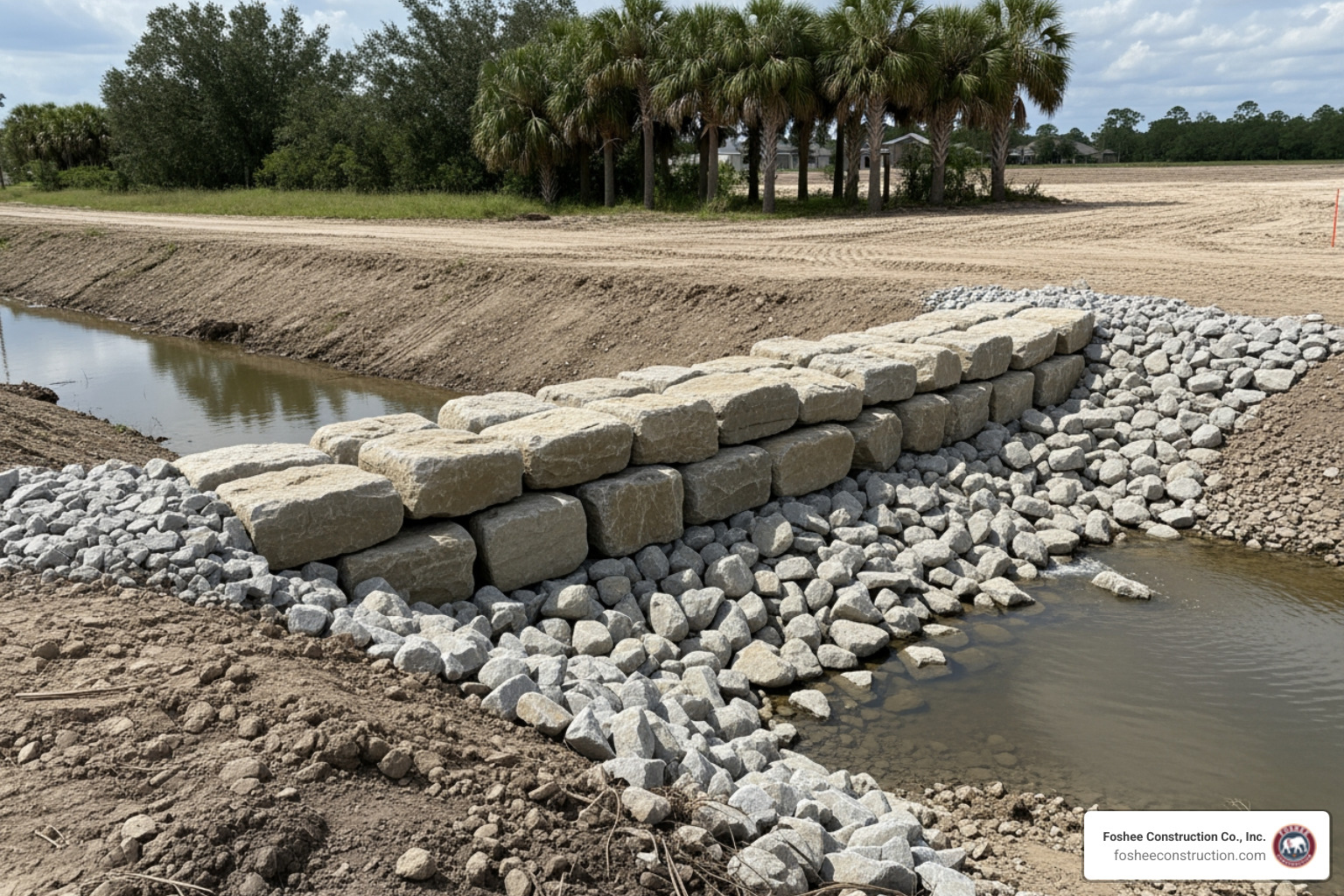
Rock check dams belong in swales and ditches where flow is concentrated but not yet at a velocity that would move riprap-sized stone. They slow water down and let sediment drop out before it reaches a structure or a receiving water body. They need to be sized to the drainage area above them and maintained — sediment builds up behind them and has to be removed, or the dam stops doing its job.
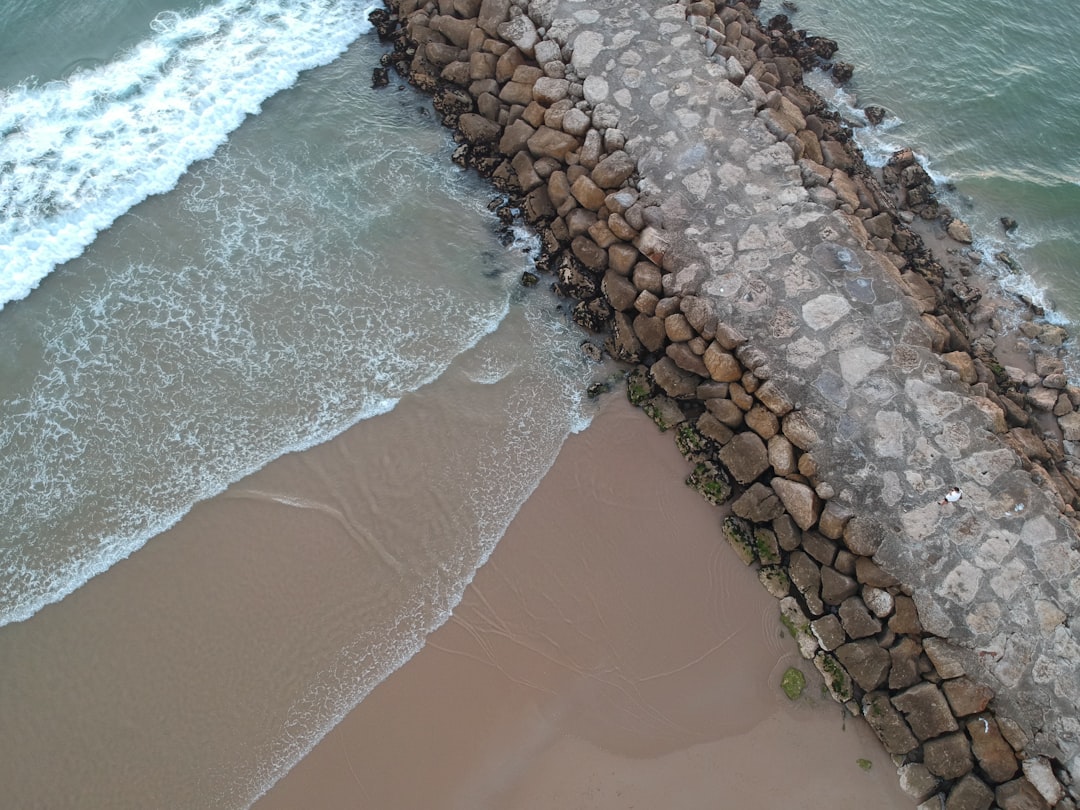
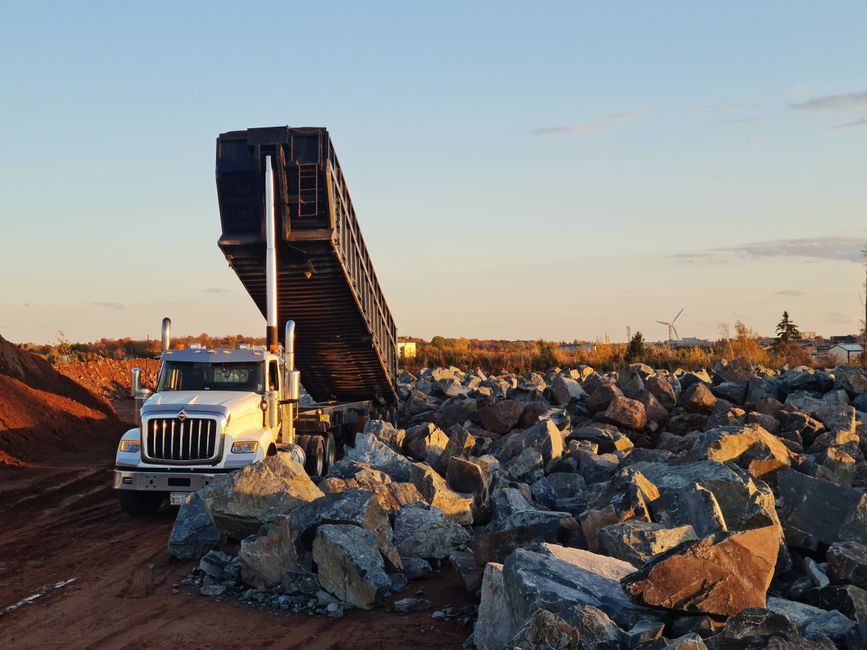
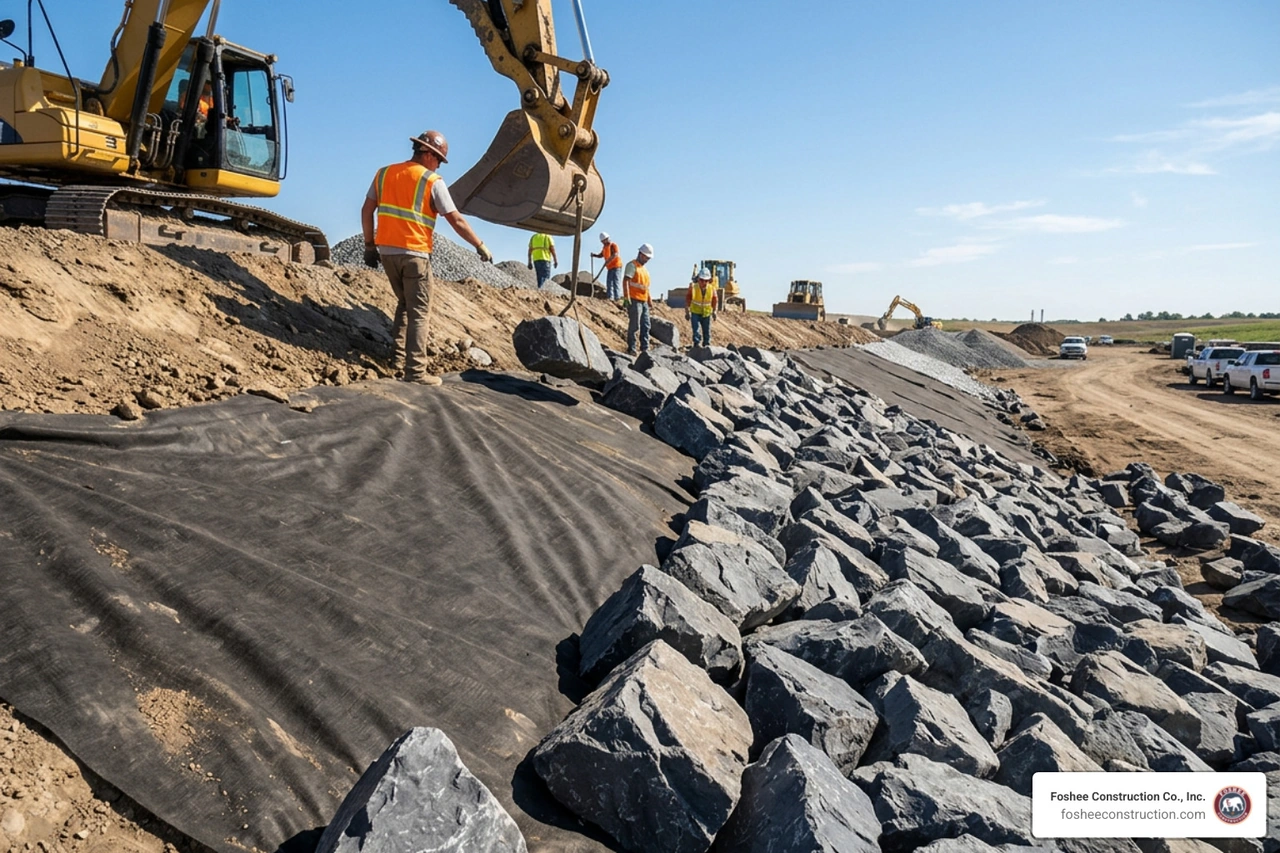
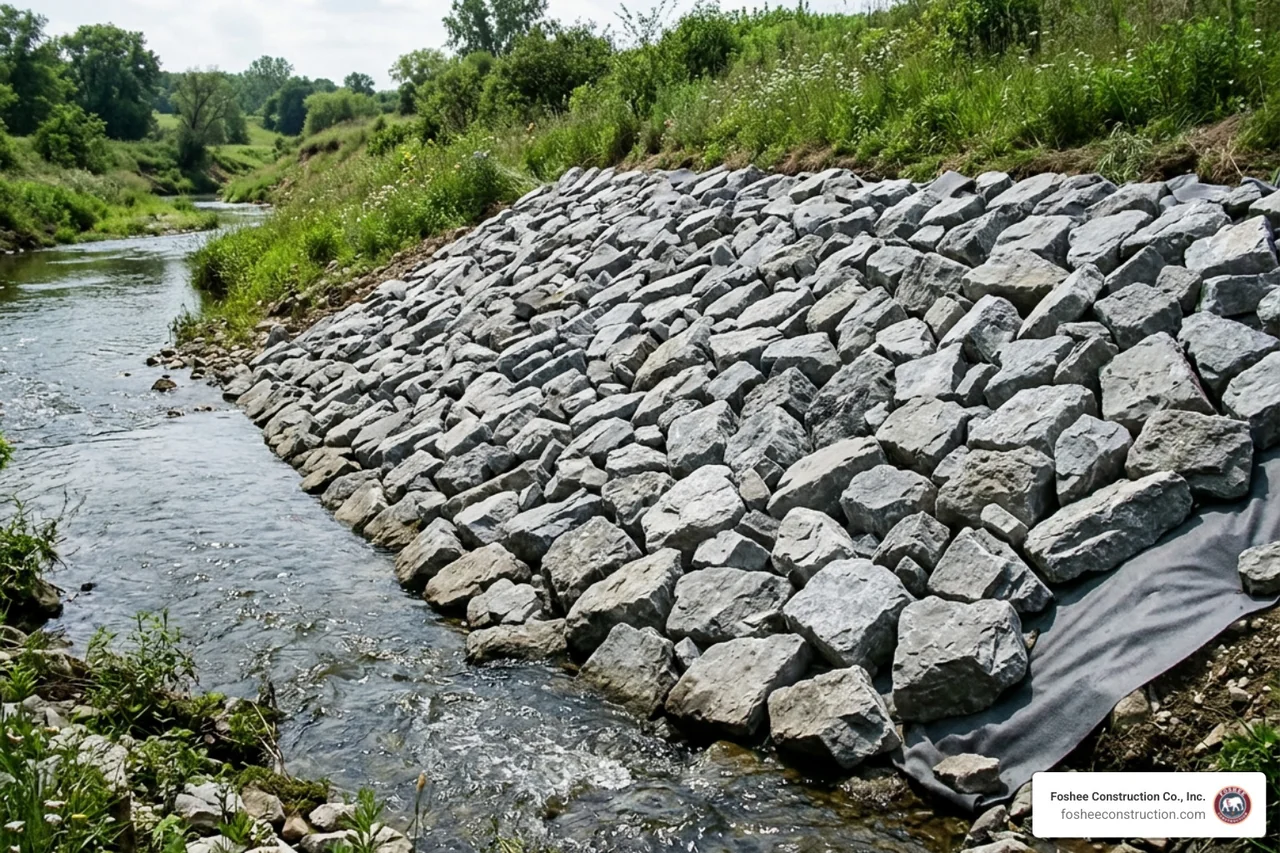
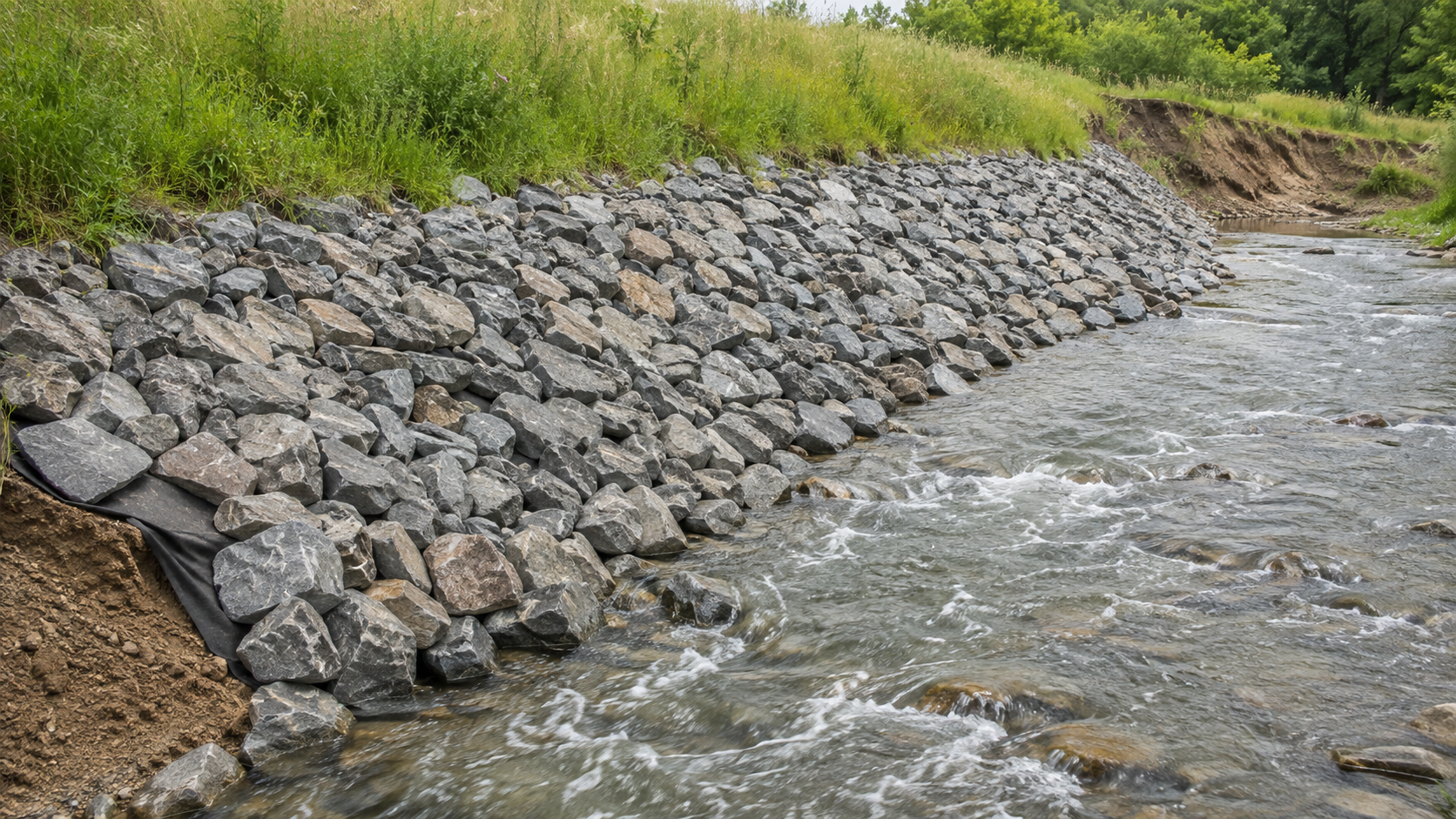
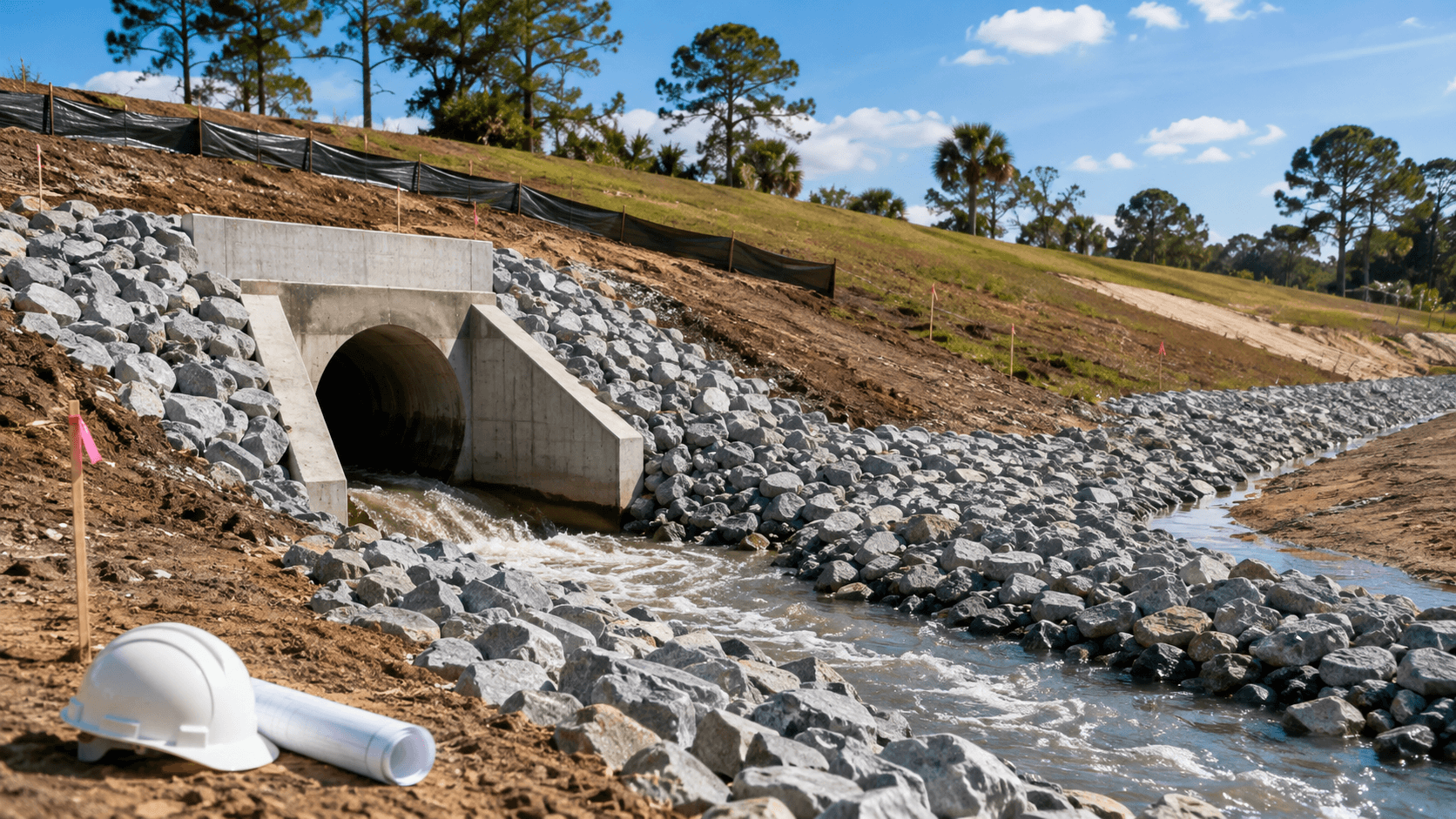
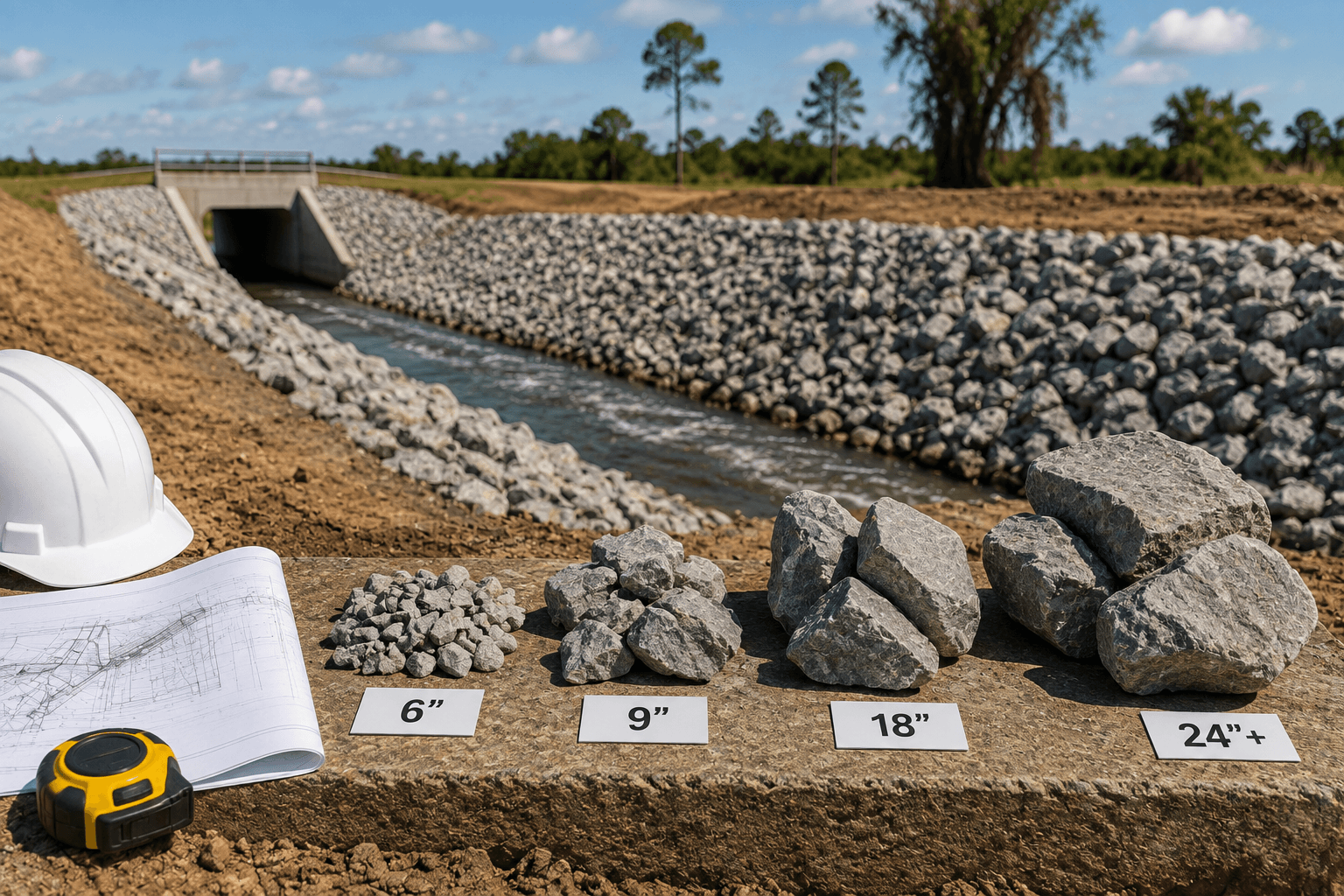
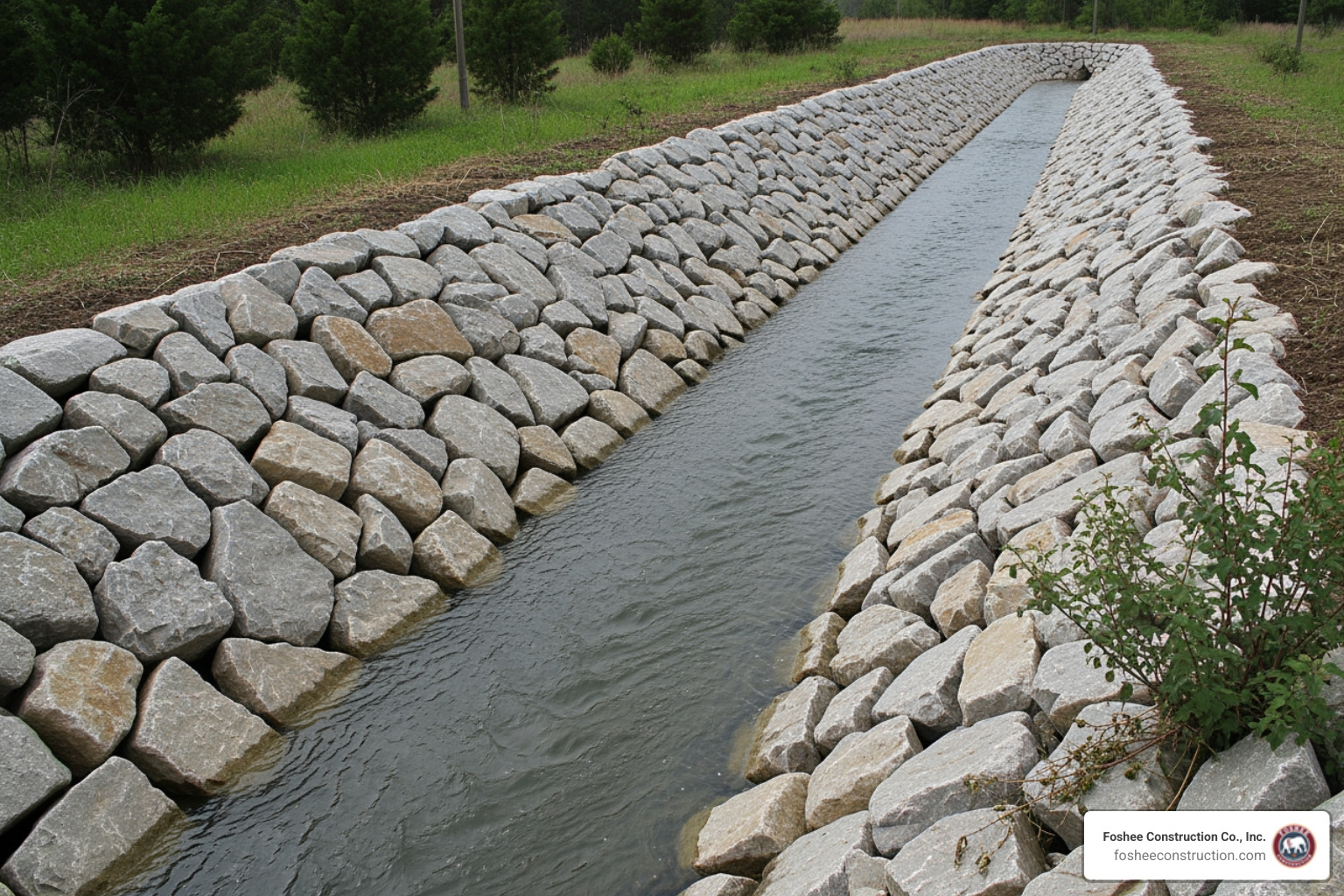
Riprap goes where velocity or energy is too high for vegetation or blankets to hold, most often at pipe outfalls, channel transitions, and slopes where concentrated flow discharges. It is a permanent or semi-permanent armor solution, not a temporary control, and it gets sized based on the flow velocity and the stone gradation the design calls for.
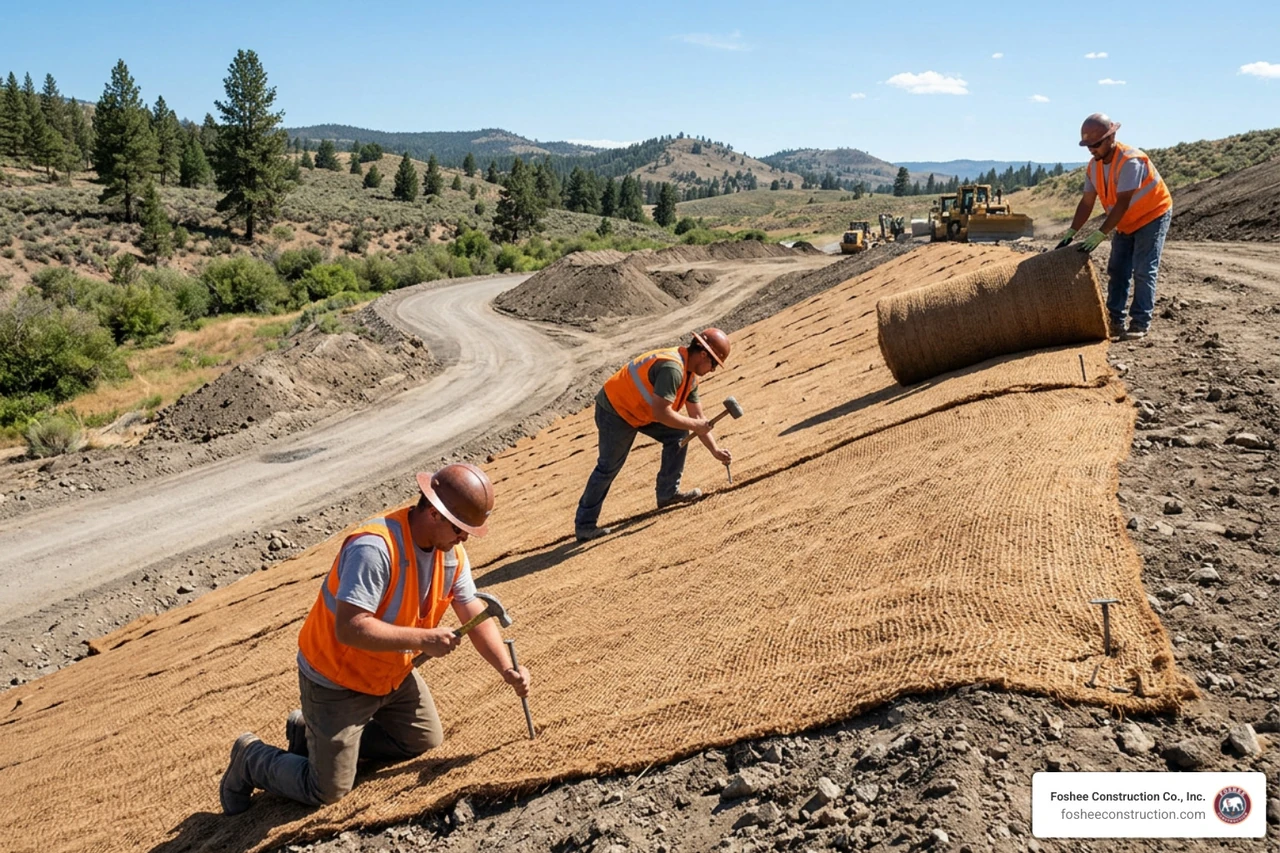
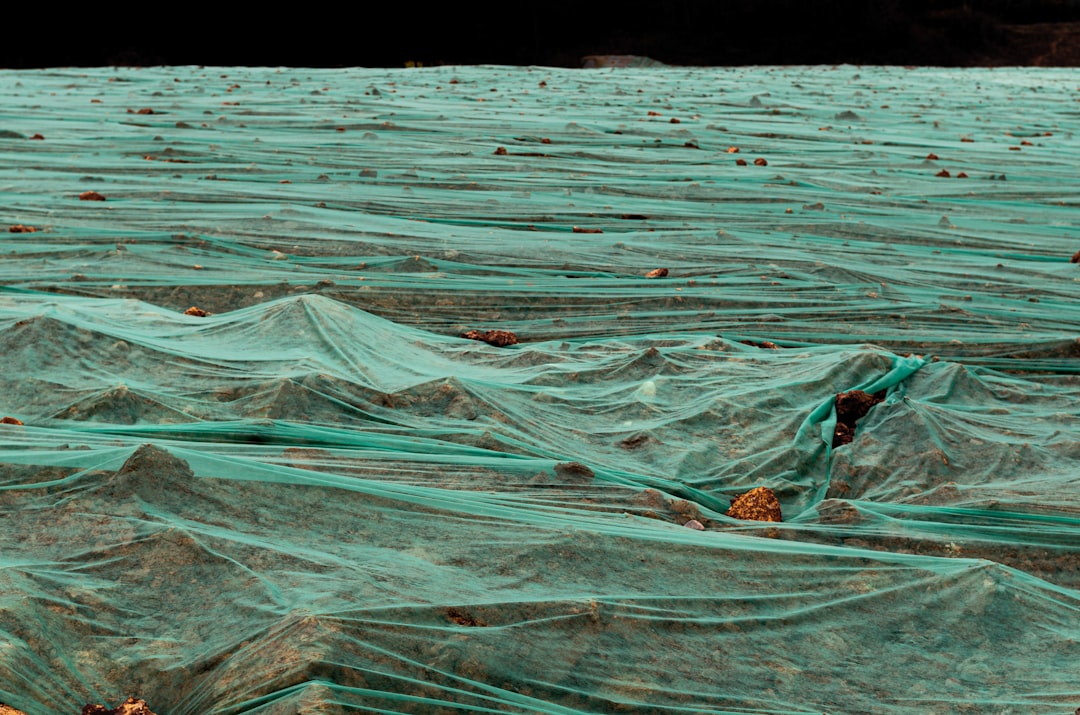
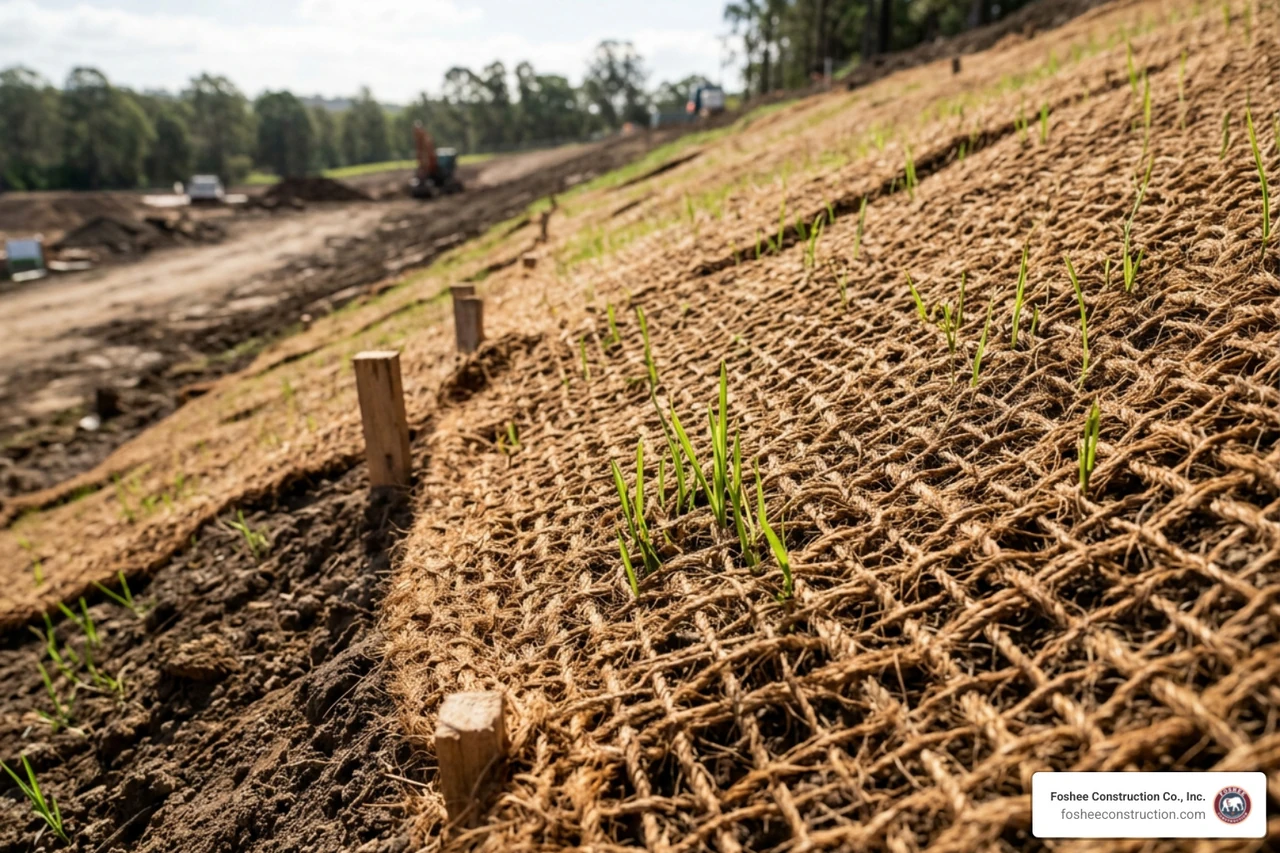
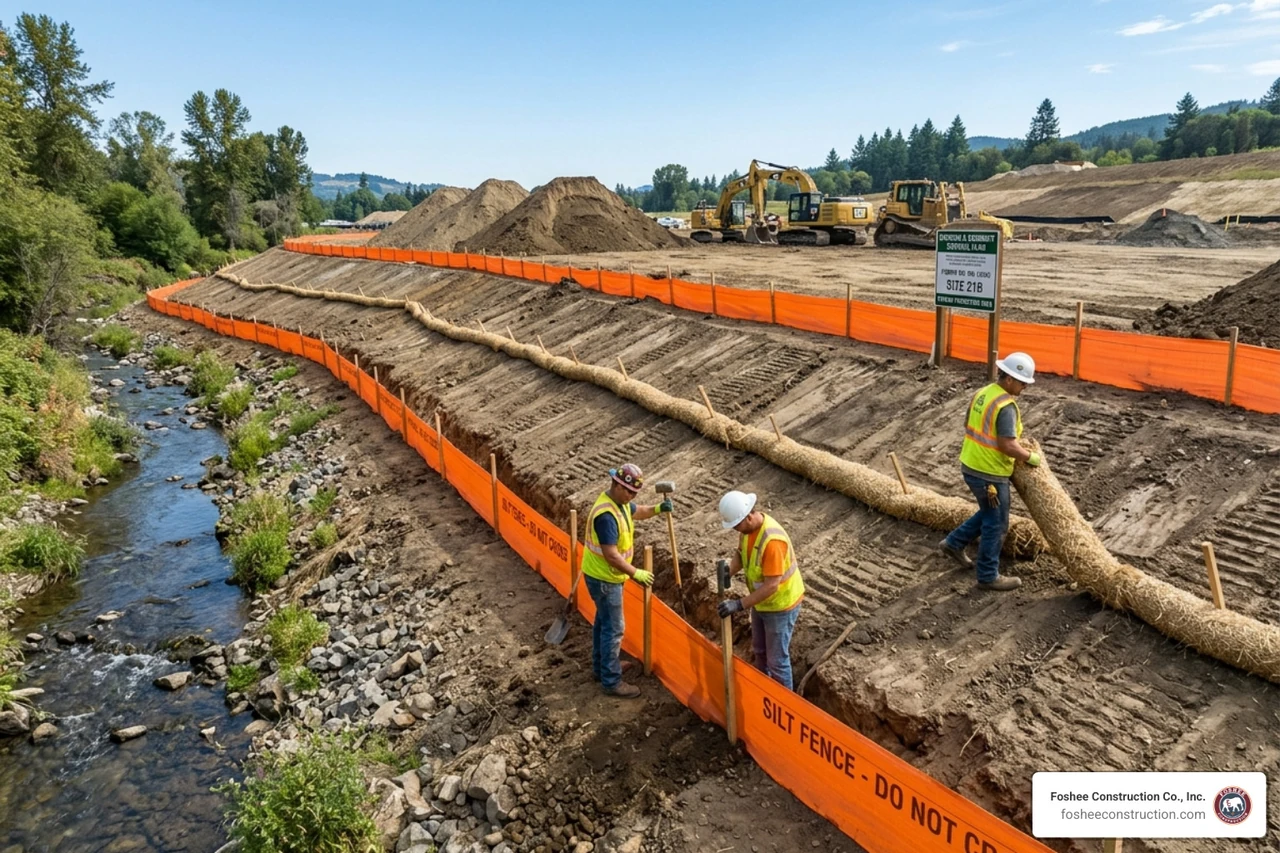
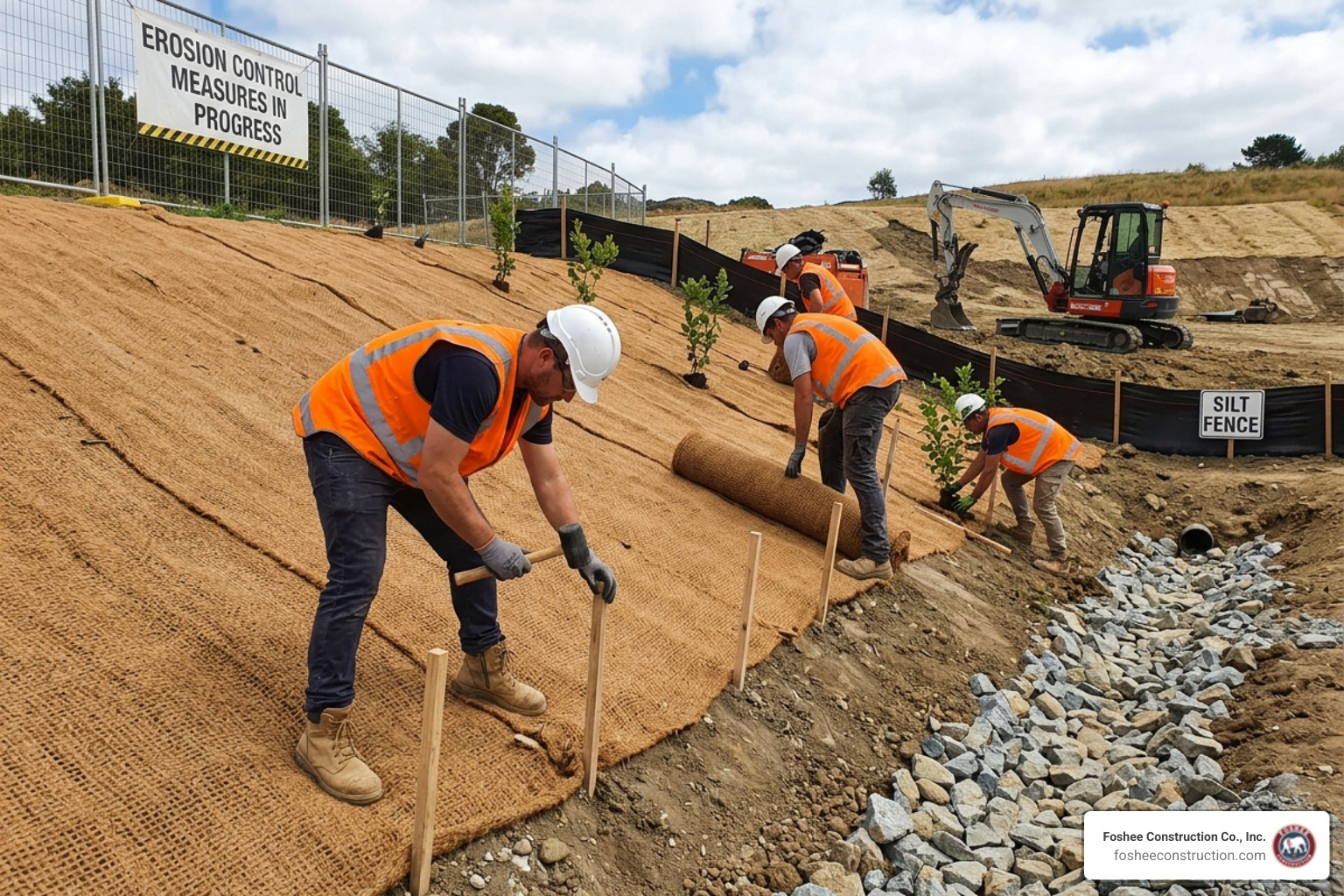
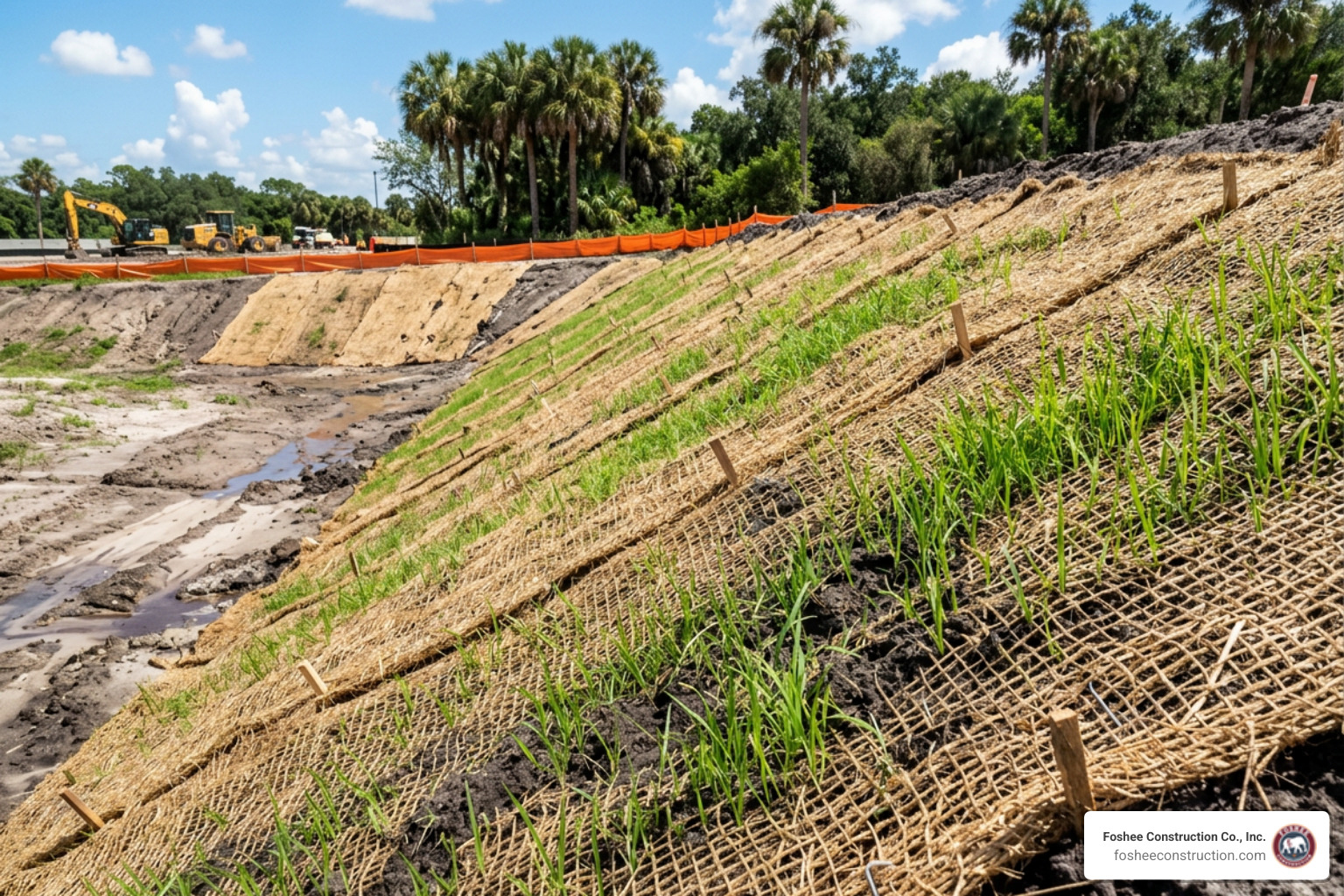
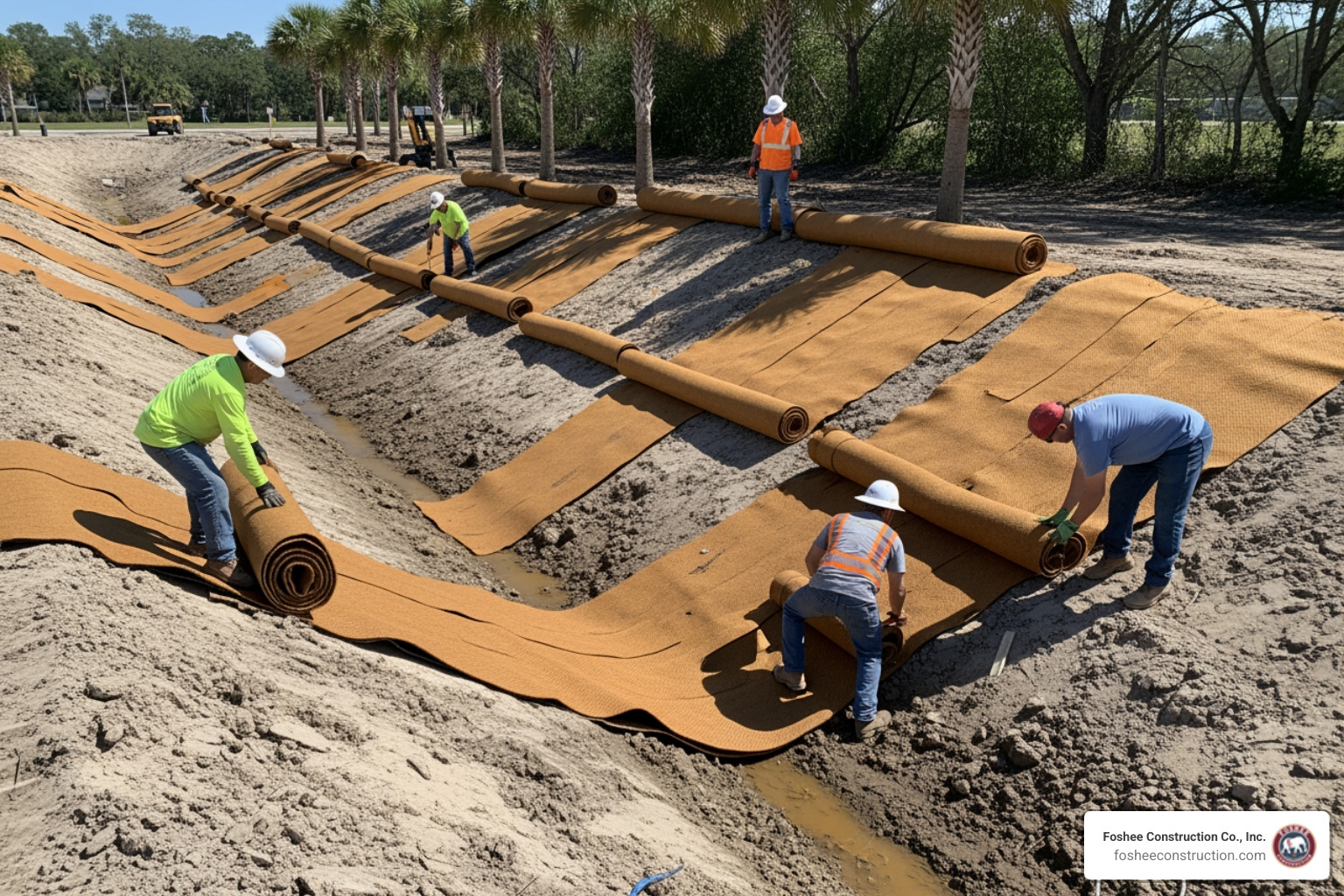
Erosion blankets are for slopes and disturbed areas where the goal is holding soil in place long enough for vegetation to establish. They are a temporary-to-establishment solution, not a permanent one, and they do not belong anywhere flow is concentrated enough to undermine or float the blanket itself.
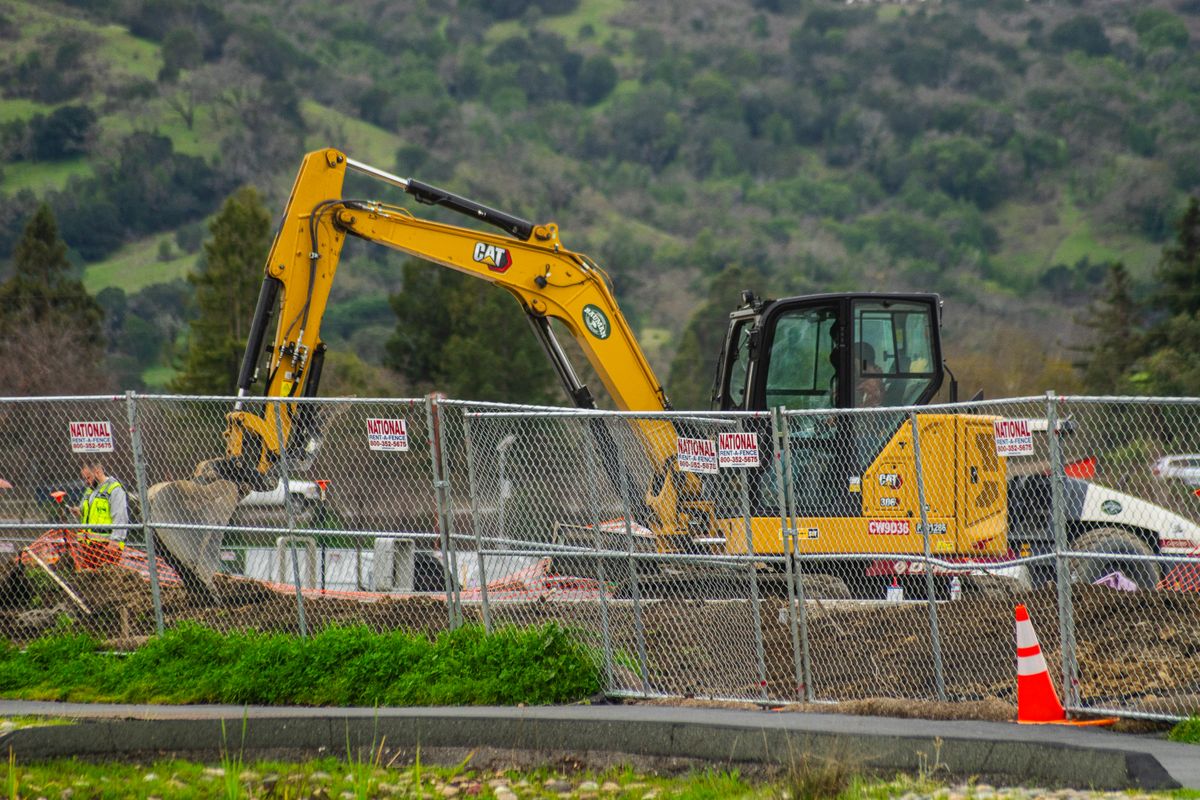
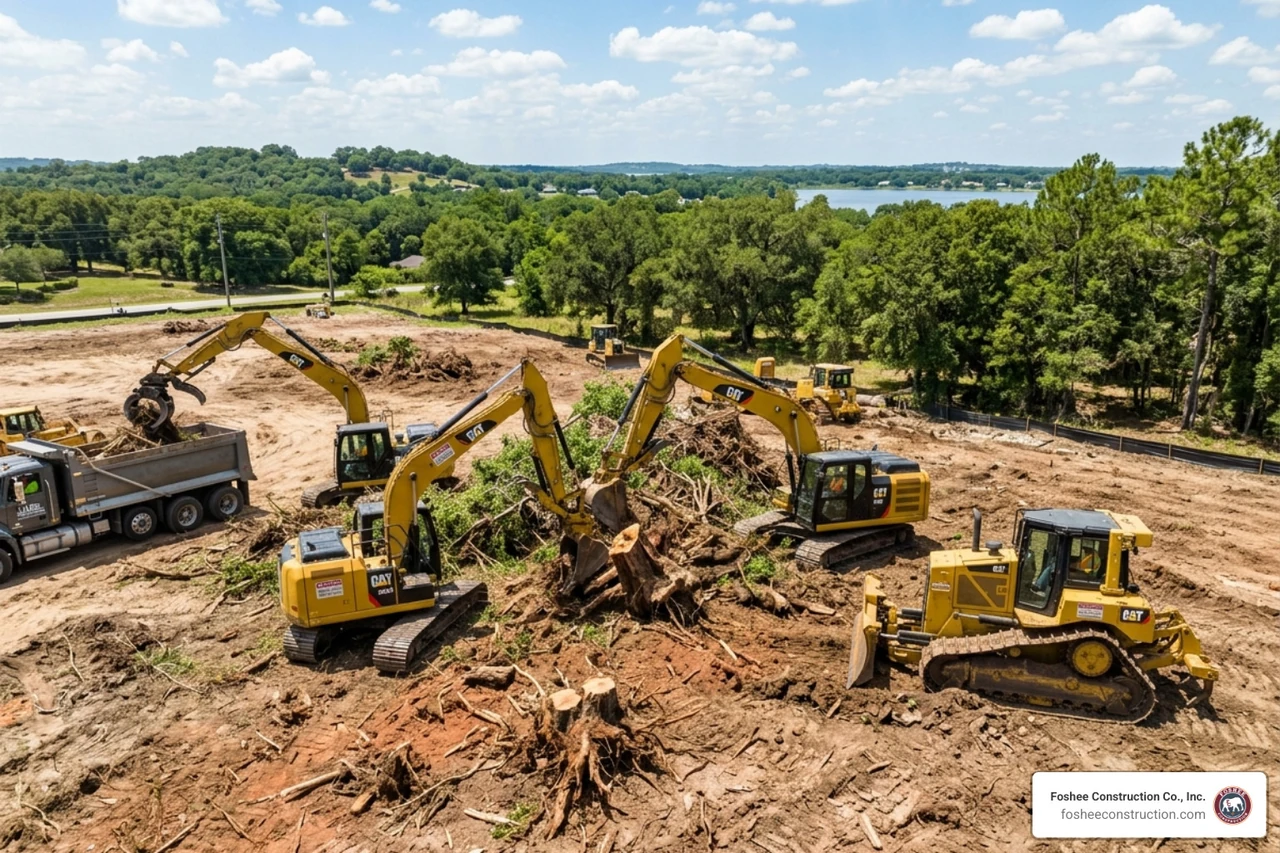
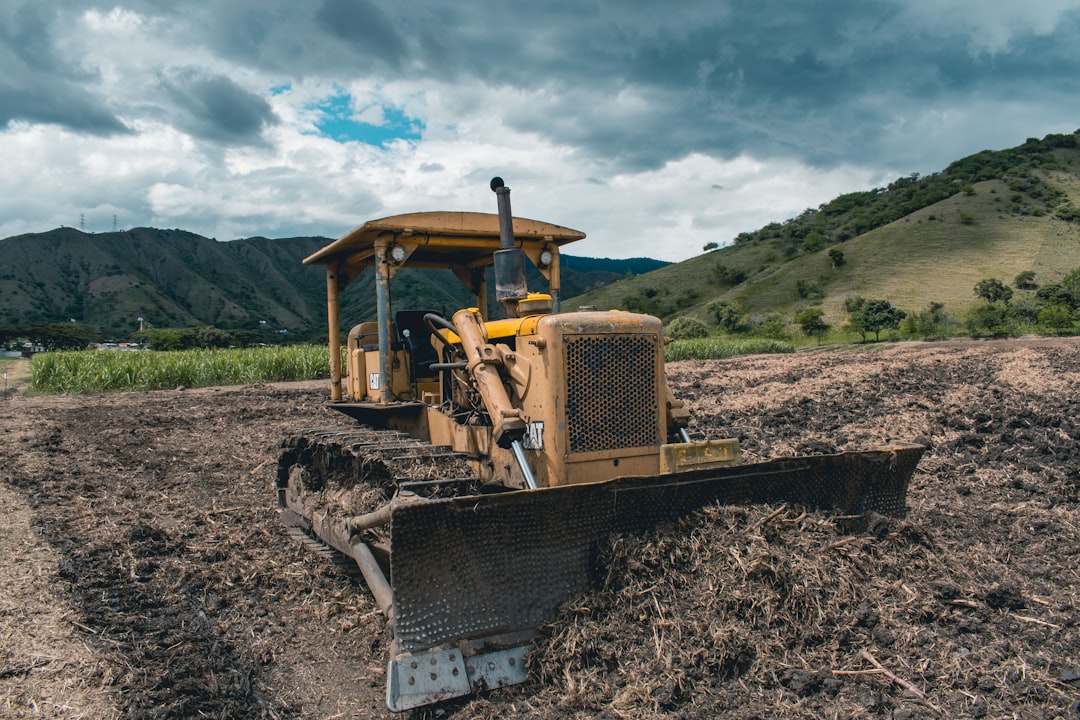
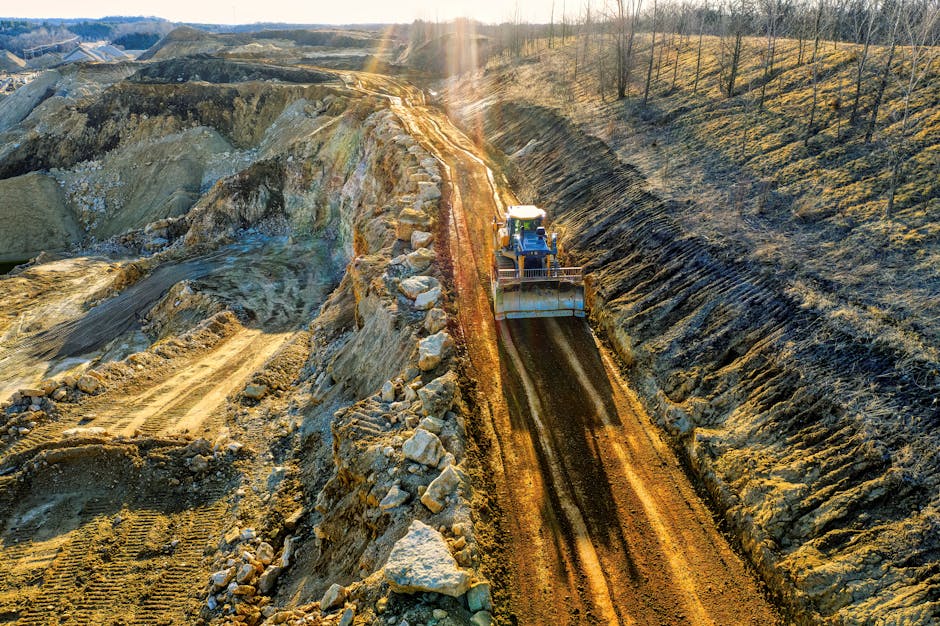
Foshee's The Vue project in Clermont is wrapping up by the end of this year, and like most sites with meaningful grade change, it needed more than one of these three tools rather than a single blanket solution across the board. Slopes got blankets to hold soil while landscaping established. Swales carrying concentrated flow got check dams. Outfalls and steeper transitions got riprap sized for the velocity actually expected at that point in the drainage system. The lesson from a job like The Vue is that a site rarely needs just one of these — it needs the right one at each specific location, chosen against the flow condition there.


Not where velocity is high enough to lift or undermine the blanket. Outfalls with concentrated, high-energy flow need riprap sized for that condition.
They need to be checked after every significant rain event and cleaned out once sediment has built up to roughly half their height — otherwise they stop providing the storage volume they were installed for.
Generally, yes. Riprap is typically part of the permanent stormwater design at outfalls and channel transitions, not a temporary construction-phase control.
Flow velocity and the drainage design govern stone gradation. Undersized stone gets moved by the same flow it was meant to control.
Rock check dams, riprap, and erosion blankets are not interchangeable line items — they are answers to three different flow conditions. Getting the match right at each location on a site, the way Foshee's crews did across the varied grading at The Vue in Clermont, is what keeps a control working through the storm it was designed for instead of failing at the first heavy rain.
To talk through erosion-control selection for a site plan, reach the Foshee contact page - https://fosheeconstruction.com/contact.
- Erosion Control Blankets - https://fosheeconstruction.com/blog/erosion-control-blanket
- Riprap for Erosion Control - https://fosheeconstruction.com/blog/erosion-control-rip-rap
- Rock Check Dams - https://fosheeconstruction.com/blog/erosion-control-rock-check-dams
- Erosion Prevention on Construction Sites - https://fosheeconstruction.com/blog/erosion-prevention-construction-sites
- Foshee Projects - https://fosheeconstruction.com/projects
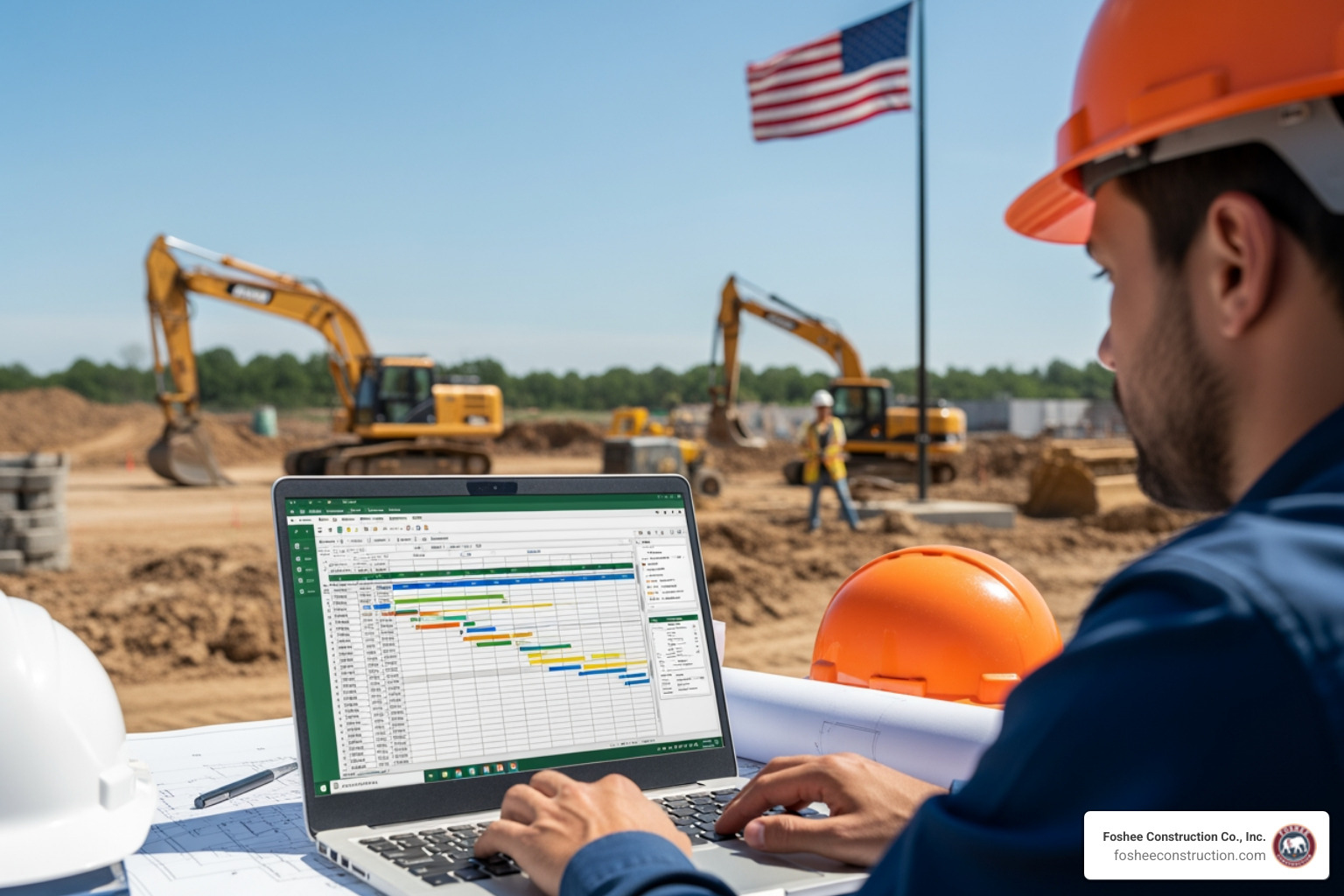
We build bids using HeavyBid and AGTEK because the details matter long before the job starts. When the numbers are accurate and the scope is clearly defined, it sets the tone for how the entire project runs. Estimating isn’t just a step in the process, it’s the foundation we build on.
That same mindset carries into the field. Our crew is trained to work with purpose, follow the Civil Engineers’ Plan to the finest detail, and hold the line on quality. When expectations are clear from day one, there’s no need for shortcuts, and no confusion about how the work gets done.
Clients trust our bid packages because they’re complete and ready to use. Project managers know what we’re covering, what’s excluded, and how we plan to approach the job. That clarity removes friction and lets teams focus on execution instead of interpretation.
As part of our review process, we go into the plans before anything hits the site. We ask the questions early, resolve issues before they show up in the field, and keep RFIs moving. This approach prevents delays and protects the timeline.
Over time, that consistency builds trust. Many of the people we work with today came through referrals from past projects – engineers, GCs, and superintendents who’ve seen how we operate and want the same experience again.
In 2024, Foshee Construction was acquired by Saga Infrastructure Solutions, a national network of civil construction companies. Saga supports regional contractors by giving them access to better tools, long-term resources, and operational backing, without changing how they run day to day.
Foshee will continue to operate under its name, with the same team and field leadership in place.
“From the very time a project starts, we start that partnership. We try to catch as much as we can with the tools that we have. Not everybody is using the software platforms we are. That’s the differentiator: we’re not just bidding. We’re anticipating, problem-solving, and making sure the job runs right.”
— Don, CEO, Saga Infrastructure Solutions
Foshee is now part of a broader regional strategy that includes Florida, the Piedmont Atlantic, Texas, Colorado, and the Arizona Sun Corridor. The name, crews, and standards remain. What’s improving is the support behind it.