An underground pipe locator is a handheld electronic device that detects buried pipes, cables, and other utilities beneath the ground — before a shovel ever breaks the surface.
Quick answer: What does an underground pipe locator do?
Here's the hard truth about underground construction: you can't see what you're digging into.
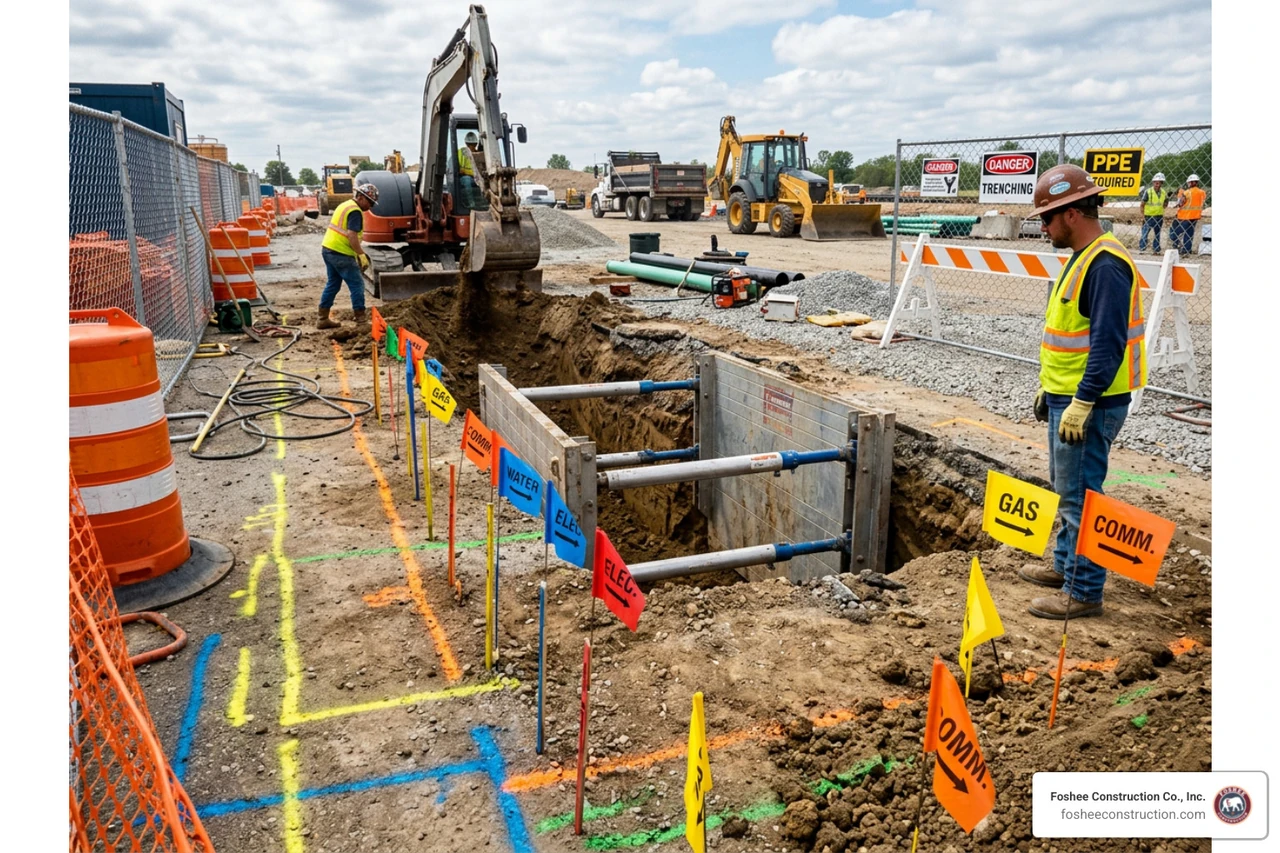
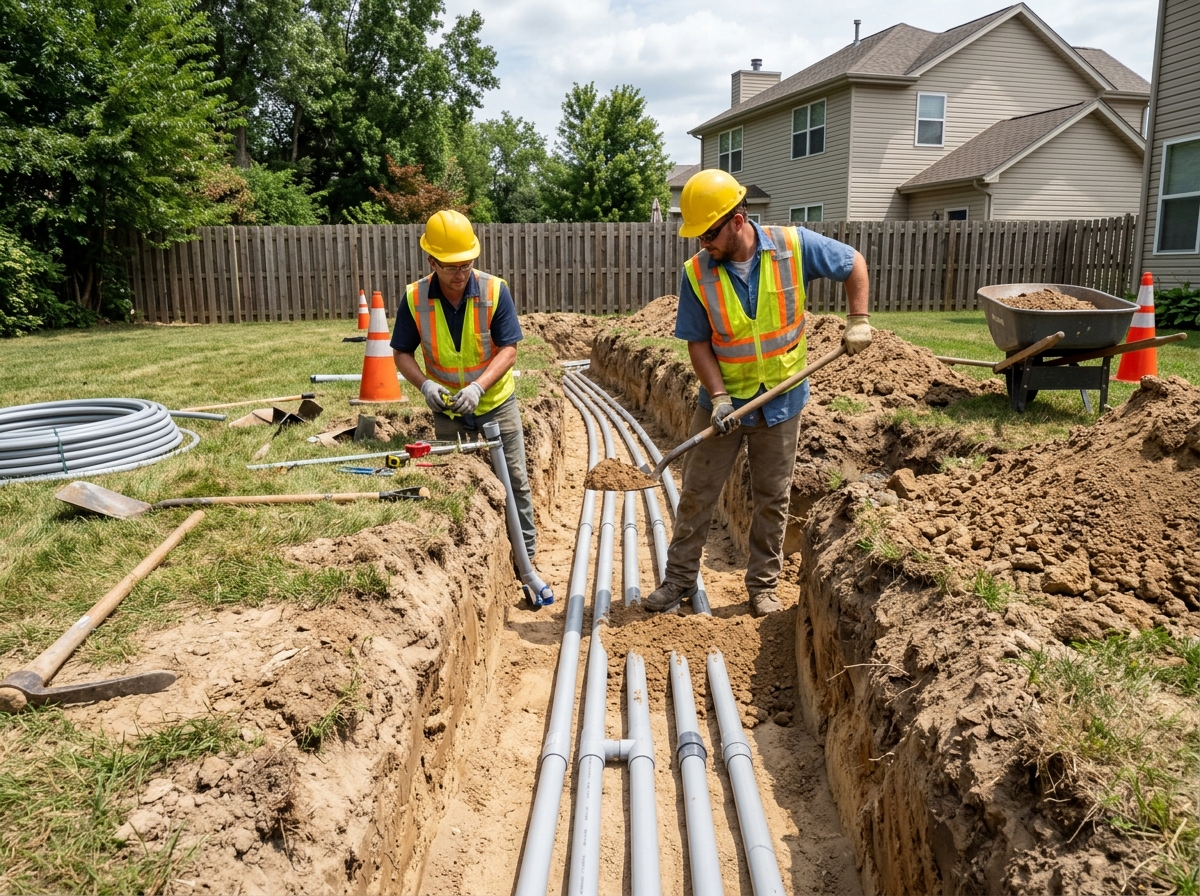
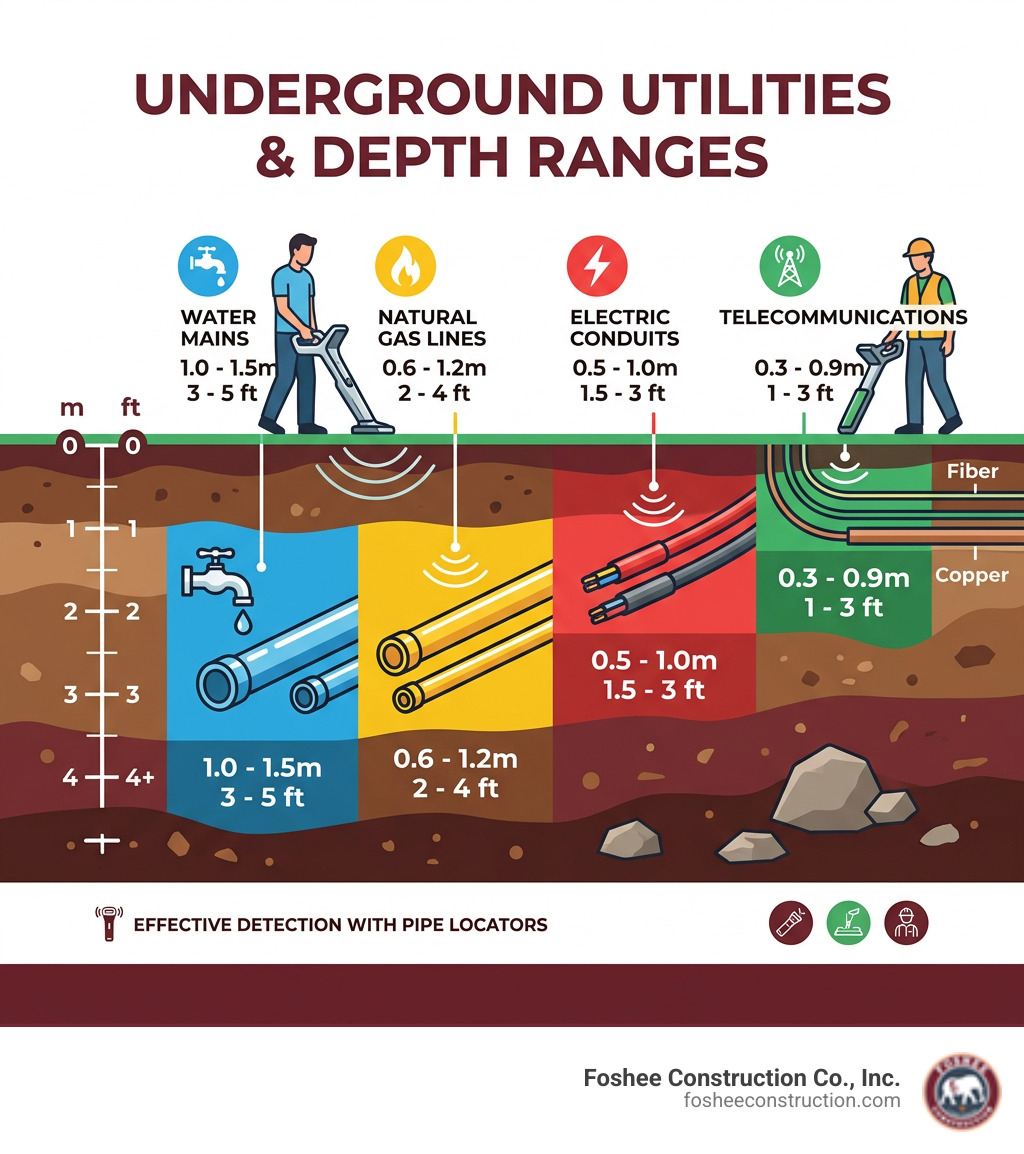
Florida's ground is packed with decades of layered infrastructure. Water mains, gas lines, fiber optic cables, and power conduits crisscross beneath nearly every job site. One missed utility strike can mean ruptured gas lines, severed power to a neighborhood, costly project delays, and serious safety risks for your crew.
That's not a worst-case scenario. It's a routine hazard on any site that skips proper utility locating.
Calling 811 (Florida's Sunshine 811 service) is required by law before you dig — but public utility marks only cover so much. Private utilities, older infrastructure, and unmarked lines often fall through the cracks. That's exactly where a professional underground pipe locator becomes essential.
This guide walks you through everything you need to know: how these devices work, what to look for, and how the right equipment (in the right hands) keeps your project on schedule and your crew safe.
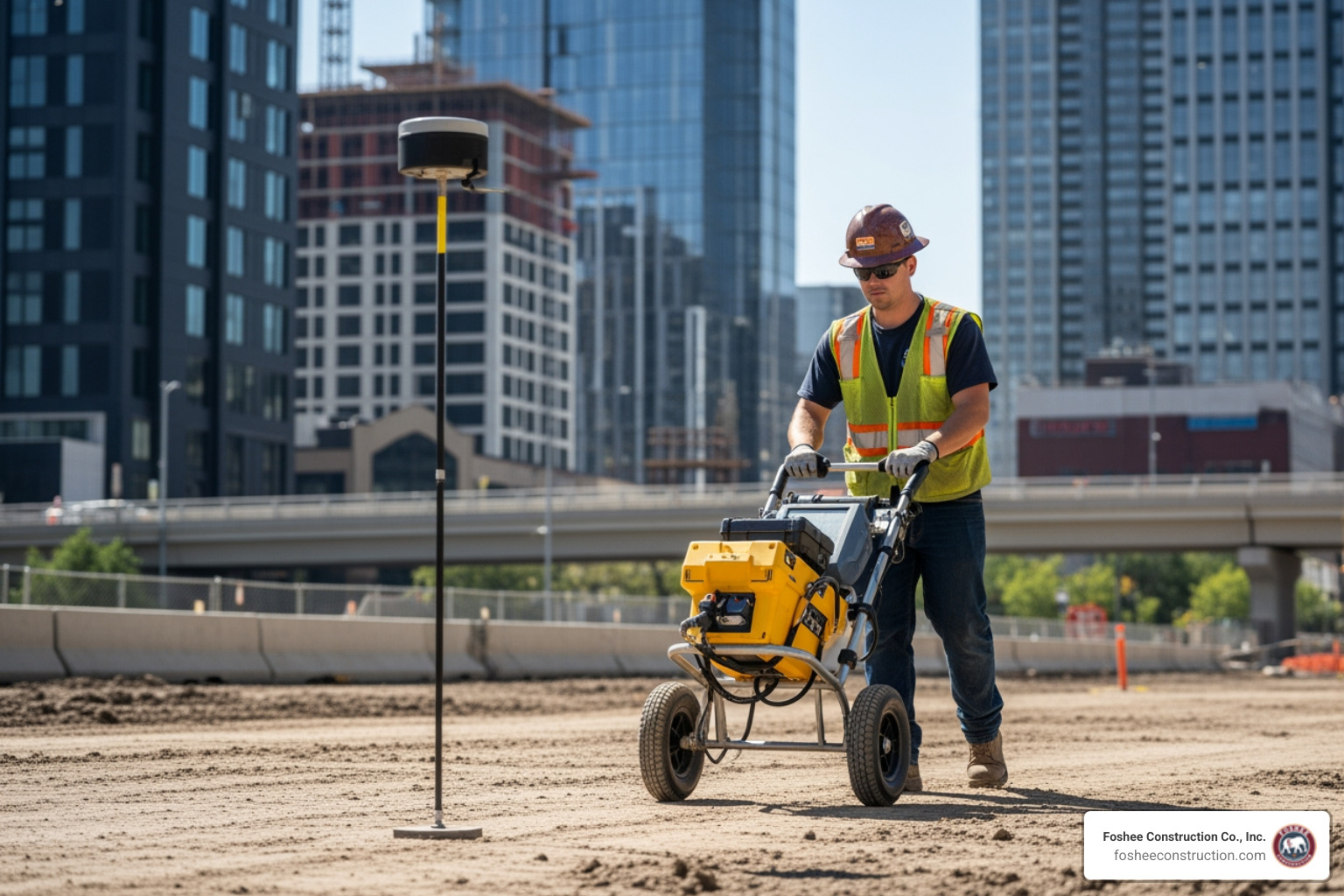
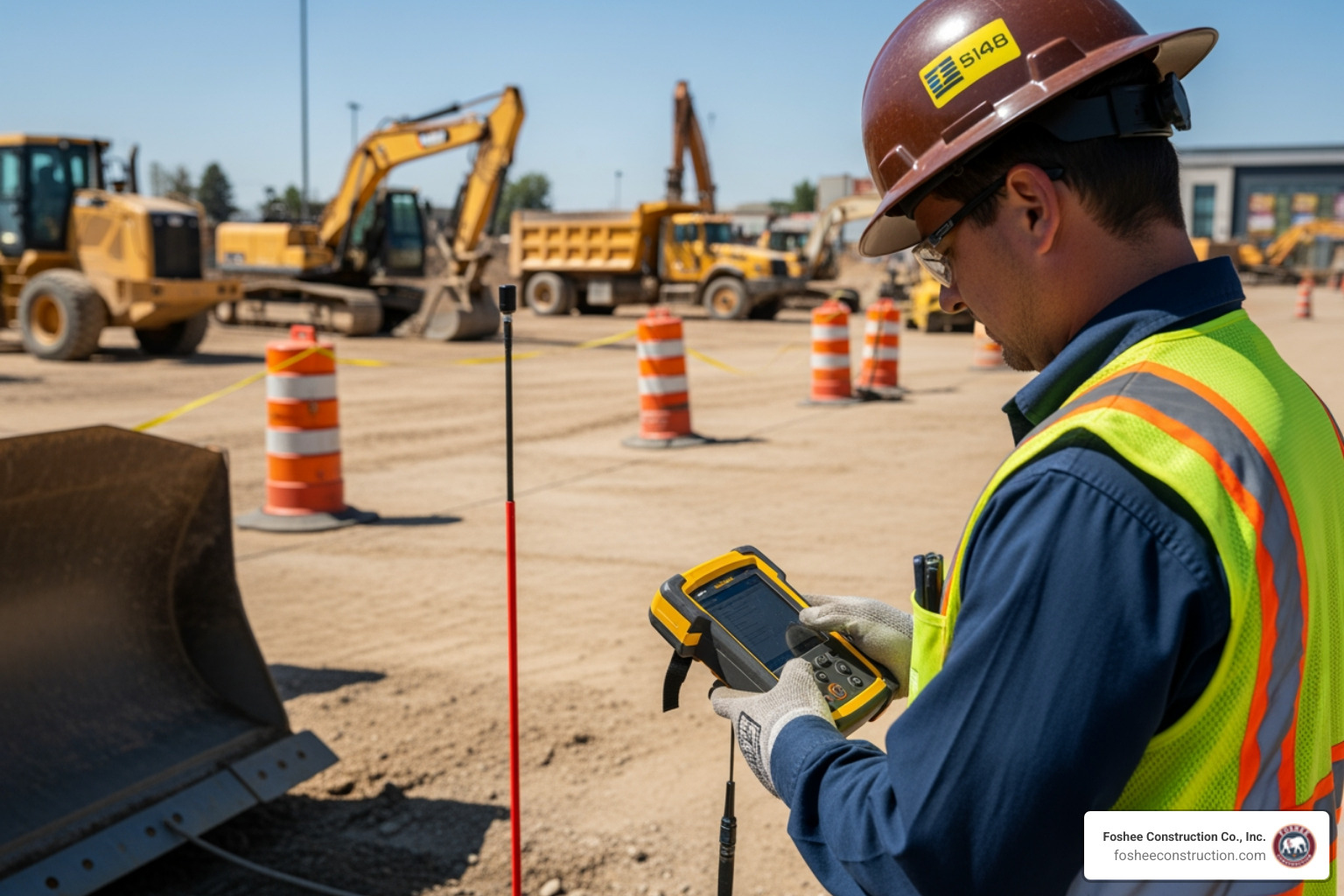
At its core, an underground pipe locator is a sophisticated detection system designed to provide a "X-ray vision" of sorts for construction crews. In utility detection, we rely on these tools to transform the invisible into the visible. These devices consist of two primary components: a signal transmitter and a receiver.
The transmitter applies a specific electrical signal to a metal pipe or cable, while the receiver (the handheld wand) picks up the magnetic field created by that signal. This allows us to trace the exact path of the utility from above ground.
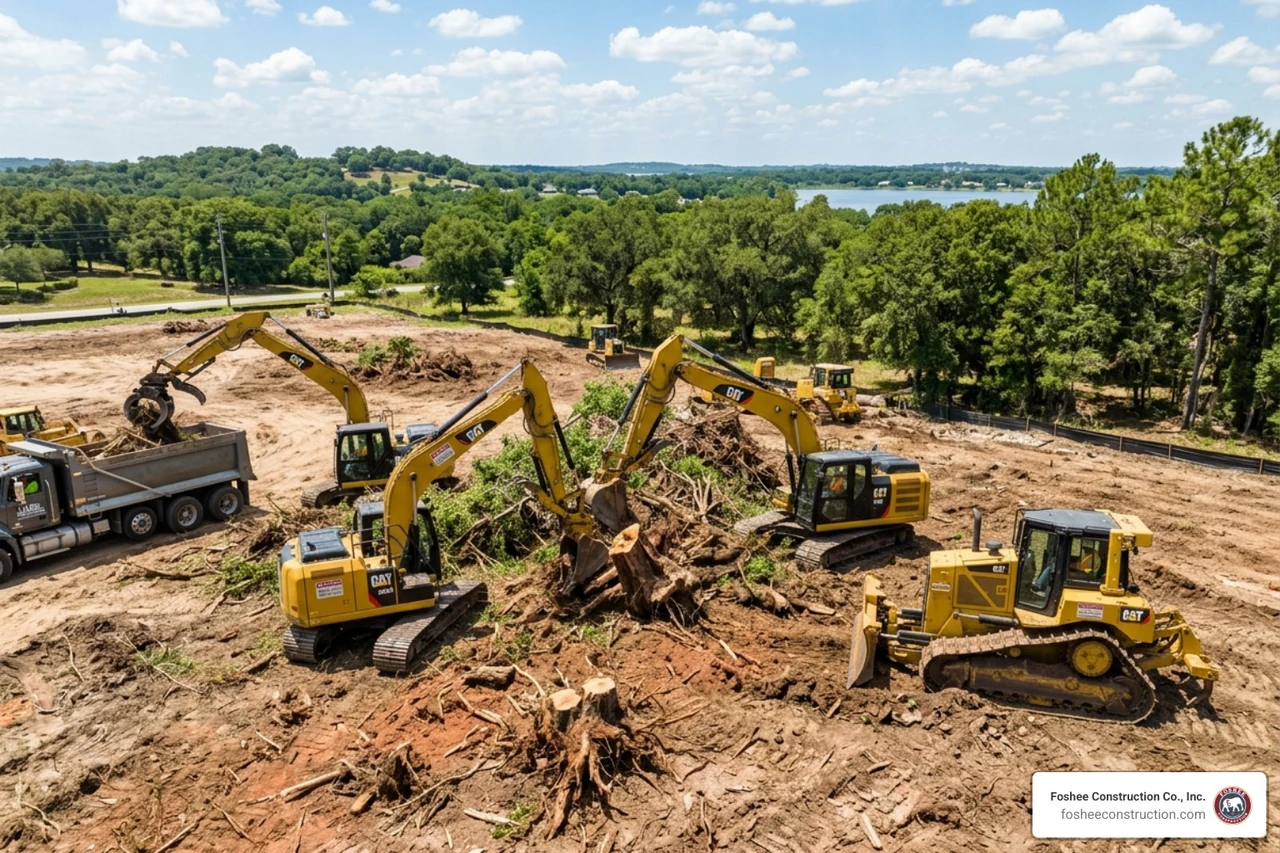
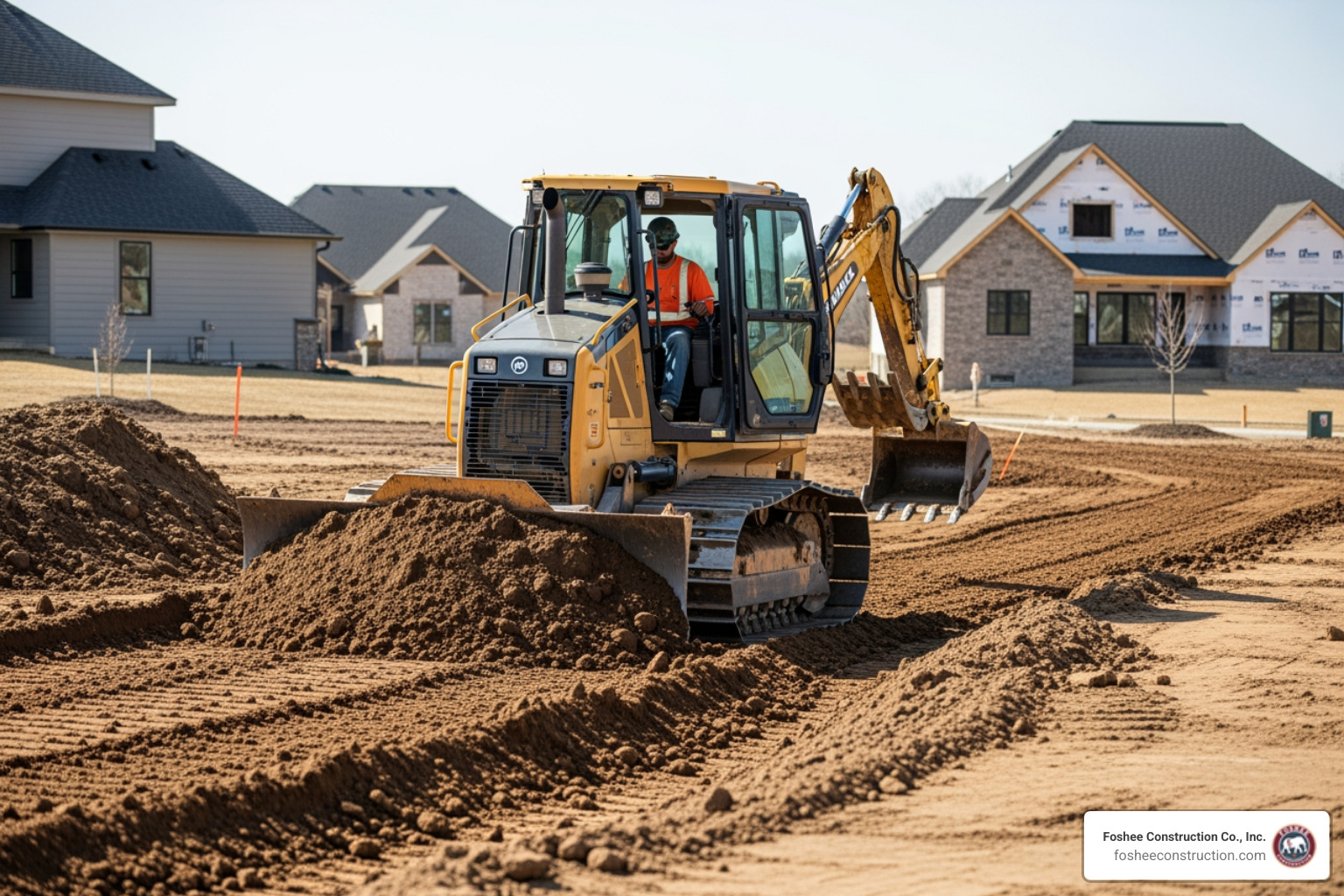
Using this technology is a cornerstone of damage prevention. In our work across Minneola and Lake County, we’ve seen how critical it is to identify buried assets during the site preparation phase. Whether we are clearing land or grading a new commercial lot, knowing exactly where the "vitals" of the property are located is the only way to ensure a safe work environment.
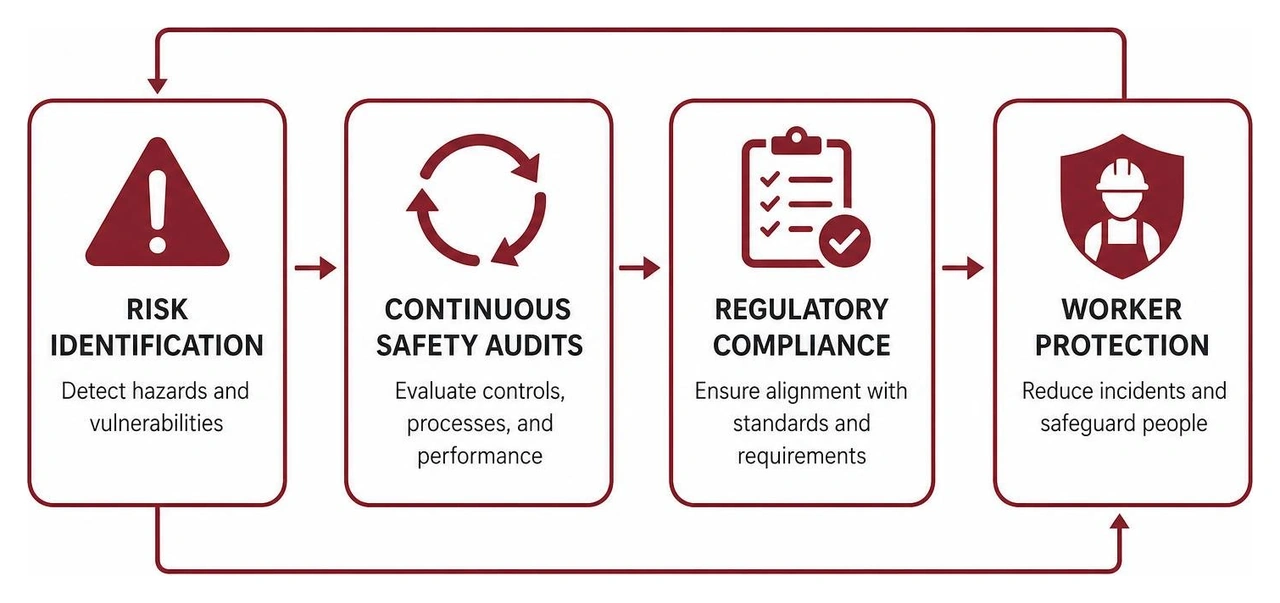
The primary purpose of an underground pipe locator is risk mitigation. Every project involves buried assets—some known, some forgotten. By accurately locating these utilities, we protect the infrastructure and, more importantly, the people working on-site.
For new commercial builds, accurate utility locating is not just a "best practice"; it is a necessity for the project's timeline. A single strike on a high-voltage line or a fiber optic trunk can shut down a job site for days and result in massive repair bills. By integrating professional locating into our site prep workflow, we eliminate the guesswork that leads to these disasters.
So, how does the magic happen? It’s all about electromagnetic induction. Most underground pipe locators work by detecting electromagnetic fields. There are two main ways the receiver finds a signal:
For a deeper look at how high-power transmitters like the Underground cable or pipe tracing signal transmitter АG-105 operate, you can see how 20W of power allows for tracing metal pipes at distances up to 3 km. This level of power is what allows us to maintain a strong signal even in deep or congested Florida soils.
Choosing the right underground pipe locator depends on the complexity of the job. Not all locators are created equal; some are designed for simple backyard wire finds, while others are engineered for complex industrial networks.
When we evaluate equipment like the RD7200 Cable and Pipe Locator, we look for frequency versatility. Having multiple frequencies allows us to "tune out" interference from nearby lines and focus solely on the target pipe.
In the professional world, precision is measured in inches, not feet. High-end models like the MRT-700 offer depth measurement precision within 5%. This is vital when you are planning an excavation that needs to pass just inches above a sensitive gas main.
Some top-tier models can detect cables and metal pipelines at depths up to 6 meters (nearly 20 feet). While most utilities in Florida aren't buried that deep, having a transmitter with 20W output power ensures that even if a pipe is deep or the soil is highly resistive, the signal remains clear and traceable.
Construction is a dirty, wet, and hot business—especially in Florida. An underground pipe locator needs to survive the environment. We look for an IP65 protection rating, which means the device is dust-tight and protected against water ingress (like a sudden Minneola downpour).
Operating temperatures are also a factor. Quality locators are designed to function perfectly from -20°C up to +55°C (131°F). While we don't worry much about the freezing end in Lake County, that upper temperature limit is tested every single summer on our job sites.
A common misconception is that an underground pipe locator can only find metal. While it's true that electromagnetic induction requires a conductor, modern technology has given us workarounds for non-conductive materials like PVC, clay, and fiber optics.

Plastic pipes (PVC) and fiber optic cables are the "ghosts" of the underground world because they don't conduct electricity. To find them, we use a few different strategies:
One of the most effective ways to trace a non-metal pipe is by using a sonde. A sonde is a tiny, battery-powered transmitter that we can push through a pipe using a rod or a camera snake.
Most sondes operate on a 512Hz frequency, which is excellent for penetrating cast iron or deep soil. By following the sonde's signal with our receiver, we can pinpoint the exact location and depth of a blockage or a turn in a PVC sewer line. For complex faults, accessories like the A-Frame fault finder (often used with the RD8100 Cable and Pipe Locator) allow us to find insulation sheath faults to within 4 inches.
The days of just listening for a "beep" are over. Modern underground pipe locator technology has entered the digital age, integrating GPS and data logging to create permanent records of what lies beneath.
Devices like the MRX SG Survey Grade Locator represent the pinnacle of this tech. They don't just find the pipe; they map it in 3D space with centimeter-level accuracy.
By using integrated GNSS (Global Navigation Satellite System), we can perform real-time mapping of buried assets. This data is invaluable for asset management. Instead of relying on a spray-painted line on the grass that will wash away in the next storm, we can create a digital map that stays with the project forever.
Using a RD8200G Locator w GPS | Utility Detection allows crews to automatically log locate parameters every second. This provides a "paper trail" for compliance and safety audits, proving that the utilities were located and marked correctly before work began.
Efficiency on the job site is about reducing "dead time." Older systems required a technician to walk back and forth between the transmitter and the receiver to change frequencies or power levels.
Modern iLOC technology (an advanced Bluetooth link) allows us to control the transmitter remotely from up to 450 meters (1,400 feet) away. This means the operator can adjust the signal on the fly without ever leaving the spot where they are tracing the line.
In Florida, utility locating is a multi-industry effort. From the power distribution networks of Duke Energy to the sprawling telecom fiber lines being laid across Lake County, the underground pipe locator is the most used tool in the kit.
Professionals look for features that make the job faster and more reliable. Some of the industry-standard features we rely on include:
Safety isn't just about the machine; it's about the standards we follow. Professional locators often comply with IEC 61000 standards for electromagnetic compatibility.
One of our favorite safety features is StrikeAlert. This system provides an immediate visual and audio warning if the locator detects a shallow cable or pipe that is dangerously close to the surface. Furthermore, systems like eCert allow us to verify the calibration of our units over the internet, ensuring our measurements are always 100% accurate without having to send the tool away for weeks of service.
Yes, but not directly through electromagnetic induction. To find PVC, you must either use an acoustic locator, insert a traceable "fish tape" or wire into the pipe, use a sonde, or employ Ground Penetrating Radar (GPR).
Most professional-grade locators can accurately detect metal pipes and cables up to 15 to 20 feet (5-6 meters) deep. However, accuracy can decrease as depth increases, and soil conditions (like high clay or salt content) can affect the signal.
Active locating involves using a transmitter to apply a specific signal to a pipe. It is highly accurate and allows you to distinguish your target line from others. Passive locating detects signals already present on the lines, such as 60Hz power from electric cables or radio signals. Passive is faster for a quick sweep but less precise for identifying specific utilities.
At Foshee Construction Co., Inc., we know that a successful project starts before the first bucket of dirt is moved. Site preparation is the foundation of everything we build in Florida, and professional utility locating is the heartbeat of a safe site.
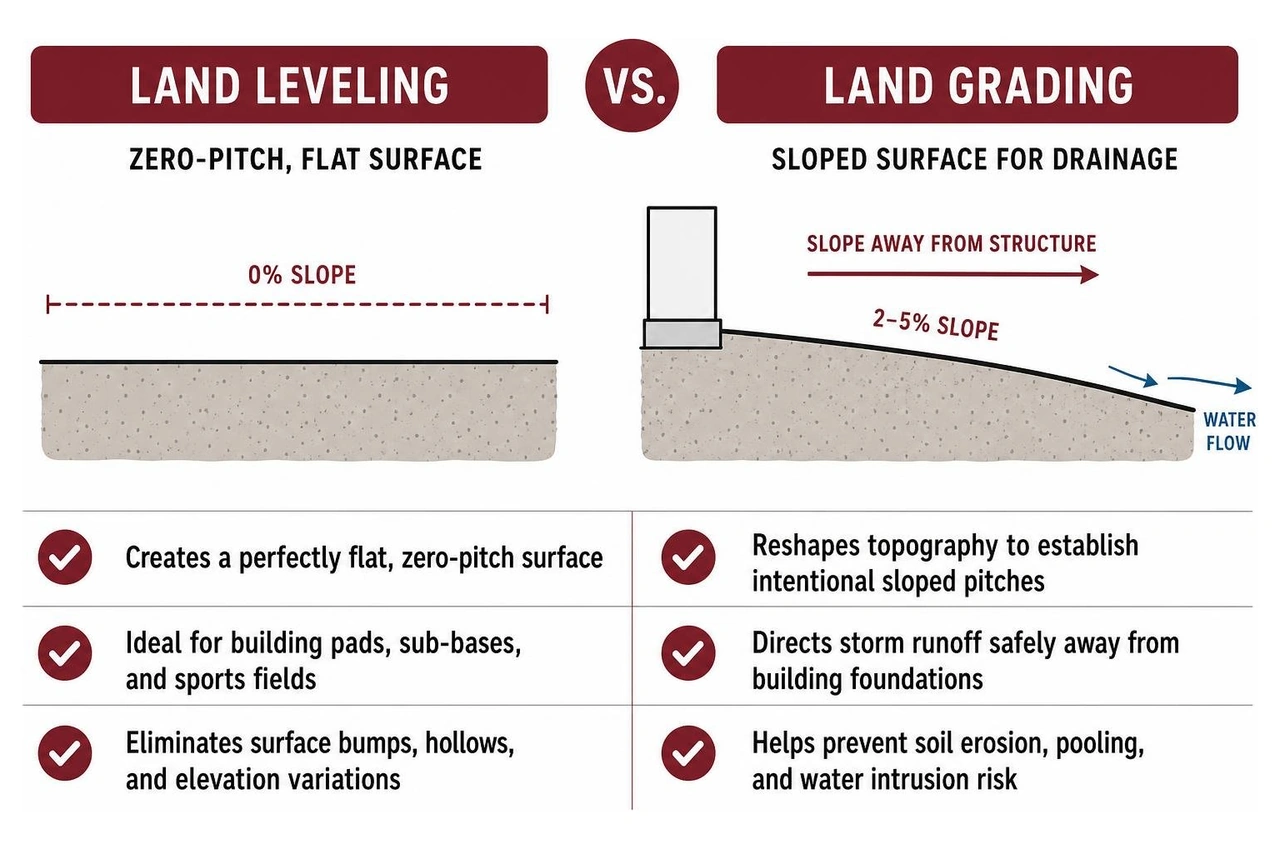
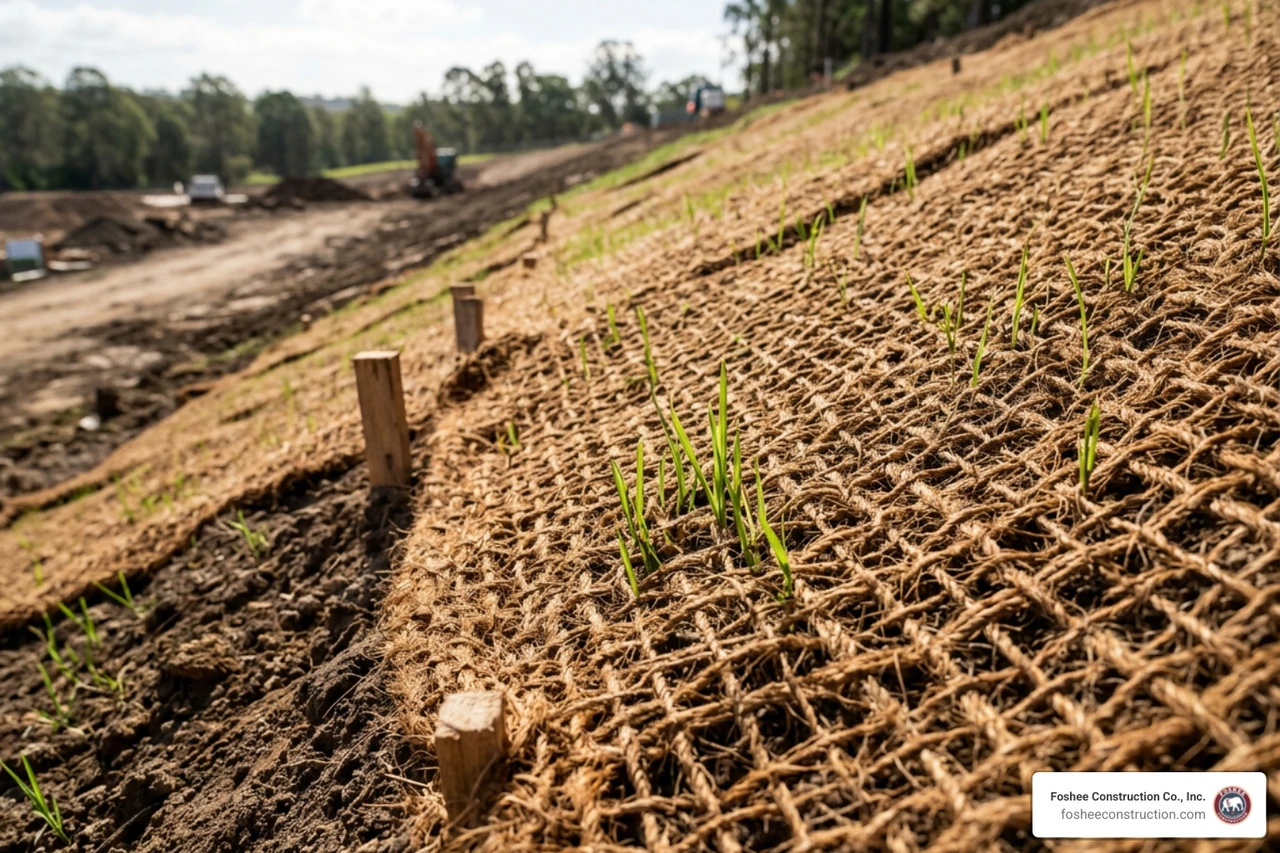
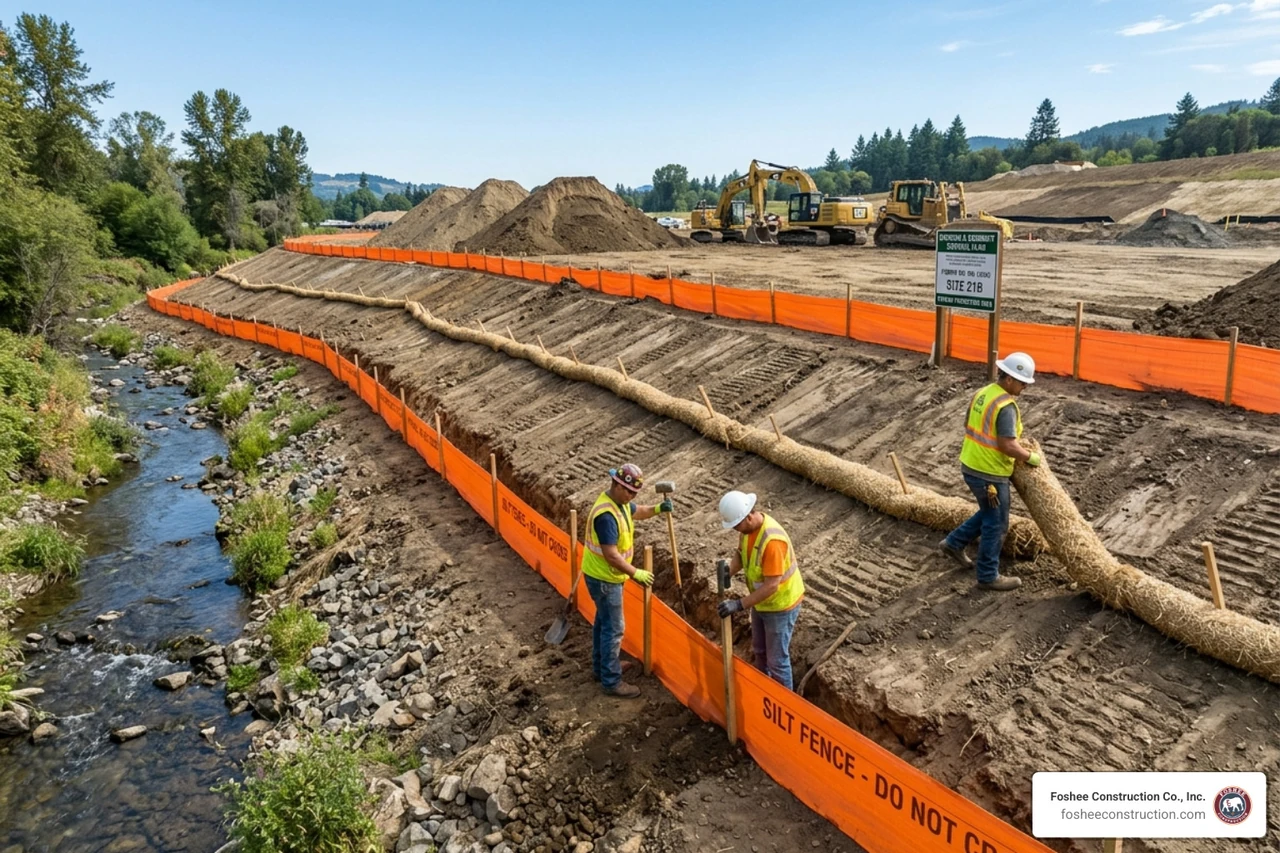
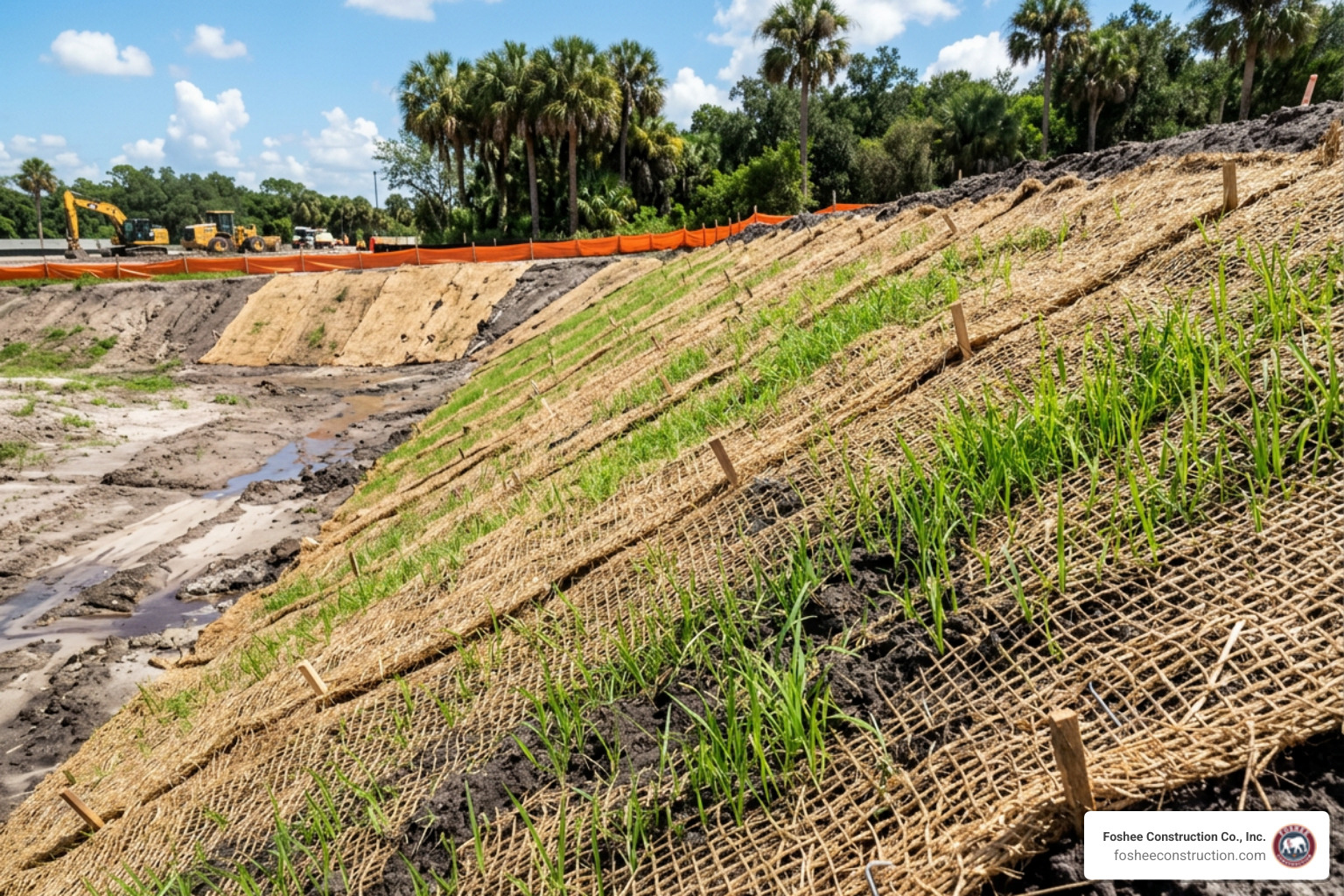
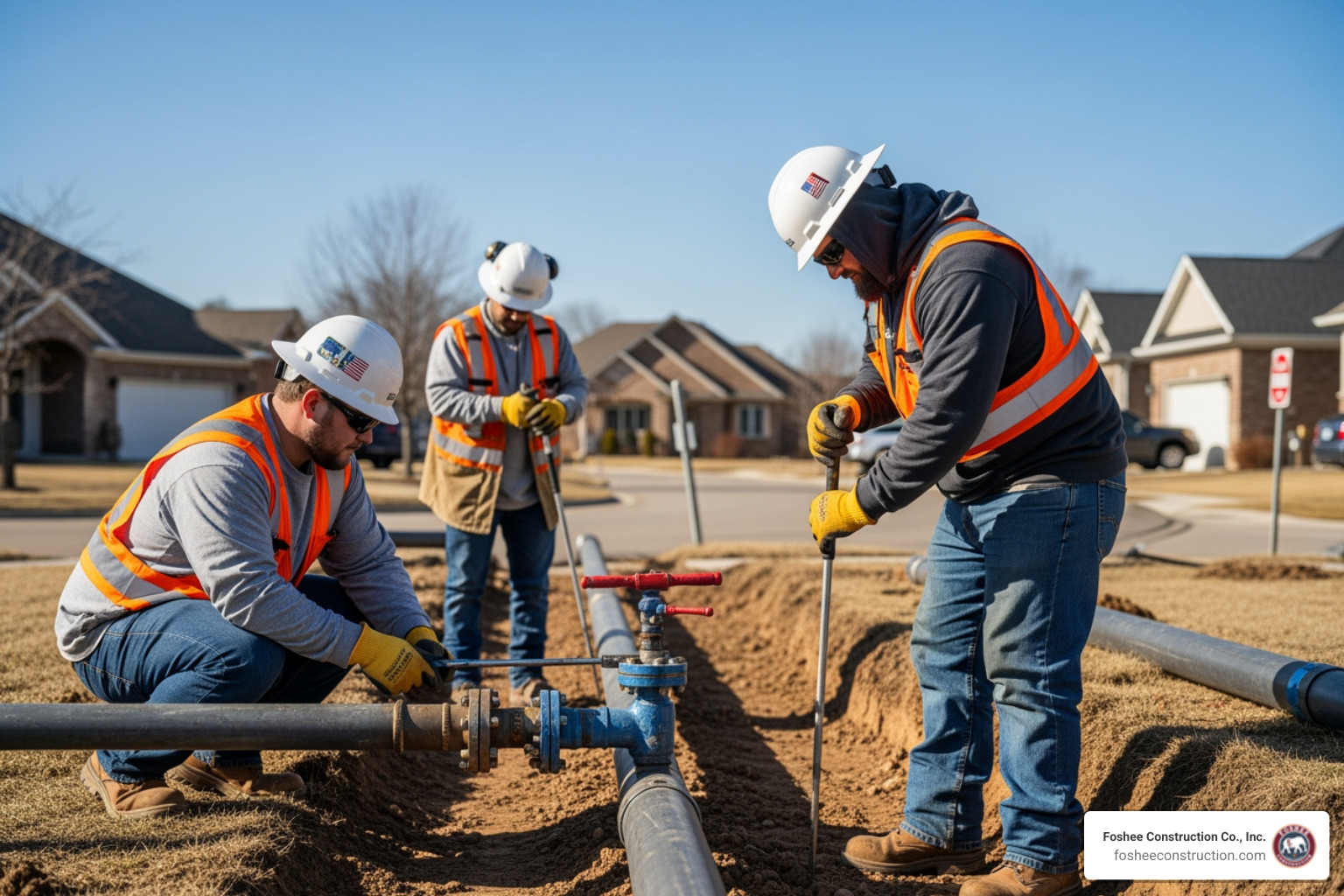
By moving away from "guessing" and moving toward high-precision underground pipe locator technology, we protect our clients' investments and our crews' safety. From grading and erosion control to complete underground utility installation, we pride ourselves on disciplined scheduling, transparent bids, and a relentless focus on safety.
If you are planning a new commercial build or a complex site prep project in Minneola or the surrounding Lake County area, don't leave your underground assets to chance. Contact Foshee Construction for Expert Site Prep and Utility Services and let us help you start your project on solid—and safe—ground.
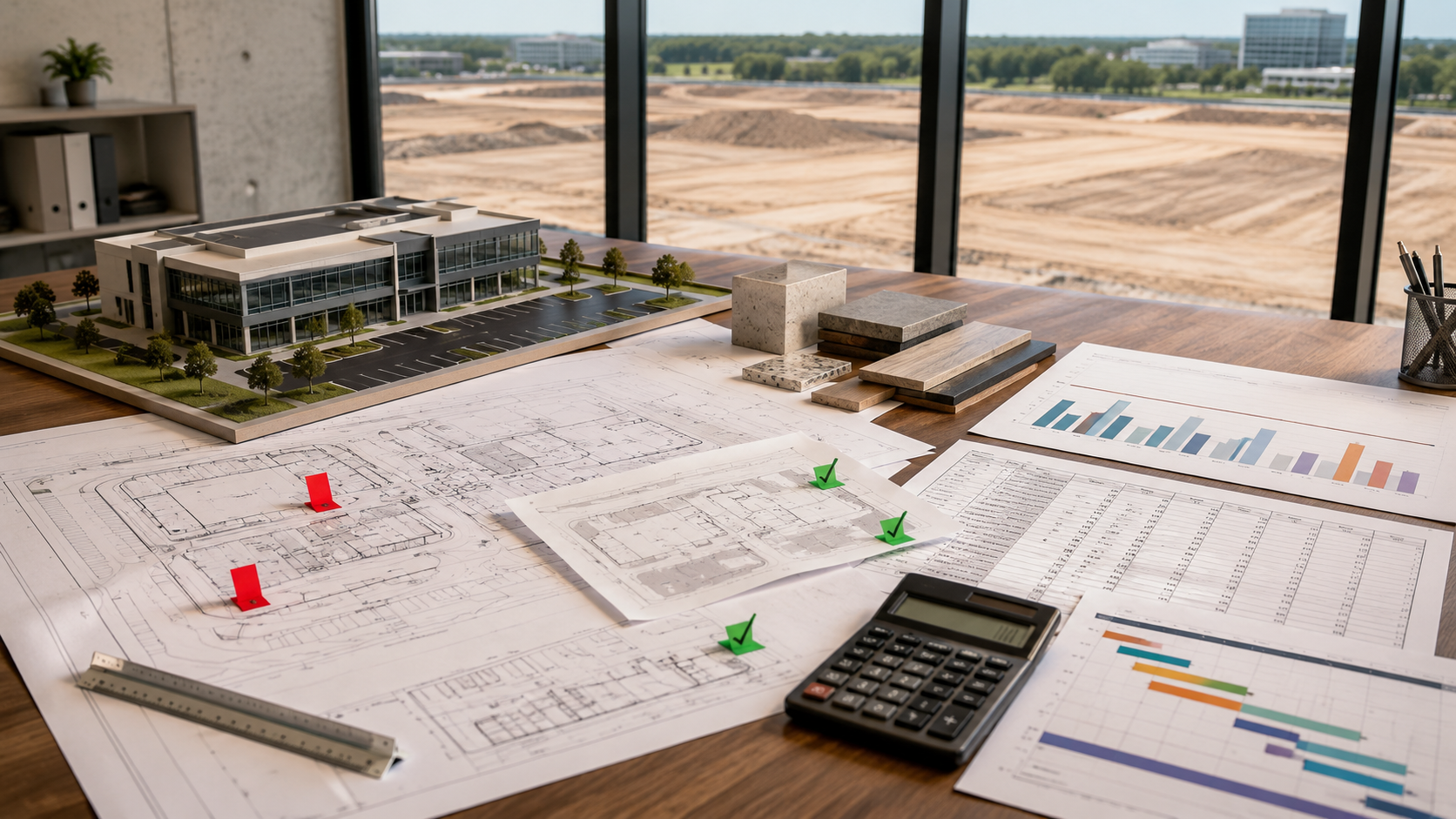
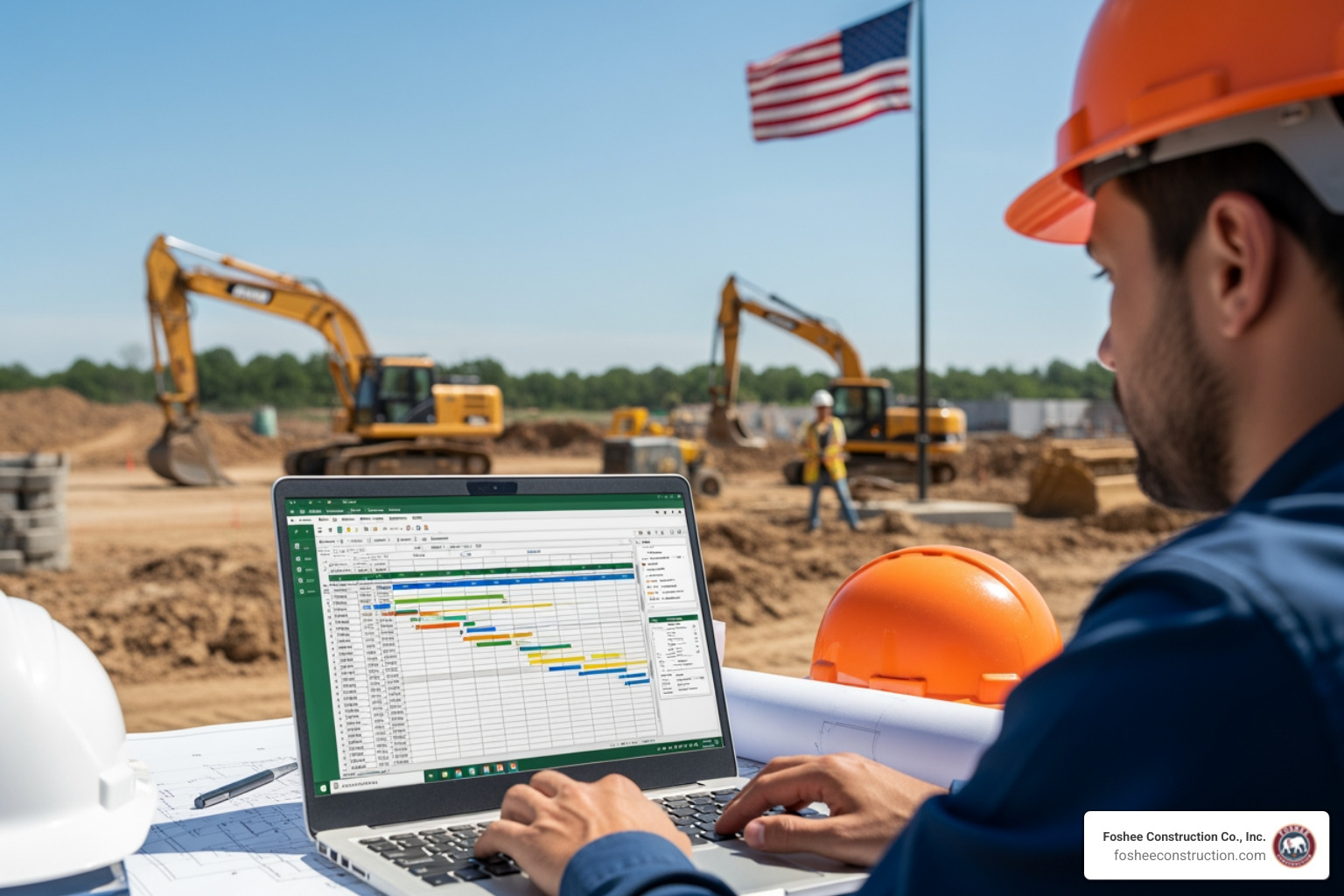
We build bids using HeavyBid and AGTEK because the details matter long before the job starts. When the numbers are accurate and the scope is clearly defined, it sets the tone for how the entire project runs. Estimating isn’t just a step in the process, it’s the foundation we build on.
That same mindset carries into the field. Our crew is trained to work with purpose, follow the Civil Engineers’ Plan to the finest detail, and hold the line on quality. When expectations are clear from day one, there’s no need for shortcuts, and no confusion about how the work gets done.
Clients trust our bid packages because they’re complete and ready to use. Project managers know what we’re covering, what’s excluded, and how we plan to approach the job. That clarity removes friction and lets teams focus on execution instead of interpretation.
As part of our review process, we go into the plans before anything hits the site. We ask the questions early, resolve issues before they show up in the field, and keep RFIs moving. This approach prevents delays and protects the timeline.
Over time, that consistency builds trust. Many of the people we work with today came through referrals from past projects – engineers, GCs, and superintendents who’ve seen how we operate and want the same experience again.
In 2024, Foshee Construction was acquired by Saga Infrastructure Solutions, a national network of civil construction companies. Saga supports regional contractors by giving them access to better tools, long-term resources, and operational backing, without changing how they run day to day.
Foshee will continue to operate under its name, with the same team and field leadership in place.
“From the very time a project starts, we start that partnership. We try to catch as much as we can with the tools that we have. Not everybody is using the software platforms we are. That’s the differentiator: we’re not just bidding. We’re anticipating, problem-solving, and making sure the job runs right.”
— Don, CEO, Saga Infrastructure Solutions
Foshee is now part of a broader regional strategy that includes Florida, the Piedmont Atlantic, Texas, Colorado, and the Arizona Sun Corridor. The name, crews, and standards remain. What’s improving is the support behind it.