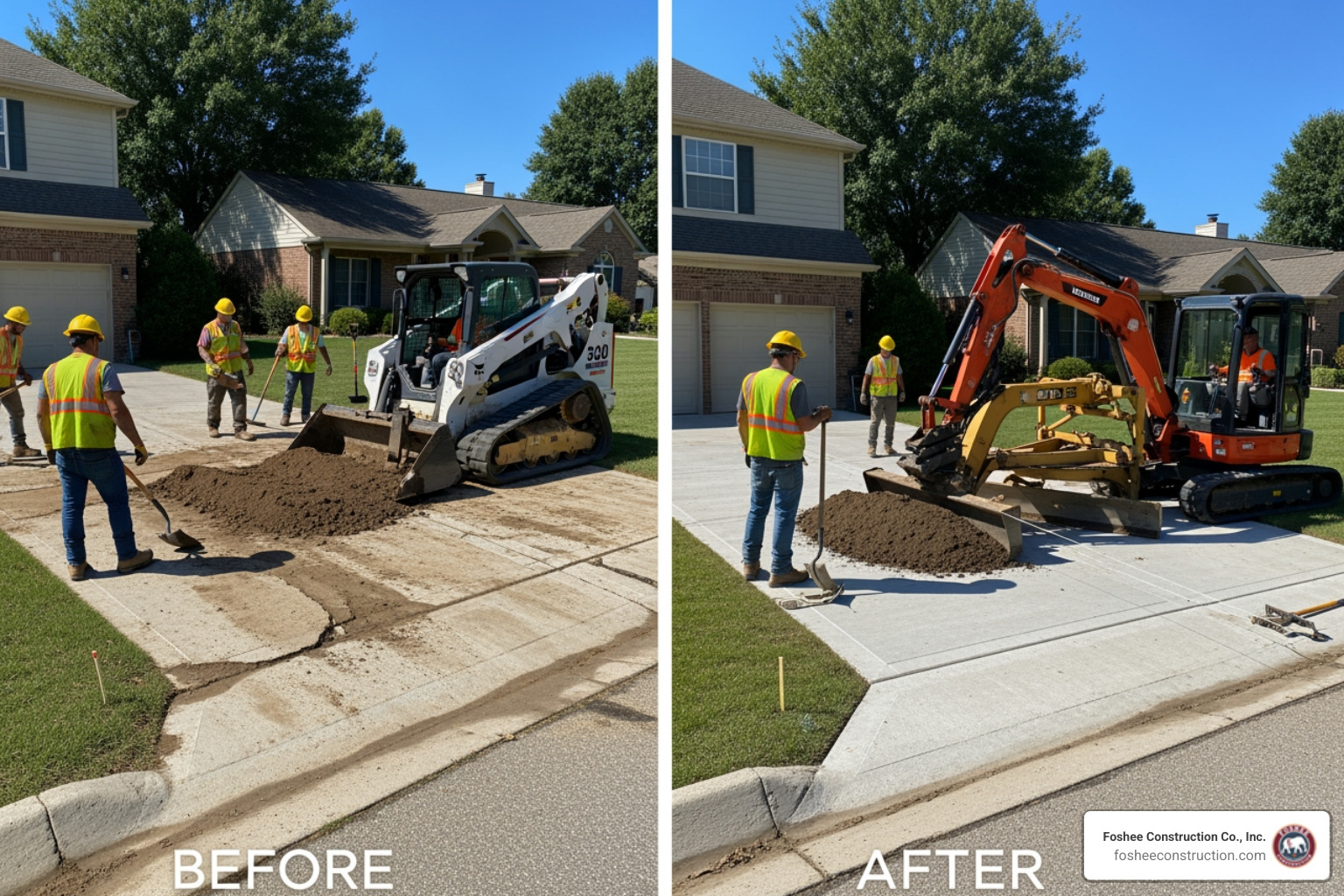
Finding reliable landscape grading contractors near me starts with knowing what to look for — and what's at stake if you get it wrong.
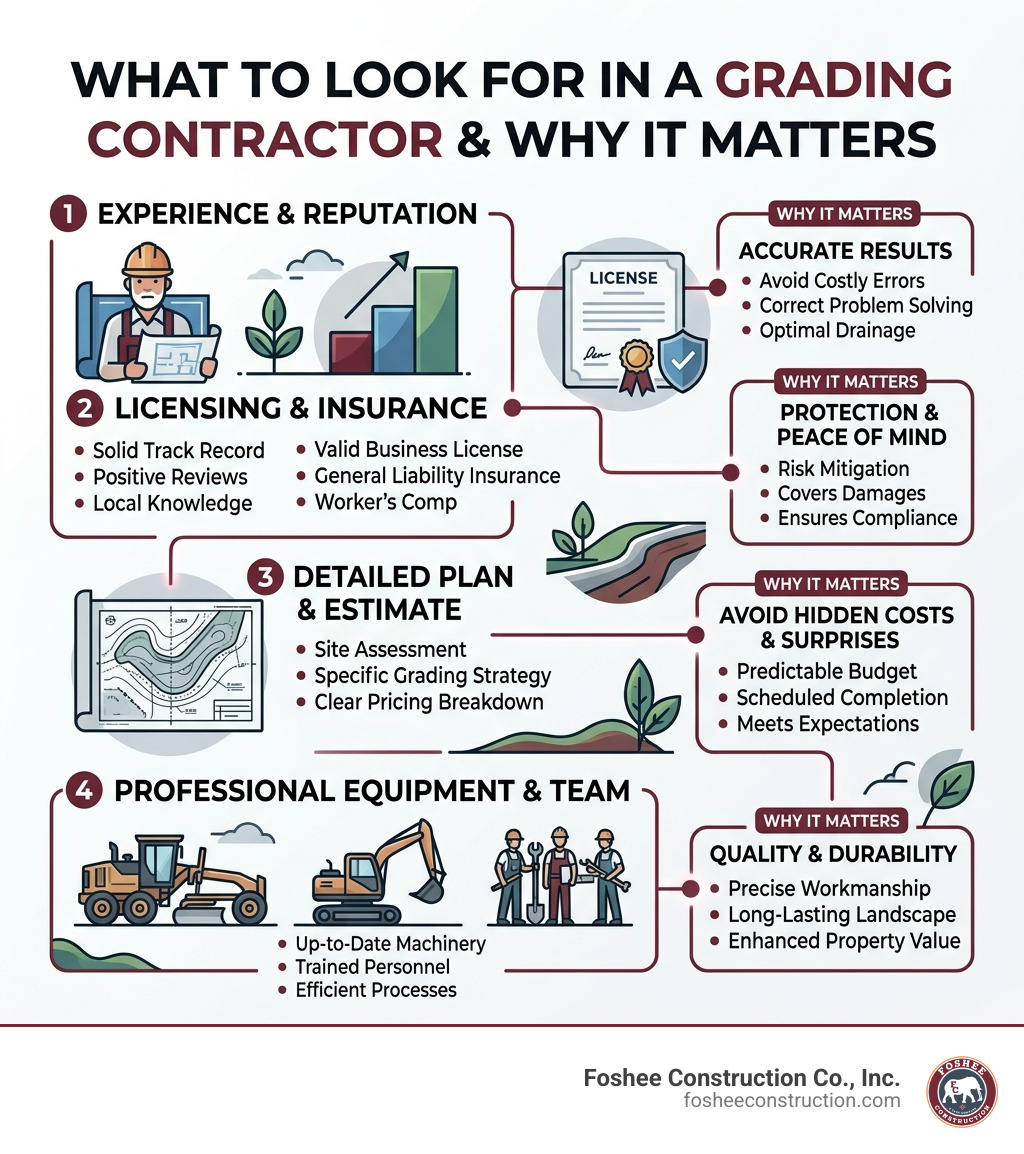
Here's a quick breakdown of what to prioritize when searching for local grading professionals:
Grading isn't just moving dirt. It determines whether water flows away from your structure or toward it. Done wrong, it leads to standing water, foundation damage, soil erosion, and costly rework down the line.
The national average cost to grade a yard runs from $1,216 to $4,356 — but on a commercial or development site, the stakes and the numbers are far higher. A grading mistake caught late in a project can blow timelines, inflate budgets, and trigger safety issues that ripple across every trade on site.
The bottom line: the contractor you choose for site grading sets the foundation — literally — for everything that follows.
I'm Don Larsen from Foshee Construction Co., Inc., and with over three decades of site development experience across Central Florida, I've seen what separates grading work that holds from work that fails. In this guide, I'll walk you through everything you need to evaluate landscape grading contractors near me with confidence — so you can make a decision backed by facts, not guesswork.
In Minneola and across Lake County, Florida, the weather doesn't play around. We experience heavy tropical downpours that can turn a beautiful yard into a swamp in minutes. This is why professional grading isn't just a luxury; it’s a fundamental necessity for property health.
When you search for landscape grading contractors near me, you aren't just looking for someone to "make the ground flat." You are looking for an expert to engineer the flow of water across your land. Improper grading is the root cause of the most frustrating property issues we see in Florida.
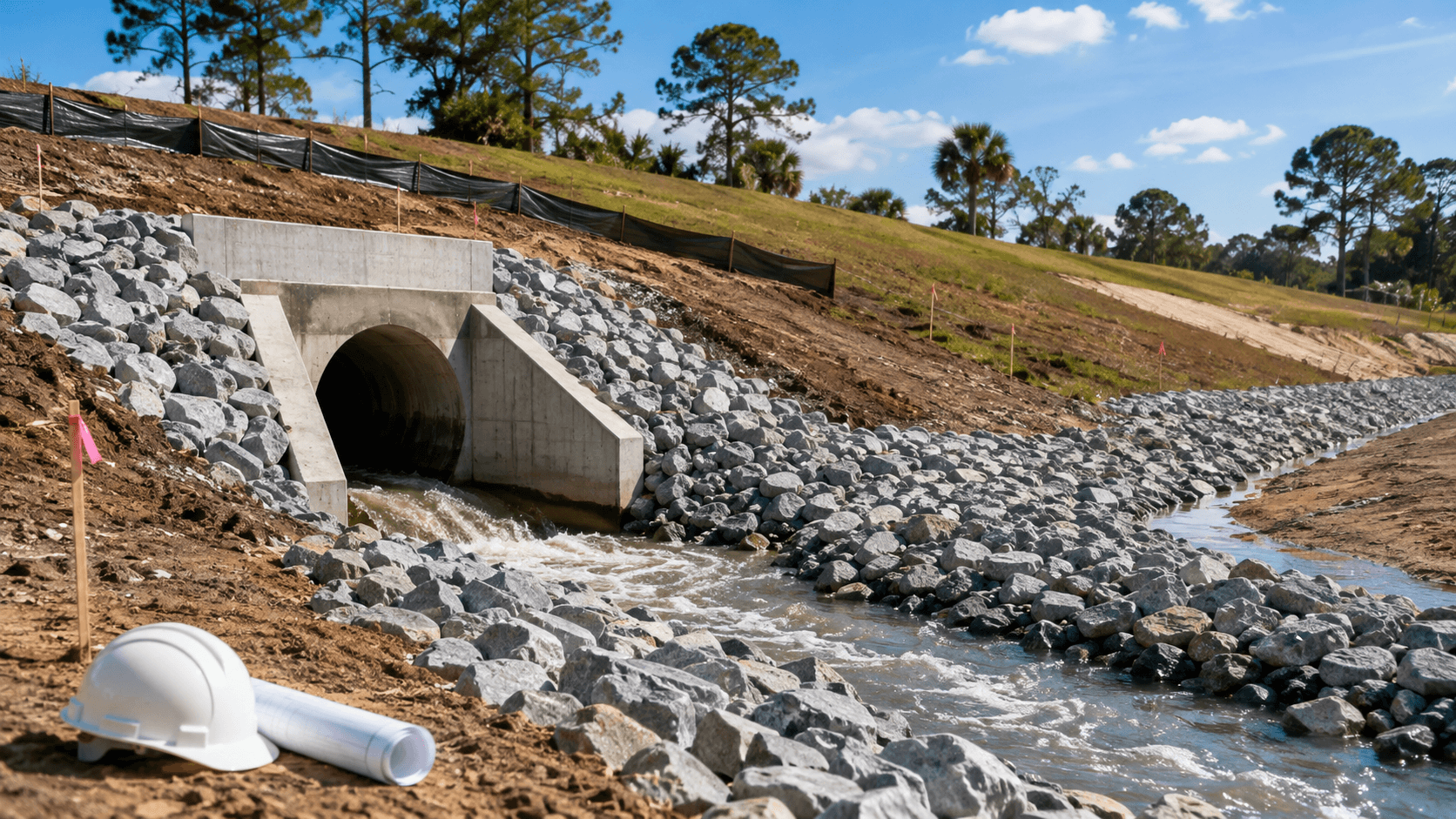
Your home or commercial building is likely your biggest investment. If the ground slopes toward your foundation rather than away from it, water will pool against the concrete. Over time, this leads to foundation cracks, basement flooding (though rare in Florida, we still deal with slab moisture), and structural shifting. Professional grading acts as your home's first line of defense, ensuring that water is directed safely toward the street or a designated drainage area.
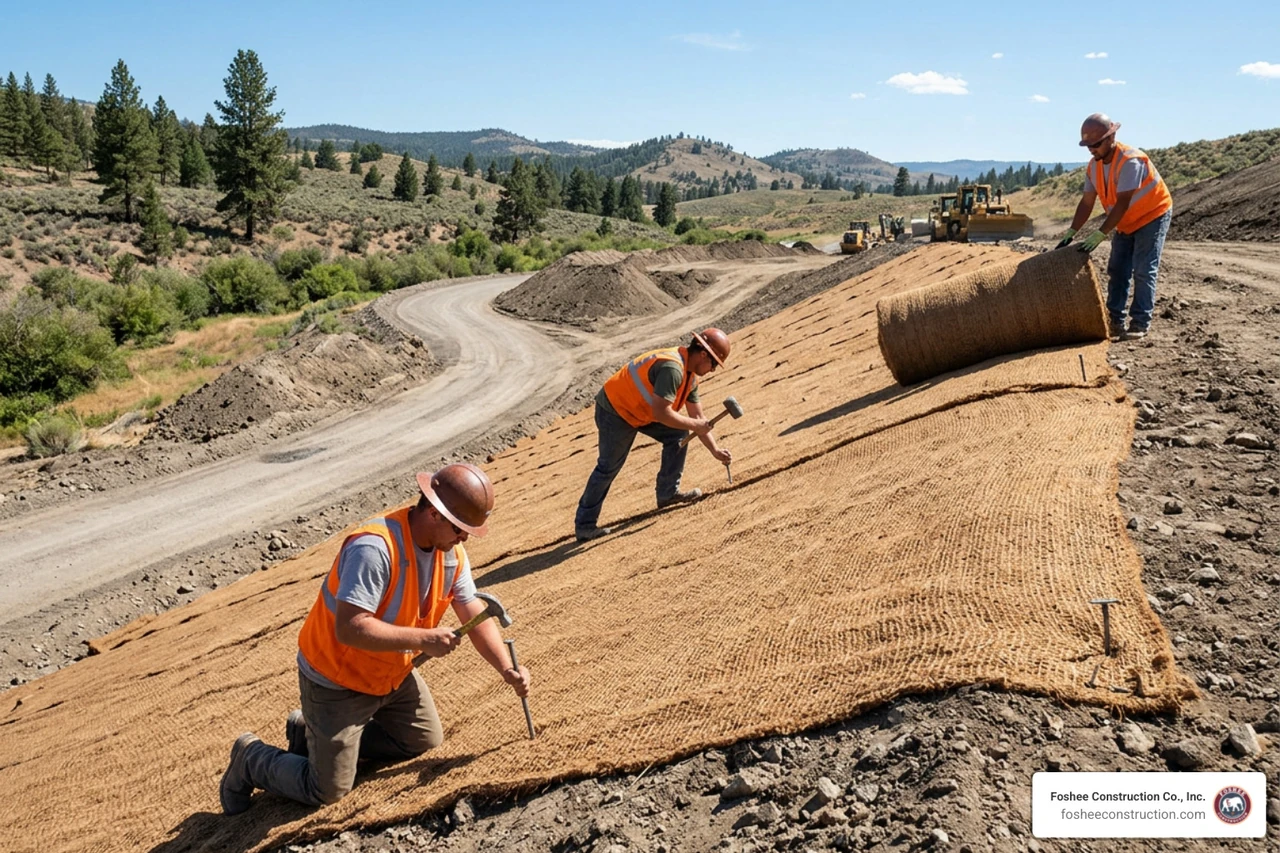
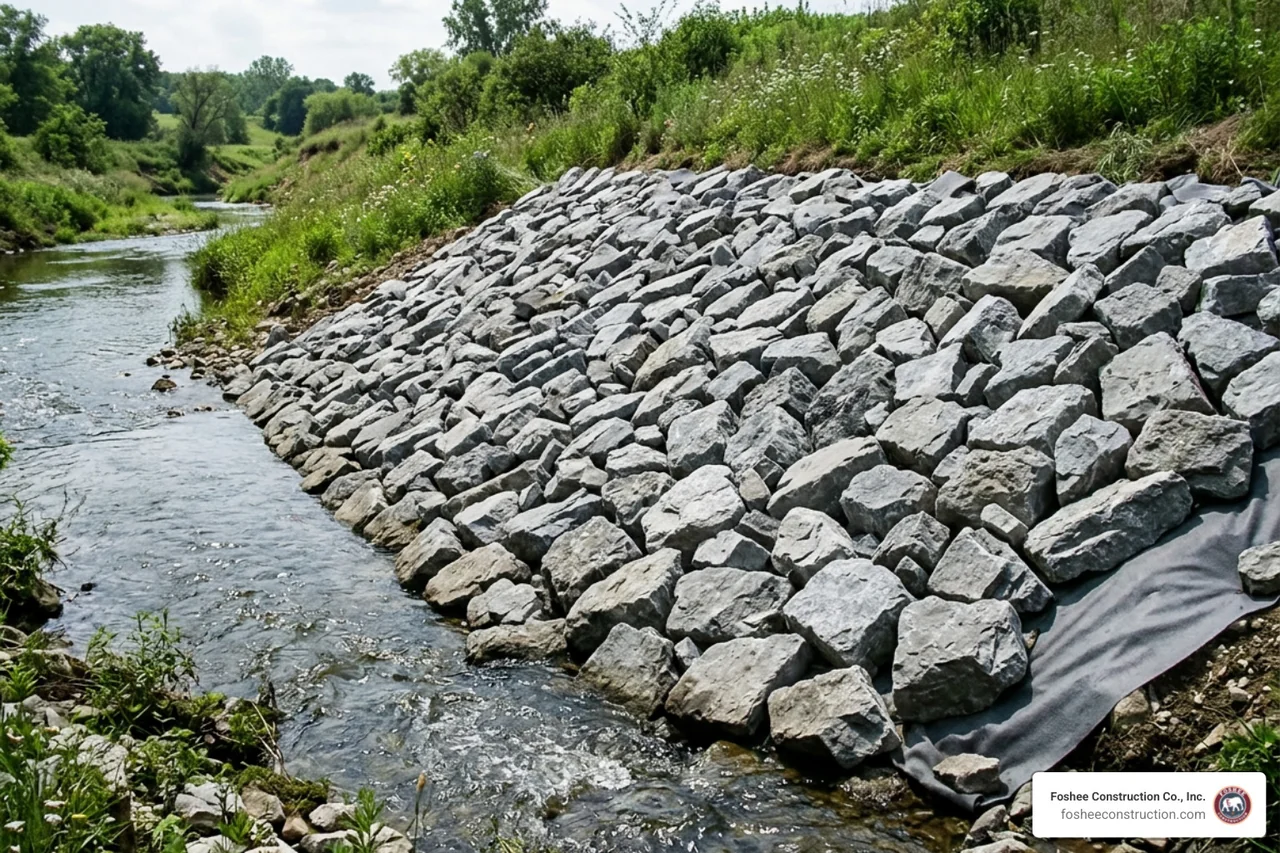
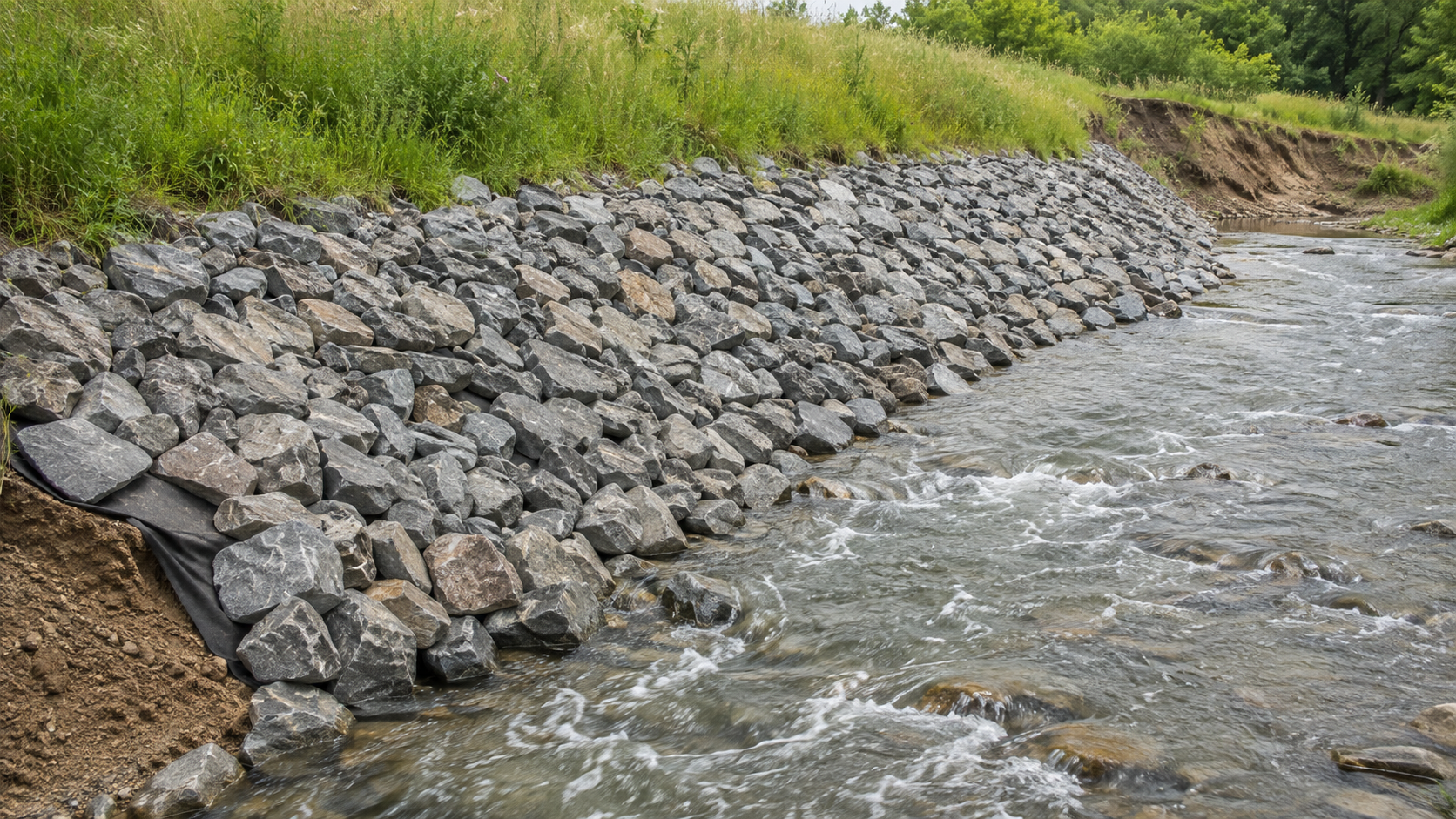
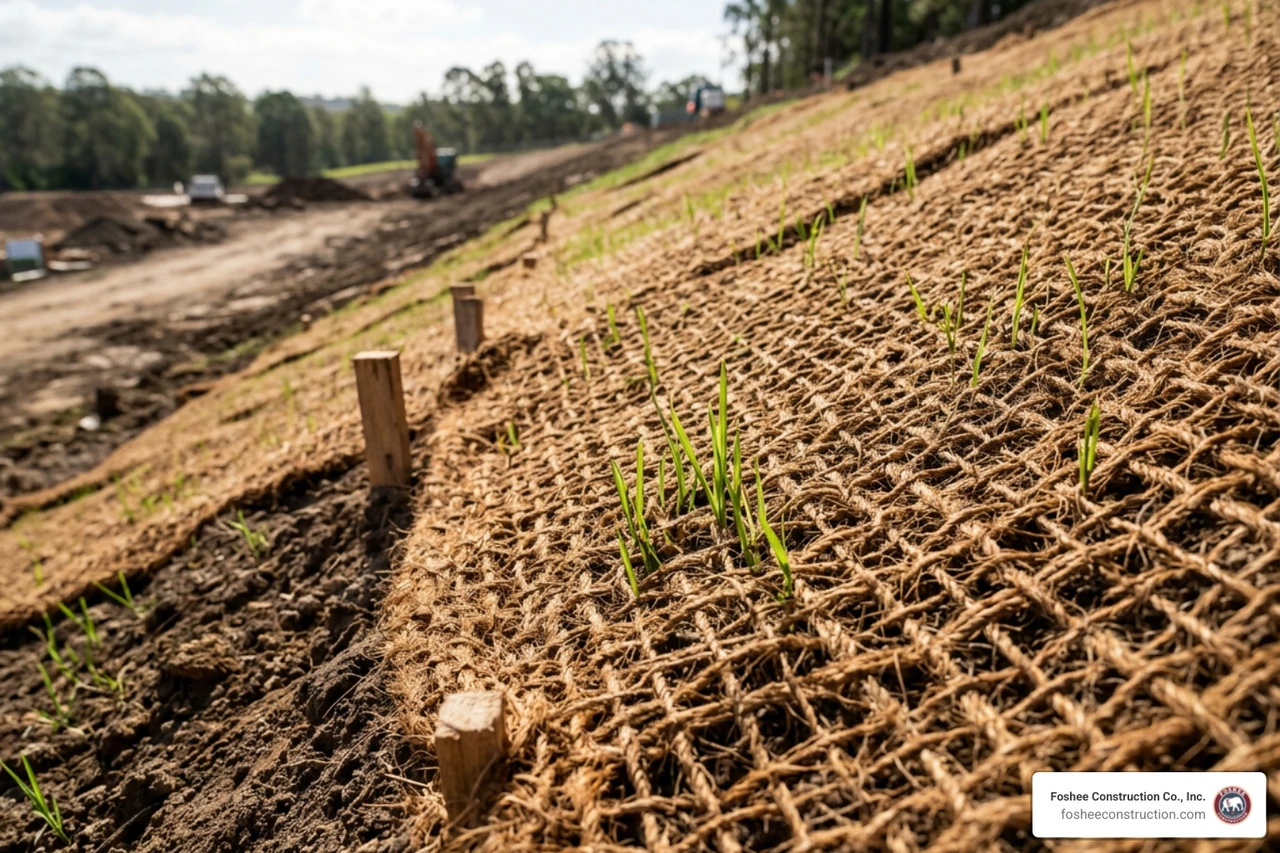
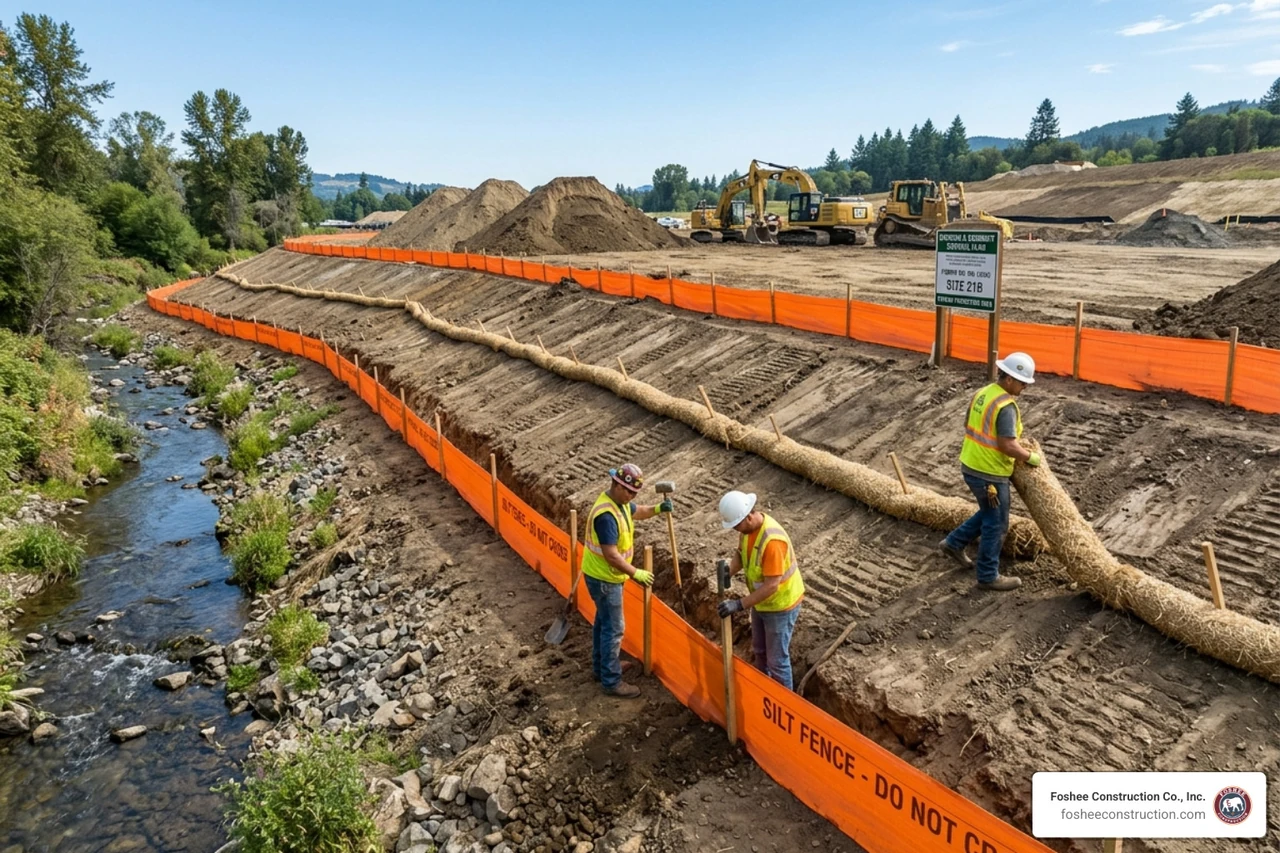
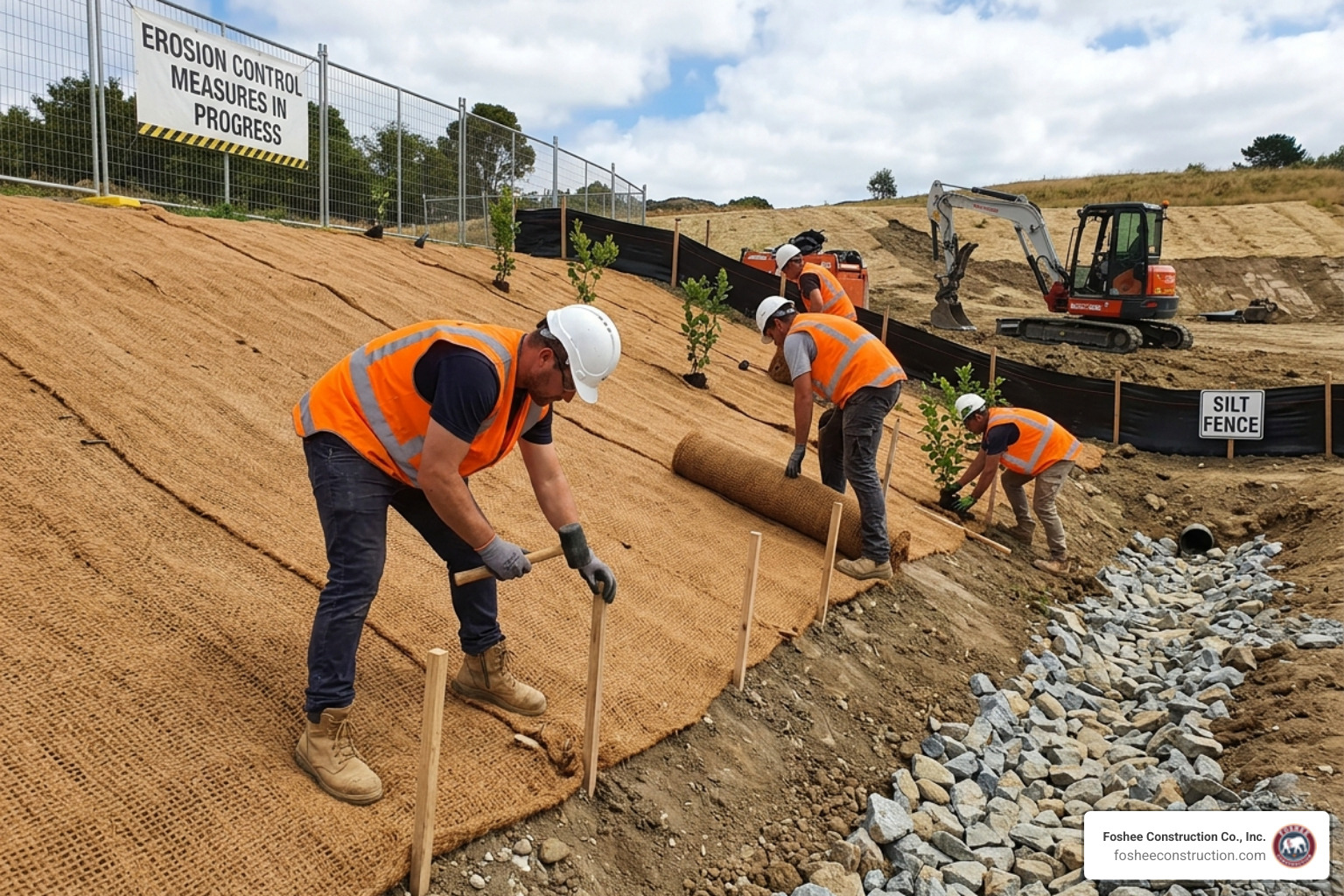
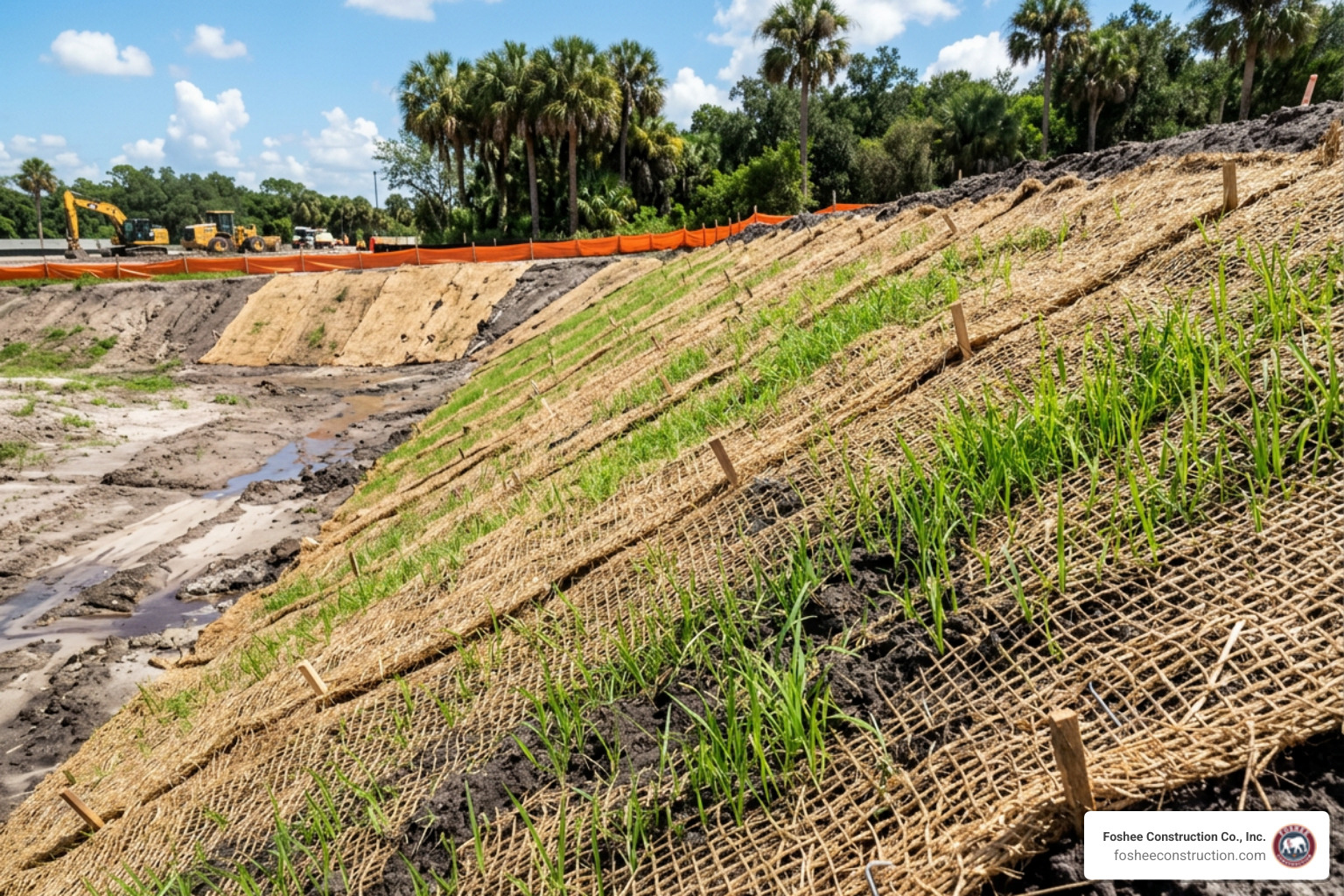
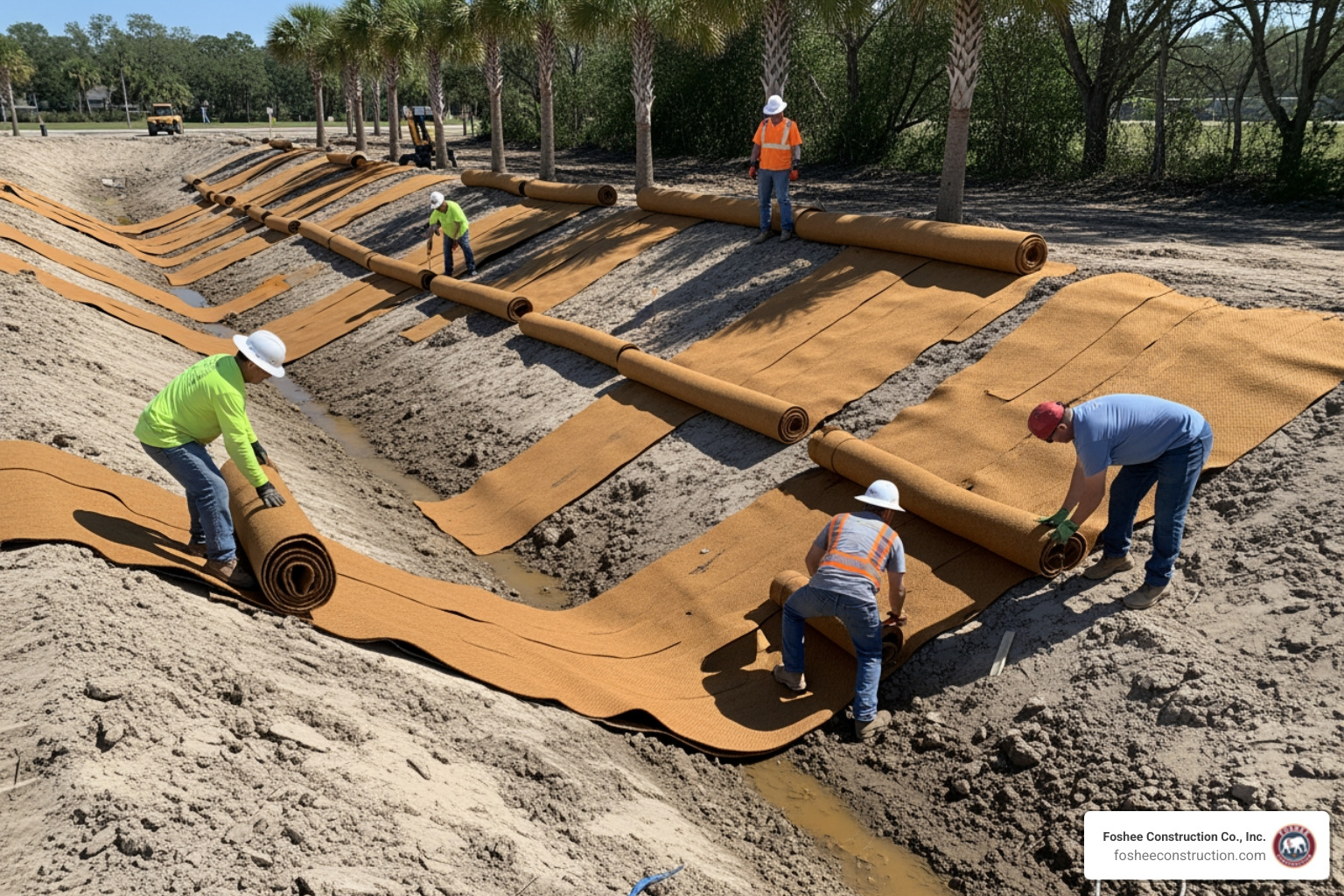
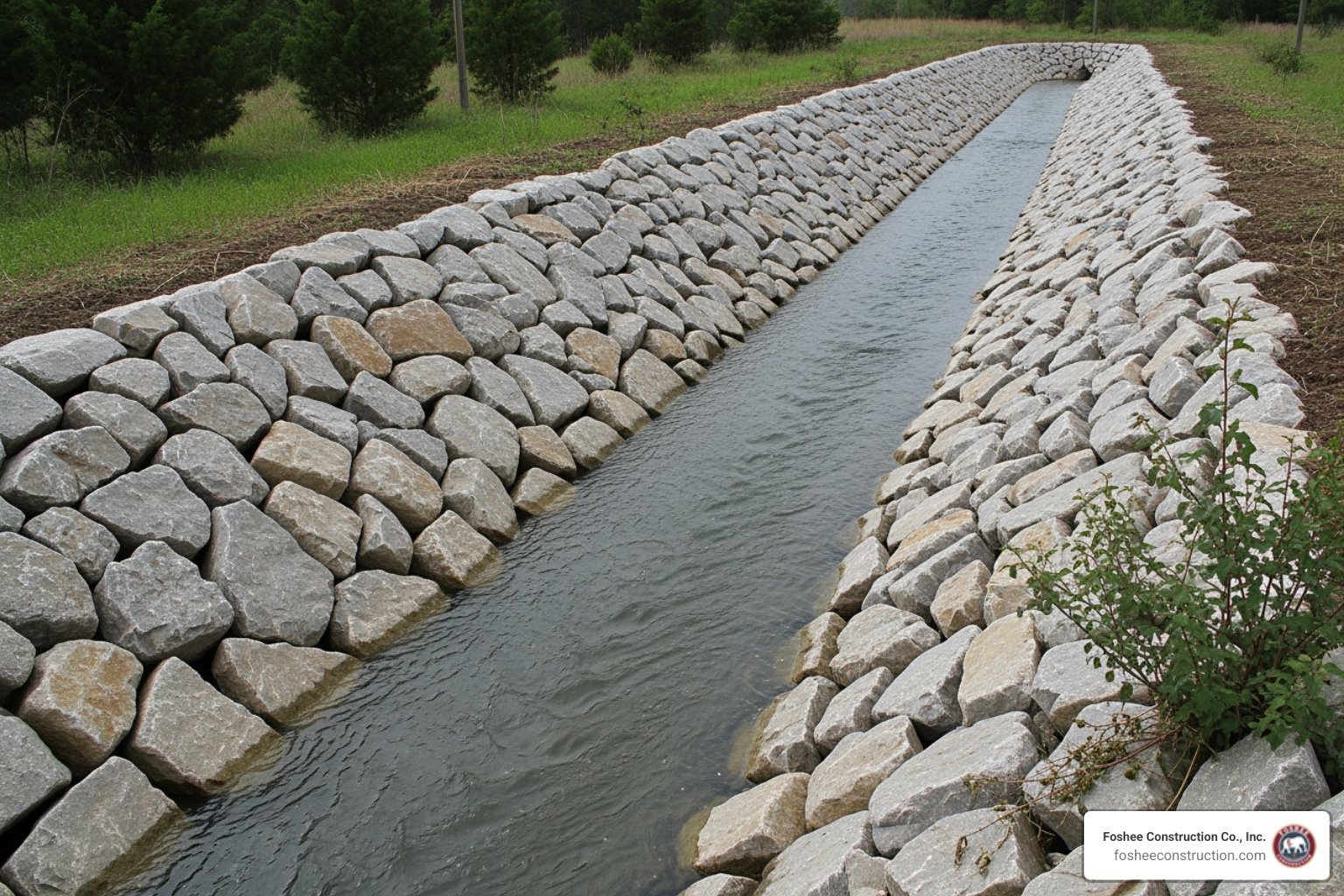
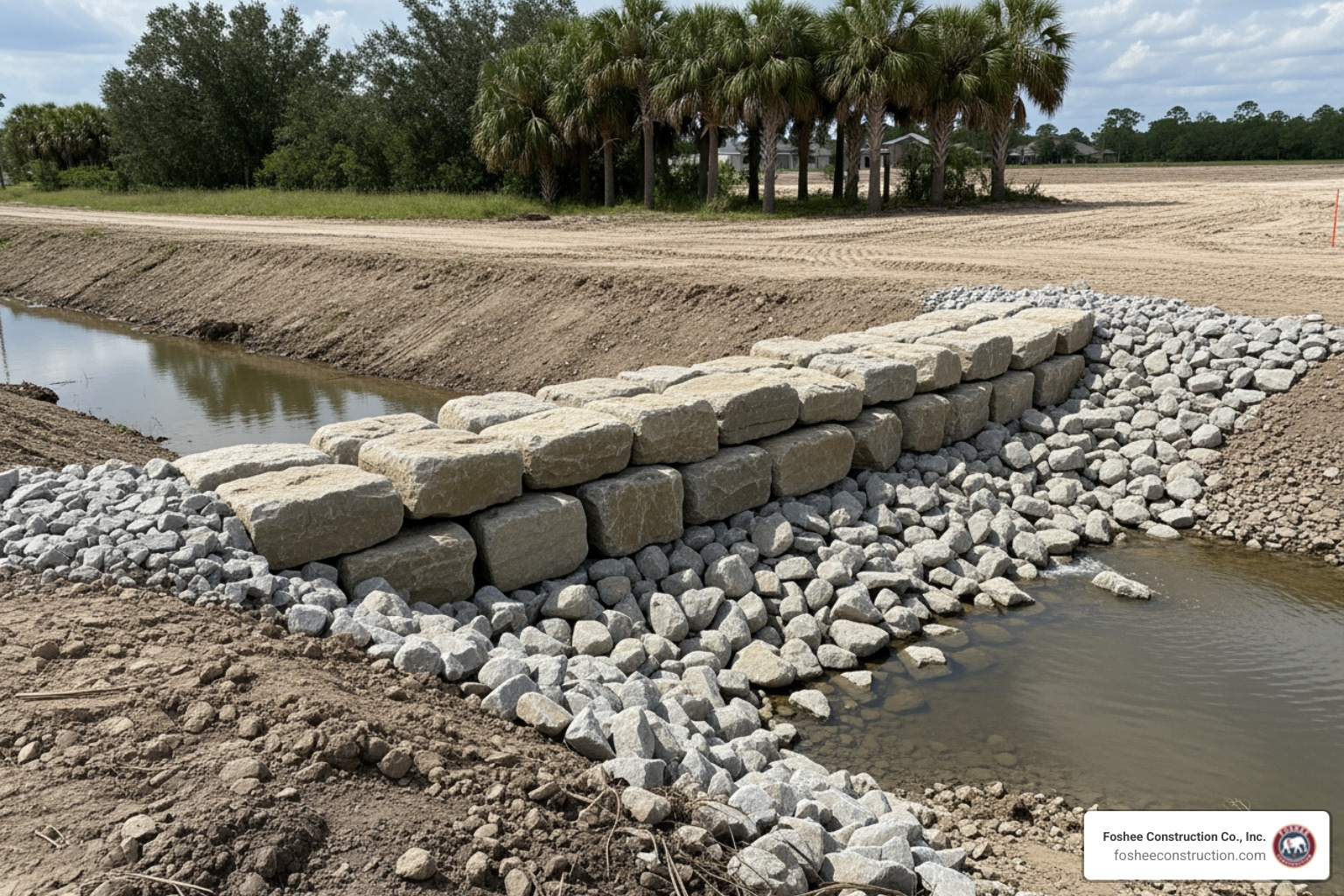
Florida’s sandy soil is particularly prone to washing away during summer storms. Without proper grading and stabilization, you’ll see erosion gullies forming in your yard, washing expensive topsoil onto your driveway or into the storm drains. Expert contractors use techniques like swales and berms to slow down water velocity and keep your soil where it belongs.
Improperly graded land leads to the formation of stagnant waters, which is a recipe for disaster in our climate. Stagnant water causes:
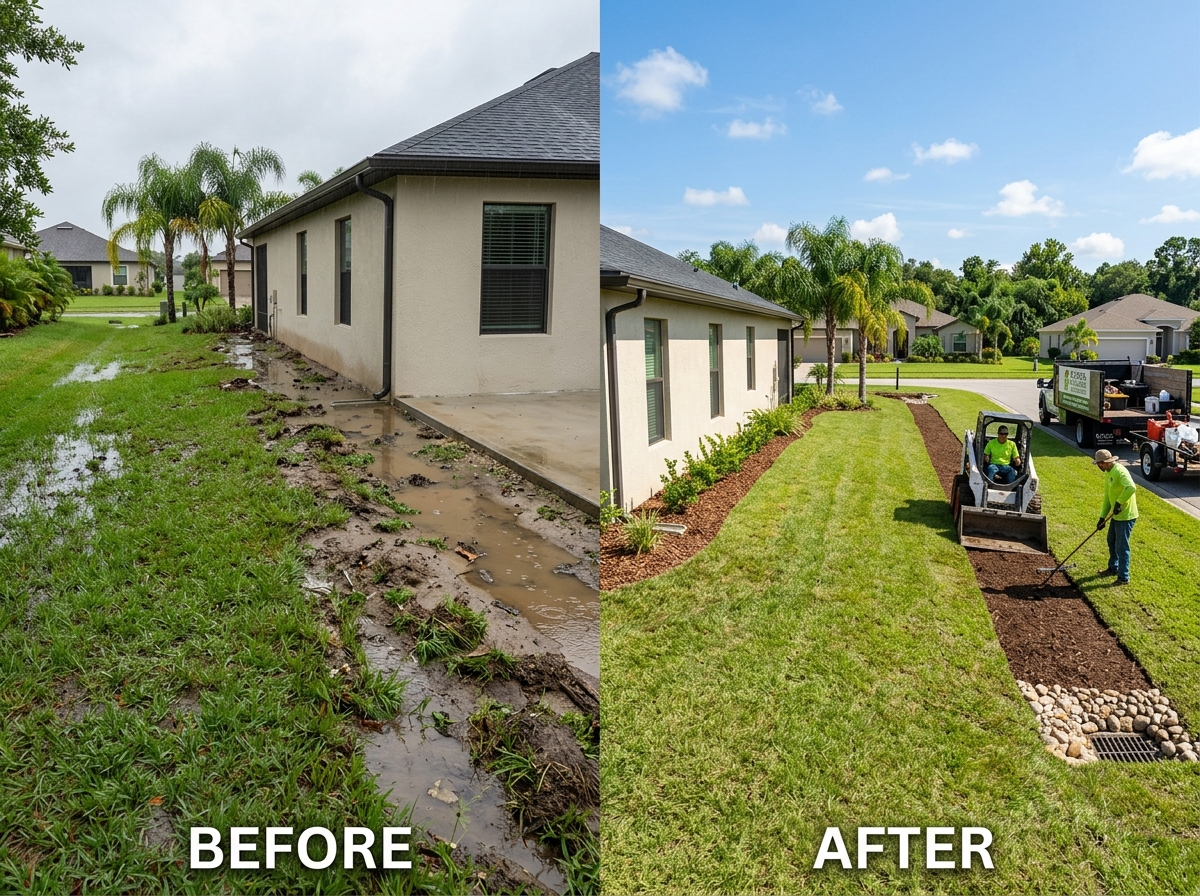
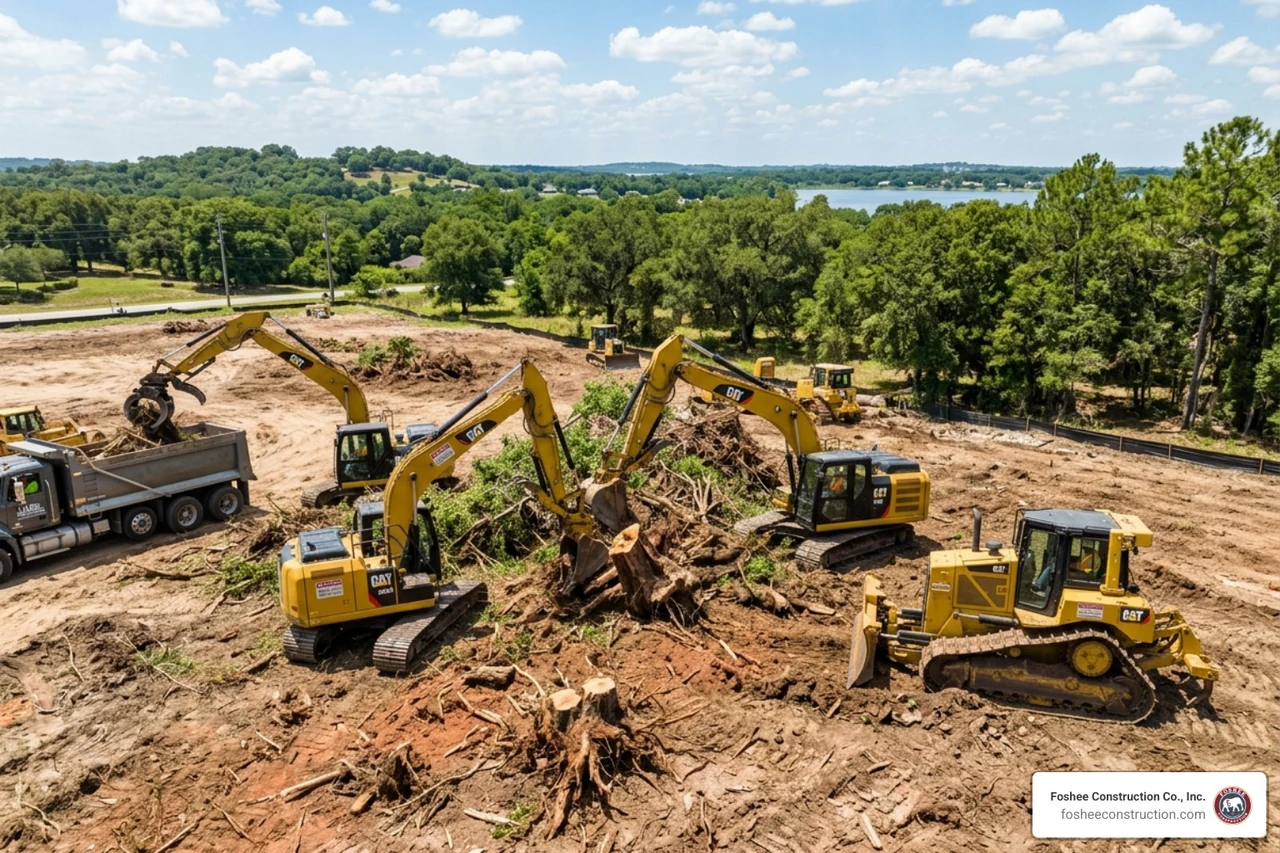
The world of dirt work is more nuanced than most people realize. When you hire landscape grading contractors near me, you might be asking for a simple lawn leveling, but the pro sees a multi-step engineering process. At Foshee Construction, we look at the "total site prep" picture, which includes everything from the initial clearing to the final seed-ready surface.
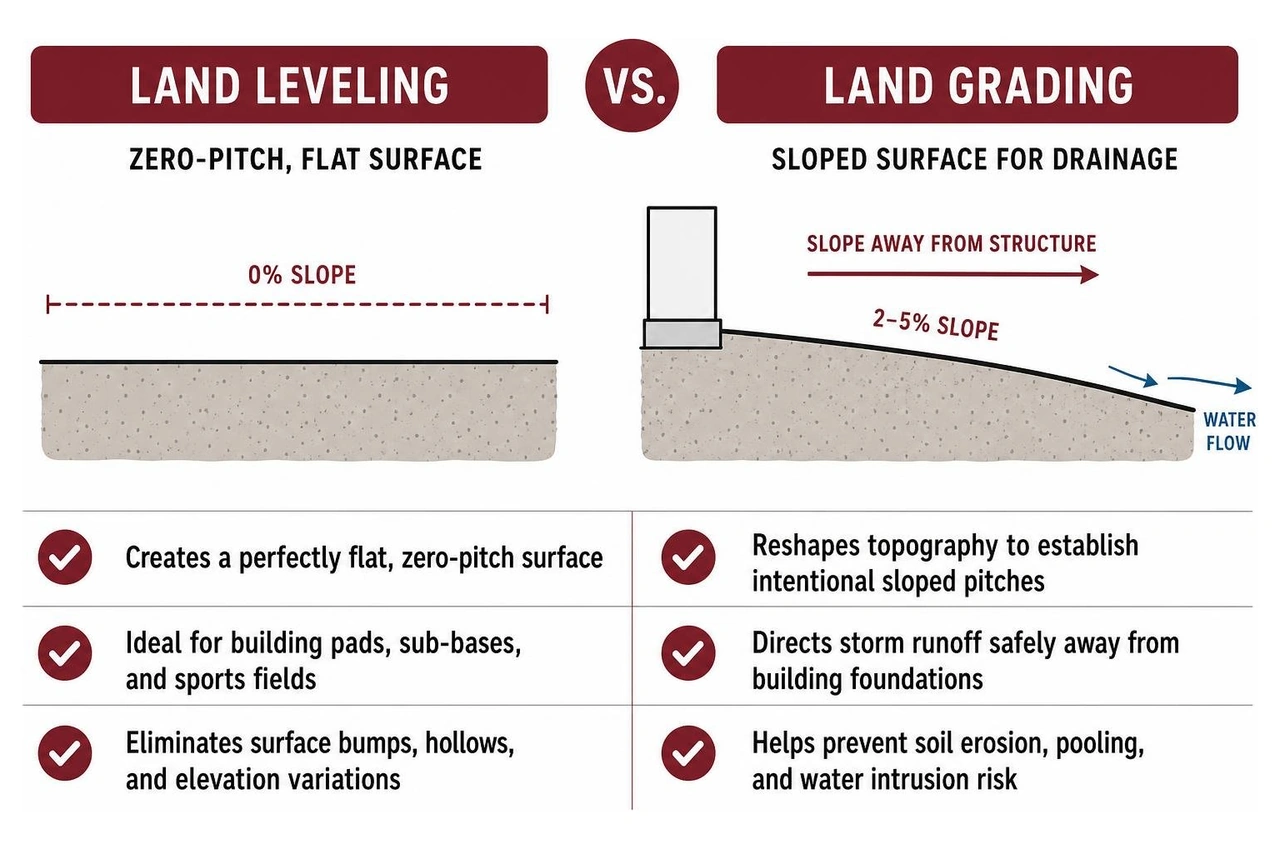
It’s common to use these terms interchangeably, but they serve different purposes.
| Service | Goal | Best For |
|---|---|---|
| Grading | Creating a specific slope or "pitch" | Directing water drainage away from structures. |
| Leveling | Creating a perfectly flat, horizontal plane | Preparing for a patio, a shed, or a pool. |
| Resloping | Changing the contour of a hill | Reducing erosion and making a yard mowable. |
Understanding the difference between rough and finish grading is key to managing your project's budget and timeline.
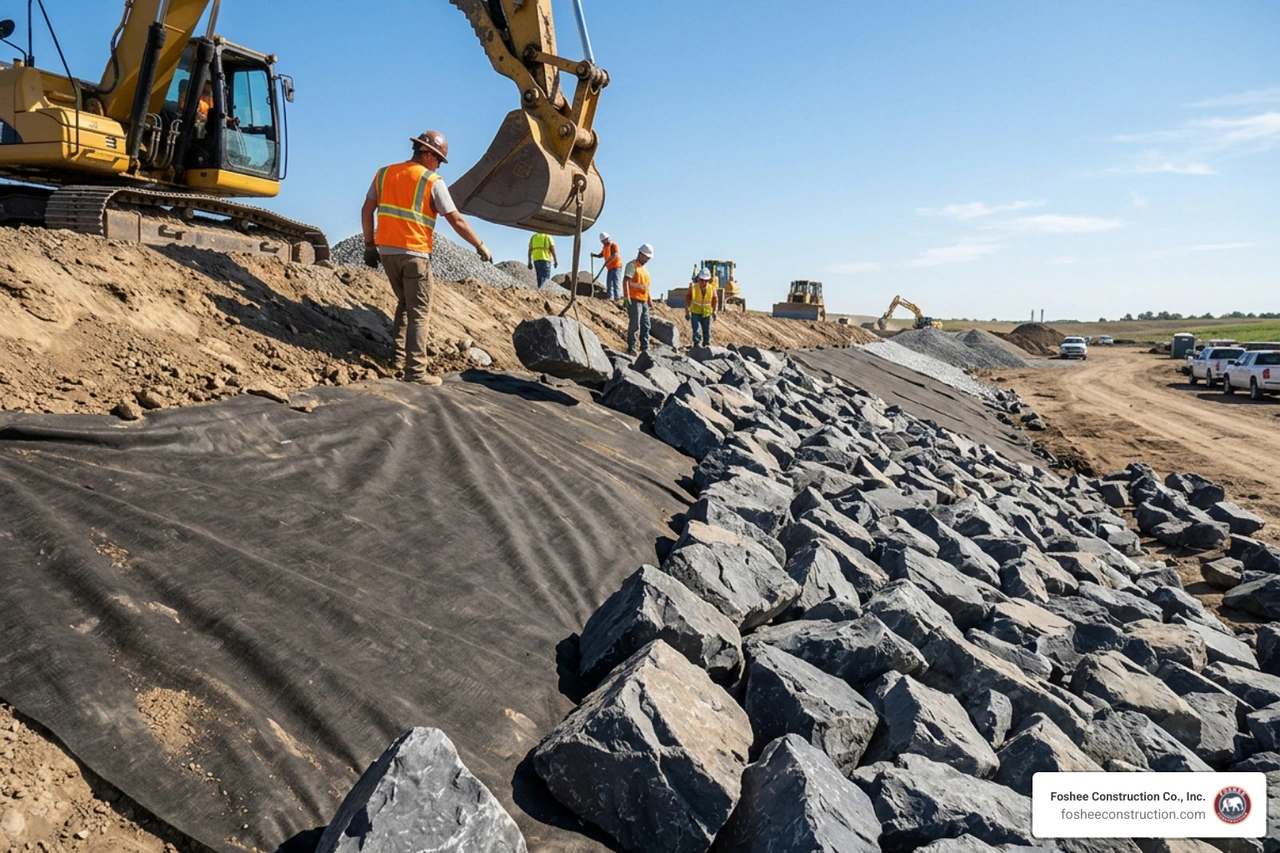
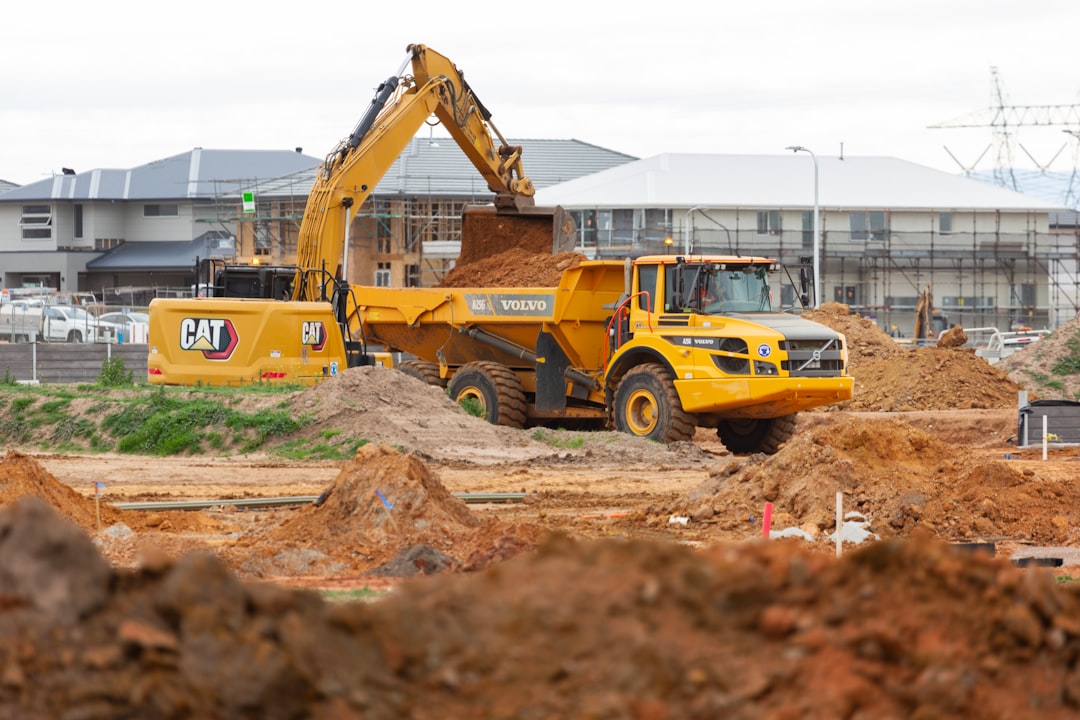
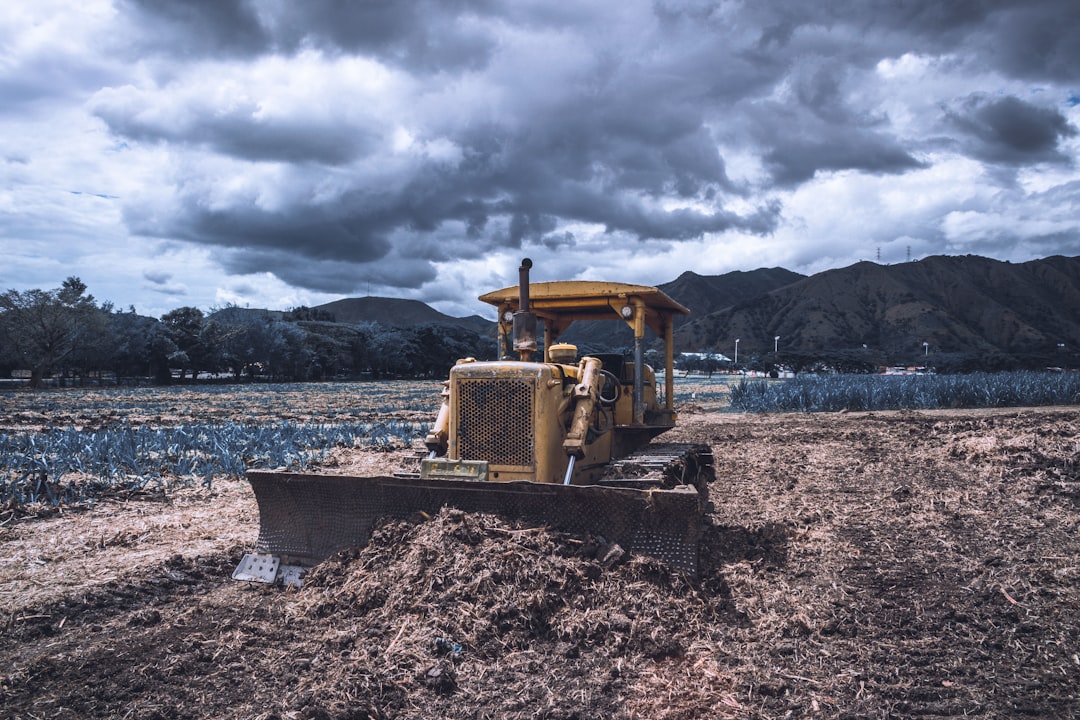
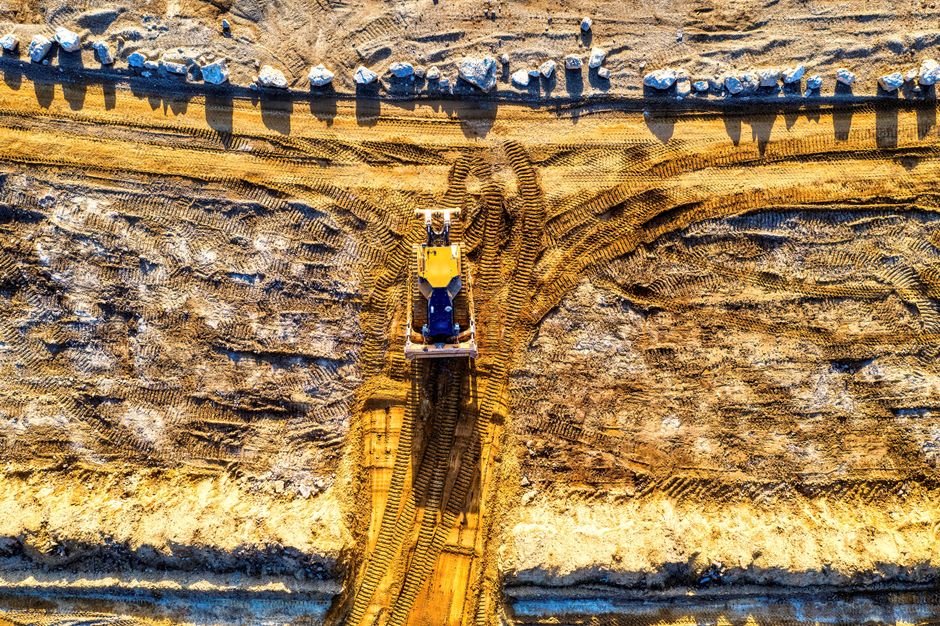
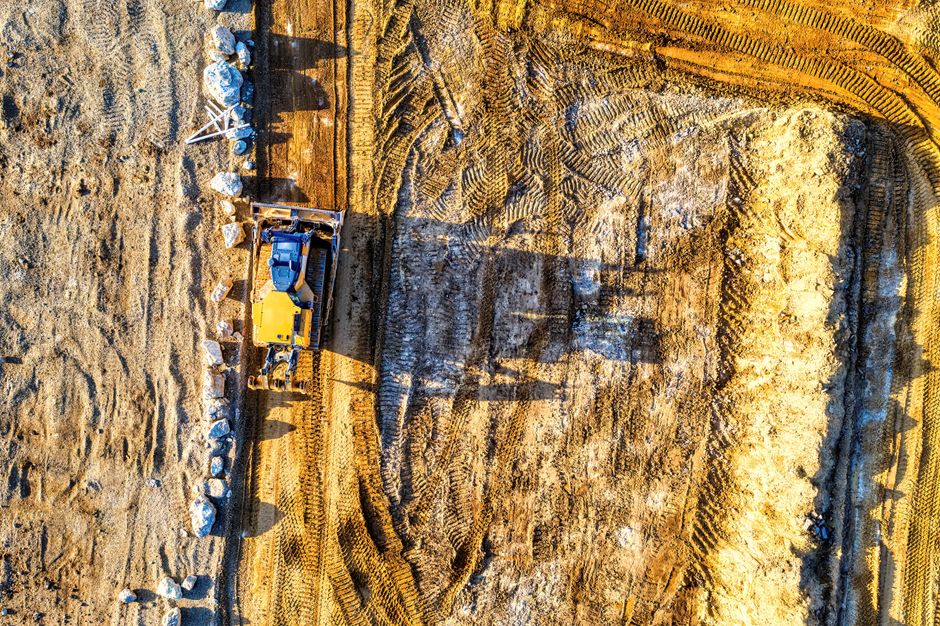
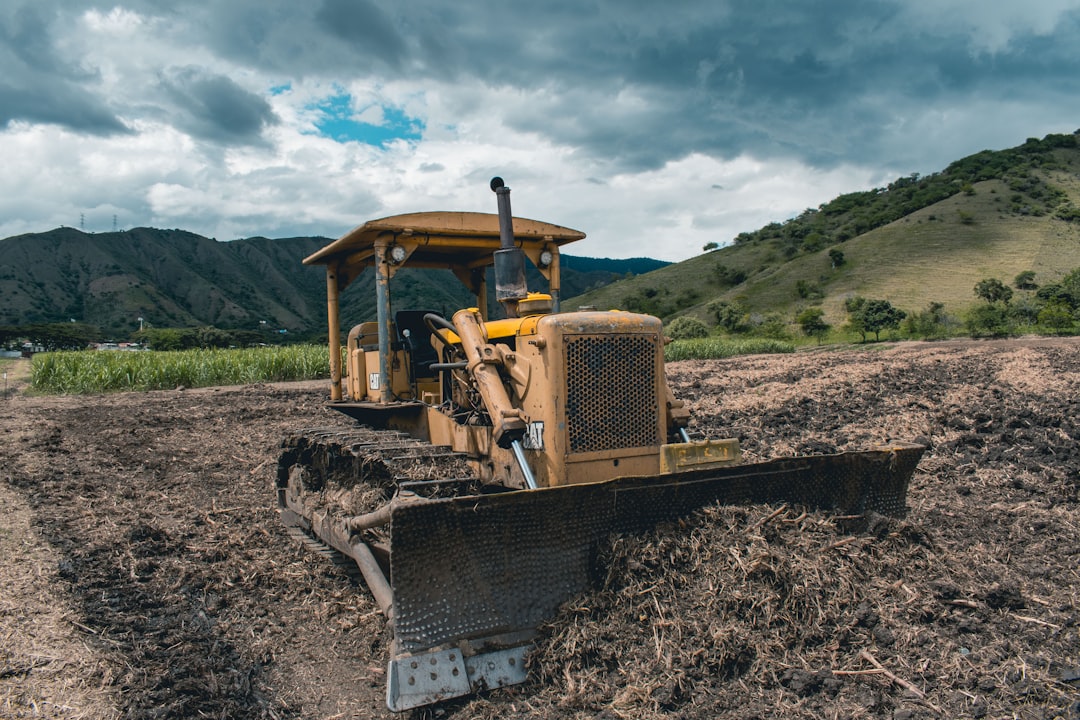
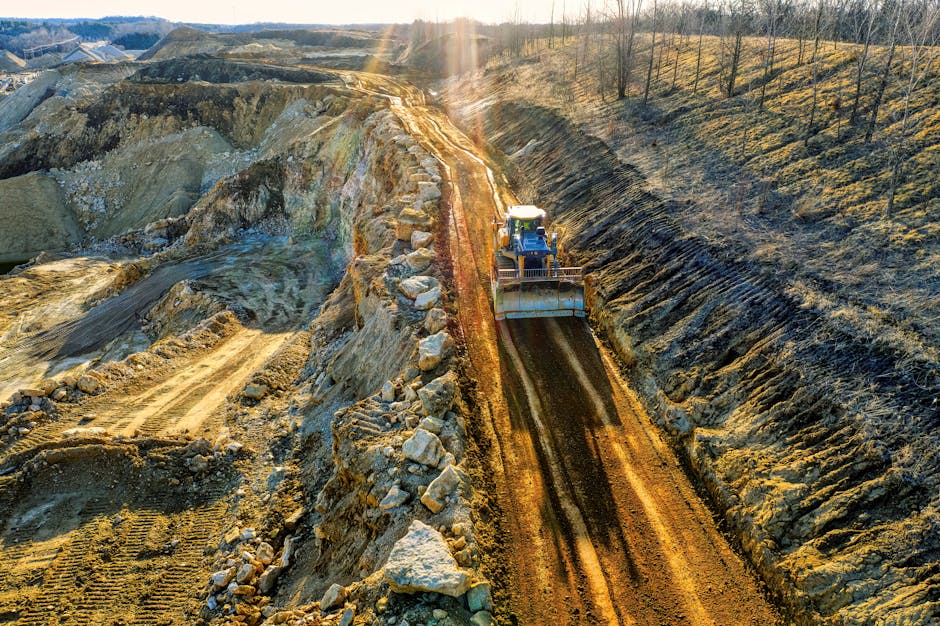
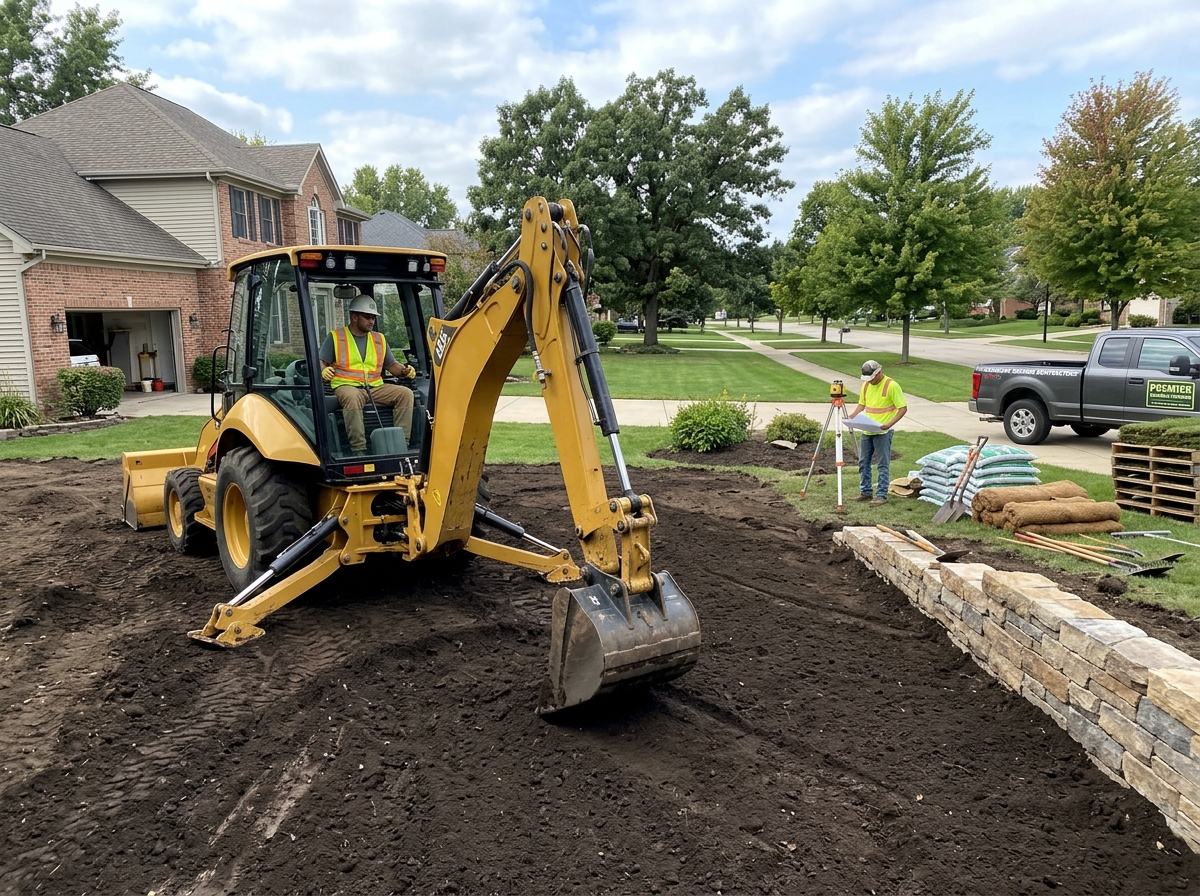
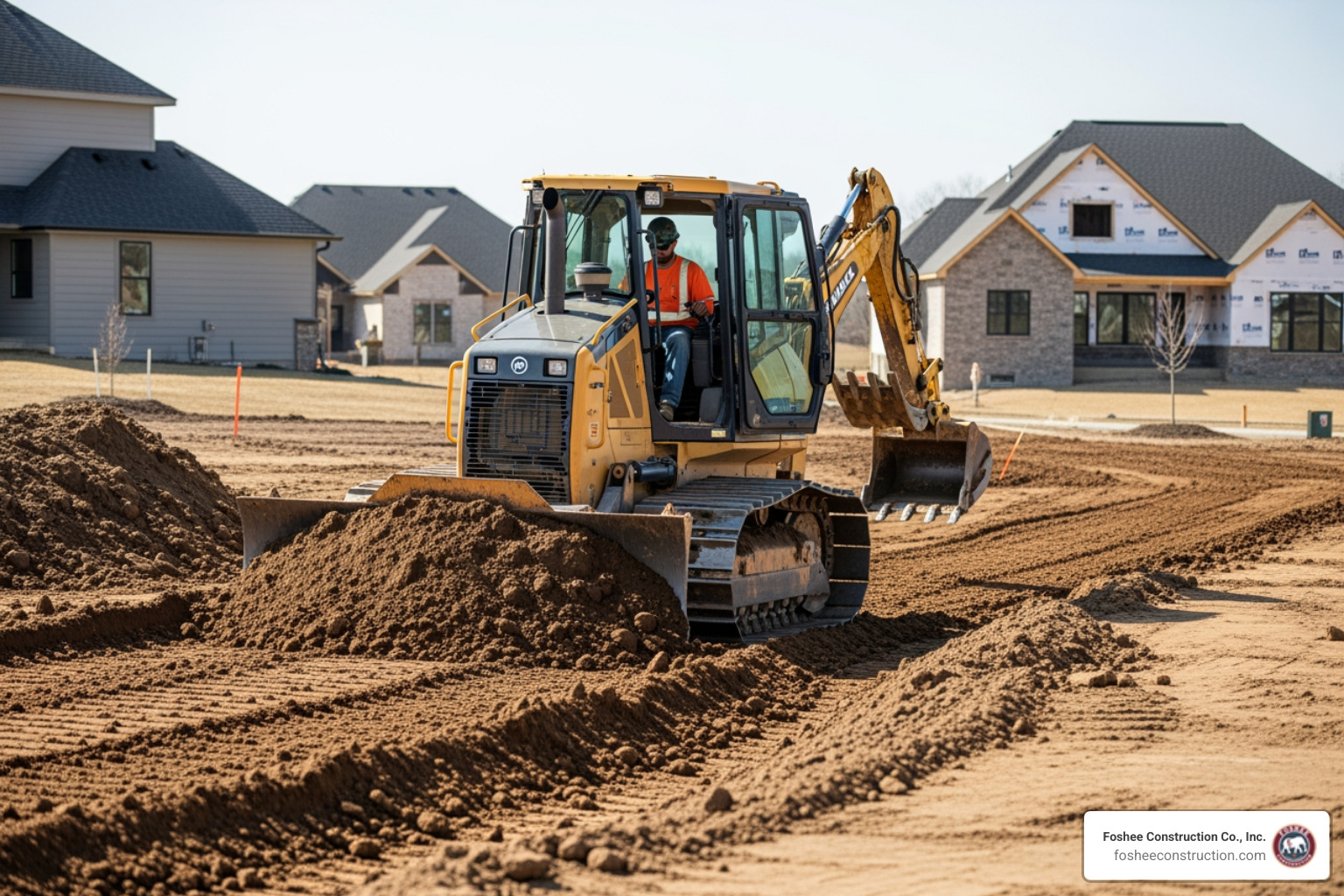
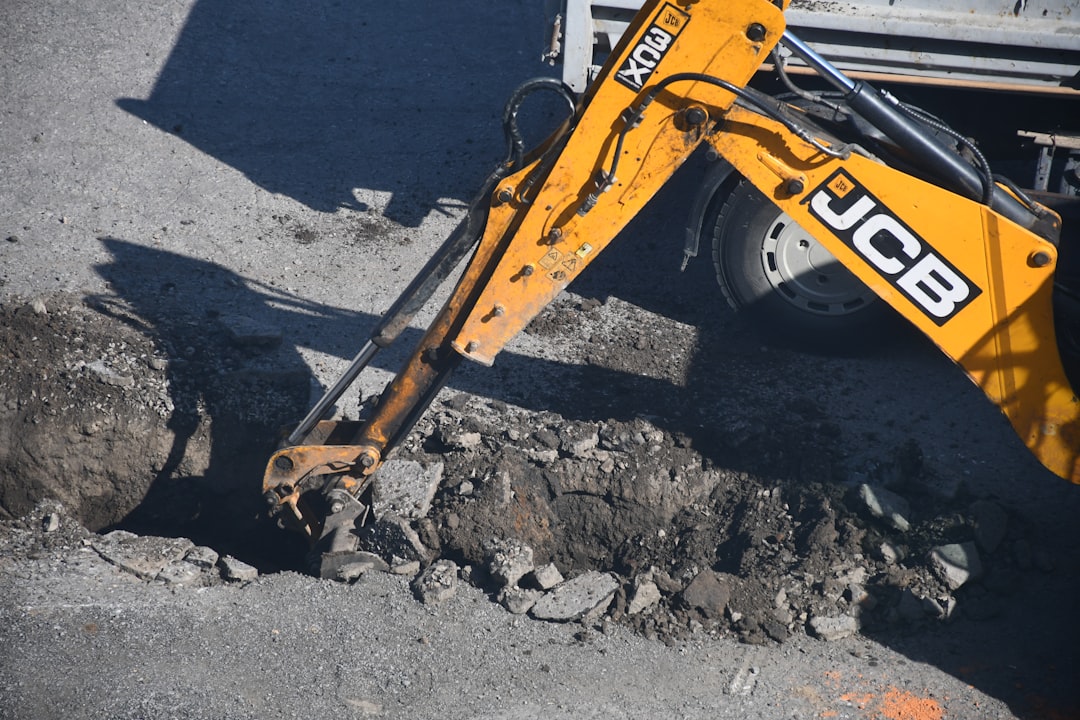
Rough Grading is the "heavy lifting" phase. We use heavy machinery like bulldozers and skid steers to establish the major contours and subgrade of the property. This is where we move large volumes of soil to create the general drainage patterns. A critical part of this phase is compaction. We typically compact fill material in layers (lifts) that are 8 to 12 inches thick. If you skip proper compaction, your yard will develop depressions and "bumpy" spots years down the road.
Finish Grading (or Fine Grading) is the artistic part of the job. This involves moving nutrient-rich topsoil to create a smooth, even surface that is ready for sod or seed. For a healthy Florida lawn, we typically aim for a topsoil depth of 4 to 6 inches. This layer is what allows your grass to take root and thrive. As noted in various professional grading insights, finish grading is what makes a yard "mowable" and aesthetically pleasing.
We know that "how much?" and "how long?" are the first questions on every property owner's mind. While every project in Lake County is unique based on the soil type and slope, we can look at industry averages to get a ballpark idea.
The national average cost to level and grade a yard typically ranges from $1,216 to $4,356. However, several factors can push these numbers higher or lower:
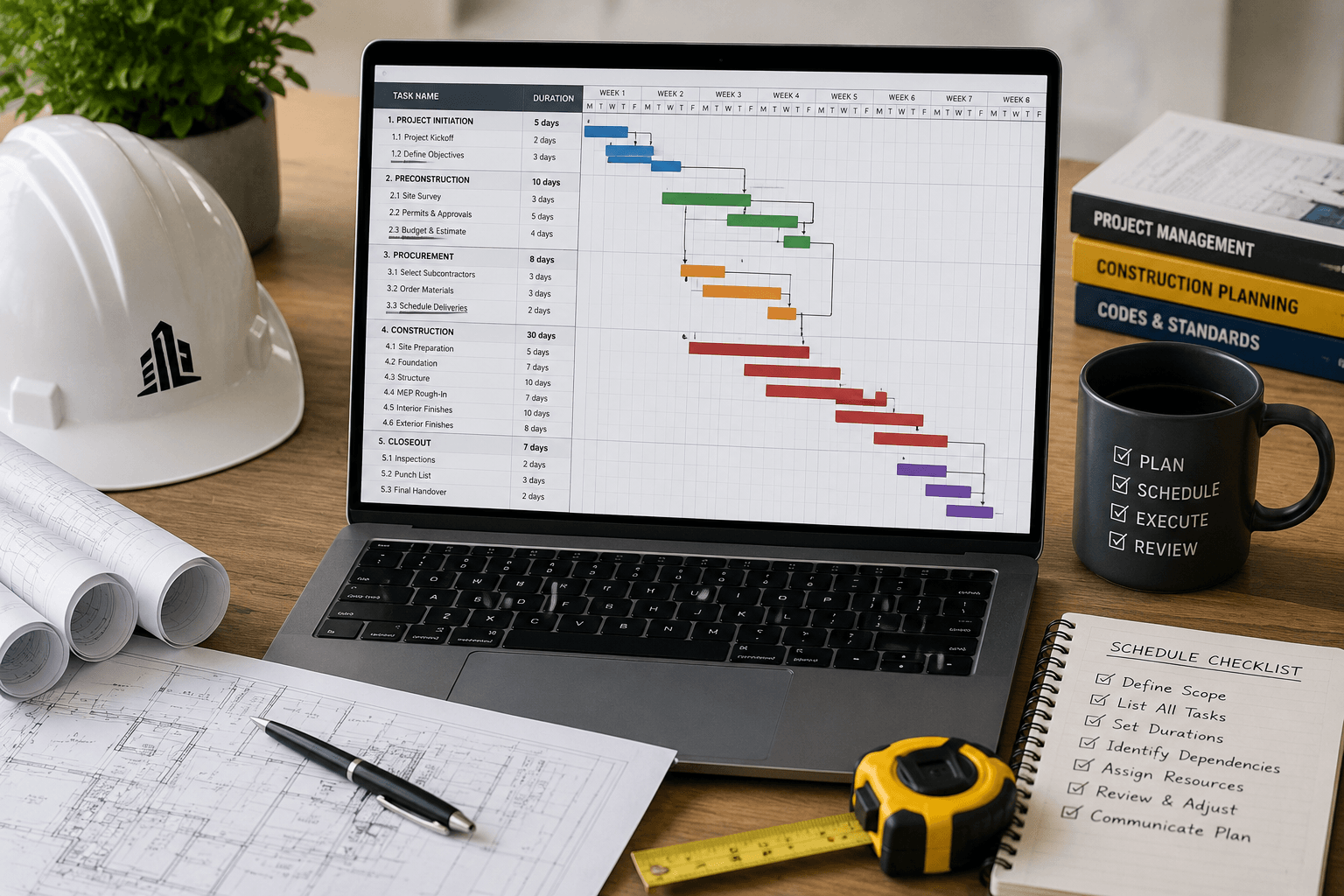
At Foshee Construction, we pride ourselves on disciplined scheduling. We know you want your yard back!
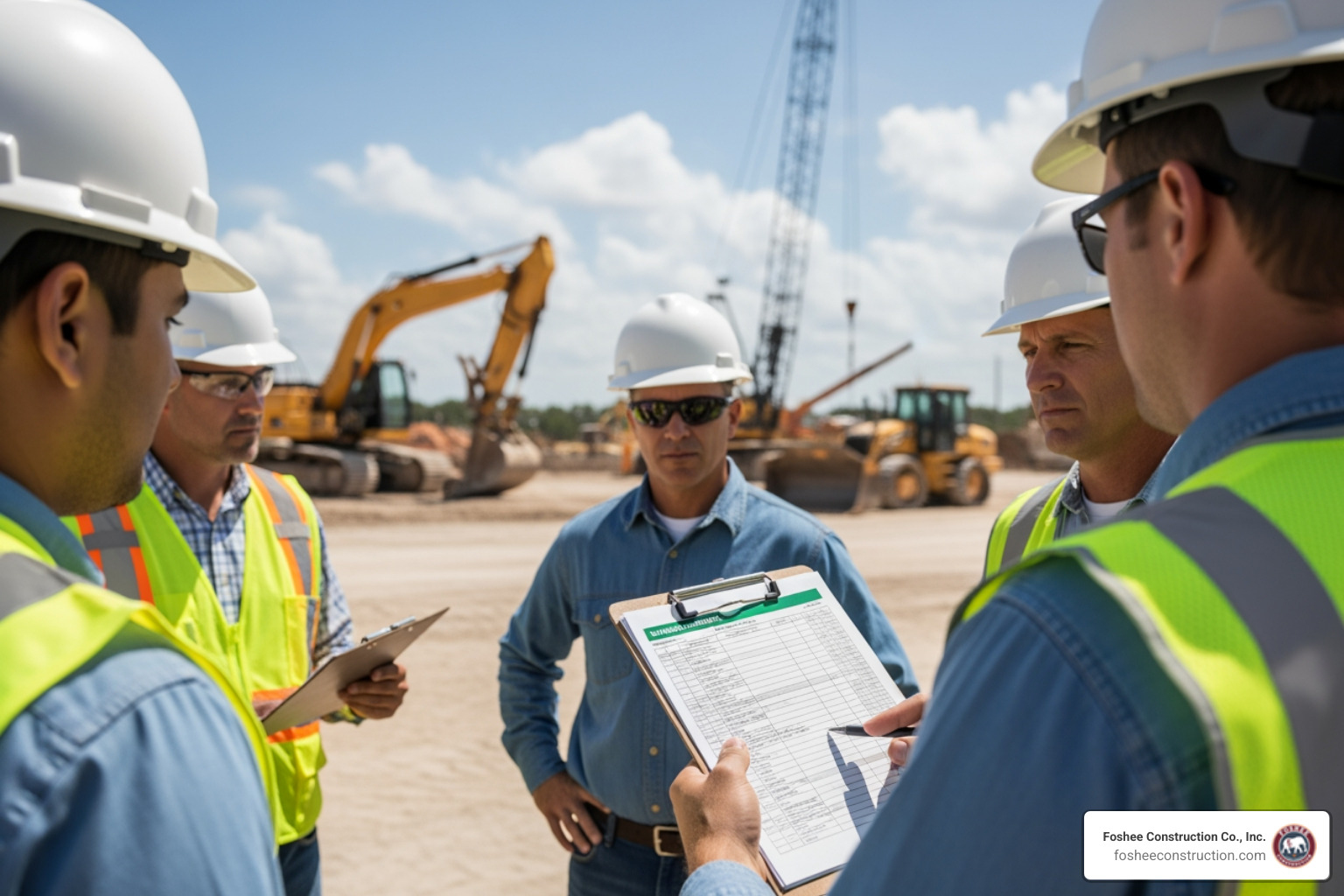
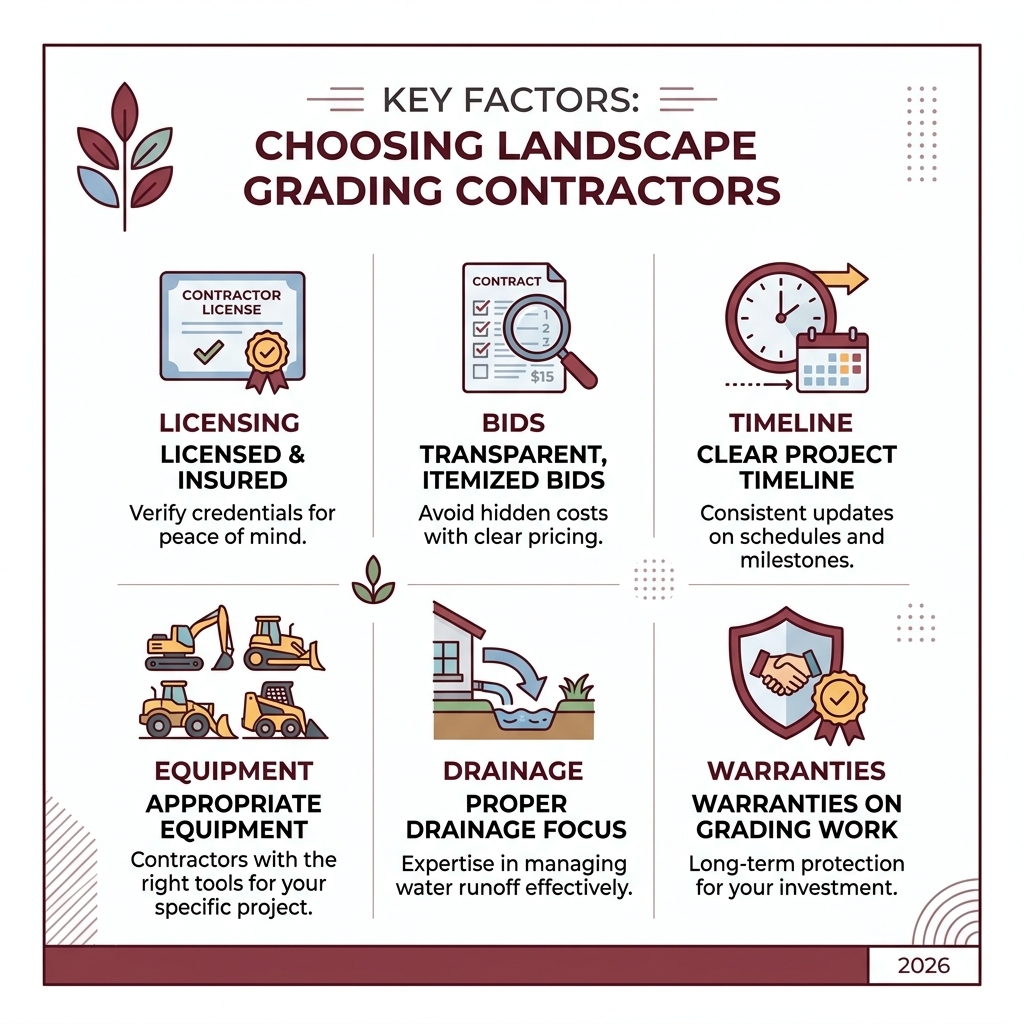
Not all "dirt guys" are created equal. When you are vetting landscape grading contractors near me, use this checklist to ensure you are hiring a professional, not just someone with a tractor.
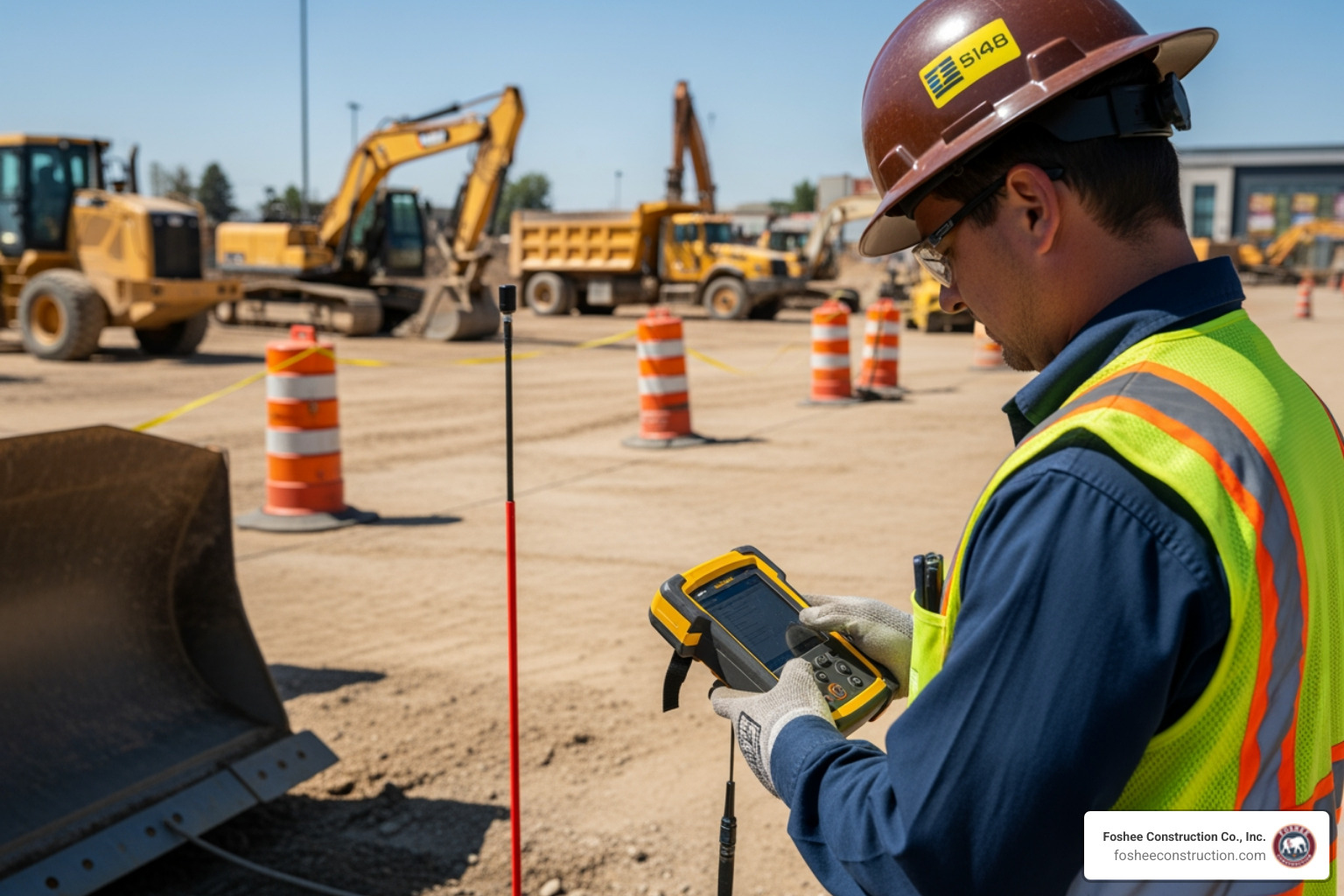
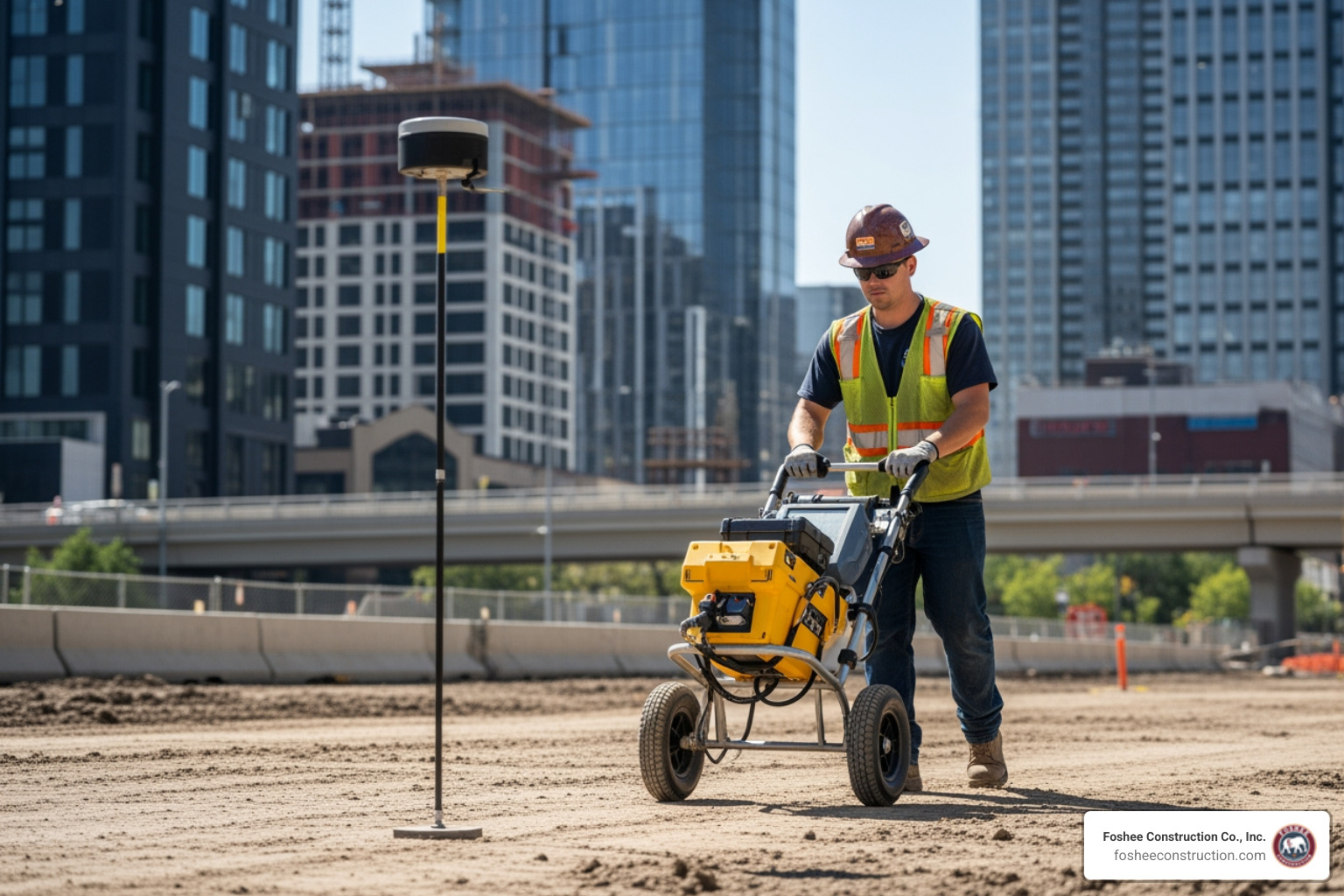
While it might feel "exciting and adventurous" to rent a skid steer and try it yourself, reality often bites. Grading is both an art and a science. Without the proper laser levels and experience, it is very easy to accidentally direct water toward your neighbor's property (which can lead to legal issues) or toward your own foundation. Professionals have access to heavy machinery and the expertise to handle soil compaction and "finish grade tolerance." Unless you are just filling a few small holes with topsoil, it is best to hire a pro.
In many parts of Lake County and Minneola, a permit is required if you are moving a significant amount of dirt or altering the natural flow of water. Local ordinances and environmental regulations are strict in Florida to protect our wetlands and prevent runoff into our lakes. A reputable contractor will know the local municipal codes and handle the permitting process for you.
As mentioned, most residential jobs are wrapped up in 1 to 3 days. However, weather is the ultimate "boss" in our industry. We cannot grade soil when it is saturated with water, as it won't compact properly and will turn into a muddy mess. We always build a little "weather buffer" into our schedules to ensure the job is done right, not just fast.
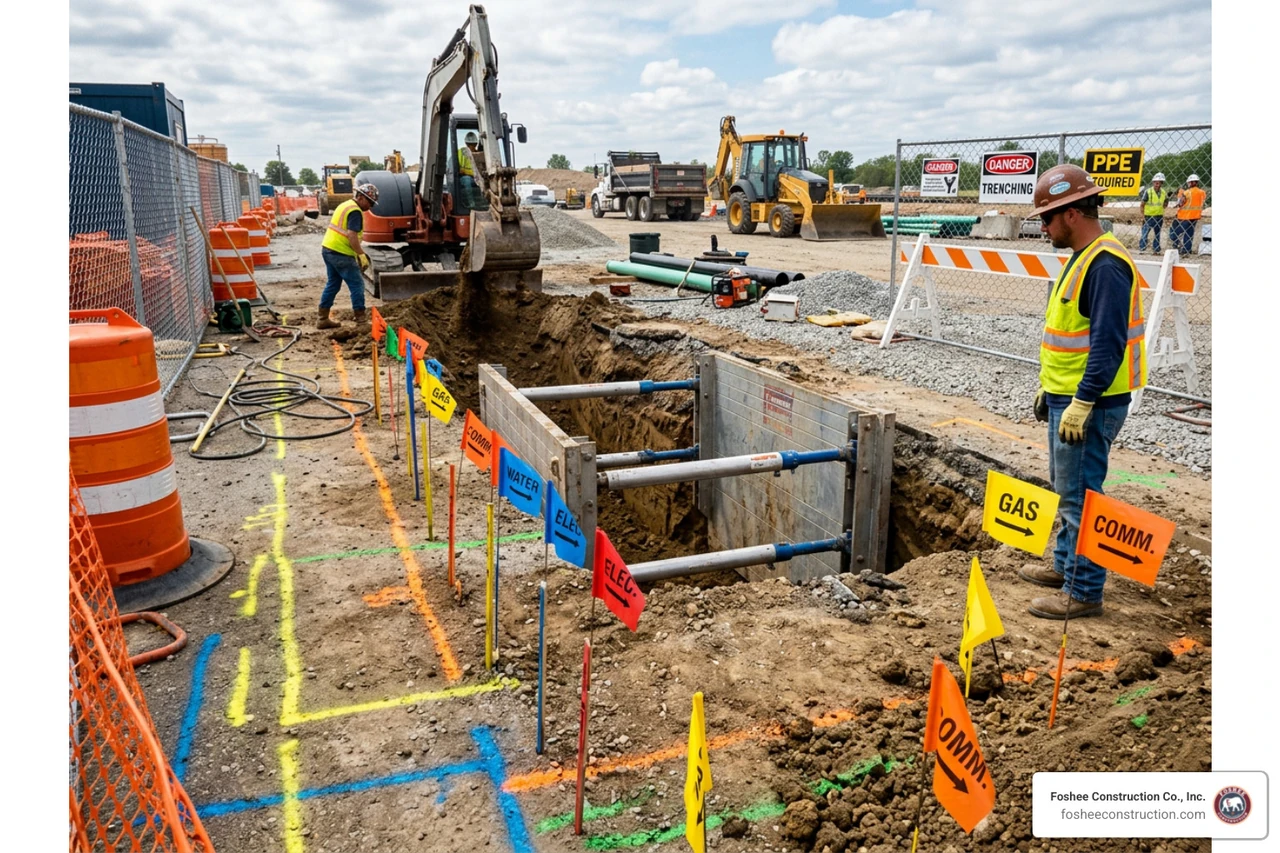
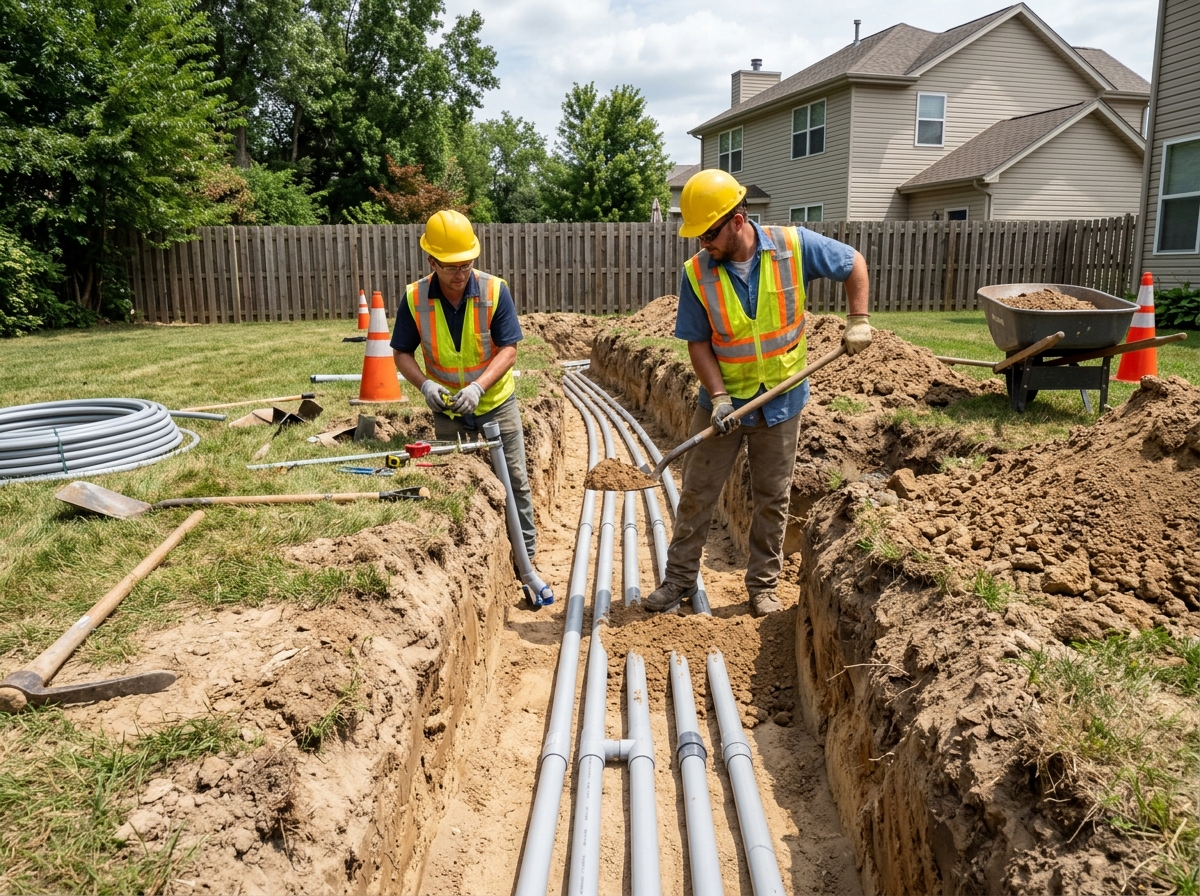
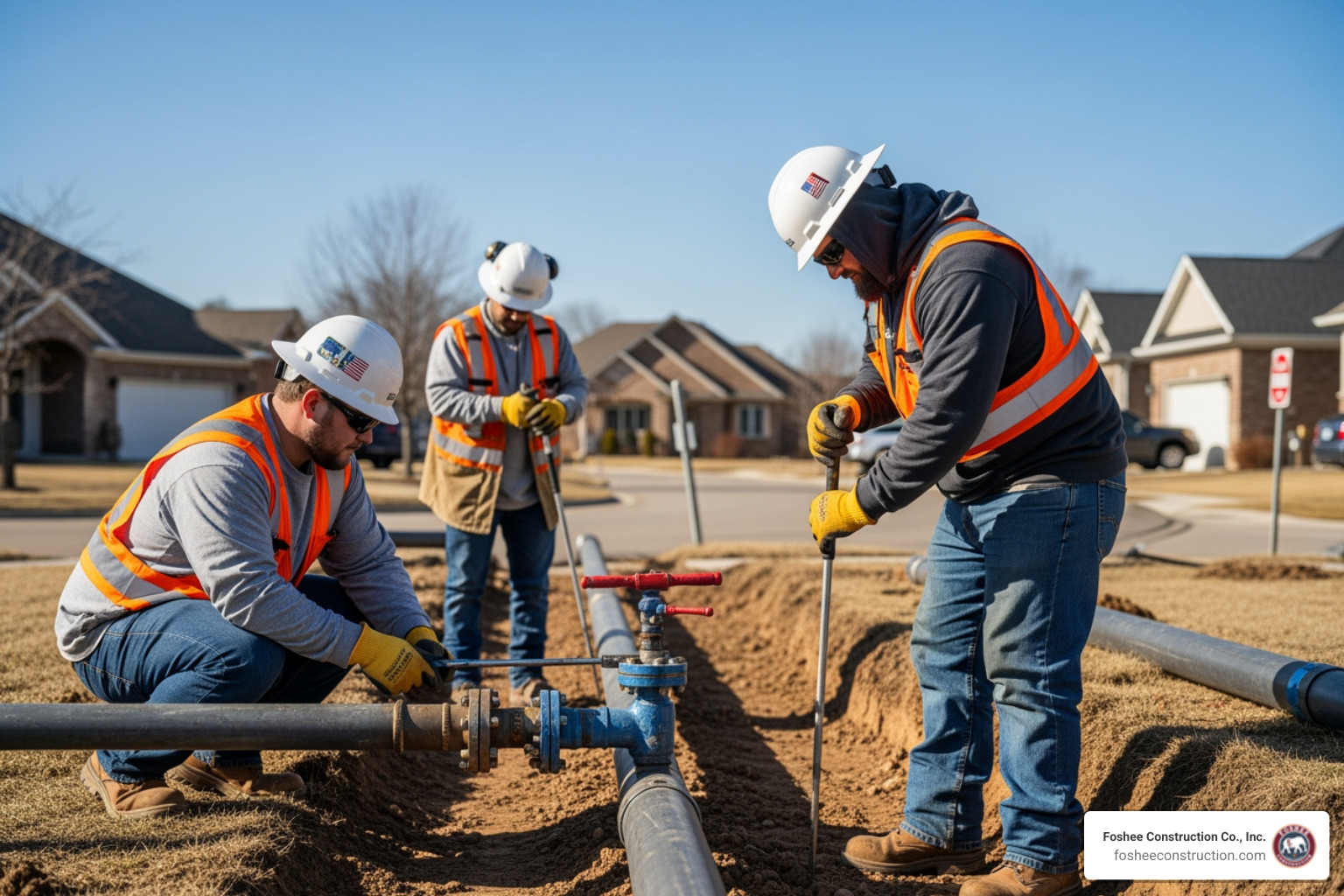
At the end of the day, your property is only as good as the ground it sits on. Whether you are dealing with a soggy backyard, preparing for a new construction project, or need to install underground utilities, the quality of your grading will dictate the success of your project for years to come.
At Foshee Construction Co., Inc., based right here in Minneola, Florida, we specialize in the "complete site prep" experience. We’ve built our reputation on transparent bids, a relentless focus on safety, and reliable relationships with the top contractors in the region. We don't just move dirt; we provide peace of mind that your foundation is protected and your land is functional.
If you are tired of looking at that standing water or you're ready to break ground on a new project, don't settle for less than expert service. Contact Foshee Construction today for a consultation. Let’s get your project started on solid ground.
Legal Resources:Privacy Policy | Conditions of Use | Notice and Take Down Policy | Website Accessibility Policy
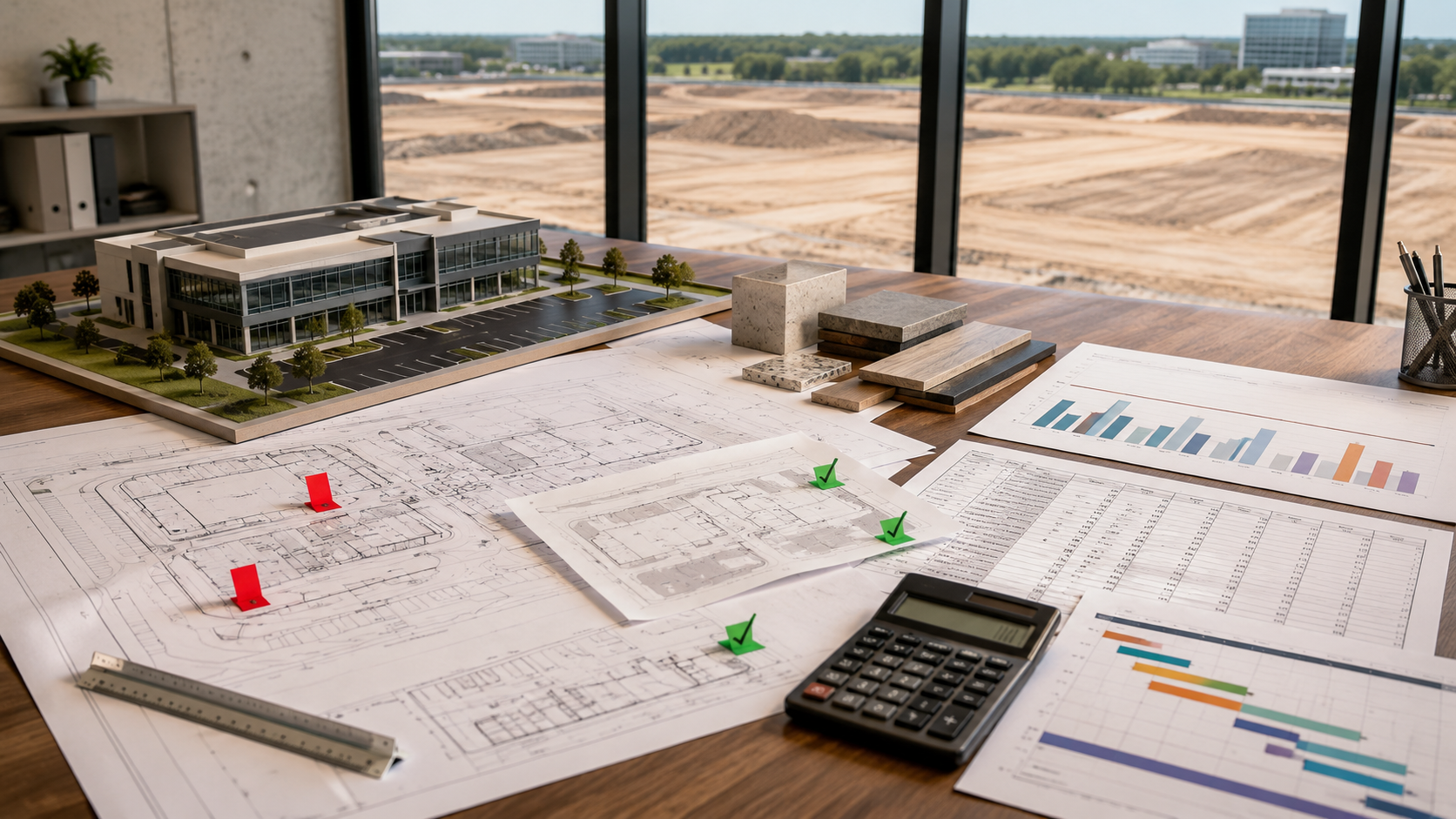
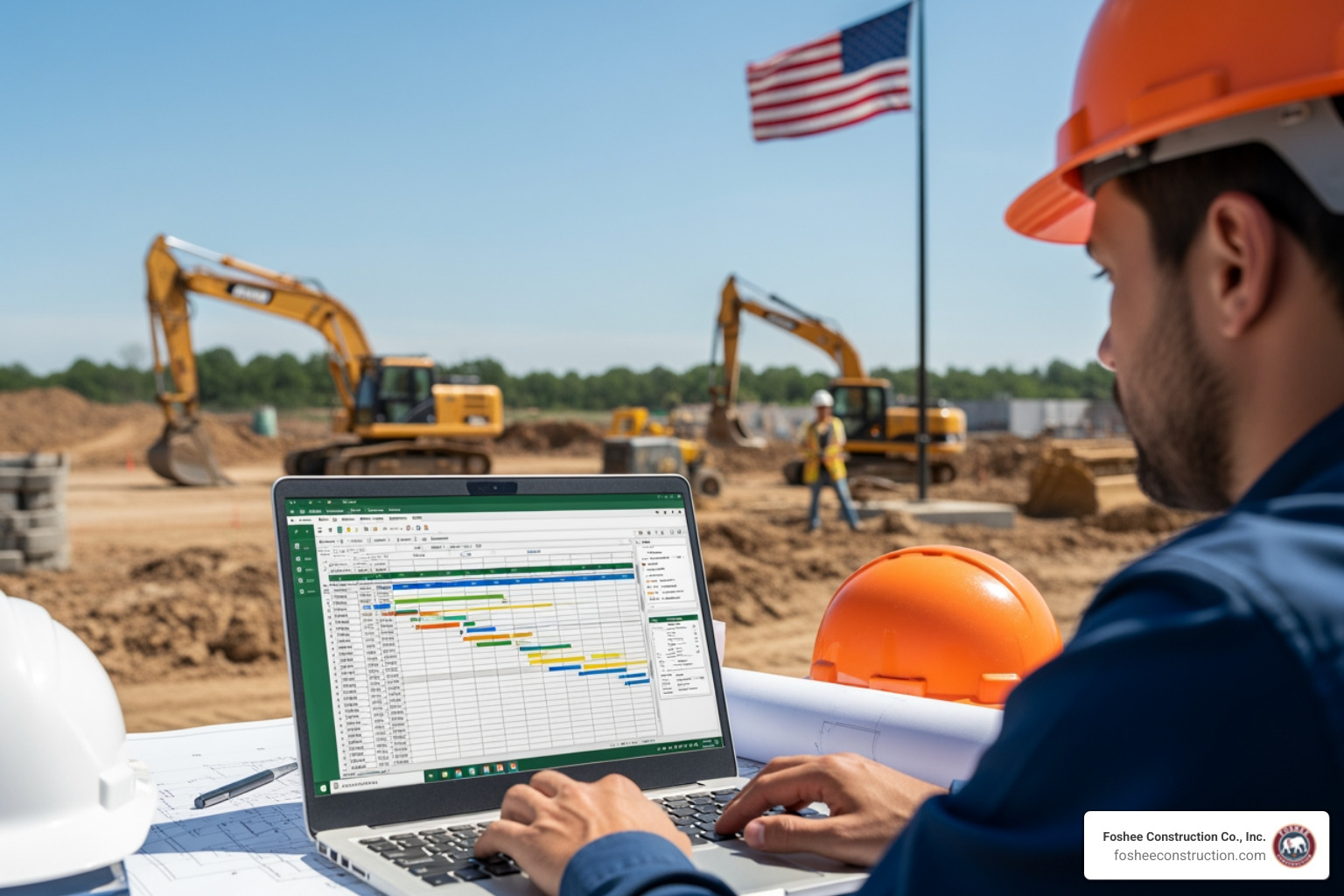
We build bids using HeavyBid and AGTEK because the details matter long before the job starts. When the numbers are accurate and the scope is clearly defined, it sets the tone for how the entire project runs. Estimating isn’t just a step in the process, it’s the foundation we build on.
That same mindset carries into the field. Our crew is trained to work with purpose, follow the Civil Engineers’ Plan to the finest detail, and hold the line on quality. When expectations are clear from day one, there’s no need for shortcuts, and no confusion about how the work gets done.
Clients trust our bid packages because they’re complete and ready to use. Project managers know what we’re covering, what’s excluded, and how we plan to approach the job. That clarity removes friction and lets teams focus on execution instead of interpretation.
As part of our review process, we go into the plans before anything hits the site. We ask the questions early, resolve issues before they show up in the field, and keep RFIs moving. This approach prevents delays and protects the timeline.
Over time, that consistency builds trust. Many of the people we work with today came through referrals from past projects – engineers, GCs, and superintendents who’ve seen how we operate and want the same experience again.
In 2024, Foshee Construction was acquired by Saga Infrastructure Solutions, a national network of civil construction companies. Saga supports regional contractors by giving them access to better tools, long-term resources, and operational backing, without changing how they run day to day.
Foshee will continue to operate under its name, with the same team and field leadership in place.
“From the very time a project starts, we start that partnership. We try to catch as much as we can with the tools that we have. Not everybody is using the software platforms we are. That’s the differentiator: we’re not just bidding. We’re anticipating, problem-solving, and making sure the job runs right.”
— Don, CEO, Saga Infrastructure Solutions
Foshee is now part of a broader regional strategy that includes Florida, the Piedmont Atlantic, Texas, Colorado, and the Arizona Sun Corridor. The name, crews, and standards remain. What’s improving is the support behind it.