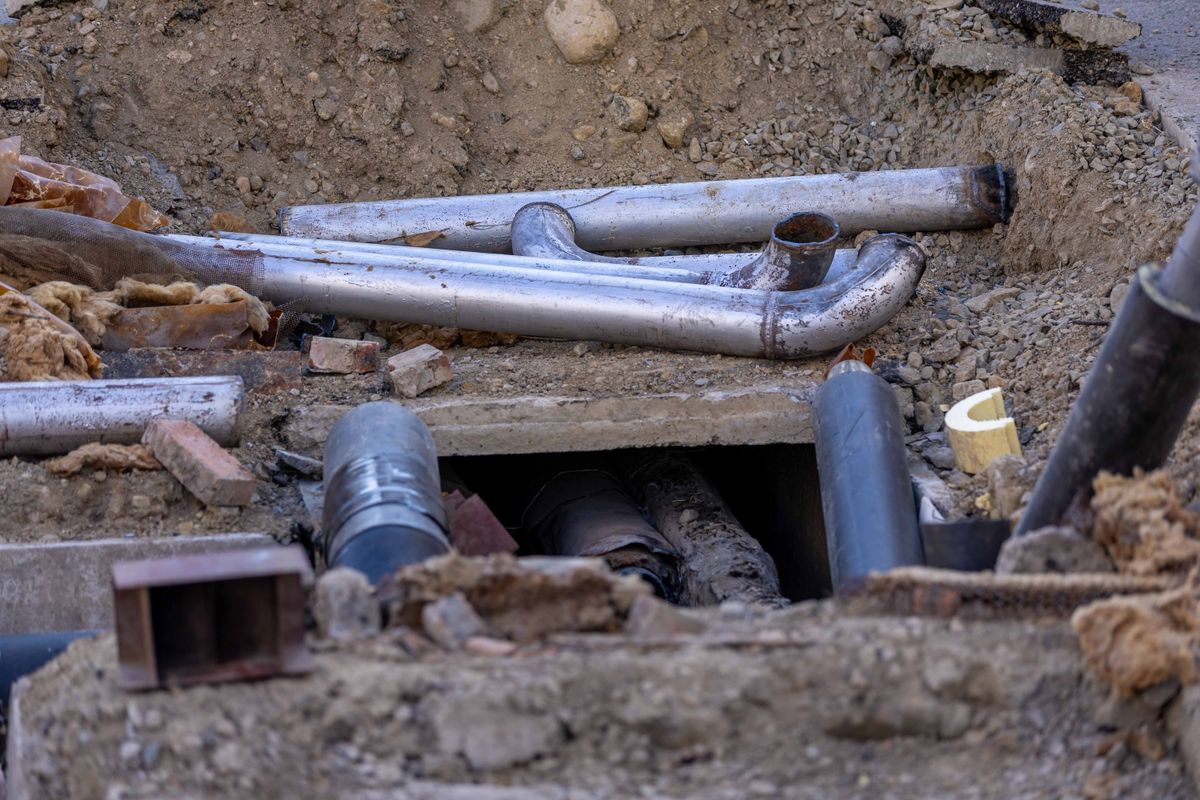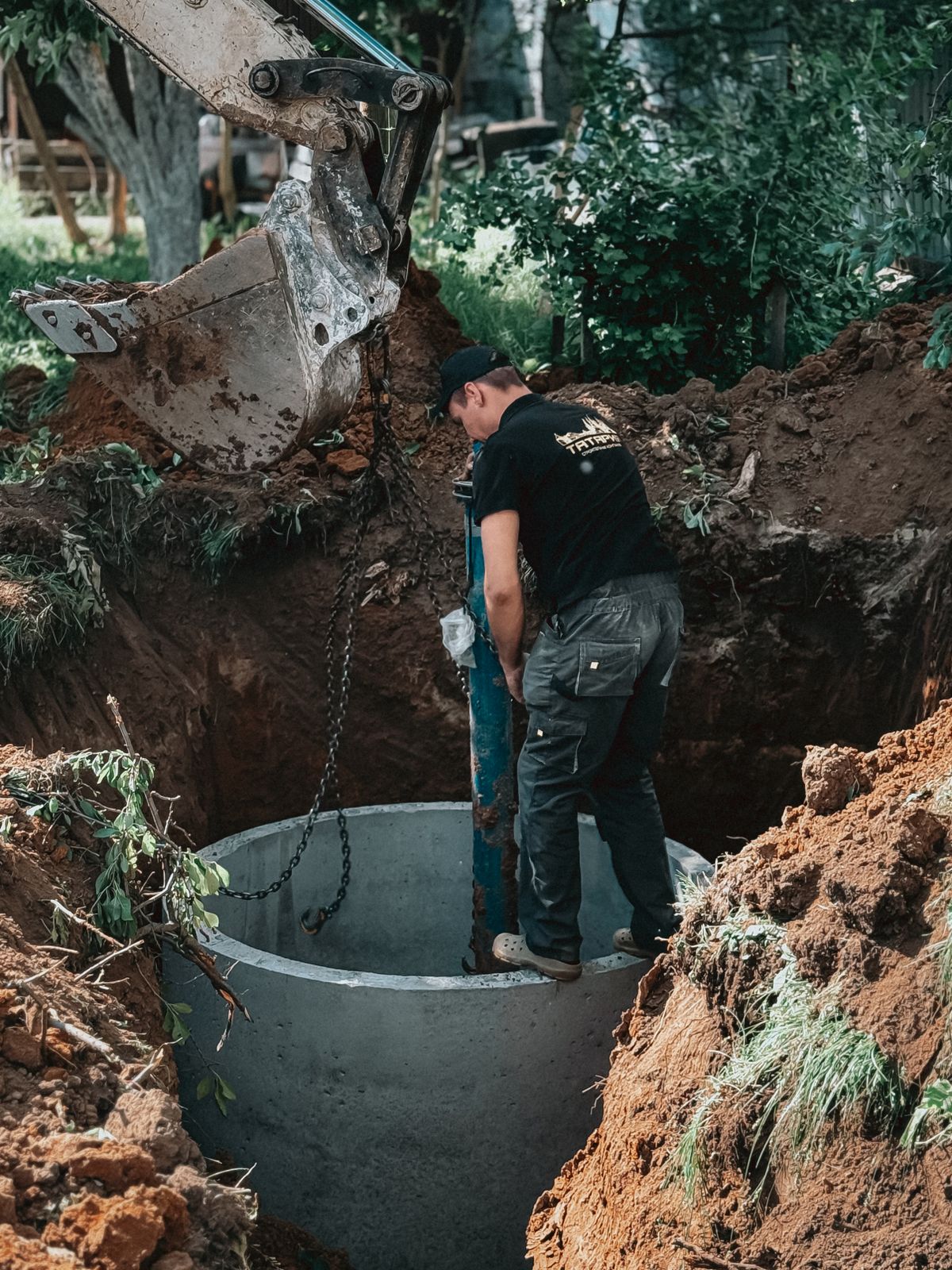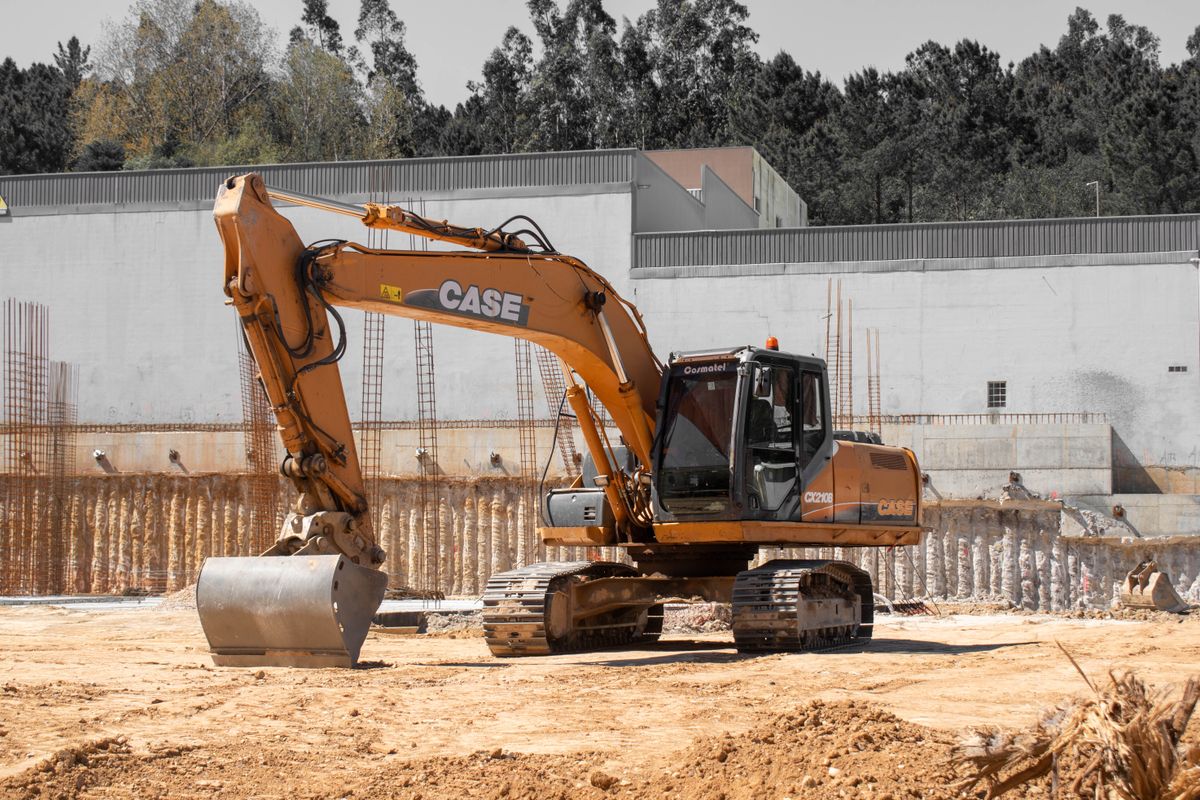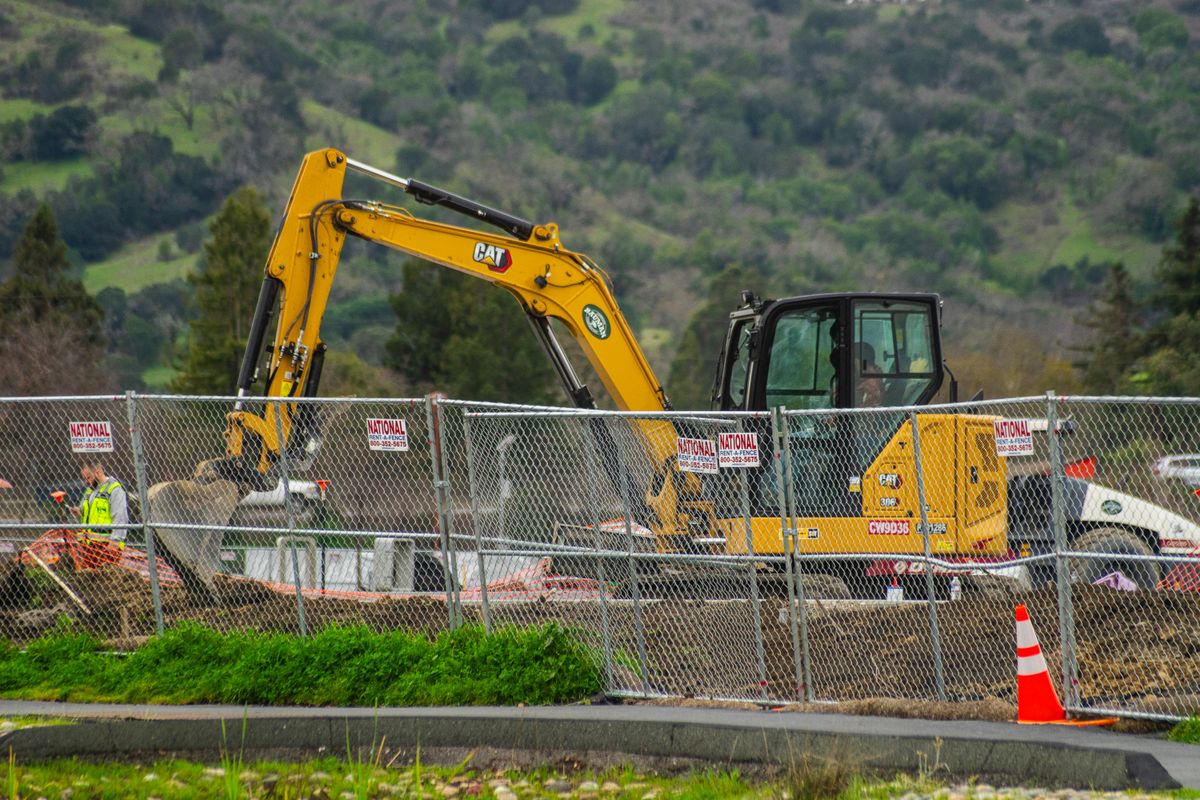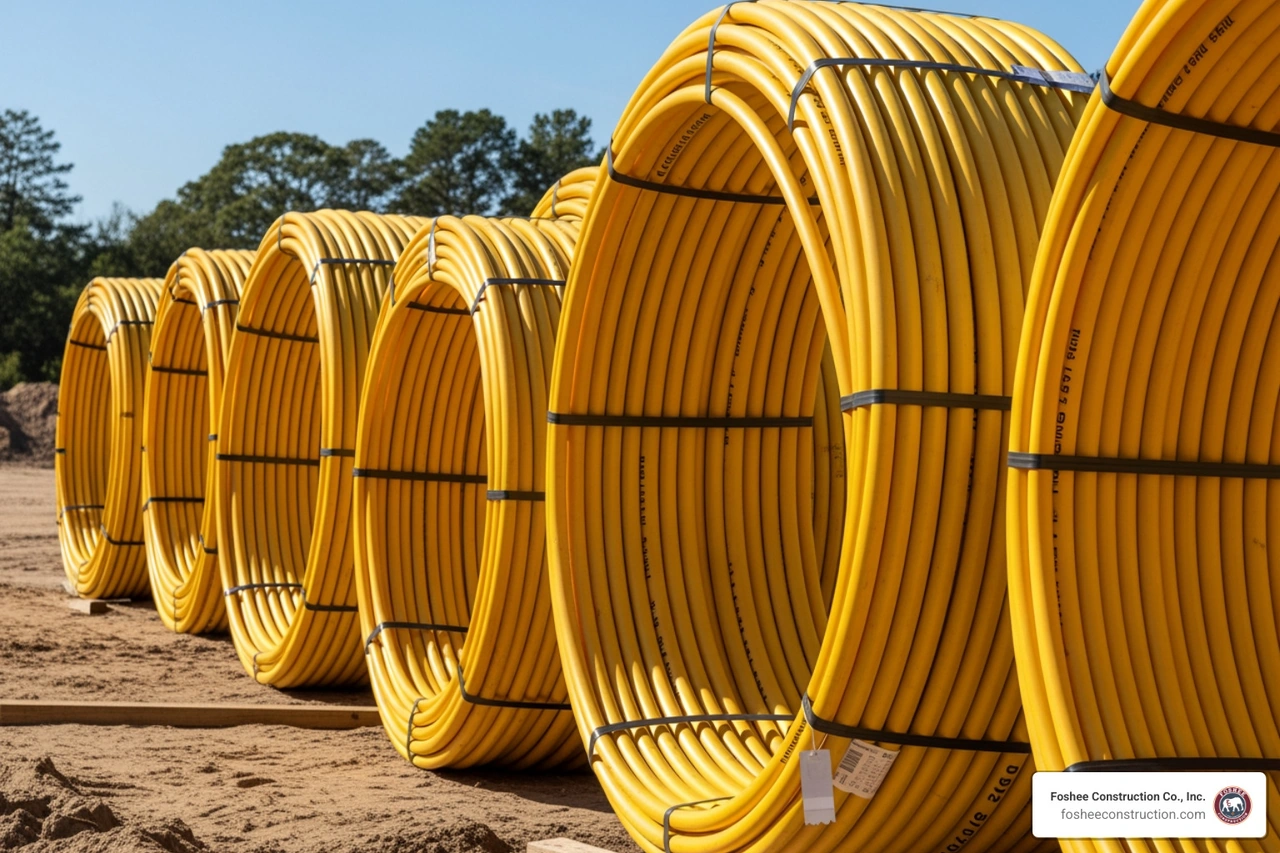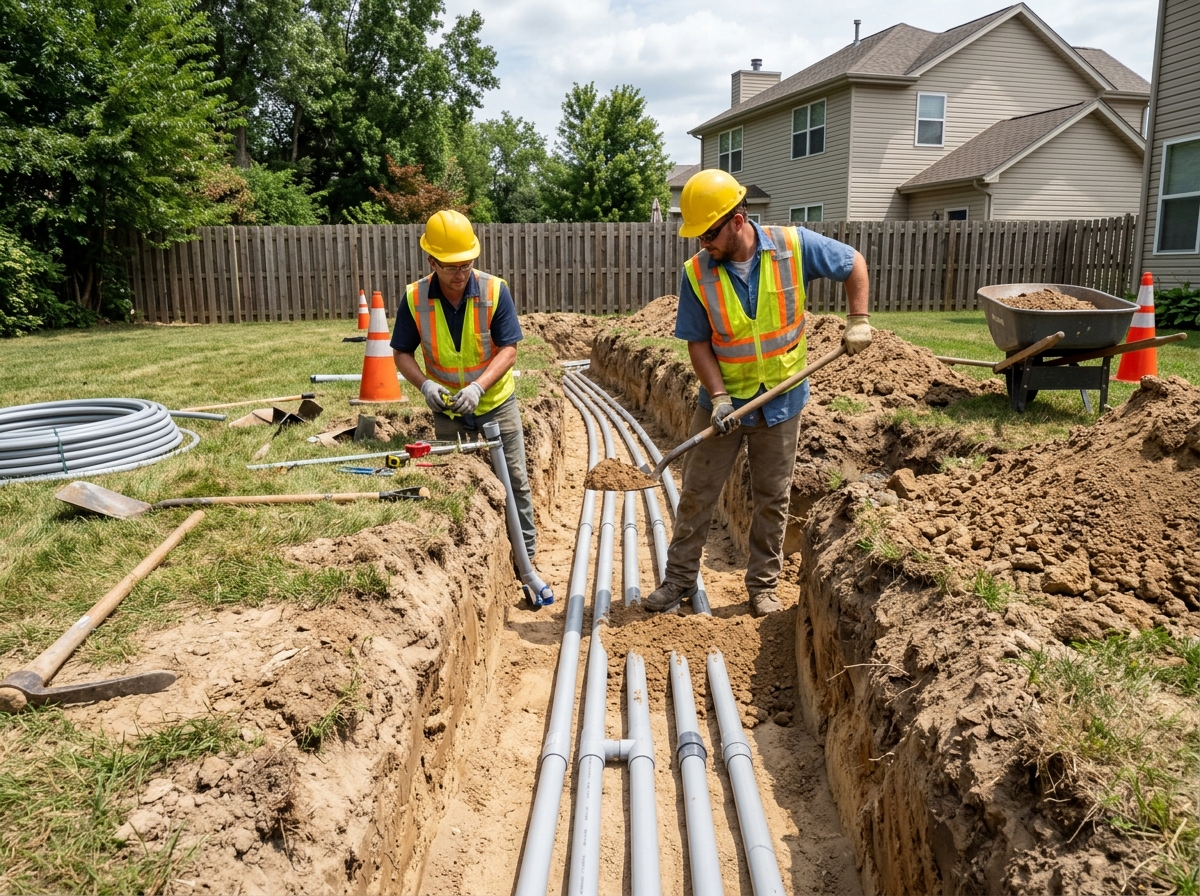
HDPE pipe underground utilities are the go-to solution for durable, long-lasting infrastructure — whether you're running water mains, sewer lines, power conduit, or fiber optic networks beneath the surface.
Here are the best HDPE pipe options for common underground utility applications:
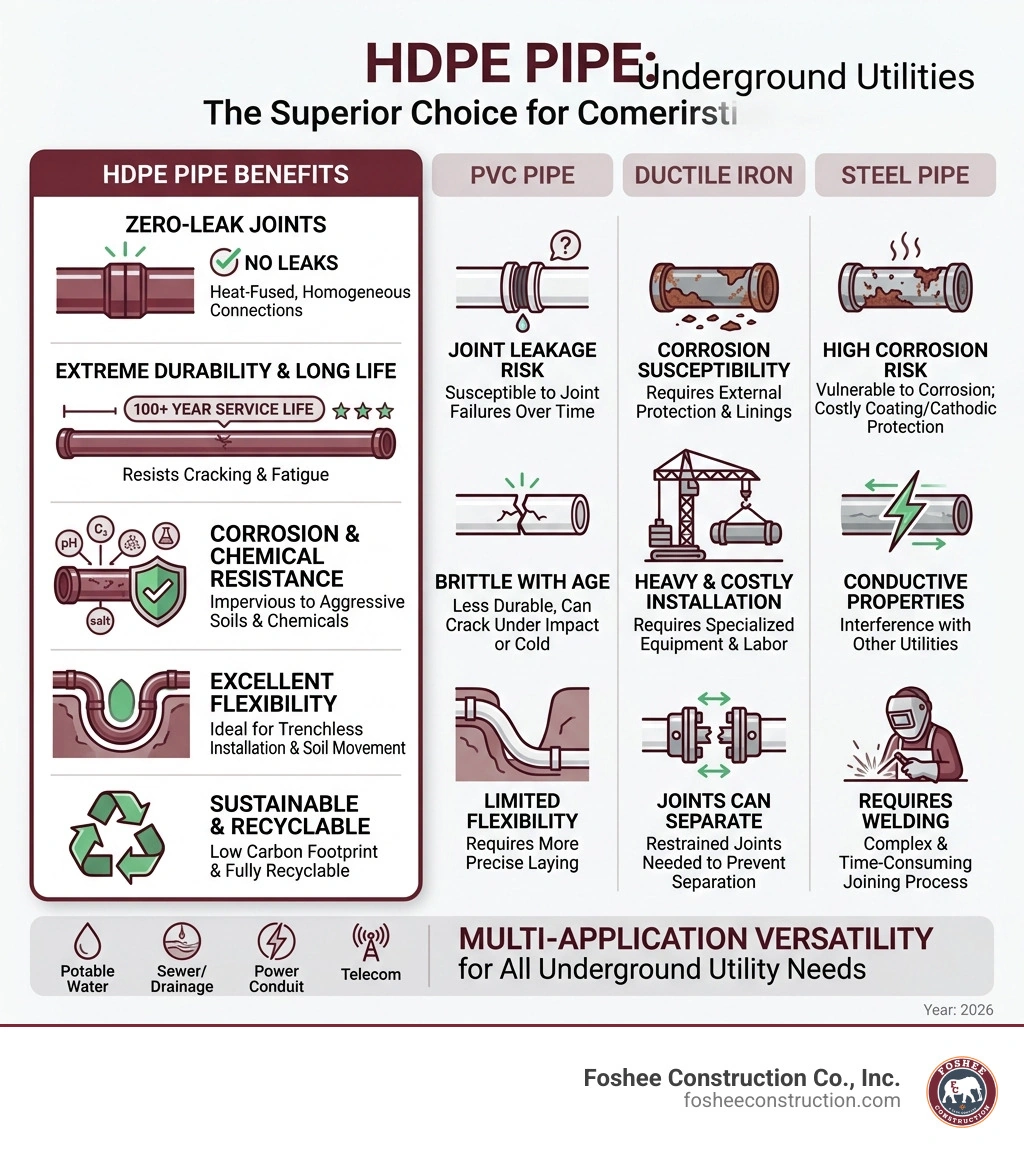
HDPE pipe has a projected service life of 50 to 100 years — and recent studies suggest it can last over a century with proper installation. That kind of reliability matters when you're building infrastructure that contractors, developers, and municipalities depend on for decades.
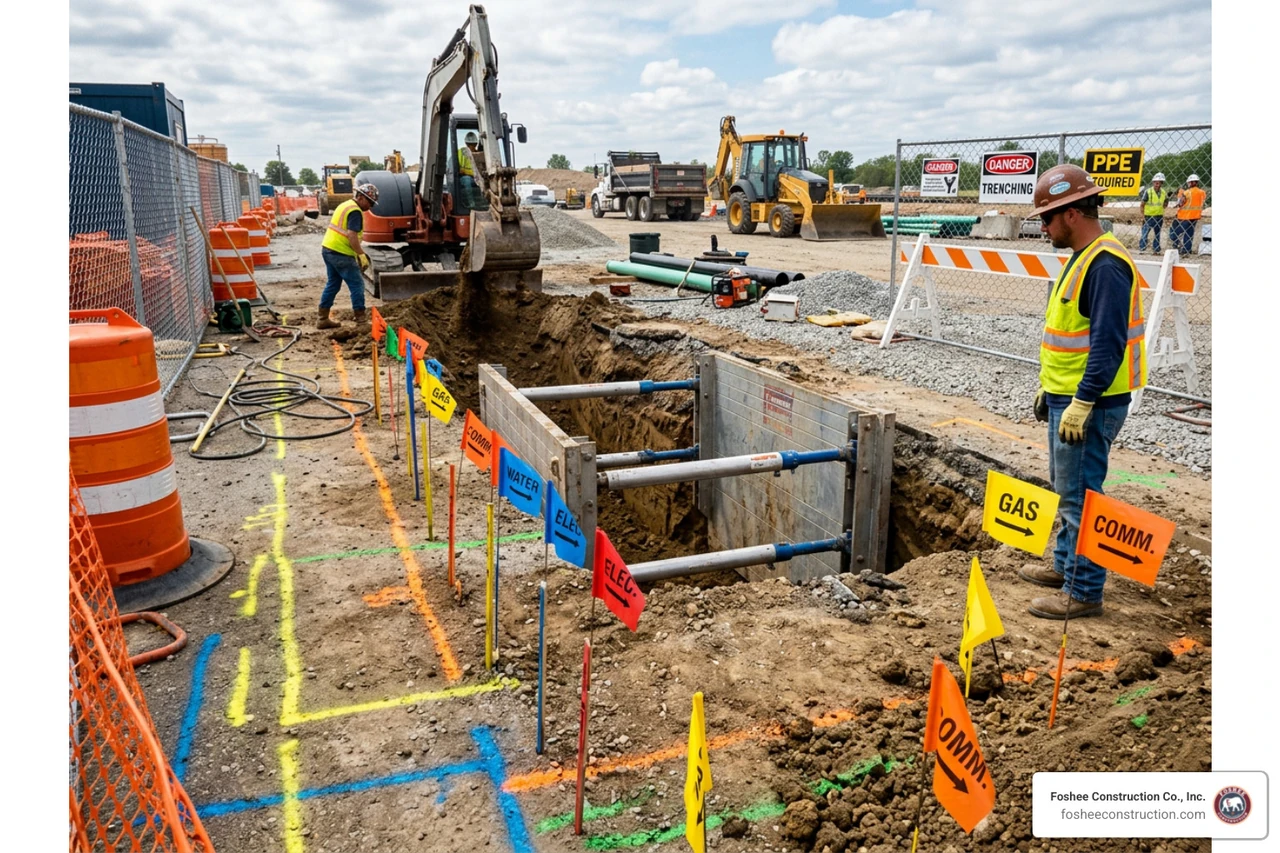
In Florida's challenging soil conditions — from sandy coastal fills to expansive clays — the right pipe material can mean the difference between a system that performs quietly underground and one that becomes a costly maintenance headache. A buried utility line is damaged by digging activity nearly every three minutes across the United States, according to the national 811 hotline. Choosing the right pipe, color-coded correctly and installed to spec, protects your investment and keeps jobsites safe.
I'm Don Larsen, and at Foshee Construction Co., Inc. we've been installing HDPE pipe underground utilities across Central Florida since 1994, from residential service lines to large-scale commercial site development. That hands-on experience is what shapes every recommendation in this guide.
Learn more about hdpe pipe underground utilities:
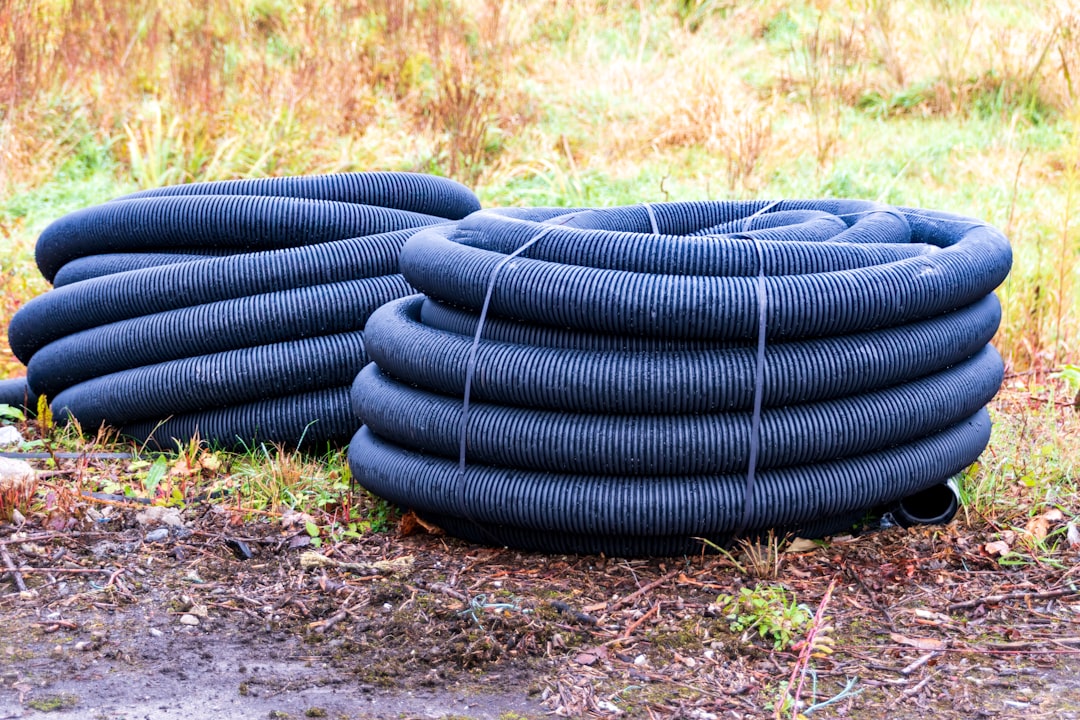
When we talk about hdpe pipe underground utilities, we are referring to High-Density Polyethylene—a thermoplastic polymer made from petroleum-based ethylene resin. In simple terms, it is a incredibly tough, flexible plastic that doesn't mind getting its hands dirty in the Florida soil.

The magic of HDPE lies in its molecular structure. Unlike Low-Density Polyethylene (LDPE), HDPE has a linear structure with minimal branching. This allows the polymer chains to pack together tightly, resulting in a material that is dense, strong, and highly resistant to impact. For those of us in the field, this means a pipe that can be dragged across a job site in Minneola without shattering like a piece of glass.
Not all plastic pipe is created equal. When specifying hdpe pipe underground utilities, we look for specific "cell classifications" defined by ASTM D3350. Currently, the gold standard for water and gas utilities is PE 4710. This resin provides a high hydrostatic design basis (HDB), meaning it can handle high internal pressures over a very long time.
Key standards you'll encounter include:
For a deeper dive into the engineering behind these materials, you can Download HDPE Handbook Chapters for comprehensive technical data. You can also explore more about What Is HDPE Pipe? Properties, Applications & Advantages.
We often tell our clients in Lake County that choosing HDPE is an investment in "generational infrastructure." The statistics back this up:
Choosing the right size and thickness is where the "art" of utility installation meets science. If the wall is too thin, the pipe might collapse under the weight of the soil; if it's too thick, you're spending money you don't need to.
The most important acronym to remember is SDR, which stands for Standard Dimension Ratio. This is the ratio of the pipe's outside diameter to its wall thickness.
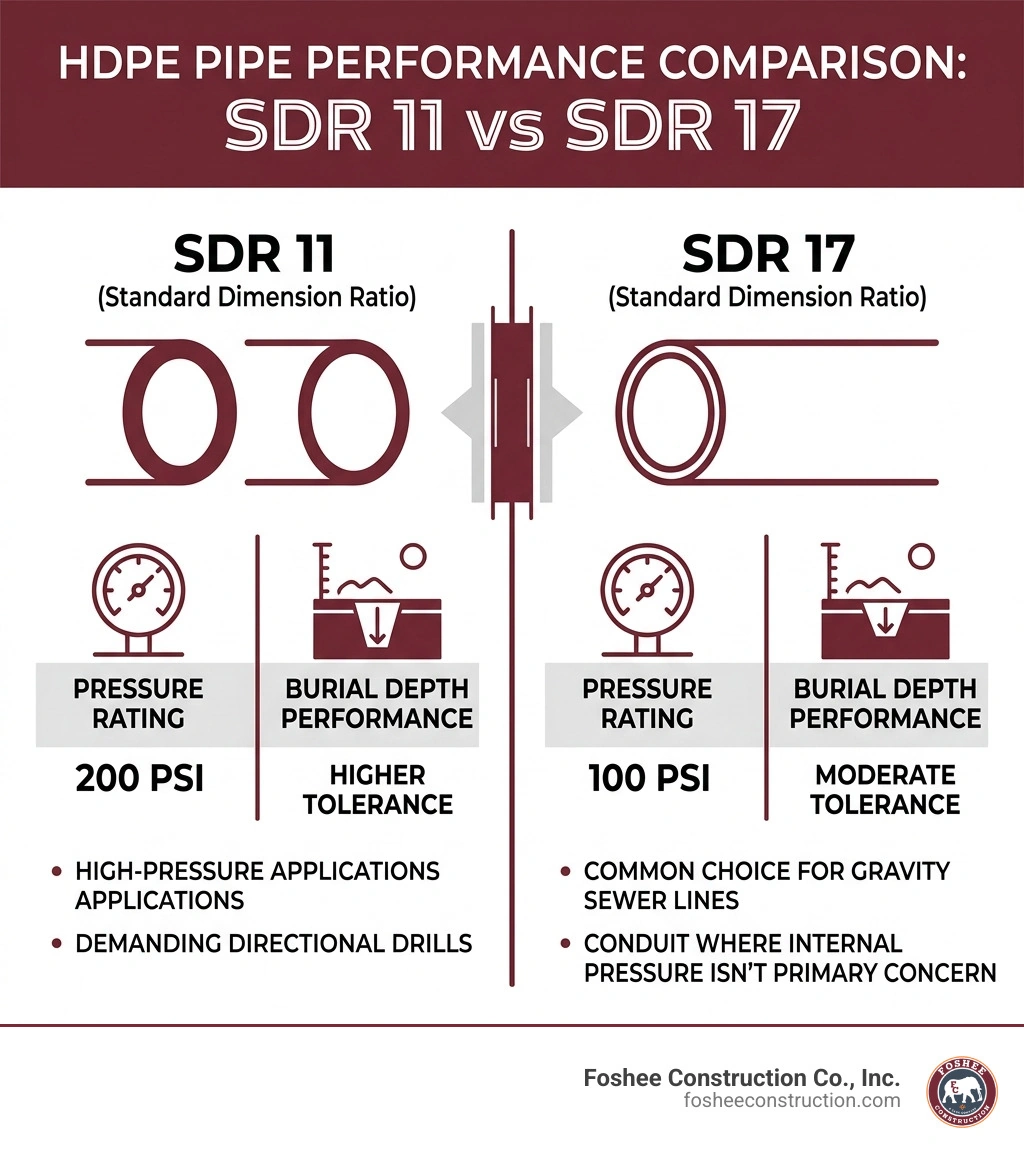
Because HDPE is viscoelastic, it doesn't just "hold" pressure; it absorbs it. This allows for a higher safety factor when dealing with the unpredictable surges common in municipal systems.
Navigating pipe sizes can feel like learning a second language. Here is a quick cheat sheet for the systems we use in Florida:
When working on a site with existing infrastructure, using an Underground Pipe Locator is essential to ensure your new HDPE lines don't run into any old "surprises."
In hdpe pipe underground utilities, color is everything. It’s the universal language of safety that prevents a backhoe operator from accidentally turning off a neighborhood's internet—or worse, hitting a gas line.
We follow the APWA (American Public Works Association) Uniform Color Code. This isn't just a suggestion; it’s a critical safety standard.
For drinking water, we use blue-striped or solid blue HDPE. To ensure safety, these pipes must be NSF-61 certified, meaning they won't leach chemicals into the water supply.
The smooth interior of HDPE is a major advantage here. Unlike metal pipes that can develop "tuberculation" (crusty buildup), HDPE stays smooth. This means better flow rates and lower pumping costs for the municipality over the next century. If you are also managing power on the same site, you might want to look into Underground Electrical Conduit options to keep your water and power lines safely separated.
When it comes to electricity and telecommunications, HDPE isn't just a pipe; it's a "raceway."
One of the coolest features of HDPE conduit is its low coefficient of friction. It is 30% "slicker" than PVC, which allows us to pull cables through much longer distances—sometimes up to 1,000 feet in a single pull. This reduces the number of expensive manholes and handholes needed on a project. For more details on these specific applications, check out the resources About HDPE Conduit.
Florida's landscape is diverse. Sometimes we're working in an open field in Lake County, and other times we're trying to get a pipe under a busy highway without stopping traffic. HDPE is the only material flexible enough to handle all these scenarios.
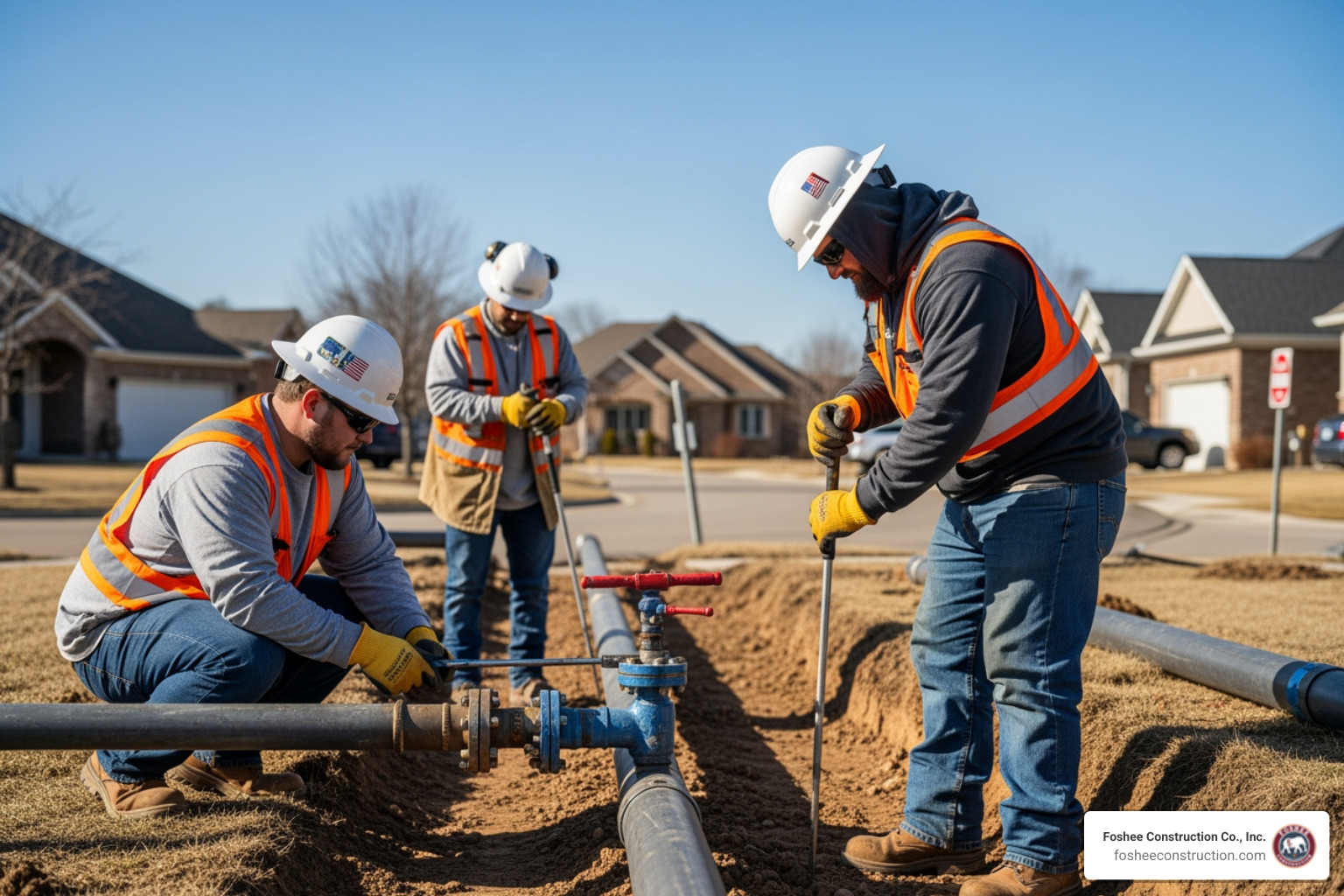
The most significant advantage of hdpe pipe underground utilities is how they are joined. We don't use glue or gaskets. Instead, we use heat.
For high-stakes municipal projects, we use data loggers during the fusion process. These devices record the temperature, pressure, and time of every weld, providing a "birth certificate" for the joint that proves it was done correctly. As experienced Utility Installation Contractors, we know that a perfect joint is the key to a zero-leak system.
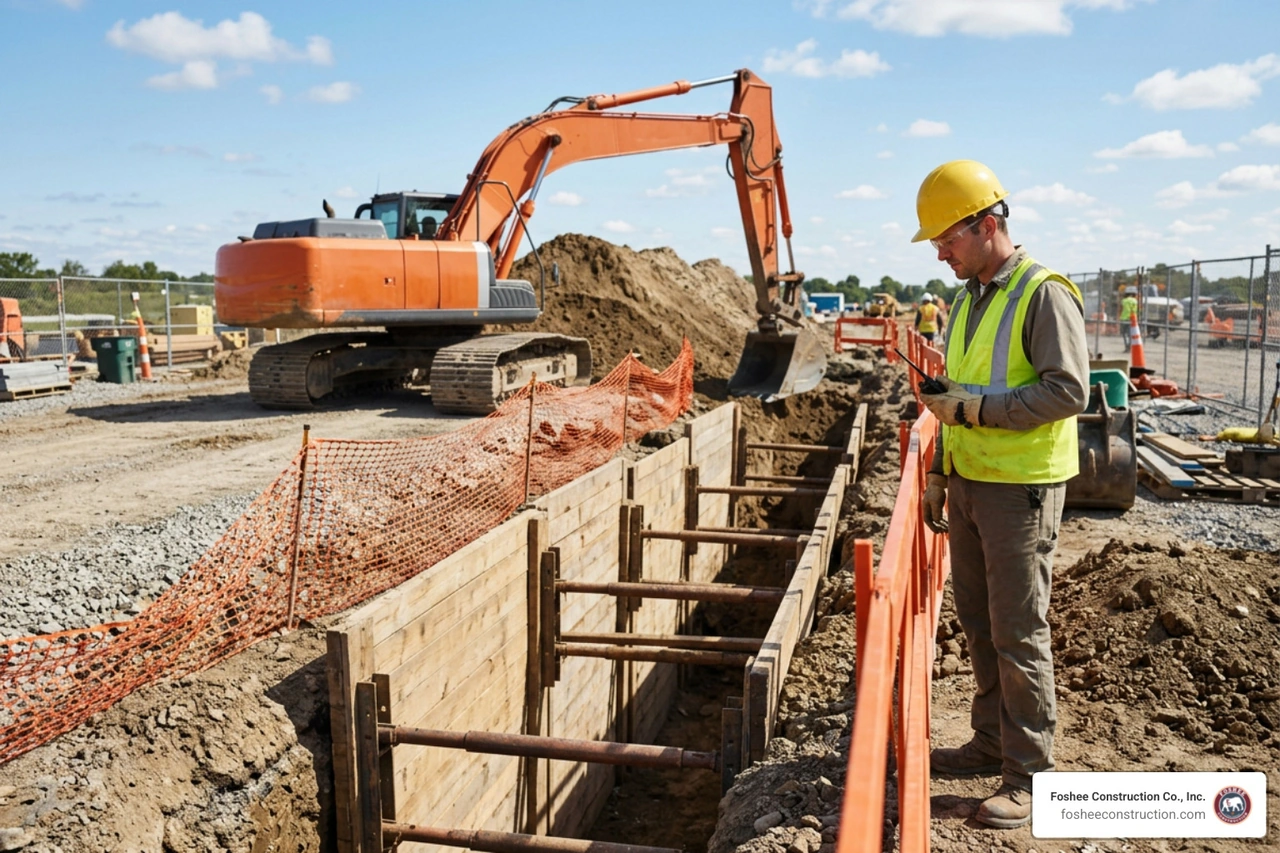
How deep should you bury HDPE? It depends on what’s on top.
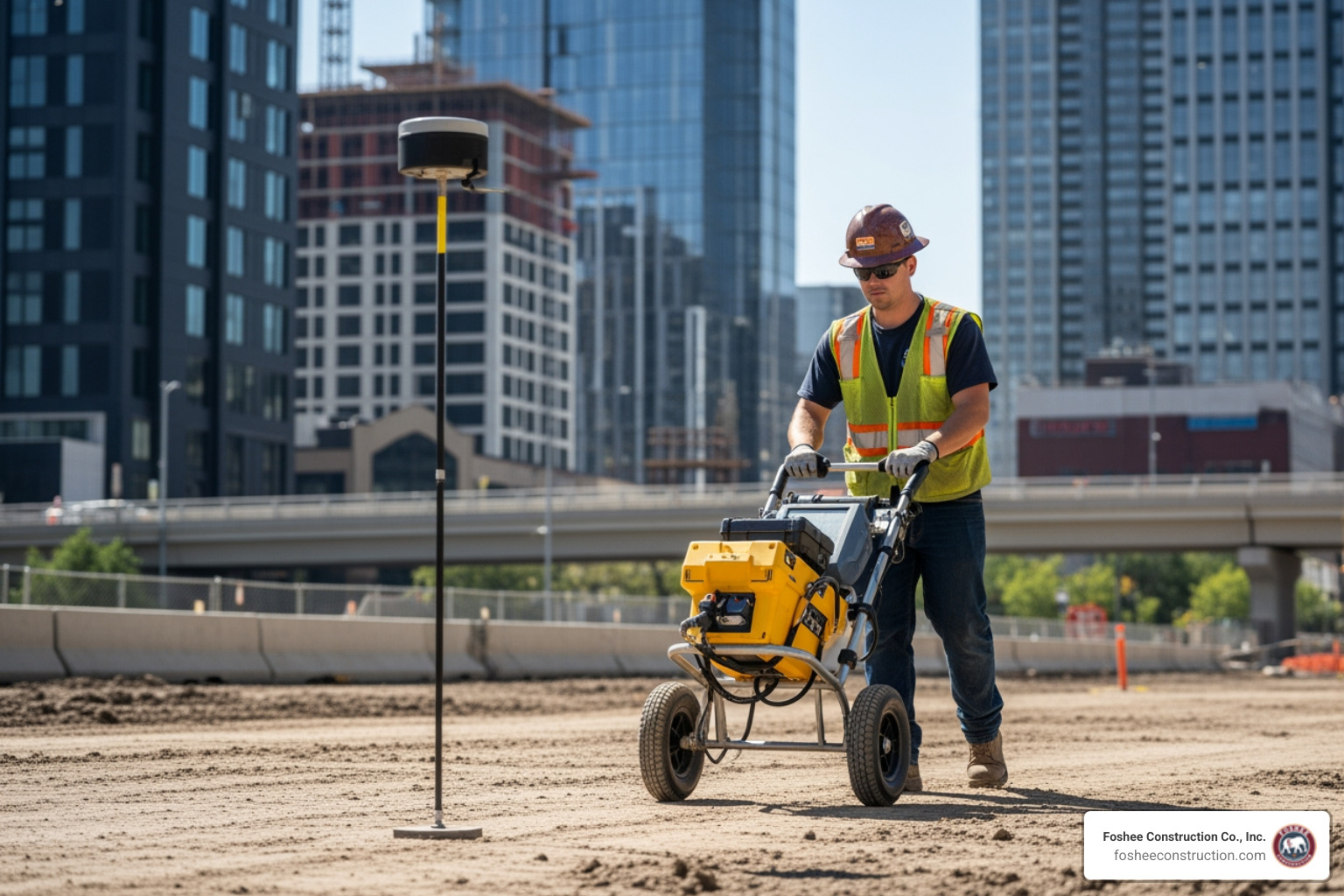
Because HDPE is non-metallic, you can't find it with a standard metal detector once it’s buried. That’s why we always install a tracer wire alongside the pipe. For existing sites where the location of old pipes is a mystery, we utilize Ground Penetrating Radar For Underground Utilities to map the subsurface before we start digging.
While PVC is a common and affordable choice, HDPE wins on reliability in tough conditions. HDPE's failure rate is approximately 1 in 10,000,000, compared to PVC's rate of 1 per 48,650. That is a 200:1 difference in reliability! HDPE is also much more flexible, making it the only real choice for trenchless installations like directional boring.
Yes. High-quality HDPE conduit is rated to handle electrical cables with operating temperatures up to 90°C (194°F). It also stays tough in the cold, retaining its ductility down to -40°F. This thermal range is perfect for the Florida heat, where underground temperatures can rise significantly near high-voltage lines.
We strictly adhere to the APWA color codes to keep everyone safe:
Choosing the right hdpe pipe underground utilities is about more than just picking a plastic tube; it's about ensuring the long-term success and safety of your project. From the superior leak protection of fused joints to the 100-year service life, HDPE is the clear winner for modern infrastructure.
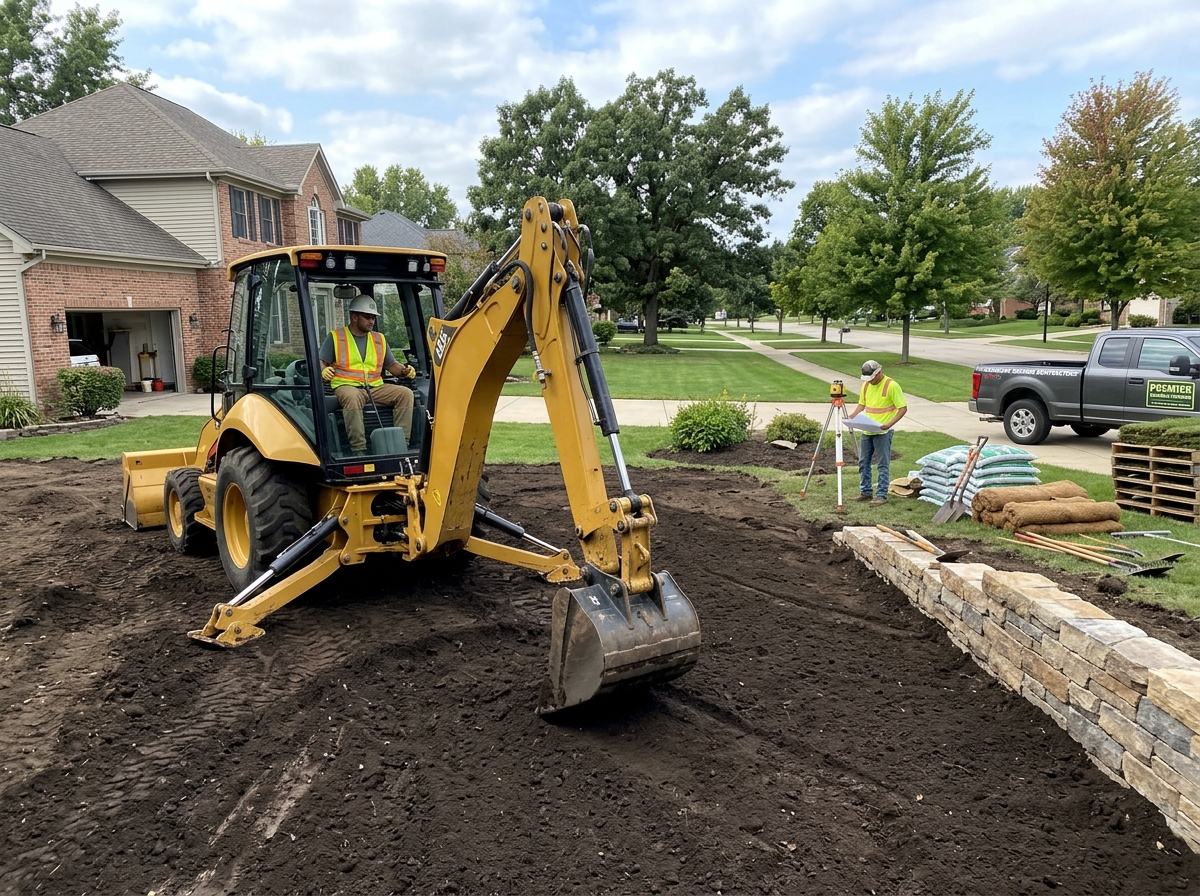
At Foshee Construction Co., Inc., we pride ourselves on being Central Florida's utility experts. Whether you need site preparation, grading, or a complex underground utility network, we bring a focus on safety, disciplined scheduling, and transparent bids to every job. We've seen how the right materials—installed by a team that knows the local Florida soil—can save developers and municipalities thousands in future maintenance.
Ready to start your next project with a team you can trust? Learn more about our utility projects and see how we can help you build a foundation that lasts for the next century.
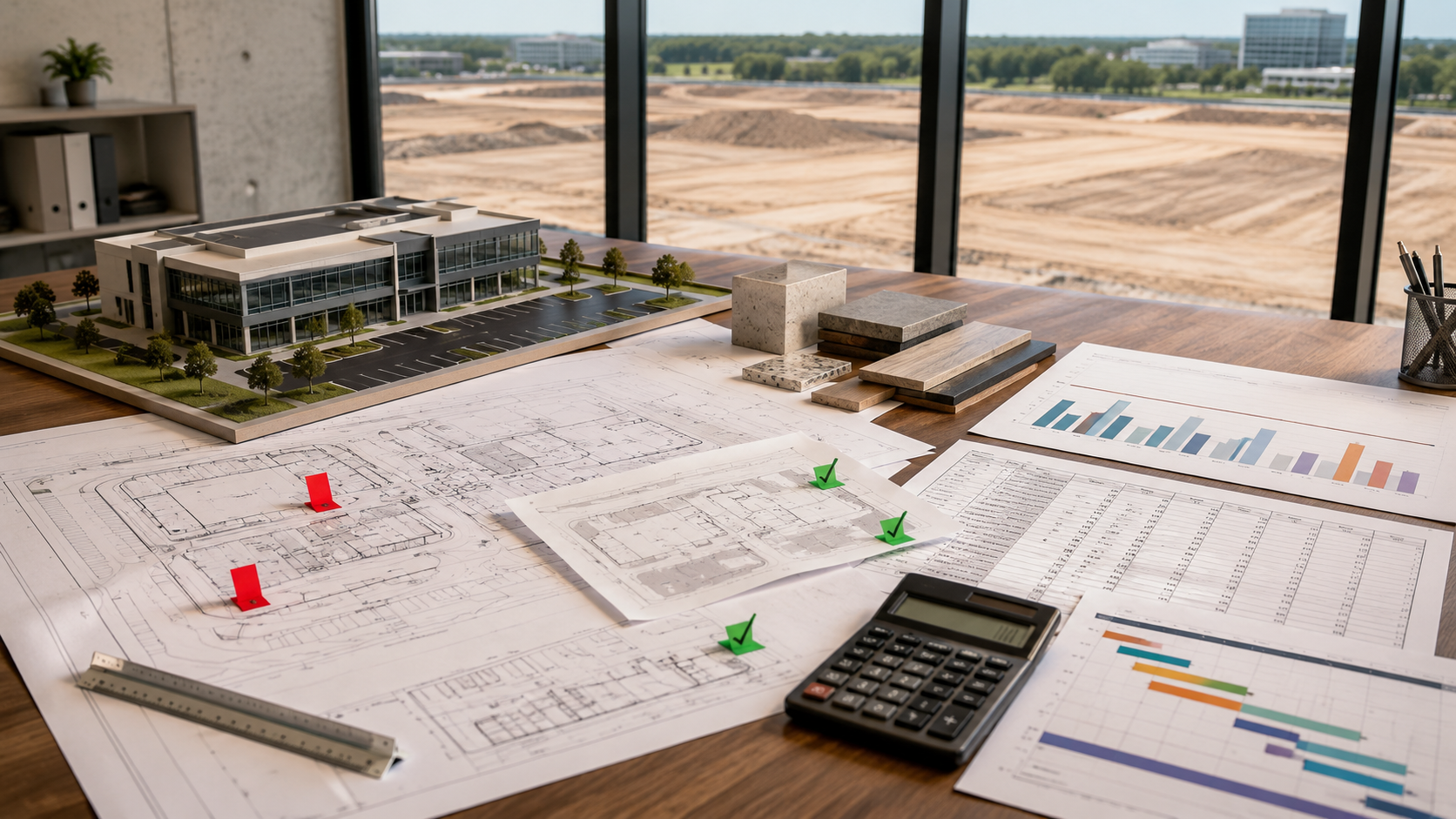
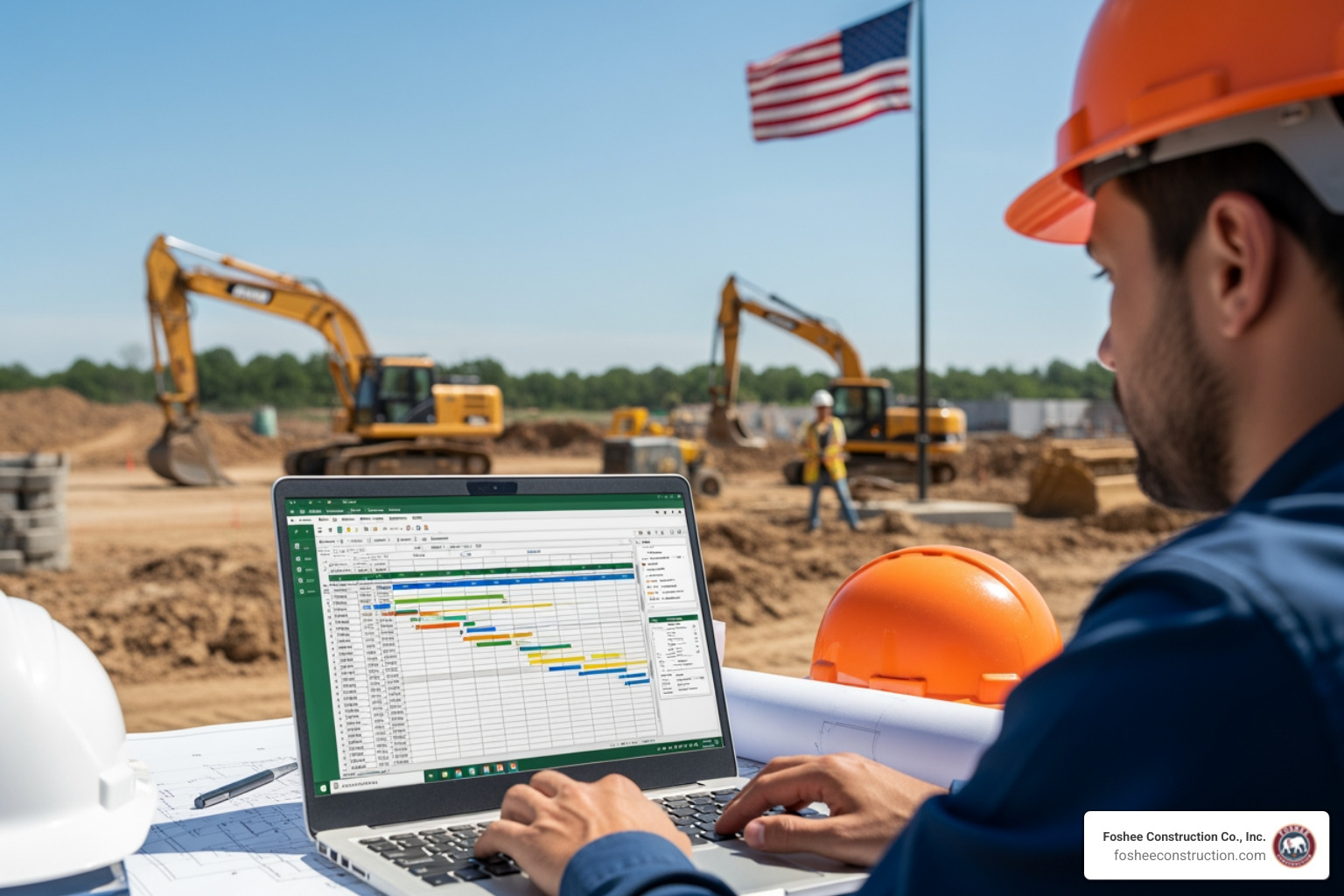
We build bids using HeavyBid and AGTEK because the details matter long before the job starts. When the numbers are accurate and the scope is clearly defined, it sets the tone for how the entire project runs. Estimating isn’t just a step in the process, it’s the foundation we build on.
That same mindset carries into the field. Our crew is trained to work with purpose, follow the Civil Engineers’ Plan to the finest detail, and hold the line on quality. When expectations are clear from day one, there’s no need for shortcuts, and no confusion about how the work gets done.
Clients trust our bid packages because they’re complete and ready to use. Project managers know what we’re covering, what’s excluded, and how we plan to approach the job. That clarity removes friction and lets teams focus on execution instead of interpretation.
As part of our review process, we go into the plans before anything hits the site. We ask the questions early, resolve issues before they show up in the field, and keep RFIs moving. This approach prevents delays and protects the timeline.
Over time, that consistency builds trust. Many of the people we work with today came through referrals from past projects – engineers, GCs, and superintendents who’ve seen how we operate and want the same experience again.
In 2024, Foshee Construction was acquired by Saga Infrastructure Solutions, a national network of civil construction companies. Saga supports regional contractors by giving them access to better tools, long-term resources, and operational backing, without changing how they run day to day.
Foshee will continue to operate under its name, with the same team and field leadership in place.
“From the very time a project starts, we start that partnership. We try to catch as much as we can with the tools that we have. Not everybody is using the software platforms we are. That’s the differentiator: we’re not just bidding. We’re anticipating, problem-solving, and making sure the job runs right.”
— Don, CEO, Saga Infrastructure Solutions
Foshee is now part of a broader regional strategy that includes Florida, the Piedmont Atlantic, Texas, Colorado, and the Arizona Sun Corridor. The name, crews, and standards remain. What’s improving is the support behind it.