The types of schedules in construction are the core tools that keep every project on track — here's a quick overview:
| Schedule Type | Purpose | Time Horizon |
|---|---|---|
| Master Schedule | High-level project roadmap, milestones, critical path | Full project duration |
| Look-Ahead Schedule | Short-term field coordination and constraint removal | 3-6 weeks out |
| Weekly Work Plan | Daily task assignments, crew coordination, deliveries | 1 week |
| CPM Schedule | Identifies critical path and float for complex projects | Full project duration |
| PERT Schedule | Models uncertainty with optimistic/pessimistic estimates | Full project duration |
| Line of Balance | Optimizes repetitive work sequences (e.g., floors, units) | Full project duration |
| Resource-Oriented Schedule | Prioritizes crew and equipment availability | Full project duration |
Poor scheduling is one of the biggest threats to any construction project. A staggering 87% of construction projects experience delays, and nearly half of all teams report struggling to meet project timelines. With the industry also facing a skilled worker shortage topping half a million people, the pressure to plan smarter — not just harder — has never been greater.
Think of a construction schedule as the conductor's score in an orchestra. Every trade, material, and machine has to play its part at exactly the right moment. Without that score, even the best crew falls out of sync.
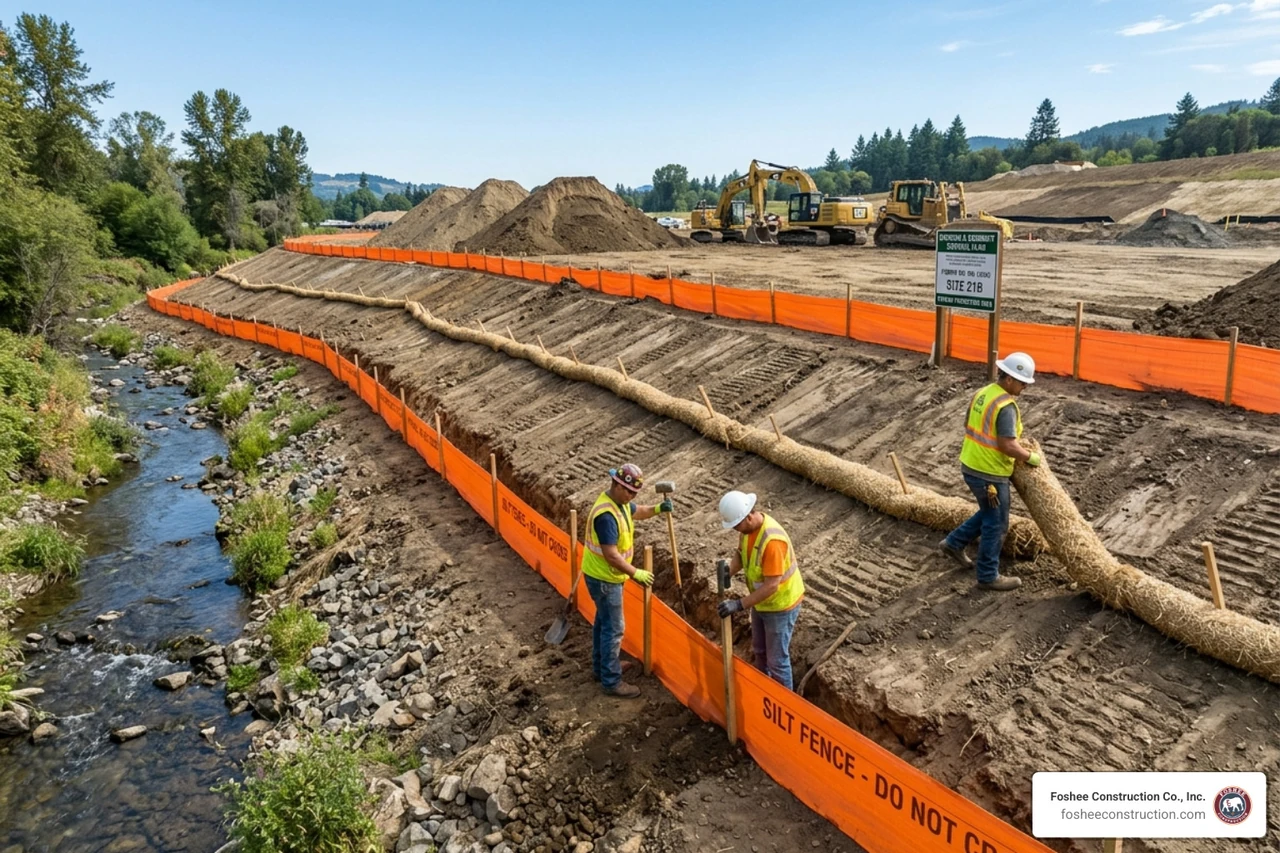
I'm Don Larsen of Foshee Construction Co., LLC, and over three decades of site development work across Central Florida — from grading and erosion control to underground utilities — I've seen how the right types of schedules in construction protect budgets, reduce rework, and keep projects moving. Let's break down exactly what each schedule type does and when to use it.
Types of schedules in construction vocab to learn:
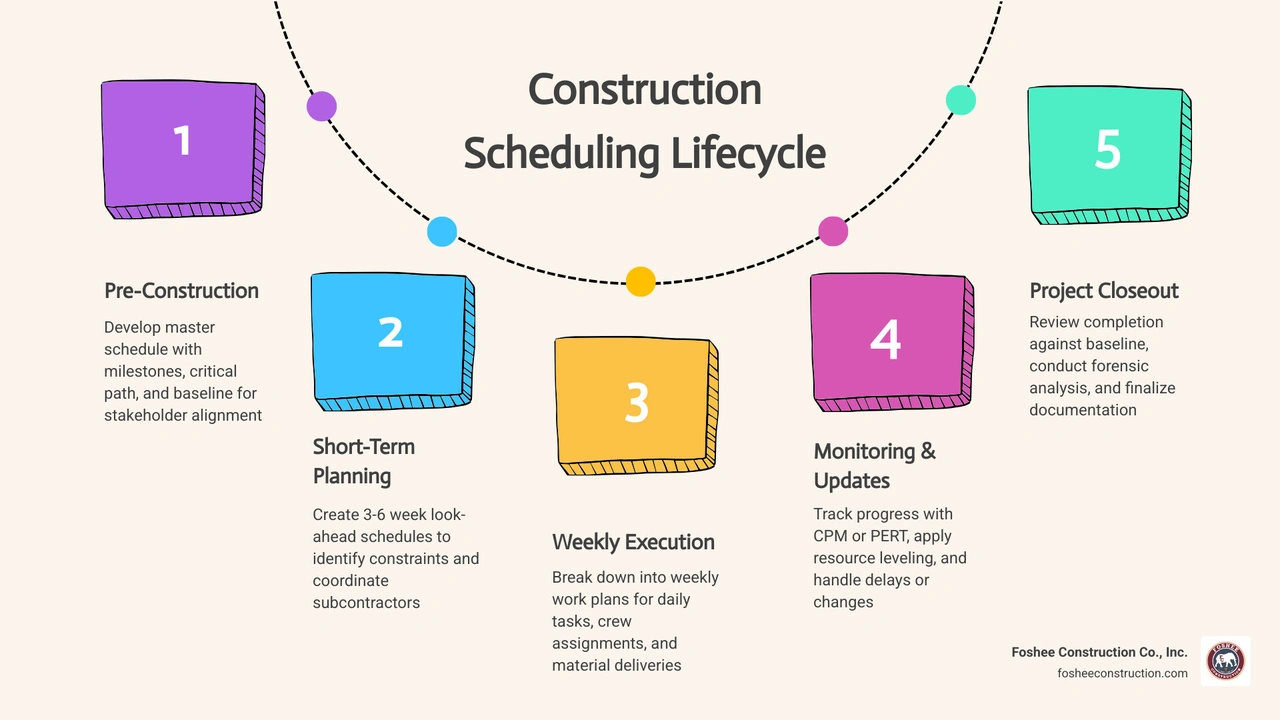
When we talk about the types of schedules in construction, we aren't just looking at one single document. Effective project management requires a multi-tiered approach. Depending on who is looking at the schedule—be it the owner, the general contractor, or the site supervisor—the level of detail needed changes drastically.
Research shows that 96% of people believe poor scheduling and planning lead to major project problems, including rework and poor communication. To avoid these pitfalls, we use a hierarchy of schedules that filter information from the "big picture" down to the daily "boots on the ground" tasks.
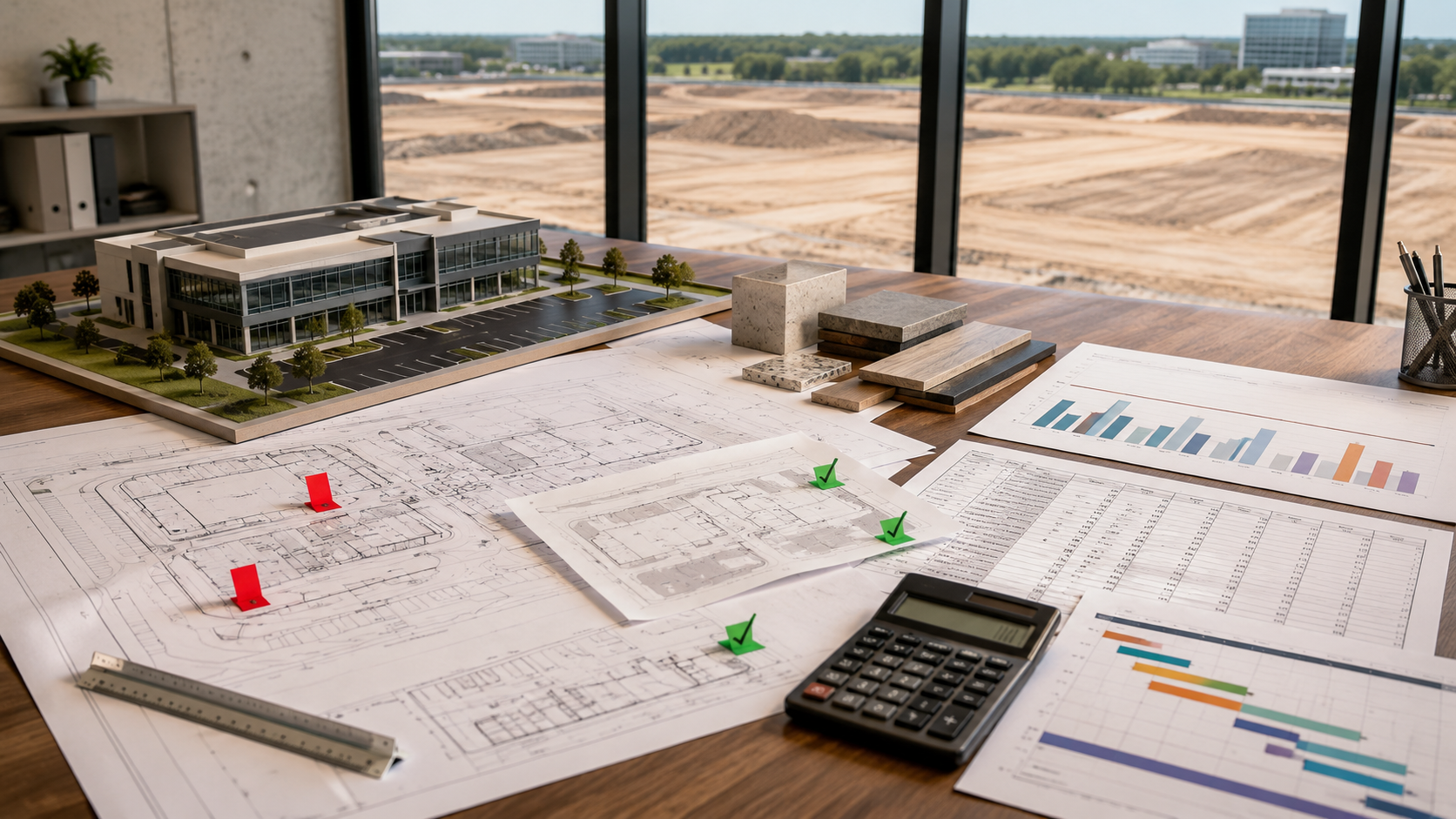
The Master Schedule is the overarching roadmap for the entire project. It is created during the pre-construction phase and serves as the "baseline" against which all progress is measured. This document aligns all stakeholders—owners, architects, and contractors—on the major milestones and the total project duration.
Key components of a master schedule include:
In our experience with scheduling in construction management, the master schedule is less about daily tasks and more about the "what" and "when" of the major project phases. It’s the document we use to ensure our site preparation work in Minneola aligns perfectly with the vertical construction that follows.
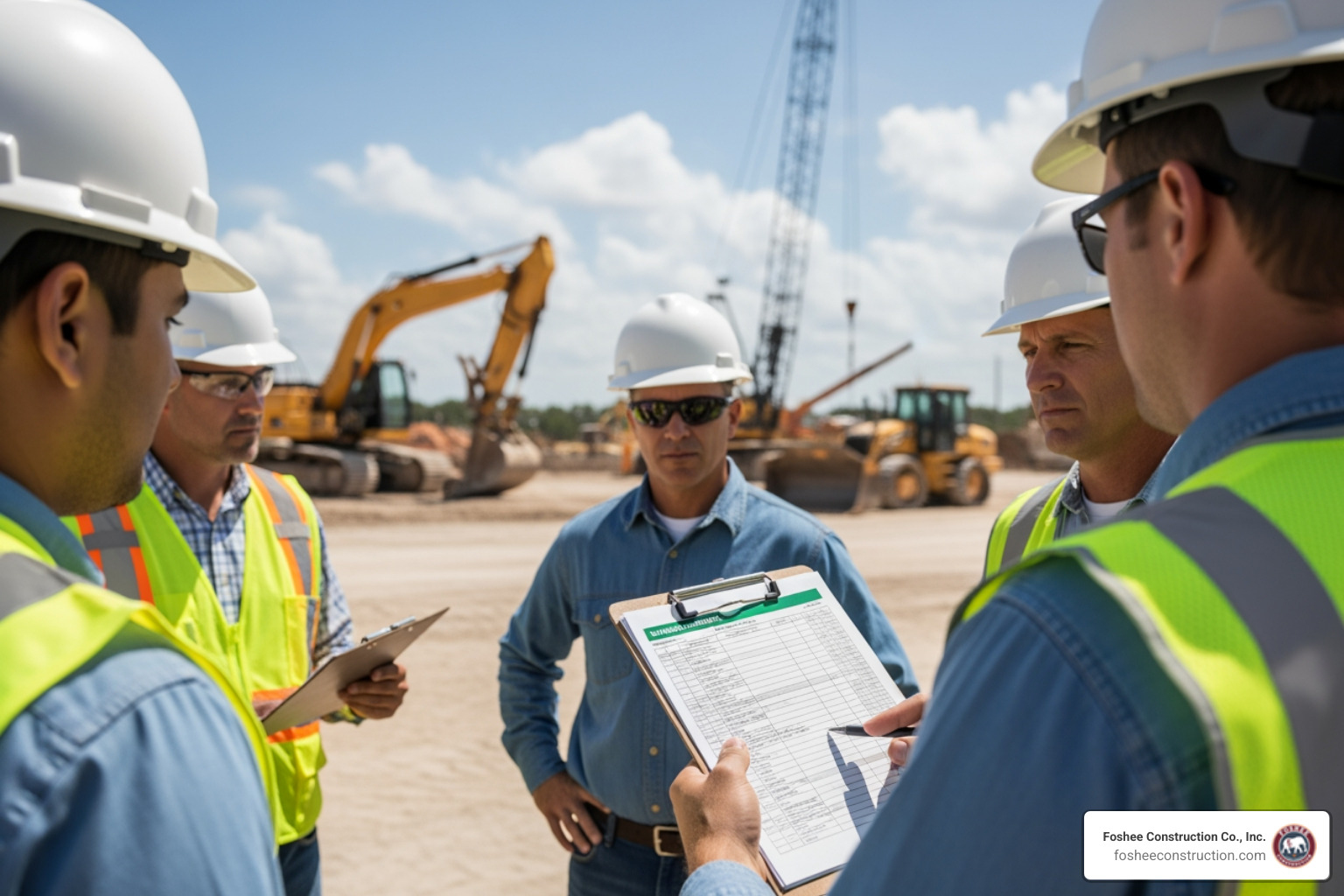
While the master schedule looks months or years ahead, the Look-Ahead Schedule focuses on the immediate future—typically a 3-to-6-week window. This is arguably the most practical tool for field coordination.
The goal here is constraint identification. By looking 3-6 weeks out, we can ask: "Do we have the permits for this underground utility work? Is the specialized grading equipment available? Are the materials delivered?" If the answer is no, we have time to fix it before the crew is standing around waiting. This schedule bridges the gap between the office’s long-term plan and the field’s daily reality.
The Weekly Work Plan (WWP) is where the rubber meets the road. This is a highly detailed, daily breakdown of tasks for the upcoming week. It includes:
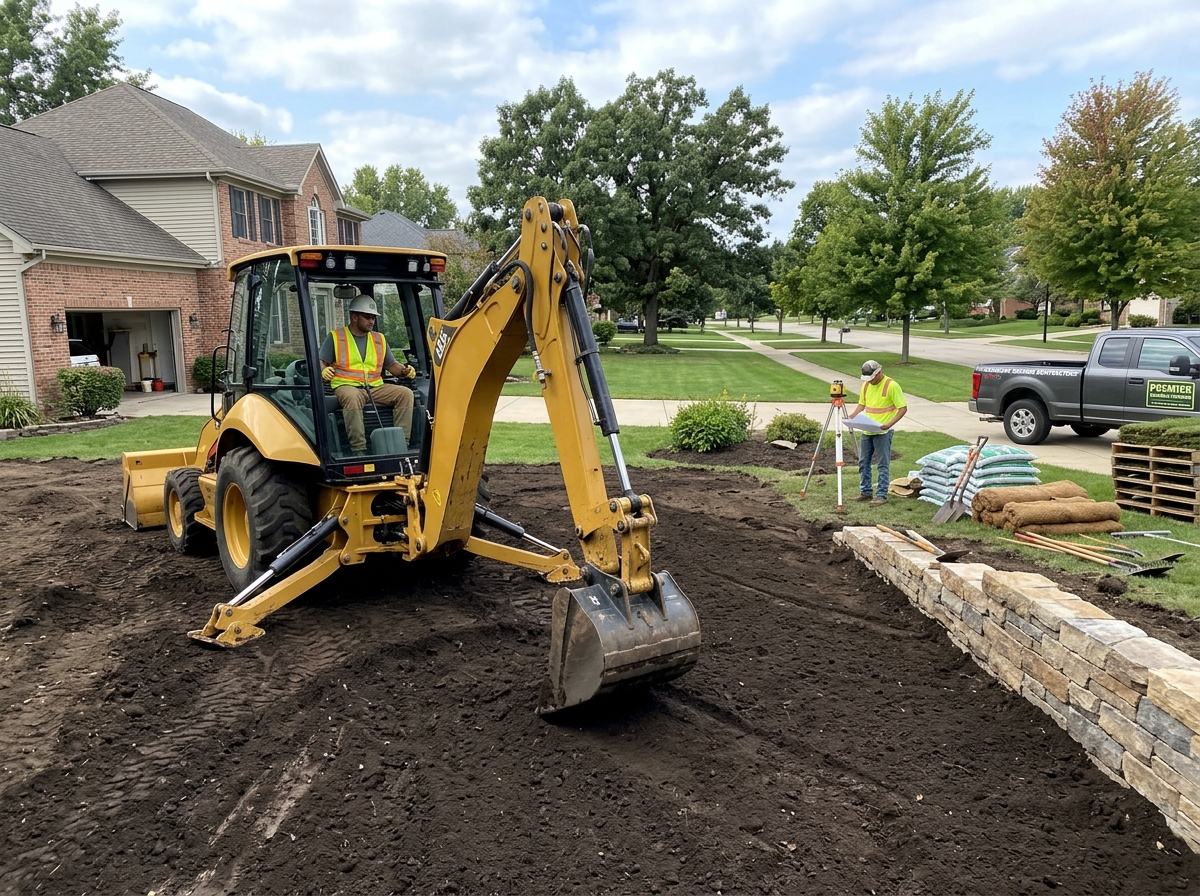
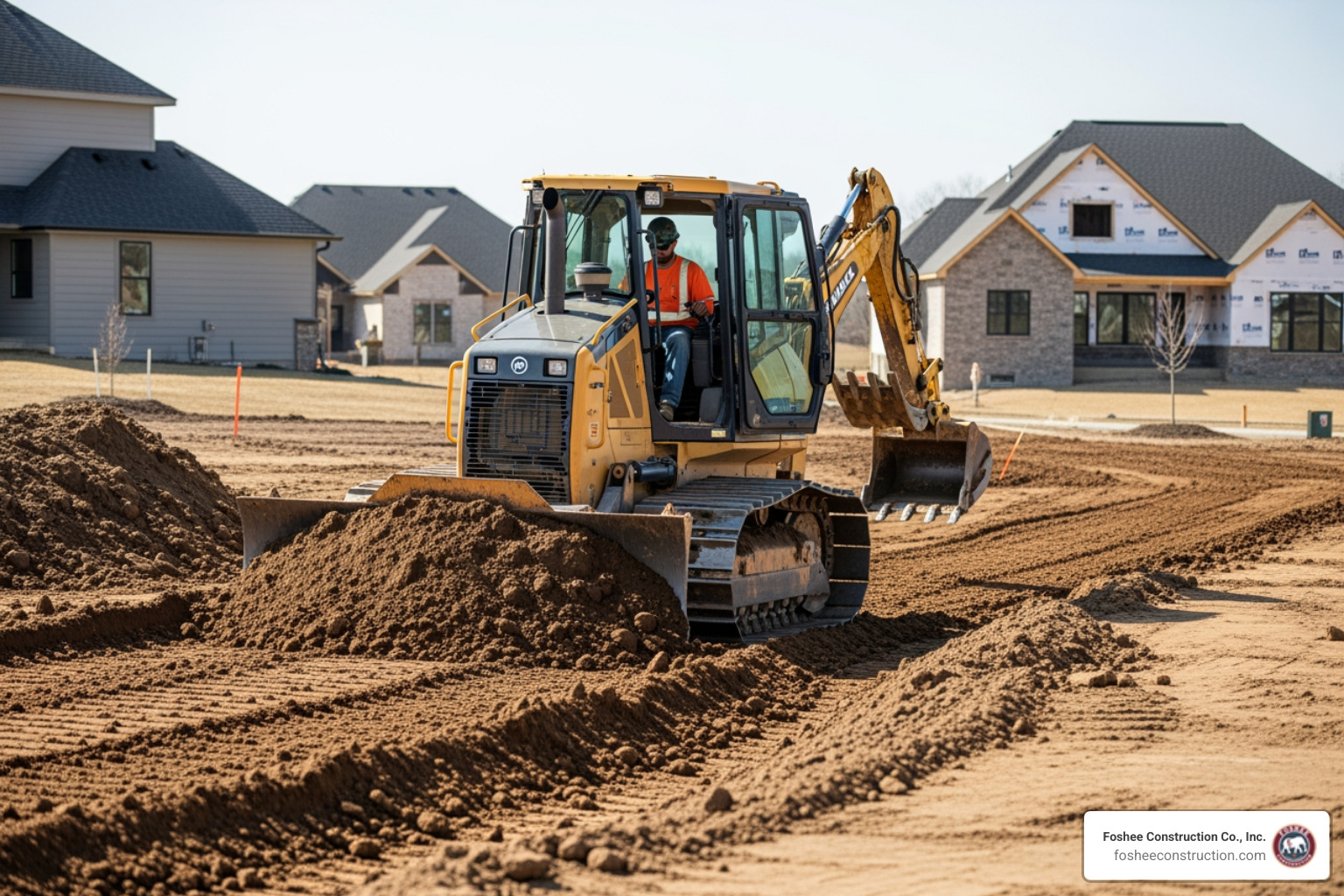
At this level, we focus on high-fidelity planning. If we are performing grading work in Lake County, the WWP tells us exactly which areas will be leveled on Tuesday versus Wednesday, ensuring we don't have crews tripping over each other.
Beyond the timeframe, we also categorize schedules by the methodology used to build them. Choosing the right method is essential for navigating the complexities of modern projects in 2026.

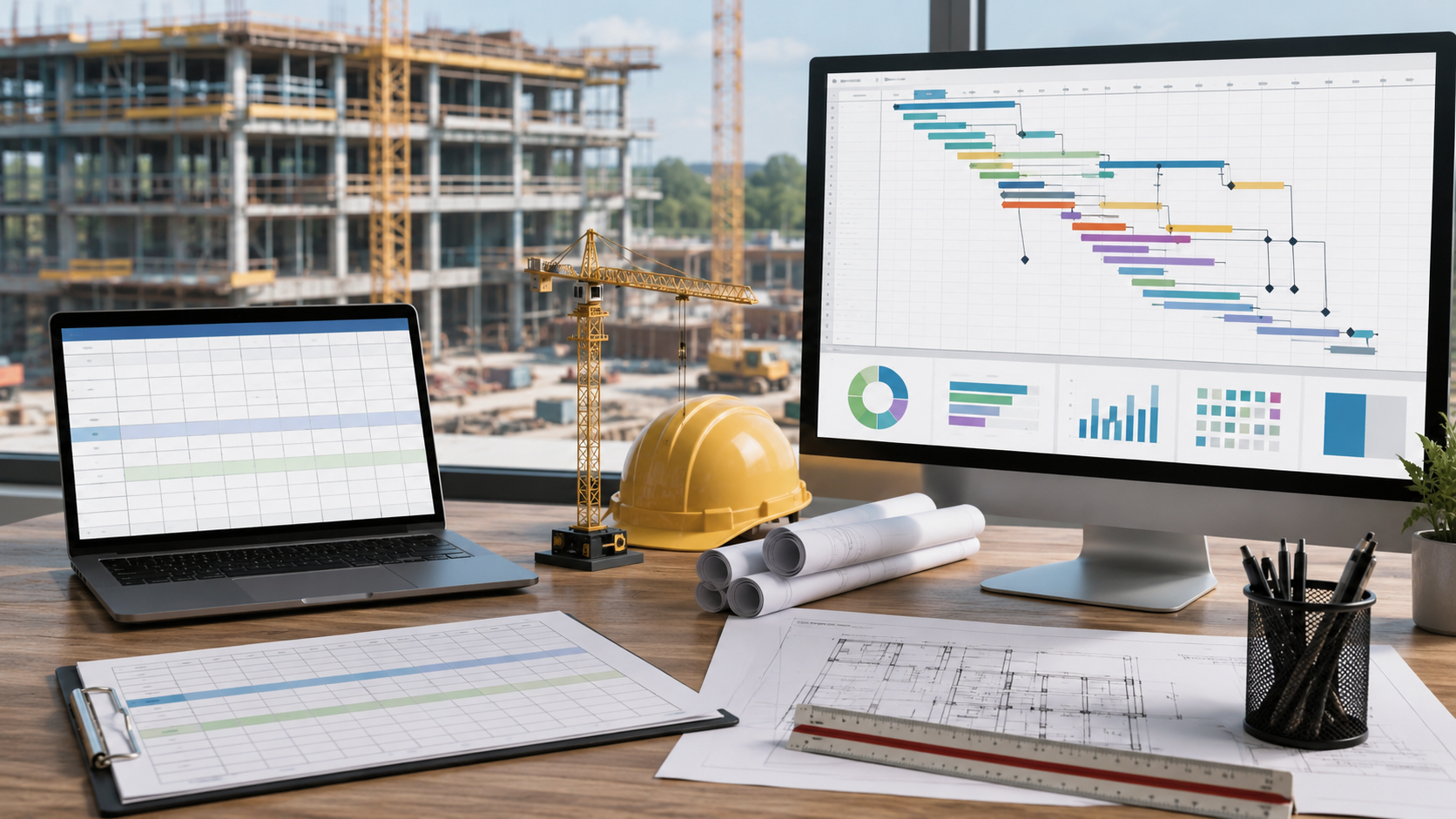
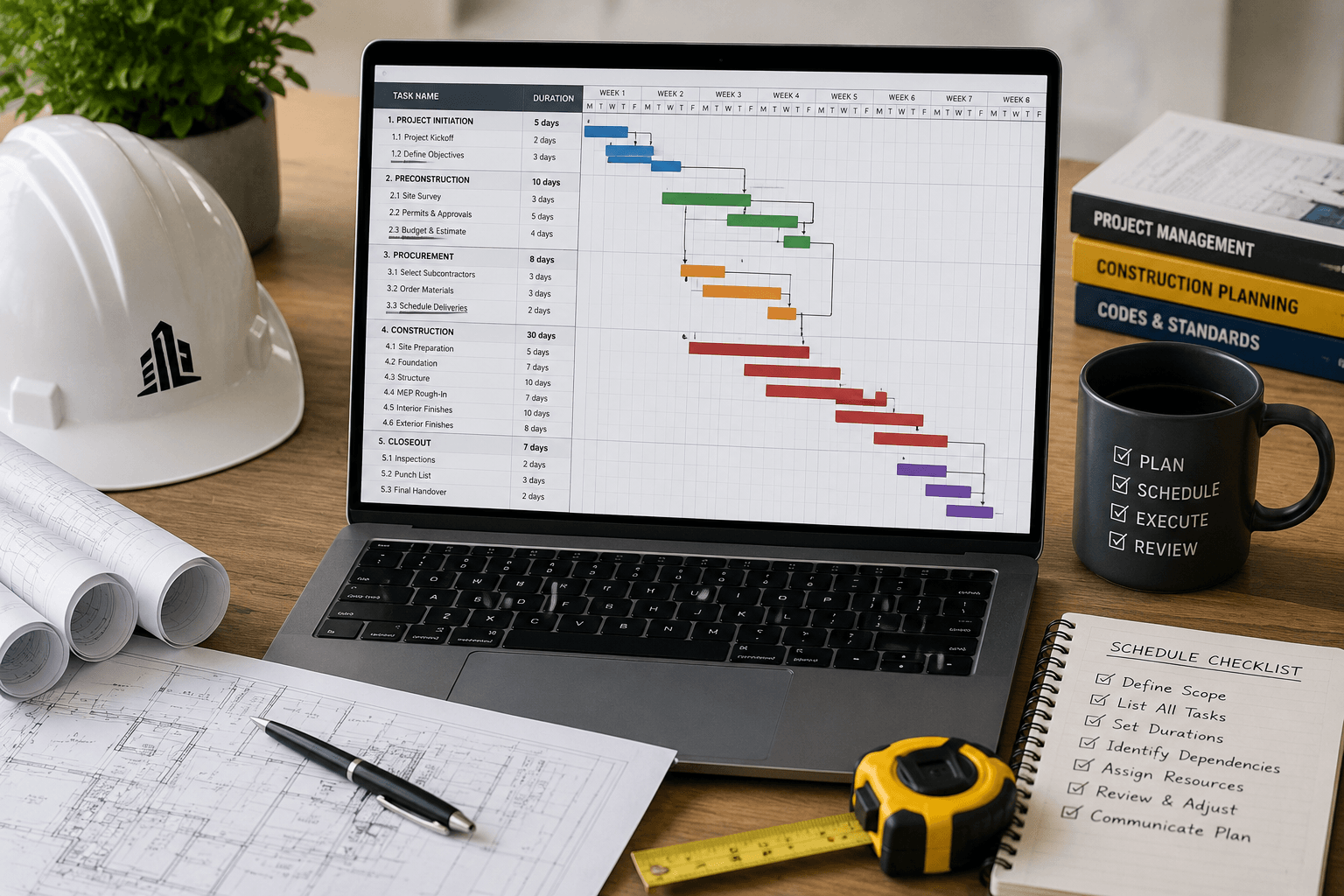
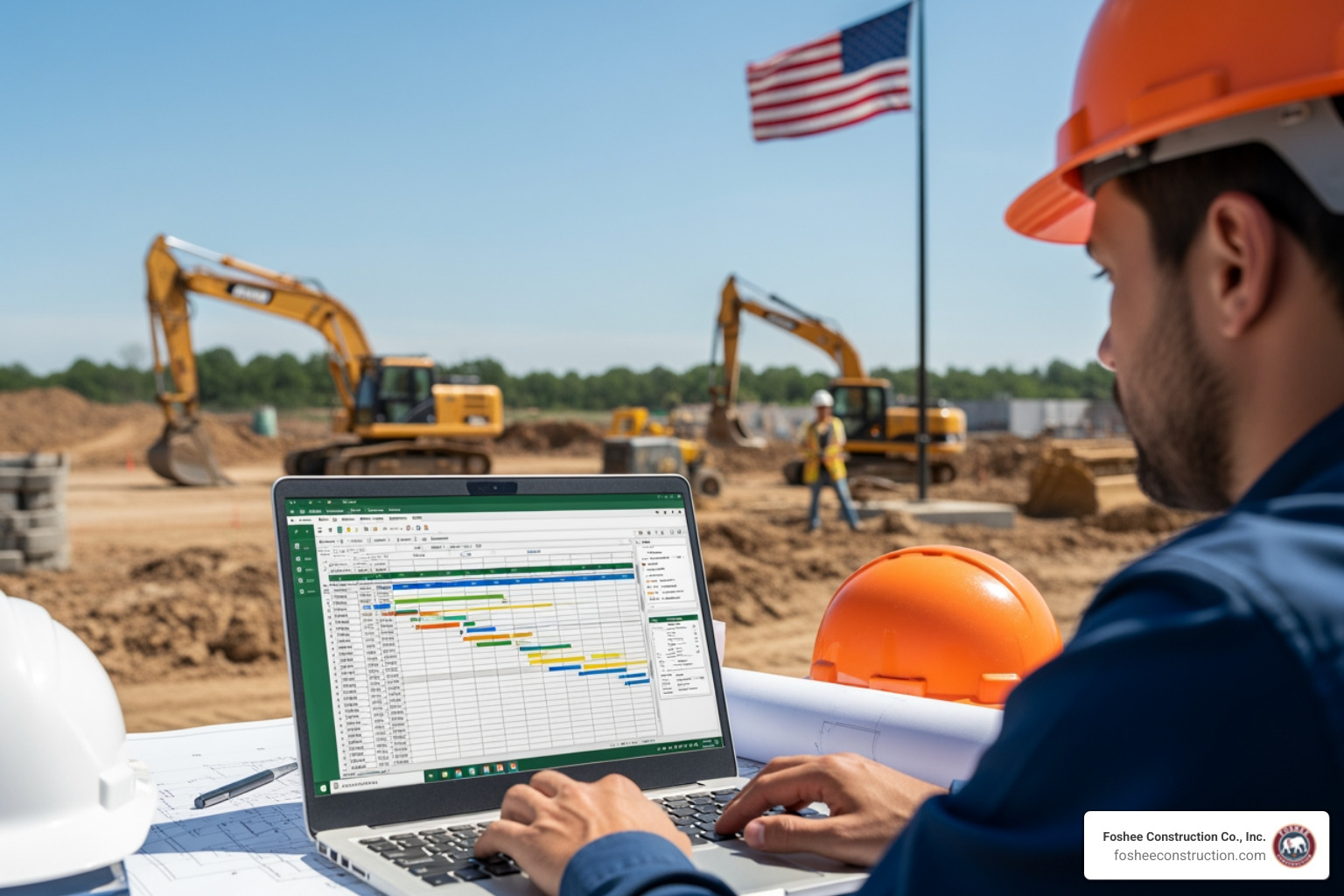
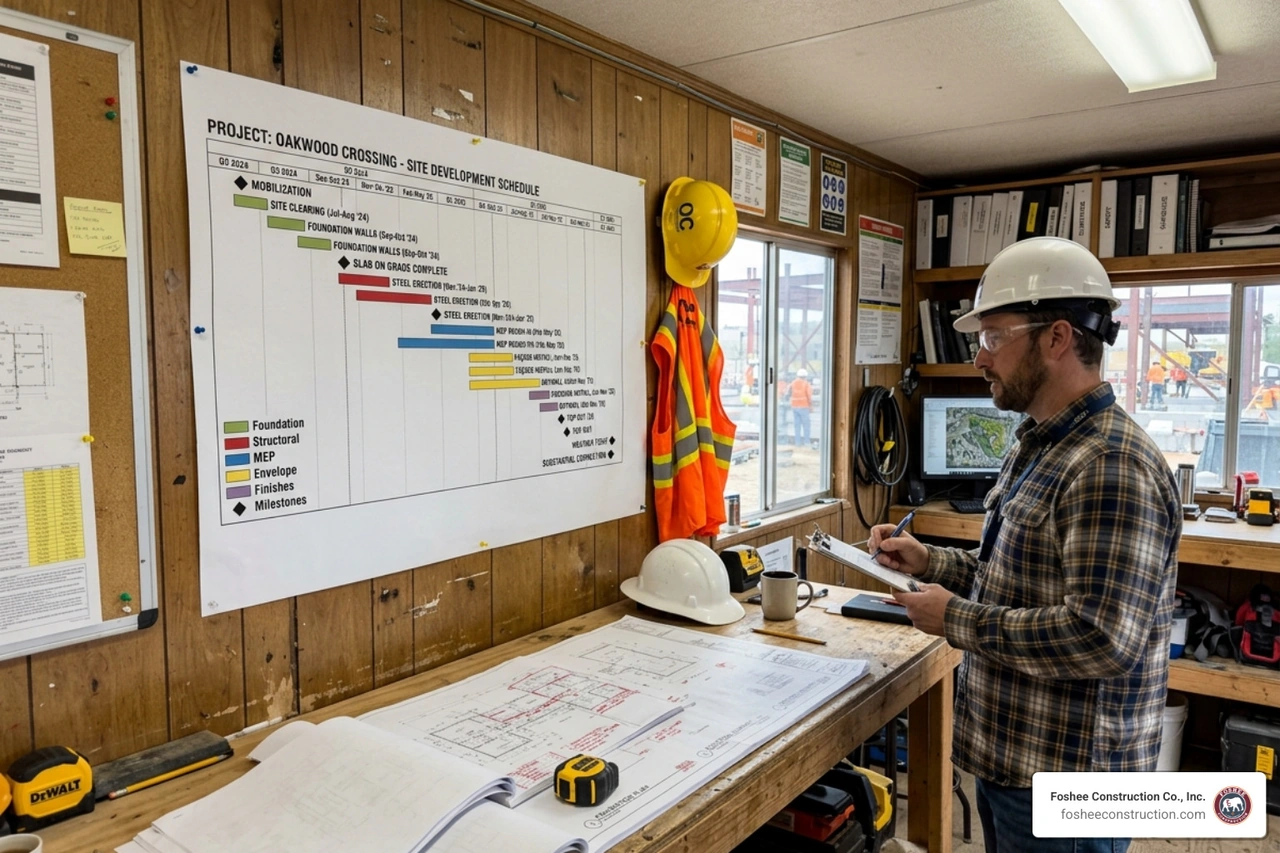
The most common way to visualize these types of schedules in construction is the Gantt Chart. It uses horizontal bars to show task durations and overlaps. It’s visually clear and easy for most people to understand at a glance.
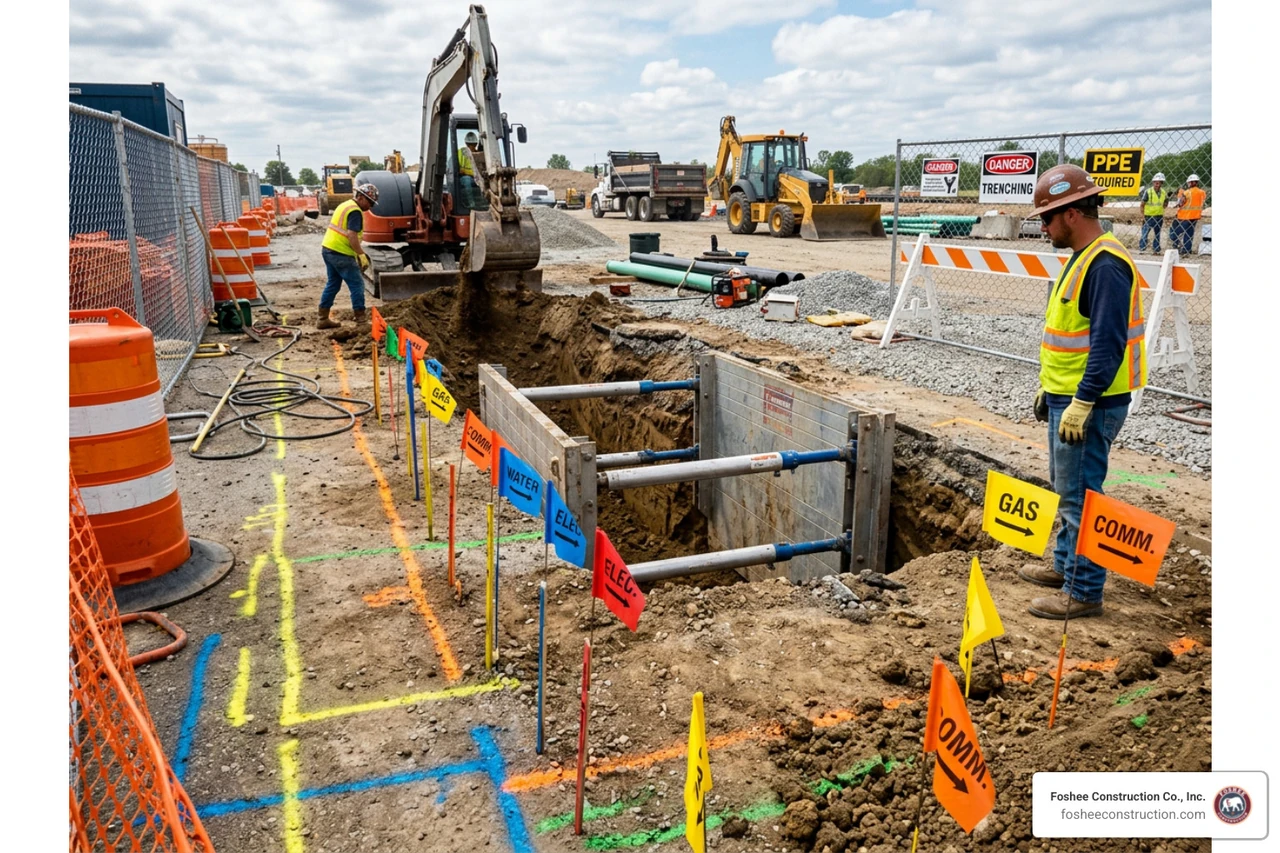
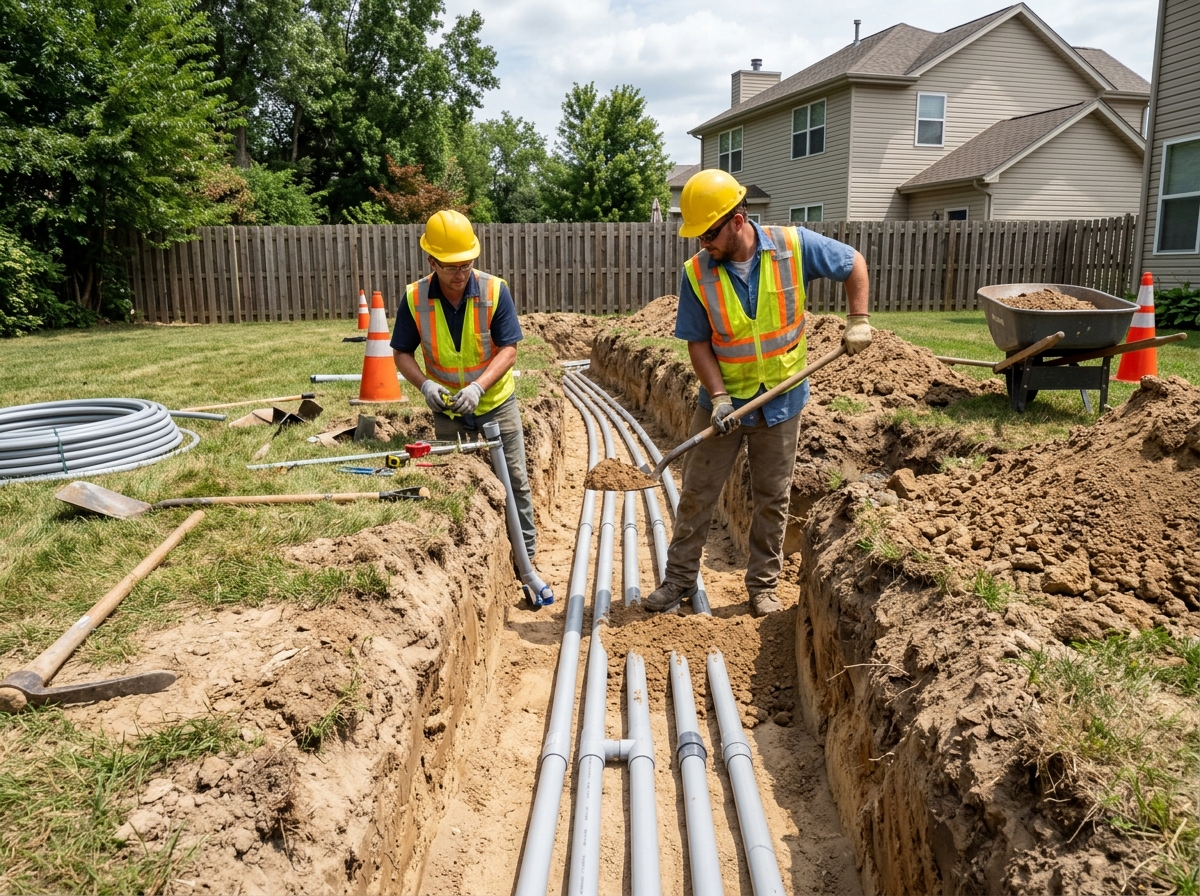
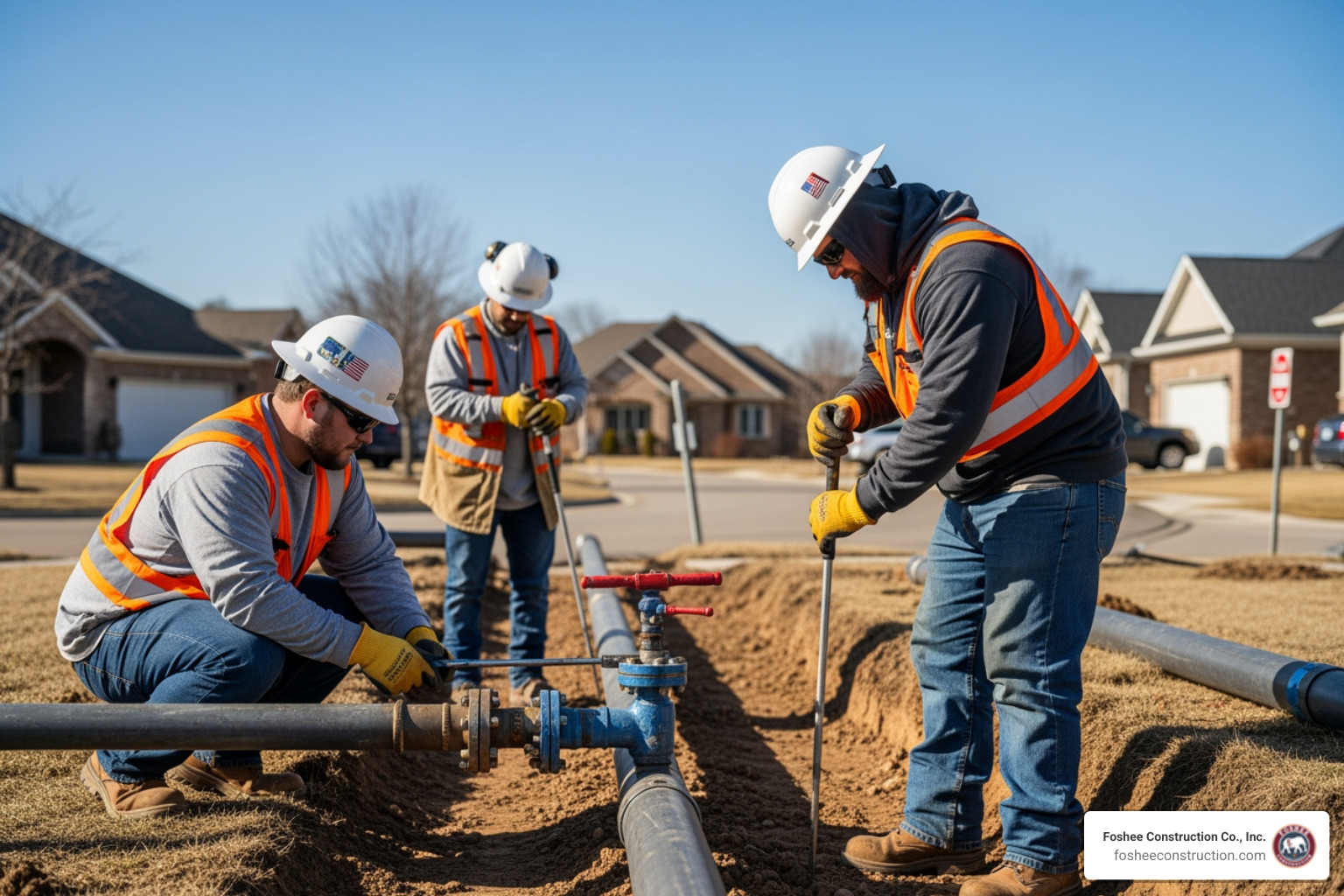
However, as we move further into 2026, 4D BIM (Building Information Modeling) is becoming the gold standard for complex sites. 4D BIM takes a 3D model of the project and adds the element of time. This allows us to "play" the construction sequence like a movie, seeing exactly how the site will look at any given date. This is incredibly helpful for underground utility coordination, where we can visualize pipe depths and trench locations before a single shovel hits the dirt.
Lean construction scheduling methods like the Last Planner System (LPS) focus on "pull planning." Instead of the office pushing a schedule onto the field, the "last planners" (the foremen and trade leads) collaborate to plan the work.
The core metric here is Percent Plan Complete (PPC). We aim for 70-80% completion rates on weekly commitments. By involving the people actually doing the work, we get better "buy-in" and a much more realistic view of what can actually be accomplished, reducing waste and downtime.

Even the best-laid plans face obstacles. In Florida, we have unique challenges that can wreak havoc on a timeline.
Statistics show that 87% of construction respondents reported experiencing delays, and more than half identified budget overruns as a key issue linked to those delays.
To fight back against these challenges, we use several advanced strategies:
By April 2026, AI has moved from a buzzword to a vital tool in our scheduling kit. Modern software uses predictive analytics to look at historical data and weather patterns to warn us of potential delays before they happen. Cloud-based collaboration platforms allow our field crews to update their progress in real-time on tablets, instantly updating the master schedule in the office. This transparency ensures that everyone—from the owner to the subcontractor—is working off the most current data.
The Critical Path Method (CPM) combined with a Gantt Chart visualization is the most common. It is often contractually mandated for large public and commercial projects because it clearly shows which tasks are essential for on-time completion.
It is a collaborative effort. The Project Manager usually leads the creation, but they need input from Estimators (for costs), Superintendents (for field reality), Subcontractors (for trade-specific timing), and the Owner (for overall goals).
Navigating the various types of schedules in construction is about more than just checking boxes; it’s about creating a living, breathing strategy for success. Whether it's a high-level master plan or a granular weekly work plan, each document plays a specific role in keeping a project within budget and on time.
At Foshee Construction Co., Inc., we take pride in our disciplined scheduling and transparent bids. We know that in site preparation—grading, erosion control, and underground utilities—the ground you build on is only as stable as the schedule you follow. By focusing on safety, reliable relationships, and modern technology, we ensure that every project in Minneola and throughout Lake County starts on a solid foundation.
Ready to start your next project with a team that values precision and timing? More info about Foshee Construction services is just a click away. Let's build something great together.
We build bids using HeavyBid and AGTEK because the details matter long before the job starts. When the numbers are accurate and the scope is clearly defined, it sets the tone for how the entire project runs. Estimating isn’t just a step in the process, it’s the foundation we build on.
That same mindset carries into the field. Our crew is trained to work with purpose, follow the Civil Engineers’ Plan to the finest detail, and hold the line on quality. When expectations are clear from day one, there’s no need for shortcuts, and no confusion about how the work gets done.
Clients trust our bid packages because they’re complete and ready to use. Project managers know what we’re covering, what’s excluded, and how we plan to approach the job. That clarity removes friction and lets teams focus on execution instead of interpretation.
As part of our review process, we go into the plans before anything hits the site. We ask the questions early, resolve issues before they show up in the field, and keep RFIs moving. This approach prevents delays and protects the timeline.
Over time, that consistency builds trust. Many of the people we work with today came through referrals from past projects – engineers, GCs, and superintendents who’ve seen how we operate and want the same experience again.
In 2024, Foshee Construction was acquired by Saga Infrastructure Solutions, a national network of civil construction companies. Saga supports regional contractors by giving them access to better tools, long-term resources, and operational backing, without changing how they run day to day.
Foshee will continue to operate under its name, with the same team and field leadership in place.
“From the very time a project starts, we start that partnership. We try to catch as much as we can with the tools that we have. Not everybody is using the software platforms we are. That’s the differentiator: we’re not just bidding. We’re anticipating, problem-solving, and making sure the job runs right.”
— Don, CEO, Saga Infrastructure Solutions
Foshee is now part of a broader regional strategy that includes Florida, the Piedmont Atlantic, Texas, Colorado, and the Arizona Sun Corridor. The name, crews, and standards remain. What’s improving is the support behind it.