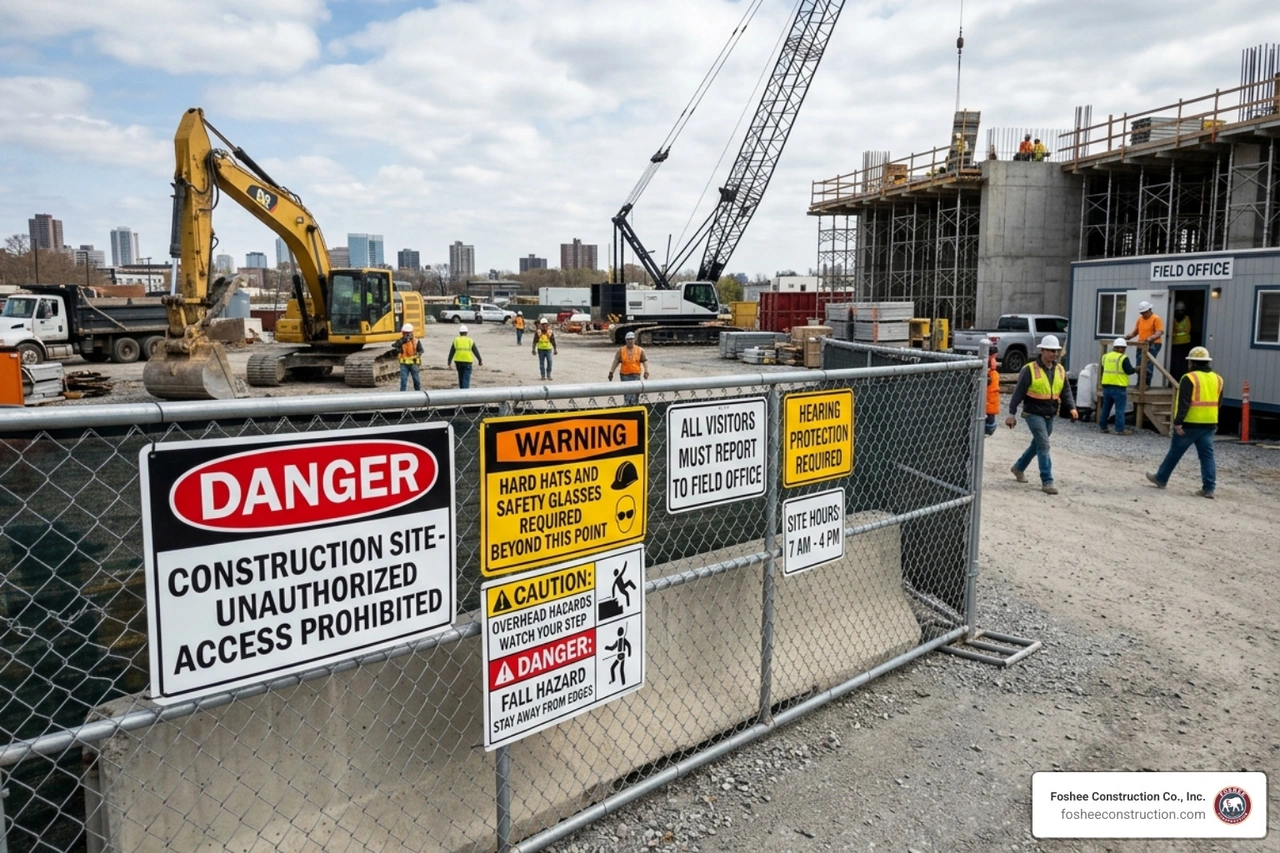
The advantages of scheduling in construction management are clear and measurable: better schedules mean lower costs, fewer delays, and projects that actually finish on time.
Here's a quick summary of the core benefits:
| Advantage | What It Means for Your Project |
|---|---|
| Cost control | Prevents idle labor, wasted equipment time, and budget overruns |
| On-time delivery | Keeps every trade and task sequenced so nothing falls behind |
| Smarter resource use | Right crews, materials, and equipment show up when needed |
| Proactive risk management | Problems are spotted and solved before they become expensive |
| Stakeholder visibility | Everyone — from owners to subs — knows what's happening and when |
| Better cash flow | Milestone-based billing and task sequencing protect your working capital |
| Improved safety | Proper sequencing means crews aren't rushed or overlapping in hazardous ways |
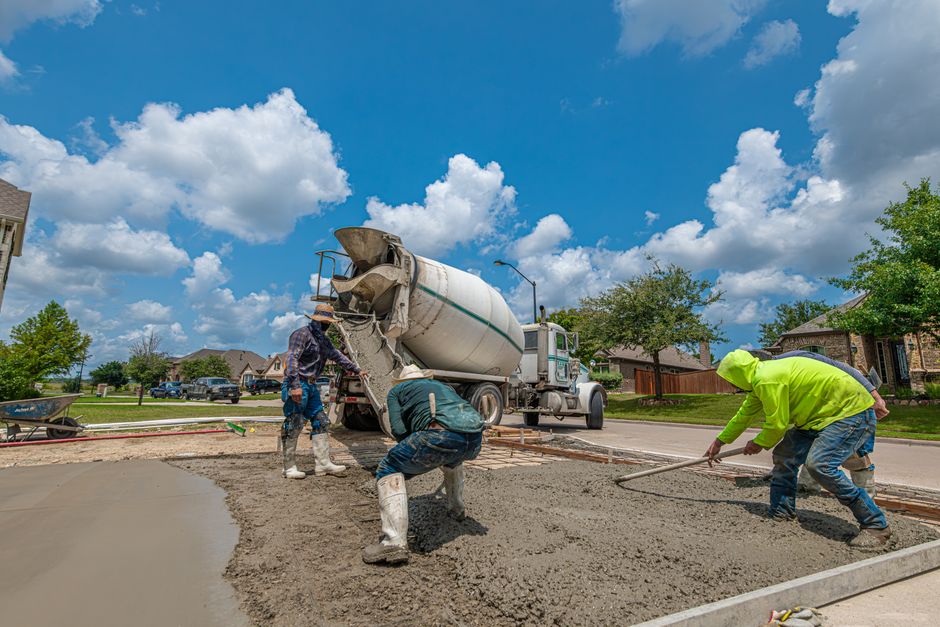
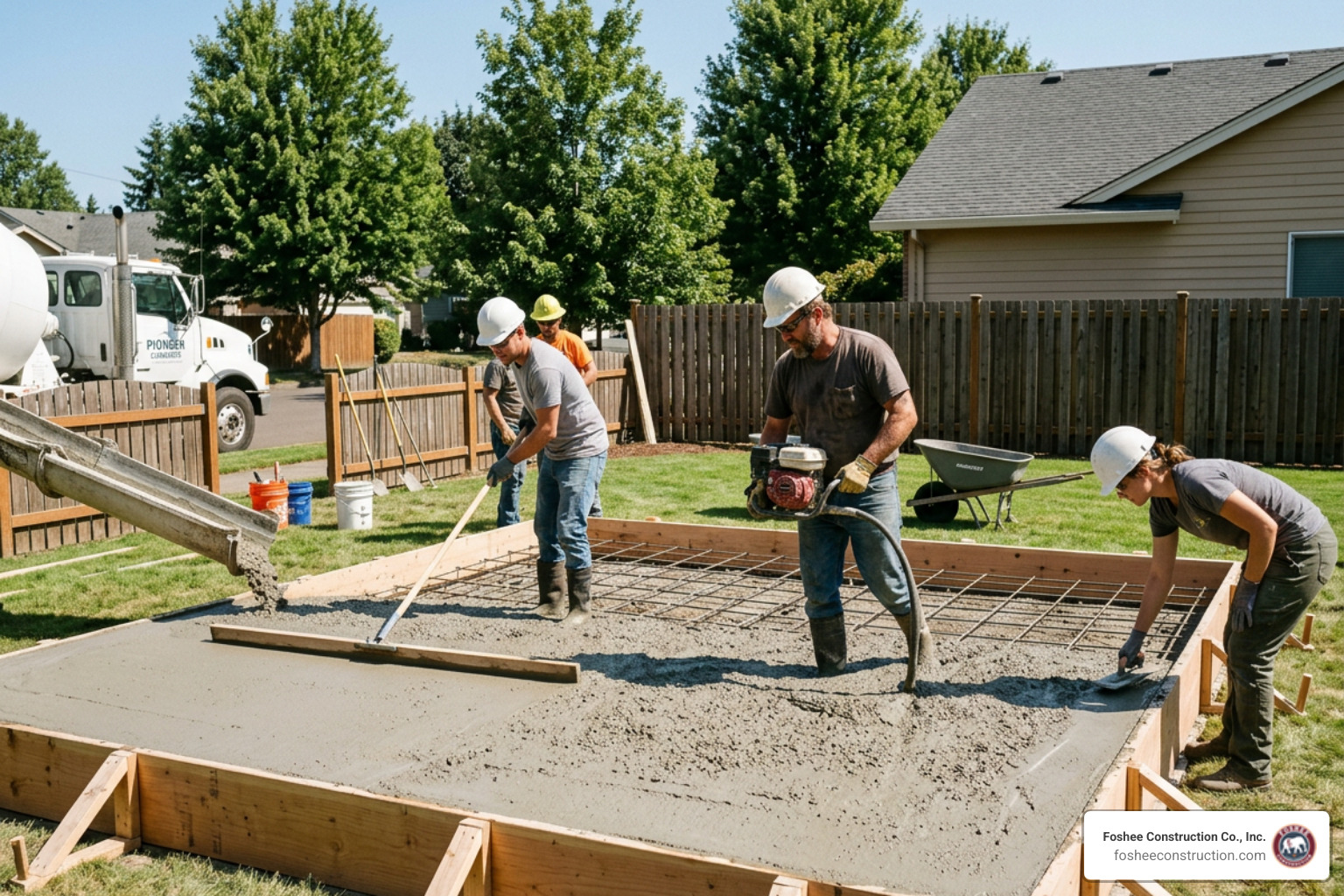
Without a disciplined schedule, even small delays cascade. A late concrete pour holds up framing. Framing delays push back mechanical rough-ins. Before long, weeks of productivity are lost — and costs climb fast.
Nearly 50% of all construction delays trace back to communication gaps. That's not a materials problem or a weather problem. That's a planning problem — and scheduling solves it.

I'm Don Larsen, and through decades of site development work across Central Florida — including grading, erosion control, excavation, and underground utilities — I've seen how the advantages of scheduling in construction management separate projects that succeed from those that spiral out of control. In the sections ahead, I'll break down exactly how disciplined scheduling protects your budget, your timeline, and your reputation.
Must-know advantages of scheduling in construction management terms:
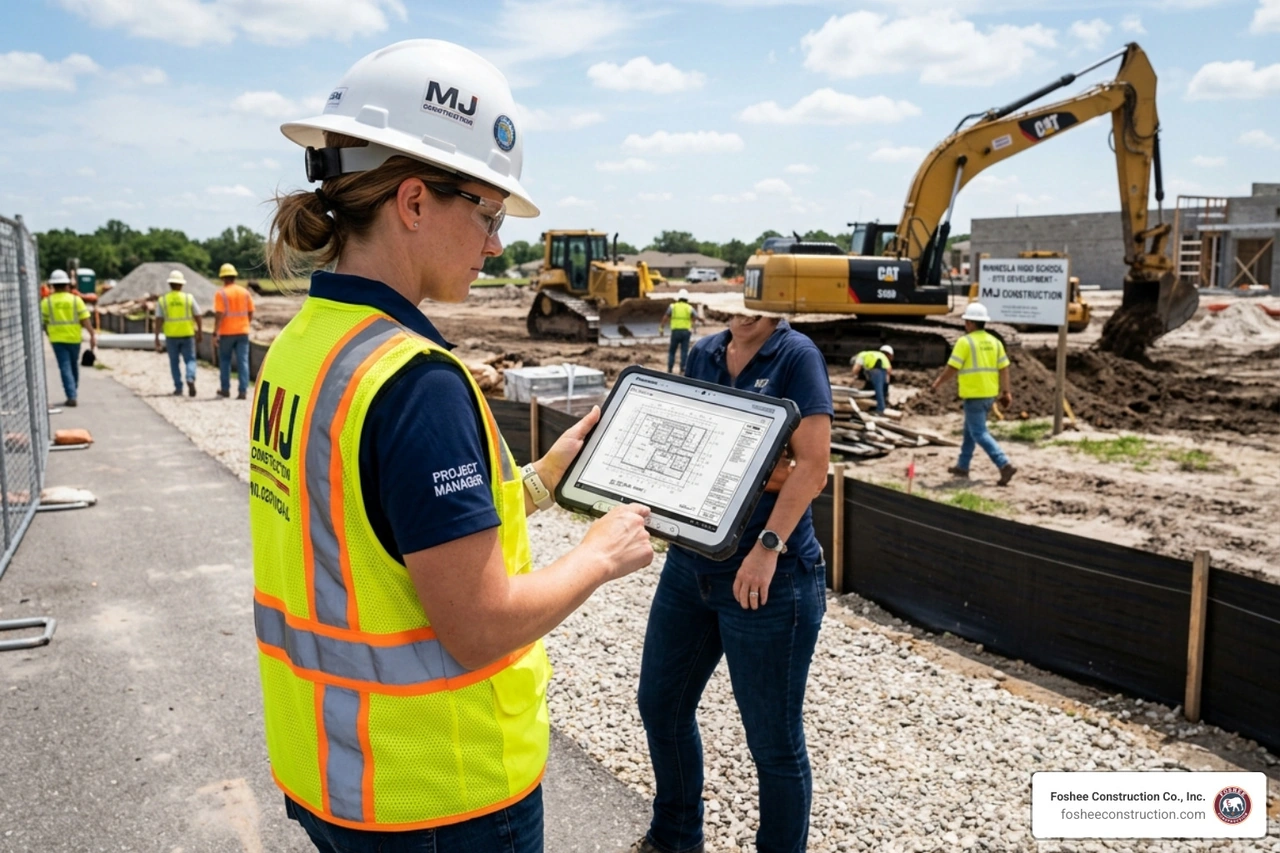
When we talk about the advantages of scheduling in construction management, we aren't just talking about a calendar with some dates on it. We are talking about the strategic nervous system of a project. In our experience across Lake County, Florida, a schedule is a profit-protection strategy.
One of the most immediate benefits of a disciplined schedule is budget control. Research indicates that strong scheduling practices drive better construction outcomes by allowing for a continuous comparison of the "baseline" (what we planned) versus the "actual" (what is happening). When we see a deviation early, we can adjust before the budget spirals.
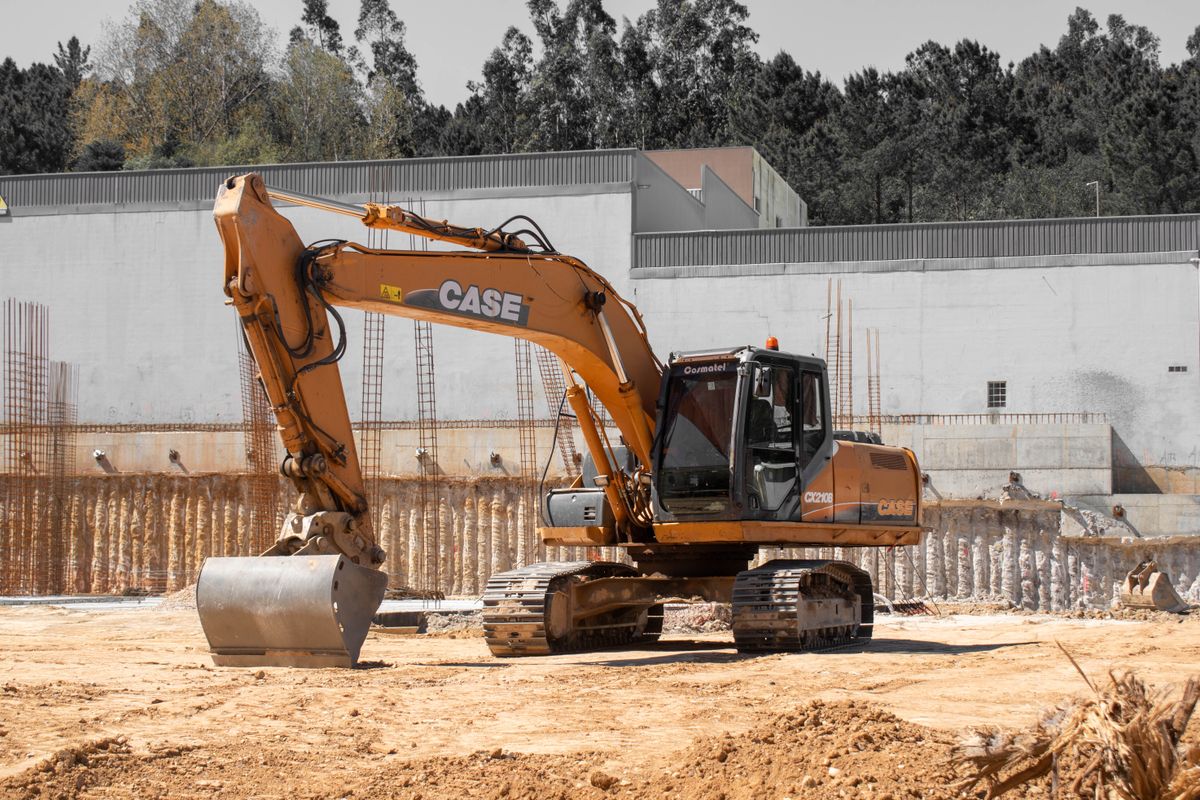
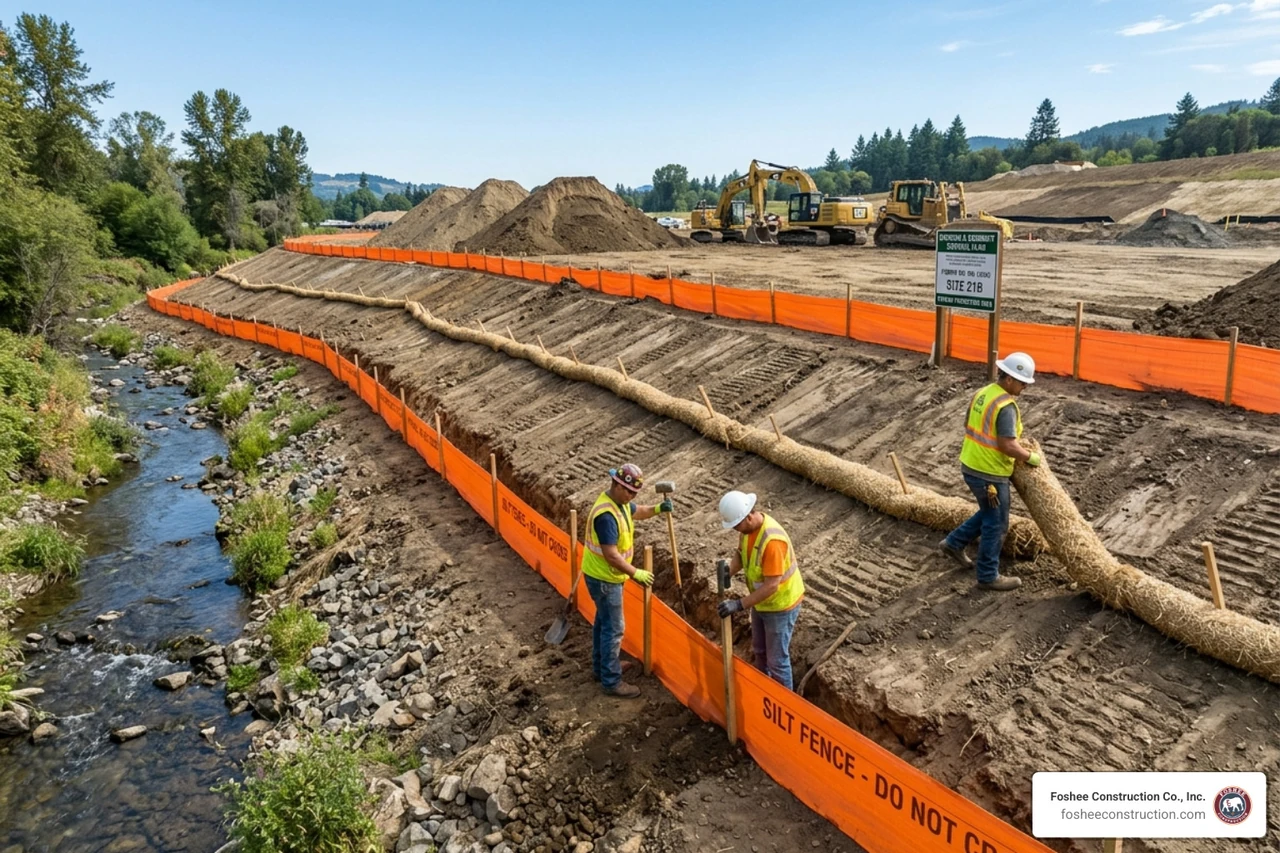
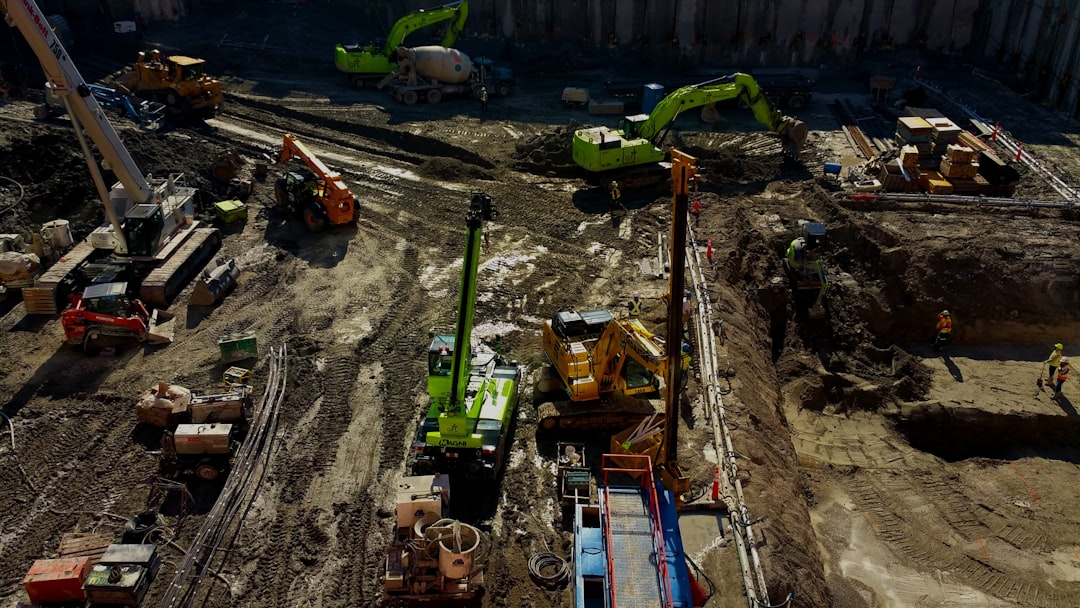
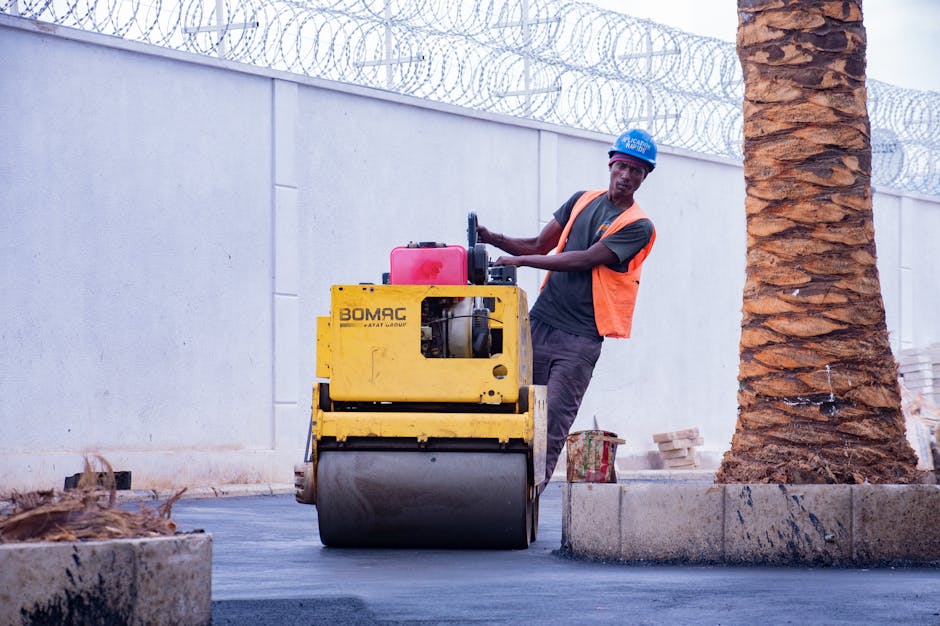
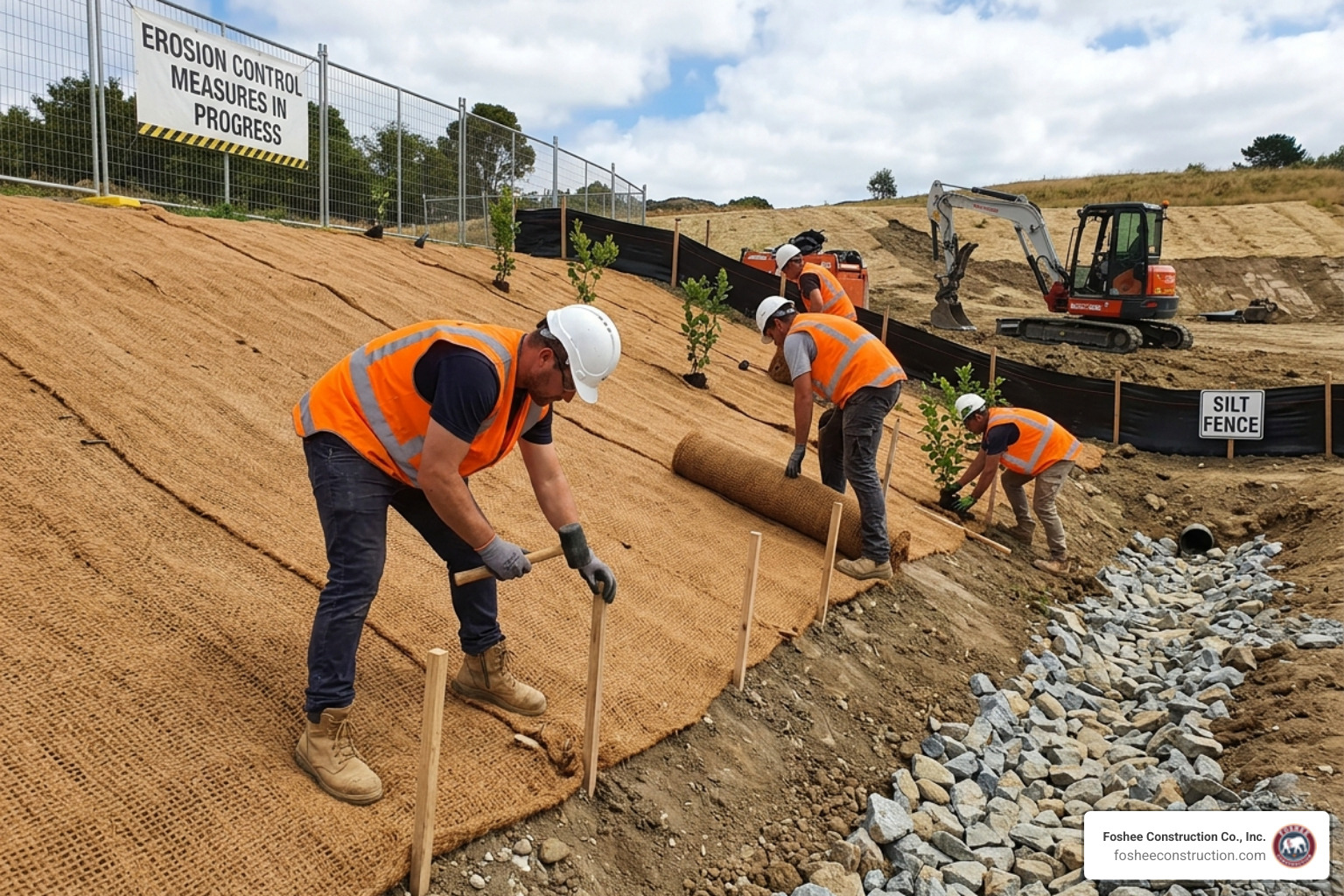
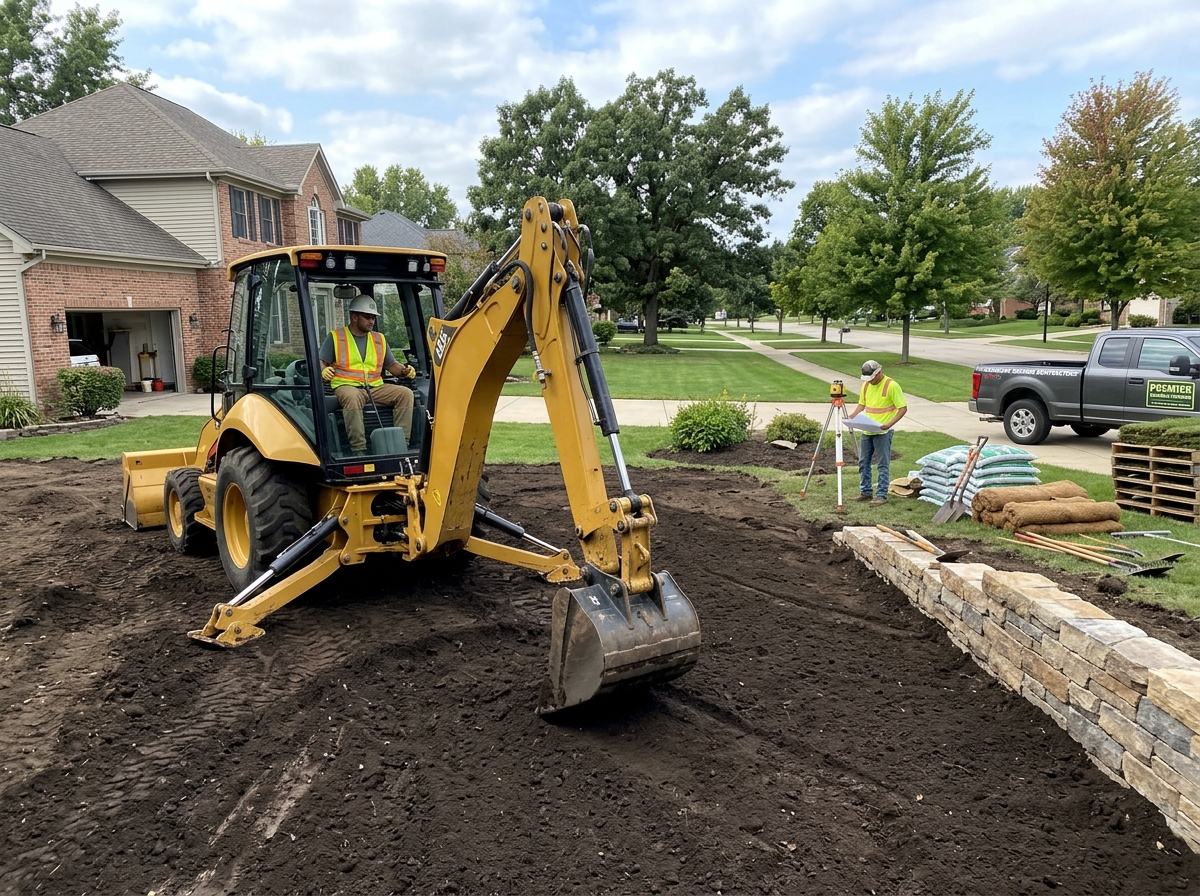
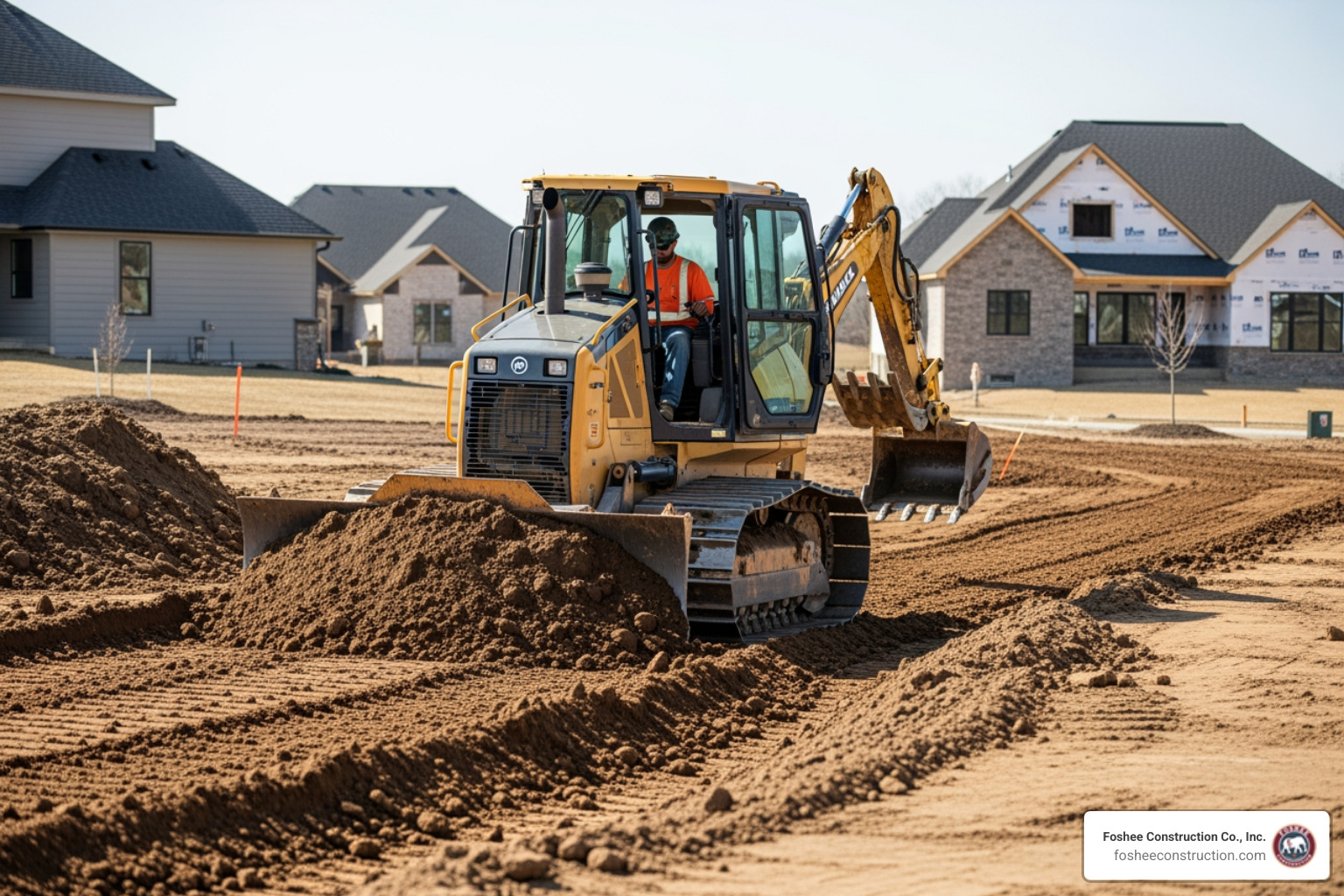
Effective scheduling prevents the "hurry up and wait" syndrome. There is nothing more expensive in site prep than having a fleet of heavy equipment sitting idle because the erosion control permits weren't sequenced correctly. By aligning tasks, we ensure that money is being spent on active production rather than standing time.
In 2026, the complexity of construction requires every stakeholder to be on the same page. Whether it's the developer, the utility contractor, or our grading crew, everyone needs to see the roadmap. Digital tools provide 7 benefits of construction scheduling software, including real-time collaboration that can reduce project delays by up to 20%.
When stakeholders have visibility, trust increases. If a client in Minneola can see that a delay in the underground utility phase is being proactively managed through the schedule, they feel more confident in the project's eventual success.
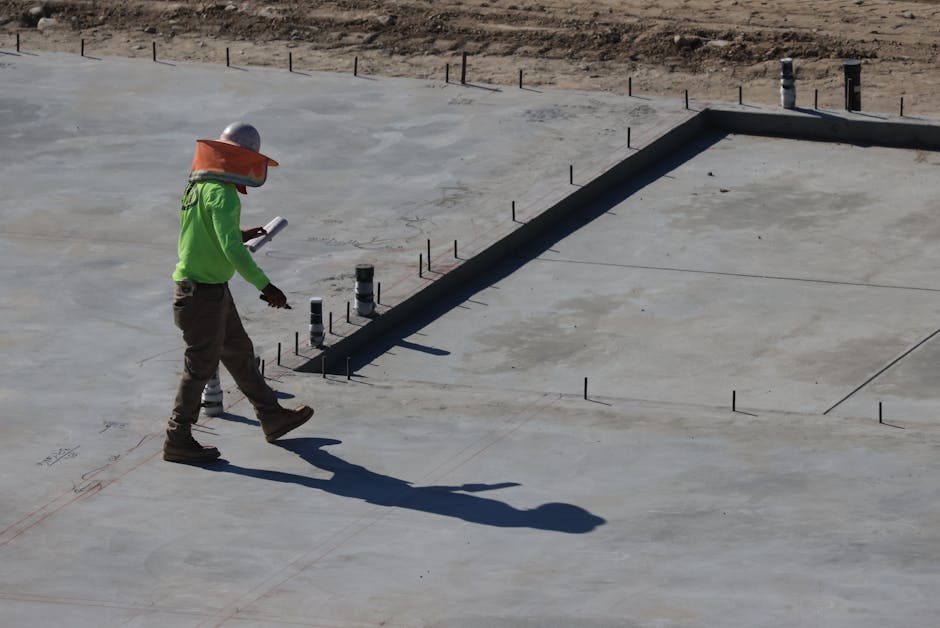
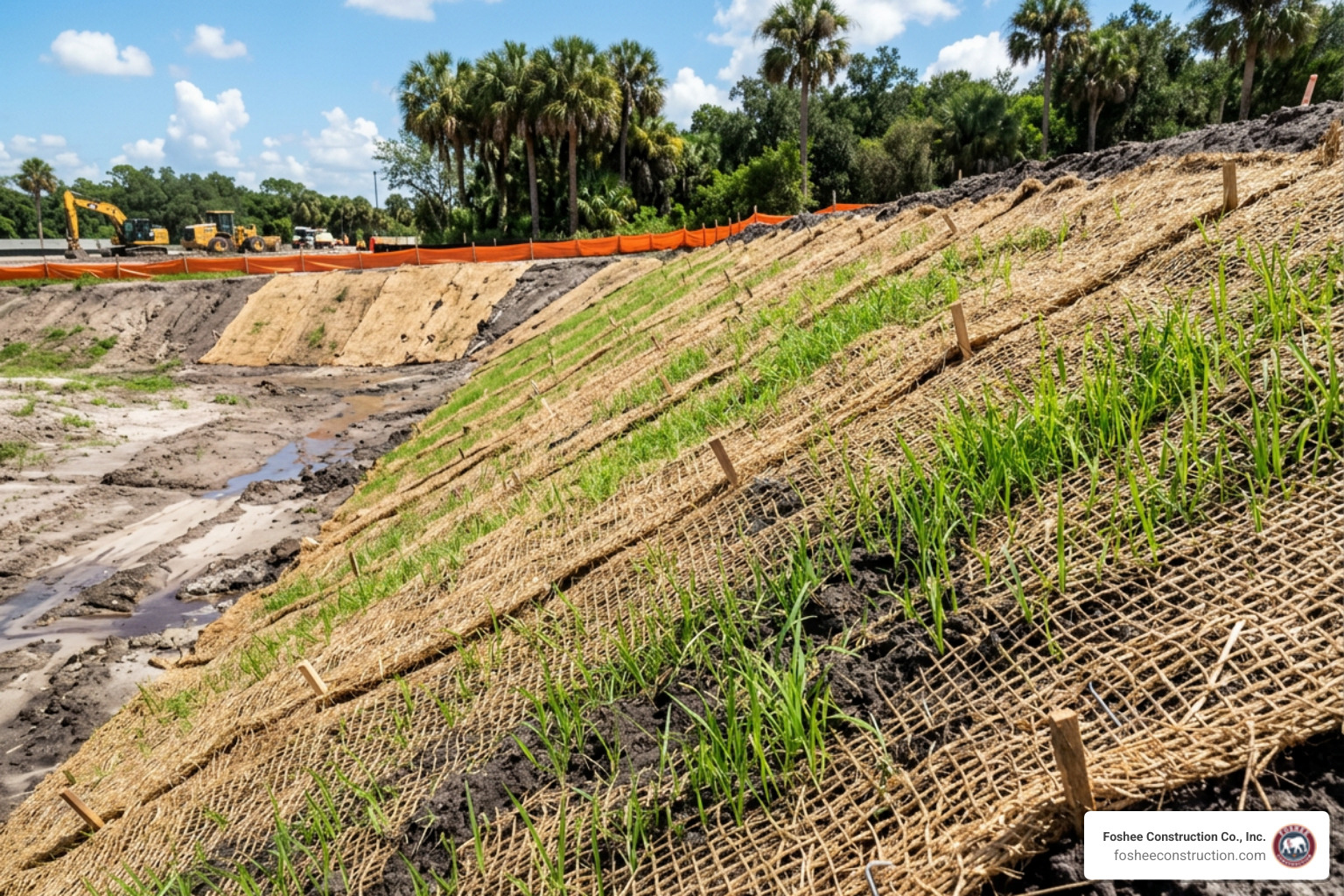
There is a direct link between a rushed schedule and poor quality. When crews are forced to overlap in ways that weren't planned, safety hazards increase and the quality of work drops. Proper sequencing ensures that each trade has the space and time to do their job correctly. For example, in site preparation, we ensure grading is fully stabilized before next-phase heavy traffic begins. This isn't just a timeline preference; it's a quality requirement.
Not all schedules are created equal. Depending on the size of the project—whether it's a small residential site prep or a massive infrastructure build—different methods are required to capture the true advantages of scheduling in construction management.
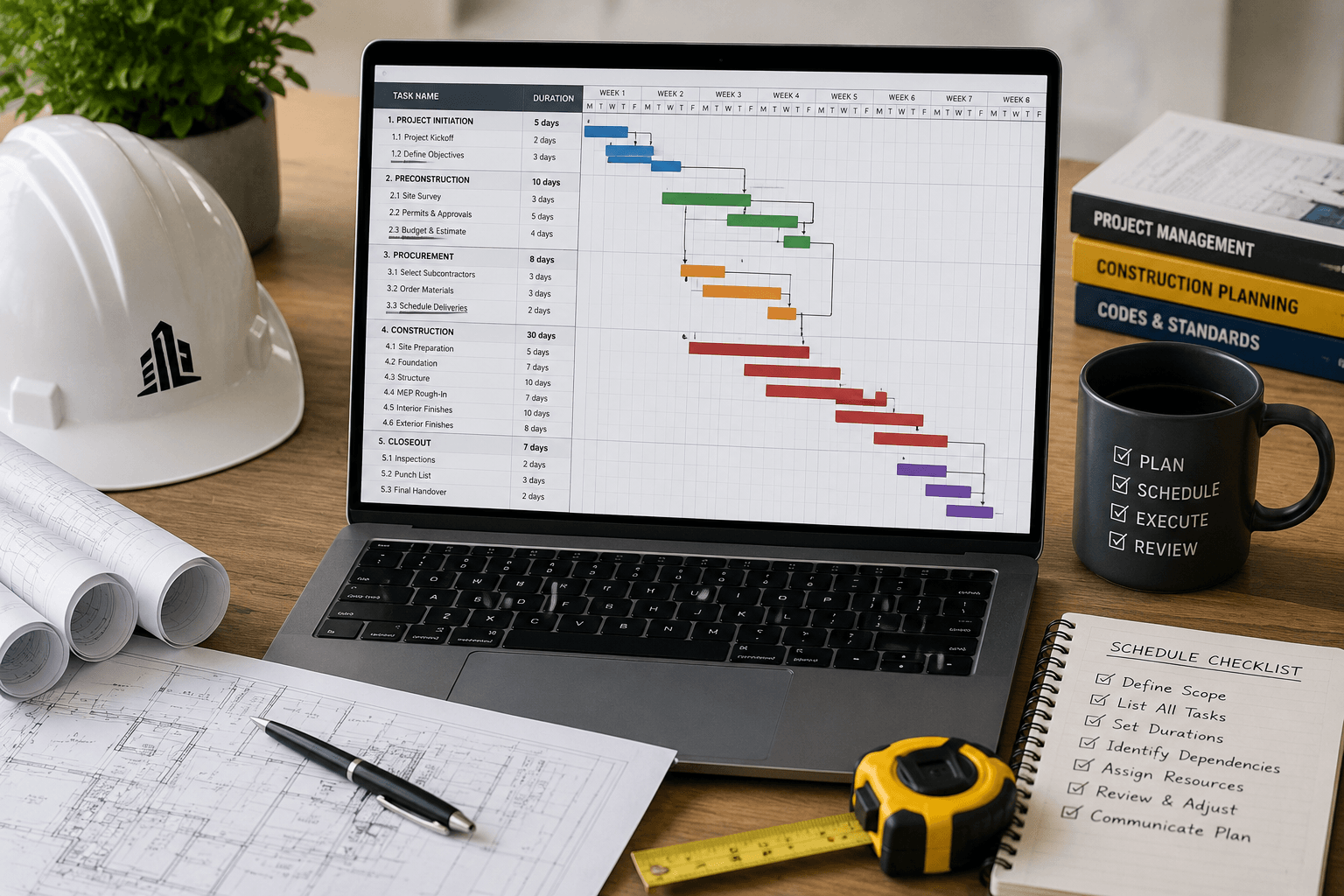
The Critical Path Method (CPM) is widely considered the gold standard for construction. It identifies the sequence of crucial steps that determine the absolute minimum time needed to complete a project.
The importance of construction job scheduling lies in identifying "critical tasks" that have zero float. If a task on the critical path—such as obtaining a final grading permit—is delayed by one day, the entire project finish date moves by one day. Non-critical tasks have "float" or "slack," meaning they can be delayed slightly without impacting the final deadline. Understanding this allows us to reallocate resources from non-critical tasks to critical ones to keep the project on track.
To make a schedule work, you have to break the project down. This is where the Work Breakdown Structure (WBS) comes in. We take a massive goal—like "Complete Site Prep"—and break it into manageable deliverables:
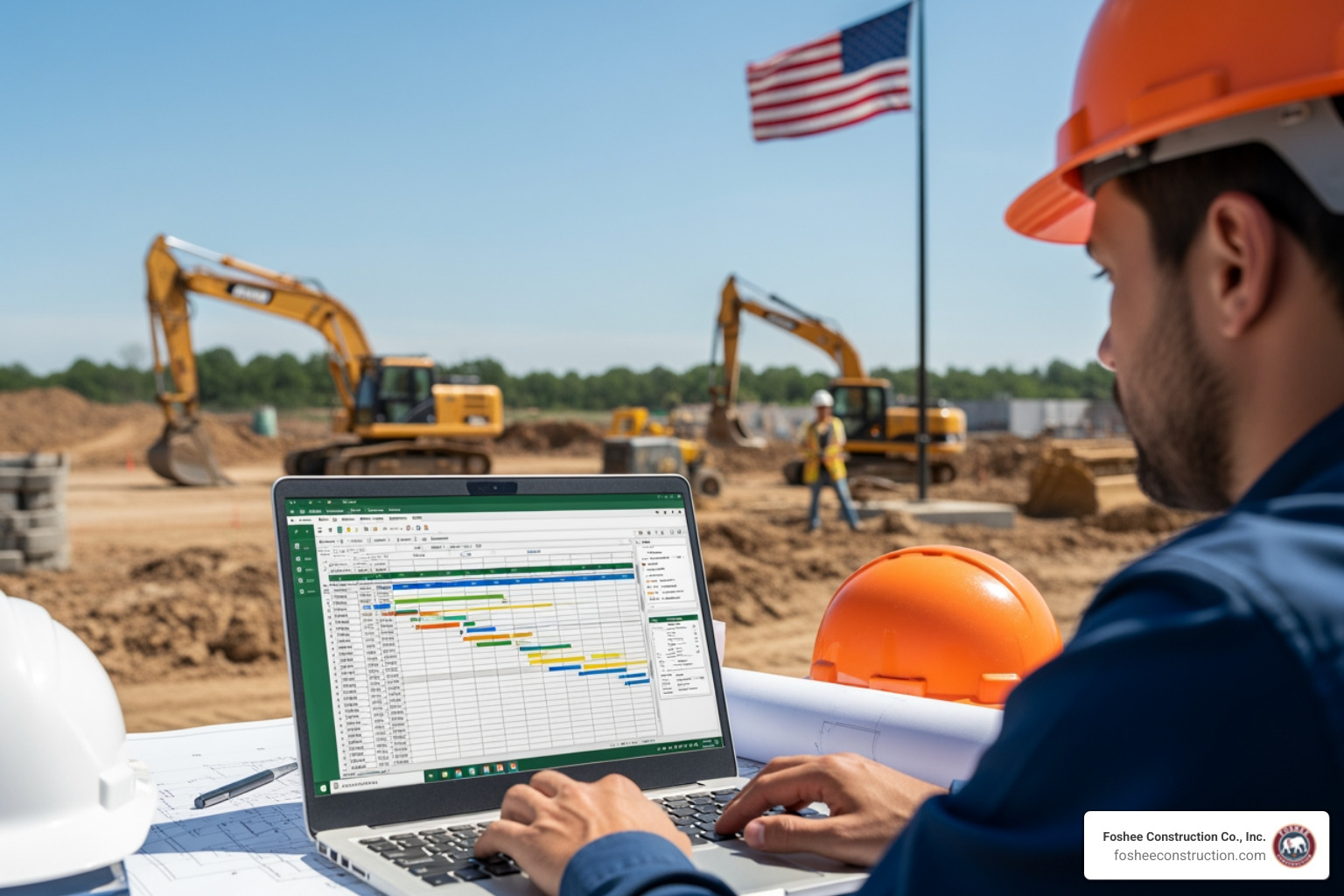
By using a Construction Schedule Template Excel Free Download, managers can assign specific assets and labor to these granular tasks, ensuring no part of the scope is forgotten.
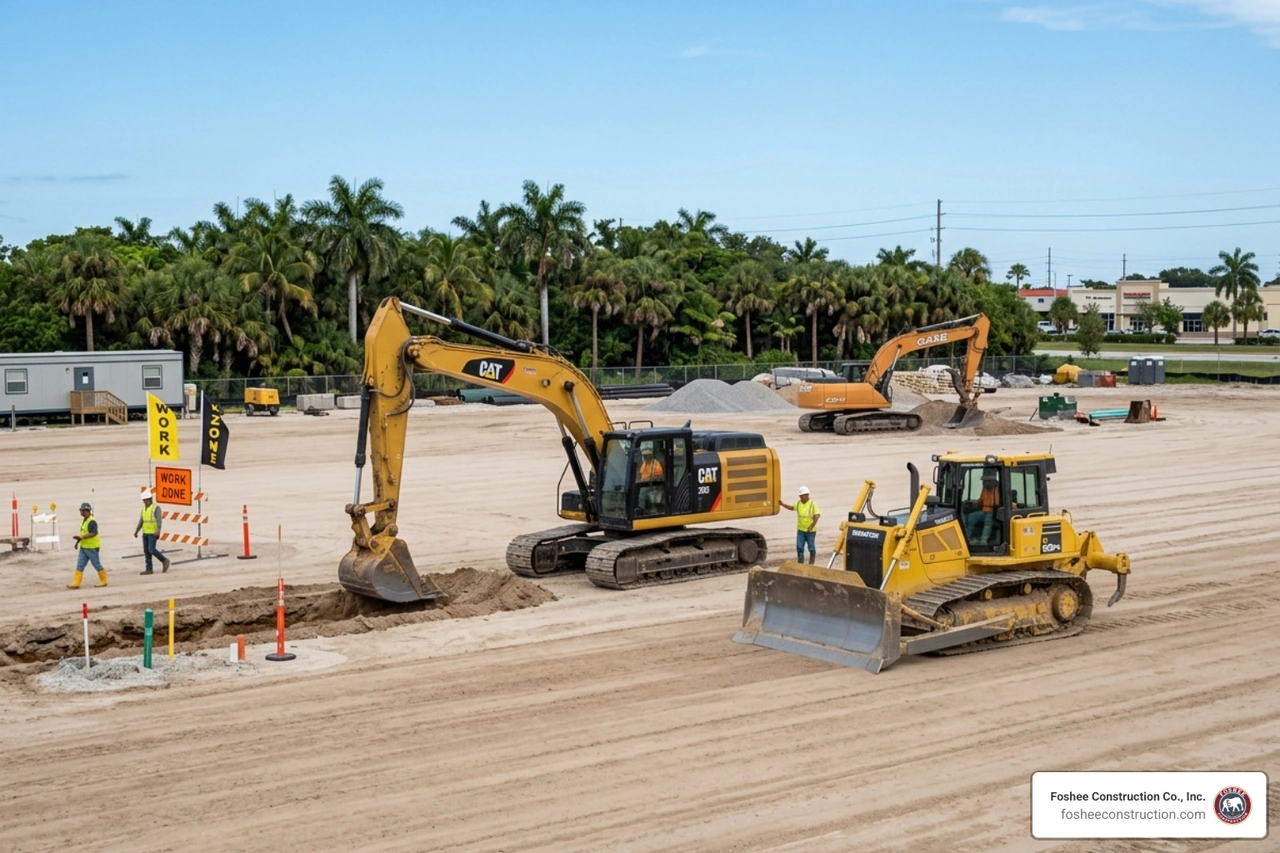
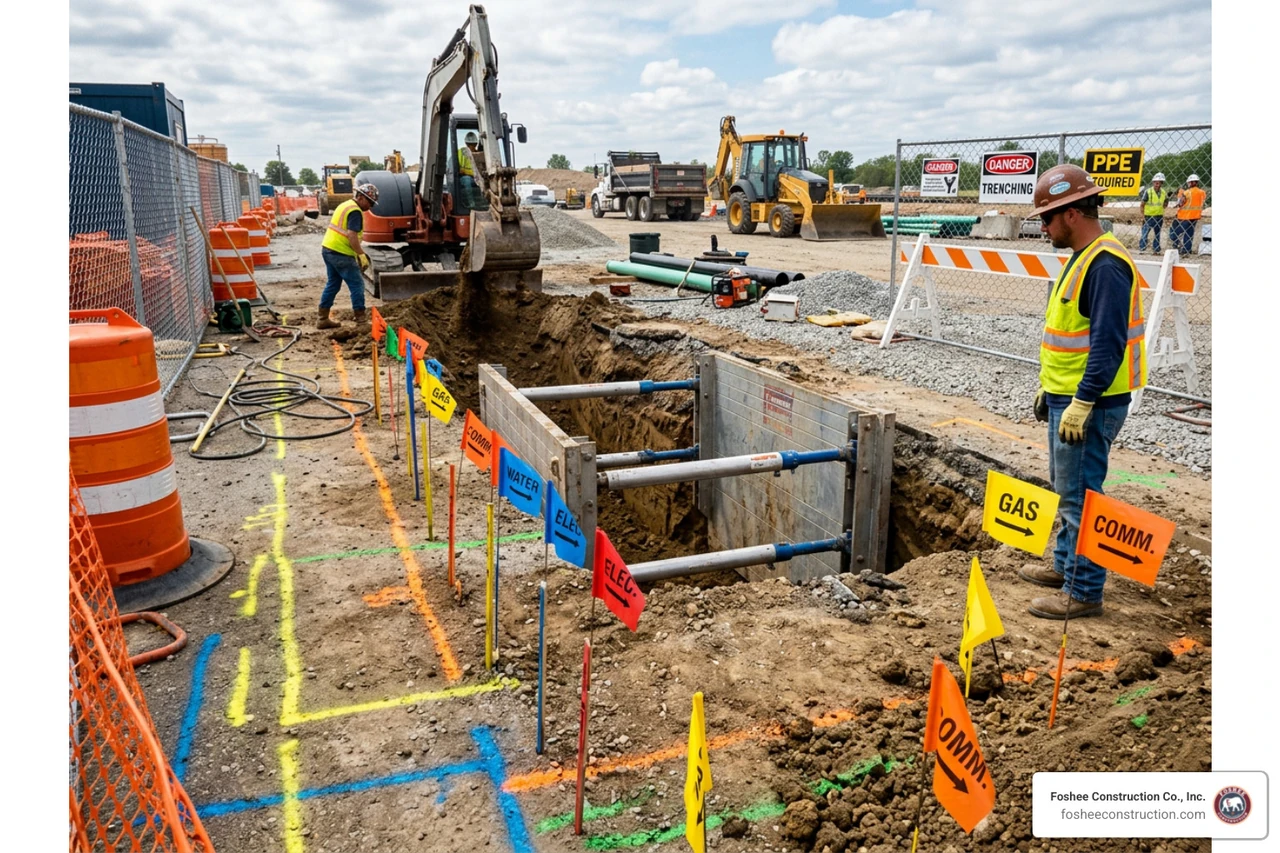
In the Florida construction market, specifically around Minneola and Lake County, resource management is a daily battle. We deal with heat, sudden tropical downpours, and a competitive labor market. Scheduling is how we win that battle.
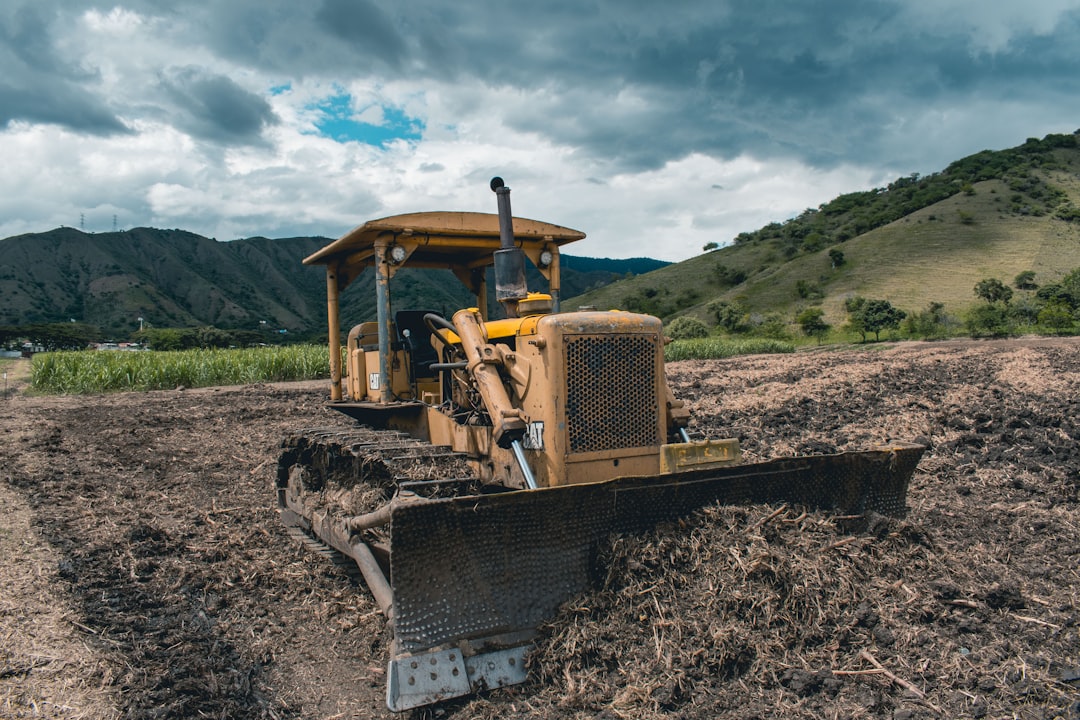
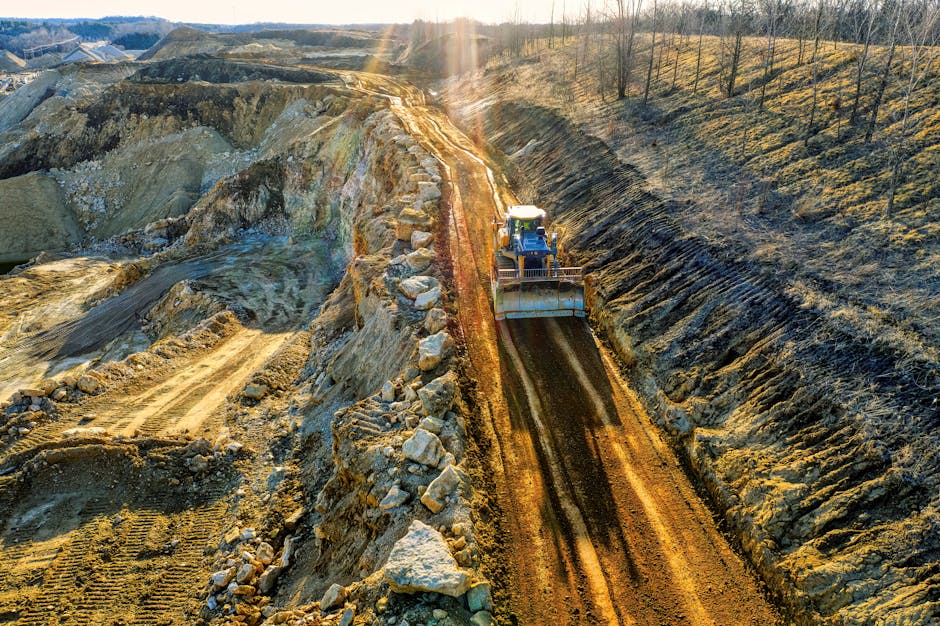
Using project management scheduling software can cut scheduling time by up to 30%, giving our managers more time to focus on field strategy. Effective scheduling ensures that our most expensive assets—like excavators and dozers—are moving dirt, not sitting in a trailer. It also helps manage "Days Sales Outstanding" (DSO). In 2018, the construction industry had an average DSO of 83 days—the longest of any industry. By hitting scheduled milestones, we can trigger progress payments faster, keeping cash flow healthy.
If you're building in Florida, you know the rain is coming. A "paper-perfect" schedule that doesn't account for weather is a recipe for failure. We build in weather delay buffers and contingency plans. If a site is too wet for grading, the schedule should tell us which "indoor" or non-weather-dependent tasks (like equipment maintenance or administrative permit reviews) we can pull forward to maintain productivity.
The advantages of scheduling in construction management include the ability to simulate "what-if" scenarios. If a transformer delivery is delayed by three weeks, we can plug that data into our digital schedule and see the ripple effect instantly. This allows us to solve the problem today rather than reacting to it three weeks from now when the crew is standing around with nothing to do.
The days of whiteboards and handwritten notes are over. To stay competitive in 2026, we utilize a tech stack that ensures every second counts.
| Feature | Manual Spreadsheets | Digital Scheduling Software |
|---|---|---|
| Updates | Manual, prone to error | Automated across all devices |
| Collaboration | Siloed in one file | Real-time cloud access for all teams |
| Risk Analysis | Difficult/Impossible | AI-driven predictive modeling |
| Field Access | Paper printouts (often outdated) | Mobile apps with instant sync |
| Dependencies | Hard to track visually | Automated logic sequencing |
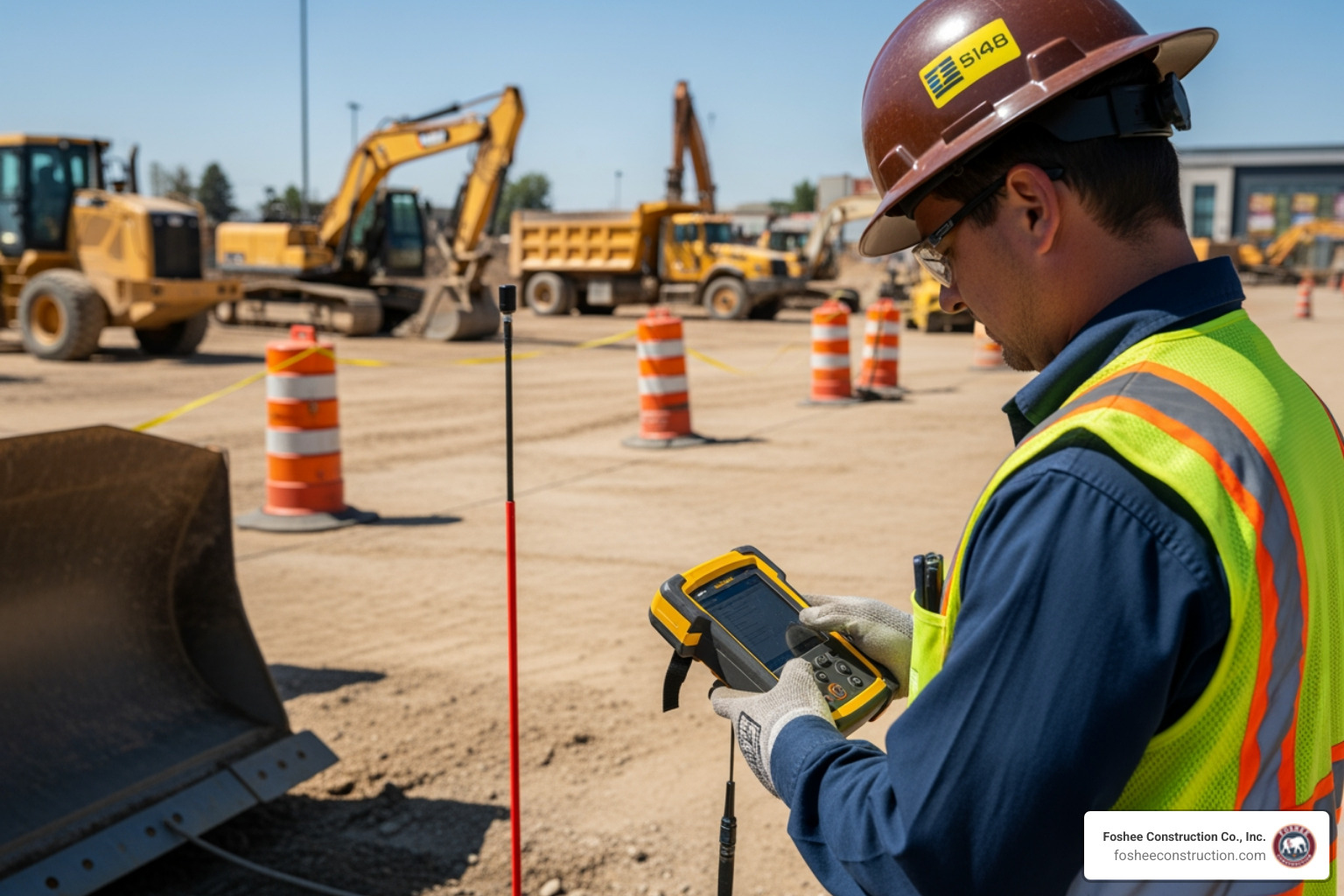
Software like Primavera P6 has become an industry standard for managing complex builds because it handles thousands of activities and their dependencies with ease. Furthermore, modern tools now integrate with IoT sensors on equipment to track progress automatically.
However, the tools are only as good as the people using them. For a construction team to be truly effective, they should hold certifications such as:
Direct cost savings come from the elimination of "waste." This includes idle labor costs (paying a crew to wait for a subcontractor), equipment rental extensions (keeping a machine longer because the site wasn't ready), and rework prevention. When materials are sequenced to arrive exactly when needed, you also save on storage and double-handling costs.
In our region, weather is the primary disruptor. Beyond that, supply chain volatility and "scope creep" (the client adding work without adjusting the timeline) are major hurdles. Communication breakdowns also rank high—nearly half of all delays are caused by stakeholders simply not knowing the plan has changed.
Projects move faster than ever. If a field supervisor identifies a site condition change in the morning, the office needs to know by lunch so the schedule can be adjusted. Real-time collaboration through mobile apps ensures that the "data-driven decisions" we make are based on what is actually happening in the dirt, not what we hoped would happen six months ago.
At Foshee Construction Co., Inc., we believe that a project is only as strong as its schedule. Whether we are handling erosion control, mass grading, or underground utilities in Minneola, Florida, we lean on disciplined scheduling to ensure our relationships with contractors remain reliable and our projects stay on track.
The advantages of scheduling in construction management are not just theoretical—they are the difference between a project that generates profit and one that drains it. By embracing the Critical Path Method, leveraging modern digital tools, and maintaining a safety-first culture, we provide our clients with the transparency and reliability they deserve.
Stop wasting money on disorganized job sites. If you are looking for a partner in Central Florida who values disciplined scheduling as much as you do, let's talk about your next project.
We build bids using HeavyBid and AGTEK because the details matter long before the job starts. When the numbers are accurate and the scope is clearly defined, it sets the tone for how the entire project runs. Estimating isn’t just a step in the process, it’s the foundation we build on.
That same mindset carries into the field. Our crew is trained to work with purpose, follow the Civil Engineers’ Plan to the finest detail, and hold the line on quality. When expectations are clear from day one, there’s no need for shortcuts, and no confusion about how the work gets done.
Clients trust our bid packages because they’re complete and ready to use. Project managers know what we’re covering, what’s excluded, and how we plan to approach the job. That clarity removes friction and lets teams focus on execution instead of interpretation.
As part of our review process, we go into the plans before anything hits the site. We ask the questions early, resolve issues before they show up in the field, and keep RFIs moving. This approach prevents delays and protects the timeline.
Over time, that consistency builds trust. Many of the people we work with today came through referrals from past projects – engineers, GCs, and superintendents who’ve seen how we operate and want the same experience again.
In 2024, Foshee Construction was acquired by Saga Infrastructure Solutions, a national network of civil construction companies. Saga supports regional contractors by giving them access to better tools, long-term resources, and operational backing, without changing how they run day to day.
Foshee will continue to operate under its name, with the same team and field leadership in place.
“From the very time a project starts, we start that partnership. We try to catch as much as we can with the tools that we have. Not everybody is using the software platforms we are. That’s the differentiator: we’re not just bidding. We’re anticipating, problem-solving, and making sure the job runs right.”
— Don, CEO, Saga Infrastructure Solutions
Foshee is now part of a broader regional strategy that includes Florida, the Piedmont Atlantic, Texas, Colorado, and the Arizona Sun Corridor. The name, crews, and standards remain. What’s improving is the support behind it.