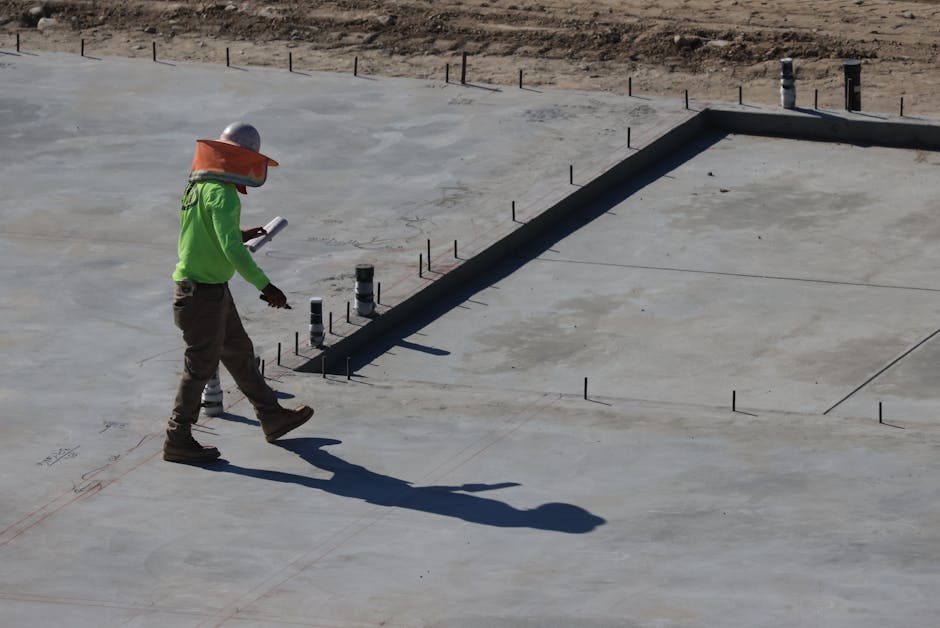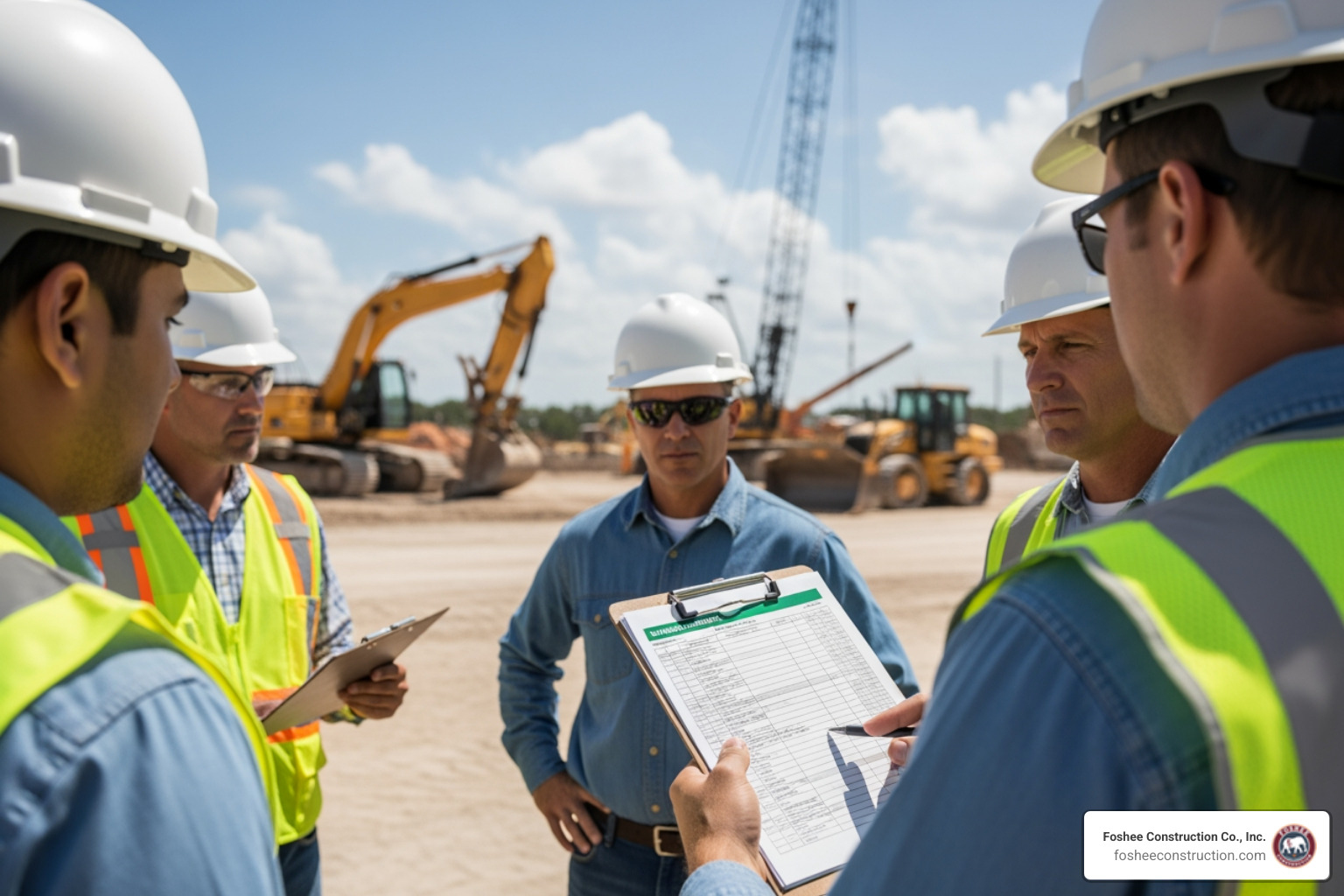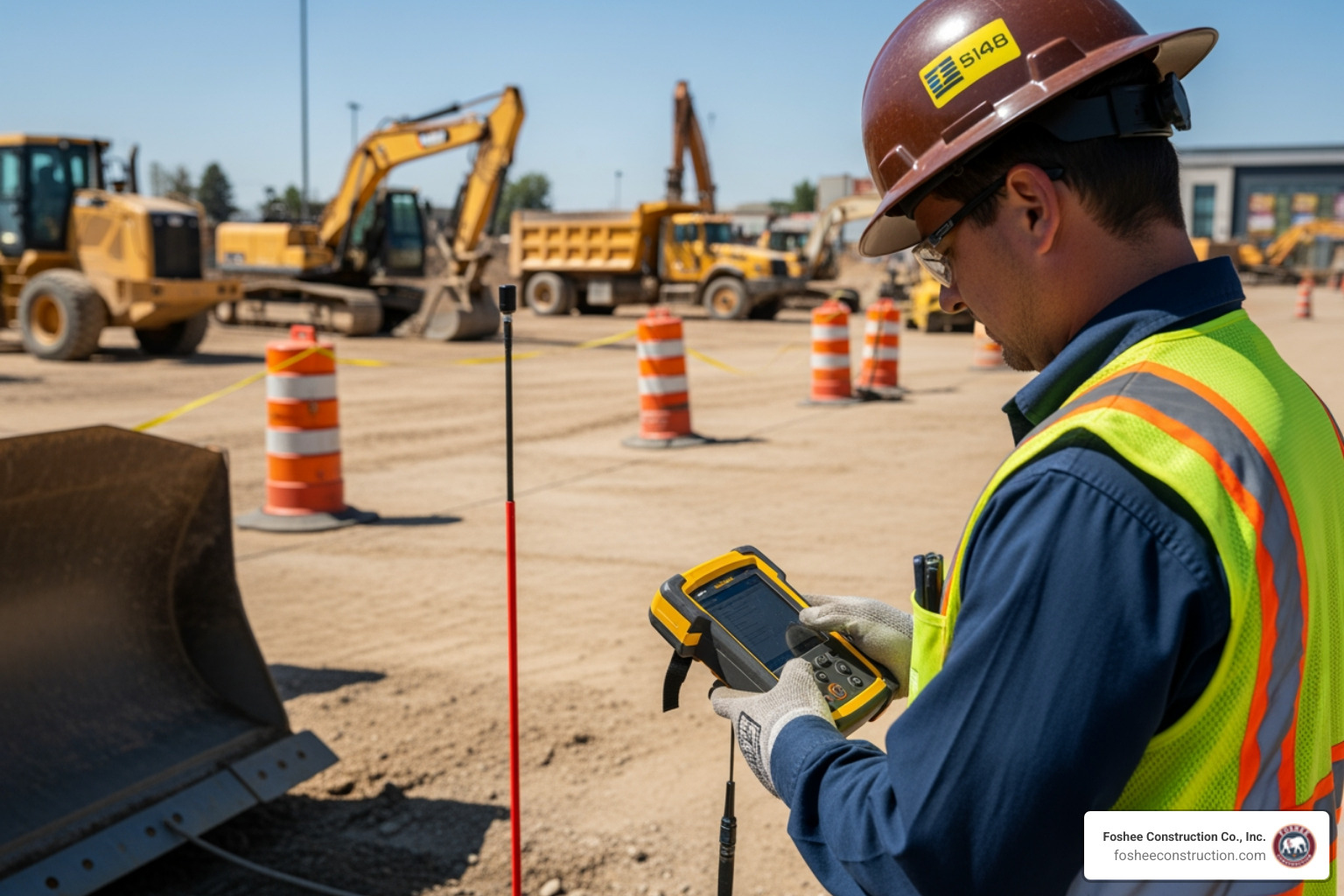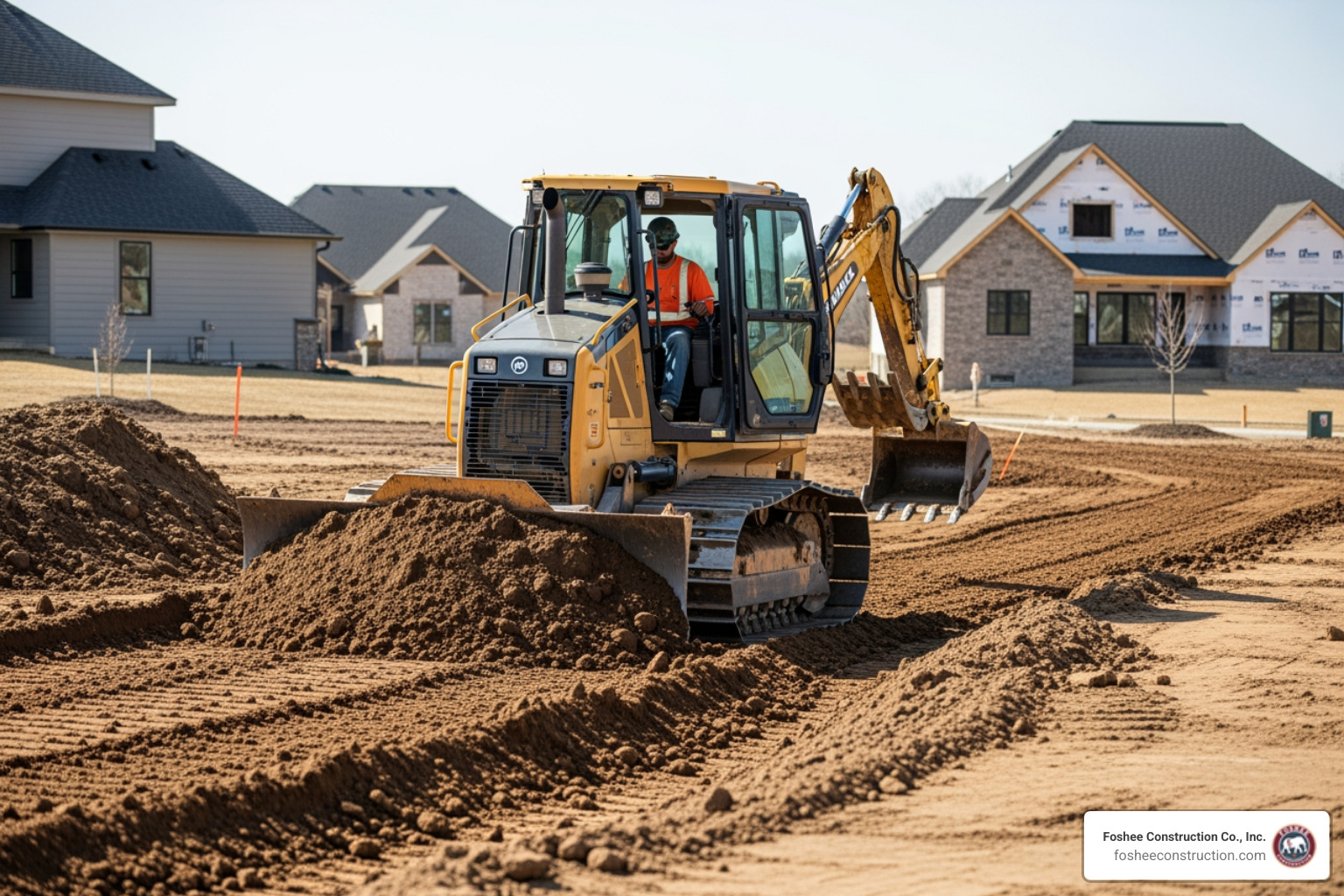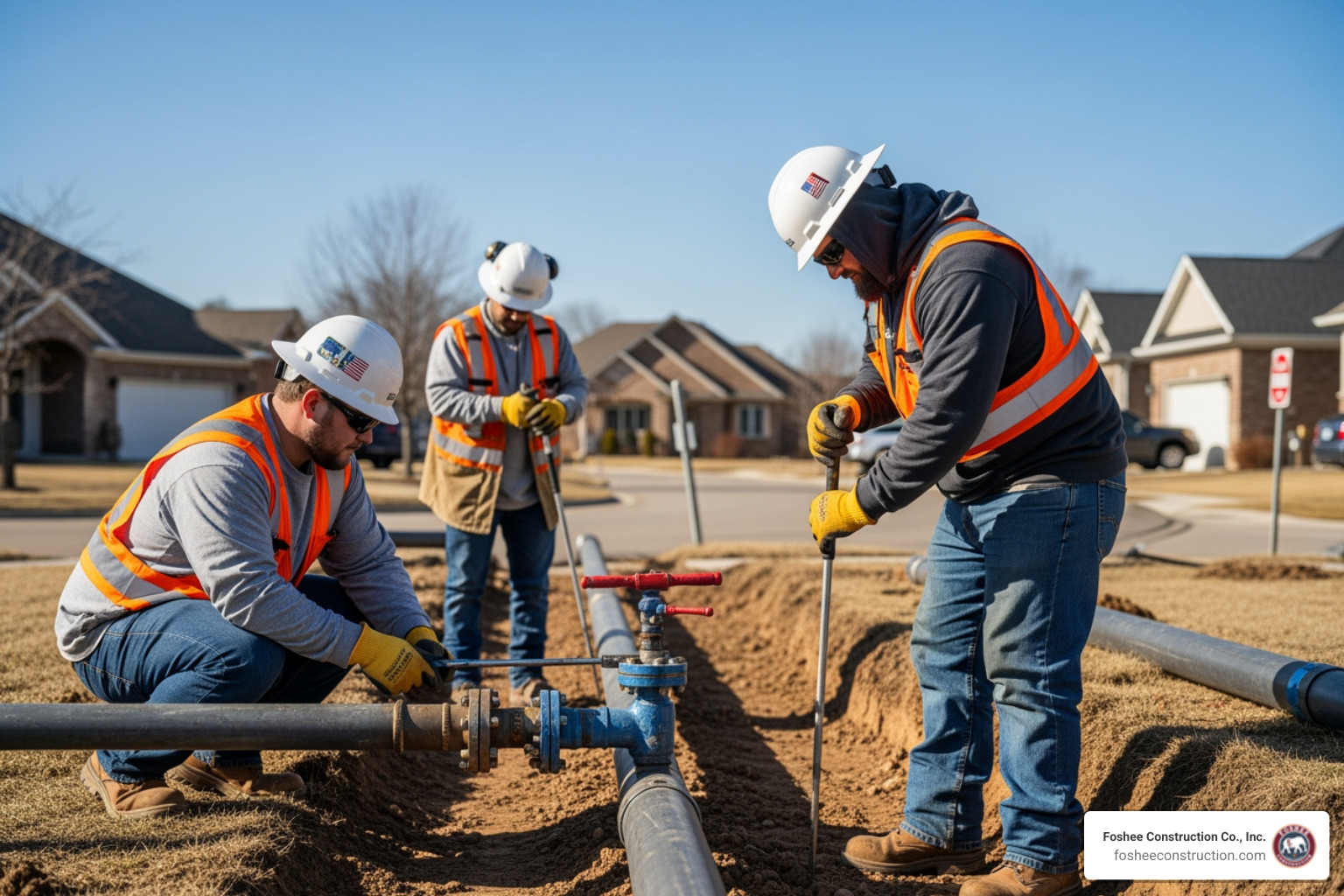
In construction, not all hazards are created equal. OSHA identifies the "Focus Four" as the leading causes of fatalities in our industry. These four categories account for the vast majority of worker deaths, which is why osha construction site requirements are heavily weighted toward preventing them.
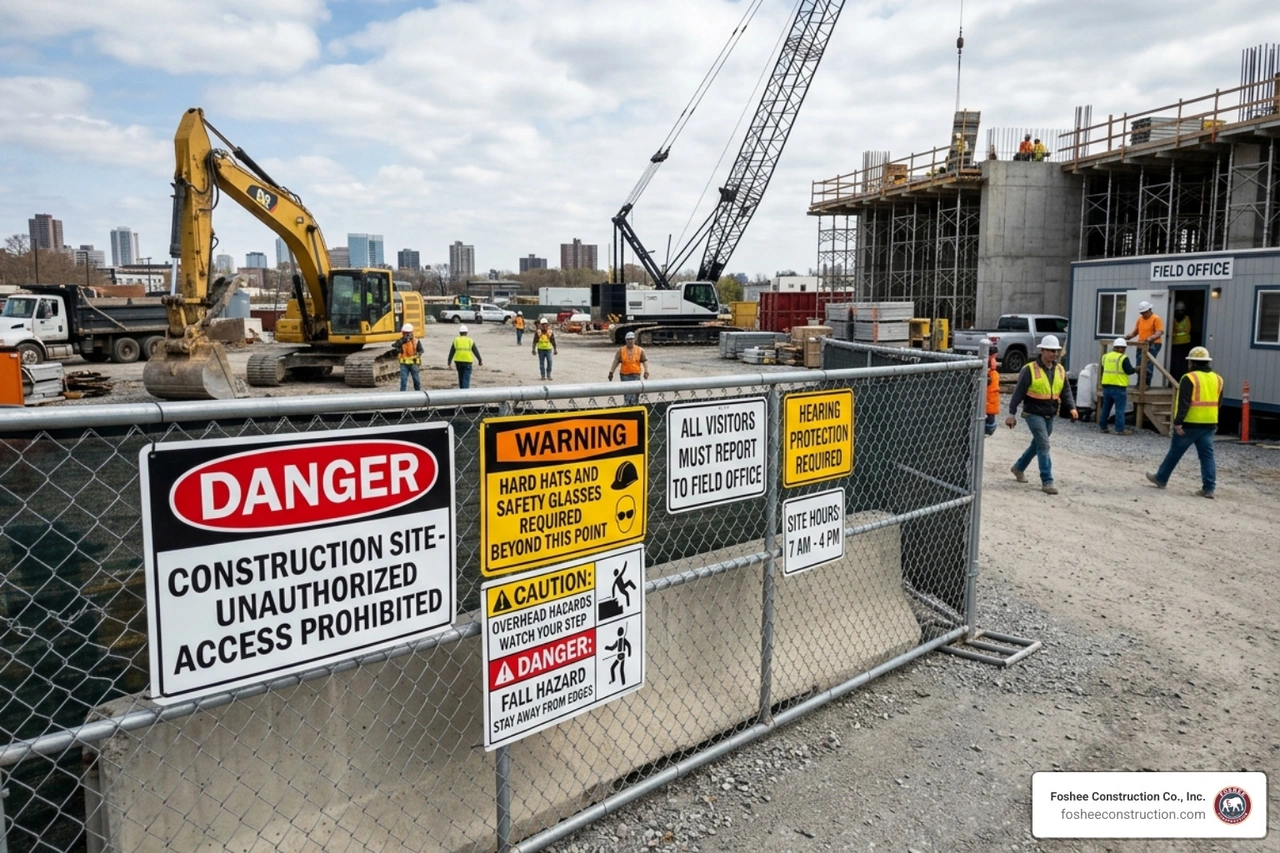
Under the General Duty Clause of the OSH Act, we as employers have a legal obligation to provide a workplace free from recognized hazards. This means that even if a specific rule isn't written for a unique situation, we are still responsible for keeping our team safe. For those looking for the "bible" of these rules, 29 CFR 1926 is the official set of federal regulations that governs everything we do on a construction site.
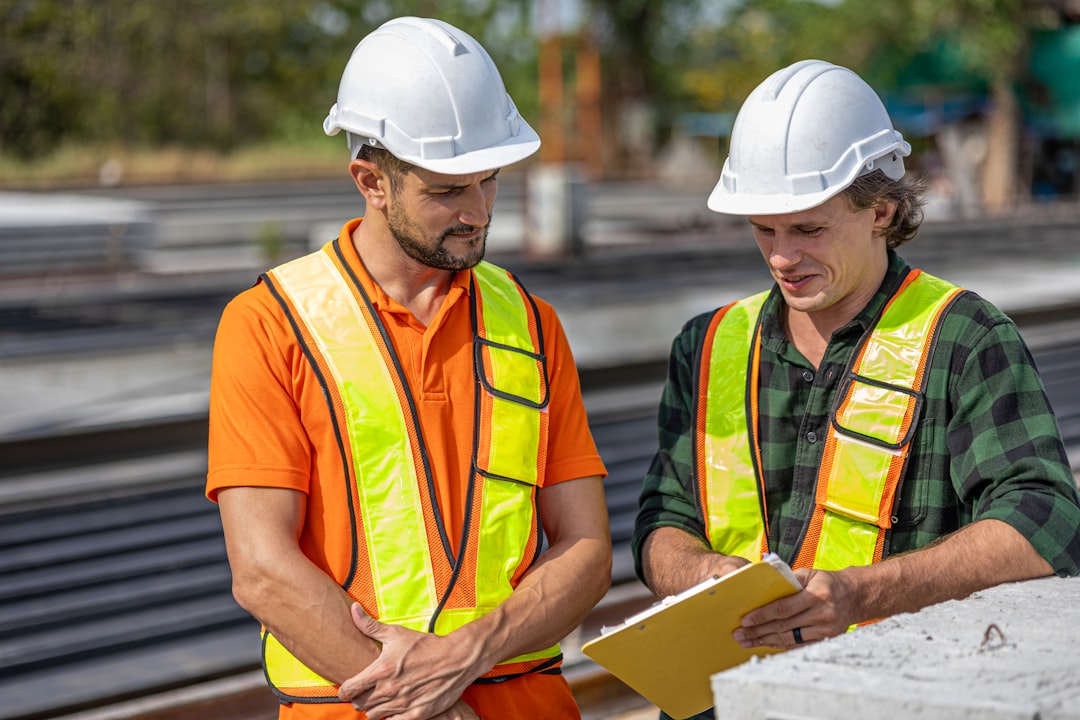
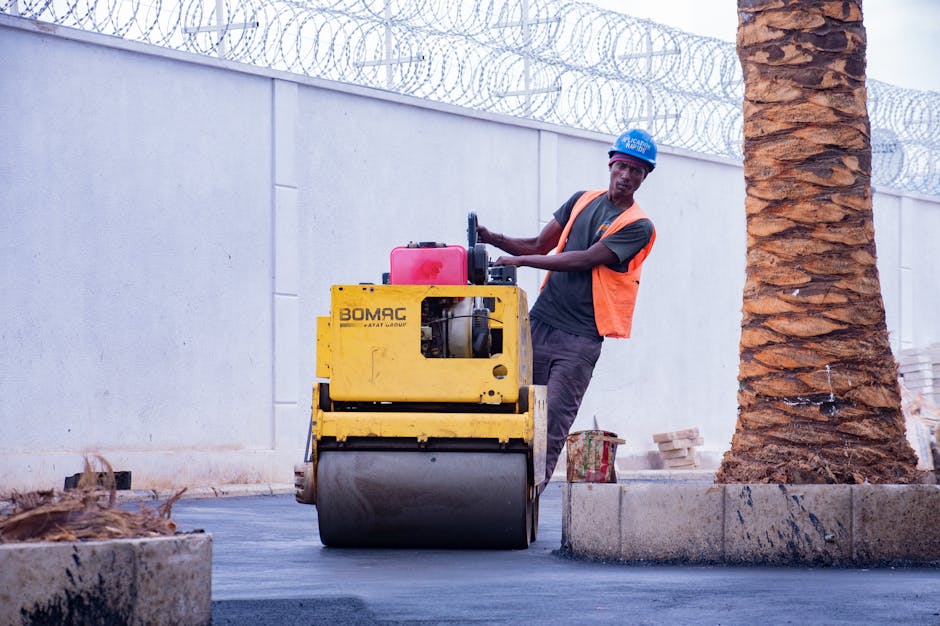
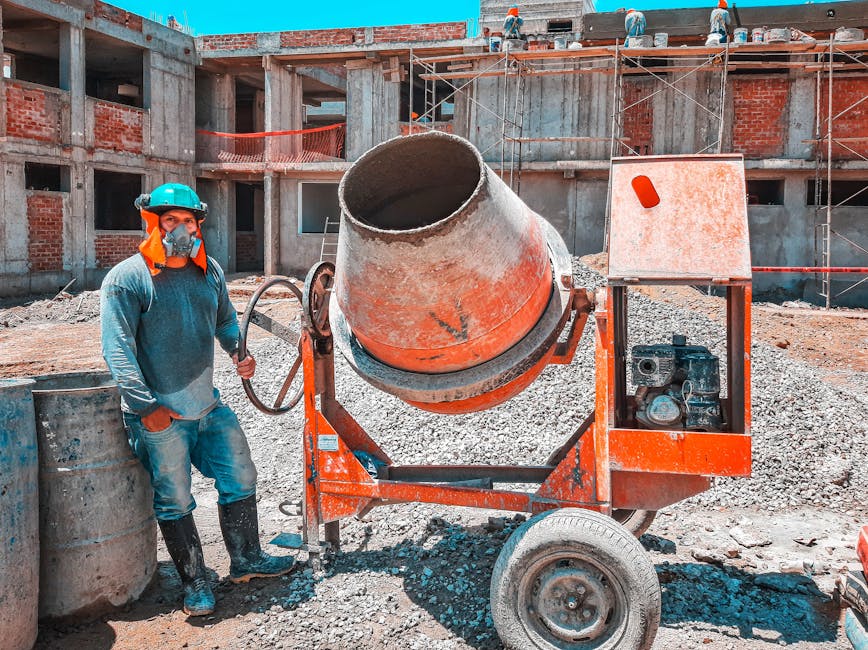
Personal Protective Equipment (PPE) is the last line of defense. When engineering controls and work practices can't eliminate a hazard, PPE must be used. According to the Construction Industry | Occupational Safety and Health Administration guidelines, it is our responsibility to provide this equipment and ensure it fits correctly.
OSHA also enforces a "dress code" that is all about snag prevention and skin protection. On our sites, we require long pants (no shorts allowed) to protect against abrasions and environmental hazards. Jewelry is a major "no-go" because rings and necklaces can get caught in machinery or conduct electricity. Finally, long hair must be tied back to prevent it from being pulled into rotating equipment. It might seem strict, but these simple rules prevent life-altering injuries.
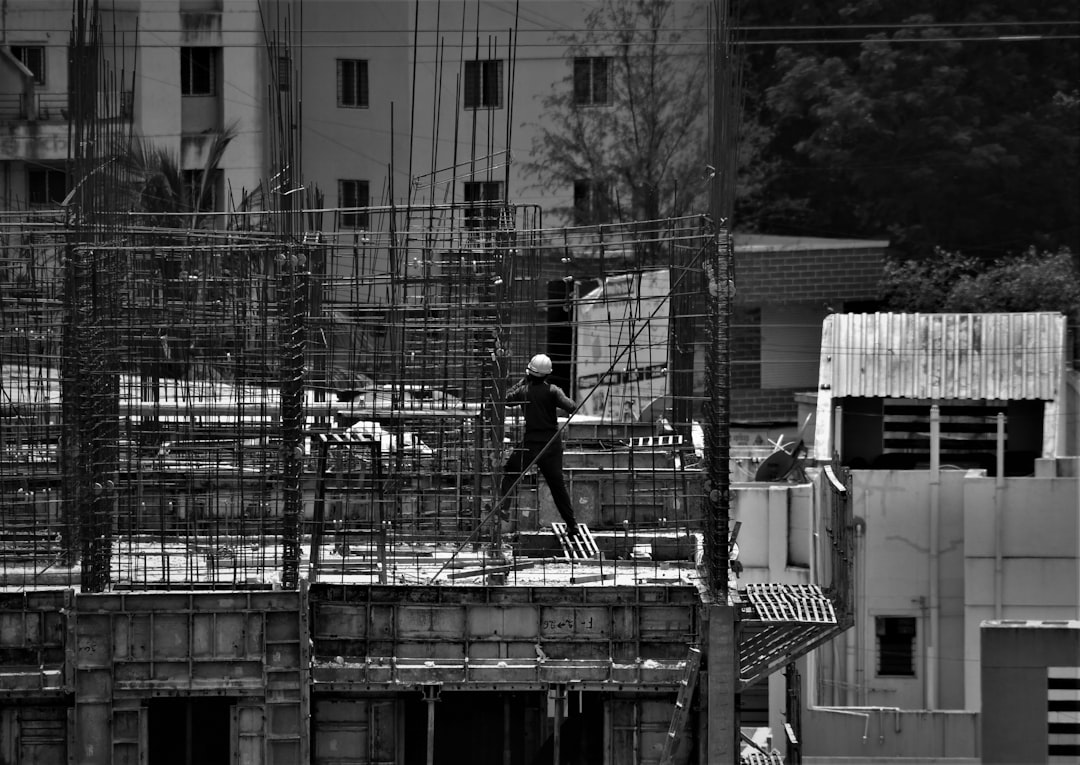
Since falls are the leading killer, OSHA’s Subpart M is one of the most important sections of the osha construction site requirements. The general "6-foot rule" states that any employee working six feet or more above a lower level must be protected by a fall protection system.
There are three main ways we provide this:
For more details on these systems, you can check out our guide on osha fall protection construction.
Scaffolding is a high-risk area. Every scaffold must be designed by a qualified person and loaded according to that design. A competent person must inspect the scaffold before every work shift to ensure it is stable and that all guardrails and planks are secure. If a scaffold is more than 10 feet above a lower level, fall protection is mandatory for anyone on it.
In specific fields like steel erection, the rules change slightly. For example, the threshold for fall protection for most steel erection activities is 15 feet. However, "connectors" (the workers who initially join the steel members) are sometimes permitted to work up to 30 feet or two stories with specific training and equipment. Even in these specialized cases, construction fall protection remains a non-negotiable priority.
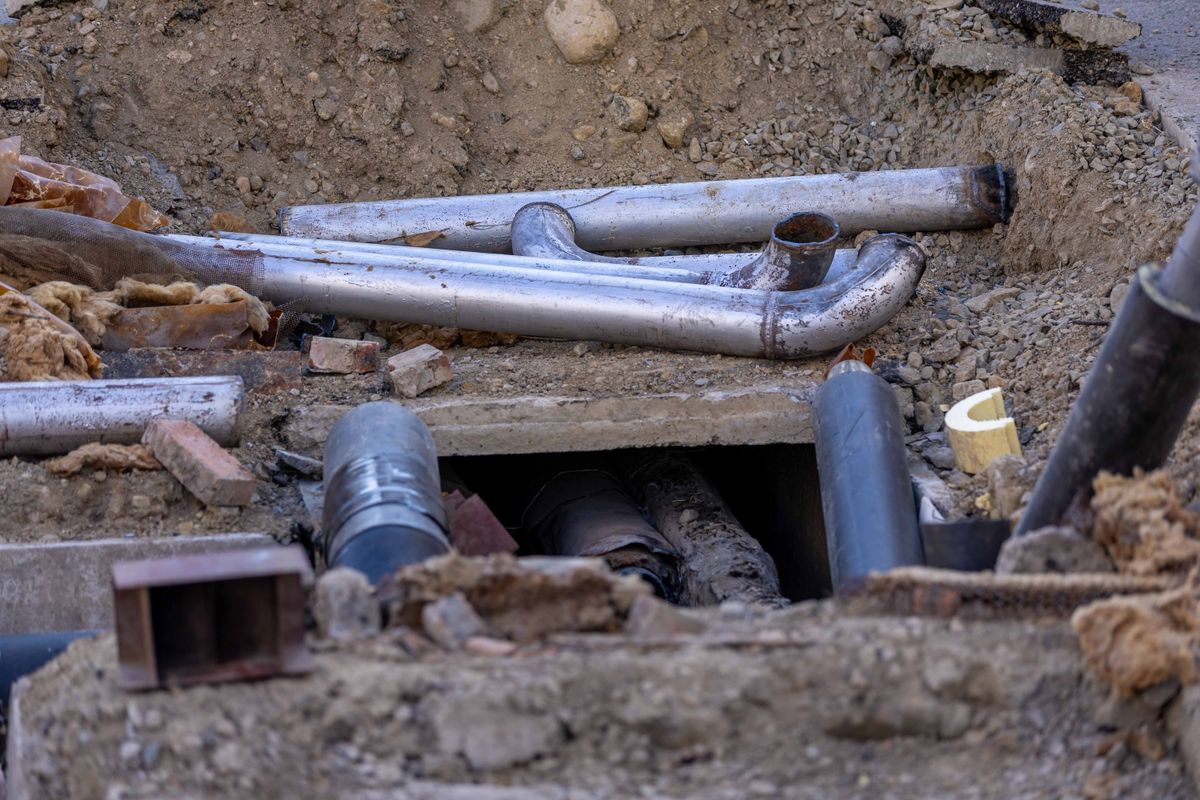
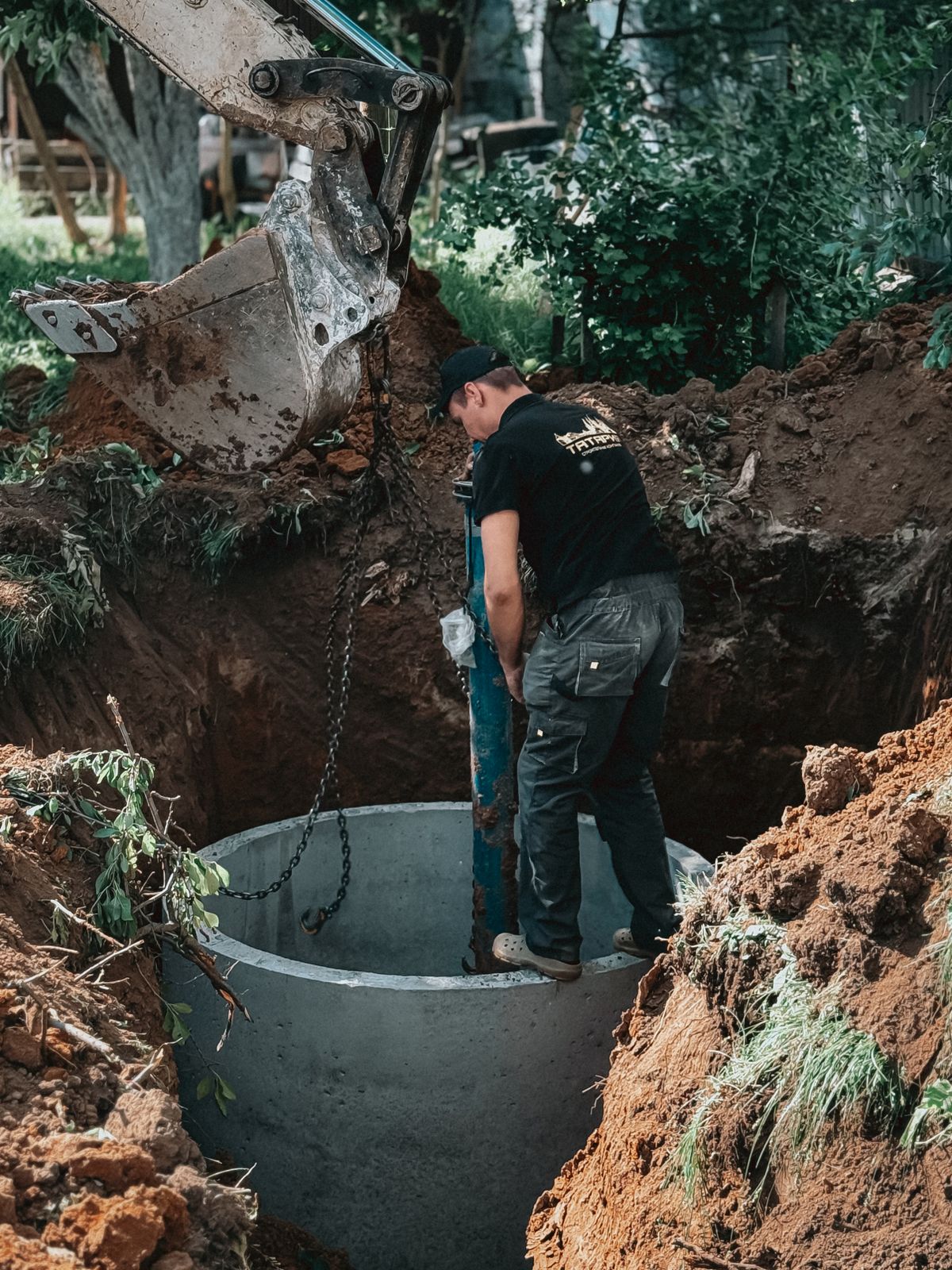
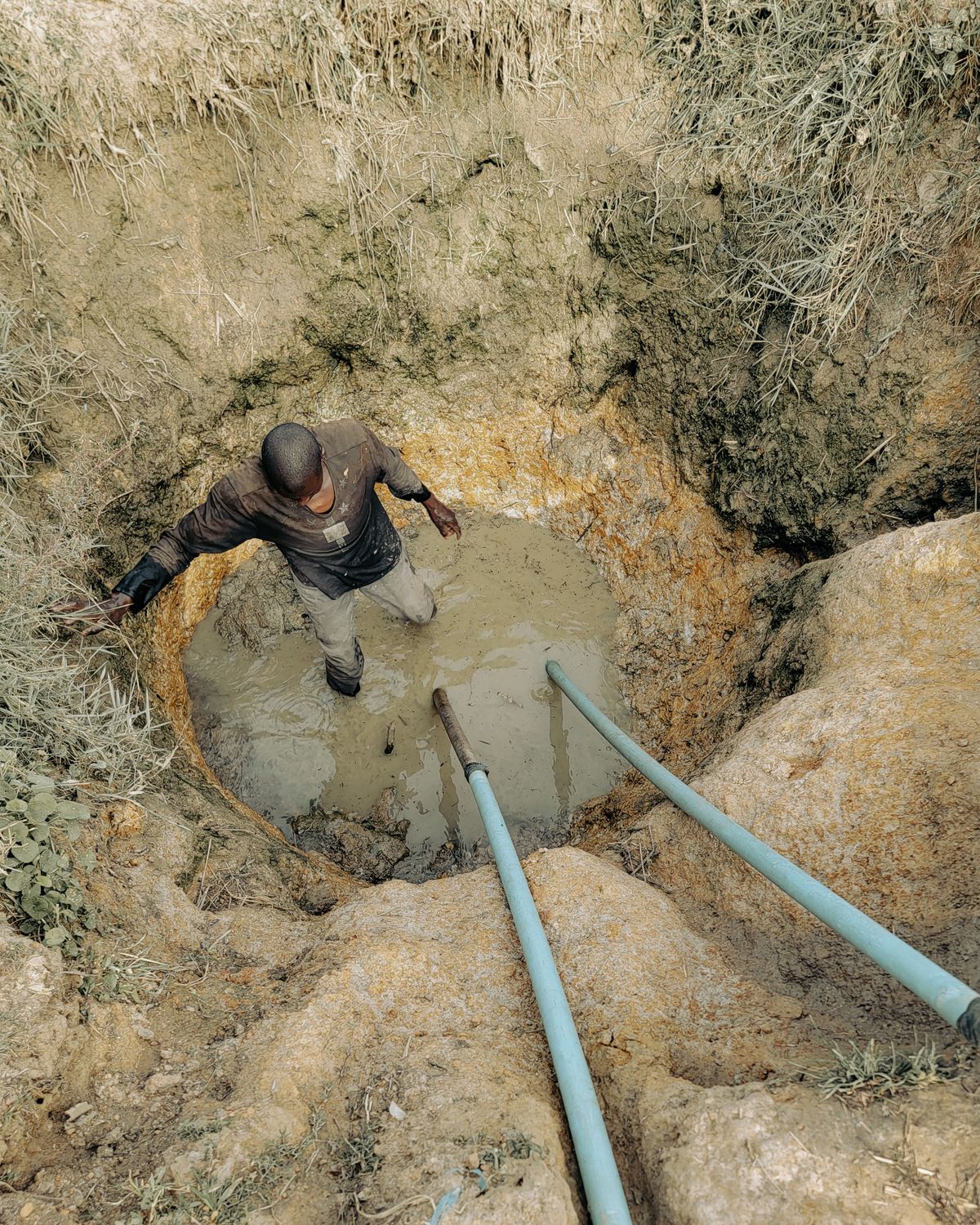
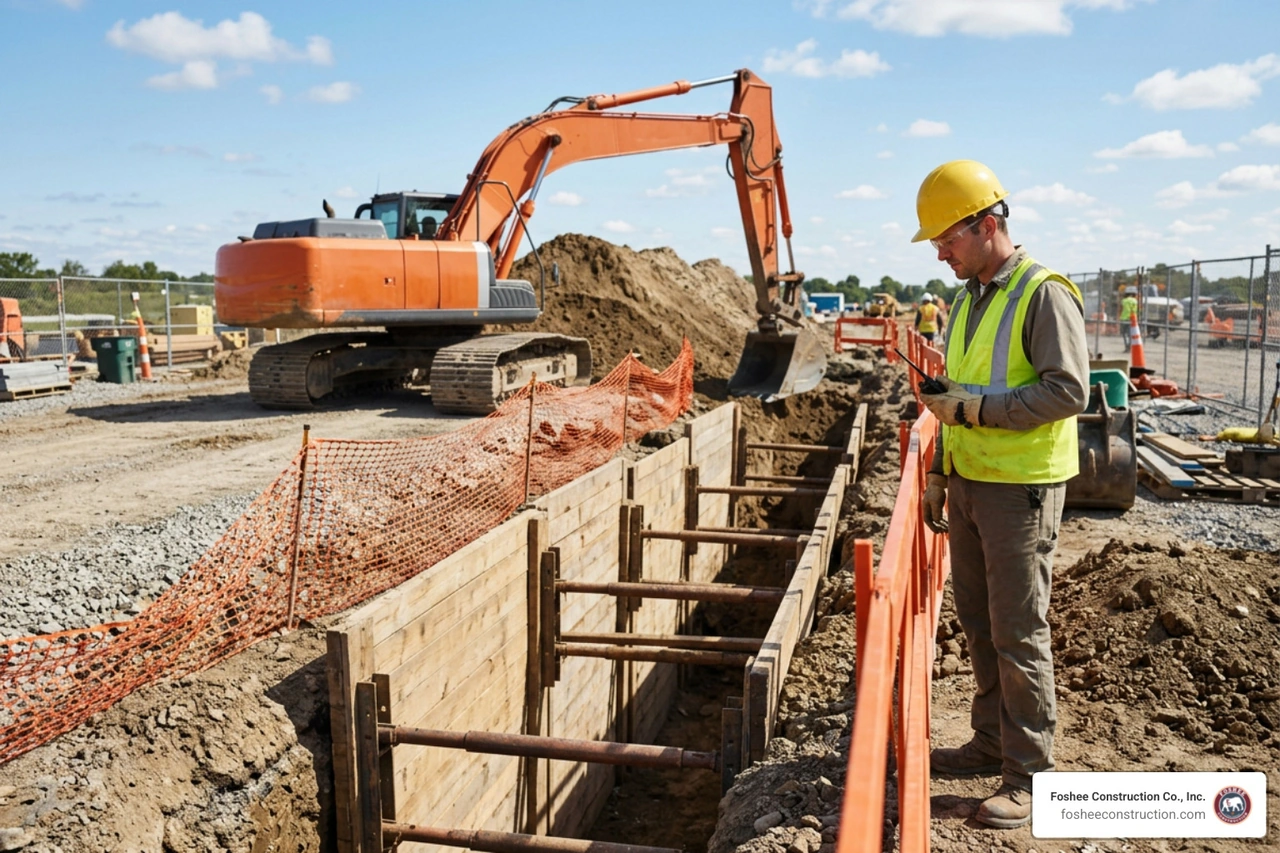
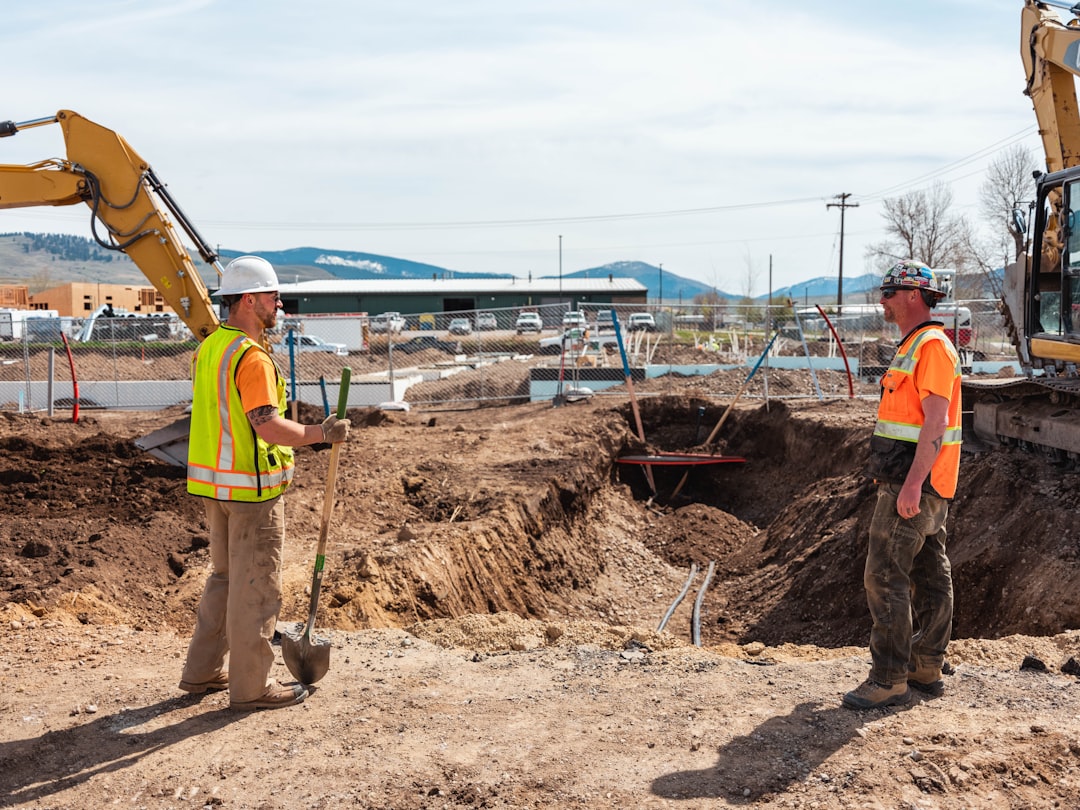
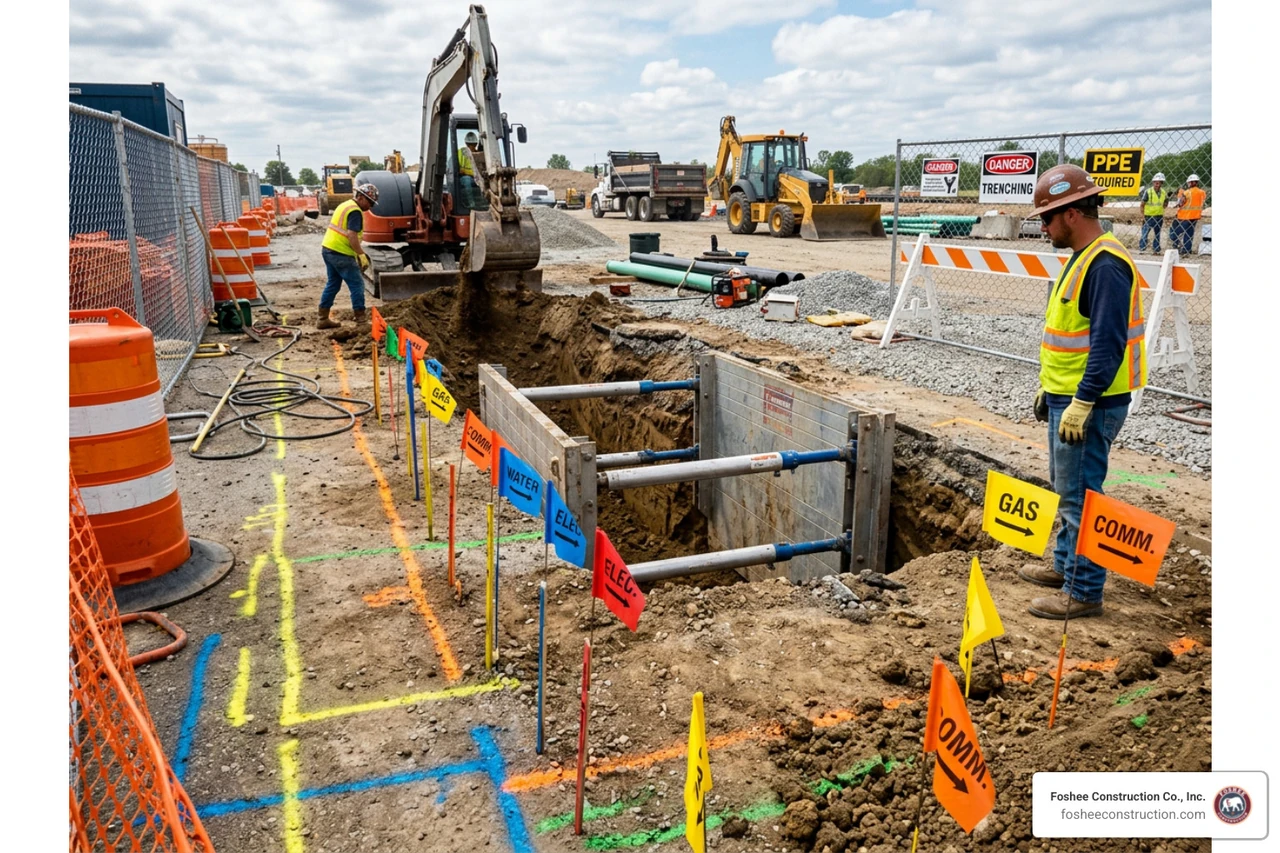
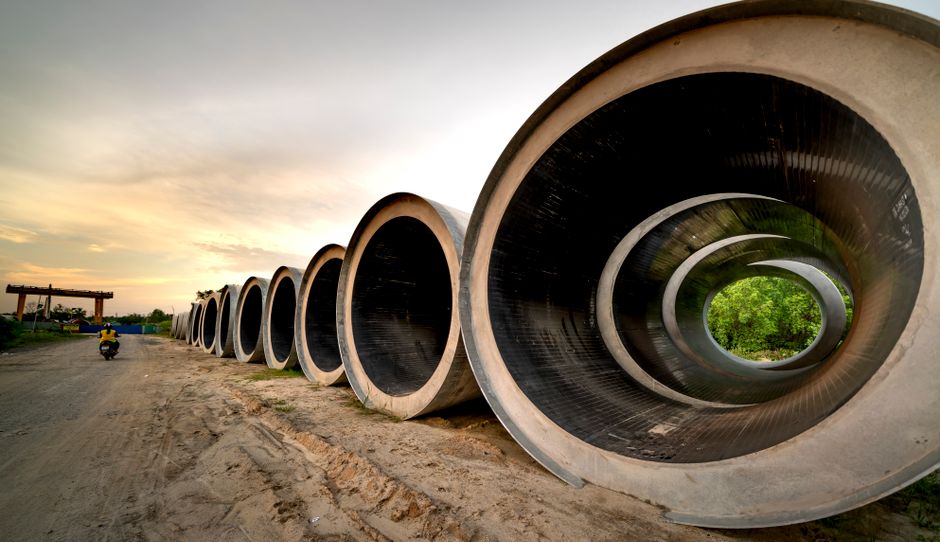
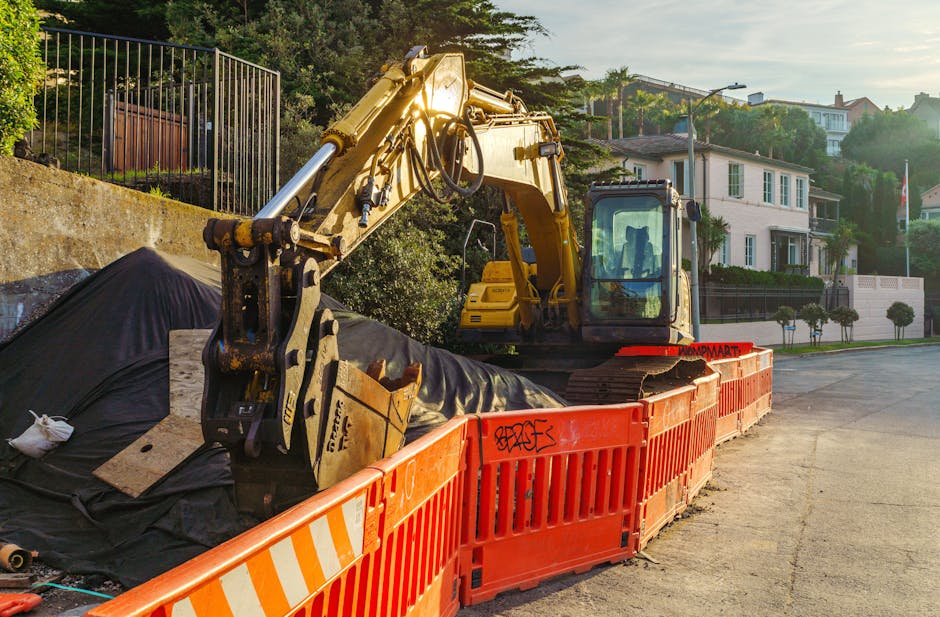
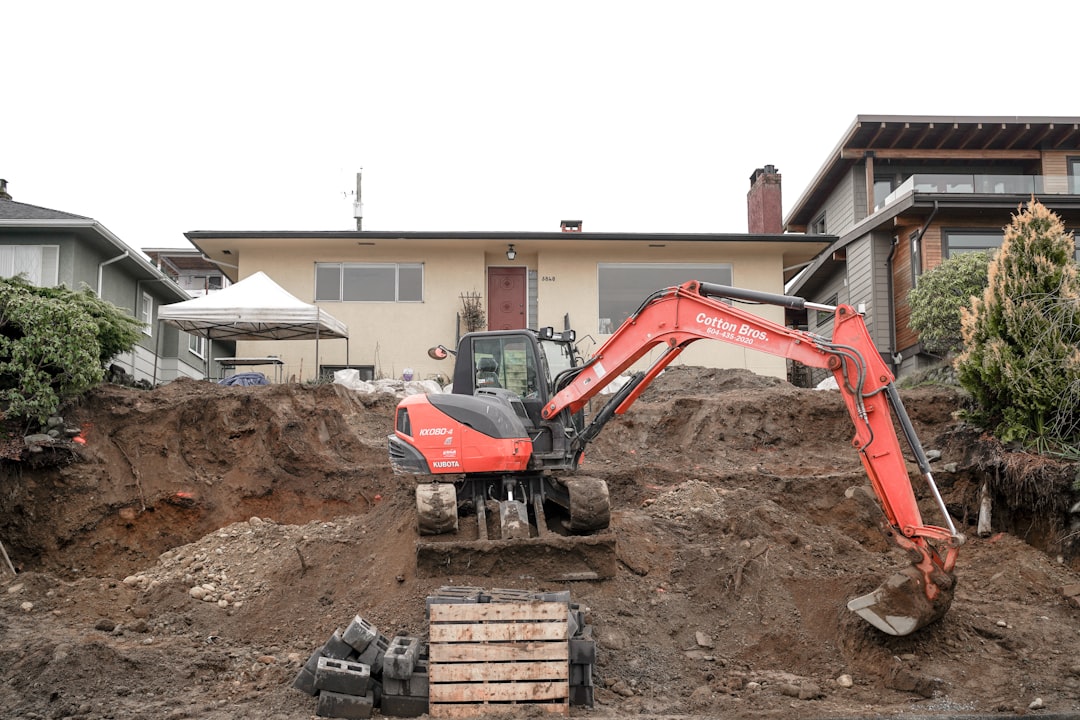
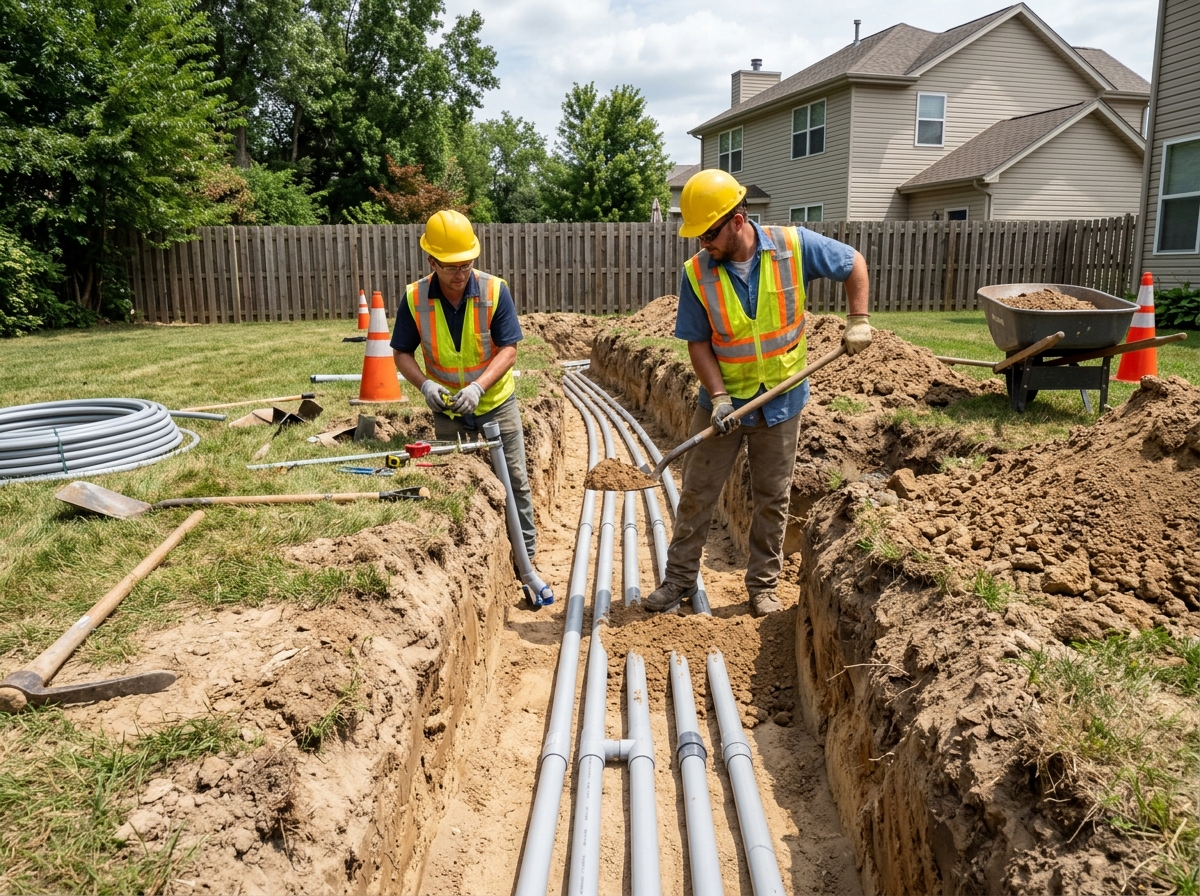
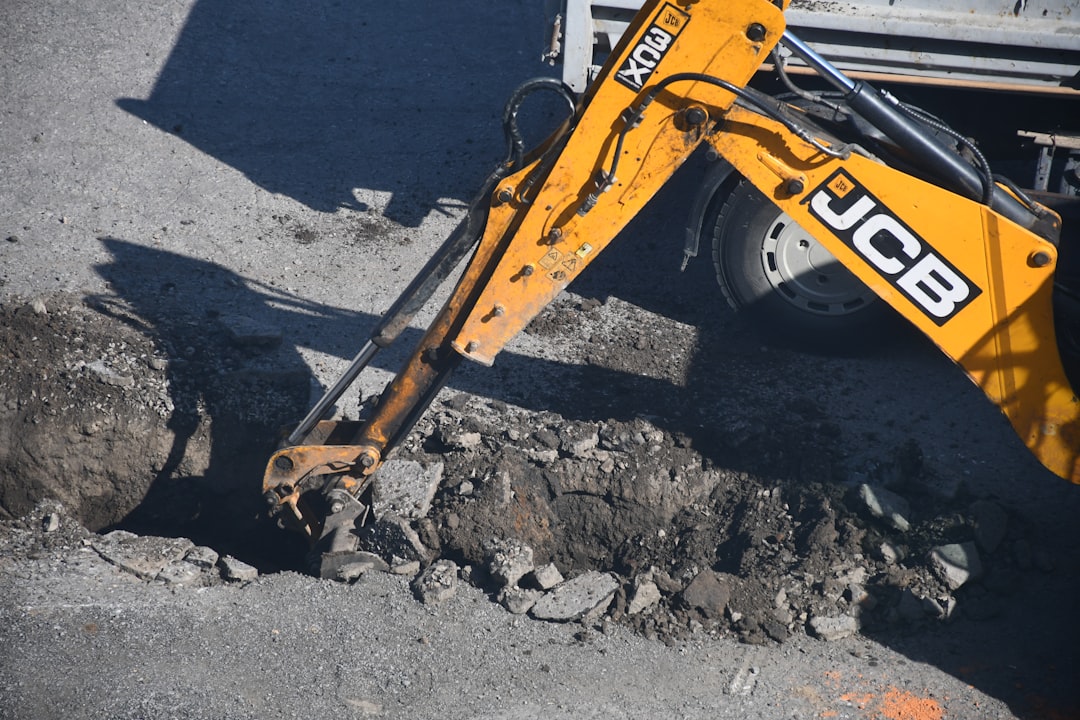
Excavation and trenching are among the most dangerous operations in construction. A cubic yard of soil can weigh as much as a car, and a trench collapse happens in seconds.
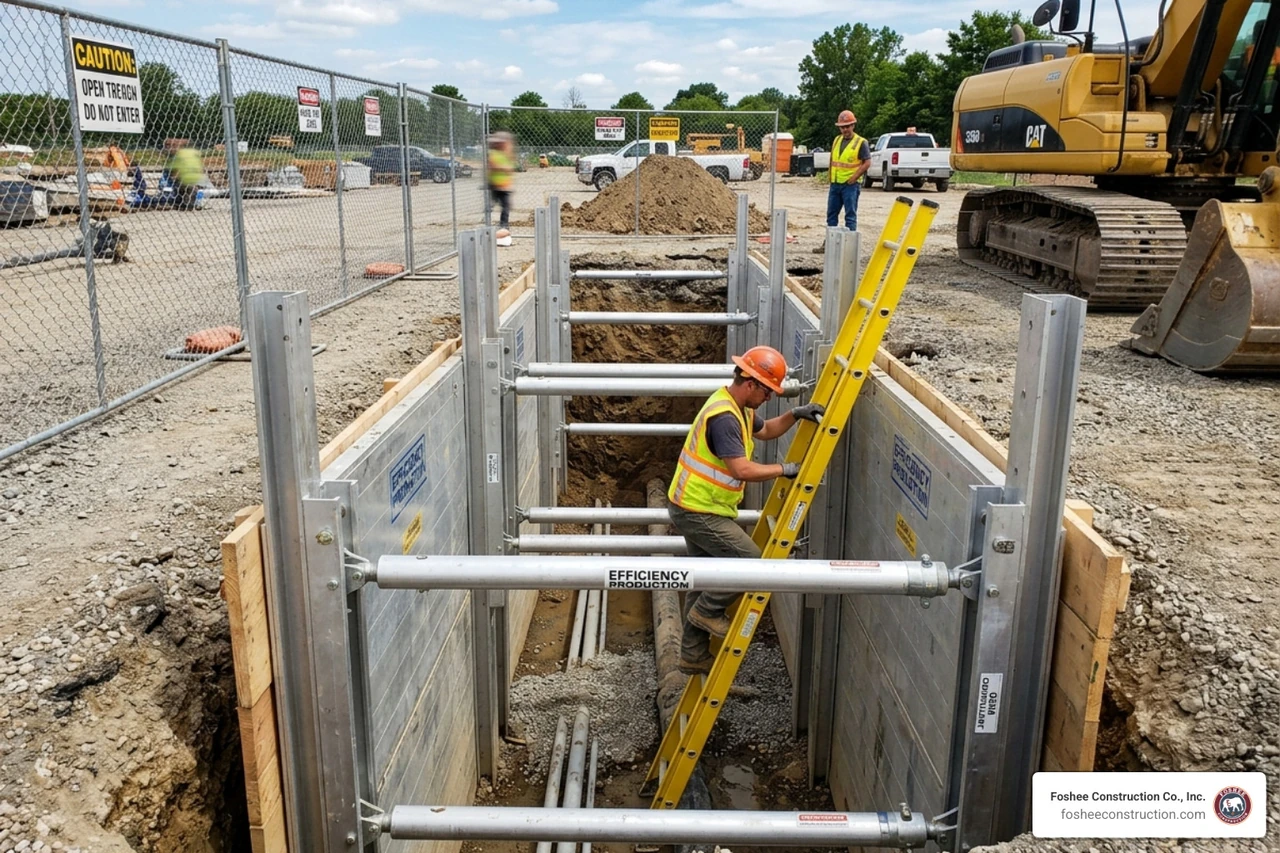
Under 29 CFR 1926.650, any trench deeper than 5 feet must have a protective system. We use three primary methods:
Daily inspections by a competent person are required before anyone enters a trench. We also ensure that ladders are placed within 25 feet of any worker for quick exit.
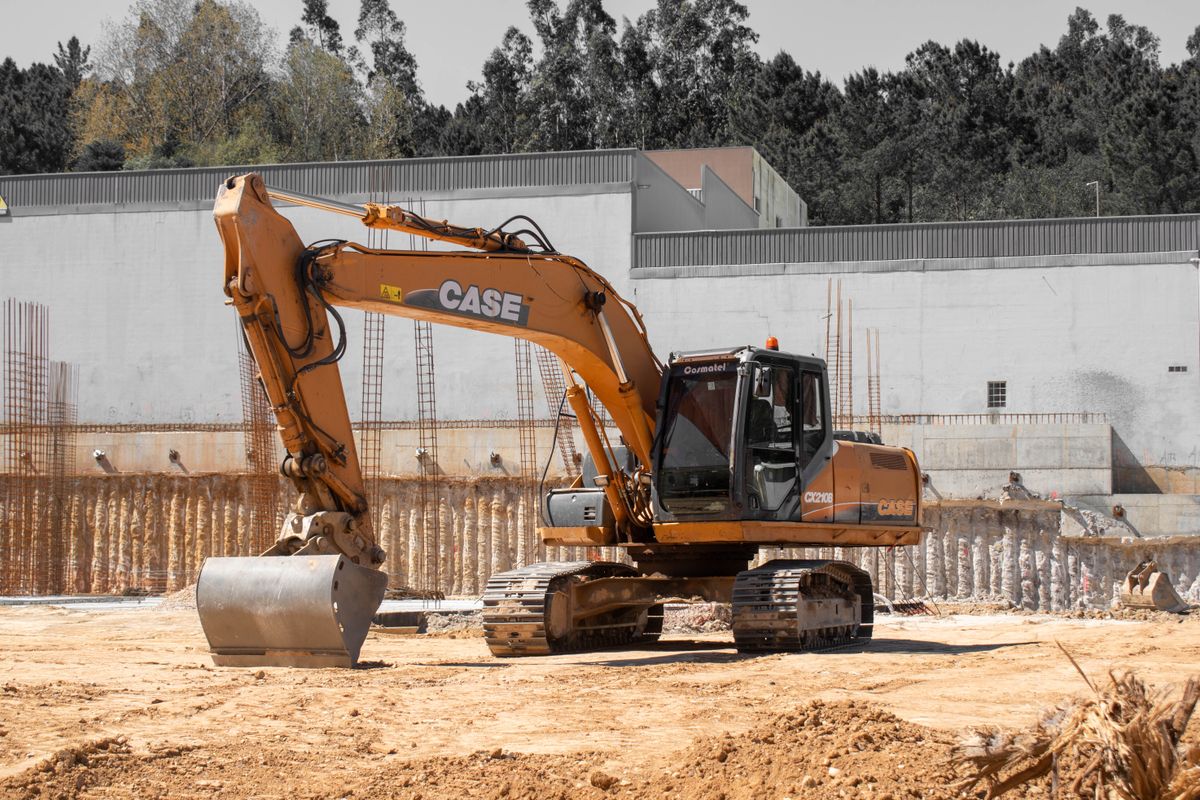
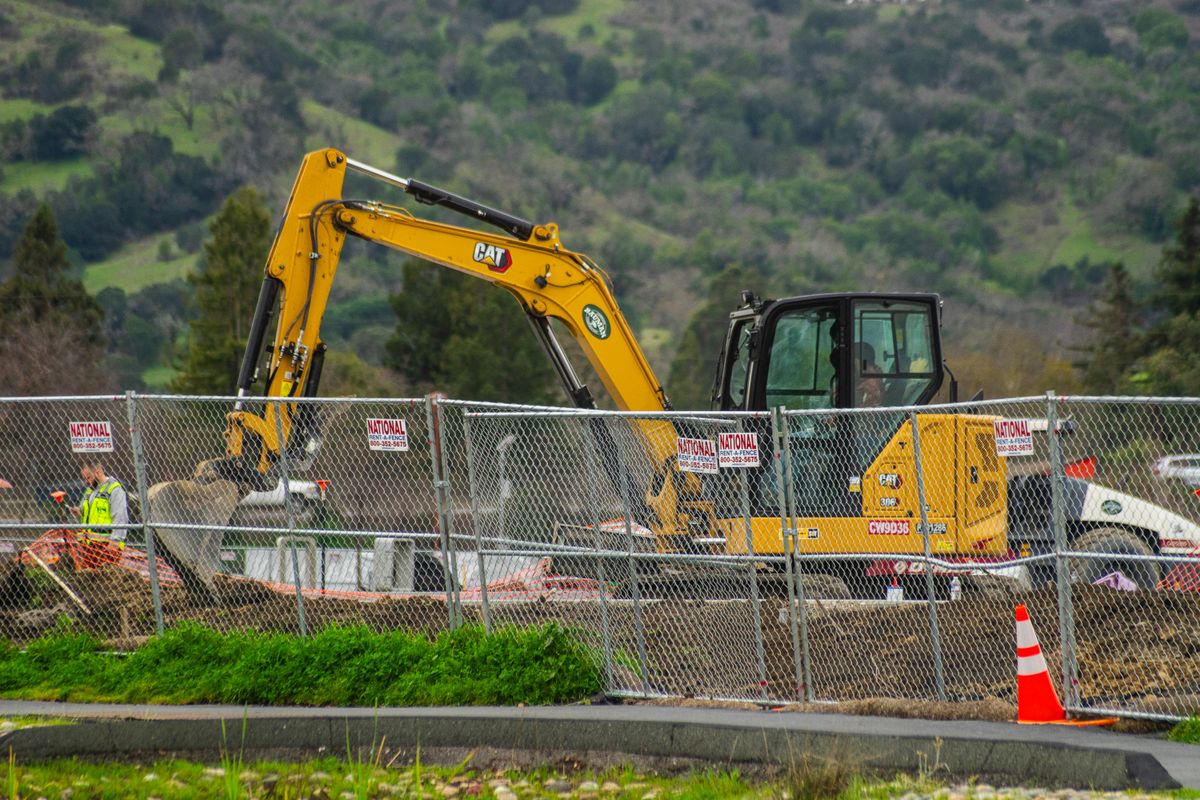
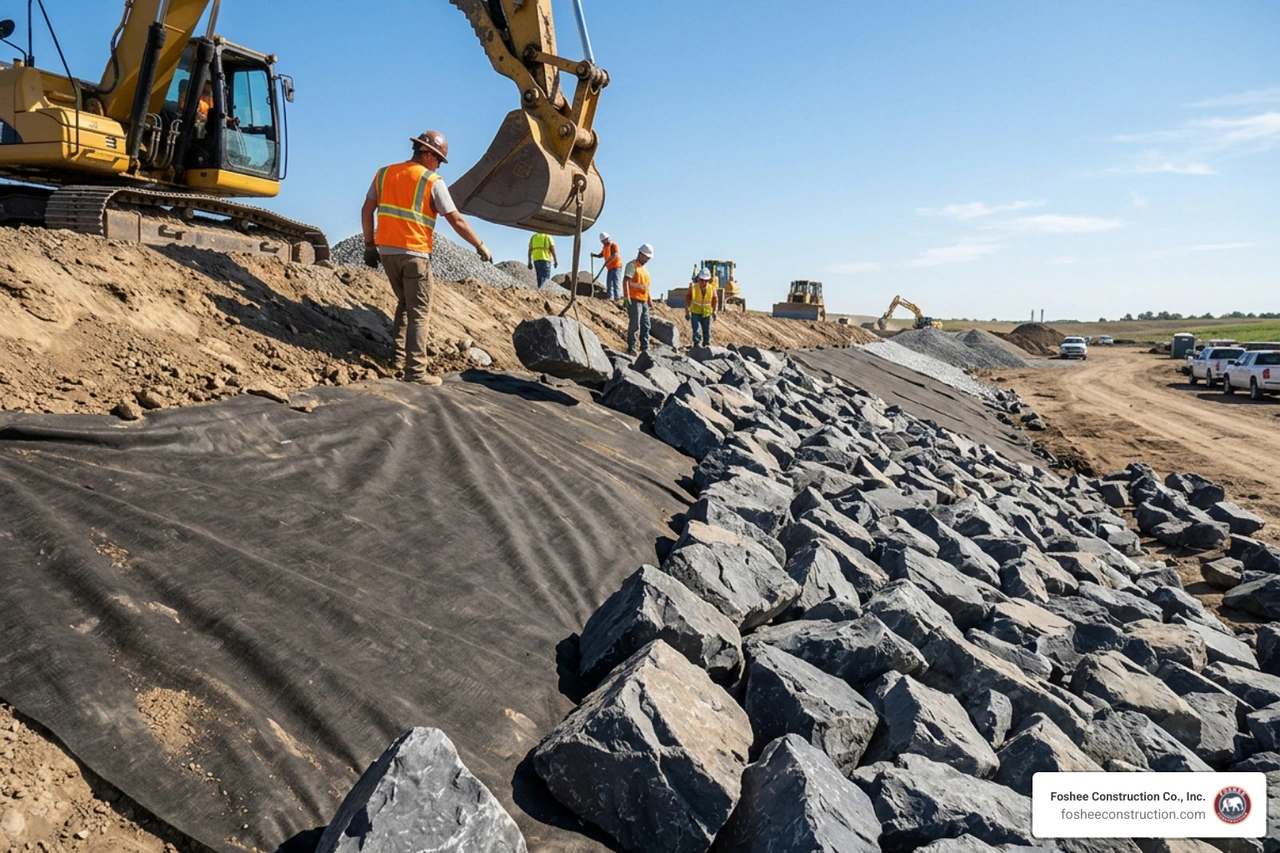
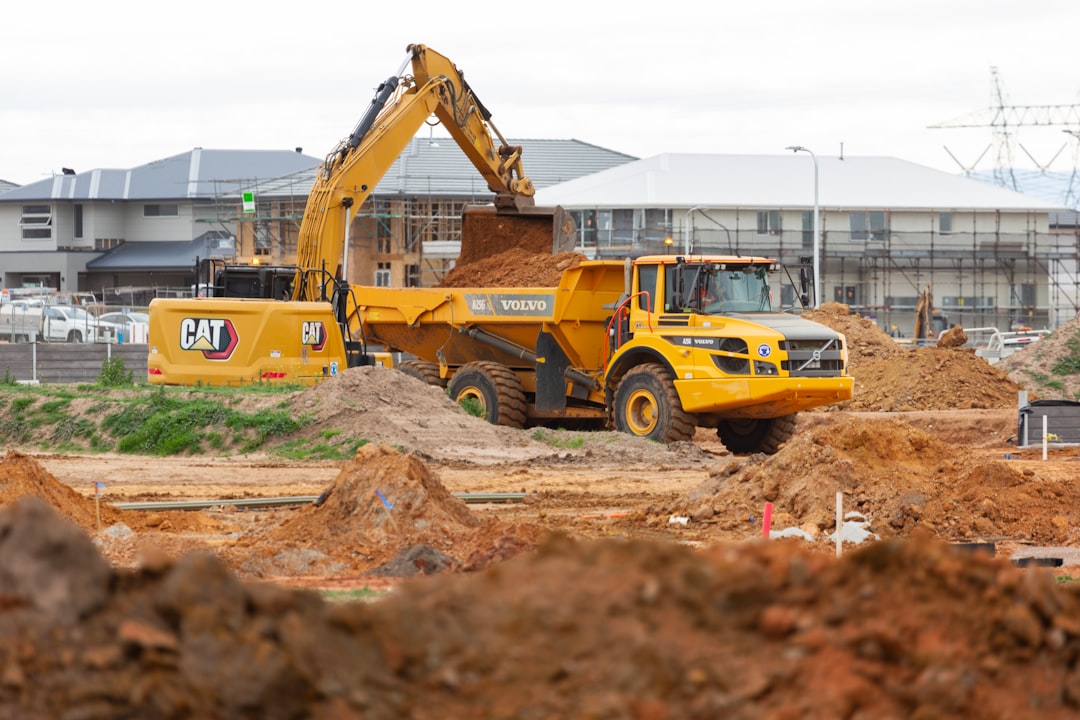
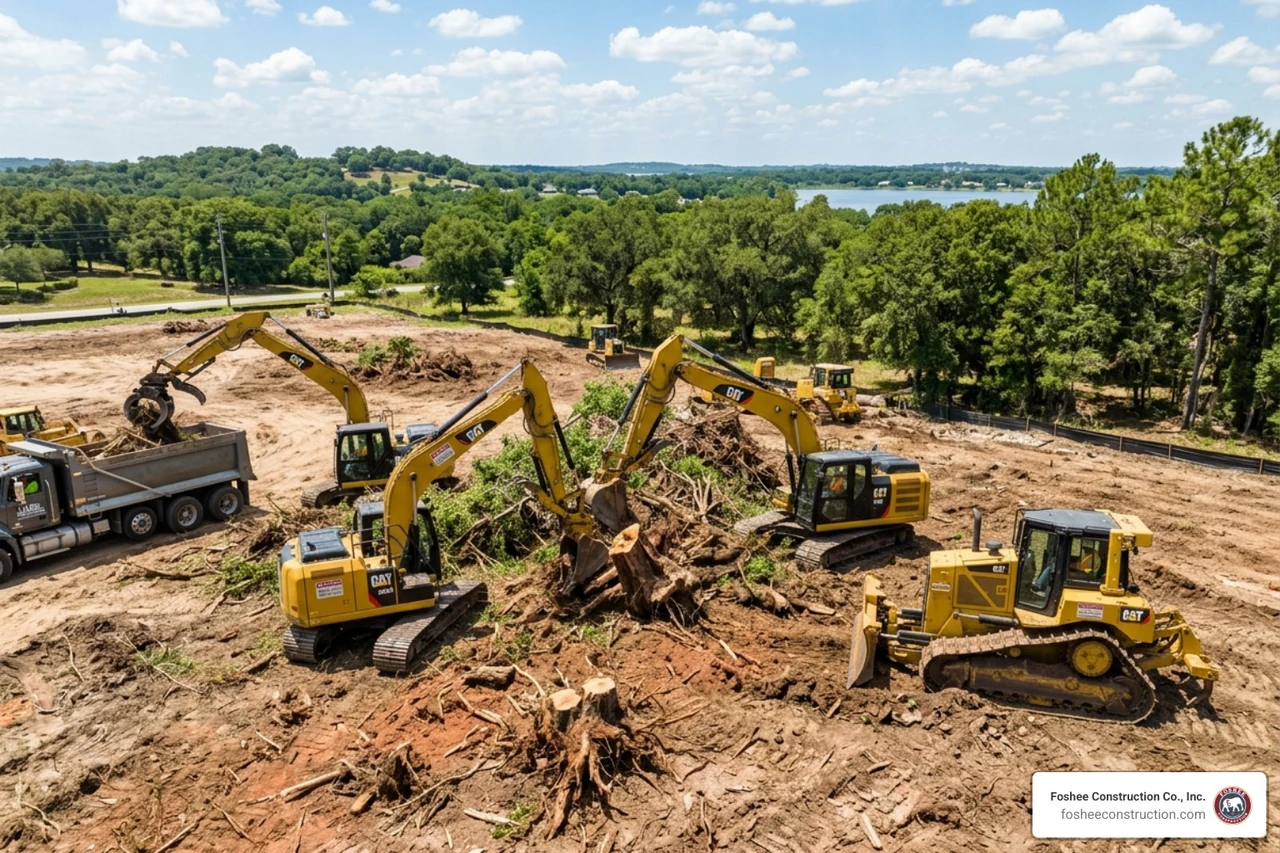
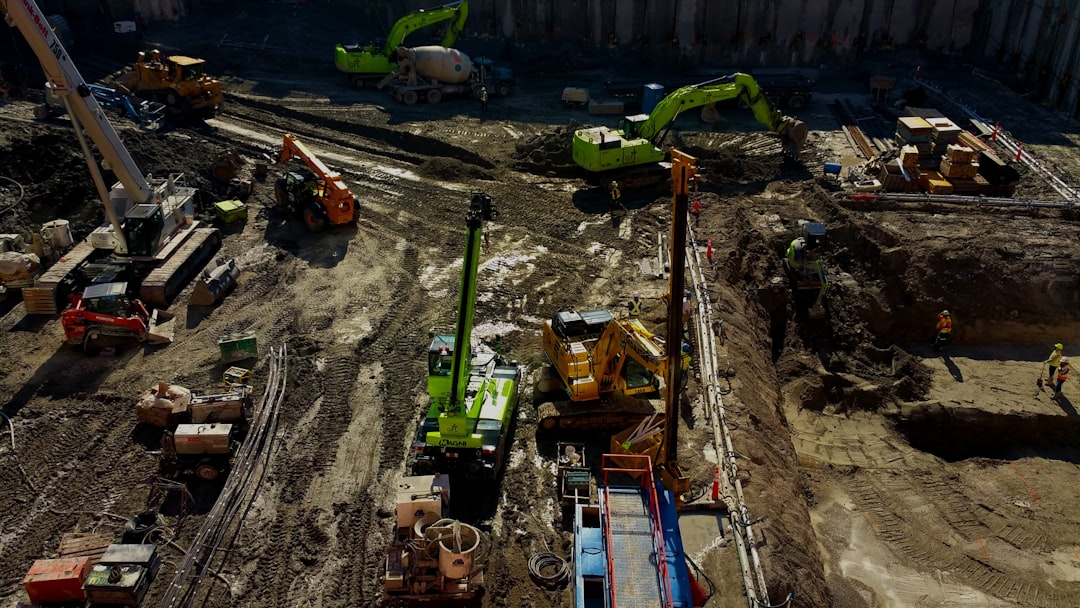
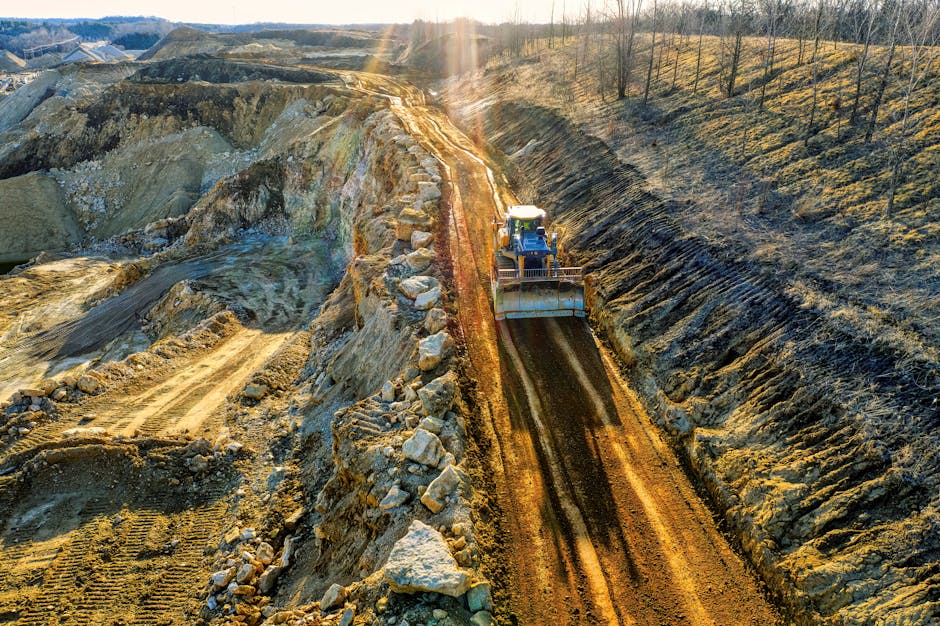
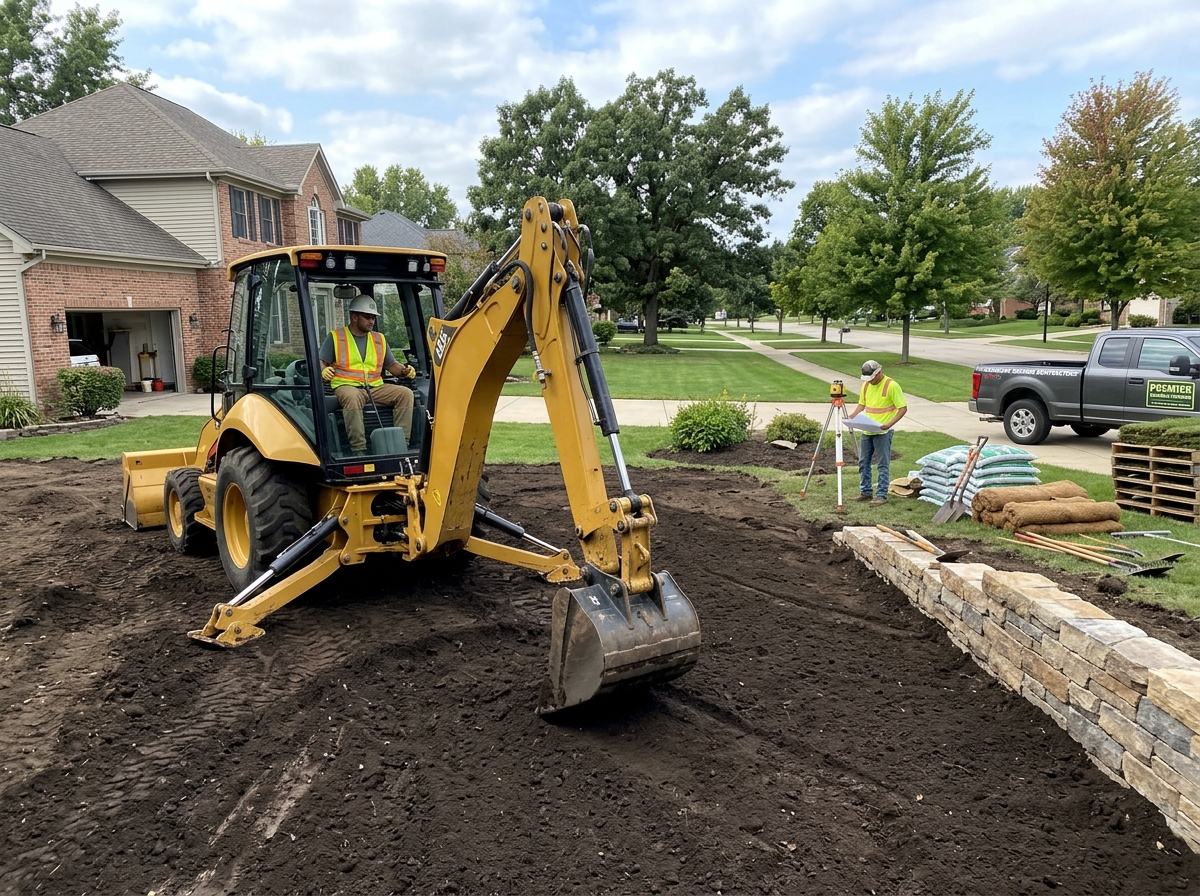
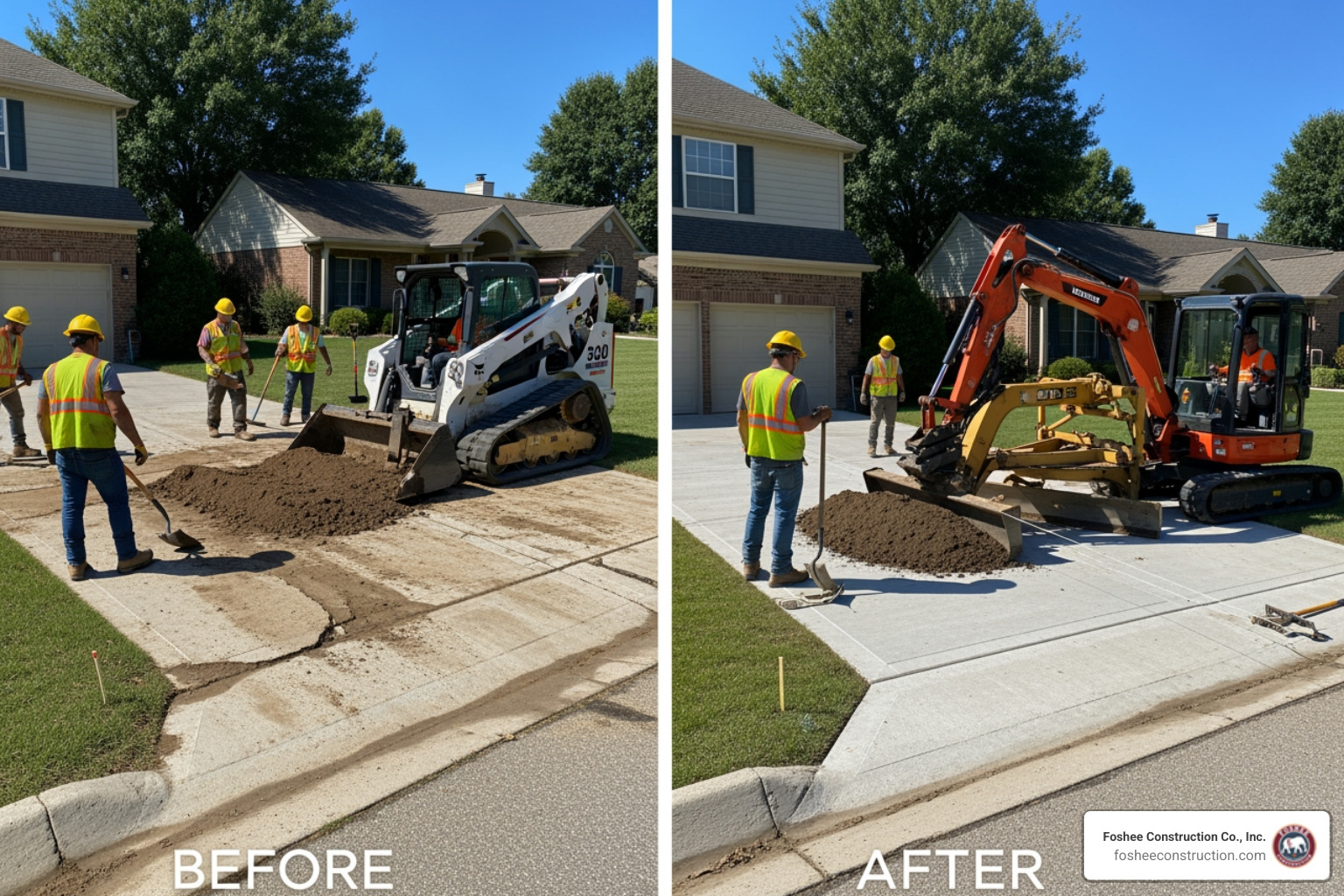
Operating cranes and derricks requires extreme precision. OSHA requires all crane operators to be certified and for a trained signal person to be present if the operator's view is obstructed. At Foshee Construction, we emphasize construction site safety during site prep, ensuring that all ground workers stay clear of the "swing radius" of heavy equipment to prevent struck-by incidents.
Electrical hazards aren't just for electricians. Anyone using a power tool is at risk. We follow strict grounding requirements and use Ground Fault Circuit Interrupters (GFCIs) on all 120-volt, single-phase, 15- and 20-ampere receptacles. We also implement Lockout/Tagout (LOTO) procedures to ensure that machinery cannot be accidentally energized while someone is working on it.
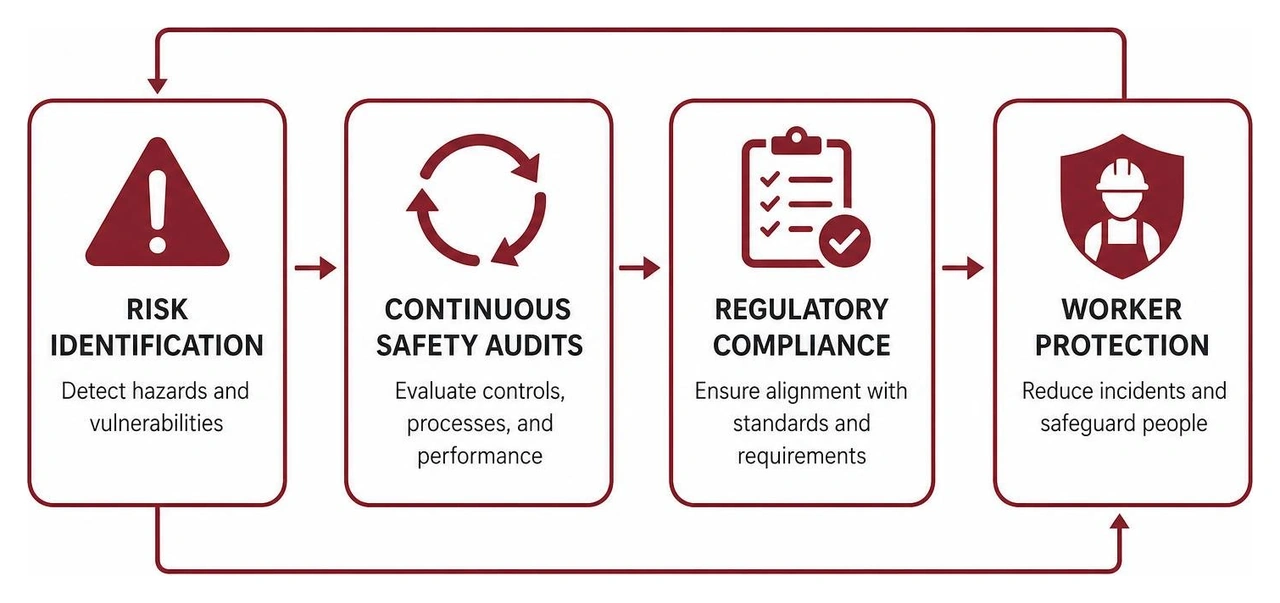
Compliance isn't just about what you do on the dirt; it's about the programs you have in writing. OSHA requires employers to develop and maintain several key safety programs.
For a structured way to start these programs, the Compliance Assistance Quick Start - Construction Industry - OSHA is an excellent resource.
Training is the foundation of safety. OSHA requires that we provide training in a language and vocabulary the worker understands.
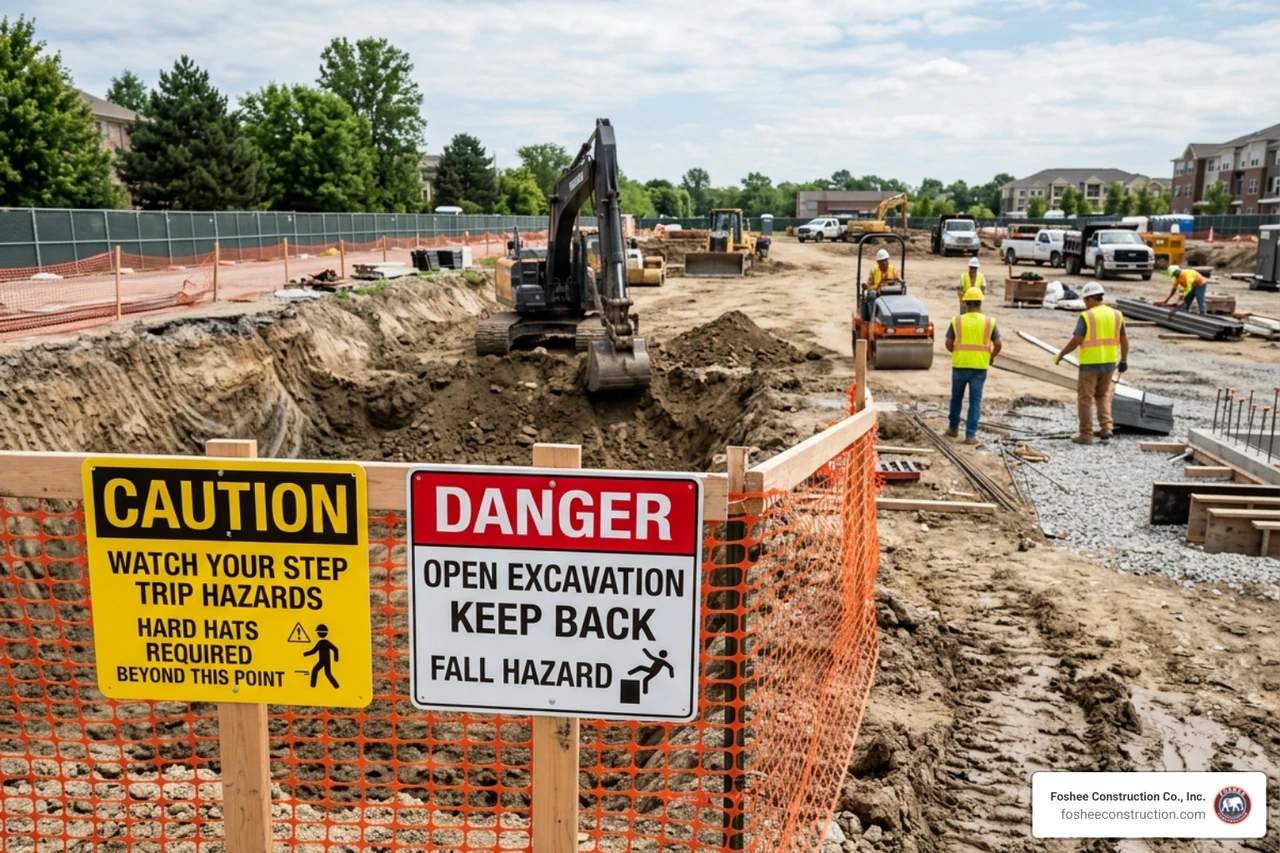
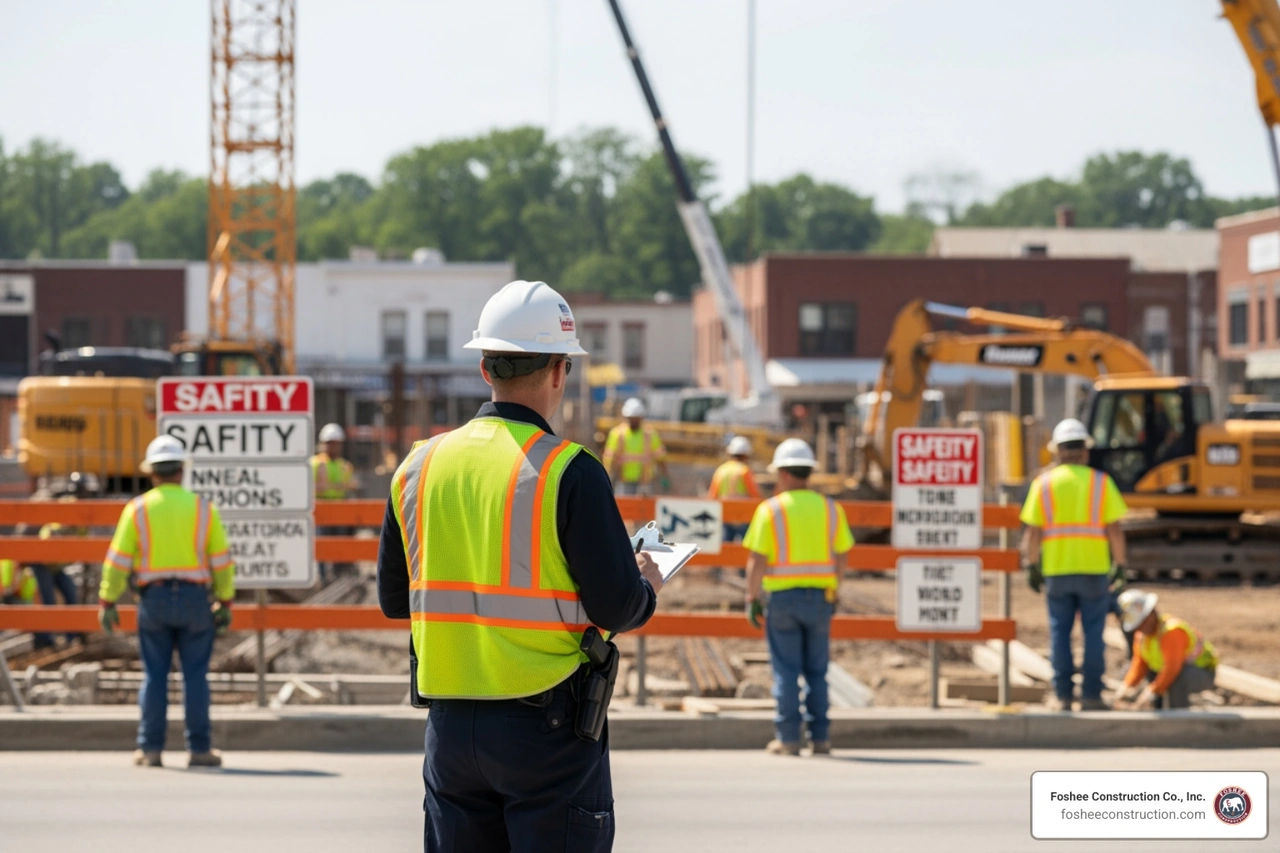
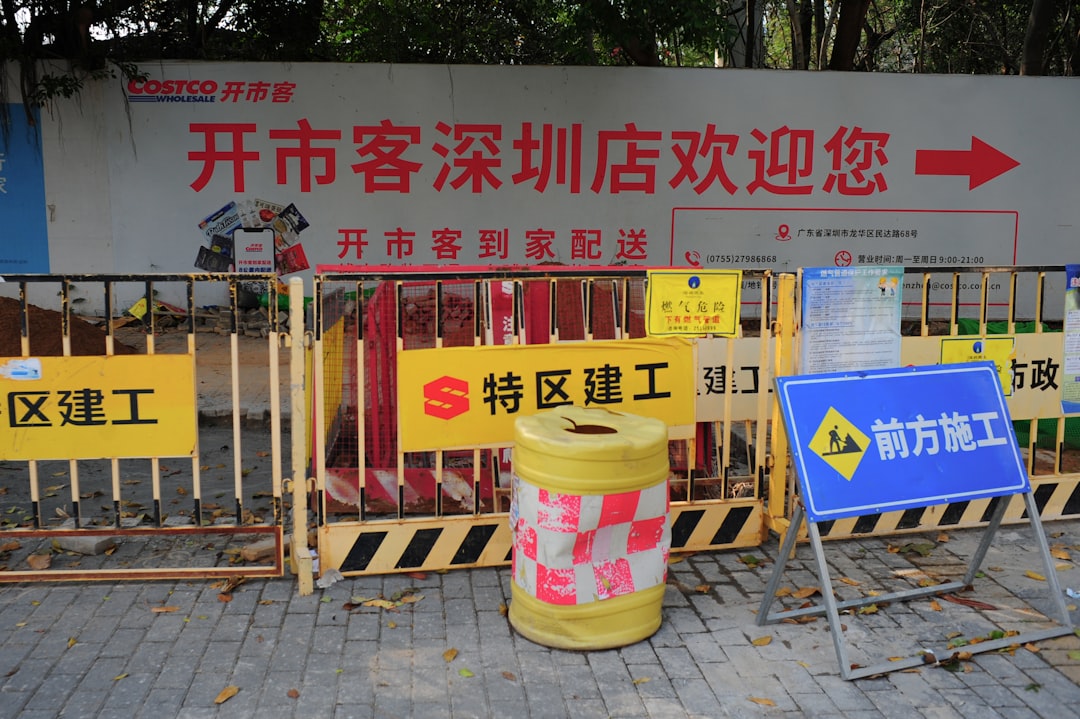
Clear communication on a job site saves lives. OSHA Subpart G dictates how we use signs and barricades to warn workers and the public of danger. We also follow the Manual on Uniform Traffic Control Devices (MUTCD) for any work that impacts public roads.
| Sign Type | Color Code | Meaning |
|---|---|---|
| Danger | Red, Black, & White | Immediate hazard; special precautions necessary. |
| Caution | Yellow & Black | Potential hazard; warn against unsafe practices. |
| Safety Instruction | White & Green | General instructions or suggestions for safety measures. |
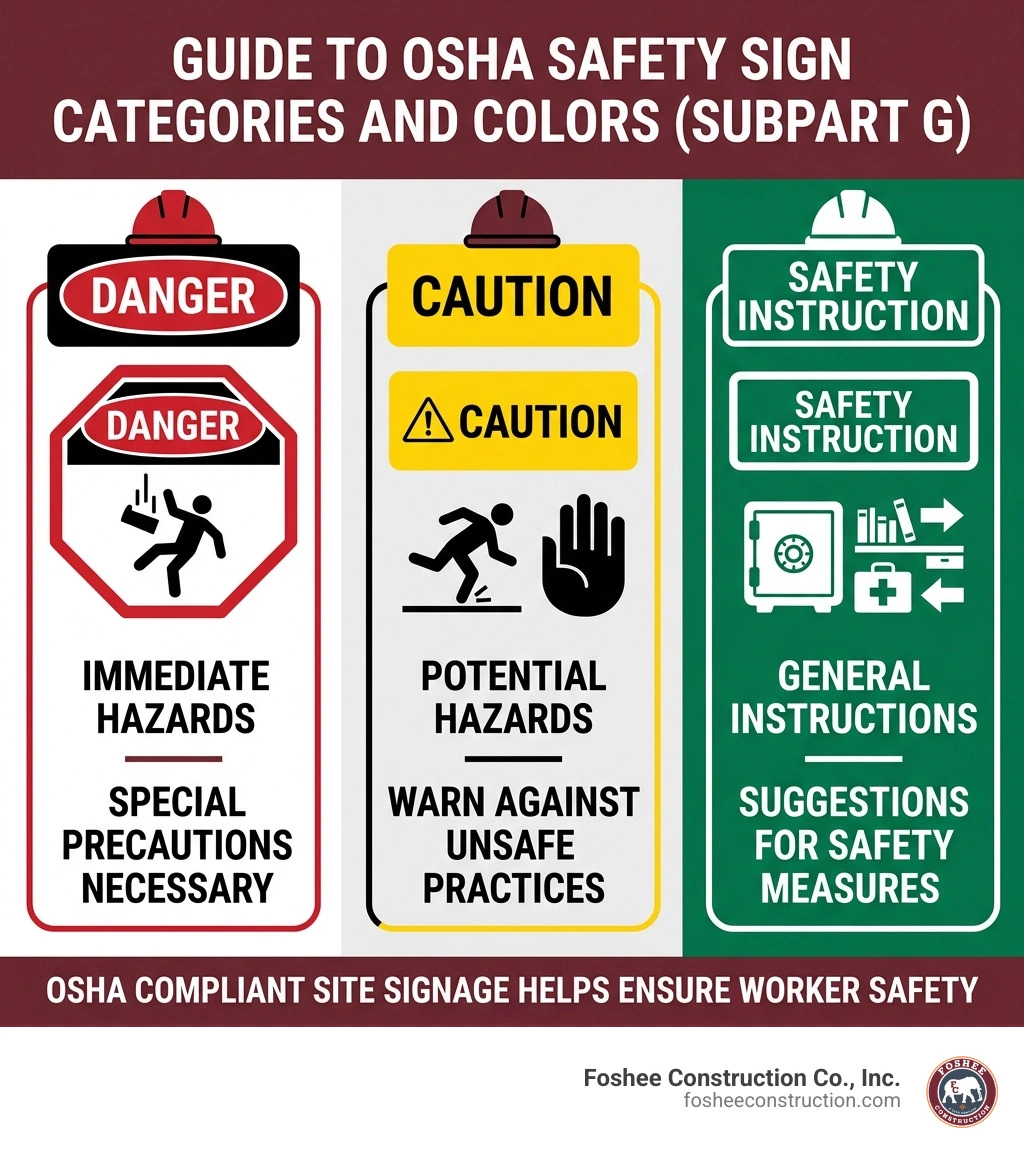
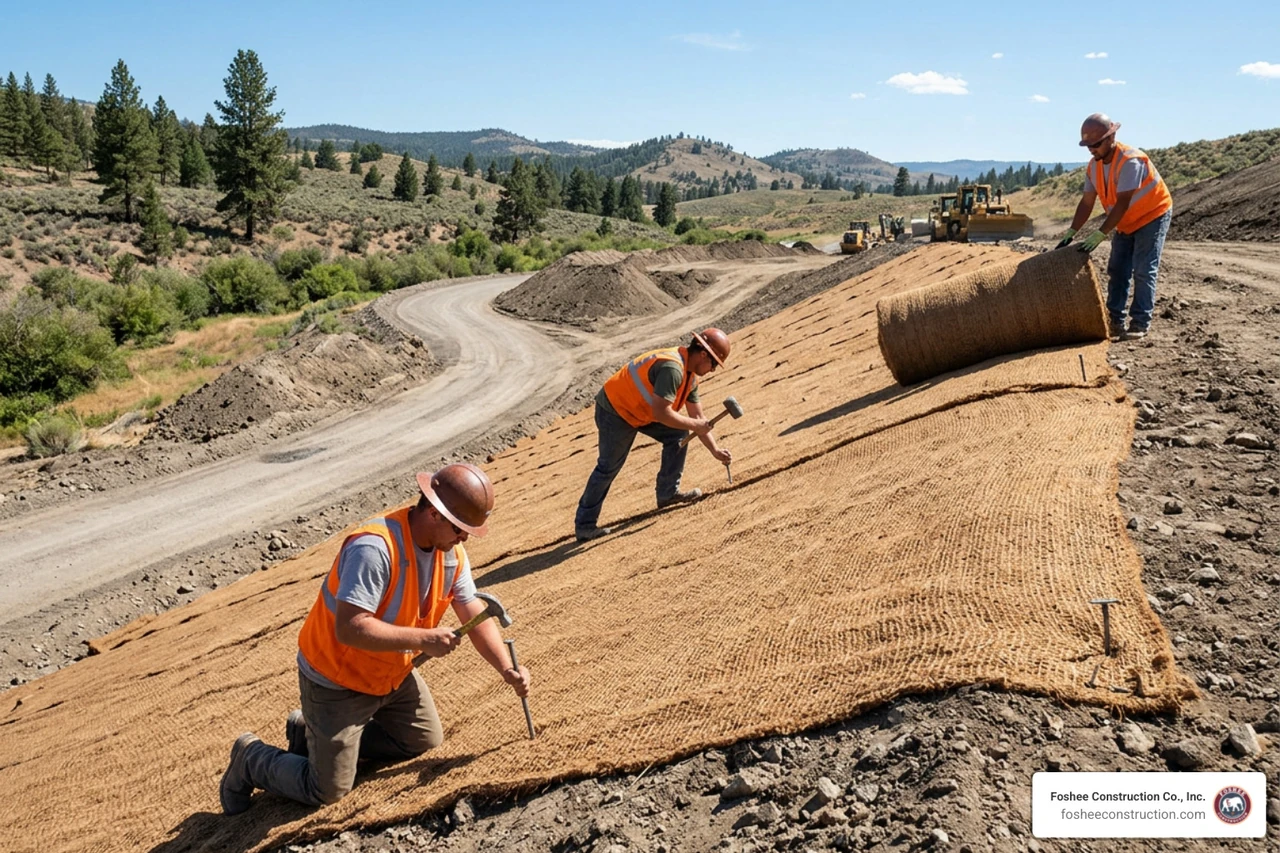
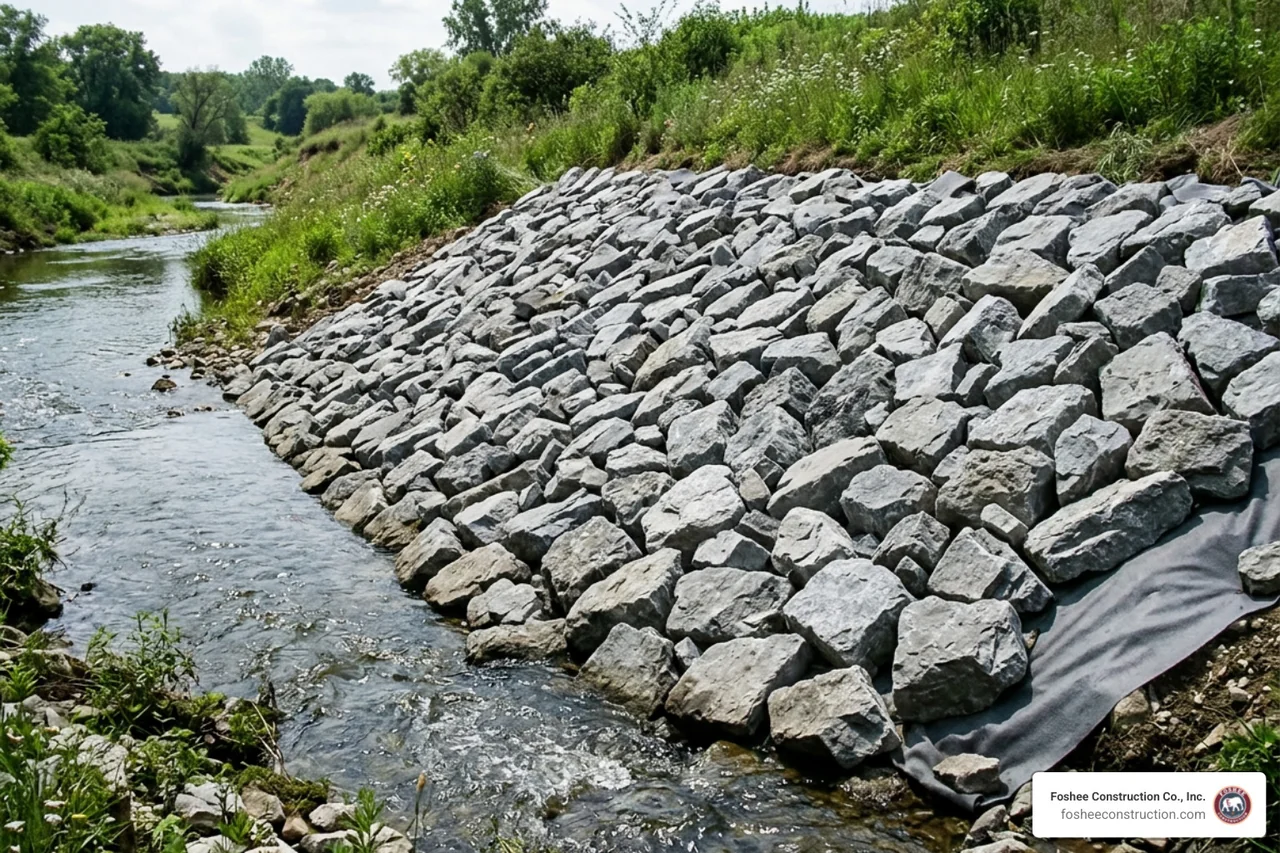
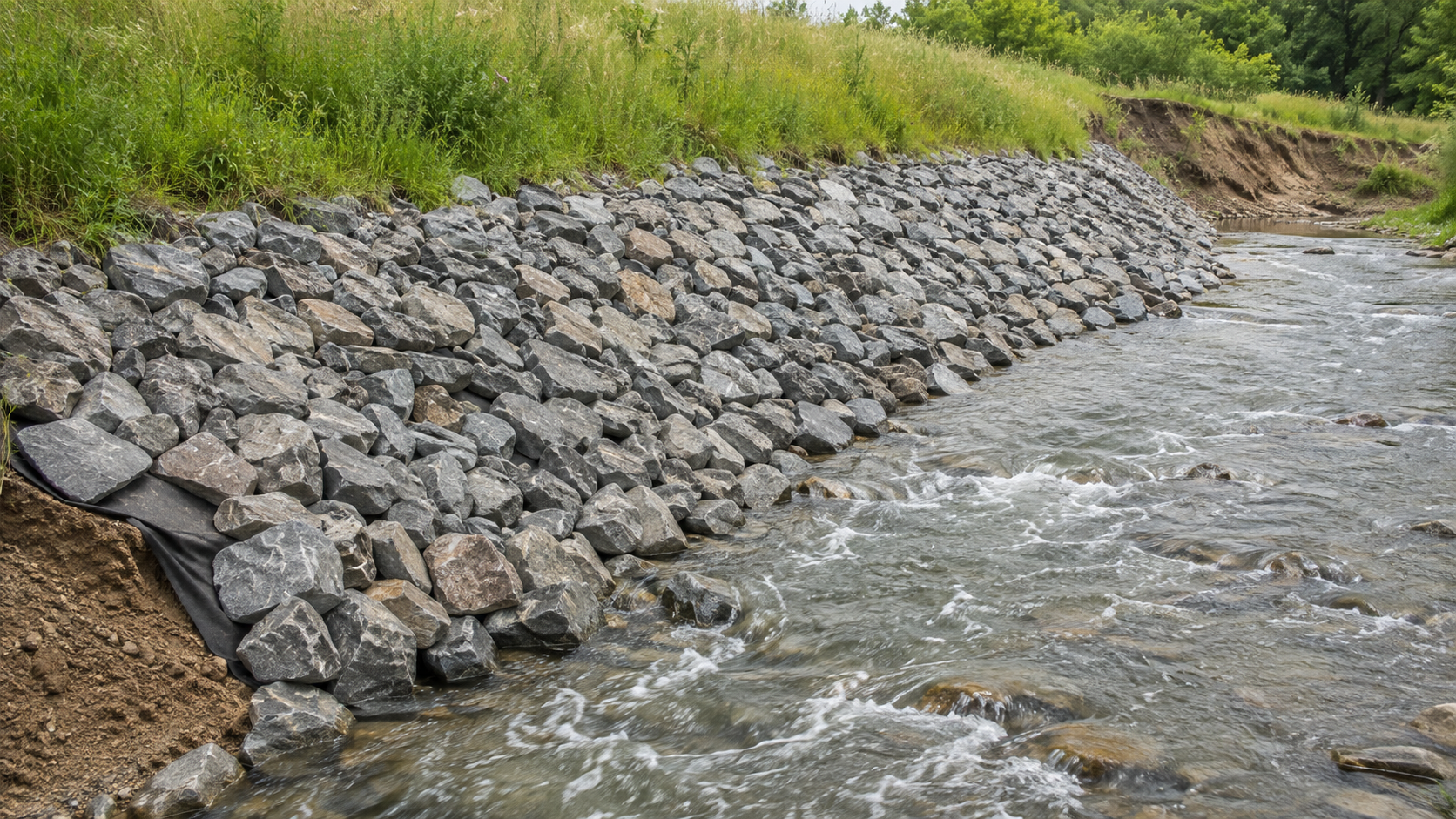
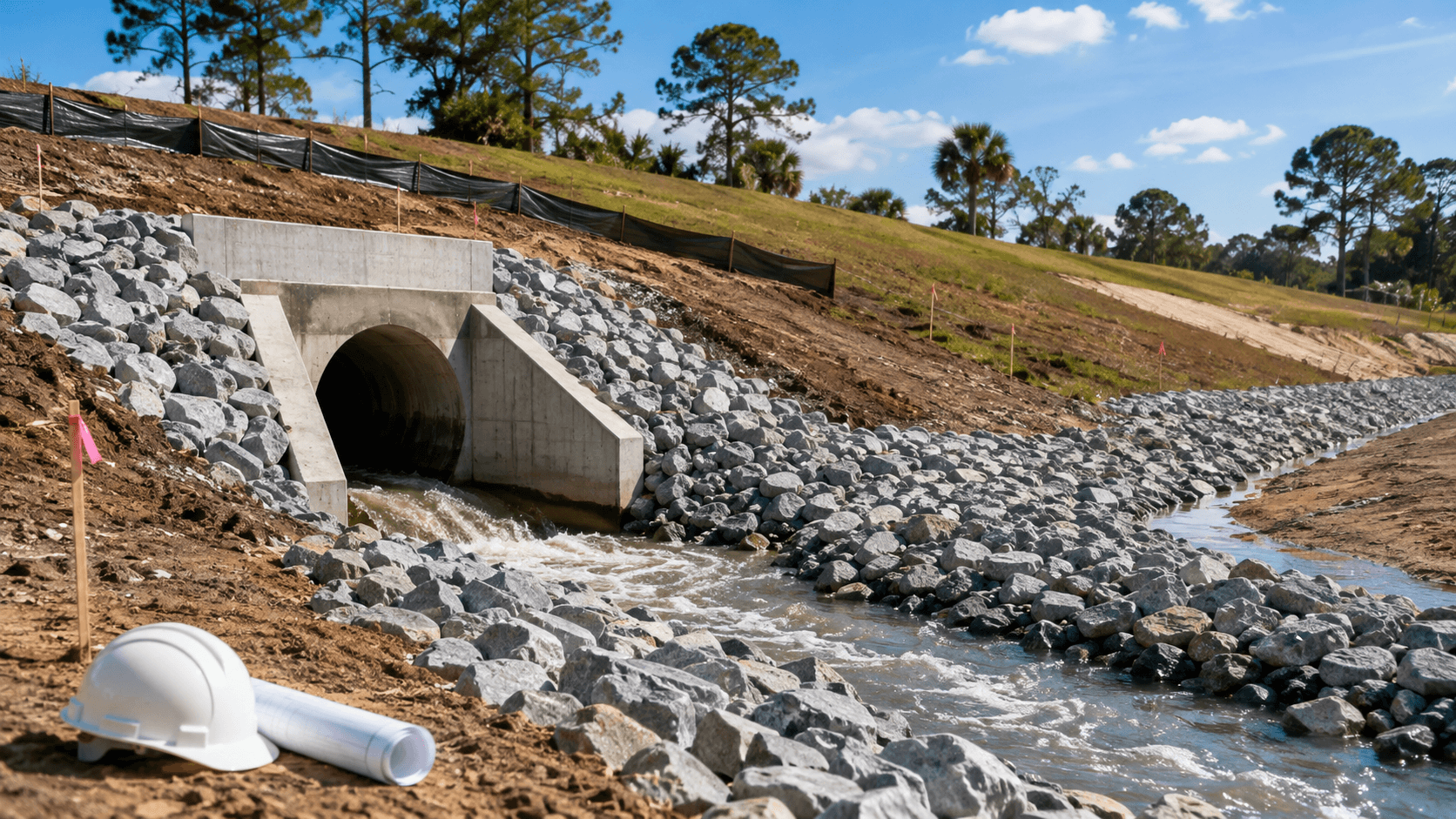
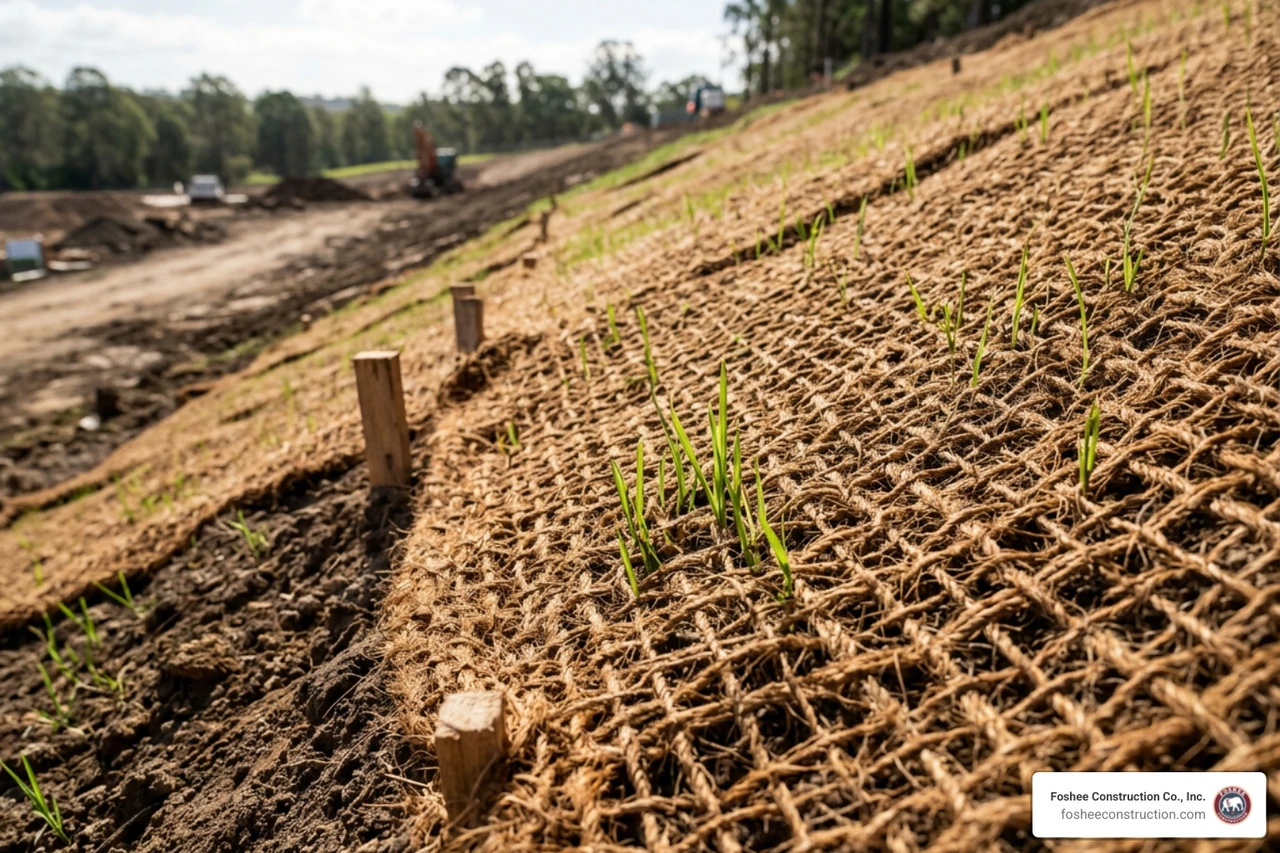
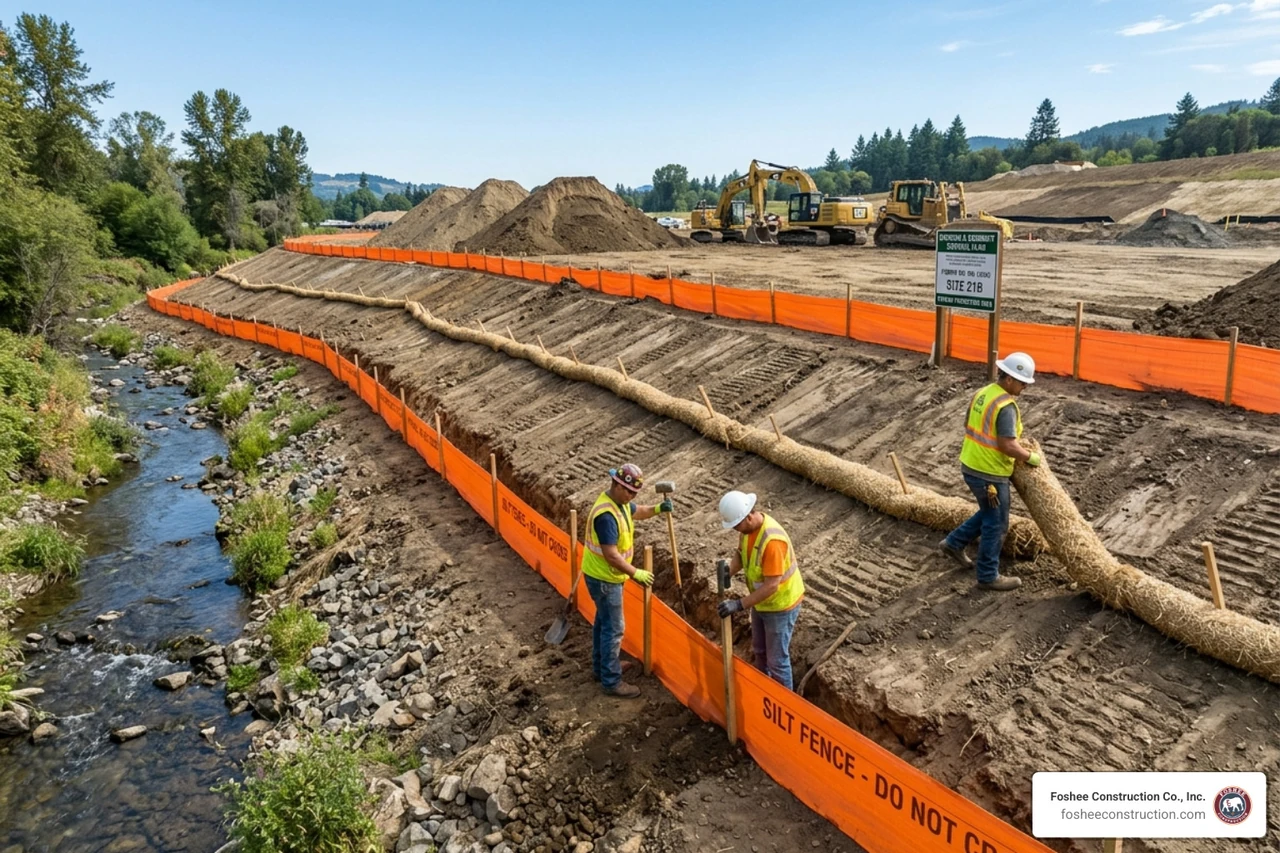
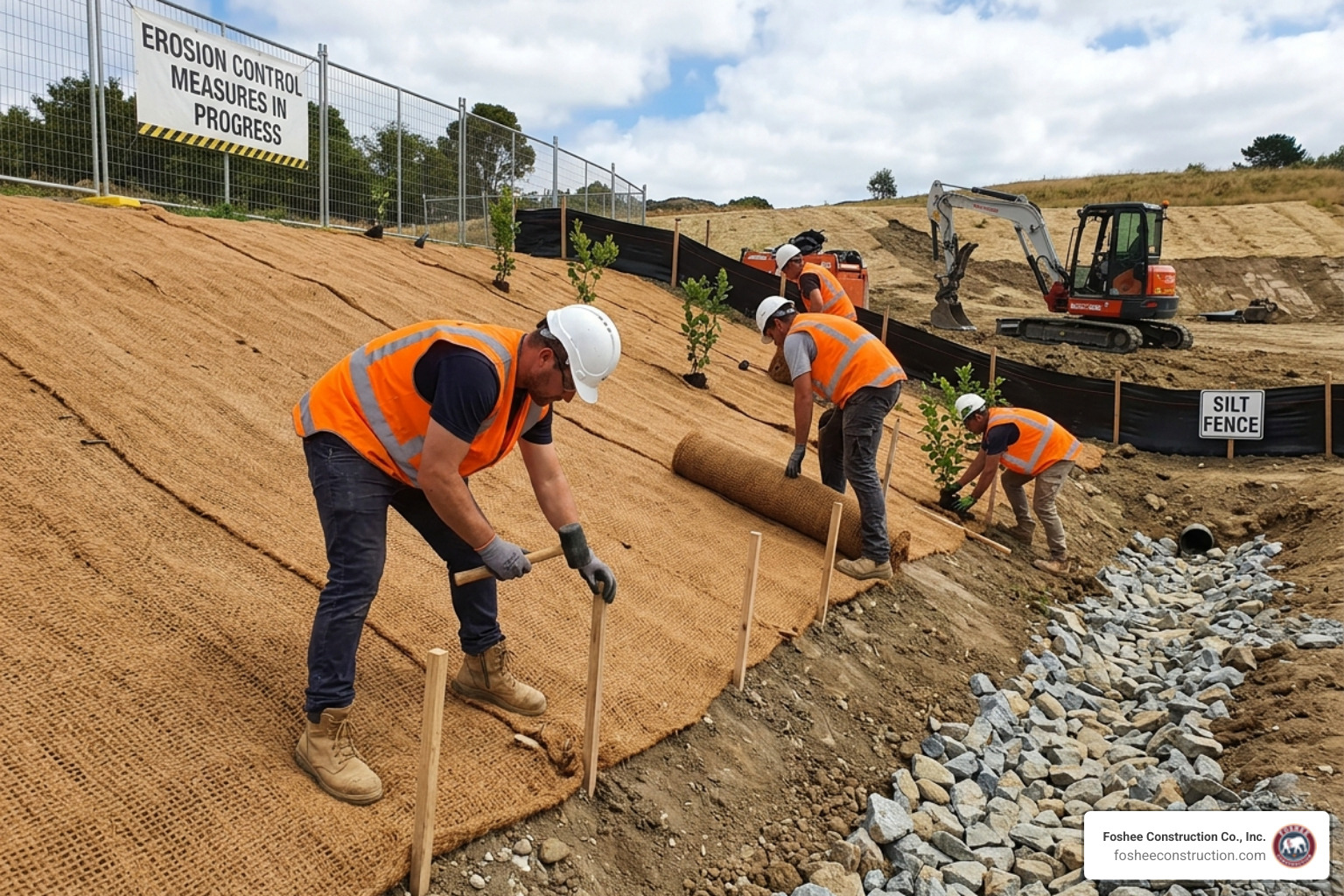
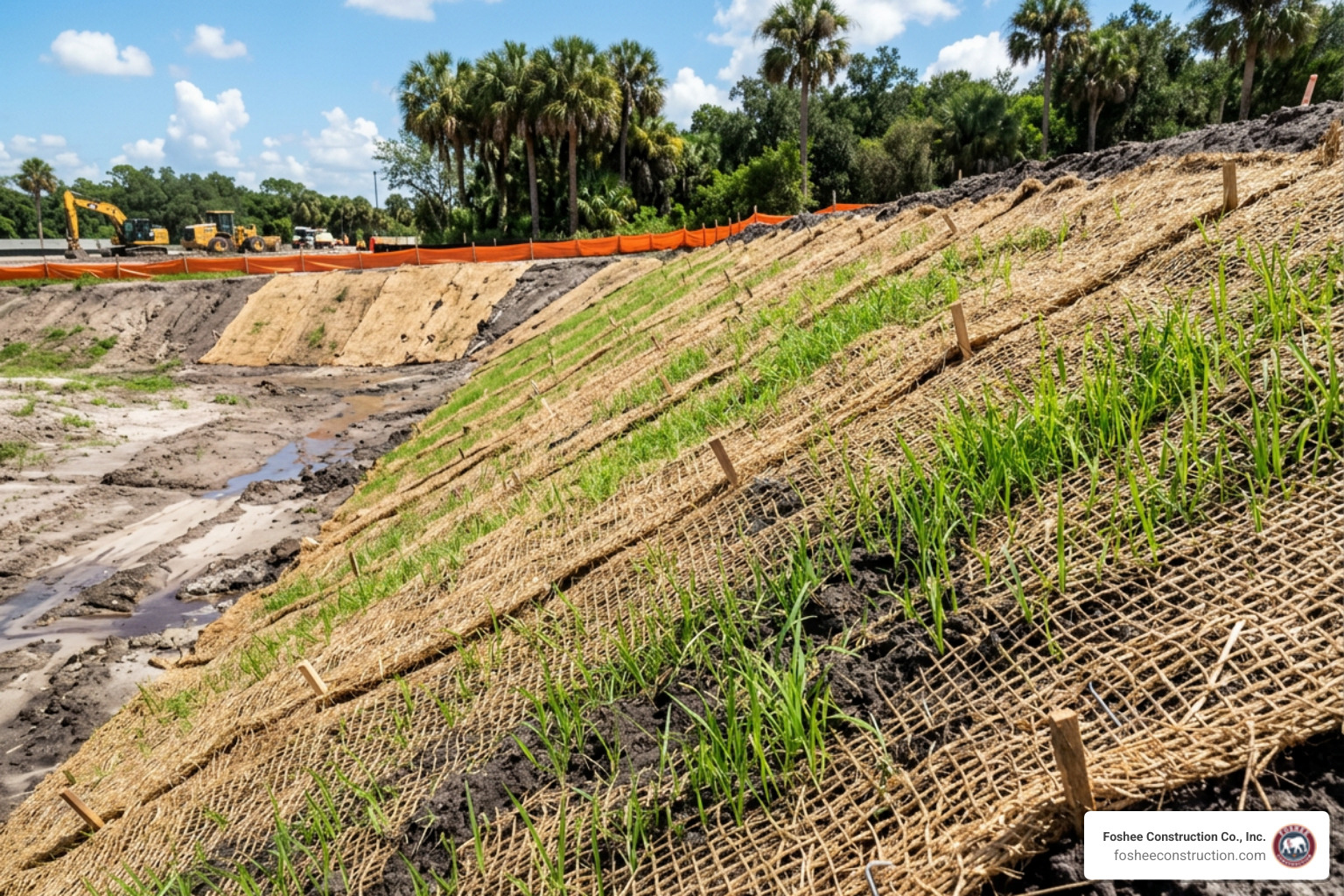
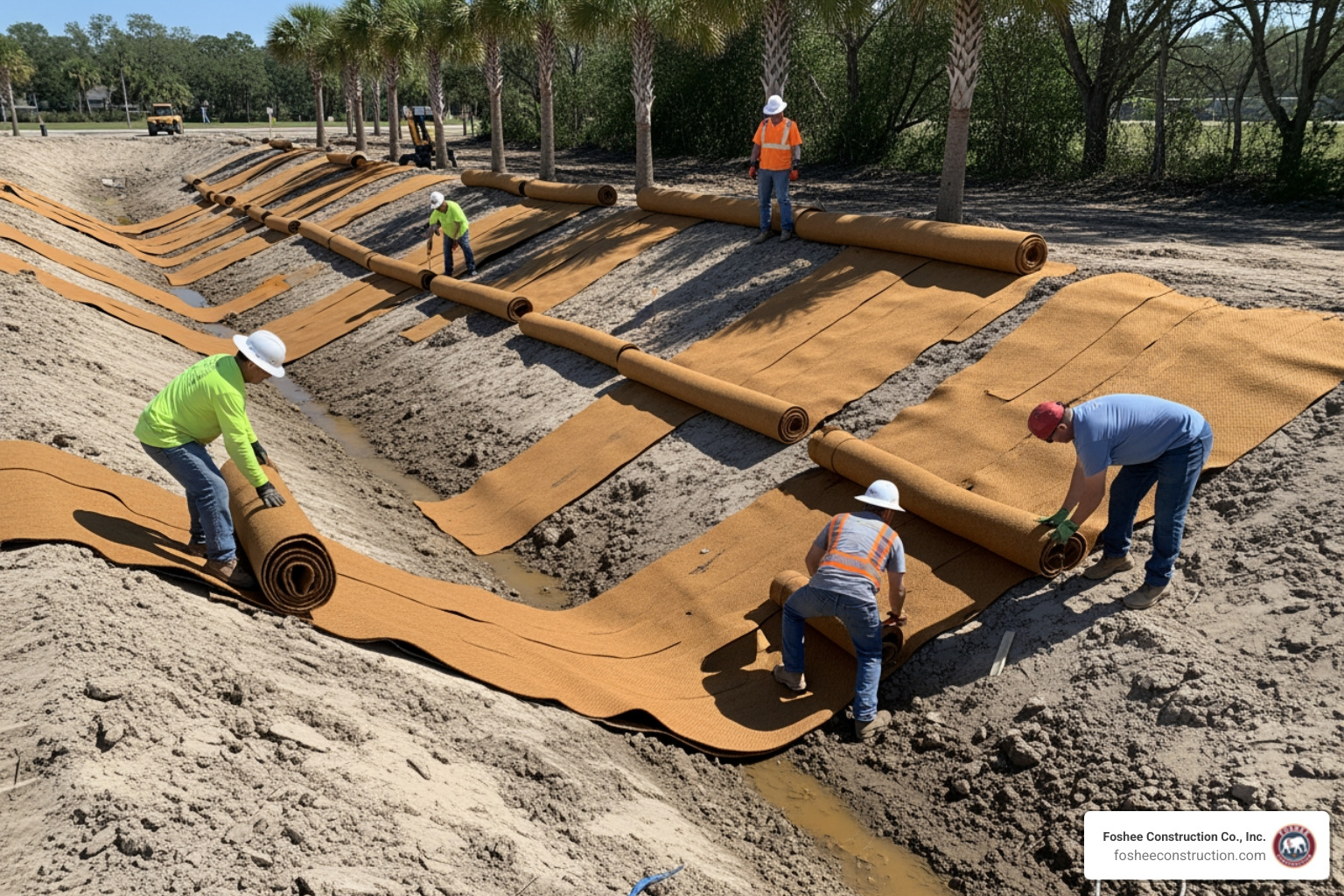
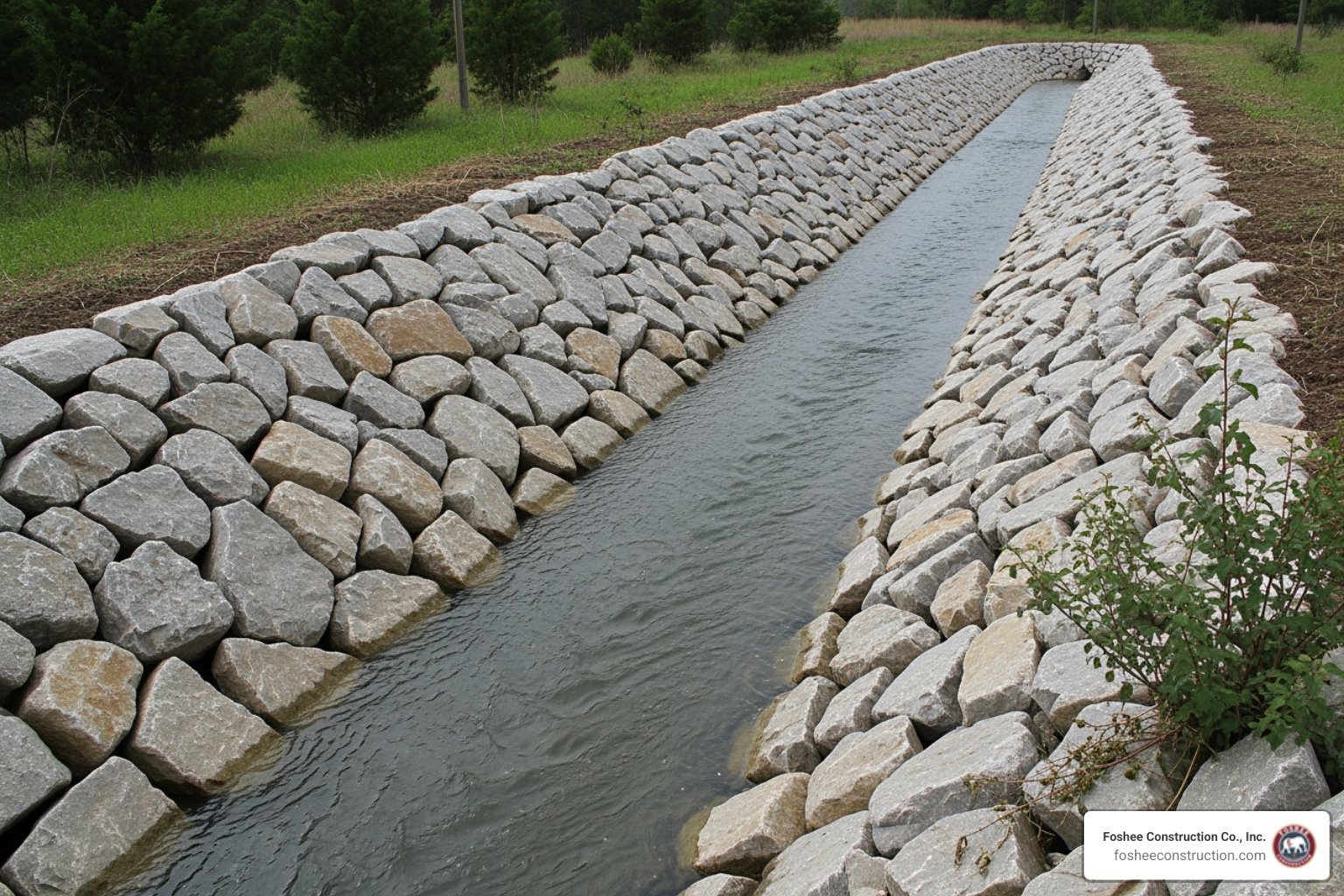
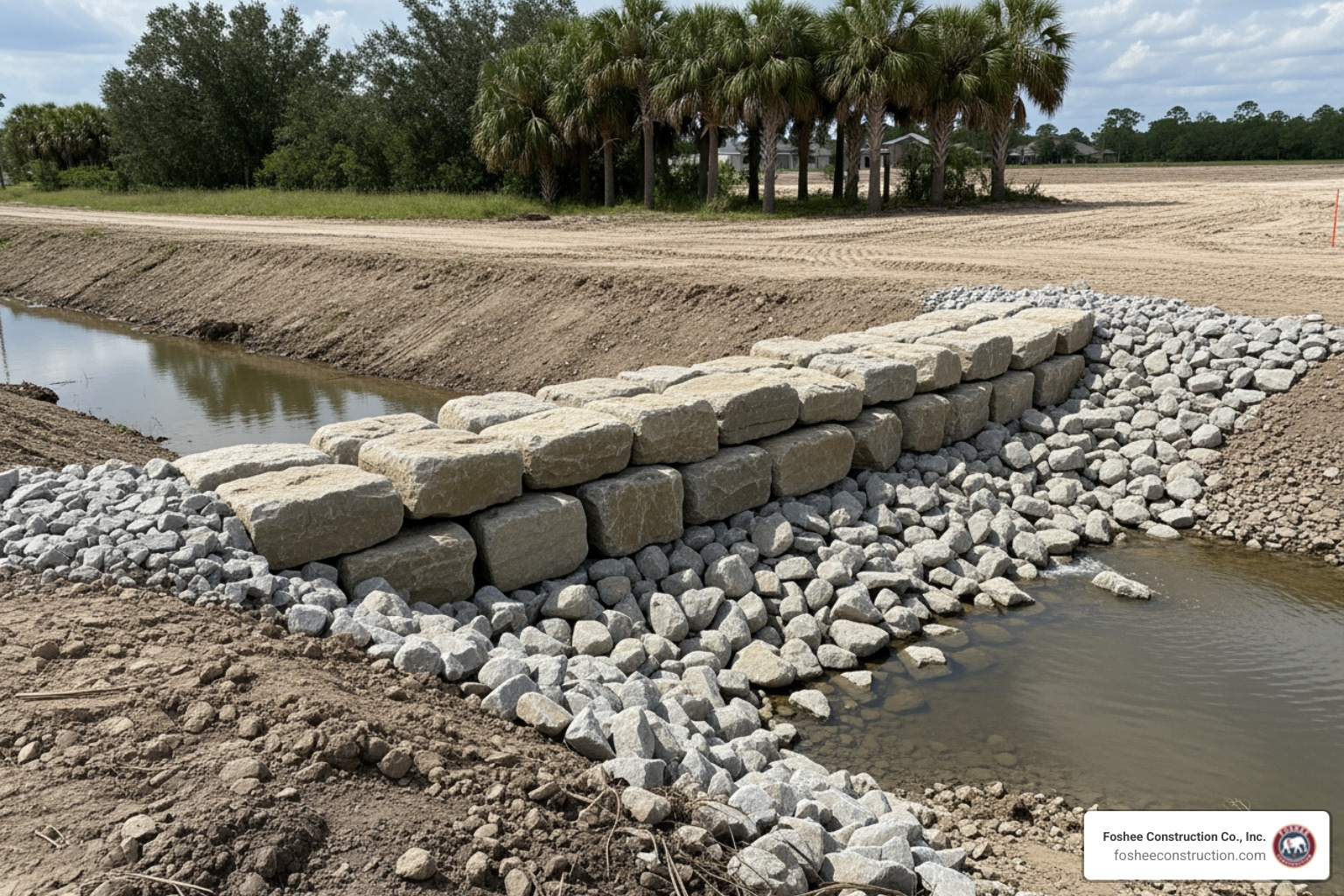
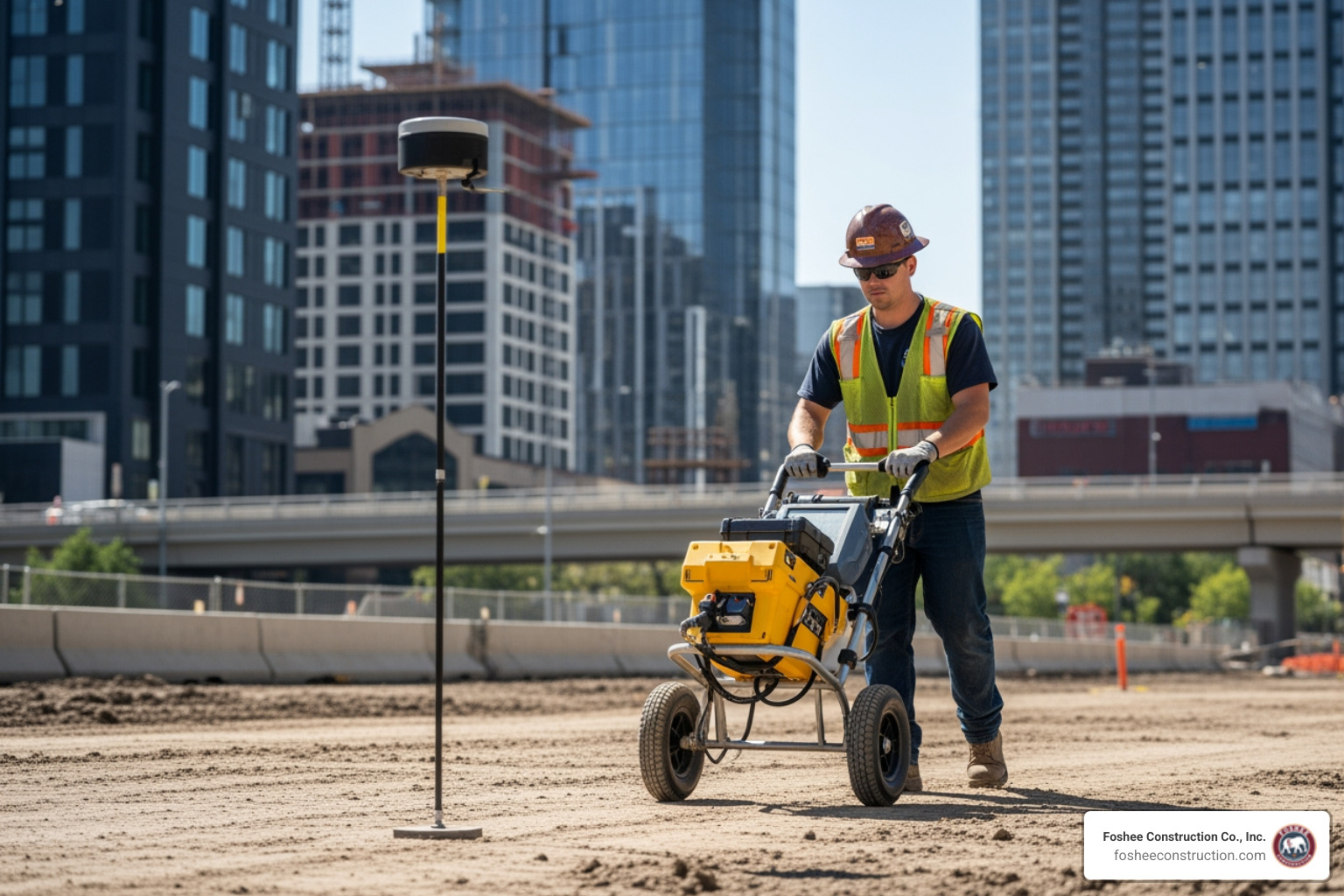
In our work with erosion control and site preparation, site markings are vital. We use flags and paint to mark underground utilities (preventing strikes) and silt fences to manage runoff, ensuring the site remains both compliant and environmentally sound.
The Focus Four are the four leading causes of fatalities in the construction industry: Falls, Struck-by (vehicles or objects), Caught-in/Between (crushing or trench cave-ins), and Electrocution. OSHA focuses heavily on these because they account for the majority of site deaths.
Generally, fall protection is required whenever a worker is at a height of 6 feet or more above a lower level. However, there are exceptions, such as 10 feet for scaffolding and 15 feet for certain steel erection activities. Protection is also required at any height when working over dangerous equipment like open machinery or vats.
Employers must report any work-related fatality to OSHA within 8 hours. For any work-related inpatient hospitalization, amputation, or loss of an eye, the report must be made within 24 hours.
Staying compliant with osha construction site requirements is a full-time job, but it’s the most important job we have. At Foshee Construction Co., Inc., we’ve built our reputation in Minneola and across Florida by proving that you don’t have to sacrifice safety for speed. By focusing on the "Focus Four," providing the right PPE, and maintaining rigorous training programs, we protect our most valuable asset: our people.
Whether we are handling complex underground utilities, grading a new development, or managing complete site preparation, our safety-first approach ensures that every project starts on a solid, compliant foundation. If you’re looking for a partner who values reliable relationships and disciplined scheduling as much as site safety, learn more about Why Foshee Construction is the right choice for your next Florida project.
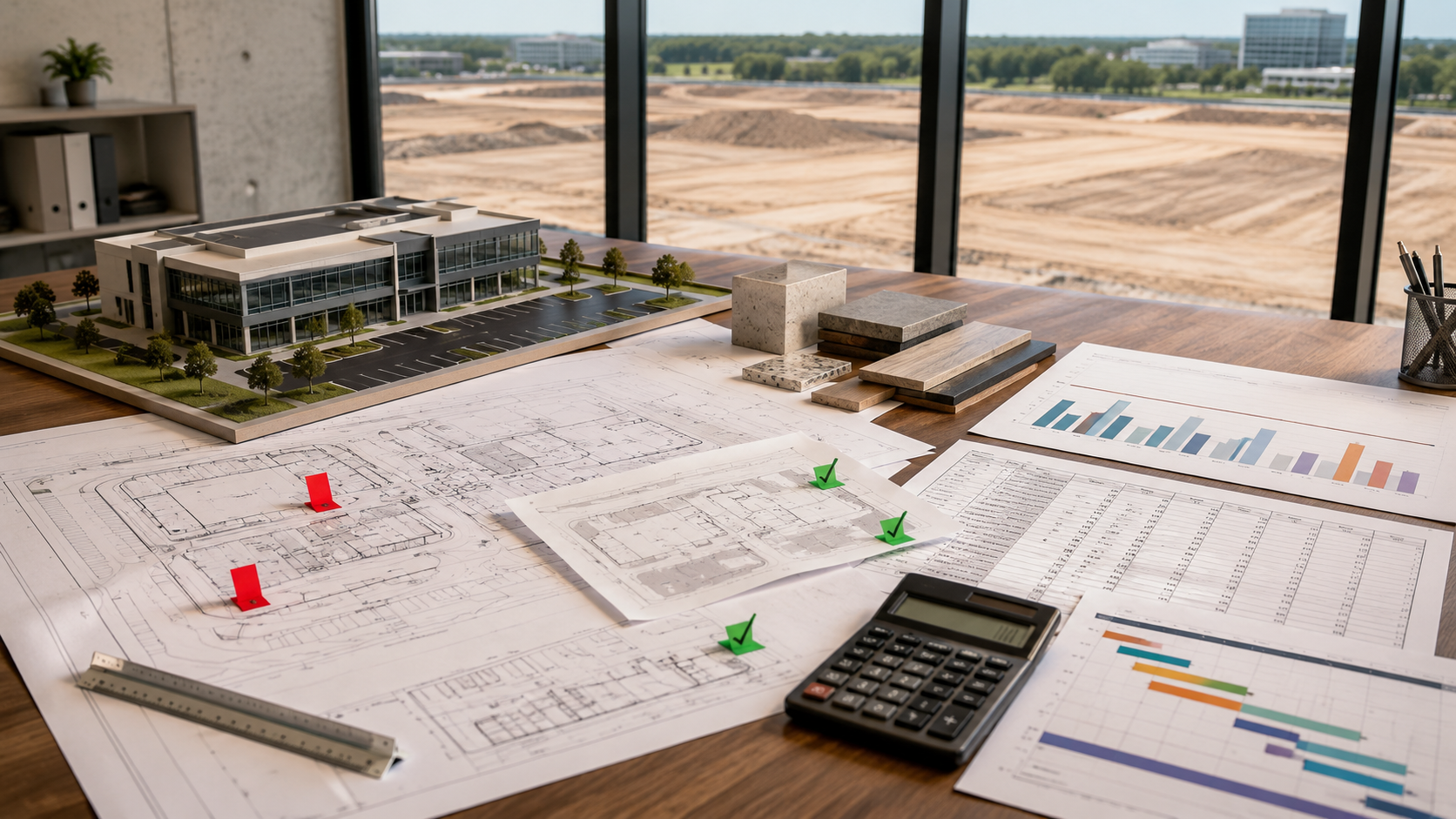
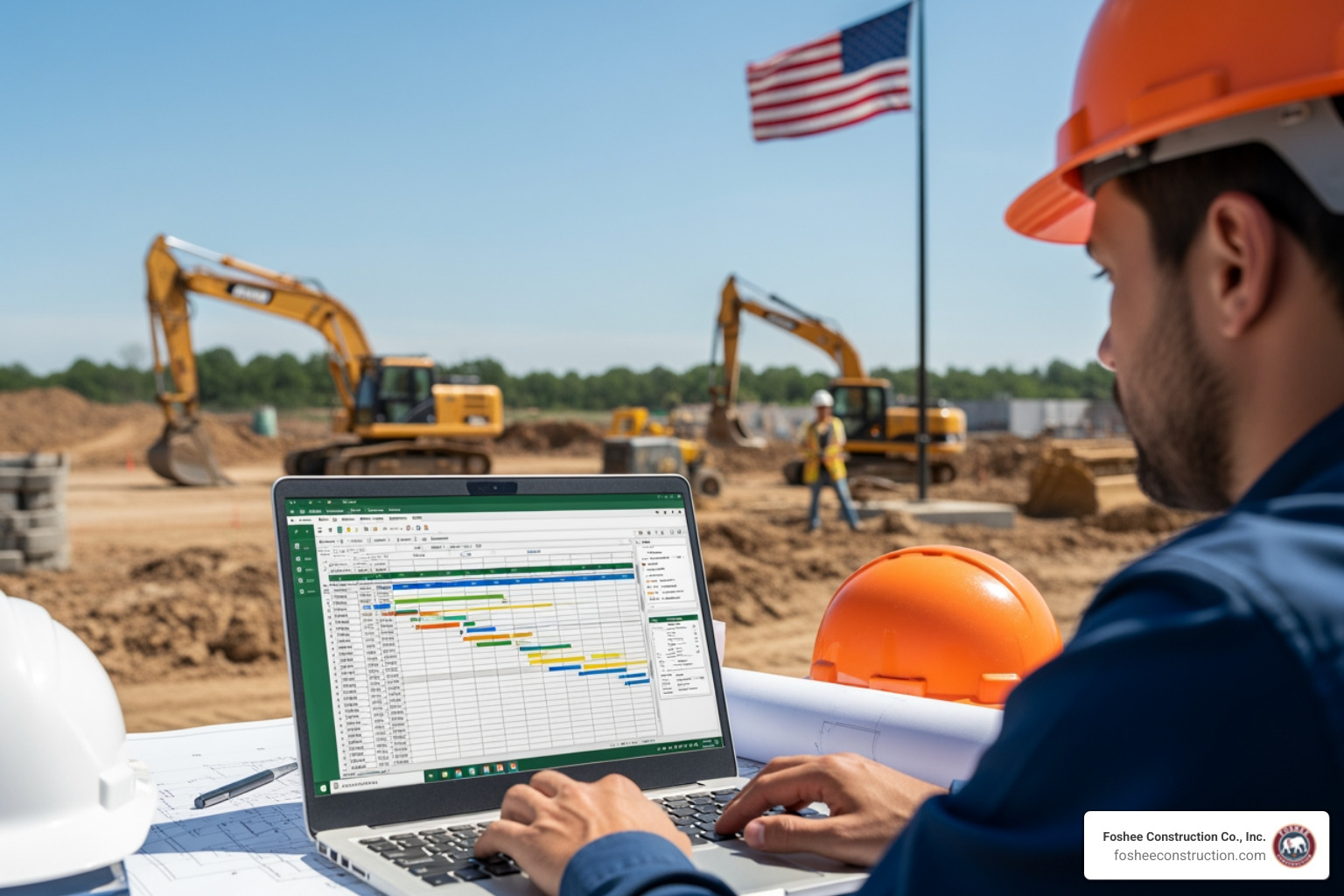
We build bids using HeavyBid and AGTEK because the details matter long before the job starts. When the numbers are accurate and the scope is clearly defined, it sets the tone for how the entire project runs. Estimating isn’t just a step in the process, it’s the foundation we build on.
That same mindset carries into the field. Our crew is trained to work with purpose, follow the Civil Engineers’ Plan to the finest detail, and hold the line on quality. When expectations are clear from day one, there’s no need for shortcuts, and no confusion about how the work gets done.
Clients trust our bid packages because they’re complete and ready to use. Project managers know what we’re covering, what’s excluded, and how we plan to approach the job. That clarity removes friction and lets teams focus on execution instead of interpretation.
As part of our review process, we go into the plans before anything hits the site. We ask the questions early, resolve issues before they show up in the field, and keep RFIs moving. This approach prevents delays and protects the timeline.
Over time, that consistency builds trust. Many of the people we work with today came through referrals from past projects – engineers, GCs, and superintendents who’ve seen how we operate and want the same experience again.
In 2024, Foshee Construction was acquired by Saga Infrastructure Solutions, a national network of civil construction companies. Saga supports regional contractors by giving them access to better tools, long-term resources, and operational backing, without changing how they run day to day.
Foshee will continue to operate under its name, with the same team and field leadership in place.
“From the very time a project starts, we start that partnership. We try to catch as much as we can with the tools that we have. Not everybody is using the software platforms we are. That’s the differentiator: we’re not just bidding. We’re anticipating, problem-solving, and making sure the job runs right.”
— Don, CEO, Saga Infrastructure Solutions
Foshee is now part of a broader regional strategy that includes Florida, the Piedmont Atlantic, Texas, Colorado, and the Arizona Sun Corridor. The name, crews, and standards remain. What’s improving is the support behind it.