Underground electrical conduit florida installations must follow a clear set of burial depth rules, material standards, and inspection steps — here's a quick summary before we go deeper:
| Conduit Type | General Burial Depth | Under Residential Driveway |
|---|---|---|
| Schedule 40/80 PVC | 18 inches minimum (NEC) / 24 inches (FPL) | 12 inches |
| Direct Burial Cable (UF) | 24 inches | 18 inches |
| RMC / IMC | 6 inches | 6 inches |
| JEA Utility Distribution | 48 inches to trench bottom | Per engineer |
| TECO Customer Service | 36 inches minimum | Per specs |
| KUA Roadway Crossings | 42 inches minimum | N/A |
Getting this wrong doesn't just mean a failed inspection. It means excavation, rework, project delays, and real safety risk — all of which hit your budget hard.
Florida's combination of sandy soils, high water tables, heavy rainfall, and strict utility-specific rules (FPL, TECO, JEA, KUA) makes underground conduit work more demanding than in most other states. The Florida Building Code adopts the NEC, but local utilities layer on their own requirements on top of that — and those utility standards are what actually govern most installations on the ground.
I'm Don Larsen, and at Foshee Construction Co., Inc. we've been handling underground utility work and site development across Central Florida since 1994, giving us experience with underground electrical conduit florida standards across residential, commercial, and utility-scale projects. Read on for a complete, practical breakdown of exactly what's required — from burial depths and material selection to permitting and inspection.

Discover more about underground electrical conduit florida:
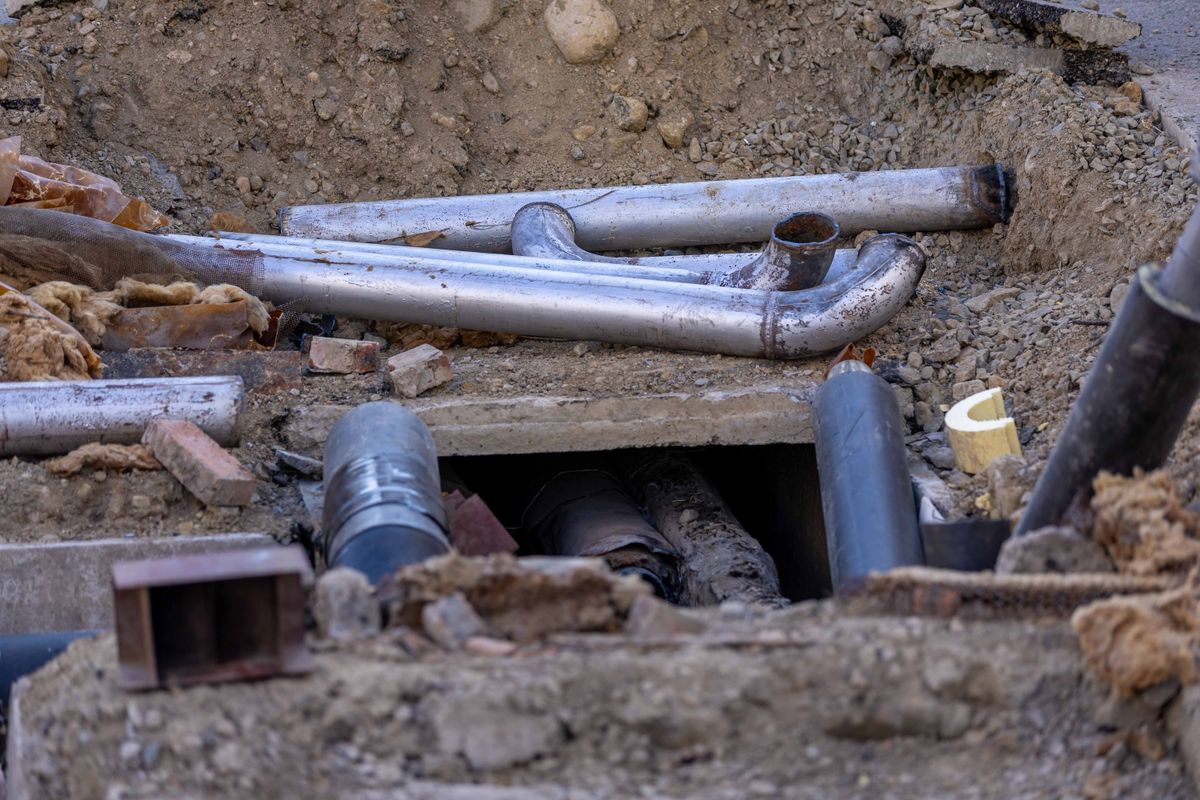
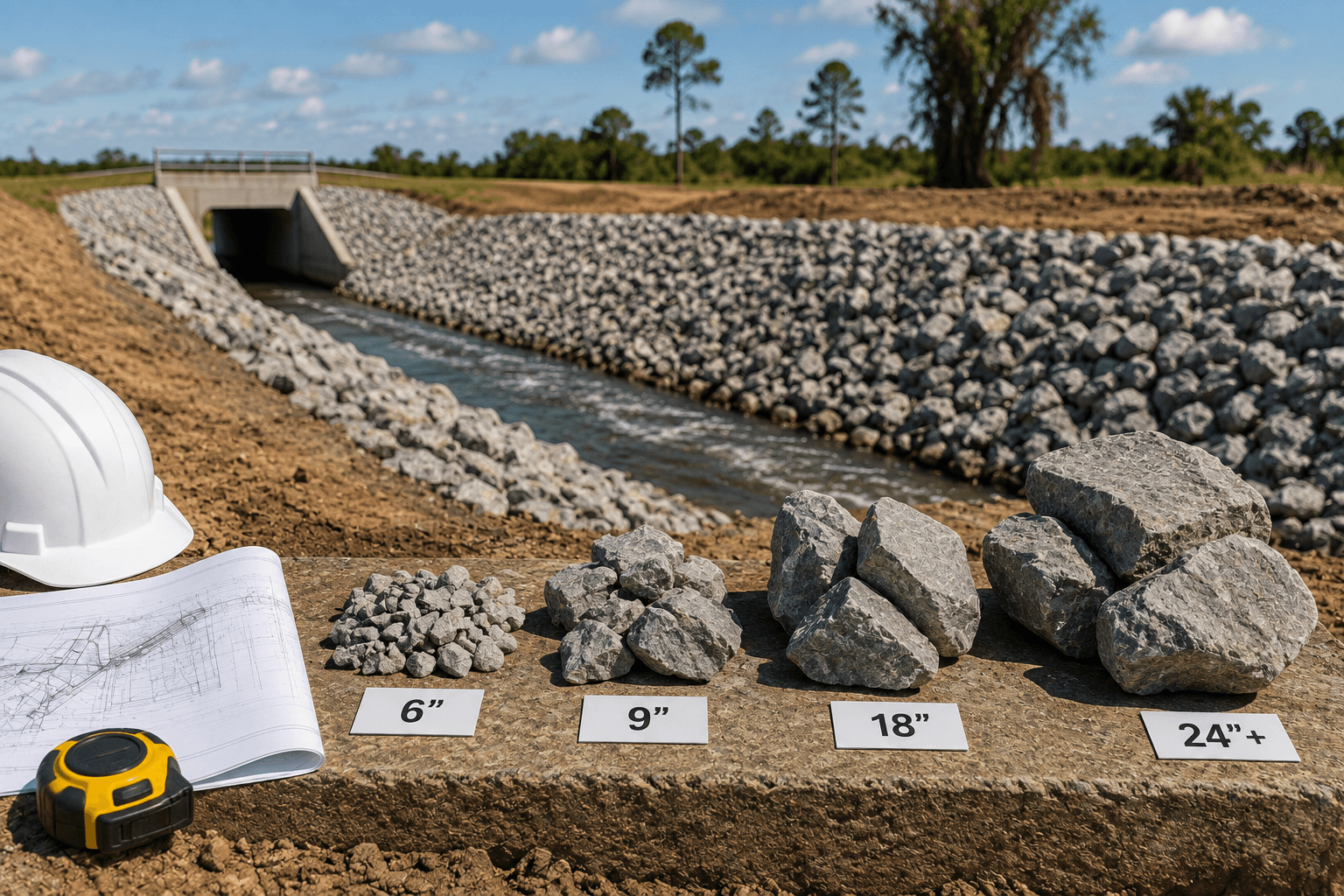
When we talk about underground electrical conduit florida, the first question is always: "How deep does it need to go?" The answer is a bit of a moving target. While the National Electrical Code (NEC) sets the baseline, Florida’s major utility providers often require more "cover" (the distance from the top of the conduit to the finished grade) to ensure long-term reliability in our unique environment.
The NEC Table 300.5 is the "bible" for minimum burial depths, but in Florida, you must check with your local utility before you break ground. For example, while the NEC might allow 18 inches for PVC, Florida Power & Light (FPL) typically demands a minimum of 24 inches of cover for service laterals.
| Requirement Source | Standard Depth (PVC) | Key Distinction |
|---|---|---|
| NEC Table 300.5 | 18 Inches | National minimum safety standard |
| FPL (Florida Power & Light) | 24-36 Inches | Trench depth varies; 24" min cover |
| TECO (Tampa Electric) | 36 Inches | Minimum depth per customer guide |
| JEA (Jacksonville) | 48 Inches | Measured to the bottom of the trench |
| KUA (Kissimmee) | 24-36 Inches | 24" for secondary; 36" for primary |
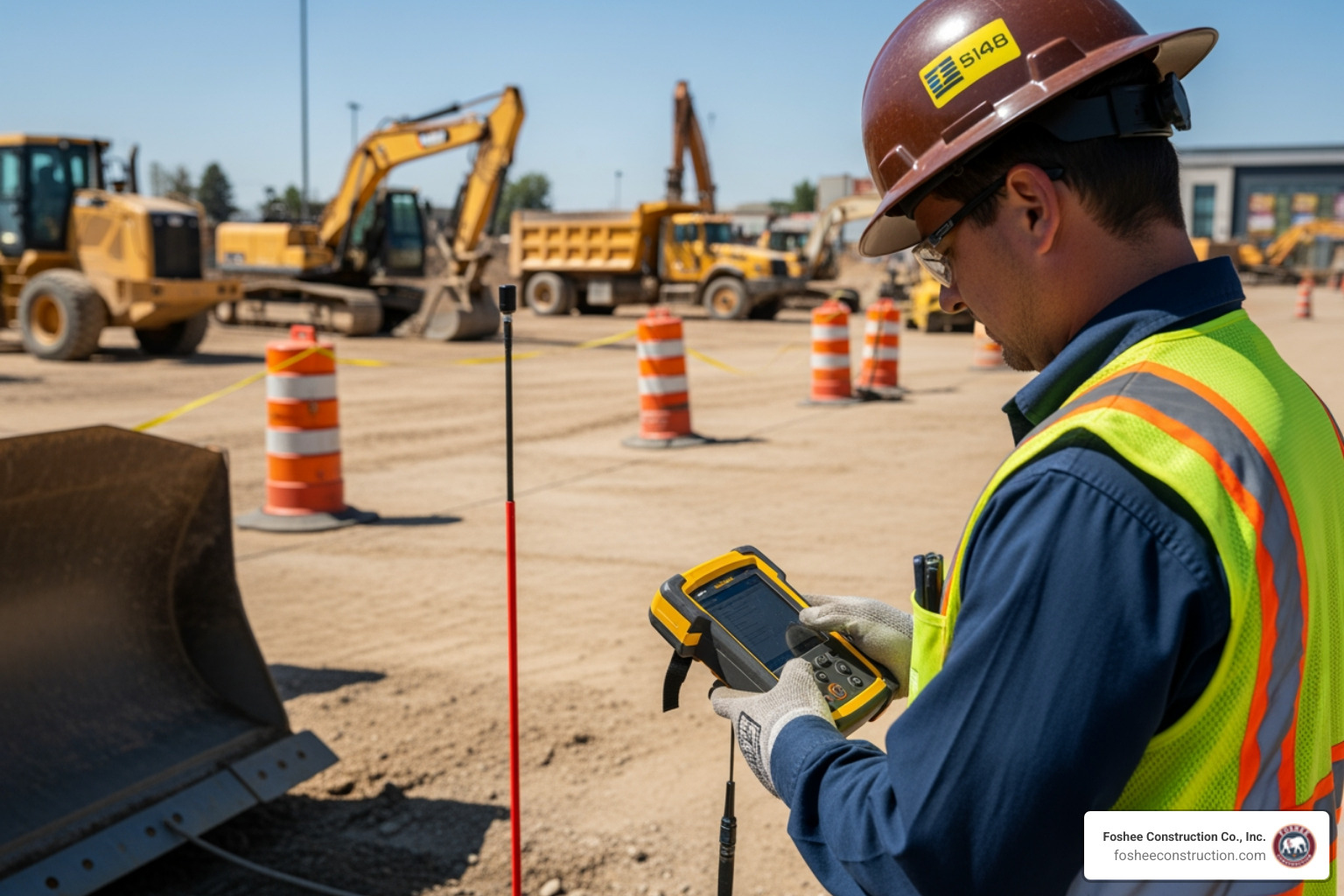
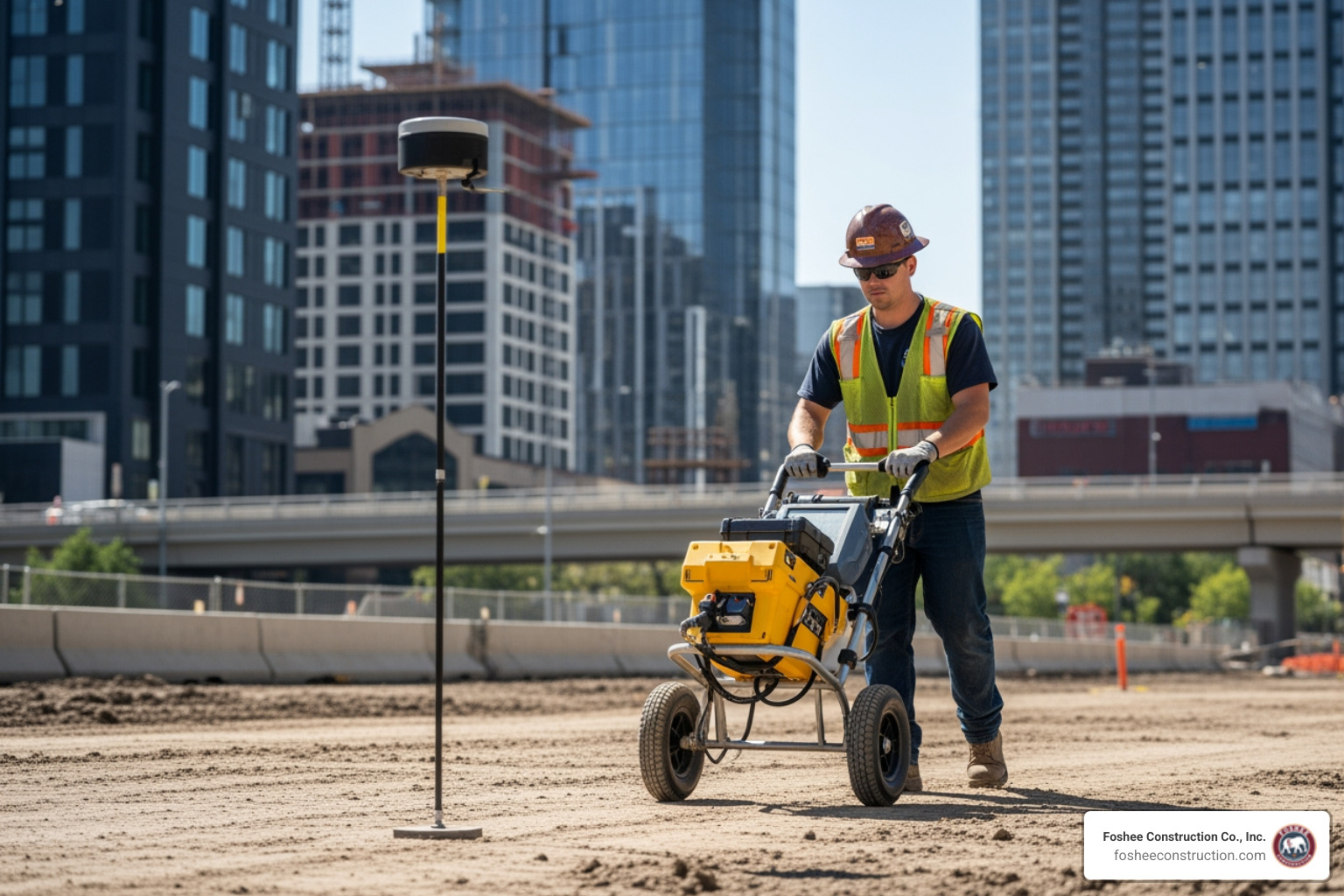
Following these standards is vital. At Foshee Construction, we often use an Underground Pipe Locator to identify existing lines before we dig, ensuring we don't disturb what's already there while meeting these strict depth requirements. For large-scale projects, referring to the JEA Underground Electric Distribution Standards provides a clear look at how utility-grade installations differ from simple residential runs.
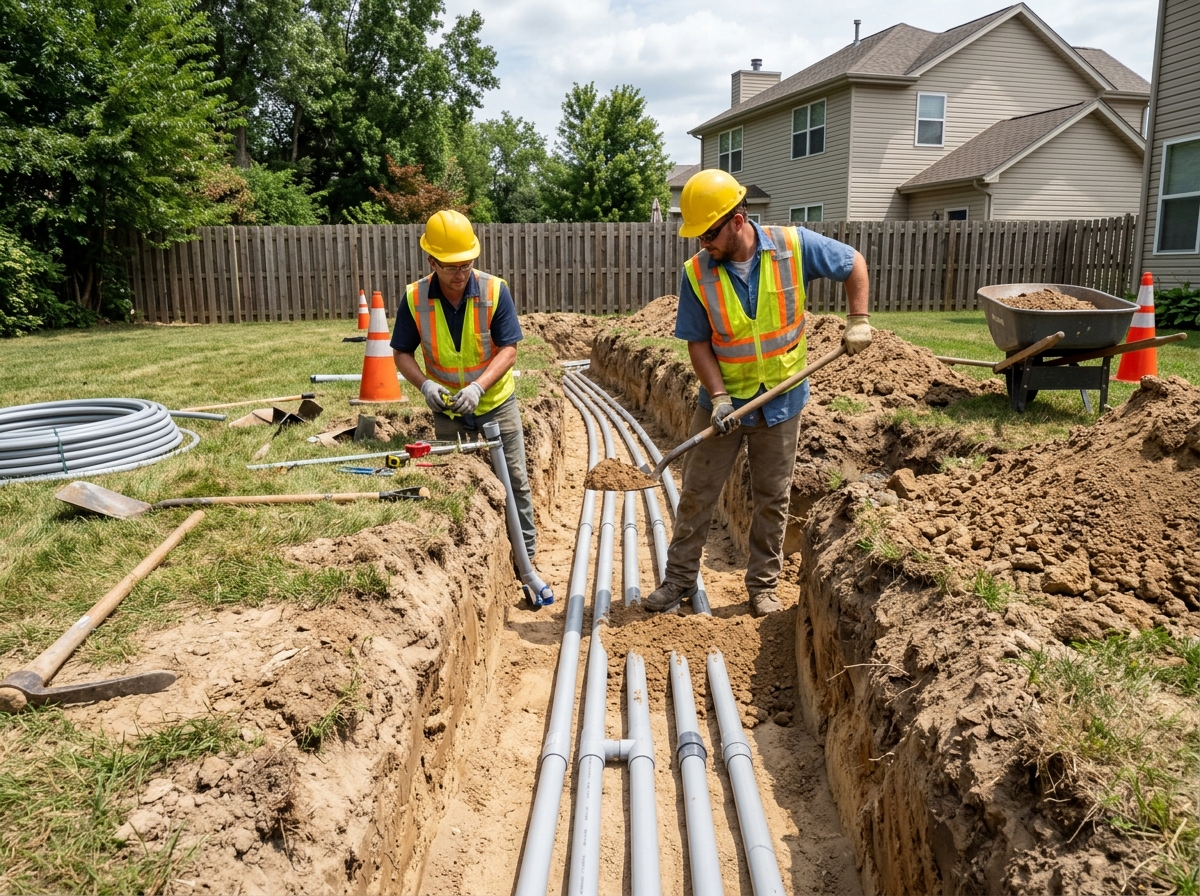
For most general applications using Schedule 40 PVC, you are looking at an 18-inch minimum cover per the NEC. However, if you are working within a utility easement, that depth often jumps. JEA, for instance, specifies a standard trench depth of 48 inches to the bottom of the trench. This ensures that even after the conduit is laid and bedded, there is significant protection from surface activity.
The rules change when heavy vehicles enter the picture. Under a residential driveway, the NEC allows for a reduction to 12 inches of cover for PVC conduit, provided it's a "one- or two-family dwelling." However, for commercial driveways or public roadways, the requirements are much more stringent.
In high-traffic areas, such as those governed by the Miami-Dade Conduit Specifications, you may be required to go as deep as 42 inches below the final road grade. This prevents the weight of heavy trucks from crushing the conduit or causing the soil to shift and pull joints apart.
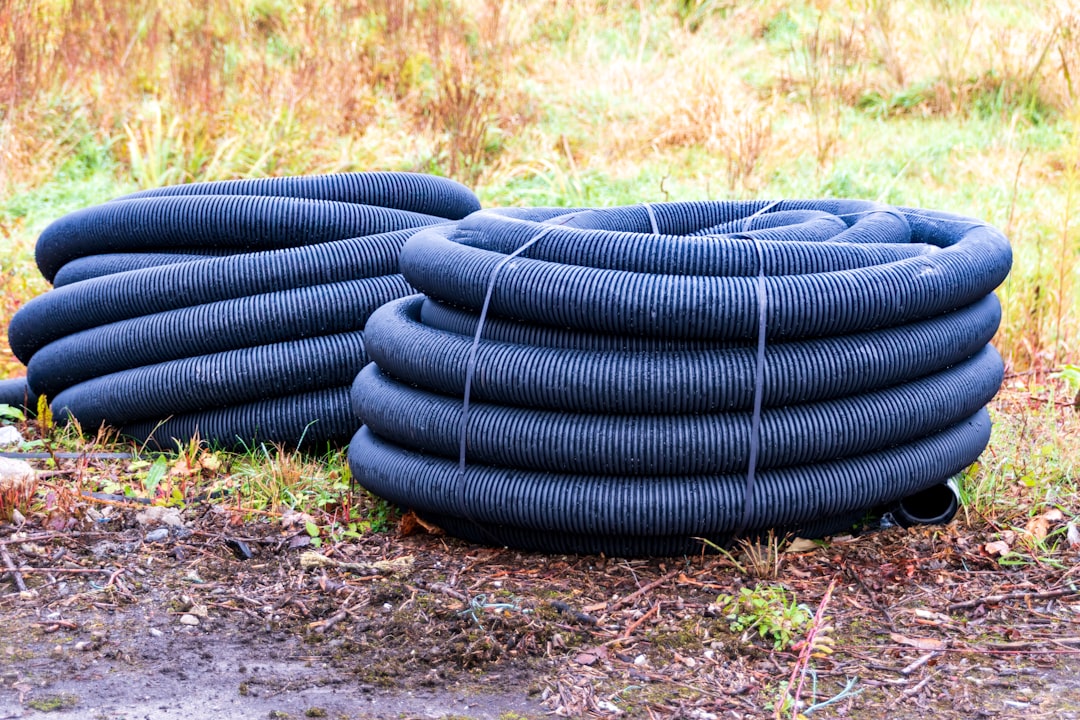
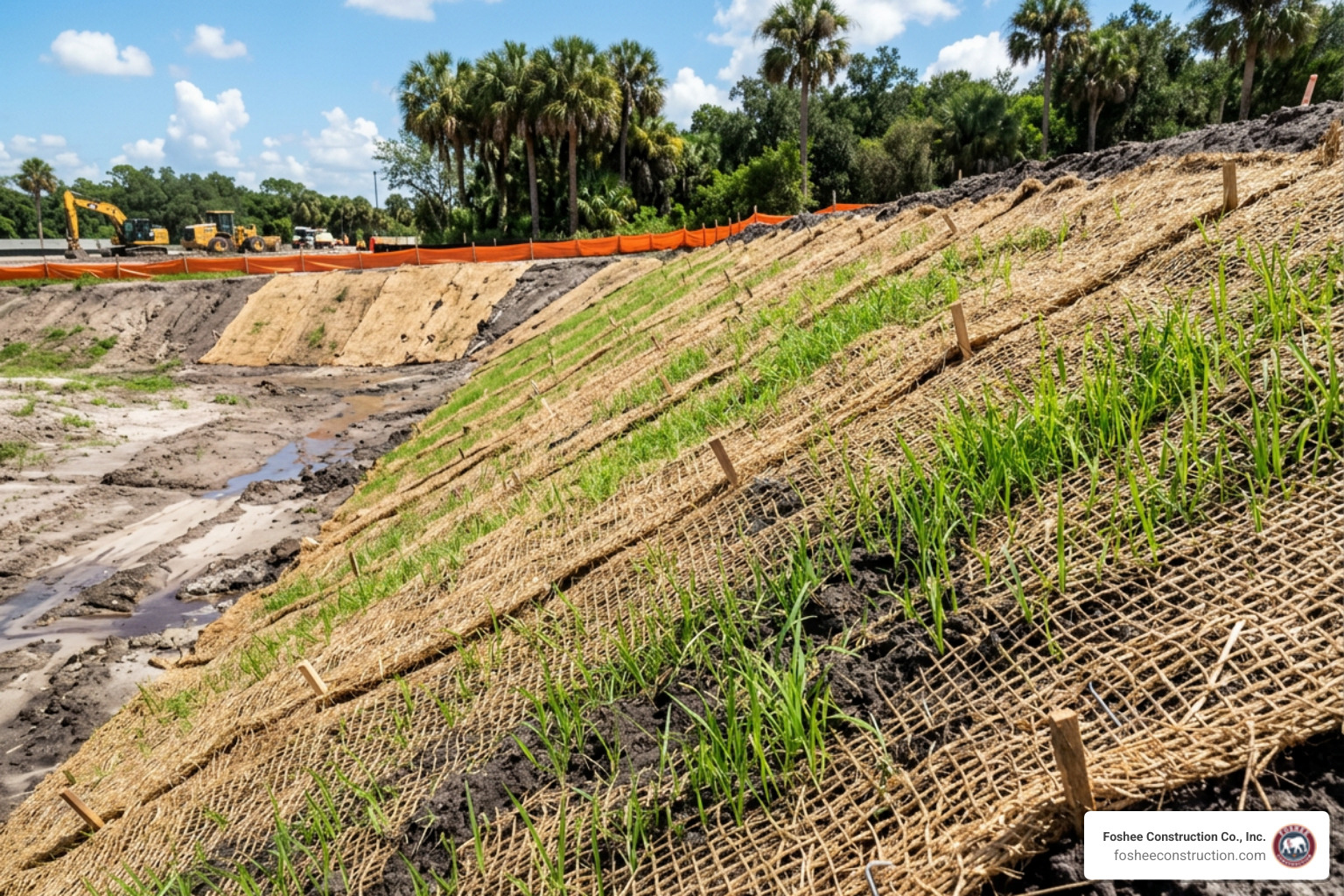
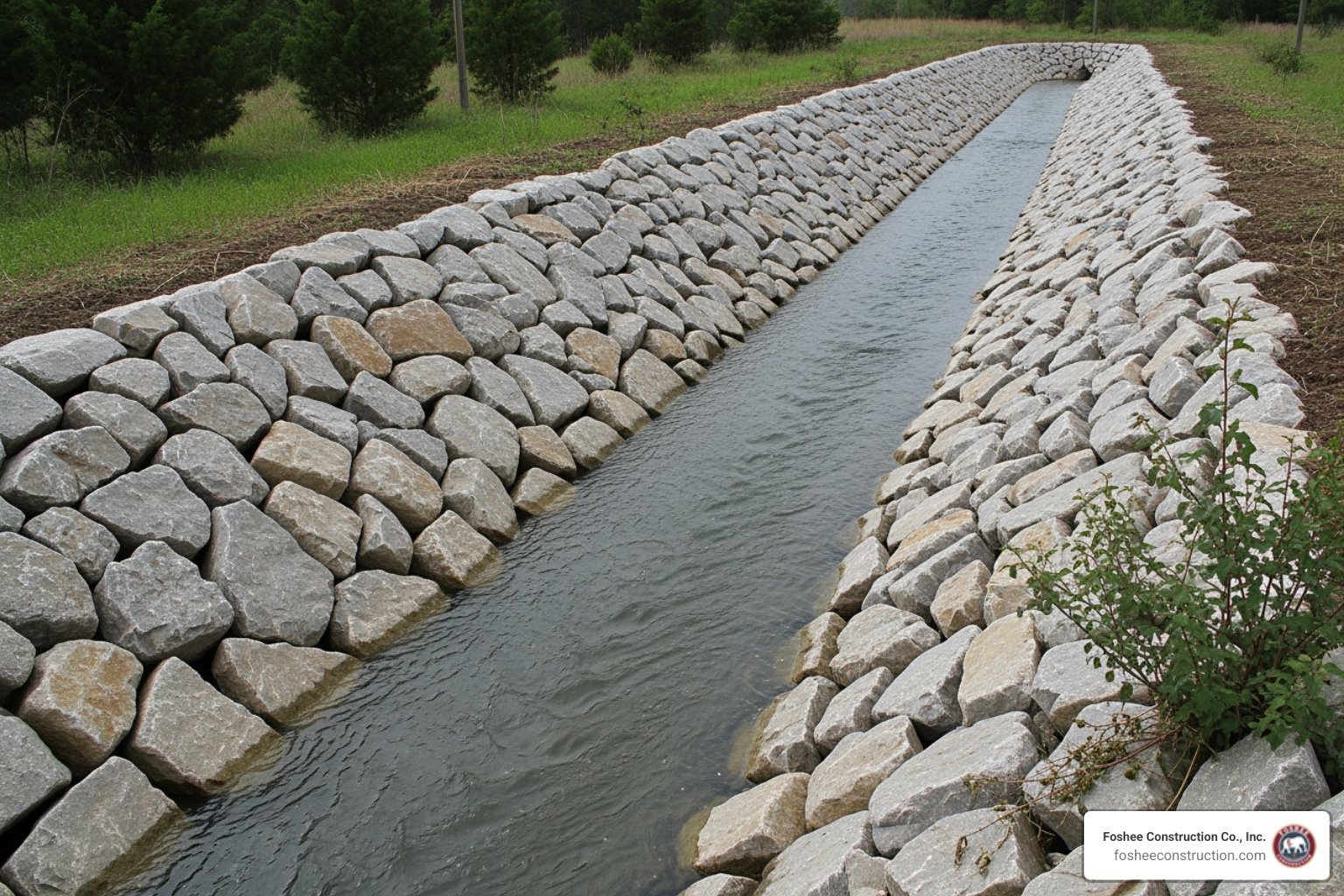
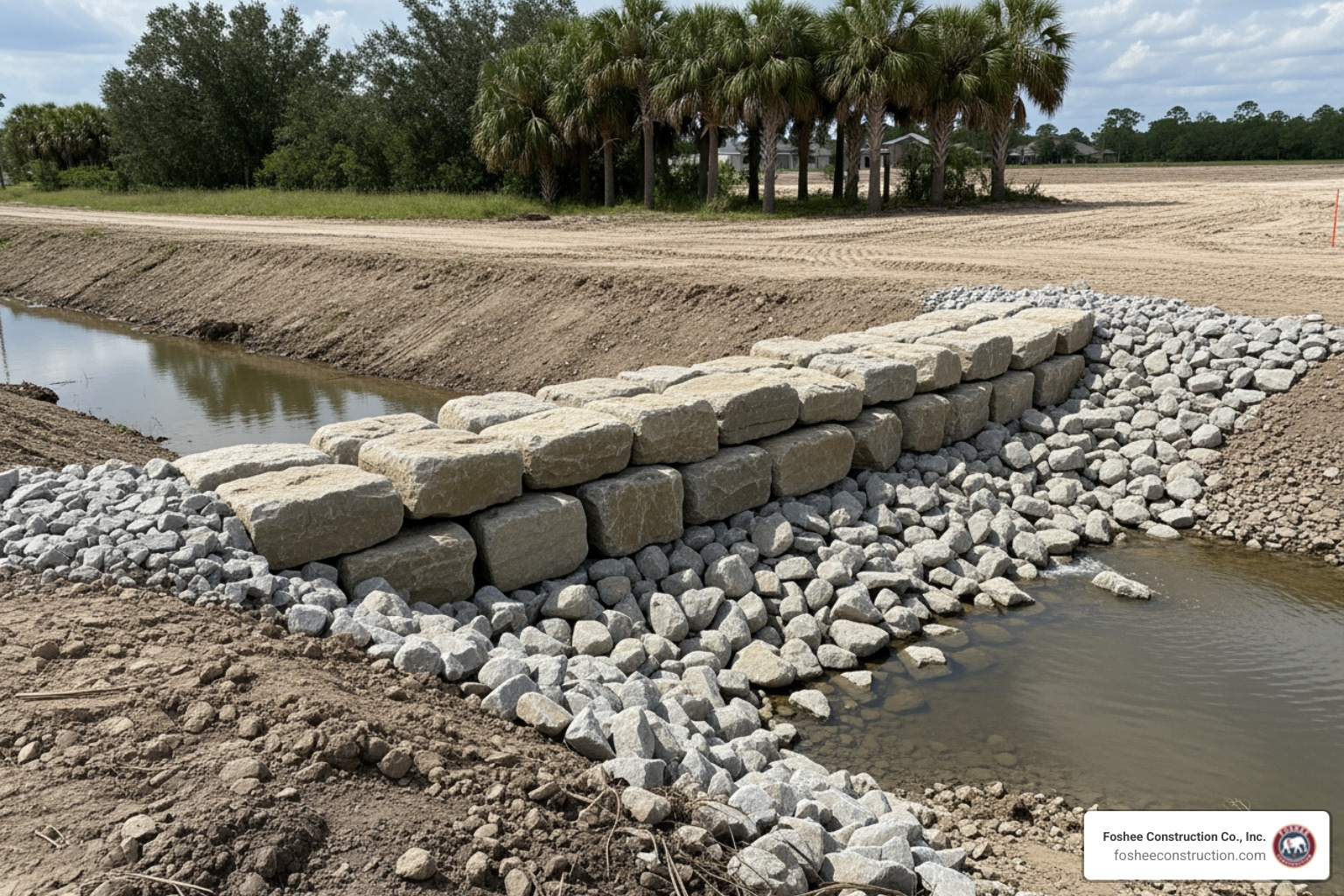
Florida’s geography is beautiful, but it's tough on infrastructure. Our sandy soil shifts easily, and our high water table means that underground conduits are often sitting in water for months out of the year. Choosing the right material isn't just a matter of code; it's a matter of survival for your electrical system.
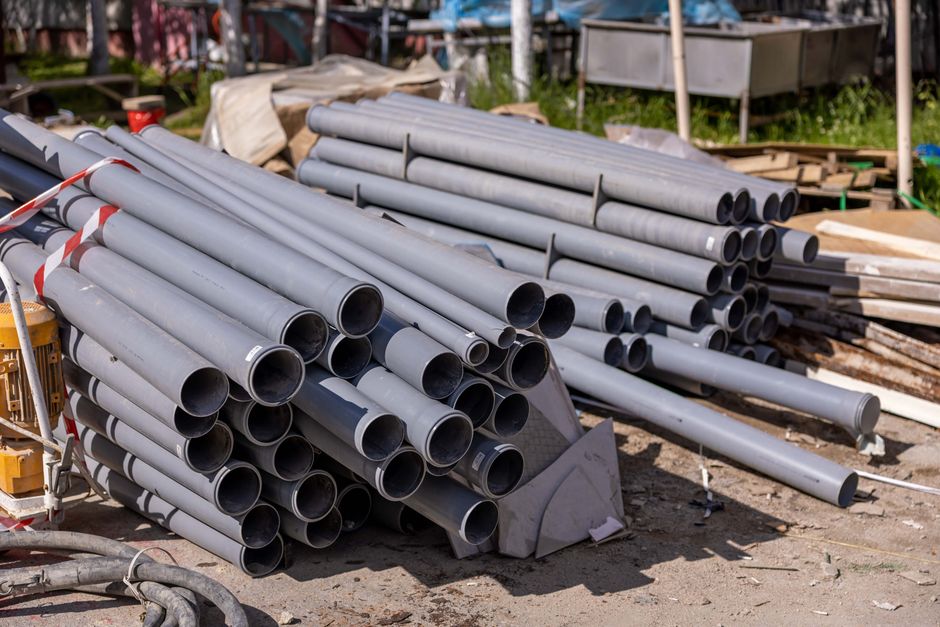
When selecting a partner for these installations, it's important to work with experienced Utility Installation Contractors who understand how these materials react to local chemistry.
If you're working near the coast, salt spray and acidic soil are your biggest enemies. Standard RMC will rust through surprisingly fast. In these areas, we recommend PVC-coated RMC. It’s more expensive upfront, but the maintenance savings are astronomical. One case study showed that switching to PVC-coated RMC in corrosive soil saved a facility $45,000 in maintenance costs over 15 years. It’s a classic case of "do it right or do it twice."
Installing underground electrical conduit florida is a systematic process. You can't just dig a hole and throw a pipe in. In April 2026, the standards for site safety and documentation are higher than ever.

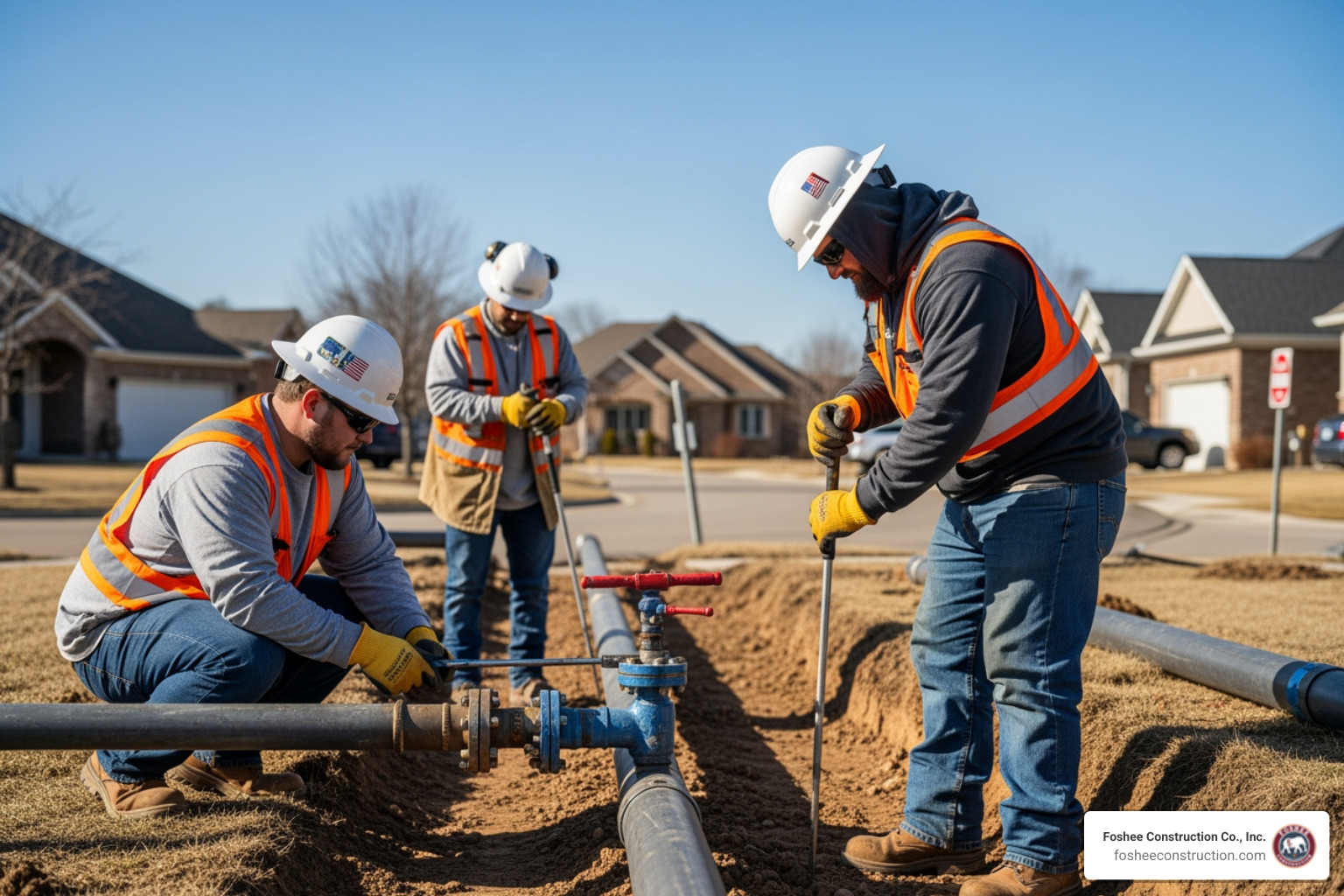
When using PVC, the jointing process is critical for keeping water out. You should dry-fit the pipe, apply the cement, and give it a 1/4 turn as you seat it, holding it for about a minute. For bends, the NEC and utility guides like the TECO Customer Conduit Installation Guide are very specific. You cannot have more than 360 degrees of total bends in a single run (for example, four 90-degree elbows). If you exceed this, you won't be able to pull the wire through without damaging the insulation.
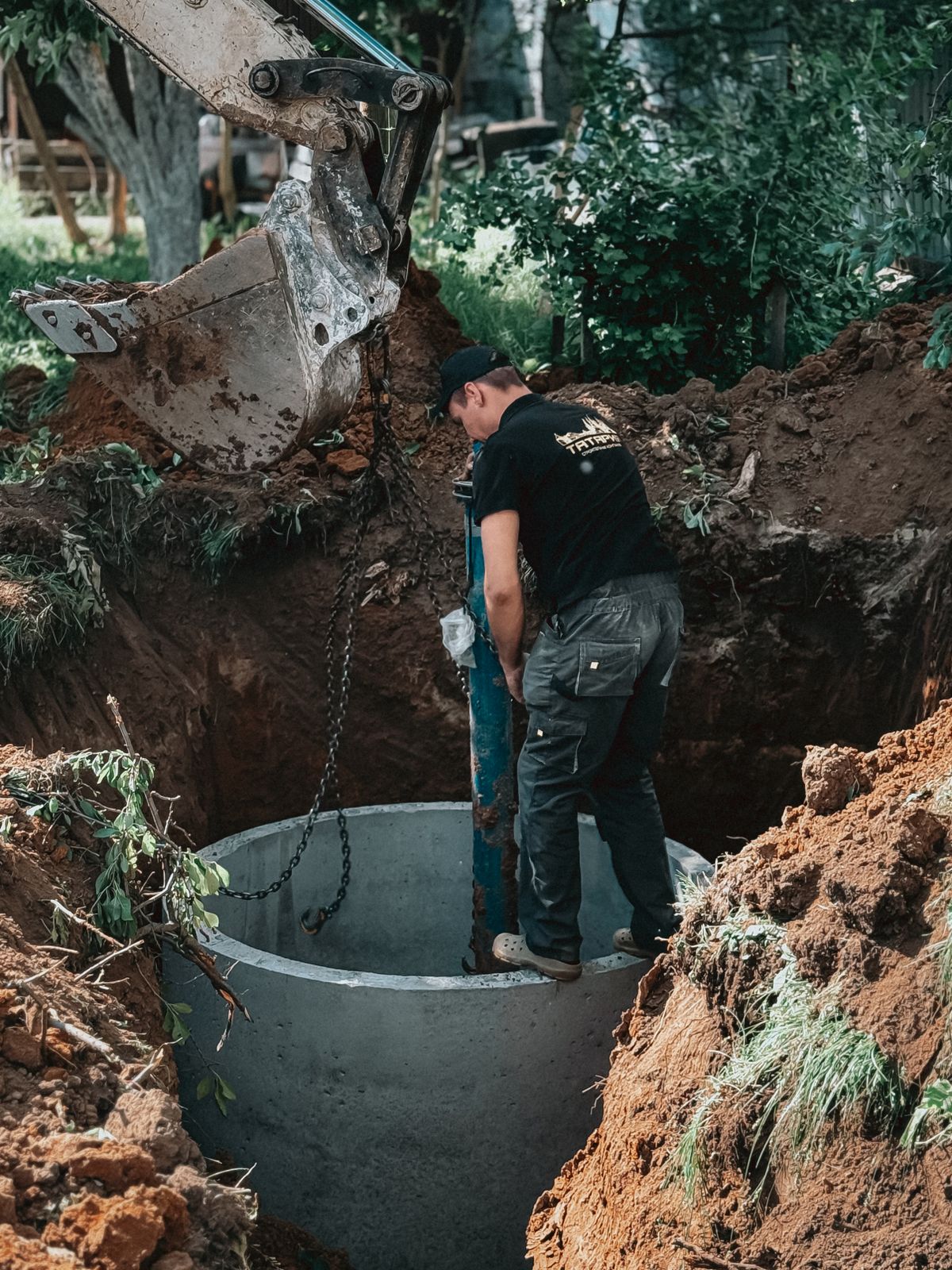
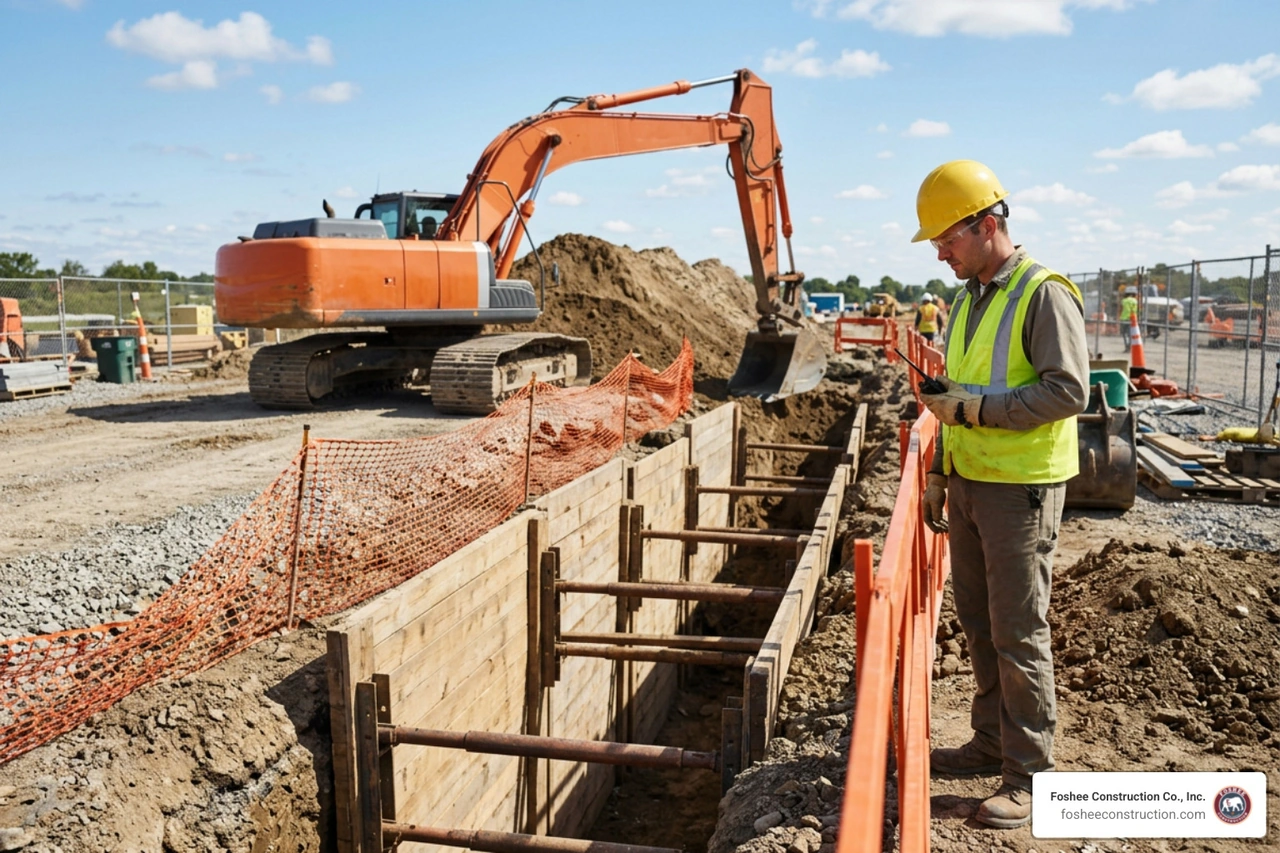
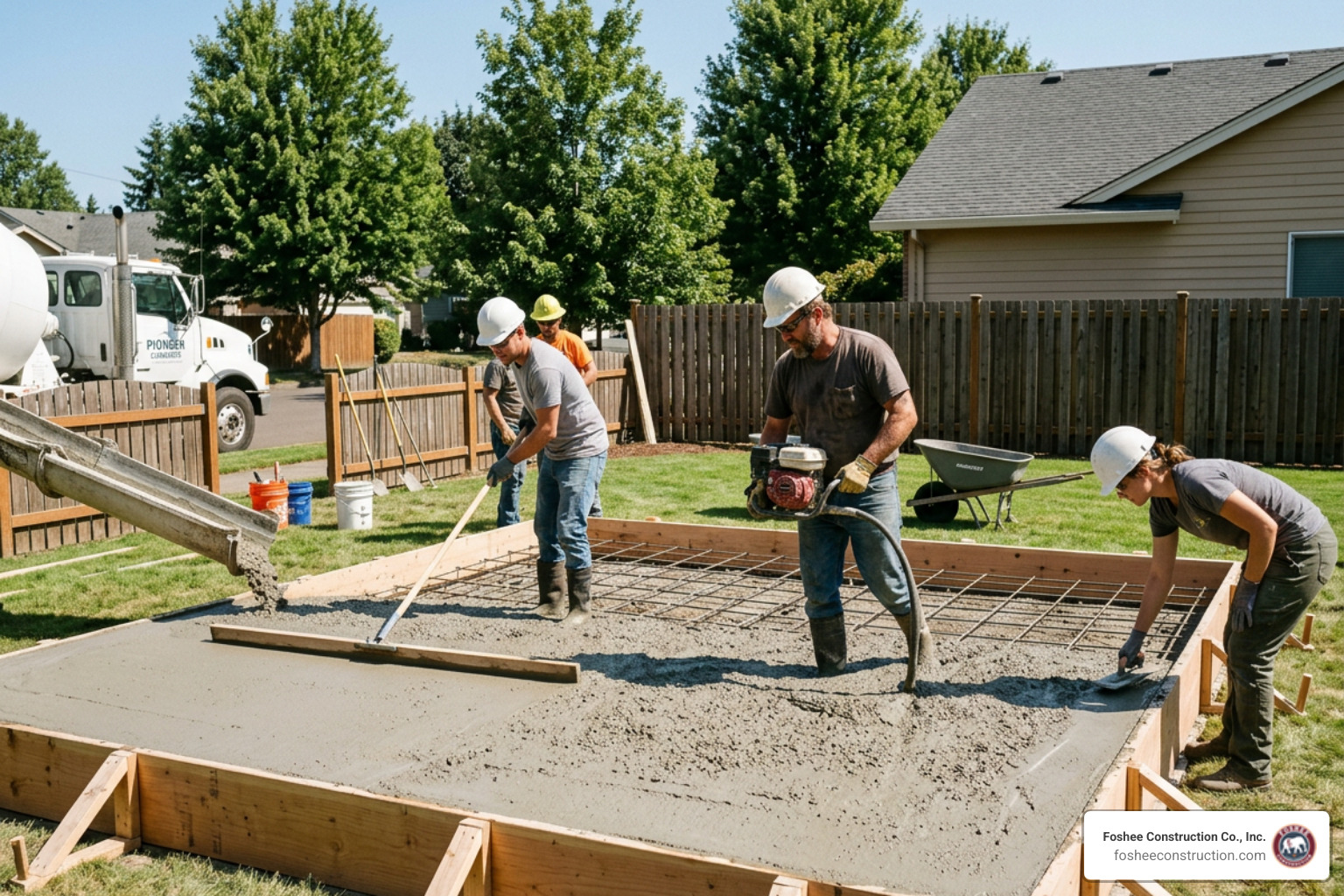
Once the conduit is laid, backfilling should be done in layers (lifts) of about 12 inches, tamping each layer to match the density of the surrounding soil.
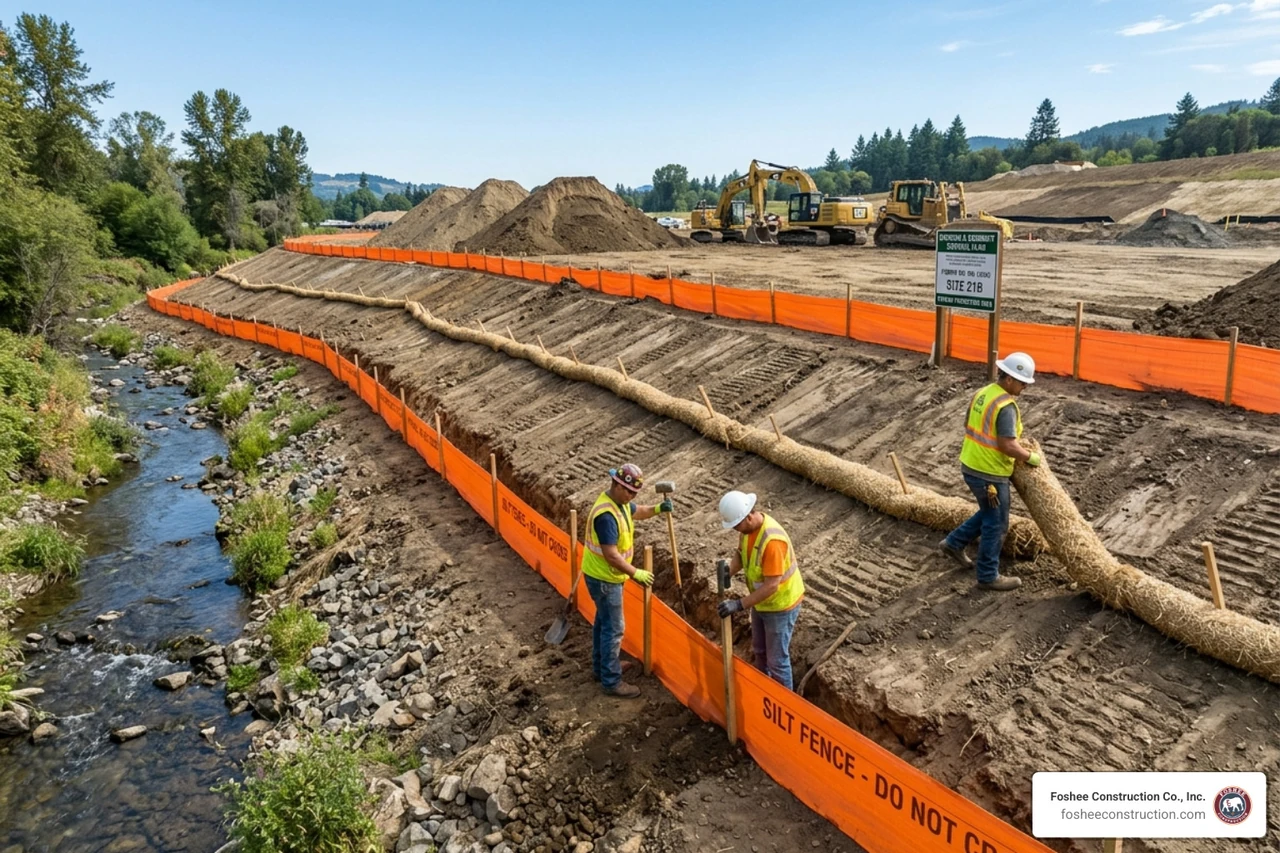
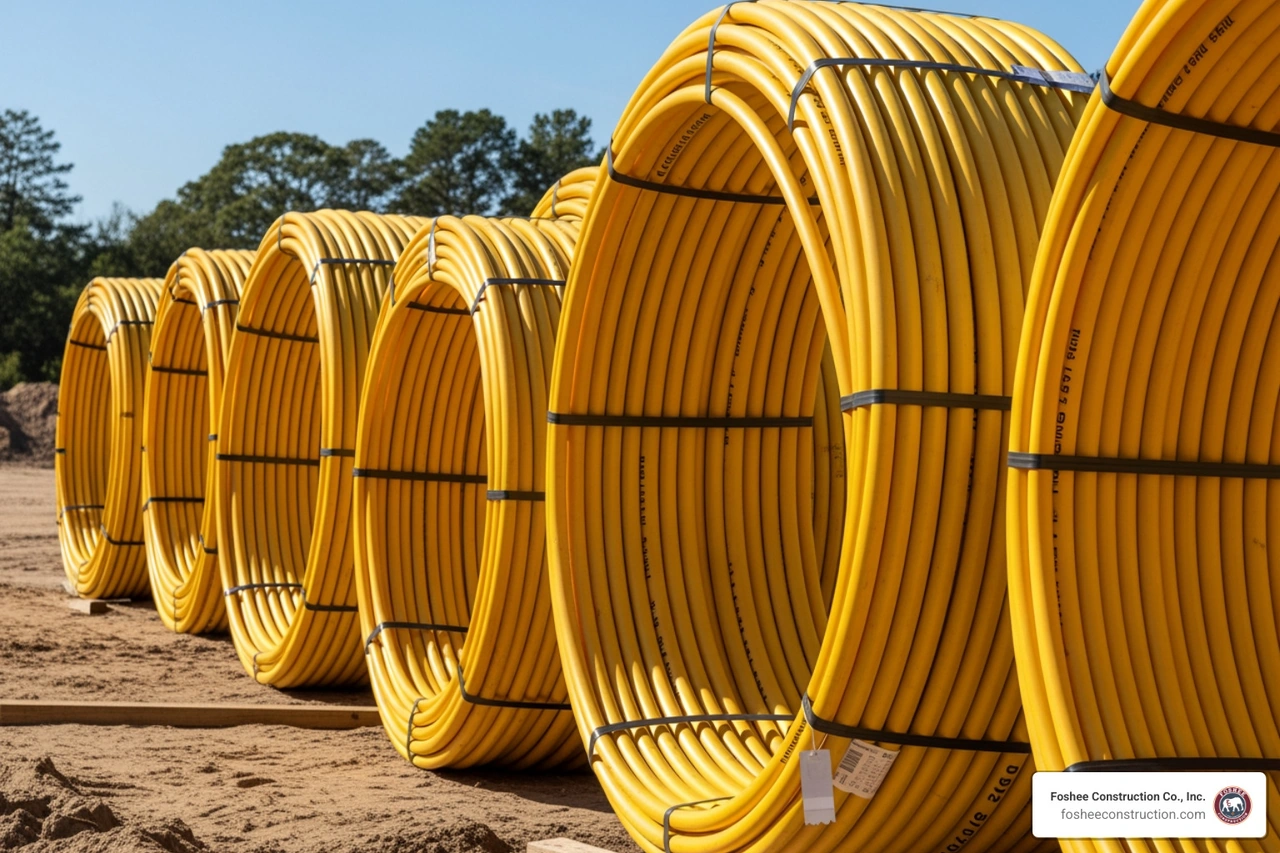
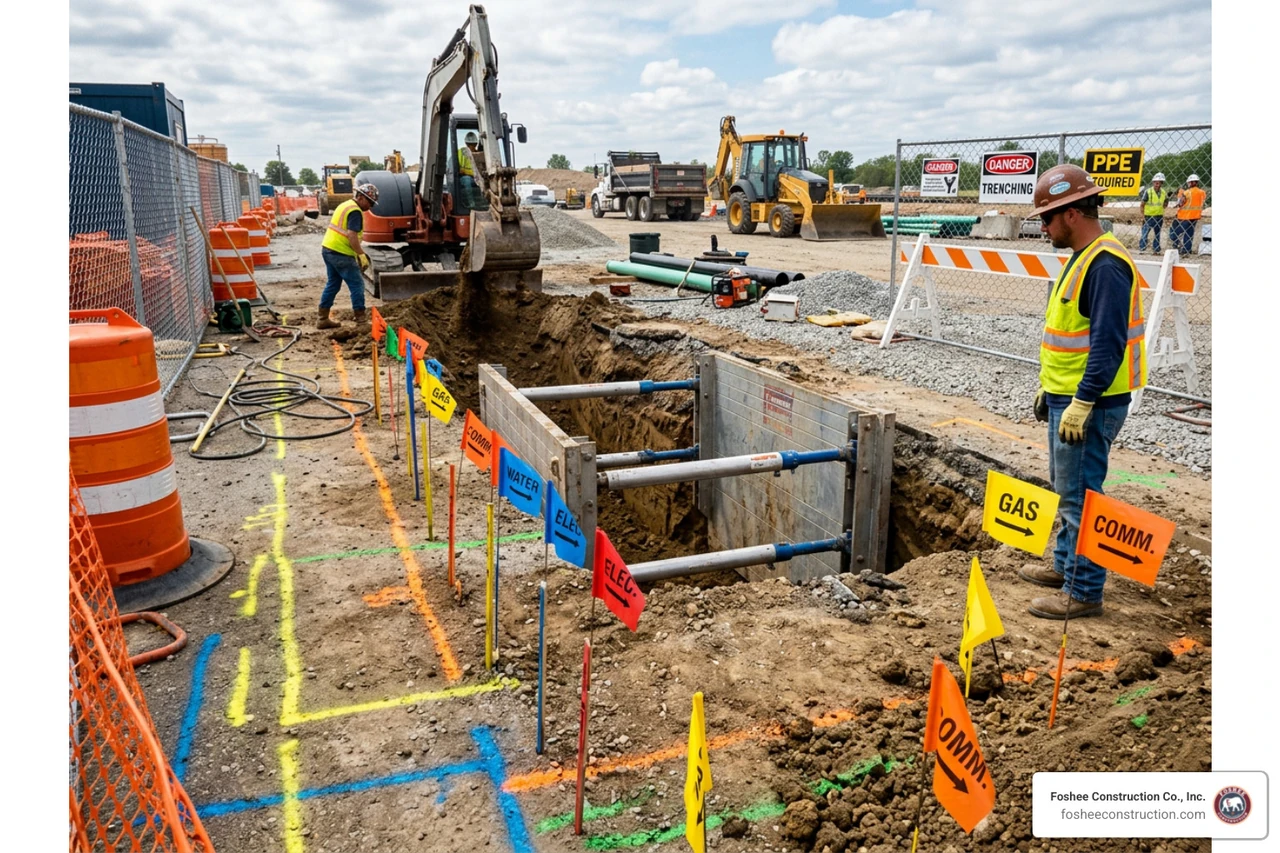
A crucial safety step is the installation of warning tape. This should be placed about 12 inches above the conduit. If someone digs there in the future, they’ll hit the tape before they hit the live power line. For non-metallic conduits like PVC or HDPE, you must also install a tracer wire (typically #12 AWG copper with orange insulation). This allows future locators to find the line using electromagnetic equipment.
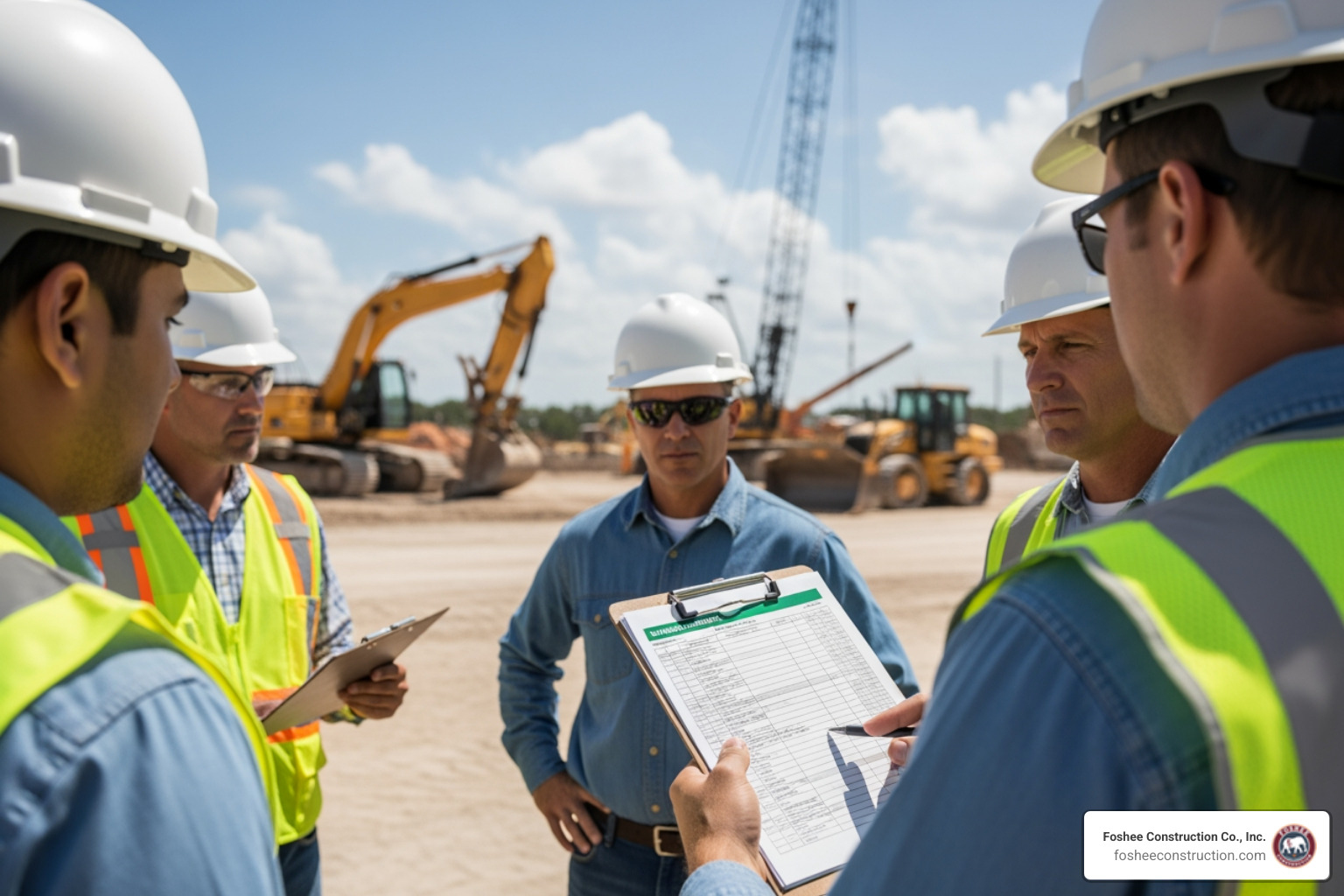
You cannot legally install underground electrical conduit florida without the proper permits and inspections. The process usually involves three parties: you (the owner/contractor), the local building department (AHJ), and the utility company.
With the surge in electric vehicles, we’re seeing a massive increase in residential and commercial trenching for EVSE (Electric Vehicle Supply Equipment). These installations usually require a 60-amp circuit to support a 48-amp Level 2 charger.
If you're running power to a detached garage or a parking pedestal, you'll likely use Schedule 40 PVC at an 18-inch depth. In cases where you can't tear up a driveway, we use horizontal boring (directional drilling) to go underneath. For more technical details on this, the guide on Trenching and Underground Wiring for EV Chargers in Florida is an excellent resource.
While the NEC minimum is 18 inches for most circuits, Florida utilities often have stricter rules. FPL typically requires 24 inches of cover, while TECO and JEA may require 36 to 48 inches depending on whether it is a service lateral or a distribution line. Always check your utility's specific "Gold Book" or standards manual.
Yes! This is the most common mistake. Both the local building inspector and the utility representative usually need to see the "open trench" to verify the depth and the quality of the conduit joints. If you backfill early, they can (and will) make you dig it all back up.
You can use Type UF (Underground Feeder) cable for direct burial at a depth of 24 inches. However, in Florida's wet, sandy soil, we almost always recommend conduit. Conduit provides superior mechanical protection and allows you to pull new or larger wires in the future without re-excavating your yard.

Mastering underground electrical conduit florida standards is about more than just checking a box for an inspector; it’s about building infrastructure that lasts in one of the most challenging environments in the country. From the 48-inch deep trenches required by JEA to the corrosion-resistant materials needed along our coastlines, every detail matters.
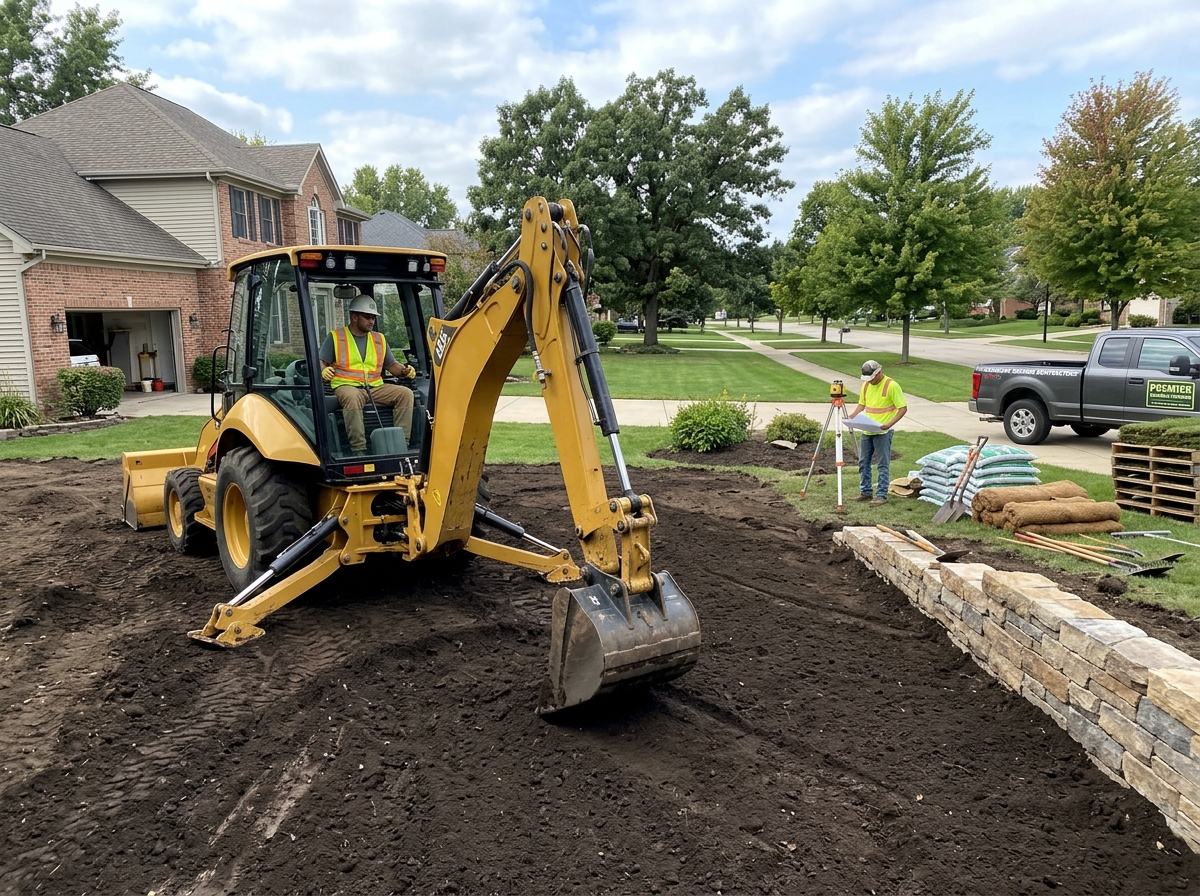
At Foshee Construction Co., Inc., we pride ourselves on being more than just guys with backhoes. We bring a disciplined approach to scheduling, a fanatical focus on safety, and a deep understanding of Florida’s regulatory landscape to every project we touch. Whether you are prepping a site for a new subdivision or installing a commercial EV charging hub, we have the expertise to get the job done right the first time.
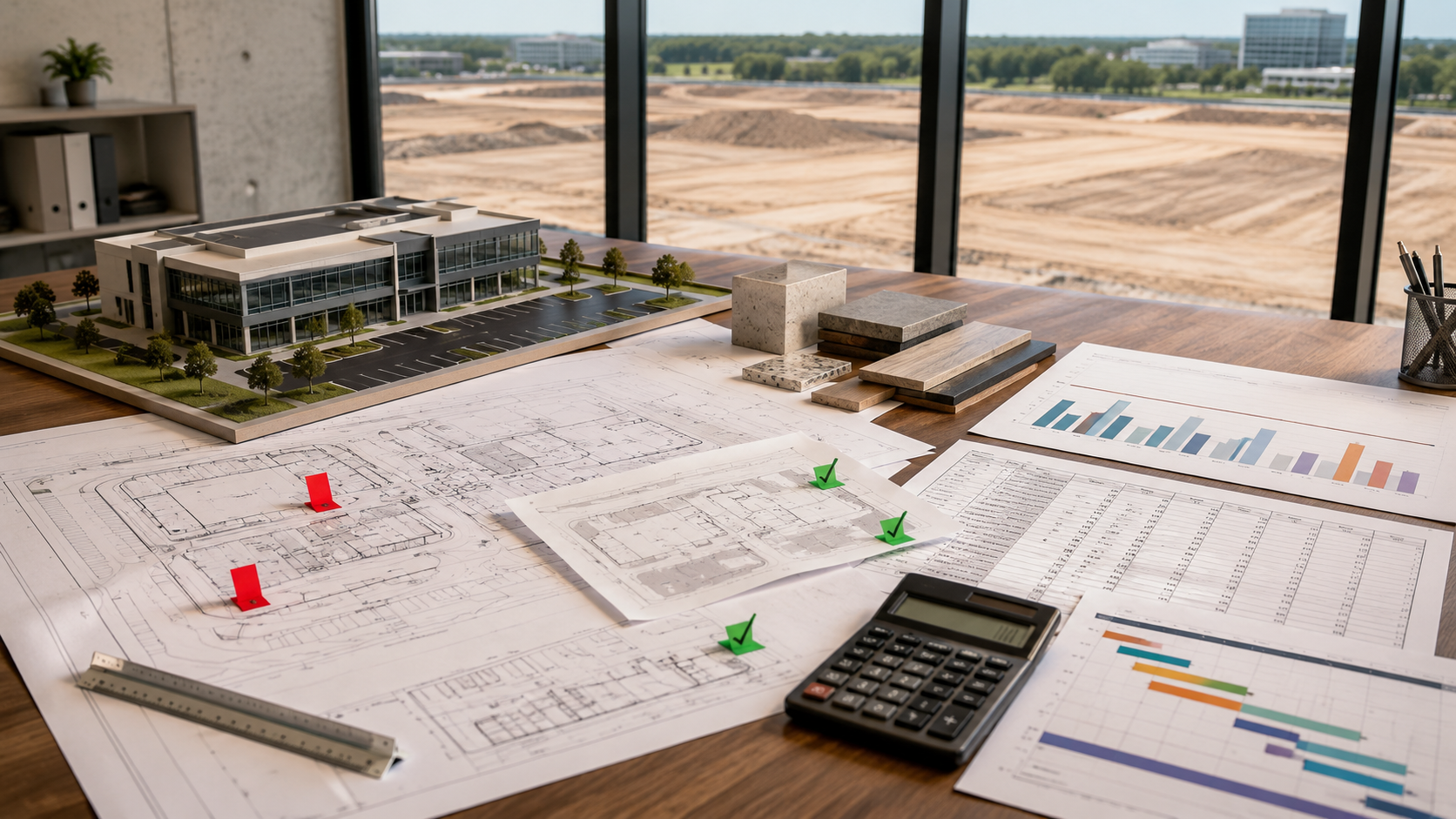
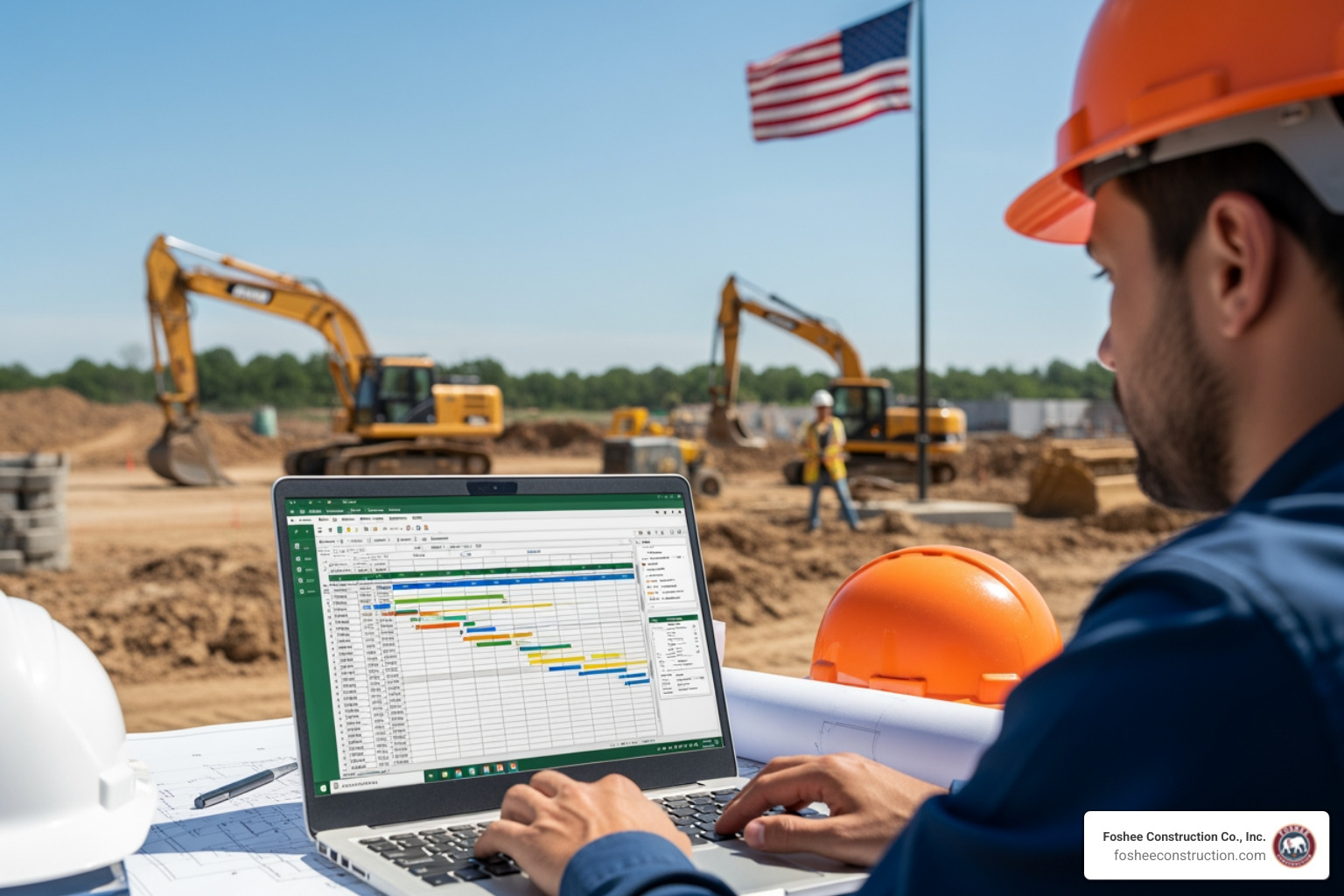
We build bids using HeavyBid and AGTEK because the details matter long before the job starts. When the numbers are accurate and the scope is clearly defined, it sets the tone for how the entire project runs. Estimating isn’t just a step in the process, it’s the foundation we build on.
That same mindset carries into the field. Our crew is trained to work with purpose, follow the Civil Engineers’ Plan to the finest detail, and hold the line on quality. When expectations are clear from day one, there’s no need for shortcuts, and no confusion about how the work gets done.
Clients trust our bid packages because they’re complete and ready to use. Project managers know what we’re covering, what’s excluded, and how we plan to approach the job. That clarity removes friction and lets teams focus on execution instead of interpretation.
As part of our review process, we go into the plans before anything hits the site. We ask the questions early, resolve issues before they show up in the field, and keep RFIs moving. This approach prevents delays and protects the timeline.
Over time, that consistency builds trust. Many of the people we work with today came through referrals from past projects – engineers, GCs, and superintendents who’ve seen how we operate and want the same experience again.
In 2024, Foshee Construction was acquired by Saga Infrastructure Solutions, a national network of civil construction companies. Saga supports regional contractors by giving them access to better tools, long-term resources, and operational backing, without changing how they run day to day.
Foshee will continue to operate under its name, with the same team and field leadership in place.
“From the very time a project starts, we start that partnership. We try to catch as much as we can with the tools that we have. Not everybody is using the software platforms we are. That’s the differentiator: we’re not just bidding. We’re anticipating, problem-solving, and making sure the job runs right.”
— Don, CEO, Saga Infrastructure Solutions
Foshee is now part of a broader regional strategy that includes Florida, the Piedmont Atlantic, Texas, Colorado, and the Arizona Sun Corridor. The name, crews, and standards remain. What’s improving is the support behind it.