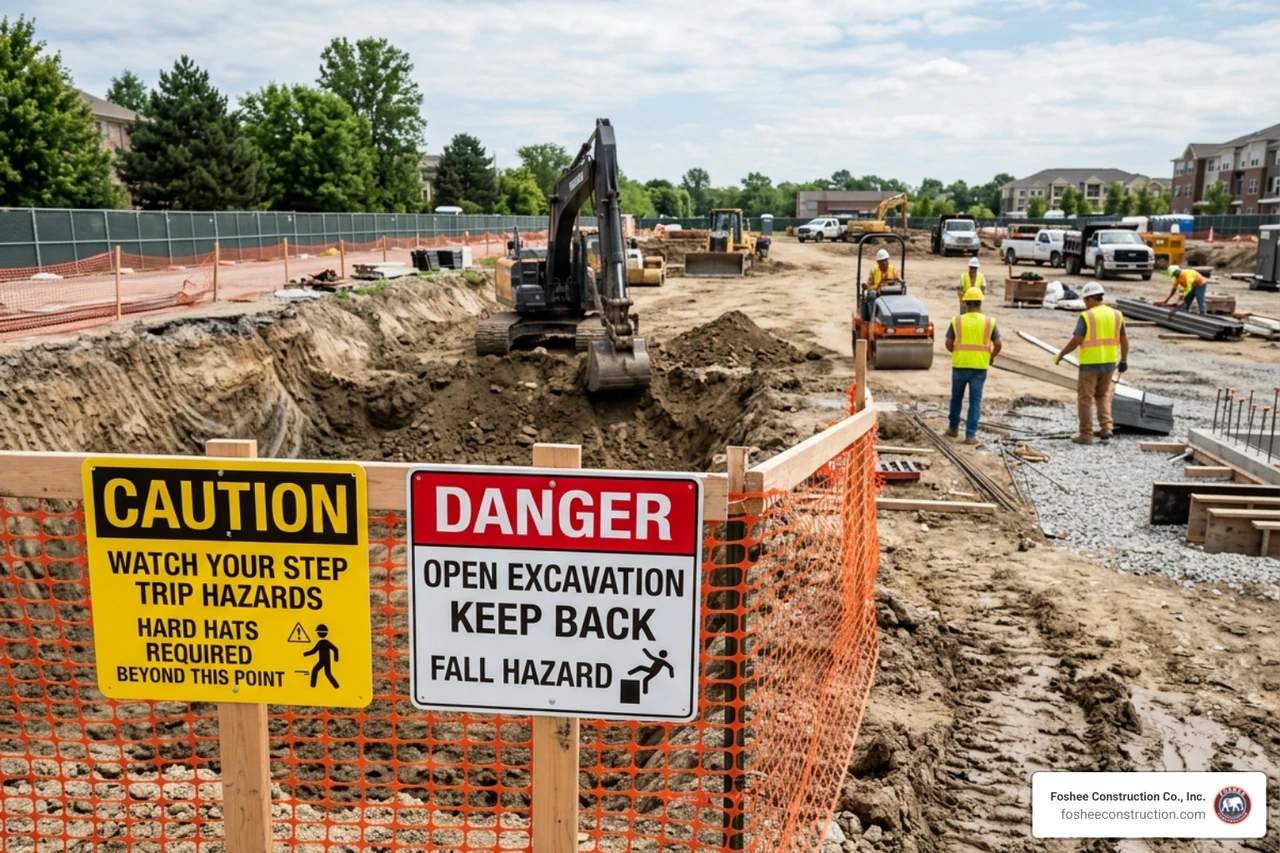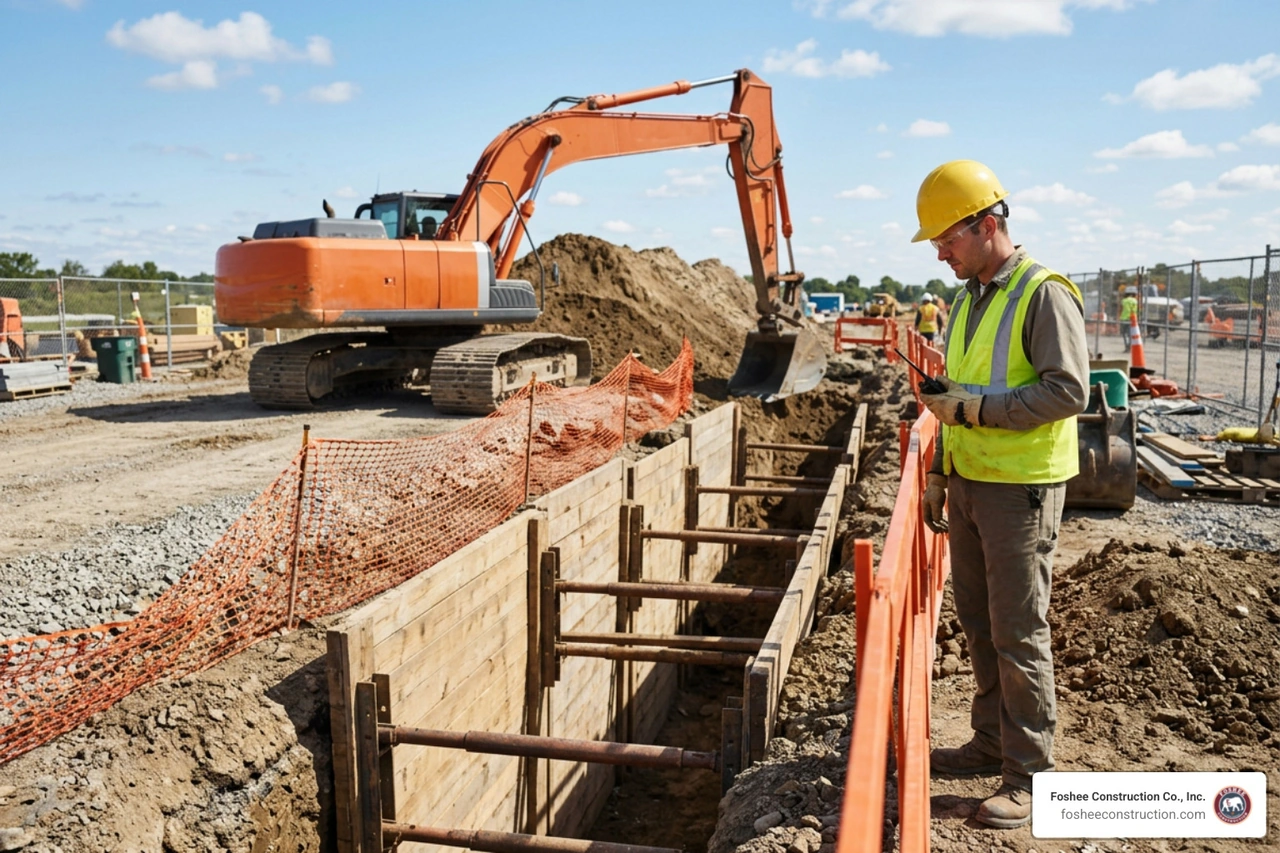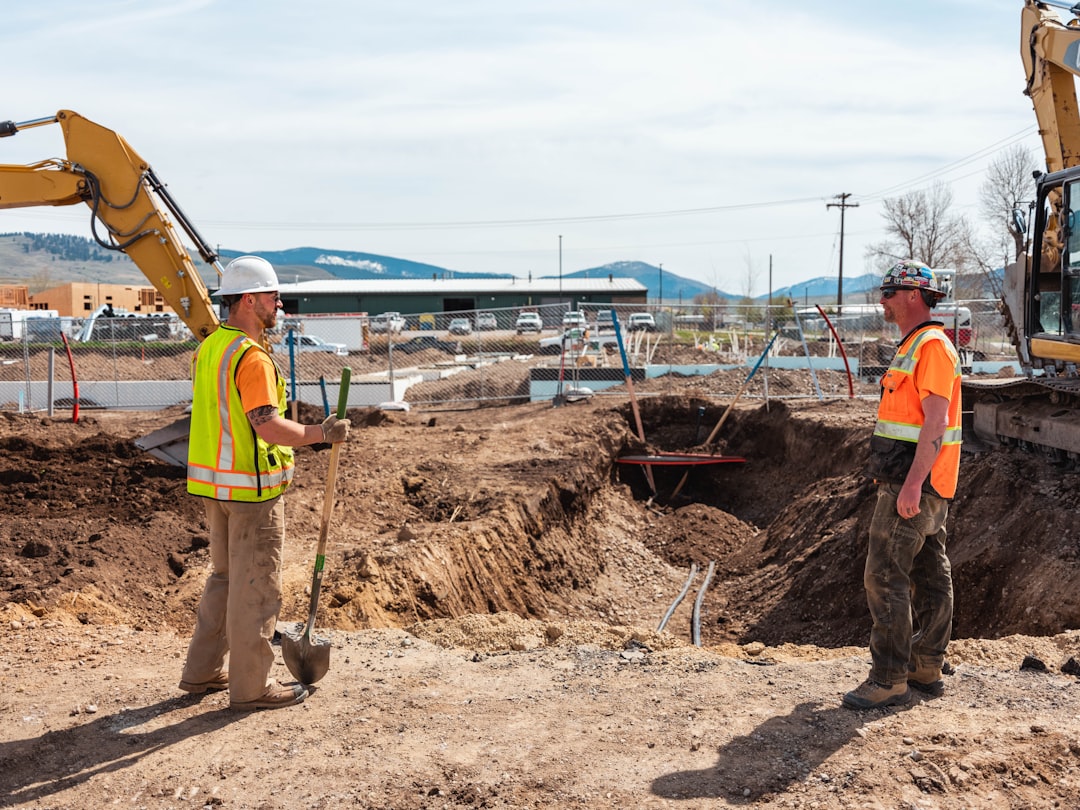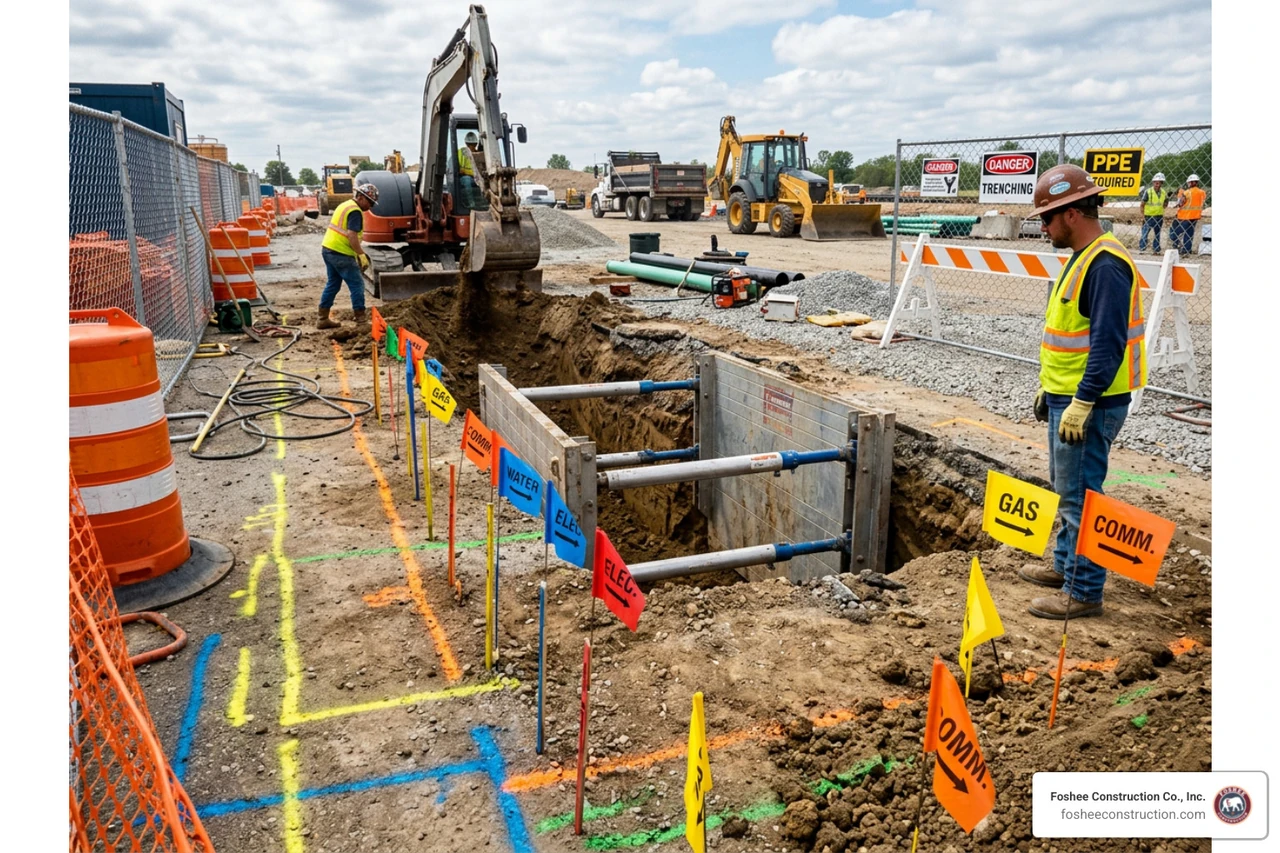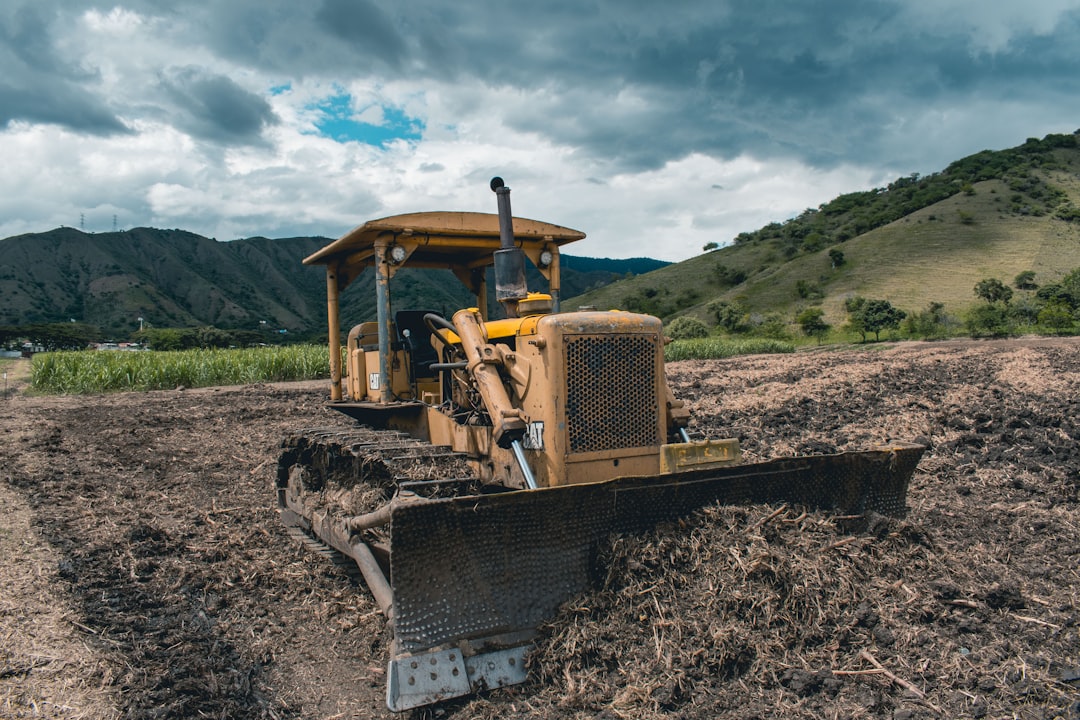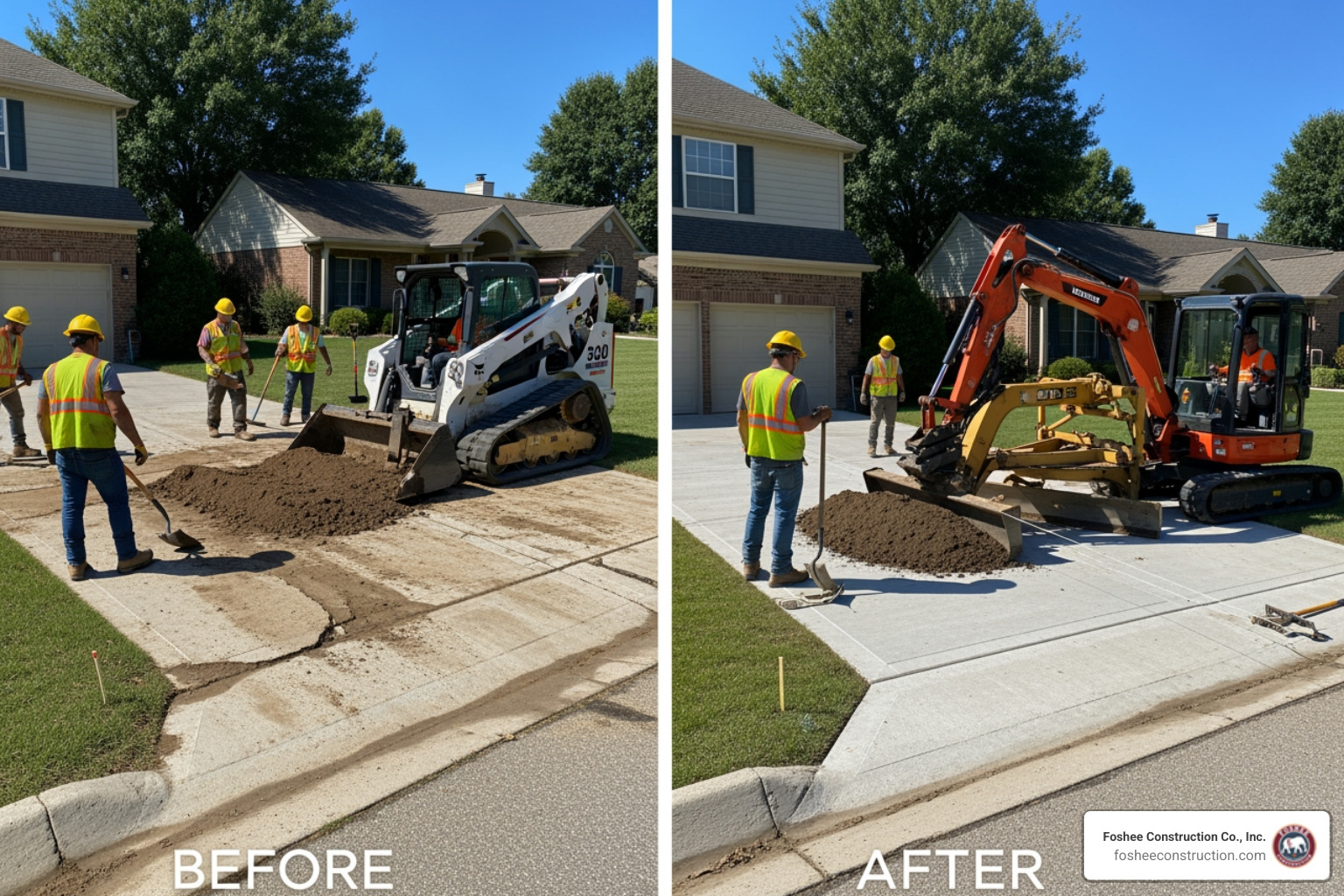
Grading contractors are specialists who shape, level, and prepare land so that construction can begin on a stable, properly draining surface. If you need a fast answer, here's what you need to know:
What grading contractors do:
When you need one:
Poor grading is one of the most expensive mistakes a developer or general contractor can make. Water pooling near a foundation, a slab that fails inspection, or a pad that's off by more than a fraction of an inch — these problems trace back to the ground. And they're almost always cheaper to prevent than to fix.
The challenge is that not every contractor who owns a dozer is a grading contractor. The difference between a crew that moves dirt and one that delivers engineered, compacted, inspection-ready grade is significant — and it shows up in your schedule, your budget, and your long-term liability.
I'm Don Larsen, and at Foshee Construction Co., Inc. we've been providing site development and grading contractor services across Central Florida since 1994 — working alongside general contractors, developers, and engineers who need a site prep partner they can count on. In this guide, I'll walk you through exactly what to look for so you can find a grading contractor who delivers.

Grading contractors terms explained:

When you look at a raw piece of land in Central Florida, it is rarely ready for a foundation. It might be covered in thick palmettos, dotted with mature oaks, or sloped in a way that will send water directly toward your future front door. That is where professional grading contractors come in.
We don't just clear the land; we engineer the surface of your property to ensure long-term structural stability. Through a comprehensive Grading and Excavating Contractor Guide 2026, you can see how site preparation, earthwork, and grading lay the groundwork for every successful project.
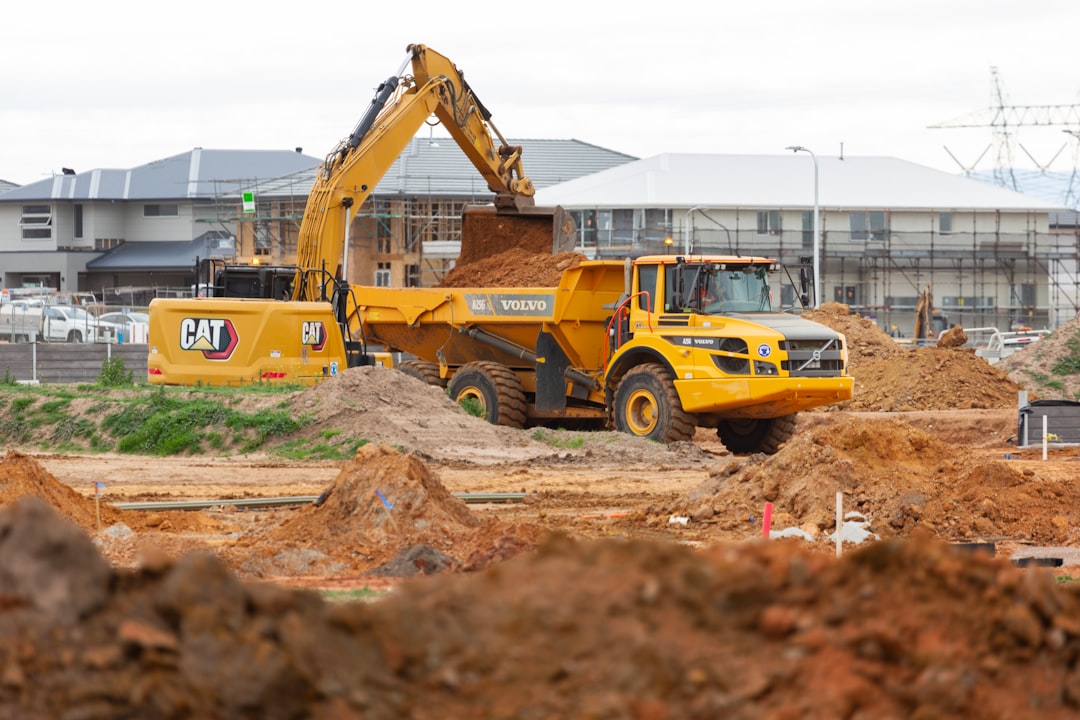
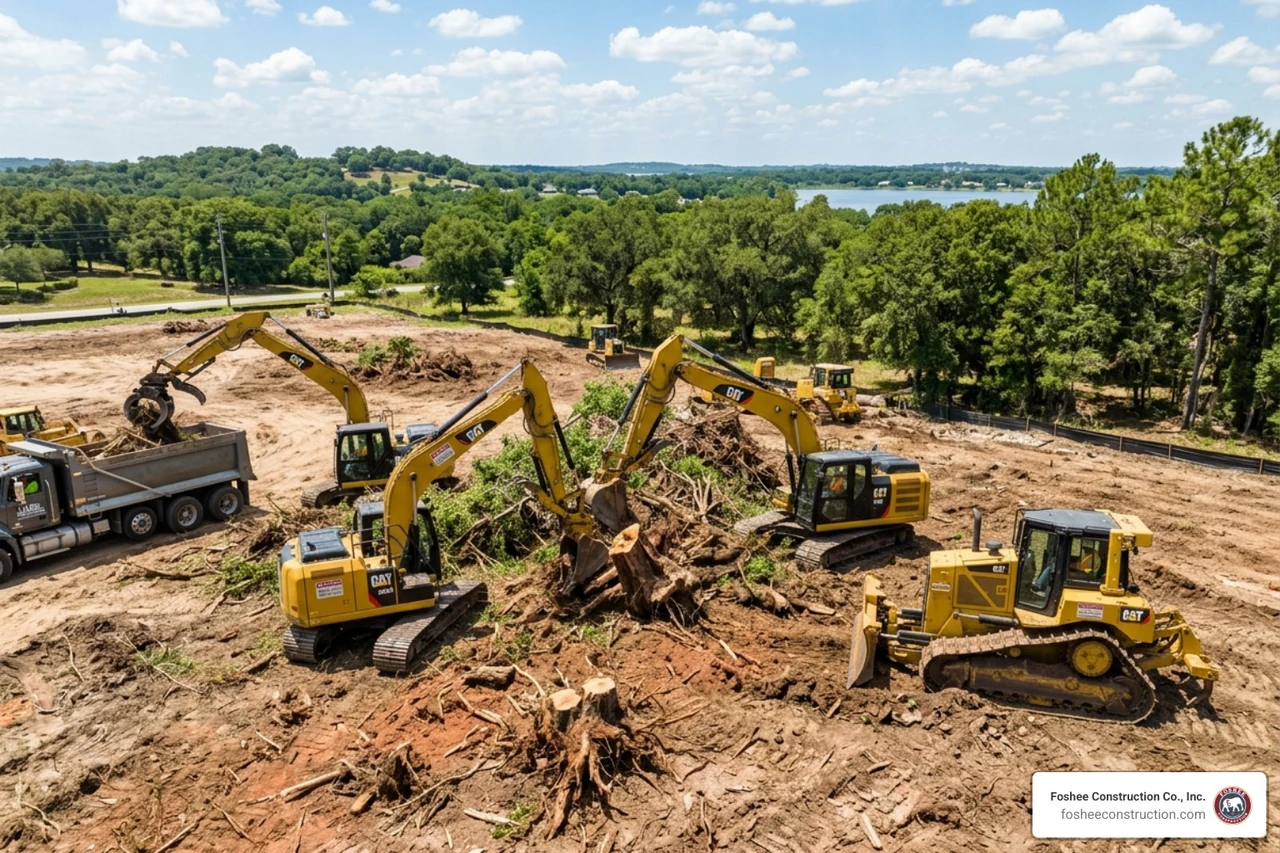
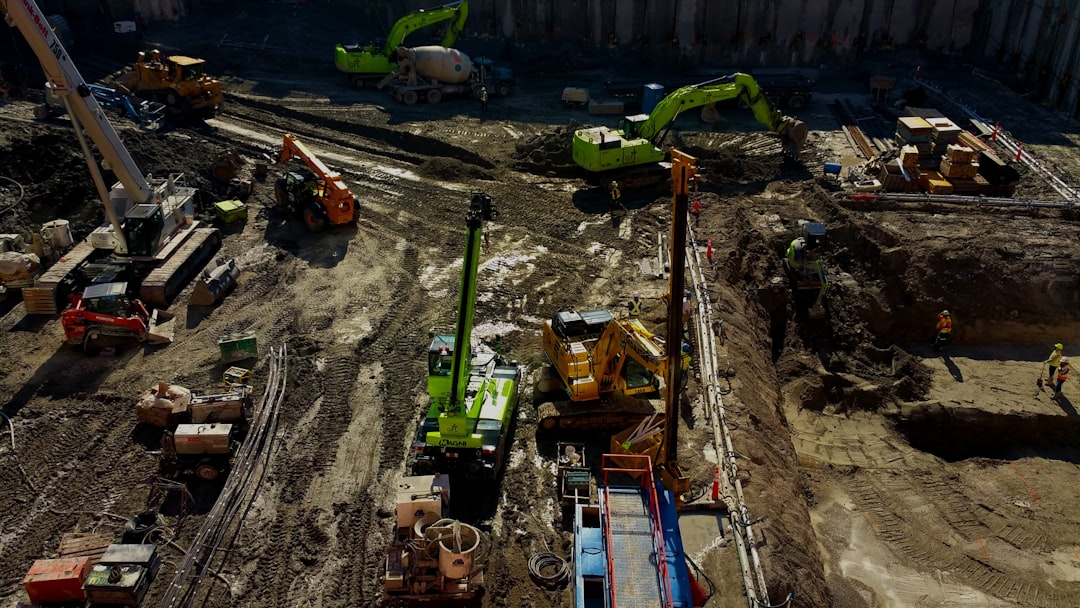
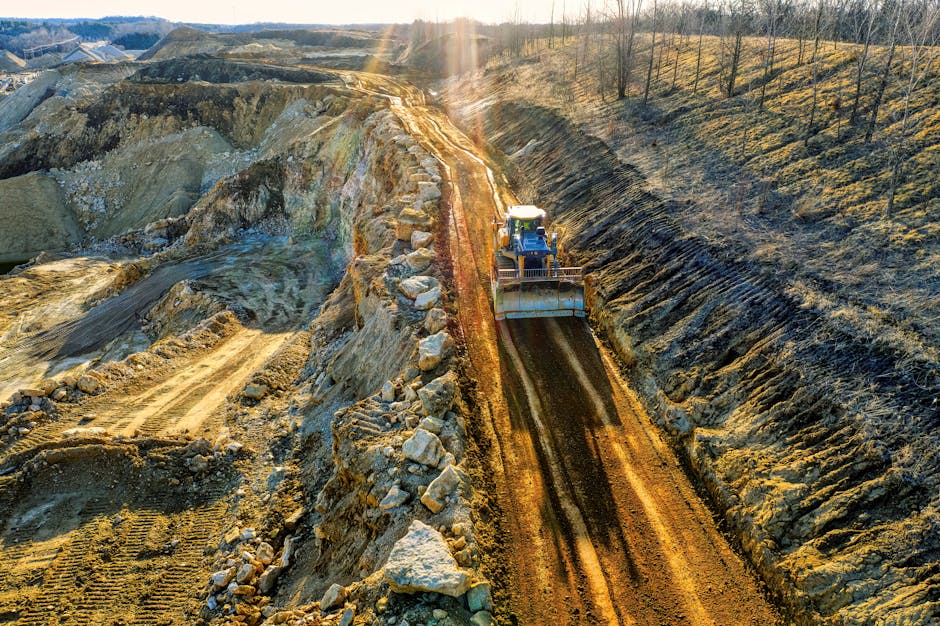
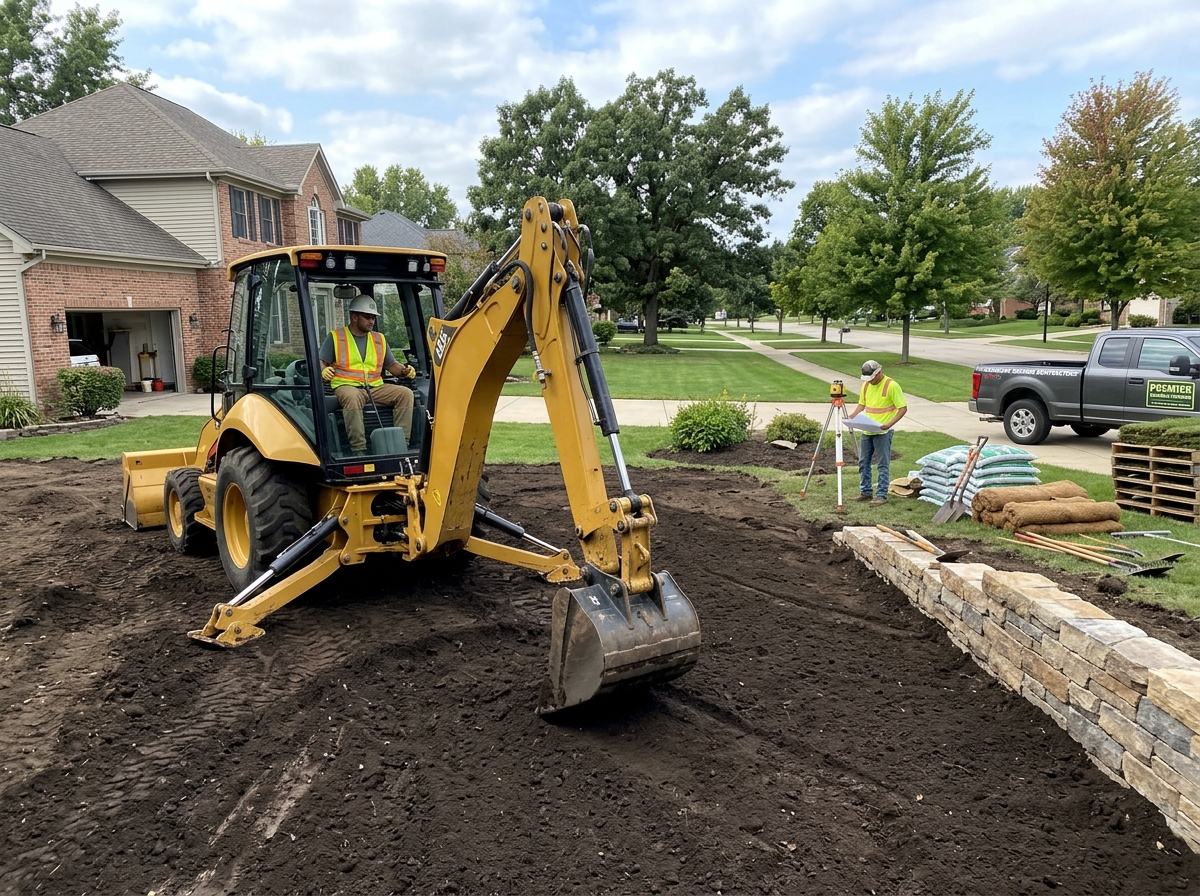
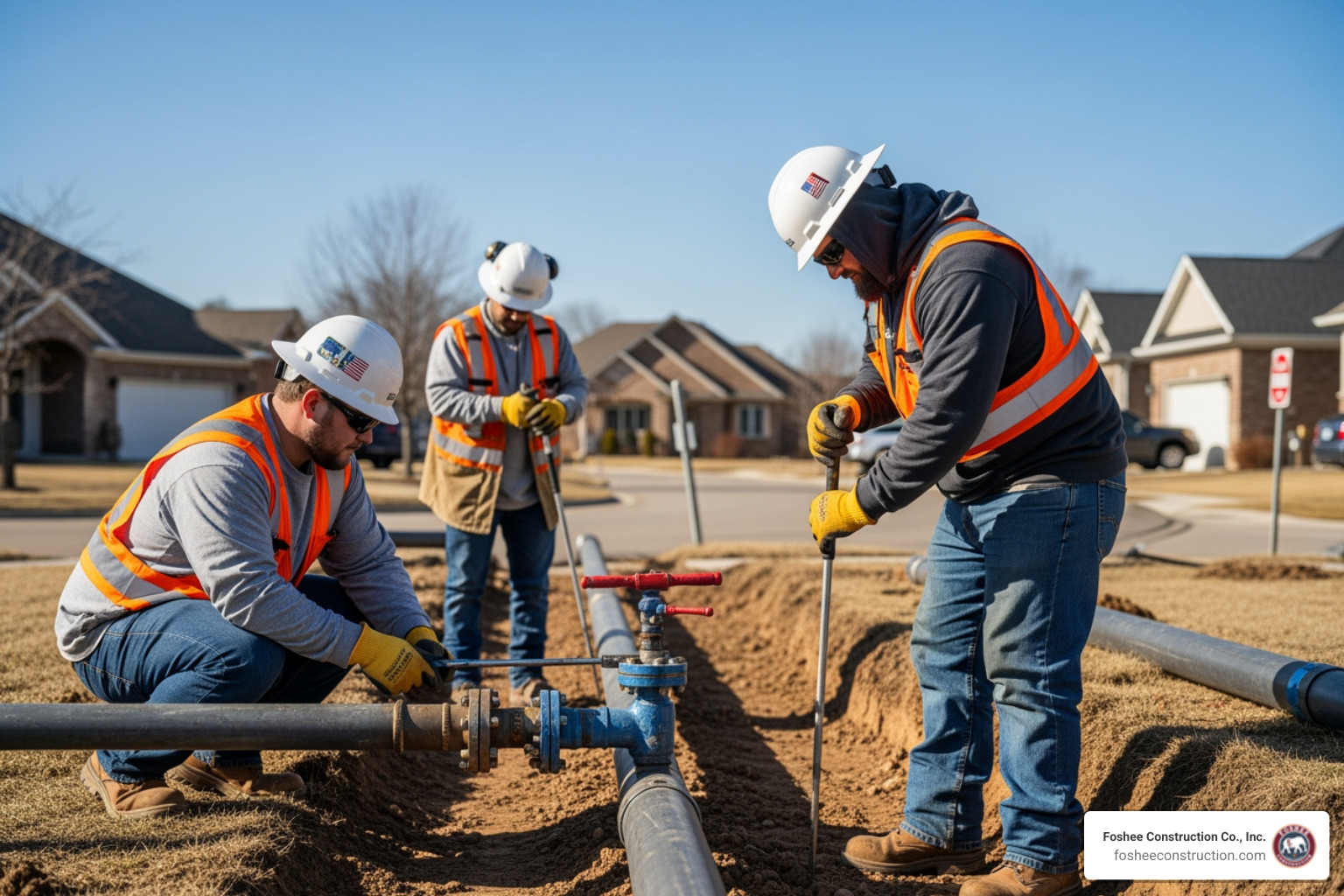
A reliable contractor manages the transition of a site from raw earth to a stable, pad-ready surface. This comprehensive process involves several distinct phases, including land clearing, debris removal, erosion control, and subgrade preparation. By handling Land Clearing and Site Preparation under one unified scope, we minimize the risk of scheduling conflicts and ensure that the site's topography is prepared strictly according to civil engineering plans.
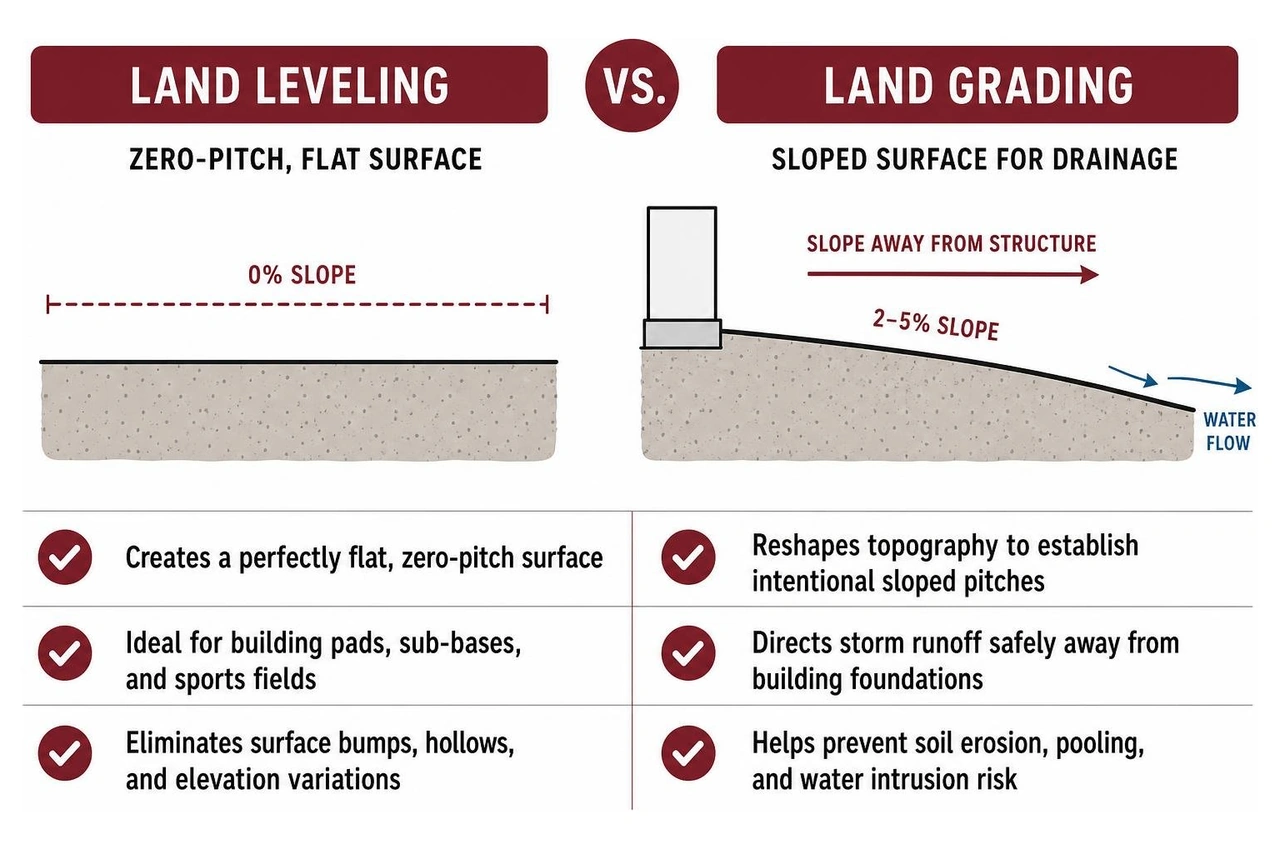
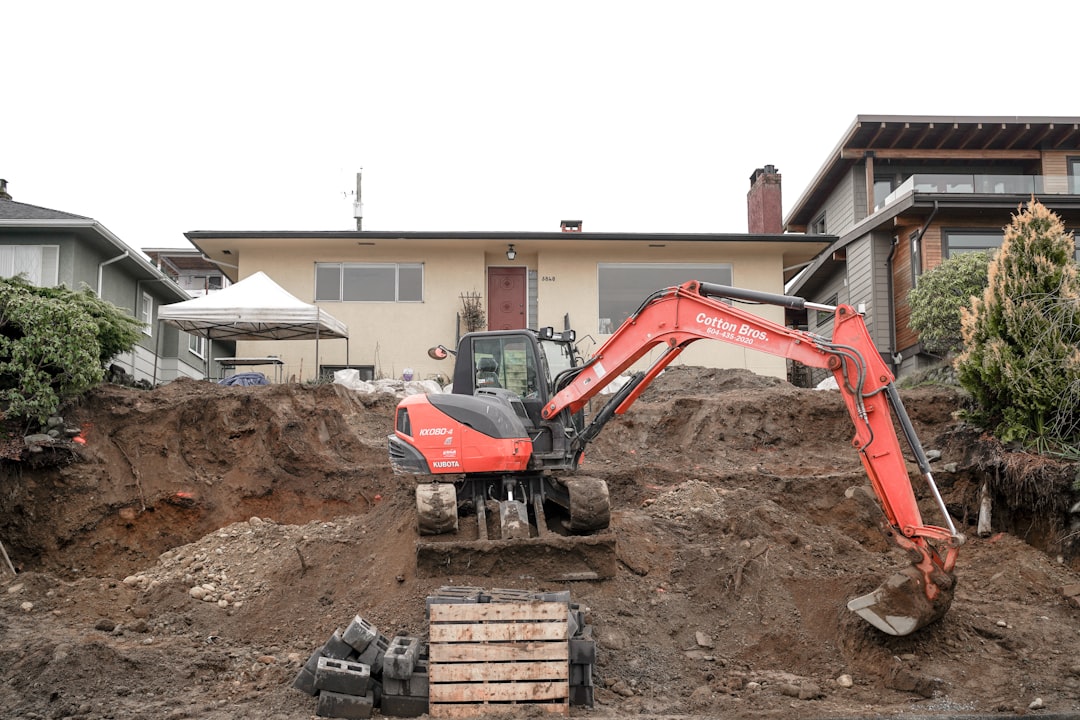
It is common for people to use the terms "excavation" and "grading" interchangeably, but in the construction industry, they represent different stages of site work.
While many earthmoving companies offer both services, a true grading specialist focuses heavily on soil mechanics, compaction standards, and drainage design.
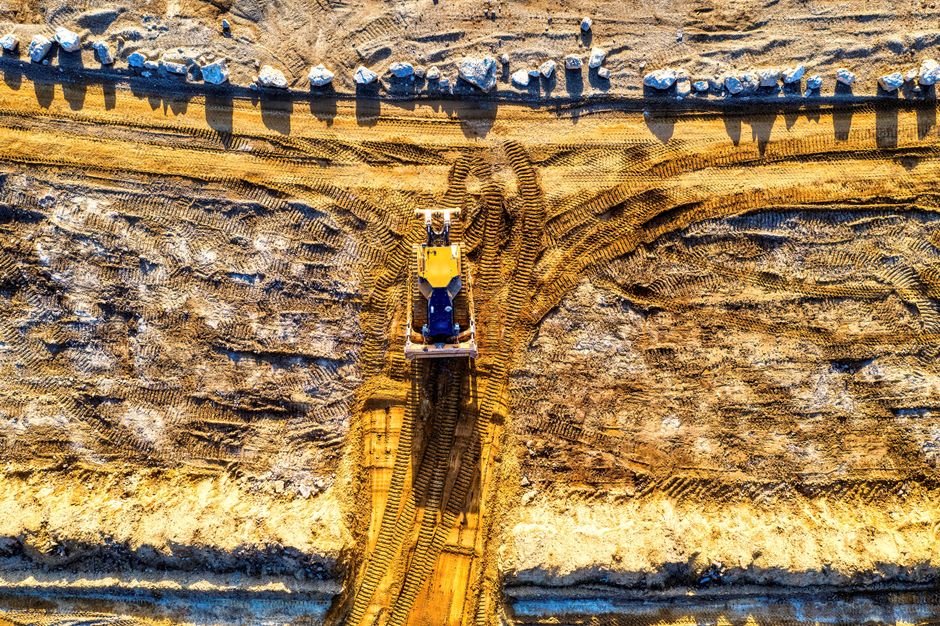
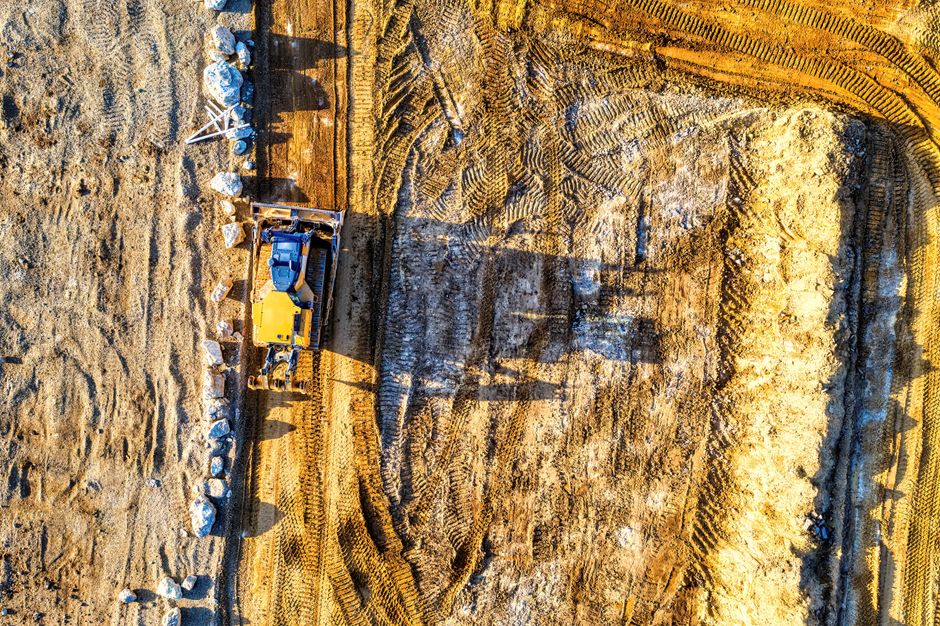
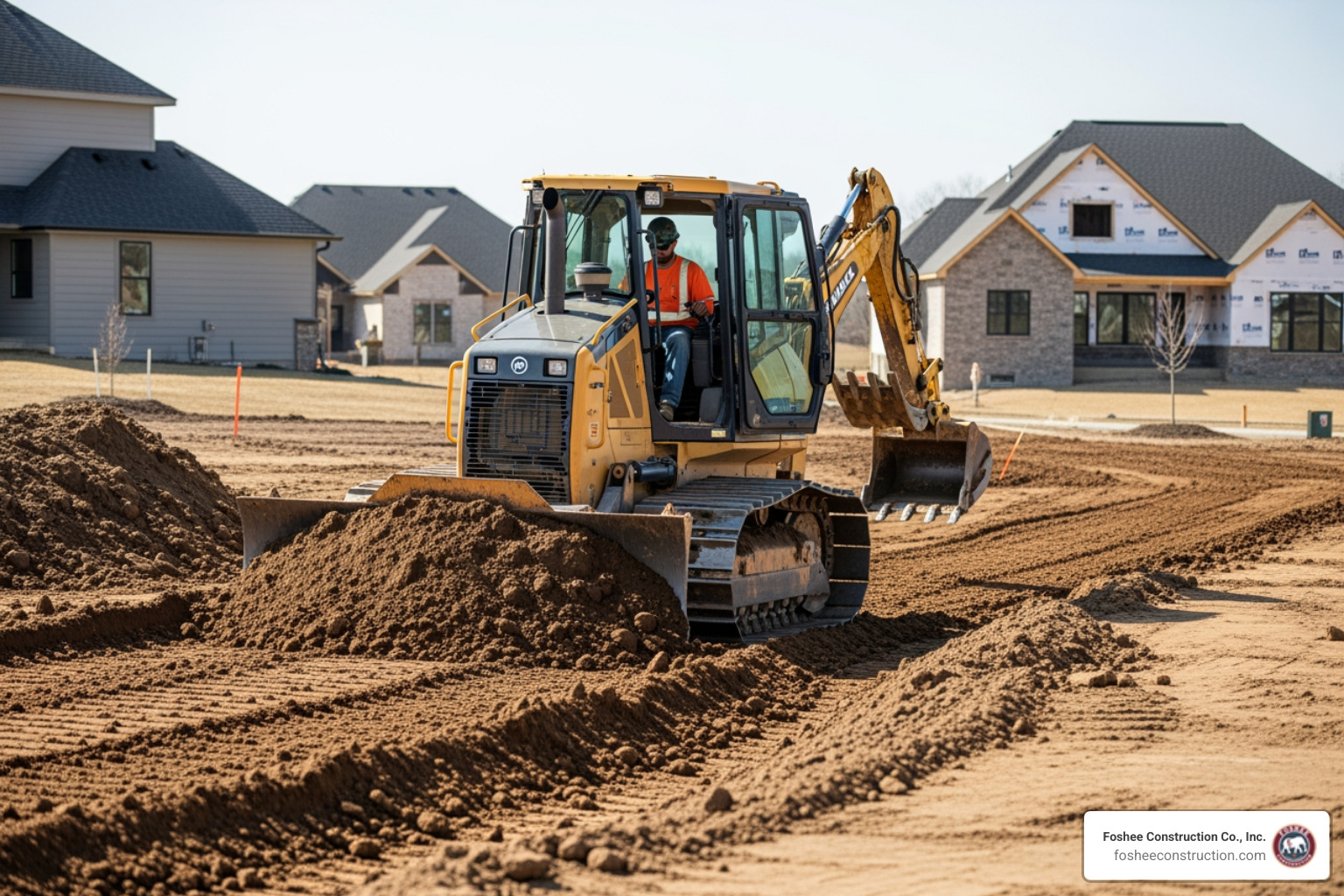
Grading is executed in a disciplined sequence, typically split into two primary phases: rough grading and fine grading.
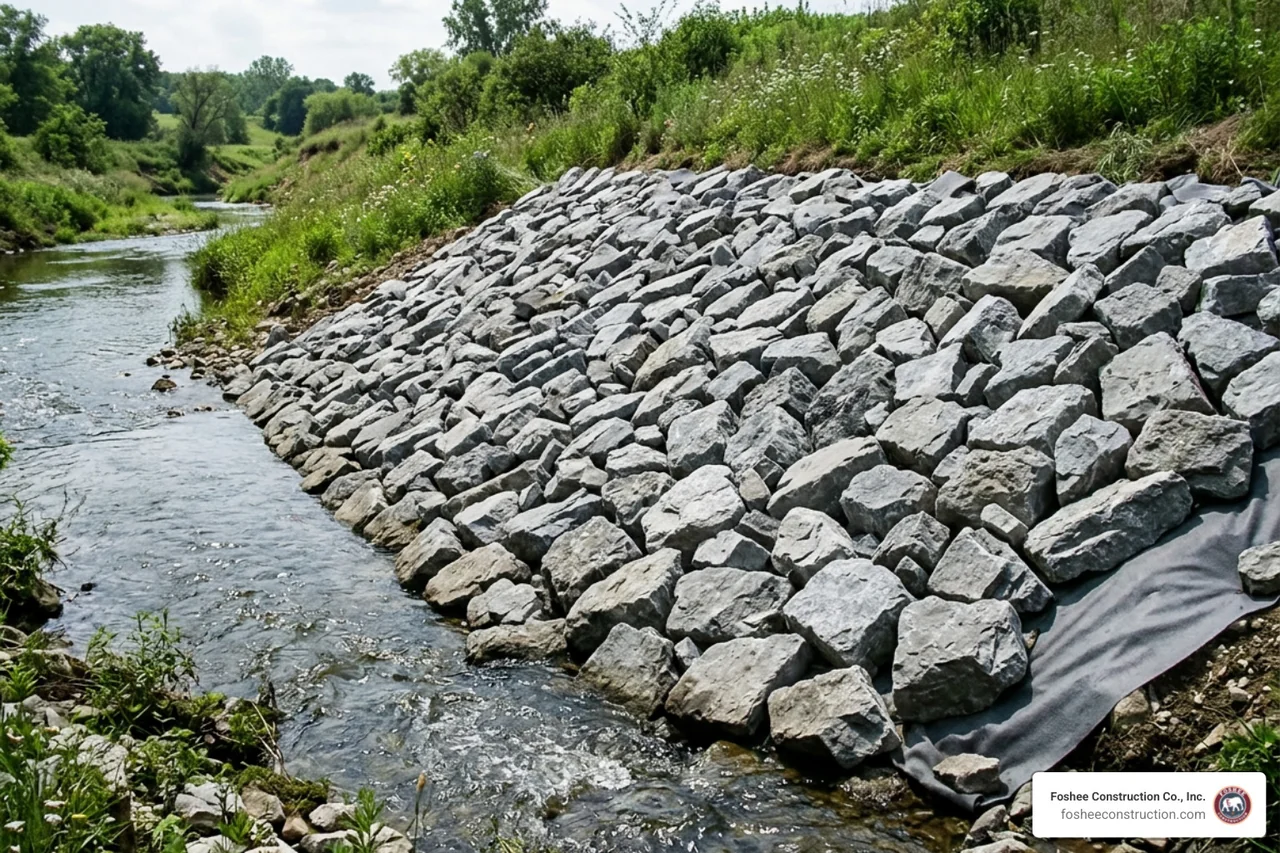
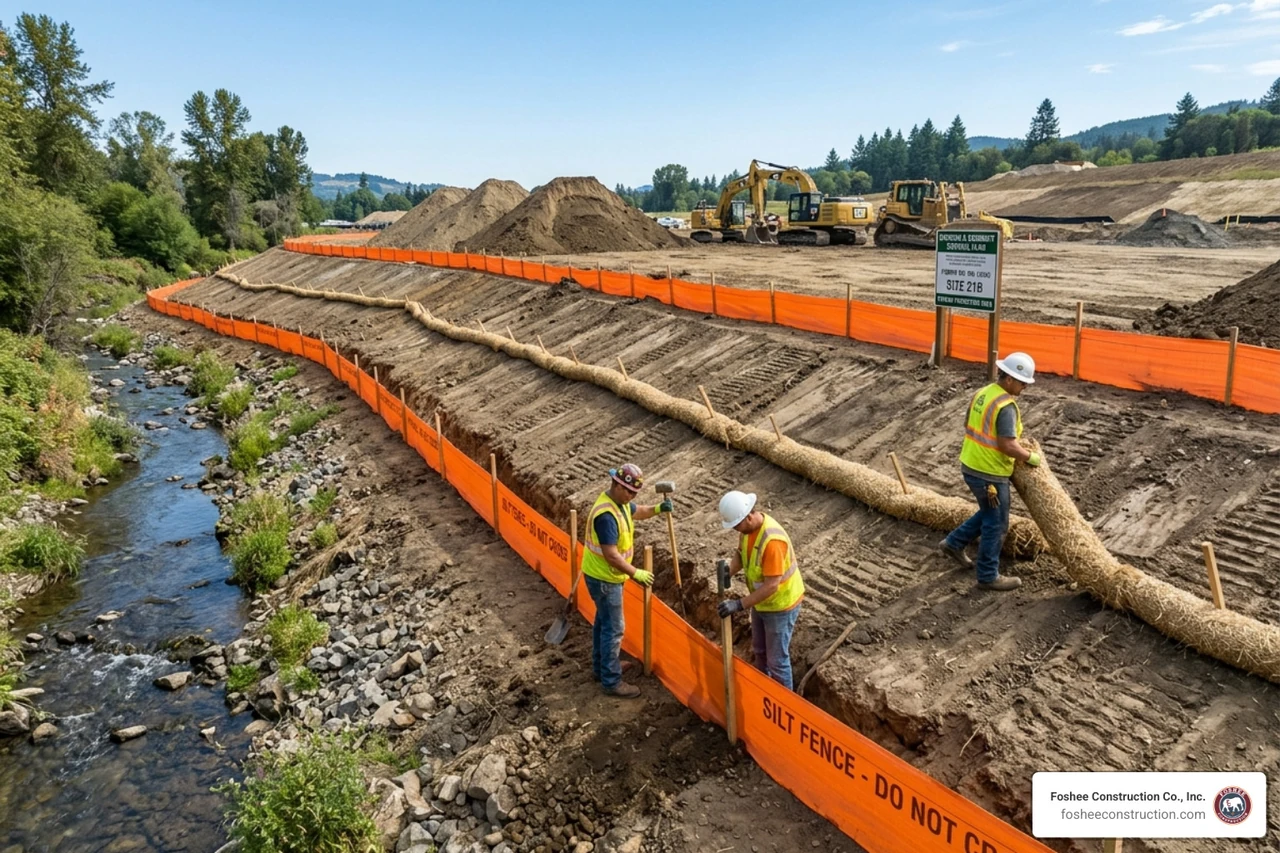
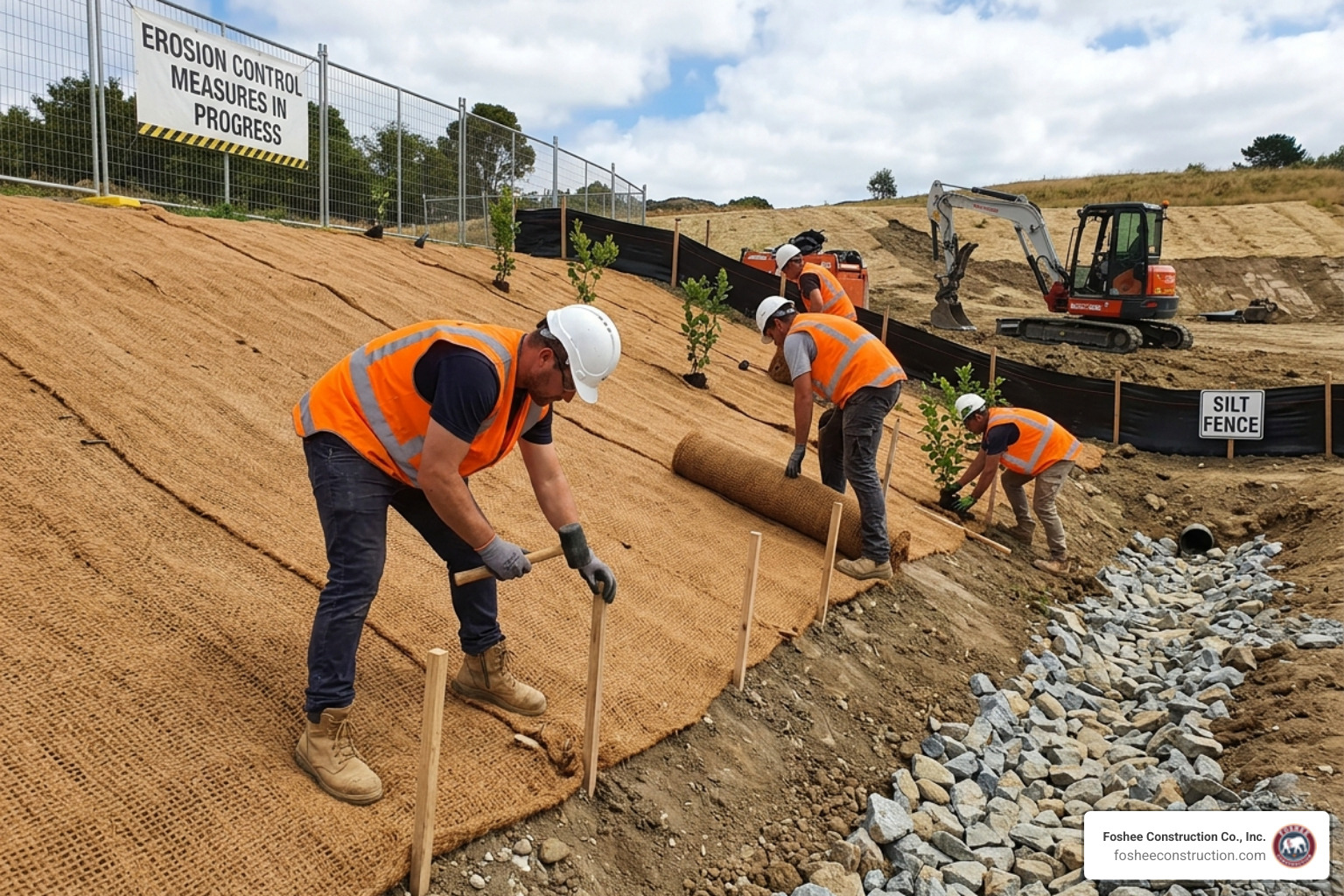
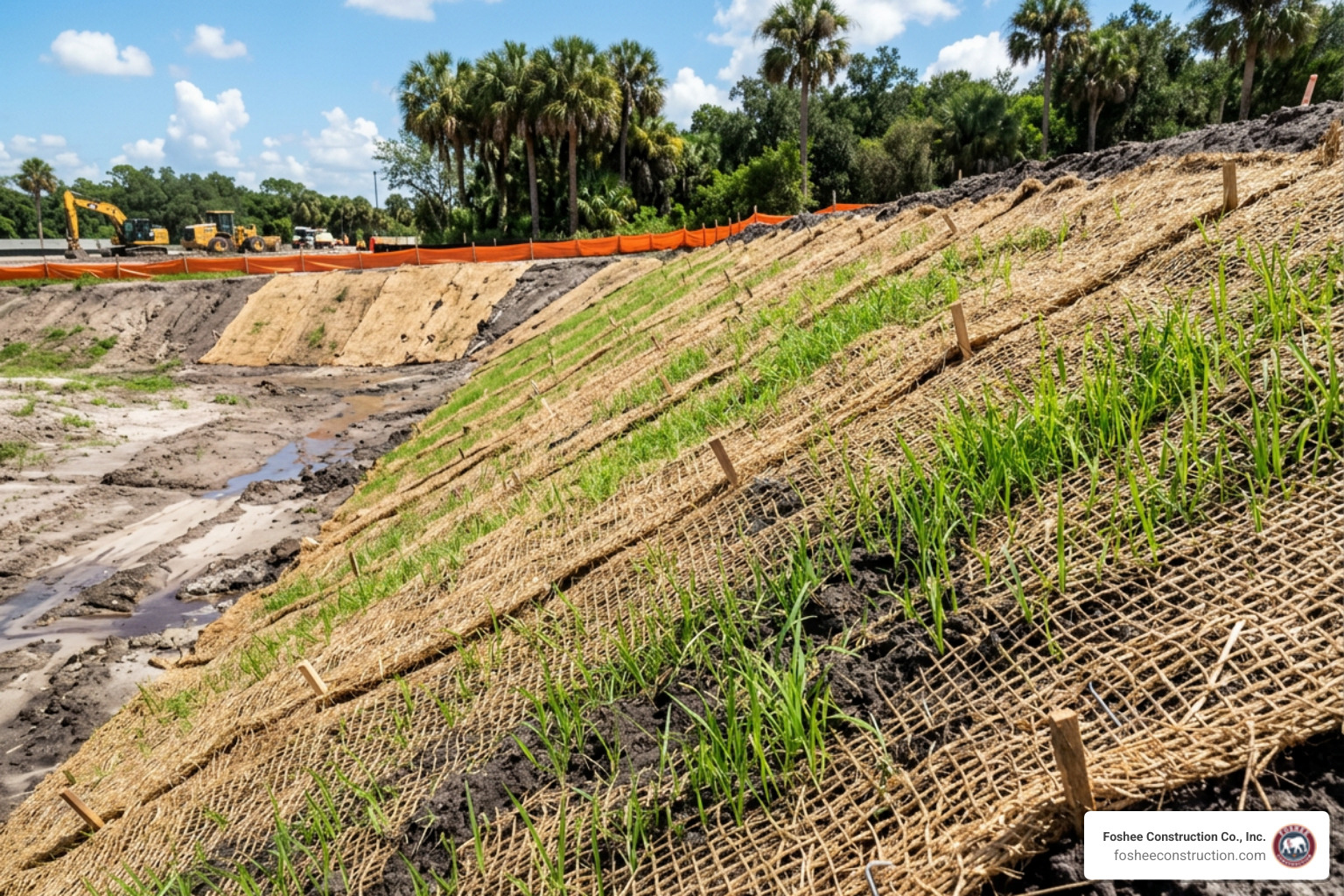
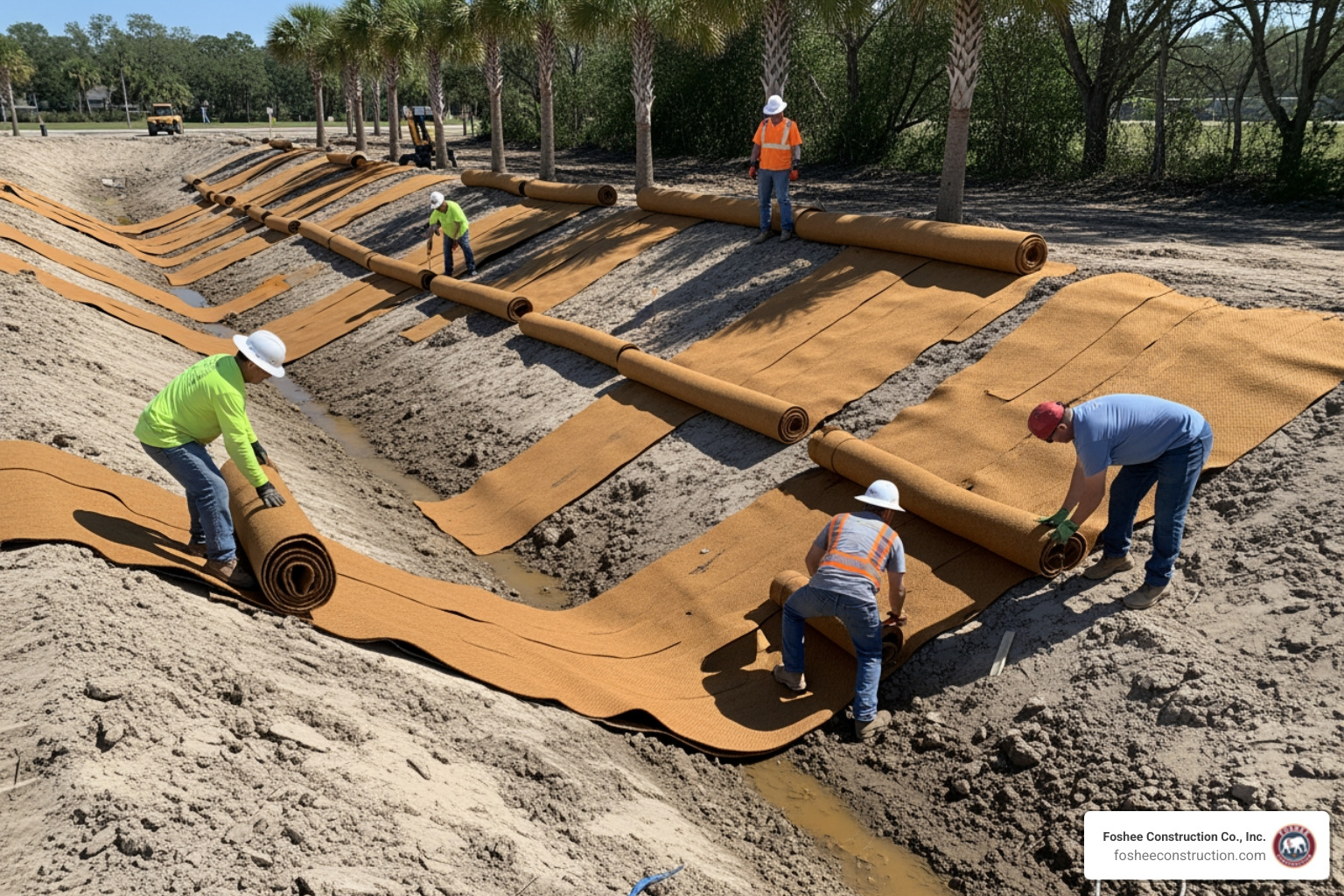
Before a single blade touches the dirt, we must protect the surrounding environment and comply with local regulations. In Florida, where sudden heavy downpours are a daily occurrence during the summer, Erosion Prevention Construction Sites is a top priority.
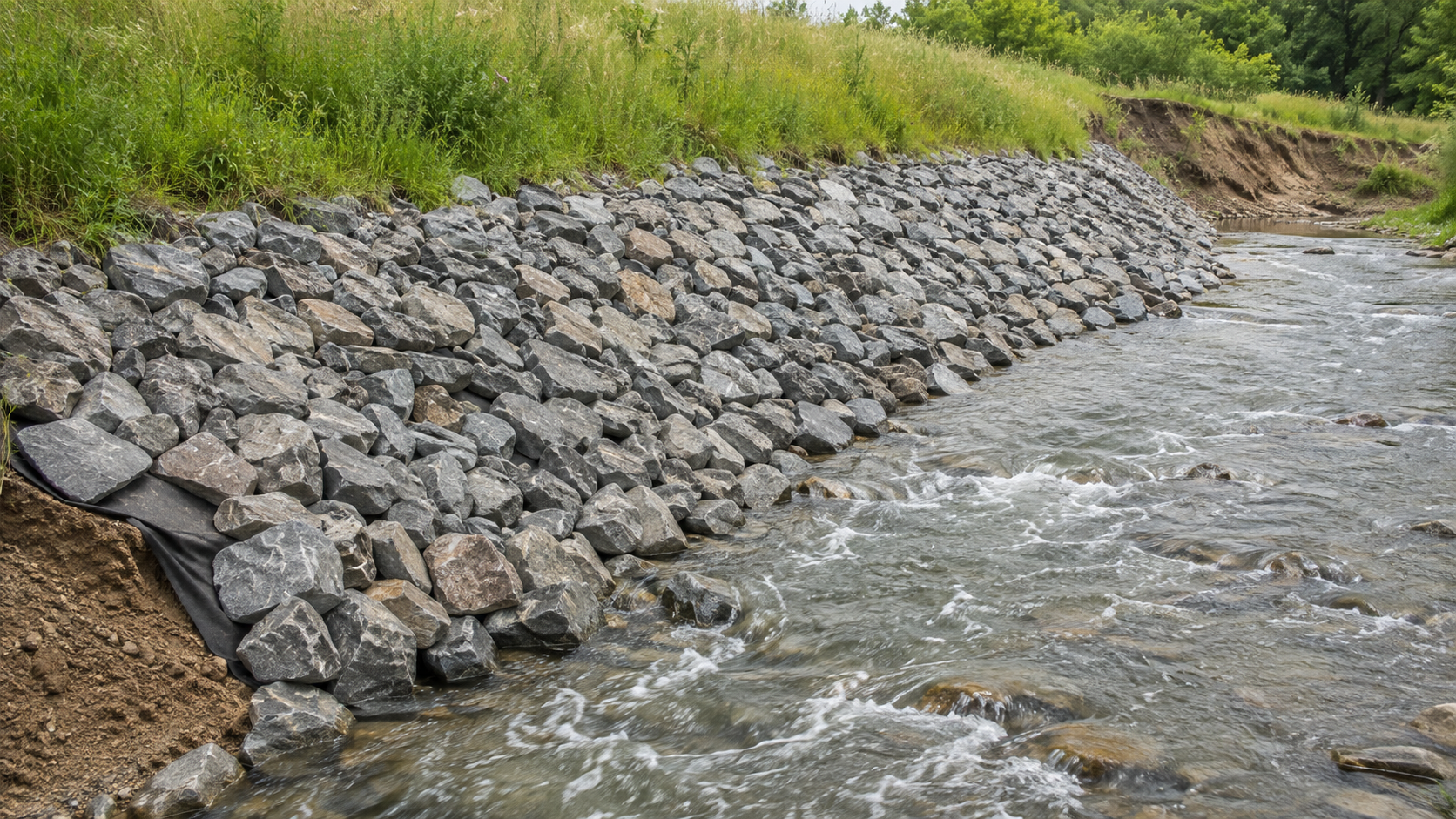
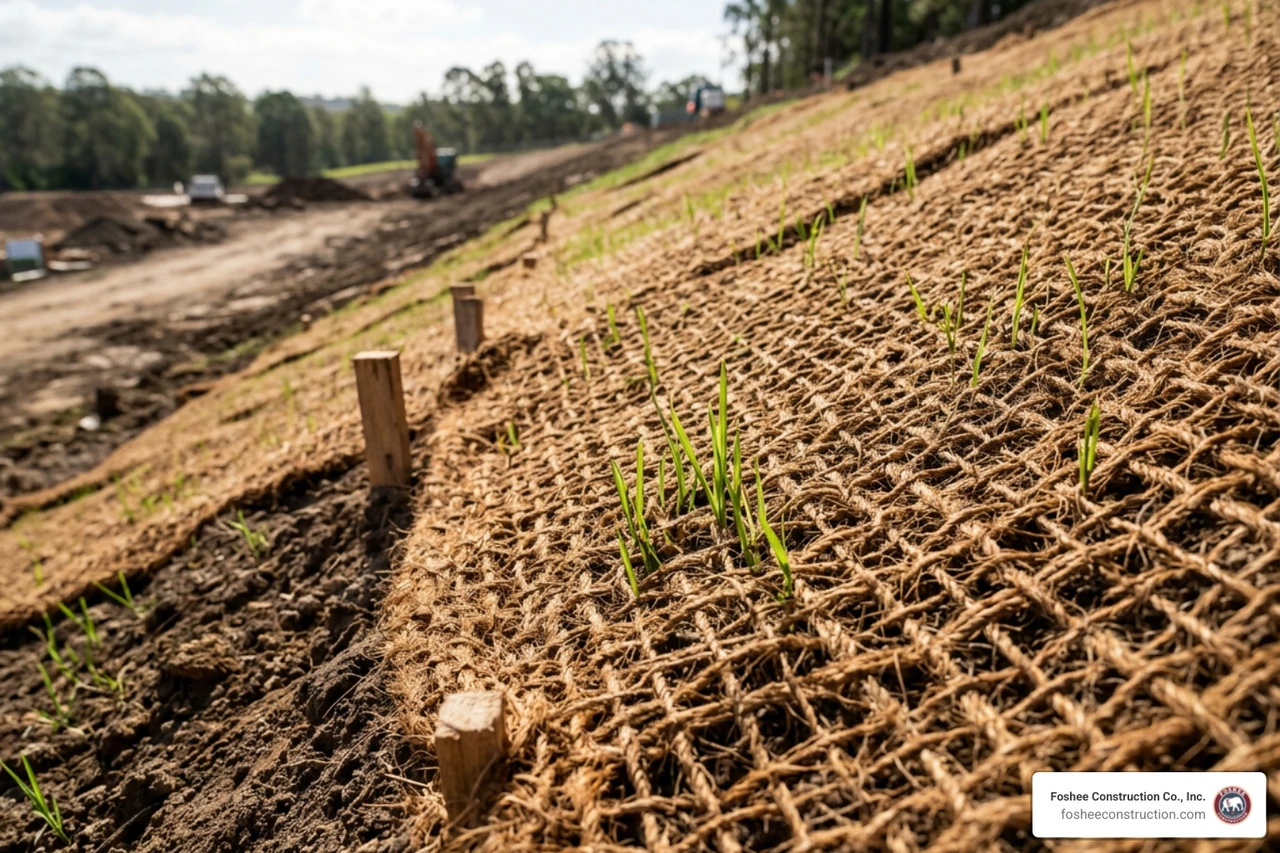
Our site preparation process begins with establishing robust Erosion Control Measures. This includes:
Once these protections are in place, we proceed with vegetation removal and debris hauling, ensuring that all organic material—which can rot over time and cause the ground to sink—is completely cleared from the building footprint.

Grading is not just about making the ground look flat; it is a highly engineered science that directly impacts the structural integrity of your building. If the soil is not compacted correctly, or if the slope is off by even half a degree, the consequences can be catastrophic.
As a dedicated Grading and Drainage Contractor, we focus on three primary scientific principles: slope design, positive drainage, and soil compaction.
To understand how soil behaves during grading, it helps to look at how different soil types respond to compaction:
| Soil Type | Drainage Characteristics | Compaction Ease | Primary Risk on Construction Sites |
|---|---|---|---|
| Sandy Soil (Common in FL) | Excellent, fast-draining | Easy to moderate | High shifting potential, wind/water erosion |
| Clay-Heavy Soil | Poor, holds water | Difficult | High swelling/shrinking, poor drainage |
| Silty/Loamy Soil | Moderate | Moderate | Moderate settling, highly erodible |
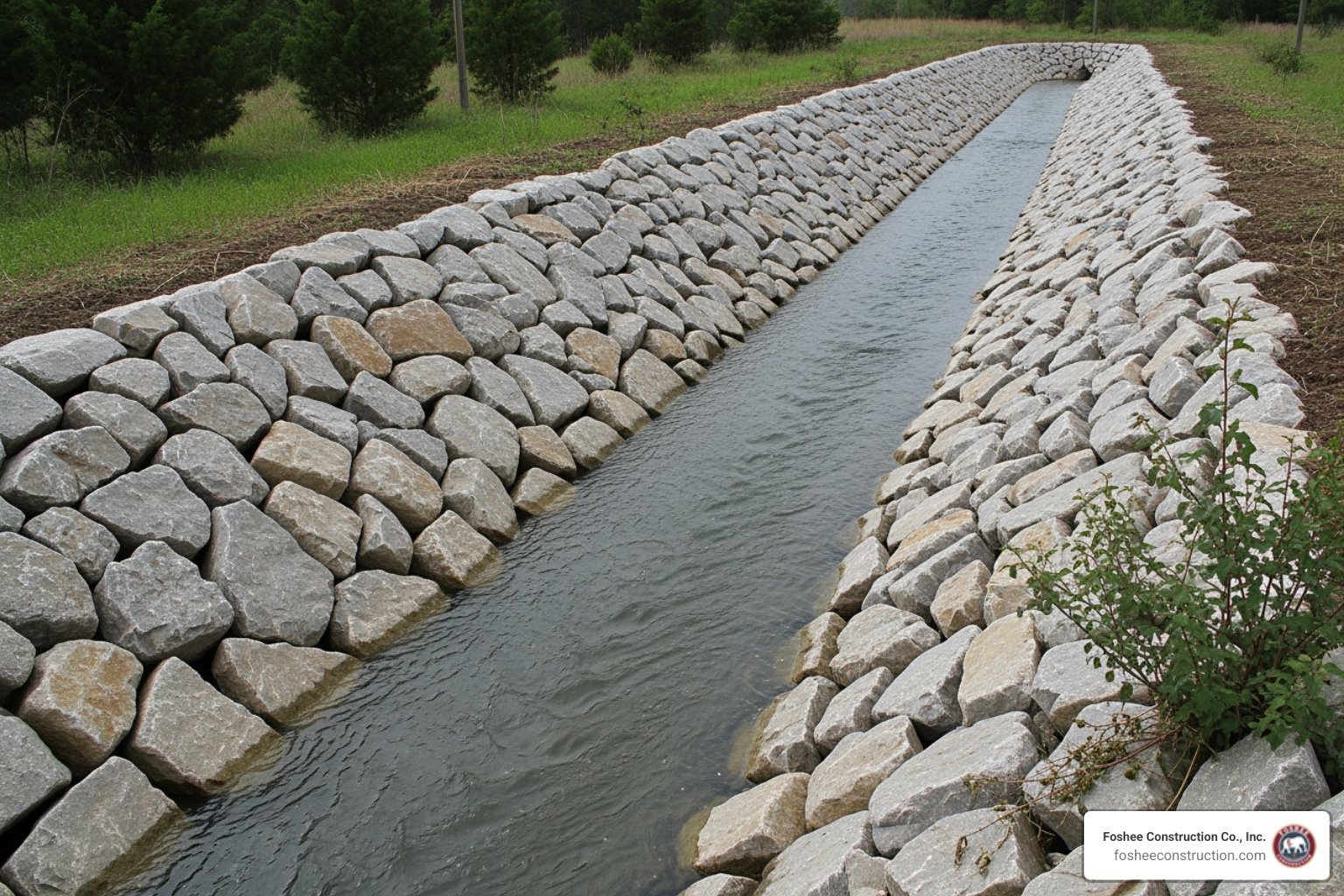
In Central Florida, water management is everything. Our flat terrain and intense rainy season mean that water has a tendency to pool rather than run off. To protect structures, we must establish "positive drainage." This means the ground must slope away from the foundation at a minimum rate.
According to standard building codes, the ground around a foundation should slope downward at a minimum of 6 inches within the first 10 feet (or approximately 1 inch per foot for the first 6 feet).
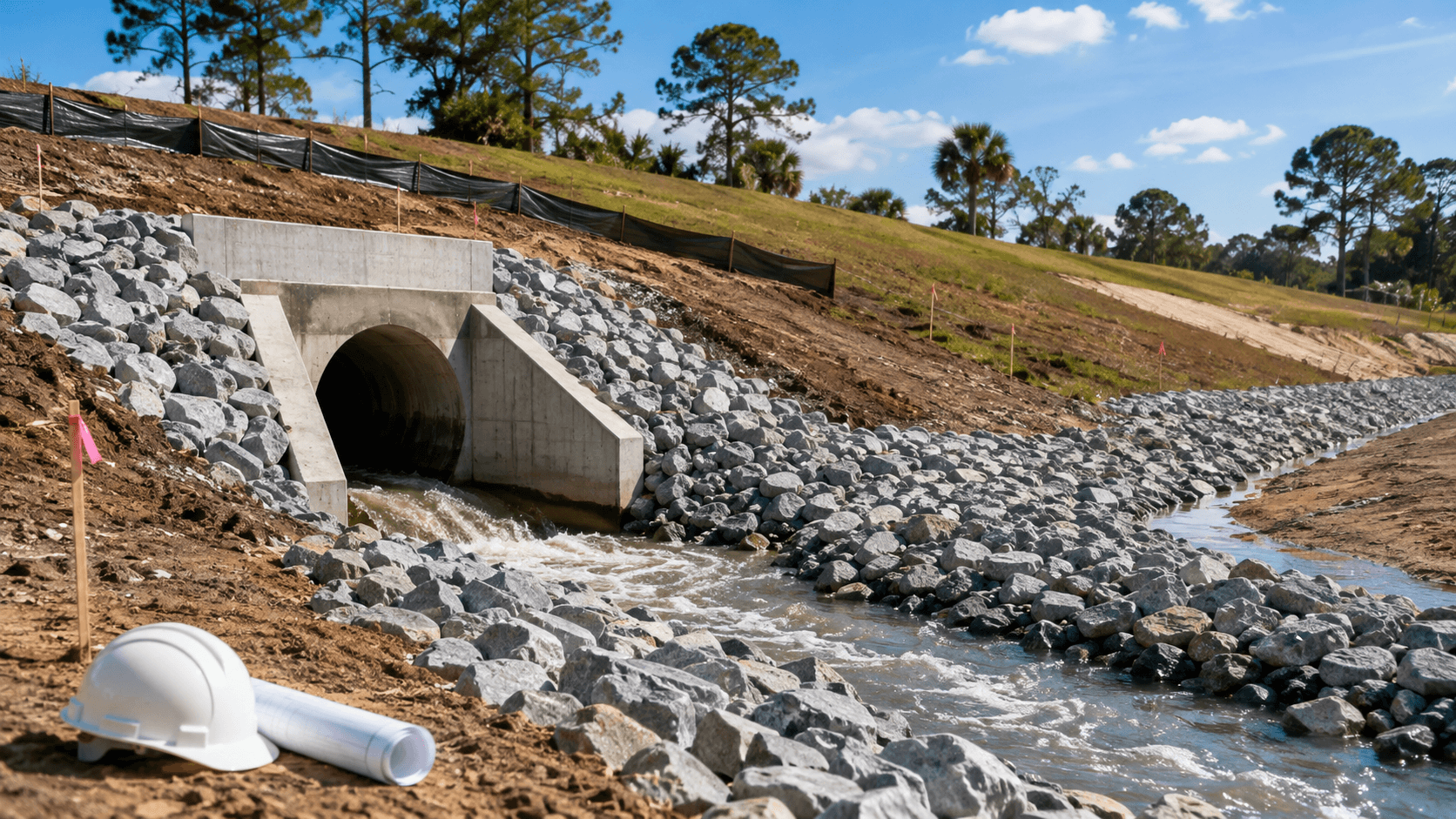
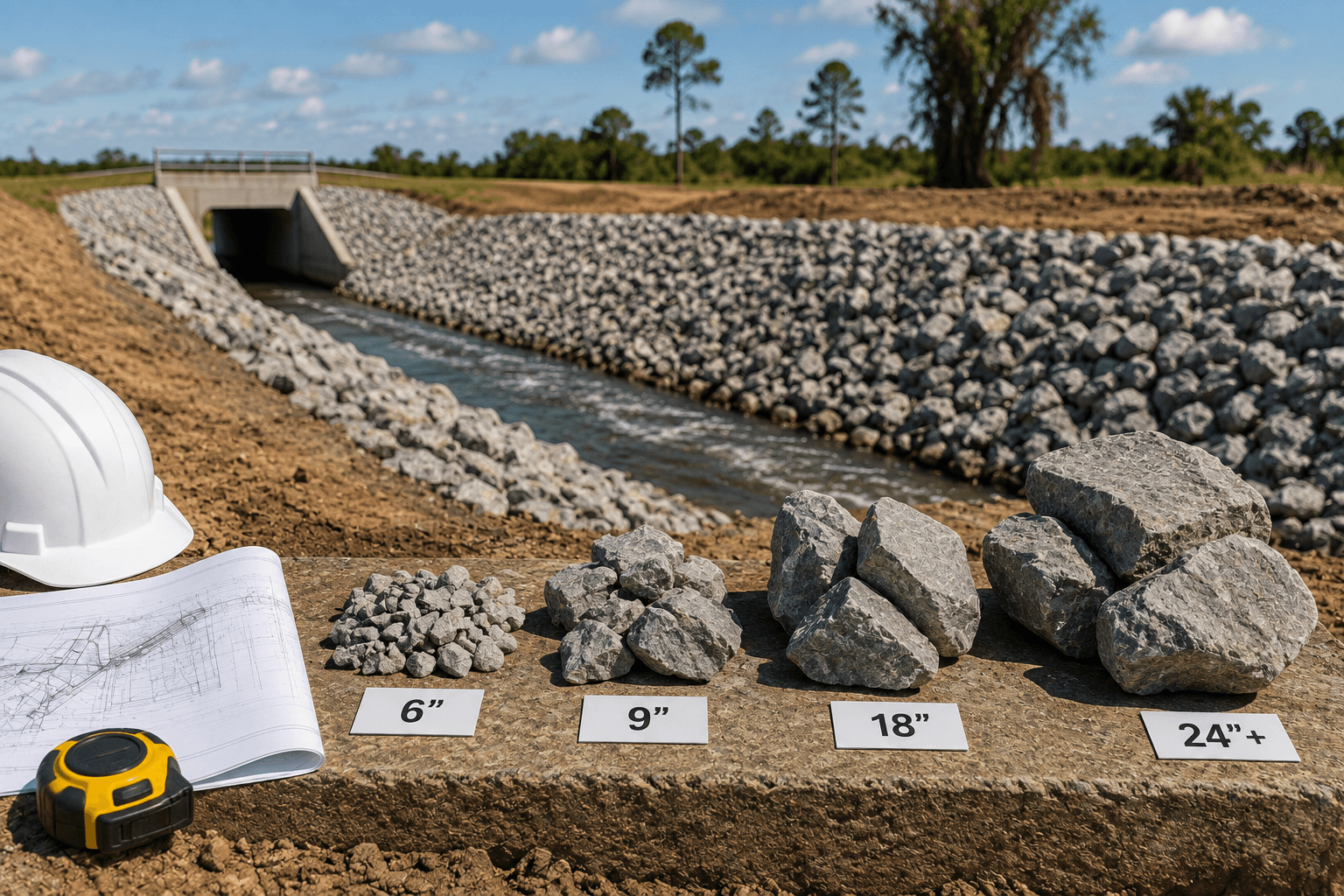
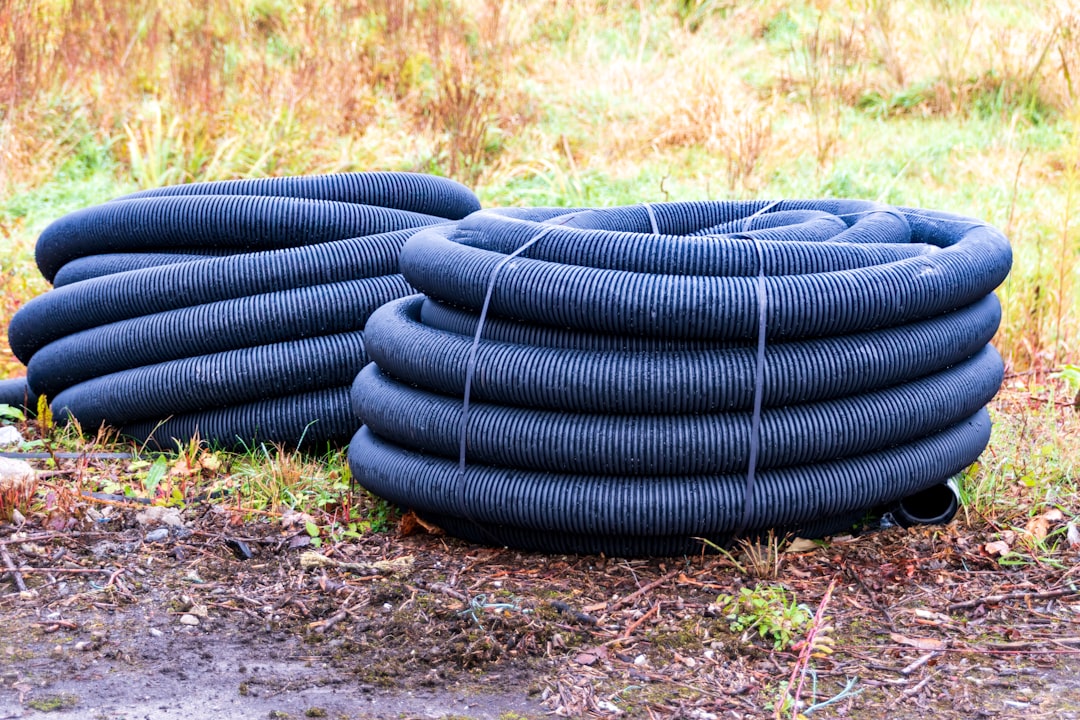
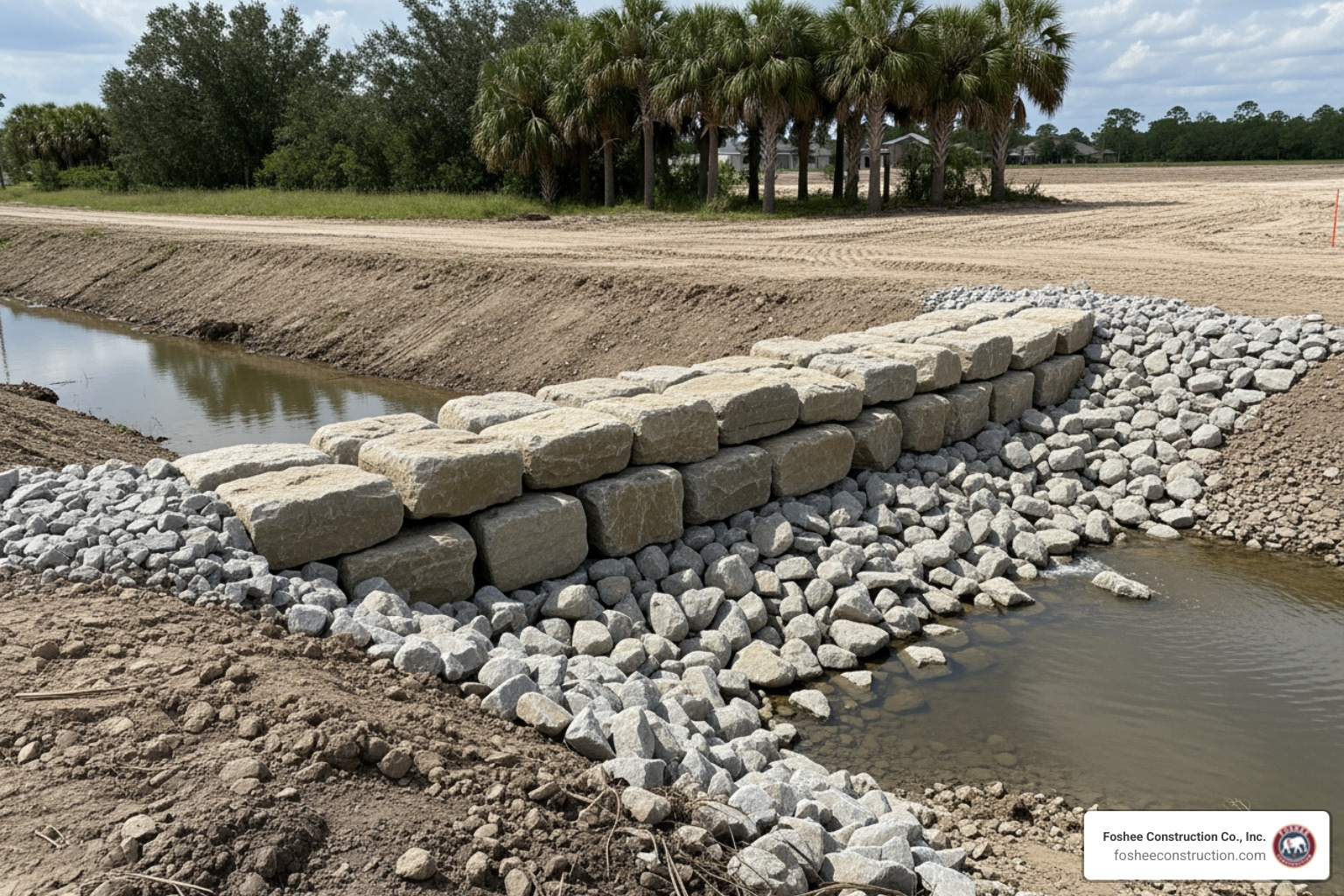
To achieve this, we often work as a Yard Leveling Contractor to sculpt the land, creating swales (shallow, wide channels) that intercept runoff and guide it safely toward retention ponds, storm sewers, or natural drainage outlets. This careful runoff diversion prevents water from pooling against concrete slabs, which can rot building materials and compromise foundation safety.
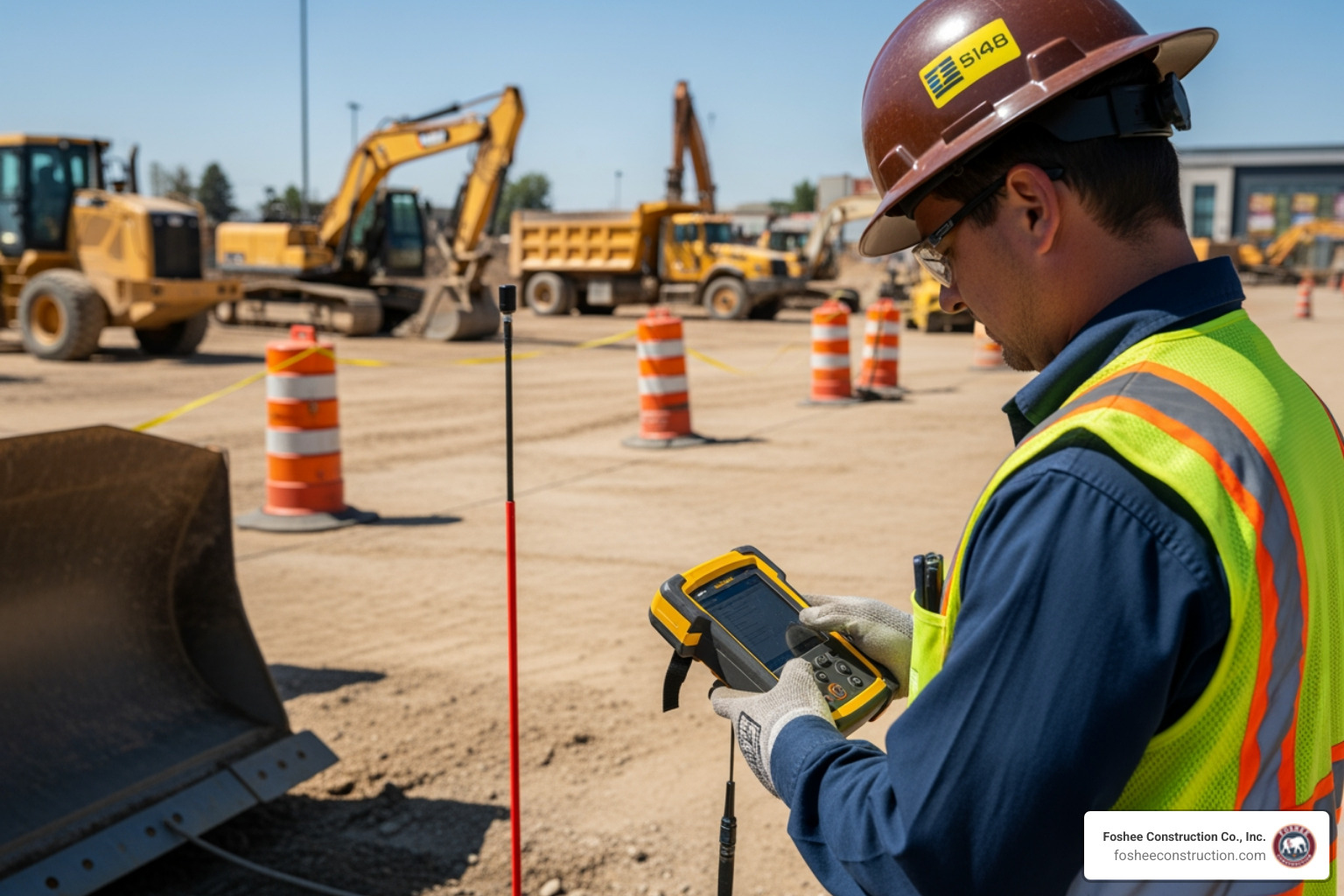
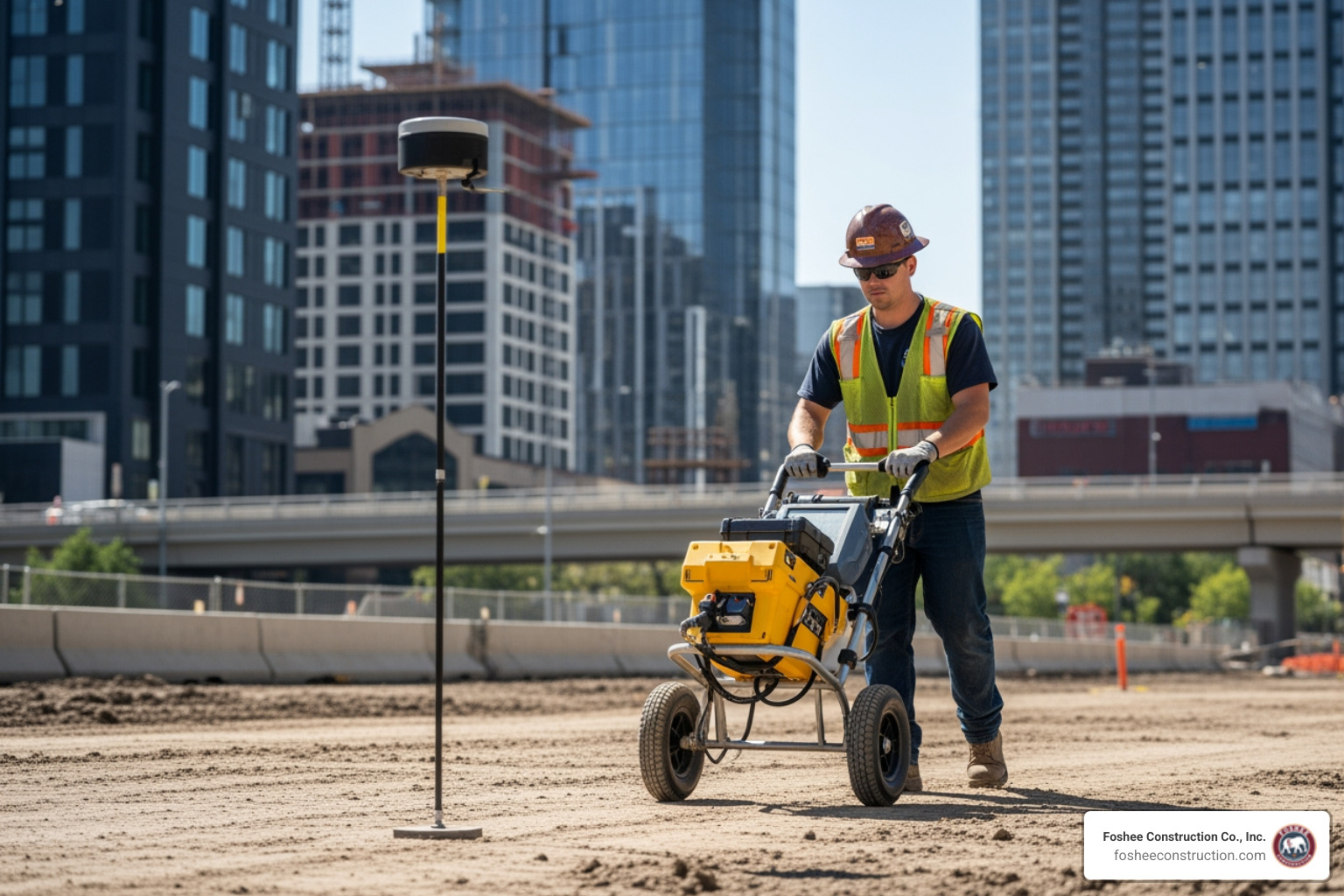
The days of "eyeballing" a grade are long gone. Modern Site Preparation Services rely on advanced technology to achieve absolute precision.
The grading approach changes dramatically depending on what is being built.
Choosing the right partner for your earthwork is a critical decision. A cheap bid from an inexperienced contractor can result in thousands of dollars in structural repairs, project delays, and failed municipal inspections. When you are evaluating Choosing the Right Contractor, you need a systematic vetting process.
If your project is in Lake County, Minneola, or the surrounding Central Florida region, finding a local team who understands our unique sandy-to-clay soil structures is paramount. Working with a regional specialist ensures they are familiar with local environmental regulations and ground conditions. Check out local listings for Grading and Paving Companies Near Me to find a qualified team near your job site.
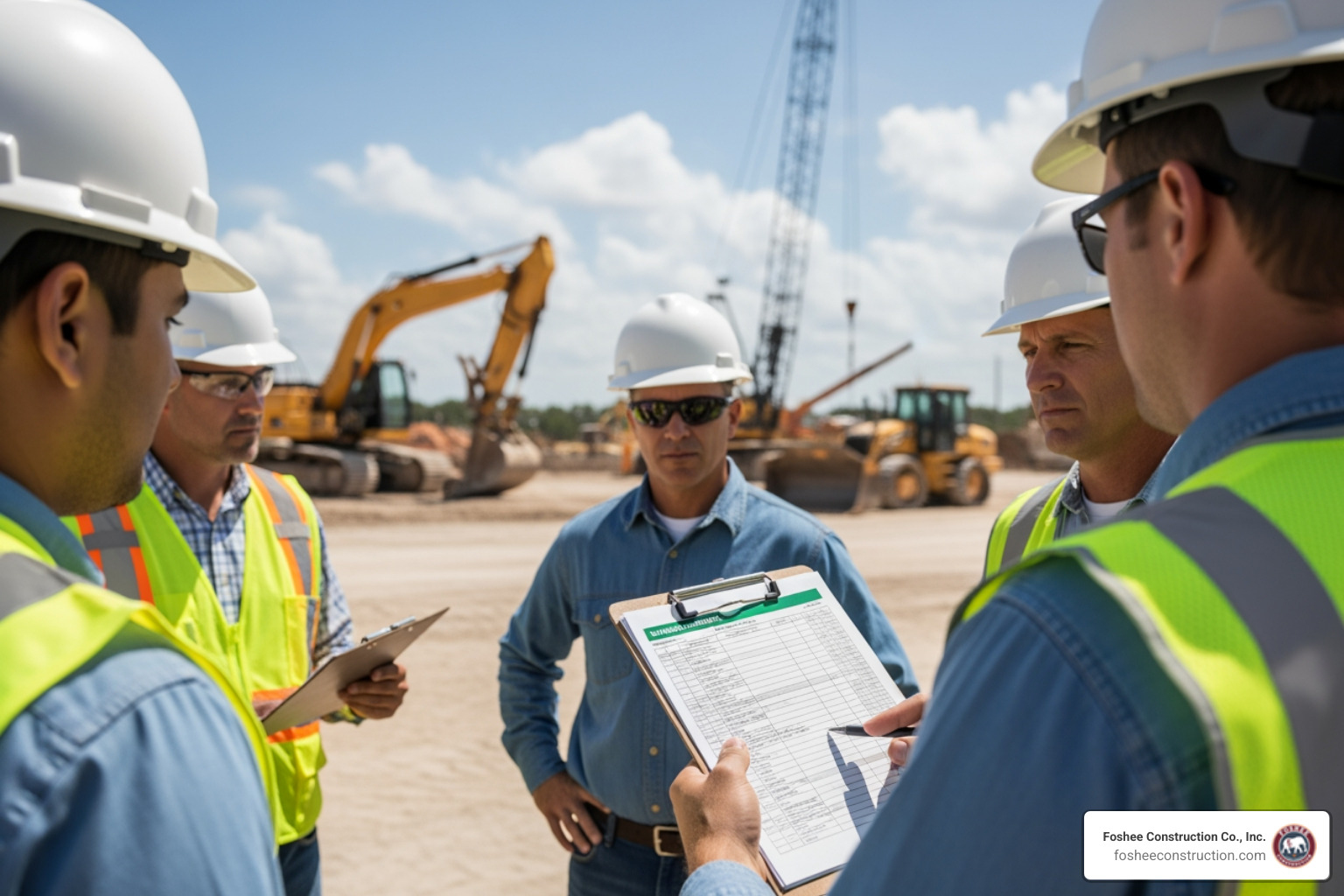
Before signing any contract, verify that the company holds the following credentials:
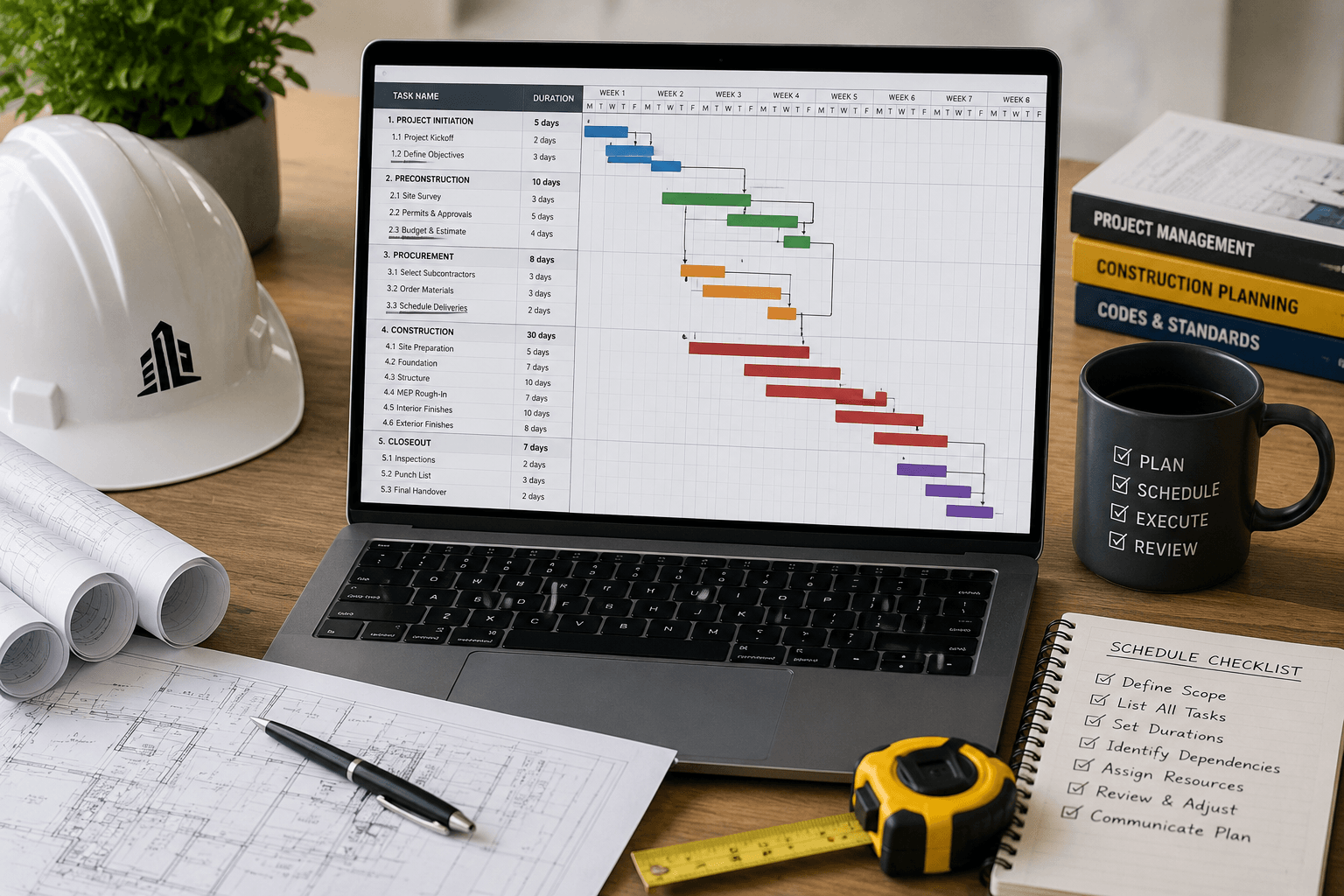
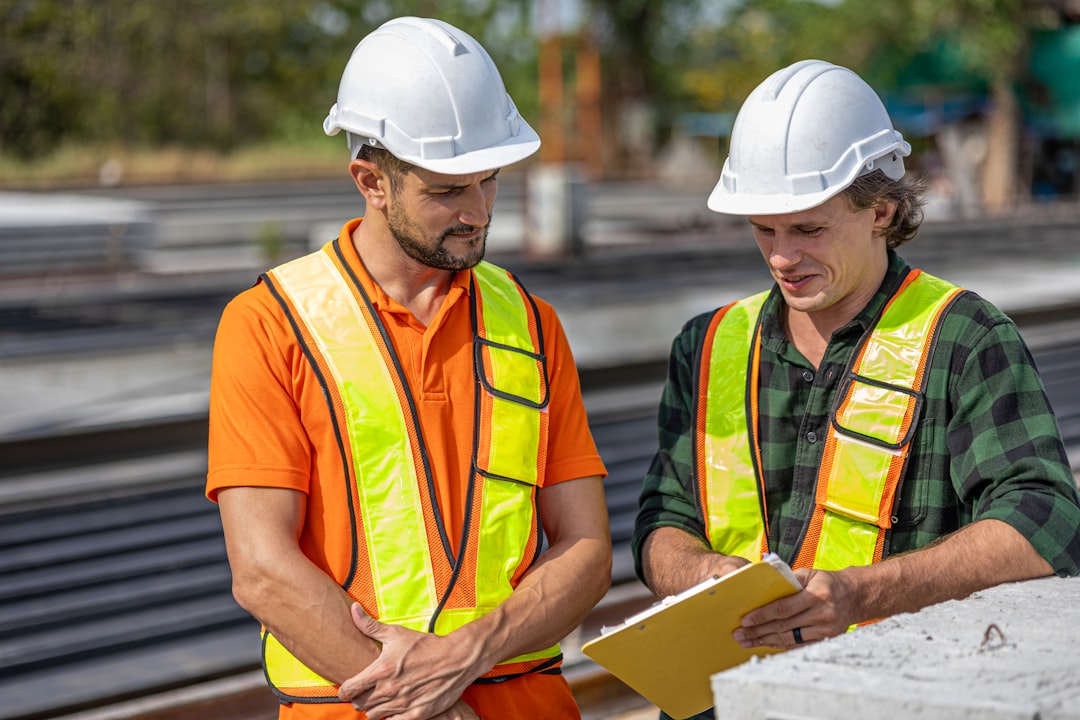
Grading does not happen in a vacuum. A successful project requires seamless coordination between several key players:
Preparing the site correctly is the first step in Site Preparation for House Construction, ensuring that the home is built on a solid foundation that complies with all regulatory standards.
Navigating site work can be confusing if you don't live and breathe dirt work every day. Here are some of the most common questions we hear from property owners and developers looking for Landscape Grading Contractors and site prep experts.
Proper grading is the ultimate insurance policy for your property. By establishing a correct slope and installing reliable drainage solutions, you prevent water from pooling around your building's foundation.
Standing water can seep into concrete slabs, cause soil to shift (leading to cracked walls and uneven floors), and create mold issues. Furthermore, proper grading prevents soil erosion, keeping your landscaping intact and protecting your land from washing away during Florida's heavy hurricane season rains.
In Central Florida, we face several unique geological and environmental challenges:
A site grading plan is a highly detailed drawing created by a civil engineer. It uses contour lines to show the existing topography of the land and the proposed new elevations.
The plan identifies where dirt needs to be cut (removed) or filled (added), marks elevation benchmarks, outlines drainage paths (like swales and retention ponds), and ensures the project complies with environmental and municipal stormwater regulations.
At Foshee Construction Co., Inc., we believe that every great structure starts with a solid foundation. Since 1994, we have built our reputation in Minneola and throughout Central Florida on a simple, straightforward promise: transparent bidding, disciplined scheduling, a strict safety focus, and reliable relationships with our clients.
We don't believe in hidden fees or cutting corners on compaction. When we give you a bid, we give you a real number based on decades of local experience.
If you are ready to start your next residential, commercial, or subdivision project with a team you can trust from the ground down, visit our Why Foshee page to see how we can bring precision, reliability, and peace of mind to your job site. Let's get the dirt moving!
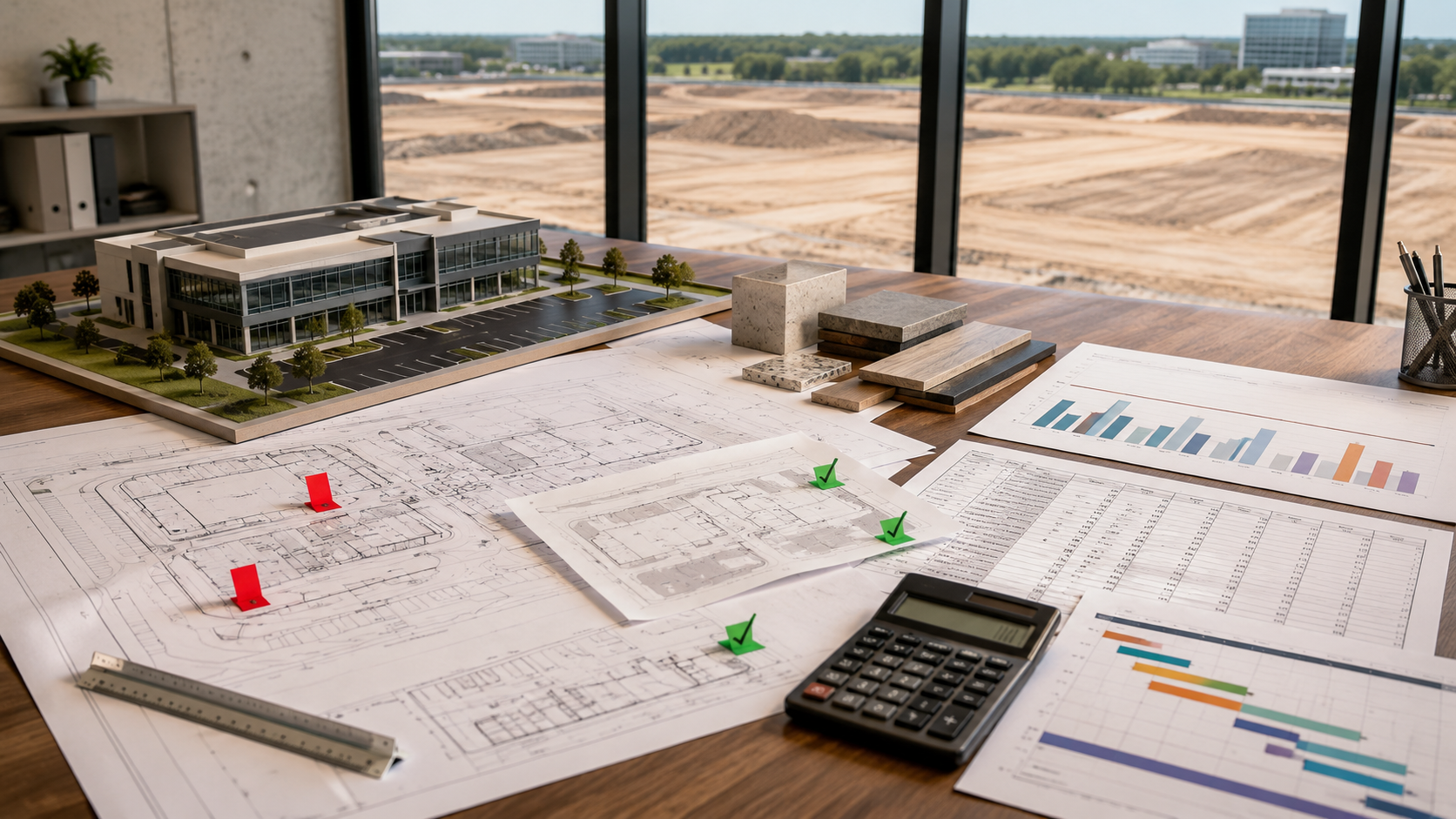
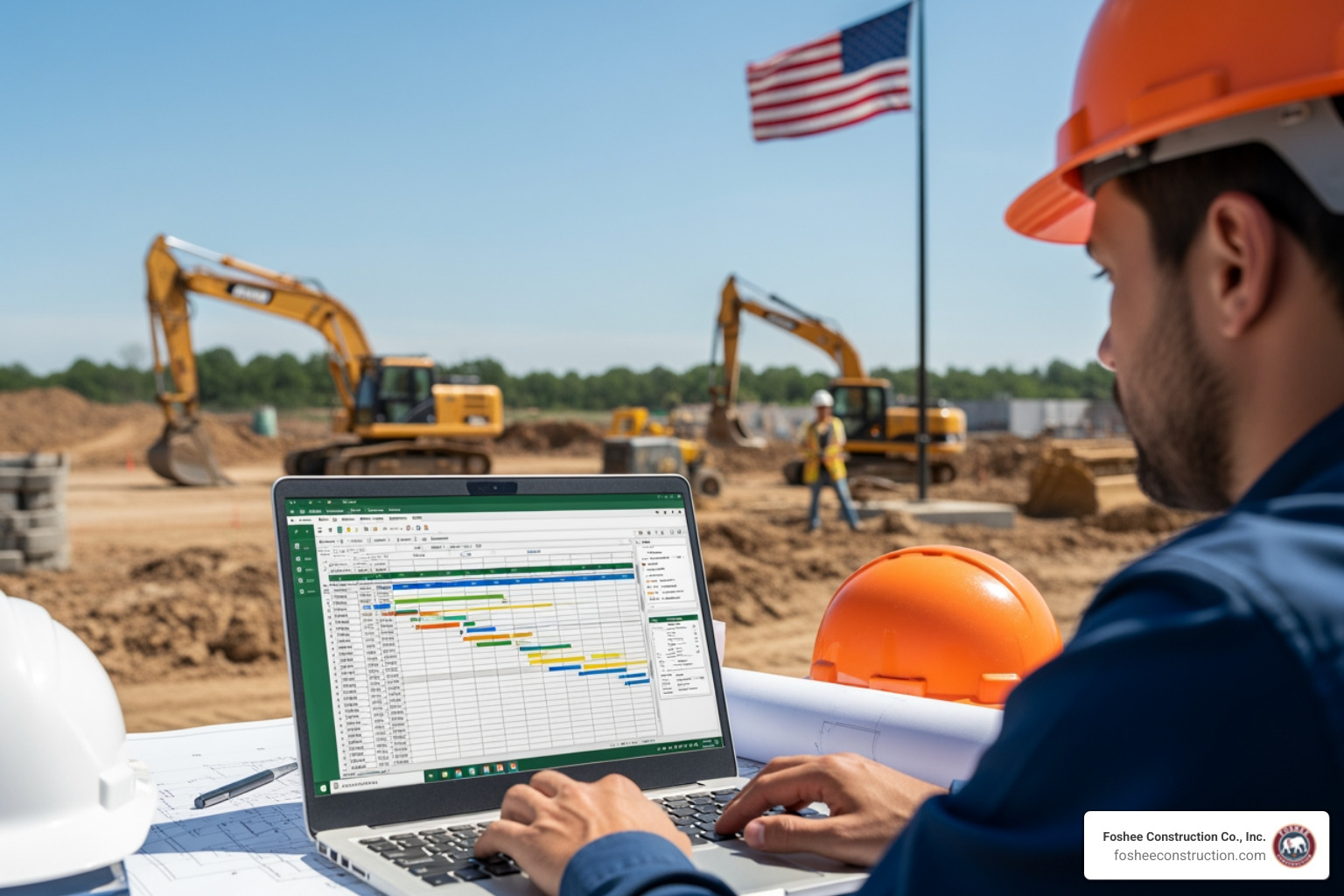
We build bids using HeavyBid and AGTEK because the details matter long before the job starts. When the numbers are accurate and the scope is clearly defined, it sets the tone for how the entire project runs. Estimating isn’t just a step in the process, it’s the foundation we build on.
That same mindset carries into the field. Our crew is trained to work with purpose, follow the Civil Engineers’ Plan to the finest detail, and hold the line on quality. When expectations are clear from day one, there’s no need for shortcuts, and no confusion about how the work gets done.
Clients trust our bid packages because they’re complete and ready to use. Project managers know what we’re covering, what’s excluded, and how we plan to approach the job. That clarity removes friction and lets teams focus on execution instead of interpretation.
As part of our review process, we go into the plans before anything hits the site. We ask the questions early, resolve issues before they show up in the field, and keep RFIs moving. This approach prevents delays and protects the timeline.
Over time, that consistency builds trust. Many of the people we work with today came through referrals from past projects – engineers, GCs, and superintendents who’ve seen how we operate and want the same experience again.
In 2024, Foshee Construction was acquired by Saga Infrastructure Solutions, a national network of civil construction companies. Saga supports regional contractors by giving them access to better tools, long-term resources, and operational backing, without changing how they run day to day.
Foshee will continue to operate under its name, with the same team and field leadership in place.
“From the very time a project starts, we start that partnership. We try to catch as much as we can with the tools that we have. Not everybody is using the software platforms we are. That’s the differentiator: we’re not just bidding. We’re anticipating, problem-solving, and making sure the job runs right.”
— Don, CEO, Saga Infrastructure Solutions
Foshee is now part of a broader regional strategy that includes Florida, the Piedmont Atlantic, Texas, Colorado, and the Arizona Sun Corridor. The name, crews, and standards remain. What’s improving is the support behind it.