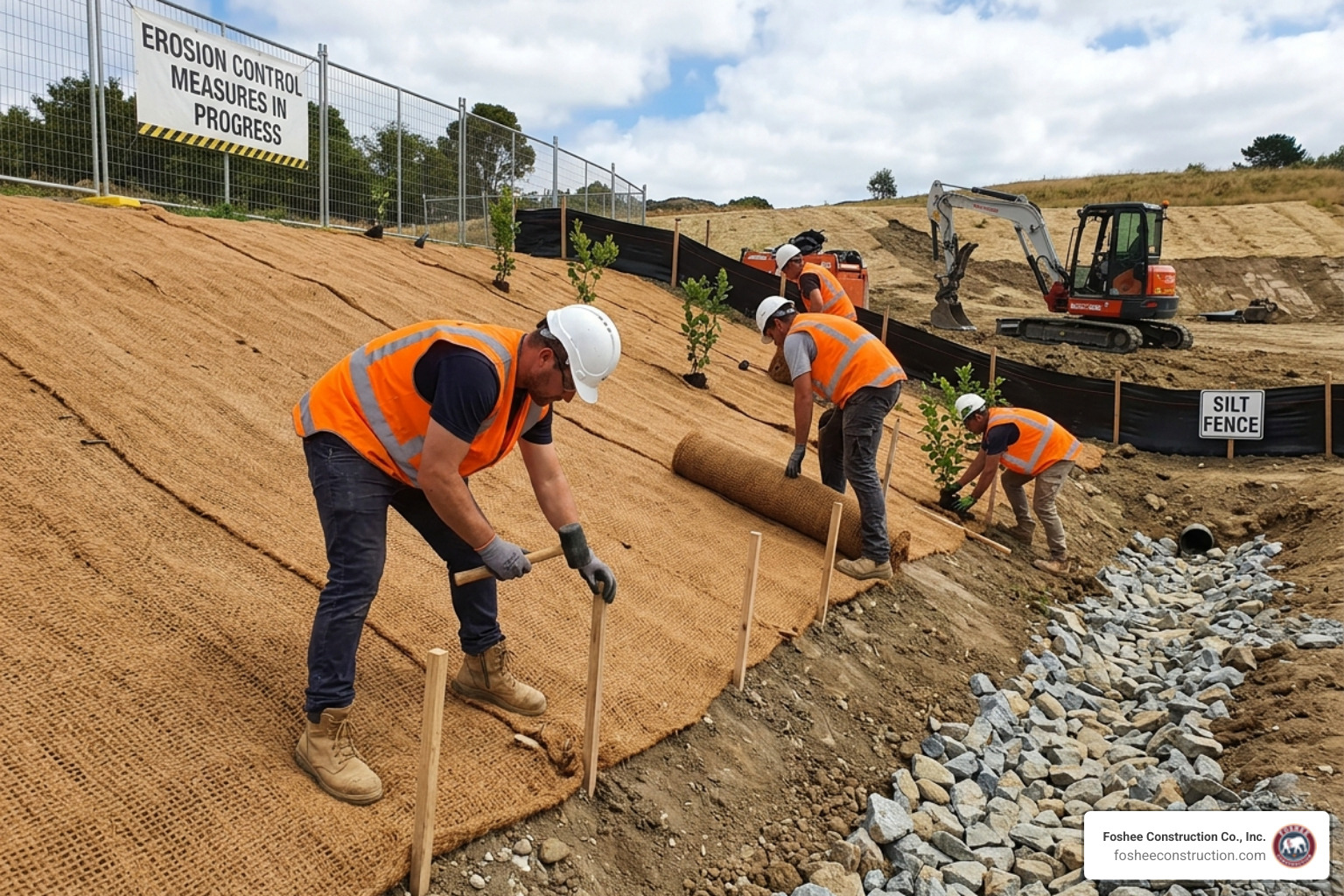
An erosion control measure is any practice, material, or structure used to prevent soil from being detached and carried away by water, wind, or gravity during and after construction. Here's a quick overview of the most common types:
Soil erosion is a bigger problem than most people realize. Every year, more than one billion tons of topsoil are lost to erosion — and construction sites are among the worst offenders. When natural ground cover is removed, rain and runoff can strip bare soil fast, sending sediment into nearby waterways, stormwater systems, and neighboring properties.
The consequences aren't just environmental. Sedimentation clogs drainage infrastructure, triggers regulatory fines, and creates costly rework mid-project — exactly the kind of problem that derails schedules and blows up budgets.
And here's the hard truth: it is generally far cheaper to prevent soil from moving in the first place than to clean up sediment after the fact.
I'm Don Larsen, and at Foshee Construction Co., Inc. we've been managing grading, site preparation, and erosion control on Central Florida projects since 1994 — which means we've seen what happens when the right erosion control measure is applied early versus when it's treated as an afterthought. In this guide, we'll walk you through everything you need to know to protect your site, stay compliant, and keep your project on track.
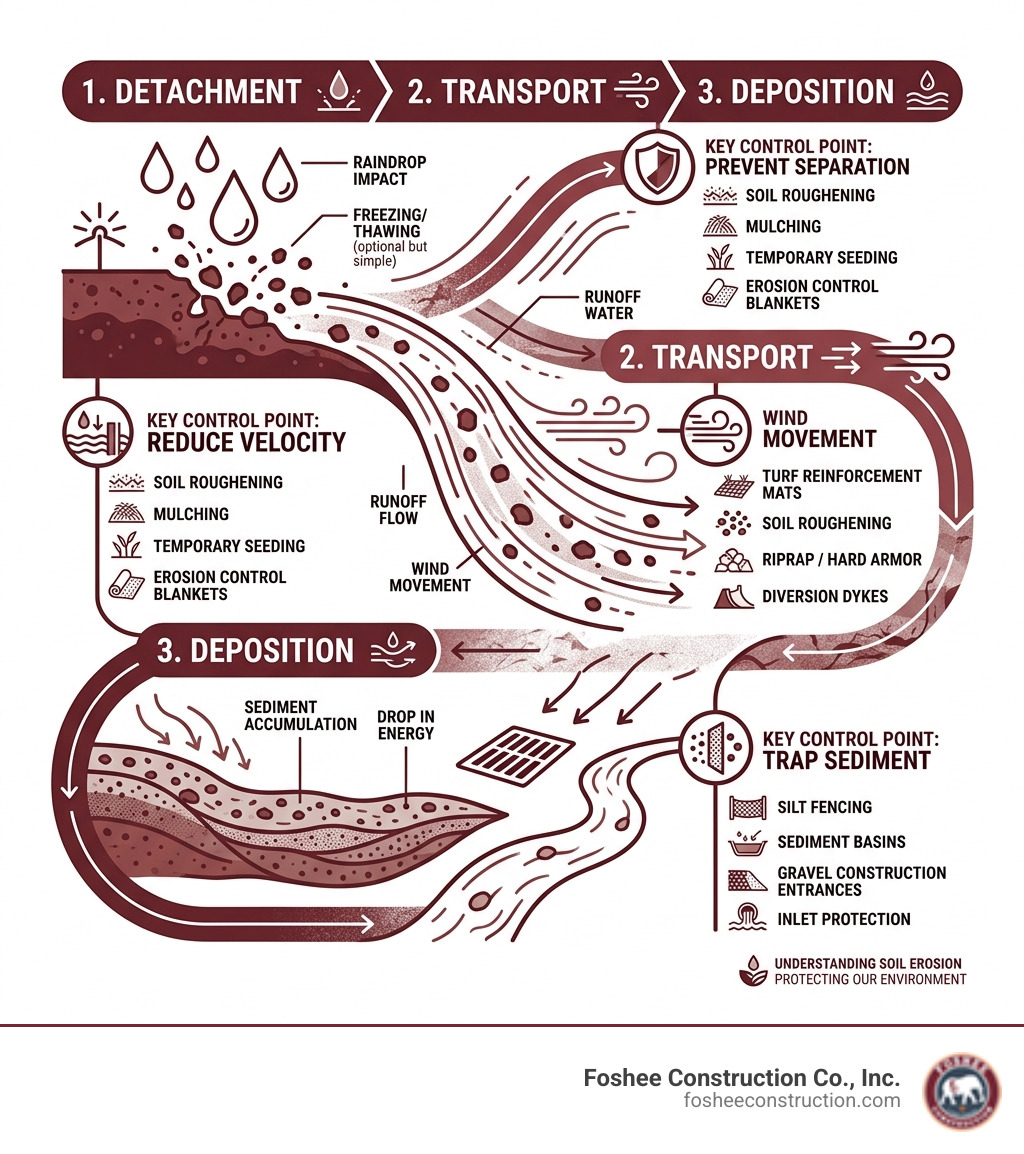
To choose the right erosion control measure, we first have to understand the enemy. In Florida, our primary battle is with water, but wind and gravity play their parts too. Erosion is a three-stage process: detachment (knocking the soil loose), transport (moving it), and deposition (dropping it where it doesn't belong).
Water erosion progresses in stages. It starts as interrill erosion, which is a uniform "sheet" of soil being washed away. If left unchecked, this water concentrates into tiny channels called rills. Rills are typically 0.2 to 1.2 inches wide and up to 3 inches deep. When these rills join together and deepen, they form gullies. Gullies are the "point of no return" for simple DIY fixes; they often require heavy machinery and engineered solutions to repair.
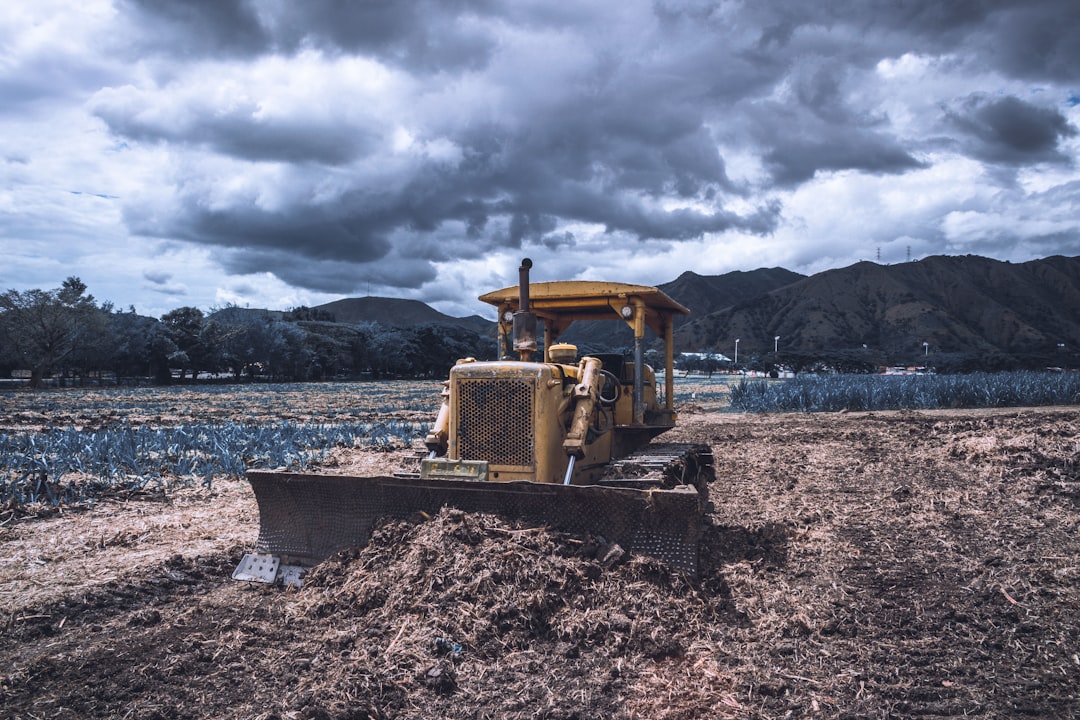
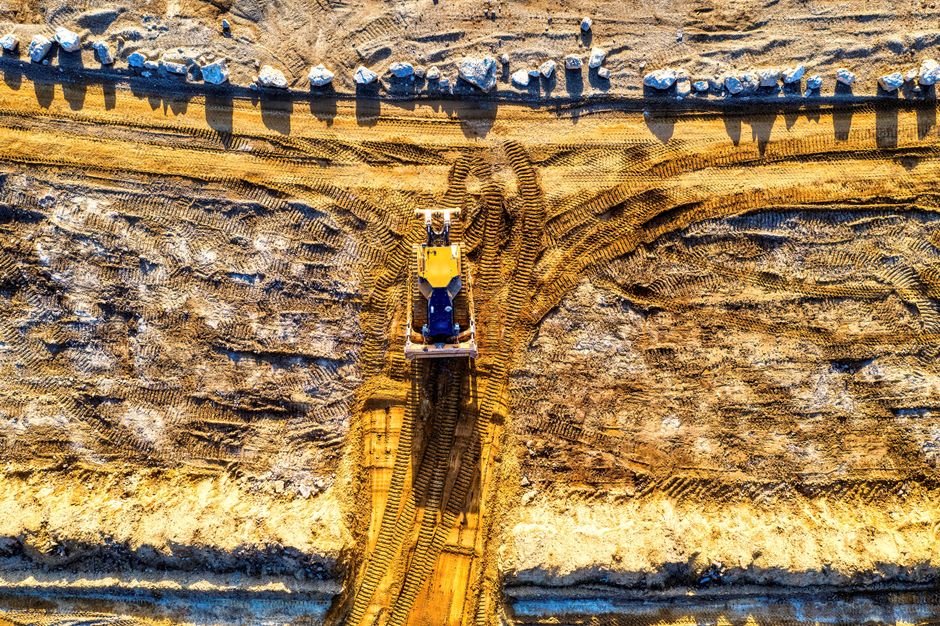
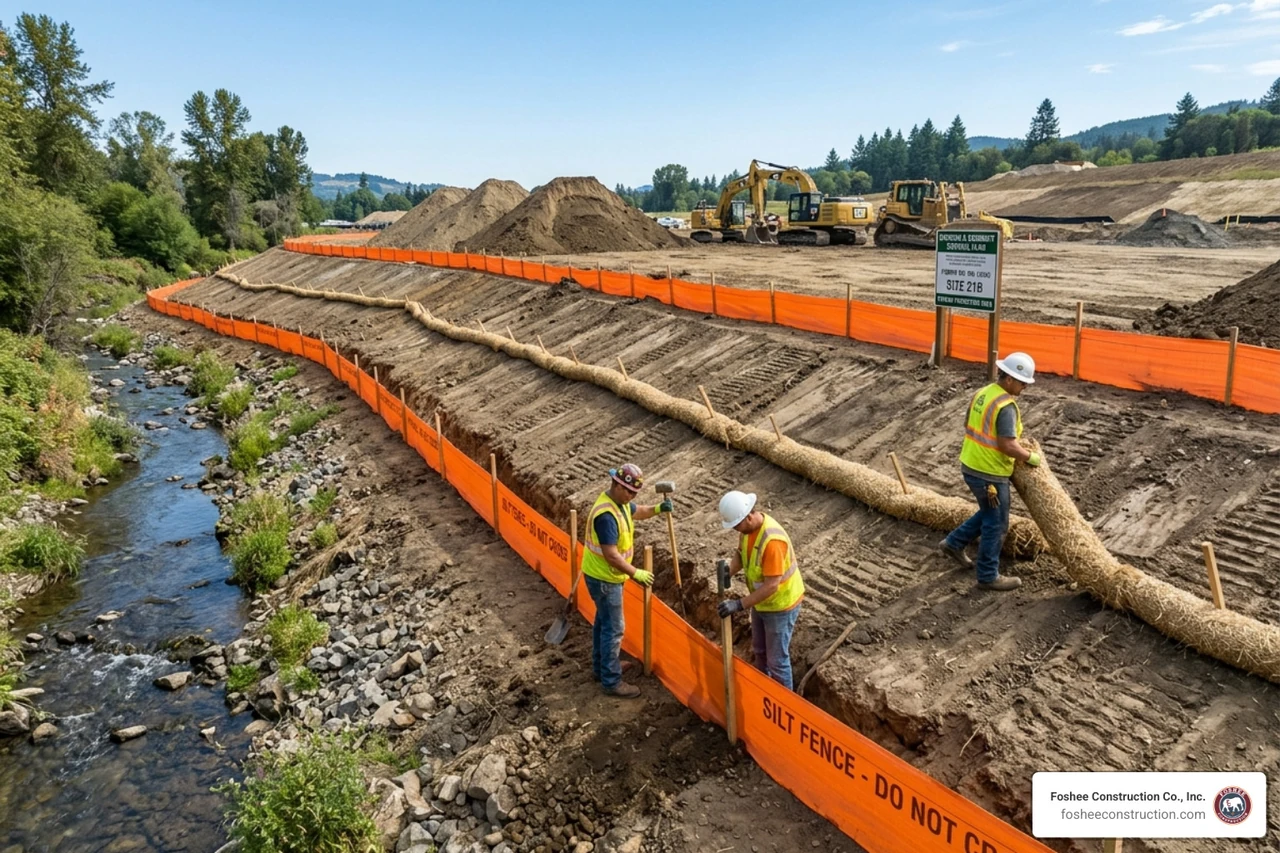
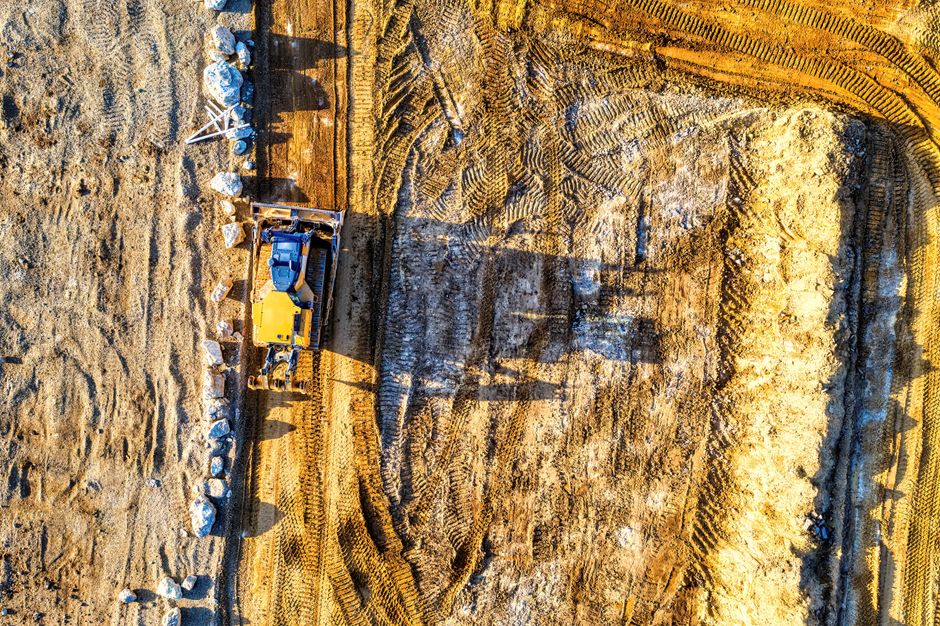
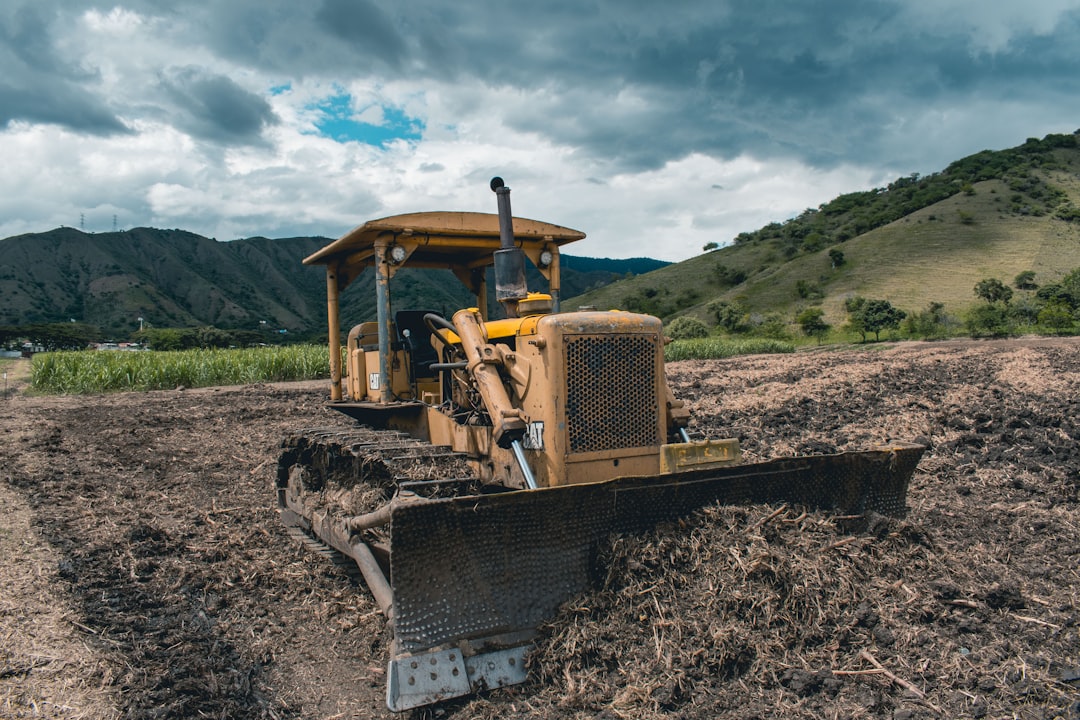
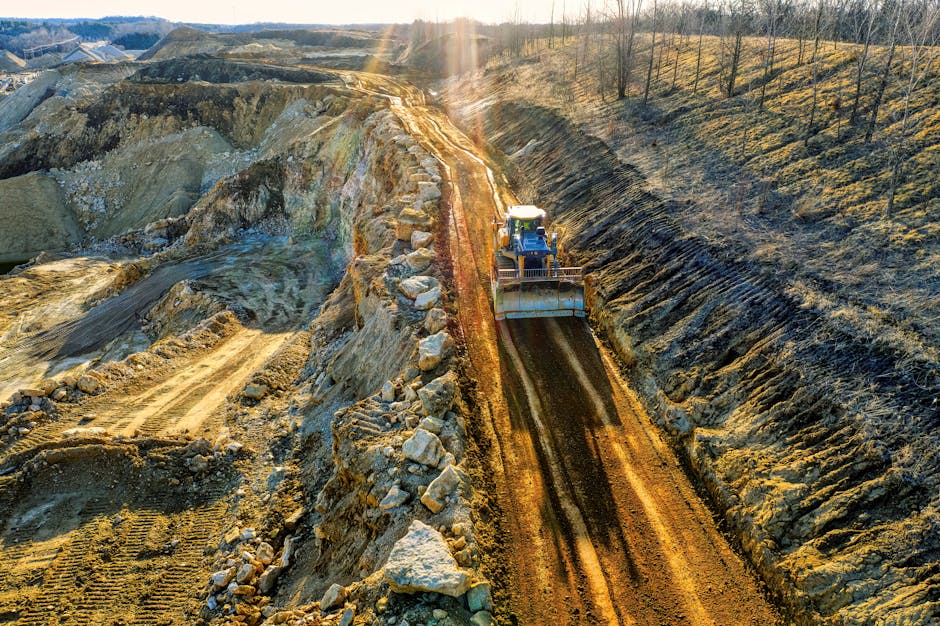
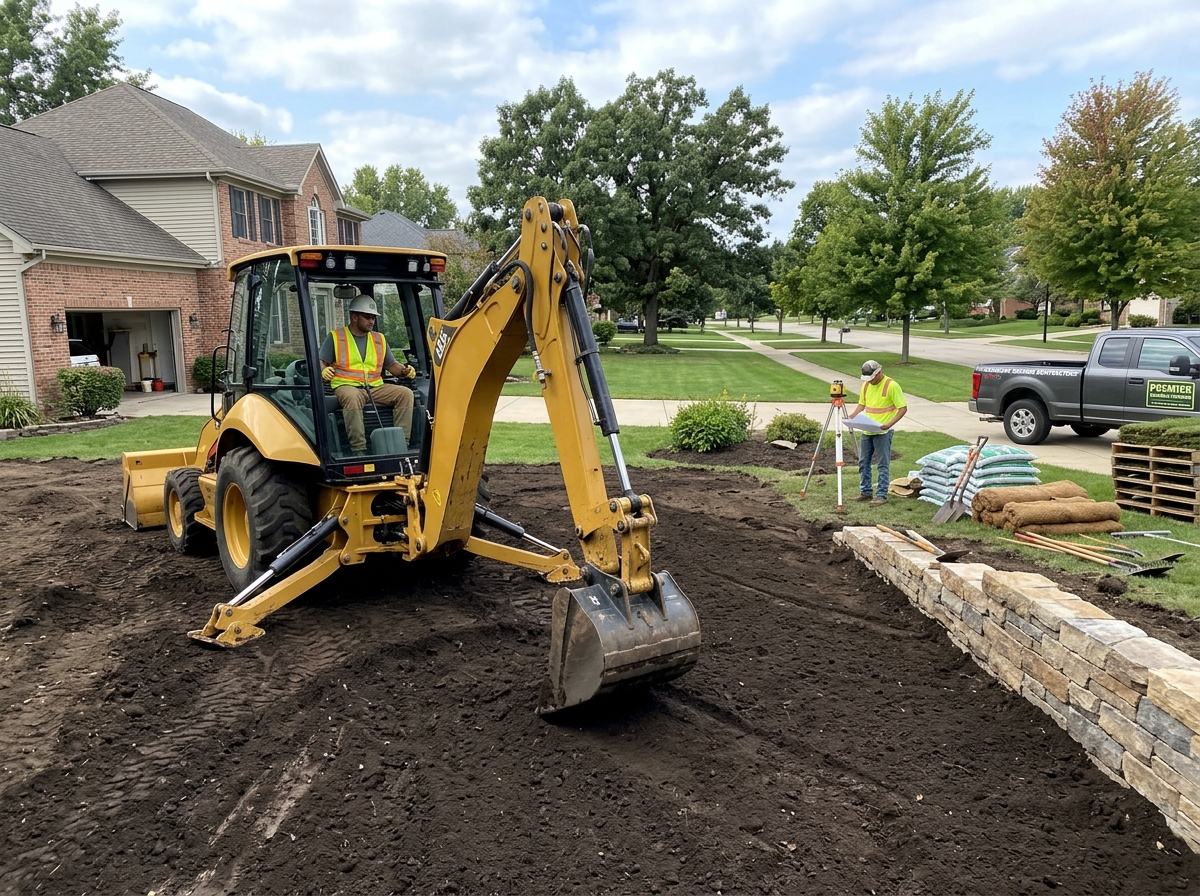
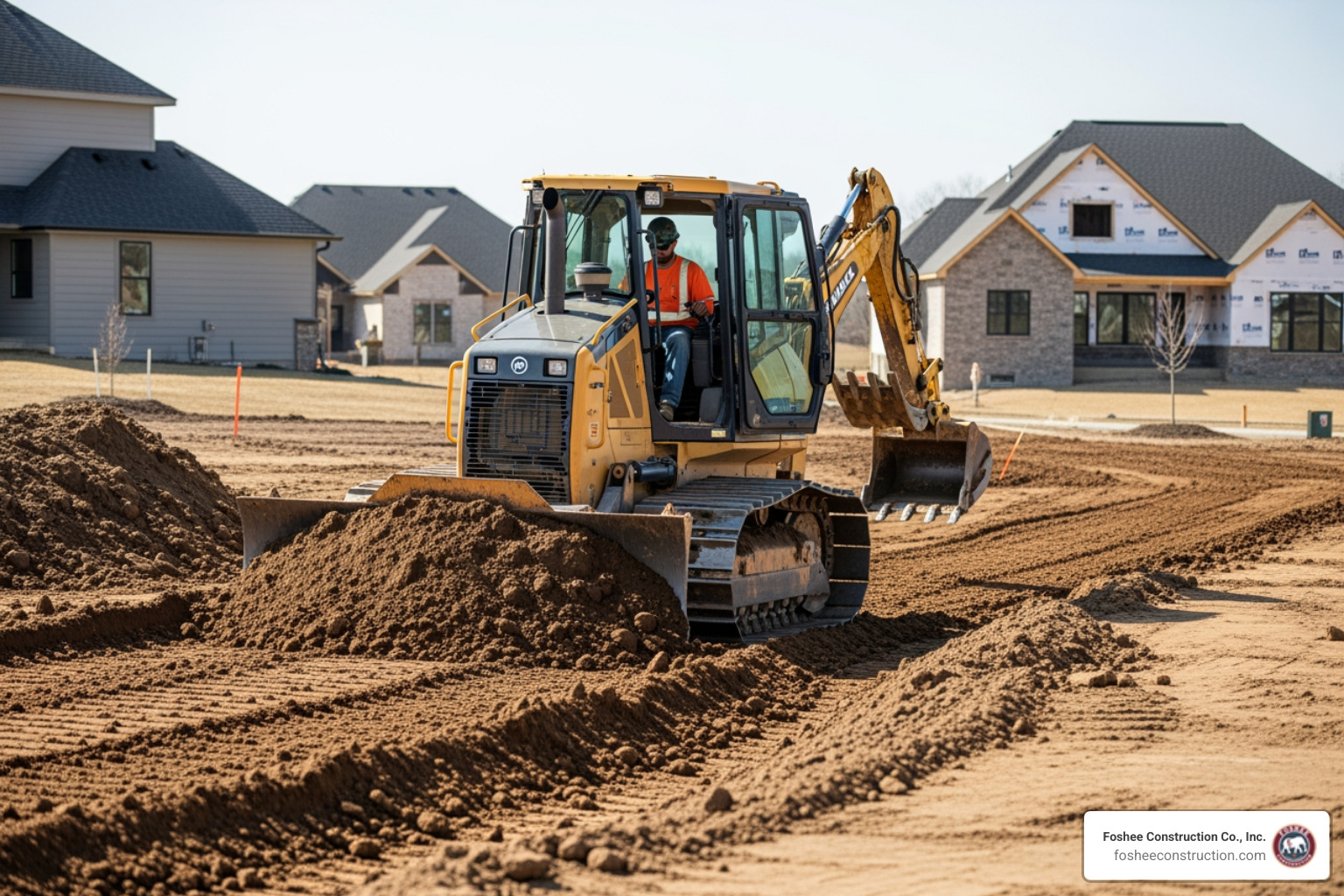
One of the most effective ways we combat early-stage erosion is through Soil Roughening. Instead of leaving a slope smooth (which acts like a slide for water), we use equipment to create horizontal grooves. This increases infiltration, slows down runoff, and provides "pockets" for seeds to germinate.
In conservation, we look at sediment delivery ratios. Interestingly, only about 15% to 40% of eroded soil actually makes it into a stream or lake. However, even that small percentage is enough to blanket streambeds and destroy aquatic habitats.

No two sites in Lake County are exactly the same. A sandy site in Minneola behaves differently than a clay-heavy site elsewhere. When we sit down to plan a project, we look at several critical factors:
Engineers use tools like the Universal Soil Loss Equation (USLE) or the updated RUSLE (Revised Universal Soil Loss Equation) to predict how much soil a site might lose. The formula looks like this: A = R * K * LS * C * P. It accounts for rainfall (R), soil erodibility (K), slope length and steepness (LS), cover management (C), and support practices (P). By changing the "C" or "P" factors—essentially adding an erosion control measure—we can mathematically prove how much soil we’re saving.
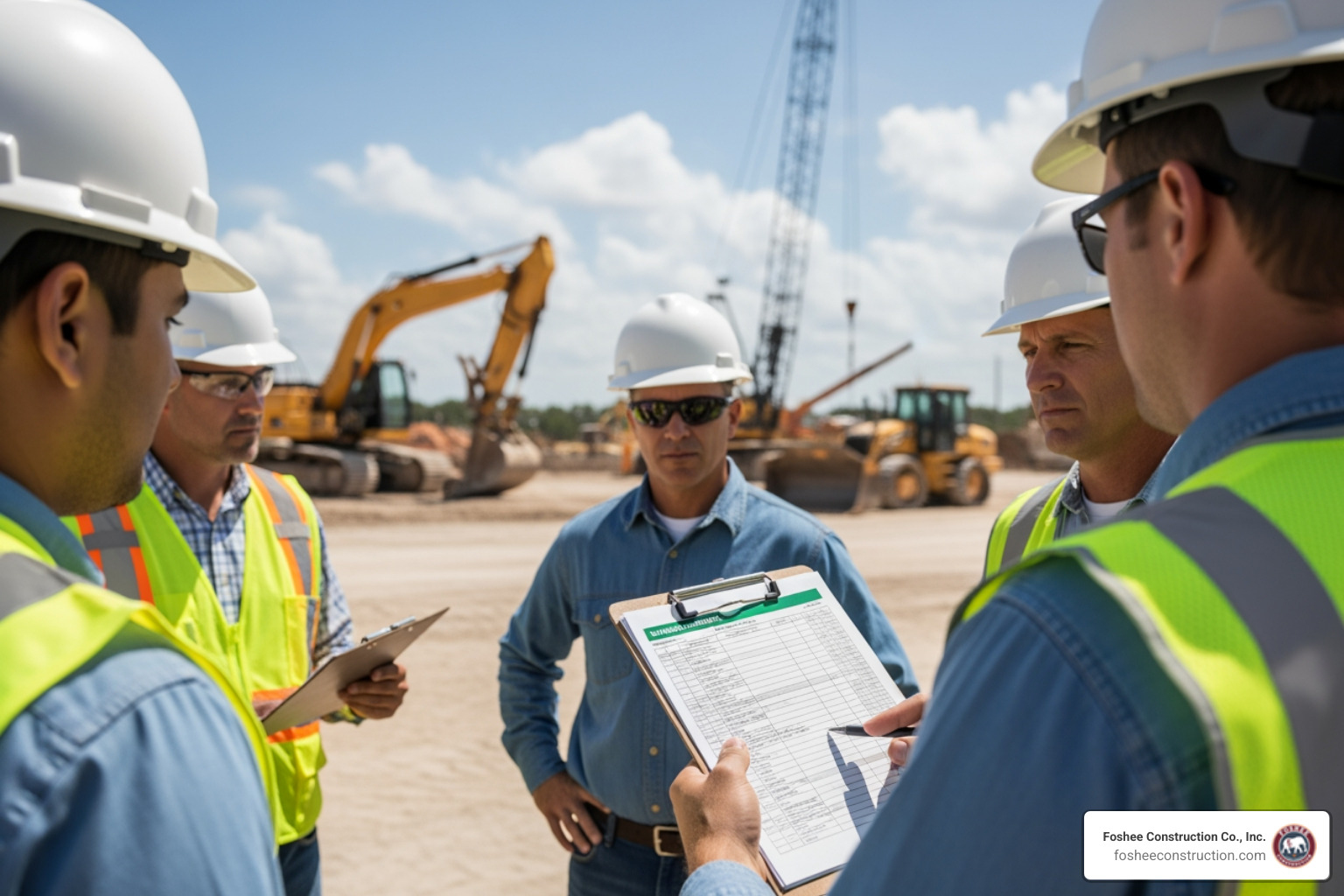
To ensure you haven't missed a beat, we always recommend following a Checklist for Sediment and Erosion Control Plans to stay in alignment with Florida Department of Environmental Protection (FDEP) standards.

At Foshee Construction, we view erosion control as a two-step process: short-term protection during the "messy" phase of construction, followed by permanent stabilization for the life of the property.
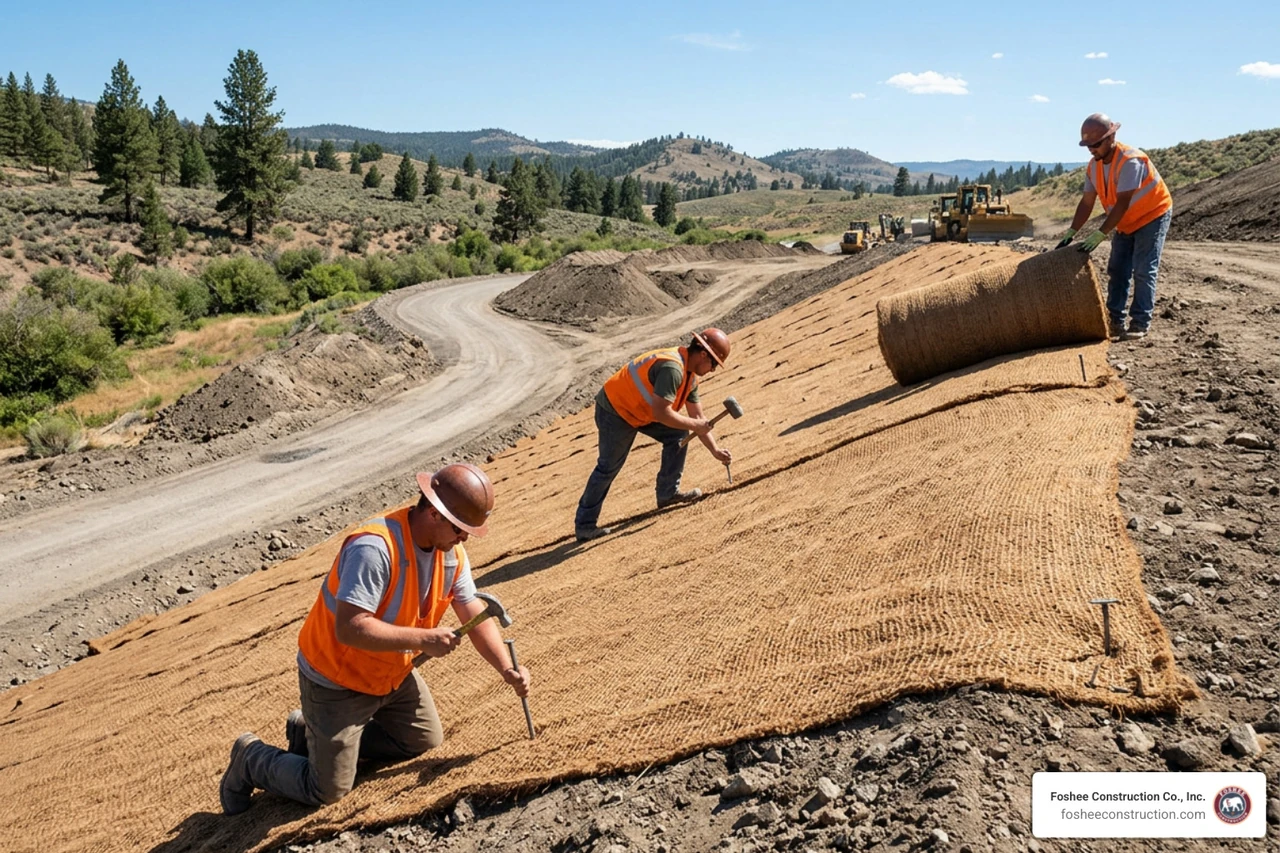
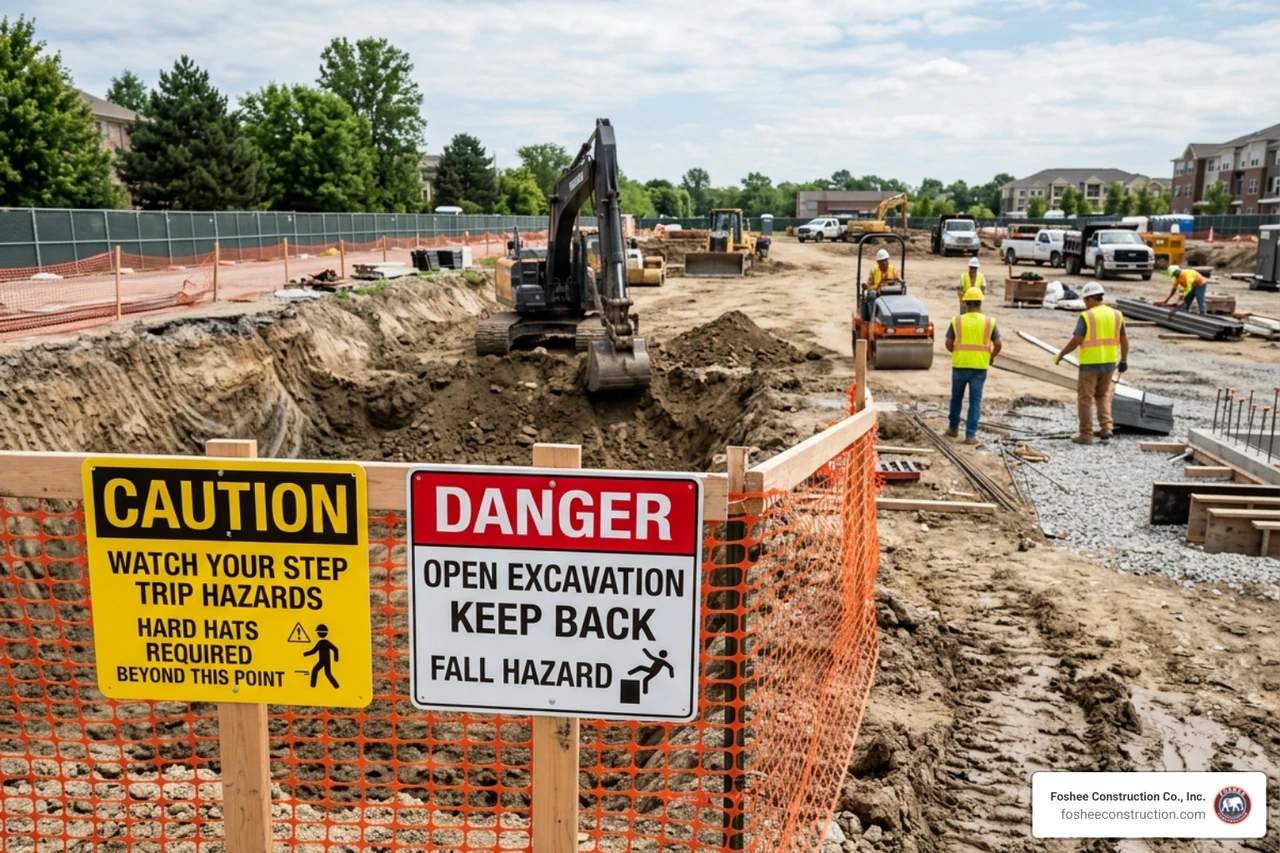
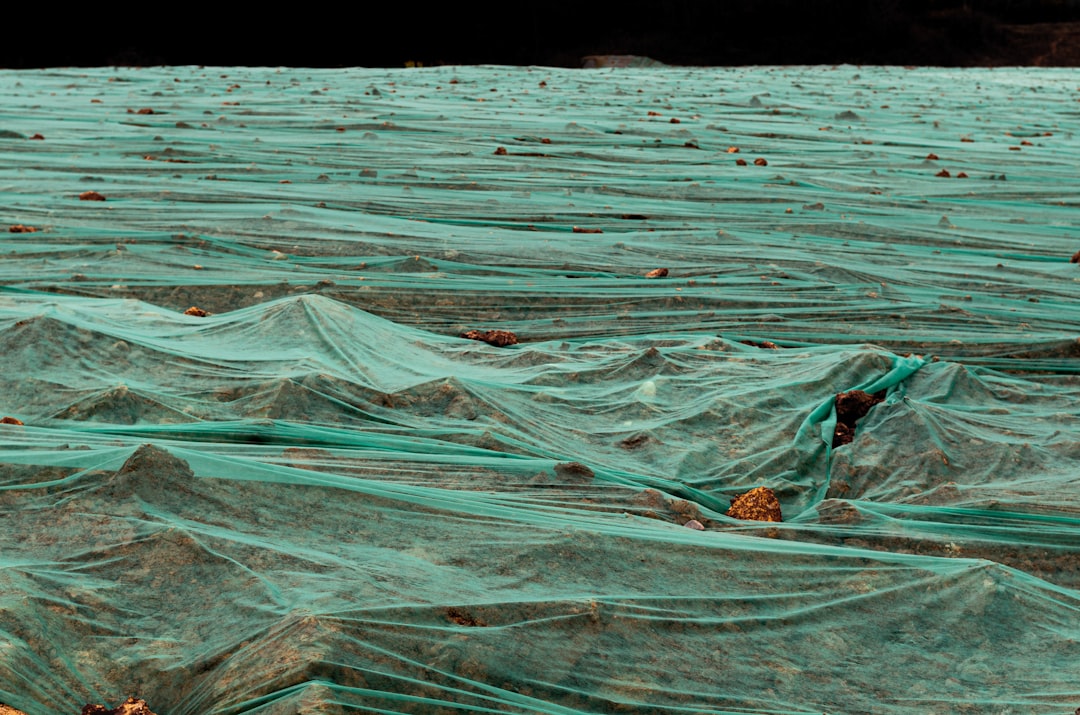
The goal here is to cover bare soil as quickly as possible. The Construction Stormwater General permit is clear: we must stabilize all exposed soil areas, including stockpiles. If a site is going to be idle for more than 14 days, it needs protection.
For more technical details on these "quick-fix" yet vital steps, see the guide on Erosion prevention practices - temporary seeding and stabilization.
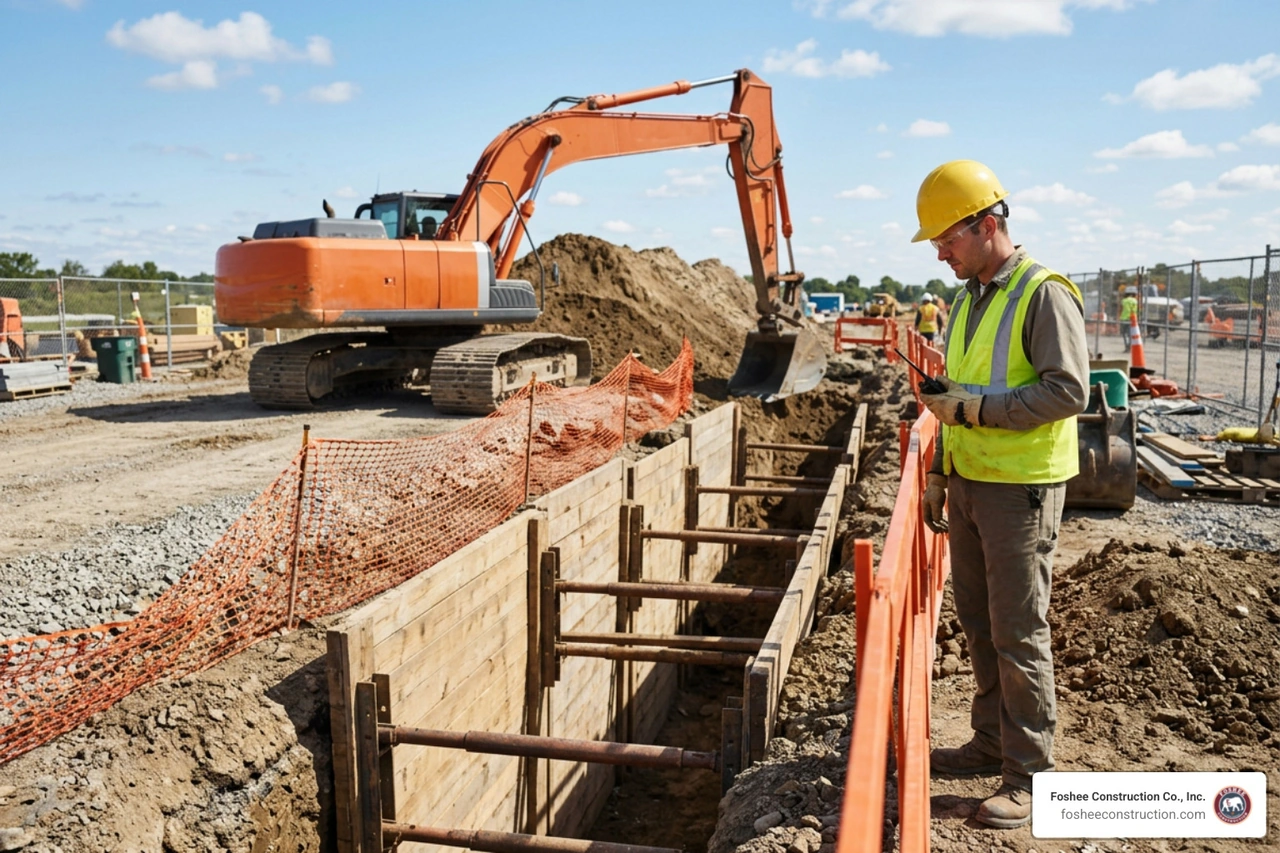
Beyond just covering the soil, we use physical barriers to catch what does escape.
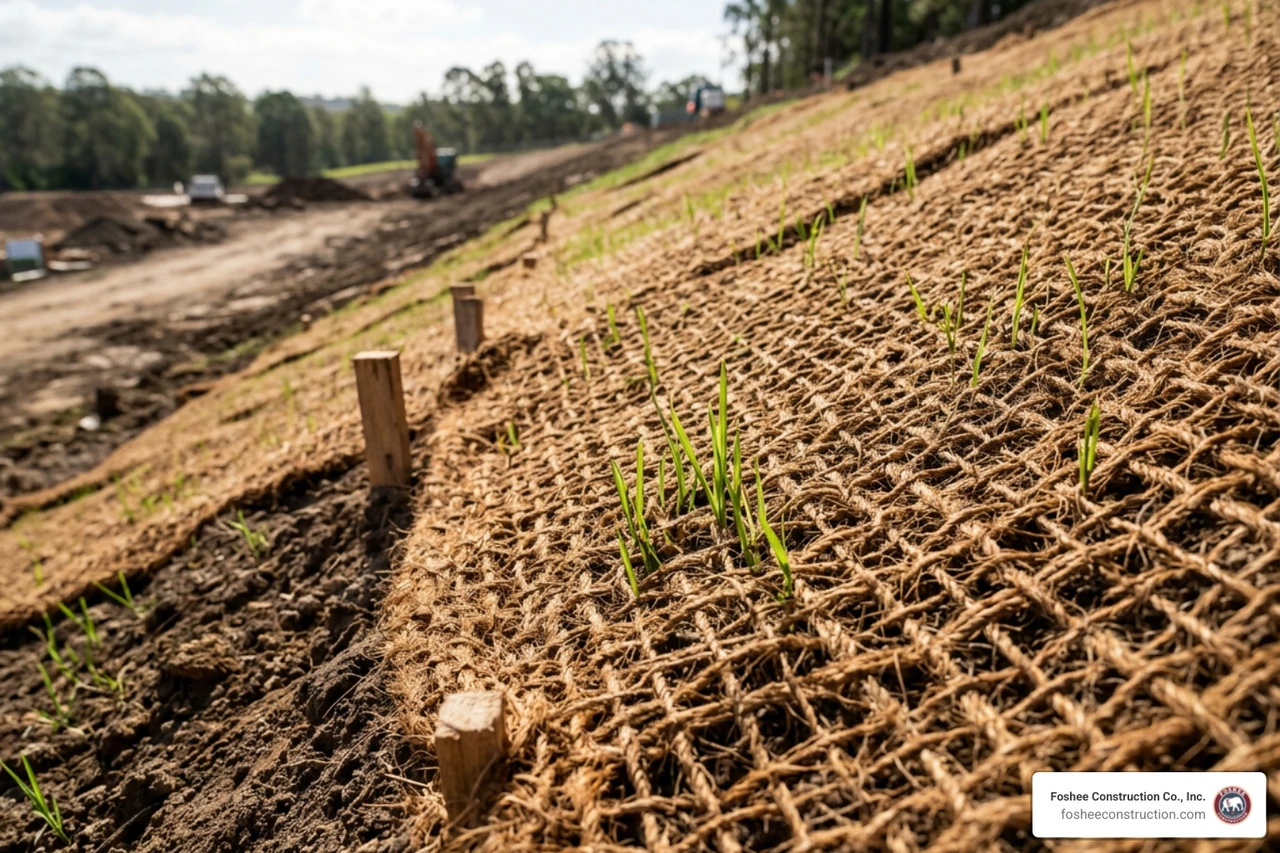
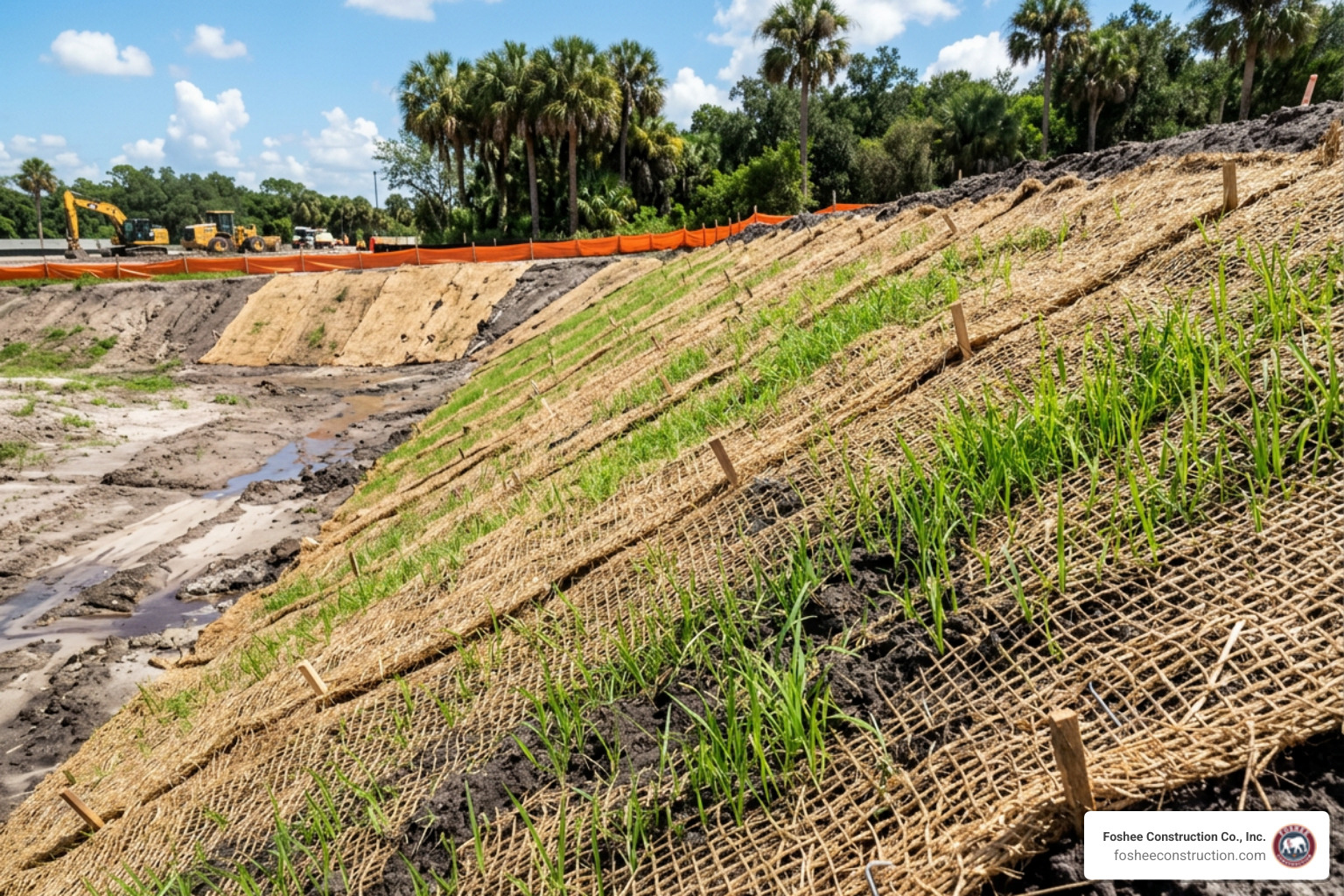
Once the heavy grading is done, we transition to permanent solutions. This is where Erosion prevention practices - turf reinforcement mats (TRMs) come into play.
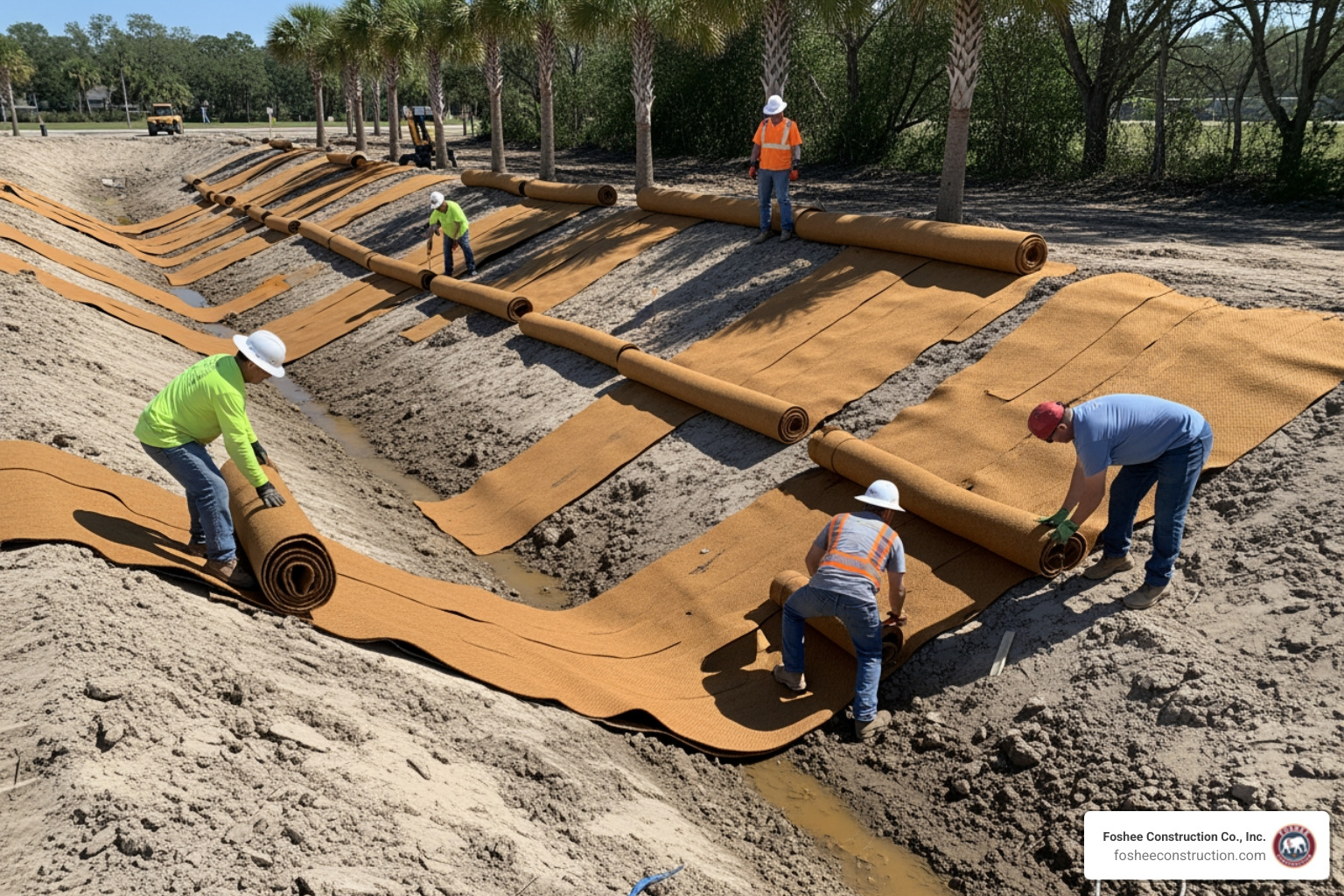
Unlike biodegradable erosion control blankets (ECBs), TRMs are synthetic and non-degradable. They act like "rebar for grass," providing a permanent matrix that roots can weave through. This allows vegetation to withstand water velocities of up to 15 feet per second—conditions that would normally require heavy rock or concrete.
Sometimes, biology needs a little help from engineering, or vice versa. This is especially true near Florida shorelines or steep canal banks.
This technique uses living plant parts as structural components.
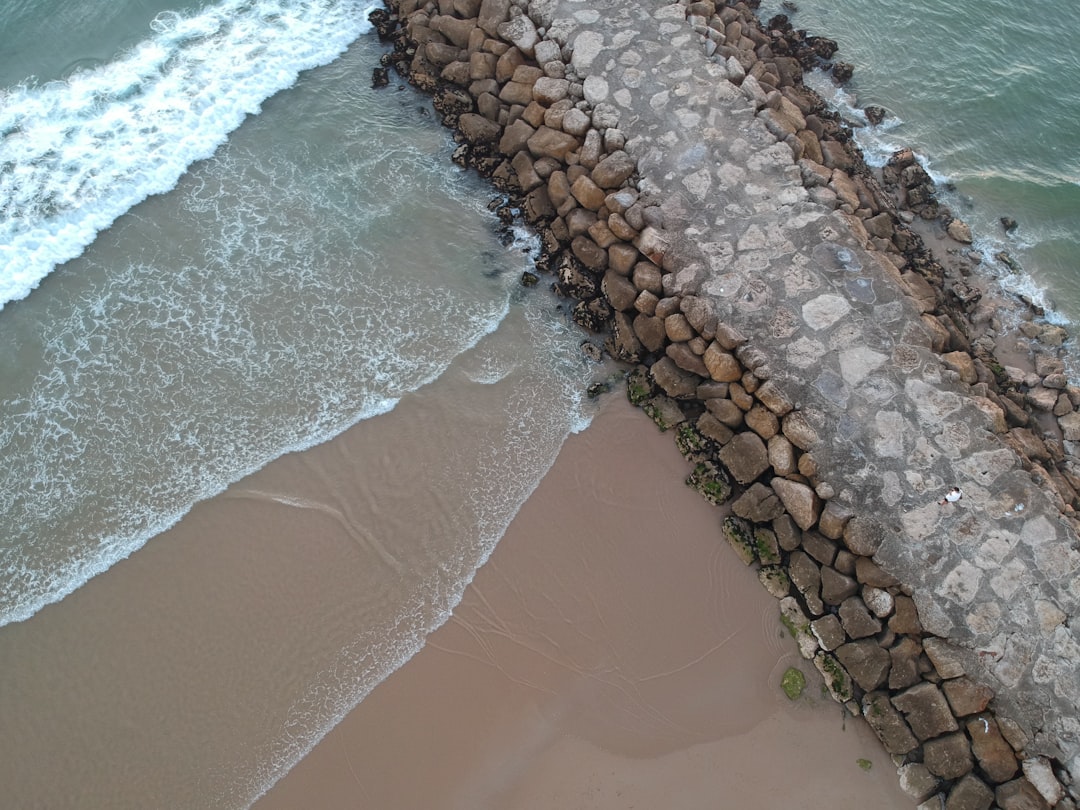
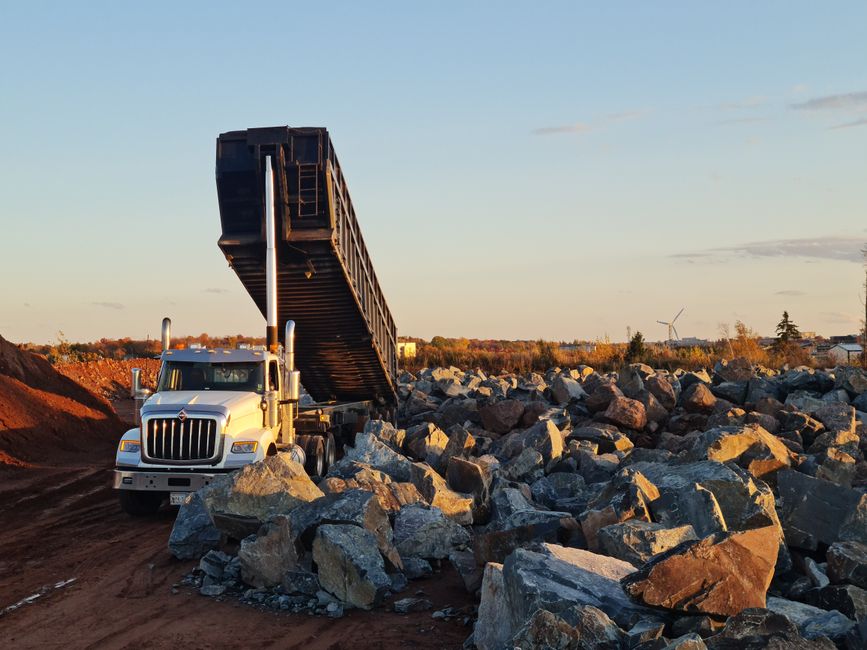
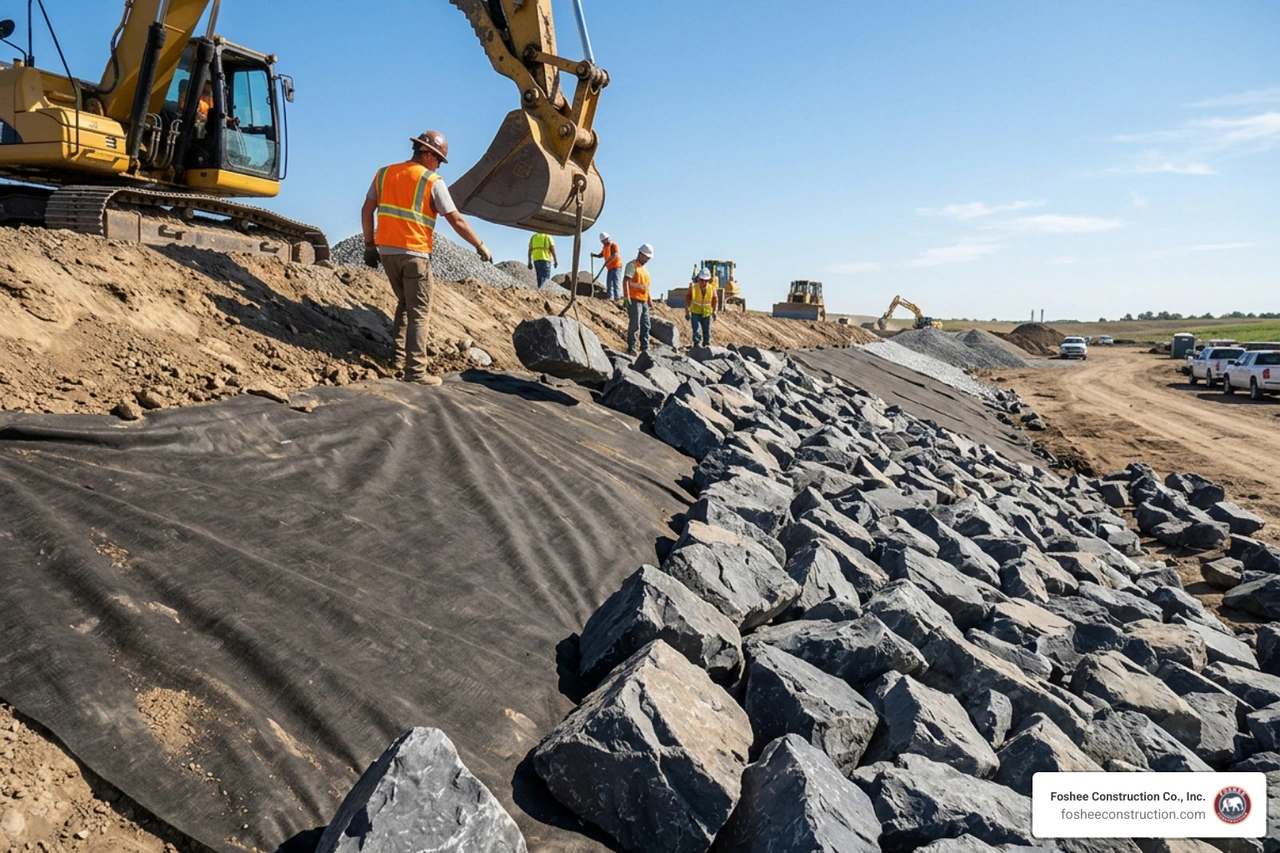
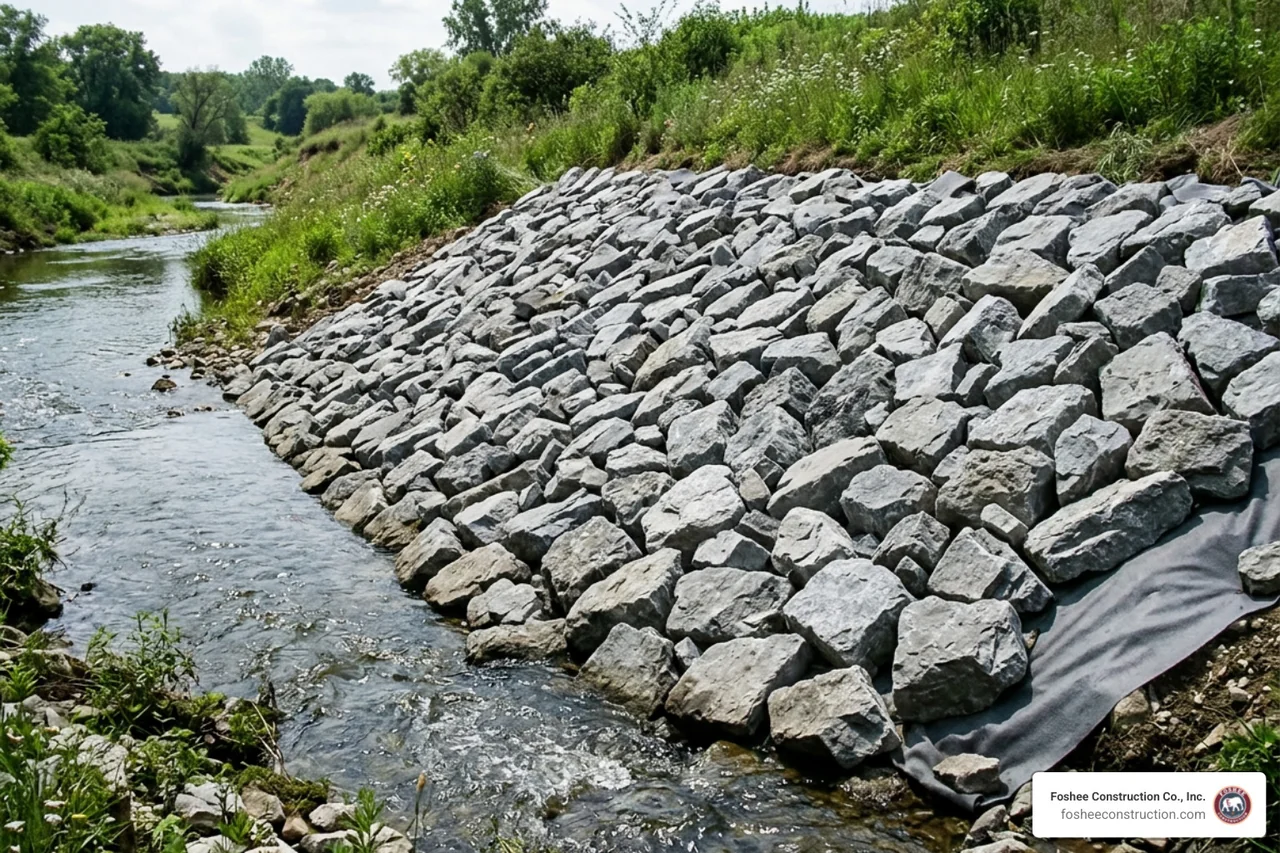
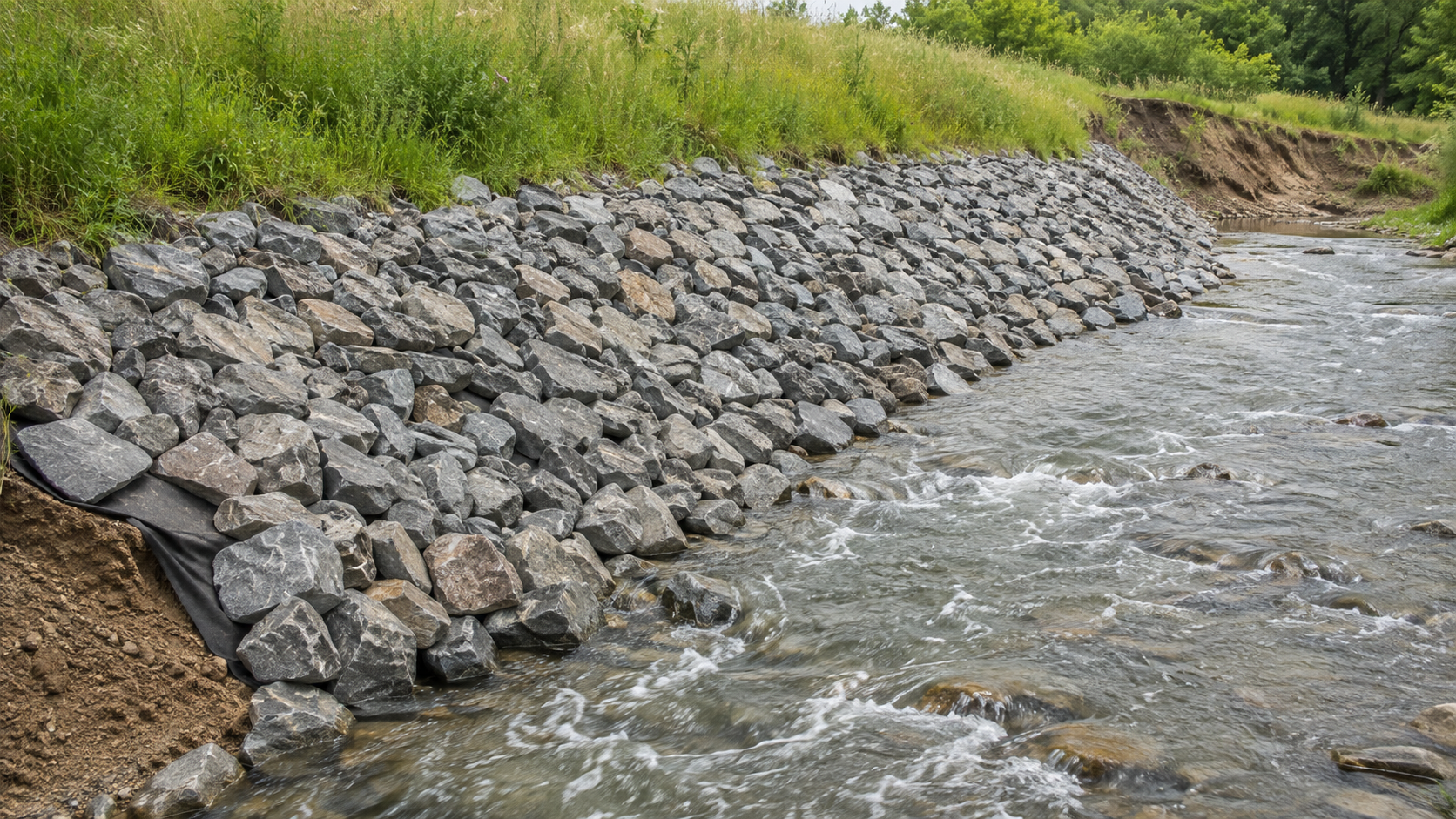
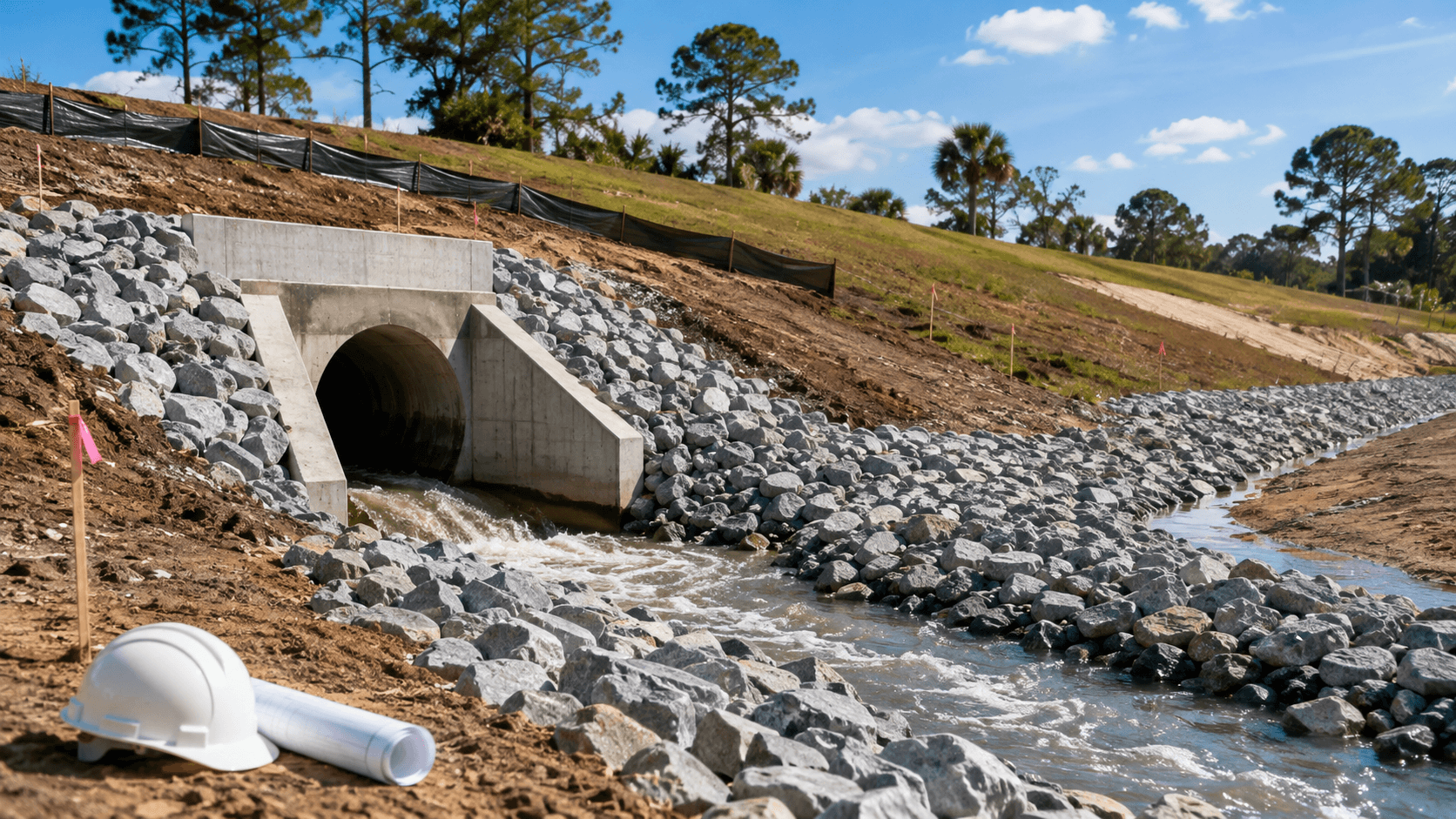
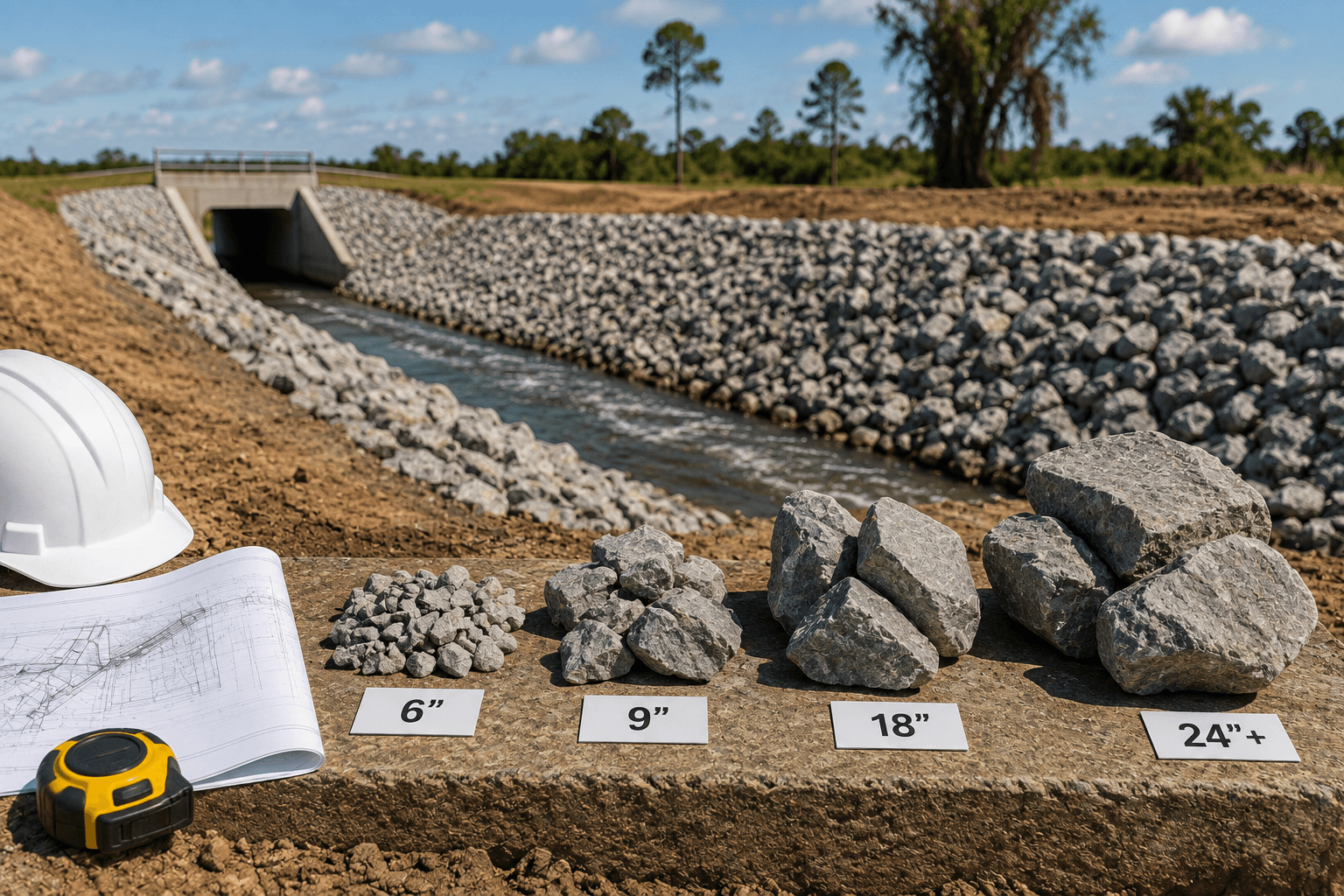
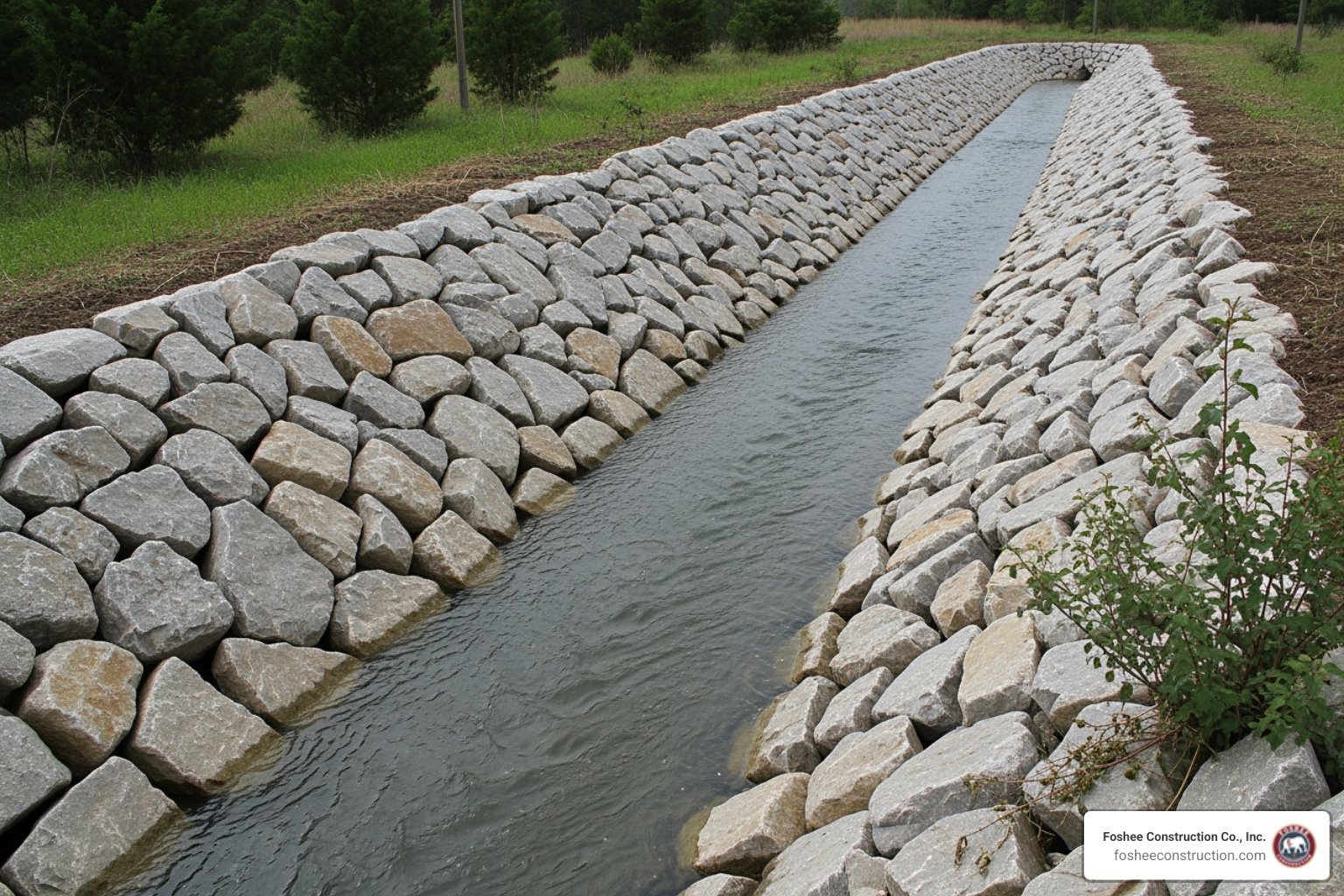
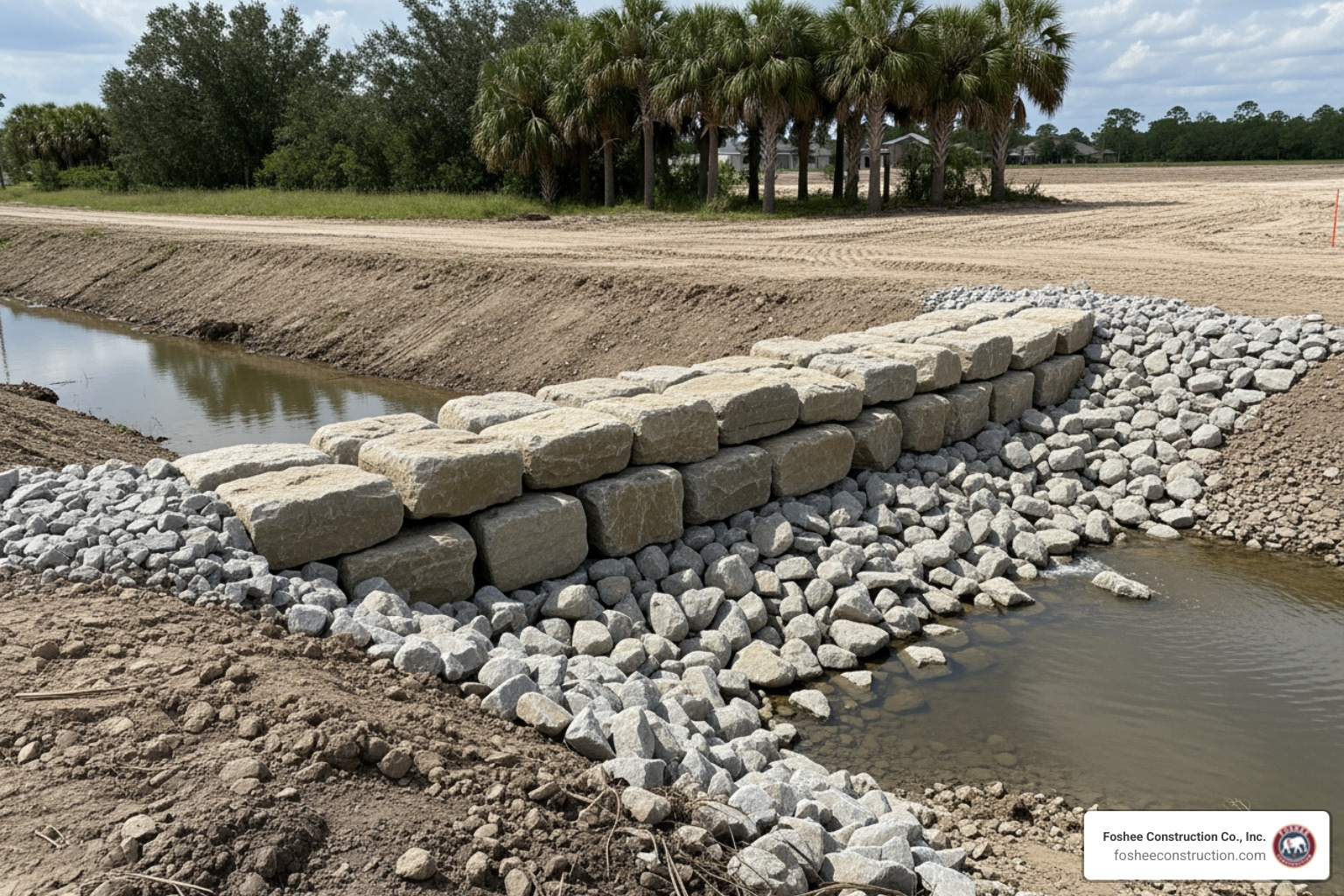
When the "shear stress" of moving water is too high for plants alone, we bring in the heavy hitters.
In Florida, we don't just do erosion control because it's "nice"—we do it because the law requires it. Any land-disturbing activity that affects one or more acres must have an NPDES (National Pollutant Discharge Elimination System) permit.
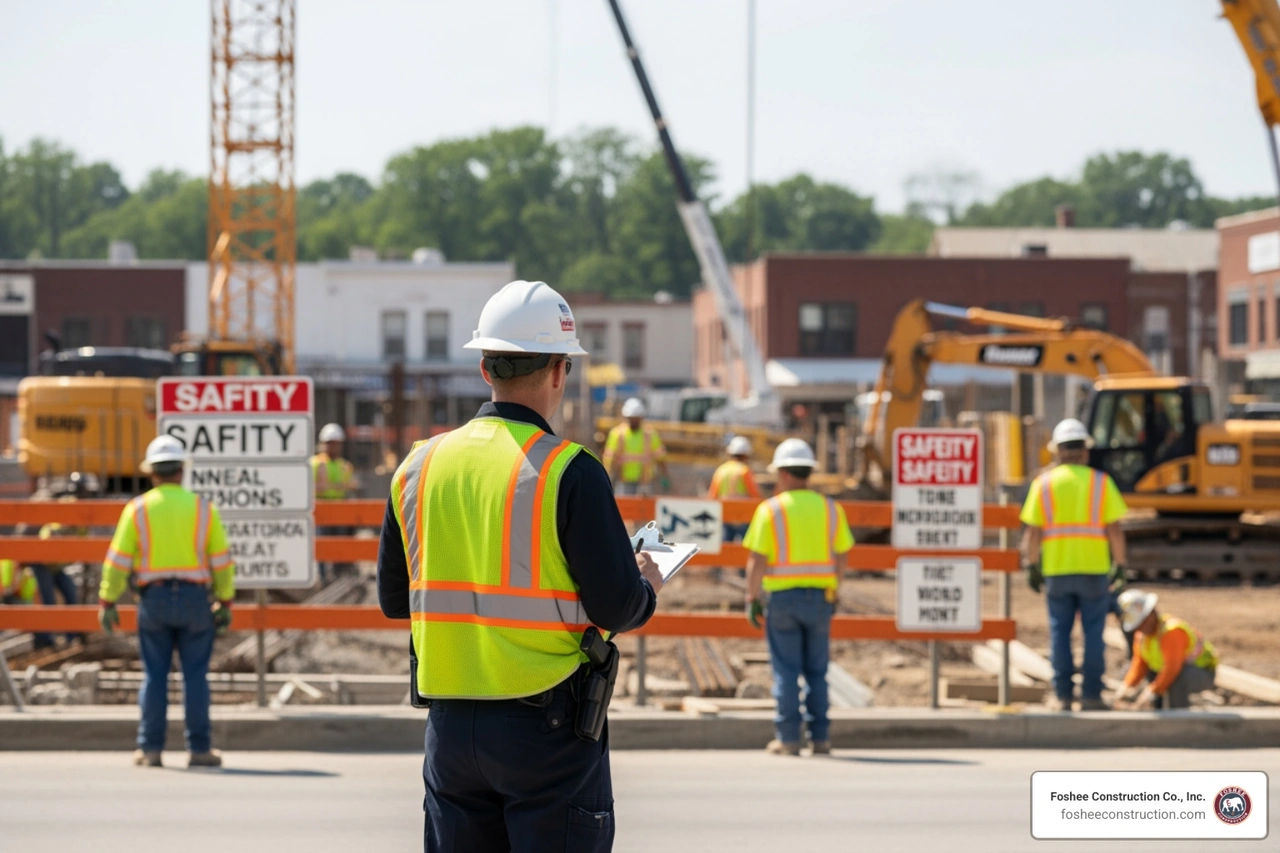
We take these regulations seriously. At Foshee Construction, our team stays current with Florida Stormwater, Erosion, and Sedimentation Control Inspector requirements. Failing an inspection doesn't just mean a fine; it can mean a "Stop Work" order that paralyzes your project.
For temporary protection, an erosion control blanket (ECB) is excellent as it can reduce erosion by up to 90%. For permanent protection on very steep slopes, a Turf Reinforcement Mat (TRM) combined with native seeding is the gold standard, as it provides a living armor that gets stronger over time.
Per Florida regulations, you should inspect active sites every 7 days. If the site is inactive, you can move to every 14 days. Regardless of the schedule, you must inspect within 24 hours of a rain event totaling 0.5 inches or more.
Erosion control is prevention—it keeps the soil in place (e.g., mulch, blankets). Sediment control is mitigation—it catches the soil after it has already started moving (e.g., silt fences, sediment basins). It is always more cost-effective to focus on erosion control first.
Managing a construction site in Florida means respecting the power of our weather and the fragility of our soil. Whether you are building a single-family home in Minneola or a massive commercial complex in Lake County, a well-planned erosion control measure is your best defense against project delays and environmental damage.
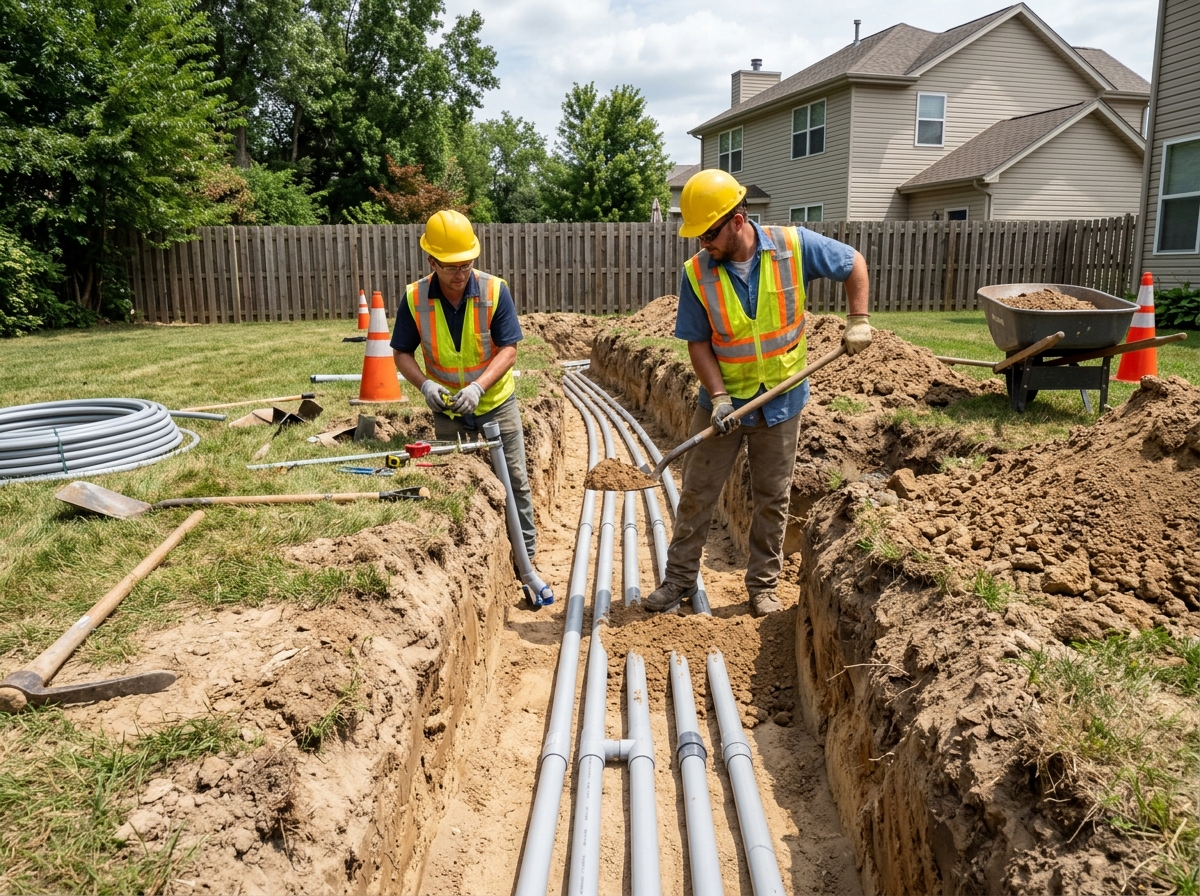
At Foshee Construction Co., Inc., we pride ourselves on more than just moving dirt. We provide complete site preparation services, including professional grading, underground utilities, and disciplined erosion control management. Our "site-first" philosophy ensures that when the rain starts falling, your investment stays exactly where it belongs.
Ready to start your next project with a partner who values safety, transparency, and reliability? Request a bid for your next construction project today and let's get to work.
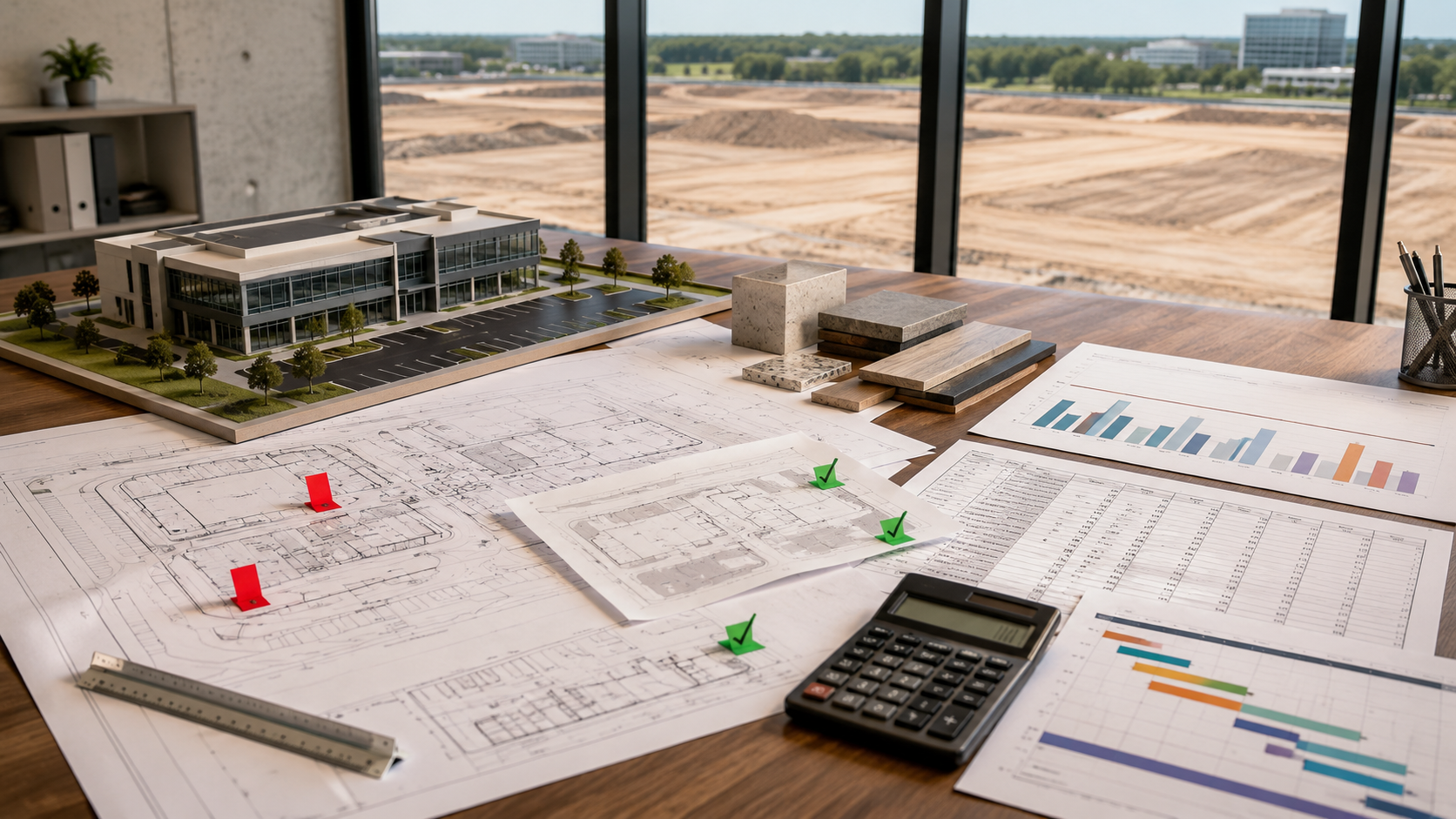
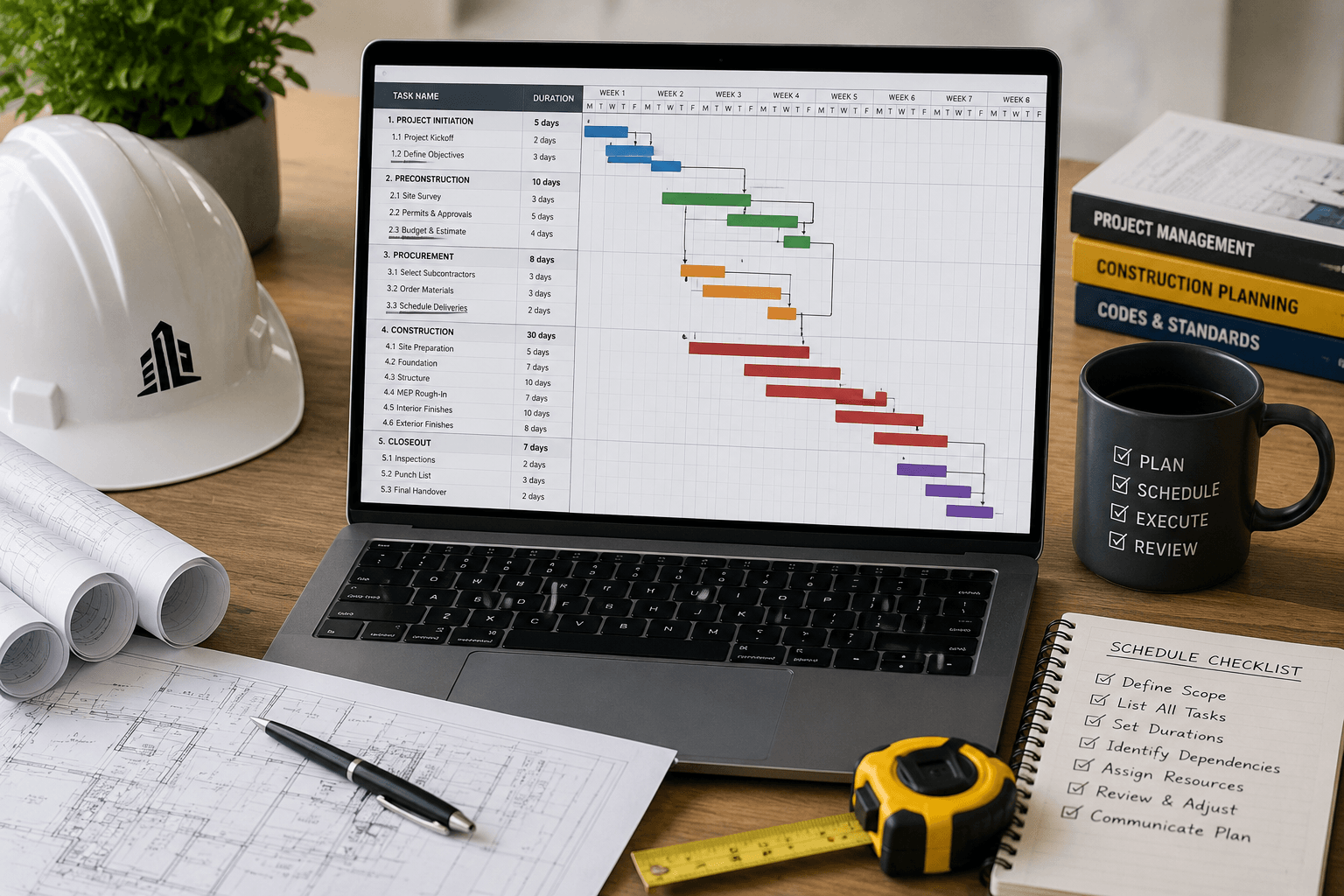
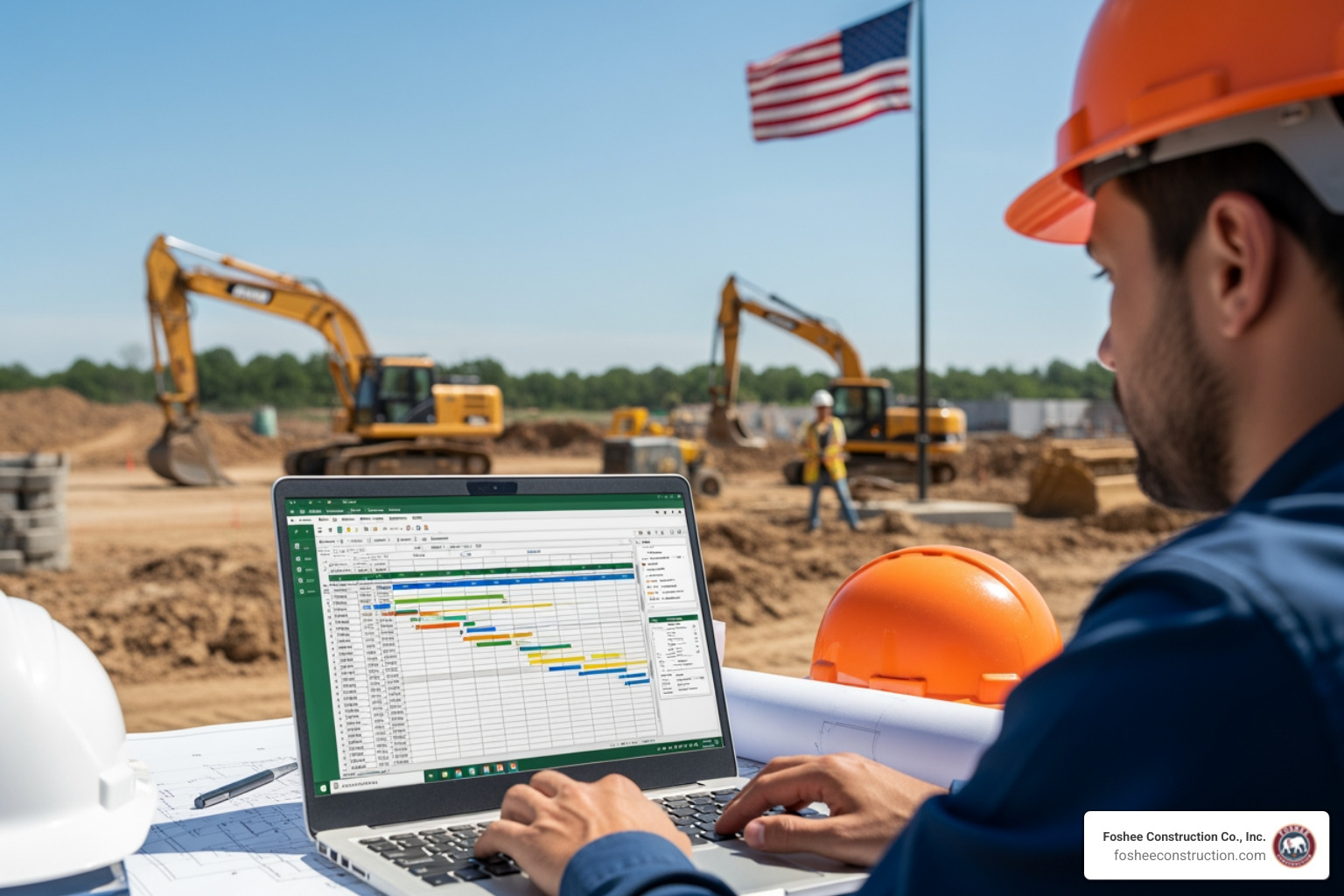
We build bids using HeavyBid and AGTEK because the details matter long before the job starts. When the numbers are accurate and the scope is clearly defined, it sets the tone for how the entire project runs. Estimating isn’t just a step in the process, it’s the foundation we build on.
That same mindset carries into the field. Our crew is trained to work with purpose, follow the Civil Engineers’ Plan to the finest detail, and hold the line on quality. When expectations are clear from day one, there’s no need for shortcuts, and no confusion about how the work gets done.
Clients trust our bid packages because they’re complete and ready to use. Project managers know what we’re covering, what’s excluded, and how we plan to approach the job. That clarity removes friction and lets teams focus on execution instead of interpretation.
As part of our review process, we go into the plans before anything hits the site. We ask the questions early, resolve issues before they show up in the field, and keep RFIs moving. This approach prevents delays and protects the timeline.
Over time, that consistency builds trust. Many of the people we work with today came through referrals from past projects – engineers, GCs, and superintendents who’ve seen how we operate and want the same experience again.
In 2024, Foshee Construction was acquired by Saga Infrastructure Solutions, a national network of civil construction companies. Saga supports regional contractors by giving them access to better tools, long-term resources, and operational backing, without changing how they run day to day.
Foshee will continue to operate under its name, with the same team and field leadership in place.
“From the very time a project starts, we start that partnership. We try to catch as much as we can with the tools that we have. Not everybody is using the software platforms we are. That’s the differentiator: we’re not just bidding. We’re anticipating, problem-solving, and making sure the job runs right.”
— Don, CEO, Saga Infrastructure Solutions
Foshee is now part of a broader regional strategy that includes Florida, the Piedmont Atlantic, Texas, Colorado, and the Arizona Sun Corridor. The name, crews, and standards remain. What’s improving is the support behind it.