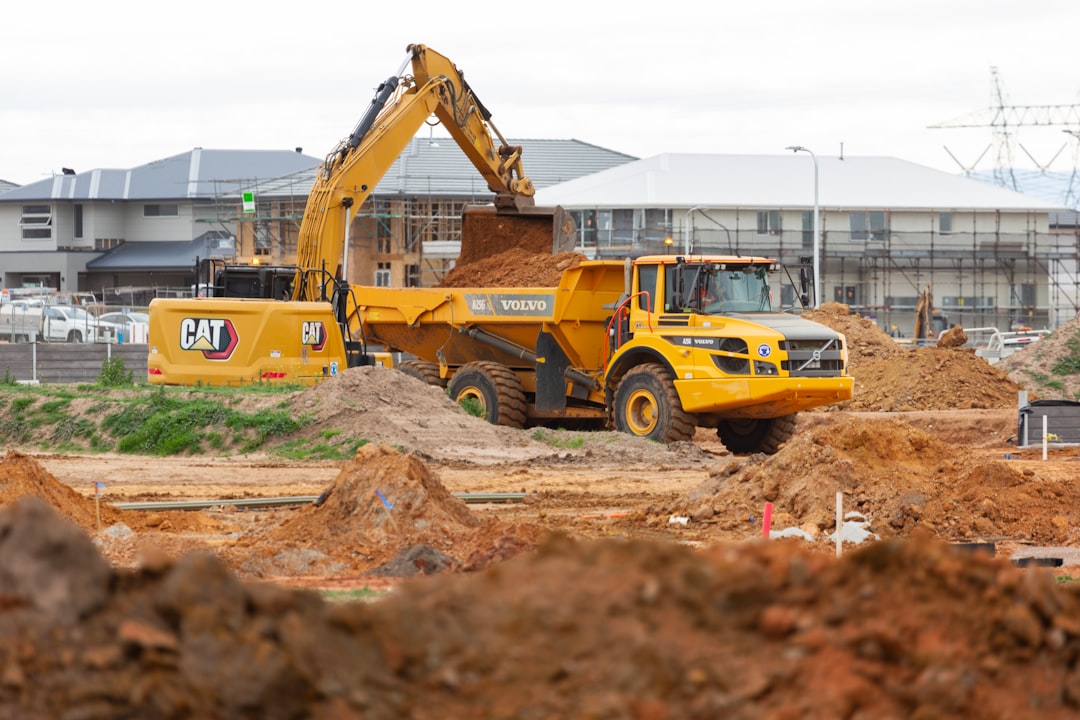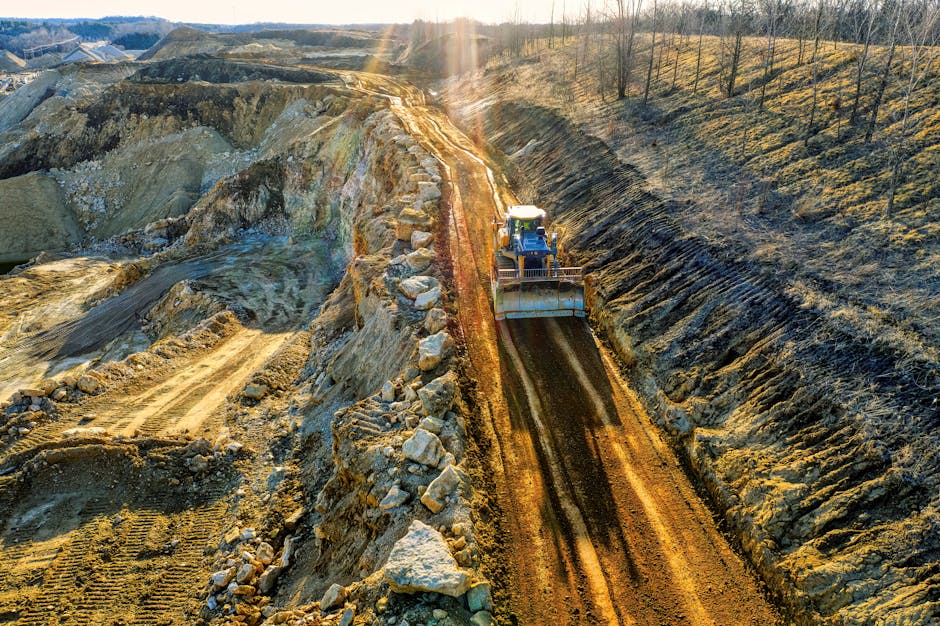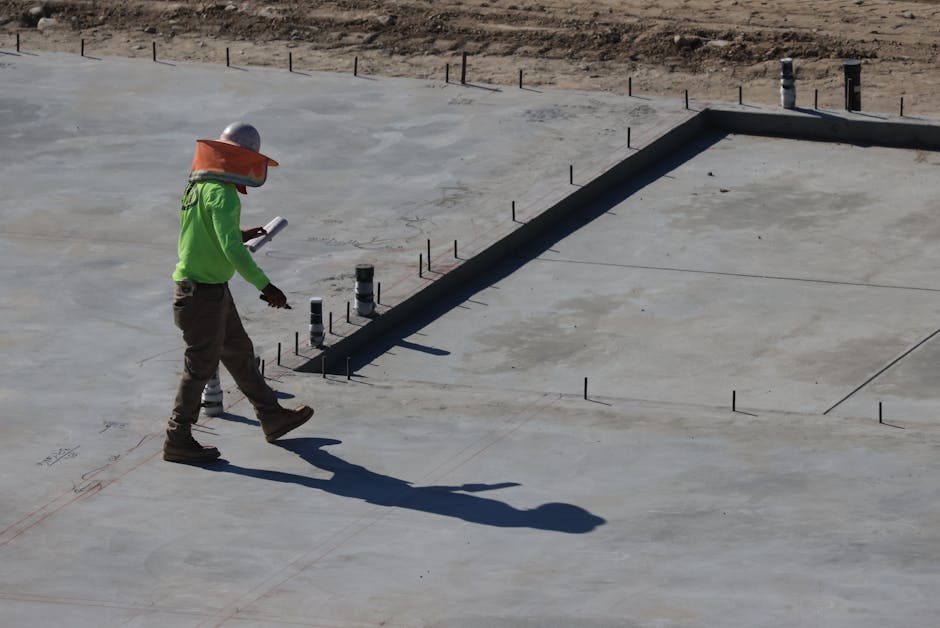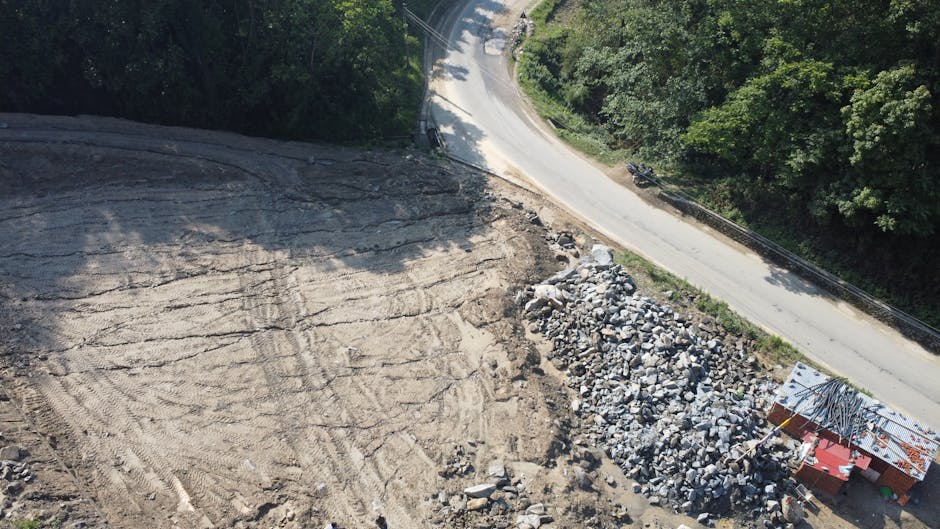
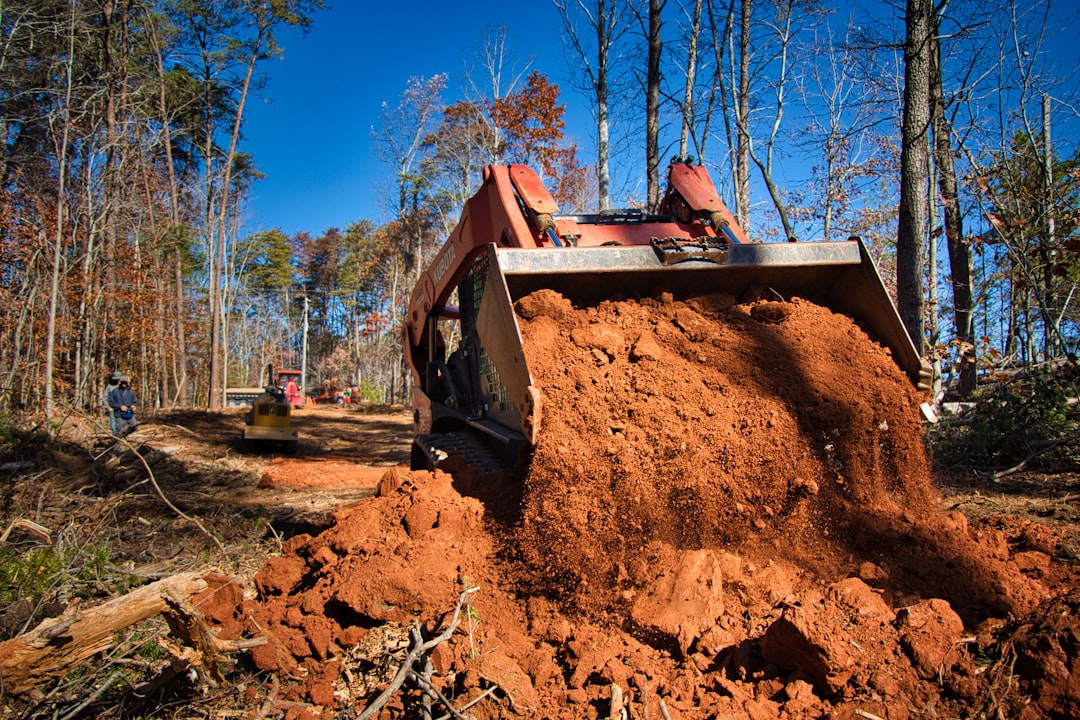
Land clearing and site preparation is the process of removing trees, brush, stumps, and debris from a property — then shaping, grading, and stabilizing the ground so it's structurally ready for construction.
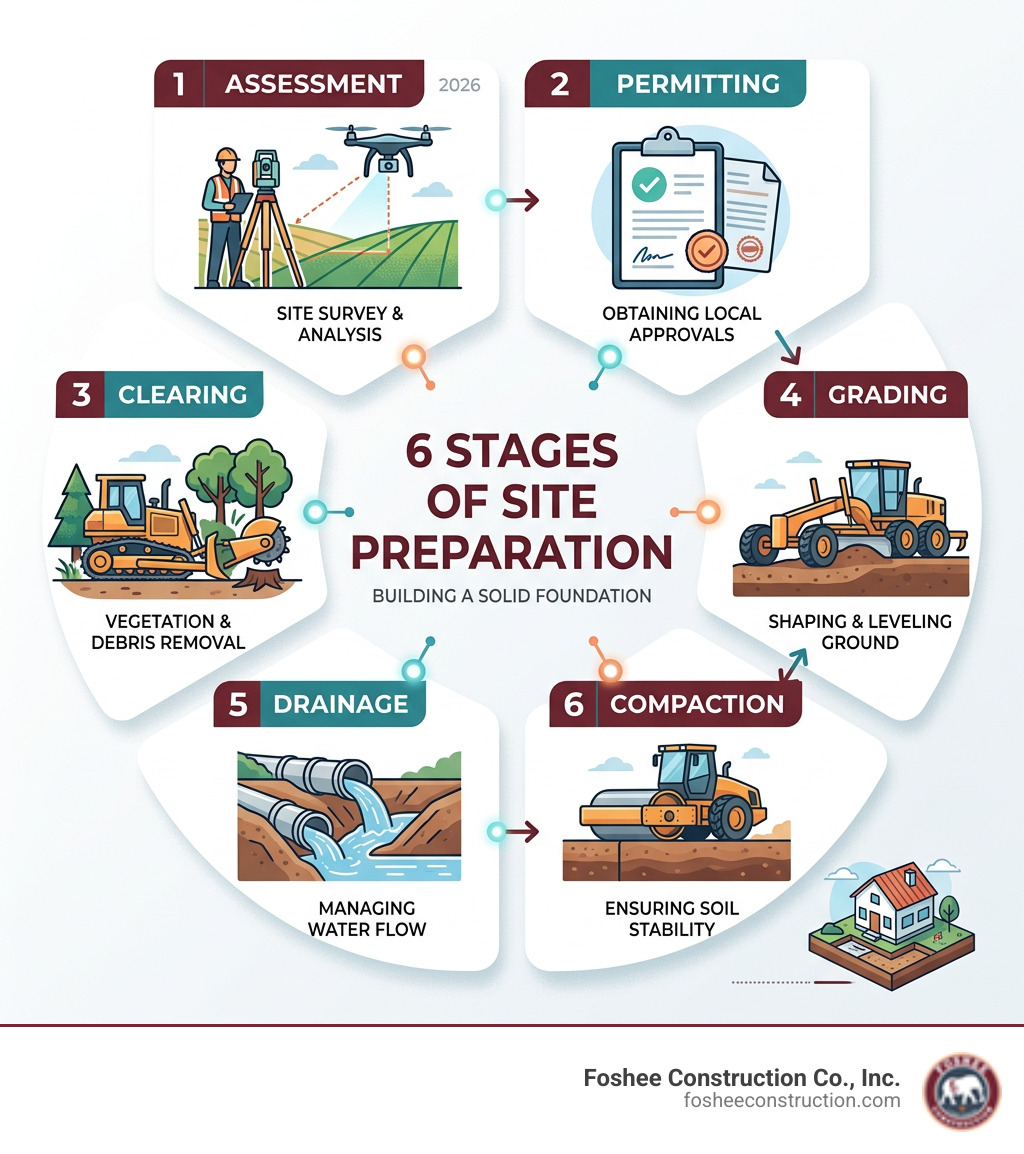
Here's a quick breakdown of what each stage covers:
Most people think site prep is just "moving dirt." It's not.
It's the phase that determines whether your foundation holds, your drainage works, and your project stays on budget. Skip a step — or rush it — and you're looking at foundation settling, flooded basements, failed septic systems, and expensive rework down the road.
Poor site preparation causes more construction problems than almost anything else. One missed drainage detail can cost $15,000 or more in cleanup and repairs — and most insurance policies won't cover it.
For Florida contractors and developers especially, getting this phase right matters. Soft soils, high water tables, and heavy seasonal rain make proper grading and compaction non-negotiable.
This guide walks you through every stage of the process — from the initial site survey to final grading — so you know exactly what to expect and what to demand from your site prep partner.
When we talk about preparing a site, we aren't just giving the land a haircut. We are performing a complex engineering task that sets the stage for everything that follows. In Florida, where the terrain can range from thick palmetto scrub to low-lying wetlands, the scope of work is often broader than property owners initially realize.
To ensure long-term stability, we have to look beneath the surface. It isn’t enough to just clear the visible vegetation; we must address the root systems, soil density, and the way water moves across the land. Proper land clearing and site preparation ensures that the site meets rigorous engineering standards and safety requirements before a single yard of concrete is poured.
FeatureLand ClearingSite PreparationPrimary FocusRemoving obstacles (vegetation, rocks, old structures)Creating a structural foundation for the buildCommon TasksTree felling, brush mowing, debris haulingGrading, soil testing, utility installationEquipmentMulchers, chainsaws, root rakesExcavators, rollers, laser levelsOutcomeA "blank canvas" lotA construction-ready pad with drainage
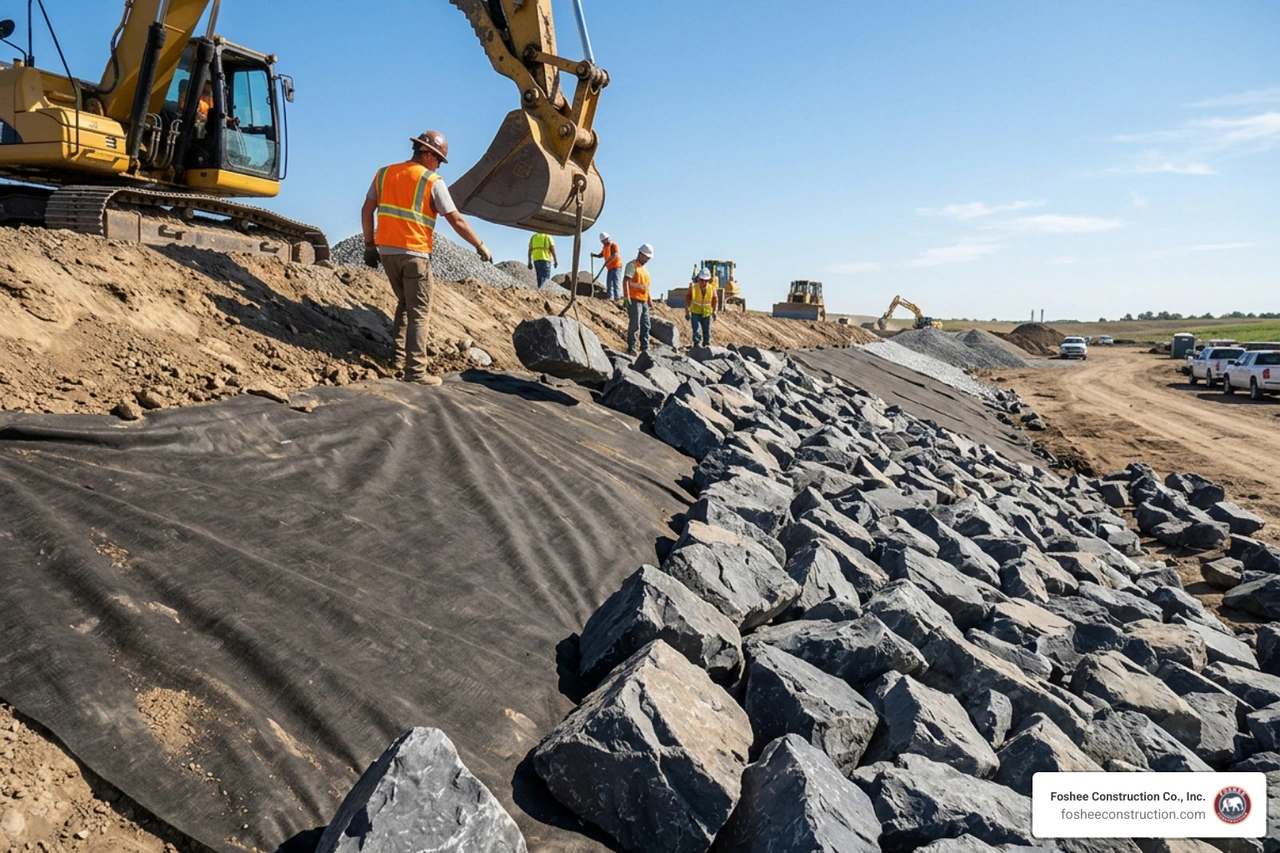
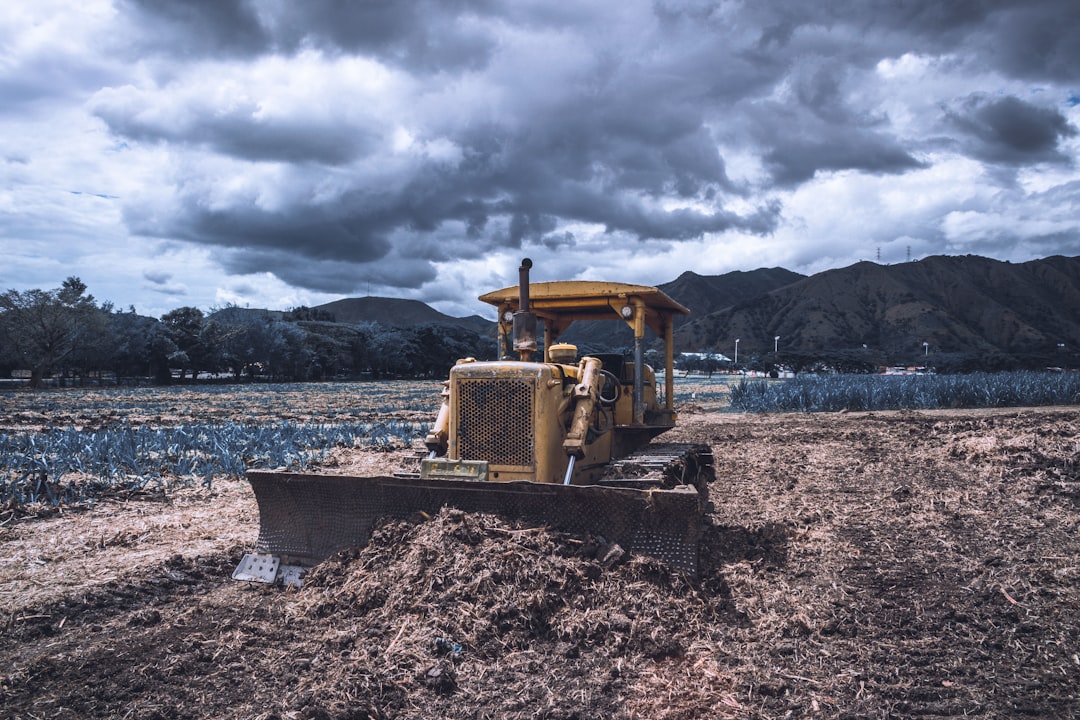
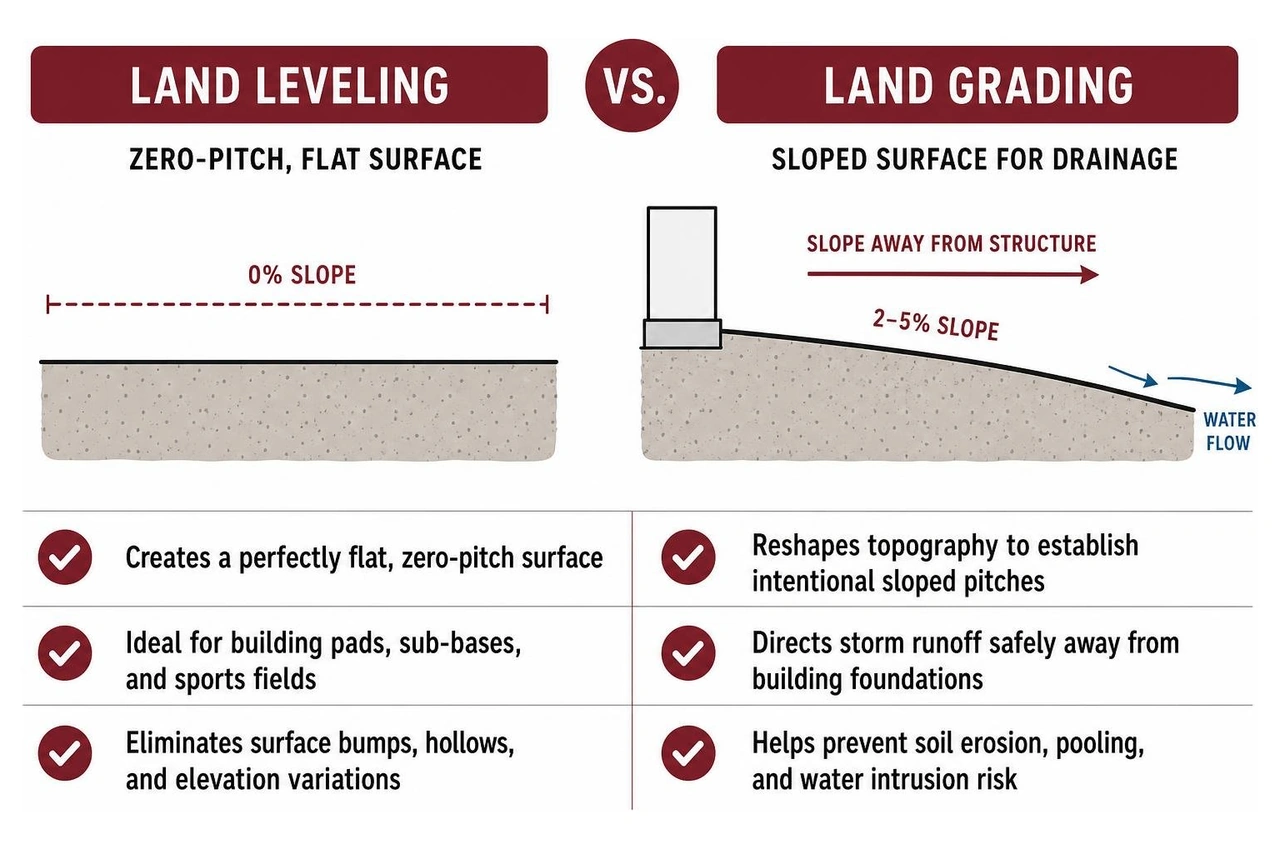
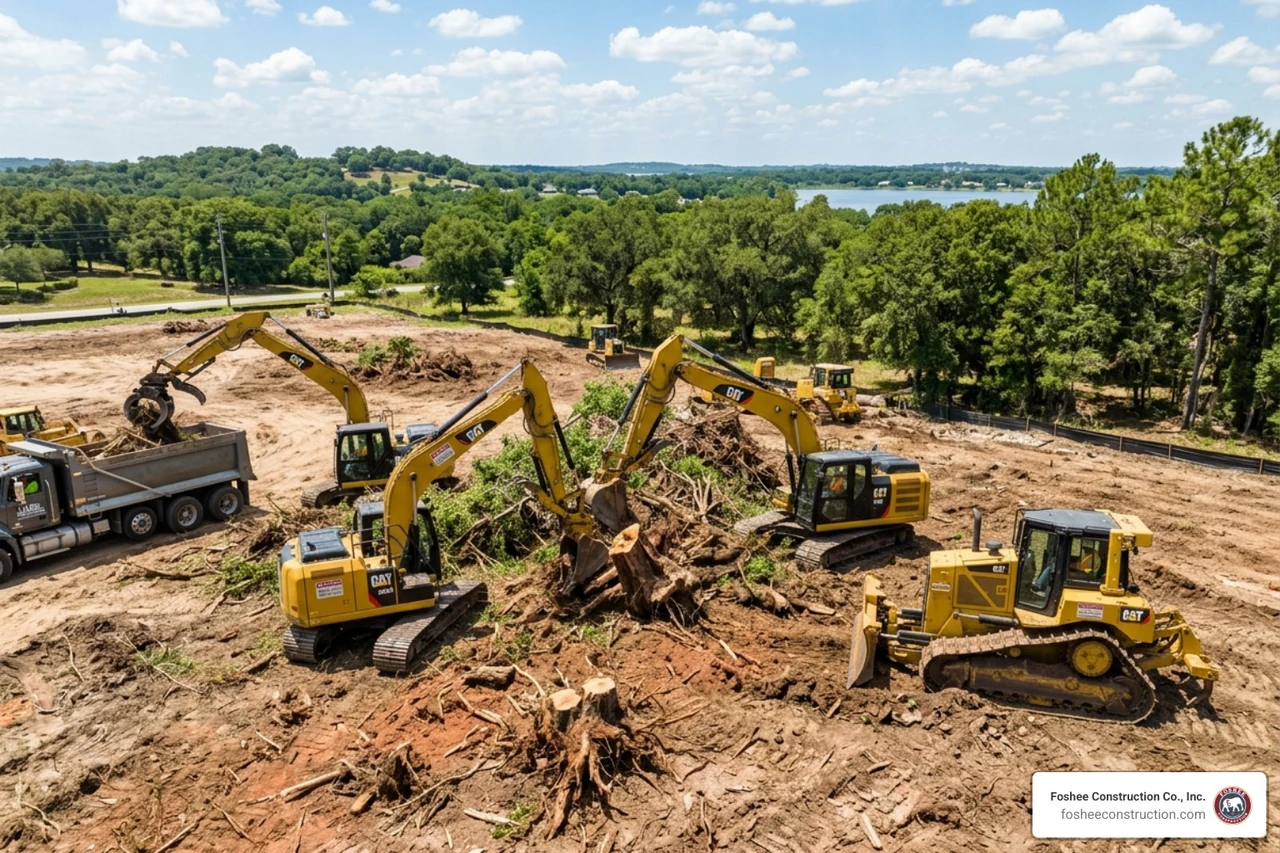
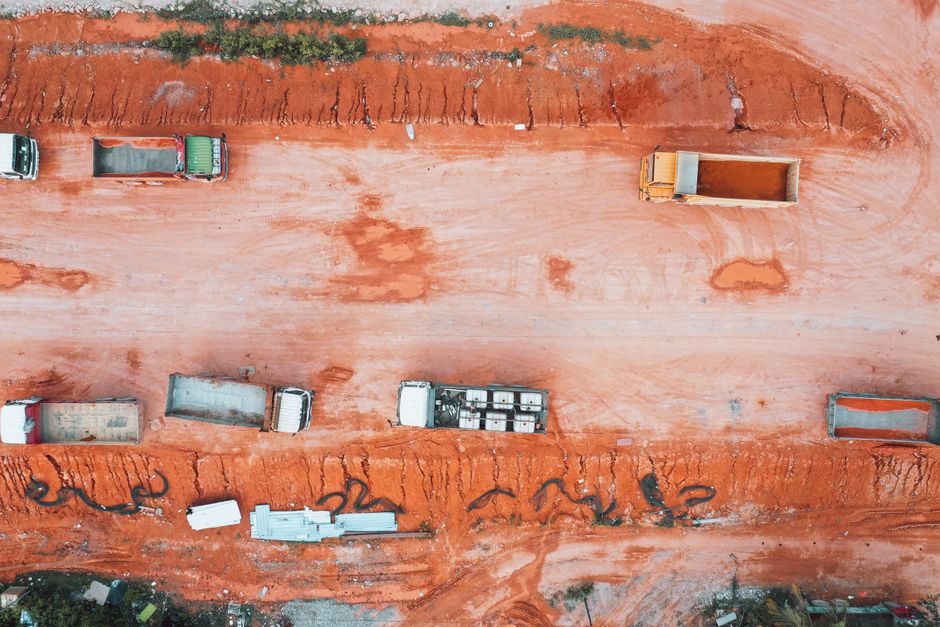
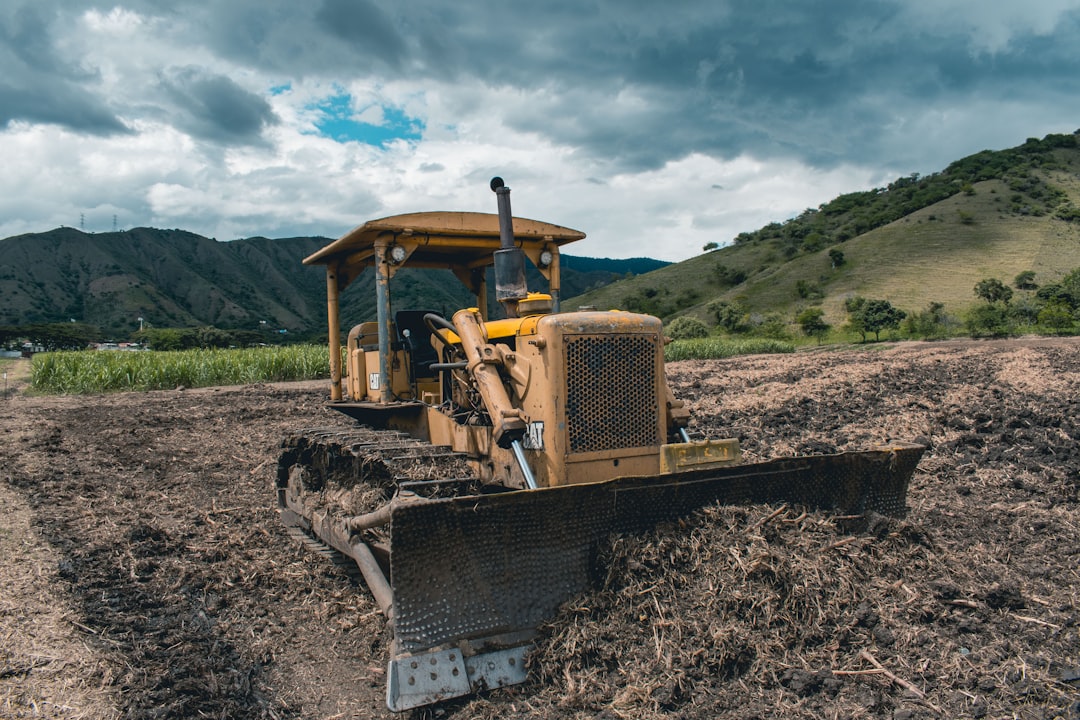
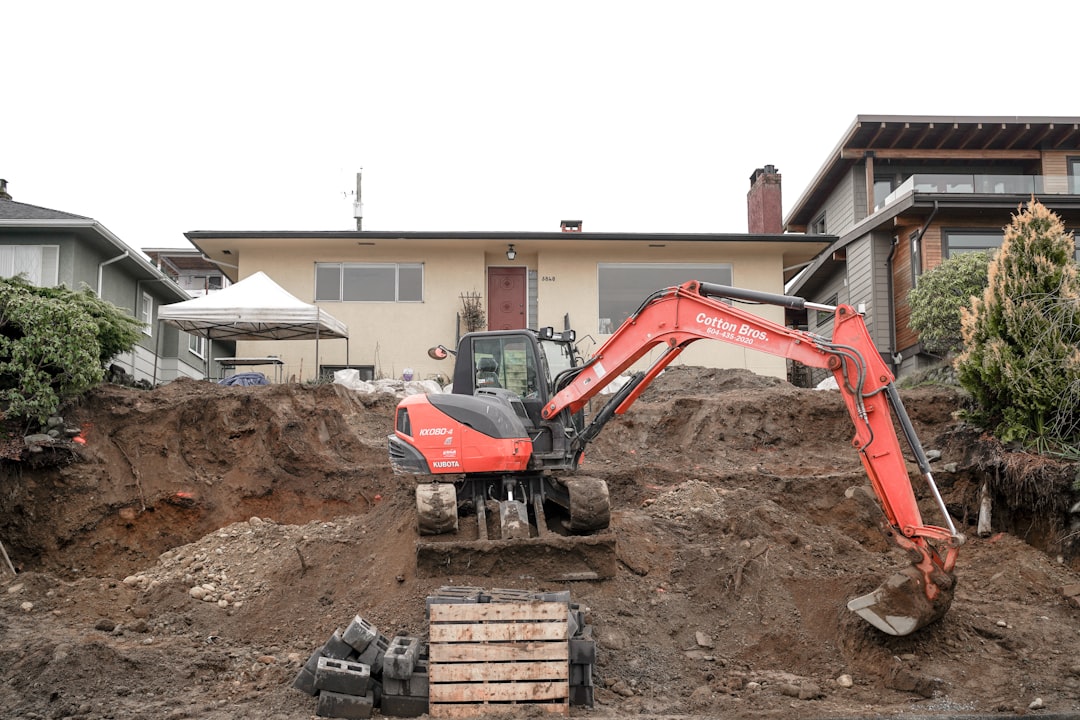
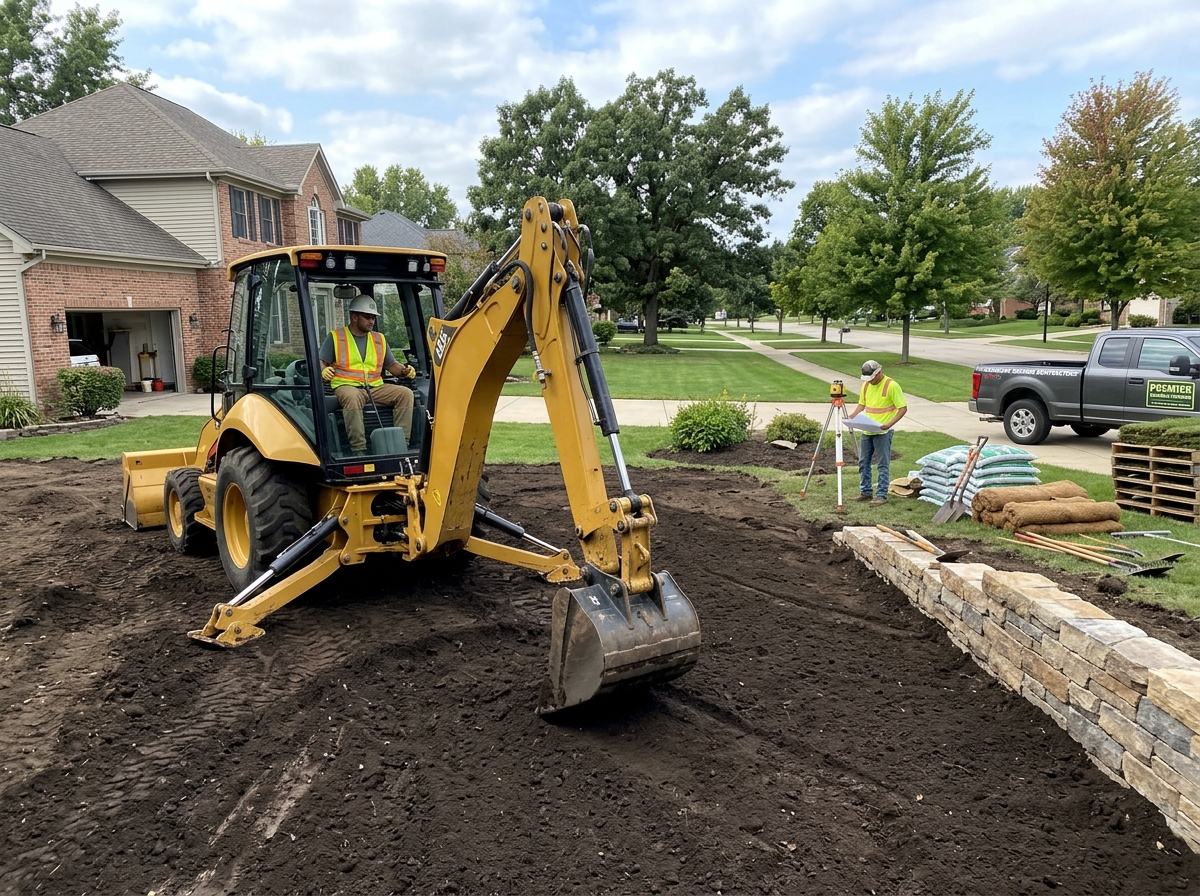
Land clearing is the "demolition" phase of the natural world. We use heavy machinery to remove anything that stands in the way of the blueprints. This includes tree removal, brush clearing, and the often-overlooked task of stump grinding and root raking. Leaving roots in the ground is a recipe for disaster; as they rot, they create subterranean voids that can lead to sinkholes or foundation settling years later.
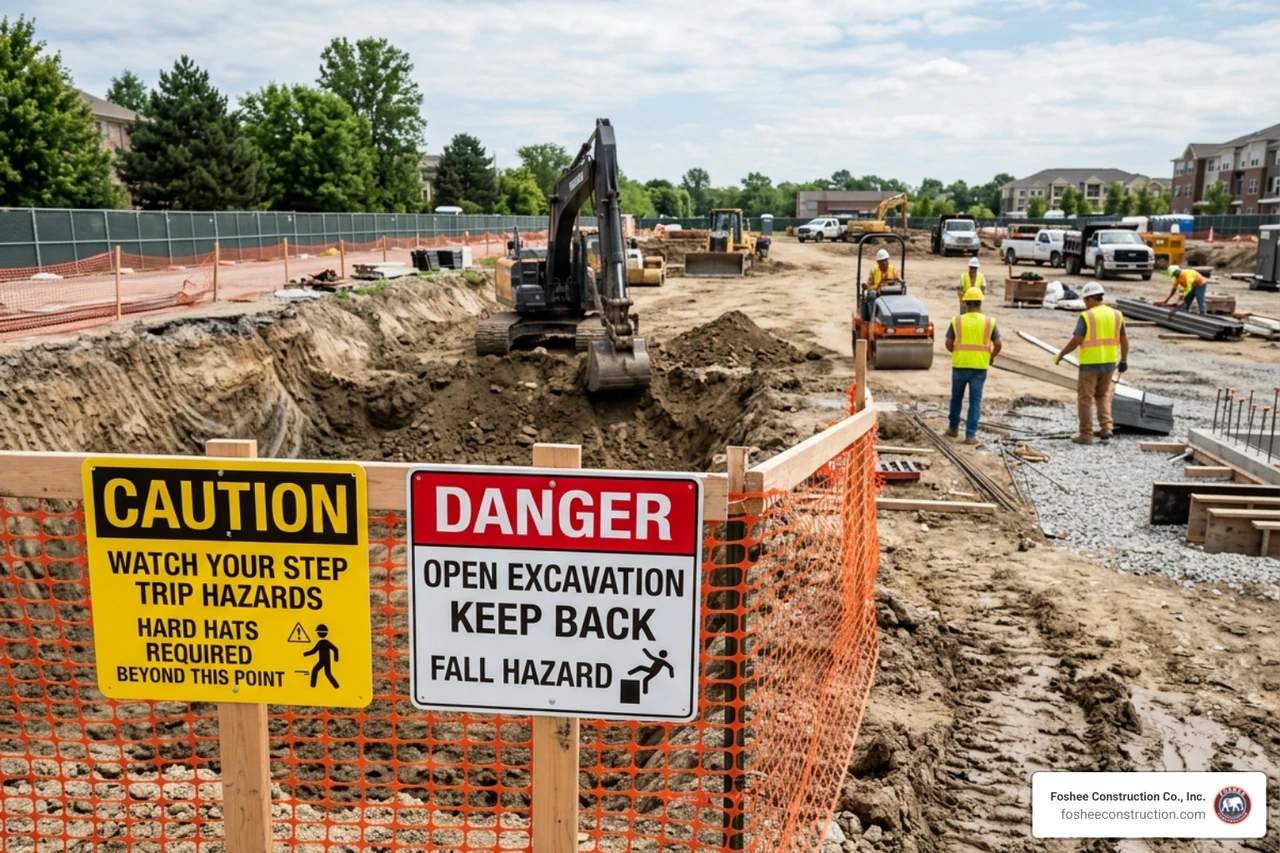
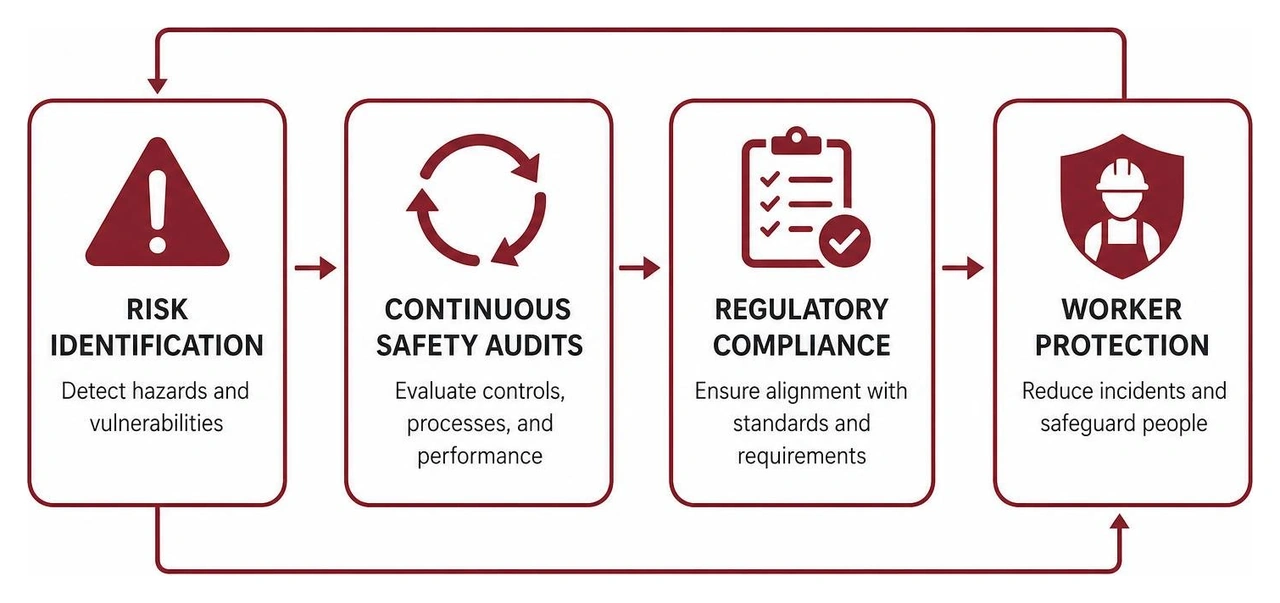
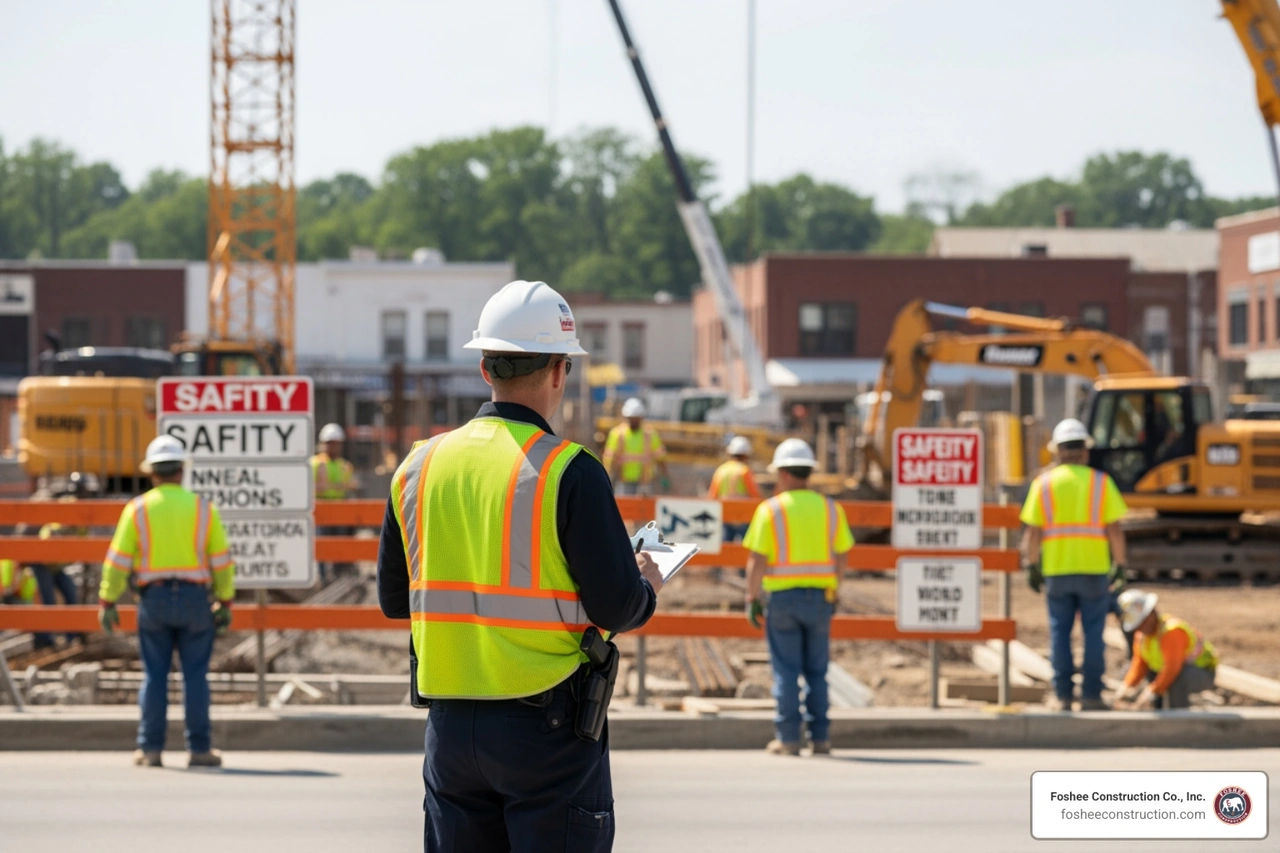
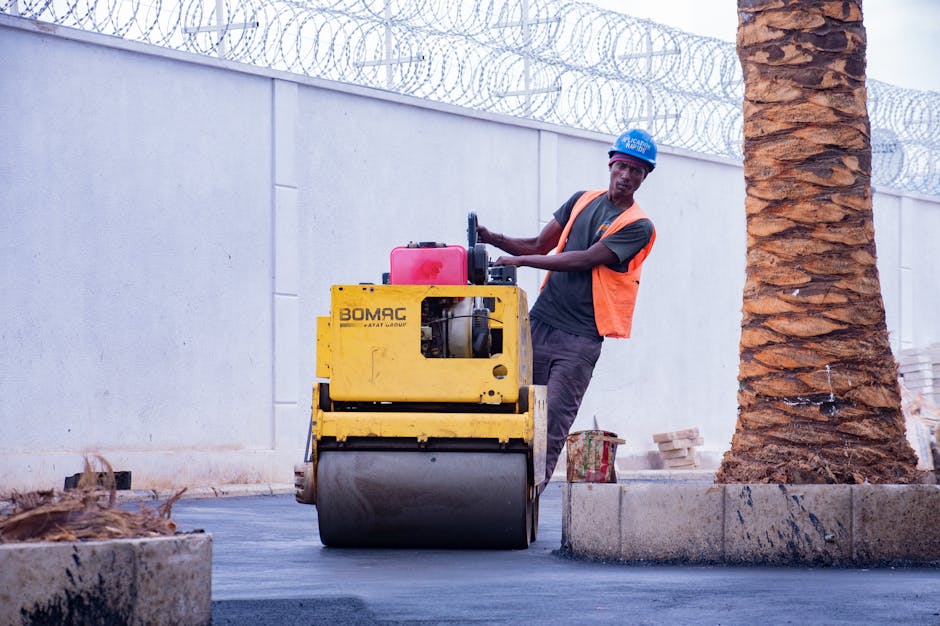
Site preparation takes that blank canvas and makes it functional. This involves soil compaction to prevent future sinking and grading the land to ensure water flows away from the future structure. Because this process is so comprehensive and carries inherent risks, smart teams use digital tools to manage safety. For example, Why SafetyCulture (iAuditor)? is often used by industry professionals to document the clearing process with photos and videos, ensuring transparency and compliance with safety standards from day one.
You might be tempted to rent a bobcat and spend a weekend "clearing" your lot. We strongly advise against it. Professional site preparation is about risk reduction. When we handle a project, we aren't just looking at the trees; we are looking at the legal landscape and the geological future of your investment.
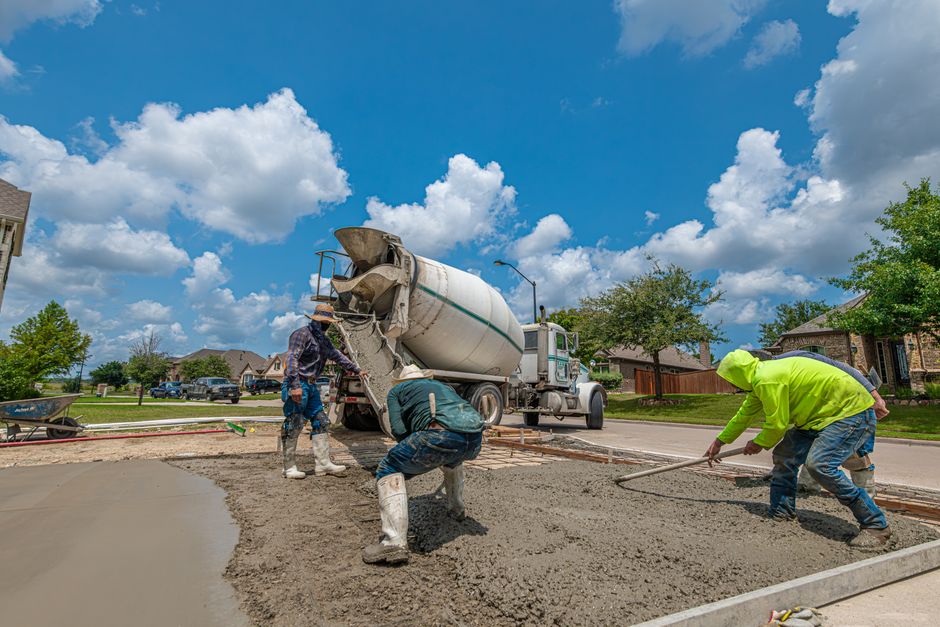
Inadequate preparation is the leading cause of foundation failure and septic malfunctions. If the soil isn't compacted in "lifts" (layered sections), your driveway might collapse under the weight of a delivery truck, or your foundation could crack during the first heavy Florida storm. Furthermore, professional services ensure legal compliance. Navigating the maze of land disturbance permits and environmental regulations is part of the job. By hiring experts, you avoid the "gotchas" that lead to massive fines or stop-work orders from the county.
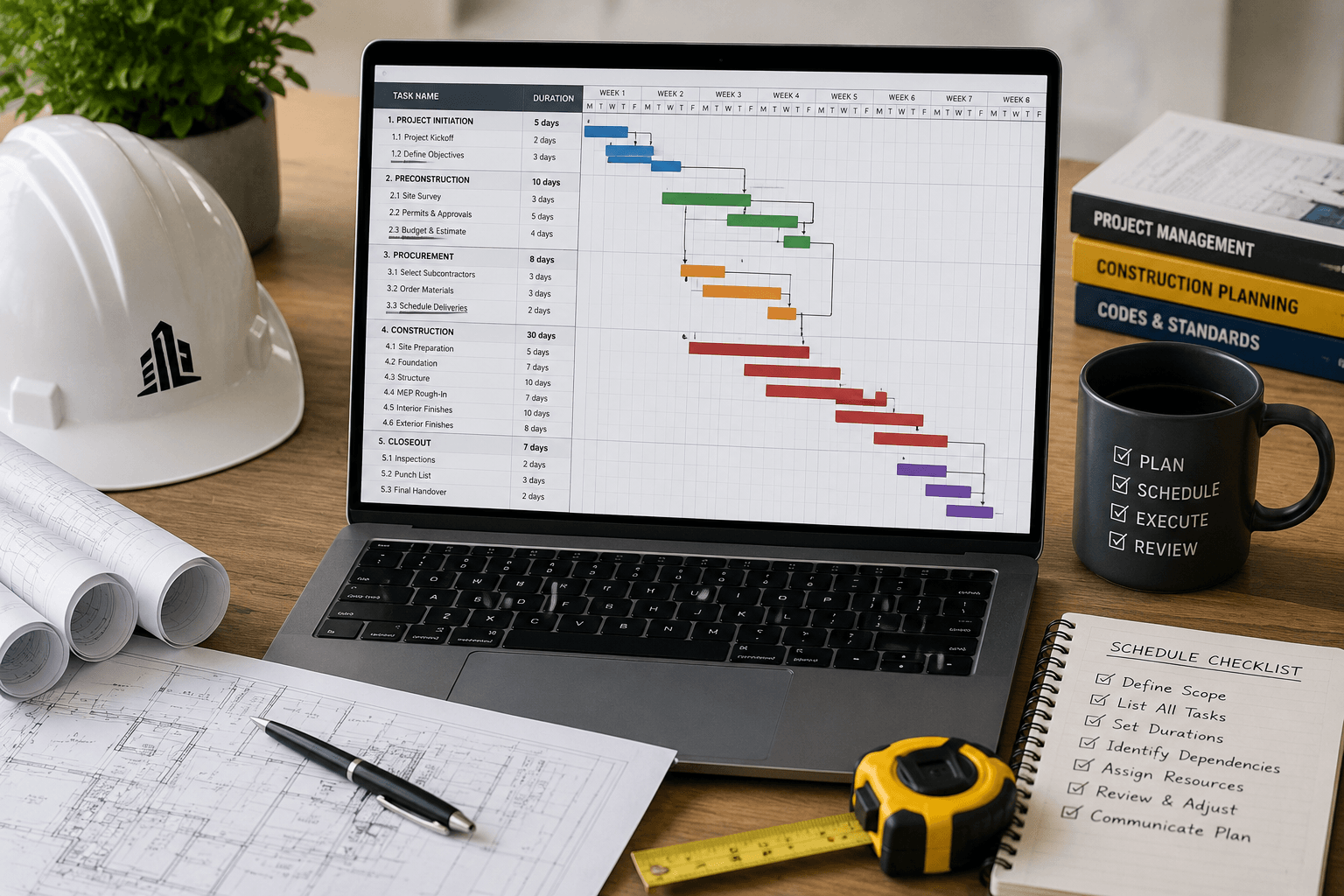
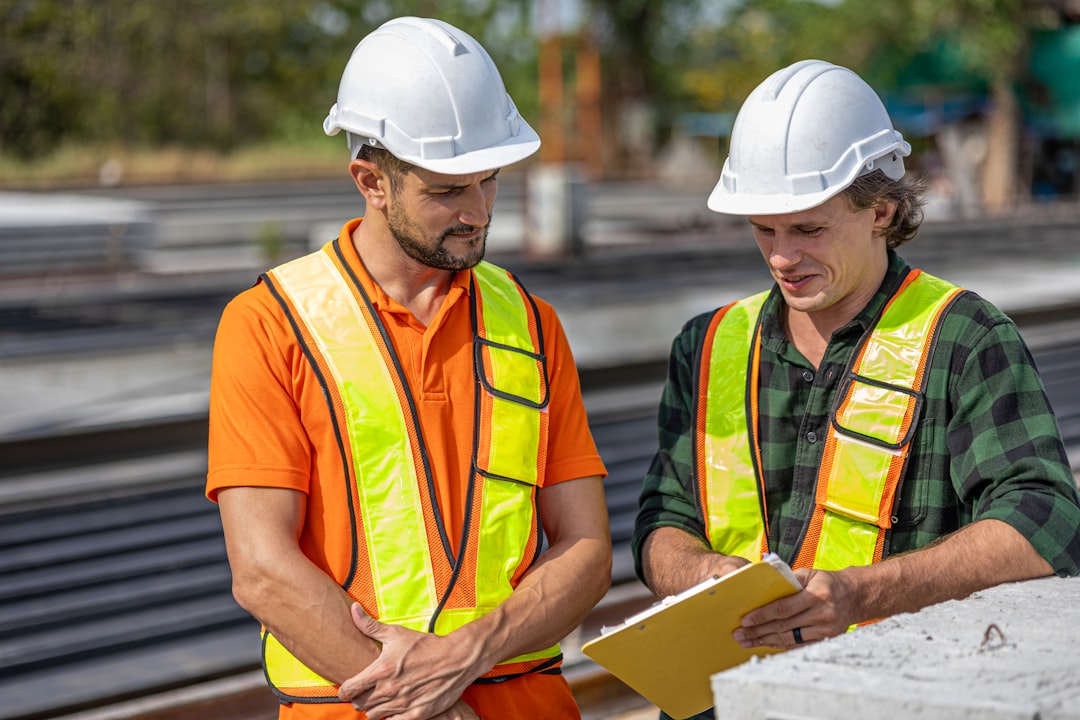
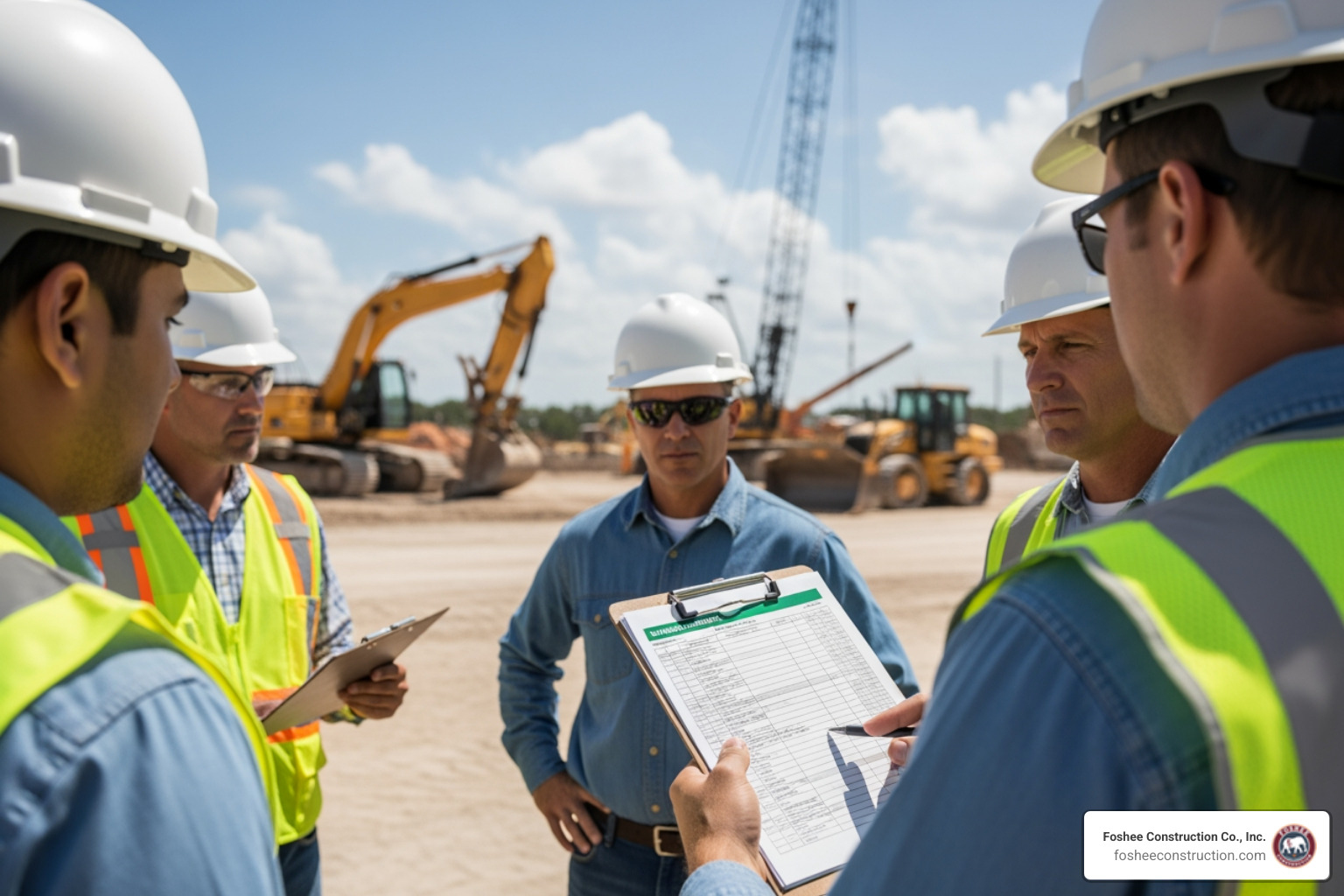
Every successful project follows a disciplined schedule. We don't just show up and start digging; we follow a sequence designed to protect the land and your budget. It begins with a site survey—the "map" that guides our every move.
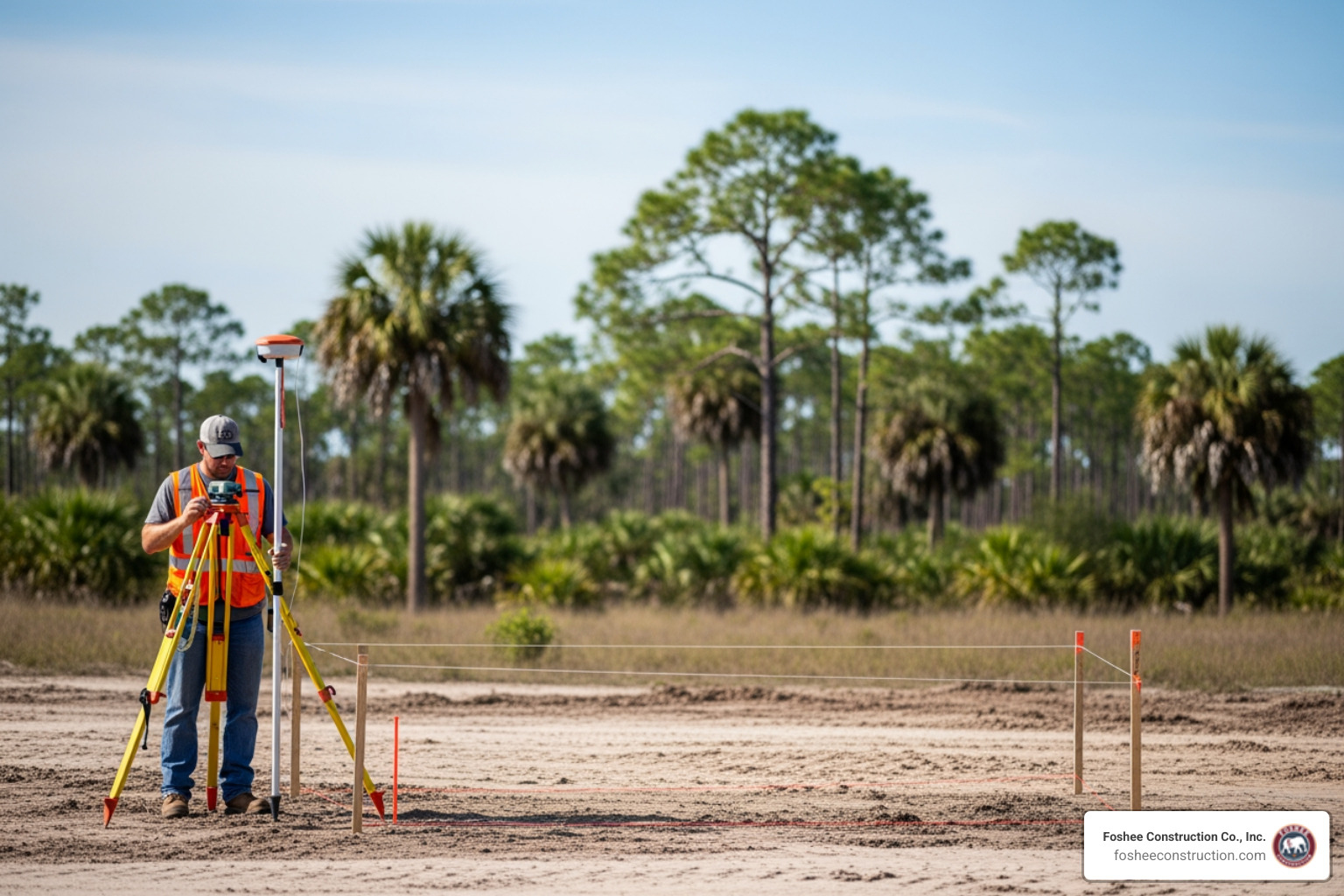
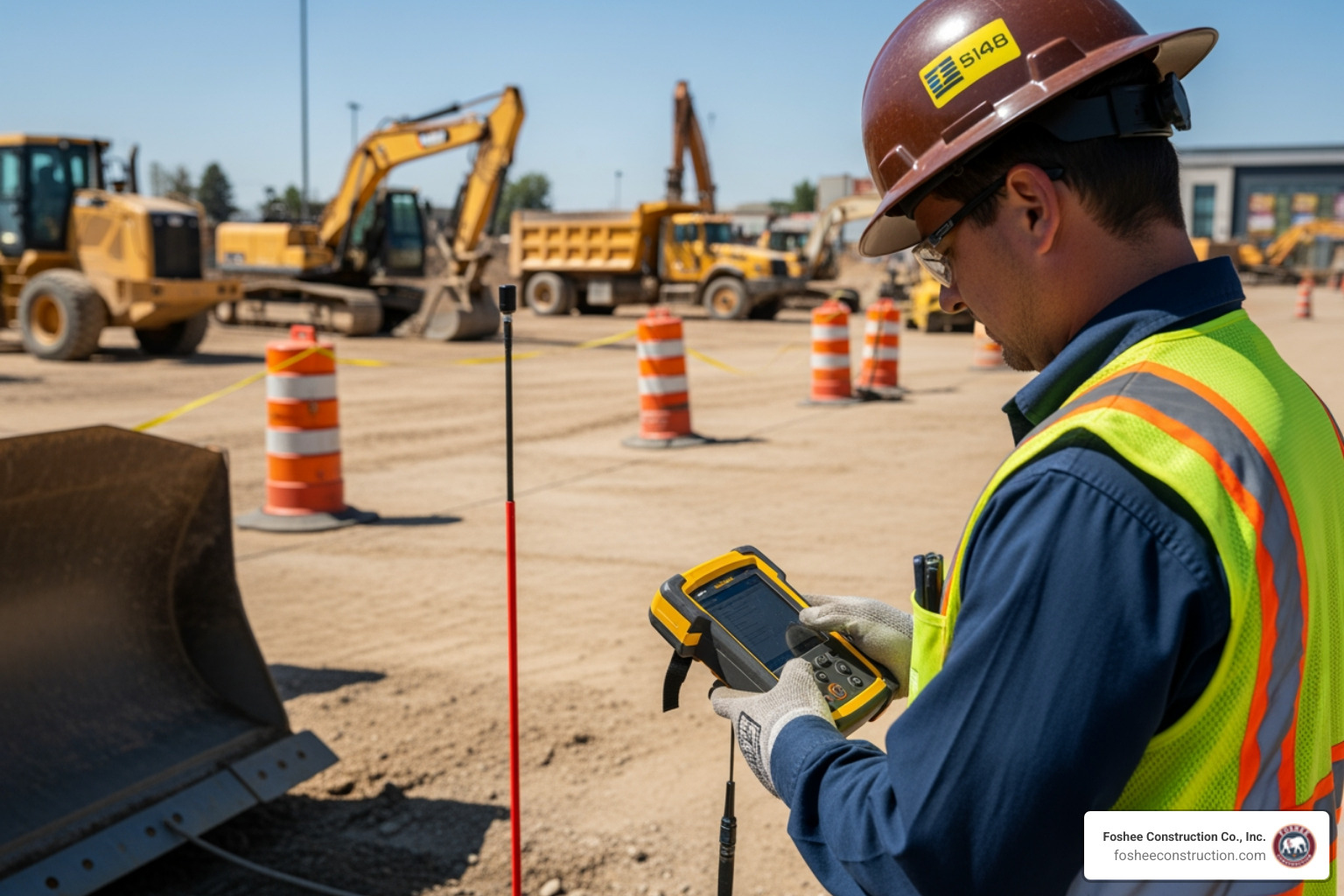
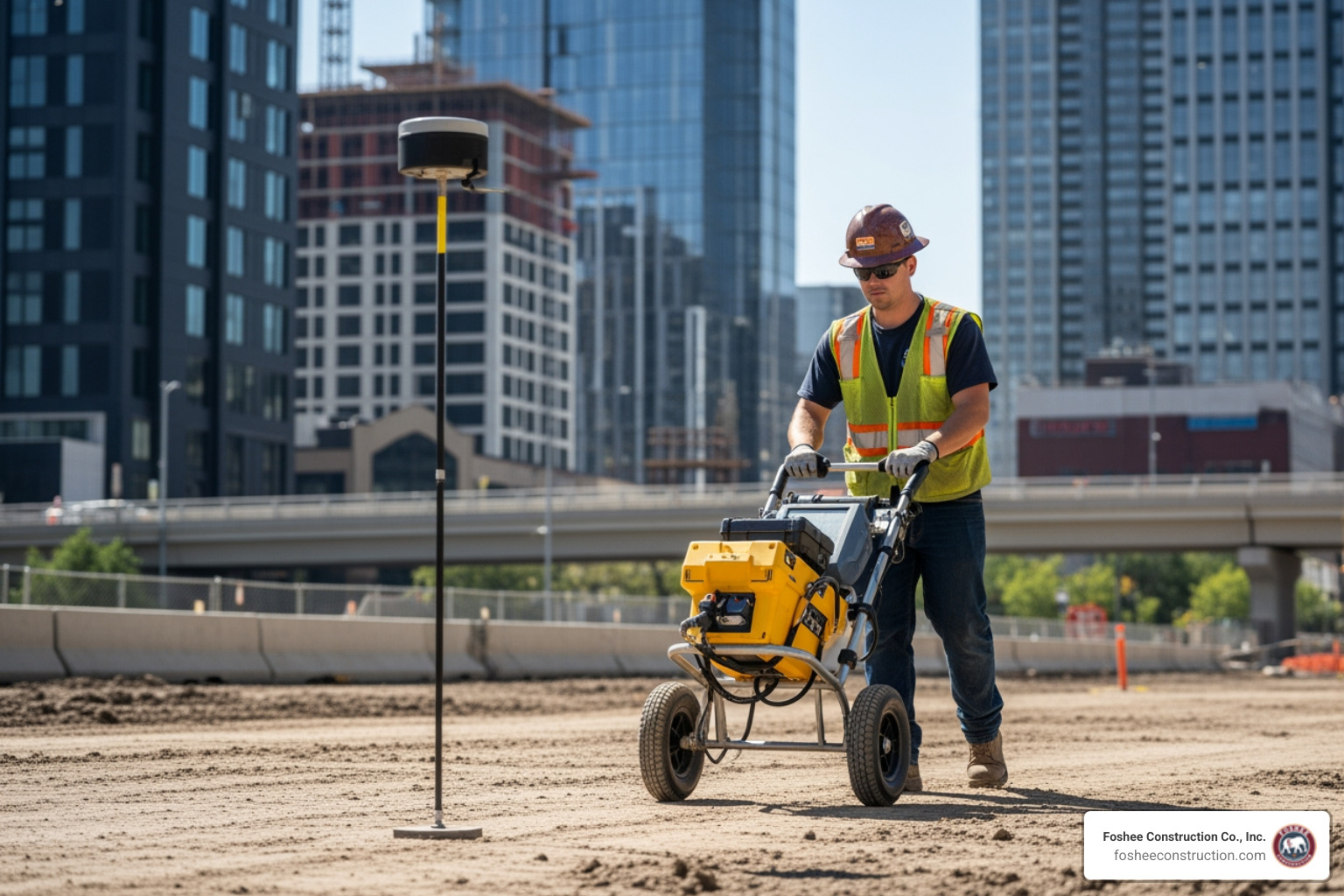
Before the first tree falls, we must understand the "subsurface secrets" of your land. This involves land surveys to define property lines and easements, as well as soil testing. Soil testing tells us if the ground can actually support the weight of your building or if we need to bring in specific fill dirt to create a stable base.
In Lake County and throughout Florida, permitting is a major hurdle. You can't just clear land near a water source or protected habitat without the right paperwork. For instance, wetlands protection is a critical consideration. While that specific link discusses Wisconsin, Florida has similarly strict (if not stricter) regulations regarding our unique ecosystems. We help navigate these local regulations to ensure your project doesn't harm the environment—or your wallet—via unplanned fines.
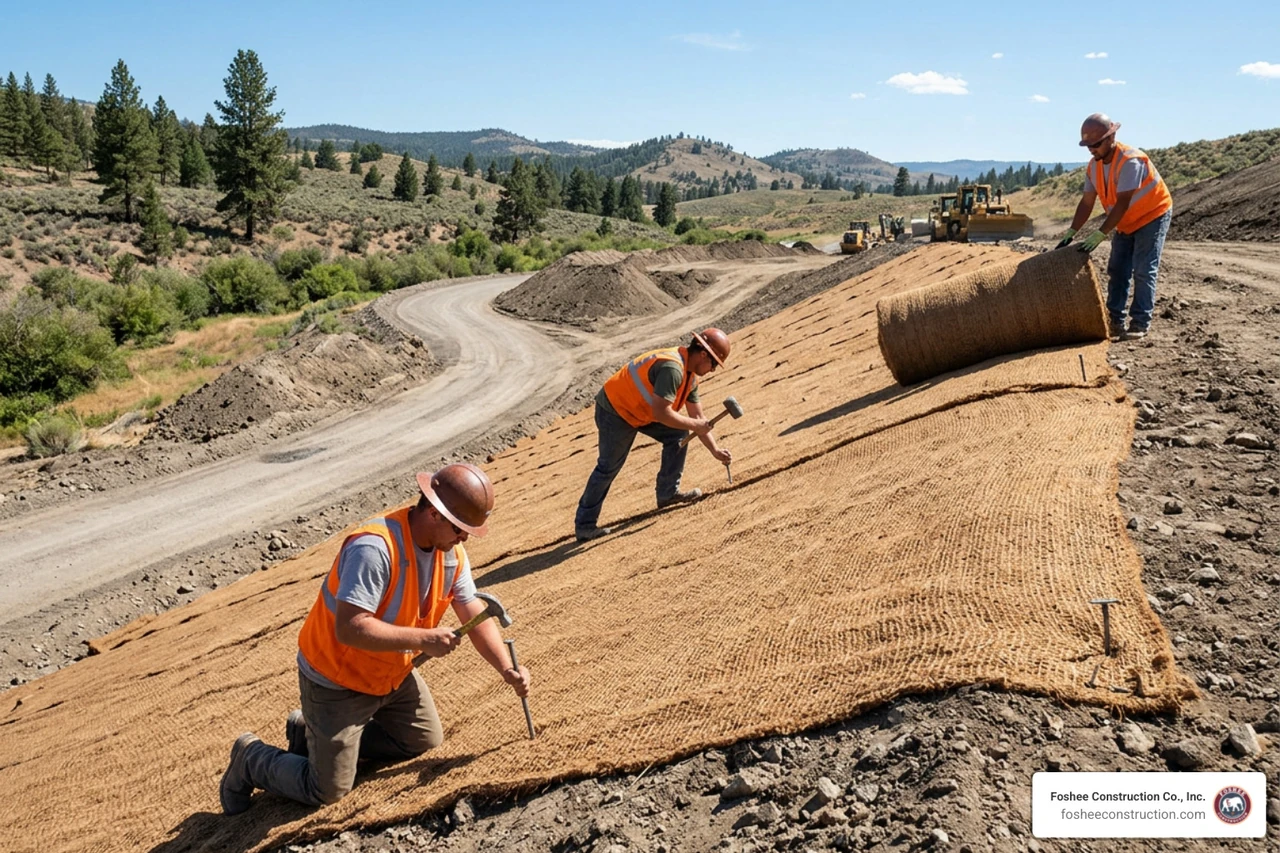
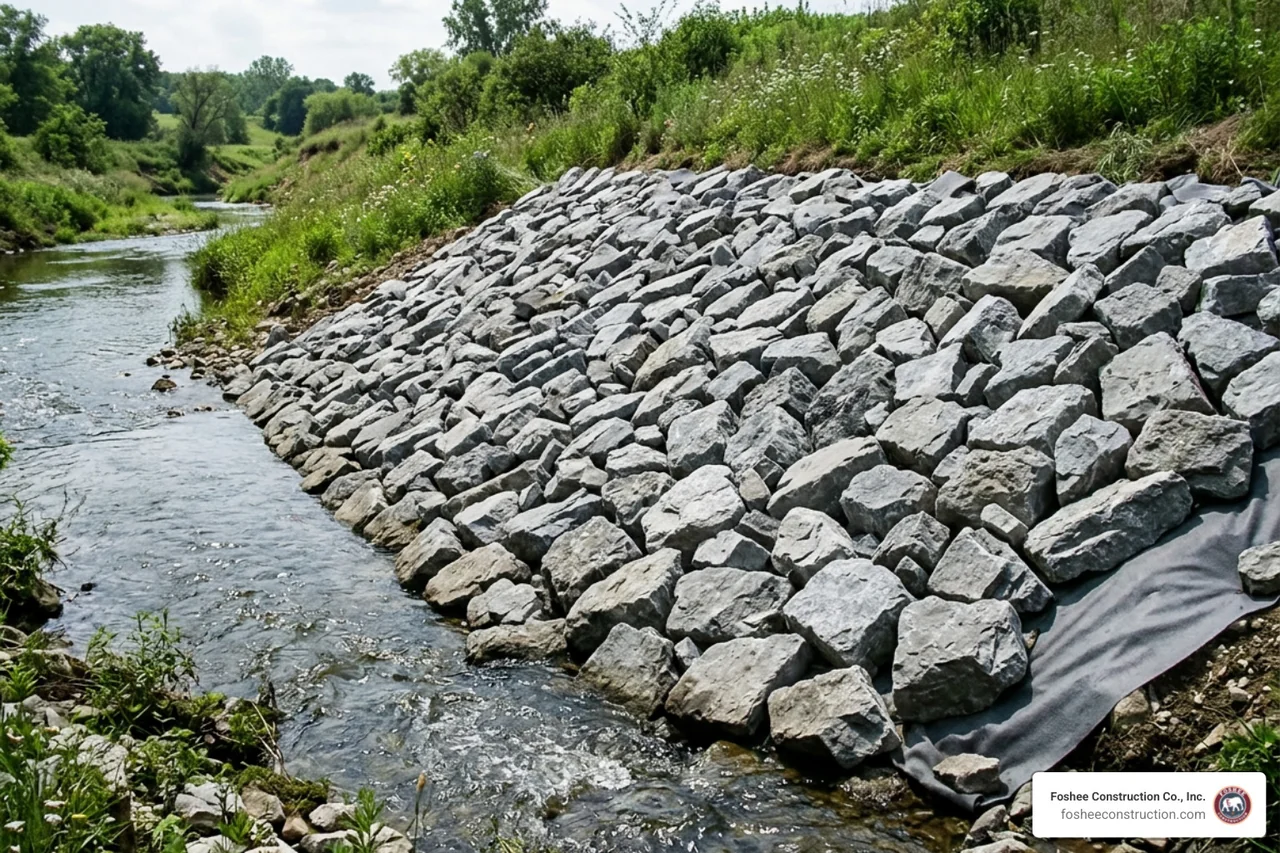
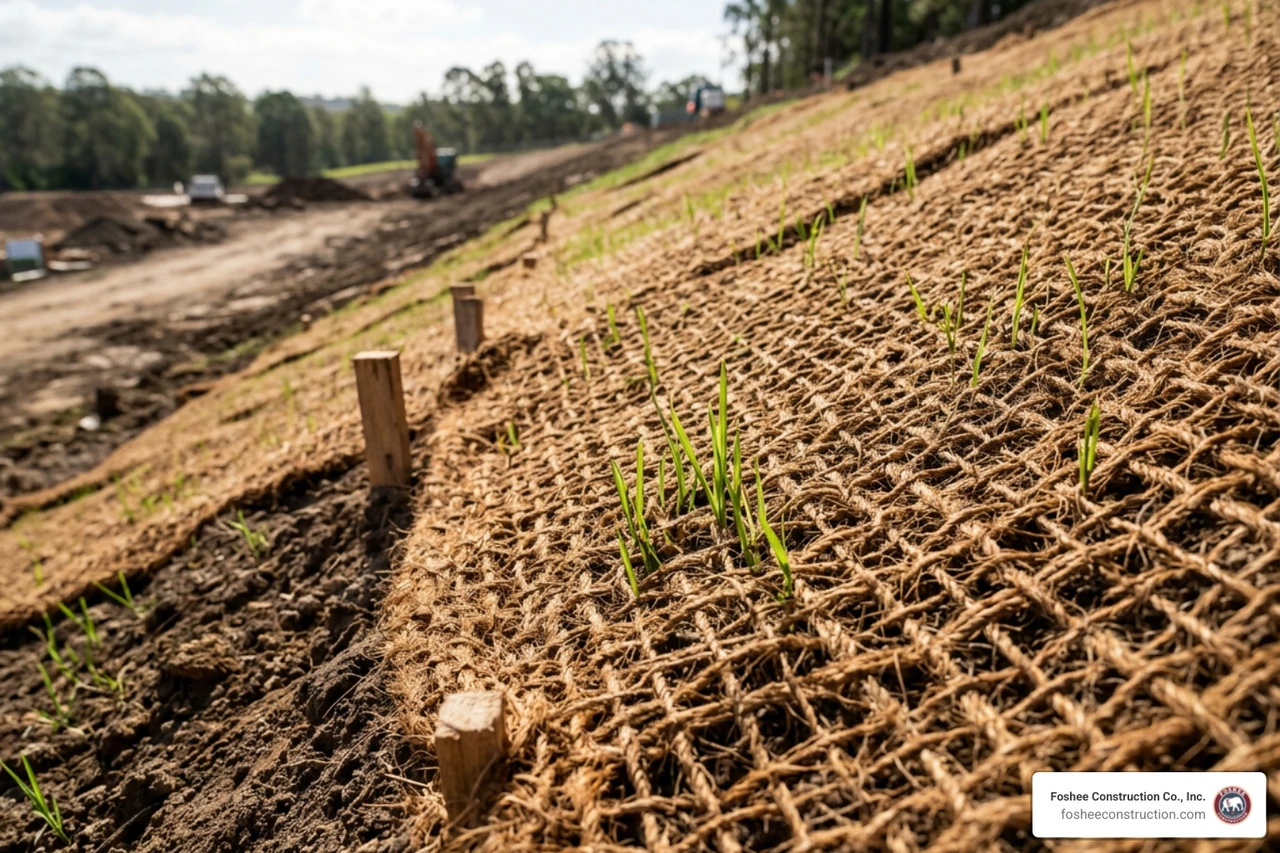
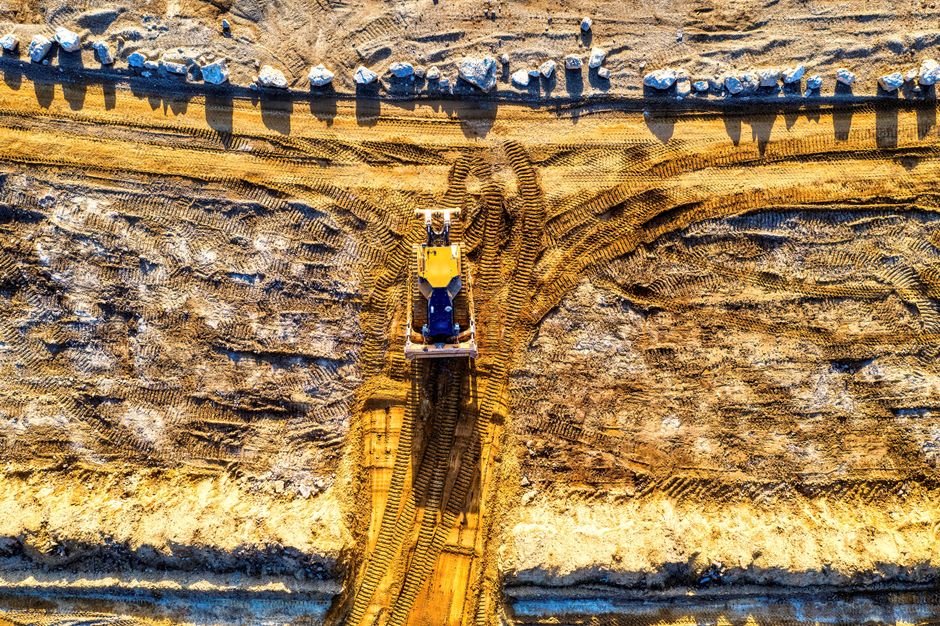
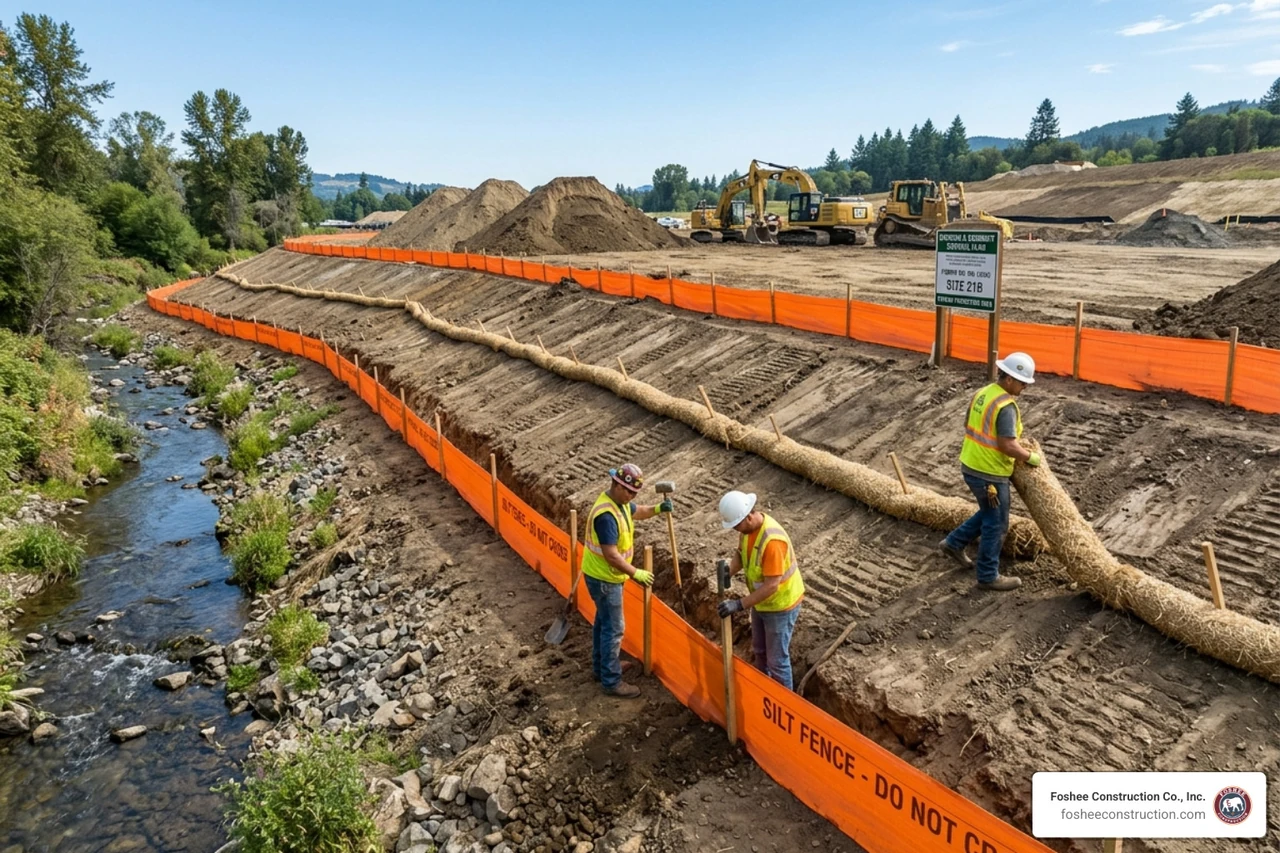
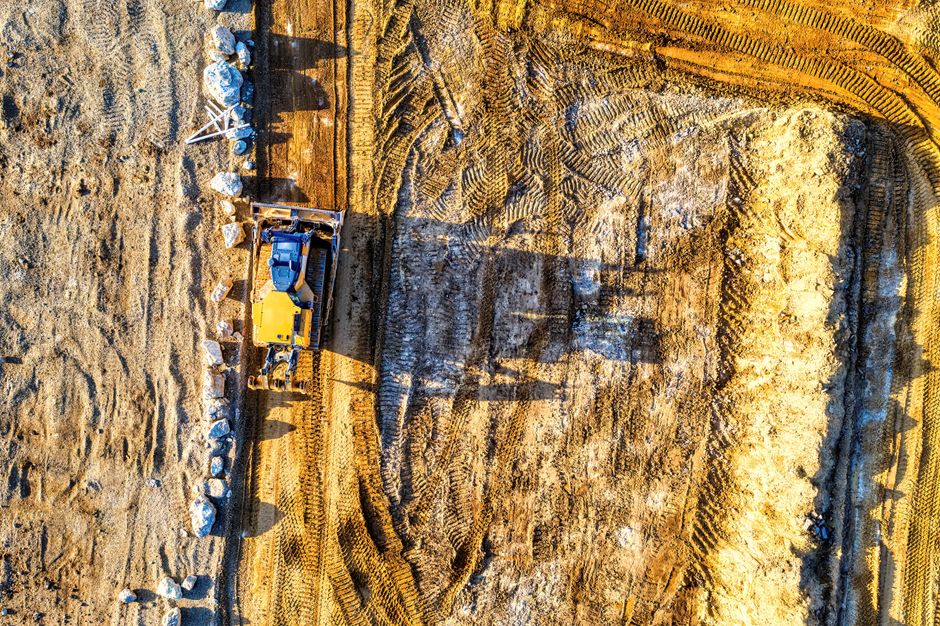
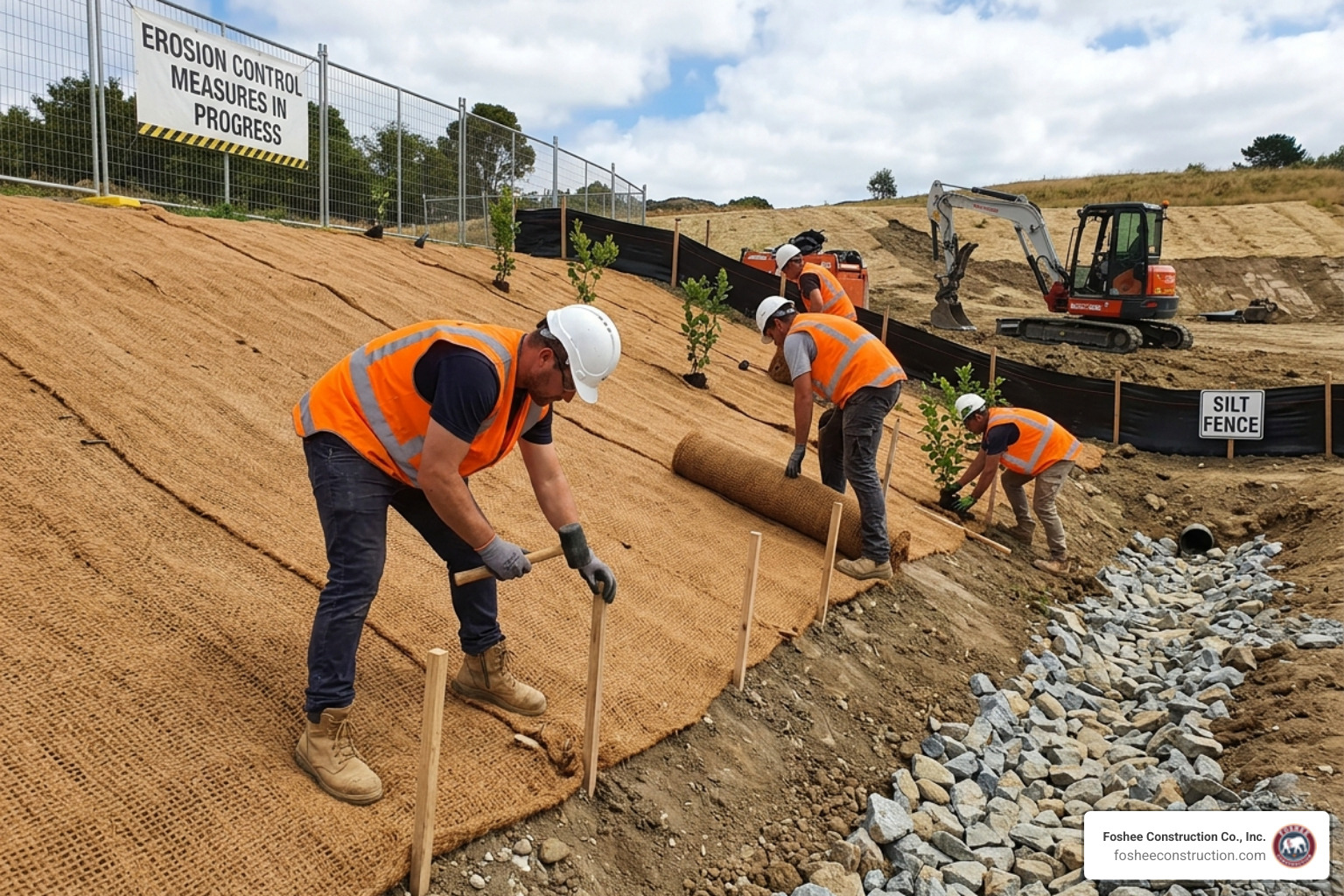
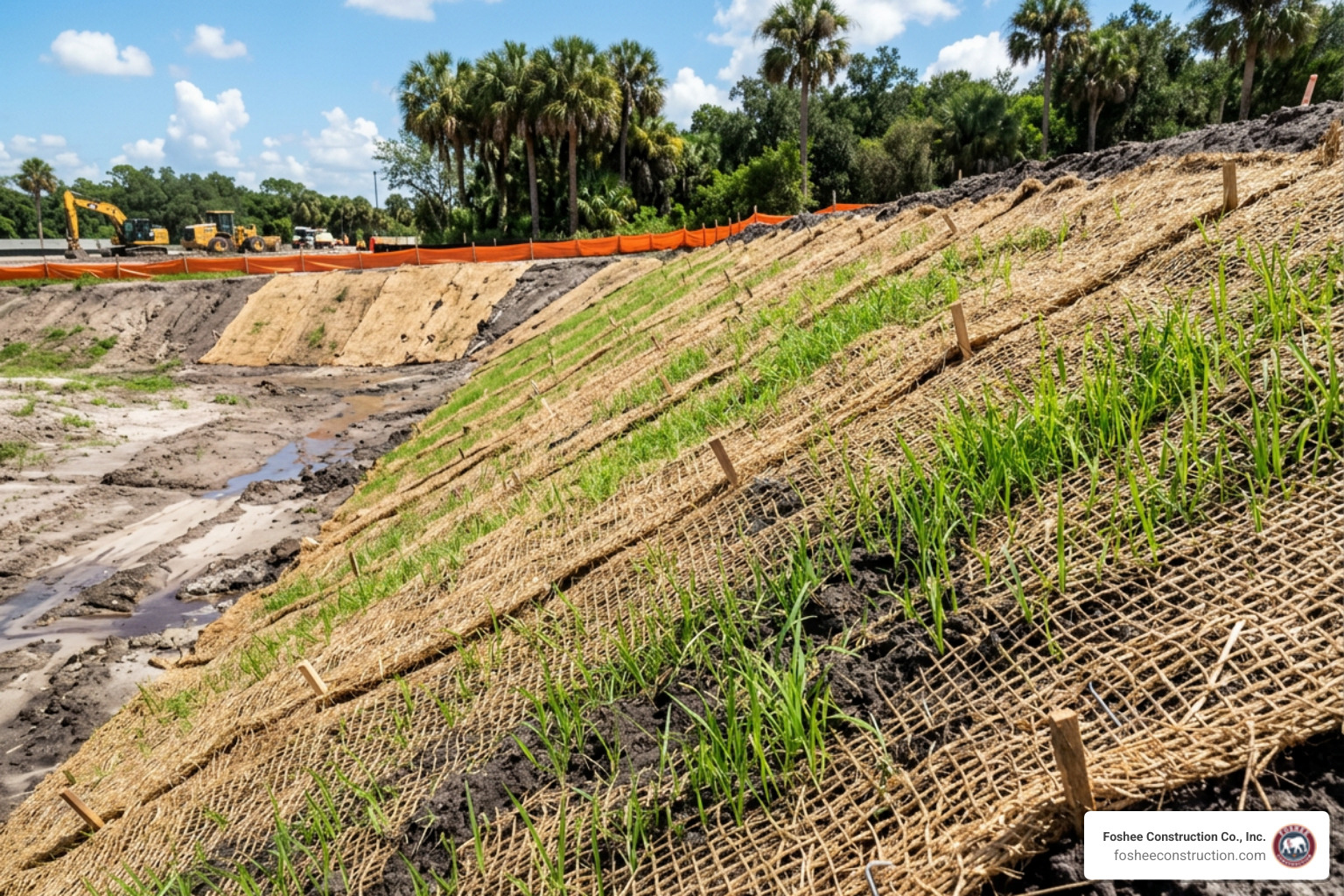
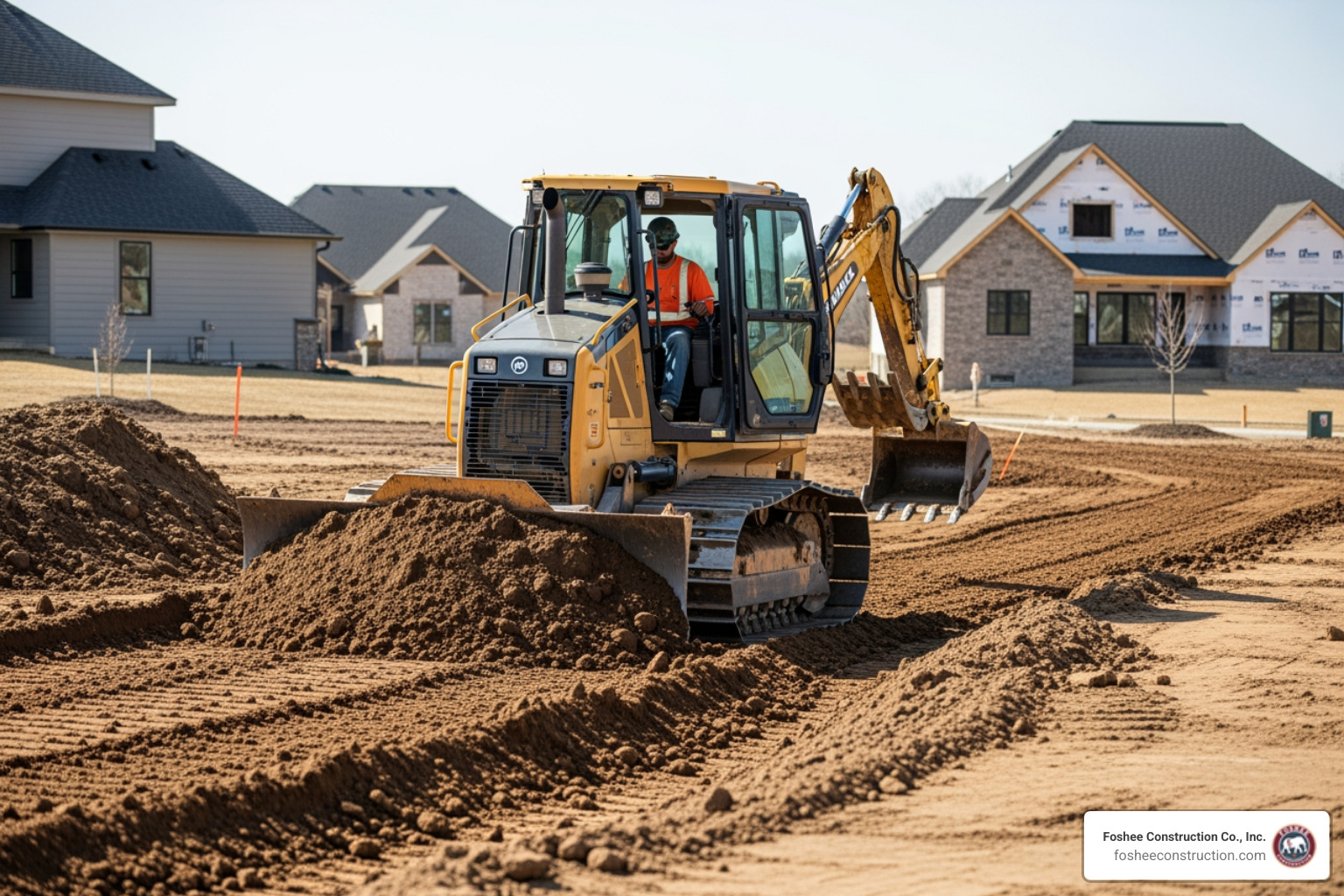
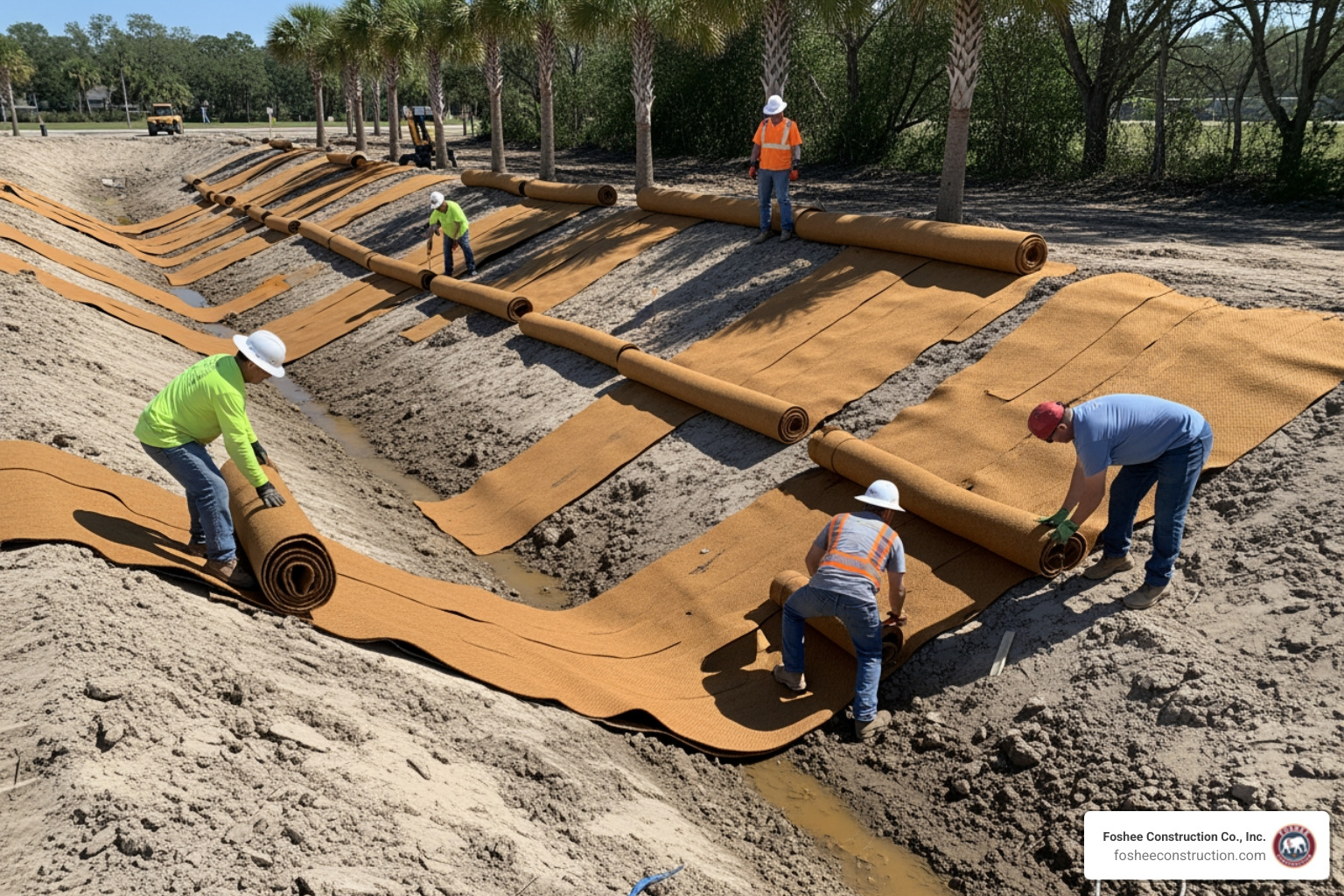
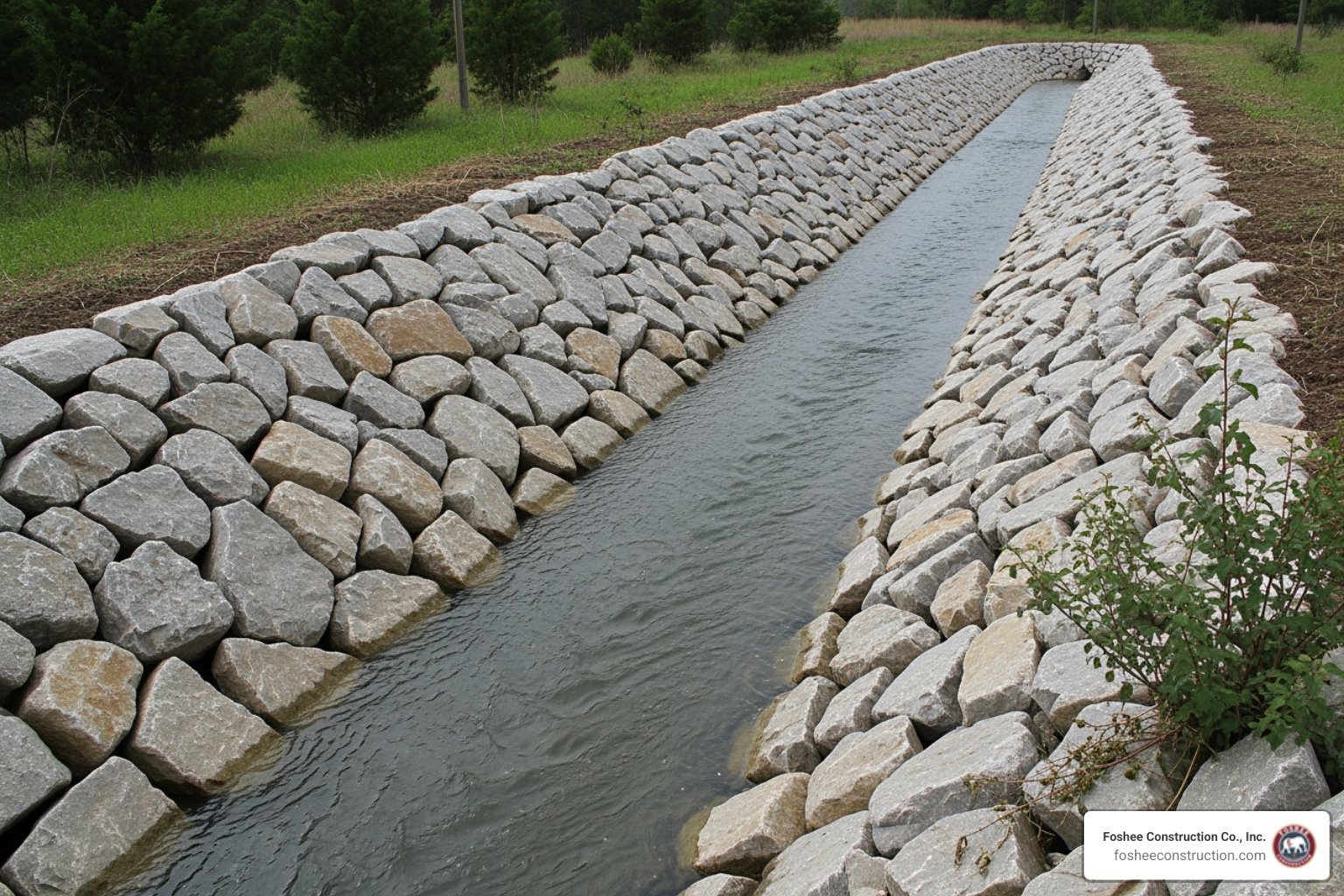
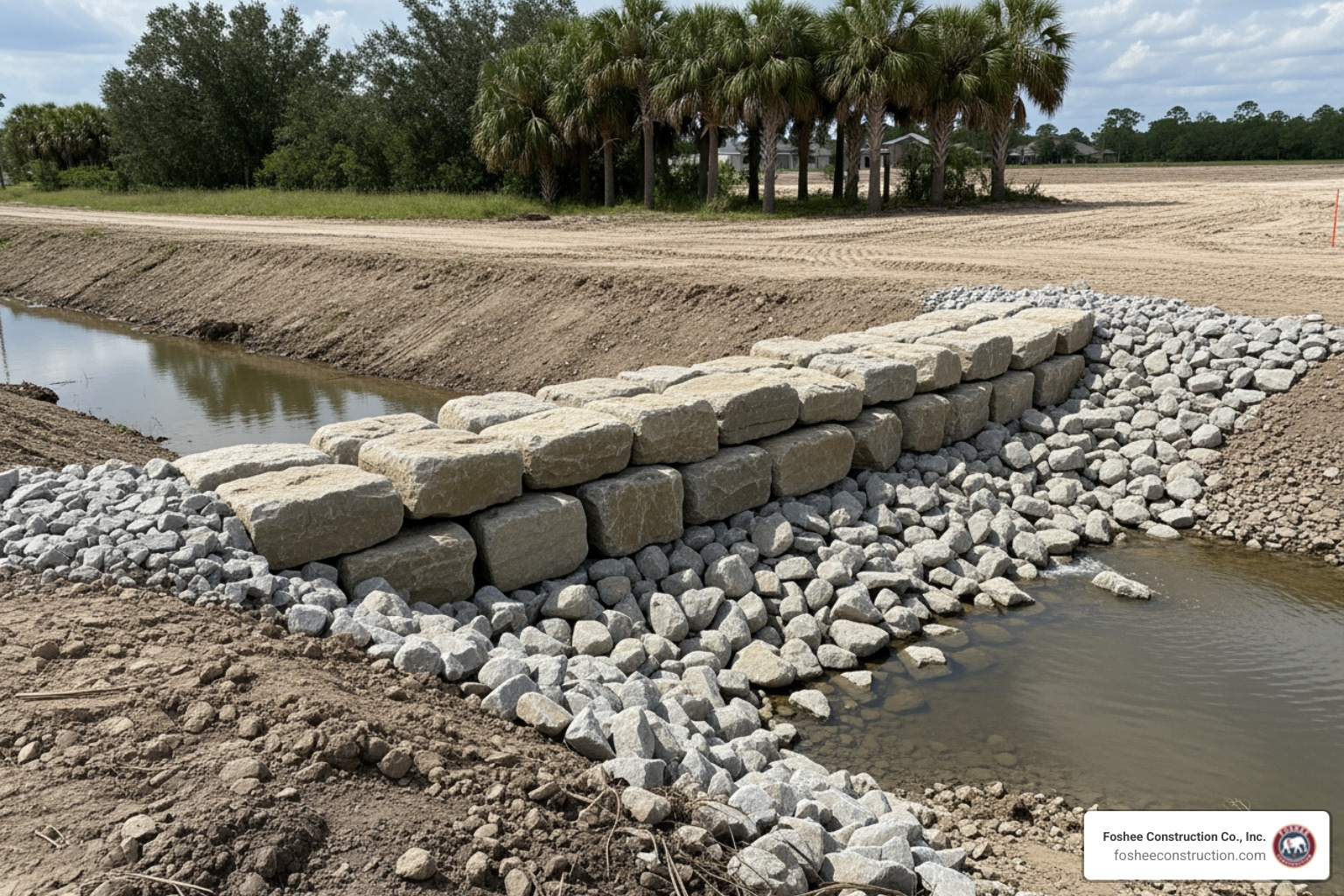
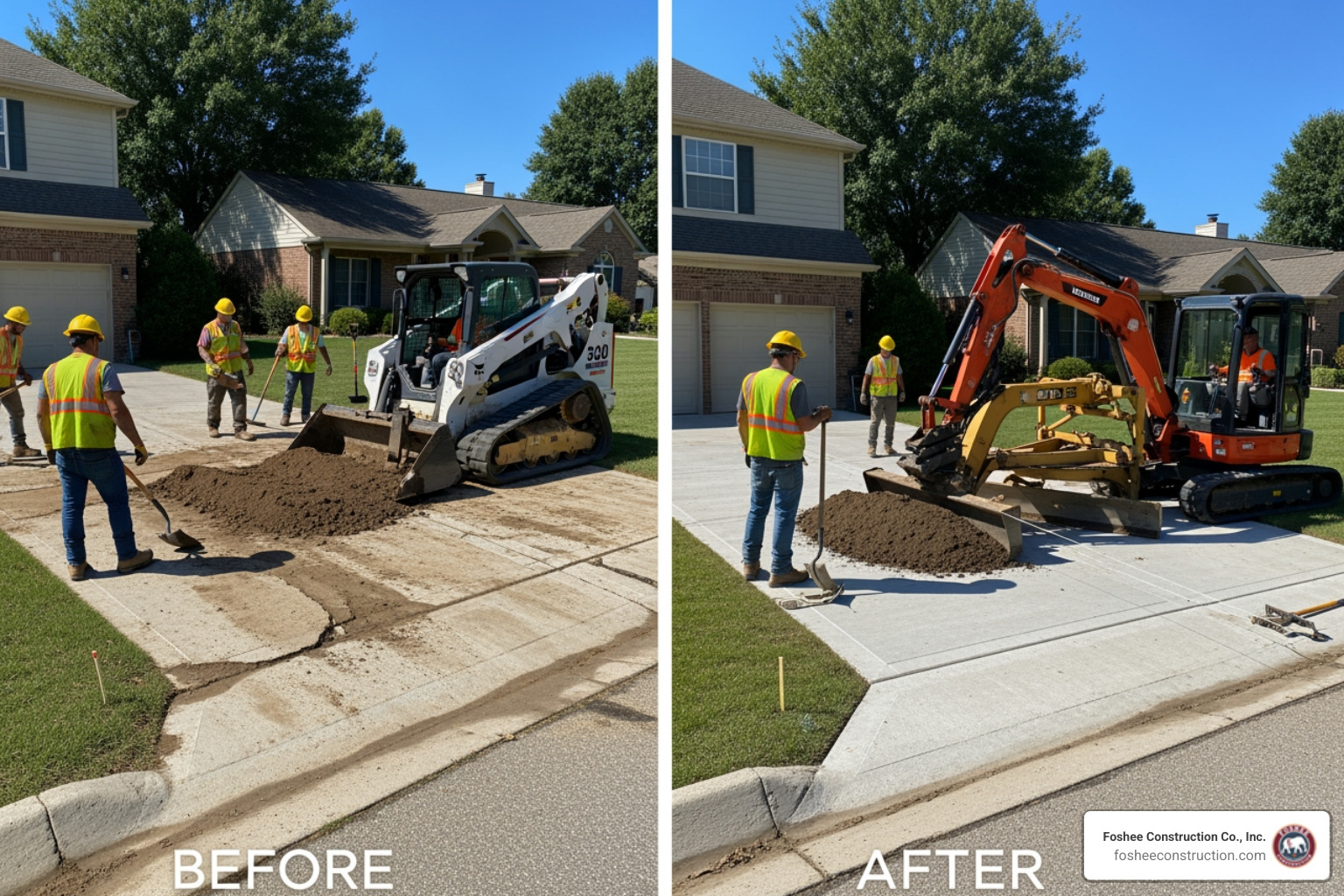
Once the land is cleared, we move into the heavy lifting of site prep: grading and drainage. In Florida, if you don't have a plan for water, the water will have a plan for you. Effective erosion control and drainage are essential to prevent your topsoil from washing away and to keep your future building pad dry.
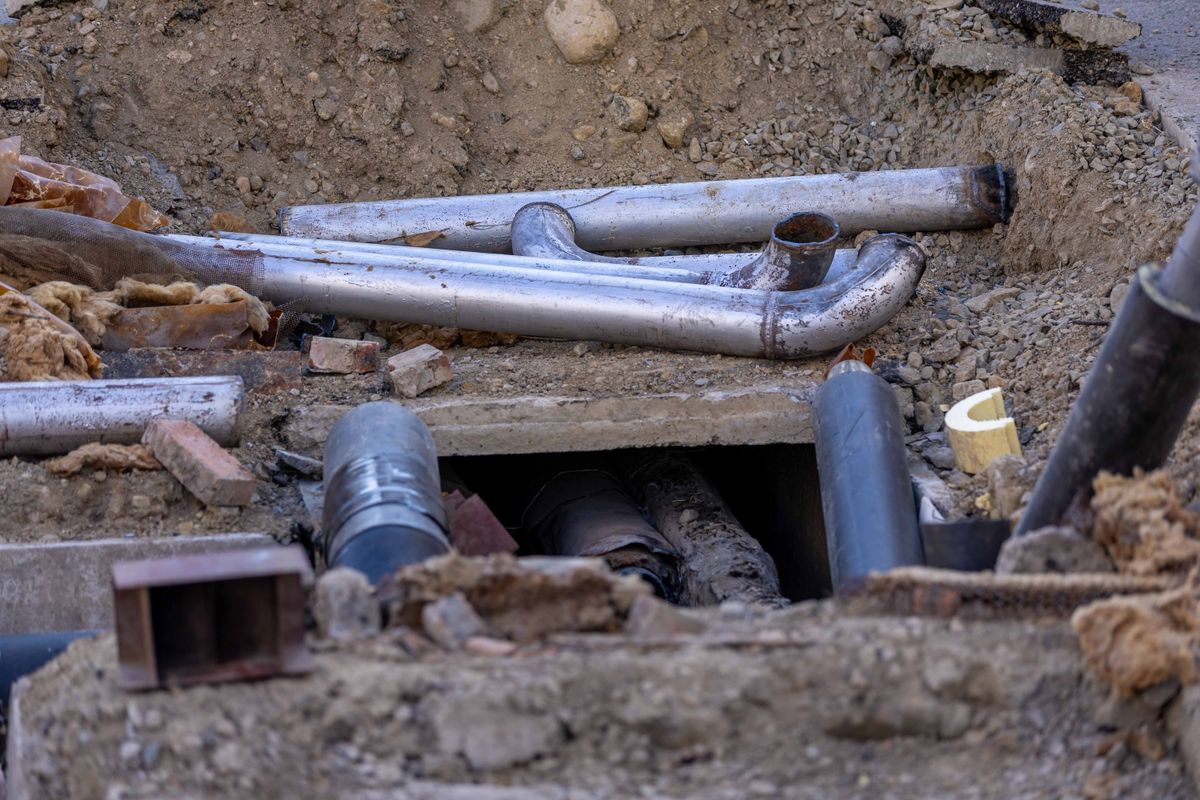
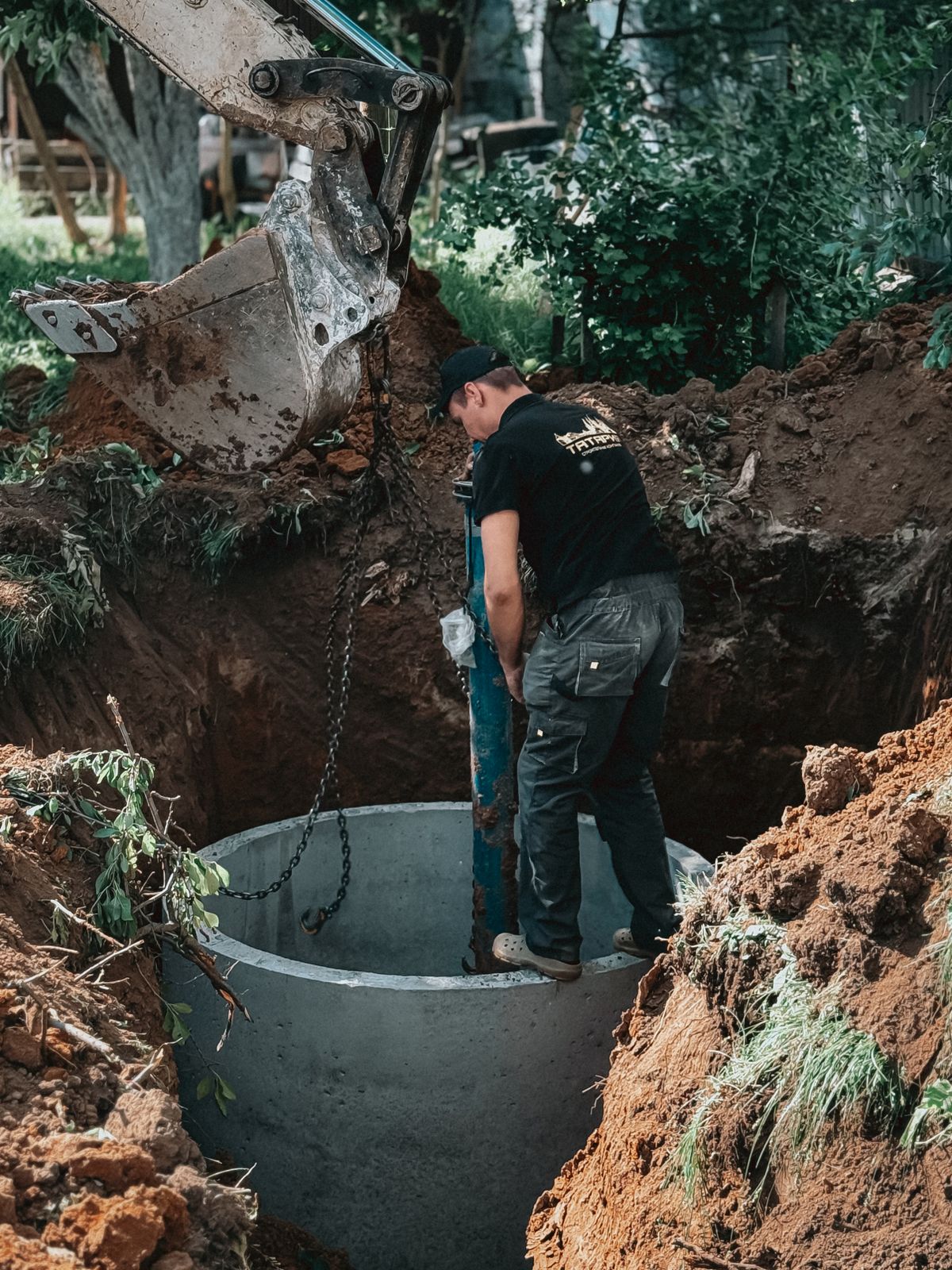
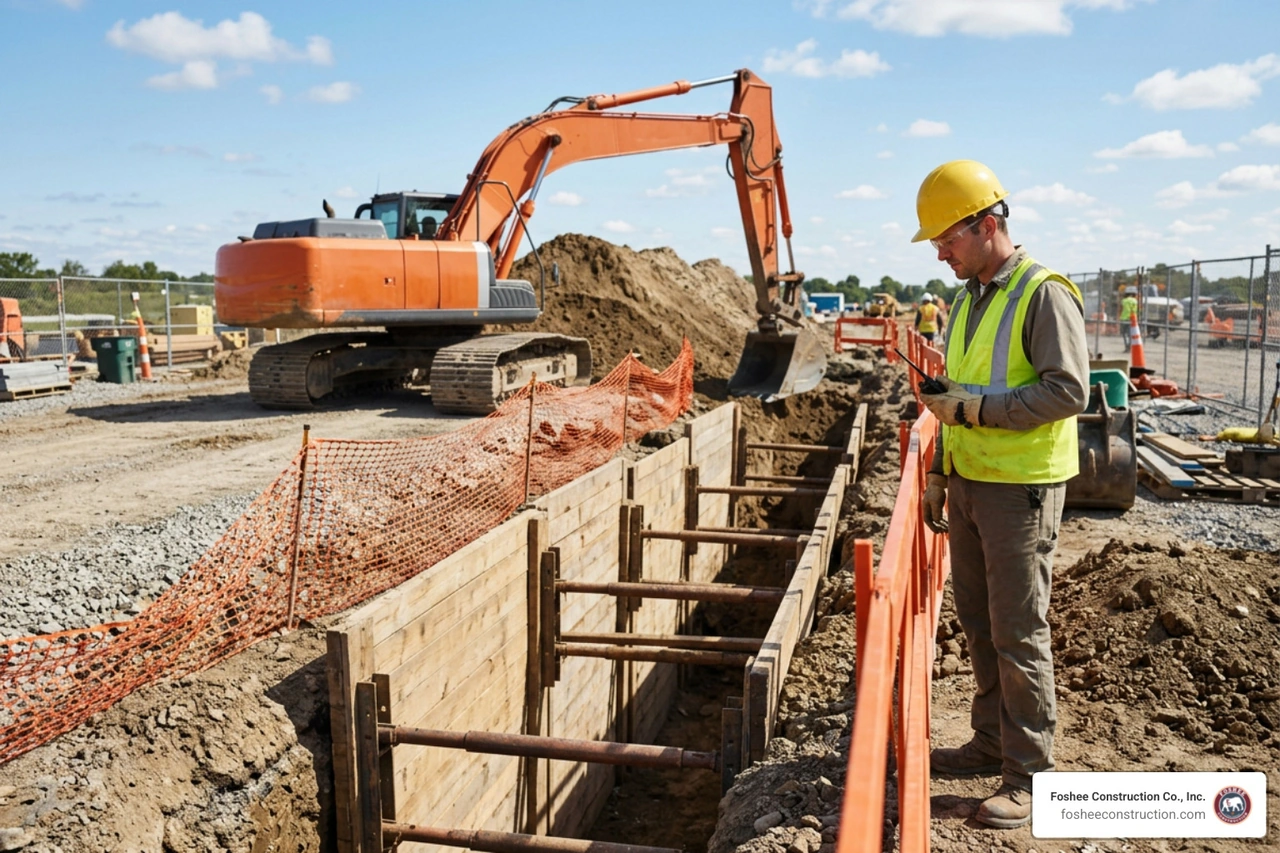
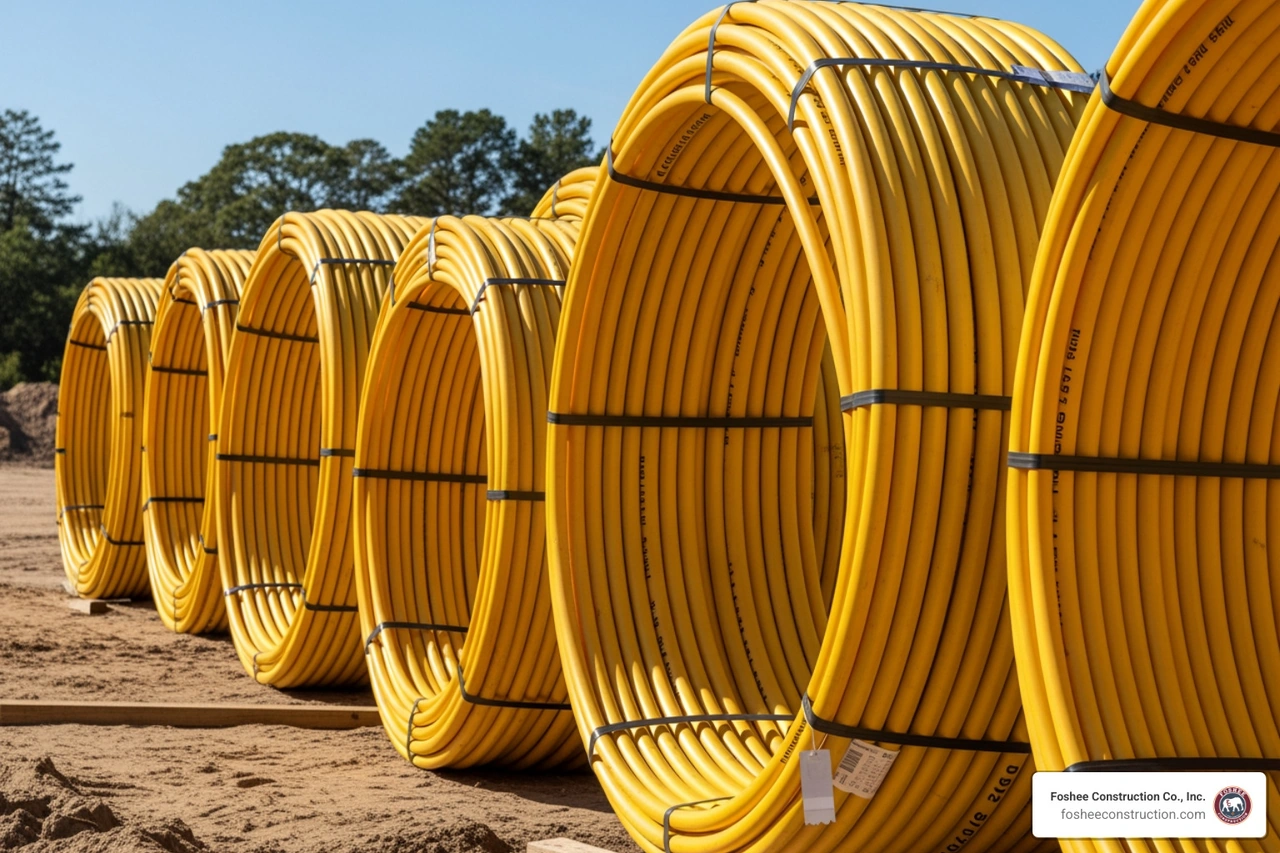
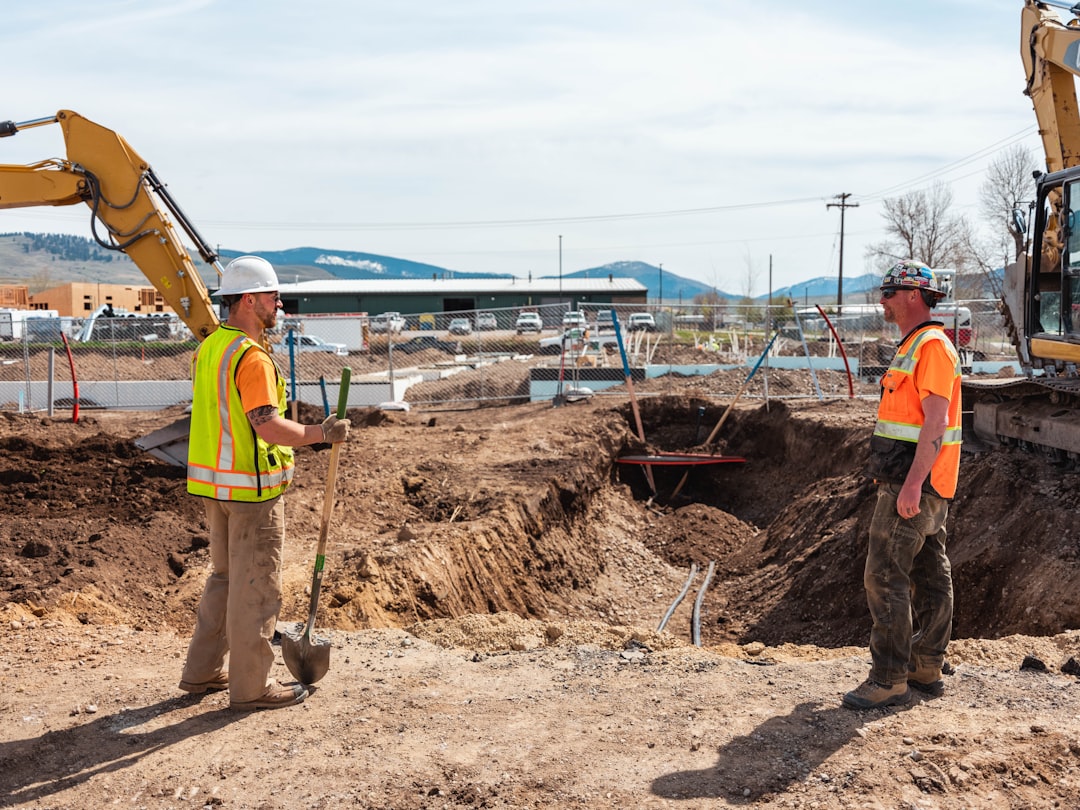
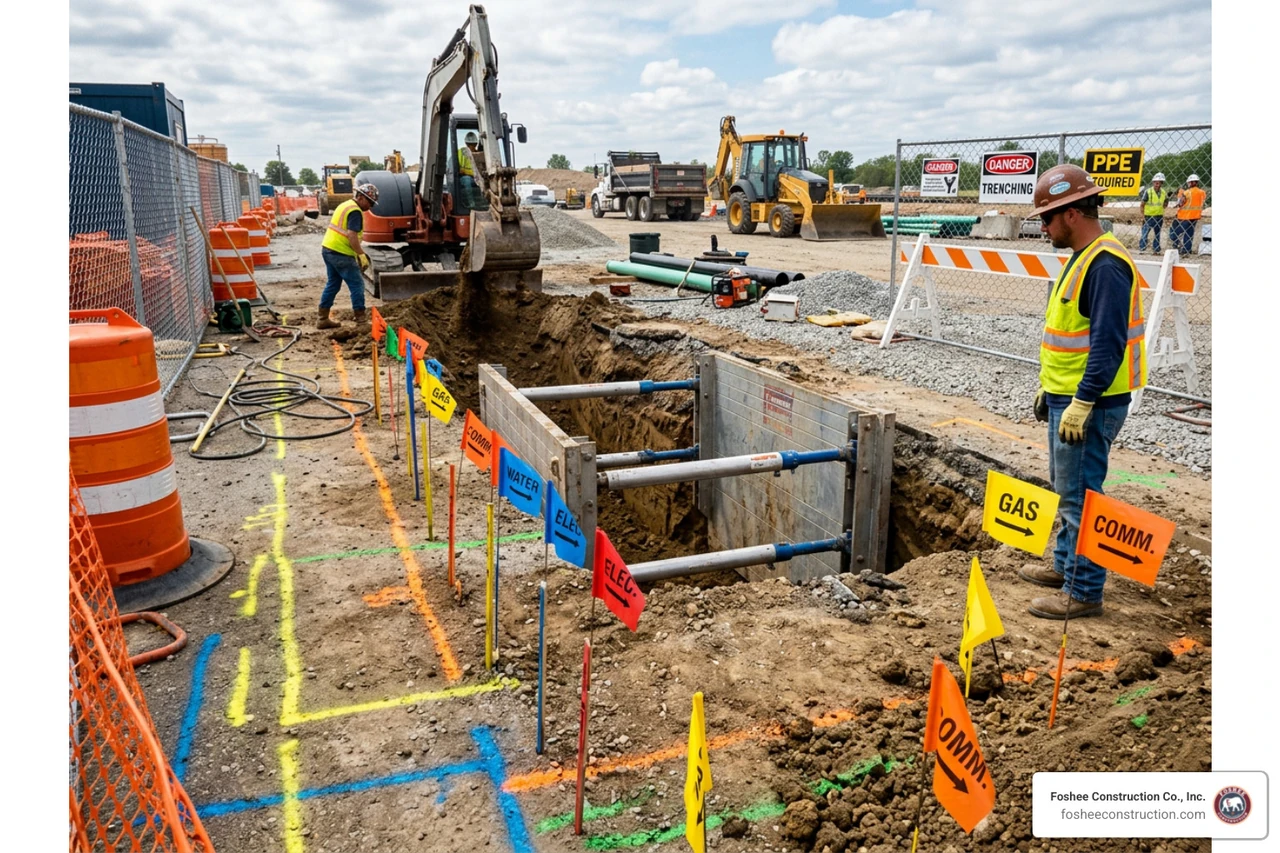
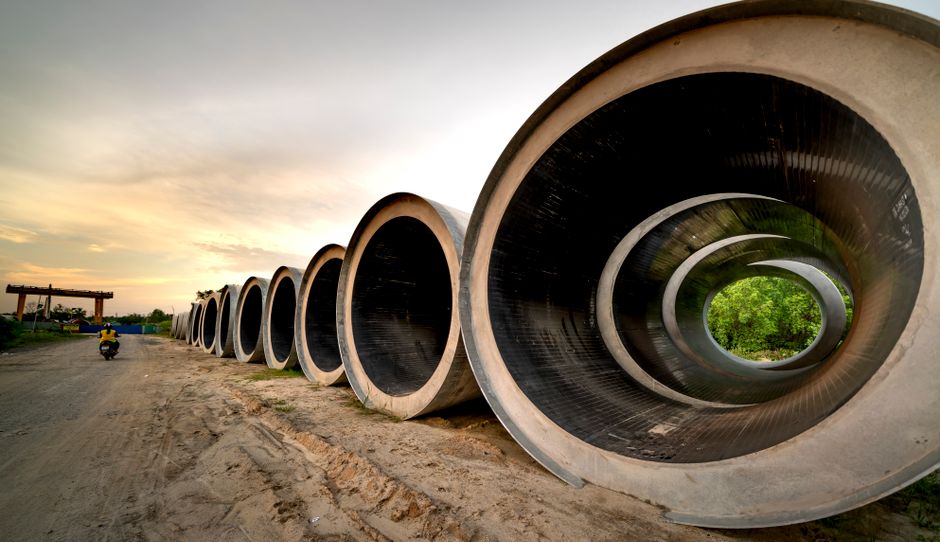
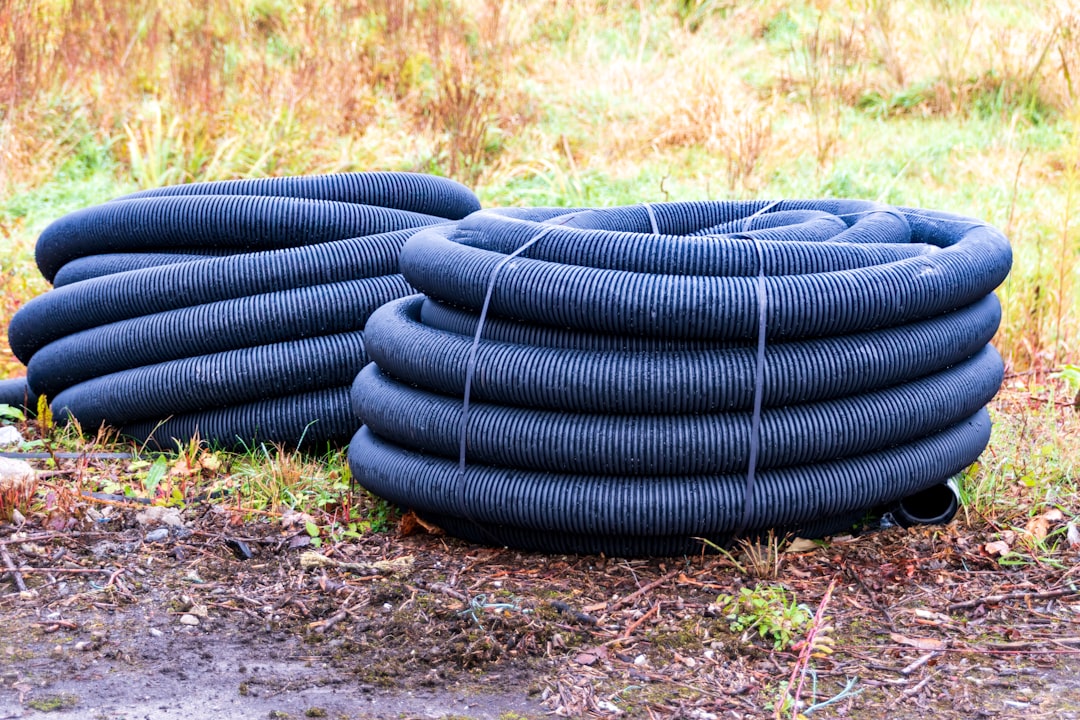
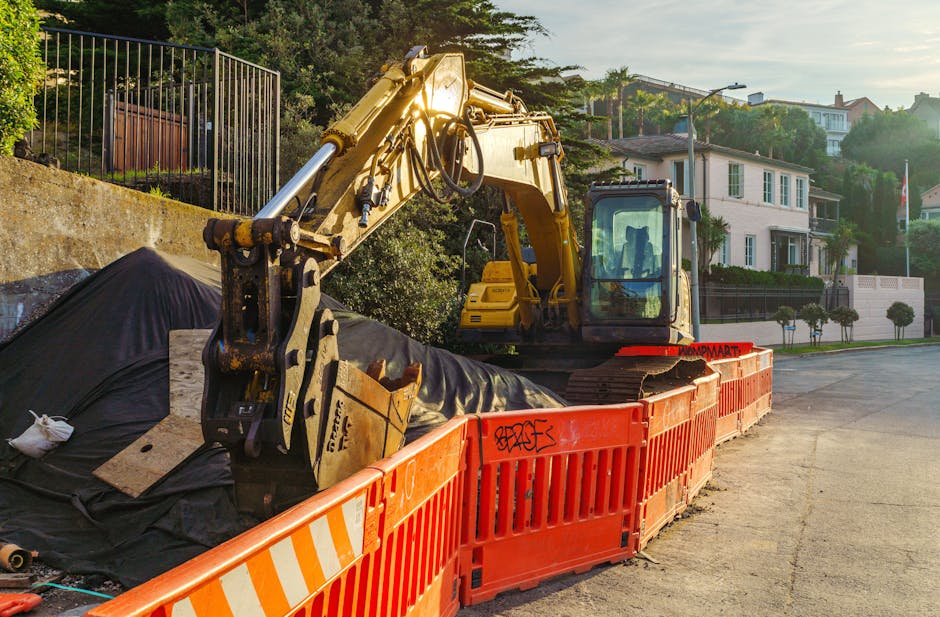
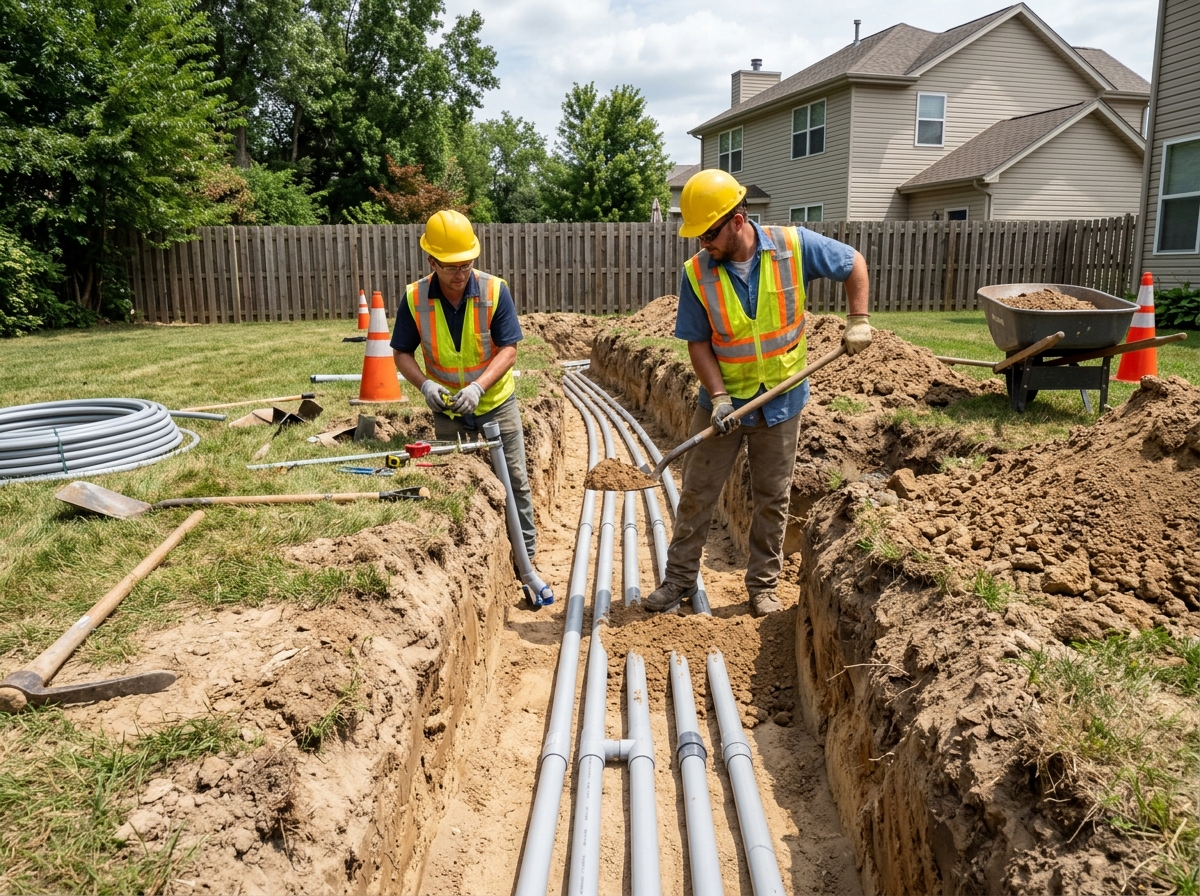
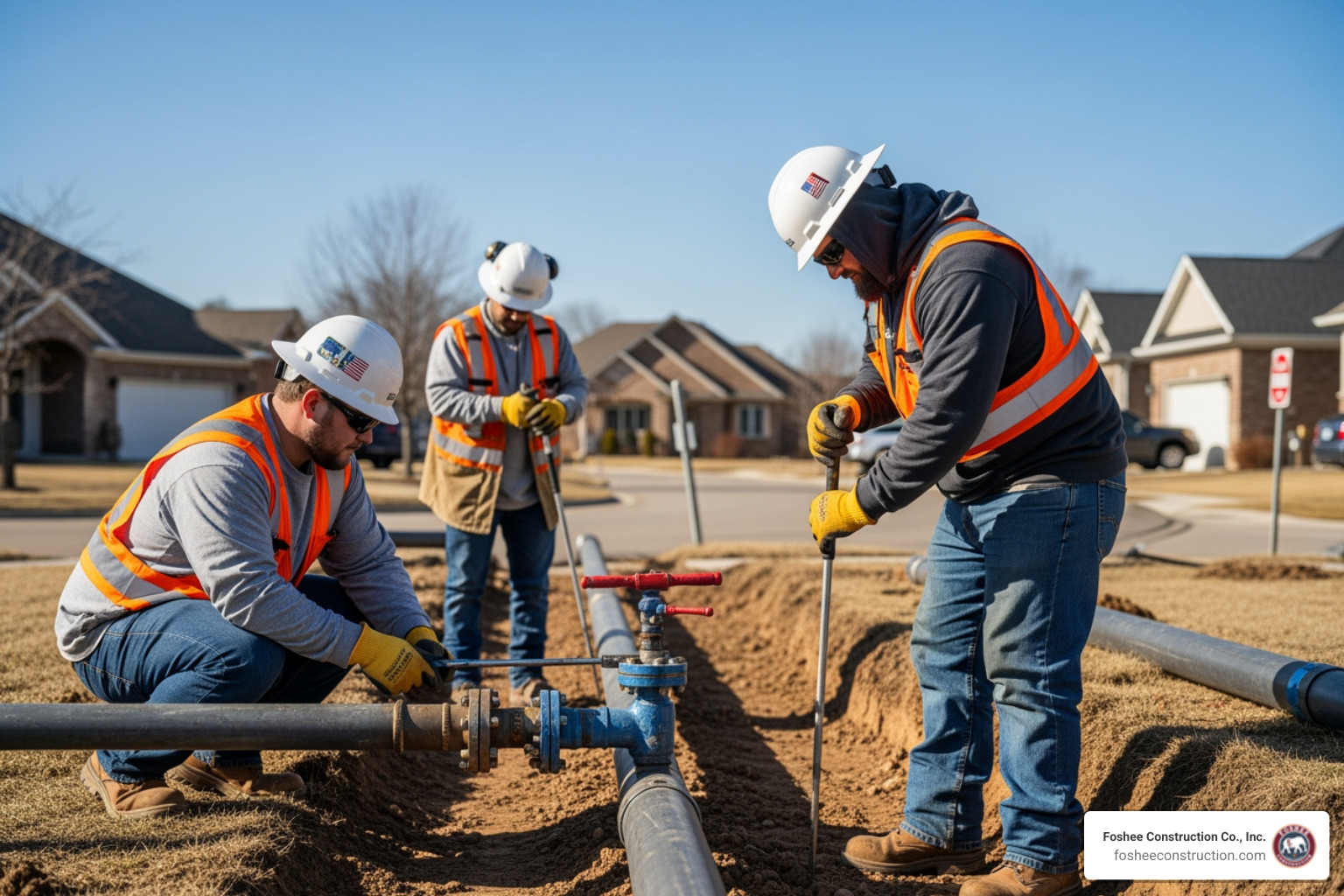
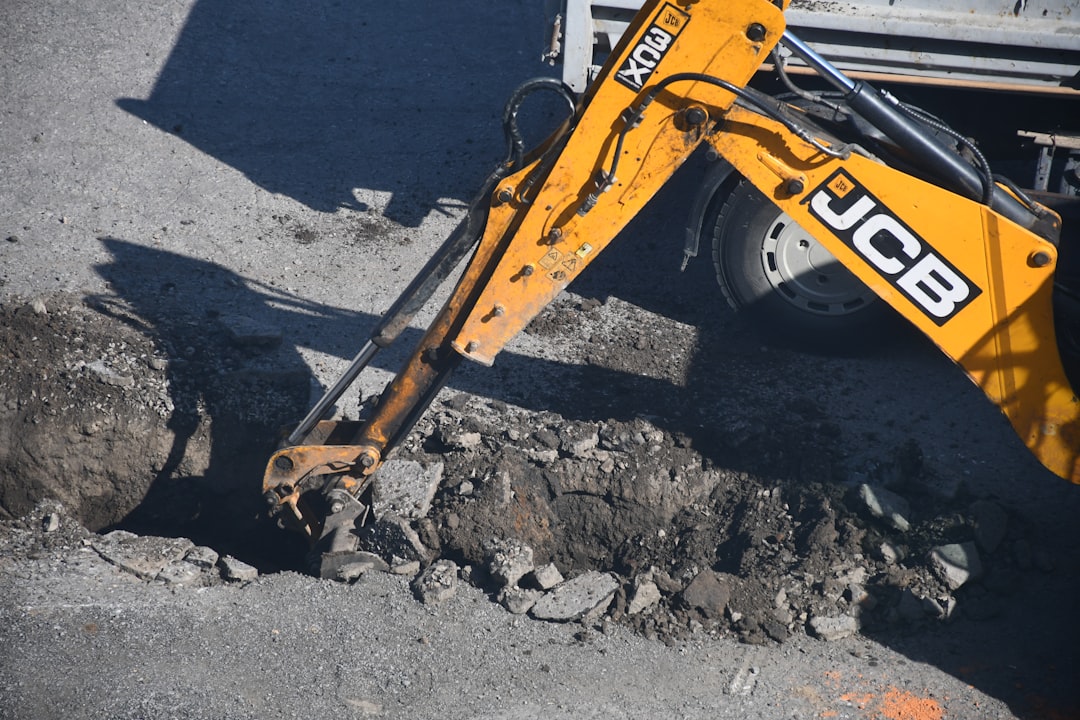
This phase also includes the installation of underground utilities. We dig the trenches for sewer lines, water systems, and storm drains. Doing this during the site prep phase—rather than as an afterthought—ensures that the infrastructure is integrated perfectly with the final grade of the land. We use laser-guided equipment to ensure that every pipe is laid at the correct pitch for gravity-fed systems to work flawlessly.
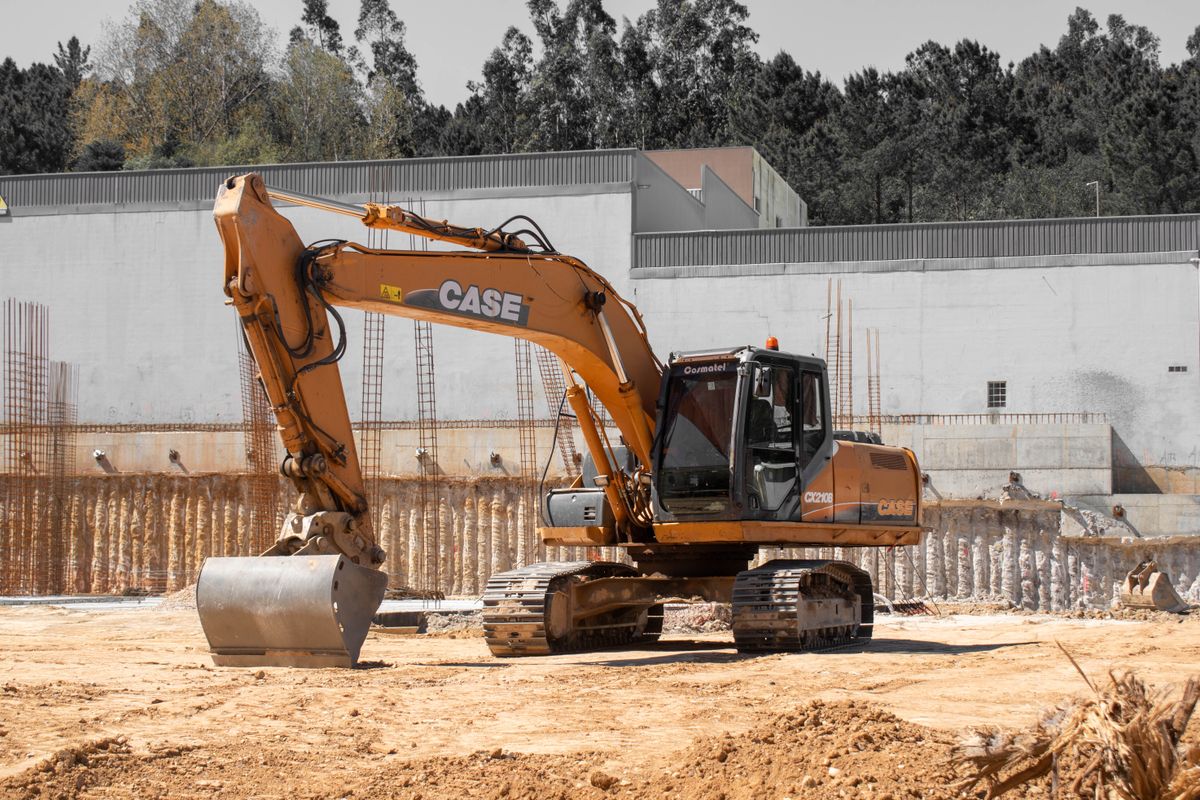
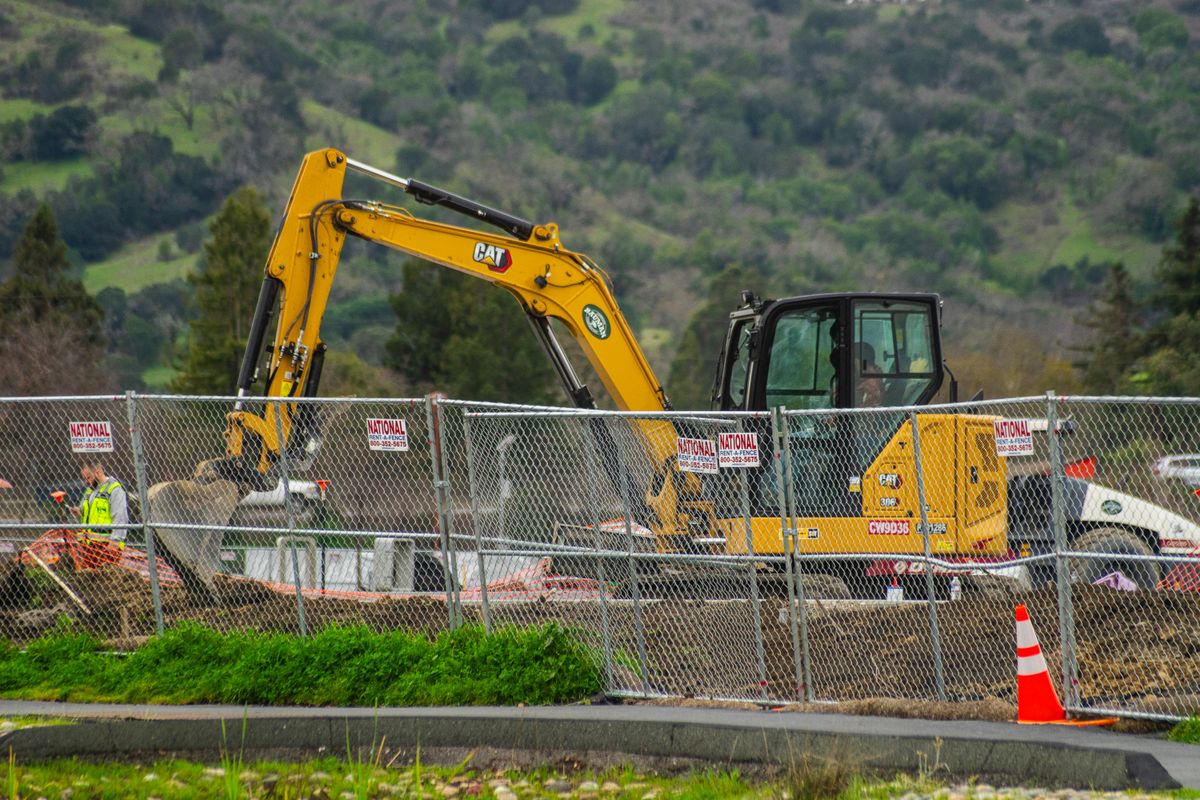
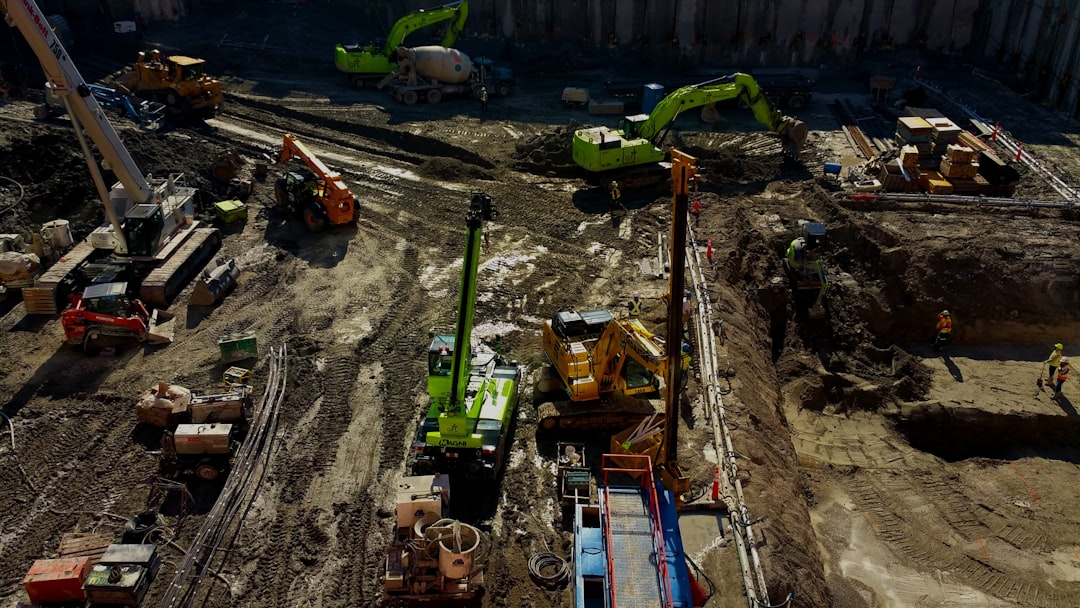
The tools we choose depend entirely on the "personality" of your lot. A five-acre commercial site requires a different approach than a quarter-acre residential lot tucked between two existing homes.
What happens to all that wood and brush? We don't just dump it in a hole. Responsible development means managing debris in an eco-friendly way. You might consider repurposing cleared vegetation as mulch or compost for future landscaping on the site.
When repurposing isn't an option, we handle hauling services to approved facilities or, when local ordinances allow, perform controlled burning. The goal is landfill diversion—keeping as much organic material out of the waste stream as possible while ensuring the site is left clean and ready for the next phase of construction.
Budgeting for land clearing and site preparation isn't a one-size-fits-all calculation. Several variables influence the final number:
Investing more upfront in high-quality site prep actually saves you money. It prevents the $15,000 "drainage disasters" and foundation repairs that plague poorly prepared lots.
Florida terrain presents unique challenges. Between our sandy soils that shift easily and a water table that sometimes feels like it's only inches below the grass, you need a team that understands local geology.
If site prep is rushed, the "gotchas" will find you. One of the biggest risks in Florida is uncompacted fill. If a contractor brings in dirt but doesn't compact it in layers with the right moisture content, that soil will settle. This leads to cracked slabs and, in extreme cases, sinkholes where organic debris was buried instead of removed.
Another common issue is the construction of access roads. If you don't build a stable path for construction vehicles early on, heavy trucks will turn your site into a mud pit, causing delays and damaging the soil structure. Proper site prep includes creating these "pathways to success" so that the rest of the build can proceed smoothly, regardless of the weather.
In most parts of Florida, including Minneola and Lake County, the answer is generally yes. Even if you own the land, local ordinances govern tree removal, wetland protection, and land disturbance. Clearing without a permit can result in heavy fines and a permanent "red flag" on your property record.
A standard residential lot can often be cleared and graded in about a week, assuming the weather cooperates. Larger commercial or agricultural projects can take several weeks or even months, depending on the complexity of the utility installation and the volume of earth that needs to be moved.
Clear-cutting is often faster and cheaper initially, but selective clearing—where we leave desirable trees—can significantly increase your property value and provide immediate privacy. We often recommend a hybrid approach: clear-cutting the building pad and driveway while selectively thinning the perimeter.
At Foshee Construction Co., Inc., we know that every great Florida project starts with a blank canvas, but it’s the quality of that canvas that determines the masterpiece's longevity. Based in Minneola, Florida, we specialize in the foundational work that keeps your investment standing tall—from precision grading and erosion control to complex underground utility installation.
We pride ourselves on our transparent bids, disciplined scheduling, and a safety focus that protects both our crew and your property. We don't just move dirt; we build the reliable relationships and stable ground necessary for your project to thrive.
Ready to set your project up for success? Start your project with Foshee Construction and let us lay the groundwork for your next big build.
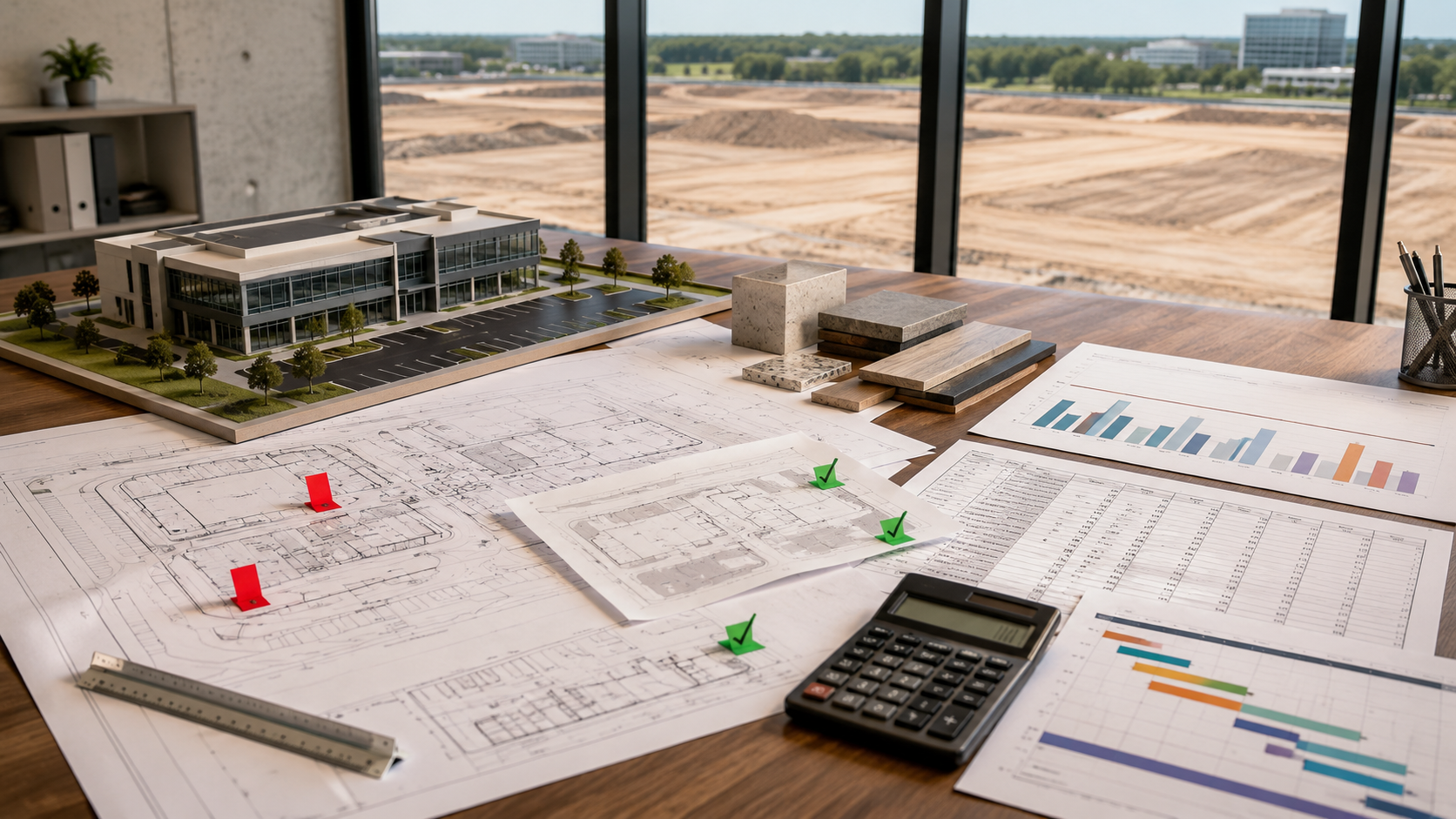
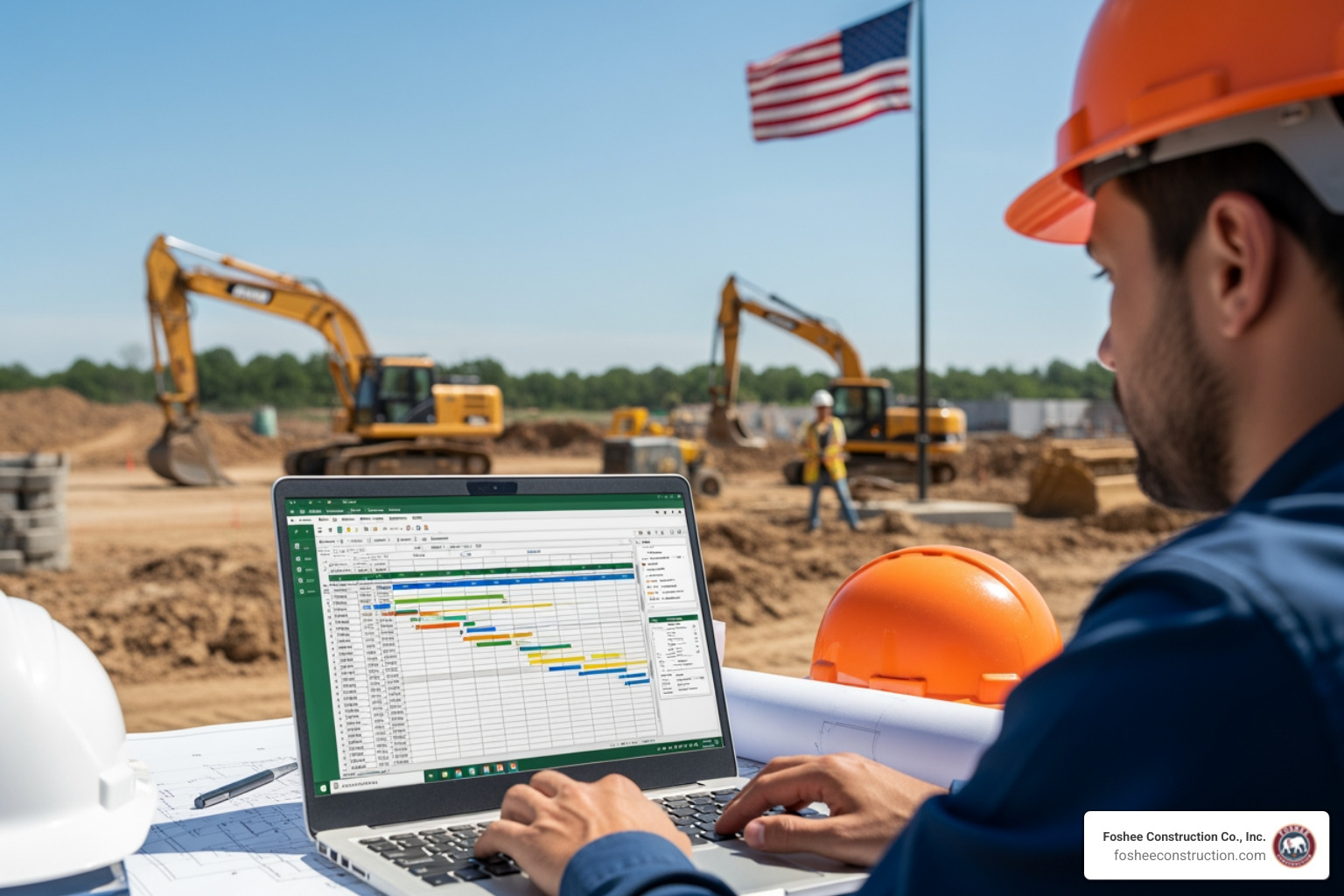
We build bids using HeavyBid and AGTEK because the details matter long before the job starts. When the numbers are accurate and the scope is clearly defined, it sets the tone for how the entire project runs. Estimating isn’t just a step in the process, it’s the foundation we build on.
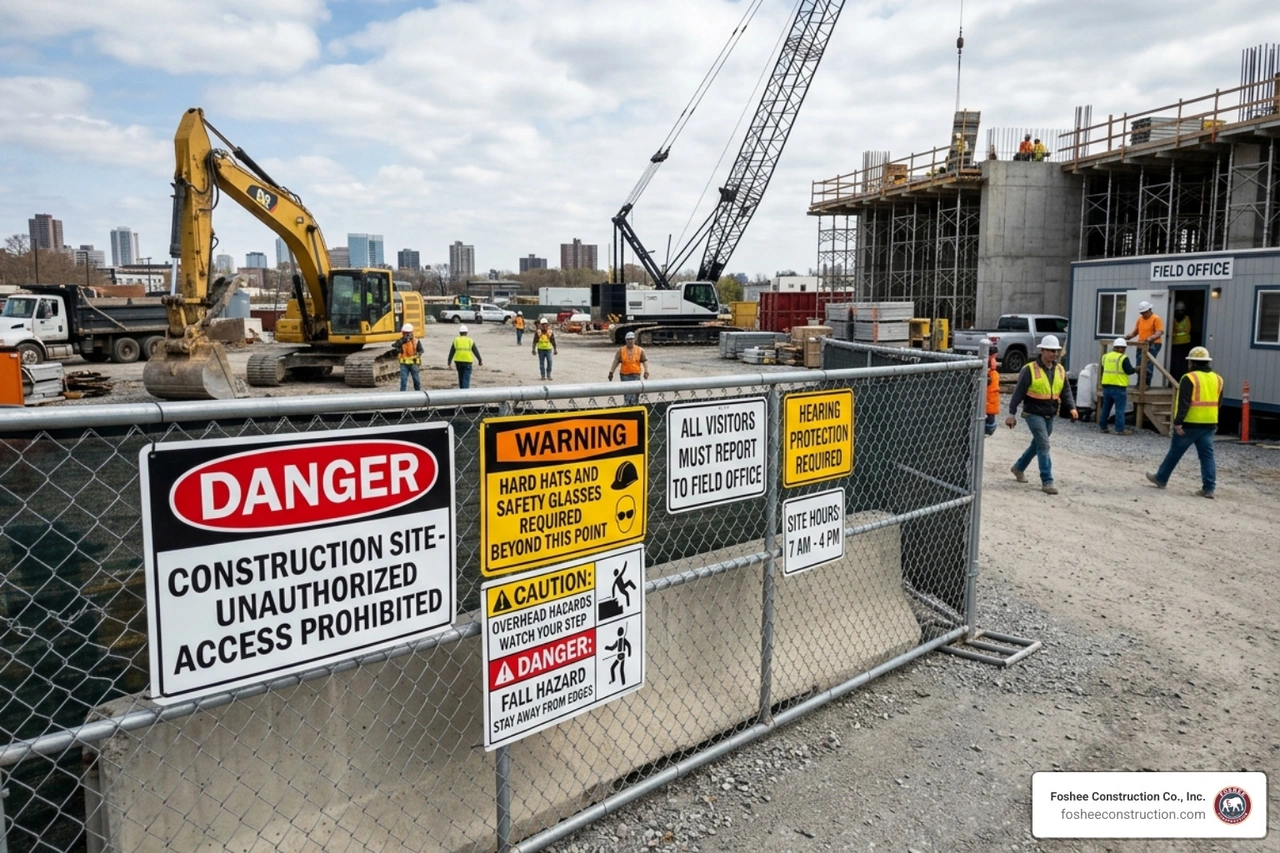
That same mindset carries into the field. Our crew is trained to work with purpose, follow the Civil Engineers’ Plan to the finest detail, and hold the line on quality. When expectations are clear from day one, there’s no need for shortcuts, and no confusion about how the work gets done.
Clients trust our bid packages because they’re complete and ready to use. Project managers know what we’re covering, what’s excluded, and how we plan to approach the job. That clarity removes friction and lets teams focus on execution instead of interpretation.
As part of our review process, we go into the plans before anything hits the site. We ask the questions early, resolve issues before they show up in the field, and keep RFIs moving. This approach prevents delays and protects the timeline.
Over time, that consistency builds trust. Many of the people we work with today came through referrals from past projects – engineers, GCs, and superintendents who’ve seen how we operate and want the same experience again.
In 2024, Foshee Construction was acquired by Saga Infrastructure Solutions, a national network of civil construction companies. Saga supports regional contractors by giving them access to better tools, long-term resources, and operational backing, without changing how they run day to day.
Foshee will continue to operate under its name, with the same team and field leadership in place.
“From the very time a project starts, we start that partnership. We try to catch as much as we can with the tools that we have. Not everybody is using the software platforms we are. That’s the differentiator: we’re not just bidding. We’re anticipating, problem-solving, and making sure the job runs right.”
— Don, CEO, Saga Infrastructure Solutions
Foshee is now part of a broader regional strategy that includes Florida, the Piedmont Atlantic, Texas, Colorado, and the Arizona Sun Corridor. The name, crews, and standards remain. What’s improving is the support behind it.