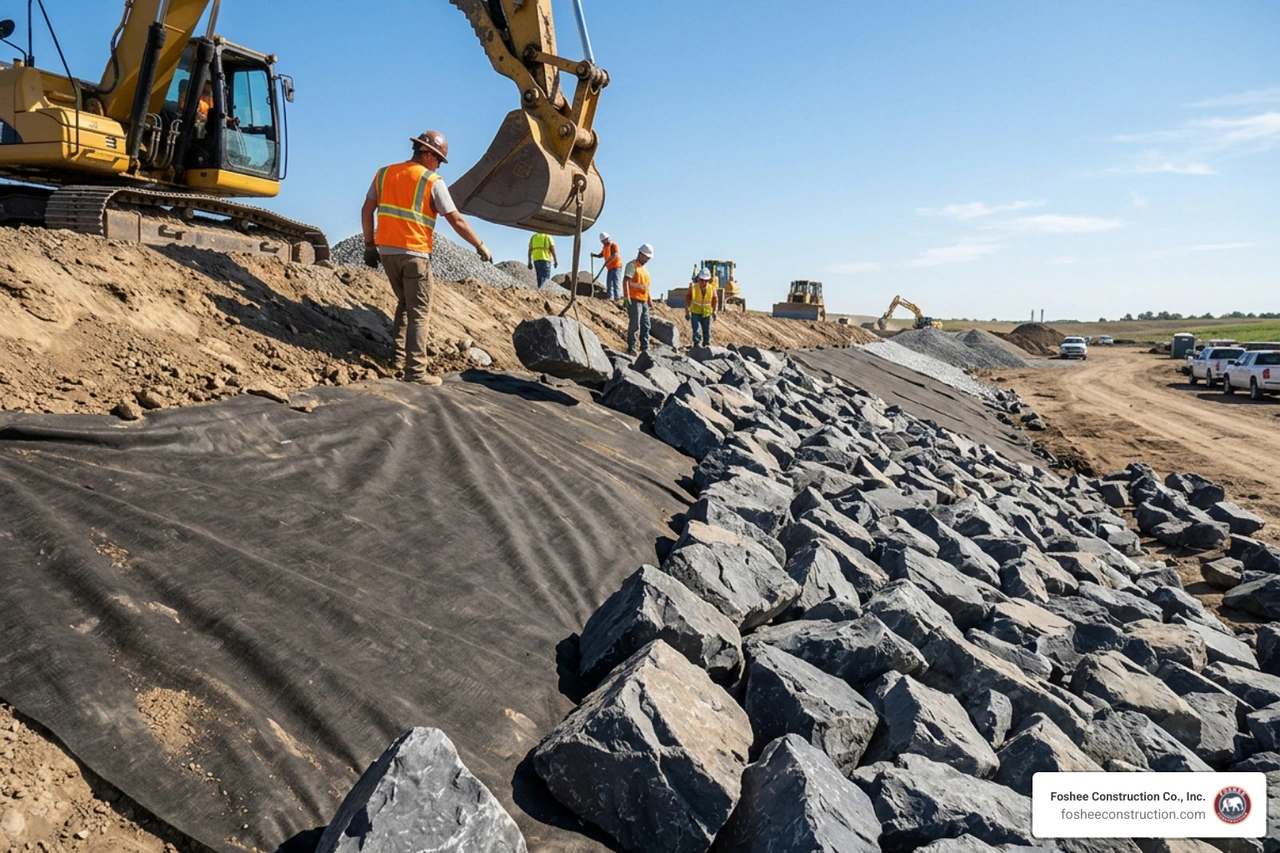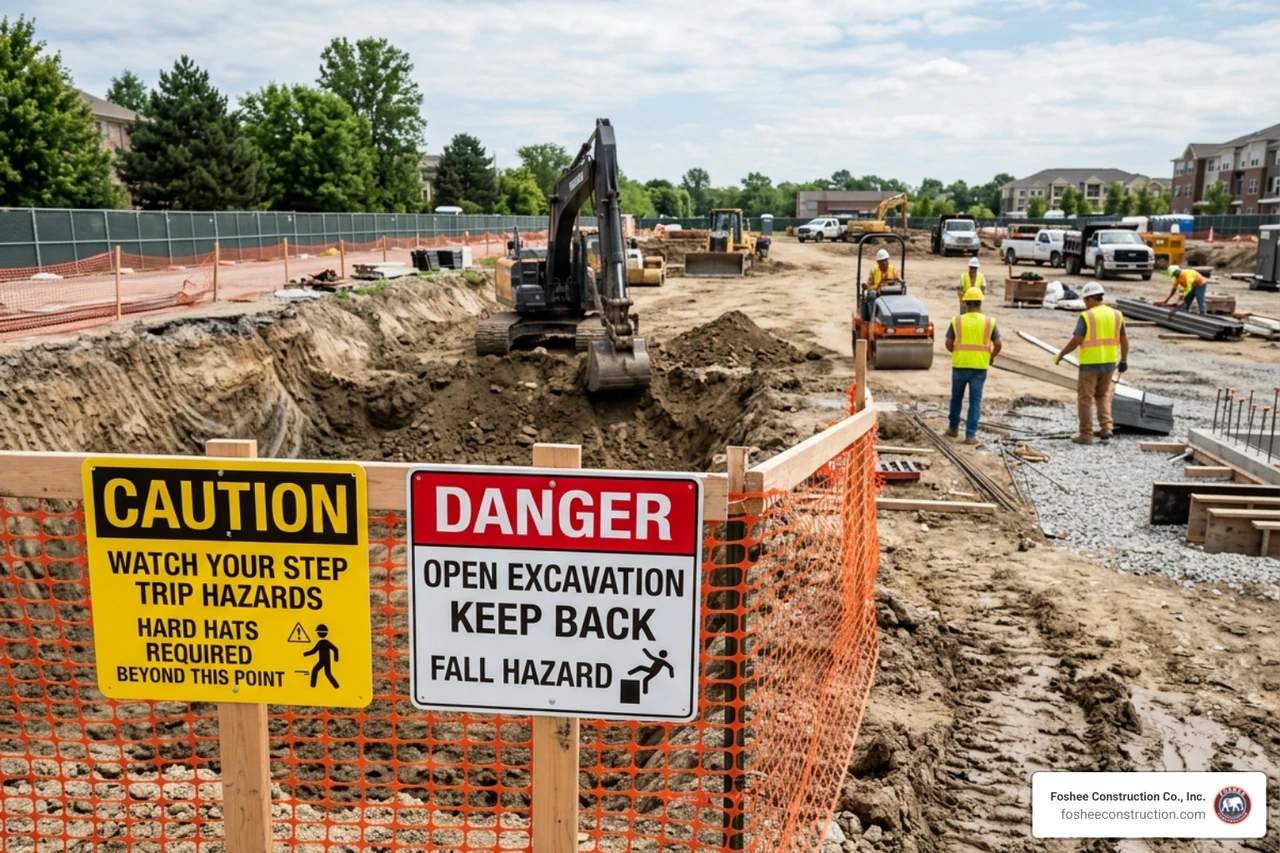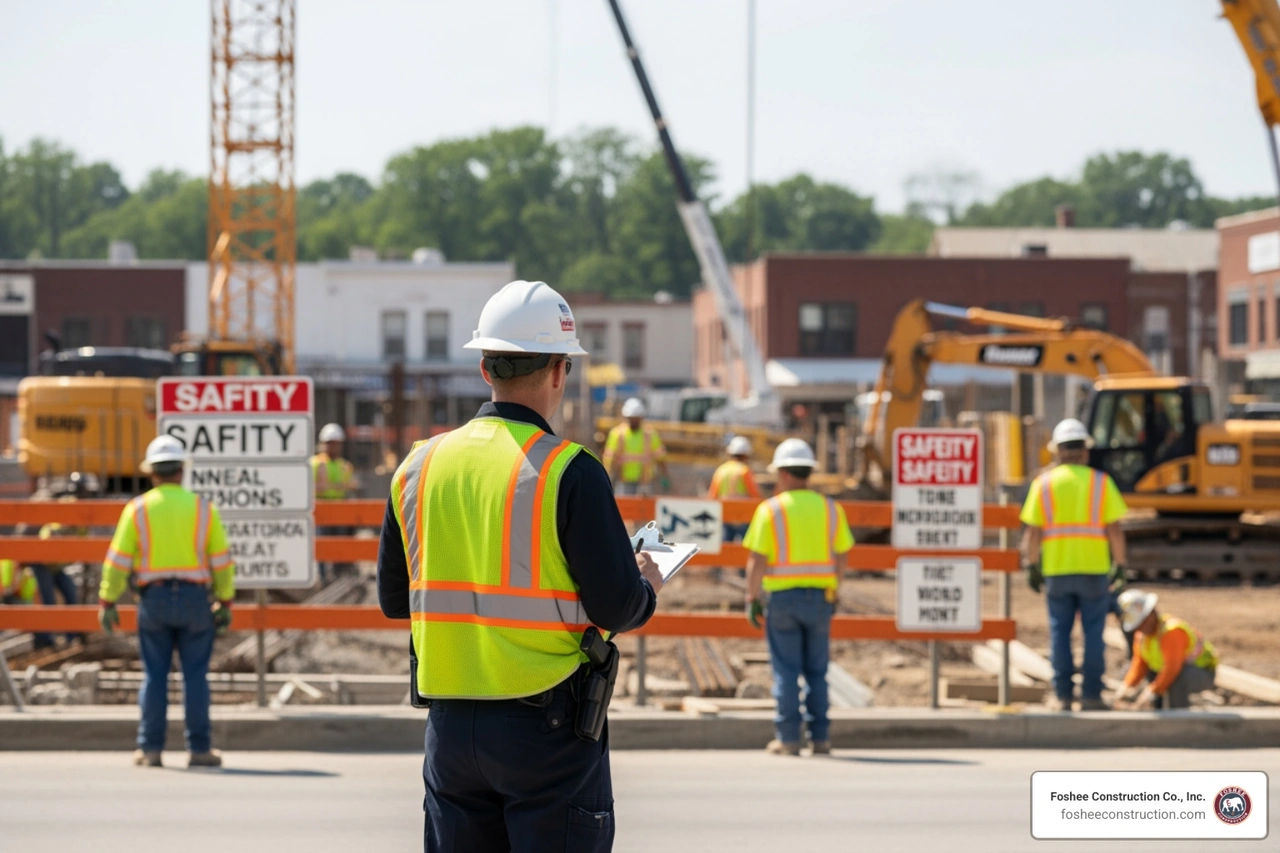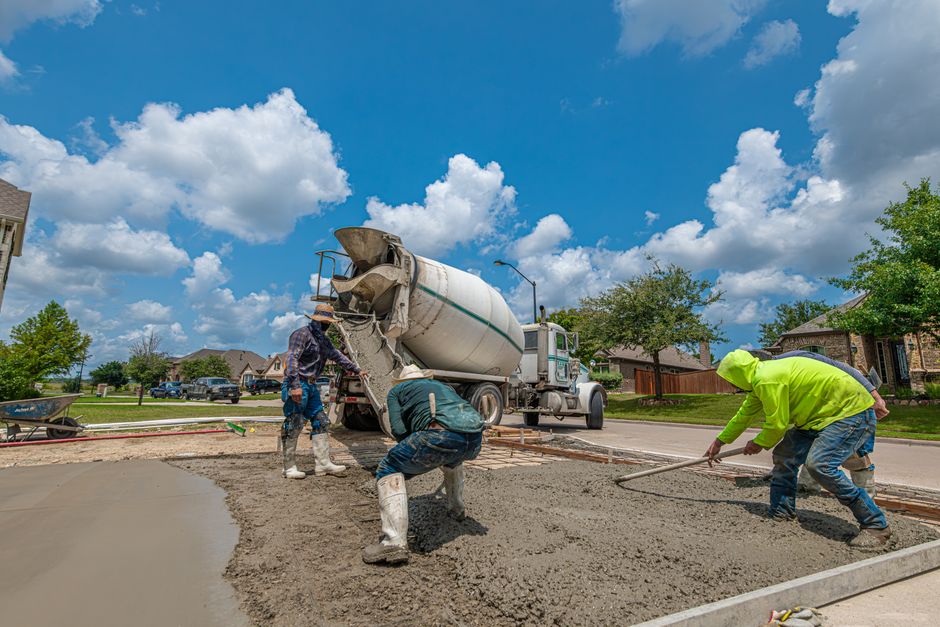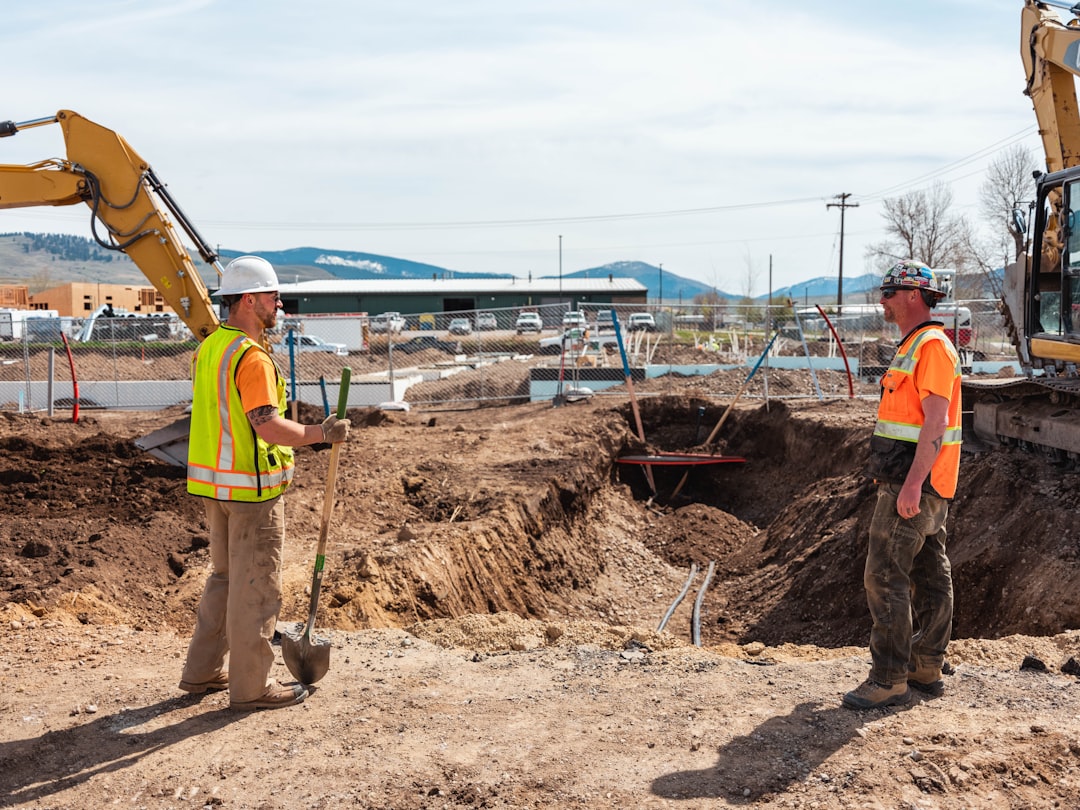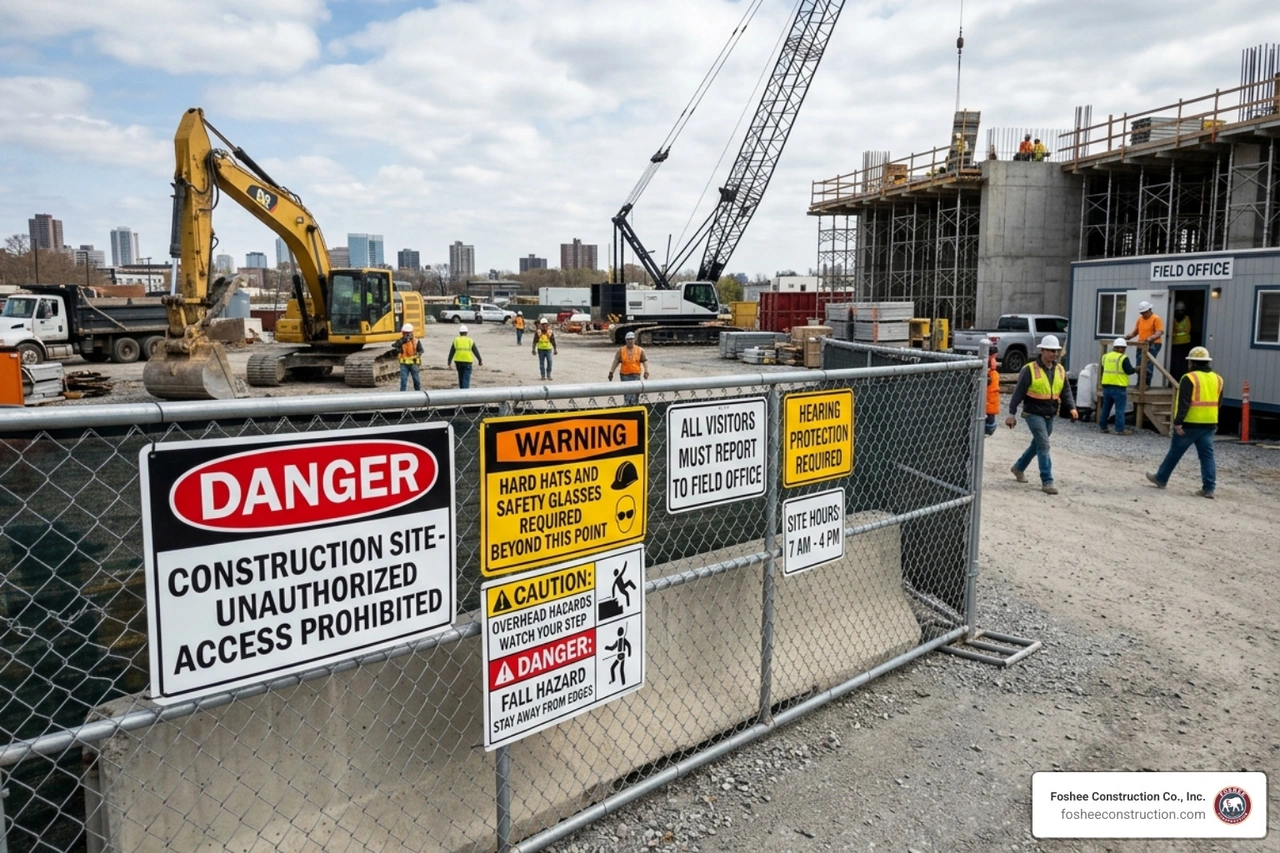
Construction site safety is the set of practices, equipment, and systems used to protect workers from injury, illness, and death on active job sites.
Here are the core things every contractor and developer needs to know:
Common Hazards: Falls, electrocution, struck-by incidents, caught-in or between accidents, and slips and trips
Key Regulations: OSHA standards for fall protection, scaffolding, ladders, PPE, and hazard communication
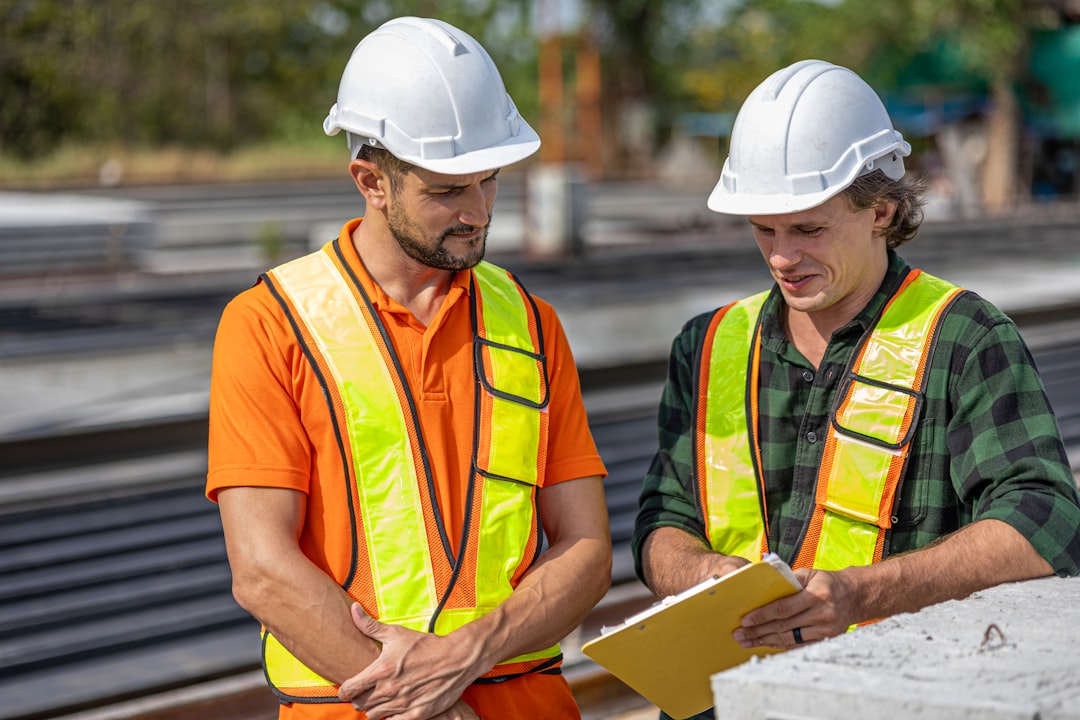
Essential PPE: Hard hats, steel-toe boots, high-visibility vests, gloves, safety goggles, hearing protection, and harnesses
Safety Culture: Daily briefings, safety training, hazard reporting, and strong leadership commitment
Technology Tools: Safety management software, wearable sensors, AI risk prediction, and digital incident reporting
The numbers are hard to ignore. Nearly 1 in 5 workplace deaths in the U.S. occur in construction. Falls alone account for a significant portion of those fatalities every single year — and most of them are preventable.
For Florida general contractors and developers, an unsafe site doesn't just risk lives. It risks your project timeline, your budget, and your reputation.
I'm Don Larsen of Foshee Construction Co., LLC — a site development contractor serving Central Florida since 1994, where construction site safety is built into every grading, excavation, and underground utility operation we run. In the sections below, I'll walk you through the hazards, the rules, and the practical steps that keep crews safe and projects on track.

When we talk about the scale of the industry, it is massive: 7 million Americans head to a construction site every single day. However, that massive contribution to the economy comes with a sobering reality. According to recent data, 1 in 5 workplace deaths occur within the construction sector.
While we often focus on the most tragic outcomes, the "non-fatal" side of the coin is equally concerning. In 2020, the incident rate of nonfatal injuries and illnesses was 2.5 per 100 full-time employees, totaling 174,100 cases. Even more telling is that over 40% of these injuries resulted in days away from work, which directly impacts project timelines and family livelihoods.
The economic impact of these accidents is staggering. Beyond the direct medical costs and workers' compensation, the indirect costs—such as project delays, lost productivity, and training replacements—are estimated to be at least 2.7 times the direct costs. This is why proactive safety management isn't just a "nice to have" or a legal checkbox; it's a fundamental business discipline. At Foshee Construction, we believe that a clean, organized site is a profitable site.
To keep a crew safe, you have to know exactly what you’re up against. OSHA identifies four specific hazards—often called the "Fatal Four"—that are responsible for the vast majority of construction fatalities.
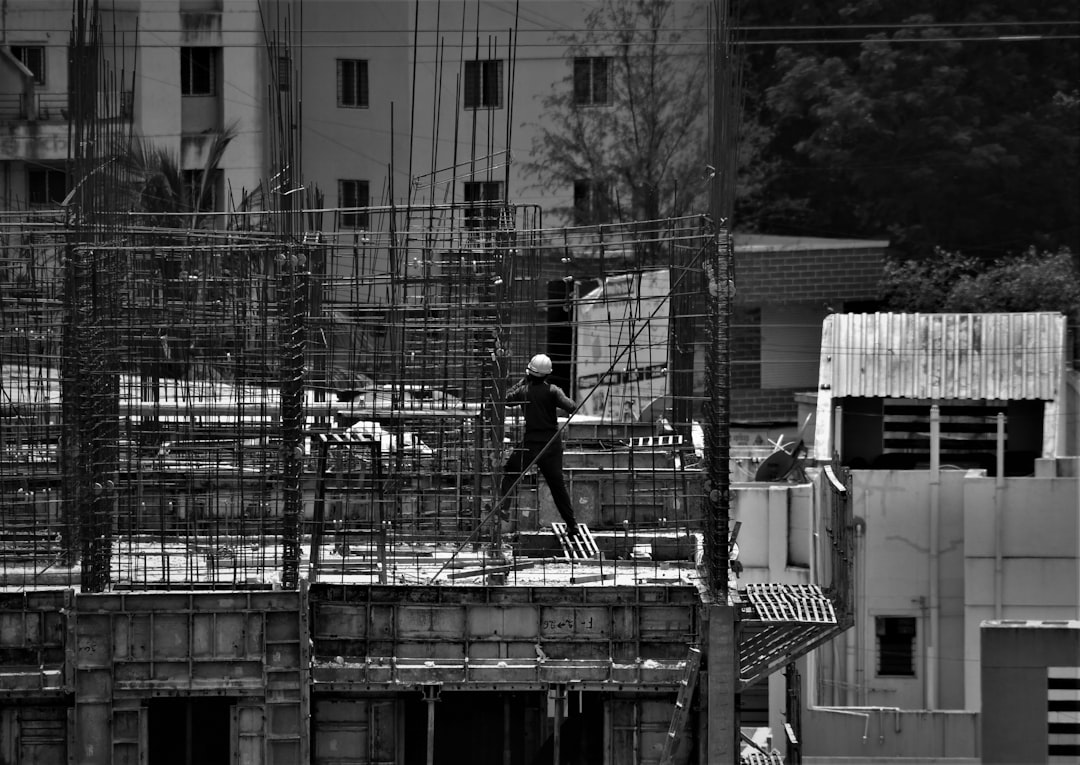
Falls are the undisputed "Public Enemy Number One" on site. In 2018, 320 out of 1,008 construction fatalities were caused by falls from heights. Whether it's a roof, a scaffold, or a simple ladder, the gravity of the situation (pun intended) is always present. In fact, ladder falls alone caused 161 deaths and over 22,000 severe injuries in 2020.
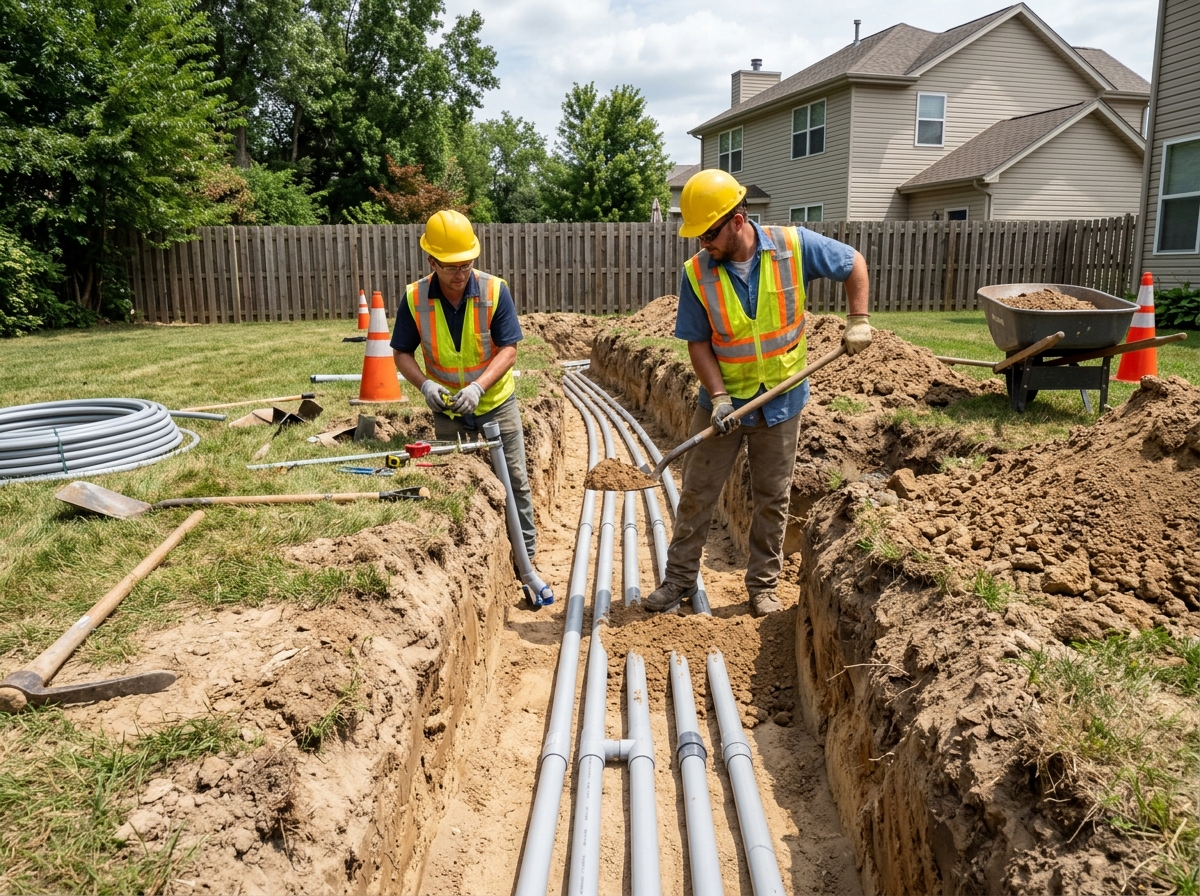
Electricity is the silent hazard. Statistics show that 8.6% of construction workers died from electrocution in 2019. This often happens when equipment comes into contact with overhead power lines or when workers use faulty tools in wet Florida conditions.
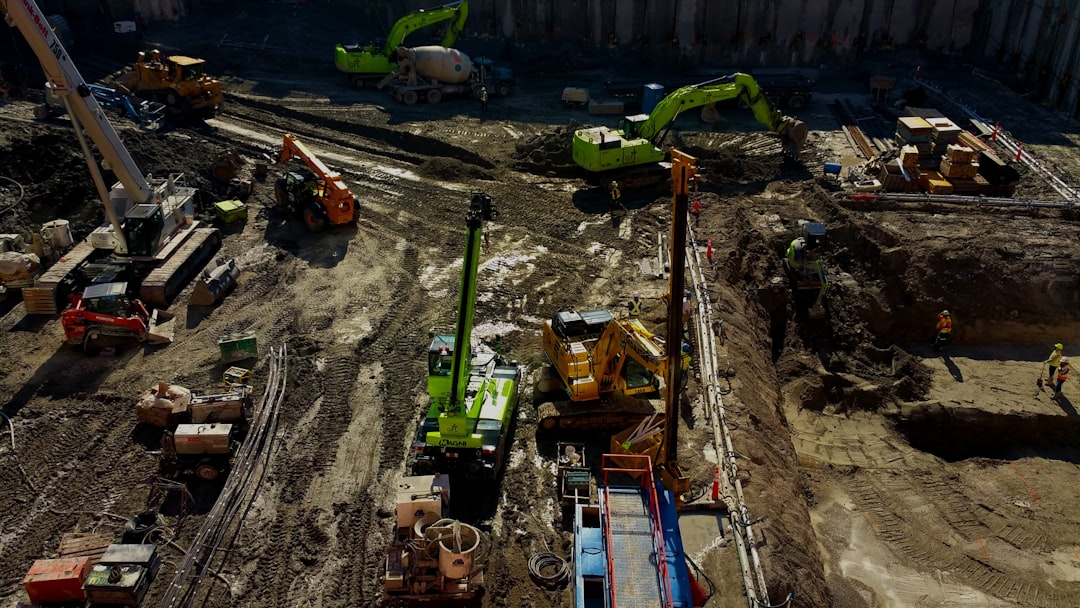
This involves being hit by flying, falling, swinging, or rolling objects. The private construction industry reported 20,600 nonfatal struck-by injuries in 2019. On a busy site with cranes and heavy machinery, the "swing radius" is a zone that requires constant vigilance.
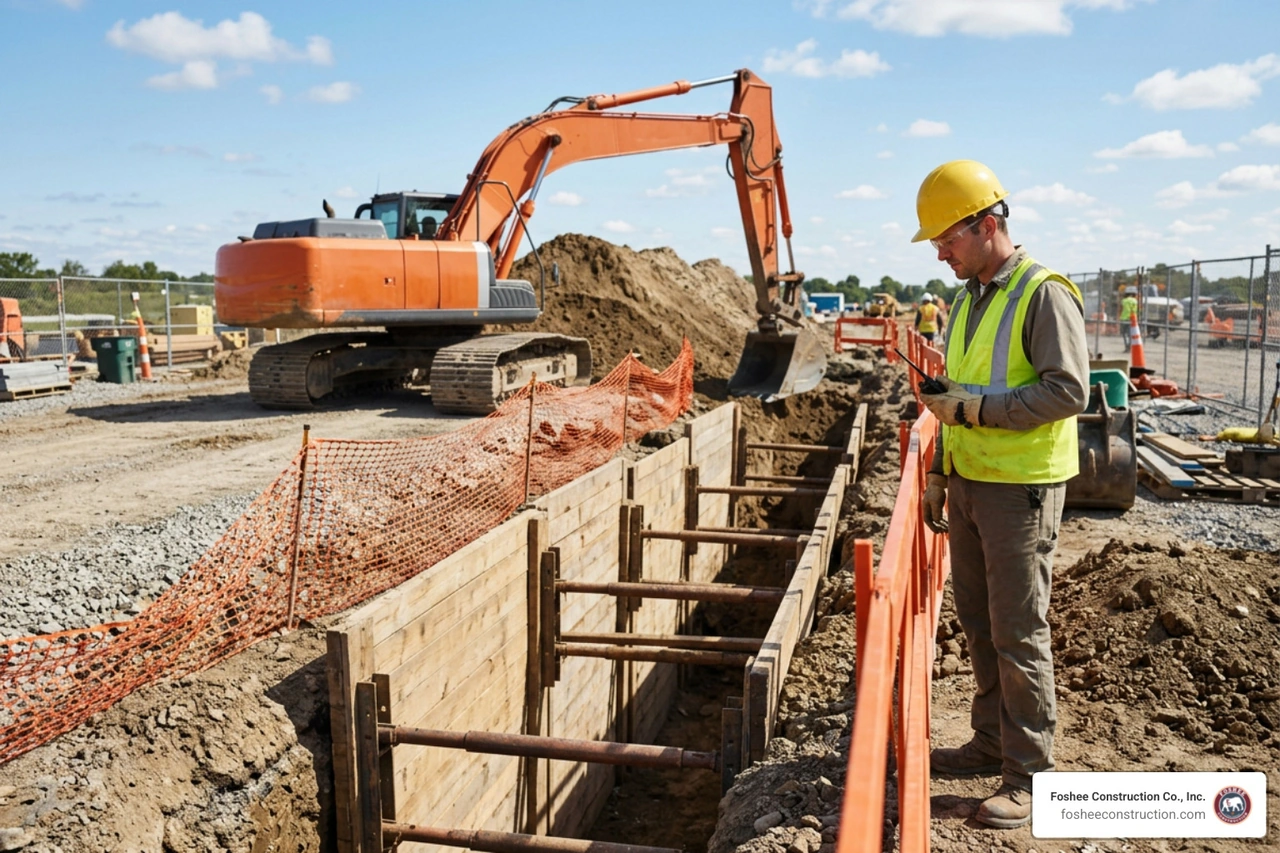
This is perhaps the most gruesome category, involving workers trapped by collapsing materials or pinned between moving equipment and fixed objects. Alarmingly, there was a 33% increase in caught-in injuries between 2011 and 2015.
Beyond the Fatal Four, we also have to manage:
Compliance isn't just about avoiding fines; it's about following a blueprint that has been proven to save lives. Familiarizing yourself with standard OSHA regulations is the first step for any manager.
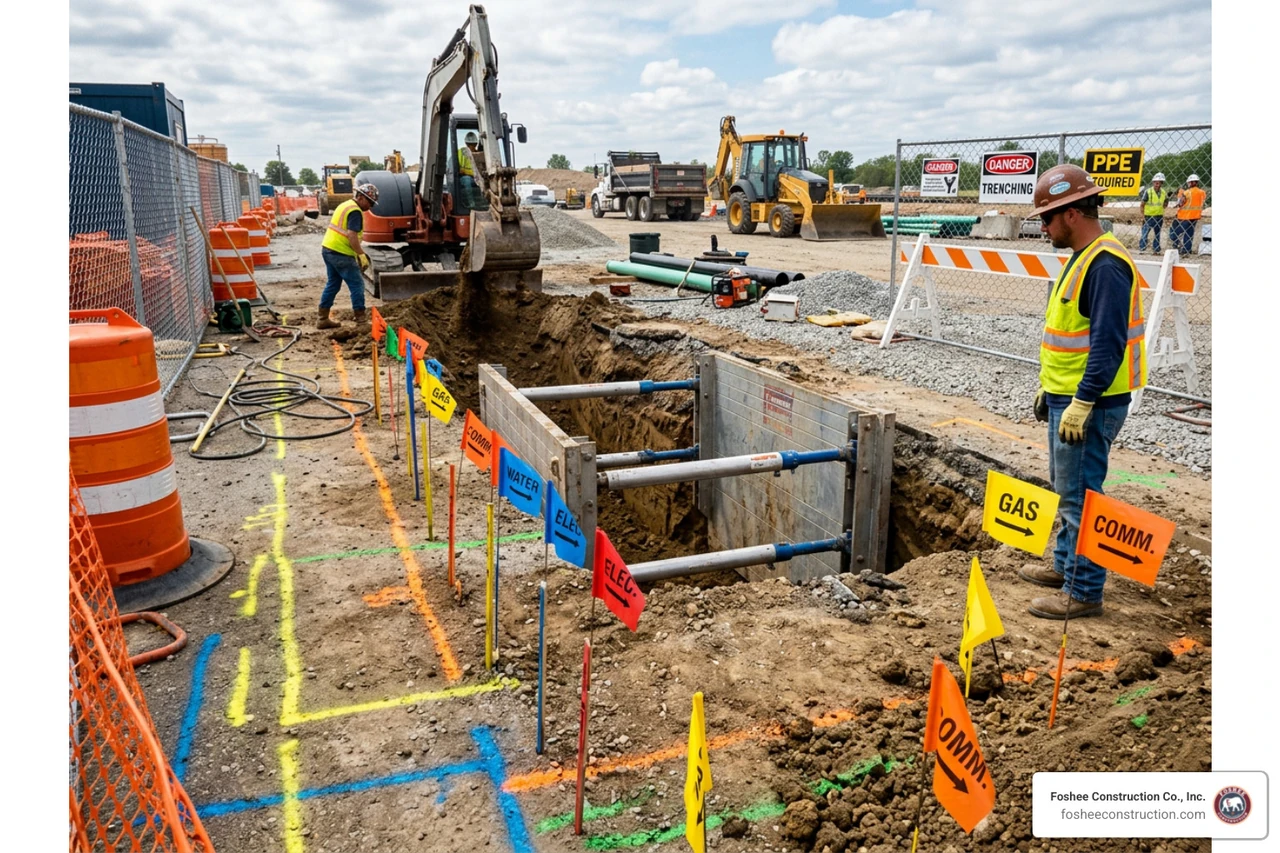
For work at heights, the protection guidance document specifies that protection is required at elevations of just 6 feet. This includes specific rules for scaffolds, which must be inspected by a "competent person" daily. When it comes to ladders, the ladder standards are very clear: never use metal ladders near power lines, and always maintain three points of contact.
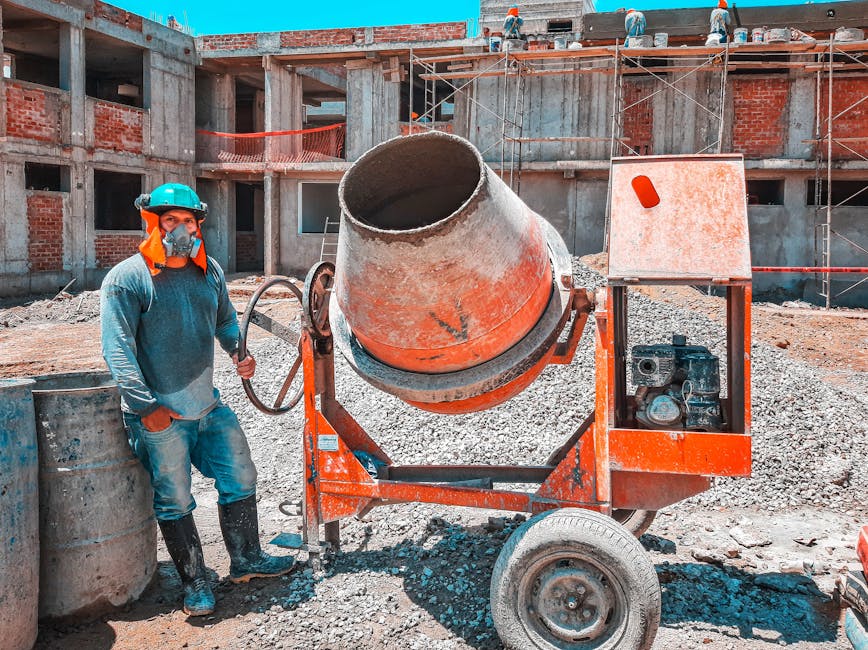
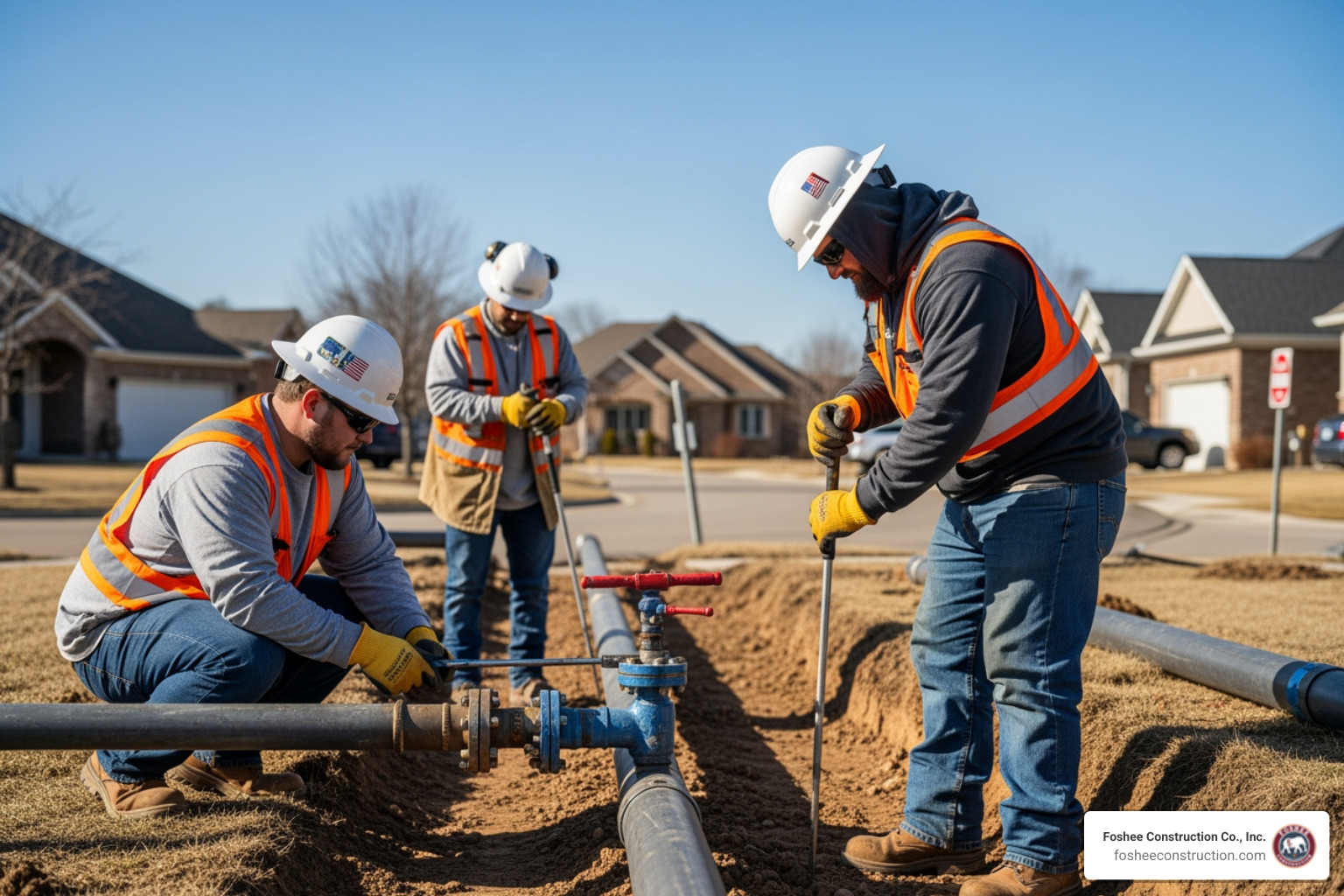
Personal Protective Equipment (PPE) is the last line of defense. Per this standard, employers must ensure workers have protection against flying objects, chemicals, and radiation. Employers must determine the type of protection required for each specific task.
According to the Final Rule FAQs on PPE, PPE must fit the employee properly to be effective—a "one size fits all" approach doesn't work for safety gear.
You can have all the gear in the world, but it won't help if the culture is broken. A proactive safety culture starts with leadership. If the boss walks the site without a hard hat, the crew will too.
Comprehensive training is the backbone of construction site safety. Statistics show that 100 employees are killed and 95,000 are injured annually while operating heavy machinery like forklifts, often due to a lack of proper training.
We recommend:
A messy site is a dangerous site. Regular "housekeeping"—clearing debris, organizing tools, and managing waste—prevents the slips and trips that account for so many injuries.
In Minneola and throughout Lake County, we also have to deal with the Florida heat. Workers must be trained to recognize the signs of heat exhaustion—like heavy sweating and rapid pulse—and the much more dangerous heat stroke, which is a medical emergency.
Long-term health is also a priority. About 40% of workers suffer from musculoskeletal disorders due to improper lifting. Always bend at the knees, not the waist!
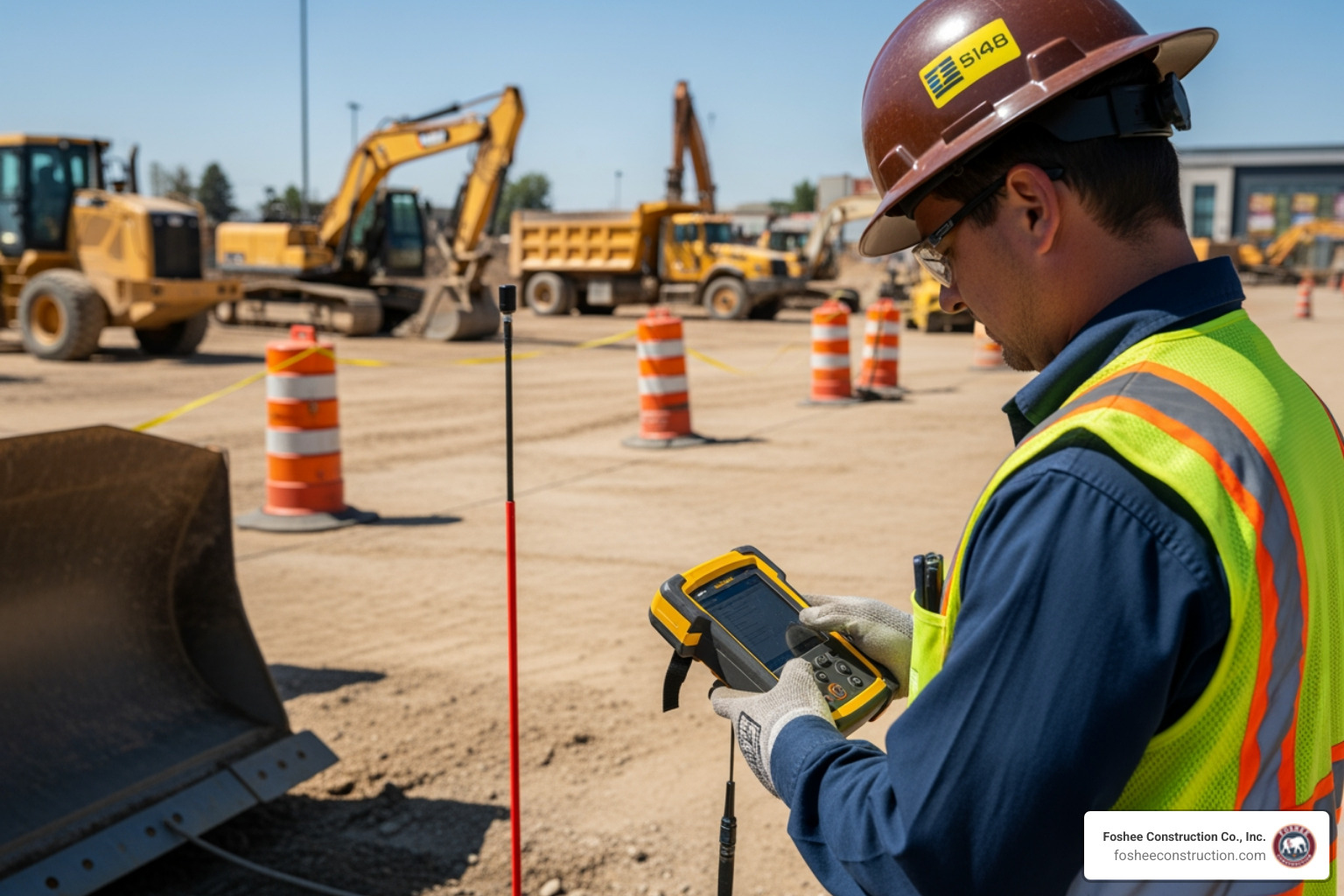
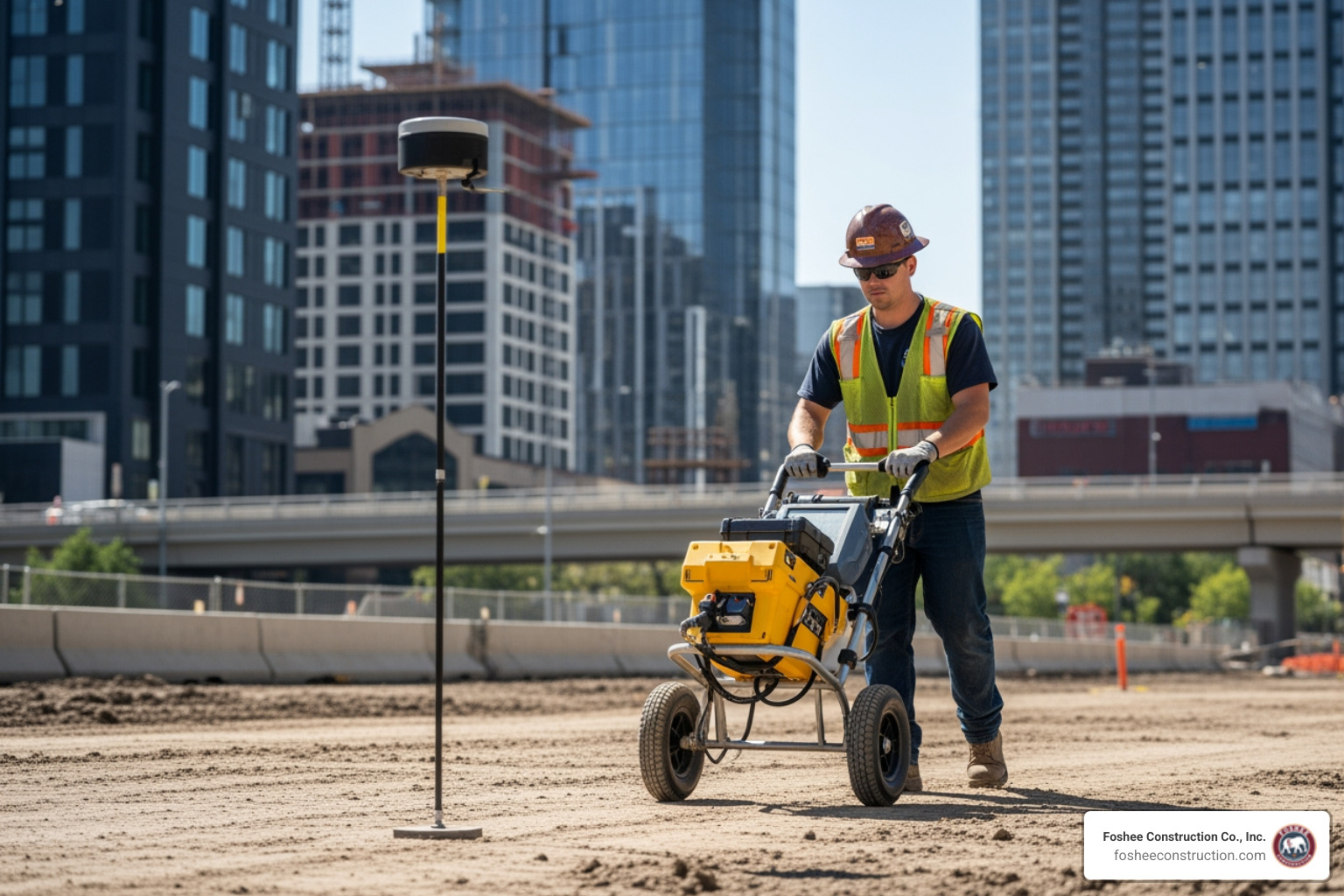
The future of safety is digital. We are seeing a massive shift toward using tech to predict and prevent accidents before they happen.
The "Fatal Four" are the leading causes of death on construction sites: Falls (the most common), Electrocution, Struck-by incidents (like being hit by a vehicle), and Caught-in/between incidents (like trench collapses or equipment pinning).
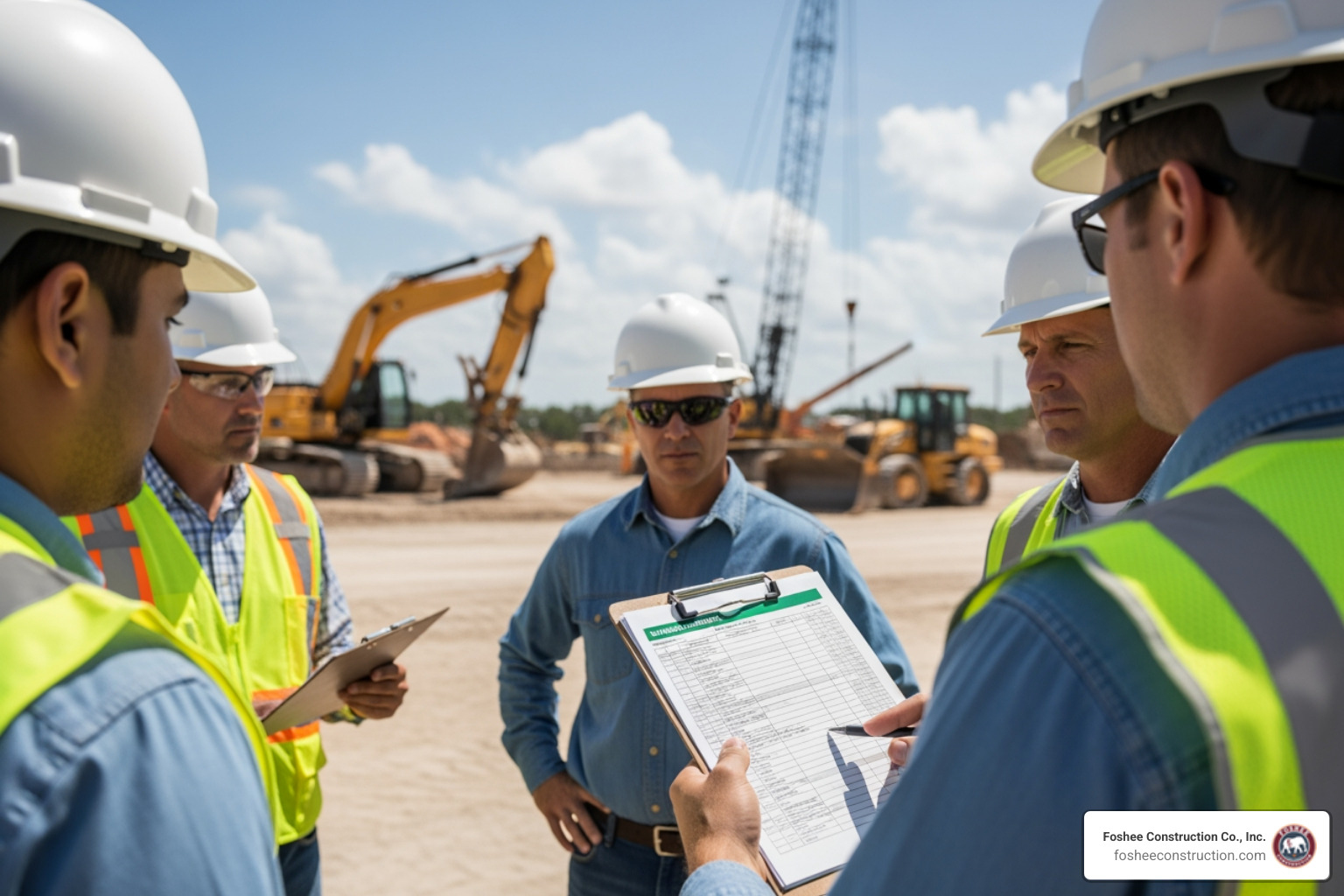
Safety training should be ongoing. While OSHA requires certain annual certifications, the best practice is to hold daily "toolbox talks" and conduct comprehensive safety refreshers whenever a new phase of the project begins or new equipment is introduced.
Year after year, the most frequent violations involve Fall Protection, Scaffolding requirements, Ladder safety, and Hazard Communication. Failing to provide adequate eye and face protection is also a common citation.
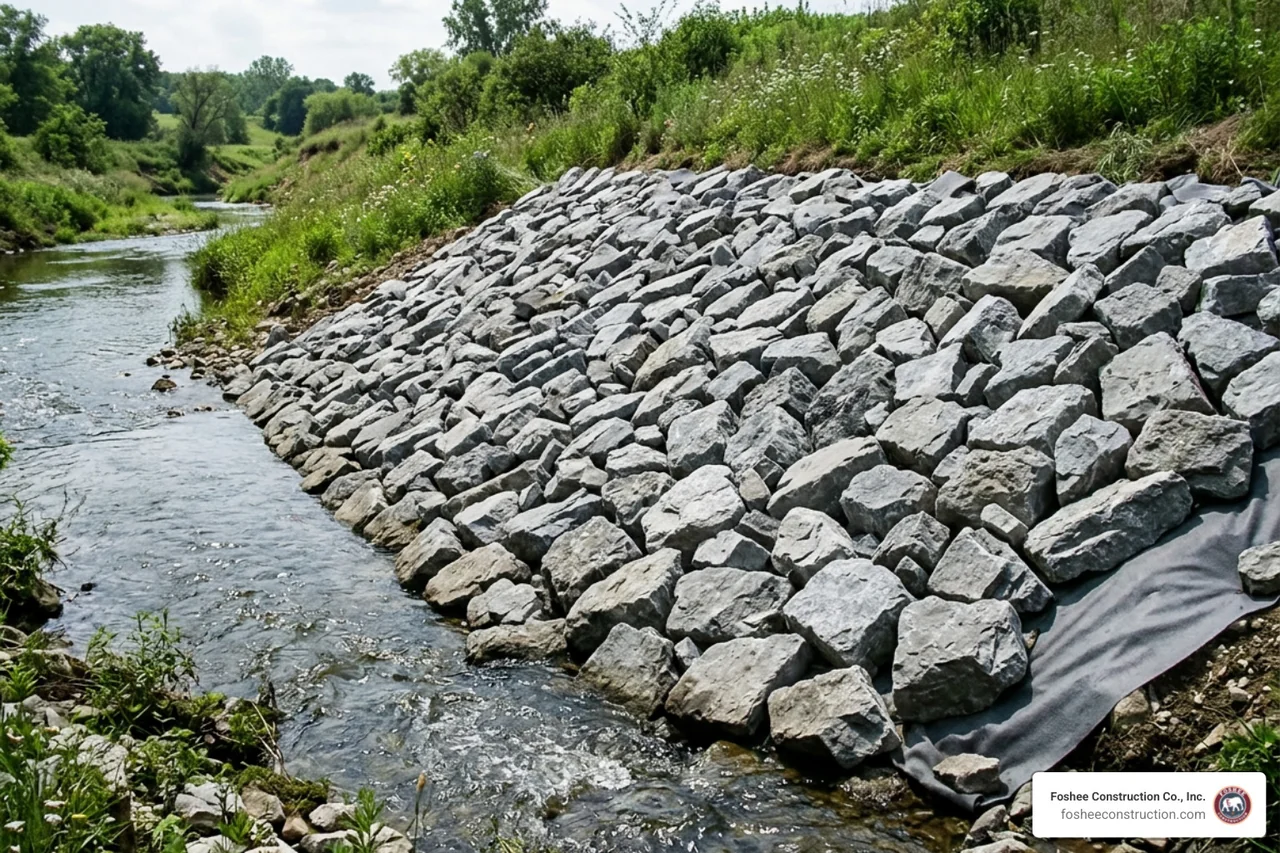
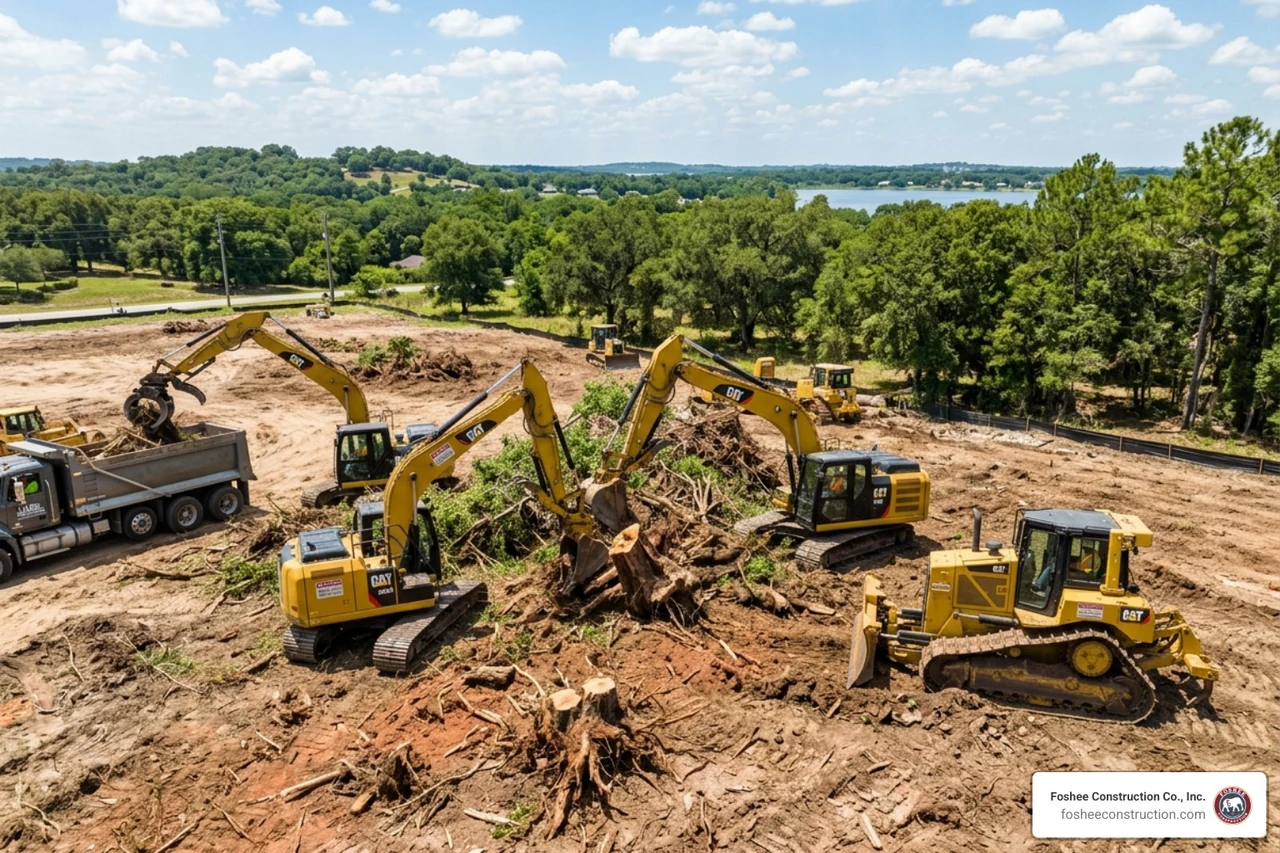
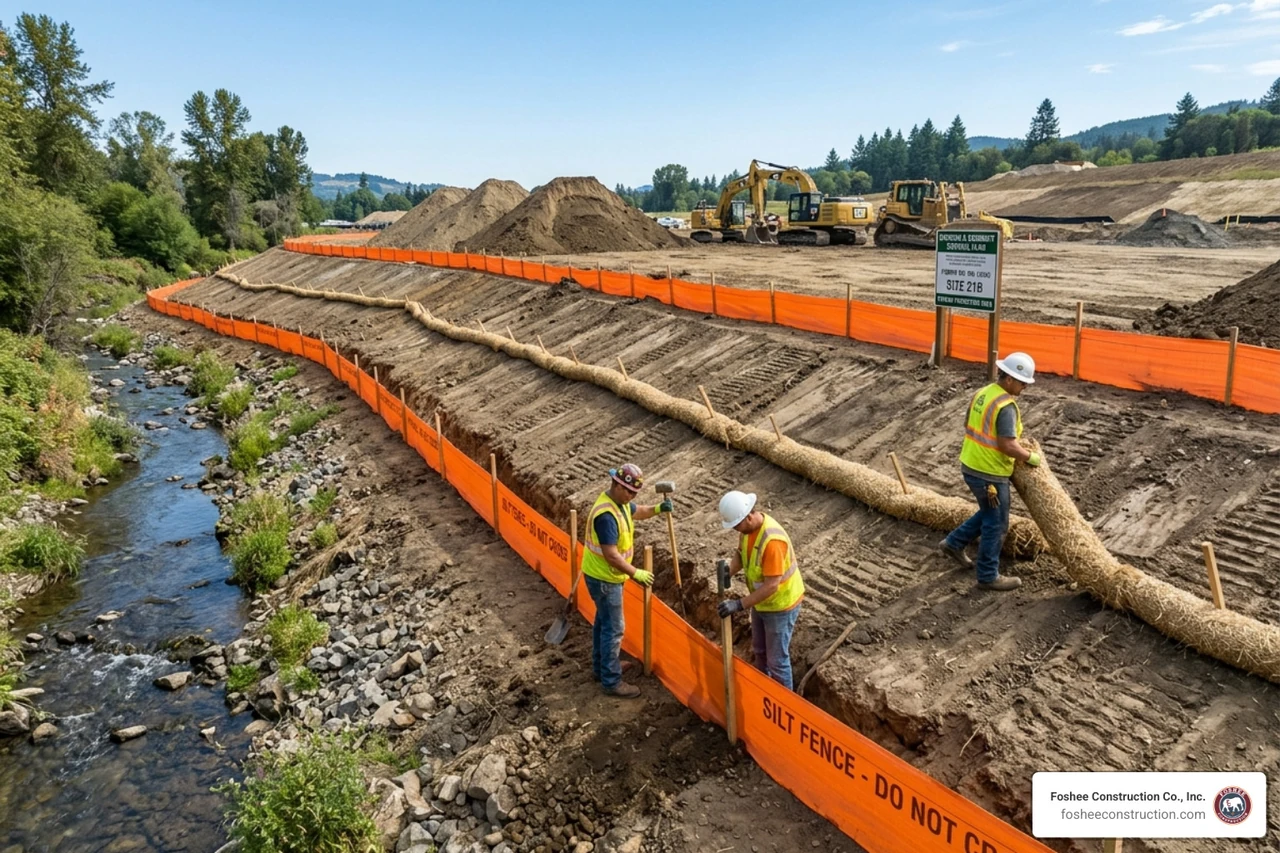
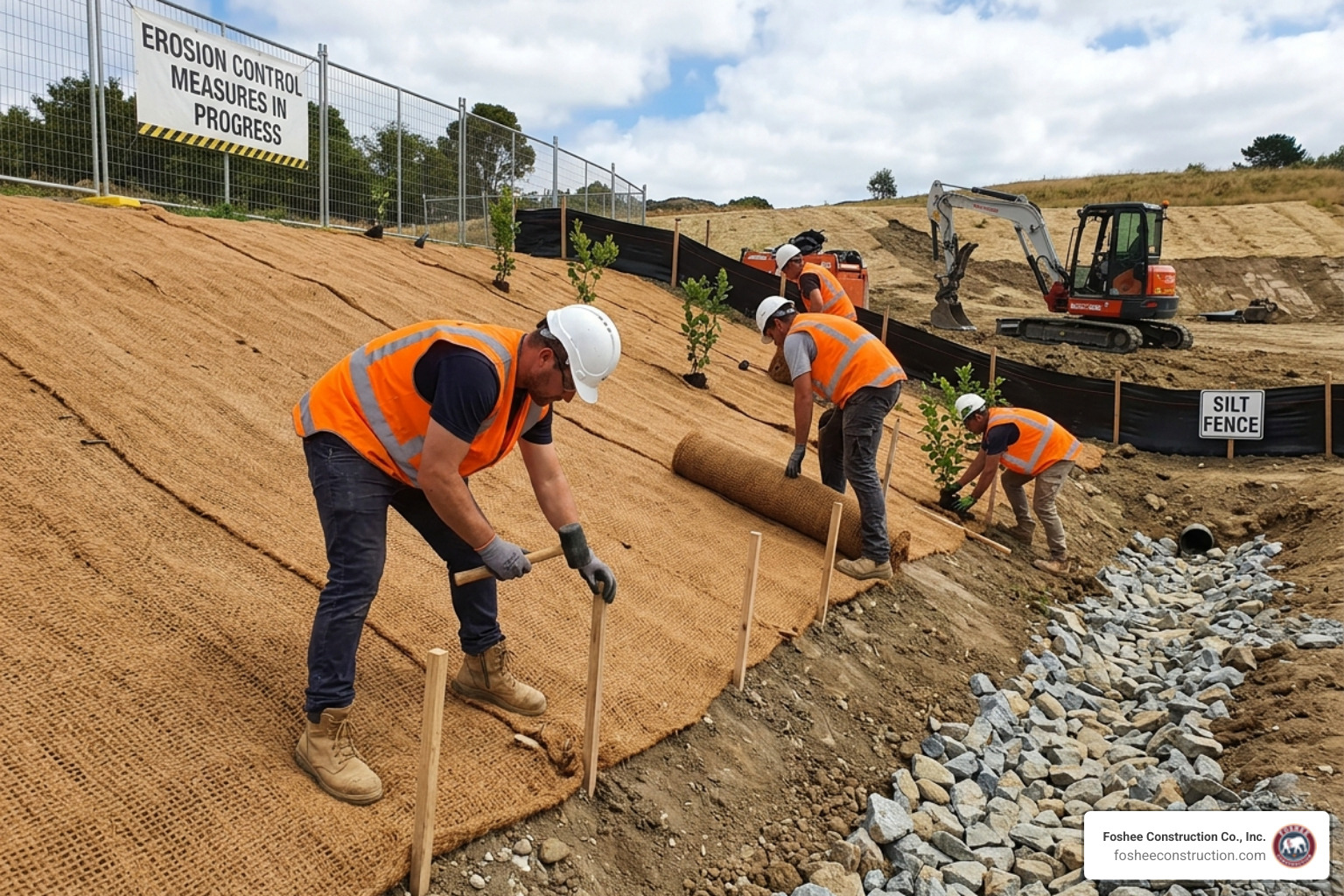
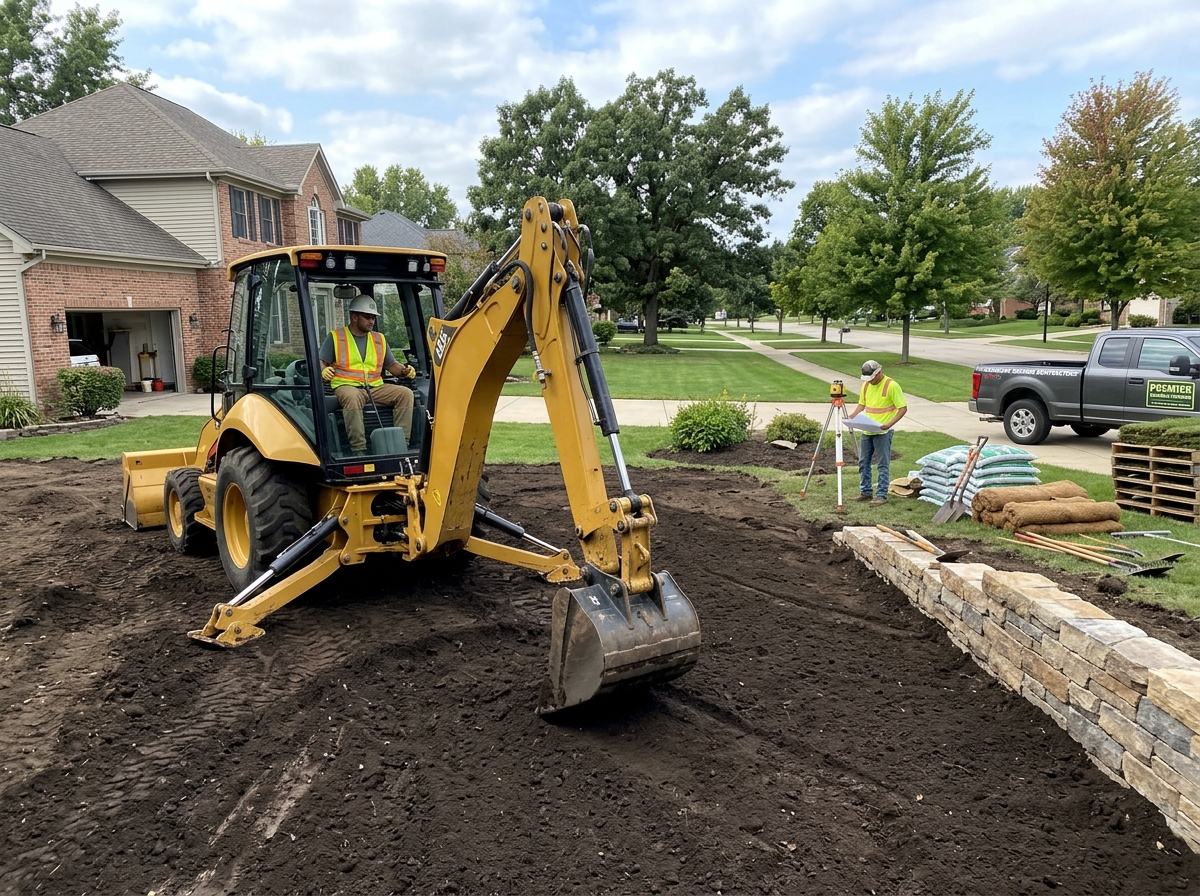
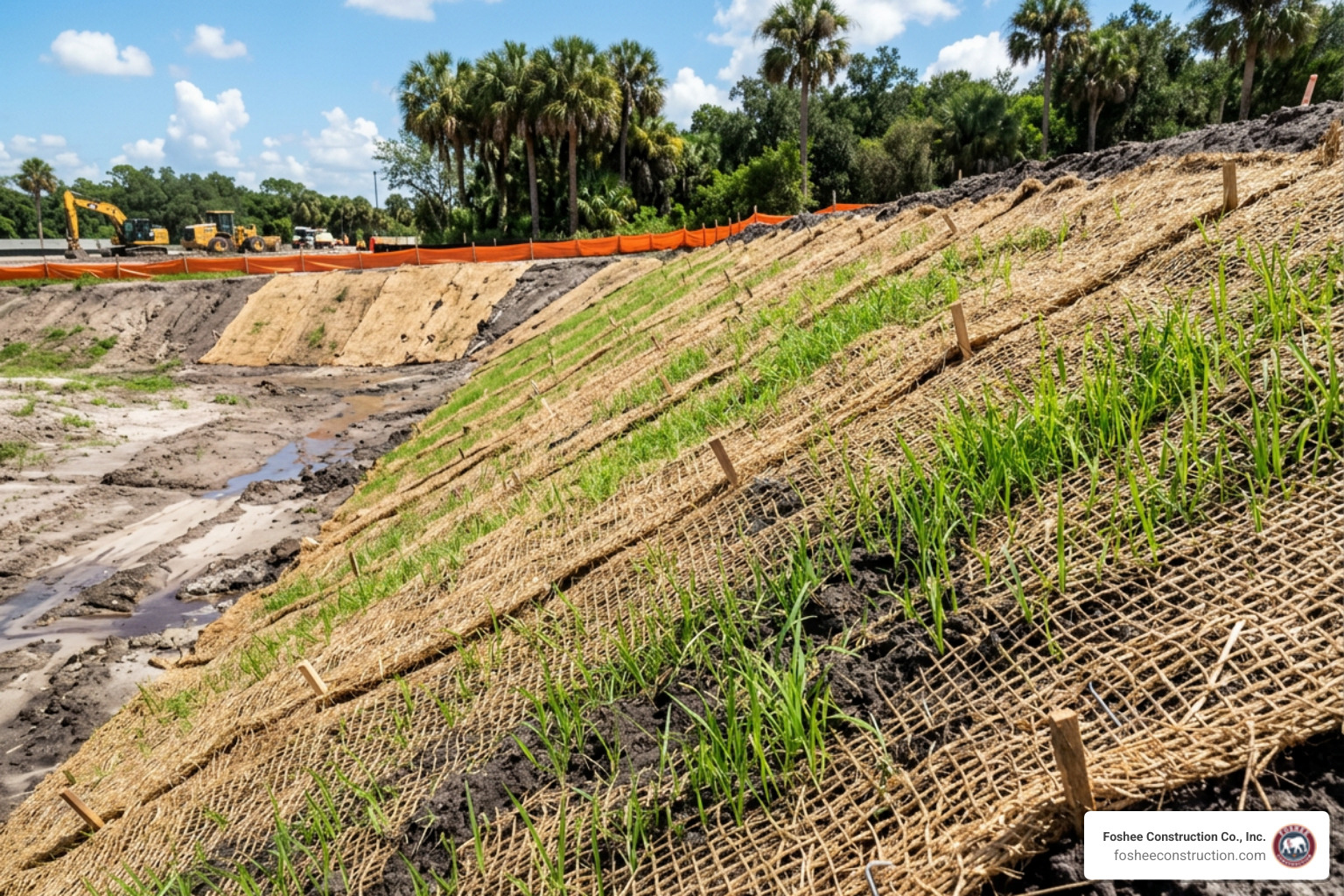
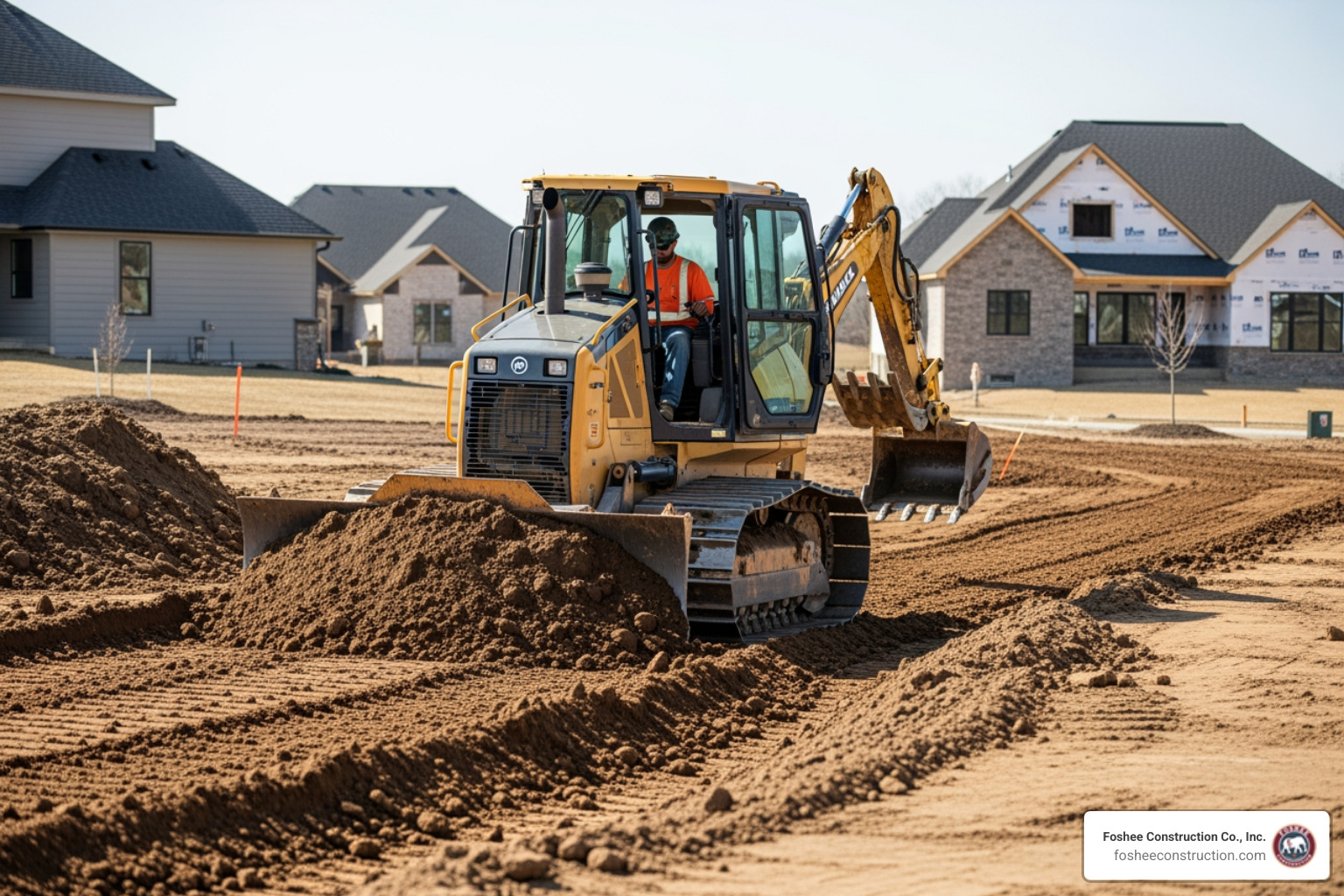
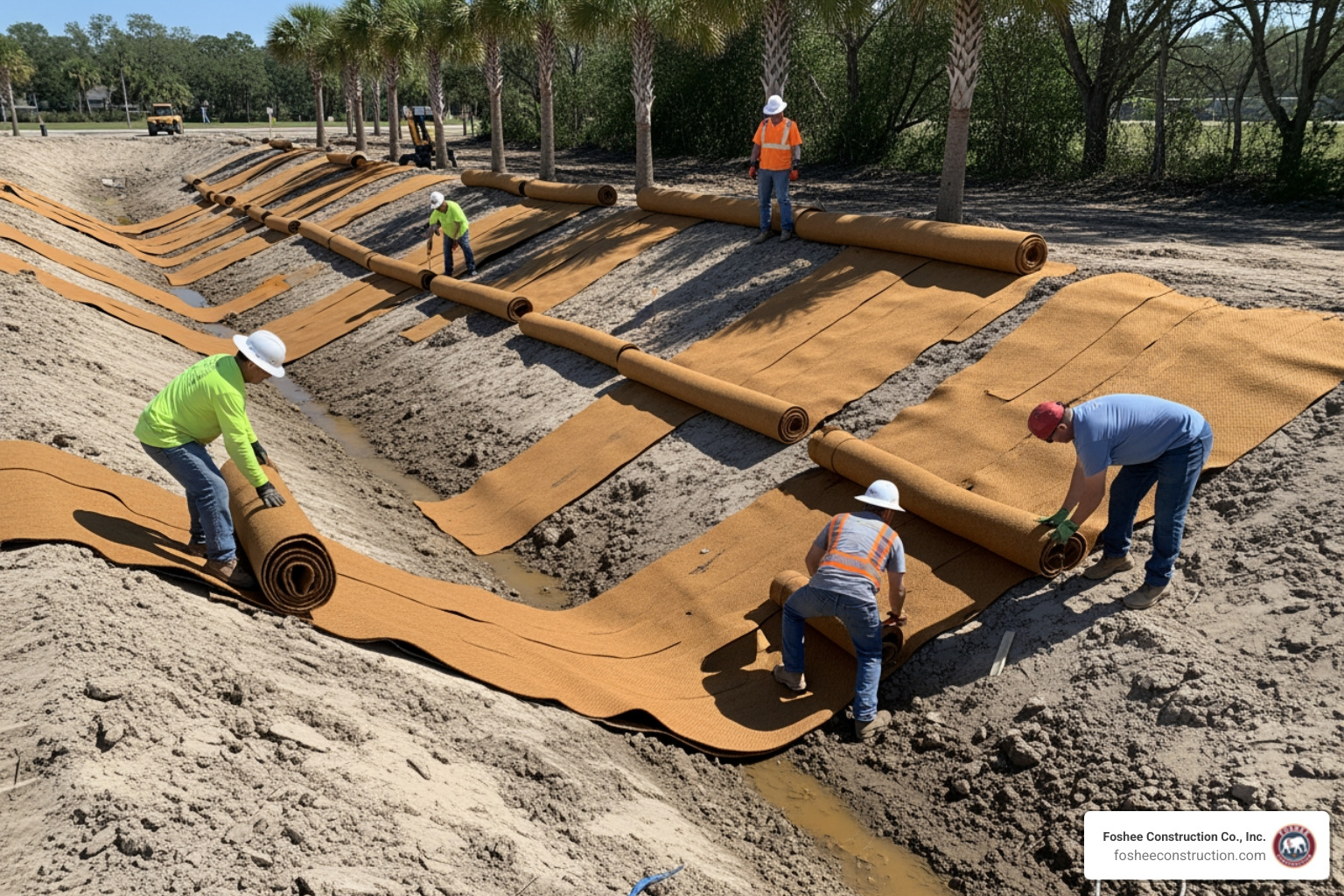
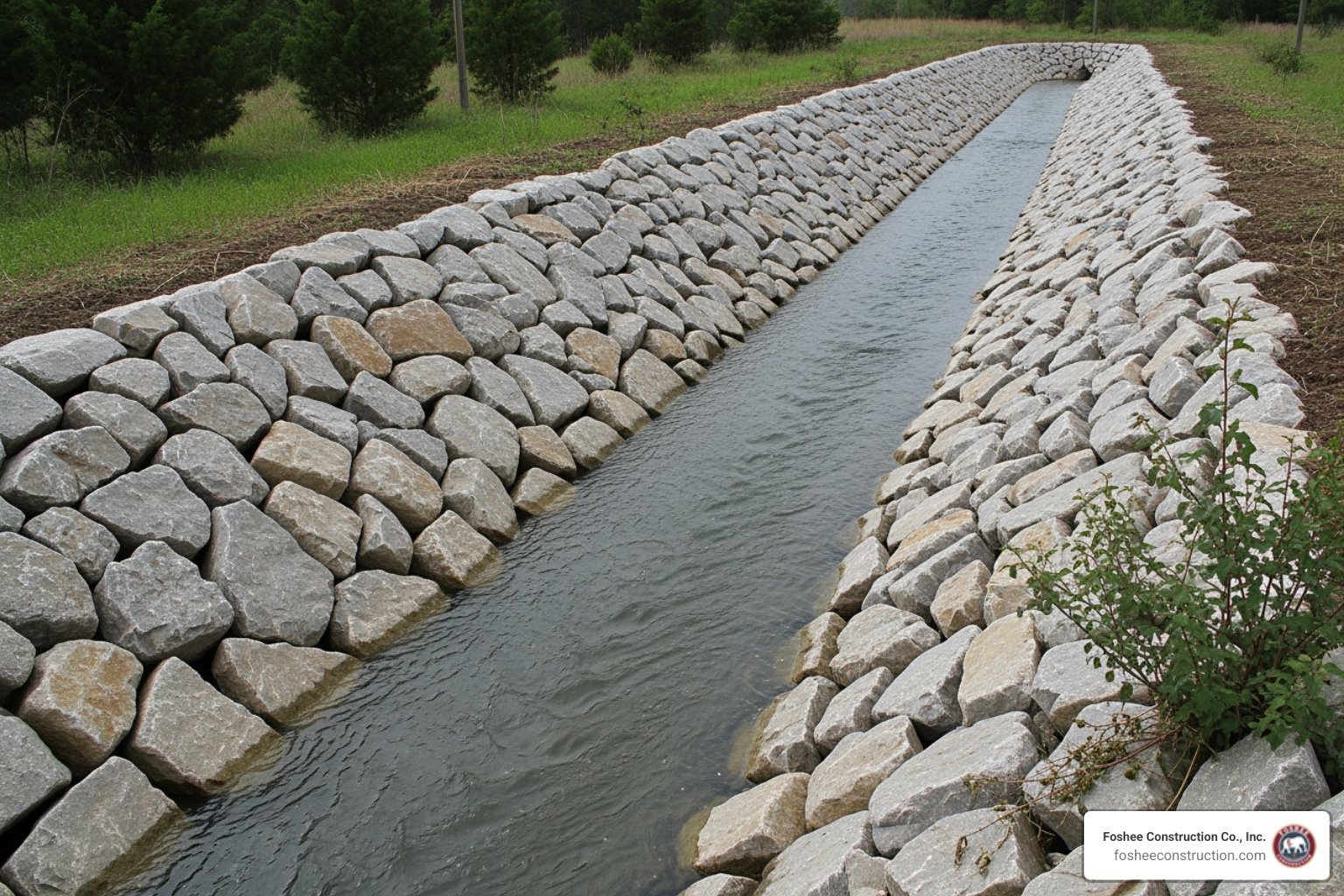
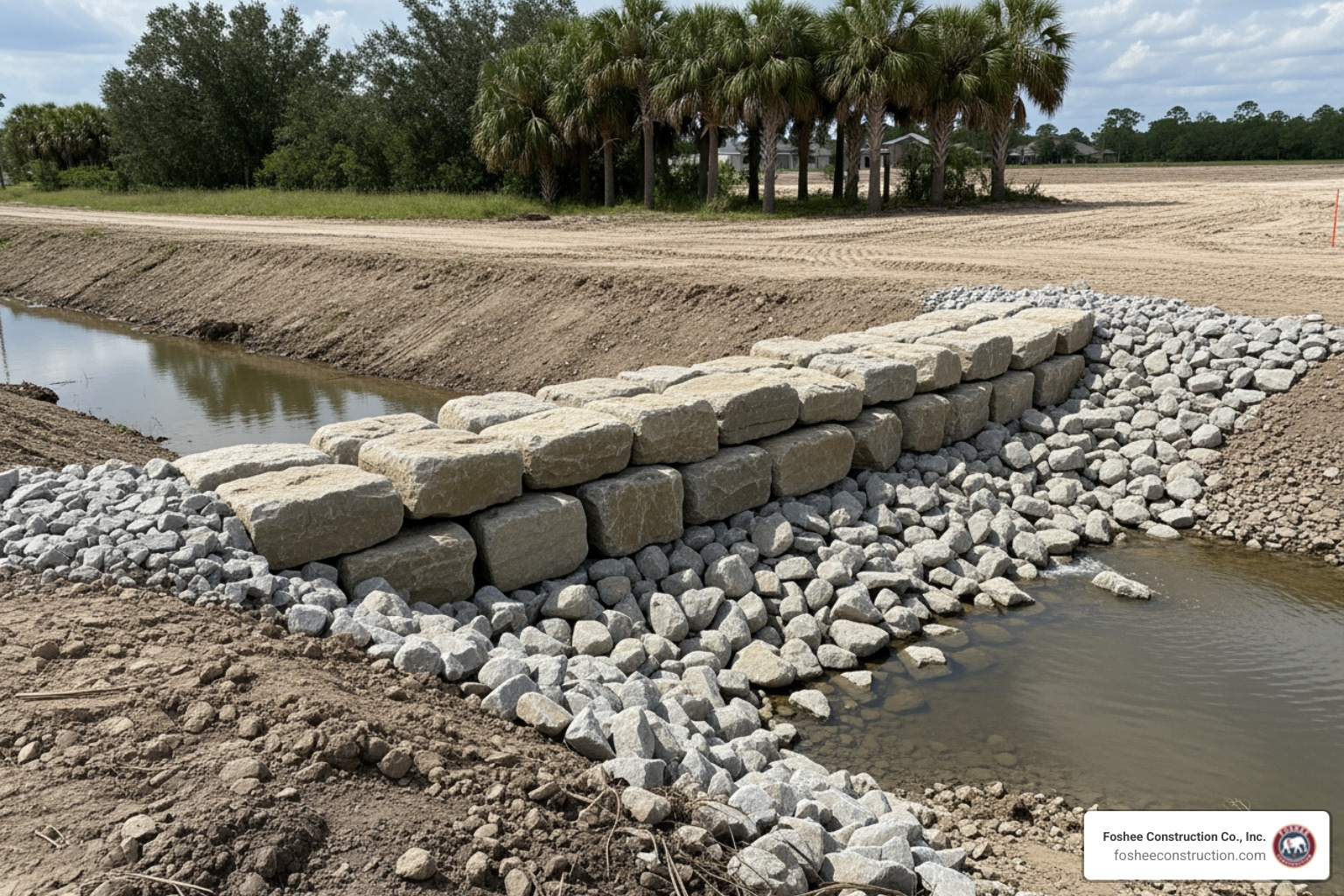
At Foshee Construction Co., Inc., we’ve spent decades perfecting the art of site preparation in Minneola, Florida. Whether we are handling erosion control, precision grading, or complex underground utilities, our philosophy remains the same: no project is successful unless every worker goes home safe at the end of the day.
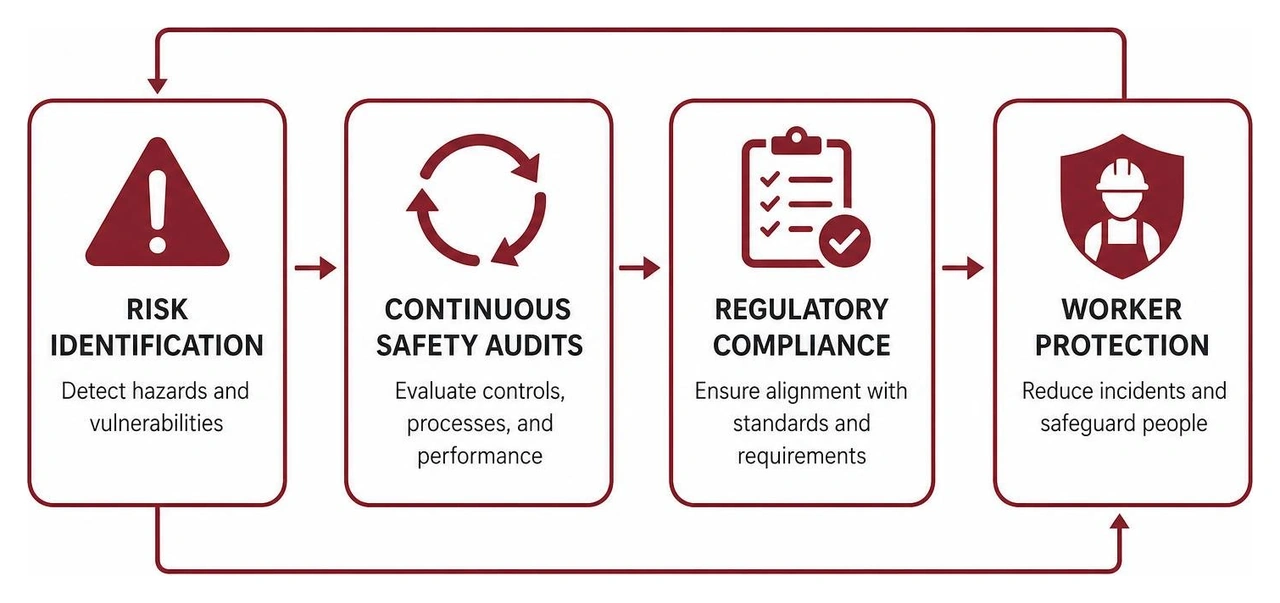
A strong construction site safety program isn't just about following rules—it’s about building a culture of mutual respect and discipline. By identifying hazards early, investing in the best PPE, and leveraging modern technology, we ensure that our projects in Lake County and across Florida stay on schedule and under budget.
If you're looking for a reliable partner who prioritizes safety and transparency in every bid, we're here to help. More info about construction services
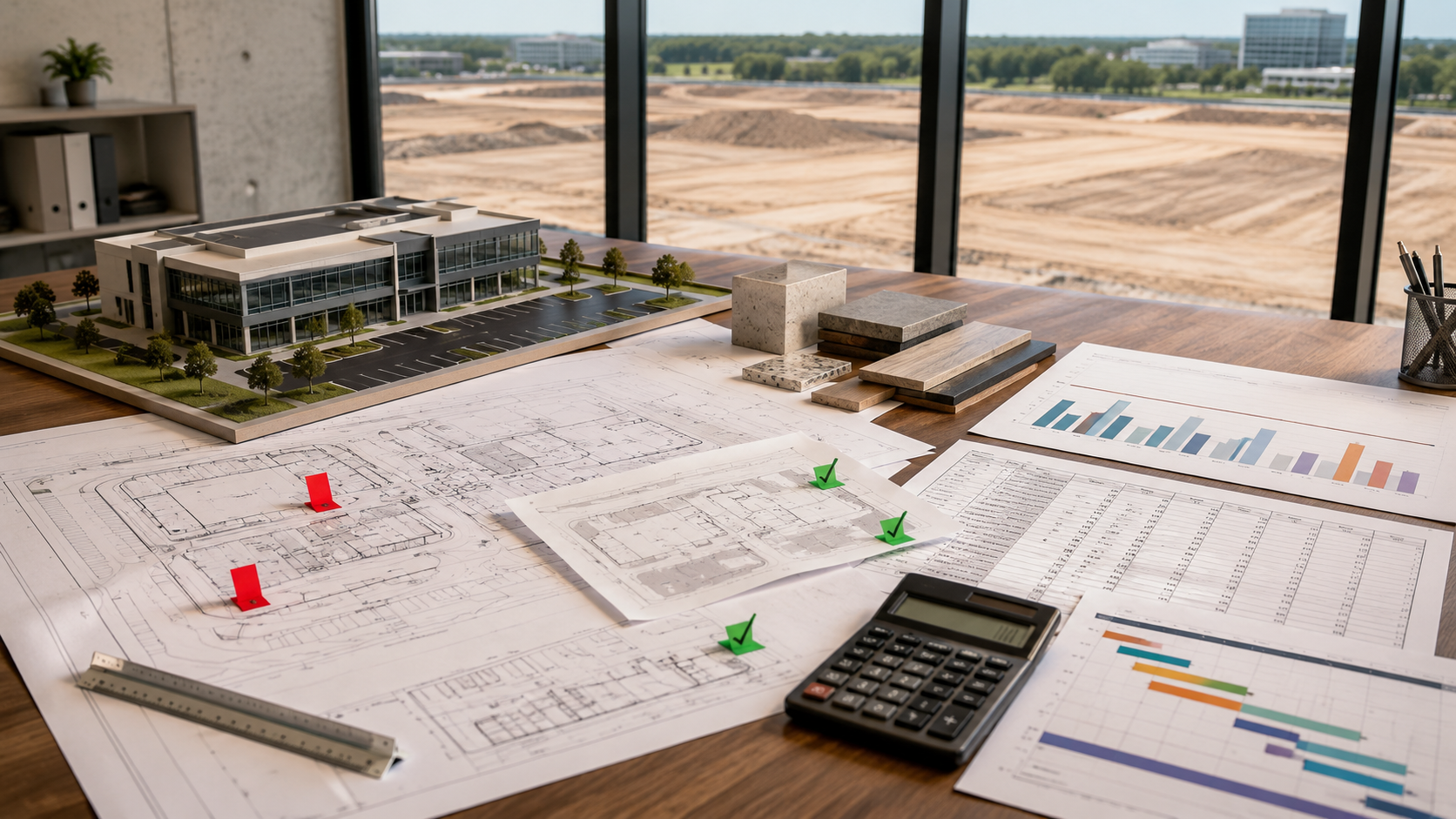
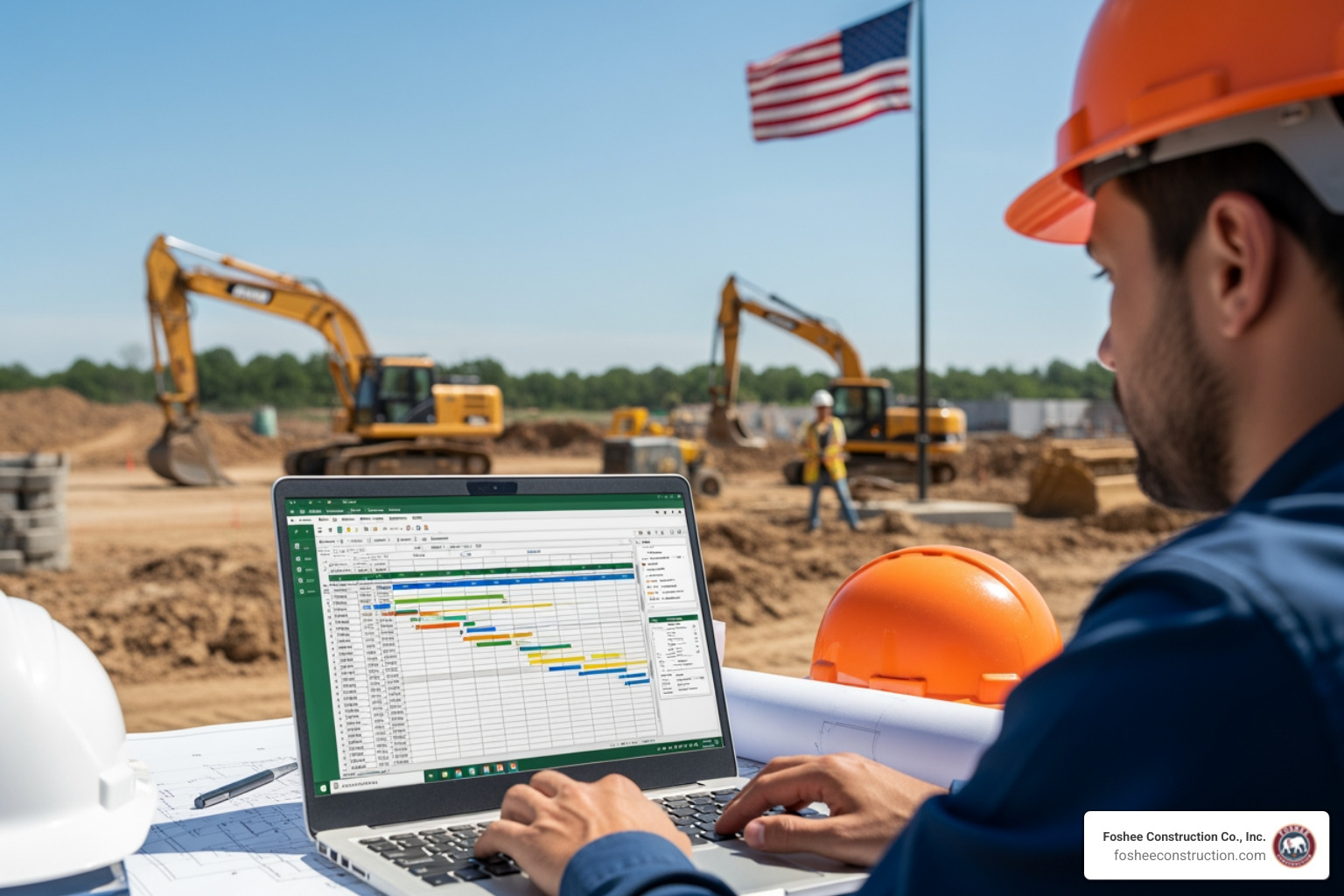
We build bids using HeavyBid and AGTEK because the details matter long before the job starts. When the numbers are accurate and the scope is clearly defined, it sets the tone for how the entire project runs. Estimating isn’t just a step in the process, it’s the foundation we build on.
That same mindset carries into the field. Our crew is trained to work with purpose, follow the Civil Engineers’ Plan to the finest detail, and hold the line on quality. When expectations are clear from day one, there’s no need for shortcuts, and no confusion about how the work gets done.
Clients trust our bid packages because they’re complete and ready to use. Project managers know what we’re covering, what’s excluded, and how we plan to approach the job. That clarity removes friction and lets teams focus on execution instead of interpretation.
As part of our review process, we go into the plans before anything hits the site. We ask the questions early, resolve issues before they show up in the field, and keep RFIs moving. This approach prevents delays and protects the timeline.
Over time, that consistency builds trust. Many of the people we work with today came through referrals from past projects – engineers, GCs, and superintendents who’ve seen how we operate and want the same experience again.
In 2024, Foshee Construction was acquired by Saga Infrastructure Solutions, a national network of civil construction companies. Saga supports regional contractors by giving them access to better tools, long-term resources, and operational backing, without changing how they run day to day.
Foshee will continue to operate under its name, with the same team and field leadership in place.
“From the very time a project starts, we start that partnership. We try to catch as much as we can with the tools that we have. Not everybody is using the software platforms we are. That’s the differentiator: we’re not just bidding. We’re anticipating, problem-solving, and making sure the job runs right.”
— Don, CEO, Saga Infrastructure Solutions
Foshee is now part of a broader regional strategy that includes Florida, the Piedmont Atlantic, Texas, Colorado, and the Arizona Sun Corridor. The name, crews, and standards remain. What’s improving is the support behind it.