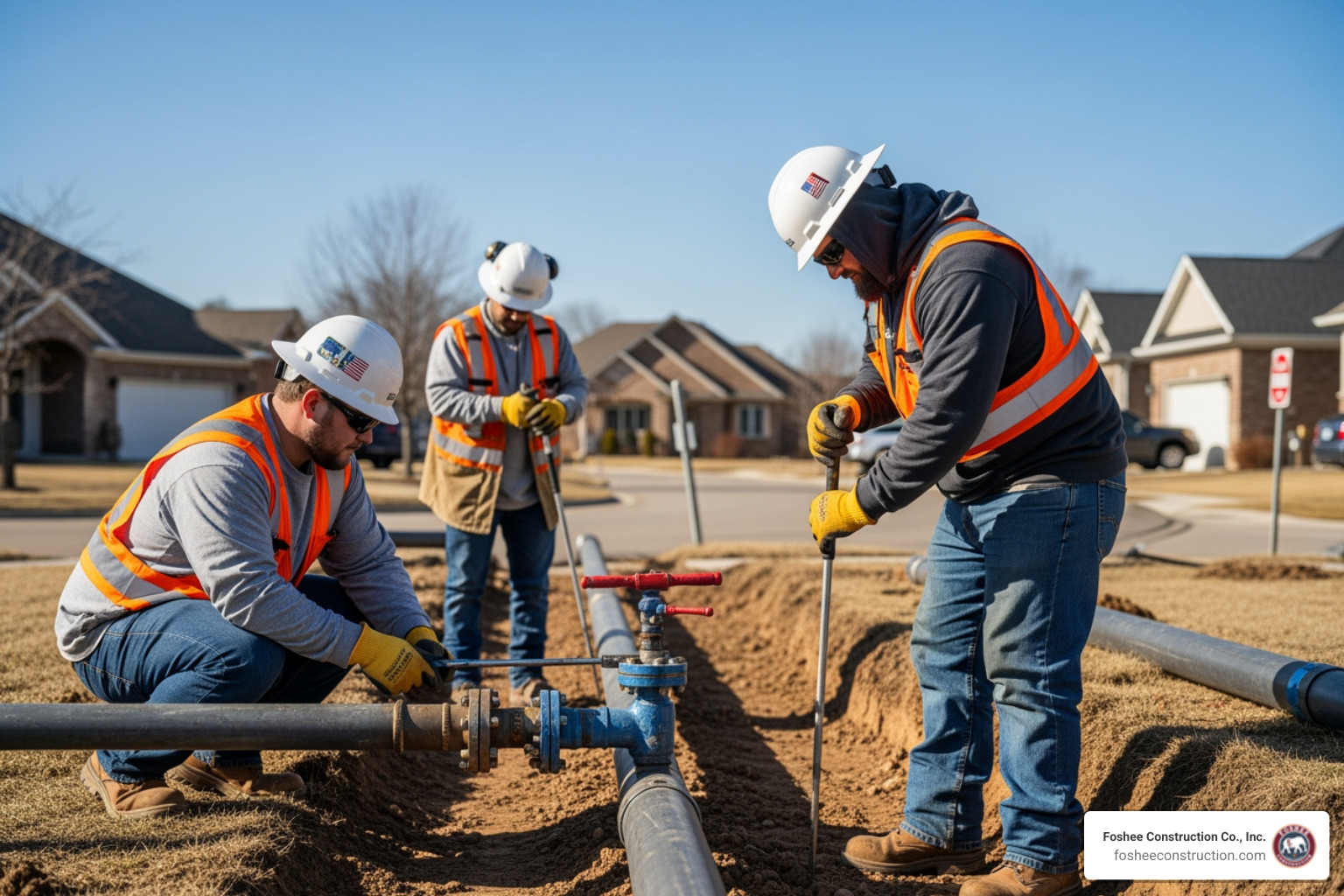
When it comes to the infrastructure of your home or construction site, natural gas is a powerful but volatile resource. Hiring licensed gas line contractors near me isn't just a suggestion; in many jurisdictions, including right here in Florida, it is a legal requirement. These professionals are trained to follow strict safety protocols that protect your property and the surrounding community.
Licensed contractors understand the complexities of local building codes. These codes aren't just red tape; they are refined standards designed to prevent disasters. Furthermore, utility companies are constantly working on the modernization of aging gas pipes to improve reliability and reduce greenhouse gas emissions. A licensed professional stays updated on these infrastructure changes and ensures your home system integrates safely with the municipal supply.
One of the most overlooked benefits of hiring a pro is liability insurance. If an unlicensed worker accidentally causes a fire or a leak, your homeowner’s insurance may deny the claim because the work wasn’t performed by a credentialed professional. A master plumber or certified gas fitter carries their own commercial insurance, shielding you from financial ruin if something goes sideways.
Not every person with a pipe wrench is qualified to handle gas. When searching for gas line contractors near me, you should look for specific credentials:
Resources like Thumbtack for pros can help you vet local service providers by checking reviews and verified credentials, but always ask to see a physical copy of their license before work begins.
We all love a good weekend DIY project, but gas lines are where the "do-it-yourself" spirit should end. The risks are simply too high.
Budgeting for gas work can be tricky because so much of the "work" is hidden behind walls or underground. However, having a baseline helps you identify if a quote is fair or suspiciously low.
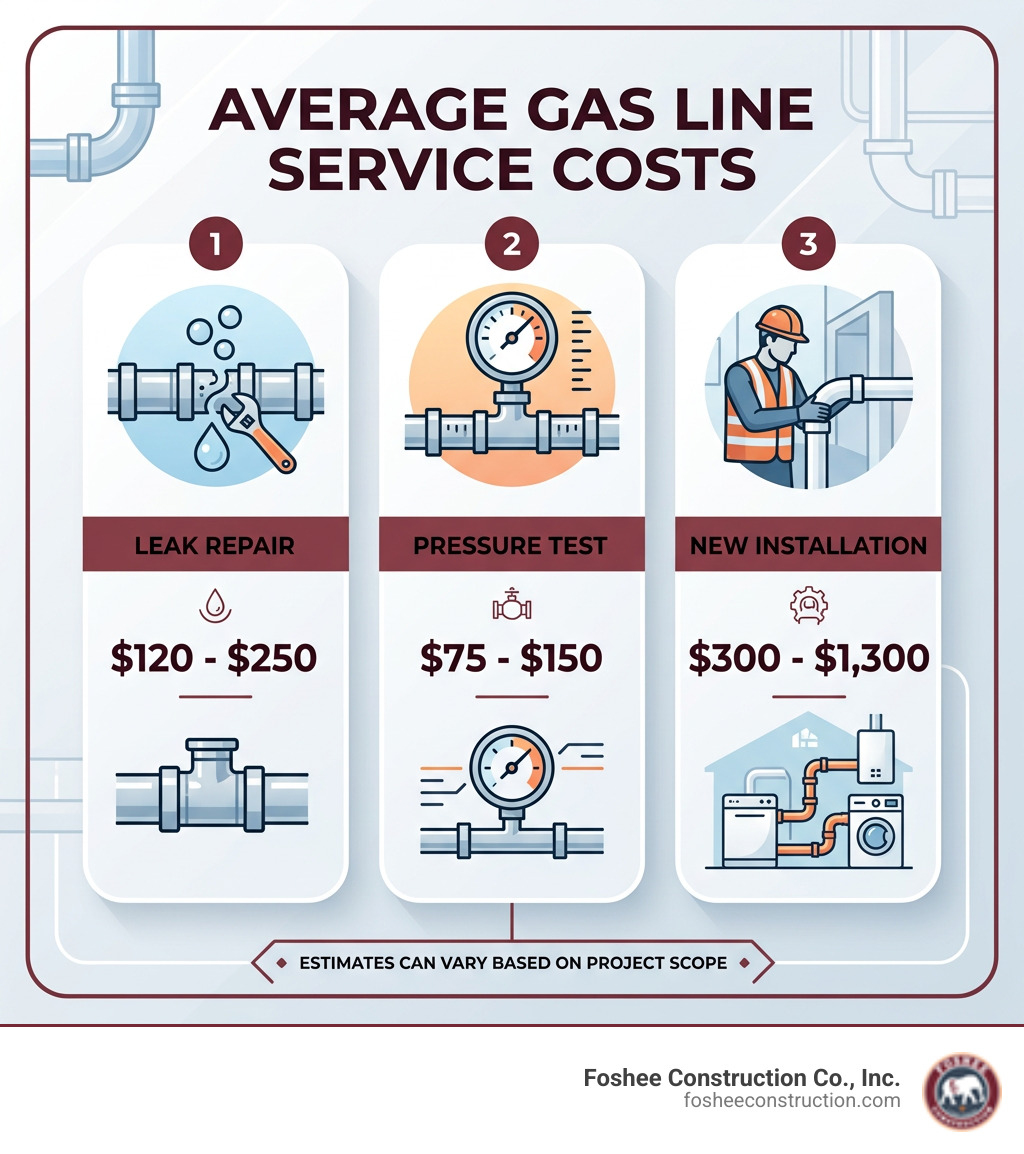
On average, gas line services charge between $75 and $125 per hour. In high-demand areas or for emergency after-hours calls, these rates can spike to $200 or $220 per hour.
Several variables will dictate whether your bill is on the low or high end of the spectrum:
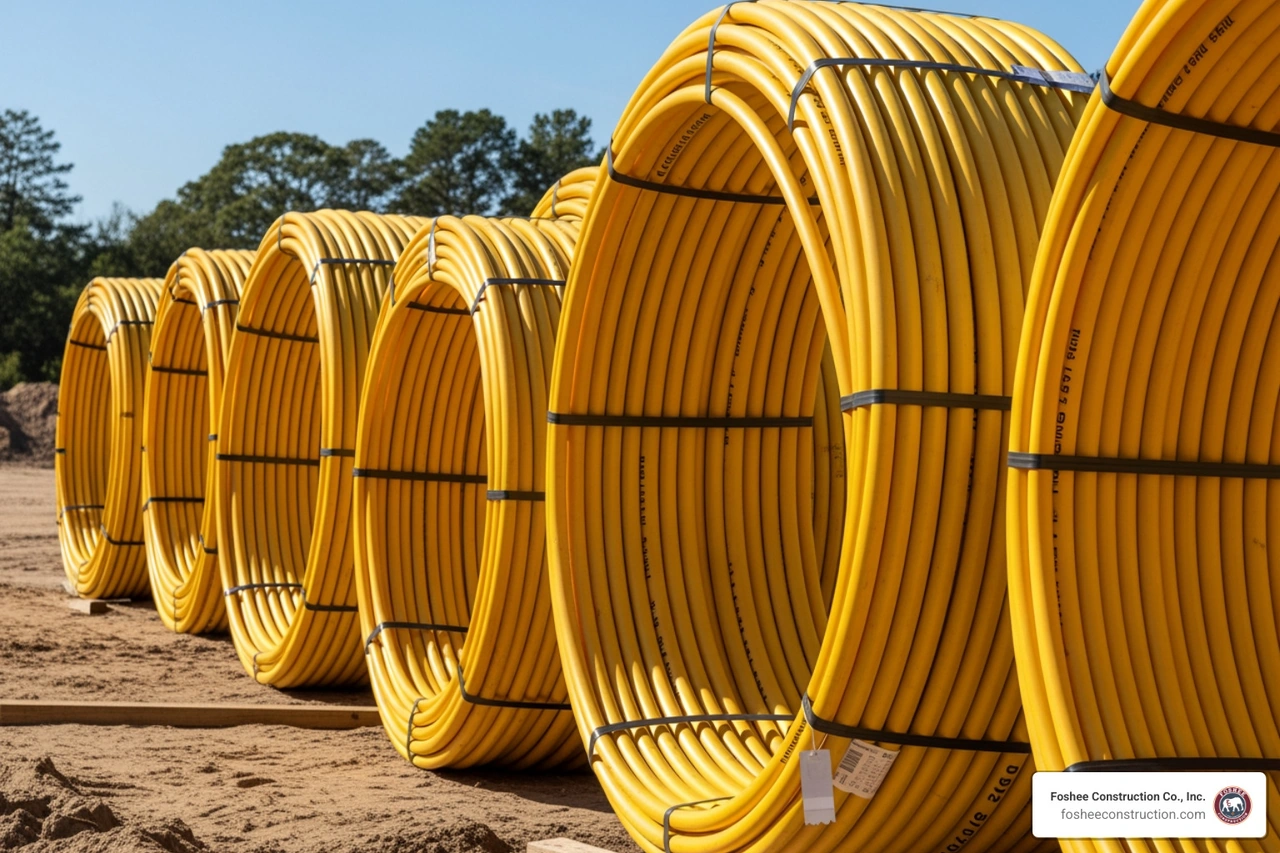
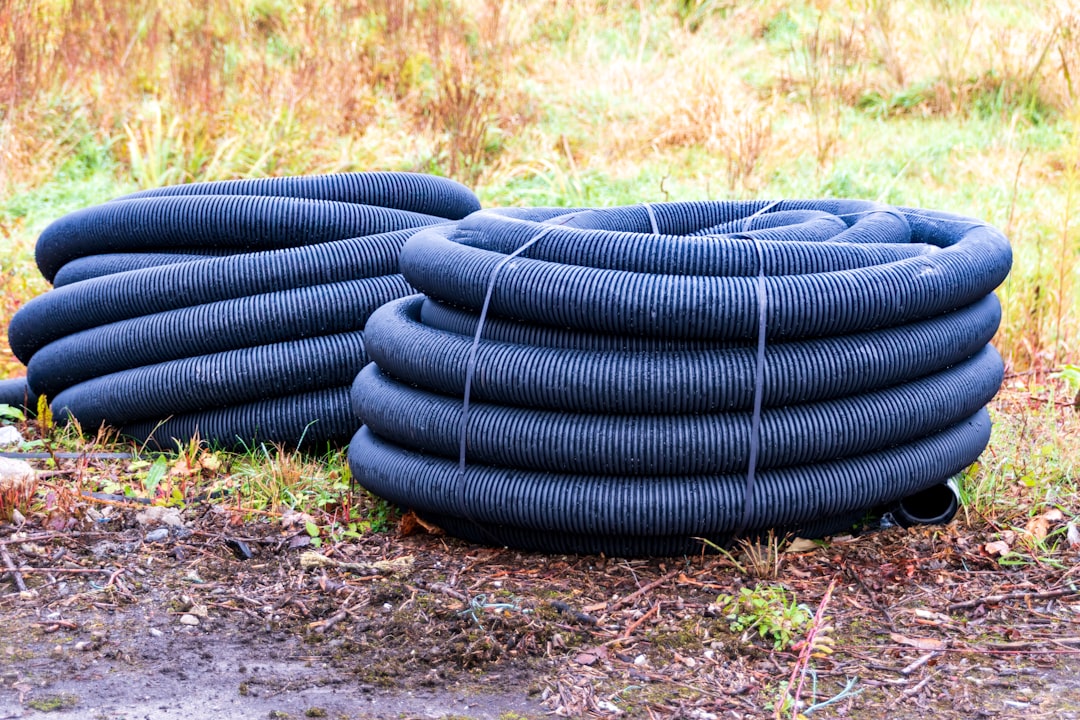
We use different materials based on the location of the line and the specific needs of the appliance:
Knowing when to call gas line contractors near me can save your life. Gas companies add a chemical called mercaptan to natural gas (which is naturally odorless) to give it a distinct "rotten egg" smell.
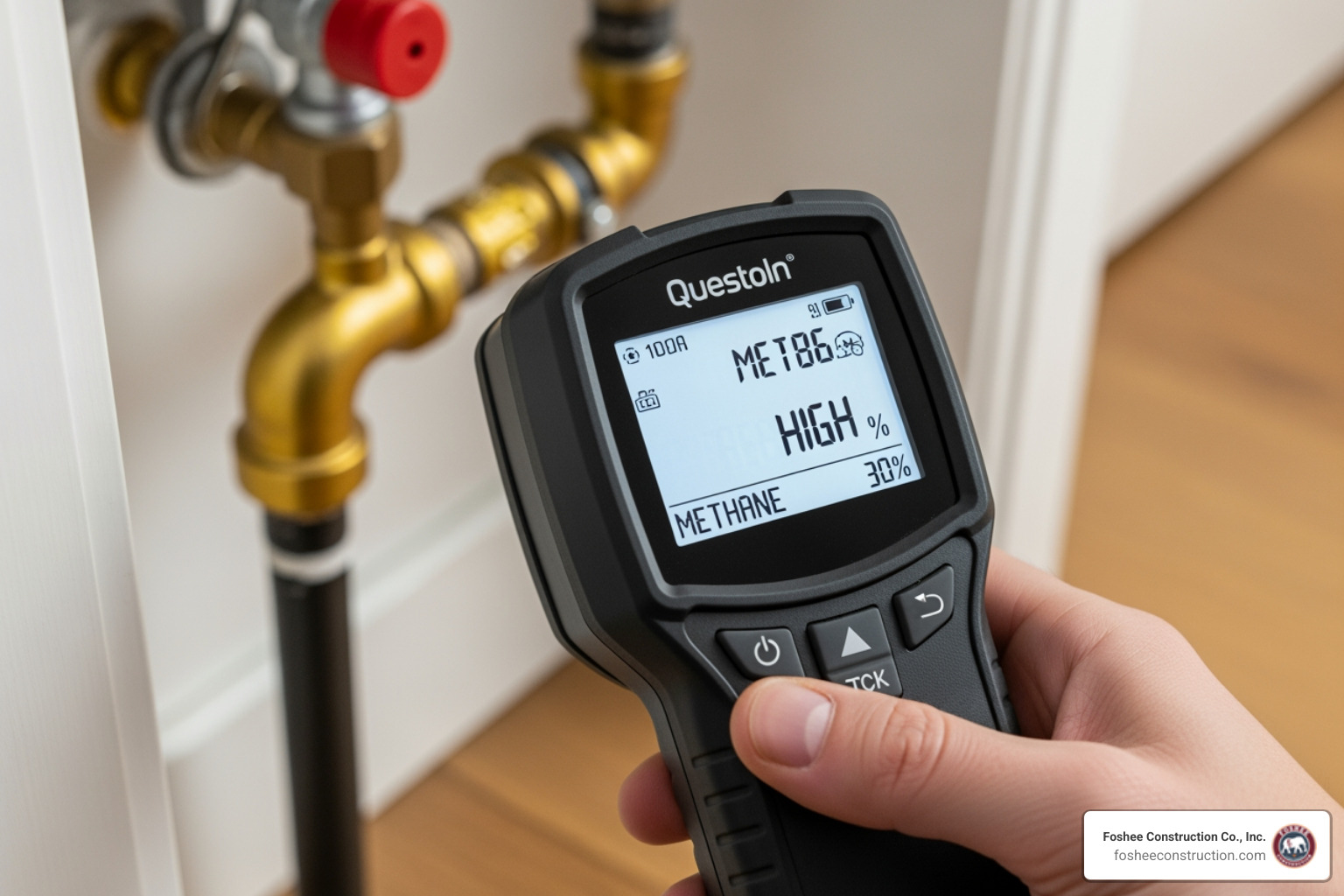
Beyond the smell, watch for these "silent" signs:
If you suspect a leak, do not hesitate. Follow these steps immediately:
How long should your gas lines last? Generally, you can expect 20 to 50 years of service depending on the material and environmental conditions. To hit the 50-year mark, we recommend:
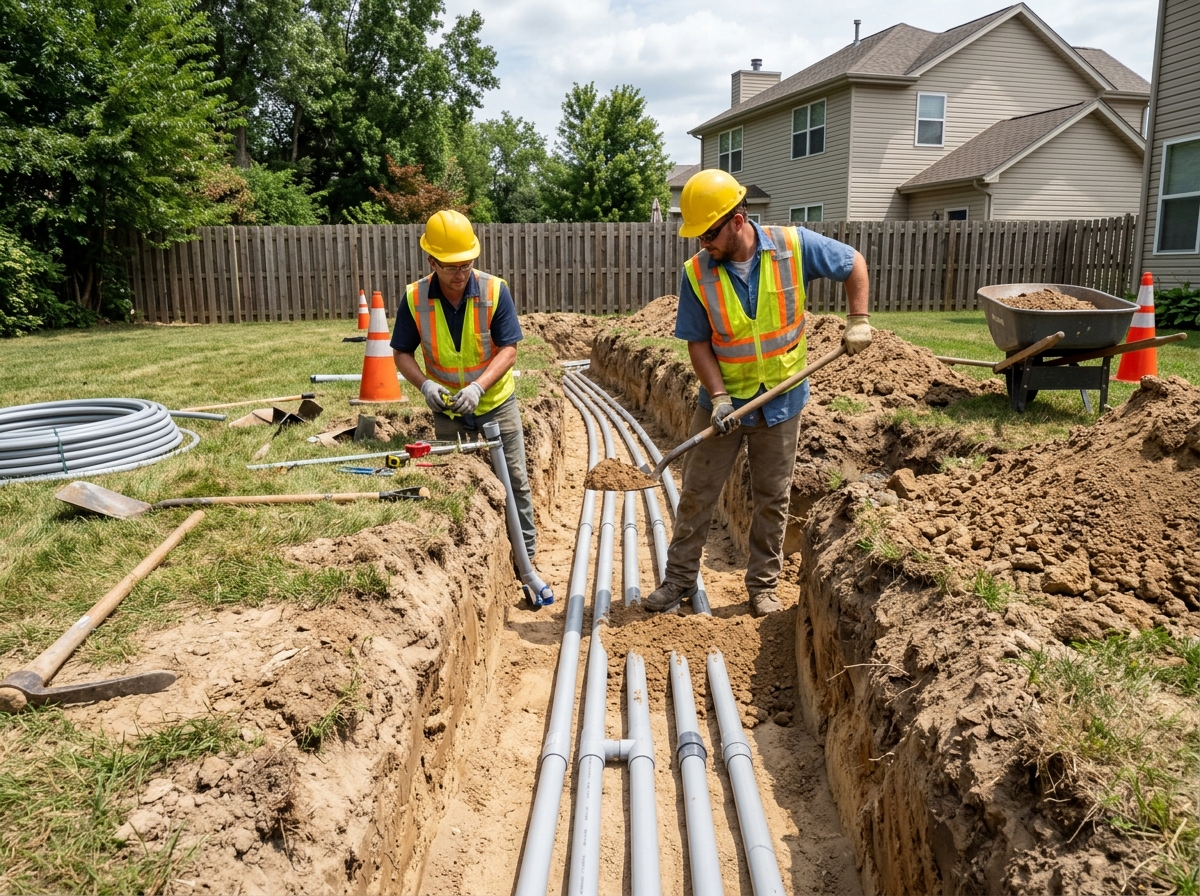
When we take on a project involving underground utilities, the process is methodical. It isn't just about sticking a pipe in the ground; it's about engineering a system that lasts.
The typical workflow for a new installation looks like this:
Time is money, especially on a construction site. Most gas line repairs can be completed in 1 to 2 days. However, a new installation for a new home or commercial building typically takes 2 to 6 weeks from the moment you pull the permit to the final "gas-on" inspection. This timeline accounts for utility company coordination and municipal inspectors' schedules.
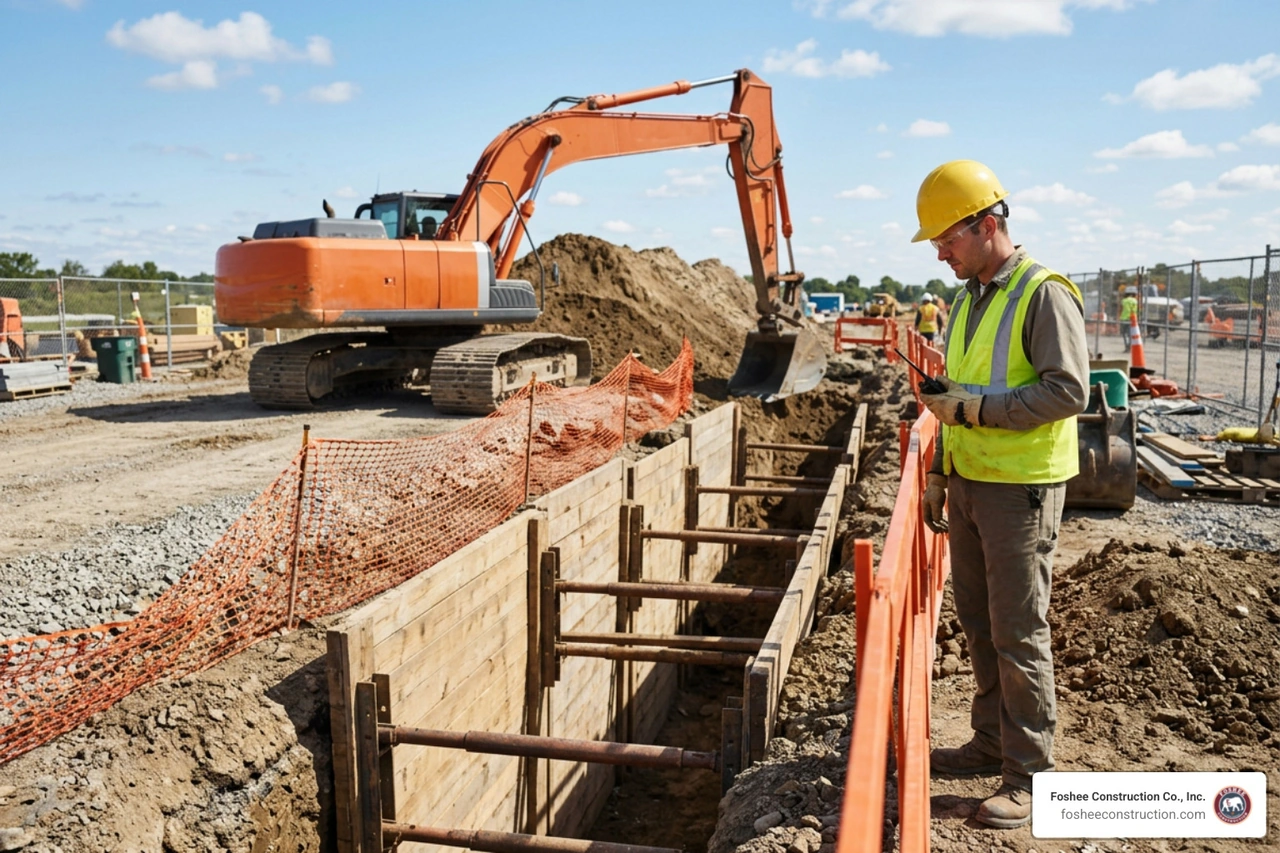
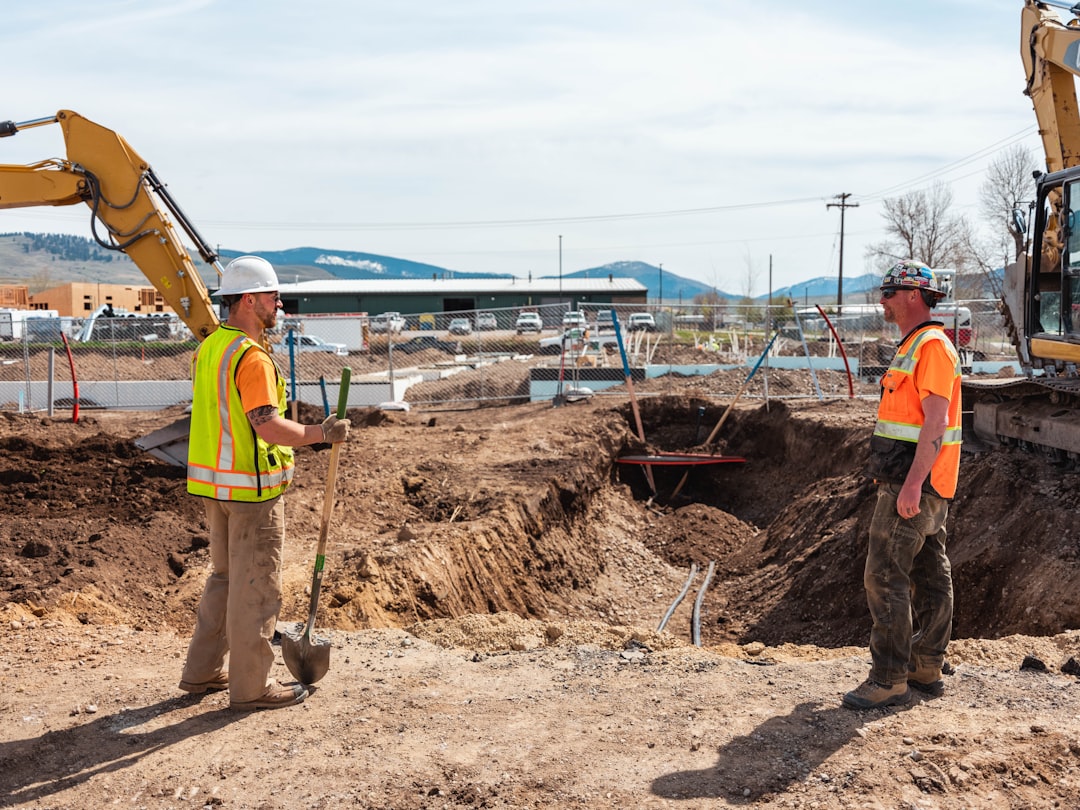
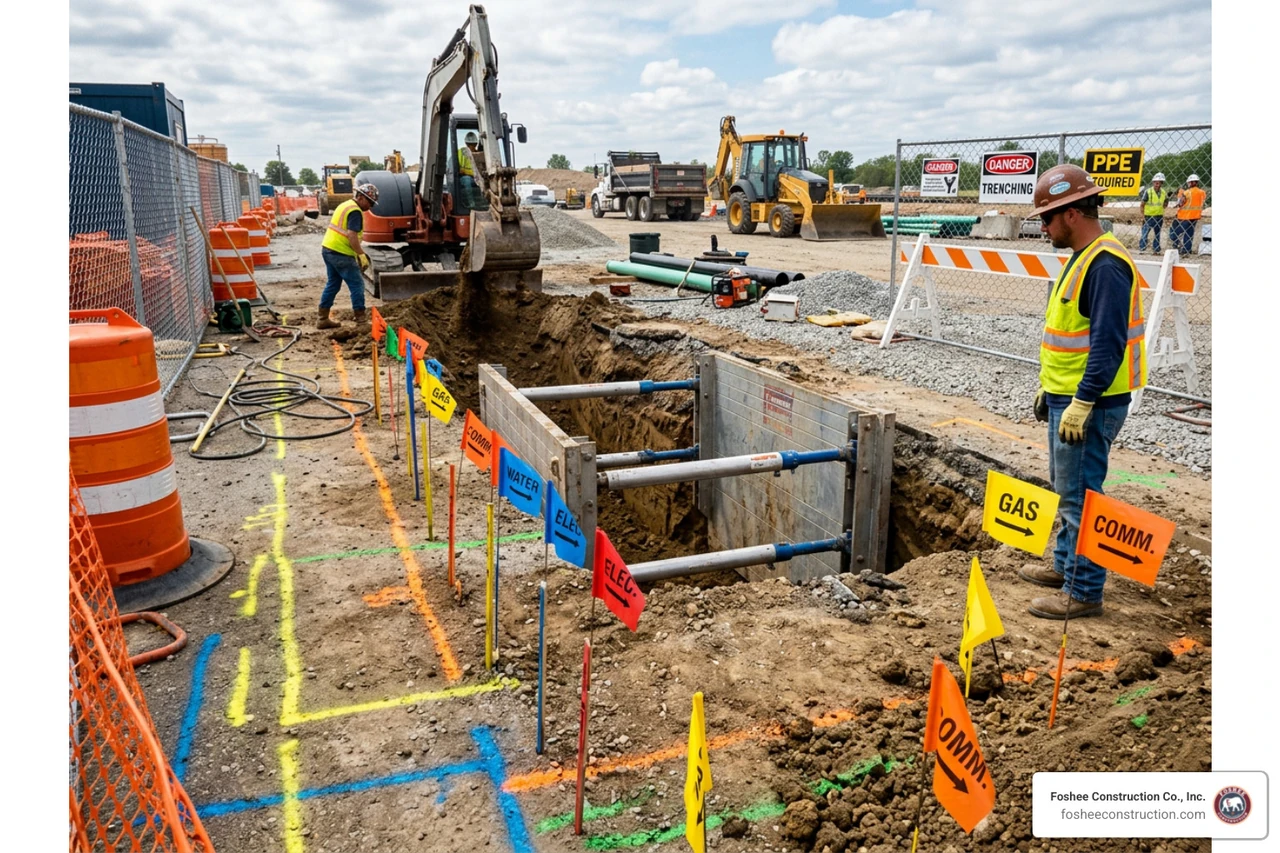
In Florida, we have to be extremely careful with underground work. We always coordinate with "811" (the "Call Before You Dig" number) to ensure we don't hit existing power or water lines. We also utilize directional boring when possible. This allows us to run a gas line under a driveway or a manicured lawn without digging a massive trench, minimizing the impact on your property.
Yes, almost always. Whether you are moving a line for a kitchen remodel or installing a new fire pit, a permit is required. This ensures a city inspector verifies the work is safe. A reputable contractor will handle the permitting process for you as part of their service.
As mentioned, the lifespan is usually 20 to 50 years. Black iron is incredibly tough but can rust if exposed to water. HDPE (plastic) used underground won't rust or corrode, making it the preferred choice for modern exterior lines.
A pressure test involves sealing the gas system and filling it with compressed air at a much higher pressure than the gas will ever reach. We then monitor the gauge for a set period (usually 30 minutes for residential). This is the only way to truly guarantee the system is leak-free before introducing flammable gas. A standard test costs $75 to $150, while extended tests for large commercial systems can cost up to $500.
Finding the right gas line contractors near me is about more than just finding the lowest price—it's about ensuring the safety and longevity of your property. At Foshee Construction, we understand that gas line work is a critical component of total site preparation.
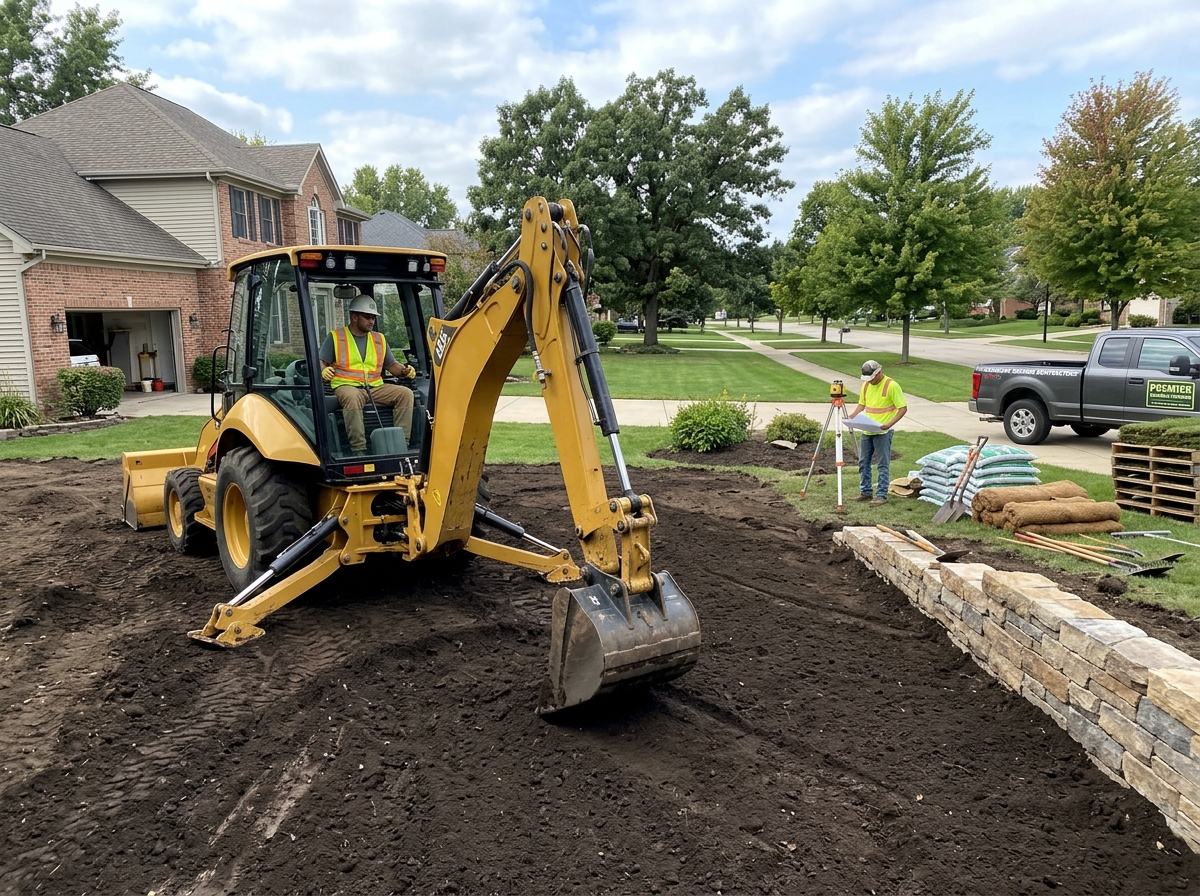
From our base in Minneola, Florida, we serve Lake County and the surrounding regions with a focus on underground utilities, grading, and erosion control. We pride ourselves on transparent bids and disciplined scheduling, ensuring that your project stays on track and within code. Whether you are a homeowner looking to upgrade your appliances or a developer needing complete site prep, we bring a safety-first mindset to every job.
Ready to start your next project with a team that values reliable relationships and Florida-grade construction standards? Contact Foshee Construction today for a consultation.
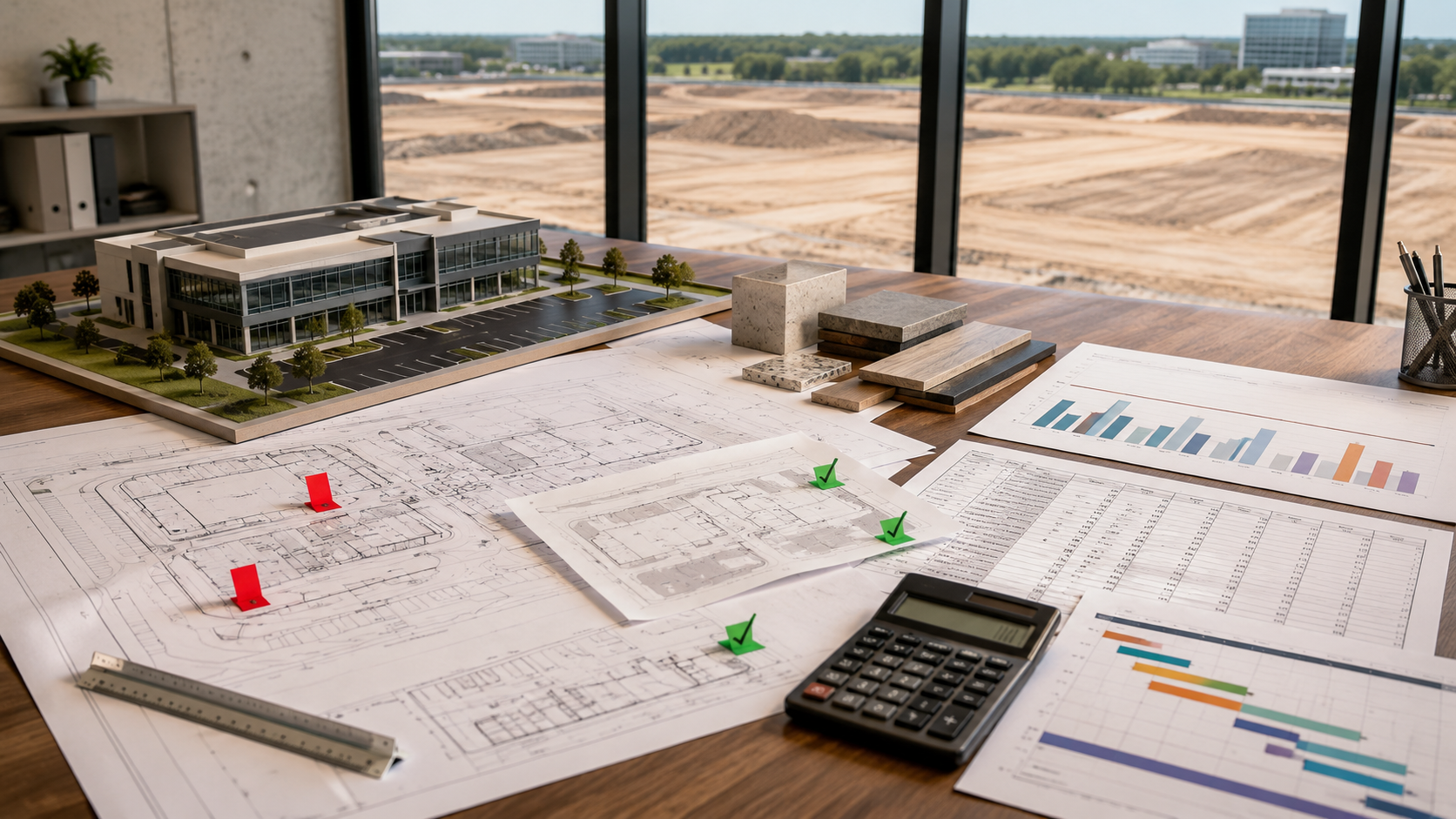
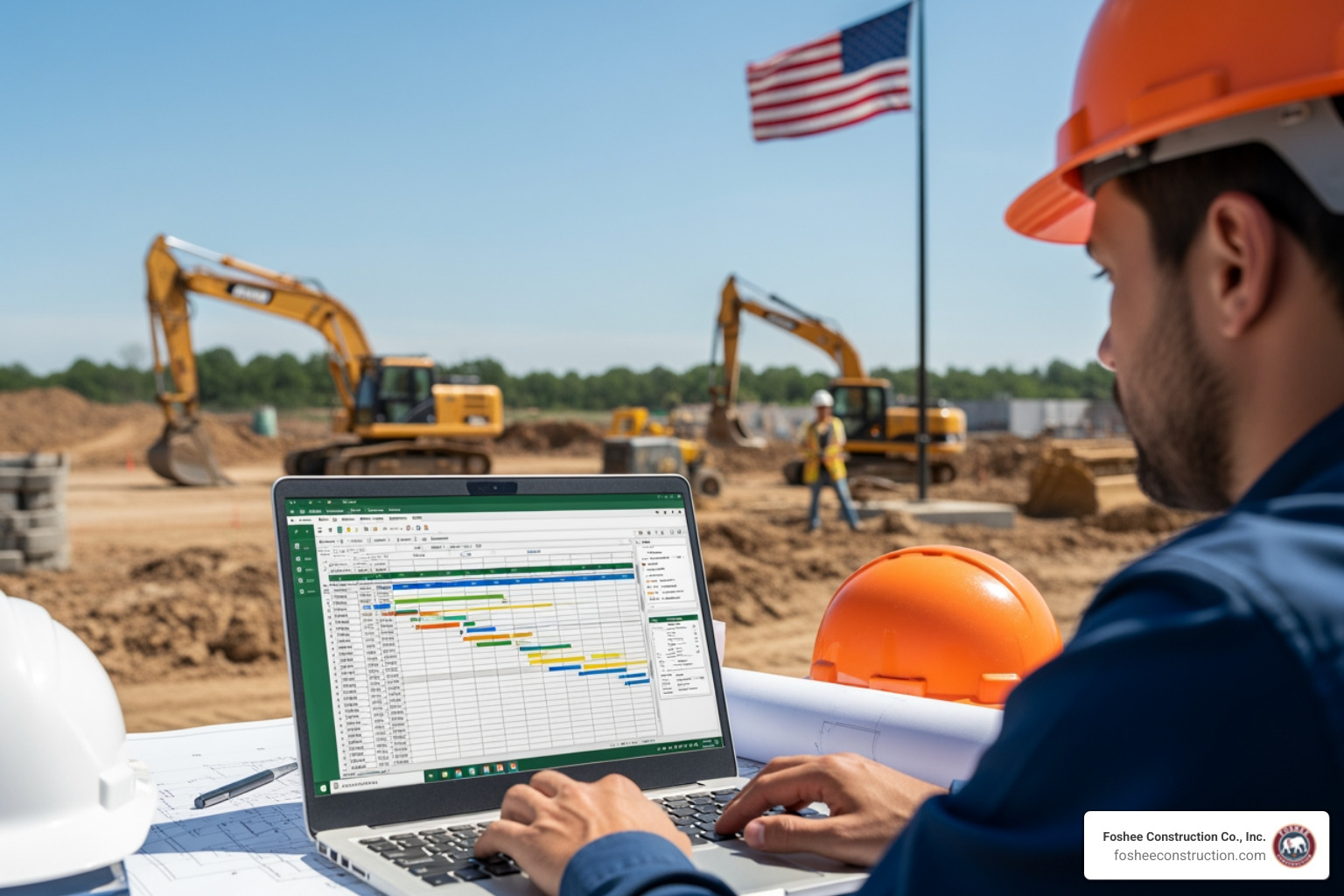
We build bids using HeavyBid and AGTEK because the details matter long before the job starts. When the numbers are accurate and the scope is clearly defined, it sets the tone for how the entire project runs. Estimating isn’t just a step in the process, it’s the foundation we build on.
That same mindset carries into the field. Our crew is trained to work with purpose, follow the Civil Engineers’ Plan to the finest detail, and hold the line on quality. When expectations are clear from day one, there’s no need for shortcuts, and no confusion about how the work gets done.
Clients trust our bid packages because they’re complete and ready to use. Project managers know what we’re covering, what’s excluded, and how we plan to approach the job. That clarity removes friction and lets teams focus on execution instead of interpretation.
As part of our review process, we go into the plans before anything hits the site. We ask the questions early, resolve issues before they show up in the field, and keep RFIs moving. This approach prevents delays and protects the timeline.
Over time, that consistency builds trust. Many of the people we work with today came through referrals from past projects – engineers, GCs, and superintendents who’ve seen how we operate and want the same experience again.
In 2024, Foshee Construction was acquired by Saga Infrastructure Solutions, a national network of civil construction companies. Saga supports regional contractors by giving them access to better tools, long-term resources, and operational backing, without changing how they run day to day.
Foshee will continue to operate under its name, with the same team and field leadership in place.
“From the very time a project starts, we start that partnership. We try to catch as much as we can with the tools that we have. Not everybody is using the software platforms we are. That’s the differentiator: we’re not just bidding. We’re anticipating, problem-solving, and making sure the job runs right.”
— Don, CEO, Saga Infrastructure Solutions
Foshee is now part of a broader regional strategy that includes Florida, the Piedmont Atlantic, Texas, Colorado, and the Arizona Sun Corridor. The name, crews, and standards remain. What’s improving is the support behind it.