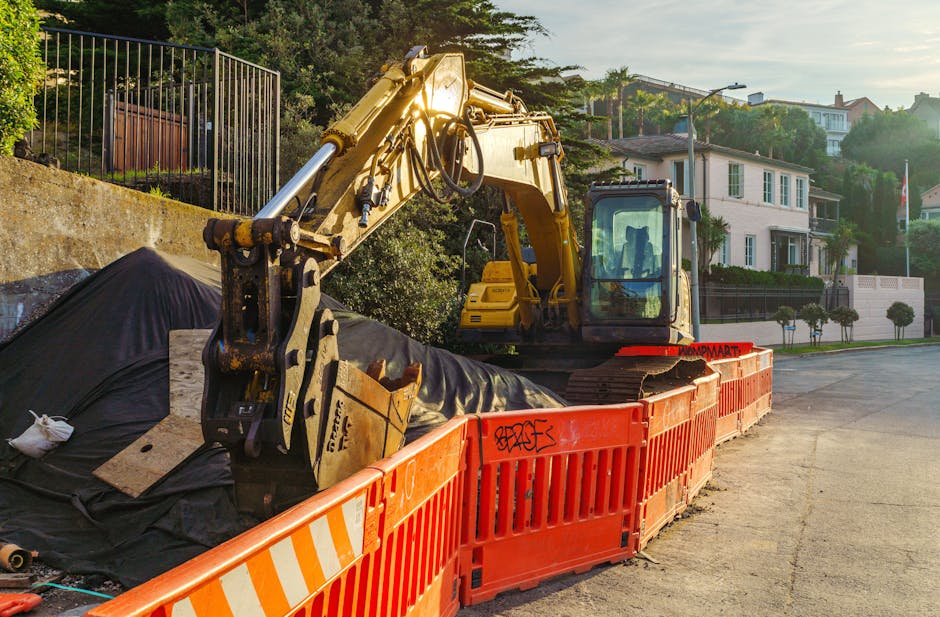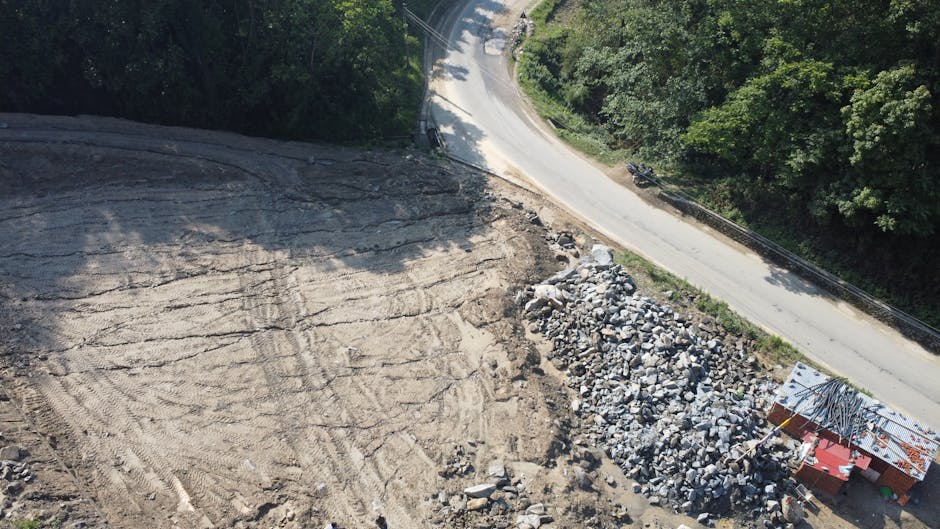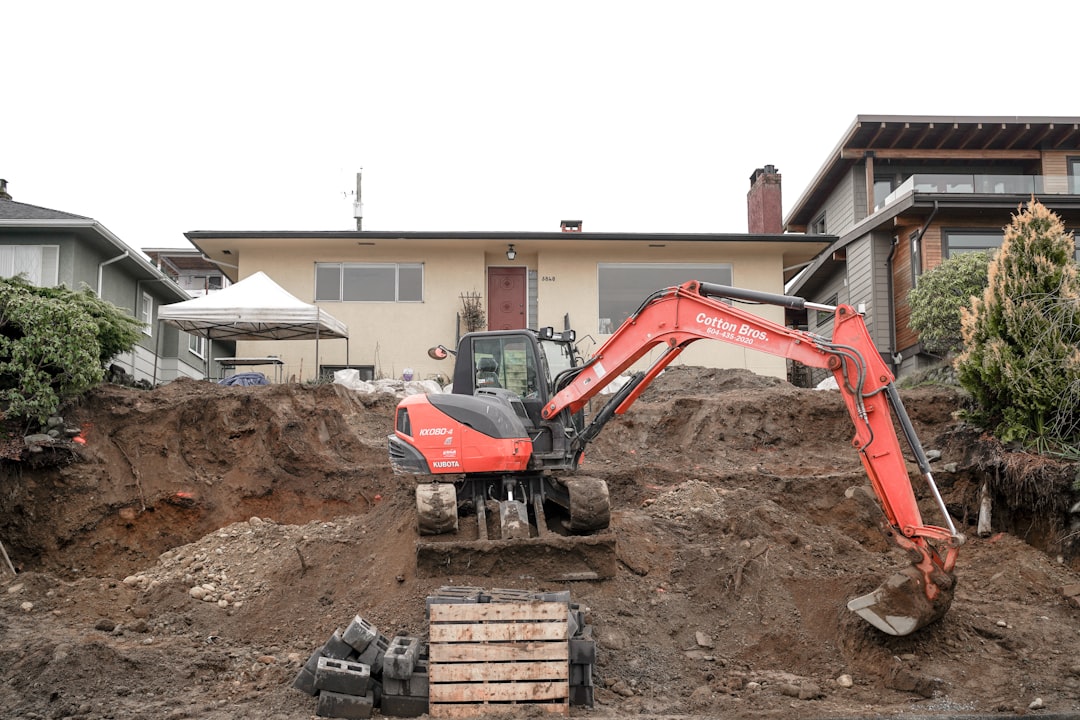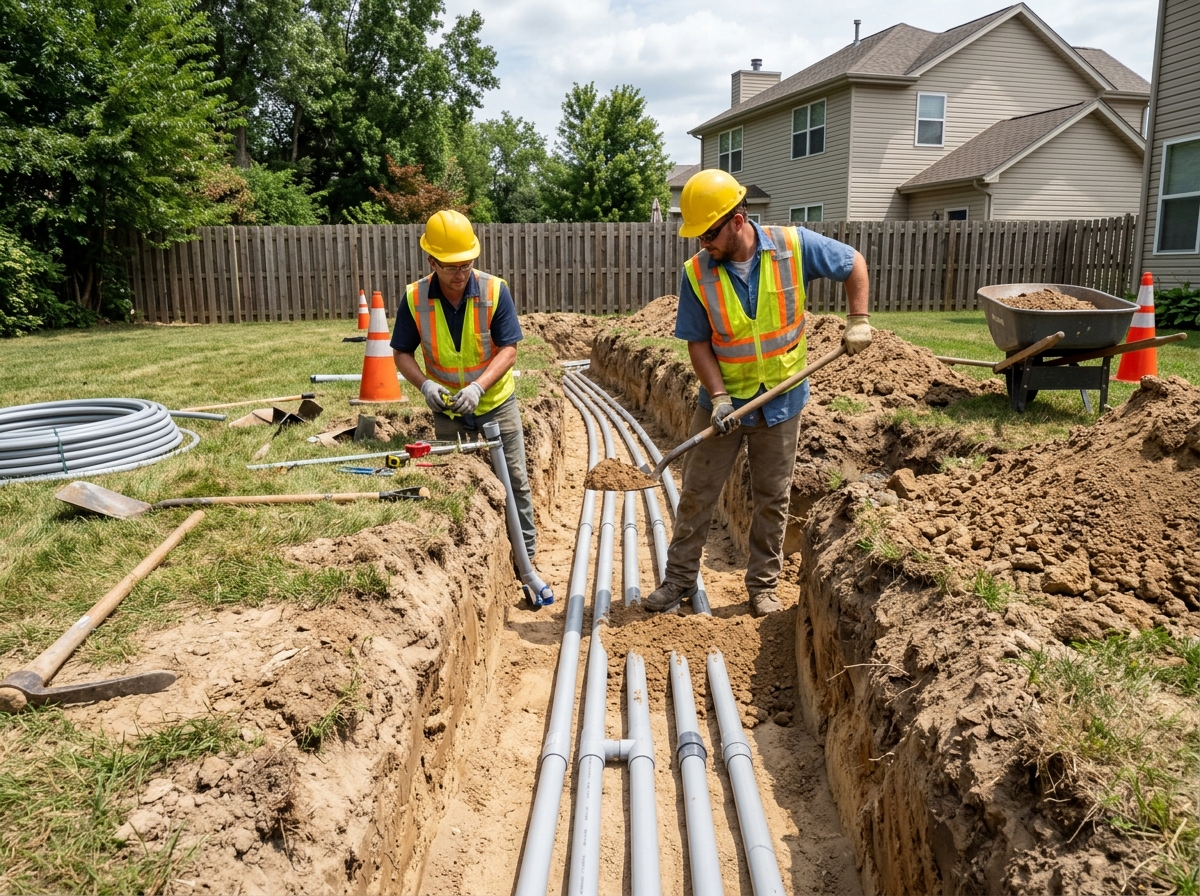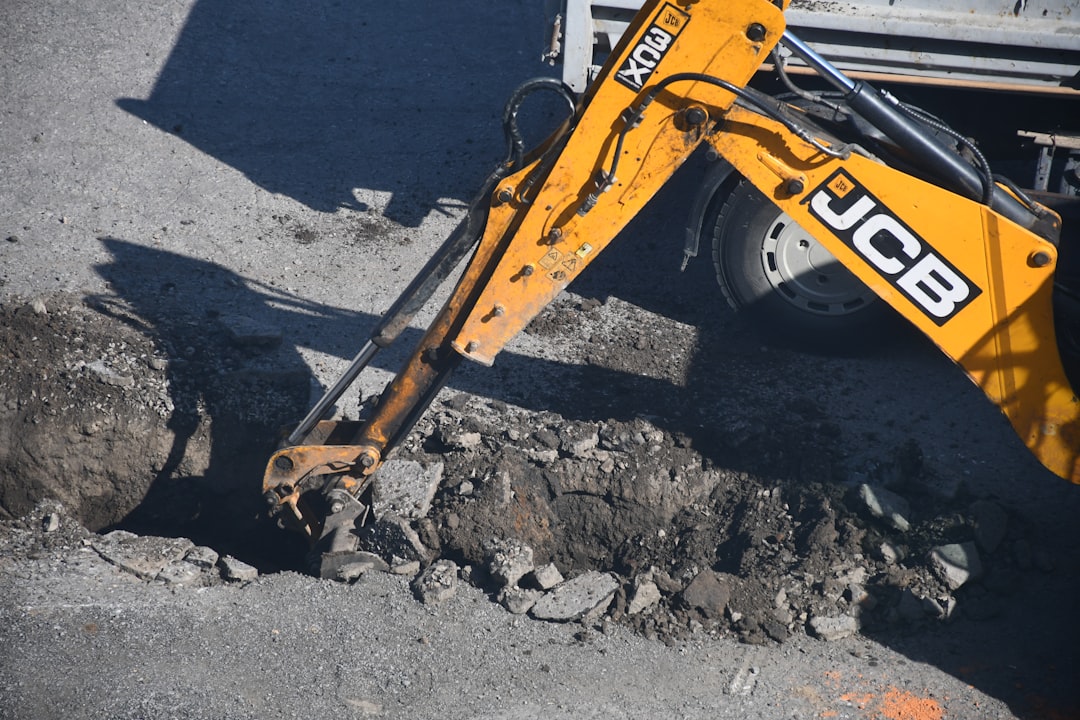
Trenching for electrical conduit is the process of digging a narrow channel in the ground to install protective pipe that houses electrical wiring underground. Here's a quick overview of the key requirements:
Before you dig, you must:
Trenching looks simple on the surface — but get it wrong and you're looking at utility strikes, failed inspections, costly rework, and serious safety hazards.
This guide walks you through every phase: planning, equipment selection, installation, backfill, and site restoration. Whether you're running power to a new structure or laying primary service lines across a large development, the process demands careful execution at every step.
I'm Don Larsen, and at Foshee Construction Co., Inc. we've spent over three decades handling site development and underground utility work across Central Florida — including trenching for electrical conduit on projects ranging from residential lots to large commercial sites. Let's walk you through exactly how it's done right.

Trenching for electrical conduit terms explained:
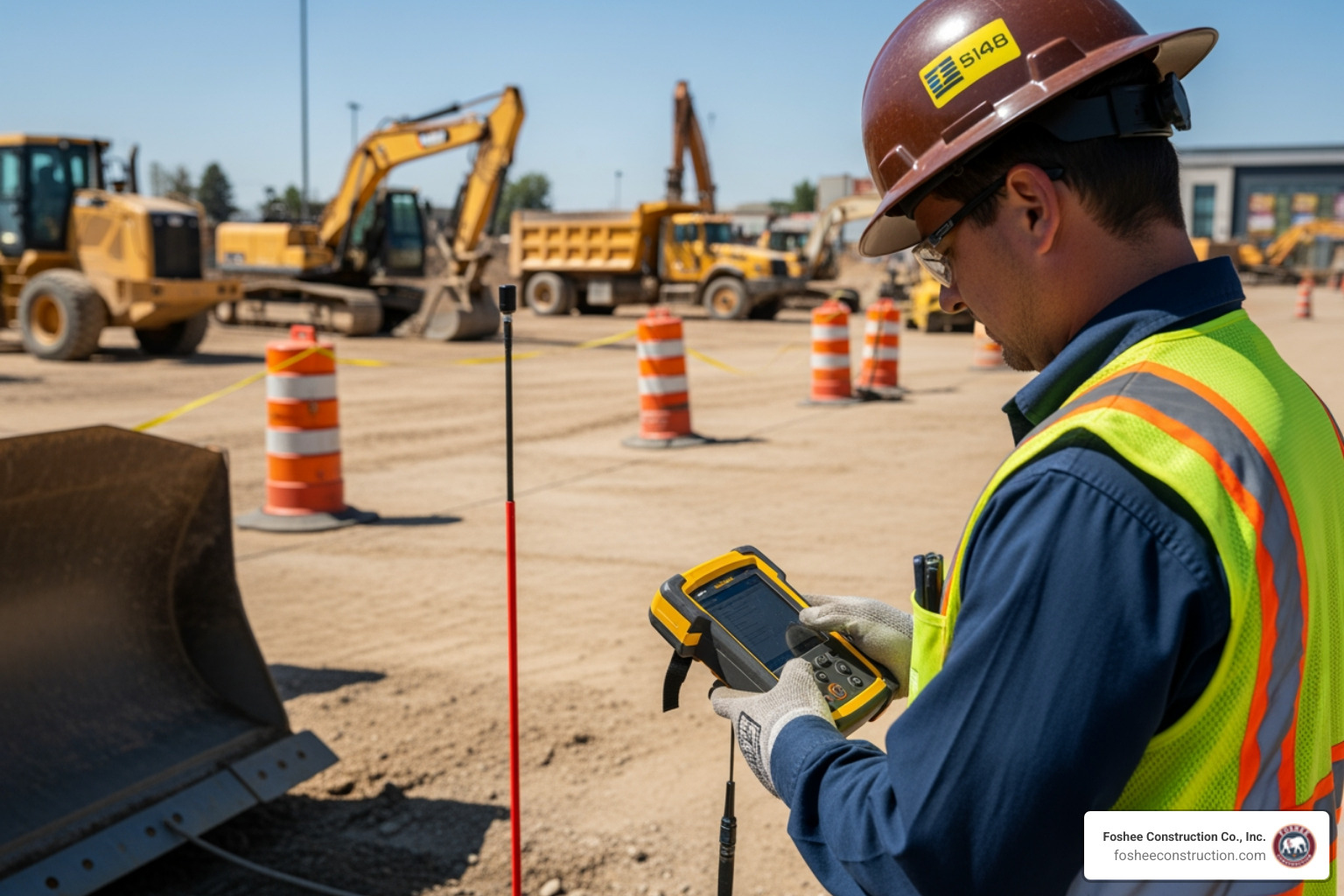
Before we even think about firing up a trencher, we have to talk about what’s already under the surface. It is estimated that across the globe, utility strikes cost economies billions of dollars annually. In the UK alone, there are roughly 60,000 utility strikes a year. Here in Florida, hitting a water main or a fiber optic line doesn't just stall your project; it can lead to massive fines and dangerous situations.
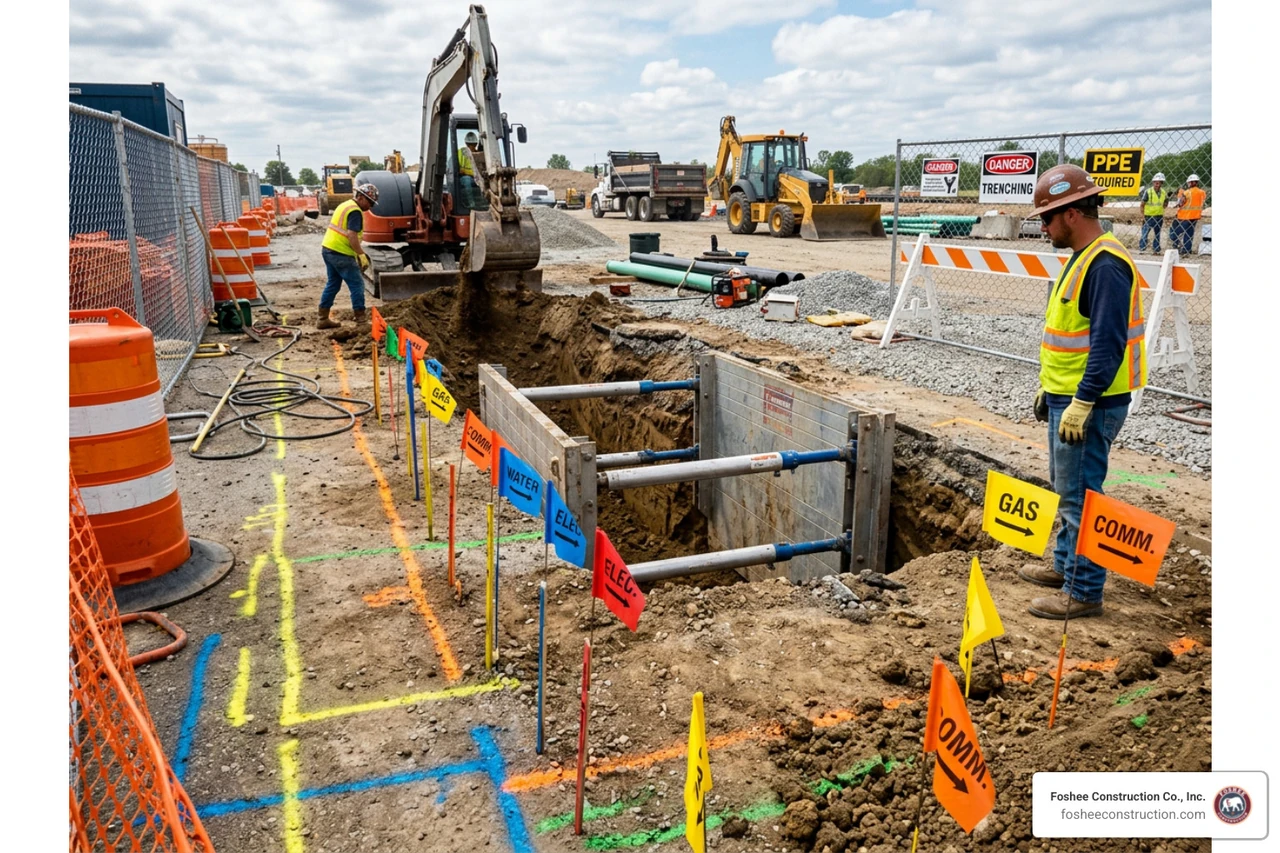
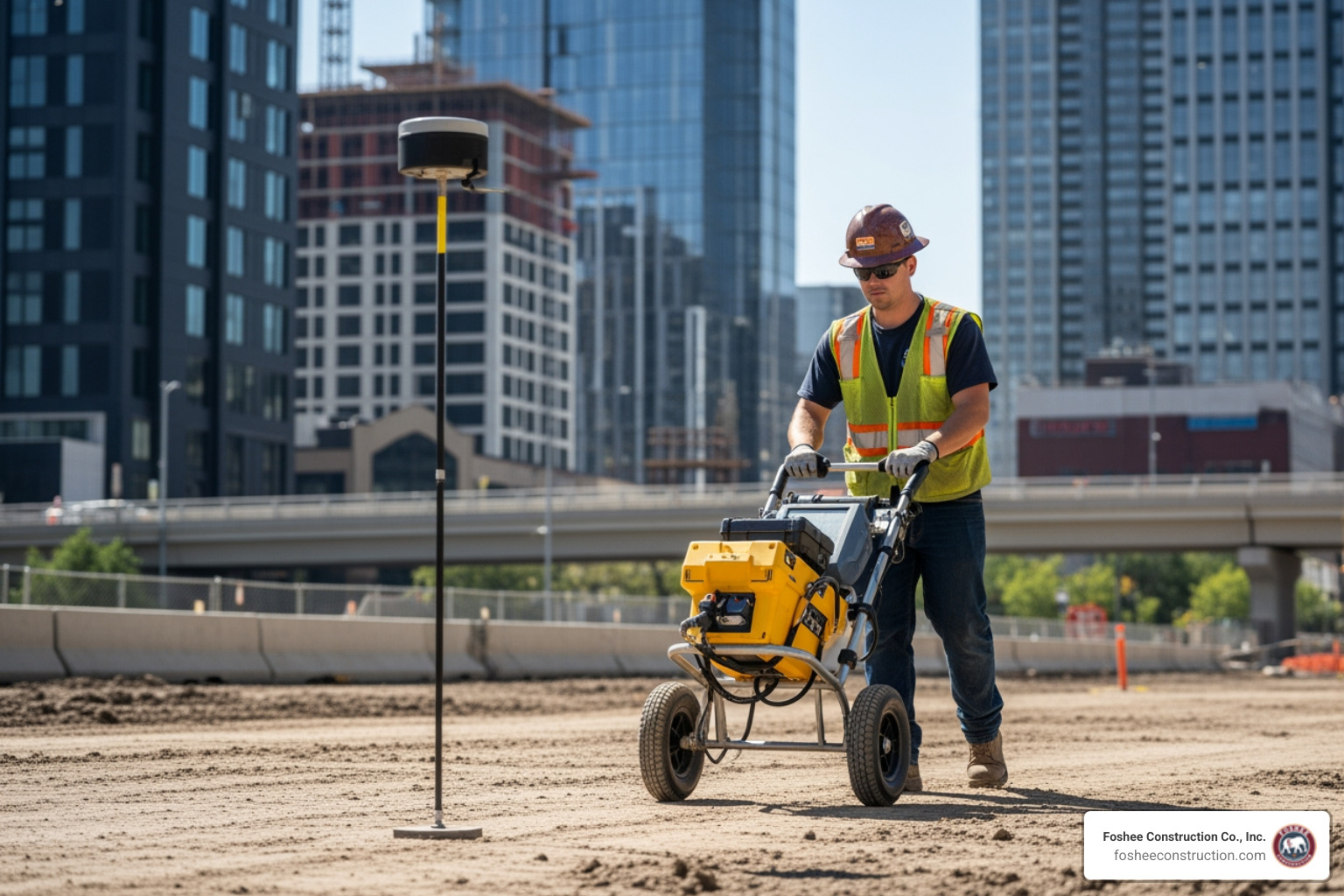
The first step in any project involving trenching for electrical conduit is calling 811. In Florida, this connects you with Sunshine 811. You are legally required to notify them at least two full business days before you start digging. They will coordinate with utility companies to mark the location of existing lines with color-coded paint or flags.
How to safely locate existing underground utilities is a critical skill. Even after the lines are marked, we often use "soft digging" techniques like hand-shoveling or vacuum excavation when working within the "tolerance zone" (usually 24 inches on either side of the marks) to ensure we don't accidentally nick a pipe.
In Lake County and the surrounding Minneola area, you’ll need an electrical permit for almost any underground wiring project. These permits ensure that your work will be inspected and meet the National Electrical Code (NEC).
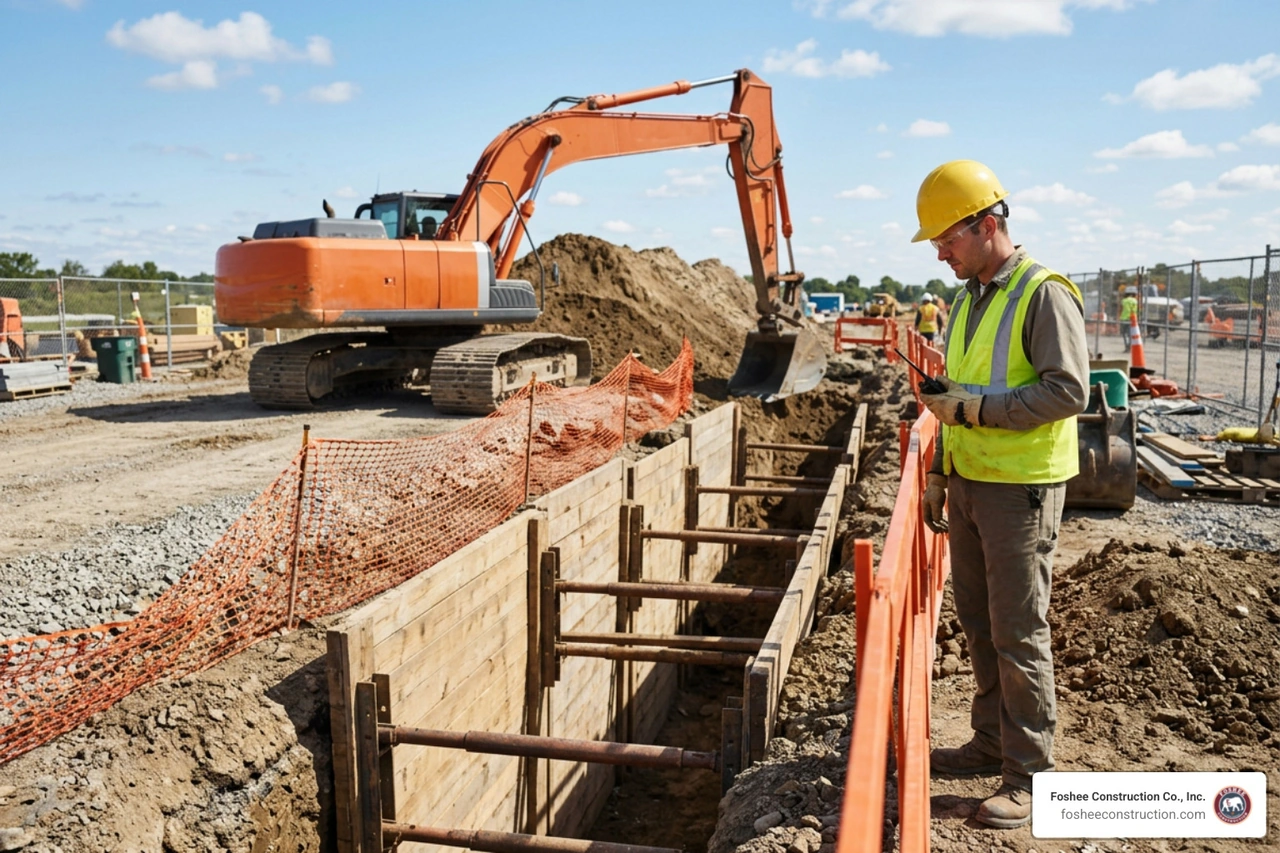
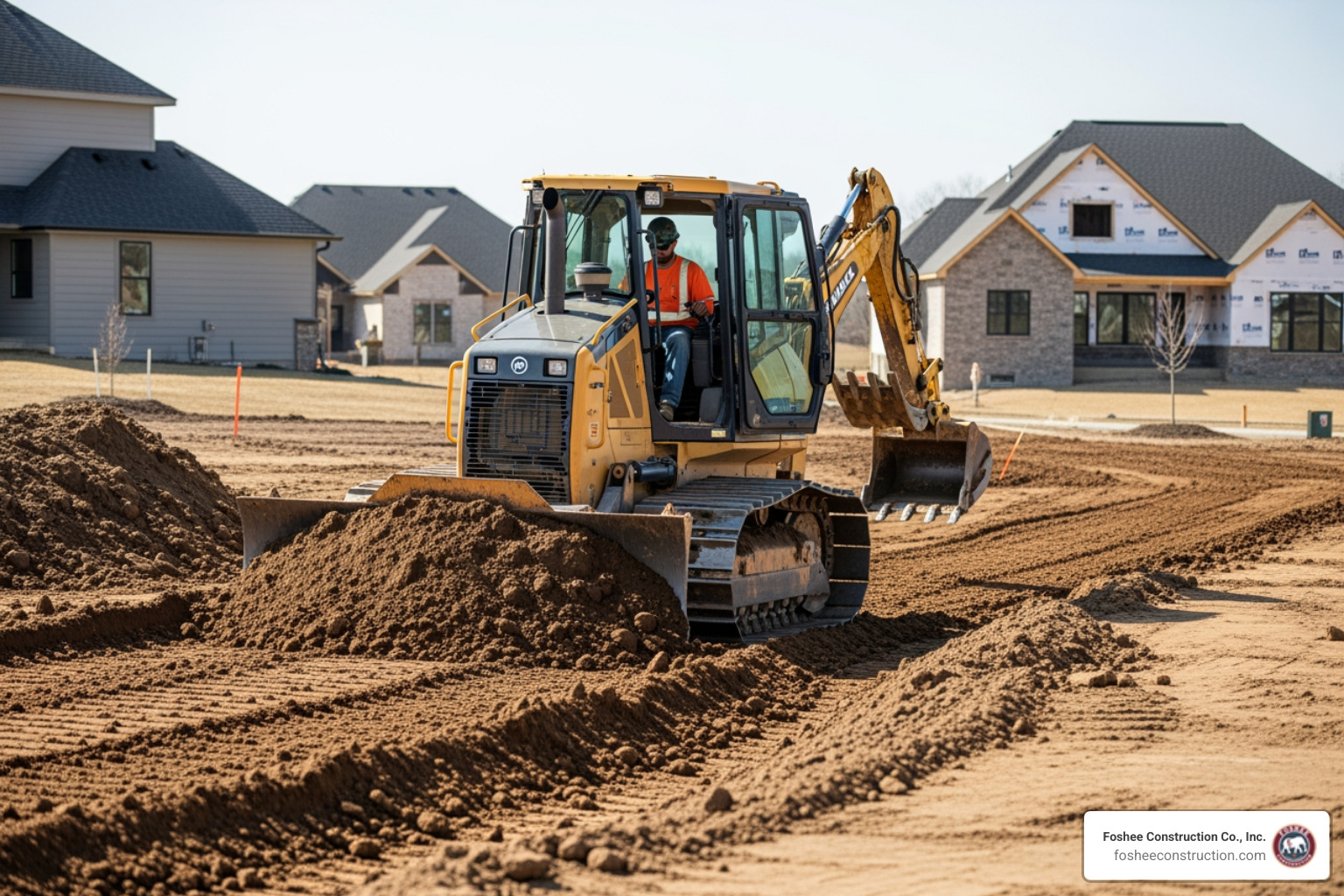
We also perform a soil analysis. Florida soil is famously sandy, which is great for easy digging but a nightmare for trench stability. Sandy soil is prone to "sloughing" or collapsing. If we are digging a trench deeper than 5 feet, OSHA regulations require us to use protective systems like shoring (supporting the walls), sloping (cutting the walls back at an angle), or shielding (using a trench box).
The NEC (National Electrical Code) Table 300.5 is our "North Star" for burial depths. However, local Florida codes or specific utility company requirements can sometimes be stricter. For example, while the NEC might allow a certain depth, a local utility provider in Central Florida might require primary lines to be buried at 42 inches to account for future grading or heavy equipment traffic.
We also have to consider utility easements and rights-of-way. You can’t just dig wherever you want; you must ensure the conduit stays within the designated paths to avoid legal headaches later.
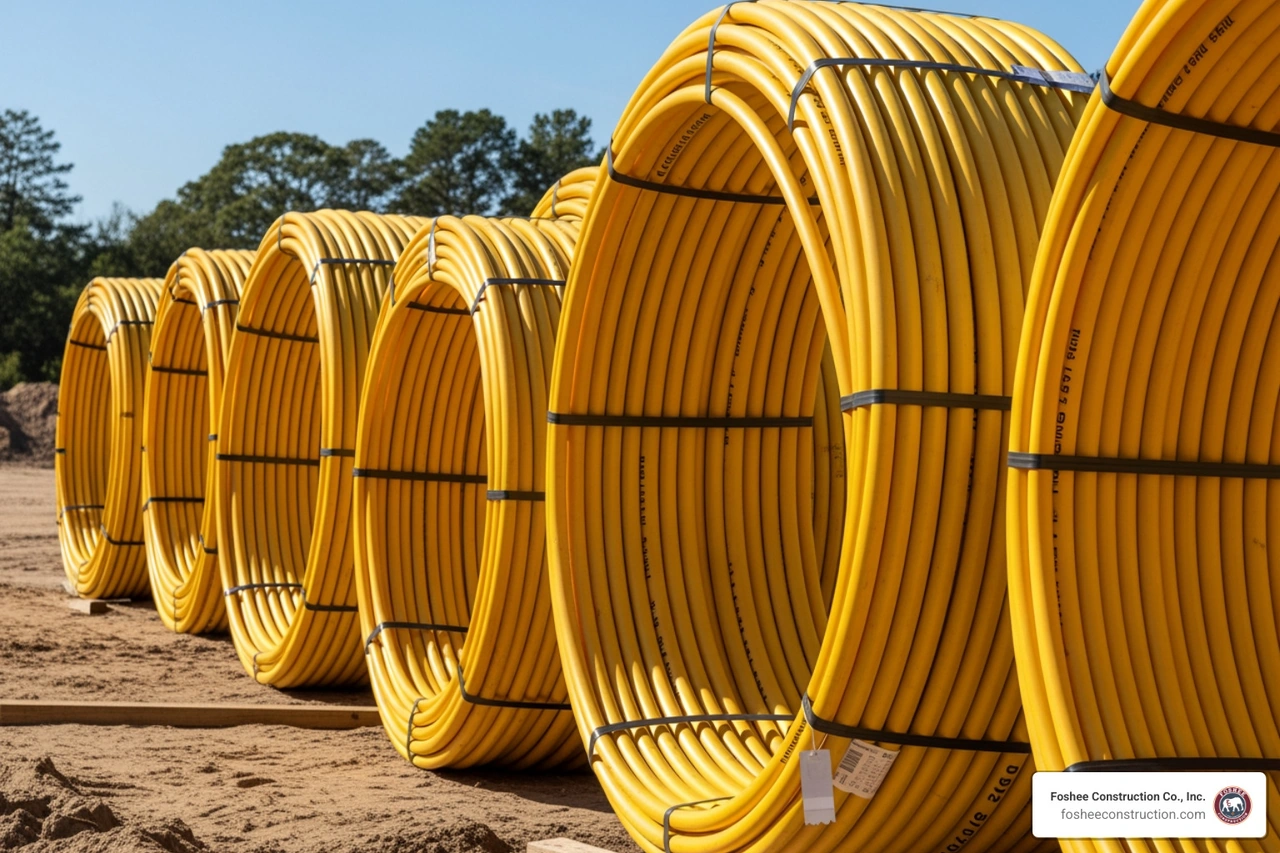
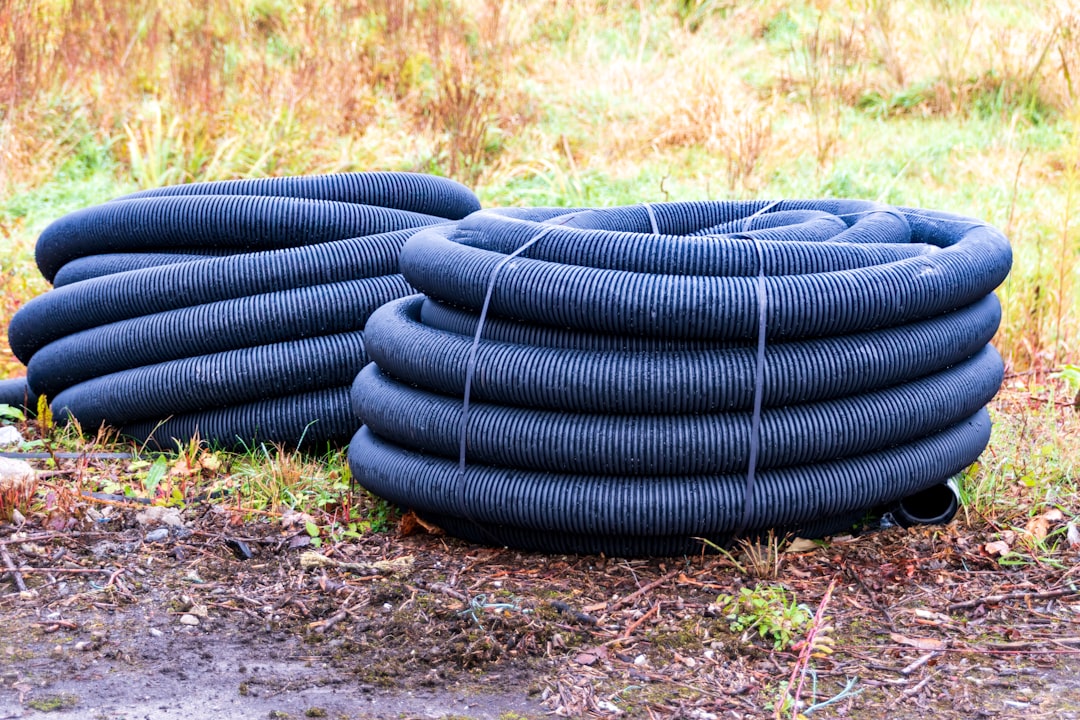
Choosing the right materials and tools can make or break the efficiency of your project. For trenching for electrical conduit, we generally look at three main types of conduit:
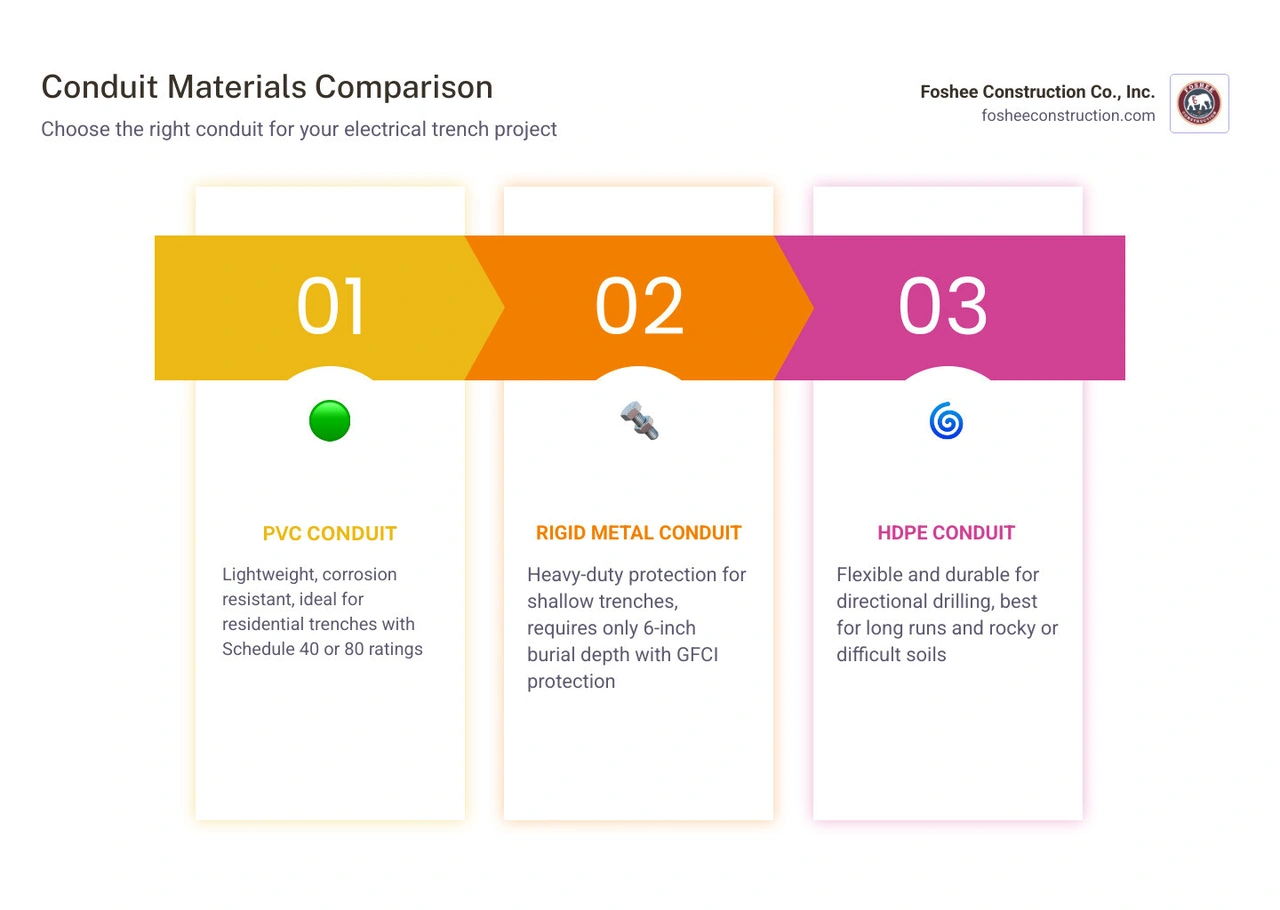
In most Florida installations, we use gray Schedule 40 PVC. However, if the conduit is exposed to physical damage—like where it emerges from the ground to attach to a building—NEC requires Schedule 80, which has a thicker wall.
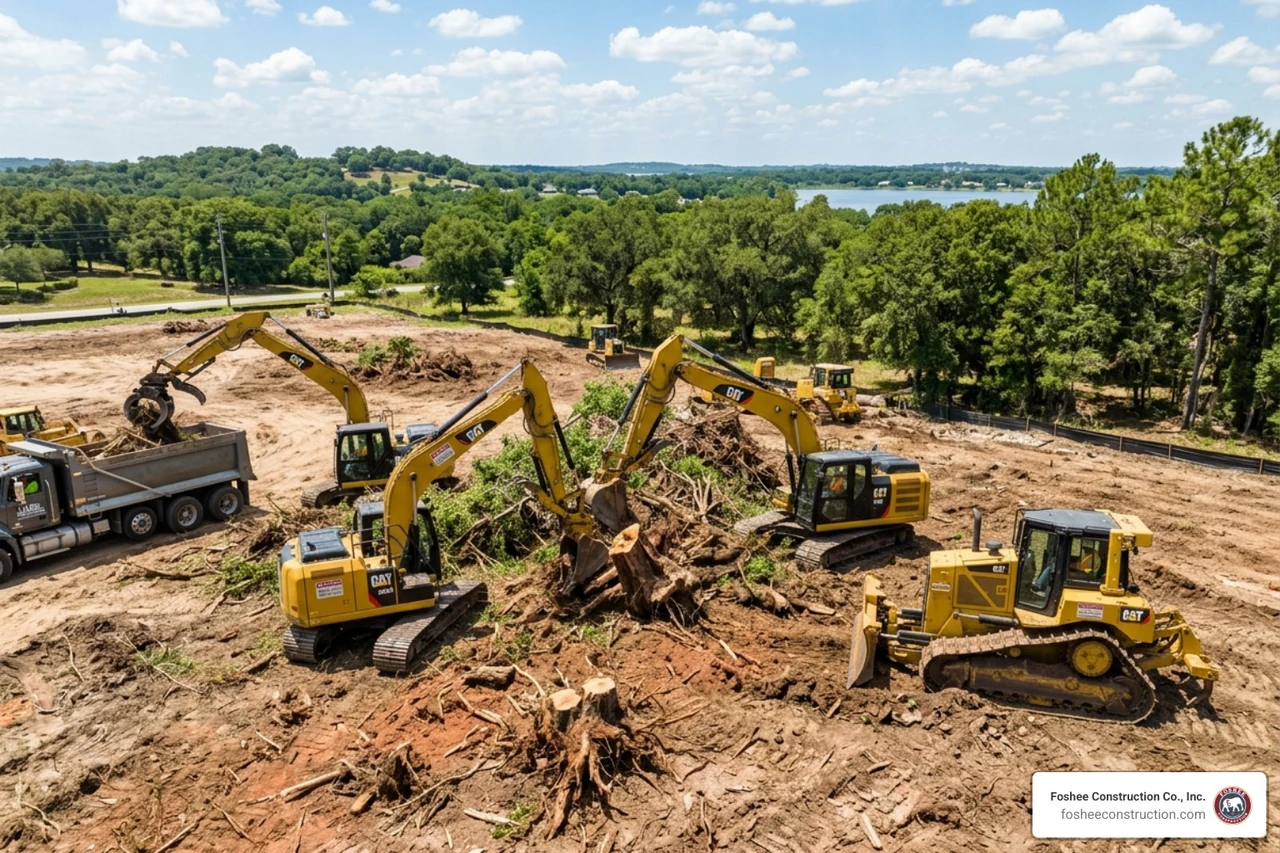
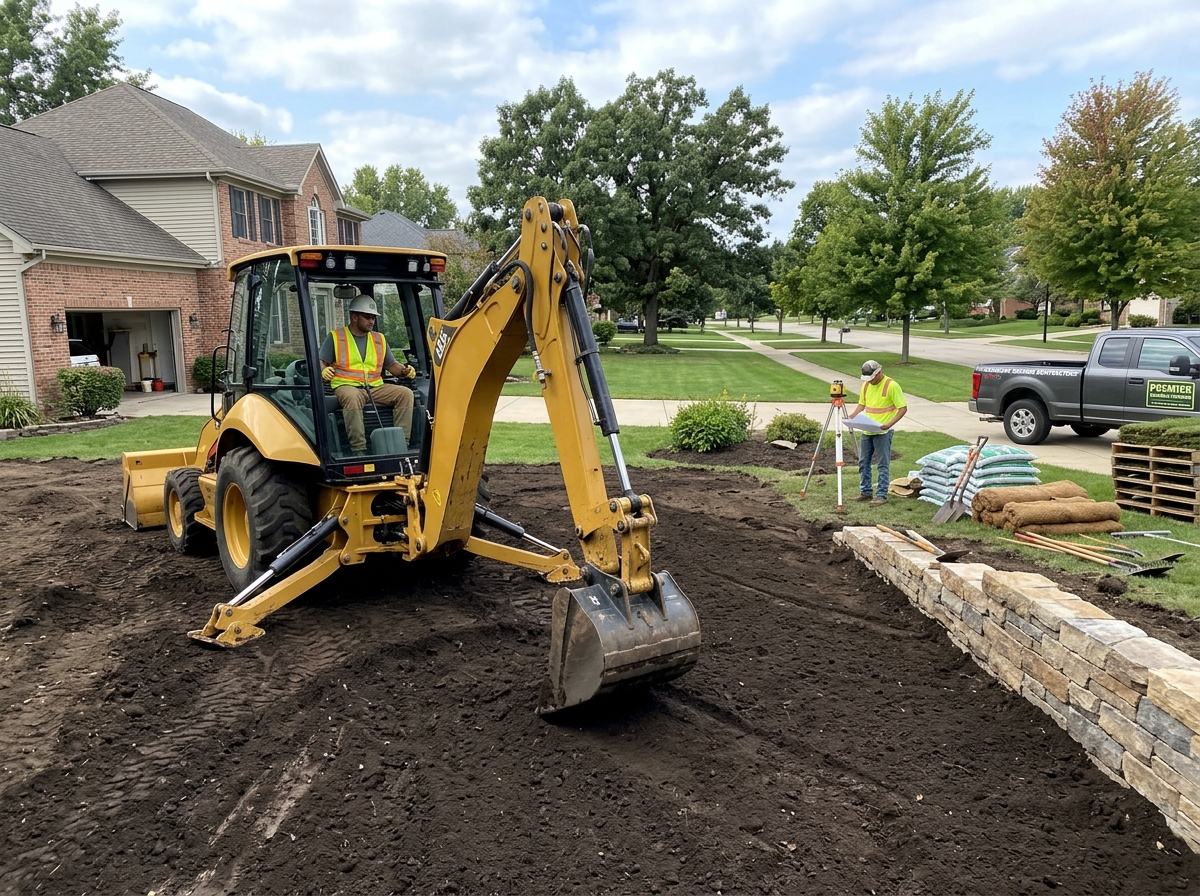
For small residential runs, a manual pick mattock or a "drain spade" (a narrow, long-bladed shovel) might suffice. But for anything substantial, we utilize:
If you want More info about underground utility services, it’s important to understand that equipment selection is based on the "path of least resistance." In our sandy Minneola soil, a chain trencher is usually the fastest option.
The depth of your trench is determined by what you are putting in it.
We also have to account for voltage drop. If you are running power to a shed 200 feet away, you may need to upsize the wire and, consequently, the conduit size to ensure the electricity arriving at the destination is still at the correct voltage. Following Primary Trenching Guidelines ensures that these high-voltage runs are safe for the long haul.
We start by marking the path with white spray paint (the universal color for "proposed excavation"). We try to keep the path as straight as possible. Every bend in the conduit makes it harder to pull the wire later. The NEC limits you to 360 degrees of total bends (four 90-degree elbows) between pull points.
You can't just throw conduit onto a jagged trench floor. In rocky areas, we lay down a 2-to-4-inch "bedding" of clean sand. This prevents rocks from pressing against and eventually cracking the conduit. The "Typical Trench Detail" usually requires the conduit to be centered in the trench with plenty of space for backfill.
Often, we are "joint trenching," which means putting multiple utilities in one wide trench to save money. However, there are strict rules about separation:
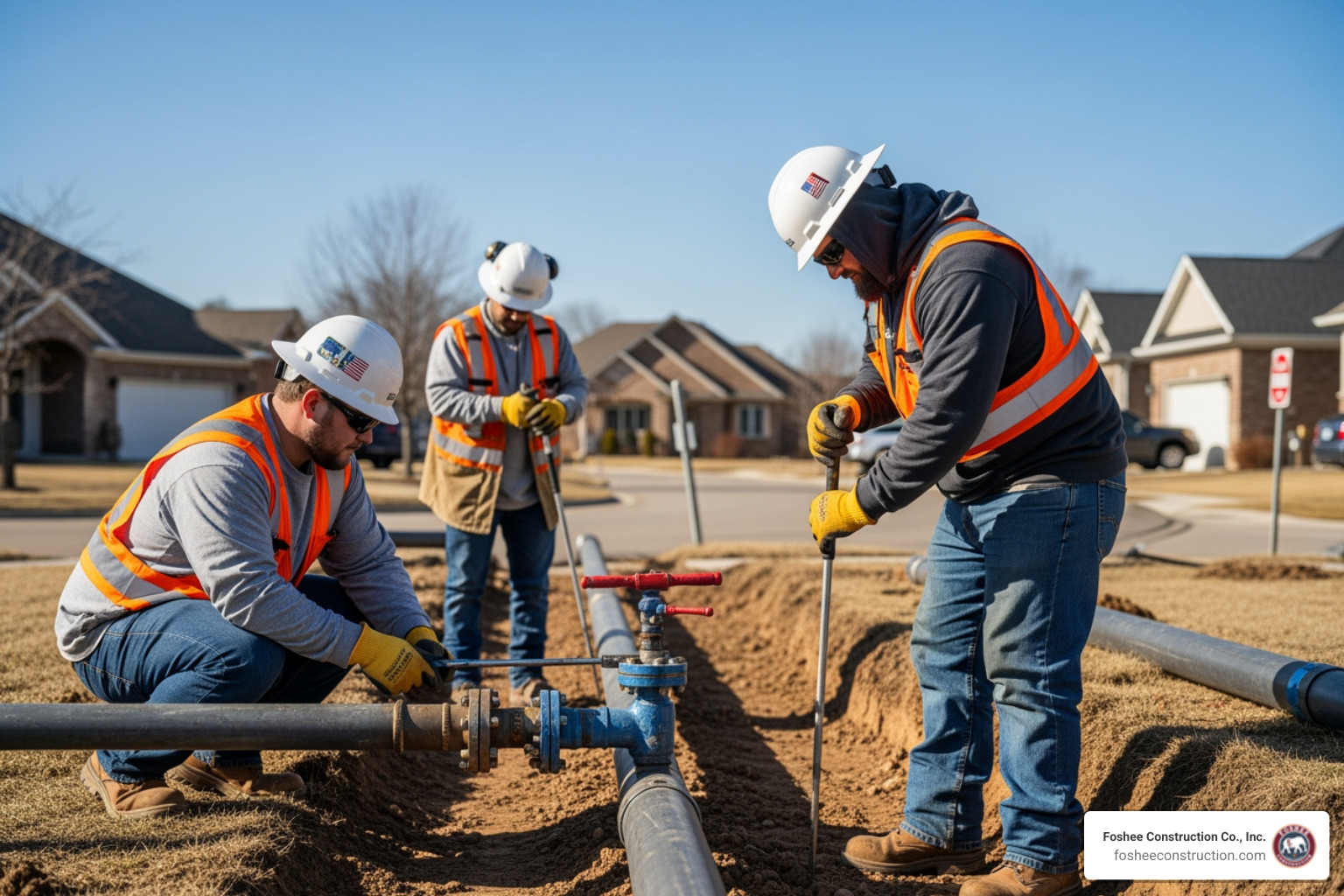
Once the conduit is laid, we use "sweeps" (long-radius elbows) rather than sharp 90-degree turns. We always install a "pull string" or high-strength "mule-tape" inside the conduit. This allows the electrician to easily pull the heavy copper wires through the pipe once the trench is closed.
This is where many DIYers fail. You don't just shove all the dirt back in at once.
When the conduit reaches the building, we use a hammer drill to penetrate the foundation or wall. This hole must be sealed with exterior-grade caulk or duct seal to prevent water and pests from entering the structure.
In some cases, traditional trenching for electrical conduit isn't the best option. If we need to go under a paved driveway, a manicured landscape, or a busy Minneola roadway, we use Horizontal Directional Drilling (HDD).
Electric Line Boring (also known as directional boring) allows us to install conduit without ever breaking the surface. While the cost per foot is higher than open trenching, it saves thousands in restoration costs for asphalt, concrete, and sod.
The global underground electric construction equipment market is booming—expected to hit $17.54 billion by 2034. This growth is driven by the fact that burying lines is safer and more reliable, even if it's more expensive upfront.
For a standard residential project in Florida, you’re looking at $500 to $2,000 for a typical 50-to-100-foot run, including equipment rental, conduit, and labor. Professional site prep companies like ours provide transparent bids that include the cost of permits and restoration, which avoids the "hidden surprises" of DIY projects.
Yes, this is called a joint trench. However, you must maintain the required separation (usually 12 inches). You should never zip-tie an electric conduit to a water pipe. If the water pipe leaks, it can erode the soil around the conduit, and if the electric line ever shorts, it’s a recipe for disaster.
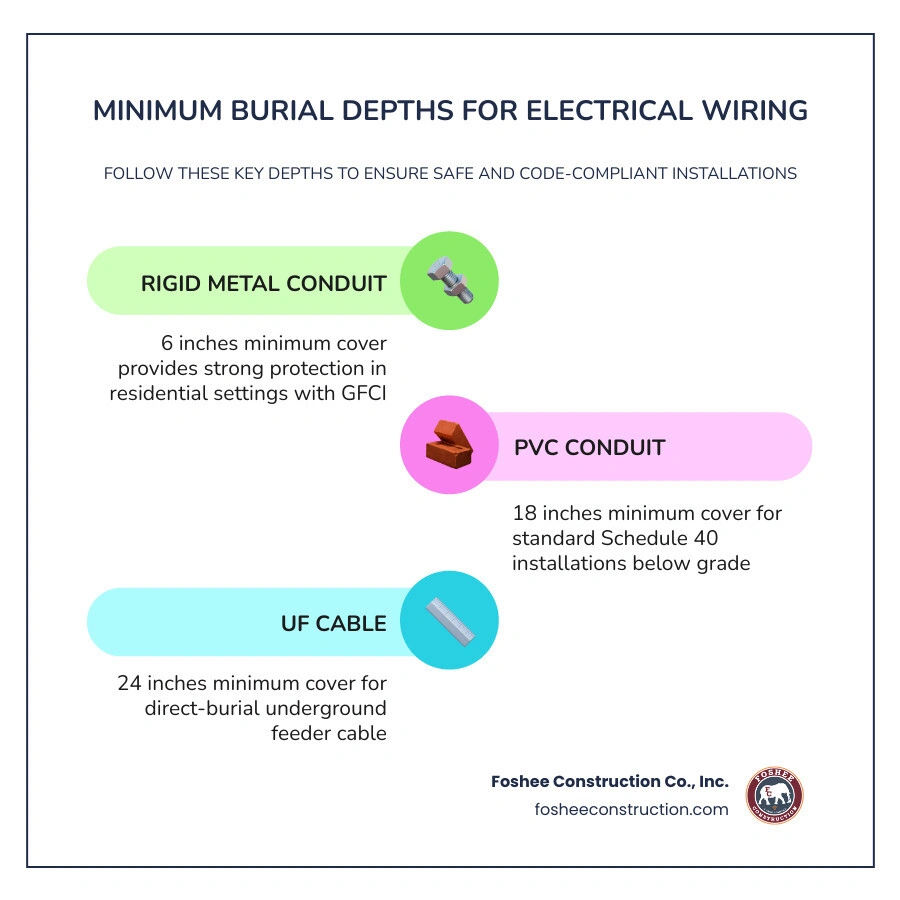
The absolute shallowest you can go is 6 inches, but this requires Galvanized Rigid Metal Conduit (RMC). If you are using standard PVC, you must be at least 18 inches deep. For low-voltage landscape lighting (less than 30 volts), you can often go as shallow as 6 inches with direct-burial cable.
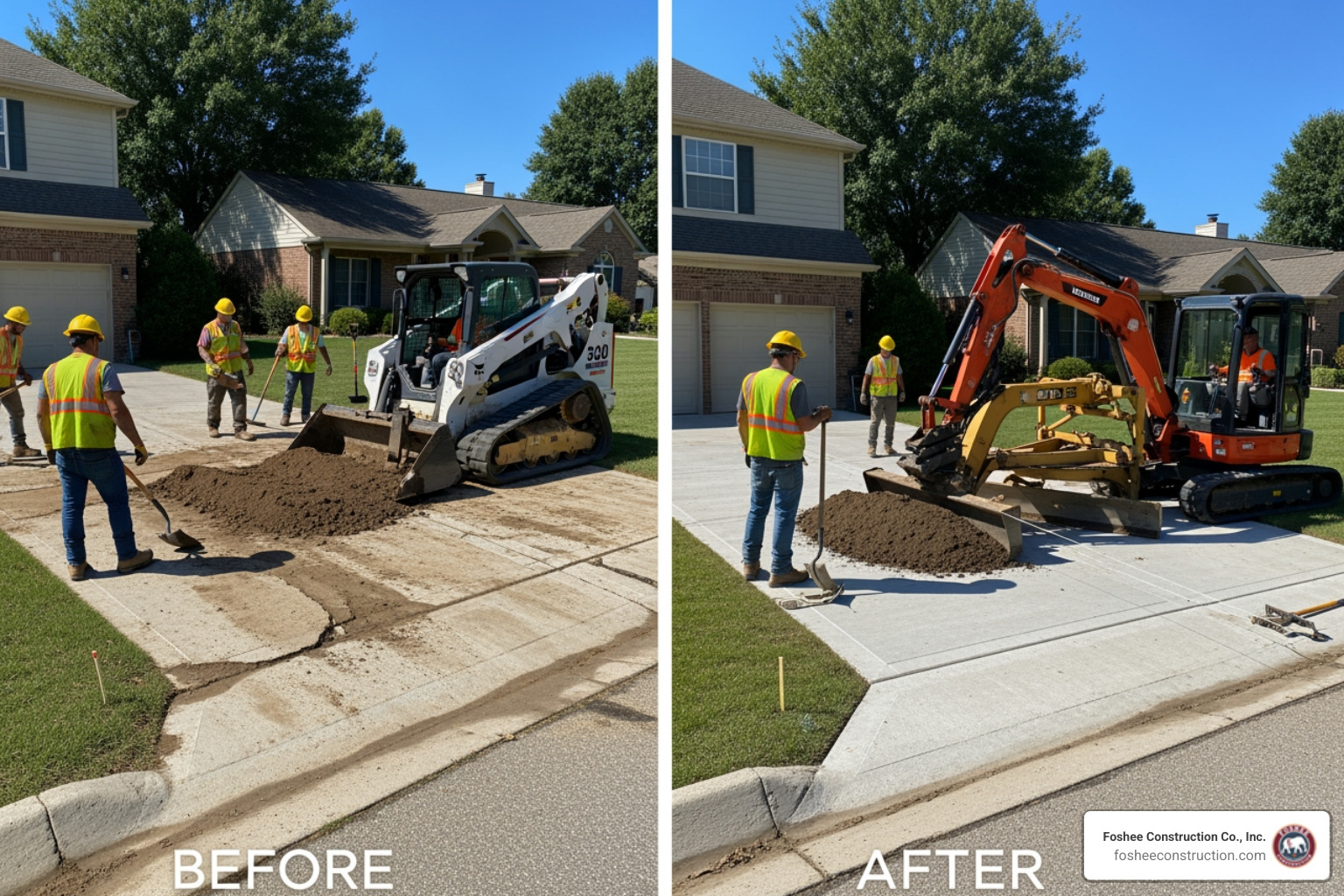
Trenching for electrical conduit is a fundamental part of modern site preparation. It protects our power grid from Florida’s wind and storms while keeping our landscapes beautiful. However, the difference between a successful installation and a multi-thousand-dollar mistake lies in the details: the depth, the bedding, the compaction, and above all, the safety protocols.
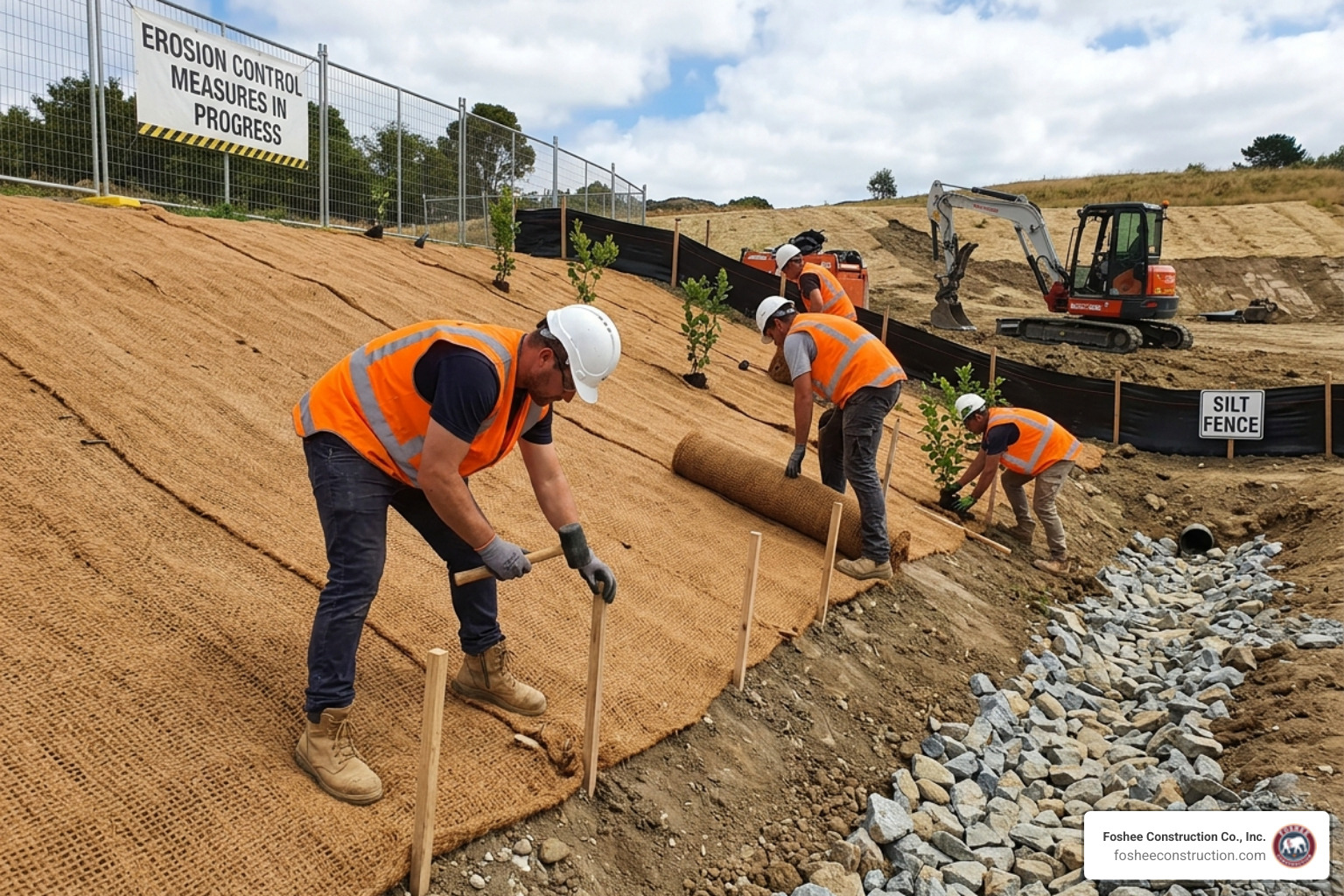
At Foshee Construction Co., Inc., we pride ourselves on disciplined scheduling and reliable relationships. We know the Florida soil, we know the local codes, and we have the heavy-duty equipment to get the job done right the first time. Whether you need erosion control, grading, or a complete underground utility package, we are here to ensure your infrastructure is built on a solid—and safely buried—foundation.
Contact us for site prep and utility needs today to discuss your next project in Minneola, Lake County, or anywhere across Central Florida. Let’s get to work!
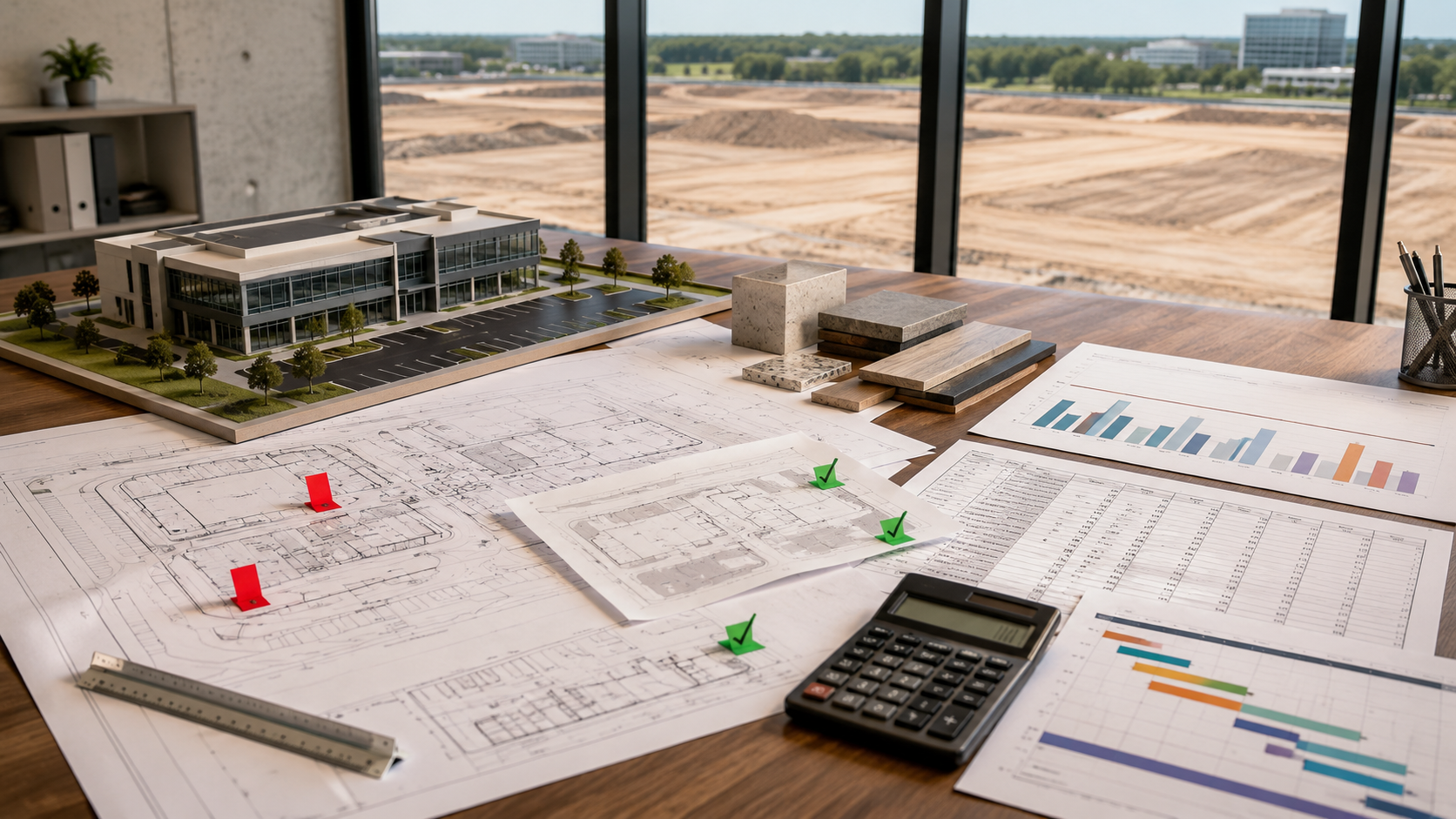
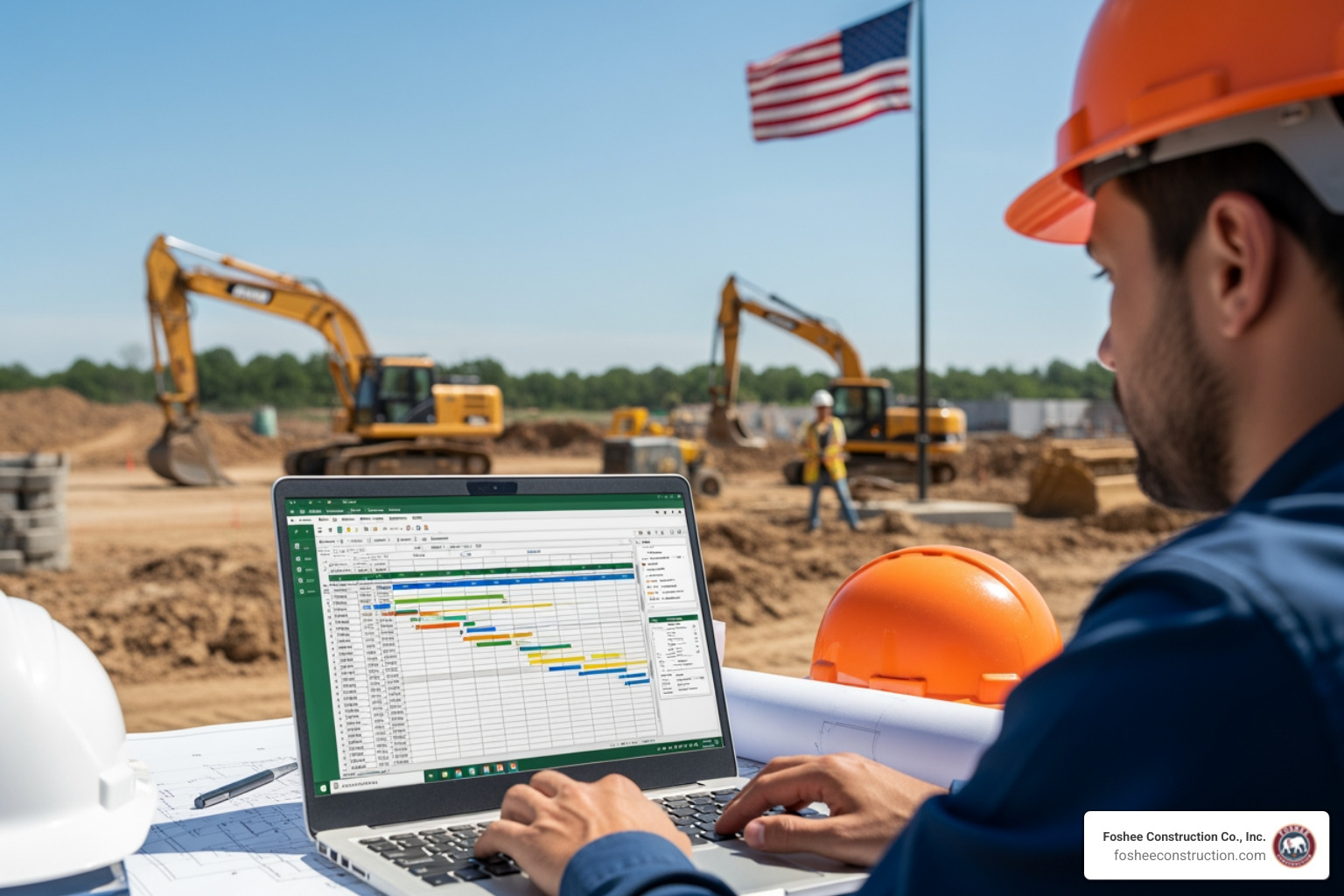
We build bids using HeavyBid and AGTEK because the details matter long before the job starts. When the numbers are accurate and the scope is clearly defined, it sets the tone for how the entire project runs. Estimating isn’t just a step in the process, it’s the foundation we build on.
That same mindset carries into the field. Our crew is trained to work with purpose, follow the Civil Engineers’ Plan to the finest detail, and hold the line on quality. When expectations are clear from day one, there’s no need for shortcuts, and no confusion about how the work gets done.
Clients trust our bid packages because they’re complete and ready to use. Project managers know what we’re covering, what’s excluded, and how we plan to approach the job. That clarity removes friction and lets teams focus on execution instead of interpretation.
As part of our review process, we go into the plans before anything hits the site. We ask the questions early, resolve issues before they show up in the field, and keep RFIs moving. This approach prevents delays and protects the timeline.
Over time, that consistency builds trust. Many of the people we work with today came through referrals from past projects – engineers, GCs, and superintendents who’ve seen how we operate and want the same experience again.
In 2024, Foshee Construction was acquired by Saga Infrastructure Solutions, a national network of civil construction companies. Saga supports regional contractors by giving them access to better tools, long-term resources, and operational backing, without changing how they run day to day.
Foshee will continue to operate under its name, with the same team and field leadership in place.
“From the very time a project starts, we start that partnership. We try to catch as much as we can with the tools that we have. Not everybody is using the software platforms we are. That’s the differentiator: we’re not just bidding. We’re anticipating, problem-solving, and making sure the job runs right.”
— Don, CEO, Saga Infrastructure Solutions
Foshee is now part of a broader regional strategy that includes Florida, the Piedmont Atlantic, Texas, Colorado, and the Arizona Sun Corridor. The name, crews, and standards remain. What’s improving is the support behind it.