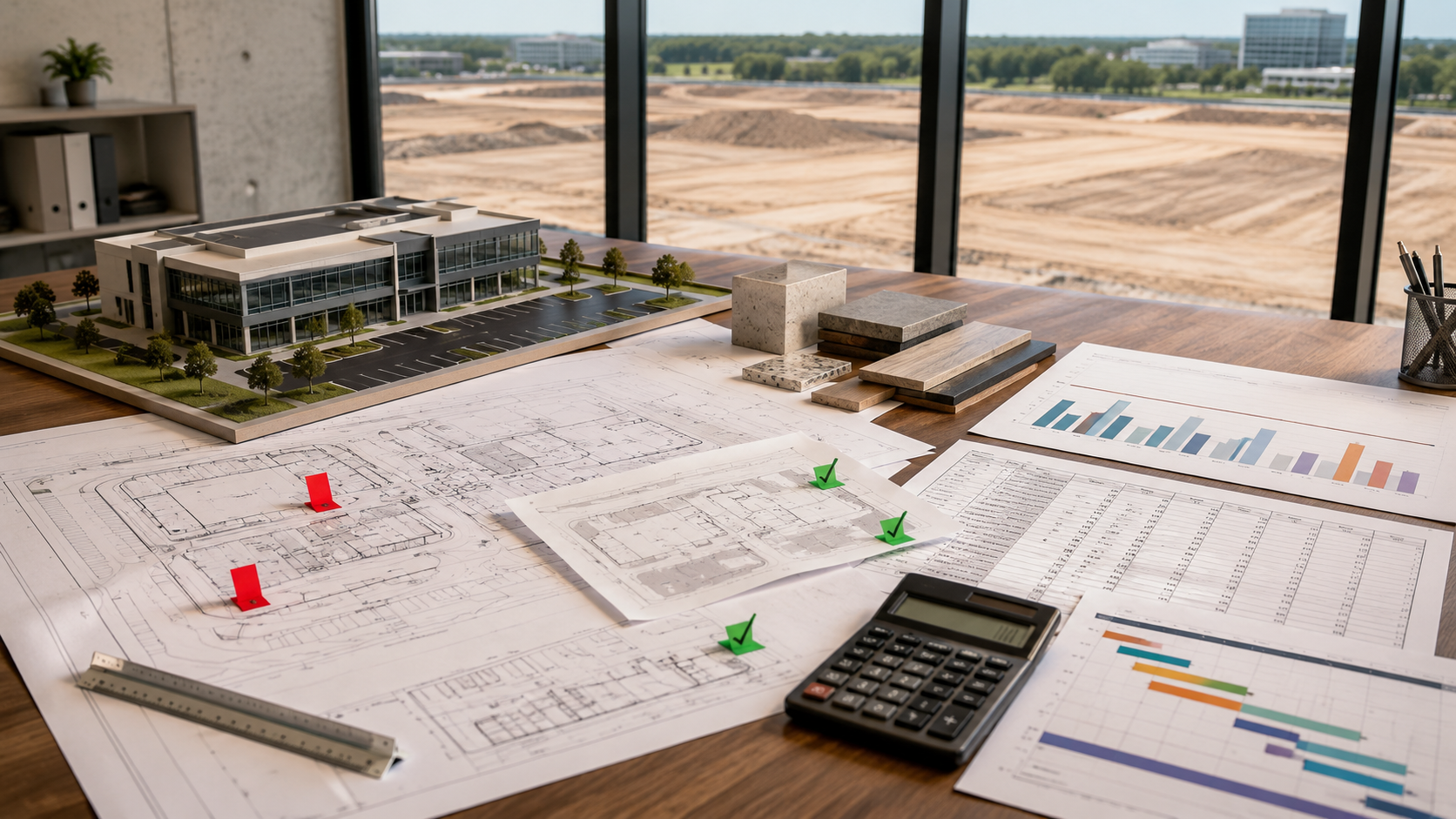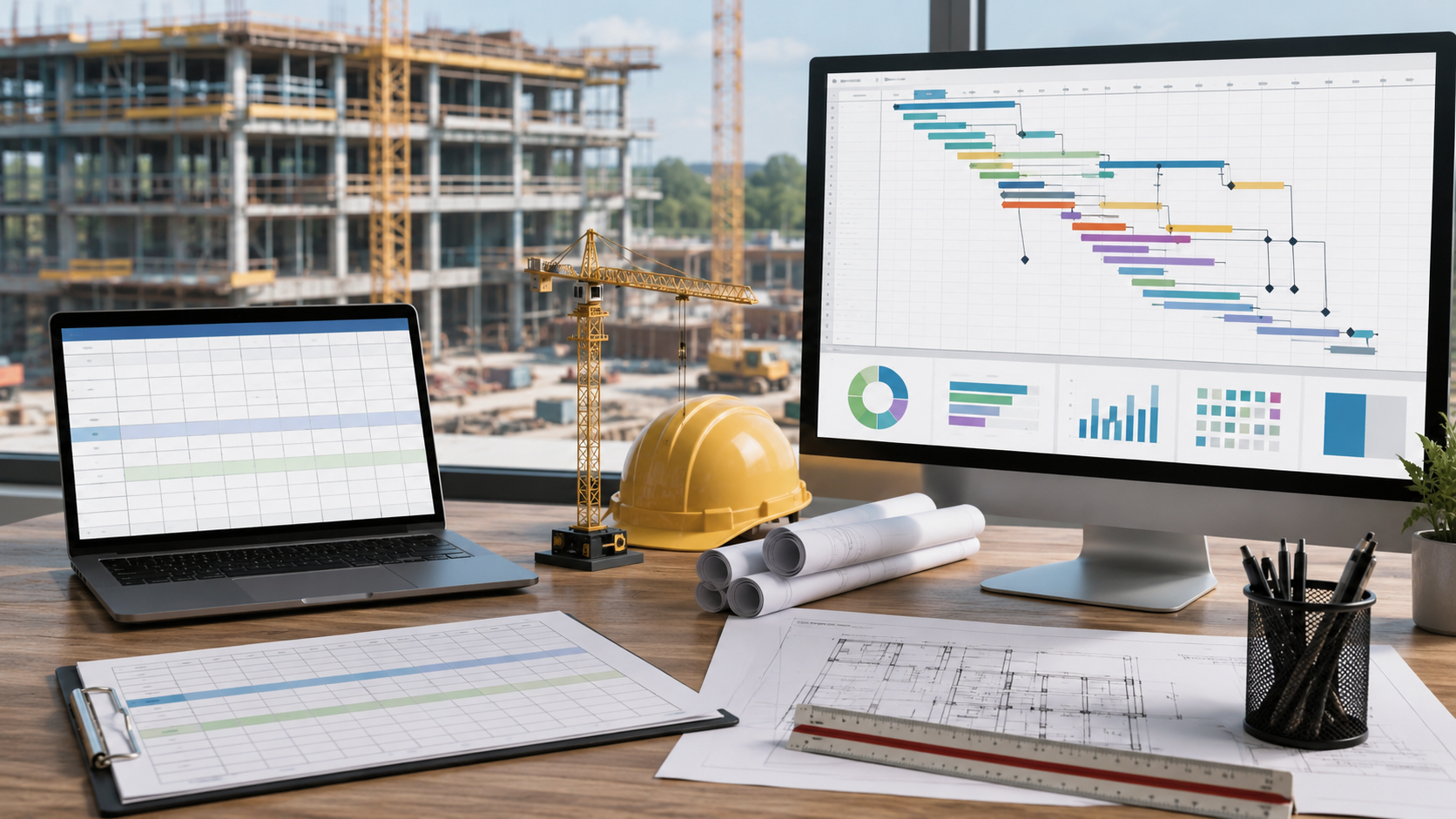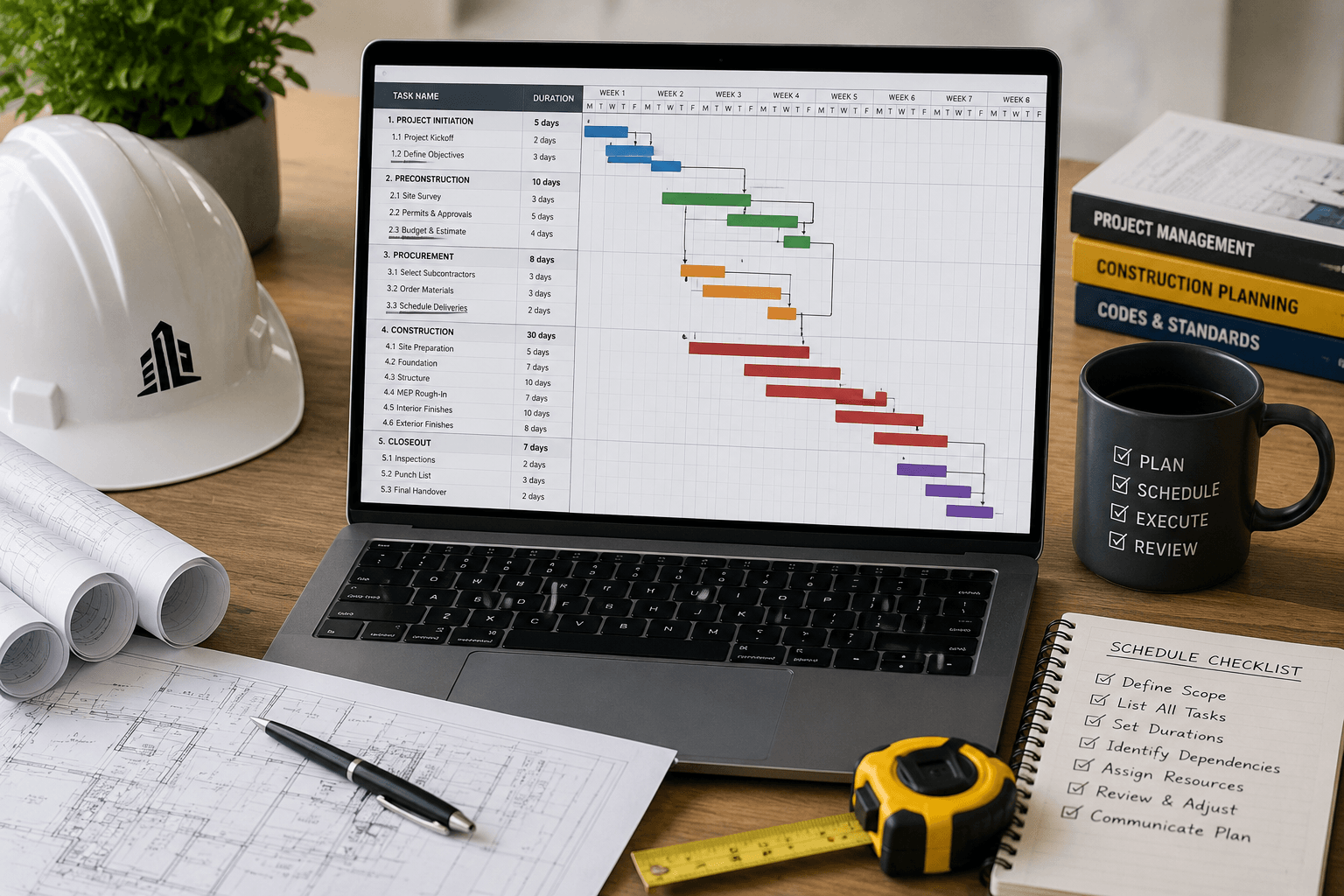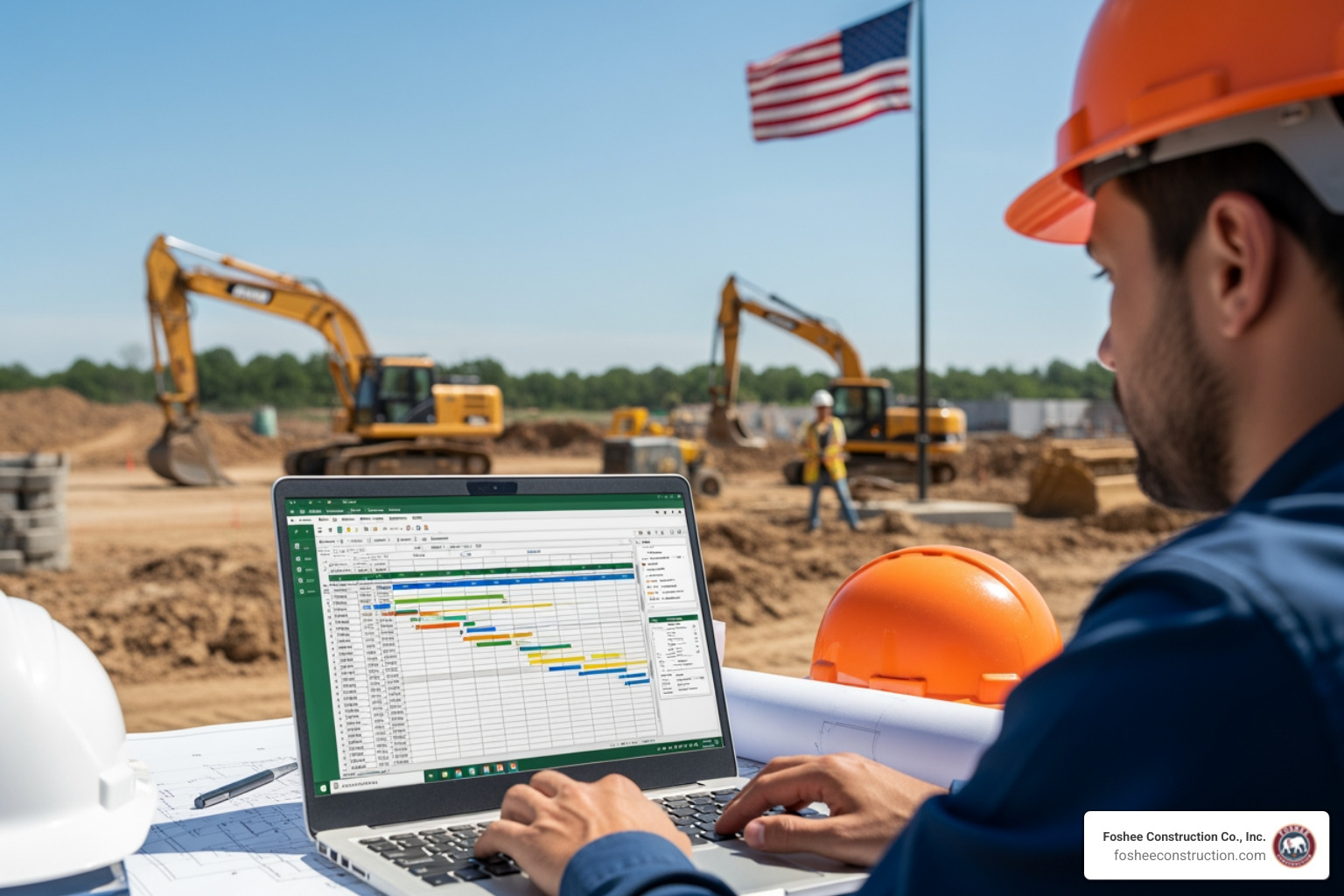
Scheduling in construction management is the process of planning, sequencing, and coordinating every task, resource, and deadline on a construction project — from the first shovel in the ground to final handover.
Here's what effective construction scheduling covers:
Think of it as the operating system for your entire project. Without it, even the most experienced crews end up waiting on materials, tripping over each other, or missing deadlines that trigger costly penalties.
Construction projects are notoriously prone to delays. According to industry data, 87% of contractors report experiencing project delays — and 96% believe poor scheduling is a direct cause of rework, wasted communication, and cost overruns. In a high-stakes environment like Florida site development, where weather, permitting, and tight contractor schedules all compete, a disciplined schedule isn't optional. It's the difference between a project that builds trust and one that burns through budget.
I'm Don Larsen of Foshee Construction Co., Inc., where our work in scheduling in construction management spans decades of site preparation, grading, excavation, and underground utility projects across Central Florida. That hands-on experience is the foundation for everything covered in this guide.
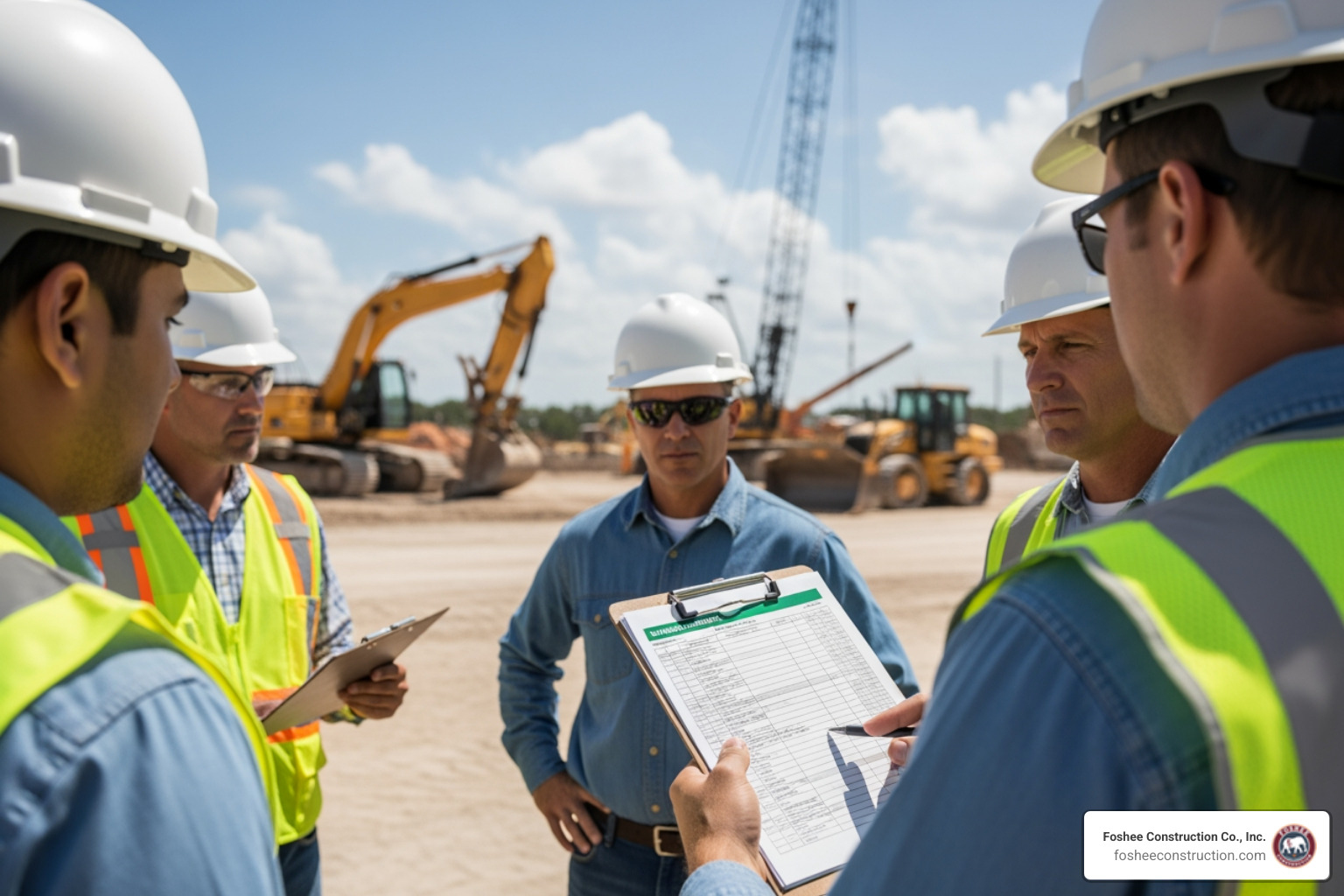
To master scheduling in construction management, we first have to look at who is steering the ship. A schedule isn't just a document sitting in a trailer; it is a communication tool that connects a diverse group of stakeholders.
In our experience in Lake County and Minneola, a successful schedule requires buy-in from everyone involved:
Two terms you’ll hear constantly are "milestones" and the "baseline schedule."
A milestone is a zero-duration marker that signifies a major achievement—like "Permits Approved," "Foundation Poured," or "Utilities Connected." These are the goalposts we aim for.
The baseline schedule is the "frozen" version of the schedule approved at the start of the project. We use this as a yardstick. If we are two weeks behind the baseline, we know we need to implement recovery strategies. Without a baseline, you’re just guessing whether you’re winning or losing.
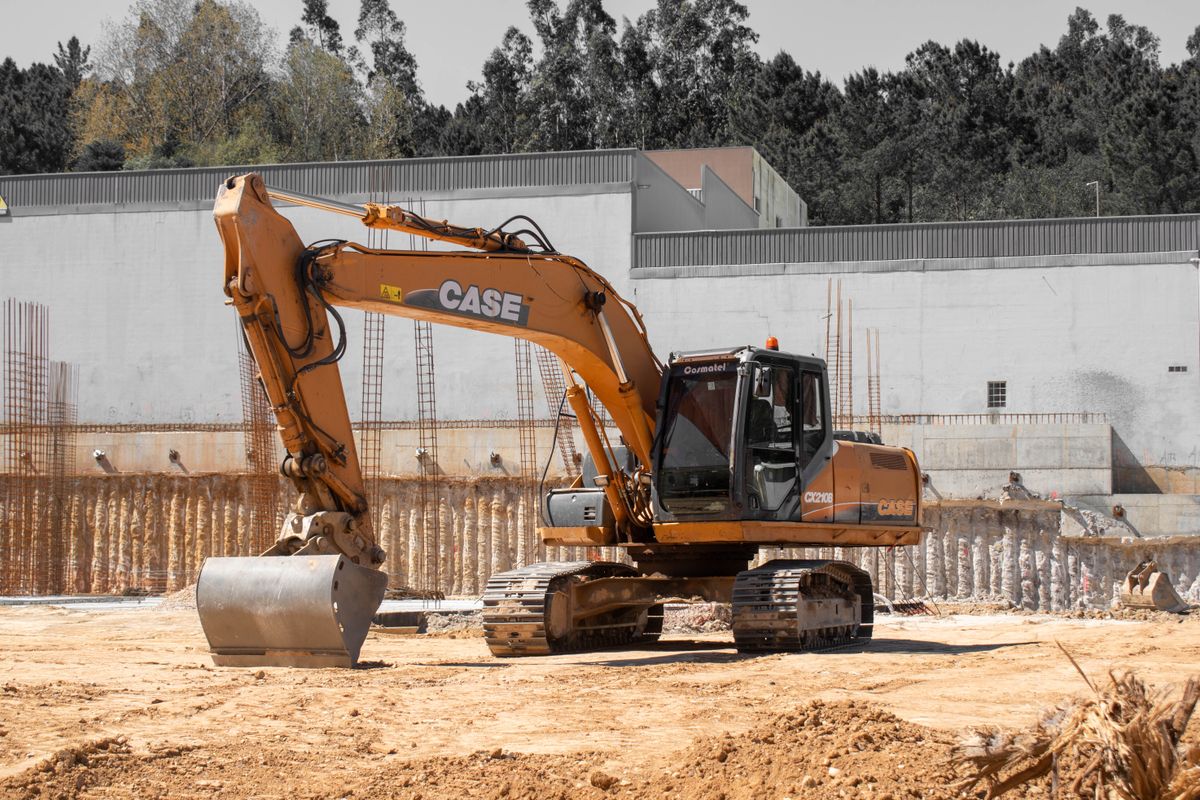
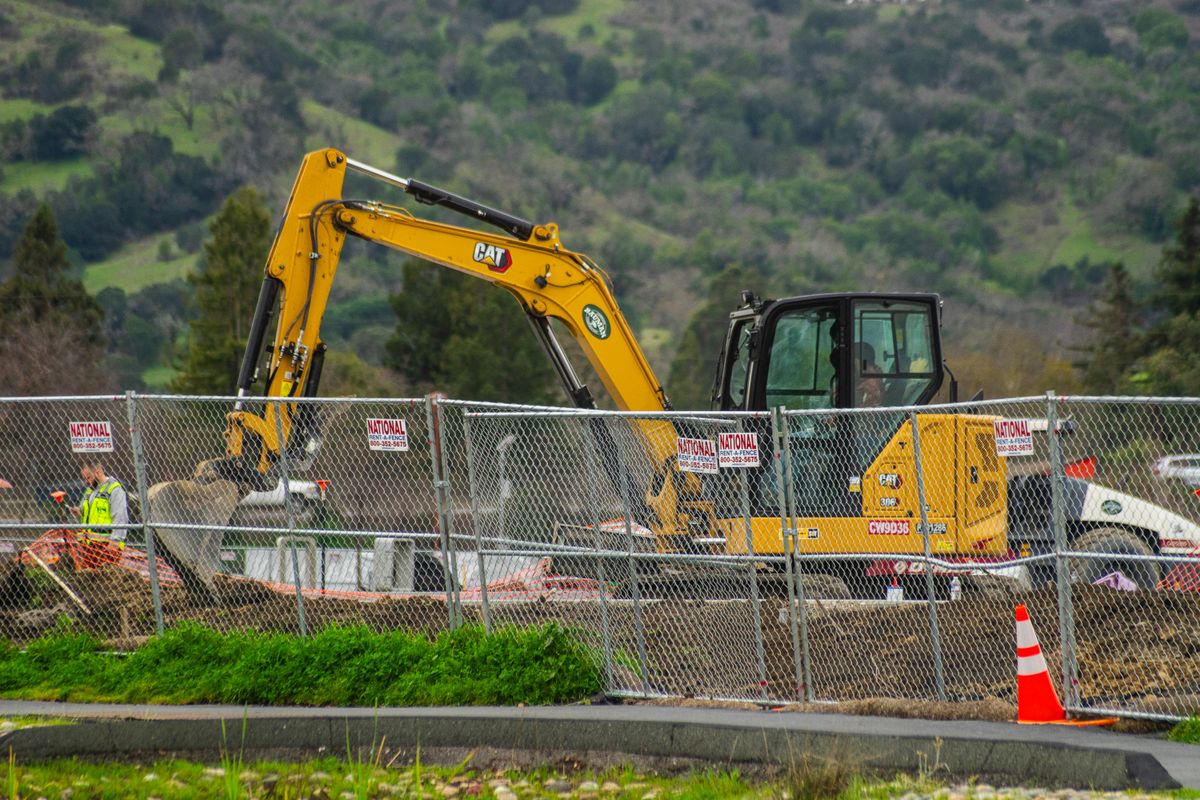
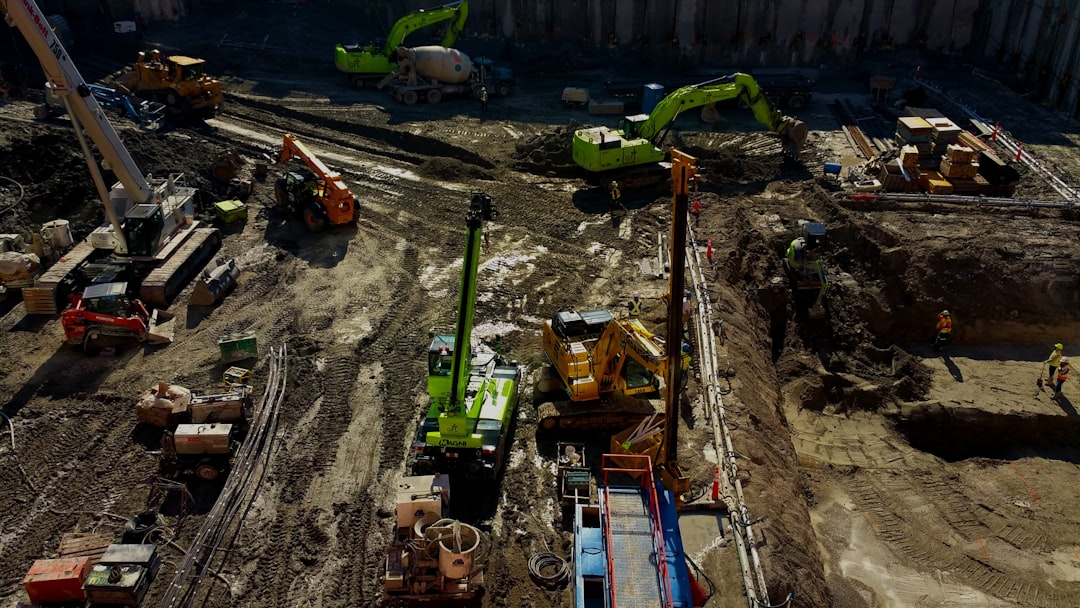
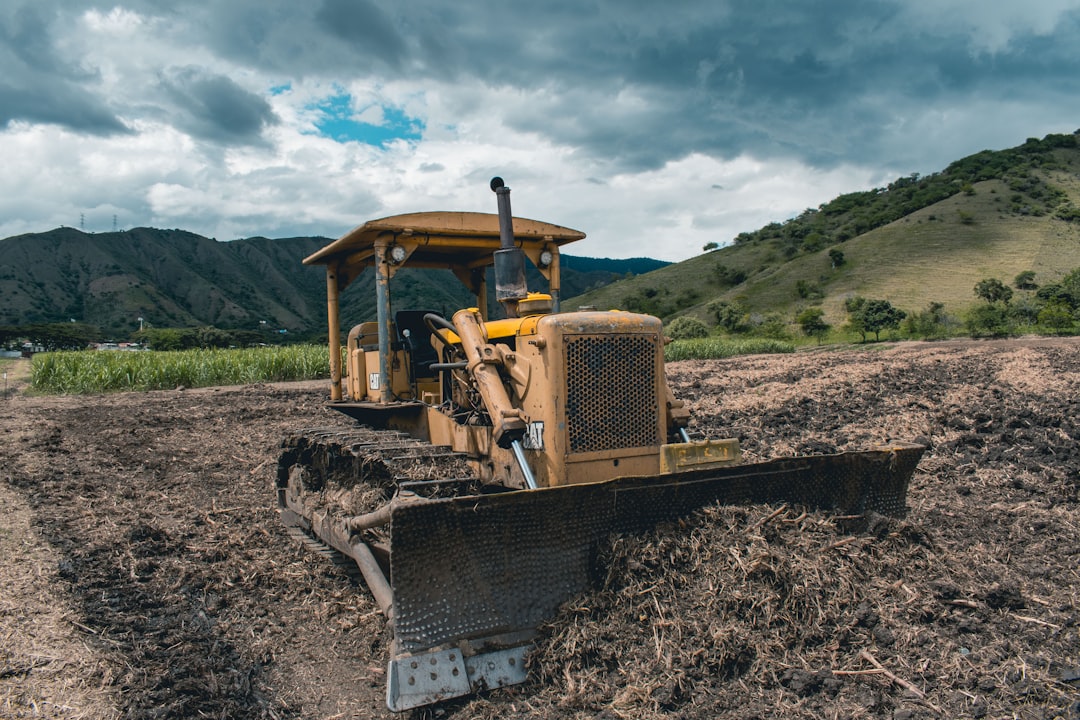
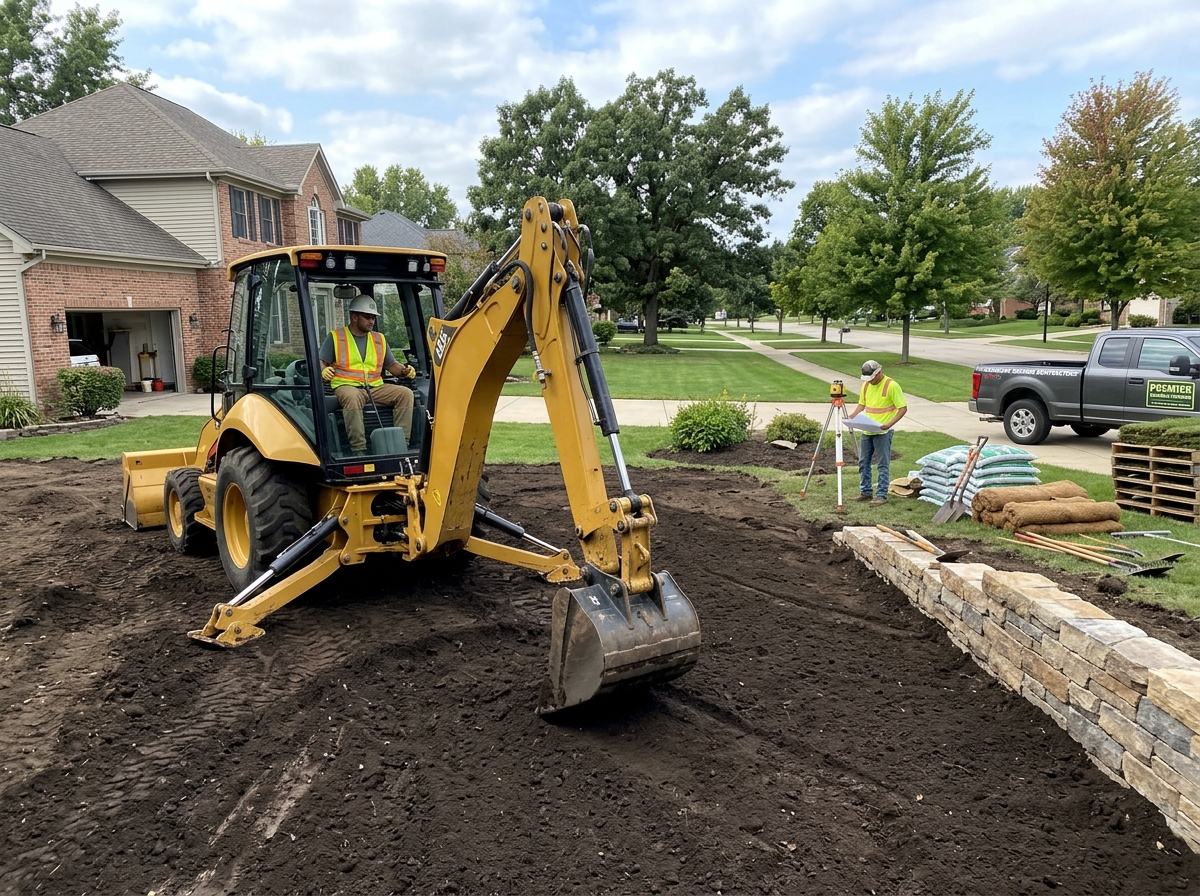
Effective scheduling isn't just about time; it’s about people and machines. In site preparation, resource allocation means ensuring that the excavator isn't scheduled for two different spots at once. It’s about matching the right skills and equipment to the right task at the right time. For more on the foundational elements, check out The Ultimate Guide to Construction Scheduling | Procore.
You can't build a house from the roof down, and you can't build a schedule without a solid foundation. That foundation is the Work Breakdown Structure (WBS).
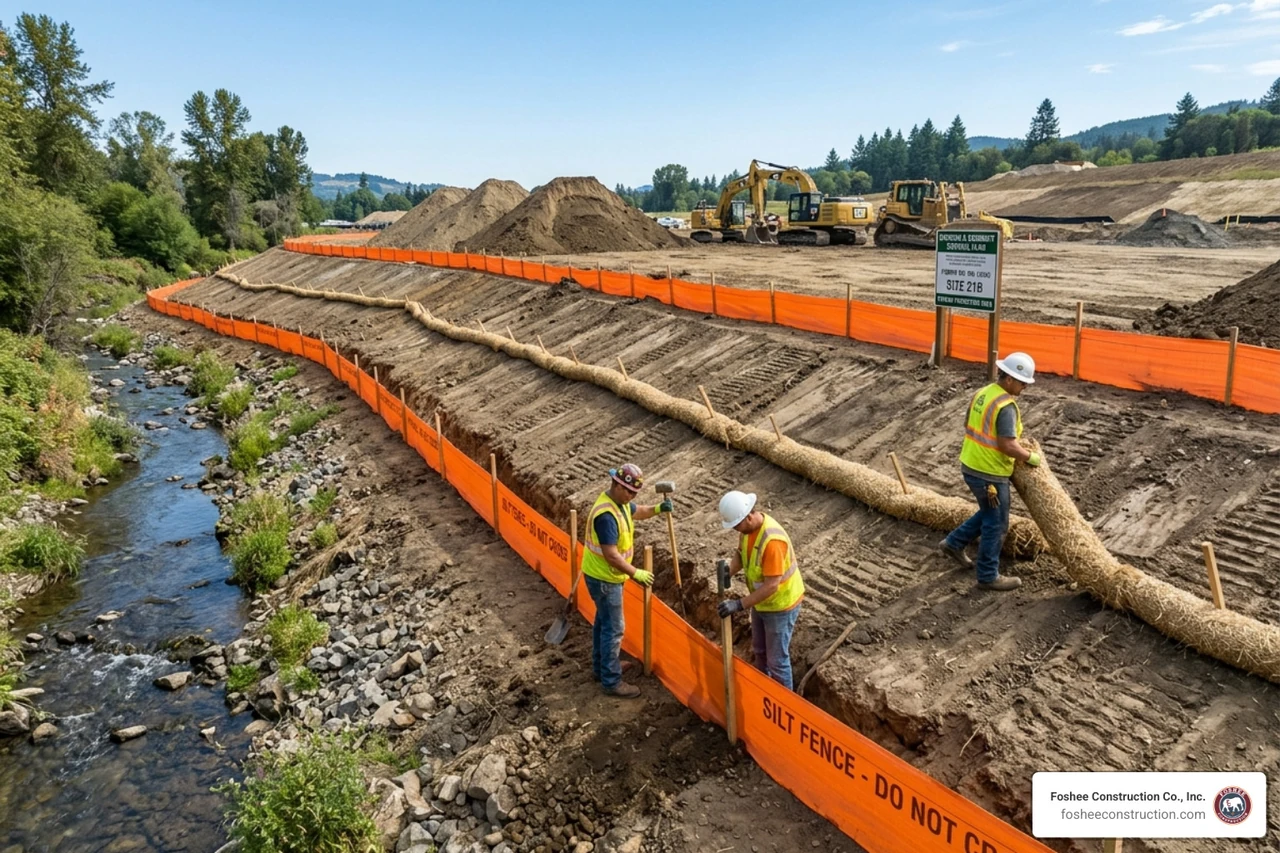
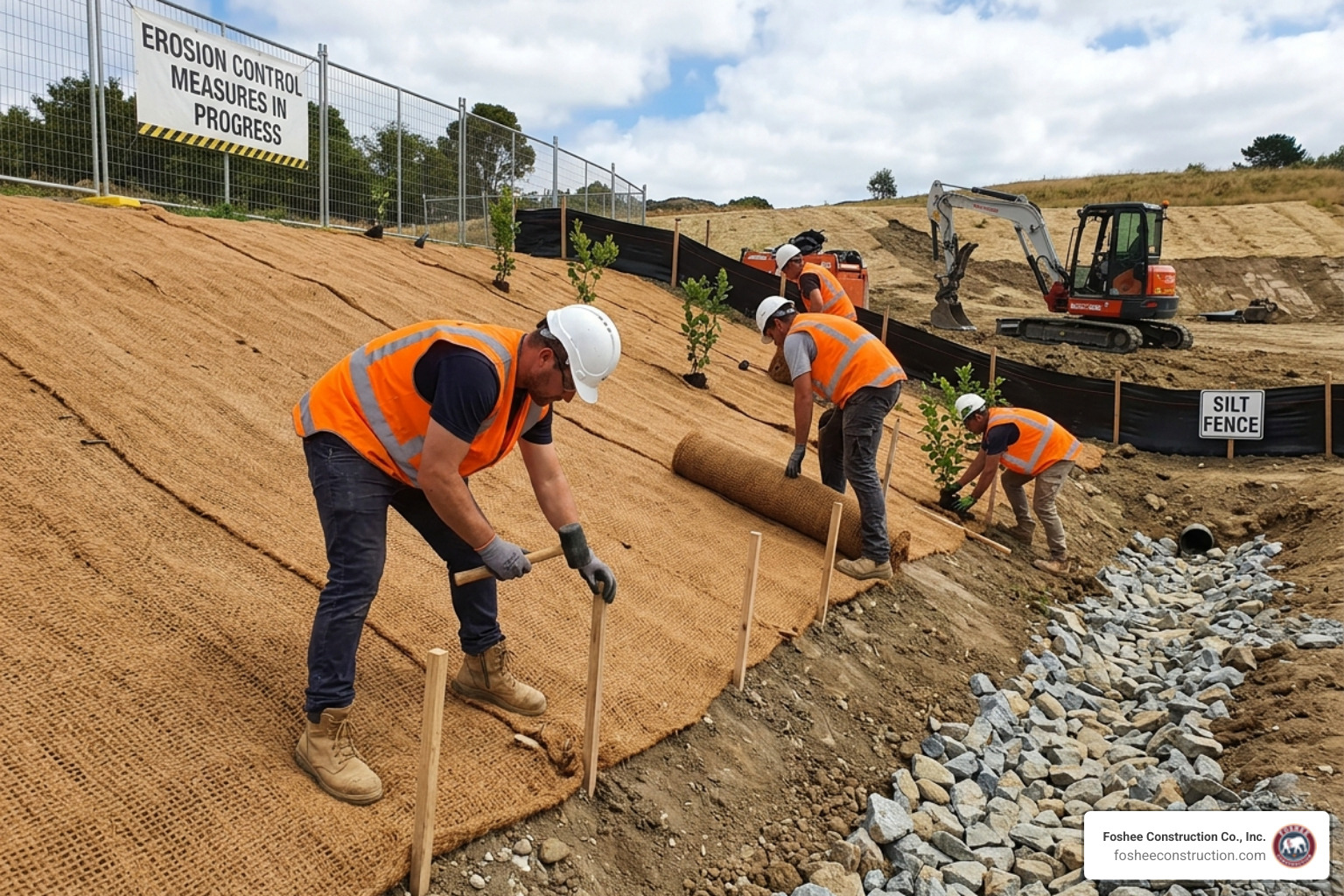
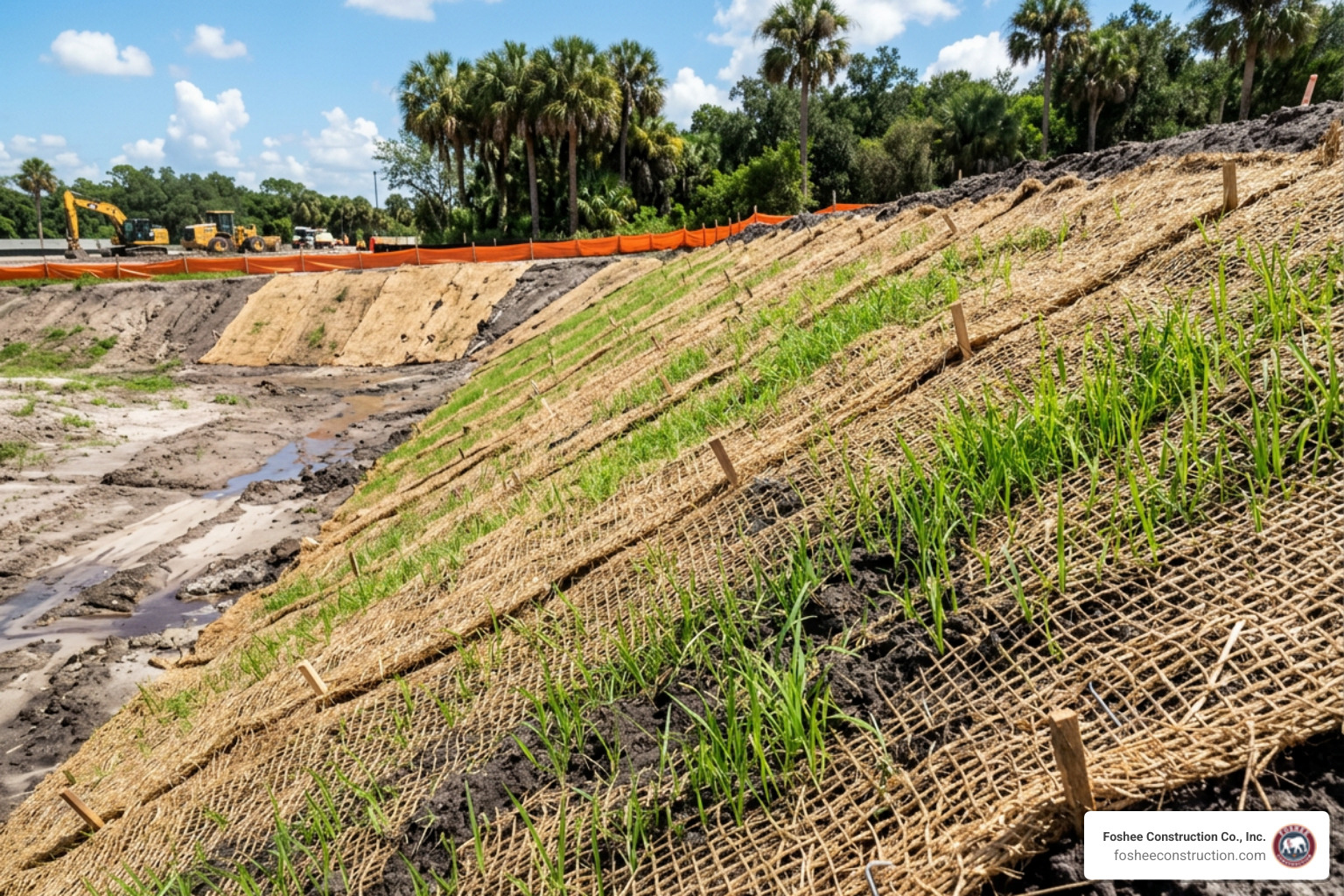
A WBS is a hierarchical decomposition of the entire project scope. We start with the project at the top and break it down into phases (like Site Prep), then into deliverables (like Erosion Control), and finally into work packages.
We follow the 100% Rule, which states that the WBS must include 100% of the work defined by the project scope and capture all deliverables—internal, external, and interim. If it’s not in the WBS, it’s not in the project.

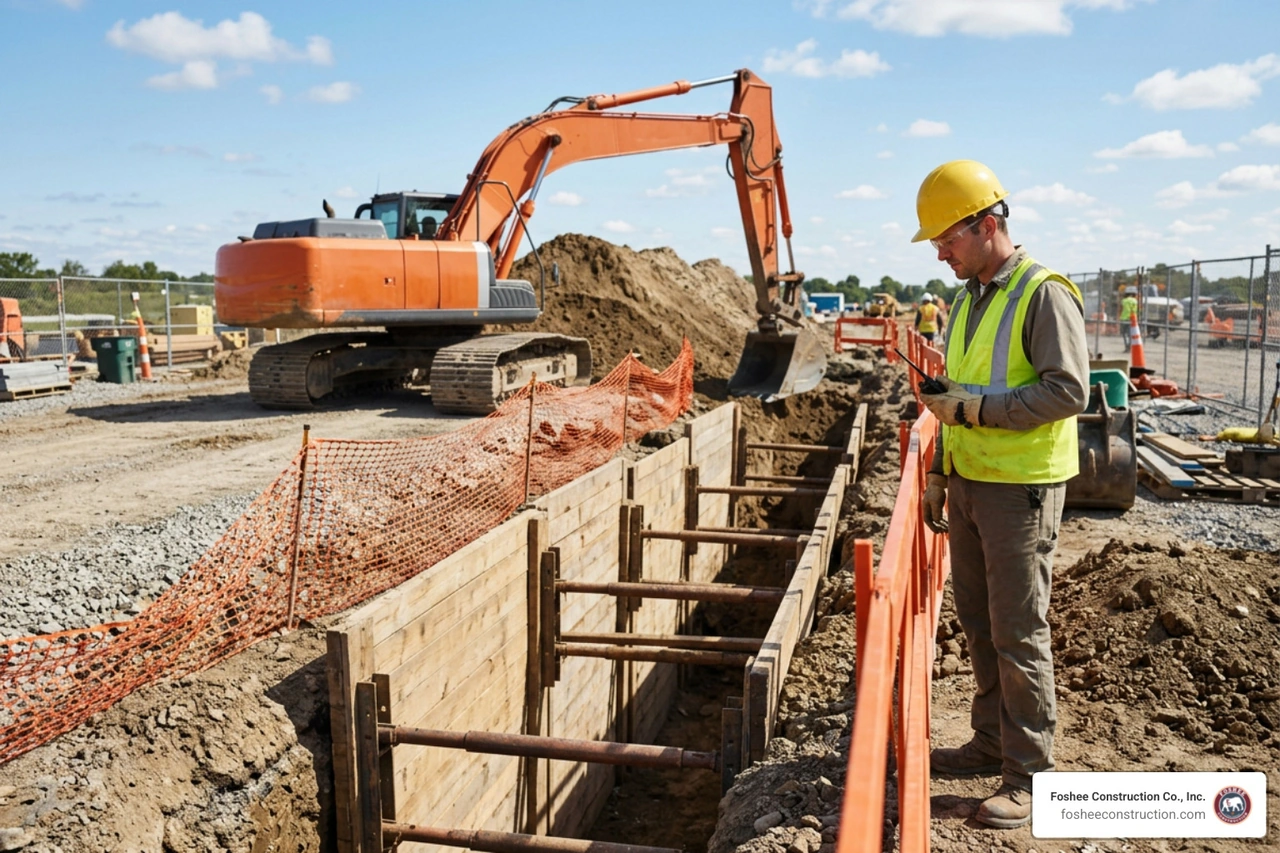
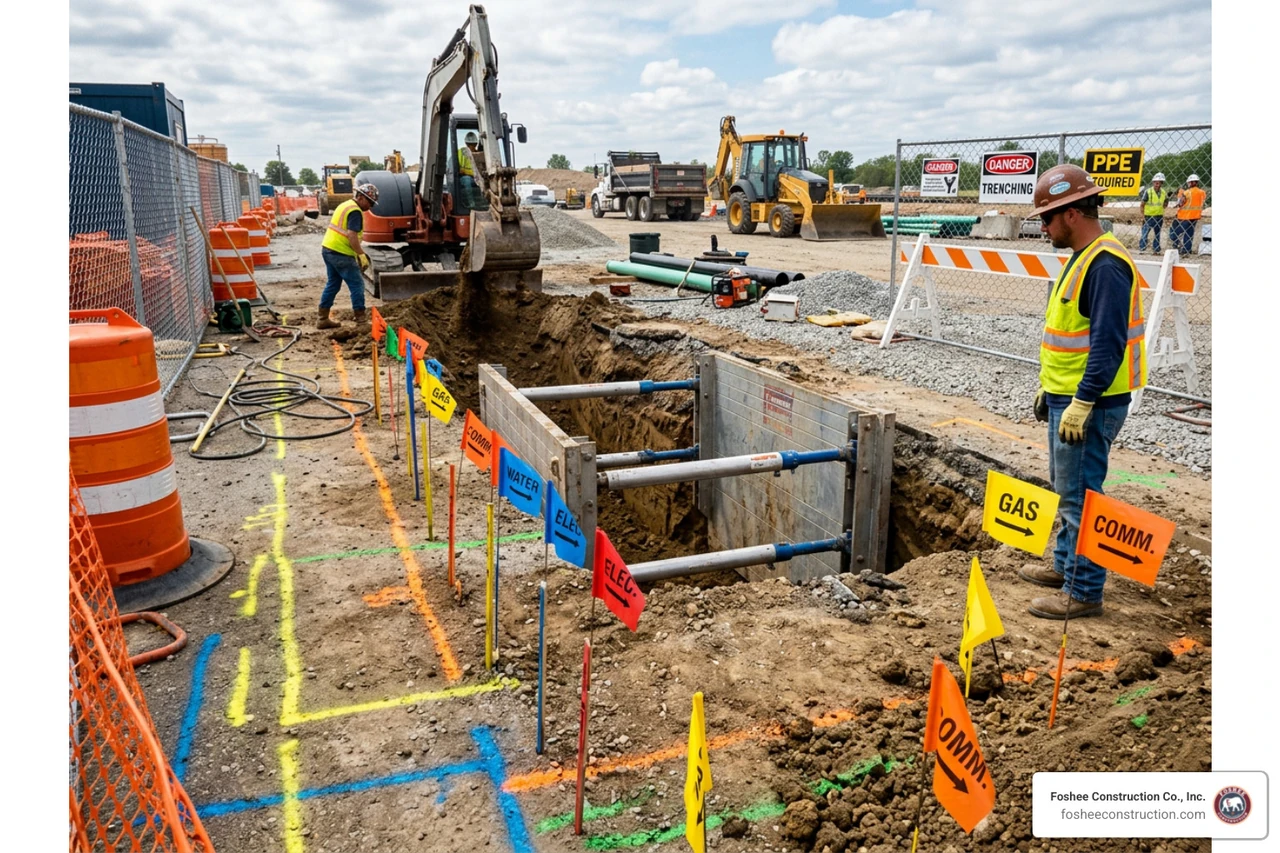
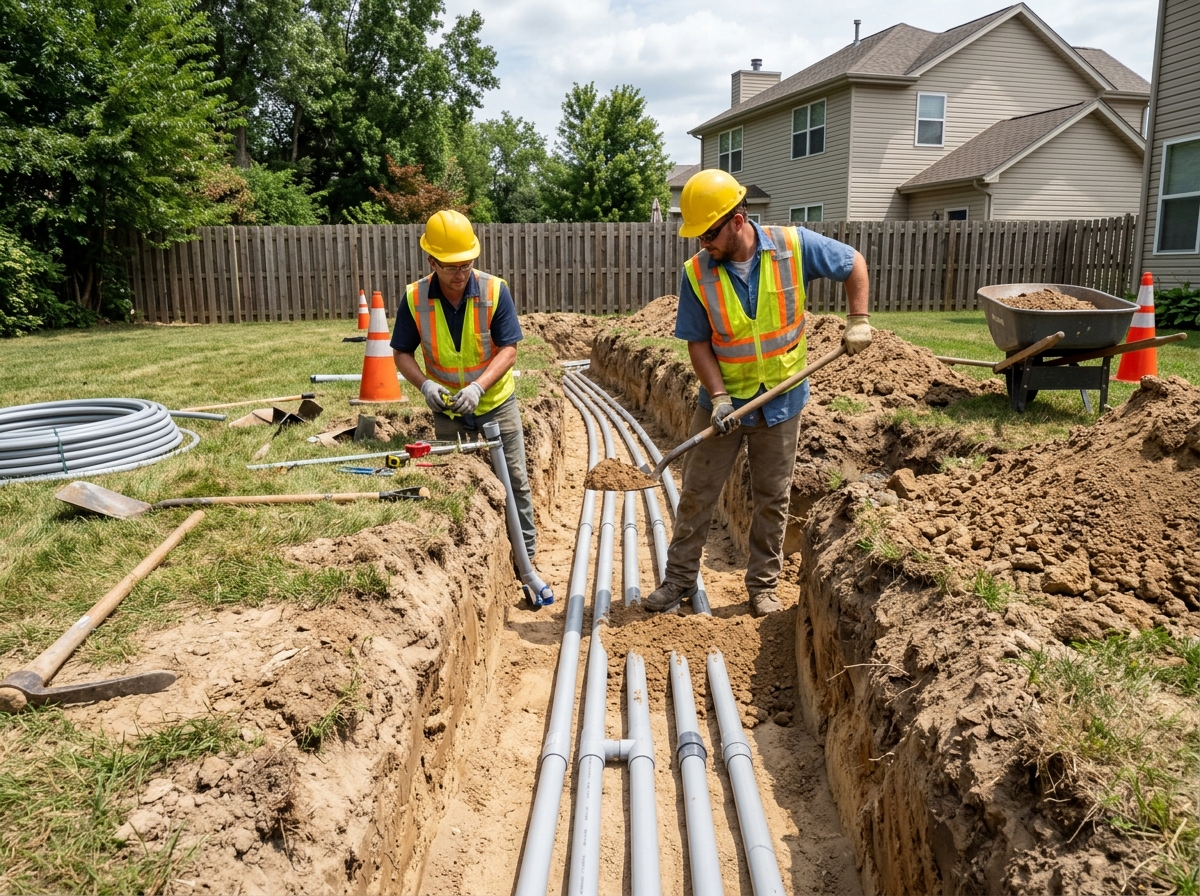
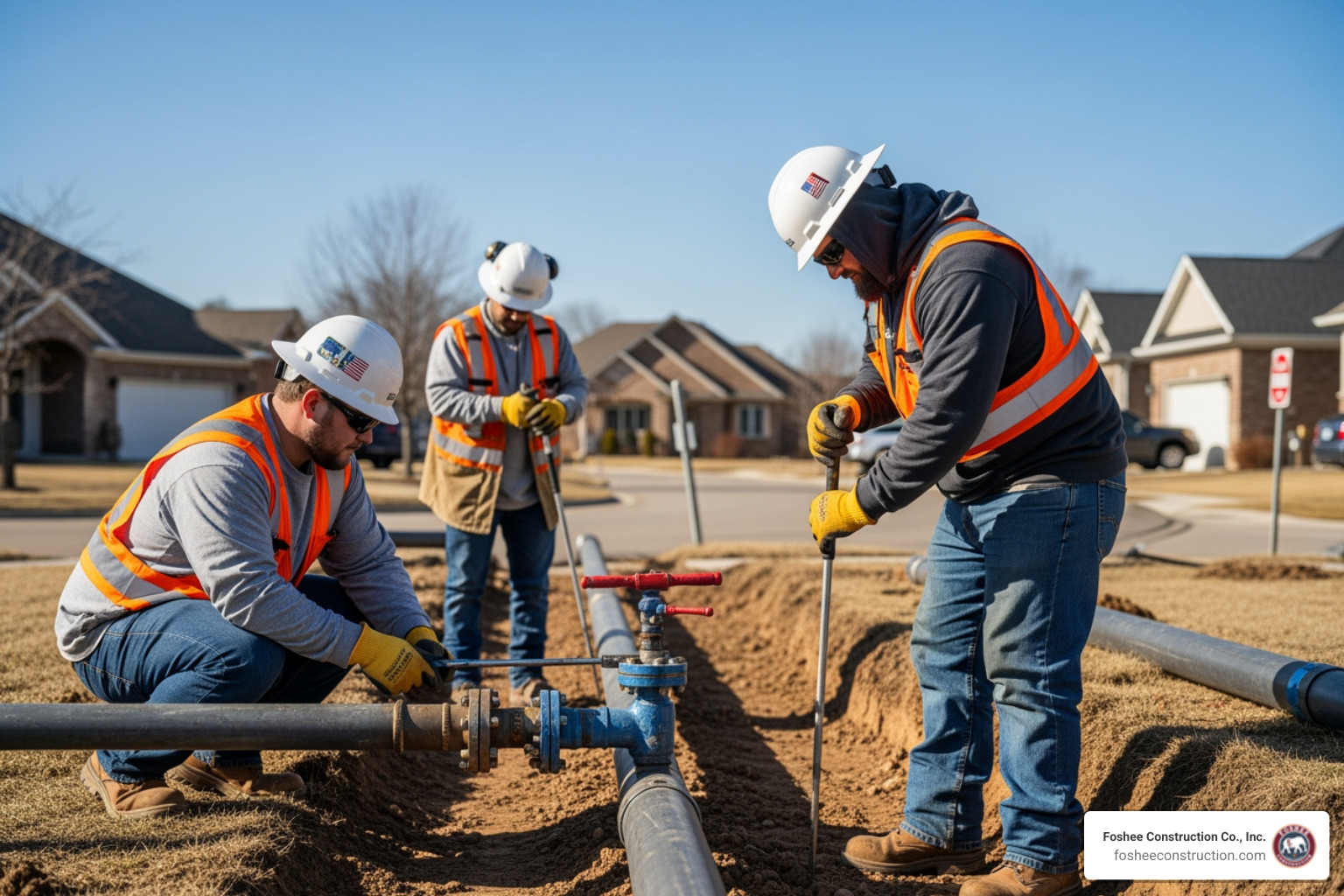
Once we have our tasks, we have to map out how they relate to one another. This is called dependency mapping. In our world of underground utilities, you can’t lay pipe until the trench is excavated. That’s a "Finish-to-Start" dependency.
Understanding these relationships prevents "rework chaos"—where one team has to undo another team's work because the sequence was wrong. By leveraging these links, we can leverage construction scheduling to optimize project timelines and ensure a smooth flow of work.
The Critical Path Method (CPM) is the gold standard for high-stakes construction. The critical path is the longest sequence of dependent tasks that must be completed on time for the project to finish by the deadline.
If a task on the critical path slips by one day, the whole project slips by one day. These tasks have zero float (or zero slack).
Not every task is critical. Some have "float," which is the amount of time a task can be delayed without pushing back the project end date.
By identifying which tasks have float, we can move resources around to help the critical path stay on track.
In Florida, we face unique hurdles. You can have the most beautiful Gantt chart in the world, but Mother Nature doesn't always read the schedule.
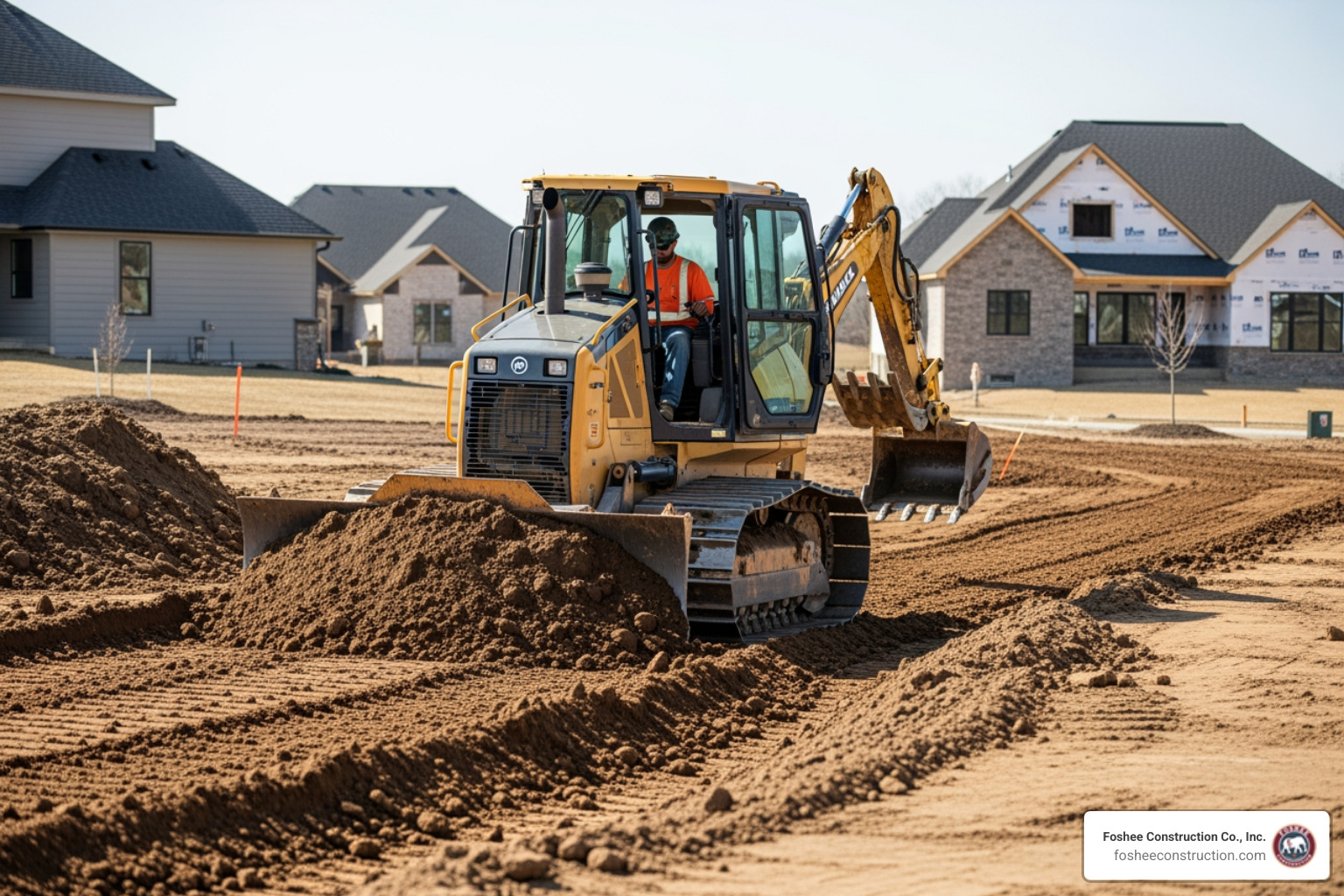
Between hurricane season and daily summer downpours in Minneola, weather is our biggest variable. We build "weather days" into our schedules based on historical data. If we’re doing mass grading, we know a heavy rain can shut us down for 48 hours while the soil dries. Ignoring this is a recipe for a late project.
Sometimes, the schedule says we need four crews on Tuesday but only one on Wednesday. Resource leveling is the process of smoothing out these peaks and valleys so we don't over-tax our teams or have expensive machinery sitting idle.
If a project falls behind, we look at schedule compression strategies:
For complex labor needs, specialized construction staff scheduling - TimeTrex helps manage fatigue and compliance, especially when working 12-hour "crashing" shifts.
When delays happen, we don't just point fingers. We use forensic schedule analysis to look back at the data and determine the "root cause." Was it an excusable delay (like an "Act of God" storm) or a non-excusable one (like a subcontractor failing to show up)? This helps in resolving disputes and, more importantly, prevents the same mistake on the next job.
While CPM is the king, we often use a hybrid approach depending on the project type.
CPM (Critical Path Method)
Last Planner System (LPS)
PERT
Line of Balance (LOB)
When we aren't sure how long a task will take (like digging in an area with potential unknown utilities), we use the PERT formula to find the Expected Time (Te):Te = (Optimistic + 4 * Most Likely + Pessimistic) / 6
A schedule is only useful if people can read it.
A schedule is a living document. At Foshee Construction, we update our progress constantly. If a utility line is hit or a permit is delayed, the schedule must reflect that immediately.
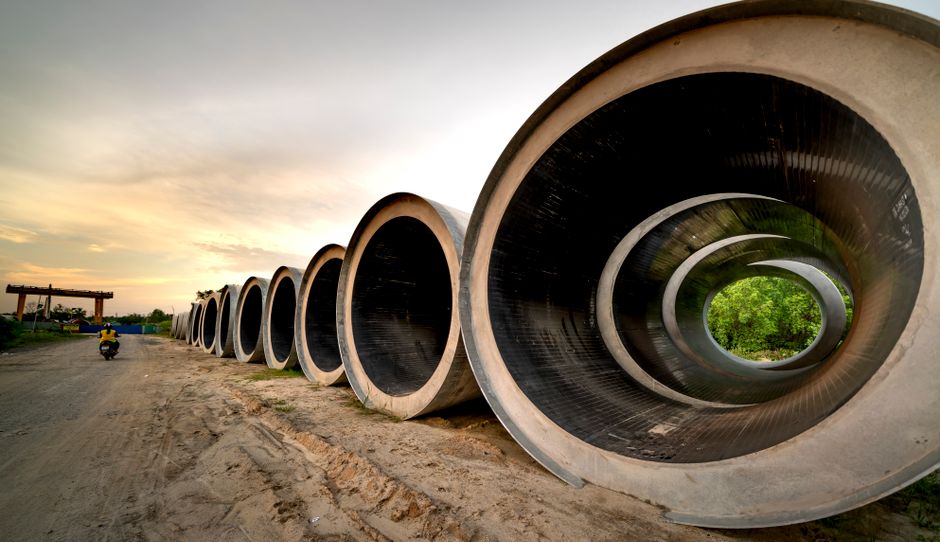
We don't just plan for success; we plan for "what if." Risk assessment involves identifying potential roadblocks—like a supply chain delay for concrete pipes—and creating a response plan. We often include a "contingency" or "buffer" at the end of the schedule to absorb these shocks.
We are entering an era where AI in construction can look at thousands of past projects to predict exactly where a schedule is likely to fail. Predictive analytics can warn us that "Projects in Lake County during August usually face a 15% delay in grading due to rain," allowing us to adjust before we even start.
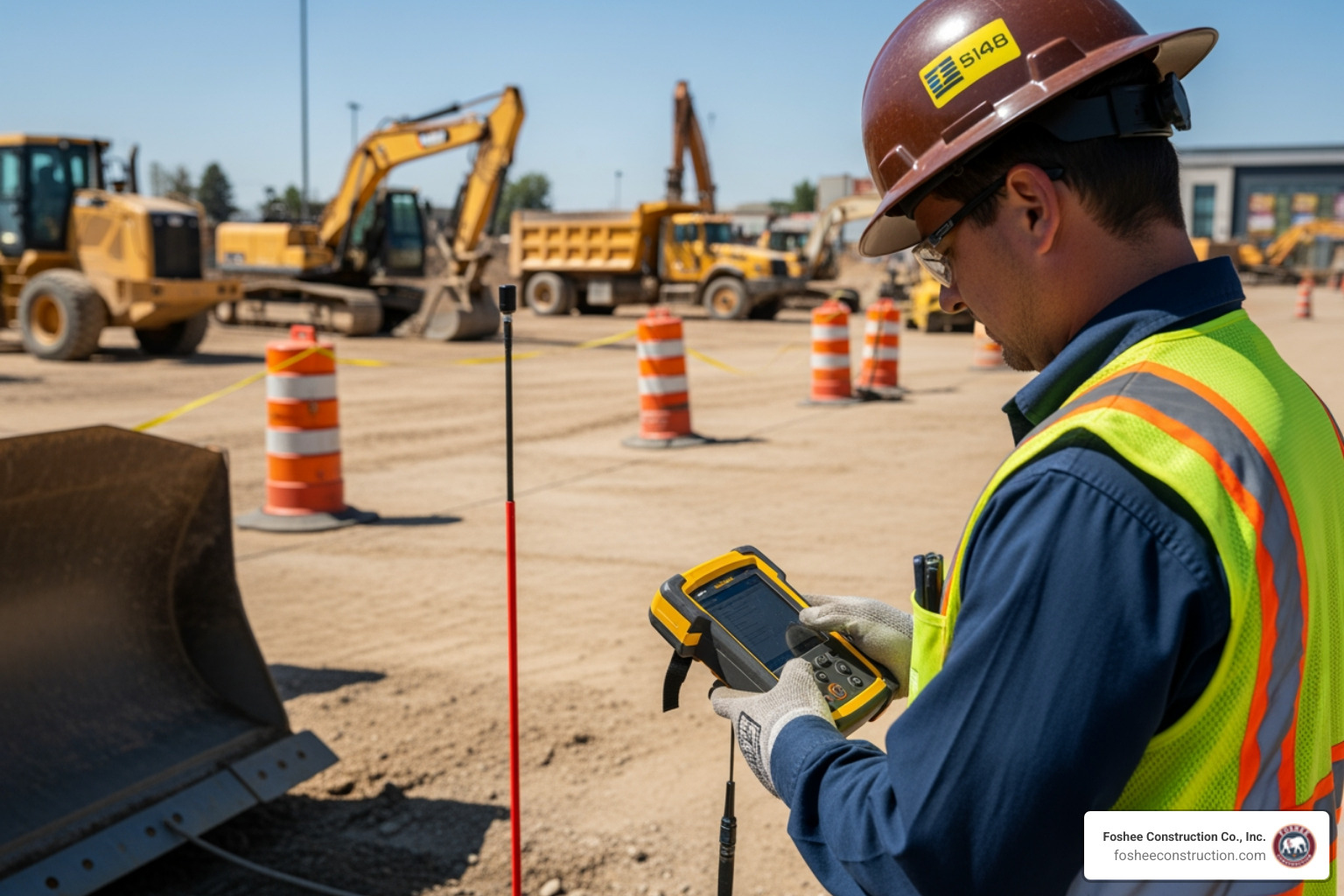
Modern construction job scheduling software allows for real-time updates from the field. A foreman can mark a task as "100% complete" on a tablet, and the office sees the impact on the critical path instantly.
A WBS is a visual, hierarchical breakdown of a project into smaller, manageable components. It starts with the final objective and breaks it down into phases, deliverables, and work packages. It ensures no part of the project scope is forgotten.
To find the critical path, you must:
Total float is the amount of time a task can be delayed without delaying the entire project. Free float is the amount of time a task can be delayed without delaying the next task in the sequence. You can have total float without having free float!
At Foshee Construction Co., Inc., we believe that scheduling in construction management is more than just dates on a calendar—it is a promise of reliability. Whether we are handling complex site preparation, installing underground utilities, or managing erosion control in Minneola, Florida, our disciplined approach to scheduling ensures that our partners can work with confidence.
We pride ourselves on transparent bidding and a safety-first culture that keeps projects moving forward, even when the Florida weather tries to hold us back. If you are looking for a site prep partner who values design, discipline, and dependable timelines, we are ready to help.
Contact us for a consultation today, and let's build your next project on a foundation of success.
We build bids using HeavyBid and AGTEK because the details matter long before the job starts. When the numbers are accurate and the scope is clearly defined, it sets the tone for how the entire project runs. Estimating isn’t just a step in the process, it’s the foundation we build on.
That same mindset carries into the field. Our crew is trained to work with purpose, follow the Civil Engineers’ Plan to the finest detail, and hold the line on quality. When expectations are clear from day one, there’s no need for shortcuts, and no confusion about how the work gets done.
Clients trust our bid packages because they’re complete and ready to use. Project managers know what we’re covering, what’s excluded, and how we plan to approach the job. That clarity removes friction and lets teams focus on execution instead of interpretation.
As part of our review process, we go into the plans before anything hits the site. We ask the questions early, resolve issues before they show up in the field, and keep RFIs moving. This approach prevents delays and protects the timeline.
Over time, that consistency builds trust. Many of the people we work with today came through referrals from past projects – engineers, GCs, and superintendents who’ve seen how we operate and want the same experience again.
In 2024, Foshee Construction was acquired by Saga Infrastructure Solutions, a national network of civil construction companies. Saga supports regional contractors by giving them access to better tools, long-term resources, and operational backing, without changing how they run day to day.
Foshee will continue to operate under its name, with the same team and field leadership in place.
“From the very time a project starts, we start that partnership. We try to catch as much as we can with the tools that we have. Not everybody is using the software platforms we are. That’s the differentiator: we’re not just bidding. We’re anticipating, problem-solving, and making sure the job runs right.”
— Don, CEO, Saga Infrastructure Solutions
Foshee is now part of a broader regional strategy that includes Florida, the Piedmont Atlantic, Texas, Colorado, and the Arizona Sun Corridor. The name, crews, and standards remain. What’s improving is the support behind it.