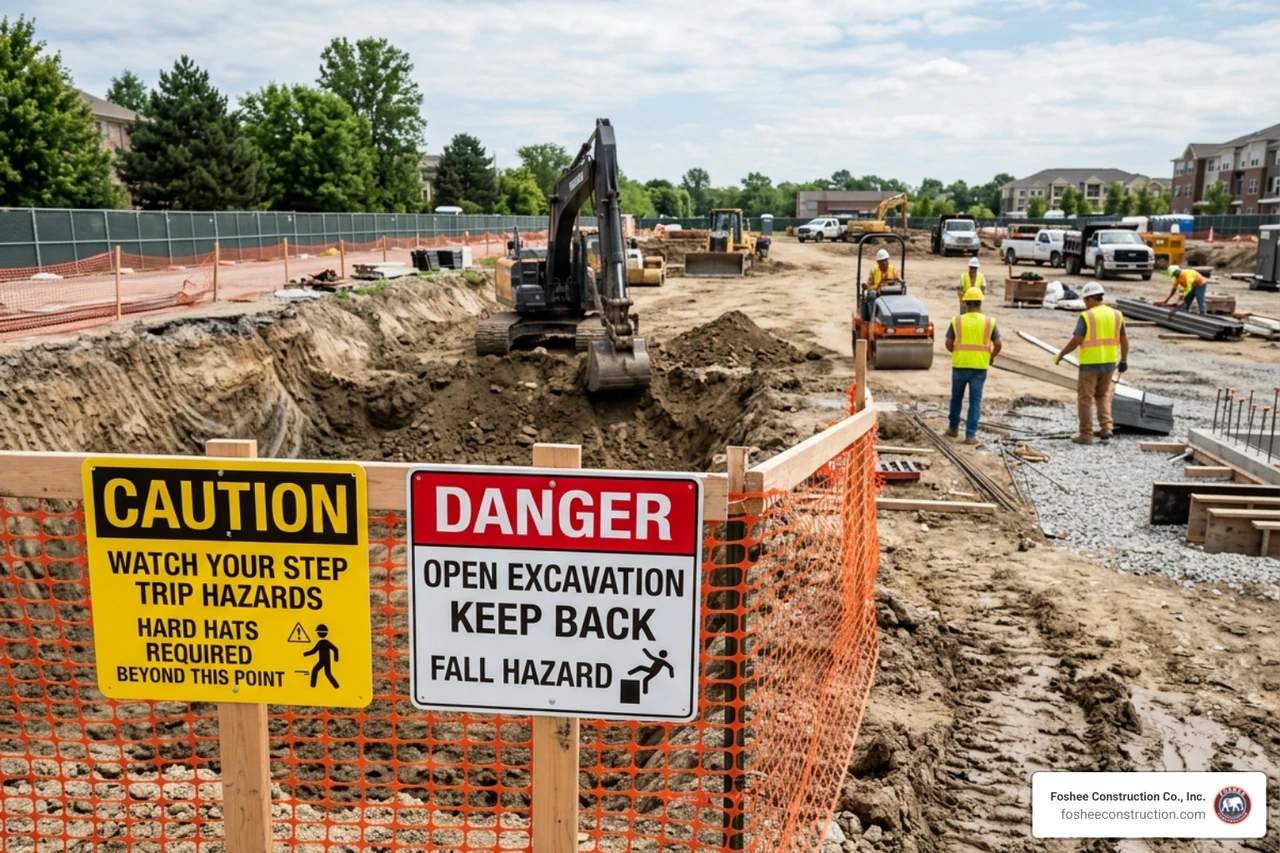
Sediment basin installation fl is a required step on most Florida construction sites — and getting it wrong can mean regulatory fines, project shutdowns, and serious water quality violations.
Here is a quick overview of what you need to know:
| Key Factor | What to Know |
|---|---|
| When required | Sites disturbing 5+ acres under NPDES/FDEP Construction General Permit |
| Storage minimum | 3,600 cubic feet per acre of disturbed drainage area |
| Install timing | Before any grading or clearing begins |
| Inspection frequency | Weekly + within 24 hours after any 0.5-inch rain event |
| Cleanout trigger | When sediment reaches one-third to one-half of storage capacity |
| TSS removal target | 80% or greater |
Florida is one of the most demanding states for erosion control. The state receives 40 to 60 inches of rain per year — often in sudden, heavy bursts. South Florida alone leads the entire country in flash flood frequency, according to NOAA. On top of that, construction areas can produce 10 to 20 times more lost soil particles than vegetated land. Without a properly installed sediment basin, that runoff carries pollutants directly into Florida's waterways.
A sediment basin is a temporary engineered pond that slows stormwater runoff and allows suspended soil particles to settle out before the water leaves your site. It is not the same as a catch basin or a simple drainage ditch — it is a designed system with specific sizing, outlet structures, and maintenance requirements tied to state and federal regulations.
I'm Don Larsen, and through my work at Foshee Construction Co., LLC — delivering site development and earthmoving services across Central Florida since 1994 — I've overseen sediment basin installation fl projects ranging from small residential developments to large commercial sites across Lake County and beyond. In this guide, I'll walk you through everything you need to design, install, and maintain a compliant sediment basin in Florida.

In Florida, we don't just get "rain"; we get torrential downpours that can drop inches of water in an hour. This unique climate makes understanding the difference between various drainage structures vital for any project in Minneola or Lake County.
While people often use the terms interchangeably, a sediment basin is quite different from a catch basin or a settling basin used in irrigation. A catch basin is typically a small box with a grate (like you see on the side of a road or in a parking lot) designed to trap large debris and whisk water away into a pipe system. A settling basin is often a more permanent fixture used in agricultural settings to remove fine particles before water enters a microsprinkler system.
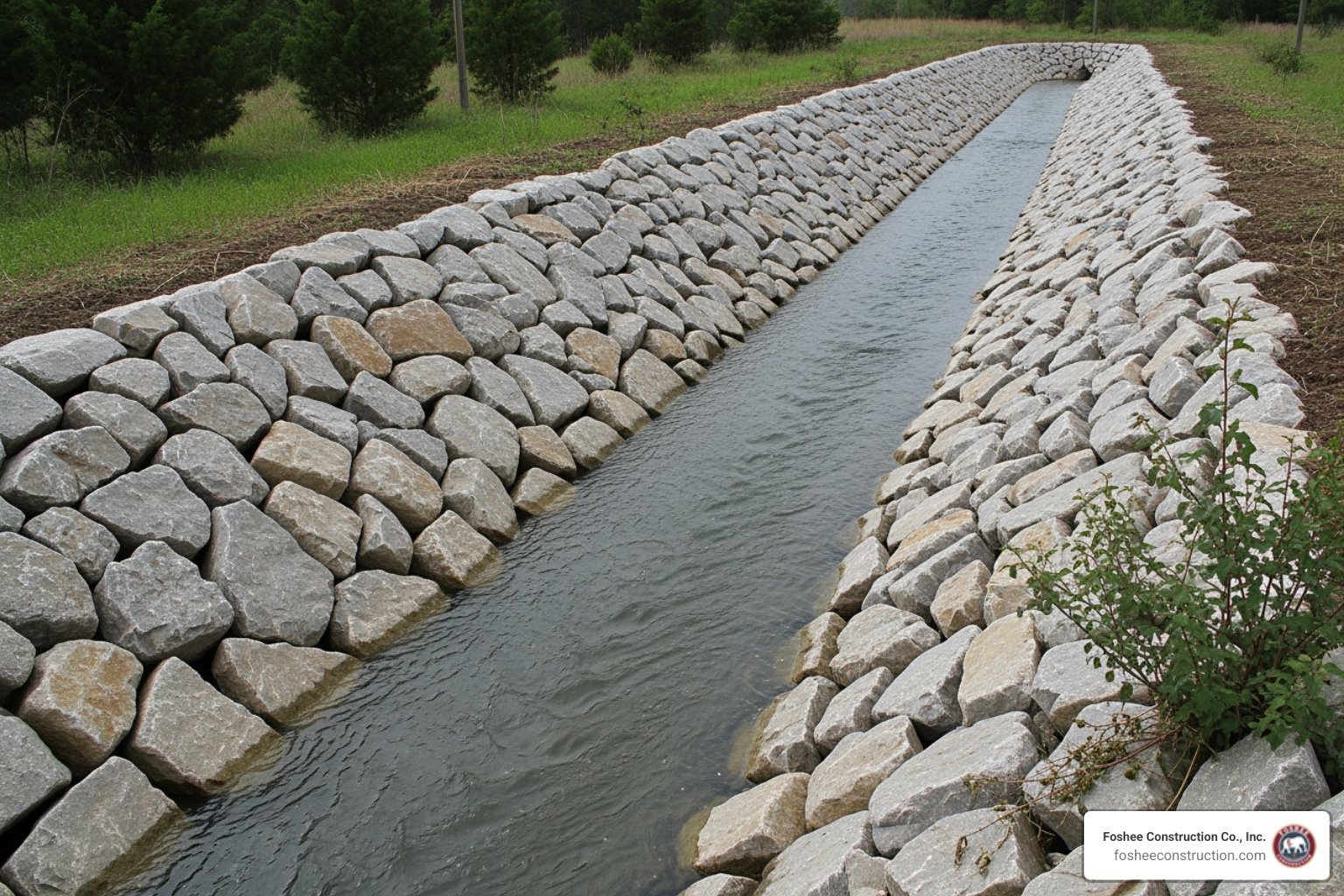
In contrast, a sediment basin is a large-scale, temporary (or sometimes permanent) impoundment area designed specifically for construction sites. Its job is to hold massive amounts of "muddy" runoff long enough for gravity to pull soil particles to the bottom before the "cleaner" water at the top is discharged.
| Feature | Sediment Basin | Catch Basin | Settling Basin (Irrigation) |
|---|---|---|---|
| Primary Goal | Remove suspended soil from construction runoff | Collect surface water and trap large debris | Remove fine silt/sand to prevent emitter clogging |
| Scale | Large (usually 2–100 acres drainage) | Small (localized inlets) | Medium (sized for flow rate) |
| Duration | Temporary (during construction) | Permanent | Permanent |
| Target Particle | Silt and Sand (0.002mm - 2.0mm) | Trash, leaves, and heavy gravel | 75-micron particles (200-mesh) |
If you are breaking ground in Florida, you are likely operating under the National Pollutant Discharge Elimination System (NPDES). The Florida Department of Environmental Protection (FDEP) issues a Construction General Permit (CGP) that mandates strict erosion and sediment control (E&SC) measures.
According to the 4.8SedimentBasin_SB.doc , Florida was actually the first state in the country to require stormwater treatment for all new developments back in 1982. This is because construction sites can lose soil at a rate 10 to 20 times higher than natural land. When that sediment enters our lakes and wetlands, it carries over half of the trace metals found in runoff, devastating local ecosystems.
For sites where 10 or more acres are disturbed at once, a sediment basin is almost always a non-negotiable requirement. Failing to install one—or installing one that doesn't meet the 80% Total Suspended Solids (TSS) removal target—can lead to "Stop Work" orders and massive daily fines.
Beyond just staying out of legal trouble, proper sediment basin installation fl protects the very land we are building on. In Florida’s humid climate, standing water isn't just a nuisance; it’s a breeding ground for bacteria and a threat to building foundations.
By effectively managing runoff, these basins:
Designing a basin in Florida isn't a "one size fits all" task. We have to account for the specific soil types and the sheer volume of water our storms produce. The "rule of thumb" in the industry is to provide at least 3,600 cubic feet of storage for every acre of disturbed drainage area.
If you’re working with impaired waters or particularly sensitive environments, that requirement can even jump to a 5-year, 24-hour storm standard.
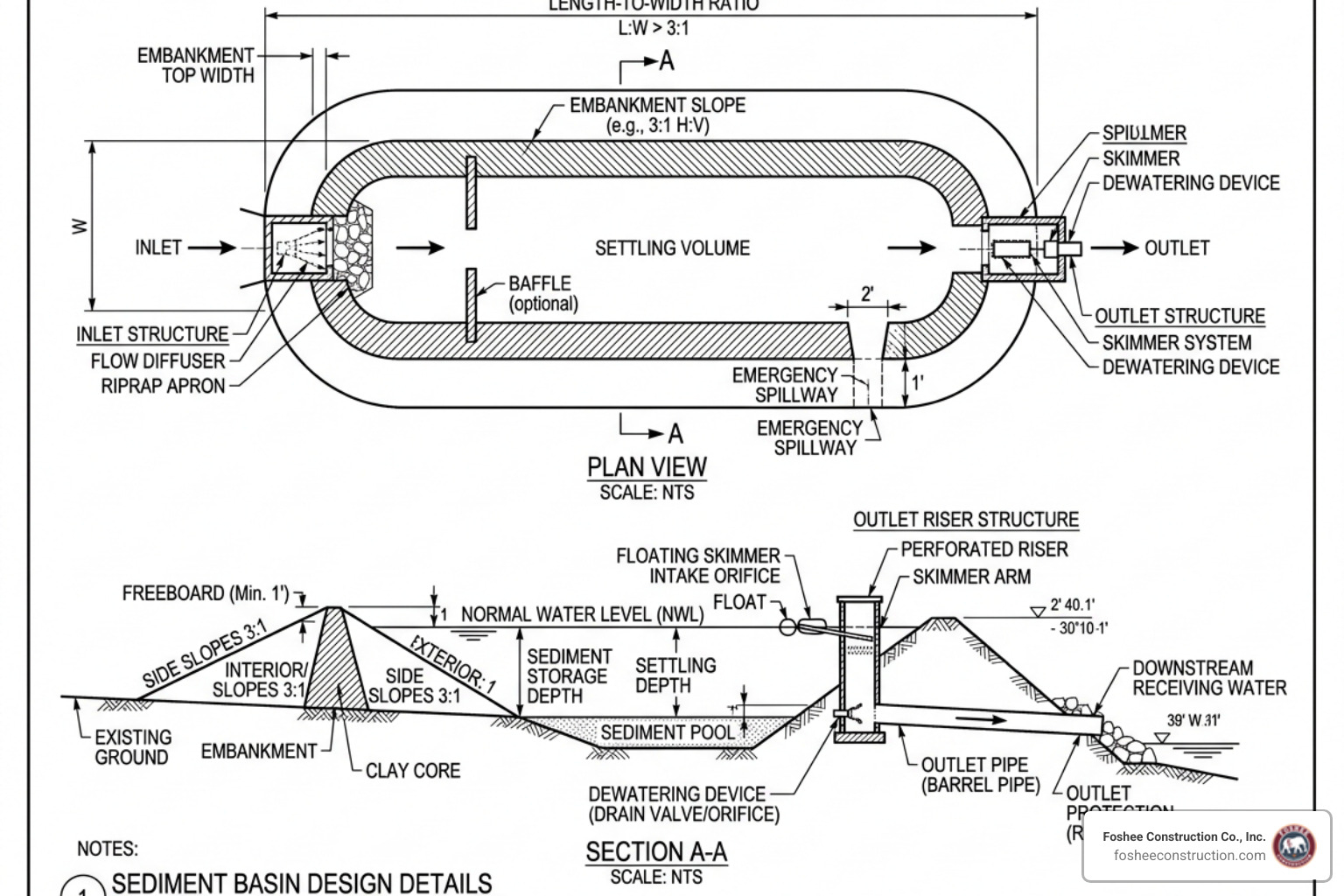
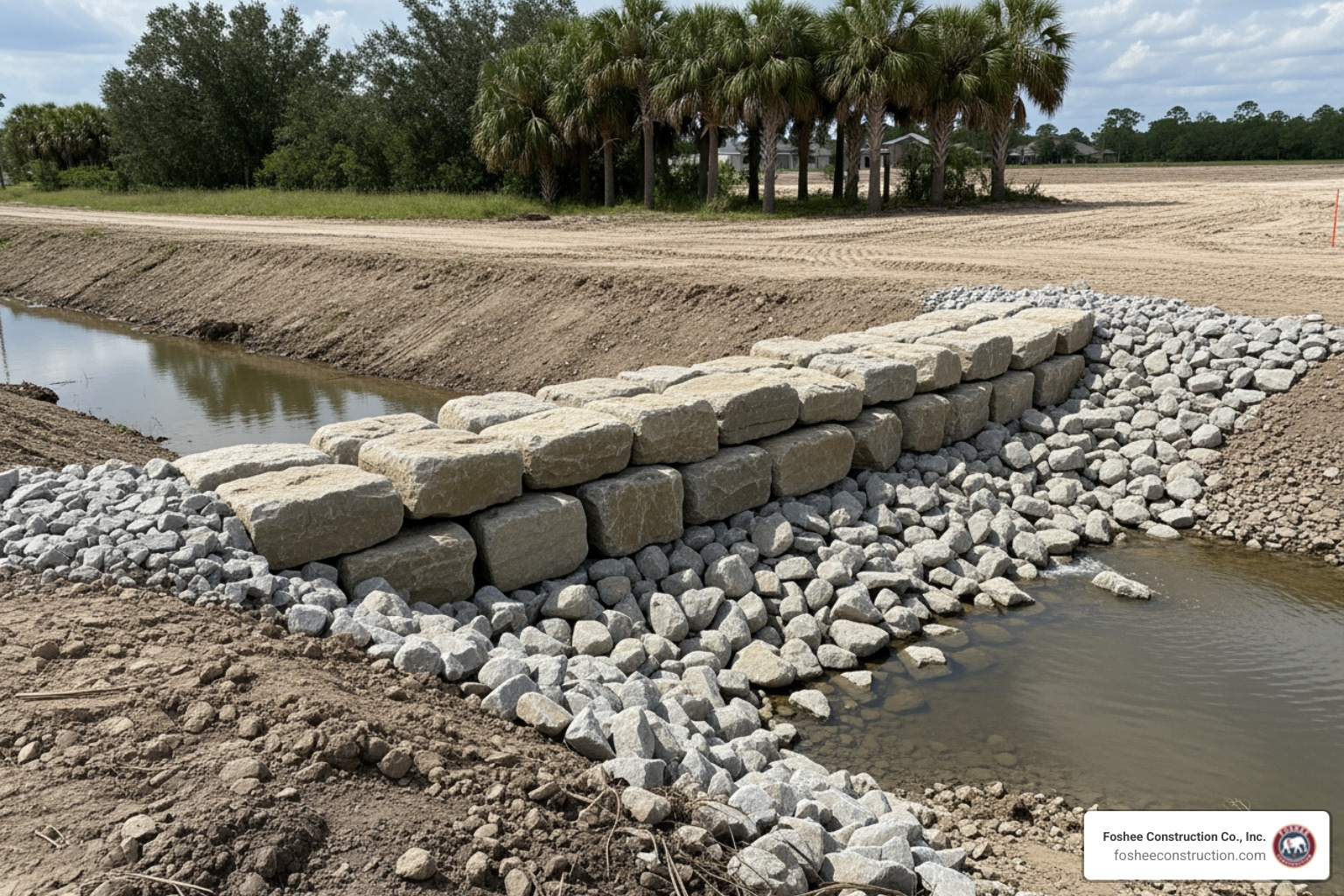
A hole in the ground isn't a sediment basin. A high-performing system requires several engineered components to work correctly:
For more technical details on these components, you can refer to the Microsoft Word - SedimentBasin_1064.doc .
We use Stokes' Law to determine how fast particles will settle. In Florida, we generally aim to remove particles as small as 75 microns (about the size of a very fine grain of sand).
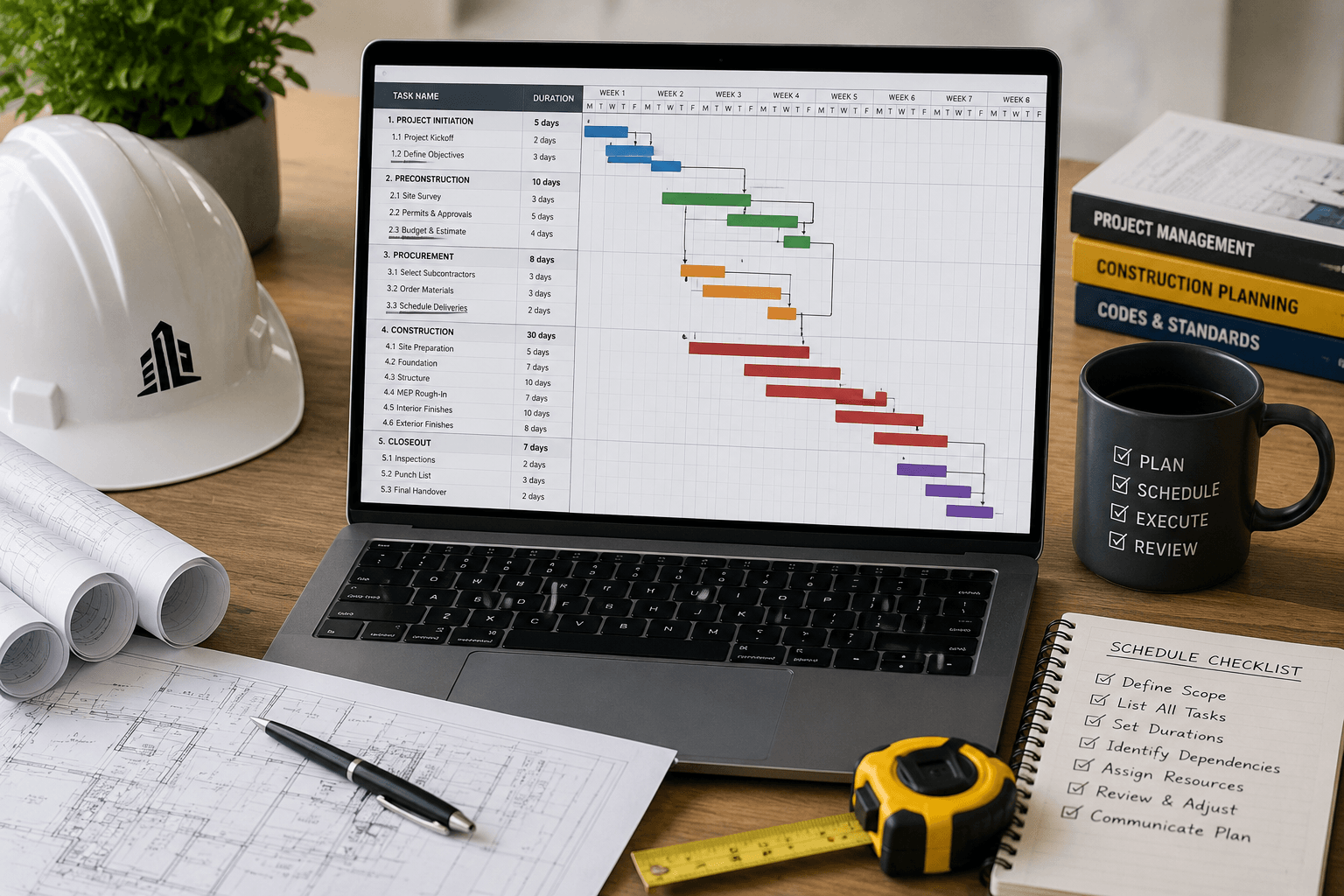
At Foshee Construction, we follow a disciplined schedule for installation. You cannot wait until the site is cleared to build your basin; by then, the damage is already done.
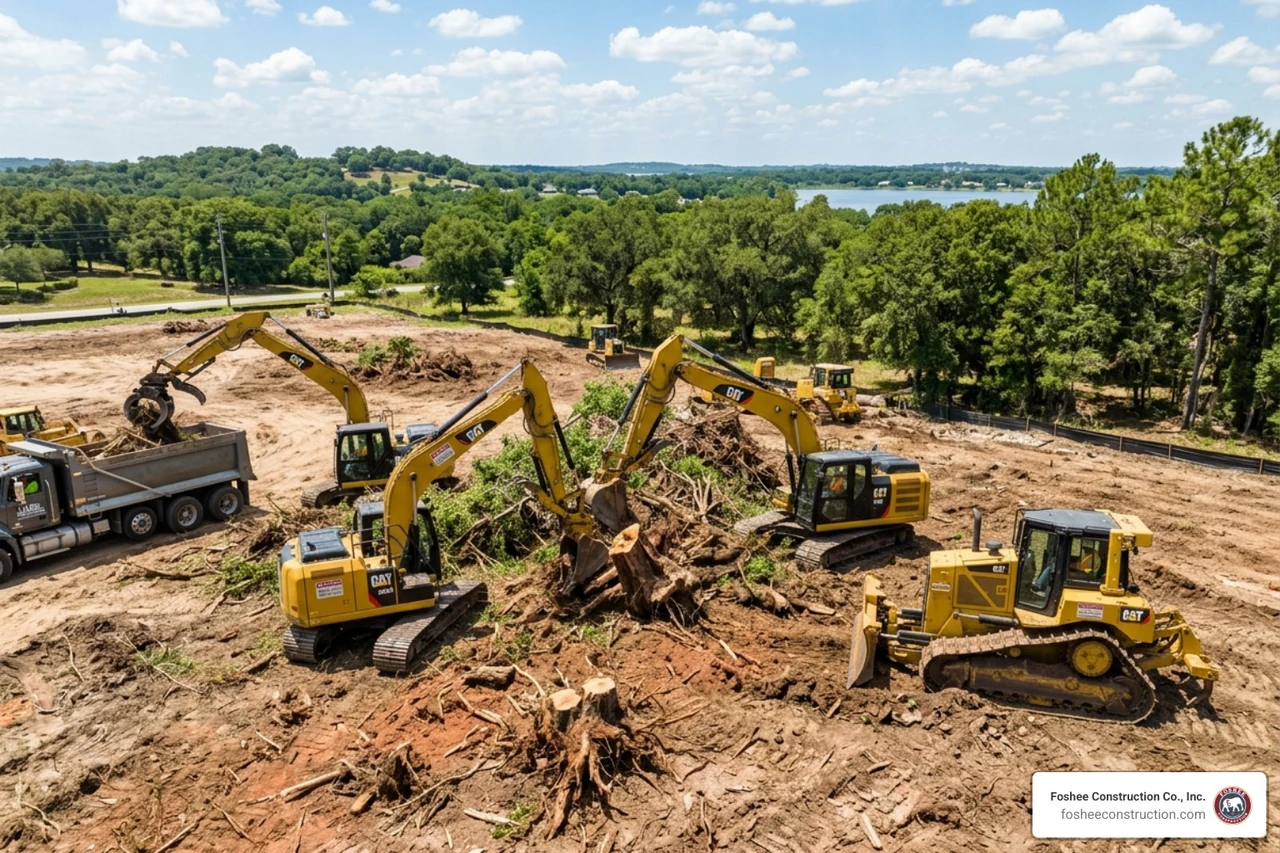
The basin must be the first thing built. Before any mass clearing or grubbing begins, the basin should be functional. This ensures that the very first rain event on the bare soil is captured.
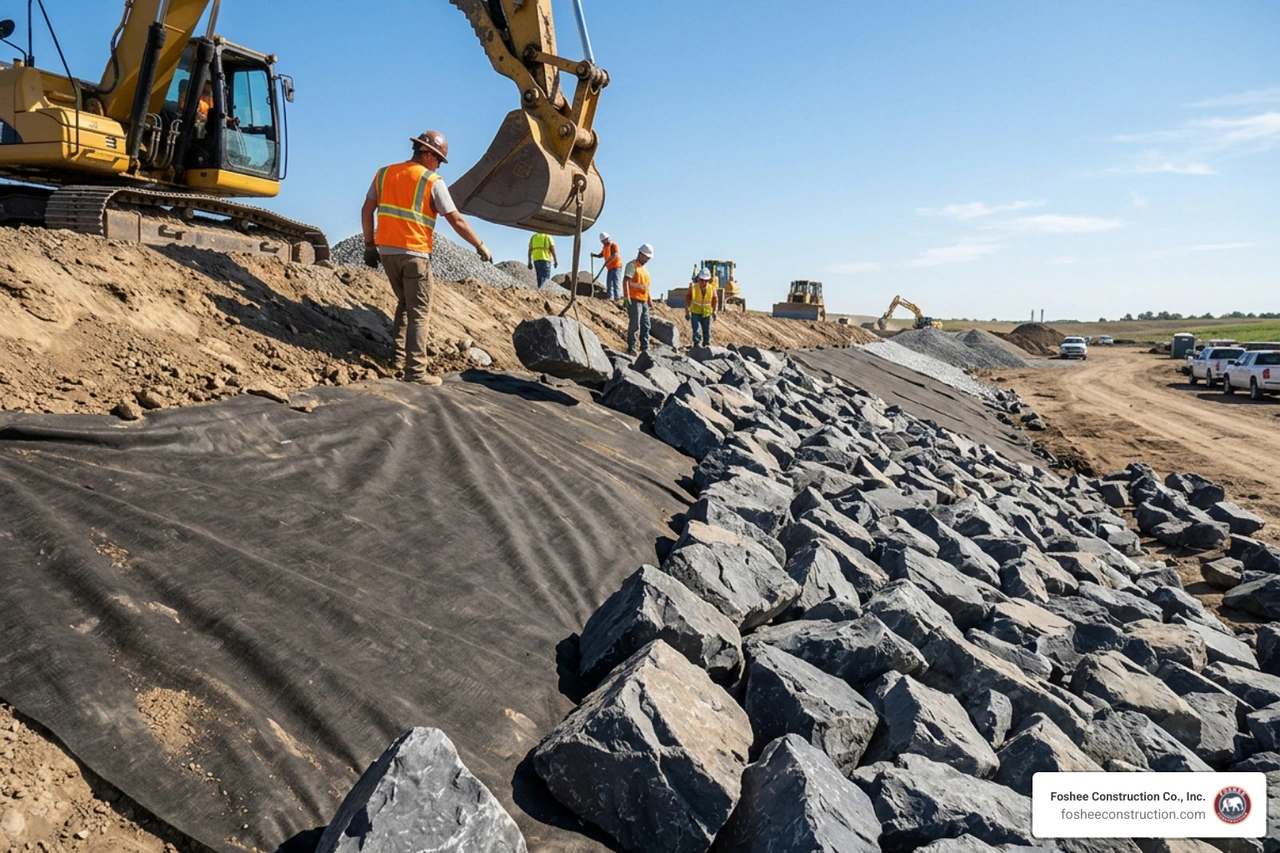
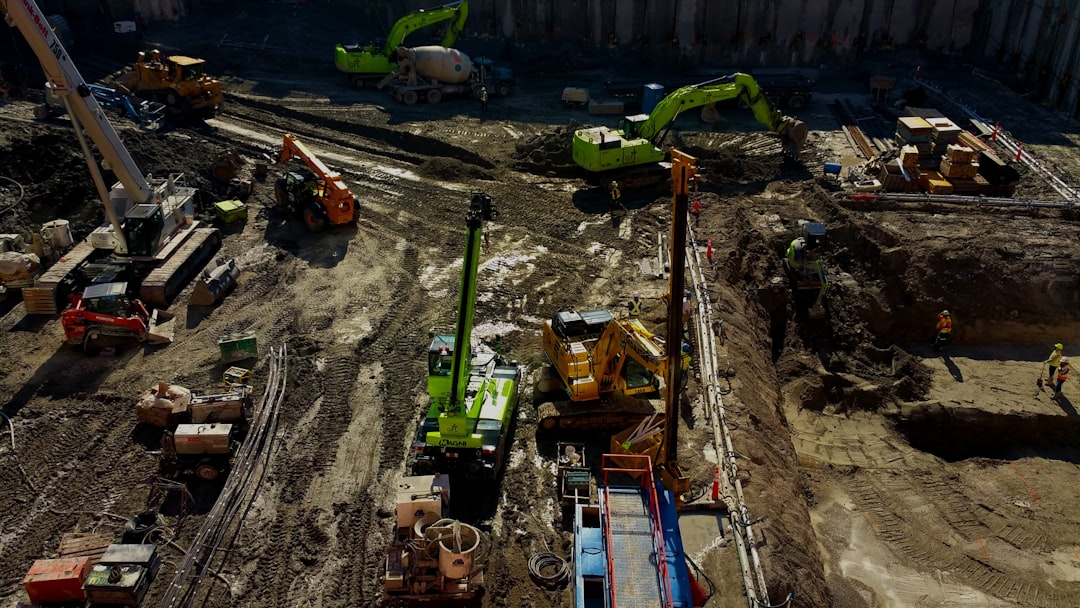
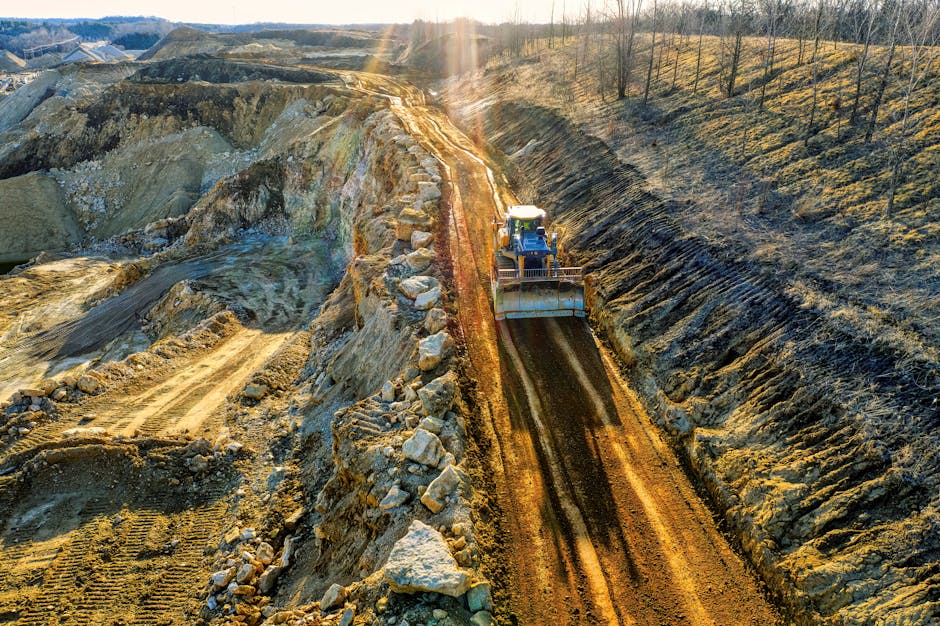
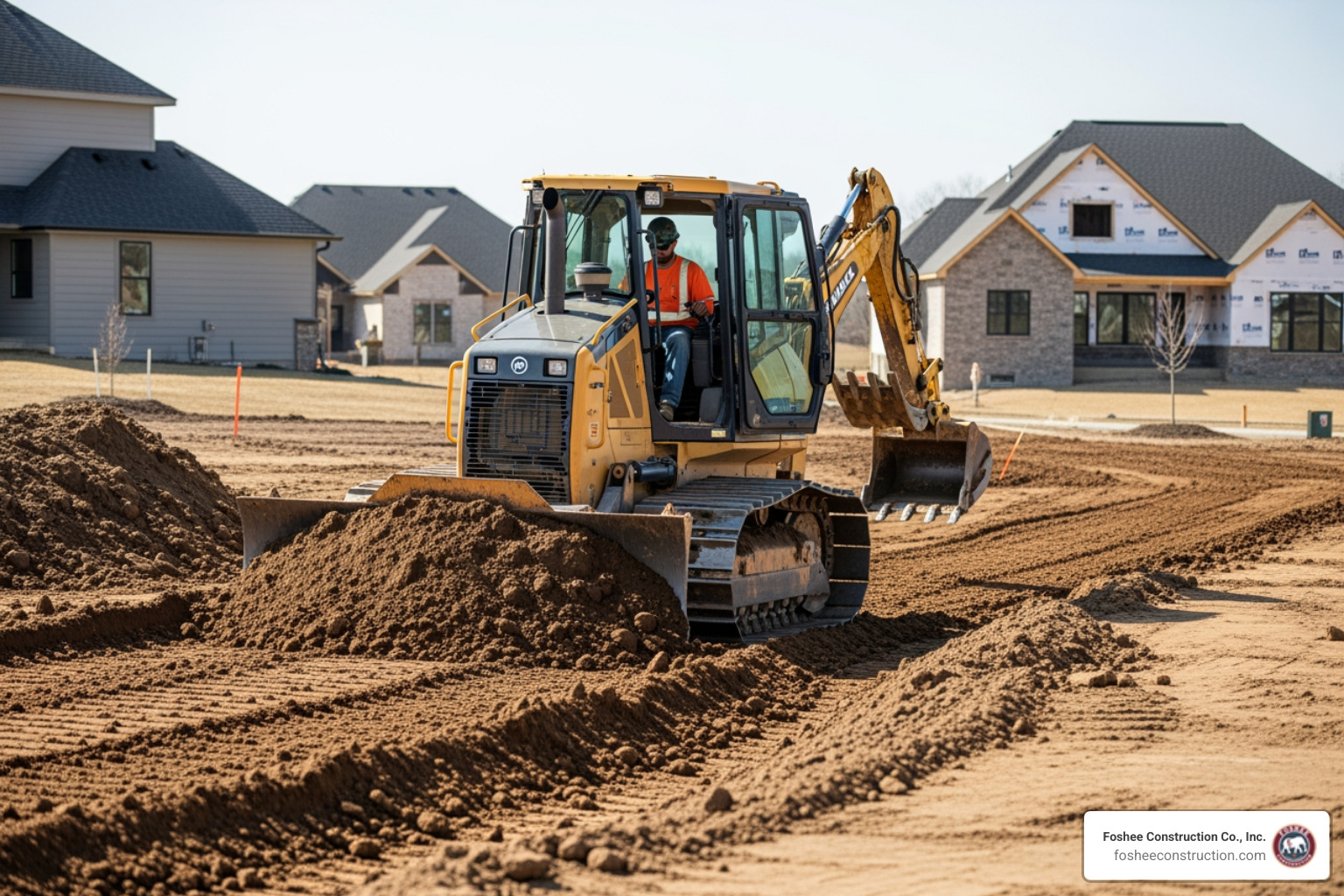
We excavate to the designed depth, ensuring we have a "forebay" (a smaller initial pool) to catch the heaviest sand and gravel. The soil used for the embankment must be clean, stable fill, compacted thoroughly.
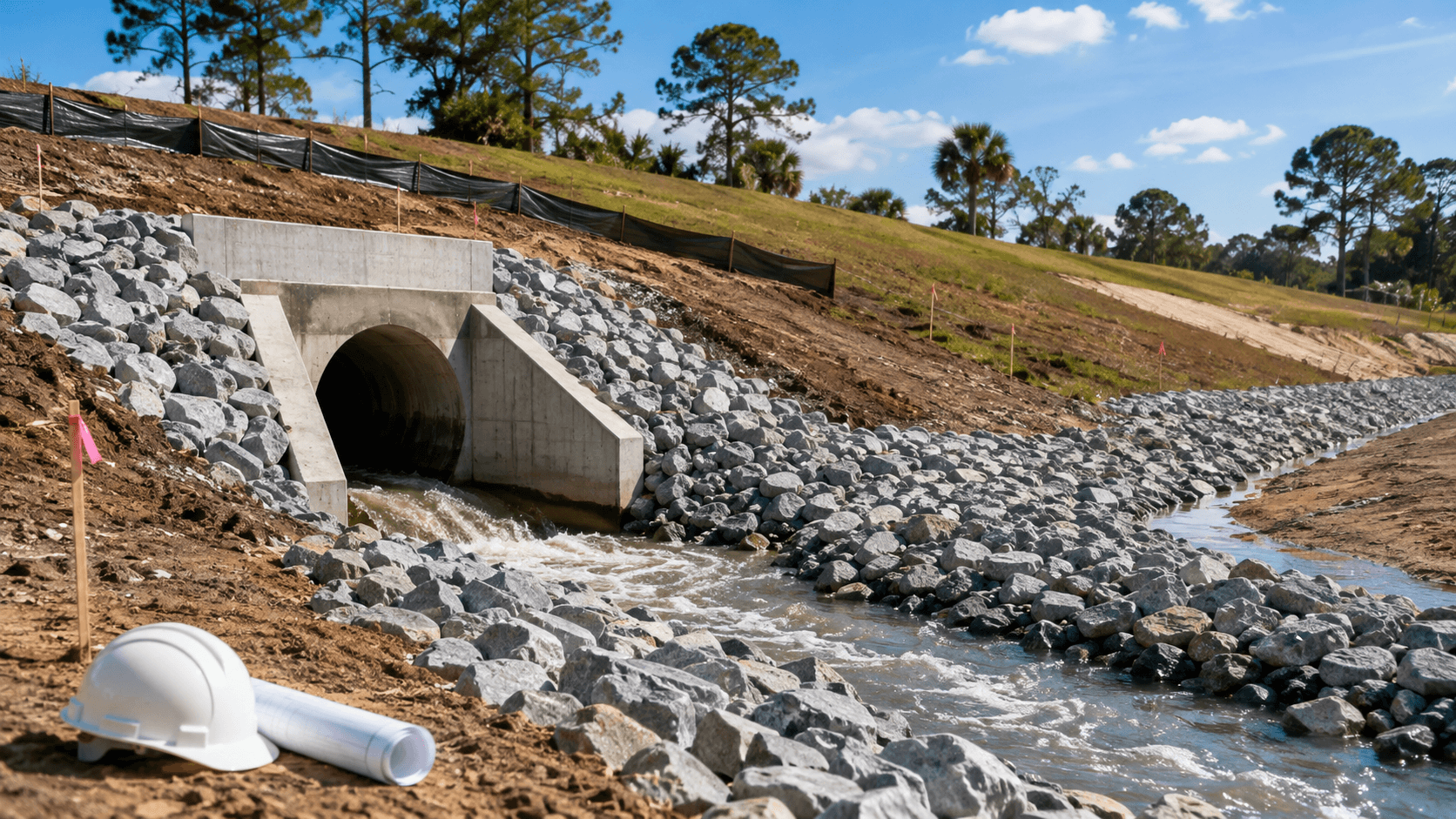
We install the riser pipe and the floating skimmer. It’s critical that the outlet is set at the correct elevation. If it’s too low, you lose storage capacity; if it’s too high, you risk overtopping the dam.
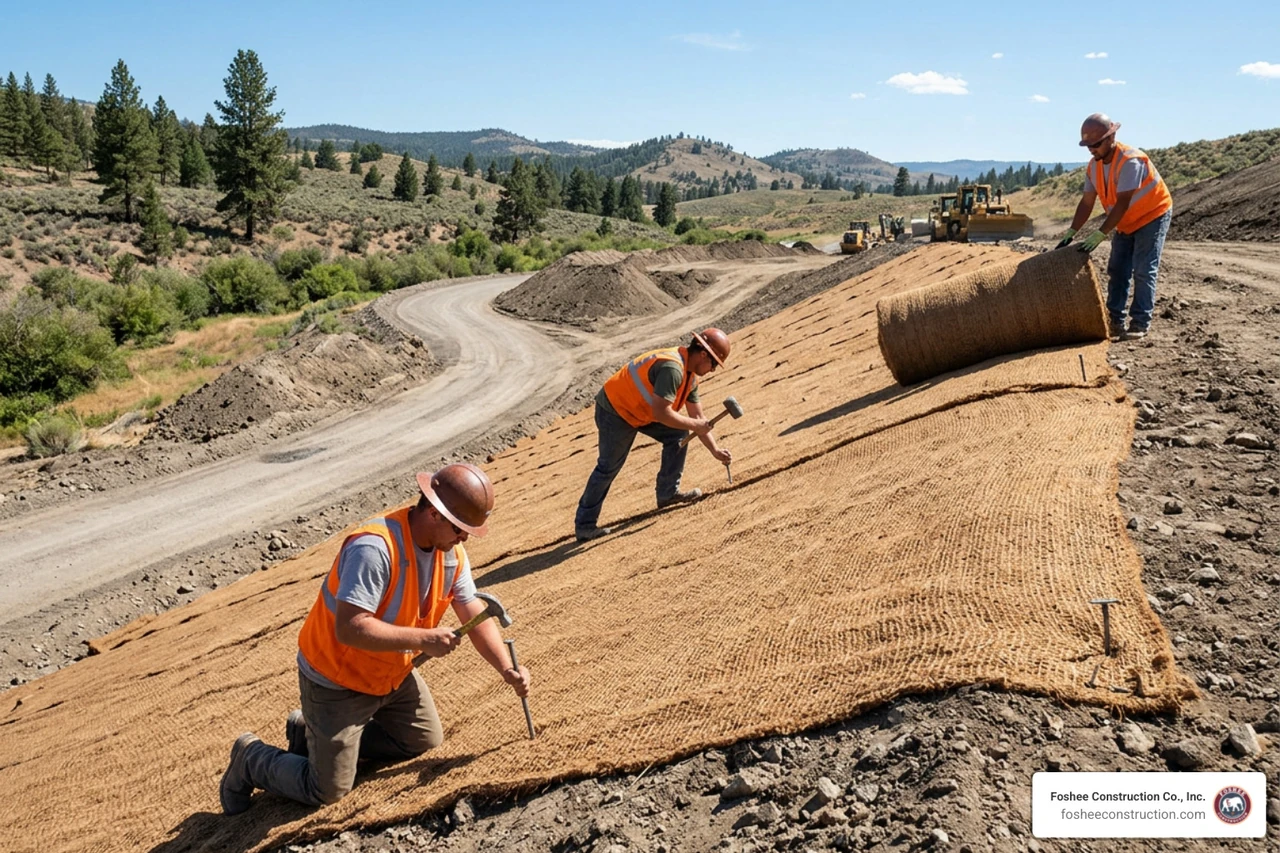
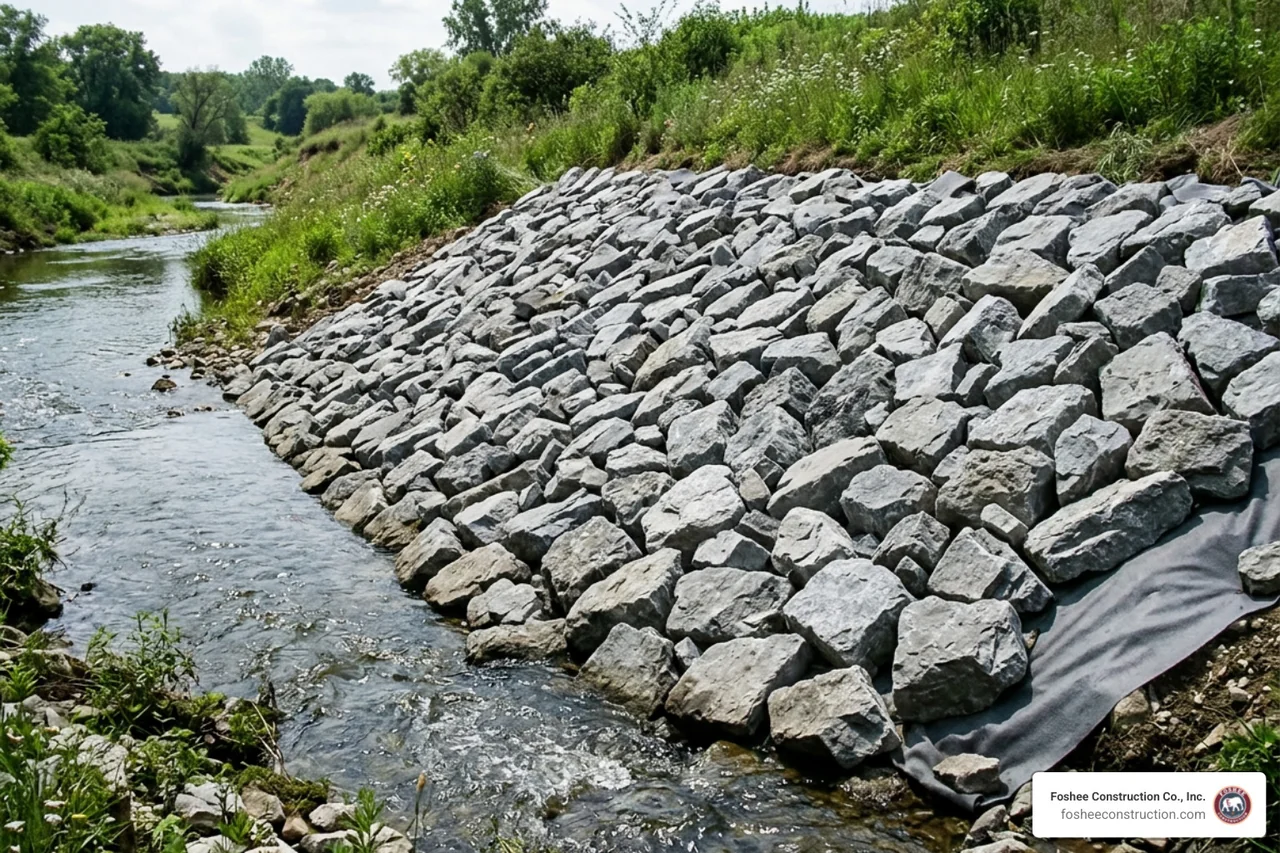
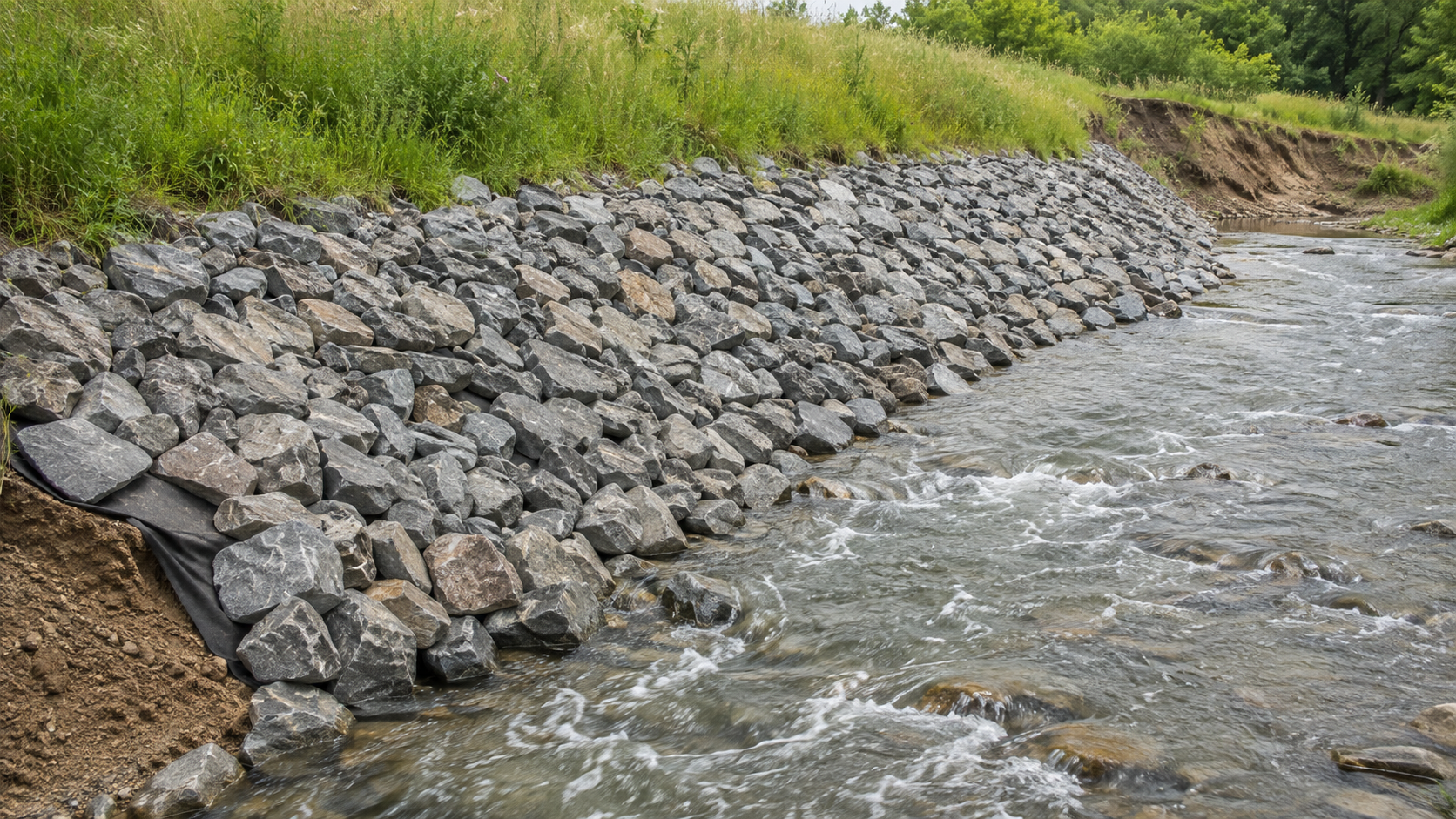
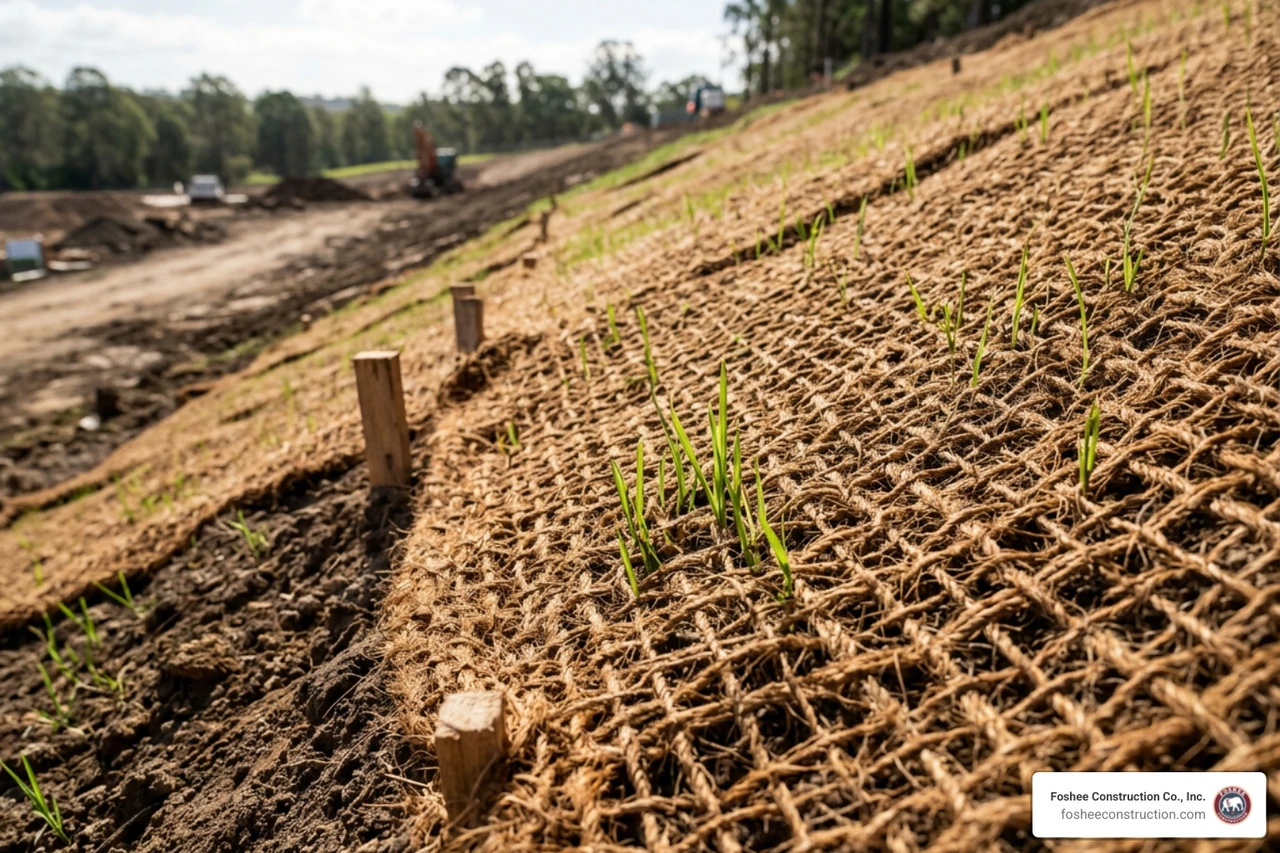
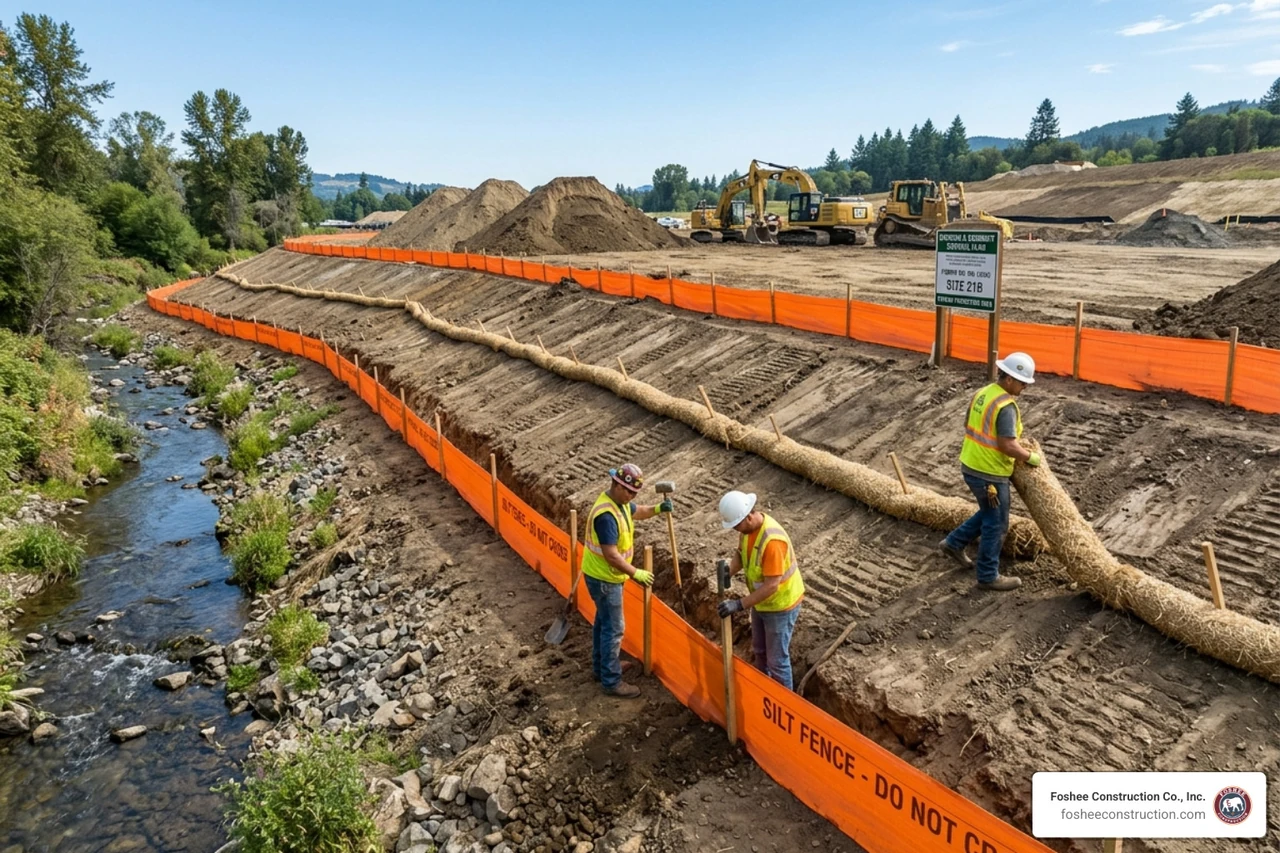
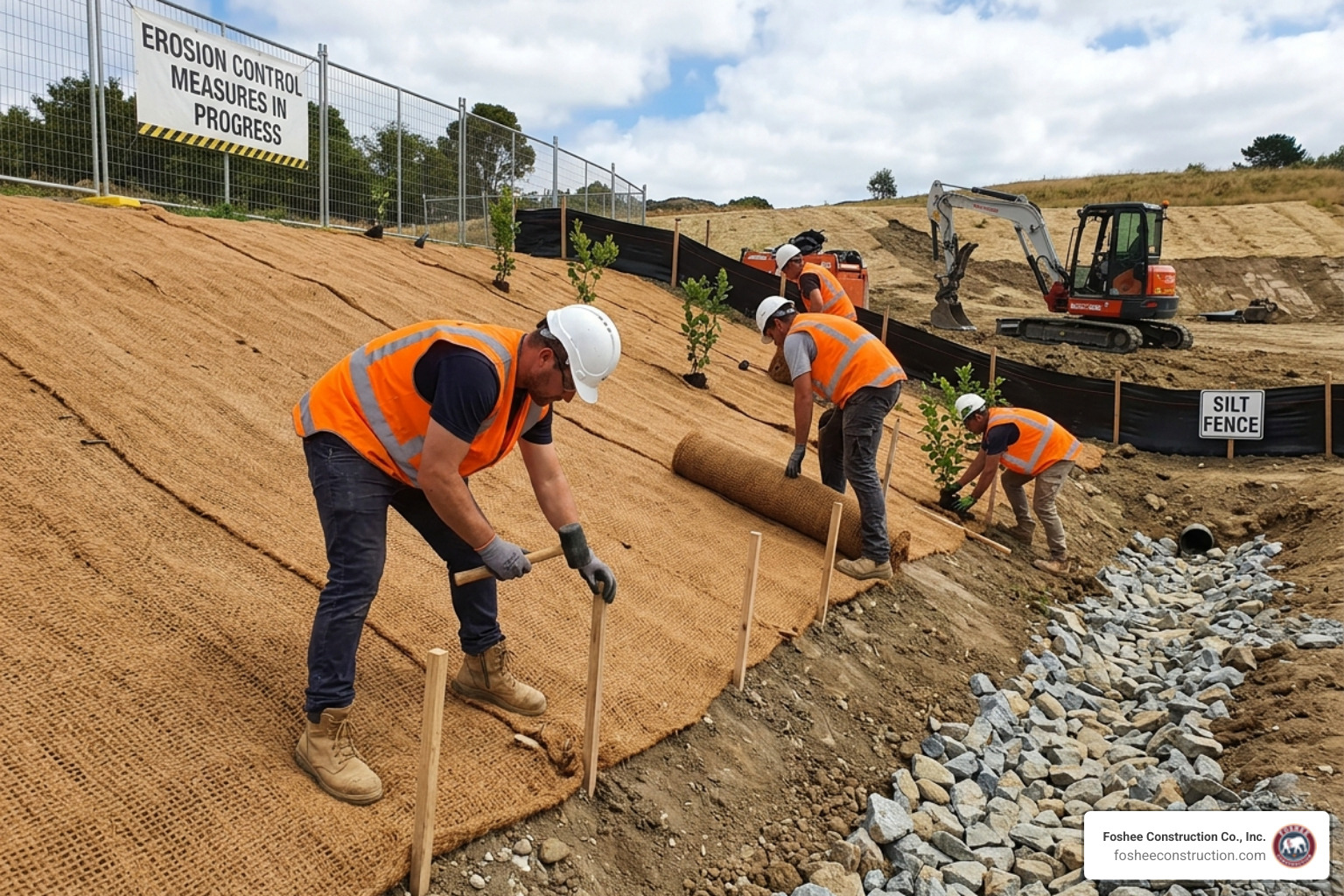
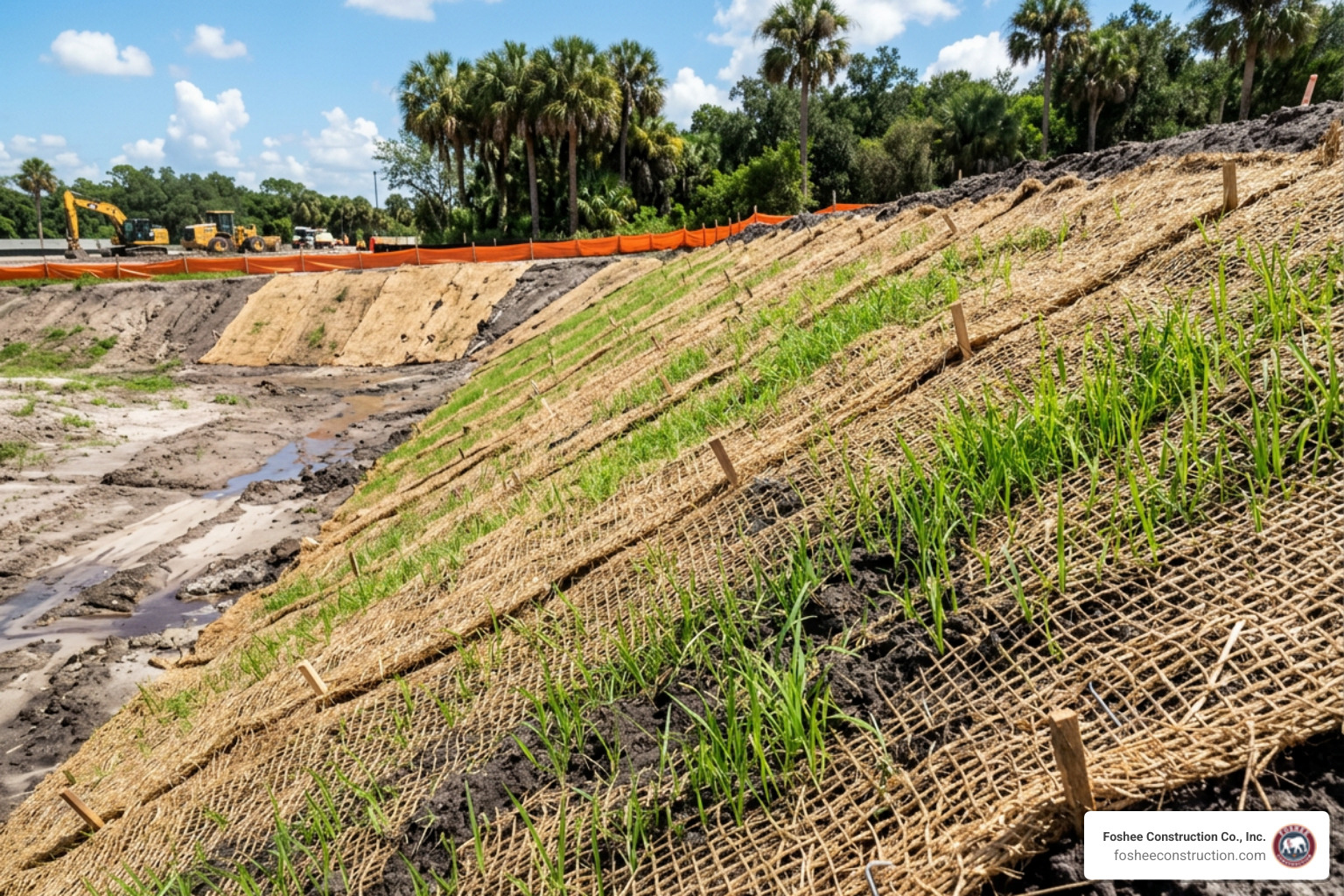
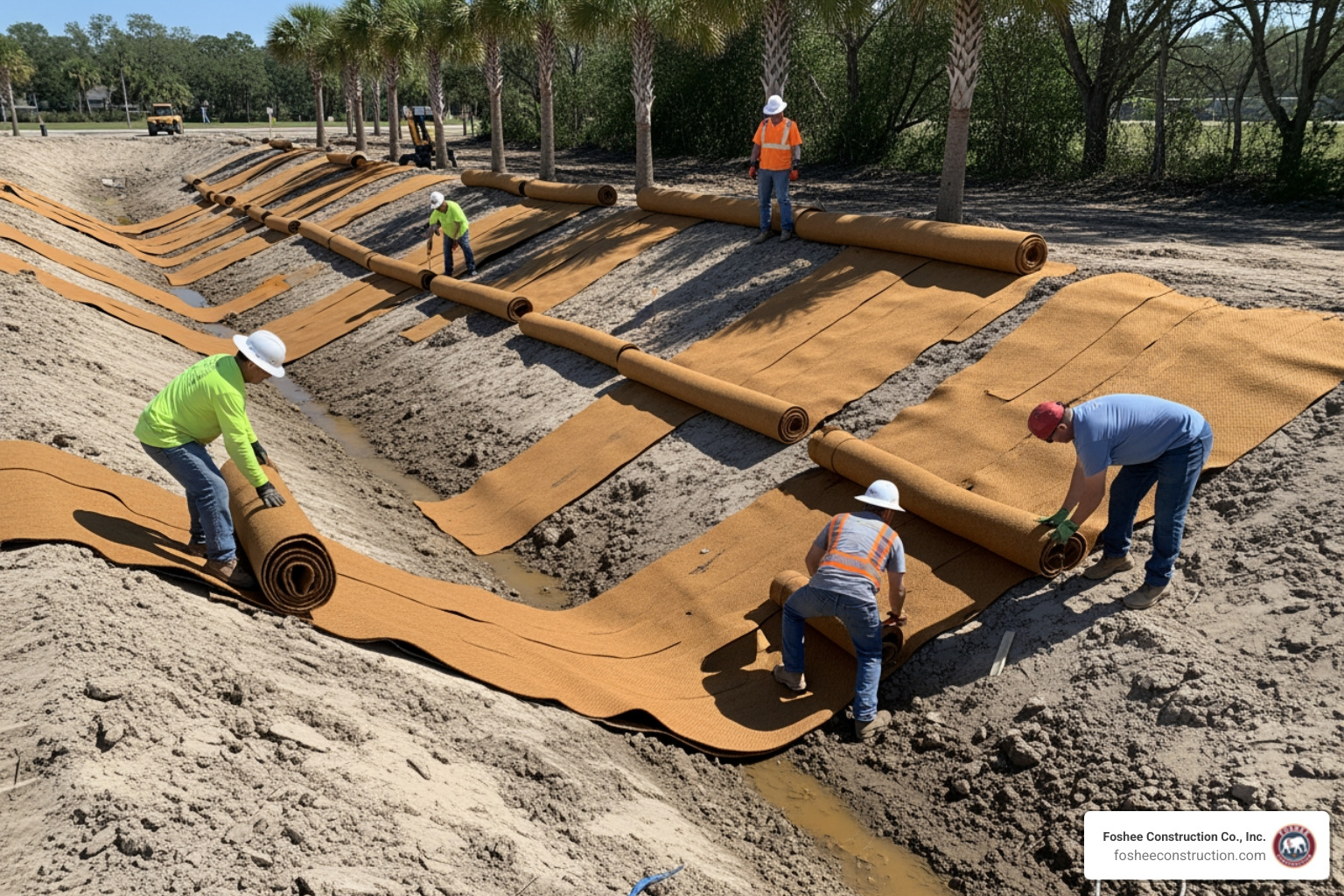
As soon as the basin is dug, we stabilize the banks. This usually involves hydroseeding or installing erosion control blankets (RECPs). If the basin walls erode into the basin, you're just filling up your own storage space with mud!
A sediment basin is your "last line of defense," but it works best when paired with other Best Management Practices (BMPs):
In some Central Florida locations with very sandy soils, the water might soak into the ground too fast to allow for proper settling. In these cases, we may use:
Maintenance is where most projects fail. A sediment basin is a living system that changes with every storm.
You should never let a basin fill up completely. The standard rule is to remove sediment when it reaches one-third to one-half of the storage capacity.
A sediment basin is a large, engineered pond designed to hold water for days to let fine silt settle. A catch basin is a small inlet box designed for immediate drainage of surface water and trapping large debris like trash.
Under the FDEP Construction General Permit, any site disturbing 10 or more acres that drains to a single point generally requires a sediment basin. Many smaller sites (5+ acres) also utilize them to meet the 80% TSS removal requirement.
Sediment should be removed whenever it reaches one-third to one-half of the basin's design volume. Additionally, the basin should be inspected weekly and within 24 hours of any rain event greater than 0.5 inches.
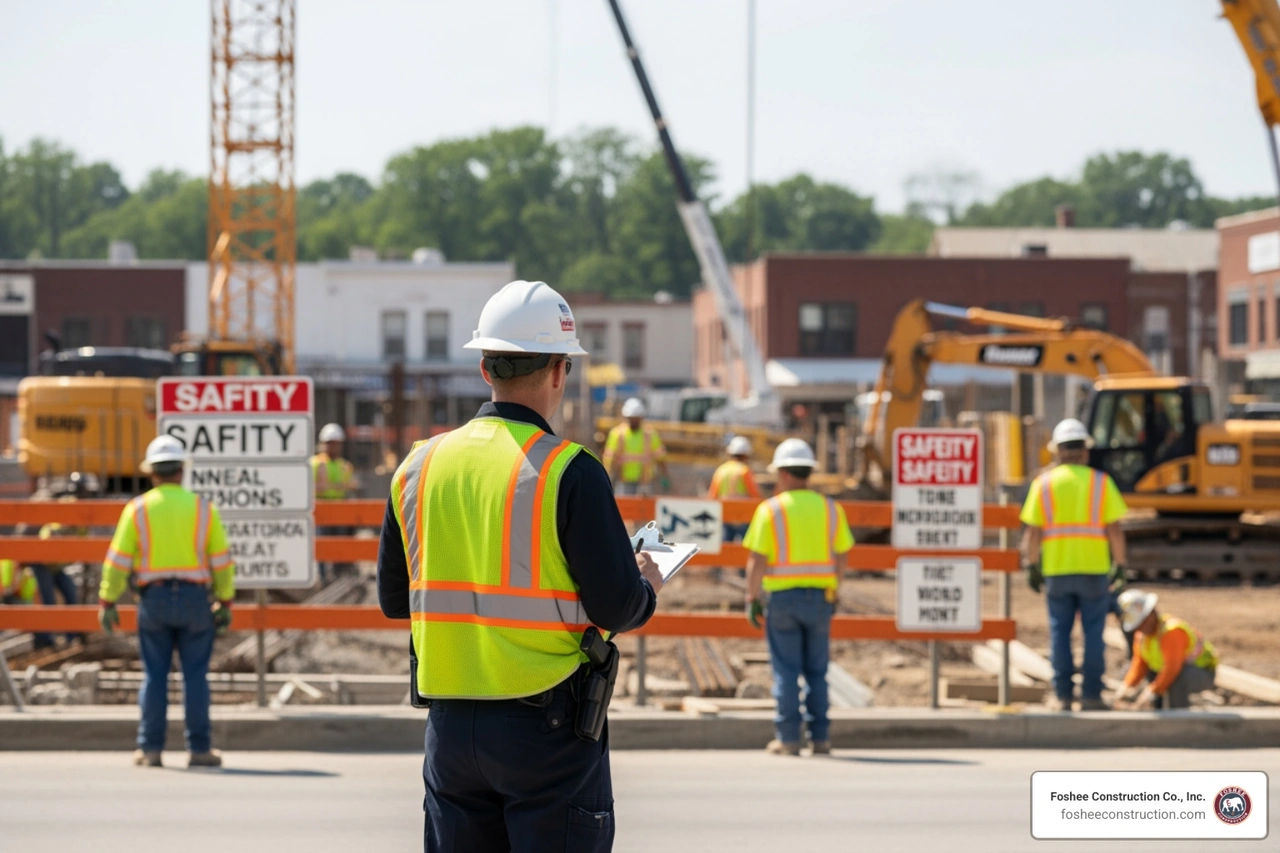
At Foshee Construction Co., Inc., we know that sediment basin installation fl is about more than just moving dirt — it’s about protecting your investment and Florida’s natural beauty. Based in Minneola, we’ve built our reputation on transparent bids, disciplined scheduling, and a "safety first" mentality that keeps your project on track and in compliance.
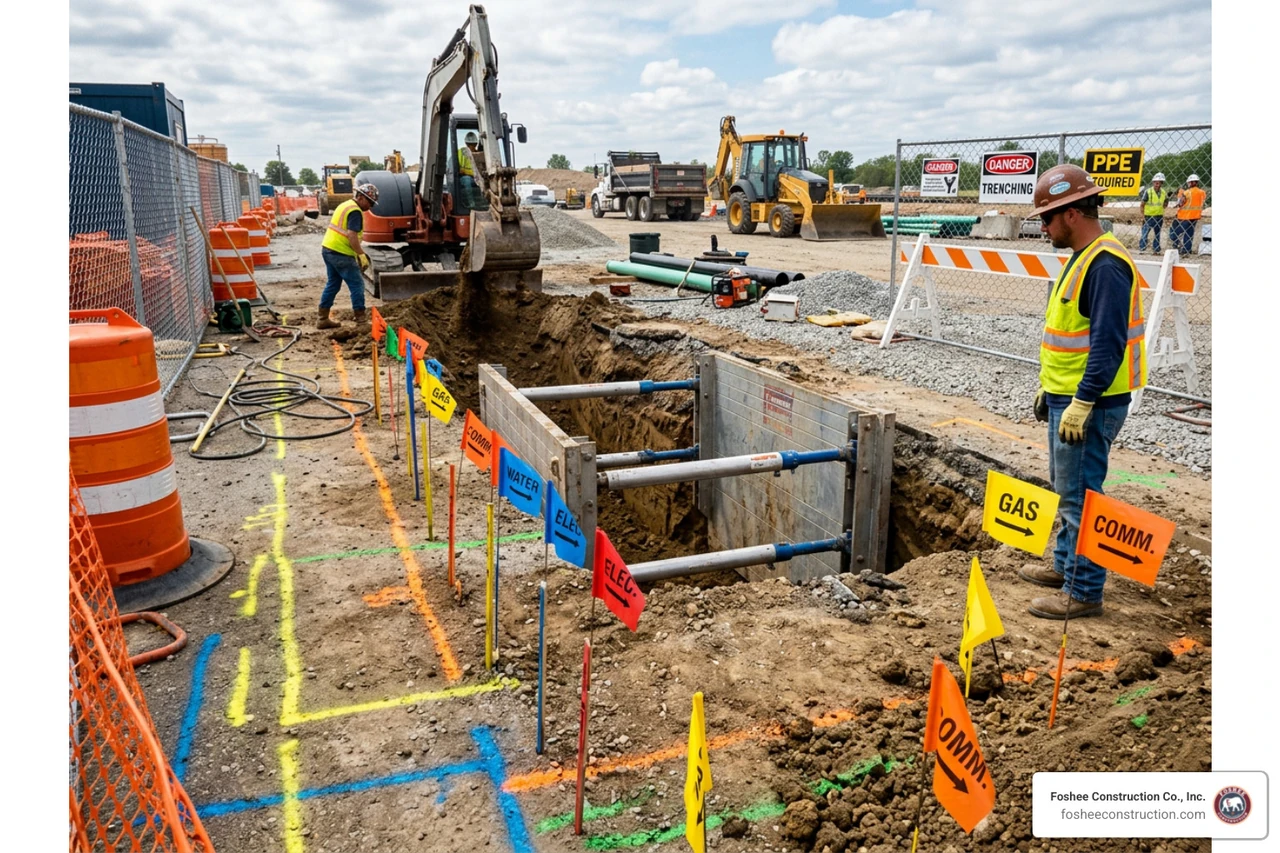
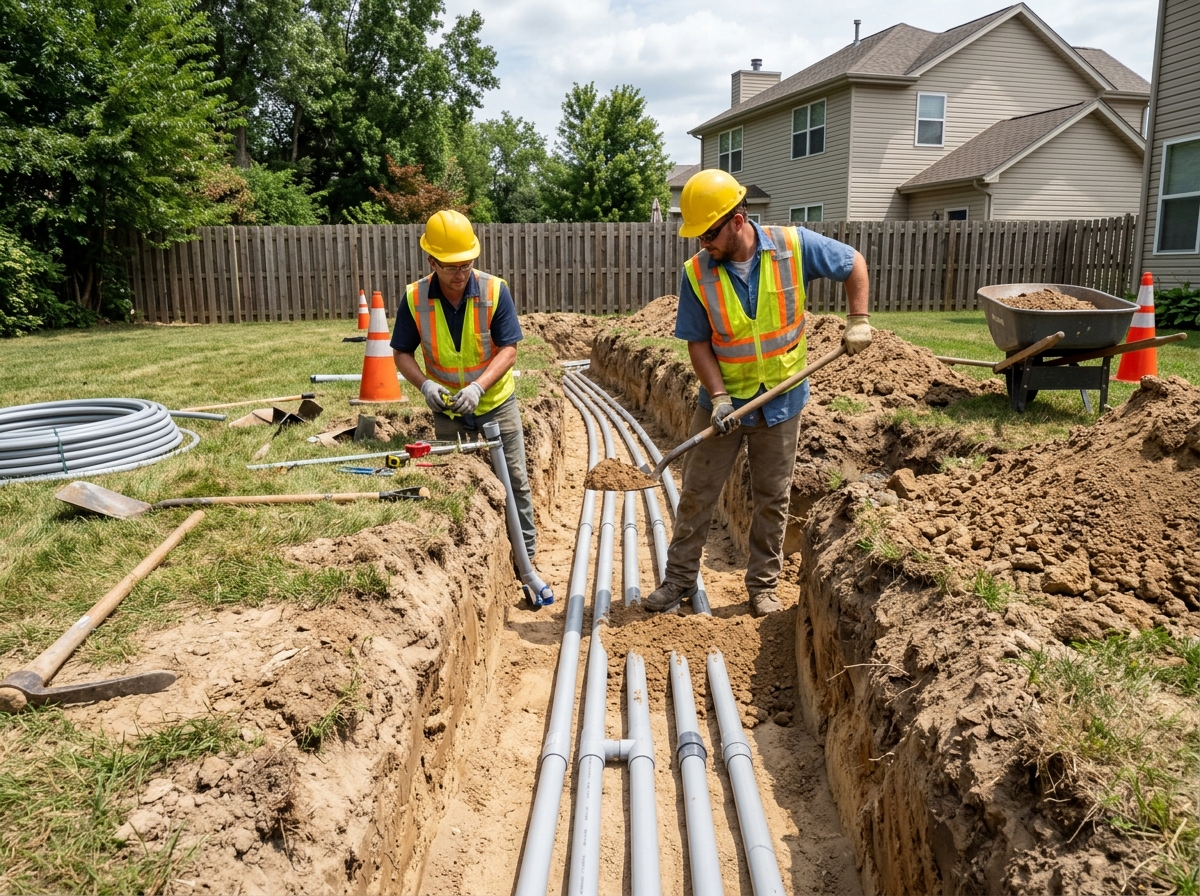
Whether you are starting a new residential development in Lake County or a large-scale commercial project, our team has the expertise to handle everything from initial site prep and underground utilities to complex erosion control systems.
Don't leave your site compliance to chance. If you need reliable, expert site preparation and erosion control, visit us at Foshee Construction to learn how we can help you ground your project in success.
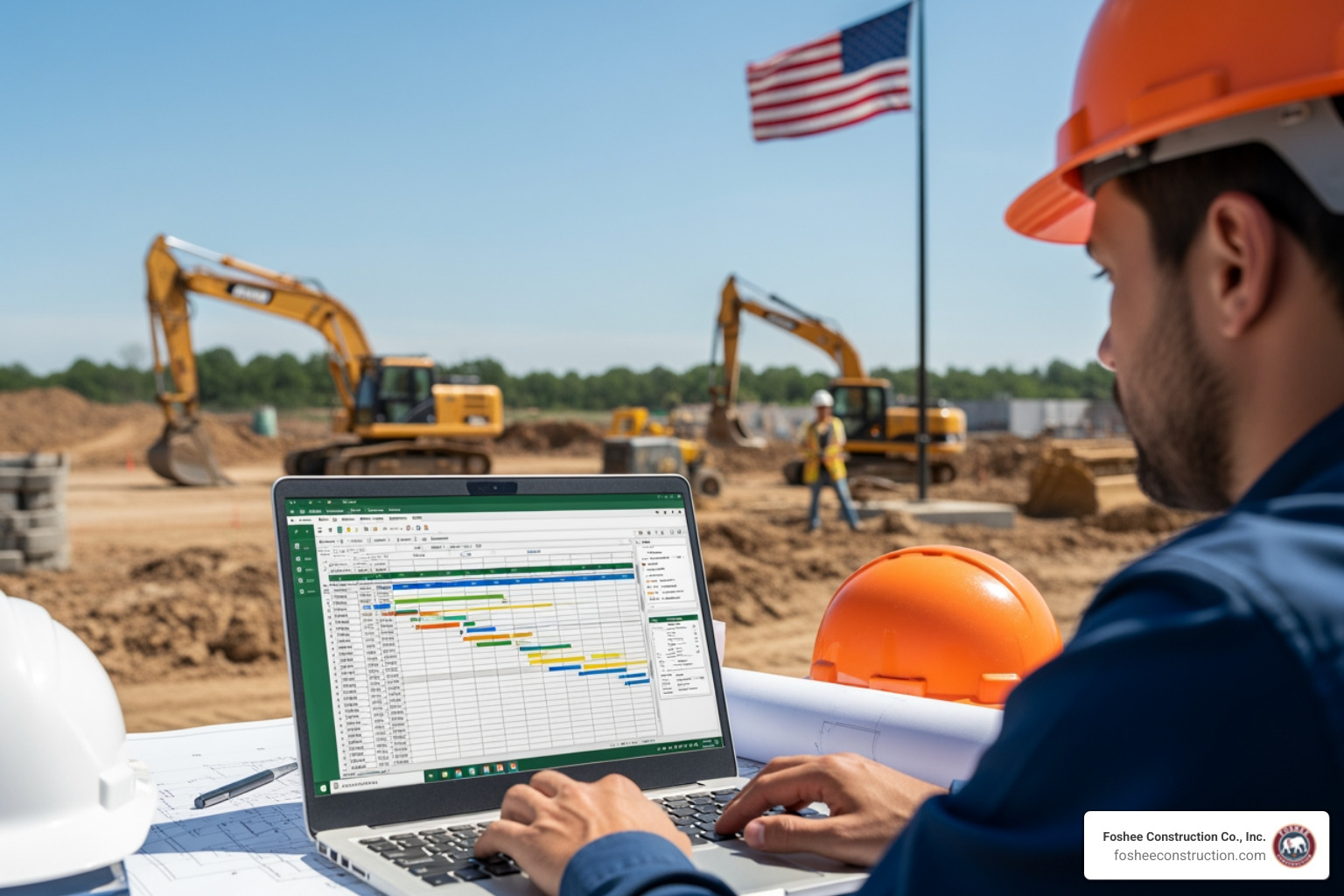
We build bids using HeavyBid and AGTEK because the details matter long before the job starts. When the numbers are accurate and the scope is clearly defined, it sets the tone for how the entire project runs. Estimating isn’t just a step in the process, it’s the foundation we build on.
That same mindset carries into the field. Our crew is trained to work with purpose, follow the Civil Engineers’ Plan to the finest detail, and hold the line on quality. When expectations are clear from day one, there’s no need for shortcuts, and no confusion about how the work gets done.
Clients trust our bid packages because they’re complete and ready to use. Project managers know what we’re covering, what’s excluded, and how we plan to approach the job. That clarity removes friction and lets teams focus on execution instead of interpretation.
As part of our review process, we go into the plans before anything hits the site. We ask the questions early, resolve issues before they show up in the field, and keep RFIs moving. This approach prevents delays and protects the timeline.
Over time, that consistency builds trust. Many of the people we work with today came through referrals from past projects – engineers, GCs, and superintendents who’ve seen how we operate and want the same experience again.
In 2024, Foshee Construction was acquired by Saga Infrastructure Solutions, a national network of civil construction companies. Saga supports regional contractors by giving them access to better tools, long-term resources, and operational backing, without changing how they run day to day.
Foshee will continue to operate under its name, with the same team and field leadership in place.
“From the very time a project starts, we start that partnership. We try to catch as much as we can with the tools that we have. Not everybody is using the software platforms we are. That’s the differentiator: we’re not just bidding. We’re anticipating, problem-solving, and making sure the job runs right.”
— Don, CEO, Saga Infrastructure Solutions
Foshee is now part of a broader regional strategy that includes Florida, the Piedmont Atlantic, Texas, Colorado, and the Arizona Sun Corridor. The name, crews, and standards remain. What’s improving is the support behind it.