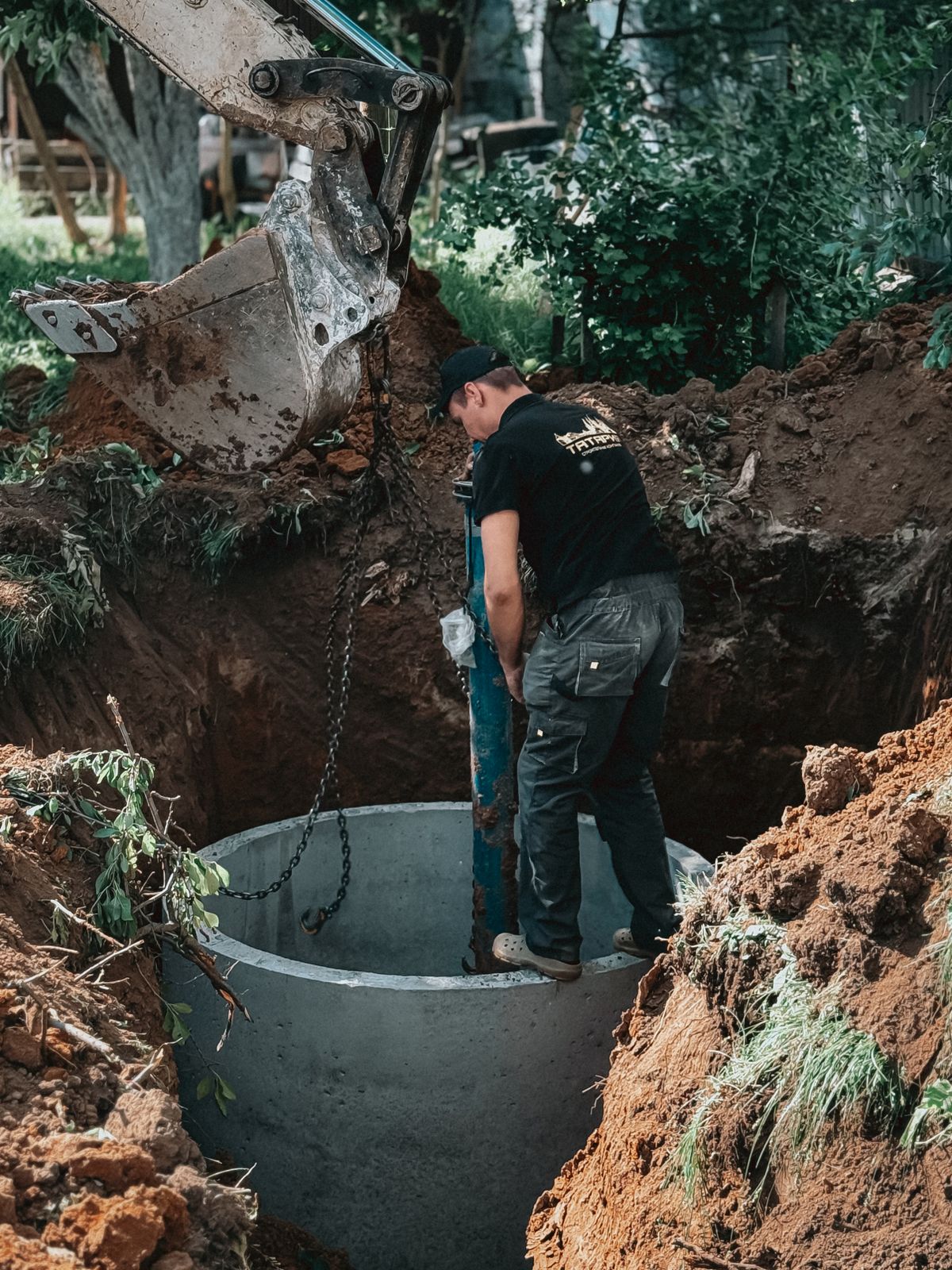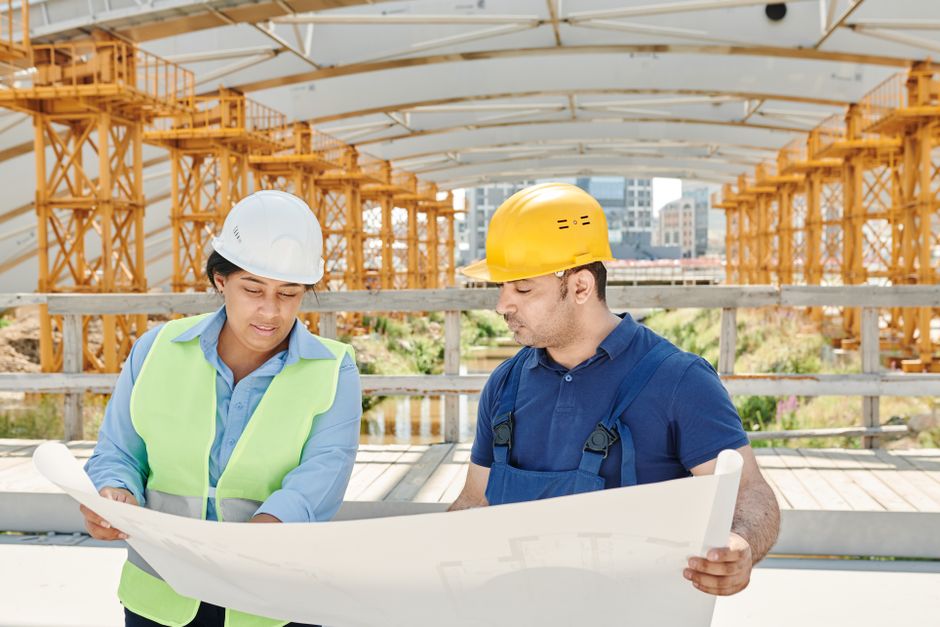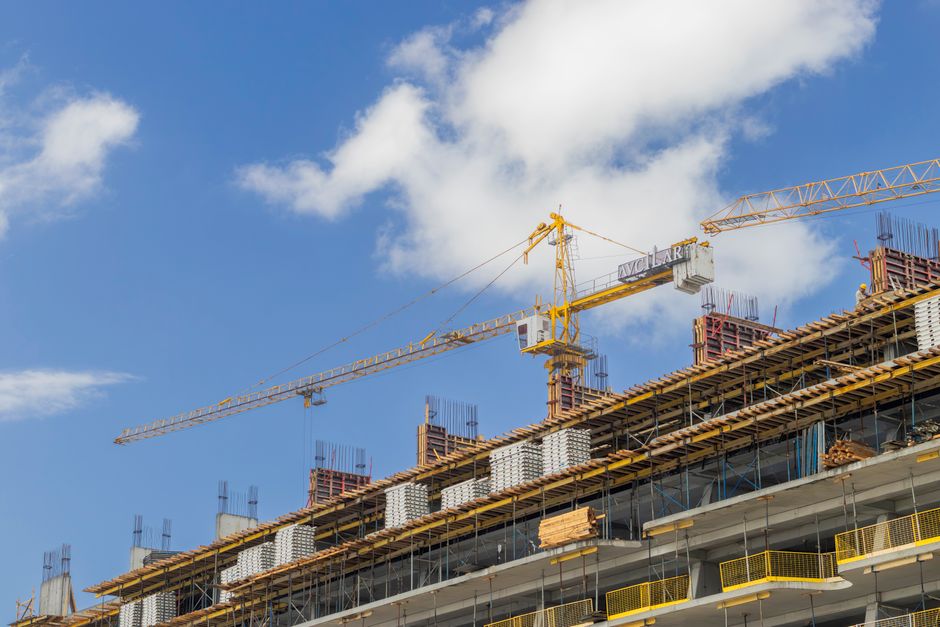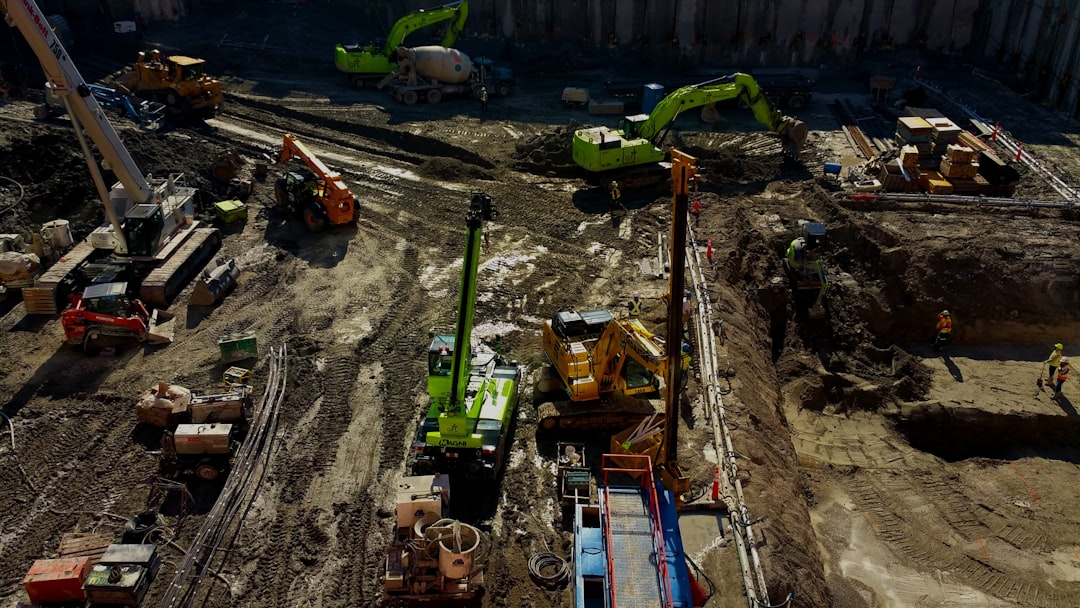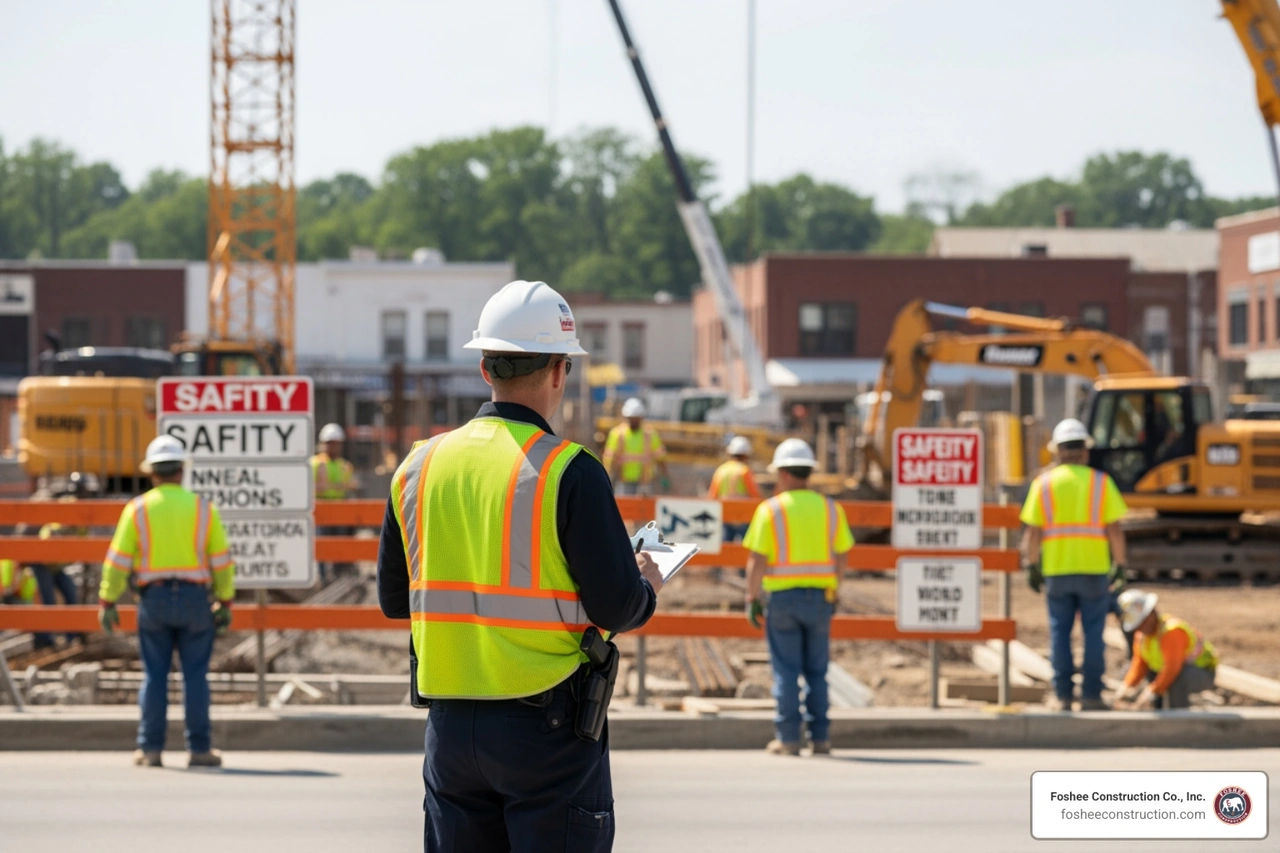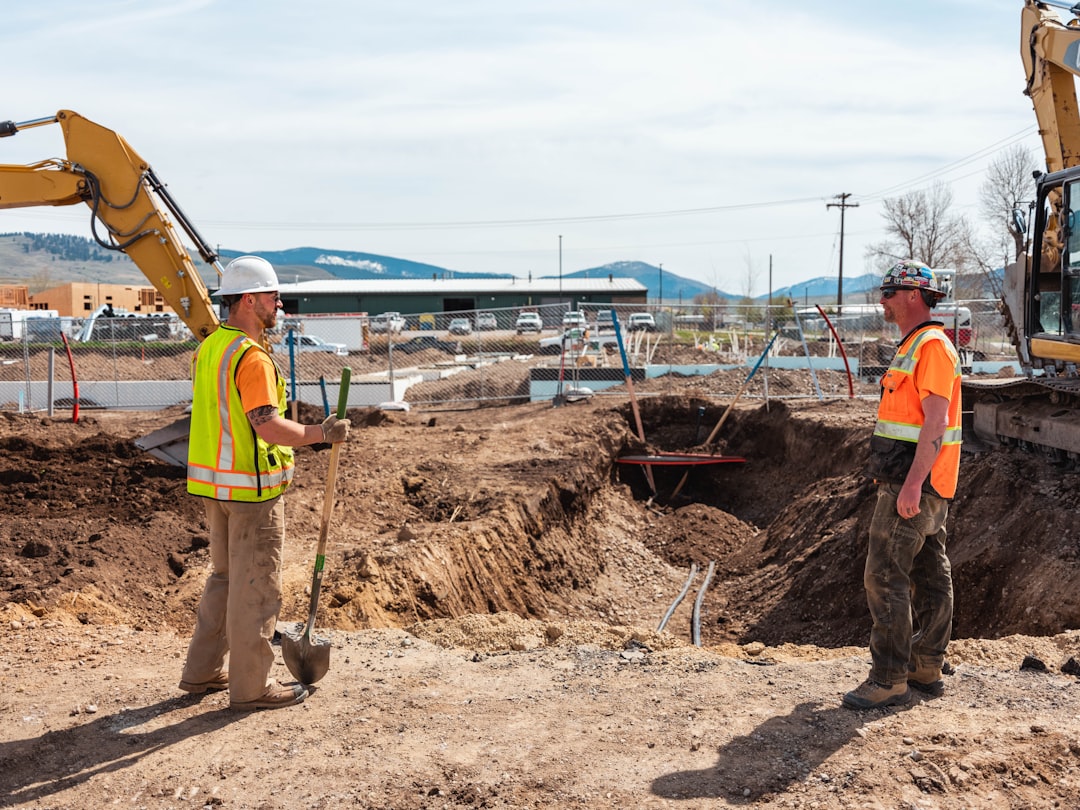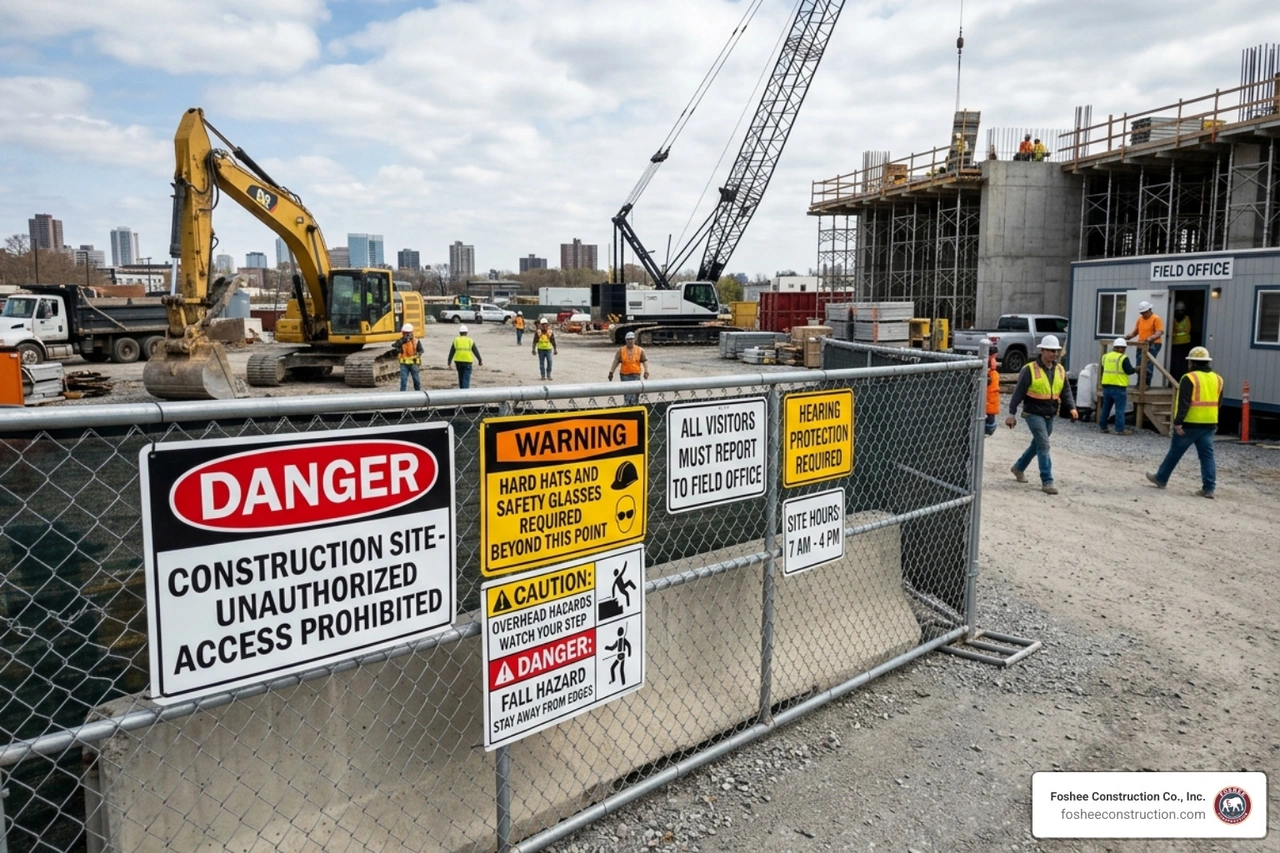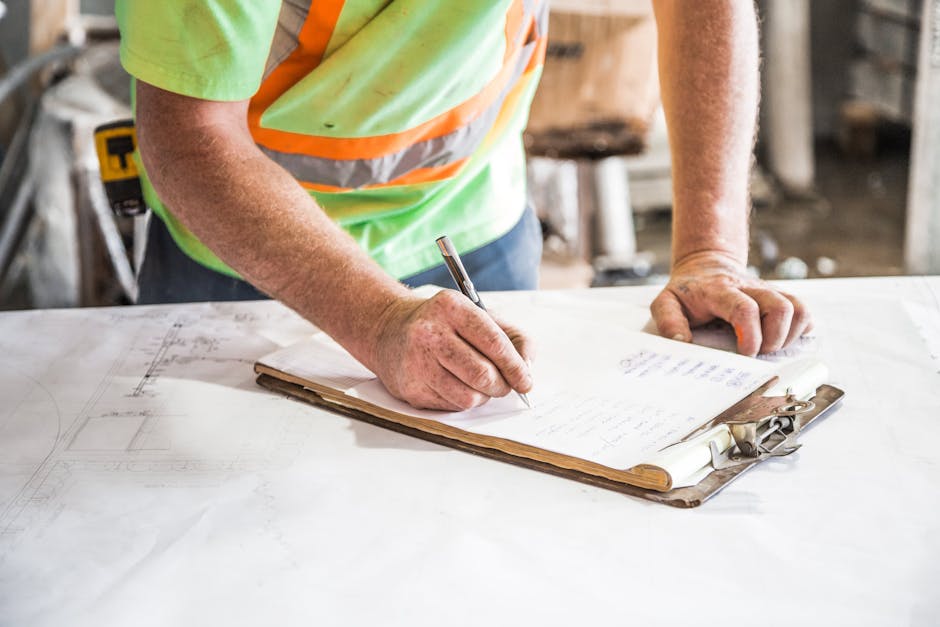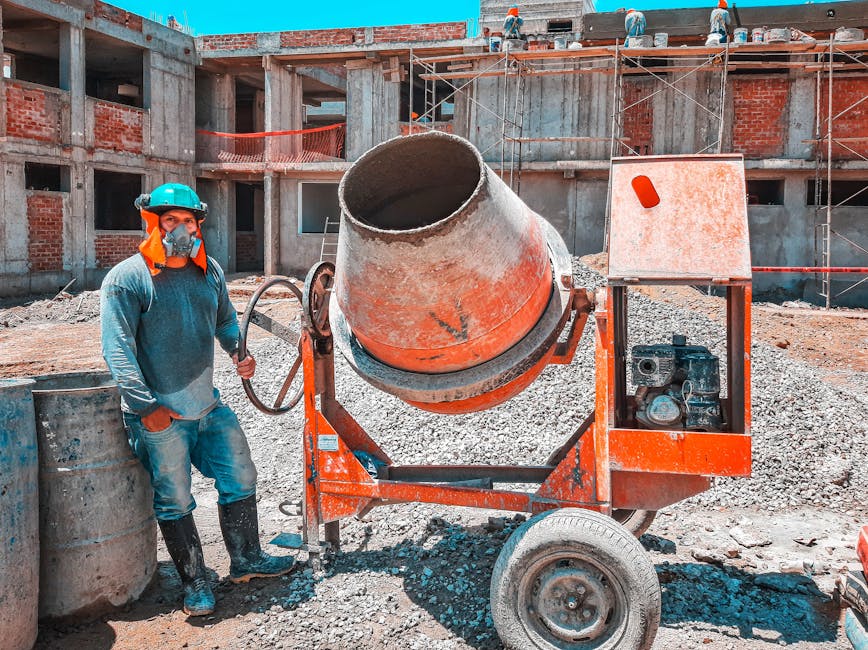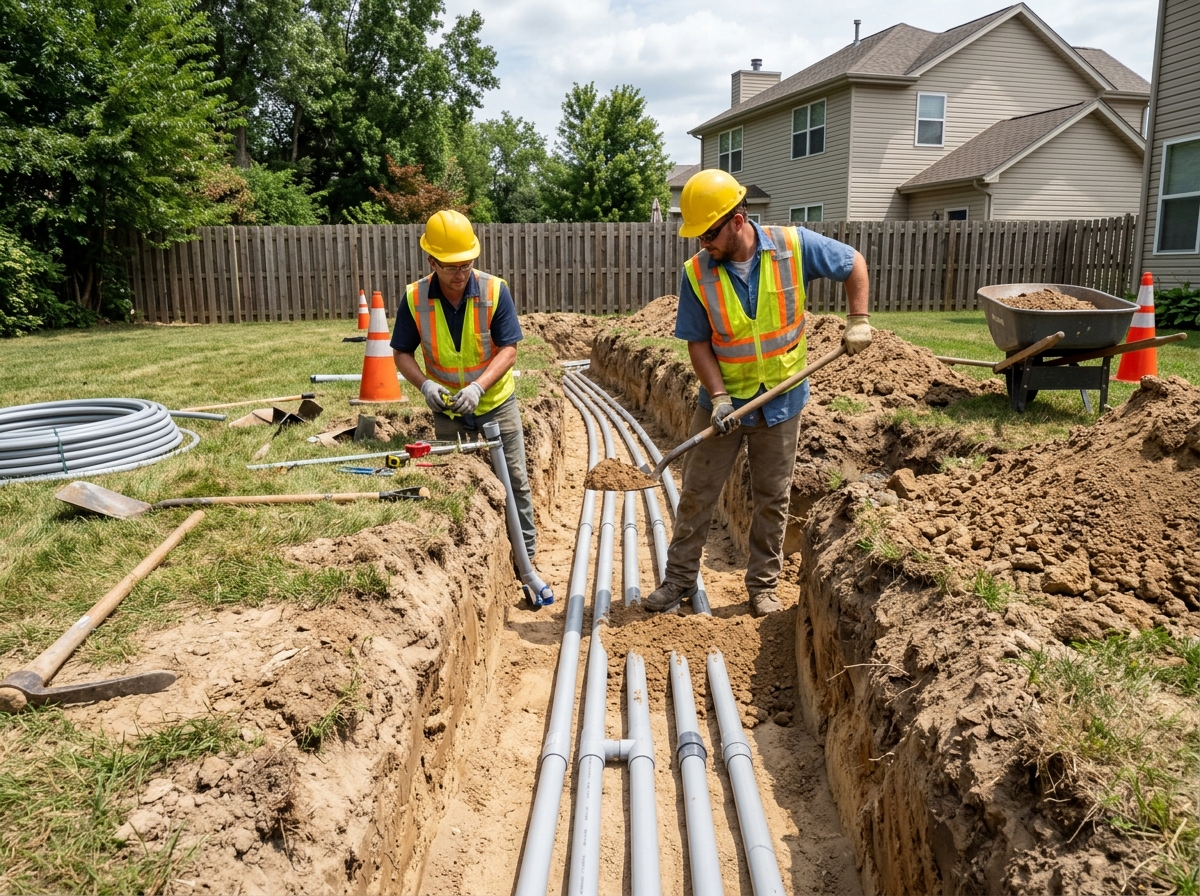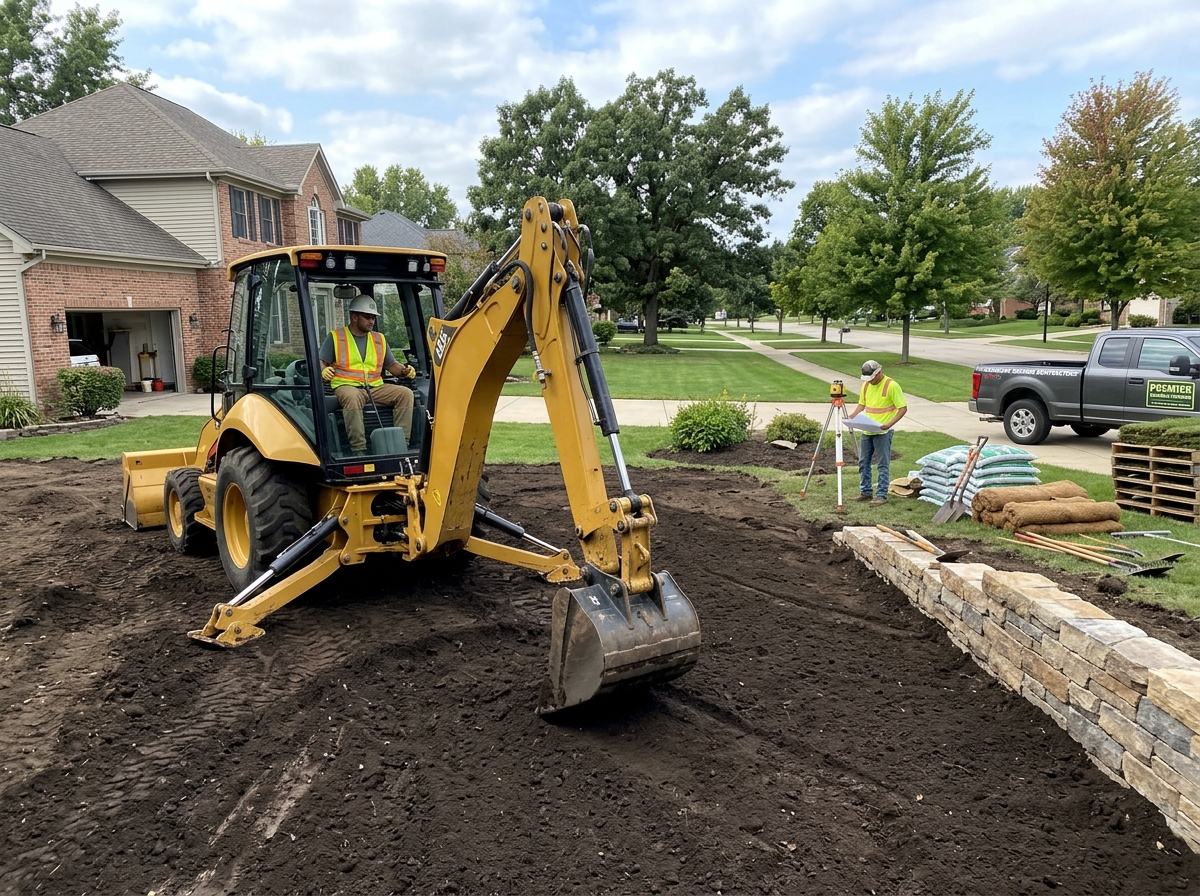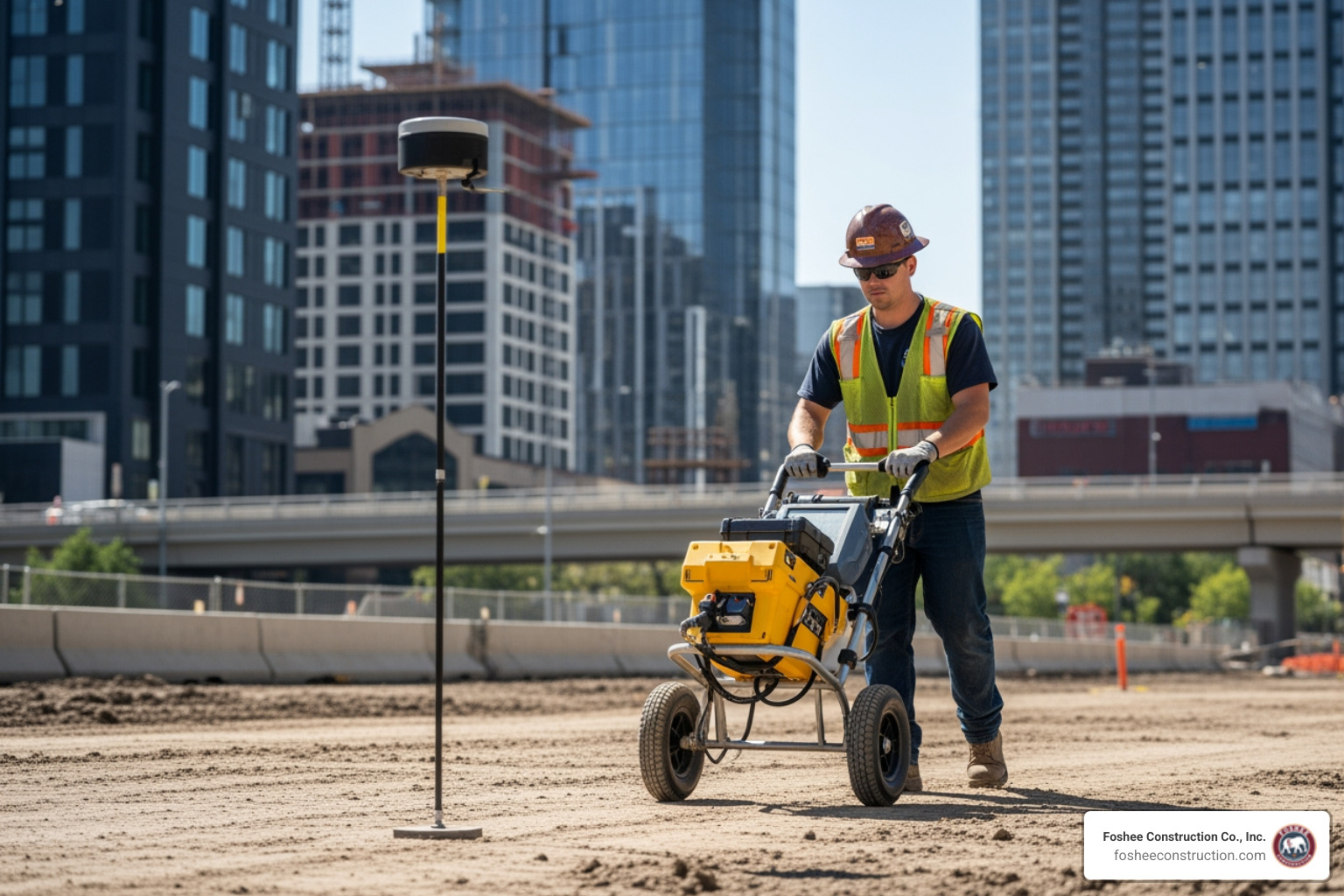
A construction site inspection is a structured review of work conditions, materials, equipment, and progress to confirm everything meets approved plans, safety standards, and local building codes.
Here is a quick overview of what to expect:
Inspections are not a one-time event. They happen at multiple points throughout a project — and failing one can trigger costly rework, schedule delays, and re-inspection fees.
The stakes are real. Out of 5,283 workplace fatalities in the U.S. in 2023, 1,075 — or 20.3% — occurred in construction. That is nearly three fatal accidents every single day. Beyond safety, the cost of fixing a defect grows fast: $1 during design becomes $10 during construction and $100 after completion.
For Florida general contractors and developers, understanding how inspections work — and preparing for them — is one of the clearest ways to protect timelines, budgets, and crews.
I'm Don Larsen of Foshee Construction Co., LLC, a site development company serving Central Florida since 1994, where construction site inspection readiness has been a core part of how we deliver grading, excavation, and underground utility work on schedule. Our experience across hundreds of commercial and residential projects gives us a ground-level view of what inspectors look for and how proper site preparation sets every inspection up for success.

Construction site inspection word list:
When we talk about a construction site inspection, we are describing a process of "trust, but verify." It is a planned check of people, work areas, and materials to ensure the site is safe, compliant, and moving according to the project timeline. In April 2026, as building technologies and regulations continue to evolve, the core goal remains the same: catching issues before they become permanent (and expensive) mistakes.
The process is often driven by the Authority Having Jurisdiction (AHJ). In our neck of the woods, that might be the Minneola Building Department or Lake County officials. They aren't there to "police" the jobsite in a negative sense; rather, they serve as a critical set of eyes to ensure that the building is safe for future occupants.
Risk mitigation is the name of the game. By identifying a structural misalignment or a safety hazard early, we prevent the "cascade of defects" that leads to project failure. For those of us focused on the early stages of a build, such as Site Preparation Services, inspections verify that the ground we’ve cleared and graded is actually ready to support the weight of the future structure. You can learn more about the technical nuances of this stage in this guide to construction site inspections.
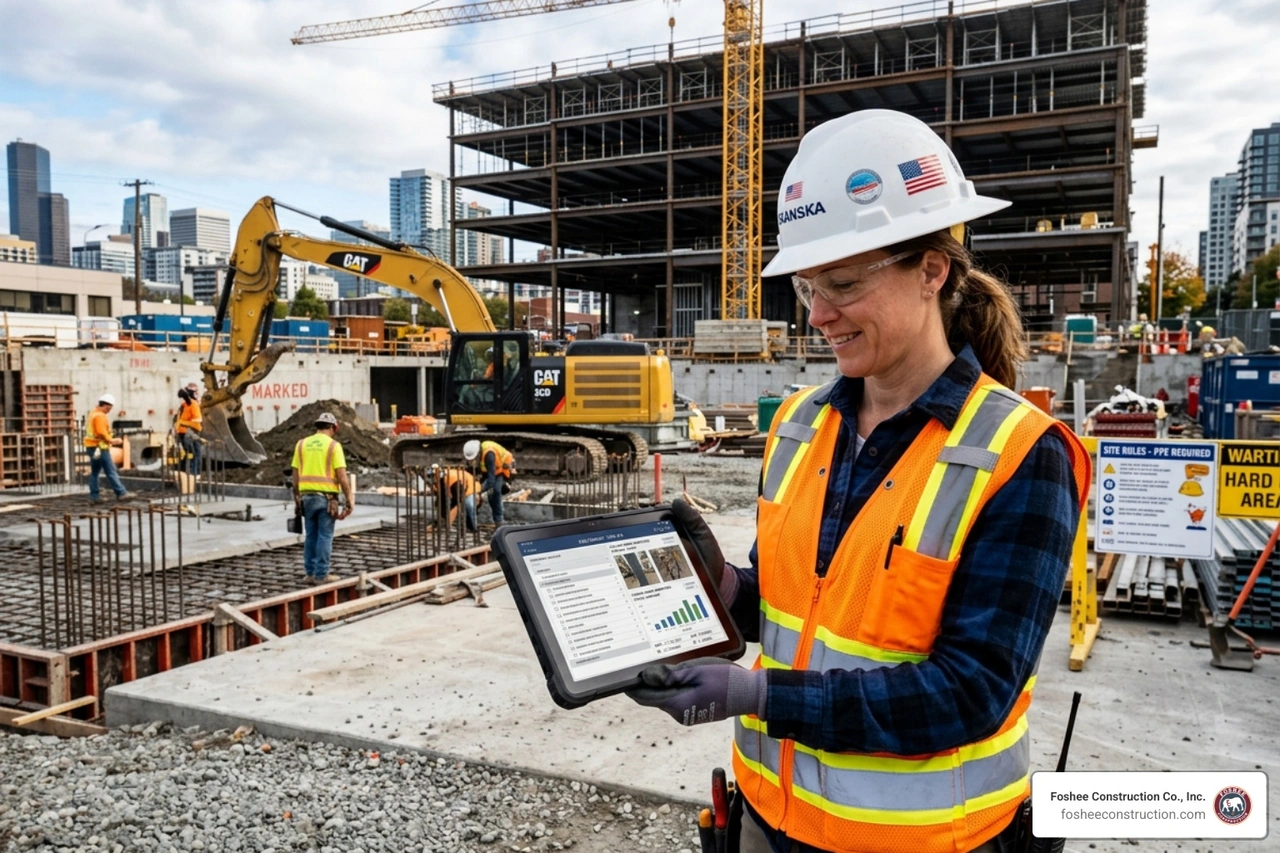
Not all inspections are created equal. Depending on the day, we might be looking at very different aspects of the project:
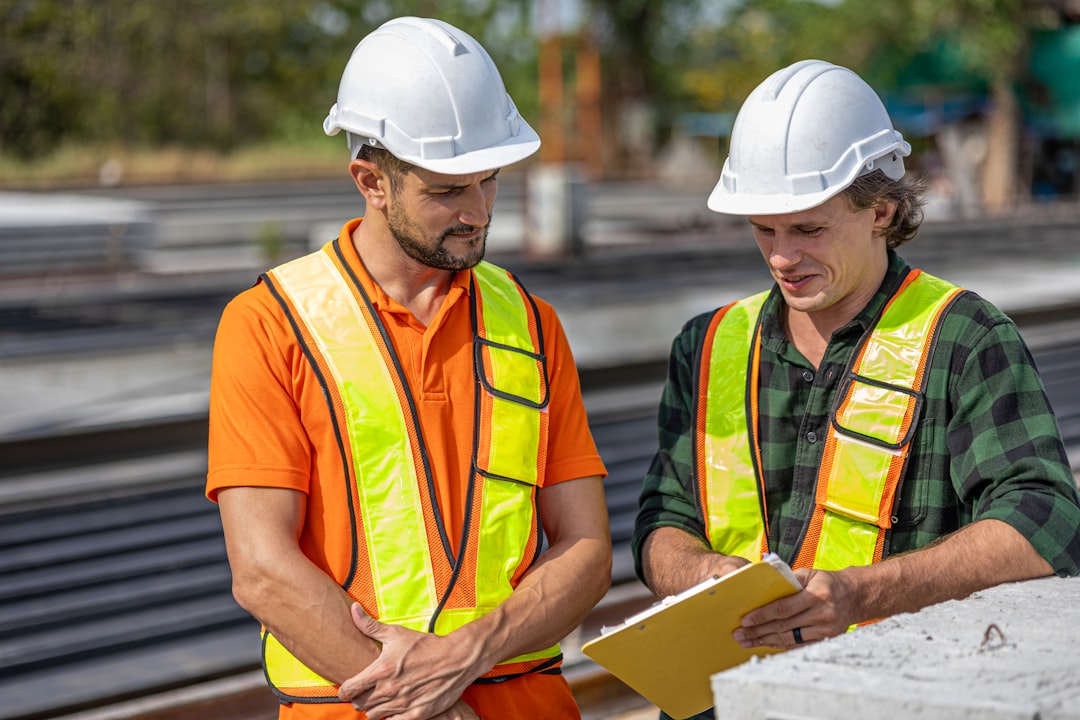
It takes a village to inspect a skyscraper—or even a single-family home in Minneola. The responsibility is shared across several roles:
For professional oversight in Florida, firms like UES provide field inspections and code compliance to ensure every detail meets the rigorous Florida Building Code.
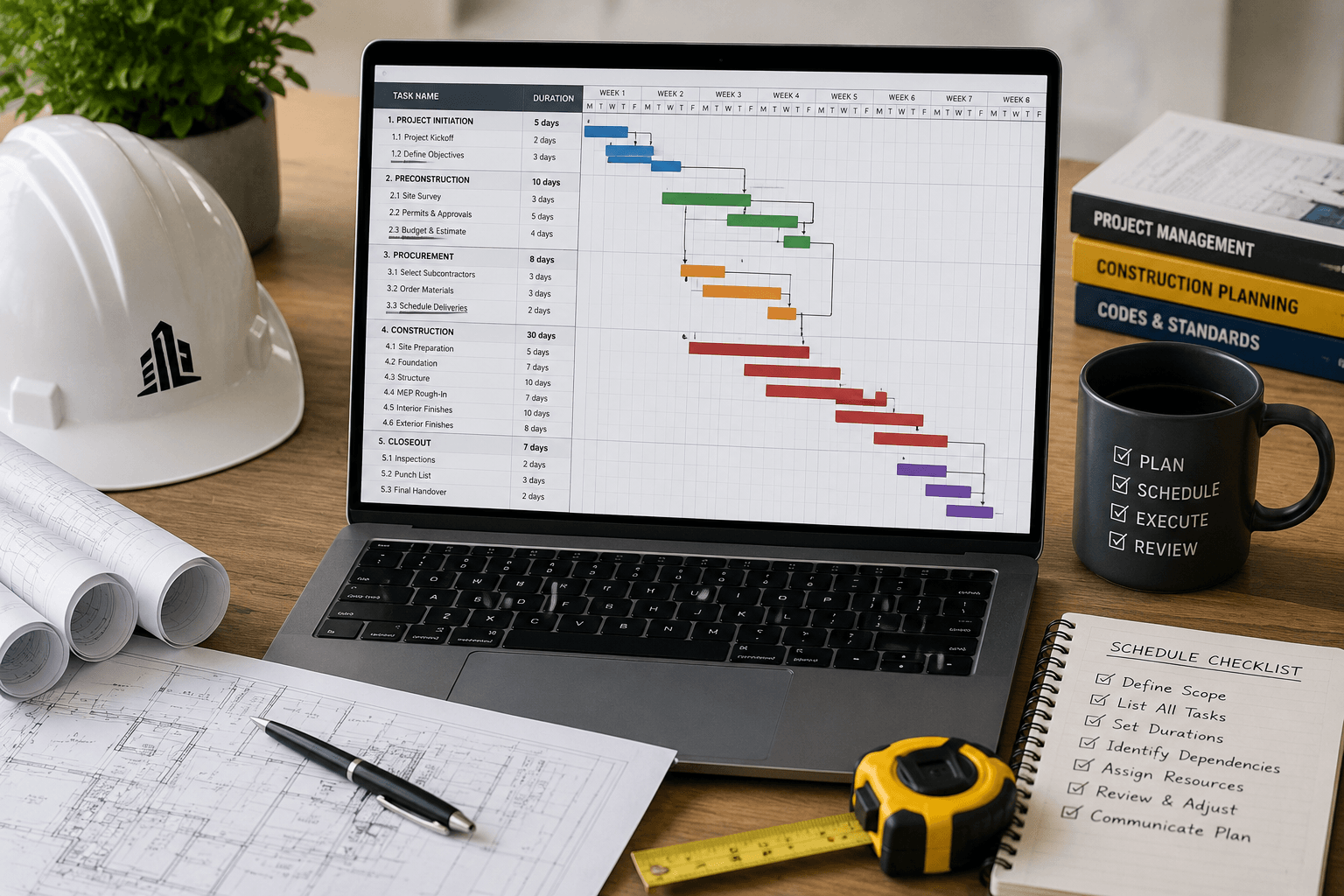
Timing is everything. If you call for an inspection too early, you waste everyone's time and likely fail. If you call too late, you might have to tear out finished work to show the inspector what’s underneath. This is why scheduling in construction management is such a disciplined art form.

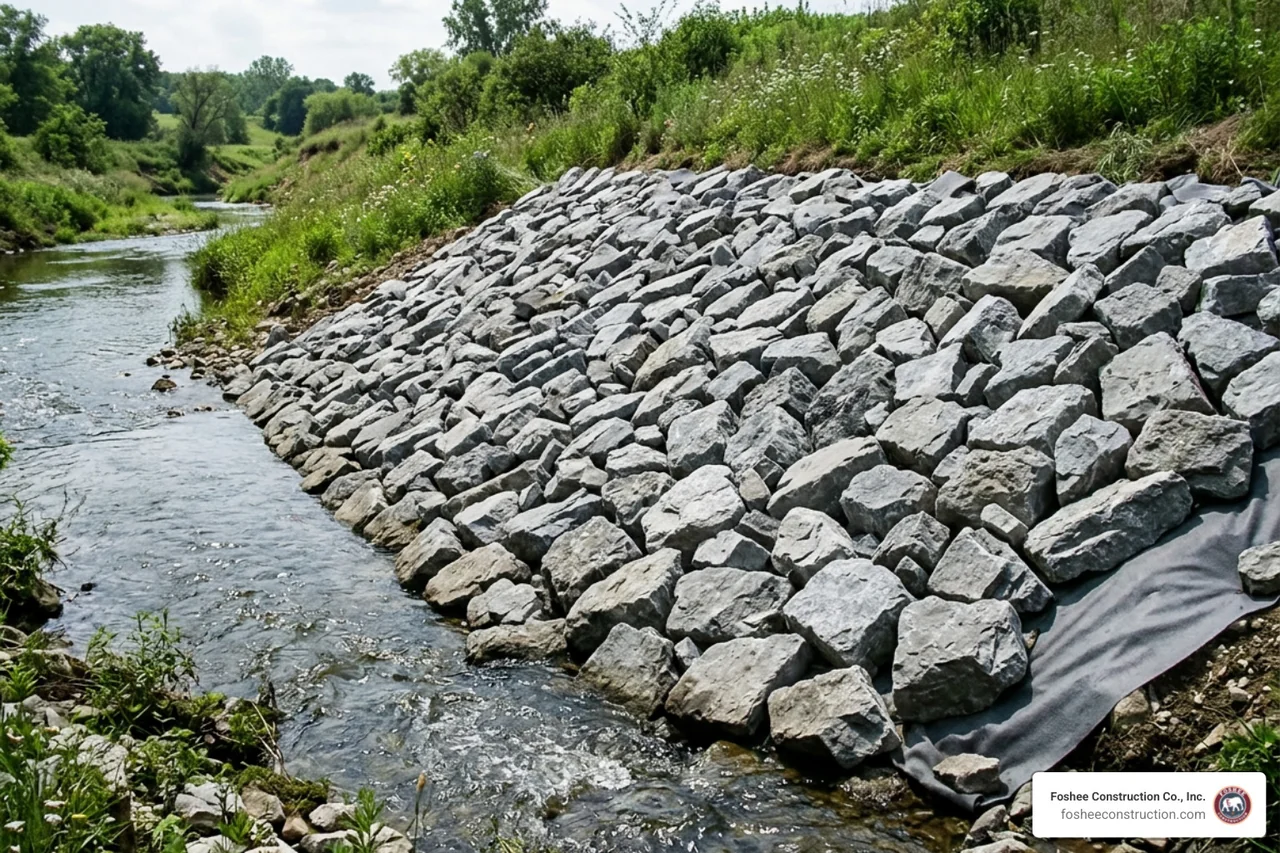
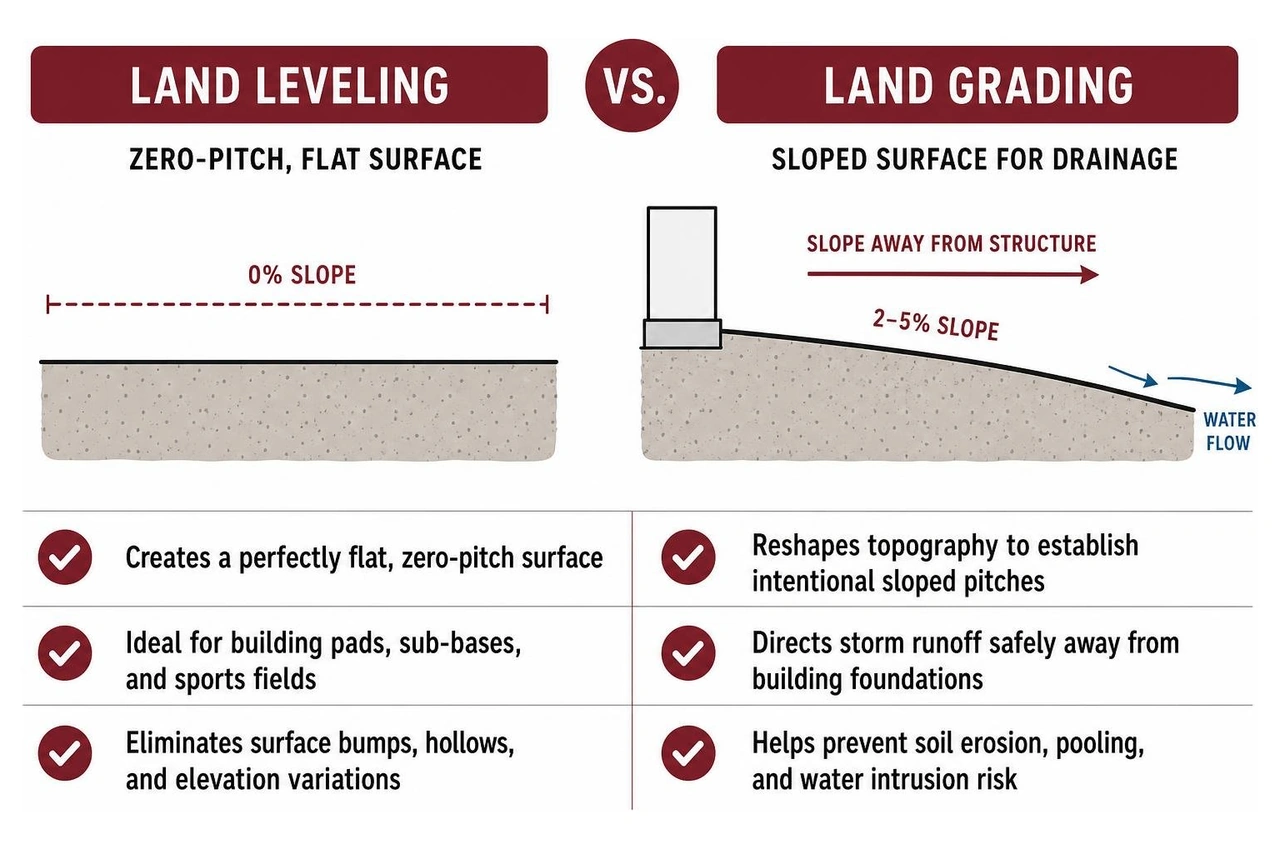
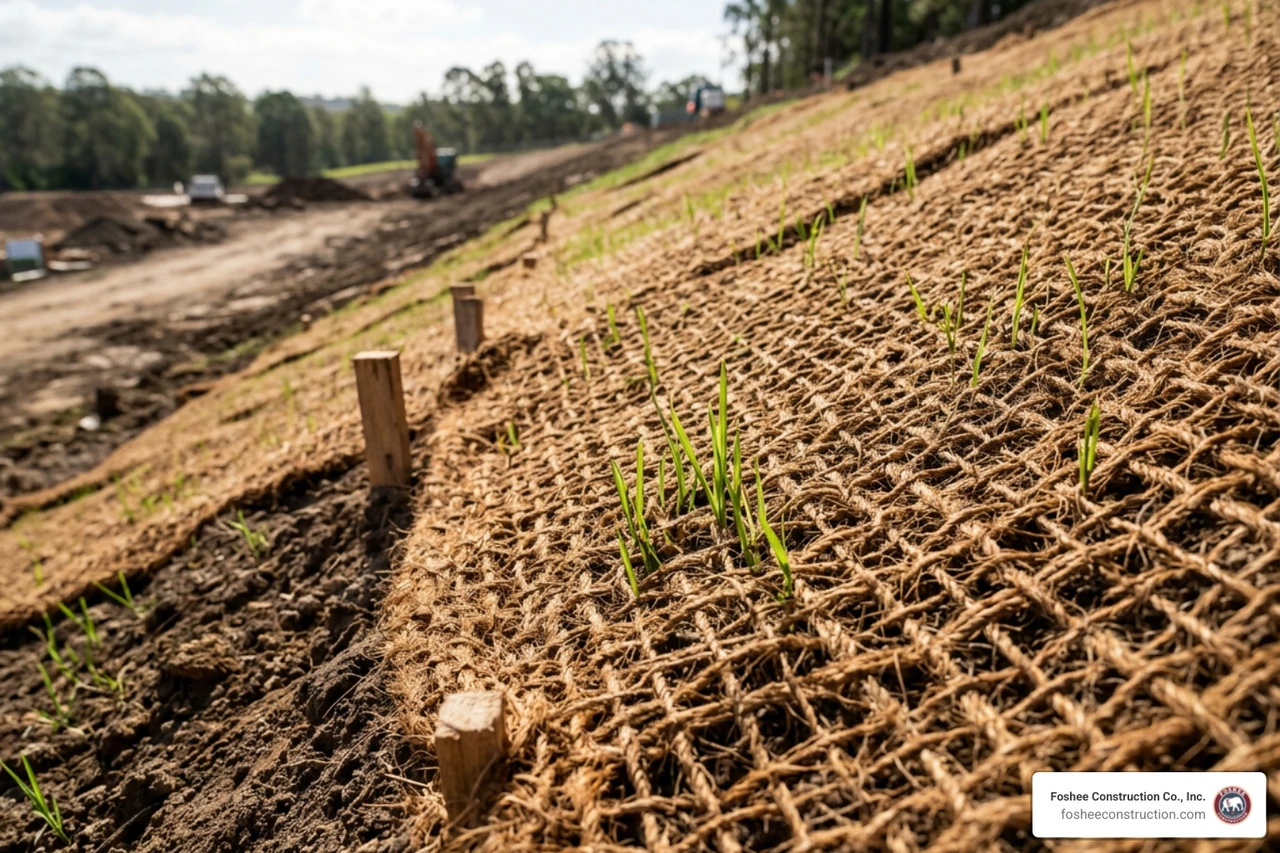
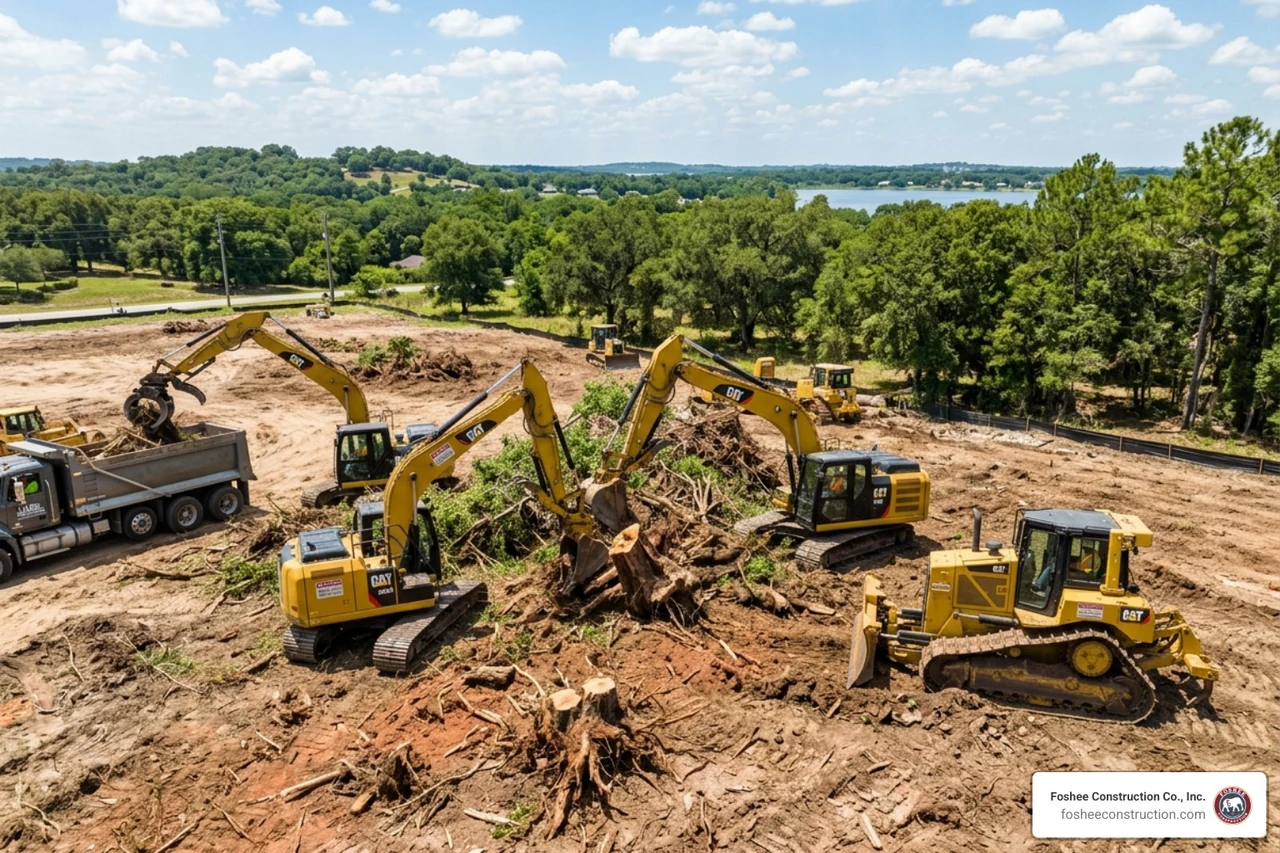
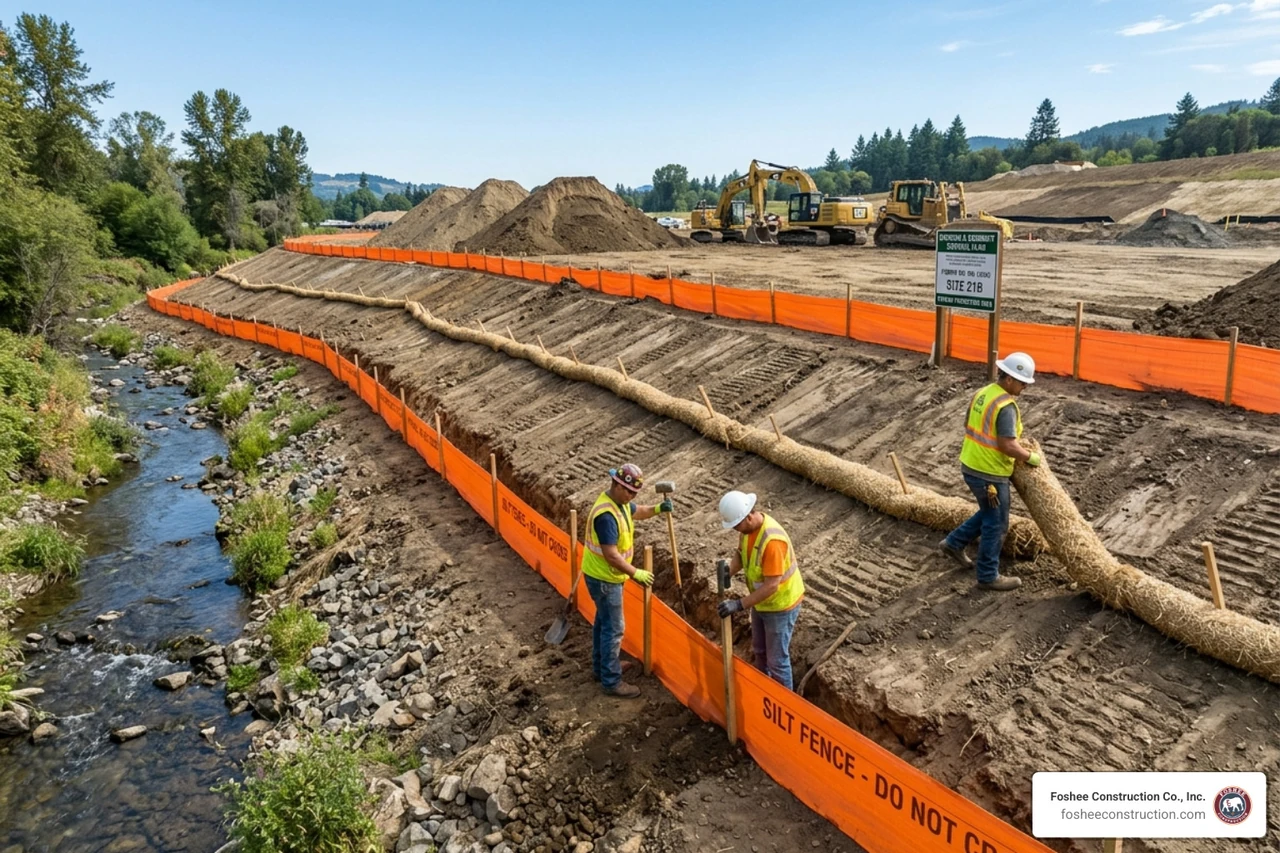
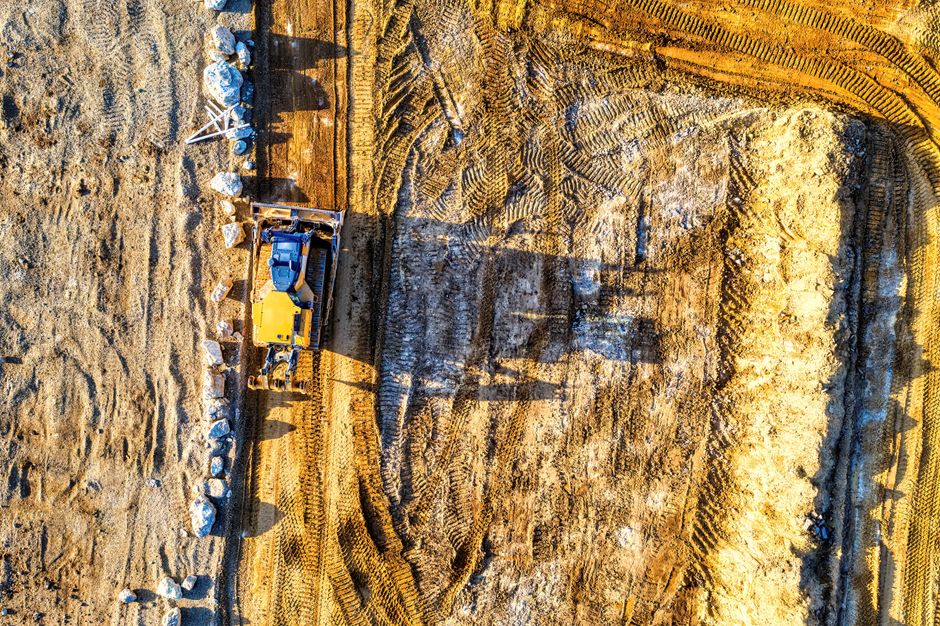
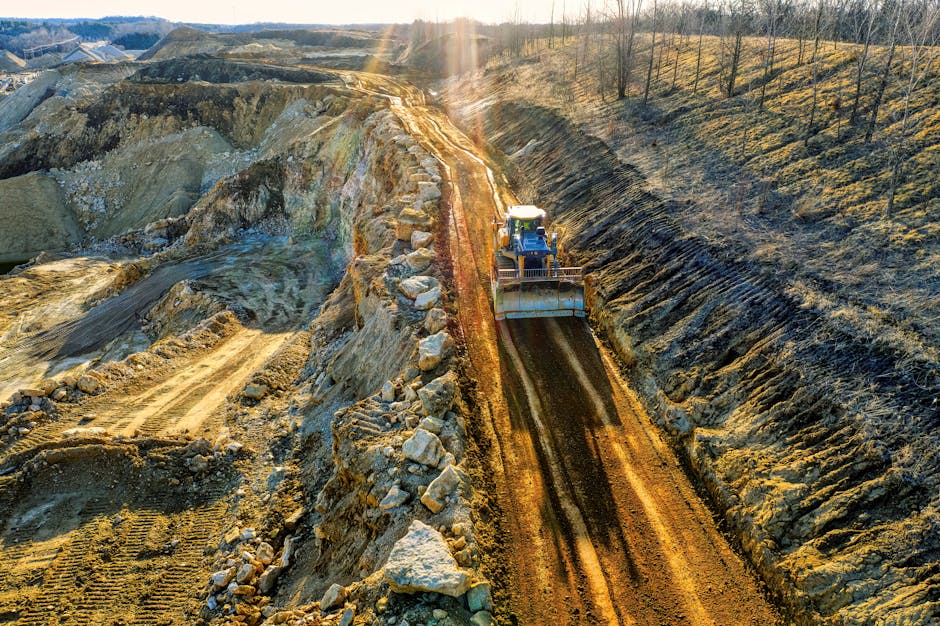
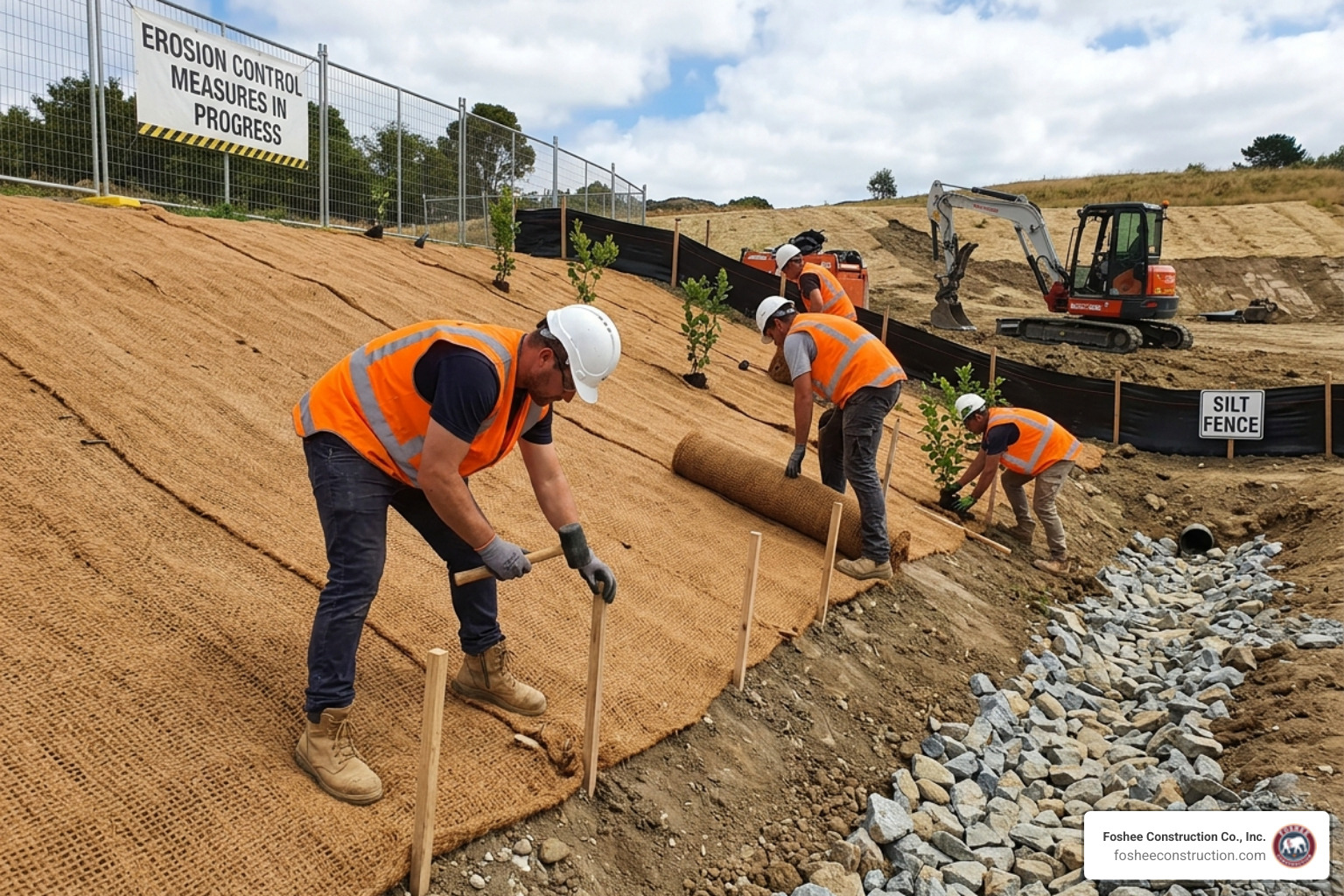
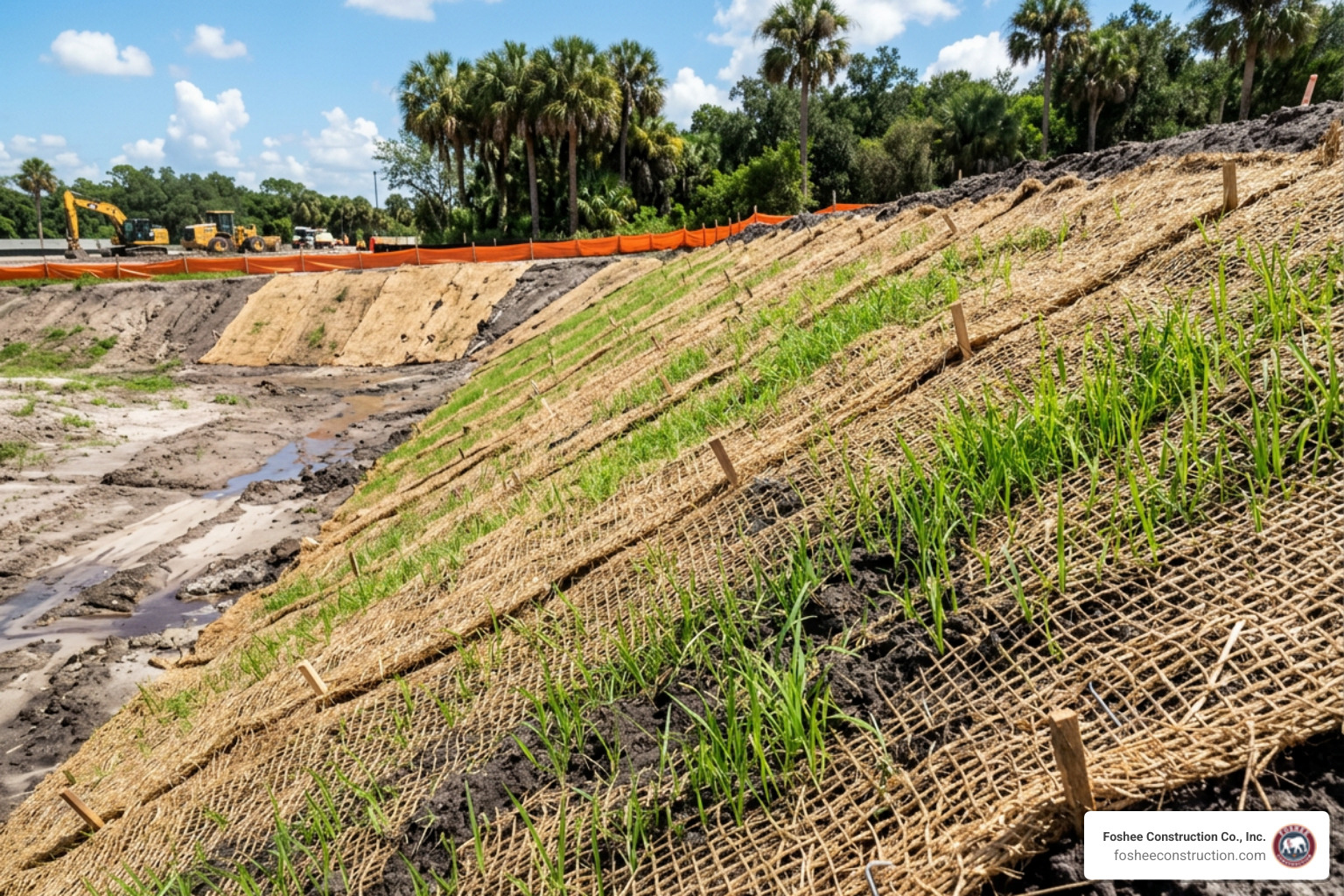
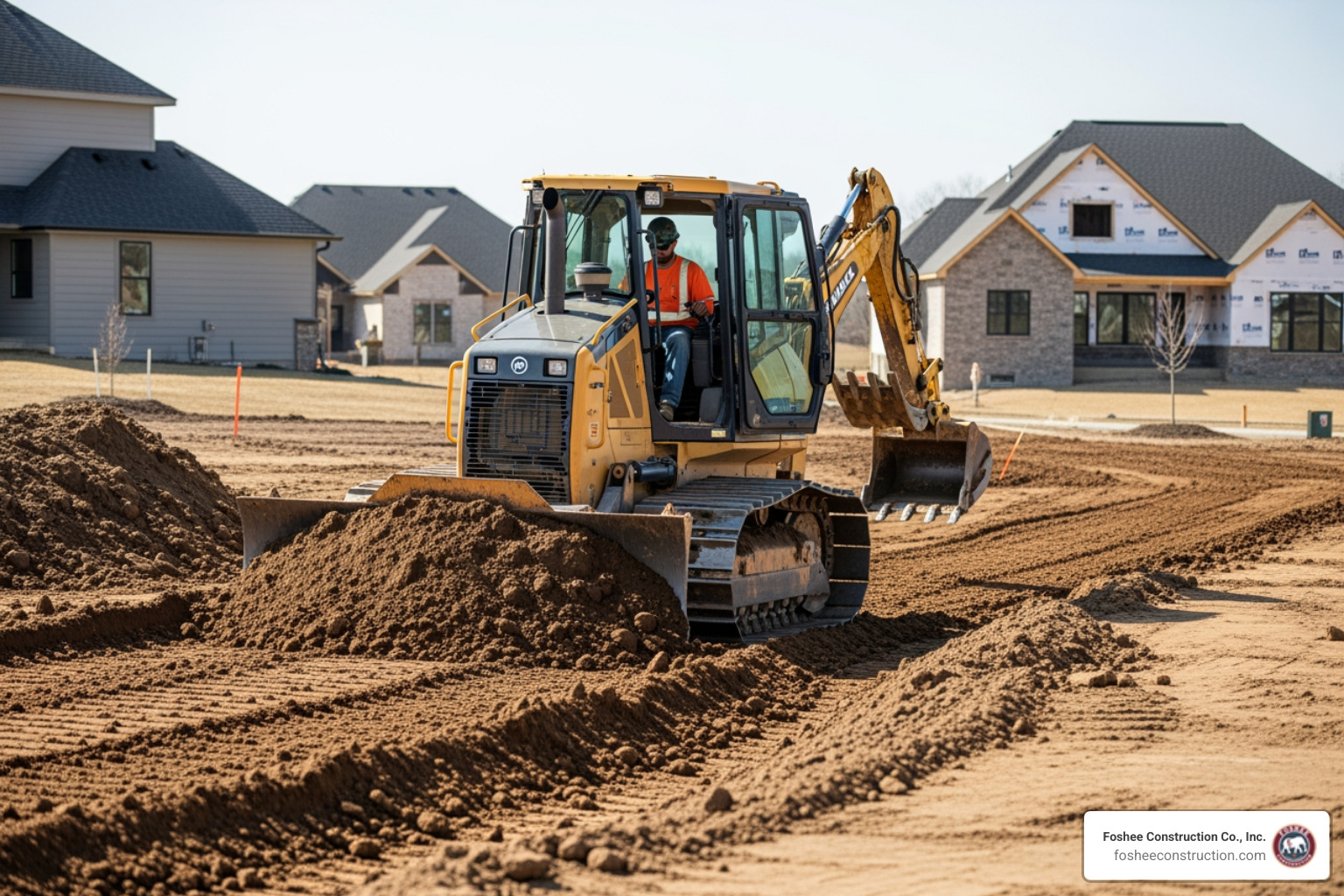
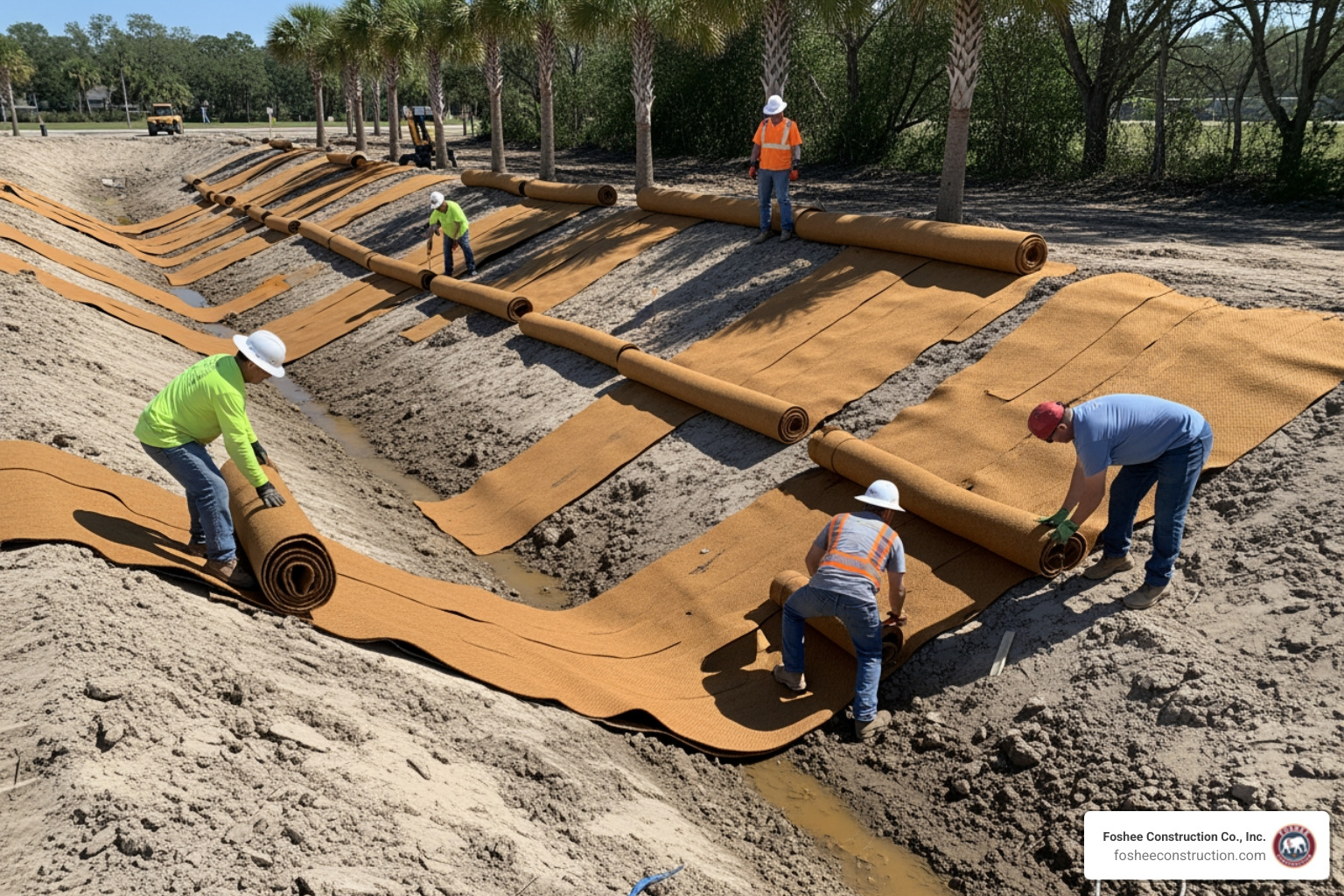
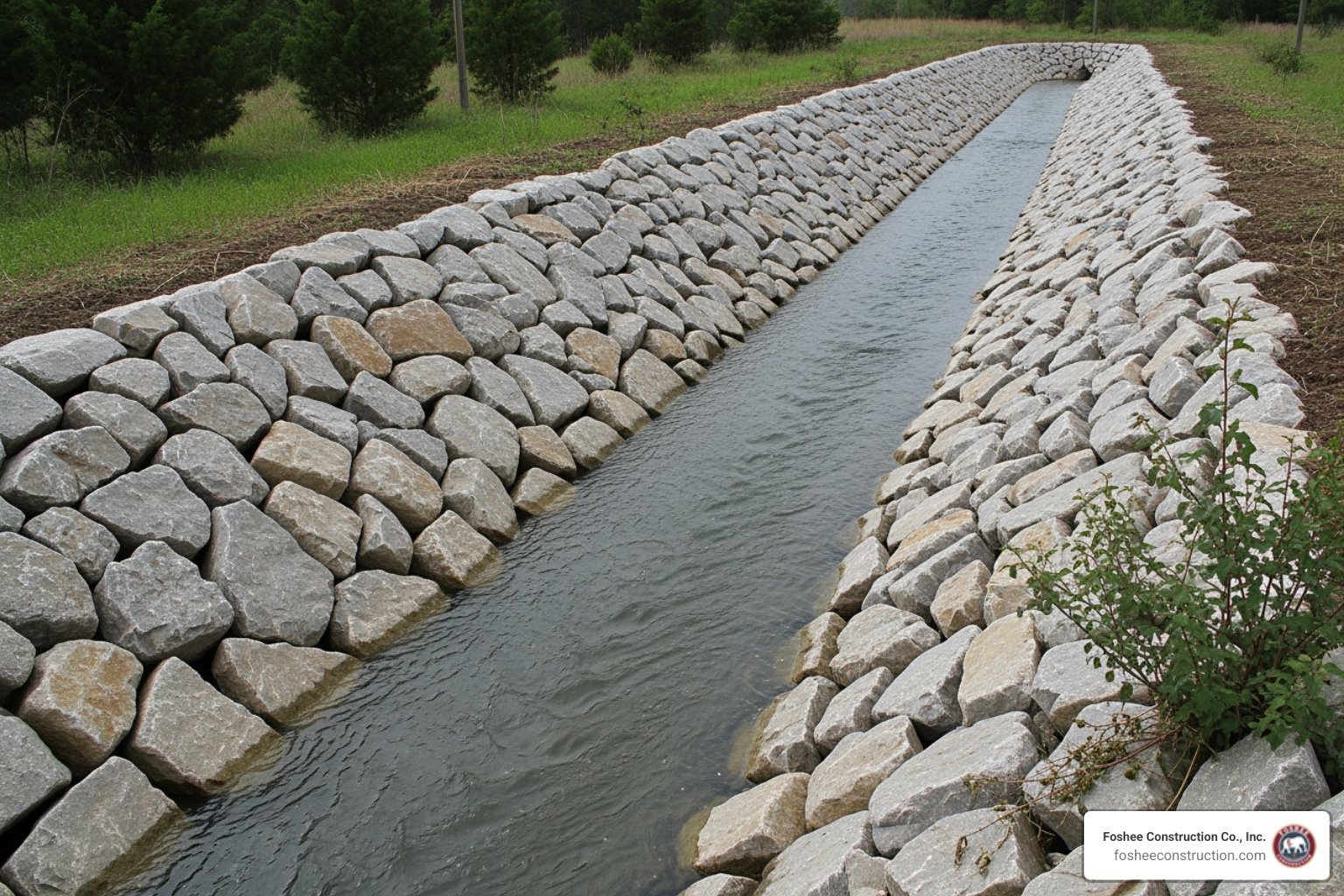
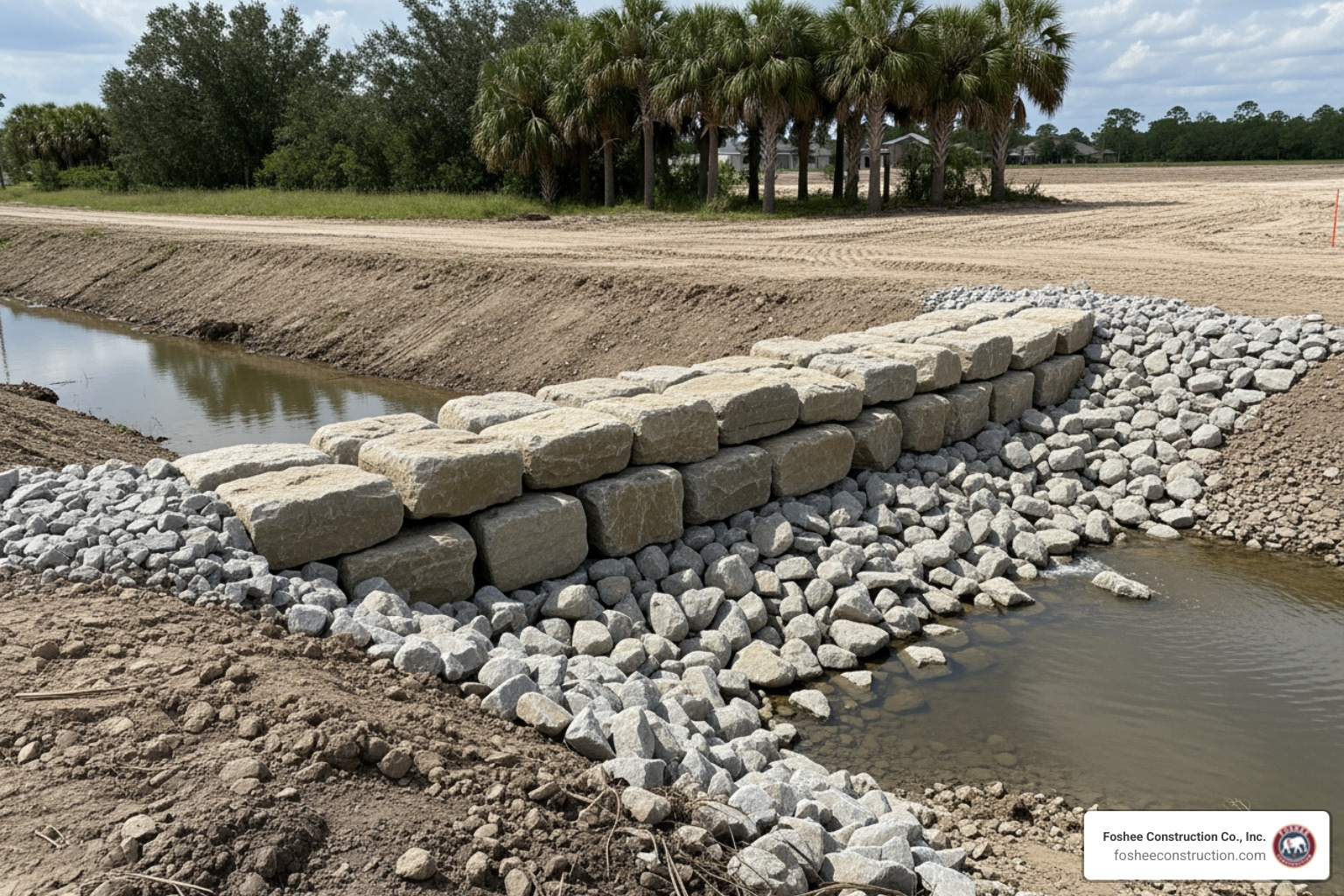
Inspections follow the natural rhythm of the build. It starts with land clearing and site preparation, where we verify that the lot is cleared and the erosion controls are in place.
For residents and contractors in our local area, the Minneola Building Department provides specific windows for when these milestones must be booked.
How often should you be inspecting? It depends on the risk.
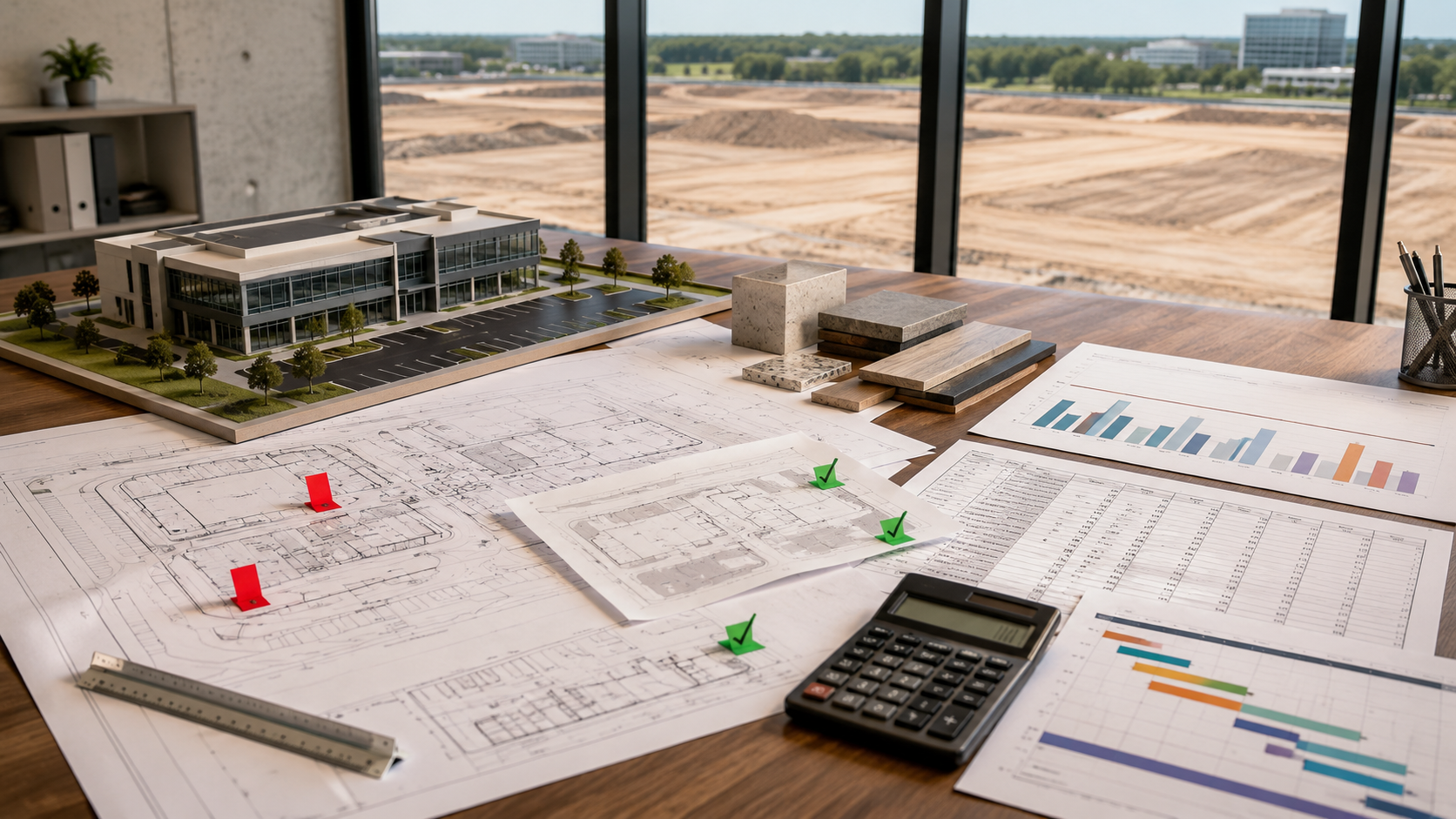
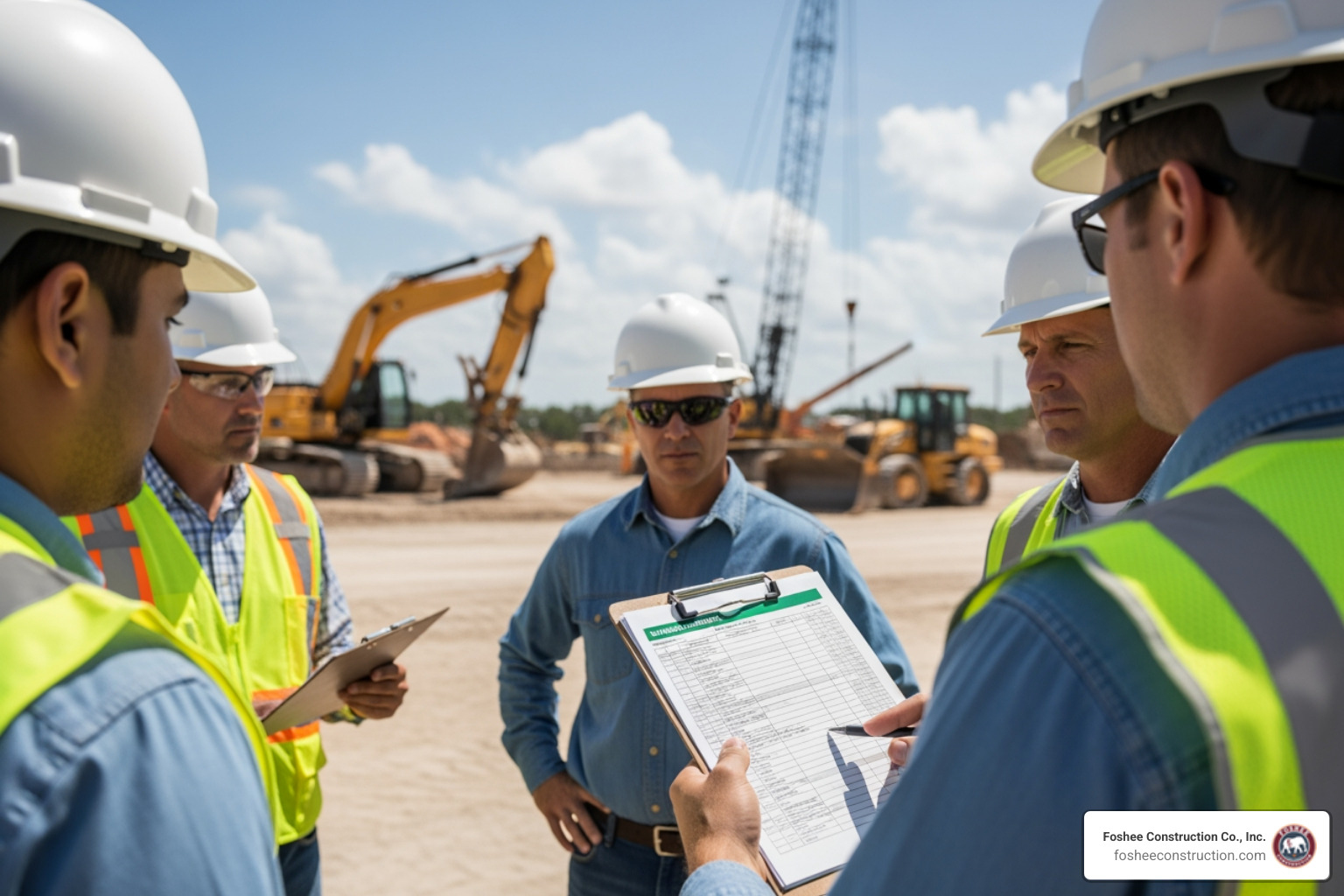
A successful construction site inspection isn't just a casual stroll. It is a systematic process. We start by reviewing the approved plans—if it isn't on the plans, the inspector won't approve it.
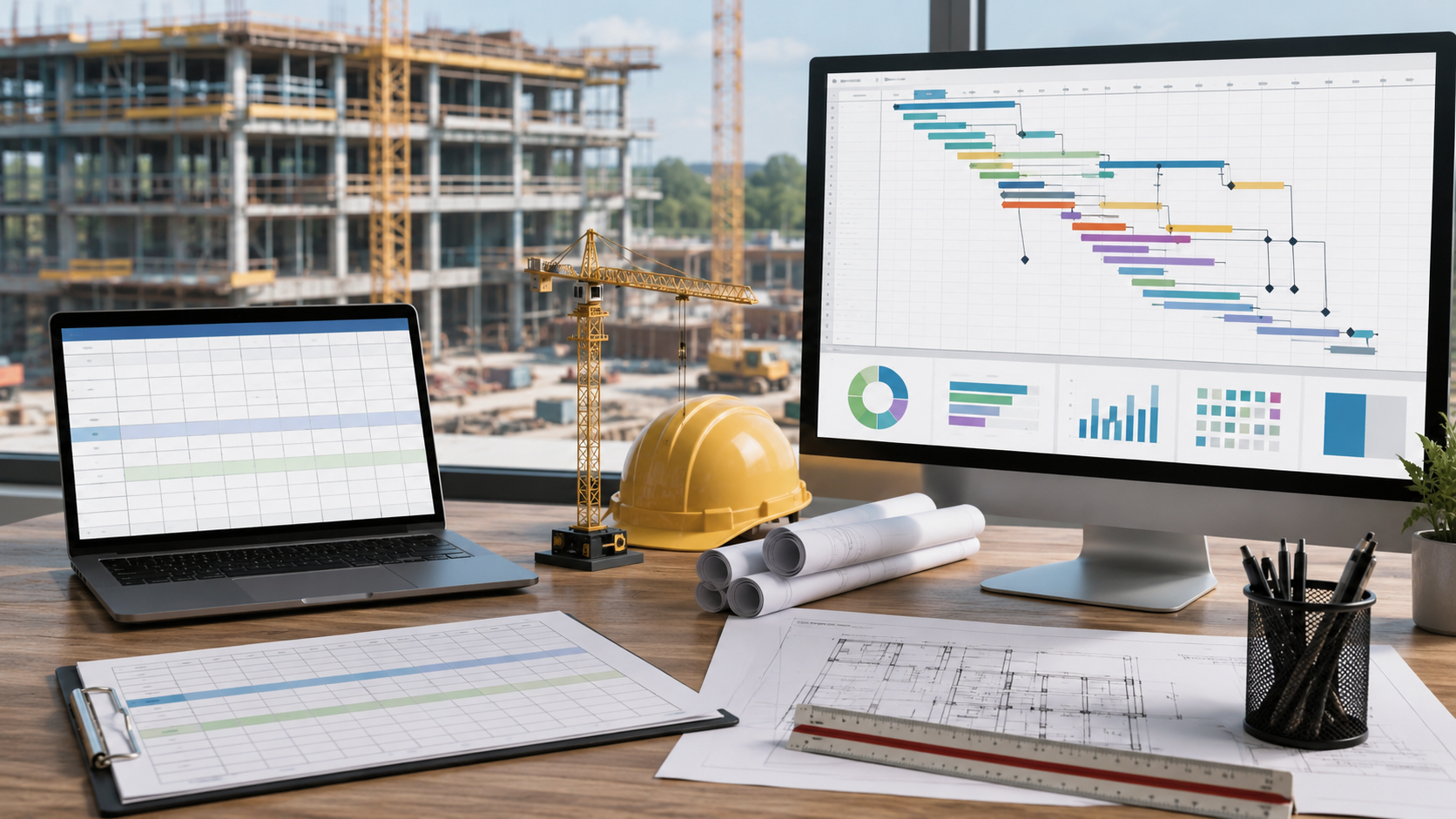
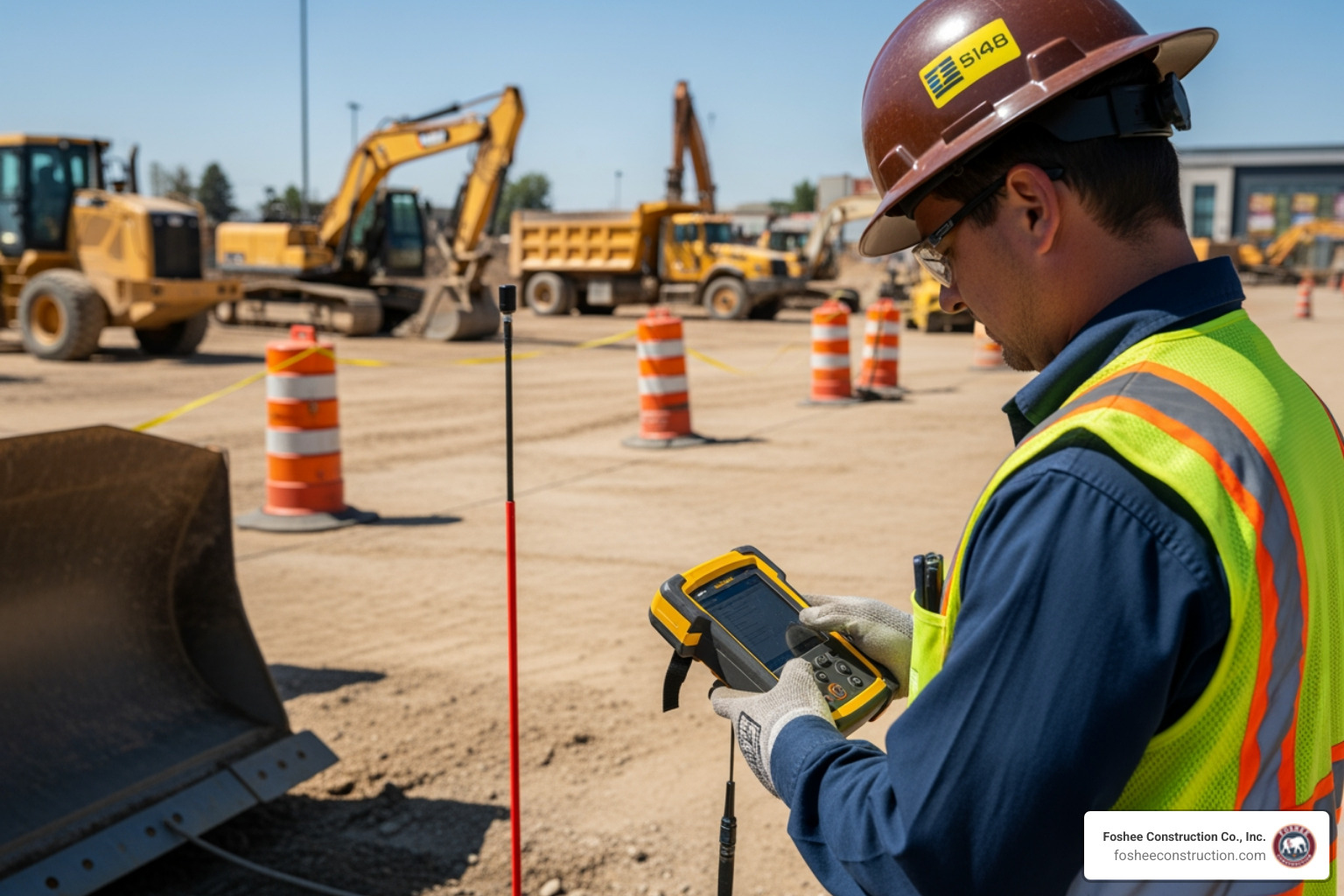
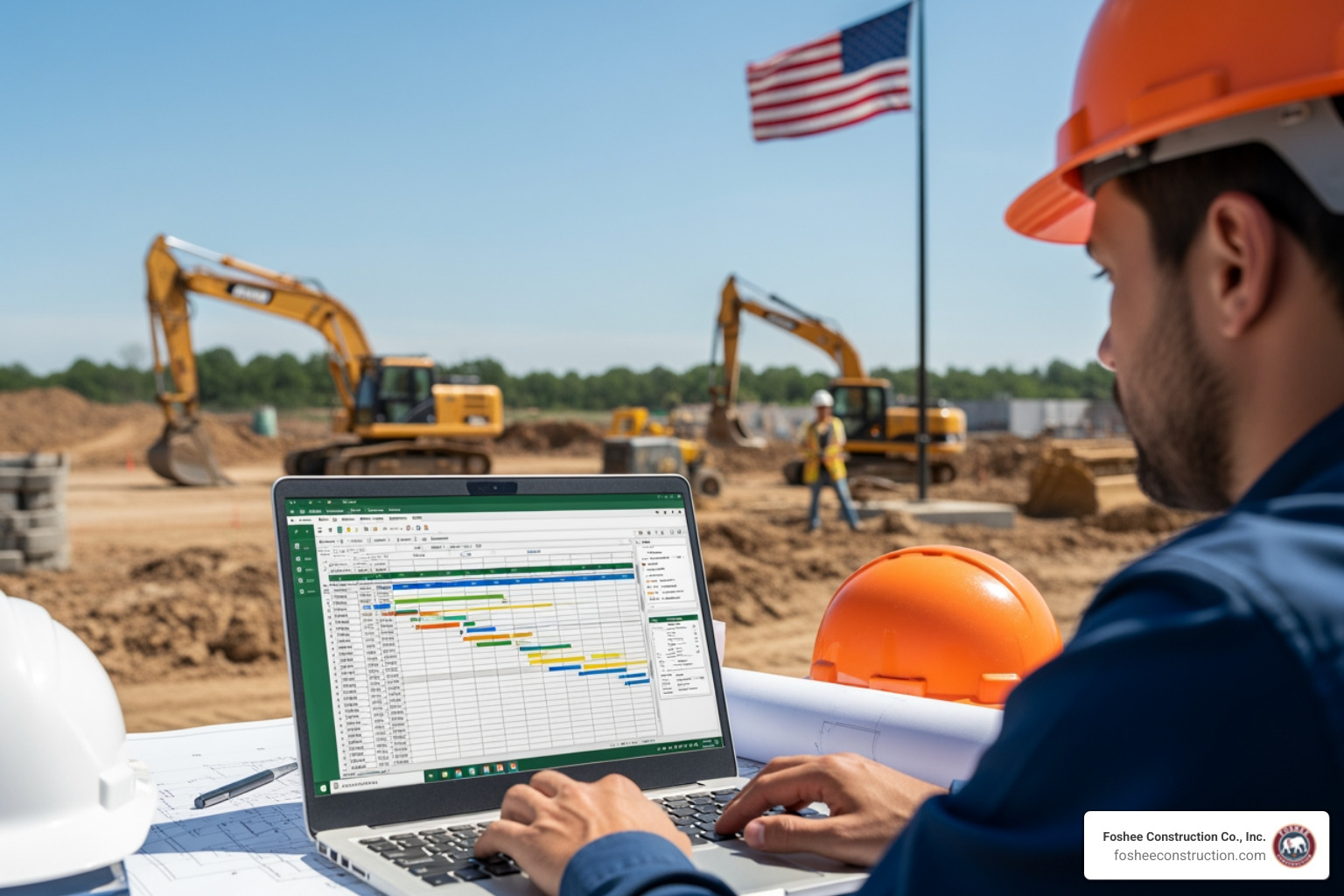
In 2026, the clipboard and paper are mostly relics. Modern sites use digital tools to ensure nothing falls through the cracks. Software like Procore or Fieldwire allows us to take a photo of a deficiency, tag the subcontractor responsible, and track the fix in real-time.
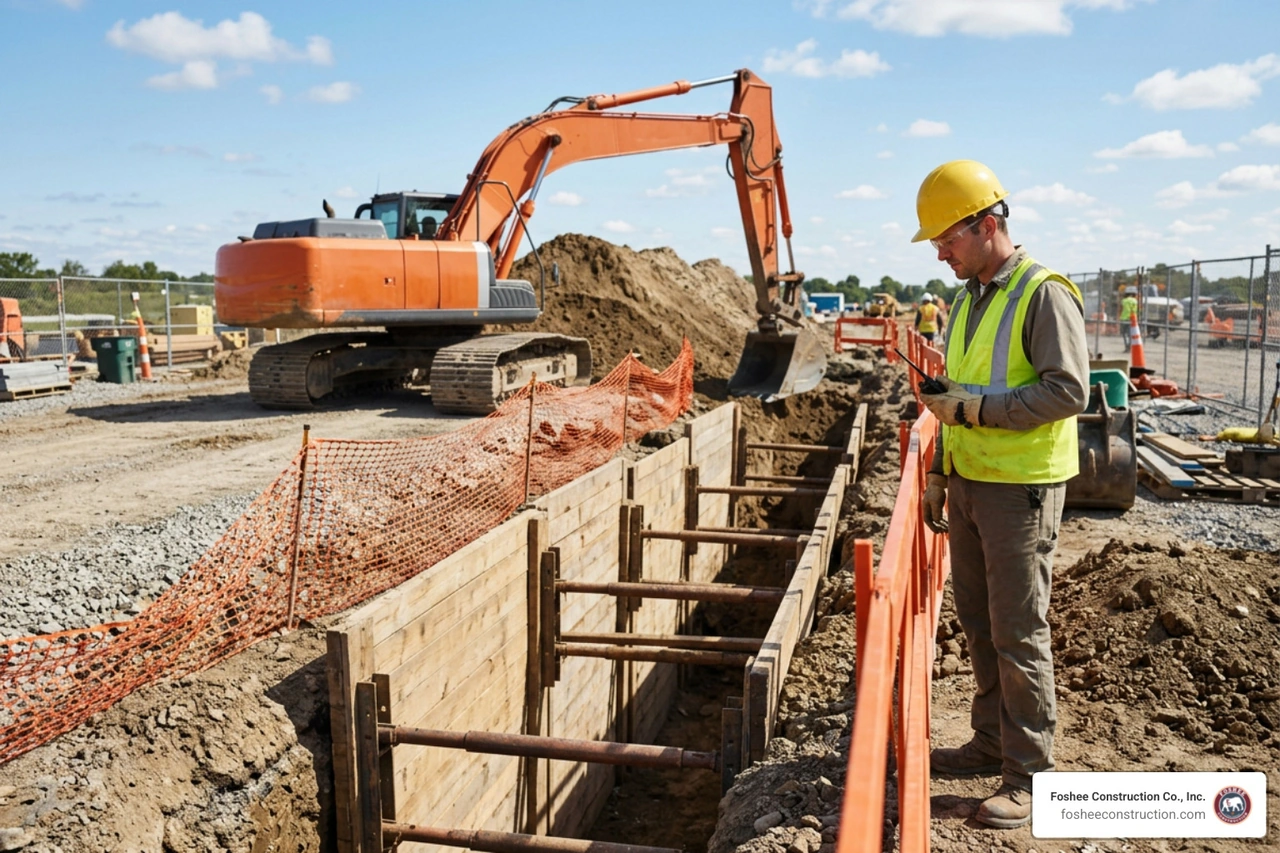
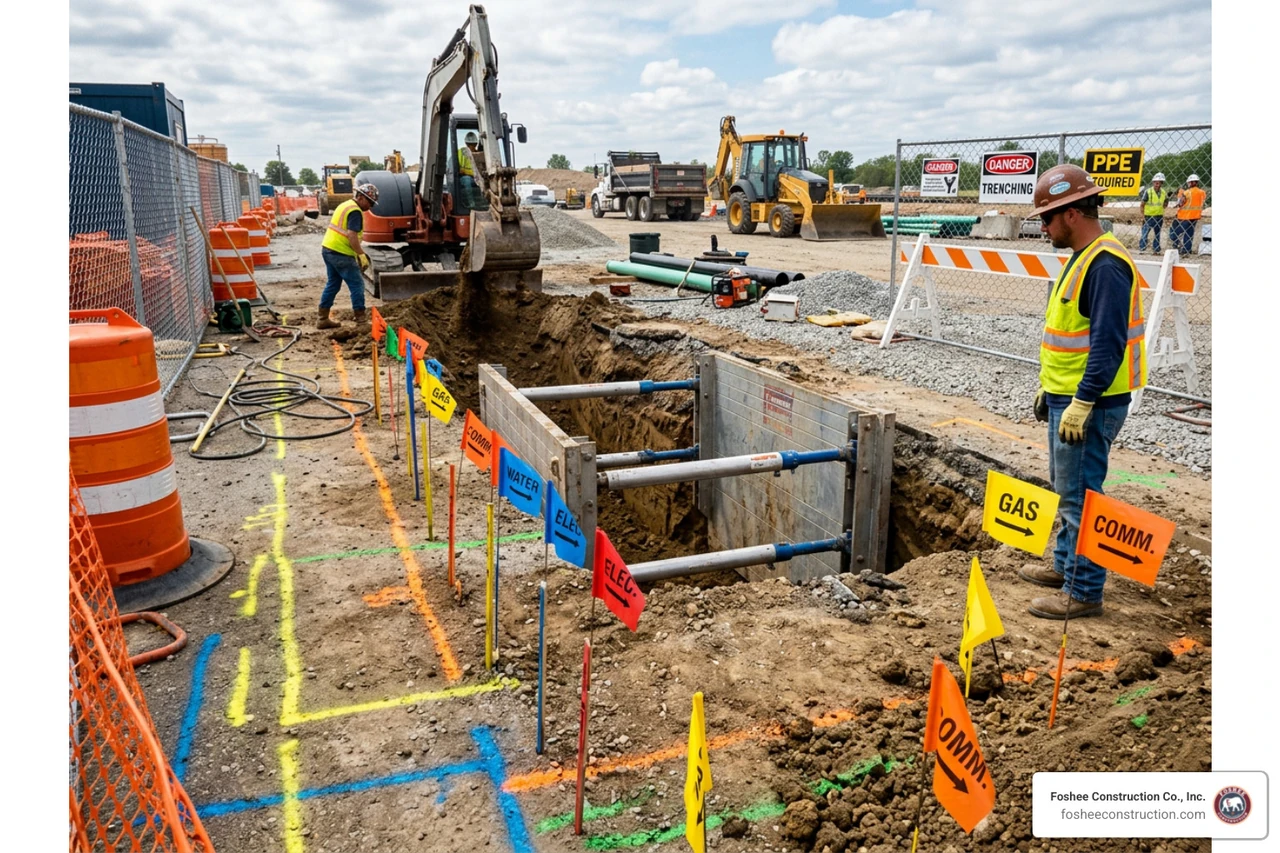
Using a management app simplifies the process by centralizing data. Instead of waiting for a paper report to be typed up, stakeholders get an instant notification. This speed is vital for avoiding rework and delivering projects on time. Some advanced sites are even using AI hazard recognition to spot missing hard hats or un-shored trenches in real-time video feeds.
If it isn't documented, it didn't happen. A good inspection report includes:
According to a Contractor’s Guide to Construction Site Inspections, rework can cost anywhere from 2.4% to over 12% of the total contract value. Documentation is the only way to prove that the work was done right the first time.
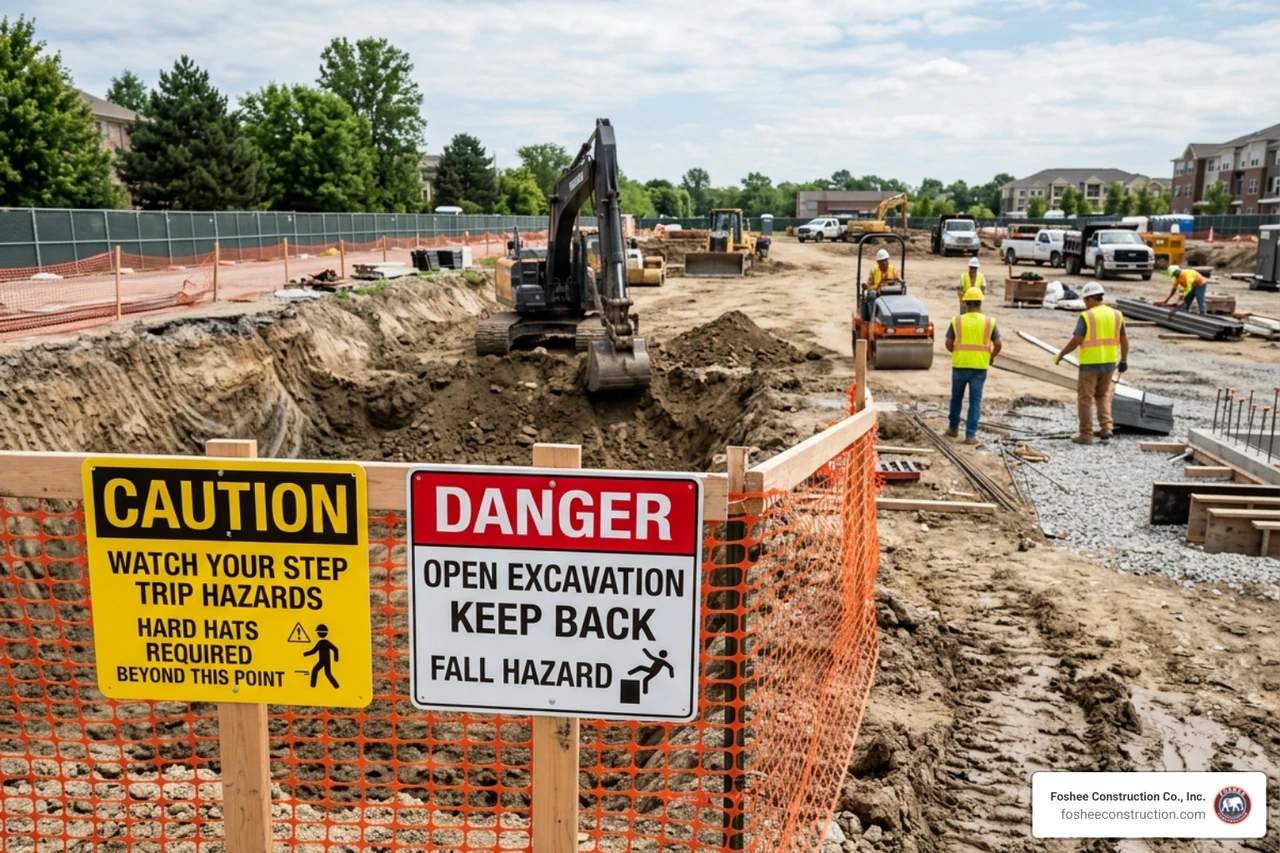
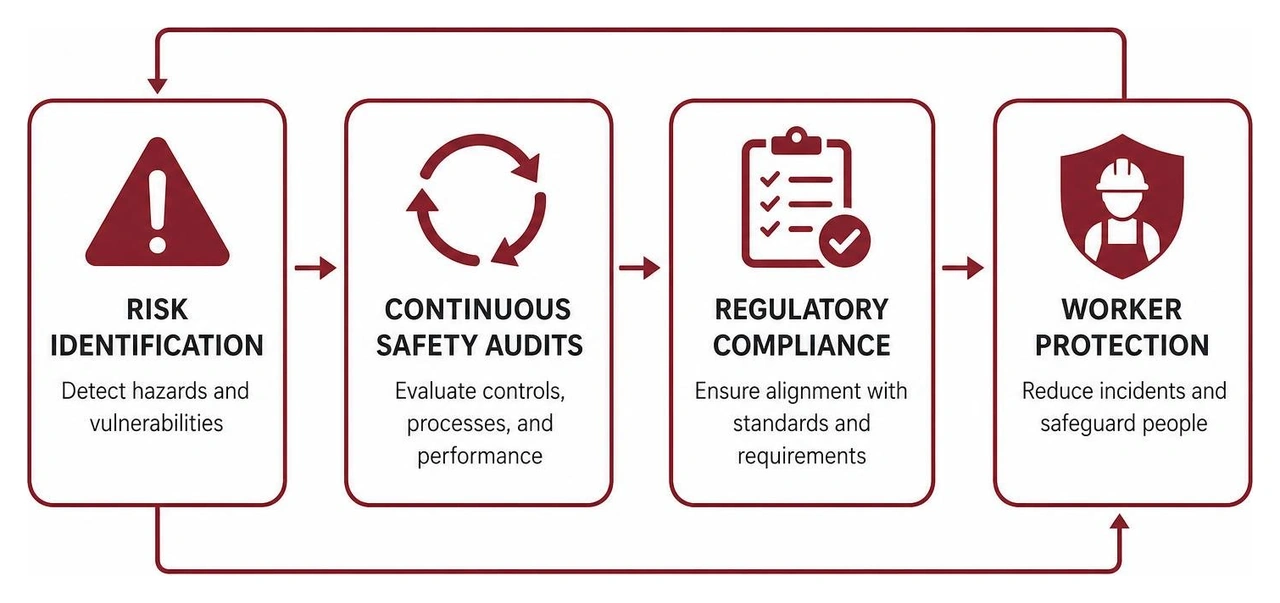
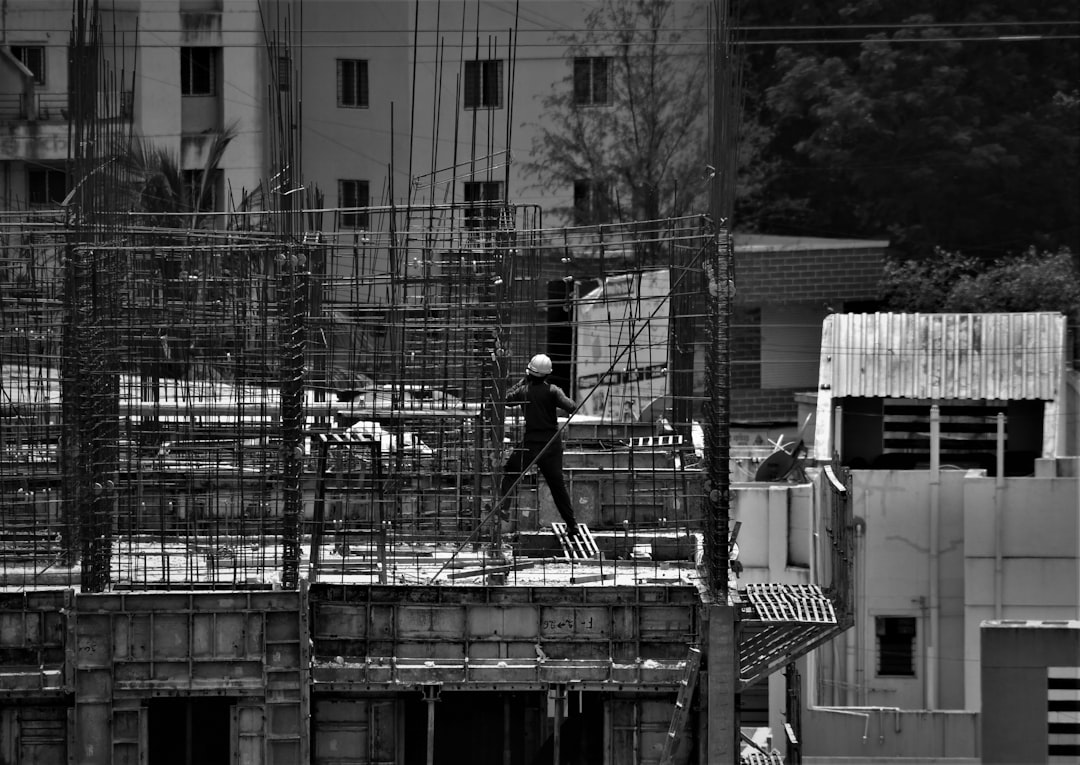
Safety is the heart of every inspection. We aren't just looking for straight lines; we are looking for protected lives. In the U.S., OSHA requires regular inspections of jobsites, equipment, and materials.
During a construction site inspection, we frequently keep an eye out for the "Fatal Four."
For more on staying compliant, check our resources on OSHA fall protection construction.
It’s easy to mix these up, but they serve different purposes:
| Feature | Inspection | Audit | Quality Control (QC) |
|---|---|---|---|
| Objective | Identify immediate hazards/defects | Evaluate the entire safety/quality system | Ensure work meets specific standards |
| Frequency | Daily or Weekly | Monthly or Quarterly | Continuous/Milestone |
| Focus | "Is this ladder safe?" | "Is our ladder safety program working?" | "Is this concrete 3,000 PSI?" |
While an inspection catches a single broken rung on a ladder, an audit asks why we keep buying ladders that break. Both are necessary for a successful project.
If you fail, the inspector will issue a correction notice. In some cases, a "Stop Work Order" may be issued for that specific area. You’ll need to fix the issue, pay a re-inspection fee (which varies by jurisdiction in Lake County), and schedule a follow-up. The biggest cost, however, is the delay to your schedule.
Florida has some of the strictest building codes in the world due to hurricane risks. This means we have extra inspections for things like roof tie-downs, window impact ratings, and specific foundation reinforcements that you might not see in other states. Weather also plays a role—after a major storm, "storm damage inspections" may be required before work can resume.
A solid daily checklist should cover:
At the end of the day, a construction site inspection is your best friend. It is the "guardrail" that keeps your project from sliding into a ditch of litigation, injury, or financial loss. By embracing a culture of safety and standardizing your inspection process with digital tools, you can turn a stressful requirement into a competitive advantage.
At Foshee Construction Co., Inc., we believe that successful projects start with meticulous preparation. Whether we are handling your underground utilities or your complete site prep, we approach every task as if an inspector is standing right behind us. Our commitment to transparent bids and disciplined scheduling means we don't just pass inspections—we set the standard for them.
If you are looking for a reliable partner for your next project in Minneola or Lake County, see why top contractors choose Foshee Construction. Let's build something that stands the test of time (and the inspector's level).
We build bids using HeavyBid and AGTEK because the details matter long before the job starts. When the numbers are accurate and the scope is clearly defined, it sets the tone for how the entire project runs. Estimating isn’t just a step in the process, it’s the foundation we build on.
That same mindset carries into the field. Our crew is trained to work with purpose, follow the Civil Engineers’ Plan to the finest detail, and hold the line on quality. When expectations are clear from day one, there’s no need for shortcuts, and no confusion about how the work gets done.
Clients trust our bid packages because they’re complete and ready to use. Project managers know what we’re covering, what’s excluded, and how we plan to approach the job. That clarity removes friction and lets teams focus on execution instead of interpretation.
As part of our review process, we go into the plans before anything hits the site. We ask the questions early, resolve issues before they show up in the field, and keep RFIs moving. This approach prevents delays and protects the timeline.
Over time, that consistency builds trust. Many of the people we work with today came through referrals from past projects – engineers, GCs, and superintendents who’ve seen how we operate and want the same experience again.
In 2024, Foshee Construction was acquired by Saga Infrastructure Solutions, a national network of civil construction companies. Saga supports regional contractors by giving them access to better tools, long-term resources, and operational backing, without changing how they run day to day.
Foshee will continue to operate under its name, with the same team and field leadership in place.
“From the very time a project starts, we start that partnership. We try to catch as much as we can with the tools that we have. Not everybody is using the software platforms we are. That’s the differentiator: we’re not just bidding. We’re anticipating, problem-solving, and making sure the job runs right.”
— Don, CEO, Saga Infrastructure Solutions
Foshee is now part of a broader regional strategy that includes Florida, the Piedmont Atlantic, Texas, Colorado, and the Arizona Sun Corridor. The name, crews, and standards remain. What’s improving is the support behind it.