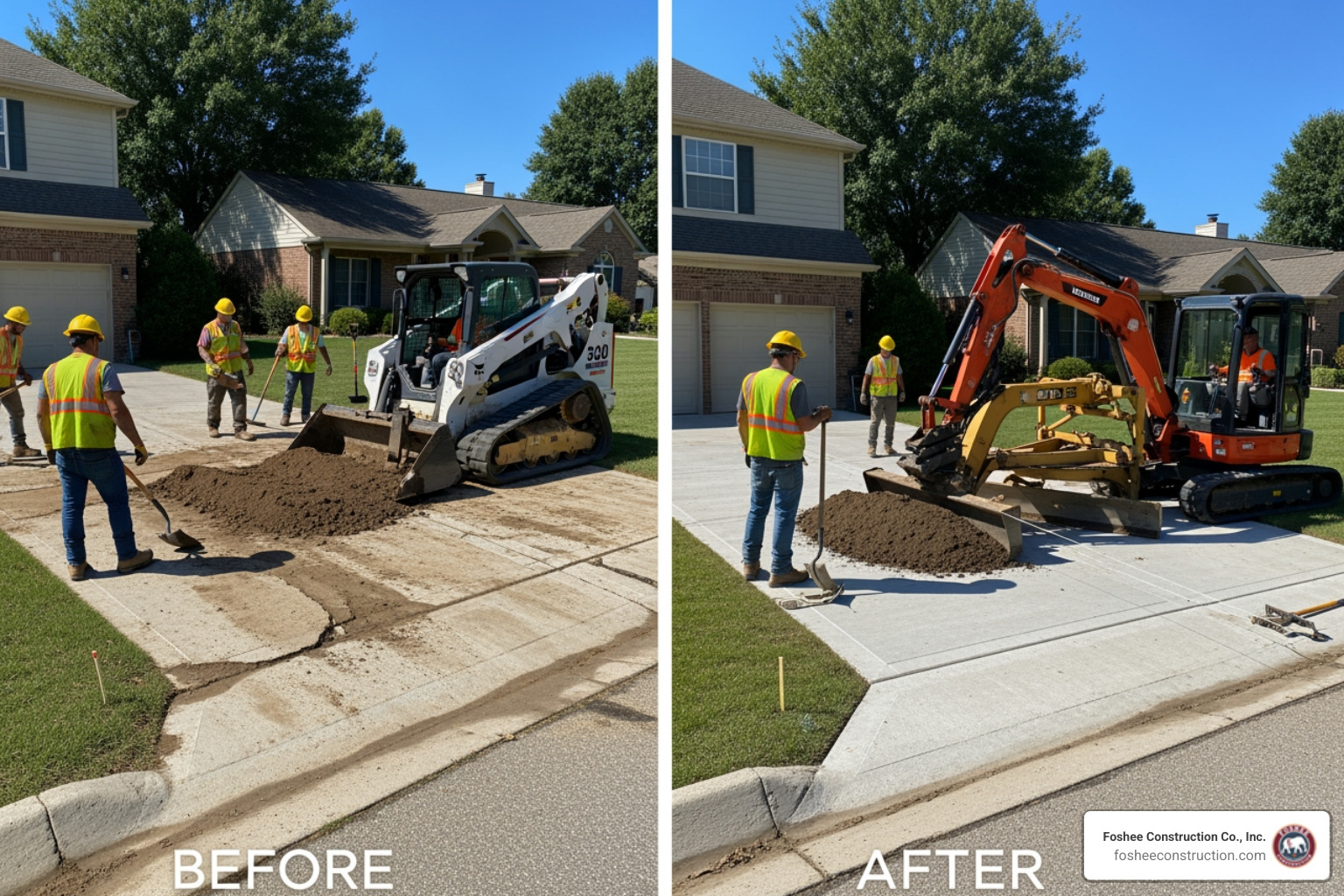
Hiring a yard leveling contractor is often the fastest way to fix drainage problems, eliminate trip hazards, and protect your property's foundation from long-term water damage. Here's what you need to know at a glance:
What does a yard leveling contractor do?
An uneven yard is more than an eyesore. Standing water breeds mosquitoes, soft ground can crack your foundation, and hidden low spots can twist an ankle mid-mow. These problems compound quickly — and the longer they go unaddressed, the more expensive the fix becomes.
For Florida contractors and developers, an uneven site also means failed inspections, rework, and delayed timelines. Getting the ground right from the start is not optional — it's foundational.
I'm Don Larsen of Foshee Construction Co., Inc., and with over three decades of site development and earthmoving experience across Central Florida, our team has leveled everything from residential backyards to large commercial sites for top contractors and developers. This guide covers exactly what to expect when working with a professional yard leveling contractor — from process and equipment to costs and what separates a reliable crew from one that walks off the job.
Handy yard leveling contractor terms:
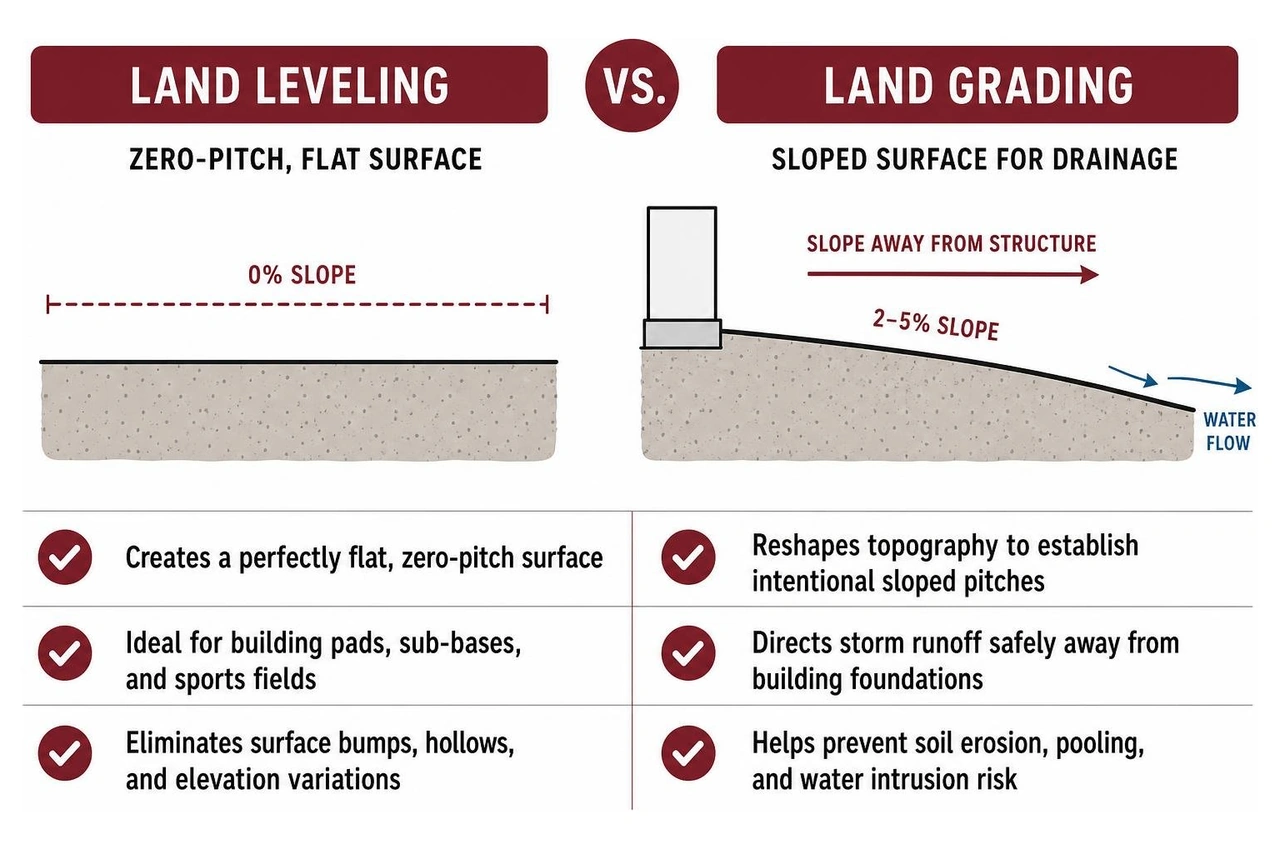
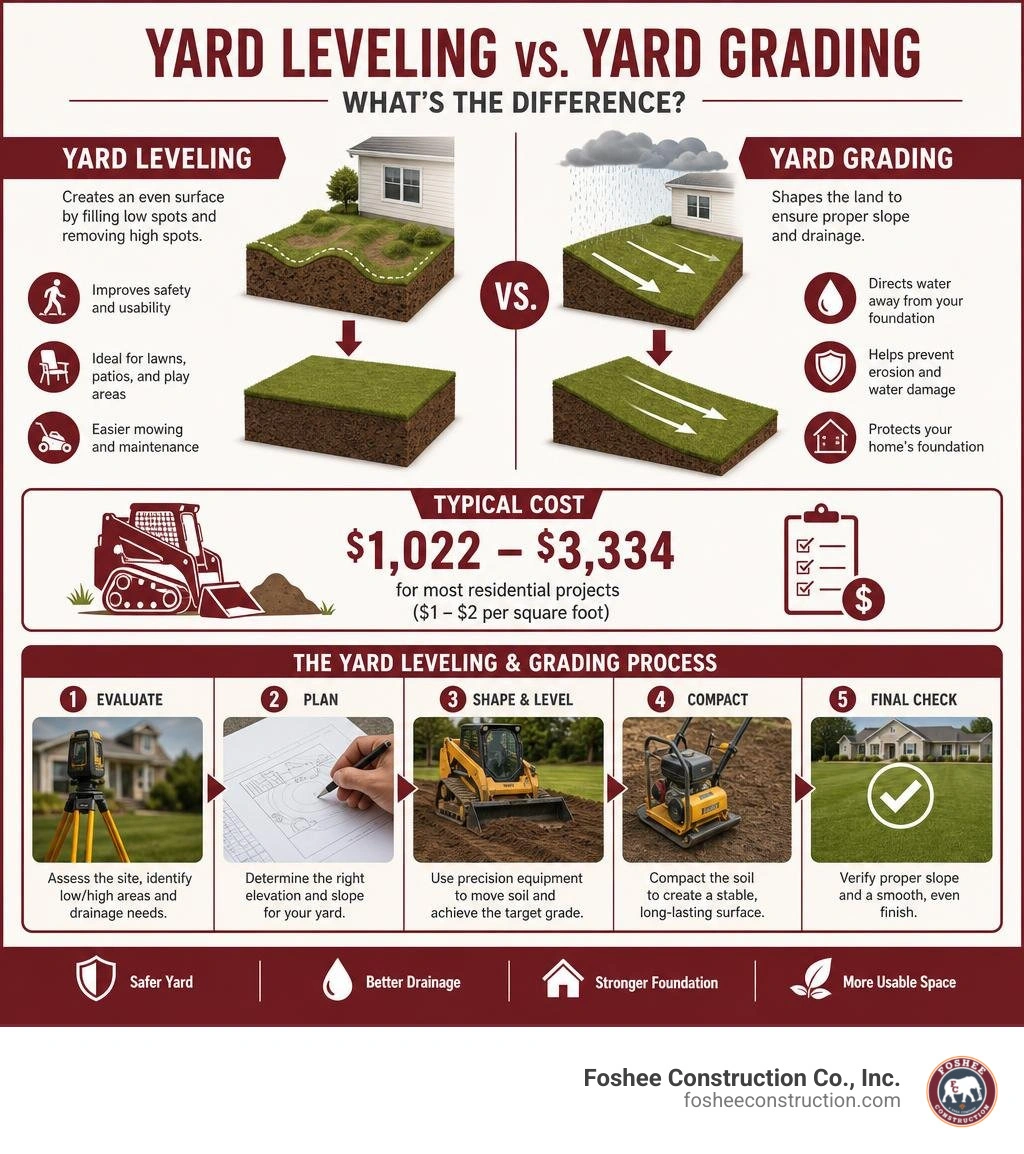
When you start researching how to fix a bumpy, water-logged lawn, you will quickly run into two terms that sound identical but mean very different things: yard leveling and yard grading. While they both deal with moving dirt to make your property look and perform better, their purposes, methods, and scales are distinct.
To keep things simple, think of yard leveling as a cosmetic and surface-level tune-up, while yard grading is a structural and hydrological overhaul. In Central Florida's unique climate—where we transition from blazing heat to sudden afternoon downpours—understanding this distinction can save you thousands of dollars in unnecessary repairs.
| Feature | Yard Leveling | Yard Grading |
|---|---|---|
| Primary Goal | Smooths out minor bumps, dips, and holes for a uniform surface | Adjusts the overall slope of the land to direct water runoff |
| Common Methods | Spreading a thin layer of topsoil/sand mix; minor landscape grading | Heavy excavation, cutting high slopes, and building up low areas |
| Key Benefit | Improves lawn health, grass growth, and eliminates tripping hazards | Prevents foundation damage, soil erosion, and structural flooding |
| Equipment Used | Hand rakes, lawn rollers, light utility tractors, top dressers | Skid steers, excavators, bulldozers, and precise laser levels |
| Typical Cost | Lower cost ($950 to $2,000 on average) | Higher cost (often starting around $2,500 to $5,000+) |
If you are looking to install a new patio, put up a fence, or simply stop bottoming out your lawnmower on hidden dirt mounds, you are likely looking for leveling. If you have water pooling against your stucco walls or pouring into your crawlspace every time a summer storm rolls through Minneola, you need professional grading.
Yard leveling is the process of smoothing out localized dips, minor depressions, and small mounds across an existing lawn. Over time, yards naturally settle. This settling happens for several reasons: decaying tree roots, underground pest activity, localized erosion, or simply the natural shifting of Florida's sandy soil.
When we perform lawn leveling, our primary focus is on preserving your existing grass growth while filling in those low spots. We typically use a specialized top dressing—a custom blend of rich topsoil, compost, and clean sand. By keeping this topsoil layer thin (usually between 1/4 to 1/2 inches per application), we ensure we don't choke out the grass. Instead, the blades grow right through the new mixture, resulting in a perfectly flat, lush green carpet.
For larger dips or sunken areas that threaten the usability of your outdoor space, we may need to lift the existing turf, pack in clean fill dirt, compact it to prevent future settling, and then lay the sod back down. If your yard has become a bumpy obstacle course that turns a simple weekend mow into a bone-rattling chore, you can reach out to our team at Contact Foshee Construction to get a professional assessment.
Yard grading, on the other hand, is all about slope. It is a highly strategic engineering process designed to protect your home's foundation. The general rule of thumb for proper residential drainage is that the ground should slope away from your house at a rate of at least six inches of drop within the first ten feet.
Without this proper foundation slope, gravity will draw every drop of rainwater straight toward your home. In places like Lake County, where heavy downpours are a regular occurrence, poor grading leads to catastrophic foundation damage, mold growth, and water-logged crawlspaces.
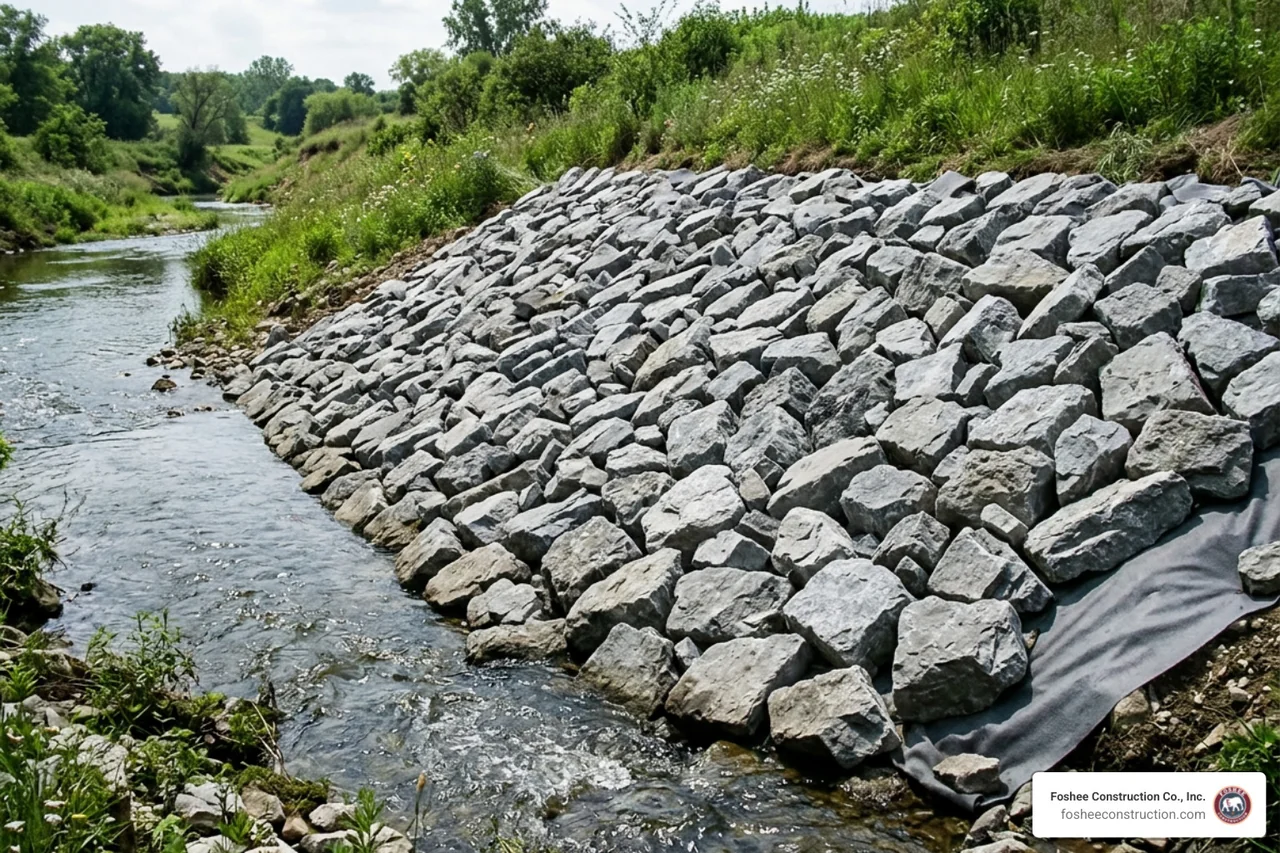
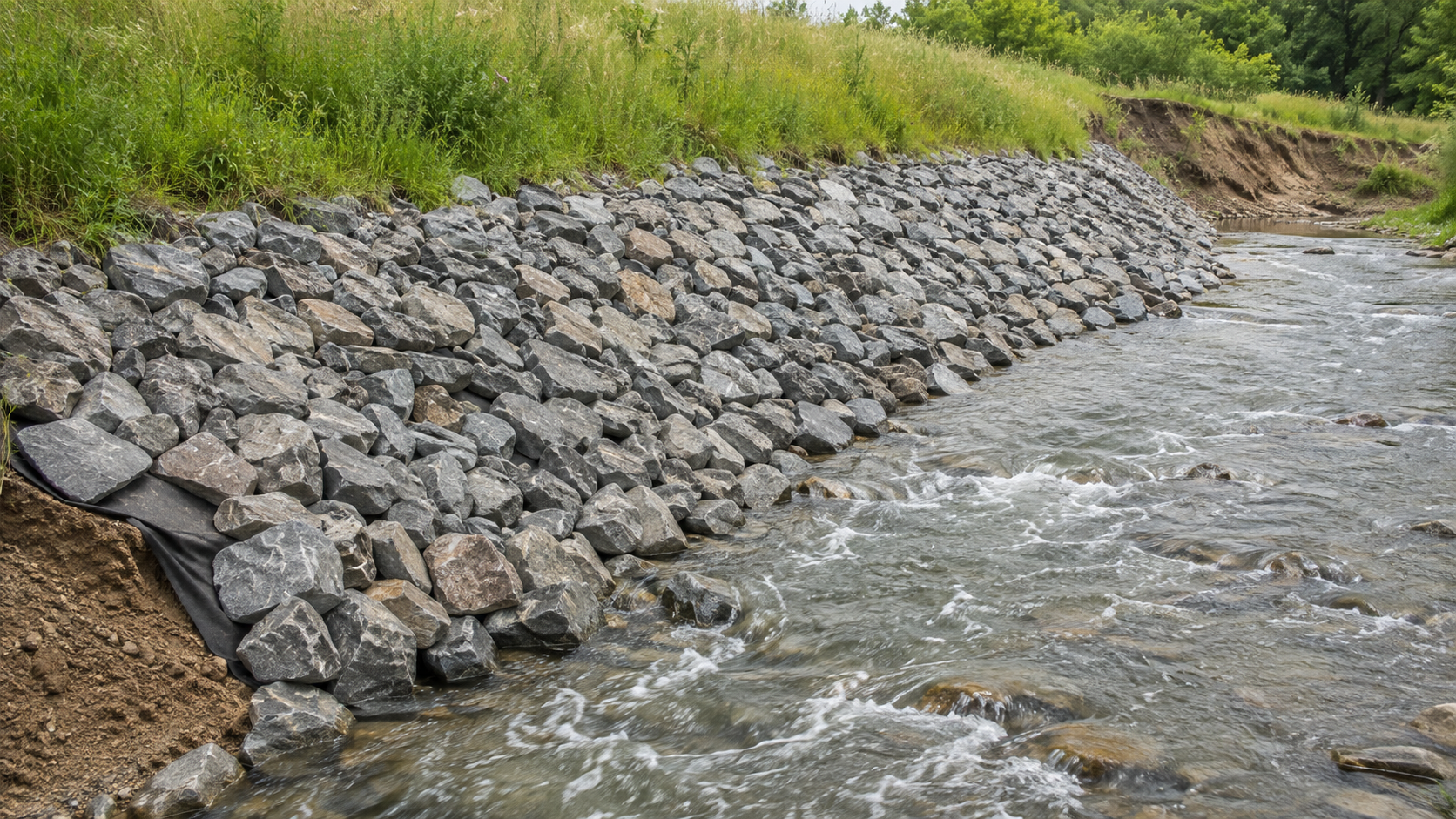
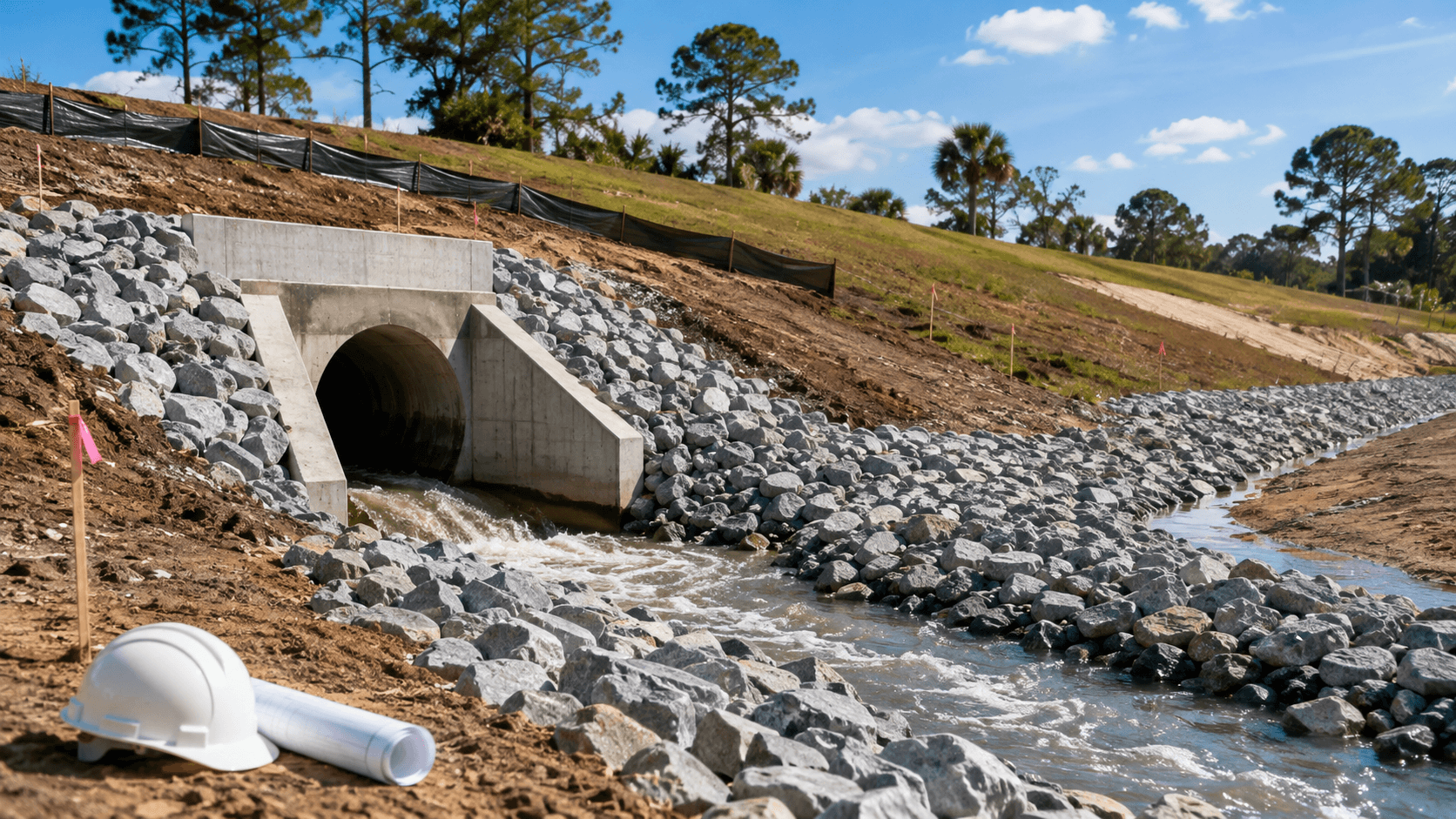
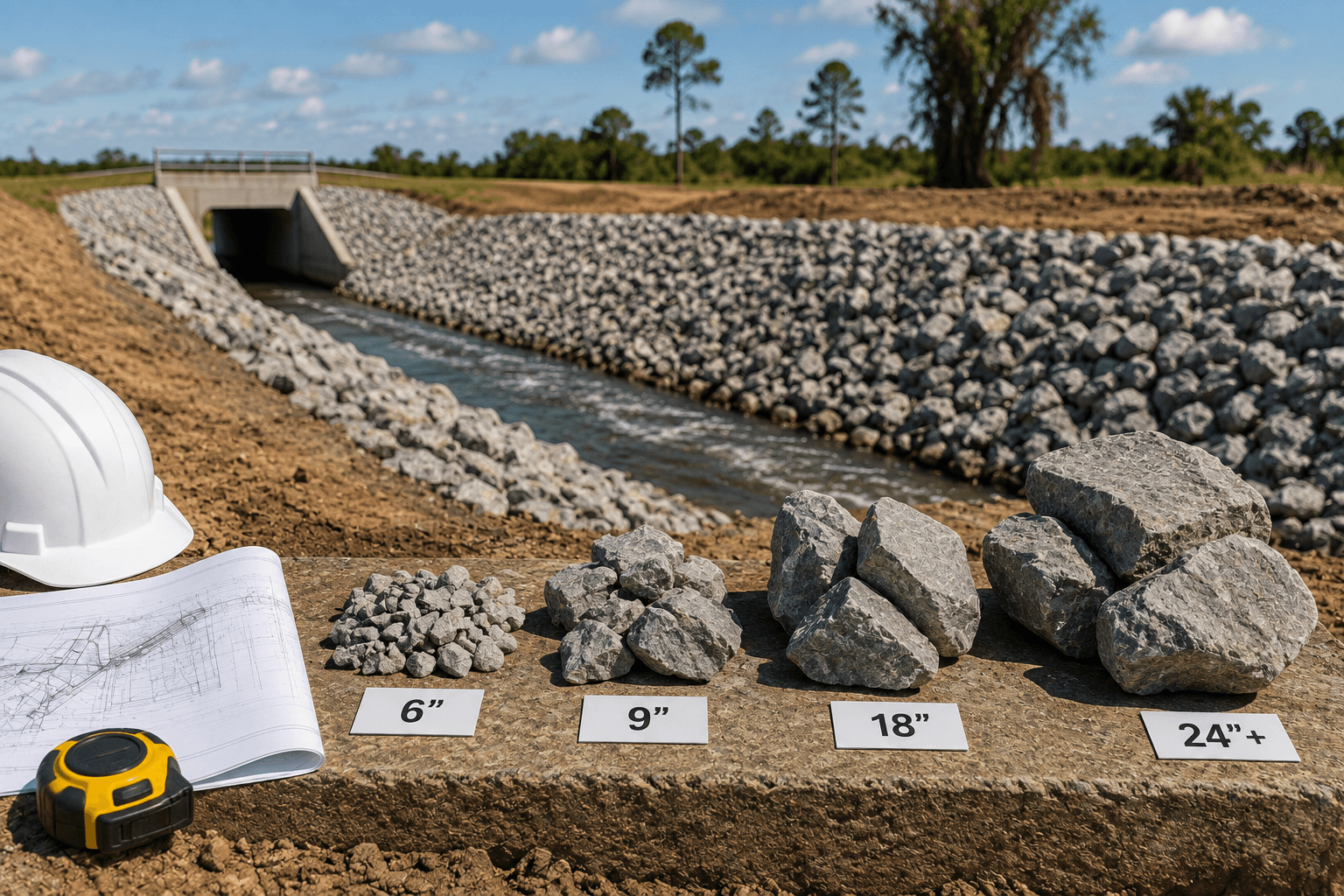
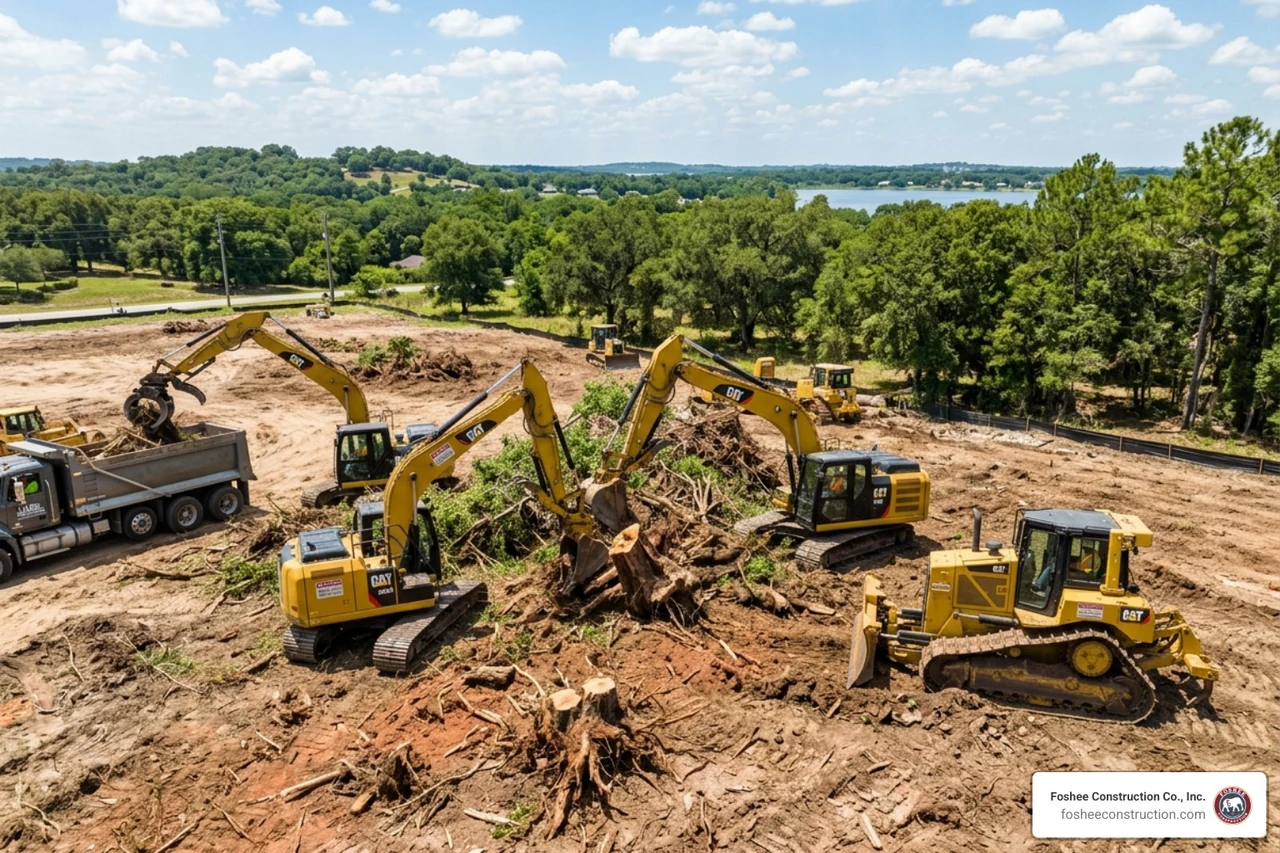
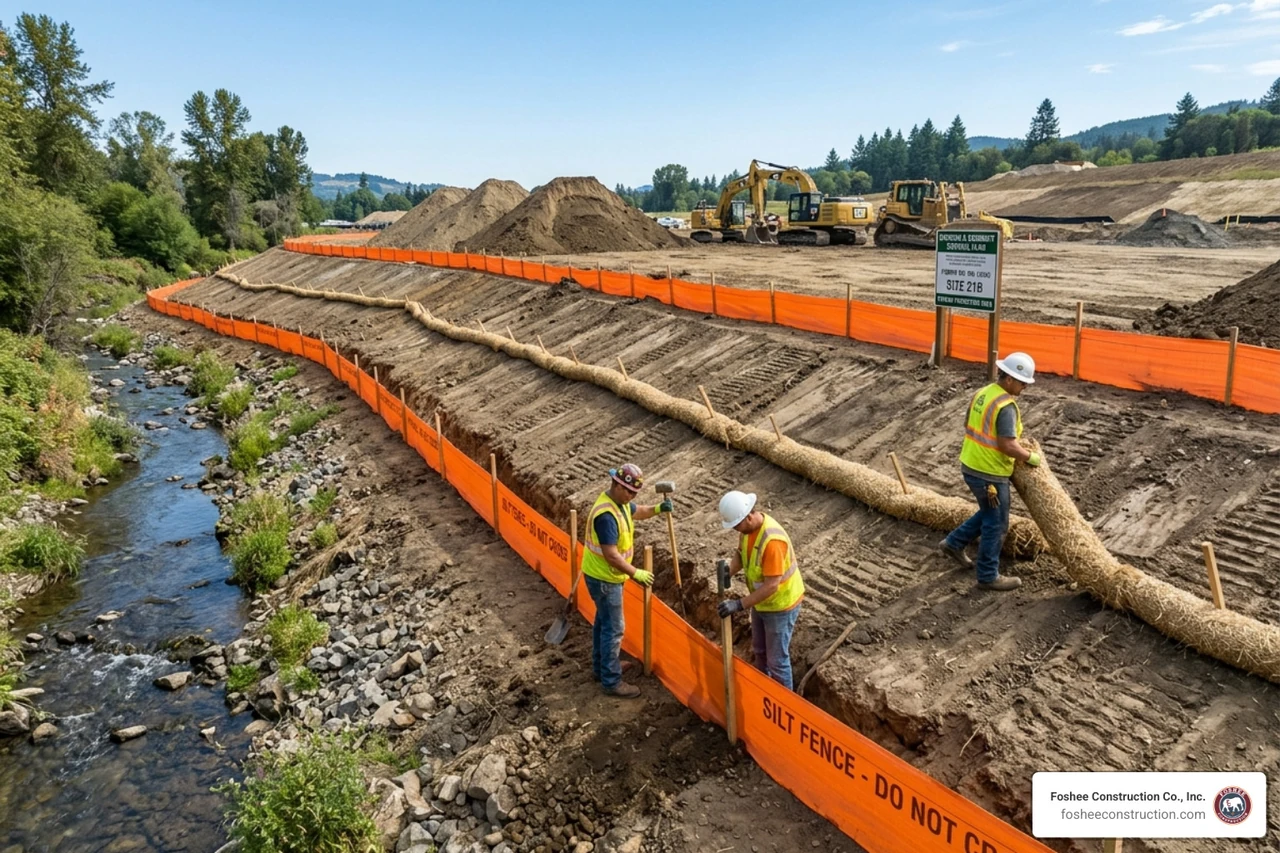
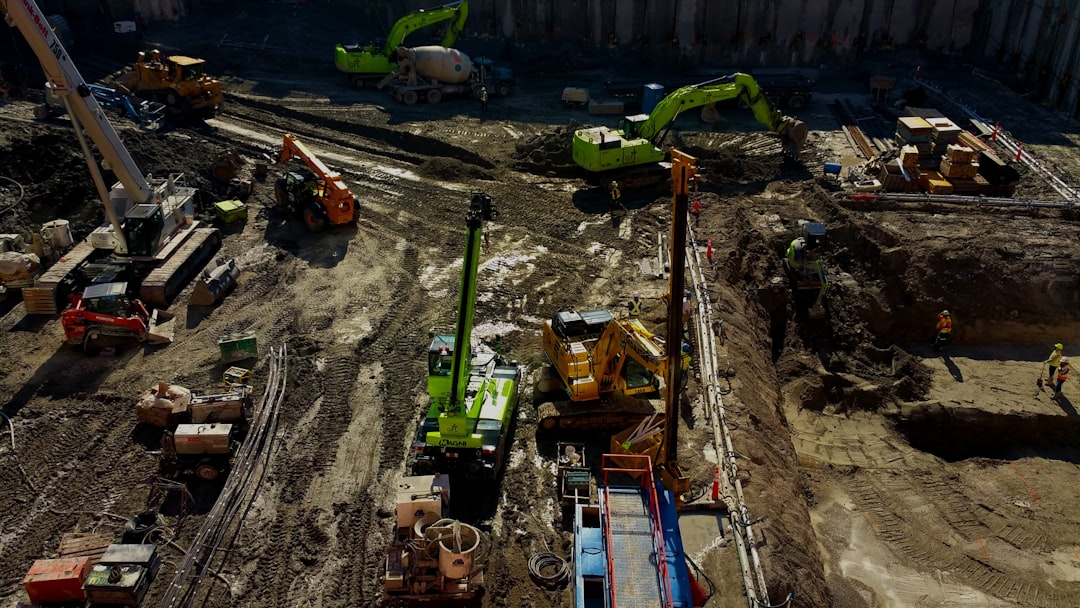
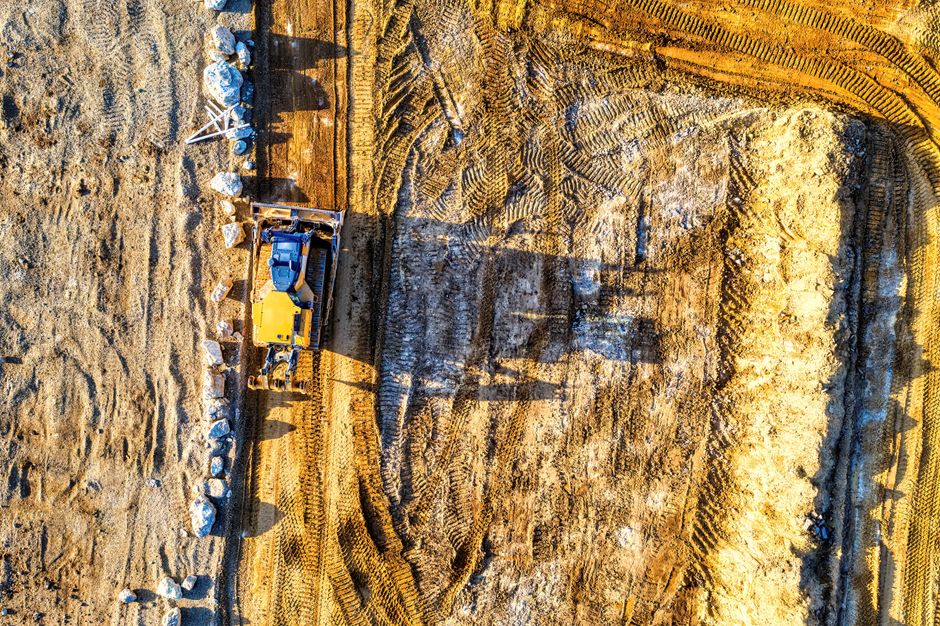
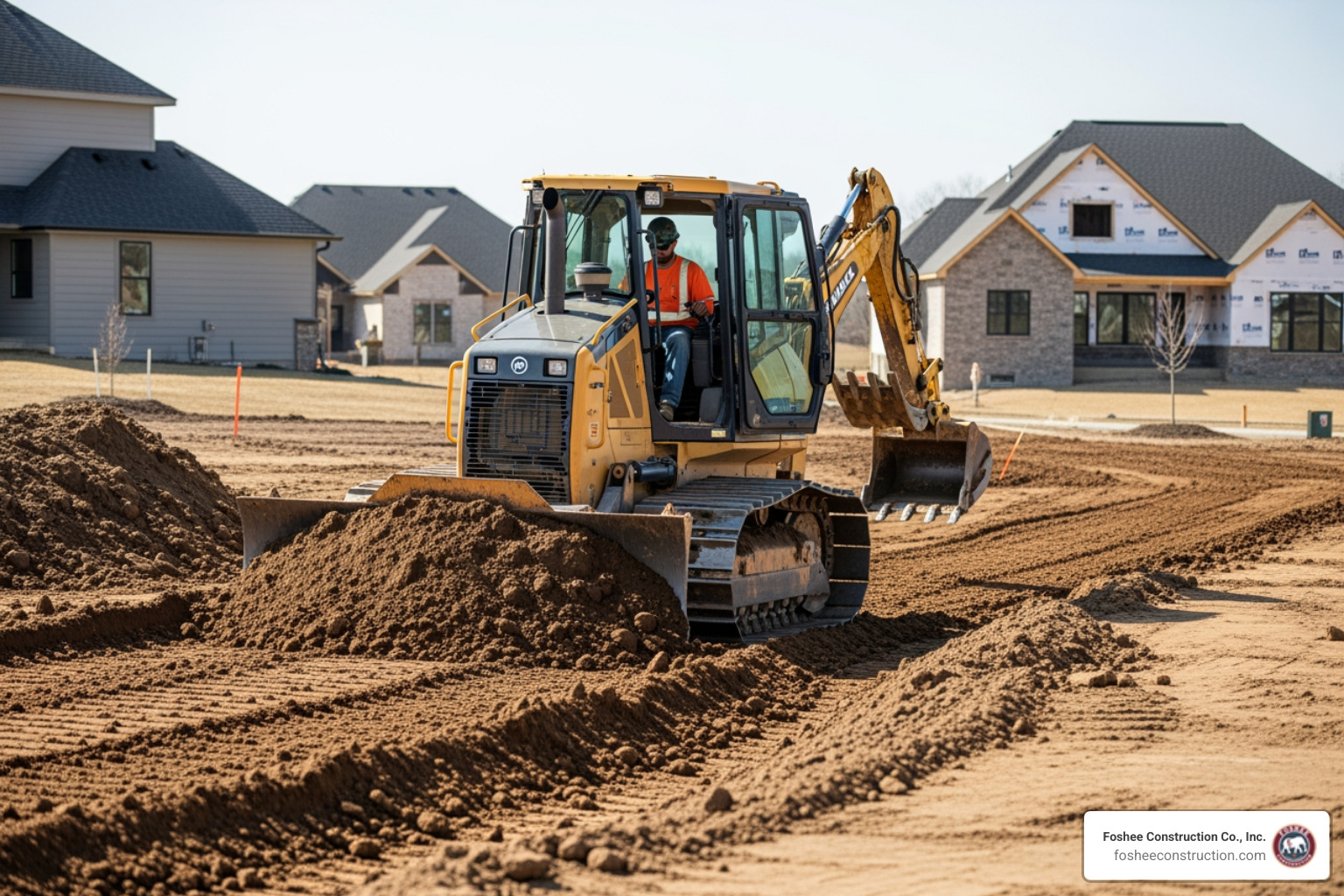
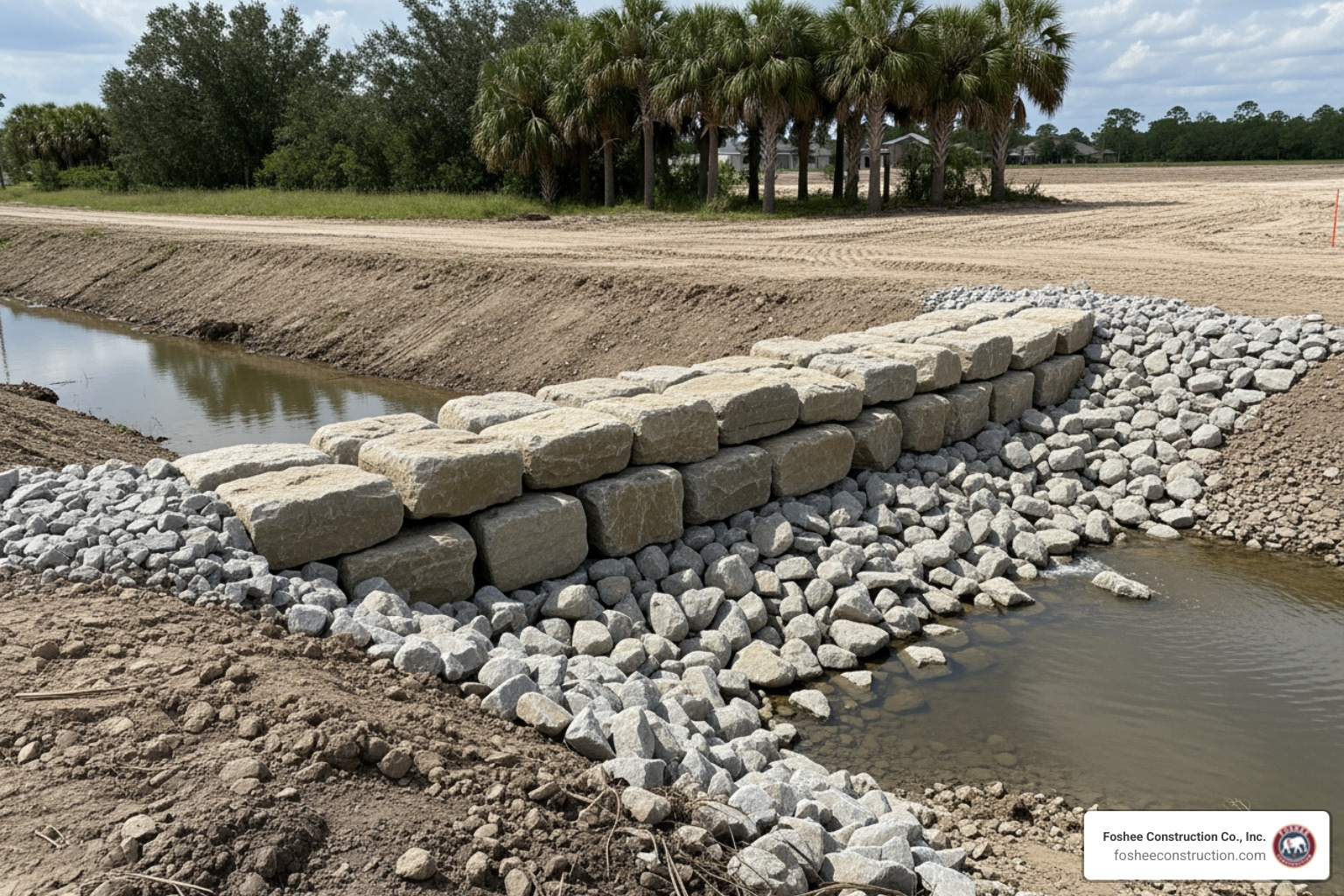
During a grading project, we use advanced machinery to reshape the land. This involves cutting down steep hillsides, filling in massive depressions, and establishing clear drainage corridors. In many cases, we integrate grading with structural solutions like retaining walls or drainage pipes to manage runoff effectively. To dive deeper into the technical mechanics of how this works, check out our comprehensive Landscape Grading Contractors Guide 2026.
It is incredibly tempting to look at a bumpy backyard and think, "I can fix that with a shovel, a wheelbarrow, and a couple of free weekends." While you can certainly handle filling a few minor dog-dug holes yourself, comprehensive yard leveling and grading are best left to the professionals.
Operating heavy machinery requires a level of precision that only comes with years of daily experience. One wrong move with a rented skid steer can easily slice through an underground water main, tear up your neighbor's pristine driveway, or worse, alter your yard's slope so that water begins running directly toward your back porch instead of away from it.
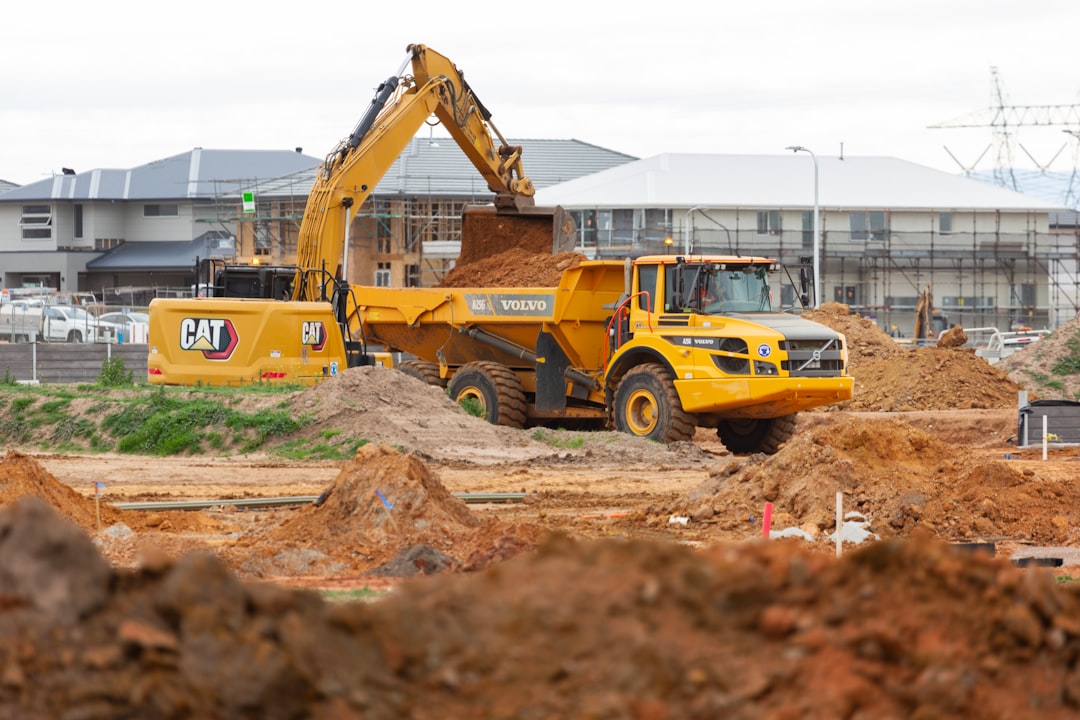
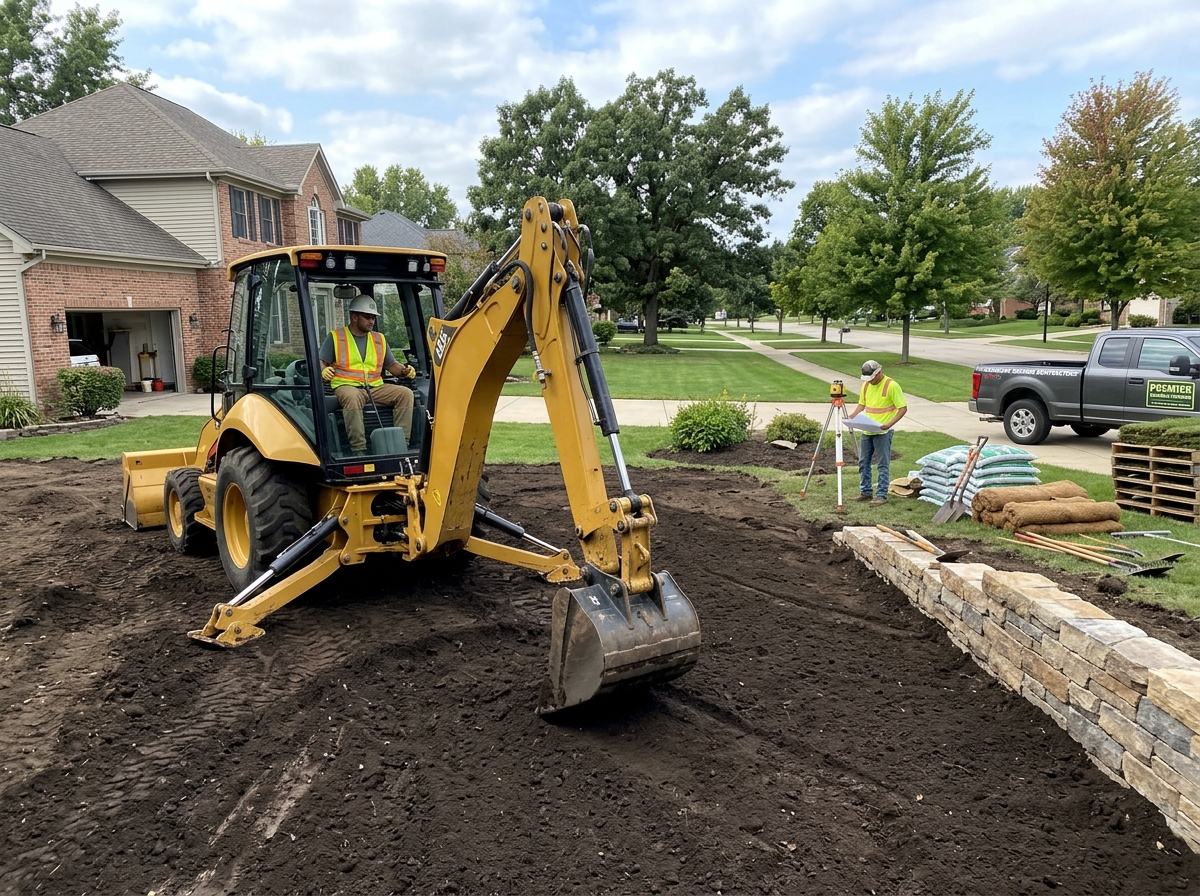
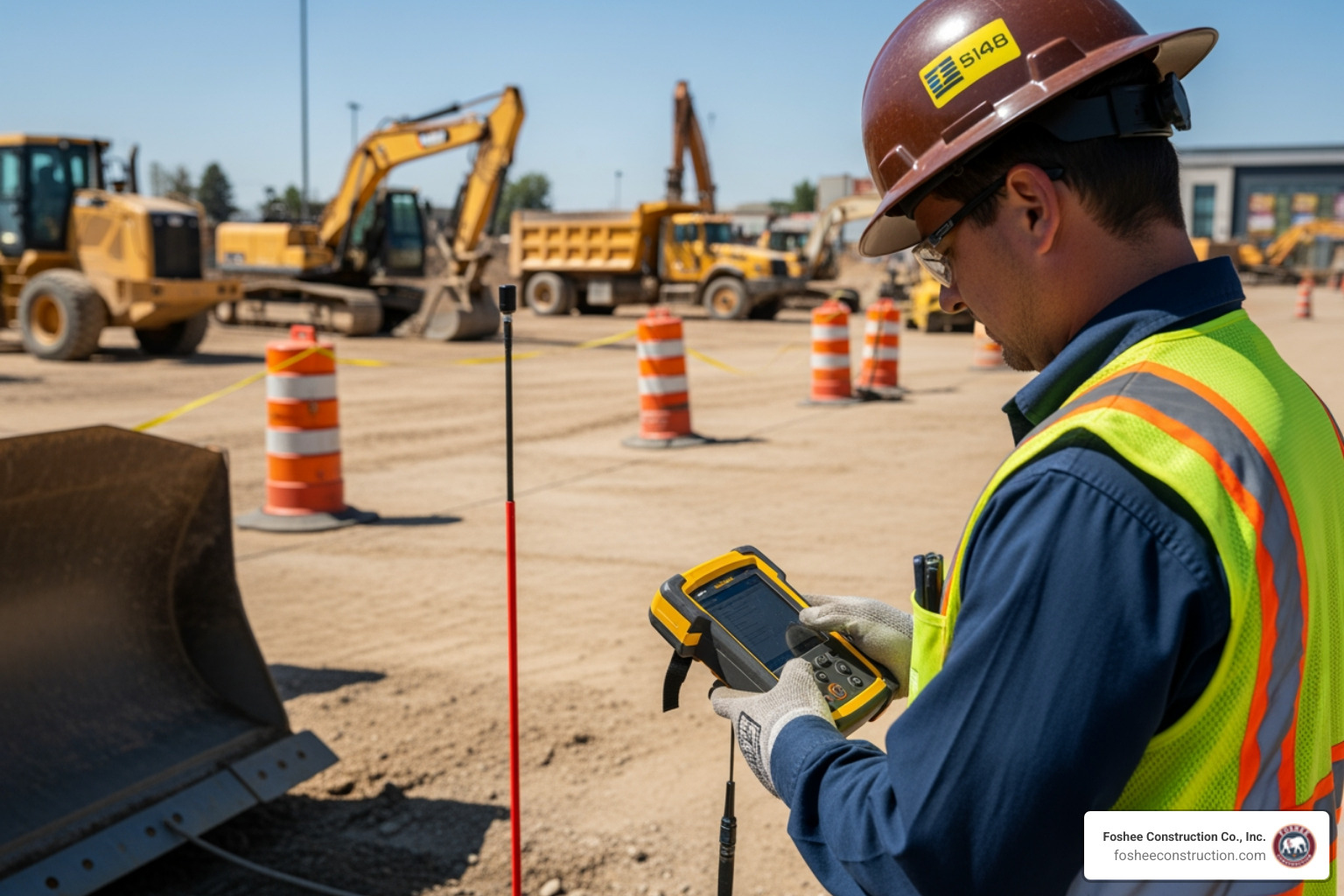
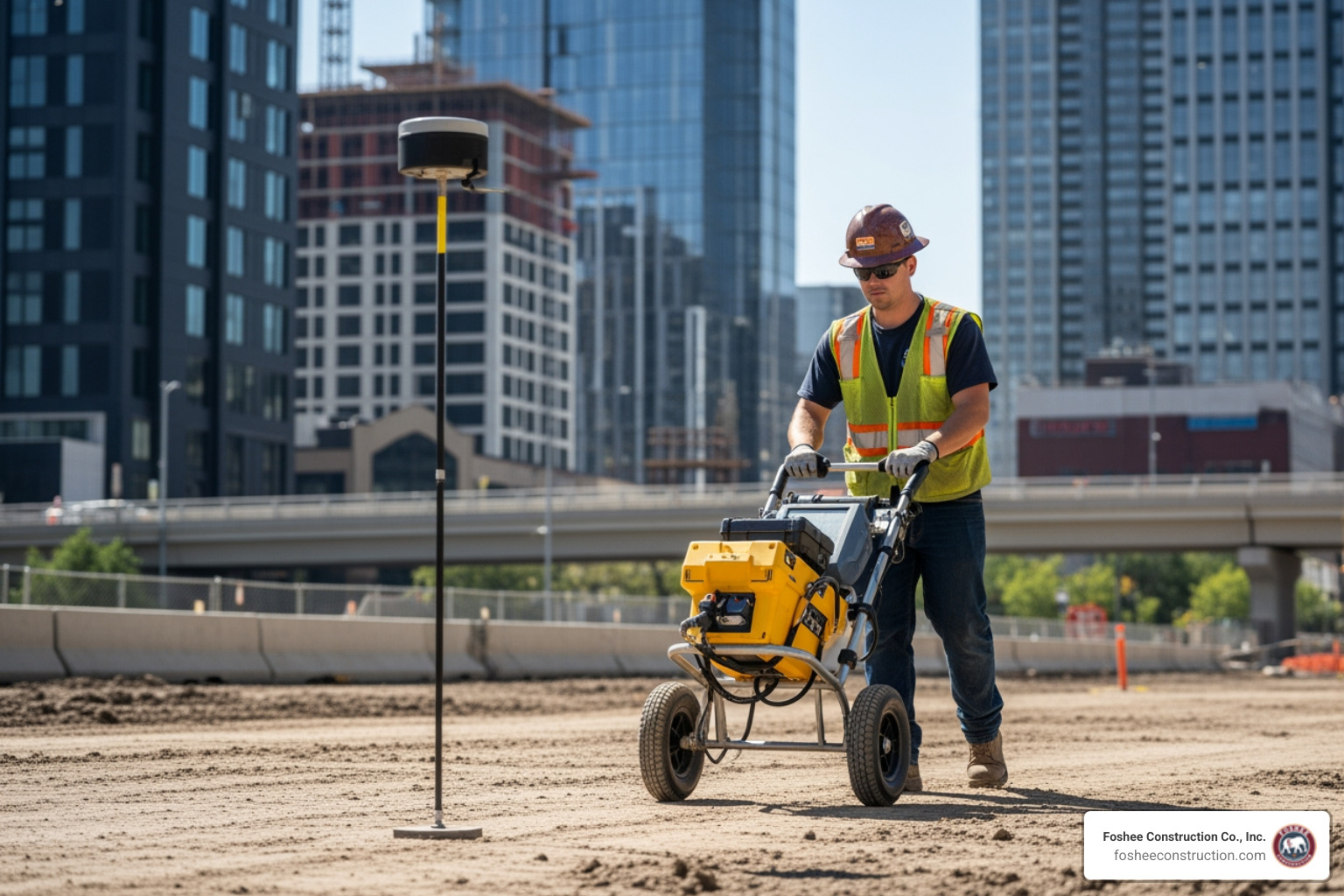
Professional contractors bring a suite of specialized tools to the job site that the average homeowner simply cannot access at a local home improvement store. We use commercial-grade skid steers, heavy-duty plate compactors, and high-precision laser levels. These laser levels allow us to calculate slopes down to the fraction of an inch, ensuring that water flows exactly where it is supposed to go.
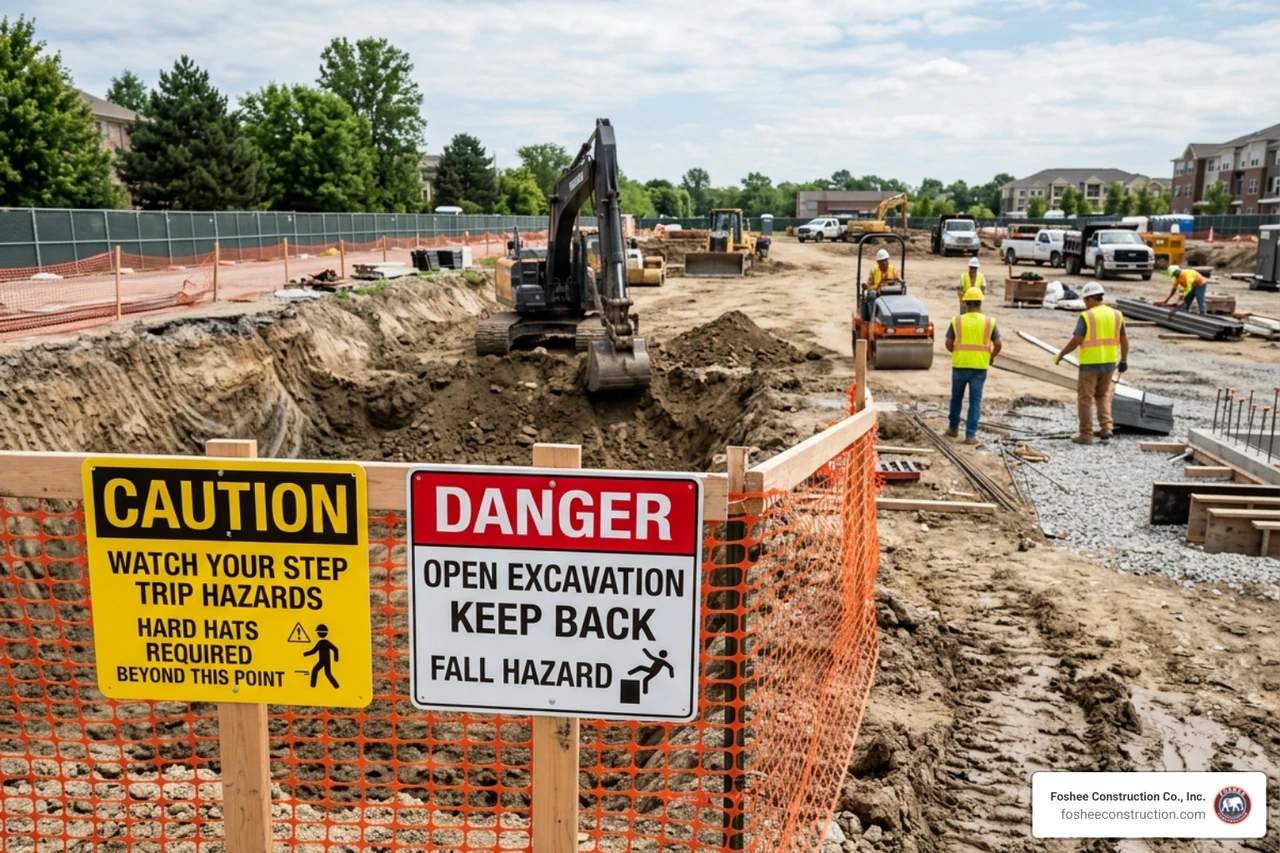
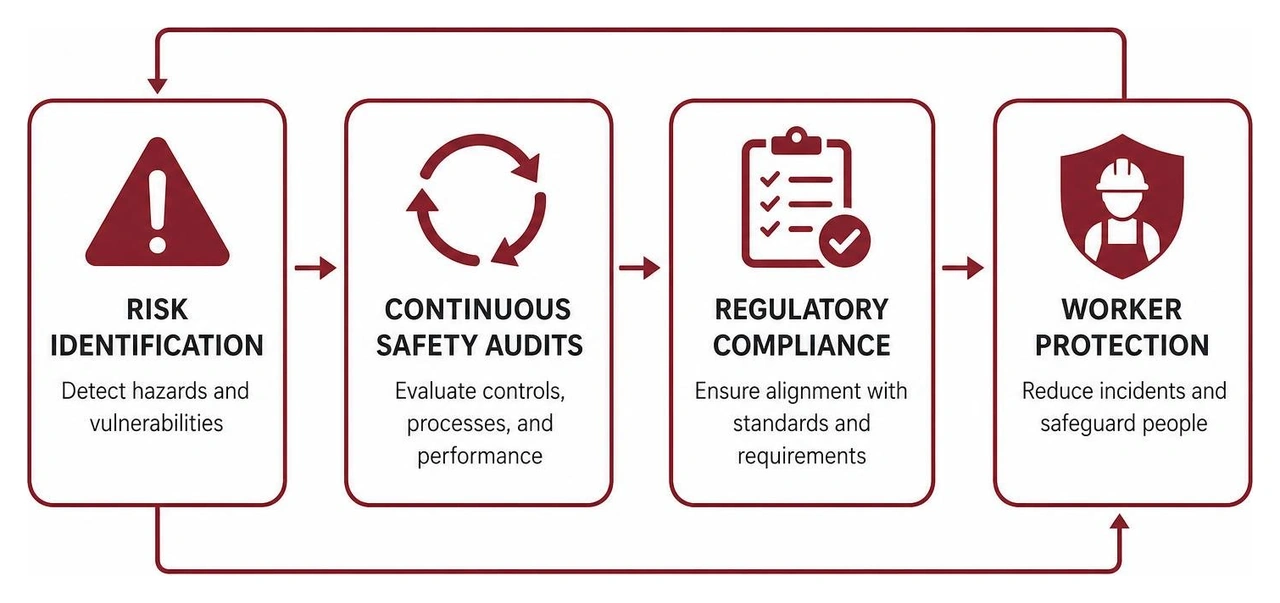
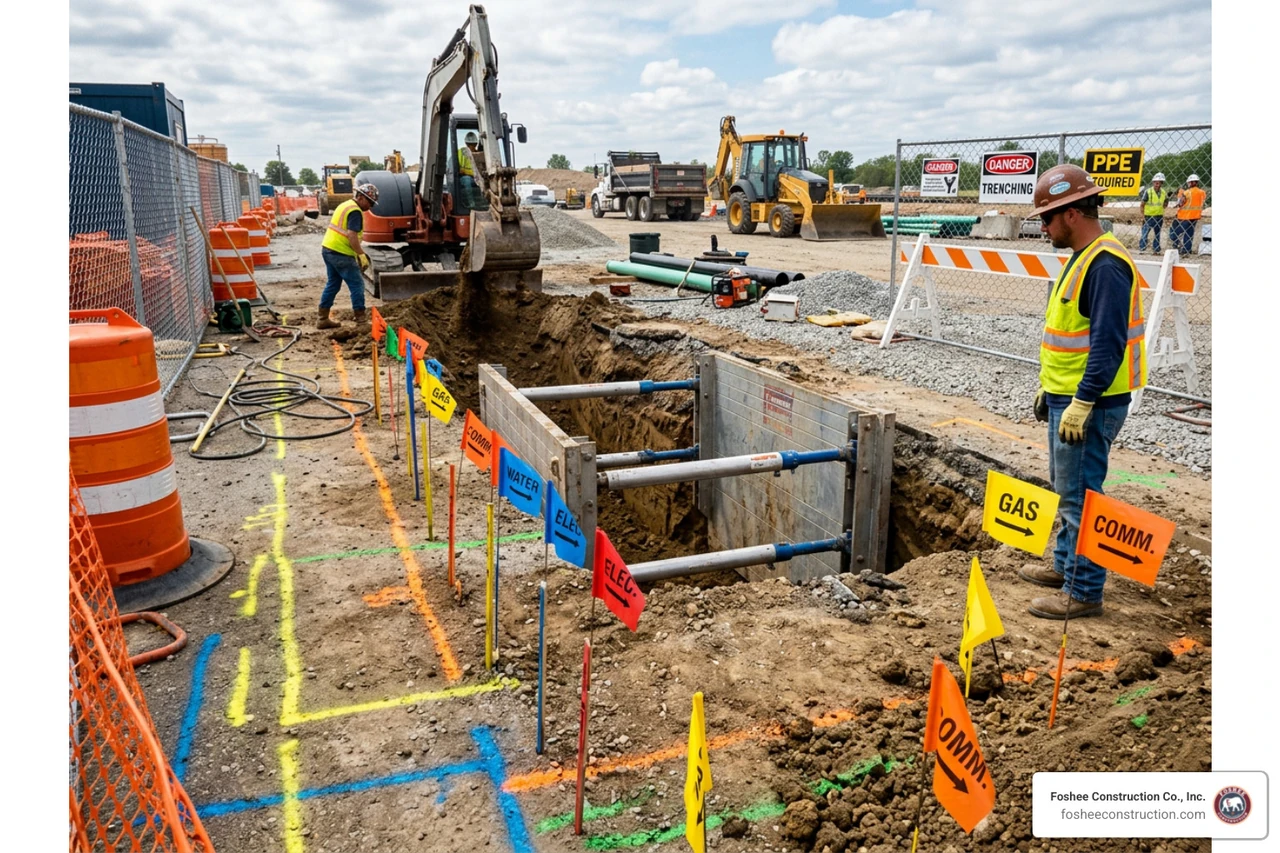
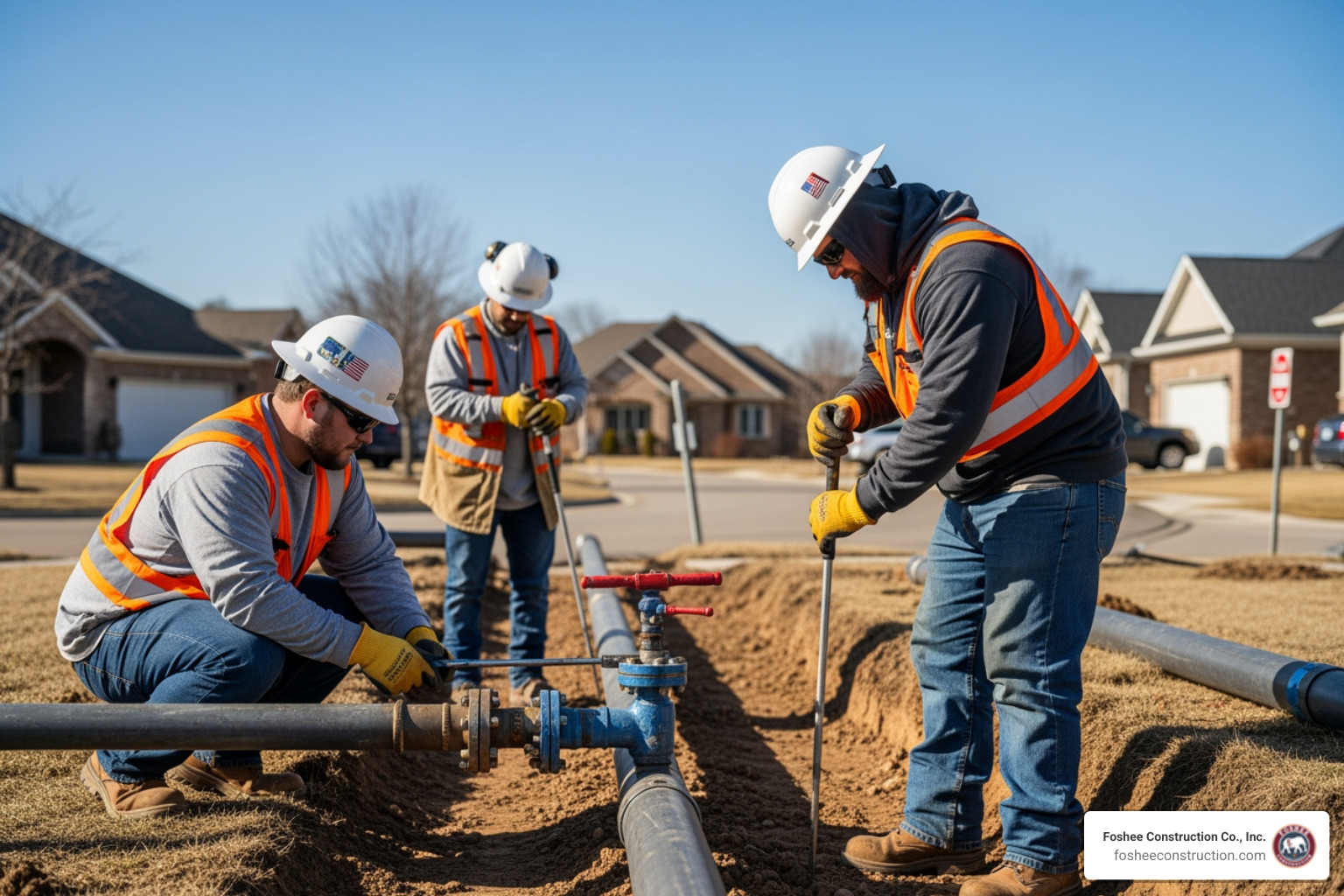
Furthermore, we handle the critical safety protocols that protect your property. This includes working directly with utility companies to map out underground lines before any metal hits the dirt. In Florida, where cable, internet, water, and electrical lines are often buried just inches beneath the sod, this step is absolutely non-negotiable.
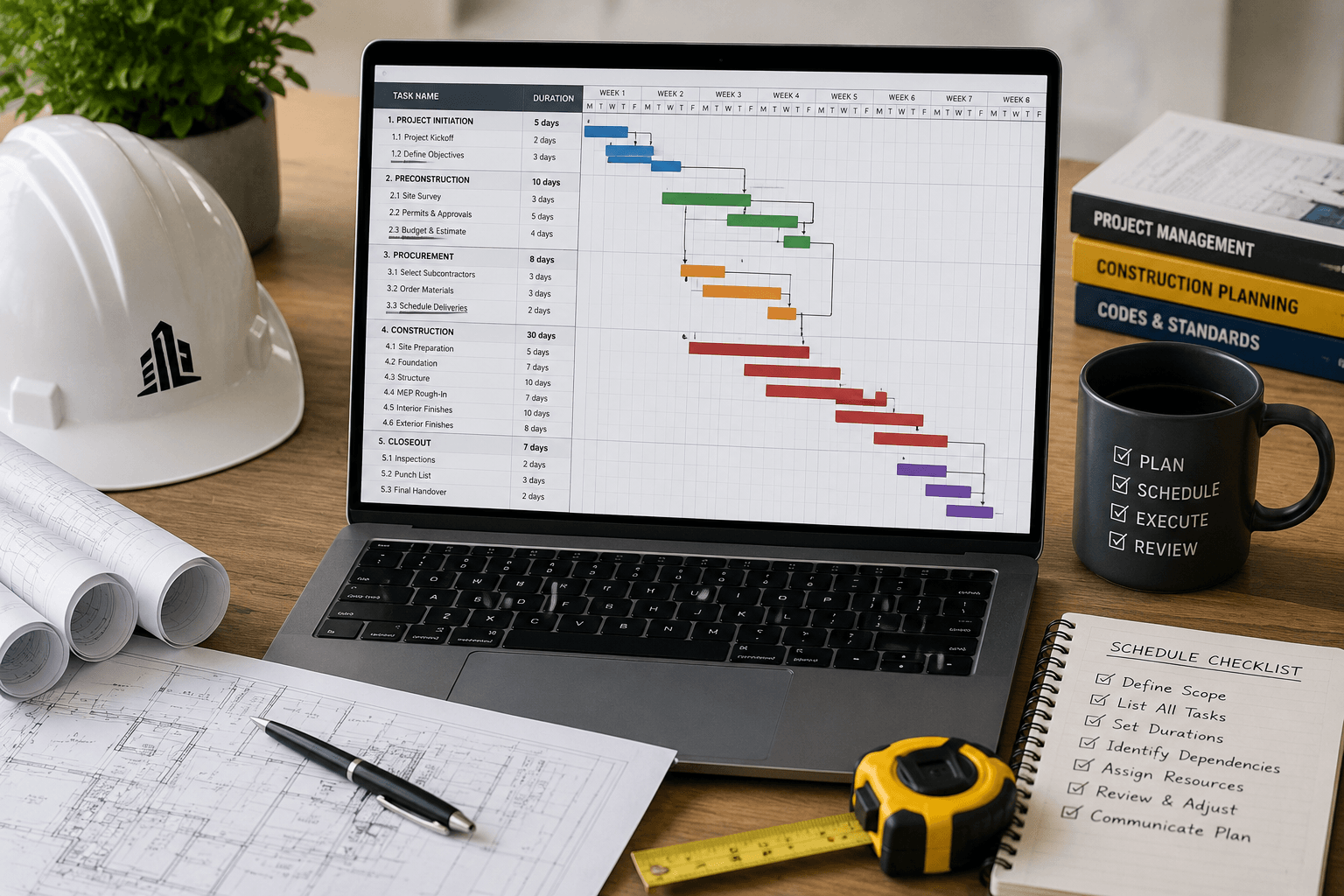
A professional leveling and grading project is highly systematic. When we take on a project in Lake County, FL, we follow a strict multi-phase process to ensure the results last for decades:
Not all contractors who own a truck and a shovel are qualified to reshape your land. When you are searching for a yard leveling professional, you want to make sure you are hiring a team that is fully licensed, heavily insured, and deeply familiar with local conditions.
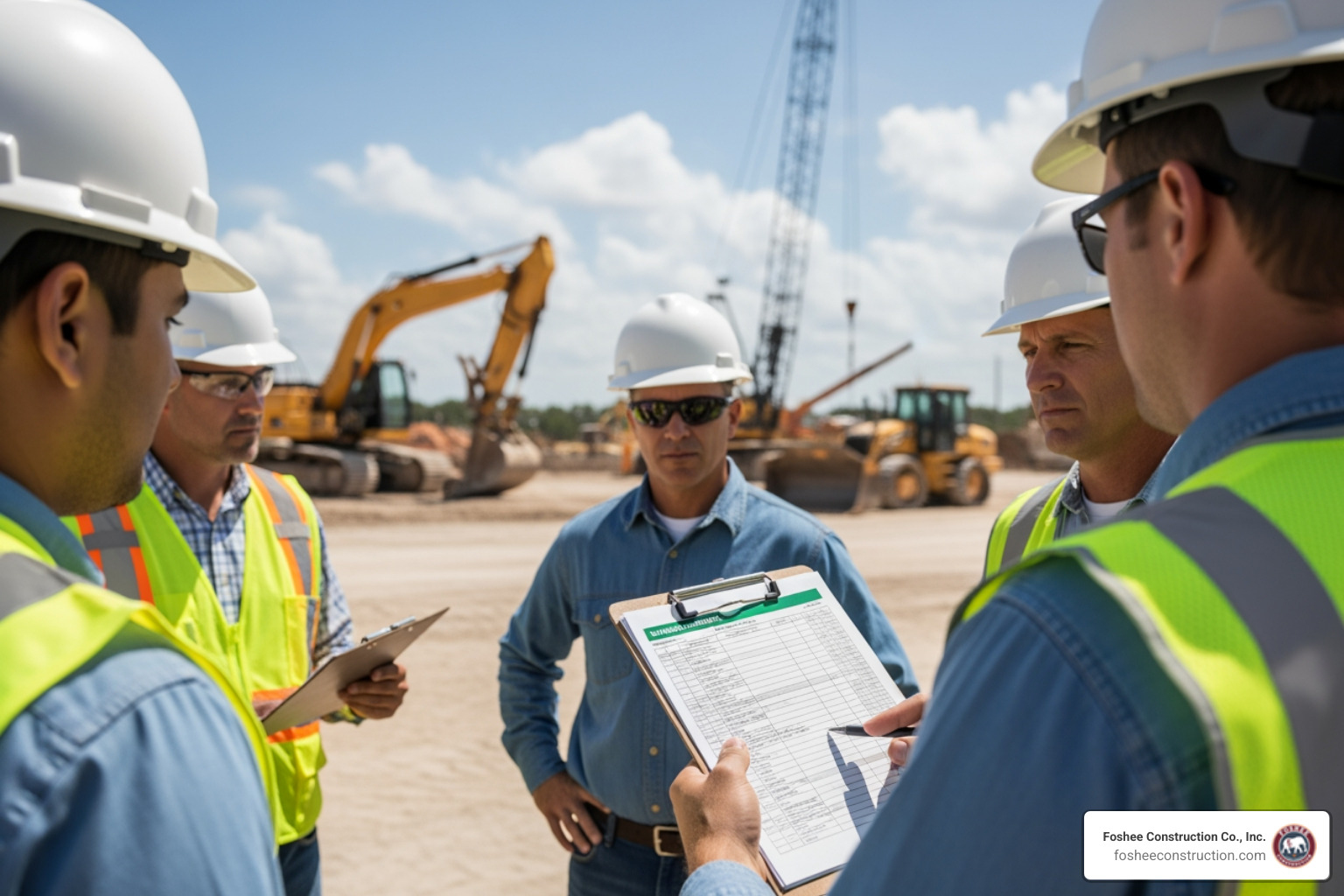
Always ask potential contractors for proof of general liability insurance and workers' compensation. This protects you from financial liability if an accident occurs on your property. Additionally, look for a contractor with extensive local experience. In Central Florida, a contractor must understand how our sandy soils shift and how to manage the massive water volume from our summer storms.
Finally, insist on transparent bids. A reputable contractor will provide a detailed, line-item estimate that breaks down the costs of labor, equipment, fill dirt, permits, and any potential add-ons. Avoid contractors who give vague, verbal estimates or demand massive cash deposits upfront. For a closer look at what to expect from a professional partnership, read our resource on choosing a Grading and Drainage Contractor.
Budgeting for a yard leveling or grading project requires an understanding of the typical market rates and the unique variables of your specific property.
On a national scale, yard leveling costs average $2,178, with most standard residential projects falling within a comfortable range of $1,022 to $3,334. For basic lawn smoothing and top-dressing, most homeowners can expect to pay between $1 and $2 per square foot.
If your project requires more intensive structural grading rather than simple surface leveling, the baseline cost typically shifts closer to $2,500.
Here is a quick breakdown of the primary cost components you will see on a professional estimate:
Every piece of land in Central Florida is unique, which means no two leveling estimates are exactly alike. Several key variables will directly influence the final number on your bid:
To see a full suite of our site preparation capabilities and how we manage these diverse variables, you can explore the Foshee Construction Services page.
When you are already bringing heavy earthmoving equipment onto your property, it is often incredibly cost-effective to bundle your yard leveling with other vital outdoor improvements.
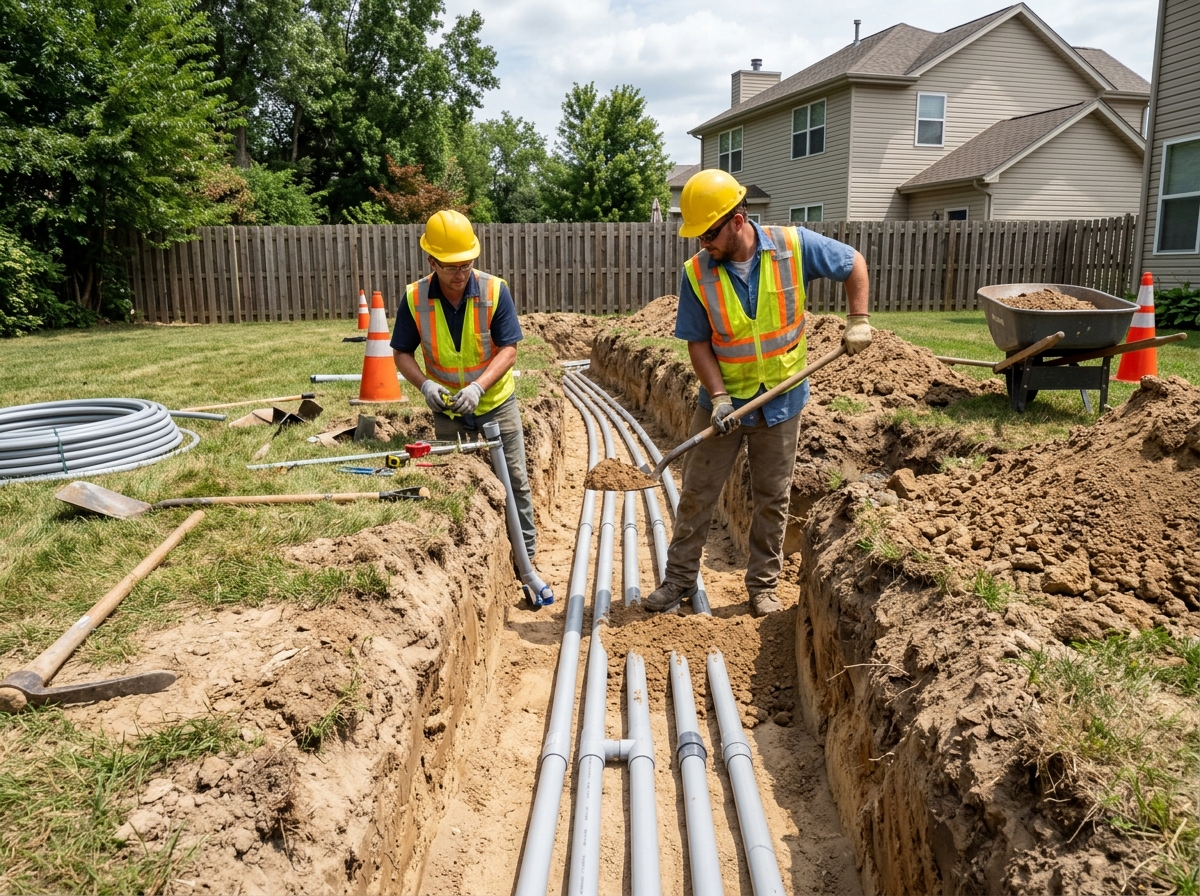
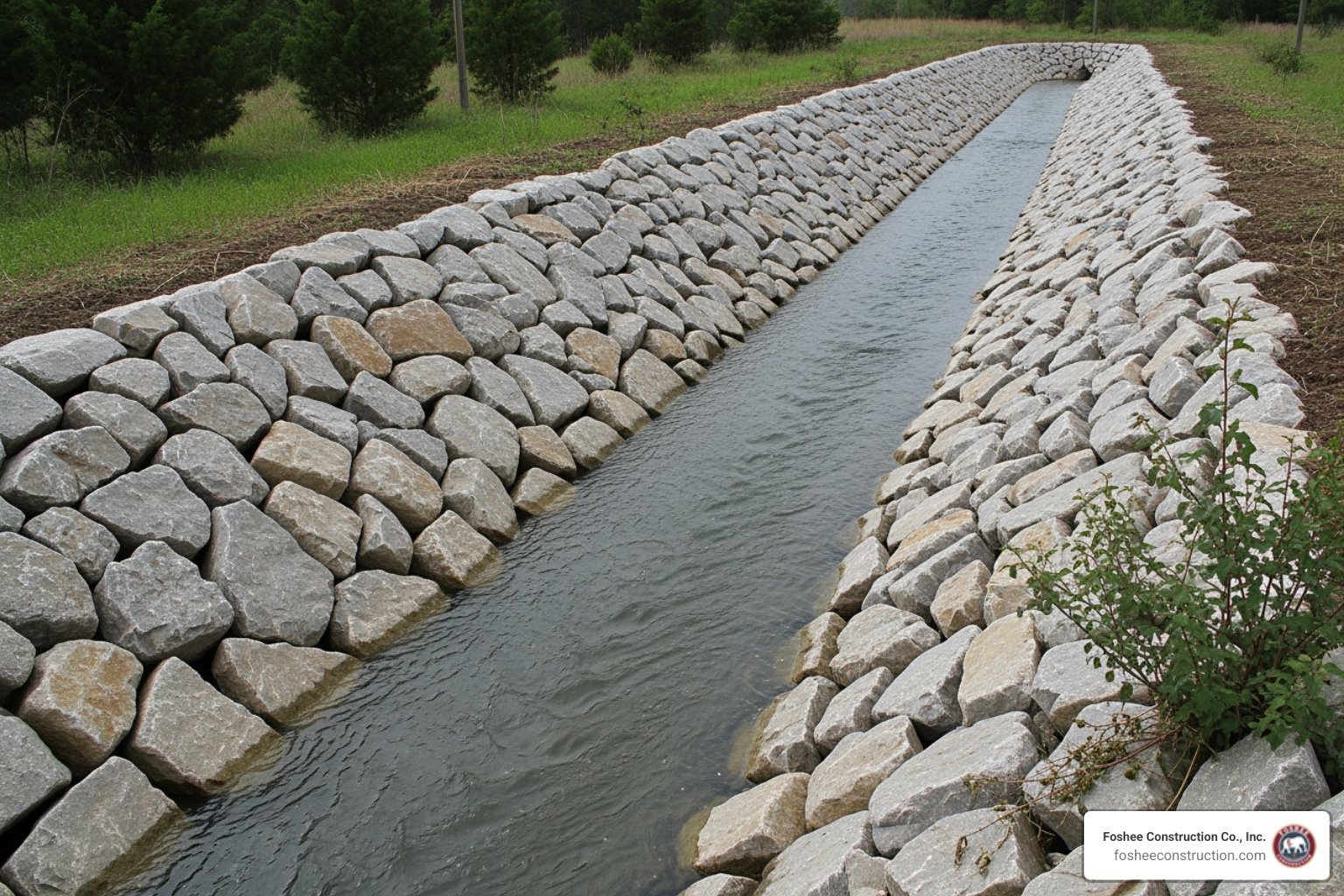
One of the most common add-ons is the installation of dedicated drainage systems. While proper grading will solve most water pooling issues by directing runoff away from your home, some properties with severe low spots or high water tables may require structural help. Integrating French drains, catch basins, or swales during the grading process ensures that heavy Florida rainfall is quickly and safely routed away from your lawn.
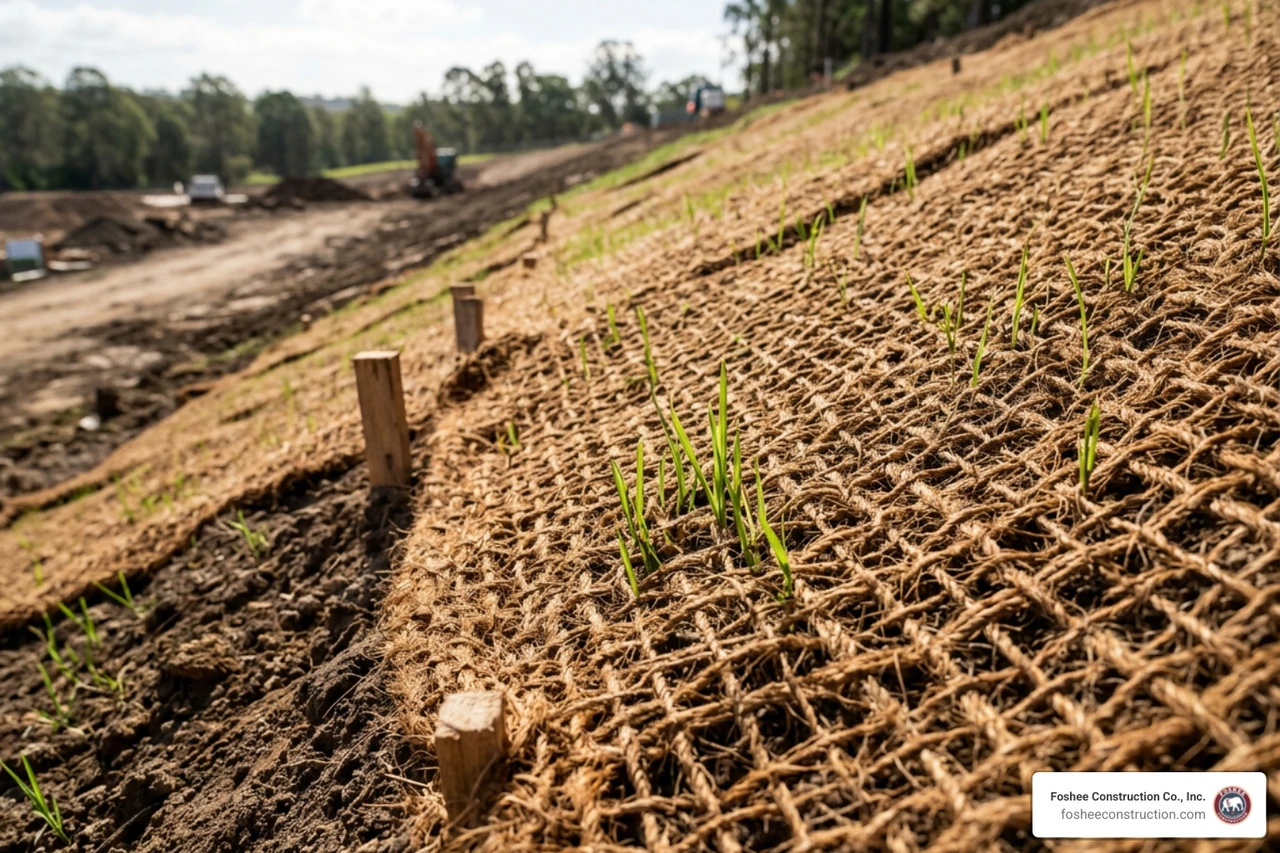
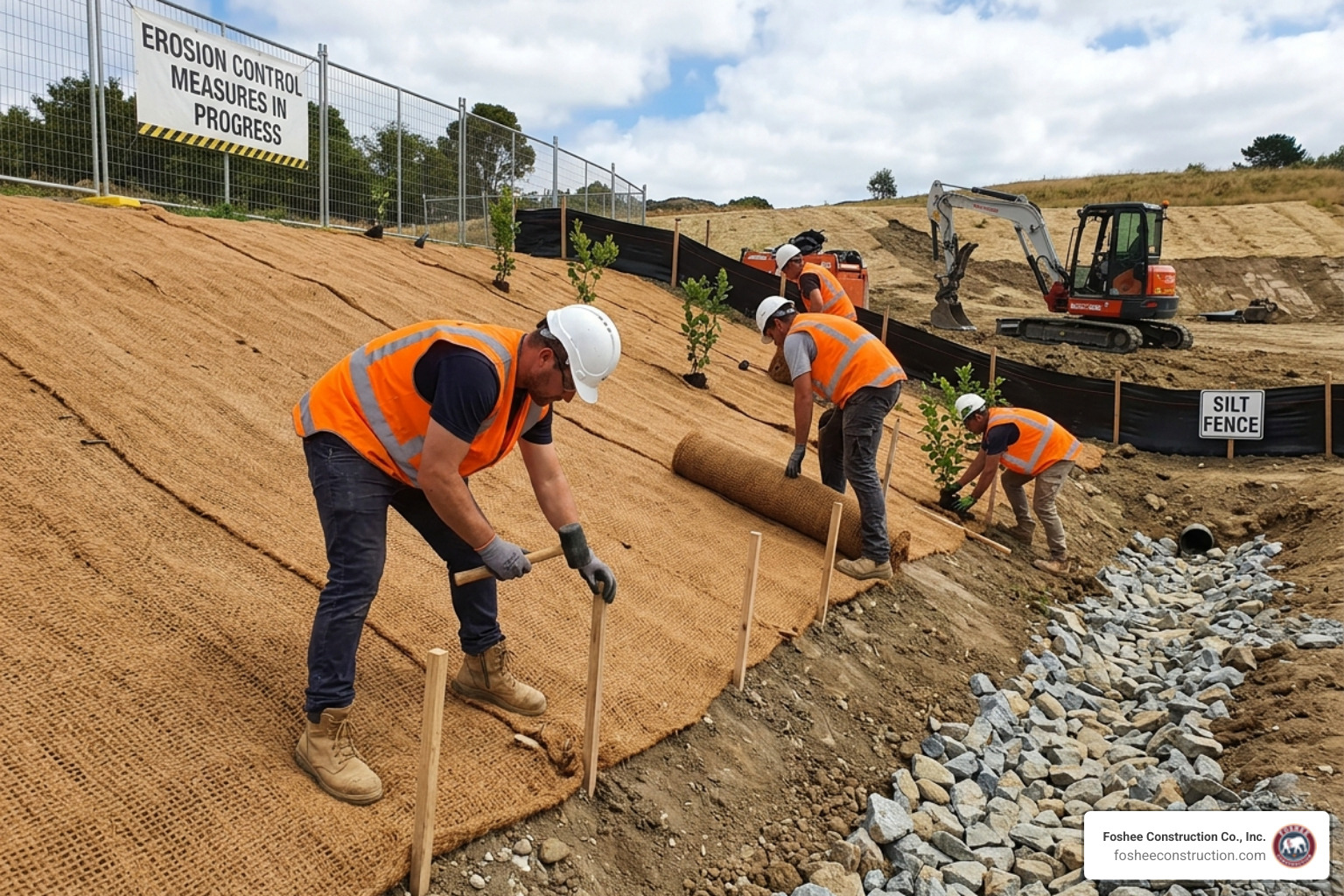
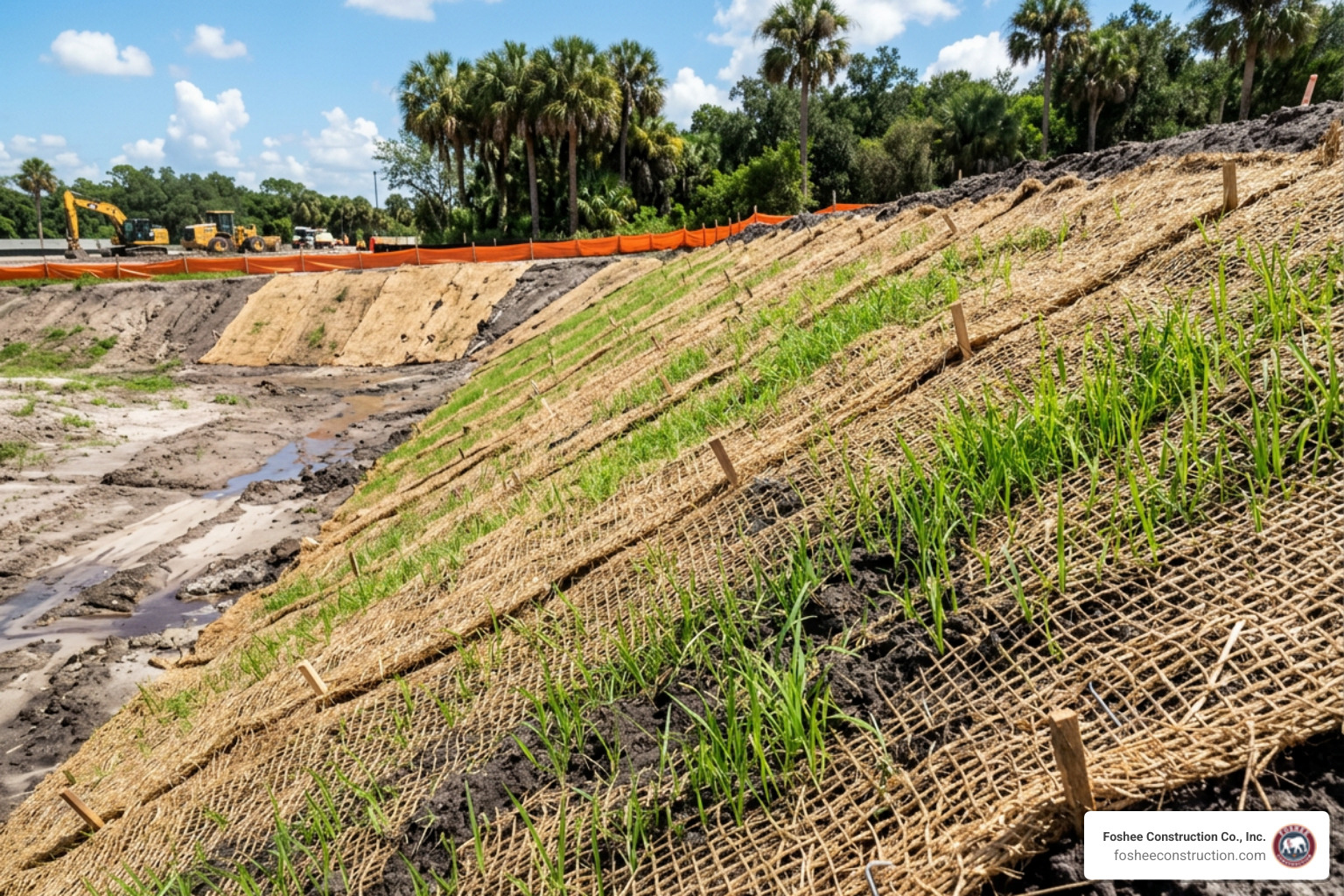
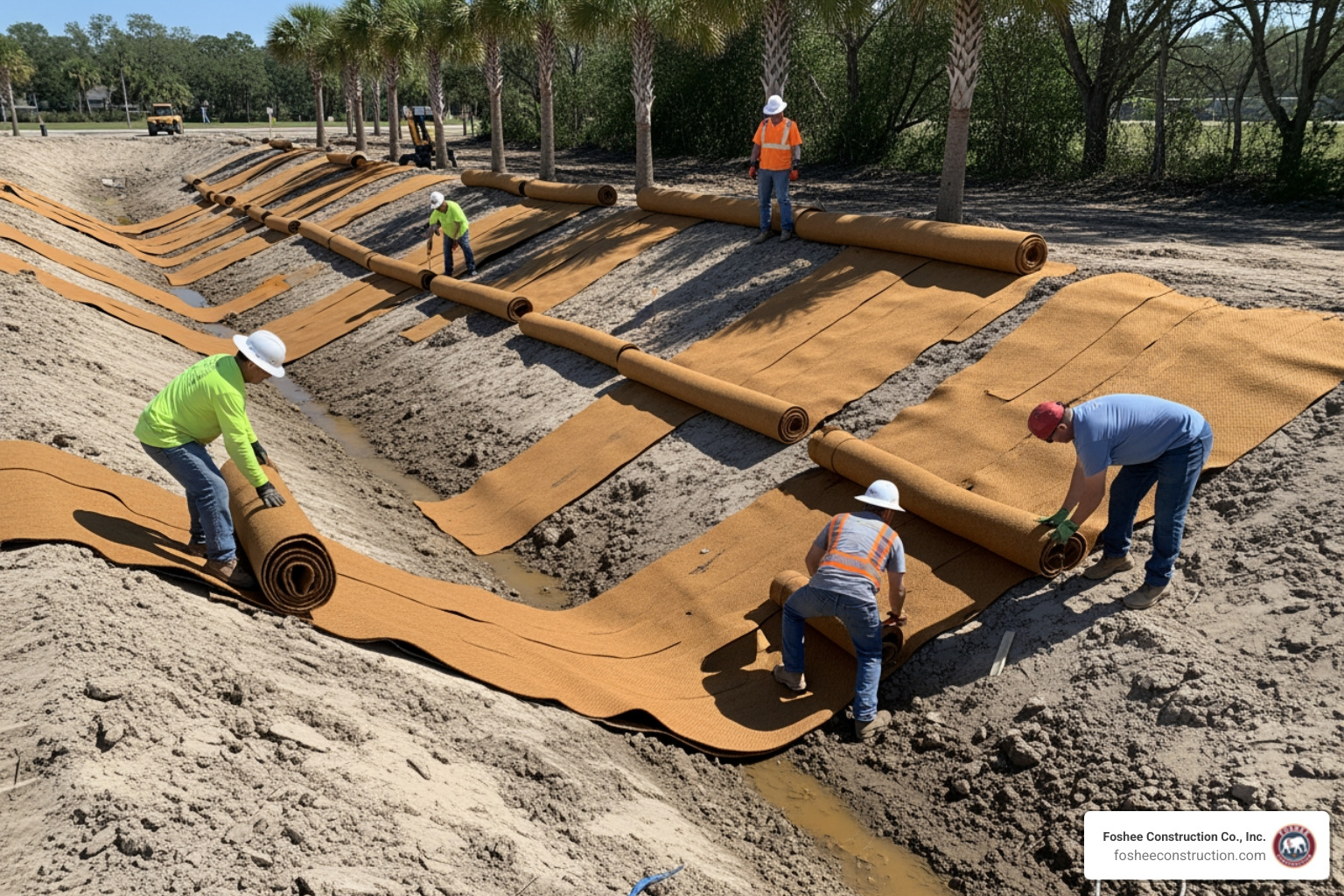
Additionally, once your yard is perfectly level and compacted, the raw dirt will need to be protected from immediate erosion. Bundling your leveling project with professional sod installation is the best way to lock the newly leveled soil in place and instantly restore your home's curb appeal. If you are also dealing with an uneven, cracked, or poorly sloped driveway that pools water near your garage, you can easily combine your backyard project with our specialized Driveway Grading Services.
In many cases, minor cosmetic lawn leveling (such as filling in small dips with a topsoil-sand mix) does not require a permit. However, if your project involves significant land grading, altering the natural flow of water, or moving large volumes of dirt, local Florida municipalities will require a permit. These permits usually cost between $100 and $500.
More importantly, any project that involves digging or reshaping the ground requires a mandatory call to 811 (the national underground utility locating service) at least a few days before work begins. Striking a buried utility line is not only incredibly dangerous, but it can also result in massive fines and repair bills. A professional contractor will always handle the 811 call and secure all necessary municipal permits on your behalf.
In Central Florida, timing is everything. The absolute best time to schedule a yard leveling or grading project is during the late spring or early fall.
During these transitional windows, the soil is typically dry enough to be easily moved and compacted without turning into a muddy soup. Additionally, these seasons offer the ideal weather conditions for establishing new grass or laying down fresh sod. The moderate temperatures and consistent, manageable rainfall will help the new root systems take hold quickly without drying out under the scorching summer sun or suffering from winter frost.
If your yard simply has a few minor depressions, shallow dog holes, or slight settling around a garden bed, you can absolutely handle it as a DIY weekend project. All you need is a wheelbarrow, a shovel, a leveling rake, and a bag of premium topsoil mixed with play sand.
However, if your yard has deep trenches, steep slopes, major drainage issues, or requires the removal of large rocks and tree stumps, DIY attempts carry significant risks. Without heavy compaction equipment and precise laser levels, you run the risk of creating serious drainage issues that could direct water straight toward your home's foundation—potentially turning a simple lawn project into a multi-thousand-dollar structural repair.
Investing in professional yard leveling and grading is one of the smartest decisions you can make to protect your home, improve your lawn's health, and boost your overall property value. By correcting uneven terrain and establishing a proper slope away from your foundation, you eliminate the pooling water, soil erosion, and structural risks that plague so many Florida homeowners.
At Foshee Construction Co., Inc., based in Minneola, Florida, we specialize in comprehensive site preparation, erosion control, precision grading, and underground utilities. Our business is built on a foundation of transparent bids, disciplined scheduling, an uncompromising focus on safety, and deep, reliable relationships with top contractors and developers across Lake County and Central Florida.
Whether you are preparing a residential lot for a new build, fixing a swampy backyard, or setting up a massive commercial site, our experienced team has the specialized equipment and local expertise to get the job done right the first time. If you want to learn more about our commitment to quality and why local developers trust us with their most critical projects, discover Why Choose Foshee Construction. Let's get your land on solid ground.
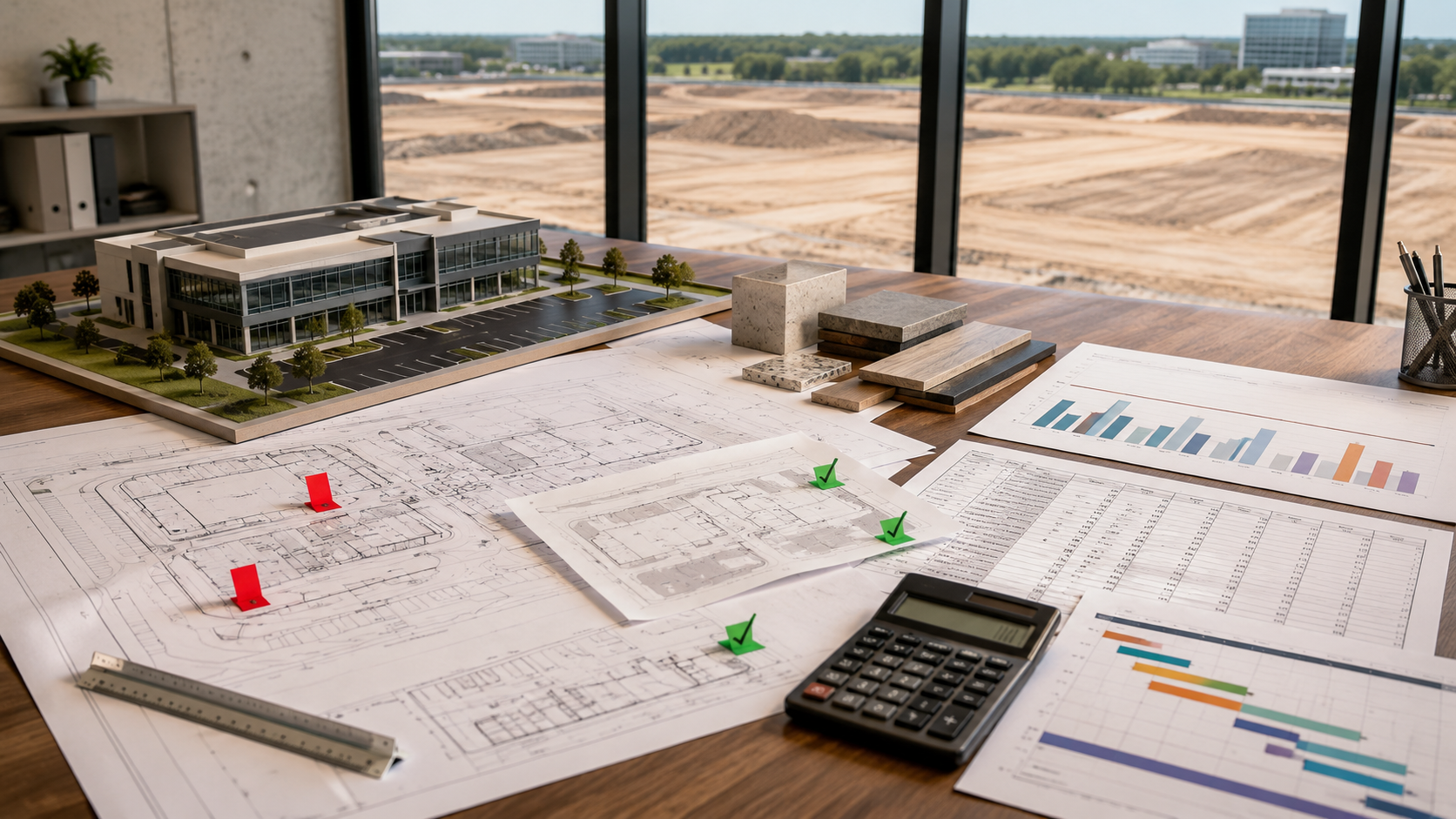
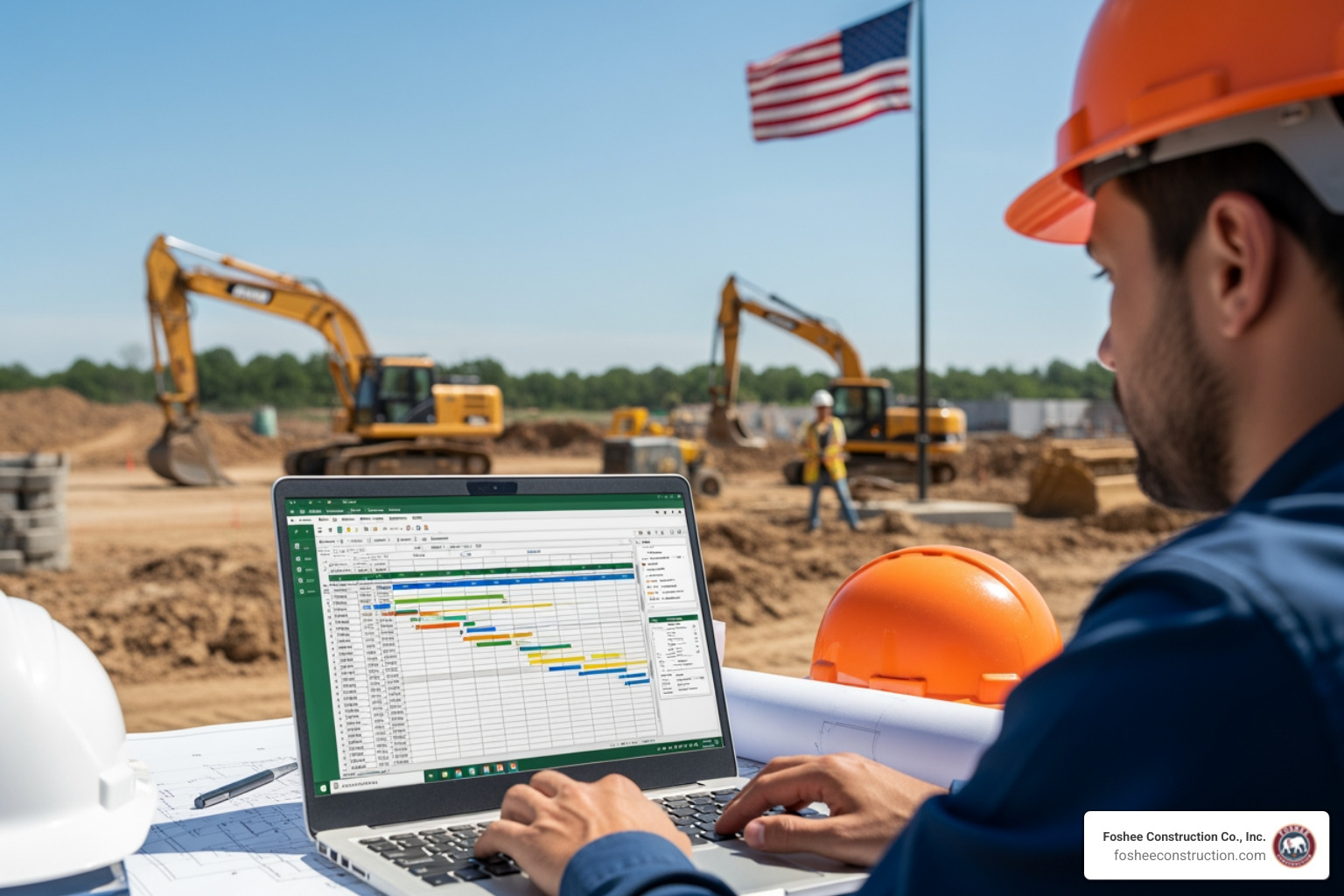
We build bids using HeavyBid and AGTEK because the details matter long before the job starts. When the numbers are accurate and the scope is clearly defined, it sets the tone for how the entire project runs. Estimating isn’t just a step in the process, it’s the foundation we build on.
That same mindset carries into the field. Our crew is trained to work with purpose, follow the Civil Engineers’ Plan to the finest detail, and hold the line on quality. When expectations are clear from day one, there’s no need for shortcuts, and no confusion about how the work gets done.
Clients trust our bid packages because they’re complete and ready to use. Project managers know what we’re covering, what’s excluded, and how we plan to approach the job. That clarity removes friction and lets teams focus on execution instead of interpretation.
As part of our review process, we go into the plans before anything hits the site. We ask the questions early, resolve issues before they show up in the field, and keep RFIs moving. This approach prevents delays and protects the timeline.
Over time, that consistency builds trust. Many of the people we work with today came through referrals from past projects – engineers, GCs, and superintendents who’ve seen how we operate and want the same experience again.
In 2024, Foshee Construction was acquired by Saga Infrastructure Solutions, a national network of civil construction companies. Saga supports regional contractors by giving them access to better tools, long-term resources, and operational backing, without changing how they run day to day.
Foshee will continue to operate under its name, with the same team and field leadership in place.
“From the very time a project starts, we start that partnership. We try to catch as much as we can with the tools that we have. Not everybody is using the software platforms we are. That’s the differentiator: we’re not just bidding. We’re anticipating, problem-solving, and making sure the job runs right.”
— Don, CEO, Saga Infrastructure Solutions
Foshee is now part of a broader regional strategy that includes Florida, the Piedmont Atlantic, Texas, Colorado, and the Arizona Sun Corridor. The name, crews, and standards remain. What’s improving is the support behind it.