Quick answer: Here is what every construction site needs for first aid readiness:
| Requirement | What You Need |
|---|---|
| First aid kit | Weatherproof container, sealed supplies, inspected weekly |
| Trained personnel | At least one certified first aider on site at all times |
| Emergency communication | Posted emergency numbers or working 911 access |
| AED | Recommended for larger sites or sites with older workers |
| Response time | 3-4 min for life-threatening; up to 15 min for non-life-threatening |
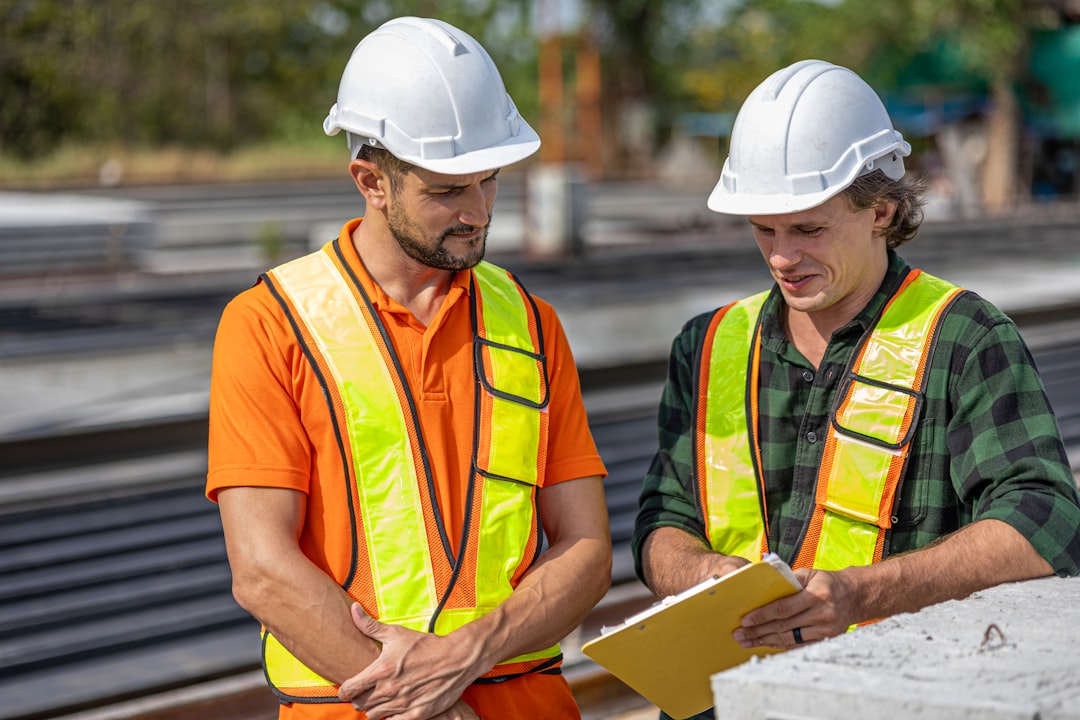
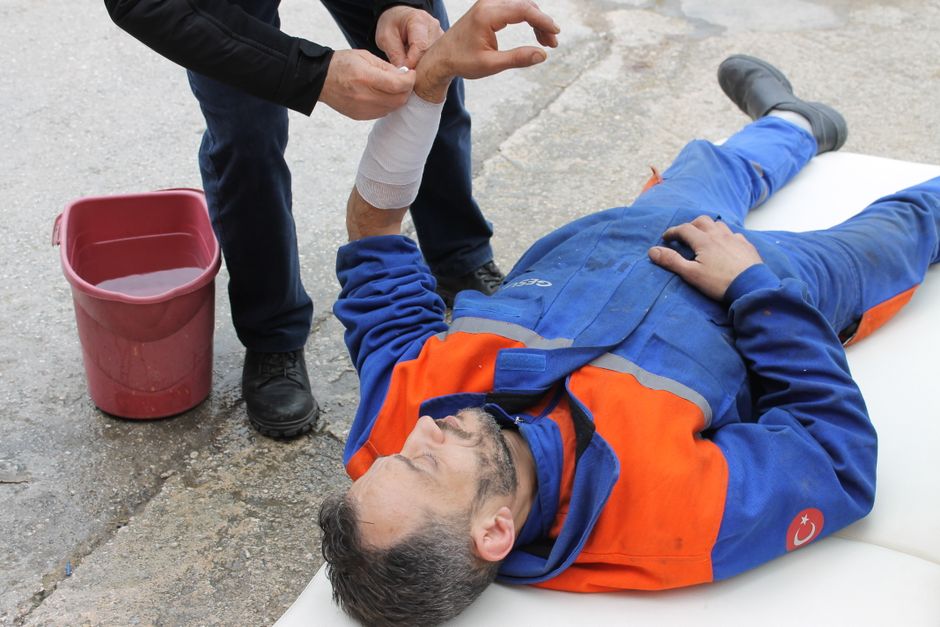
Knowing how to handle first aid in a construction site setting is not optional — it can be the difference between a worker going home or not. One in ten construction workers is injured on the job each year, and the construction industry consistently reports the highest number of workplace fatalities of any sector. Falls, severe bleeding, crush injuries, and cardiac events can happen in seconds. When professional medical help is minutes away, the workers standing right there are the first line of defense.
That gap between when an injury happens and when EMS arrives is where lives are won or lost. Early CPR and AED use, for example, can raise cardiac arrest survival rates from roughly 5-7% all the way up to 50-60%. Speed and preparation matter more than almost anything else.
I'm Don Larsen, and at Foshee Construction Co., LLC, we have spent over three decades managing active construction sites across Central Florida — which means first aid in construction site environments is something our teams take seriously every single day. Our commitment to rigorous safety practices on all active sites is a core part of how we protect our people and deliver reliable outcomes for our clients.
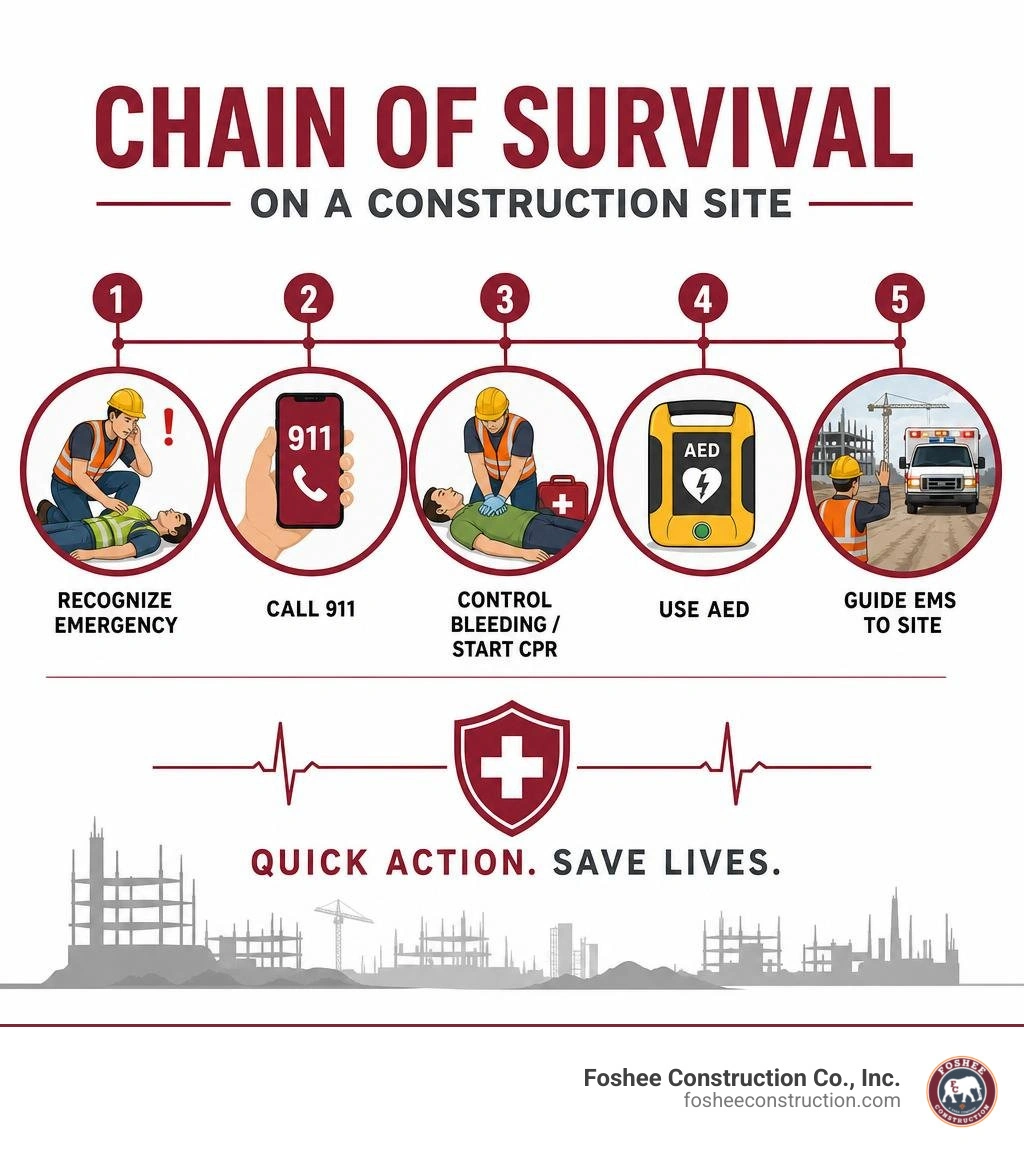
Basic first aid in construction site terms:
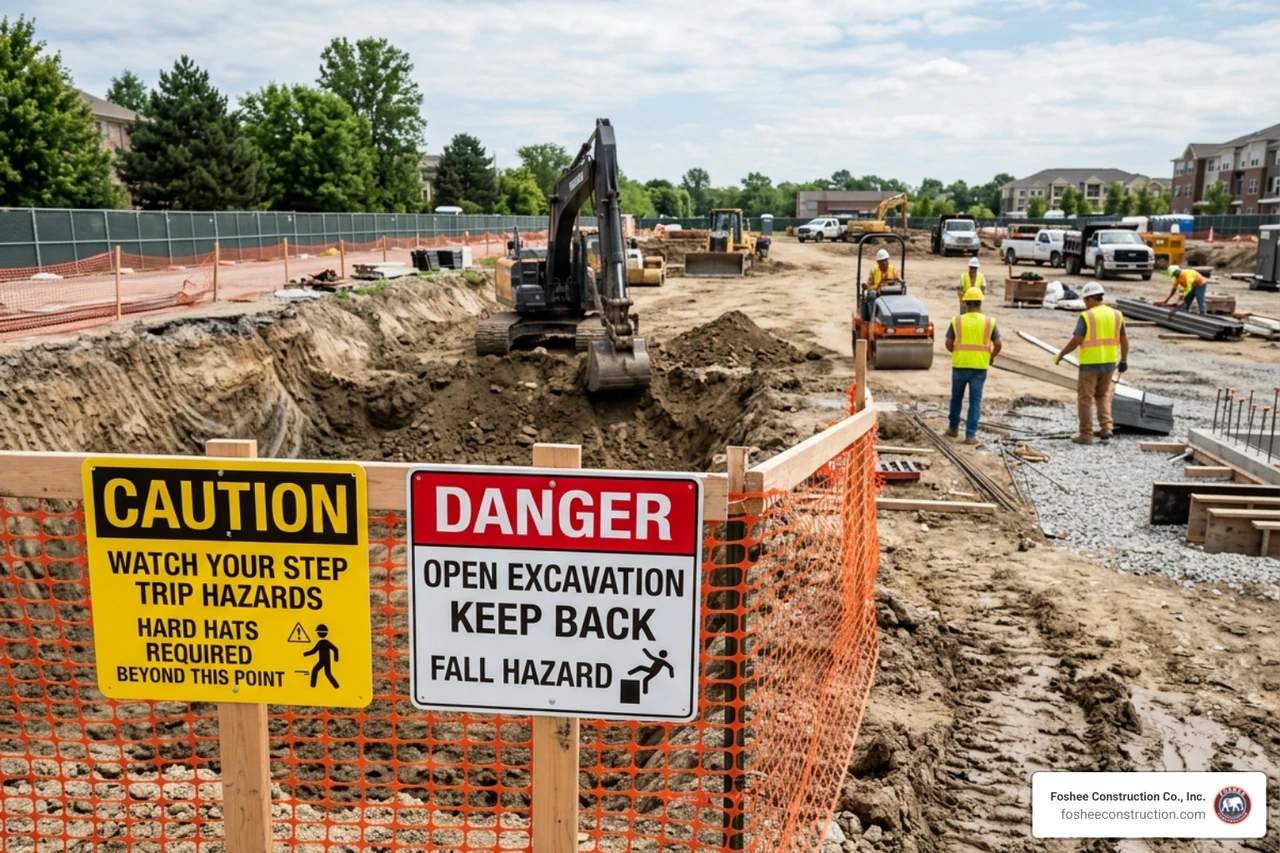
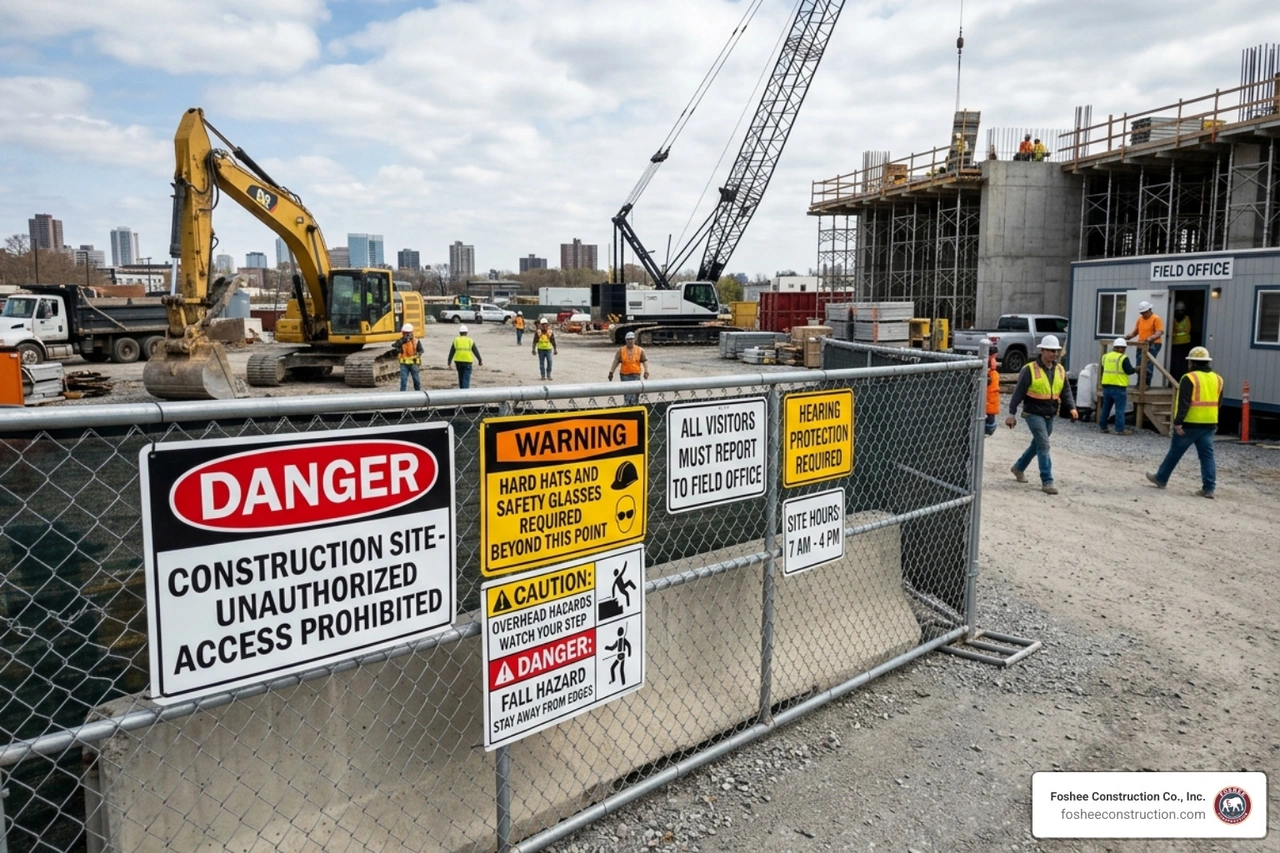
To build a safe jobsite in Minneola, Florida, we must first look at the legal framework. Federal and state laws establish strict baselines for medical services and first aid preparedness. Meeting these rules is not just about avoiding heavy fines; it is about establishing a reliable safety net for your crew.
The Occupational Safety and Health Administration (OSHA) outlines its rules for construction in 29 CFR 1926.50. Under this standard, employers must ensure that medical personnel are available for advice and consultation on matters of occupational health. More practically, before any site work begins, provisions must be made for prompt medical attention in case of serious injury.
If a clinic, infirmary, or hospital is not "reasonably accessible" in terms of time and distance to the jobsite, the employer must ensure that at least one person who has a valid certificate in first aid training is available on-site. OSHA’s strict standard for "reasonably accessible" depends heavily on the nature of the hazard:
If your jobsite is in a remote area of Lake County where EMS cannot guarantee a 4-minute arrival, you must have a certified first aider on your team. To understand how these rules fit into your broader compliance strategy, check out our guide on OSHA Construction Site Requirements and review the official OSHA 1926.50 Medical Services and First Aid standard.
Furthermore, OSHA standard 1926.50(d) dictates that first aid supplies must be easily accessible and stored in weatherproof containers. Each item must be individually sealed to maintain sterility in dusty, outdoor environments. These kits cannot just sit in a truck bed forgotten; they must be inspected weekly to replace expended or expired items. For a complete checklist on how to conduct these walk-throughs, refer to our OSHA Construction Site Inspection Guide 2026. You can also read the official OSHA Reasonable Accessibility Interpretation to see how regulators measure emergency response times in real-world scenarios.
While we operate under US federal and Florida state laws, looking at international safety frameworks helps us implement the highest possible standards of care. The International Labour Organization (ILO) provides global benchmarks for welfare, occupational health, and emergency preparedness. Their guidelines emphasize that first aid facilities should be matched to the size of the workforce and the specific risks of the project. You can review these comprehensive guidelines in the ILO Code of Practice on Safety and Health.
By combining federal OSHA regulations with international best practices, we create a workplace culture that treats first aid as an active, daily responsibility rather than a passive checkbox.
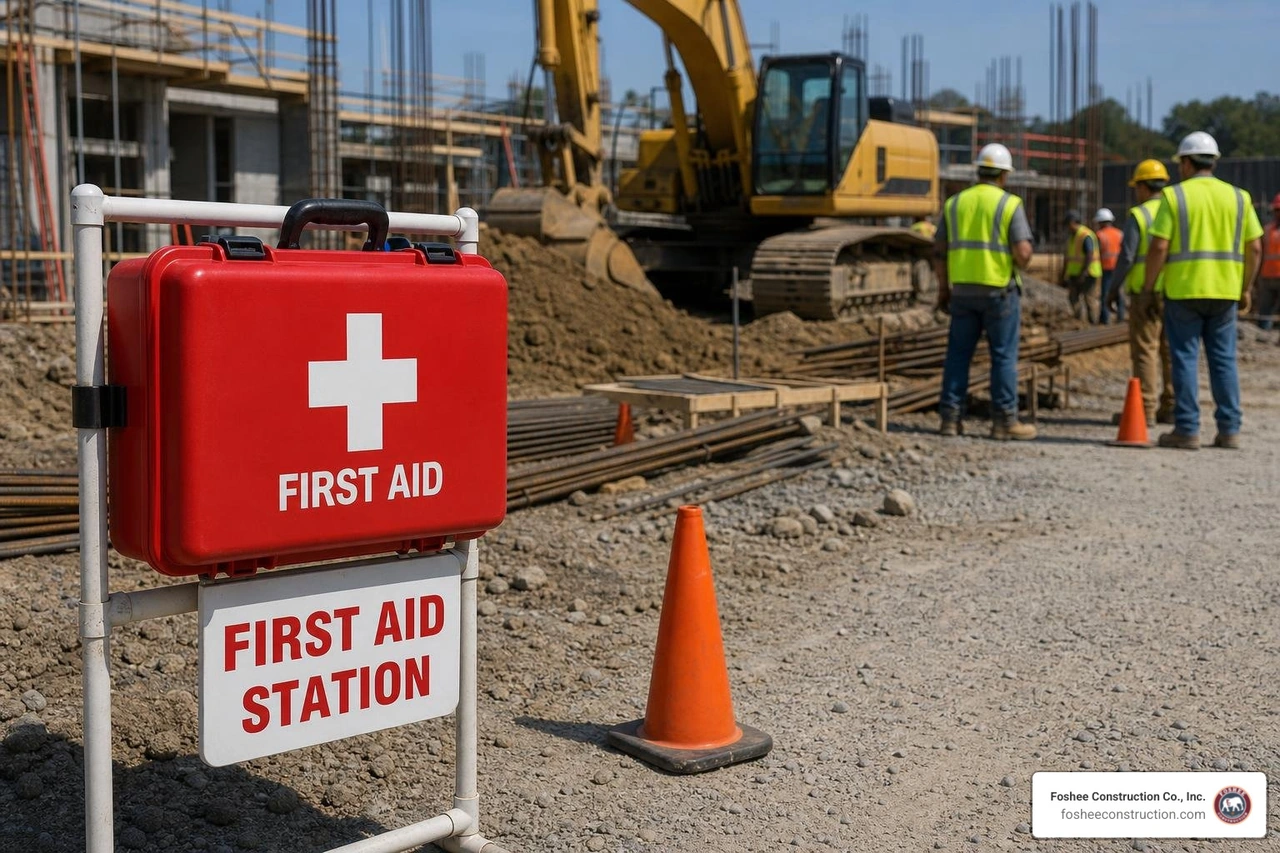
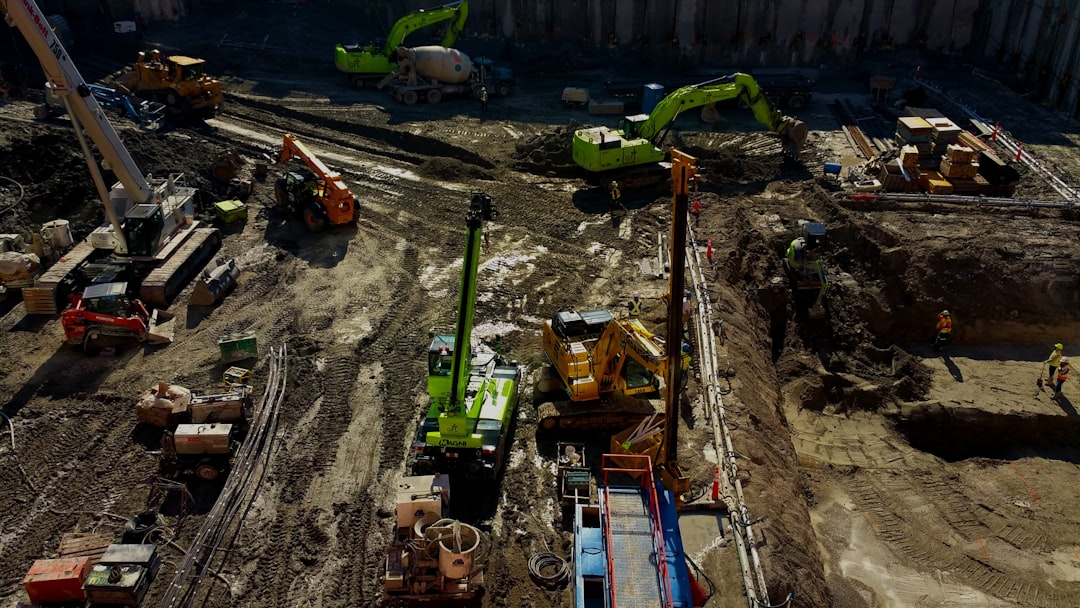
A construction site is a dynamic environment where heavy machinery, high-voltage systems, and work at heights occur simultaneously. When an accident happens, knowing exactly what to do in the first sixty seconds prevents a minor injury from becoming a tragedy.
Falls remain the leading cause of construction fatalities in Florida and nationwide. When a worker falls from a height of six feet or more, a spinal or head injury must always be suspected.
If you suspect a spinal injury, follow these steps:
For more details on protecting your crew from these hazards, read our resource on OSHA Fall Protection Construction.
Electrical systems and corrosive materials present severe burn hazards on site.
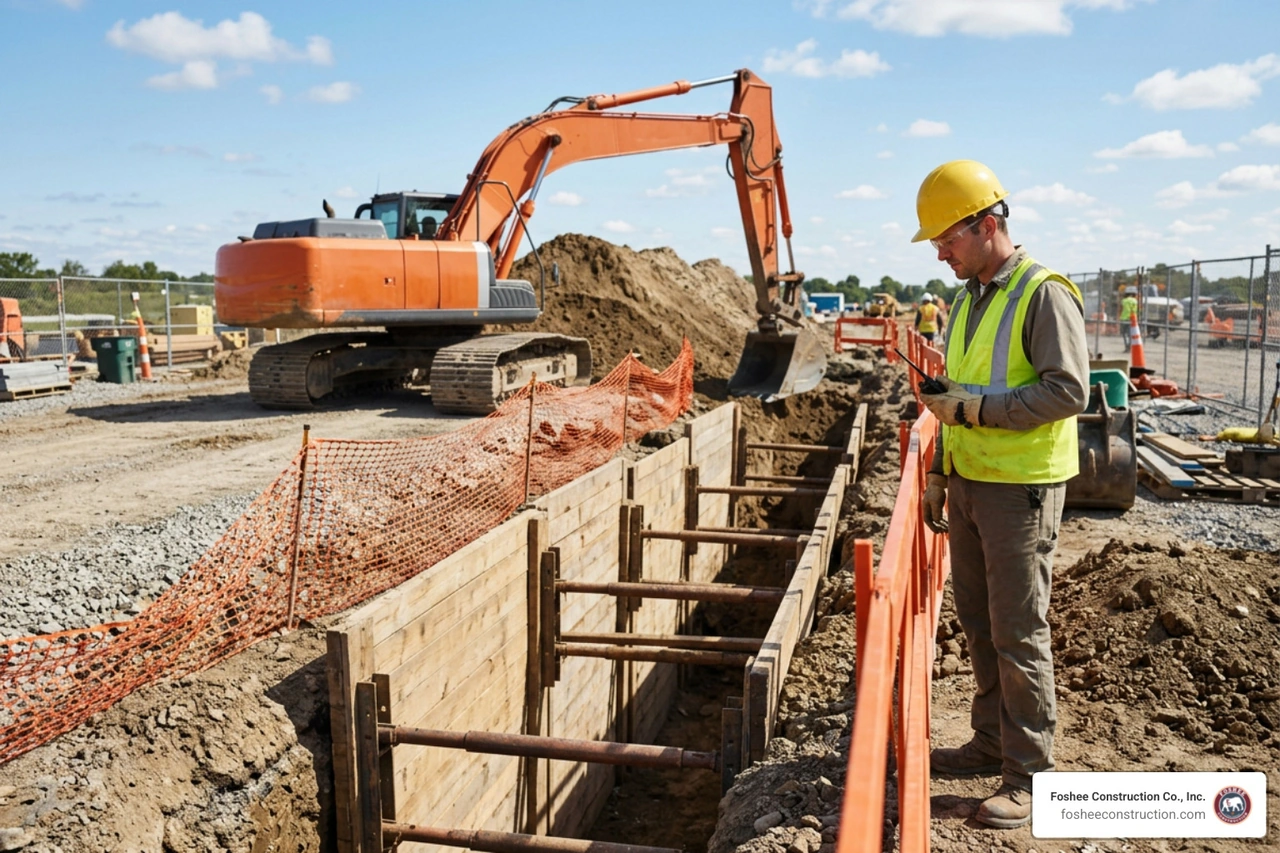
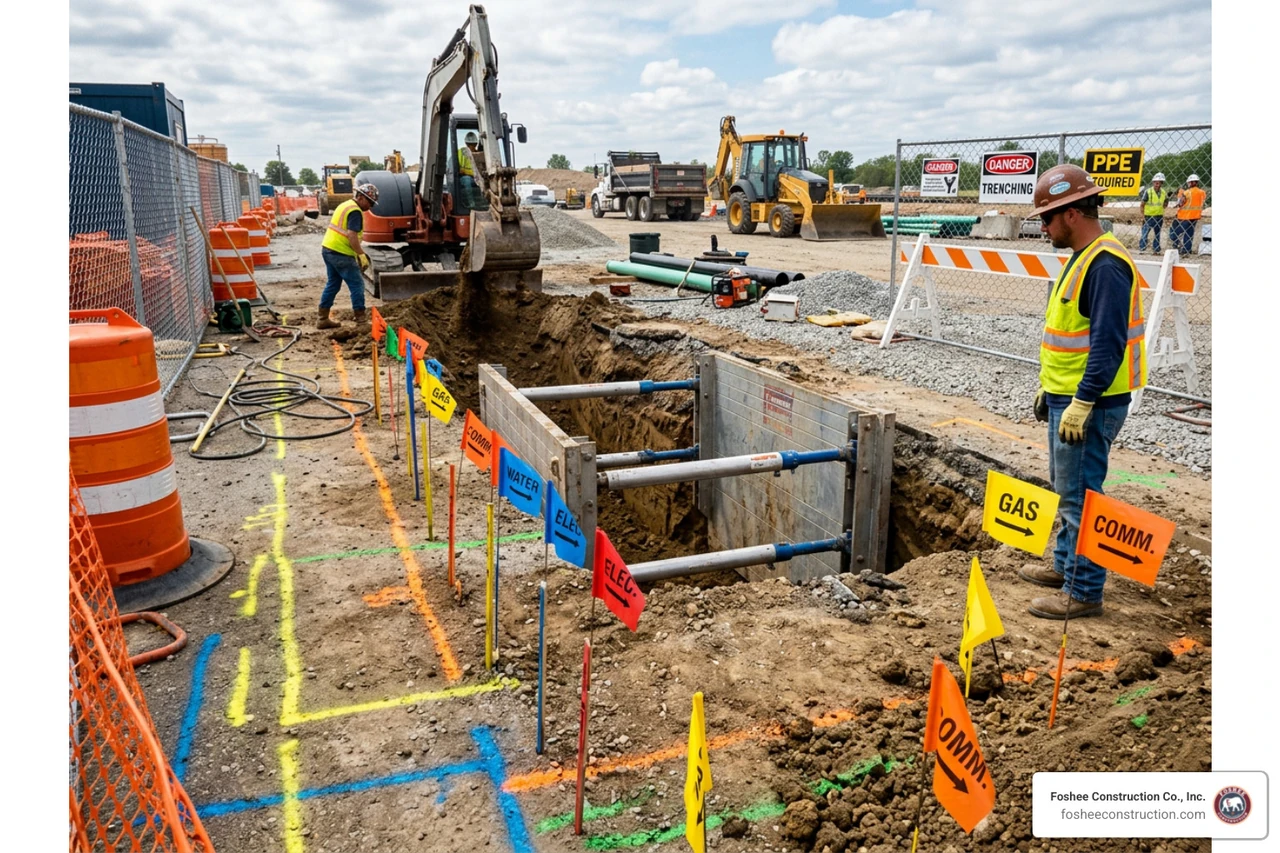
Crush injuries can occur when heavy equipment, trench walls, or building materials shift. The first aid protocol for a trapped worker depends entirely on time:
To respond effectively to any of the emergencies outlined above, your site must be equipped with the right tools. Having a first aid kit tucked away in an inaccessible office trailer does no one any good when an incident occurs on the active work line.
A standard retail first aid kit is rarely sufficient for the traumatic injuries that can occur on a construction site. Your on-site first aid kits should be customized to handle severe trauma, lacerations, burns, and eye injuries.
Every kit must be kept in a durable, weatherproof container to protect the contents from Florida's humidity, heavy rain, and jobsite dust.
Sudden cardiac arrest can strike anyone, regardless of physical fitness. Because early CPR and Automated External Defibrillator (AED) use can raise survival rates from 5% to over 50%, having an AED on site is one of the most impactful safety investments you can make.
To learn more about organizing your site layout for safety, read our comprehensive guide on Construction Site Safety.
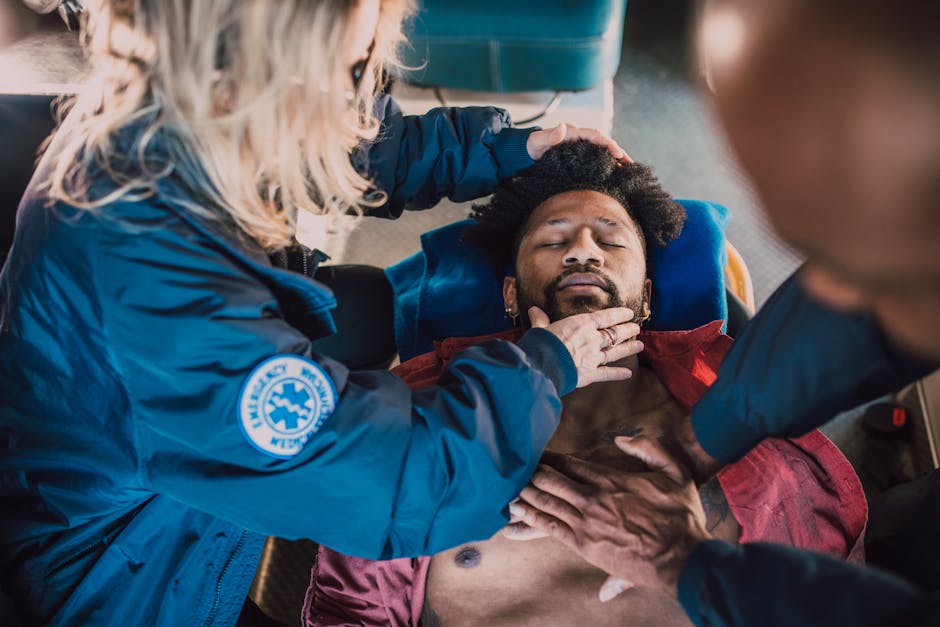
Equipment is only as good as the hands using it. Establishing a clear chain of command and ensuring your team knows how to communicate during a crisis is essential to managing jobsite medical emergencies.
While OSHA requires at least one trained first aider when professional medical care is not nearby, industry best practices suggest a more proactive approach. We recommend maintaining a ratio of at least one trained first aider for every 15 to 20 workers on site. This ensures that even if your crew is spread out across a large site prep project, a trained responder can reach an injured worker within the critical 3-minute window.
For our international partners or those looking at global safety benchmarks, the UK Health and Safety Executive (HSE) provides a helpful framework for staffing levels:
You can explore these staffing guidelines further by reading the HSE First Aid Guidance. To get your Florida-based crew certified, consider programs like the Red Cross Construction Safety Training.
During a high-stress medical emergency, panic can cause delay. Establish a clear, written emergency action plan before breaking ground:
A true safety culture goes beyond compliance. It is built when every worker on site feels personally responsible for their own safety and the safety of their coworkers.
Do not wait for a real emergency to find out if your communication plan works. Conduct unannounced, scenario-based drills simulating common site injuries:
Most standard first aid and CPR certifications are valid for two years. However, because construction is a high-risk industry, we highly recommend annual refresher courses. Keeping skills sharp through regular practice ensures that workers do not hesitate when a real emergency occurs. You can find accredited, construction-focused training programs through Safety Training Seminars. Local options in Central Florida include the hands-on courses at CPR & First Aid Training (non-healthcare professionals) through Lake Technical College, as well as safety programs run by the Safety Training - Associated Builders and Contractors Central Florida chapter.
For life-threatening emergencies (such as severe arterial bleeding, electrocution, or airway blockages), first aid must be administered within 3 to 4 minutes. Irreversible brain damage can occur within 4 minutes without oxygen. For non-life-threatening injuries, professional medical care or first aid response should be available within 15 minutes. You can read the detailed regulatory background on these timeframes in the OSHA Emergency Medical Services Response Time standard interpretation.
Currently, OSHA does not have a federal standard that legally mandates AEDs on all construction sites. However, OSHA strongly encourages their voluntary placement, particularly on sites with high-voltage electrical hazards, heavy physical labor, or older workforces. Providing an AED is a best-practice safety standard that dramatically improves survival rates during a cardiac emergency.
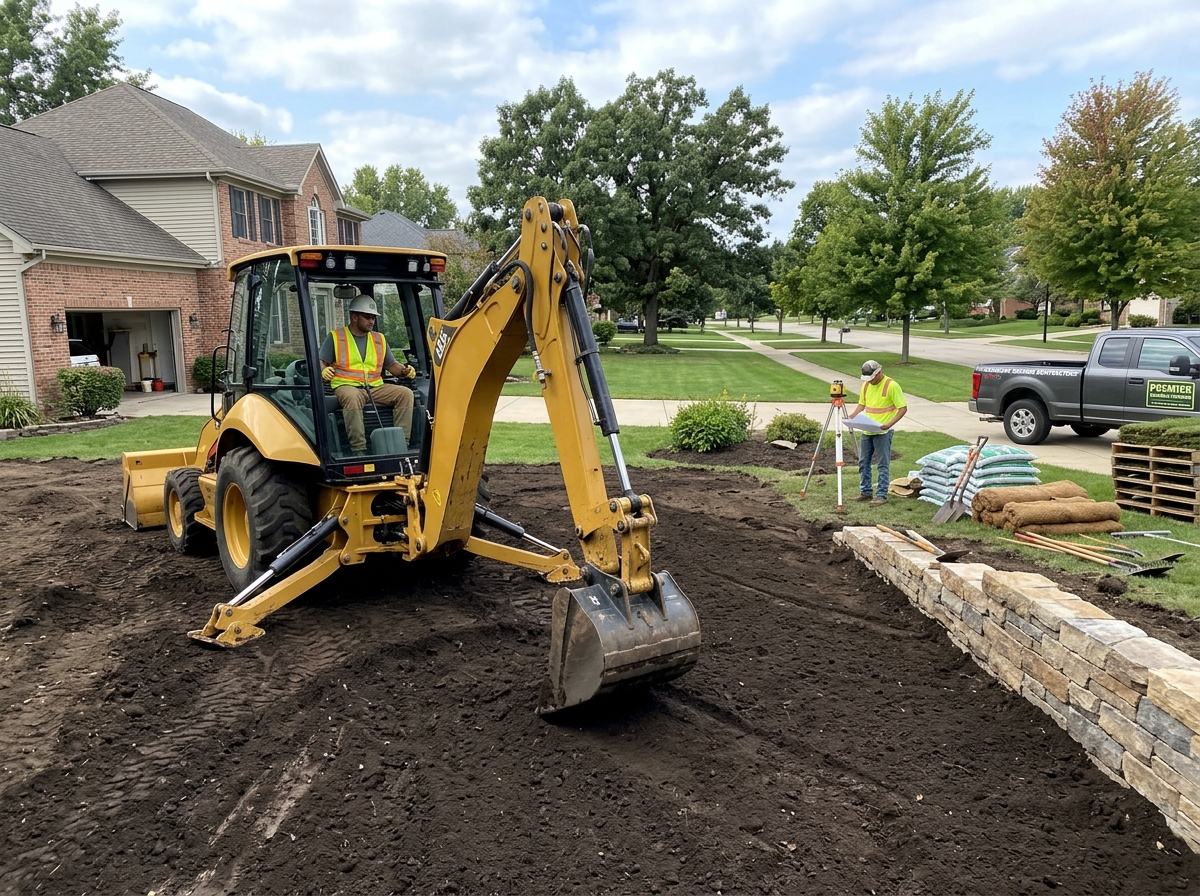
At Foshee Construction Co., LLC, safety is not just a policy we write down — it is a discipline we practice every day. From initial grading and excavation to underground utility installation, we know that a clean, organized, and prepared jobsite is a productive and safe one.
By maintaining fully stocked, weatherproof first aid kits, ensuring our teams are trained in life-saving protocols, and establishing clear emergency communication procedures, we protect our most valuable asset: our workers.
If you are looking for a highly disciplined, safety-focused partner for your next site preparation project in Minneola or across Lake County, Florida, learn more about our values and services by visiting Why Foshee Construction. Let's build something great together, safely.
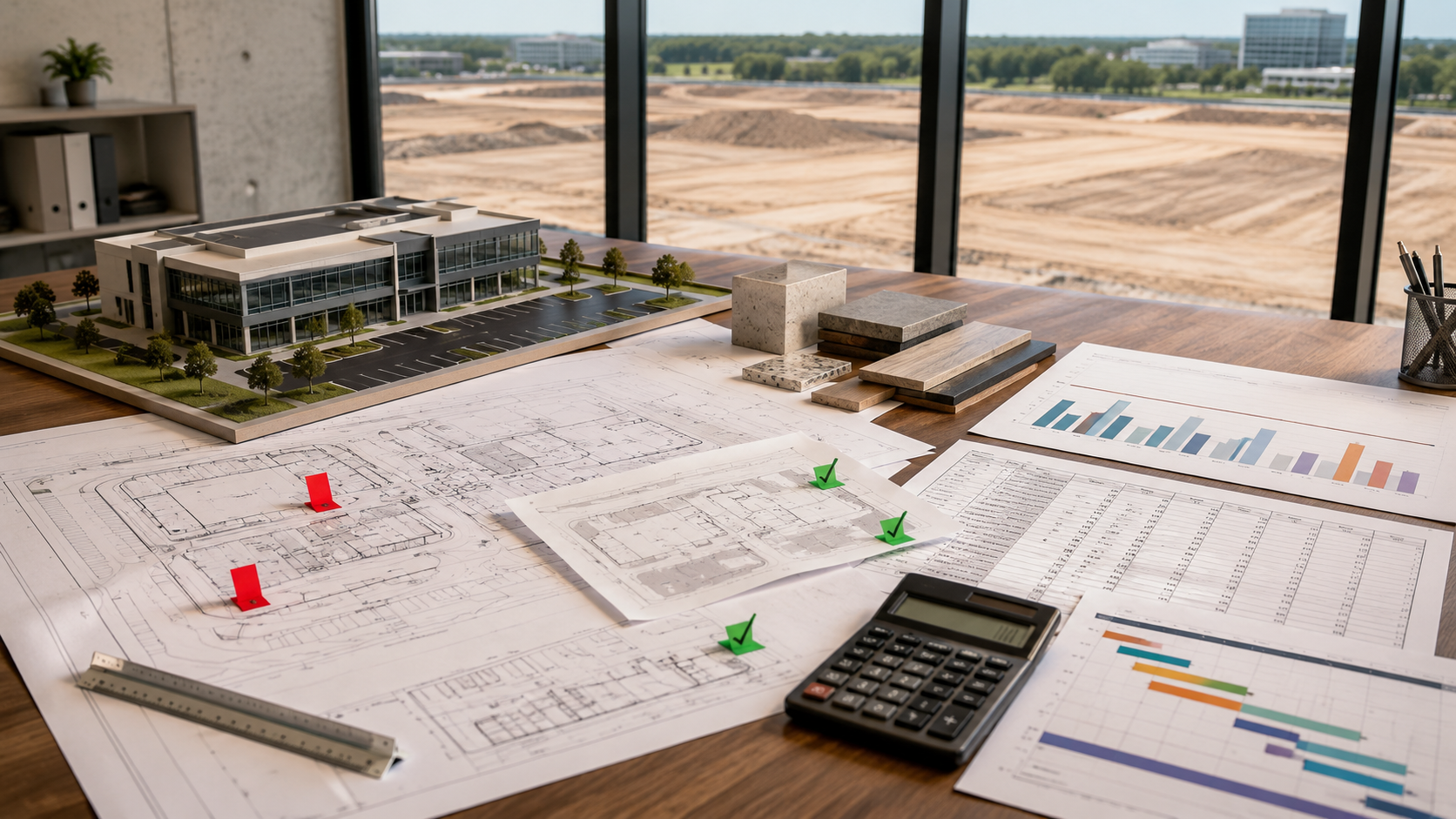
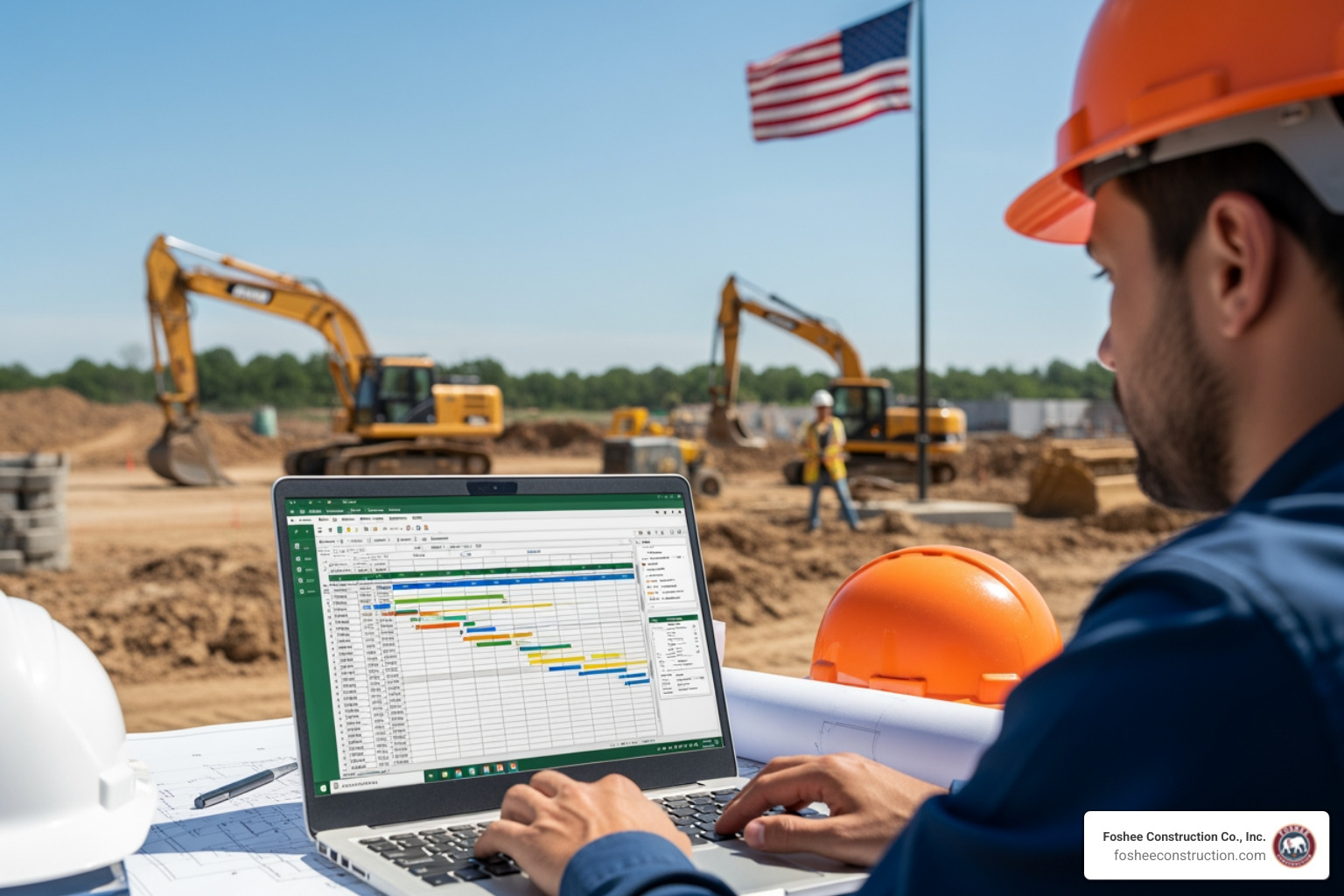
We build bids using HeavyBid and AGTEK because the details matter long before the job starts. When the numbers are accurate and the scope is clearly defined, it sets the tone for how the entire project runs. Estimating isn’t just a step in the process, it’s the foundation we build on.
That same mindset carries into the field. Our crew is trained to work with purpose, follow the Civil Engineers’ Plan to the finest detail, and hold the line on quality. When expectations are clear from day one, there’s no need for shortcuts, and no confusion about how the work gets done.
Clients trust our bid packages because they’re complete and ready to use. Project managers know what we’re covering, what’s excluded, and how we plan to approach the job. That clarity removes friction and lets teams focus on execution instead of interpretation.
As part of our review process, we go into the plans before anything hits the site. We ask the questions early, resolve issues before they show up in the field, and keep RFIs moving. This approach prevents delays and protects the timeline.
Over time, that consistency builds trust. Many of the people we work with today came through referrals from past projects – engineers, GCs, and superintendents who’ve seen how we operate and want the same experience again.
In 2024, Foshee Construction was acquired by Saga Infrastructure Solutions, a national network of civil construction companies. Saga supports regional contractors by giving them access to better tools, long-term resources, and operational backing, without changing how they run day to day.
Foshee will continue to operate under its name, with the same team and field leadership in place.
“From the very time a project starts, we start that partnership. We try to catch as much as we can with the tools that we have. Not everybody is using the software platforms we are. That’s the differentiator: we’re not just bidding. We’re anticipating, problem-solving, and making sure the job runs right.”
— Don, CEO, Saga Infrastructure Solutions
Foshee is now part of a broader regional strategy that includes Florida, the Piedmont Atlantic, Texas, Colorado, and the Arizona Sun Corridor. The name, crews, and standards remain. What’s improving is the support behind it.