Underground utilities are the buried networks of pipes, cables, and conduits that deliver water, gas, electricity, sewage removal, and communications to every home and business in the country.
Quick answer — what to know before you dig:
There are roughly 19 million miles of underground facilities buried across the United States. That means almost anywhere you dig — a fence post, a sprinkler trench, a new sewer lateral — there is a real chance something critical is running beneath your feet.
Most people never think about what's underground until something goes wrong. A contractor drives an excavator bucket through a gas main. A homeowner nicks a fiber optic cable putting in a garden bed. These are not rare events. They happen thousands of times a year, and they are almost always preventable.
The good news: when excavators notify the proper one-call center before digging, damage is avoided 99% of the time. The process is straightforward — but only if you know the rules, understand the technology, and follow the right steps from the start.
I'm Don Larsen, and at Foshee Construction Co., Inc. we have been planning and executing underground utilities installation and site development across Central Florida since 1994. In the sections ahead, I'll walk you through exactly how to locate, mark, and safely excavate around buried infrastructure — so your project stays on schedule and nobody gets hurt.
Key terms for underground utilities:
Modern civil infrastructure is a marvel of hidden engineering. Beneath our streets, sidewalks, and yards lies a dense, complex maze of pipes and cables that keep our communities functioning. This hidden network includes municipal water mains, sanitary sewer lines, high-pressure natural gas mains, electrical grids, and fiber-optic telecommunication lines.
Without these systems, modern life would instantly grind to a halt. When we turn on a faucet, we rely on a pressurized Buried Water Line to deliver clean drinking water. When we flip a switch or log onto the internet, we depend on an insulated Underground Electrical Conduit or a fiber-optic bundle buried safely out of sight.
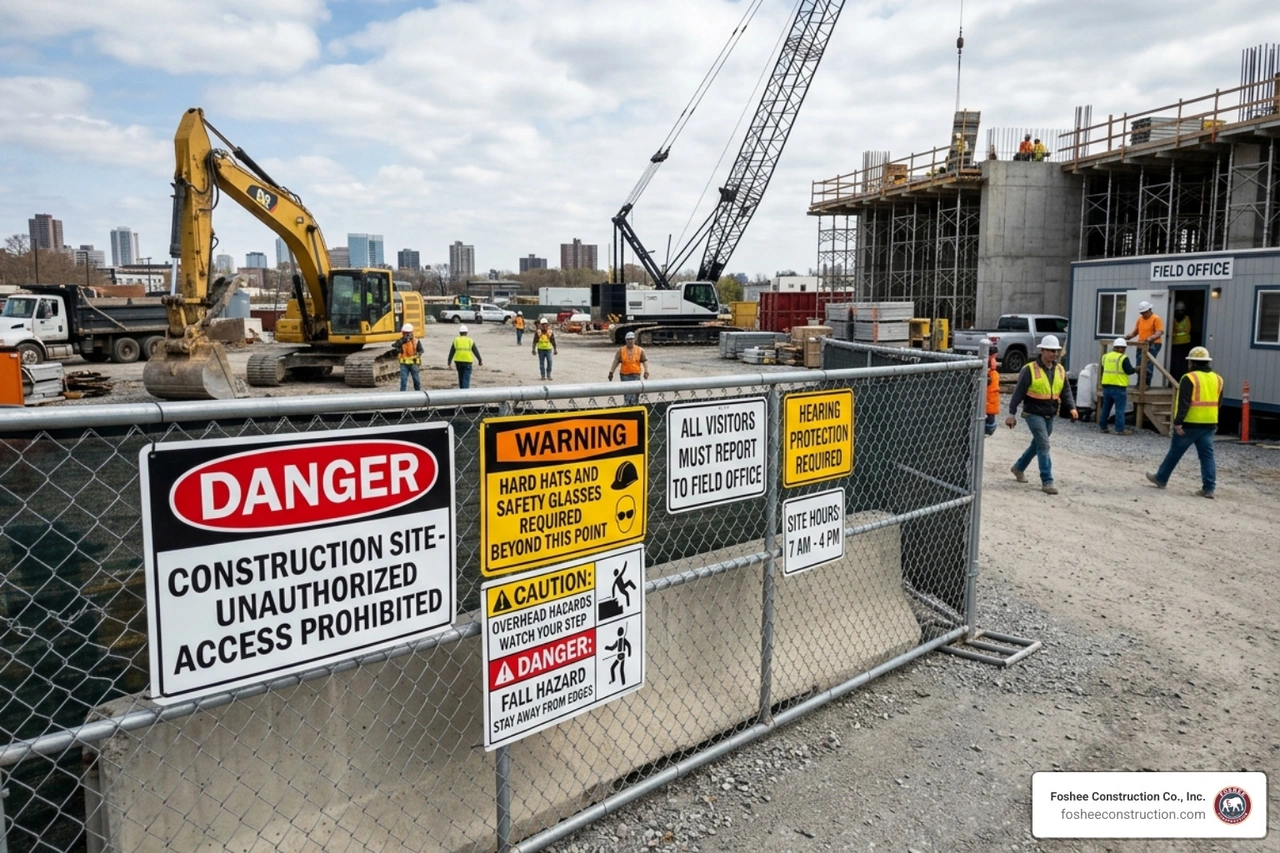
Because there are roughly 19 million miles of these underground facilities crisscrossing the country, any excavation carries an inherent risk. A single misplaced shovel or excavator strike can disrupt power to thousands of homes, knock out emergency communications for hospital systems, or cause catastrophic gas explosions. Protecting these assets is not just about avoiding project delays; it is about protecting human lives and ensuring the resilience of our neighborhoods.
Subsurface assets are buried at varying depths depending on their function, local building codes, and regional climate conditions. For example, water mains are usually buried deep enough to avoid traffic loads and shifting soils, while electrical conduits might sit closer to the surface but are protected by heavy-duty PVC or metal piping.
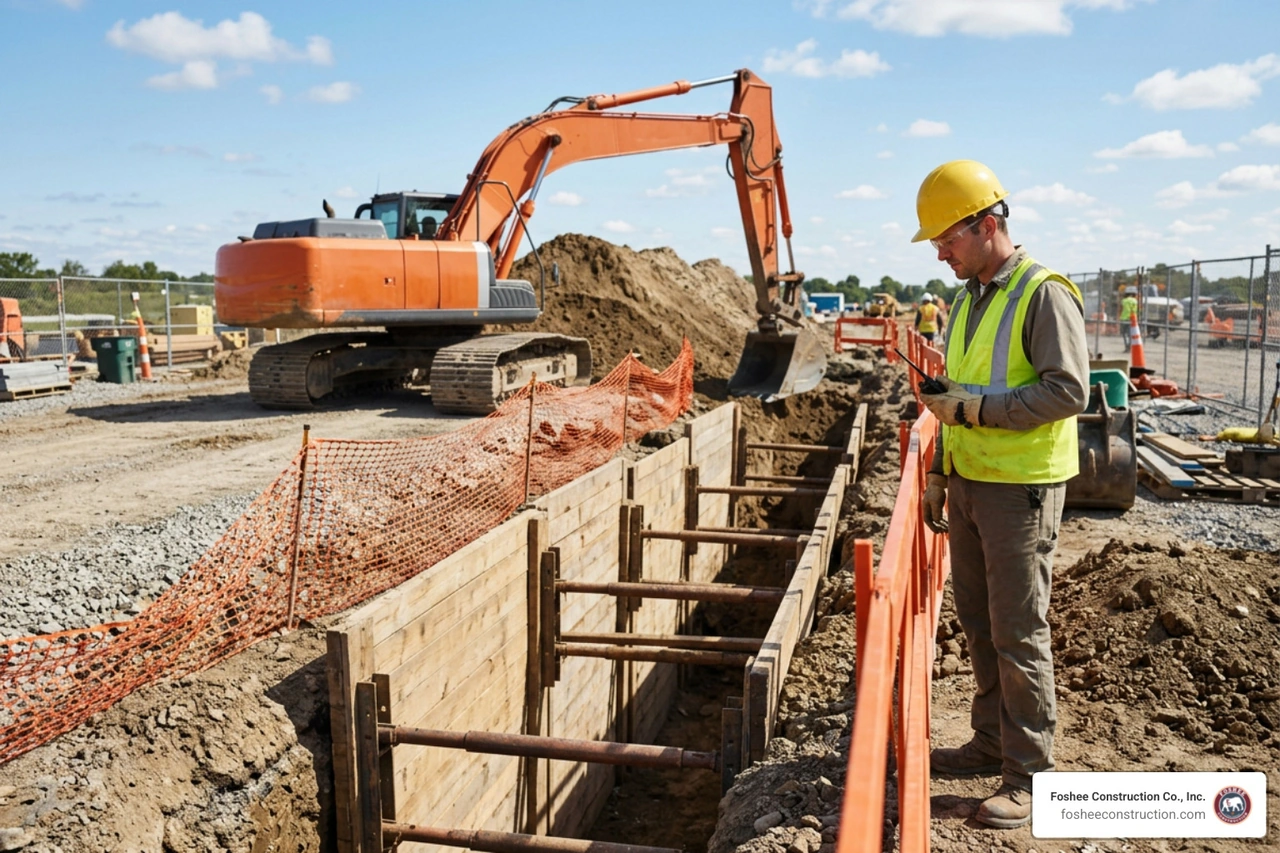
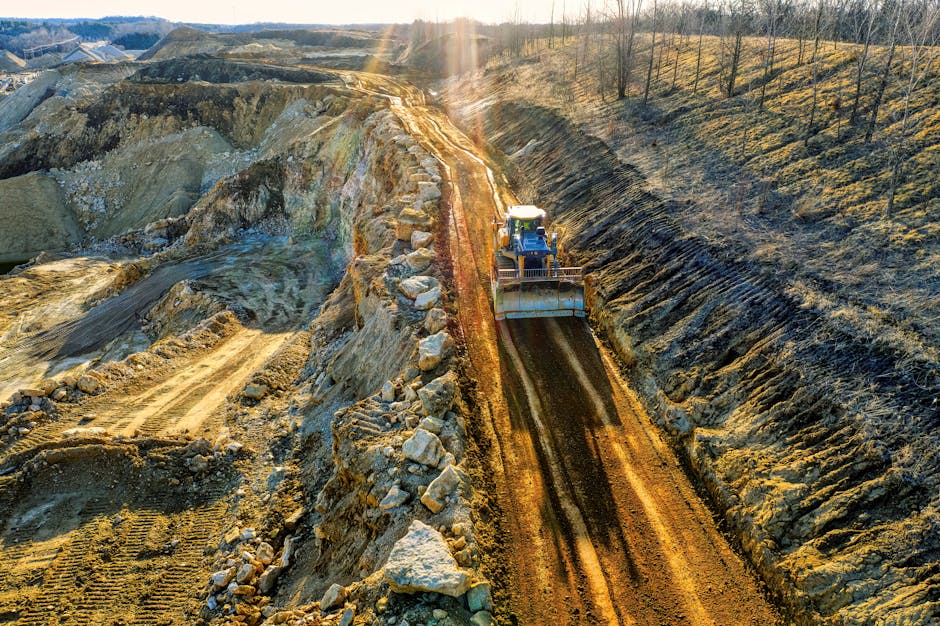
In Central Florida, our unique environmental conditions heavily influence how these utilities are installed and maintained. Our sandy topsoil shifts easily, especially during the rainy summer months and active hurricane seasons. We also deal with a high water table and challenging subsurface layers of clay and limestone. Because of this, proper compaction, specialized trenching boxes, and precise depth calculations are critical to preventing underground lines from settling, shifting, or failing prematurely.
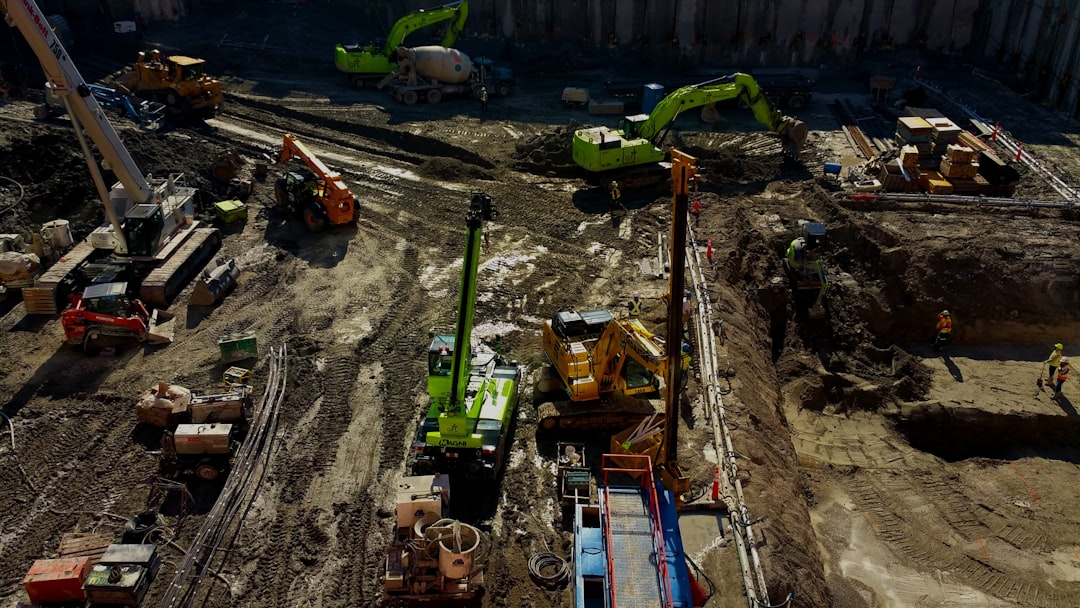
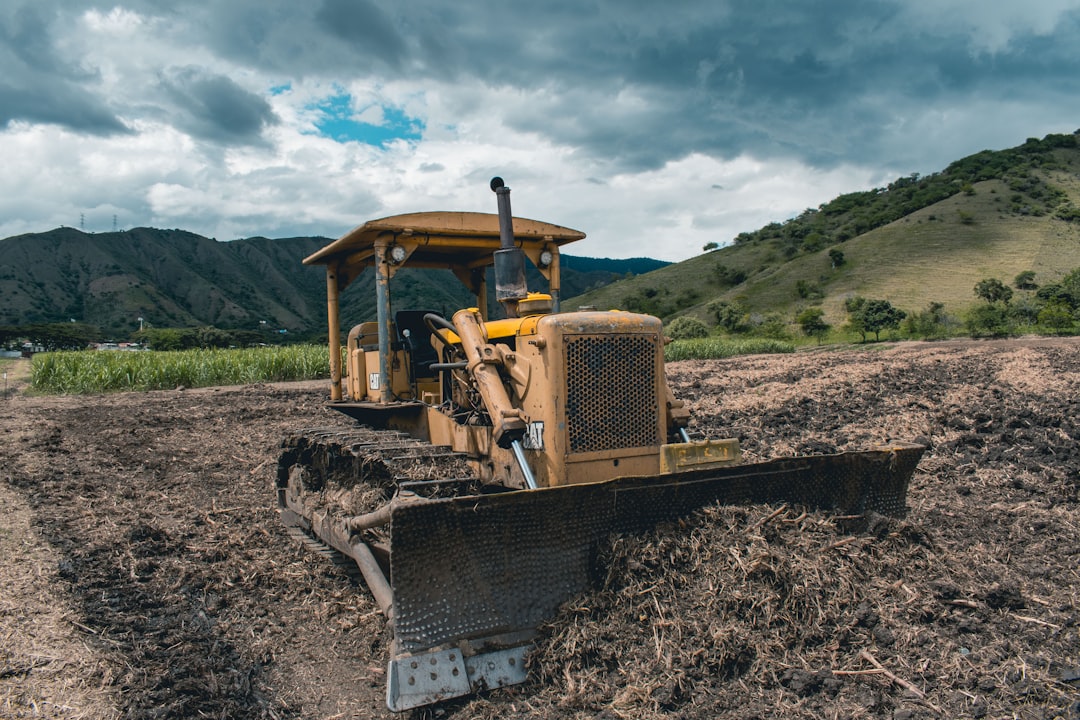
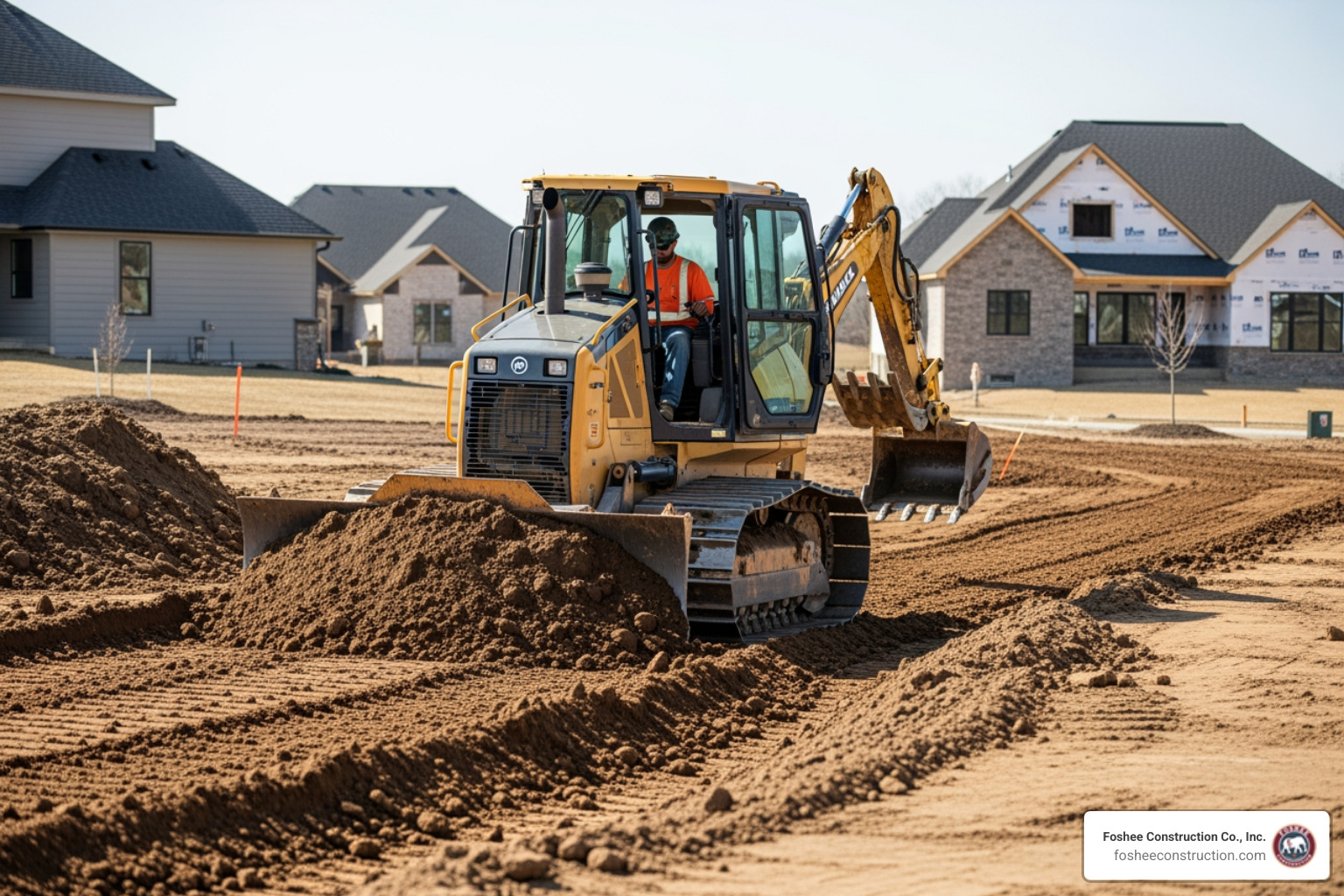
To place these utilities in the ground, contractors primarily use two methods:
One of the most common points of confusion for homeowners and commercial property developers alike is the distinction between public and private utilities.
Public utilities are the main distribution lines owned and maintained by utility companies or local municipalities. These include the water mains running down your street, the main sewer trunks, and the primary electrical lines.
Private utilities, on the other hand, are the lines that run from the utility meter or main connection point directly into a home or commercial building. Examples of private utilities include:
This distinction is crucial because 811 one-call centers only coordinate the marking of public utilities. They will not mark private lines past the meter. If you are planning a backyard digging project, you cannot rely solely on public utility marks. For advice on how to navigate this as a property owner, resources like the Kentucky 811 Homeowner Guide outline how locate requests are handled and emphasize that private service lines from the meter onward remain the sole responsibility of the property owner.
The field of utility installation has evolved significantly over the last few decades. Today, specialized Utility Installation Contractors rely on advanced methods to ensure long-term structural integrity and minimize disruption to the surrounding environment.
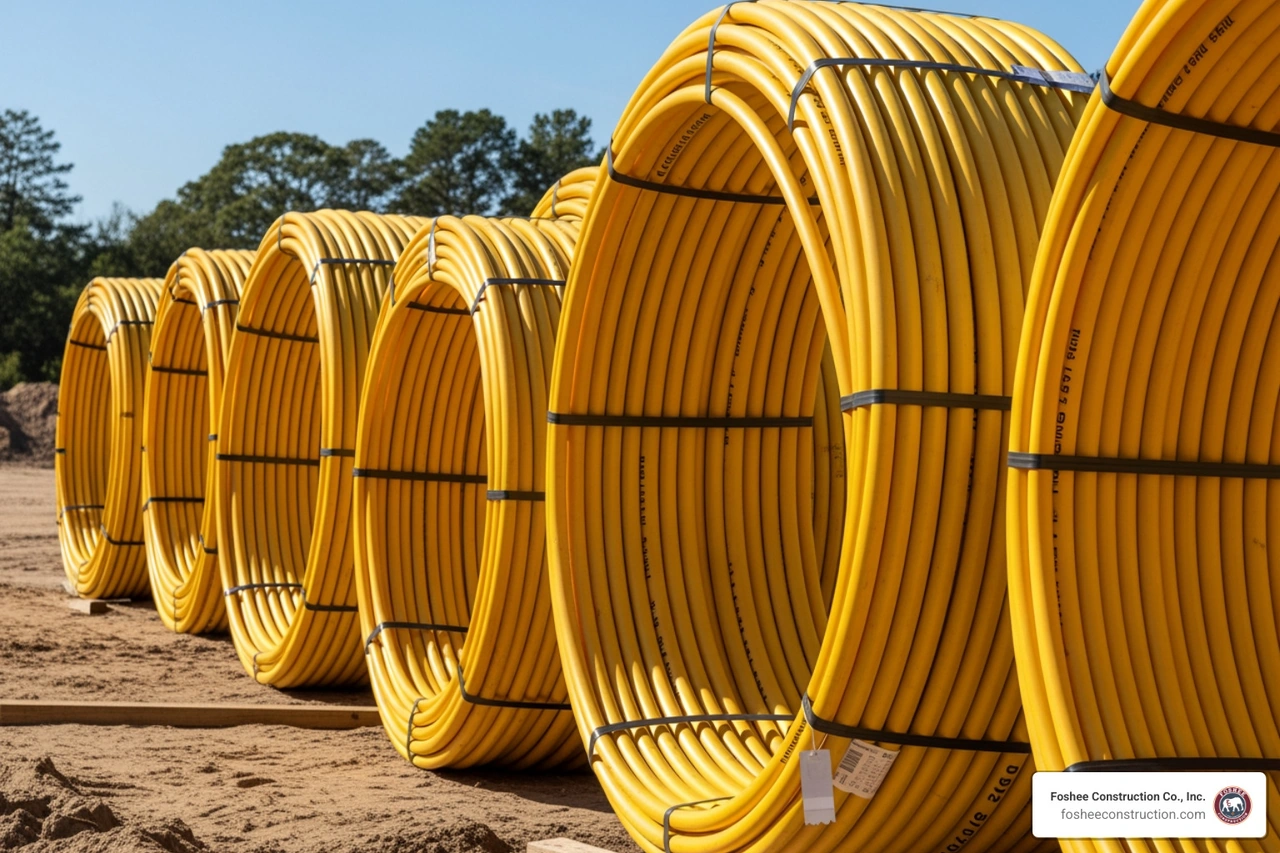
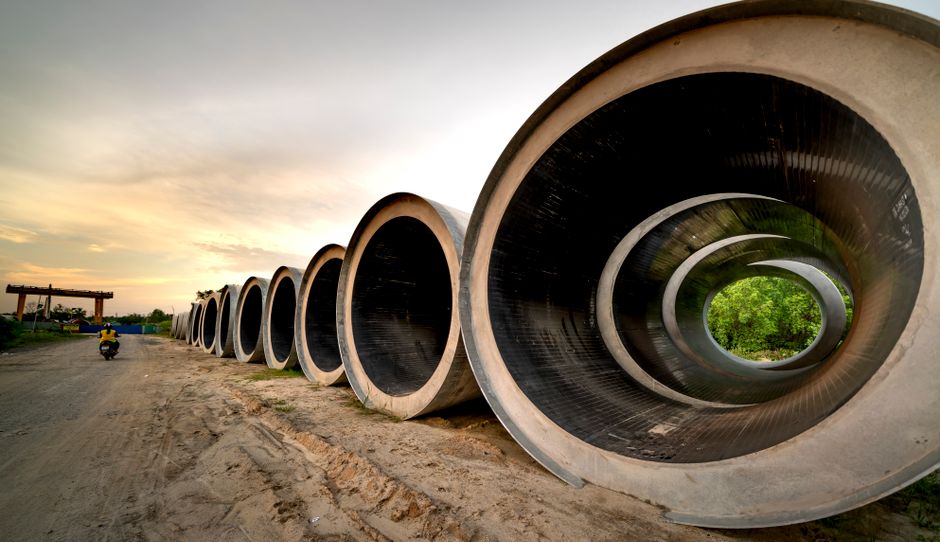
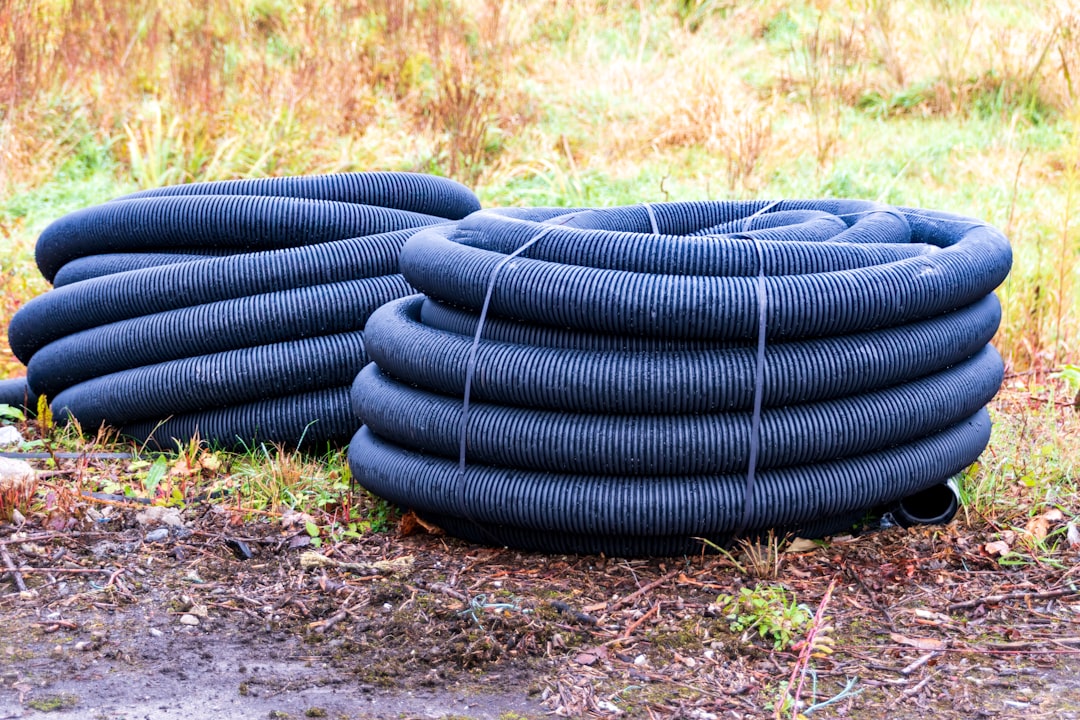
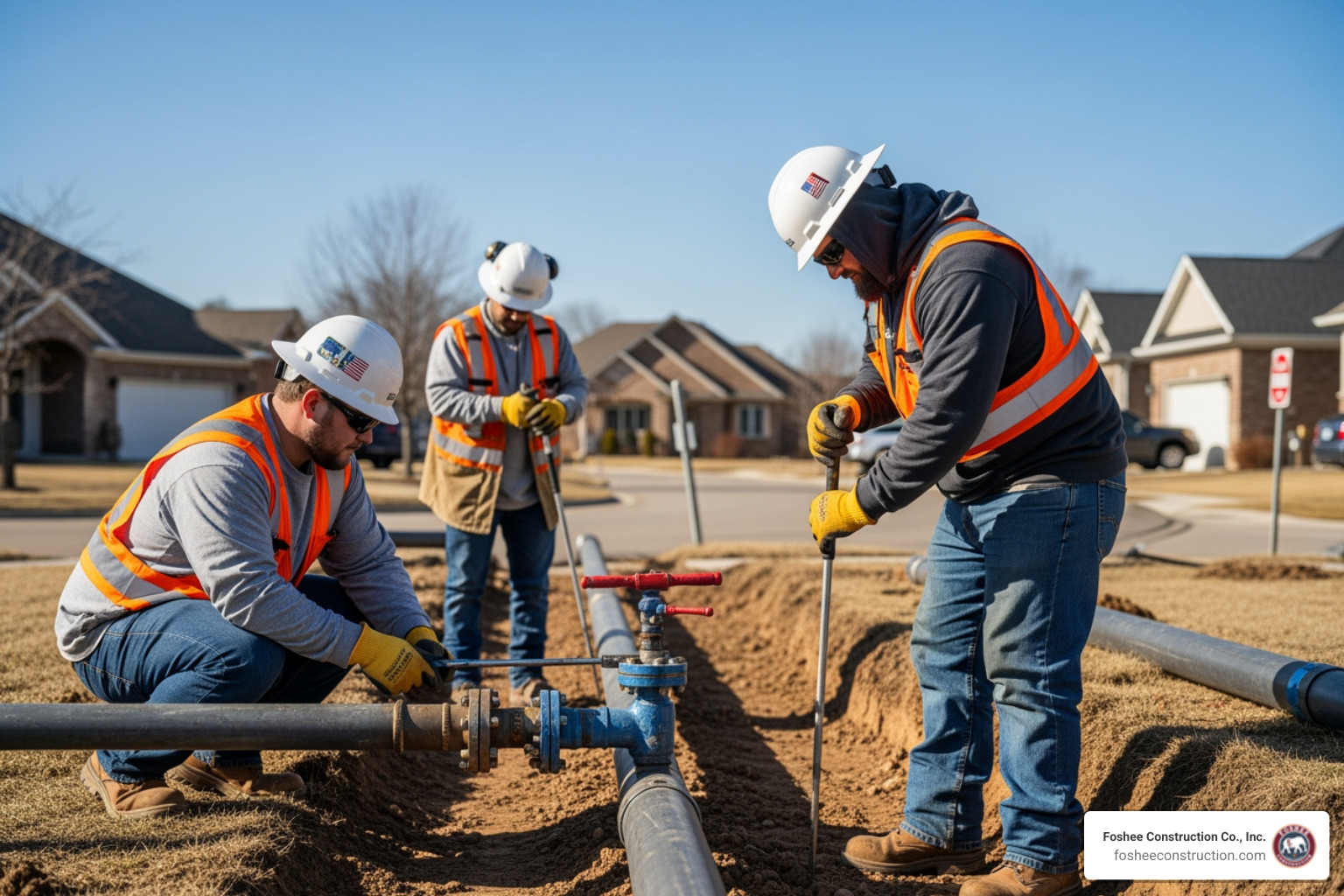
In Florida, where sandy soils and high water tables are the norm, Underground Pipe Installation Florida requires strict adherence to grading, bedding, and backfilling protocols. One of our preferred materials for high-durability projects is HDPE Pipe Underground Utilities. High-Density Polyethylene (HDPE) is incredibly flexible, resistant to chemicals and corrosion, and joined using a thermal process called pipe fusion. Pipe fusion heats the ends of two pipes and presses them together, creating a seamless, leak-proof joint that is stronger than the pipe itself.
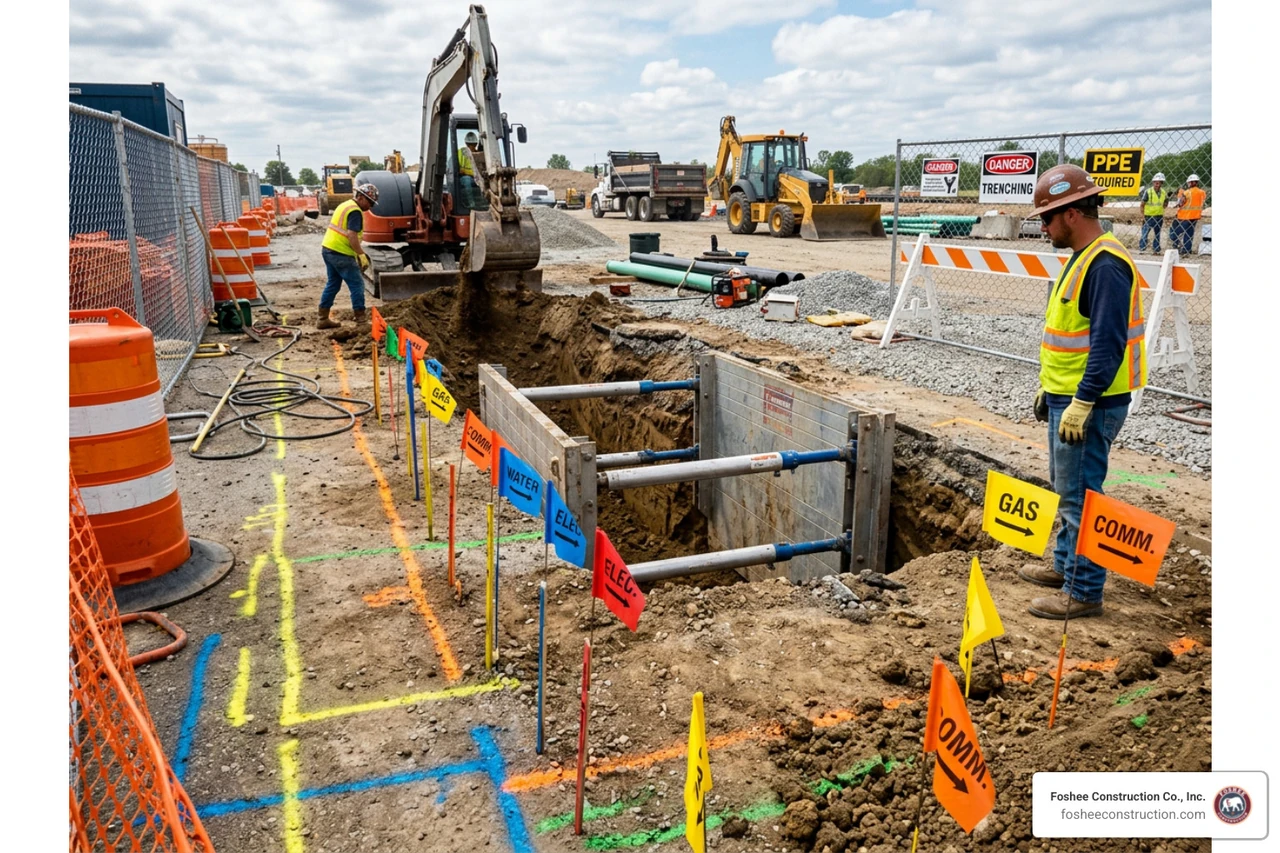
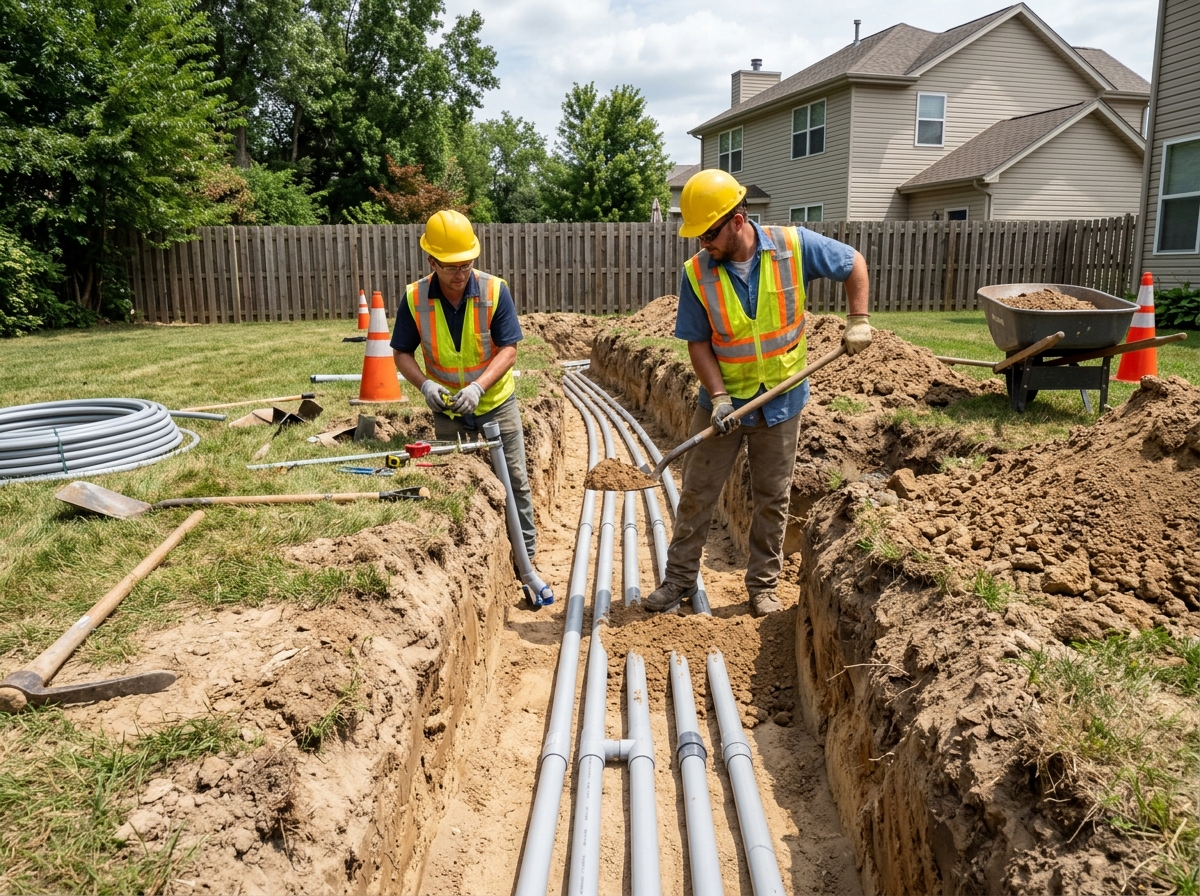
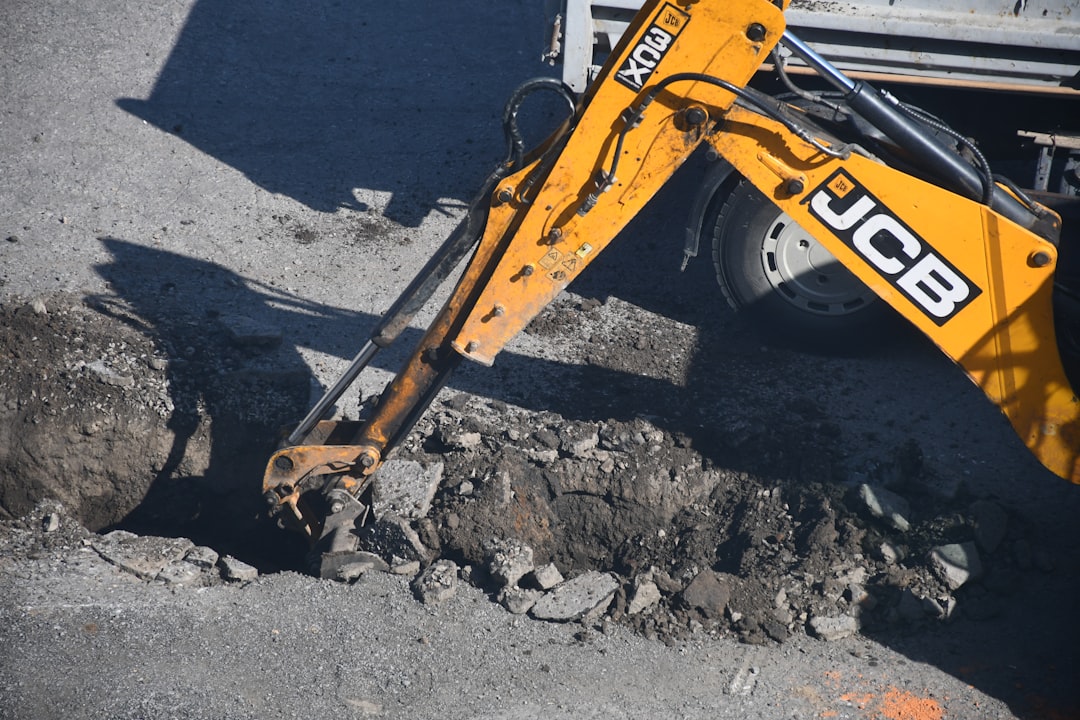
For electrical and telecommunications systems, we employ precise Trenching for Electrical Conduit techniques. This involves digging to exact code depths, laying protective PVC or metal conduits, and backfilling with compacted sand to protect the electrical lines from shifting soil or future surface activity. We also utilize vacuum excavation (often called potholing or soft digging), which uses high-pressure water or air to break up soil, which is then vacuumed away. This non-destructive method allows us to visually expose existing buried lines without the risk of damaging them with a metal excavator bucket.
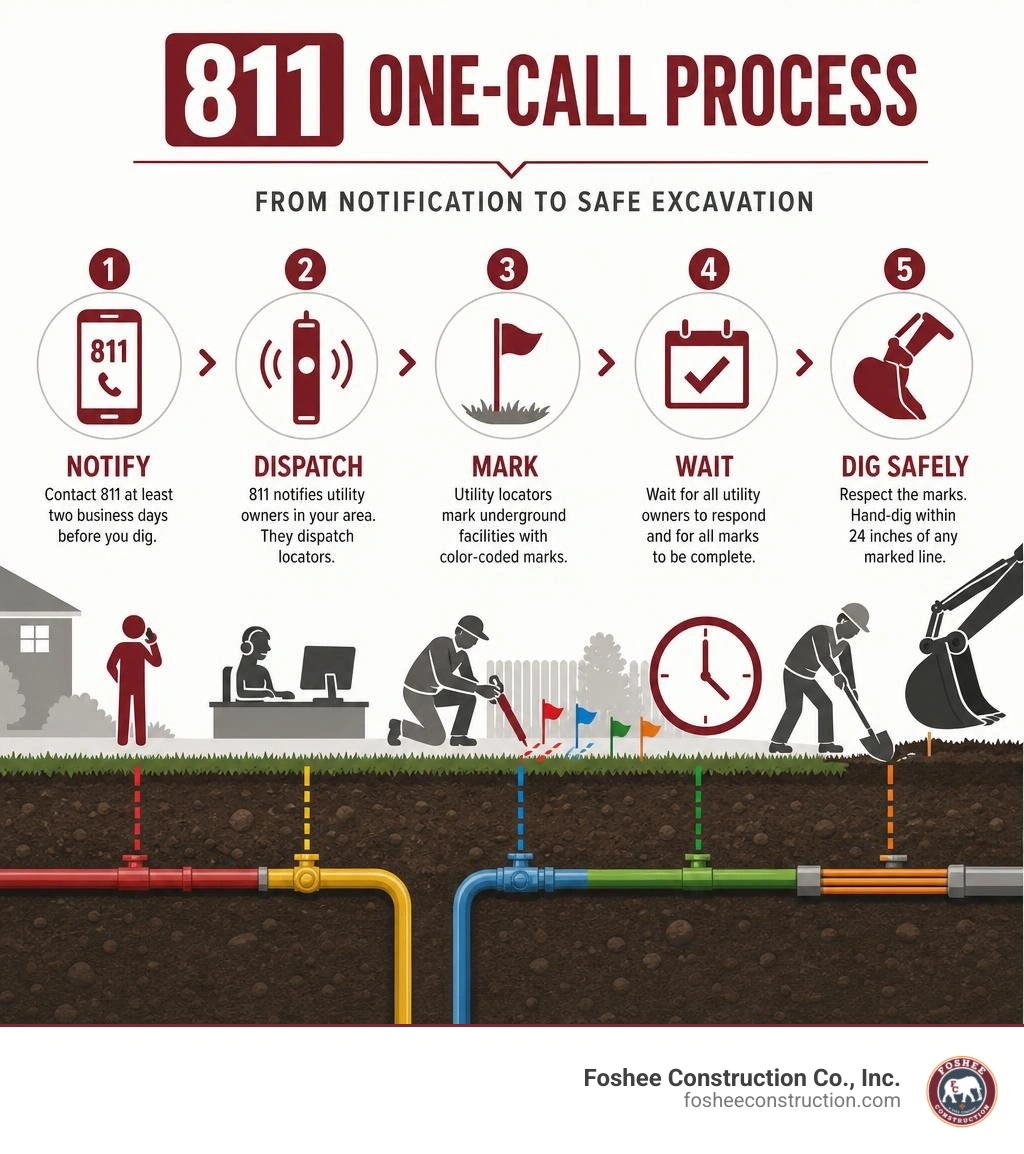
The 811 "Call Before You Dig" system is the national communication network designed to prevent damage to underground infrastructure. It acts as a bridge between excavators and utility owners. When you submit a locate request, the 811 system automatically alerts local member utility companies, who then send professional locators to mark the approximate location of their lines.
Calling 811 is not optional; it is mandated by state laws across the country. In Florida, you are legally required to provide at least two full business days' notice (excluding weekends and holidays) before starting any excavation. Failing to do so can result in hefty civil penalties, costly repair bills, and legal liability if a line is damaged.
According to the Common Ground Alliance (CGA), when a professional utility locate request is made before excavation begins, damage is avoided 99% of the time. As of June 2026, safety regulations continue to tighten, requiring increasingly precise digital ticket submissions and strict adherence to the waiting window. For a comprehensive look at how excavation rules are structured and enforced, you can review the Arizona 811 Excavation Guide, which provides a great example of state-level safety protocols, detailed site description requirements, and excavator responsibilities.
To ensure there is no confusion on a construction site, the American Public Works Association (APWA) established a universal color-coding system for marking underground utilities. Professional locators use these standardized colors of spray paint, flags, or stakes to show what types of lines are buried below.
| Mark Color | Utility System / Asset Type |
|---|---|
| Red | Electric Power Lines, Cables, Conduit, and Lighting Cables |
| Yellow | Gas, Oil, Steam, Petroleum, or Gaseous Materials |
| Orange | Communication, Cable TV, Alarm or Signal Lines, Cables, or Conduit |
| Blue | Potable (Drinking) Water |
| Green | Sewers and Drain Lines |
| Purple | Reclaimed Water, Irrigation, and Slurry Lines |
| White | Proposed Excavation Limits (Pre-marking by the contractor) |
| Pink | Temporary Survey Markings |
Understanding these colors is vital for anyone operating heavy machinery or holding a shovel. For instance, seeing a yellow line means you are dealing with a potentially volatile natural gas line, requiring extreme caution. Municipalities manage massive databases of these assets to keep communities safe; for example, the City of Colorado Springs Utility Locates team actively protects over 141,000 underground municipal assets using these exact standards.
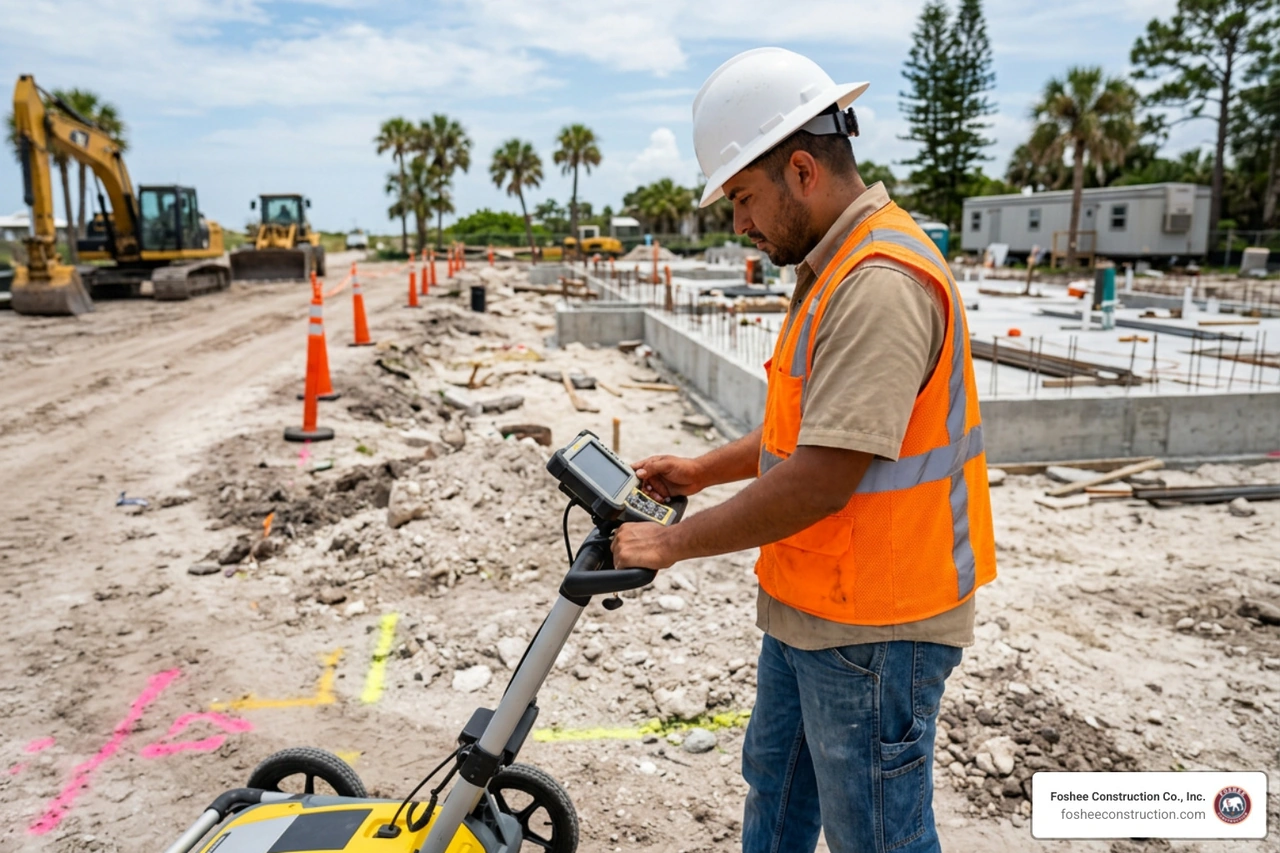
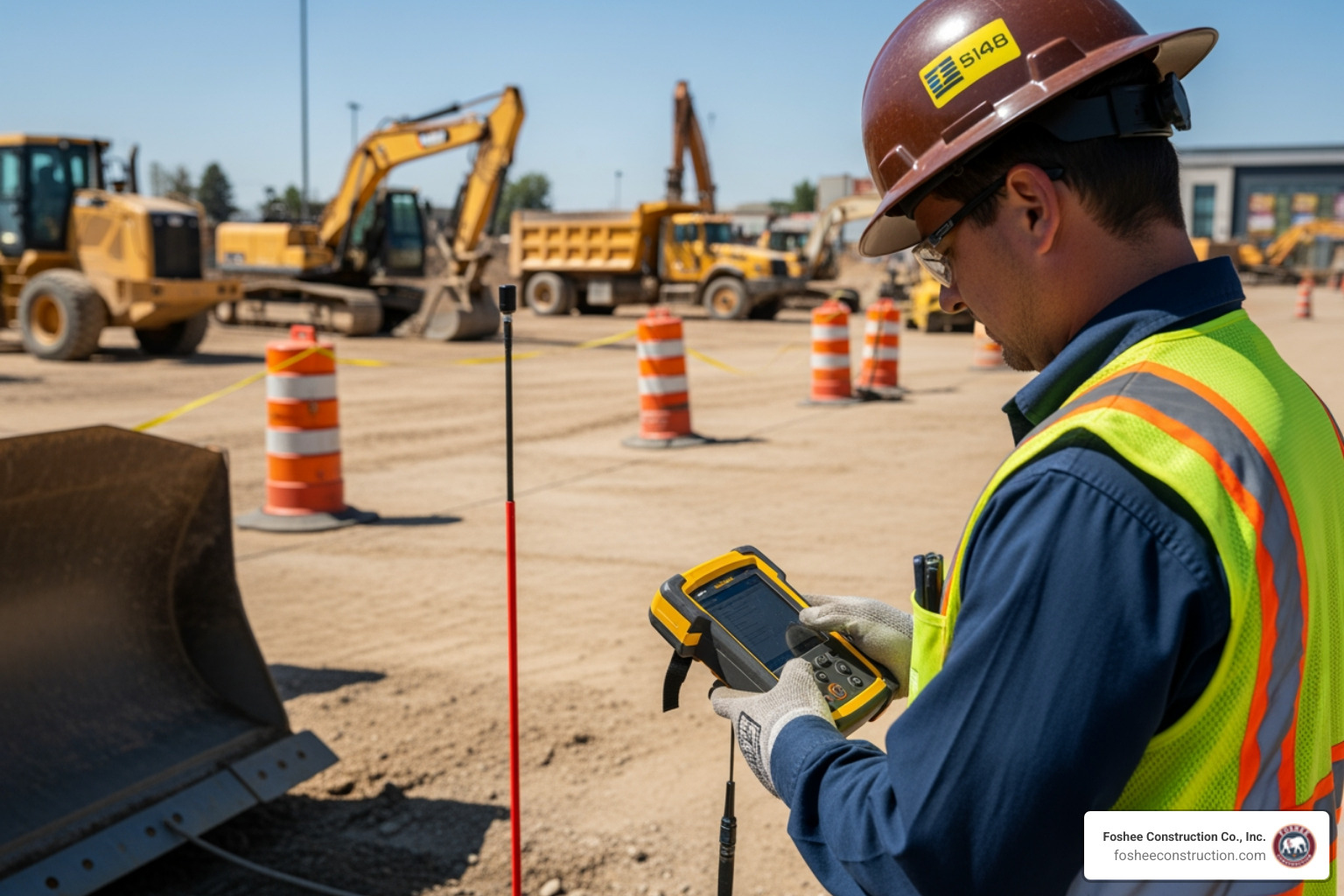
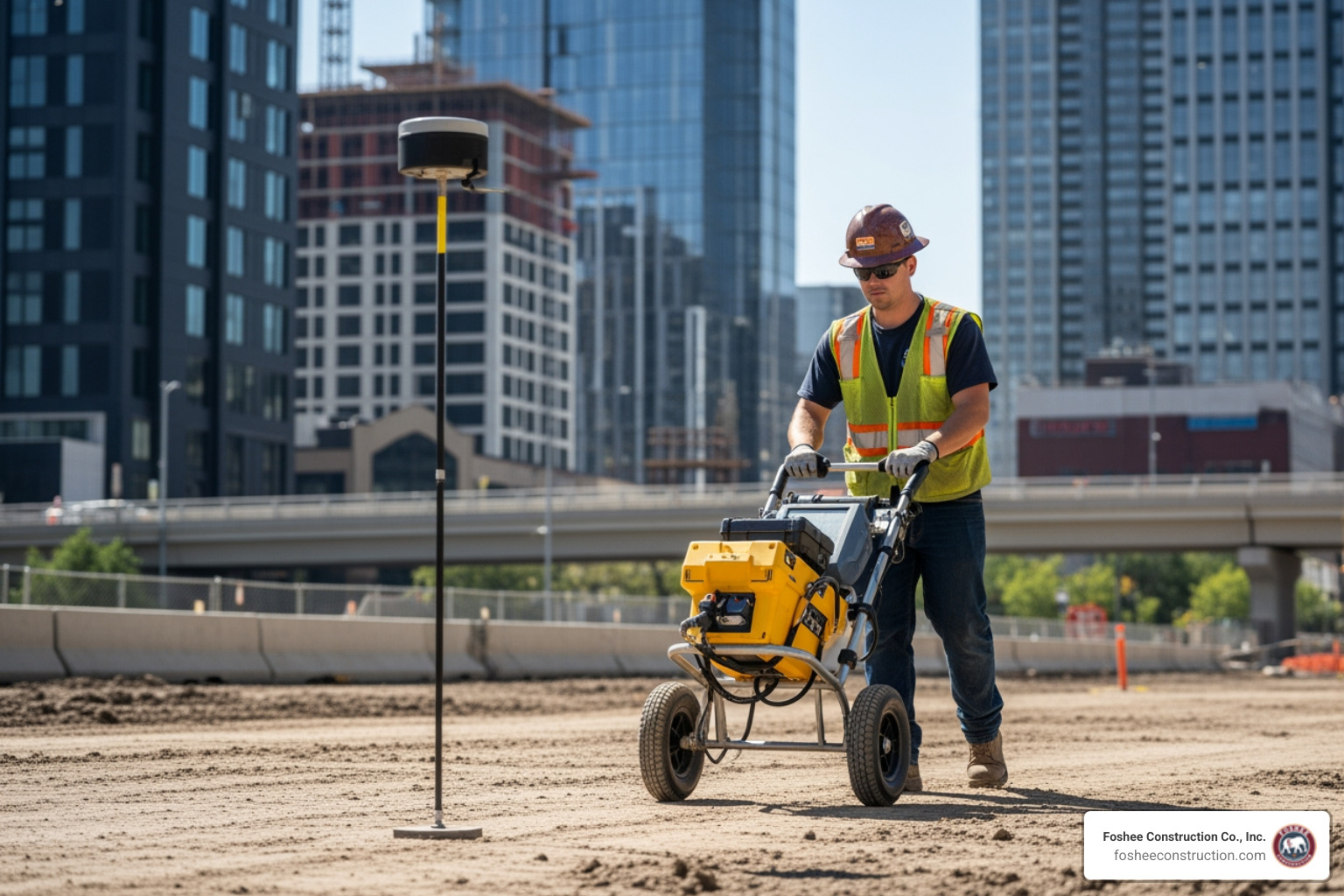
While the 811 system is the legal starting point, professional contractors often need more advanced tools to map complex project sites accurately. Relying solely on historical paper records is risky, as shifting soils, erosion, and unrecorded historical installations can cause utility lines to be in different spots than indicated on old maps.
To solve this, we use non-destructive locating technologies:
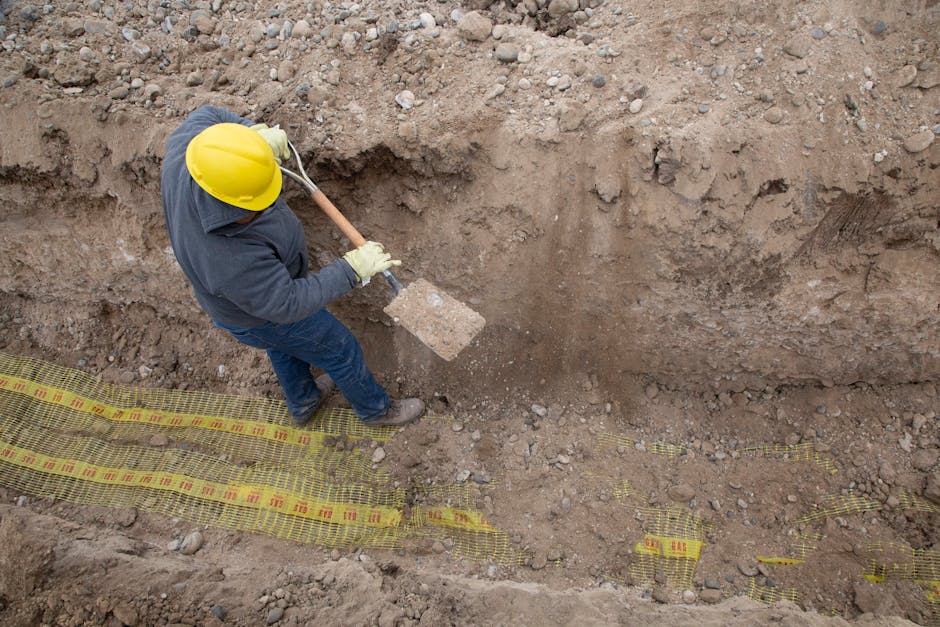
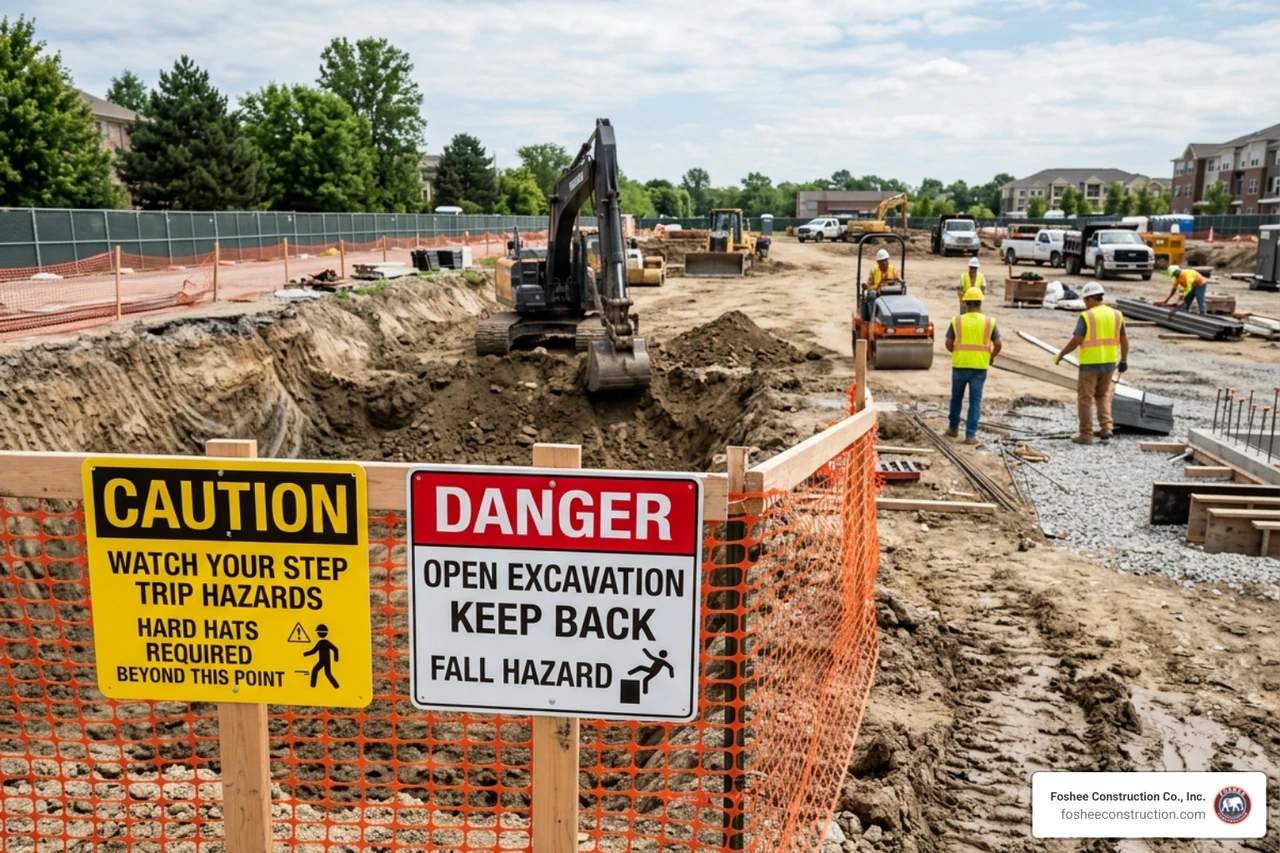
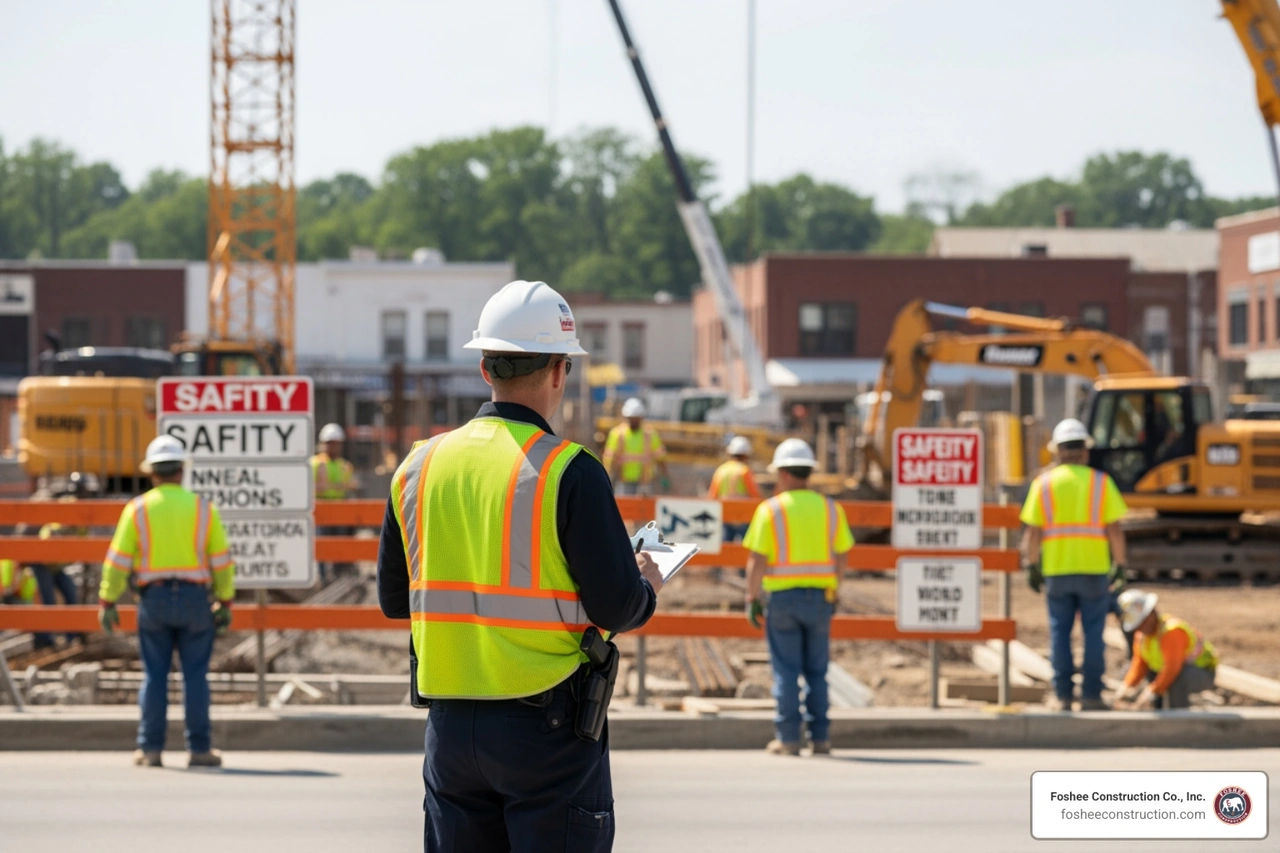
Locating and marking the lines is only half the battle. Once the utility paths are established, the actual excavation must be handled with care. Every professional operator must treat the marked lines with absolute respect.
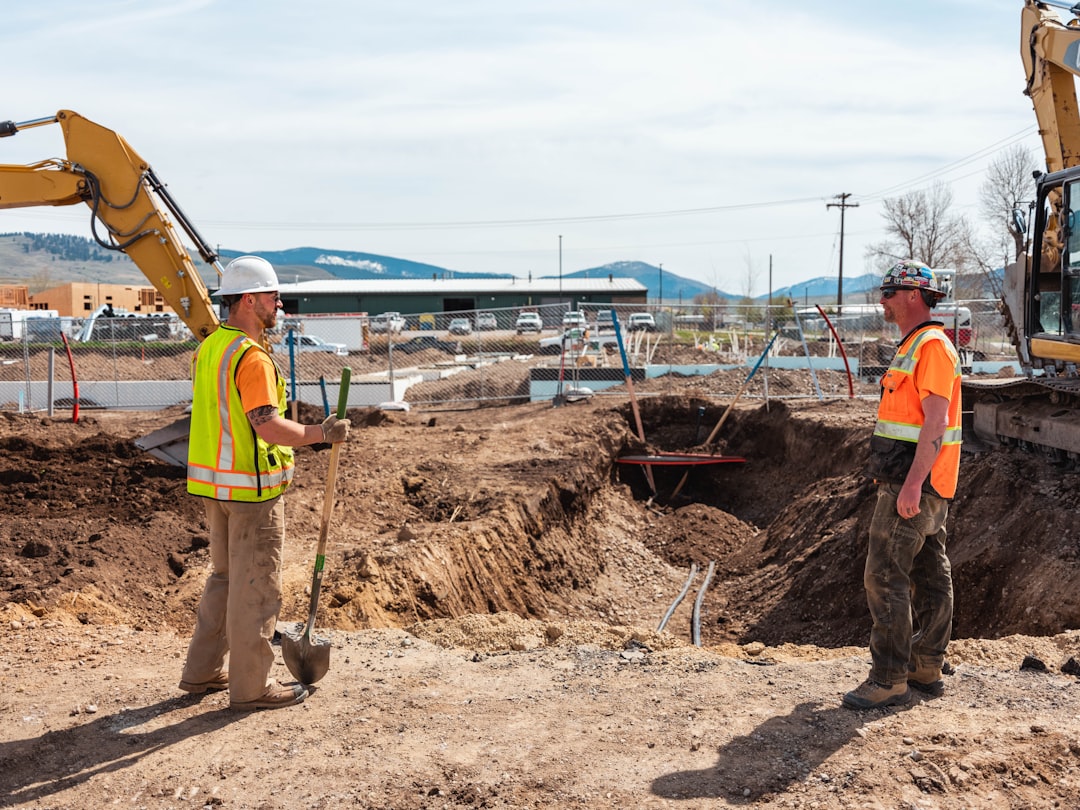
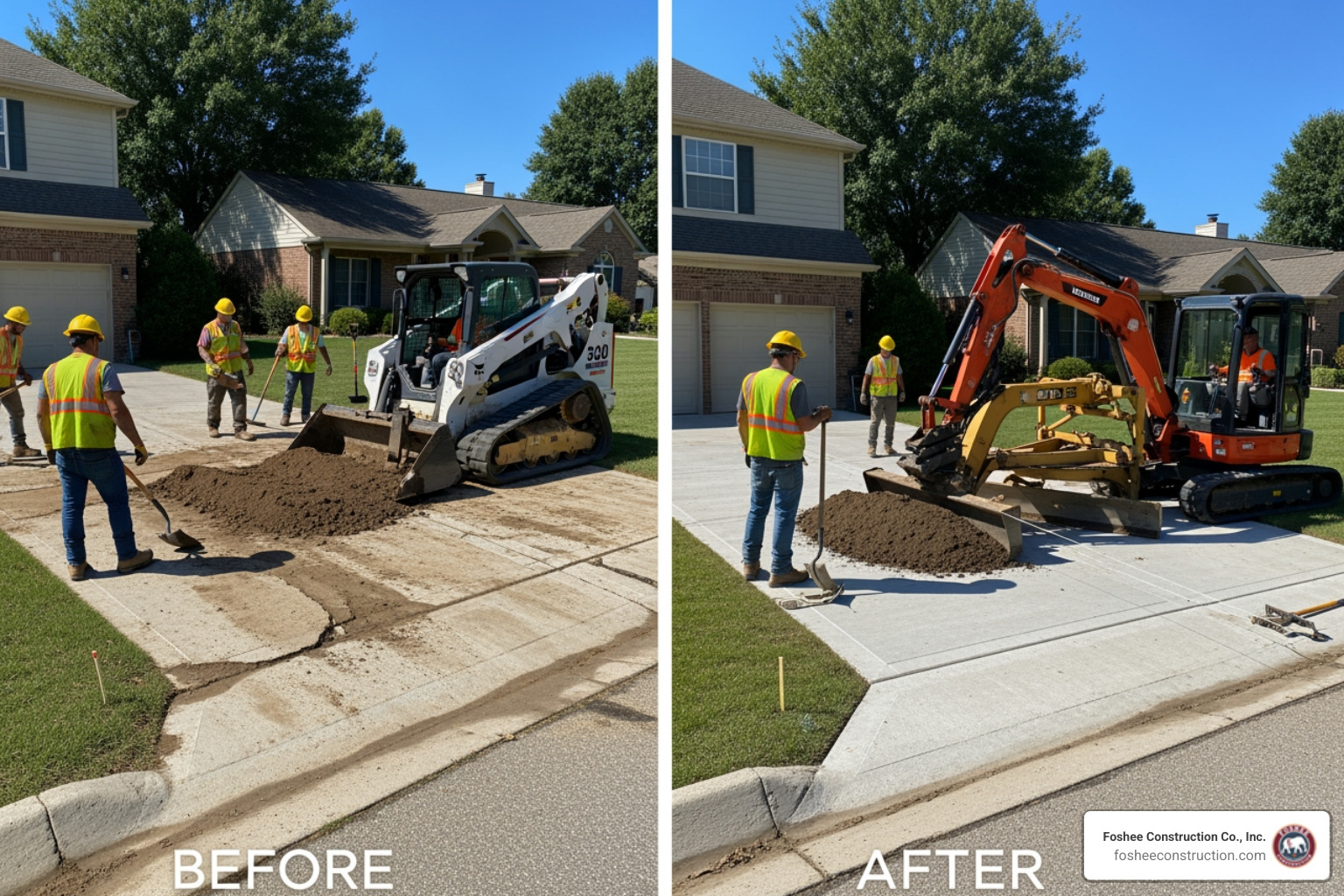
One of the most critical safety concepts is the tolerance zone. This is a designated safety buffer on either side of the marked utility line (usually 24 inches in most states, including Florida). Within this tolerance zone, the use of heavy machinery like excavators, backhoes, or trenchers is strictly prohibited. Instead, you must use hand tools, such as round-point shovels, or non-destructive vacuum excavation to carefully expose the buried lines.
When digging near utilities, follow these safety steps:
For detailed administrative rules regarding how these markings must be maintained, see the Virginia General Marking Requirements which outline standard paint mark dimensions and intervals. Additionally, resources like the Florida Public Utilities Safe Digging guide provide critical local safety tips and emphasize the importance of immediate emergency reporting if a gas line is breached.
Navigating the rules of underground utilities can be confusing. Here are answers to some of the most common questions we receive.
In most jurisdictions, including Florida, utility locate marks are valid for 15 working days starting from the time the ticket is completed. Over time, weather erosion, rain, construction traffic, and fading paint can make the marks hard to see. If your excavation project takes longer than 15 working days, or if the marks are destroyed before you finish digging, you must contact 811 to request a ticket renewal and have the lines re-marked before continuing work.
The property owner is responsible for marking private utility lines. The 811 system only coordinates the locating of public utility lines up to the meter or main connection. Any lines extending past that point—such as an irrigation system, a line running to a pool heater, or a septic system—must be located by hiring a private utility locating company.
If you nick, scratch, or fully break an underground line, stop digging immediately. Even a minor scratch on a gas pipe or electrical conduit can lead to a future failure.
If you are planning a project that involves gas lines or major utility trenching, it is always best to work with qualified Gas Line Contractors Near Me to ensure the work is completed safely and in compliance with all local codes.
Locating underground utilities the right way is the foundation of any successful construction or renovation project. Skipping this step or rushing through the process is a gamble that simply isn't worth the risk. By calling 811, understanding APWA color codes, utilizing advanced locating technologies, and practicing safe digging techniques, you can protect your property, your budget, and the lives of those working on your site.
At Foshee Construction Co., Inc., based in Minneola, Florida, we pride ourselves on delivering transparent bids, disciplined scheduling, and an uncompromising focus on safety. Whether you need site preparation, erosion control, grading, or professional utility installation in Lake County or the wider Central Florida area, we have the experience and equipment to get the job done right.
Ready to start your next project safely? Explore our past work on our Foshee Construction Projects page, or contact us today to discuss how we can support your site preparation and utility excavation needs.
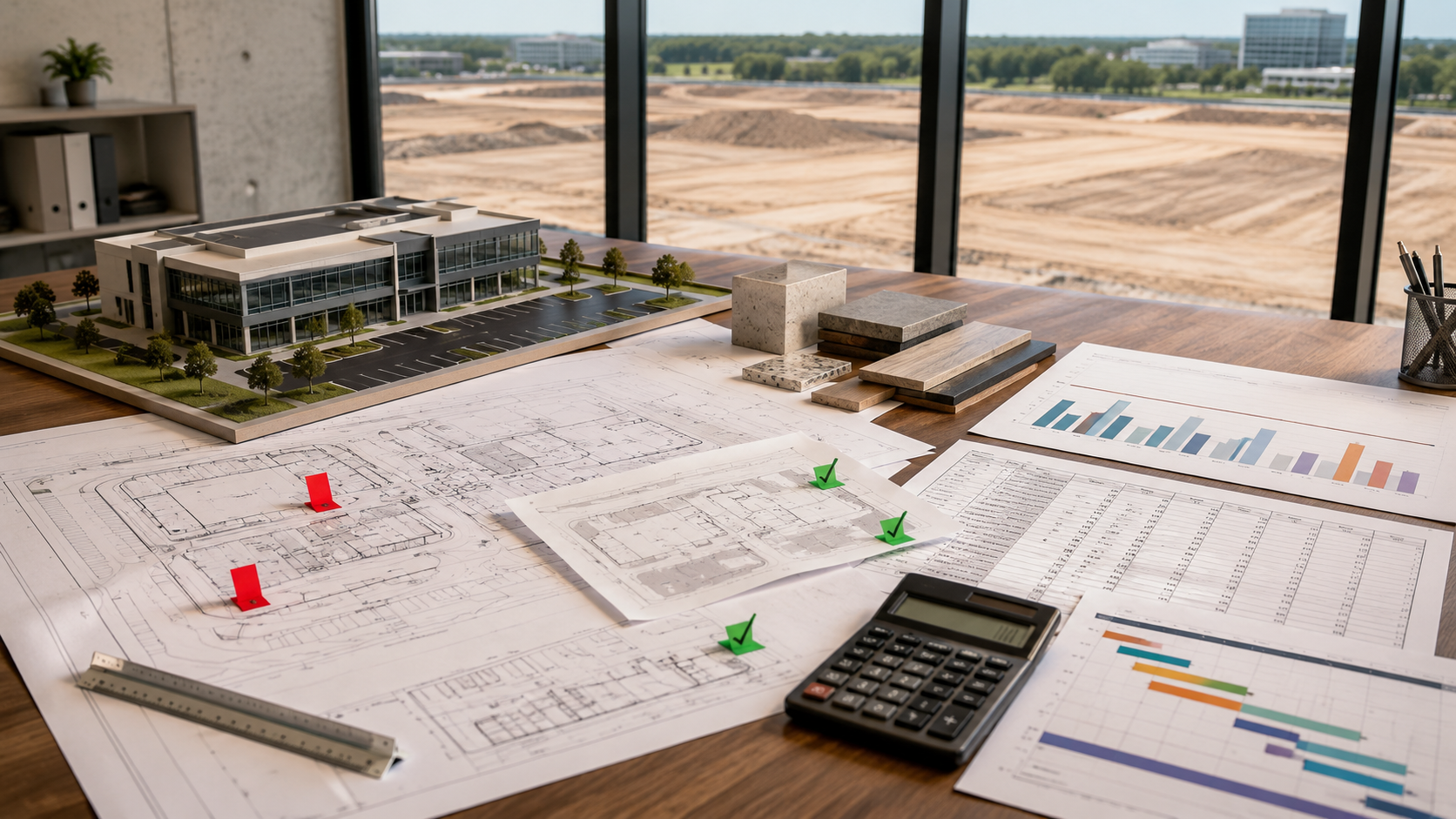
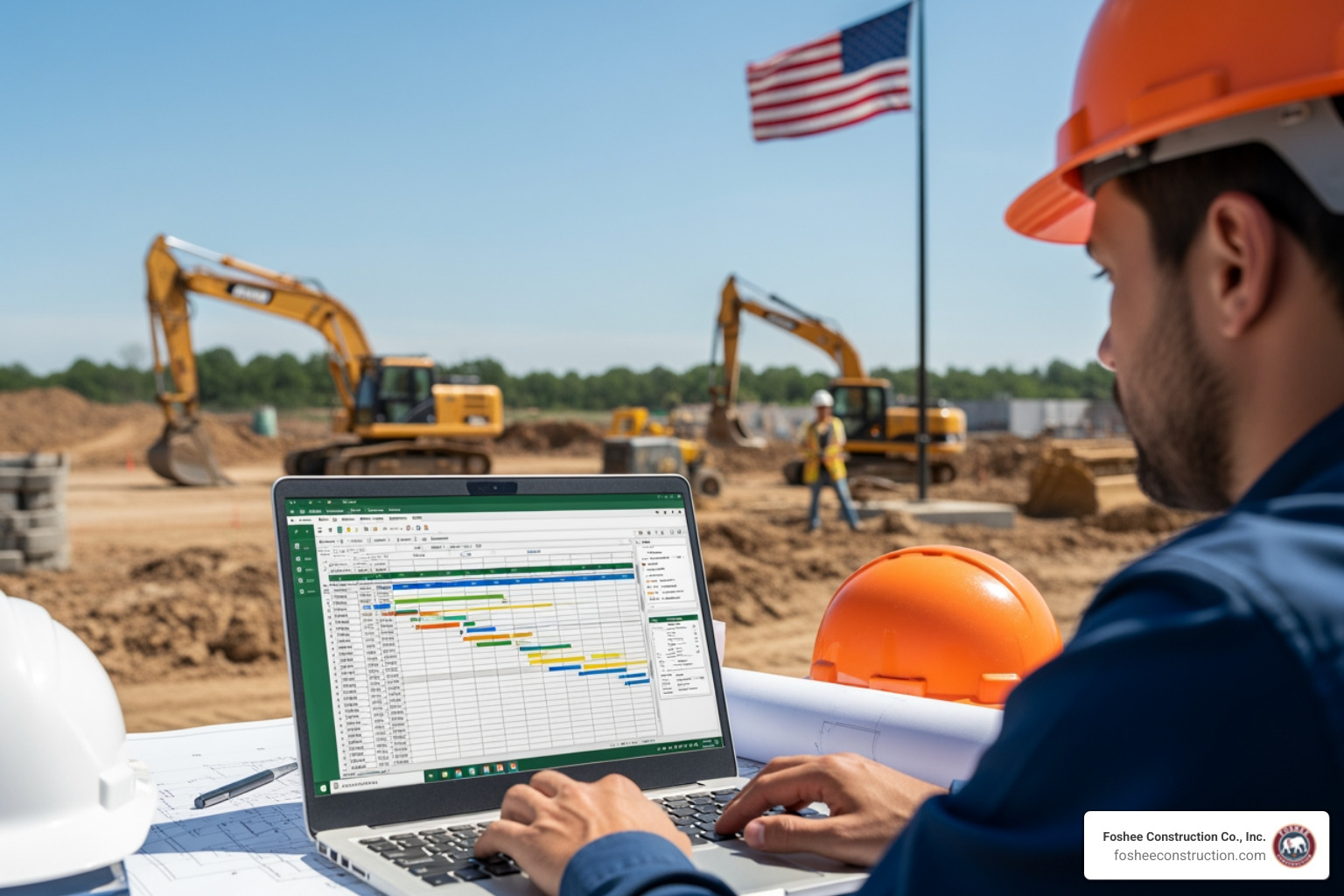
We build bids using HeavyBid and AGTEK because the details matter long before the job starts. When the numbers are accurate and the scope is clearly defined, it sets the tone for how the entire project runs. Estimating isn’t just a step in the process, it’s the foundation we build on.
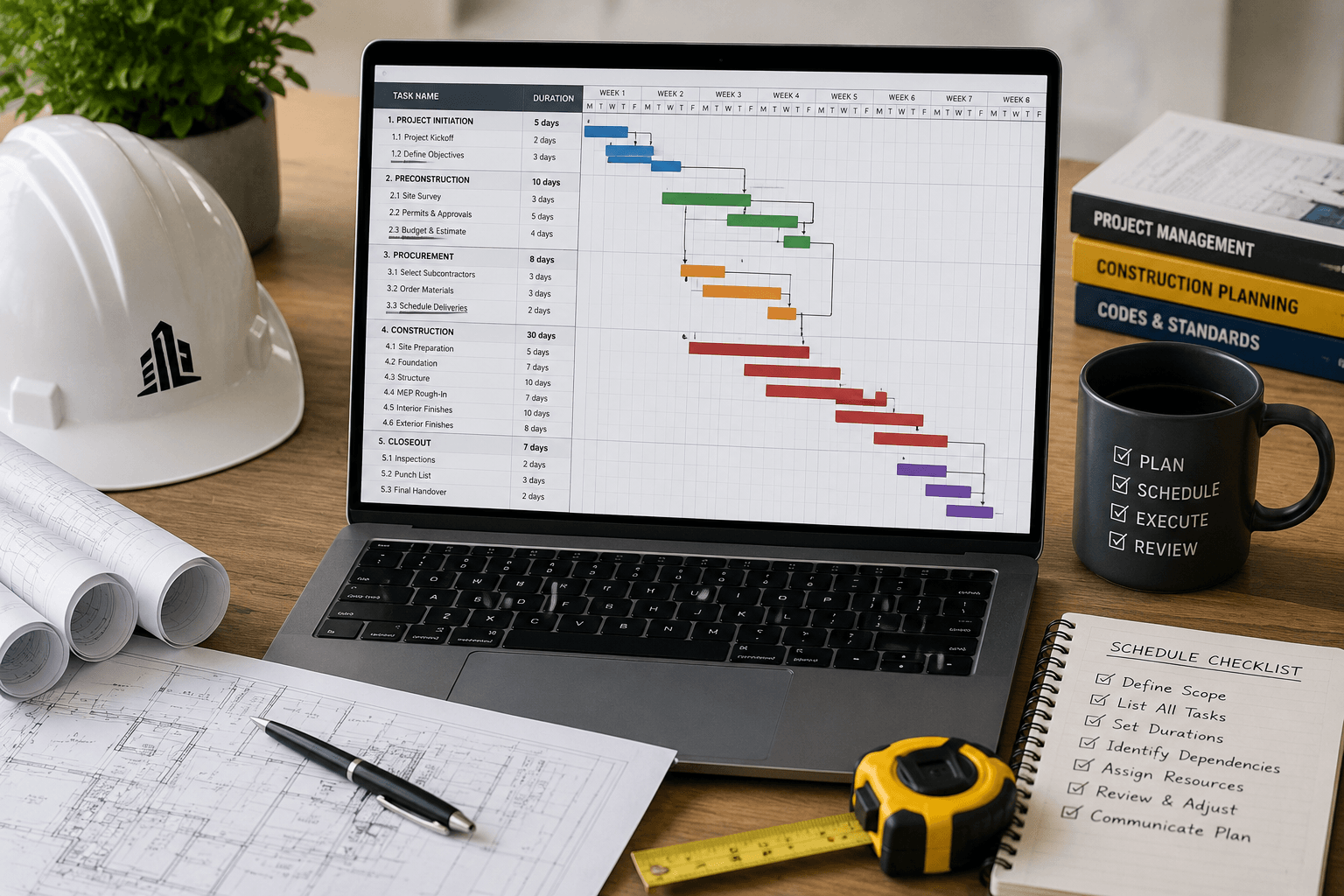
That same mindset carries into the field. Our crew is trained to work with purpose, follow the Civil Engineers’ Plan to the finest detail, and hold the line on quality. When expectations are clear from day one, there’s no need for shortcuts, and no confusion about how the work gets done.
Clients trust our bid packages because they’re complete and ready to use. Project managers know what we’re covering, what’s excluded, and how we plan to approach the job. That clarity removes friction and lets teams focus on execution instead of interpretation.
As part of our review process, we go into the plans before anything hits the site. We ask the questions early, resolve issues before they show up in the field, and keep RFIs moving. This approach prevents delays and protects the timeline.
Over time, that consistency builds trust. Many of the people we work with today came through referrals from past projects – engineers, GCs, and superintendents who’ve seen how we operate and want the same experience again.
In 2024, Foshee Construction was acquired by Saga Infrastructure Solutions, a national network of civil construction companies. Saga supports regional contractors by giving them access to better tools, long-term resources, and operational backing, without changing how they run day to day.
Foshee will continue to operate under its name, with the same team and field leadership in place.
“From the very time a project starts, we start that partnership. We try to catch as much as we can with the tools that we have. Not everybody is using the software platforms we are. That’s the differentiator: we’re not just bidding. We’re anticipating, problem-solving, and making sure the job runs right.”
— Don, CEO, Saga Infrastructure Solutions
Foshee is now part of a broader regional strategy that includes Florida, the Piedmont Atlantic, Texas, Colorado, and the Arizona Sun Corridor. The name, crews, and standards remain. What’s improving is the support behind it.