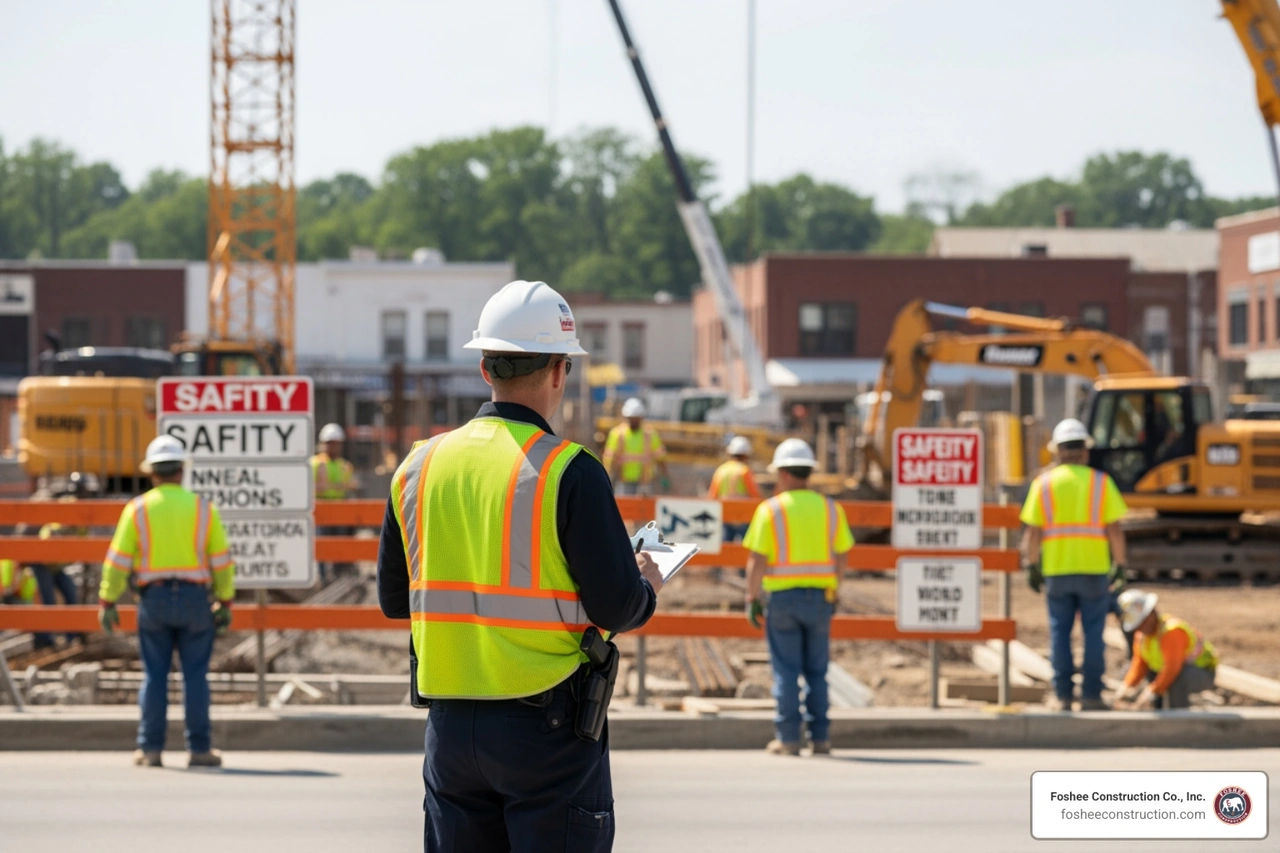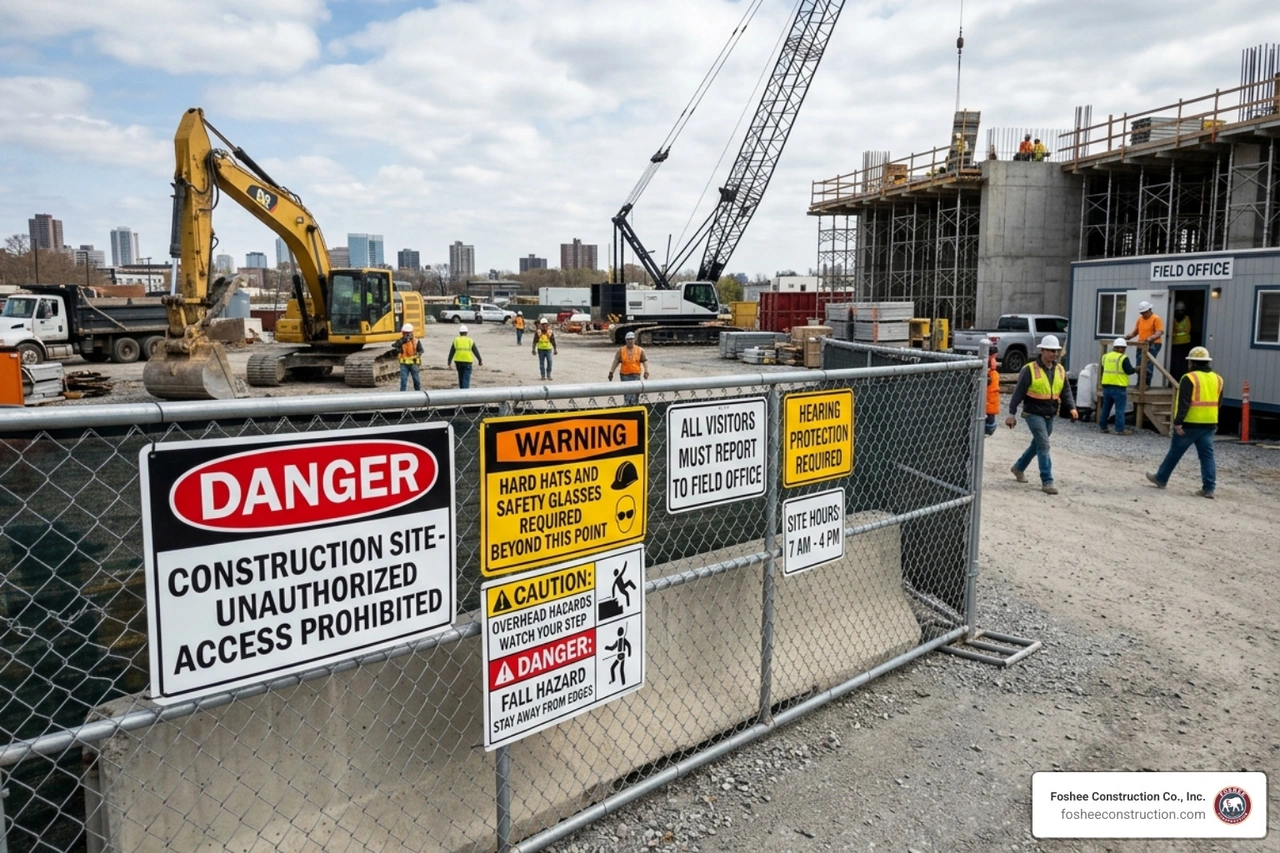
A construction safety audit goes beyond a quick walk-through to ensure workers are wearing hard hats. It is a structured, comprehensive evaluation of an entire safety management ecosystem. Across Florida's rapidly expanding construction landscape, maintaining strong jobsite safety controls protects crews while keeping projects on schedule and within budget.
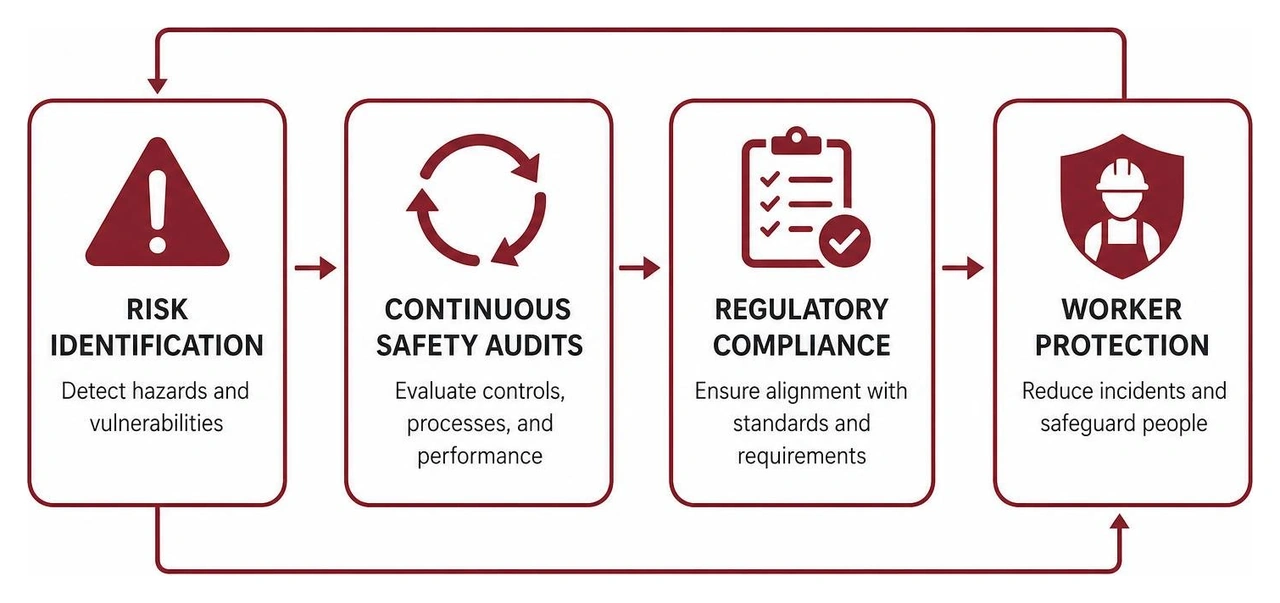
Conducting regular audits establishes proactive risk management. Instead of reacting after an injury occurs, audits identify systemic gaps, broken tools, unmaintained machinery, and flawed workflows early. This continuous verification creates a resilient site safety culture where zero-accident expectations are backed up by daily operational standards.
To learn more about baseline safety standards across modern jobsites, explore our Construction Safety Guide 2026.
While people often use "audit" and "inspection" interchangeably, they serve distinct operational functions.
A safety inspection is a targeted physical check of current jobsite conditions. An inspector walks the site asking, "Is anything broken, missing, or unsafe right now?" It identifies immediate hazards, such as a damaged ladder or missing guardrail, so they can be fixed on the spot.
A construction safety audit, by contrast, asks, "Why did this hazard occur in the first place, and why do similar issues keep happening?" Audits examine overall administrative programs, written safety policies, worker training certifications, permit-to-work logs, and field behaviors to evaluate whether your overall safety management system is actually working.
| Feature | Safety Inspection | Construction Safety Audit |
|---|---|---|
| Primary Focus | Immediate physical hazards and active field conditions | Management systems, administrative policies, and operational execution |
| Core Question | "Is anything unsafe right now?" | "Why did this gap occur, and is our safety program effective?" |
| Scope | Specific tools, equipment, work areas, or tasks | Broader systems, training records, permits, and worker habits |
| Frequency | Daily walk-downs or weekly field reviews | Monthly, quarterly, or annual comprehensive reviews |
| Outcome | On-the-spot hazard abatement | Systemic root-cause fixes, program policy revisions, and trend tracking |
Federal and state regulations require construction employers to maintain safe work environments through documented inspections and audit oversight. Under federal law, OSHA's 29 CFR 1926.20(b)(2) mandates that employers provide regular and frequent inspections of jobsites, materials, and equipment conducted by designated competent persons.
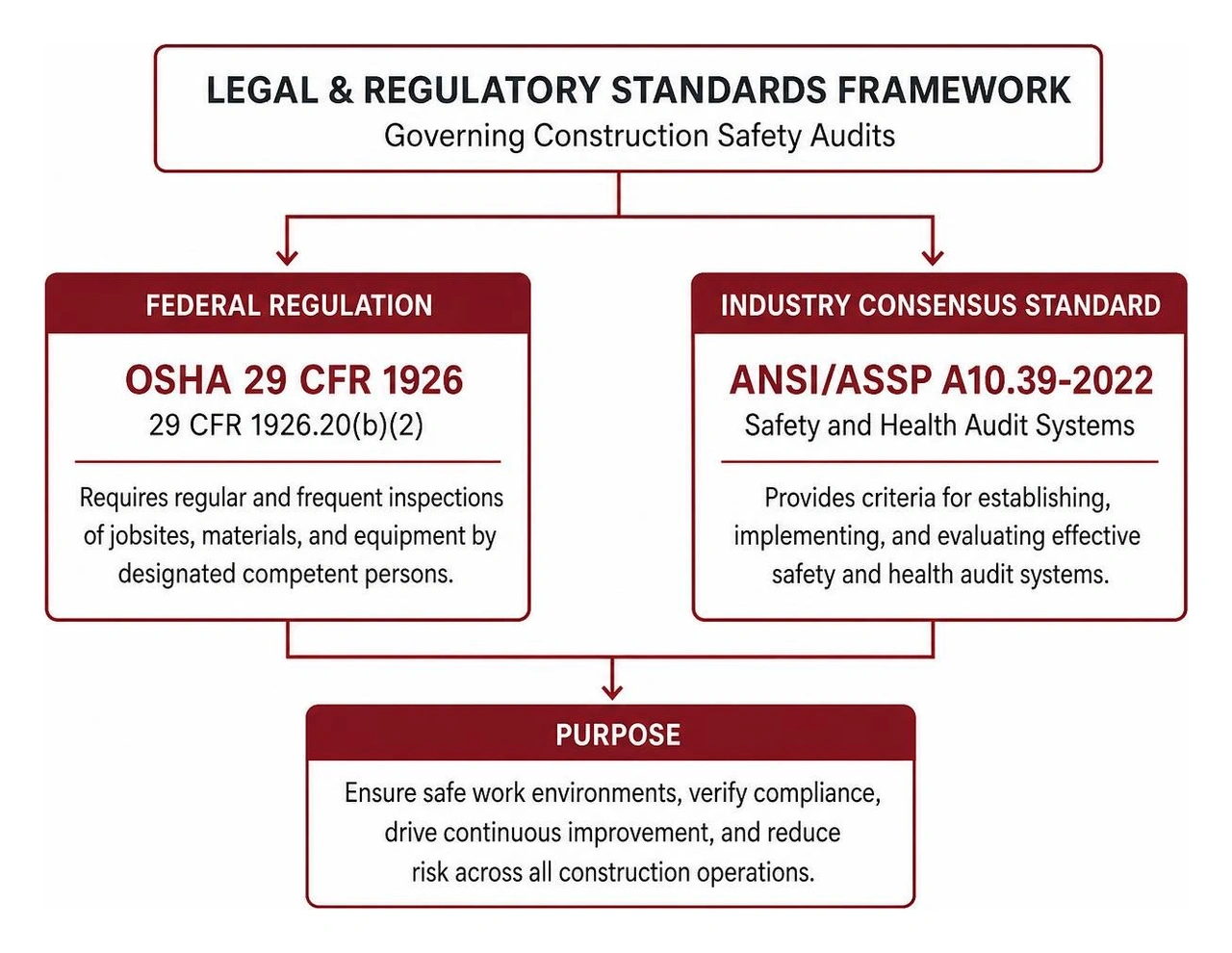
Beyond basic regulatory minimums, consensus industry guidelines like ANSI/ASSP A10.39-2022 outline specific criteria for building effective safety and health audit systems. Review the official ANSI/ASSP Standard Preview to see how national frameworks structure program metrics.
On dynamic multi-employer jobsites, prime contractors must coordinate safety programs and audit protocols across every trade on-site. Detailed compliance expectations are available in our guide to OSHA Construction Site Requirements.
For a deeper look into structuring operational site reviews, read An Introduction to Safety Audits on Construction Sites.
How often should safety audits take place? Frequency depends on several key project factors:
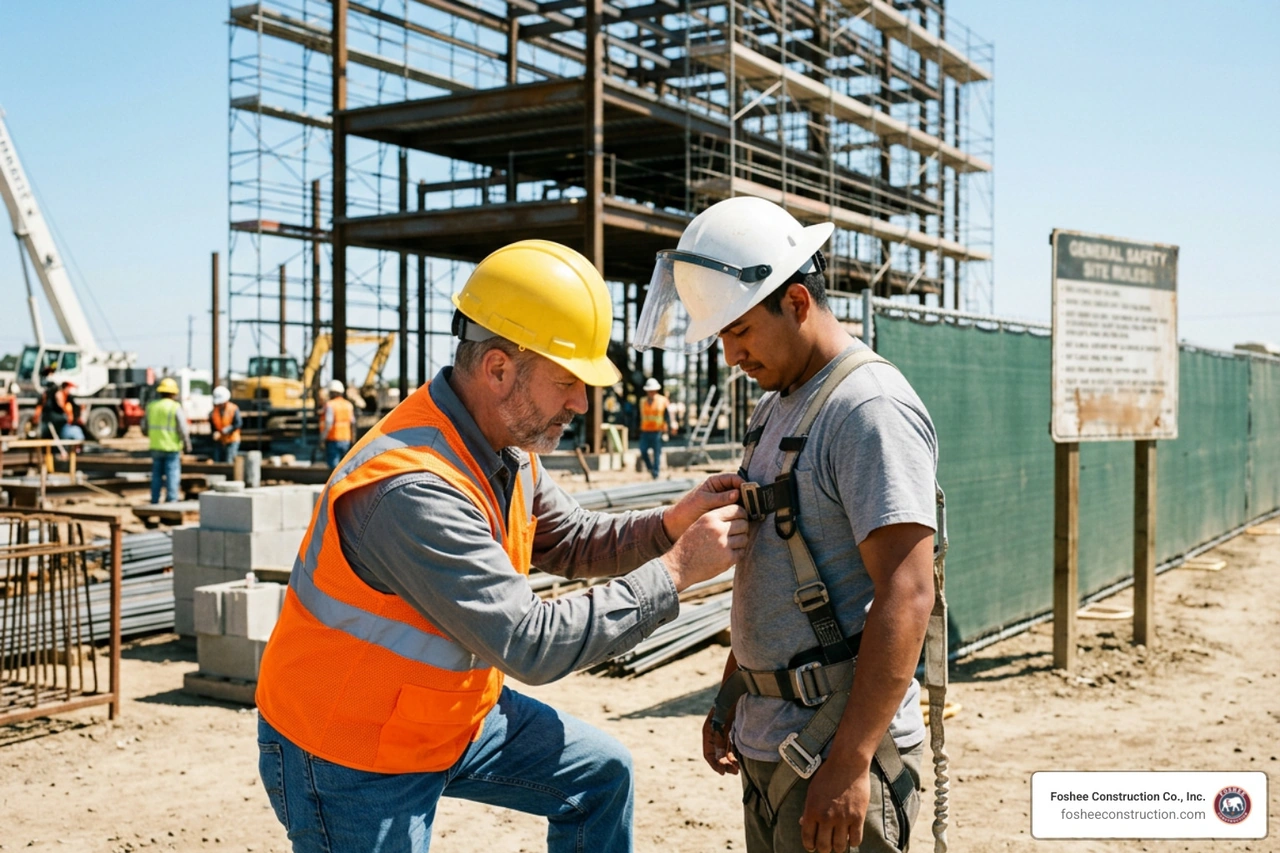
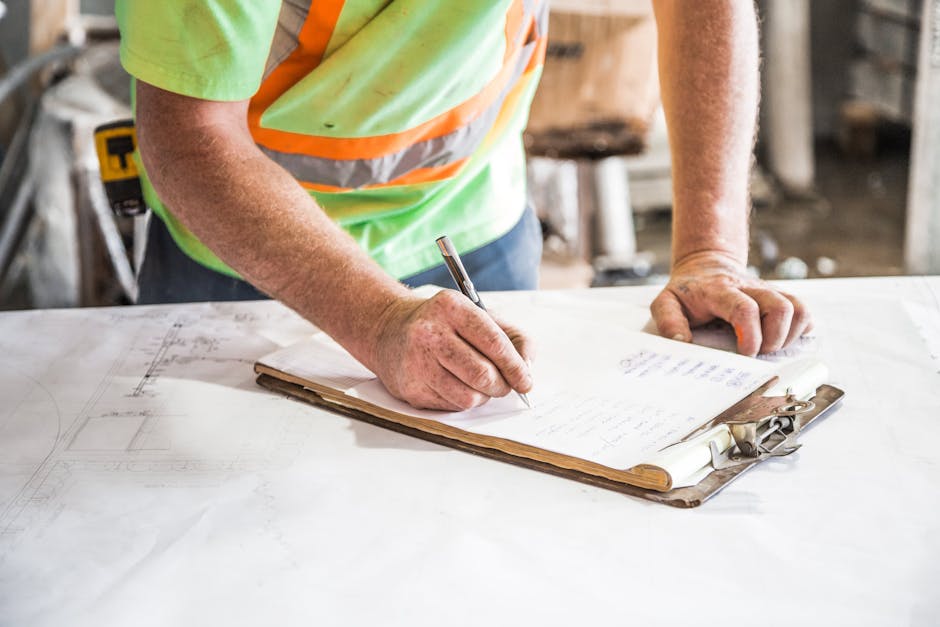
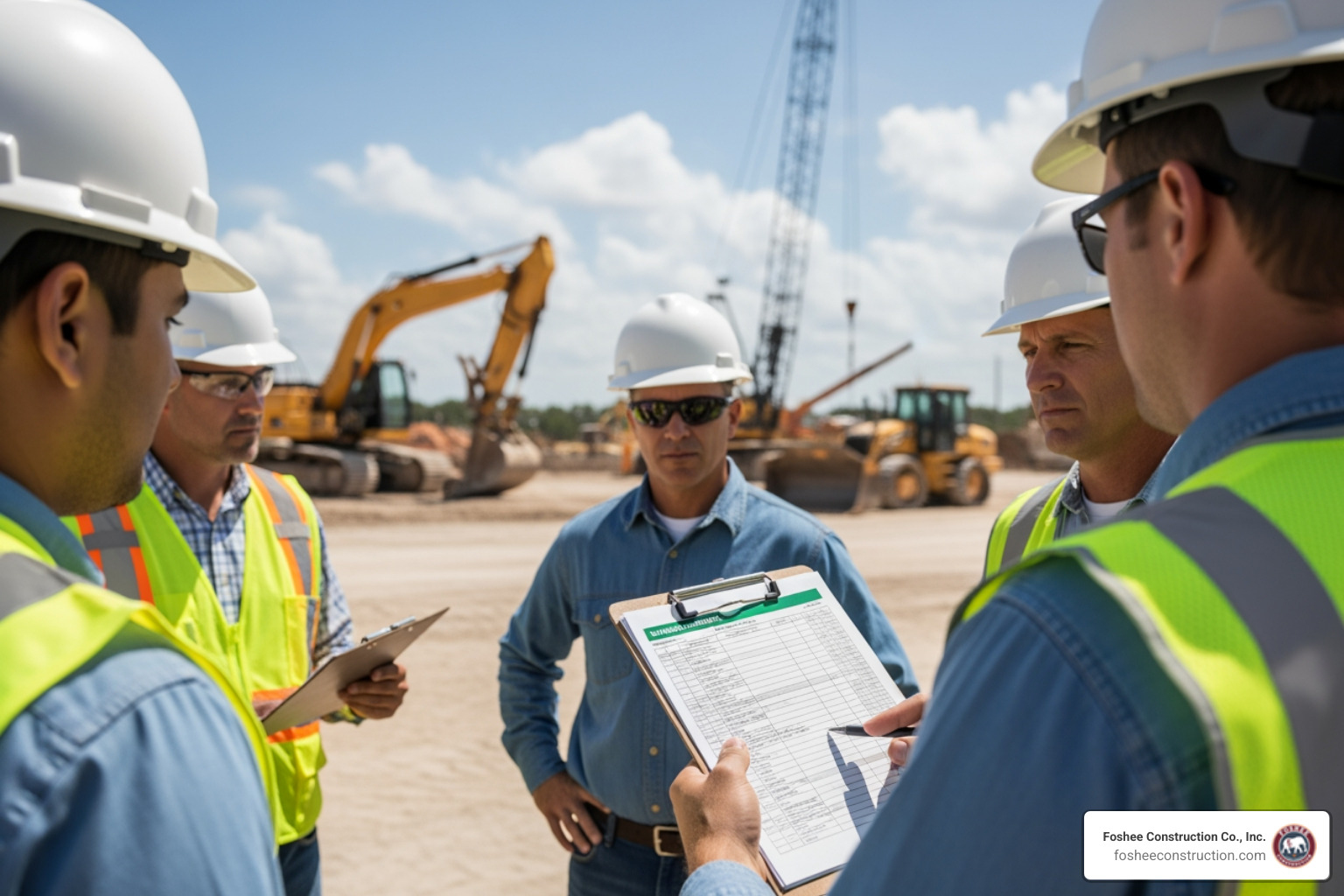
An effective construction safety audit rests on three supporting pillars of objective evidence gathering: physical site observation, documentation review, and frontline worker interviews. Relying on only one approach creates blind spots. A company may possess spotless paperwork, yet field workers might take dangerous shortcuts under tight deadlines.
To streamline your site evaluation procedures, refer to our comprehensive Construction Site Inspection Guide 2026.
According to OSHA data, construction accidents account for roughly 20% of all work-related deaths in the United States annually. The infamous "Fatal Four" hazards cause 65% of all construction fatalities. Standard safety audits frequently uncover vulnerabilities in these high-risk areas:
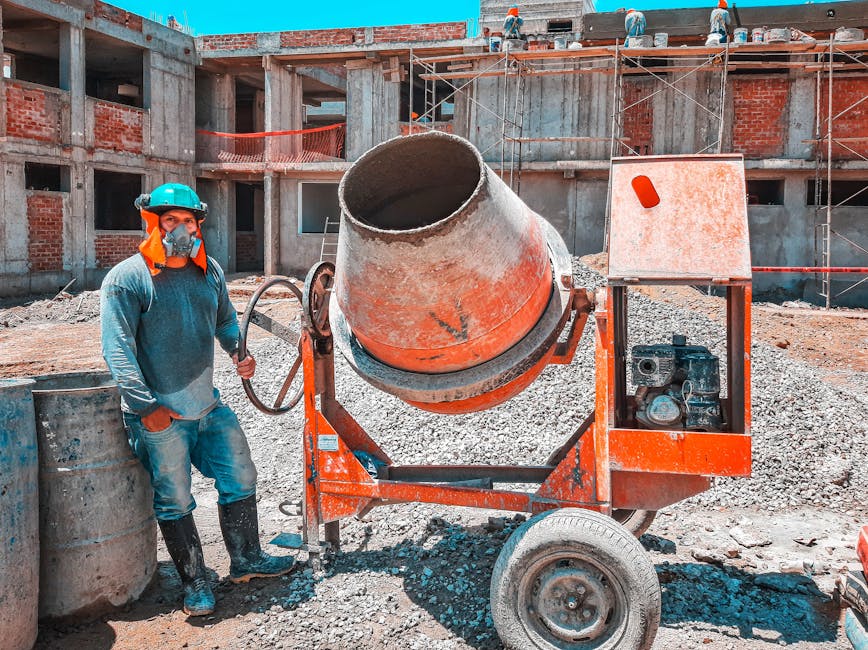
Other common findings include poor jobsite housekeeping (lumber with protruding nails, blocked egress routes) and missing Safety Data Sheets (SDS). Use the Construction Site Safety Audit Checklist 2026 to systematically audit these physical hazards.
Audits should be led by qualified professionals possessing recognized credentials (such as OSHA 30-Hour Construction certification, Certified Safety Professional designation, or specialized competency training) combined with direct field experience.
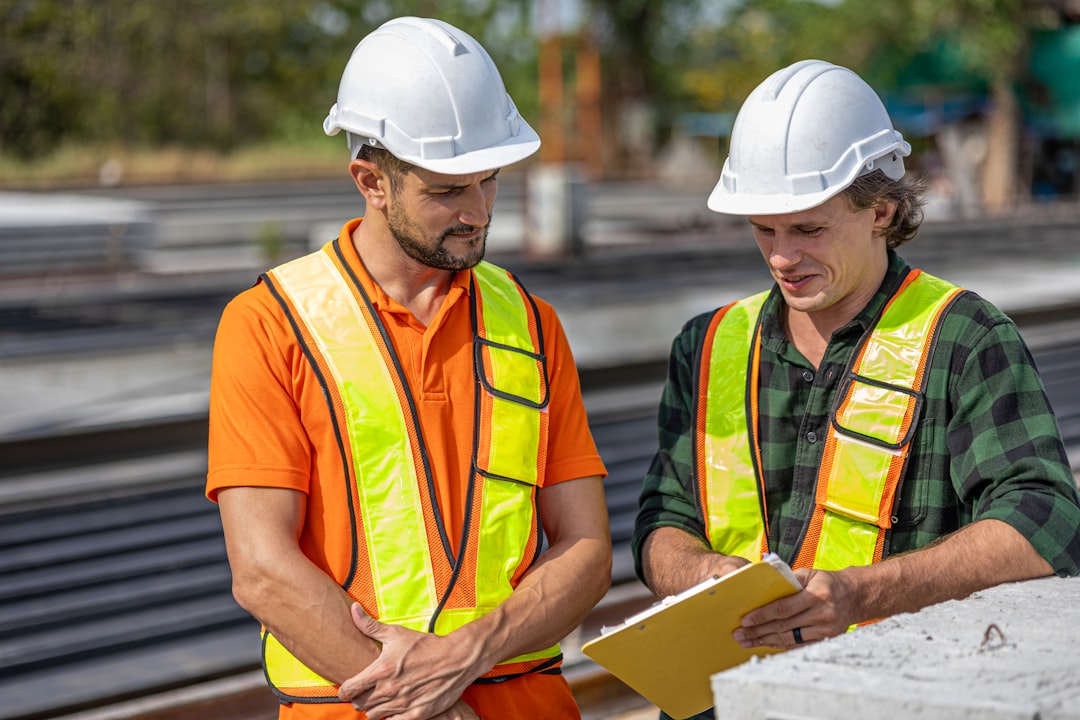
Site foremen and superintendents must participate actively during walkthroughs to resolve minor issues immediately. Crucially, auditors must interview frontline workers directly. Frontline tradespeople provide authentic insight into whether written safety procedures are practical or if site pressures lead to dangerous shortcuts.

Executing a structured construction safety audit involves five core operational phases:
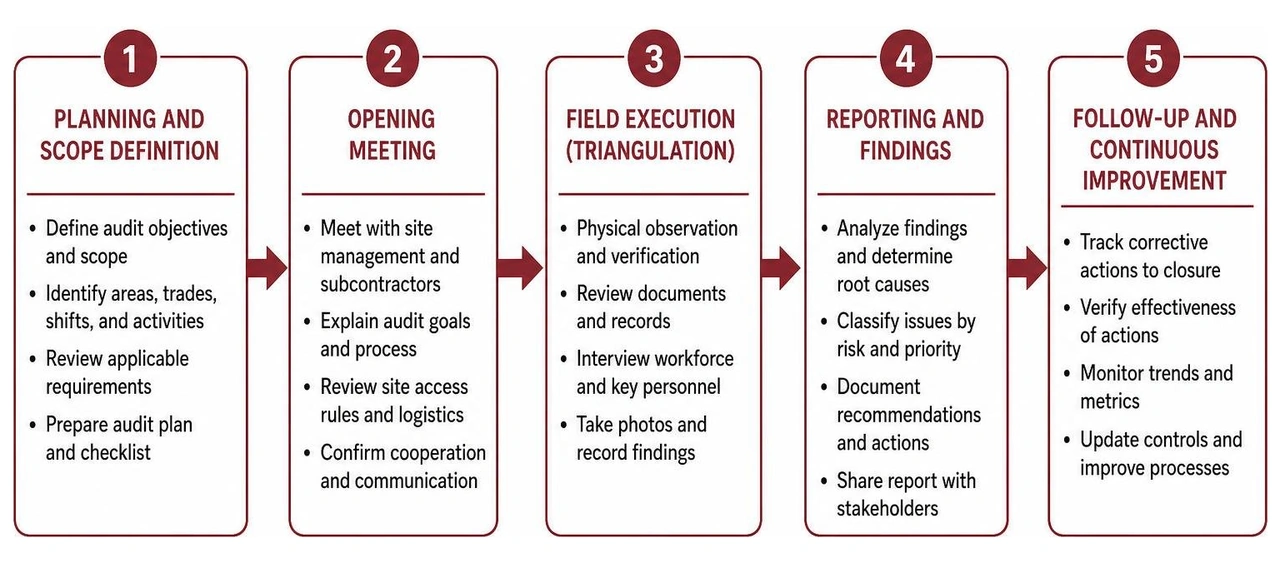
For an in-depth breakdown of field audit preparation, consult How to Conduct a Construction Safety Audit.
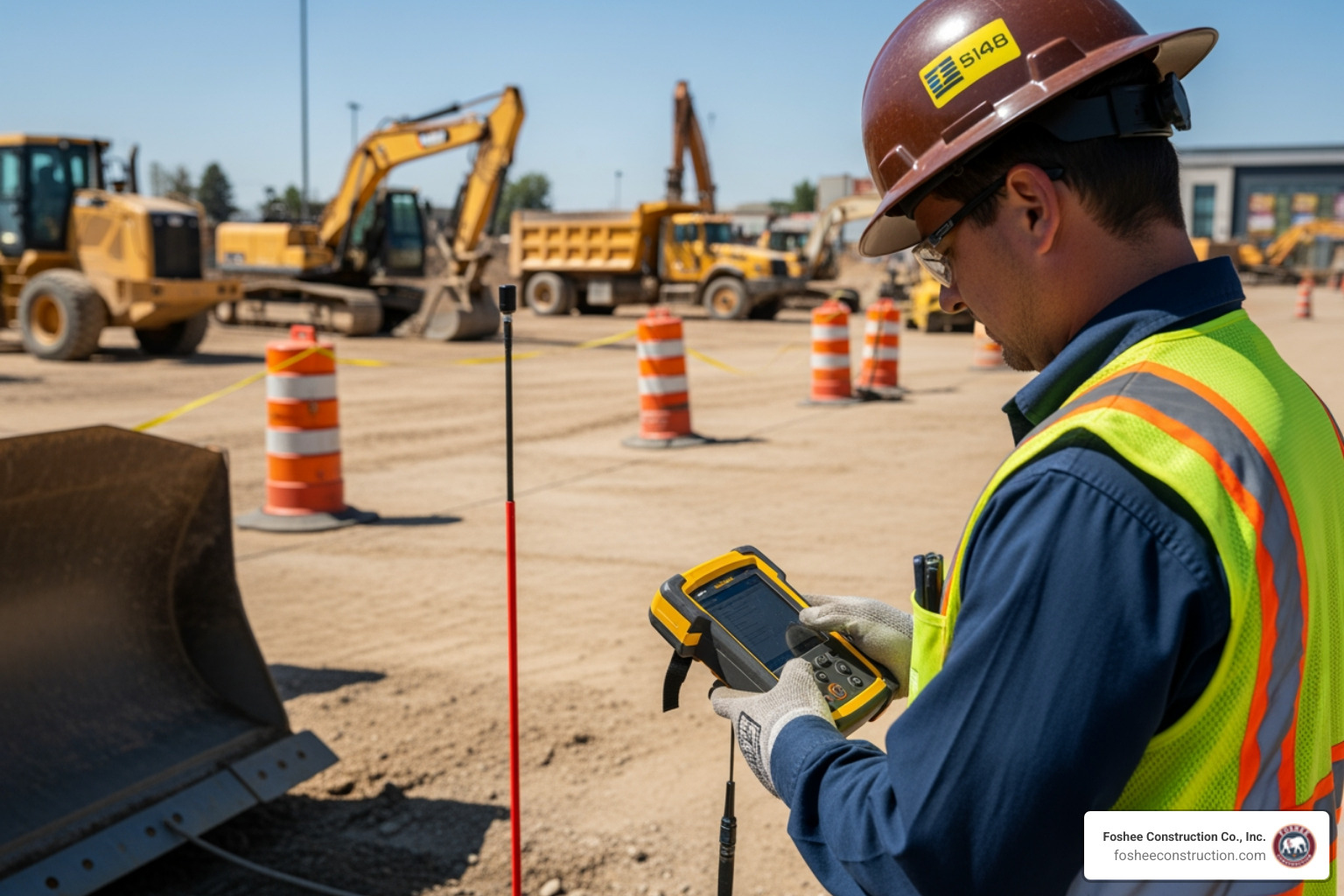
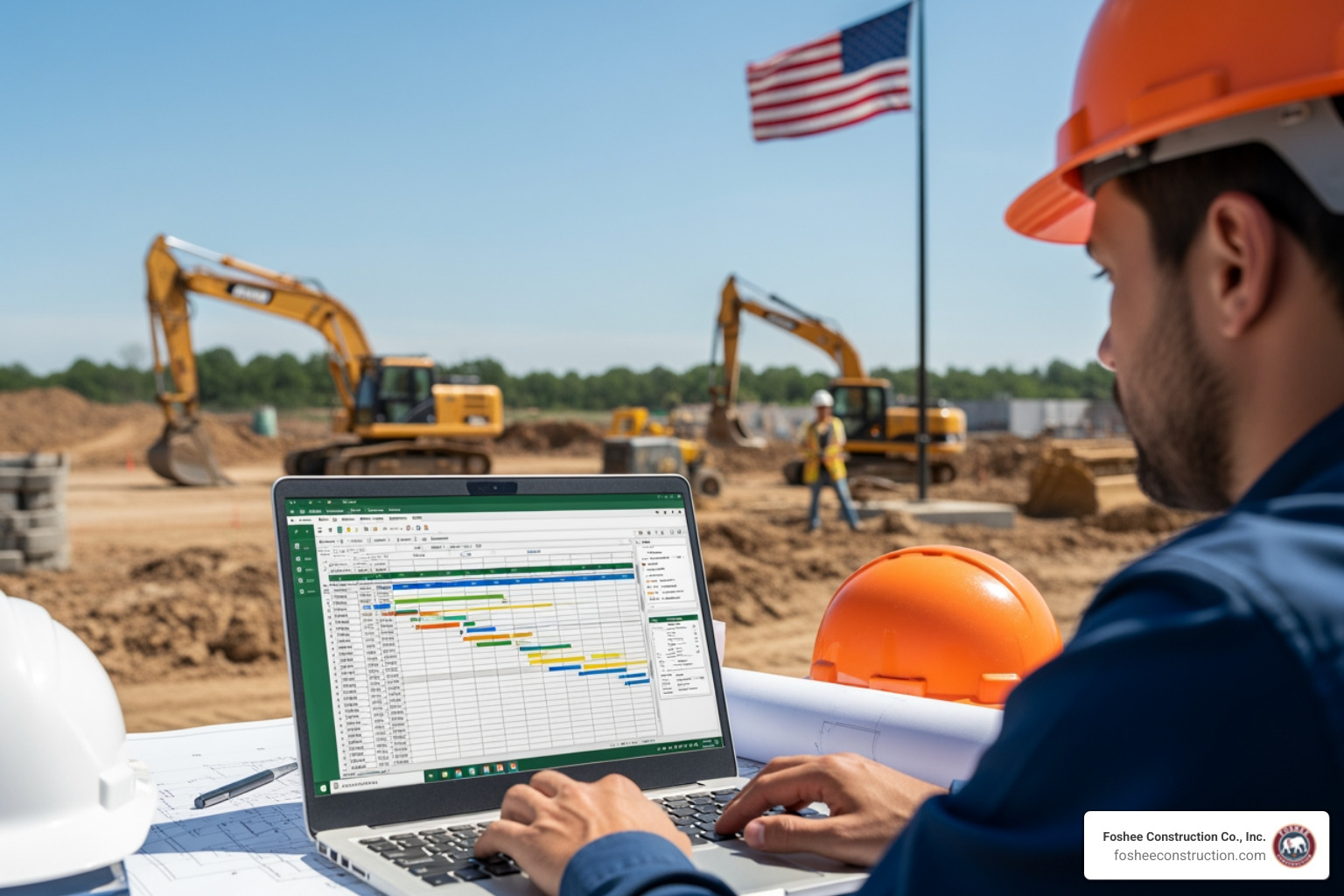
Modern construction audits rely on digital audit applications loaded on ruggedized field tablets. Digital software allows auditors to capture geotagged photo evidence, auto-populate regulatory checklist fields, and instantly flag high-priority non-conformances for project managers.
Essential verification evidence that auditors must pre-stage or check on-site includes:
To prevent audit reports from gathering dust, non-compliances must be categorized using a disciplined risk matrix:
Always perform a root cause analysis on repeat findings. If workers consistently bypass PPE near a cut station, the solution might not be reprimanding workers—it may require re-positioning dust collection systems or procuring comfortable equipment that fits properly.
Daily quick checks should be performed by competent foremen, formal site safety walkthroughs should occur weekly, and comprehensive safety management system audits should be executed monthly or quarterly based on project complexity and high-hazard work phases.
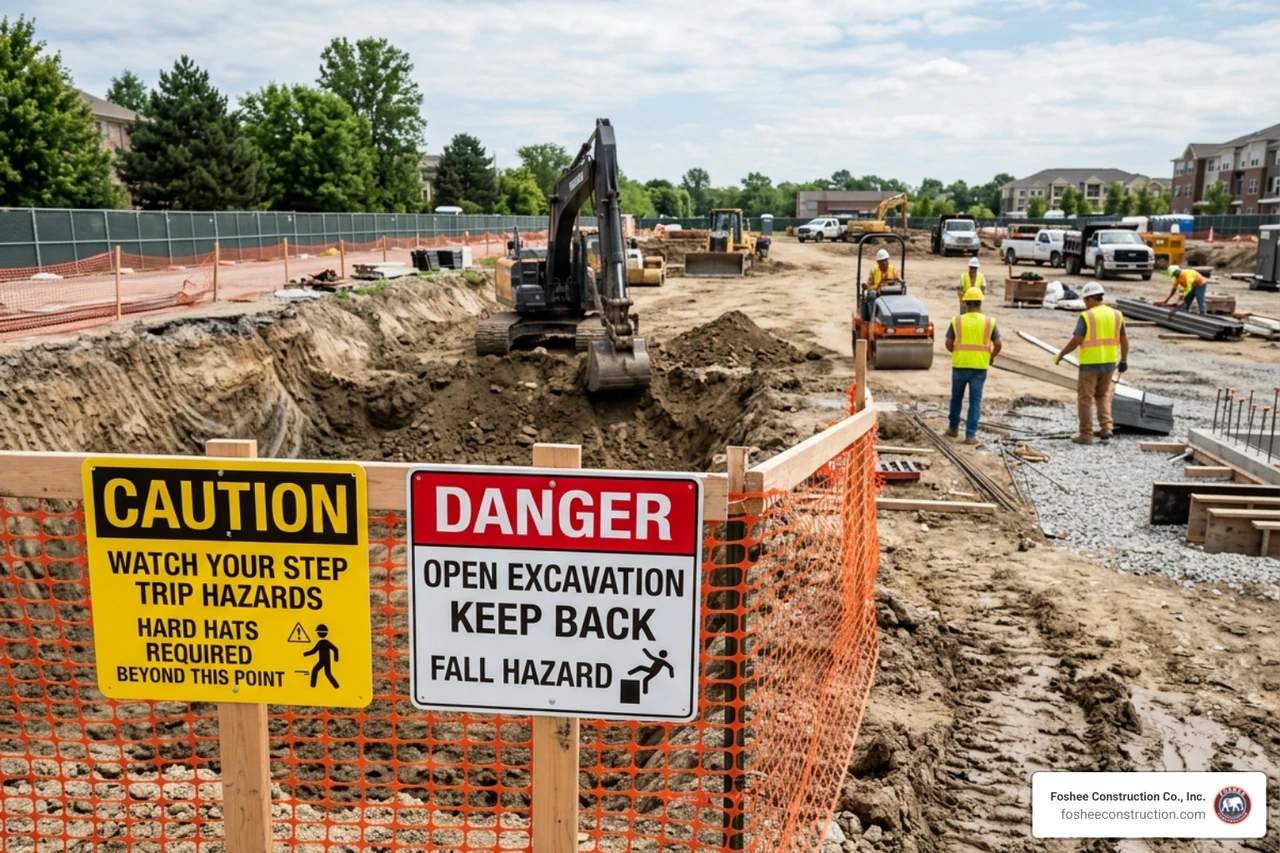
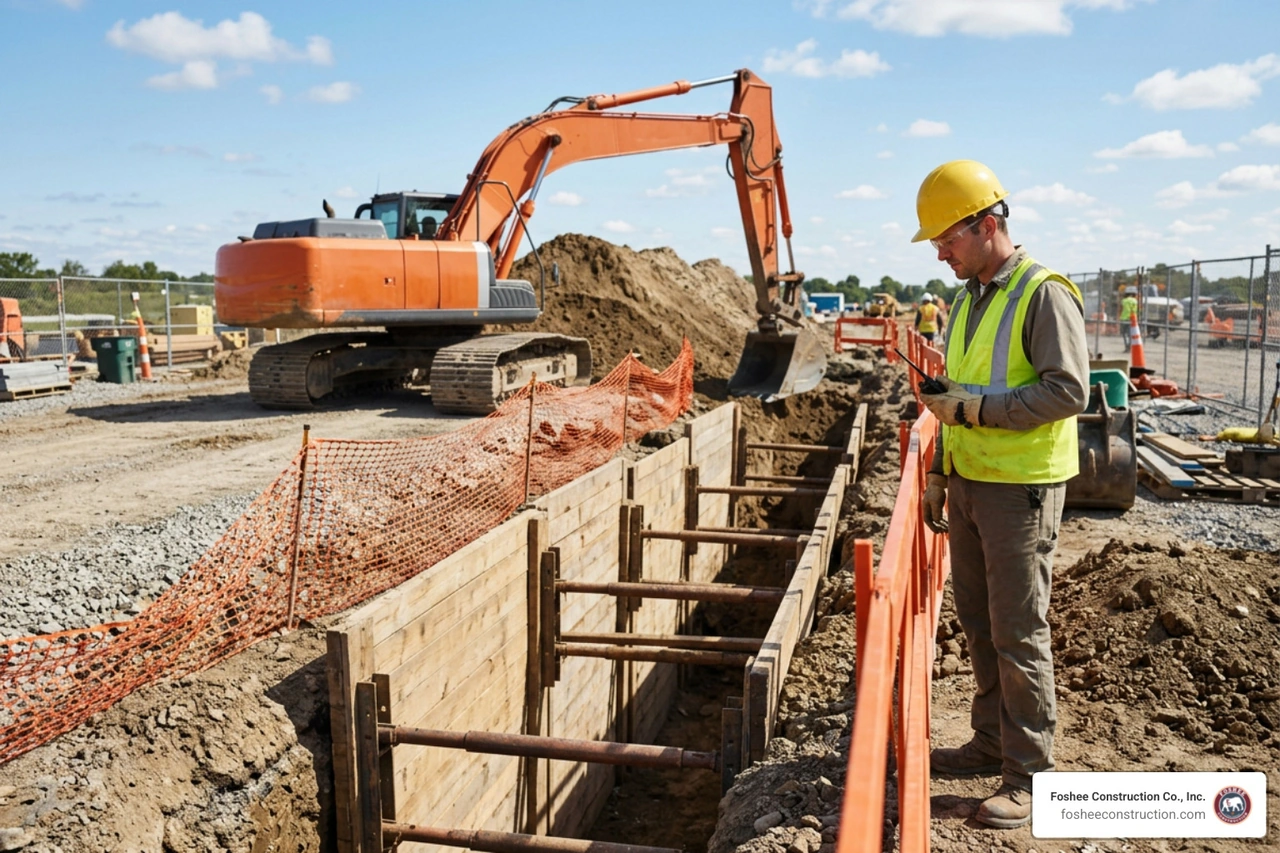
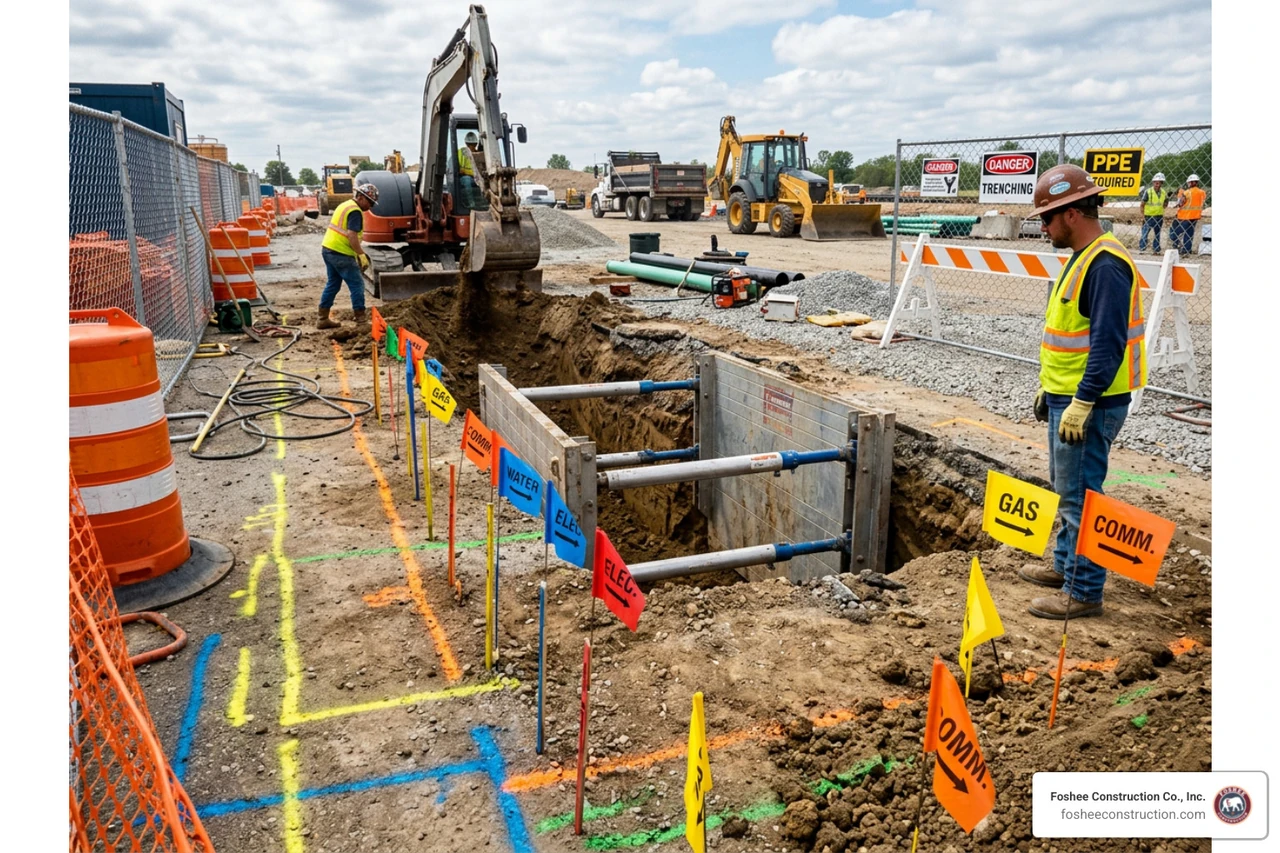
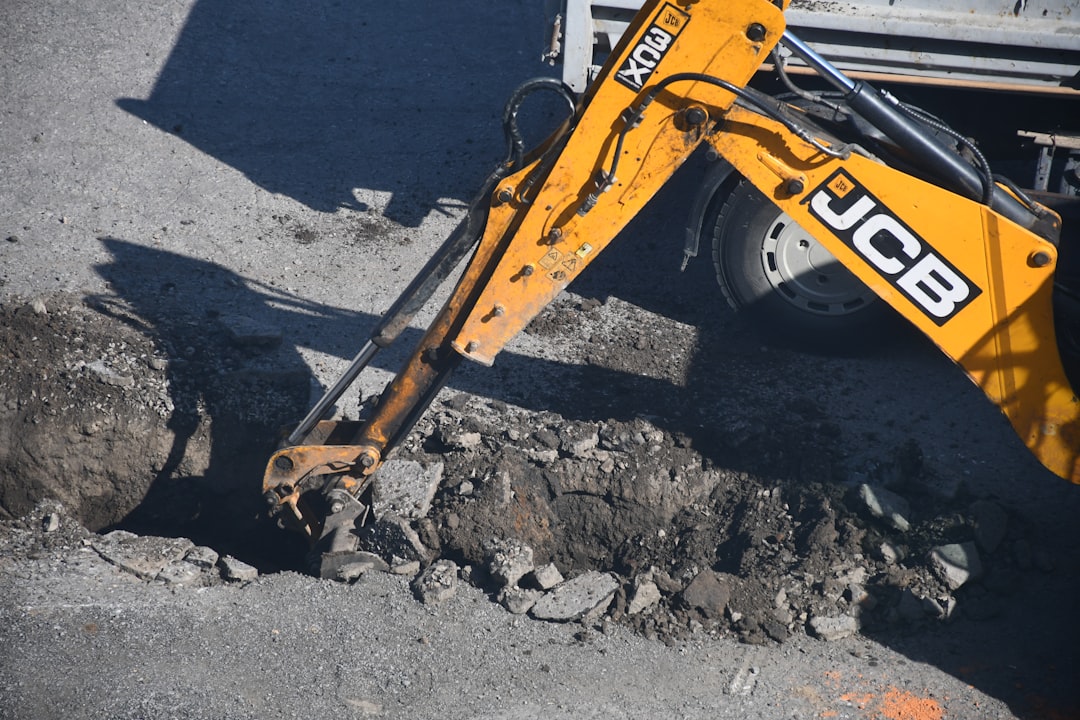
The most common audit findings include improper fall protection setups, un-shored excavation cuts deeper than 5 feet, unmaintained power cords lacking GFCI protection, blocked emergency eyewash stations, and incomplete JHA documentation.
In general, routine internal safety audit reports are discoverable during litigation following an incident. While limited self-audit privileges exist under narrow legal conditions in select jurisdictions, standard practice requires construction firms to treat every audit report as an official record and demonstrate prompt, documented hazard abatement.
A thorough construction safety audit is far more than an administrative burden or regulatory hurdle. When executed with discipline and supported by digitized mobile tools, clear risk triage, and executive support, auditing serves as a core engine for jobsite safety and business efficiency.
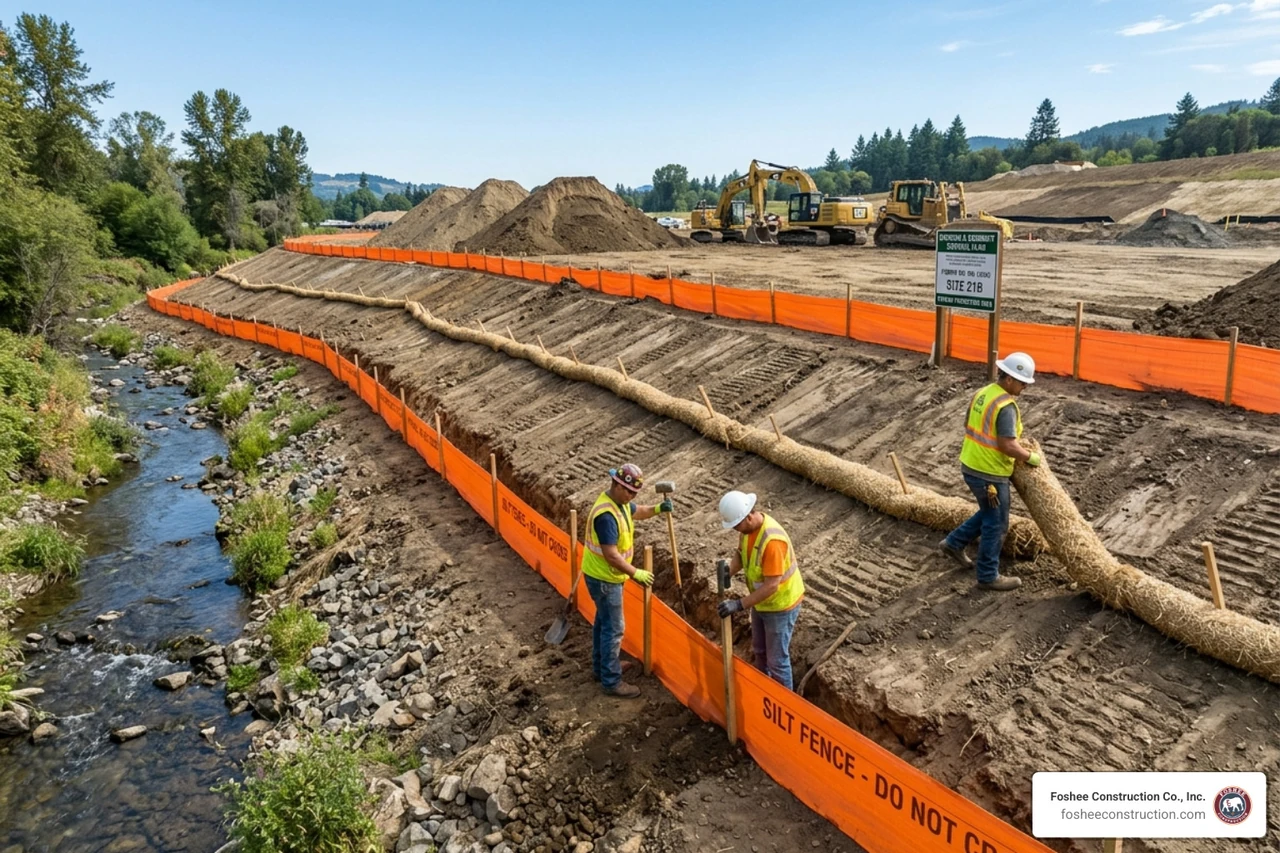
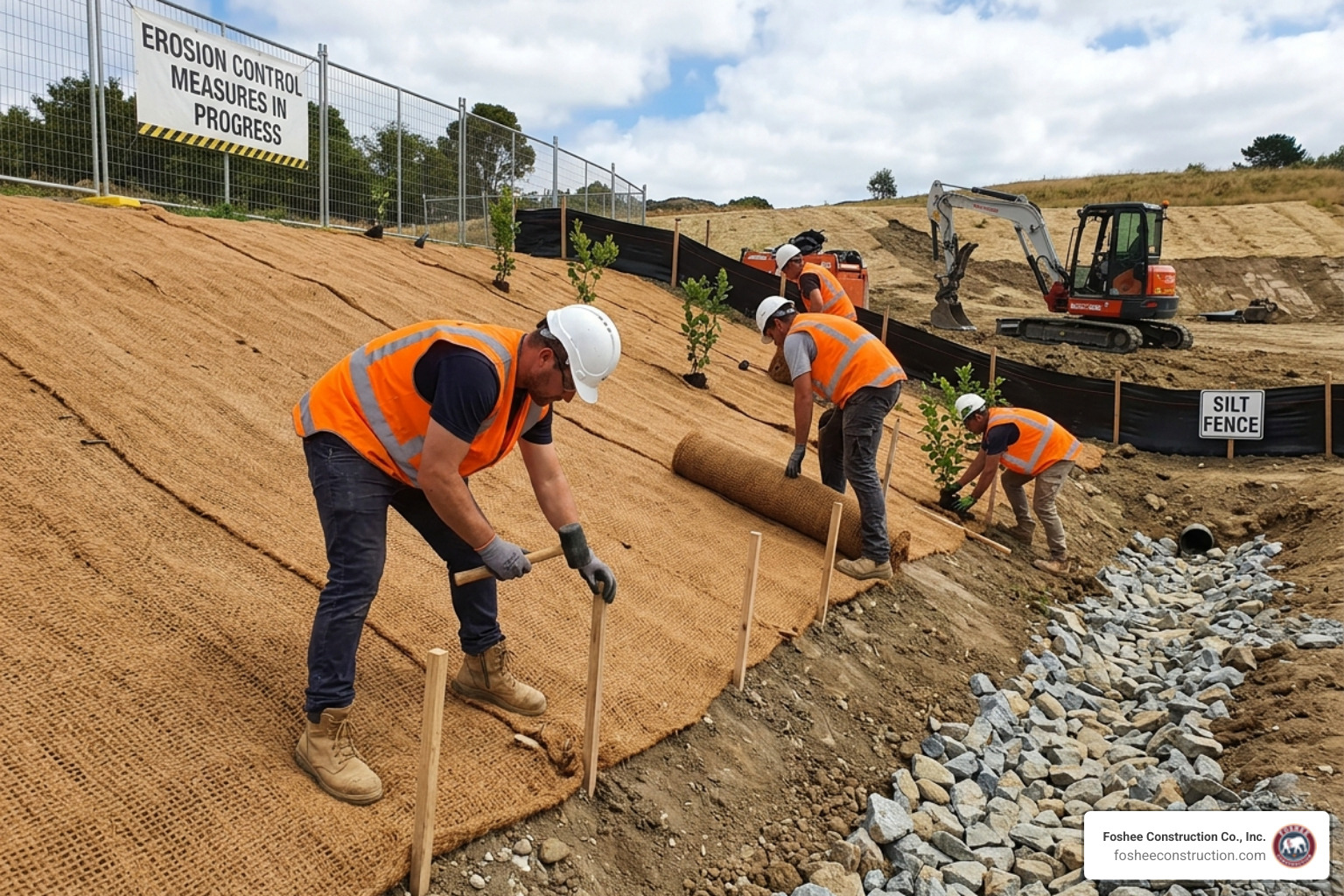
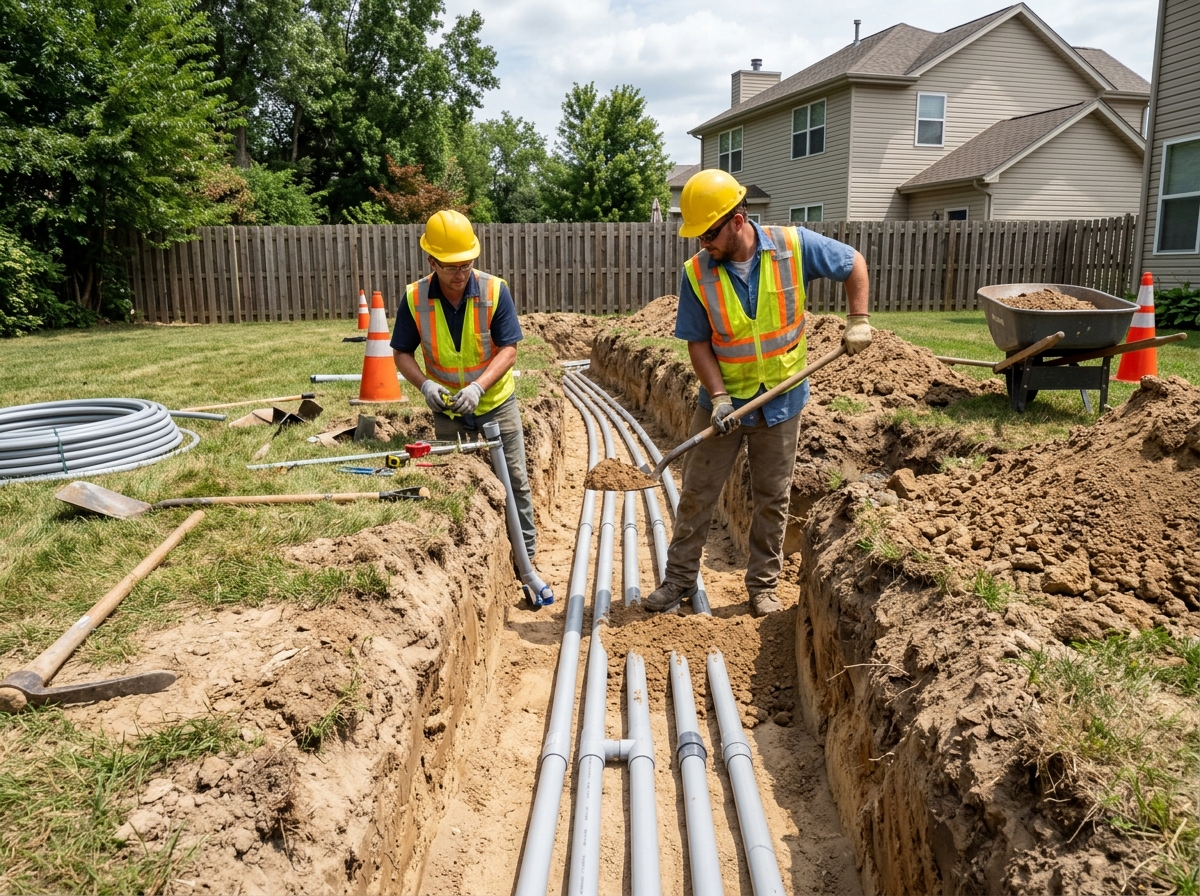
At Foshee Construction Co., Inc., based in Minneola, Florida, safety is the foundation of our site development operations. From large-scale grading and erosion control to deep underground utility installations across Lake County, our disciplined safety standards ensure our projects run efficiently, legally, and without costly delays.
Partner with a Central Florida site preparation contractor committed to safety excellence and project reliability. Discover Why Choose Foshee Construction for your next development project today.
We build bids using HeavyBid and AGTEK because the details matter long before the job starts. When the numbers are accurate and the scope is clearly defined, it sets the tone for how the entire project runs. Estimating isn’t just a step in the process, it’s the foundation we build on.
That same mindset carries into the field. Our crew is trained to work with purpose, follow the Civil Engineers’ Plan to the finest detail, and hold the line on quality. When expectations are clear from day one, there’s no need for shortcuts, and no confusion about how the work gets done.
Clients trust our bid packages because they’re complete and ready to use. Project managers know what we’re covering, what’s excluded, and how we plan to approach the job. That clarity removes friction and lets teams focus on execution instead of interpretation.
As part of our review process, we go into the plans before anything hits the site. We ask the questions early, resolve issues before they show up in the field, and keep RFIs moving. This approach prevents delays and protects the timeline.
Over time, that consistency builds trust. Many of the people we work with today came through referrals from past projects – engineers, GCs, and superintendents who’ve seen how we operate and want the same experience again.
In 2024, Foshee Construction was acquired by Saga Infrastructure Solutions, a national network of civil construction companies. Saga supports regional contractors by giving them access to better tools, long-term resources, and operational backing, without changing how they run day to day.
Foshee will continue to operate under its name, with the same team and field leadership in place.
“From the very time a project starts, we start that partnership. We try to catch as much as we can with the tools that we have. Not everybody is using the software platforms we are. That’s the differentiator: we’re not just bidding. We’re anticipating, problem-solving, and making sure the job runs right.”
— Don, CEO, Saga Infrastructure Solutions
Foshee is now part of a broader regional strategy that includes Florida, the Piedmont Atlantic, Texas, Colorado, and the Arizona Sun Corridor. The name, crews, and standards remain. What’s improving is the support behind it.