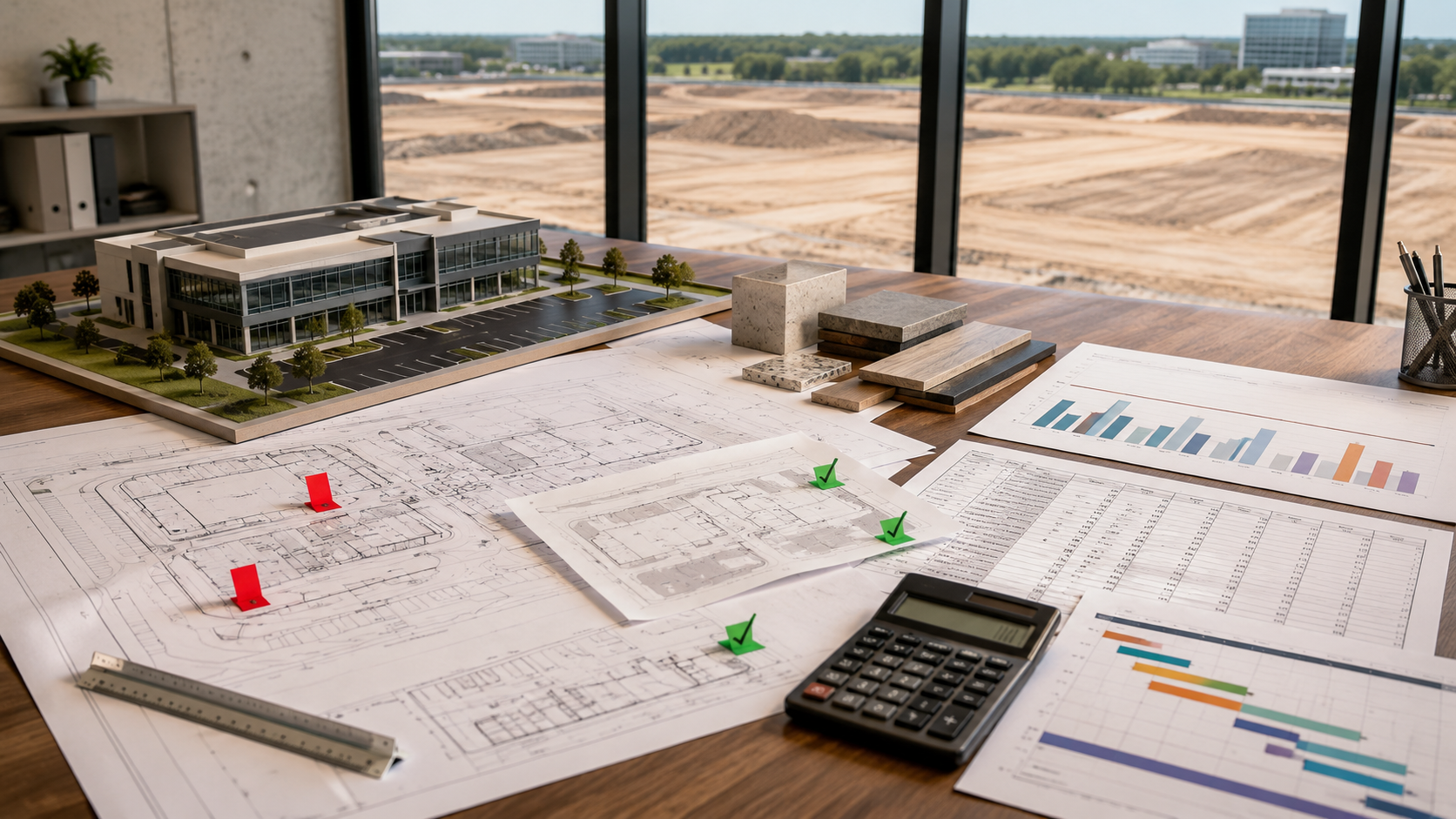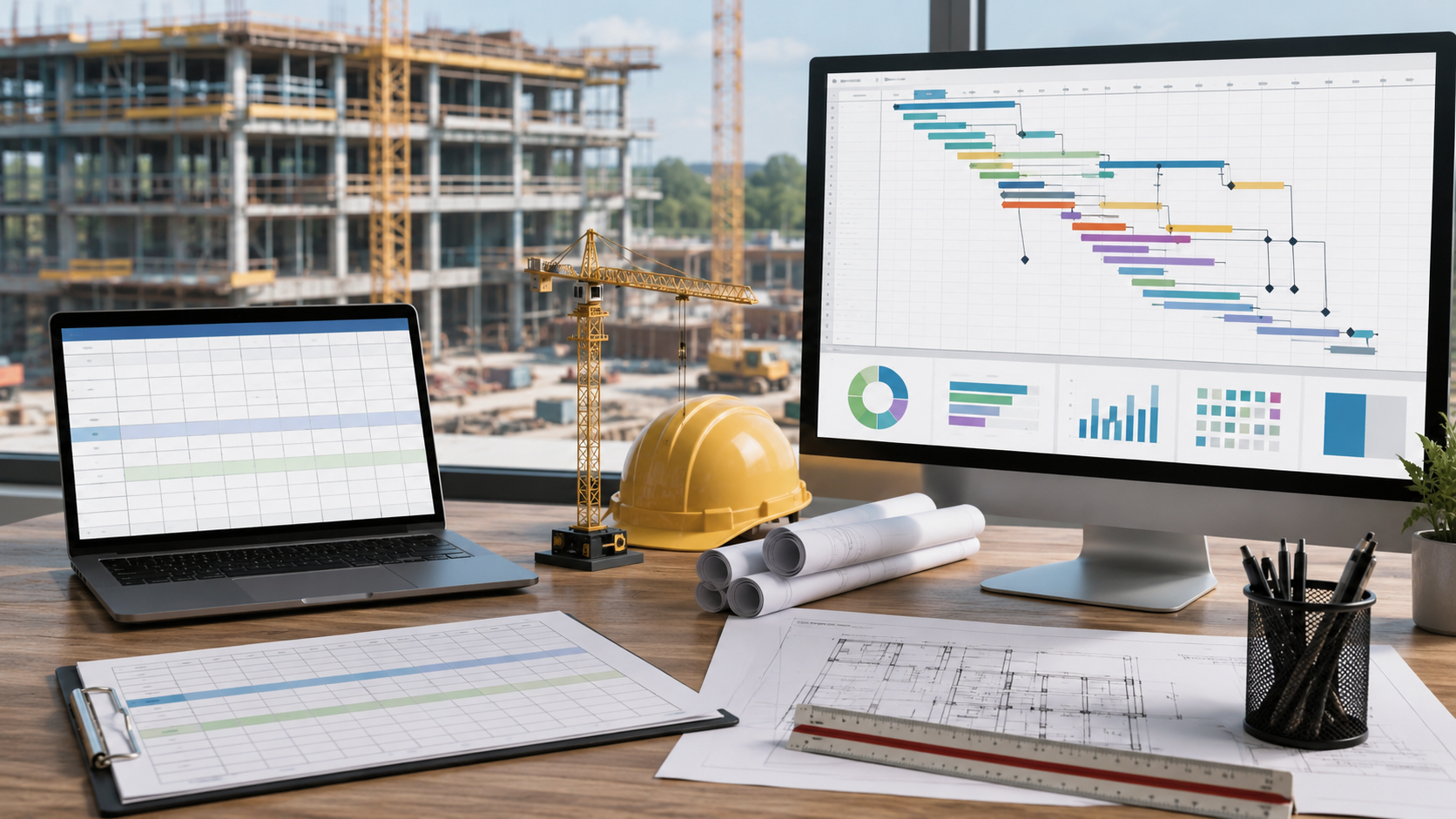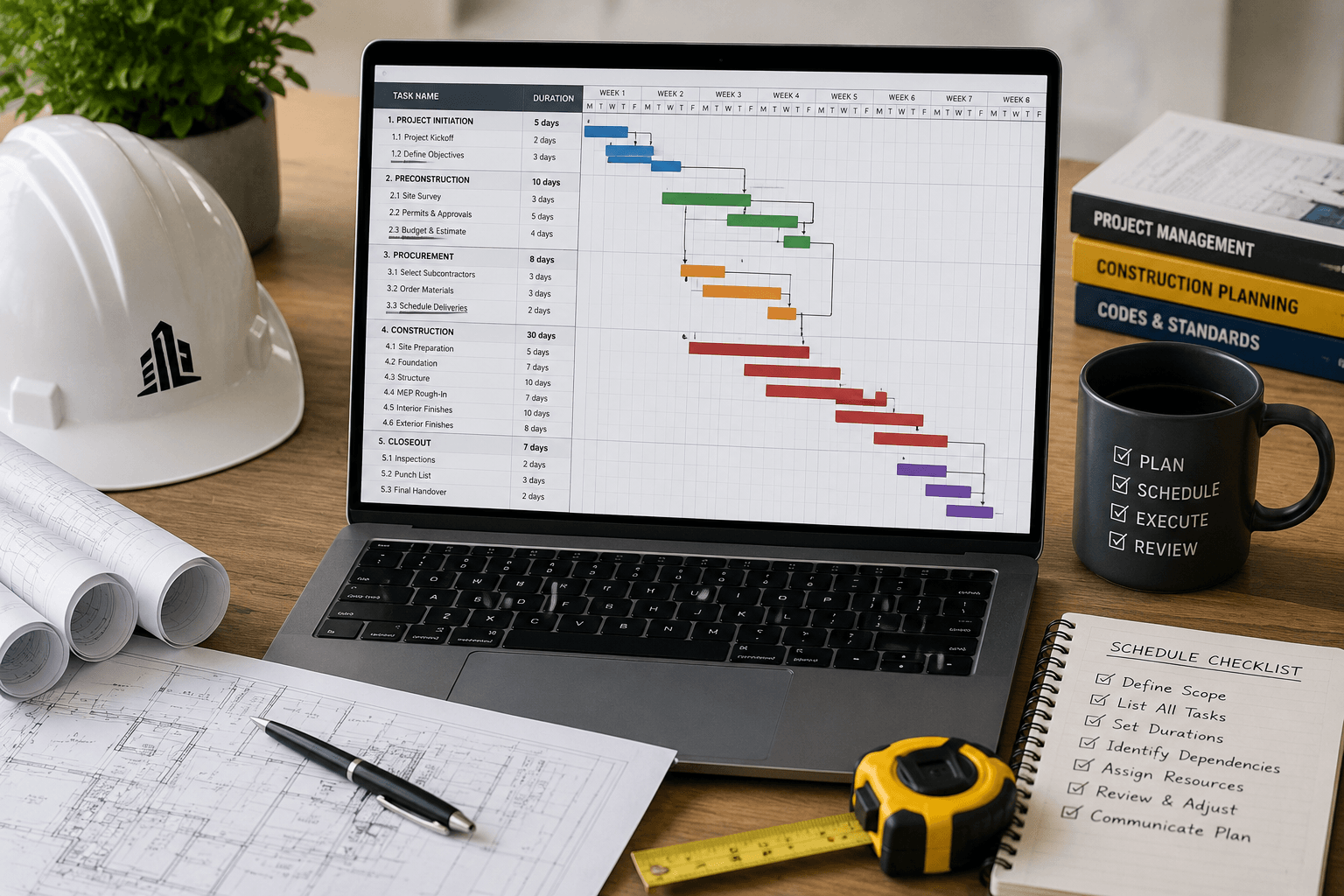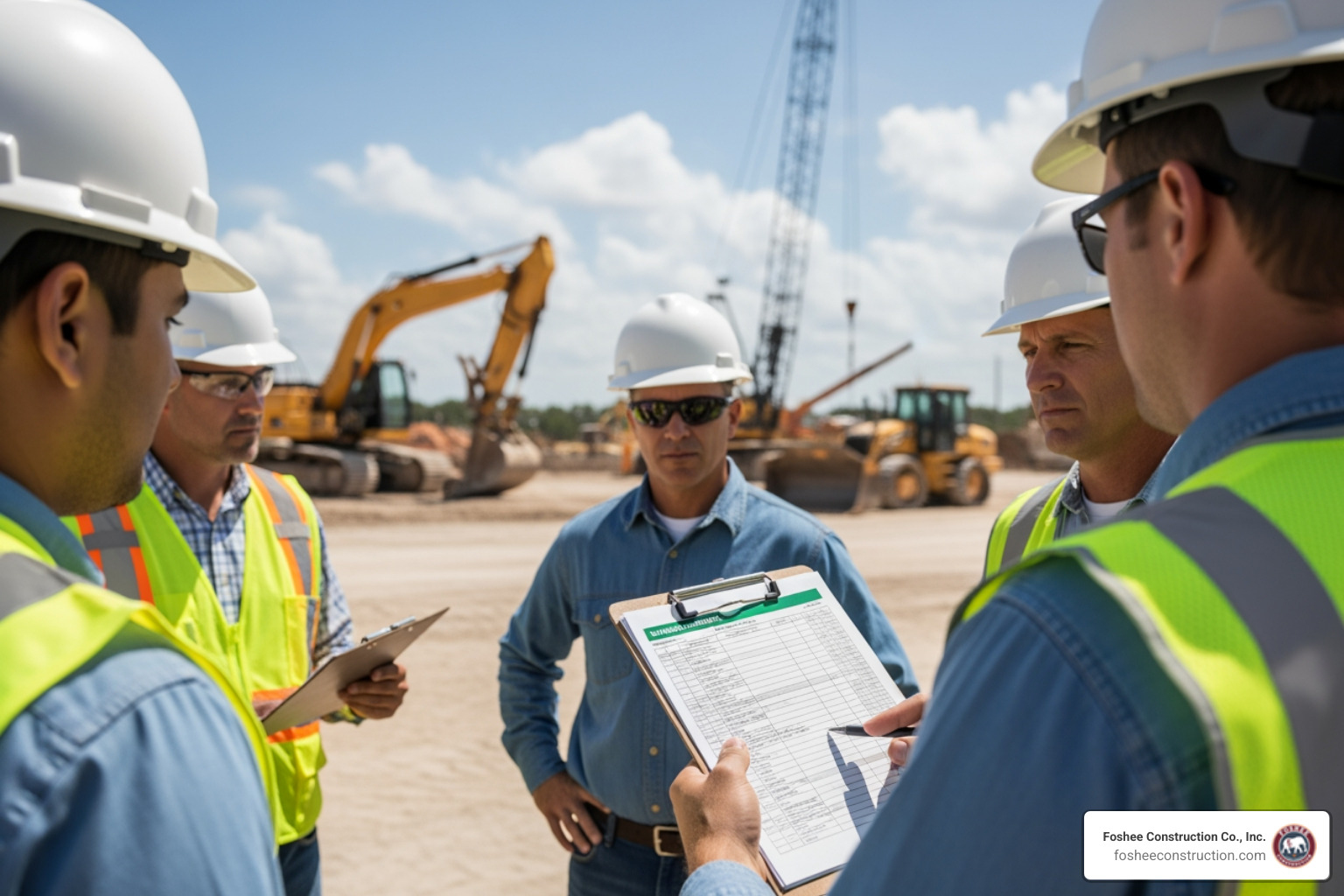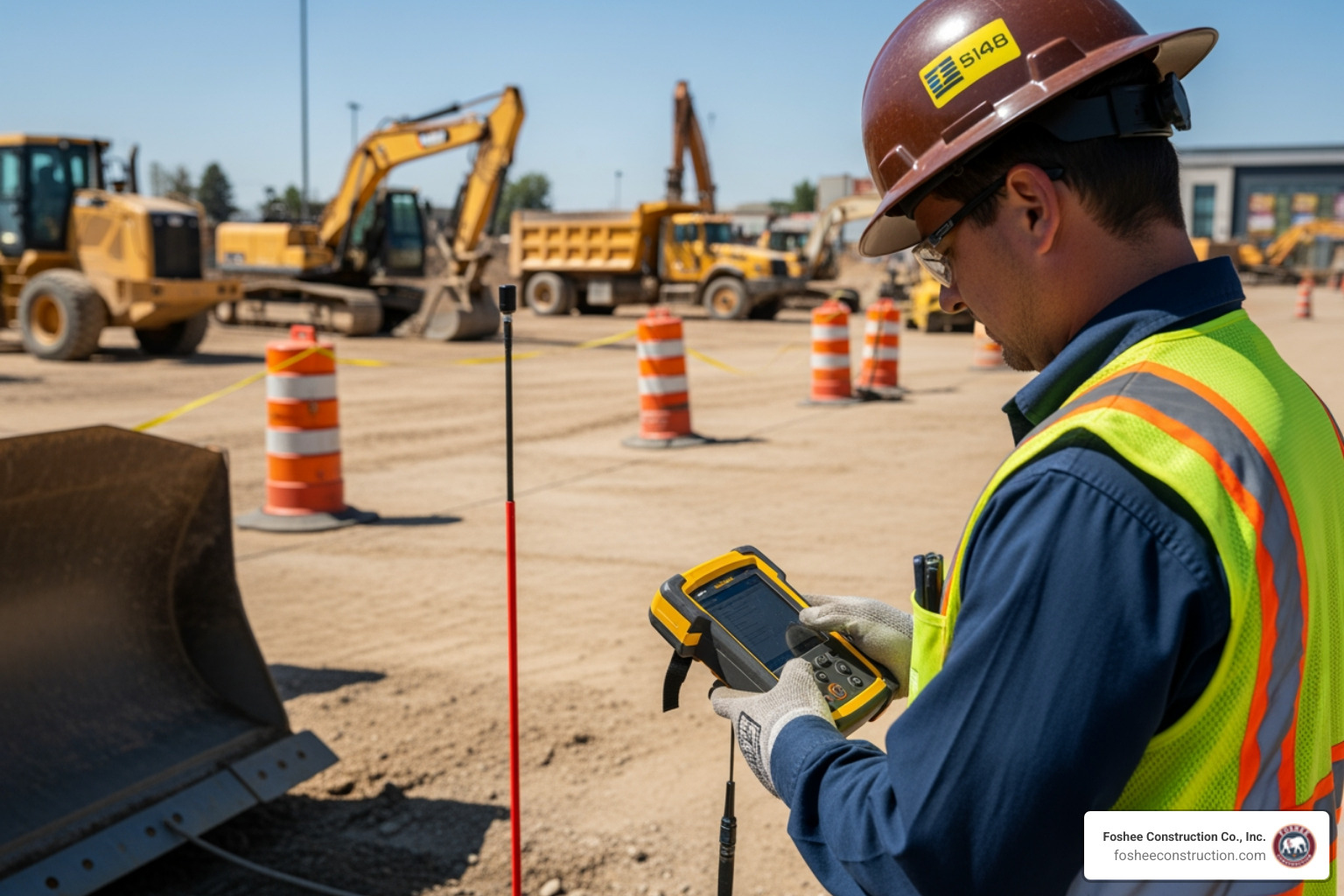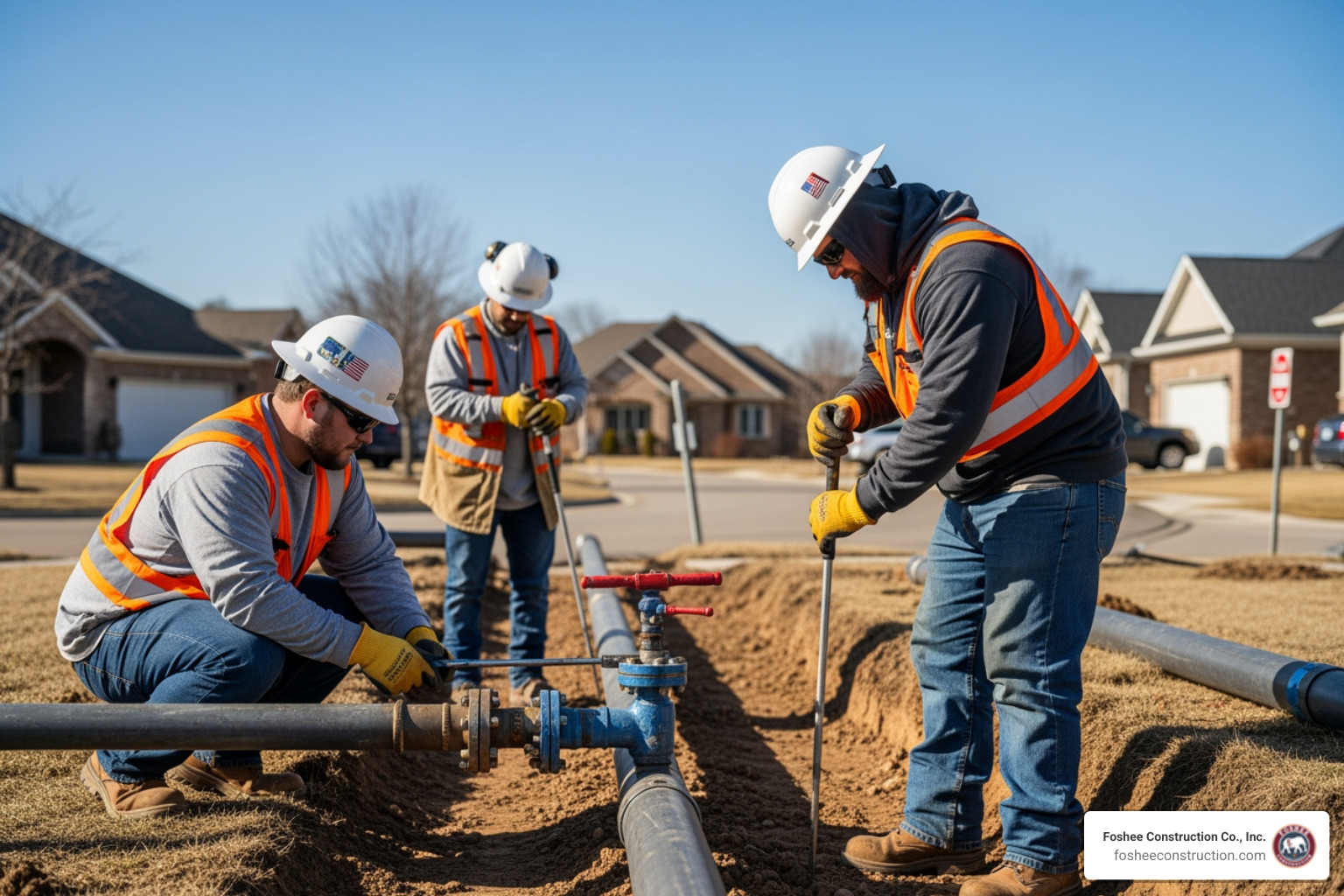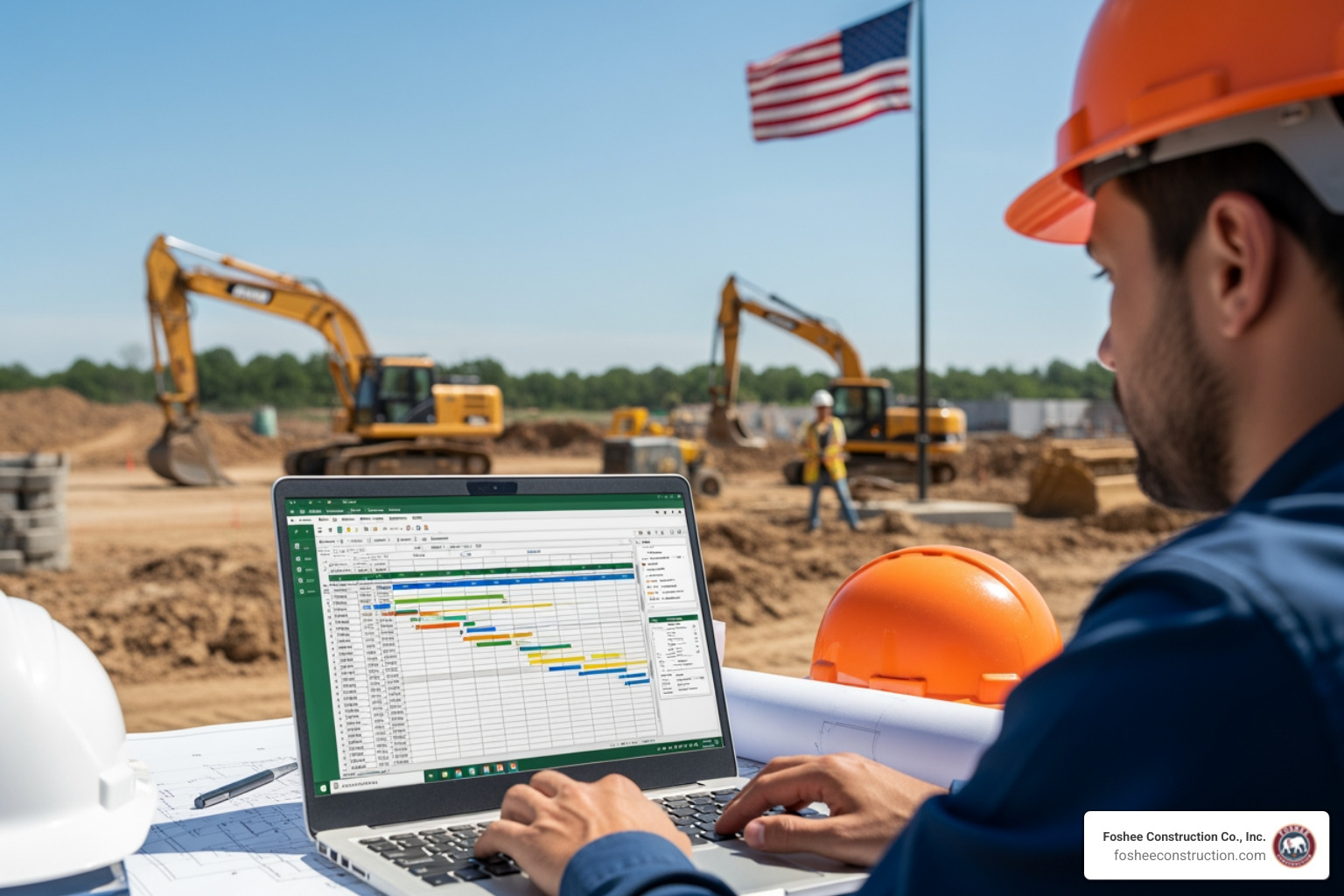
Most construction schedule templates fail the same way, they look organized on day one and fall apart by week three because they weren't built around real dependencies.
Clear task dependencies, not just a list of dates
Milestones tied to permitting and inspection windows
Buffer time for weather-sensitive site work
Long-lead material and equipment tracking
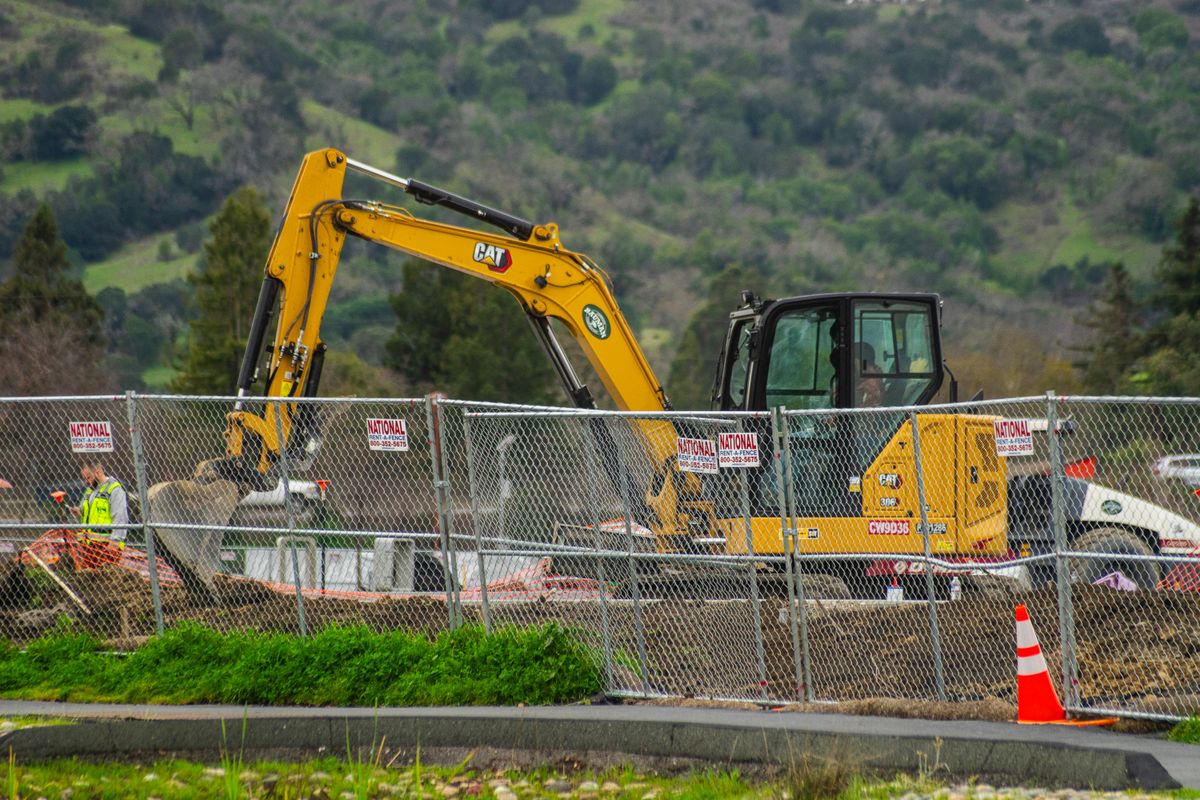
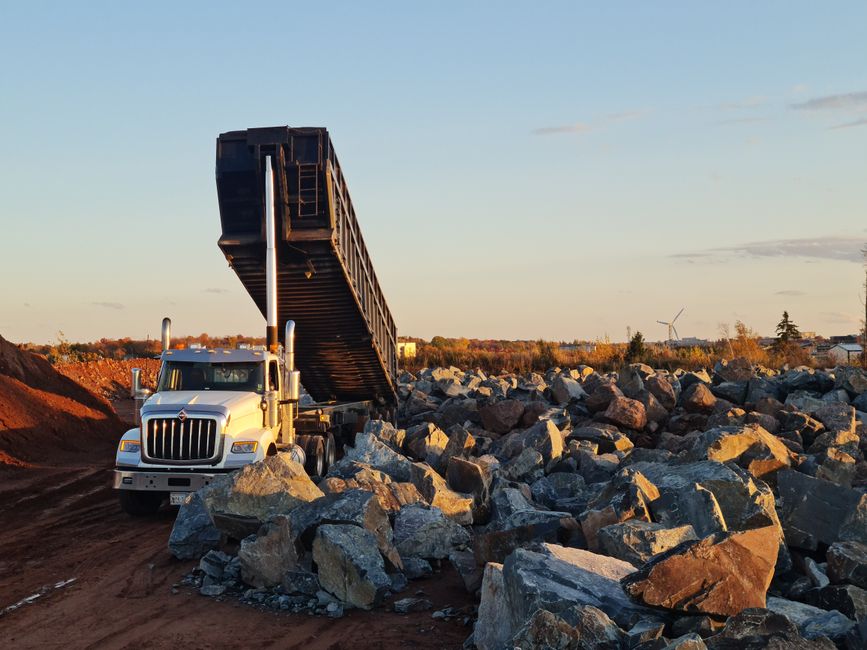
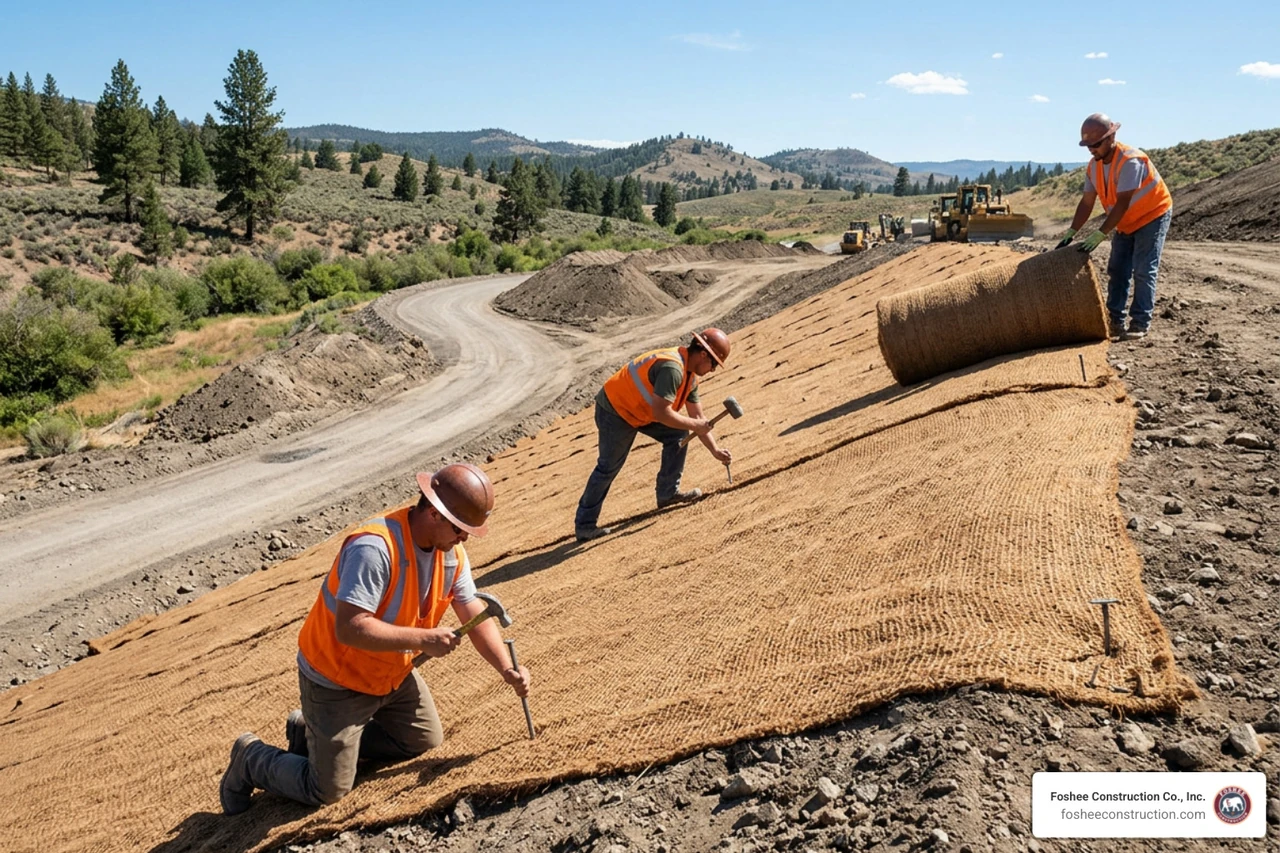
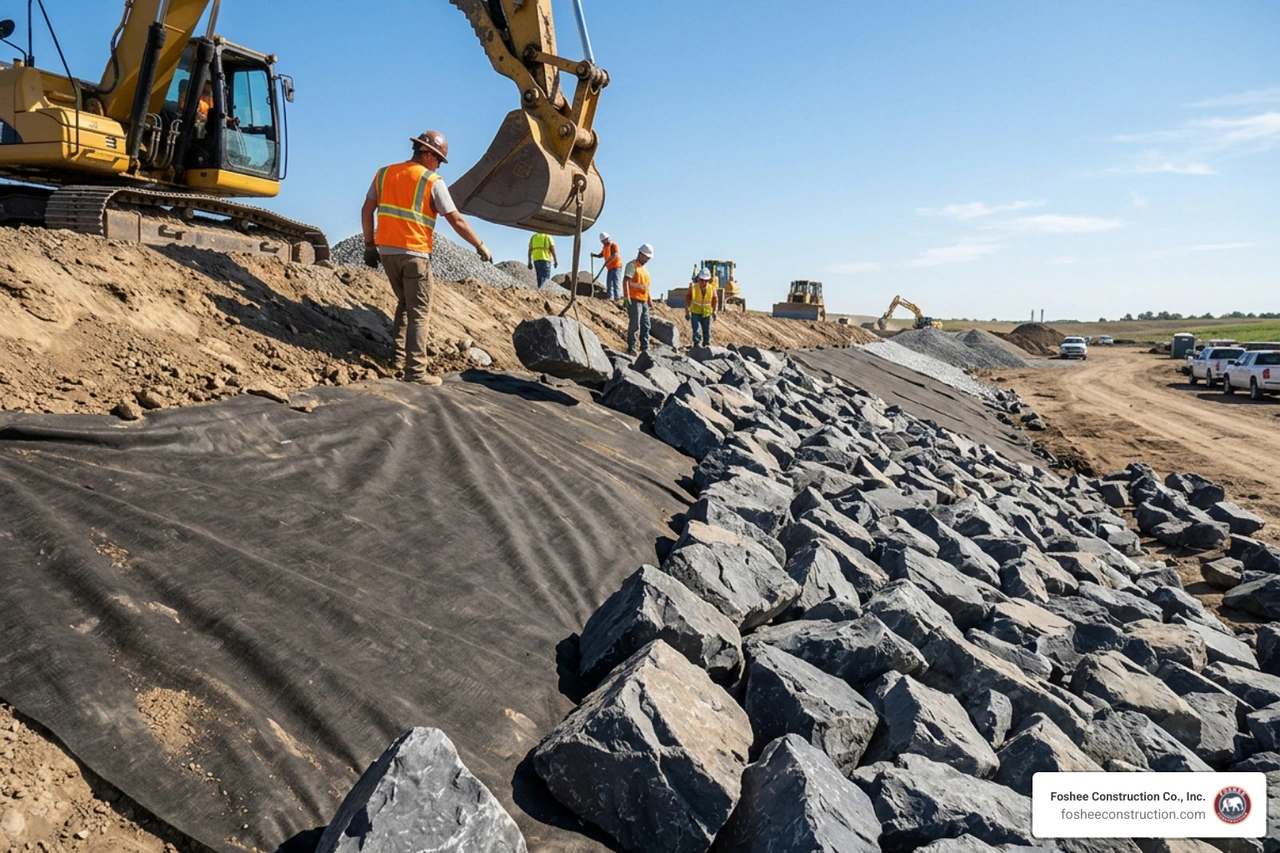
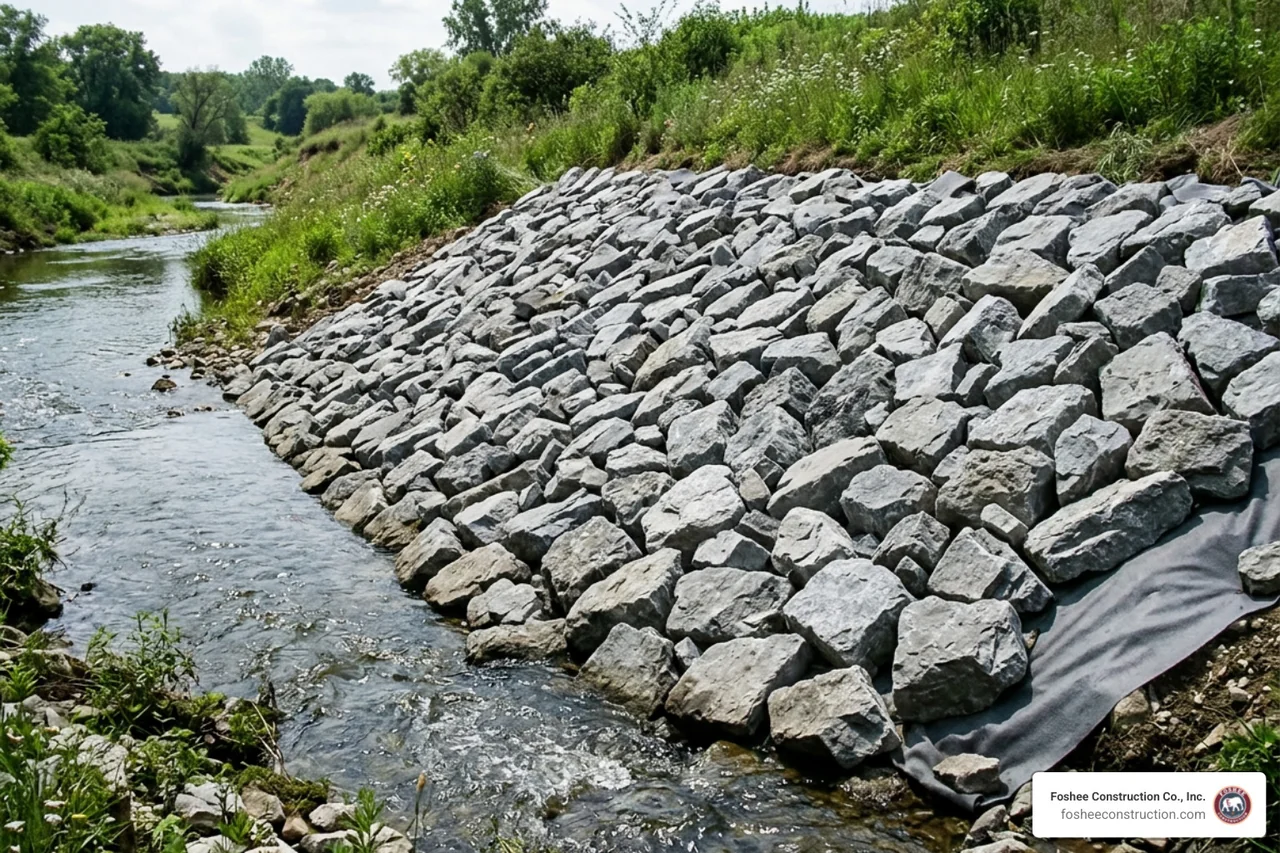
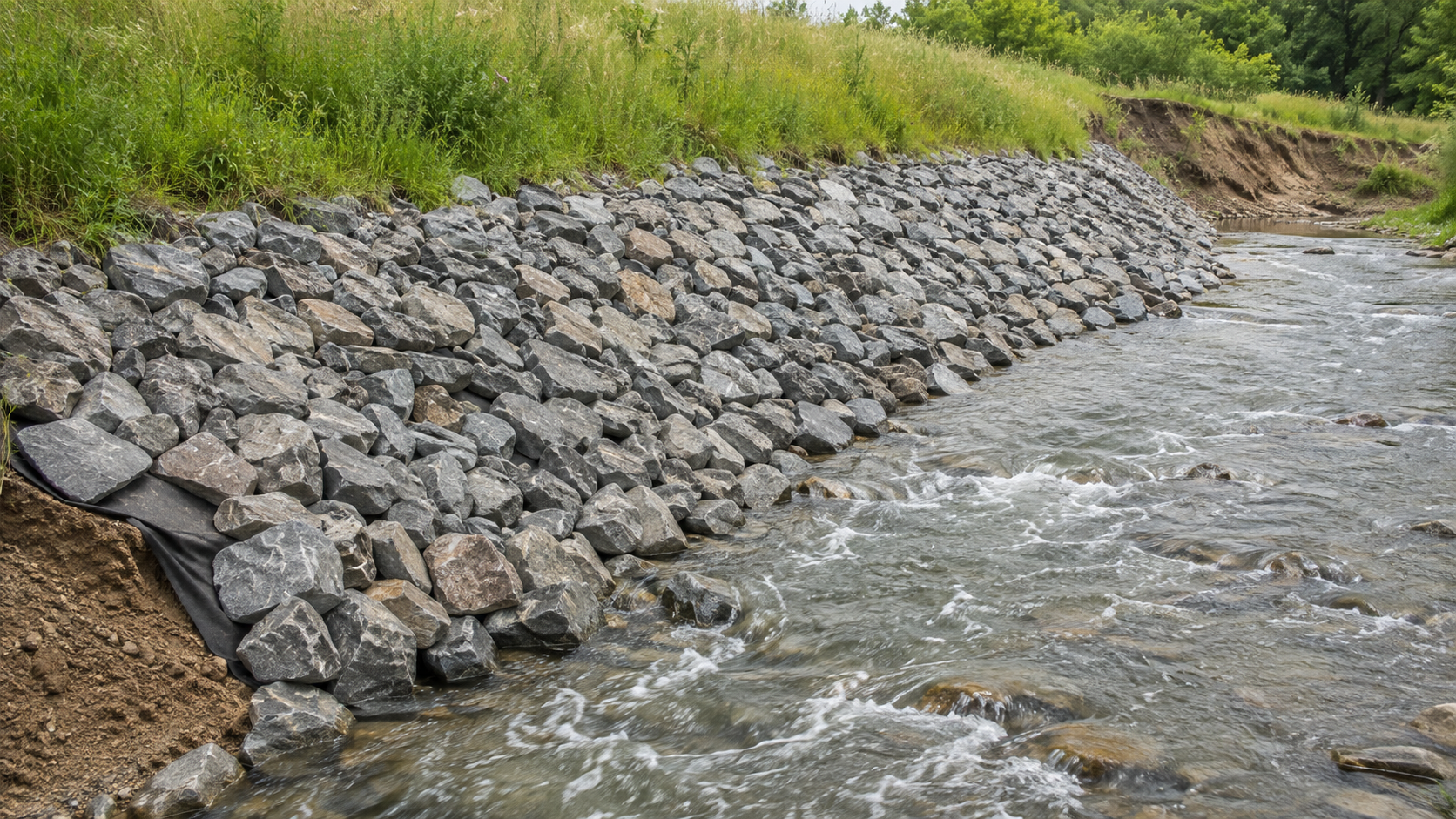
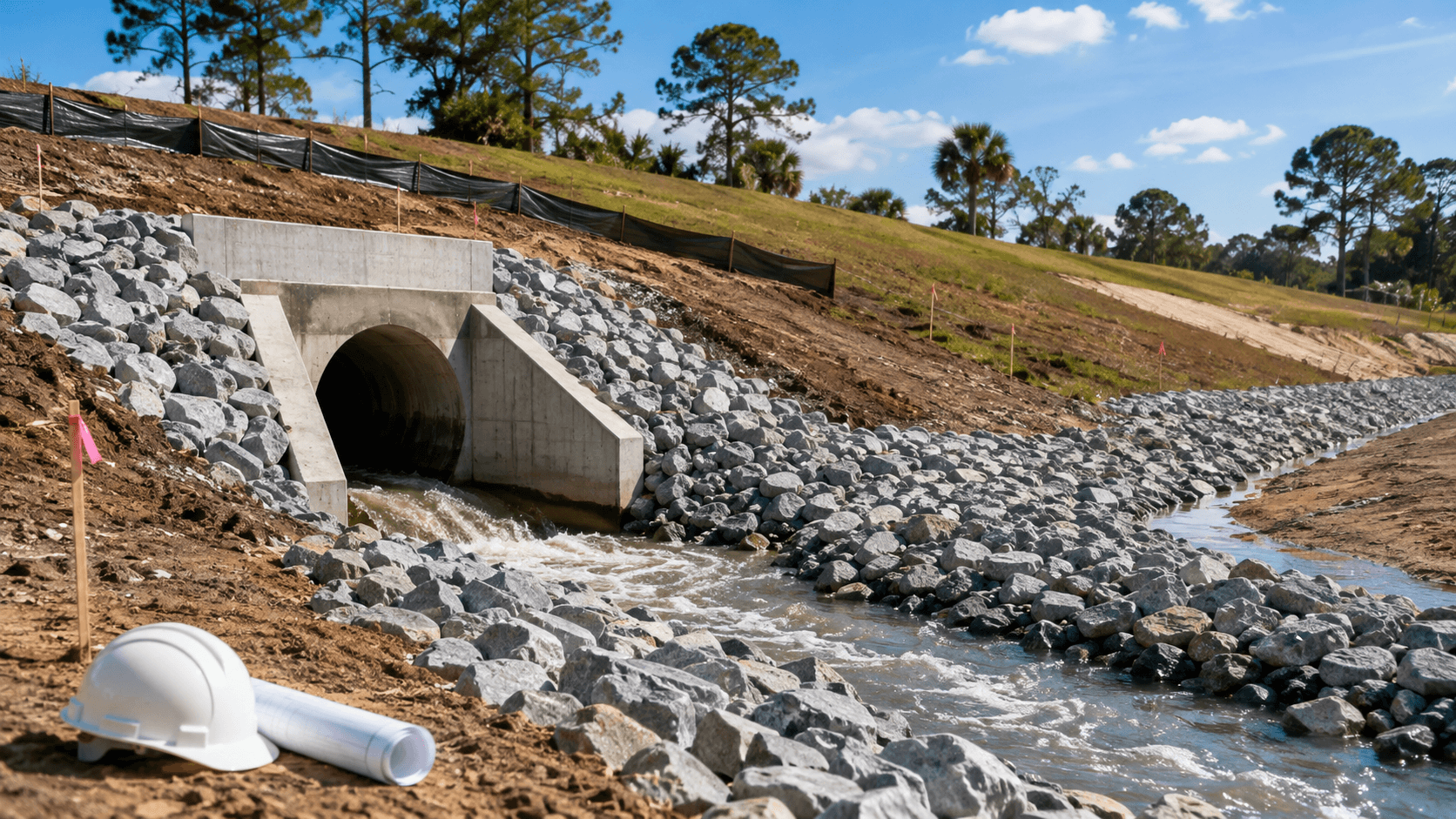
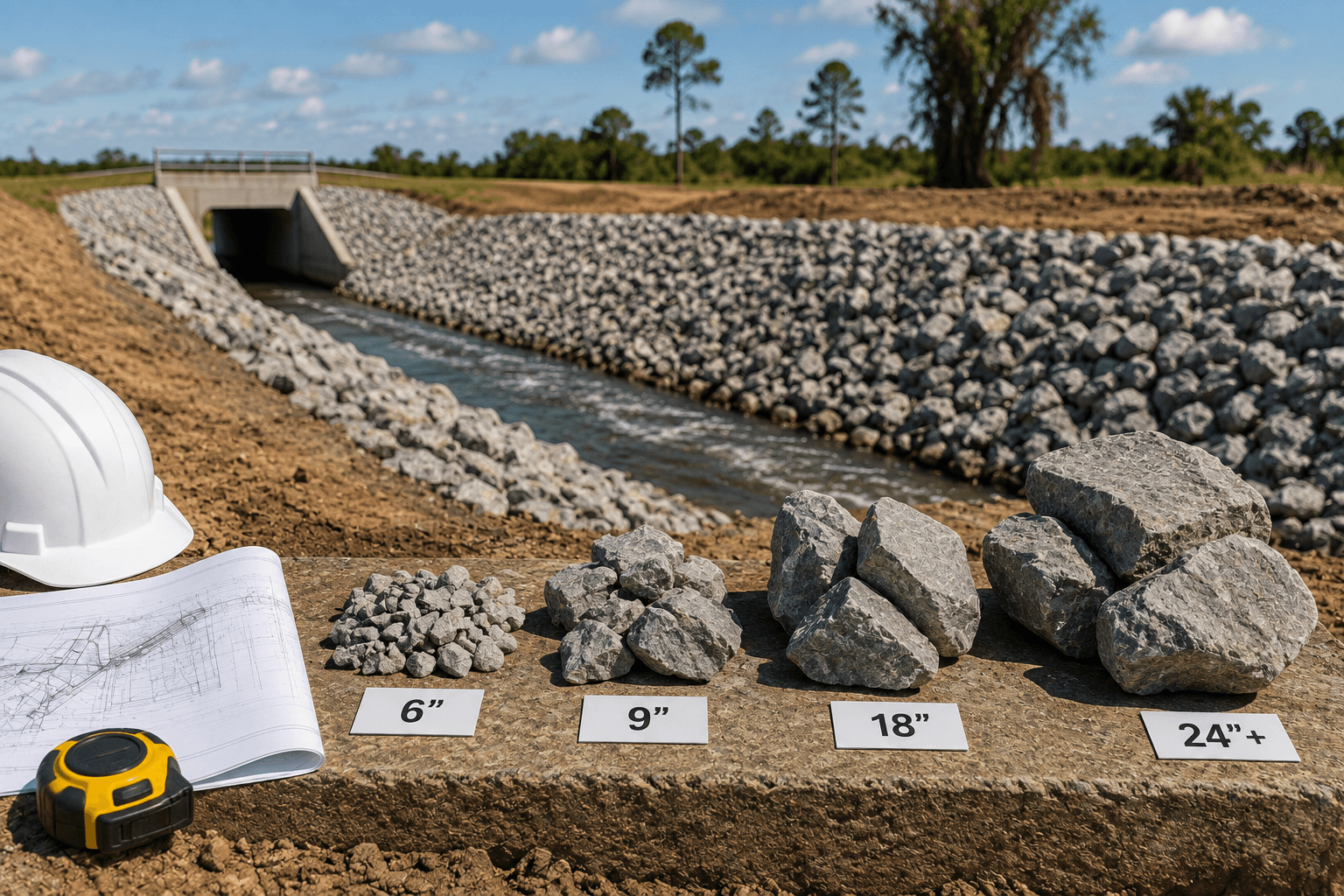
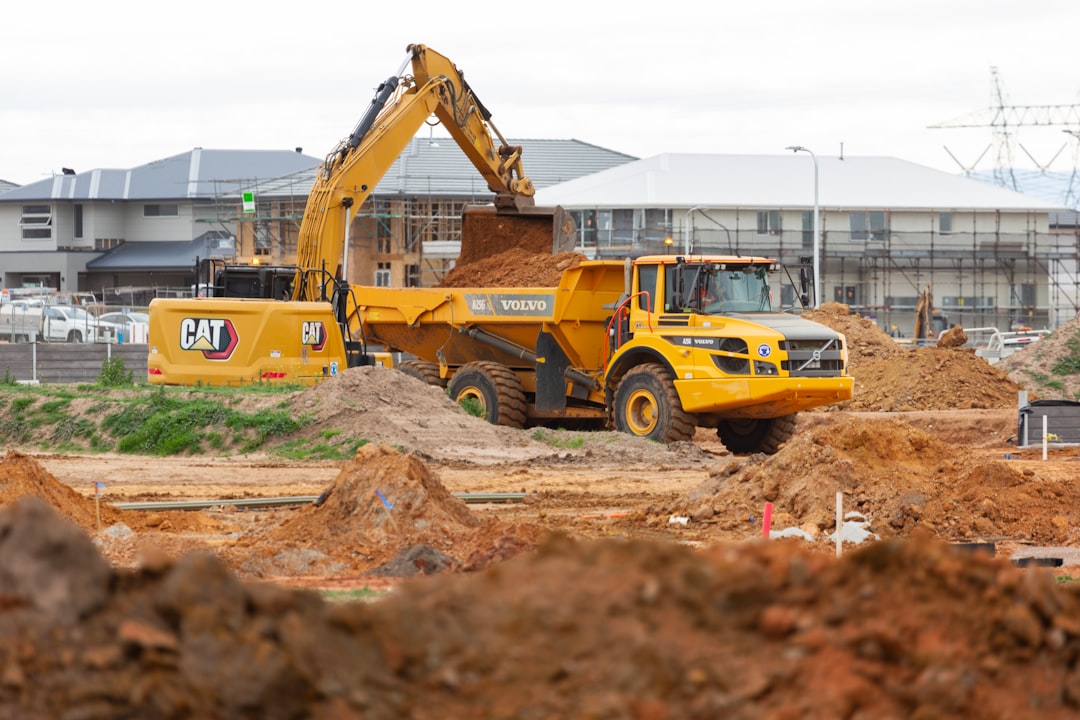
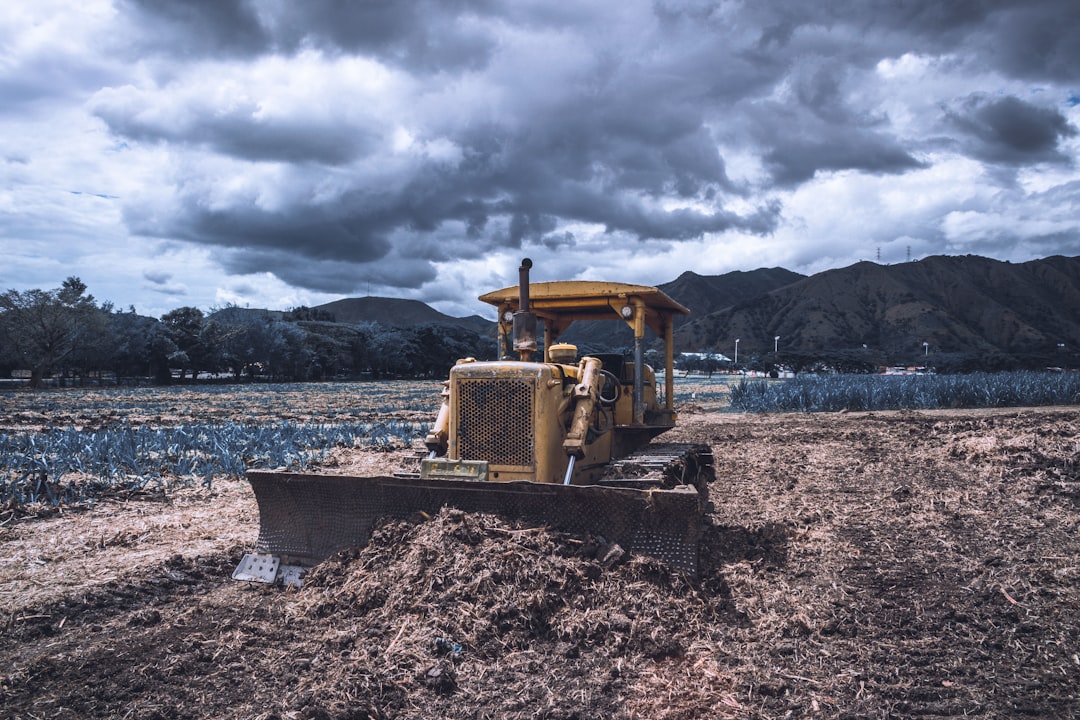
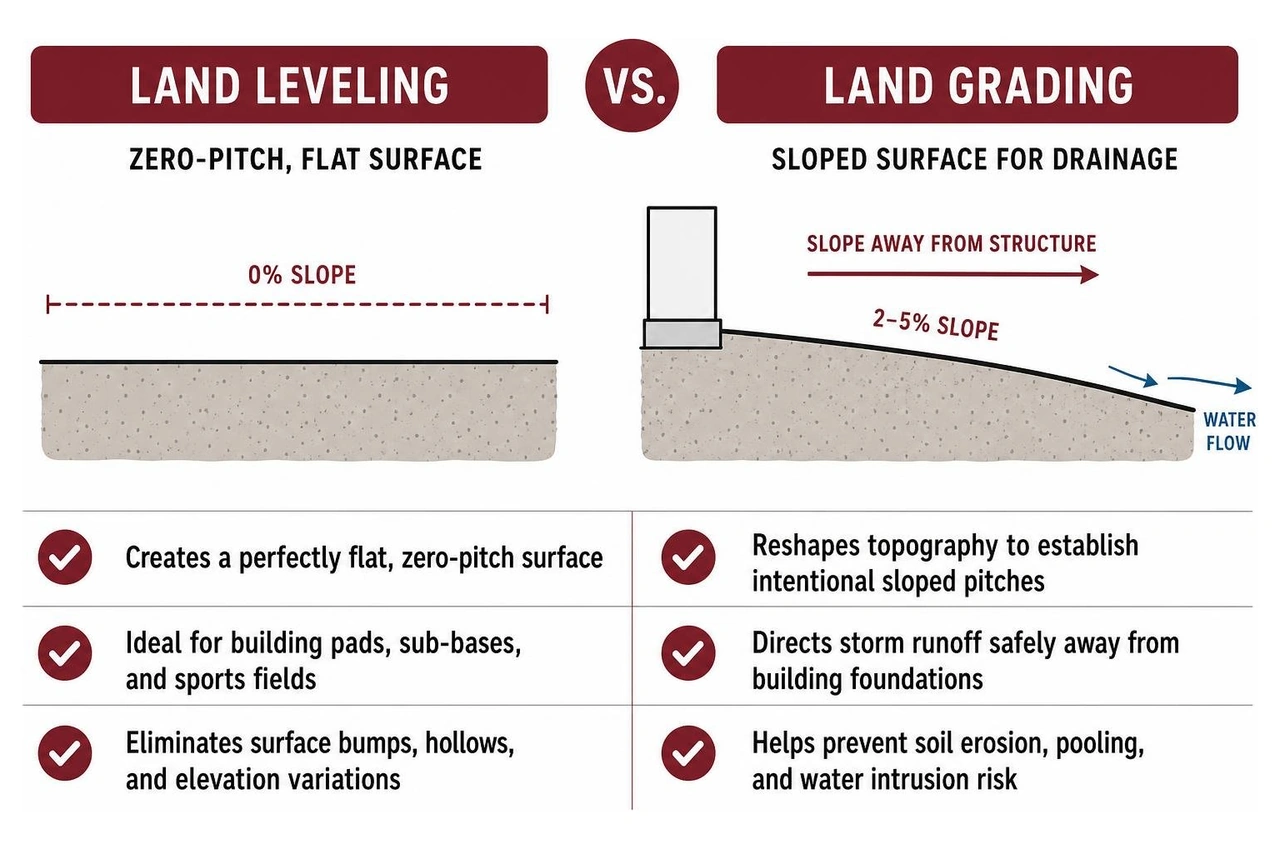
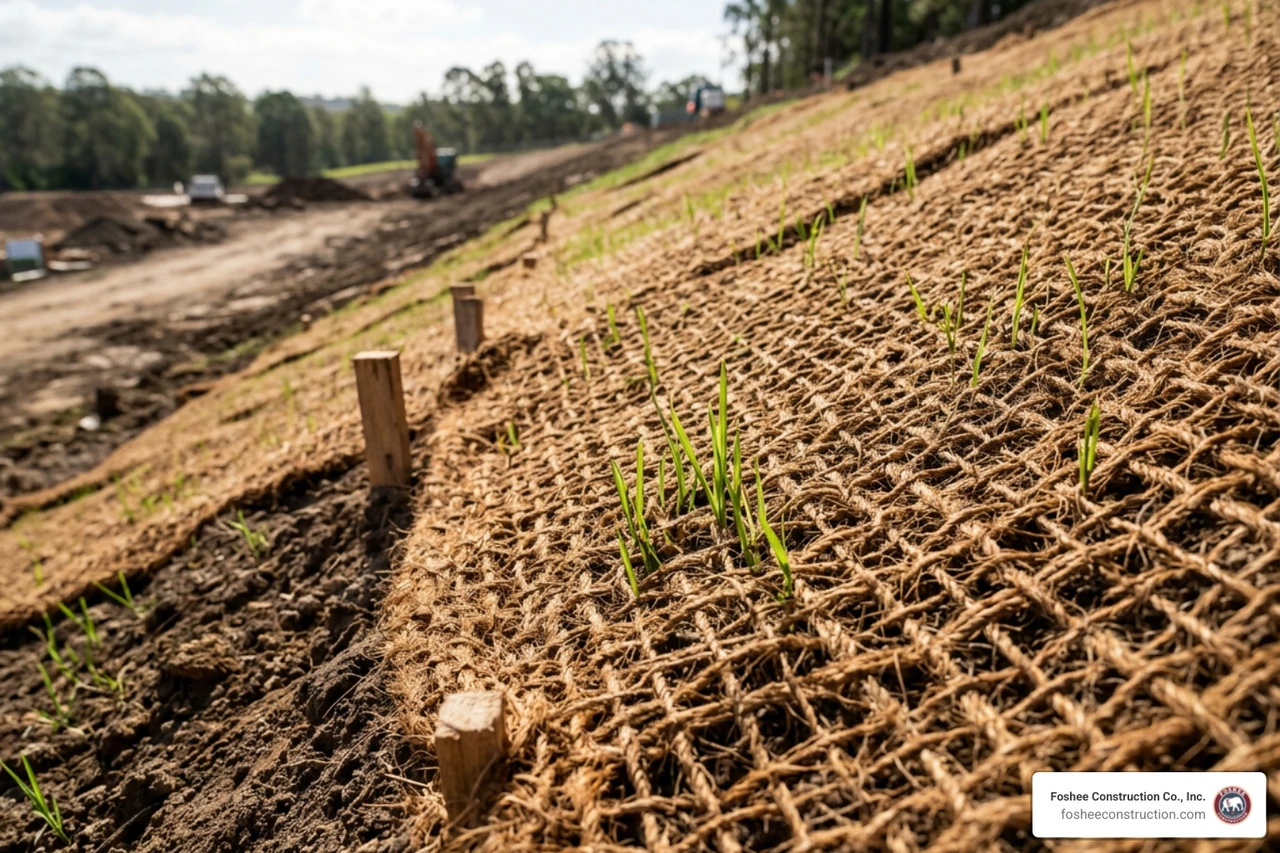
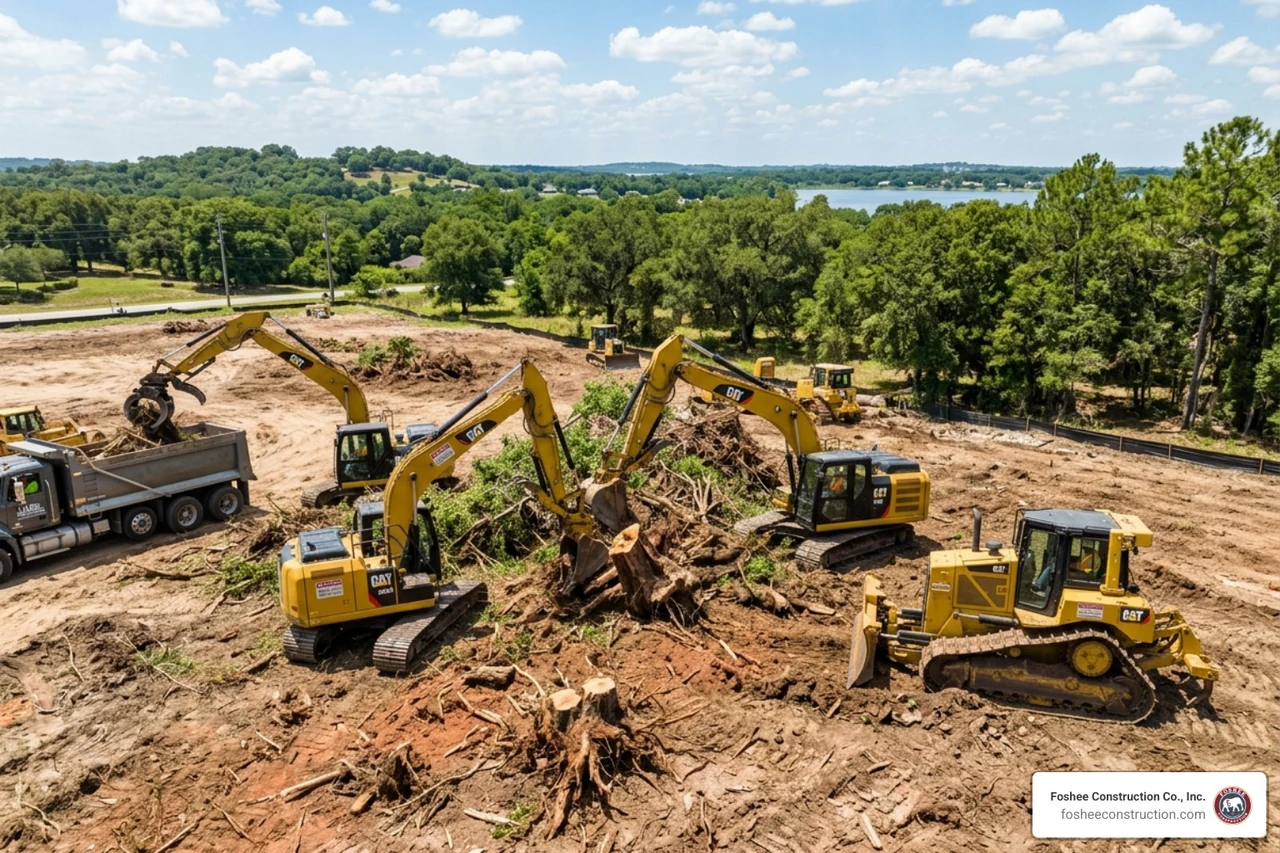
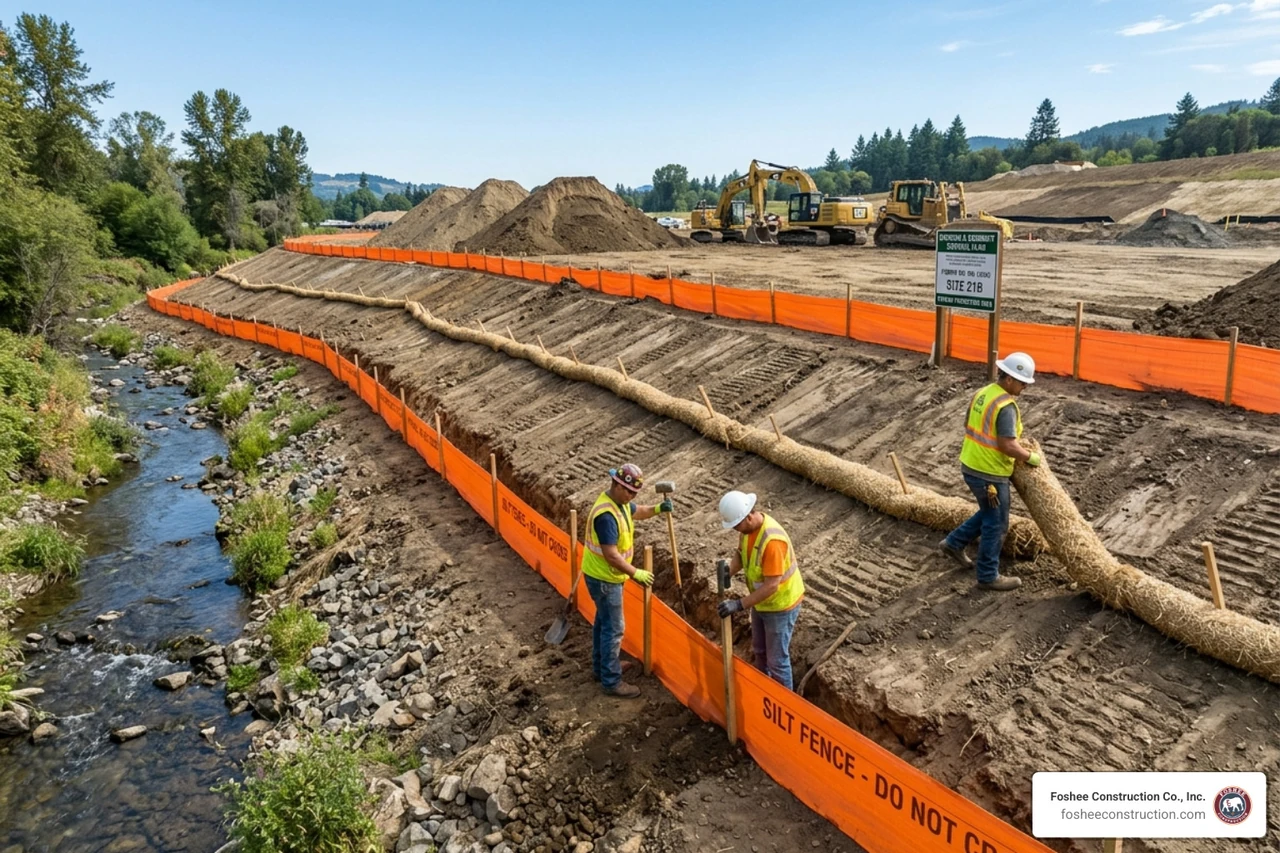
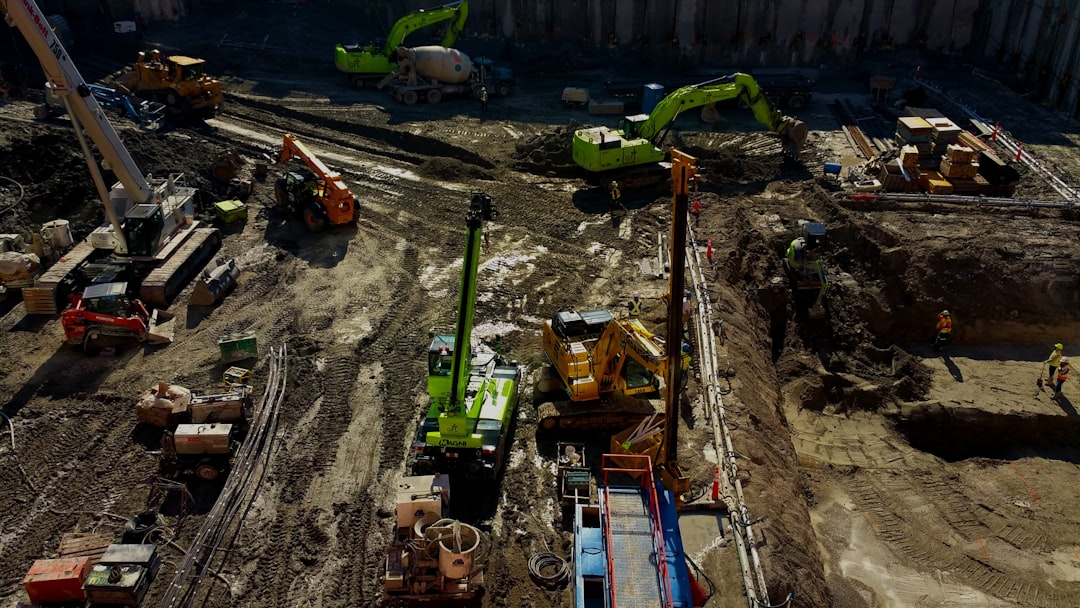
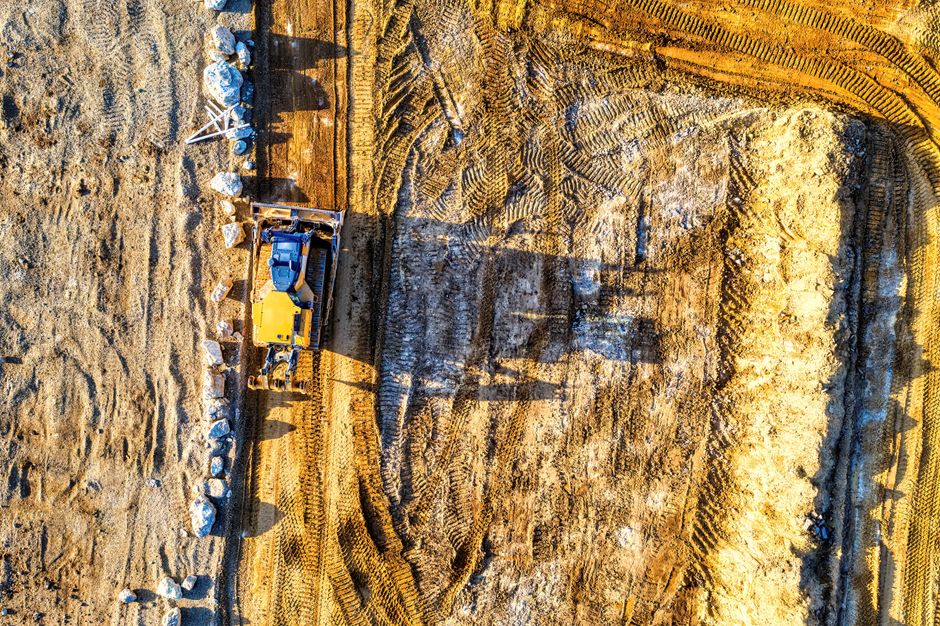
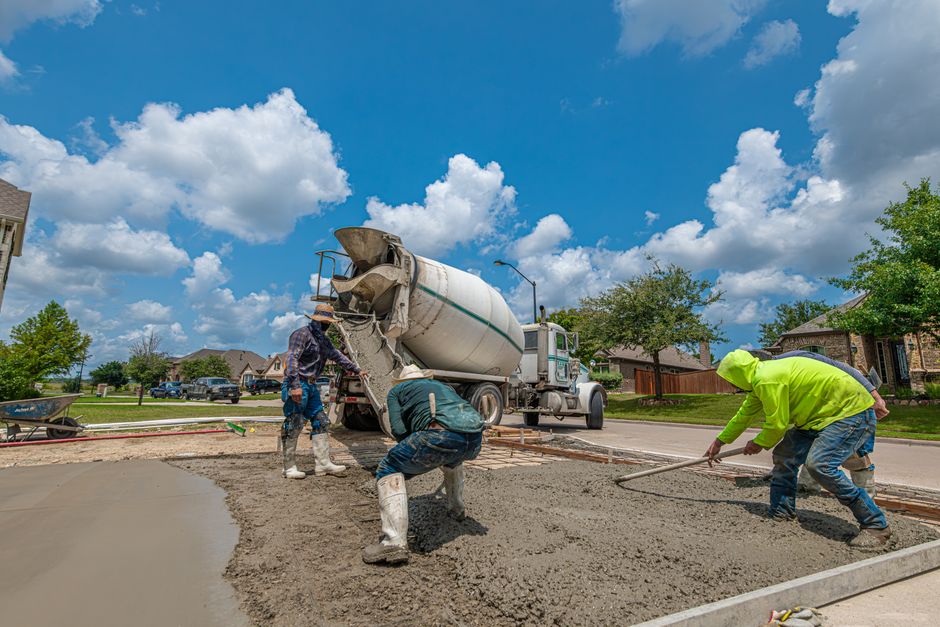
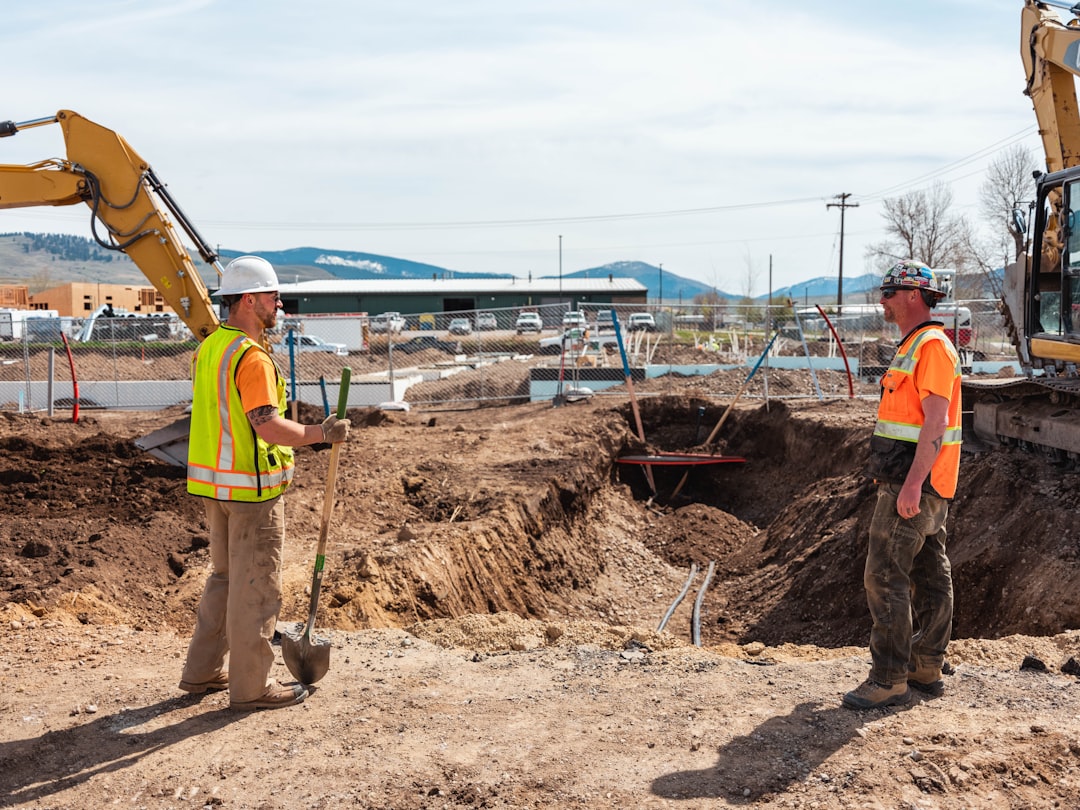
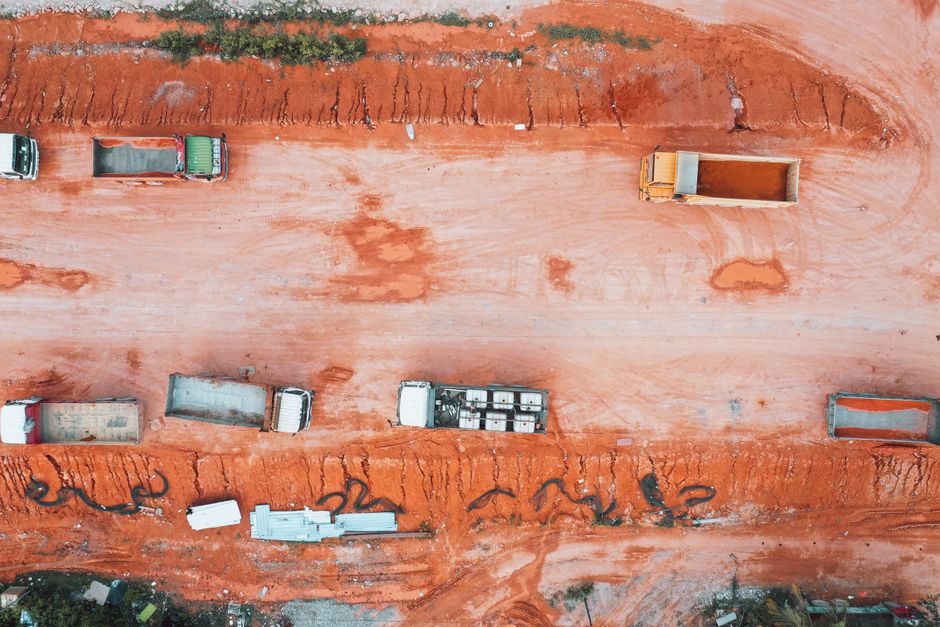
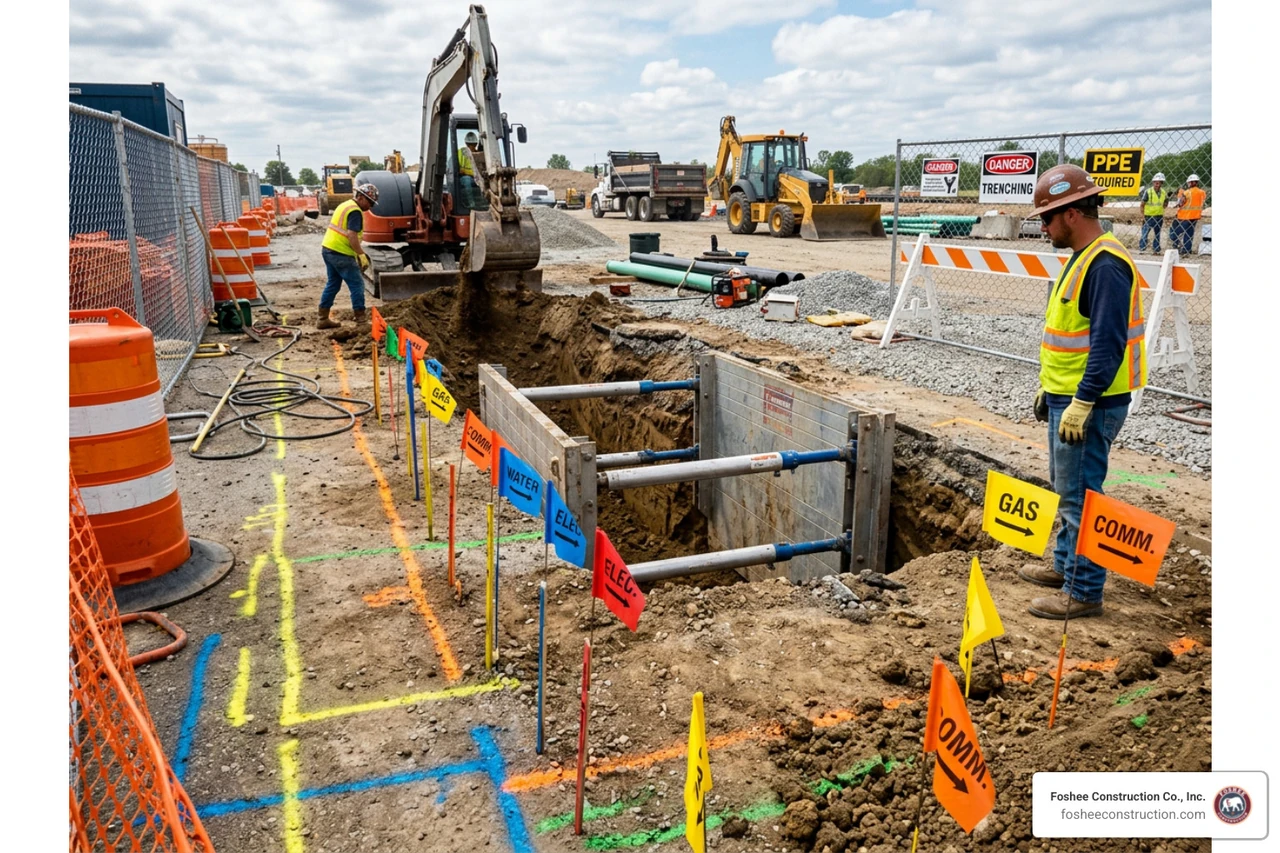
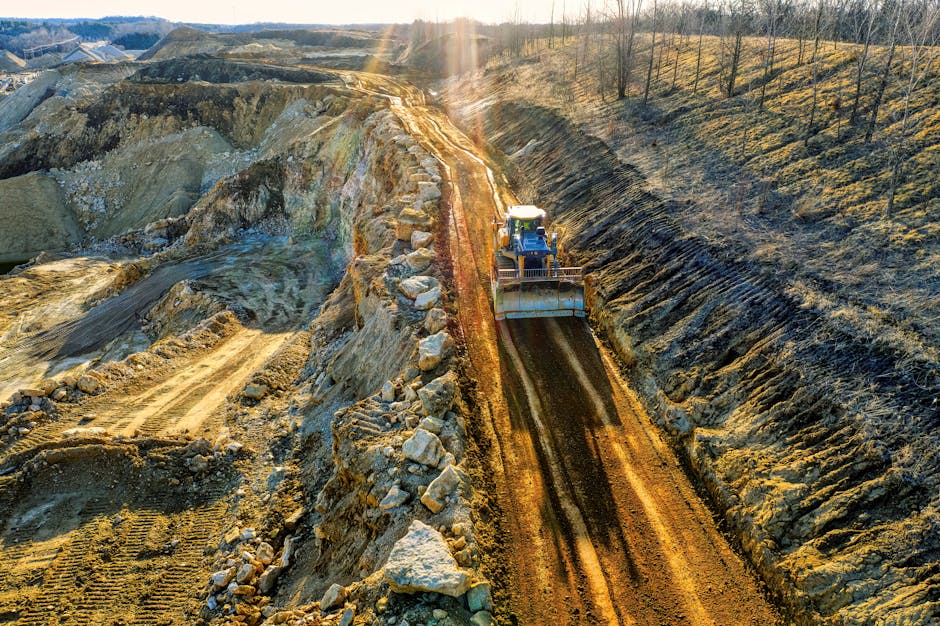
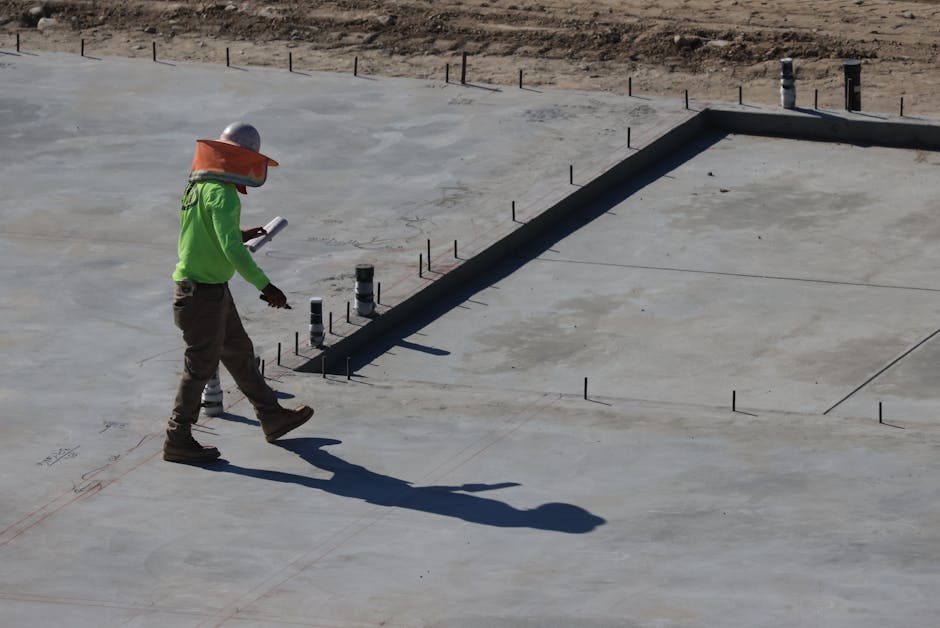
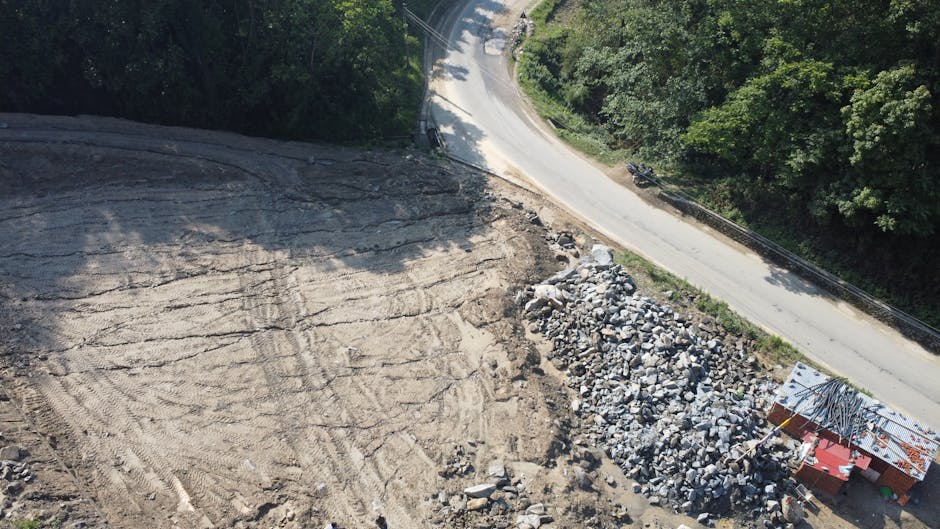
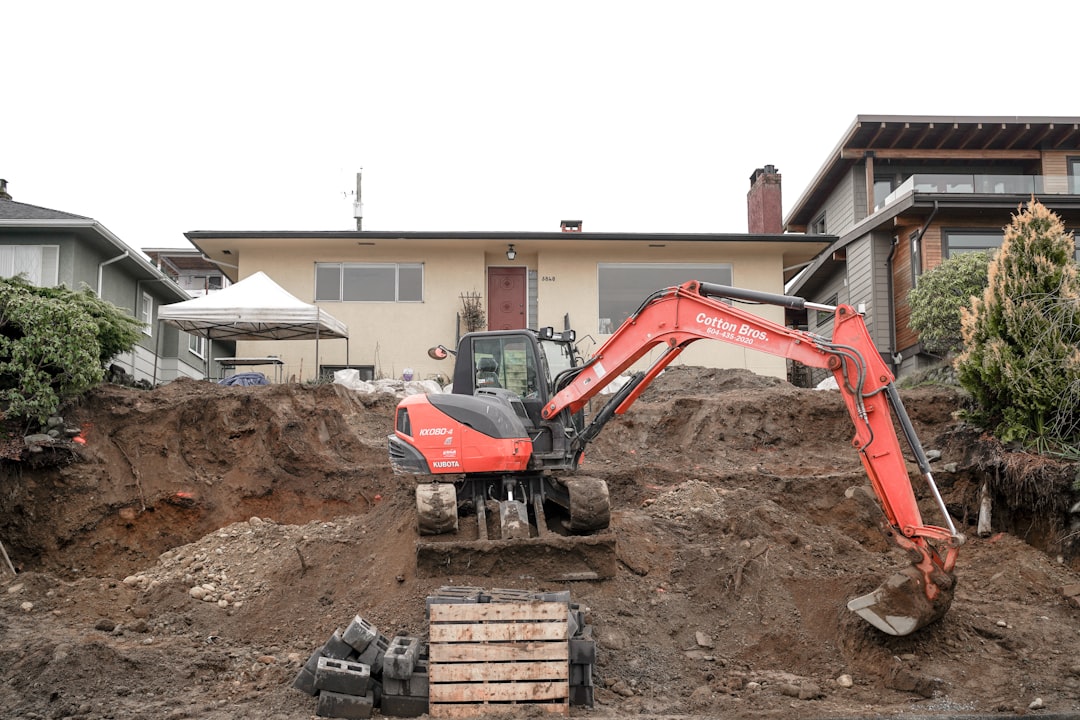
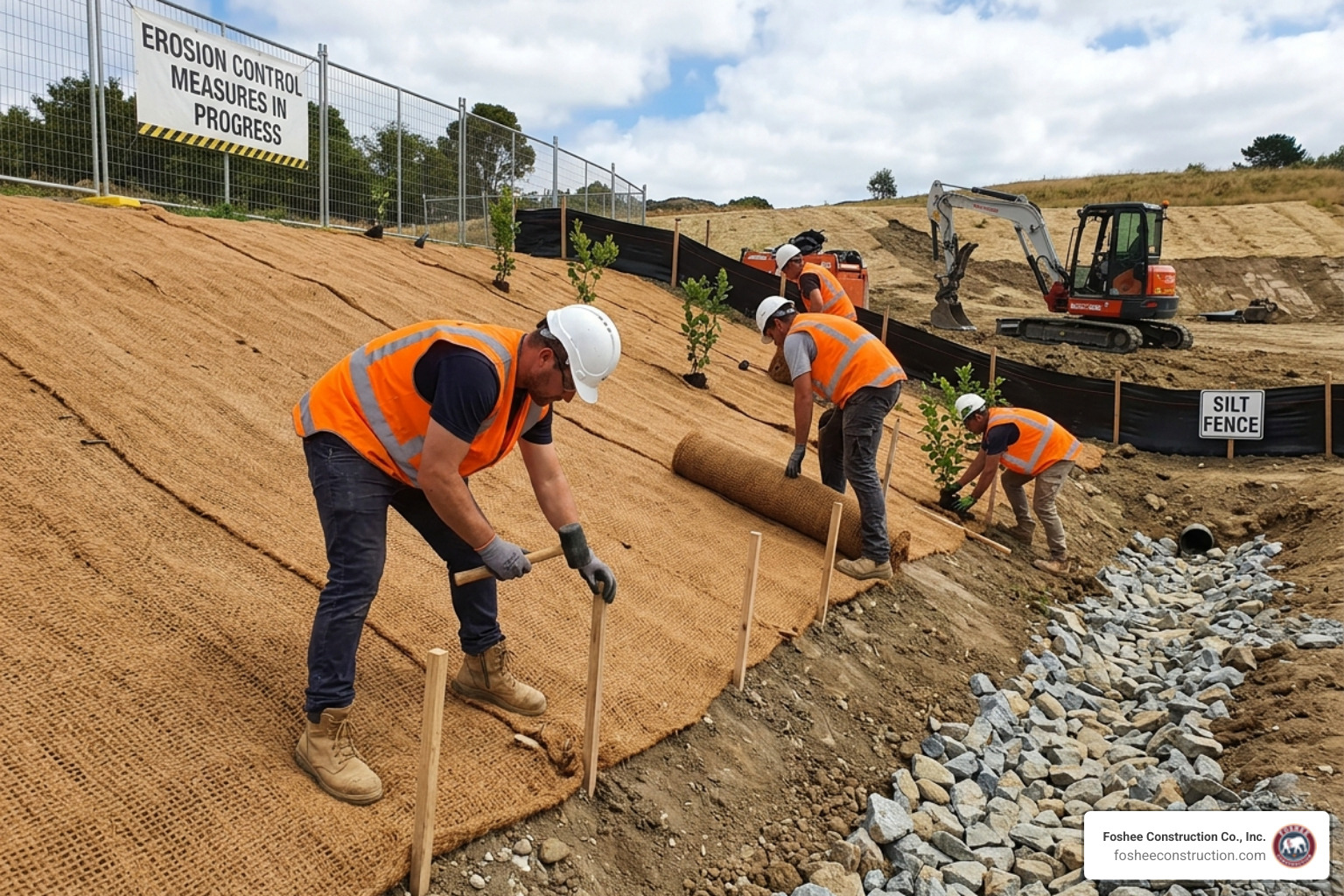
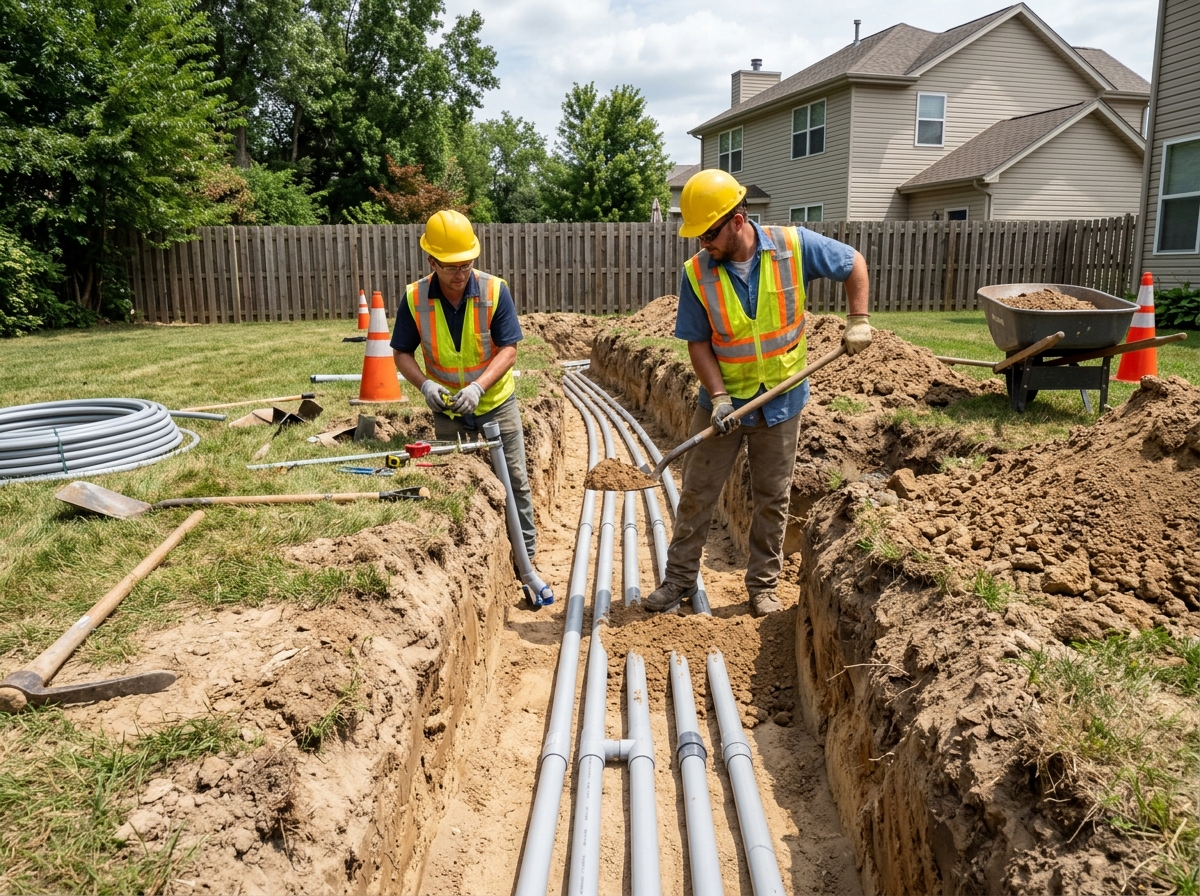
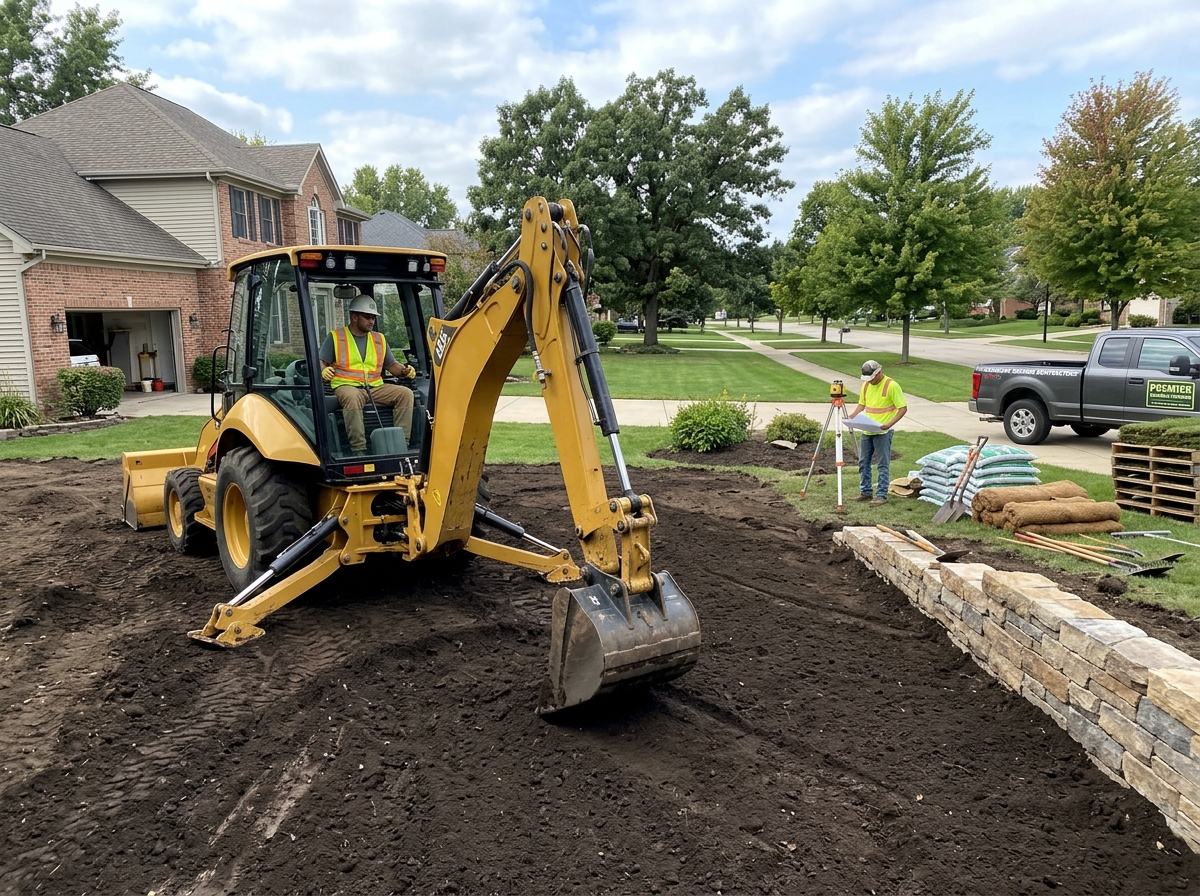
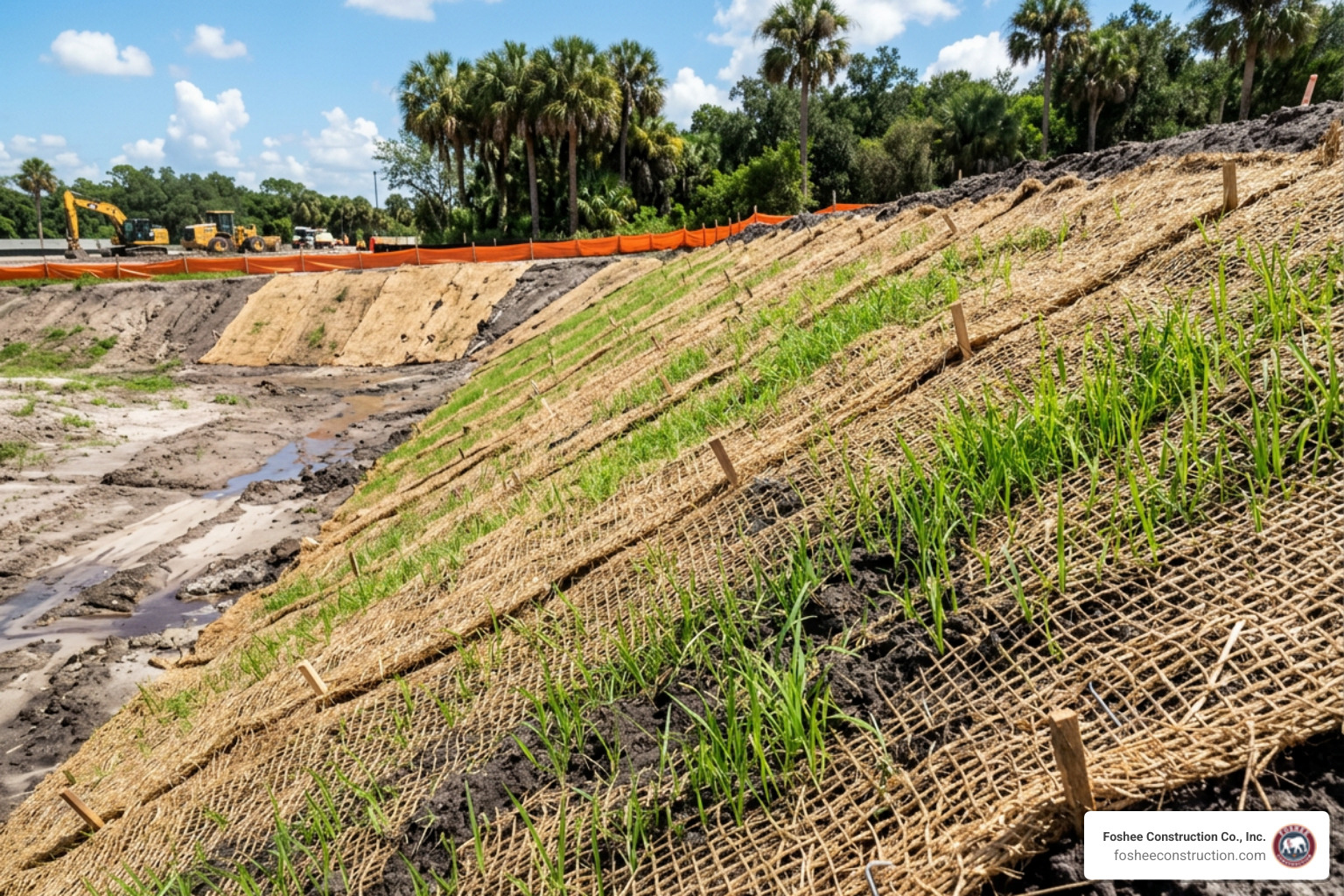
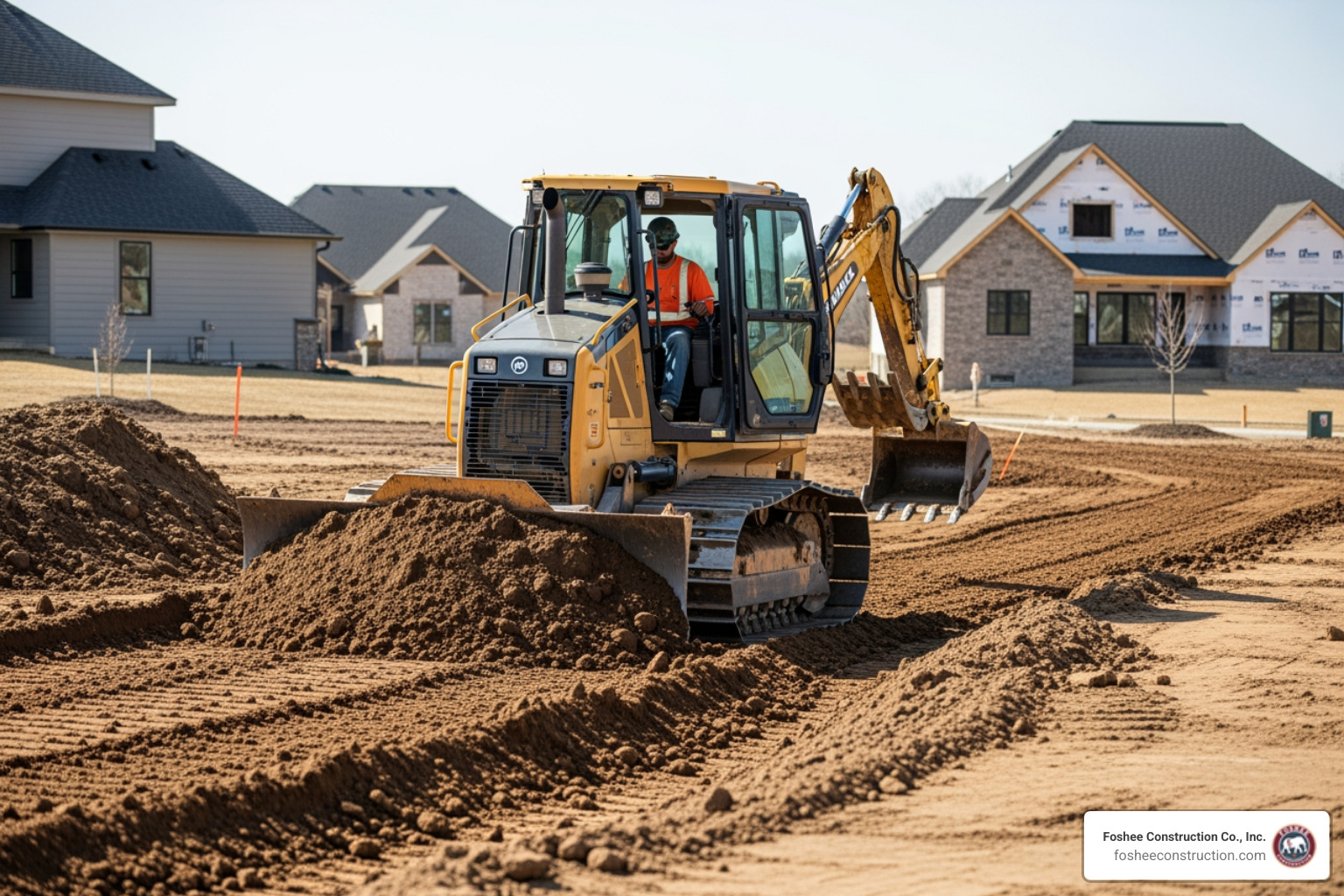
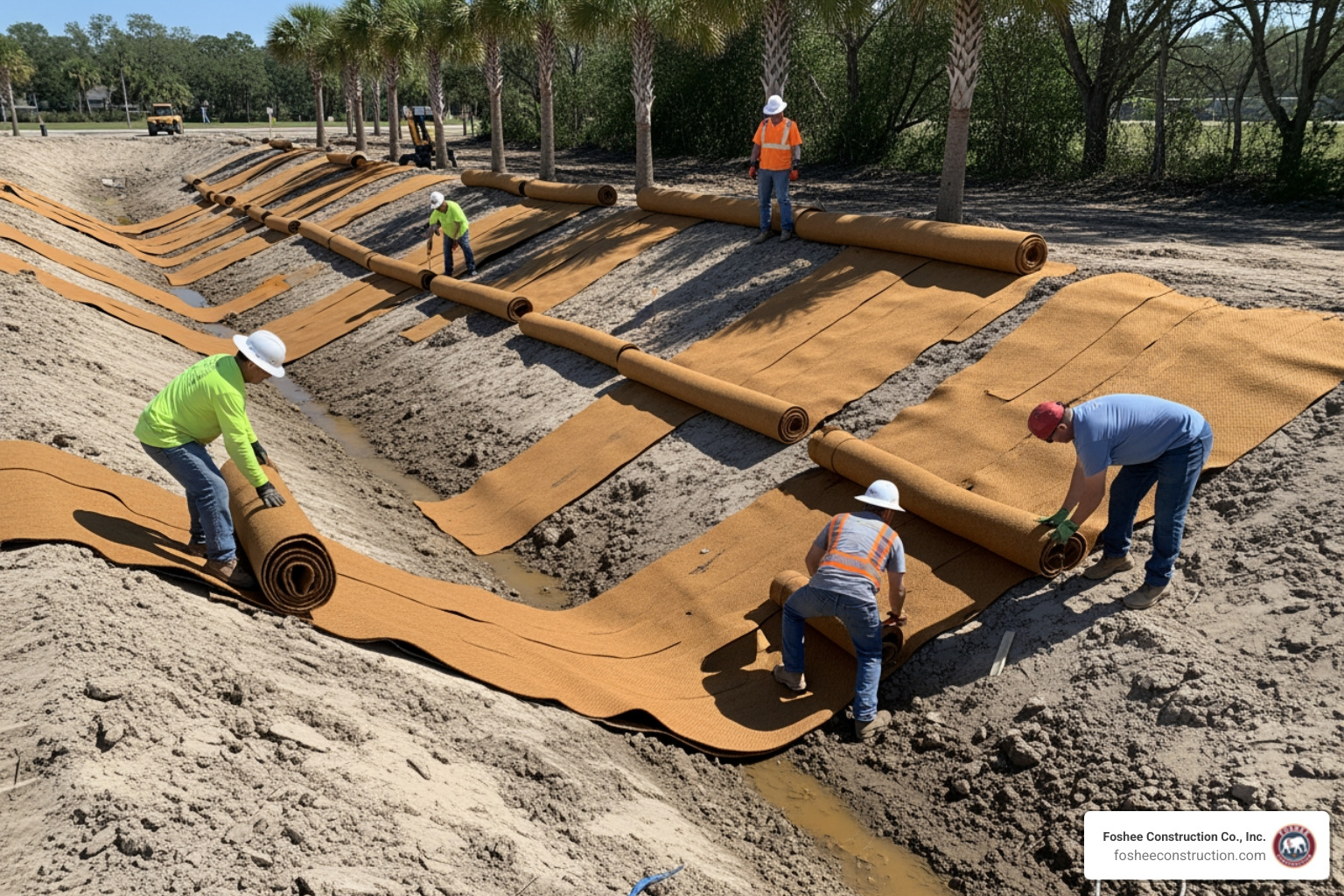
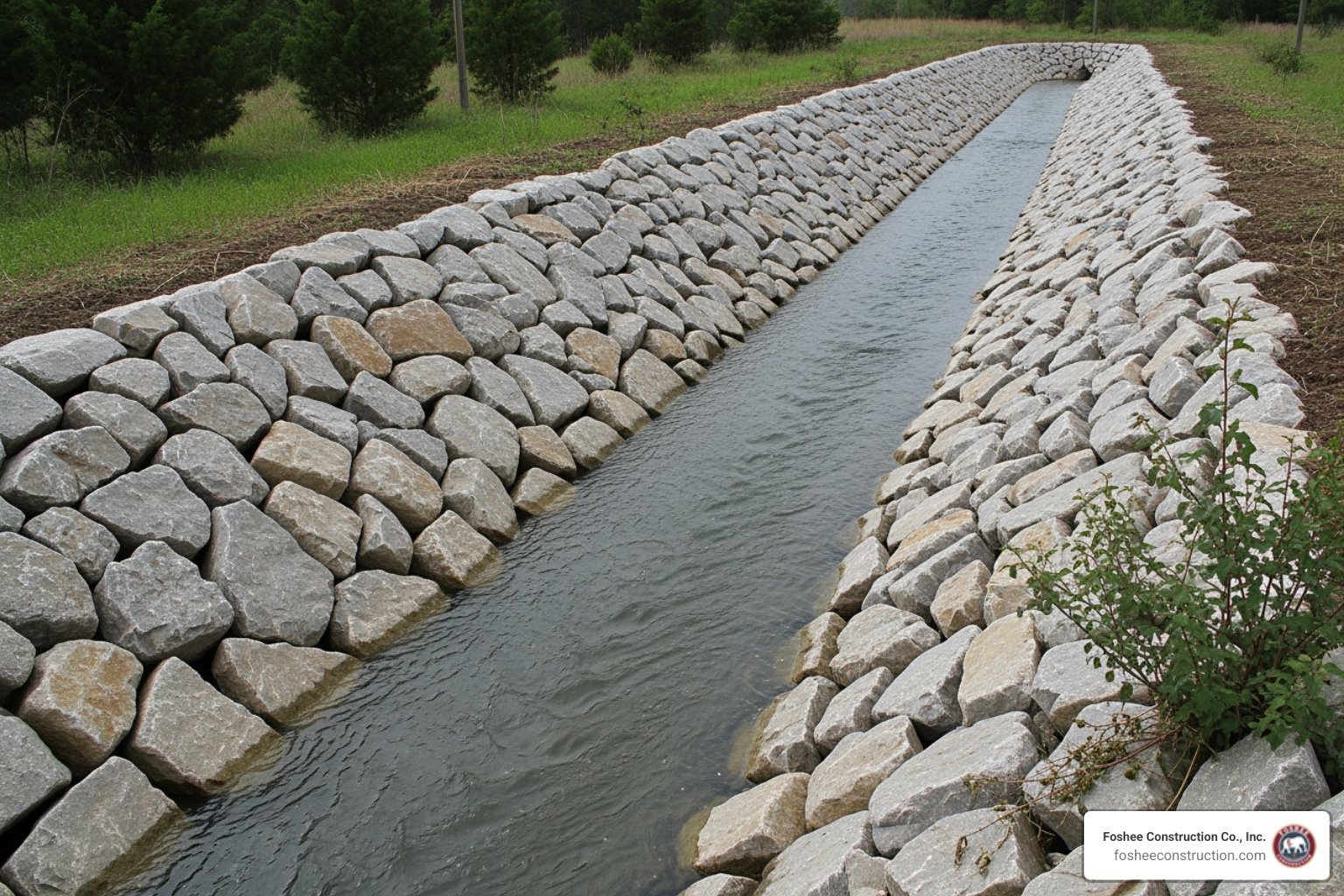
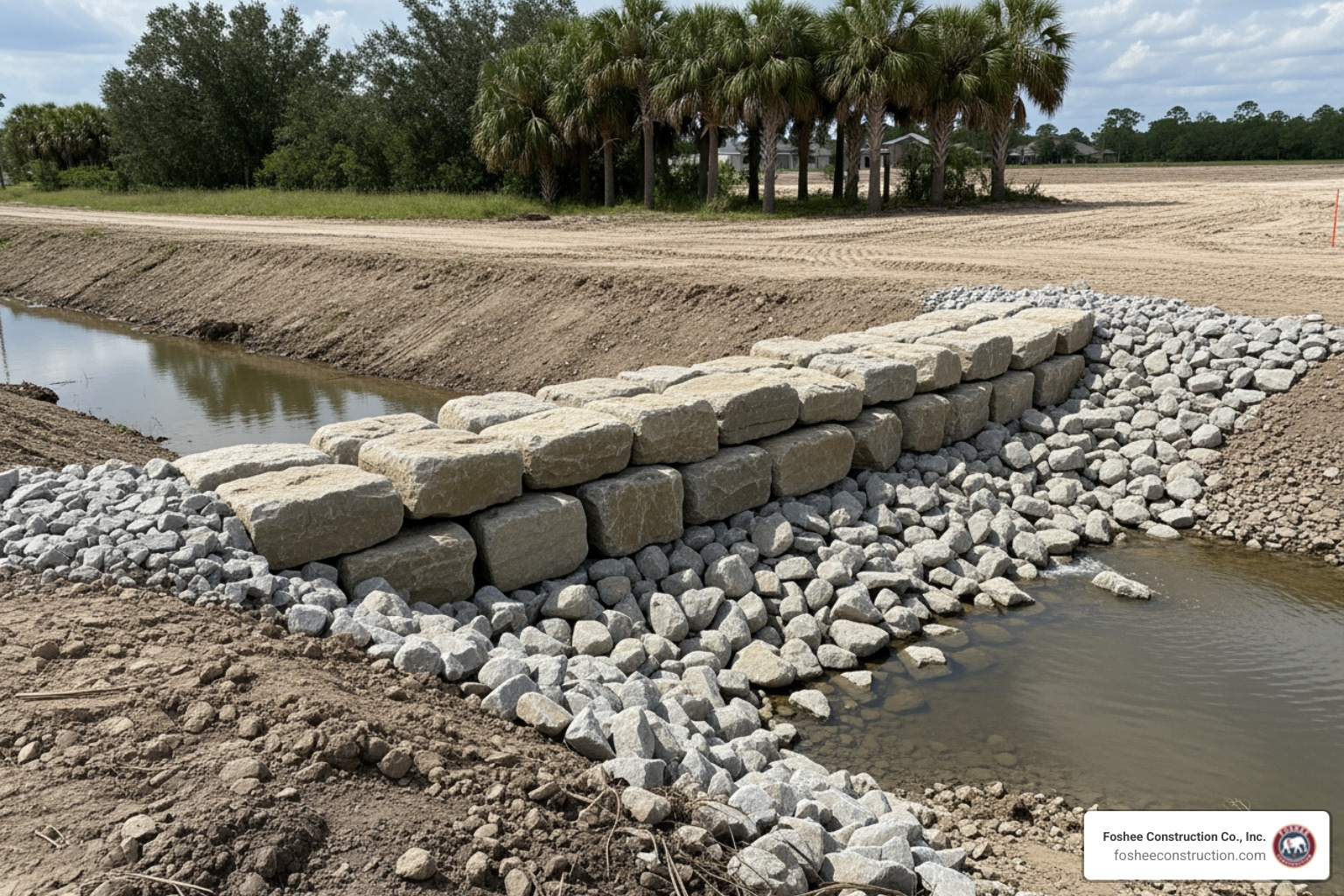
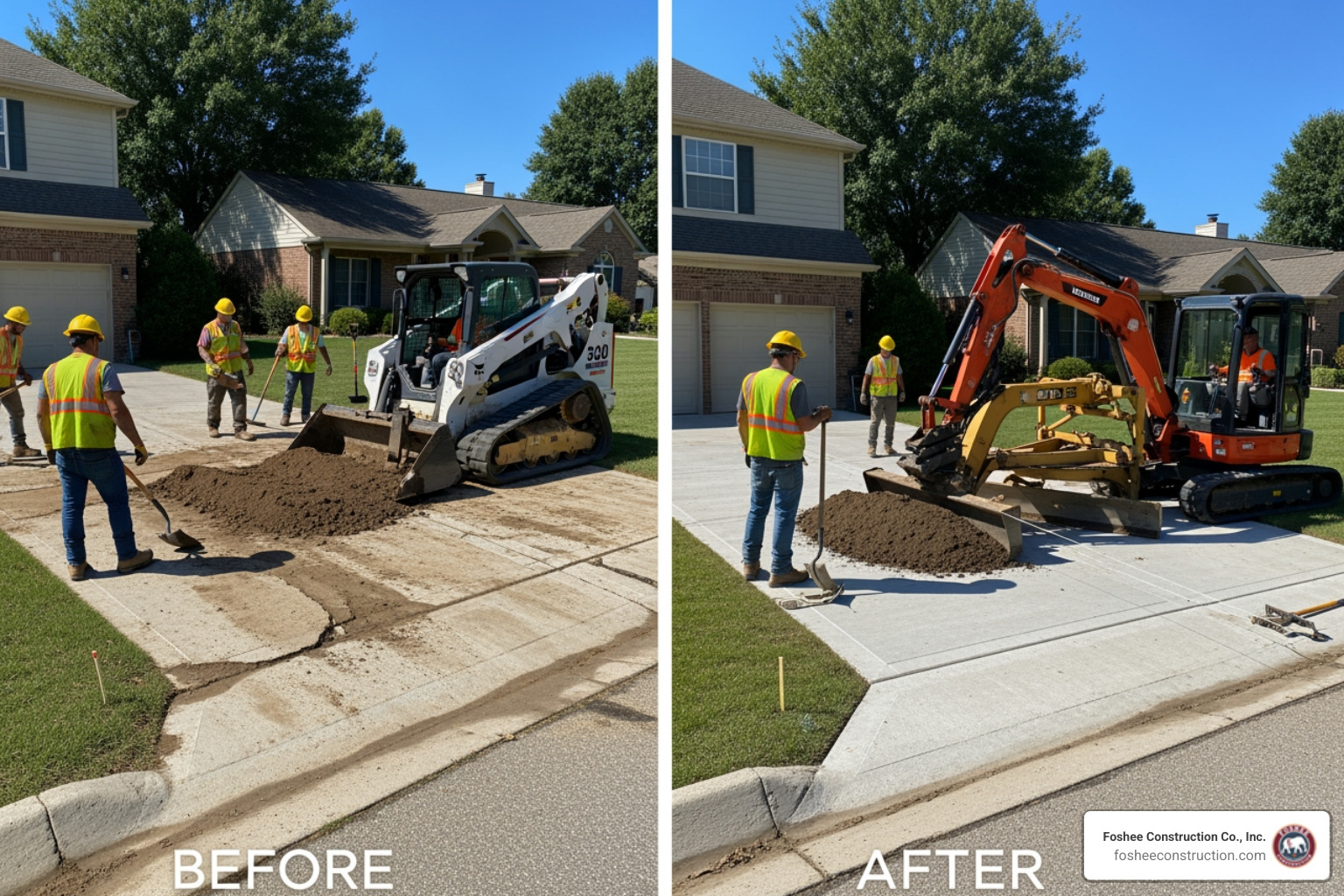
The most common failure point is treating site work, grading, drainage, erosion control, as a single line item instead of a sequence with its own dependencies. Rushing this phase to hit an early date usually costs more time later.
Is a spreadsheet enough for scheduling?
For smaller projects, often yes. Larger or multi-trade projects benefit from dedicated scheduling software that tracks dependencies automatically.
How much buffer should I build in for weather?
It varies by region and season, but Florida's rainy season alone justifies meaningful buffer time on outdoor site work.
A schedule is only as good as the dependencies built into it. Time spent getting that right upfront saves far more time in the field.
U.S. Environmental Protection Agency
USDA Natural Resources Conservation Service
Florida Department of Environmental Protection
Florida Department of Transportation
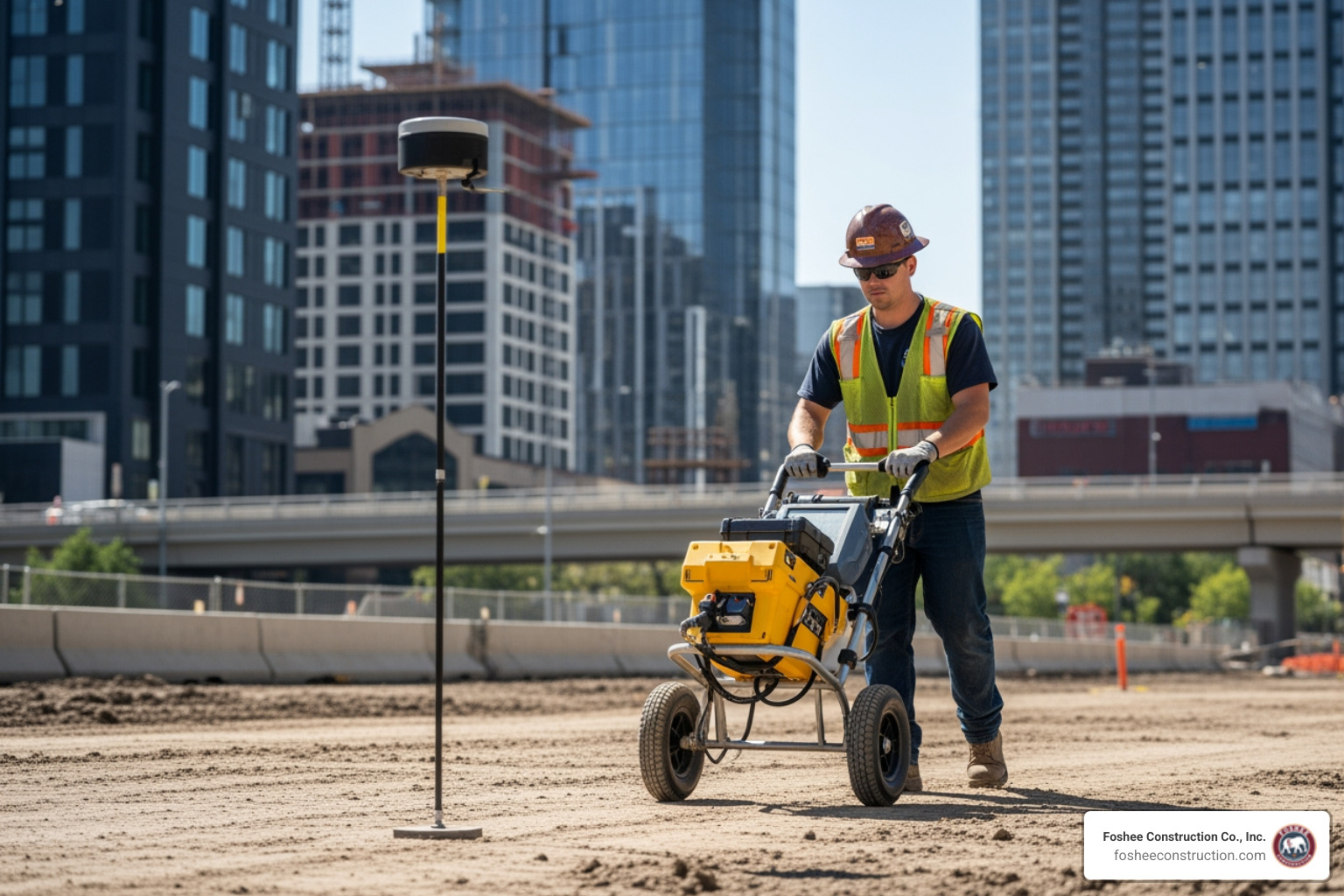
We build bids using HeavyBid and AGTEK because the details matter long before the job starts. When the numbers are accurate and the scope is clearly defined, it sets the tone for how the entire project runs. Estimating isn’t just a step in the process, it’s the foundation we build on.
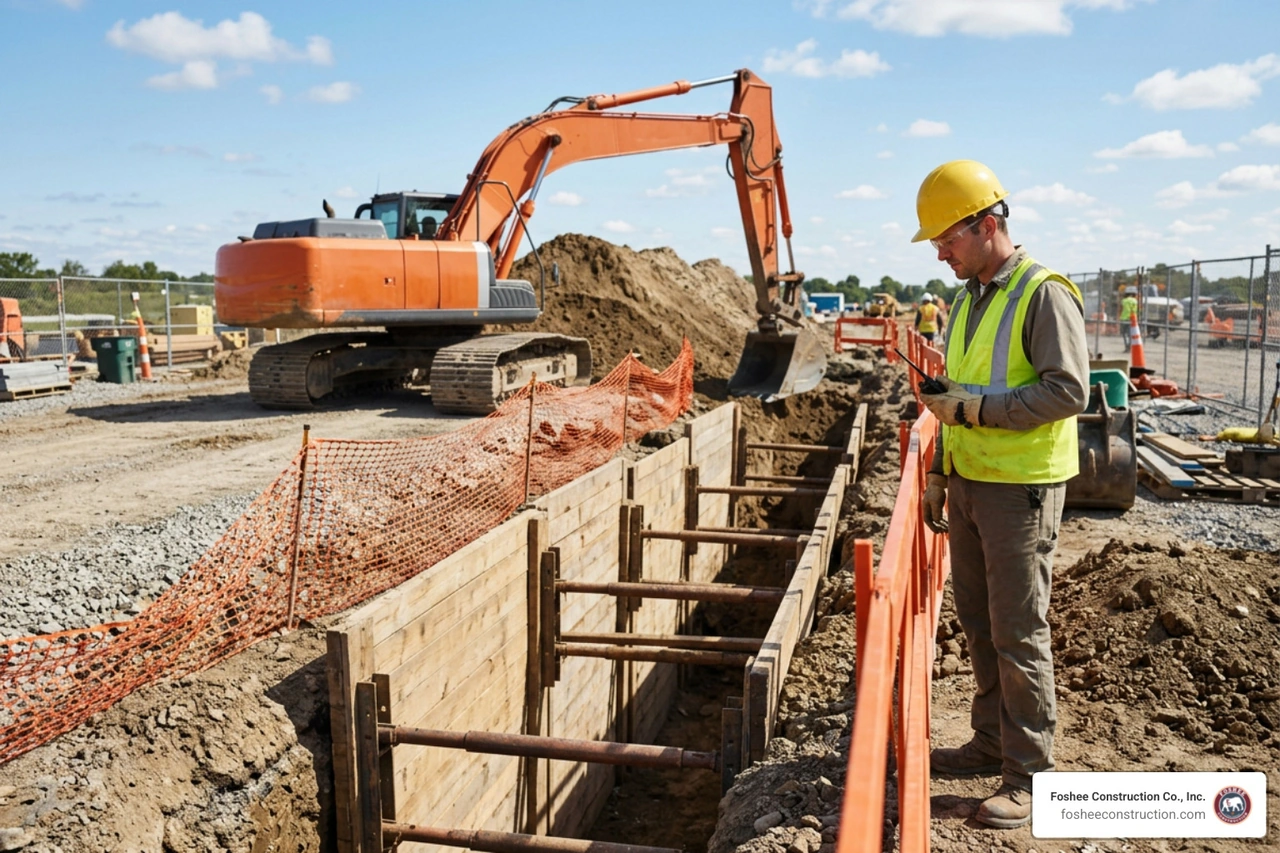
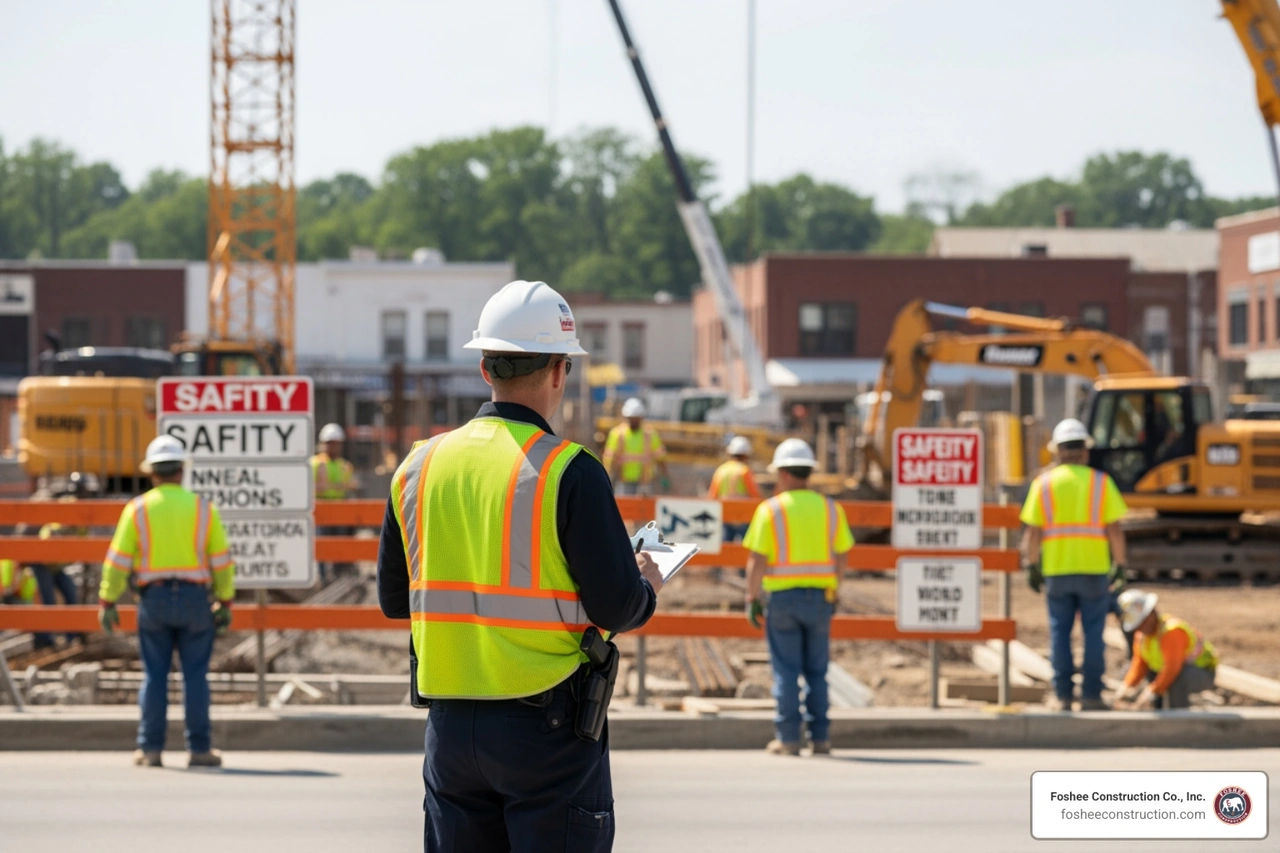
That same mindset carries into the field. Our crew is trained to work with purpose, follow the Civil Engineers’ Plan to the finest detail, and hold the line on quality. When expectations are clear from day one, there’s no need for shortcuts, and no confusion about how the work gets done.
Clients trust our bid packages because they’re complete and ready to use. Project managers know what we’re covering, what’s excluded, and how we plan to approach the job. That clarity removes friction and lets teams focus on execution instead of interpretation.
As part of our review process, we go into the plans before anything hits the site. We ask the questions early, resolve issues before they show up in the field, and keep RFIs moving. This approach prevents delays and protects the timeline.
Over time, that consistency builds trust. Many of the people we work with today came through referrals from past projects – engineers, GCs, and superintendents who’ve seen how we operate and want the same experience again.
In 2024, Foshee Construction was acquired by Saga Infrastructure Solutions, a national network of civil construction companies. Saga supports regional contractors by giving them access to better tools, long-term resources, and operational backing, without changing how they run day to day.
Foshee will continue to operate under its name, with the same team and field leadership in place.
“From the very time a project starts, we start that partnership. We try to catch as much as we can with the tools that we have. Not everybody is using the software platforms we are. That’s the differentiator: we’re not just bidding. We’re anticipating, problem-solving, and making sure the job runs right.”
— Don, CEO, Saga Infrastructure Solutions
Foshee is now part of a broader regional strategy that includes Florida, the Piedmont Atlantic, Texas, Colorado, and the Arizona Sun Corridor. The name, crews, and standards remain. What’s improving is the support behind it.