By Foshee Construction Team
Alahambra, a medical office project beginning construction in Lake Mary, is entering the phase where underground utility trenching and excavation work ramps up. Medical office sites often carry tighter utility routing and deeper connections than a typical commercial pad, which means more excavation happening closer to other active work — exactly the kind of setting where a consistent safety process, applied the same way on day one as on day sixty, matters more than any single safety meeting.
It's less about having a safety plan on paper and more about a handful of habits that get repeated without exception:
They classify the soil before they decide how to protect the trench. Florida's sandy soils behave differently than clay, and a competent person on site determines the soil type — not by assumption, but by testing — before deciding whether sloping, benching, shoring, or a trench box is the right protection method.
They inspect the trench every day it's open, not just on day one. Conditions change with weather, vibration, and time. A trench that was safe at 7 a.m. can be different by 2 p.m. after a Florida afternoon storm has saturated the walls.
They keep spoil piles and equipment back from the edge. The two-foot rule for spoil placement isn't a suggestion — surcharge loads next to a trench wall are one of the more common contributing factors in collapses that otherwise wouldn't have happened.
They designate a competent person who has the authority to stop work. Not just a title on paper — someone on site with the training to recognize a hazard and the standing to halt digging until it's addressed, without needing to check with someone off site first.
They plan the excavation method around what's already in the ground. Once 811 locates are marked, excavation near a known utility shifts to hand digging or vacuum excavation rather than continuing with machine work at the same pace.
They document daily inspections instead of relying on memory. A dated inspection log protects the crew and the project — it's the difference between "we checked it" and being able to show exactly when and what was checked.
- Who is the designated competent person on this excavation, and do they have the authority to stop work without approval from off site?
- Has the soil been classified using an actual test, or assumed based on similar conditions elsewhere on site?
- How close are spoil piles and equipment being kept to the trench edge?
- Is the protective system — sloping, benching, shoring, or a trench box — matched to the actual soil classification and depth?
- Is there a daily inspection log, and does it reflect changes in weather or groundwater conditions?
- Assuming soil conditions from a previous job apply to the current trench without testing.
- Skipping the daily re-inspection because the trench "looked fine yesterday."
- Letting spoil piles or equipment sit closer than two feet from the excavation edge.
- A competent person in name only, without the authority or training to actually stop work.
- Machine excavation continuing at full speed right up to a marked utility line instead of switching methods.
For related field practices, see OSHA's trenching and excavation guidance - https://www.osha.gov/trenching-excavation and Foshee's 811 utility locates - https://fosheeconstruction.com/blog/811-utility-locates piece.
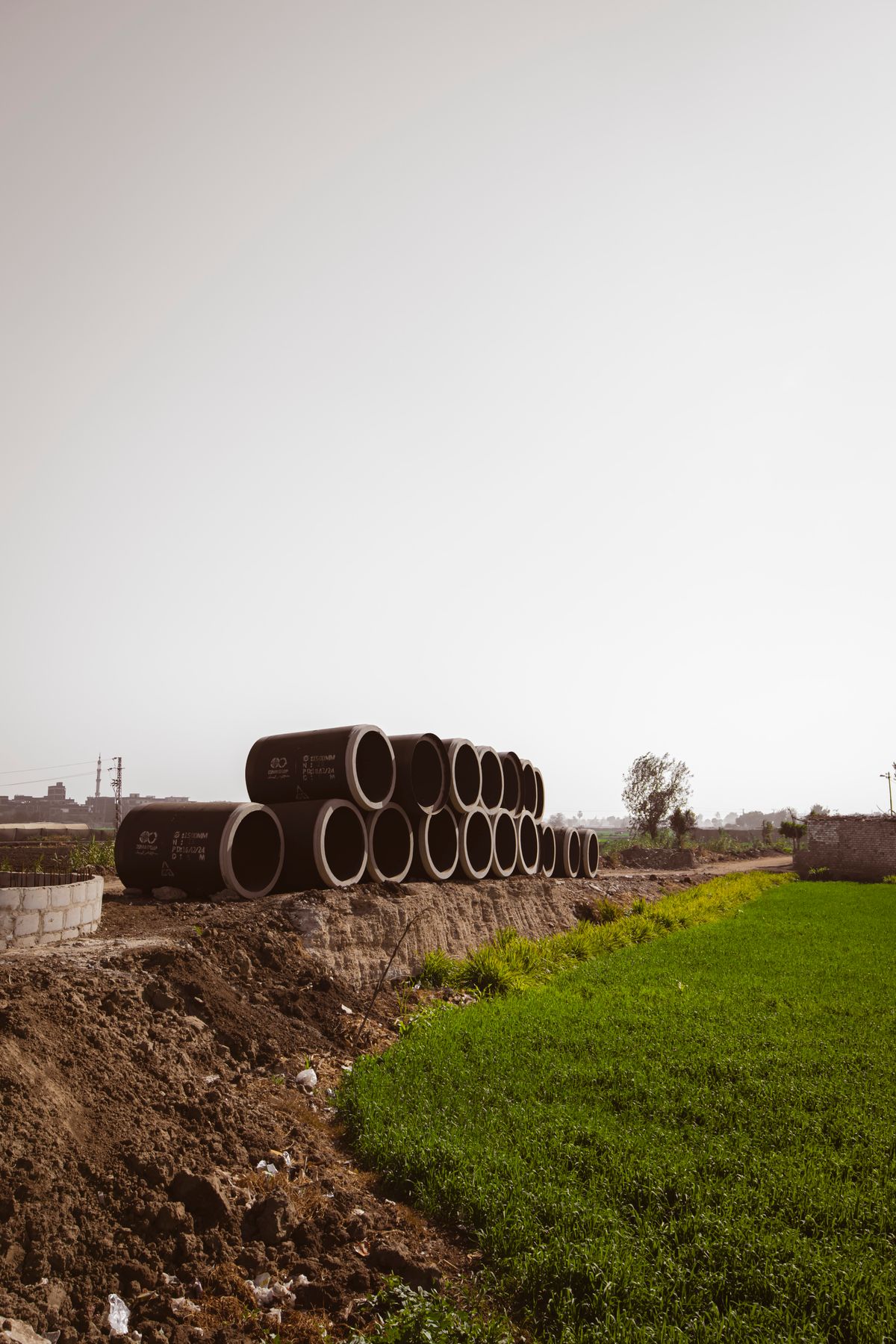
OSHA requires protection for excavations 5 feet or deeper, and sometimes shallower ones depending on soil classification. The protective method — sloping, benching, shoring, or a trench box — depends on soil type, depth, and site conditions, determined by a competent person.
At least once per shift, and again after any event that could change conditions — rain, vibration from nearby equipment, or a change in the water table. Conditions in Florida's sandy soils can shift faster than crews expect.
It's a specific designation for someone trained to identify existing and predictable hazards in the excavation and who has the authority to take prompt corrective action, including stopping work, without needing outside approval.
Spoil and equipment placed too close to a trench edge add surcharge load to the trench wall, increasing the chance of a collapse. Keeping materials at least two feet back reduces that added pressure on already-disturbed soil.

Excavation safety isn't a document that gets filed once at the start of a project — it's a routine that gets repeated every single day a trench is open, on sites where the stakes only grow as the work gets closer to other active trades. On a project like Alahambra, where deeper utility work is beginning as construction ramps up, that daily discipline is what keeps the schedule moving without anyone getting hurt.
Foshee Construction has run excavation and underground utility work safely across Central Florida since 1994. To talk through a project's excavation scope, start with the Foshee contact page - https://fosheeconstruction.com/contact.
- 811 Utility Locates - https://fosheeconstruction.com/blog/811-utility-locates
- Construction Safety Audit Guide - https://fosheeconstruction.com/blog/construction-safety-audit
- Why Foshee - https://fosheeconstruction.com/why-foshee
- Foshee Construction Blog - https://fosheeconstruction.com/blog
We build bids using HeavyBid and AGTEK because the details matter long before the job starts. When the numbers are accurate and the scope is clearly defined, it sets the tone for how the entire project runs. Estimating isn’t just a step in the process, it’s the foundation we build on.
That same mindset carries into the field. Our crew is trained to work with purpose, follow the Civil Engineers’ Plan to the finest detail, and hold the line on quality. When expectations are clear from day one, there’s no need for shortcuts, and no confusion about how the work gets done.
Clients trust our bid packages because they’re complete and ready to use. Project managers know what we’re covering, what’s excluded, and how we plan to approach the job. That clarity removes friction and lets teams focus on execution instead of interpretation.
As part of our review process, we go into the plans before anything hits the site. We ask the questions early, resolve issues before they show up in the field, and keep RFIs moving. This approach prevents delays and protects the timeline.
Over time, that consistency builds trust. Many of the people we work with today came through referrals from past projects – engineers, GCs, and superintendents who’ve seen how we operate and want the same experience again.
In 2024, Foshee Construction was acquired by Saga Infrastructure Solutions, a national network of civil construction companies. Saga supports regional contractors by giving them access to better tools, long-term resources, and operational backing, without changing how they run day to day.
Foshee will continue to operate under its name, with the same team and field leadership in place.
“From the very time a project starts, we start that partnership. We try to catch as much as we can with the tools that we have. Not everybody is using the software platforms we are. That’s the differentiator: we’re not just bidding. We’re anticipating, problem-solving, and making sure the job runs right.”
— Don, CEO, Saga Infrastructure Solutions
Foshee is now part of a broader regional strategy that includes Florida, the Piedmont Atlantic, Texas, Colorado, and the Arizona Sun Corridor. The name, crews, and standards remain. What’s improving is the support behind it.