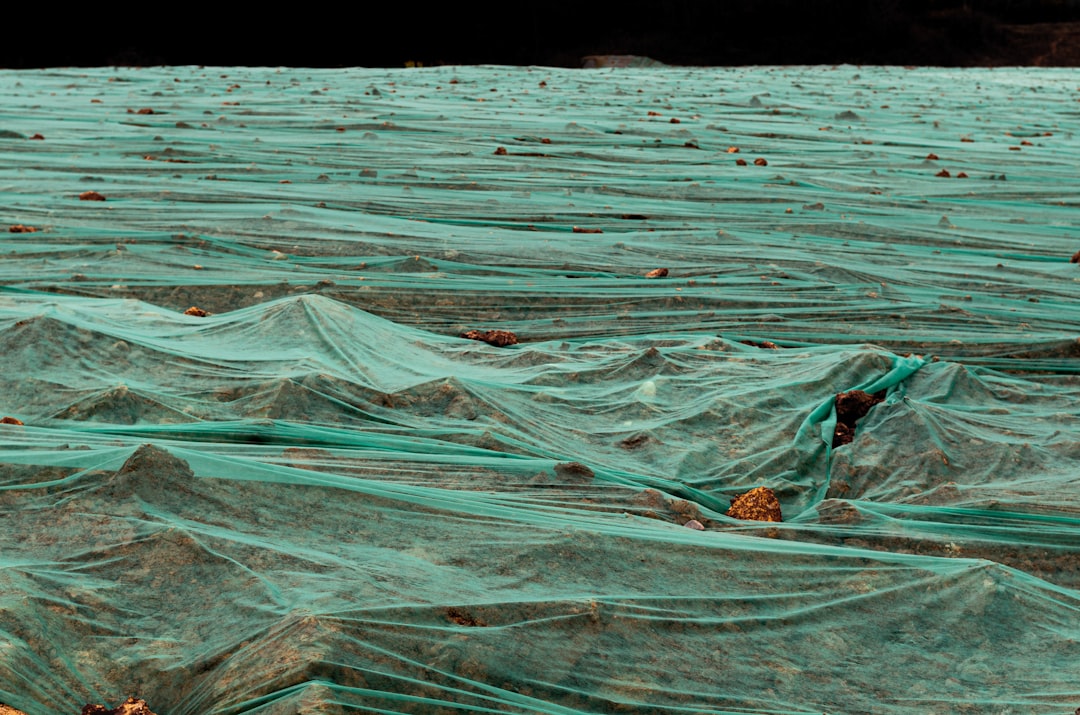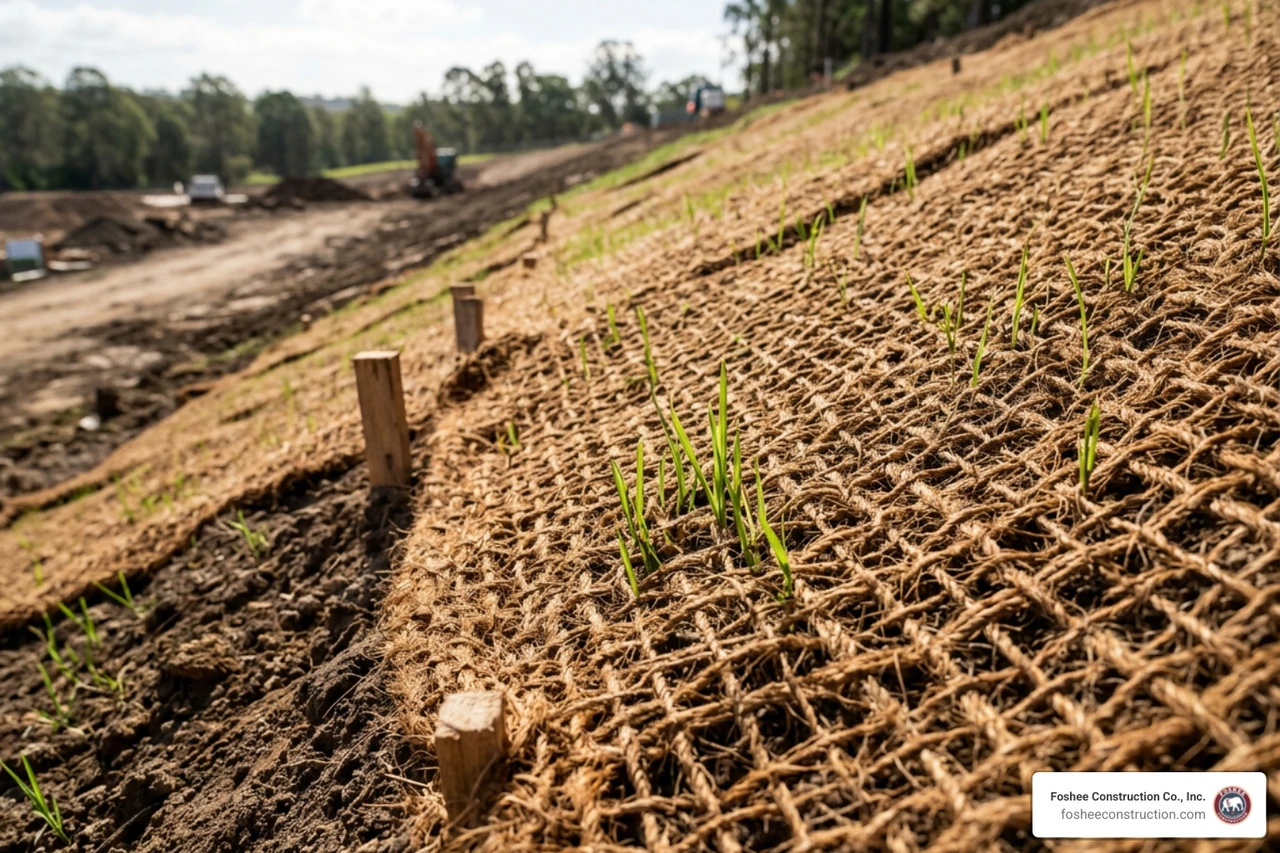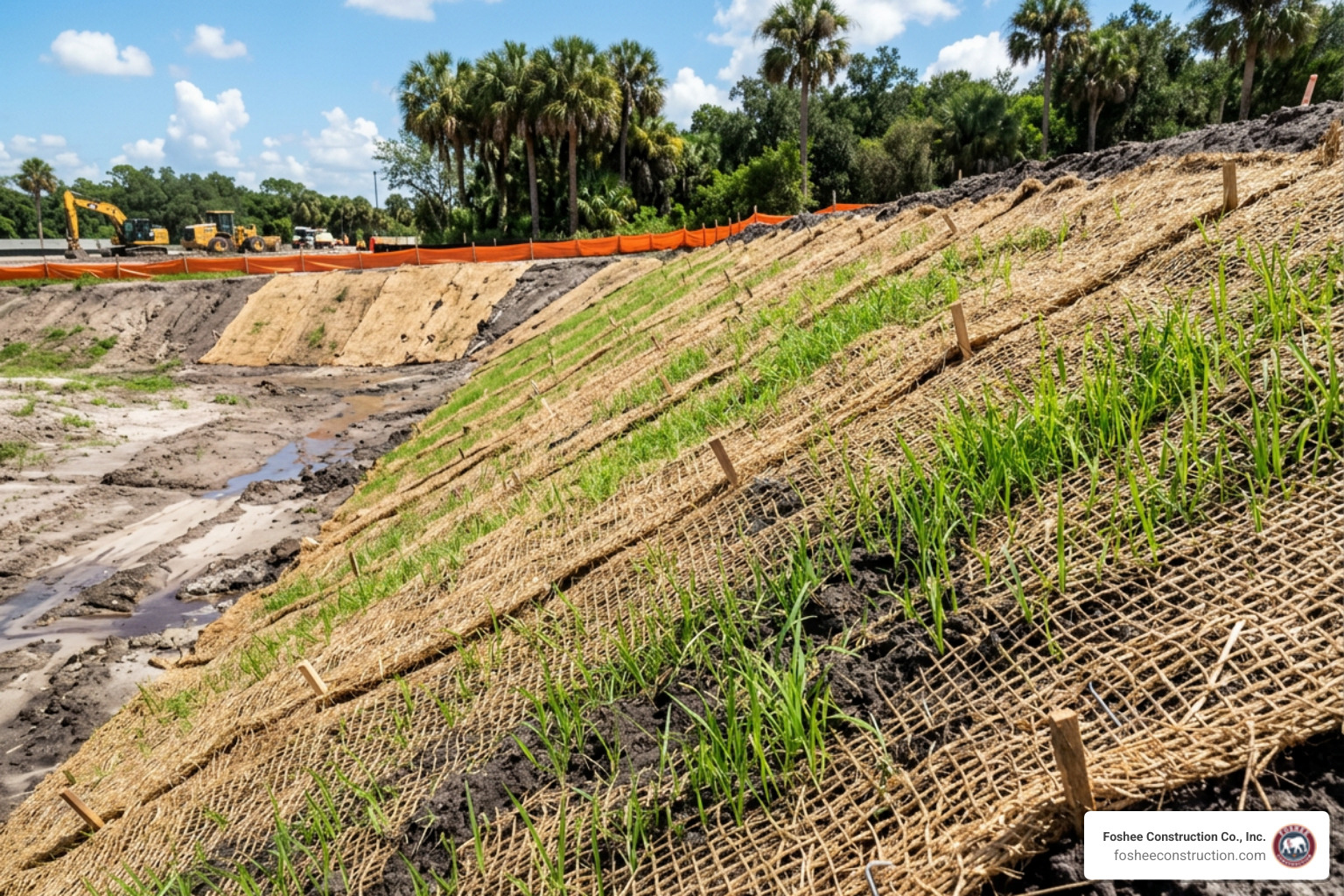
Erosion control blanket amazon listings make it easy to buy temporary soil protection for a seeded slope, drainage swale, garden bed, or active construction site. The best choice depends on the site: straw and jute work for short-term, biodegradable coverage; coconut and wood fiber last longer while vegetation takes hold; and synthetic geotextiles suit drainage separation and longer-life applications.
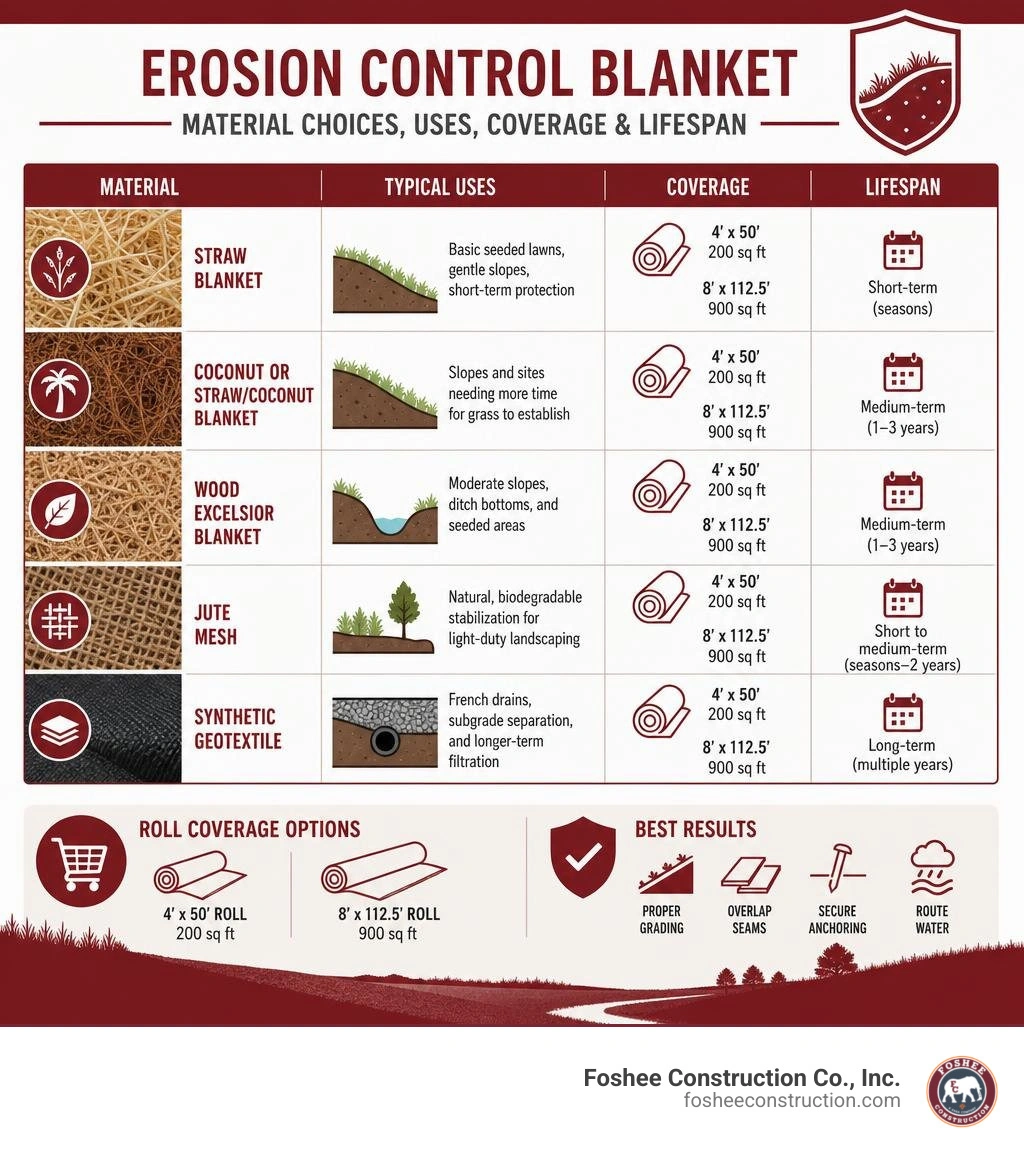
| Quick buying guide | Best fit |
|---|---|
| Straw blanket | Basic seeded lawns, gentle slopes, short-term protection |
| Coconut or straw/coconut blanket | Slopes and sites needing more time for grass to establish |
| Wood excelsior blanket | Moderate slopes, ditch bottoms, and seeded areas |
| Jute mesh | Natural, biodegradable stabilization for light-duty landscaping |
| Synthetic geotextile | French drains, subgrade separation, and longer-term filtration |
Amazon commonly carries 4 x 50-foot rolls that cover 200 square feet, plus larger 8 x 112.5-foot rolls that cover 900 square feet. Prices span from about $25 for small seed mats to contractor bulk packs costing well over $2,000, so roll coverage and the material's expected service life matter as much as the sticker price.
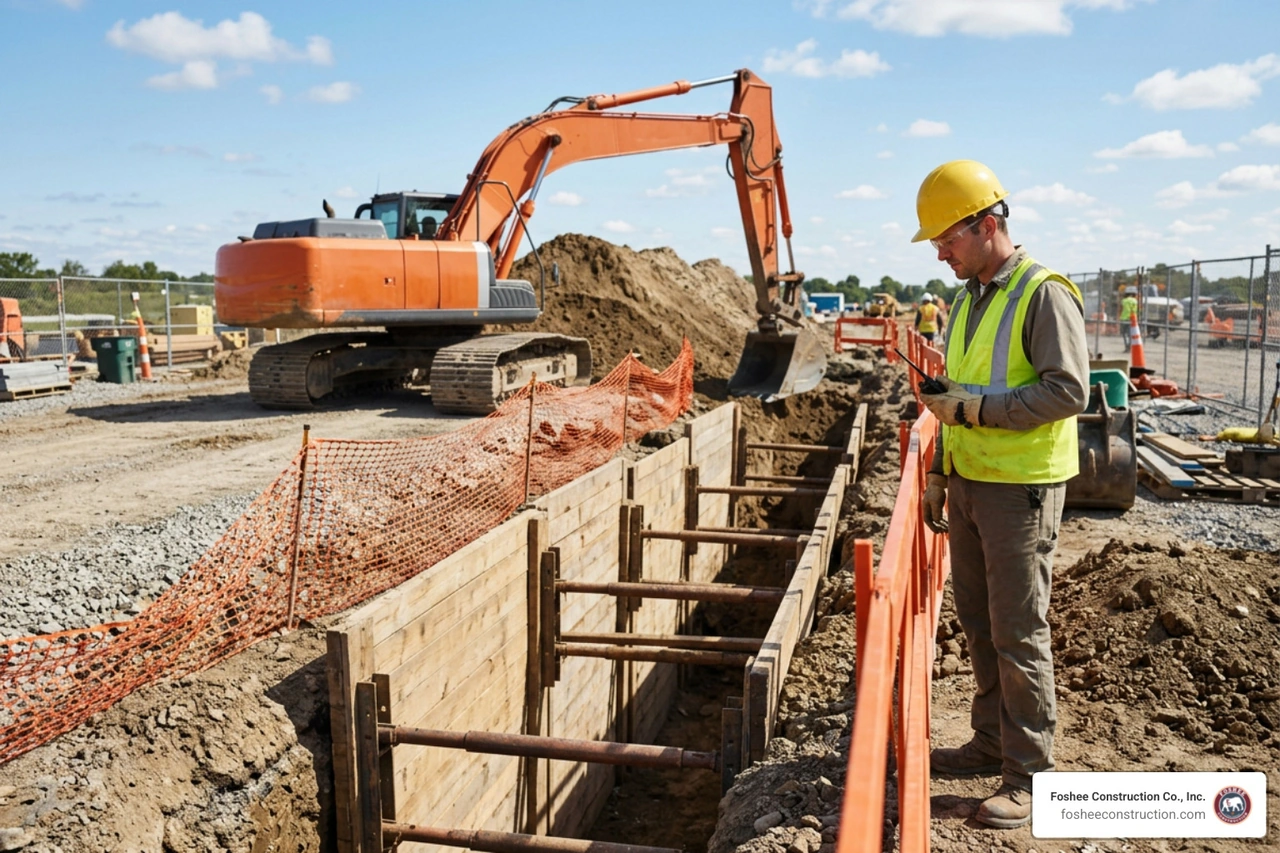
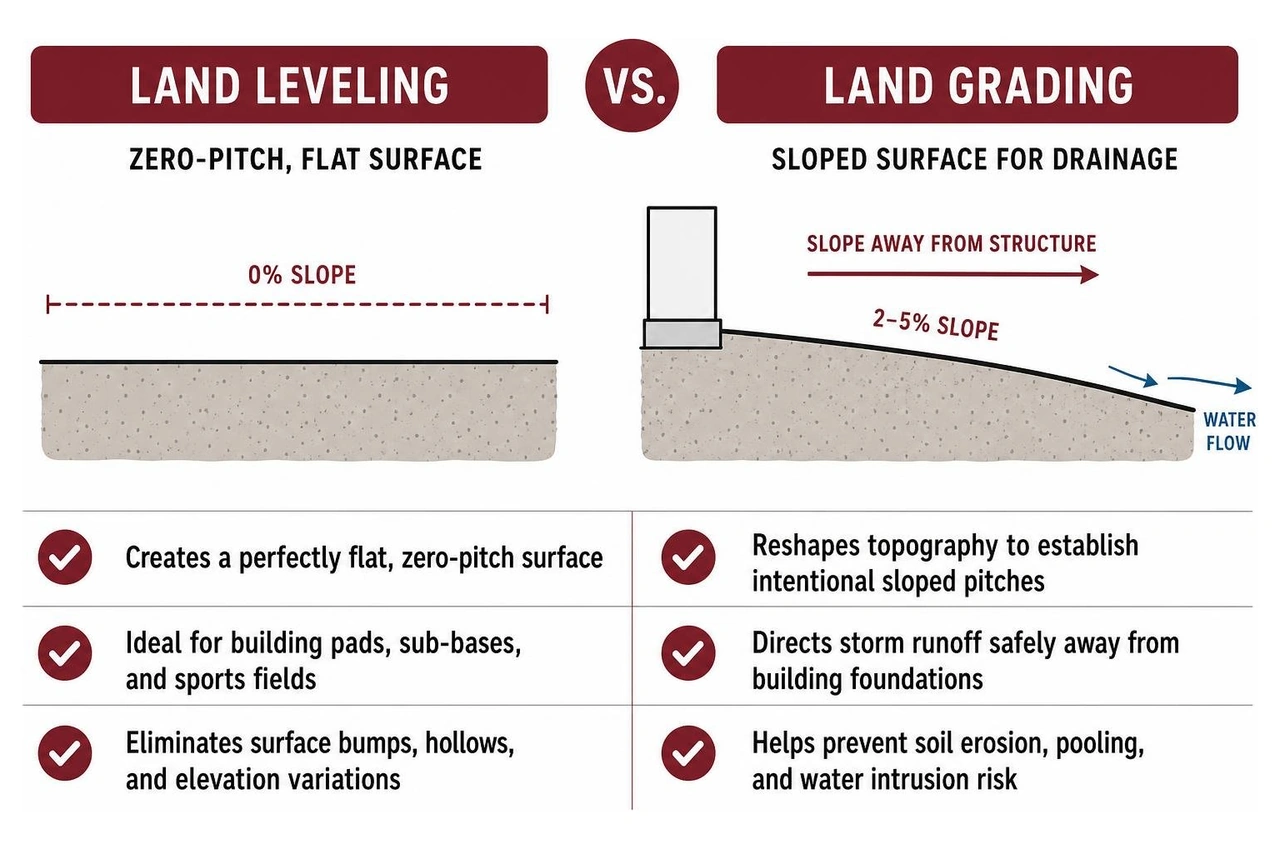
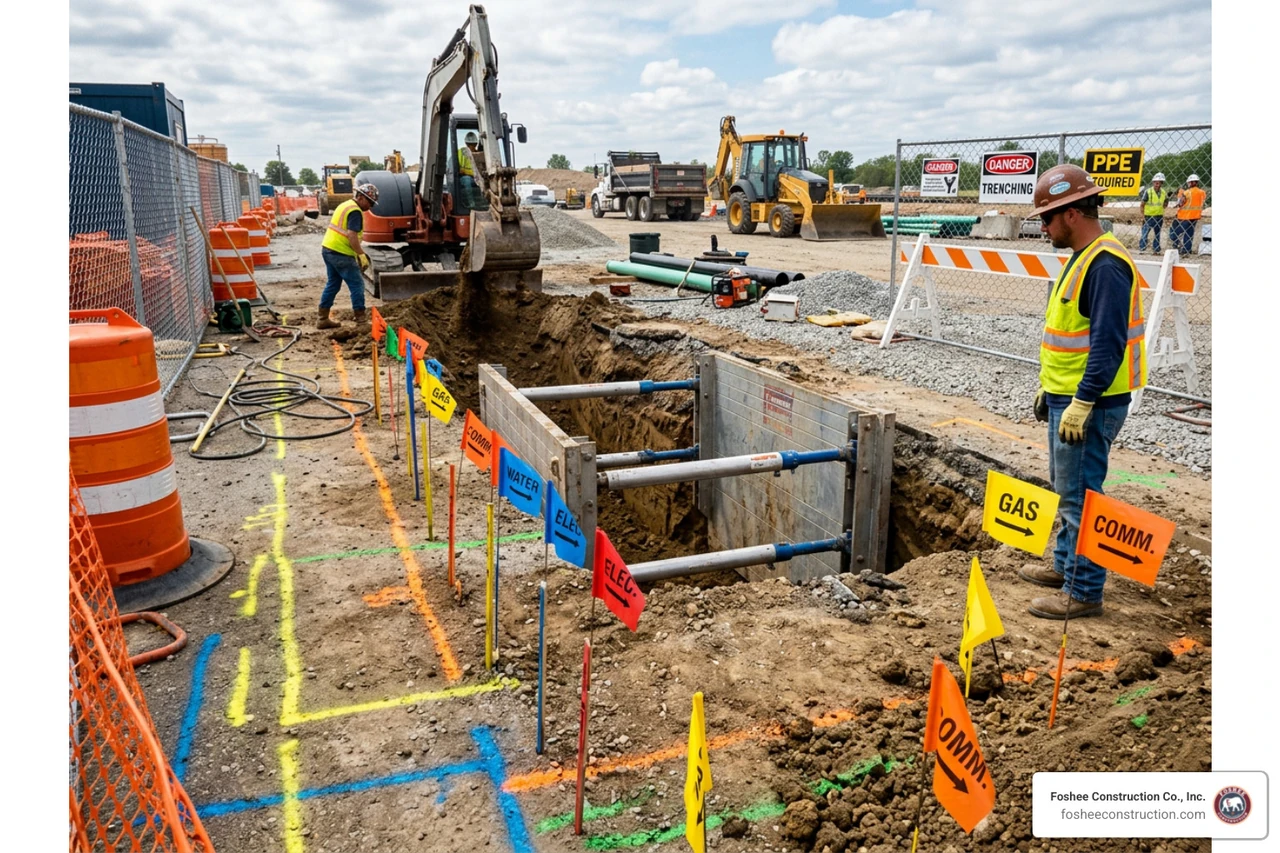
For Florida contractors and developers, the blanket is only one part of the plan. Proper grading, overlap, anchoring, and stormwater routing help prevent washouts that can delay inspections and create expensive rework.
I am Don Larsen of Foshee Construction Co., Inc., where our team has supported Central Florida site development, grading, and erosion-control work since 1994. This erosion control blanket amazon roundup helps buyers compare practical materials and roll sizes before putting protection on exposed soil.
Basic erosion control blanket amazon glossary:
When browsing for an erosion control blanket amazon search results yield a wide variety of rolled erosion control products (RECPs). Understanding the physical property differences across organic and synthetic matrix materials ensures you buy a matting option tailored to your land's topography and climate.
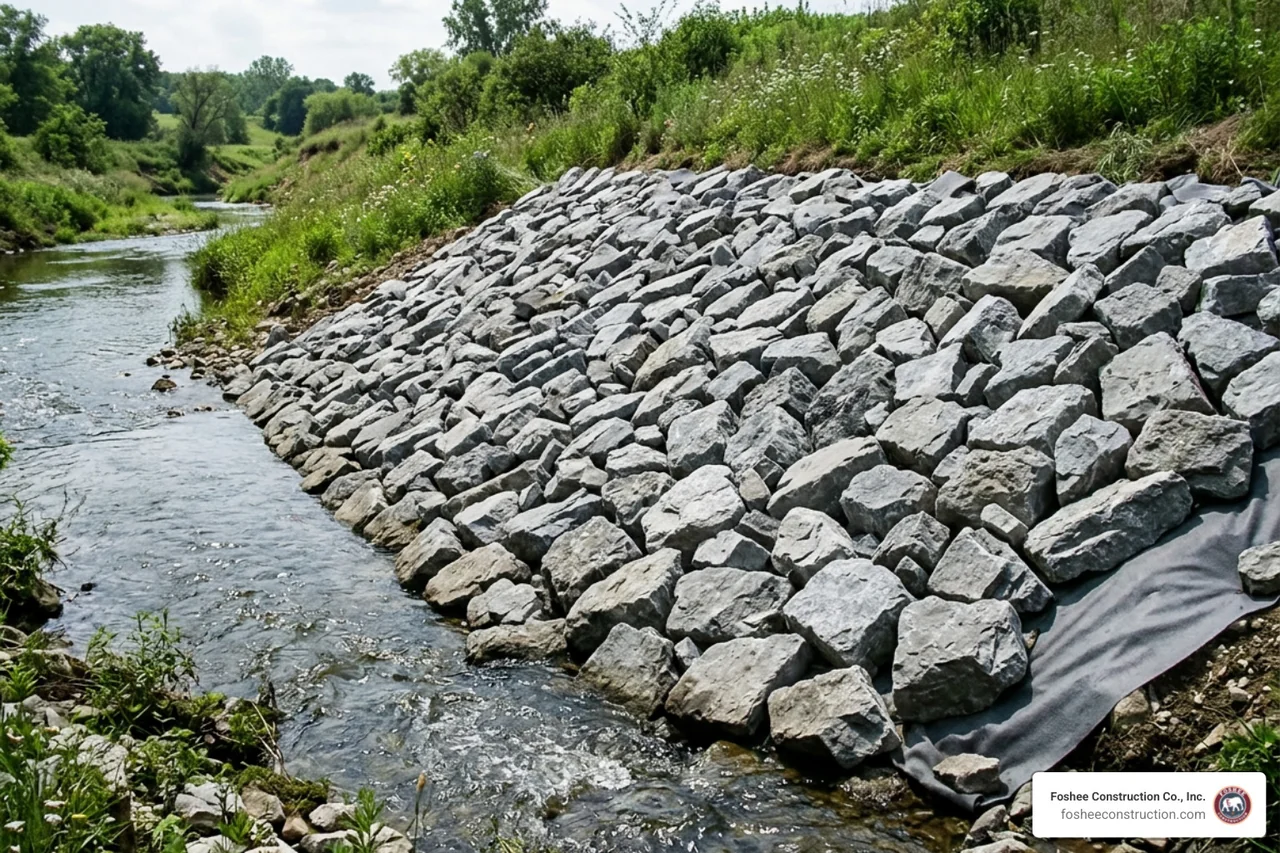
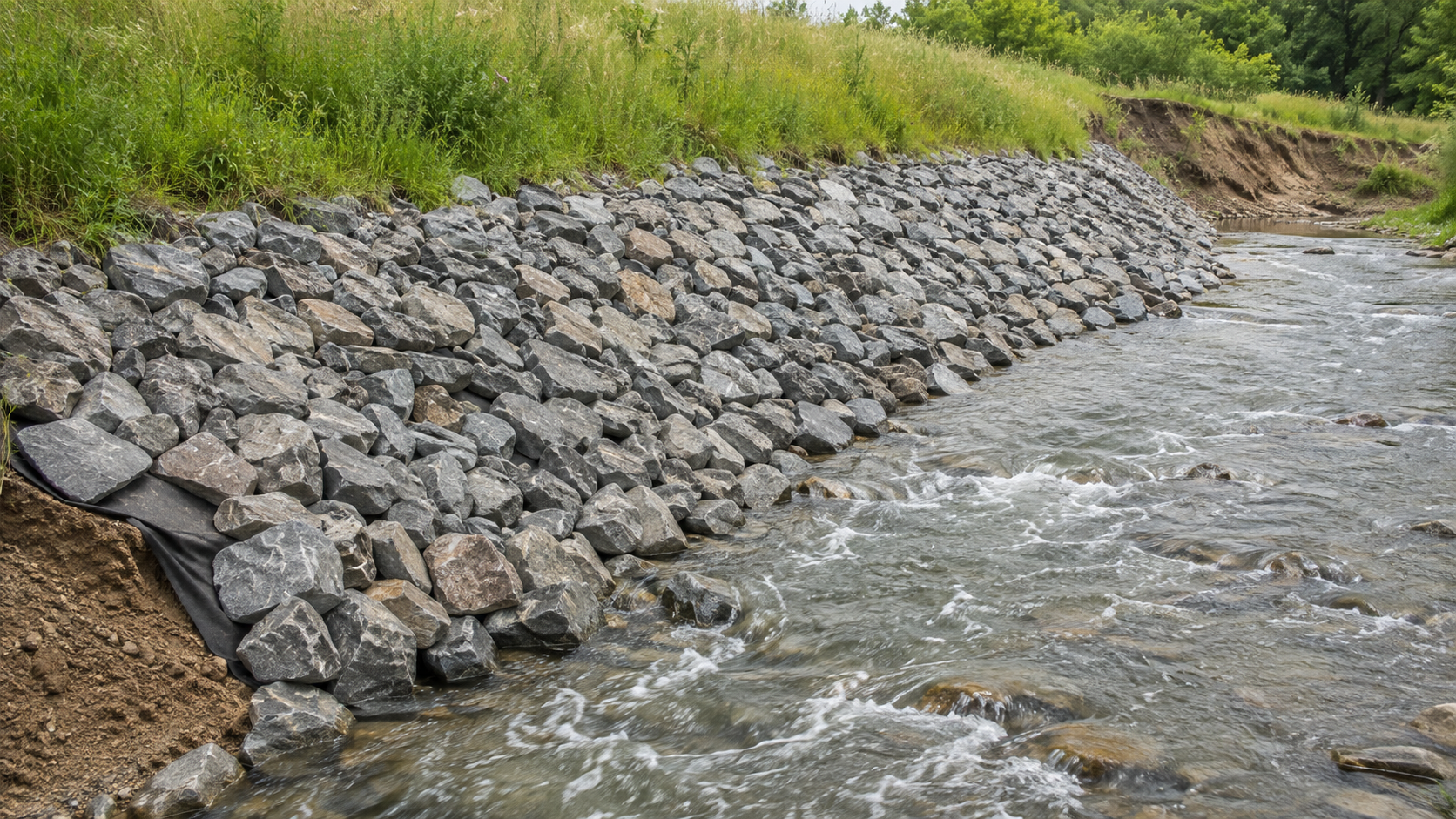
Organic fibers, such as agricultural wheat straw, coir (coconut fiber), curled aspen wood excelsior, and woven jute mesh, act as temporary protective blankets. They hold soil particles together while retaining vital ground moisture so grass seeds can take root. Synthetic non-woven geotextile fabrics, on the other hand, provide permanent soil separation, water filtration, and high tensile strength beneath gravel paths or retaining walls. Implementing the right erosion control measure during initial ground clearing avoids massive soil washouts during heavy rain events.
Choosing between 100% biodegradable matting and photodegradable polypropylene netting boils down to your desired project timeline and cleanup preferences.
A blanket's effectiveness depends on its ability to withstand gravitational erosion and surface shear stress from moving water runoff. Installing a blanket rated beneath your site's physical dynamics will inevitably cause sub-blanket soil erosion and sheet washouts.
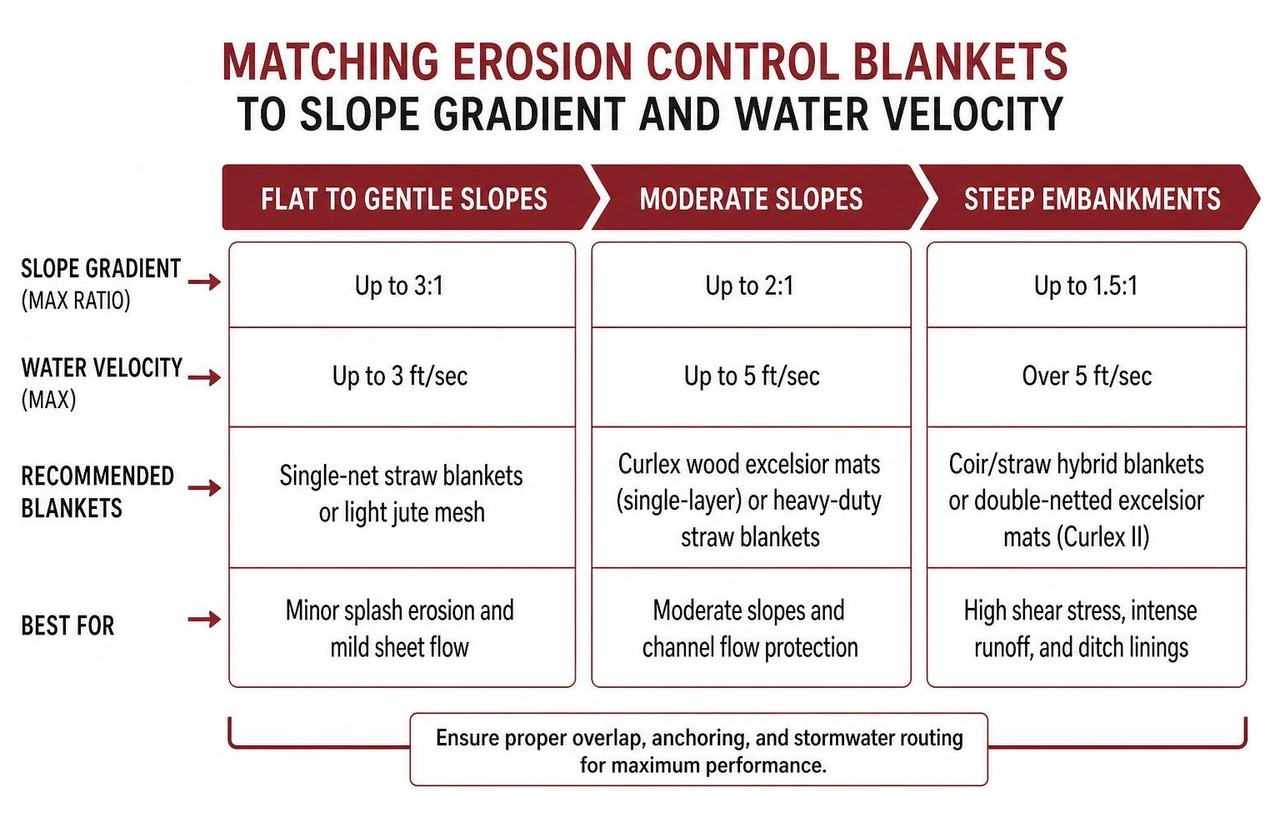
When selecting products, evaluate slope ratio limits and channel flow velocity tolerances:
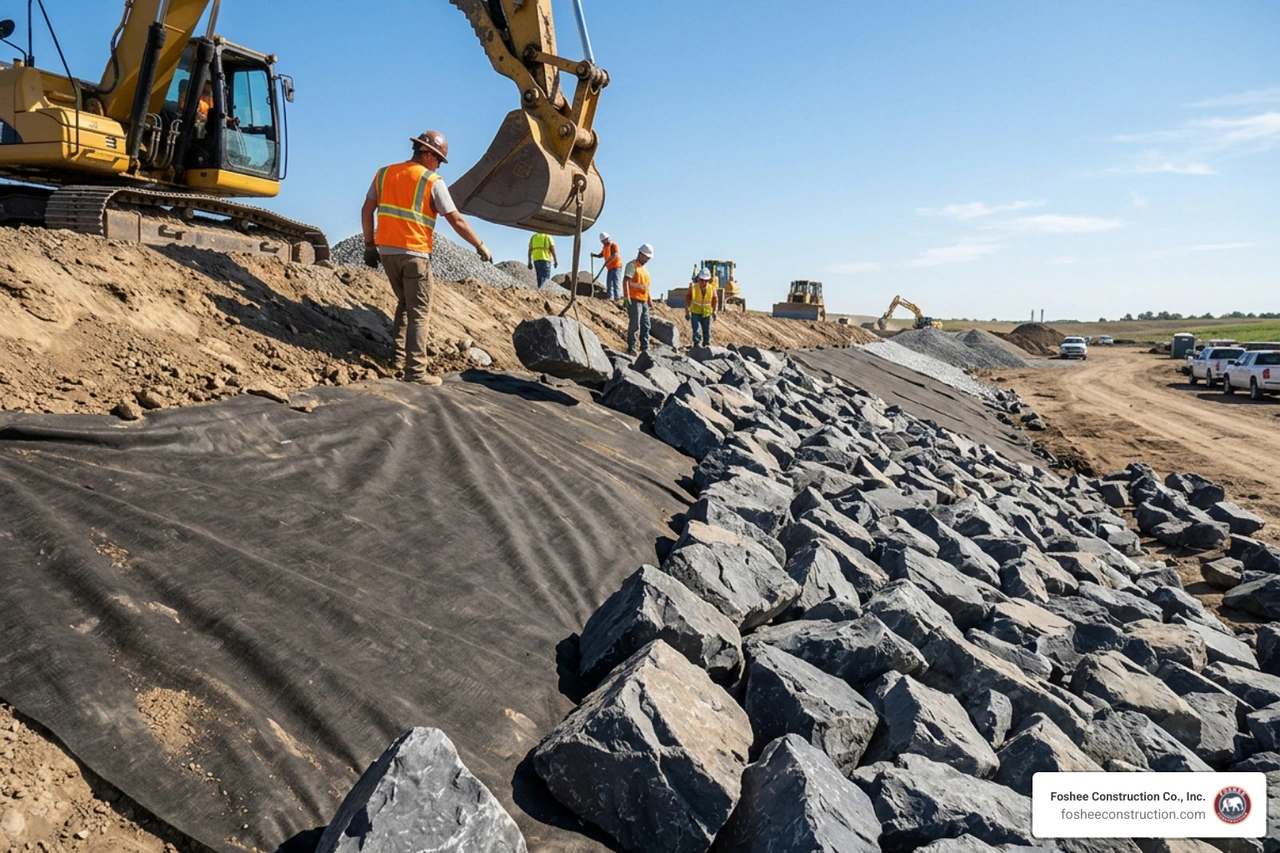
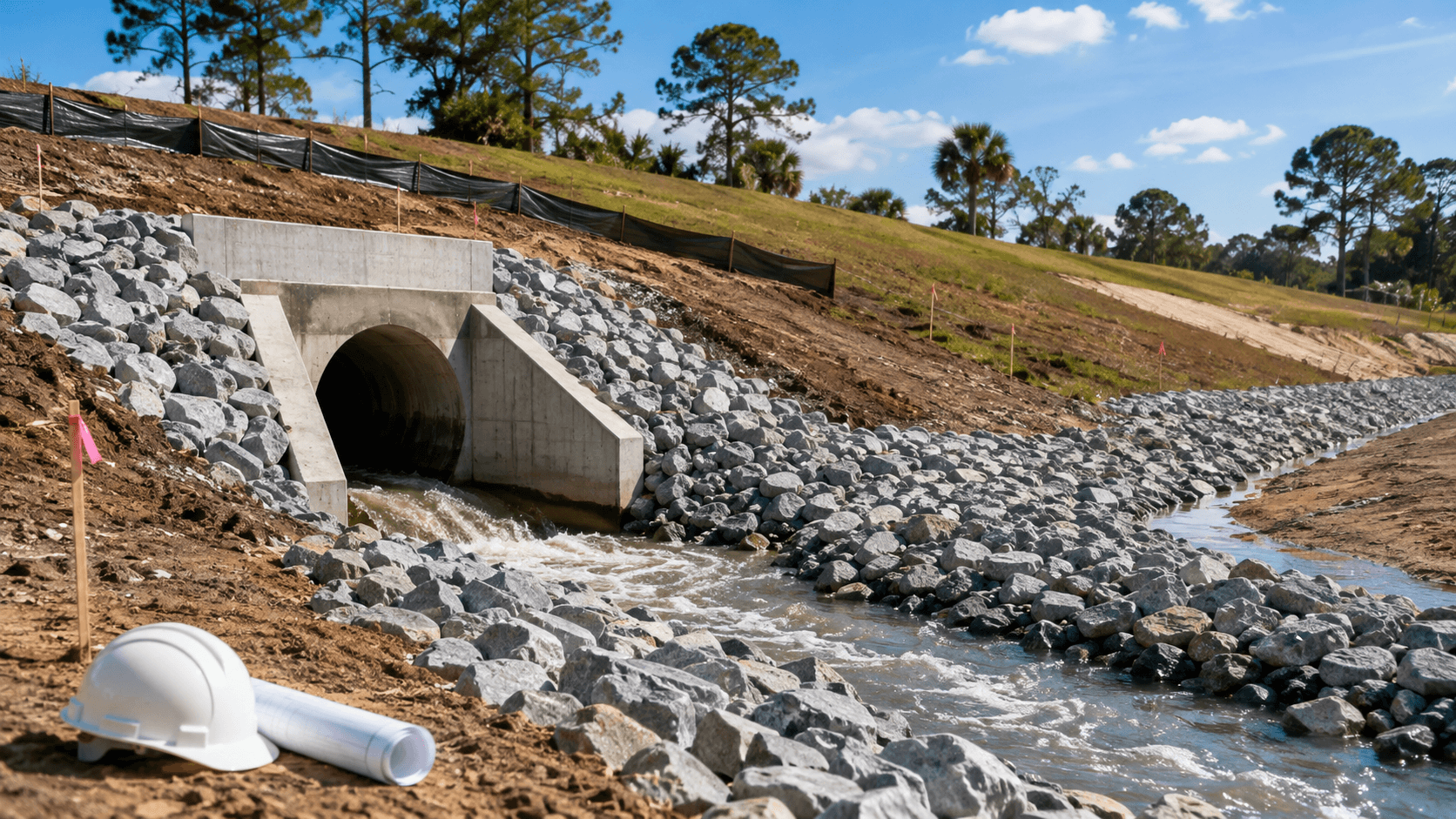
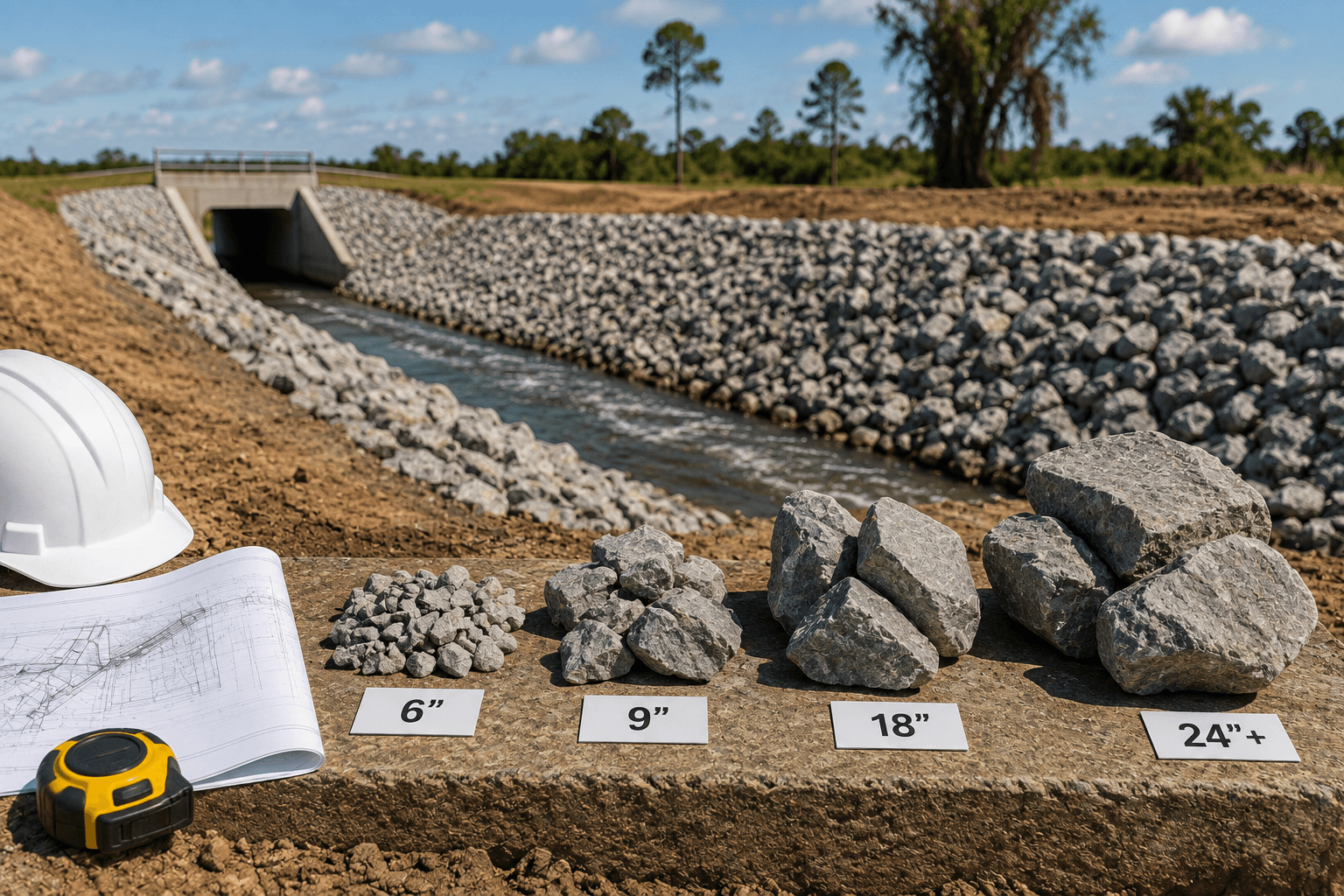
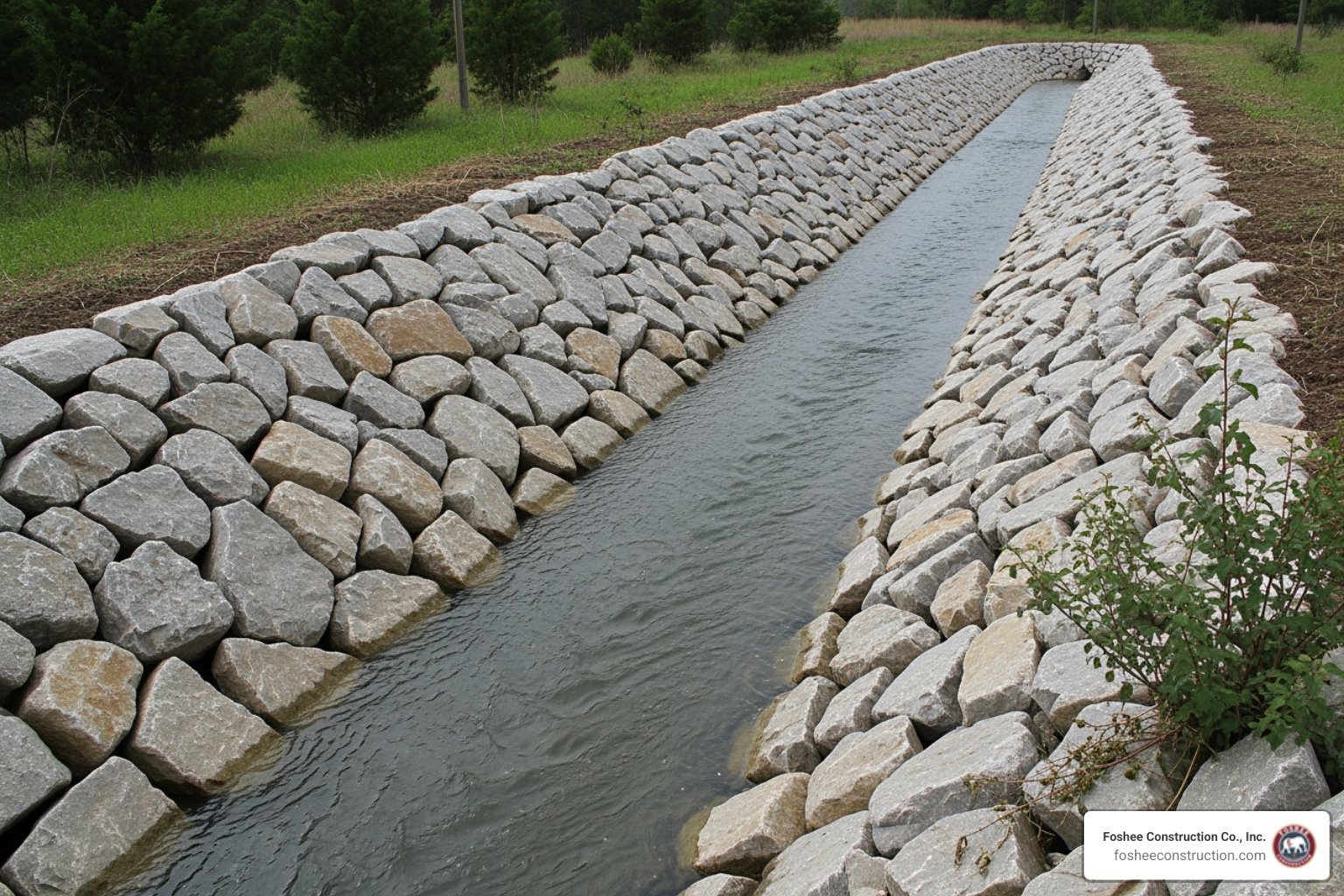
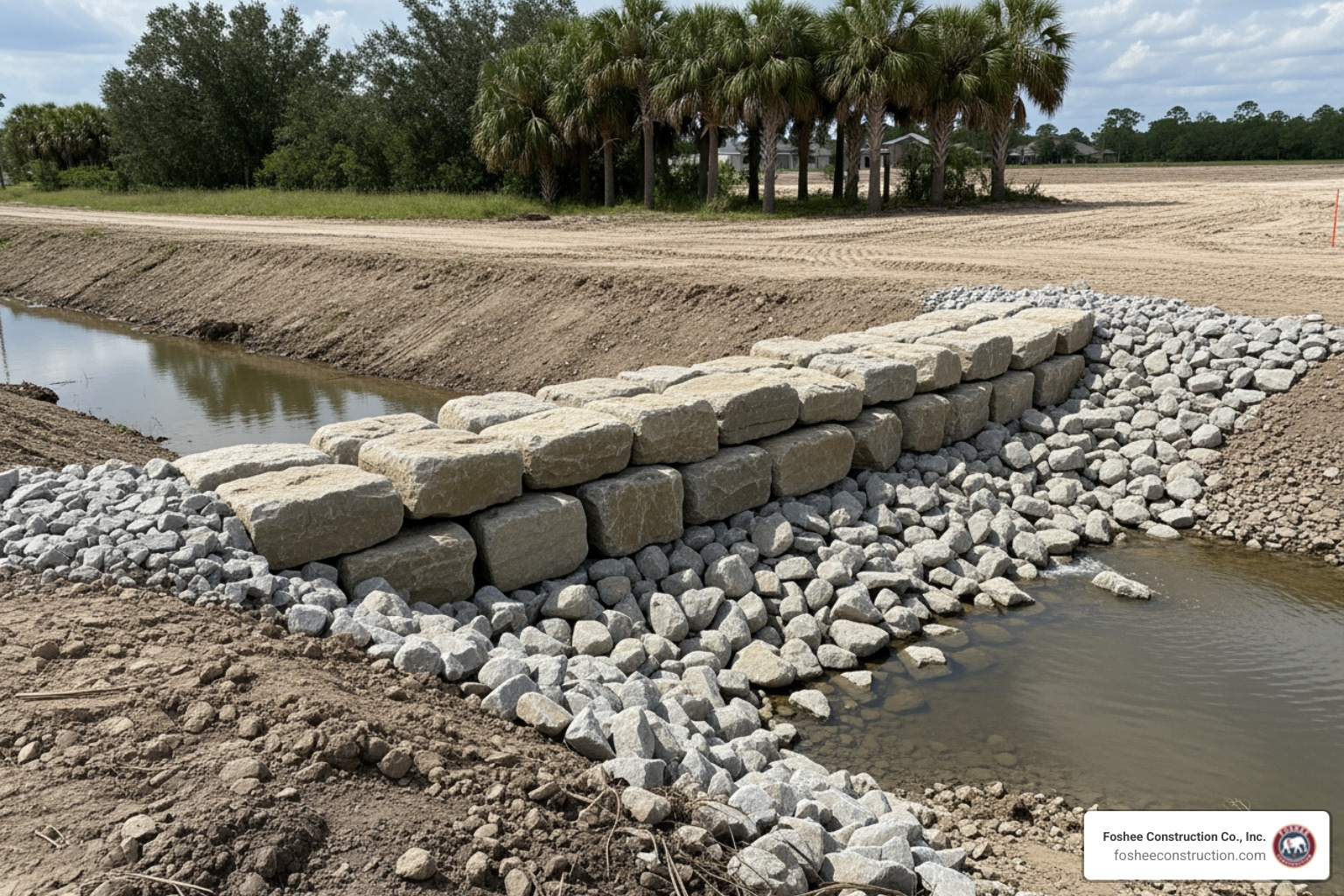
In rainy regions like Lake County, Florida, high-velocity summer downpours make shear stress ratings critical. Pair high-flow blankets with proper site grading or complementary features like an erosion control rock check dams installation in concentrated drainage paths.
Ordering an erosion control blanket amazon shipment requires accurate area measurements. Buying insufficient yardage creates field delays, while ordering excess materials impacts your project budget.
Commercial and residential erosion blankets come in standardized industry roll dimensions. Calculating material coverage involves measuring your site length and width, adding a 10% to 15% allowance for roll overlapping and trench anchoring.
Common standard roll sizes on Amazon include:
When laying multiple adjacent runs, always factor in standard side overlaps of at least 3 inches and end-to-end overlaps of 6 inches (shingled in the direction of water flow).
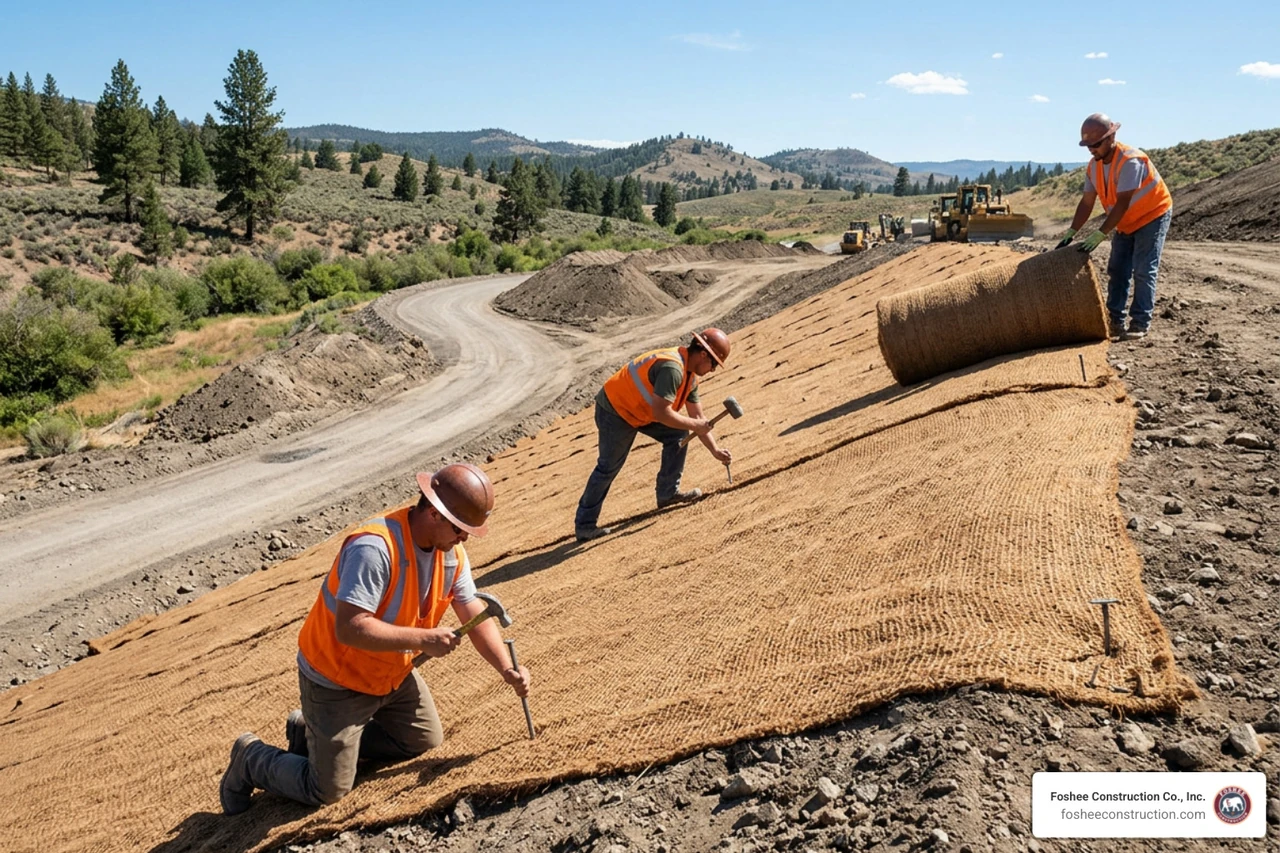
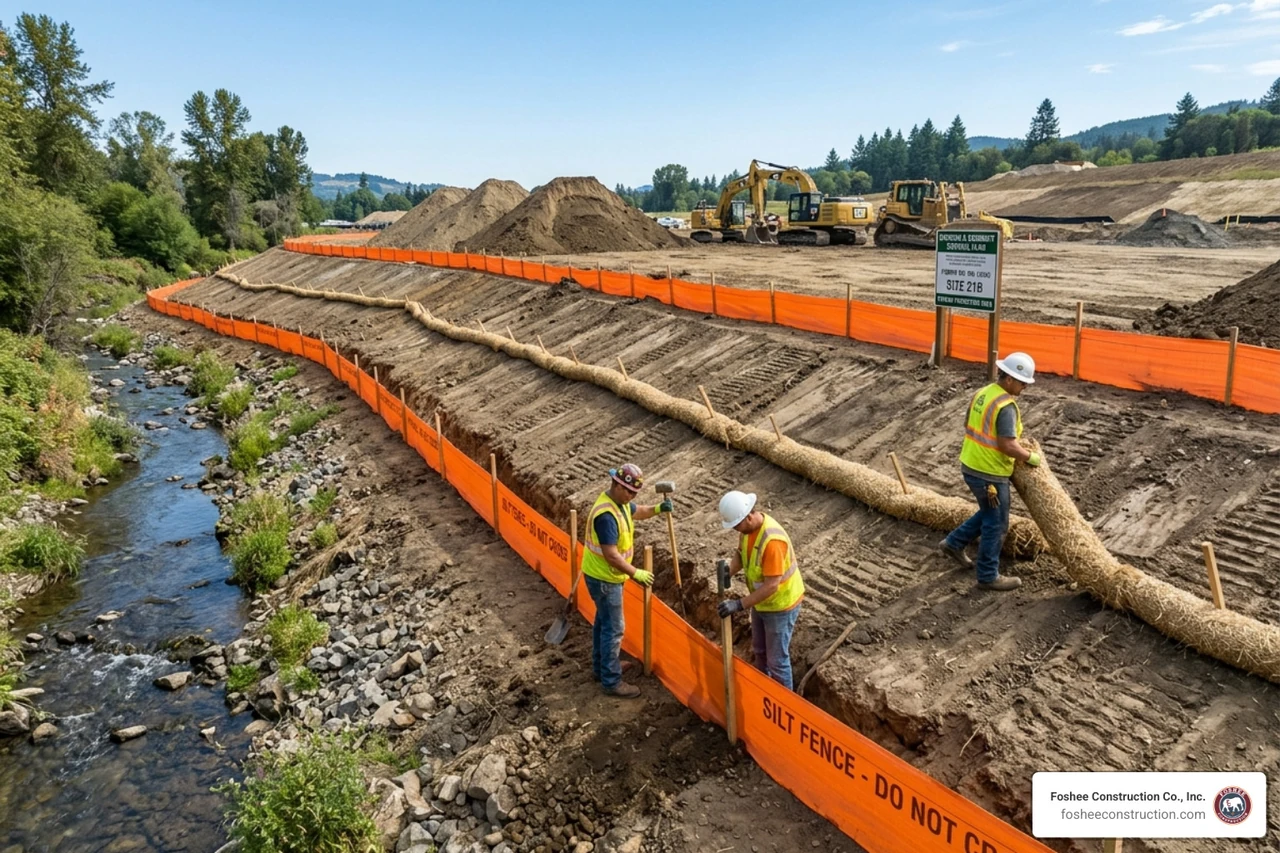
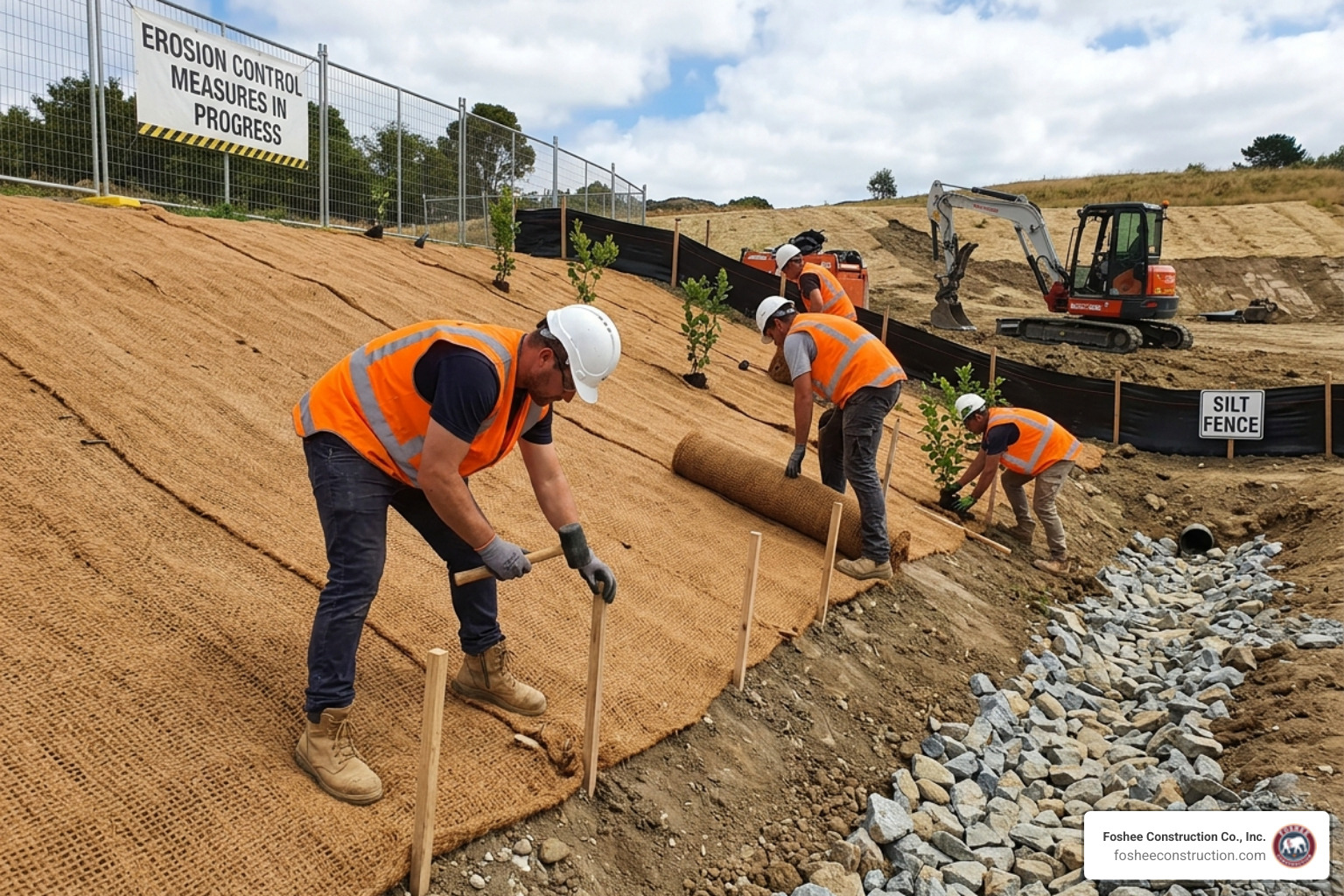
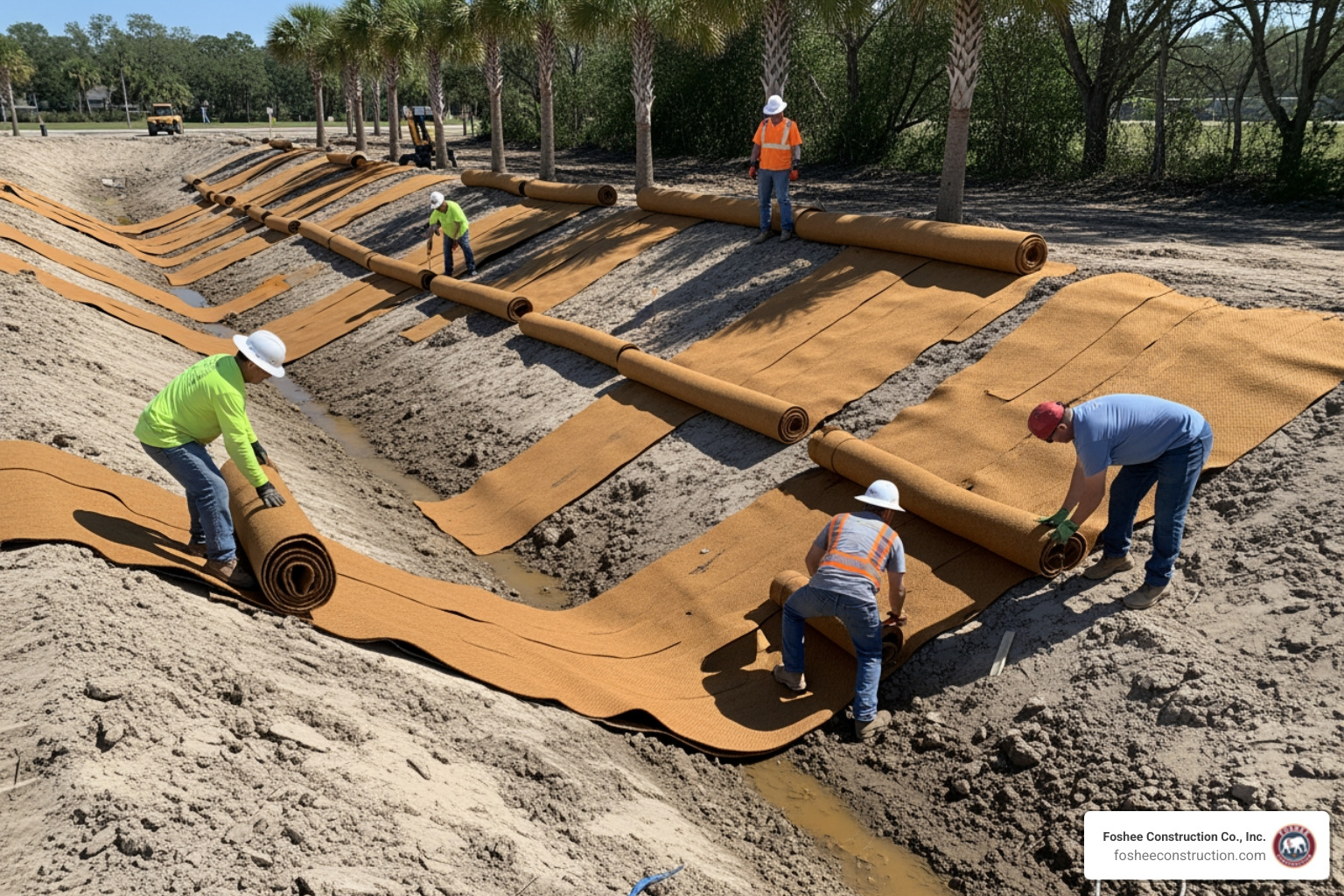
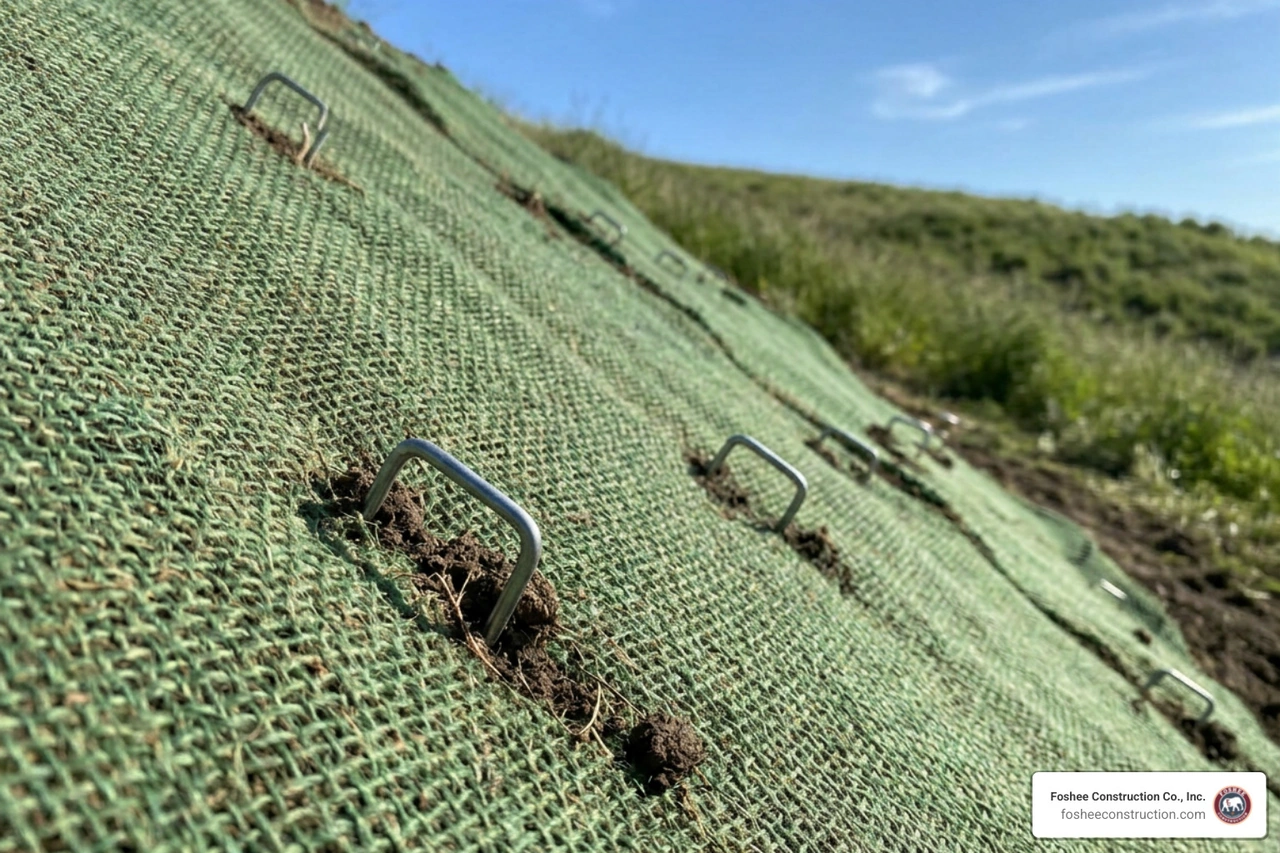
Skipping proper site preparation causes water to flow underneath the fabric, undercutting the soil and washing away grass seeds. Follow these key steps from our erosion control blanket installation guide to lock your blankets securely in place:
When shopping on Amazon, customer ratings and purchase trends provide valuable insight into real-world performance, shipping condition, and material quality. The following comparison highlights top-rated products available across the marketplace:
| Product Name | Material Composition | Roll Size & Coverage | Functional Lifespan | Amazon Rating & Buying Insights | Best Use Case |
|---|---|---|---|---|---|
| American Excelsior QuickGrass Pro | Curled Aspen Excelsior Wood Fibers | 4' x 50' (200 sq. ft.) | 60 - 90 Days | 3.8 to 4.0 / 5 stars (300+ bought/mo) | Moderate residential slopes, rapid seed germination |
| Dewitt AEC-SEGRN4 Curlex I | Green Curled Wood Fiber, Single Net | 4' x 112.5' (450 sq. ft.) | 90+ Days | 4.0 / 5 stars (200+ reviews) | High-visibility lawns, embankments up to 2:1 |
| Vivlly Coconut Blanket | 100% Natural Coconut Coir Fiber | Various Sizes (e.g., 4' x 50') | 12 - 36 Months | 4.8 / 5 stars (Top rated coir mat) | Steep hills, bio-swales, long-term root growth |
| Farm Plastic Supply Straw Blanket | 100% Agricultural Wheat Straw | 7.5' x 112.5' (843.75 sq. ft.) | 45 - 90 Days | 4.1 / 5 stars (180+ reviews) | Ditch linings, culvert outfalls, cost-effective yards |
| AEC Premier Straw/Coconut Hybrid | 70% Straw / 30% Coconut Coir Matrix | 8' x 112.5' (900 sq. ft.) | 120 - 180 Days | 4.6 / 5 stars (Amazon Overall Pick) | Commercial grading, severe weather slopes |
Price points on Amazon range from roughly $25 for compact seed germination mats up to $170–$185 for commercial-grade 8' x 112.5' hybrid rolls. Buyers can also leverage Subscribe & Save discounts on select listings for additional savings on recurring landscaping supplies.
Curled aspen wood excelsior mats stand out for their engineered fiber geometry. Unlike flat straw, tiny curled wood fibers feature barb-like textures that lock together, clinging firmly to ground contours while trapping moisture.
Popular excelsior picks include:
Natural agricultural straw and coconut coir fibers remain standard go-to choices for reliable organic soil protection:
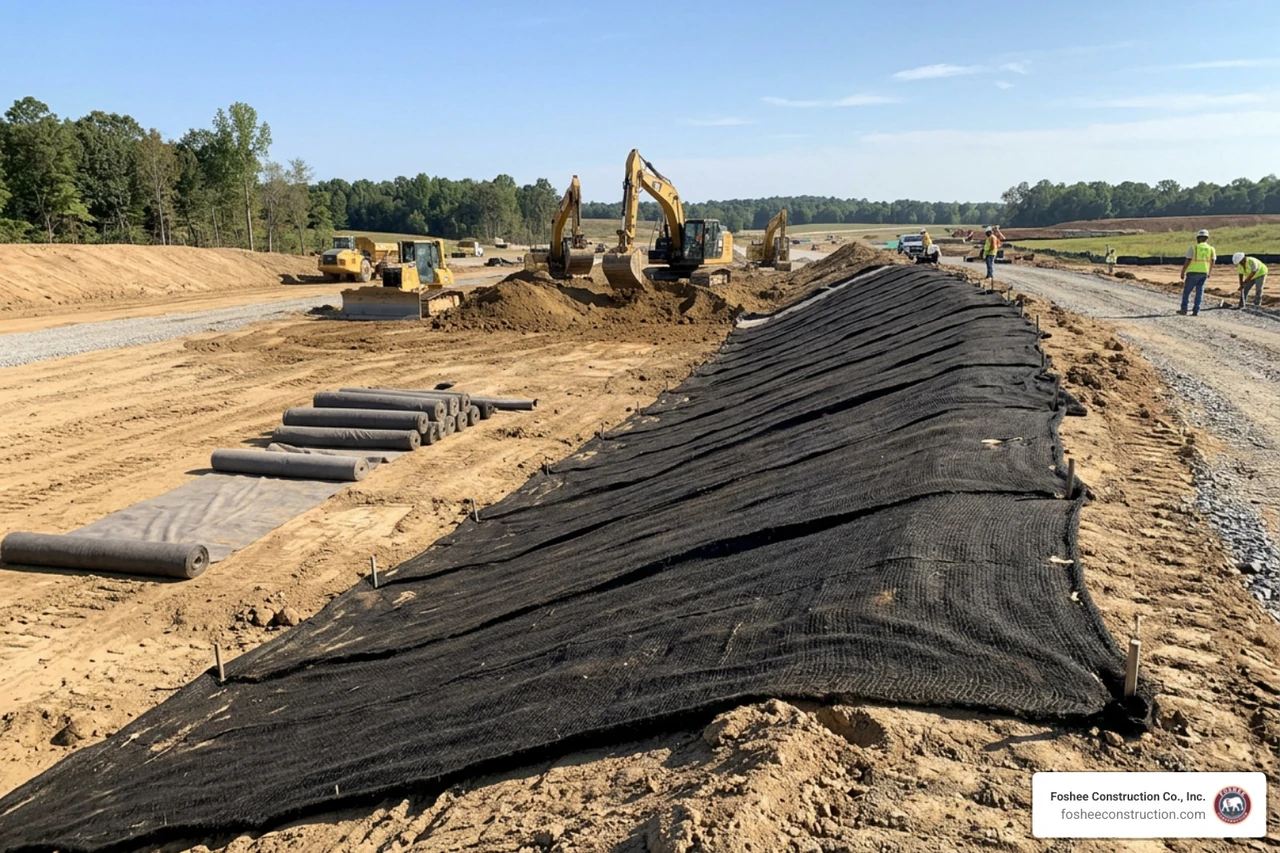
Whether you are restoring a residential lawn or managing stormwater compliance on an active jobsite, matching the blanket to the application is key.
Yes. Erosion control blankets excel as seed germination mats because their porous matrix holds moisture close to the soil while shading tender seeds from intense heat. While open-weave straw and excelsior blankets allow young grass blades to push through easily, they provide only light weed suppression. If complete weed blocking is required beneath gravel or pine bark beds, use a dedicated non-woven landscape geotextile fabric instead.
No! Fully biodegradable organic blankets (made from straw, wood excelsior, jute, or coir) are designed to stay in place permanently. As grass grows through the mesh matrix, the organic fibers rot into natural soil nutrients. Standard lawn mowers can safely run over degraded blankets without catching blades or damaging newly established root turf.
Staple density depends directly on slope steepness and water flow velocity:
Ordering an erosion control blanket amazon delivery offers a convenient way to protect vulnerable soil, establish grass seed, and maintain site stability. By matching material lifespans—from short-term agricultural straw to long-lasting coconut coir and curled excelsior—you can tackle sloped yards, ditch swales, and garden beds with confidence.
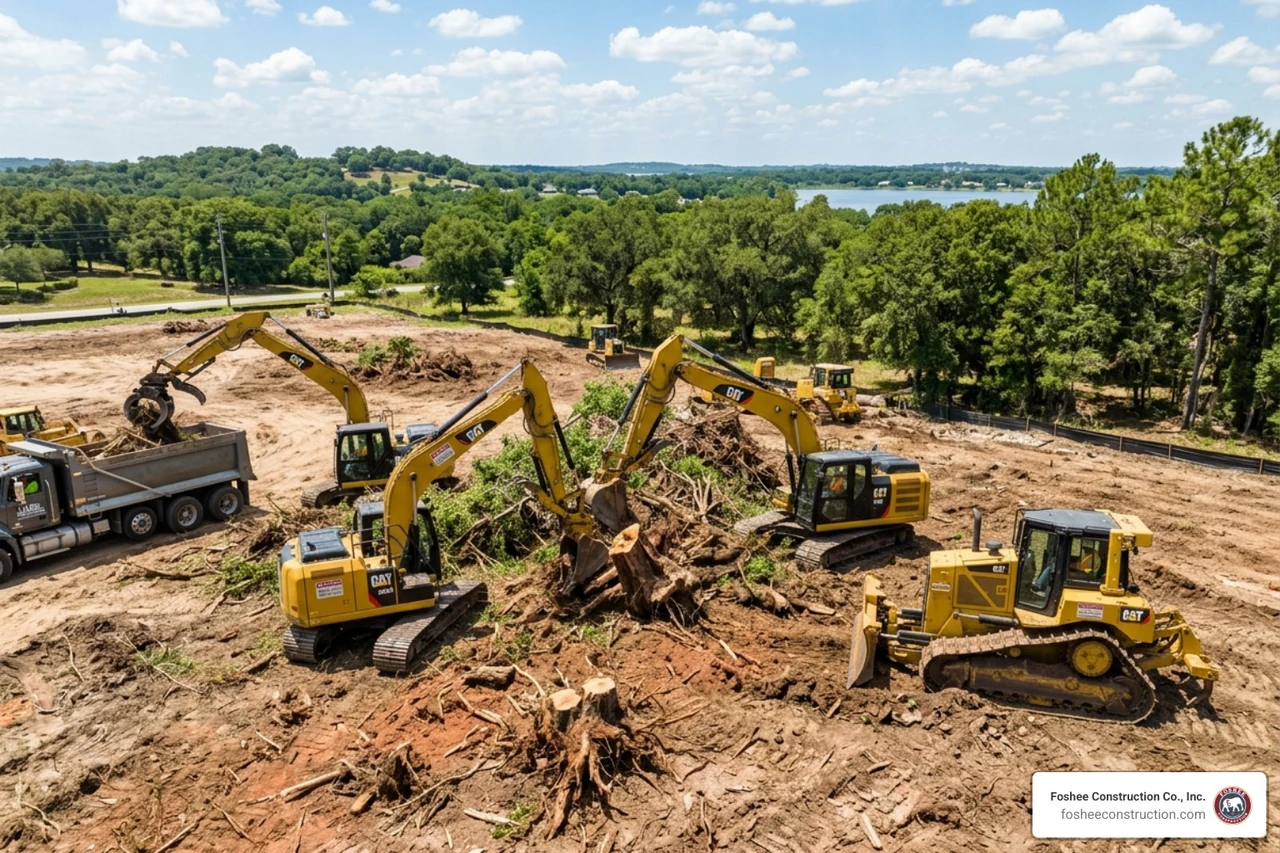
However, for large-scale earthmoving, commercial site preparation, structural grading, and complex stormwater management across Central Florida, off-the-shelf blankets are only one piece of the puzzle. At Foshee Construction Co., Inc., based in Minneola, Florida, we bring over three decades of earthmoving expertise, transparent bidding, and disciplined scheduling to every site prep project. Contact our team today for professional site development solutions, and explore our comprehensive erosion control blanket guide to keep your land secure.
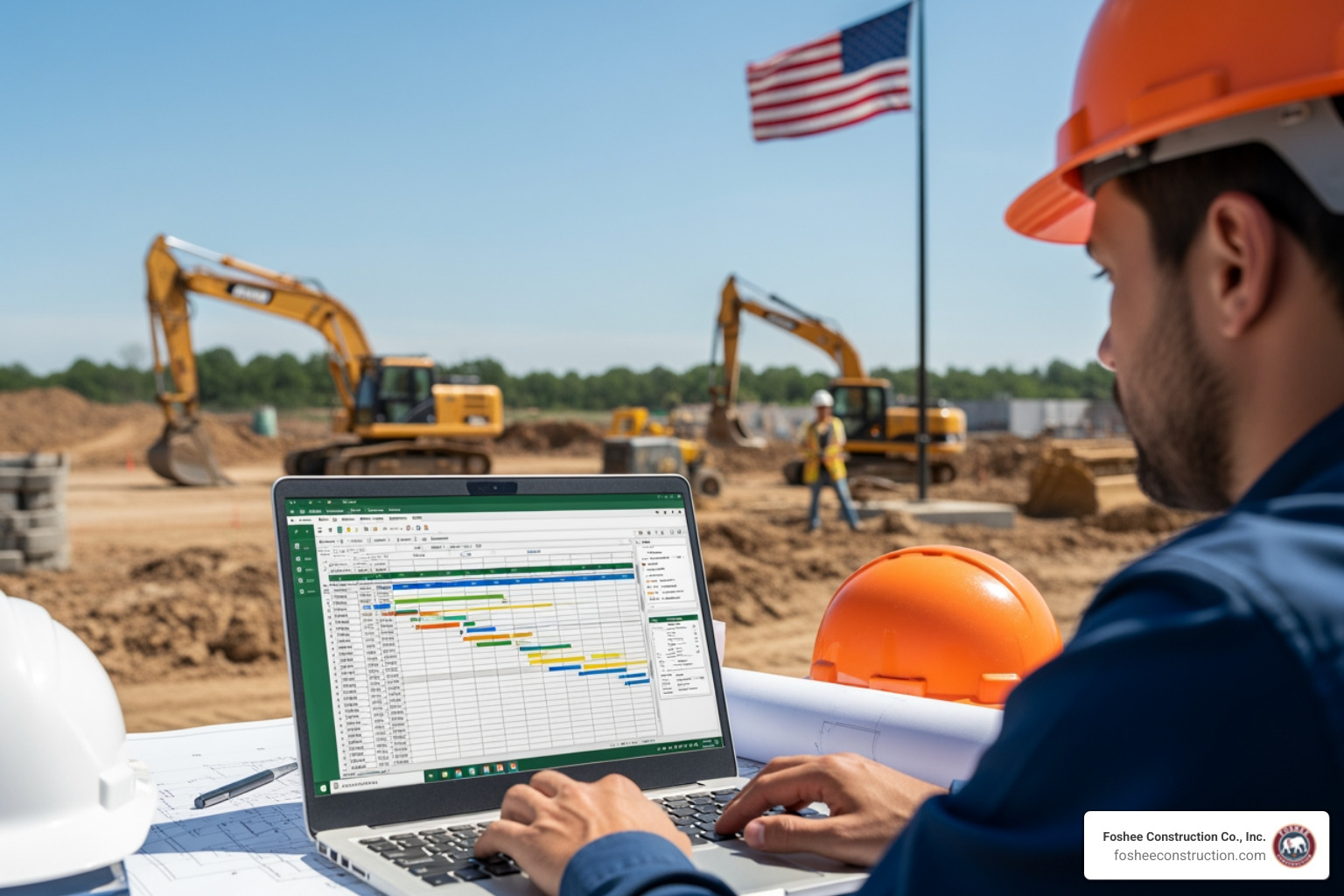
We build bids using HeavyBid and AGTEK because the details matter long before the job starts. When the numbers are accurate and the scope is clearly defined, it sets the tone for how the entire project runs. Estimating isn’t just a step in the process, it’s the foundation we build on.
That same mindset carries into the field. Our crew is trained to work with purpose, follow the Civil Engineers’ Plan to the finest detail, and hold the line on quality. When expectations are clear from day one, there’s no need for shortcuts, and no confusion about how the work gets done.
Clients trust our bid packages because they’re complete and ready to use. Project managers know what we’re covering, what’s excluded, and how we plan to approach the job. That clarity removes friction and lets teams focus on execution instead of interpretation.
As part of our review process, we go into the plans before anything hits the site. We ask the questions early, resolve issues before they show up in the field, and keep RFIs moving. This approach prevents delays and protects the timeline.
Over time, that consistency builds trust. Many of the people we work with today came through referrals from past projects – engineers, GCs, and superintendents who’ve seen how we operate and want the same experience again.
In 2024, Foshee Construction was acquired by Saga Infrastructure Solutions, a national network of civil construction companies. Saga supports regional contractors by giving them access to better tools, long-term resources, and operational backing, without changing how they run day to day.
Foshee will continue to operate under its name, with the same team and field leadership in place.
“From the very time a project starts, we start that partnership. We try to catch as much as we can with the tools that we have. Not everybody is using the software platforms we are. That’s the differentiator: we’re not just bidding. We’re anticipating, problem-solving, and making sure the job runs right.”
— Don, CEO, Saga Infrastructure Solutions
Foshee is now part of a broader regional strategy that includes Florida, the Piedmont Atlantic, Texas, Colorado, and the Arizona Sun Corridor. The name, crews, and standards remain. What’s improving is the support behind it.