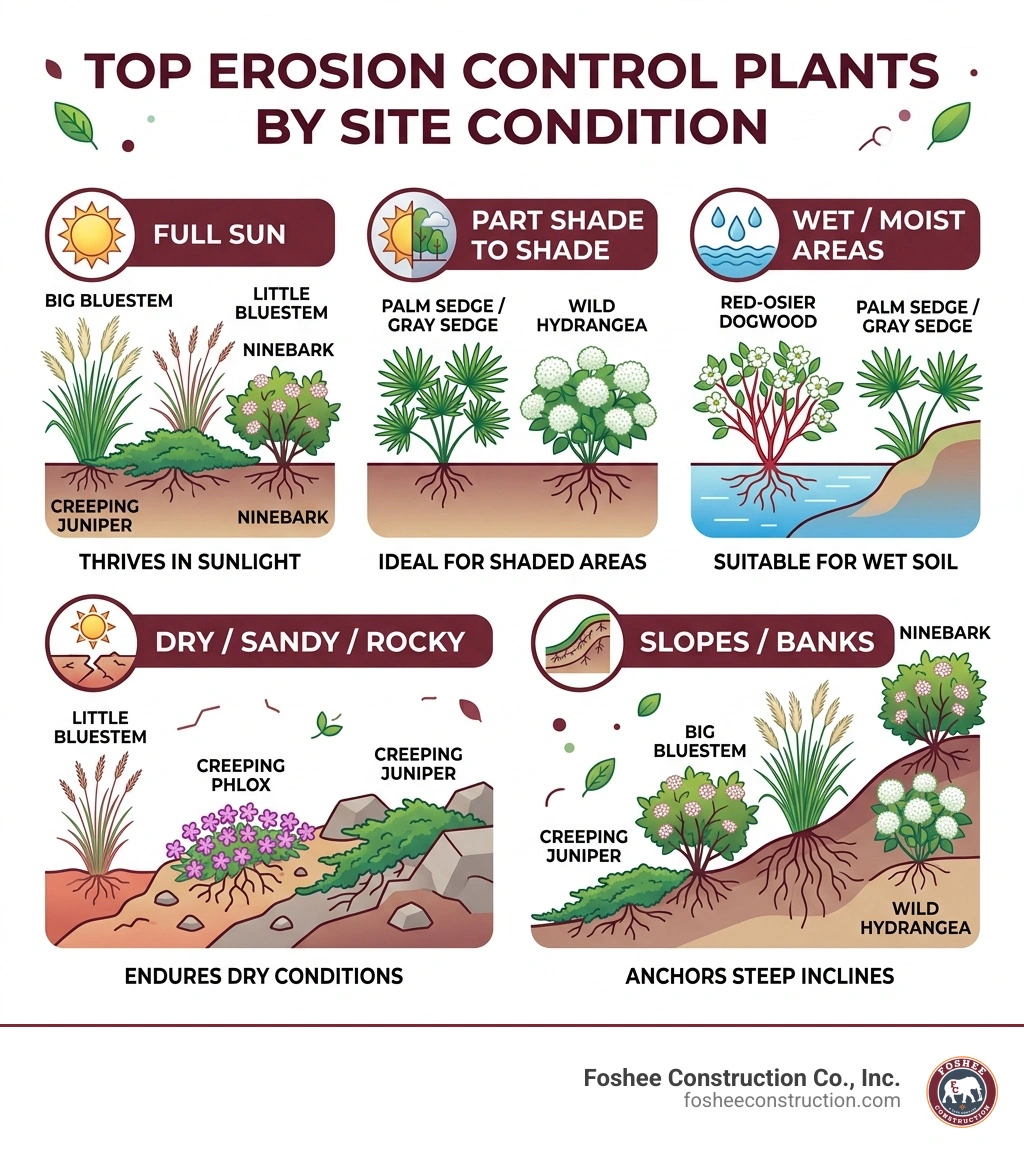
Erosion control plants are one of the most effective, low-cost tools for stopping topsoil loss on slopes, hillsides, and disturbed sites. Here are the top options to know:
| Plant Type | Best For | Light Needs |
|---|---|---|
| Big Bluestem (Andropogon gerardii) | Dry slopes, full sun | Full sun |
| Little Bluestem (Schizachyrium scoparium) | Sandy or rocky slopes | Full sun |
| Creeping Juniper | Year-round soil anchoring | Full sun to part shade |
| Palm Sedge / Gray Sedge | Shaded moist areas | Part shade to shade |
| Red-Osier Dogwood | Wet banks, rain gardens | Full sun to part shade |
| Wild Hydrangea | Steep shaded slopes | Part shade |
| Ninebark | Steep banks, poor soils | Full sun to part shade |
| Creeping Phlox | Rocky slopes, dry soil | Full sun |
Soil erosion is a slow but serious problem. Earth has lost half of its topsoil in the last 150 years — and it takes hundreds of years to rebuild just one inch of it. Heavy rain is a major driver. Since 1958, storms dropping more than 5 inches of rain in a single day have increased by over 100%.
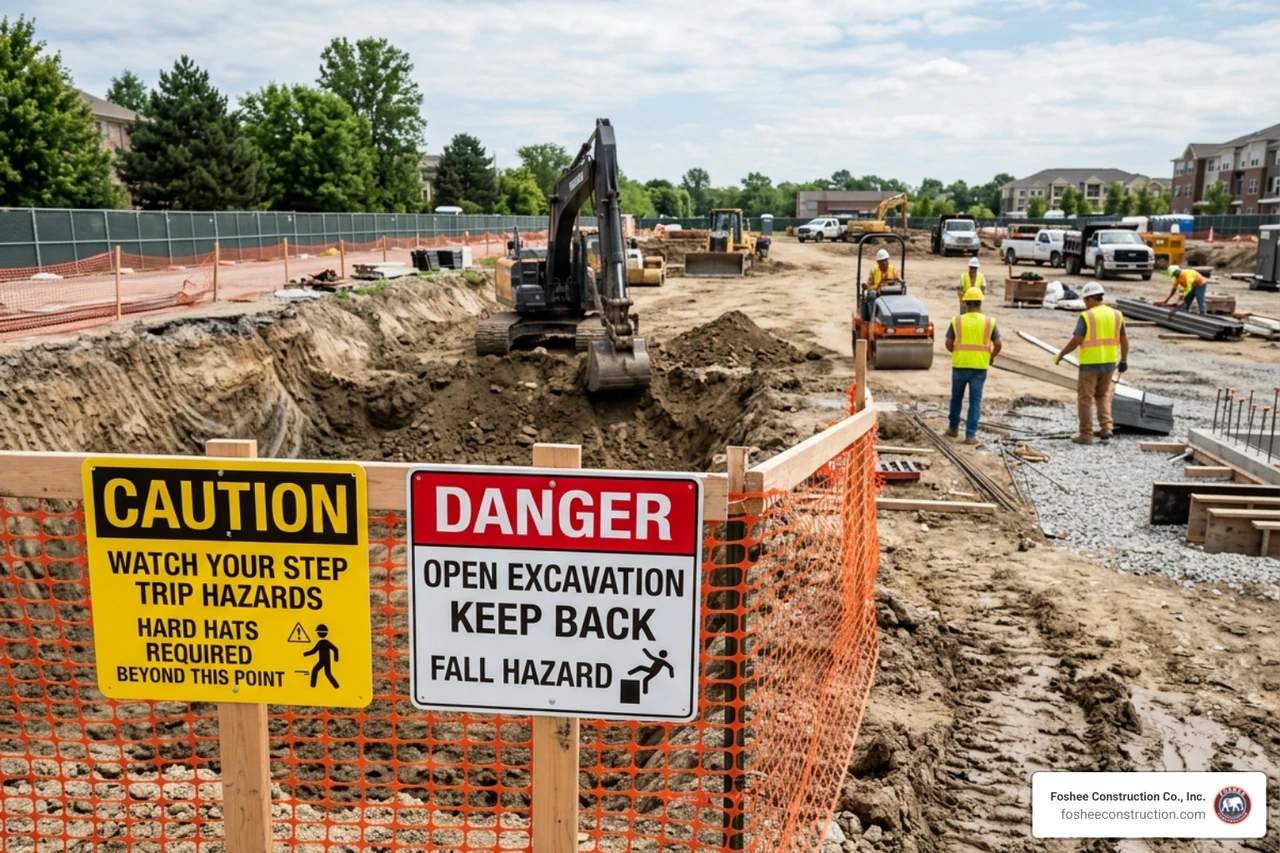
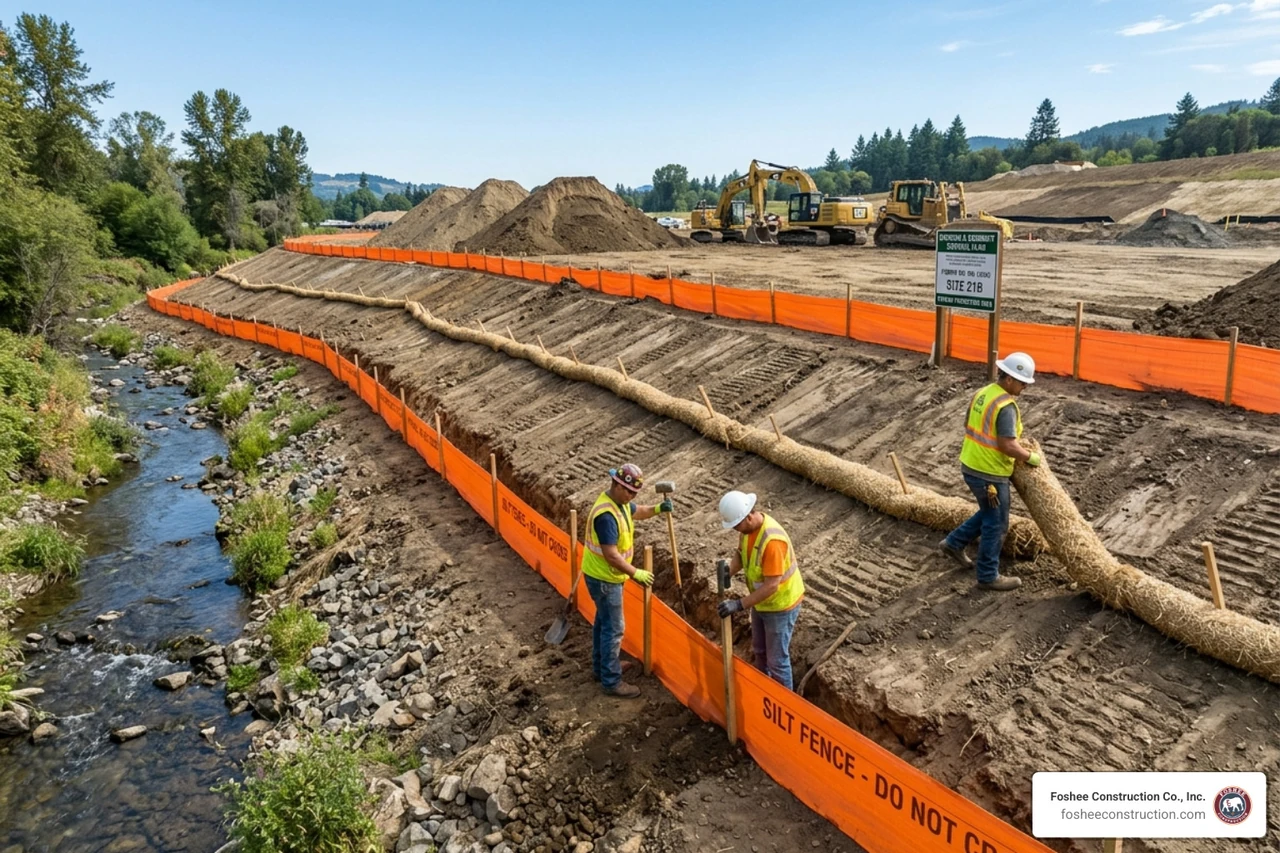
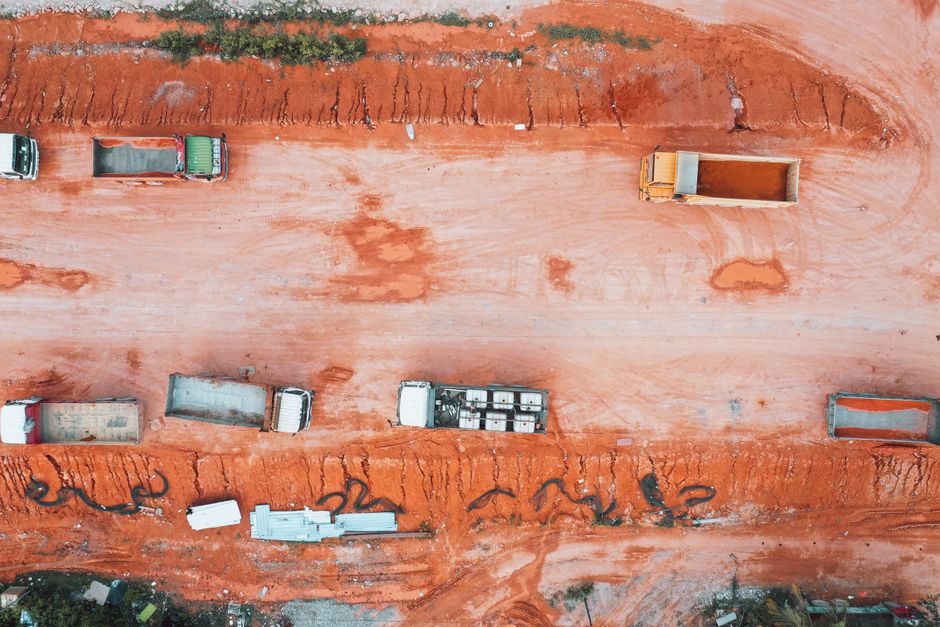
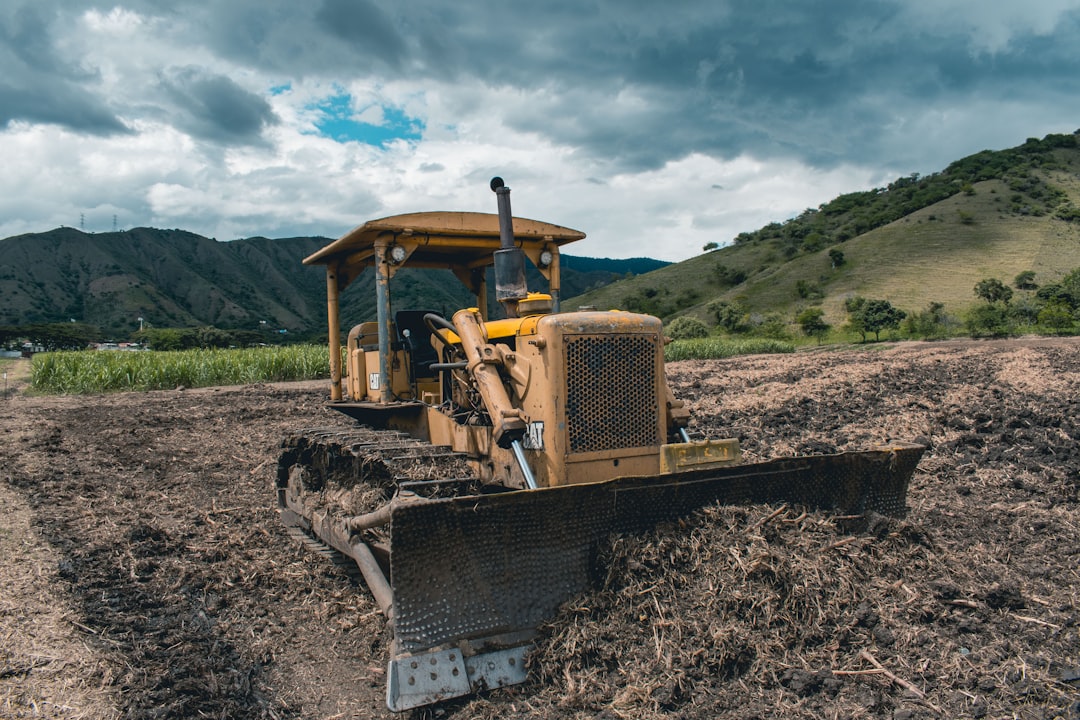
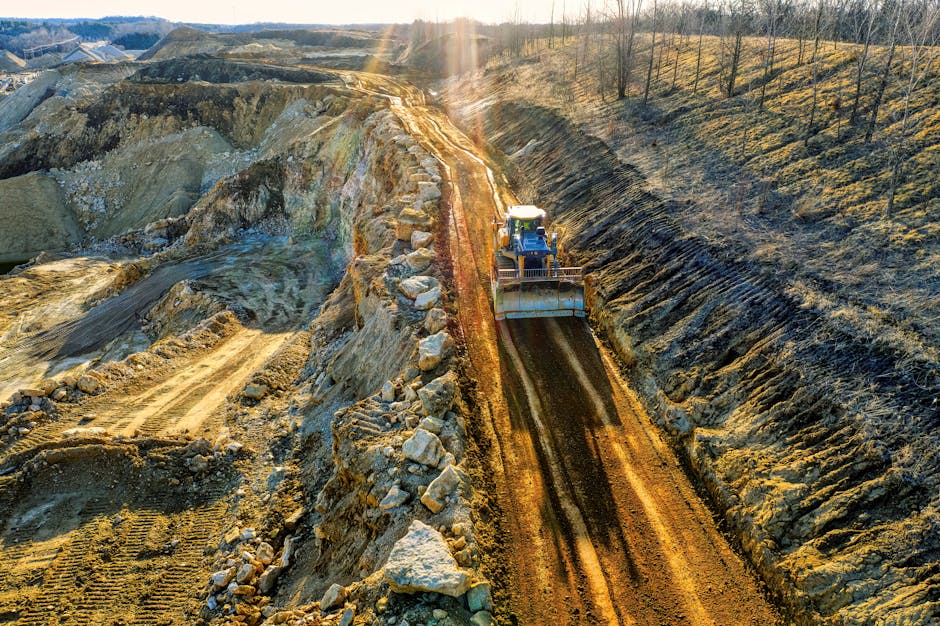
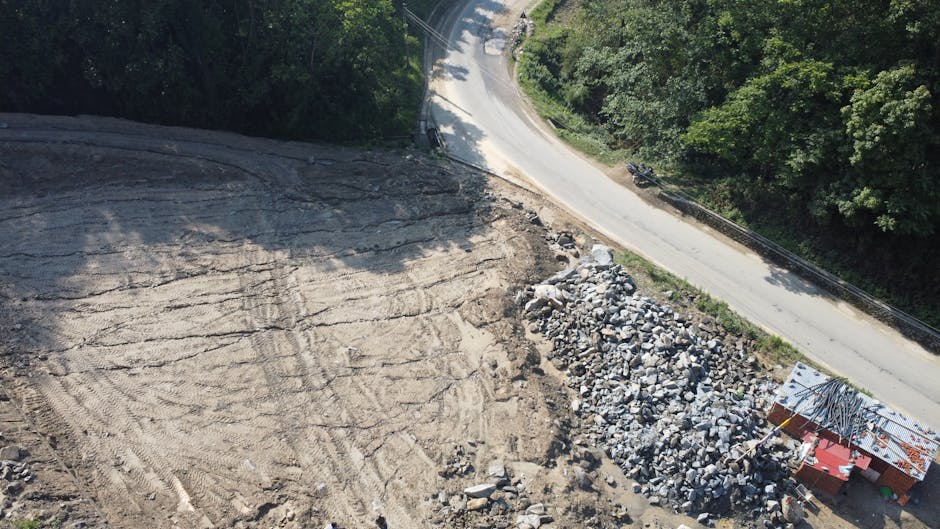
On slopes and construction sites, bare soil is extremely vulnerable. Without plant roots to hold it in place, a single heavy rain can wash away years of accumulated topsoil — along with nutrients, structure, and stability.
The good news: the right plants can anchor soil, slow runoff, and protect your site long-term.
I'm Don Larsen, and at Foshee Construction Co., Inc., we've spent decades managing grading, erosion control, and site preparation across Central Florida — giving us hands-on experience selecting and implementing erosion control plants in real-world conditions. In this guide, I'll walk you through exactly which plants work best, where, and how to use them.
Know your erosion control plants terms:
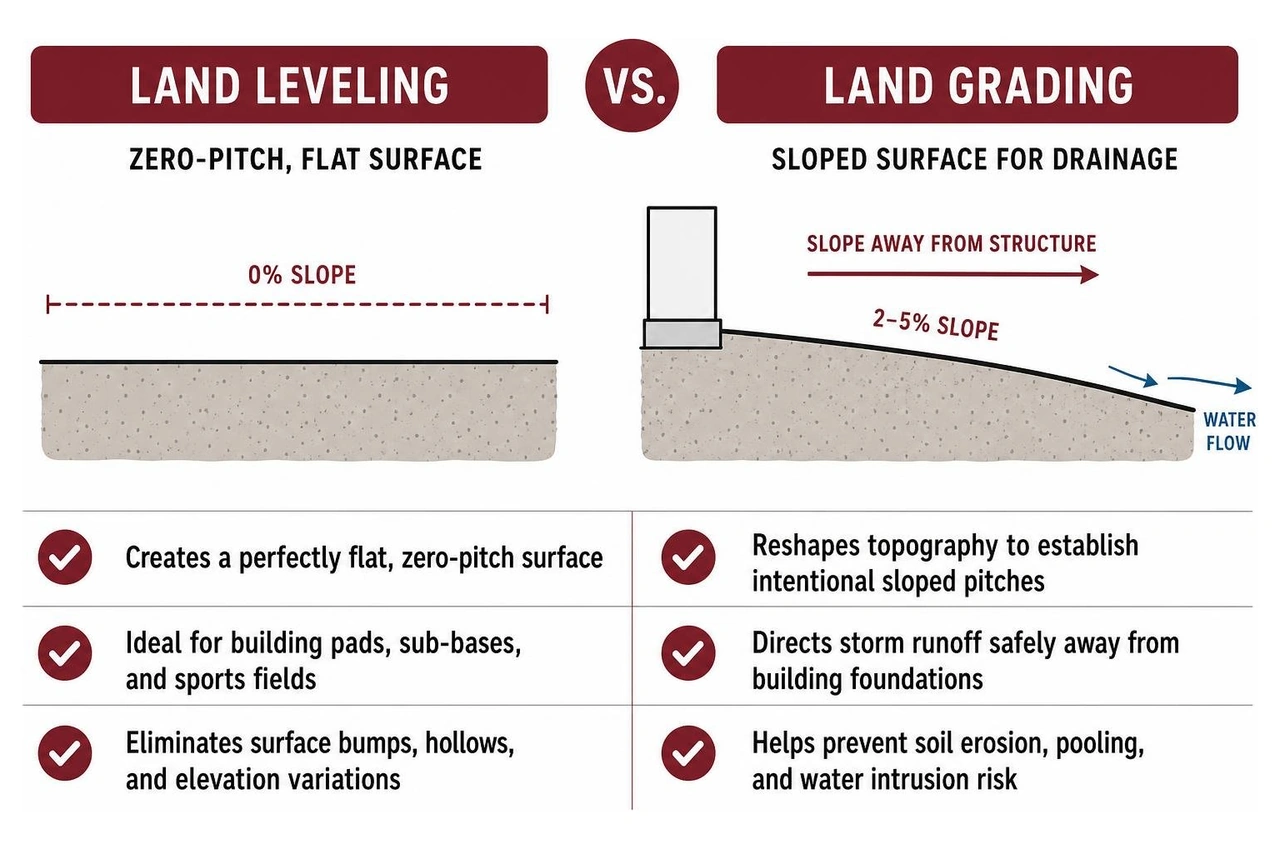
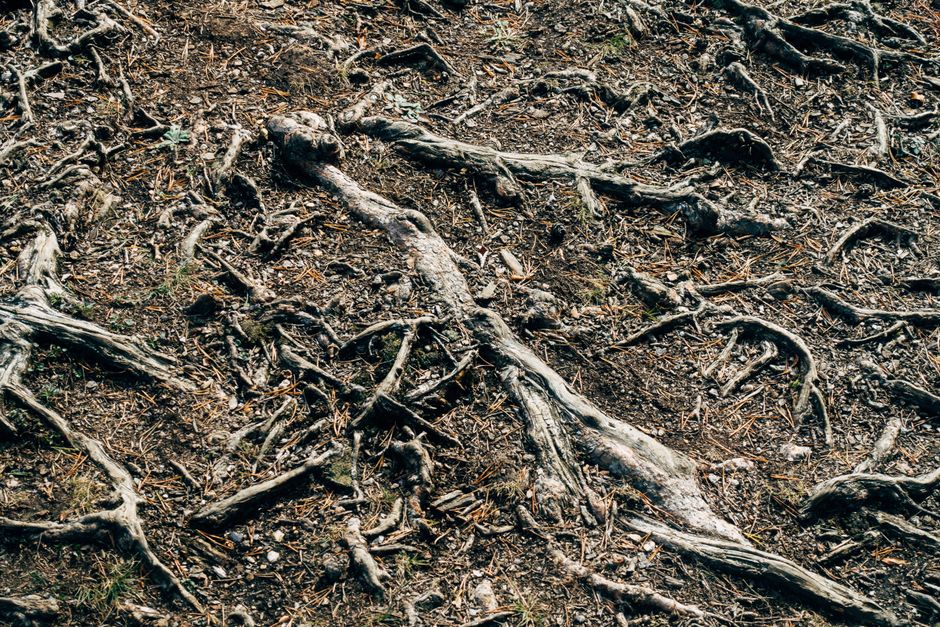
When we talk about erosion, we are essentially talking about the movement of soil by water or wind. In Florida, where the rain doesn't just fall—it pours—water is our primary adversary. Bare soil is a sitting duck. Every raindrop acts like a tiny hammer, dislodging soil particles and sending them down the nearest slope.
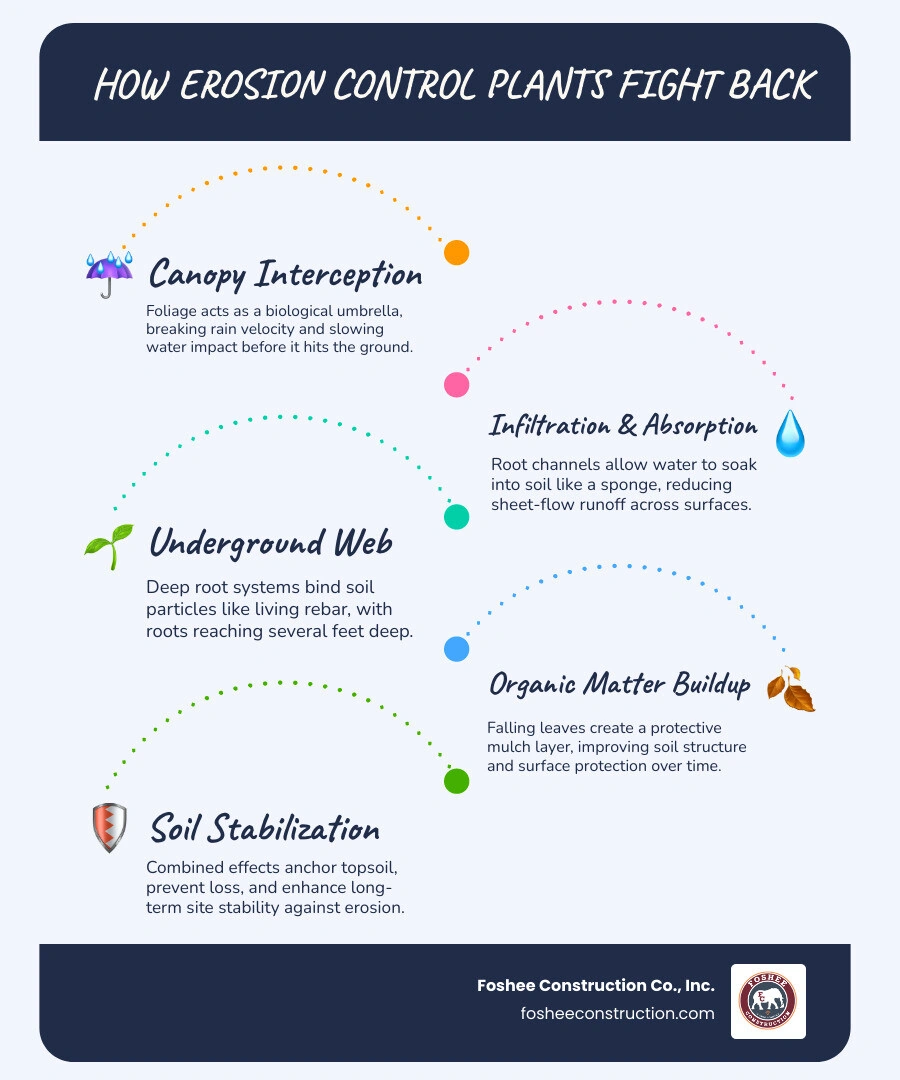
How do erosion control plants fight back? It’s a multi-pronged defense strategy:
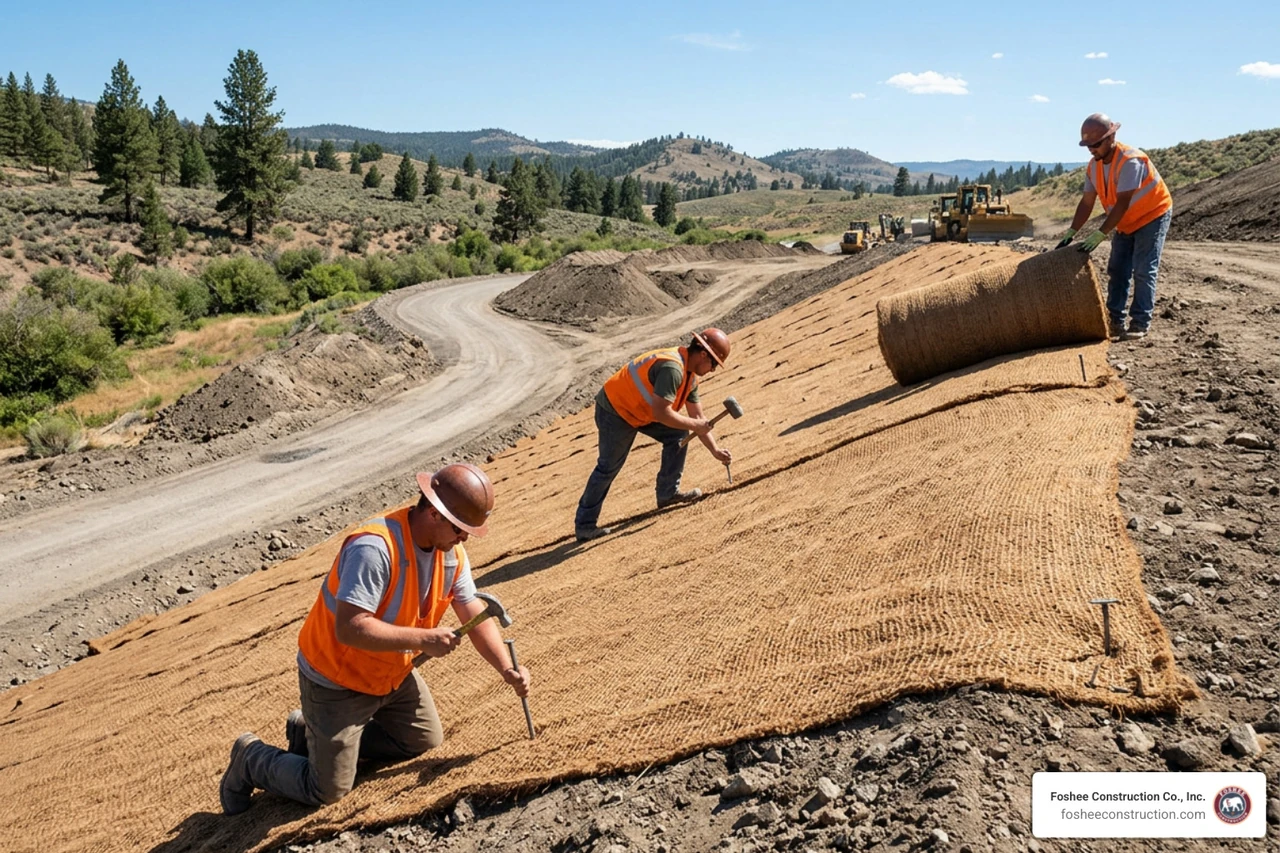
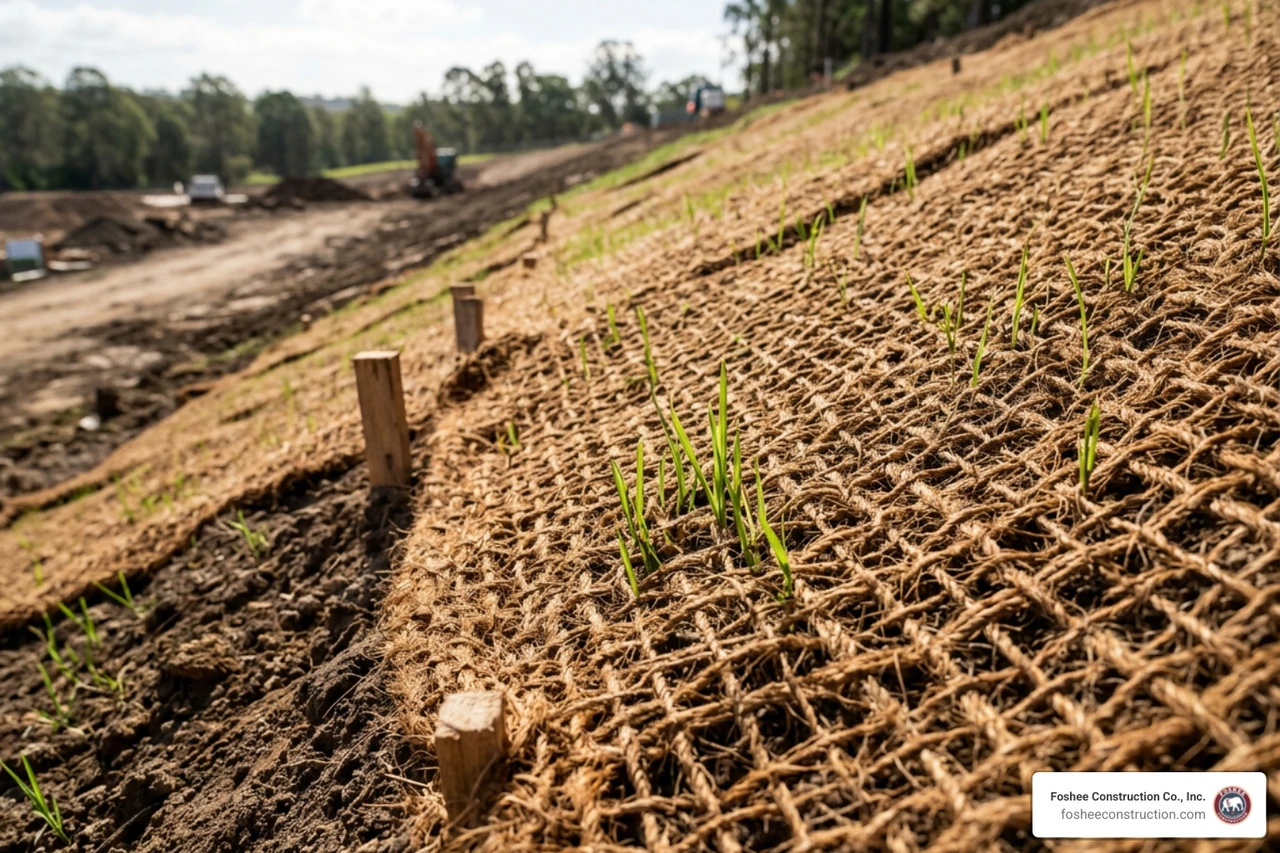
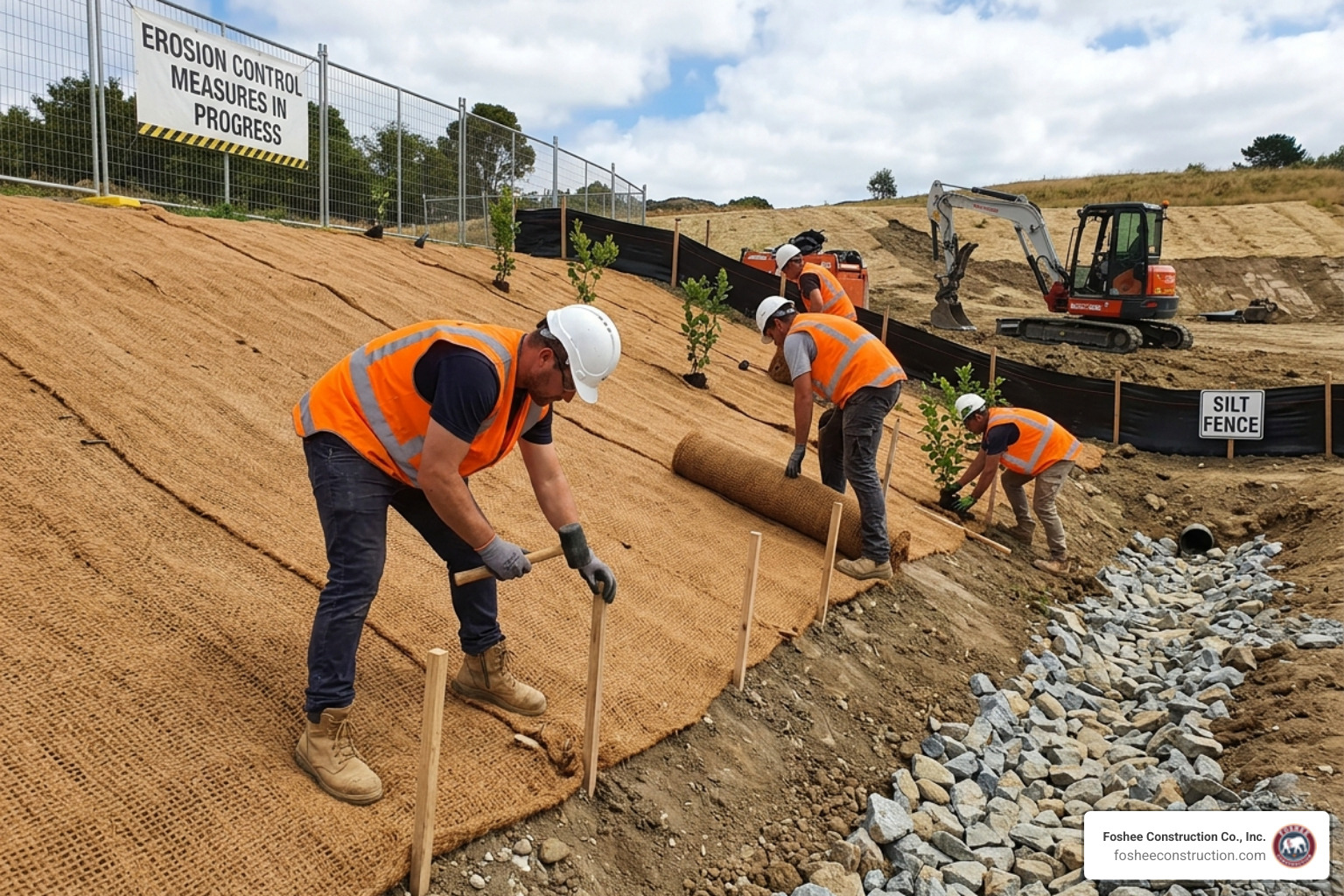
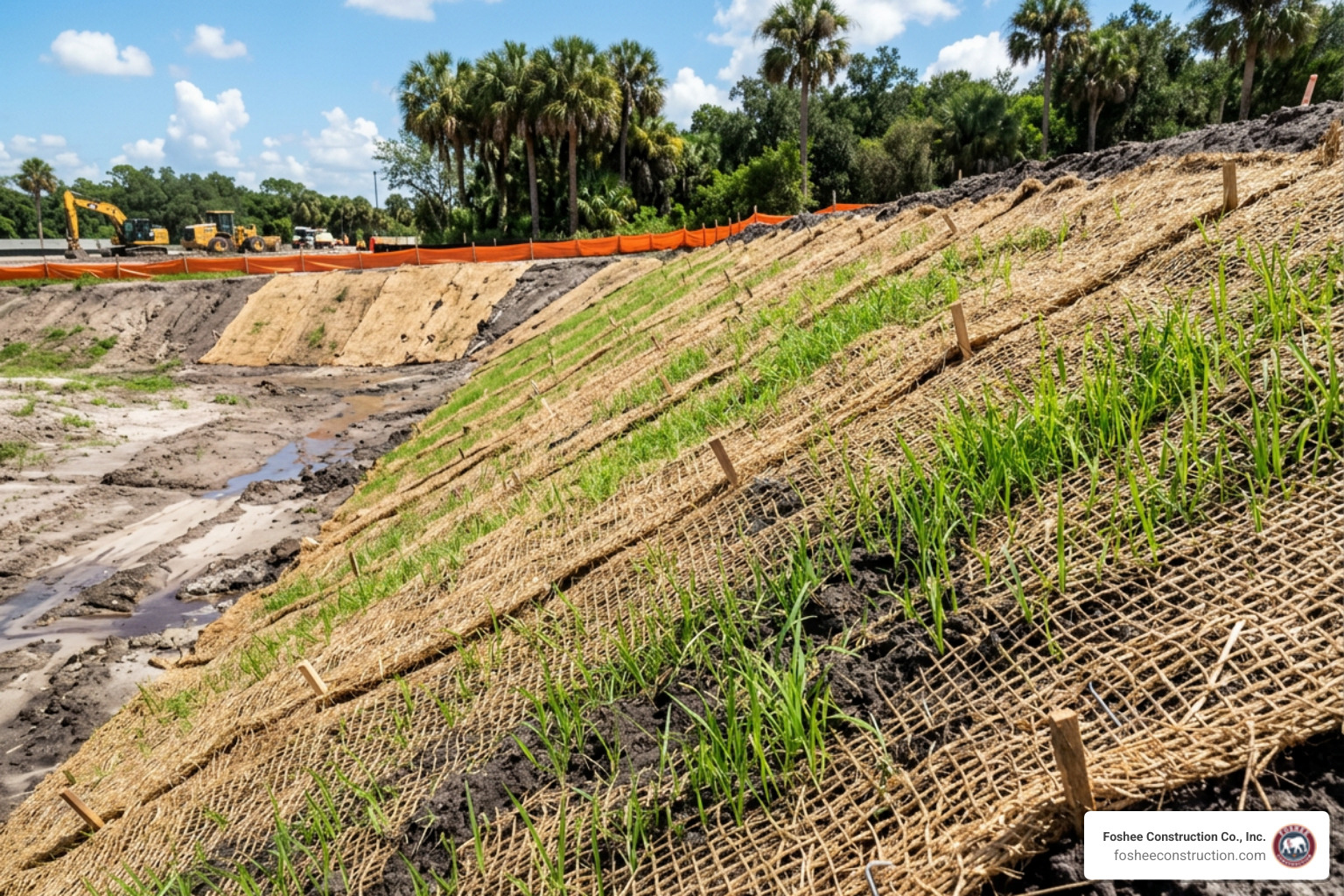
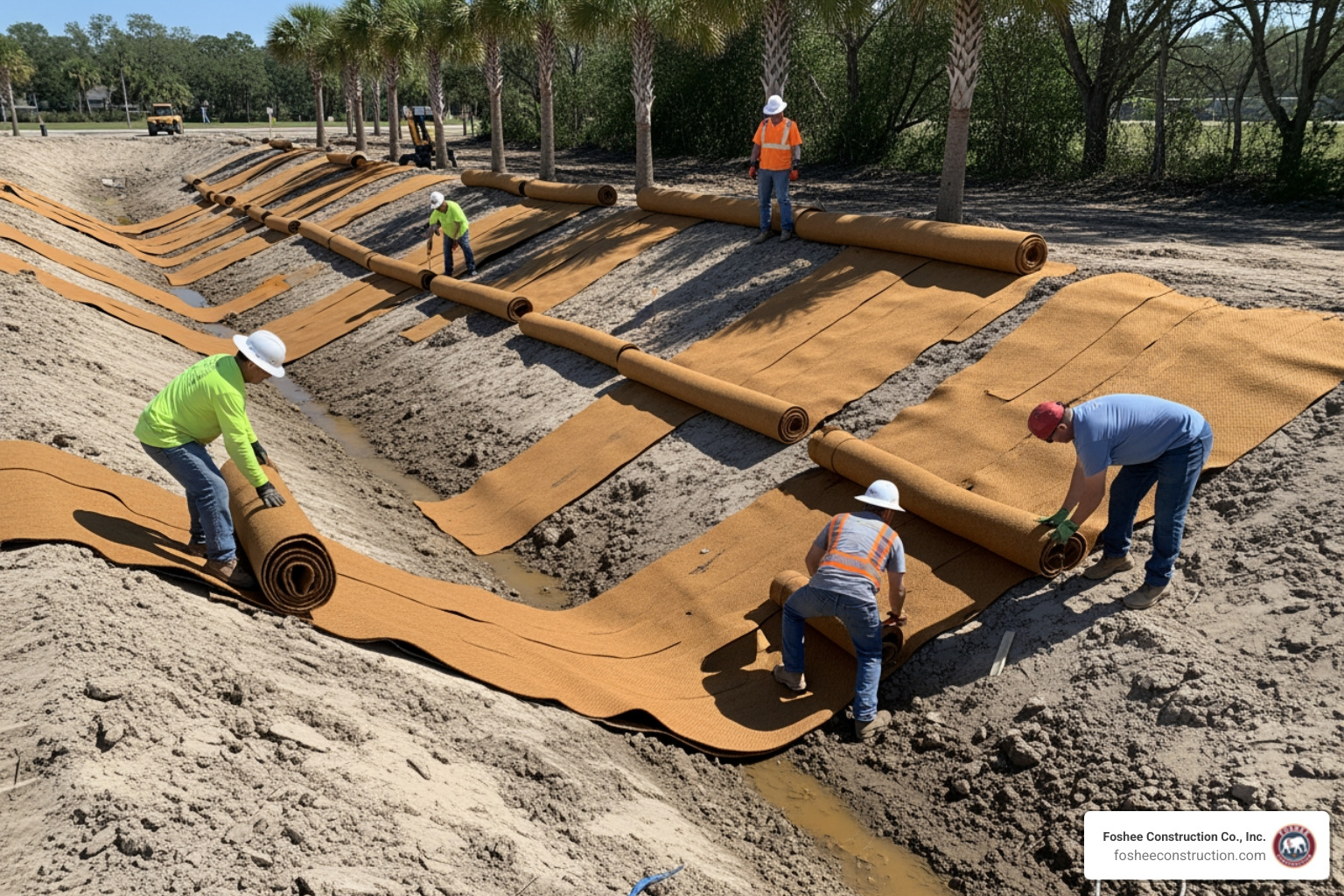
In our work at Foshee Construction, we often deal with the impact of climate change. Since the late 1950s, the frequency of extreme storms has doubled. This means our sediment management strategies have to be tougher than they used to be. Sometimes, plants need a little help getting started, which is where an Erosion Control Blanket comes in handy to protect the soil while those roots are still finding their way.
If you want a low-maintenance, high-impact solution, grasses and sedges are your best friends. Unlike standard lawn grass, which is basically the "fast food" of the plant world—high maintenance and shallow—native bunchgrasses are built for the long haul.
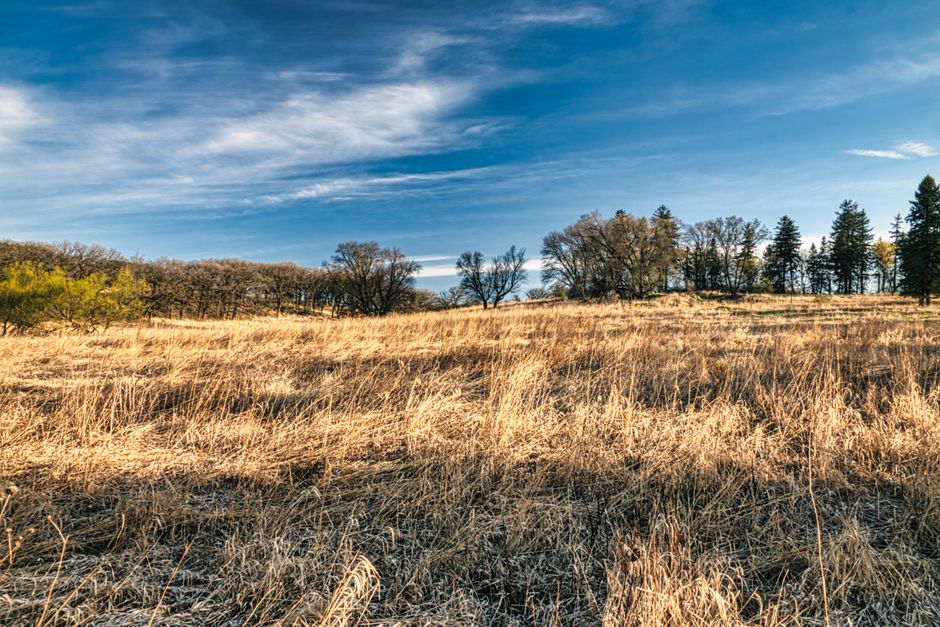
In the sunny, often sandy soils of Central Florida and the surrounding regions, you need plants that can take the heat.
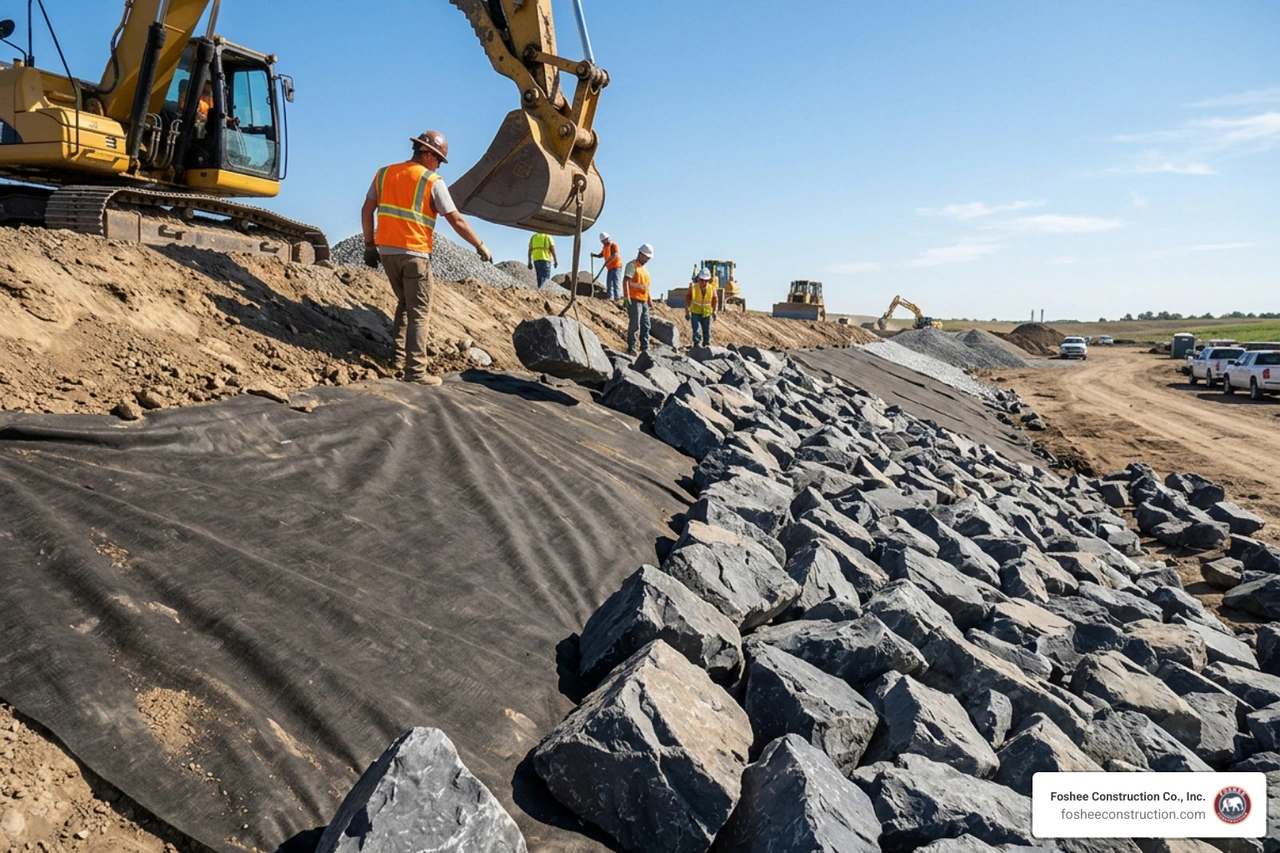
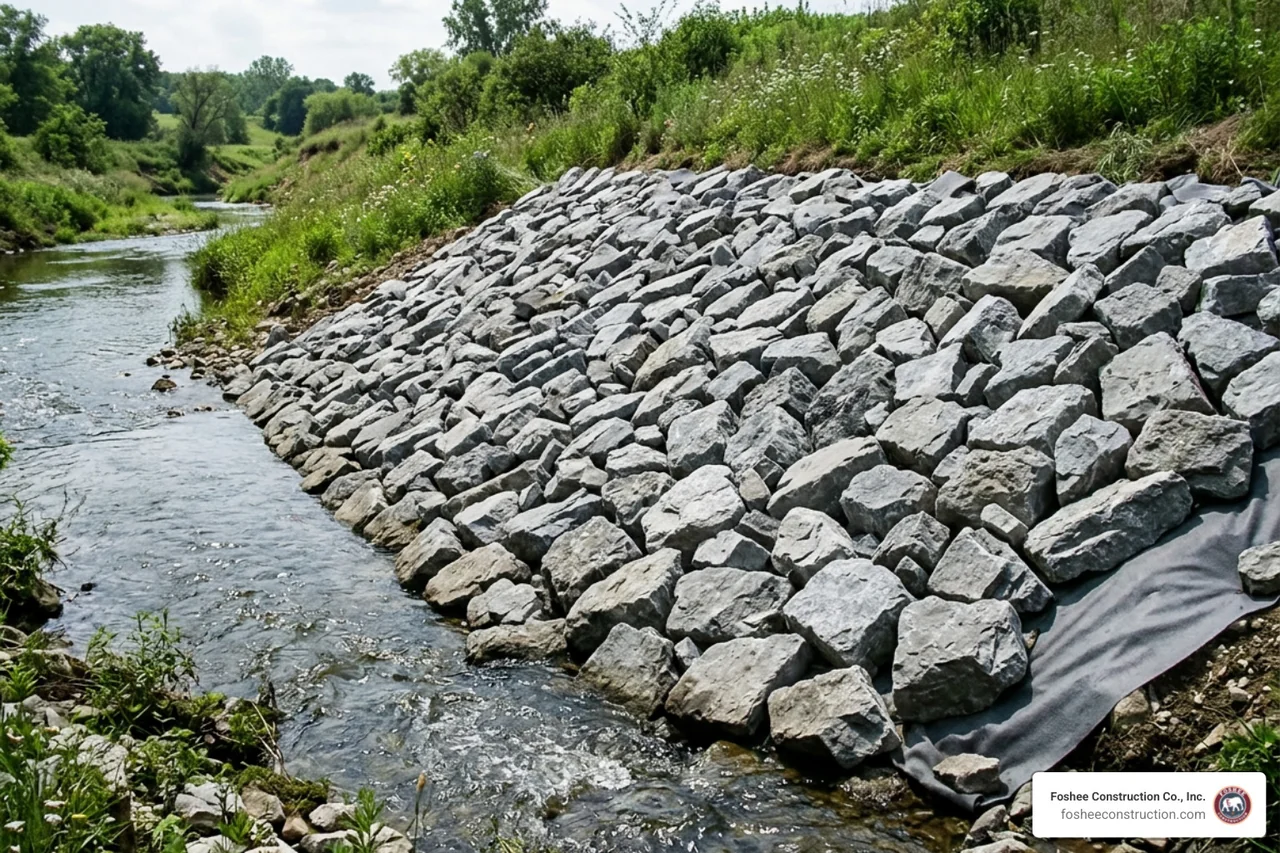
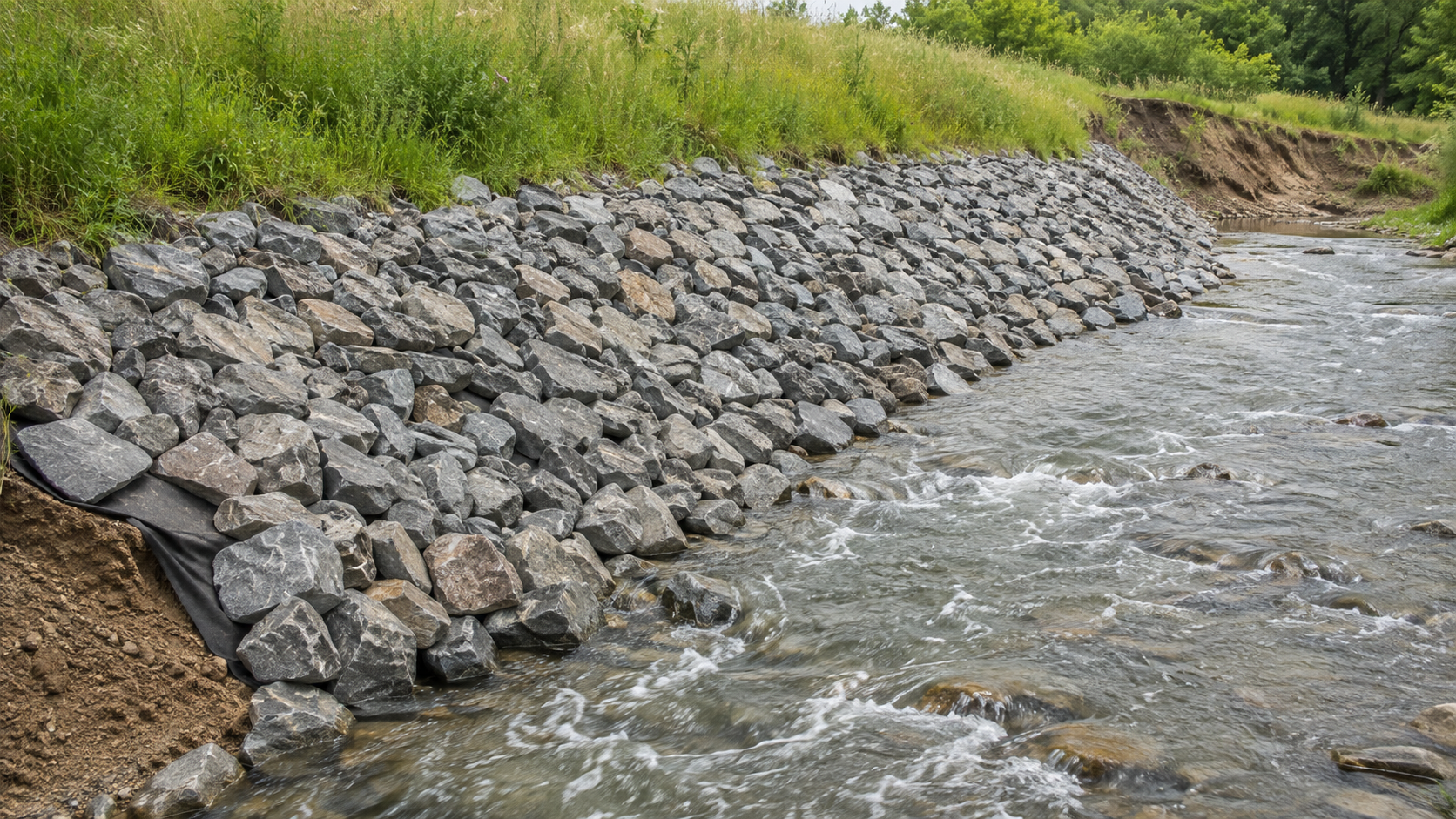
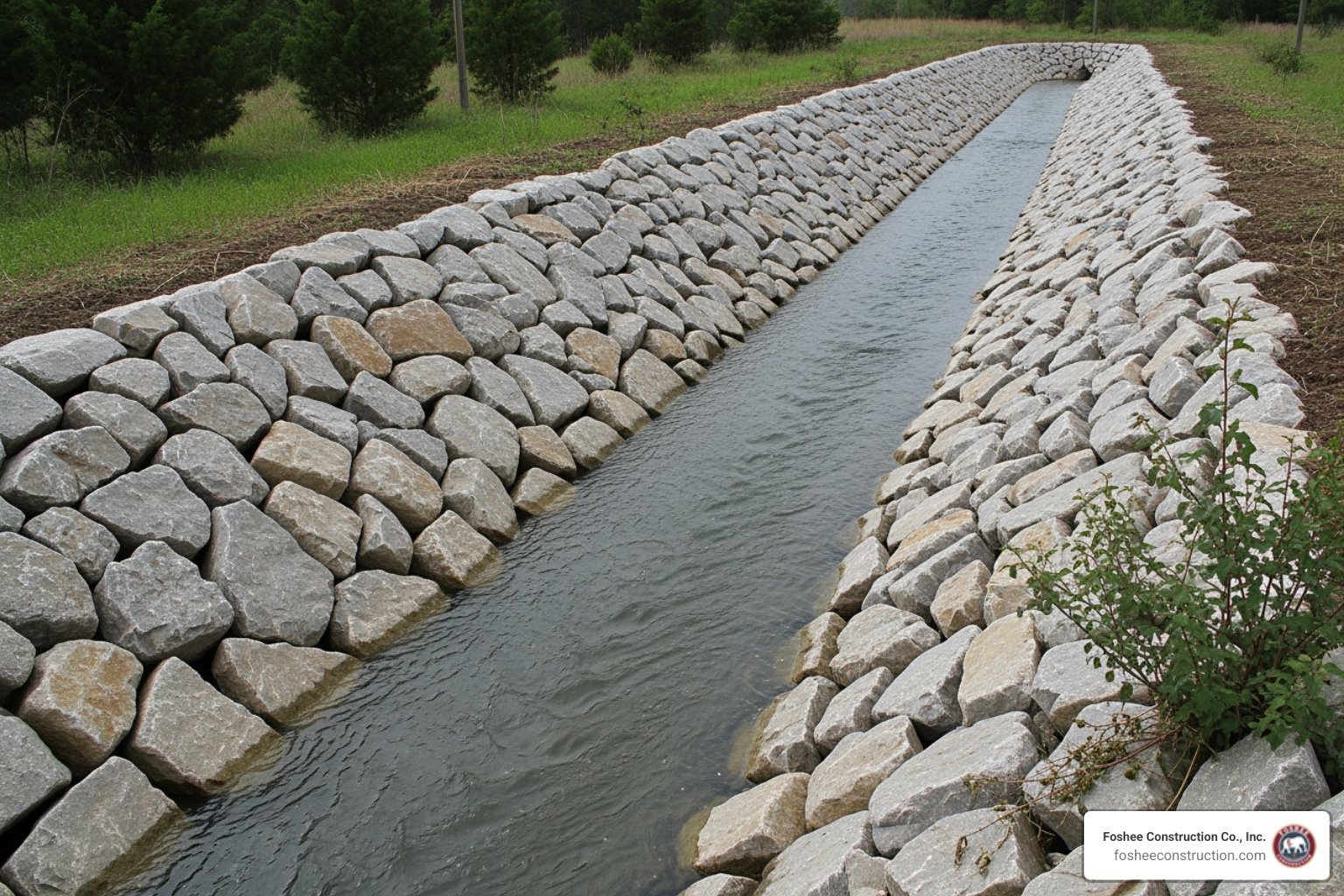
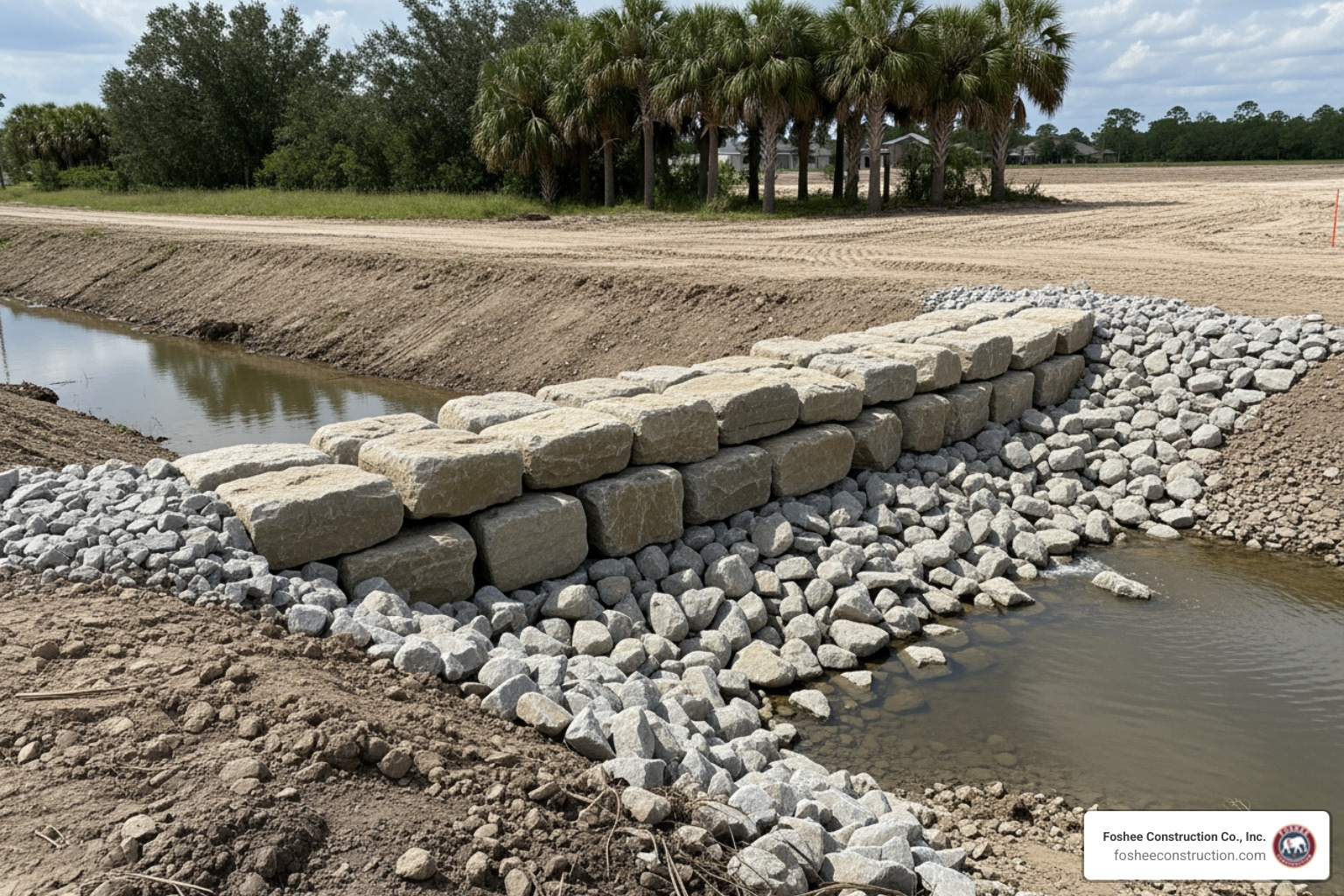
When we are dealing with high-velocity water flow, we often combine these grasses with Erosion Control Rock Check Dams to slow the water down enough for the plants to do their job.
Not every slope is bathed in sunlight. If you have a wooded hillside or a shaded backyard that’s washing away, you need sedges.
While grasses provide the "web," shrubs provide the "anchor." For very steep slopes, a mix of grasses and woody shrubs is the gold standard for erosion control plants.
In Florida, we have plenty of "wet" erosion problems—think pond edges or swales. These perennials love the water:
For more detailed lists of moisture-loving species, you can check out resources like Plants for Erosion Control - Northern Virginia, which lists many species that also thrive in our humid Southern climates.
When you have a serious slope, you need serious roots. Suckering shrubs are the secret weapon here because they don't just sit in one spot; they expand.
For these larger installations, we often recommend professional Erosion Control Matting Installation to provide immediate stability while the shrubs establish their massive root systems.
The most common mistake we see in Florida landscaping is "right plant, wrong place." A plant that controls erosion in the mountains of Virginia might drown or wilt in the sandy heat of Lake County.
When selecting your erosion control plants, consider these factors:
Why settle for just soil stability when you can have a butterfly garden too? Many of the best erosion control plants—like Coneflowers, Bee Balm, and Joe Pye Weed—are also pollinator magnets. This creates a sustainable ecosystem that supports local wildlife while keeping your yard in place.
Planting on a slope isn't as simple as digging a hole and walking away. If you don't do it right, your new plants might just wash away with the next thunderstorm.
At Foshee Construction, we follow a disciplined process for Erosion Prevention on Construction Sites. Here’s how you can apply those professional principles to your project:
If you need cover yesterday, look for suckering shrubs like Ninebark or Forsythia, and fast-growing grasses like Weeping Lovegrass. Vining perennials like Virginia Creeper also grow rapidly, though you have to be careful they don't take over your entire garden!
Yes! In the past, plants like English Ivy and Vinca minor were recommended for erosion because they grow so aggressively. However, they are now considered invasive in many areas because they smother native ecosystems. Always opt for native alternatives like Creeping Phlox or native Sedges.
For most residential yards, a rate of 3-5 lbs of seed per 1,000 square feet is a safe bet for grasses. If you're doing a large acreage, stick to the professional standard of 35 lbs per acre. Always use a spreader to ensure even coverage—clumping leads to bare spots, and bare spots lead to erosion.
Managing erosion is one of the most important things you can do for the long-term health of your property. Whether you're a homeowner in Minneola or a developer in Lake County, choosing the right erosion control plants is a natural, beautiful, and cost-effective way to protect your investment.
At Foshee Construction Co., Inc., we pride ourselves on transparent bids and reliable relationships. We know that every site is unique, and we’re here to help you get the foundation right—from grading and underground utilities to complete site prep.
If you're facing a challenging slope or a site that just won't stay put, let's talk. We can help you combine the power of nature with professional engineering to create a stable, sustainable landscape.
We build bids using HeavyBid and AGTEK because the details matter long before the job starts. When the numbers are accurate and the scope is clearly defined, it sets the tone for how the entire project runs. Estimating isn’t just a step in the process, it’s the foundation we build on.
That same mindset carries into the field. Our crew is trained to work with purpose, follow the Civil Engineers’ Plan to the finest detail, and hold the line on quality. When expectations are clear from day one, there’s no need for shortcuts, and no confusion about how the work gets done.
Clients trust our bid packages because they’re complete and ready to use. Project managers know what we’re covering, what’s excluded, and how we plan to approach the job. That clarity removes friction and lets teams focus on execution instead of interpretation.
As part of our review process, we go into the plans before anything hits the site. We ask the questions early, resolve issues before they show up in the field, and keep RFIs moving. This approach prevents delays and protects the timeline.
Over time, that consistency builds trust. Many of the people we work with today came through referrals from past projects – engineers, GCs, and superintendents who’ve seen how we operate and want the same experience again.
In 2024, Foshee Construction was acquired by Saga Infrastructure Solutions, a national network of civil construction companies. Saga supports regional contractors by giving them access to better tools, long-term resources, and operational backing, without changing how they run day to day.
Foshee will continue to operate under its name, with the same team and field leadership in place.
“From the very time a project starts, we start that partnership. We try to catch as much as we can with the tools that we have. Not everybody is using the software platforms we are. That’s the differentiator: we’re not just bidding. We’re anticipating, problem-solving, and making sure the job runs right.”
— Don, CEO, Saga Infrastructure Solutions
Foshee is now part of a broader regional strategy that includes Florida, the Piedmont Atlantic, Texas, Colorado, and the Arizona Sun Corridor. The name, crews, and standards remain. What’s improving is the support behind it.