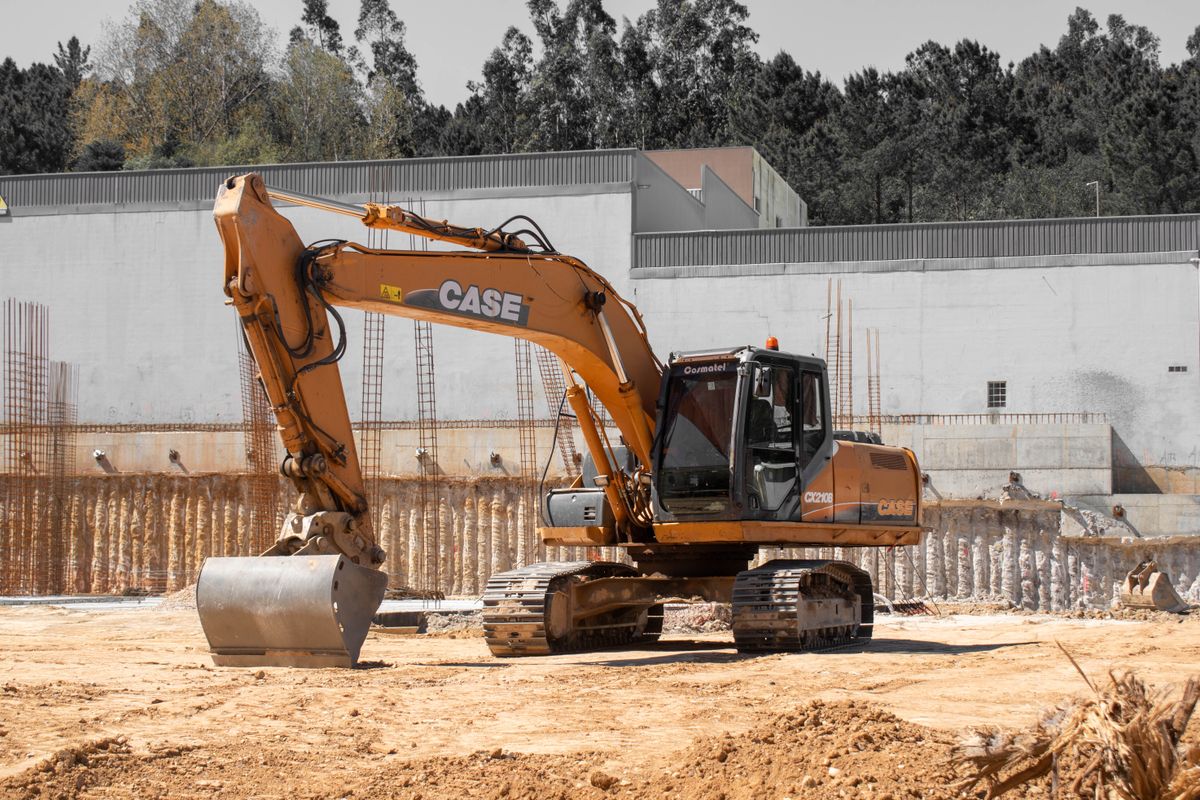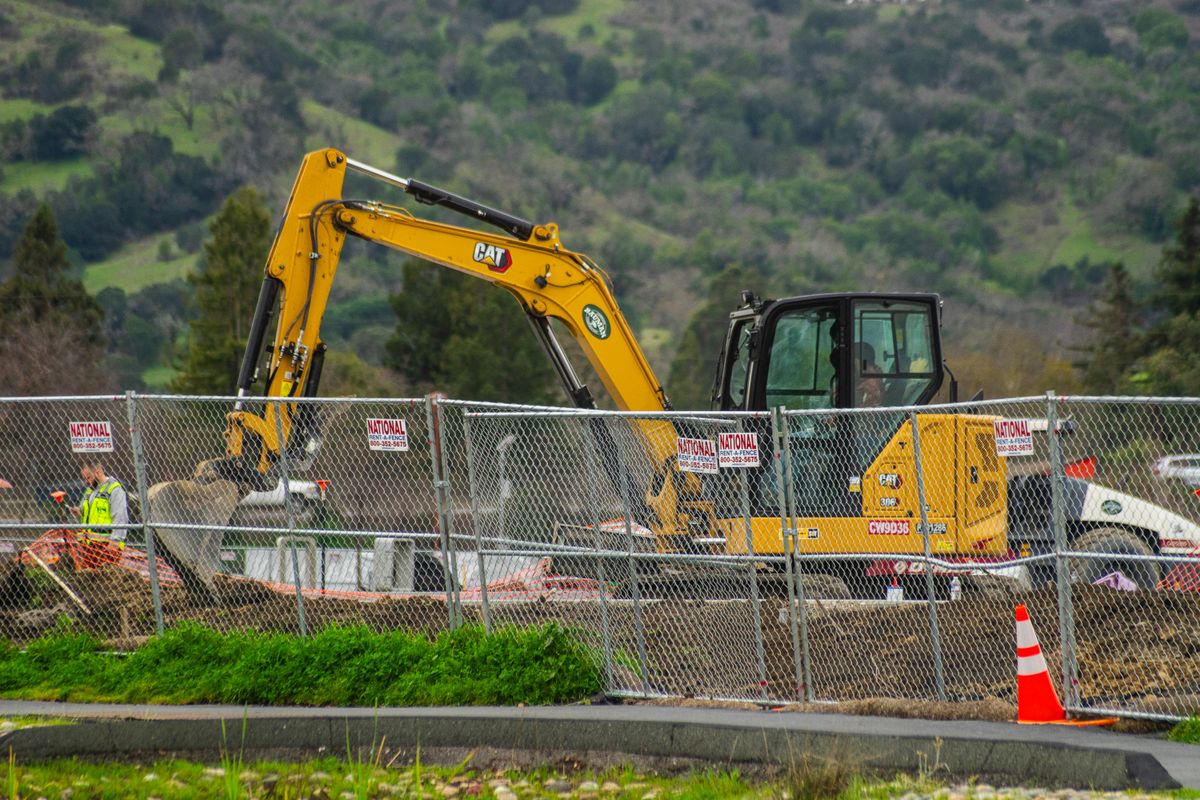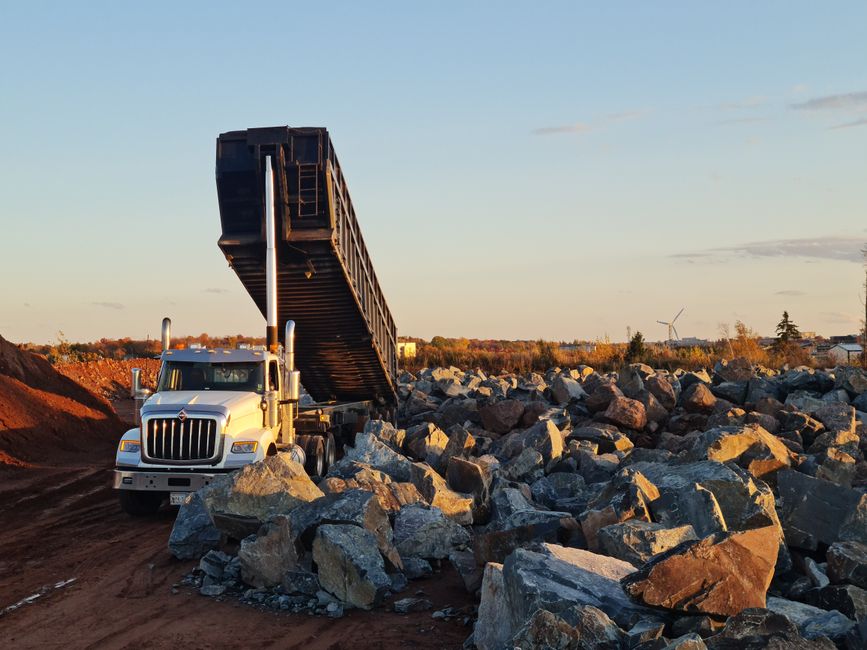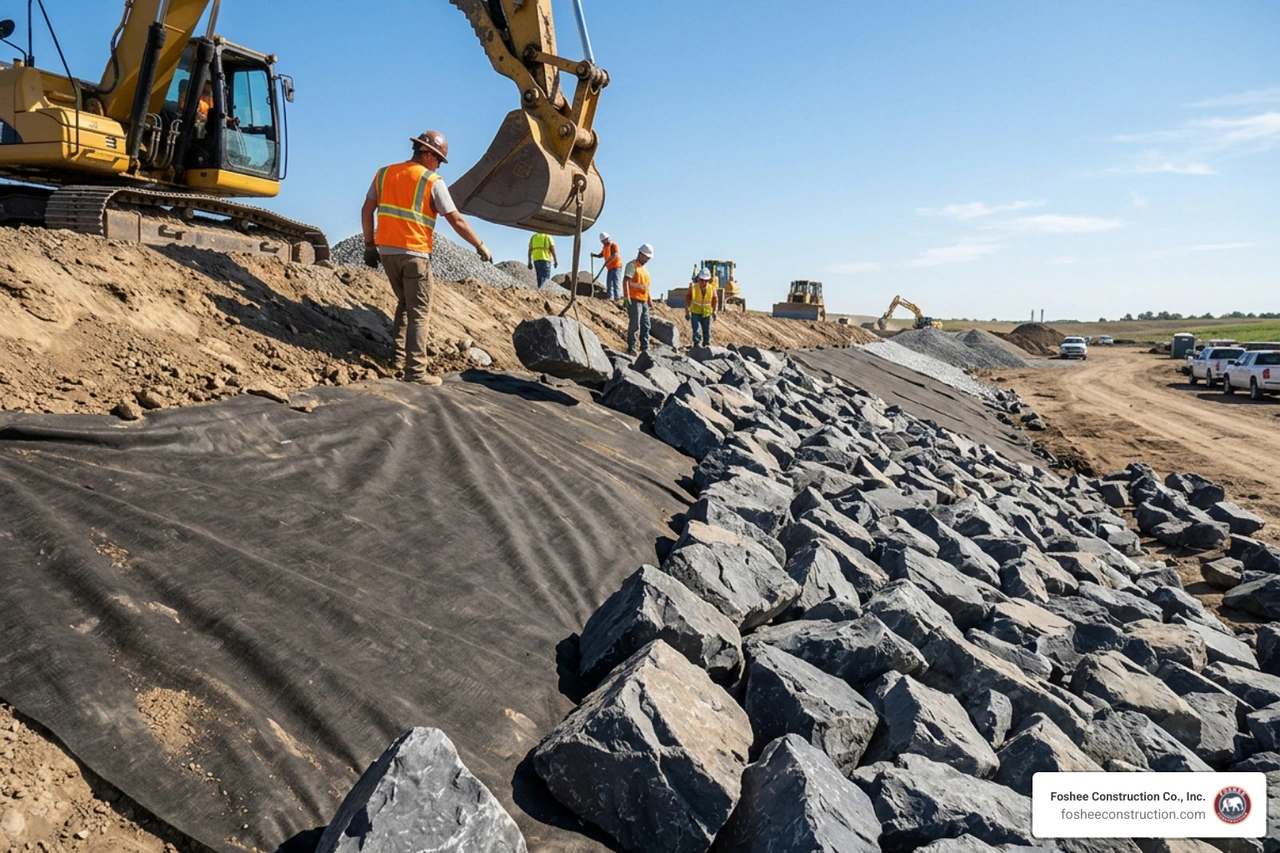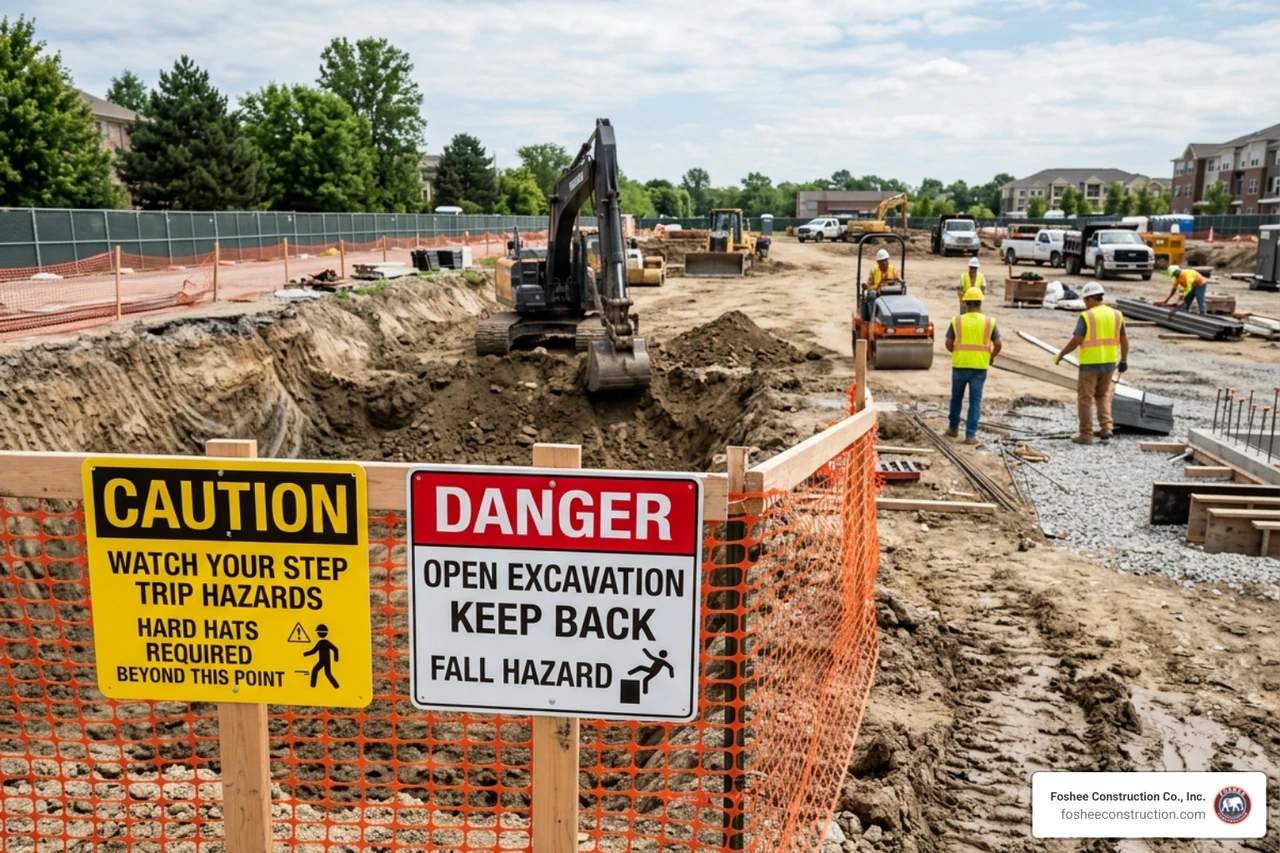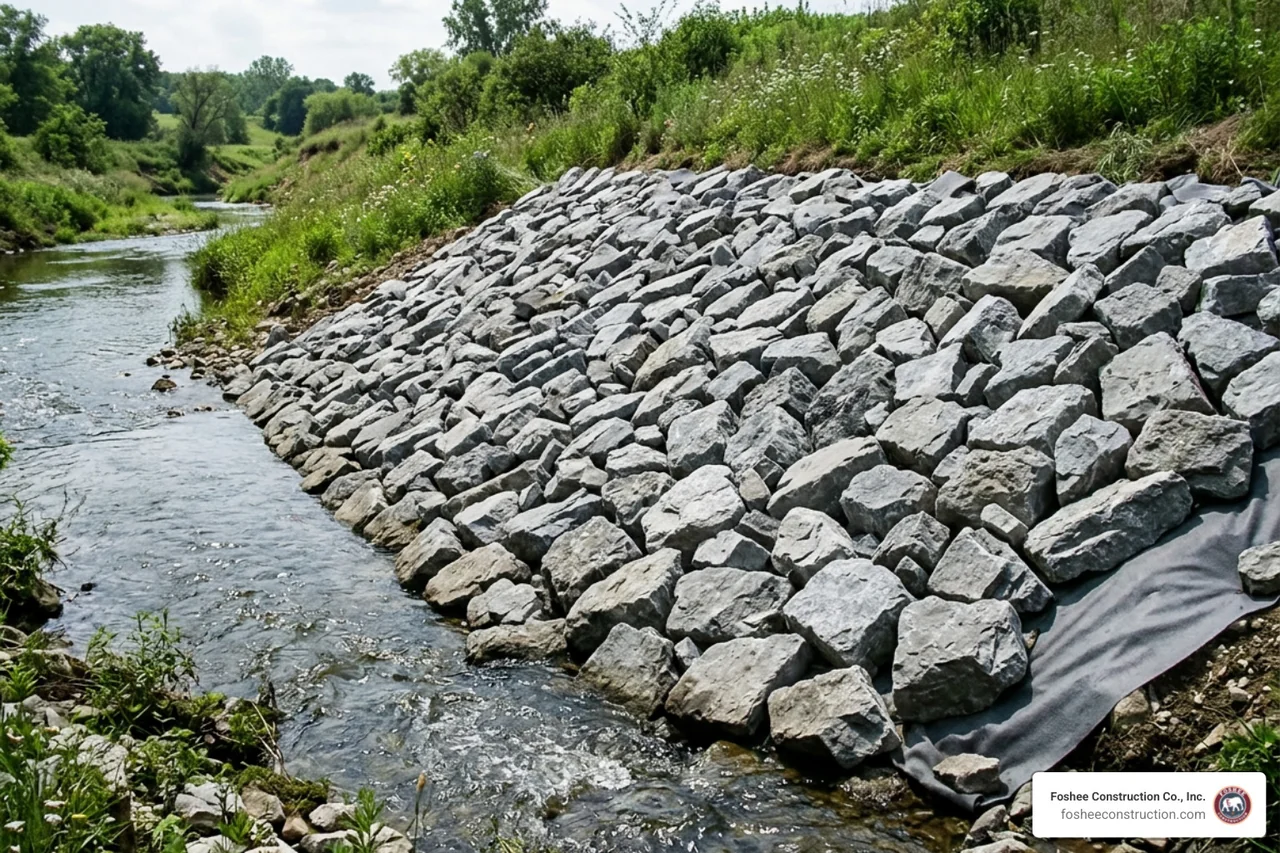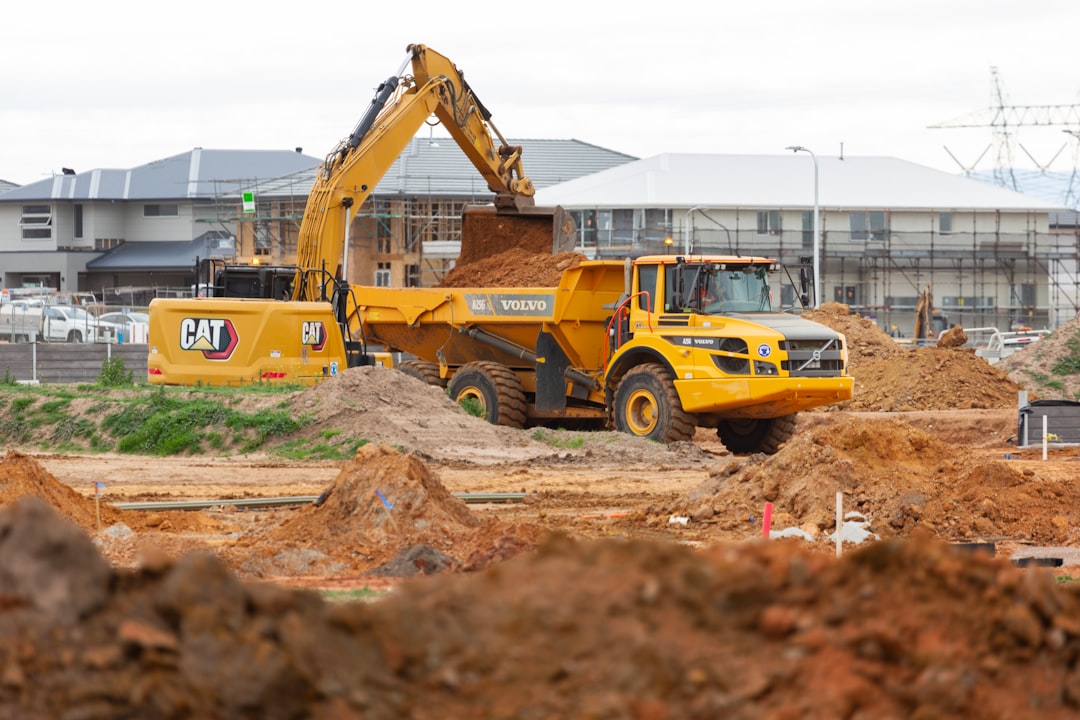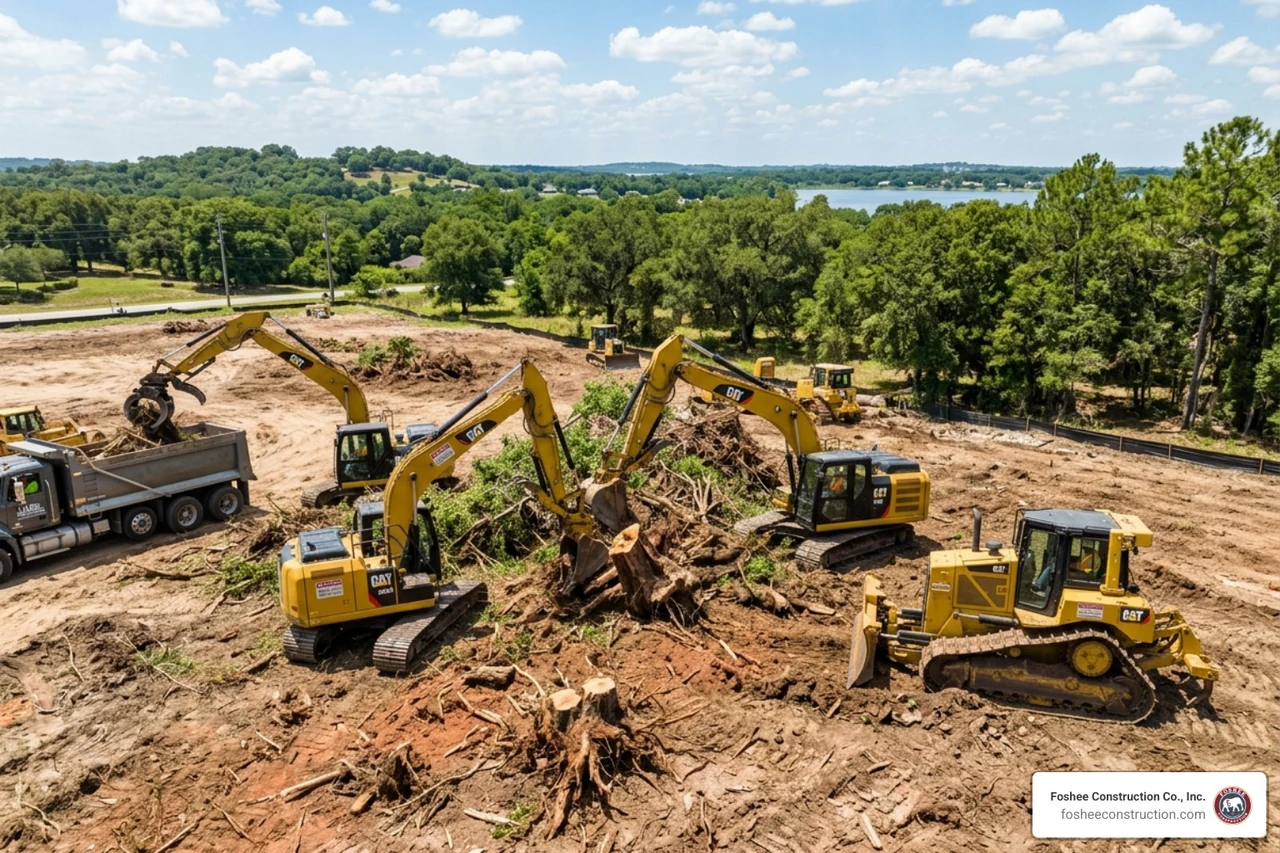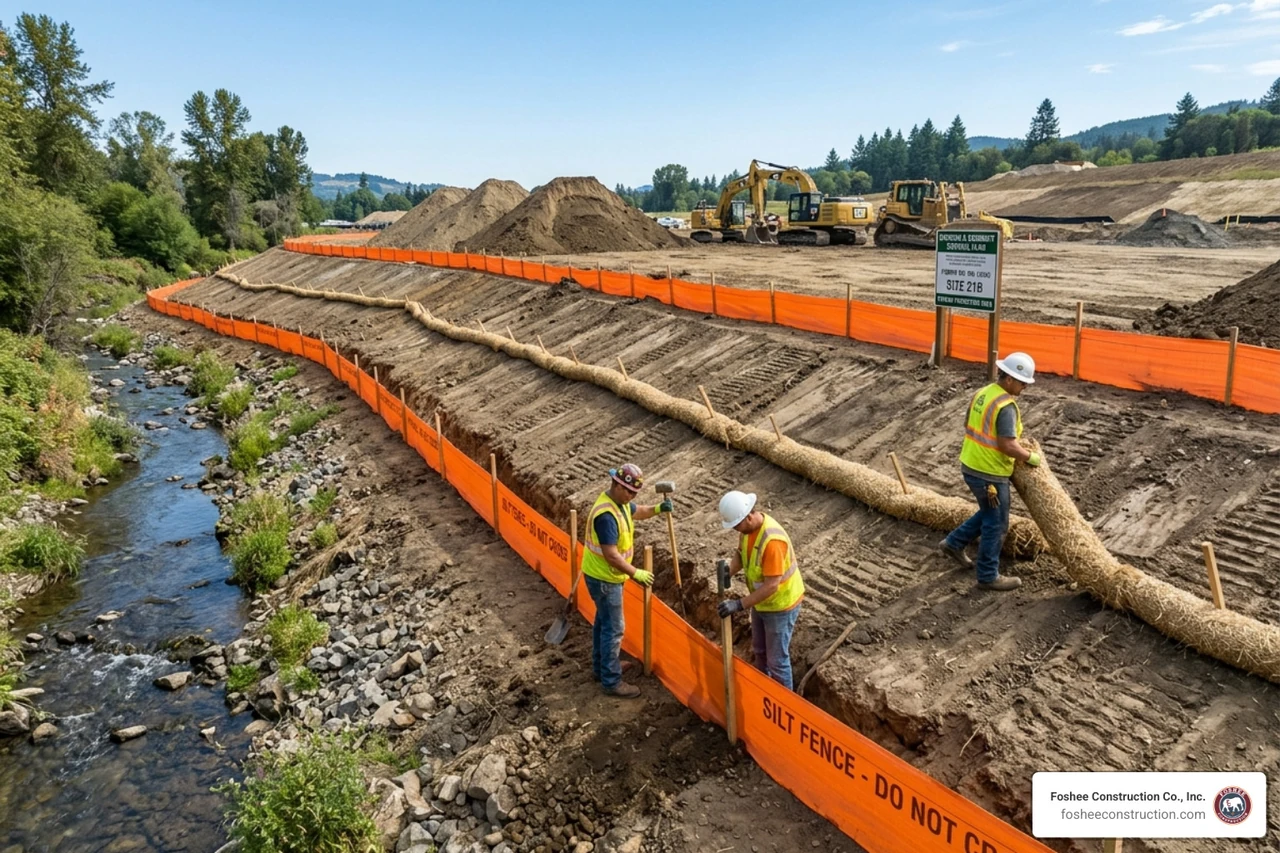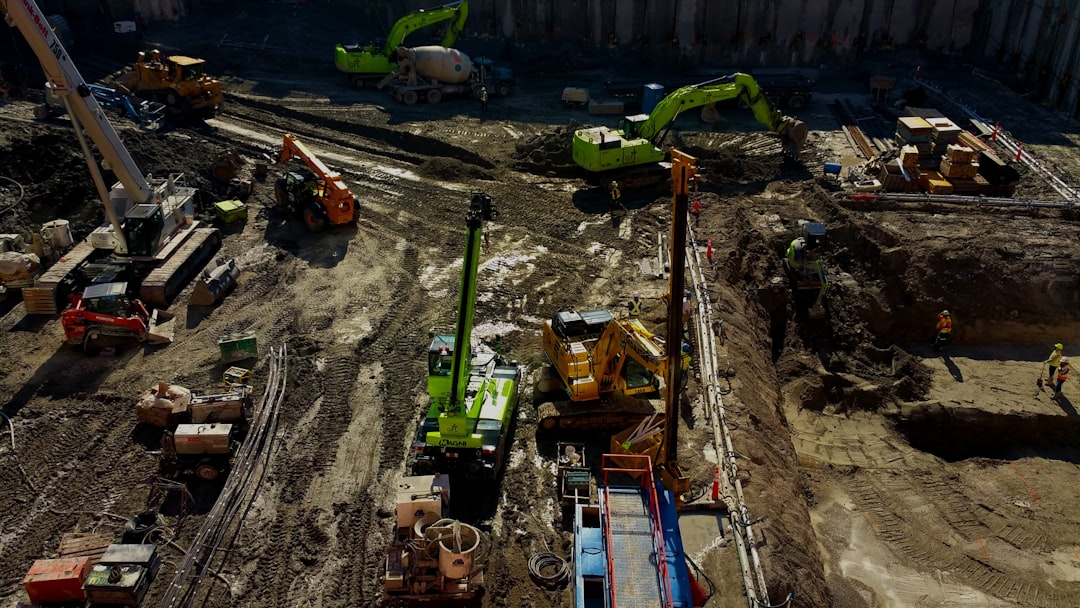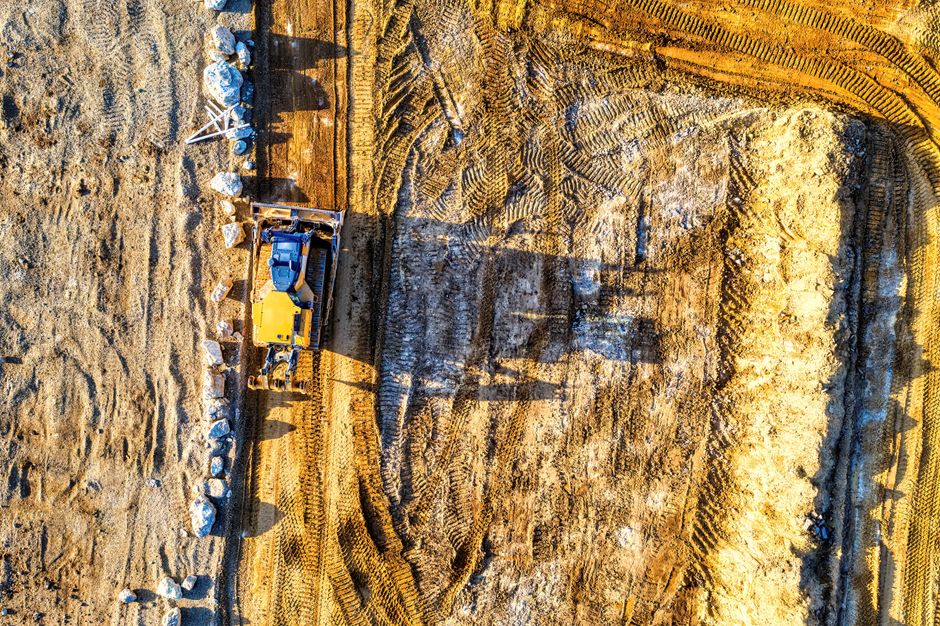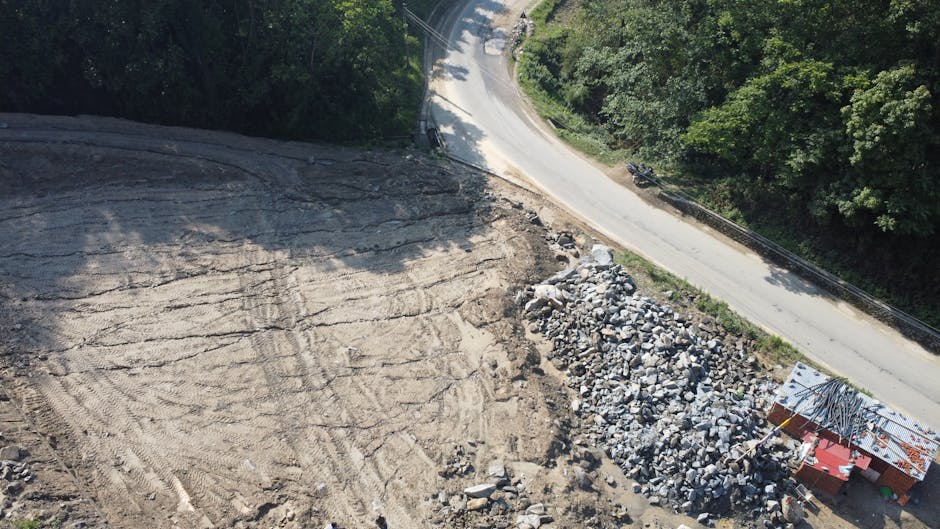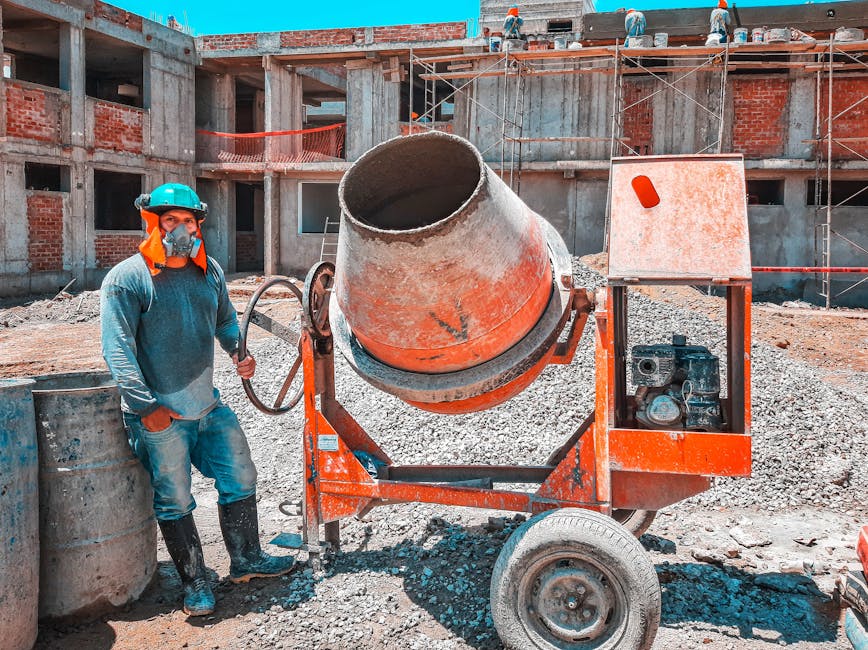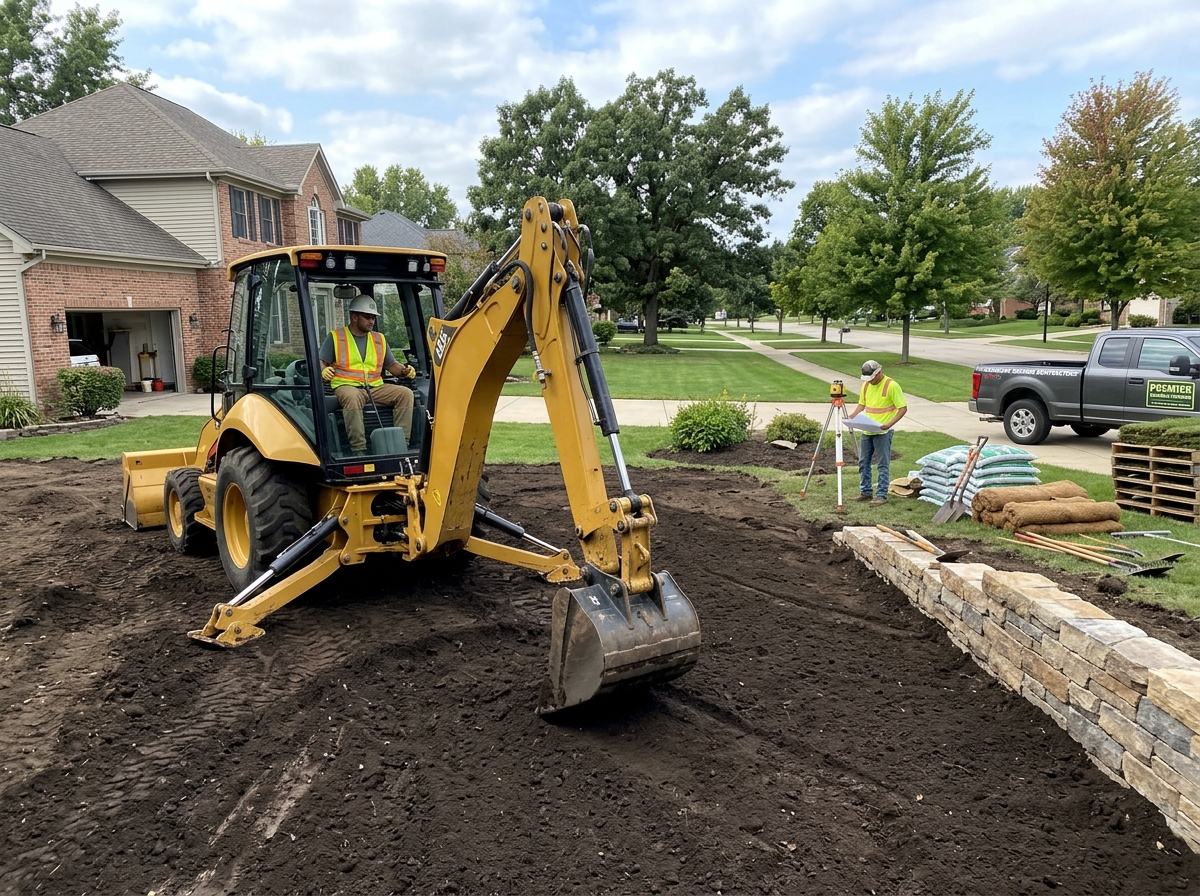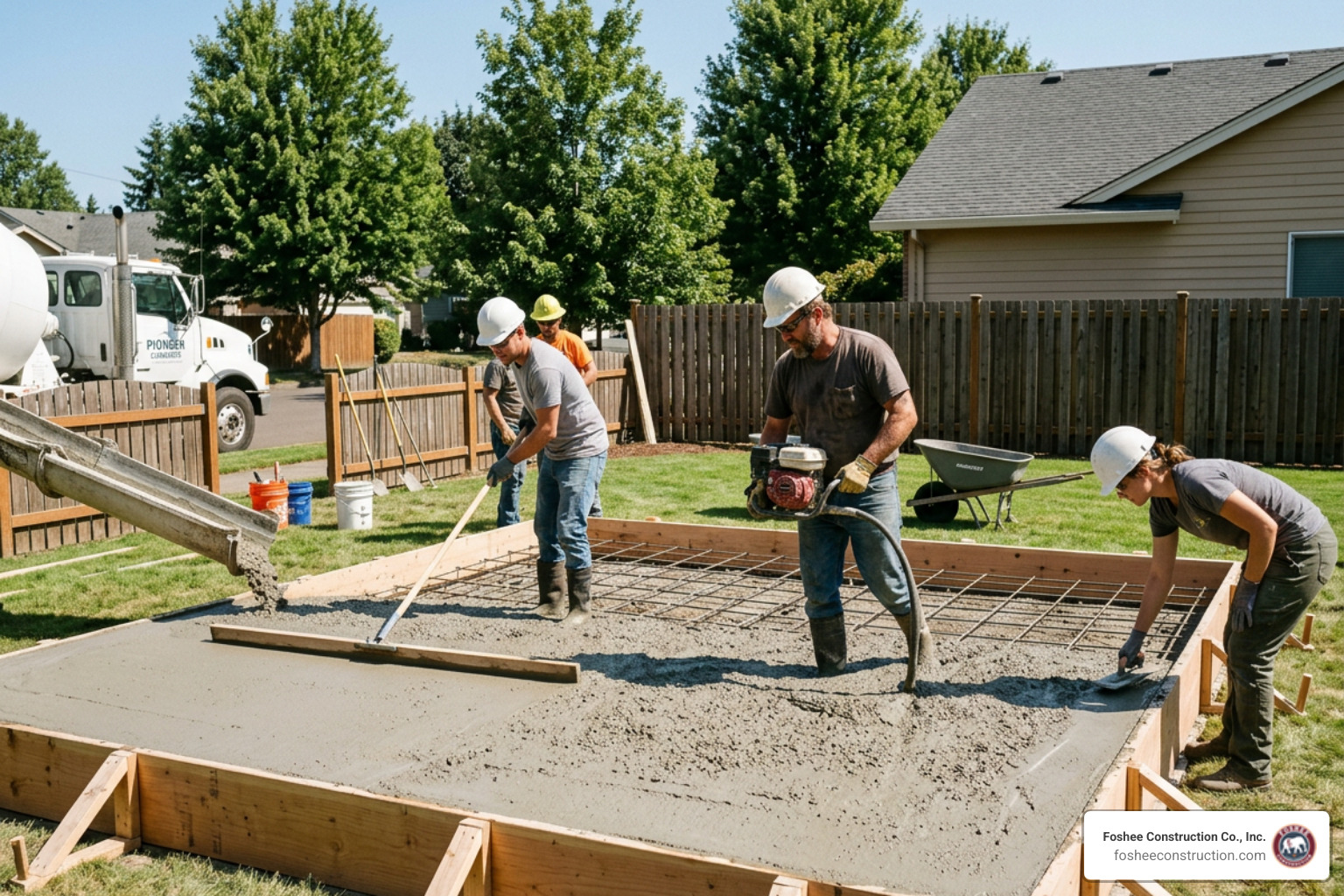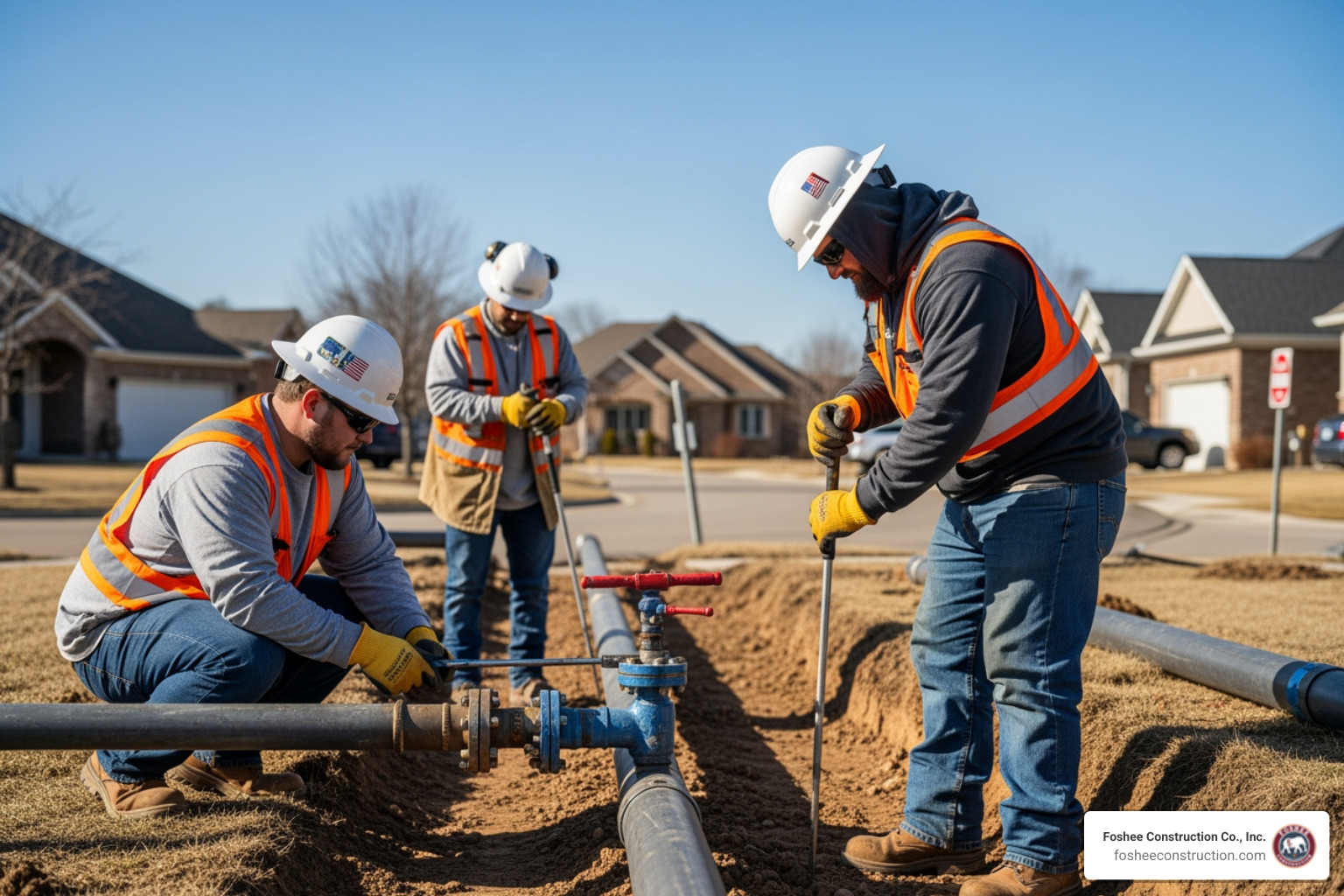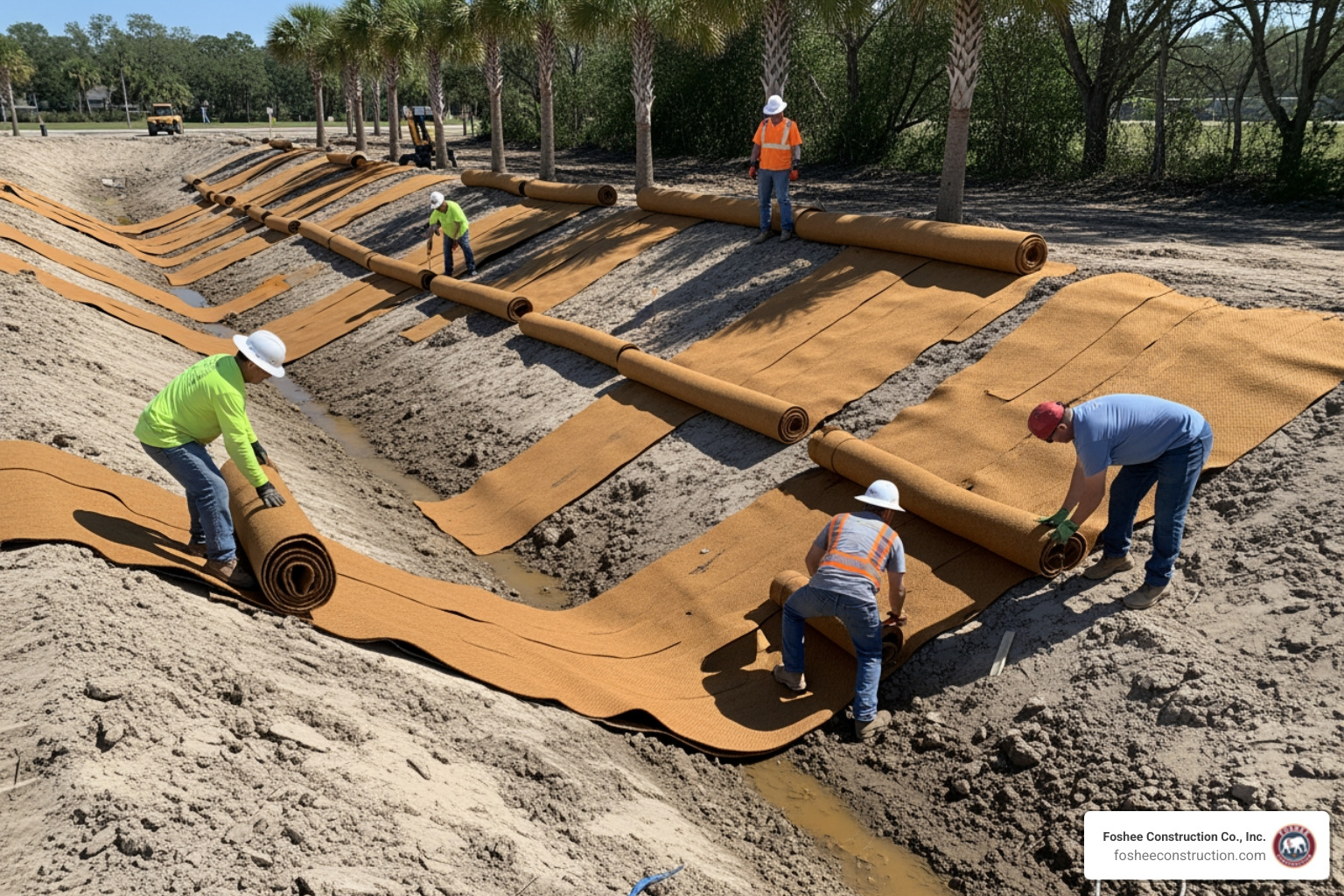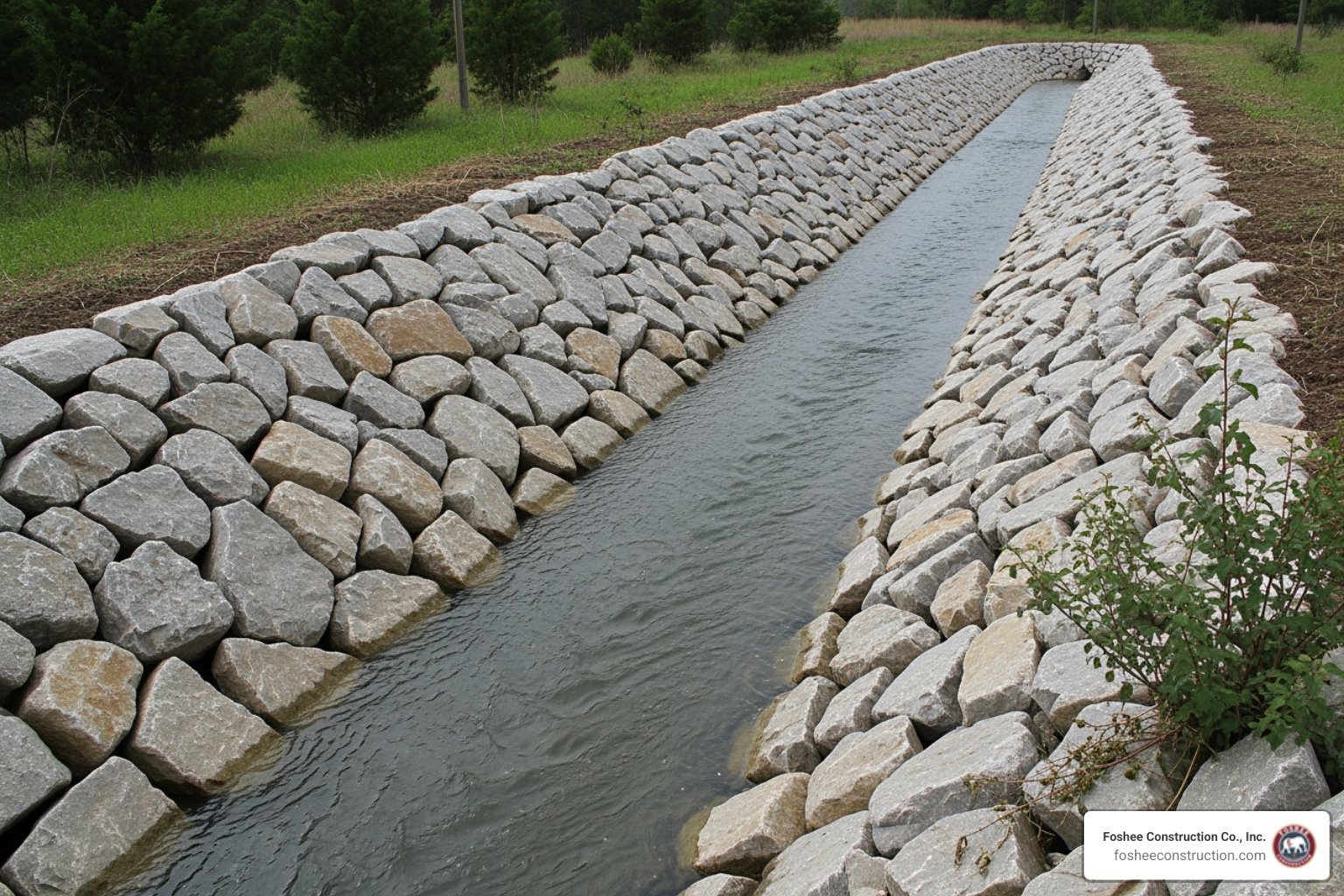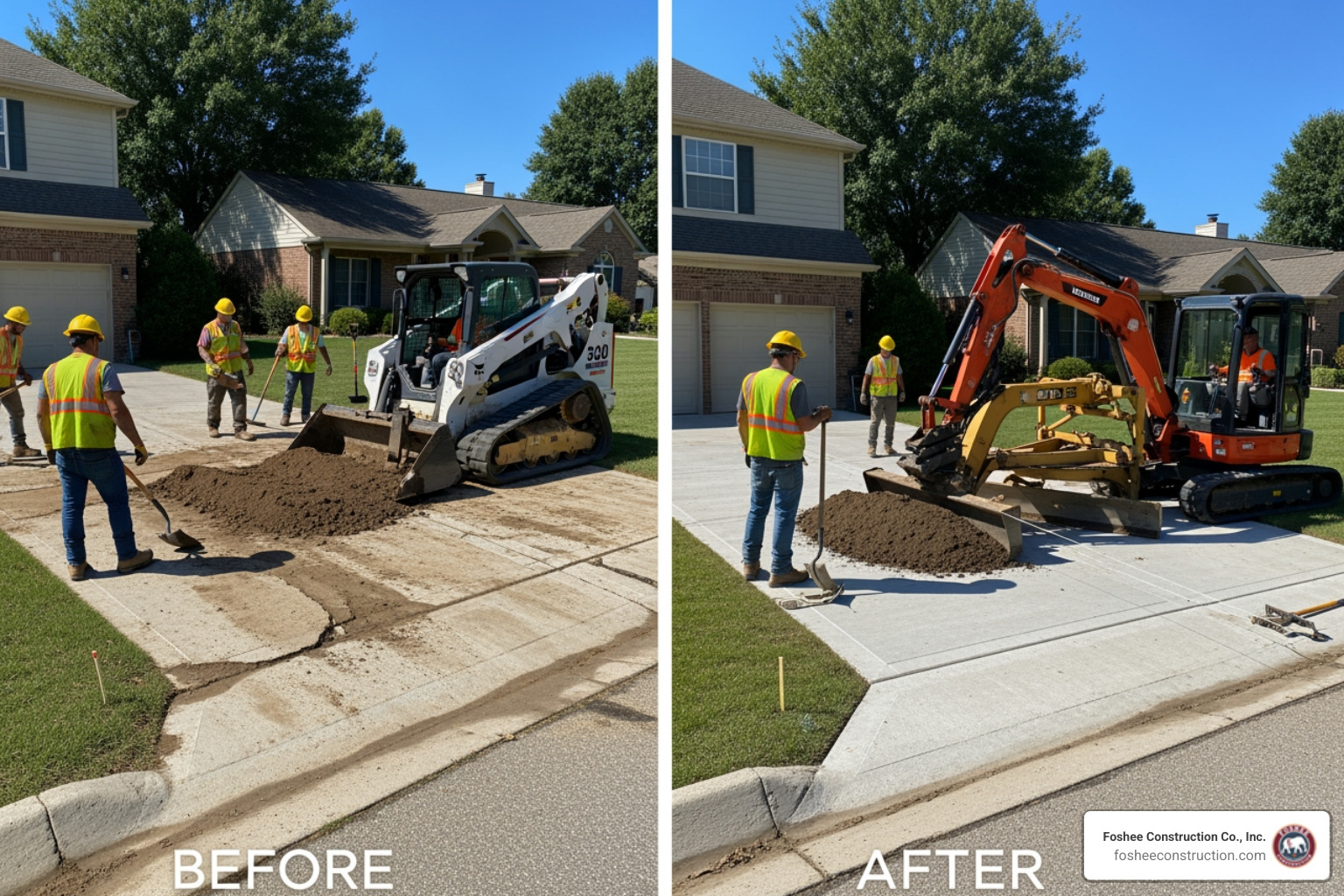
Ask most superintendents where a sitework schedule quietly falls apart, and mass earthwork is usually near the top of the list. Not because moving dirt is complicated in theory, but because the volume of decisions compounds fast: how much material actually needs to move, where it goes, whether it's dry enough to compact, and whether the haul route can support the truck count without turning into its own bottleneck.
Foshee is currently building Plant Street, a commercial project in Winter Garden that recently broke ground, and finishing out earthwork and closeout on The Hills of Minneola, a residential community wrapping up by year-end. The two jobs sit at opposite ends of the earthwork timeline, and together they show why the sequencing matters as much as the volume.
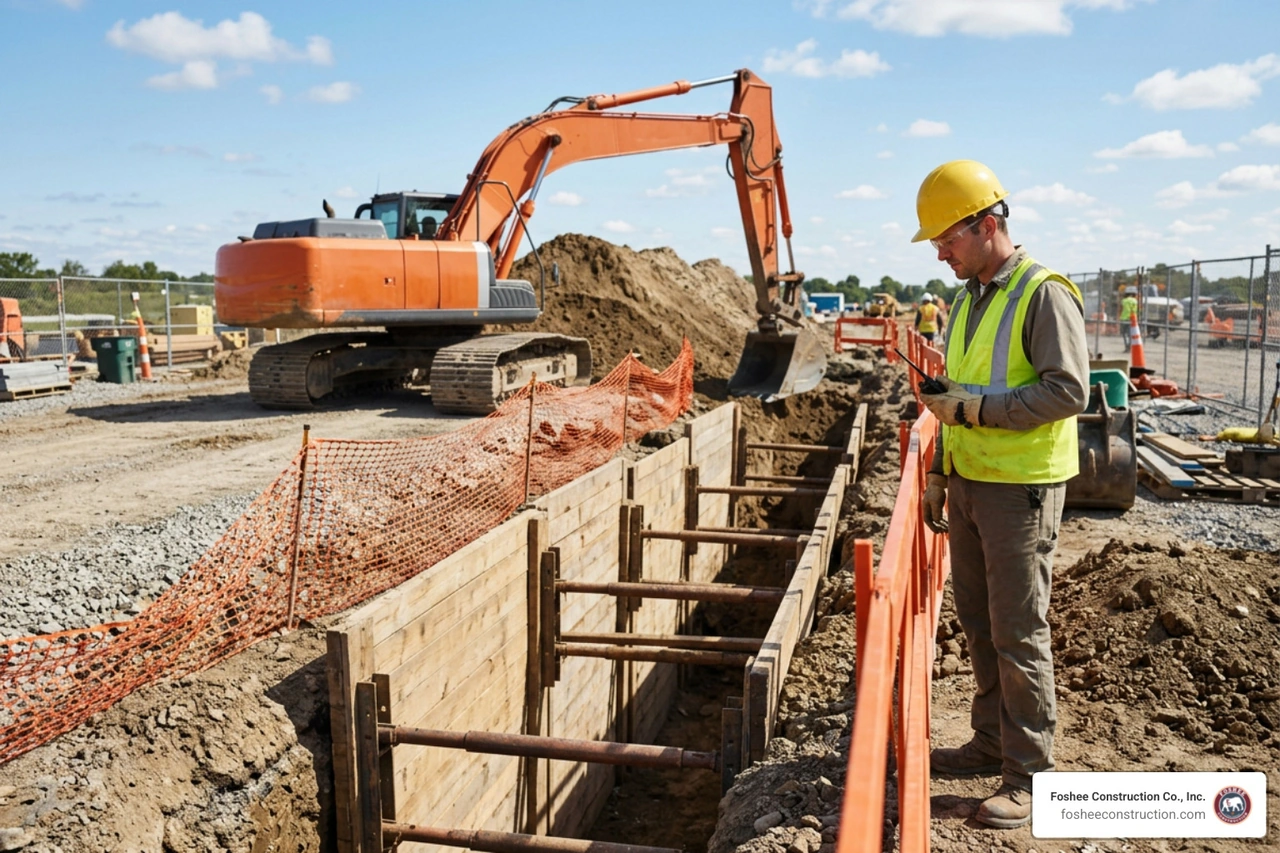
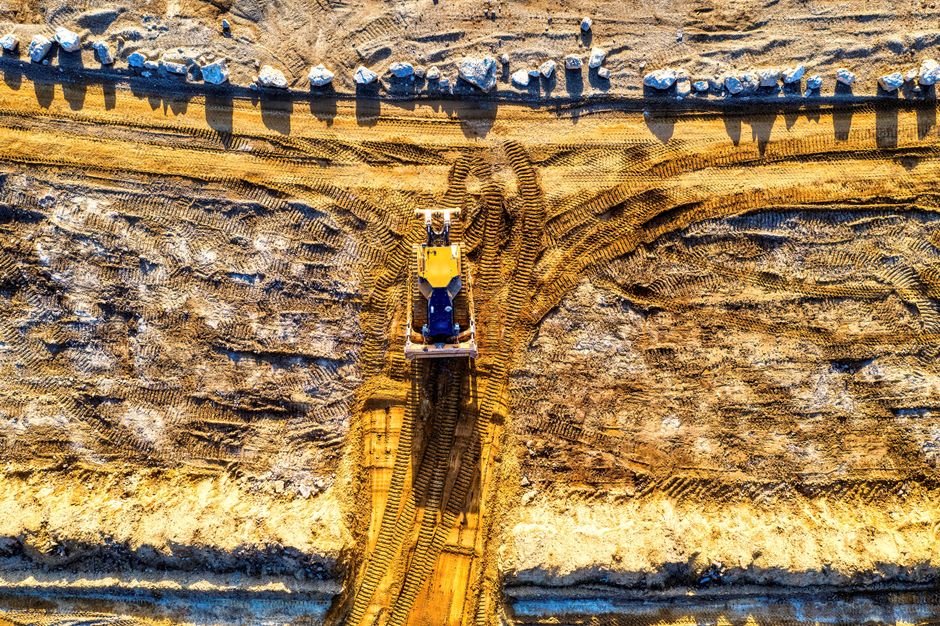
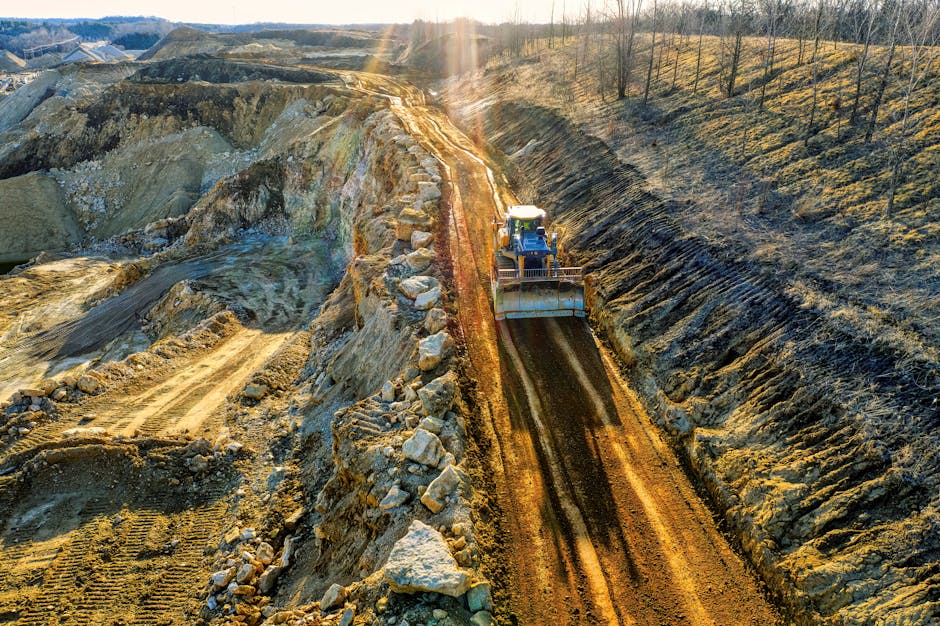
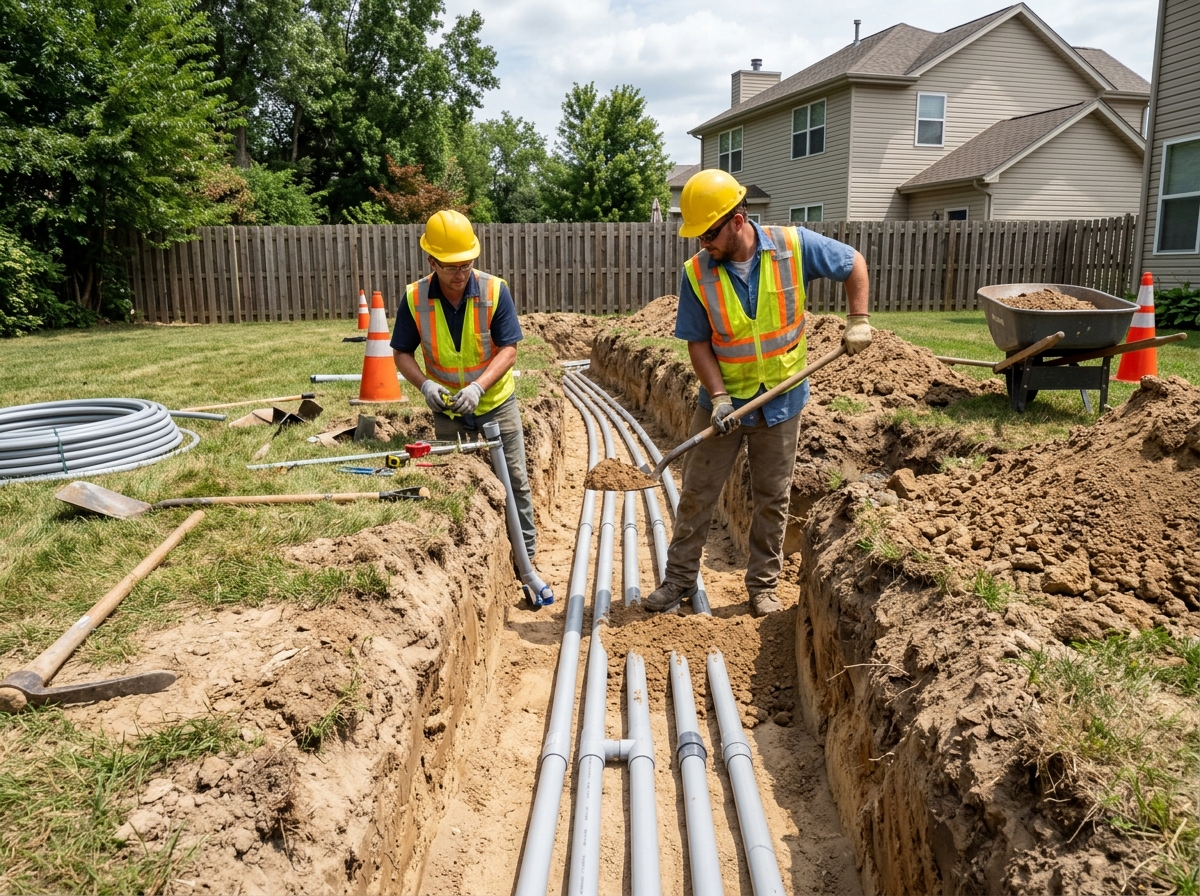
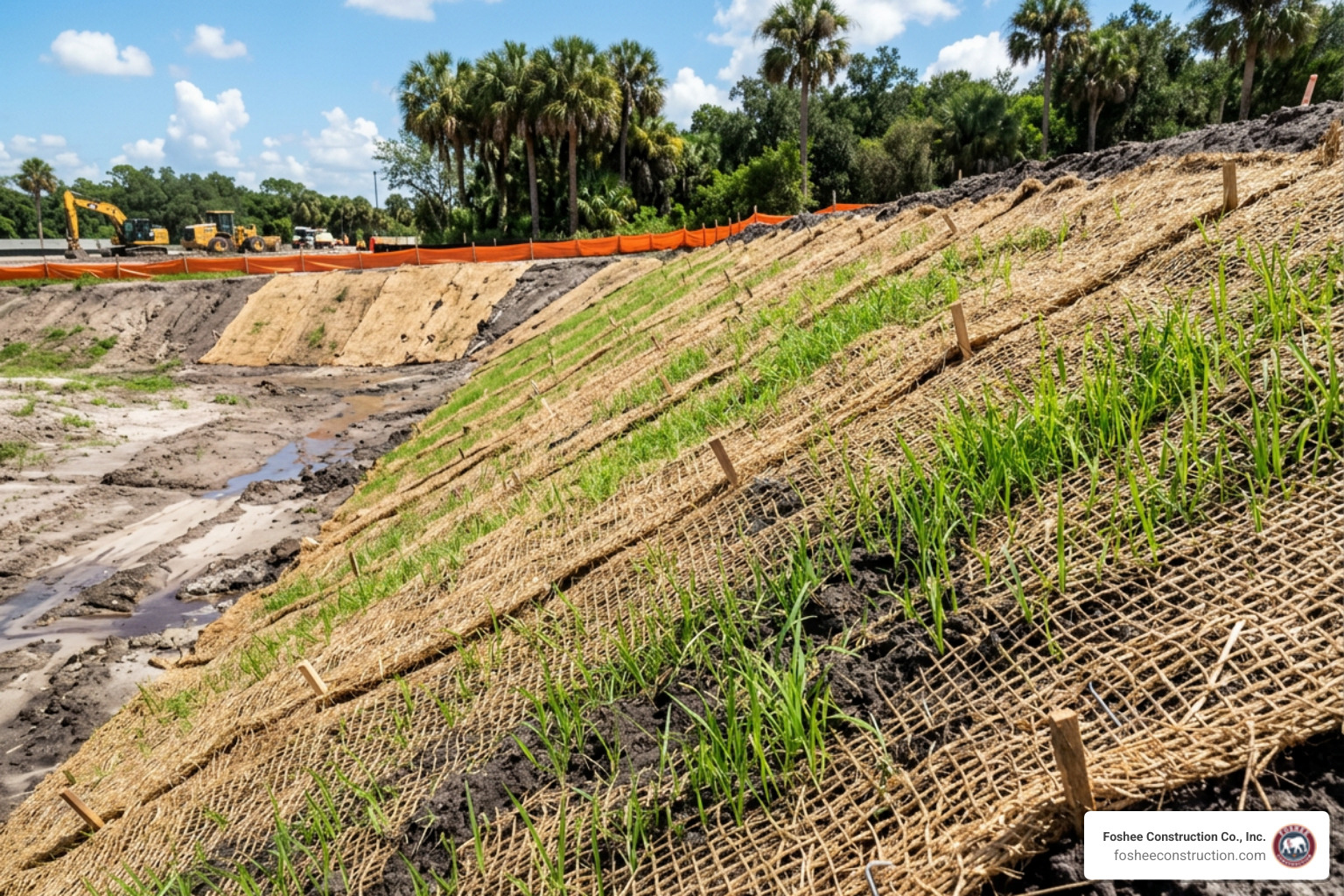
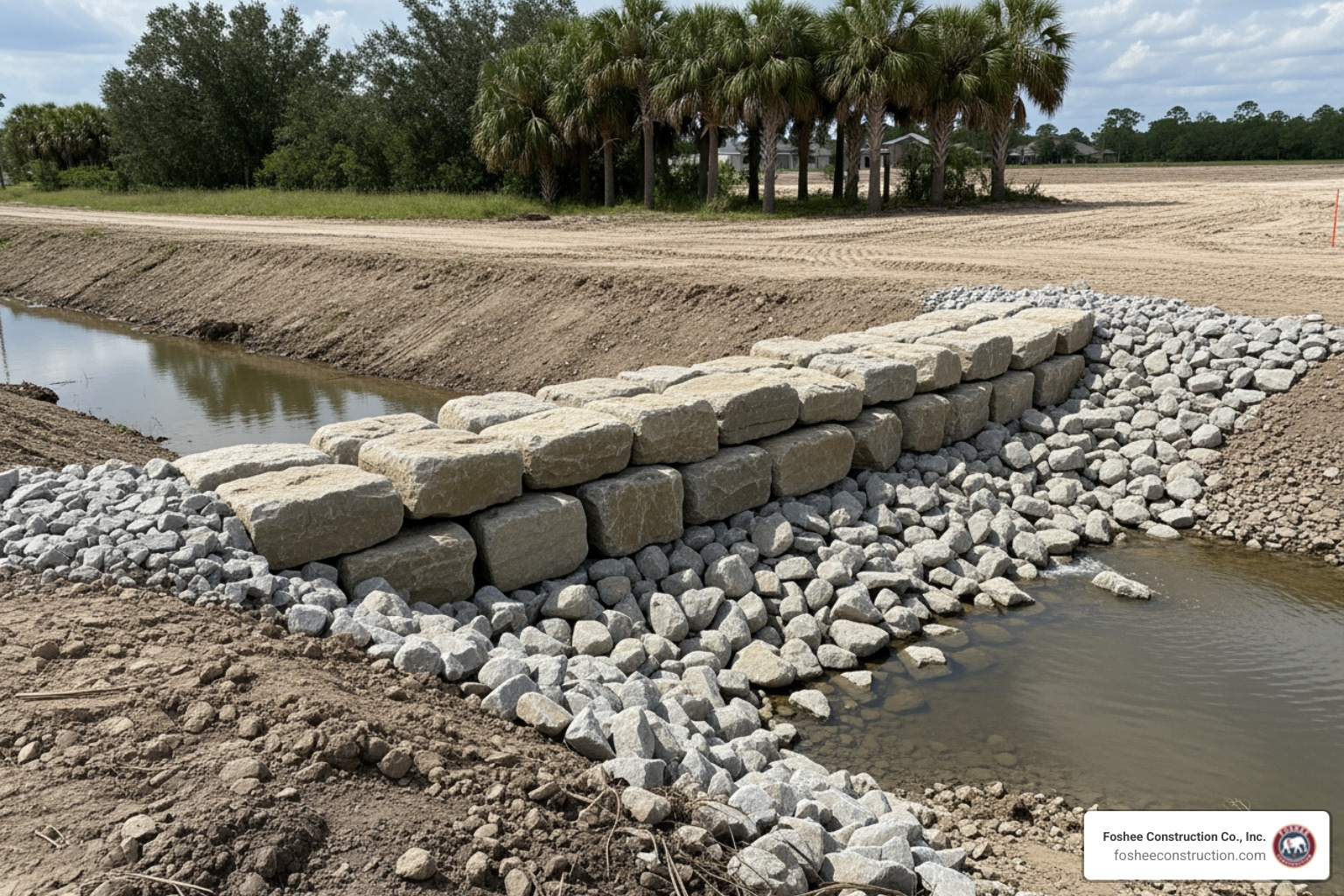
On a project like Plant Street, early mass grading sets up everything downstream — utility trenching, paving subgrade, and building pad elevations all depend on the cut-and-fill plan holding up once equipment is actually moving. Central Florida's afternoon rain pattern means moisture content on stockpiled material can swing within a single week, so the haul and compaction plan has to build in flexibility rather than assuming ideal conditions every day.
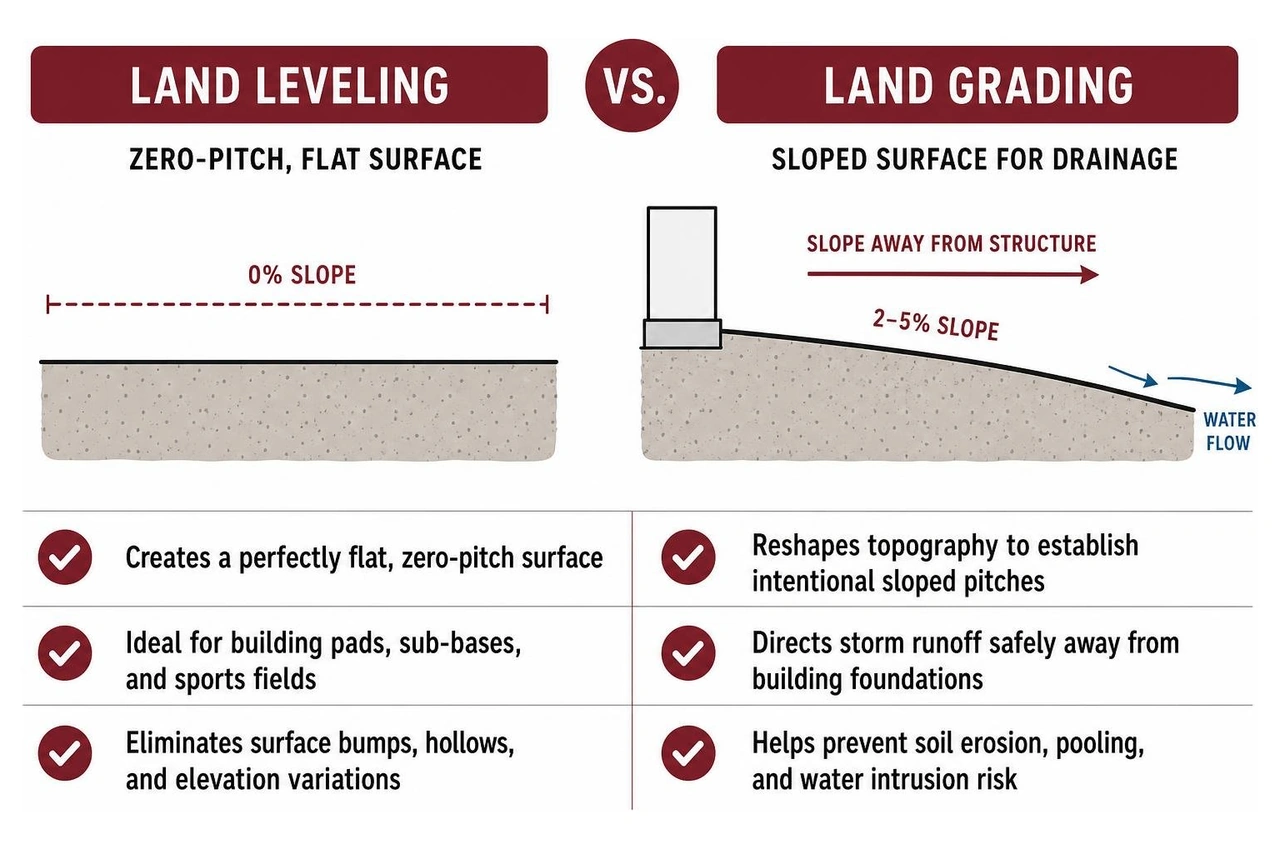
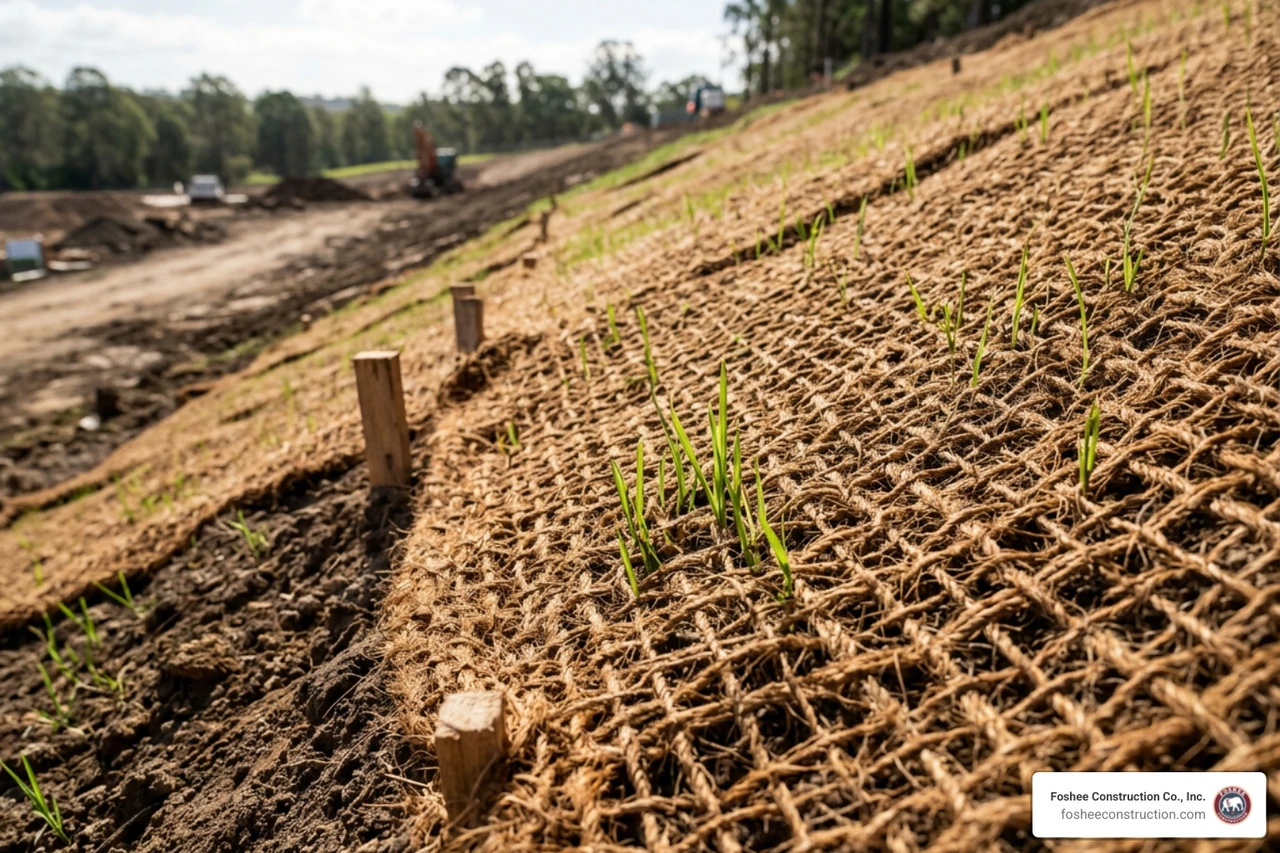
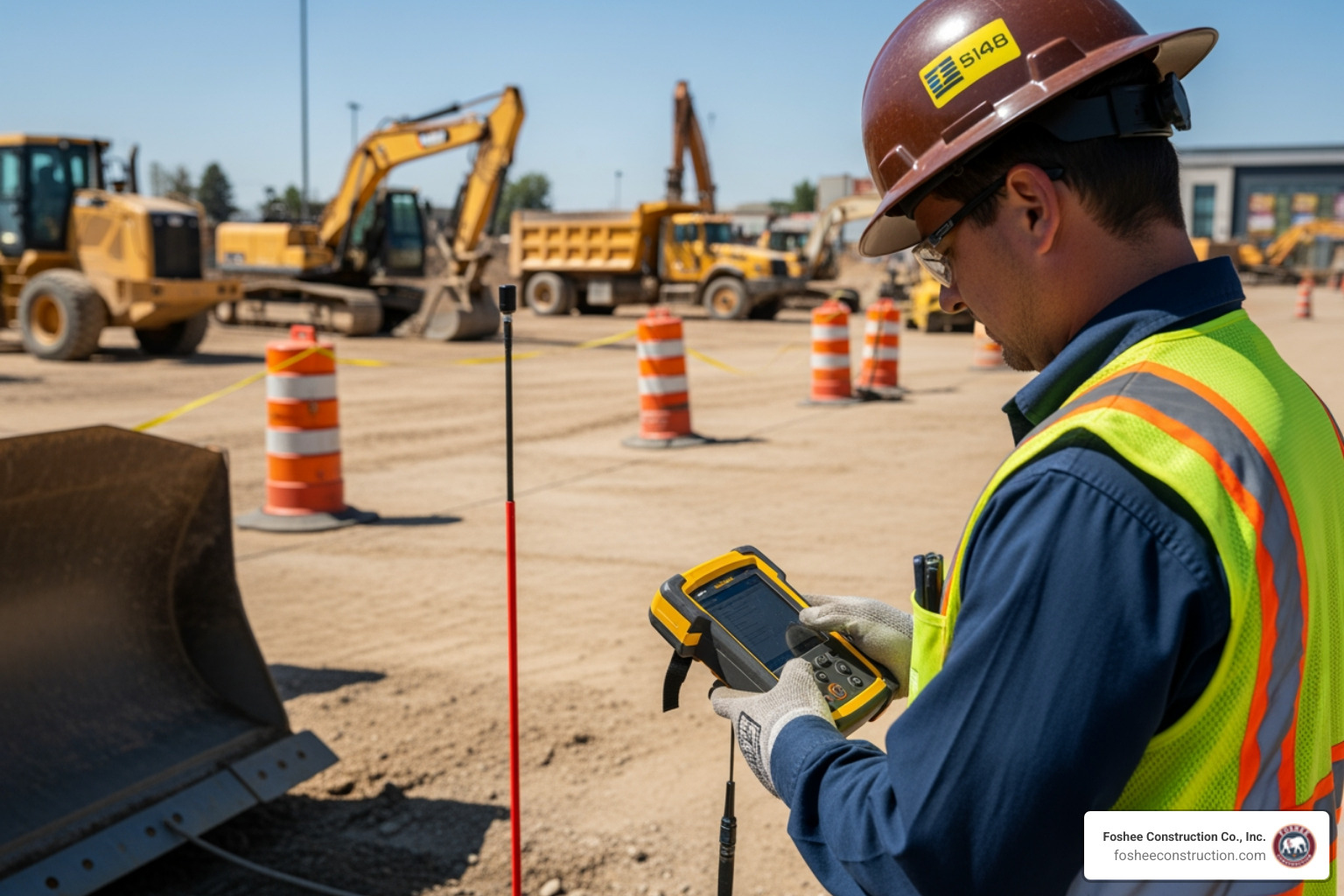
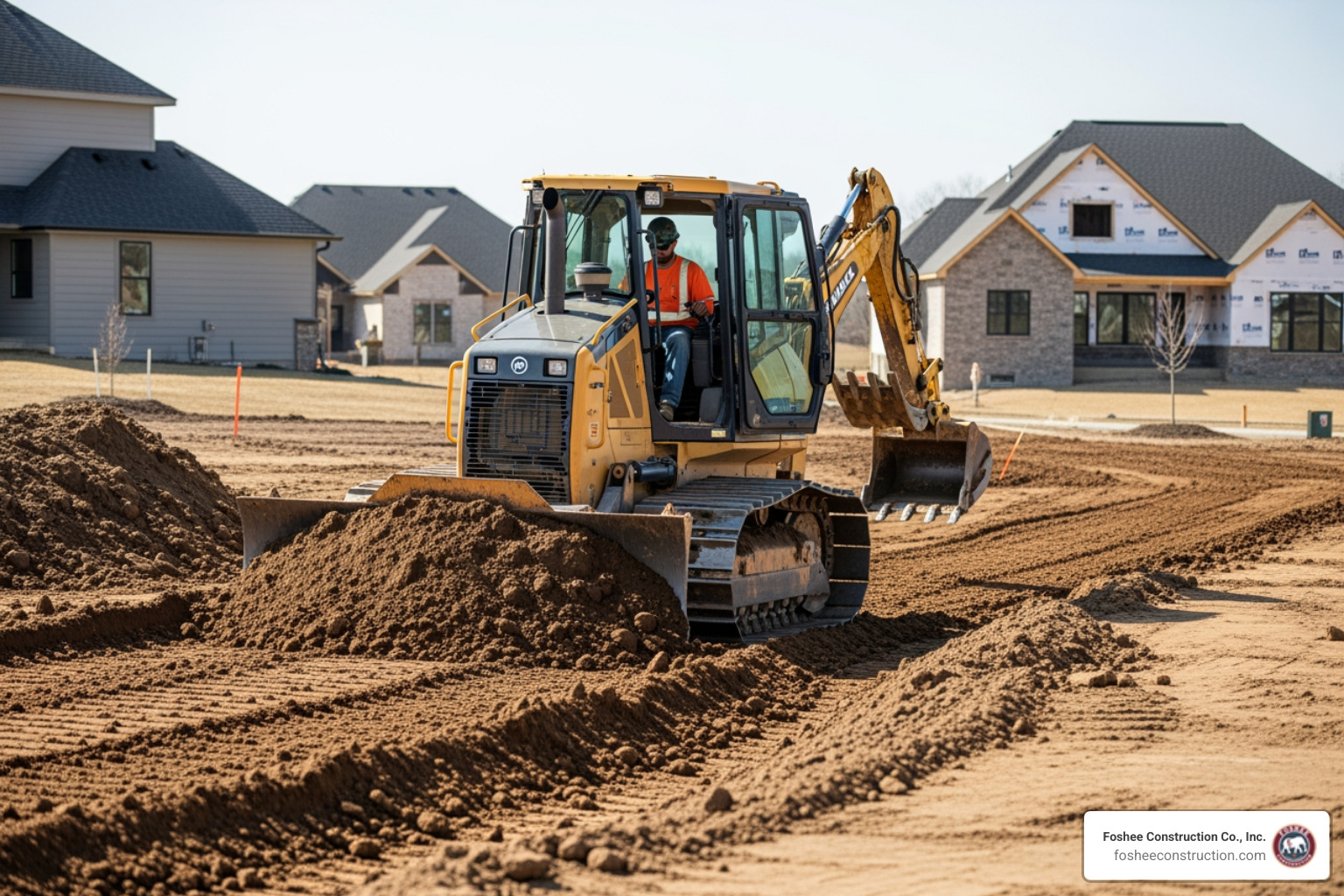
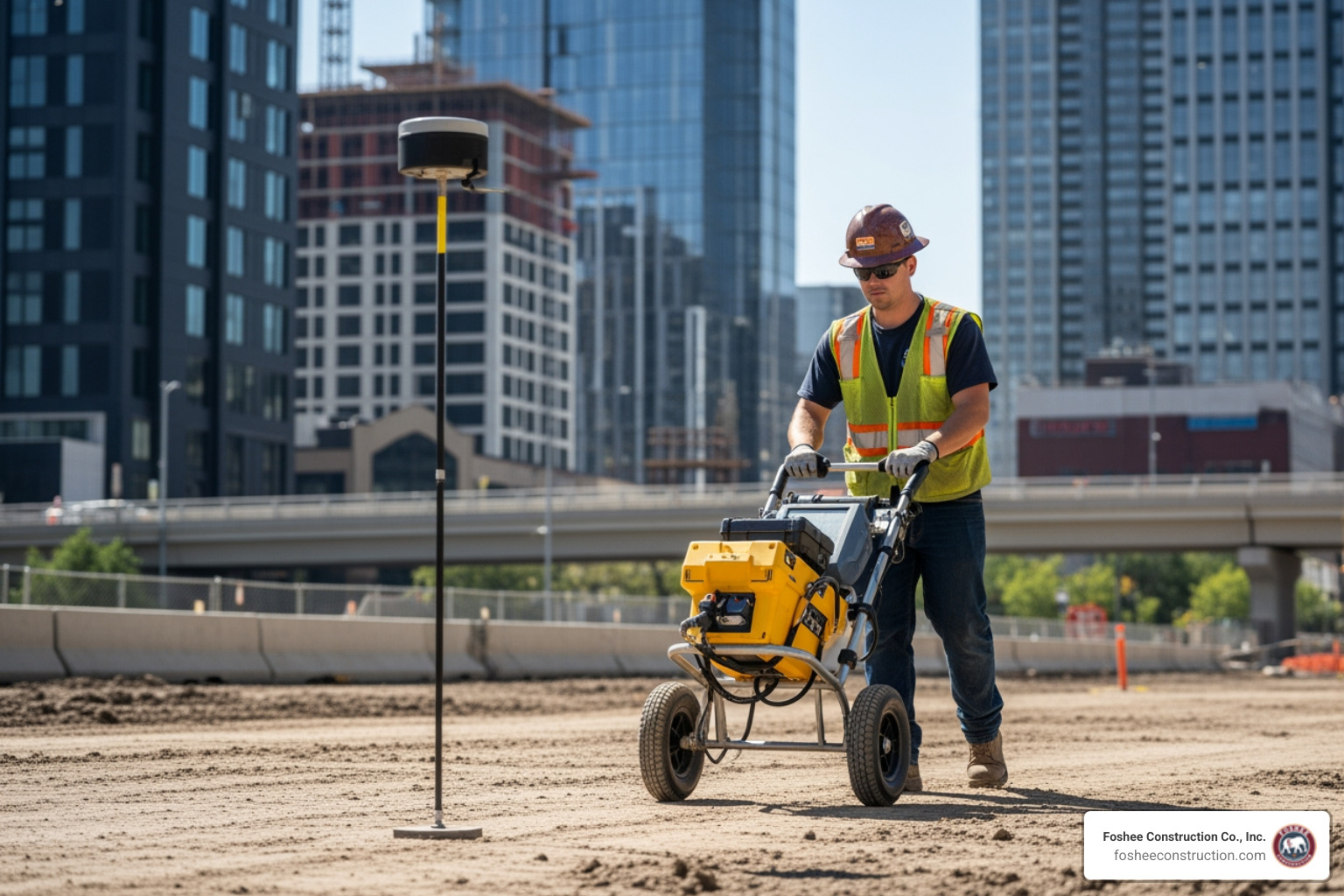
On a project like The Hills of Minneola, closing out earthwork means confirming that finished grades, drainage swales, and pad elevations match the approved plan before paving and final stabilization lock the site in. A schedule that looked fine at the mass grading stage can still slip at closeout if final grade tolerances weren't tracked carefully along the way.
More often than equipment breakdowns, it's moisture. Sandy Florida soils dry out and wet up quickly, and a plan that doesn't build in time for moisture-conditioning tends to lose days waiting for material to reach workable condition.
Before mobilization. A haul route that works on paper can fail in the field if it crosses active trade work, has weight restrictions, or bottlenecks at a single access point.
The core principles are the same, but commercial pads often have tighter finished-grade tolerances tied to building design, while residential sites like a multi-lot community may have more phased grading tied to lot release schedules.
Directly. Grading elevations set up utility trench depths, drainage flow, and paving subgrade. A grading error rarely stays isolated — it tends to surface again in whichever trade comes next.
Mass earthwork planning is less about moving the most dirt possible and more about moving the right dirt, at the right moisture content, along a route that doesn't collide with the rest of the site. Whether it's a commercial pad just breaking ground or a residential community closing out its final grades, the schedule holds when the earthwork plan accounts for Florida conditions instead of ignoring them.
Foshee Construction has planned and executed mass earthwork across Central Florida since 1994. To talk through a grading scope, start with the Foshee contact page.
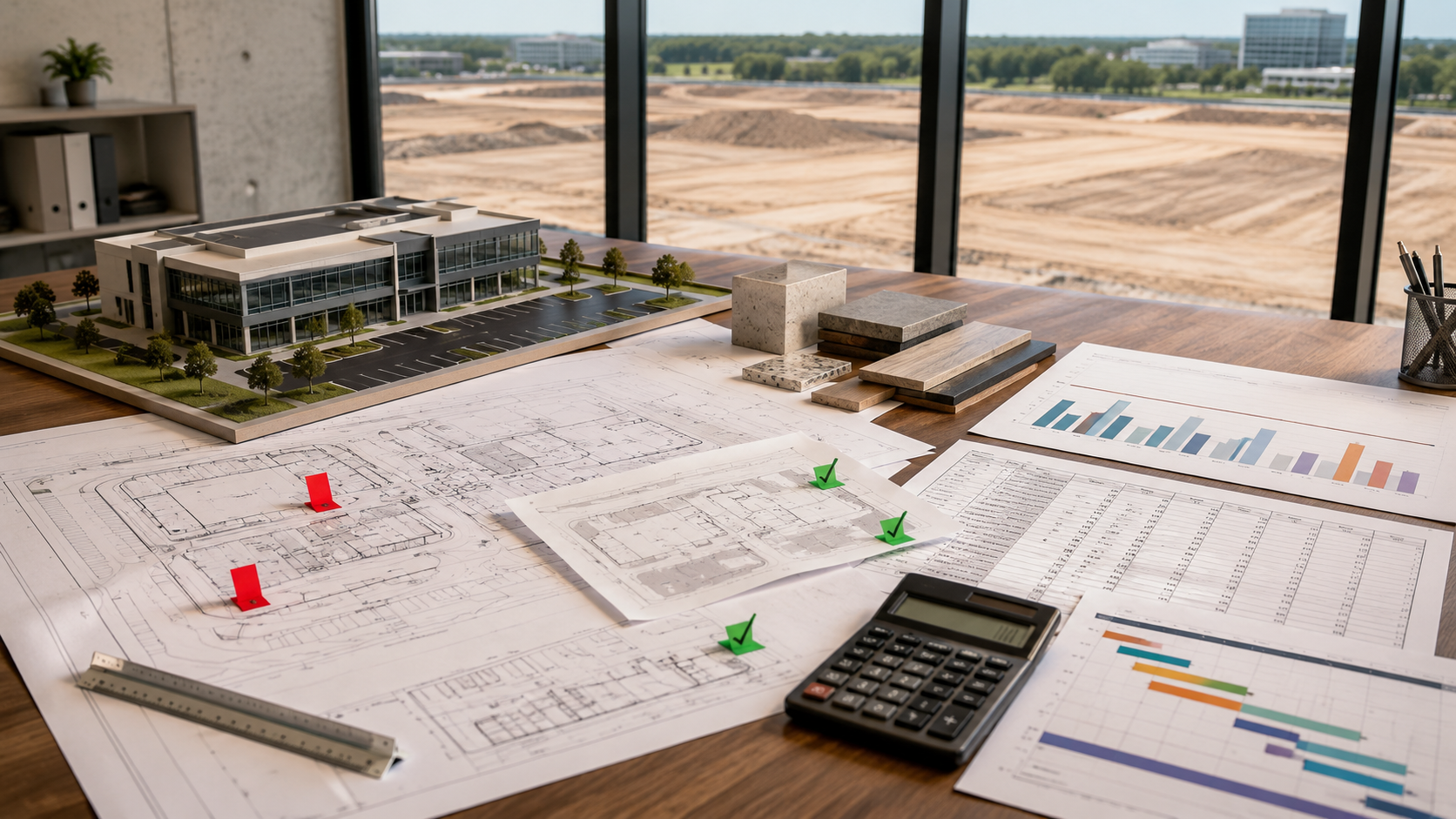
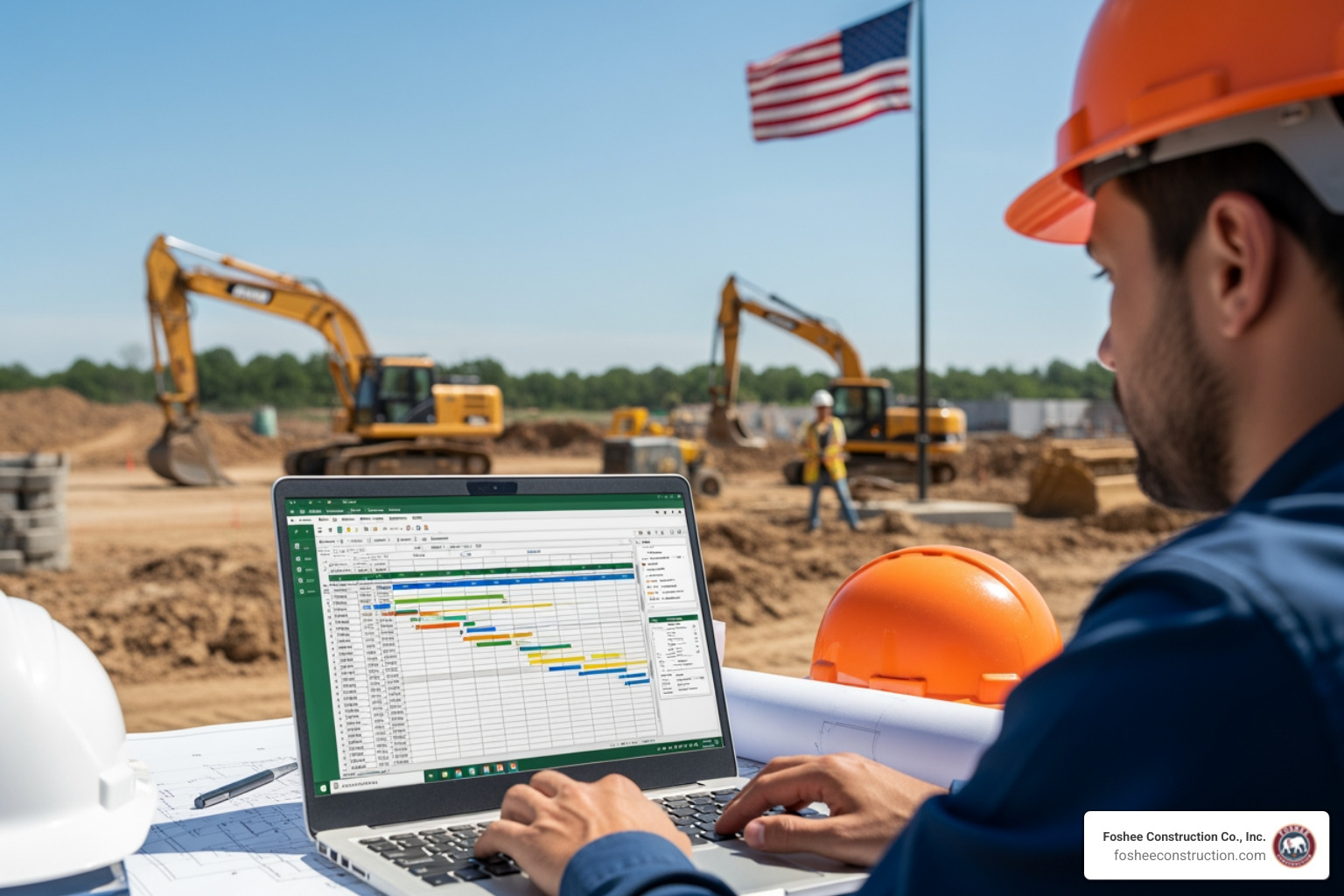
We build bids using HeavyBid and AGTEK because the details matter long before the job starts. When the numbers are accurate and the scope is clearly defined, it sets the tone for how the entire project runs. Estimating isn’t just a step in the process, it’s the foundation we build on.
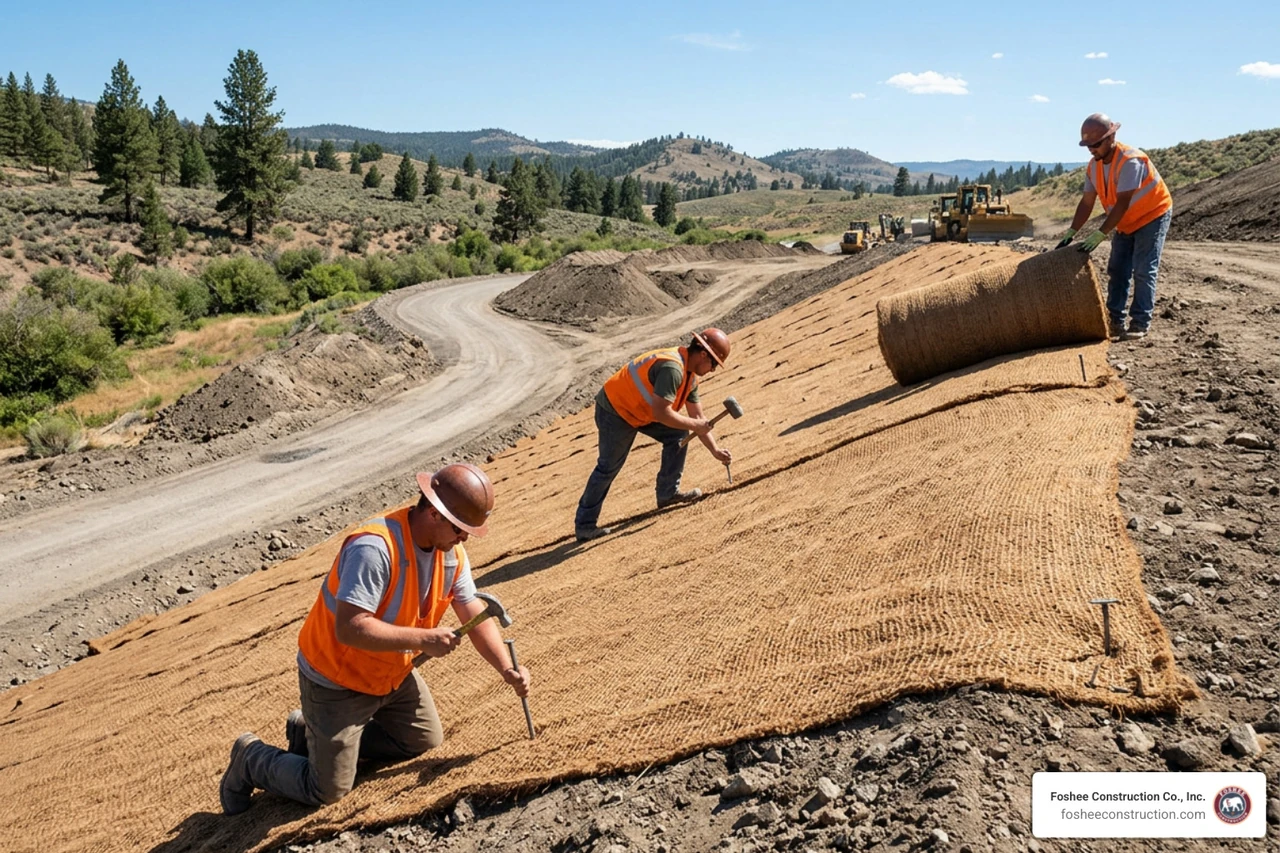
That same mindset carries into the field. Our crew is trained to work with purpose, follow the Civil Engineers’ Plan to the finest detail, and hold the line on quality. When expectations are clear from day one, there’s no need for shortcuts, and no confusion about how the work gets done.
Clients trust our bid packages because they’re complete and ready to use. Project managers know what we’re covering, what’s excluded, and how we plan to approach the job. That clarity removes friction and lets teams focus on execution instead of interpretation.
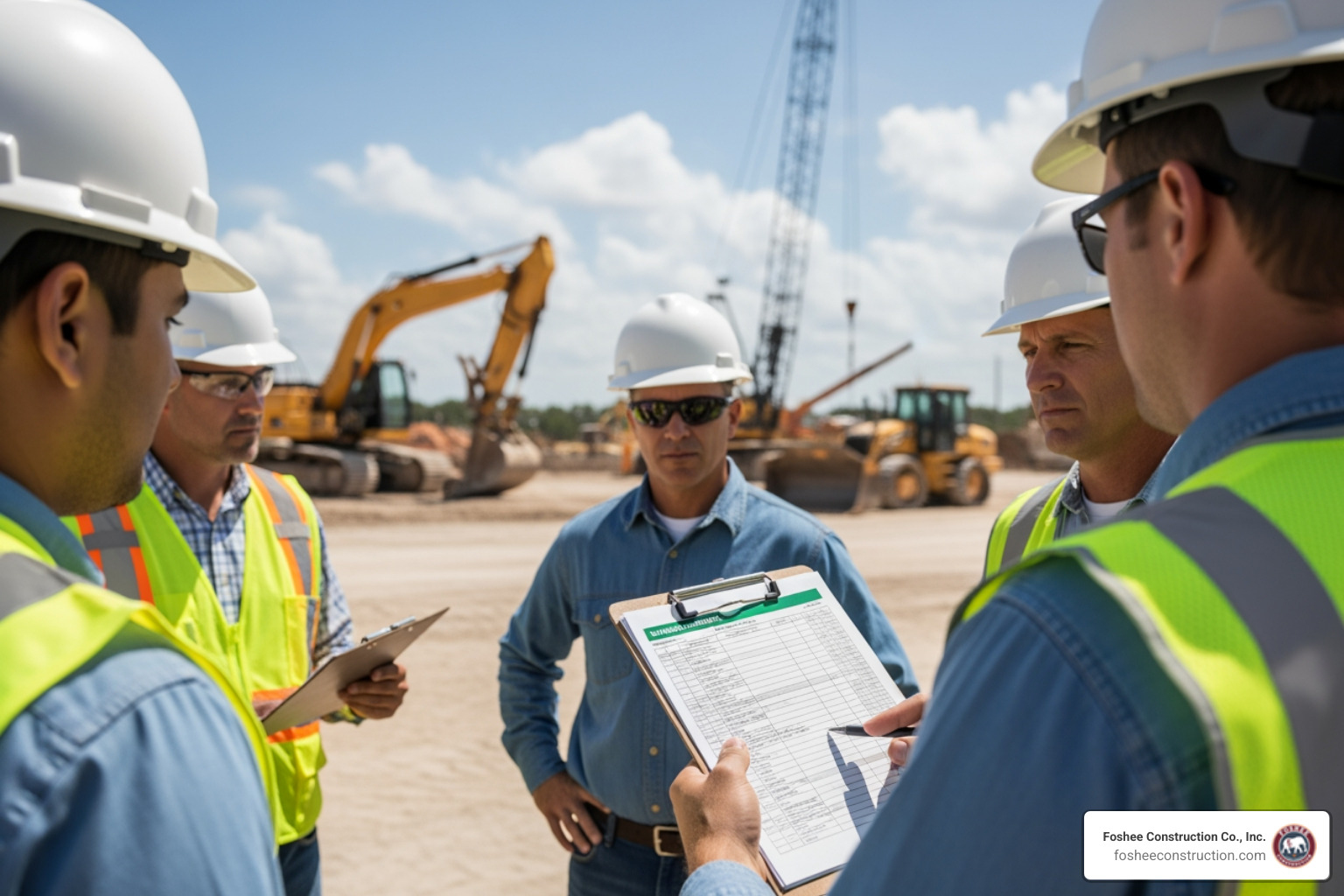
As part of our review process, we go into the plans before anything hits the site. We ask the questions early, resolve issues before they show up in the field, and keep RFIs moving. This approach prevents delays and protects the timeline.
Over time, that consistency builds trust. Many of the people we work with today came through referrals from past projects – engineers, GCs, and superintendents who’ve seen how we operate and want the same experience again.
In 2024, Foshee Construction was acquired by Saga Infrastructure Solutions, a national network of civil construction companies. Saga supports regional contractors by giving them access to better tools, long-term resources, and operational backing, without changing how they run day to day.
Foshee will continue to operate under its name, with the same team and field leadership in place.
“From the very time a project starts, we start that partnership. We try to catch as much as we can with the tools that we have. Not everybody is using the software platforms we are. That’s the differentiator: we’re not just bidding. We’re anticipating, problem-solving, and making sure the job runs right.”
— Don, CEO, Saga Infrastructure Solutions
Foshee is now part of a broader regional strategy that includes Florida, the Piedmont Atlantic, Texas, Colorado, and the Arizona Sun Corridor. The name, crews, and standards remain. What’s improving is the support behind it.