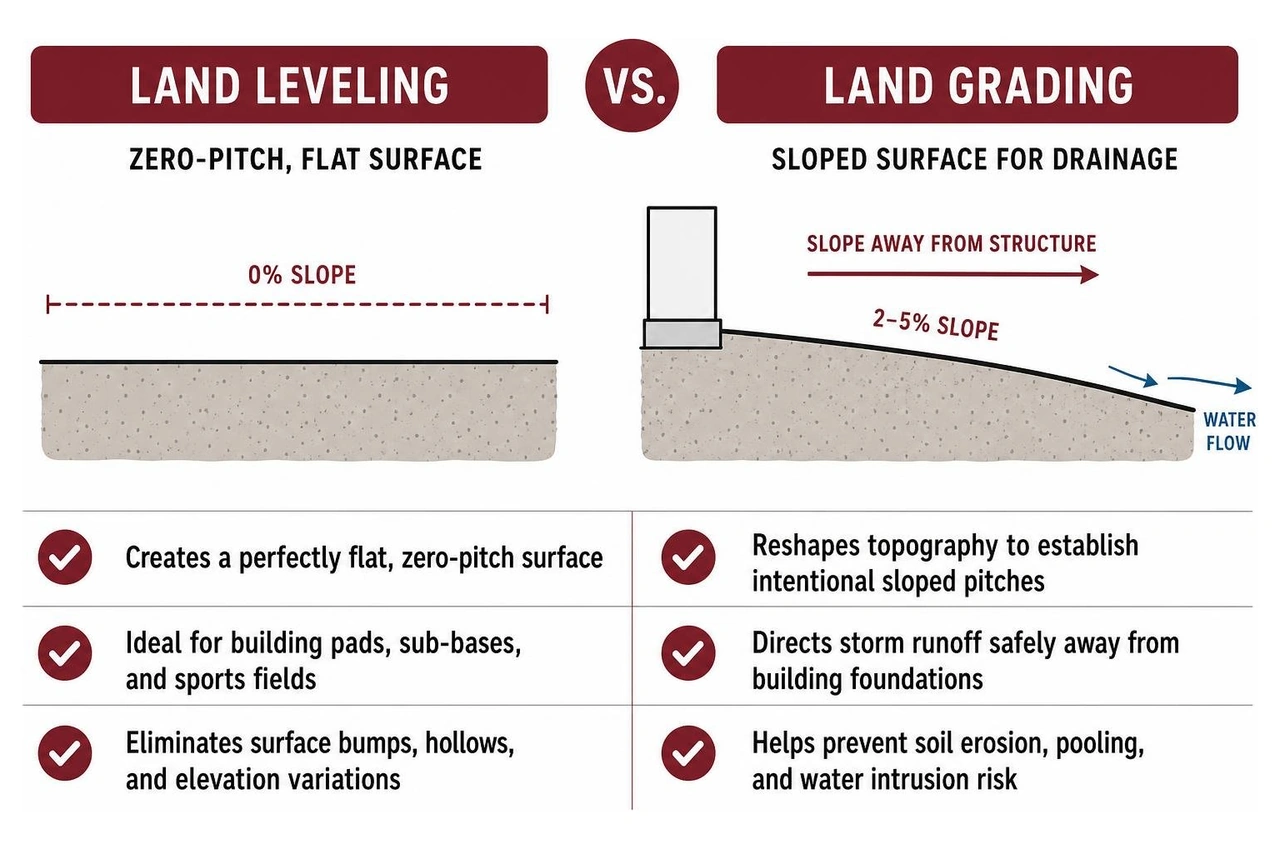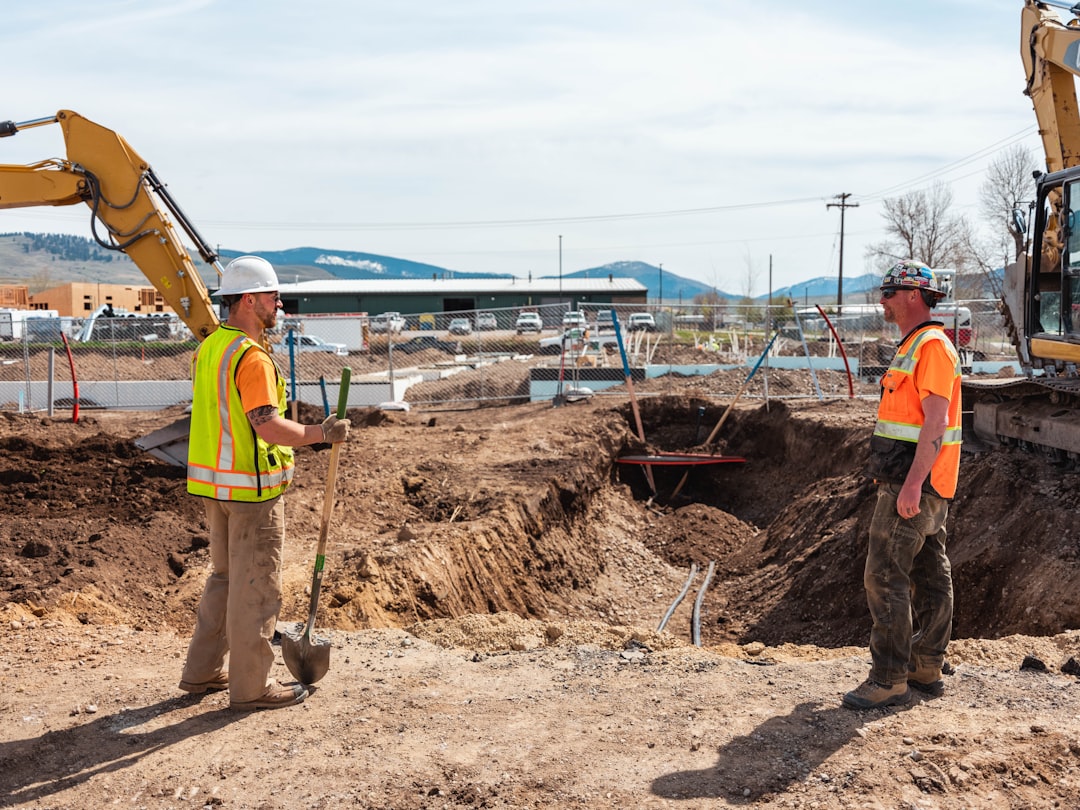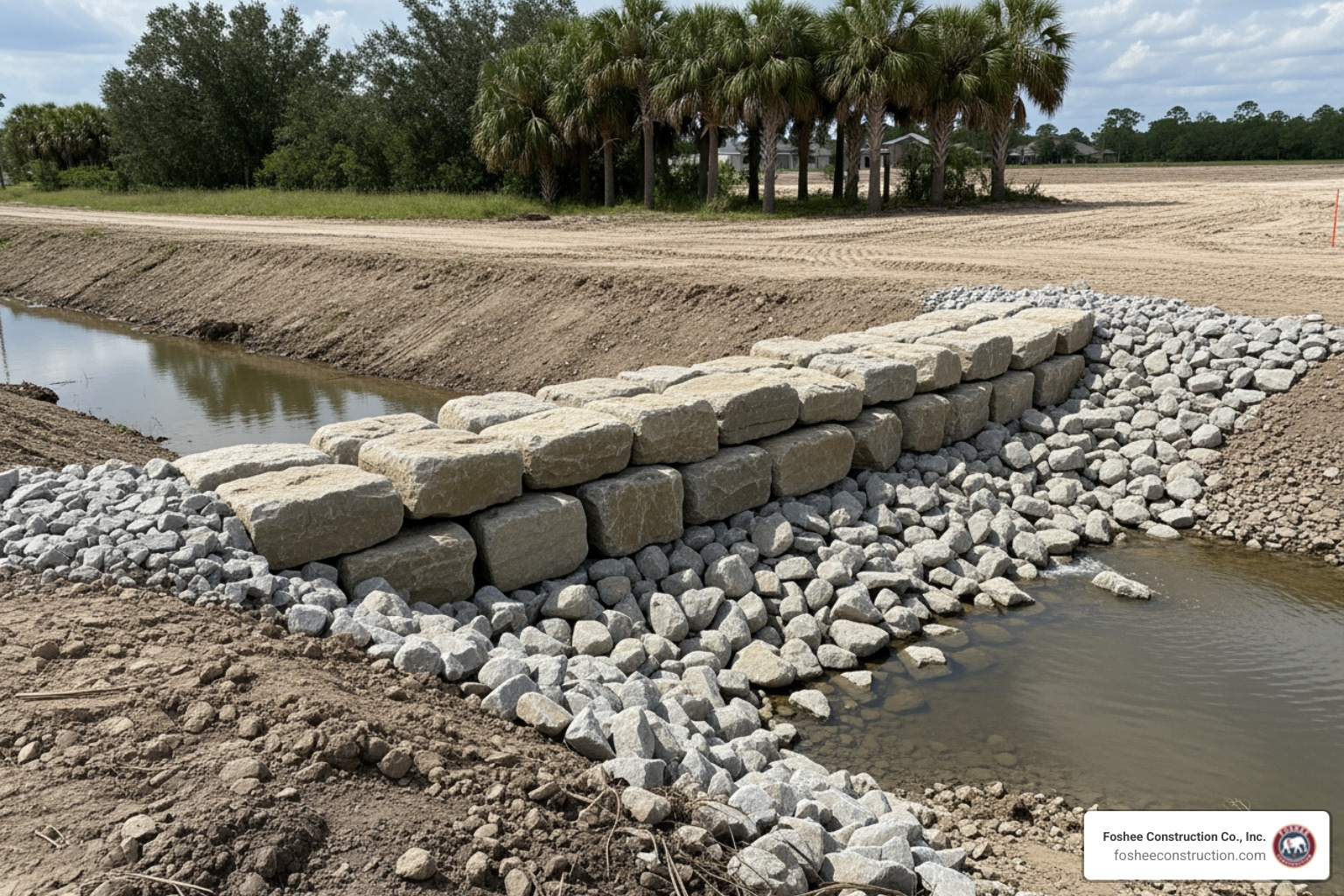
Proper earthmoving is the structural backbone of any construction or landscaping effort. When property owners search for land grading contractors near me, they are often responding to immediate surface challenges—such as pooling rainwater, washouts, or uneven ground. However, professional land grading involves much more than just pushing soil around. It is a precise engineering process of slope adjustment, soil compaction, and site shaping designed to guarantee structural integrity and effective water management.
Without proper site shaping, surface runoff flows unpredictably. Uncontrolled water can quickly pool around building foundations, destabilize subsoil, erode landscaping, and crack concrete slabs. By establishing precise elevation changes, site operators create engineered flow paths that guide water toward retention ponds, swales, or municipal storm drains.
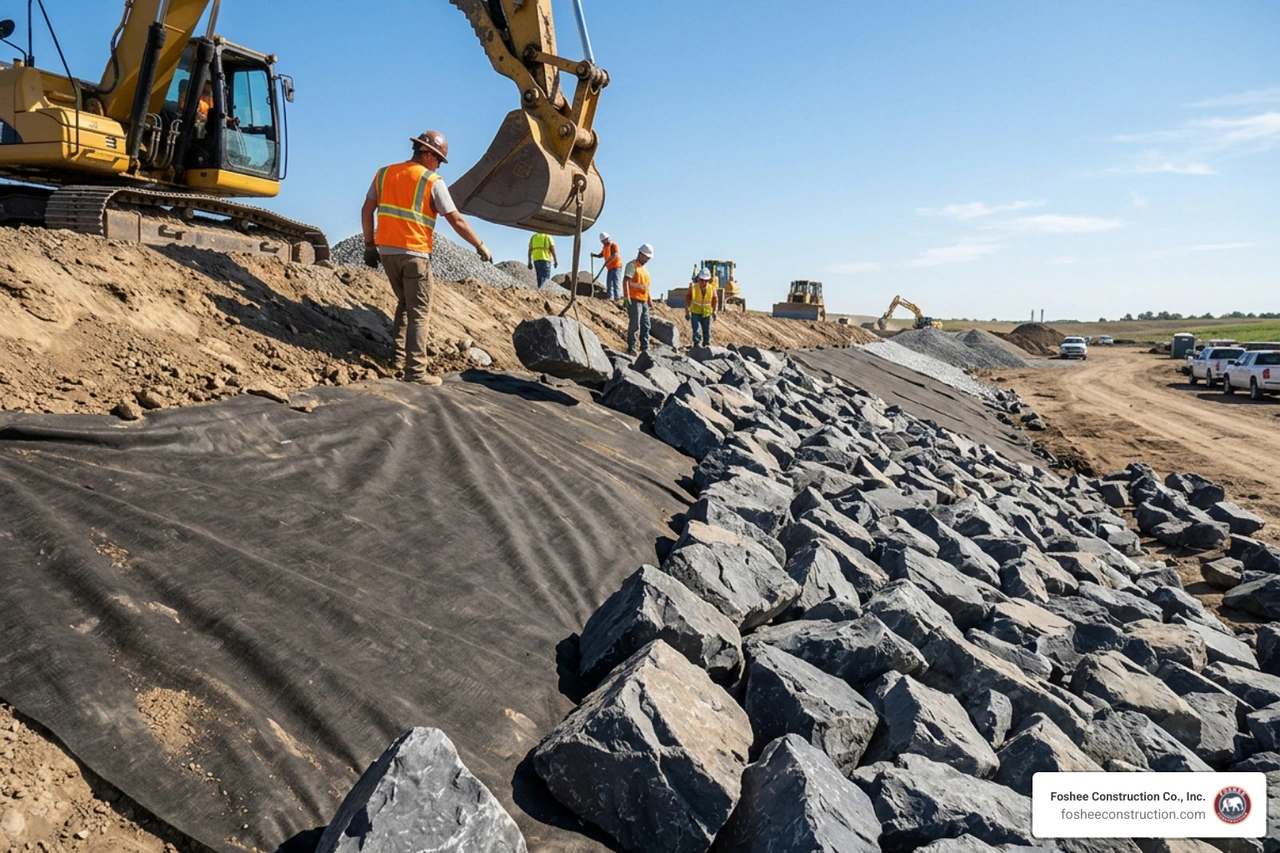
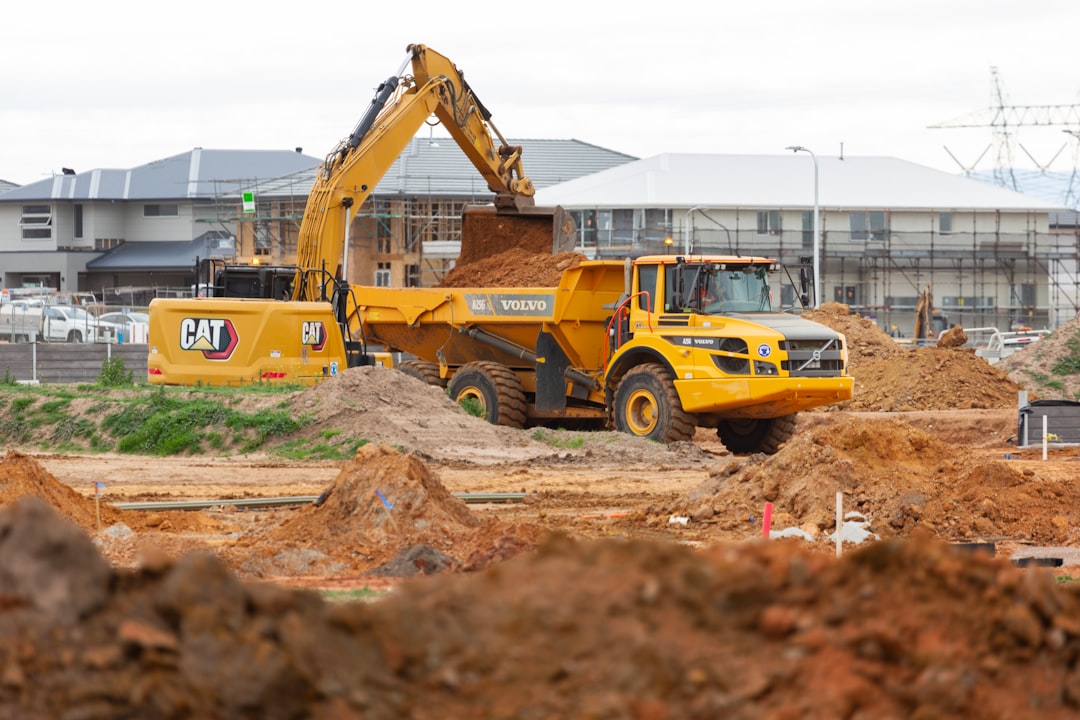
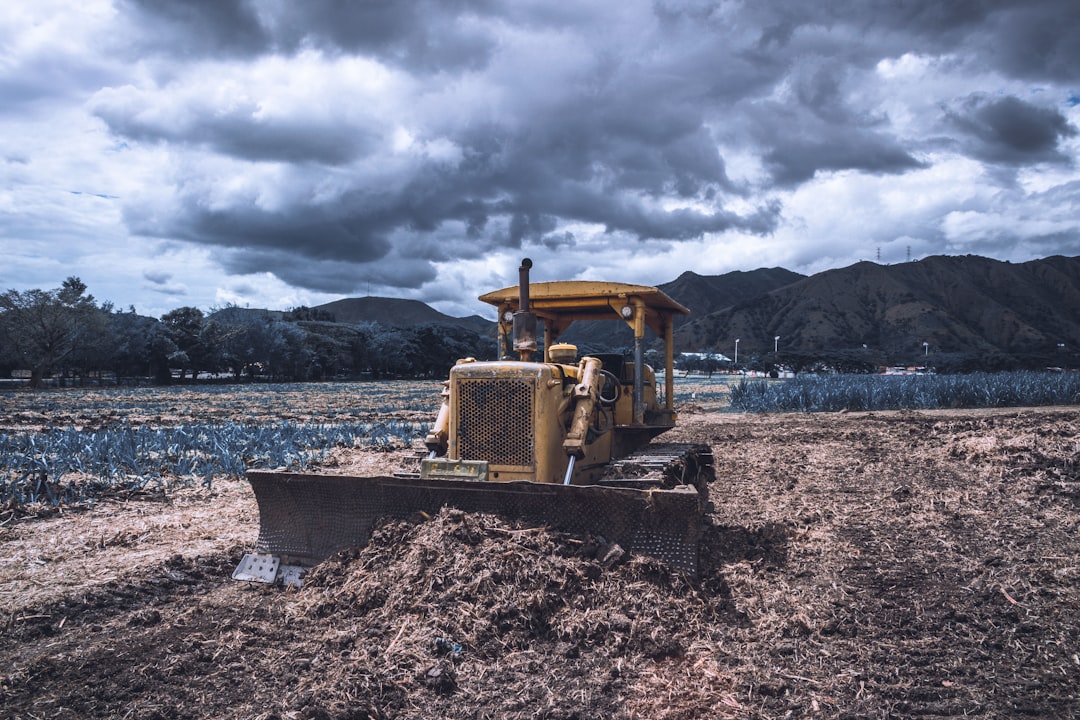
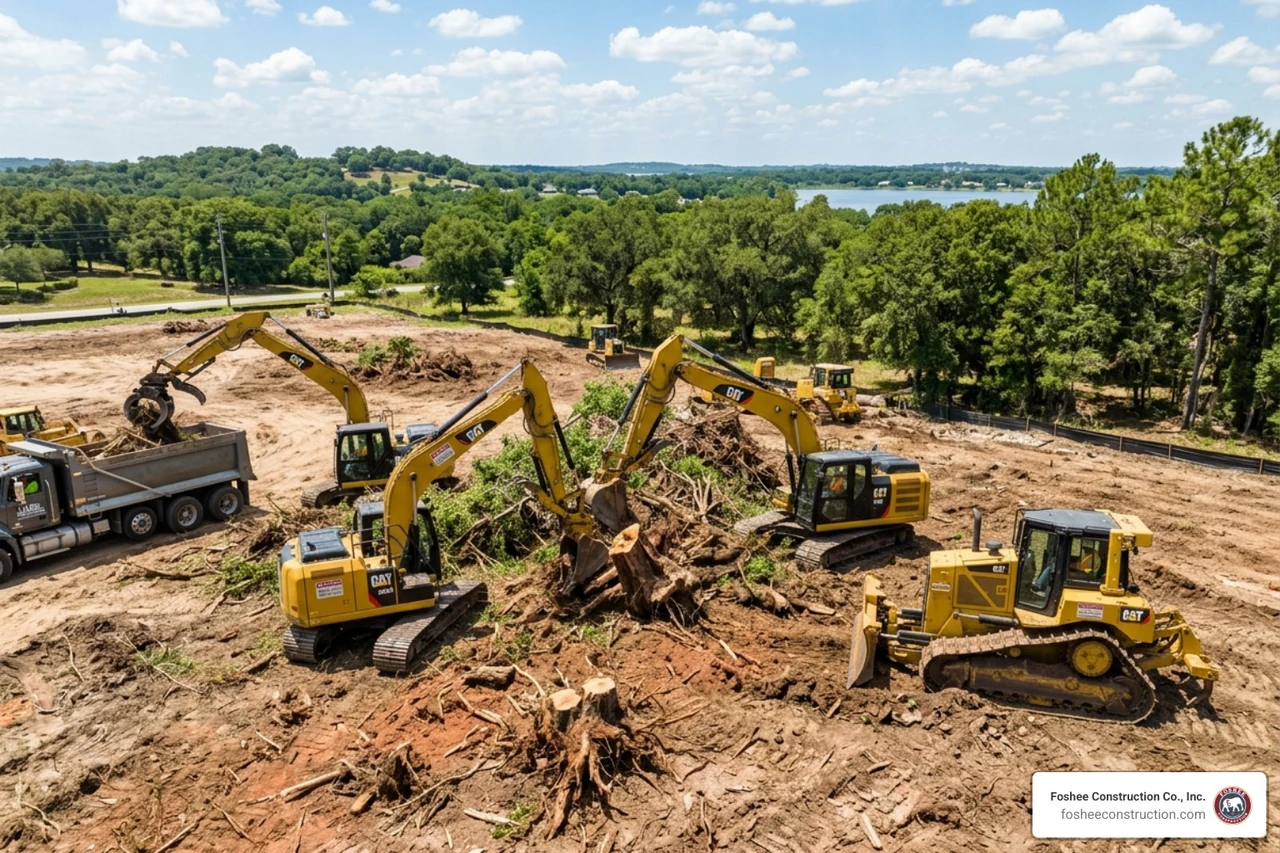
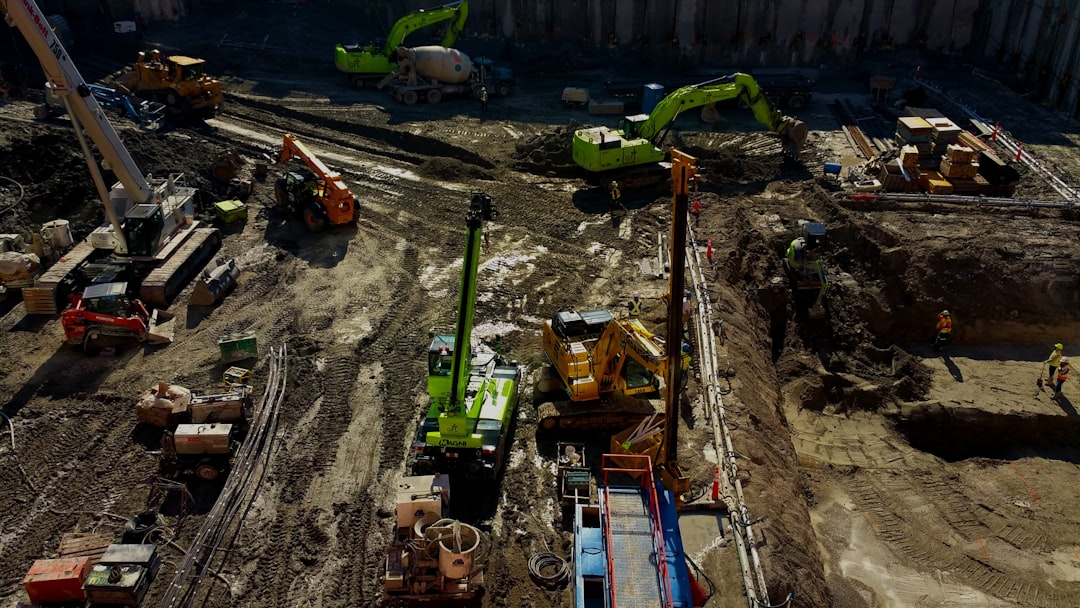
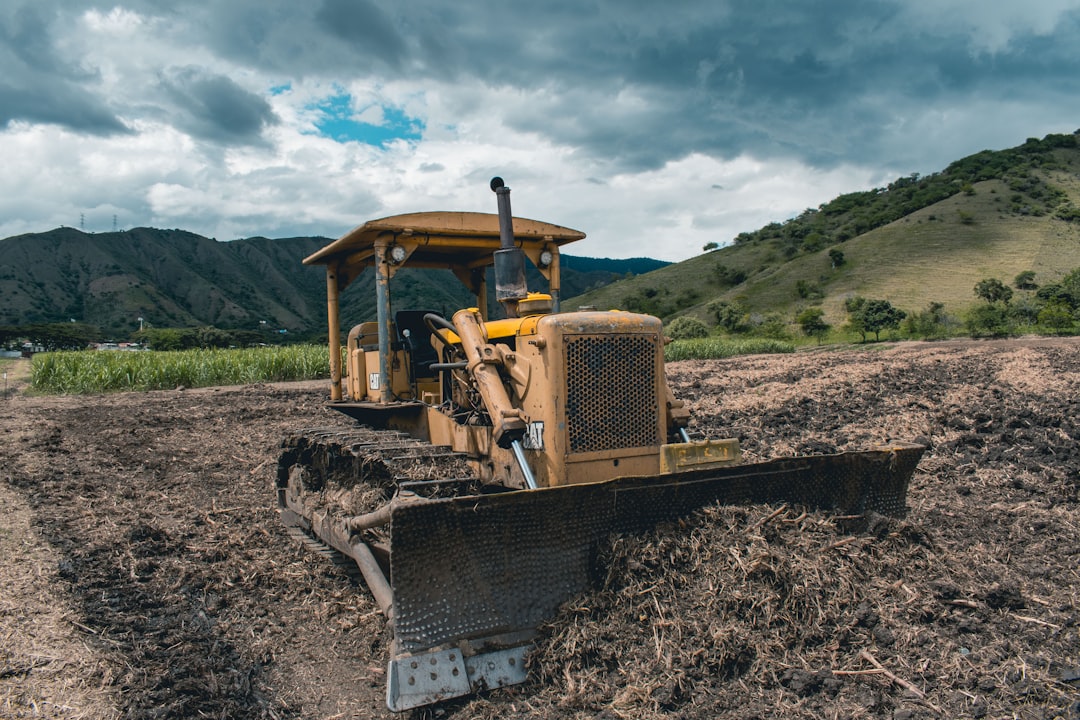
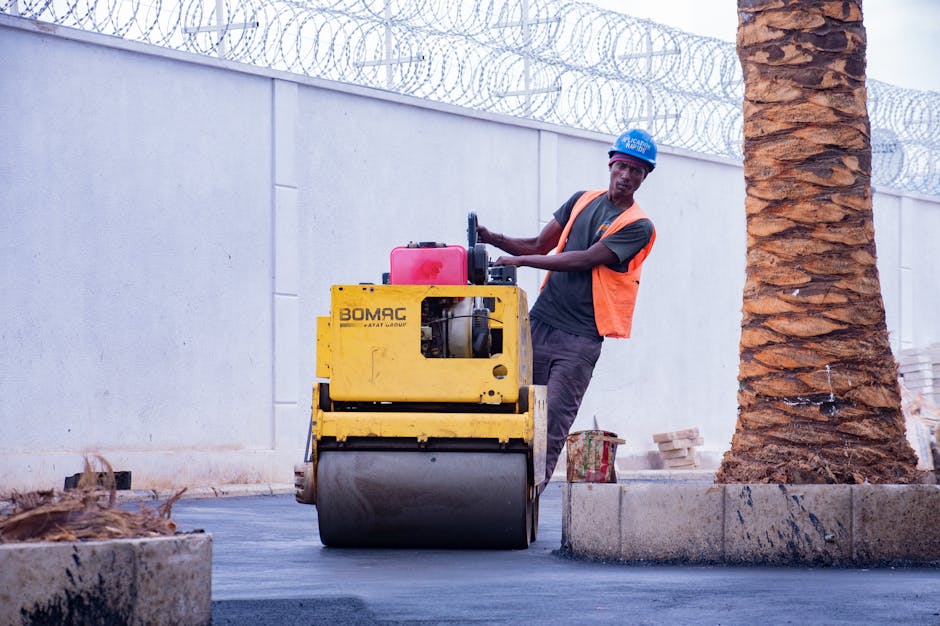
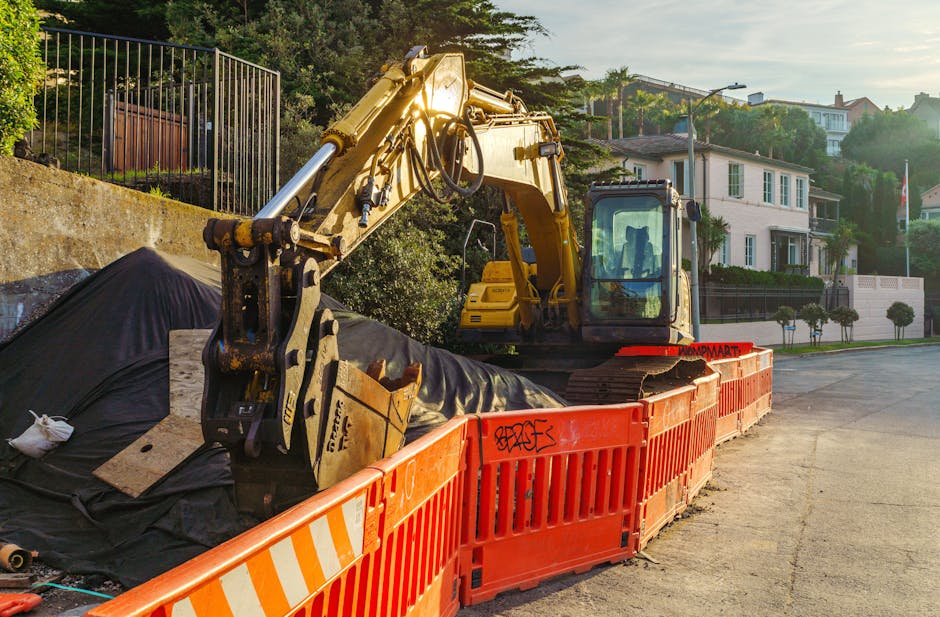
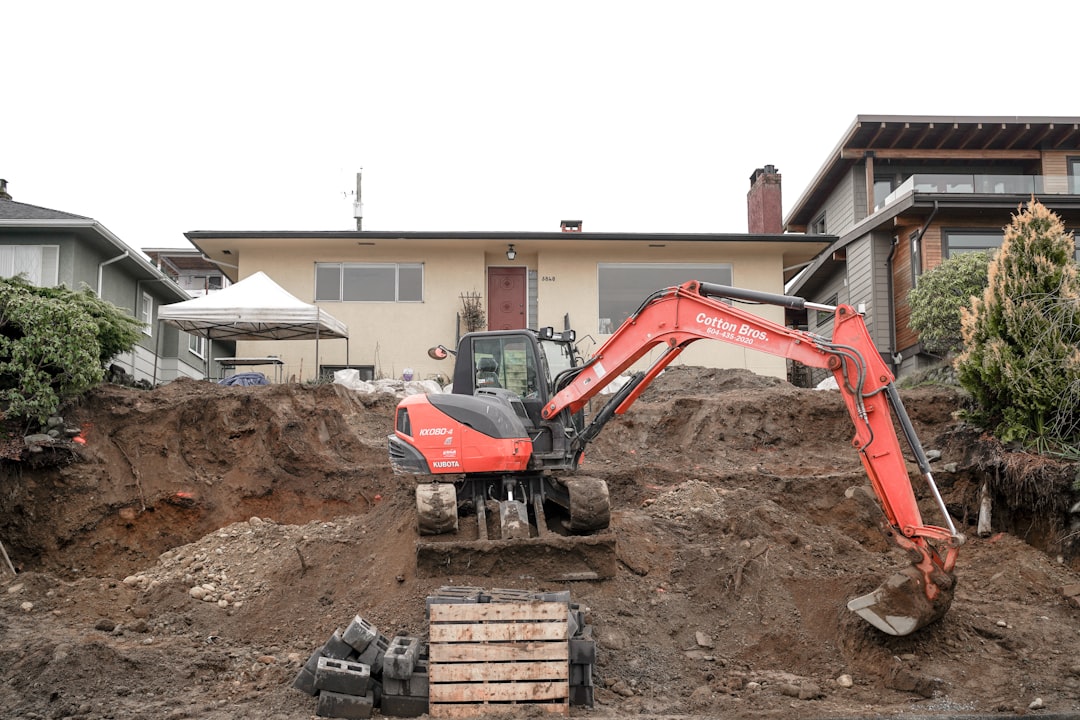
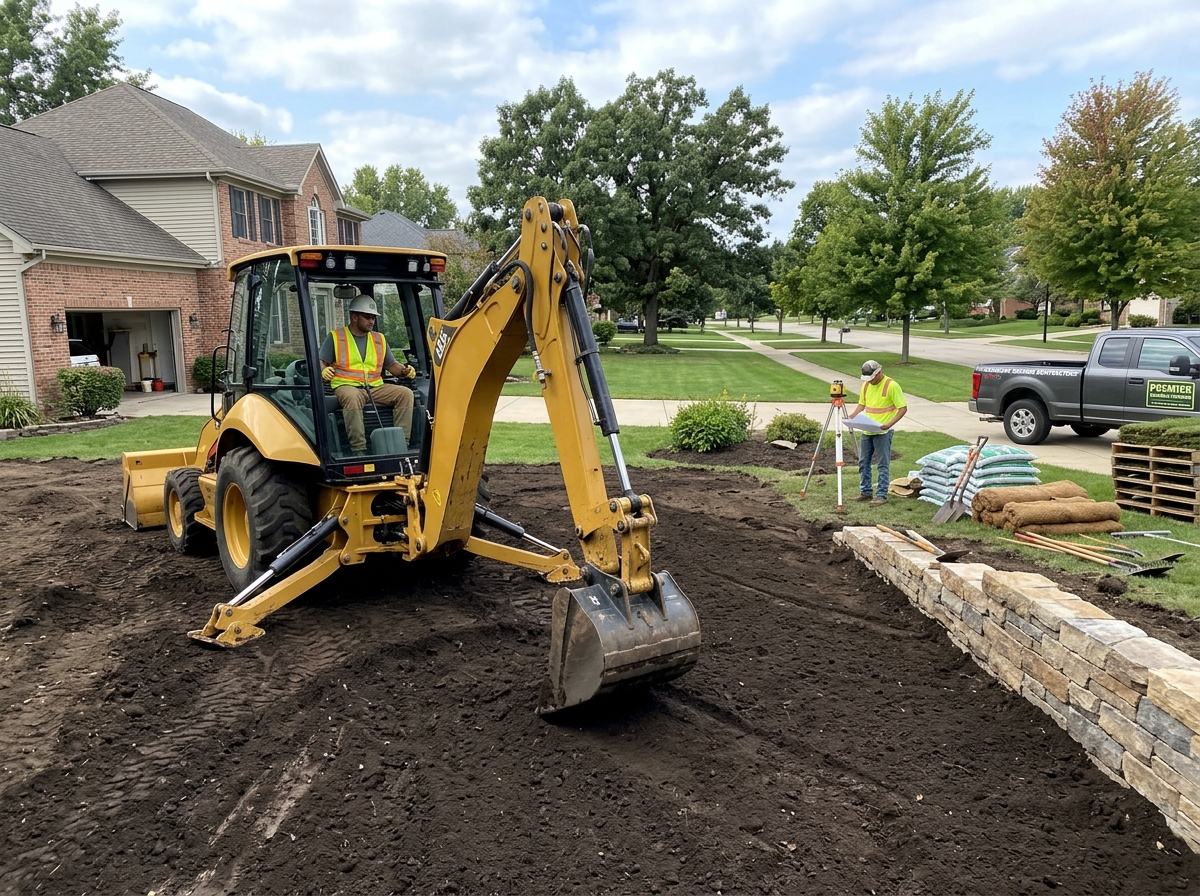
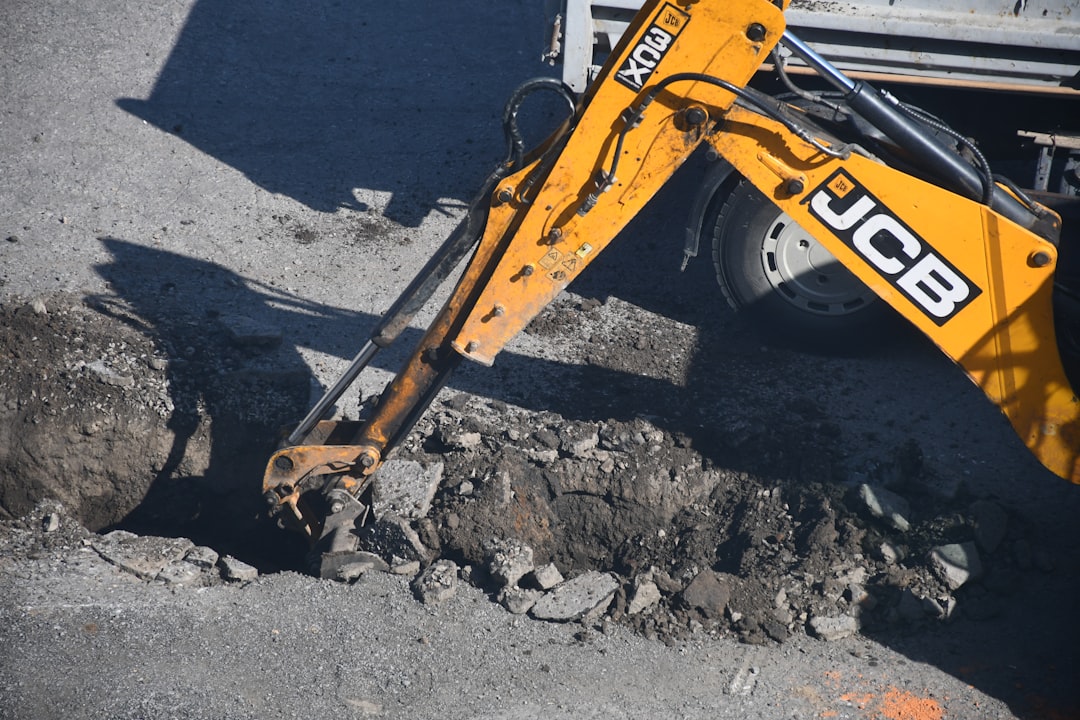
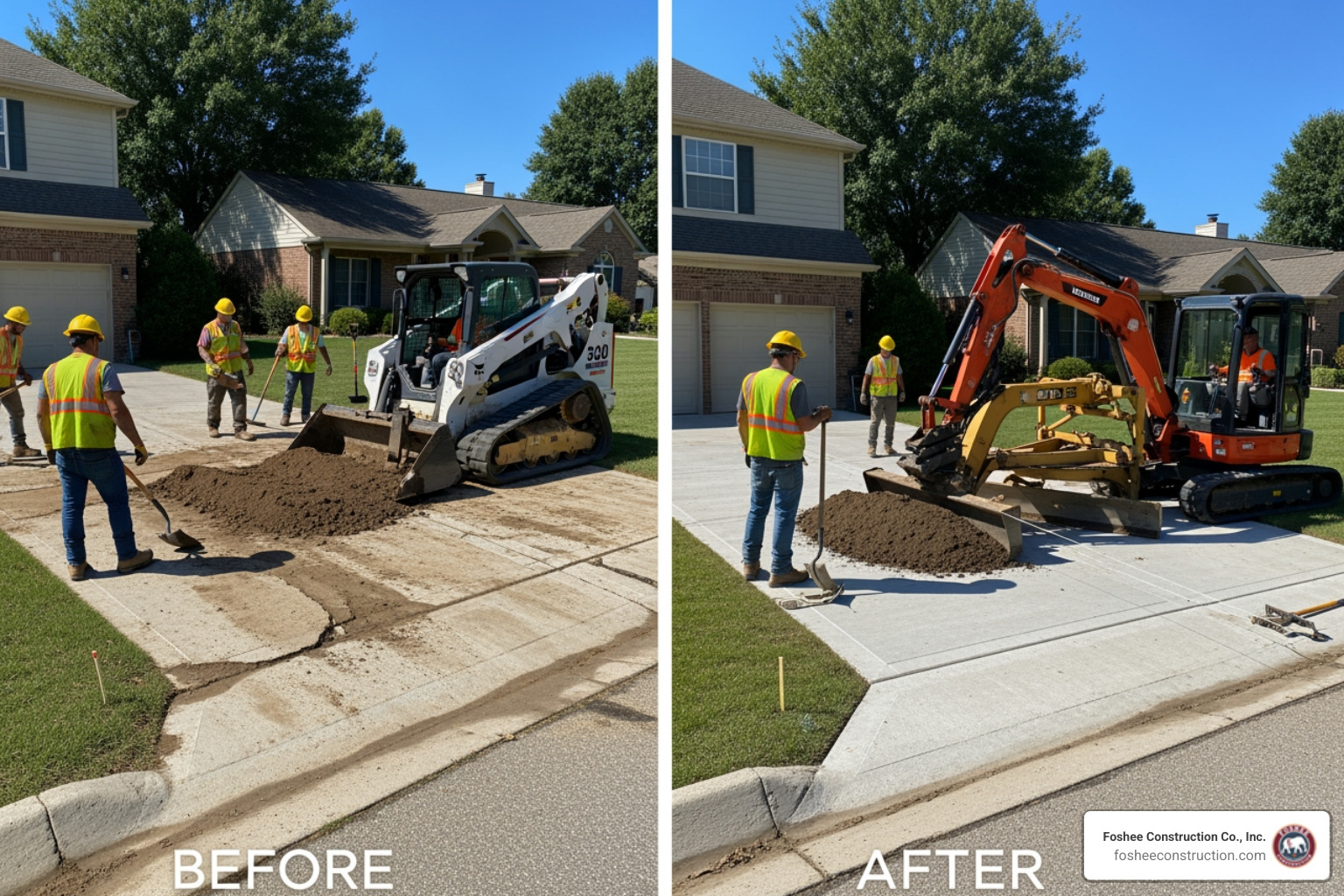
Executing this work requires specialized heavy equipment operated by skilled professionals. Depending on the scope of work, contractors deploy a mix of high-powered earthmoving machinery:
Before heavy machines ever drop their blades, complete clearing and grubbing must occur. You can learn more about how clearing pairs with earthmoving in our detailed guide on Land Clearing and Site Preparation.
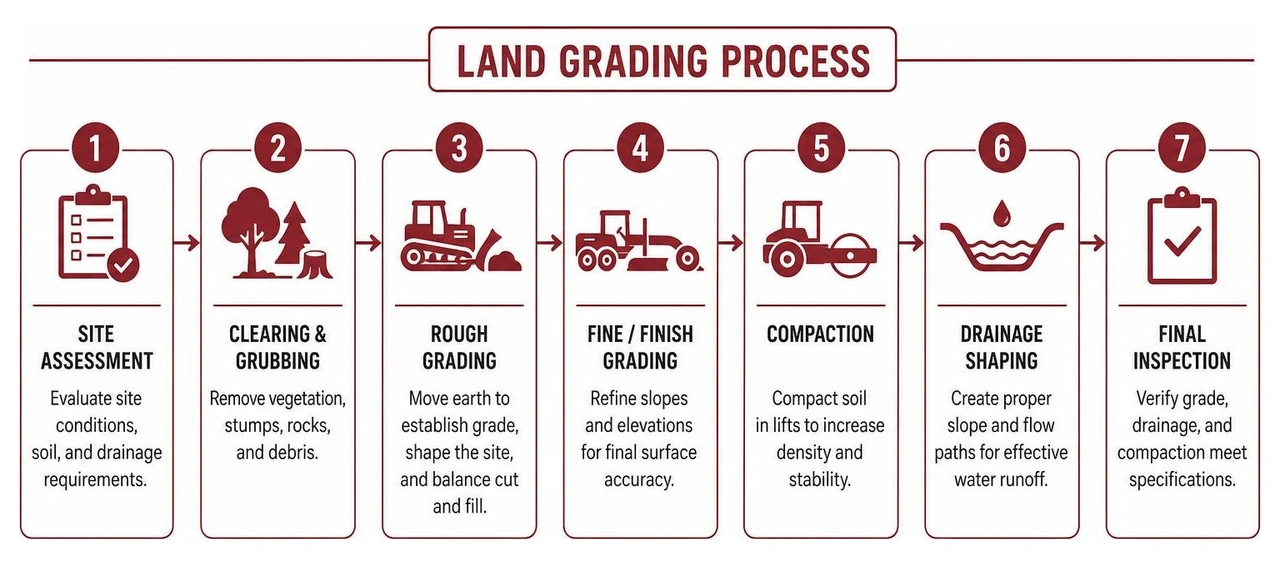
Land grading is completed in two primary, distinct phases: rough grading and finish (or final) grading. Each phase serves a specific purpose, utilizes different machinery, and requires different tolerance standards.
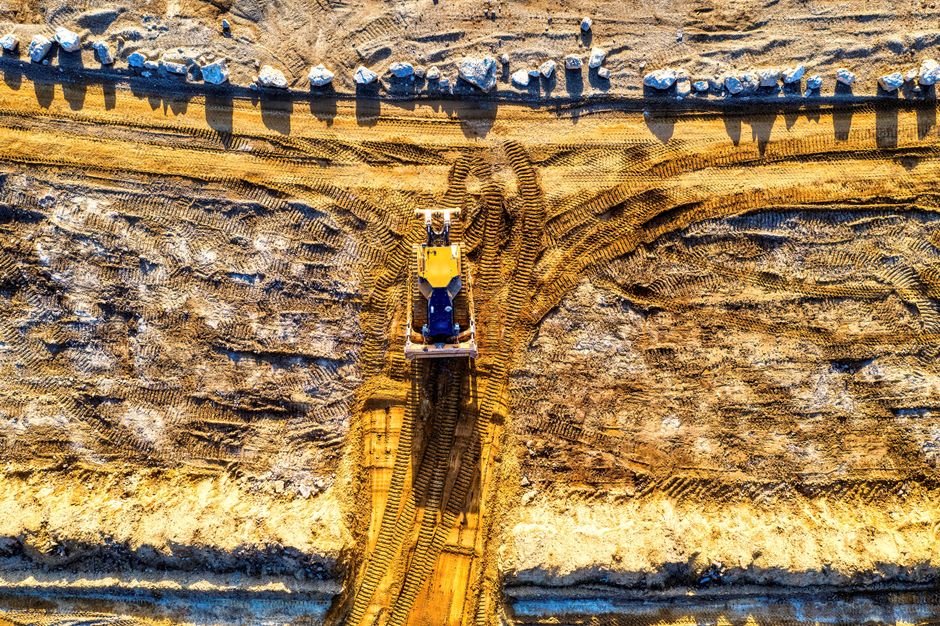
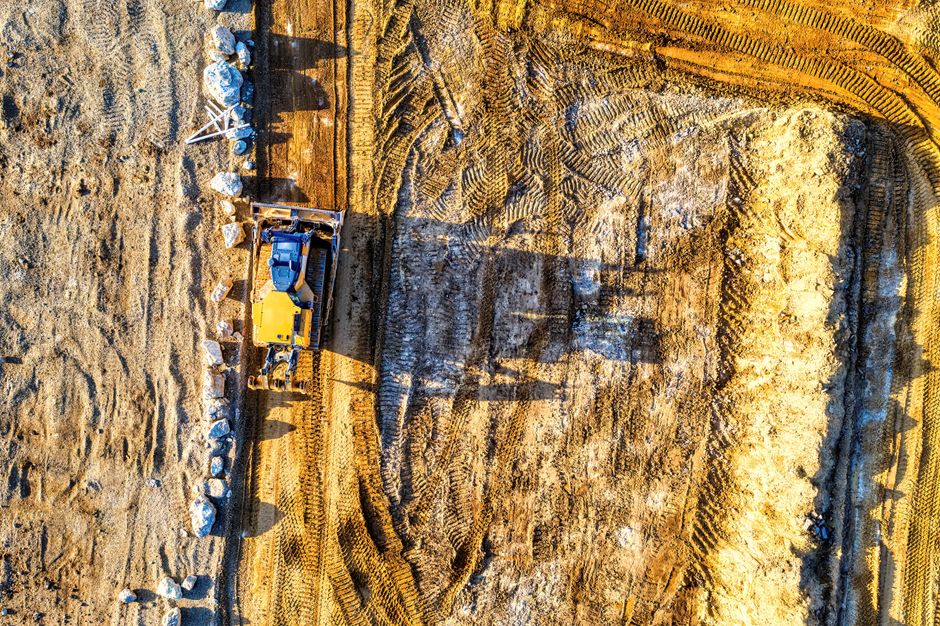
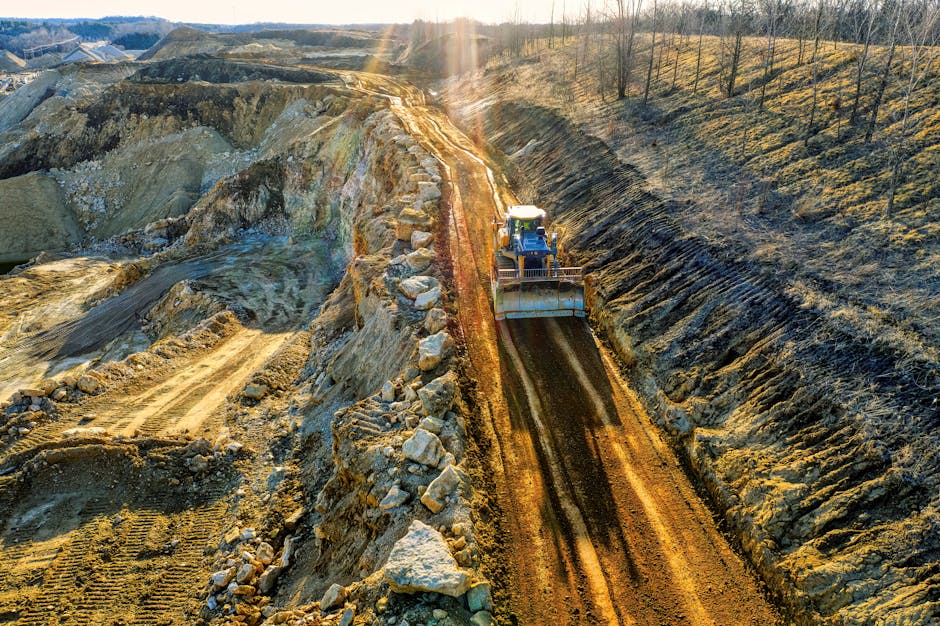
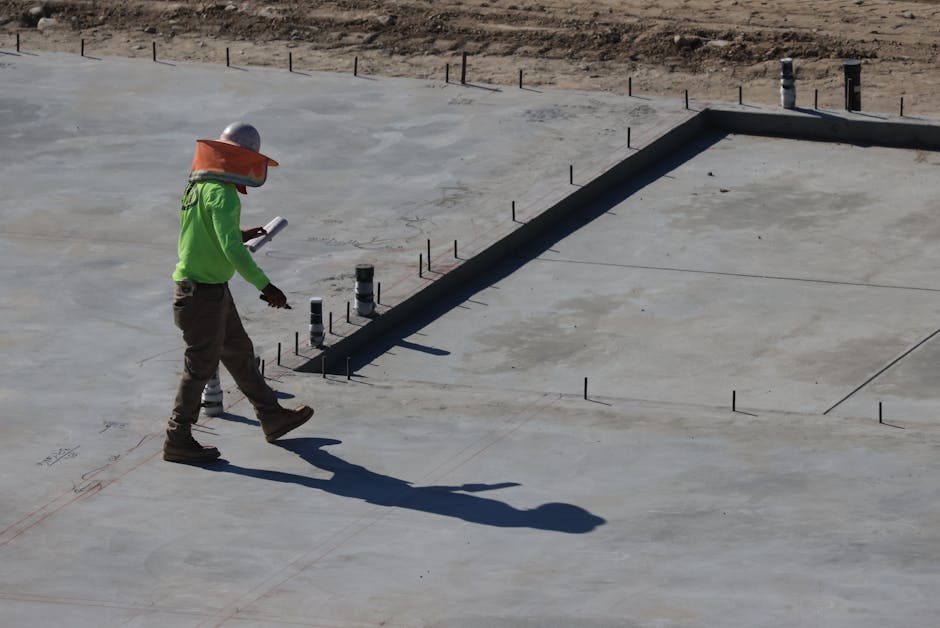
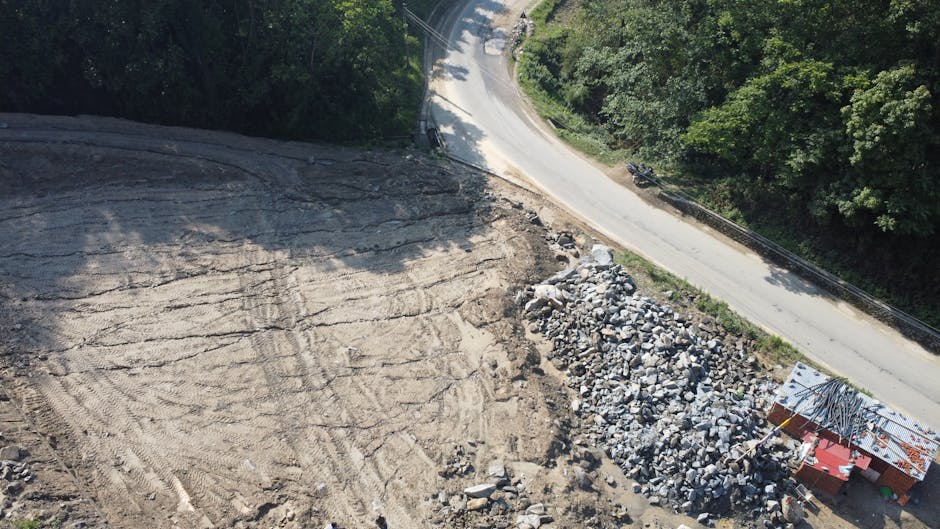
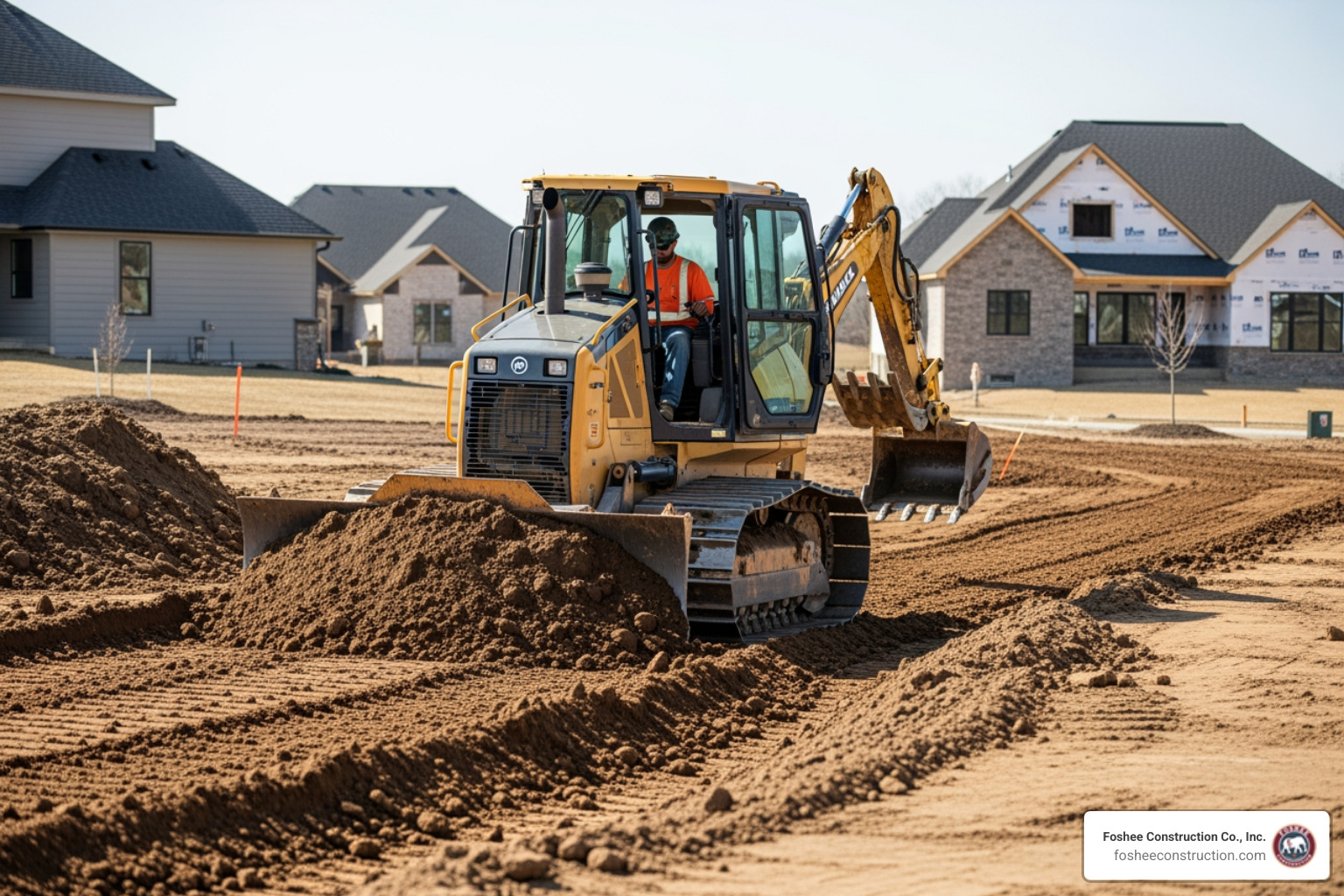
Rough grading focuses on mass earthwork and structural stabilization. During this phase, heavy machinery moves large volumes of dirt to establish the building pad's approximate shape, balance site cuts and fills, and compact subsoil layers to support structural loads.
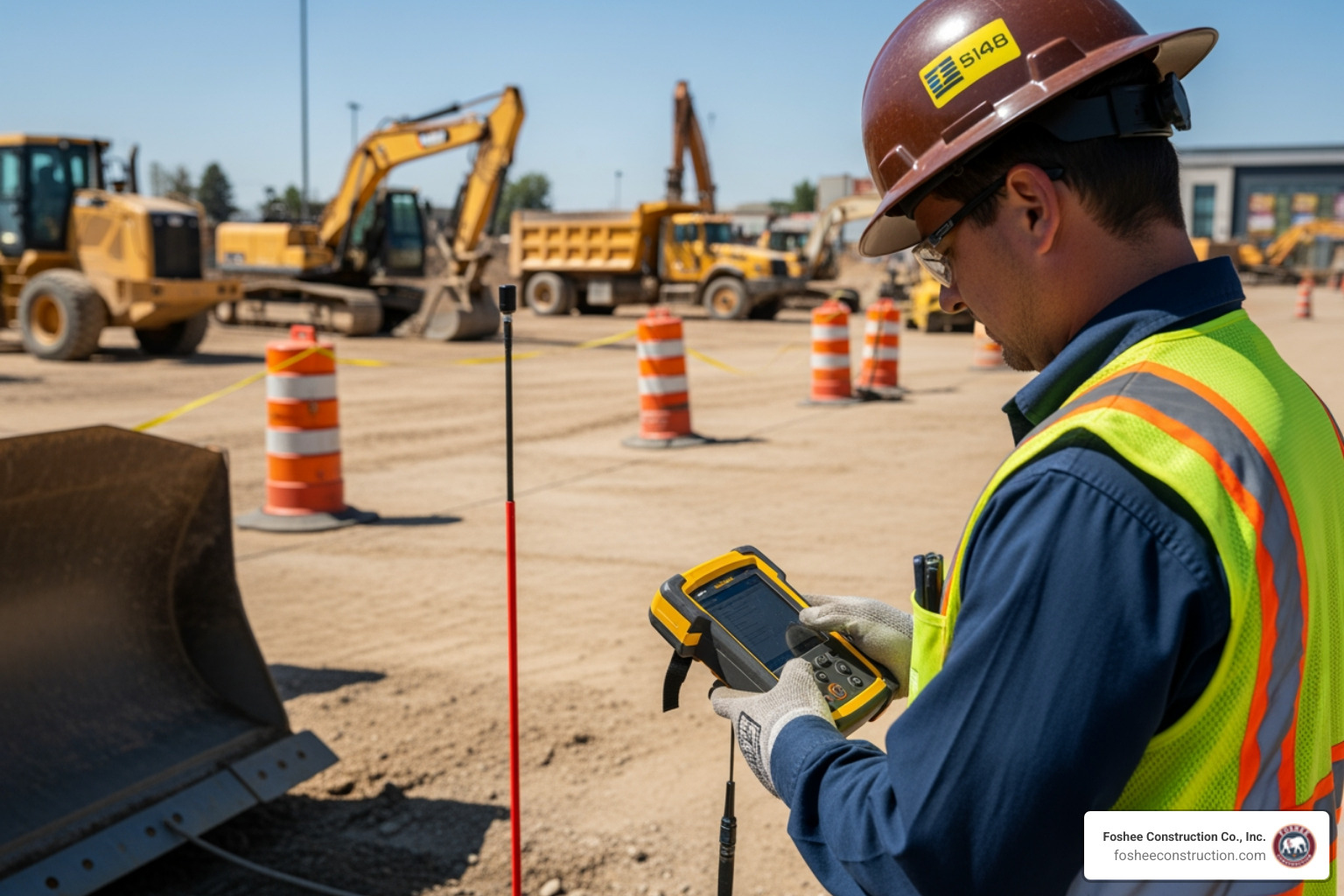
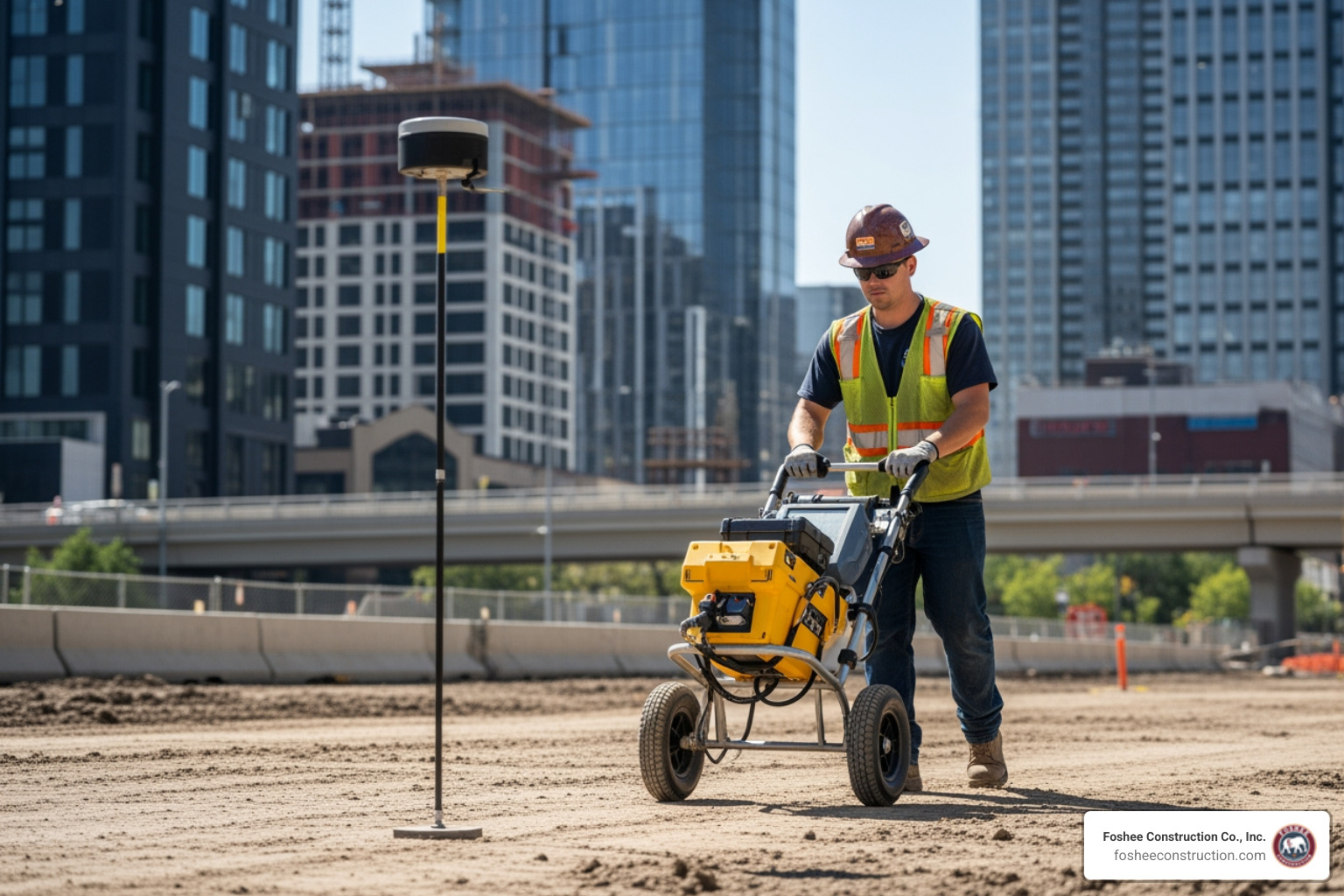
Finish grading, by contrast, is a fine-tuning phase. Operators sculpt topsoil within fractions of an inch to prepare surfaces for sod installation, asphalt paving, or concrete pours, ensuring flawless surface drainage away from structures.
| Feature / Phase | Rough Grading | Finish Grading |
|---|---|---|
| Primary Goal | Mass dirt movement, cut-and-fill balancing, building pad creation | Topsoil leveling, fine contouring, seedbed or flatwork preparation |
| Machinery Used | Heavy bulldozers, large excavators, scrapers, padfoot rollers | Motor graders, skid steers, laser-guided boxes, smooth drum rollers |
| Target Soil Layer | Deep native subsoil and fill material | Topsoil layer (usually top 2 to 6 inches) |
| Precision Standard | Within 0.10 to 0.20 feet (rough contours) | Within 0.25 inches (strict tolerance) |
| Timing in Project | Initial site preparation phase before structural foundations | Final sitework stage before landscaping or paving |
For a complete breakdown of contractor roles during site prep, consult our Grading Contractors Complete Guide.
Every site presents unique terrain, soil moisture, and structural requirements. When searching for land grading contractors near me, you will encounter several key specialized services tailored to specific project goals:
Budgeting accurately for sitework requires understanding how earthmoving costs are structured across Central Florida. Project pricing varies substantially depending on job scope, acreage, material needs, and equipment mobilization.
General landscaping projects across the region average around $3,500, though broader project scopes range anywhere from $200 for minor touch-ups to $14,000+ for extensive site overhauls. Standard labor rates for general crews run between $25 and $50 per person per hour (translating to roughly $50 to $100 per hour for a typical two-person crew).
However, full-scale site preparation with heavy equipment is calculated on a square-foot, per-acre, or fixed-bid basis:
To explore deeper financial planning for dirt work, read our comprehensive Land Leveling Contractors Guide 2026.
Several critical variables influence the ultimate cost and timeline of your grading project:
To prevent costly flooding or erosion fines, ensure your project involves a qualified Grading and Drainage Contractor.
It can be tempting for property owners to consider renting a skid steer or mini-excavator to grade land themselves. While DIY efforts might seem cost-effective for minor tasks like spreading mulch or planting grass, operating heavy machinery for structural dirt work carries major risks.
Renting heavy equipment without extensive operating experience often leads to dangerous accidents, damaged underground utilities, over-excavation, and incorrect slopes that actively direct water into foundations. In fact, renting machinery often ends up costing more than hiring a pro once rental fees, fuel, transport, and fix-it labor are factored in.
Hiring professional land grading contractors near me provides significant operational advantages:
Learn more about selecting qualified sitework crews by reviewing our guide on Site Preparation Contractors.
Finding the right sitework partner requires asking targeted questions and verifying credentials before signing a contract. A beautiful building plan is worthless if the dirt underneath it is unstable or poorly drained.
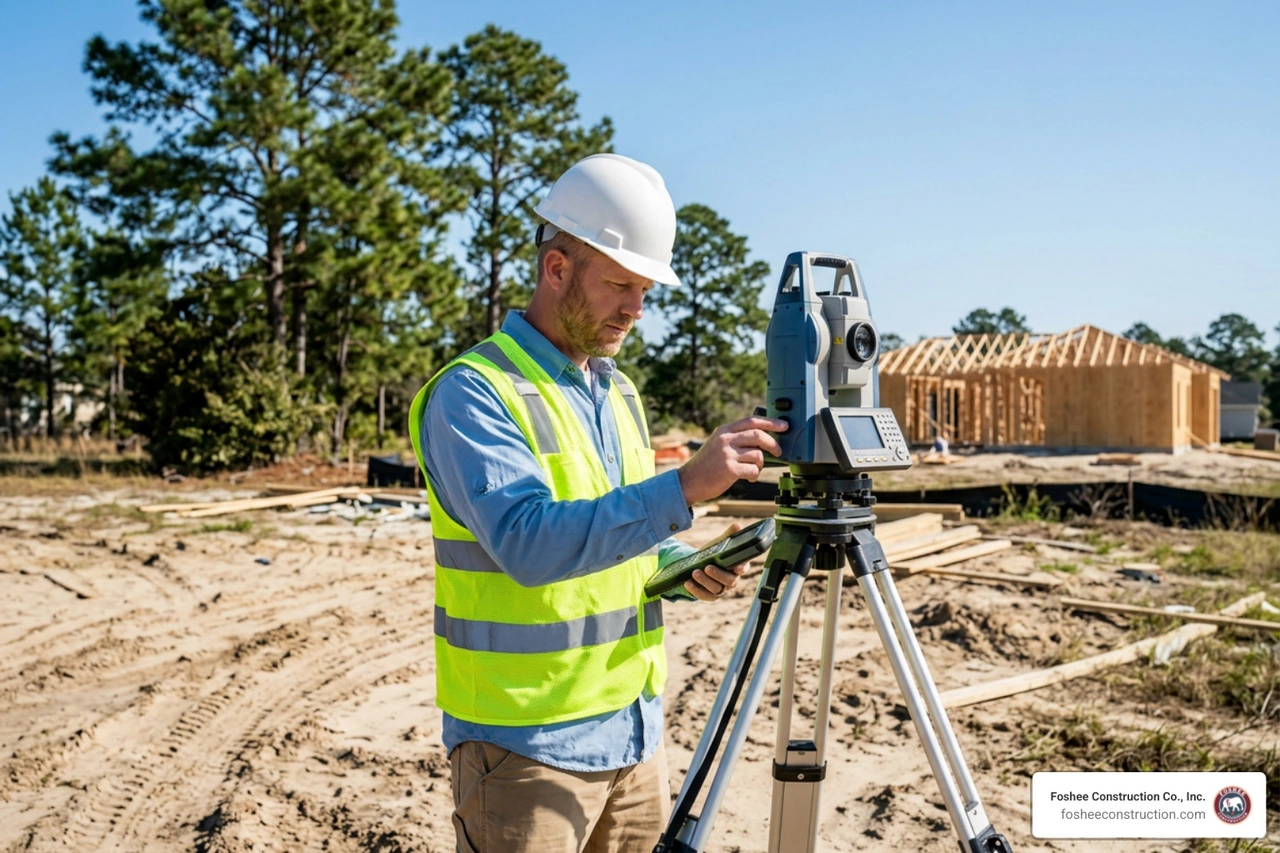
When evaluating land grading contractors near me, always demand transparency regarding licensing, insurance, equipment fleets, and earthmoving experience in Central Florida.
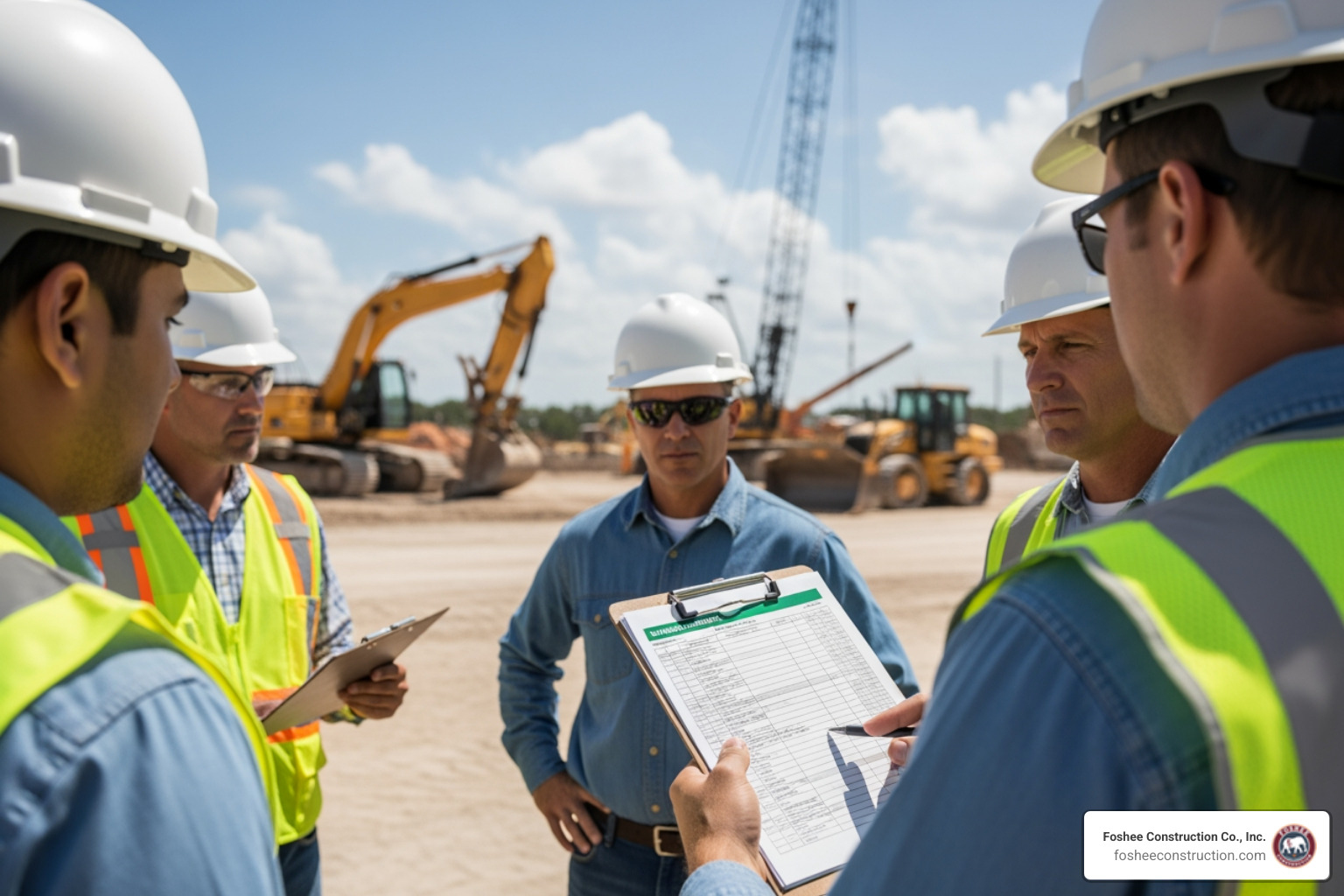
Use this practical vetting checklist to interview and evaluate prospective grading companies:
Before committing, compare different types of earthmoving and asphalt specialists in our detailed review of Grading and Paving Companies Near Me.
To streamline your search for high-quality grading companies, leverage multiple reliable channels:
Land grading costs vary based on scope, but general site projects average around $3,500, with broader scopes ranging between $200 and $14,000+. Minor lawn leveling or topsoil spreading typically ranges from $1,000 to $3,000. Full-scale land clearing and mass grading for custom home sites realistically start around $6,000 per acre depending on tree density, slope, and fill dirt requirements. Standard labor rates for sitework support crews run between $25 and $50 per person per hour ($50 to $100 per hour for a standard two-person crew).
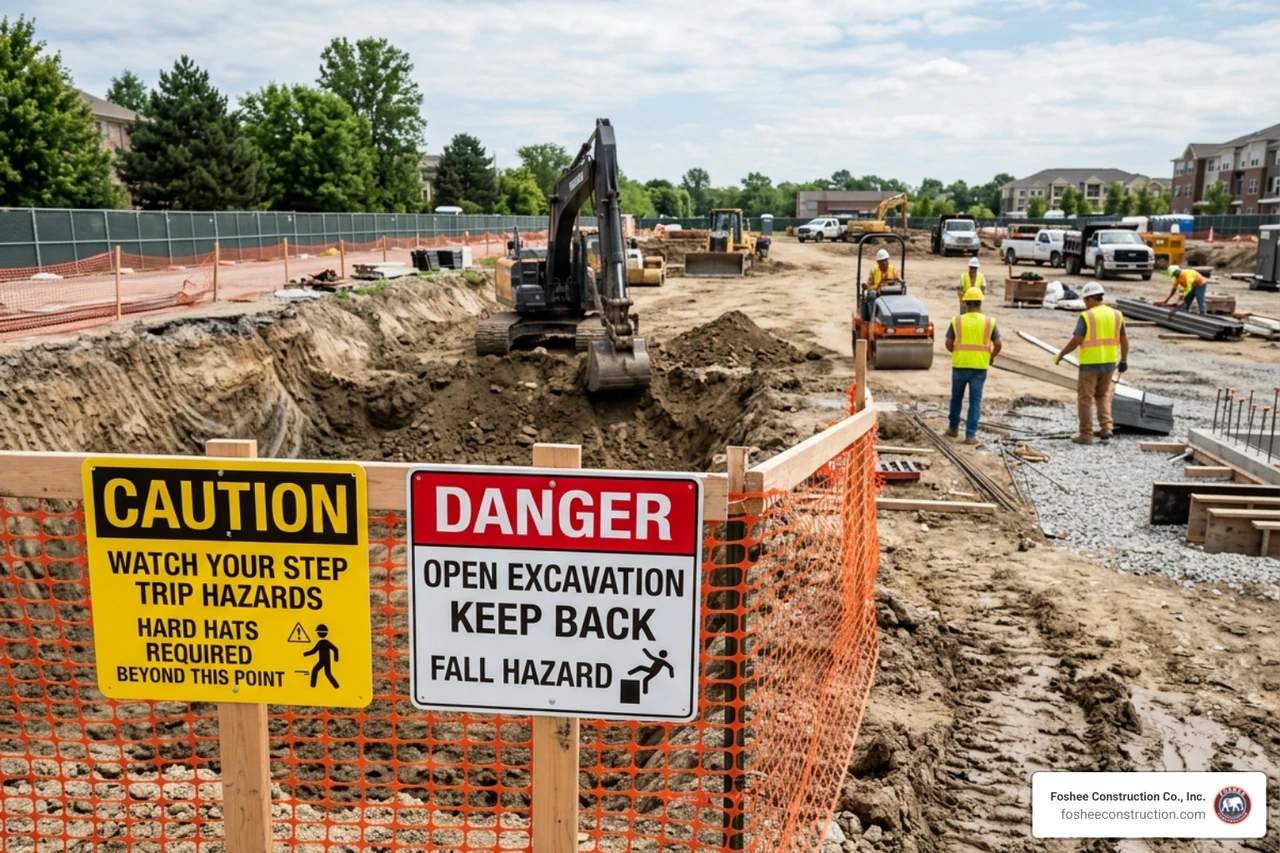
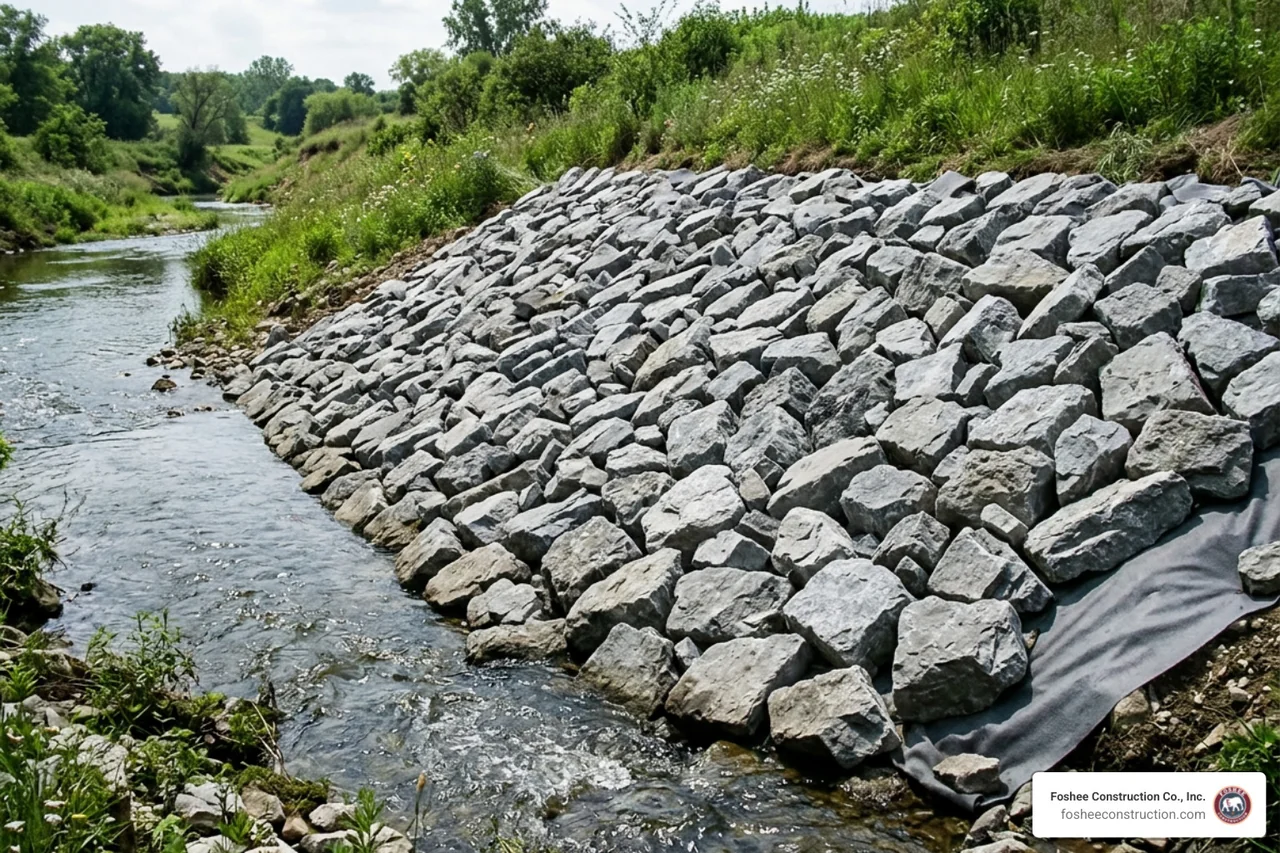
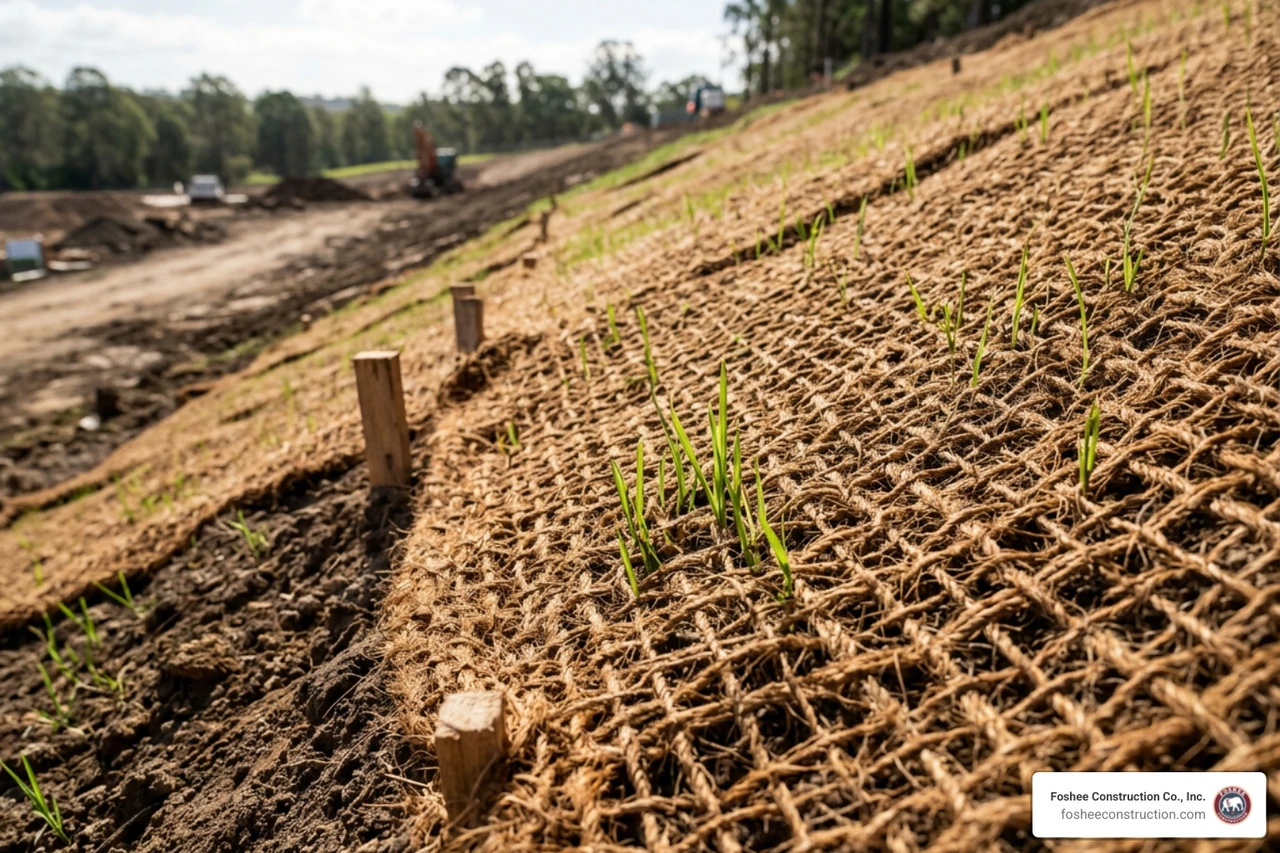
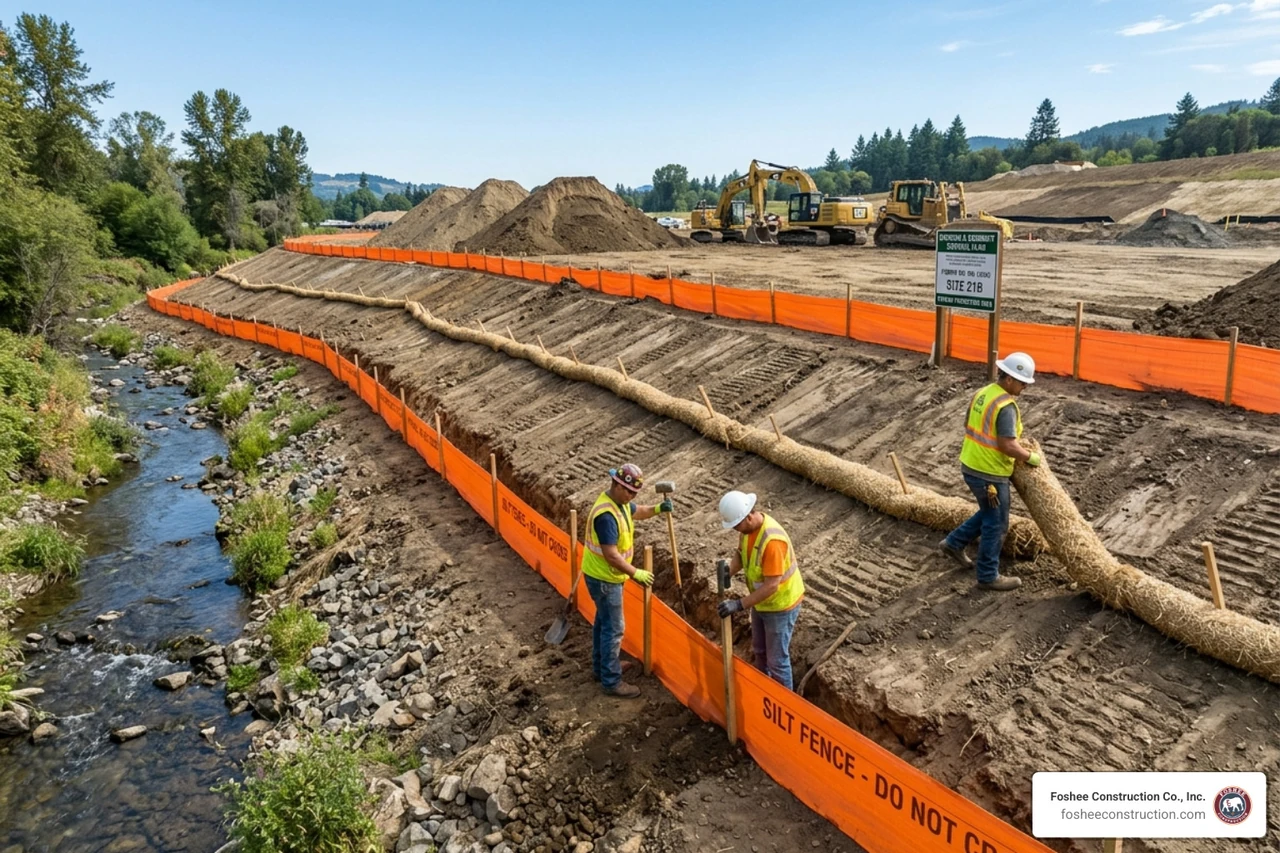
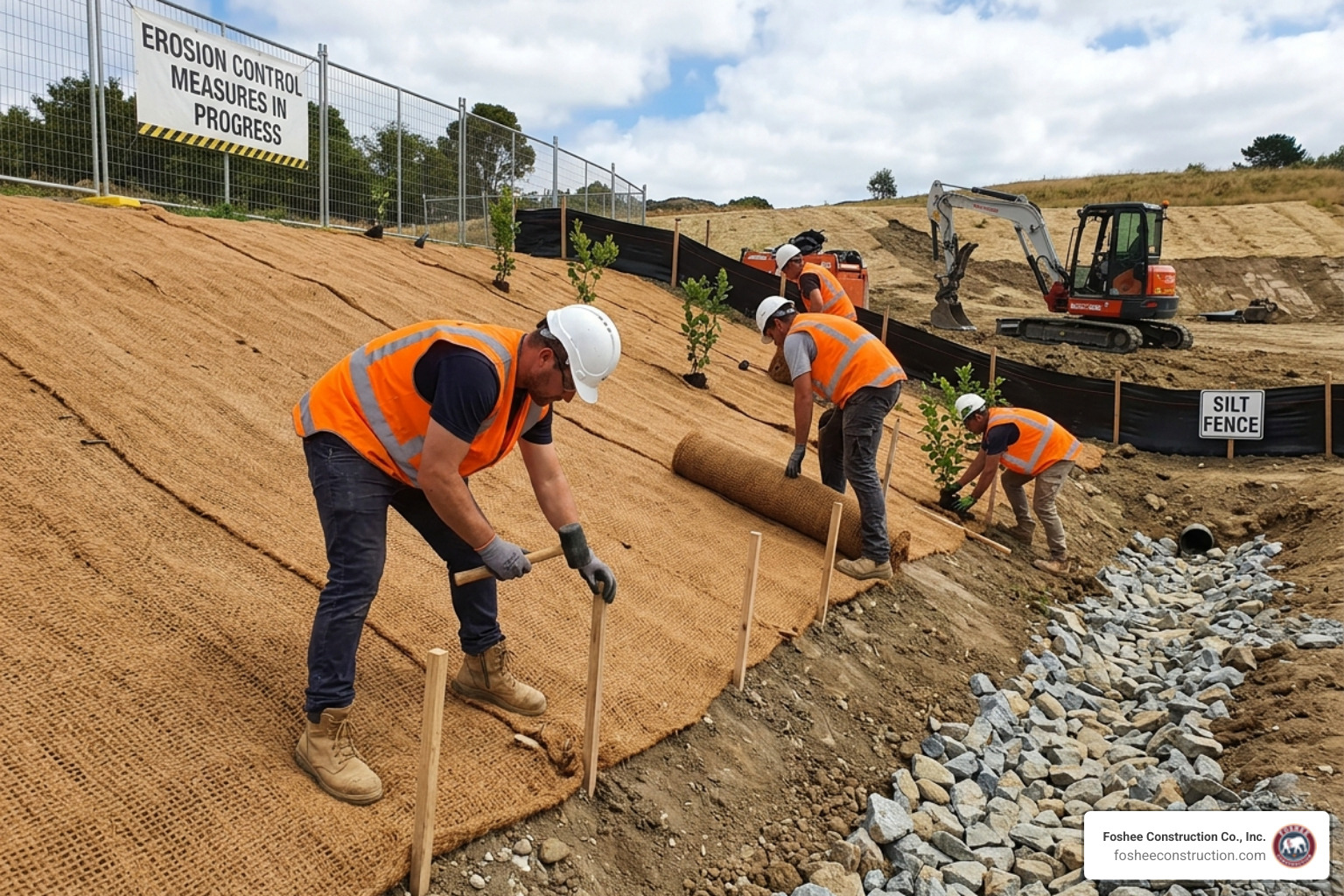
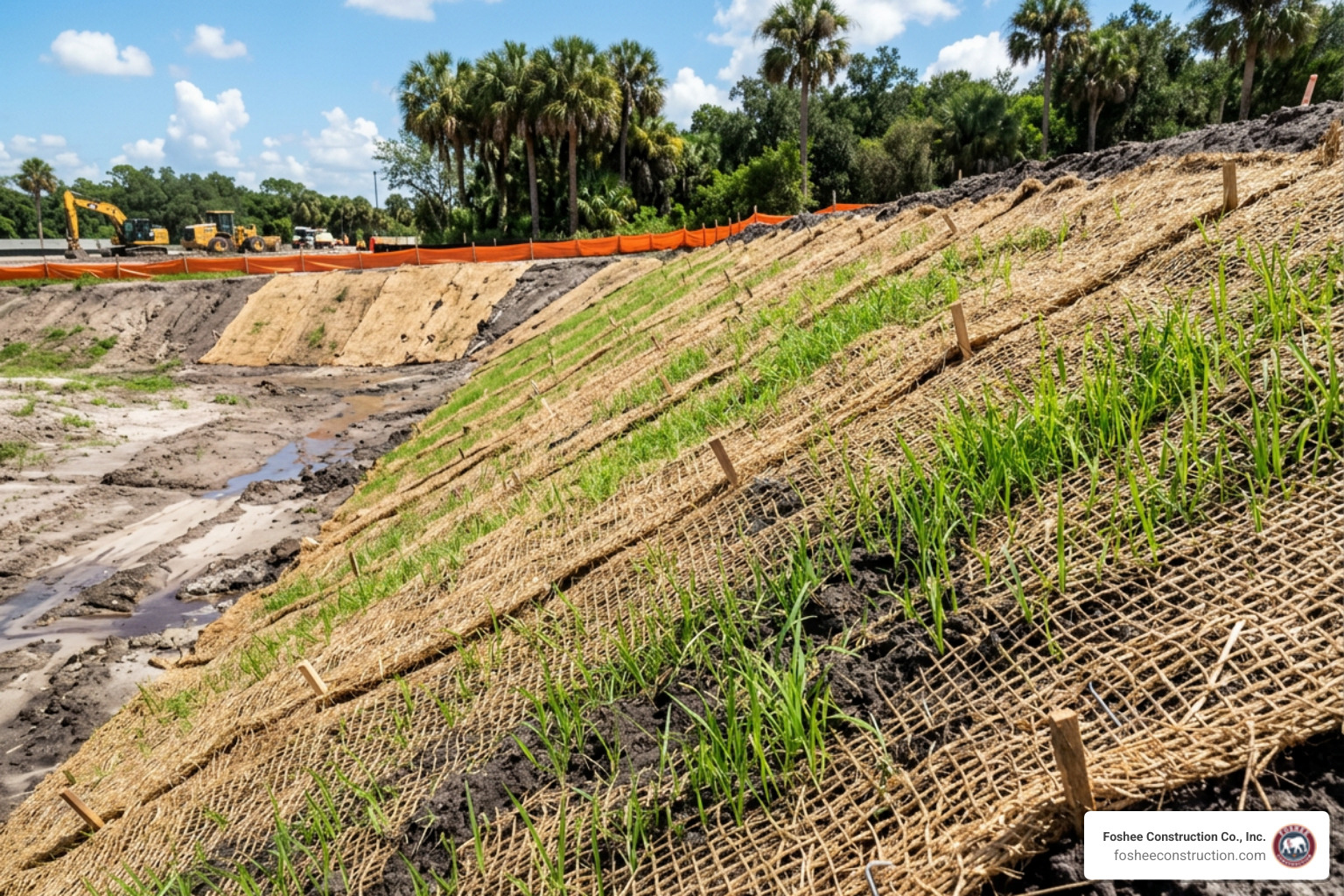
In most Florida municipalities, minor aesthetic yard maintenance does not require a permit. However, extensive site alteration, building pad construction, mass cut-and-fill operations, or work affecting natural drainage channels usually requires local land alteration and stormwater permits. Contractors must also implement required erosion control measures, such as silt fencing, to prevent sediment runoff into nearby water bodies or adjacent lots.
A standard residential yard leveling or driveway grading project usually takes between 1 and 3 days. Constructing building pads, clearing multi-acre lots, or executing commercial site prep can take anywhere from 1 to 2 weeks depending on weather conditions, soil moisture levels, equipment availability, and permitting approvals.
Successful building projects start with solid groundwork. Hiring top-rated land grading contractors near me guarantees your building pads are stable, your driveways are durable, and your entire site drains water safely away from valuable structures.
At Foshee Construction Co., Inc., based in Minneola, Florida, we bring decades of specialized Central Florida site development experience to every project. Whether you need initial land clearing, precision site grading, erosion control, or underground utility installation, our team delivers transparent bids, disciplined scheduling, and uncompromised safety.
Ready to prepare your site with a reliable partner? Learn more about our background and capabilities at Why Foshee Construction Co., Inc. and get your project moving on solid ground today.
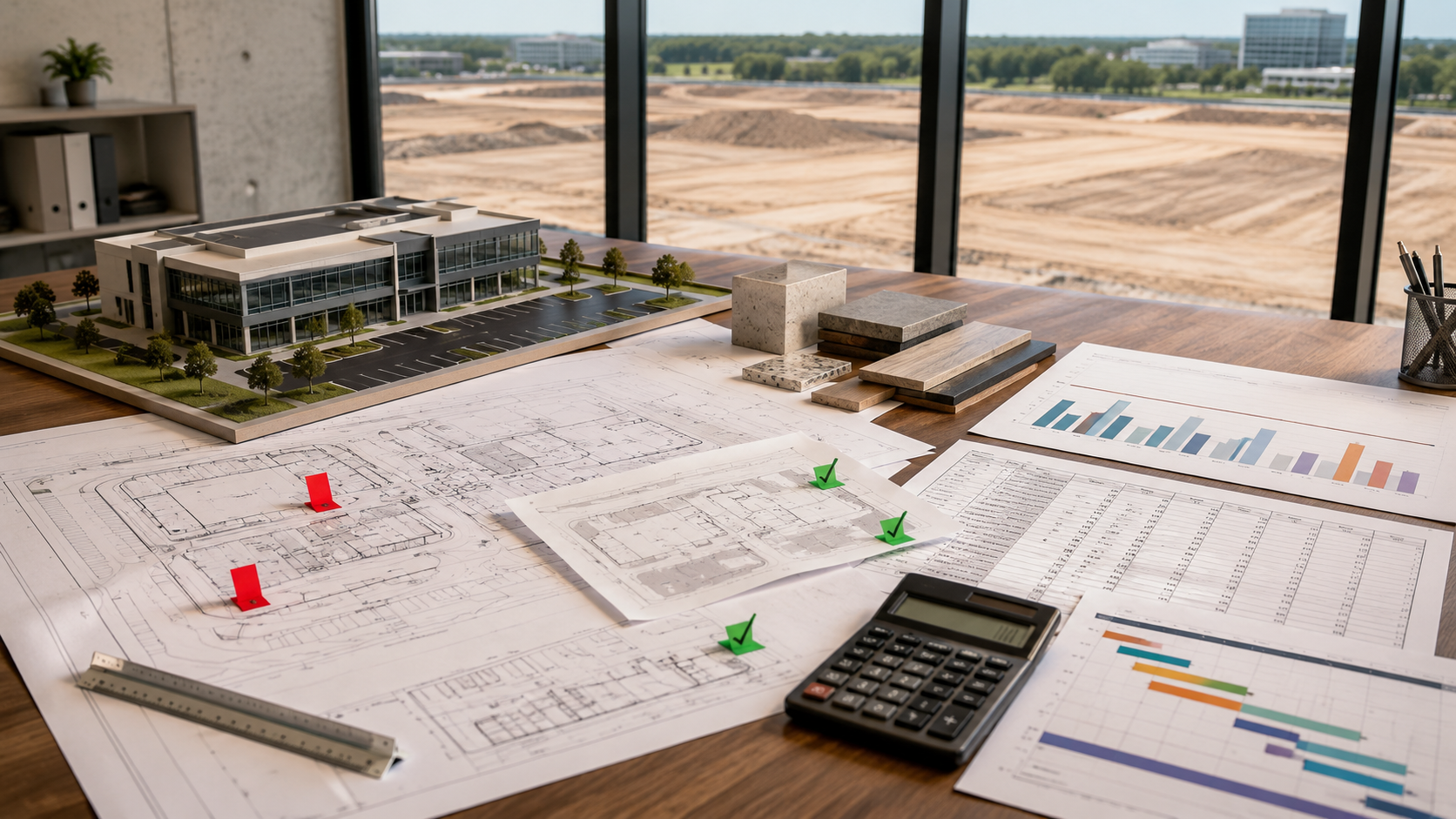
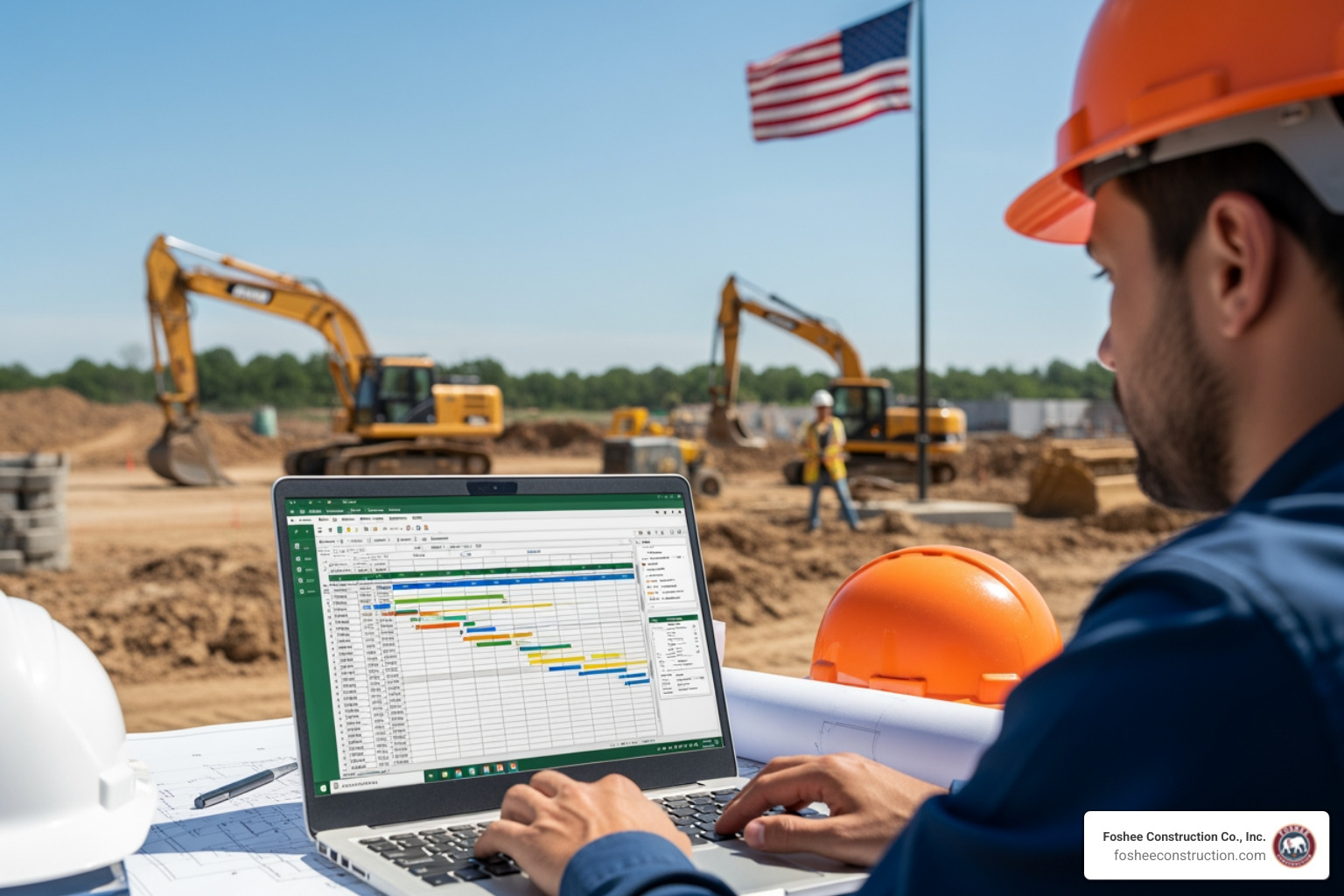
We build bids using HeavyBid and AGTEK because the details matter long before the job starts. When the numbers are accurate and the scope is clearly defined, it sets the tone for how the entire project runs. Estimating isn’t just a step in the process, it’s the foundation we build on.
That same mindset carries into the field. Our crew is trained to work with purpose, follow the Civil Engineers’ Plan to the finest detail, and hold the line on quality. When expectations are clear from day one, there’s no need for shortcuts, and no confusion about how the work gets done.
Clients trust our bid packages because they’re complete and ready to use. Project managers know what we’re covering, what’s excluded, and how we plan to approach the job. That clarity removes friction and lets teams focus on execution instead of interpretation.
As part of our review process, we go into the plans before anything hits the site. We ask the questions early, resolve issues before they show up in the field, and keep RFIs moving. This approach prevents delays and protects the timeline.
Over time, that consistency builds trust. Many of the people we work with today came through referrals from past projects – engineers, GCs, and superintendents who’ve seen how we operate and want the same experience again.
In 2024, Foshee Construction was acquired by Saga Infrastructure Solutions, a national network of civil construction companies. Saga supports regional contractors by giving them access to better tools, long-term resources, and operational backing, without changing how they run day to day.
Foshee will continue to operate under its name, with the same team and field leadership in place.
“From the very time a project starts, we start that partnership. We try to catch as much as we can with the tools that we have. Not everybody is using the software platforms we are. That’s the differentiator: we’re not just bidding. We’re anticipating, problem-solving, and making sure the job runs right.”
— Don, CEO, Saga Infrastructure Solutions
Foshee is now part of a broader regional strategy that includes Florida, the Piedmont Atlantic, Texas, Colorado, and the Arizona Sun Corridor. The name, crews, and standards remain. What’s improving is the support behind it.