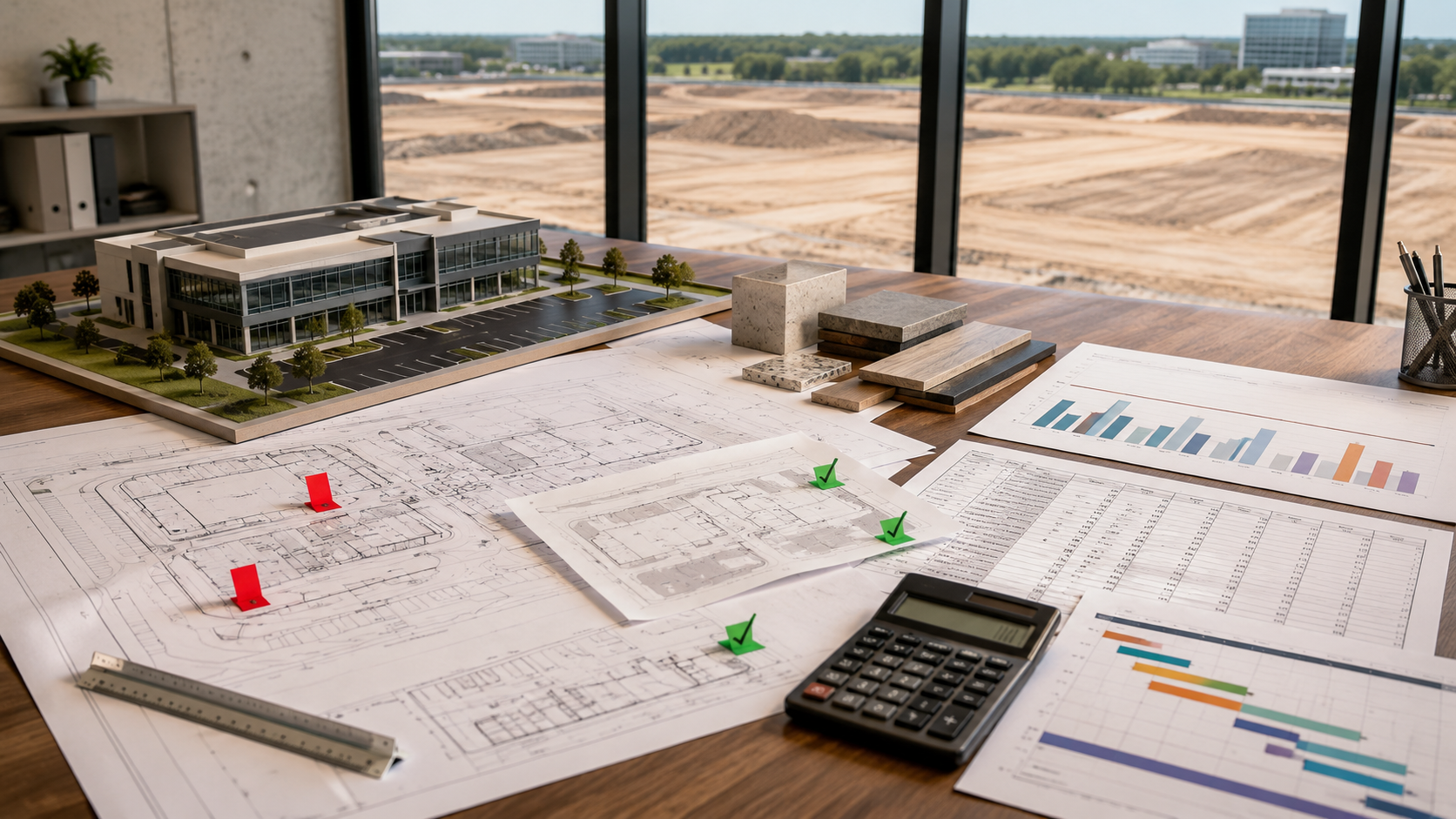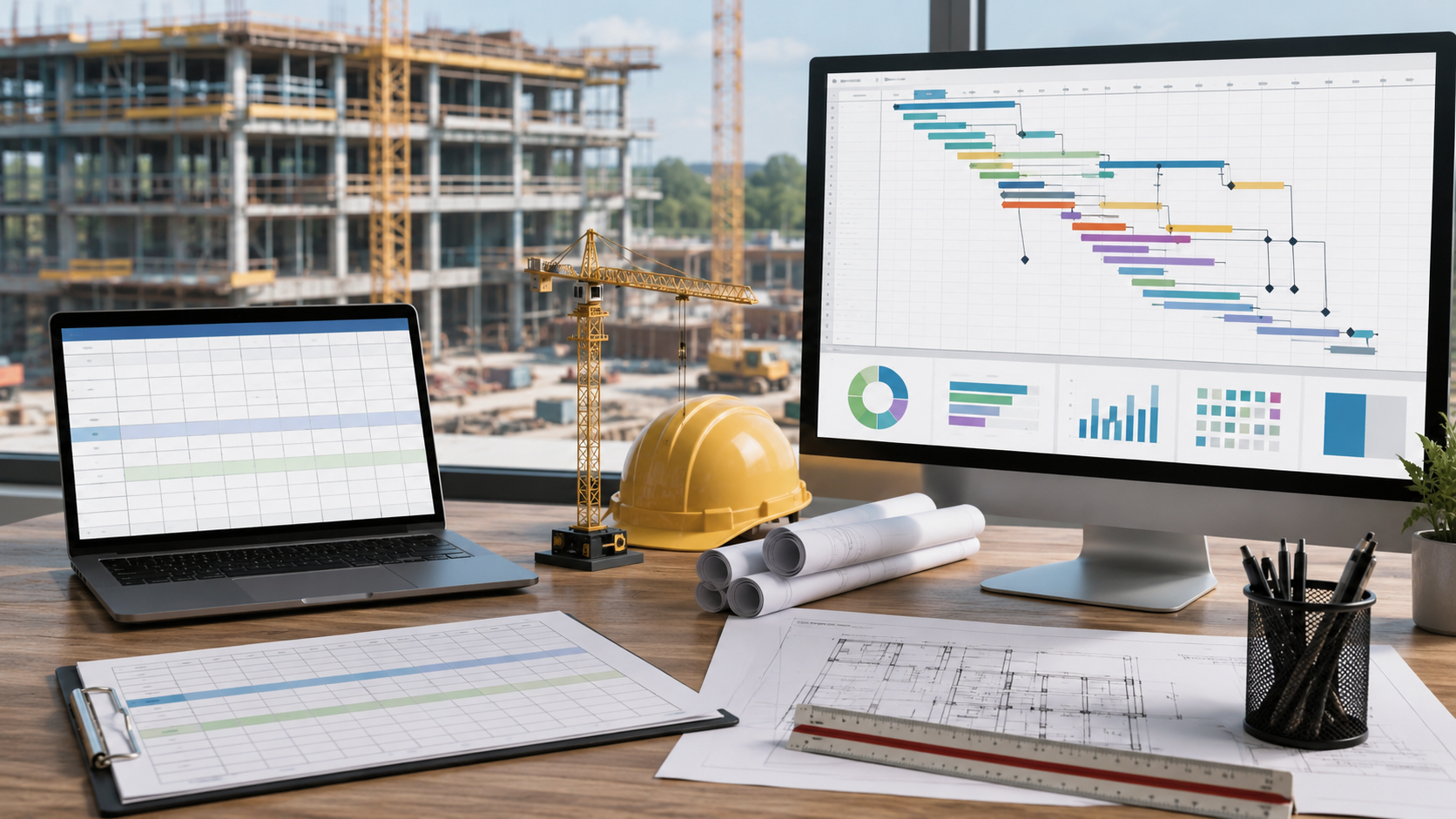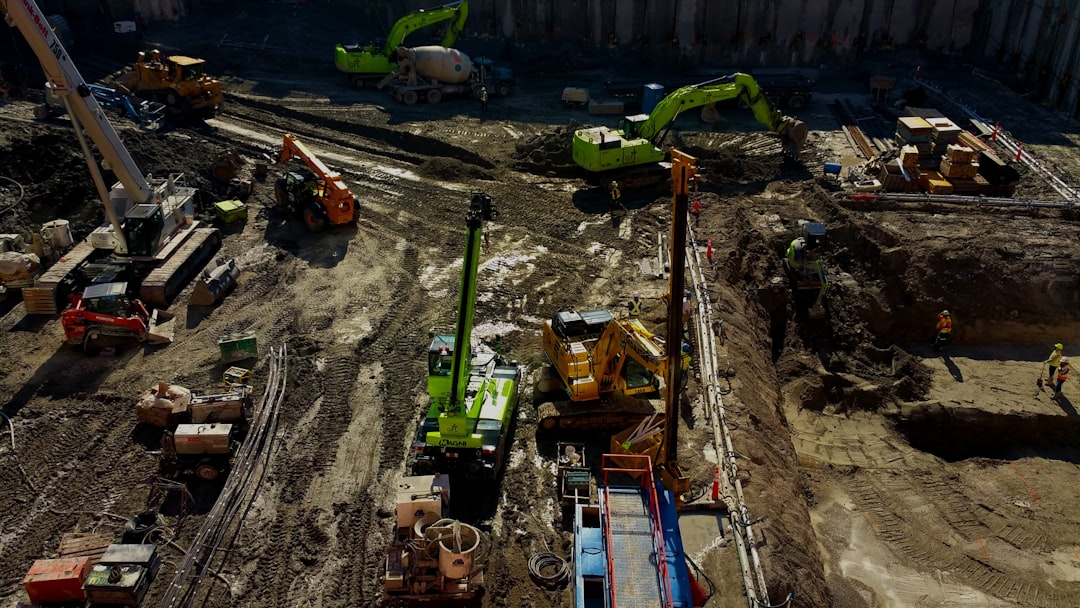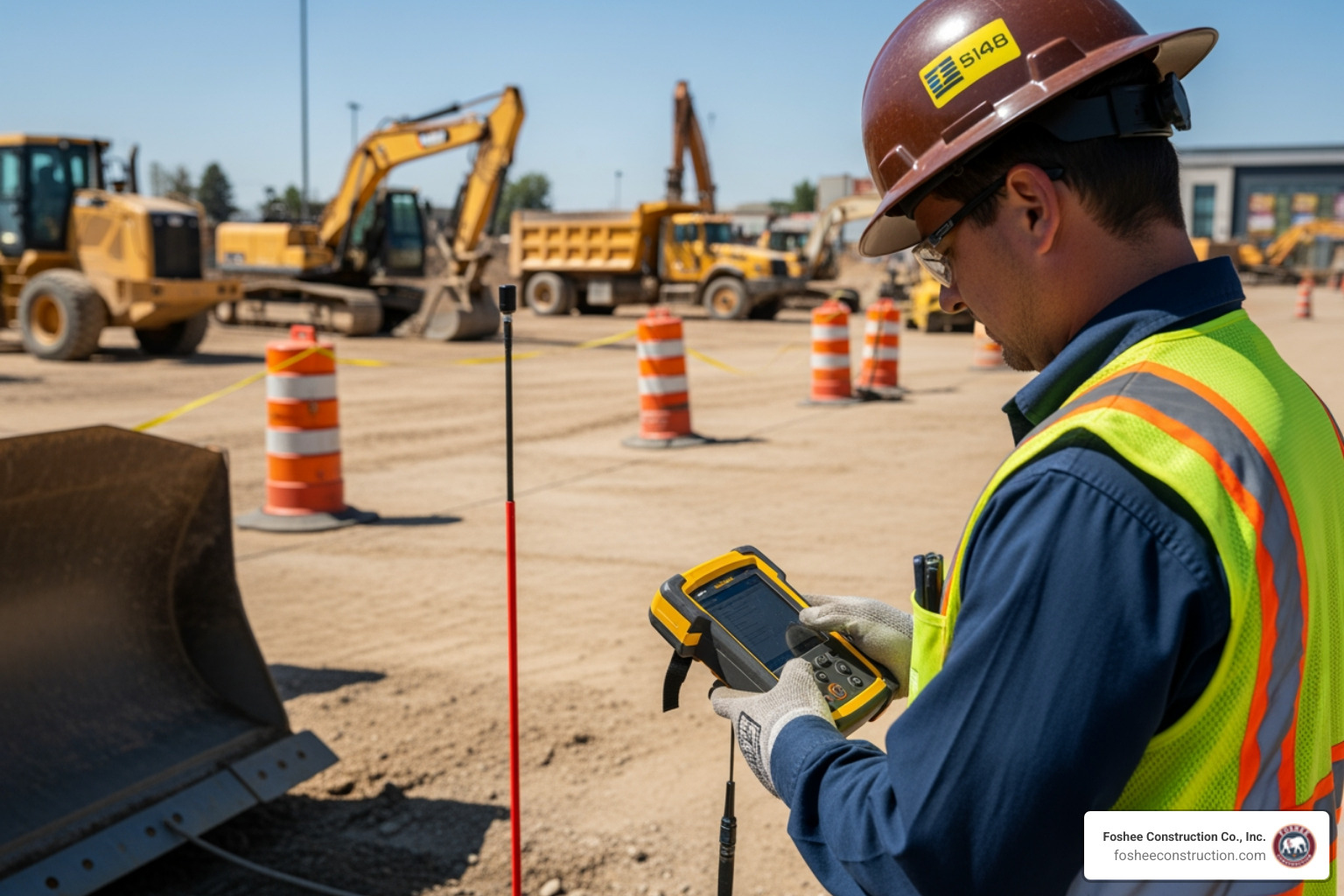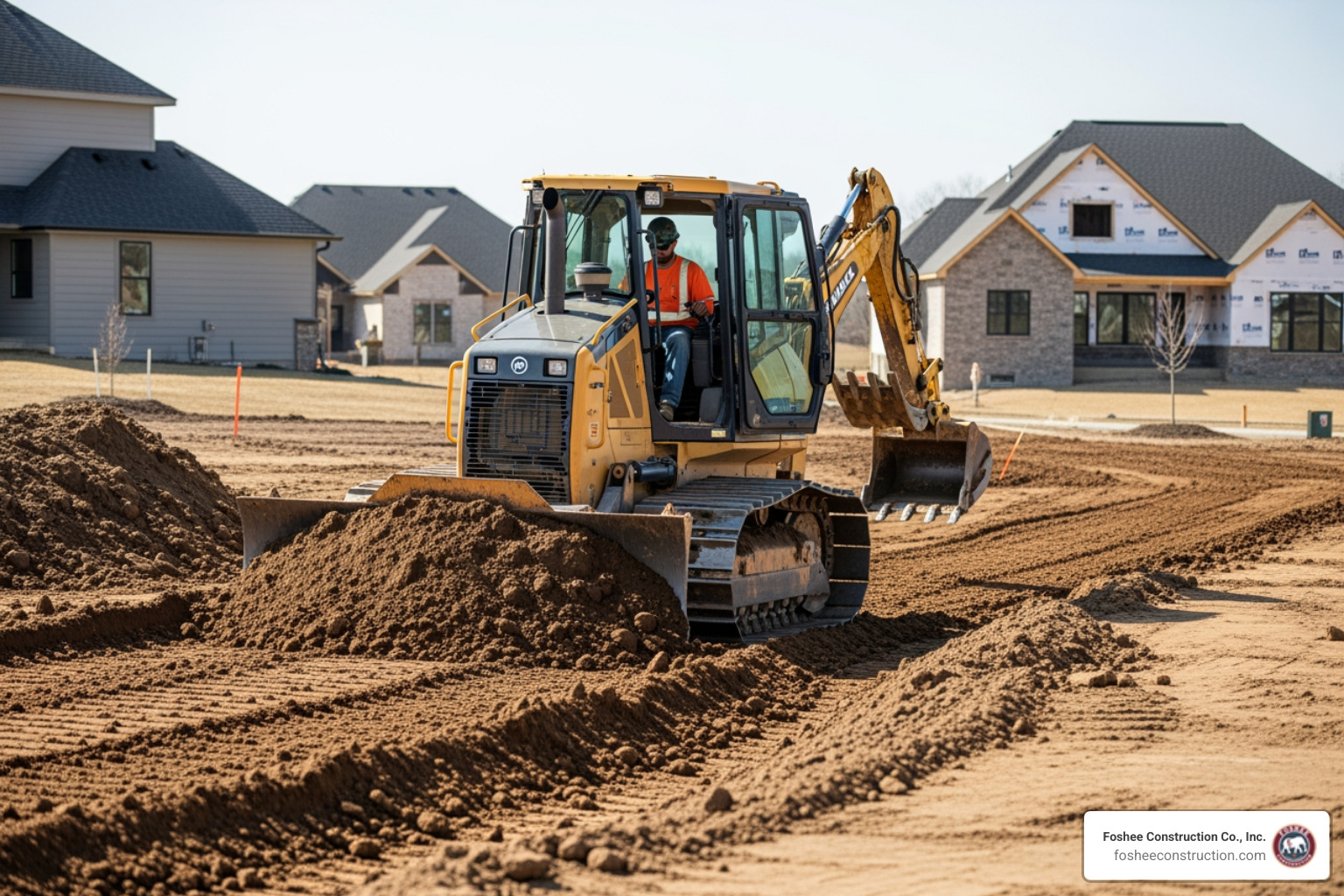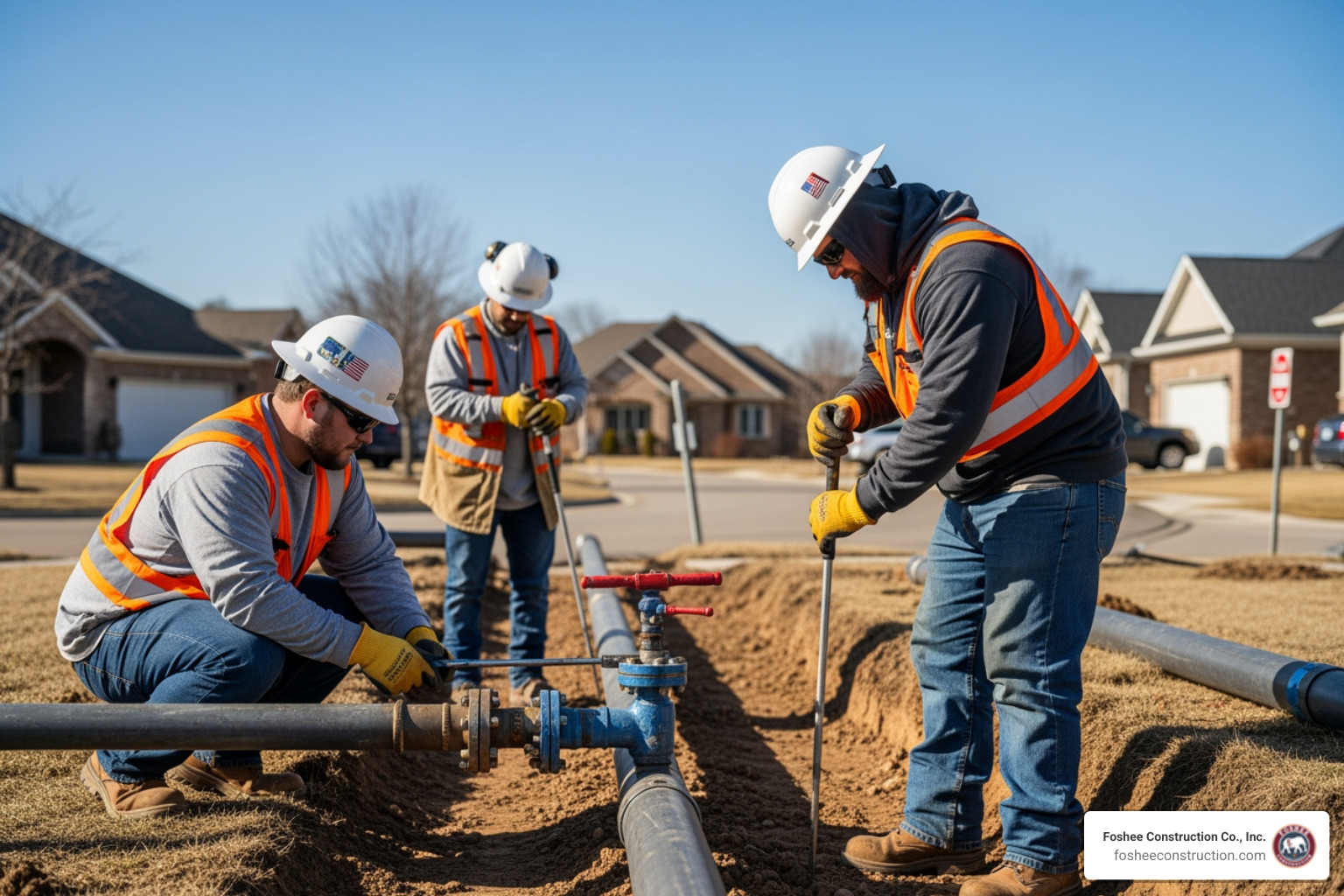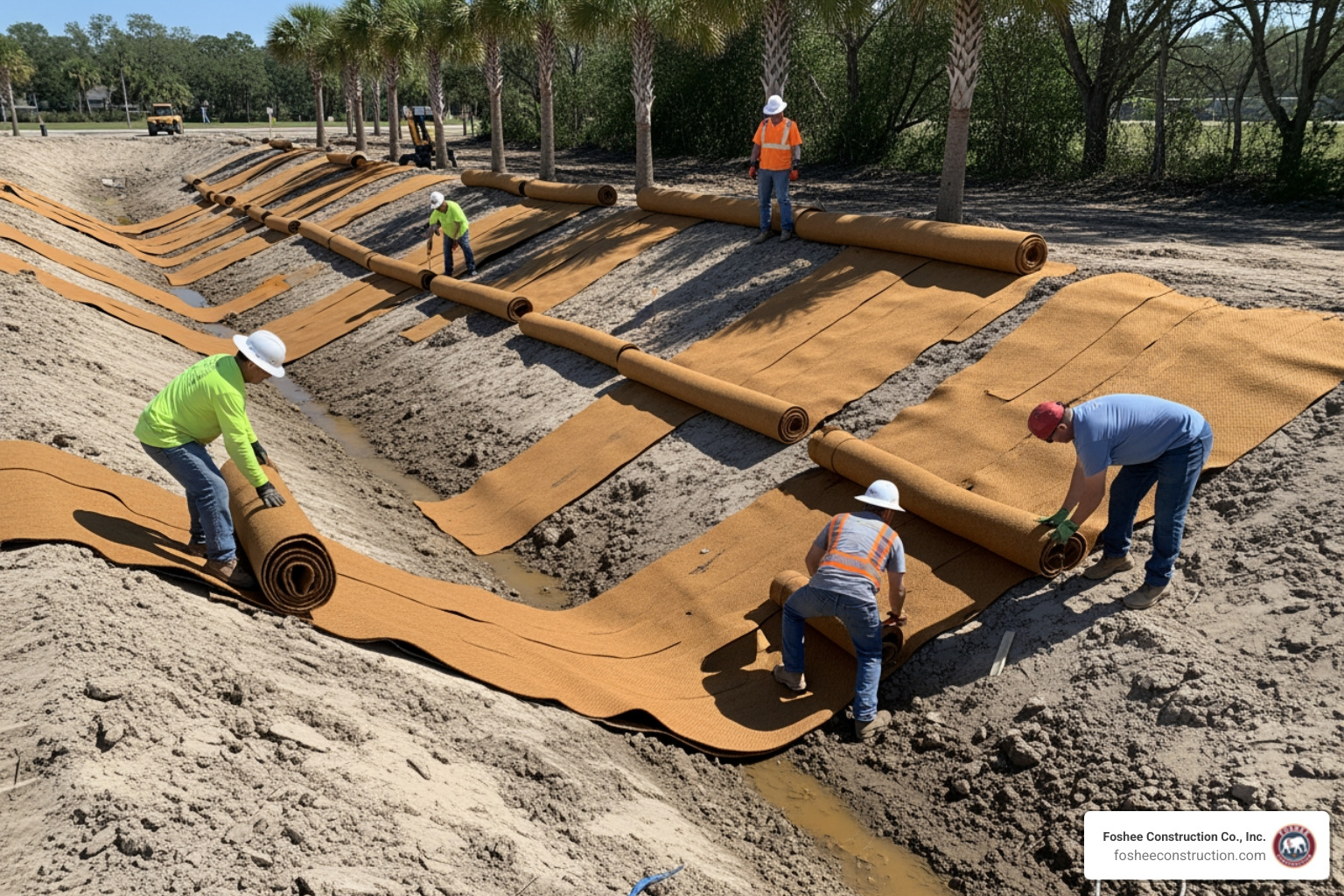
A building construction schedule is the structured, time-based plan that defines every task, milestone, and resource needed to take a project from raw ground to finished structure. Think of it as the single source of truth that keeps your crews, subs, and clients aligned from day one to handover.
Here is what a building construction schedule typically covers:
| Element | What It Means |
|---|---|
| Tasks | Every work item, from permits to punch list |
| Durations | How long each task realistically takes |
| Dependencies | Which tasks must finish before others can start |
| Milestones | Key completion points that unlock the next phase |
| Resources | Labor, equipment, and materials assigned to each task |
| Critical Path | The sequence of tasks that controls your end date |
Getting this right is not optional. According to Autodesk research, 77% of construction projects experience delays — and those delays are not just inconvenient. On a residential project alone, delays can cost between $1,500 and $5,000 per day. On commercial work, that number jumps to $10,000 to $50,000 per day.
The Project Management Institute identifies time management as one of the ten most critical areas of overall project management. Yet in practice, many teams still treat the schedule as a formality — something built at kickoff and never touched again. That approach is exactly what leads to blown budgets, frustrated clients, and cascading delays across every trade on site.
A well-built schedule does the opposite. It gives everyone — from the general contractor to the last sub on site — a clear picture of what needs to happen, when, and in what order.
I'm Don Larsen from Foshee Construction Co., Inc., and with over three decades of site development experience across Central Florida, I've seen how a disciplined building construction schedule is what separates projects that finish on time from those that spiral out of control. In the sections below, I'll walk you through everything you need to build and manage one effectively.
Essential building construction schedule terms:
When we talk about a building construction schedule, we aren't just talking about a list of dates on a calendar. It is a sophisticated logistical map. The Project Management Institute emphasizes that time management is a core pillar of project success because, in our industry, time is literally money.
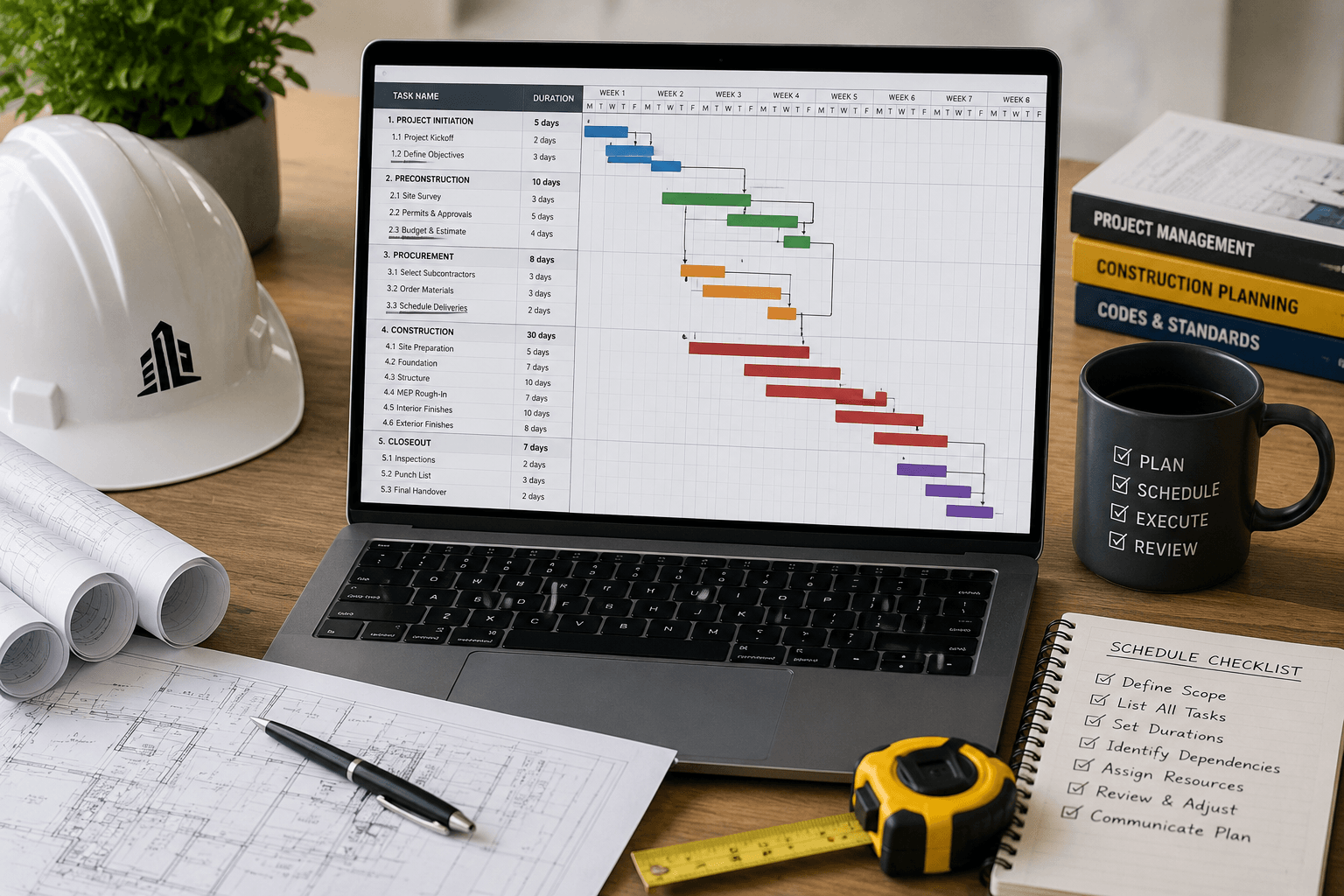
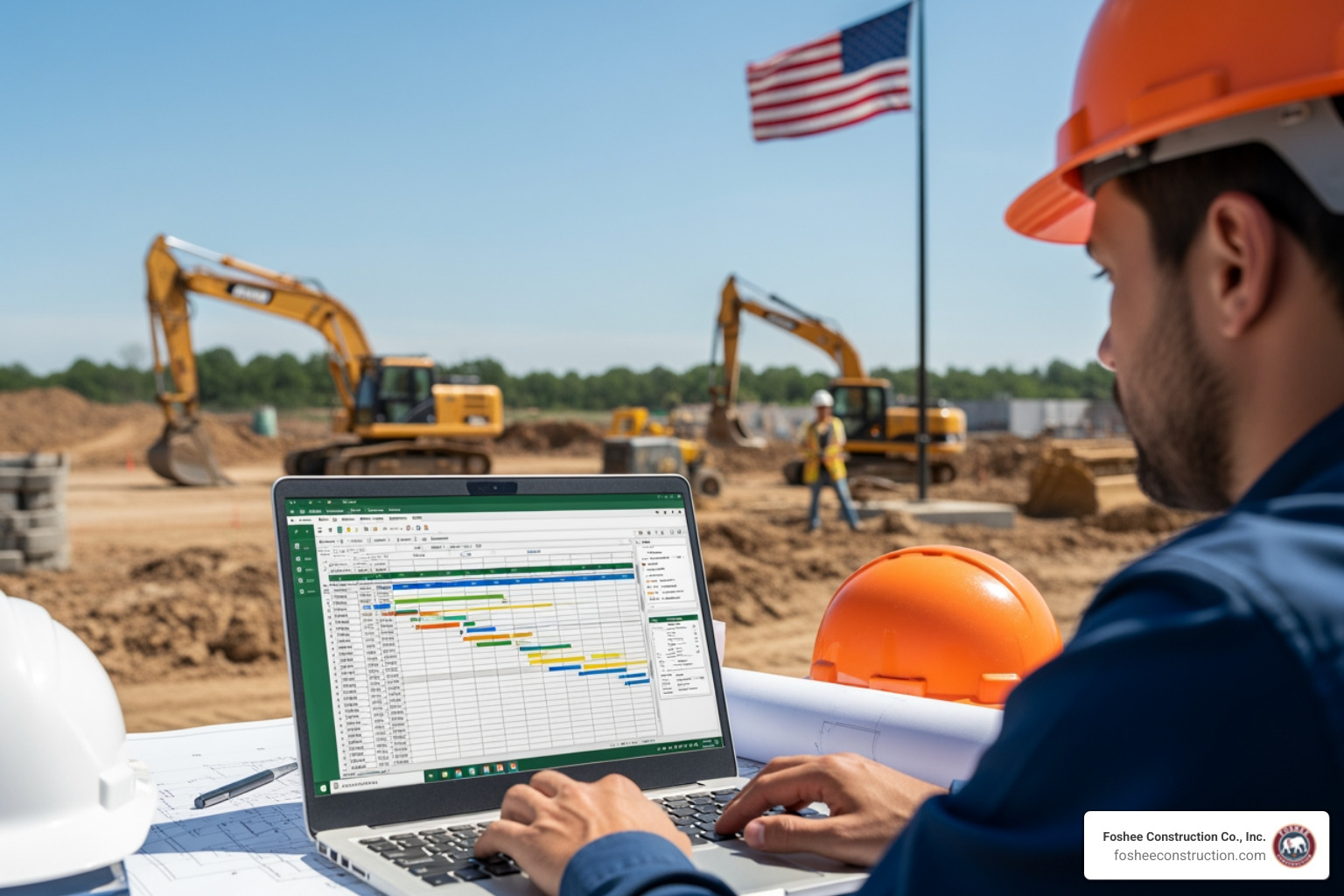
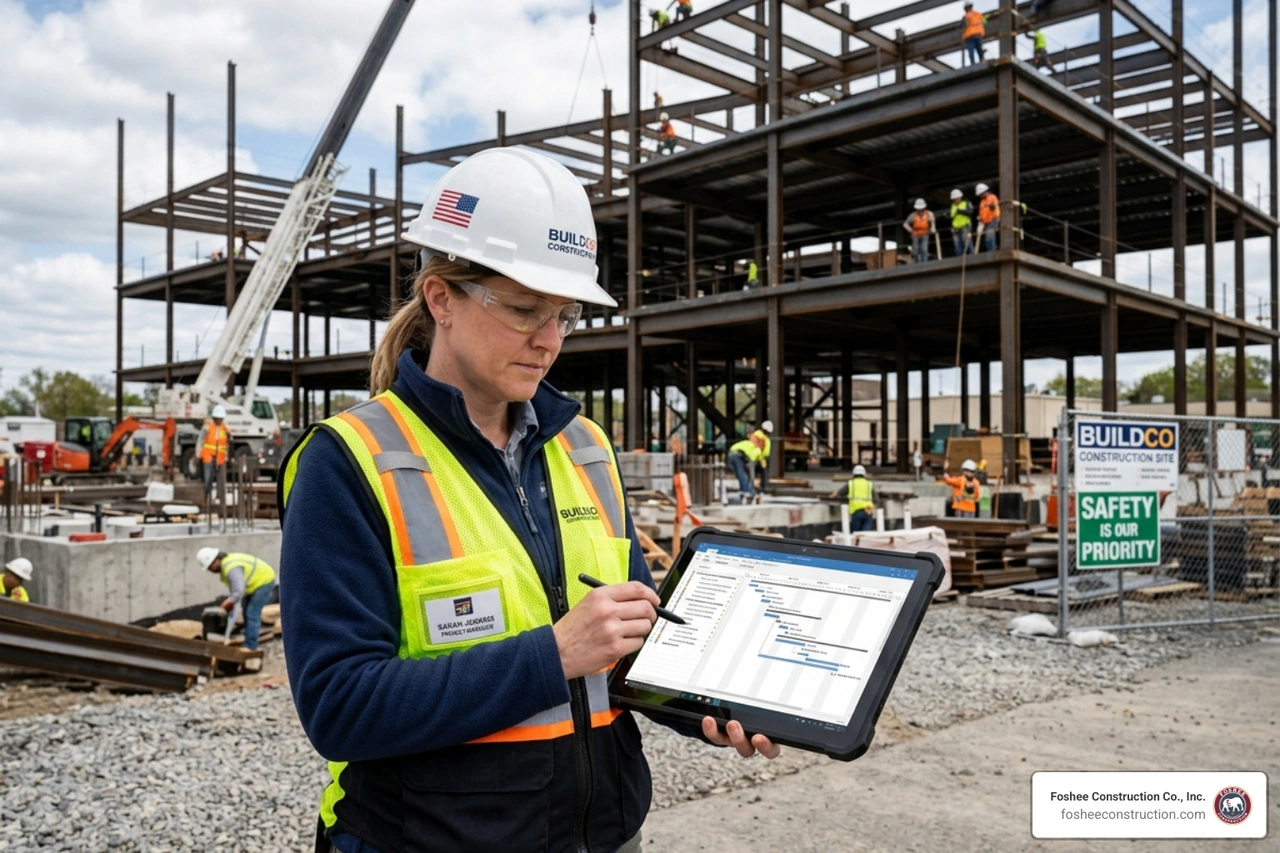
To manage this complexity, we use several tried-and-true methods. The most common is the Gantt chart, a visual bar chart that shows the start and finish dates of various elements of a project. It’s excellent for seeing the "big picture" and understanding how different phases overlap.
For more complex jobs, we rely on the Critical Path Method (CPM). This technique identifies the longest sequence of dependent tasks that must be completed on time for the entire project to finish. If a task on the critical path slips by one day, the whole project slips by one day. Knowing your critical path allows you to focus your energy where it matters most.
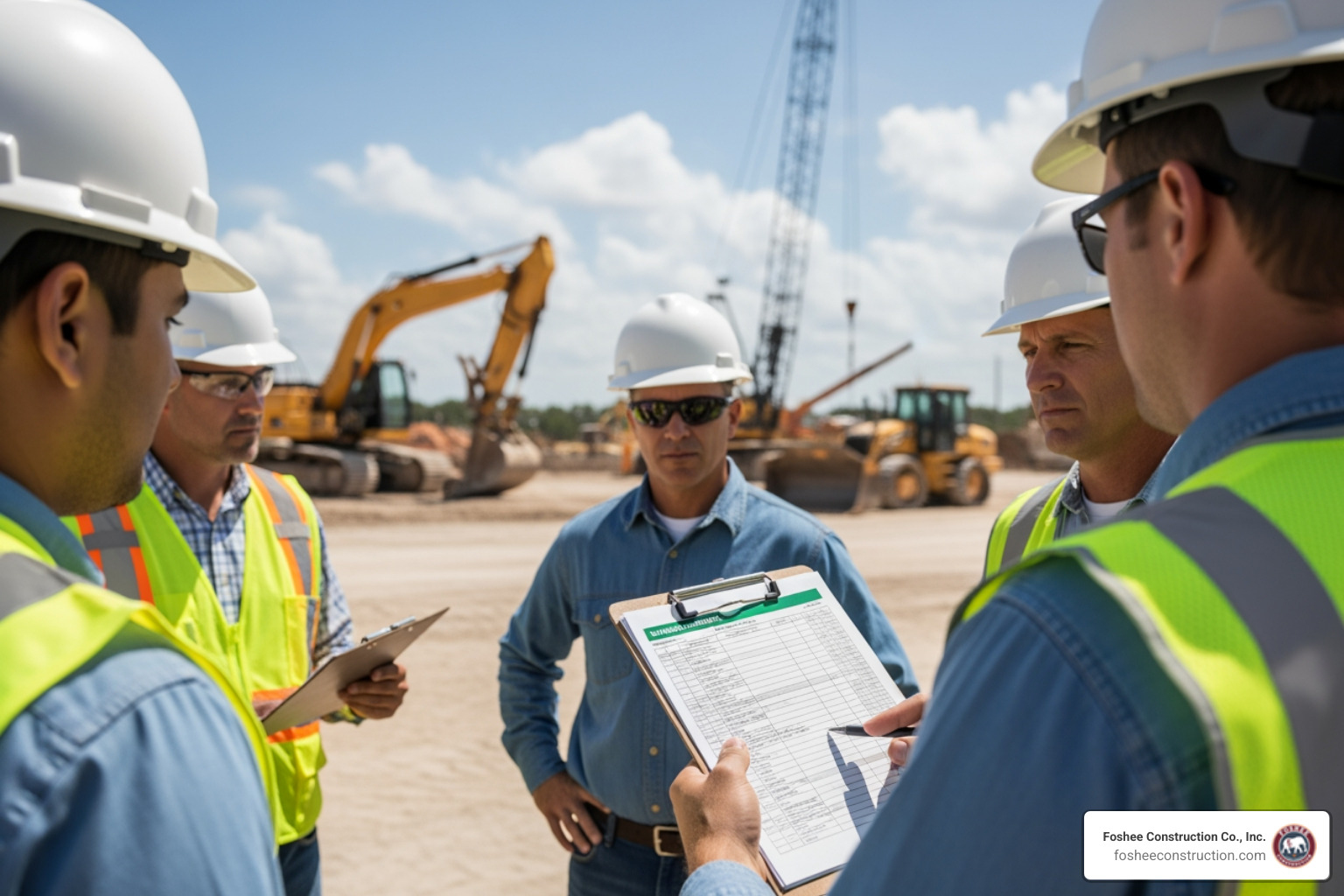
Finally, we use lookahead schedules—typically 3-week windows—to manage the day-to-day chaos. These are the "boots on the ground" tools that help our superintendents coordinate which subcontractor is in which room on a Tuesday morning. Effective scheduling in construction management requires balancing these high-level views with granular, daily execution.
A milestone is a "zero-duration" marker that signifies the completion of a major project stage. Think of them as the chapters in a book. They provide essential visibility for stakeholders and act as "gatekeepers" for the next phase of work.
Key milestones in a typical Florida project include:
A truly comprehensive construction schedule isn't just a list of tasks; it’s a network of information. Every schedule must account for:
| Method | Best For | Key Advantage |
|---|---|---|
| Gantt Chart | General visualization | Easy for all stakeholders to read |
| CPM | Large, complex projects | Identifies tasks that control the end date |
| Last Planner System | Subcontractor coordination | Improves "buy-in" from trade partners |
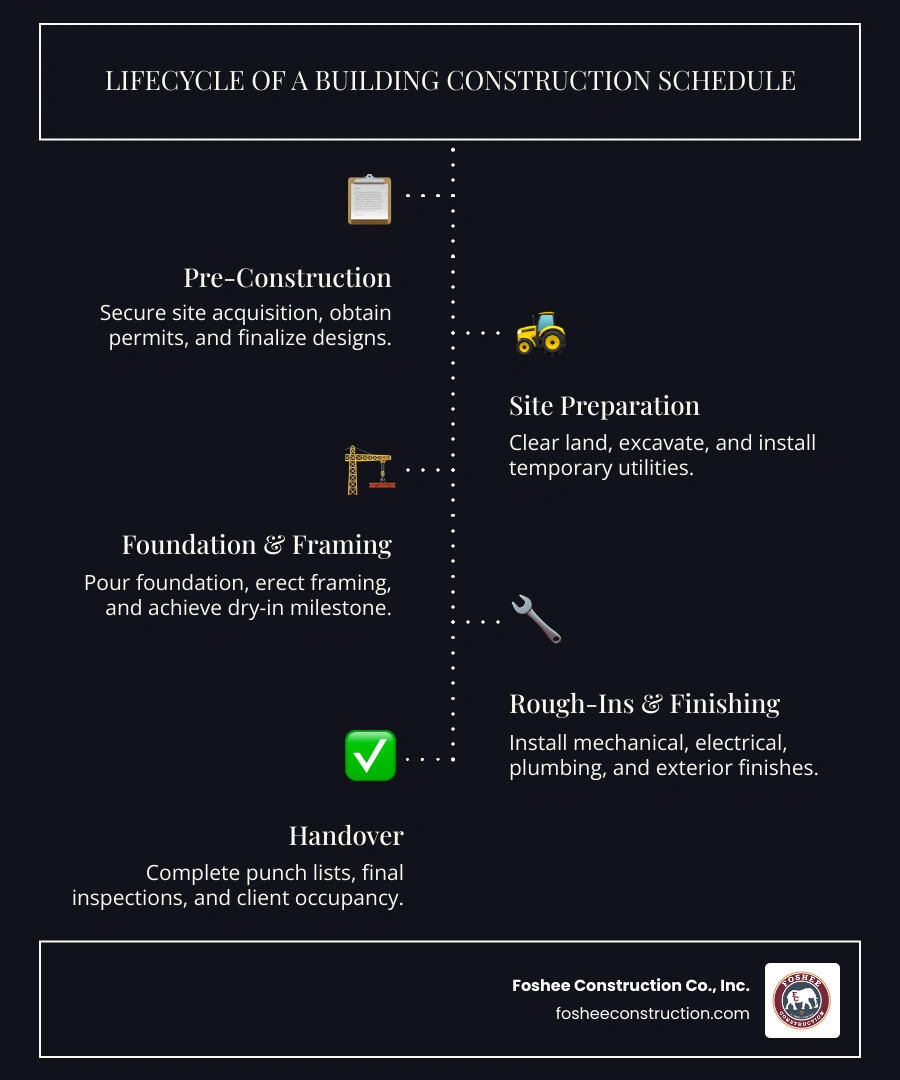
In Minneola and across Lake County, we see projects move through a very specific lifecycle. Understanding these phases helps set realistic expectations for your building construction schedule.
How long does it actually take? How long to build a house in Florida depends heavily on the type of project.
Building a schedule is like assembling a jigsaw puzzle while the pieces are still being cut. Here is how we recommend approaching it:
For those just starting, you can find a construction schedule template excel free download to help organize your initial thoughts.
As projects grow in size, simple spreadsheets often fail. Advanced teams use:
The 2024 construction report highlighted a sobering fact: the leading cause of delays isn't weather or money—it’s waiting for other disciplines to finish their jobs. This is a scheduling failure, plain and simple.
Common challenges we face in Minneola include:
To overcome these, you need real-time tracking. We don't wait for the end of the month to see if we're behind. We use Key Performance Indicators (KPIs) and weekly reviews to catch a two-day slip before it becomes a two-week disaster.
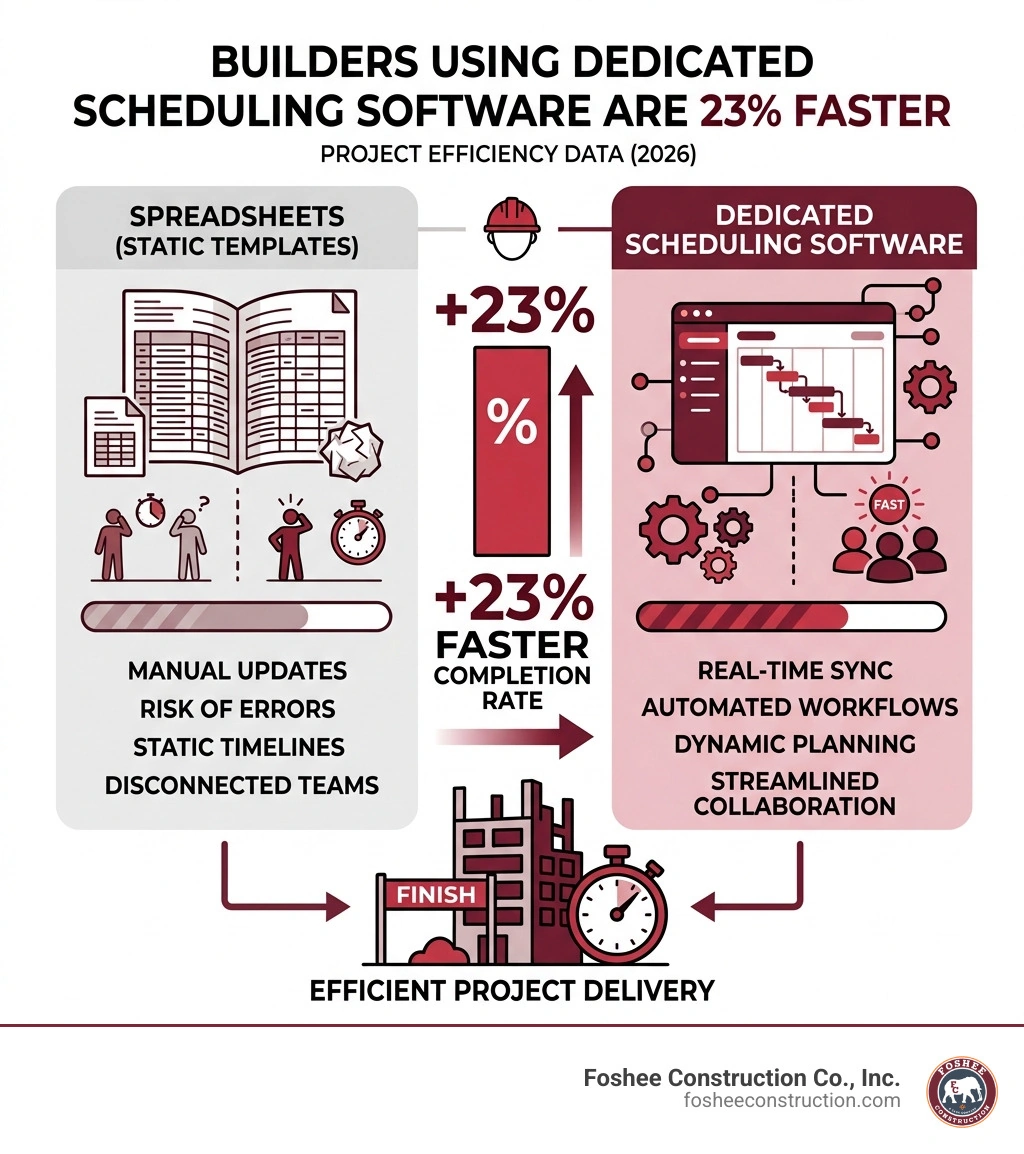
If you are managing more than one project, Excel is no longer your friend. It’s a "static" tool in a "dynamic" industry. Modern commercial construction scheduling relies on cloud-based software that allows for:
The leading cause remains "inter-trade interference"—essentially, one crew being unable to start because the previous crew hasn't finished. This is followed closely by supply chain volatility for long-lead items like specialized mechanical components and local permitting bottlenecks.
For a standard 2,500 to 3,500 square foot home in Lake County, expect a timeline of 6 to 9 months from the start of site prep to the final walkthrough. Factors like soil conditions in Minneola or custom material selections can extend this.
A "schedule of works" is often a contractual document that lists the work to be done, sometimes without specific dates. A building construction schedule is a dynamic, time-linked document that includes durations, dependencies, and resource allocations. One tells you what to do; the other tells you when and how it fits together.
At the end of the day, a building construction schedule is only as good as the discipline behind it. At Foshee Construction Co., Inc., we’ve built our reputation in Minneola and across Florida on the foundations of transparent bidding and disciplined scheduling.
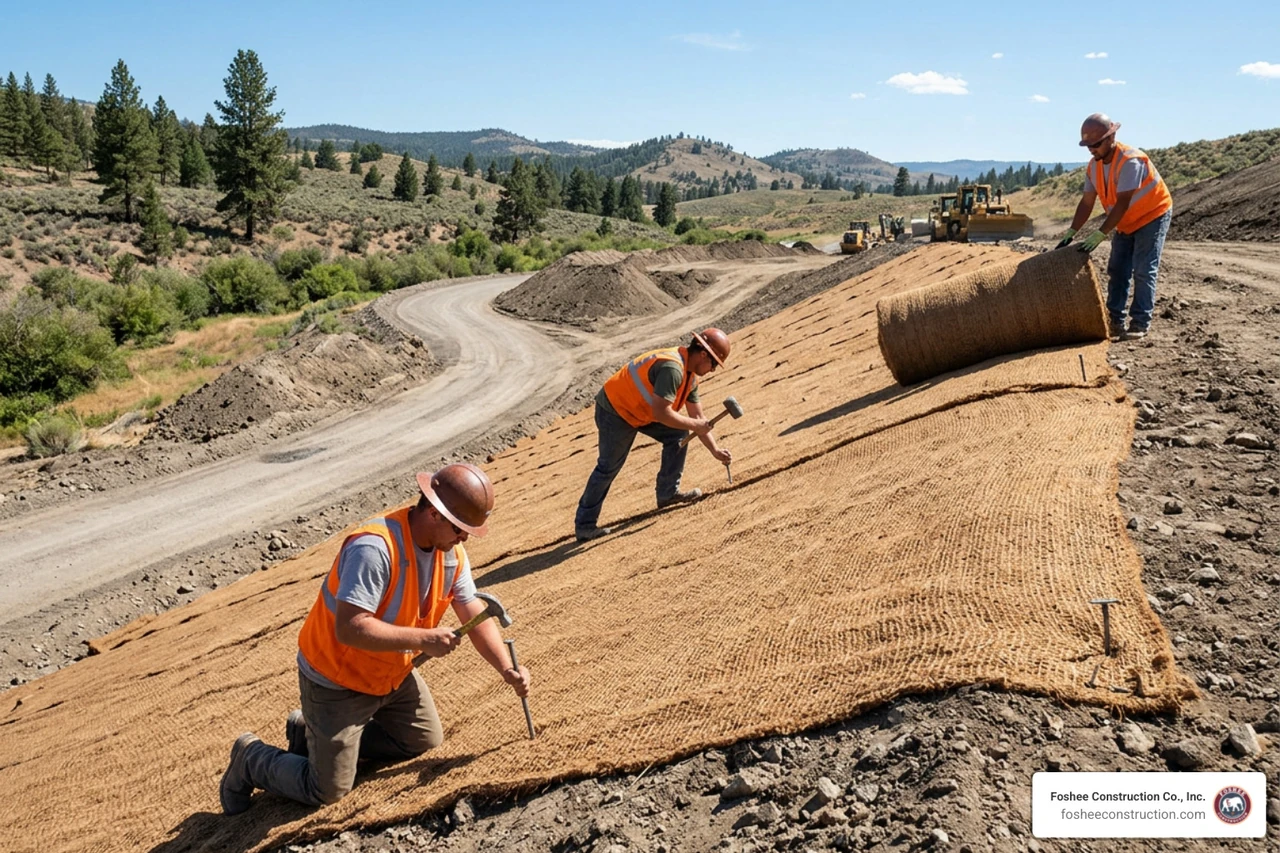
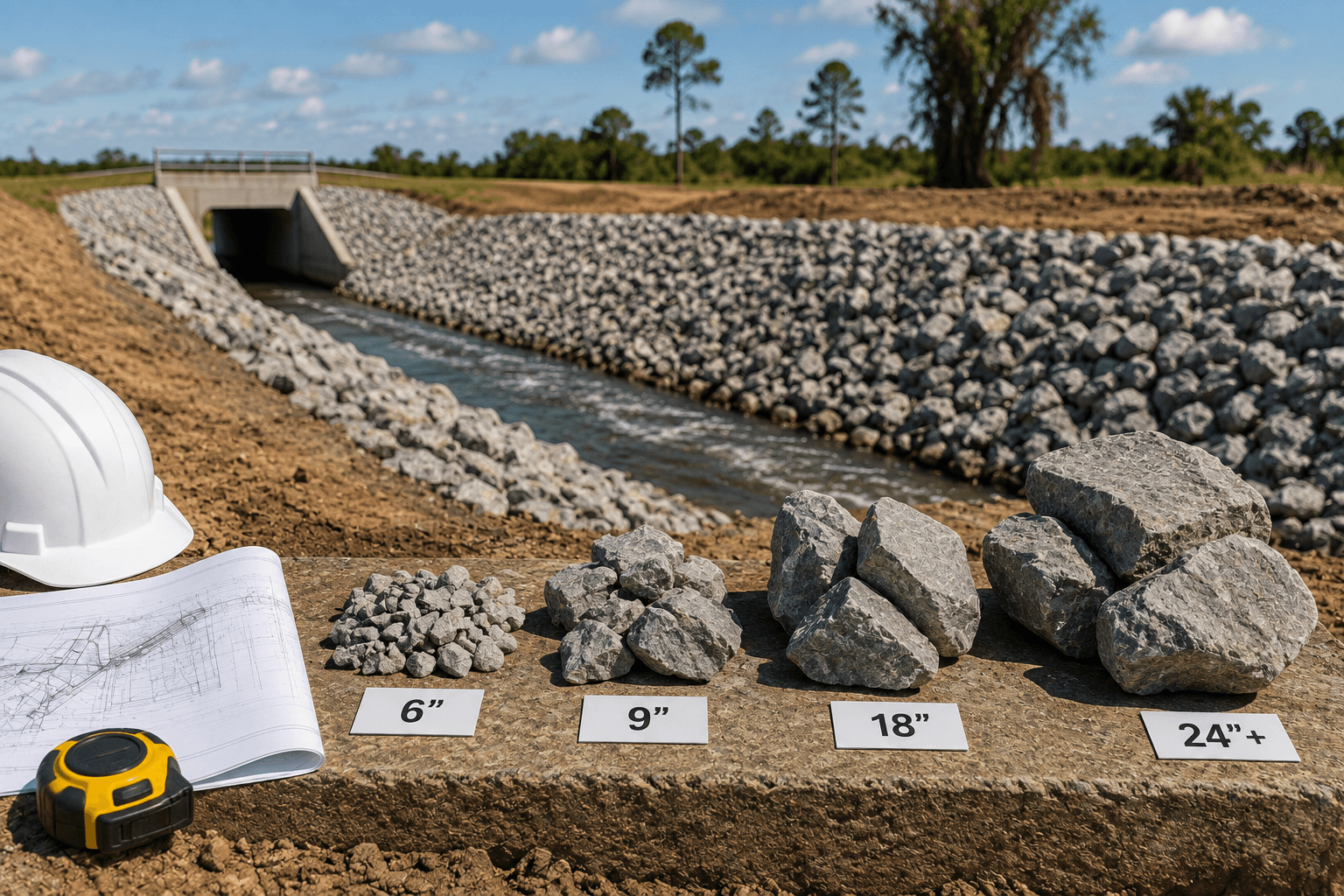
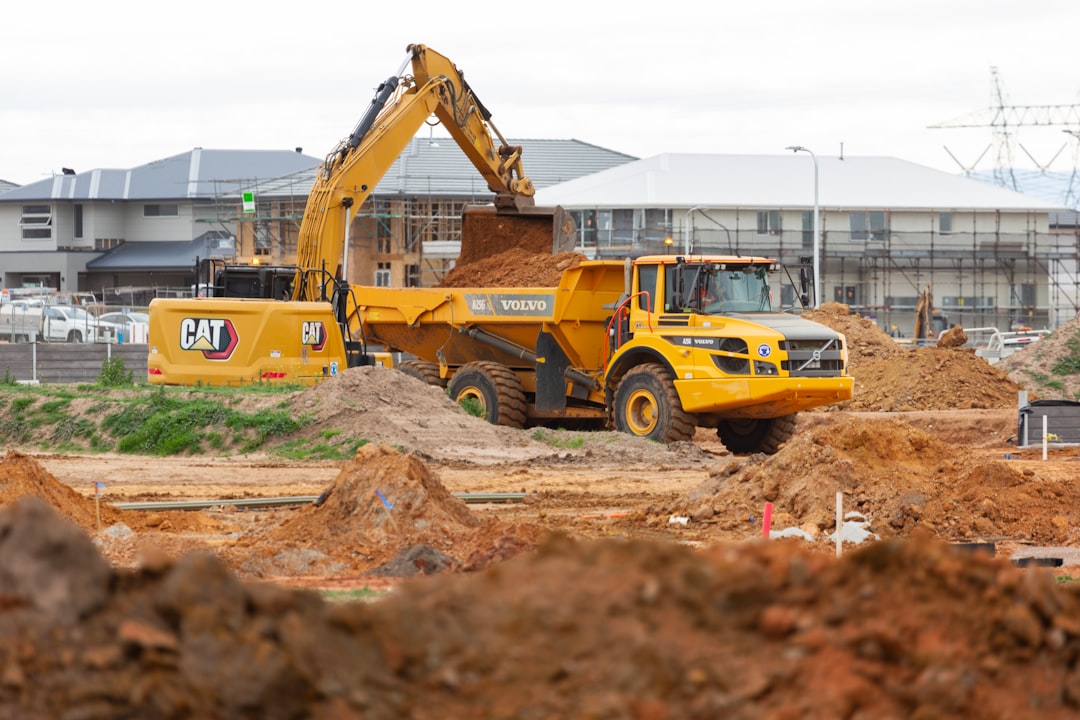
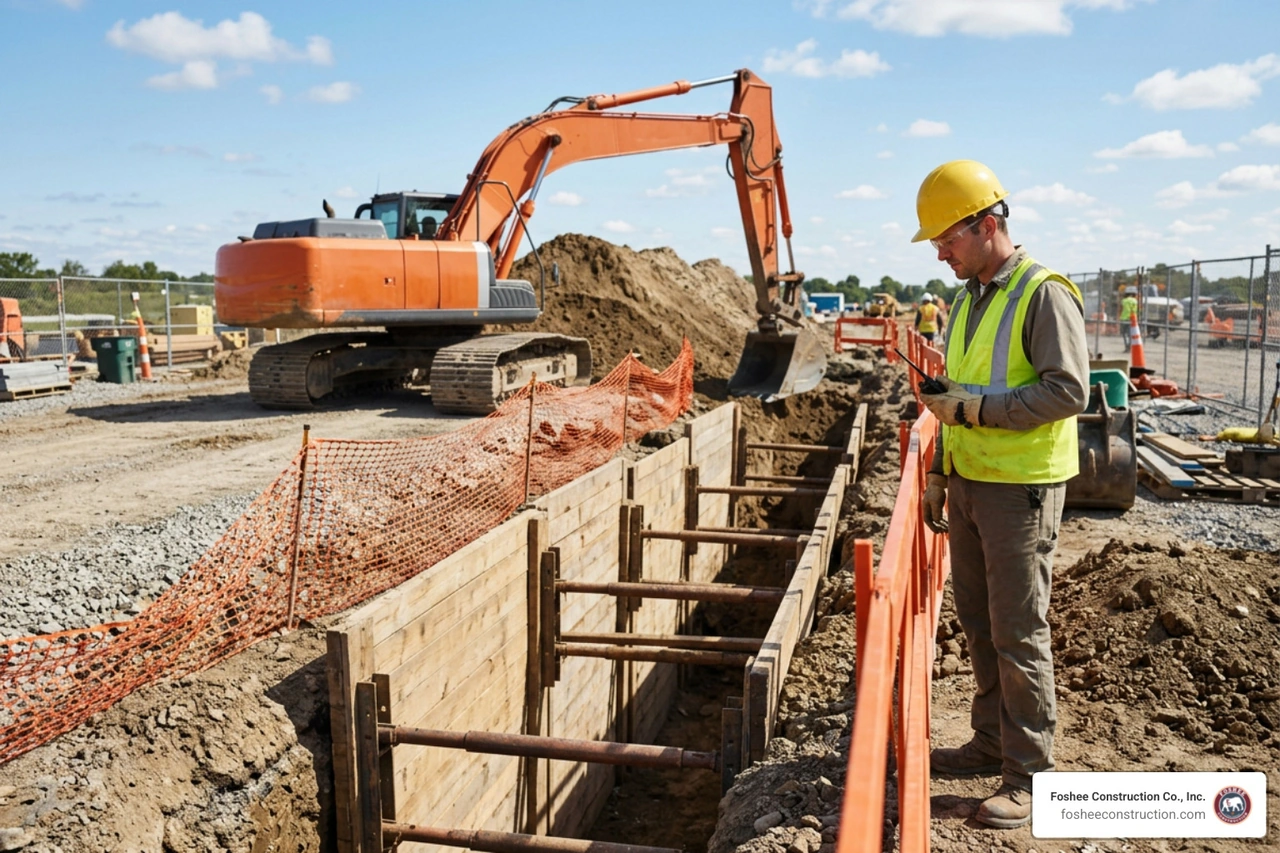
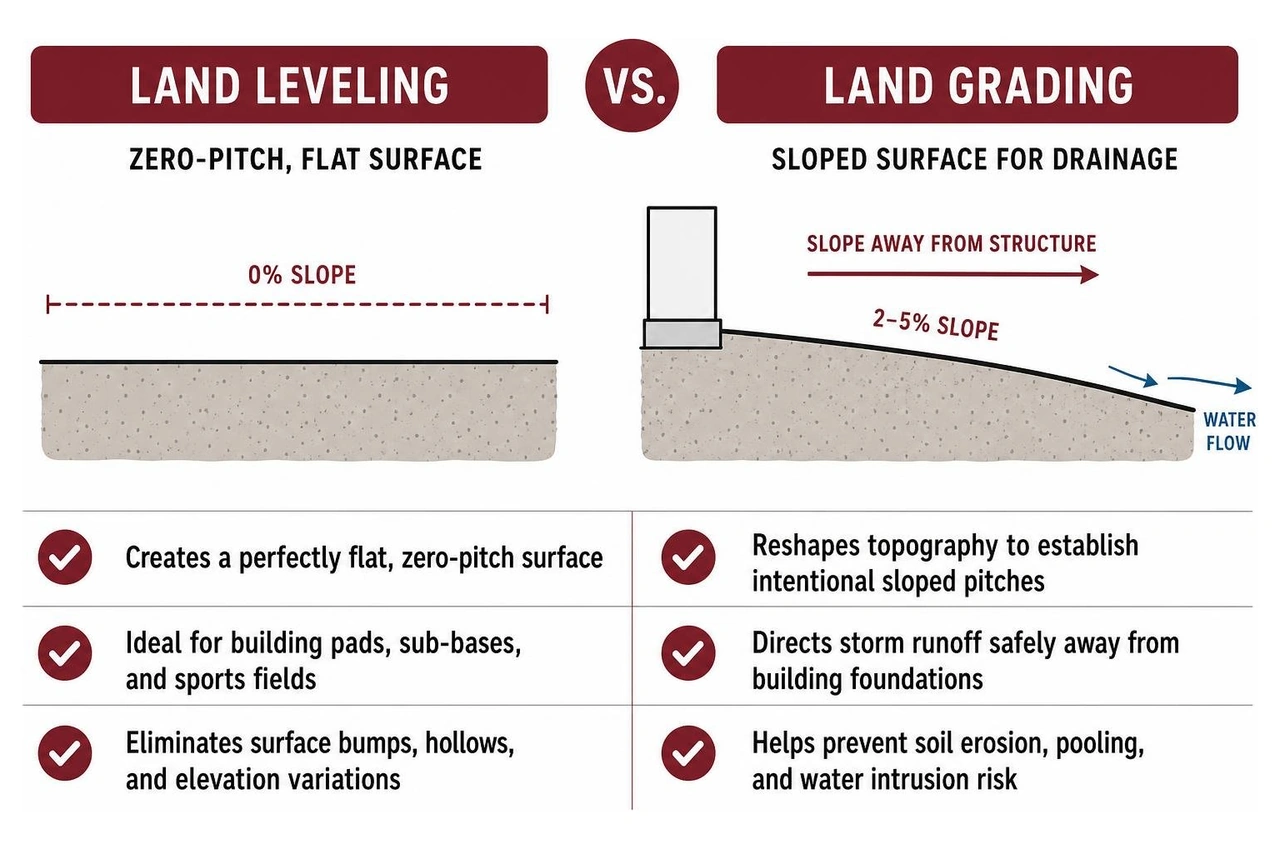
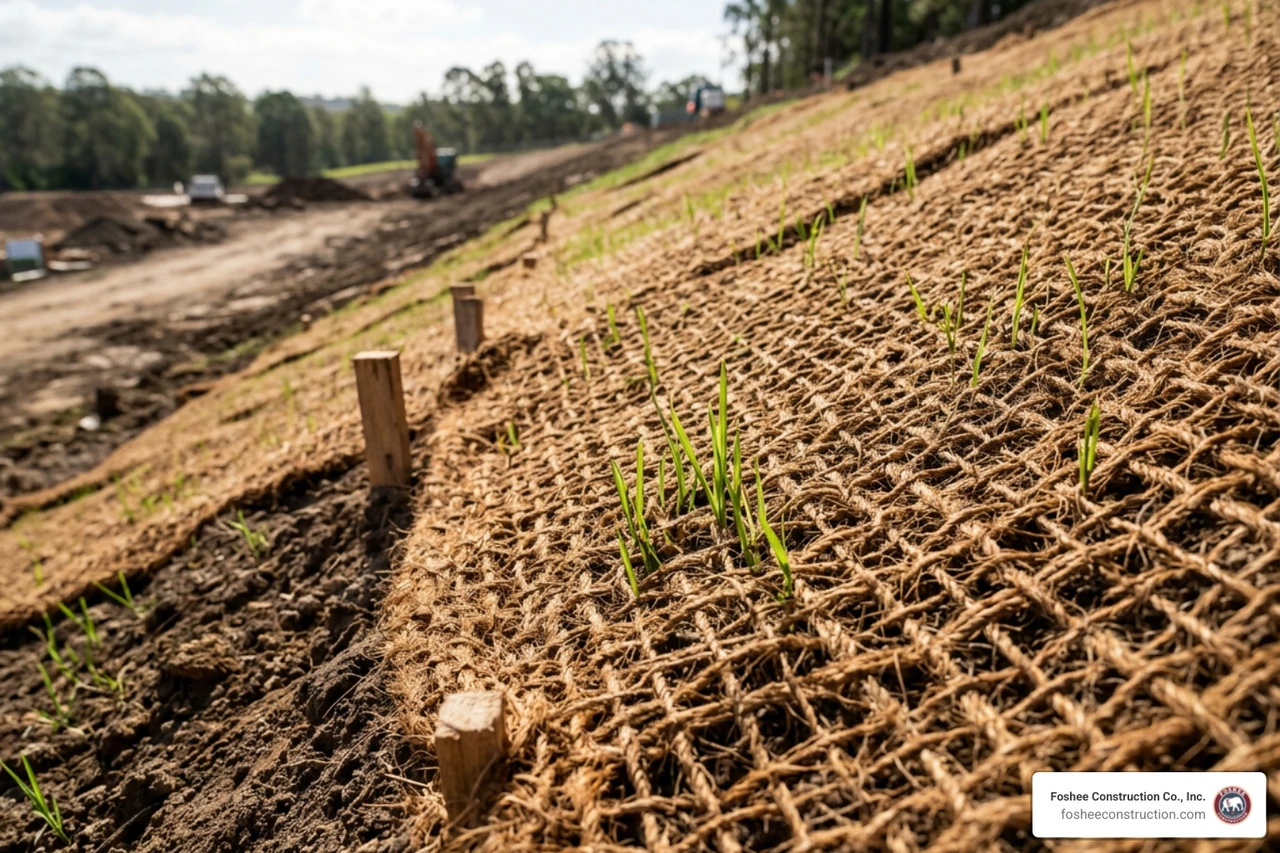
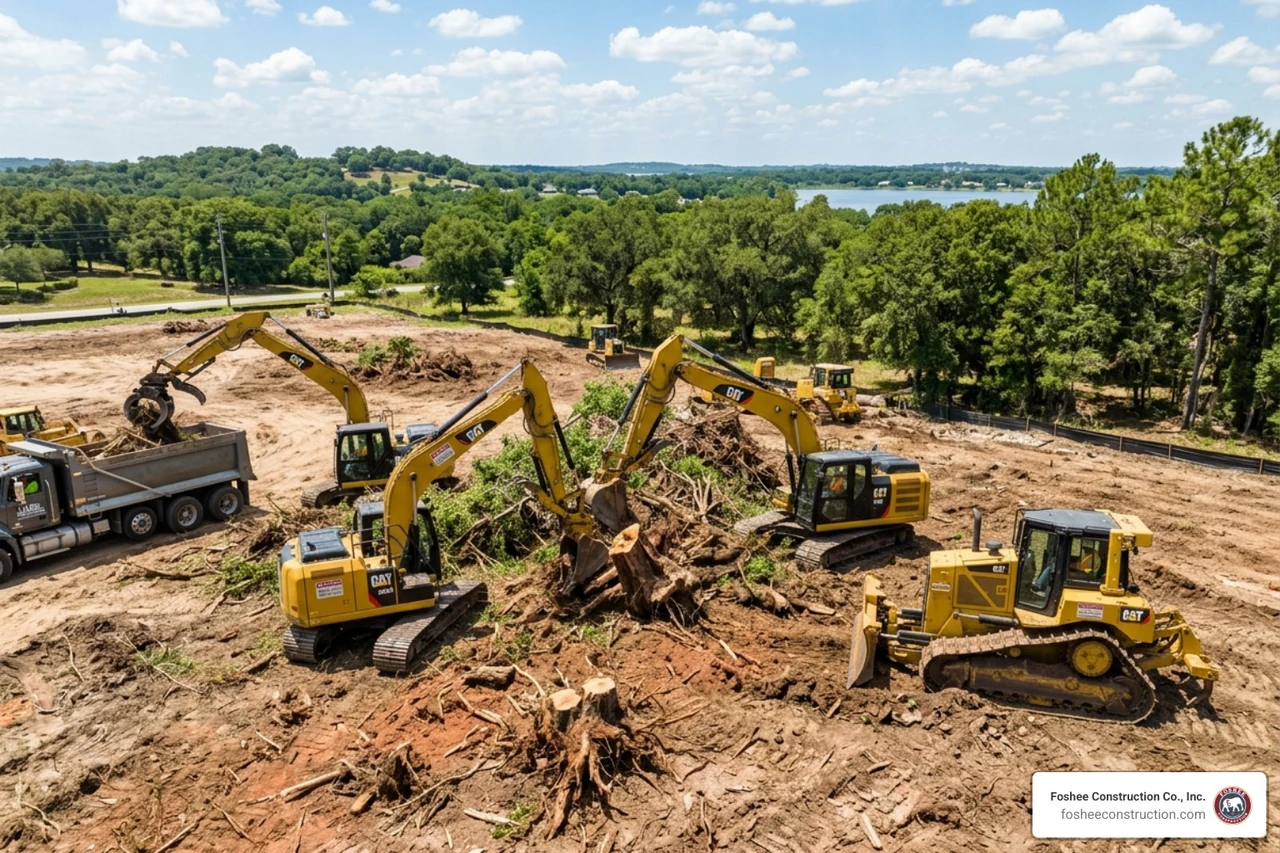
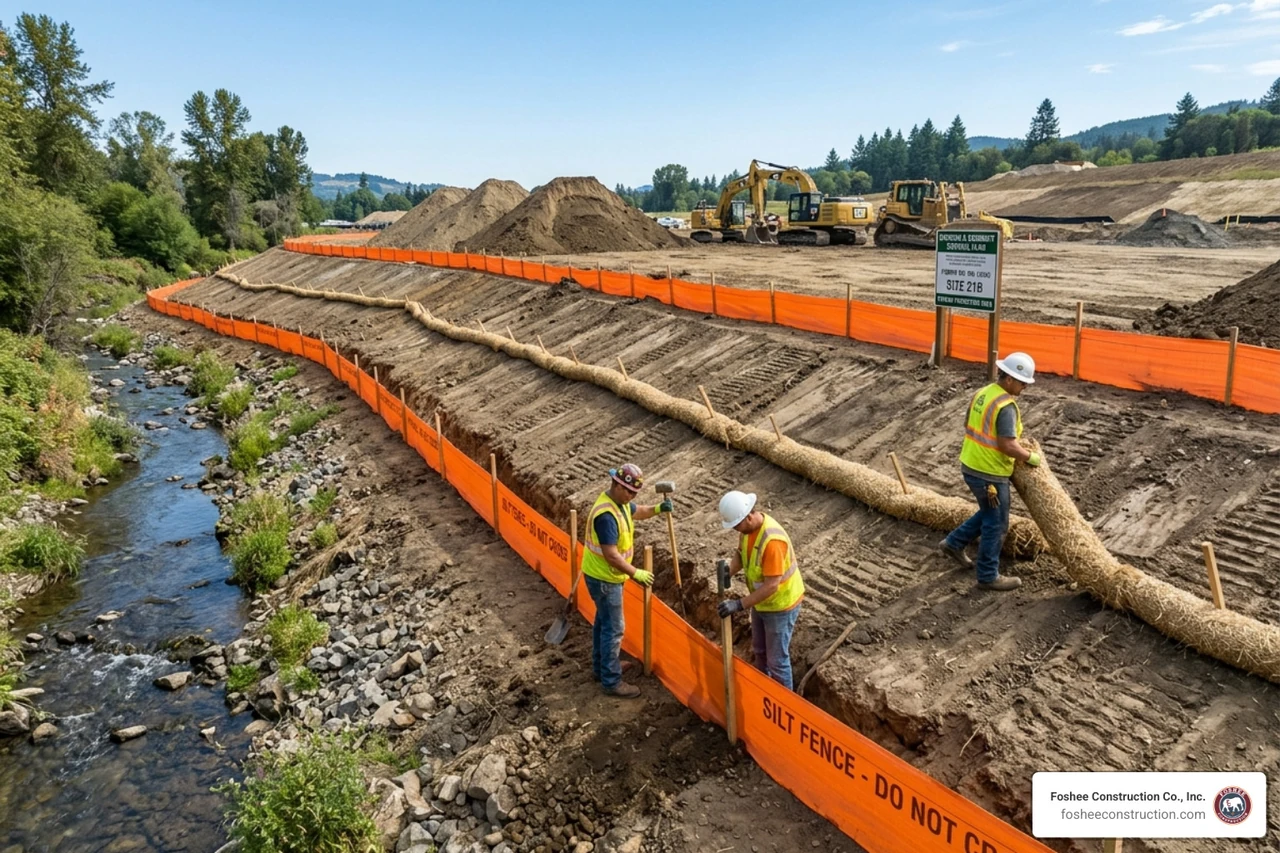
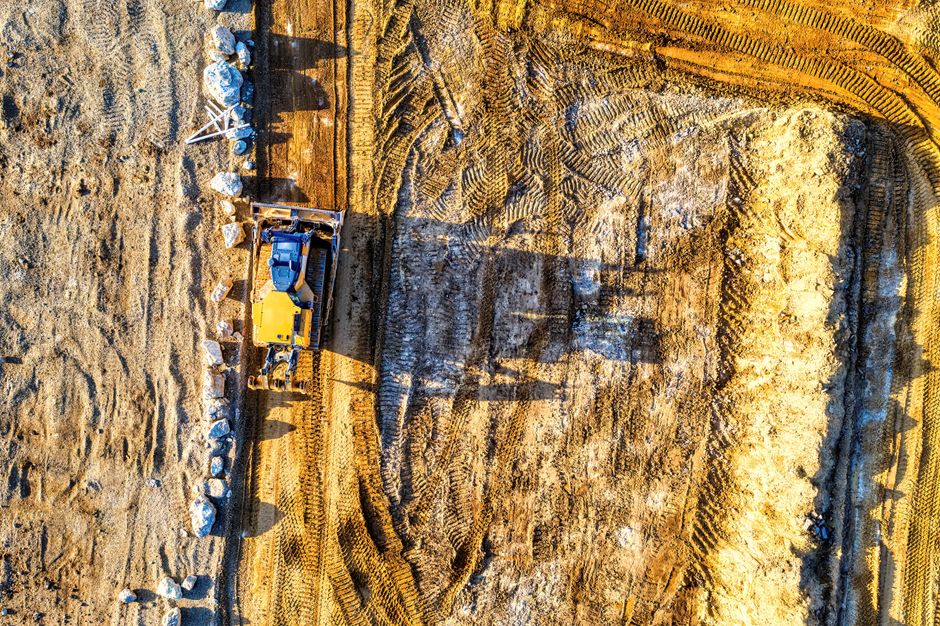
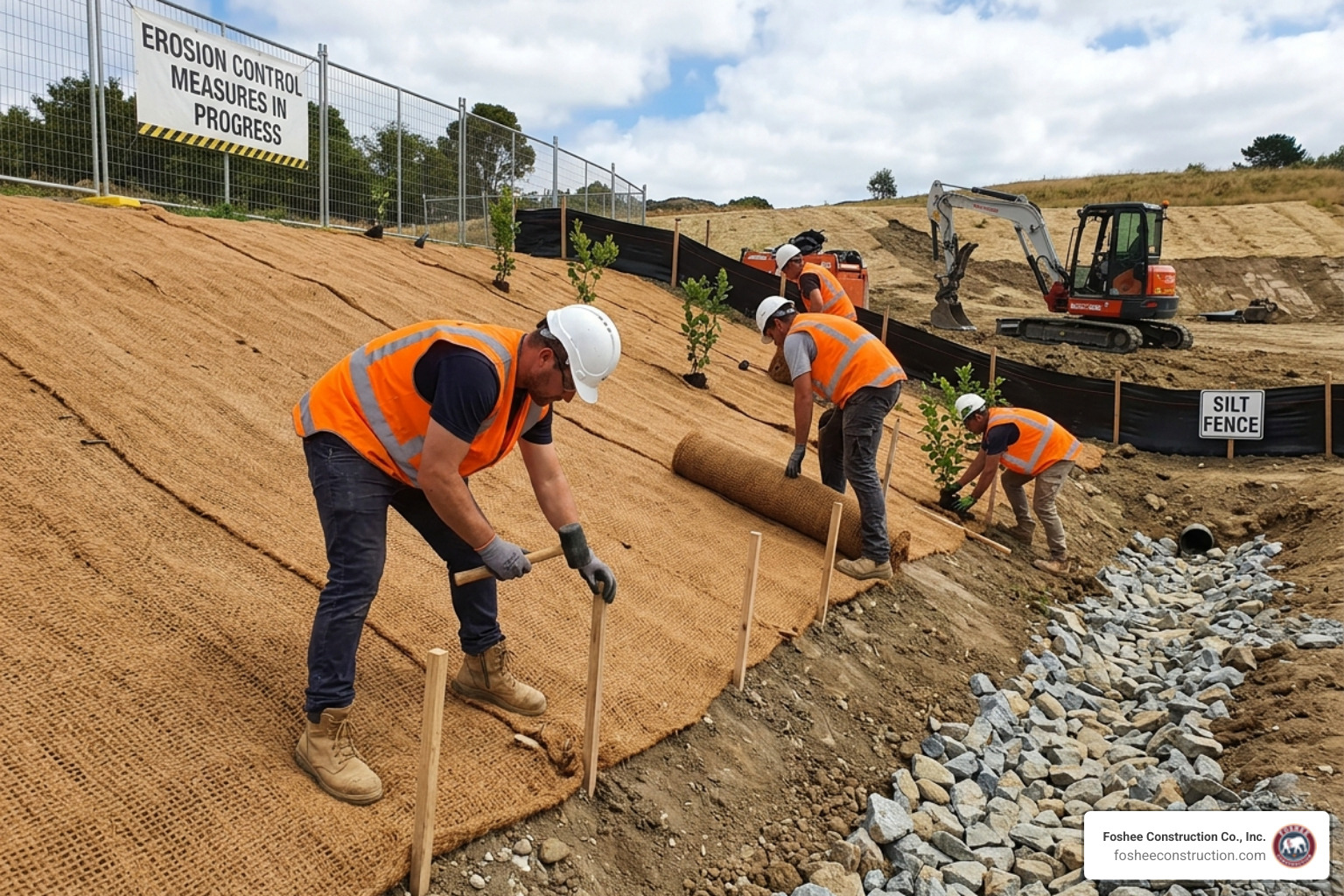
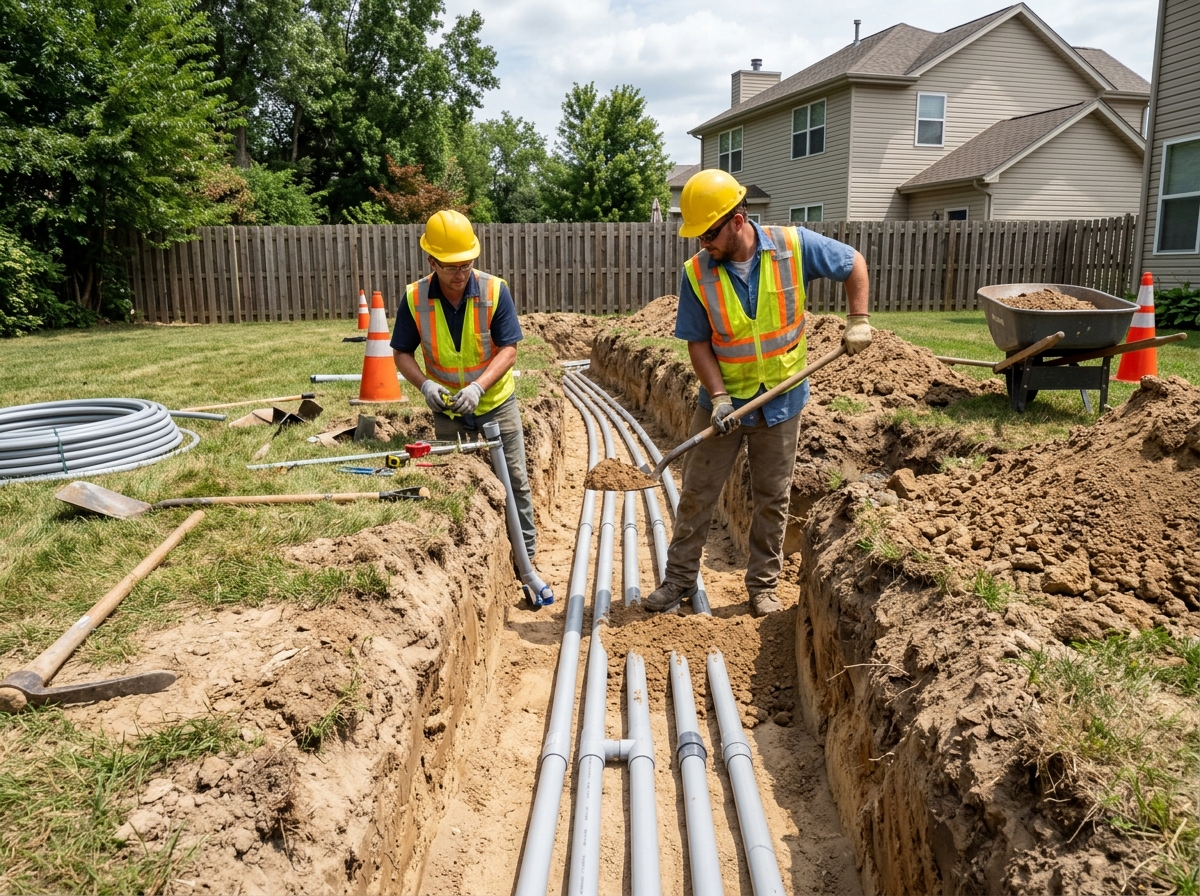
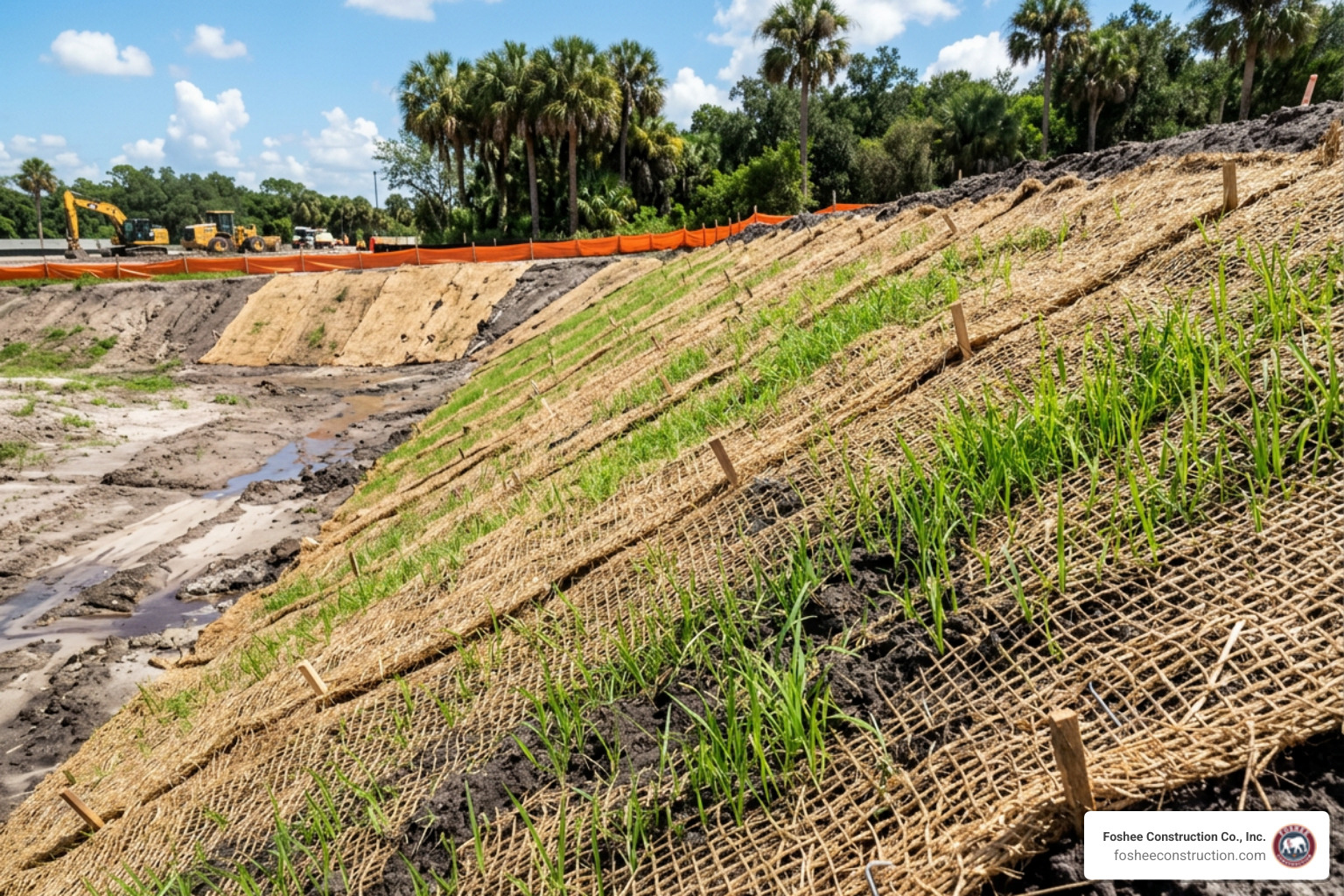
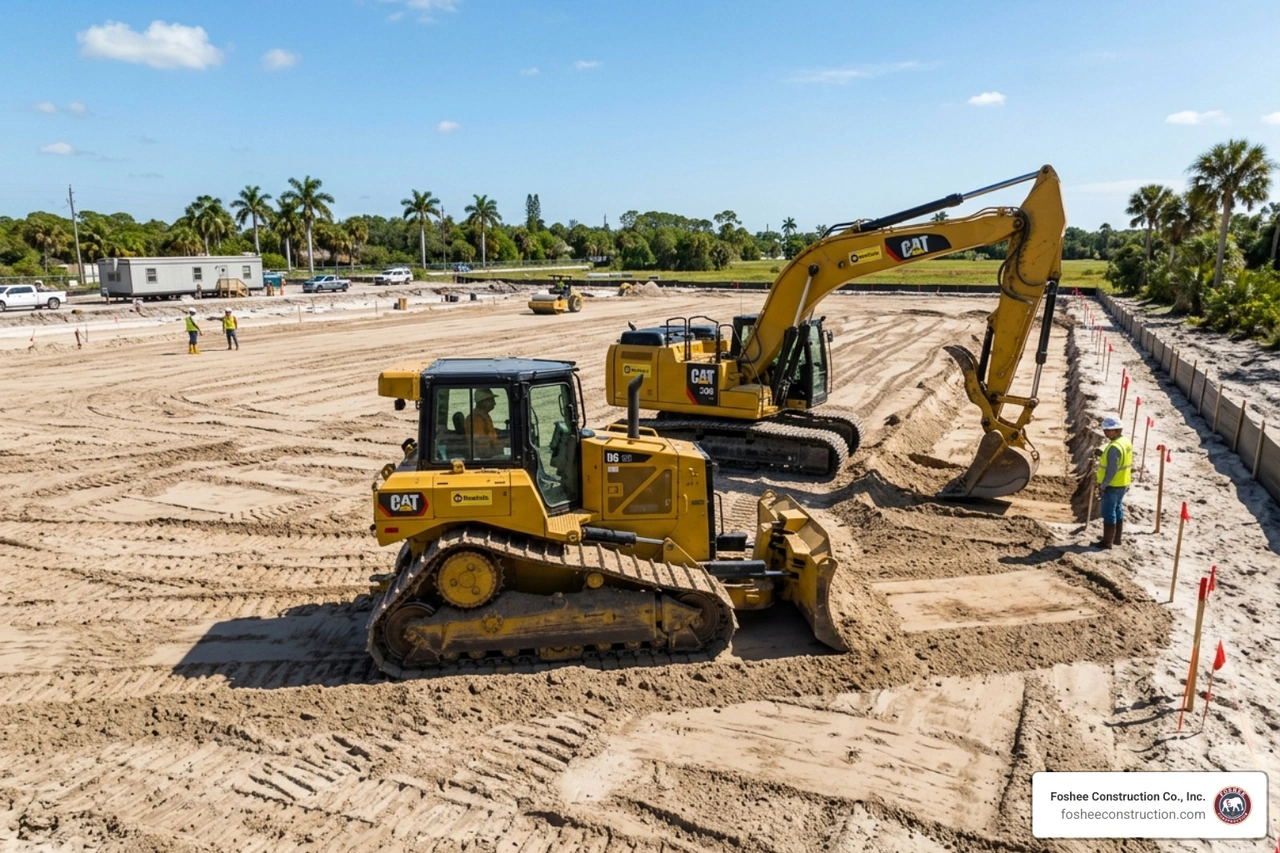
We know that a successful build starts long before the first brick is laid. It starts with precision site preparation—ensuring the grading, underground utilities, and erosion control are handled with the logistical expertise required to keep the rest of your project on track.
Whether you are a developer planning a new commercial complex or a homeowner looking to break ground on a custom build, remember: the schedule is your roadmap. Respect the critical path, communicate relentlessly with your subs, and don't be afraid to adjust when the Florida weather doesn't cooperate.
For more info about site preparation services and how we can help keep your next project on schedule, reach out to us today. Let’s get your project moving from the blueprint to the finish line—on time, every time.
We build bids using HeavyBid and AGTEK because the details matter long before the job starts. When the numbers are accurate and the scope is clearly defined, it sets the tone for how the entire project runs. Estimating isn’t just a step in the process, it’s the foundation we build on.
That same mindset carries into the field. Our crew is trained to work with purpose, follow the Civil Engineers’ Plan to the finest detail, and hold the line on quality. When expectations are clear from day one, there’s no need for shortcuts, and no confusion about how the work gets done.
Clients trust our bid packages because they’re complete and ready to use. Project managers know what we’re covering, what’s excluded, and how we plan to approach the job. That clarity removes friction and lets teams focus on execution instead of interpretation.
As part of our review process, we go into the plans before anything hits the site. We ask the questions early, resolve issues before they show up in the field, and keep RFIs moving. This approach prevents delays and protects the timeline.
Over time, that consistency builds trust. Many of the people we work with today came through referrals from past projects – engineers, GCs, and superintendents who’ve seen how we operate and want the same experience again.
In 2024, Foshee Construction was acquired by Saga Infrastructure Solutions, a national network of civil construction companies. Saga supports regional contractors by giving them access to better tools, long-term resources, and operational backing, without changing how they run day to day.
Foshee will continue to operate under its name, with the same team and field leadership in place.
“From the very time a project starts, we start that partnership. We try to catch as much as we can with the tools that we have. Not everybody is using the software platforms we are. That’s the differentiator: we’re not just bidding. We’re anticipating, problem-solving, and making sure the job runs right.”
— Don, CEO, Saga Infrastructure Solutions
Foshee is now part of a broader regional strategy that includes Florida, the Piedmont Atlantic, Texas, Colorado, and the Arizona Sun Corridor. The name, crews, and standards remain. What’s improving is the support behind it.