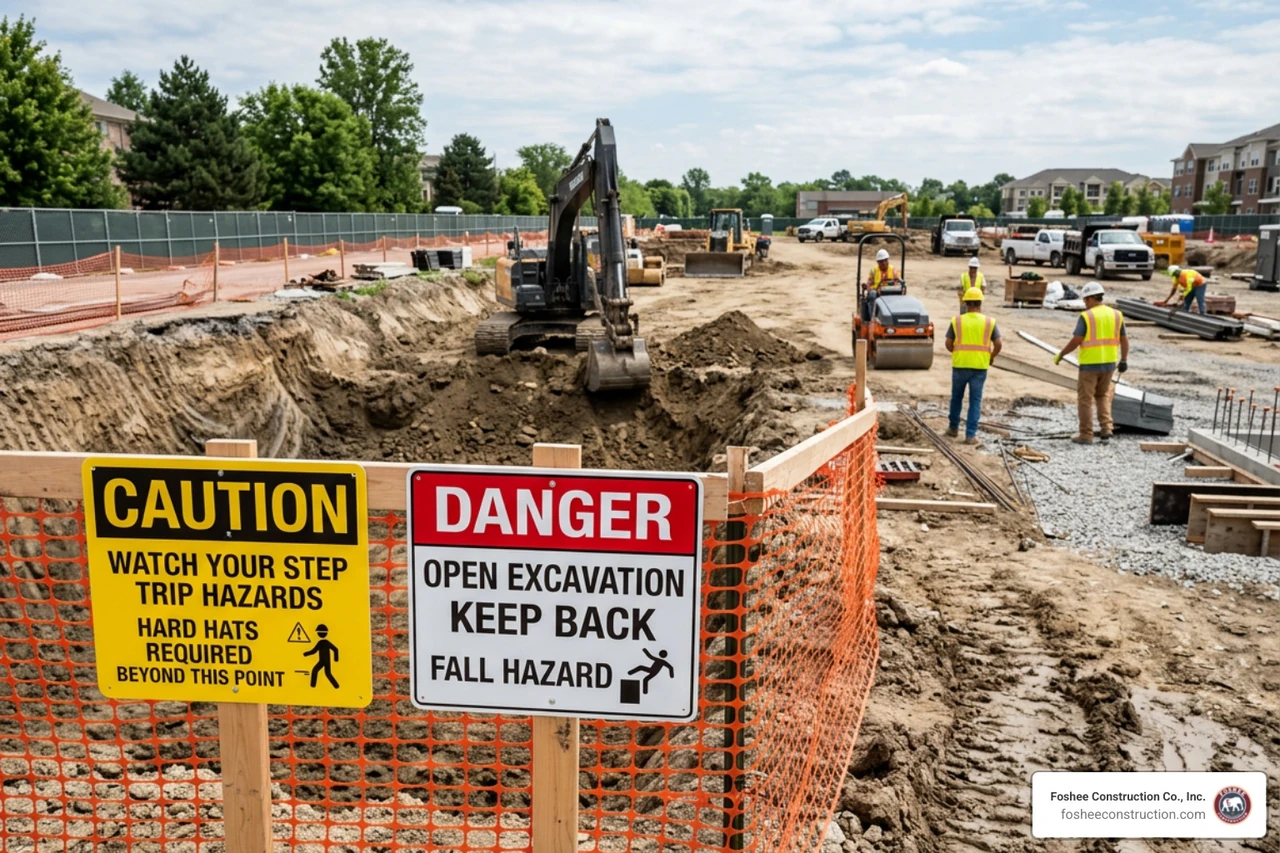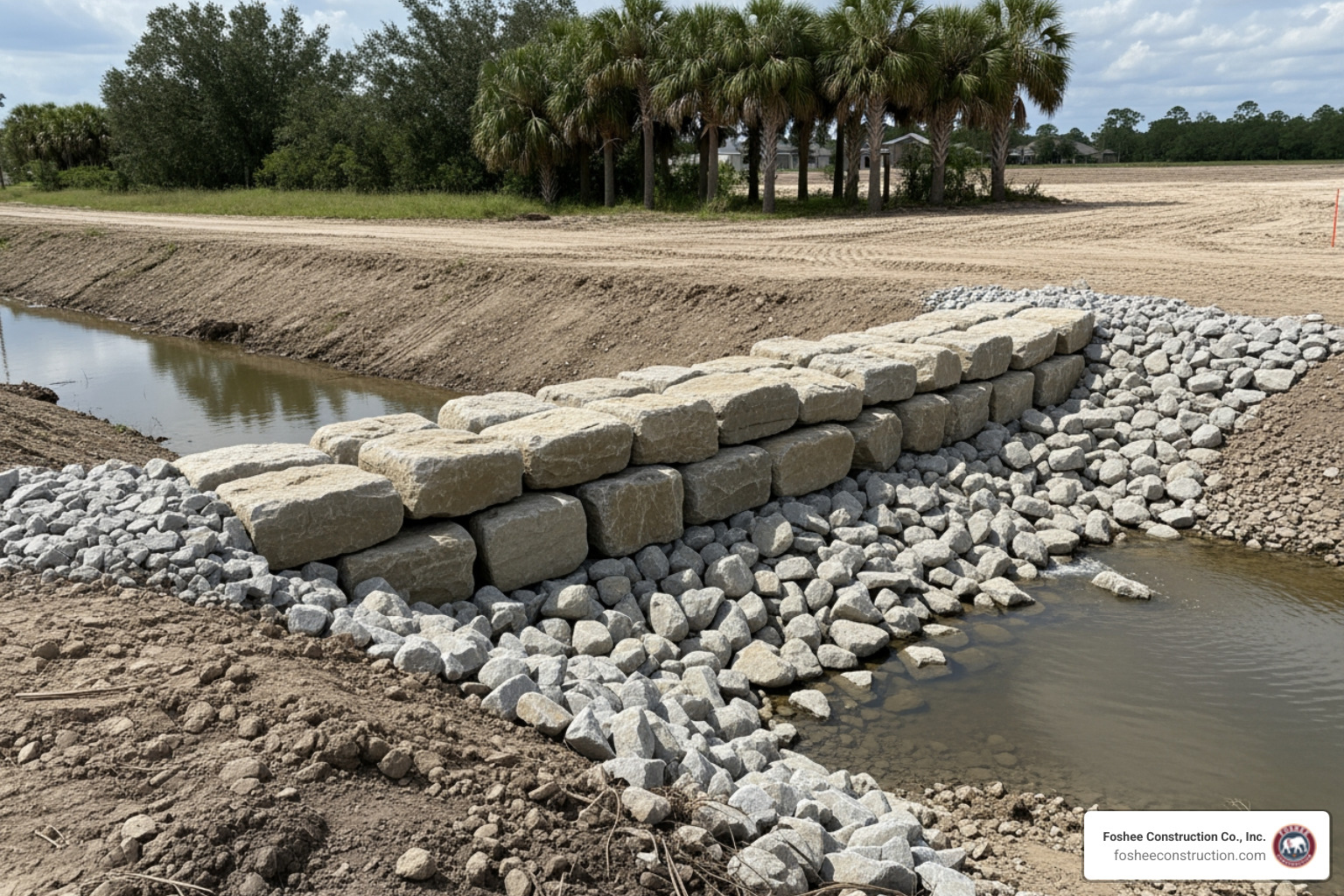
Multi-family sites concentrate a lot of impervious area — rooftops, drives, parking, and shared amenity space — into a footprint that has to drain to a single stormwater system without flooding a unit, a garage, or a neighboring parcel during the first hard Florida rain. That's what makes storm sewer installation on a multi-family project different from a single commercial pad: the pipe network, inlet spacing, and pond sizing all have to work together across dozens of lots or units, not just one building.
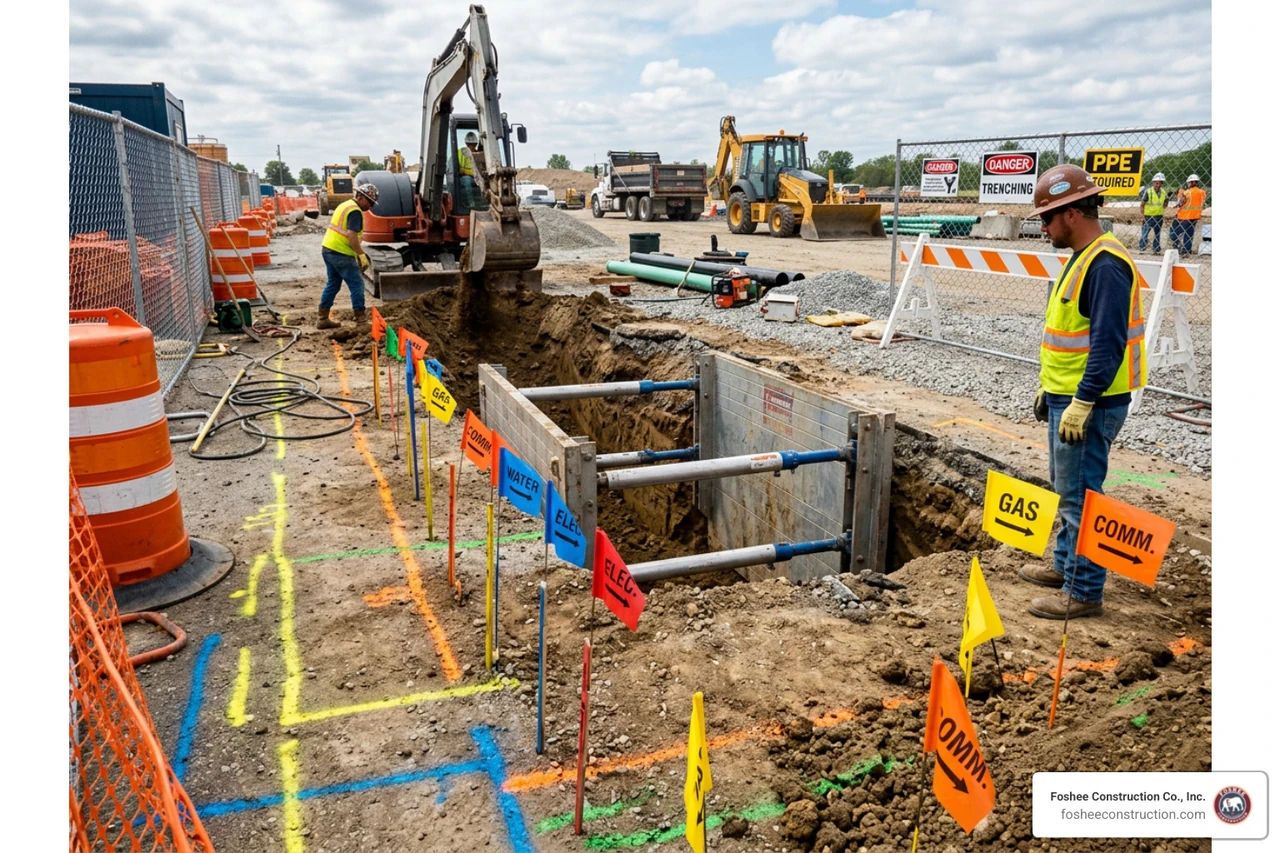
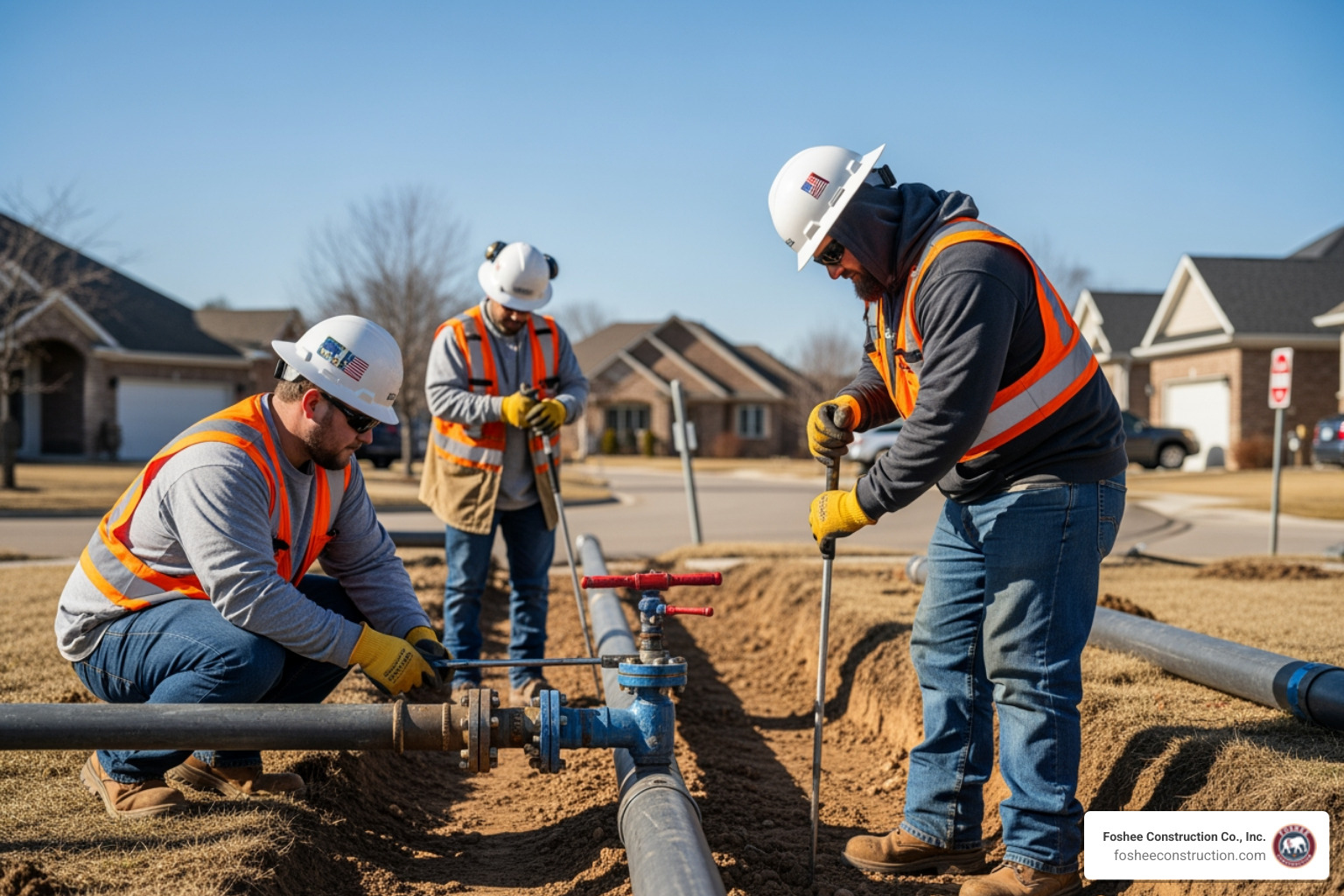
Rather than tracking this as one line item, it helps to break storm sewer scope into three stages, each with its own checklist.
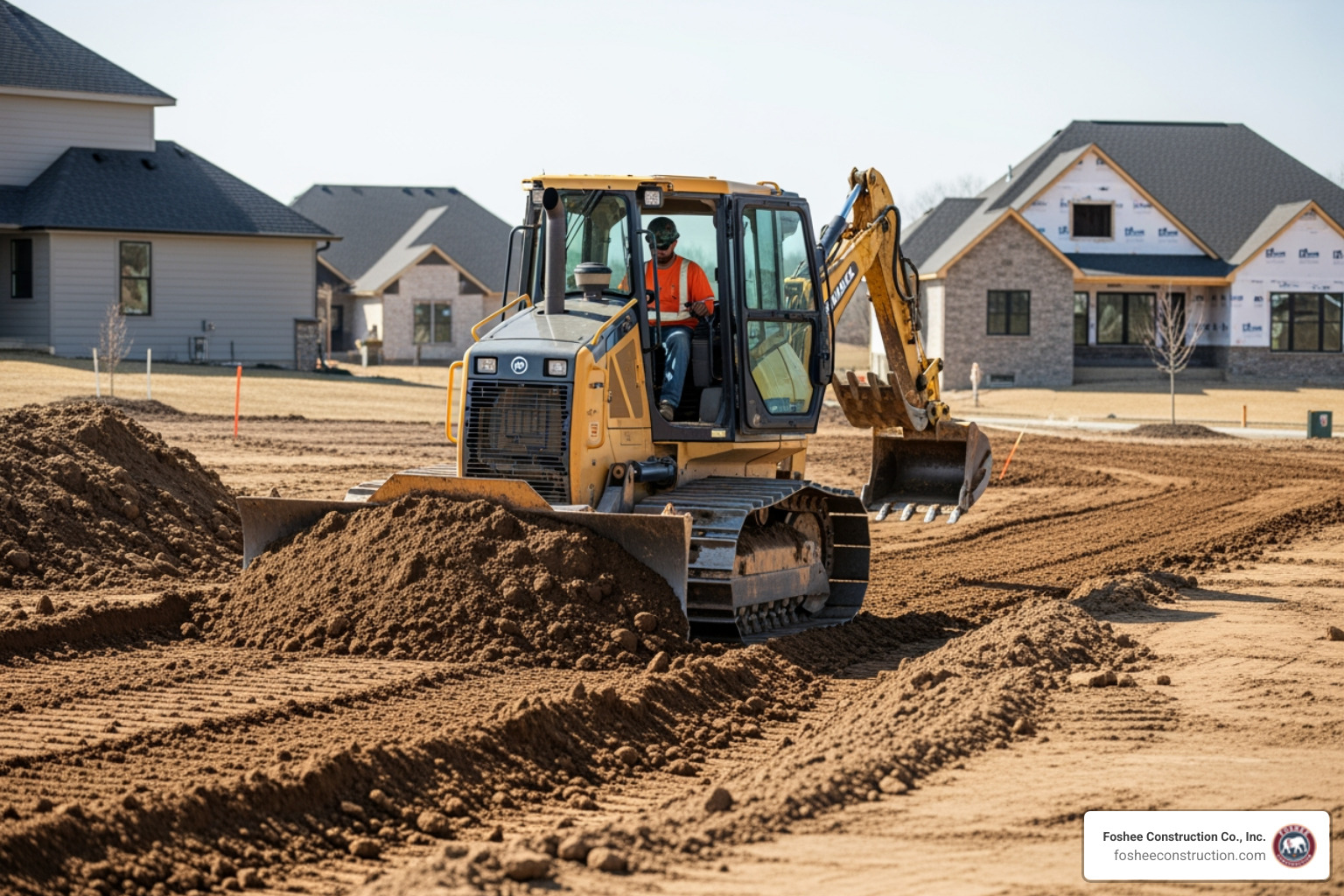
The Hills of Minneola, a residential community wrapping up construction by year-end, is a useful example of why the checklist approach matters on a multi-family or multi-lot residential site. With storm sewer infrastructure serving multiple phases of home construction, the pipe network, inlets, and pond had to be sized and sequenced for the full community, not just the first section of lots — and closeout meant confirming the drainage system actually performed as designed once homes, drives, and lawns were in place, not just that pipe was in the ground.
Multi-family storm systems typically serve a larger, more varied impervious footprint across multiple phases, so pipe sizing, inlet spacing, and pond capacity need to account for the full build-out, not just an initial phase.
Sizing the system for the first phase of lots and not confirming it still performs once later phases add more impervious area and flow into the same pond or outfall.
Before finished paving locks in the surface, ideally with a rain event or flood test to confirm the system drains as designed rather than relying on plan review alone.
Typically the local jurisdiction and the relevant water management district, based on as-built elevations and a functioning inspection of pipe, structures, and pond capacity.
Storm sewer installation on a multi-family site succeeds or fails on coordination — between the drainage design and the field conditions, between phases of the community, and between the pipe network and the pond it feeds. A checklist that carries through design, installation, and testing catches the kind of drainage problems that otherwise show up as a flooded garage after the first real storm.
Foshee Construction has installed drainage infrastructure across Central Florida since 1994. To talk through a storm sewer scope, start with the Foshee contact page.
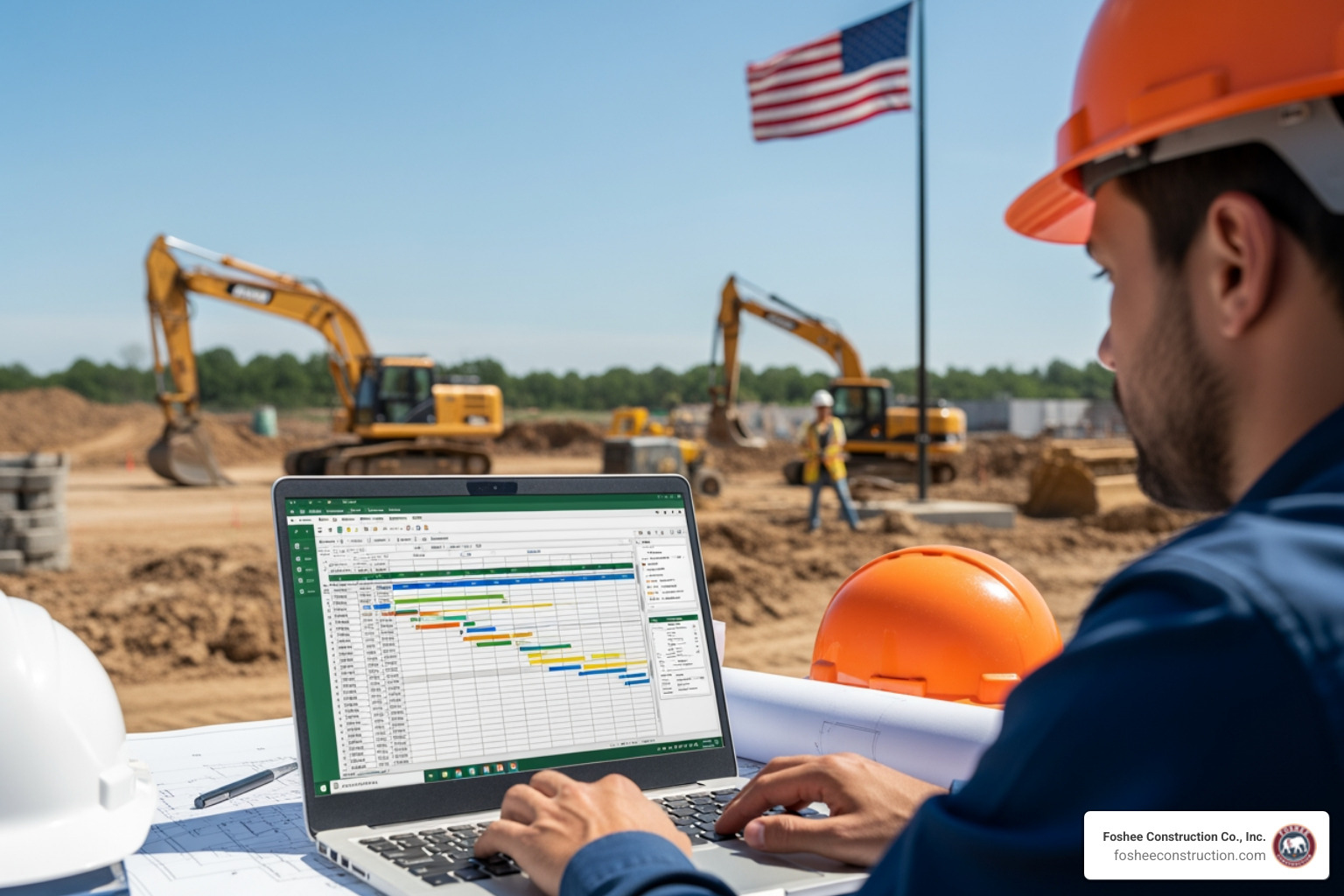
We build bids using HeavyBid and AGTEK because the details matter long before the job starts. When the numbers are accurate and the scope is clearly defined, it sets the tone for how the entire project runs. Estimating isn’t just a step in the process, it’s the foundation we build on.
That same mindset carries into the field. Our crew is trained to work with purpose, follow the Civil Engineers’ Plan to the finest detail, and hold the line on quality. When expectations are clear from day one, there’s no need for shortcuts, and no confusion about how the work gets done.
Clients trust our bid packages because they’re complete and ready to use. Project managers know what we’re covering, what’s excluded, and how we plan to approach the job. That clarity removes friction and lets teams focus on execution instead of interpretation.
As part of our review process, we go into the plans before anything hits the site. We ask the questions early, resolve issues before they show up in the field, and keep RFIs moving. This approach prevents delays and protects the timeline.
Over time, that consistency builds trust. Many of the people we work with today came through referrals from past projects – engineers, GCs, and superintendents who’ve seen how we operate and want the same experience again.
In 2024, Foshee Construction was acquired by Saga Infrastructure Solutions, a national network of civil construction companies. Saga supports regional contractors by giving them access to better tools, long-term resources, and operational backing, without changing how they run day to day.
Foshee will continue to operate under its name, with the same team and field leadership in place.
“From the very time a project starts, we start that partnership. We try to catch as much as we can with the tools that we have. Not everybody is using the software platforms we are. That’s the differentiator: we’re not just bidding. We’re anticipating, problem-solving, and making sure the job runs right.”
— Don, CEO, Saga Infrastructure Solutions
Foshee is now part of a broader regional strategy that includes Florida, the Piedmont Atlantic, Texas, Colorado, and the Arizona Sun Corridor. The name, crews, and standards remain. What’s improving is the support behind it.