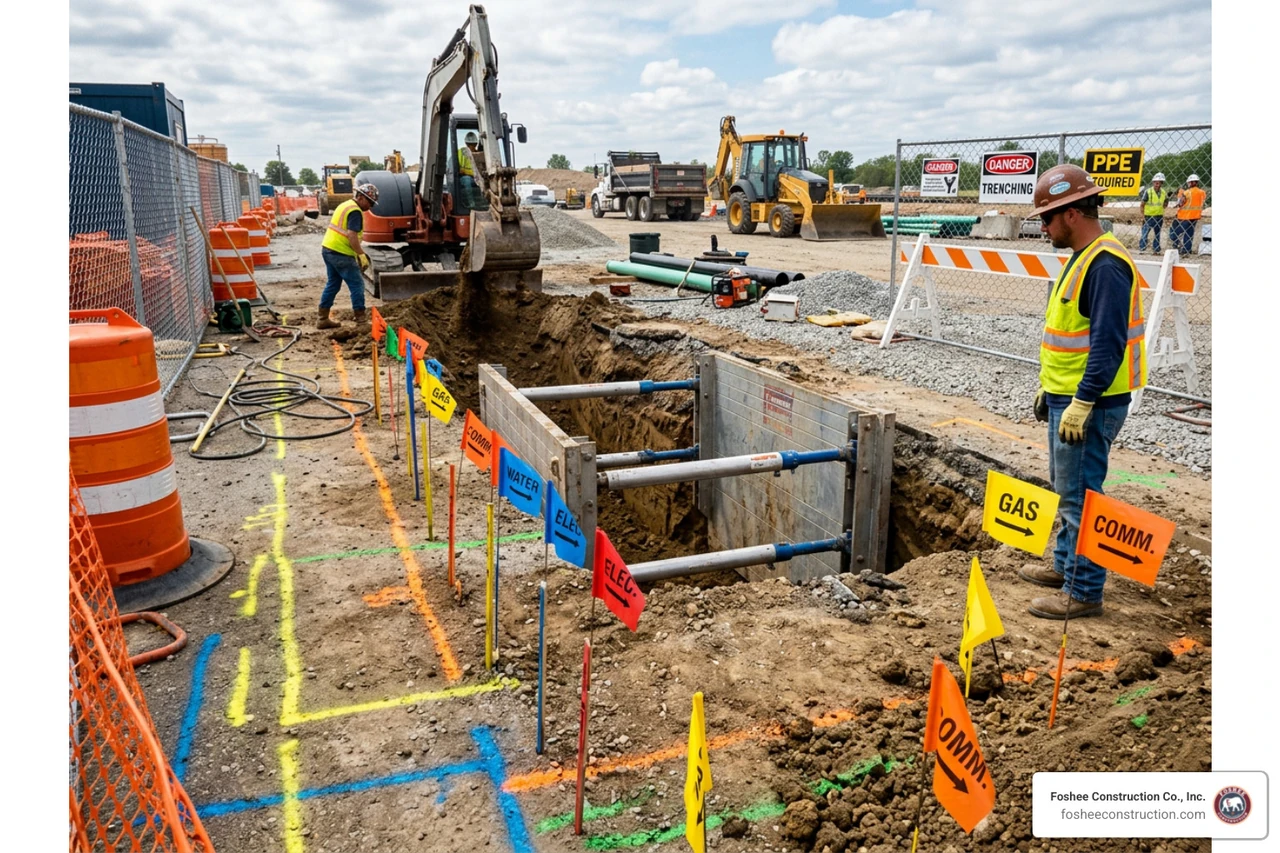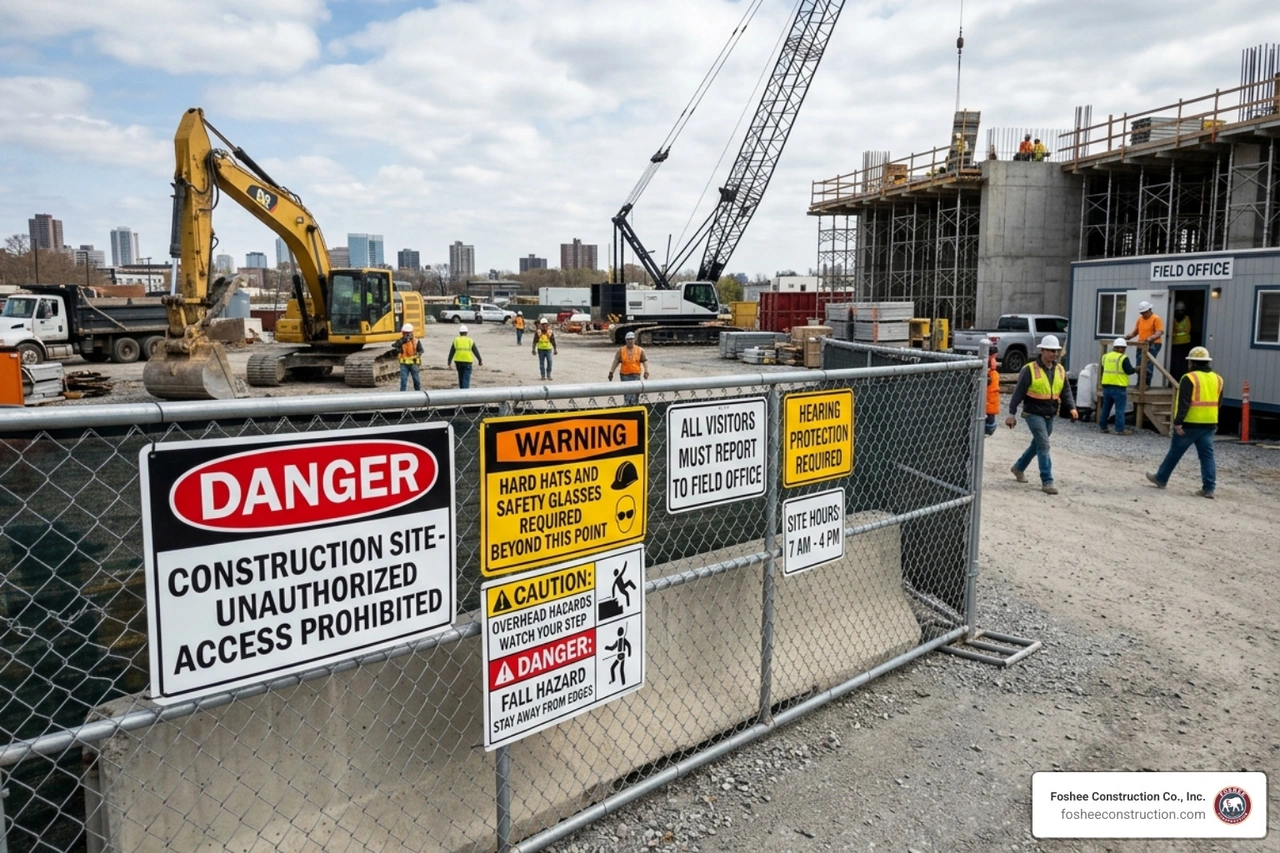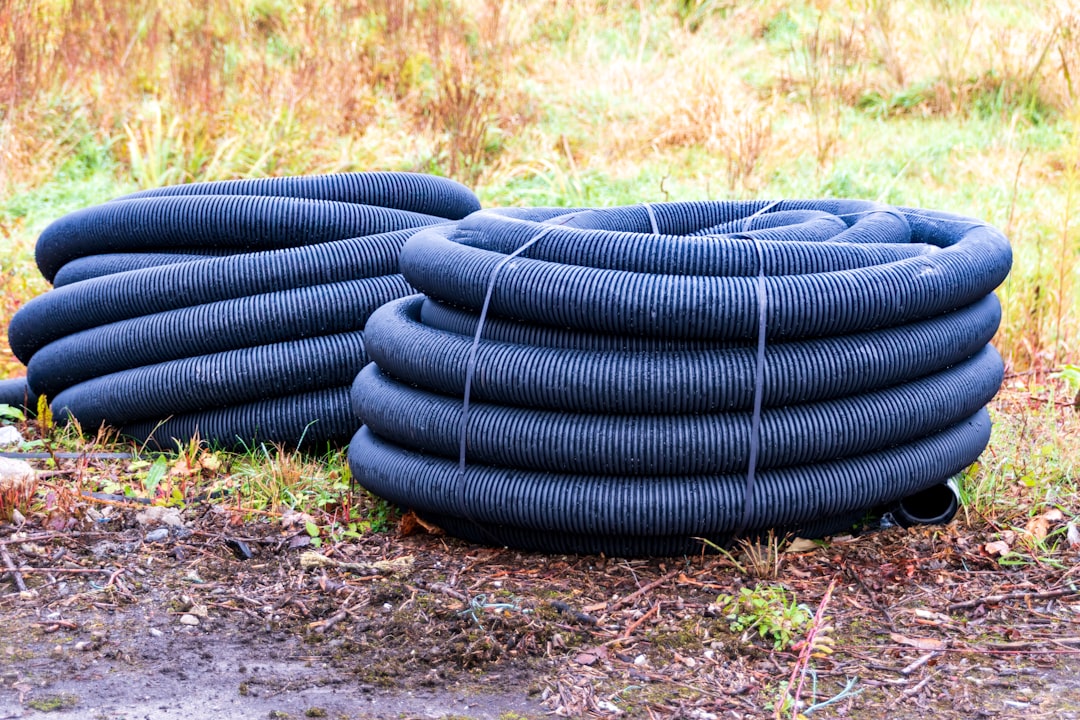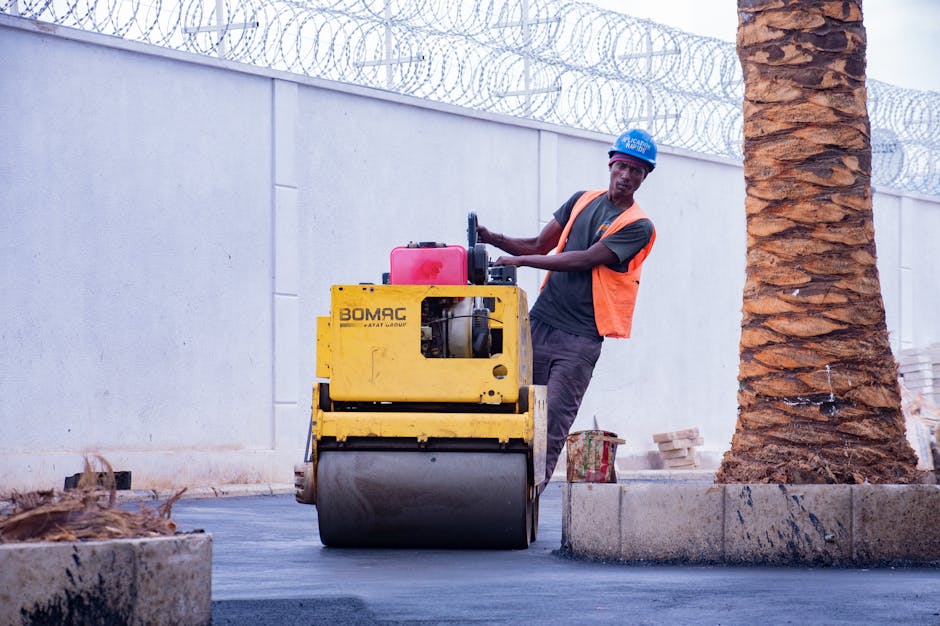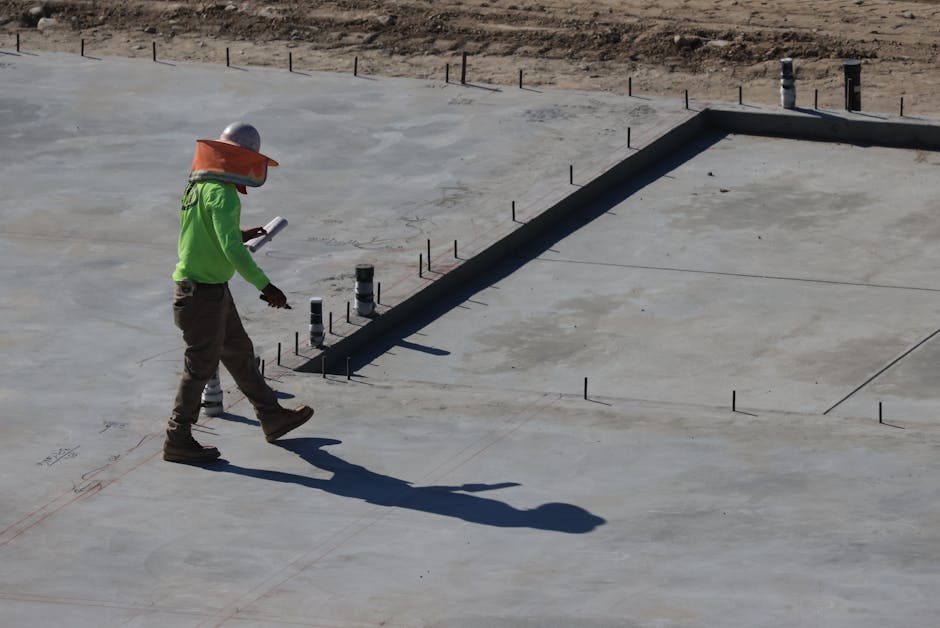
An industrial grading contractor is the foundation of any successful large-scale site development — literally and figuratively. Before a single wall goes up or a utility line goes in, the ground has to be right. And on industrial projects, getting it wrong is expensive.
What does an industrial grading contractor do?
For Florida general contractors and developers, the stakes are especially high. Poor site prep leads to rework, foundation failures, schedule blowouts, and budget overruns. The wrong contractor disappears mid-project or hands you a surprise change order you never saw coming.
The right industrial grading contractor prevents all of that — before it starts.
Here's the reality most developers learn the hard way: not all grading contractors are built for industrial-scale work. Commercial and industrial sites carry unique logistical and sequencing challenges that residential grading simply doesn't prepare a contractor for. The equipment is heavier, the tolerances are tighter, the regulatory requirements are stricter, and the cost of a mistake scales with the size of the project.
I'm Don Larsen, and at Foshee Construction Co., Inc. we've been delivering reliable site development and earthmoving services across Central Florida since 1994 — including industrial grading contractor work for developers, general contractors, and engineers from Minneola to Lake County and beyond. That track record means we know exactly what it takes to move a large-scale industrial site from raw ground to construction-ready, on time and on budget.
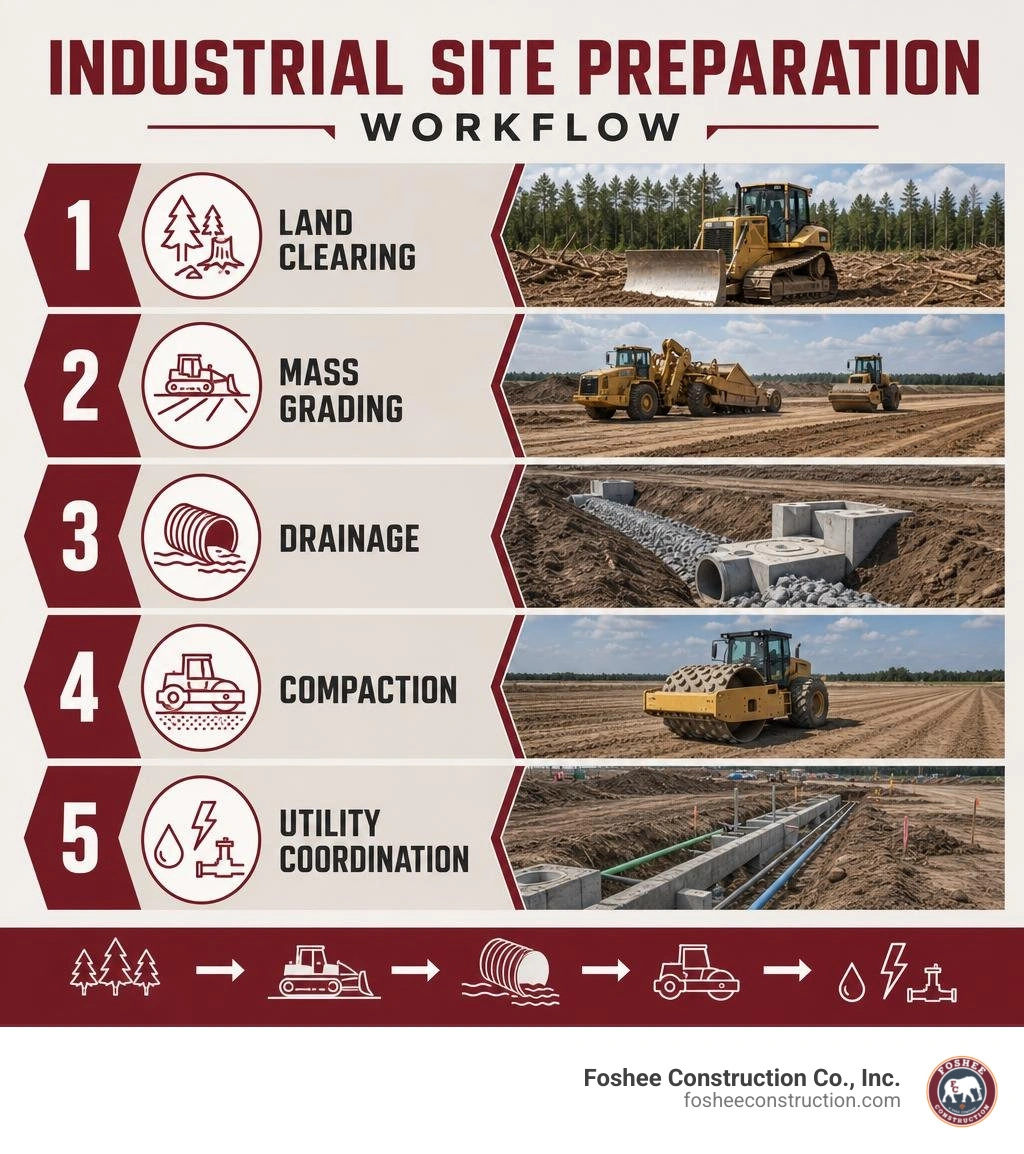
Simple industrial grading contractor word guide:
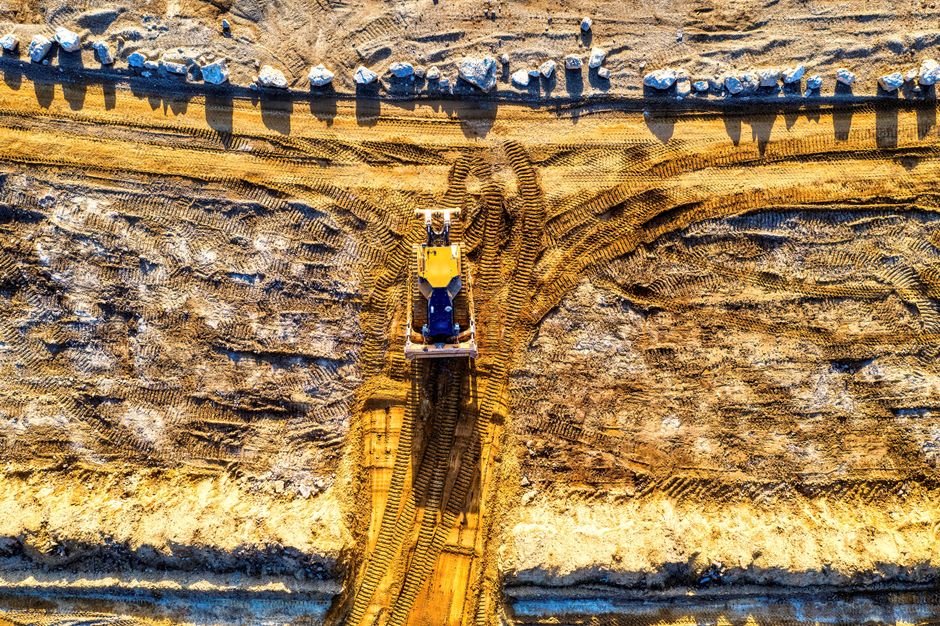
An industrial grading contractor is a highly specialized earthwork professional who reshapes the physical landscape to prepare it for heavy-duty industrial and commercial use. While a standard contractor might level a backyard or prep a small retail lot, an industrial specialist operates on a completely different scale.
Think of it this way: if residential grading is like sculpting clay with a butter knife, industrial grading is like carving a mountain with a scalpel. It requires massive horsepower combined with millimeter-level precision.
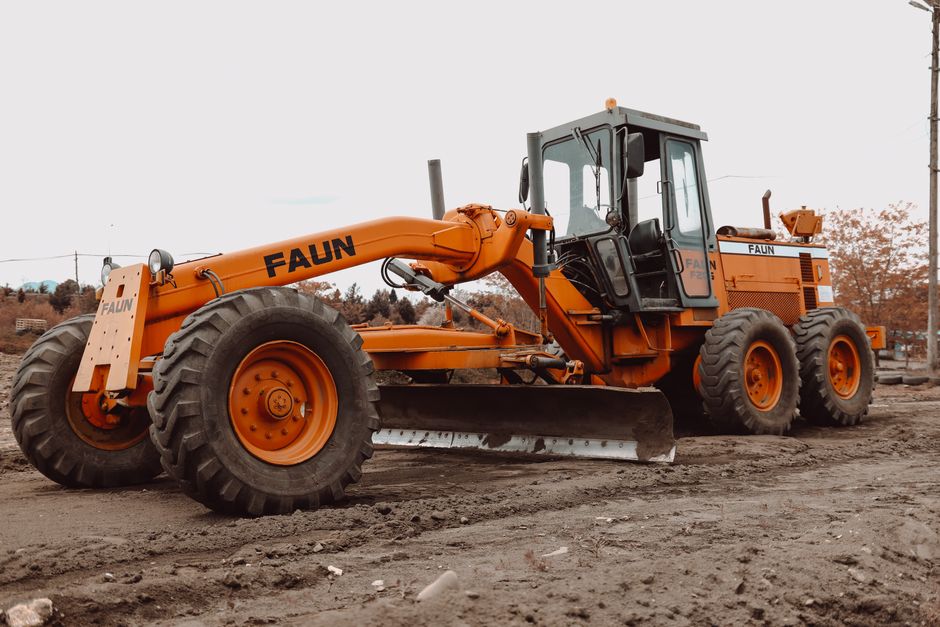
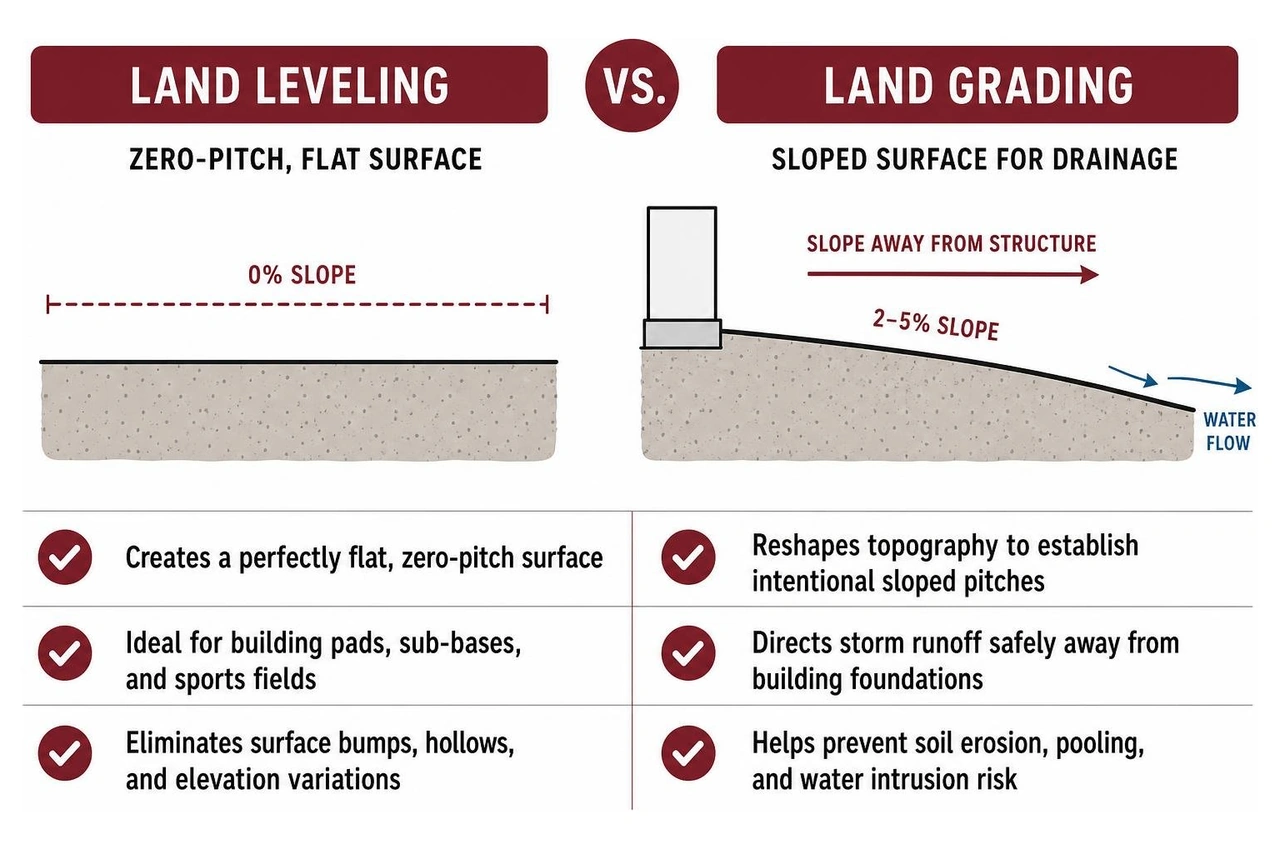
When we step onto a raw piece of land, we aren't just pushing dirt around. We are analyzing the soil's load-bearing capacity, calculating water runoff patterns, and executing a highly engineered plan. Our primary objective is to transform raw, uneven terrain into a perfectly stabilized, structurally sound environment.
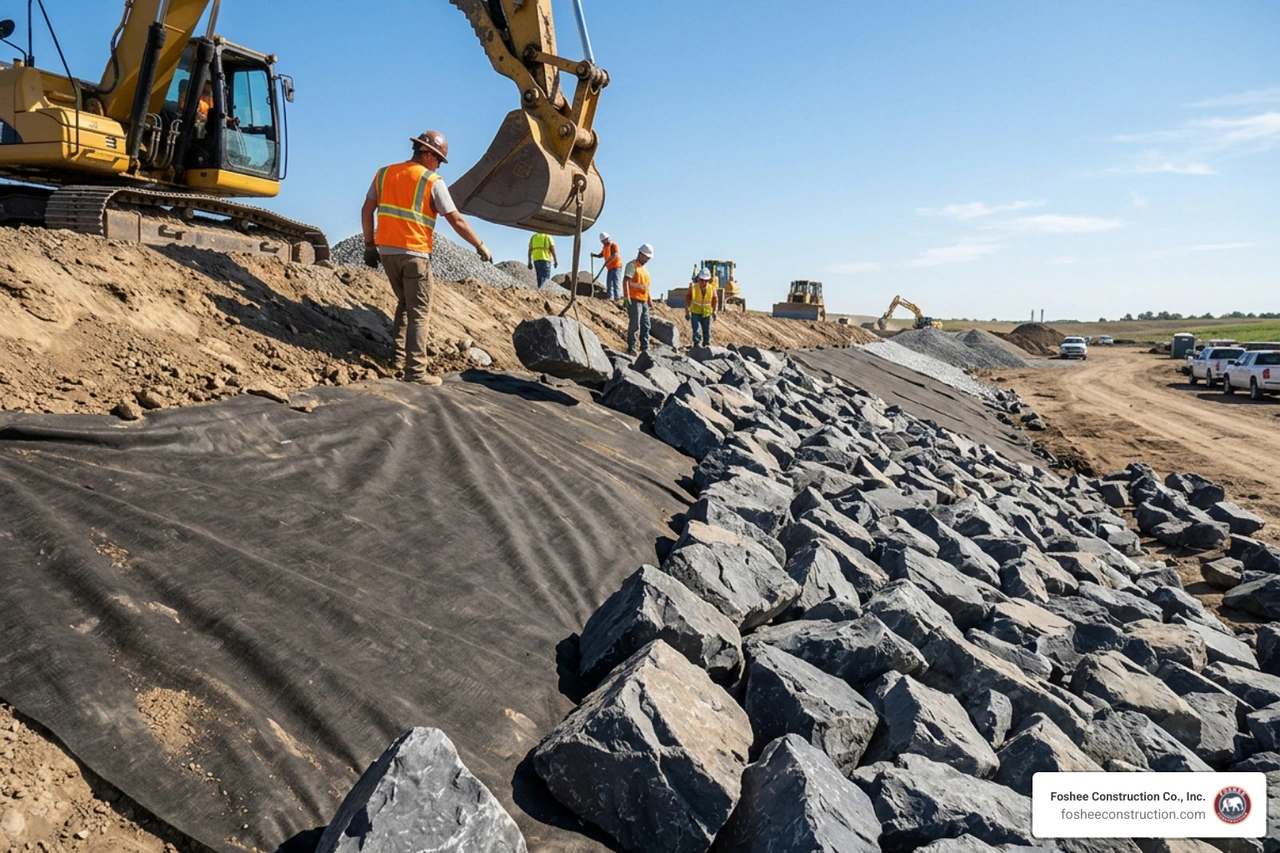
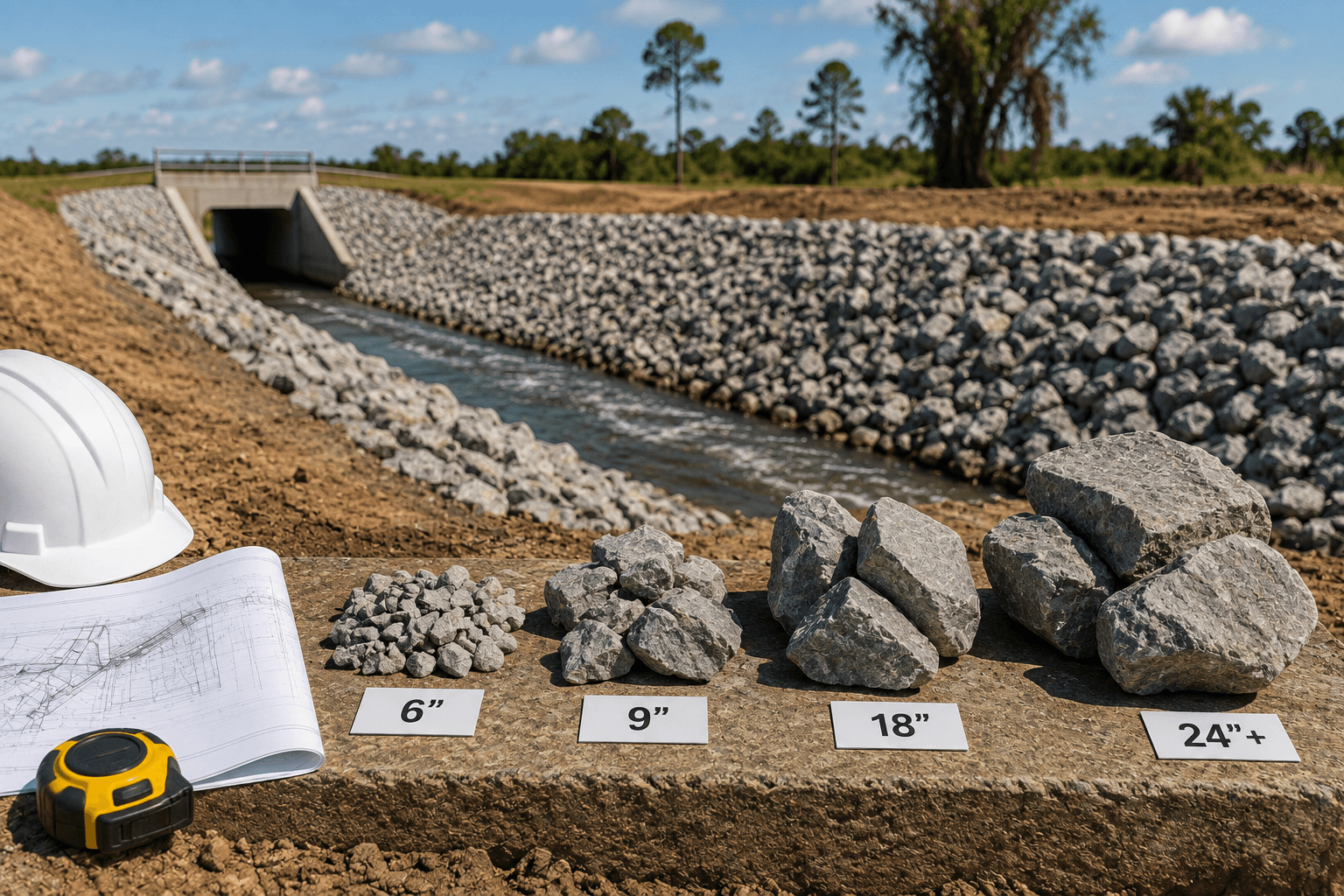
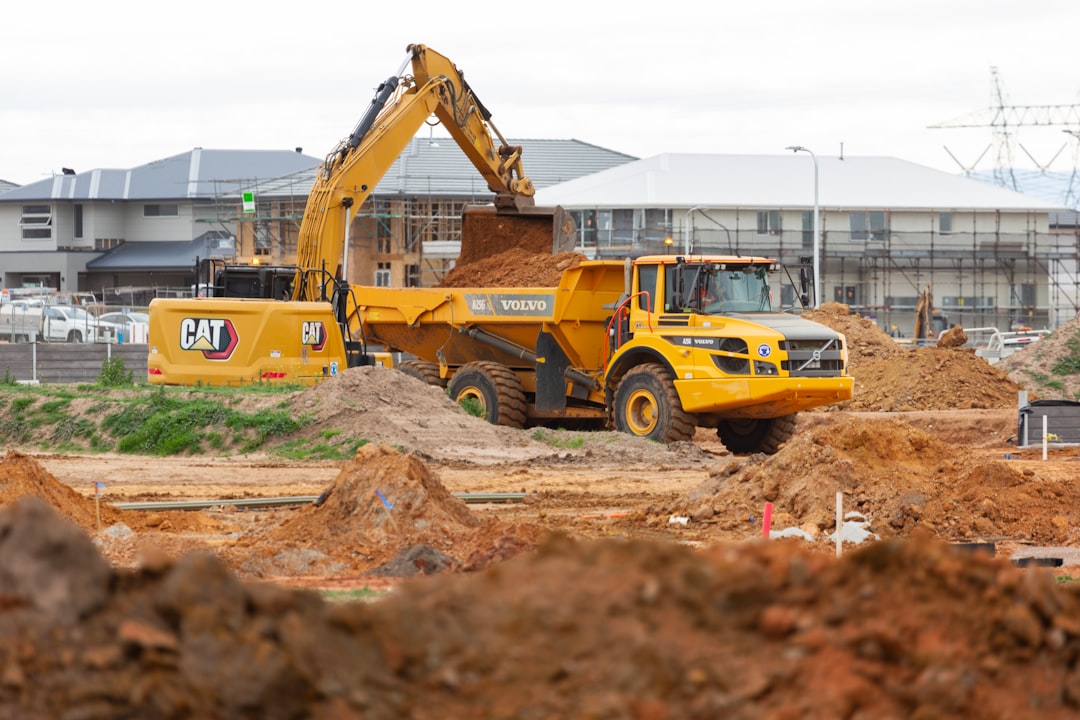
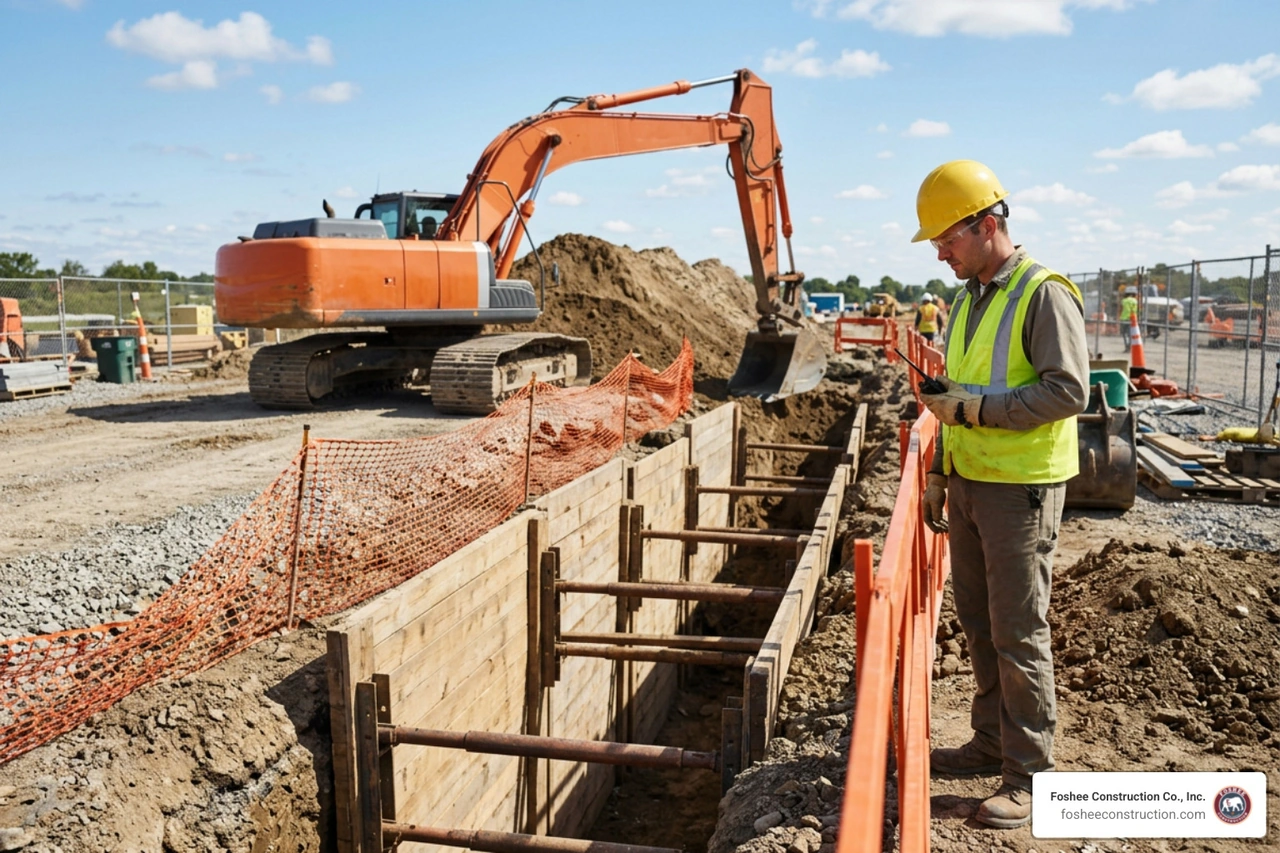
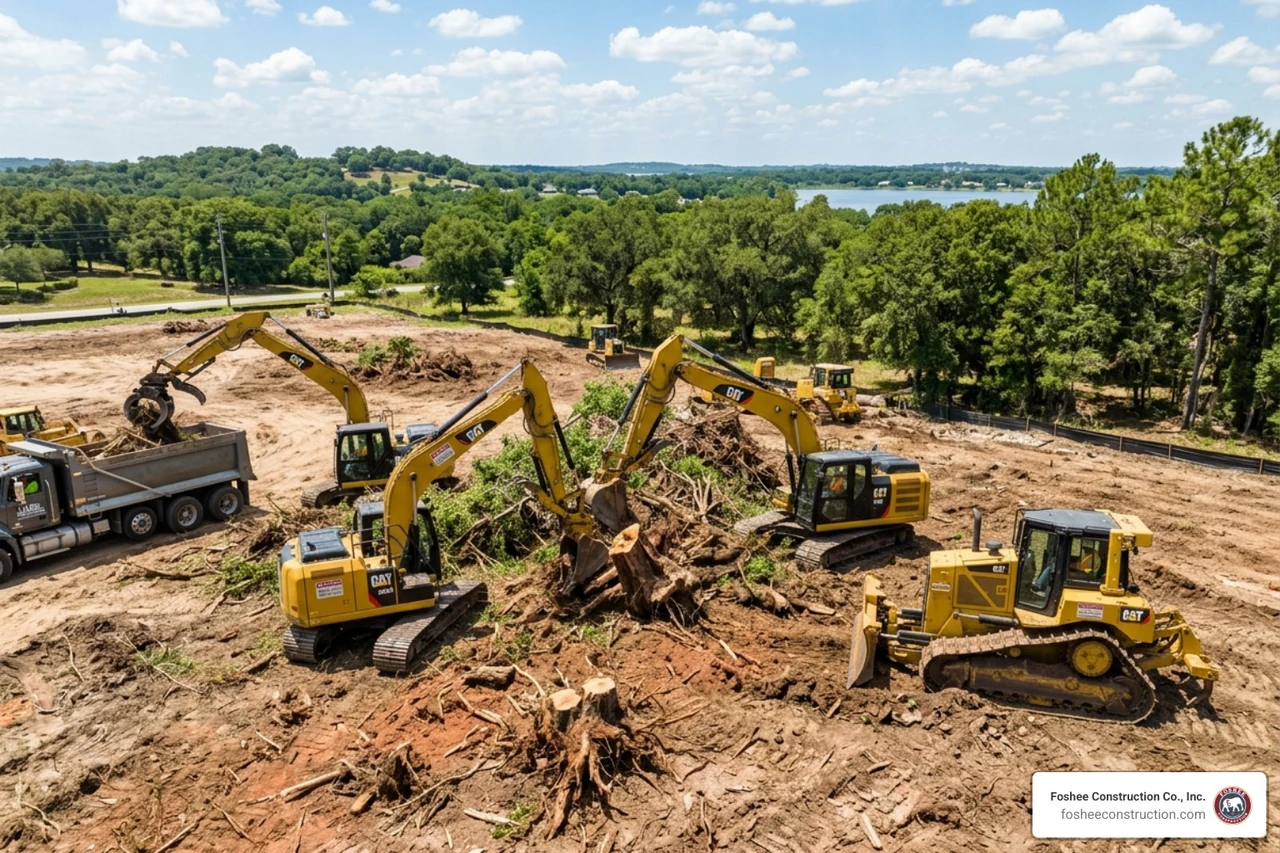
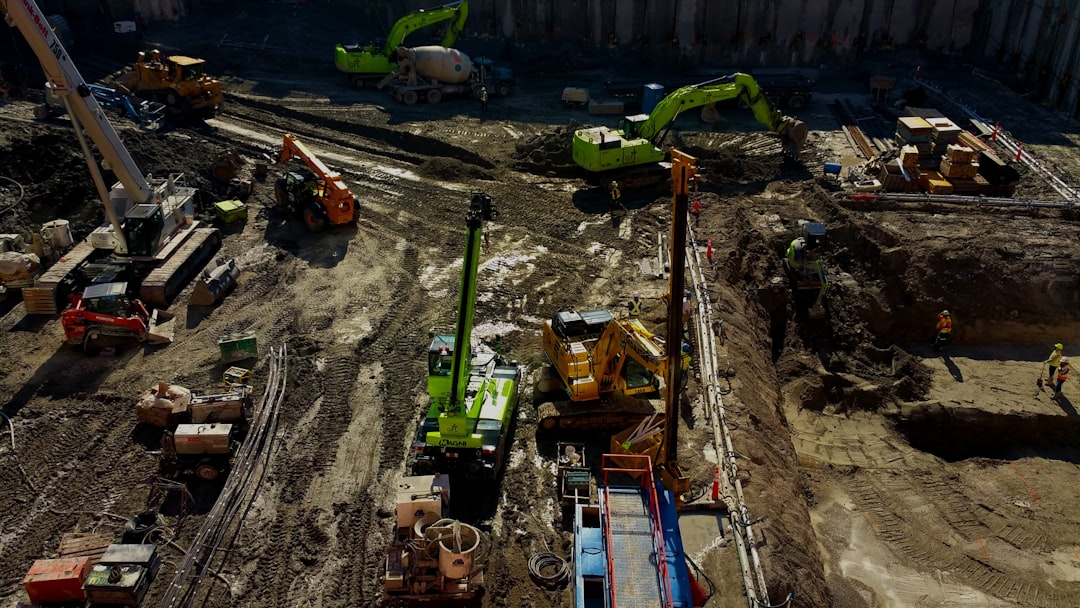
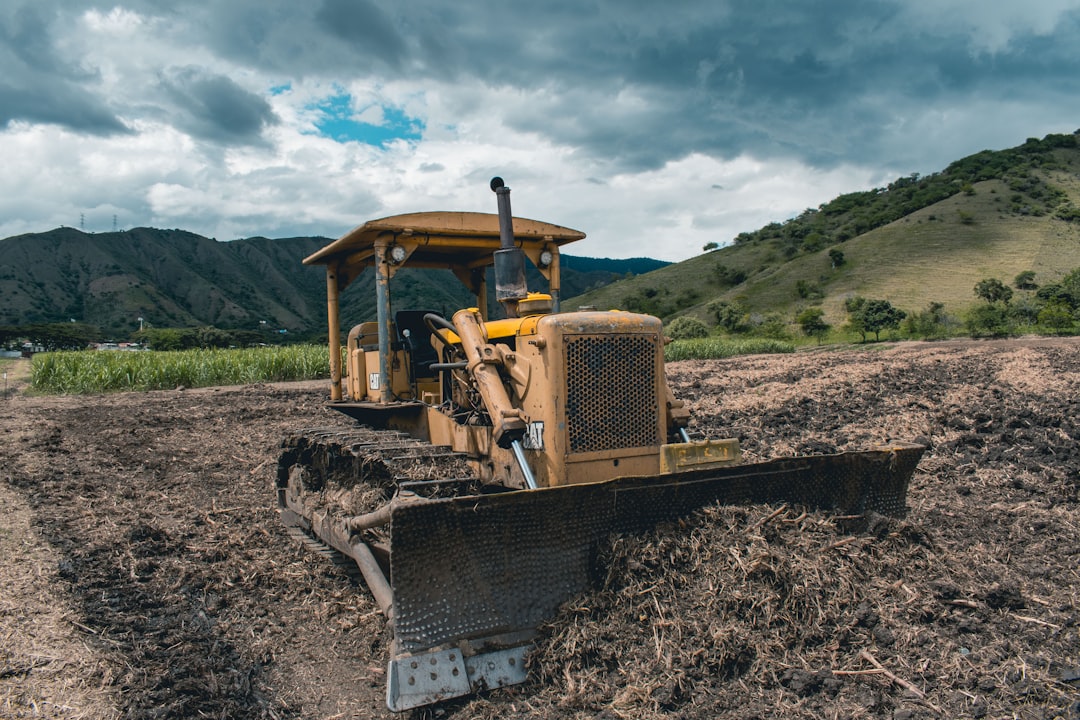
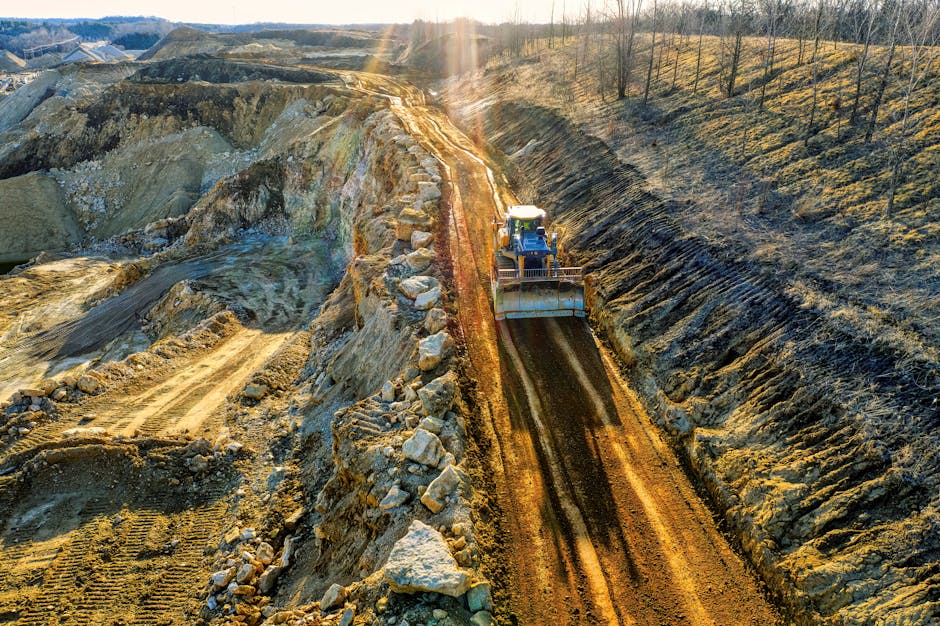
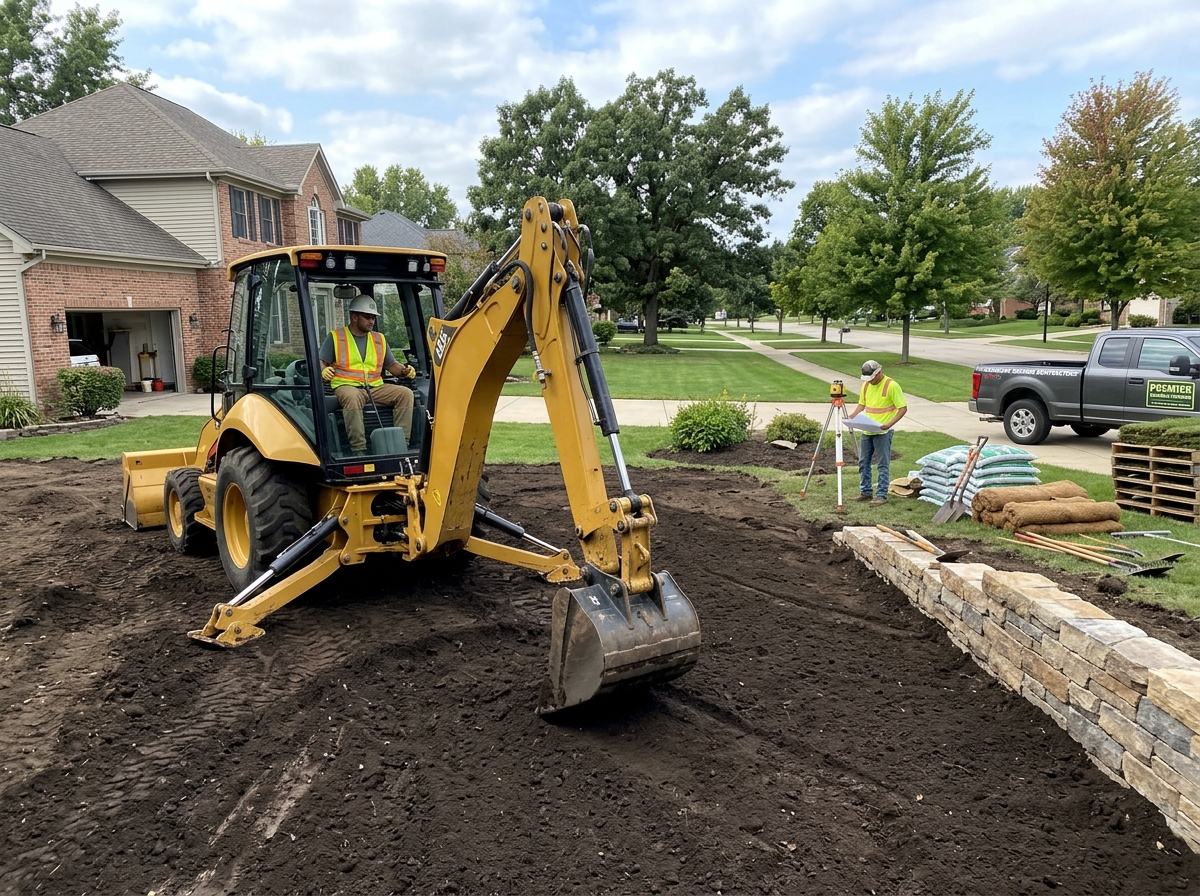
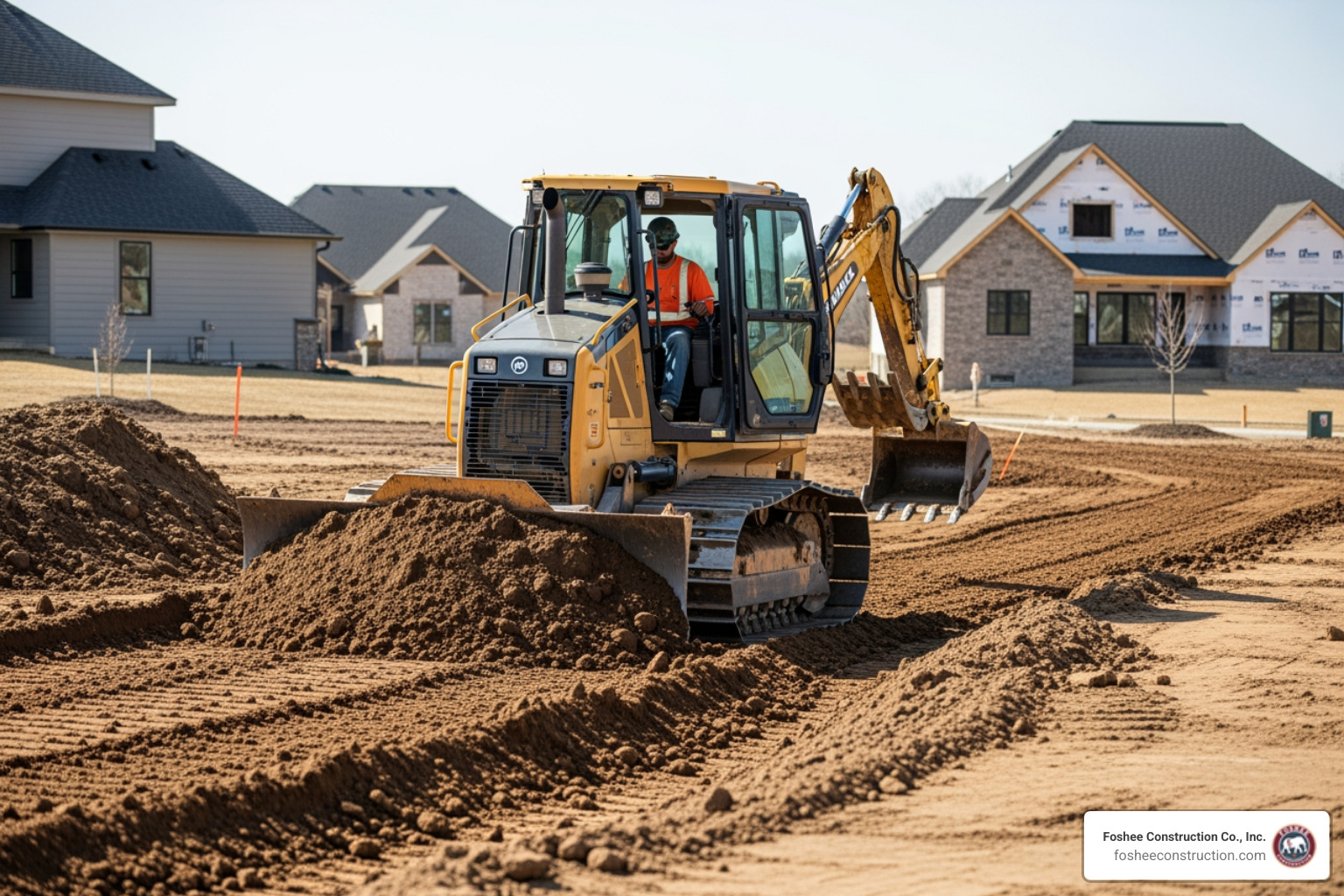
To achieve this, we execute several critical phases of earthwork, starting with comprehensive Site Preparation Services. This includes mass grading (moving hundreds of thousands of cubic yards of earth), fine grading (preparing the exact subgrade for concrete slabs and asphalt), structural excavation for massive footings, and advanced soil stabilization to ensure the ground can support millions of pounds of structural weight.
To take an industrial project from a wooded lot to a paved, structurally sound facility, we provide a comprehensive suite of turn-key services. This ensures that developers do not have to manage multiple disjointed subcontractors.
Our core services include:
By integrating these phases, our team at Foshee Construction provides a seamless, turn-key Foshee Construction Site Prep package that eliminates communication gaps and keeps your project moving forward without delay.
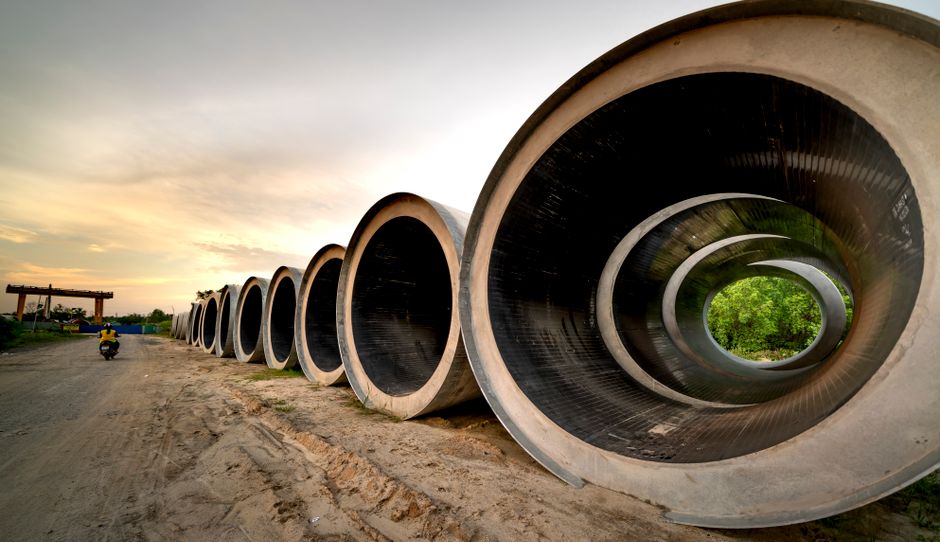
Industrial earthwork is built for high-stakes, large-footprint developments. We regularly handle projects that require massive structural pads, heavy-vehicle paving, and complex stormwater management systems.
Typical projects include:
Whether you are preparing a site for a massive warehouse or initiating a complex commercial development, starting with professional Land Clearing and Site Preparation is the only way to protect your physical and financial investment.
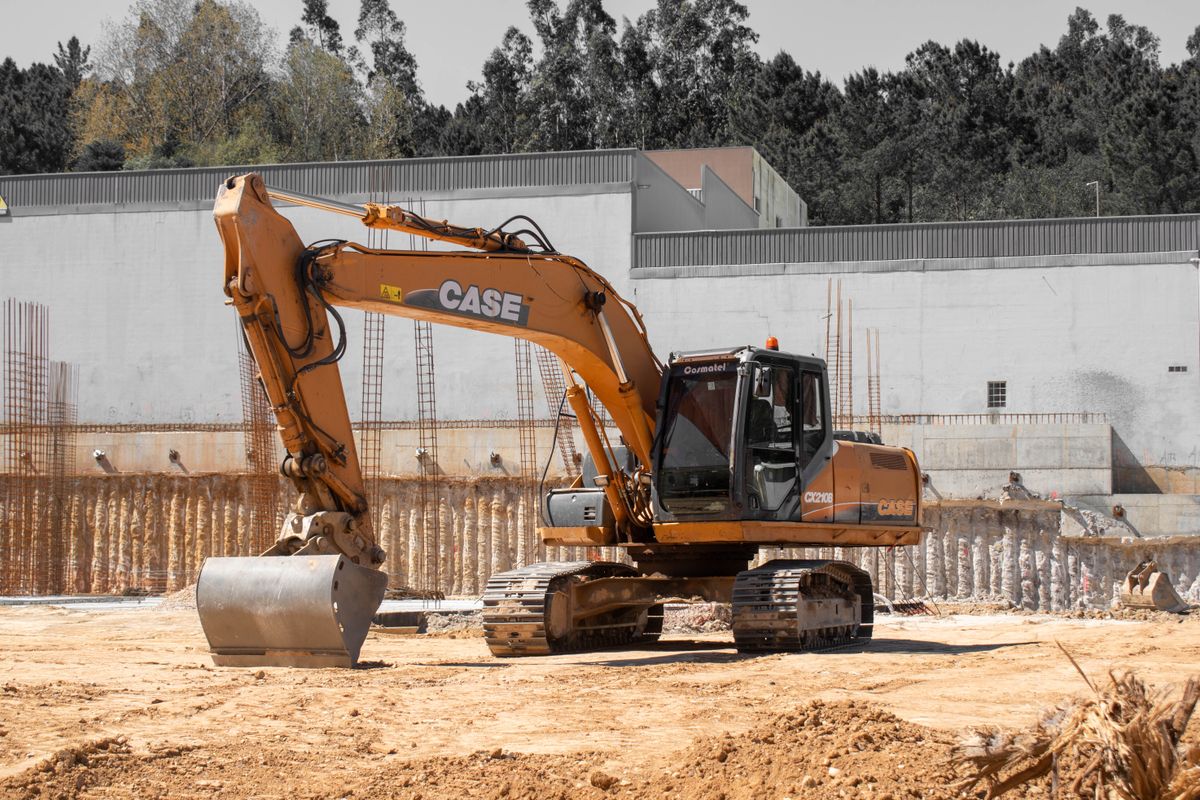
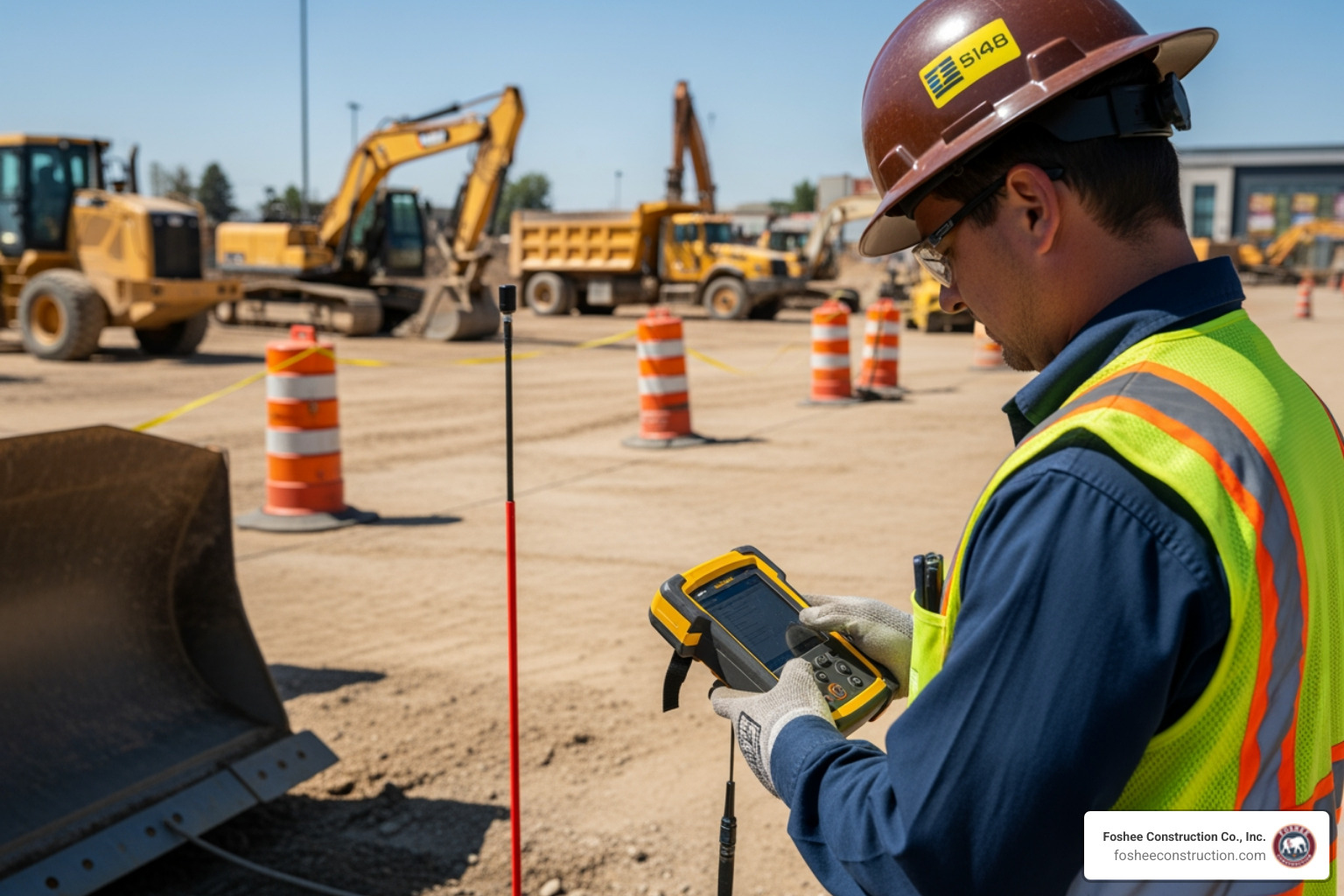
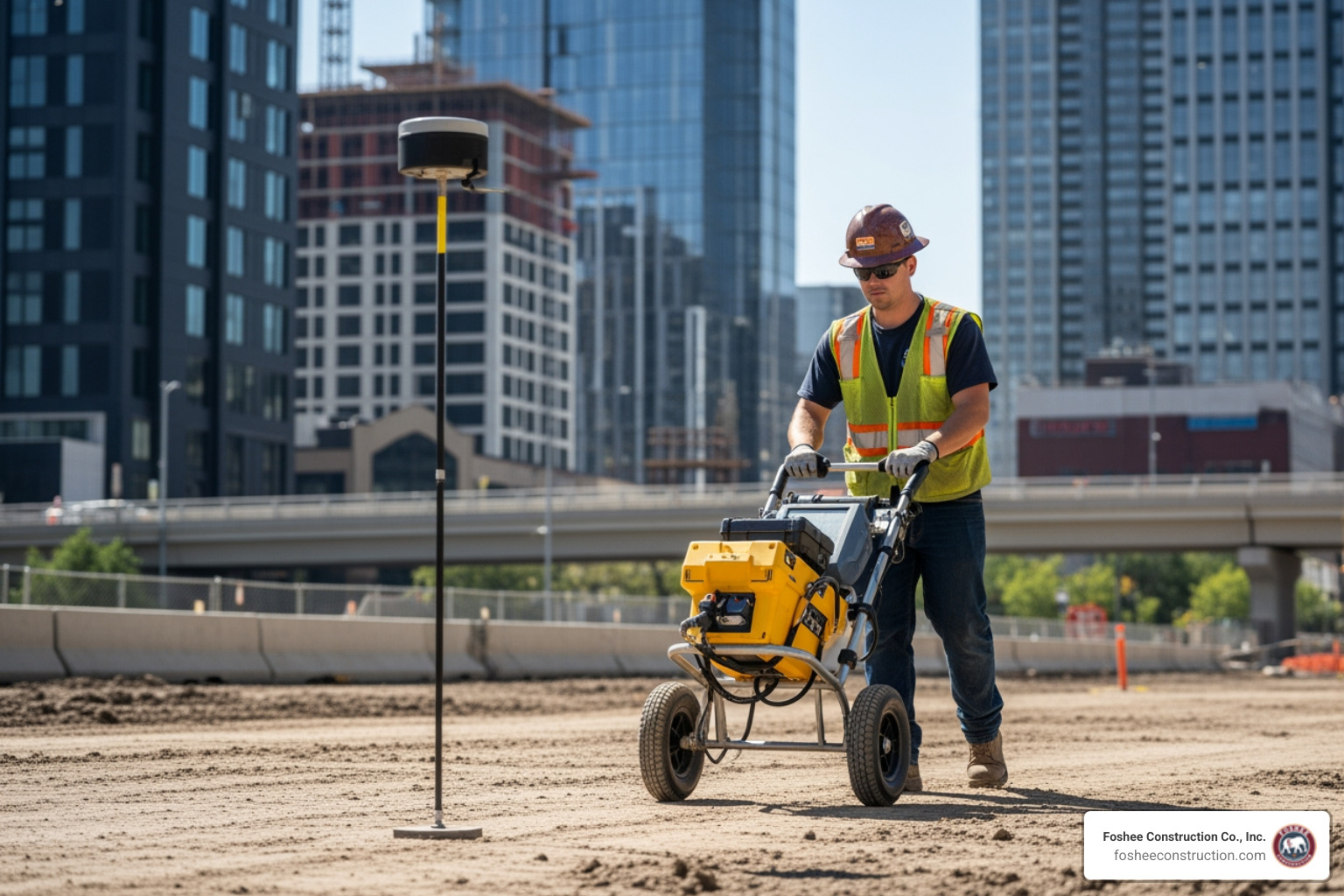
The days of operators relying solely on wooden stakes and string lines to grade a site are long gone. In June 2026, the industrial earthwork industry relies heavily on advanced spatial technology and heavy machinery to deliver flawless results.
At Foshee Construction, we combine heavy "iron" with cutting-edge software to maximize efficiency and eliminate human error.
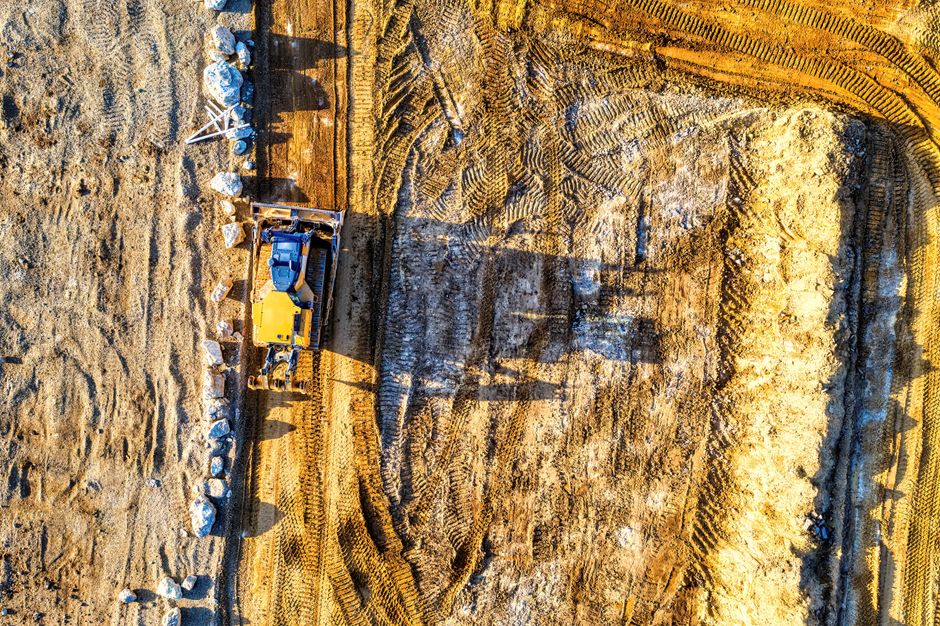
[3D Site Model] ➔ [GPS-Guided Heavy Equipment] ➔ [Drone Survey Validation]Our primary technological tools include:
By leveraging this technology, we reduce fuel consumption, minimize material waste, and complete site prep faster than traditional methods. To learn more about how we integrate technology with field experience, explore the Foshee Construction Technology overview.
One of the greatest challenges in industrial grading is managing the soil beneath our feet. In Central Florida, we deal with everything from highly permeable sugar sand to dense, moisture-retaining clays. If the soil isn't treated correctly, the entire structure built on top of it is at risk of shifting, cracking, or sinking.
To prevent this, we focus heavily on soil stabilization and site balance. Site balance is the art and science of ensuring the "cut" (soil removed from high areas) matches the "fill" (soil needed to raise low areas). If a site is perfectly balanced, we don't have to pay to import hundreds of truckloads of dirt, nor do we have to pay to haul excess dirt away. This saves developers tens of thousands of dollars in logistics costs.
When soil conditions are poor, we utilize various stabilization methods to build a reliable foundation:
| Soil Stabilization Method | Primary Use Case | How It Works |
|---|---|---|
| Mechanical Compaction | General sandy and granular soils | Heavy vibratory rollers pack soil particles tightly to eliminate air voids and increase load-bearing capacity. |
| Lime Stabilization | High-plasticity clays and wet soils | Quicklime or hydrated lime is mixed into clay to chemically reduce moisture and improve structural strength. |
| Cement Stabilization | Silty soils and weak subgrades | Portland cement is blended into the soil to create a semi-rigid, highly durable soil-cement base. |
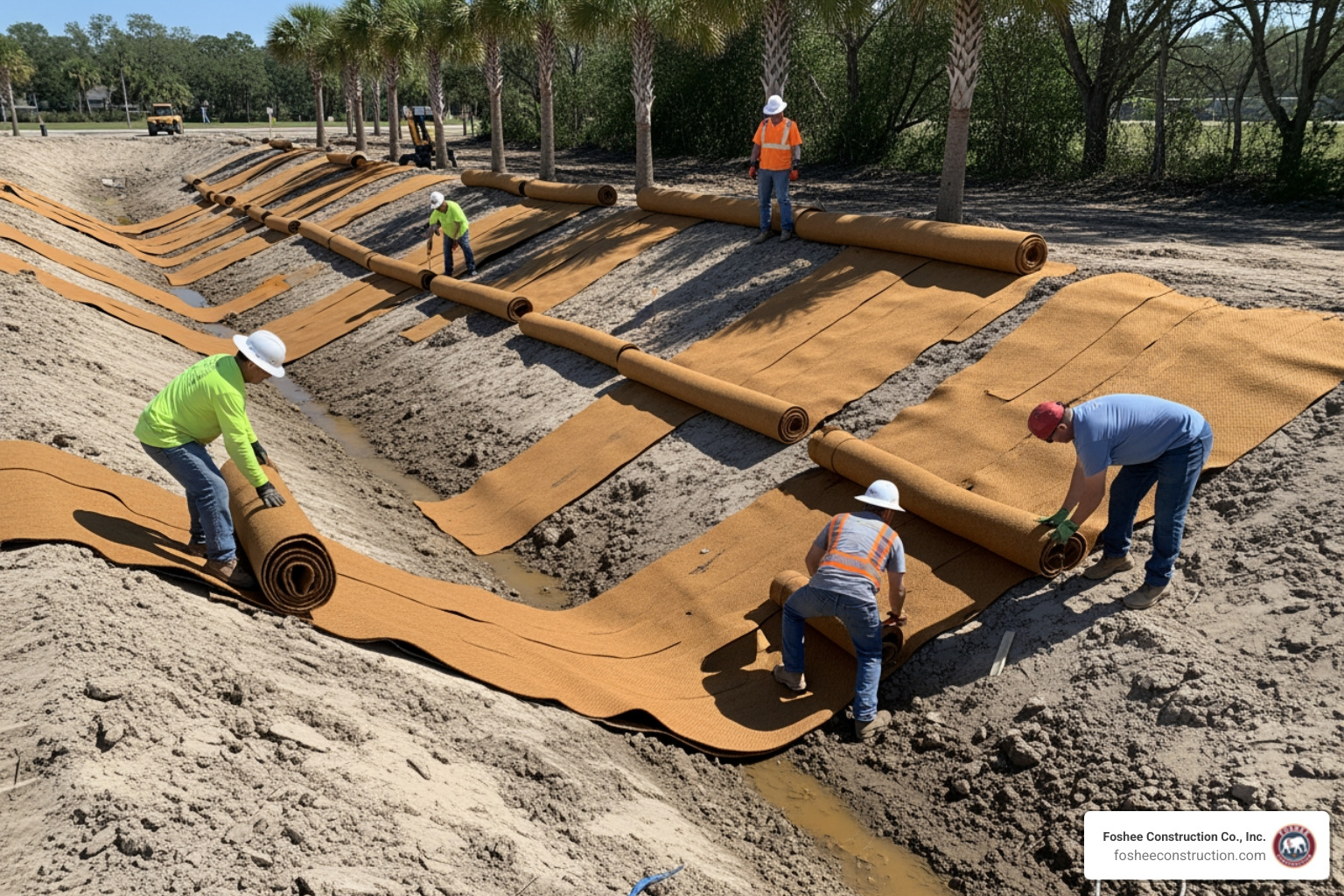
| Geotextile Reinforcement | Extremely soft, marshy, or unstable ground | High-strength synthetic fabrics are laid down to distribute heavy loads and prevent soil layers from mixing. |
By choosing the right stabilization method, we ensure that the building pads meet strict structural engineering requirements. For a deeper dive into compaction standards and soil testing, check out our comprehensive Grading and Excavating Contractor Guide 2026.
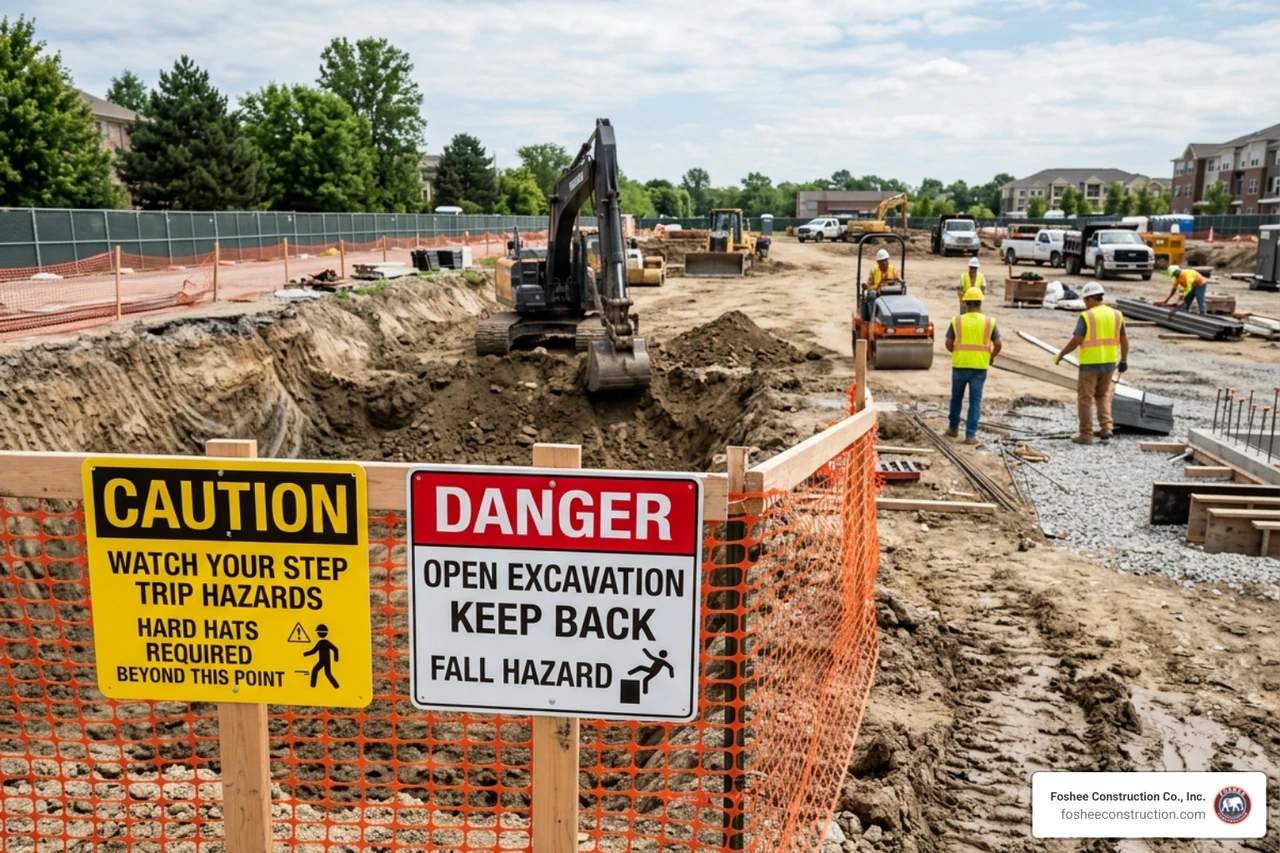
Investing in a highly qualified industrial grading contractor is not just a regulatory checkmark — it is a critical risk-mitigation strategy. When the ground is prepared correctly, every subsequent trade on the job site benefits.

Key benefits of professional-grade site preparation include:
Whether you are building a massive warehouse or preparing a smaller commercial site, working with an experienced Grading and Drainage Contractor protects your investment from the ground up.
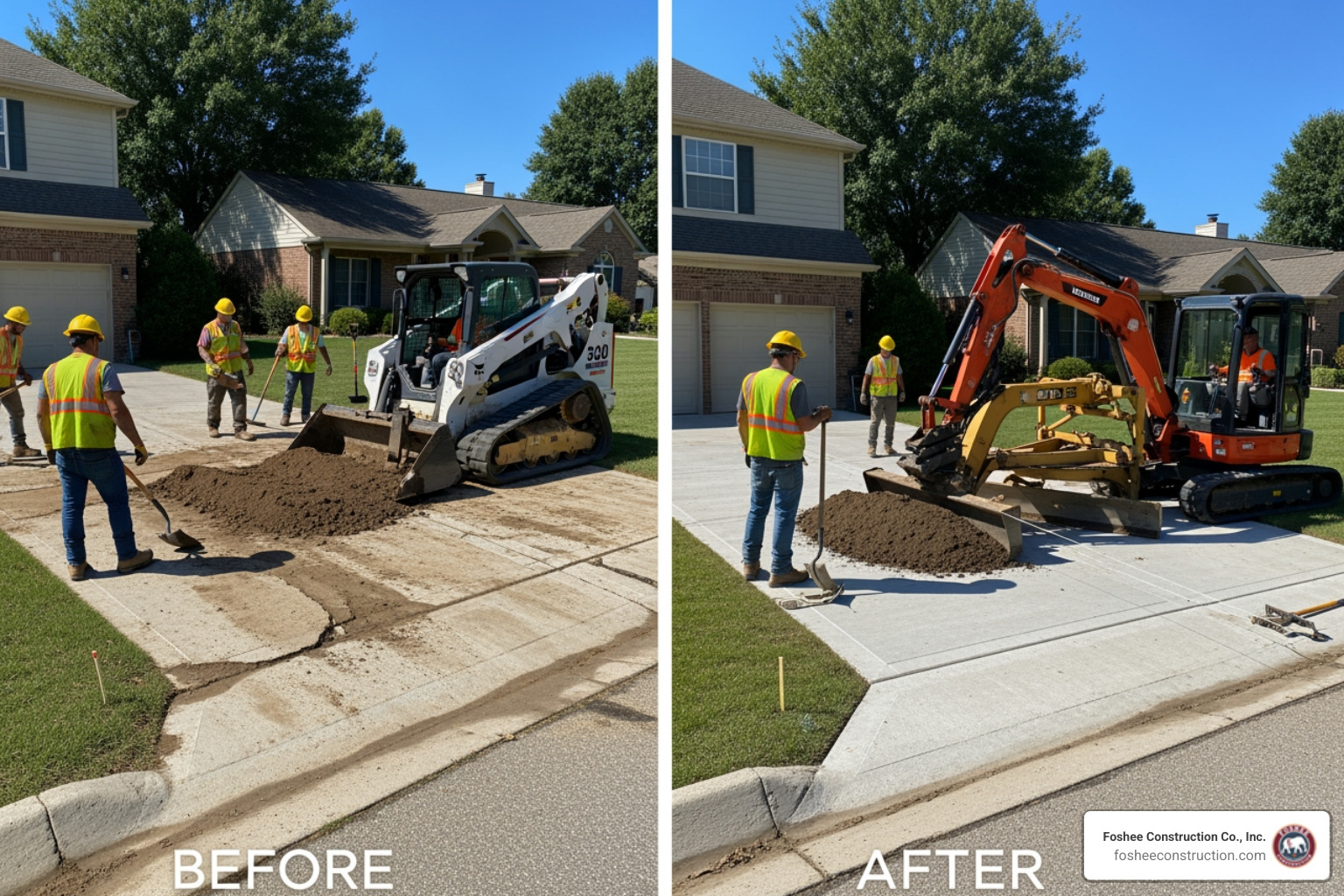
Furthermore, if your commercial project includes specialty structures or paved pathways, proper grading is essential. For instance, developers often coordinate with Landscape Grading Contractors to handle aesthetic transitions, or review the Landscape Grading Contractors Guide 2026 to align functional site drainage with final landscape architecture. Even secondary access paths require specialized attention, which is why we also offer dedicated Driveway Grading Services to ensure smooth, durable transitions for heavy vehicles.
Industrial earthwork is heavily influenced by environmental regulations and project economics. In Florida, protecting our natural resources is a top priority, and navigating the permitting landscape requires local expertise.
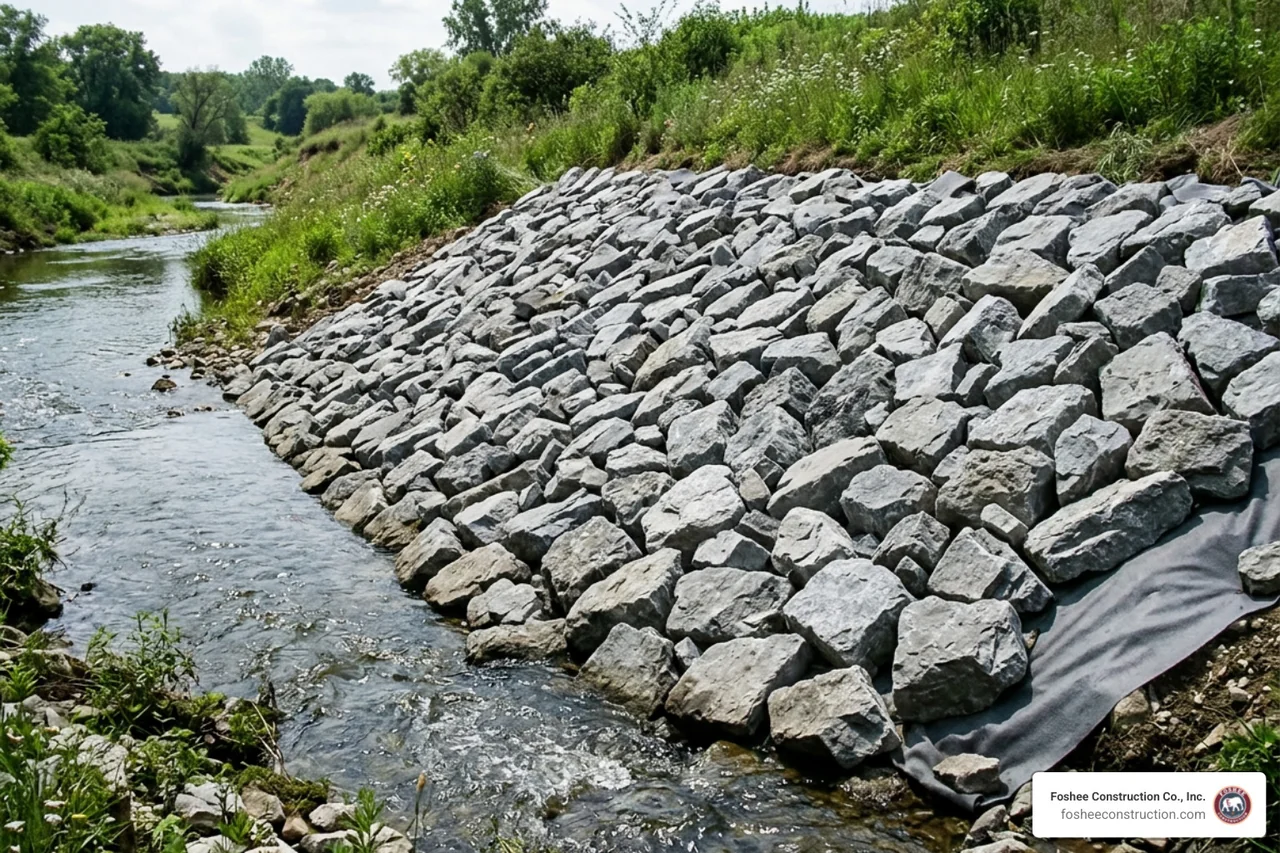
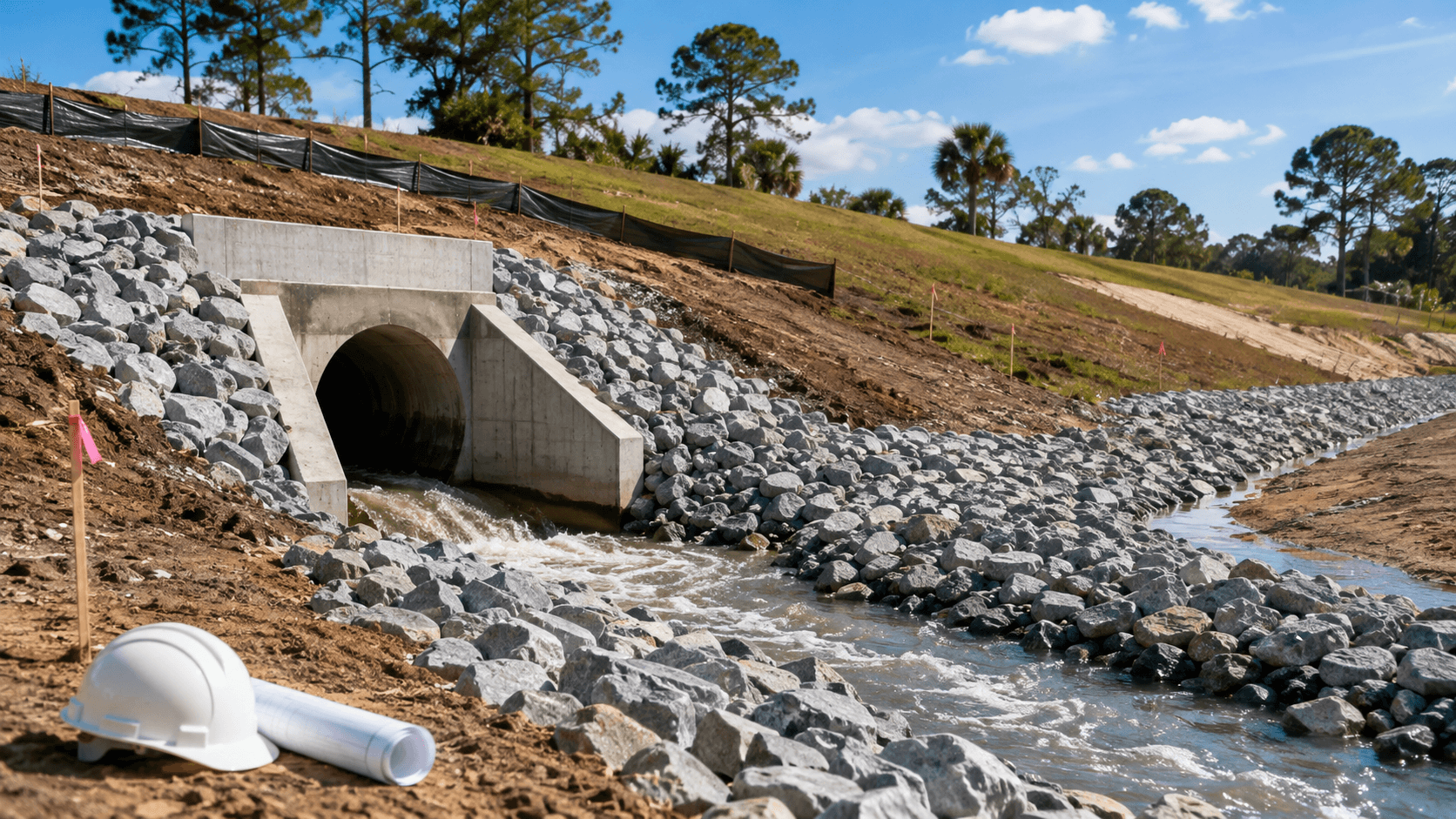
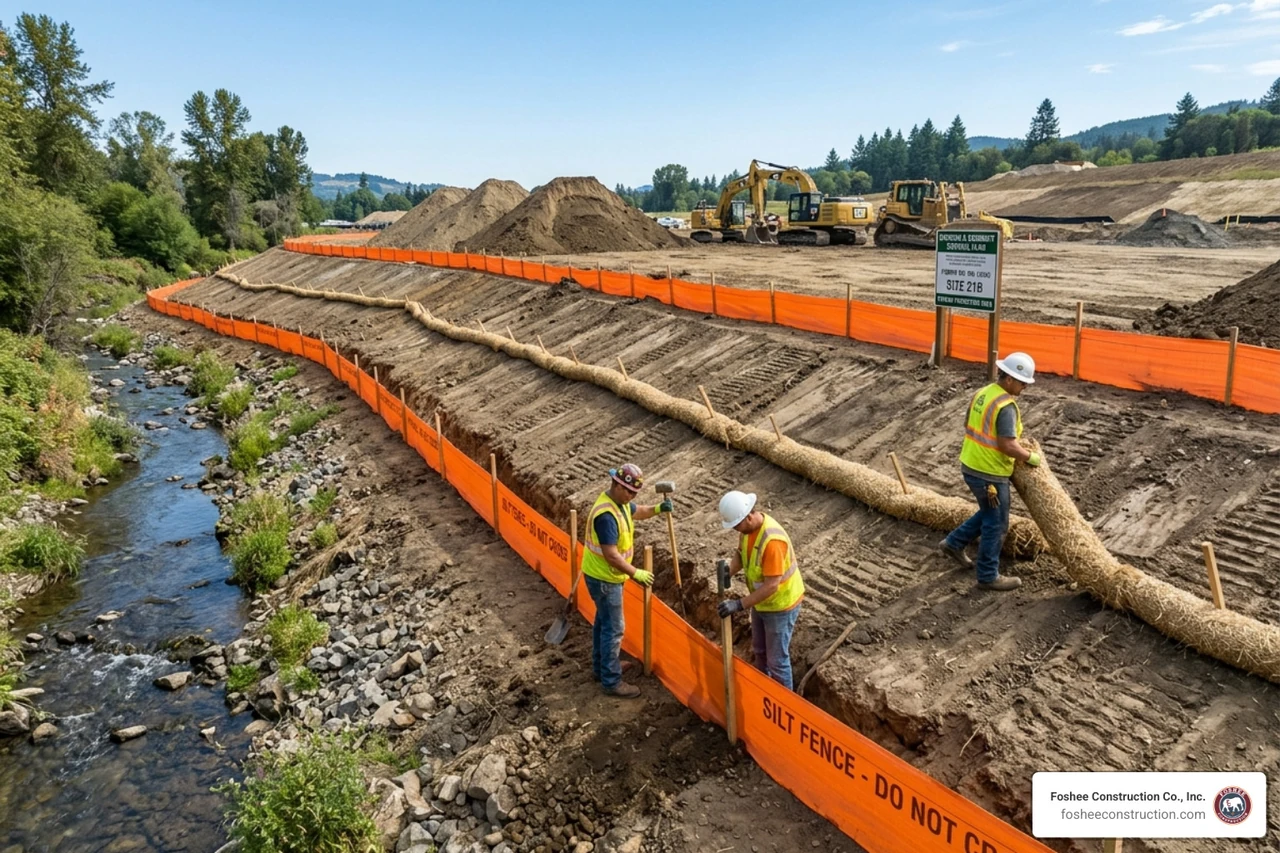
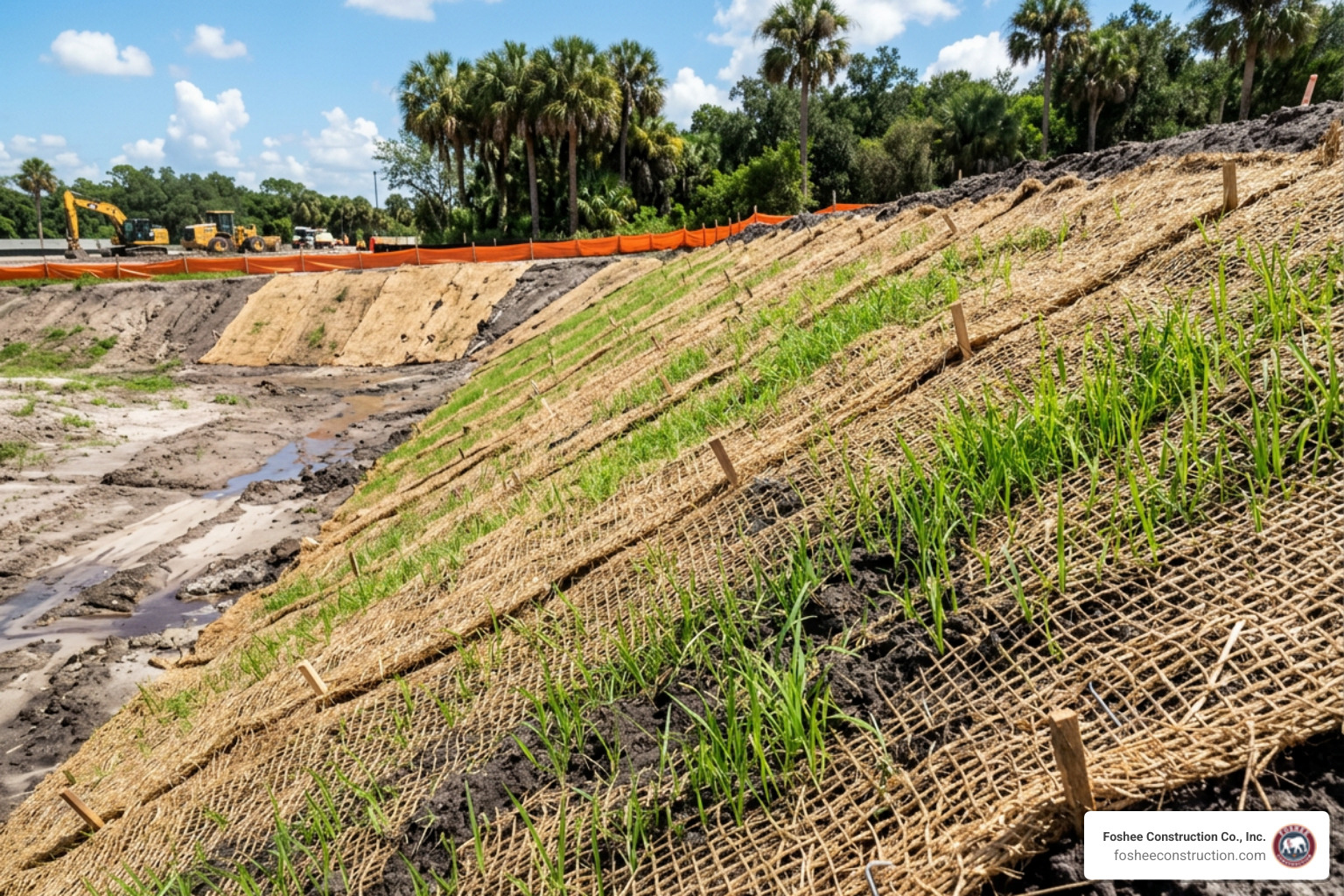
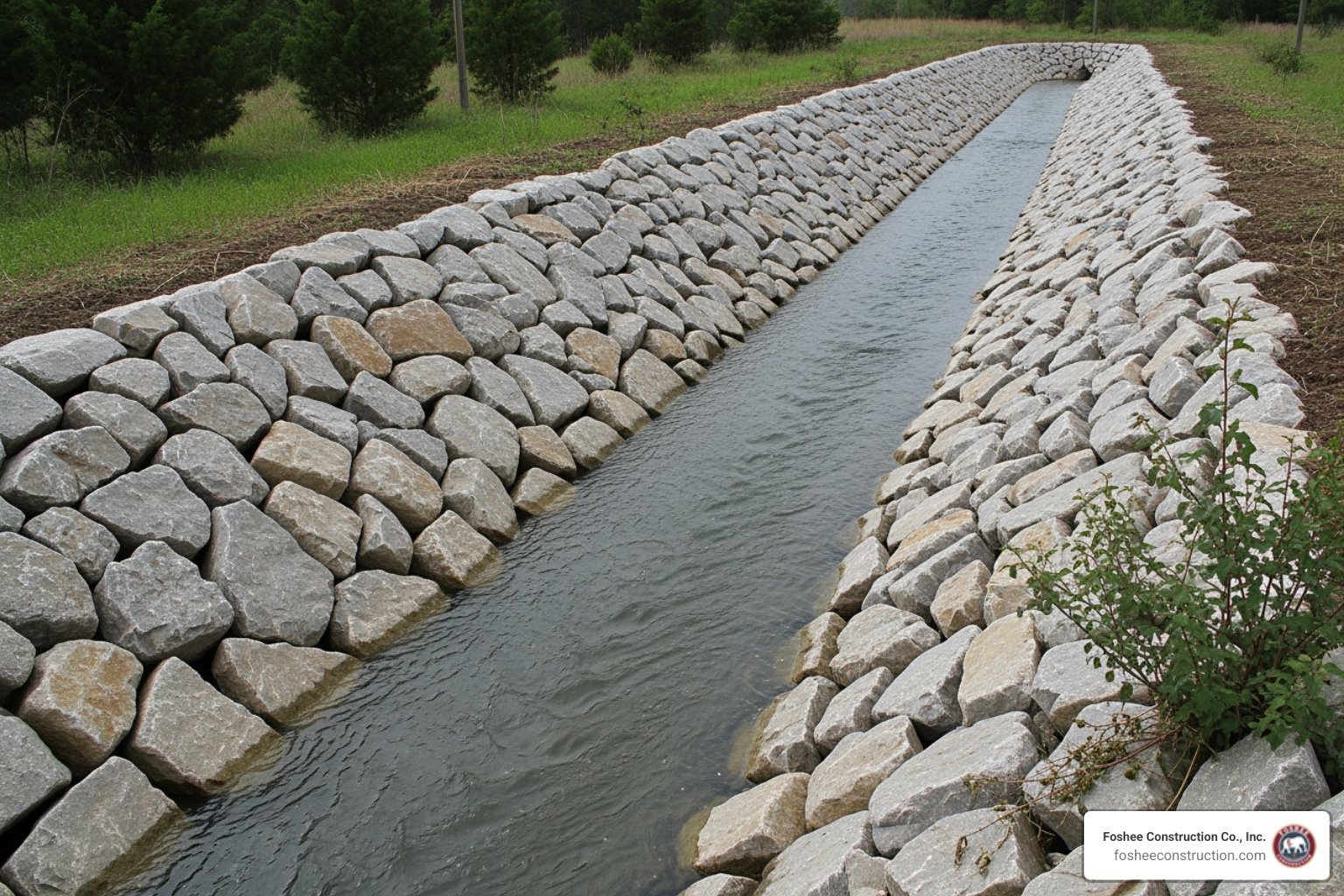
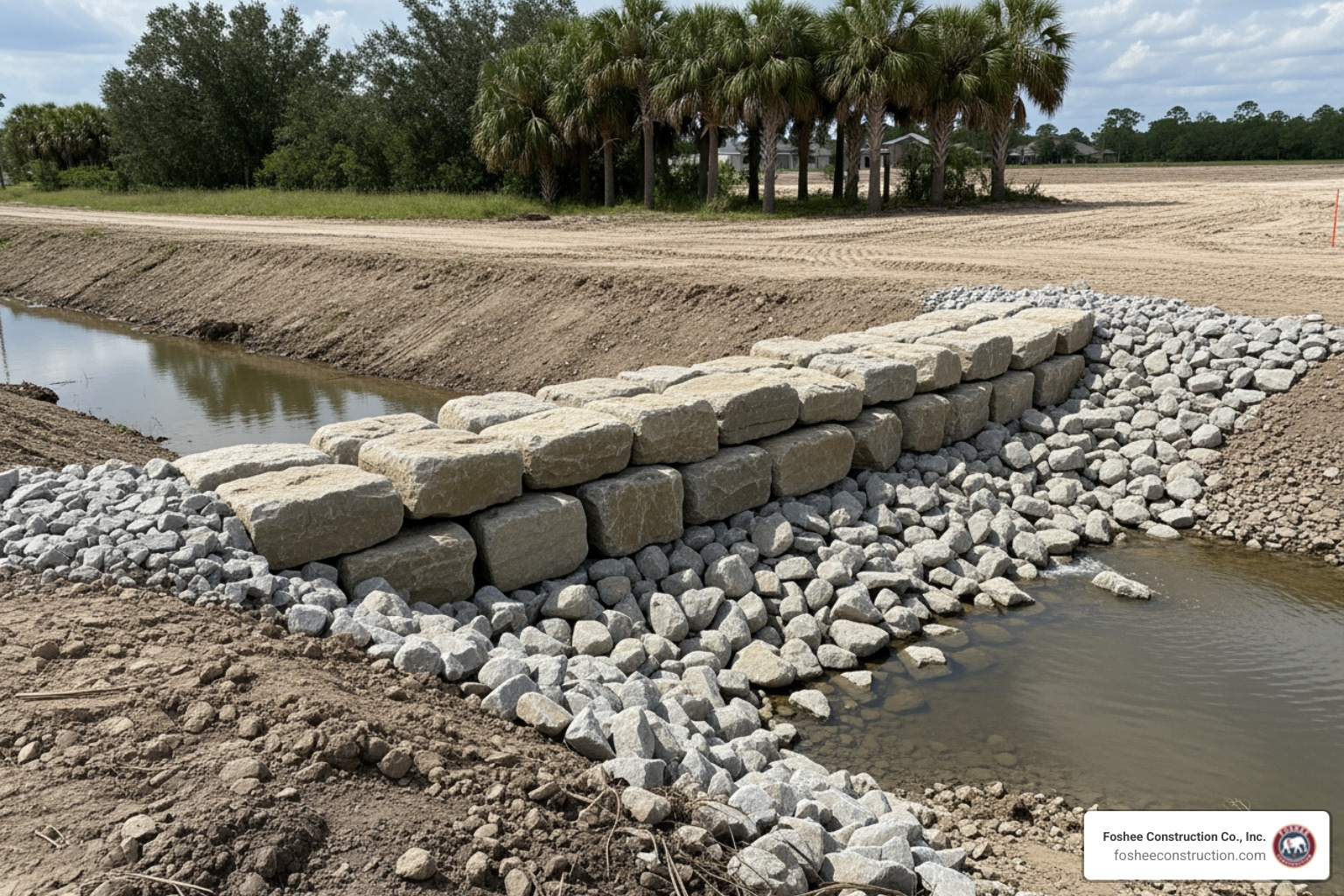
Florida’s high water tables and delicate ecosystems mean that stormwater management and wetlands mitigation are critical. We work closely with engineers and local agencies to ensure every project complies with Southwest Florida Water Management District (SWFWMD) rules. This includes building custom retention ponds, establishing turbidity barriers, and executing careful wetlands mitigation plans to minimize environmental disruption.
Several variables influence the overall cost of an industrial grading project:
To ensure your project remains compliant and cost-effective, we integrate environmental planning directly into our Foshee Construction Grading and Drainage services.
An industrial grading contractor must carry comprehensive insurance and proper licensing to protect all parties involved. At a minimum, they should have:
Successful project delivery relies on disciplined scheduling. The grading contractor is usually the first major trade on-site, meaning our timeline directly impacts everyone else.
We coordinate closely with:
To find local partners who can coordinate these complex steps seamlessly, search for Grading and Paving Companies Near Me.
When evaluating contractors for your industrial project, look for three key traits:
Whether you are preparing a site for a massive logistics center, executing Site Preparation for House Construction, or searching for Shed Foundation Contractors Near Me, verifying past performance is crucial. You can review our commitment to quality and transparency by visiting the Foshee Construction Portfolio.
At the end of the day, your industrial project is only as strong as the ground it is built on. Partnering with a specialized industrial grading contractor ensures that your site is structurally sound, legally compliant, and perfectly optimized for drainage and future construction.
At Foshee Construction Co., Inc., based in Minneola, Florida, we’ve built our business on four core pillars:
Are you ready to start your next commercial or industrial project on solid ground? Let’s talk about how we can streamline your site prep.
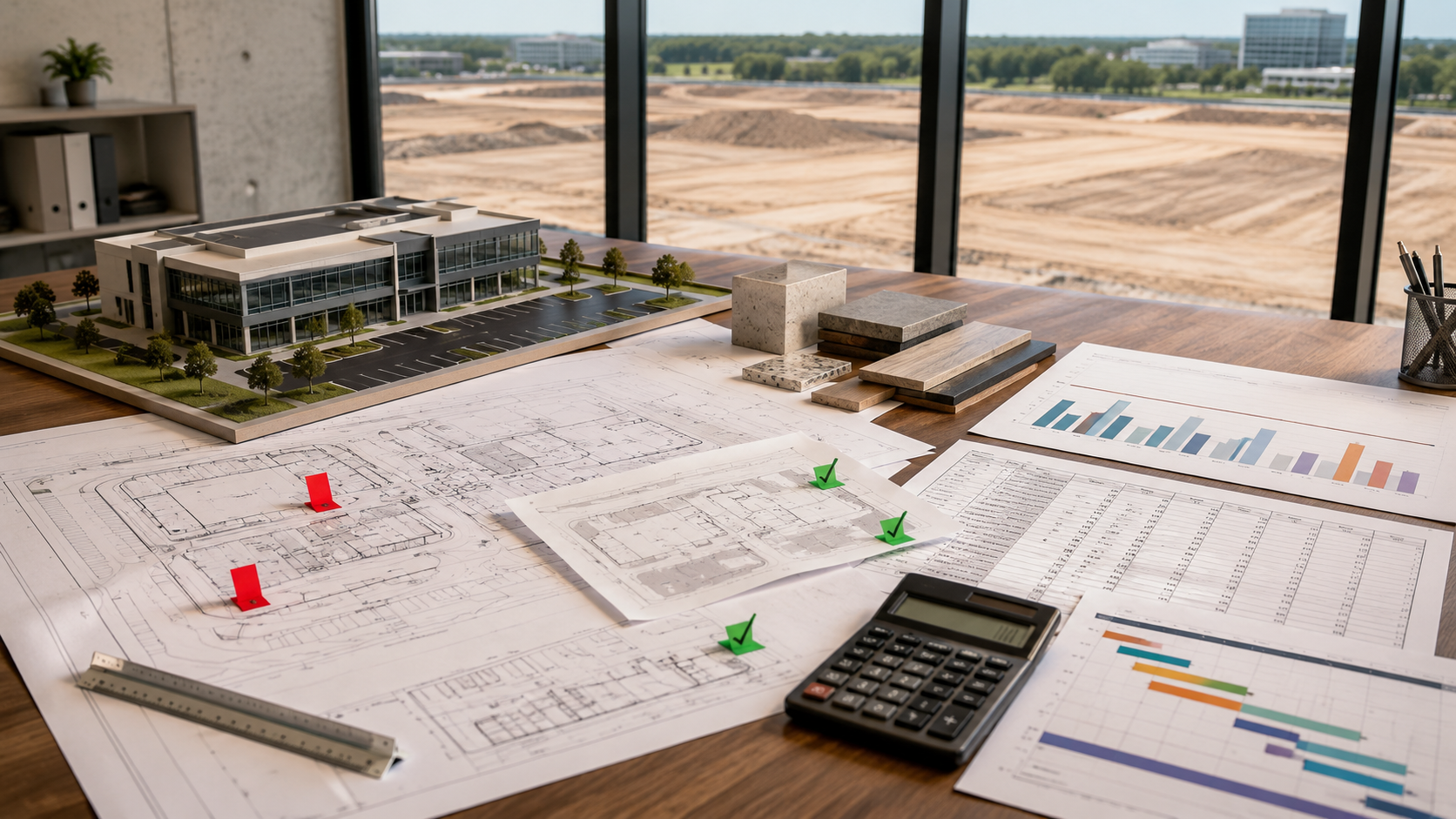
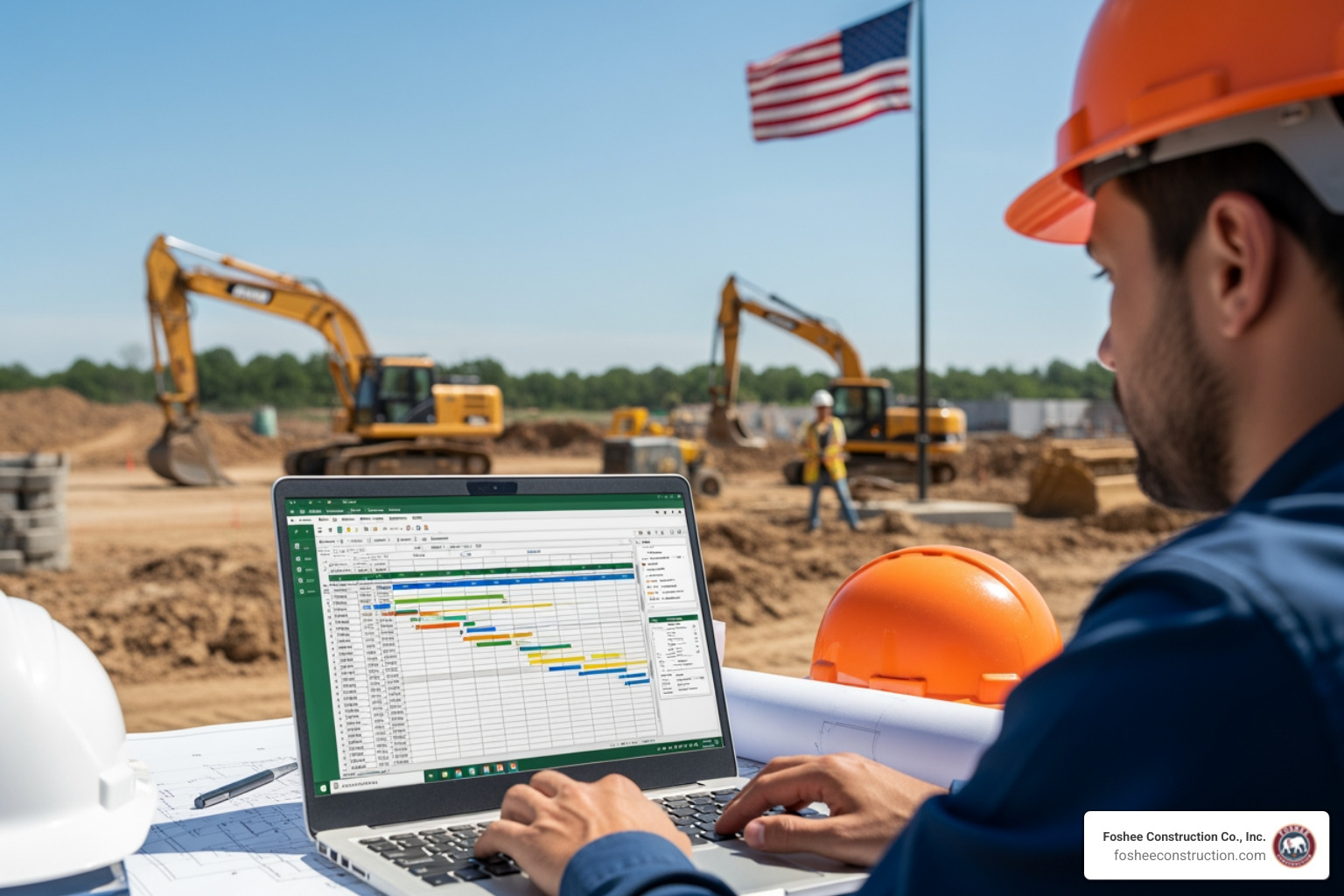
We build bids using HeavyBid and AGTEK because the details matter long before the job starts. When the numbers are accurate and the scope is clearly defined, it sets the tone for how the entire project runs. Estimating isn’t just a step in the process, it’s the foundation we build on.
That same mindset carries into the field. Our crew is trained to work with purpose, follow the Civil Engineers’ Plan to the finest detail, and hold the line on quality. When expectations are clear from day one, there’s no need for shortcuts, and no confusion about how the work gets done.
Clients trust our bid packages because they’re complete and ready to use. Project managers know what we’re covering, what’s excluded, and how we plan to approach the job. That clarity removes friction and lets teams focus on execution instead of interpretation.
As part of our review process, we go into the plans before anything hits the site. We ask the questions early, resolve issues before they show up in the field, and keep RFIs moving. This approach prevents delays and protects the timeline.
Over time, that consistency builds trust. Many of the people we work with today came through referrals from past projects – engineers, GCs, and superintendents who’ve seen how we operate and want the same experience again.
In 2024, Foshee Construction was acquired by Saga Infrastructure Solutions, a national network of civil construction companies. Saga supports regional contractors by giving them access to better tools, long-term resources, and operational backing, without changing how they run day to day.
Foshee will continue to operate under its name, with the same team and field leadership in place.
“From the very time a project starts, we start that partnership. We try to catch as much as we can with the tools that we have. Not everybody is using the software platforms we are. That’s the differentiator: we’re not just bidding. We’re anticipating, problem-solving, and making sure the job runs right.”
— Don, CEO, Saga Infrastructure Solutions
Foshee is now part of a broader regional strategy that includes Florida, the Piedmont Atlantic, Texas, Colorado, and the Arizona Sun Corridor. The name, crews, and standards remain. What’s improving is the support behind it.