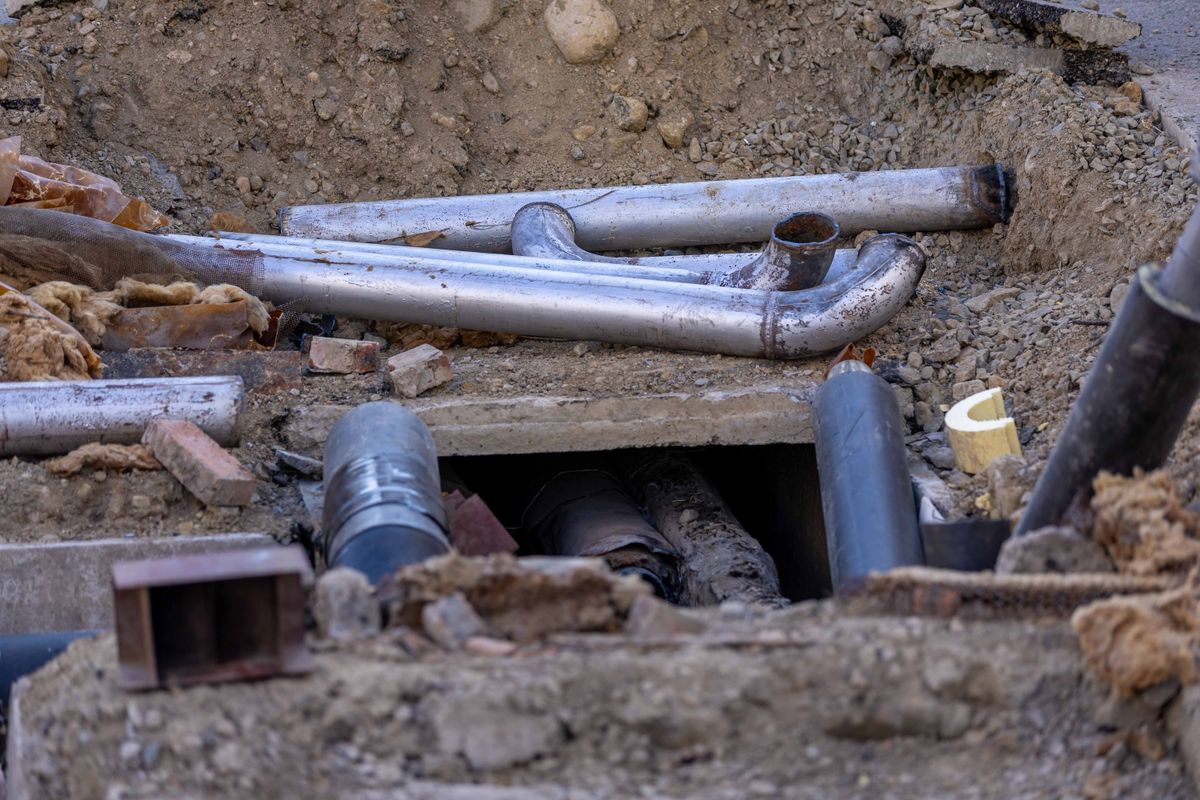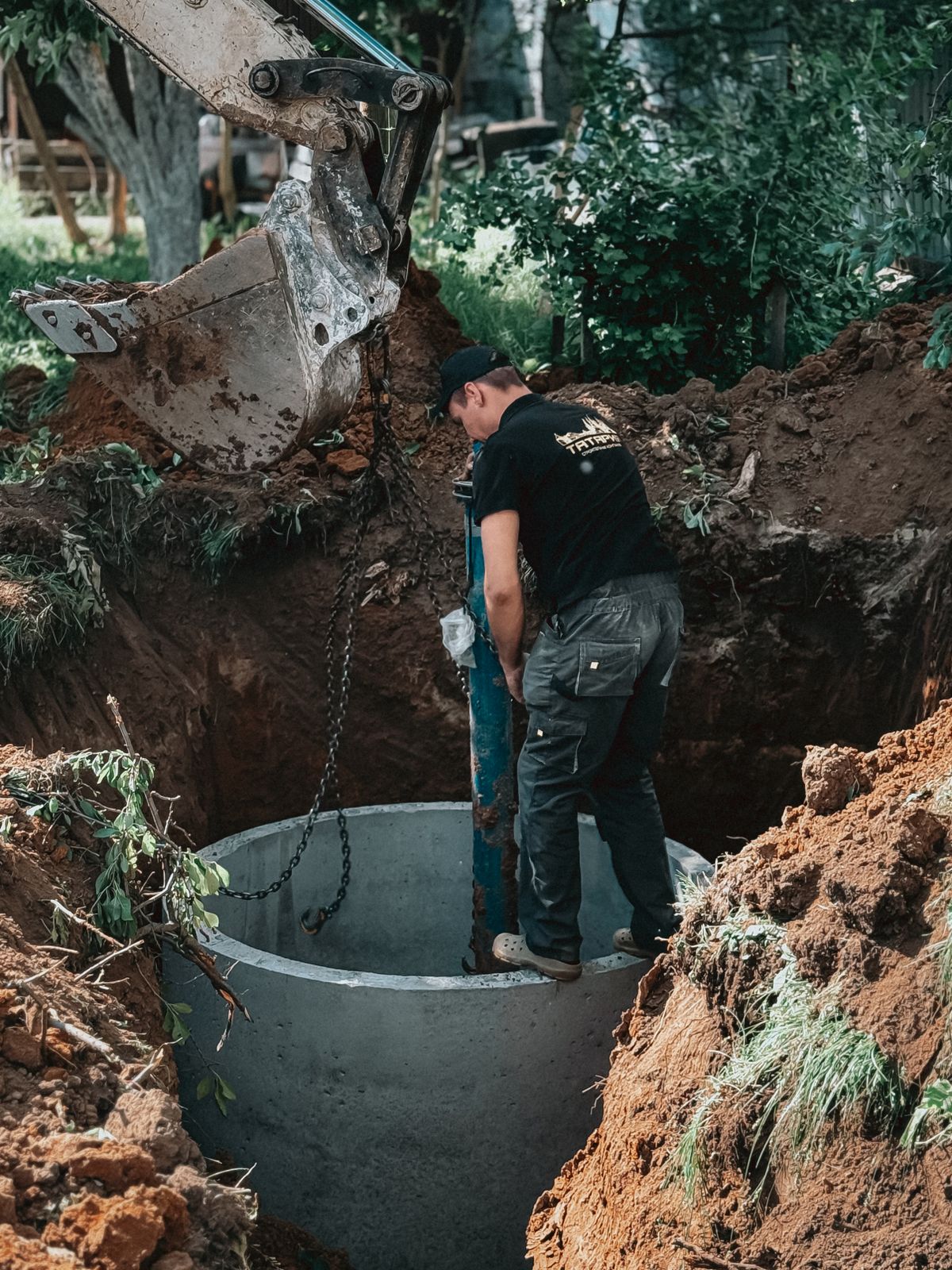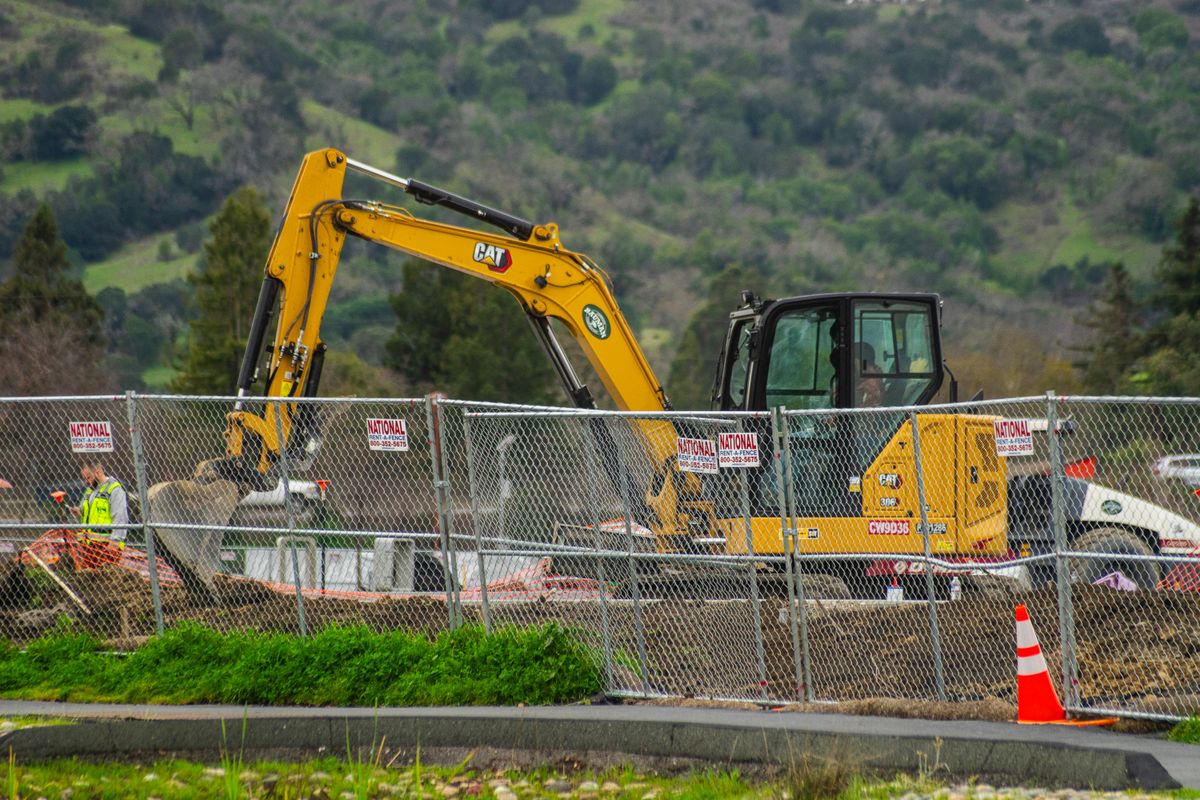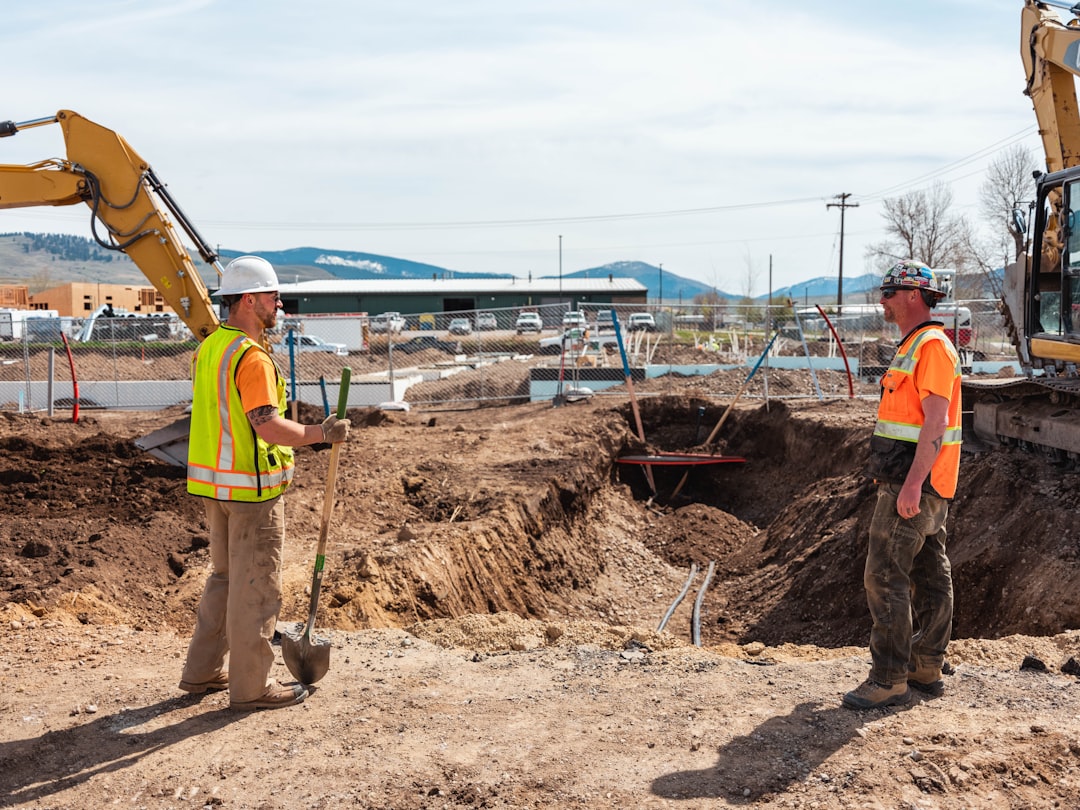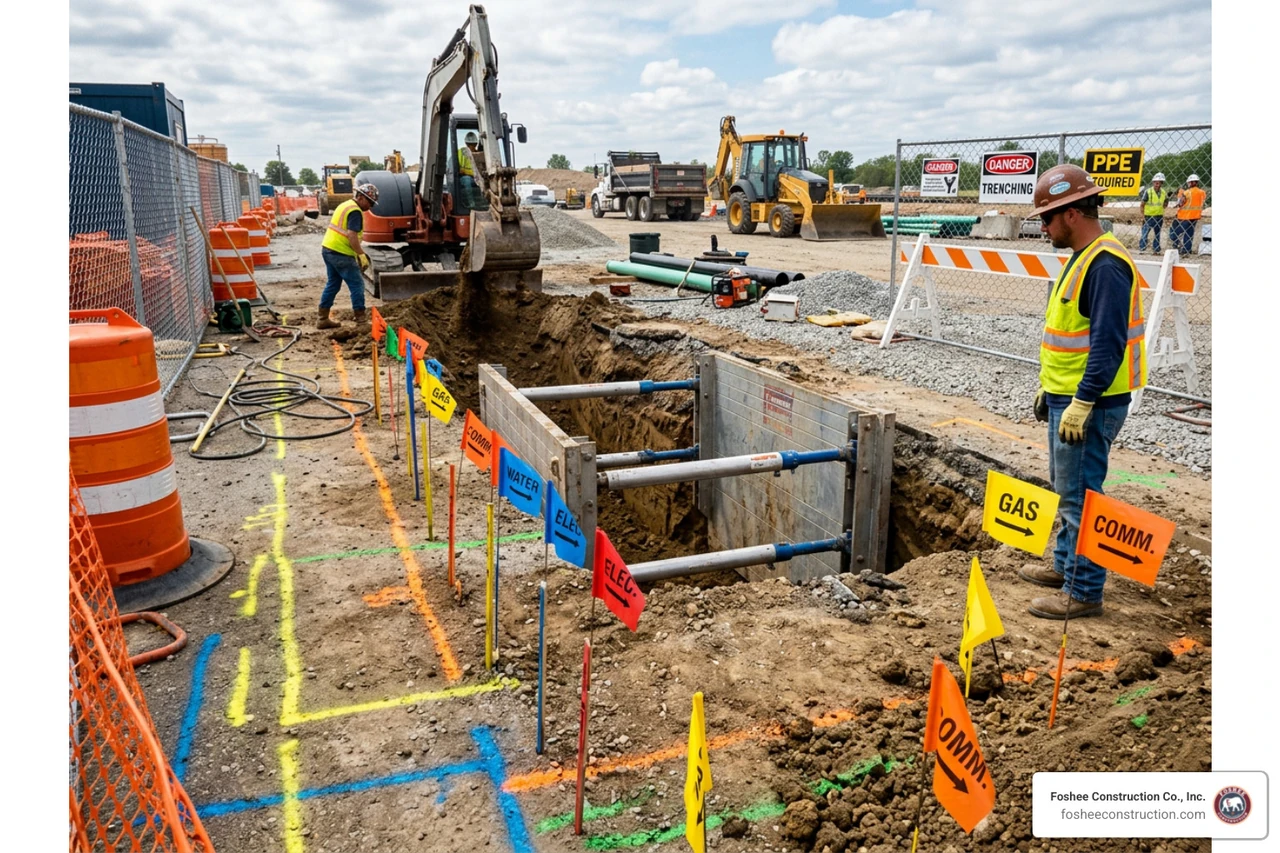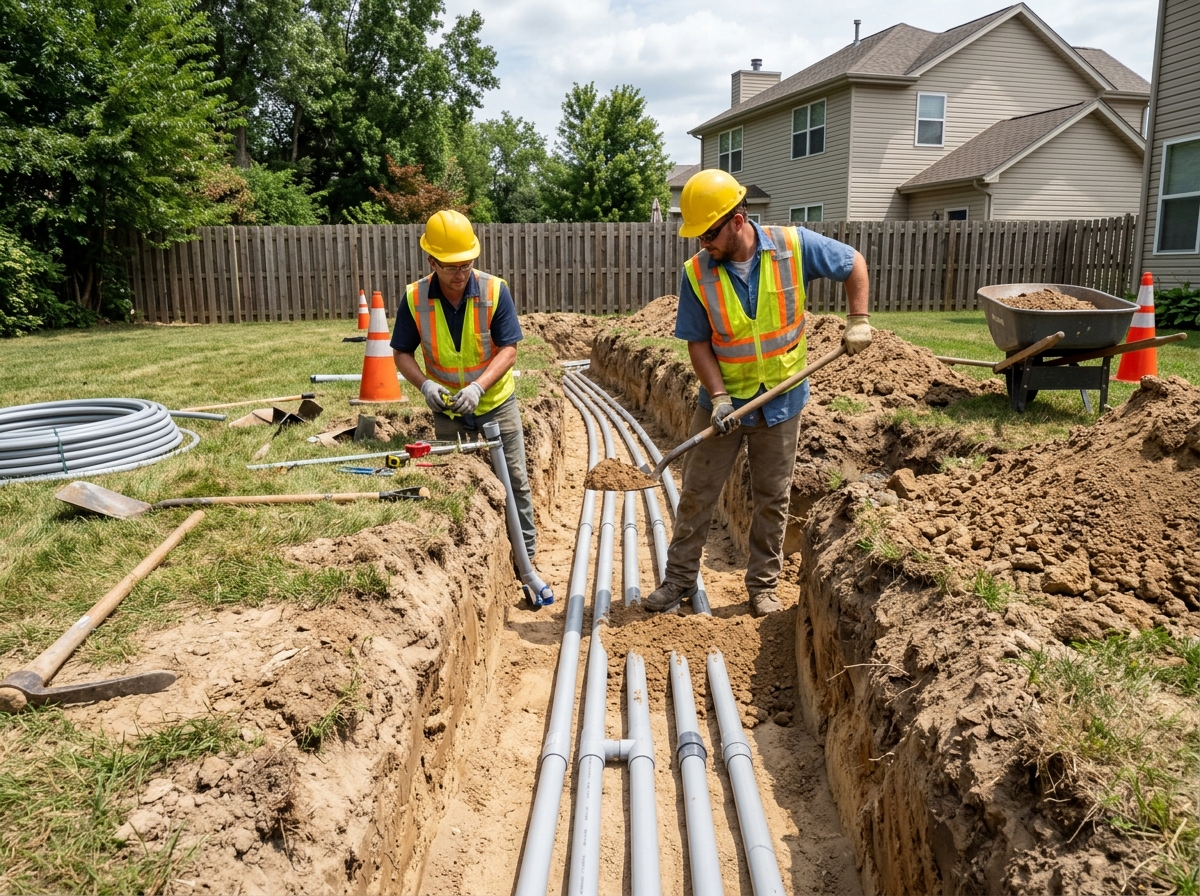
When developing a commercial property in Minneola, Florida, you cannot afford to separate your underground utility installation from your erosion control strategy. Because Minneola features a highly specific landscape of rolling hills and highly permeable sands, trenching for a sewer line or water main instantly alters how stormwater moves across the site.
To handle both of these critical scopes safely and efficiently, you must partner with a civil contractor licensed and equipped to manage the entire site package. In the Minneola and South Lake County area, Foshee Construction Co., Inc. stands out as the premier local expert possessing the capabilities to handle both underground utilities and erosion control:
Choosing a contractor to execute these overlapping scopes requires looking beyond a basic dump truck and an excavator. To protect your commercial investment, verify that your chosen partner meets these strict professional benchmarks:
A successful commercial development in Minneola requires a seamless transition from below-ground utility infrastructure to above-ground surface stabilization. If these two systems are not designed and executed in tandem, a single heavy afternoon downpour can wash out utility trenches, compromise pipe bedding, and lead to costly regulatory fines.
To understand how these scopes integrate, let's look at the specific services a qualified contractor must perform:
| Utility Infrastructure | Primary Function | Key Erosion Control Integration |
|---|---|---|
| Sanitary Sewer & Force Mains | Carries wastewater safely to municipal treatment facilities. | Trench stabilization, deep excavation shoring, and immediate backfill compaction to prevent trench washouts. |
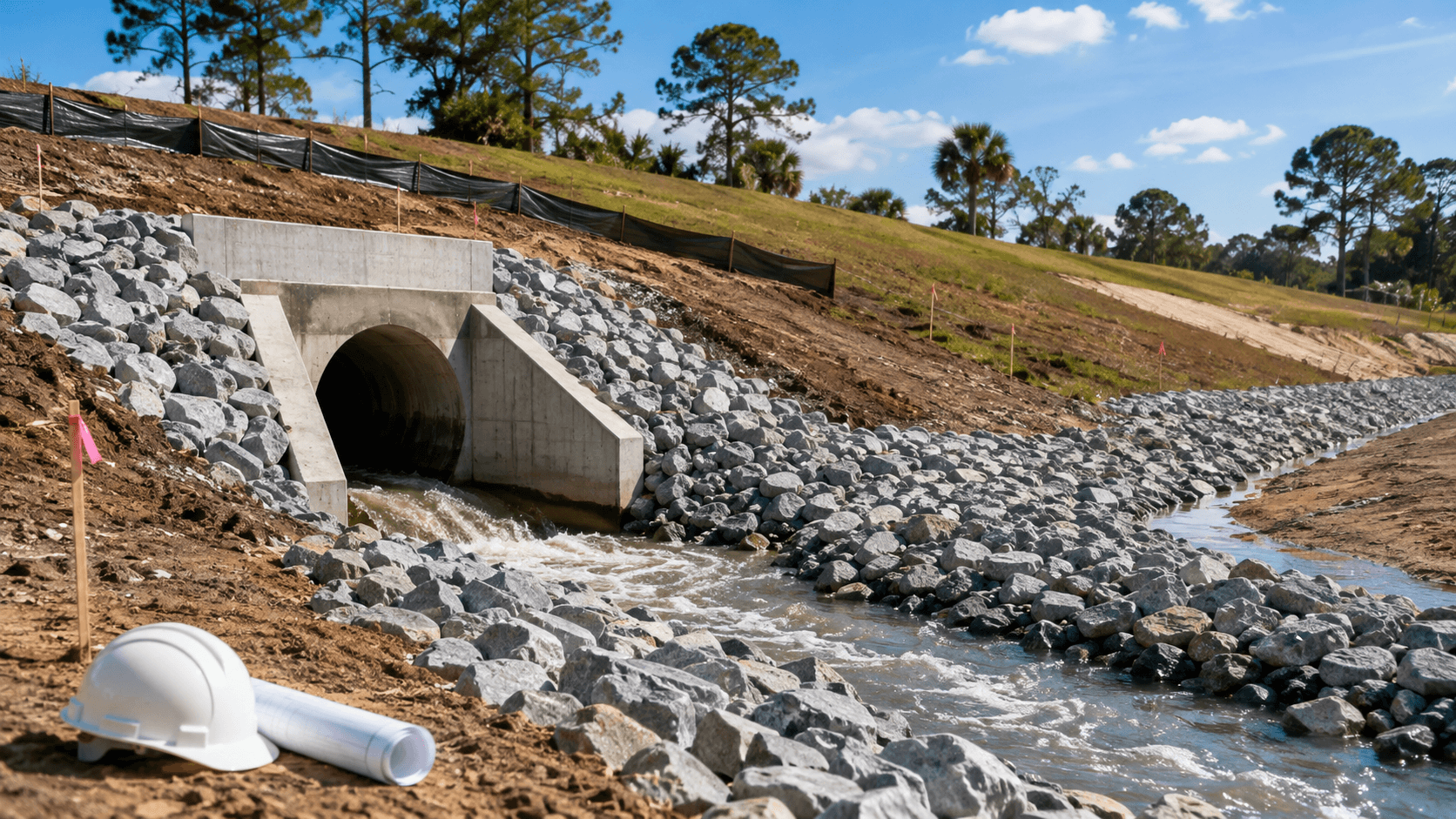
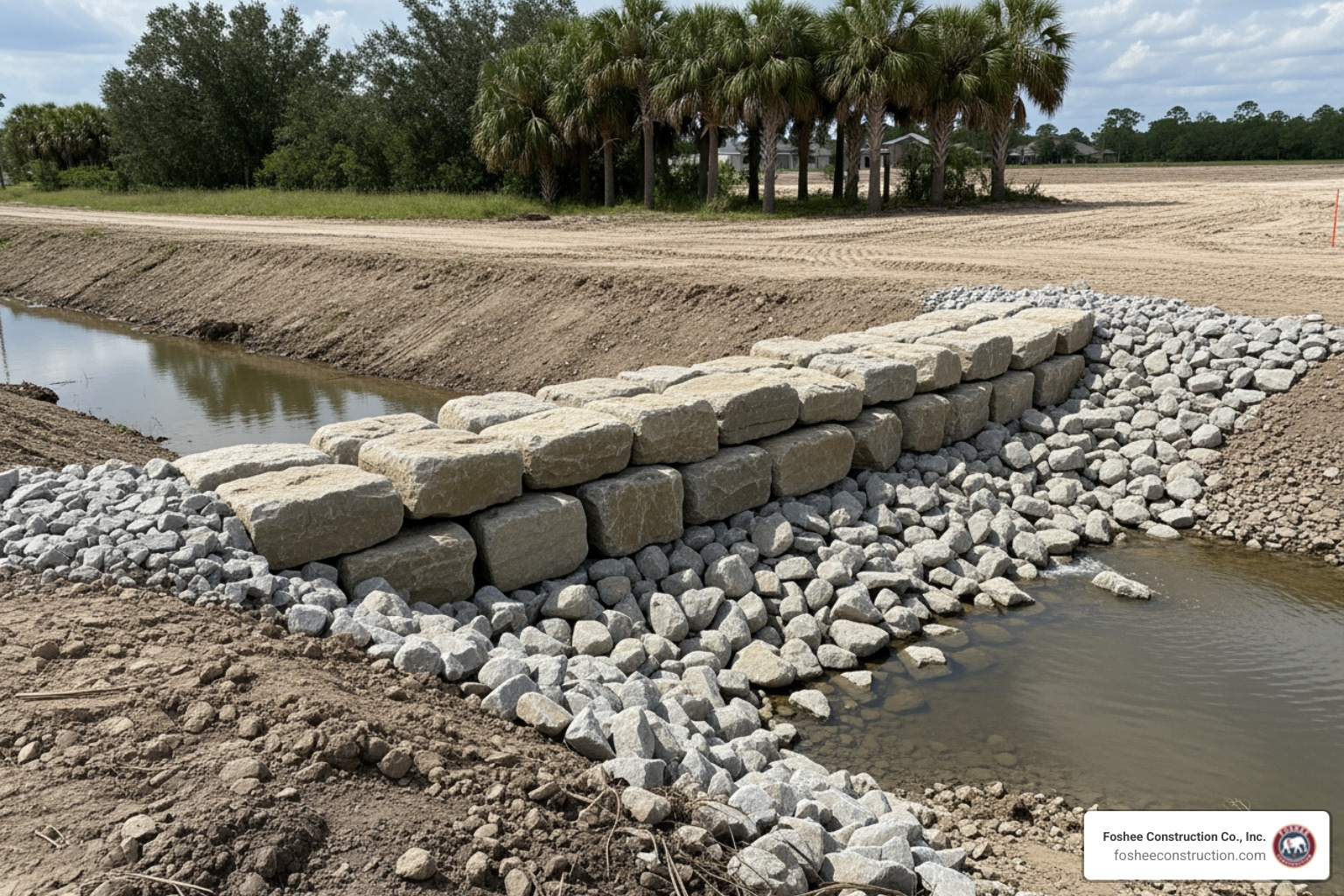
| Storm Sewer & Precast Structures | Collects and routes rainwater to prevent site flooding. | Installation of temporary sediment traps, inlet protection, and mitered end treatments to prevent outlet erosion. |
| Potable & Reclaimed Water Lines | Delivers drinking water and irrigation supply; supports fire suppression. | Coordinating trench routes with site grading to prevent water line exposure on steep slopes. |
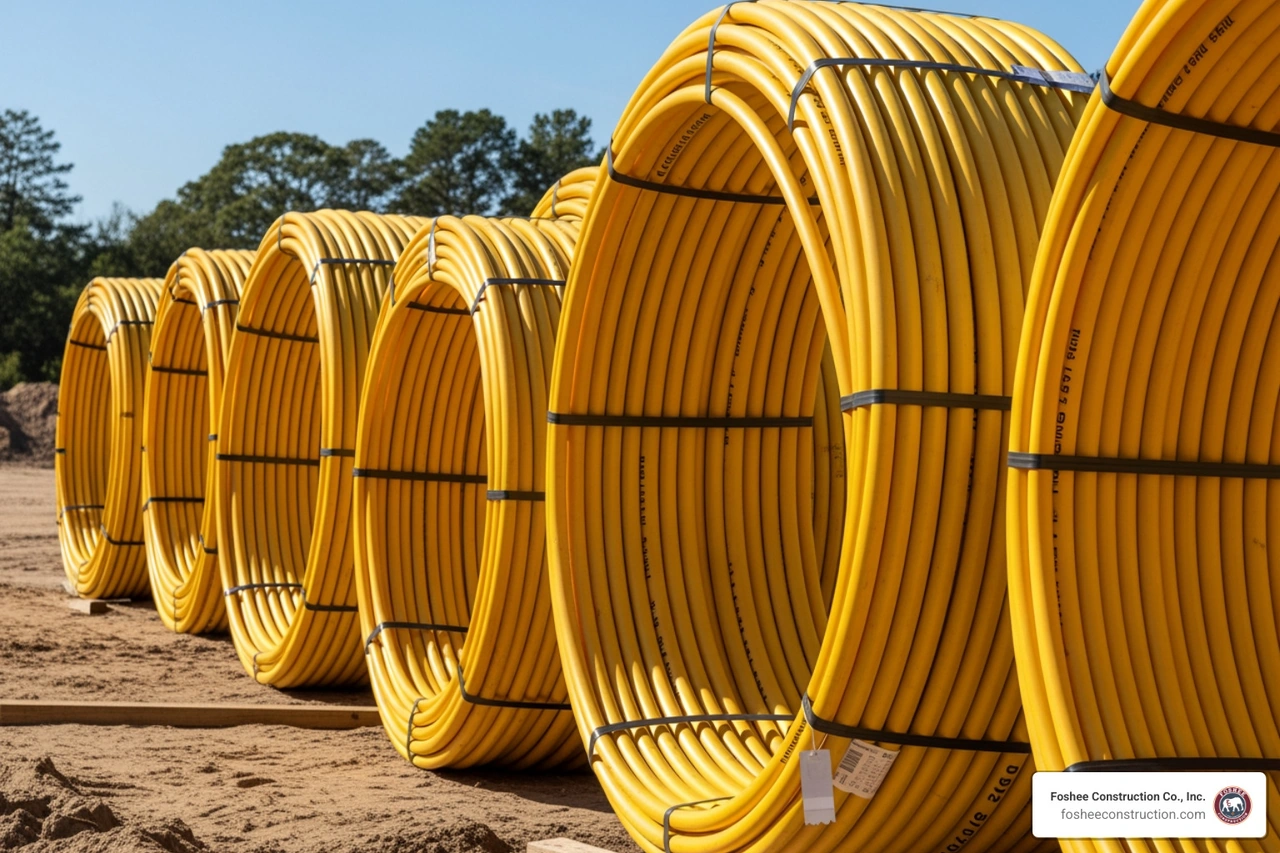
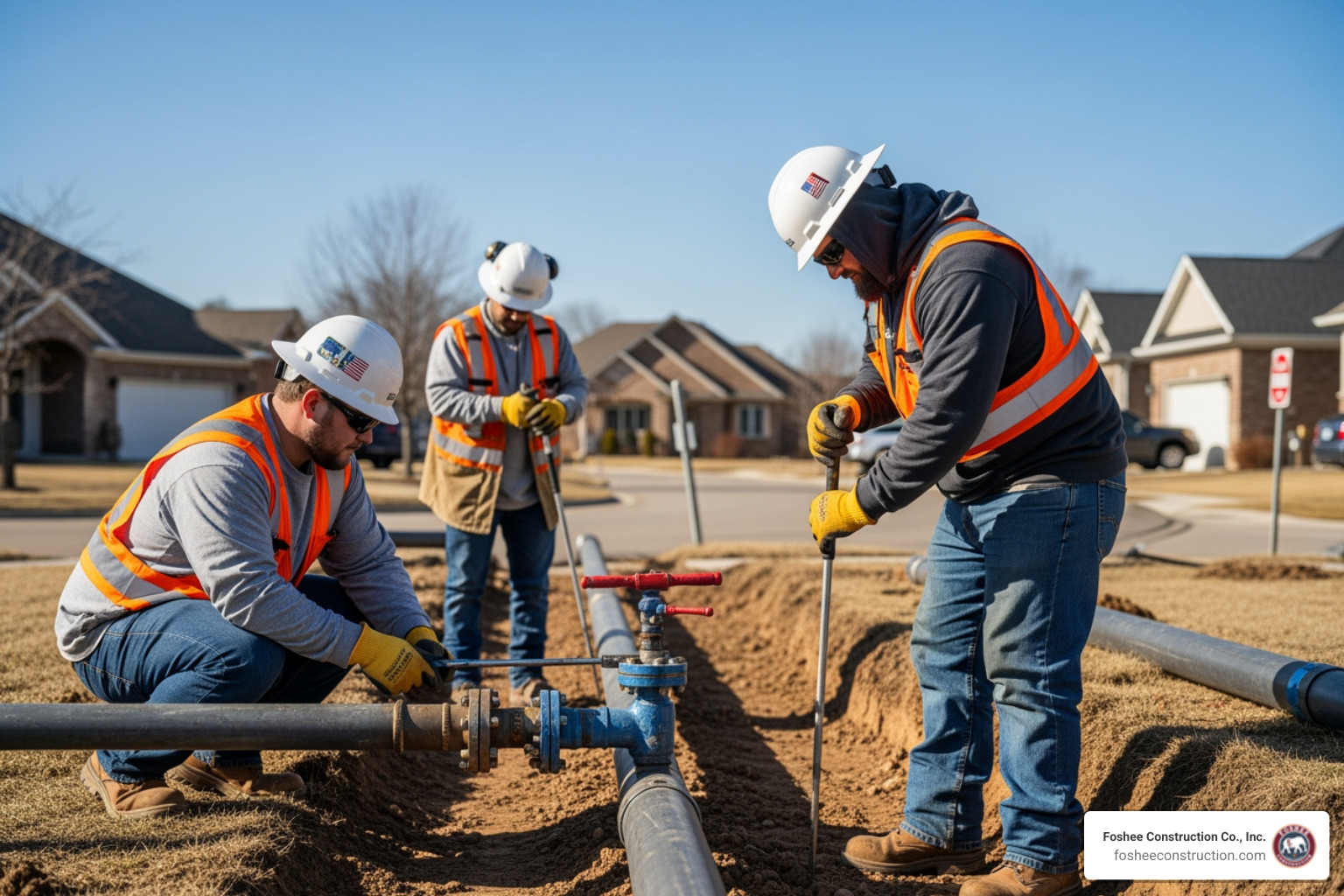
Commercial utility installation is highly regulated and demands specialized machinery and certified personnel. Our team at Foshee Construction handles the complete underground utility package, ensuring all work aligns with the Underground Utilities Complete Guide standards. Our utility services include:
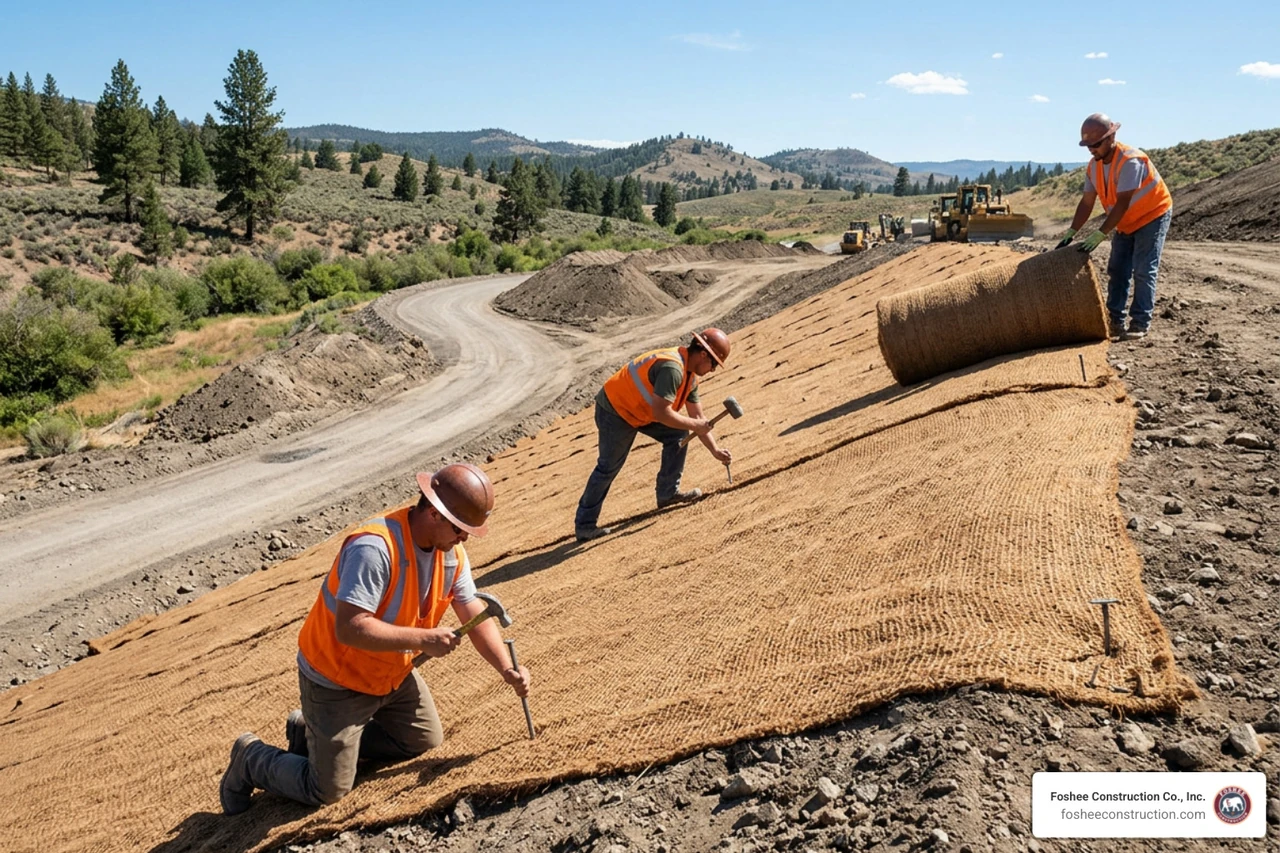
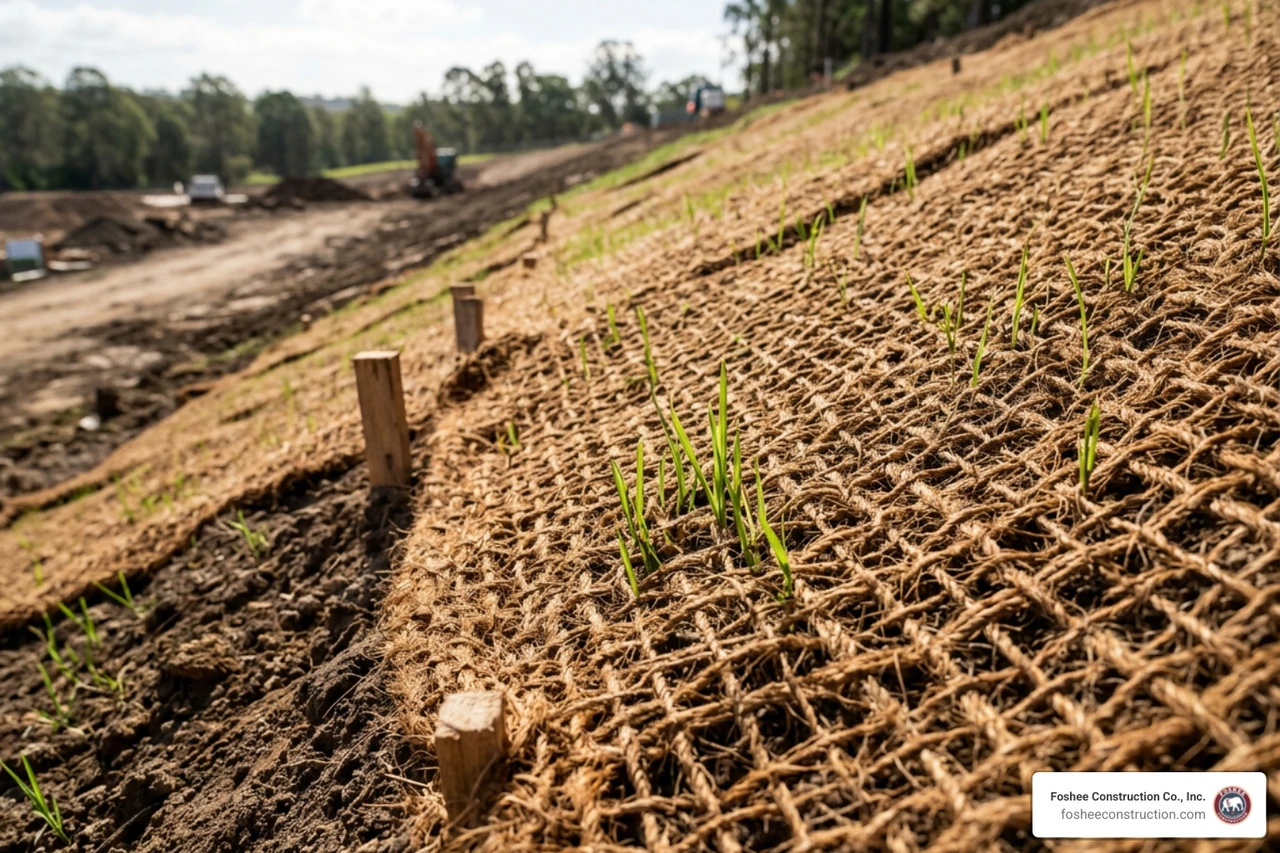
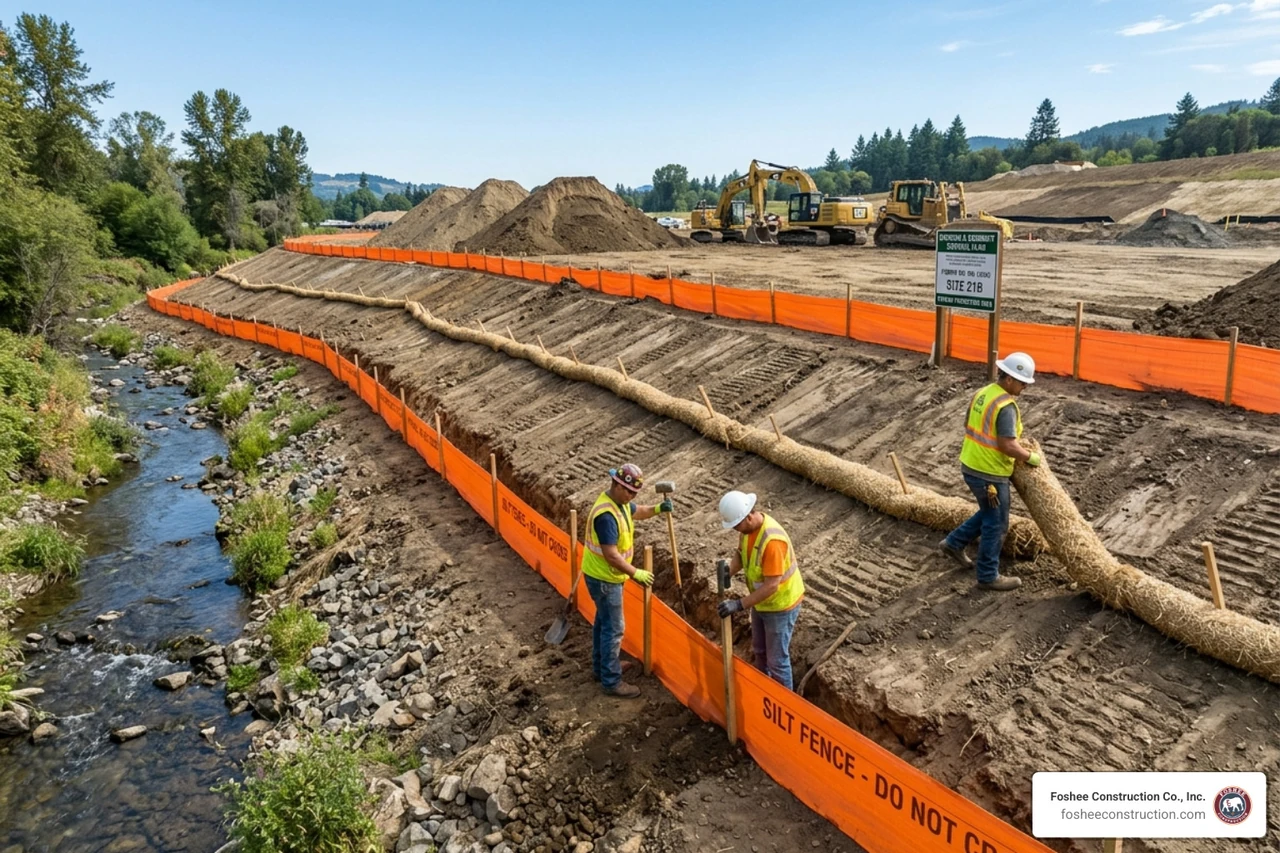
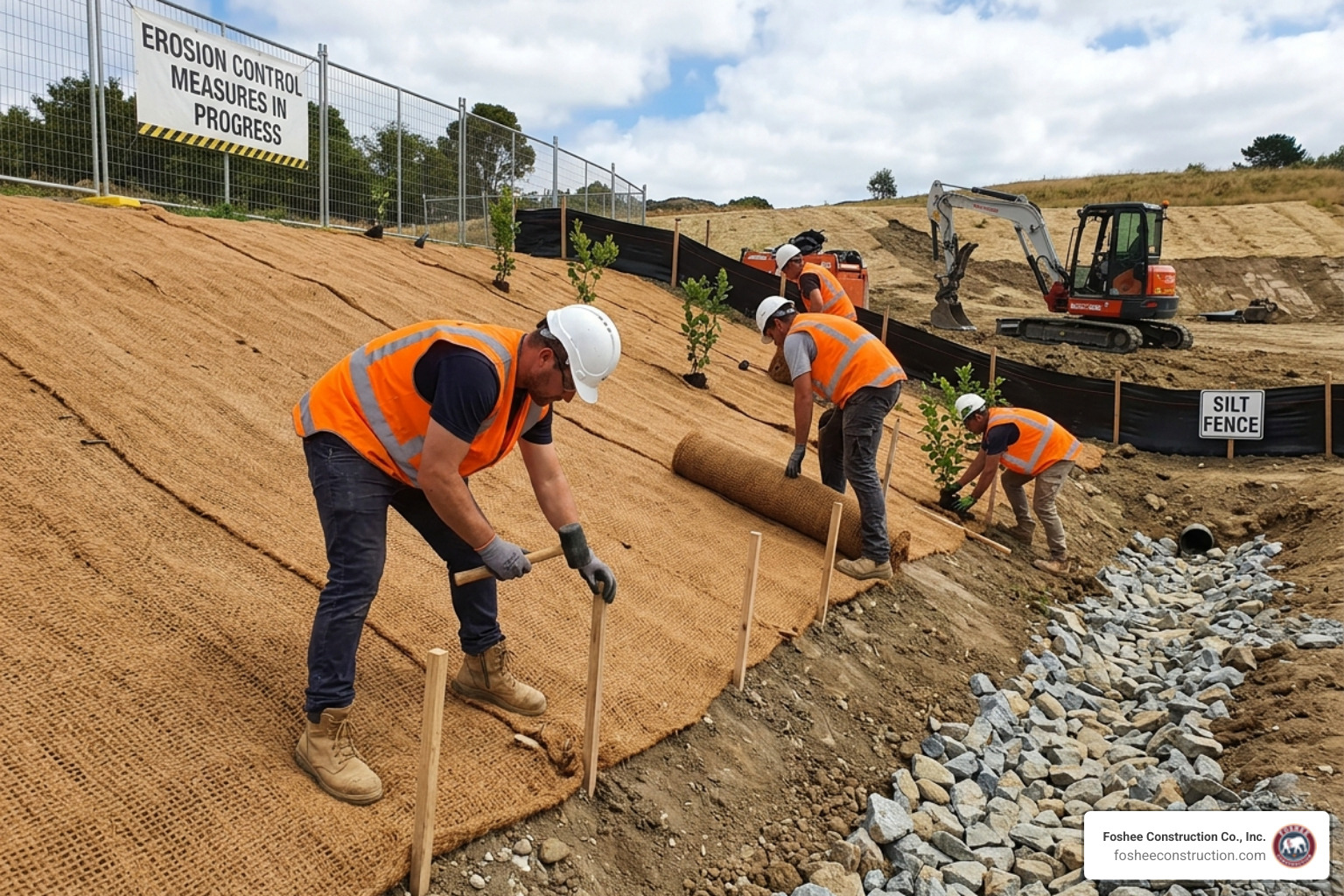
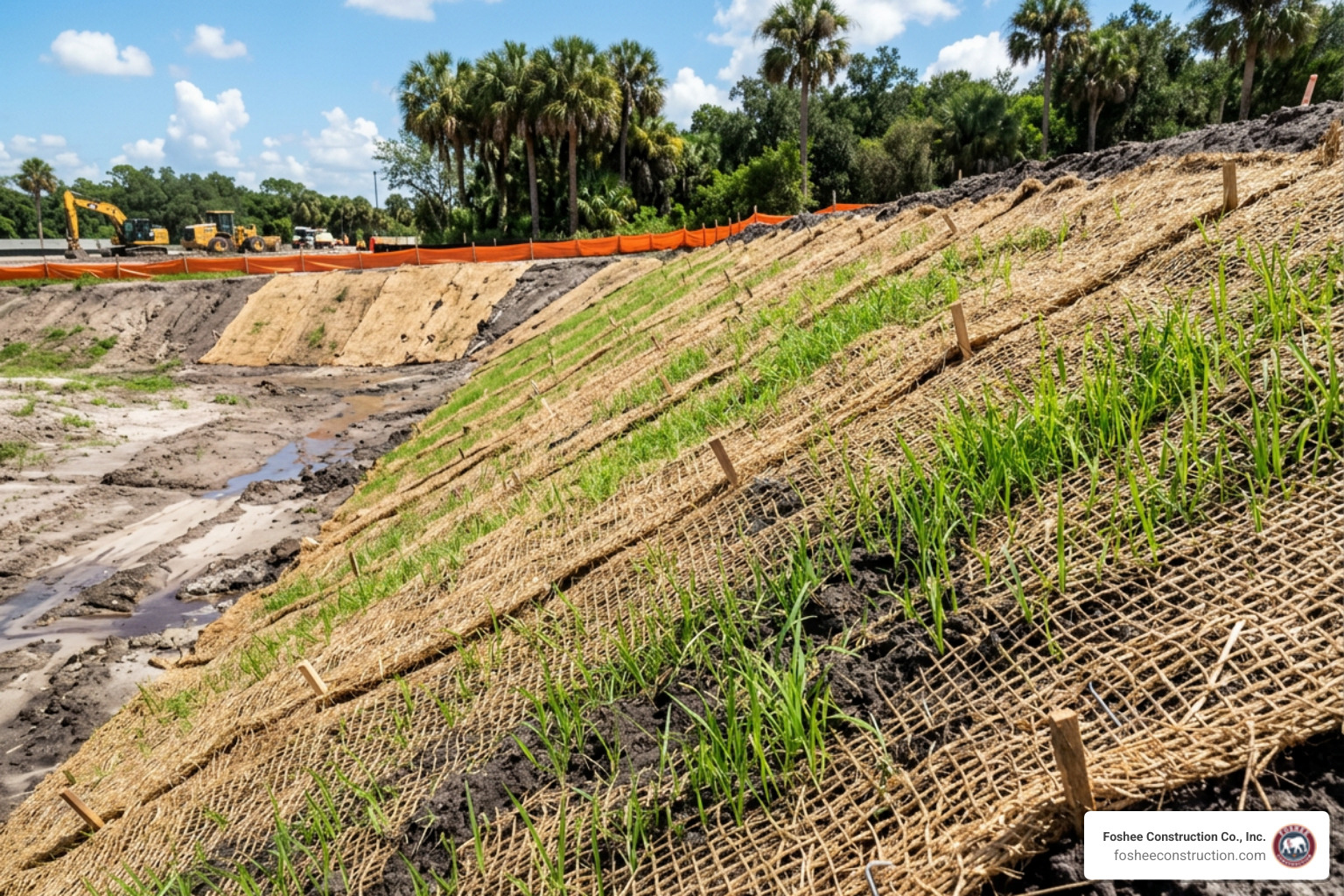
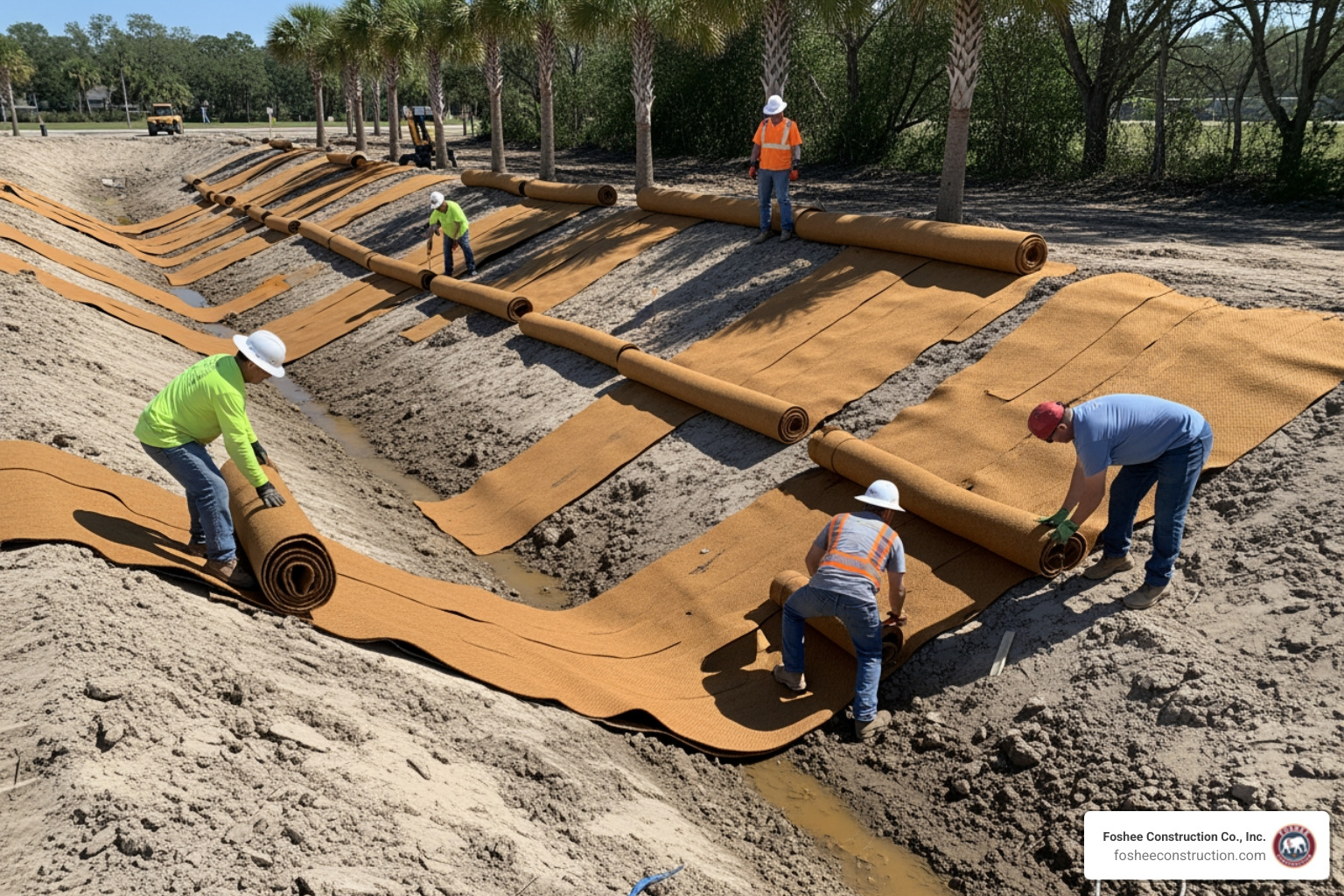
While utilities are being laid underground, a parallel system of surface defenses must be actively maintained. Implementing a robust Erosion Control Measure plan is not just best practice—it is a federal and state mandate for any construction site disturbing one or more acres of land. Key measures include:
Minneola is famous for its beautiful, rolling hills, but for a commercial developer, this topography presents serious civil engineering challenges. Unlike the flat coastal regions of Florida, Lake County features a unique soil and drainage profile that requires specialized earthwork strategies.
The soils in Minneola consist primarily of Candler, Apopka, and Tavares fine sands. These sandy soils are highly permeable, meaning they absorb water quickly on flat ground. However, on steep slopes, water runs off rapidly, carving deep gullies into the hillside and washing away loose soil. Without expert Land Grading and Excavation techniques, a commercial site can suffer from severe erosion, unstable building pads, and failed utility alignments.
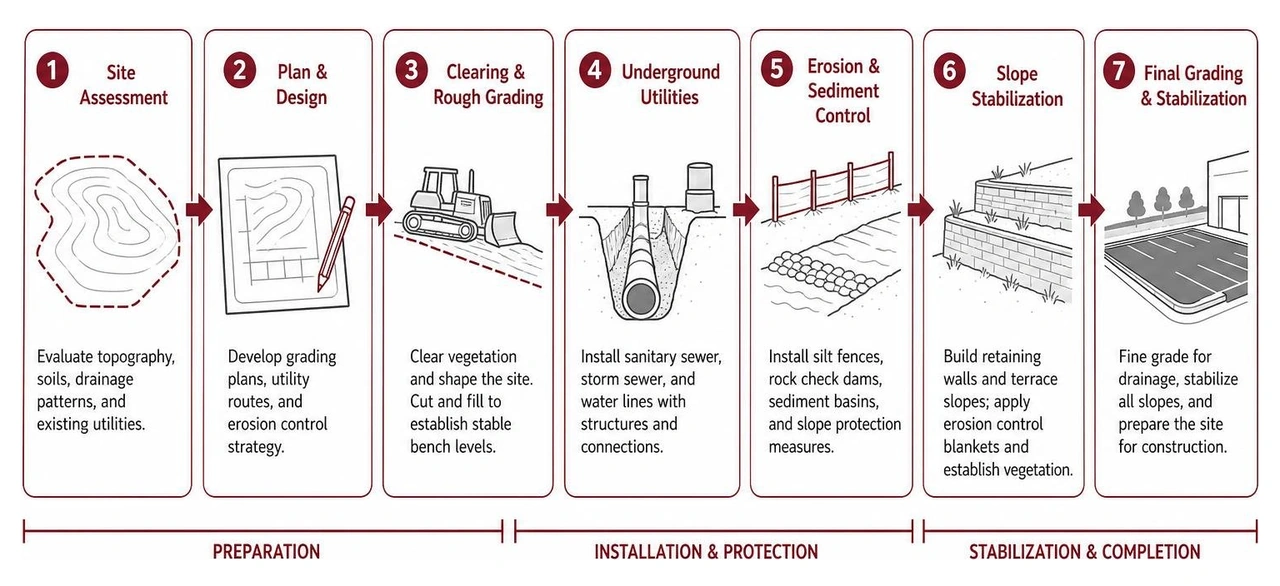
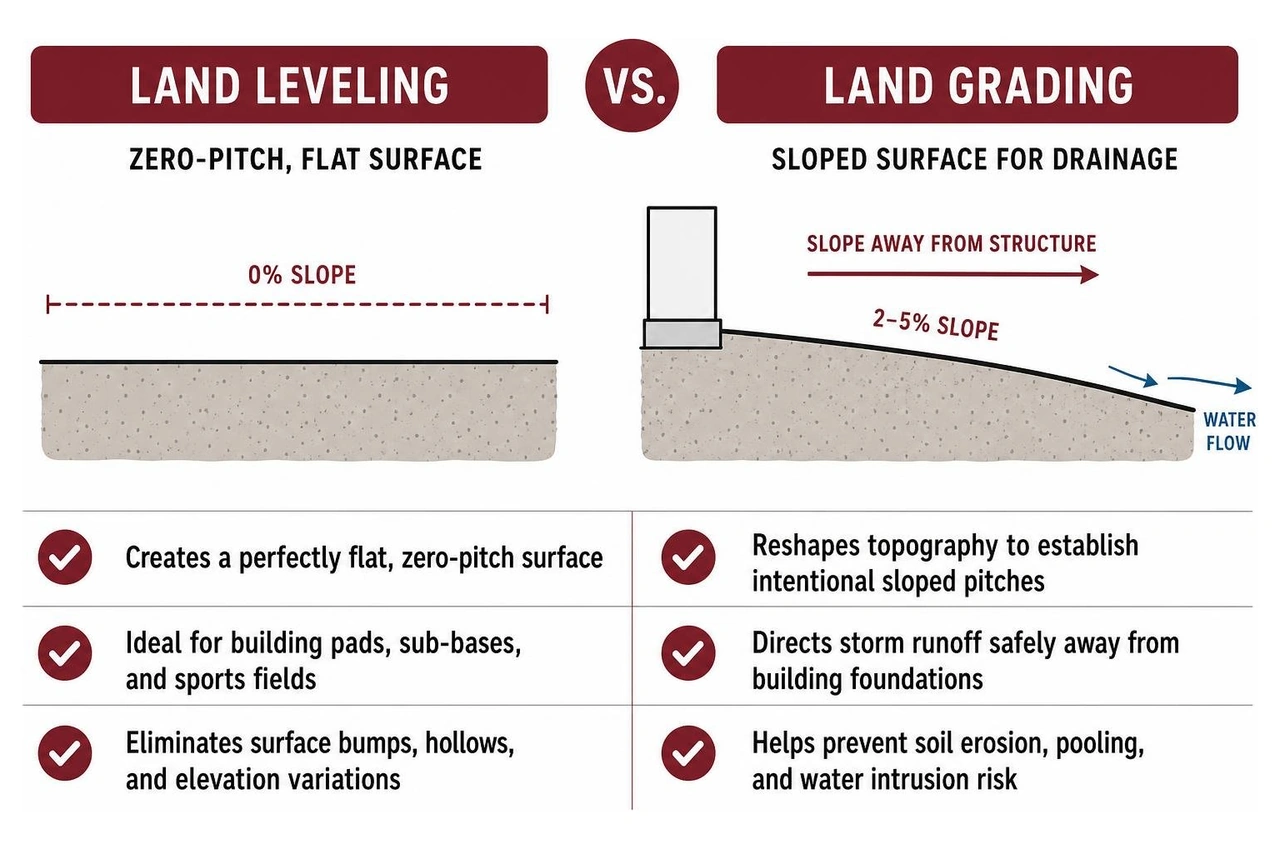
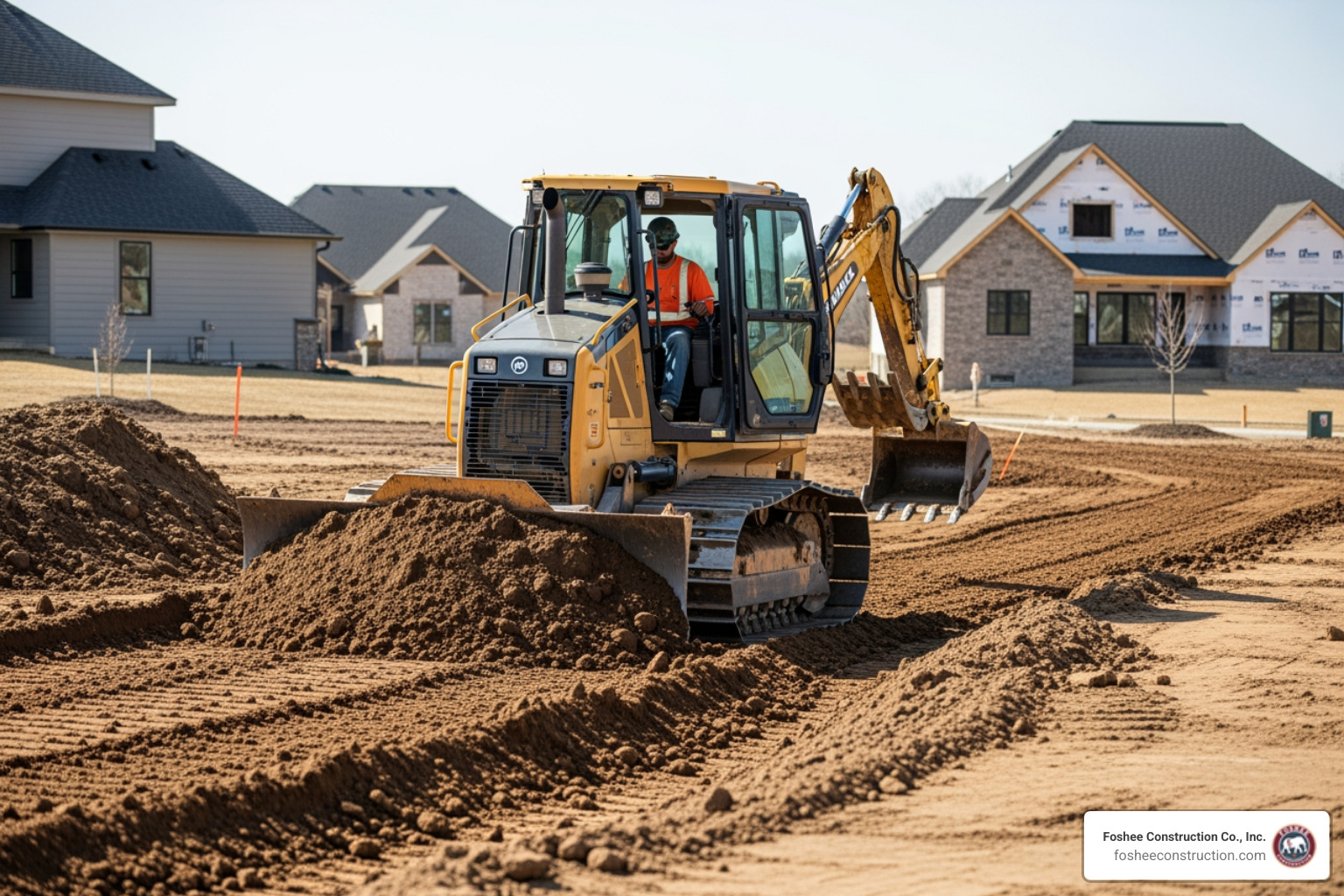
To transform a sloped, sandy property into a stable commercial pad, a skilled Grading and Drainage Contractor must carefully balance the cut-and-fill requirements of the site. This process involves:
Minneola’s rolling hills are also home to karst terrain, a geological formation characterized by soluble limestone bedrock. When large volumes of stormwater are concentrated into a single unlined retention pond, the water can dissolve the underlying limestone, creating a high risk of sinkhole formation.
To mitigate this risk, local experts work closely with engineering firms specializing in Commercial Storm Water Management in Minneola, FL | Lake County | StructureSmart . This collaboration ensures that:
Developing a commercial property in Minneola means navigating a strict, multi-layered regulatory environment. Failing to comply with local, state, and federal guidelines for utility installation and stormwater management can result in costly project shutdowns, heavy environmental fines, and severe legal liabilities.
Any commercial development that disturbs the land must obtain several environmental permits before work begins. In Minneola, this process is particularly complex because Lake County sits under the jurisdiction of two distinct water management districts: the St. Johns River Water Management District (SJRWMD) and the Southwest Florida Water Management District (SWFWMD).
An experienced contractor ensures full compliance by:
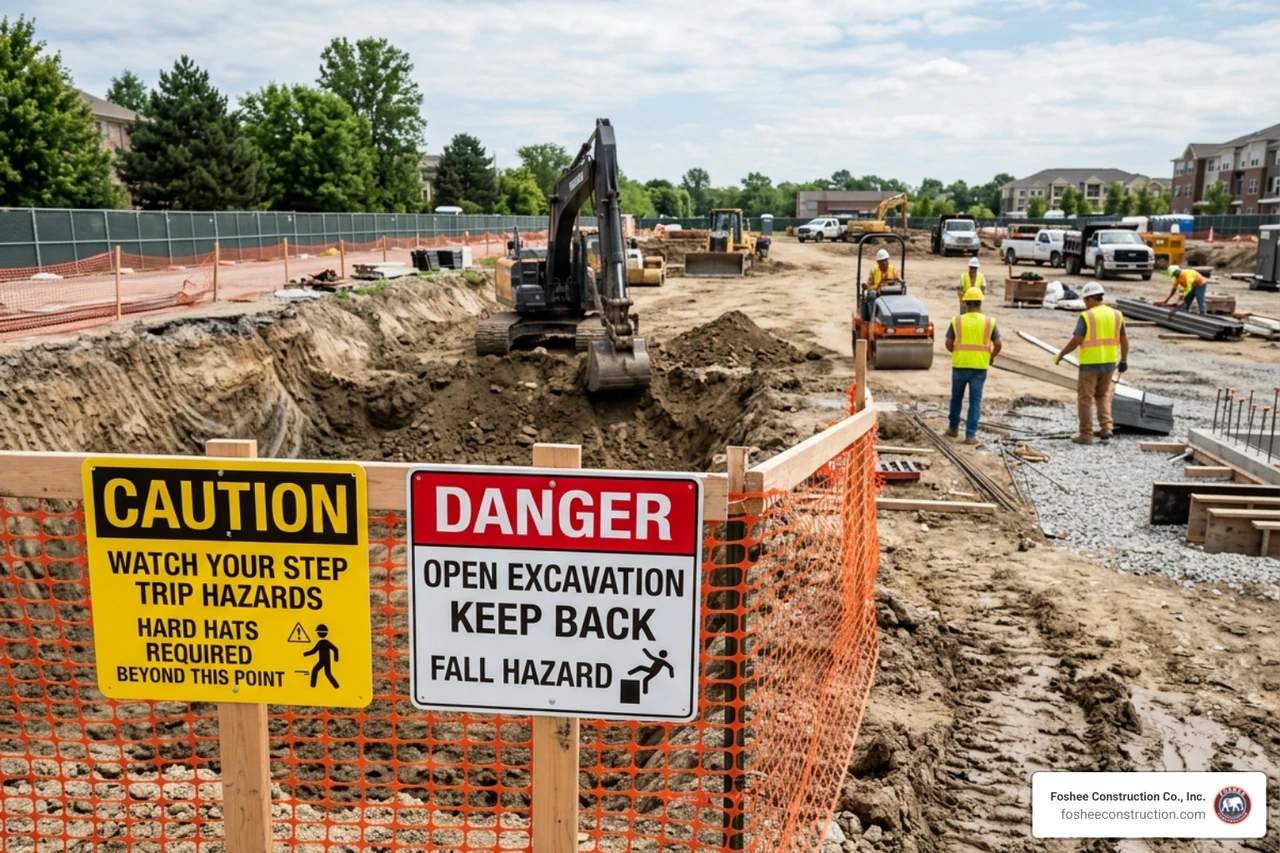
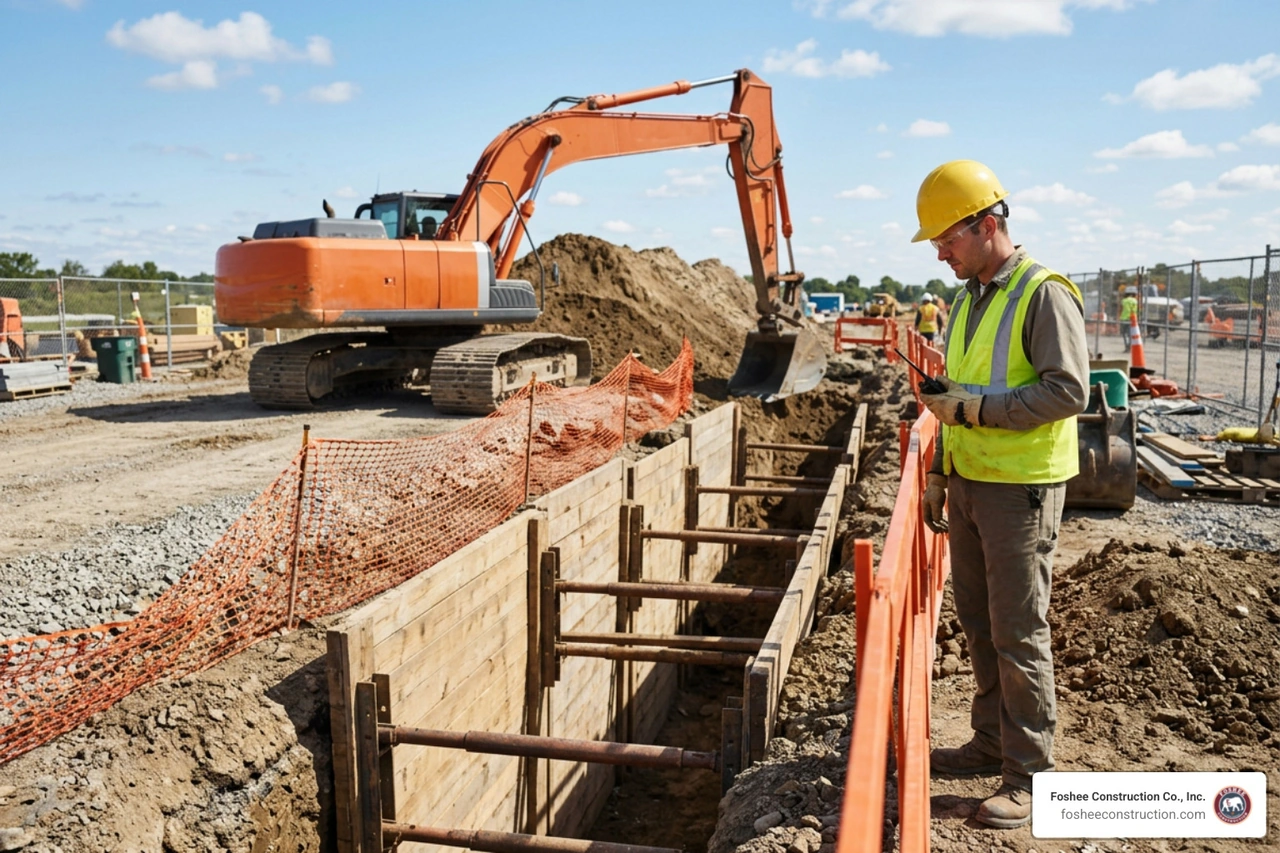
Underground utility installation requires digging deep, narrow trenches that are inherently hazardous. In Florida’s sandy soils, the risk of a trench wall collapse is exceptionally high.
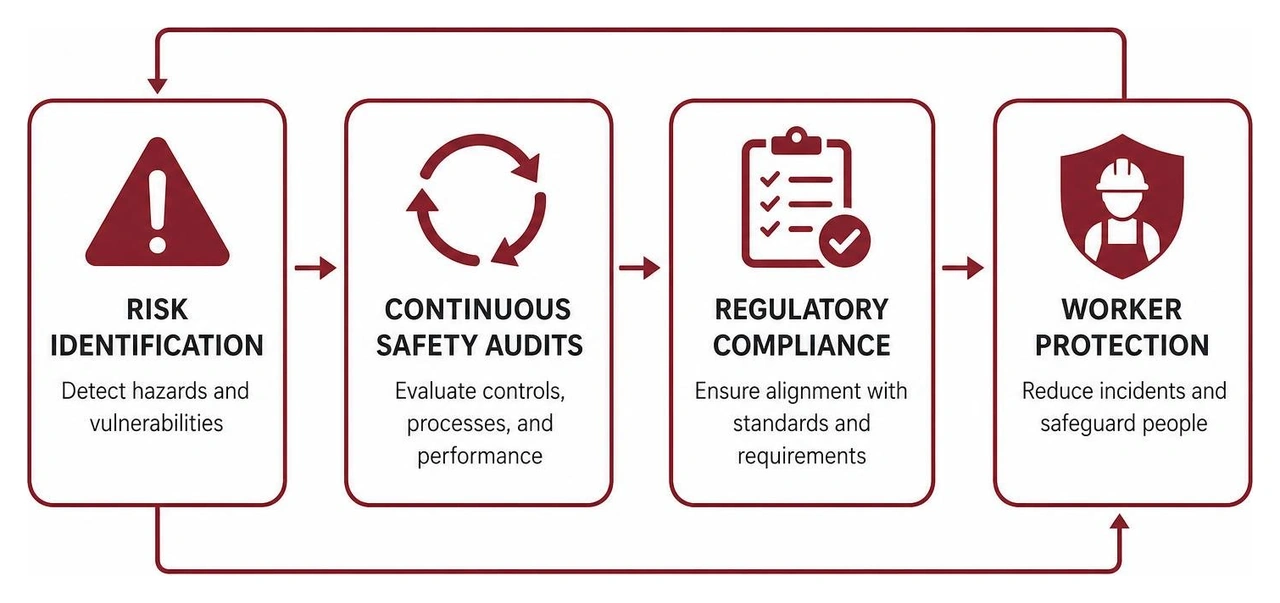
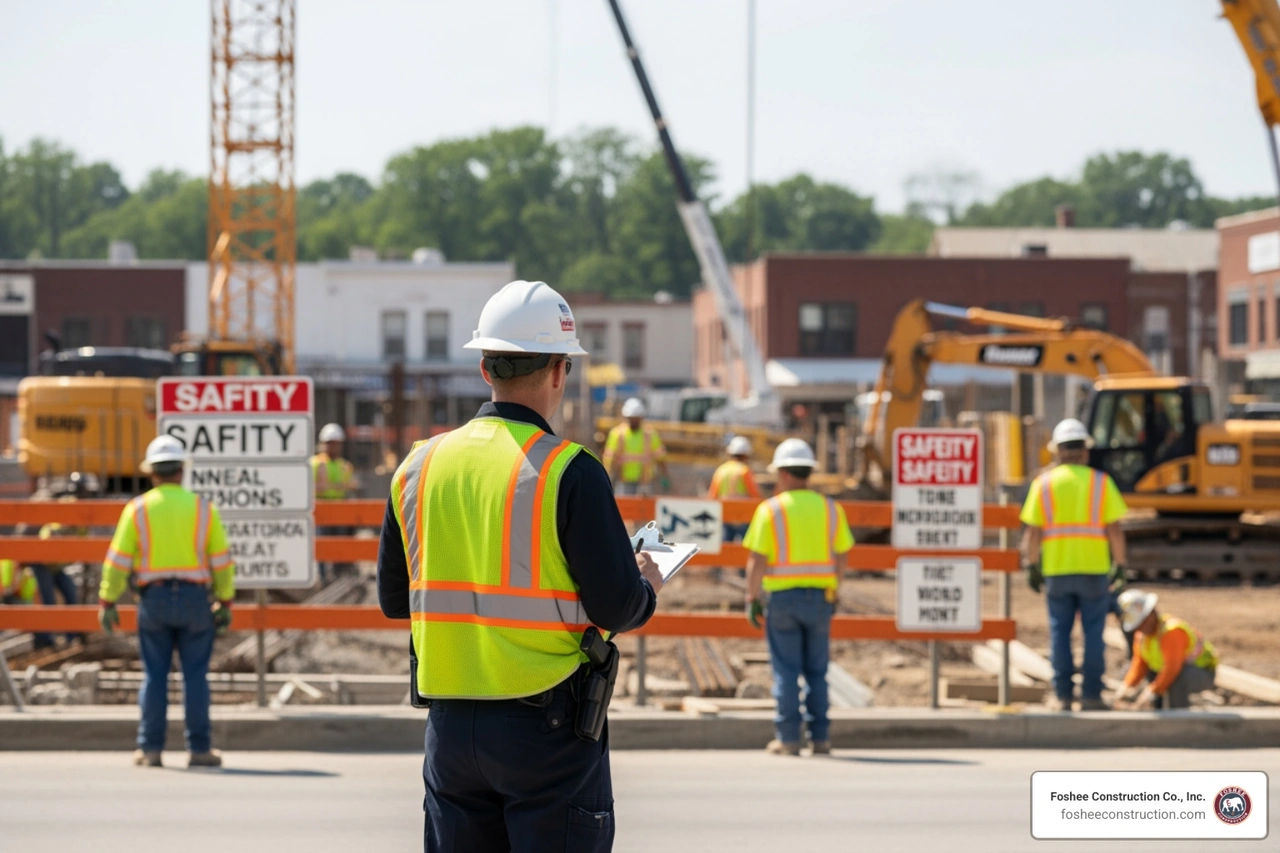
At Foshee Construction, safety is a core value, not a regulatory checkbox. We protect our workers and our clients' projects by:
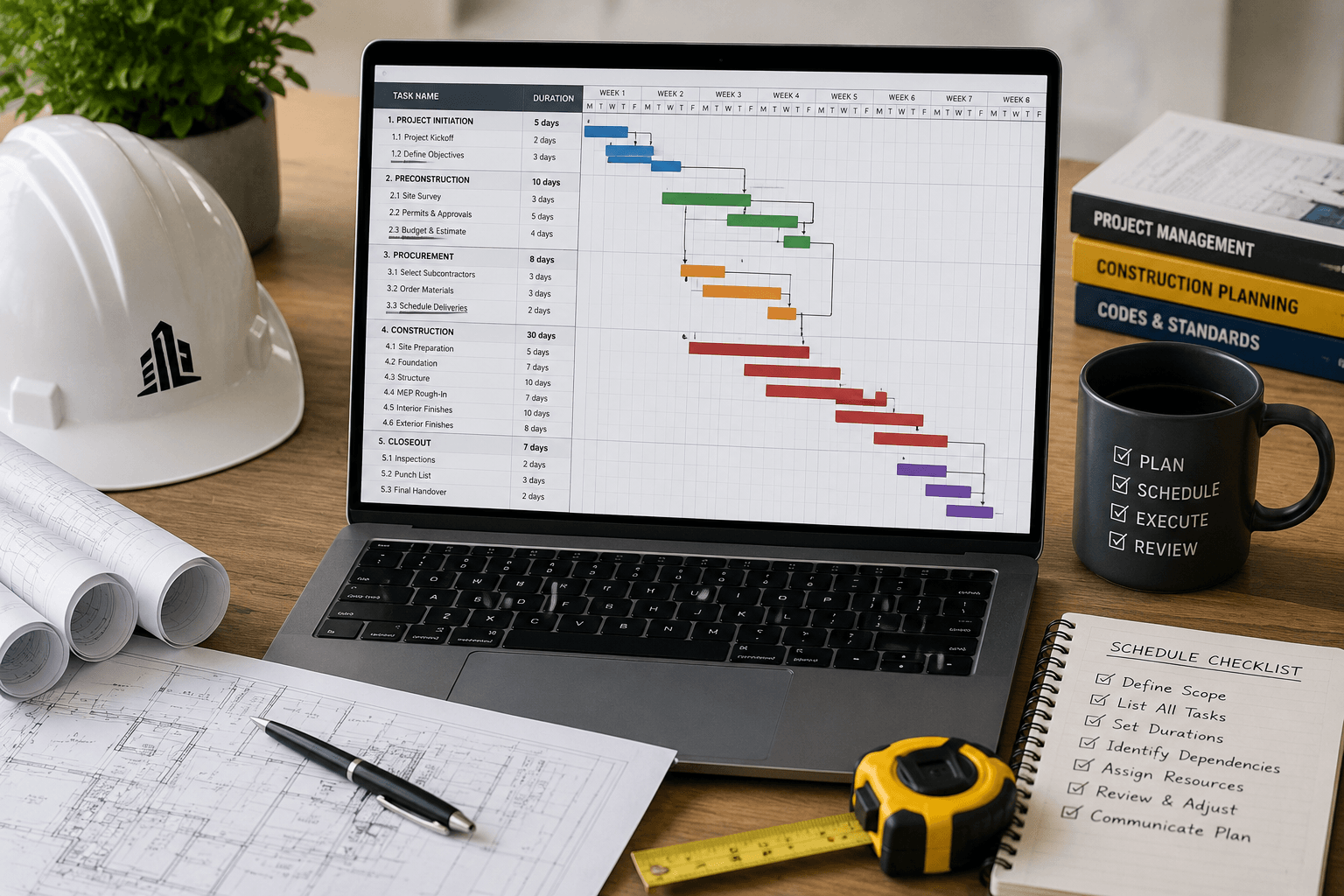
Coordinating underground utilities and erosion control requires a highly disciplined, phased approach. If a contractor attempts to install utilities before establishing erosion controls, the first heavy rain will wash sediment into the open trenches, ruining the pipe bedding and clogging municipal storm systems. Conversely, if erosion controls are treated as a static barrier, they will constantly get in the way of the heavy machinery needed for utility excavation.
A professional, self-sufficient civil team executes the project in three highly coordinated phases:
Before a single shovel of dirt is turned for utility trenches, the perimeter of the site must be secured. This phase lays the groundwork for a clean, compliant project:
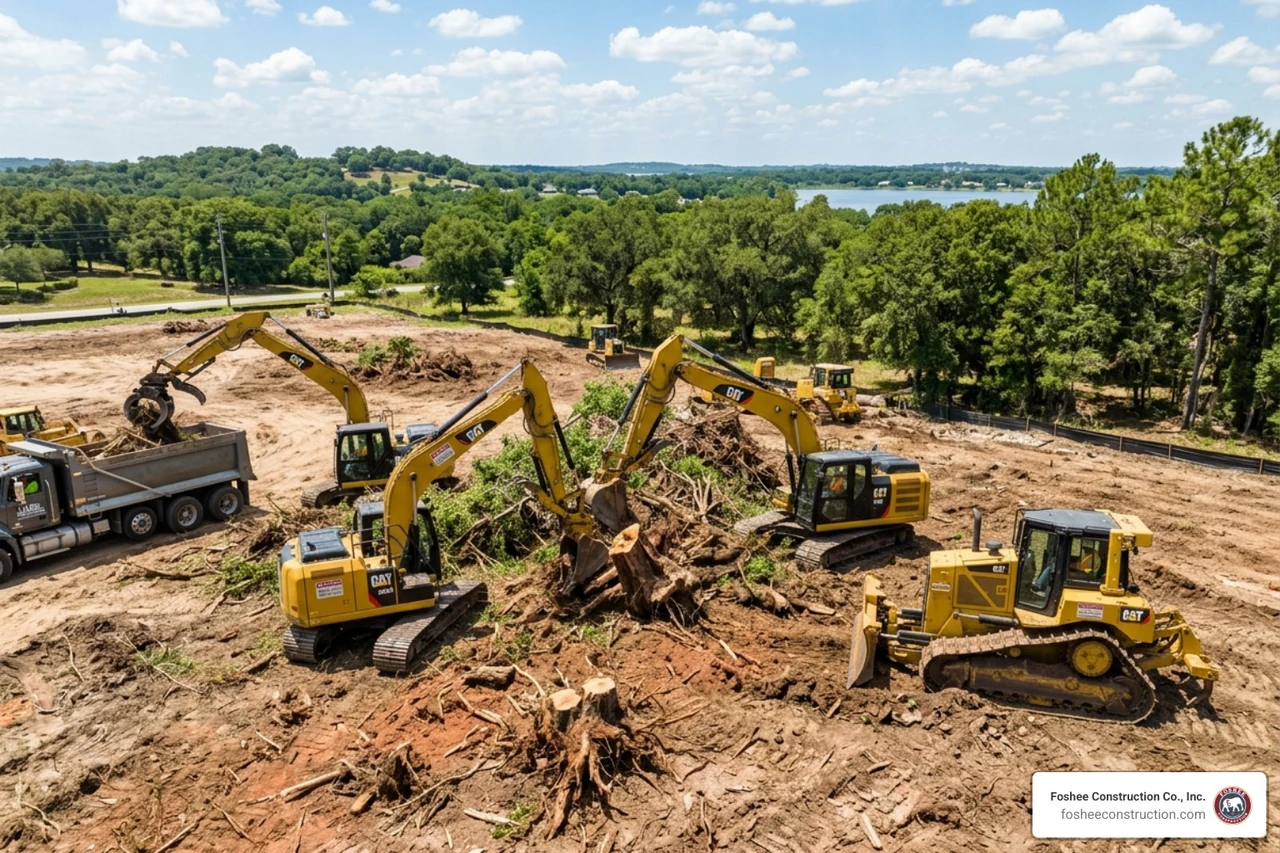
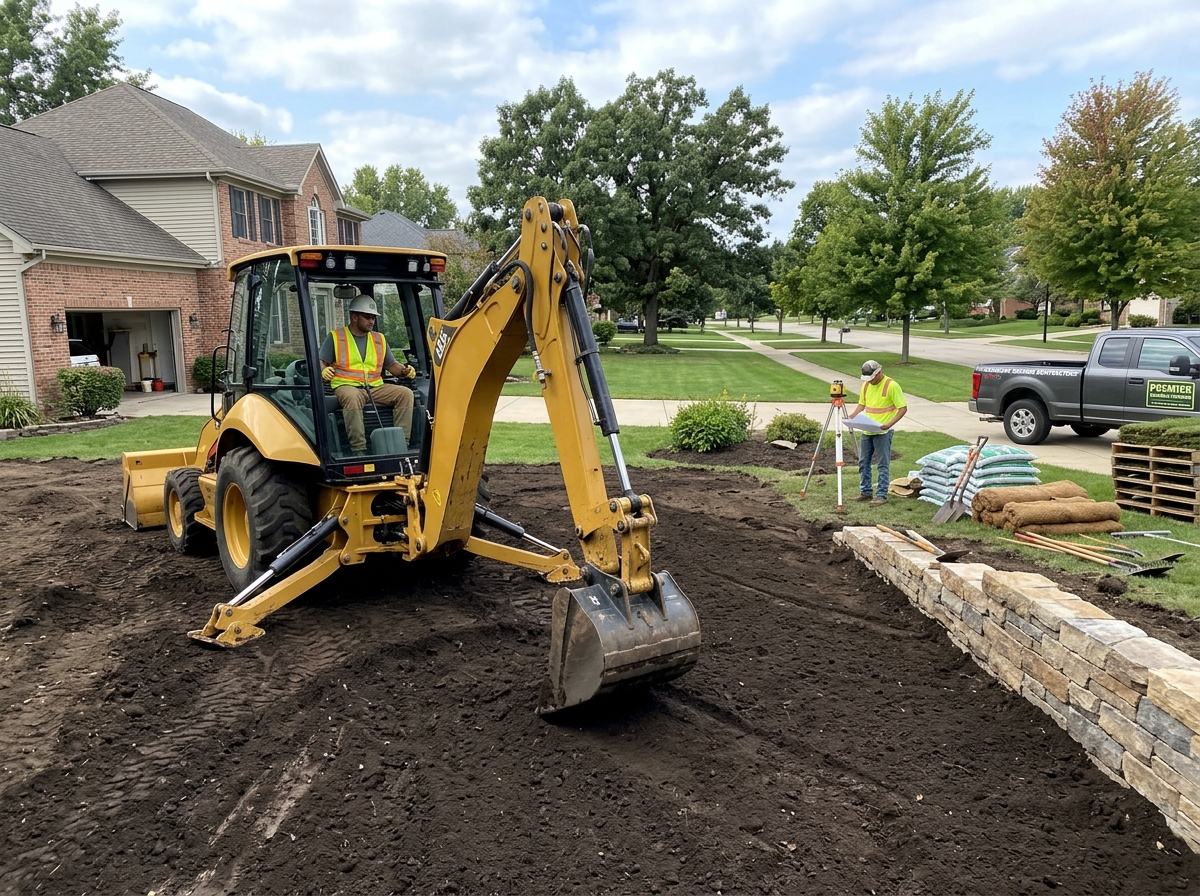
With the site secured, the heavy earthmoving and utility installation begin in tandem:
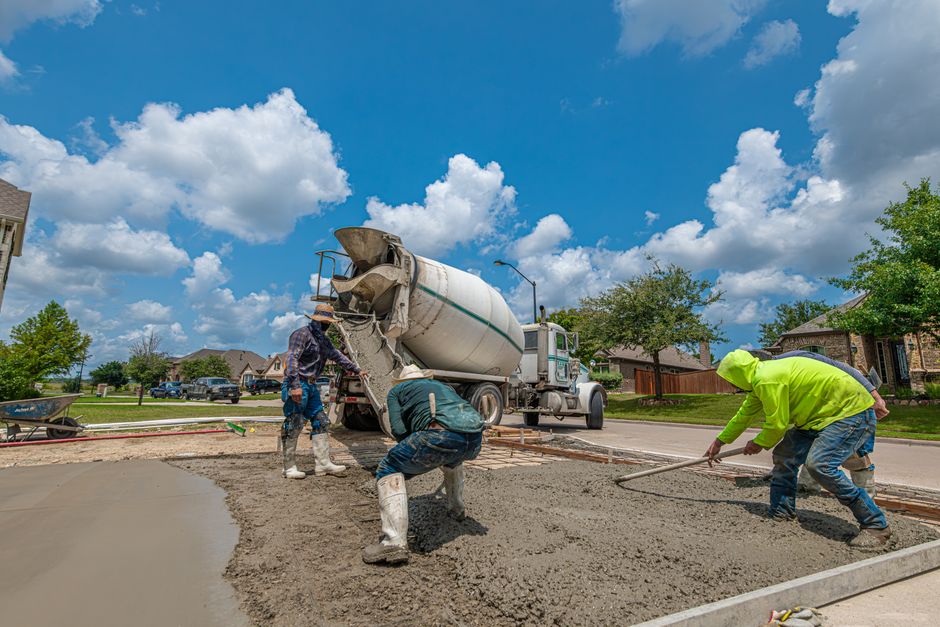
Once the underground utilities are installed, pressure-tested, and backfilled, the site is prepared for its final, permanent surfaces:
Using a single, self-sufficient contractor eliminates the coordination gaps that naturally occur when multiple subcontractors are on-site. When one team is responsible for both digging the trenches and protecting the soil, they can dynamically adjust erosion controls as the excavation progresses. This prevents costly washouts, ensures seamless compliance with environmental permits, and keeps your project on a strict, disciplined schedule.
Commercial developments in Minneola typically require:
A fully licensed site development contractor will coordinate directly with your civil engineering team to ensure all permits are in hand before breaking ground.
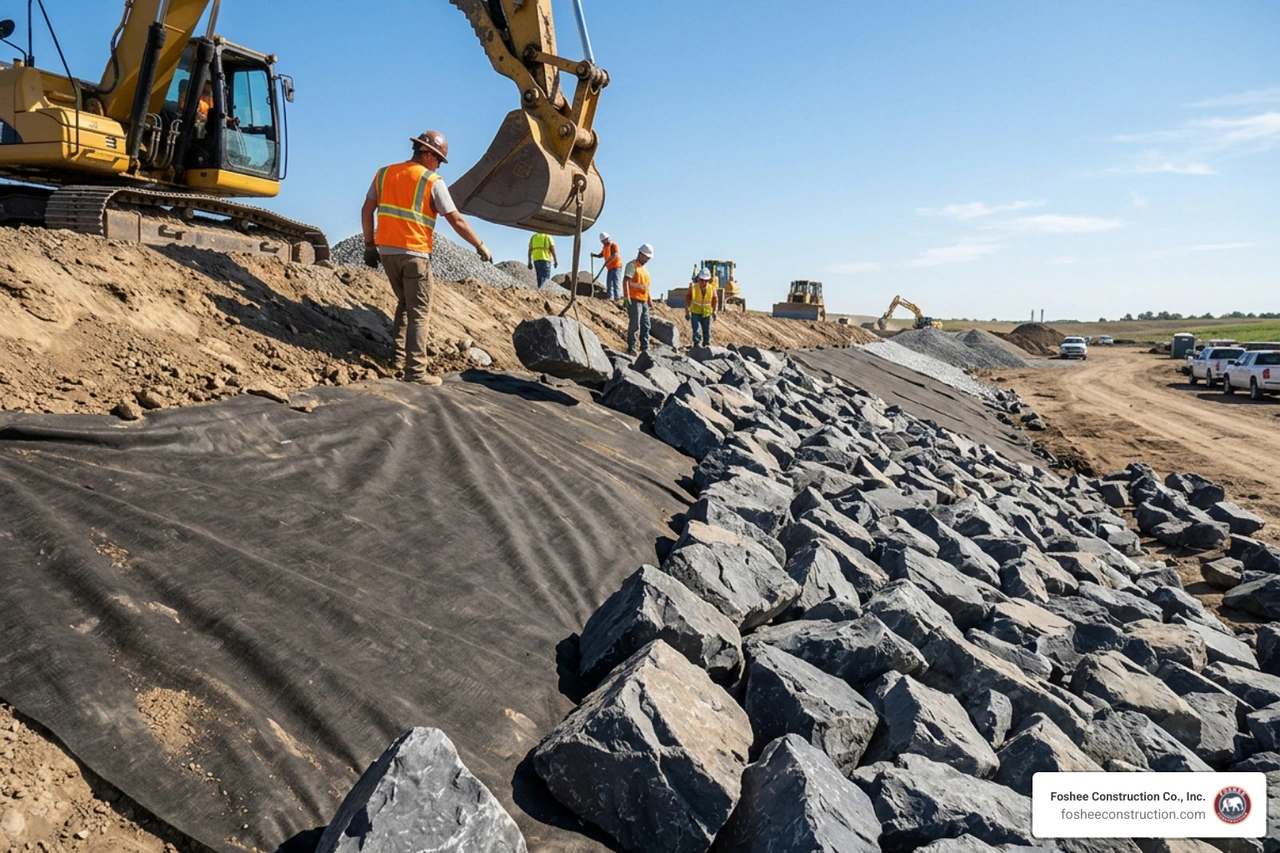
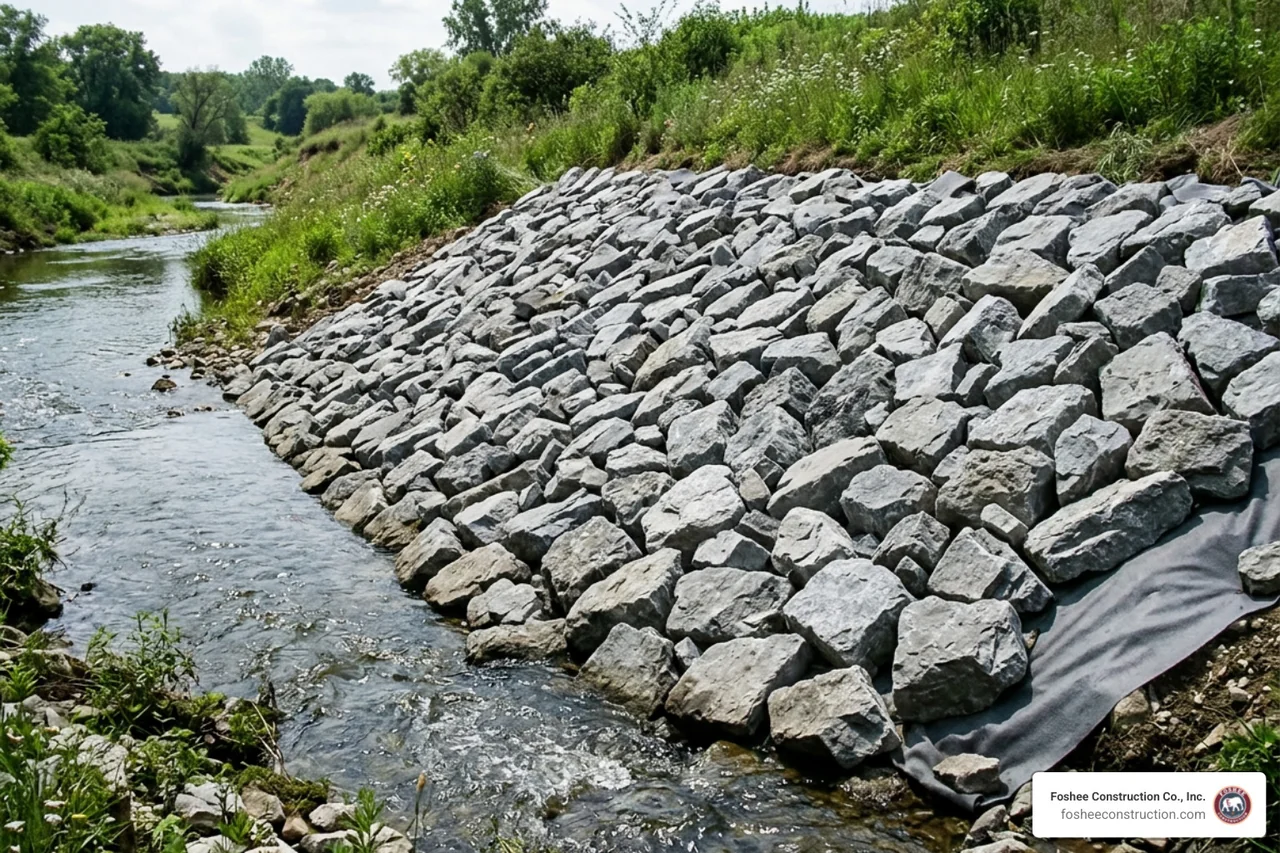
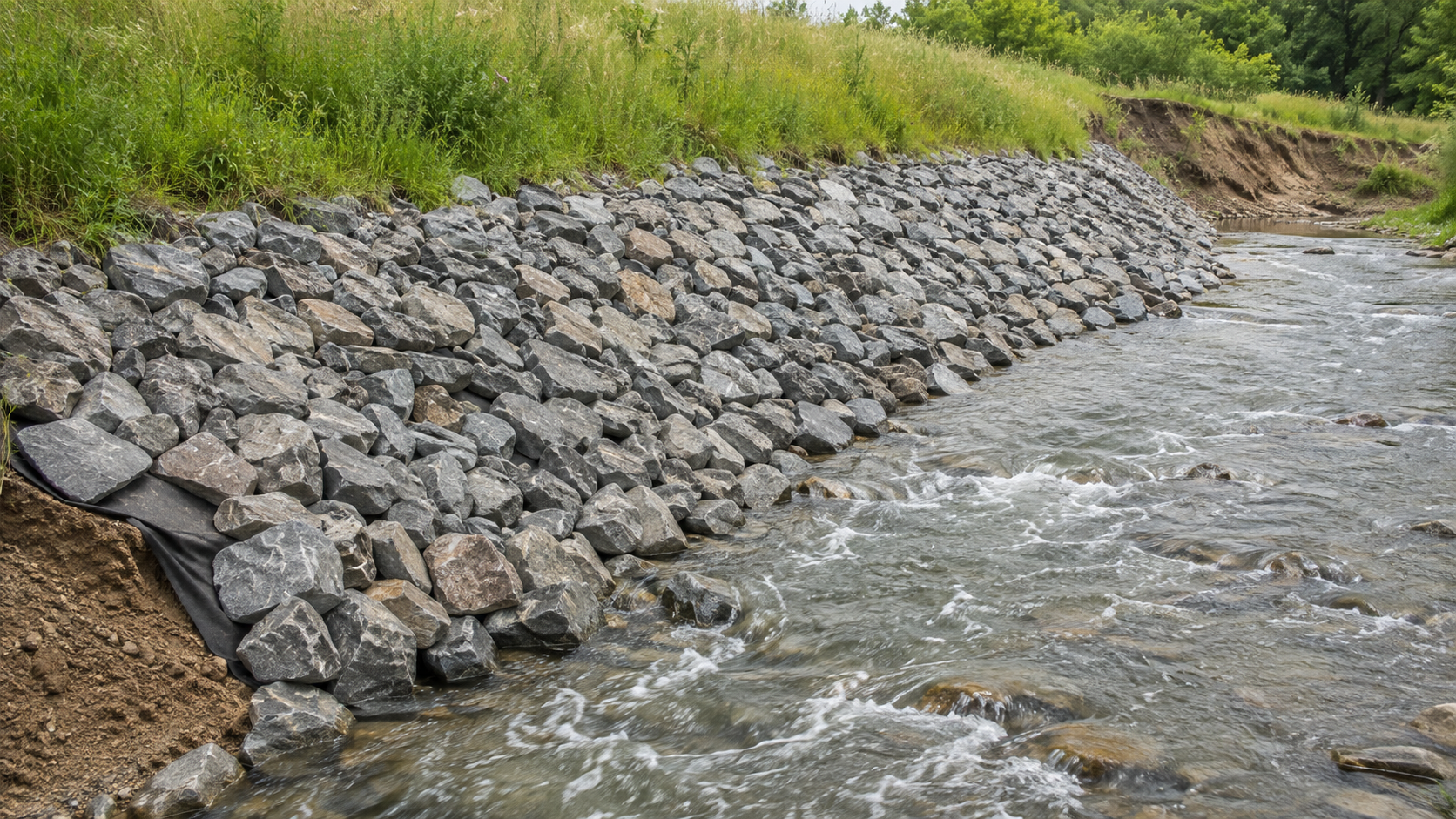
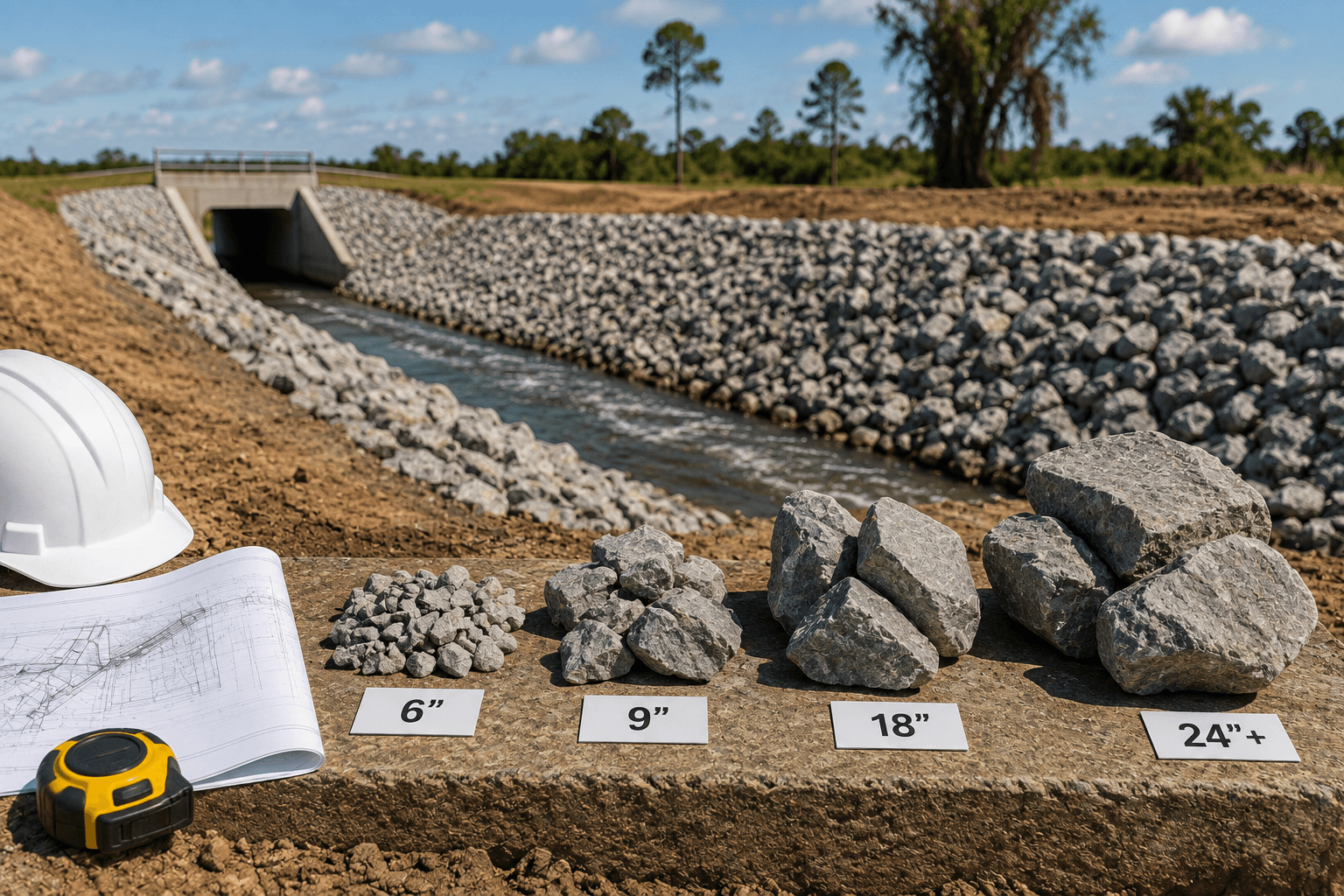
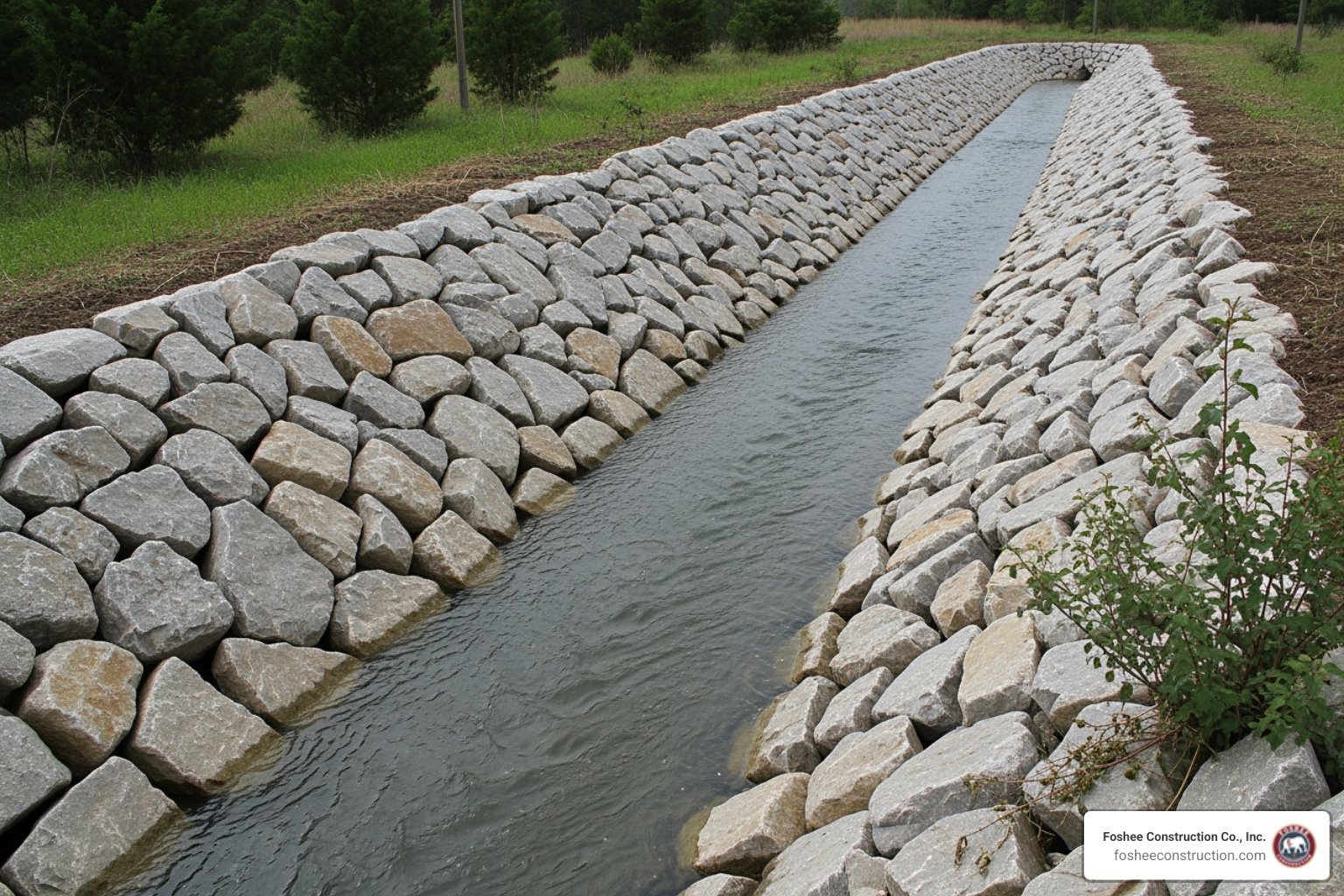
Minneola's rolling hills make utility design much more complex than in flatter coastal areas. Gravity-fed systems, such as sanitary sewers and storm drains, must be carefully engineered to maintain proper pipe slopes without digging excessively deep, expensive trenches. Additionally, high-velocity stormwater runoff on steep slopes requires robust erosion control measures—such as terraced retaining walls, rock check dams, and rip-rap energy dissipators—to prevent soil washouts and protect the integrity of the underground pipes.
Developing a commercial property in Minneola, Florida, is a highly rewarding investment, but navigating the region's rolling hills, sandy soils, and complex environmental regulations requires a civil partner you can trust. Attempting to coordinate separate excavation, utility, and erosion control crews only leads to scheduling delays, finger-pointing, and costly budget overruns.
At Foshee Construction Co., Inc., we bring discipline, safety, and over 30 years of Florida site work experience to your jobsite. By self-performing up to 80% of our civil contracts, we provide a seamless, turnkey experience—handling everything from initial land clearing and mass grading to deep utility installation and permanent erosion control. Our transparent bidding process and commitment to disciplined scheduling mean we hit our dates and protect your project's margin.
Ready to discuss your next commercial development in Minneola or the surrounding Lake County area? Visit our Projects page to see our work in action, and contact our team today to request a comprehensive, reliable bid for your site development package.
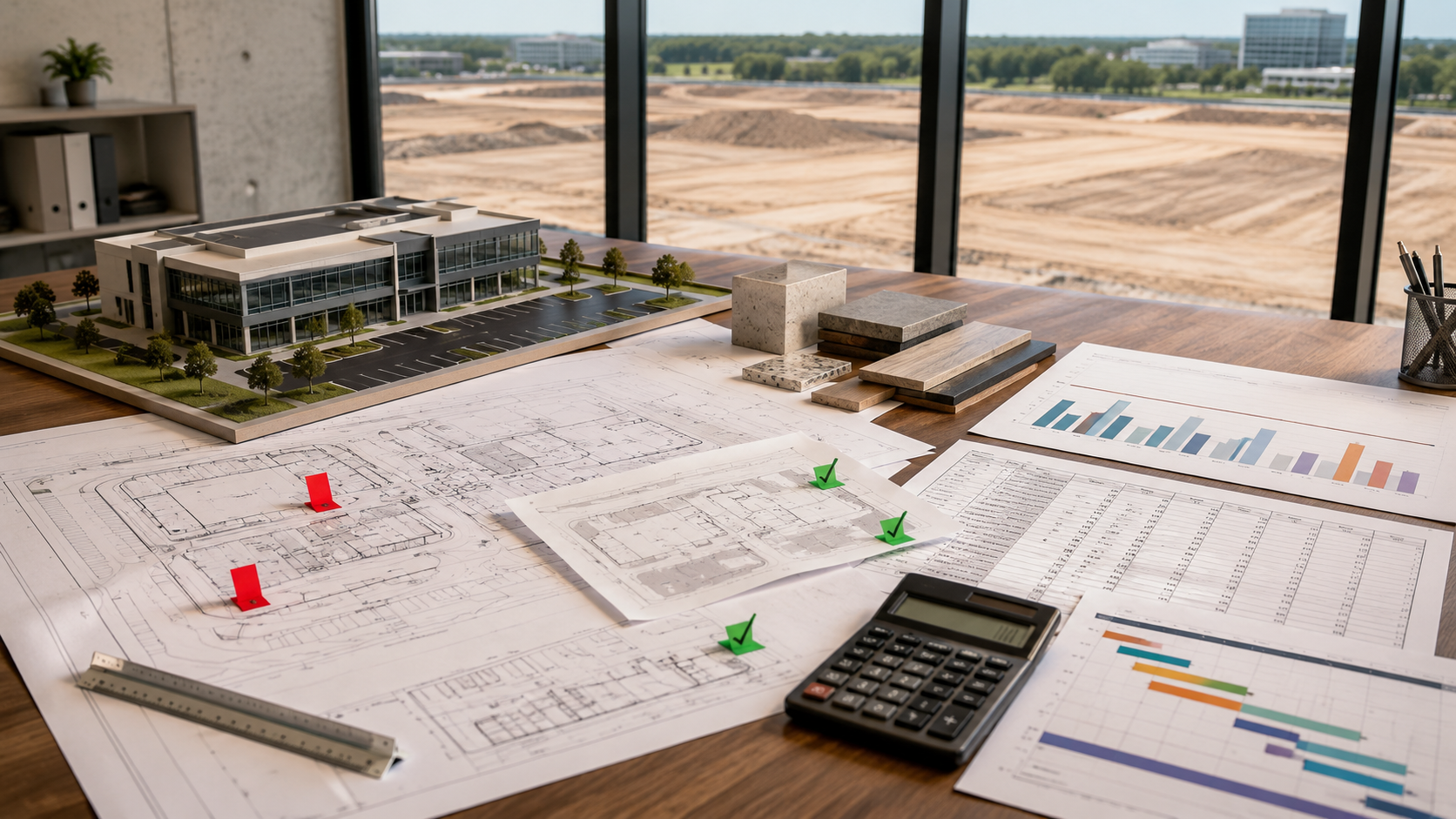
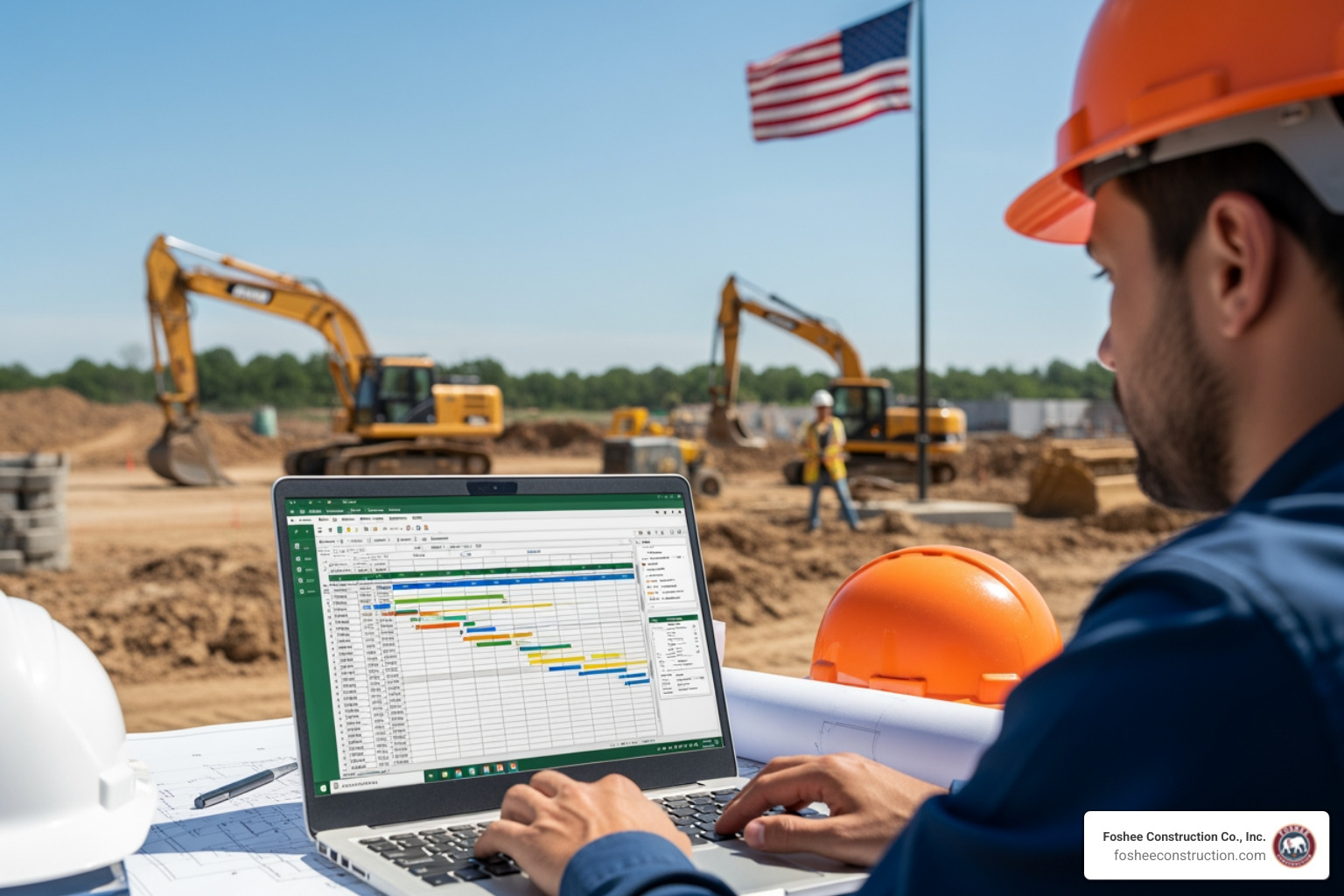
We build bids using HeavyBid and AGTEK because the details matter long before the job starts. When the numbers are accurate and the scope is clearly defined, it sets the tone for how the entire project runs. Estimating isn’t just a step in the process, it’s the foundation we build on.
That same mindset carries into the field. Our crew is trained to work with purpose, follow the Civil Engineers’ Plan to the finest detail, and hold the line on quality. When expectations are clear from day one, there’s no need for shortcuts, and no confusion about how the work gets done.
Clients trust our bid packages because they’re complete and ready to use. Project managers know what we’re covering, what’s excluded, and how we plan to approach the job. That clarity removes friction and lets teams focus on execution instead of interpretation.
As part of our review process, we go into the plans before anything hits the site. We ask the questions early, resolve issues before they show up in the field, and keep RFIs moving. This approach prevents delays and protects the timeline.
Over time, that consistency builds trust. Many of the people we work with today came through referrals from past projects – engineers, GCs, and superintendents who’ve seen how we operate and want the same experience again.
In 2024, Foshee Construction was acquired by Saga Infrastructure Solutions, a national network of civil construction companies. Saga supports regional contractors by giving them access to better tools, long-term resources, and operational backing, without changing how they run day to day.
Foshee will continue to operate under its name, with the same team and field leadership in place.
“From the very time a project starts, we start that partnership. We try to catch as much as we can with the tools that we have. Not everybody is using the software platforms we are. That’s the differentiator: we’re not just bidding. We’re anticipating, problem-solving, and making sure the job runs right.”
— Don, CEO, Saga Infrastructure Solutions
Foshee is now part of a broader regional strategy that includes Florida, the Piedmont Atlantic, Texas, Colorado, and the Arizona Sun Corridor. The name, crews, and standards remain. What’s improving is the support behind it.