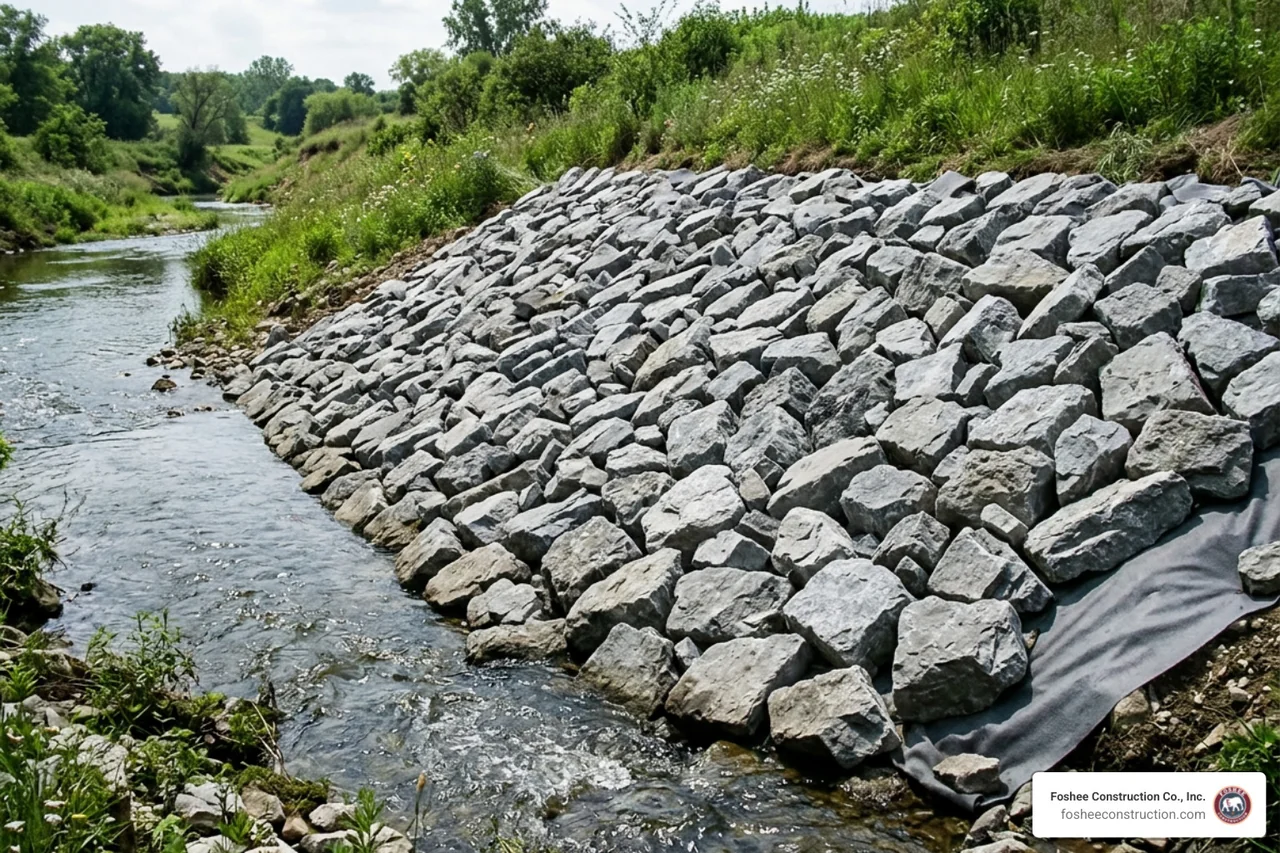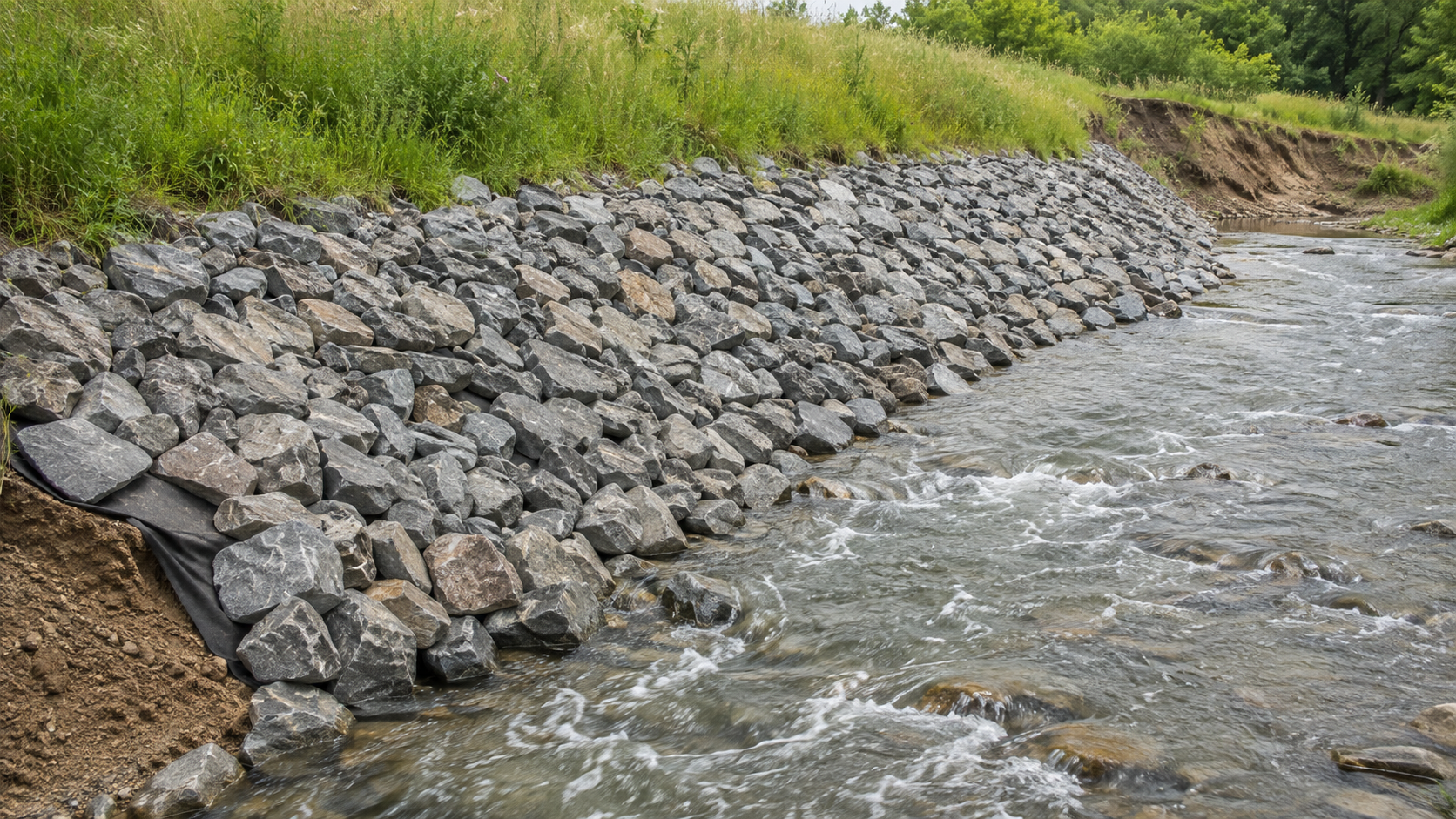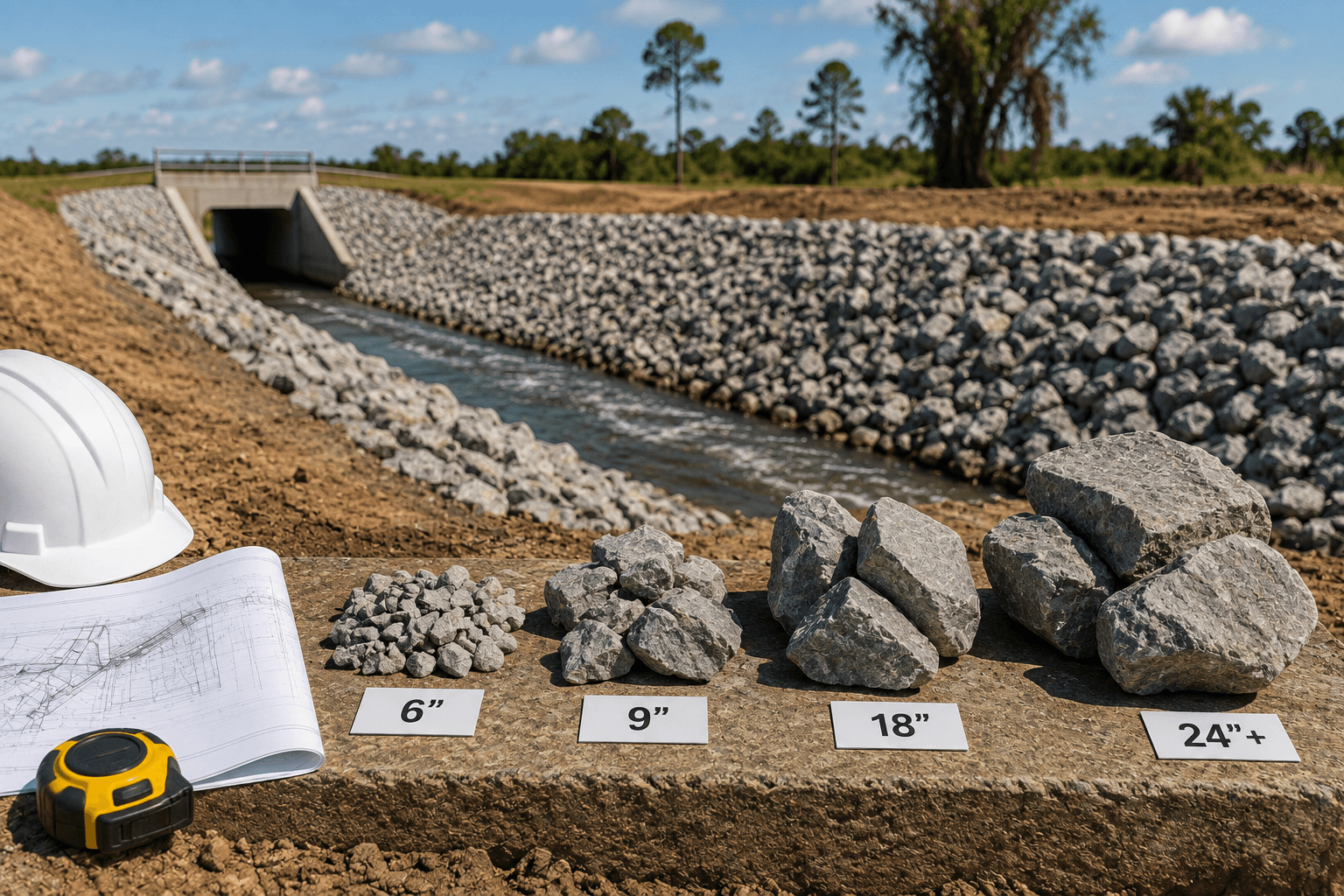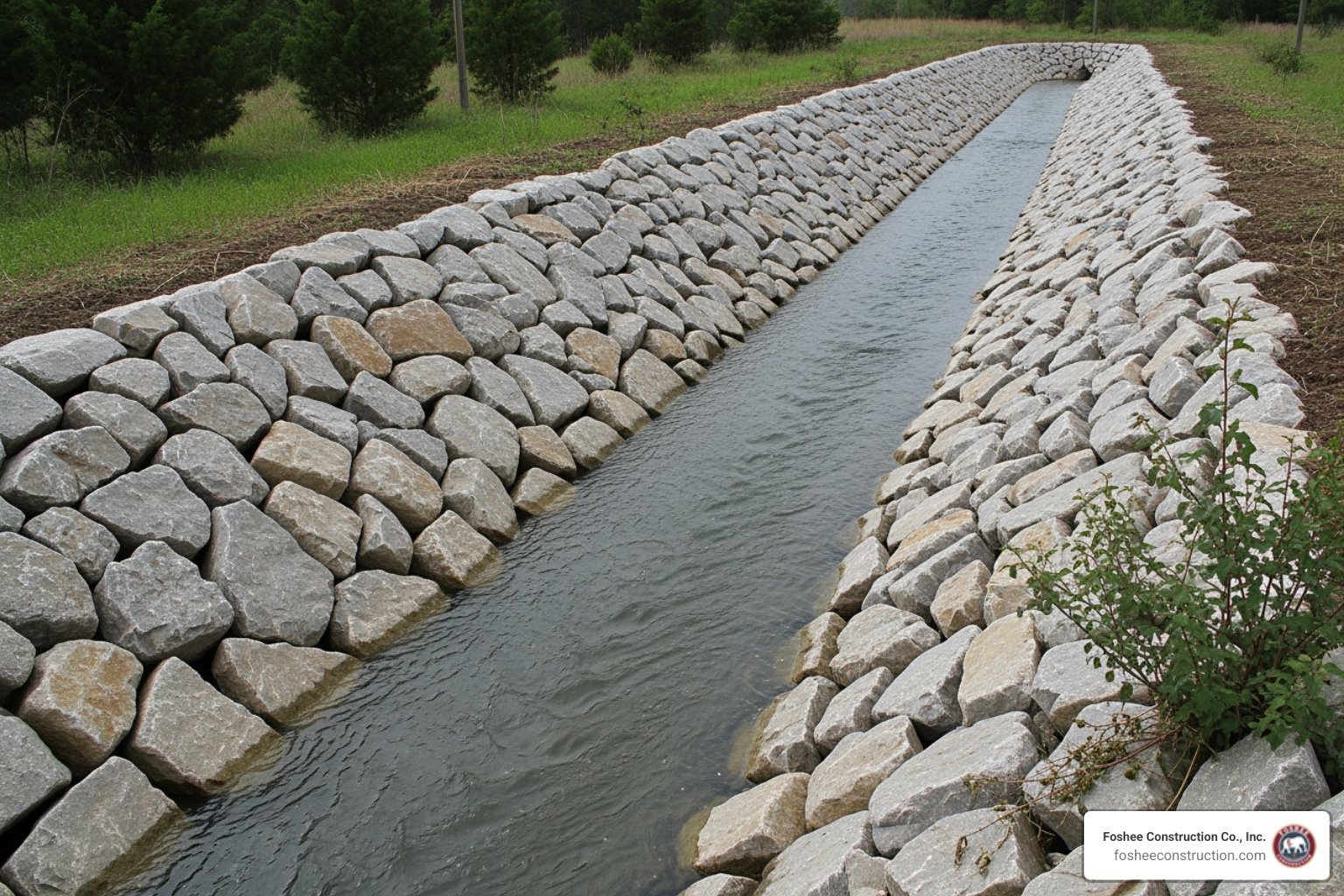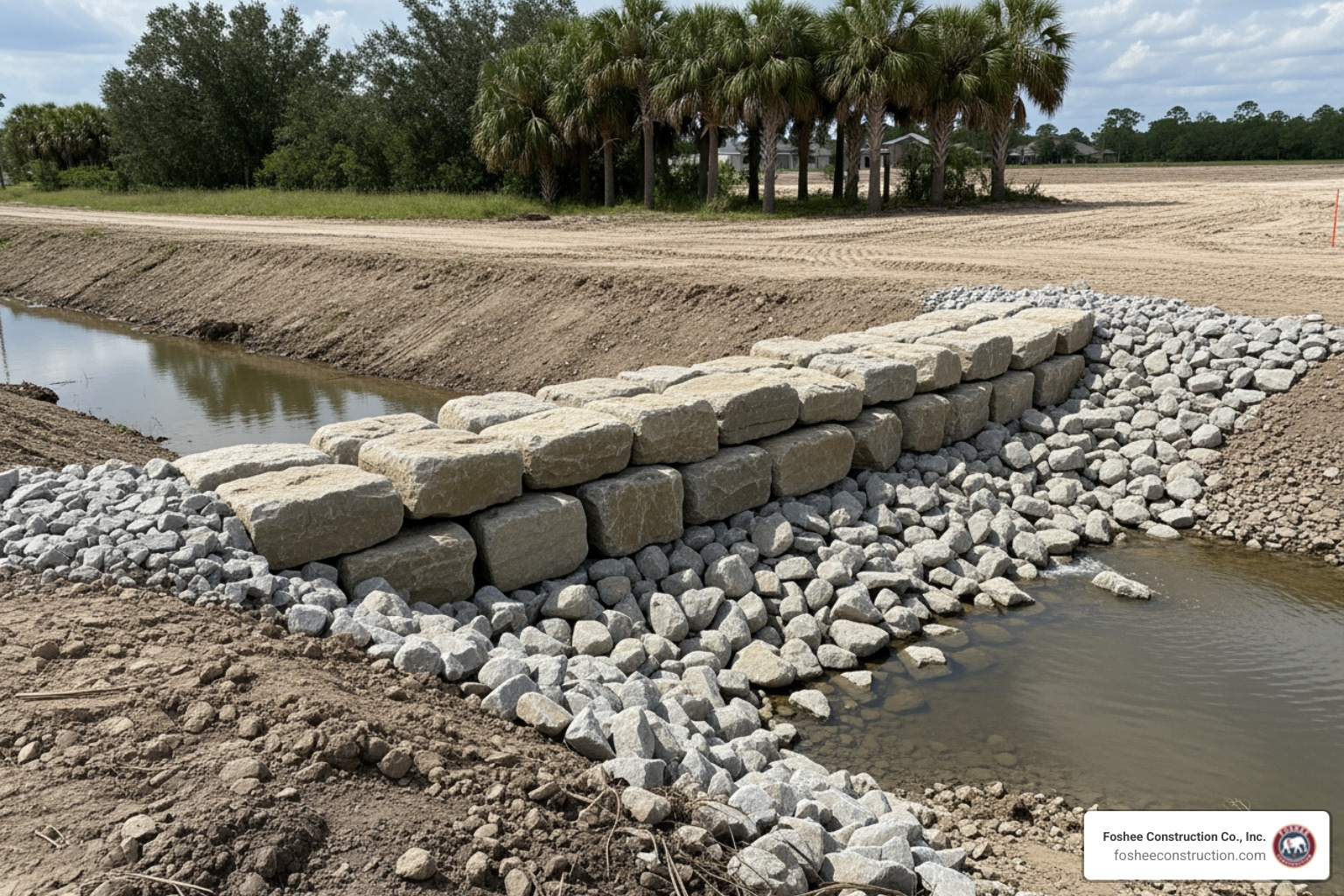
If you've driven past a drainage ditch or pond bank reinforced with loose stone, you've seen riprap in action. It's simple in concept, but selecting and installing it correctly is where experience actually matters.
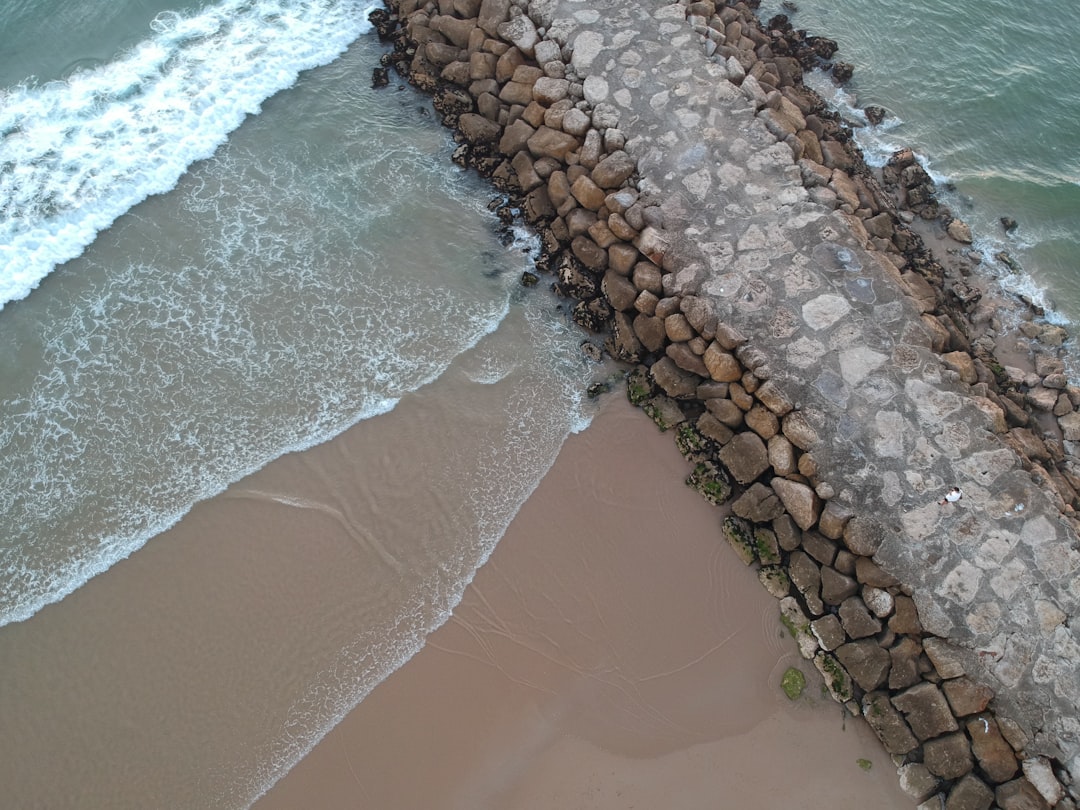
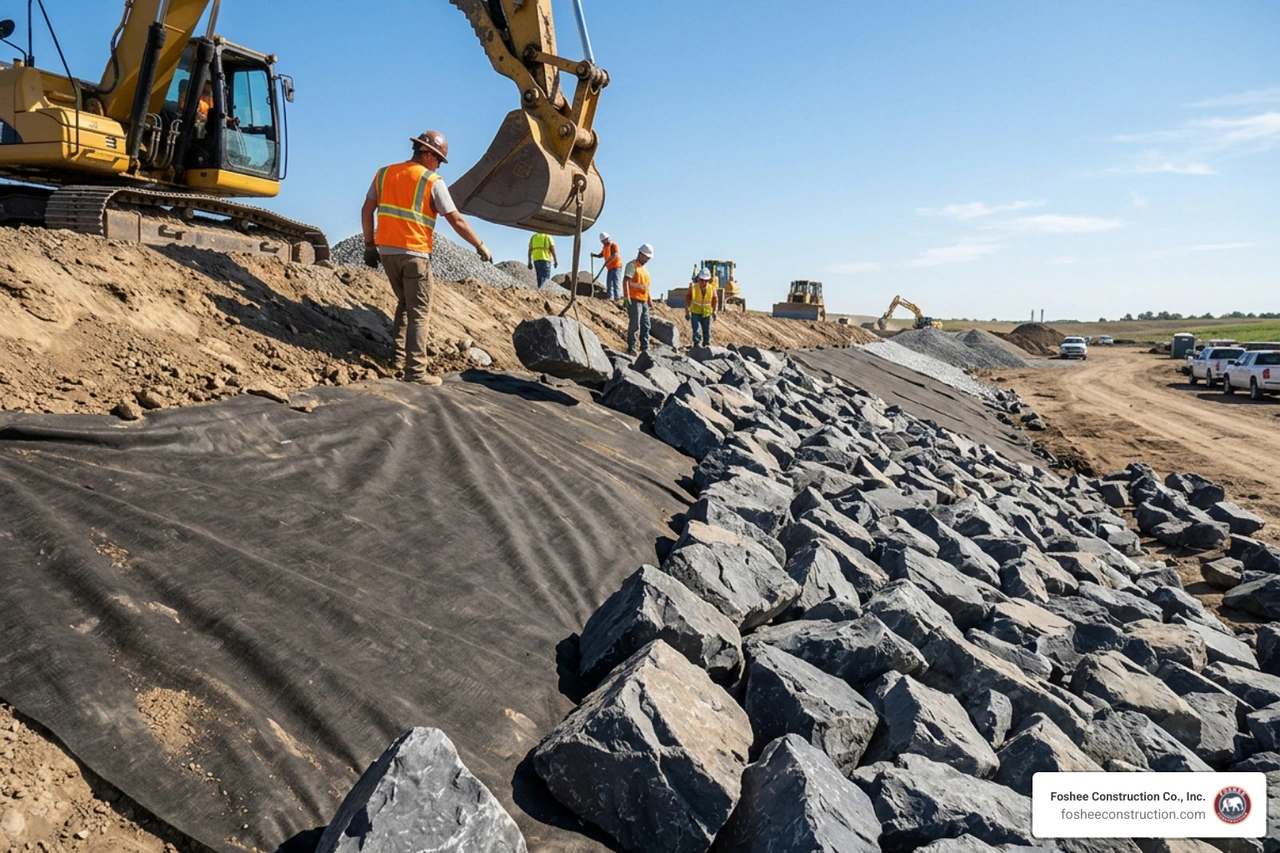
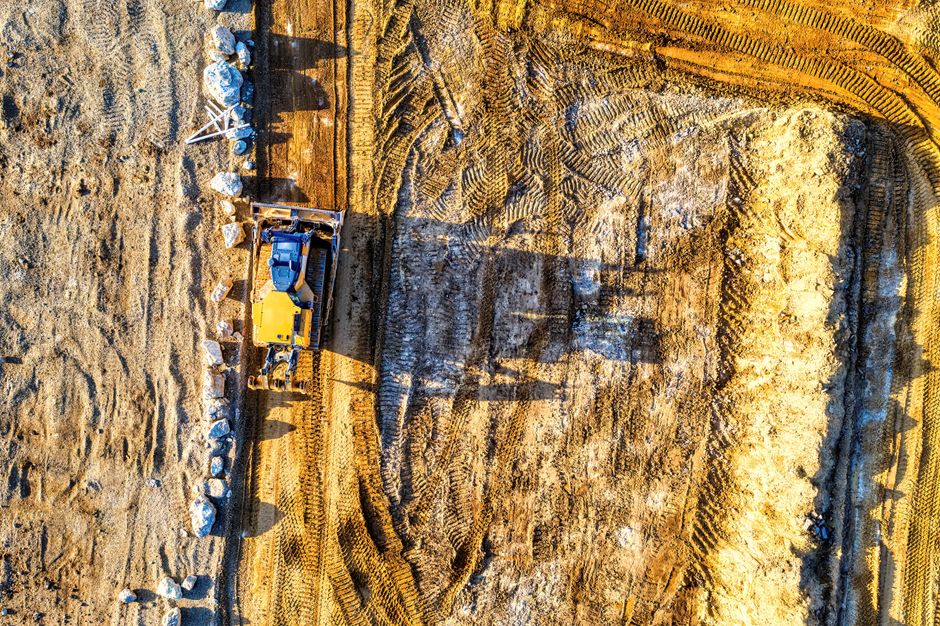
Riprap is a layer of large, durable stone placed along slopes, ditches, and shorelines to absorb the energy of moving water before it can erode the soil underneath.
Drainage ditch slopes and outfalls
Pond and detention basin banks
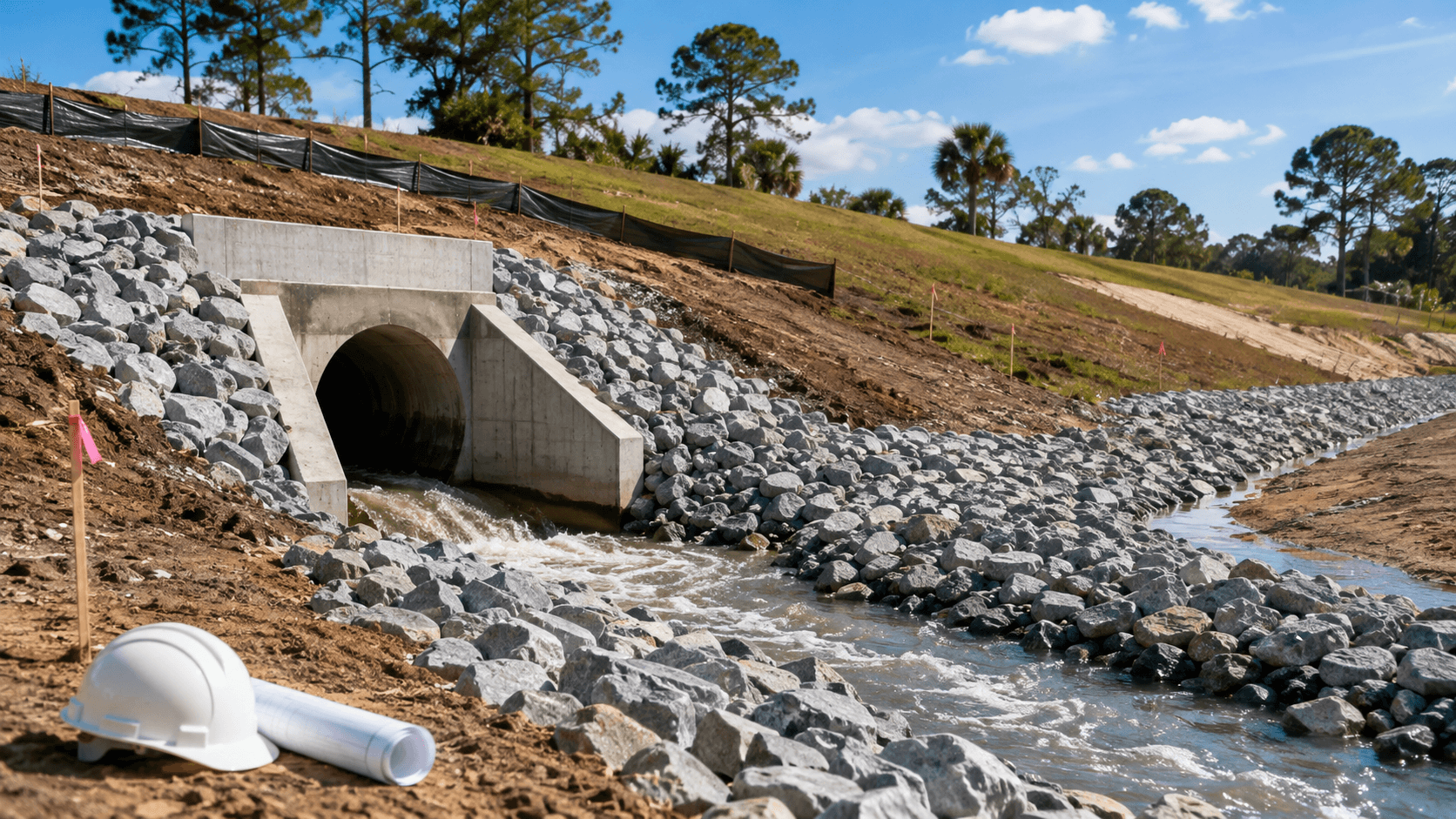
Culvert inlets and outlets
Areas with concentrated stormwater flow
Is riprap a permanent solution?
Properly sized and installed riprap is designed to be a long-term, low-maintenance erosion control measure.
Does riprap require a permit?
Depending on location and scale, especially near wetlands or waterways, permitting may apply.
Riprap works because it's matched to the site, the wrong size or placement can fail just as fast as having none at all.
U.S. Environmental Protection Agency
USDA Natural Resources Conservation Service
Florida Department of Environmental Protection
Florida Department of Transportation
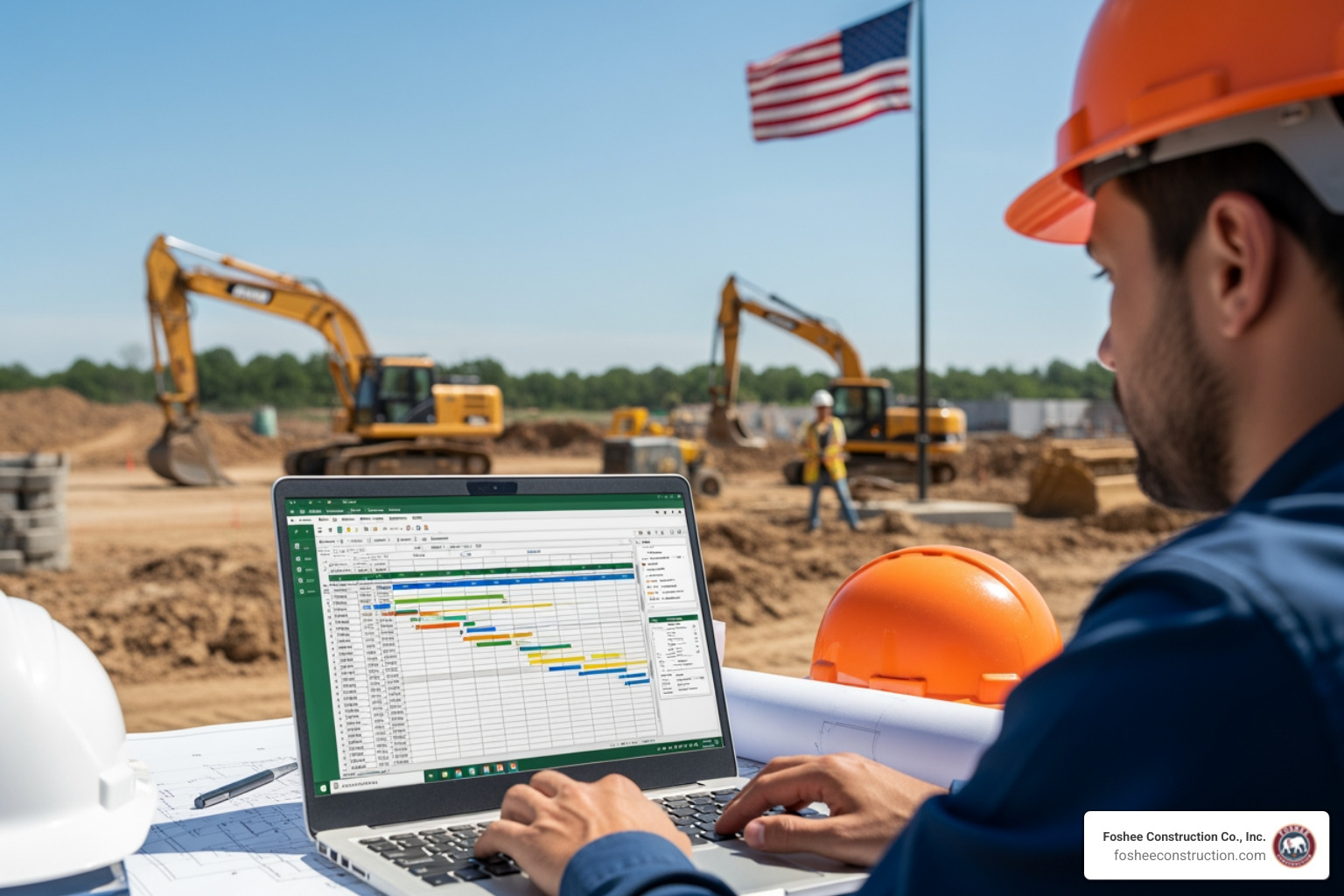
We build bids using HeavyBid and AGTEK because the details matter long before the job starts. When the numbers are accurate and the scope is clearly defined, it sets the tone for how the entire project runs. Estimating isn’t just a step in the process, it’s the foundation we build on.
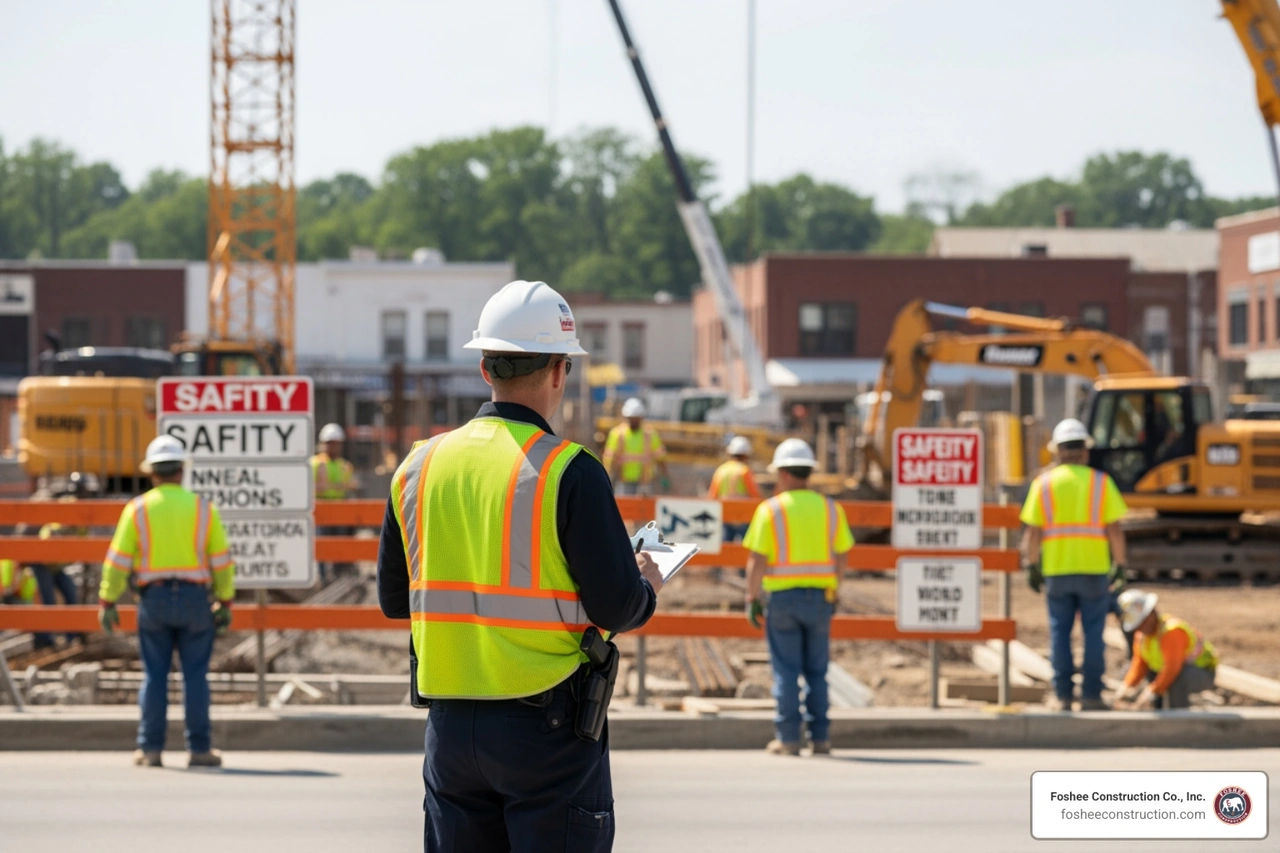
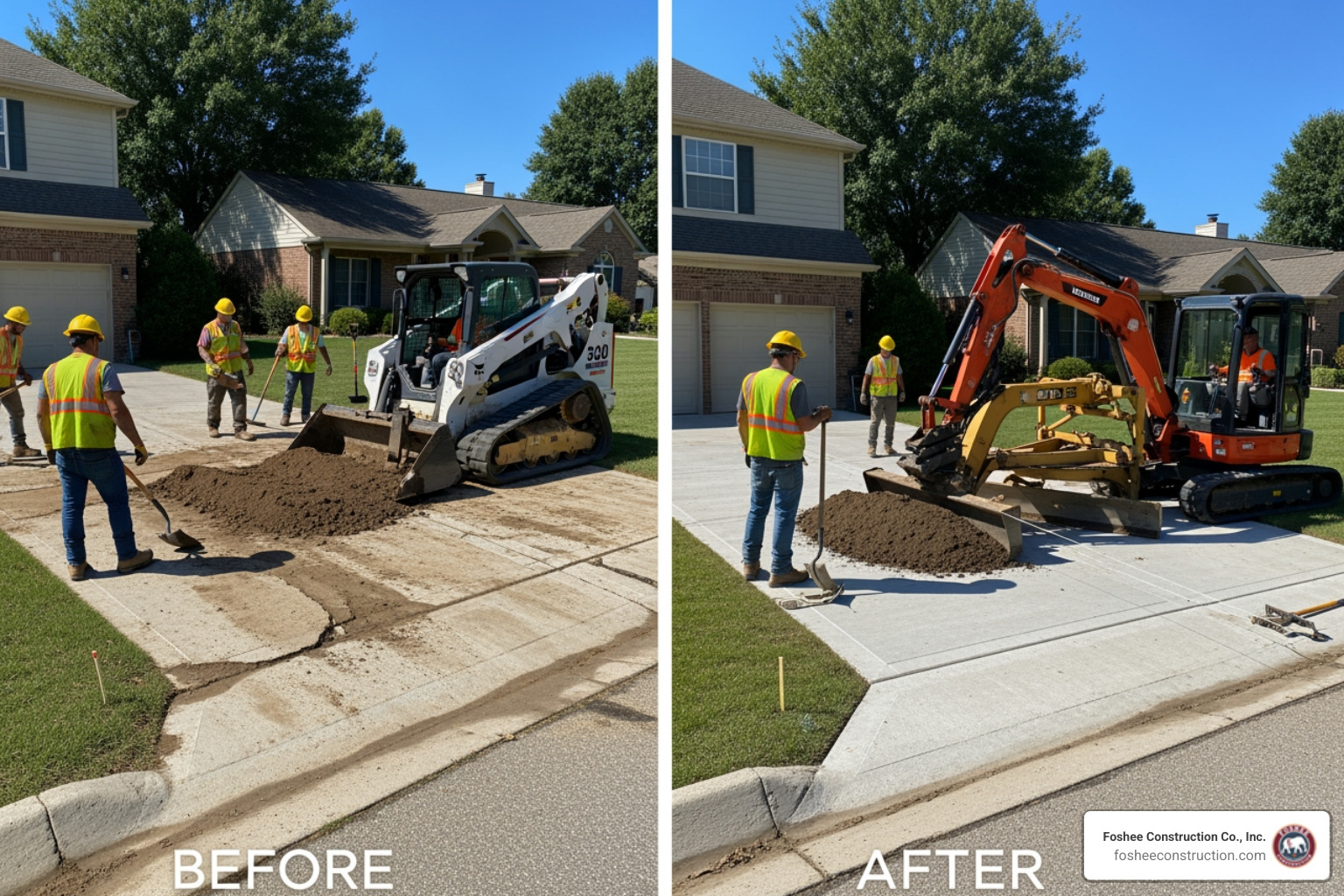
That same mindset carries into the field. Our crew is trained to work with purpose, follow the Civil Engineers’ Plan to the finest detail, and hold the line on quality. When expectations are clear from day one, there’s no need for shortcuts, and no confusion about how the work gets done.
Clients trust our bid packages because they’re complete and ready to use. Project managers know what we’re covering, what’s excluded, and how we plan to approach the job. That clarity removes friction and lets teams focus on execution instead of interpretation.
As part of our review process, we go into the plans before anything hits the site. We ask the questions early, resolve issues before they show up in the field, and keep RFIs moving. This approach prevents delays and protects the timeline.
Over time, that consistency builds trust. Many of the people we work with today came through referrals from past projects – engineers, GCs, and superintendents who’ve seen how we operate and want the same experience again.
In 2024, Foshee Construction was acquired by Saga Infrastructure Solutions, a national network of civil construction companies. Saga supports regional contractors by giving them access to better tools, long-term resources, and operational backing, without changing how they run day to day.
Foshee will continue to operate under its name, with the same team and field leadership in place.
“From the very time a project starts, we start that partnership. We try to catch as much as we can with the tools that we have. Not everybody is using the software platforms we are. That’s the differentiator: we’re not just bidding. We’re anticipating, problem-solving, and making sure the job runs right.”
— Don, CEO, Saga Infrastructure Solutions
Foshee is now part of a broader regional strategy that includes Florida, the Piedmont Atlantic, Texas, Colorado, and the Arizona Sun Corridor. The name, crews, and standards remain. What’s improving is the support behind it.